CONTRIBUTING EDITORS Joy Dunlap, Rebecca White, Tom Young
PROMOTIONS Rebecca White
AWSA ADMINISTRATIVE ASST. Carla Wicks
CONTRIBUTORS Penelope Carlevato, Pam Farrel, Jackie Marushka, Edie Melson, Rhonda Rhea, Cynthia L. Simmons, PeggySue Wells, Nicki Corinne White, Debbie W. Wilson
RIGHT TO THE HEART MEDIA NETWORK
ARISE DAILY Dr. Mel Tavares, Editor
RIGHT TO THE HEART BOARD
Linda Evans Shepherd (President), Dawn Scott Damon, Edie Melson, Linda Goldfarb, Sharon Norris Elliott, Karen Whiting and Joy A. Schneider INFORMATION
Leading Hearts magazine for Christian Women is published bimonthly by Right to the Heart Ministries 2026. ISSN 2380-5455
ADVERTISING | Display rates are available at leadinghearts.com. By accepting an advertisement, Leading Hearts does not endorse any advertiser or product. We reserve the right to reject advertisements not consistent with the magazines objectives.
MANUSCRIPTS | Writers guidelines are available at leadinghearts.com.
Leading Hearts | PO Box 6421, Longmont, CO 80501 email: ReachOut2Linda@gmail.com
MEMBER | 2024 Evangelical Press Association. Award of Excellence 2014–2021, 2023 Evangelical Press Association Award of Merit Winner—Christian Ministry Digital | 2024 Christian Ministry Print Publication & 2022 Christian Ministry Digital Best in Class, 2025 Second Place Best in Class
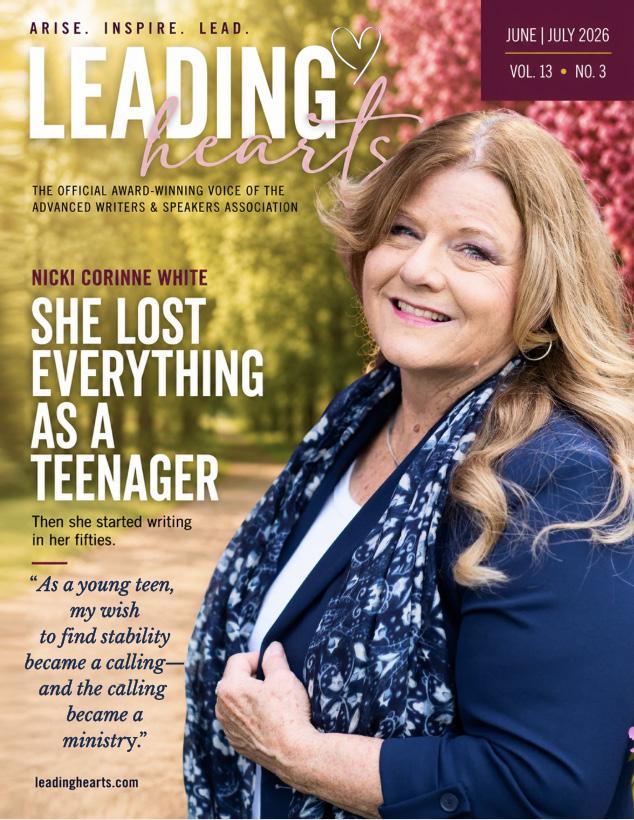
8. She Lost Everything as a Teenager—Nicki Corinne White
Then she started writing in her fifties. Four books, three workbooks, and a ministry built from a teenage girl’s commitment to keep pushing through.
Practical Wisdom
22. It’s OK to Say NO—Debbie W. Wilson
How to tell a humble request from an entitled demand—and set a boundary without raising your voice.
26. 5 Responsible Ways Ministry Leaders Can Use AI in Social Media—Edie Melson
Where AI can save you time, where it can’t be trusted, and why your ministry voice should never become its voice.
28. I Can’t Believe I ADHD-OD’d Again!—Amber Weigand-Buckley
Lost AirPods, missed exits, and glasses found in the washing machine—52 years to learn the difference between broken and wonderfully wired.
Faith & Life
5. From the Publisher: We Need Revival—Linda Evans Shepherd
A planned nine hours of teaching turned into an outpouring of prayer for wandering loved ones— and a reminder that the women already running the church don’t need permission to lead it.
7. From the Editor: Maybe You’re Asking All the Wrong Questions—Amber Weigand-Buckley
Why she’d been answering the 5 W’s in the wrong order on herself—and the six questions that finally led her back to who she actually is.
12. Lasting Luv: Three Tips for Helping You Find—Pam Farrel
Listen, uphold, value—three simple expressions of LUV that keep romance alive all year long.
15. The Big Question with Cynthia L. Simmons
What Dolley Madison’s charm—and the greatniece she mentored through the dark days before the Civil War—teach us about leaving a legacy.
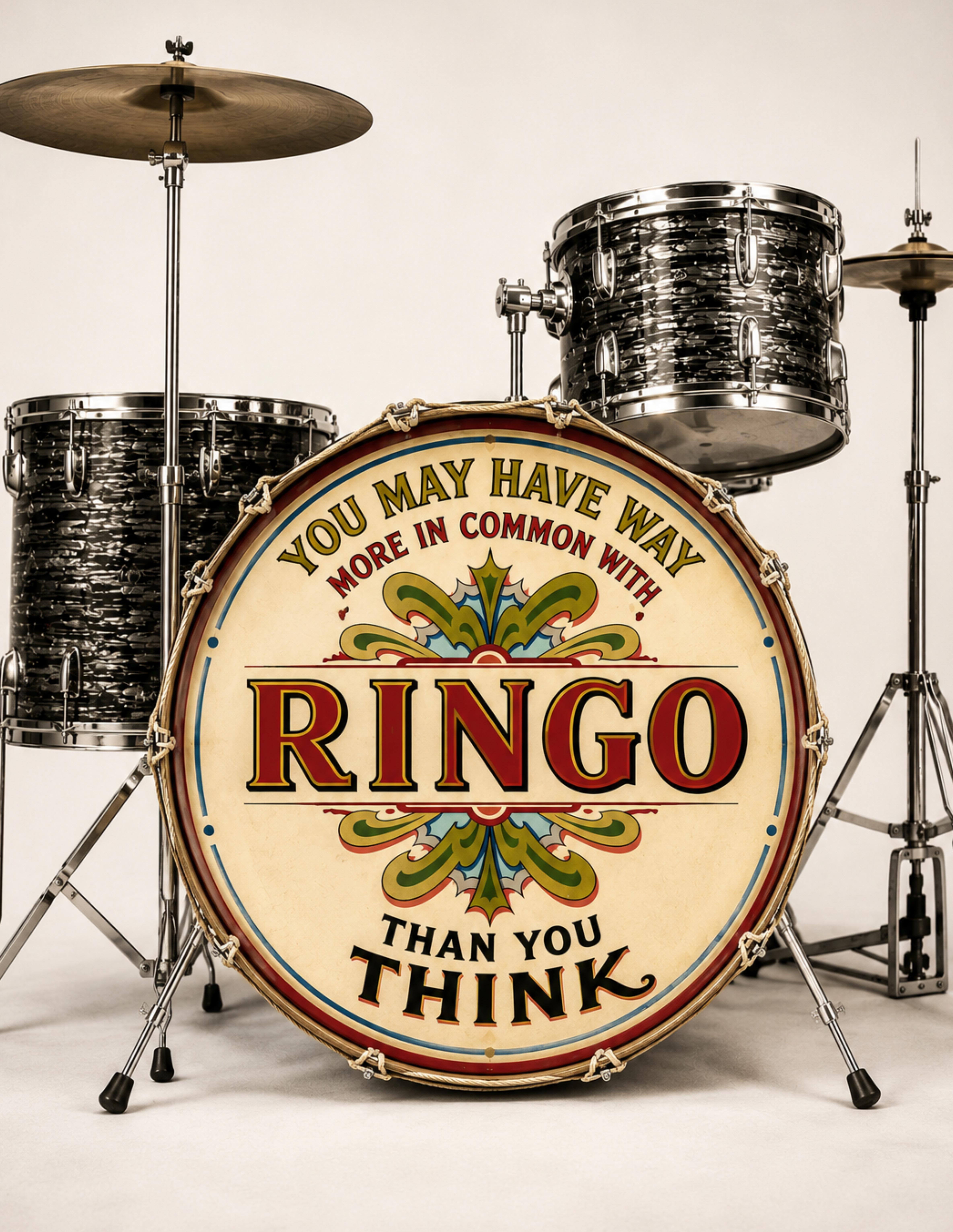
16. You May Have Way More in Common With Ringo Than You Think—Jackie Marushka
Three questions—who am I, what am I called to do, who am I meant to serve—answered through the unlikely wisdom of a Beatle.
20. Get that Soul Soothing Summer—Penelope Carlevato
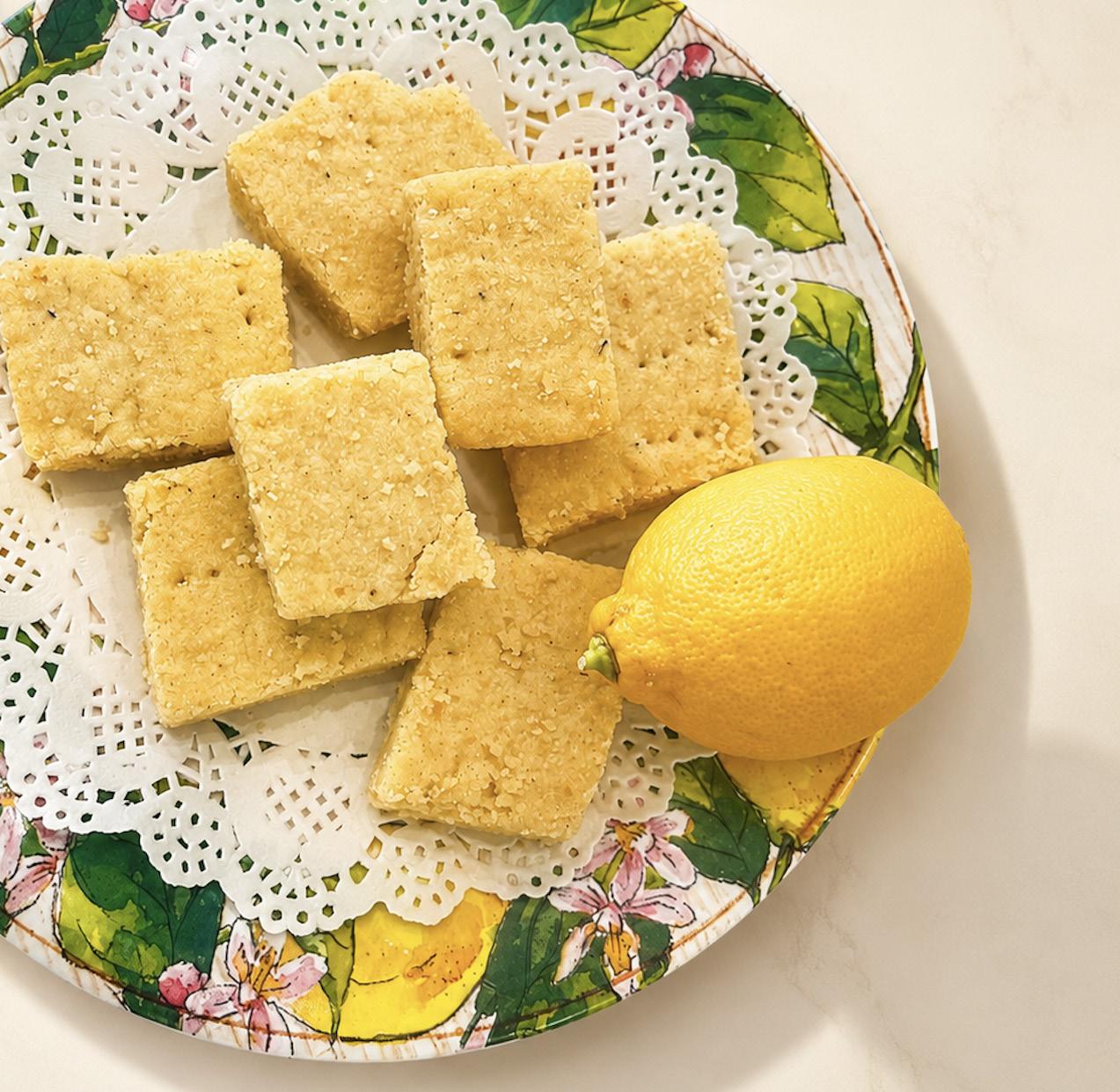
Ten simple soul-care hacks, a teatime ritual, and a recipe for lavender shortbread the kids will love too.
25. Praying for the Women Who Proclaim— Linda Evans Shepherd
A man’s parting shot at a book signing, Psalm 68:11, and why she felt happier about her answer.
30. Craving a Healthy Relationships? Kick These 4 R’s to the Curb—PeggySue Wells
Rejection, resentment, resistance, revenge—the cycle that quietly wrecks relationships, and the conversation with her teen that broke it.
32. Child-ing Like a Boss—Rhonda Rhea Bubble wrap, blanket forts, and the delightful balance of grownup knowing and childlike trust.
“Each one of us is called to carry the good news to the lost and the broken.”
We Need Revival
I didn't plan for revival. I planned for nine hours of teaching—at the Blue Ridge Mountain Christian Writers Conference. But as I delivered my Speaker’s Masterclass, as well as my class on Reaching Today’s Women, the Holy Spirit stopped me. In both of my classes.
My students were hungry—not just for craft, but to know how to reach the lost, including the lost members of their own families. So I stopped teaching and started praying. The air turned electric. Tears flowed as broken hearts called out to Jesus. We prayed for fractured families and wandering generations. We prayed for loved ones who had estranged themselves from parents and siblings over religious and political disagreements.
We didn't beg God. We came to Him in His presence and in the authority of Jesus—the authority He places in every one of us when we pray in His name. We trusted God to bring our lost loved ones home. And that's when revival broke out. There were tears. There were cheers. There were powerful men and women who wanted so much to make a difference for Christ.
None of us wanted to leave the room when the class was over.
But what happened in those classrooms needs to happen to all of us. Each one of us is called to carry the good news to the lost and the broken. We are called to love. And to pray in the authority of the name of Jesus.
In this issue of Leading Hearts, I want to encourage you that you have a voice—and it needs to be heard. I was reminded of this when I spoke at a church and the women's leadership pulled me aside afterward.
“The men of our church say we should be quiet,” they whispered.
“Hmmm,” I replied. “Let me ask you something. If the women of your church didn't show up next Sunday, what would happen to your Sunday school program?”
“It wouldn't exist,” they said.
“And who makes the decisions for Vacation Bible School and outreach programs?”
“Well—we do.”
“Then it sounds to me like you're already in leadership,” I said. “Just don't tell the men. It might hurt their feelings.”
We laughed. Not in anger—in gratitude. The road before us is love, and we can walk it in peace, serving others and doing all that Jesus has called us to do.
Love, LINDA EVANS SHEPHERD, PUBLISHER
Maybe You're Asking All the Wrong Questions
I learned the 5 W's and an H before I learned almost anything else about myself. Who, what, when, where, why, how—the bones of every good story. I built a whole career on asking those questions about other people. What I didn't realize, until much later than I'd like to admit, is that I'd had them backward when it came to myself
Backwards Pursuits
For years I chased why. What's my purpose, what's my calling, what am I supposed to be doing with this one life. But why was always running ahead of who, and you cannot reach your purpose by running from your person. I had to stop and ask the question I'd skipped: who am I underneath the marketing, the trending, the version of myself I thought would sell? Turns out the who of what I am is just me. Plain, dug-up, unpolished me.
What's Inside This Episode
“I had to stop and ask the question I'd skipped: who am I underneath the marketing, the trending, the version of myself I thought would sell?”
That's the thread running through this episode, and it's the thread I hope you'll pull on too. I talk about the eighth-grade journalism class that started it all, the years I spent telling everyone's story but my own, and the six questions that finally helped me dig down to who I actually am instead of who I thought I should become.
Finding Your Sweet Spot
I also touch on a couple of the verses that cracked this open for me, but the line I keep coming back to is the back half of Ephesians 2:10, in the Amplified: “... which God prepared [for us] beforehand [taking paths which He set], so that we would walk in them [living the good life which He prearranged and made ready for us].” Read that again slowly. The path was already set. The good life was already prepared. You're not building your purpose from scratch—you're walking into something God already laid out before you got here.
Here's the part that still gets me: the people you're called to reach are the people who look like you—who are walking through a story that may look a lot like the story you’ve walked through. Not someone else's. Yours. The thing you've been hiding is very often the thing somebody else needed to hear ten years ago and never did. I'm four books in now, working on a fifth, still learning that the collision of my honest story with God's truth is the only sweet spot that's ever actually worked.
So maybe before you ask yourself what you're supposed do, look at yourself in the mirror and reflect on who you are called to share your message with and the rest tends to follow.
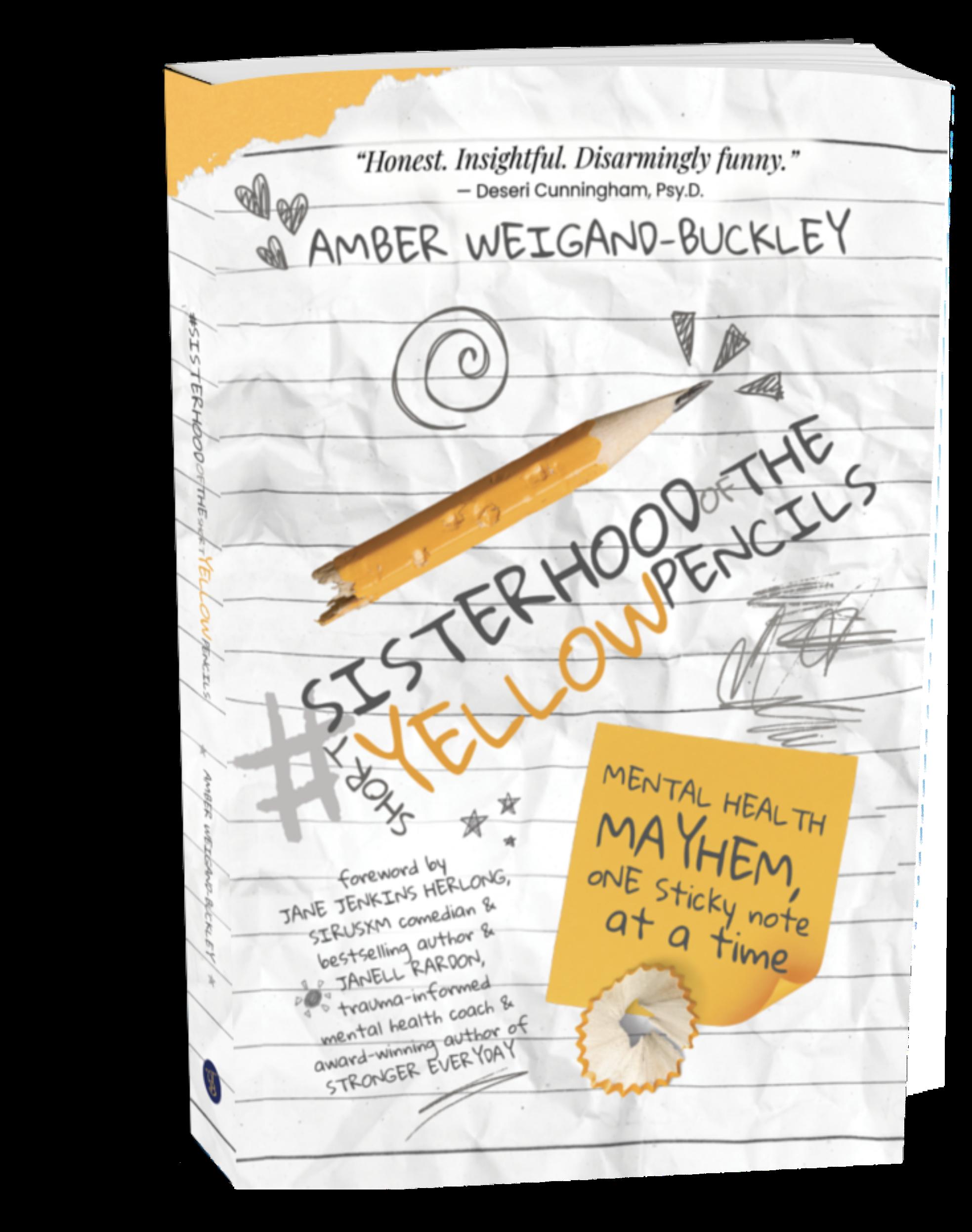
Love, Editor & Bestselling Author of #sisterhoodoftheshortyellowpencils: Mental Health Mayhem, One Sticky Note at a Time
—Amber
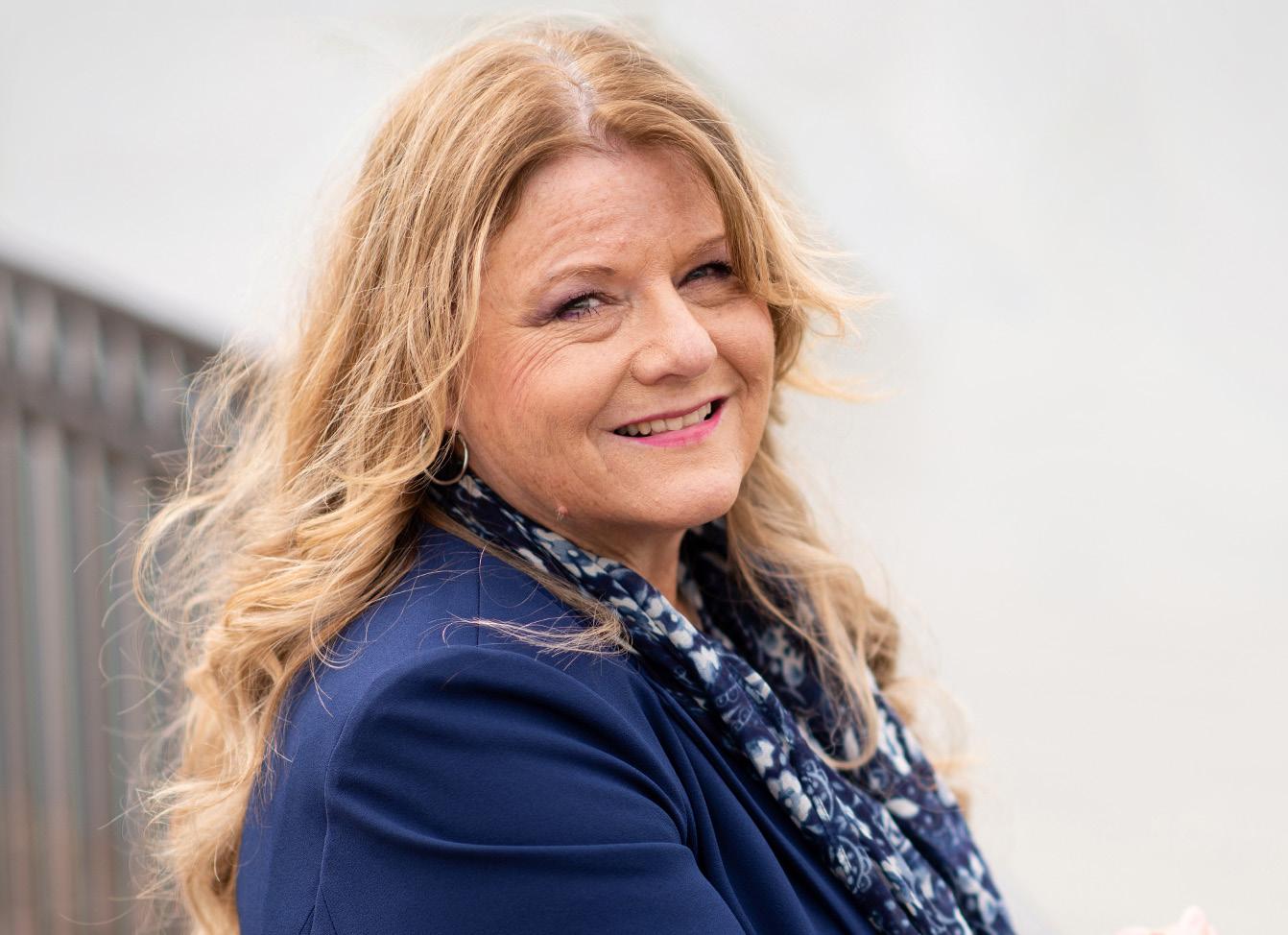
Nicki Corinne White
She Lost
Everything
as a Teenager
Then She Started Writing in Her Fifties
BY AMBER WEIGAND-BUCKLEY LH EDITOR
In 2006, some people come to ministry after a life of relative ease, moved by gratitude. Nicki Corinne White came to it the other way—through hardship so deep that as a young teenager, her most fervent wish was that circumstances would turn around— that her family would find stability— someone to turn everything around.
Decades later, she became the person who shows up. Through books, videos, workbooks and prayer, she has built Live Boldly Ministries into a quietly remarkable outpost of encouragement for people who know exactly what it feels like when life stops cooperating.
Her story begins on a horse ranch in Washington state, where she and her sister, Lisa, were adopted young into a family that felt solid—until their adoptive father died suddenly in their teenage years, leaving no will and no income. Two girls. No safety net. A world that had simply moved on. What followed were years of trial, of learning to navigate hardship without a map. But in the wreckage, something else emerged: faith. And eventually, their birth family tracked them down, adding yet another complicated chapter to an already layered life.
“As a young teen, my wish to find stability became a calling—and the calling became a ministry.”
She didn't start writing until her 50s. She wants you to know that. It's not a footnote—it's the point. Because one of the things Nicki is most determined to communicate is that it is never too late to share your faith, tell your story or step into the thing God has been preparing you for all along.
“And God is able to make all grace abound to you, so that always having all sufficiency in everything, you may have an abundance for every good deed” (2 Corinthians 9:8 NASB1995).
Not a Princess—A Witness Worth Hearing
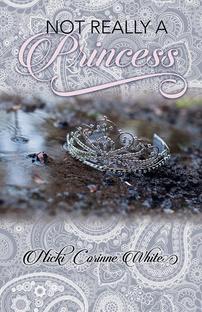
Her first book, Not Really a Princess, is the place to begin. It is her testimony in full—the ranch, the loss, the faith and the complicated grace of a life rebuilt from the ground up. She wrote it because she wanted others to see what God does in the rubble. And she wrote it because she believed—correctly, it turns out—that her story would give others permission to share theirs.
That impulse runs through everything she produces. Nicki doesn't write for people who have it together. She writes for the person holding on by a thread, who wonders whether faith is enough when life keeps adding weight. Her answer, offered without sentimentality and without pretense, is: yes. And her body of work bears that out.
Four Books. Three Workbooks. One Unrelenting Mission.
Look at what Nicki has built since 2017 and you'll find something that consistently surprises—not just the volume but the intentionality of it. Each of her works following Not Really a Princess grew out of a specific need, prompting her to put pen to whatever she was walking through in real time. Nothing is filler— everything hits the heart of a specific need.
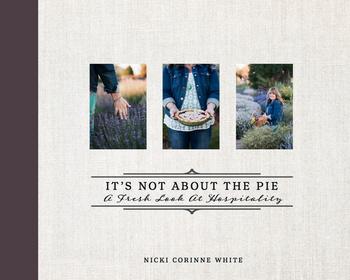
It's Not About the Pie offers the clarifying word on hospitality: your home doesn't have to be perfect to be a place where grace is offered.
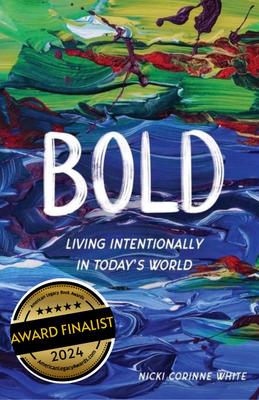
BOLD—Living Intentionally in Today's World was written during COVID, filled with testimonies of people, living and dead, who stepped out in audacious, purposeful faith.
continued on page 11
Nicki Corinne White
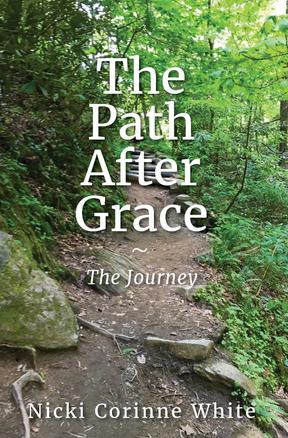
In The Path After Grace you will discover how God invites you not just to be saved, but to be continuously transformed into something more beautiful, more powerful, and more divine than you ever imagined possible
BOLD: Living Intentionally in Today’s World encourages believers in Christ to be intentional in their daily lives in serving God and sharing the gospel
Not Really A Princess: A Journey from Adversity to Joy is a redemption story dealing with grief, adoption, poverty, and issues concerning widows
It’s Not About The Pie: A Fresh Look at Hospitality gives ideas for decorating, recipes for tasting, and how to reach out to the needy
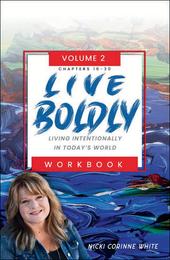
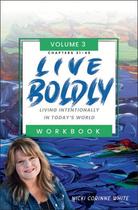
This workbook series encourages believers in Christ to be intentional in their daily lives in serving God and sharing the gospel. Live Boldly Workbooks 1, 2, and 3 coincide with a 45 week YouTube series which teaches people how to share their faith
Nicki Corinne White is a Christian author, speaker, and podcaster. Live Boldly Ministries is focused on teaching others how to be purposeful in their walk of faith. &
continued from page 9
Alongside the books, Nicki produced a 45-week video series on YouTube—short, practical and usable— covering how to live a godly life, how to write out your testimony and how to lead someone to Christ. Three workbooks, each 15 episodes long, accompany the series for individual study or small groups. She built the tools she wished someone had handed her when she needed them most.
COVID Didn't Slow Her Down.
When the pandemic arrived and fear settled over everything, Nicki sat down and got to work. The result was BOLD,a book that pushed back against the panic, not with false comfort but with testimony after testimony of men and women who chose to live with purpose even when the world felt like it was ending. Her argument was simple and it held: God is still on the throne. He is sovereign. And that changes how we live today.
She also launched a podcast during this season, running it for nearly two years. Nicki interviewed compassion ministry leaders from across the country— people on the front lines of meeting physical and spiritual needs, sharing the gospel in the hardest places. She wasn't catastrophizing. She was documenting faithfulness.
“God is still on the throne. He is sovereign and in control. We need to live our lives with purpose.”
Why Her Latest Work May Be Her Most Important
Released in September 2025, The Path After Grace —The Journey is the book Nicki has been building toward. It takes up the question that follows every salvation story: what happens next? The answer, she argues, is a lifelong process of sanctification—full of joy, full of sorrow and full of a God who is actively pruning us into something we couldn't have produced on our own.
Salvation opens the door, she writes, but then God takes us down a path that can be overwhelming at times. He is molding us into a new creation beyond what we can imagine. For anyone who has wondered why faith doesn't make life easier—she felt the need to put together The Path as a companion for the long walk of faith.
90 Seconds at a Time
Her latest offering is perhaps the most quietly radical: Live Jesus, a video series of roughly 90-second episodes—a Scripture, a word of encouragement, just enough to reorient your day. In a media environment engineered for anxiety, Nicki is making a different kind of counter-offer. Here is something true. Here is something that will hold. Go live it.
Nicki doesn't know exactly what's next. Yes, that probably includes more books, but whatever is on her horizon, she's at peace, which tells you something about the woman. What I can tell you is this: the body of work Nicki has built in just nine years is the fruit of someone who stopped waiting for the world to settle down before she started living on purpose. For anyone ready to do the same, she has left a very clear trail.
Find Nicki's books, workbooks, video series and podcast through Live Boldly Ministries. Follow Live Jesus on YouTube for a daily 90-second word of encouragement.
Three Tips for Helping You Find
Lasting Luv
BY PAM FARREL LOVE-WISE.COM
When asked, “What makes a marriage last? What makes a marriage strong?” we reply, “Actually, it is quite simple— express LUV!”
So, let’s just look at three SIMPLE expressions of LUV that will fan the flame on romance all year long, year after year!
L—Listen with understanding
Skill: Practice empathetic listening—hear not just words, but the heart behind them. In Men Are Like Waffles, Women Are Like Spaghetti, we encourage couples to take turns listening. There are four simple skills that can help you become a great listener:
Repeat Key Phrases: Often, we fall into one-word answers so we can take over the conversation and give OUR opinion, wisdom, knowledge. Instead, slow down the pace and invite the other person to open up and give you more. For example, if you simply ask, “How are you?” chances are the answer will be “fine” and the reply, “Yeah, me too.” Instead, stop and push pause: “So you are feeling fine?” Chances are, the other person will reply, “Well, not really. Actually, I am kind of tired.”
“You are tired?”
“Yeah, I have teens, so I stay up waiting for them to come home. I don’t want them to make the same mistakes I did as a teen …” Now the conversation is off and running to deeper, more meaningful interactions.
Rephrase: Put the conversation into your own words. You might start with, “What I hear you saying is …”
Regroup: Time to hand the conversation back and ask for some clarification. Try: “Am I following you?” “Am I tracking with you?” “Am I even in the ballpark of what you are trying to explain to me?”
Reconnect: Your spouse (or whomever you are talking to) will be sharing a story; in that story is an emotion. Ask yourself, “Have I ever felt that way?” The circumstances can be quite different, but what you are going for is
matching heart to heart, emotion to emotion to gain a real connection.
“Everyone should be quick to listen, slow to speak and slow to become angry” (James 1:19 NIV).
L—Uphold each other with grace
Skill: Encourage, honor, and protect your partner’s dignity.
Take the high road. If your mate happens to misspeak, give the benefit of the doubt. It is impossible to judge another's intentions or motives. Instead of immediately taking a comment personally and getting offended, try asking for more information. Try phrases like, “Can you share more of what you mean? I would like to hear more of your heart on this.” Or “I am not sure I understand; could you rephrase that?” Or, add a little humor, “I am thinking you might not have meant that the way it came out—want to give it another try?”
Another way to take the high road is to give sincere compliments. If you find yourself at a loss for words, try following the example of King Solomon and his wife who took turns giving compliments and affirmations from head to toe, then toe to head! Here is one example:
“You’re beautiful from head to toe, my dear love, beautiful beyond compare, absolutely flawless” (Song of Songs 4:7 MSG).
Encouragement
will build and bless your marriage brick by brick, affirmation by affirmation!
“Encourage one another and build each other up” (1 Thessalonians 5:11 NIV).
V—Value love through daily actions
Skill: Romance thrives when love shows up in consistent, caring gestures.
True romance is NOT just words! It is words of kindness, gentleness, thoughtfulness, and allure, backed up with actions that say, “I was thinking of you!” This is one reason to hone your listening skills; then you can capture those phrases from your mate’s heart that express his or her thoughts, wishes, hopes, and dreams. You will be able make a few of them happen, or give symbols of hope along the journey toward those bigger goals. If you want some fun and flirty actions, pick up a copy of Red Hot Monogamy with over 20 red hot romance ideas—and “hands on homework” in each chapter (homework you WANT to do with your mate!).
“Dear children, let us not love with words or speech but with actions and in truth” (1 John 3:18 NIV).
PAM FARREL is the author of 60+ books including bestselling Men Are Like Waffles, Women Are Like Spaghetti. Together, the Farrels co-direct Love-Wise ministries. Love-wise.com
The Big Question with Cynthia L. Simmons
Q: What is one way to leave a legacy to the next generation of women?
We tend to think of legacy as leaving behind a material object or a sterling reputation. But as I have researched women in history, I have come to realize that leaving a legacy can also mean bringing someone else along and teaching them what you've learned.
Madison's Mind, Dolley's Magnetism
For example, James Madison, one of our founding fathers, used his brilliant mind to devise solutions for a new government. He reasoned better than his opponents and could win any argument in a conference room. However, he lacked the personal magnetism needed to build political bridges and unify factions.
That is where his wife, Dolley, excelled. Using her irresistible charm, she made everyone feel welcome and valued. She never forgot a name and knew exactly how to soothe bruised egos. In her drawing room, political rivalries melted away. Her charisma made her husband's administration successful and, consequently, helped ensure our nation's strong foundation.
Passing the Torch to Adele
Looking toward the future, Dolley actively groomed several younger women, teaching them how to read a room and manage difficult personalities. Specifically, she guided her great-niece, Adele Cutts, who later married the powerful Senator Stephen Douglas. In those dark, fractured days prior to the Civil War, tempers flared and political rivalries grew dangerous. Adele relied heavily on the lessons learned from
her aunt. By maintaining her grace and making her grand home a safe place to gather, she successfully navigated the heated politics of the era. Dolley had forged Adele's character so she could weather the storm.
Paul's Pattern of Mentorship
How does this apply to us today? The Apostle Paul wrote, “And the things you have heard me say in the presence of many witnesses entrust to reliable people who will also be qualified to teach others” (2 Timothy 2:2 NIV).
Paul traveled all over the ancient world sharing the gospel, but he knew the vital importance of his message and refused to let those truths disappear with him. In this passage, the apostle tells his listeners that he is entrusting them with these truths. To entrust means to commit something to another for safekeeping. Paul knew they would keep the message safe by sharing it with others, who would then pass it on to the next generation. In essence, he wanted to create a perpetual cycle of mentorship. That is a serious legacy!
Finding Your Own Adele
Just as Dolley shared her gifts with the younger ladies in her circle, you can look around your own community and find younger women to invest in. Look for an Adele in your life, and pass along the unique gifts, wisdom, and faith you have been given.
CYNTHIA L. SIMMONS is the mother of five grown children, past president of Christian Authors Guild, radio host, media coach. She writes both fiction and nonfiction and loves history. She ministers to women of all ages but has a special place in her heart for young mothers and homeschool mothers.
We
BY JACKIE MARUSHKA MARUSHKAMEDIA.COM
spend much of our lives trying to answer three questions:
—Who am I?
—What am I called to do?
—Who am I meant to serve?
Surprisingly, the life of Ringo Starr offers a compelling illustration of what can happen when those questions are answered with clarity and consistency.
Most people know Starr as the drummer for The Beatles, one of the most popular bands in history. Others know him through his solo career, his artwork, or his decades-long message of “Peace and Love.” But beyond the fame lies something even more meaningful: a life built around understanding who he is, what he does, and who he serves.
Those same questions matter just as much for the rest of us.
The first question is simple, but not always easy to answer: Who are you?
In a culture obsessed with comparison, many spend years trying to become someone else. We convince ourselves that success means becoming more like the people we admire.
Yet some of the most fulfilled people are those who stop chasing someone else’s identity and embrace their own.
Ringo Starr never tried to be John Lennon or Paul McCartney or George Harrison. He simply became an essential part of something far greater than himself.
The same principle can apply to us. Whether we’re writers, teachers, business owners, parents, volunteers, artists, or entrepreneurs, our greatest contribution
often comes when we stop asking how to be someone else and start becoming fully ourselves.
Keeping the Beat, Not Stealing the Spotlight
The second question is equally important:
What do you do?
Many people spend their lives trying to do everything. They pursue every opportunity, chase every trend, and stretch themselves in a dozen directions at once.
But purpose often comes through focus.
People who make a lasting difference typically understand the work they’ve been given to do. They may wear many hats, but they know where their gifts create the greatest impact.
Ringo Starr’s contribution to music wasn’t about doing everything. It was about doing HIS part extraordinarily well.
The same can be true for us. Not everyone is called to lead from a stage. Not everyone is called to build a business, write a book, or create a global platform. Some are called to encourage. Some are called to teach. Some are called to serve quietly behind the scenes.
Every role matters.
It's Not About You (What!?!)
The third question may be the most important of all: Who are your people?
At some point, we discover that life is not really about us. (What!?!)
It’s about the people whose lives we touch.
It’s about the communities we strengthen, the relationships we nurture, and the needs we meet.
Now, back to Ringo …
Like millions of others, I admired him for his music long before I met him. As someone who has spent much of my career in the music business, I always considered Ringo something of a hero. His talent, accomplishments, and influence were inspiring.
But after having the opportunity to work around him, what impacted me most wasn’t his celebrity. It wasn’t his “Starr” power.
continued on page 19
continued from page 17
What impressed me most was his kindness.
It was his generosity.
It was his genuine love for other people.
As I watched him interact with those around him, I found myself thinking about what Scripture calls the Fruit of the Spirit. In Galatians 5:22-23, Paul writes that the Fruit of the Spirit is “Love, joy, peace, patience, kindness, goodness, faithfulness, gentleness, and self-control.”
While none of us embodies all those qualities, I was struck by how many of them seemed evident in the way he carried himself.
I watched him interact with people with a level of care that was authentic and unforced. He wasn’t “performing” kindness. He was simply—living it.
A Lotus Grows Quietly
Through The Lotus Foundation, he supports a wide range of charitable causes focused on people in need, including programs that address homelessness, health challenges, substance abuse recovery, animal welfare, and support for vulnerable families.
He knows something that many people spend their entire lives trying to learn: success is most meaningful when it is used in service of others.
In many ways, he embodies the biblical principle of caring for “the least of these” without seeking recognition for doing so.
And that brings us back to the question of what we have in common with Ringo Starr: Perhaps much more than we realize.
You may not be a world-famous musician.
You may never perform before millions of people.
You may never have your name known around the globe.
But maybe you're Jennifer, faithfully serving at a local women's shelter seven days a week.
Maybe you're mentoring someone.
Maybe you're caring for an aging parent.
Maybe you're encouraging a struggling friend, supporting a neighbor, or making your corner of the world a little better every day.
The platform may be different.
The audience may be smaller.
The spotlight may never find you.
But the common thread that unites all meaningful lives remains the same.
Love.
Not sentiment.
Not applause.
Not recognition.
Love with a capital L.
Love with a Capital L
When we know who we are, understand what we've been called to do, and dedicate ourselves to serving others, we discover that significance has very little to do with fame and everything to do with impact.
And perhaps that's why the Fruit of the Spirit remains such a powerful measure of a life well lived. Long after accomplishments fade and accolades are forgotten, people remember how we treated them. They remember the kindness we extended, the patience we offered, the peace we carried into difficult situations, and the love we shared with others.
In the end, those may be the fruits that matter most.
Whether you're one of the most famous drummers in the world or a volunteer serving others in your own neighborhood, a life grounded in Love will always leave the deepest mark. And that may be the greatest lesson of all.
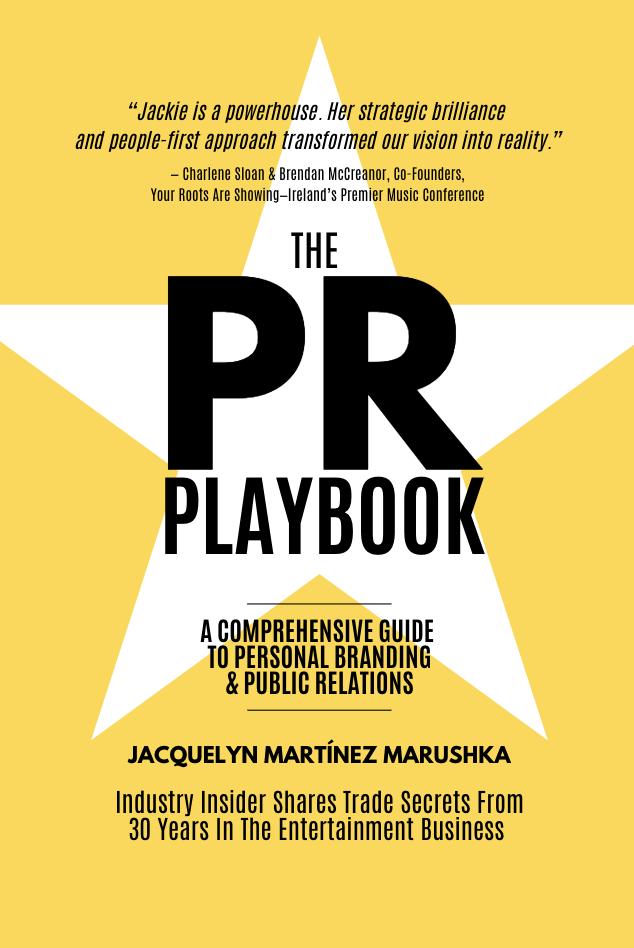
JACQUELYN MARTÍNEZ MARUSHKA is the author of The PR Playbook: Industry Insider Secrets and Top Publicity Strategies from 30 Years in the Entertainment Business. Drawing on three decades of experience—including 13 years at Sony Music Entertainment—she shares proven publicity, branding, and media strategies to help authors, speakers, entrepreneurs, and creatives increase their visibility and impact. Jackie is the founder of Marushka Media, a boutique PR/ Branding agency serving clients worldwide.
Get that Soul Soothing Summer
(it's simpler than you think)
Summer, oh summer. A time to relax and slow down. BUT for many of us, it brings exhaustion.
Just as a garden requires weeding and watering, our souls need the same attention.
My calendar fills up with activities, grandchildren's visits, church events, VBS, vacations, and before we know it, we are busier than ever. As Christian women, we often spend so much time caring for others that we forget to care for our own souls. Just as our gardens need water and sunshine to flourish, our souls need regular times of refreshment. One of the simplest ways I have discovered to care for my soul is to schedule a gentle teatime practice.
A Sacred Pause
Sitting down with a cup of tea or a glass of iced tea may seem like a small thing, but this sacred moment can create a pause in the day that gives us some metime. Consider creating a simple daily ritual. It might just be 15 minutes on the porch, sitting beneath a shade tree, or inviting a friend to join you in sharing a cup of tea. Soul care begins when we intentionally slow down enough to hear God's voice speaking to us.
Why Tea, Why Now
For centuries, tea and herbs have been used to comfort and soothe. Before modern medicine, cabinets contained pain relievers, and families often relied on herbs, spices, and teas. Scientific research continues to affirm many of tea's health benefits. Tea contains natural compounds called catechins and flavonoids that help protect the body from stress and
support overall health. Even beyond physical benefits, tea provides something equally important: a reason to pause. Just taking the time to pour hot water over tea leaves, I am reminded that restoration often takes time. Tea cannot be rushed. It must steep. Just like our bodies and souls need times of refreshment.
Teas to Try This Summer
Summer is a great time to experiment with different kinds of teas and herbal infusions. Peppermint tea offers cooling refreshment and may also help settle an upset stomach. Chamomile provides a calming influence and can help ease anxious thoughts. Hibiscus tea is delicious served over ice and contains Vitamin C. Lemon Balm has long been valued for its gentle soothing properties. Lavender tea can create a sense of calm after a busy day, and rosehip tea adds brightness and is naturally rich in nutrients. So, whether you choose one of the above herbal infusions, which are caffeine-free, or black or green tea, let the experience become more than simply drinking a beverage; let it become an invitation to rest.
Tending the Soul
Summer may also be the perfect time for spiritual soul care. Just sitting quietly in His presence helps our minds unwind and weed out the things in our lives that deplete our energy. Just as a garden requires weeding and watering, our souls need the same attention. Perhaps you have let worry, comparison, and busyness hinder your growth with Jesus. Summer Soul Care can be one of the holiest things we can do all summer. Think of it as a mini-retreat with Jesus. So, if this has your name on it, join me in a few easy steps to care for your soul this summer.
10 Simple Summer Soul Care Hacks
A Sweet Companion: Lavender Shortbread
cookies. These are so easy to make and go well with a cup of tea or a glass of iced tea, and kids love their rich buttery melt-in-your-mouth taste too.
1 cup of butter
2 cups of flour
½ cup lavender infused sugar*
1. Begin the day slowly; go to the throne before the phone.
2. Set aside 15 minutes every day to just be. Sit on your porch or patio and listen to the birds or feel a breeze.
3. Take a prayer walk around your neighborhood and pray for the families who live near you.
4. Read that book that you never found time for last year.
5. Keep a gratitude journal. Write down just three blessings that you experienced from your day.
6. Learn to say NO and choose the best YES.
7. Take a short nap and just rest.
8. Notice all of God's gifts throughout the day: a sunrise or sunset, children playing in the yard, or fresh peaches at the market.
9. Pray for those God puts in your area of influence.
10. Sit down and enjoy a cup of tea and a shortbread cookie!
½ tsp vanilla
Zest of one lemon Pinch of salt.
Cream the butter and sugar until light and fluffy with an electric mixer, then add vanilla. Add the flour, salt, and lemon zest to the butter and sugar mixture. Pat the dough into an ungreased 9- by 9-inch pan and press the edges down. Prick the dough with a fork about every inch. Bake 25 to 30 minutes. Cut into squares while still warm. Enjoy!
*Lavender infused sugar: 2 cups of sugar and 1 Tablespoon of dried culinary lavender. Place ¼ to 1/3 cup of sugar with the lavender in a coffee grinder or food processor until finely ground. Add the lavender/ sugar mixture to the remaining sugar and combine. Store in an airtight container.
PENELOPE CARLEVATO is the author of The Art of Afternoon Tea: From the Era of Downton Abbey and the Titanic as well as Tea on the Titanic, First Class Etiquette, and The Tea Lover’s Journal.
My client’s frustration spilled out in my office. “I’m stunned. I just learned I’m hosting Thanksgiving this year.
That’s what my sister told our extended family. Why does she do this to me?”
“Why don’t you say something?” I asked. She hesitated. Speaking up felt selfish. Yet the resentment brewing inside her felt worse. Was she the selfish one? After all, this was family.
Instead of addressing the issue, she turned to her usual escape—food.
Women in leadership can often feel that pressure to be agreeable. We step in, smooth things over,
and make it work. But when someone’s actions stir emotions that cloud our thinking, we need to appeal to reasonableness.
Are my emotions appropriate for what happened? Are their expectations fair—or is my perspective off?
Discerning What’s Reasonable
One way to discern what’s sensible is to mentally trade places with the other person.
Imagine announcing, “We’re all coming to your house for Thanksgiving,” without asking. Would you do that? If not, it may not be reasonable for them to do that to you.
The Golden Rule, “Do unto others as you’d have them do unto you,” helps us evaluate behavior. Sometimes discomfort reveals differences in personality or culture. Other times, it signals a boundary has been crossed.
Stepping into another’s shoes helps us determine whether we’re being oversensitive or they’re overstepping. That clarity allows us to respond calmly.
If I’m offending someone, I’d want them to tell me— gently and honestly—rather than withdraw or grumble
DEBBIE W. WILSON BIGGOD.US
behind my back. Healthy relationships depend on that kind of communication.
Still, not everyone will understand. A controlling person may never see your perspective—but they don’t have to for you to be free.
Controlling or Clueless
A controlling person can’t control us without our consent. Often, when we say we don’t know how to deal with a controlling person, we mean we don’t know how to say no without disappointing them or facing their reaction.
But compliance driven by fear isn’t love. It’s manipulation. And if the person is clueless to the pain they’re causing, we haven’t helped either of us.
Allowing ourselves to be managed by someone’s expectations creates resentment. Respect creates room for honesty and healthy connection.
We don’t need to raise our voice to set a boundary. A calm response is usually more effective:
“I wish you’d asked me before making plans that involved me. I’m not able to host this year, but I’d love to help.”
Or: “I appreciate your enthusiasm. I can host this time, but next time, please check with me first.”
Kindness and clarity can coexist.
Choosing
with Intention
Unexamined yeses can lead to resentment. Before agreeing, ask: Can I do this with a joyful heart?
God loves a cheerful giver, and people can tell when we’re not. Half-hearted compliance shows.
If we choose to say yes, let’s own that decision. Blaming others later only drains us.
I’ve gone against my better judgment more times than I can count, bowing to someone who spoke with authority. When my instincts proved right, I wasted energy wishing they’d listened—when I hadn’t fully weighed or stood by my decision.
No one can force us to agree. Managing ourselves— our decisions and responses—is where freedom begins.
The Freedom of Clear Boundaries
Once we discern what’s reasonable, we decide how we’ll engage. Counting the cost before we
commit protects us from bitterness later. Sometimes the best way to guard our hearts is to stop giving automatic yeses. Learning this takes practice. Give yourself grace.
A humble request is very different from an entitled demand.
When we consistently comply with unreasonable expectations, we reinforce them.
If this has been an issue for you, consider the following:
• What name showing on your caller ID makes you cringe and why? Are this person’s demands or expectations unreasonable? What makes you feel obligated to comply? What are you afraid of—their anger or hurt, or your own discomfort? Are you afraid you’ll agree to something you don’t want to?
• From where does the pressure to comply come? From them or from expectations you’ve put on yourself?
• If they meet an important need in your life, let’s say a paycheck, service, or friendship, how can you strengthen that area, so you no longer depend so much on them? (Find another job or add some new friends.)
• Do you need to forgive this person for taking advantage of you in the past? Choose to forgive and be willing to cut any unhealthy tie. Ask God to help you begin a more constructive way of relating to this person.
Controllers may leave us for someone more compliant. But as we grow healthier, we’ll attract healthier friends.
Lord Jesus, you said the fear of people ensnares us. Thank you guiding me on this path of freedom.
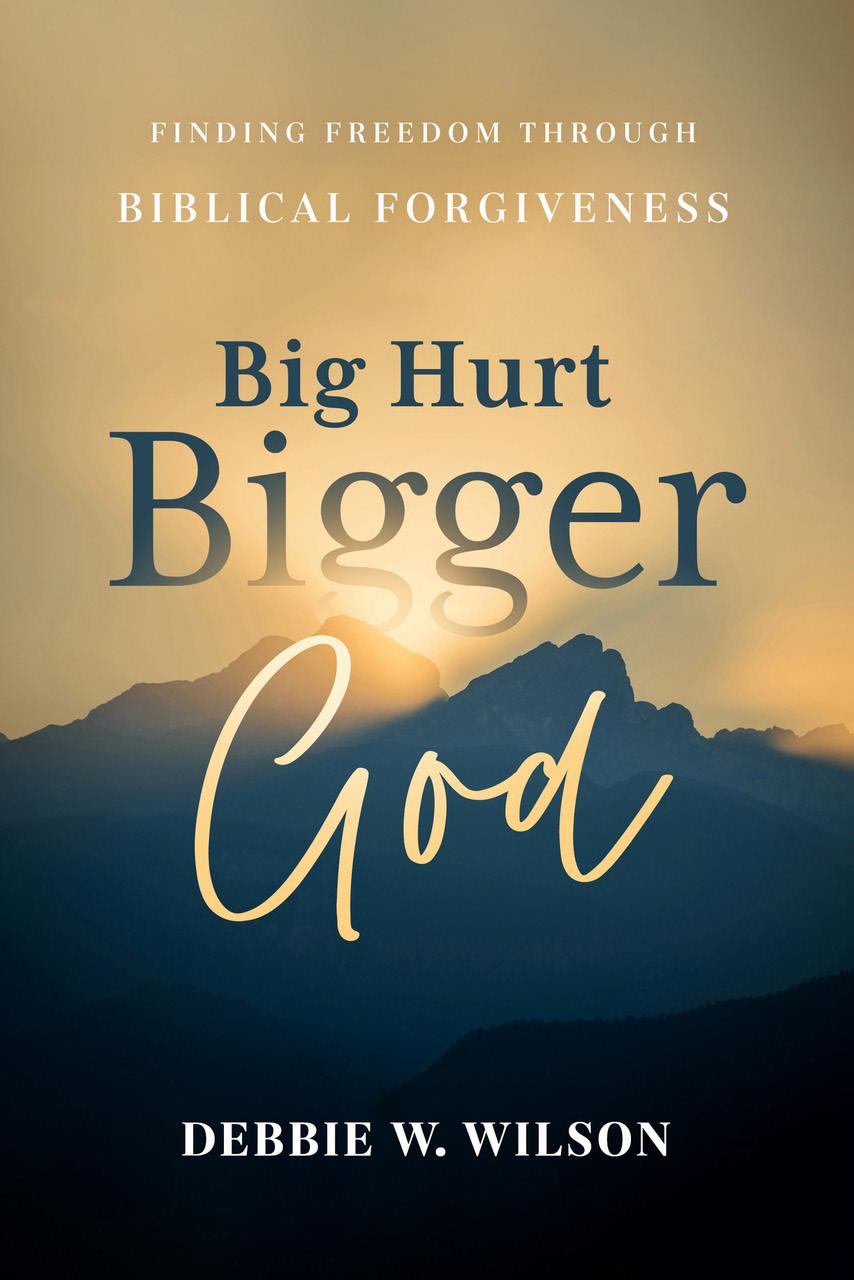
Adapted from Big Hurt, Bigger God (Leafwood Publishers, June 2026).
DEBBIE W. WILSON is a Bible teacher, former Christian counselor, and award-winning author who helps readers experience a big God. She and her husband co-founded Lighthouse Ministries, a biblical counseling and Bible teaching ministry. They enjoy life with their adult children and two spirited standard poodles. Learn more about her new book, Big Hurt, Bigger God, at BigGod.us.
Praying for the Women Who Proclaim
LINDA EVANS SHEPHERD LINDASHEPHERD.COM
I was handing out signed copies of my new warfare book at the Christian Booksellers Association when a man approached.
I smiled and held one out. “Sir, would you like a copy?”
The man rushed past but said over his shoulder, “Forbid it that a woman should teach a man.”
I honestly thought he was joking. So I smiled sweetly and said, “Excuse me, sir, your mother wants to have a word with you."
As he disappeared, my friend Joy grabbed my arm. “Linda, I don’t think he was kidding.”
At first I was stunned, and then I felt happier with my response.
I have no bitterness toward those who look down on me for sharing about Jesus. Just like the woman at the well, how can I not? But that encounter stirred something I've thought about ever since: how sad it is for those believers who would silence a woman's voice, even when that voice is simply trying to tell the good news.
The Word Comes Before the Debate
The truth is God gives the word first. That's what Psalm 68:11 says, “The Lord announces the word, and the women who proclaim it are a mighty throng.” The Lord announces it first. Then a great company of women go out with the news. Not despite being women, but because they are.
This is David, writing three thousand years before anyone called it controversial.
Caring an Ancient Call
Deborah led a nation. Esther saved her people. Mary Magdalene was the first to proclaim the resurrection—sent by Jesus himself to tell the disciples He was alive. The early church was carried forward on the proclamation of women who refused to be silent. And yet here we are, still having this conversation.
I say this not with anger, but with an ever-growing hope. I know precious women brave enough to tell the good news in books, on stages and podcasts— and the kingdom is richer for it.
But I’ve also watched gifted women wonder if God made a mistake when He placed a message in their hearts. I've watched the church lose voices it desperately needed because someone told those voices to be quiet.
Don't Lay It Down
Friend, if God gave you the word—don't lay it down.
Not for a denomination's debate. Not for a man who quotes Paul without finishing the sentence. Not for a room that doesn't yet understand what it's losing. The same Spirit who hovered over the waters, who fell at Pentecost on men and women alike, who breathed life into your calling—He is not confused about your gender.
He gave you the word on purpose. Now go tell somebody.
Dear Lord, empower and embolden us to do all, to say all you have called us to do and say. Thank you that you trust me with a testimony to share and a voice to tell it. In Jesus’ name, Amen.
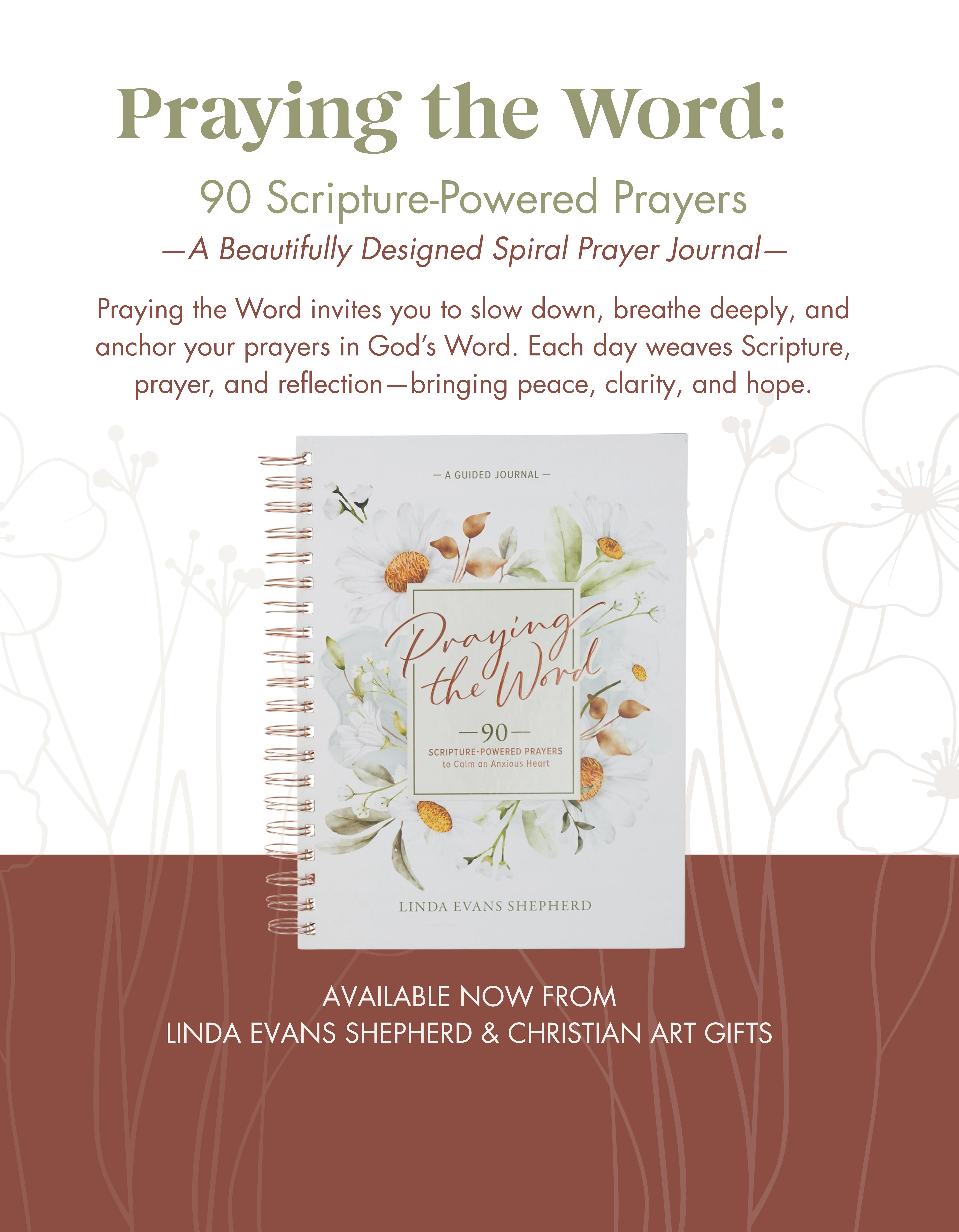
LINDA EVANS SHEPHERD is the publisher of Leading Hearts and her new book, Praying God’s Word from Christian Art Gifts, came out as a top ECPA (Evangelical Christian Publishers Association) new release.
Artificial Intelligence has become one of the hottest topics in ministry communication. Some leaders are excited by the possibilities.
Others are deeply cautious. Most of us land somewhere in the middle, looking for ways to save time without sacrificing authenticity. I believe AI is a tool that can be used wisely or poorly.
But we must be cautious and not use technology to replace genuine, people-to-people ministry. I have found AI can help my social media efforts be more consistent and effective.
5 Ways Ministry Leaders Can Use AI Responsibly in Social Media
1. Use AI to brainstorm ideas, not replace our voice. Social media is time-consuming. AI can help us find fresh ways to use content we already have. We can get AI to generate lists, suggest themes, and even brainstorm seasonal suggestions. The key is remembering AI supports our ministry voice and doesn’t become our ministry voice. God has called us—not technology—to connect with His people.
2. Use AI to simplify time-consuming tasks. Many of us in ministry are overwhelmed with all the responsibilities. AI can assist us by summarizing long articles, repurposing blogs, suggesting titles, and organizing content calendars. This gives freedom to spend more time serving people instead of struggling with technology.
3. Always fact-check and proofread AI-generated content. AI tools often confidently provide incorrect information, awkward wording, or even questionable theology. We must always go to the Source and never copy and paste AI content. Everything should be verified by us or someone we trust.
4. Maintain transparency and integrity. Social media followers deserve honesty. If AI significantly assists with graphics, videos, or written material, we need to be transparent. We shouldn’t present AI-assisted work as entirely human-created. Integrity matters online just as much as it does in person.
5. Remember that AI cannot replace the leading of the Holy Spirit. AI can help organize words, but it cannot provide spiritual wisdom, compassion, or conviction. And it certainly cannot replace the discernment we receive from the Holy Spirit. AI cannot pray for someone, listen to a hurting heart, or understand the unique needs of those God has put in our paths. Ministry happens through relationships—not algorithms.
As ministry leaders navigate this rapidly changing technology, wisdom matters more than speed.
The goal isn’t to produce more content—it’s to communicate truth. When we use AI prayerfully and responsibly, this tool can support our ministry without replacing the human touch God has called on us to provide.
One additional safeguard is to create clear ministry guidelines for AI use before issues arise. Decide now how you will—and will not—use AI. Establish boundaries and determine which types of content should always be written personally. Written guidelines protect us, our ministry and the people we serve.
AI will continue to evolve quickly, and we shouldn’t fear every new development. Instead, we can approach these tools with the confident knowledge God has chosen us for this time and expects us to use the technology He’s provided. We must approach AI prayerfully, thoughtfully, and with wisdom rooted in biblical truth.
God issued the call we each follow and He is the One who equips us with the creative abilities to carry out that call. We must not let fear, busyness, or even exhaustion tempt us to use shortcuts that don’t rely on Him first. When we use it responsibly, AI becomes a practical assistant, but it should never be a shortcut that disconnects us from the people we are called to serve.
EDIE MELSON’s top-ranked blog for writers, “The Write Conversation,” reaches thousands each month, and she’s the Director of the Blue Ridge Mountains Christian Writers Conference.
I’ve lost my AirPods more times than I can count. My phone? Found later tucked into my sports bra strap My car? Somewhere in a parking lot, more often than I care to admit. I’ve missed turns I take every week because my brain locked onto a thought and coasted past my own exit—recalculating, like a GPS that freezes every single time.
But the one that started it all: I bought new glasses on a Friday. Found my old ones Sunday—in the washing machine. Not near it. Inside it. Gone through who knows how many cycles while I stood right in front of it, loading laundry, completely missing them.
That's my brain. Maybe it's yours too.
52 Years to Get the Words Right
It took me 52 years—over 5 decades—to understand why. Why I got in trouble as a kid for not sitting still. Why no planner, app, or color-coded system ever stuck. Then somebody finally gave me the right words: neurodivergent. ADHD. Not a character flaw. A different wiring—not broken, just different.
A nuance worth knowing: some of what looks like ADHD is wiring you were born with. Some of it is a body stuck in fight-or-flight, mimicking the same symptoms. Either way—not lazy, not broken. Just dysregulated or different. Both deserve compassion.
This is why I call this whole journey “I fear how I'm wonderfully made.” Psalm 139 says I'm fearfully and wonderfully made, and for most of my life I thought if this is wonderful; then God your definition of wonderful is not what it’s cracked up to be. I felt like my quirks were too much for myself, let alone anyone to deal with. But what I found is you can be afraid of how you're made and still be exactly, deliberately made that way.
The Same Brain That Builds Also Breaks
You see, my hap-hazard brain that loses everything is the same one that sees connection in everything. I can also see an idea and execute it almost in the same breath, barely a gap between “I should” and “I did.” That's a gift. On a bad day, it's also a curse: the same speed that builds fast also misses turns and jumps before it thinks.
The Friends I Keep on the Other Side of the Glass
I'm real about my struggles—I'll tell you the truth about my brain faster than most people ask for it. But even people who think they know me usually get an edited version, because the full Amber is a huge investment. ADHD people don't do anything halfway, including connection—we go one-on-one which can be too
close for comfortable sanity level. So I keep most people behind the glass, not because I don't want closeness, but because the full, unfiltered version of me costs something for both of us. And frankly I don't want to risk that much when I'm in spaghetti'd thought. I can send a manic string of texts back-to-back that I end up deleting just as fast, like a mad woman, because I should have controlled how I presented myself.
I've worn out friends and worn out my own capacity trying not to wear out theirs.
Three Things That Actually Stick
ADHD doesn't respond to “just stop it.” It responds to small, repeatable anchors:
1. Give your stuff a landing spot—maybe one bowl by the door for keys, AirPods, your phone. Not for tidiness; it removes a decision you don't have bandwidth for ten times a day. I have a box on my desk for everything now that my back door opens right into my office.
2. Build in a pause before you react—one breath, hand on your chest, before responding to anything that feels urgent. Half the time, it's just loud, not urgent.
3. Pick one phrase and return to it on repeat. Mine is the simplest prayer, “Jesus, help me.” You don't need a new strategy every day—just the same true thing, enough times, until it sticks.
It took me half a century to stop apologizing for my brain. You don't have to take that long. My universe still lives on the tip of a #shortyellowpencil (you'll have to read my very neuro-spicy book to really get that whole reference in all its hilarity)—the same small place that holds my capacity, my mess, and my washing machine, AirPods, missed-turn kind of days. But whether I'm operating in the strength or the weakness of my God-breathed DNA, He is always there for me. And He's there for you too—because He designed us, on purpose, for Him to pick up what we lack.
AMBER WEIGAND-BUCKLEY—a #shortyellowpencil girl living in a neurotypical world—is an Amazon #1 bestselling, award-winning author and founding editor of Leading Hearts magazine, Her new book, #SisterhoodoftheShortYellowPencils: Mental Health Mayhem One Sticky Note at a Time, is ultimately a book about capacity—what happens when yours runs out faster than everyone else's, and why that was never something to be ashamed of. She hosts multiple podcasts including #RandomDevoThoughts and lives in Springfield, Missouri.
CravingRelationships?Healthy
Kick these 5 R’s to the Curb
Saturday morning, my teen groused around the house. I tried to cheer her up with tea, a couple of jokes, and her favorite pancakes. Her attitude didn’t improve. I reasoned the problem must be me. Doubtless, my daughter thought I stink as a mom and she’d rather spend Saturday with anyone else. Feeling rejected, I got quiet. Simmering internally, I debated venting my hurt with a barbed jab about her homework and grades.
But I paused. The moment you feel rejected is your most powerful time to choose. Paul instructed in Romans 12:18, “If possible, so far as it depends on you, live peaceably with all” (ESV). If we’re doing our best to live peaceably, why does conflict escalate between those we love, neighbors, community members, political parties, and world governments?
To my grousing teen, I gently and honestly said, “The story I’m making up in my head right now is that I stink as a parent and you’d rather be anywhere than here with me.”
My teen looked up and tears filled her eyes. “I just learned the boy I babysit has leukemia.”
The Root of Conflict
As fellow inhabitants of planet Earth, we’re proficient at the 5 R’s. The process goes like this:
1. Something happens or is said, done, not said, or not done that results in me feeling rejected.
2. Rejection feels lousy, so I become resentful about feeling rejected.
3. Resentful, I resist relationship with the person I feel resentful toward.
4. Resistance becomes action when it leads to revenge.
5. Repeat. Unresolved, this cycle repeats automatically until a relationship is damaged beyond repair.
This is the foundation for holidays where folks gather, emotionally abuse one another, and have pie.
Practice Makes Permanent
Becoming aware of the active presence of the 5 R’s is the first step to interrupting this destructive pattern. When you find yourself in the 5 R’s, here are steps to immediately place the relationship on positive footing.
1. Catch resentment. Resentment is negative emotional reactions to what you think was said or done, or not said or done. Resentment shows up as:
“He needs to . . .”
“I’m not perfect, but . . .”
“She should . . .”
Drama words show you are stuck in resentment when you are stuck in drama.
Solution: Shift to gratitude.
“I’m grateful he . . .”
“What fun to . . .”
“I’m thankful she . . .”
2. Resistance is cutting off communication and connection. Avoiding eye contact or giving the silent treatment is shutting down emotionally and relationally toward another.
Solution: Engage. Make eye contact, have conversations. Clear the air by saying, “The story I’m making up in my head about ________ is _______________.”
3. Revenge is taking advantage of a situation or setting up an opportunity to hurt another. If you are saying something like, “Now he will know how it feels” or “Serves her right” or “He had it coming,” you are in revenge.
Solution: Extend generosity to the person you feel revengeful toward. Does the person deserve generosity? Probably not. That’s why it’s called grace. Perhaps the person who hurt you is not safe. An abusive spouse is not someone to be connected to. Neither is the business partner who ripped you off. In such situations, be generous elsewhere, but be generous or you’ll become bitter.
4. Repeat. A toxic pattern is to believe that because you are hurt, you have the right to be unkind and hurtful. Then you hurt someone, and they hurt you, and you are offended, and they are offended, and in that offense both parties dive deeply into the 5 R’s.
Solution: Release others from your expectations of how they should act or behave. “Fools show their annoyance at once, but the prudent overlook an insult” (Proverbs 12:16 NIV).
Fact versus Fiction
Truth Bomb
The truth is we can typically avoid the 5 R’s by
• sticking to the facts
• being graciously generous
• practicing gratitude
• not taking ourselves or others too seriously
Occasionally, those closest to us do reject us. What’s vital is how we respond, and the 5 R’s are the antithesis of maturity, healthy relationships, and good adulting.
Without the 5 R’s, we lay down our defenses, freely cheer on others, celebrate our beloveds, enjoy relationships, and laugh until milk comes out our noses. These gatherings are none of the emotional drama and all of the pie.
“Get rid of all bitterness, rage and anger, brawling and slander, along with every form of malice. Be kind and compassionate to one another, forgiving each other, just as in Christ God forgave you” (Ephesians 4:31–32 NIV).
Find practical tips and tangible helps in The Ten Best Decisions A Single Mom Can Make by Pam Farrel and PeggySue Wells. Single Mom and parenting resources are available at SingleMomCircle.com
Like a BossChild-ing
BY RHONDA RHEA RHONDARHEA.COM
Sometimes I think no one can child like I can child. It's entirely possible I can child better than an actual child.
Don't get me wrong. I brush my teeth and rarely jump in mud puddles (though that last one is more about my shoes than my maturity). I can slurp spaghetti without even being dared to. Upbeat praise music in the room? I'm going to dance like a four-year-old. (The dancing is very happy but altogether unskilled and possibly a little disturbing.) Bubble wrap? I'm going to pop that business for all its worth. I will also race to beat any one of you to the elevator button. Then I'm going to rapid-fire pound that button a zillion times to celebrate my win. Even if I didn't win.
I will build a blanket fort with nary a pre-thought. I will build it, whether they come or not. I might eat lunch in said fort and I will eat the cookies before the sandwich. To me, a tennis racket will always be a guitar. My racket is an electric one and I will play it. With dancing. Yes, that same set of dance non-skills. When it seems called for, I'm also not above hauling out the deeply philosophical, age-old, and snarkful question, “I know you are, but what am I?”
Send Help, I'm Childishing Alone
Sometimes I think about asking the rest of you to help me out when it comes to being childish. Could you de-mature a little? I feel like I'm having to do more than my fair share of the childishing. I'm childishing like the best problem child.
Grownup Enough, Childlike Enough
When it comes to faith, though, I don't want to settle for immaturity. At the same time, a grownup faith sometimes calls for childishing even a bit more. Jesus said in Mark 10:15, “Truly I tell you, whoever does not receive the kingdom of God like a little child will never enter it” (CSB).
What does mature but childlike faith look like? How can we be mature enough and also childlike enough to “walk by faith,” like Paul references in 2 Corinthians 5:7?
Pioneered, Perfected, Done
Hebrews 11:1 defines faith as “the reality of what is hoped for, the proof of what is not seen” (CSB). Then in the next chapter, we're reminded of its source. “Keeping our eyes on Jesus, the pioneer and perfecter of our faith” (Hebrews 12:2 CSB).
Faith becomes a delightful balance of grownup knowing and childlike trust as we surrender to the one who pioneered and perfected it in the first place.
Faith takes its perfect reality/hope/proof shape as we focus on Jesus, no matter what. Faith becomes a delightful balance of grownup knowing and childlike trust as we surrender to the one who pioneered and perfected it in the first place. The source of faith: Jesus. It's made by Jesus, it's in Jesus, and it becomes complete, perfect, and balanced only through Jesus.
Maybe that sounds oversimplified, but it's simply truth. Through Jesus, I belong to my loving Father. I'm believing it. Confident in it. As sure as Jesus rose from the dead, I have child-level grownup faith that He is trustworthy and that I am loved (my dance skills never have to factor in). Thank you, Jesus. I am His.
And I honestly don't mean this snarky-like, but: I know I am, but what are you?
RHONDA RHEA is an author, humor columnist, and TV personality. Her book, with co-authors Monica Schmelter and Kaley Rhea, Messy to Meaningful—My Purse Runneth Over, is available wherever books are sold.
Experienced Communicator -
W H A T ' S B E I N G S A I D
. . .
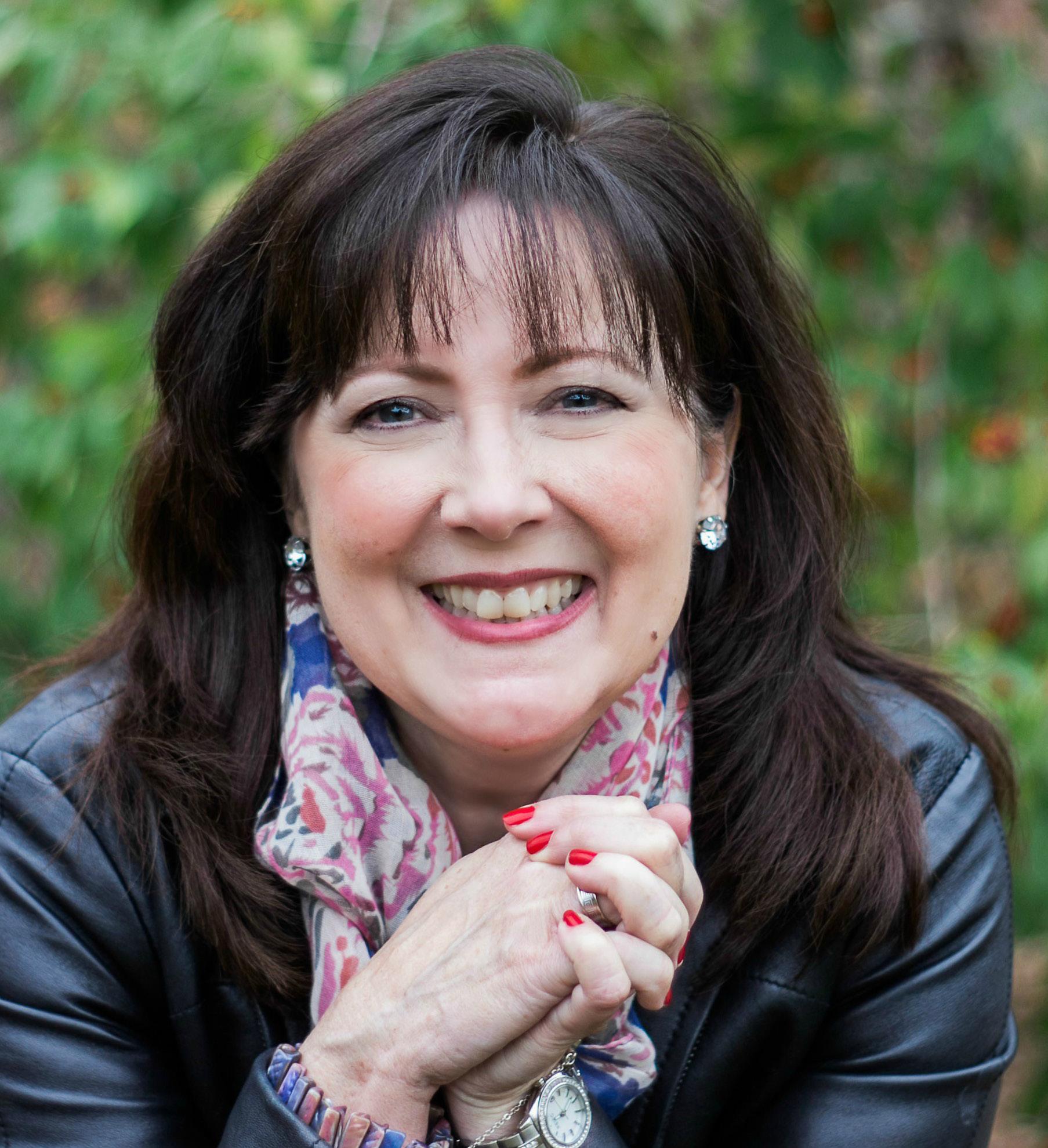
Joy Dunlap’s "Speaking Joyfully" messages always encourage and uplift, bringing hope and truth in each one. She takes everyday things we often overlook or coun as “that’s just the way it is” and turns them into opportunities fo her readers to experience more fulfilled lives.
Practical, thoughtful, and always applicable, Joy has a remarkable way of bringing biblical truth to light by sharing the observations she makes in daily life.
I marvel at how (Joy) has taken personal experiences and turned them into teaching moments...an most importantly kept it interesting and funny, albeit at (her) own expense in some cases
Award-winning Blogger - Speaking Joyfully
Certified P.O.W.E.R. Speaker - Advanced Writers and Speakers Association (AWSA)
Worked as VP, Radio Operations - National Association of Broadcasters (NAB) broadcast, print and podium
(Speaking Joyfully") is thoughtfu and fun, and always a reminder o our Loving God and His presence both the simple and the miraculo
p e a k i n g j o y f u l l y . c o m j o y d u n l a p . c o m
Meet the Team
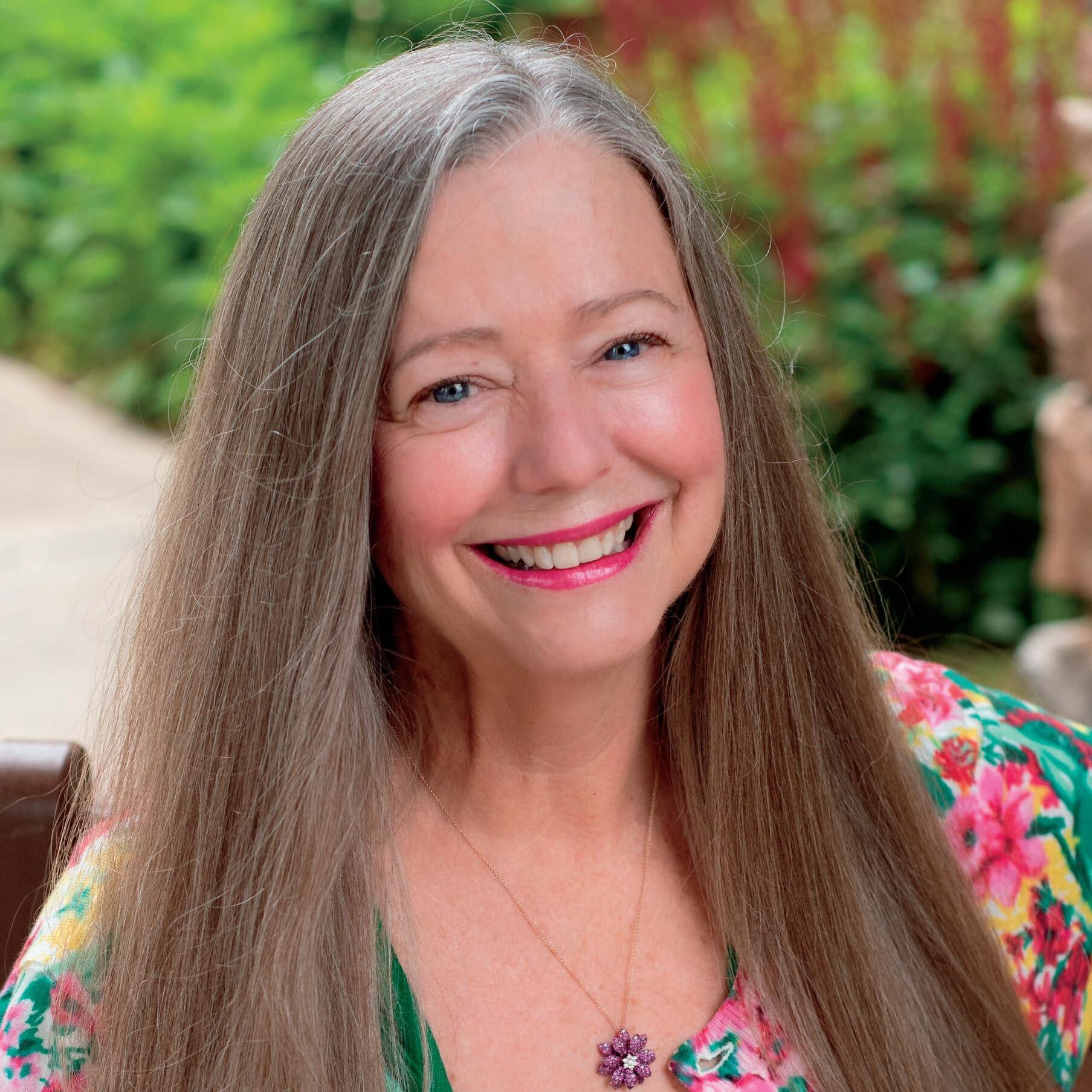
meet the editor
meet the publisher
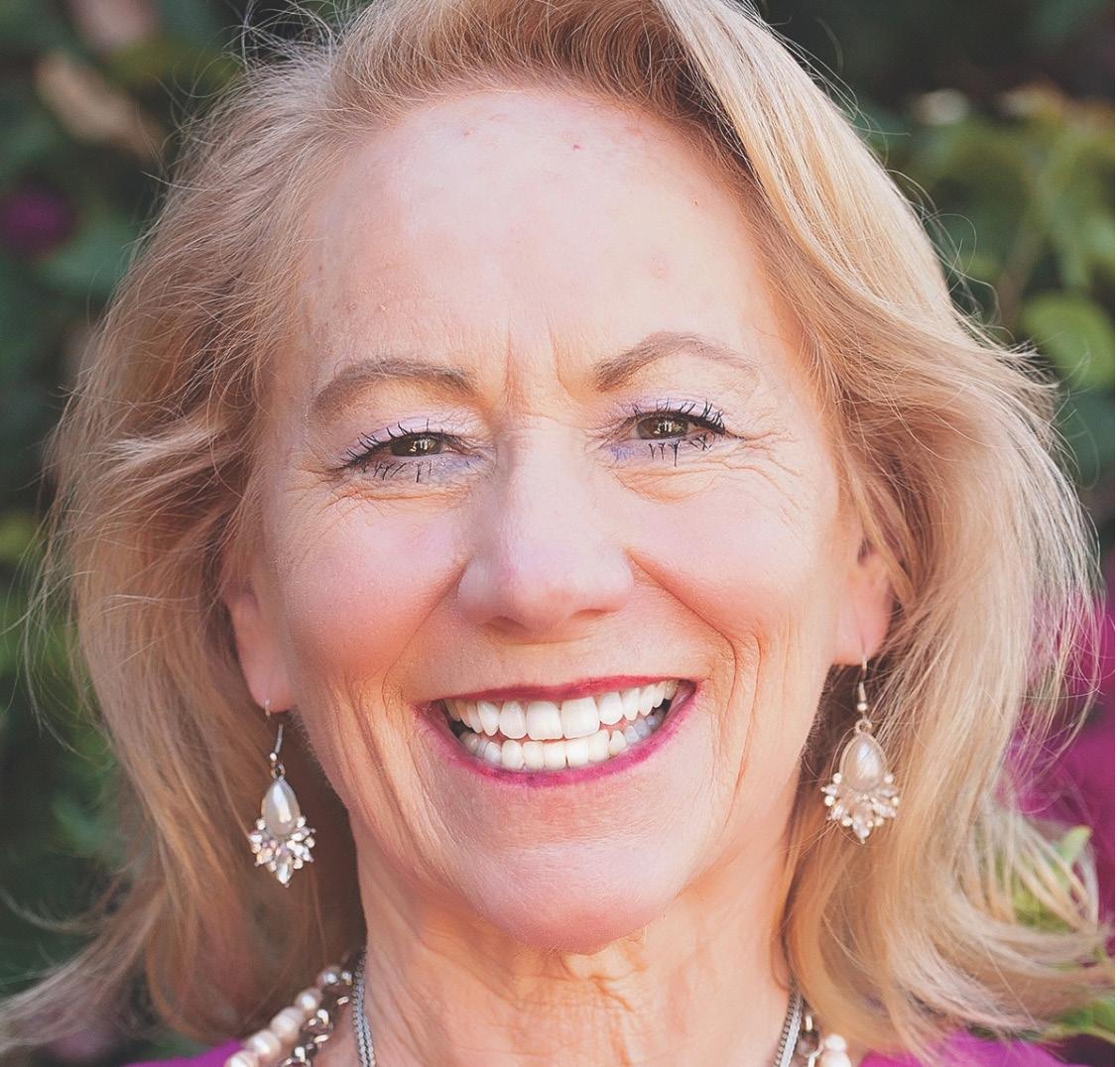
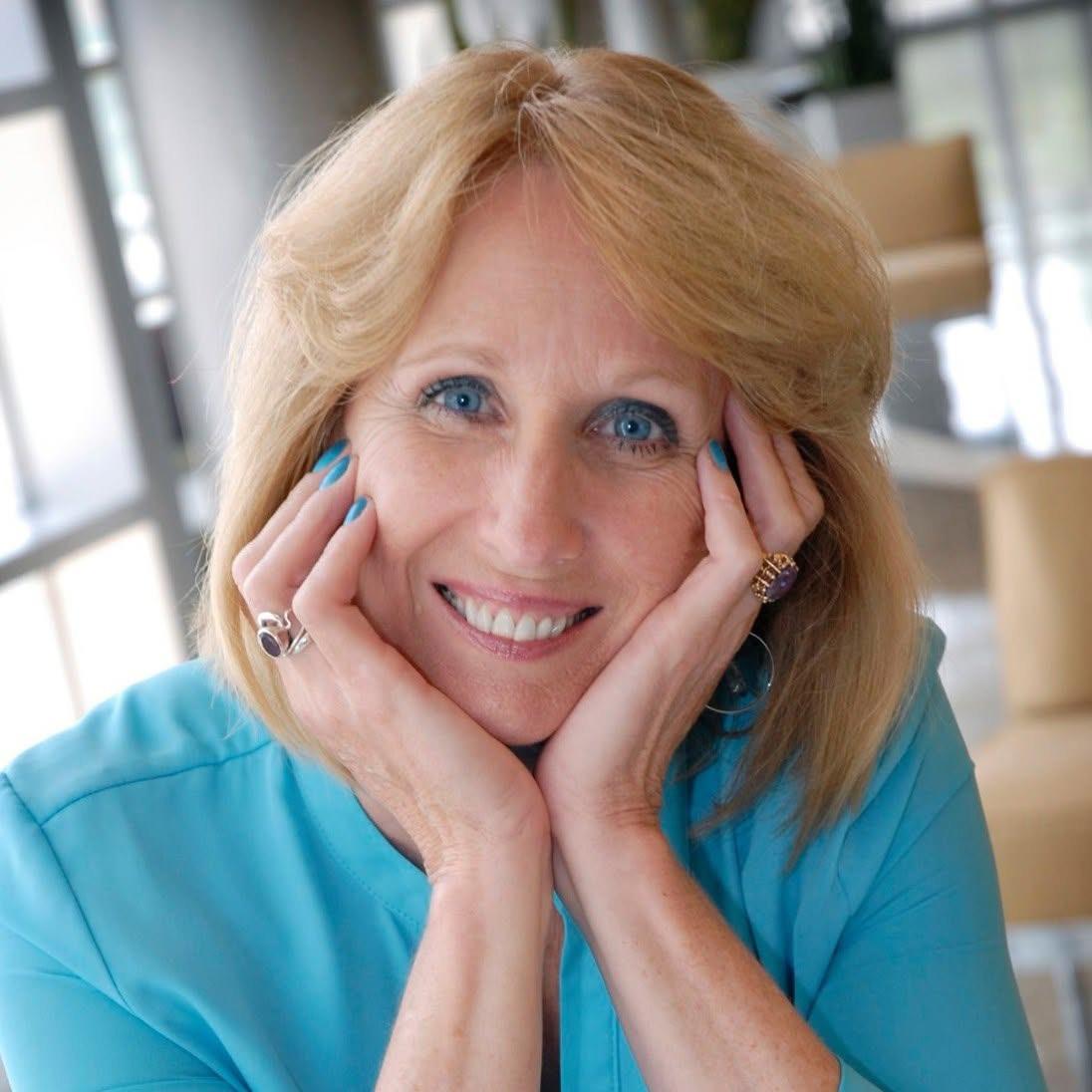
LINDA EVANS SHEPHERD @LINDASHEPHERD is publisher of Leading Hearts magazine. She is also a best-selling author, an in-demand speaker, YouTuber and president of Right to the Heart ministries. She is founder of the Advanced Writers and Speakers Association (AWSA). She lives in Colorado with husband, Paul, and son, Jimmy. Subscribe to her “Prayer Investigator” show on YouTube and visit her at www.lindashepherd.com as well as gottopray.com
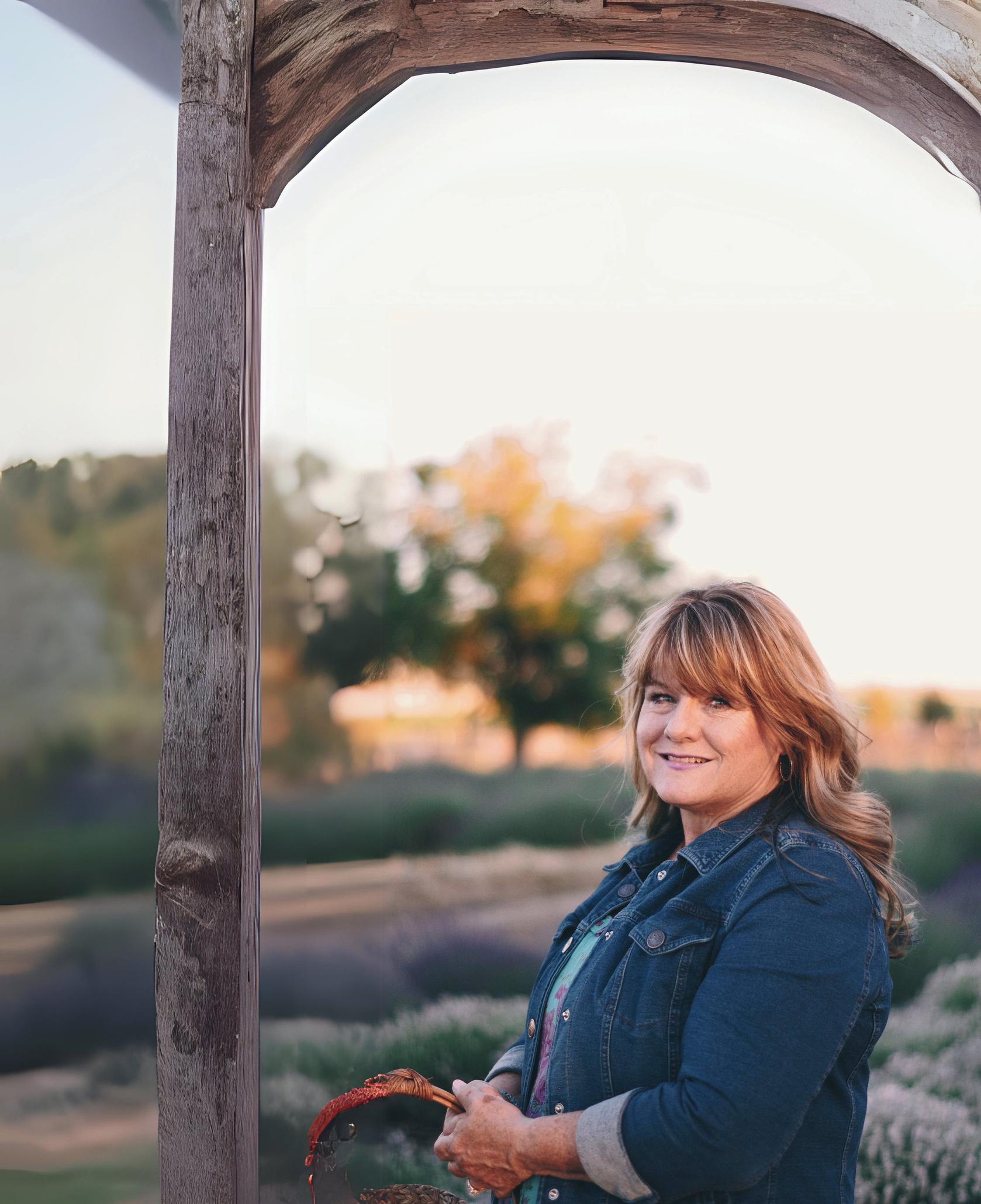
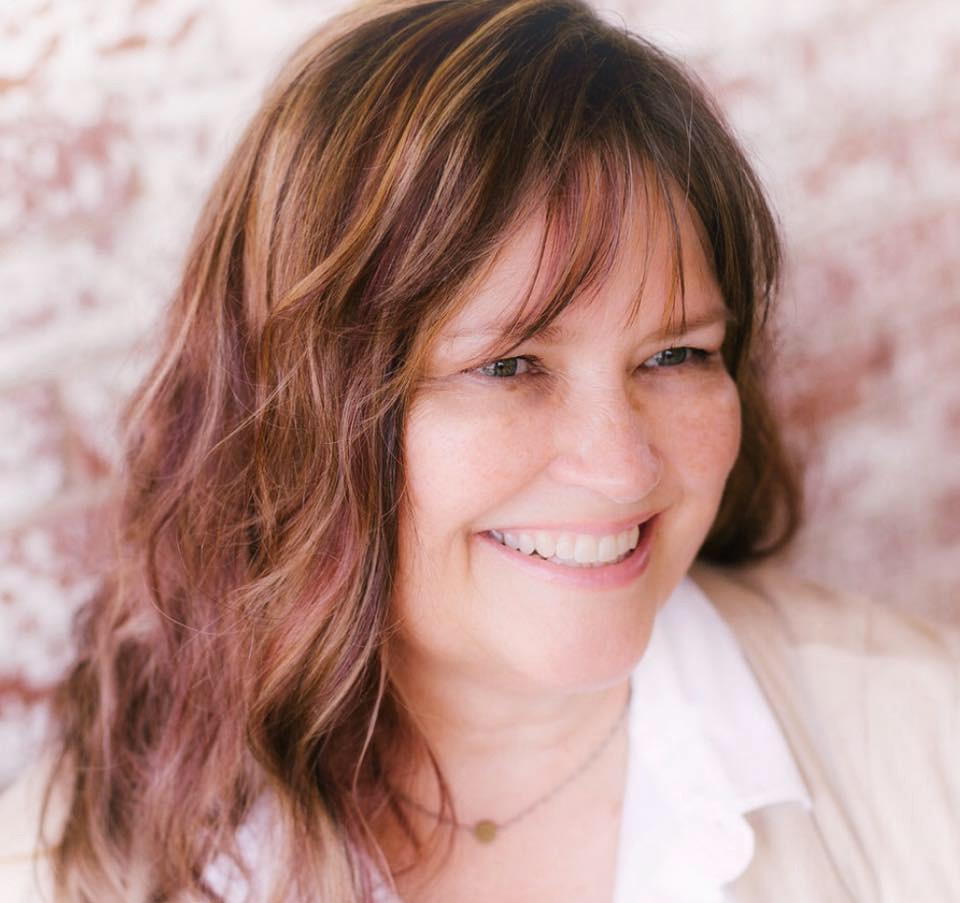
AMBER WEIGAND-BUCKLEY @BAREFACEDGIRL is an Amazon #1 bestselling author, podcaster, guest columnist for The Springfield News-Leader (Gannett, a subsidiary of USA Today), and Founding Editor & Art Director of the award-winning Leading Hearts magazine, where she has spent decades helping women’s stories find their best light on the page.
She was recognized in Times Square as one of the Listen Linda 2026 Women to Watch, and her book, #SisterhoodOfTheShortYellowPencils: Mental Health Mayhem, One Sticky Note at a Time, was featured on another Times Square billboard just one week later. The book reached #1 in Neurodiversity Self-Help through IngramSpark and #1 in Coping with Bipolar on Amazon. It was also selected for IngramSpark’s prestigious Title Discovery Program.
A self-proclaimed short yellow pencil girl living in a neurotypical world, Amber believes every “different” brain is a feature, not a flaw. She lives in Springfield, Missouri, with her British husband, two of her three neuro-spicy daughters, and a fur-filled house complete with two Great Pyrenees and a slew of exotic pets. Find her at ShortYellowPencilRX.com and #shortyellowpencilRX.
contributors
PENELOPE CARLEVATO is the author of The Art of Afternoon Tea: From the Era of Downton Abbey and the Titanic as well as Tea on the Titanic, First Class Etiquette, and her latest, The Tea Lover’s Journal. www.penelopecarlevato.com
PAM FARREL is an international speaker, author of 59 books, including her newest, Discovering Good News In John: A Creative Bible Study. Pam and her husband, Bill, are co-directors of Love-Wise, a ministry to enrich, educate, and encourage people’s most vital relationships. www.love-wise.com
JACKIE MARUSHKA is ????????
EDIE MELSON is an author, blogger, and speaker who has penned numerous books, including While My Child Is Away, a book of prayers for when we’re apart. Her top-ranked blog for writers, “The Write Conversation,” reaches thousands each month, and she’s the Director of the Blue Ridge Mountains Christian Writers Conference. www.ediemelson.com
RHONDA RHEA is an author, humor columnist, and TV personality. Her newest release, with co-authors Monica Schmelter and Kaley Rhea, is Messy to Meaningful—My Purse Runneth Over. www.rhondarhea.com
CYNTHIA L. SIMMONS is the mother of five grown children, past president of Christian Authors Guild, radio host, media coach. She writes both fiction and non-fiction and loves history. She ministers to women of all ages but has a special place in her heart for young mothers and homeschool mothers. www.clsimmons.com
PEGGYSUE WELLS is the award-winning and bestselling author of 45 books including the mystery suspense title of the year, Unnatural Cause. www.peggysuewells.com
DEBBIE W. WILSON is a Bible teacher, former Christian counselor, and award-winning author who helps readers experience a big God. She and her husband co-founded Lighthouse Ministries, a biblical counseling and Bible teaching ministry. They enjoy life with their adult children and two spirited standard poodles. Learn more about her new book, Big Hurt, Bigger God, at BigGod.us. www.debbiewwilson.com