







busy season has arrived as the summer months in the turfgrass industry are typically some of the longest days of the year. Hopefully everyone survived the first heat dome of the season as the month of July started with temperatures well above average. With the growing season in full swing our focus is mainly on turf issues at work and not that much on the business of the TTA. Even so, I wanted to pass along a few items we can all be thinking about in this busy period.
• We are always looking for worthy nominations from our membership that recognize notable work being done in the turf industry. At our Conference and Show each year we highlight individuals in areas such as Environmental stewardship, Private course of the year, Public course of the year, Highschool field of the year or Professional field of the year to name a few. We would love to have your input on those who should be nominated.
• Do you have a student working with you this summer that you think would be deserving of one of our annual scholarships? Be sure and pass along our scholarship application to those you think would be deserving.
• Would you like to be involved on a committee or on the Board? We are always looking for those who would like to serve and help the association grow in the future. If you would like to be more involved, I would love to talk with you about.
• Lastly, I want to say how excited I am to have Christy Rose as our new Membership & Events Coordinator. Having another person on staff will help us to continue to grow and allow us to better serve our membership. If you have not had a chance to meet Christy, be sure and reach out and introduce yourself.
It is the busy season, but if you can get away, be sure and get out and see what others are doing. I hope to see you soon.
The Tennessee Turfgrass Association serves its members in the industry through education, promotion and representation. The statements and opinions expressed herein are those of the individual authors and do not necessarily represent the views of the association, its staff, or its board of directors, Tennessee Turfgrass Magazine, or its editors. Likewise, the appearance of advertisers, or Turfgrass Association members, does not constitute an endorsement of the products or services featured in this, past or subsequent issues of this quarterly publication. Copyright © 2026 by the Tennessee Turfgrass Association. Tennessee Turfgrass is published bi-monthly. Subscriptions are complimentary to members of the Tennessee Turfgrass Association. Third-class postage is paid at Jefferson City, MO. Printed in the U.S.A. Reprints and Submissions: Tennessee Turfgrass allows reprinting of material. Permission requests should be directed to the Tennessee Turfgrass Association. We are not responsible for unsolicited freelance manuscripts and photographs. Contact the managing editor for contribution information. Advertising: For display and classified advertising rates and insertions, please contact Leading Edge Communications, LLC, 206 Bridge Street, Suite 200, Franklin, TN 37064, (615) 790-3718, Fax (615) 794-4524.

Tennessee Turfgrass is the official publication of The Tennessee Turfgrass Association
400 Franklin Road Franklin, Tennessee 37069 (615) 928-7001 info@ttaonline.org www.ttaonline.org
PUBLISHED BY
Leading Edge Communications, LLC
206 Bridge Street Franklin, Tennessee 37064 (615) 790-3718
info@leadingedgecommunications.com
EDITOR
Dr. James Brosnan
TTA OFFICERS
President Ryan Blair, CGCS
Holston Hills Country Club
Vice President
Bart Cash Crossroads Sod Farm
Secretary / Treasurer
Bob McLean
Indian Hills Country Club
Past President
Ryan Storey Line to Line LLC
Executive Director
Melissa Martin
Tennessee Turfgrass Association
TTA BOARD OF DIRECTORS
Adam Adkins
Jason Bradley
Ben Dodd
Dan Johnson
Cal Hill
Jeff Huber
Bill Marbet
Wells McClure, CGCS
William Newsom
Kevin Noble
Mark Stovall
John Wagnon
Jeff Wyatt
TTA ADVISORY MEMBERS OF THE BOARD
Bill Blackburn
Dr. Becky Bowling
Dr. Jim Brosnan
Joe Hill
Dr. Brandon Horvath
Lynn Ray
Jeff Rumph
Dr. Tom Samples
Dr. Dennis Shepard
Dr. John Sorochan
Dr. Wes Totten




DUE ON OCTOBER 1 !
Stars of the Industry Awards recognizes outstanding individuals in the turf industry. Please try to keep in mind any operations or individuals that make a statement to you or the industry and nominate them for a Stars Award.
You do not have to be a member to nominate someone for an award.
Tom Samples Professional of the Year Award
One of the most prestigious and highest recognitions bestowed on a Tennessee turfgrass professional by the Association is the Tom Samples Professional of the Year Award. TTA members are given the opportunity to nominate those who they feel have made contributions to the turfgrass industry.
This award recognizes outstanding contributions by individuals, organizations, businesses, educational institutions, and agencies for successful projects or activities designed to improve the environment through wildlife habitat preservation, water and resource conservation and reduction, and educational outreach.
The TTA recognizes that our members make personal and professional contribution to our industry and to the organization you serve. This award is presented to a sports field which has demonstrated those qualities.
The TTA recognizes that our members make personal and professional contribution to our industry and to the organization you serve. This award is presented to a golf course which has demonstrated those qualities.

Please join us in welcoming to the Tennessee GCSA and Tennessee Turfgrass Association!
Please join us in welcoming Christy Rose as the new Membership & Events Coordinator for the Tennessee Golf Course Superintendents Association (TGCSA) and Tennessee Turfgrass Association (TTA).
Christy recently relocated to Franklin, Tennessee, from Overland Park, Kansas, where she taught English and History in the Special Education Department. She holds a Master’s degree in Education and brings a passion for building relationships, serving others, and creating meaningful experiences.
Christy and her husband, Pat, superintendent at Belle Meade Country Club, are excited to be part of the Tennessee golf and turfgrass community once again. In her free time, she enjoys traveling, spending time with family and friends, and cheering on the Crimson Tide.
“We are thrilled to welcome Christy to our team,” said Melissa Martin, Executive Director of the TGCSA and TTA. “Her enthusiasm, organizational skills, and passion for serving others make her an excellent fit for our associations. I am excited about the energy and ideas she brings, and I know our members will enjoy getting to know and working with her.”
Christy is excited to begin working with both associations and looks forward to meeting and getting to know our members in the months ahead. Be sure to introduce yourself when you see her at an upcoming event! If you would like to connect with Christy, you can do so by emailing christy@ttaonline.org.
AUGUST 31, 2026 – 10:00 AM (EDT) TNGCSA Chapter East August Meeting Williams Creek Golf Course
SEPTEMBER 1, 2026
Turf Tuesdays: Turfgrass Management at Lookout Mountain Club (Virtual)
More Information: https://www.tnturfgrassweeds.org/turftuesday
SEPTEMBER 15, 2026 – 10:00 AM TNGCSA Chapter Memphis September Meeting Memphis National Golf Club
SEPTEMBER 22, 2026 – 9:00 AM TNGCSA Chapter Middle Tennessee Meeting Stones River Country Club
OCTOBER 6, 2026
Turf Tuesdays: A Historic Career in Turfgrass Extension (Virtual)
More Information: https://www.tnturfgrassweeds.org/turftuesday
OCTOBER 13 – 14, 2026 BEACON 26
(Bridging Education, Careers, and Opportunities in Turfgrass) Knoxville, TN
More Information: https://plantsciences.tennessee.edu/ turfgrass-2/events/ https://uthort.tennessee.edu/uthort-pros/
OCTOBER 19, 2026 11:00 AM (CST) 2026 Scott McNeer Scholarship Tournament Jackson Country Club
OCTOBER 22, 2026 West TN Lawn & Landscape Review Jackson, TN
Contact – Celeste Luckey Scott cscott52@utk.edu
OCTOBER 26, 2026 – 10:00 AM (EDT) 36th Annual East Tennessee Scholarship & Research Golf Tournament Blackthorn Club
NOVEMBER 4 – 5, 2026
Commercial Horticulture Expo Agricenter International, 7777 Walnut Grove Rd., Memphis, TN 38120
Contact – Mr. Joseph Seago: jseago@utk.edu Shelby County Extension Office: 901-752-1207
NOVEMBER 9, 2026 – 9:00 AM TNGCSA Chapter
Middle Tennessee Meeting TN Grasslands Club
NOVEMBER 16, 2026 – 9:00 AM
MTGCSA Scholarship & Research Golf Tournament
Jackson’s Old Hickory Country Club
JANUARY 4 – 6, 2027
61st Annual TTA Conference & Tradeshow Embassy Suites, Murfreesboro






By Gracie Cotter, Graduate Student, Turfgrass Science, Auburn University
Travis
Gannon, Professor, Herbicide Chemistry, NC State University
Scott McElroy
, Professor, Turfgrass Science, Auburn University
Flumioxazin belongs to the protoporphyrinogen oxidase (PPO) inhibitor class of herbicides, group 14 under the HRAC classification system. PPO inhibitors interfere with chlorophyll production, causing a buildup of photodynamic compounds that damage cell membranes, leading to rapid desiccation of tissue and eventual plant death. These herbicides are known for their rapid activity and their ability to target a broad range of weed species, including grasses, broadleaves, and sedges. PPO inhibitors are already familiar to turfgrass managers because of a widely used compound in this same group: oxadiazon.
For several decades, oxadiazon has played a distinctive role in warm-season turfgrass weed management. Popular products containing oxadiazon include Ronstar from Bayer and Andersons Goosegrass/Crabgrass Control. Oxadiazon is one of the oldest PPO inhibitors used in turf and has long been valued for two characteristics. First, it inhibits both chloroplast and mitochondrial PPO enzymes, an unusual feature that contributes to its reliable control of annual grasses such as crabgrass and goosegrass (Dayan et al., 2018). Second, in its granular formulation, oxadiazon does not harm root development of established turfgrasses (Johnson, 1980). Because the granules fall through the canopy and directly to the soil surface, they minimize foliar deposition and reduce the likelihood of turfgrass injury. Golf courses, sports fields, and sod farms throughout Alabama have relied on these traits to maintain consistent preemergence weed control in bermudagrass and zoysiagrass systems.
However, the landscape surrounding the use of oxadiazon has begun to change. In 2022, the Environmental Protection Agency issued an interim decision (EPA HQ-OPP-2014-0782) that reclassified oxadiazon as a Restricted Use Pesticide. This change does not diminish its effectiveness, but it does alter how and where the product can be applied. At the same time, research monitoring resistance to oxadiazon has documented mutations affecting the PPO1 (chloroplast) target site (Bi et al., 2019). This means that other PPO inhibitors that primarily act on the PPO2 enzyme have the potential for control of oxadiazon-resistant weeds. These developments highlight the importance of evaluating additional
PPO options for control. Relying on a single active ingredient indefinitely is rarely sustainable, and having multiple PPO tools available strengthens long-term weed management flexibility.
This context has renewed interest in flumioxazin. While structurally different from oxadiazon, flumioxazin shares the PPO inhibition mode of action and has been used for years in other agricultural settings. What sets it apart is its broader activity on weeds that oxadiazon does not typically control well, particularly sedges and certain difficult broadleaf species. In addition, flumioxazin provides both preemergence and early postemergence activity, making its window of activity wider than many common preemergence herbicides.
Historically, flumioxazin has been applied in liquid form. Liquid formulations can be effective, but they also require careful application to avoid unintended leaf injury. In many turf systems, managers may prefer a formulation that allows for uniform placement and less risk of injury to turfgrass. For these reasons, granular flumioxazin formulations have been developed, such as Broadstar from Nufarm and StayGuard from Harrell’s. These products deliver the same active ingredient but in a form that rests on the soil surface rather than coating turfgrass foliage.
Interest in how granular flumioxazin performs in turfgrass has grown in part because certain weed species are becoming more prevalent. One example is cockscomb kyllinga (Kyllinga squamulata), an annual sedge with potential perennial tendencies capable of rapid infestation via immense seed production and an ability to thrive in moist, low-mow environments (McElroy et al., 2004). Another is smooth crabgrass (Digitaria ischaemum), a common summer annual grass that remains one of the most competitive weed species in warm season turf and one of the first species to develop herbicidal resistance in turfgrass systems (Heap, 2025). Doveweed (Murdannia nudiflora), with its creeping growth habit and late germination window (Atkinson et al., 2019), has also become increasingly common in Alabama’s warm and humid summers. These weeds differ in biology and emergence patterns, but they share the ability to spread aggressively once established. Each presents challenges for preemergence and early postemergence herbicides, making broad-spectrum materials an asset in management programs.
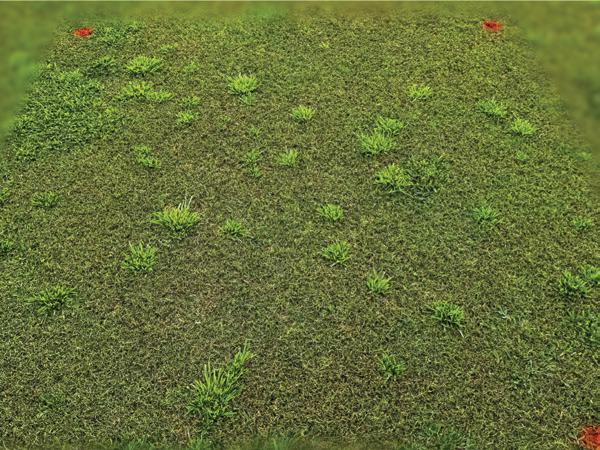
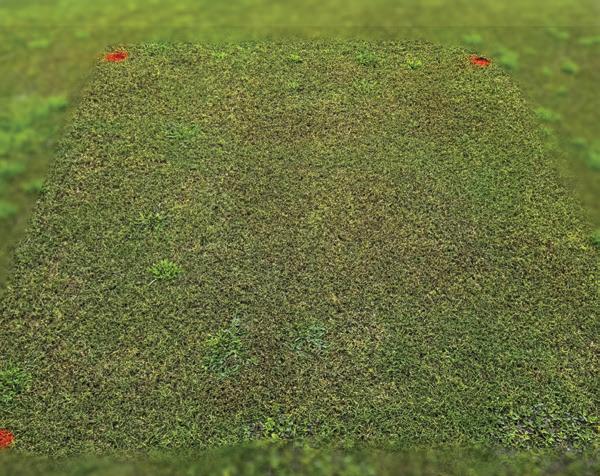
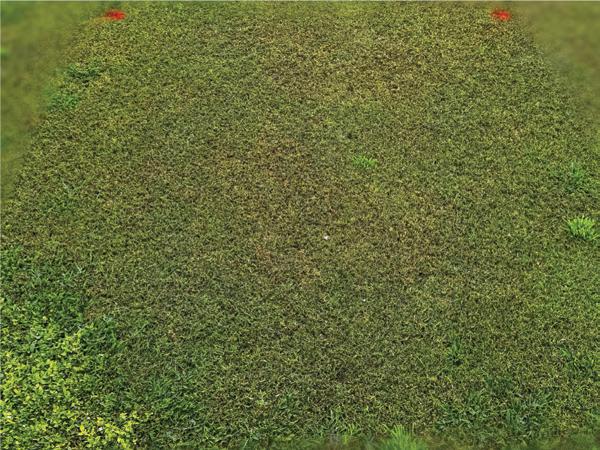
Research Methods. To better understand how granular flumioxazin fits into turfgrass management, a field study was conducted at the Auburn University Sports Surface Field Lab. The trial compared Stayguard, the chosen granular flumioxazin, alone and in sequential applications, several widely used preemergence herbicides such as Barricade, Pendulum Aquacap, and Specticle Flo also alone and in sequential applications, and combinations where a preemergence treatment was followed by a Stayguard application later in the season. The plots were established on bermudagrass mowed at 0.75 inches and weed control ratings were collected throughout the growing season. The study was designed to reflect a realistic management scenario where a turf manager might combine a proven preemergence product with a second application of a granular material to reinforce control or broaden the spectrum. Treatments and their timings are listed in Table 1 (page 12).

THANK YOU for your many years of hard work and dedication to Corbin Turf.

For over 30 years, you have faithfully served our customers, our supply partners, and our team with integrity, commitment, and heart. Your impact has helped shape who we are today, and we are truly grateful for all youʼve done. Wishing you all the best in retirement—enjoy this well-earned new chapter!
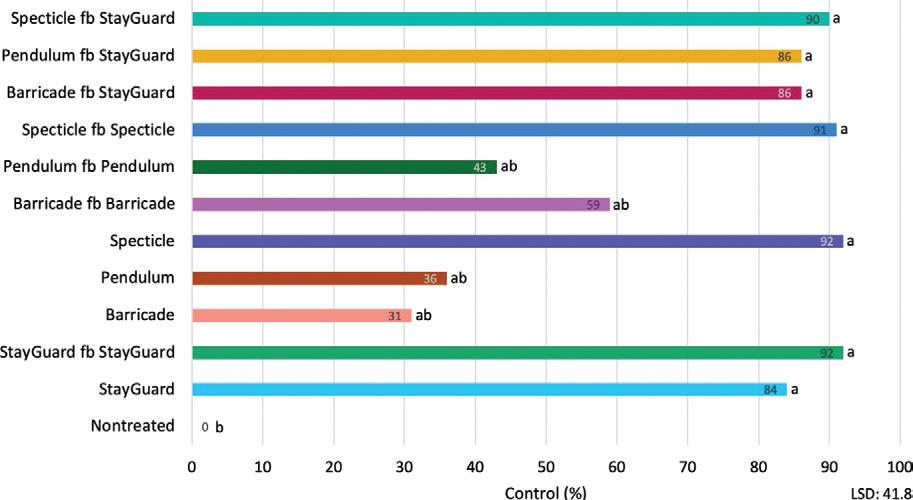
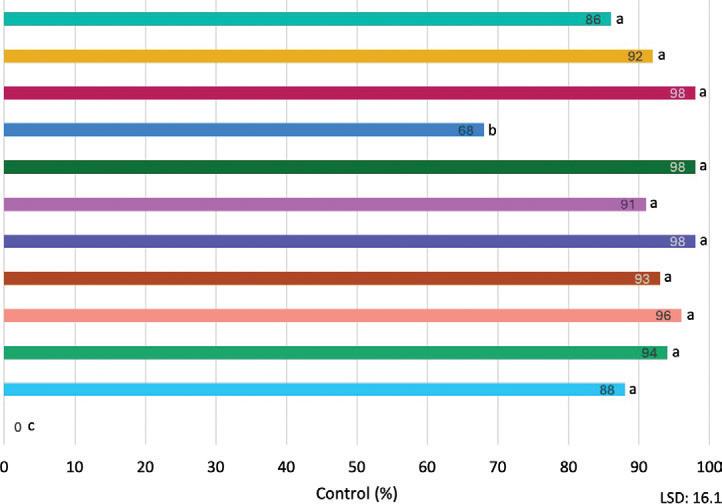
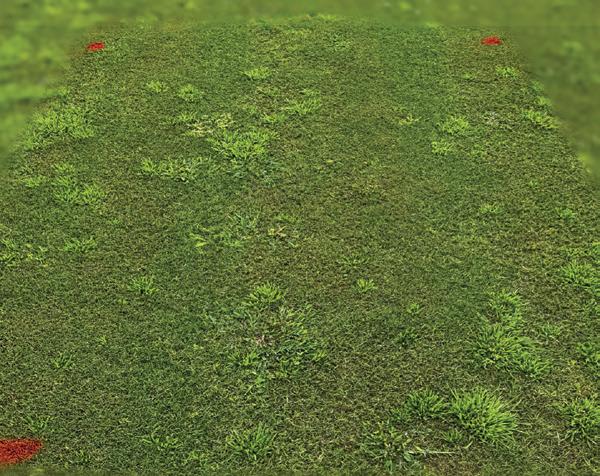
Results. StayGuard controlled cockscomb kyllinga and smooth crabgrass effectively in some application scenarios. When as a second application following common preemergence herbicides such as Barricade, Pendulum Aquacap, or Specticle Flo, the StayGuard treatments controlled both smooth crabgrass and cockscomb kyllinga >90% on August 10th, 145 days after the initial application (Figure 1). By comparison, sequential applications of Barricade and Pendulum applied alone controlled cockscomb kyllinga <60% indicating that StayGuard as a second application can improve control of these weeds. For turfgrass practitioners, this means that granular flumioxazin can complement existing programs by strengthening early-season control while also broadening the spectrum to include more problematic sedge species.
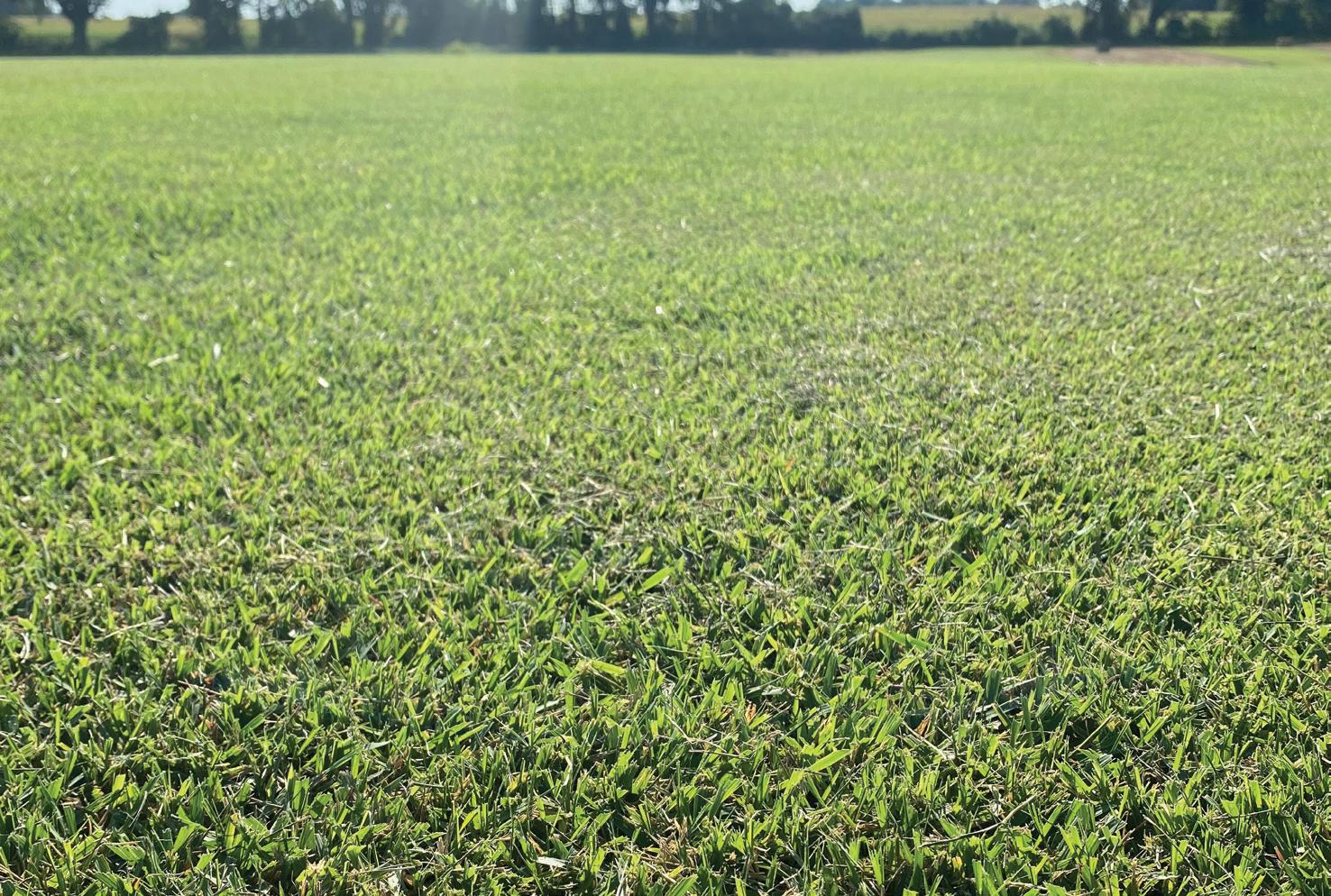
In addition, bermudagrass tolerance was also encouraging. The granular formulation minimized foliar exposure, which in turn reduced the injury. This reinforces one of the primary advantages of granular herbicides: the ability to deliver the active ingredient directly to the soil surface without coating turf foliage. Finally, the study offered an interesting observation about sedge control. Some cockscomb kyllinga populations had already begun emerging before the sequential granular flumioxazin application was made, yet control was still observed. While granular PPO herbicides are primarily intended as preemergence tools, this raised the possibility of limited activity on newly emerged weeds. Additional research is underway to better understand the soil-based uptake pathways that contribute to this early postemergence effect.
As herbicide options continue to evolve, having multiple PPO inhibitors available provides turfgrass managers with greater flexibility and resilience in their programs. Granular flumioxazin products, such as StayGuard, expand the range of tools available for managing difficult annual grasses, sedges, and broadleaf weeds in warm-season turf.




Because of its formulation, granular flumioxazin offers a practical option for sites where ease of application and turf safety are priorities. It can fit naturally into programs that already rely on spring preemergence applications, providing an additional layer of residual control. For Alabama turfgrass systems, where weed pressure is high and growing seasons are long, having an additional PPO inhibitor with a broader weed spectrum is valuable. As research continues and field observations accumulate, turf managers will be able to fine-tune where granular flumioxazin products make the most sense in their program.
Final Thoughts. Our work with granular flumioxazin has shown strong potential for managing several challenging warm-season weeds found in Alabama. Programs incorporating Stayguard have been especially encouraging against various sedge species, smooth crabgrass, goosegrass, and doveweed. Annual bluegrass (Poa annua) control, however, has been less impressive. Because annual bluegrass remains a significant winter weed in Alabama, additional research is underway to better understand the cool-season applications of granular flumioxazin.
Atkinson, J. L., McCarty, L. B., Yelverton, F., McElroy, S., & Bridges, W. C. (2019). Doveweed (Murdannia nudiflora) response to environmental resource availability and cultural practices. Weed Science, 67(2), 214–220. https://doi.org/10.1017/wsc.2018.89
Bi, B., Wang, Q., Coleman, J. J., Porri, A., Peppers, J. M., Patel, J. D., Betz, M., Lerchl, J., & McElroy, J. S. (2020). A novel mutation A212T in chloroplast protoporphyrinogen oxidase (PPO1) confers resistance to PPO inhibitor oxadiazon in Eleusine indica Pest Management Science, 76(5), 1694–1700. https://doi. org/10.1002/ps.5703
Dayan, F. E., Barker, A., & Tranel, P. J. (2018). Origins and structure of chloroplastic and mitochondrial plant protoporphyrinogen oxidases: Implications for the evolution of herbicide resistance. Pest Management Science, 74(10), 2226–2234. https://doi.org/10.1002/ps.4744
Heap, I. (n.d.). The International Herbicide-Resistant Weed Database. Online. Available at www. weedscience.org
Johnson, B. J. (1980). Root growth of southern turf cultivars as affected by herbicides. Weed Science 28(5), 526–528. https://doi.org/10.1017/S0043174500022311
McElroy, J.S., Yelverton, F.H., Burke, I.C., & Wilcut, J.W. (2004). Absorption, Translocation, and Metabolism of Halosulfuron and Trifloxysulfuron in Green Kyllinga (K. brevifolia) and False-Green Kyllinga (K. gracillima). Weed Science, 52(5), 704-710. https://doi.org/10.1614/WS-03-133R
U.S. Environmental Protection Agency. (2022). Oxadiazon: Interim Registration Review Decision (Docket No. EPA-HQ-OPP-2014-0782-0151). Retrieved from https://www.regulations.gov/document/EPA-HQ-OPP2014-0782-0151
Acknowledgments. This research was partially funded by the Alabama Turfgrass Research Foundation.
José Javier Vargas Almodóvar Research Associate II
Turf & Ornamental Weed Science
The University of Tennessee 2431 Joe Johnson Drive 252 Ellington Plant Sci. Bldg. Knoxville, TN 37996 (865) 974-7379 jvargas@utk.edu tnturfgrassweeds.org @UTweedwhisperer
Greg Breeden Extension Specialist, The University of Tennessee 2431 Center Drive 252 Ellington Plant Sci. Bldg. Knoxville, TN 37996-4561 (865) 974-7208 gbreeden@utk.edu tnturfgrassweeds.org @gbreeden1
Jim Brosnan, Ph.D. Professor, The University of Tennessee Director – UT Weed Diagnostics Center 112 Plant Biotechnology Bldg. 2505 EJ Chapman Drive. Knoxville, TN 37996 Office: (865) 974-8603 tnturfgrassweeds.org weeddiagnostics.org mobileweedmanual.com @UTturfweeds
Kyley Dickson, Ph.D. Associate Director, Center for Athletic Field Safety Turfgrass Management & Physiology (865) 974-6730 kdickso1@utk.edu @DicksonTurf
Midhula Gireesh, Ph.D. Assistant Professor and Extension Specialist Department of Entomology and Plant Pathology
The University of Tennessee UT Soil, Plant and Pest Center 5201 Marchant Drive Nashville, TN 37211 mgireesh@utk.edu (615) 835-4571
Becky Bowling, Ph.D. Assistant Professor and Turfgrass Extension Specialist
The University of Tennessee 112 Plant Biotechnology Bldg. 2505 E.J. Chapman Dr. Knoxville, TN 37919 (865) 974-2595 Rgrubbs5@utk.edu @TNTurfWoman
John Stier, Ph.D. Associate Dean
The University of Tennessee 2621 Morgan Circle 126 Morgan Hall Knoxville, TN 37996-4561 (865) 974-7493
jstier1@utk.edu turf.utk.edu
@Drjohnstier
Brandon Horvath, Ph.D. Associate Professor, Turfgrass Science
The University of Tennessee 252 Ellington Plant Sci. Bldg. 2431 Joe Johnson Drive Knoxville, TN 37996 (865) 974-2975 bhorvath@utk.edu turf.utk.edu @UTturfpath
John Sorochan, Ph.D. Professor, Turfgrass Science The University of Tennessee 2431 Joe Johnson Drive 363 Ellington Plant Sci. Bldg. Knoxville, TN 37996-4561 (865) 974-7324 sorochan@utk.edu turf.utk.edu @sorochan
Nar B. Ranabhat, Ph.D. Assistant Professor and Extension Plant Pathologist Department of Entomology and Plant Pathology
University of Tennessee
UT Soil, Plant and Pest Center 5201 Marchant Drive, Nashville, TN, 37211 (615) 835-4572
nranabhat@utk.edu
@UTplantPathoDoc

Chris Vincent, CGCS Southeast Territory Manager cvincent@aquatrols.com (919) 901-7348


By Scott McElroy, PhD
Professor, Department of Crop, Soil, and Environmental Sciences, Auburn University
and Travis Gannon, PhD
Professor, Department of Crop and Soil Science, NC State University
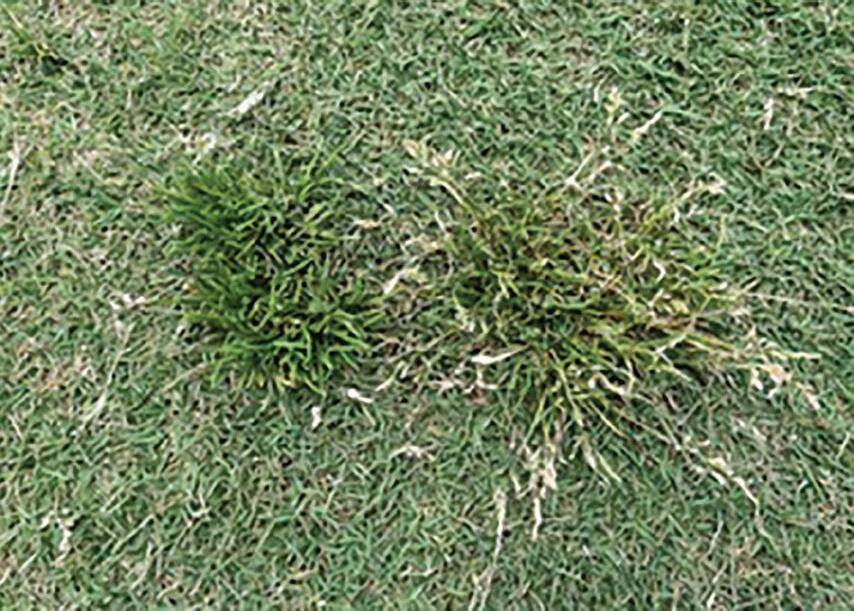
is the end of Poa annua’s life span here in the southeast. As this article is being written in late May, Poa is struggling to produce that last bit of seed it can before it dies, perpetuating whatever traits it carries into the future. Likely, if you have been trying to control Poa, you are looking down at a population that has been selected for some form of resistance to the herbicides you have been using. The short-time traveler seeds are going to greet you next November-ish. As warm-season grasses are sliding into dormancy, or at least a state of slowed or diminished growth, those seeds carrying those herbicide-defying traits are going to make their appearance, potentially thwarting whatever attempt you used last year yet again.
Before you start making decisions about your management program next year, you need to test your Poa population. Two populations from this year were showing signs of Kerb resistance until we brought them into the lab and realized that it was not resistance, but most likely enhanced degradation due to overuse. Email Dr. McElroy at resistancelab@ auburn.edu and get a better picture of what your population is resistant to. For most herbicides, you can get an answer in six weeks.
For the southeastern US, there are three distinct application periods for Poa control. This is for bermudagrass and zoysiagrass golf, sports fields, professional lawn care, and general use. Golf and sports fields are the most complicated because they receive the most traffic and use, therefore the greater turfgrass damage, which leads to greater weed invasion. The application scenarios we talk about here are more likely to be used in golf than in other areas, but applicable to all situations except sports, which require special attention to not reduce rooting and traction.
The Pre Application- The Basis of Control.
In all situations, you want to start off with a general preemergence herbicide. If in golf and non-sports turfgrass areas, this is Specticle (indaziflam) or a standard pre like Barricade (prodiamine), Pendulum (pendimethalin), or Dimension (dithiopyr). In our opinion, this is the optimal application timing for Specticle (indaziflam). Specticle should not be used on sports fields, it is a root inhibitor and can result in poor-performing turfgrass. Regardless of which herbicide, the initial pre application is the basis of all Poa control programs. Skipping the pre puts greater pressure on follow-up postemergent applications. Even if preapplications only reduce the Poa population by 50%, that is still 50% fewer weeds that follow-up applications have to deal with. Later applications are much more likely to fail if you put all the pressure on follow-up post applications. Adding in a postemergent herbicide at this time is not a bad idea, but it needs to have some residual and some root uptake because your pre needs to be watered in. Monument (trifloxysulfuron) is possible because it can be foliar absorbed, but Revolver (foramsulfuron) has limited root uptake. Others are using Sencor (metribuzin) in this timing.


OARS PS® eliminates the underlying factors that create soil water repellency, restoring a healthy moisture balance.
Excalibur® delivers rapid infiltra�on, consistent rehydra�on, and las�ng hydra�on to keep turf strong, resilient, and thriving.
Combines surfactant performance with patented organic acids to create op�mal rootzone condi�ons for healthy turf growth.
Eliminates humic coa�ngs that restrict water movement, allowing roots to thrive in a consistent moisture environment.
Restores uniform soil hydra�on, reducing turf stress and promo�ng steady plant development.
Improves nutrient and water uptake efficiency, strengthening turf resilience to stress.
Creates a healthier rootzone environment that supports stronger, more resilient turf year-round.
Provides rapid and uniform water movement to keep roots well-hydrated for op�mal growth.
Enhances rehydra�on efficiency, helping turf recover quickly from dry or stressed condi�ons.
Maintains a balanced moisture profile, reducing plant stress and improving overall turf vigor.
Supports stronger root systems by ensuring consistent access to water and nutrients.
Effec�ve year-round, delivering con�nuous plant health benefits.

The Winter Transition: Key to Resistance Management.
The early winter, or early winter transition application, is the most critical. Skipping this application leads to too much pressure being placed on the initial pre application which can expedite resistance development. This application needs to yield acceptable control in two to three weeks, which eliminates any resistant survivors that may be present and provides further preemergence control.
The key to the transition application is choosing multiple herbicides with a minimum of three different modes of action, with at least two having preemergence and postemergence activity. To clarify- Three modes of action with two having both pre and post activity. Triazines – atrazine and simazine – are the starting point
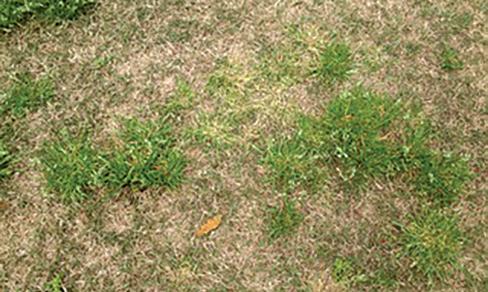
for this control. Think of these as your Post/Pre herbicides, they are primarily post but give you some pre activity. Sencor (metribuzin) is also an option, although not as consistently effective as atrazine or simazine. If these herbicides are not available for use or if you have extensive confirmed resistance, ALS inhibitors such as Revolver (foramsulfuron), Monument (trifloxysulfuron), or Katana (flazasulfuron) are useful, as is Scepter (imazaquin).
Next, you need a Pre/Post in the mix – a herbicide that gives you primarily pre action but adds in some post control. Kerb (pronamide/propyzamide) and Sureguard (flumioxazin) are good choices at this timing. A second application of Specticle also has potential in this situation, although it has less post activity than the two listed above. Ronstar (oxadiazon) applied as a liquid to provide post activity also has potential in this timing.
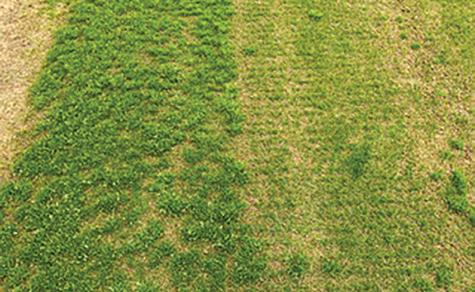
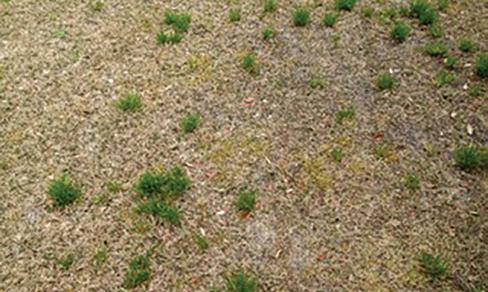
The three application windows for Poa annua control. Maximizing diverse modes of action is critical for effective control and resistance prevention.
Timing: September
Preemergence
Specticle (indaziflam)
Secondary choices if Specticle resistance exists
Barricade (prodiamine)
Pendulum (pendimethalin)
Dimension (dithiopyr)
Add an early post herbicide with root absorption if application is delayed or early germination of Poa is expected.
Timing: December
Pre / Post
Atrazine
Simazine
Post / Pre
Kerb (pronamide)
Sureguard (flumioxazin)
True Post
ALS inhibitors – Monument, Revolver, Katana and the like
Non-selective additive
Glyphosate – low rate (e.g., 5 fl oz/a) if dormancy is questionable, label rate if confident in dormancy
Timing: Late February to Early March
Pre
Barricade (prodiamine)
Pendulum (pendimethalin)
Dimension (dithiopyr)
Ronstar (oxadiazon)
Post
ALS inhibitors – Revolver, Monument, Katana
After greenup, other herbicides such as Xonerate (amicarbazone) along with ALS inhibitors can be applied for late season control.
Last in the mix you need something that can aid control and help prevent resistance. Glyphosate is the obvious choice in this mixture. If you are not completely dormant, a low rate at 5 fl oz/a (of a 4 lb ai gallon) can add some benefit, but if confident in the dormancy, use a full labeled rate on dormant turfgrass. Finale (glufosinate) is a good substitute if glyphosate resistance is present or developing. Neither glyphosate or glufosinate are recommended for zoysiagrass, adding in a Revolver, Katana, or another ALS inhibitor is a better choice due to potential damage from non-selective herbicides.
The Spring Transition –Control Any Escapes and Spring Crabgrass Control.
Combining any further Poa annua control with spring crabgrass and goosegrass control is an easy way to maximize efficiency. This pushes the herbicide application into late February to early March for the majority of the southeastern United States (time applications to your specific area based on local weather patterns and soil temperatures). Dormancy questions and spring greenup of bermudagrass or zoysiagrass complicate this application timing. Some herbicides are simply too harsh on greenup to be used in this period.





First, the standard pre herbicides should be used at this time – Barricade (prodiamine), Pendulum (pendimethalin), Dimension (dithiopyr), or Ronstar (oxadiazon, granular is not dormant, but liquid can be used if still dormant). While Specticle is more effective for Poa annua control and summer annuals such as goosegrass and doveweed, it is equivalent to the standards for crabgrass control.
Second, post herbicides that can be used in this transition period are few. ALS-inhibitors mentioned before are definitely safe, but resistance is extensive, thwarting their use. Triazines can delay greenup and cause transition injury. Non-selectives such as glyphosate and glufosinate are out due to spring injury.
Herbicides are primary technology we have today to control weeds. We live in a chemical technological age. Unfortunately, weeds, especially Poa annua, have evolved resistance to these herbicides. Our thoughts and ideas we provide herein are meant to reduce the potential for resistance development and all herbicide options are not discussed for brevity. These multi-herbicide strategies now are necessary because herbicide resistance has become so prevalent and it is our goal to strategically use these herbicides to prevent further resistance development and protect herbicide technology for future use.



Ava Veith is a Ph.D. student in the Department of Plant Science at Penn State University under the advisement of Dr. Chase Straw, where her research focuses on studying within-field variability and athlete–surface interactions. However, the research presented in this article was conducted during her master’s program at Virginia Tech under Dr. David McCall.
This study served as a foundational investigation into how variability within and between natural turfgrass and synthetic turf athletic fields influences athletes. The findings from this work have shaped the direction of subsequent doctoral research. Building on this foundation, the planned Ph.D. project aims to examine athlete lower-limb joint biomechanics across natural turfgrass, synthetic turf, and hybrid (natural turfgrass reinforced with synthetic fibers) surfaces using multi-segment inertial measurement units. At the conclusion of this article, the next phase of research will be briefly outlined to demonstrate how it has grown from the master’s study. In this way, the Virginia Tech study presented here represents both a completed project and the starting point for a broader, ongoing effort to better understand how the playing surface can affect athlete movement and injury-relevant mechanics.
A safe playing surface is essential for athletic competition. Natural turfgrass and synthetic turf are common playing surfaces used for field sports, and extensive research has been conducted to compare these two surface types. However, limited attention has been given to within-field variability and its impact on athlete safety and performance. Studies often classify athletic fields broadly as synthetic or natural, overlooking critical surface metrics that fluctuate both within and between fields.
Key field characteristics such as surface hardness, rotational resistance, soil moisture, thatch depth, and infill depth (for synthetic fields) play a crucial role in assessing field quality.
Variability in these factors can be influenced by environmental conditions, management practices, and field usage patterns. Despite the known importance of these factors, current research often fails to account for field-specific inconsistencies, limiting the effectiveness of broad comparisons between surfaces.
To improve field safety and optimize athlete performance, interdisciplinary collaboration among turfgrass scientists, sports scientists, and sports medicine professionals is necessary. Evidence-based field management strategies must be developed to ensure more consistent playing conditions, reducing the risk of injury. Wearable technologies such as STATSports GPS trackers (STATSports, 2025) and ankle inertial measurement units (IMUs) (IMeasureU, 2019) provide critical insights into athlete biomechanics, load monitoring, and more. These technologies allow researchers to quantify how different surface conditions influence athletes during performance, offering valuable data for injury prevention strategies.
Beyond data collected by wearable technologies, athlete perceptions of field conditions also play a role in performance and injury risk. Unpredictable surface variability can affect player confidence, movement efficiency, and risk-taking behaviors, making perception-based data collection essential. Understanding how athletes experience and perceive different playing surfaces can inform future improvements in field construction and maintenance.
The objective of this study is to quantify the impact of surface variability on athlete safety and performance, both within and between natural turfgrass and synthetic turf surfaces. This research will quantify how variations in key surface metrics, including surface hardness, rotational resistance, soil moisture, thatch depth, and infill depth, affect athletes utilizing data from wearable technologies, such as STATSports GPS trackers and ankle IMUs. Additionally, to further understand the influence of field surfaces, athletes will be surveyed before and after performing drills to gather insights into their perceptions of how surface variability impacts their performance.
This research was conducted in August of 2024, where four athletic fields on the Virginia Tech campus in Blacksburg, Virginia were studied (Figure 1). Two of these fields were natural turfgrass (bermudagrass), while the other two fields were synthetic turf. For both field types, one field was classified as ‘low usage’, while the other was classified as ‘high usage’. This was determined based on traffic frequency, field age, and management practices.
Before live athletes were introduced, surface hardness was assessed on all four fields using a Clegg hammer, with 100 measurements collected per field. The data were then analyzed using ArcGIS Pro to generate surface hardness heatmaps, highlighting variability between and within each field. These maps allowed us to identify specific locations for the athletes to perform drills,
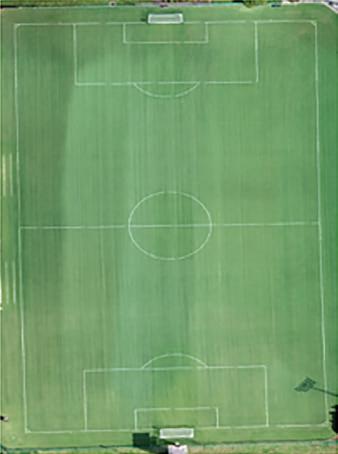
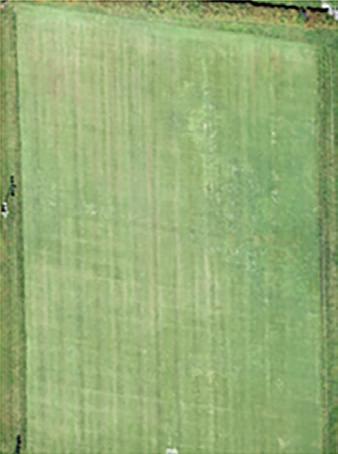
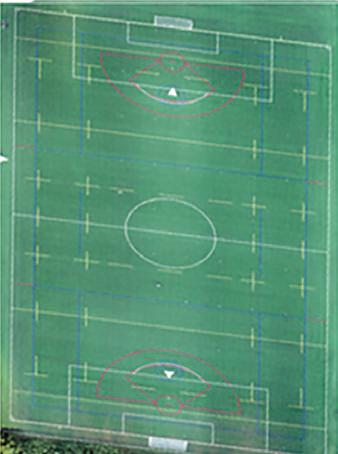
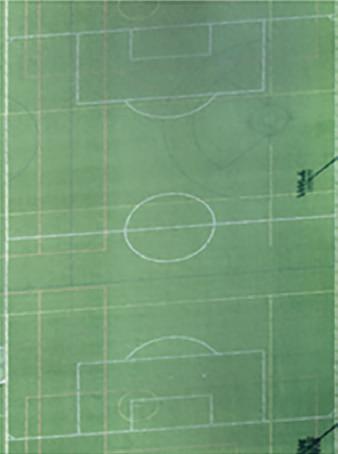
where one selected area within each field was slightly harder than the rest of the field, and the other being slightly softer (Figure 2). Additionally, 20 measurements of rotational resistance (using Deltec’s rotational resistance tester), thatch depth (using a soil profile sampler), soil moisture (using a TDR 350 Soil Moisture Meter), and infill depth (using a Turf-Tec Professional Model Infill Depth Gauge) were taken in both the softer and harder areas to further characterize each field and understand the relationship between surface conditions and athlete performance.
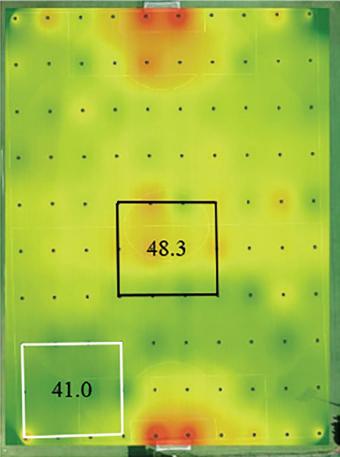

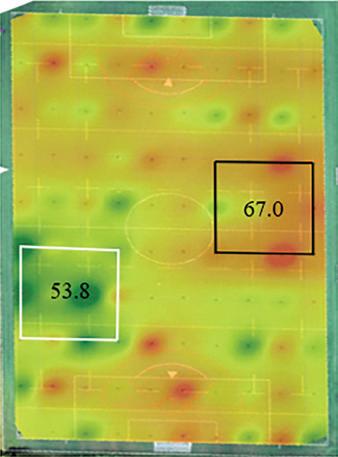
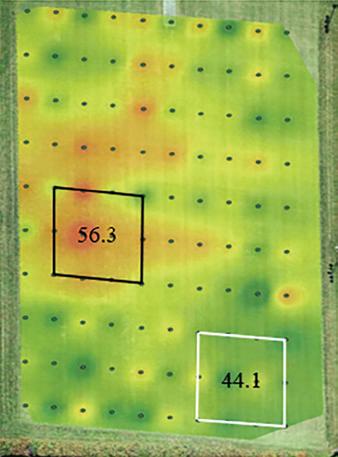
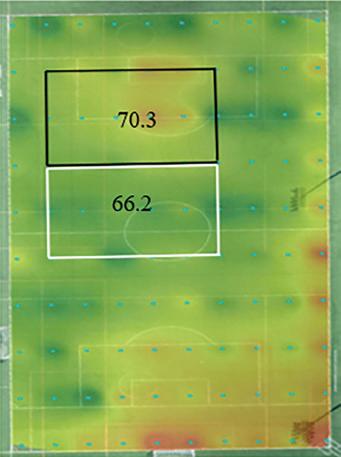
Figure 2. Within-field surface hardness (measured in Gmax units) studied across four athletic fields. Drills were performed in each field’s representative black (harder area) and white (softer area) rectangles, with values within each rectangle representing the average surface hardness for that area. The ‘field average’ values reflect the surface hardness across the entire field, while the key in the bottom left of each field indicates the maximum and minimum surface hardness values.
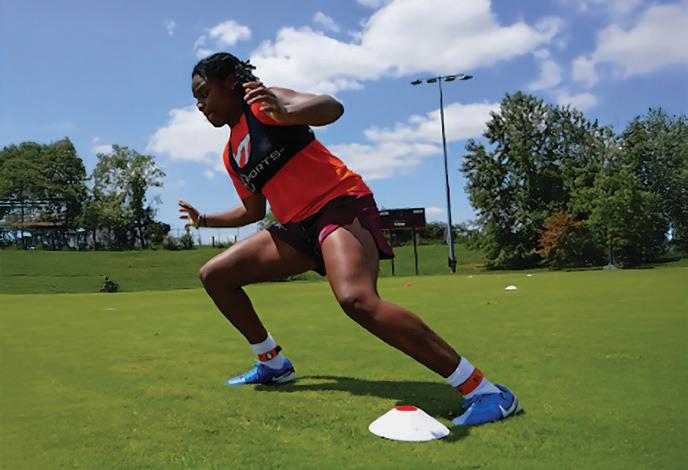
Fourteen female athletes participated in the study, equipped with STATSports GPS devices (to measure running speed) and ankle IMUs (to measure lower limb impact intensity) to quantify their movements during drills (Figure 3). The athletes were each given new Nike cleats prior to participation to eliminate variation based on cleat configuration. They completed three drills, including a drop landing or drop jump drill, a T-drill, and a modified acceleration-deceleration drill, which were designed to replicate common athletic movements. Each drill was performed three times in both the softer and harder areas identified within each field as shown in Figure 2. Additionally, each athlete completed pre- and postperformance surveys designed to capture their perceptions of field quality before and after completing the drills, providing insight into how different surfaces may have influenced their performance.
Heatmaps shown in Figure 2 highlight surface hardness variability within each studied field. Surface hardness data (n = 100 per field) were analyzed using analysis of variance, and means
were separated using Fisher’s protected least significant difference (LSD) test at α = 0.05 to evaluate statistical differences between locations.
Both synthetic turf fields had significantly harder surfaces than the natural turfgrass fields (p < 0.0001), and for both surface types, the high-usage field had a significantly harder surface than the low-usage field (p = 0.0029 for the natural turfgrass fields and p < 0.0001 for the synthetic turf fields). Both synthetic fields tested in this study were not constructed with a shock pad, which is typically placed beneath the layer of material that supports the synthetic fibers and utilized to help replicate the cushioning effect of natural turfgrass. The absence of a shock pad, along with the tendency of synthetic turf to harden over time due to infill material compaction from athlete foot traffic, may explain the harder surface values observed on the synthetic fields compared to the natural fields. Further, increased use or foot traffic on both natural turfgrass and synthetic turf leads to compaction, which causes the playing surface to harden over time. Therefore, it is anticipated that the high-usage fields exhibited higher surface hardness compared to the low-usage fields.
Resulting rotational resistance, thatch depth, soil moisture, and infill depth (synthetic fields only) measurements taken within each hard and soft area on all four fields are presented in Table 1. These measurements (n = 20 per both hard and soft areas within each field) were analyzed using analysis of variance, and means were separated using Fisher’s protected least significant difference (LSD) test at α = 0.05 to evaluate statistical differences between locations.
Although the fields tested in this research were not professionallevel fields, it is insightful to compare the results in Table 1 with the FIFA natural-pitch rating system (FIFA, 2022). All rotational resistance values fell within FIFA’s ‘excellent quality’ and ‘satisfactory quality’ thresholds, which is important because excessive rotational resistance has been linked to increased lower extremity injuries due to the foot becoming entrapped in the surface during pivoting movements, and too little resistance can increase the risk of slipping. However, soil moisture values exceed 35%, which FIFA classifies as ‘unacceptable quality’. This elevated moisture is likely the primary cause of the low surface hardness values observed on the natural turfgrass fields, which were lower than FIFA’s 70-85 Gmax ‘excellent quality’ range.
Additionally, FIFA considers thatch depths over 25 mm as unacceptable, and 10–15 mm satisfactory. Excessive thatch can cause athlete’s cleats to become caught within the surface, increasing knee ligament stress. The lowusage natural turfgrass field had more thatch despite regular maintenance, while the high-usage natural turfgrass field had less, likely due to recent sprigging the summer before. Soft areas in both natural turfgrass fields exhibited higher thatch levels than the hard areas, consistent with previous findings that core cultivation reduces both thatch and surface hardness (McCarty et al., 2007; Atkinson et al., 2012). This supports the understanding that increased thatch can act as a cushioning layer, absorbing impact and thereby reducing surface hardness.
The high-usage synthetic turf field exhibited significantly less infill and greater surface hardness compared to the low-usage synthetic turf field, and the soft areas within both synthetic fields had more infill than the hard areas. This aligns with previous research indicating that infill depth decreases with use, which in turn leads to higher surface hardness (Dickson et al., 2022). Additionally, the low-usage synthetic field exhibited greater variability in infill depth between the selected hard and soft areas, likely due to its relatively young age (only one year old at the time of the study). Compared to the older high-usage field, which was approximately ten years old, the infill in the low-usage synthetic field had less time to settle, making it more susceptible to displacement from foot traffic (Fleming et al., 2016).
STATSports GPS Unit Data
In our study, STATSports GPS units were securely attached to each athlete’s upper back, as shown in Figure 2. These devices were used to determine if athlete running speed varied based on field type (natural turfgrass or synthetic turf), field usage level (high or low), or hardness (hard or soft areas within each field).

Office: 205-333-1776
www.surlineturf.com • email: surline1@gmail.com
Athletic Field Construction and Renovation
Golf Course Construction and Renovation
Laser Grading • Super Topdressing
No-Till Planting • Sodding • Sprigging
On-Site Custom Built Turf Covers
Fertilizer • Seed • Turf Colorant
Sod Staples • Bunker Nails • Bunker Liners
Sod • Sprigs • Sand • Mixes
Infield Mix • Infield Conditioners
Warning Track Stone • Mound Clay
However, no statistically significant differences were found. This consistency in speed across conditions is important because running speed can directly affect impact forces and biomechanical measurements. Prior studies have shown that faster running increases the ground reaction force and ultimately lower limb impact load (Leatham, 2004; Jiang et al., 2024). If athletes had run at different speeds on one field type compared to another, it could have affected the reliability of our ankle IMU data. However, since no significant speed differences were found across field types, usage, or hardness, we can confidently attribute the observed differences in the resulting ankle IMU data to the playing surface.
Ankle IMUs were utilized to record a metric called average intensity, which is defined as the mean impact intensity derived from every impact propagated into both limbs (IMeasureU, 2022). This metric is recorded in units of gravitational force (g). These devices were securely attached to each athlete’s ankle and recorded data as they performed drills on all four fields studied. After running statistical tests that accounted for individual differences between athletes, significant differences were found based on field, field usage, and hardness.
Across all three drills, field type had a noticeable impact (p < 0.0001) where athletes showed higher average intensity on synthetic turf fields compared to natural turfgrass. For the drop jump drill, the average intensity was 19.73 g [standard error (SE) ± 1.88] on natural turfgrass and 22.73 g (SE ± 1.82) on synthetic turf, placing the synthetic turf value within the IMU Step ‘high intensity’ foot strike range of 21.5–26.7 g (Wong and Finch, 2018). A similar trend was seen in the t-drill, with average intensities of 15.84 g (SE ± 1.20) on natural turfgrass and 18.07 g (SE ± 1.16) on synthetic turf. For the modified acceleration-deceleration drill, average intensity was 17.72 g (SE ± 1.15) on natural turfgrass and 21.35 g (SE ± 1.10) on synthetic turf.
Field usage also made a difference in the t-drill (p < 0.0001), where the average intensity on high-usage fields was 18.14 g (SE ± 1.24), compared to 16.49 g (SE ± 1.24) on low-usage fields. Hardness played a role as well, especially in the t-drill (p = 0.0073) and the modified acceleration-deceleration drill (p < 0.0001). In the t-drill, hard areas resulted in an average intensity of 17.43 g (SE ± 1.22), slightly higher than the 17.05 g (SE ± 1.22) on soft areas. For the modified acceleration-deceleration drill, intensity averaged 20.38 g (SE ± 4.28) on hard areas and 18.85 g (SE ± 3.81) on soft areas.
Overall, the synthetic turf fields, high-usage fields, and hard areas within fields exhibited higher average intensity values than the natural turfgrass fields, low-usage fields, and softer areas within fields. This aligns with our surface hardness findings, as synthetic turf fields were significantly harder than natural turfgrass fields on average. Additionally, hard areas within synthetic turf were harder than those on natural turf, and high-usage fields were harder than low-usage fields for both surface types. Thus, our data suggest that harder surfaces may explain the higher average intensity values recorded on the athlete’s lower limbs compared to softer surfaces. This trend has been heavily supported, as running on harder surfaces increases impact stress, which can ultimately contribute to lower limb injuries. However, all surface hardness values in this study were below 100 Gmax, which is the threshold deemed unsafe by the National Football League (NFL) guidelines (Sports Turf Managers Association, 2019) and unacceptable by FIFA. Yet, a potential positive correlation between surface hardness and impact was observed, as recorded by the ankle IMUs. While further research is needed, it is hypothesized that surface hardness exceeding 100 Gmax could significantly increase injury risk over time due to excessive impact on athletes’ lower limbs. Additionally, establishing threshold values for ankle IMU metrics is crucial to determine the point at which these values may lead to injury.
Athletes completed pre- and post-performance surveys to assess field quality and its impact on their performance. Individual responses were recorded and analyzed using one-way analysis of variance to assess statistical differences between fields. Post-hoc comparisons were conducted using Fisher’s protected least significant difference (LSD) test at α = 0.05.
The low-usage natural turfgrass field received the highest quality rating for both pre- and post surveys, while the high-usage natural turfgrass field, hindered by weeds and poor maintenance, scored the lowest. Synthetic turf fields ranked in between the two natural fields (with the high usage synthetic turf field being ranked lower than the low-usage synthetic turf field), indicating a preference for synthetic surfaces over a poorly maintained natural field.
Table 2. Athlete perceptions of field quality before and after performance of drills. Athletes were asked to rate each field on a scale of 1-10, where 10 represents the best field they have ever seen and 1 the worst. Means followed by the same letter within the same row are not significantly different according to Fisher’s protected least significant difference (LSD) test at α = 0.05.
Considerable variation in surface hardness was observed both within and between fields, with synthetic turf fields generally being harder than natural turfgrass fields. High-usage fields, regardless of type, were significantly harder than low-usage fields. Other metrics, such as rotational resistance, soil moisture, thatch depth, and infill depth, also showed variability. For natural turfgrass fields, higher soil moisture led to lower surface hardness, while synthetic turf fields exhibited a negative relationship between field usage and infill depth, where frequent foot traffic reduced infill and increased surface hardness. Although achieving perfect field uniformity is not possible, these findings emphasize how field usage and maintenance impact surface variability.
Additionally, our data suggest a potential link between surface hardness and the mechanical load on athletes’ lower limbs. While this trend was observed, further research is needed to investigate its long-term effects on athlete health, particularly on surfaces that exceed acceptable hardness thresholds.
Survey data revealed athletes rated the quality of the low-usage natural turfgrass field the highest, likely due to its softer surface and better aesthetics. In contrast, the high-usage natural turfgrass field, which suffered from poor maintenance and weed pressure, received the lowest ratings, underlining the importance of field condition in shaping athlete perceptions. These results highlight the role of field management and athlete feedback in optimizing field quality.
Overall, this study offers valuable insights into how different sports surfaces impact athletes. Our findings suggest that harder surfaces, such as synthetic turf or high-traffic areas, can increase impact and loading on the lower limbs. These results highlight the critical importance of effective field management, maintenance, and consideration of field conditions prior to athletic competition.
Building on the findings of the Virginia Tech study, this doctoral research at Penn State expands the investigation from impact loading to full lower-limb joint biomechanics during sport-specific movements. While the Virginia Tech study demonstrated that harder surfaces were associated with increased lowerlimb impact intensity, the next question is whether different playing surfaces subtly alter how athletes move at the joint level during high-risk tasks such as cutting and decelerating.
The planned Ph.D. project uses a multisegment inertial measurement unit (IMU) configuration placed on the athlete’s dominant limb, including sensors at the foot, shank, thigh, and pelvis. Positioning sensors closer to the ground improves sensitivity to surface-related differences, allowing evaluation of not only impact but also ankle, knee, and hip joint kinematics derived through inverse kinematics workflows. Female athletes will perform sport-specific movements, including a single-leg drop-landing followed by a 90° cut, as well as an acceleration to deceleration drill, on four playing surface types: natural turfgrass,



synthetic turf, carpet-type hybrid reinforced turfgrass, and stitched fiber hybrid reinforced turfgrass. Each athlete will complete multiple trials on each surface in a within-subject, repeated-measures design, allowing direct biomechanical comparisons across surface types. Female athletes are of particular interest given they experience substantially
higher rates of non-contact ACL injury compared to their male counterparts, highlighting the importance of understanding how the playing surface may influence movement.
Joint angles of interest include knee flexion and frontal-plane knee motion (dynamic valgus), as well as hip and foot
orientation variables commonly discussed in the context of noncontact ACL injury mechanisms. Because hybrid systems are increasingly used in elite stadium environments and are required for upcoming international competitions (e.g., the FIFA World Cup), understanding how live athletes respond biomechanically to these surfaces is of particular interest. To date, most hybrid research has relied primarily on mechanical testing devices rather than human movement data.
An additional component of the project involves comparing human biomechanical responses to mechanical surface testing metrics, including measurements from the fLEX testing device (Dickson and Sorochan, 2022; SGL System, n.d.). If consistent relationships are identified between device measurements and athlete joint mechanics, field managers may ultimately be able to more confidently use standardized mechanical testing tools as practical indicators of athlete–surface interactions.
Collectively, this progression advances a more comprehensive framework that integrates both the playing surface and athlete biomechanics. By focusing on human movement responses within real field environments, this work strengthens interdisciplinary collaboration across field management, kinesiology, and sports medicine. Ultimately, it aims to generate practical knowledge that supports both performance and safety in sport.
Atkinson, J. L., McCarty, L. B., & Bridges Jr, W. C. (2012). Effect of core aerification frequency, area impacted, and topdressing rate on turf quality and soil physical properties. Agronomy Journal, 104(6), 1710-1715.
Dickson, K. H., & Sorochan, J. C. (2022, November). New Device to Test Uniformity and Consistency of Athletic Fields. In ASA, CSSA, SSSA International Annual Meeting. ASA-CSSA-SSSA.
Dickson, K. H., Straw, C. M., Thoms, A. W., Carson, T. D., & Sorochan, J. C. (2022). Impact of third generation synthetic turf athletic field age on surface hardness and infill depth spatial variability. Proceedings of the Institution of Mechanical Engineers, Part P: Journal of Sports Engineering and Technology, 236(3), 192-199.
Fédération Internationale de Football Association (FIFA). (2022). FIFA natural pitch rating system. Retrieved from https://digitalhub.fifa.com/m/58aa765dd3e85f26/original/FIFA-natural-pitch-ratingsystem_EN.pdf
Fleming, P., Ferrandino, M., & Forrester, S. (2016). Artificial turf field–A new build case study. Procedia engineering, 147, 836-841.
Jiang, X., Bíró, I., Sárosi, J., Fang, Y., & Gu, Y. (2024). Comparison of ground reaction forces as running speed increases between male and female runners. Frontiers in Bioengineering and Biotechnology, 12, 1378284.
Leatham, C. L. (2024). Tibial Acceleration and Shock Attenuation in Female and Male Distance Runners at Different Levels of Body Weight Unloading (Doctoral dissertation, Virginia Tech).
McCarty, L. B., Gregg, M. F., & Toler, J. E. (2007). Thatch and mat management in an established creeping bentgrass golf green. Agronomy Journal, 99(6), 1530-1537.
IMeasureU. (2019). IMU Step: Lower limb load monitoring. https://imeasureu.com/imu-step/ IMeasureU. (2022). Login. IMeasureU. https://login.imeasureu.com/
SGL System. (n.d.). fLEX – pitch performance testing. SGL System. Retrieved January 15, 2026, from https://sglsystem.com/products/pitch-performance-testing/flex/
Sports Turf Managers Association. (2019). Field hardness testing. STMA Institute. Retrieved from https:// www.stma.org/wp-content/uploads/2019/09/Field-Hardness-Testing-STMAInstitute-logo.pdf
STATSports. (2025). STATSports: The world’s leading GPS performance tracker. https://statsports.com/ Wong, A., & Finch, M. (2018). IMU Step Dashboard Summary (Version 1.1.0). Vicon IMeasureU Limited Retrieved from https://imeasureu.com/wp-content/uploads/2018/02/IMUStepDashboardSummary.pdf

Tennessee Turfgrass allows you to get your message directly in the hands of your customers across Tennessee. The magazine is a key benefit of membership in the Tennessee Turfgrass Association, Tennessee Golf Course Superintendents Association and Tennessee Valley Sports Field Managers Association. Readers can also access the Digital Edition through The Turf Zone website. Archived issues will ensure that your advertising will continue to be seen indefinitely, for long-ranging impact. Members include:
Aqua Aid Solutions 17 www.aquaaid.com
Carolina Green Corp. 19 www.cgcfields.com
Coosa Valley Turf Farms 25 www.coosavalleyturffarms.com
Corbin Turf & Ornamental Supply 11 www.corbinturf.com
Crossroads Sod Farm 13 www.csfsod.com
Greene County Fertilizer Co. 9 www.greenecountyfert.com
Leading Edge Communications 26 www.LeadingEdgeCommunications.com
McCurdy Sod Farms, LLC 13 www.mccurdysodfarms.com
Poinsett Turfgrass Company 19 www.poinsettturfgrass.com
Regal Chemical Company Inside Front Cover www.regalchem.com
Smith Seed Services 9 www.smithseed.com
Smith Turf & Irrigation 5 www.smithturf.com
Sod Solutions 3 www.SodSolutionsPro.com
Super-Sod 7 www.supersod.com
Sur-Line Turf, Inc. 23 www.surlineturf.com
The Aquatrols Company 15 www.aquatrols.com
The Turf Zone 27 www.theturfzone.com
Tri-Turf Sod Farms Back Cover www.triturfsod.com
Turf Mountain Sod, Inc. 9 www.turfmountain.com