Vol. 27/No. 4
Winter 2026
The Official Publication of The Tennessee Nursery and Landscape Association
Rooting the Next Generation:
How Children’s Literature Can Grow Forest Stewards Plus, Highlights
from TNGRO
0
% 60 + 7 year *
warranty
FOR MONTHS
= predictable payments / better cash flow on compact construction equipment
request a quote
EAST KNOXVILLE WEST KNOXVILLE
CHATTANOOGA
CROSSVILLE
SEVIERVILLE
TRI-CITIES
MCMINNVILLE
865.546.1414
423.698.6943
931.456.6543
865.595.3750
423.323.0400
931.314.2291
865.218.8800 @STOWERSCAT
@STOWERSCAT
@STOWERS_MACHINERY
STOWERS MACHINERY CORPORATION
STOWERSCAT.COM
Z Series Mower
L Series Tractor
BX Series Tractor
RTV Sidekick
SCL Compact Loader
SVL Track Loader
KX Series Compact Excavators
SSV Skid Steer
M7 Tractor & BV Series Baler
Vol. 27/No. 4 • Winter 2026
The Official Publication of The Tennessee Nursery and Landscape Association
R E CE N T EV ENT TNGRO’s Rooted
8
COVER S TORY Rooting the Next Generation: How Children’s Literature Can Grow Forest Stewards
10
DEPARTMENTS From the President............................................................................................................ 6 TNLA Sponsors................................................................................................................. 6 Index of Advertisers........................................................................................................... 7
tnla.com
4
facebook.com/ TNLAMcminnvilleTN
tennessee greentimes WINTER 2026
instagram.com/ tnla1905
PES TS IN THE S POTLIG H T Two-spot Cotton Leafhopper (Cotton Jassid)
12
The Tennessee Nursery and Landscape Association serves its members in the industry through education, promotion and representation. The statements and opinions expressed herein are those of the individual authors and do not necessarily represent the views of the association, its staff, or its board of directors, Tennessee Greentimes, or its editors. Likewise, the appearance of advertisers, or their identification as Tennessee Nursery and Landscape Association members, does not constitute an endorsement of the products or services featured in this, past or subsequent issues of this quarterly publication. Copyright ©2026 by the Tennessee Nursery and Landscape Association. Tennessee Greentimes is published quarterly. Subscriptions are complimentary to members of the Tennessee Nursery and Landscape Association. Third-class postage is paid at Jefferson City, MO. Printed in the U.S.A. Reprints and Submissions: Tennessee Greentimes allows reprinting of material. Permission requests should be directed to the Tennessee Nursery and Landscape Association. We are not responsible for unsolicited freelance manuscripts and photographs. Contact the managing editor for contribution information. Advertising: For display and classified advertising rates and insertions, please contact Leading Edge Communications, LLC, 206 Bridge Street, Suite 200, Franklin, TN 37064, (615) 790-3718, Fax (615) 794-4524.
TH ANK Y O U TO O UR PA RT N E R M IKE BR OWN ’S WH O LESALE N U R SERY FO R AD VERTISIN G WITH U S SI NCE 2019 !
40 Years of Growing Experience! Call: 606-346-0863
Web: mikebrownswholesalenursery.com
PROFESSIONAL TRADE ONLY • 525 HOLTZCLAW LANE, HUSTONVILLE, KY 40437 Mike’s Cell: 606-706-1620 • Aaron’s Cell: 606-706-6665 • Email: brownsnursery@yahoo.com
Junior Green Giant Arborvitae
“New Gen” Freedom Boxwood
Gatsby Pink Oakleaf
American Pillar Thin Man Arborvitae
Blue Maid holly pyramidal
Green Mountain Boxwood Columnar
Green Mountain Boxwood Pyramiday
Polar Gold Arborvitae
Incrediball Hydrangea
North Pole Arborvitae
Northern Charm Boxwood
Puffer Fish Hydrangea
Ruby Slippers Oakleaf
Spring Grove Arborvitae
Strongbox Inkberry
Wintergreen Arborvitae
Ariel View
Loading one of our goosenecks
Office and Loading
From the President Sam Kinsey
TNLA would like to thank the following companies for being Membership Sponsors
GOLD Membership Sponsors Barky Beaver BASF Blankenship Farms and Nursery Boyd & Boyd Nursery BWI of Memphis Cam Too Camellia Nursery, Inc. Carpe Diem Farms Douglas & Lanier Agency Drees Plant Wholesalers Farm Credit of Mid-America Flower City Nurseries H & R Agri-Power Farm & Turf Haller’s Landscaping & Nursery, Inc. Home Nursery, Inc. Lawn Doctor Legacy Labor Mid-South Nursery Mike Brown’s Wholesale Nursery Nashville Landscape Systems NYP Pirtle Nursery, LLC Randall Walker Farms Riverbend Nurseries, LLC RJV Equipment Swafford Nursery Tennessee Valley Nursery, Inc. TN Wholesale Nursery Triangle Nursery, Inc. Warren County Nursery, Inc. Youngblood Farms, LLC
SILVER Membership Sponsors Botanico, Inc. Dayton Bag & Burlap Co. GreenForest Nursery Kinsey Gardens, Inc. Old Courthouse Nursery Rusty Mangrum Nursery
6
tennessee greentimes WINTER 2026
The FUTURE is BRIGHT
T
The Tennessee Greentimes is the official publication of The Tennessee Nursery & Landscape Association, Inc. 115 Lyon Street McMinnville, TN 37110 (931) 473-3951 Fax (931) 473-5883 www.tnla.com Email: mail@tnla.com Published By Leading Edge Communications P.O. Box 246 Brentwood, TN 37024 Email: info@leadingedge communications.com
his is my final letter as president. This has been a great year and I have enjoyed every moment of being on the board. I want to thank the members of the board for serving beside and dedicating themselves to this organization. I assure you TNLA is in good hands.
Editors Dr. Bill Klingeman Dr. Amy Fulcher
We just finished our annual trade show, this year it was in collaboration with MTNA. We took a big swing at it this year. Our trade show committee worked very hard on getting the word out through social media and advertising. I believe they put more effort into the show than we have in a while. Attendance still felt slow, but it was encouraging to talk to first-time attendees. They told me they learned about the show through social media. Going forward, I think keeping the dates consistent and advertising will help build attendance. Also, leaning into a regional show with other state organizations might be the future. We will always be working hard to figure this out.
TNLA Officers President Sam Kinsey Kinsey Gardens
The annual golf tournament was also a great success, and I want to thank the committee for putting it together. Finally, I want to thank everyone for the support and encourage every member to find time to get involved. There is always more room for help and advice. I hope you all have a prosperous winter and happy holidays.
Sam Kinsey
TNLA President
Associate Editors Dr. Karla Addesso Dr. Becky Bowling Dr. Midhula Gireesh Dr. Nar Ranabhat
1st Vice President Trista Pirtle Pirtle Nursery 2nd Vice President Jason Peace Home Nursery, Inc. 3rd Vice President Keith Youngblood Youngblood Farms, LLC Secretary-Treasurer Bryan Tate Mid-South Nursery Associate Director Eli Eldridge EBE Land Services Ex-Officio Ozzy Lopez Ozzy’s Lawncare and Hardscape Services Executive Director Danae Bouldin Assistant Director Blake Higgins
Index of Advertisers
Blakenship Farms and Nursery......Back Cover www.blankenshipfarmsandnursery.com Bowling’s Nursery, Inc......... Inside Back Cover www.bowlingsnursery.com Brown’s Nursery....................................................... 5 Cam Too Camellia Nursery, Inc.......................... 7 www.camtoocamellia.com Greene County Fertilizer Co................................ 9 www.greenecountyfert.com H & R Agri-Power.................................................... 3 www.hragripower.com Hoover & Son Insurance....................................... 7 www.hooverins.com
Cold Hardy Zone 6 | Cold Tolerant Zone 7 | New Hybrids Zone 8 & 9 Liners and 1, 3, 5, 7 | 15 and 20 Gallons Available | Wholesale Only
(800) 758-8121 | CamTooCamellia.com 805 OAKBURY COURT | GREENSBORO, NC 27455
Jelitto Perennial Seeds........................................13 www.jelitto.com Pender Nursery, Inc..............................................14 www.pendernursery.com Richey Nursery Company, LLC........................... 9 www.richeynursery.com Rusty Mangrum Nursery....................................... 9 www.rustymangrumnursery.com Stowers Machinery Corporation..............................Inside Front Cover www.stowerscat.com Turner & Son’s Nursery......................................... 7
ADVERTISERS, Please Note The mailing address for Leading Edge Communications has changed. Please update your records: P.O. Box 246 Brentwood, TN 37024
“The more than one company agency”
FRED LEE HOOVER
HOOVER & SON INSURANCE “Since 1901”
114 S. COURT SQUARE • P.O. BOX 669 McMINNVILLE, TN 37111 (931) 473-2200 • CELL (931) 212-9856 E-Mail: Hooverins@benlomand.net • www.hooverins.com tennessee greentimes WINTER 2026
7
Recent Event
TNGRO’s Rooted Exhibitor Awards We always enjoy seeing the creativity of our exhibitors and their showcase of products! Thank you to all of our exhibitors for making the show look GREAT!
2026 TNLA Awards Congratulations to our 2026 Scholarship and Award Winners! We appreciate your hard work and dedication to the industry!
TN Nurseryman of the Year Joey Haston, Haston Farm Nursery, Presented by Keith Youngblood, 3rd Vice President
Best of Show Greengoods 1st Place Easy Tree Nursery
Best of Show Greengoods 2nd Place Turner and Sons Nursery
Best of Show Hardgoods 1st Place Morton’s Horticulture Products
Best of Show Hardgoods 2nd Place Airtec Sprayers
Young Nursery Professional Dillon Young, Bob Young’s Nursery, Presented by Bryan Tate, Secretary-Treasurer
Salesman of the Year Stephen Lester, Cherokee Manufacturing, Presented by Eli Eldridge, Associate Director
Landscape Contractor of the Year Haller’s Landscaping & Nursery, Inc., Presented by Ozzy Lopez, Past President Best of Show Greengoods 3rd Place Riverbend Nurseries
8
tennessee greentimes WINTER 2026
Best of Show Hardgoods 3rd Place Bobcat of Wilson County
GRASS SO GREEN THAT WE NEEDED AN EXTRA “E” Committee Chair of the Year Katie Beth Stanfield, Blankenship Farms & Nursery, Presented by Sam Kinsey, President and not pictured Trista Pirtle Bond, Pirtle Nursery LLC
Our Liquid Nutritionals & Specialty Fertility Products Are Blended To Feed Plants, Improve Soil Fertility & Build Topsoil
Green Goods Distributor of the Year Mountain View Nursery & Landscaping, Presented by Sam Kinsey, President
Healthy Turf starts with Greene County Fert. Hall of Fame Rickey Minton, Triangle Nursery, Presented by Bryan Tate, Secretary Treasurer
Ship Direct. Pro support always included.
GreeneCountyFert.com
Hall of Fame Gary Clendenon, TDA, Presented by Jason Peace, 2nd Vice President
Specializing in Bareroot Fruit, Shade, Ornamental Trees Floyd MacDonald Scholarship Recipients Josie Merritt and Anvesh Sankuratari, Both presented by Jason Peace, 2nd Vice President
3075 West Greenhill Rd. McMinnville, TN 37110 (931) 939-2572 fax (931) 939-2577 mangrumfarms@benlomand.net www.rustymangrumnursery.com tennessee greentimes WINTER 2026
9
Cover Story
Rooting the Next Generation:
How Children’s Literature Can Grow Forest Stewards By Jaq Payne, National Champion Tree Program Director
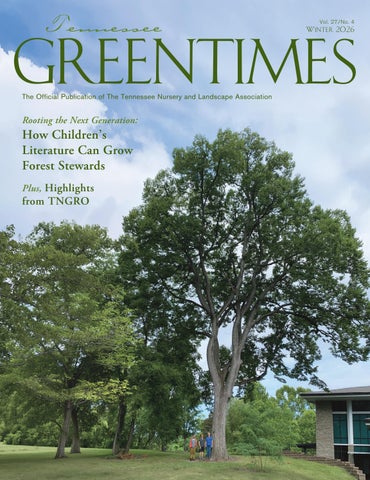
Photo 1: The National Co-Champion September Elm (Ulmus serotina) is part of the John P. Holt Brentwood Library Arboretum in Brentwood, TN. Photo credit: Jaq Payne, National Champion Tree Program
M
any years ago, I biked to the big tree near my house to meet up with my middle-school best friend. We named the massive oak “Greenleaf”, after the iconic emblem from the Lord of the Rings, and Greenleaf watched us build a world of inside jokes, commiserated with us over our unrequited crushes. Greenleaf shepherded us through some of our most tumultuous, acne-ridden years. Would I be the conservationist I am today without that strong, early memory of a remarkable tree (Photo 1)? Research shows that if we want children to grow up to prioritize the environment, we have to give them a memorable experience in nature before they reach third grade. If they get to that age without having any strong nature experiences, it becomes exceedingly hard to convince them to care about the environment as they continue to mature into adults. The National Champion Tree Program (NCTP) maintains the records of the largest trees in the United States and has been inspiring children for over 80 years (Photo 2). These giants capture the hearts and minds of kids in the same way the Guinness Book of World Records has every kid fired up at the book fair – it’s so fun to learn about the biggest of something! The Tennessee Champion Tree Program, housed at the University of Tennessee Knoxville, has recently been honored with a new book about Tennessee’s Champion Trees: Nora T and the Champion Tree, written by native Tennessean Mona Martin Batchelor and set here, in our neck of the woods. In Nora T and the Champion Tree, an eleven-yearold girl learns about big trees and those that become Champions and even helps save a remarkable tree by becoming a part of the community effort to preserve it (Photo 3). Batchelor, the author, said, “Although it became much more, initially, I began writing Nora T and the Champion Tree to raise awareness among a younger demographic than the ordinary ’tree advocacy’ set. My goal was that young people notice and appreciate these giants of the woods not only for their size and beauty, but also for their contribution to our lives — to the air we breathe.” Champion Trees speak to people on a different level than most forestry messaging and can engage young learners’ sense of wonder about the environment around them. Children’s literature has a long track record of helping to build environmental awareness and identity – countless arborists and foresters quote Dr. Seuss’ The Lorax in their email signatures and cite it as the first time they really thought about trees. Batchelor drew on the moral thread of these stories, calling the story “a bit of a cautionary tale, but with a grandmotherly light touch.”
10
tennessee greentimes WINTER 2026
Tennessee is the perfect setting for a book that awakens the desire to care for the gifts we’ve inherited from those who came before us. Our forests and trees give us uniquely rich material to draw from, and we’ve got it all: urban and rural contexts, vibrant biodiversity, and a deep cultural history of stewardship. A book rooted in a real place, with references to real trees that readers can scout out and explore, creates a different relationship than a more generic naturefocused story. Although we want to preserve all the mature trees that we sensibly can, Tennesseans are especially moved by our glorious oaks, dogwoods, and our majestic State Tree, the tulip poplar. Having spent years directing the Tennessee Champion Tree Program, I’ve watched firsthand how the program connects people to their trees, and to the trees in their community. Nora T and the Champion Tree, released in September, is a middle-grade novel spanning 128 pages and featuring 13 illustrations. It can be purchased at https://utpress.org/9798895271179/nora-t-and-the-champion-tree/. You can explore the Register of National Champion Trees and related resources at https://nationalchampiontree.org and the Tennessee Champion Tree Register at https://championtree.tennessee.edu. Not every child gets a Greenleaf of their own, but some version of that experience with a child, a tree, and a memory that echoes beyond childhood can turn a mindless, passive consumer into an active, engaged advocate for the forest. Nora T and the Champion Tree is that experience in book form, and Tennessee is lucky to have it! Photo 2: A mother and child enjoy the National Champion Sitka Spruce (Picea sitchensis) in Washington state. Photo credit: Brian Kelley, Gathering Growth Foundation
Photo 3: The cover of Nora T and the Champion Tree, featuring illustration by Maggie Latimer. Photo credit: University of Tennessee Press
To make this story accessible to more of Tennessee’s children, UT Press and the National Champion Tree Program (NCTP) are seeking generous supporters. Your support helps cover the costs of providing free copies of the book to schools, libraries, and kid-centered organizations like the Boys & Girls Club. It also supports the NCTP’s work to maintain the Register of National Champion Trees, train volunteer measurers across the country, and bring Champion Trees into classrooms.
If you’re interested in supporting urban forestry, literacy, and the next generation of Tennessee tree stewards, please scan the QR code, or contact Dan Carter at Dcarter@utfi. org or Brittany Puryear at bpuryear@utfi.org.
To support the National Champion Tree Program and UT Press, scan the QR code or visit https://giving.utk.edu/ champion
tennessee greentimes WINTER 2026
11
Pests In the Spotlight
Two-spot Cotton Leafhopper (Cotton Jassid) An Emerging Pest of Ornamental Plants in Tennessee By Kripa Dhakal, Kaitlin Barrios, and Karla M. Addesso Tennessee State University, Otis L. Floyd Nursery Research Center, 472 Cadillac Lane, McMinnville, Tennessee, 37110, USA
Distribution in the United States The pest was first detected in the U.S. Virgin Islands and Puerto Rico in 2023, and next was reported in Florida in December 2024. By the end of 2025, it had been reported in Alabama, Florida, Georgia, Louisiana, Mississippi, North and South Carolina, Tennessee, and Texas. In summer 2026, a retail garden center survey conducted by Tennessee State University, Otis L. Floyd Nursery Research Center, detected TSCL on tropical hibiscus (Hibiscus × rosa-sinensis L.) in DeKalb, Franklin, Rutherford, and Warren counties in middle Tennessee. This expanding distribution emphasizes the importance of early detection, monitoring, and integrated pest management (IPM).
1mm
Figure 1. Adult two-spot cotton leafhopper with two black spots near the tips of the forewings indicated by a circle (left) and a wingless nymph (right).
Figure 2. Two-spot cotton leafhopper hopperburn damage on okra plant (left) and tropical hibiscus foliage (right). Table 1. Active ingredients with reported activity against two-spot cotton leafhopper. IRAC1 Class
Active Ingredient
Trade Names2
Organophosphate (1B) Organophosphate (1B) Neonicotinoids (4A) Neonicotinoids (4A) Butenolides (4D) Spinosyns (5) Pyropenes (9D) Buprofezin (16) METI acaricides and insecticides (21A) Flonicamid (29) Isoxazolines (30) UNM
Acephate Dicrotophos Dinotefuran Acetamiprid Flupyradifurone Spinosad Afidopyropen Buprofezin Tolfenpyrad Flonicamid Isocycloseram Mineral oil
Orthene T&O, Acephate 97 UP Inject-a-Cide B Safari TriStar 8.5 SL Altus, Sivanto Conserve SC Ventigra Talus 70 DF HachiHachi SC Aria, Pradia Vykenda Suffoil-X
1 IRAC = Insecticide Resistance Action Committee. 2 Trade names are provided as examples only and should not be considered a complete list of
products available. Check the current insecticide label before use.
12
T
he two-spot cotton leafhopper (TSCL), Amrasca biguttula (Ishida) (Hemiptera: Cicadellidae), also known as cotton jassid, is an emerging invasive pest in the southeastern United States (Fig. 1). Despite its common name, it also damages vegetables (okra, eggplant, cucumber) and ornamental plants (hibiscus, sunflower). Native to Asia and Oceania, this sap-sucking insect has recently established in the United States, raising concerns for agricultural production, nurseries, and landscape plants.
tennessee greentimes WINTER 2026
Biology and Life Cycle The two-spot cotton leafhopper can reproduce rapidly under favorable environmental conditions and may produce up to 11 generations per year in the tropical regions. Development from egg to adult ranges from 15 to 46 days, depending on the host plant and environmental conditions. Temperatures near 80ºF, relative humidity around 70%, and low rainfall favor population growth. Females insert eggs just beneath the leaf surface, primarily along the midrib or veins on the underside of leaves. Eggs are difficult to detect without magnification because the eggs are inserted within the leaf tissue. Females generally lay 20–25 eggs, although some studies report 14–38 eggs per female. Eggs hatch within six to ten days. Newly hatched nymphs are pale green, mobile, wingless, and approximately 1–2 mm (0.04–0.08 in) long, and feed on the underside of leaves (Fig. 1). They pass through five nymphal stages (instars) over eight to eleven days before becoming adults. Adults are pale green, 2–3 mm (0.08–0.12 in) long, and live approximately two to three weeks. Two black spots on the dorsal end of the wings, often accompanied by two dark spots on the head, can help distinguish adults from other leafhopper species. The adults can hop or fly away quickly when disturbed. Older nymphs run rapidly when disturbed, while younger nymphs move more slowly.
Host Plant Range The two-spot cotton leafhopper has been reported on at least 75 plant species from 21 families worldwide. Confirmed or reported reproductive hosts include cotton
!
(Gossypium spp.) and several other Malvaceae species, including tropical hibiscus (Hibiscus × rosa-sinensis), H. mutabilis × H. moscheutos hybrids, Rose of Sharon (H. syriacus), and okra (Abelmoschus esculentus). Other reported potential host plants introduced or in the southeastern U.S. include eggplant (Solanum melongena), watermelon (Citrullus lanatus), muskmelon (Cucumis melo), cucumber (Cucumis sativus), bottle gourd (Lagenaria siceraria), sponge gourd (Luffa cylindrica), sunflower (Helianthus annuus), potato (Solanum tuberosum), and sesame (Sesamum indicum). Several weed species may serve as hosts, including flannel weed (Sida cordifolia), black nightshade (Solanum nigrum), burweed (Triumfetta spp.), and other Malvaceae and Asteraceae weeds commonly found along field margins.
W NE
ECHINACEA ’Mellow Limes’
Plant Feeding Injury and Damage Symptoms Both adults and nymphs damage plants by inserting their mouthparts into leaf tissue, injecting saliva and extracting cell contents, primarily from the undersides of leaves. Their feeding results in a condition known as “hopperburn,” characterized by leaf curling, wilting, and discoloration ranging from yellow to red or brown (Fig. 2). Severe infestations can cause leaf drying, premature defoliation, and stunted plant growth. TSCL is small and difficult to detect; foliar damage may appear before the insects are noticed.
Exciting New Perennial Varieties from Seed www.jelitto.com
MANAGEMENT Scouting and Early Detection As this is an introduced pest of emerging concern in the southeastern United States, specific best management practices are still being evaluated. In the meantime, regular scouting of known host plants is essential. Additionally, growers should be vigilant for any signs of plants with hopperburn, particularly on those plants that have never previously displayed similar damage. Inspect the undersides of leaves carefully, where nymphs are commonly found. A hand lens will be needed to identify insects due to their small size (1 – 3 mm (0.04 – 0.12 in) long).
PERENNIAL SEEDS · PRODUCTION · BREEDING · SEED TECHNOLOGY German Headquarters: Fax 01149-5071-9829-27 · www.jelitto.com · info@jelitto.com
Several scouting methods can be used: • Visual inspection: Regularly inspect host plants, focusing on the undersides of leaves and plants showing hopperburn symptoms using a hand lens. • Tapping: Firmly tap leaves or stems
over a tray containing approx. 70% ethanol or isopropanol solution, then examine the collected insects. •S ymptomatic plant material: Place suspected leaves in a sealable bag for closer examination. • Yellow sticky cards: Place yellow sticky cards for monitoring.
tennessee greentimes WINTER 2026
13
Pests In the Spotlight continued
Quarantine New shipments of known host plants should be separated from established
plants and quarantined for at least one week. This is important because eggs may be present inside the leaf tissue even when adults and nymphs are not visible.
Biological Control Natural enemies may contribute to TSCL suppression. Laboratory studies have shown that green lacewing (Chrysoperla spp.) larvae feed on TSCL nymphs and adults. Native parasitoid wasps have been found emerging from TSCL eggs in Florida. Other generalist predators, including lady beetles, predatory bugs, hoverflies, and predatory mites, may feed on TSCL, however, information including regional occurrence and efficacy are currently limited.
Chemical Control
AT PENDER NURSERY
Discover Diversity
PERENNIALS
14
TREES
ORNAMENTAL GRASSES
PH: 919-772-7255 FX: 919-773-0904 www.PenderNursery.com 2620 Wall Store Road Garner, NC 27529
tennessee greentimes WINTER 2026
WOODY ORNAMENTALS
Insecticide efficacy studies are ongoing. Several active ingredients have shown activity against TSCL (Table 1), but efficacy and residual control may vary according to the product, crop, and environmental conditions. Pyrethroids provide limited suppression of TSCL, which may be associated with insecticide resistance in TSCL populations. When insecticides are used, rotate products among IRAC mode of action groups to reduce the risk of resistance. Always read and follow the current insecticide label.
Recommendations for Tennessee Growers Tennessee growers should regularly monitor hibiscus, Rose of Sharon, okra, cotton, and other potential host plants. Pay particular attention to the undersides of leaves, plant canopies, field margins, and plants showing hopperburn symptoms. Quarantine or isolate new shipments of plants, use sticky cards and visual inspections to detect populations, and seek assistance with identification when necessary. If chemical control is required, use only products labeled for the intended crop/site and rotate among IRAC classes. Because TSCL is a relatively new pest in the United States, management recommendations will continue to develop as additional research becomes available. The Nursery Research Center will provide periodic updates as new information on host range and pesticide efficacy becomes available. Growers should consult Dr. Kaitlin Barrios (kbarrios@tnstate. edu) or Dr. Karla Addesso (kaddesso@ tnstate.edu) for current management recommendations.
T H A N K YO U TO O U R PA R T N E R B O W L I N G ’ S N U R S E RY, I N C . F O R A D V E R T I S I N G W I T H U S S I N C E 2 0 2 2 !
ONLY T HE
SCAN FOR PRICING & AVAILABILITY
ST CALIBER
H G E I H
LANDSCAPE READY B&B AND #15 GALLON MATERIAL & FIELD READY ROOT PRUNED CONTAINER LINERS
CALL TODAY TO SCHEDULE A TOUR! 1151 PETIGAP RD MCMINNVILLE, TN 37110
FOR CONTAINER LINERS, CONTACT BETH: 931-205-9783 FOR B&B AND #15 MATERIAL, CONTACT KATIE BETH: 931-607-8818 OR JERRY: 931-273-9007