Weed Management
Turfgrass Systems with Machine Vision-Guided Targeted Spraying Plus, Reimagining Tall Fescue Fertility





Superior Cold Tolerance
Superior Shade Tolerance A St. Augustine without the Call Backs
Weed Management
Turfgrass Systems with Machine Vision-Guided Targeted Spraying Plus, Reimagining Tall Fescue Fertility
Superior Cold Tolerance
Superior Shade Tolerance A St. Augustine without the Call Backs
Raleigh St. Augustine was a hit in the 1980s. 45 years later, it is time to update your turfgrass offerings. Sola® St. Augustine delivers everything you trust about Raleigh plus improved shade tolerance, drought tolerance and disease resistance.
Developed by NC State University. Built on proven performance. Ready for 2026.
The Turfgrass Council of North Carolina (TCNC) serves its members in the industry through education, promotion and representation. The statements and opinions expressed herein are those of the individual authors and do not necessarily represent the views of the association, its staff, or its board of directors, North Carolina Turfgrass, or its editors. Likewise, the appearance of advertisers, or TCNC members, does not constitute an endorsement of the
or
this, past or subsequent issues of this bimonthly publication. Copyright © 2026 by the Turfgrass Council of North
bi-monthly. Subscriptions are complimentary to members of TCNC. Presorted standard postage is
Submissions: North Carolina Turfgrass allows reprinting of material published here. Permission requests should be
unsolicited freelance manuscripts and photographs. Contact the managing
rates and insertions, please contact Leading Edge


Dear TCNC Members,
As we move into the heart of the season, I want to take a moment to recognize the strong start our community has made this year and highlight a few opportunities to stay engaged in the months ahead.
A huge thank you to everyone who attended our first Regional Meeting of 2026 in late March. Walnut Creek Country Club provided an outstanding setting for a day focused on education, networking, and time on the course. Most importantly, it was a reminder of what makes TCNC valuable. When turfgrass professionals come together to share knowledge and connect, we all benefit.
If you were not able to attend, I encourage you to look ahead to our next Regional Meeting coming up in July. These events are designed to bring relevant education closer to you while creating space for meaningful conversations with others who understand the challenges and rewards of this work. Keep an eye out for details on our website or Facebook.
While you are focused on the busy spring season, the NCGIC is working for you in Raleigh. On May 5, TCNC was represented during the NCGIC’s Legislative Day, serving as your official liaison to the General Assembly. Our leadership team was on-site to personally thank key legislators for their continued support and to ensure the results of our Economic Impact Study remain top-of-mind for decision-makers.
As a TCNC member, this proactive engagement is a vital part of your membership benefits. We provide the high-level representation necessary to safeguard our profession and highlight the essential role the turfgrass industry plays in North Carolina’s economy—ensuring your interests are heard at the Capitol while you stay focused on the field.
As always, thank you for your continued support of TCNC and for the work you do every day. I hope to see many of you at an upcoming event this summer.
Sincerely,
Wil Sutton President Turfgrass Council of North Carolina

North Carolina Turfgrass is the official publication of the Turfgrass Council of North Carolina
P.O. Box 641
Wake Forest, NC 27588
984.301.5460
www.turfgrasscouncilnc.org
CHIEF STRATEGY OFFICER
Marcy Cottle info@turfgrasscouncilnc.org 984.301.5460
Published by:
Leading Edge Communications, LLC 206 Bridge Street Franklin, TN 37064 615.790.3718 Fax 615.794.4524
info@leadingedgecommunications.com
PRESIDENT
Wilson Sutton Walnut Creek Country Club Goldsboro, NC
VICE PRESIDENT
Greg Harris Leap Frog Land Care, Inc. Fuquay-Varina, NC
TREASURER
Jonathan Richardson, NCCTP NCCTP Chairman Green Resource Dunn, NC
PAST PRESIDENT
Kevin Herrmann
Green Group, the Division of Turf Masters Brands Raleigh, NC
DIRECTORS
Alpha Jones
Duke University Durham, NC
Spencer Thomas
Keith Hills Country Club Lillington, NC


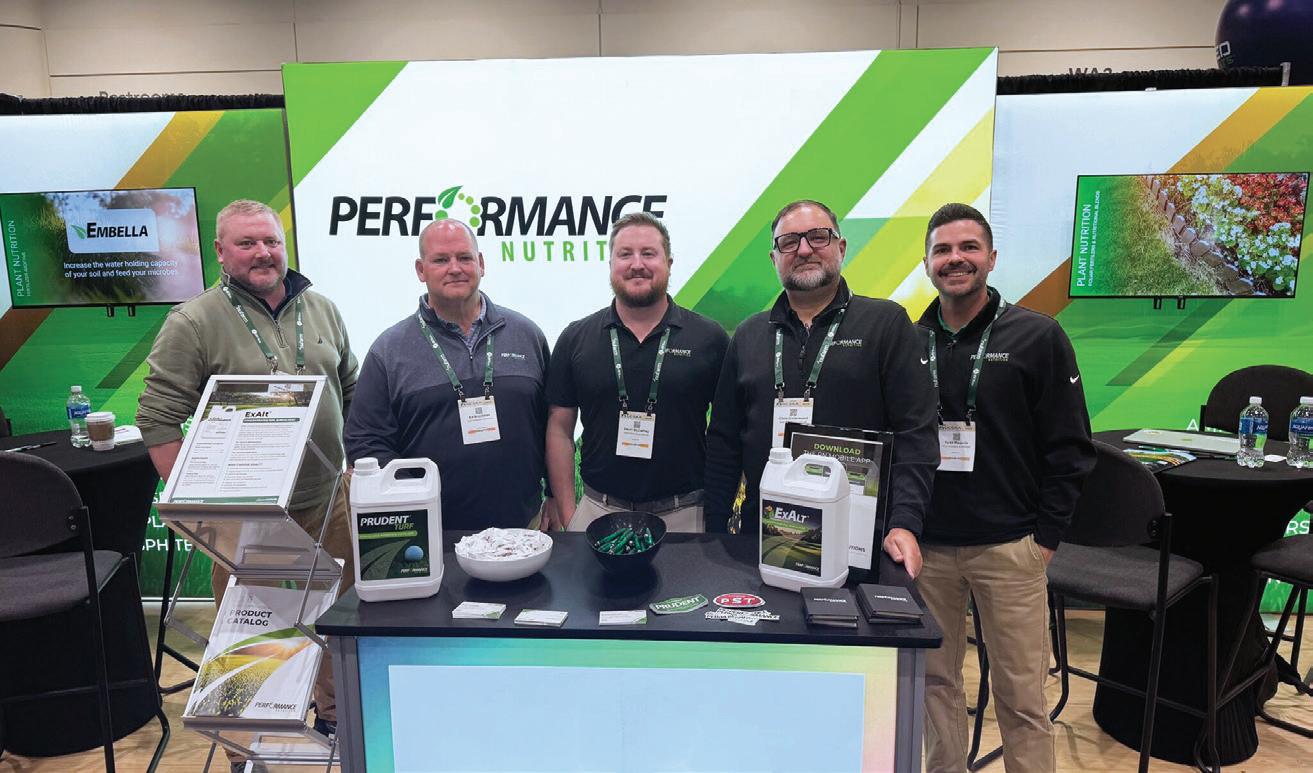
evin McCaffrey brings a straightforward philosophy to his work as Southeast Territory Manager for Performance Nutrition: help the land perform better while leaving it better than you found it. He works to deliver liquid and dry fertilizers, biostimulants, and a portfolio of plant health solutions spanning agriculture, turf, and ornamental markets.
One of the biggest challenges in his work is differentiation. “Showing people what sets us apart from other fertility companies” is something Devin thinks about daily. His answer to that challenge is relationshipdriven and focuses on getting in the room with the right people.
“Being part of TCNC, and like organizations, aids in meeting like-minded professionals and navigating the industry,” he says.
Devin also wants the public to understand something about the people who work in turfgrass. “We do our best to not be careless with what we put into the environment. Most people in the industry are avid hunters, fishers, golfers, nature people, and we want what we enjoy to be loved by generations to come.”
That ethos aligns with one of the most encouraging shifts he's seen in the industry over his career, “Less inputs to grass and a welcome response to natural and organic products, now that people understand them and see them work.”
His reason for joining TCNC reflects the same values — being part of an organization that works to teach turf professionals and the community about sustainable turfgrass management.
Away from work, Devin carries the discipline of a lifelong competitive swimmer. He swam at LSU. He also loves spending time with his beautiful family.

Abraham Contreras Incredible Lawns and Gardens Raleigh, NC
Jack Mascarenhas NCSU Raleigh, NC
Landon Erbick Gowan Company
Carl Davis Harnett County Parks & Recreation Harnett County, NC
Brandon Britt Turf Team LLC Wilmington, NC
Tyler Goff Howard Fertilizer Charlotte, NC
James Mazowieski Howard Fertilizer Charlotte, NC
Matt Snyder Howard Fertilizer Charlotte, NC
Erica Guri NCSU Raleigh, NC
Terri Billeisen NCSU Raleigh, NC
Wade Faircloth Taberna Country Club New Bern, NC


July 9, 2026
Raleigh, NC
August 12, 2026
Turfgrass Field Day – Raleigh 7:30 am – 2:00 pm
3920 Dr Bill Gilbert Way Raleigh, NC 27603
https://www.turffiles.ncsu.edu/ event/5532747676/turfgrassfield-day-raleigh/


Companies wishing to support TCNC with multiple members can join as Deluxe Members. Deluxe Memberships can be purchased in one of three tiers: 1–5 employees; 6–10 employees; or 11+ employees.
If you'd like to learn more about the Deluxe Membership, please contact the TCNC office at 984.301.5460 or info@turfgrasscouncilnc.org.
Barefoot Lawn Care and Landscaping Services
Canopy Lawn Care
Carol Woods Retirement Community
Carolina Green Corp
City of Asheville Parks and Recreation
City of Raleigh Parks and Recreation
Duplin Sod
Edison Landscaping
Emerald Green
ETM Coastal
Fairway Green of Charlotte
Fairway Green of Raleigh
Fayetteville Tech
Gates Four Golf and Country Club
Green Resource
JRM Inc.
Keith Hiils Golf Club
Leapfrog Landcare
NaturaLawn of America (Raleigh)
Nature's Select
McConnell Golf
Morehead City
Quality Turf
Sod Solutions
Southern Ag
Southern Garden
Southern Seeds, Inc.
The Biltmore Company
The Sunrock Group
Tillery Country Club
Town of Cary Public Works
Town of Garner
Triangle Chemical Company
Turf Mountain Sod, Inc.
UNC – Chapel Hill
Wake Forest University
Weed Man
Renewal as of June 2025
Don't see your company's name?
Renew today at www.turfgrasscouncilnc.org
Dr. Travis Gannon Assistant Professor 919.515.2647 travis_gannon@ncsu.edu
Navdeep Godara Assistant Professor Turf & Forage Weed Science ngodara@ncsu.edu
Emily Erickson Crop Science Lecturer 919.513.2034 emily_erickson@ncsu.edu
Ray McCauley Extension Associate 919.515.2647 rkmccaul@ncsu.edu
Dr. Susana Milla-Lewis Professor & University Faculty Scholar 919.280.3443 susana_milla-lewis@ncsu.edu
Dr. Grady Miller Professor & Extension Specialist 919.515.5656 grady_miller@ncsu.edu
Dr. Rob Richardson Associate Professor & Extension Specialist 919.515.5653 rob_richardson@ncsu.edu
Dr. Wei Shi Professor 919.513.4641 wei_shi@ncsu.edu
Dr. Qiyu Zhou Assistant Professor 313.782.2892 qzhou9@ncsu.edu
Dr. Terri Billeisen Extension Associate 919.515.7464 tlhoctor@ncsu.edu
Lee Butler NC State Turf Diagnostics Lab 919.513.3878 ebutler@ncsu.edu
Dr. James Kerns Professor and Extension Specialist 919.513.4820 jpkerns@ncsu.edu
Dr. Danesha Seth Carley Director, Southern IPM Center & Associate Professor 919.513.8189 danesha_carley@ncsu.edu






TheNorth Carolina Certified Turfgrass Professional (NCCTP) program is a comprehensive program developed to enhance the technical competency of turfgrass professionals, while elevating their professional image, that of your business and of the turfgrass management industry. Administered by the Turfgrass Council of North Carolina, the NCCTP designation confirms your expertise in turfgrass management to prospective customers and your peers.
The NCCTP program increases and enhances your turfgrass industry knowledge, career, and business development through a course of study of in-depth coverage of the science of turfgrass management.
The NCCTP designation offers immediate confidence and credibility of turfgrass management practices to customers and prospective employers.
Promote and market yourself as a North Carolina Certified Turfgrass Professional.
• Use the NCCTP logo on your business materials.
• Use NCCTP pins, uniform patches, and vehicle decals.
• Your TCNC Member Directory listing is distinguished with the NCCTP designation.
The NC State Turfgrass Professional Short Course, a comprehensive turfgrass education program, is offered at select NC State Extension offices and at NC State University.
This Short Course offers a full curriculum of the science of turfgrass management as well as Continuing Education Credits for NCDACS Pesticide and NCLCLB Landscape Contractors’ license holders, and it will help you prepare for the NCCTP exam.
This Short Course is recommended but not required to take the NCCTP exam.
Hold a current TCNC membership. If not currently a member, go to www.turfgrasscouncilnc.org and click ‘JOIN NOW’ to join online or download an application. Have a minimum of one full year of work experience in the turfgrass industry.
Agree to the Certified Turfgrass Professional Code of Ethics as detailed on the application form.
Submit:
• A current and valid NC Pesticide Applicators license
• A completed NCCTP application (current TCNC members may apply online).
• NCCTP Program Application: $150
• Self-Study Materials: $50
• Exam Fee: $50
Curriculum covers nine core areas: Turfgrass Characteristics; Establishing Turfgrass; Soils & Nutrient Management; Cultural Practices; Pests & Integrated Pest Management; Pesticides & Plant Growth Regulators; Landscape Safety & Pesticide Use; Calculations & Calibration; Turfgrass Business & Economics.
Candidates have six months from the date of their enrollment acceptance to complete the NCCTP exam. Candidates have six hours to complete the exam and must score 80% or more on each section to receive the NCCTP designation.
Exams can be taken at the TCNC office in Raleigh during normal business hours, or arrangements can be made at your local NC State Extension location.
Exams will not be graded if any application information is missing or if TCNC membership status cannot be confirmed. Please allow two to three weeks for exam grading and reports. Upon successful completion of the exam, candidates will receive communication with their results and either next step options or their graduation packet.
Maintain a current TCNC membership as a means of demonstrating ongoing support for the industry.
Submit an annual $50 renewal fee, which supports the NCCTP program and related promotional activities. Designation year is the same as the TCNC membership year, from July 1st to June 30th.
Hold a current NC Pesticide Applicator’s License. Subscribe to, actively support and uphold the TCNC Certification Code of Ethics.
The NC Certified Turfgrass Professional designation (NCCTP), the NCCTP logo and related programs materials are the trademarked property of the Turfgrass Council of North Carolina and cannot be used without TCNC’s written permission. For additional information, contact TCNC at 984.301.5460.











By Brooke Heikkila1, Navdeep Godara2 , Pawel Petelewicz3
1Graduate Research Assistant,
2Assistant Professor of Turfgrass & Forage Weed Science, Department of Crop and Soil Sciences, NC State University, Raleigh, NC 27695,
3Assistant Professor of Turfgrass Weed Science, University of Florida, Institute of Food and Agricultural Sciences (UF/IFAS), Agronomy Department, Gainesville, FL 32611
Turfgrass managers are facing increasing weed challenges due to evolving regulatory framework and growing incidence of herbicide-resistant weeds. The release of the first turfgrass-specific commercial machine vision-guided sprayer (ALBA™, Ecorobotix Inc.) enables automated and localized herbicide applications in turf. Although often referred to as “spot spraying” in marketing materials, “targeted spraying” is a more accurate description as it distinguishes this system from manual spot treatments and other existing precision weed management approaches. Such targeted application systems have already been successfully deployed in other crops using platforms such as the John Deere See and Spray™, Agritech America WEED-IT™, Verdant Robotics Sharp Shooter™, Ecorobotix ARA™. Using See and Spray™ technology, comparable weed control was observed between the broadcast and targeted spraying methods, but the targeted spraying reduced the treated acreage by up to two-thirds. In turfgrass, this technology not only offers significant herbicide savings but also opens the door for practitioners to combat herbicide-resistant weeds by incorporating alternative chemistries, including nonselective herbicides or herbicide tank mixtures combining multiple modes-of-action which are not typically feasible in broadcast applications.
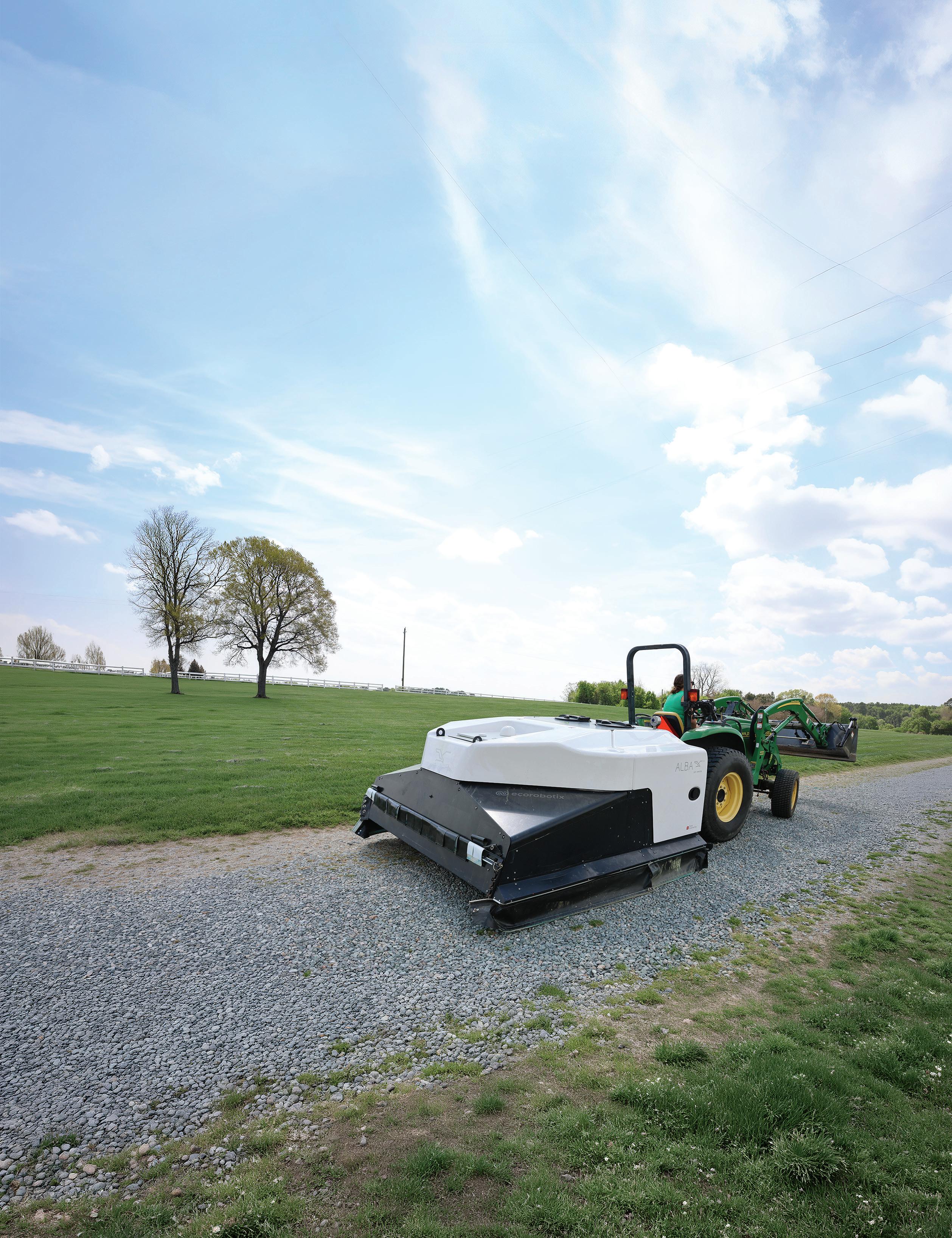
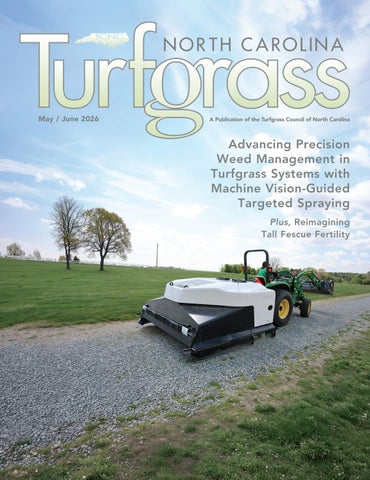
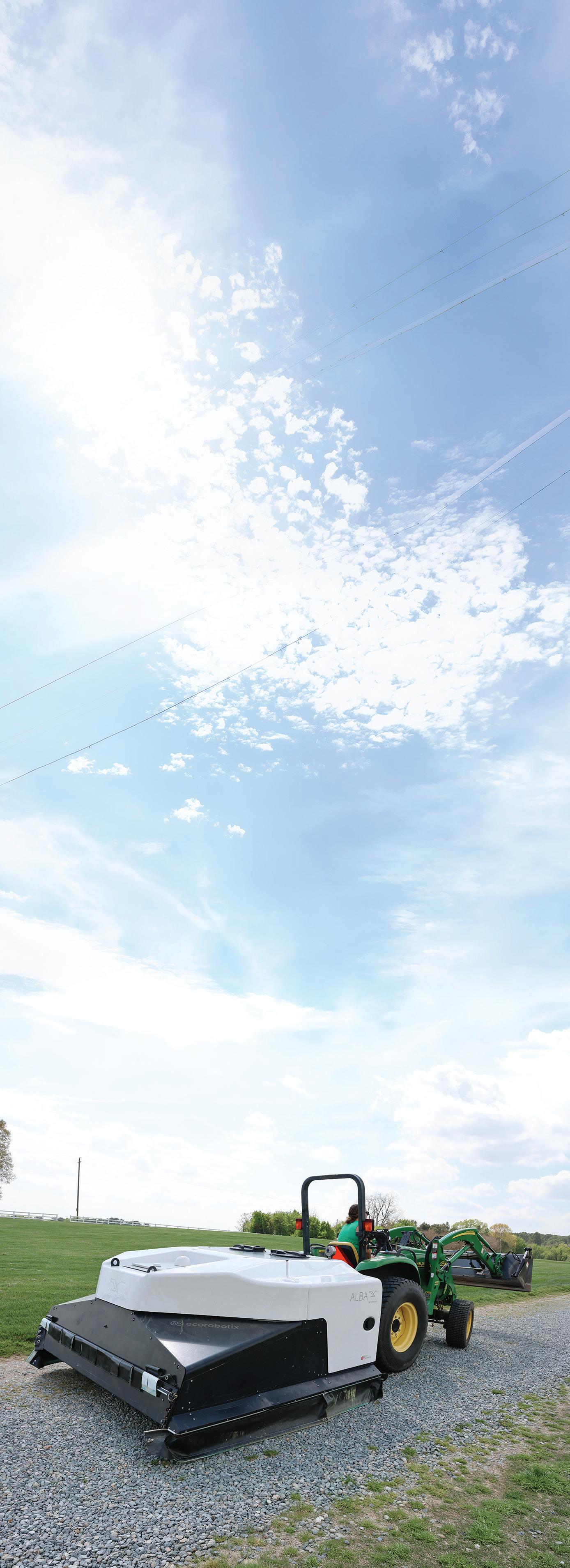
Figure 1. The first commercial machine-vision guided targeted sprayer (ALBA™, Ecorobotix Inc.) evaluated for targeted applications to annual bluegrass by NC State Turfgrass Weed Science Program.
Overall, spot spraying is not a new concept, as many turfgrass managers already employ it to control weed escapes following broadcast herbicide applications or where selective chemistries are not an option. Manual spot spraying involves individuals walking the golf course or other turfgrass areas with a sprayer loaded with herbicide to make localized applications directly to weeds. Traditional spot spraying is labor-intensive, timeconsuming, and requires applicators to accurately identify weeds, necessitating additional training and expertise. It ultimately increases application costs and is also prone to human error, often resulting in overapplication and missed weeds. However, targeted spraying systems such as ALBA™, utilize artificial intelligence combined with machine vision to detect problematic weeds within turfgrass canopy in real-time to apply herbicides only to those small areas where individual weeds are present. ALBA™ is a tractor pull-behind unit that can operate at speeds up to 4.5 miles per hour and uses an enclosure to block ambient light and to create consistent lighting conditions to continuously scan the turfgrass canopy with its cameras to detect weeds (Figure 1). When a weed is spotted, an individual nozzle – one out of 108 – activates to directly target the weed with a 1.2 × 1.2-inch spray resolution per nozzle. As targeted application systems continue to advance and competing platforms emerge, it is critical to understand how to effectively integrate and leverage these sprayers within turfgrass weed management programs. Several preliminary field experiments using ALBA™ and its ARA™-based predecessor research platform were conducted by the NC State Turfgrass Weed Science Program and the UF/IFAS Turfgrass Weed Science Program to understand the applications of this technology. Preliminary studies showed that machine-vision guided targeted spraying substantially reduces herbicide usage and treated acreage while maintaining weed control efficacy, offering both economic and environmental benefits while targeting wide variety of problematic weeds with high accuracy.
Southern Agricultural Insecticides, Inc. is a distributor of pesticides, fertilizers, potting soils, and horticultural supplies with locations in Florida and North Carolina.
MANUFACTURERS OF… DISTRIBUTORS FOR…
Blue Colorant
Chelated 5% Iron
Chlorpyrifos 2.5% G
Chlorpyrifos Mole
Mole Cricket Bait
Defoamer
Latron B–1956
Methylated Seed Oil
Snail Bait
Soil Acidifier
Soil Wetting Agent

Soluble 10–30–20
Soluble 30–7–14
Soluble 20–20–20
Spreader Sticker
Surfactant for Herbicides
Tank Cleaner
Turf Green
Tweak
12–0–0–6% iron
GOLF COURSE SALES STAFF
Jim Wells — West Central Florida (941) 720–2712
Roger Welker — East Coast Florida (772) 260–0282
Kevin Downing — South Florida (561) 427–4501
Jeff Strother — Southwest Florida (941) 270–0470
Andrew Wampler — Western Carolinas (828) 674–2594
Brandon Hicks — Central North Carolina (336) 906–0803
Nathan Biggs — North Carolina...................... (704) 996–5125
AMVAC Andersons
Aquatrols
BASF
Bayer
BioSafe Systems Bioworks
Certis
Corteva Agriscience
Envu
FMC
Gowan
LebanonTurf
Milliken
Milorganite Nufarm OHP
Old Castle PBI / Gordon
Quali-Pro
Rightline
SePRO
Sipcam Agro
Solo
Sunniland
Syngenta UPL Yara
Boone, NC (828) 264-8843
Hendersonville, NC (828) 692-2233
Palmetto, FL (941) 722-3285
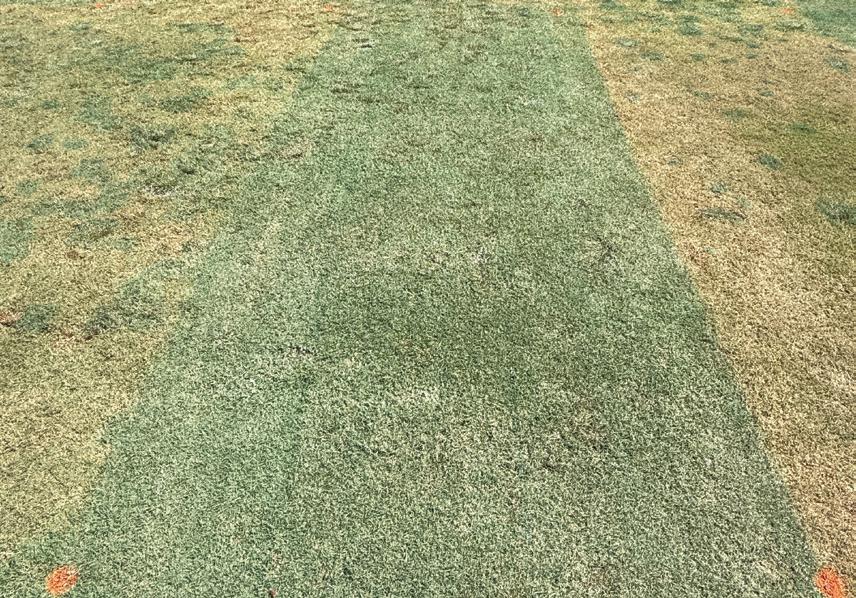
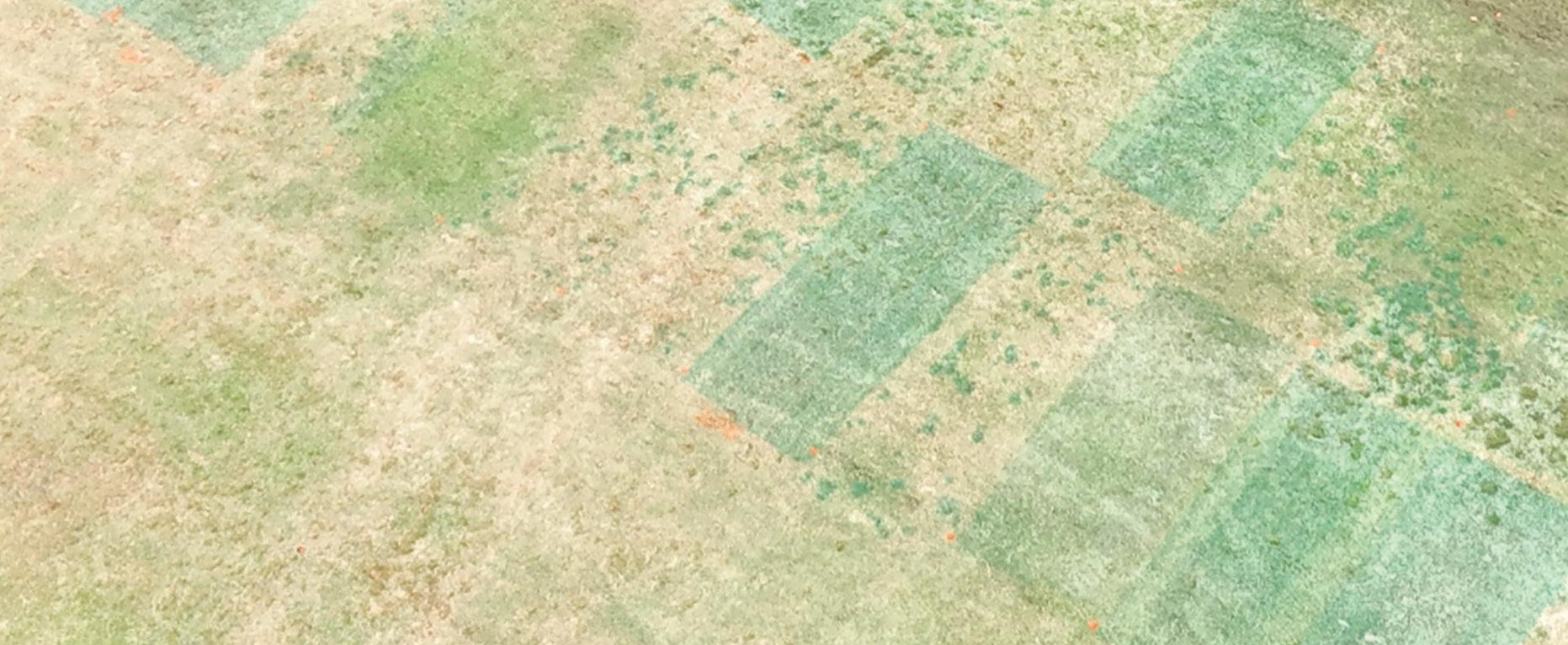
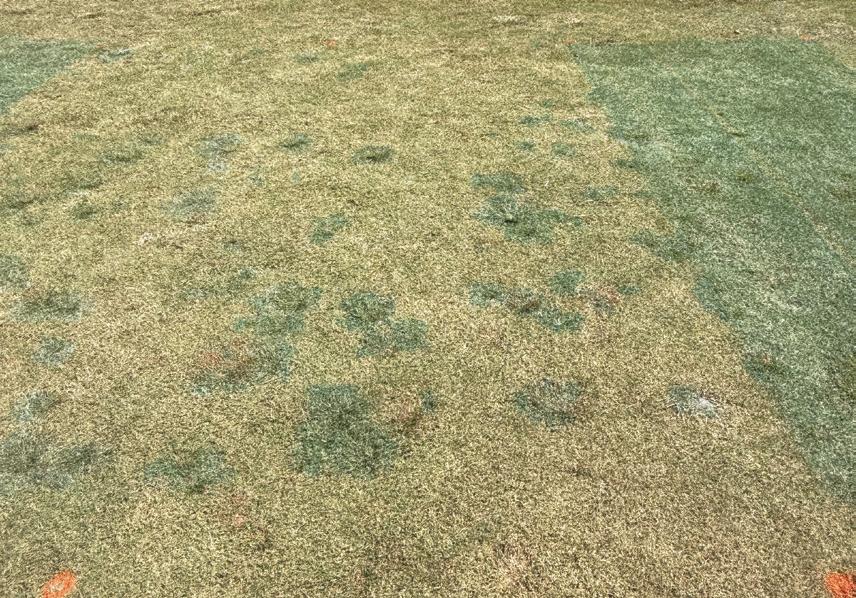
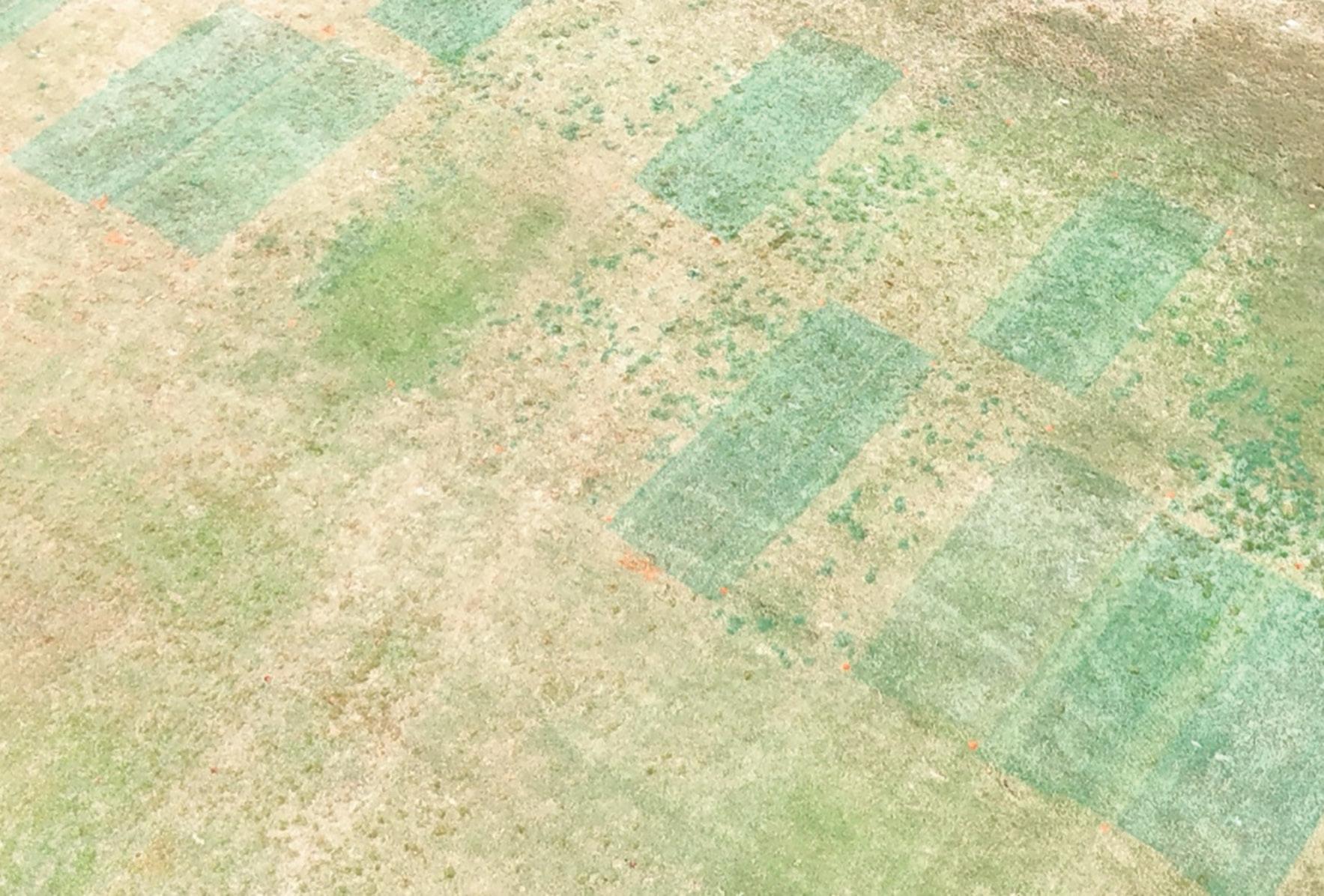
Reduction in Herbicide Volume Used – In a study focused on controlling false-green kyllinga in bermudagrass fairways, machine vision-guided targeted spraying with ALBA™ reduced herbicide spray volume by 77% compared to broadcast treatments. False green kyllinga cover was 17% at the experimental sites during study initiation, triggering significant savings due to the weed-specific, localized targeted treatments compared to broadcast herbicide applications (Figure 2). Broadcast applications of standard kyllinga control products typically cost around $190 to $240 per acre, but targeted treatment can lower the cost by more than $145 per acre even when dealing with moderate level of weed infestation (~15% weed cover). Similarly, in another ongoing study, when annual bluegrass weed cover was 10% in bermudagrass fairways, targeted applications achieved a 66% reduction in herbicide spray volume compared to conventional broadcast treatments. Sulfonylurea herbicides for postemergence control of annual bluegrass cost around $140 to $185 per acre and targeted spraying can reduce the cost by at least $92 per acre when weed cover is 10% or less.
Practitioners can expect greater savings at turfgrass sites with lower weed infestations, which are typical of intensively managed surfaces and when applying expensive herbicides such as PoaCure or organic herbicides during winter dormancy of warm-season turfgrasses. Targeted application system was also evaluated for control of broadleaf weeds, dallisgrass, smooth crabgrass, and tropical signalgrass in studies conducted independently or in collaboration between Mississippi State University, NCSU, Virginia Tech and UF IFAS, and observed a 53% to 95% reduction in spray volume. In all the aforementioned cases, weed control levels achieved with targeted spraying were no different from broadcast applications. Thus, these studies demonstrate that, across various problematic weed species, this novel application system can substantially reduce the herbicide volume required, lowering costs without compromising weed control efficacy.
Lower Treated Acreage – During broadcast herbicide applications, substantial areas without weeds are often treated unnecessarily. Targeted applications can reduce the treated acreage, enabling practitioners to use herbicides such as MSMA, which are currently restricted to spot treatments on less than 25% of the total golf course acreage per year. Targeted spraying systems are particularly useful for herbicides with limited or no residual activity, as it allows localized treatments to weed instead of broadcast applications to turfgrass. Targeted spraying for false-green kyllinga control (17% weed cover) in bermudagrass fairways resulted in 85% reduction in treated acreage compared to broadcast spraying (Figure 3). In a similar study, an 80% reduction in treated acreage was found when only treating annual bluegrass in dormant bermudagrass at 10% weed cover.
A study conducted by UF/IFAS Turfgrass Weed Science Program using circular, non-overlapping targets of varying patch sizes (4-10 cm diameter) to simulate random different weed densities and dispersions within the 1-20%, 21-40%, and 41-60% coverage, indicated total spray deposition of approximately 40%, 64%, and 74%, respectively. This corresponded to estimated herbicide savings of 60%, 36%, and 26%. Spray deposition increased with rising weed pressure, while the non-sprayed area, directly reflecting herbicide savings declined accordingly. These results confirm that variation in herbicide savings with targeted applications is driven primarily by weed density, with dispersion playing a secondary role, exerting stronger effects at low weed densities but negligible influence at higher densities.
The reduction in treated acreage can potentially diminish the environmental impact of herbicides by minimizing overall pesticide load released into the environment, limiting off-target movement, reducing the risk of groundwater contamination, and lowering the risk of human exposure associated with pesticide applications. Targeted approaches permit treatment to a limited portion of turf, enabling the effective use of chemistries with area-use limitations.
DMG Turf is a family owned and operated business, serving North Carolina with cool and warm season grasses. From residential projects to large commercial jobs including golf courses, athletic fields, and more, our commitment to customer satisfaction has been our top priority since 1999. Our friendly and knowledgeable staff are ready to serve you with delivery to your location, or you can schedule a pickup at our sod farm in Angier, NC.
Effective reduction in area treated with targeted spraying will become increasingly important as new regulations come into effect, particularly in the context of upcoming Endangered Species Act-imposed changes. Therefore, research projects funded by the Turfgrass Council of North Carolina will focus on investigating the agronomic and environmental benefits of targeted application systems for managing problematic weed species.
– Targeted spraying also enables selectivity at the sprayer level rather than relying only on selectivity of the herbicide used. This potentially allows turf managers to use nonselective herbicides that were previously not an option for broadcast treatment due to severe injury to actively growing turfgrasses. Broad spectrum herbicides like glyphosate, glufosinate, or flumioxazin are highly effective against a wide variety of weeds, but practitioners often wait for turfgrass to go dormant before spraying nonselective herbicides, while in some geographies, such as Florida, achieving full dormancy is not even possible. However, with this new technology, practitioners will have the option to incorporate nonselective herbicides year-round with minimal collateral damage to turfgrass.
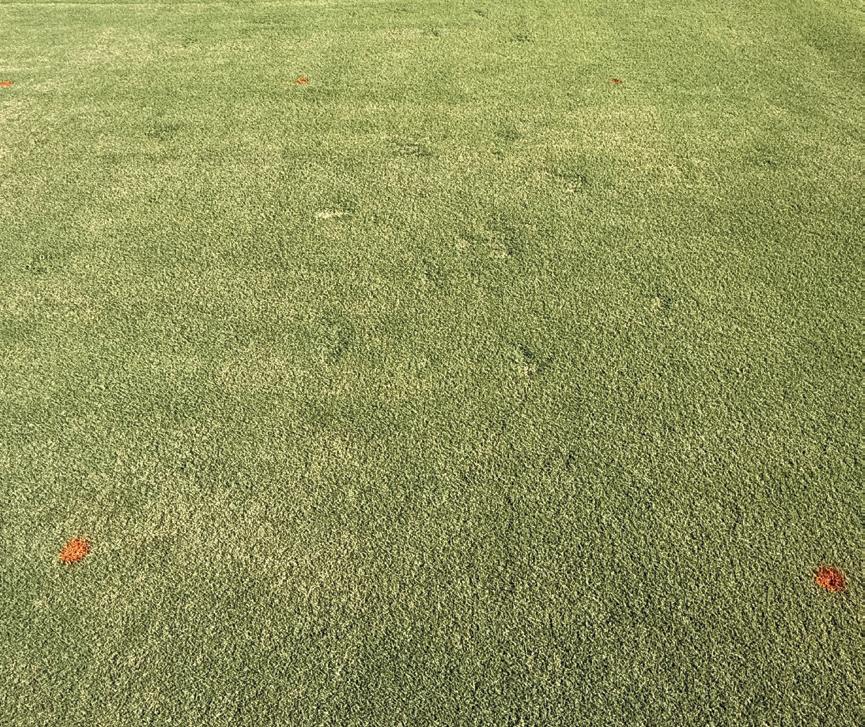
Glyphosate (Roundup Pro® Concentrate) applied via broadcast application at 12 fluid ounces per acre rate reduced bermudagrass green cover significantly, but targeted spraying had similar level of green cover as nontreated plots as documented in our recent study. Likewise, glufosinate applied at 41 fluid ounces per acre (as Finale® XL T&O) reduced bermudagrass cover drastically after broadcast application but had minimal effect on turfgrass after targeted spraying (Figure 4).
Targeted spraying technology also allows use of novel admixtures that are not currently being used during regular turfgrass maintenance. Rotating or tank mixing herbicide from different modes of action are crucial for sustainable turfgrass management, as selection pressure for herbicide resistance continues to increase. For instance, practitioners can use tank mixtures of herbicides like pyridate + sulfentrazone or bentazon + halosulfuron + sulfentrazone for targeted spraying without compromising efficacy on false-green kyllinga. These novel admixtures contain multiple modes of action in a single application that could reduce selection pressure and combat herbicide-resistant kyllinga. Similar admixtures should be explored for the management of other herbicide-resistant or difficult-to-control weeds.
Limitations – Like with any new technologies, there are limitations to consider when adopting a machine vision-guided sprayer. Currently, only one commercial unit (ALBA™ by Ecorobotix Inc.) is available, providing managers with a single option for this turfgrass-specific targeted spraying technology. Additional machine vision-guided sprayers need to be developed specifically for turfgrass systems, as interest in these technologies among turfgrass managers continues to grow and the needs across different turfgrass industry segments will vary. The cost of the equipment and the annual model subscription will be a major barrier for many turfgrass managers. Offering incentives, such as reduced subscription fees for the first few years, could help increase adoption of this technology. Alternatively, with ALBA™ being an example of a high-end solution maximizing performance and system sophistication, other developers may consider trade-offs to reduce equipment production and maintenance costs to improve accessibility. Although ALBA™ seems to demonstrate high detection accuracy on key problematic weeds, further research is needed to understand its year-round performance, considering changes in visual characteristics of weeds and turfgrass across growth stages and under varying environmental contexts. In our preliminary work, a few false positives occasionally led to herbicide applications to weed-free turfgrass. Also, we observed that in situations where weed presence (particularly grassy weeds) in the camera’s path exceeded that of turfgrass, the detection system became confused, effectively reversing target and background and treating turfgrass instead of the weed. However, developers are actively addressing these shortcomings and performance of targeted applications systems by continuing to improve imagery databases, training and validation across diverse geographical regions and management contexts.
There is no doubt that machine vision-guided sprayers will have a transformative impact on the turfgrass industry, however, extension efforts will be critical for adoption. Also, as this technology is still novel for turfgrass systems, ongoing research and development is critical to improve performance, reliability, and to meet industry needs. Among others, further research is needed to evaluate performance under varying travel speeds, expand applications to targeted residual treatments, and refine application thresholds to maximize herbicide savings.
Authors acknowledge the Turfgrass Council of North Carolina for sponsoring ongoing research projects focused on leveraging targeted application devices for weed management in NC turfgrass systems. The authors also thank Ecorobotix Inc. for providing a commercial unit for evaluation.



By Payton Perkinson and Grady Miller

Tall fescue (Festuca arundinacea) is a widely used cool-season turfgrass in North Carolina due to its tolerance to heat and drought stress. Given its popularity across the state, turfgrass extension specialists frequently receive management-related questions. One of the most common concerns is how to prevent tall fescue from turning offcolor, yellow or brown and losing density during the summer and winter months.
Current fertility recommendations in North Carolina suggest applying 2 to 4 pounds of nitrogen (N) per 1,000 ft2 annually, with split applications in February, March, September, October, and November. Under this program, no nitrogen is applied from April through August, when cool-season turfgrass color and quality often decline due to summer stress. These recommendations were based on concerns that nitrogen applications in late spring and summer may increase the prevalence of diseases such as brown patch (caused by Rhizoctonia solani).
However, recent research conducted in North Carolina suggests that nitrogen applications at moderate rates during the summer do not necessarily increase brown patch severity. For example, nitrogen applications in late spring and summer at 3.0 lb. N per 1,000 ft2 annually (applied as urea) did not increase brown patch severity (Butler et al., 2019). In contrast, higher annual rates of
* NCSU recomendation for tall fescue
a Synthetic granular urea (46-0-0)
b Synthetic w/iron = granular urea (46-0-0) and chelated iron applications in January and July
c Summer = granular urea (46-0-0) with application in July
d Liquid = solubilized urea (46-0-0)
e Organic = blood meal (14-0-0)
6 lb. N per 1,000 ft2, applied as 1 lb. per 1,000 ft2 from March through August, resulted in greater brown patch severity compared to the lower rates.
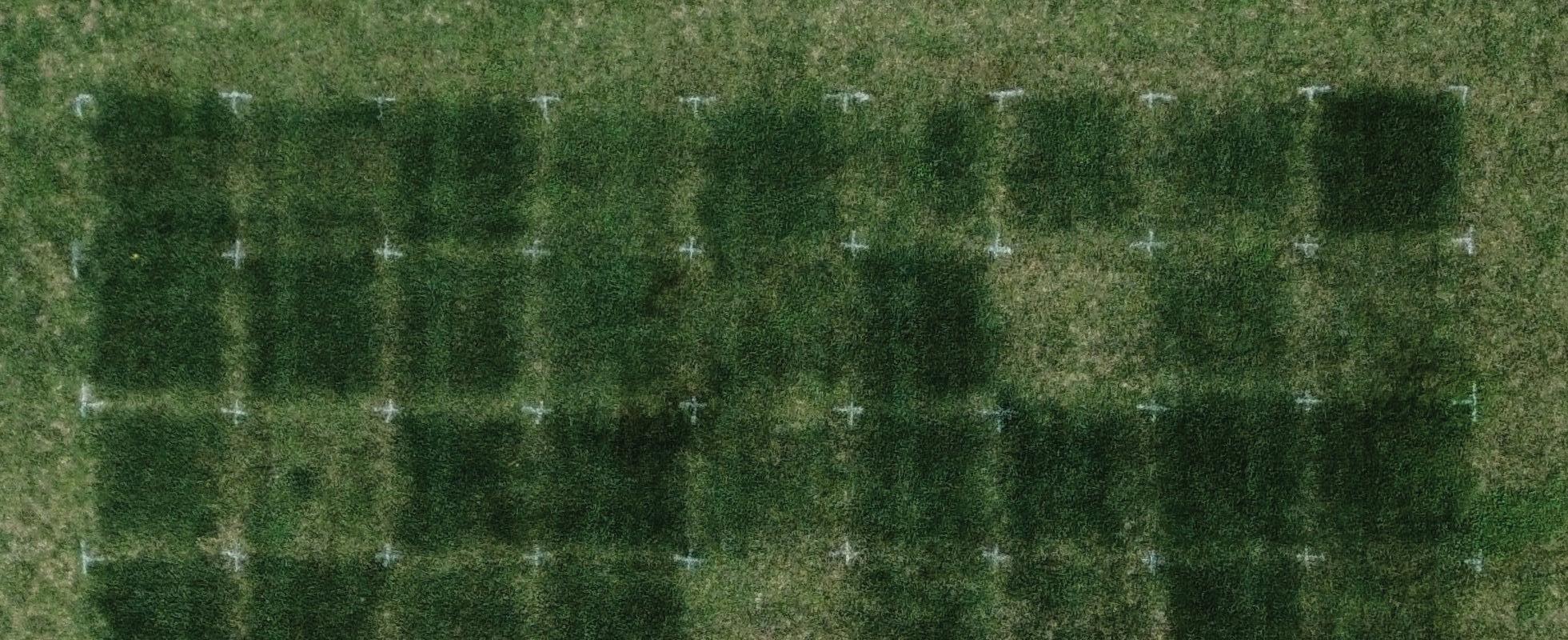
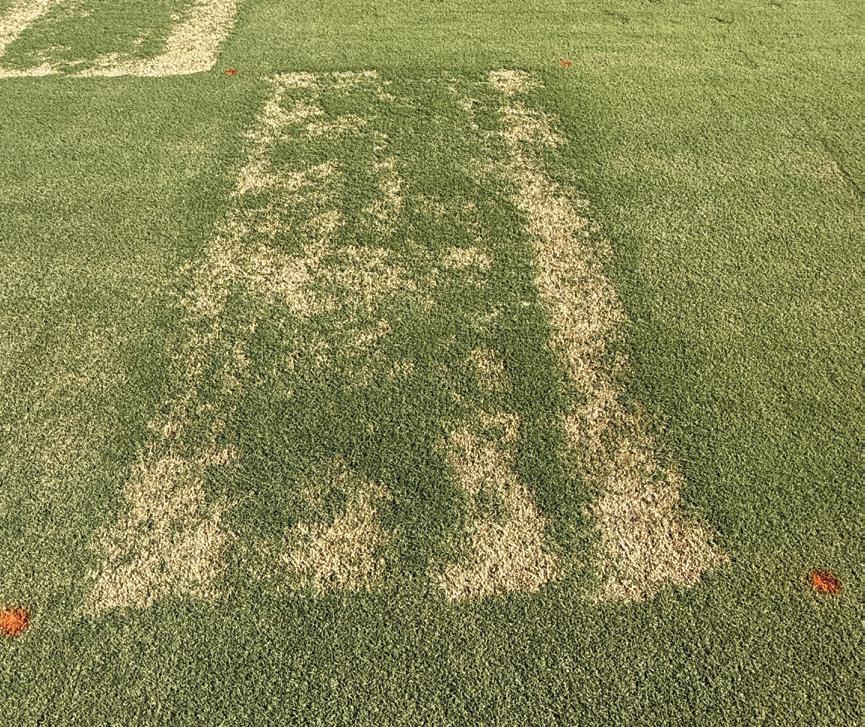
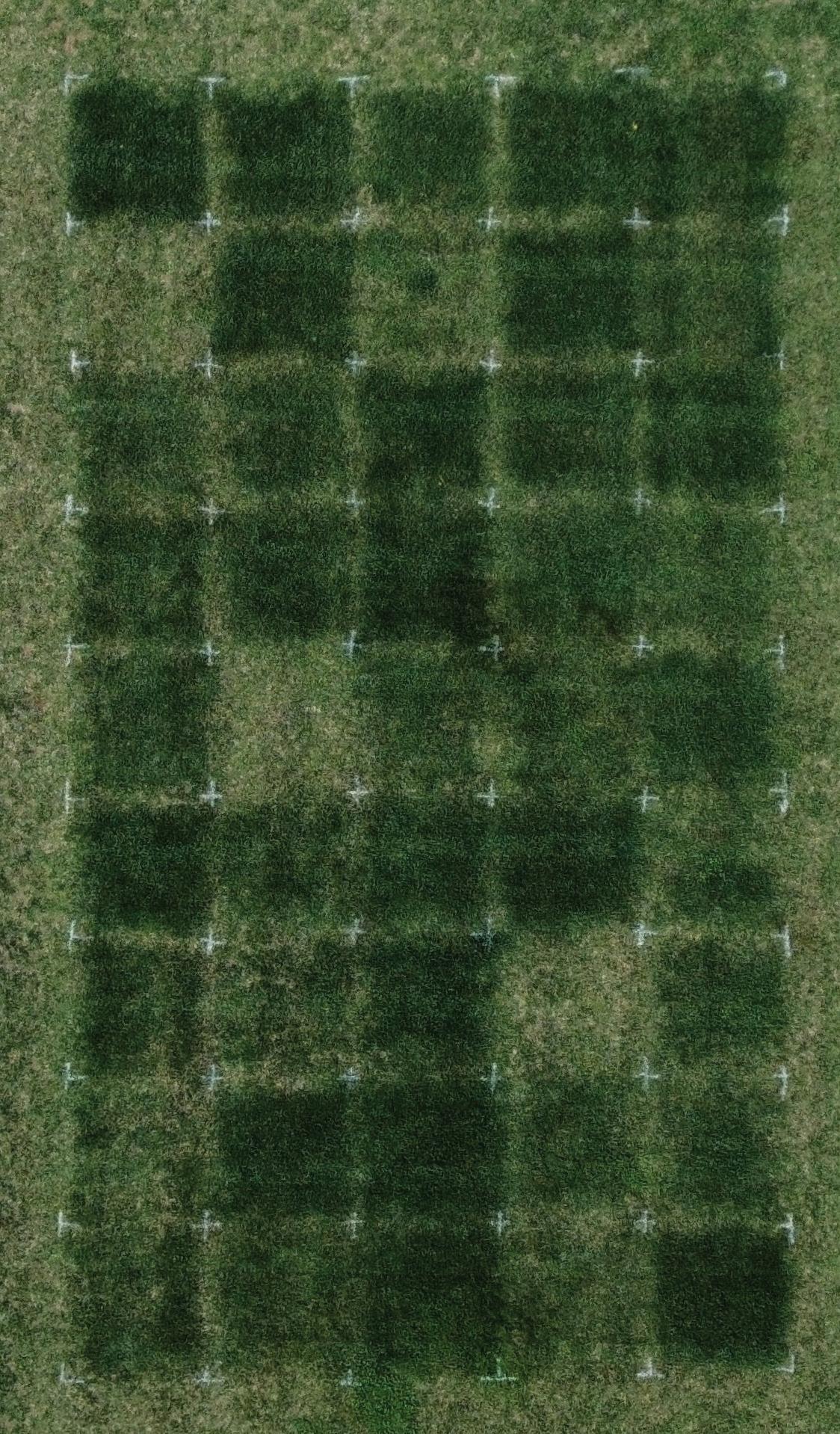
Based on these results, additional research is needed to refine year-round fertilizer recommendations for tall fescue in North Carolina. To address this need, a study was initiated in July 2025 to evaluate application methods (foliar and granular), nitrogen sources (organic and synthetic), fertilizer rates, application timing, and the inclusion of iron applications during both winter and summer (Figure 1).
Clear differences among fertility treatments have already been observed (Figure 2). Nitrogen applications made during the summer of 2025 improved turfgrass color and quality in late July and early August, with no visible increase in disease associated with this application. Foliar iron applications made twice annually did not improve color or quality.
Annual rates of 5 lb. N per 1,000 ft2, applied as urea, produced the highest turfgrass color and quality ratings during the fall and spring evaluation periods. However, the study has not yet been completed over a full year, and the long-term effects of these higher nitrogen rates, particularly on disease incidence, remain unclear.
Organic fertilizer sources improved turfgrass color and quality compared to the non-treated control, which received no nitrogen fertilizer. Synthetic fertilizers produced superior results when applied at equivalent nitrogen rates compared to organic sources.
Although this fertility trial has yielded promising preliminary results, data collection is ongoing and will continue through the upcoming summer. The trial will also be repeated next year to validate findings. Ultimately, this research aims to refine tall fescue fertility recommendations to optimize turfgrass color and quality across all seasons in North Carolina.
Butler, E. L., Galle, G. H., Kerns, J. P. (2019). Influence of Nitrogen Rate and Timing, Fungicide Application Method, and Simulated Rainfall after Fungicide Application on Brown Path Severity in Tall Fescue. Crop, Forage & Turfgrass Management, 5: 1-6, 1900018.