
YOUR PARTNER FOR THE LONG GAME
Unparalleled Agronomic Support

+ Consistent, Predictable, Dependable Nutrition
+ Proven Chemistry from Trusted Brands
+ Nationwide Locations
+ Custom Programs & Consulting
+ Grow-In Planning & Support
National resources. Local insight. Total turf success. We partner with superintendents to deliver customized agronomic solutions.















BRING ON THE SUMMER!
hope all of you have had a great start to the year. We had a very long and dry spring which is very unusual for Mississippi. So, hopefully with that being said we will receive some rain and summer weather soon.
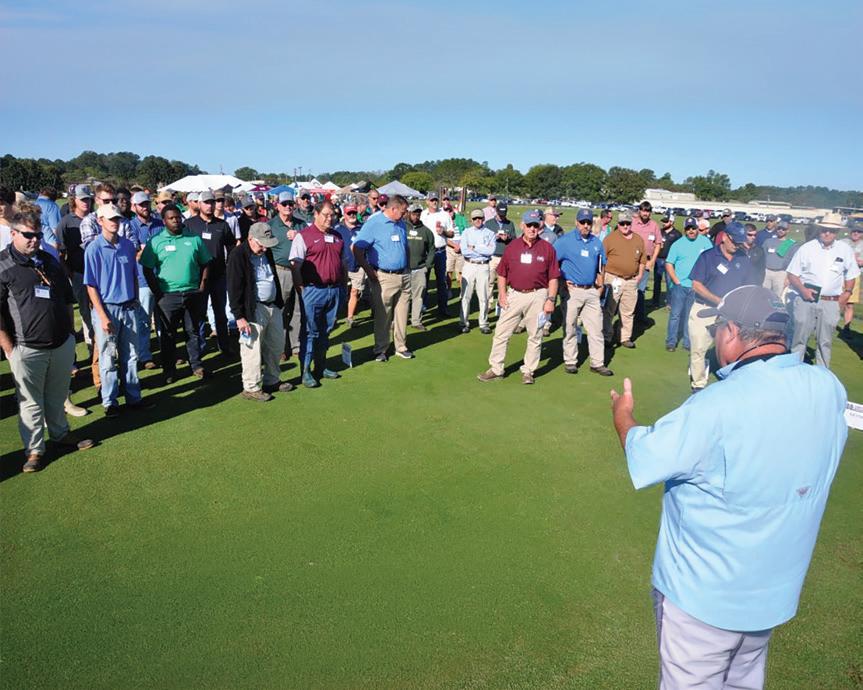
I always look forward to seeing everyone at the Yard Dawg classic held at MSU golf course. It’s a good place to network and be with our fellow workers in the industry. Also, I want to give a shout to Tim Basel and his staff for always putting on a great event. Thanks to all vendors and participants for making this event happen.
Please mark your calendars for our upcoming events:
Hope to see you all there!
Zak Holloway
Mississippi Turfgrass Association President

Mississippi Turfgrass Association Box 9555
MS State, MS 39762 Office: (662) 325-0517 www.msturfassociation.org
Published by:
Leading Edge Communications, LLC 206 Bridge Street Franklin, TN 37064 Office: (615) 790-3718 Fax: (615) 794-4524 info@leadingedgecommunications.com
MISSISSIPPI TURFGRASS EDITOR Dr. Jay McCurdy MTA OFFICERS
PRESIDENT Zak Holloway MSU Golf Course (662) 386-8042
VICE-PRESIDENT / PRESIDENT ELECT Josh Smith City of Columbia, MS (601) 441-8029
SECRETARY-TREASURER Dr. Barry Stewart Mississippi State University Office: (662) 325-2725
IMMEDIATE PAST PRESIDENT
Scott Hampton Laurel Country Club (601) 467-2718
ADMINISTRATIVE SECRETARY
Linda Wells
Mississippi State University Box 9555 MS State. MS 39762 Office: (662) 325-0517 Cell: (662) 769-7558 lmw218@pss.msstate.edu
DIRECTORS
Chance Meredith / Sod Rep Winstead Turf Farms (901) 430-5620
Jimmy McPherson / Golf Rep MSU Golf Course (662) 610-3260
Stephen Robertson / Central Region Rep Deerfield Country Club (662) 418-7888
Reuben Wedgeworth / South Region Rep Greenpoint AG (601) 498-0750
Mitch O’Banion / Lawns & Landscape Rep Grass Roots Turf (601) 573-7537
Scott Kuhn / Industry Rep Simplot (870) 315-2796
EX-OFFICIO
Dr. Jay McCurdy / Faculty Advisor
Mississippi State University (662) 325-2331
Agra Turf,
www.agrainc.com
Greene County Fertilizer
www.greenecountyfert.com
Harrell’s LLC
www.harrells.com
Jerry Pate Turf & Irrigation
www.jerrypate.com
Leading Edge Communications
www.LeadingEdgeCommunications.com
Regal Chemical Company 3 www.regalchem.com
Riebeling Farms, Inc. ............................... 7 riebelingfarmsinc@gmail.com
Smith Seed Services .............................. 17 www.smithseed.com
Sur-Line Turf, Inc. 17 www.surlineturf.com
The Aquatrols Company 14 www.aquatrols.com
The Turf Zone 11 www.theturfzone.com
The Turfgrass Group 5 www.theturfgrassgroup.com
Trimax Mowing Systems 15 www.trimaxmowers.com
Mississippi Turfgrass is the Mississippi Turfgrass Association magazine. Subscriptions are complimentary to MTA members. The statements and opinions expressed herein are those of the individual authors and do not necessarily represent the views of the association, its staff, its board of directors, Mississippi Turfgrass, or its editors. Likewise, the appearance of advertisers, or their identification as MTA members, does not constitute an endorsement of the products or services featured in any issue of Mississippi Turfgrass. Copyright © 2026 by the Mississippi Turfgrass Association. Mississippi Turfgrass is published quarterly. Subscriptions are complimentary to members of MTA. Presorted standard postage is paid at Jefferson City, MO. Printed in the U.S.A. Reprints and Submissions: MTA allows reprinting of material published here. Permission requests should be directed to MTA. We are not responsible for unsolicited freelance manuscripts and photographs. Contact the managing editor for contribution information. Advertising: For display and classified advertising rates and insertions, please contact Leading Edge Communications, LLC, 206 Bridge Street, Suite 200, Franklin, TN 37064, (615) 790-3718, Fax (615) 794-4524.






DON’T MISS THE
MSU Turfgrass Research Field Day
The 2026 Mississippi State University Turfgrass Research Field Day and Pesticide Applicator Training will be held on September 17 in Starkville.
After lunch, pesticide applicator/CEU training will be held in the newly renovated A.B. McKay building (the old Enology Lab) up the hill from the turf facility. Attendees wishing to complete CEUs for the following states/entities must remain present until adjourned (AL, FL, GA, LA, MS, TN, TX, GCSAA).
Attendee registration and vendor sponsorship opportunities are available online (link below). Registration is $100 in advance or $120 onsite.
REGISTER OR SPONSOR ONLINE!

AGENDA
7:30 AM Registration with coffee and pastries 8:30 AM Weed Control 9:20 AM Best Practices for the Best Grass 10:10 AM Breeding Better Grasses for Reduced Inputs
AM Vendor Tradeshow Opens Technology Demonstrations
Pesticide applicator/CEU training will be held in newly renovated A.B. McKay building at 205 Technology Blvd. Attendees wishing to complete CEUs for the following states/ entities must remain present until adjourning (AL, AR, FL, GA, LA, MS, TN, TX, GCSAA, SFMA applied for). No exceptions will be made. 12:45 PM Pesticide Safety, PPE, and Understanding the Pesticide Label 1:35 PM Insect Pest Management in Turfgrass 2:25 PM Recertification Forms and Adjourn

Nowhere else in Mississippi will you find a publication that reaches a more comprehensive breadth of turfgrass professionals who are consistent purchasers of the type of products, equipment and/or services that your company offers. Readers can also access the Digital Edition through The Turf Zone website. Archived issues will ensure that your advertising will continue to be seen indefinitely, for long-ranging impact. MTA members and MSU turf alumni include:
Lawn Care Operators Golf Course Superintendents

Parks & Recreation Supervisors Landscape Contractors Sports Turf Professionals Commercial Grounds Managers Equipment Suppliers Sod Producers
Contact us today to learn about effective and unique advertising strategies that target turf industry professionals.
DR. ZIA WILLIAMSON
TO MISSISSIPPI STATE UNIVERSITY

ississippi State University is pleased to welcome Dr. Zia Williamson as Assistant Professor of Extension for Turf and Ornamental Entomology in the Department of Agricultural Sciences and Plant Protection.
A native of Lincolnton, Georgia, Dr. Williamson grew up surrounded by the green industry through her family’s landscaping business near Augusta. That early exposure to plants, insects, and managed landscapes helped shape her academic path. She earned undergraduate degrees in entomology and horticulture from the University of Georgia, where she also gained research experience in plant production, fruit pathology, nematology, museum collections, and applied entomology. She later completed both her master’s degree and Ph.D. in entomology at UGA.
Dr. Williamson’s graduate research has focused on insect ecology and management in specialty crops, turfgrass, ornamentals, and urban landscapes. Her master’s work examined trunk-boring beetle pests in Georgia specialty crops and urban landscapes. Her doctoral research explored native bee ecology in turfgrass production farms and ornamental horticulture settings, including how landscape characteristics, floral resources, and management practices influence pollinator presence and activity.
At Mississippi State, Dr. Williamson will develop Extension and applied research programs addressing insect and pest management needs in turfgrass, ornamentals, and related landscape systems. Her work will support growers, golf course superintendents, landscape professionals, Extension agents, and other practitioners, as well as homeowners, through insect identification, science-based management recommendations, trainings, and responsive educational resources.
As she begins her new role, Dr. Williamson is eager to connect with Mississippi stakeholders and learn more about the turf and ornamental pest challenges they face. Please drop her an email (zvw9@msstate.edu), and come see her speak at this year’s September 17 Field Day.
linkedin.com/company/theturfzone
x.com/theturfzone

facebook.com/theturfzone
F Granular Flumioxazin as an Alternative to Oxadiazon
lumioxazin belongs to the protoporphyrinogen oxidase (PPO) inhibitor class of herbicides, group 14 under the HRAC classification system. PPO inhibitors interfere with chlorophyll production, causing a buildup of photodynamic compounds that damage cell membranes, leading to rapid desiccation of tissue and eventual plant death. These herbicides are known for their rapid activity and their ability to target a broad range of weed species, including grasses, broadleaves, and sedges. PPO inhibitors are already familiar to turfgrass managers because of a widely used compound in this same group: oxadiazon.
For several decades, oxadiazon has played a distinctive role in warm-season turfgrass weed management. Popular products containing oxadiazon include Ronstar from Bayer and Andersons Goosegrass/Crabgrass Control. Oxadiazon is one of the oldest PPO inhibitors used in turf and has long been valued for two characteristics. First, it inhibits both chloroplast and mitochondrial PPO enzymes, an unusual feature that contributes to its reliable control of annual grasses such as crabgrass and goosegrass (Dayan et al., 2018). Second, in its granular formulation, oxadiazon does not harm root development of established turfgrasses (Johnson, 1980). Because the granules fall through the canopy and directly to the soil surface, they minimize foliar deposition and reduce the likelihood of turfgrass injury. Golf courses, sports fields, and sod farms throughout Alabama have relied on these traits to maintain consistent preemergence weed control in bermudagrass and zoysiagrass systems.
However, the landscape surrounding the use of oxadiazon has begun to change. In 2022, the Environmental Protection Agency issued an interim decision (EPA HQ-OPP-2014-0782) that reclassified oxadiazon as a Restricted Use Pesticide. This change does not diminish its effectiveness, but it does alter how and where the product can be applied. At the same time, research monitoring resistance to oxadiazon has documented mutations affecting the PPO1 (chloroplast) target site (Bi et al., 2019). This means that other PPO inhibitors that primarily act on the PPO2 enzyme have the potential for control of oxadiazon-resistant weeds. These developments highlight the importance of evaluating additional PPO options for control. Relying on a single
active ingredient indefinitely is rarely sustainable, and having multiple PPO tools available strengthens long-term weed management flexibility.
This context has renewed interest in flumioxazin. While structurally different from oxadiazon, flumioxazin shares the PPO inhibition mode of action and has been used for years in other agricultural settings. What sets it apart is its broader activity on weeds that oxadiazon does not typically control well, particularly sedges and certain difficult broadleaf species. In addition, flumioxazin provides both preemergence and early postemergence activity, making its window of activity wider than many common preemergence herbicides.
Historically, flumioxazin has been applied in liquid form. Liquid formulations can be effective, but they also require careful application to avoid unintended leaf injury. In many turf systems, managers may prefer a formulation that allows for uniform placement and less risk of injury to turfgrass. For these reasons, granular flumioxazin formulations have been developed, such as Broadstar from Nufarm and StayGuard from Harrell’s. These products deliver the same active ingredient but in a form that rests on the soil surface rather than coating turfgrass foliage.
Interest in how granular flumioxazin performs in turfgrass has grown in part because certain weed species are becoming more prevalent. One example is cockscomb kyllinga (Kyllinga squamulata), an annual sedge with potential perennial tendencies capable of rapid infestation via immense seed production and an ability to thrive in moist, low-mow environments (McElroy et al., 2004). Another is smooth crabgrass (Digitaria ischaemum), a common summer annual grass that remains one of the most competitive weed species in warm season turf and one of the first species to develop herbicidal resistance in turfgrass systems (Heap, 2025). Doveweed (Murdannia nudiflora), with its creeping growth habit and late germination window (Atkinson et al., 2019), has also become increasingly common in Alabama’s warm and humid summers. These weeds differ in biology and emergence patterns, but they share the ability to spread aggressively once established. Each presents challenges for preemergence and early postemergence herbicides, making broad-spectrum materials an asset in management programs.
Research Methods. To better understand how granular flumioxazin fits into turfgrass management, a field study was conducted at the Auburn University Sports Surface Field Lab. The trial compared Stayguard, the chosen granular flumioxazin, alone and in sequential applications, several widely used preemergence herbicides such as Barricade, Pendulum Aquacap, and Specticle Flo also alone and in sequential applications, and combinations where a preemergence treatment was followed by a Stayguard application later in the season. The plots were established on bermudagrass mowed at 0.75 inches and weed control ratings were collected throughout the growing season. The study was designed to reflect a realistic management scenario where a turf manager might combine a proven preemergence product with a second application of a granular material to reinforce control or broaden the spectrum. Treatments and their timings are listed in Table 1
Gracie Cotter, Graduate Student, Turfgrass Science, Auburn University
Travis Gannon, Professor, Herbicide Chemistry, NC State University
Scott McElroy, Professor, Turfgrass Science, Auburn University
Results. StayGuard controlled cockscomb kyllinga and smooth crabgrass effectively in some application scenarios. When as a second application following common preemergence herbicides such as Barricade, Pendulum Aquacap, or Specticle Flo, the StayGuard treatments controlled both smooth crabgrass and cockscomb kyllinga >90% on August 10th, 145 days after the initial application (Figure 1). By comparison, sequential applications of Barricade and Pendulum applied alone controlled cockscomb kyllinga <60% indicating that StayGuard as a second application can improve control of these weeds. For turfgrass practitioners, this means that granular flumioxazin can complement existing programs by strengthening earlyseason control while also broadening the spectrum to include more problematic sedge species.
In addition, bermudagrass tolerance was also encouraging. The granular formulation minimized foliar exposure, which in turn reduced the injury. This reinforces one of the primary advantages of granular herbicides: the ability to deliver the active ingredient directly to the soil surface without coating turf foliage. Finally, the study offered an interesting observation about sedge control. Some cockscomb kyllinga populations had already begun emerging before the sequential granular flumioxazin application was made, yet control was still observed. While granular PPO herbicides are primarily intended as preemergence tools, this raised the possibility of limited activity on newly emerged weeds. Additional research is underway to better understand the soil-based uptake pathways that contribute to this early postemergence effect.
As herbicide options continue to evolve, having multiple PPO inhibitors available provides turfgrass managers with greater flexibility and resilience in their programs. Granular flumioxazin products, such as StayGuard, expand the range of tools available for managing difficult annual grasses, sedges, and broadleaf weeds in warm-season turf.
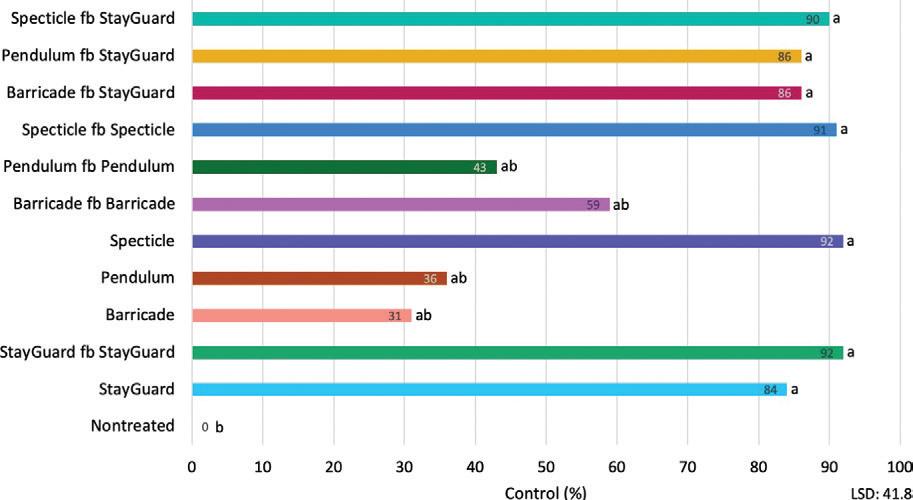
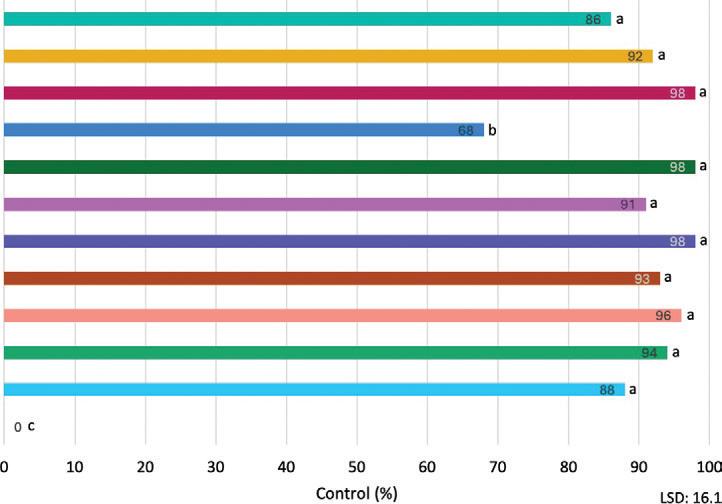
Figure 1 B – Control of Smooth Crabgrass
Figure 1 A – Control of Cockscomb Kyllinga
Because of its formulation, granular flumioxazin offers a practical option for sites where ease of application and turf safety are priorities. It can fit naturally into programs that already rely on spring preemergence applications, providing an additional layer of residual control. For Alabama turfgrass systems, where weed pressure is high and growing seasons are long, having an additional PPO inhibitor with a broader weed spectrum is valuable. As research continues and field observations accumulate, turf managers will be able to fine-tune where granular flumioxazin products make the most sense in their program.
Final Thoughts. Our work with granular flumioxazin has shown strong potential for managing several challenging warm-season weeds found in Alabama. Programs incorporating Stayguard have been especially encouraging against various sedge species, smooth crabgrass, goosegrass, and doveweed. Annual bluegrass (Poa annua) control, however, has been less impressive. Because annual bluegrass remains a significant winter weed in Alabama, additional research is underway to better understand the coolseason applications of granular flumioxazin. •
Acknowledgments. This research was partially funded by the Alabama Turfgrass Research Foundation.
REFERENCES
Atkinson, J. L., McCarty, L. B., Yelverton, F., McElroy, S., & Bridges, W. C. (2019). Doveweed (Murdannia nudiflora) response to environmental resource availability and cultural practices. Weed Science, 67(2), 214–220. https://doi.org/10.1017/wsc.2018.89
Bi, B., Wang, Q., Coleman, J. J., Porri, A., Peppers, J. M., Patel, J. D., Betz, M., Lerchl, J., & McElroy, J. S. (2020). A novel mutation A212T in chloroplast protoporphyrinogen oxidase (PPO1) confers resistance to PPO inhibitor oxadiazon in Eleusine indica. Pest Management Science, 76(5), 1694–1700. https://doi. org/10.1002/ps.5703
Dayan, F. E., Barker, A., & Tranel, P. J. (2018). Origins and structure of chloroplastic and mitochondrial plant protoporphyrinogen oxidases: Implications for the evolution of herbicide resistance. Pest Management Science, 74(10), 2226–2234. https://doi.org/10.1002/ps.4744
Heap, I. (n.d.). The International Herbicide-Resistant Weed Database. Online. Available at www.weedscience. org
Johnson, B. J. (1980). Root growth of southern turf cultivars as affected by herbicides. Weed Science, 28(5), 526–528. https://doi.org/10.1017/S0043174500022311
McElroy, J.S., Yelverton, F.H., Burke, I.C., & Wilcut, J.W. (2004). Absorption, Translocation, and Metabolism of Halosulfuron and Trifloxysulfuron in Green Kyllinga (K. brevifolia) and False-Green Kyllinga (K. gracillima). Weed Science, 52(5), 704-710. https://doi.org/10.1614/WS-03-133R
U.S. Environmental Protection Agency. (2022). Oxadiazon: Interim Registration Review Decision (Docket No. EPA-HQ-OPP-2014-0782-0151). Retrieved from https://www.regulations.gov/document/EPA-HQOPP-2014-0782-0151


Advancing Precision Weed Management in Turfgrass Systems with Machine Vision-Guided Targeted Spraying
Brooke Heikkila 1
Navdeep Godara 2
Pawel Petelewicz 3
1 Graduate Research Assistant,
2 Assistant Professor of Turfgrass & Forage Weed Science, Department of Crop and Soil Sciences, NC State University, Raleigh, NC 27695,
3 Assistant Professor of Turfgrass Weed Science, University of Florida, Institute of Food and Agricultural Sciences (UF/IFAS), Agronomy Department, Gainesville, FL 32611
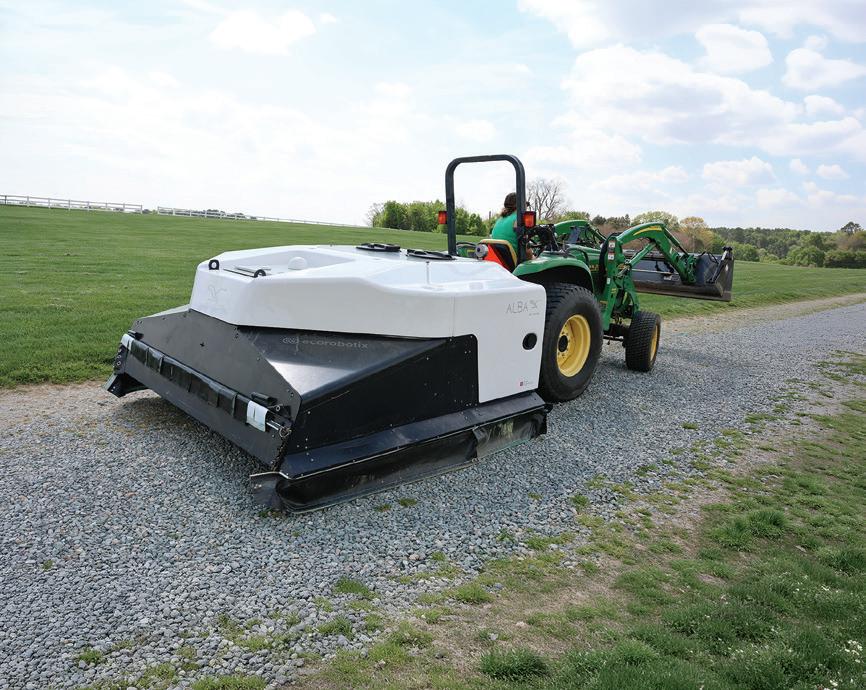
Turfgrass managers are facing increasing weed challenges due to evolving regulatory framework and growing incidence of herbicideresistant weeds. The release of the first turfgrass-specific commercial machine vision-guided sprayer (ALBA™, Ecorobotix Inc.) enables automated and localized herbicide applications in turf. Although often referred to as “spot spraying” in marketing materials, “targeted spraying” is a more accurate description as it distinguishes this system from manual spot treatments and other existing precision weed management approaches. Such targeted application systems have already been successfully deployed in other crops using platforms such as the John Deere See and Spray™, Agritech America WEED-IT™, Verdant Robotics Sharp Shooter™, Ecorobotix ARA™. Using See and Spray™ technology, comparable weed control was observed between the broadcast and targeted spraying methods, but the targeted spraying reduced the treated acreage by up to two-thirds. In turfgrass, this technology not only offers significant herbicide savings but also opens the door for practitioners to combat herbicide-resistant weeds by incorporating alternative chemistries, including nonselective herbicides or herbicide tank mixtures combining multiple modes-of-action which are not typically feasible in broadcast applications.
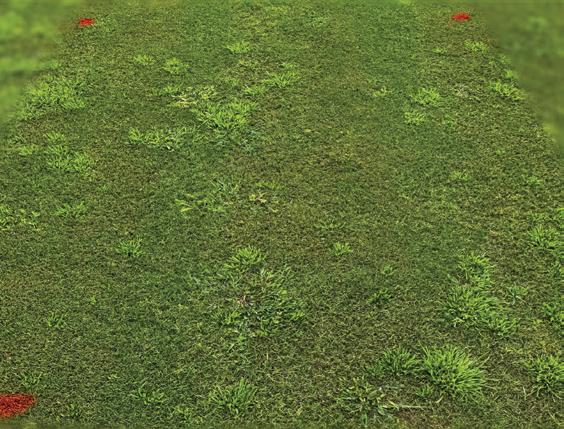
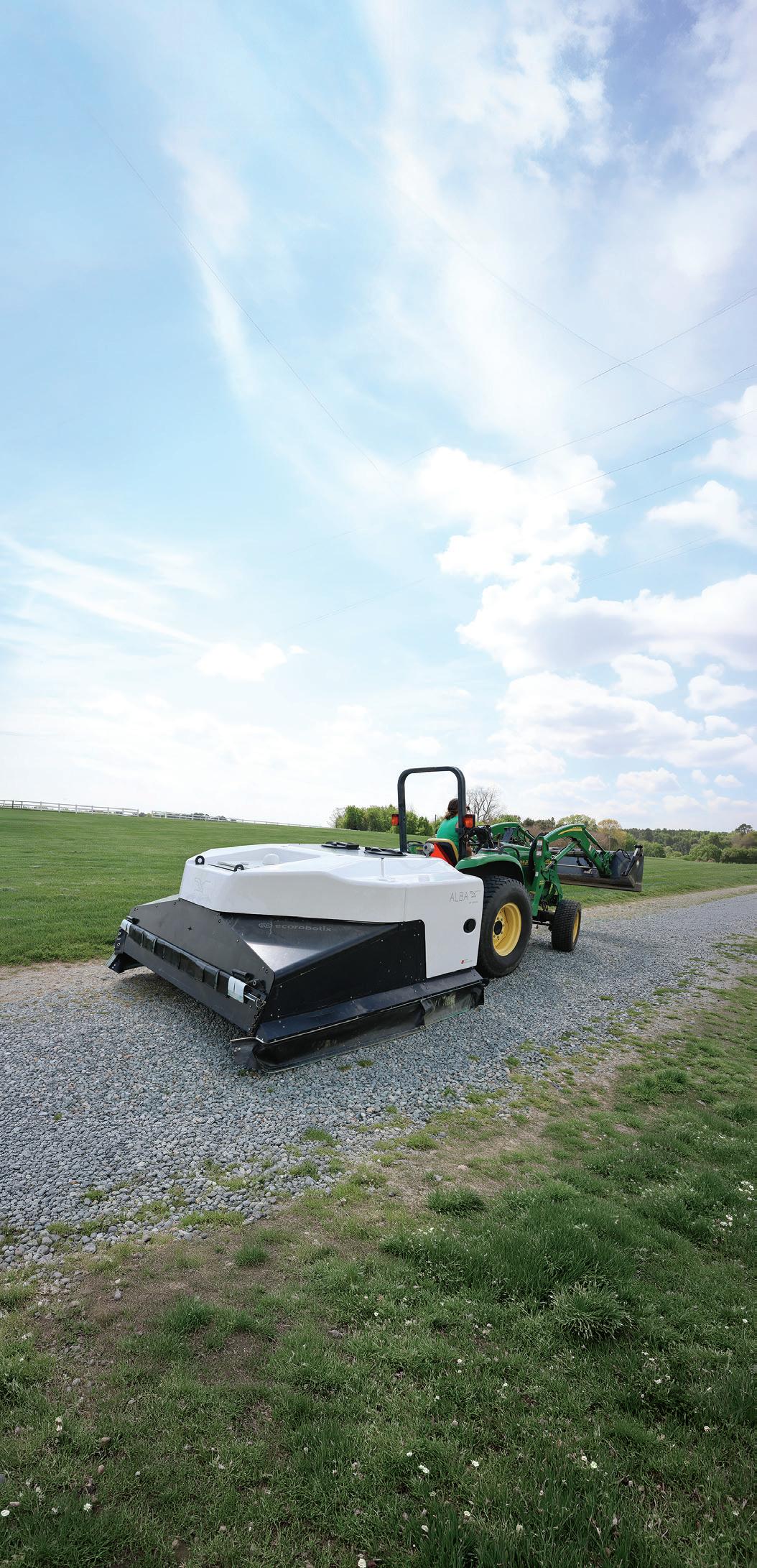
Figure 1. The first commercial machine-vision guided targeted sprayer (ALBA™, Ecorobotix Inc.) evaluated for targeted applications to annual bluegrass by NC State Turfgrass Weed Science Program.
Overall, spot spraying is not a new concept, as many turfgrass managers already employ it to control weed escapes following broadcast herbicide applications or where selective chemistries are not an option. Manual spot spraying involves individuals walking the golf course or other turfgrass areas with a sprayer loaded with herbicide to make localized applications directly to weeds. Traditional spot spraying is labor-intensive, time-consuming, and requires applicators to accurately identify weeds, necessitating additional training and expertise. It ultimately increases application costs and is also prone to human error, often resulting in overapplication and missed weeds. However, targeted spraying systems such as ALBA™, utilize artificial intelligence combined with machine vision to detect problematic weeds within turfgrass canopy in realtime to apply herbicides only to those small areas where individual weeds are present. ALBA™ is a tractor pullbehind unit that can operate at speeds up to 4.5 miles per hour and uses an enclosure to block ambient light and to create consistent lighting conditions to continuously scan the turfgrass canopy with its cameras to detect weeds (Figure 1). When a weed is spotted, an individual nozzle – one out of 108 – activates to directly target the weed with a 1.2 × 1.2-inch spray resolution per nozzle. As targeted application systems continue to advance and competing platforms emerge, it is critical to understand how to effectively integrate and leverage these sprayers within turfgrass weed management programs. Several preliminary field experiments using ALBA™ and its ARA™-based predecessor research platform were conducted by the NC State Turfgrass Weed Science Program and the UF/IFAS Turfgrass Weed Science Program to understand the applications of this technology. Preliminary studies showed that machinevision guided targeted spraying substantially reduces herbicide usage and treated acreage while maintaining weed control efficacy, offering both economic and environmental benefits while targeting wide variety of problematic weeds with high accuracy.
SPECIALIZING IN:



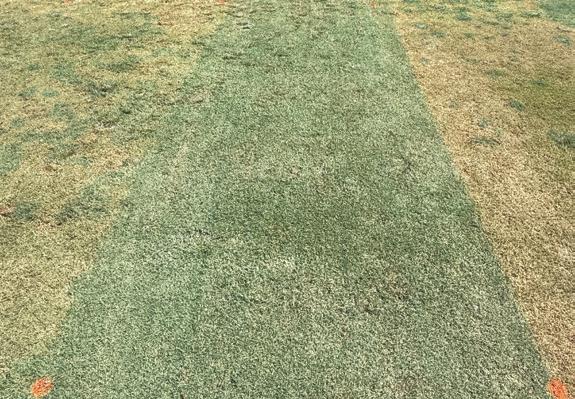
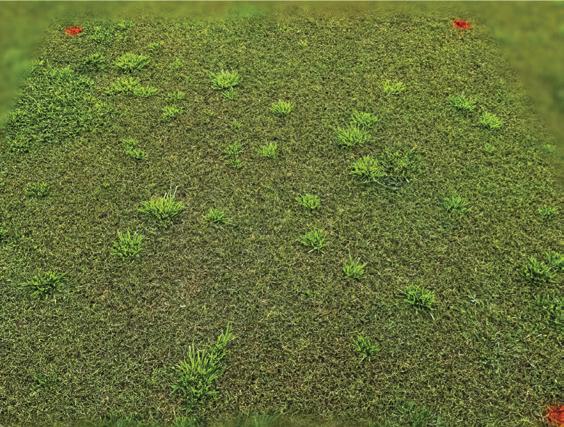
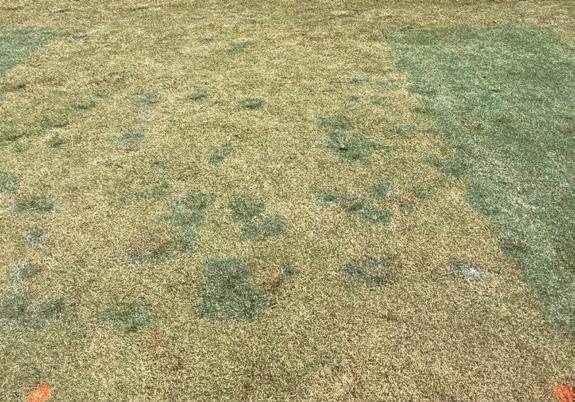
Reduction in Herbicide Volume Used – In a study focused on controlling false-green kyllinga in bermudagrass fairways, machine vision-guided targeted spraying with ALBA™ reduced herbicide spray volume by 77% compared to broadcast treatments. False green kyllinga cover was 17% at the experimental sites during study initiation, triggering significant savings due to the weed-specific, localized targeted treatments compared to broadcast herbicide applications (Figure 2). Broadcast applications of standard kyllinga control products typically cost around $190 to $240 per acre, but targeted treatment can lower the cost by more than $145 per acre even when dealing with moderate level of weed infestation (~15% weed cover). Similarly, in another ongoing study, when annual bluegrass weed cover was 10% in bermudagrass fairways, targeted applications achieved a 66% reduction in herbicide spray volume compared to conventional broadcast treatments. Sulfonylurea herbicides for postemergence control of annual bluegrass cost around $140 to $185 per acre and targeted spraying can reduce the cost by at least $92 per acre when weed cover is 10% or less.
Practitioners can expect greater savings at turfgrass sites with lower weed infestations, which are typical of intensively managed surfaces and when applying expensive herbicides such as PoaCure or organic herbicides during winter dormancy of warm-season turfgrasses. Targeted application system was also evaluated for control of broadleaf weeds, dallisgrass, smooth crabgrass, and tropical signalgrass in studies conducted independently or in collaboration between Mississippi State University, NCSU, Virginia Tech and UF IFAS, and observed a 53% to 95% reduction in spray volume. In all the aforementioned cases, weed control levels achieved with targeted spraying were no different from broadcast applications. Thus, these studies demonstrate that, across various problematic weed species, this novel application system can substantially reduce the herbicide volume required, lowering costs without compromising weed control efficacy.
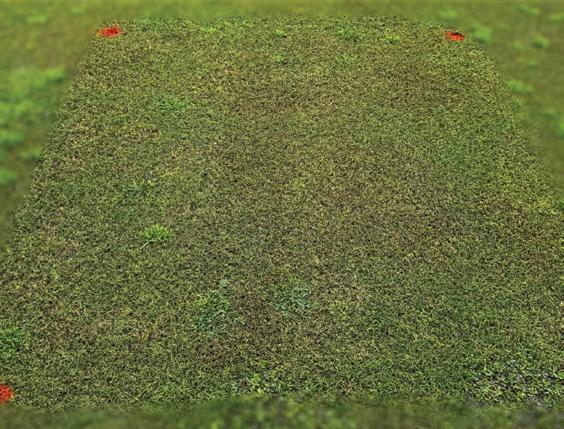
Lower Treated Acreage – During broadcast herbicide applications, substantial areas without weeds are often treated unnecessarily. Targeted applications can reduce the treated acreage, enabling practitioners to use herbicides such as MSMA, which are currently restricted to spot treatments on less than 25% of the total golf course acreage per year. Targeted spraying systems are particularly useful for herbicides with limited or no residual activity, as it allows localized treatments to weed instead of broadcast applications to turfgrass. Targeted spraying for false-green kyllinga control (17% weed cover) in bermudagrass fairways resulted in 85% reduction in treated acreage compared to broadcast spraying (Figure 3). In a similar study, an 80% reduction in treated acreage was found when only treating annual bluegrass in dormant bermudagrass at 10% weed cover.
A study conducted by UF/IFAS Turfgrass Weed Science Program using circular, non-overlapping targets of varying patch sizes (4-10 cm diameter) to simulate random different weed densities and dispersions within the 1-20%, 21-40%, and 41-60% coverage, indicated total spray deposition of approximately 40%, 64%, and 74%, respectively. This corresponded to estimated herbicide savings of 60%, 36%, and 26%. Spray deposition increased with rising weed pressure, while the non-sprayed area, directly reflecting herbicide savings declined accordingly. These results confirm that variation in herbicide savings with targeted applications is driven primarily by weed density, with dispersion playing a secondary role, exerting stronger effects at low weed densities but negligible influence at higher densities.
The reduction in treated acreage can potentially diminish the environmental impact of herbicides by minimizing overall pesticide load released into the environment, limiting off-target movement, reducing the risk of groundwater contamination, and lowering the risk of human exposure associated with pesticide applications. Targeted approaches permit treatment to a limited portion of turf, enabling the effective use of chemistries with area-use limitations.
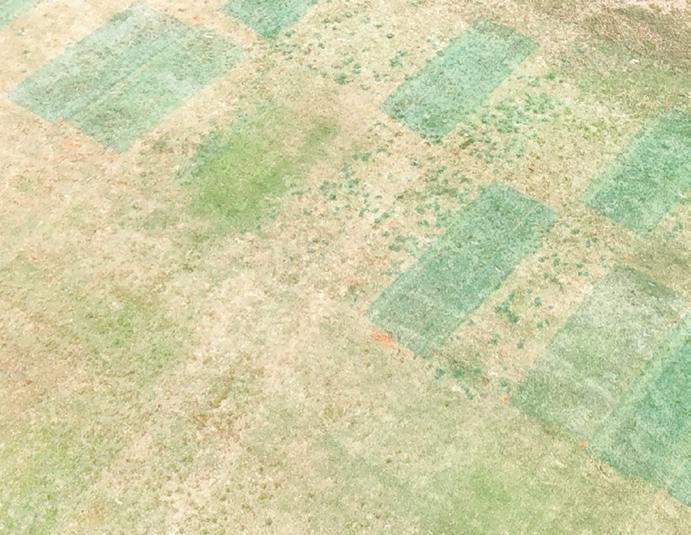
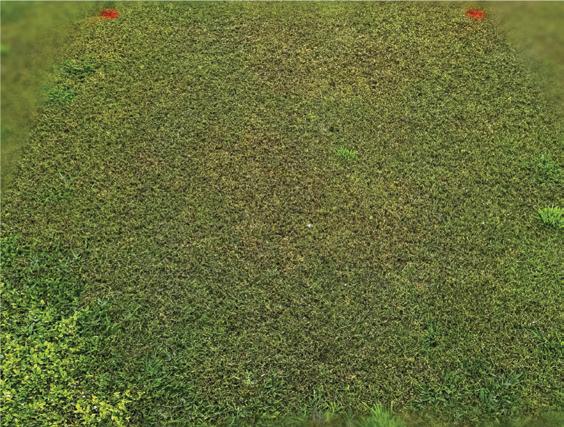
Figure 3. Differences in treated area due to broadcast and targeted spraying herbicide admixtures and spray pattern indicator blue dye for false-green kyllinga control in bermudagrass fairway.
Figure 2. Herbicide and spray pattern indicator blue dye applied via broadcast (left) and targeted applications (right) to bermudagrass fairway infested with false-green kyllinga.
Effective reduction in area treated with targeted spraying will become increasingly important as new regulations come into effect, particularly in the context of upcoming Endangered Species Act-imposed changes. Therefore, research projects funded by the Turfgrass Council of North Carolina will focus on investigating the agronomic and environmental benefits of targeted application systems for managing problematic weed species.
Alternative Herbicide Options for Resistance Management – Targeted spraying also enables selectivity at the sprayer level rather than relying only on selectivity of the herbicide used. This potentially allows turf managers to use nonselective herbicides that were previously not an option for broadcast treatment due to severe injury to actively growing turfgrasses. Broad spectrum herbicides like glyphosate, glufosinate, or flumioxazin are highly effective against a wide variety of weeds, but practitioners often wait for turfgrass to go dormant before spraying nonselective herbicides, while in some geographies, such as Florida, achieving full dormancy is not even possible. However, with this new technology, practitioners will have the option to incorporate nonselective herbicides year-round with minimal collateral damage to turfgrass.
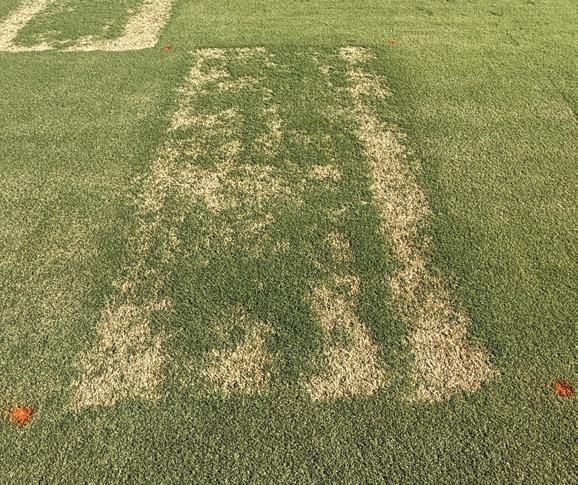
Glyphosate (Roundup Pro® Concentrate) applied via broadcast application at 12 fluid ounces per acre rate reduced bermudagrass green cover significantly, but targeted spraying had similar level of green cover as nontreated plots as documented in our recent study. Likewise, glufosinate applied at 41 fluid ounces per acre (as Finale® XL T&O) reduced bermudagrass cover drastically after broadcast application but had minimal effect on turfgrass after targeted spraying (Figure 4).
Targeted spraying technology also allows use of novel admixtures that are not currently being used during regular turfgrass maintenance. Rotating or tank mixing herbicide from different modes of action are crucial for sustainable turfgrass management, as selection pressure for herbicide resistance continues to increase. For instance, practitioners can use tank mixtures of herbicides like pyridate + sulfentrazone or bentazon + halosulfuron + sulfentrazone for targeted spraying without compromising efficacy on false-green kyllinga. These novel admixtures contain multiple modes of action in a single application that could reduce selection pressure and combat herbicide-resistant kyllinga. Similar admixtures should be explored for the management of other herbicide-resistant or difficult-to-control weeds.
Limitations – Like with any new technologies, there are limitations to consider when adopting a machine vision-guided sprayer. Currently, only one commercial unit (ALBA™ by Ecorobotix Inc.) is available, providing managers with a single option for this turfgrass-specific targeted spraying technology. Additional machine vision-guided sprayers need to be developed specifically for turfgrass systems, as interest in these technologies among turfgrass managers continues to grow and the needs across different turfgrass industry segments will vary. The cost of the equipment and the annual model subscription will be a major barrier for many turfgrass managers. Offering incentives, such as reduced subscription fees for the first few years, could help increase adoption of this technology. Alternatively, with ALBA™ being an example of a high-end solution maximizing performance and system sophistication, other developers may consider trade-offs to reduce equipment production and maintenance costs to improve accessibility. Although ALBA™ seems to demonstrate high detection accuracy on key problematic weeds, further research is needed to understand its year-round performance, considering changes in visual characteristics of weeds and turfgrass across growth stages and under varying environmental contexts. In our preliminary work, a few false positives occasionally led to herbicide applications to weed-free turfgrass. Also, we observed that in situations where weed presence (particularly grassy weeds) in the camera’s path exceeded that of turfgrass, the detection system became confused, effectively reversing target and background and treating turfgrass instead of the weed. However, developers are actively addressing these shortcomings and performance of targeted applications systems by continuing to improve imagery databases, training and validation across diverse geographical regions and management contexts.
There is no doubt that machine vision-guided sprayers will have a transformative impact on the turfgrass industry, however, extension efforts will be critical for adoption. Also, as this technology is still novel for turfgrass systems, ongoing research and development is critical to improve performance, reliability, and to meet industry needs. Among others, further research is needed to evaluate performance under varying travel speeds, expand applications to targeted residual treatments, and refine application thresholds to maximize herbicide savings. •
Authors acknowledge the Turfgrass Council of North Carolina for sponsoring ongoing research projects focused on leveraging targeted application devices for weed management in NC turfgrass systems. The authors also thank Ecorobotix Inc. for providing a commercial unit for evaluation.
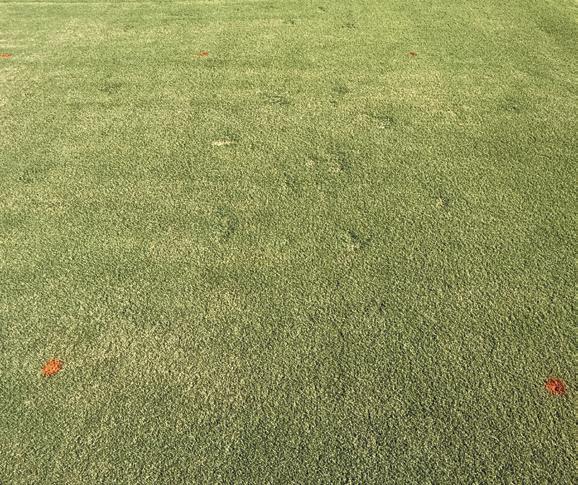
cover at 28 days after treatment following broadcast (left) and targeted applications (right) of Finale® XL T&O (active ingredient -glufosinate) for smooth crabgrass control.
Figure 4. Bermudagrass

Solving. Always
Workman® LTX Utility Vehicle
The next generation of light-duty utility vehicles is here. The new Workman LTX delivers everything you asked for - power, comfort, and elevated design. Powered by either the Briggs & Stratton Vanguard 400 EFI engine or the Toro HyperCell lithium battery system, the LTX offers standard height, lifted, or extended models to help you tackle your toughest days.


Jerry Pate Turf & Irrigation offers the most extensive selection of equipment, vehicles, and accessories for golf courses, sports fields, resorts, parks, campuses and other large grounds. Covering eight states in the Southeast, and six states in the Midwest, Jerry Pate Turf & Irrigation takes pride in providing the finest quality products and service in the industry.