Summer 2026
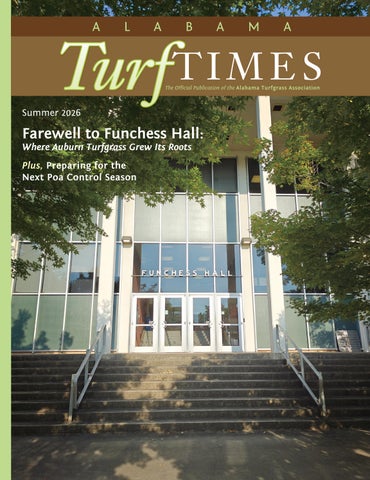
Farewell to Funchess Hall:
Where Auburn Turfgrass Grew Its Roots
Plus, Preparing for the Next Poa Control Season








Summer 2026
Where Auburn Turfgrass Grew Its Roots
Plus, Preparing for the Next Poa Control Season
Aswe settle into the summer stretch, I want to take a moment to reflect on how grateful I am for the people who make the Alabama Turfgrass Association such a special community. Every event we host reminds me that our strength truly comes from the folks who show up, share their knowledge, and support one another.
This year’s Poa Annua Classic was a perfect example of that spirit. A heartfelt thank you to Aaron Tucker and Scott McElroy for taking the time to speak and for bringing their insight and passion to the event. And we certainly couldn’t have asked for a better host than Ben Williams and the team at Cambrian Ridge. Their hospitality helped make the day memorable for everyone who attended.
Looking ahead, we’ve got an exciting stretch of events coming up. The Deep South Turf Expo will be here before we know it, so keep an eye out for registration details. It’s always one of the highlights of our year, and I hope to see many familiar faces—and some new ones—there.
We’re also gearing up for the Sports Turf Field Day at the Birmingham Barons ballpark. This is always a fantastic hands-on learning opportunity, and it’s a great chance to connect with others who share the same passion for what we do.
And finally, I want to extend a personal invitation to anyone who feels called to get more involved. If you’ve ever considered serving on the ATA Board of Directors, now is a wonderful time to raise your hand. Fresh ideas and willing hearts are what keep this association moving forward. Thank you for all you do—for your work, your support, and the pride you bring to this profession. I look forward to seeing you soon and continuing the work of strengthening turfgrass management across Alabama.
Drew Charcandy ATA President
• Beard Equipment Co.
• Envu
• Harrell's
• Jerry Pate Turf and Irrigation
SILVER
• BWI Company
• Simplot
• Agromax
• Chattahoochee Turf Products
• Greenpoint Ag
• Helena Agri
• Heritage Landscape Supply
• Nufarm
• PBI Gordon
• Regal Chemical Company
• SiteOne Landscape Supply
• Southern States
• Sur-Line Turf
• Syngena GOLD







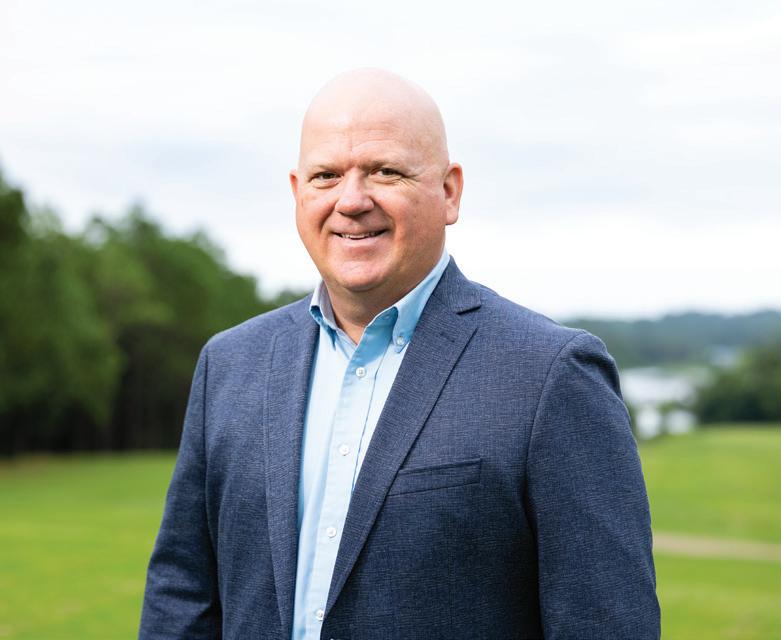
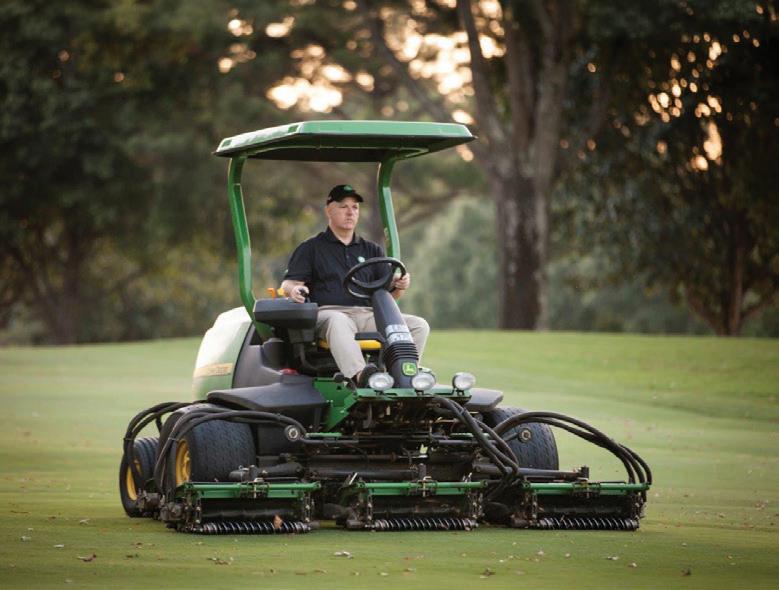
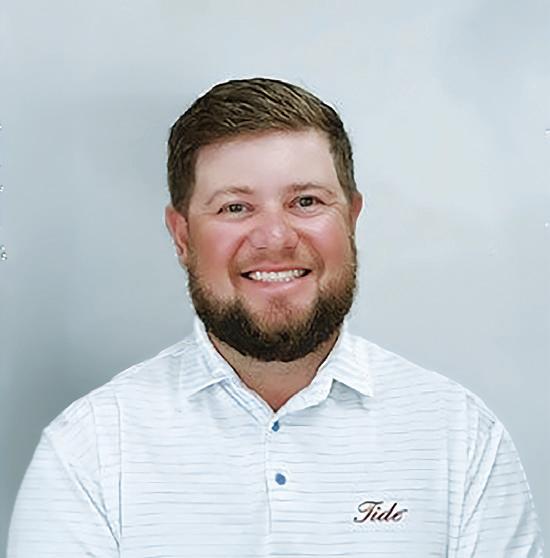
For more than three decades, Brian Aaron, CGCS, has been a familiar and respected figure in Alabama's turfgrass industry. After 32 years in the profession and 30 years as a member of the Alabama Turfgrass Association, Brian recently retired from his role as Golf Course Superintendent at Azalea City Golf Course in Mobile. While he may have officially retired, Brian is quick to point out that he is far too young to stop contributing to the industry he loves.
Born and raised in Opp, Alabama, Brian's journey into turfgrass management was anything but conventional. As a high school student, he operated a small lawn and landscape business and initially planned to pursue a career in pharmacy. After transferring to Auburn University and reevaluating his career goals, a conversation with academic advisors led him to the School of Agriculture, where Dr. Joe Hood and Dr. Ray Dickens introduced him to the world of turfgrass management.
"Even though I had never played golf or been around a golf course, the idea of managing a large area of land that was meticulously maintained year-round really excited me," Brian recalls.
That decision changed the course of his career.
While attending Auburn, Brian gained valuable hands-on experience working at Grand National Golf Club during its early development. The opportunity to witness golf course construction, grow-in, and maintenance firsthand provided a foundation that would serve him throughout his career.
Following graduation, with a degree in Agronomy and Soils – Turfgrass Management in 1994, Brian quickly advanced through the ranks. After serving as an assistant superintendent, he accepted his first superintendent position at Andalusia Country Club before helping oversee the construction and opening of Tartan Pines Golf Club in Enterprise. He later joined Azalea City Golf Course, where he spent 25 years serving the City of Mobile and building a legacy of excellence.
Throughout his career, Brian found great satisfaction in working outdoors, tackling new challenges, and seeing projects come to life.
"There are no two days that are ever the same," he says. "I enjoy being outside and seeing the results of successfully completed projects."
Among the many accomplishments he achieved, one project stands above the rest. In 2018, Brian identified a problematic area between holes 12 and 14 at Azalea City Golf Course that suffered from drainage and erosion issues. Rather than navigating a lengthy and expensive municipal construction process, he designed and led the project himself after attending a GCSAA drainage seminar. Working alongside his staff while continuing daily course operations, the team completed the project for approximately $11,000—a fraction of the estimated $125,000 cost had it been completed through traditional channels.




Data that drives you.
Contact your local dealer to learn more.











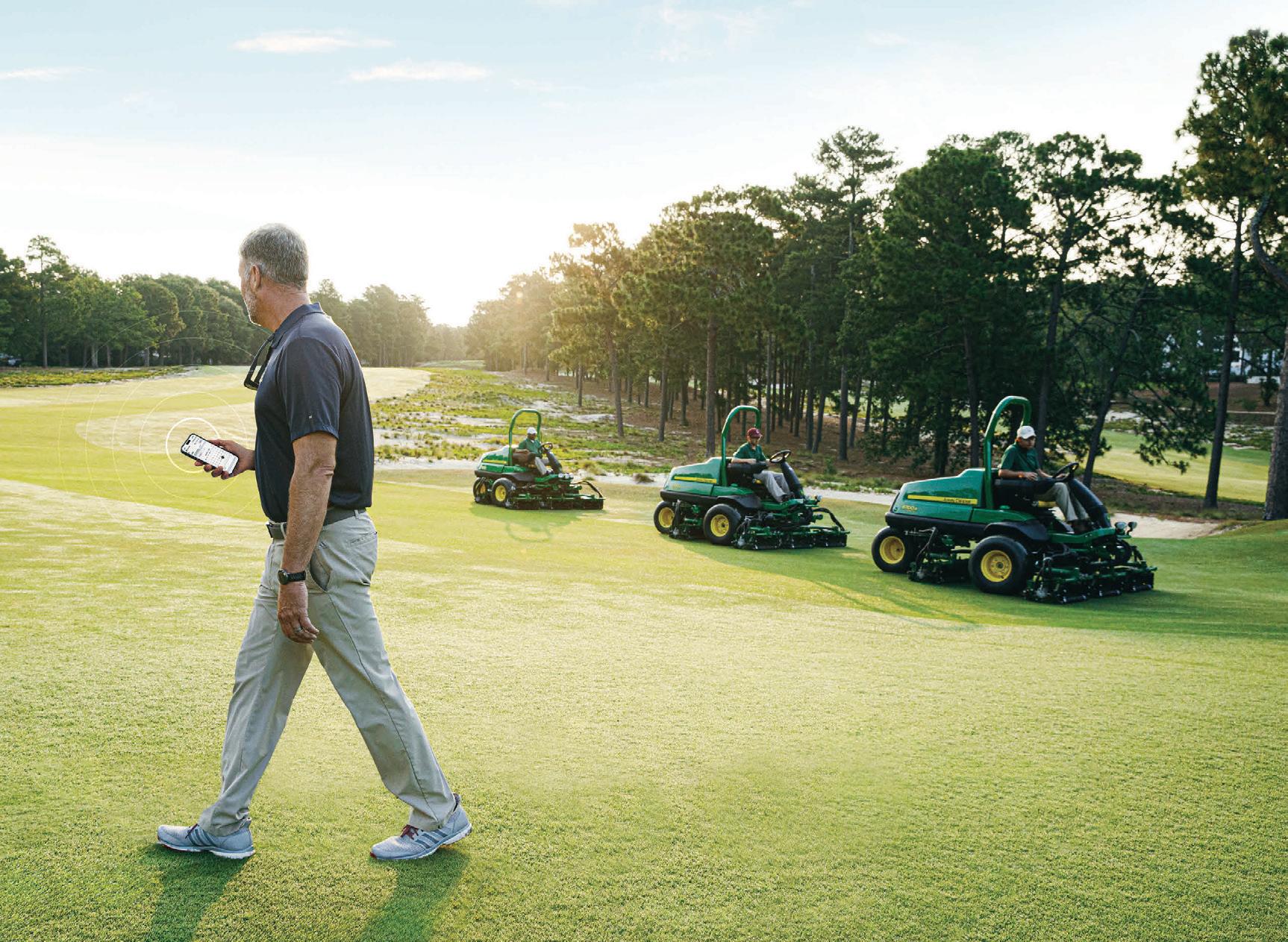



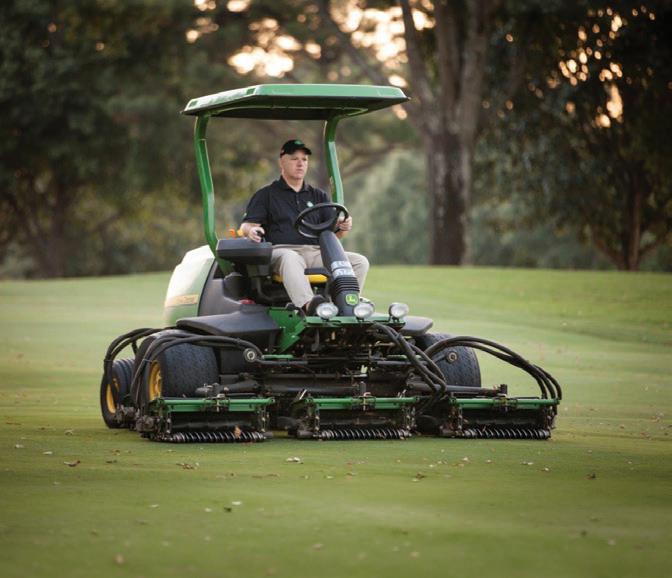
Golf course management never stops and often requires you to handle multiple tasks at once. John Deere PRO Golf is an all-in-one solution that provides real-time workboard updates, diagnostics, and reporting, all while tracking your equipment‘s location, service records, and hours. With John Deere PRO Golf, you can make data-driven decisions to manage your entire operation like never before.



























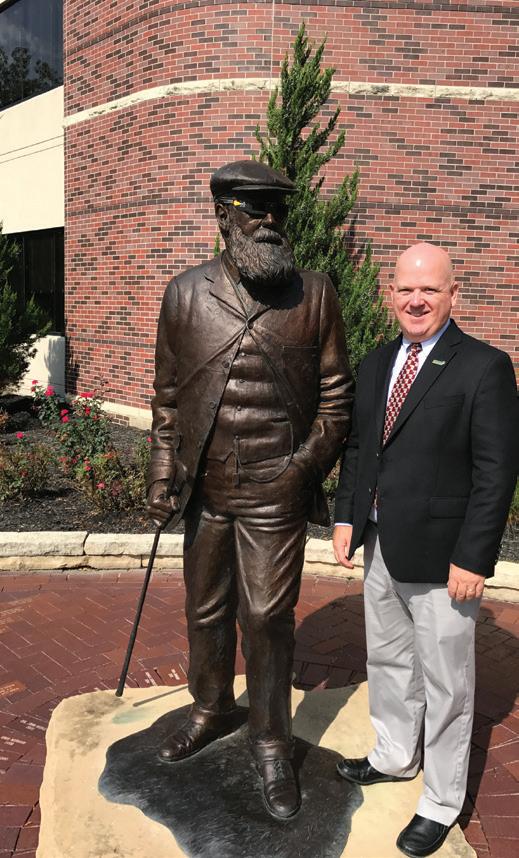
"It improved playability, prevented future erosion, and saved the city a significant amount of money," Brian says proudly.
Brian's commitment to professional development has remained strong throughout his career. In addition to earning his Certified Golf Course Superintendent (CGCS) designation, he recently celebrated 25 years as a CGCS through GCSAA. He also completed the Dale Carnegie Skills for Success program in 2023, where he was recognized as the course's Most Improved Student.
When asked about the people who influenced his career, Brian points to a long list of mentors, colleagues, and friends. His parents provided a strong foundation of faith, confidence, and work ethic. Influential educators such as Gary Hall and Dr. Ray Dickens helped shape his leadership and career path, while industry leaders including Scott Hamilton, Jeff Cornelson, Wayne Bassett, Randy Bodine, Lee McCelmore, and Brett Drinkwine offered guidance and friendship throughout the years.
Brian has also devoted significant time to serving the Alabama Turfgrass Association. He joined the ATA in the mid-1990s and was asked to serve on the Board of Directors in 1998. Looking back, he credits the association with providing educational opportunities, professional networking, leadership development, and lifelong friendships.
"ATA not only offers valuable education, but also camaraderie among turfgrass professionals," Brian says. "It's a great place to grow your leadership skills by giving back through service."
His advice to those considering a career in turfgrass management or ATA membership is simple:
"Just do it. ATA membership is a valuable resource for anyone involved in the many facets of the turfgrass industry. Being a member has been instrumental in the success of my career."
Looking ahead, Brian believes artificial intelligence will have a transformative impact on turfgrass management, helping professionals become more efficient and successful in countless ways.
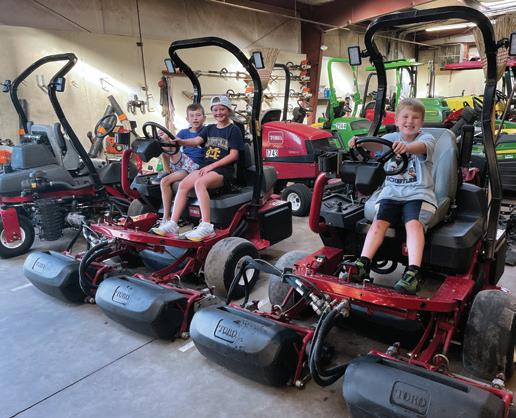
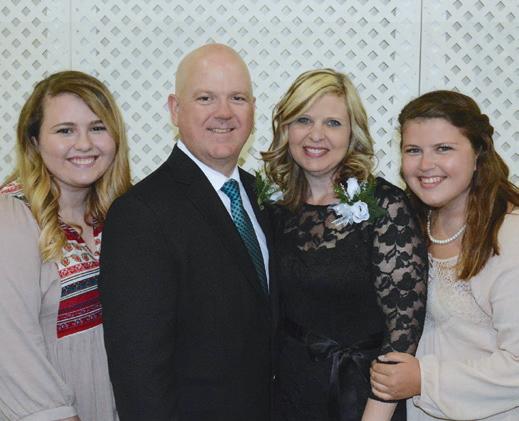
Away from the golf course, Brian's greatest joy comes from his family. He and his wife celebrated their 34th wedding anniversary this year. Together, they have two daughters, a son-in-law, and three grandsons who keep life exciting. Brian enjoys traveling with family, serving in his local church and church district, supporting his homeowners association, and spending time on the golf course with friends.
His favorite motto when it comes to his grandsons?
"The answer is yes. Now what's the question?"
And while Brian proudly earned his degree from Auburn University, there's one fact that often surprises people.
"Most people give me the side eye when I tell them this," he laughs. "But even though I spent three wonderful years at the Loveliest Village on the Plains, I've always been an avid Alabama fan. I was raised an Alabama fan, and I've never wavered. Roll Tide!"
As Brian begins the next chapter of his career, the Alabama Turfgrass Association celebrates his decades of service, leadership, mentorship, and friendship. His impact on Alabama's turfgrass industry will continue to be felt for years to come.



Thank you, Brian, for your dedication to the profession and to the Alabama Turfgrass Association.

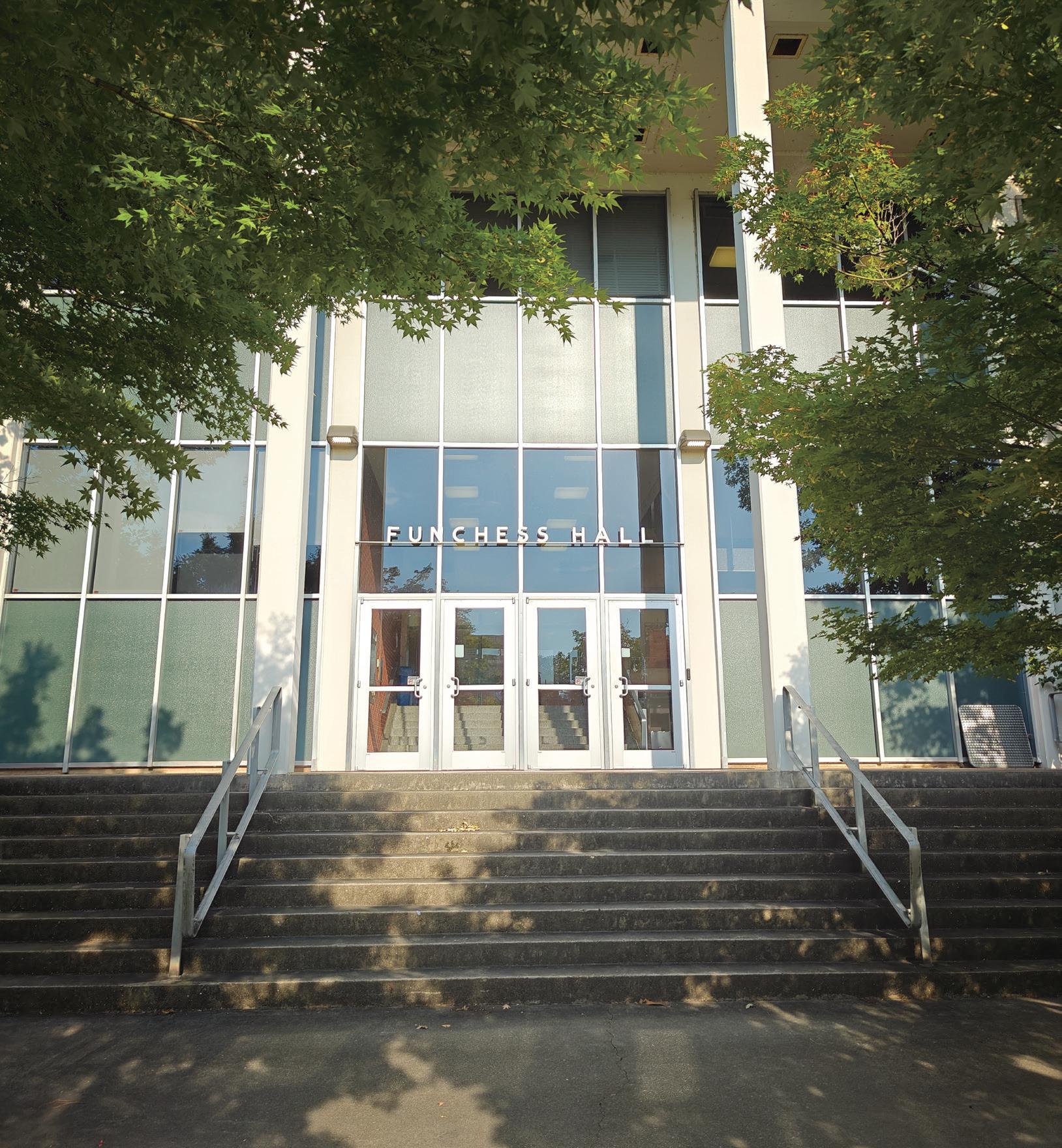
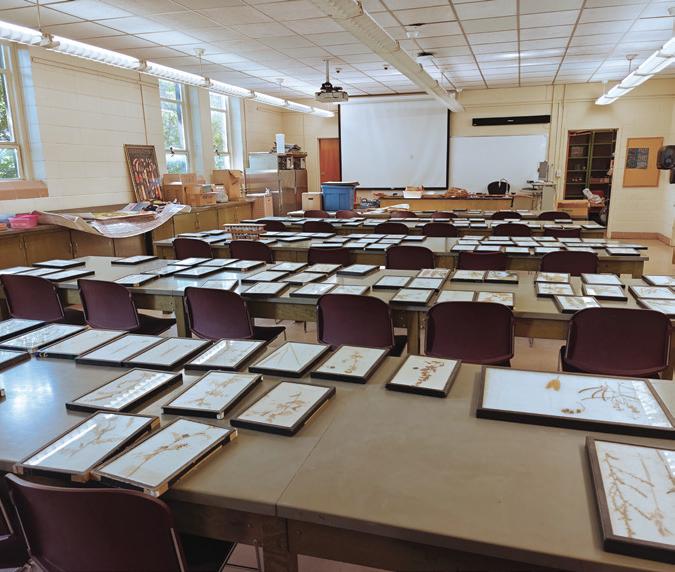
For many members of the Alabama Turfgrass Association, just hearing the name Funchess Hall brings back a flood of memories. Maybe it was hustling to class with a cup of coffee in hand, late-night study sessions before a soils exam, or learning turfgrass management from professors whose lessons still shape your career today. Funchess may never have won awards for beauty, but for generations of Auburn turfgrass students, it was something far more important — home.
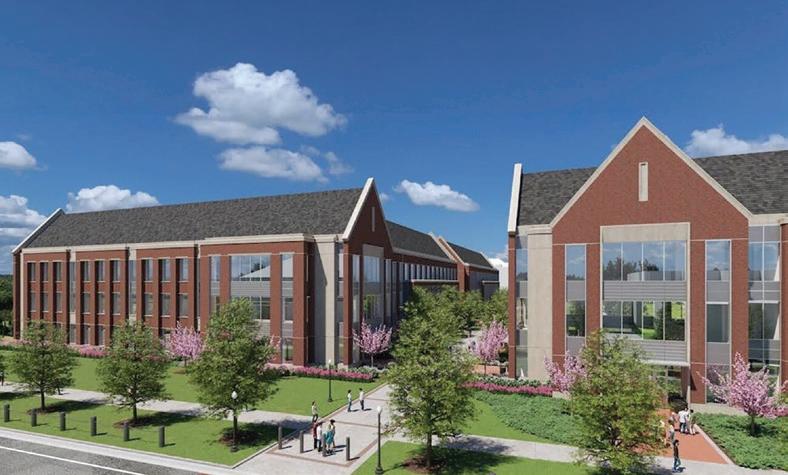
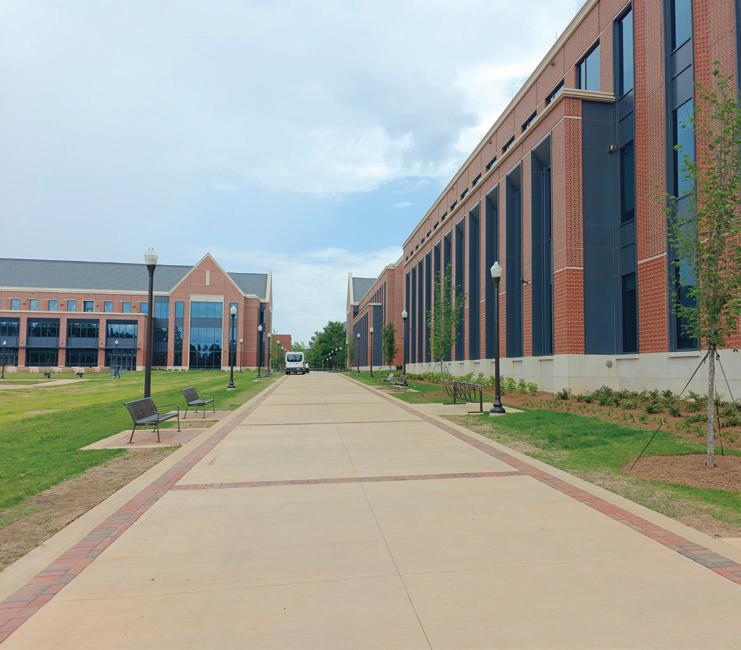
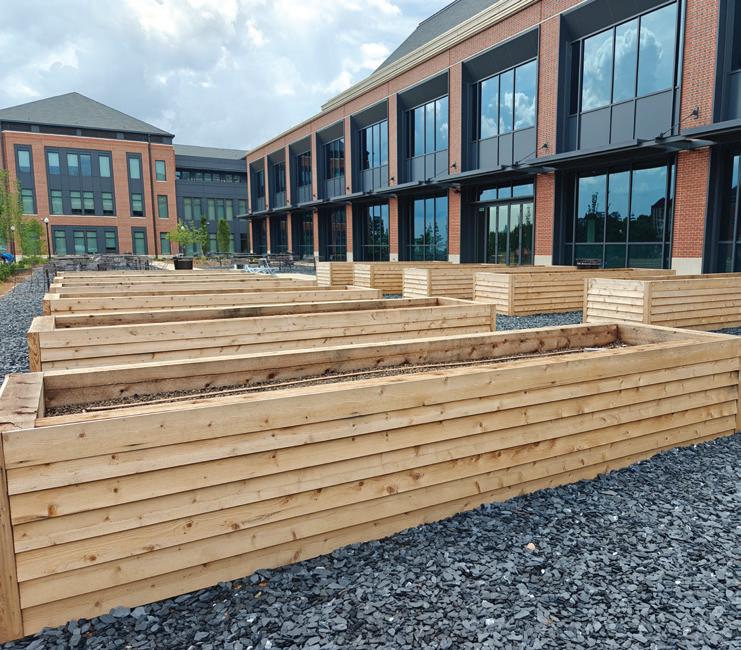
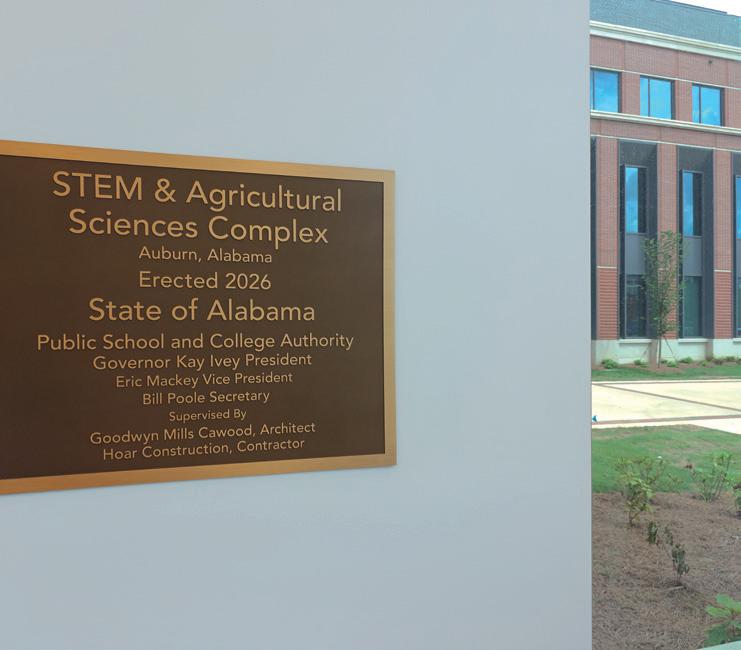
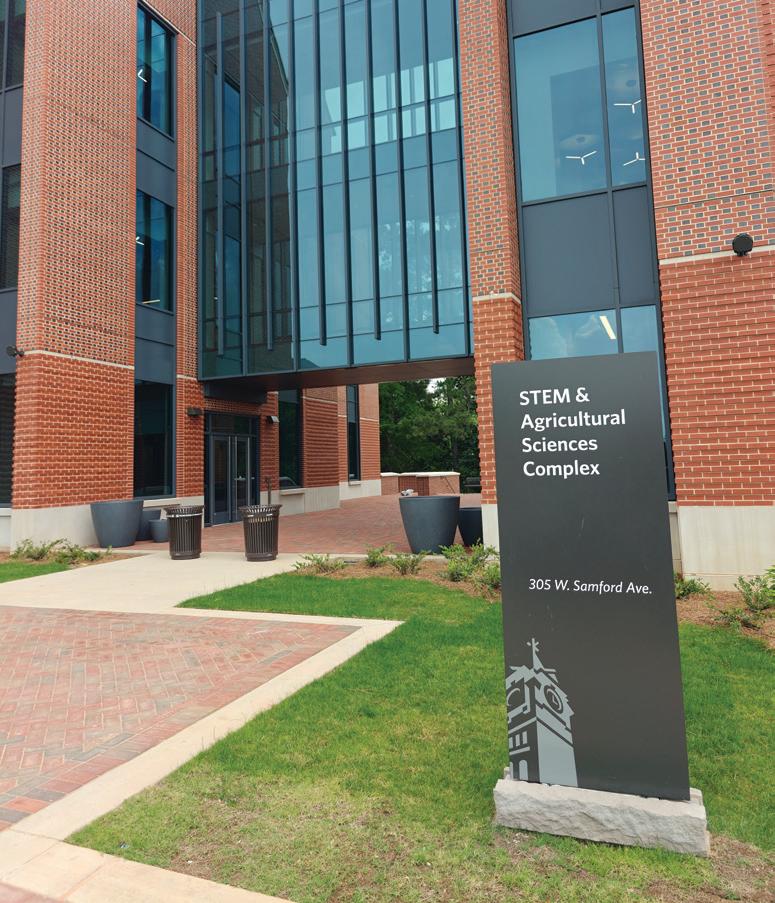
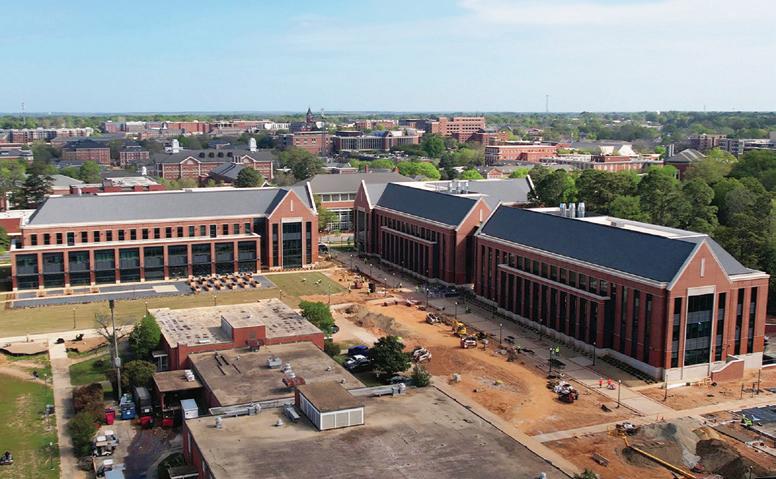
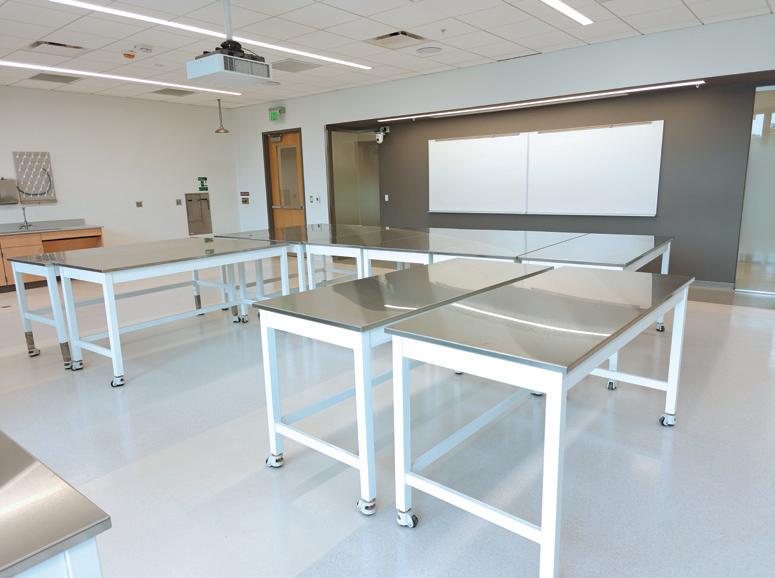
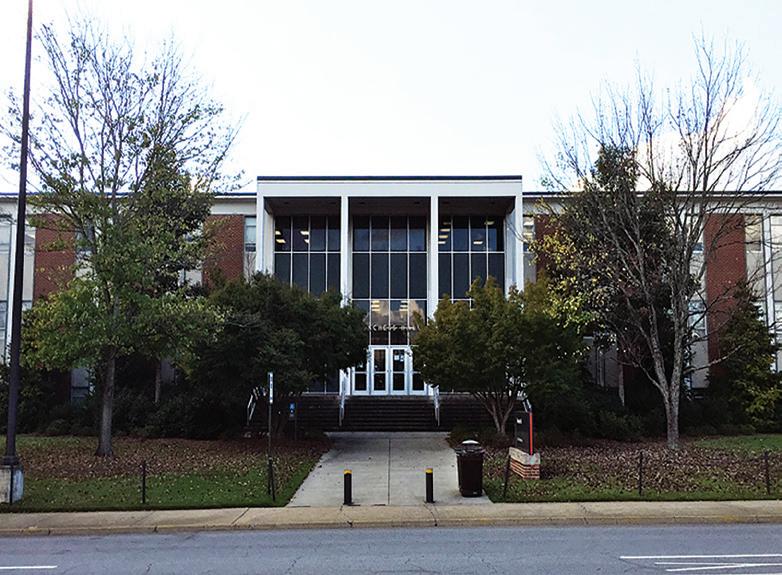
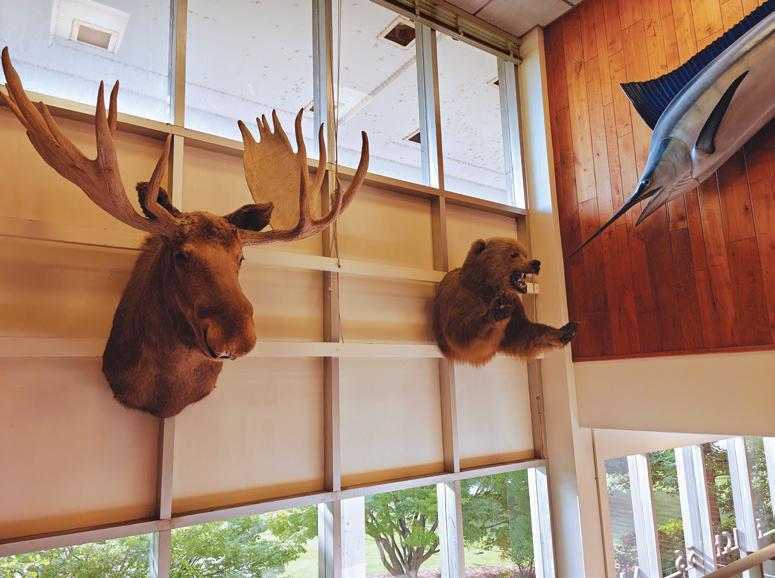
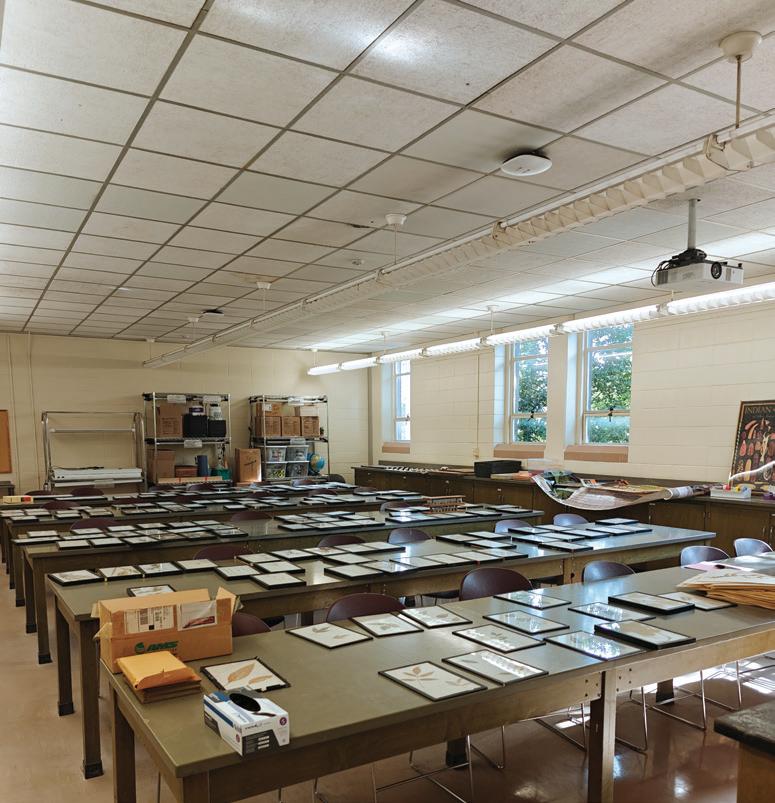
Since 1961, Funchess Hall served as the heart of Auburn University’s Turfgrass Science program. Although the turfgrass program was already more than three decades old when the Department of Agronomy and Soils moved into the then-new Funchess Hall, over the next 65 years it grew into one of the South’s premier turfgrass education programs. Auburn graduates manage golf courses, athletic fields, sod farms and landscapes across Alabama and beyond. Inside those well-worn classrooms and laboratories, students learned everything from weed science and irrigation design to soil morphology and turfgrass pest control. More importantly, they built friendships, professional connections and memories that lasted long after graduation.
Now, the end of an era has arrived.
This summer, the Departments of Crop, Soil and Environmental Sciences, Horticulture, and Entomology and Plant Pathology are officially moving out of the “infamous” Funchess Hall and into Auburn University’s brand-new STEM + Agricultural Sciences Complex. As of late May, faculty and staff are packing decades’ worth of research data, teaching materials and Auburn history into boxes, preparing for a full transition by August 1st. Once renovations to Comer Hall are complete in Fall 2026, the demolition of Funchess Hall will be scheduled. Fittingly, the move is happening during the quiet of summer
semester — one of the few times campus slows down enough to reflect on the past while preparing for the future.
And what a future it is.
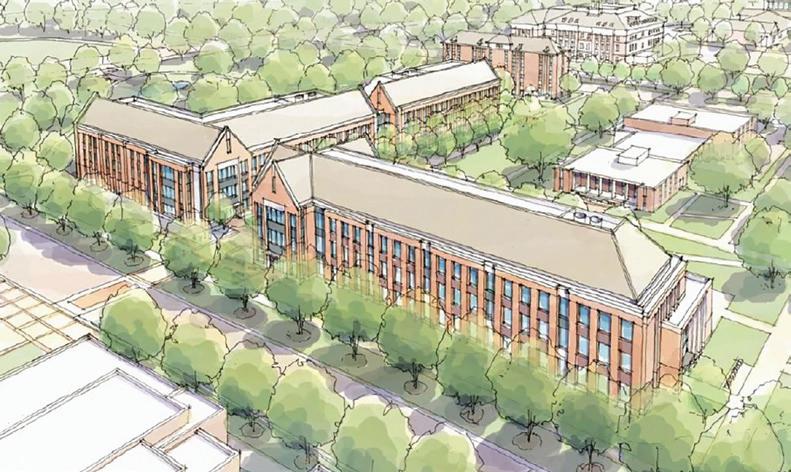
Auburn’s new $224 million STEM + Agricultural Sciences Complex is a stunning 265,000-square-foot facility located at 305 W. Samford Ave (part of the former Hill Residence Hall site). The three interconnected buildings will house departments from both the College of Agriculture and the College of Sciences and Mathematics, creating opportunities for collaboration unlike ever before.
The new facility includes state-of-the-art research laboratories, modern teaching laboratories, collaborative student spaces, teaching gardens and even specialized research areas for aquatic animals and insects. For turfgrass students, it represents a major investment in the future of the industry and the continued growth of Auburn’s nationally respected program.
Of course, while the building may change, the Auburn Turfgrass Management program remains rooted in the same hands-on philosophy that makes it special in the first place. Students pursuing the Turfgrass Management track still earn a B.S. in Crop and Soil Science while gaining practical experience from internships and the Auburn Turfgrass Research

Unit just a mile from campus. They’ll continue learning the science and management principles needed to become leaders in the turfgrass industry throughout the country. But now students will be based at one of the most advanced agricultural teaching facilities in the Southeast.
For alumni, there is a lot of nostalgia in saying goodbye to Funchess Hall. Those green tile walls, aging classrooms and scuffed floors told a story of hard work, tradition and learning. But Auburn has always been about more than bricks and mortar. The spirit of the turfgrass program — the people, the passion and the Auburn Family — is moving right along with it.
So while Funchess Hall may be a distant memory soon, its legacy will continue to grow in every superintendent, sports turf manager, researcher and industry professional who once called it home. And somewhere inside that shiny new building, another generation of Auburn turfgrass students is about to start making memories of their own.
The departments moving from Funchess Hall to the new buildings are planning a “Farewell to Funchess” celebration on campus during the fall 2026 semester. Watch alumni mailing lists and social media for more information as details are worked out.



By David Lawrence, Alabama Cooperative Extension System

or many turf managers, fall marks a welcome transition time when cooler temperatures slow turf growth and the frantic pace of summer maintenance finally eases. The start of the fall season often brings a sense of relief and satisfaction as turf maintains its green color without the surge of growth that demands constant mowing and management. For some, it’s a rare chance to pause, reflect on the successes and challenges of the summer, and prepare for the months ahead.
However, not everyone gets to slow down. For many sports field managers, fall is one of the busiest times of the year. Football season is in full swing, and fields endure relentless stress from practices, games, and unpredictable weather. While most fans focus on the players and the scoreboard, turfgrass professionals can’t help but notice the condition and aesthetic appeal of the playing surfaces when attending a game or watching on television. Beyond appearances, turf managers know that the quality of the surface directly affects player safety. Dense, healthy turf cushions impact, reduces divots and holes, and helps minimize the risk of slips and injuries.
One of the most effective ways to maintain both aesthetics and playability during this demanding stretch is through overseeding bermudagrass fields with perennial ryegrass. Across the southeastern U.S., bermudagrass growth slows dramatically in the fall as temperatures drop and daylength shortens, limiting the plant’s ability to recover from traffic and wear. Even during milder years, reduced sunlight and cooler nights simply don’t allow bermudagrass to sustain vigorous growth and recover after the pounding of a typical football season.
That’s where perennial ryegrass shines. Its deep-green color, fine texture, and excellent striping potential make it the goto choice for achieving high-quality field appearance. Beyond visual appeal, perennial ryegrass establishes quickly, provides dense coverage, and enhances traction, all key factors in maintaining safe and consistent playing conditions. A well-established ryegrass overseed offers a stable, even surface that keeps athletes confident in their footing throughout the season.
Most athletic field managers begin overseeding in midSeptember, adjusting timing based on local climate and field schedules. Typical seeding rates range from 8 to 12 pounds per
1,000 square feet, with periodic supplemental applications to fill divots and high-wear zones such as between hash marks and along sidelines. Proper irrigation and fertility management are critical during establishment. It’s important to provide consistent moisture to promote uniform germination, while avoiding excessive wetness that could compromise field conditions during play. Managers should also monitor soil temperatures closely, as seeding too early can stress young ryegrass, while seeding too late can delay establishment as cooler weather sets in.
Of course, overseeding comes with challenges. Weed management requires careful planning to avoid damaging both ryegrass and the underlying bermudagrass. Annual bluegrass (Poa annua) remains one of the most persistent issues on overseeded fields. Herbicide options are limited, and success depends heavily on timing for both pre-emergent and postemergent applications. Precision and patience are essential for achieving control while minimizing damage to desirable turf species. The following provides examples of commonly used products, though it does not represent a complete list of all labeled options. Pre-emergent herbicides such as prodiamine or pronamide can be applied prior to overseeding but must be applied several weeks before the expected overseed date to allow time for herbicide degradation before seeding. Some sulfonylurea herbicides such as foramsulfuron or rimsulfuron can be applied one week prior to overseeding. These products that can be used do not have any pre-emergent activity but will control any annual bluegrass that has already germinated. This application can be beneficial especially when the overseeding date is later into the fall after annual bluegrass germination. Post-emergent options for overseeded turf include ethofumesate, amicarbazone, paclobutrazol, and bispyribac. These products can be temperature dependent so careful planning should be considered when making an application. Some PGRs such as ethephon can reduce or prevent seedhead formation on annual bluegrass when applied at the proper time. Applicators should read all herbicide labels to ensure turfgrass safety while providing the best opportunity for annual bluegrass control.
Another management hurdle arises during spring transition. If not carefully managed, perennial ryegrass can delay bermudagrass green-up, leading to thin, uneven turf. Many managers opt for chemical removal of ryegrass once bermudagrass begins active growth, though the timing varies depending on field use and athletic schedules. Sulfonylurea herbicides are commonly used for ryegrass transition. However, due to the increased incidence of ALS herbicide resistance, many managers may need to rely on other products such as pronamide for ryegrass transition if annual bluegrass is present. The goal is to remove ryegrass early enough to allow bermudagrass to recover, yet late enough to maintain playability for spring sports.
When managed thoughtfully, fall overseeding with perennial ryegrass delivers multiple benefits such as enhanced color, improved traction, extended playability, and safer, more resilient fields. It’s not just about keeping the turf green when bermudagrass slows down; it’s about protecting players, preserving field quality, and ensuring that every game, practice, and play happens on a quality surface. For many sports field managers, overseeding is not simply a seasonal task but a key component of year-round field performance and visual quality.
linkedin.com/company/theturfzone
x.com/theturfzone

facebook.com/theturfzone
By Scott McElroy, PhD Professor, Department of Crop, Soil, and Environmental Sciences, Auburn University
and Travis Gannon, PhD Professor, Department of Crop and Soil Science, NC State University
When did Noah build the Ark? Before the Rain.
– Robert Redford in Spy Game.

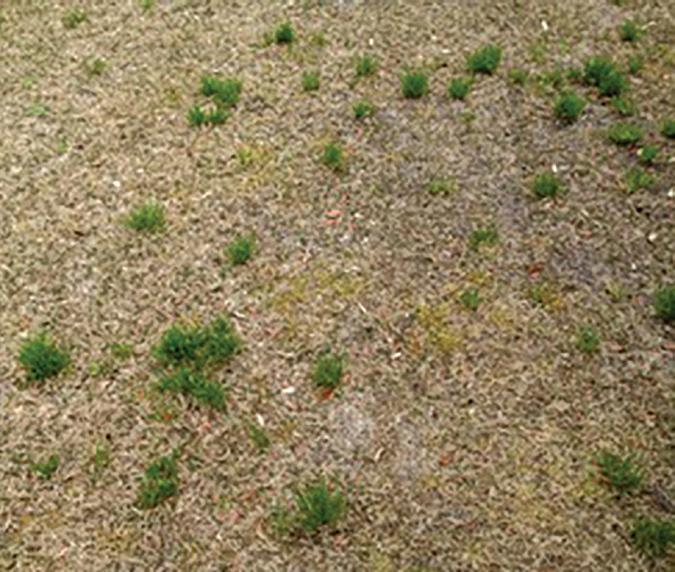
Itis the end of Poa annua’s life span here in the southeast. As this article is being written in late May, Poa is struggling to produce that last bit of seed it can before it dies, perpetuating whatever traits it carries into the future. Likely, if you have been trying to control Poa, you are looking down at a population that has been selected for some form of resistance to the herbicides you have been using. The short-time traveler seeds are going to greet you next November-ish. As warm-season grasses are sliding into dormancy, or at least a state of slowed or diminished growth, those seeds carrying those herbicide-defying traits are going to make their appearance, potentially thwarting whatever attempt you used last year yet again.
Before you start making decisions about your management program next year, you need to test your Poa population. Two populations from this year were showing signs of Kerb resistance until we brought them into the lab and realized that it was not resistance, but most likely enhanced degradation due to overuse. Email Dr. McElroy at resistancelab@auburn.edu and get a better picture of what your population is resistant to. For most herbicides, you can get an answer in six weeks.
For the southeastern US, there are three distinct application periods for Poa control. This is for bermudagrass and zoysiagrass golf, sports fields, professional lawn care, and general use. Golf and sports fields are the most complicated because they receive the most traffic and use, therefore the greater turfgrass damage, which leads to greater weed invasion. The application scenarios we talk about here are more likely to be used in golf than in other areas, but applicable to all situations except sports, which require special attention to not reduce rooting and traction.
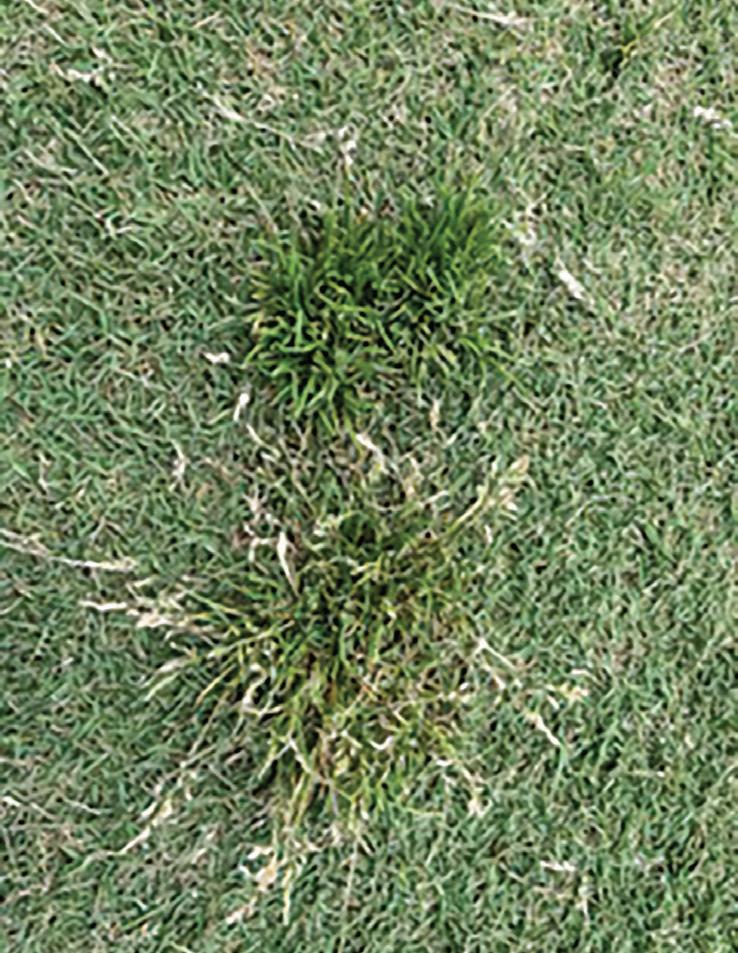
In all situations, you want to start off with a general preemergence herbicide. If in golf and non-sports turfgrass areas, this is Specticle (indaziflam) or a standard pre like Barricade (prodiamine), Pendulum (pendimethalin), or Dimension (dithiopyr). In our opinion, this is the optimal application timing for Specticle (indaziflam). Specticle should not be used on sports fields, it is a root inhibitor and can result in poor-performing turfgrass. Regardless of which herbicide, the initial pre application is the basis of all Poa control programs. Skipping the pre puts greater pressure on follow-up postemergent applications. Even if pre-applications only reduce the Poa population by 50%, that is still 50% fewer weeds that follow-up applications have to deal with. Later applications are much more likely to fail if you put all the pressure on follow-up post applications. Adding in a postemergent herbicide at this time is not a bad idea, but it needs to have some residual and some root uptake because your pre needs to be watered in. Monument (trifloxysulfuron) is possible because it can be foliar absorbed, but Revolver (foramsulfuron) has limited root uptake. Others are using Sencor (metribuzin) in this timing.
The early winter, or early winter transition application, is the most critical. Skipping this application leads to too much pressure being placed on the initial pre application which can expedite resistance development. This application needs to yield acceptable control in two to three weeks, which eliminates any resistant survivors that may be present and provides further preemergence control.
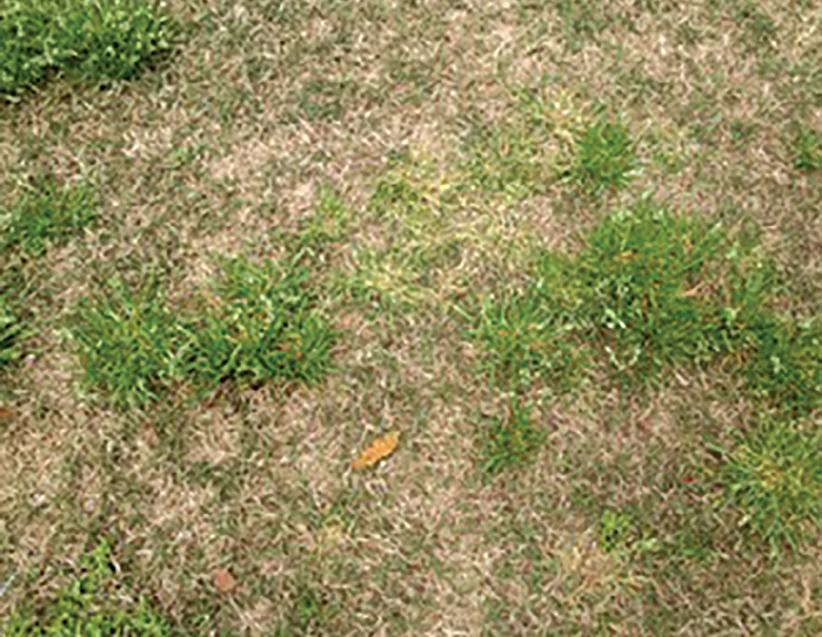
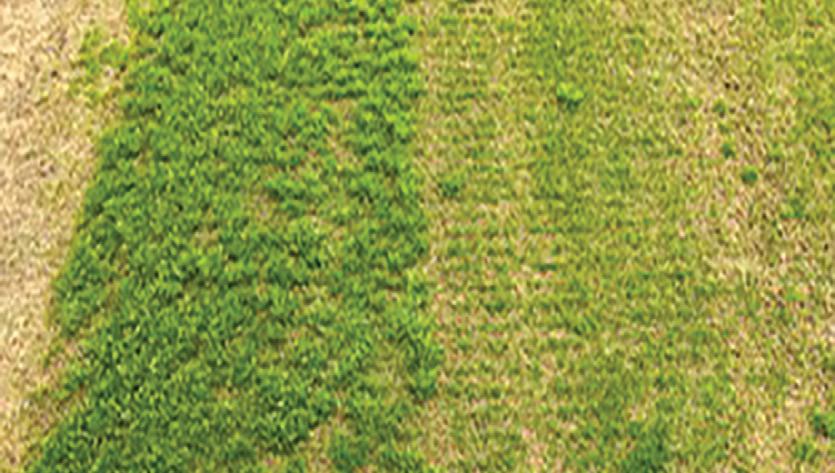
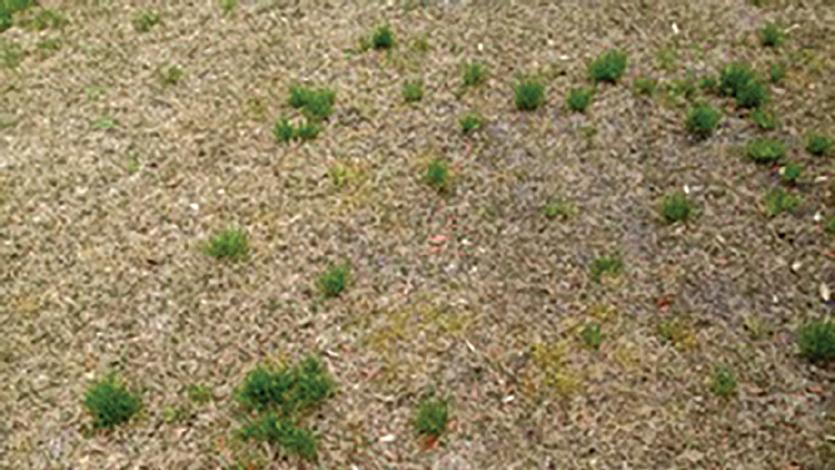
The three application windows for Poa annua control. Maximizing diverse modes of action is critical for effective control and resistance prevention.
Standard Pre
Timing: September
Preemergence
Specticle (indaziflam)
Secondary choices if Specticle resistance exists
Barricade (prodiamine)
Pendulum (pendimethalin)
Dimension (dithiopyr)
Add an early post herbicide with root absorption if application is delayed or early germination of Poa is expected.
Early Winter Transition
Timing: December
Pre / Post
Atrazine
Simazine
Post / Pre
Kerb (pronamide)
Sureguard (flumioxazin)
True Post
ALS inhibitors – Monument, Revolver, Katana and the like
Non-selective additive
Glyphosate – low rate (e.g., 5 fl oz/a) if dormancy is questionable, label rate if confident in dormancy
Late Winter Transition
Timing: Late February to Early March
Pre
Barricade (prodiamine)
Pendulum (pendimethalin)
Dimension (dithiopyr)
Ronstar (oxadiazon)
Post
ALS inhibitors – Revolver, Monument, Katana
After greenup, other herbicides such as Xonerate (amicarbazone) along with ALS inhibitors can be applied for late season control.
Thick, dense turf. 1/8 to 1/2-inch mowing height for tees, fairways, green surrounds.
Lowest rates of winterkill in NTEP studies.
Uses less water. Takes 18% less water than TifTuf.
Blue-green most of the year. Golden in dormancy. Earliest green-up for spring color. COLOR

The key to the transition application is choosing multiple herbicides with a minimum of three different modes of action, with at least two having preemergence and postemergence activity. To clarify- Three modes of action with two having both pre and post activity. Triazines – atrazine and simazine – are the starting point for this control. Think of these as your Post/Pre herbicides, they are primarily post but give you some pre activity. Sencor (metribuzin) is also an option, although not as consistently effective as atrazine or simazine. If these herbicides are not available for use or if you have extensive confirmed resistance, ALS inhibitors such as Revolver (foramsulfuron), Monument (trifloxysulfuron), or Katana (flazasulfuron) are useful, as is Scepter (imazaquin).
Next, you need a Pre/Post in the mix – a herbicide that gives you primarily pre action but adds in some post control. Kerb (pronamide/propyzamide) and Sureguard (flumioxazin) are good choices at this timing. A second application of Specticle also has potential in this situation, although it has less post activity than the two listed above. Ronstar (oxadiazon) applied as a liquid to provide post activity also has potential in this timing.
Last in the mix you need something that can aid control and help prevent resistance. Glyphosate is the obvious choice in this mixture. If you are not completely dormant, a low rate at 5 fl oz/a (of a 4 lb ai gallon) can add some benefit, but if confident in the dormancy, use a full labeled rate on dormant turfgrass. Finale (glufosinate) is a good substitute if glyphosate resistance is present or developing. Neither glyphosate or glufosinate are recommended for zoysiagrass, adding in a Revolver, Katana, or another ALS inhibitor is a better choice due to potential damage from non-selective herbicides.
The Spring Transition – Control Any Escapes and Spring Crabgrass Control.
Combining any further Poa annua control with spring crabgrass and goosegrass control is an easy way to maximize efficiency. This pushes the herbicide application into late February to early March for the majority of the southeastern United States (time applications to your specific area based on local weather patterns and soil temperatures). Dormancy questions and spring greenup of bermudagrass or zoysiagrass complicate this application timing. Some herbicides are simply too harsh on greenup to be used in this period.
First, the standard pre herbicides should be used at this time – Barricade (prodiamine), Pendulum (pendimethalin), Dimension (dithiopyr), or Ronstar (oxadiazon, granular is not dormant, but liquid can be used if still dormant). While Specticle is more effective for Poa annua control and summer annuals such as goosegrass and doveweed, it is equivalent to the standards for crabgrass control.
Second, post herbicides that can be used in this transition period are few. ALS-inhibitors mentioned before are definitely safe, but resistance is extensive, thwarting their use. Triazines can delay greenup and cause transition injury. Non-selectives such as glyphosate and glufosinate are out due to spring injury.
Herbicides are primary technology we have today to control weeds. We live in a chemical technological age. Unfortunately, weeds, especially Poa annua, have evolved resistance to these herbicides. Our thoughts and ideas we provide herein are meant to reduce the potential for resistance development and all herbicide options are not discussed for brevity. These multi-herbicide strategies now are necessary because herbicide resistance has become so prevalent and it is our goal to strategically use these herbicides to prevent further resistance development and protect herbicide technology for future use.
Note: Always read and follow the complete herbicide label before mixing, handling, or applying any product, as the label provides legally required directions for safe, effective use, application rates, precautions, and site-specific restrictions.
Aqua Aid Solutions 24 www.aquaaid.com
Beard Equipment 9 www.beardequipment.com
Coosa Valley Turf Farms ............................. 11 www.coosavalleyturffarms.com
Crossroads Sod Farm 14 www.csfsod.com
Greene County Fertilizer Co. 7 www.greenecountyfert.com
Jerry Pate Turf & Irrigation Inside Front Cover www.jerrypate.com
Legacy Turf Farms 20 www.legacyturffarms.com
Regal Chemical Company 5 www.regalchem.com
Riebeling Farms, Inc. 7 riebelingfarmsinc@gmail.com
Smith Seed Services 7 www.smithseed.com
Sod Solutions...................................................... 3 www.SodSolutionsPro.com
Southern Specialty Equipment 21 www.ssequip.net
Super-Sod Inside Back Cover www.supersod.com
Sur-Line Turf, Inc. 21 www.surlineturf.com
The Aquatrols Company 15 www.aquatrols.com
The Turf Zone 11, 17 www.theturfzone.com

touch







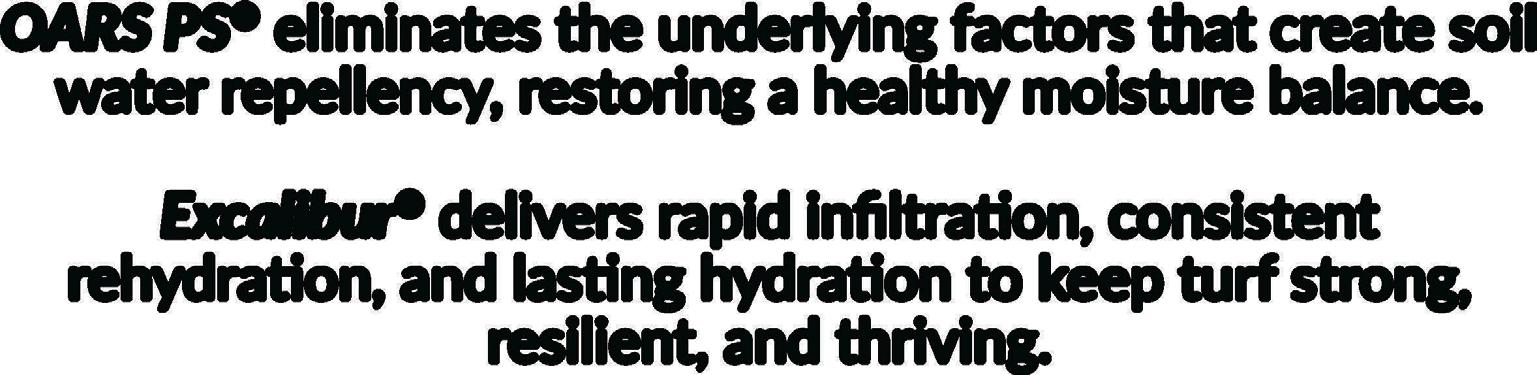
OARS PS® eliminates the underlying factors that create soil water repellency, restoring a healthy moisture balance.
Excalibur® delivers rapid infiltra�on, consistent rehydra�on, and las�ng hydra�on to keep turf strong, resilient, and thriving.
Combines surfactant performance with patented organic acids to create op�mal rootzone condi�ons for healthy turf growth.
Eliminates humic coa�ngs that restrict water movement, allowing roots to thrive in a consistent moisture environment.
Restores uniform soil hydra�on, reducing turf stress and promo�ng steady plant development.
Improves nutrient and water uptake efficiency, strengthening turf resilience to stress.
Creates a healthier rootzone environment that supports stronger, more resilient turf year-round.
Provides rapid and uniform water movement to keep roots well-hydrated for op�mal growth.
Enhances rehydra�on efficiency, helping turf recover quickly from dry or stressed condi�ons.
Maintains a balanced moisture profile, reducing plant stress and improving overall turf vigor.
Supports stronger root systems by ensuring consistent access to water and nutrients.
Effec�ve year-round, delivering con�nuous plant health benefits.