
Facing The Season Together
The ‘John Wayne dude’ of Hurricane Katrina warns against complacency in low-prediction storm season Through Every Storm.















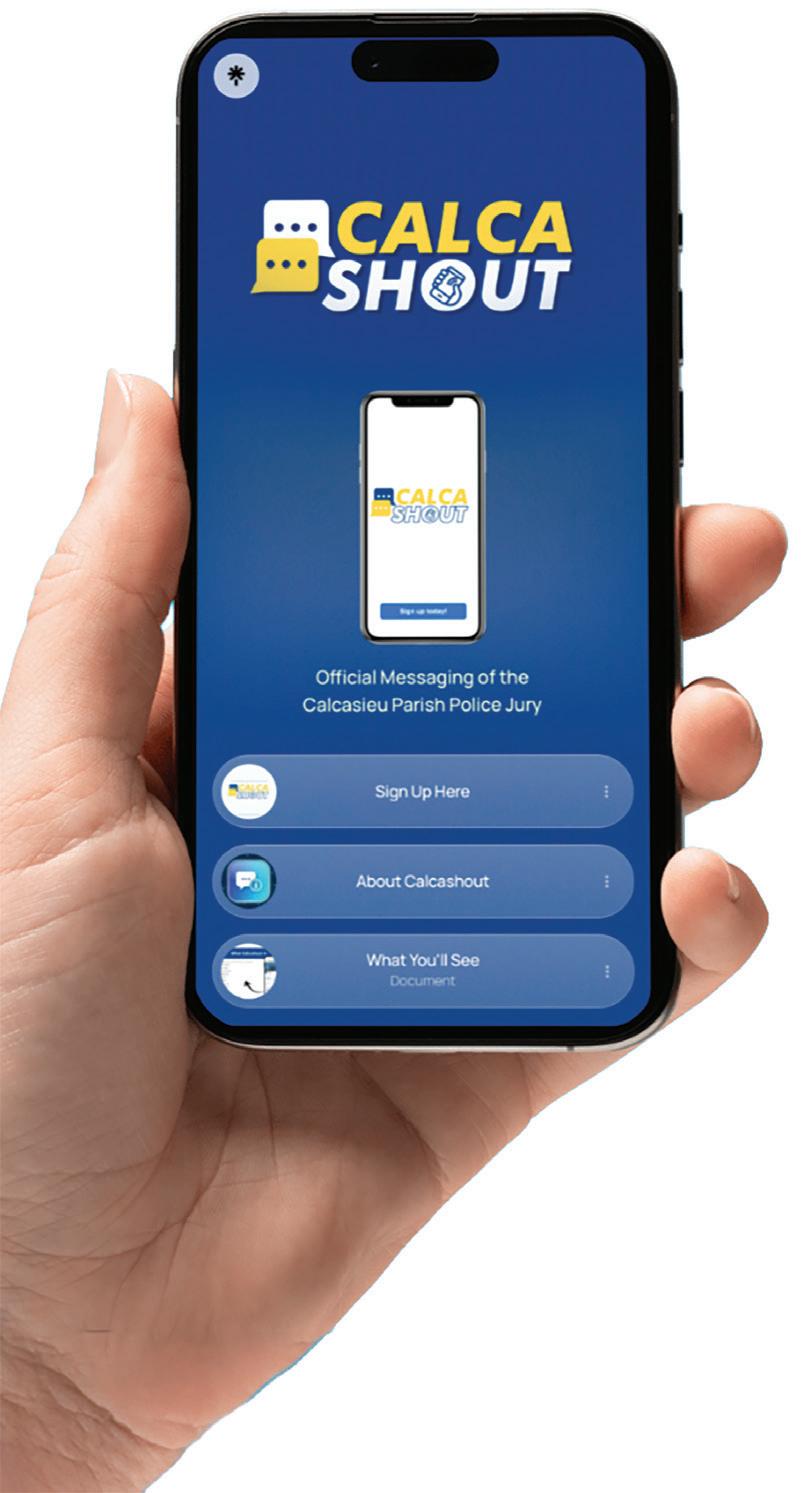
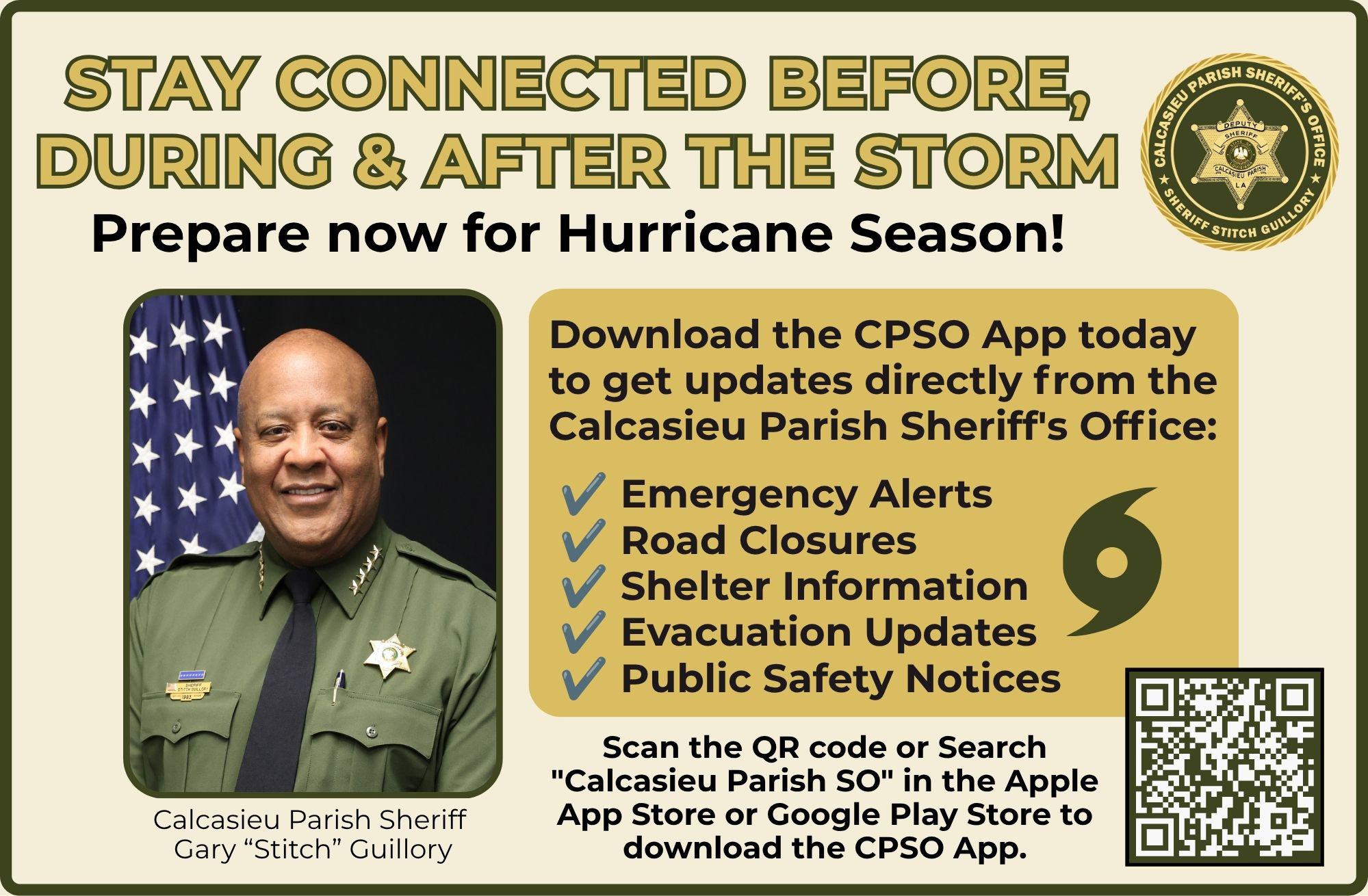
With hurricane season underway, now is the perfect time to sign up for Calcashout, the official messaging platform of the Calcasieu Parish Police Jury. Signing up is easy! Simply text “Calcashout” to 78015 or visit calcashout.com. You’ll receive important alerts, weather updates, and preparedness information that can help you stay informed and ready when it matters most.
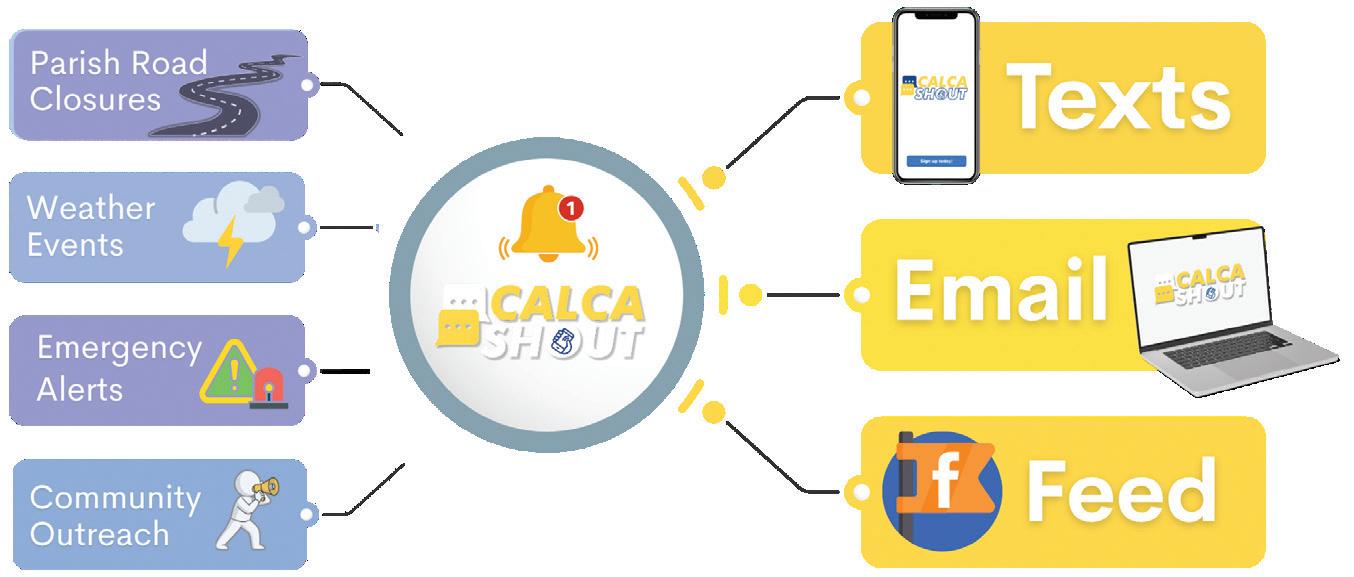
For many residents, Calcashout is known as the system that delivers emergency alerts, and while that remains a vital part of the service, we’ve expanded its capabilities into a much more community-focused tool. It now provides updates like major parish road closures, community outreach programs, special events, and other important parish news.
Whether preparing for severe weather or simply staying up to date on what is happening across the parish, Calcashout is a reliable source of timely

information. As storms develop and weather conditions change, Calcashout delivers updates and preparedness information directly to residents by text message, email, or both.
Having accurate information delivered quickly can make a significant difference before, during, and after an emergency. Instead of searching multiple websites or social media pages for updates, residents can receive trusted information directly from the Parish.
Parish officials also encourage residents to take time now to review their hurricane plans and emergency supplies. A good place to start is Get A Game Plan, Southwest Louisiana’s regional preparedness campaign, which offers resources and guidance to help families, businesses, and individuals prepare for hurricanes and other emergencies. By visiting getagameplan.org and signing up for Calcashout, residents can take two simple but important steps toward being better prepared this hurricane season.
Calcashout has also been redesigned into a mobile-friendly site that serves as a central hub for information during emergencies and major community events. Social media users can also follow the Calcashout Facebook page (@calcashout) to see official posts in their feed.
As hurricane season continues, Calcashout is a great way to stay prepared and stay in the loop. From emergency alerts and preparedness tips to community programs and local events, Calcashout makes it easier than ever to stay informed and connected to the community.
3 Things To Remember This Hurricane Season

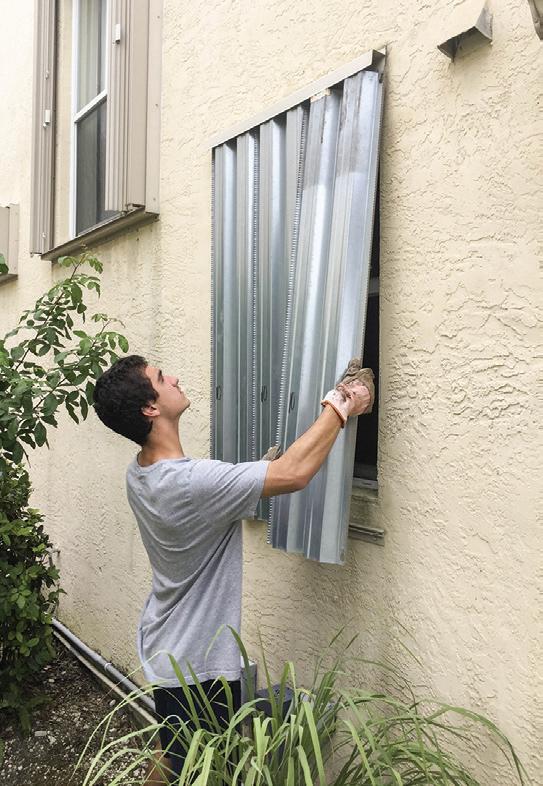
Storm-Proofing Steps For Your home
Plan ahead to help minimize damage to your property.
• Trim trees to remove any dead limbs.
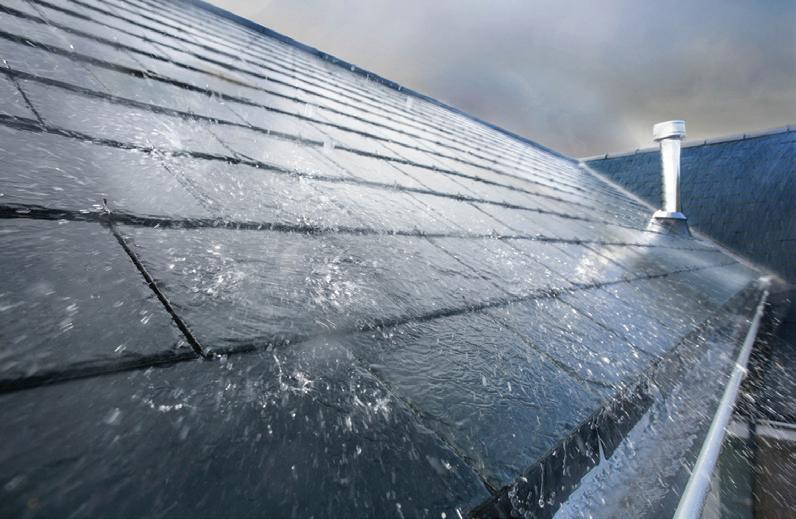
• Inspect your roof for loose shingles.
• Secure or store patio furniture and outdoor items.
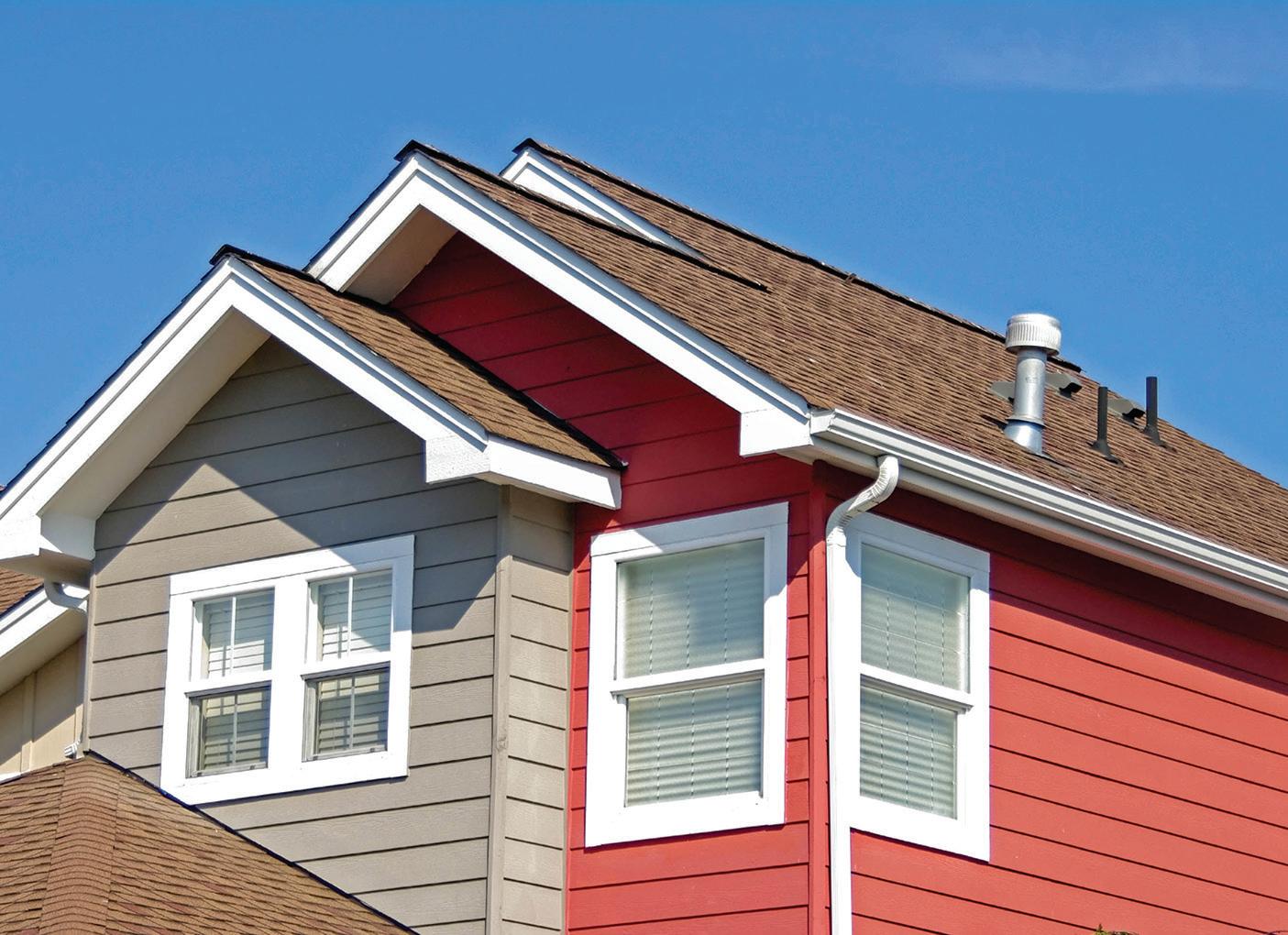
• Clear gutters and ensure downspouts drain away from your home.
• Consider investing in storm shutters, or cover windows and sliding glass doors with plywood if you are expecting hurricane winds.
• Keep sandbags on hand, and elevate furniture if you anticipate flooding.
Emergency Kit Essentials
In addition to prescription medications and other essential personal items, make sure your emergency kit includes the following:
• Water: One gallon per person per day.
• Food: Three-day supply per person.
• Battery-operated or hand-crank radio.
• Battery-operated or hand-crank flashlight.
• Battery-operated or solar phone charger.
• If you anticipate a possible power outage, set your refrigerator to the coldest temperature to keep food cool longer.
• Manual can opener.
• Extra batteries.
• First-aid kit.
• Whistle.
• Keep an inventory list of your personal property, and review your homeowners insurance policy annually.
Have A Written Plan
• Have a contact list.
• Keep critical documents together for quick access.

• Have at least one contact outside the impact area.
• Share your plan.
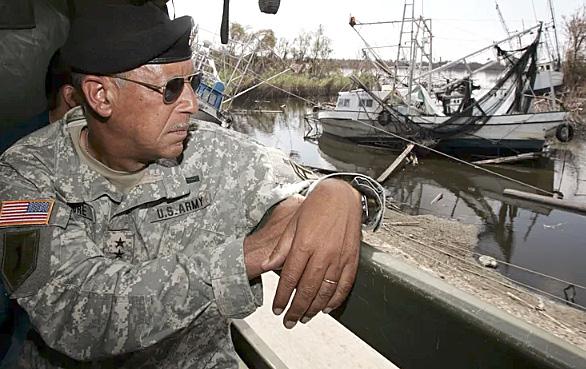
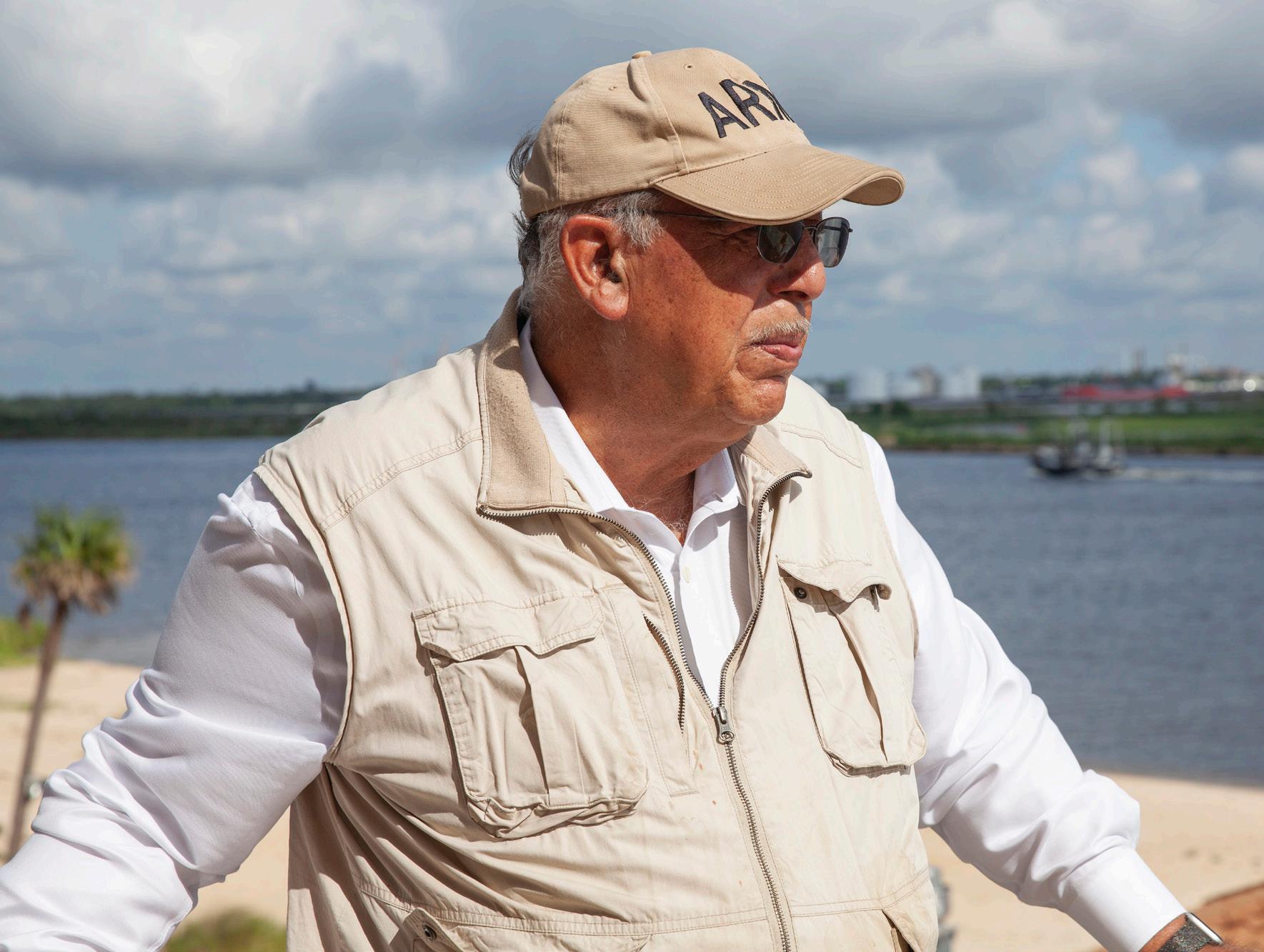
“Katrina reminded all of us that on any given day Mother Nature can break anything built by man, and it did that day when the levees broke,” said Lt. Gen. Russel Honoré, pictured Oct. 1, 2005, in Plaquemines Parish.
‘All it takes is one’
Lt. Gen. Honoré blunts low hurricane forecasts with urgent call for early preparation
Associated Press Archives
William Townsend / U.S. Navy
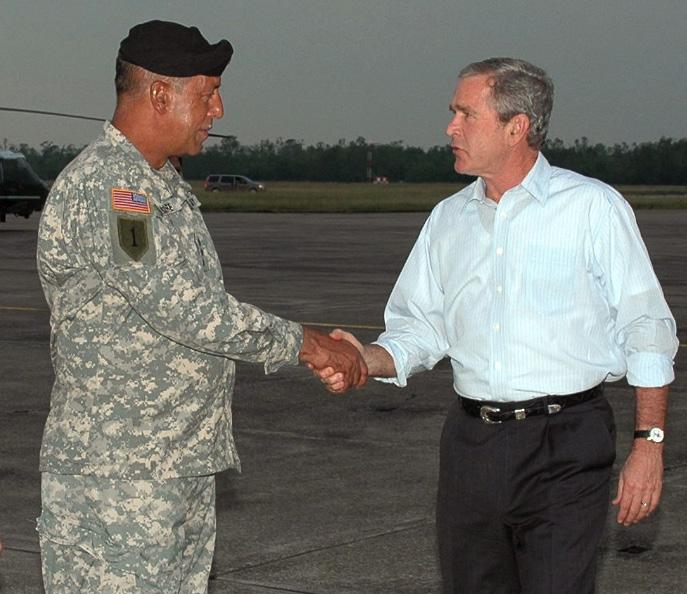
Retired Army Lt. Gen. Russel Honoré shakes hands with President George W. Bush after Hurricane Katrina.
By Crystal Stevenson
Despite federal forecasters predicting a below-average hurricane season, retired U.S. Army Lt. Gen. Russel Honoré is warning Gulf Coast residents not to let their guard down.
Pointing to historic, devastating storms like Hurricane Andrew that struck during quiet years, the legendary disaster recovery leader stresses that “all it takes is one” to create a catastrophe.
In total, Andrew left 65 dead and caused $27.3 billion in damage. It was the strongest hurricane to make landfall in the United States in decades when it hit in 1992 — and the costliest hurricane to strike anywhere in the country until it was surpassed by Hurricane Katrina in 2005.
“The fact that they said it’s going to be a light season don’t mean jack squat,” Honore´said. “It’s a false sense of security. One strike can upend your life.”
The retired general — best known for bringing order to the chaos following Katrina’s landfall — said he fears a more
insidious storm is brewing now: complacency. Honoré said local leaders, school districts and church preachers must relentlessly broadcast the message of preparedness.
“Everybody has to repeat the public service announcement that you’ve got to be prepared,” he said during a video conference with the American Press. “It takes neighbors helping neighbors. It’s a community effort, a congregation effort, a tribal effort, a family effort.”
When Katrina breached New Orleans, Honoré arrived to take command. Confronting a city submerged in eight feet of water and paralyzed by bureaucratic gridlock, the decorated soldier immediately shifted the focus from law enforcement to rescue and relief.
In one of his most iconic directives, he ordered National Guardsmen and local police officers to lower their weapons, reminding them their primary objective was to save humanity.
“Living through a hurricane reveals the true power of Mother Nature,” Honoré said.
“She can shatter anything built by human hands.”
Honoré said Katrina taught him the power of the hurricane — and the surge water it brings with it.
“I saw dead nutria rats and alligators,” he said. “Who would have thought that Mother Nature could do that to her wildlife? We don’t have much of a coast here now so when the surge comes, it will come straight in onto the people.”
Honore´ said the best course of action when a hurricane nears is to evacuate with a plan to get everyone out.
“When we do, we get a chance to go toward recovery as opposed to going to try and get people out the day after who are standing on their roofs,” he said.
Flying over the Superdome after Katrina, Honoré said he was met with the heartbreaking sight of thousands of desperate residents — many of them elderly, disabled and poor who lacked transportation or resources to evacuate — stranded in squalor without basic essentials. Emergency
plans must account for vulnerable populations, he said.
“The biggest thing we try to do during a disaster is to keep people alive,” Honoré said. “During the storm, first responders can’t get to you because they’re survivors of the storm, too. They’re hunkering down, saving equipment, and trying to save their lives so they can come out when it’s over.”
Honoré insists that relying solely on government agencies for immediate survival in the aftermath is a dangerous gamble.
“The government isn’t good enough to do this,” he said. “When I say the government isn’t good enough I mean we don’t have enough government to do this.”
Instead, Honoré is urging families to become their own first responders by gathering at least five days of non-perishable food and water, securing vital documents, and making evacuation plans for elderly or disabled neighbors.
“People should organize to look after one another like they used to do in the old movies when neighbors helped neighbors and we didn’t have FEMA, when police rode around on horses,” he said. “When my parents and grandparents grew up they spent most of the summer getting ready for the winter because they had no freezers. They spent most of their winter hunting for food to carry them
See HONORE, 8
Retired Army Lt. Gen. Russel Honoré emphasizes that a community’s safety is built on everyday actions: ensuring everyone knows where to shelter, maintaining a “go-bag” in the trunk of the car, and teaching basic life-saving skills like CPR to the next generation.
Photo courtesy of Russel Honore
through when the gardens were out. You prepare for the most likely challenges based on events that happen every year — hurricanes, floods, fire, something breaking at the plants.”
In his book, “Survival: How a Culture of Preparedness Can Save You and Your Family from Disasters,” Honoré stresses that true readiness requires a fundamental shift in daily habits. It emphasizes that national defense and disaster response are shared responsibilities across all levels of government, the private sector and individual citizens, rather than just federal duties.
“We recognize in this beautiful place we live in all the positive aspects with it, but we take into account the dangers of it,” Honoré said. “A ‘culture of preparedness’ has to be built in through everything we do. When we have a ‘culture of preparedness’ there will be meetings on the streets inside subdivisions in Lake Charles where somebody will organize the block and say, ‘Let’s get together and make sure there is a plan.’ They look for someone in the neighborhood who has medical training, someone who has first aid training; they access the skills they have on that street. They look for who needs a ride if there is an evacuation. That is what the spirit of the ‘culture of preparedness’ is. People are organized to look after one another.”
Honoré said often during post-storm search and rescue, a disproportionate number of the deceased are elderly individuals who were left behind or isolated without an information system or support structure to get them out.
Honoré also maintains that nursing homes are historically ill-prepared to transport patients quickly and safely, representing one of the most critical failures in modern disaster response.
“Don’t forget about MawMaw,” he said. “If you are evacuating, go get your elderly relative and take them with you. Don’t leave your elderly
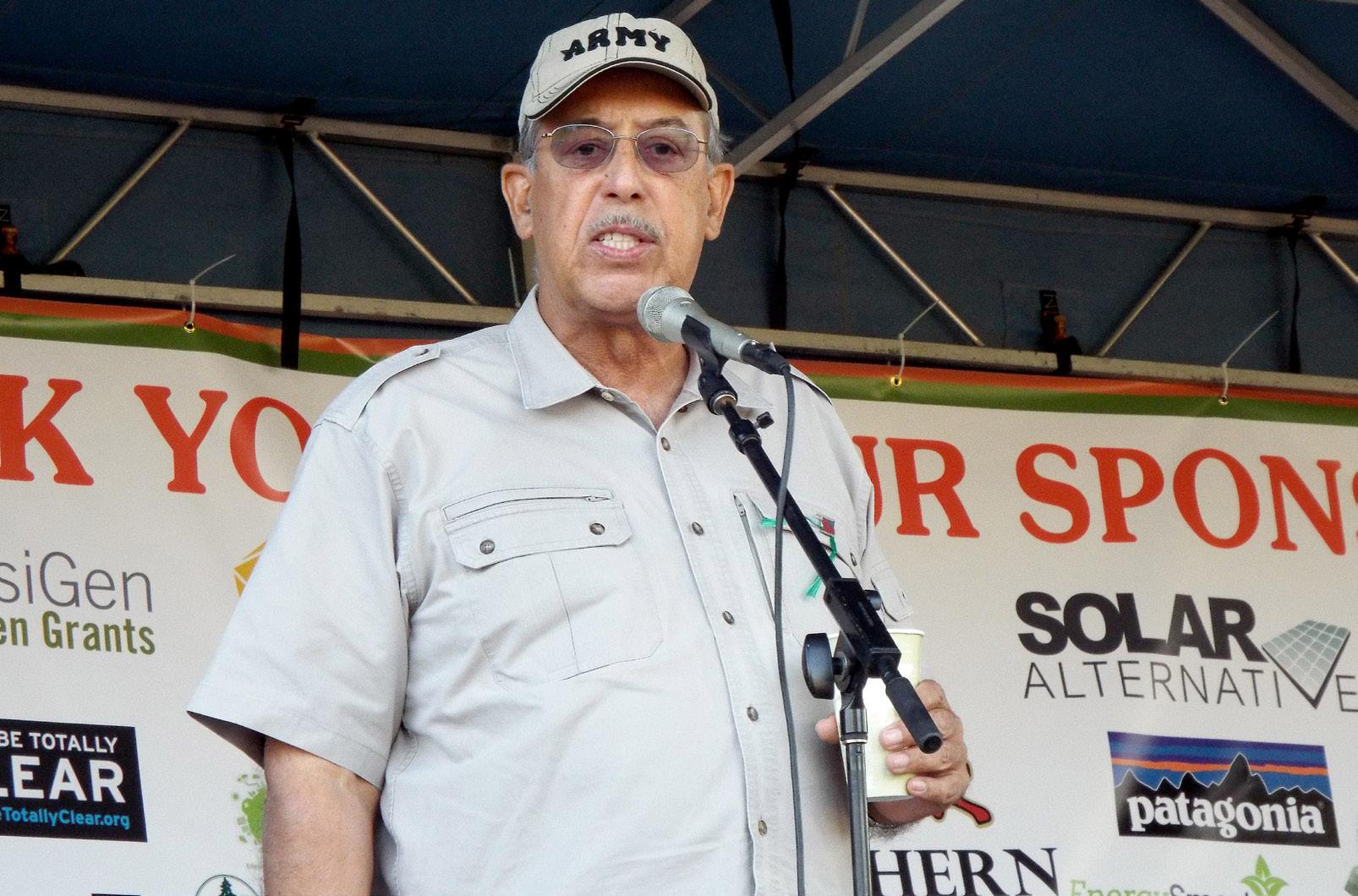
Photo courtesy of Russel Honore Lt. Gen. Russel Honoré speaks at an Earth Day rally.
relative, thinking the nursing home will be able to evacuate them and take care of them. I have to amplify that because they are at the will of other people to take care of them.”
Honoré said facility operators frequently lack the specialized transportation assets and coordination necessary to move frail, non-ambulatory patients on short notice.
Following the 2021 evacuation of more than 800 Louisiana nursing home residents to a warehouse during Hurricane Ida, Honoré publicly condemned the act as fundamentally “wrong.” He noted that while operators knew they had to leave, sending medically fragile people to unequipped industrial warehouses was entirely unacceptable.
‘Act like it’s coming’
In Louisiana, Honoré said families can spend more time getting ready for football season than hurricane season.
“That’s a shame,” he said.
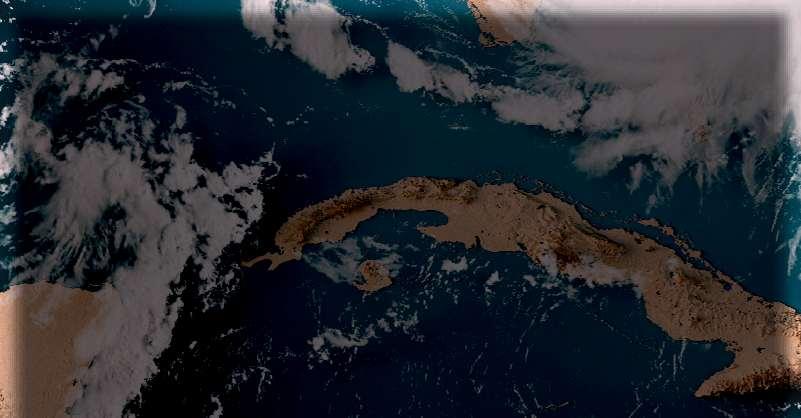
If a disturbance is spotted tomorrow near Cuba, “act like it’s coming here,” he said.
“That’ll give you two to three days to get to the big box stores and make sure you have a gallon of water for everybody, that you have enough medicine to carry you through the next couple of weeks, at least. If someone is on an oxy-
gen tank, get a backup battery. Get cash because if we lose power the ATMs aren’t going to go out and your debit card won’t work in places.”
Honoré also urges residents to compile all physical insurance policies, deeds and identification documents into waterproof bags so they can immediately file claims when rebuilding begins.
“If you don’t have it get renter’s insurance because FEMA will help you rebuild your house, but they won’t pay for everything inside like your furniture, refrigerator or stove,” he added.
Then start calling friends and family and tell them you’re coming for a visit, he said.
“Go couch-surfing,” he said with a laugh. “Hotels fill up fast so make your reservations early if you think you’re going to need it.”
Honoré said he strongly believes that once a resident has secured their own family after a storm, their next immediate duty is to help their neighbors.
“Sign up with your local volunteer groups in your community,” he said. “Normally there’s a subset of a church that is seeking volunteers or Red Cross or Salvation Army. Reach out. When you family is safe, help others. That’s what I recommend.”




MICHAEL COX
ROY WYGANT
TOM FILO
DERRICK KEE
PAUL COX
JACKSON RITCHIE
KEVIN CAMEL
TYLER RASBEARY
RICHARD WILSON
JAMES COX
SOMER BROWN
WILLIAM COX (1928-2011) Of Counsel
Someone You Should Know
Jared
Maze
What is the best thing about Southwest Louisiana?
Community. Everyone is willing to come together and lend a helping hand. Southwest Louisiana residents are problem solvers and are open to helping each other out to resolve issues. In my line of work, we can depend on a lot of local people to assist when we have large scale problems that impact our parish. When I call for help, no one ever says no. The Southwest Louisiana community is strong and resilient.
What is the most valuable lesson you learned during your time in the service?
Follow the process. When you are executing a plan, you must follow through the process to get the desired result. Go through your fundamentals and allow the process to work. Many people see a short cut and follow that path; it always leaves necessary pieces of the plan overlooked and will cost you valuable time and resources to have to circle back.
What was your last moment of gratitude?
The relationships that I have established in the public safety community. All the different agencies are willing to work together as a cohesive team to reach a common goal. We all come from different backgrounds and specialize in different occupations, but we all serve and help each other. This allows us all to better serve the citizens of Calcasieu Parish.
What strategies do you use for continuous improvement in emergency preparedness and response?
I was told by the late Dick Gremillion that “you don’t have to know everything when it comes to an emergency, but you must know who to call that does know.” That advice has proven true time and time again. It’s about forming relationships and knowing who the subject matter experts are in their fields. Unifying them during an emergency will always ensure the best outcome in both preparedness and response.
a
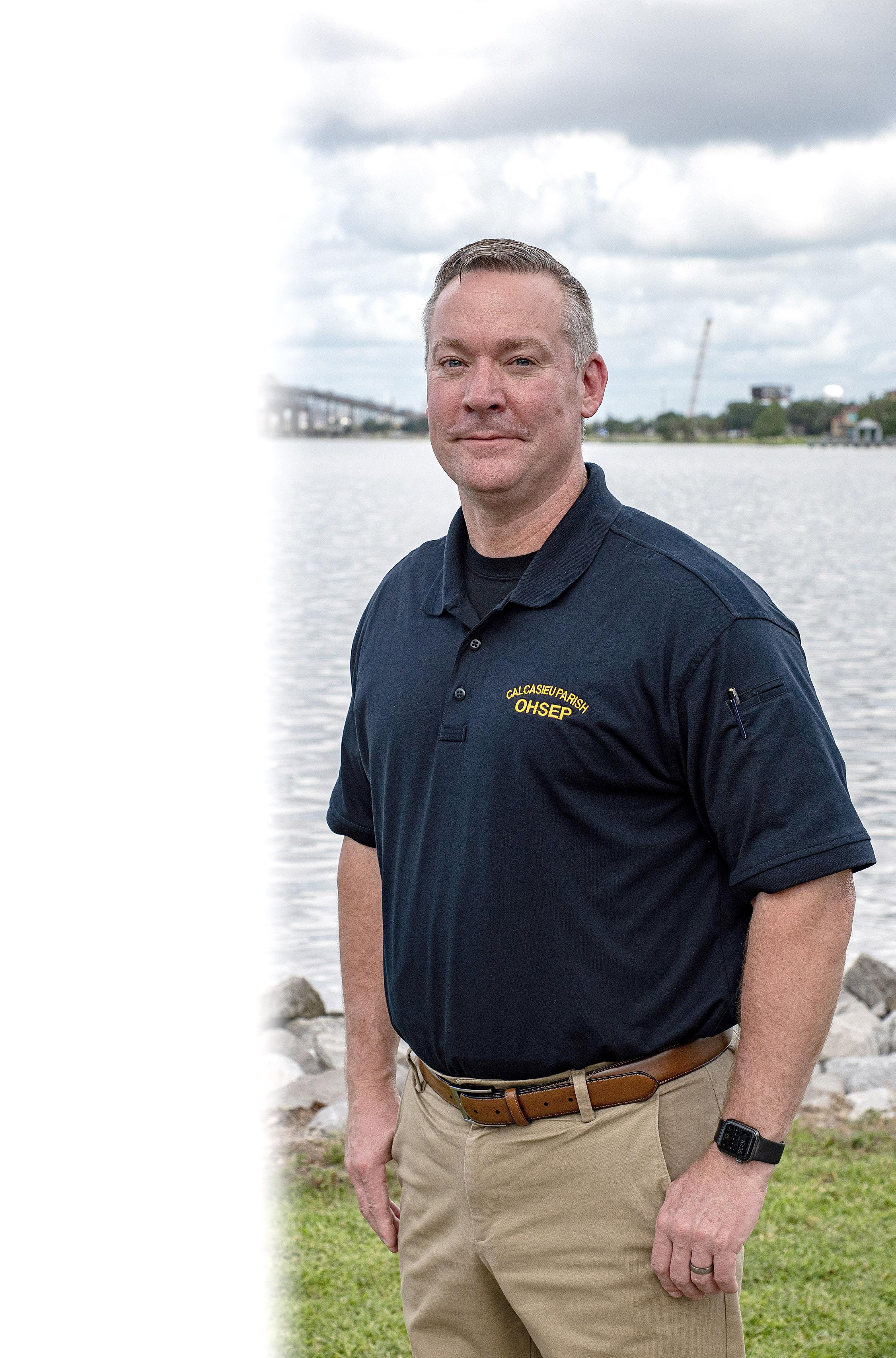
Jared Maze is the director of the Office of Homeland Security and Emergency Preparedness (OHSEP) for Calcasieu Parish.
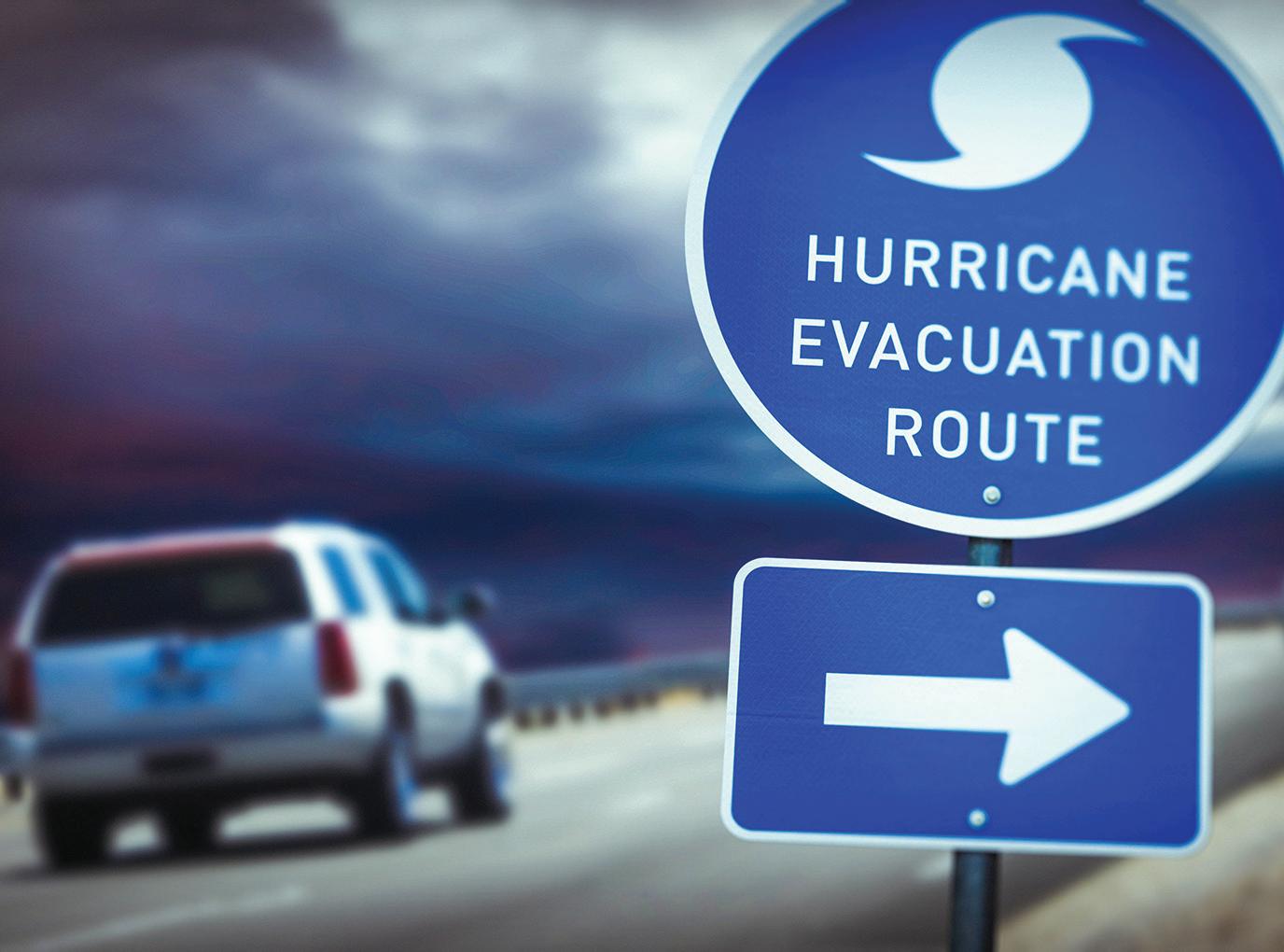
How a parish decides between voluntary and mandatory evacuation orders Safety thresholds
By Ashlyn Little
Danny Lavergne has lived through several hurricanes and each one brings a new challenge — and lessons learned.
Lavergne — who has served as Cameron Parish’s director of Homeland Security and Emergency Preparedness for the past 13 years — said the biggest threat to the area is storm surge because nearly 85 percent of the parish is in a flood zone.
“Cameron is split into two sections,” he said. “We’ve got lower Cameron and upper Cameron and it’s divided by the Intercoastal Canal,” Lavergne said.
Each hurricane season, his office holds workshops for state and parish entities and private industries in order
to prepare a game plan. Among those in attendance are representatives of the Department of Transportation and Development, utility companies, water providers, emergency responders and school leaders.
At the meeting, Lavergne said he wants to know each entity’s Hazard Identification and Risk Assessment (HIR) from 120 hours before the storm arrives to the moment of impact.
“At these meetings we go over the timelines and where equipment will be placed in order to get it out of the flood zone, check commodities and how many MREs you have, preparing to evacuate and also how to prepare and respond to recovery a lot quicker,” he said.
See SAFETY, 15
‘Each storm is different and there’s lessons learned from each one and you put it in your plans and we work on making each year better.’
Danny Lavergne
Cameron Parish Homeland and Security and Emergency Preparedness director
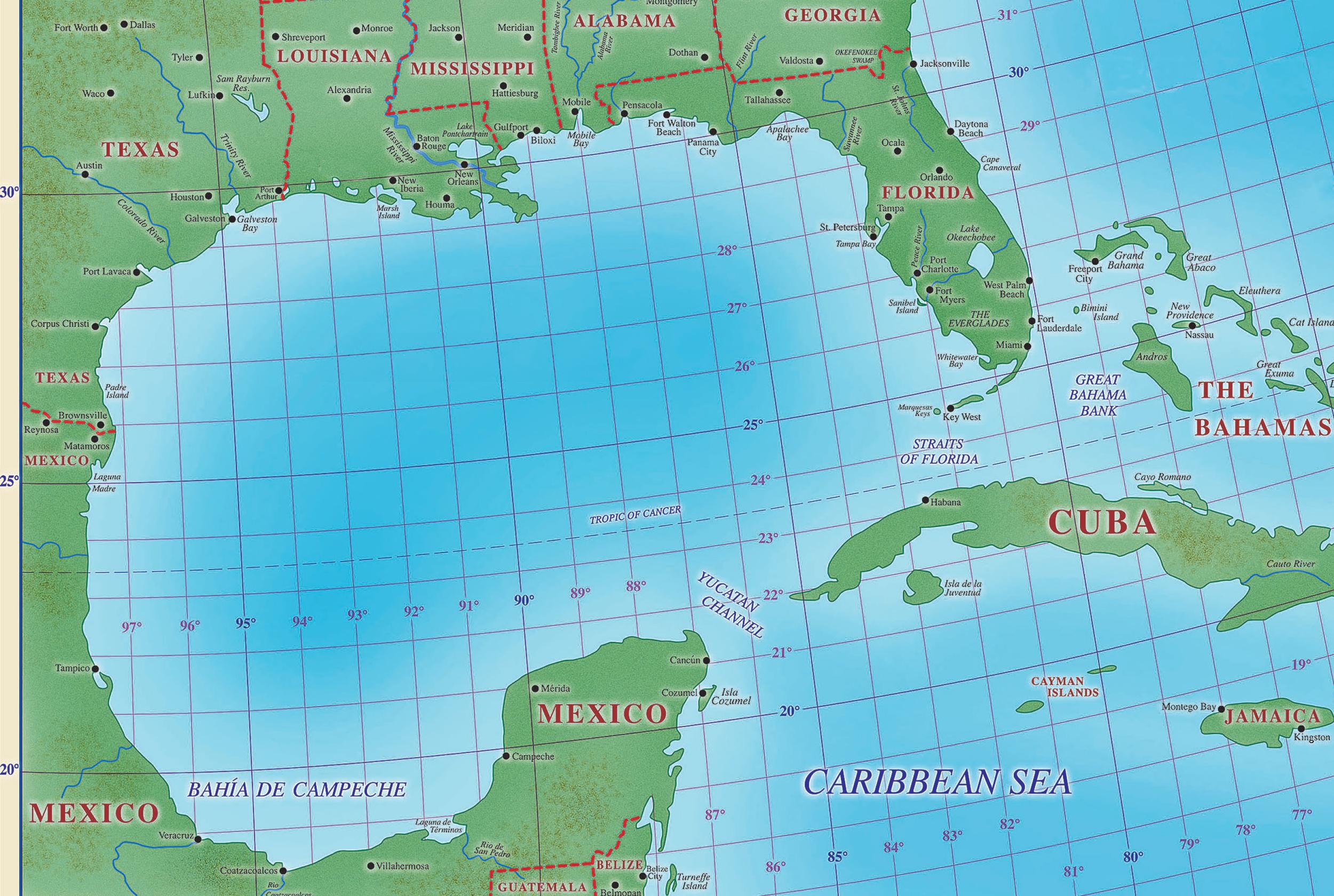
HURRICANE TRACKING
BASIC DISASTER SUPPLIES KIT CHECKLIST
✓ WATER
1 gallon per person per day for at least three days
✓ FOOD
3-day supply of non-perishable food
✓ Radio powered by batteries or crank and a NOAA Weather Radio with tone alert
✓ Flashlight
✓ First-aid kit
✓ Batteries
✓ Whistle
✓ Dust mask
✓ Plastic sheeting and duct tape to shelter-in-place
✓ Moist towelettes, garbage bags and plastic ties for personal sanitation
✓ Wrench or pliers to turn off utilities
✓ Manual can opener for food
✓ Local maps
✓ Cell phone with chargers and backup battery
Store items in airtight plastic bags and place contents in one or two easy-to-carry containers such as plastic bins or a duffel bag.
Source: U.S. Department of Homeland Security


Directory Listing
FENCING AND GATE
Powered Access LLC
Fence & Gate Contractor Sulphur, LA (337) 246-0927
HEAVY EQUIPMENT DEALER
Abell & Sons
Outdoor Equipment Dealer
5325 US-90, Lake Charles, LA 70615 (337) 433-1434
LEGAL SERVICES
Cox Law Firm
723 Broad St, Lake Charles, LA 70601 (800) 836-3702
Stutes & Lavergne Law Firm
600 Broad St, Lake Charles, LA 70601 (337) 433-0022
Lundy LLP
501 Broad St, Lake Charles, LA 70601 (337) 439-0707
LOCAL GOVERNMENT
Calcasieu Parish Police Jury 1015 Pithon St, Lake Charles, LA 70601 (337) 721-3500
Calcasieu Parish Sheriff’s Office 5400 Broad St, Lake Charles, LA 70615 (337) 491-3700
MEDICAL CENTER
Lake Charles Memorial Hospital 1701 Oak Park Blvd, Lake Charles, LA 70601 (337) 494-3000
PLUMBING SERVICES
Pistols Plumbing & Maintenance, Inc. 4416 Maplewood Drive Sulphur, Louisiana 70663 (337) 533-8415
PROPANE SERVICES
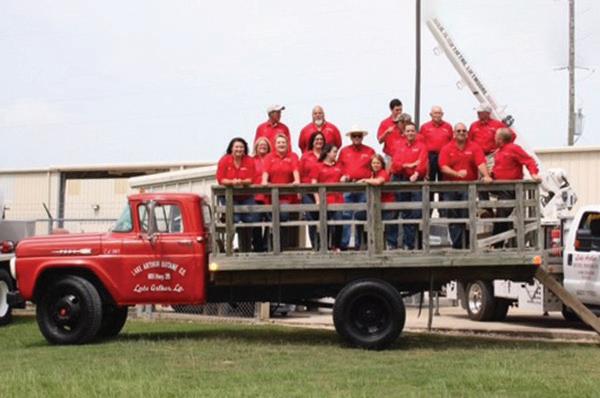
Lake Arthur Butane 2329 E McNeese St, Lake Charles, LA 70607 (337) 439-4051
SOCIAL SERVICES
United Way Southwest Louisiana 815 Ryan St, Lake Charles, LA 70601 (337) 433-1088
SUPPLY STORE
ABC Supply Co Inc
3917 US-90 E, Lake Charles (337) 480-2444
South Beau Hardware & Supply 12707 US-171, Longville, LA 70652 (337) 419-3300
Home Building Materials Inc.
435 E Napoleon St, Sulphur, LA 70663 (337) 527-5287






SAFETY
Continued from 11
Laverne said following Hurricane Rita in 2005 the parish made a lot of changes in order to better prepare.
“Each storm is different and there’s lessons learned from each one and you put it in your plans and we work on making each year better,” he said.
When it comes to making official evacuation decisions, Lavergne said the “Unified Command” team — which is made up of the Cameron Police Jury, Sheriff Chris Savoie and himself — must consider whether the parish should be under a voluntary or mandatory evacuation.
A Declaration of Emergency is then filed at the Cameron Parish Courthouse and announced to residents.
“These are the decision-makers of the parish; we get in a room and we keep it private because if it leaks out and people jump the gun it can cause havoc,” he said.
Lavergne said the team tries to give Cameron residents a six-hour advance before Calcasieu Parish begins evacuating in order for residents who are willing to comply with the order to get a chance to get out of the area.
“I let Calcasieu know when we’re going to pull our evacuation to give residents of Cameron Parish a heads up so we don’t all do it at the same time,” he said.
Lavergne said over the past 13 years he’s learned that people tend to not take voluntary evacuations seriously but if the evacuation is mandatory people pay attention and most
will leave.
“Let me tell you, most people are going to do what they want to do. About 30 percent of the people wait on this office to tell them what to do but most people know what they are going to do no matter what and every family has a different ‘trigger’ that’s a threat to their family,” he said.
He said if Cameron Parish is under a mandatory evacuation and a person chooses to stay that means they are completely on their own for at least 72 hours — meaning no emergency services such as ambulance, fire department and the sheriff’s office because they have all left the parish.
“If we say mandatory evacuation, we would like for you to leave because those of you that stay behind will have no emergency services,” he said.
Once a mandatory evacuation is in place, Lavergne said he encourages those who do decide to stay behind to shelter-in-place.
“We don’t drag people out of their homes under mandatory evacuation but we let them know that if you were to have a heart attack or you get hurt and you need services, you’re not going to get it until the coast is clear and we get our resources back,” he said.
Lavergne said each storm can affect the parish in a different way and nobody knows how it will be until it’s come and gone.
“Every storm is different,” he said. “A category one hurricane can be worse than a category four depending on the storm surge and the winds.”
In order for a mandatory evacuation to be lifted following a hurricane, inspections



and assessments must be done to be sure it is safe for residents to come home. The three most important factors before residents can come back are communication, fuel, and food and water.
Lavergne said without those three things the parish is not ready for residents to come back home.
“Everyone has to do inspections for the roads, bridges, ferry, power company, water company and then communication comes and checks out their towers before we let everyone back in,” he said.
Lavergne emphasized the importance of leaving if a mandatory evacuation is in place, saying each life is worth more than any possession.
“I don’t understand the property over life — people will stay because they’re scared somebody’s going to steal their stuff when they’re gone and that drives me crazy,” he said.
Lavergne said he understands finances play a major role in evacuation and it costs money to evacuate, but said
that’s when charities come into play. People are willing to help one another in times of need, he said.
“There’s also a lot of church organizations like Catholic Charities that also help out that provide rides and food,” he said.
Lavergne said it’s also important to trust your information source — and not just anyone on the internet.
“There’s a lot of fear-mongering on the internet and I put out official announcements," he said. "A fear-mongerer will put one model that looks bad and go with it. My main thing is ‘be ready’ not ‘get ready’ and trust your source,” he said.
Lavergne also believes in letting residents back in as soon as it is safe to do so and that each family can make their own decision whether they are ready to come back and stay in the current conditions or not once the mandatory evacuation is lifted.
“If a patrol car can ride up and down our roads then so can you,” Lavergne said.
Our Team
PUBLISHER
Ron Prince EDITOR
Crystal Stevenson CONTRIBUTORS
Rodrick Anderson | Ashlyn Little
MARKETING & SALES
Stephanie Broussard | Zachary Daigle Kortni Mulmore | Shawn Vittorio
COVER ART PHOTO COURTESY OF Lt. Gen. Russel Honoré





HURRICANE SEASON
Navigate Your Financial Future With A Trusted Advisor


READY FOR THE STORM
And the days that follow
By Crystal Stevenson
A truly effective hurricane plan is a profoundly personal blueprint shaped by one’s unique life. It must account for specific dependents, exact medical needs, pet requirements, and even the sentimental family heirlooms.
“If you’re 35 years old, no kids, no pets and you’re married, you can get in your car and drive and be OK,” said Generac Executive Vice President of Home Power Generation Kyle Raabe during a video conference with the American Press. “But if you have three little kids or you’re 75, your world just changed very dramatically.”
Raabe said his goal is to get people to the point where they are “comfortable with wherever they’re at in their preparations — and it’s a little bit different for everybody. The pain of not being prepared is really, really high in some places.”
According to Colorado State University’s annual Atlantic hurricane season forecast, experts are anticipating 13 named storms with six expected to develop into hurricanes and two forecast to reach major hurricane strength of a Category 3 or higher.
The 2025 Atlantic hurricane season produced 13 named storms, five of which became hurricanes. And in 2024, the U.S. reported nearly 1.5 billion electric outage hours. Hurricane Helene and Milton together caused 9.5 million power outages at storm peaks and more than $113 billion in damages.
Experiencing an outage isn’t just a minor inconvenience — refrigerators full of food and important medicines could go bad; a home without climate control can quickly reach warm temperatures; and a loss of power can disrupt critical medical devices, home accessibility equipment and even limit the ability to safely move in or out of the home.
“It only takes one storm to disrupt people’s lives,” he said. “As our homes are our sanctuaries, our workplaces and our classrooms, having a backup power plan is essential. If you need us fast, we have portable products for you at the local home improvement stores. We can get you through. If you’re in an area that tends to, statistically — like the Gulf Coast — be hit more frequently ... we have stand-by products that run completely automatically.”
See READY, 20


Raabe said there are several backup power options available to get Southwest Louisiana through the next storm:
1. Portable power stations provide clean, quiet, emission-free power with no fumes or fuel. Simply recharging the unit when power returns keeps the generator prepped and ready for the next outage. They are best used to power smaller, specific devices, such as a kitchen appliance, laptop or phone.
2. Portable generators come in a variety of options. Smaller units can be paralleled for additional power, and larger units can pair with a manual transfer switch to provide whole home backup. These types of generators must be fueled every 6-12 hours with gasoline or liquid propane. They are also great for additional non-emergency uses such as camping, tailgating and power job sites.
3. Whole home generators
can provide power to an entire home and automatically kick in when utility power is lost. No refueling is necessary if you attach the generator to a natural gas line or propane tank.
4. Solar + storage units charge when solar power is available, and kick in automatically when an outage occurs. This type of system can power the whole home for a shorter duration or select circuits for longer. In addition to outage mitigation, a solar + storage unit captures solar and times the grid to use stored power when prices spike to help you reduce your energy costs.
Raabe said the most common mistake homeowners make before a hurricane season is not preparing their generator.
“It would be like you putting your car in the garage in New York. You go and start it every now and then but you wake up Tuesday morning and say, ‘I’m going to drive to Los Angeles with no stops’ without ever thinking, ‘I should go check the oil before I go.

Maybe I should check the tires. Maybe I should check the wiper fluid’ — all the things that makes a car run. A generator is the same; it’s a small engine. There are small things that need to be considered.”
His suggestions:
l Clear debris and any obstructions away from the generator with at least three feet of clearance on each side.
l Ensure the inside of the enclosure is free of debris (leaves, sticks, dirt, etc.).
l Inspect lines and connections for fuel or oil leaks.
l Inspect the entire fuel system for signs of corrosion or other concerns.
l Be sure to check your battery for proper charge and clean terminals, air filter, spark plugs and sediment trap.
l Watch the oil level, especially if your generator is running continuously.
l For those using a portable generator, he said to make sure enough gasoline is on hand before the storm arrives.
“If your generator holds five gallons, I might have 10-15 gallons to get you through,” he
said. “A typical generator lasts between 6-10 hours depending on the model. I’d fill it up and have two five-gallon tanks nearby.”
For those who use wholehome generators, he suggests calling the propane or natural gas line provider and asking them to top off the tank.
“Backup power is something people think about in the middle of an outage, but by then, it’s too late,” Raabe said. “You don’t build a plan in the dark. The homeowners who are prepared are the ones who stay safe, comfortable and in control when the grid goes down.”
The Generac 2026 Hurricane Preparedness Guide serves as a practical, free resource to help families and businesses protect their properties and ensure power continuity during severe weather. The guide details essential safety checklists, storm forecasts, and generator maintenance step
“What it does, is it takes the panic out before the storm comes,” Raabe said.

Leave No One Behind
Your guide to evacuating safely with your pets
By Rodrick Anderson
As hurricane season begins along the Gulf Coast, emergency officials routinely remind residents to prepare evacuation plans, stock supplies, and safeguard important documents. However, one family member can be easily overlooked until the last minute — the family pet.
Dr. Karyn Goeckel at University Animal Clinic said planning ahead can make a stressful evacuation much easier for both pets and their owners. Pets often begin reacting to the tension in a household before the evacuation even starts, so make sure you have a plan for them.
“When they say you have to go, that relates to my employees, myself and whatnot,” Goeckel said. “We are not always going to be here until Defcon 5. We are in the same boat as everyone else.
“We are stressed out. We are upset and packing up, battening down the hatches, and getting our house ready, and they will start to pick up on that before you ever put them in the car. A lot of that stress can be eliminated if you preplan and have an idea of where you are going to be and what you are going to need. You are going to need a leash. You are going to need a carrier or crate to put them.”
One of the most common mistakes pet owners make is failing to keep vaccinations current before a storm threatens the area. If you have been given a mandatory evacuation
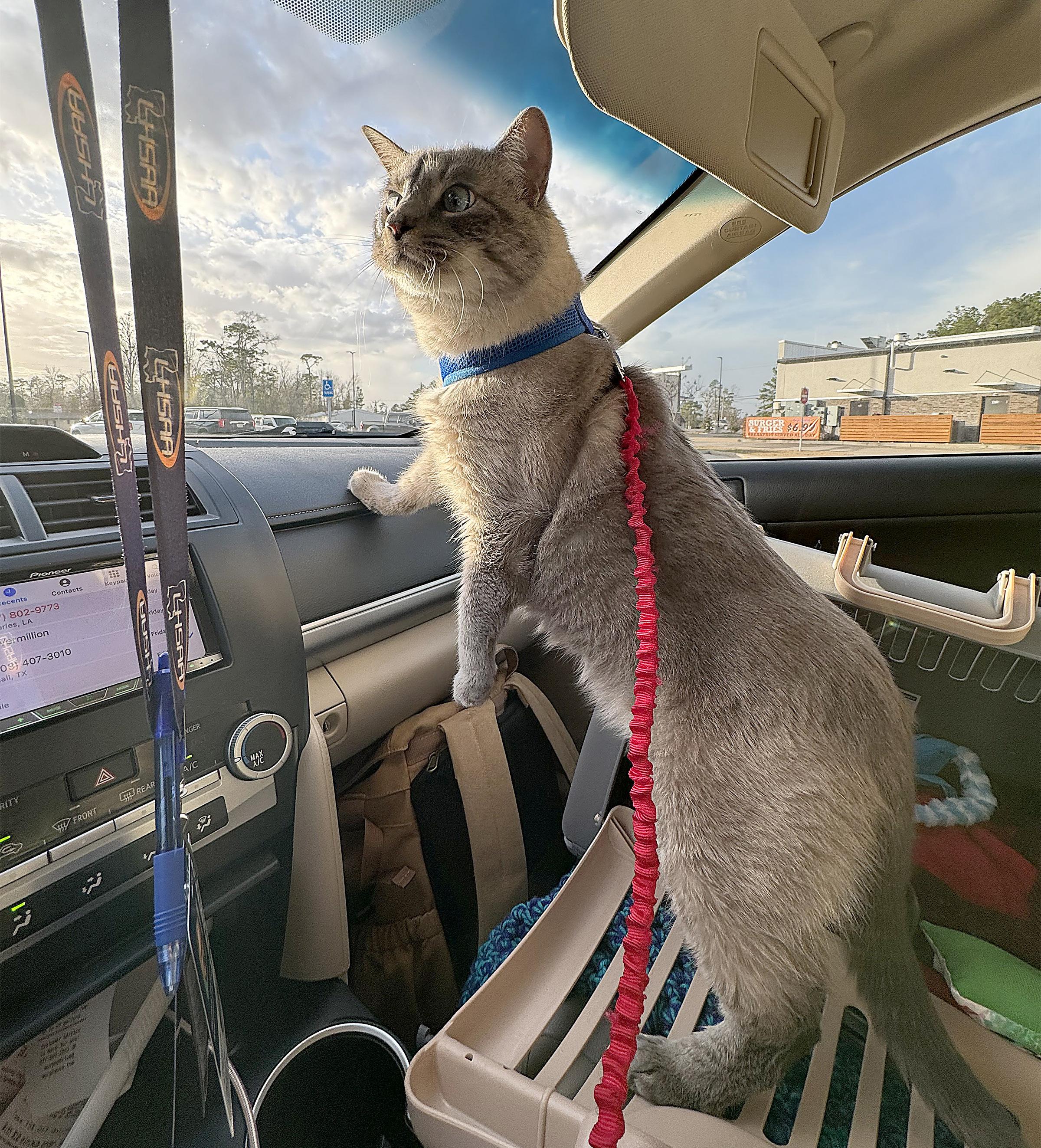
It is a good idea to take your pet for a test drive in your car to see how they handle traveling. This allows you to plan ahead for thing like anxiety medication to lower their stress level while traveling.
order, more than likely, your local veterinary staff are packing up and leaving, too.
“The biggest mistake is not being up-to-date on vaccines,”
Goeckel said. “If you have to leave and take your pet with you or perhaps board the animal when you get to wherever
you are evacuating to, they are going to be required to be vaccinated.
“Once they start offering up evacuations and things like that, our employees and vets are leaving, as well. A lot of times, you can’t get records and can’t get your (pet) vacci-
nated. I would be up-to-date on vaccines and have a record of pets’ vaccines.”
That documentation can be critical if an owner needs to board a pet while staying in another city.
Rodrick Anderson / American Press
“If you drive to Shreveport and want to board your animal, and they are calling our clinic, we are not here,” Goeckel said.
In addition to vaccination records, pet owners should make sure they have enough medication to last through an evacuation and the recovery period that follows.
“The next biggest thing is making sure that if your pet is on medication, be sure you have a couple of weeks’ supply of medications,” Goeckel said. “Again, we are not going to be here if there are evacuations so you can’t call and get the proper documentation. Making sure you have a good three-week-to-month supply of medication for your pet is going to be important.”
Goeckel recommends creating a pet emergency kit. At a minimum, the kit should include medications and vaccine records, food and water. Additional supplies will depend on the individual animal — such
as a leash/harness or some favorite toys and bedding.
Also, if your pet gets anxiety or gastrointestinal problems while traveling, make sure to acquire medication for that long before it is time to evacuate. If your pet has never traveled in a car before, it would be a good idea to take your pet for some test drives to see how they react and help you better plan ahead if you do have to evacuate.
“That thing could be different for every pet,” Goeckel said. “If your pet is familiar with travel and goes a lot of places, then they will probably not have a lot of issues.
“If you have a dog or cat that infrequently travels and they need some type of sedative or things like, that would be something to have in a kit. Just like the rest of us, when times get stressful, gastrointestinal problems can become an issue, so be sure to have a familiar diet for your dog or cat and maybe some preventative medication if they get an upset stomach or motion sickness. Every pet is different. What I tell people is, you know
your pet, you know how they are going to be.”
Check ahead to make sure the hotel you will be staying at or the relative you are staying with allows pets and what are the rules. If you need a pet carrier or a crate, Goeckel recommends that it has enough room for your pet to stand up and turn around.
“Just like we should have an evacuation plan; where are you going to be, is it going to be a relative’s house that will let your pets run free or is it going to be a hotel, in which case you might need pet carriers or pet taxis to bring them in,” Goeckel said. “A lot of people are more understanding in the face of a natural disaster where they might bend rules, but you can’t always depend on that. Pre-planning will eliminate a lot of headaches in case things get to the point where you do have to evacuate.”
Goeckel said a lack of planning sometimes leads people to make dangerous decisions during storms, like staying instead of heeding an evacuation order.
“I think, unfortunately, what happens is sometimes people don’t have a plan for their pet and they don’t want to leave,” Goeckel said. “I have never stayed when there has been an evacuation. I have had some workers who have stayed, and they said they will never stay again. You need to take your safety first.”
For residents who must remain at home, pets need many of the same supplies people do.
“It would be very similar to what they are going to tell you for a person,” Goeckel said. “You are going to need fresh
water and food. The same things you would think of for yourself, in all honesty. Even if they are staying at your house, if your roof gets ripped off, you need a way to confine your pet, so a safe crate or carrier so they are not running around the backyard if something happens to your home.”
Goeckel said it is a good idea to get you pet microchipped or get a collar that has a holder for an Airtag.
“Having your pet microchipped may be a benefit in case they get away from you in a strange place,” Goeckel said. “That is one way. Now, with Airtags and things like that, you can put on their collars so that if they do freak out and get out of your car or your friend’s house in another city, there is a way to track them down. The animals are under the biggest stress of leaving and coming back.”
The planning does not end once the storm passes. Goeckel recommends returning home first without pets to evaluate any damage and identify hazards.
“What I have always done, once the evacuation is lifted, is come back and inspect your house,” Goeckel said. “Is my backyard or fence still up? Do I have sharp objects in the yard? Come back first without the pets and assess the situation so that you can better understand what you are getting into when you do bring the pets back. You have to make sure you have a safe area for your pet. You have already stressed them out by leaving. Before you stress them out again, it would be wise to know the situation is going to be when you get back.”


Through Every Storm.