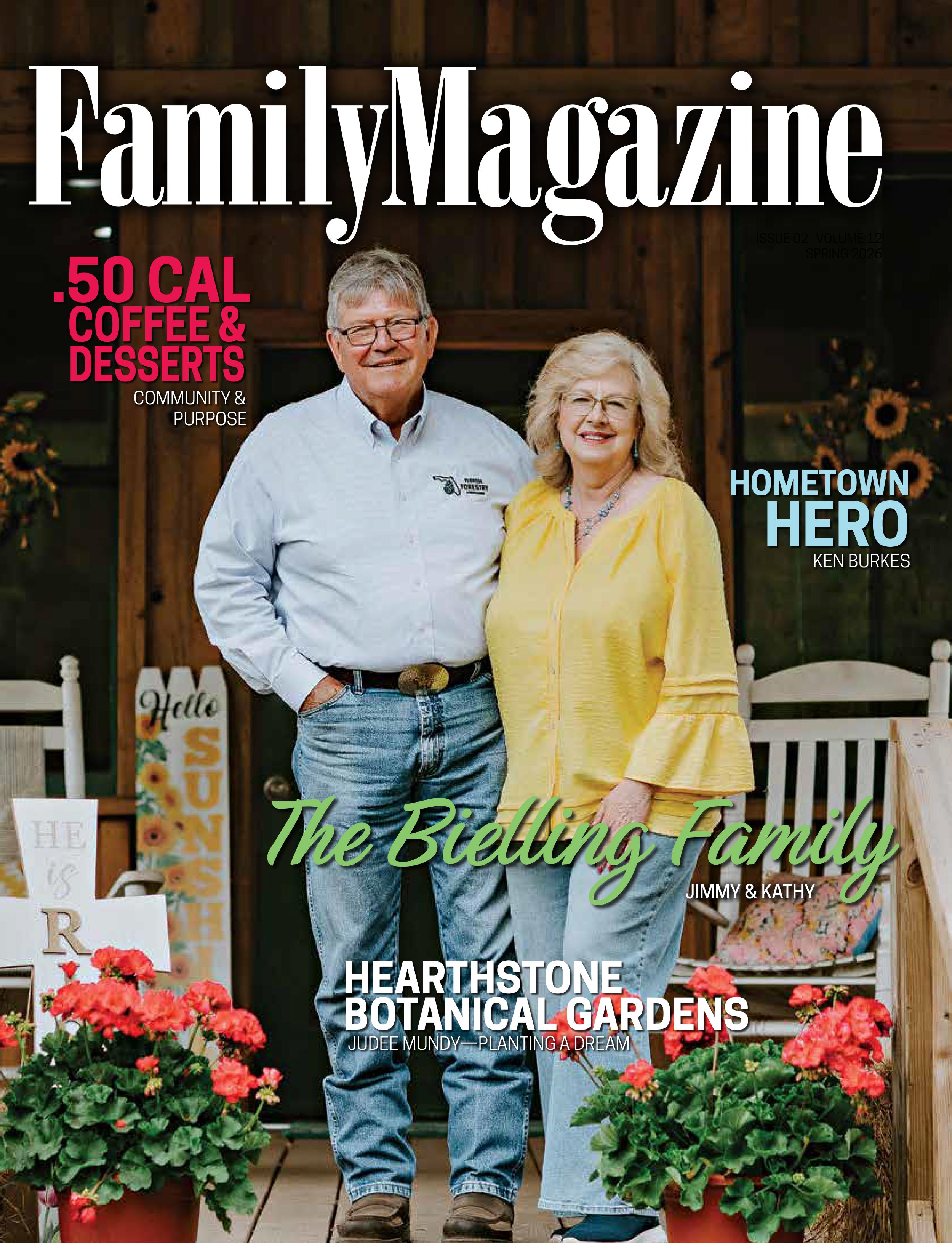
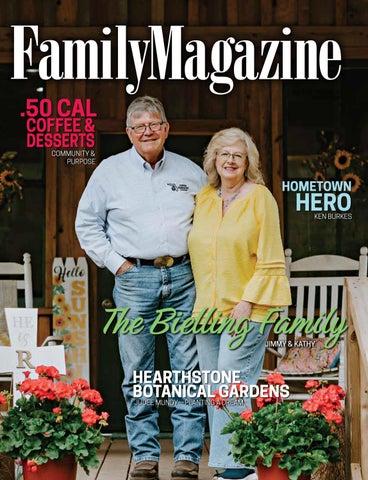
Welcome the season of fresh starts with the Spring 2026 issue of Family Magazine—a light, uplifting collection of local stories, seasonal inspiration, and a special feature celebrating a family helping our community grow.
Dear Family Reader,
Spring has arrived in North Florida, bringing with it a season of growth, renewal, and fresh possibilities. From longer days and blooming landscapes to the return of backyard gardens and local markets, there’s something special about this time of year that invites us all to get outside, reconnect, and plant something meaningful—both in our soil and in our lives.
Thank you for picking up the Spring 2026 issue of Family Magazine Inside, you’ll find a collection of stories and ideas designed to help you embrace the season—from practical home and garden tips to seasonal recipes, local happenings, and features highlighting the people who make our community thrive. Our cover story this issue is rooted— quite literally—in innovation and tradition. We’re proud to feature a remarkable local family who is growing more than just crops;
they’re cultivating impact. In partnership with the University of Florida, this family is producing unique and specialized varieties of peppers—including those used in sauces like Tabasco—alongside other distinctive produce. Their work blends agriculture, research, and entrepreneurship in a way that embodies North Florida’s forwardthinking spirit. It’s a story of curiosity, collaboration, and a deep respect for the land—and we think you’ll find it as fascinating as we did.
As always, we are grateful for you— our Family Magazine community. Your support, your stories, and your engagement are what make this publication so meaningful. If you have a story idea, a family tradition, or feedback you’d like to share, we’d love to hear from you.
Here’s to a season of growth, connection, and new beginnings.
Noah Walker, Publisher Noah@allthingsvisual.com
PUBLISHER
Noah Walker
DIRECTOR OF CREATIVE DESIGN
Sarah Nichols BUSINESS DEVELOPMENT
Kenny Burt, Jr.
Katherine Horton
Tris Pentolino
CONTRIBUTORS
Josh Blackmon
Dale Bliss
Debra Bolduc
Tristan Ford
Holly Frazier
Belle Johnson
Sandy Mooney
Karen Newsome
Hayli Zucola
YOUTH-LED CONTENT
Bea Coker
Michael Coker
Victoria Coker


A local couple builds a thriving business rooted in creativity, faith, and community.
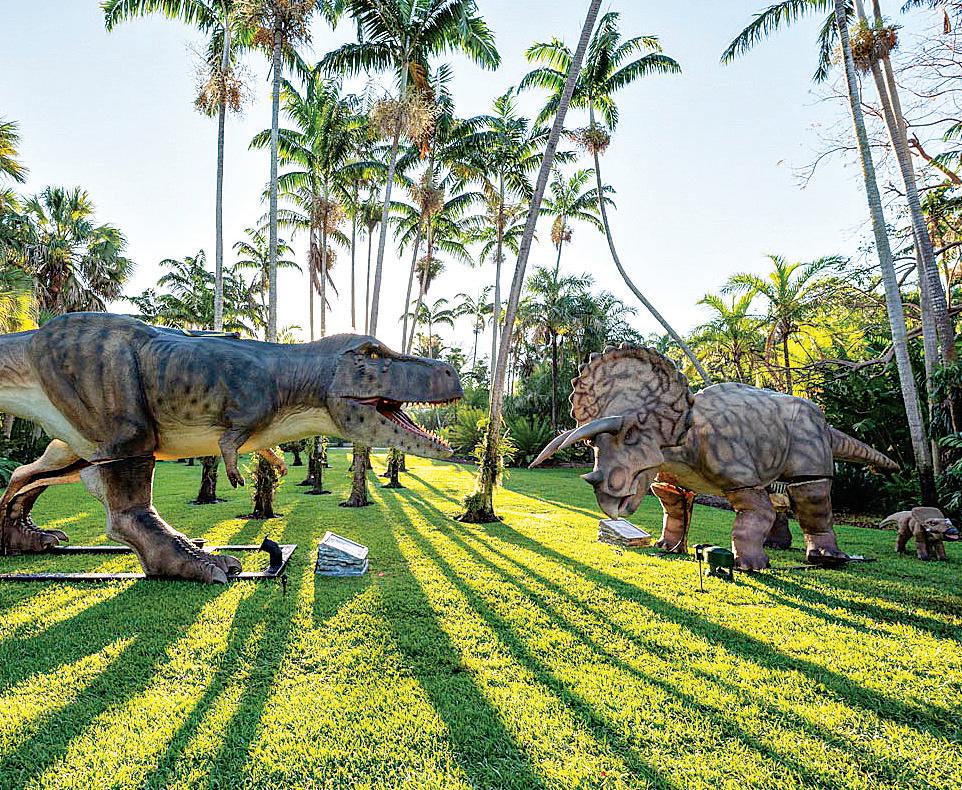

installment of Florida Road Trips takes you somewhere a little quieter, and a lot more colorful. We’re exploring some of the state’s most stunning botanical gardens—where every stop offers a fresh perspective on Florida’s natural beauty.

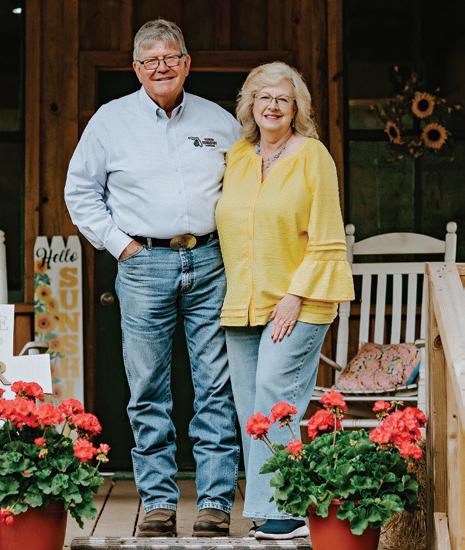
Meet the Bielling family— This family represents more than just a legacy of farming—they embody generations of hard work, resilience, and a deep commitment to the land. From Jimmy and Kathy’s beginnings to the next generation stepping in, their story is one of stewardship and innovation that continues to grow and evolve.








By Josh Blackmon







There are plenty of spots where you can swing through, grab a drink, and keep moving. But every now and then, you find a place that gives you permission to pause. A familiar face behind the counter, a corner table that feels safe, and a space where you don’t have to explain yourself.
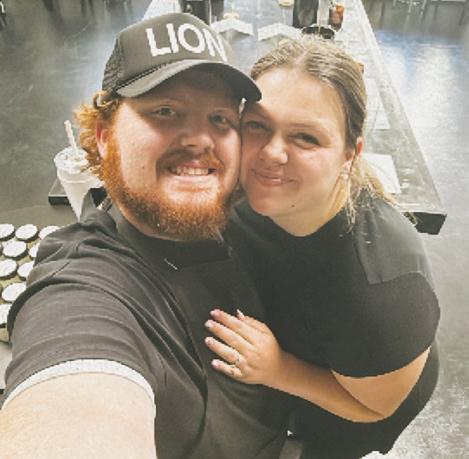
For Felix Manjivar, that feeling became the foundation for .50 Cal Coffee & Desserts.
Before opening the shop with his wife, Tammy, Felix spent 20 years in law enforcement as a deputy sheriff in Washington State and served in the United States Marine Corps. During those years, coffee shops became more than a caffeine stop. They were one of the few places he could step out of the pressure for a moment and just be human.
“It was one of the places I always felt welcome,” Felix shared. “No matter how the day had gone, you could walk in and just be a person for a little while.”
When Felix and Tammy began looking for a place to plant roots, they were searching for a community that still felt connected. Tammy remembers one of the first things that stood out.
“The kids would look at you in the eye and they were very polite,—yes ma’am, no ma’am, yes sir,” she said. “That was really important to us.”
Live Oak felt like the kind of place where people still noticed each other, and for the pair, that mattered.
The couple originally explored the idea of opening a coffee shop, but had sort of put it on the back burner, that was until Tammy began looking for a building for her nonprofit work. She had published a children’s magazine for 25 years called Kids News in Bandon, Oregon, and envisioned continuing that kind of community-centered work here.
Then they walked into the building that would become .50 Cal. “Once we walked in, I looked at her and was like, ‘This is perfect for a coffee shop,’” Felix said. Tammy agreed, and from there, the vision took off.
From the beginning, they didn’t see .50 Cal as “just a business.” They saw it as something deeply personal and deeply purposeful.
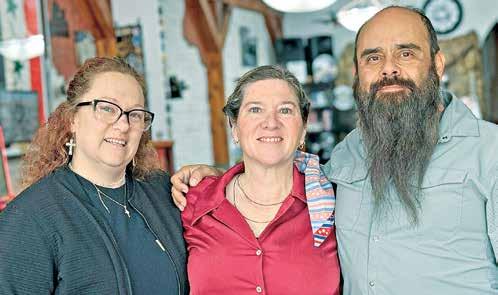
“This is our ministry,” Felix said. “We built it to bless others.”
Tammy describes it as a place that feels welcoming even for people who may not be comfortable stepping into a church.
“It’s like church, but not church,” she said. “That’s my heart. People. A place where they can come in and they don’t feel overwhelmed. If they need prayer, we love to pray for them.”
While .50 Cal is open to everyone, the couple is especially mindful of welcoming first responders, veterans, and law enforcement—people who often carry stress quietly and don’t always have a place to set it down.
If someone walks in short on money, Tammy said they’ll still be taken care of.
“If they can’t afford a coffee… come over here, we’ll hook you up,” she said. “It might not be very big, but it’s that little cup of coffee that makes them happy.”
The shop’s theme reflects Felix’s background of military, law enforcement, and the culture that often comes with it. The name itself came from a moment at home while Felix was working on a Humvee, complete with a mounted .50 cal.
“What should we call it?” Tammy asked. Felix didn’t hesitate: “How about 50 Cal?” The name stuck, and so did the mission behind it.
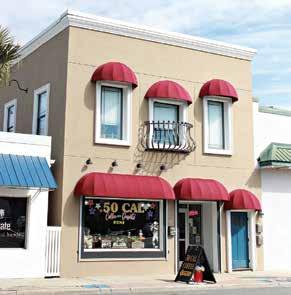
.50 Cal Coffee & Desserts opened in May 2024. Just a few months later, in August, the shop flooded during hurricane Debby.
But instead of breaking their momentum, the setback confirmed what they already suspected about the town they’d chosen.
“It was a blessing in disguise,” Felix said. “It showed us the heart of the community.”
The help poured in so quickly that Tammy and Felix struggled to find enough tasks for everyone who wanted to pitch in.
“We had so much love and so much help, we had to turn people away because there wasn’t enough to do,” Felix said.
A youth group even came through during the cleanup and did something the couple says they’ll never forget: writing scriptures on the studs before the walls were closed back up, and praying through the building.
“Inside those walls,” Tammy said, “there are scriptures and prayers.”
What could have destroyed the business brought them back even stronger. Today, .50 Cal has become more than a place to grab a latte. It has become a gathering space.
The shop hosts events like couples nights, comedy nights, and a Saturday evening family night where people play board games and share music.
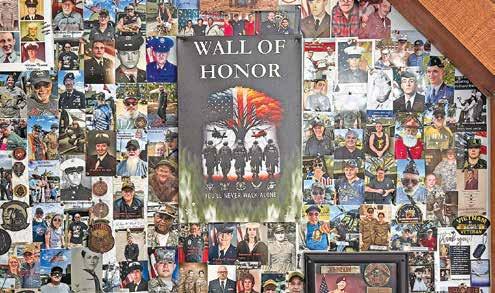
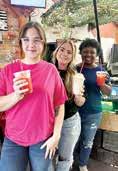
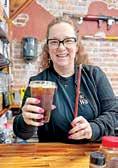

“It’s a place to come on Saturday night that has nothing to do with bars,” Felix said. “Just enjoyable.”
At .50 Cal, the name isn’t just clever branding, the café shares space with a small gun shop. Felix calls it “icing on the cake,” but for many regulars, especially veterans, first responders, and outdoorsmen, it’s part of what makes the place feel familiar. The result is unexpectedly welcoming: a coffee bar up front, and a niche, practical shop experience alongside it.
Tammy also uses the shop’s platform to encourage other small businesses like featuring them in videos and sharing their work online to help locals discover what’s right in their own backyard.
And behind the counter, there’s someone customers ask for by name.
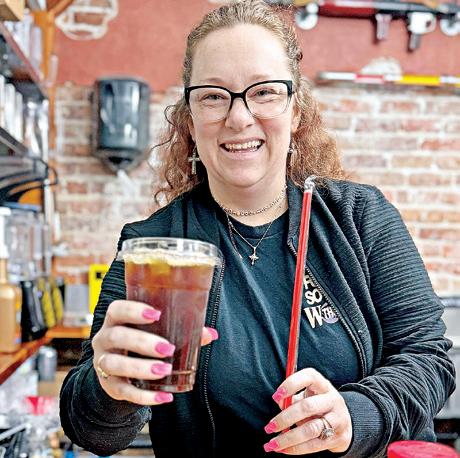
“Rachel has been the backbone,” Tammy said of their employee Rachel Kaster. “She’s the heart that most people see every day.”

When asked what impact they hope to have on Live Oak, Tammy’s answer was simple.
“I would hope that they feel our love,” she said. “That they feel like they’re important.”
Felix believes the shop is helping bring life back to an area that has struggled since past flooding and growth shifting toward the interstate.
“Little by little, we’re the first step maybe in revitalizing this area,” he said.
In the end, that’s what .50 Cal Coffee & Desserts is really about—not just what’s on the menu, but what happens around it: the conversations, the encouragement, and the quiet reminders that people still care. ■










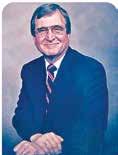




























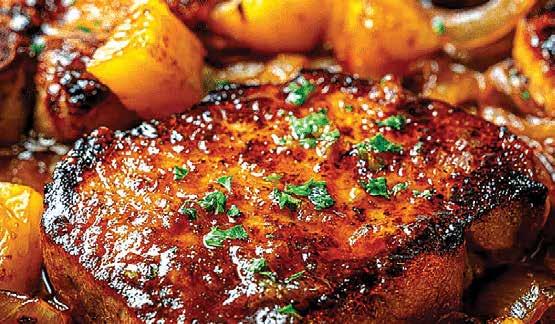

—these easy pineapple pork chops are a simple way to bring bright spring flavor to your dinner table. Juicy pork chops are simmered in a pineapple glaze that’s lightly sweet with a touch of tang, creating a meal that feels special without requiring a lot of effort. Serve with fluffy rice or roasted vegetables for a complete and satisfying dinner.
Prep Time: 10 minutes
Cook Time: 20 minutes
Serves: 4
INGREDIENTS
• 4 boneless pork chops (about 1 inch thick)
• 1 cup pineapple chunks (fresh or canned, drained if canned)
• ½ cup pineapple juice
• 2 tablespoons soy sauce
• 2 tablespoons brown sugar
• 1 tablespoon honey
• 1 tablespoon olive oil
• 2 cloves garlic, minced
• ½ teaspoon ground ginger (or 1 teaspoon fresh grated ginger)
• Salt and black pepper to taste
• 1 teaspoon cornstarch (optional, for thicker sauce)
• 1 tablespoon water (optional, if using cornstarch)
• Sliced green onions for garnish (optional)
• Pat the pork chops dry and season both sides with salt and black pepper.
• Heat olive oil in a large skillet over medium-high heat. Add the pork chops and cook for about 3 to 4 minutes on each side until golden brown. Remove from the skillet and set aside.
• In the same skillet, add the garlic and cook for about 30 seconds until fragrant. Stir in the pineapple juice, soy sauce, brown sugar, honey, and ginger. Add the pineapple chunks and bring the mixture to a gentle simmer.
• Return the pork chops to the skillet. Spoon some of the glaze over the top and let everything simmer for 8 to 10 minutes, or until the pork chops are cooked through and tender.
• Spoon the pineapple glaze and chunks over the pork chops and garnish with sliced green onions if desired.
THICKEN THE SAUCE: If you’d like a thicker glaze, mix the cornstarch with water in a small bowl to create a slurry. Stir it into the sauce and cook for another 1 to 2 minutes until slightly thickened.
Serving Tip: Serve these pineapple pork chops over steamed white rice so the sweet glaze soaks into every bite, or pair them with roasted carrots, broccoli, or snap peas for a colorful spring plate.




















By Belle Johnson
Florida is famous for its sun-soaked beaches and buzzing nightlife, but beyond the coastlines lies another side of the Sunshine State—one lled with quiet pathways, vibrant blooms, and gardens that feel like living works of art. In the fourth installment of Florida RoadTrips, we’re trading the beach towel for walking shoes and setting out to explore some of Florida’s most beautiful botanical gardens. From tucked-away woodland sanctuaries to sweeping tropical landscapes bursting with color, this journey o ers a refreshing way to experience the state’s natural beauty. Pack your bags, charge your camera, and get ready for a road trip where every stop is in full bloom.
Hearthstone Botanical Gardens (Wellborn)
3300 134th Pl, Wellborn, FL 32094
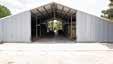
Hidden in the quiet countryside near Wellborn, Hearthstone Botanical Gardens o ers a peaceful, small-town charm that feels worlds away from the busier tourist destinations. This developing garden blends natural Florida landscapes with thoughtfully cultivated plant collections, creating a relaxing setting for wandering paths, photography, and quiet re ection. Surrounded by the rural beauty of Suwannee County, it’s a wonderful stop to experience North Florida’s slower pace and appreciation for nature before continuing the journey south.
Cedar Lakes Woods & Gardens (Williston)
4990 NE 180th Ave, Williston, FL 32696
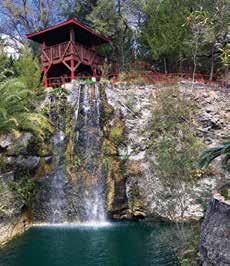
Tucked away in North Central Florida, Cedar Lakes Woods & Gardens feels like a secret paradise. Built within a limestone quarry, this unique botanical garden features cascading waterfalls, koi- lled ponds, and meandering paths surrounded by vibrant owers. As you explore, you’ll encounter charming stone bridges, hidden alcoves, and even a few friendly resident birds. It’s the perfect rst stop to ease into the beauty that awaits on this oral adventure.

One-Time
Routine
Deep
Move-In/Move-Out
Post-Construction
Short-Term
Long-Term
Office























































Marie Selby Botanical Gardens (Sarasota)
900 S Palm Ave, Sarasota, FL 34236
Continuing west to the Gulf Coast, the Marie Selby Botanical Gardens in Sarasota is a tropical lover’s dream. This waterfront paradise specializes in epiphytic plants like orchids, bromeliads, and ferns, with a spectacular glass conservatory that feels like a rainforest. The stunning bayfront views and historic mansion add to its charm, making it one of the most picturesque spots on the trip.

Kanapaha Botanical Gardens (Gainesville)
4700 SW 58th Dr, Gainesville, FL 32608
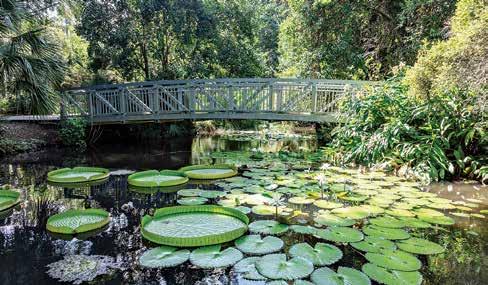
Just a short drive south, Kanapaha Botanical Gardens in Gainesville o ers a mix of tranquility and exotic plant life. Best known for its expansive bamboo collection and giant water lilies, this 68acre garden provides plenty of shaded trails to explore. The Chinese-style water garden is a must-see, as is the breathtakingly fragrant herb garden. If you visit in spring, the explosion of color from the azaleas and camellias will leave you in awe.
McKee Botanical Garden (Vero Beach)
350 US-1, Vero Beach, FL 32962
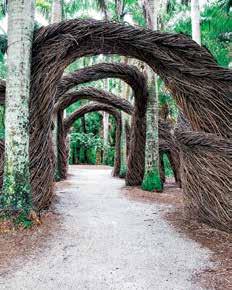
Heading east to Florida’s Atlantic Coast, McKee Botanical Garden in Vero Beach is a tropical oasis rich with history. Originally opened in the 1930s, this garden is home to towering palms,
vibrant orchids, and peaceful lagoons. The collection of waterlilies is particularly stunning, and the whimsical jungle-like atmosphere makes it feel like a hidden sanctuary. Keep an eye out for rotating art installations that add an extra touch of magic to this historic site.
Bok Tower Gardens (Lake Wales)
1151 Tower Blvd, Lake Wales, FL 33853
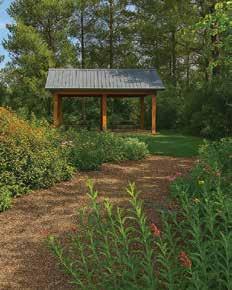
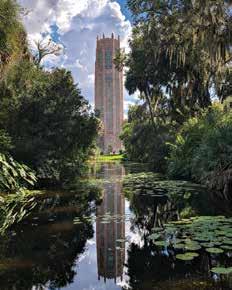
No Florida garden road trip would be complete without a stop at Bok Tower Gardens in Lake Wales. Sitting atop one of the highest points in Florida, this National Historic Landmark o ers stunning views, winding garden paths, and the mesmerizing sound of the 205-foot-tall Singing Tower carillon. The lush landscapes, designed by famed landscape architect Frederick Law Olmsted Jr., include camellias, azaleas, and native Florida ora. It’s a peaceful retreat where you can sit, re ect, and enjoy the melodic chimes of the tower.
Fairchild Tropical Botanic Garden (Coral Gables)
10901 Old Cutler Rd, Coral Gables, FL 33156
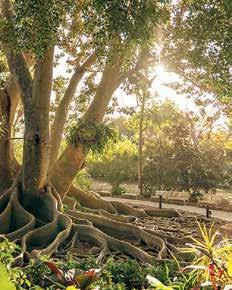
Next, we venture south to Fairchild Tropical Botanic Garden in Coral Gables, one of the most renowned tropical gardens in the world. Home to a massive collection of exotic palms, rare cycads, and owering trees, Fairchild is a haven



Before you hit the road, a little planning will make this blooming adventure even more enjoyable. Many botanical gardens have seasonal displays, so check each garden’s website to see what’s currently in bloom and whether any special events or exhibits are taking place during your visit. Spring and early summer tend to be the most colorful seasons, but Florida’s tropical climate means there’s always something owering year-round.

for plant enthusiasts. Don’t miss the butter y garden, where vibrant butter ies dance through a landscape lled with nectar-rich owers. The garden’s dedication to conservation and education makes it an inspiring stop on this journey.
Naples Botanical Garden (Naples)
4820 Bayshore Dr, Naples, FL 34112
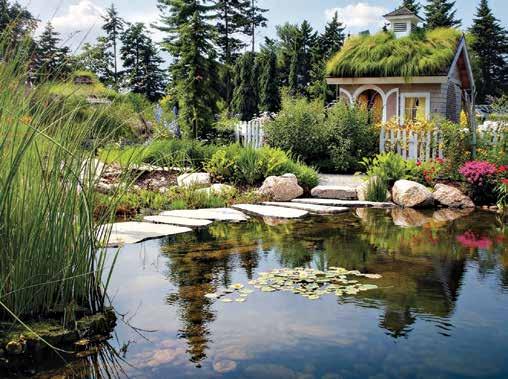
The grand nale of this road trip is Naples Botanical Garden, a 170-acre masterpiece
dedicated to the plants of the tropics and subtropics. Divided into themed gardens, you can explore the lush Brazilian Garden, the vibrant Asian Garden, and the peaceful Florida Garden, which showcases native species. The garden’s serene setting, complete with lotus- lled ponds and quiet seating areas, makes it the perfect place to re ect on your journey before heading home.
Because several of these gardens span dozens—or even hundreds—of acres, plan to spend at least one to two hours at each stop so you can fully explore the trails, water features, and themed gardens. Comfortable walking shoes, light clothing, and plenty of water are essential, especially during Florida’s warmer months.
Finally, consider mapping your overnight stops ahead of time. Cities like Gainesville, Sarasota, Orlando, and Naples o er plenty of lodging options and great local dining spots, making them perfect places to rest and recharge between garden visits.
One of the most rewarding experiences of this journey is seeing how Florida’s diverse climate shapes each garden’s identity. In North Florida, you’ll find more woodland-inspired landscapes with towering trees and native plants, while Central and South Florida showcase lush tropical environments filled with vibrant colors and exotic species. This gradual transition makes the drive itself feel like part of the experience, as the scenery subtly shifts with each mile.
For those looking to make the most of the trip, consider visiting early morning or late afternoon, when the gardens are at their most peaceful. Not only will you avoid the midday heat, but you’ll also catch the soft lighting that makes these spaces even more photogenic. Bringing
along a journal or simply taking time to sit quietly can turn a simple visit into something far more memorable.
Whether you’re a plant enthusiast, a photographer, or just someone looking for a refreshing escape, Florida’s botanical gardens offer something truly unique. They remind us that adventure doesn’t always have to be loud or fastpaced—sometimes the most meaningful journeys are those that let us slow down and reconnect with the natural world.
So the next time you’re planning a Florida getaway, consider taking the scenic route. You might just discover that the state’s most unforgettable experiences are found not along the shoreline, but along its quiet, blooming paths ■
Start Early: Morning visits often mean cooler temperatures, fewer crowds, and softer light for photography.
Look for Wildlife: Many gardens attract butter ies, birds, and other wildlife, so keep your eyes open as you explore.
Dress for the Elements: Lightweight clothing, comfortable walking shoes, and a hat or sunglasses will make exploring the gardens much more enjoyable.
Take Your Time: Botanical gardens are meant to be savored. Slow down, wander the paths, and enjoy the peaceful surroundings at each stop.
Post your garden photos to Family Magazine’s Facebook page! #SeeYouInBloom. ■
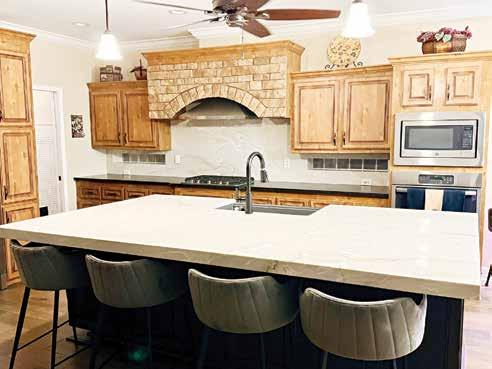
In the heart of Lake City, homeowners and builders alike are discovering something different when they walk through the doors of Kitchen World. It isn’t just cabinets and countertops on display—its expertise, craftsmanship, and a team committed to guiding customers through one of the most important investments they’ll ever make: their home.
Today, Kitchen World is a full-scale stone fabrication and manufacturing company with deep roots in Florida. What began as a business focused on cabinets has evolved into a comprehensive operation capable of serving everyone from large builders to individual homeowners remodeling their kitchens.
“Our foundation has always been manufacturing,” explained CEO Lisa McIntosh. “That’s what allows us to control quality, timelines, and customization. Kitchen World became our way to bring that same level of capability directly to homeowners and local builders.”
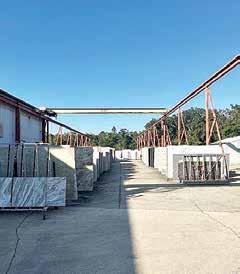
Behind the scenes—and a few miles down the road from the Lake City showroom—is a manufacturing operation located in Palatka since 2007. Marble Today operates in a 30,000-square-foot facility equipped with advanced technology, automation, and machinery—expanding capability beyond countertops. With 100 combined years of stone fabrication experience,
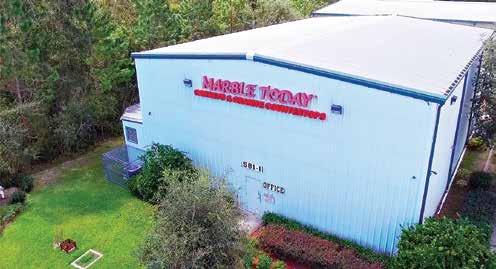


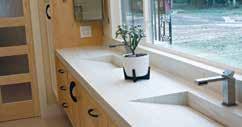
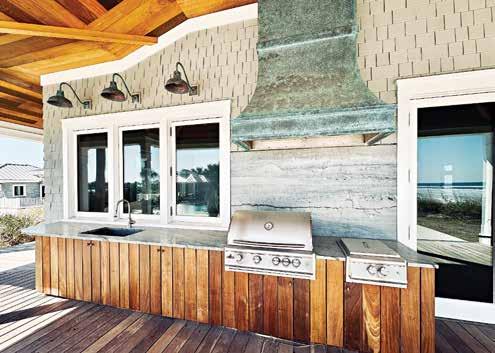
Marble Today has the ability and capacity to fabricate all types of stone for a wide array of applications, such as fireplaces, shower walls/floors, outdoor kitchens, integrated sinks, stair treads, furniture, and more! In short, if stone can be applied to a surface, Marble Today can produce and install it at a scale unmatched by the competitors, while offering full customization to ensure project-specific needs.
“We’ve invested millions of dollars into equipment,” Lisa said. “Our processes are fully digital, utilizing laser templating technology, slab designing software, and CAD programming, which provides automation and precision cutting for every project.”
But while the technology is impressive, the company’s leadership emphasizes that machines alone aren’t what sets them apart.
“It’s really the people,” Lisa said. “Team members support and respect each other. We value each other’s opinions and work together to elevate performance. A culture of care and respect lead to satisfied customers and a successful business.”
For many customers, the process begins inside the Kitchen World showroom, where Cabinet and Countertop Designer Shelley Brown helps homeowners navigate what can feel like an overwhelming number of choices.
“When people come in, the first thing we do is ask questions,” Shelley said. “We want to understand their home, their style, and their budget. Some people know exactly what they want. Others don’t have a clue, and that’s okay. We guide them through it.”
With more than 30 years of experience, Shelley helps customers narrow their options and visualize the finished space. Customers can touch cabinet doors, compare materials, and explore combinations that bring their vision to life.
Inside the Kitchen World showroom, that guidance is supported by a range of products. The team works with five cabinet lines, giving homeowners and builders flexibility to balance style, function, and budget. With Marble Today’s access to an extensive network of stone distributors, global quartz brands, and engineered stone manufacturers, customers can choose from natural stone, like marble, granite, quartzite, soapstone, and travertine, and engineered stone, such as quartz, porcelain, and cement-based terrazzo.
“They love being able to see and feel everything,” she said. “You can’t get that experience online.”
This personalized approach is something Operations Manager Gina Heimer says makes a meaningful difference.
“They come in overwhelmed, and we help them feel confident,” Gina explained. “We’re there from the beginning all the way through installation.”
Homeowners

Columbia County and surrounding areas, the company also works closely with large, production home builders and design-build firms in 14 counties throughout North Florida and South Georgia. Builders rely on the team’s expertise to help their clients make design decisions and ensure projects stay on schedule.
“We become part of their team,” Shelley said. “Builders know they can trust us to take care of their customers.”
The company’s reach extends far beyond Lake City, with installation teams regularly traveling throughout the region, including Gainesville, Ocala, Steinhatchee, and neighboring communities, as well as extending to Jacksonville down to Daytona Beach.
Despite offering industrial-scale manufacturing and personalized service, Kitchen World remains highly competitive in pricing.
“We’re very competitive with big-box stores,” Shelley said. “But what makes us different is the level of service. We’re here for our customers. We don’t disappear after the sale.”
Alike
While Kitchen World serves individual homeowners and local builders in


That commitment to long-term support has helped Kitchen World build lasting relationships throughout the community.
“Word of mouth is huge for us,” Gina said. “When customers recommend us to their friends and family, that’s the biggest compliment we can receive.”
Cabinets and countertops are more than functional elements—they’re central to the character and value of a home. Kitchen World’s team understands the importance of getting every detail right.
“When you walk into a home, the cabinets and countertops are one of the first things you notice,” Lisa said. “We create areas where families gather, cook, live their daily lives, and create lifelong memories.”
For Lisa, leading Kitchen World and Marble Today isn’t just about manufacturing or sales, it’s about helping team members prosper and provide for their families while designing meaningful spaces for our customers.
“We take pride in what we do,” she said. “Because at the end of the day, we are in the people business. Offering quality products and services within the construction industry is secondary.”
Homeowners and builders can visit Kitchen World’s showroom in Lake City or learn more at www.facebook.com/ kitchenworldlakecity and www.facebook. com/marbletoday. ■













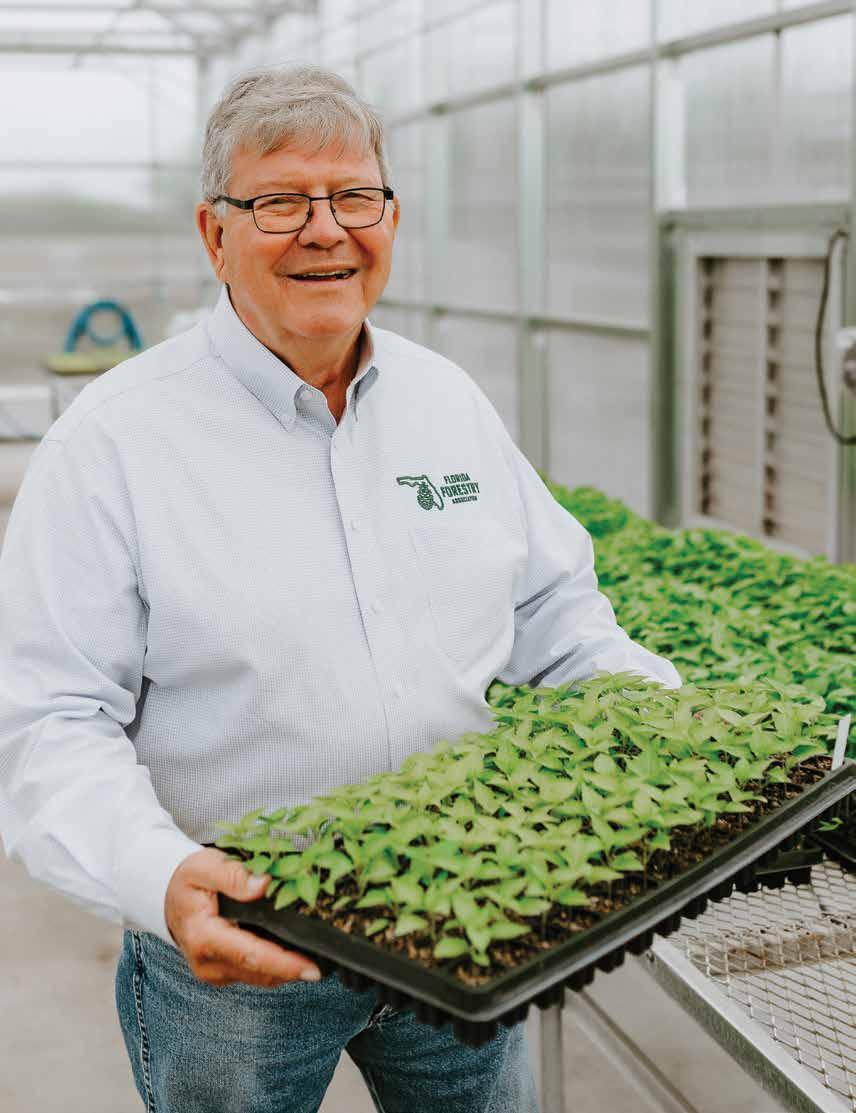
Jimmy Bielling may have graduated from the Herbert Wertheim College of Business at Florida State University, but the fourth-generation farmer was always going to return to a life with his hands in the soil.
Agriculture runs deep in his family. Both of his great-grandparents were in the turpentine business—his greatgrandfather on his mother’s side owned a sizable tract in the Lulu area, farming timber and cattle while producing turpentine, and his great-grandfather on his father’s side built the prefab home Jimmy still lives in today.
For Jimmy, farming is not just inheritance—it is adaptation. Across decades of shifting markets, evolving technology, and changing agricultural demands, he has built a career on keeping land productive while preparing it for what comes next.
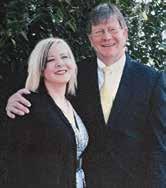
When he returned from college, going back to his roots was a continuation of that legacy. He resumed buying and selling cattle, made several real estate investments, and, for a time, tended row crops, particularly watermelons, which were a prime cash crop in the mid-1980s.
But agriculture began to change. Profit margins tightened, risks grew, and row crops such as watermelons and vegetables became increasingly difficult to justify. Jimmy shifted his focus to timber, drawing on generations of knowledge in land management and forestry.
Through Bielling Site Prep and Reforestation, he and his team now reforest about 10,000 acres annually, following logging crews to prepare harvested land for replanting. The work requires long-term vision—planting today for a harvest decades away.
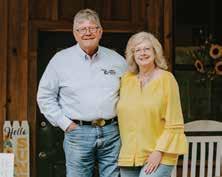
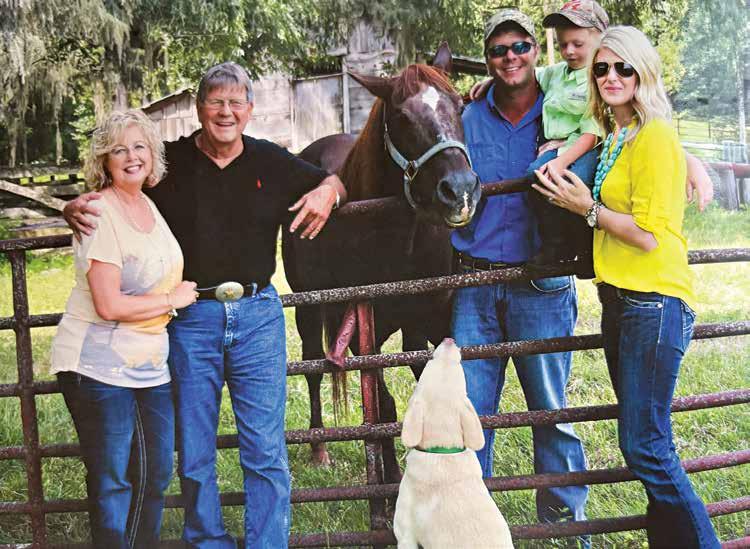
For Jimmy and Kathy Bielling, the story of their farm is inseparable from the story of their family. What began with a simple dinner date in the late 1970s at Robert’s Dock Restaurant in Lake City, has grown into decades of shared work, resilience, and deep-rooted tradition. Married in January 1980, the couple built their life side by side—Jimmy working the land across Suwannee and Columbia counties, and Kathy balancing the demands of business operations, from site preparation to real estate. Together, they raised their son, Jesse, who grew up learning every aspect of the farm, from mending fences to working cattle. Today, that legacy continues with the next generation. Jesse, his wife Lynsi, and their son Jax—who recently celebrated his 15th birthday—are stepping into larger roles, carrying forward a way of life grounded in hard work, stewardship, and family. Alongside them is daughter Betty Rees Bielling, based in Jacksonville, building her career in the hair industry. As the Biellings restore historic barns and look toward renovating their 1915 farmhouse, they remain focused on preserving not just the land, but the legacy they hope to pass down—one rooted in love for the land and each other.
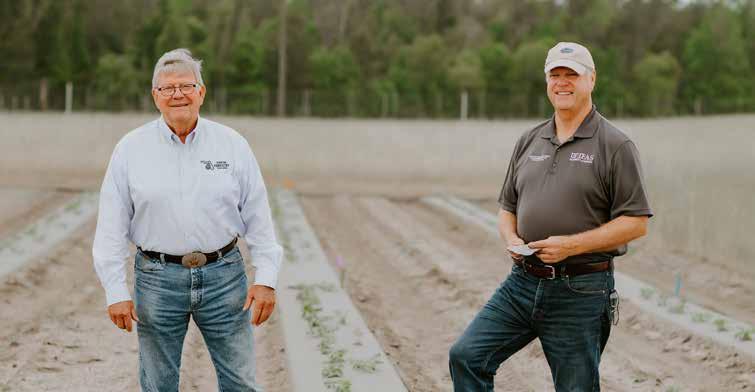
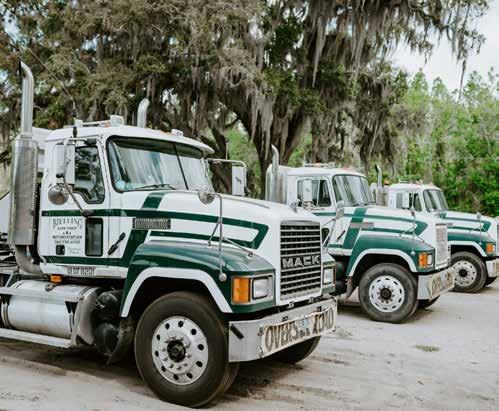
With a business built on regrowth, stewardship is central to the operation. Jimmy has worked closely with the University of Florida’s Institute of Food and Agricultural Sciences (UF/IFAS) to educate himself and his employees on best management practices related to clean air and water conservation.
“We believe in maintaining the ecosystem and keeping it strong and vibrant so that we have the clean air and clean water that we really enjoy here in North Florida,” he said.
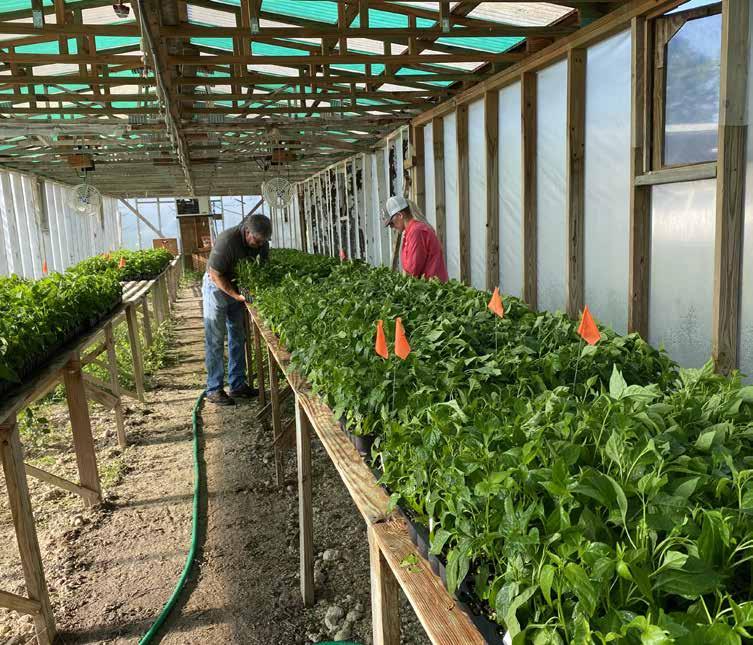
While timber became his primary focus, peppers brought him back to row crops about 15 years ago.
Richard Christie, a retired biological scientist with the University of Florida’s agronomy department, approached Jimmy with a challenge. Richard had been hired by McIlhenny Co., the maker of Tabasco® sauce based in Avery Island, Louisiana, to study pepper viruses and help expand domestic production, as much of the company’s commercial crop was grown in Central and South America.
Jimmy agreed to grow 23 different lines of genetically improved Tabasco® seeds Richard had created, narrowing them to the most prolific varieties suited for North Florida’s growing conditions.
During the first planting, Richard died unexpectedly. Determined to continue the work, Jimmy partnered with Richard’s wife, Ann Christie, and Bob Hochmuth, assistant center director and regional specialized Extension agent with UF/ IFAS at the North Florida Research and Education Center’s Suwannee Valley unit.
Over the next 12 to 13 years, they refined the crop to four high-performing lines selected for yield, harvest efficiency, and their ability to ripen to Tabasco’s® signature bright orange-red color at nearly the same time—a key factor in commercial machine harvesting and processing. They also developed detailed production guides on fertilization,
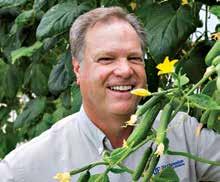
Robert (Bob) Hochmuth
Assistant Center Director & Regional Specialized Extension Agent—Vegetables
Robert (Bob) Hochmuth serves as the center director for the UF/IFAS North Florida Research & Education Center—Suwannee Valley as well as a regional specialized Extension agent for commercial vegetable crops serving the Northeast Extension District of Florida. He serves both greenhouse and field vegetable growers.
Bob has developed and implemented Extension programs in a wide variety of areas including: plastic mulch and drip irrigation culture, alternative specialty vegetable crops, nutrient management, adoption of best management practices (BMPs), integrated pest management (IPM) and whole farm IPM strategies, farm food safety and good agricultural practices (GAPs), greenhouse vegetable production, protected ag and hydroponic systems, and small farms and alternative enterprises. He also serves as a primary UF/IFAS contact with the Florida Watermelon Association.

irrigation, and fungicide use that McIlhenny could use at its operations in Louisiana.
To reduce labor demands, the team also adapted equipment to mechanically sort peppers by color, thereby improving harvest efficiency. After harvest, the peppers were ground in a hammer mill, packed into white oak barrels with salt and vinegar, aged, and shipped to Avery Island for processing into the company’s signature sauce.
When the COVID-19 pandemic disrupted travel and supply chains, the pepper program at Bielling Farm slowed—but the experimentation did not stop.
Now, Bielling, Hochmuth, and McIlhenny are collaborating on a new venture: infusing Tabasco® and jalapeno peppers into honey as a potential specialty product. The idea evolved from an earlier project in which Jimmy’s wife, Kathy, infused honey sourced from local apiaries with lavender and cinnamon during a Women in Forestry program she hosted.
The peppers are currently being grown at the UF/IFAS North Florida Research and Education Center—Suwannee Valley, near Live Oak, as trials continue. Meanwhile, Jimmy is reforesting 50 to 60 acres of pine and managing his

“We believe in maintaining the ecosystem and keeping it strong and vibrant so that we have the clean air and clean water that we really enjoy here in North Florida.”
—Jimmy Bielling
land for timber and cattle production—balancing long-term forestry cycles with smaller agricultural experiments.
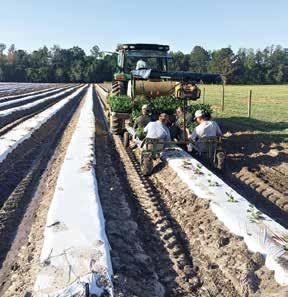
“We think we’re pretty good stewards of our land,” he said.
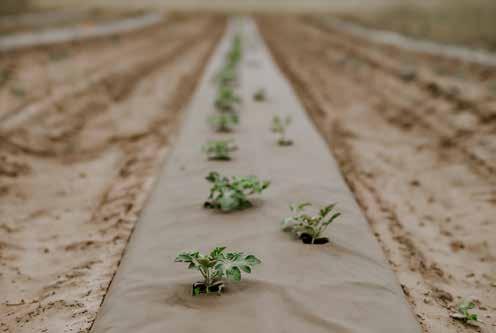
A new research venture that brings Jimmy’s love of forestry products and UF/IFAS research innovation together again is a program to help develop and test a new paper product that would replace plastic mulch used to cover beds for the production of watermelon and other vegetables. Bob Hochmuth is leading a research program in collaboration with a paper company, Smurfit Westrock, to develop
this new paper mulch product. The paper mulch is degradable and can be tilled back into the soil at the end of the season, and also controls a pesky weed, nutsedge, and may also keep the soil slightly warmer than plastic. The research looks very promising and could lead a new forestry product for agriculture, both of which are Jimmy’s two driving passions.
Only taste and time will tell whether the pepper-infused honey will reach supermarket shelves, but for Jimmy, the project reflects the same principle that has guided his family for generations: protect the land, adapt to change, and keep growing.
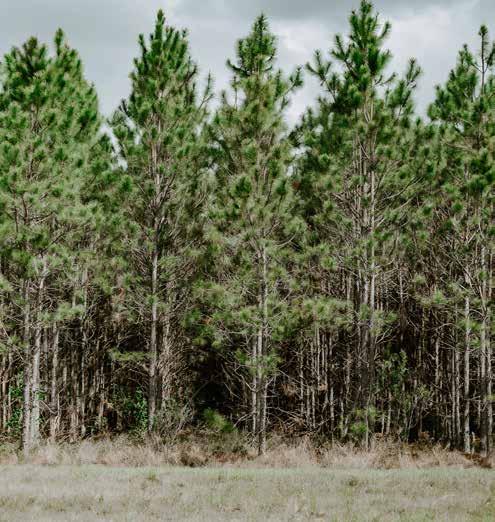
Behind stories like Jimmy Bielling’s is a larger network of people and organizations working every day to ensure Florida’s forests remain both productive and protected. At the heart of that effort is the Florida Forestry Association, whose mission is simple but powerful: to keep Florida forestry growing.
Representing the full spectrum of the industry, the association brings together forestland owners, consulting foresters, loggers, silvicultural operators, and end-use mills—along with everyone in between. This collaboration creates a unified voice for forestry in Florida, helping to strengthen the industry while supporting the communities that rely on it.
But forestry in Florida is about more than just timber. It’s about stewardship— caring for the land in a way that allows
it to thrive for generations. Through responsible and sustainable practices, forestry professionals work to protect clean air and water, preserve wildlife habitats, and maintain the natural landscapes that make North Florida unique.
The impact reaches far beyond the tree line. Forestry supports local economies, provides jobs, and fuels innovation through partnerships with researchers and institutions across the state. From developing new products to improving land management techniques, the industry continues to evolve while staying rooted in tradition.
For farmers and land stewards like Jimmy, this broader mission is personal. It reflects a shared commitment across Florida’s forestry community: to protect what has been built, adapt to what lies ahead, and ensure that the land continues to give back—today, tomorrow, and for generations to come.
■
For Jimmy Bielling, farming isn’t just about production—it’s about people, place, and preserving a way of life in North Florida.
From the forests he helps regenerate to the crops he experiments with, his work supports a broader ecosystem that benefits the entire community.
• Sustaining North Florida’s Land: Reforesting thousands of acres each year helps protect natural resources, preserve green space, and maintain the region’s rural character
• Supporting Local Jobs and Industry: Forestry, farming, and research collaborations create opportunities for workers, researchers, and small businesses across the area
• Protecting Clean Air and Water: Through best management practices learned alongside UF/IFAS, Jimmy prioritizes environmental stewardship that directly impacts community health.
• Innovation Close to Home:
- Partnering with UF/IFAS brings agricultural research into real-world application.
- Expanding domestic pepper production reduces reliance on overseas crops.
- Exploring new products like pepperinfused honey sourced from local ingredients adds value to regional harvests.
Jimmy’s work reflects a bigger philosophy: take care of the land, and it will take care of the community.
Whether it’s planting trees that won’t be harvested for decades or testing new ideas that could benefit future farmers, his approach ensures that North Florida continues to grow—economically, environmentally, and culturally—for generations to come.































Jacob English always knew he wanted to own a business in his hometown. Almost every day, he brainstormed ideas, imagining ways to help the community he loved thrive. During this time, he and his wife, Chandler, were deeply involved in their church—Jacob serving as media director and running the young adult group, while Chandler worked as a fulltime nanny. On Saturdays, they often visited local markets, finding ways to support artisans and shop small.
In 2023, Jacob felt it was finally the year to take a leap—but what kind of business remained a mystery. Around the same time, friends of theirs who made candles as a hobby were closing down. Chandler loved their pine-scented candles and initially suggested buying the remaining stock of her favorite scent, which would later become Muse Candle Studio’s signature fragrance, #10. But before long, she had a bolder idea: why not buy the entire inventory and start their own company? After seeking advice and carefully weighing their options, they took the plunge in April 2023 and launched the business just two months later.
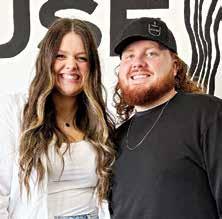
Jacob and Chandler English are proving that small-town dreams can burn bright.
By Hayli Zuccola
Originally called Woven Wildflower, the business underwent a full rebrand from April 2023 to January 2024 to reflect the couple’s vision—and with that, Muse was born.
In the beginning, Jacob and Chandler made candles at home, using their dining room table as a workspace. They sold the original inventory online, experimented with hundreds of scents and began developing their own line. Their approach to fragrance was thoughtful and inclusive—they crafted scents to appeal to a variety of preferences including masculine, sweet, floral and seasonal notes, drawing inspiration from lotions, other products and customer requests.
What started with 12 straightforward fragrances has evolved into a portfolio dominated by house blends—unique combinations that can only be found at Muse. Each creation is carefully blended, ensuring that every candle is distinctive and memorable.
By August 2024, they had opened a brick-and-mortar storefront, eager to
provide a hands-on, creative space for Lake City residents. The studio has since expanded to a larger retail space, offering more products, gifts and experiences for the community.
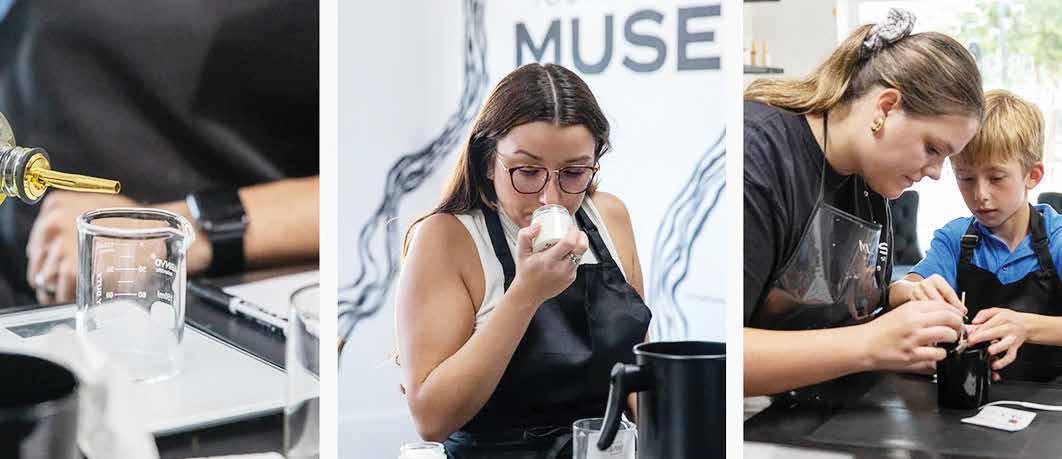
A major draw is the pouring parties, where participants can choose from 30 fragrances and mix up to three to create their own custom candles. Signature fragrance #10 pays homage to the candle Chandler first fell in love with—a nod to the studio’s roots. Previously, pouring parties were limited to pre-registered groups of two to 10 guests, lasting 1 to 2 hours, or mobile candle bars for private events like birthday parties, bachelorette gatherings, and off-site celebrations. Now, every Friday and Saturday, visitors can drop in for the candle bar without prior registration.
Muse Candle Studio has also shifted from seasonal releases to launching themed collections, beginning with The Nostalgia Collection, inspired by memories like Saturday Morning Cartoons (featuring raspberry, rose quartz, lychee and sandalwood) and Almost Grown, with peach, hydrangea, vanilla, musk. Beyond
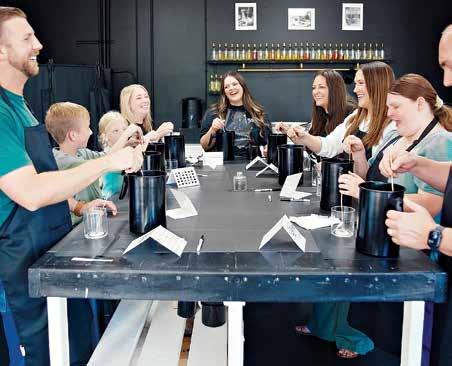
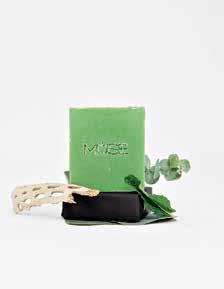
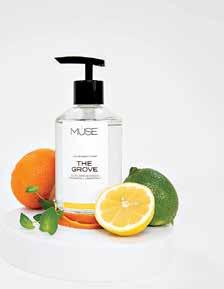
their own collections, Muse also creates signature fragrances for businesses, particularly in the beauty industry, salons and boutiques.
Their product line has grown to include over 100 different fragrances, soy wax candles, wax melts, diffusers, car fresheners, room sprays, hand soaps and more. Muse also offers Club Muse, a subscription box featuring a candle, a room spray and rotating specialty items, with every third month including a car freshener. All products are made with phthalate-free, non-toxic ingredients, and soy wax is used for a clean, safe burn.
Their dedication to quality and creativity has drawn customers from as far as Gainesville and Valdosta for pouring parties, with candle customers in Kentucky, Hawaii, California, Arkansas, New York, and West Virginia, and wholesale partners in Utah and Wisconsin. Future plans include expanding into perfumes and colognes, building on the same custom, houseblend philosophy that makes Muse so unique.
Some of Muse Candle Studio’s most popular fragrances include Sweet Summer Nights (citrus, exotic spices, and caramel), Dear John (cedarwood, saffron, and beach wood) and Coastal Breeze, their first house blend featuring lemon, ozone, orchid, and sea salt. One of their most sentimental creations, Cranberry Noir, is a seasonal favorite that evokes Chandler’s childhood memories of an oil her mother burned, which blends cranberry and orange.
For Jacob and Chandler, Muse Candle Studio is more than a business—it’s a way to share creativity, community and memories through the simple joy of scent. ■

March 23 inside Ben Hill Griffin Stadium, something special unfolded—not a football game, but a different kind of team effort. Families, students, advocates, and community members gathered not to compete, but to connect. The occasion was Stomp the Swamp for Autism, a powerful annual event hosted by the University of Florida Center for Autism and Related Disabilities (UF CARD), and this year’s turnout made one thing clear: North Central Florida is showing up in a big way for autism awareness and acceptance.
Autism remains the fastestrising developmental disorder in the United States, impacting millions of individuals and their families. For those navigating its complexities, access to support, education, and resources can make all the difference. That’s where UF CARD steps in—providing free services across fourteen
By Belle Johnson
counties, including Alachua, Columbia, Suwannee, and Marion, among others. Their mission is simple but profound: to enhance quality of life through education, training, and community outreach.
And at Stomp the Swamp, that mission comes to life.

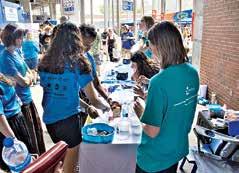
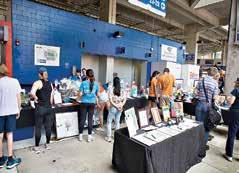
The iconic stadium, typically roaring with Gator pride, transformed into a vibrant hub of activity. Participants climbed stadium steps, walked laps, and shared stories—all while united by a common goal: building a more inclusive and understanding community.
The energy was unmistakable. Children laughed as bubbles floated through the air. Families gathered around activity tables filled with chalk, slime, and crafts. Nearby, a young singer stood confidently under a tent, performing for a captivated crowd. Across the concourse, attendees browsed vendor booths and bid on an impressive silent auction featuring more than 75 items—from handmade crafts to exclusive experiences like a private wine tasting and VIP UF baseball access.
It wasn’t just an event—it was an experience.
“Stomp the Swamp provides a tremendous platform to bring awareness to the importance of services and inclusion,” said Dr. Greg Valcante, Associate Professor in UF’s Department of Psychiatry. “Autism is often misunderstood, and this event offers a valuable learning experience.”
That learning happens organically. Conversations spark between strangers. Parents connect with resources. Children see themselves reflected in a supportive
environment. It’s awareness in action— and acceptance in motion.
The event also highlighted the real-world impact of community support. Funds raised directly support programs that change lives, including swim lessons for children at risk of wandering, safety tools like door alarms and ID bracelets, employment training for young adults, and social learning opportunities for children and teens.
For the more than 9,000 individuals UF CARD serves, these aren’t just services— they’re lifelines.
This year’s success was fueled by an outpouring of support from sponsors, volunteers, and partners. Twenty-two sponsors contributed to the event, with standout leadership from Diamond Sponsors ABA Centers of Florida, 103.7
The Gator, and The Independent Florida Alligator. Their contributions helped elevate both the reach and the impact of the day.
UF Athletic Director Scott Strickland kicked off the event with opening remarks, while the Florida Gators Dazzlers brought energy and excitement as they mingled with attendees. Everywhere you looked, there was a sense of unity—of people stepping forward together for something bigger than themselves.
A First Choice for Autism Support
UF CARD has long been a cornerstone of autism support in North Central Florida. Their services extend beyond individuals to include families, schools, and entire communities—equipping them with tools, knowledge, and confidence.
Events like Stomp the Swamp are more than fundraisers. They’re reminders of what’s possible when a community rallies around a cause. They break down misconceptions, build connections, and create space for every individual to be seen, understood, and supported.
Forward, Together
As the day came to a close, the stadium emptied—but the impact lingered. New connections had been formed. Awareness had deepened. And a shared commitment to inclusion had grown stronger.
Because at its core, Stomp the Swamp isn’t just about one day. It’s about building a future where every individual with autism has the opportunity to live a fulfilling, productive life—and where communities continue to step forward, together.
For more information about UF CARD and their services, visit card.ufl.edu.
Contact: Kathy Kopacz, Fundraising Committee, UF CARD — (386) 589-3467 kkopacz@gmail.com ■
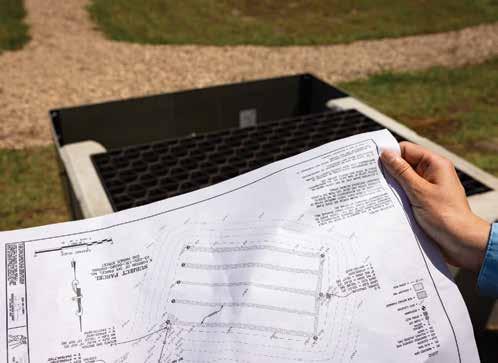
At the Suwannee River Water Management District (SRWMD), big environmental wins often start with a simple idea: a farmer looking to reduce runoff, a town concerned about flooding, or a community group passionate about restoring a local spring. Through the District’s project process, these ideas don’t just stay on paper. With guidance from SRWMD staff, they become projects that protect North Florida’s water, land, and way of life.
“We encourage anyone – residents, nonprofits, municipalities – to bring their project ideas to us,” says Mary Diaz, the professional engineer that leads SRWMD’s Office of Environmental Projects. “If a proposal aligns with one or more of our core missions, we’ll help move it forward.”
Those core missions are the foundation of everything SRWMD does:
• Water Supply
• Water Quality
• Natural Systems Restoration
• Flood Protection
It’s a four-part promise to preserve the region’s environmental integrity while supporting sustainable growth and the SRWMD's project process is how that promise is delivered.
A Blueprint for a Healthier Florida Florida is growing—fast. With more people comes more development, more water consumption, and more strain on sensitive ecosystems. SRWMD helps implement projects to meet this moment, empowering communities to act locally while contributing to a








broader, District-wide vision for resilience.

Each project approved by SRWMD must support at least one of the four core missions. That could mean anything from improving stormwater infrastructure to restoring a degraded spring. What unites all these efforts is a focus on balancing human needs with environmental health.
“Over 90% of our region’s water supply comes from the Upper Floridan Aquifer,” explains Leroy Marshall, Director of SRWMD’s Resource Management and Projects Division. “So, managing water resources in a way that protects both the people who depend on it and the environment it sustains—that’s essential.”
SRWMD supports a wide range of project types. Some are driven by data and engineering; others begin with conservation goals and evolve through on-the-ground partnership.
Eligible project types include:
• Spring Restoration: Reviving the health, quality, and clarity of spring ecosystems by reducing pollution and restoring native vegetation.
• Land Acquisition: Protecting sensitive lands through purchase or easement to prevent any future development that could be harmful and preserve habitat.
• Stormwater Management: Building features like stormwater ponds and
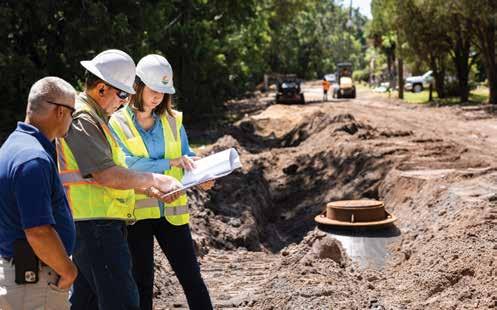
constructed wetlands to slow and clean runoff during storm events.
• Recharge Projects: Installing recharge systems or wetland systems to replenish the aquifer and support longterm water supply.
• Agricultural Best Management Practices (BMPs): Helping farmers implement nutrient-reducing and water conservation technologies and practices.
• Utility Projects: Supporting municipal infrastructure upgrades that reduce pollution and water use from wastewater and stormwater systems. These are more than line items on a
budget—they’re living examples of community-driven stewardship.
Whether you’re part of a small-town planning board, a ranching operation, or a grassroots environmental group, your idea can make a difference. The process for bringing it to life is designed to be collaborative, accessible, and outcomefocused.
Step 1: Submit an Idea
Every SRWMD project starts with a submission. Agricultural and educational
projects have their own dedicated applications, while all other proposals go through the Conceptual Project Portal on mysuwanneeriver.com.
“You don’t need to have every detail figured out,” Diaz emphasizes. “If your project is in the conceptual phase, we’ll work with you to refine it.”
Step 2: Staff Guidance and Review
Once submitted, SRWMD staff will review the proposal and may provide support with everything from technical design to construction. This partnership helps applicants shape their concept into something viable, fundable, and aligned with SRWMD’s priorities.
Step 3: Project Phase Evaluation
Projects can come in at different levels of readiness:
• Conceptual – Still an idea or early plan.
• Design & Permitting – Technical plans underway.
• Shovel-Ready - Construction-ready with all permits secured.
SRWMD is flexible about where your project begins. What matters is where it can go.
Step 4: Implementation
With support and potential funding, approved projects can move into
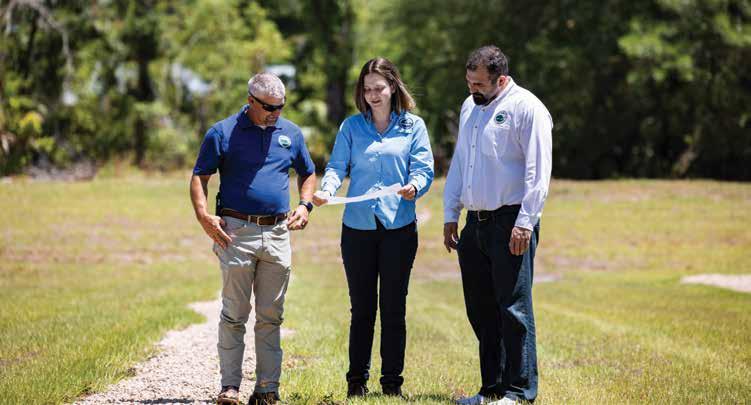
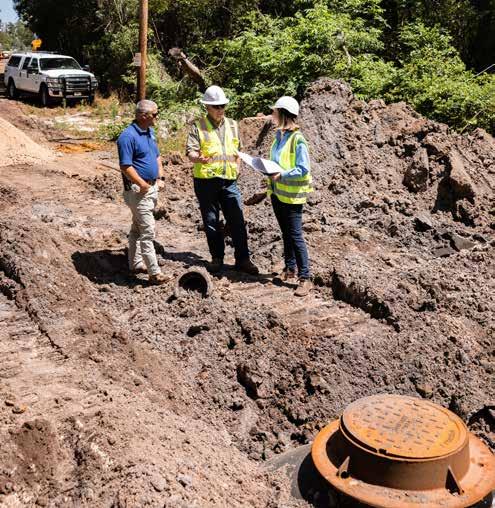
construction and monitoring. Whether it’s a new stormwater pond or a conservation easement, the outcome contributes directly to District-wide goals.
Real Solutions to Real Problems
Projects supported by SRWMD span the entire district—from rural farms to growing towns, from groundwater recharge basins to restored riverbanks. Some recent examples include:
• Stormwater ponds that reduce localized flooding during extreme rain events.
• Recharge wetlands that allow stormwater to slowly percolate back into the aquifer.
• Spring restoration initiatives that bring back native vegetation and wildlife while improving water quality.
• BMP programs that help farmers use less fertilizer and less water while maintaining strong yields.
“Florida has grown immensely—and with it, so has water consumption,” says Diaz. “Our job is to make sure that growth
doesn’t come at the expense of the environment.”
Water is the lifeblood of Florida. It fuels the economy, supports ecosystems, and sustains the daily life of millions of residents. The Projects process exists to ensure that local efforts to protect this resource don’t happen in a vacuum— they’re part of a coordinated regional strategy.
“Water is the heart of Florida,” Marshall says. “It’s vital for the economy, the environment, and our way of life.”
By giving local stakeholders a pathway to participate, SRWMD empowers residents to be part of the solution. And by providing the technical and strategic support needed to execute those solutions, SRWMD turns good ideas into lasting impact.
If you’ve ever asked yourself: How can we reduce flooding in our
neighborhood?
What can we do to protect our local springs?
Is there funding to help our farm become more sustainable?—then you’re already halfway to becoming a SRWMD project partner.
Visit www.MySuwanneeRiver.com to learn more about:
• The Conceptual Project Portal
• Application guides for agricultural and educational projects
• Contact information for SRWMD staff
Discovering applicable and creative environmental projects is more than a permitting pipeline—it’s a communitybuilding effort grounded in science, collaboration, and a shared love for Florida’s natural heritage.
Whether your idea is small or large, in the design stage or just a thought scribbled on a napkin, SRWMD wants to hear from you. Because in the end, protecting water means working together—one project, one spring, one community at a time. ■
Get connected by following us on social media.


















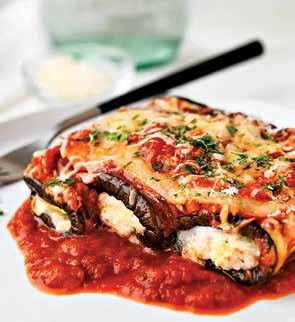
If you love classic Italian comfort food, eggplant rollatini is a dish the whole family will enjoy. Thin slices of tender eggplant are filled with a creamy ricotta mixture, rolled up, and baked in rich marinara sauce with melted cheese on top. It’s the kind of cozy, cheesy meal you might find at your favorite Italian restaurant—but the best part is that it can be made ahead and frozen for an easy future dinner.
Prep Time: 20 minutes
Cook Time: 35 minutes
Serves: 6
INGREDIENTS
• 2 medium eggplants
• 2 cups ricotta cheese
• 1 cup shredded mozzarella cheese (plus extra for topping)
• ½ cup grated Parmesan cheese
• 1 egg
• 2 cups marinara sauce
• 2 tablespoons olive oil
• 1 teaspoon garlic powder
• 1 teaspoon Italian seasoning
• Salt and black pepper to taste
• Fresh basil or parsley for garnish (optional)
Serving Tip: Serve eggplant rollatini with garlic bread and a fresh green salad for a comforting Italian-style meal the whole family will love.
INSTRUCTIONS
• Preheat the oven to 375 degrees Fahrenheit. Slice the eggplants lengthwise into thin strips (about ¼ inch thick). Brush both sides lightly with olive oil and place them on a baking sheet. Bake for 10 to 12 minutes until softened.
• In a bowl, combine the ricotta cheese, mozzarella, Parmesan, egg, garlic powder, Italian seasoning, salt, and pepper. Mix until smooth and well blended.
• Spread a thin layer of marinara sauce on the bottom of a baking dish. Place a spoonful of the ricotta mixture on one end of each eggplant slice and roll it up. Place the rolls seam-side down in the baking dish.
• Spoon the remaining marinara sauce over the eggplant rolls and sprinkle extra mozzarella cheese on top.
• Bake uncovered for 25 to 30 minutes, or until the cheese is melted and bubbly.
• Let the dish rest for about 5 minutes before serving. Garnish with fresh basil or parsley if desired.
Make-Ahead Tip:
You can assemble the entire casserole, cover it tightly, and freeze it before baking. When ready to enjoy, thaw overnight in the refrigerator and bake as directed.



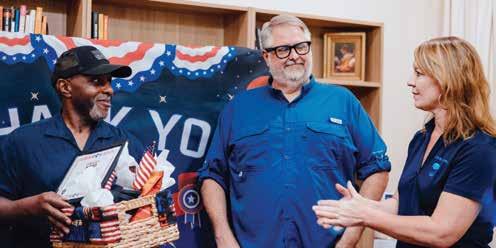
First Things First’s Hometown Hero program shines a light on quiet service and reminds veterans and rst responders that someone cares.
In every community, there are people quietly carrying more than most of us ever see. They answer calls in the middle of the night. They carry memories and burdens long after their uniforms are folded away. And often, they do it alone.
That’s the gap First Things First set out to close. Through peer support, wellness outreach, and community connection, the organization serves veterans, rst responders, and their families across 12 counties in north central Florida. But recently, they added something new: a way to recognize the people already doing the work of care, connection, and compassion— often without anyone noticing.
They call it Hometown Hero
“We started this because we began to see a lot of heroes out there that were impacting the community. No one really knew about them. We were really moved by what they were doing and wanted others to see the di erence they were making, often on their own time.” said Barbara Etter, lead trainer for First Things First.

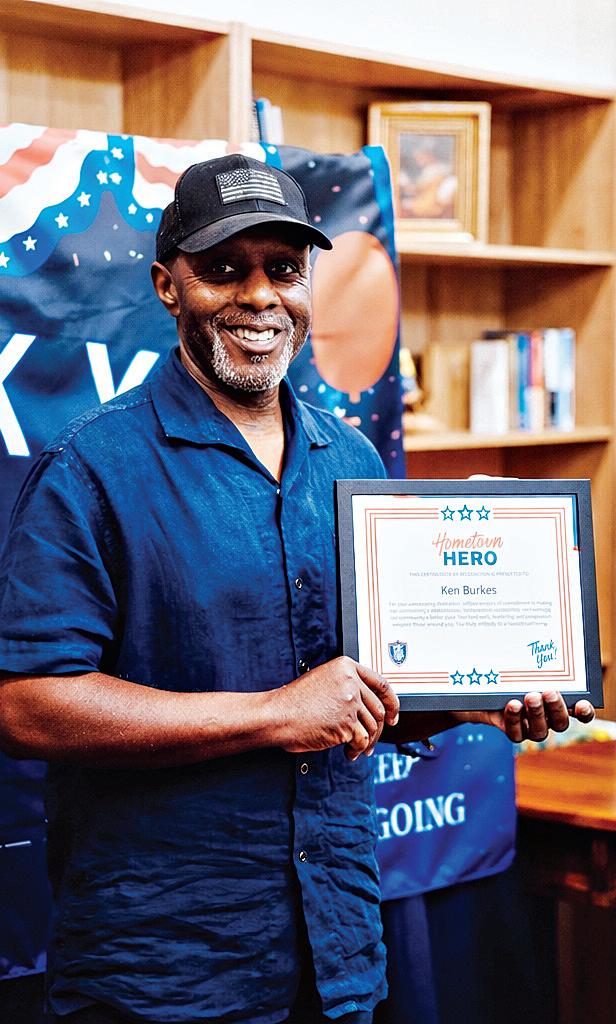
KENNETH “KEN” BURKES HONORING
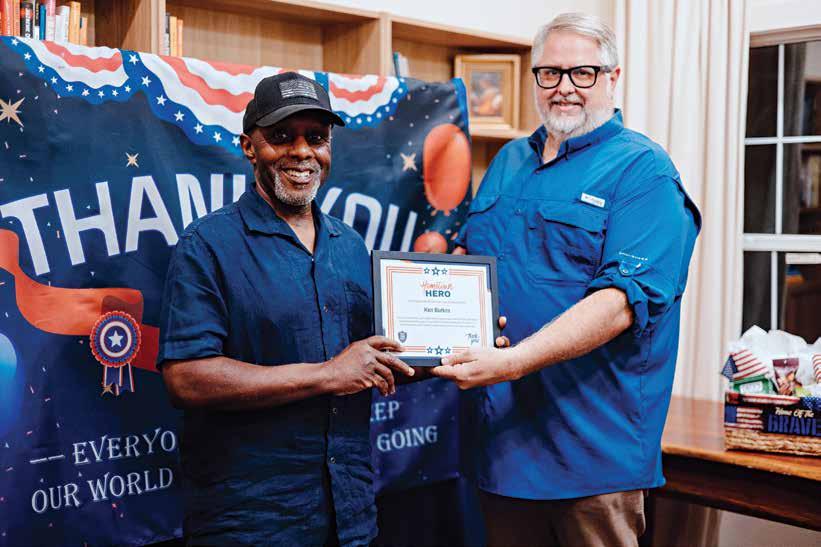
“We’ve discovered there are so many people in our community quietly serving others, and it’s been a blessing to learn about them.” —Barbara Etter
The response was immediate
As soon as nominations opened, names began pouring in. Coworkers nominated each other. Families nominated loved ones. Community members nominated people who had made a di erence in their lives, often in ways that never made headlines but left a lasting impact.
Because at its heart, the Hometown Hero program isn’t just about recognition. It’s about visibility. It’s about connection. And most importantly, it’s about making sure people know they are not alone.
Kenneth “Ken” Burkes didn’t set out to be anyone’s hero. A veteran of more than
he’s never met, just to ask how they’re doing. “What I found out when I talked to these veterans is they were so glad that someone called them,” Ken said. “They wanted that connection.” Sometimes, the conversations are short. Sometimes, they open the door to something deeper.
Ken recalls meeting one veteran who had gone without a working stove for more than a year and a half. Too proud to ask for help, the man had simply learned to live without it. Just knowing someone cared enough to notice, and to help, made all the di erence.
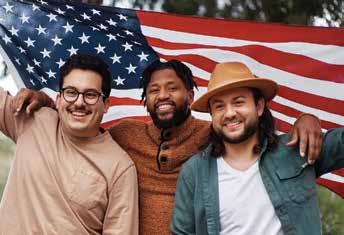
Many veterans, particularly older ones, carry a quiet sense of isolation. Some feel forgotten. Some struggle to explain their experiences to those who haven’t lived them. Others simply don’t want to burden their families. Ken understands
“I know the language,” he said. “The language is di erent in the military than civilian communities. So the conversation can ow a lot better if another veteran is talking to another veteran.” Sometimes, he said, the most important thing he can do is simply be present. “A lot of times just being there and not saying a word will make the veterans talk. They just need
His guiding principle hasn’t changed since his days in uniform. “My motto is the same as it was in the Army,” he said. “We leave nobody behind.”
That philosophy is at the heart of
The organization provides con dential, free peer support to veterans, rst responders, and their families. Through trained peer volunteers, outreach programs, and wellness events, they create spaces where people can talk openly with others who understand their experiences. Sometimes that means connecting a veteran with another veteran. Sometimes it means helping a re ghter’s spouse nd someone else who understands the strain of unpredictable schedules and missed holidays. Sometimes it simply means listening.
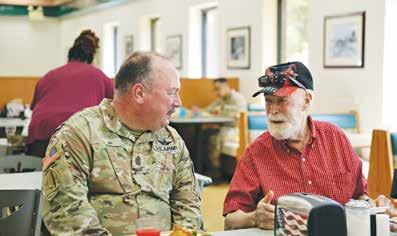
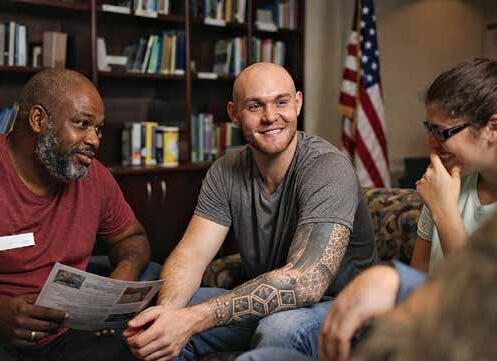
“They don’t want to take what they’ve experienced at work home with them,” Barbara Etter, Lead Trainer at First Things First, said of many first responders. “They don’t want to talk about things that make their family worry. So they just kind of internalize it.”
Peer support offers something different.
Peer support o ers understanding without explanation. It o ers connection without judgment. And perhaps most importantly, it o ers reassurance. “I think that’s part of the work,” Barbara said. “Just reaching out and saying, ‘I can relate. I’m here for you.’” Isolation isn’t always physical—often, it’s emotional. Mental. Invisible.
Programs like First Things First exist to bridge that distance First Things First seeks to remind people that someone sees them and someone cares. When First Things First began planning the Hometown Hero program, choosing the rst recipient wasn’t di cult. They chose Ken—not because he asked for it. In fact, he insisted he didn’t deserve it.
“I don’t consider myself a hero,” he said. “I’m just there trying to take care of veterans who need help, that are right here around us. I feel that’s the calling God has placed on my life.”
That humility is part of what made him the perfect choice. “He’s not wanting any recognition or any credit,” Barbara said. “Yet he’s making such a huge impact on the veterans in this area.” For Ken, the recognition means less than the mission itself. He hopes the program will encourage others, both those doing the work and those who may need help to step forward.
“I know the language,” he said. “The language is different in the military than civilian communities. So the conversation can flow a lot better if another veteran is talking to another veteran.”
—Ken Burkes
“Maybe this will draw out other people that are doing the work,” he said. “Let them know that—you know what?— just keep doing what you’re doing. Other people see what you’re doing.”
He also hopes it sends a message to those who may feel alone: that there are people in this community who care, that help exists, and that connection is possible.
When asked what they look for in Hometown Heroes, the answers were strikingly similar. For Barbara, it’s someone who lives selflessly, focused on helping others. For Ken, it’s someone who shows up, who listens, who understands, who stands beside others in their hardest moments. But perhaps the simplest definition is the truest:
“A hometown hero is a person who sees a need and fills the need,” Barbara said.
Not for recognition, not for praise—but because someone has to.
Through the Hometown Hero program, First Things First hopes to do more than celebrate those individuals. They hope to create a ripple effect, encouraging connection, inspiring service, and reminding veterans, first responders, and their families that they are seen, that they matter, and that they are not alone.
Because sometimes, the most powerful act of care is simply reaching out and reminding someone that they were never forgotten. ■


Current or former rst responders— and their spouses or family members—can serve as peer supporters.
Schedules are exible; many wellness coaches are active responders and participate as they’re able.
Use the website’s contact form to request a wellness coach or a peer match.
Requests are reviewed daily to connect people quickly with the right supporter.
HOST
Invite the program to speak at churches, workplaces, or community groups to raise awareness and share resources.
SMALL ACTIONS, BIG IMPACT
Share program resources or pass along a card to someone who might need help.
CONTACT
livinghope1.com/ rstthings rst/ (386) 302-6995
Every message is returned within one business day.
Backed by a ve-year contract, First Things First is expanding community outreach through wellness fairs and other events. The focus remains steady: increase wellness, build resilience, and deliver practical, peer-based support so responders and their families feel understood, connected, and never alone.













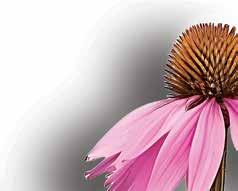
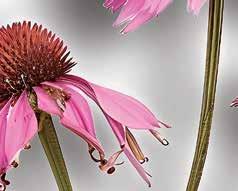




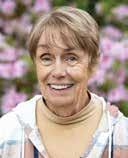
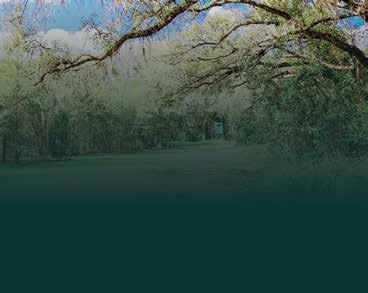
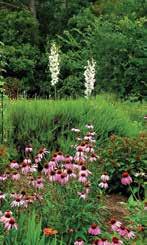
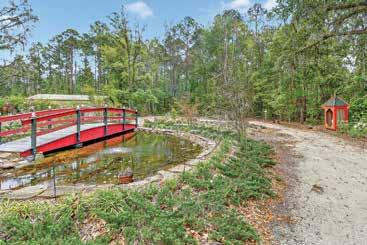
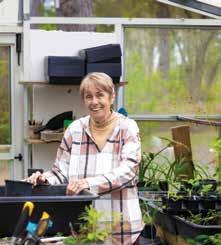
Just off Highway 90 in Wellborn, a tucked-away botanical garden blooms with roses, a nature trail winding through woodlands and meadows, and a koi pond surrounded by bamboo, irises and water features—all evoking a sense of calm and natural beauty. When Judee Mundy purchased the 35-acre property in 2015, long before butterflies drifted among colorful perennials and pathways were carved into the landscape, she wasn’t simply buying land—she was planting the seeds of a lifelong dream.
“I wanted to buy a goodly piece of property— Hearthstone is 35 acres— and plant it to my heart’s content, and then open it up and give it to the public; give it back as my gift to the community.”
—Judee Mundy
Before moving to Florida, Judee lived in Pennsylvania, but she never found the right space to fulfill her dream. As a child, she would visit her grandfather, who lived in Ohio, and wander through his backyard gardens, speckled with grassy pathways. The memory stayed with her. After purchasing the land in 2015, she envisioned a five-year plan, only to quickly realize a garden is never truly complete.
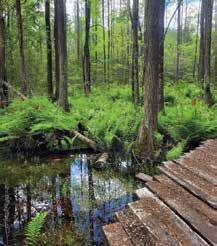
No straight lines appear in Judee’s design of Hearthstone Botanical Gardens. Instead, curves guide guests forward, inviting them to wonder what lies just beyond view. Elevated railroad ties allow visitors to cross swampy terrain without sloshing through water, surrounded by native ferns and the sounds of birds such as kestrels and migrating goldfinches.
“It’s very peaceful,” Judee said. “Talk about mental health—you can just relax. The walking trails in the woods are almost a spiritual experience.”
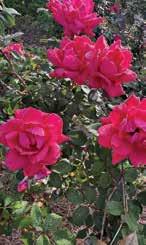
The Rose Garden features 55 pink, red and white Knock Out roses, while the Tropical Garden highlights lush greenery and vibrant florals. Other themed areas include the Japanese Garden, Children’s Garden, Butterfly Mound and Mirror Lake.
Beyond offering a relaxing, family- and pet-friendly escape open from dawn to dusk with no admission fee — sustained entirely by donations — the gardens have grown into a vibrant community hub with help from administrator René Venter.
“We host several workshops throughout the year, and we try to cover stuff that’s not just related to gardening, but other things that draw people,” René said.
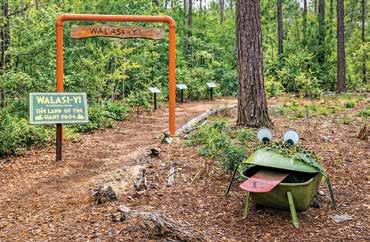
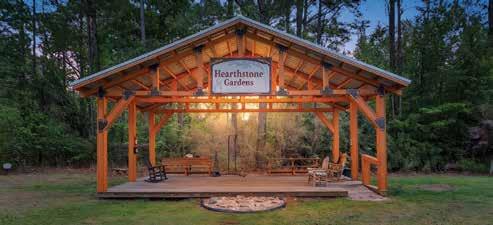
Upcoming workshops include decoupage, miniature landscaping, stepping stone creation, beekeeping and educational sessions led by experts from the local IFAS office. Many workshops, past and present, are born from relationships—garden club connections, volunteers with unique talents and festival vendors willing to share their expertise.
This year, a beekeeping expert and honey vendor will host a workshop on flow hives. Another instructor offered a beginner macramé class after attending a workshop and striking up a conversation. Community input also helps shape programming, with attendees submitting suggestions for future events.
The gardens host private events as well, from weddings and baby showers to children’s parties and graduation celebrations in the pavilion. Judee and René also partner with other organizations to host special events that bring new visitors to the property and create memorable experiences for the community.
Signature annual events also continue to grow. The spring plant sale—scheduled this year for April 18 from 9 a.m. to noon—includes a popular Easter egg hunt. Even larger is the Scarecrow Festival each October. Held every fall since Hearthstone began, the festival has grown from a small gathering into a major community celebration, with families, businesses and children
entering scarecrows in themed categories. The day features games, hayrides and vendors, and attendance has grown from a few dozen to more than 800 visitors last year.
Updated brochures, a refreshed website, an active social media presence, a monthly newsletter and a new blog are helping the gardens flourish in the digital age.
“It’s very peaceful,” Judee said. “Talk about mental health—you can just relax. The walking trails in the woods are almost a spiritual experience.”
New additions continue to take root across the gardens. Beehives were installed last year, with hands-on workshops planned to follow. A grant also funded the installation of a bat house from Lubee Bat Conservancy. Looking ahead, René is exploring the possibility of organizing a vegetable market or a farm-to-table-style event to further connect the gardens with the community.
For Judee, the long-term goal is simple: She wants the community to enjoy the gardens indefinitely. No bucket list. No grand expansion plan. Just steady growth and open gates.
At its heart, Hearthstone Botanical Gardens is exactly what Judee intended it to be—a place of beauty, education and peace. A garden without straight lines. A sanctuary without a price tag. A legacy rooted not just in soil, but in community. ■
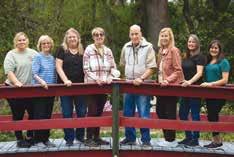
Hearthstone thrives because of the people who care for it.
If you’ve ever wandered through the gardens and caught yourself thinking, “I’d love to be part of this,” the good news is you absolutely can. The beauty you see here is nurtured by hands just like yours.
There is always something simple, satisfying, and genuinely enjoyable to do. You might find yourself watering thirsty plants on a warm morning, pulling a few weeds from a sunny bed, tidying up pathways, refreshing garden spaces, pruning shrubs, tending the greenhouse, or even giving the birdbaths a little spa day.
No experience is needed. Just bring your love of nature, your curiosity, and whatever time you have to spare. An hour here and there truly makes a difference. Every small act of care helps the gardens grow and keeps Hearthstone welcoming for everyone who visits.
Volunteering is more than helping with tasks. It is a chance to slow down, connect with the land, meet kindhearted people, and be part of something meaningful in our community.
We would love to welcome you.
If you’re interested in volunteering, reach out or stop by the gardens to learn more. There’s always room for one more helping hand.






























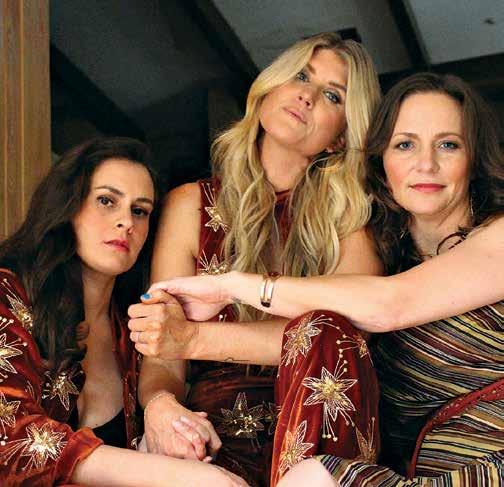



There’s a certain kind of moment that only happens when you hear a great local band for the rst time. You don’t expect it. Maybe you’re out for a casual night—dinner, a patio, a drink with friends—and then suddenly the music starts. A few notes in, conversation quiets down. Heads turn. And before you know it, the whole room is listening.
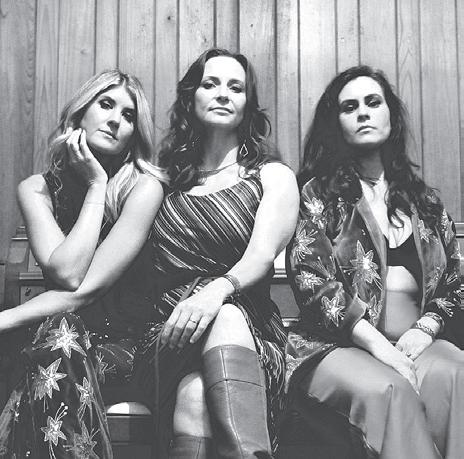
That’s what it feels like to discover The Krickets.
Hailing from the Gulf Coast, the Americana trio has built a reputation for a sound that’s both familiar and hard to de ne. Rooted in rich folk harmony and shaped by the grit of alt-country, their music feels deeply personal without

Rachel Grubb, Lauren Spring



By Belle Johnson
ever being exclusive. It welcomes you in—whether you’ve spent years listening to roots music or you simply recognize something special when you hear it.
And it is special. Paste Magazine described The Krickets’ music as “a truly stunning, one-of-a-kind sound”— a rare kind of praise that holds up the moment you experience it yourself.
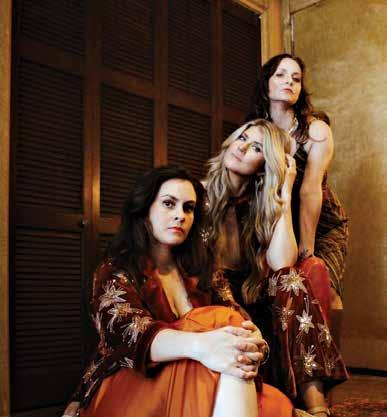
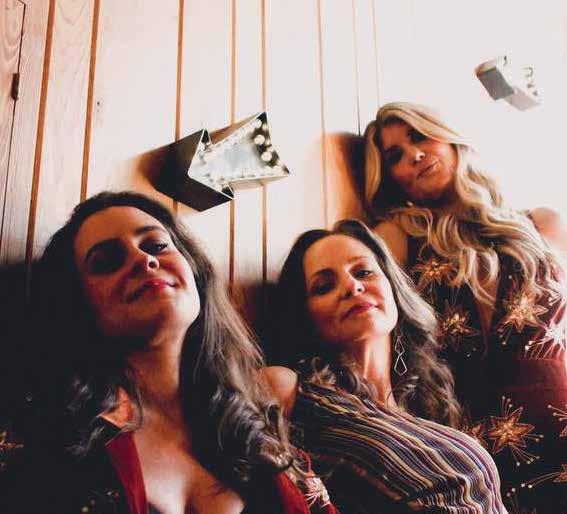
At the center of The Krickets are three singer-songwriters—Emily Stuckey Sellers, Lauren Spring, and Rachel Grubb. Each brings her own creative voice, but together, something clicks. Their harmonies don’t compete; they blend. Their songs don’t show o ; they connect.
There’s an ease to their sound that feels natural, even though it’s built on real skill and intention.
Over time, The Krickets have grown far beyond a hometown favorite. They’ve performed at SXSW, appeared in Folk Alliance International showcases, and earned recognition through the Independent Music Awards, winning Song of the Year honors in both Folk and Alt-Country. These milestones speak to their reach, but they don’t fully explain what makes the band resonate.
What sets them apart is how they continue to evolve while staying grounded in who they are.



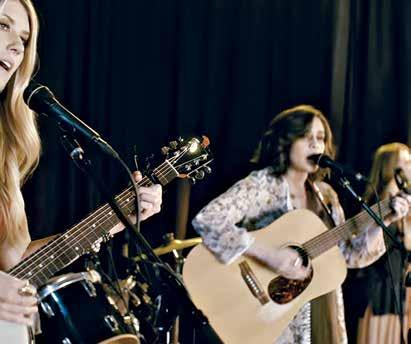

Their recorded journey re ects that balance. Spanish Moss Sirens (2016), produced by Ben Tanner of Single Lock Records, carries the unmistakable in uence of Muscle Shoals. Redbird (2018), recorded in Nashville with Sam Ashworth, expanded their sound while preserving the closeness that de nes them.
In 2020, they released “These Games”, a self-produced project that was featured in American Songwriter magazine’s “Best New Music.” It was a quiet but meaningful moment—a recognition of songwriting that didn’t rely on hype, but on honesty and depth.
They’ve continued building on that foundation with releases like their 2023 single “Pay No Mind,” produced with Rick Hirsch. With each new project, they add something fresh, while holding onto the same core: three voices, one shared heartbeat.
Now, The Krickets are entering their next chapter. Fresh out of the studio with Austin Motlow at Single Lock Records, they’ve completed their third full-length album, set for release in October 2025. If their past work is any indication, it won’t just be another addition to their catalog—it will be a deeper, more con dent continuation of their story.
But The Krickets have always been about more than music alone.
Even their name carries meaning.



The Krickets—praised by Paste Magazine for their “truly stunning, one-of-a-kind sound”—blend genre-bending Americana with signature folk harmonies. The twotime IMA Song of the Year winners (Folk and Alt-Country) recently released their third full-length studio album, If You Only Knew, on October 30, 2025.

Spelled with a “K,” it re ects both identity and purpose. A portion of their album proceeds supports the Sacred Heart Hospital Guild’s “Cricket Fund,” created in honor of Cricket Russell. The fund provides screenings for uninsured individuals in rural North Florida, turning music into something that reaches beyond the stage.
That sense of purpose is part of what makes the band so easy to connect with.
Their music feels at home in the kinds of places where people naturally gather— local festivals, small-town venues, coastal stages where the air is warm and the pace is slow. There’s a steadiness to what they do, a timeless quality that doesn’t need to demand attention to earn it.
Because when The Krickets sing, it doesn’t feel like a performance.
It feels like a reminder—of where you’ve been, who you are, and what it sounds like when something is simply true.
For anyone looking for music that brings people together, that makes you stop and listen, that stays with you long after the last note—The Krickets might just be your next favorite band.
And once you hear them, you may nd yourself wondering how you ever missed them in the rst place. ■
The Krickets are made up of three singer-songwriters—Emily Stuckey Sellers, Lauren Spring, and Rachel Grubb—who each also pursue solo projects. The trio originally came together to perform at a breast cancer bene t and have since become passionate supporters of their namesake, The Cricket Fund, which, provides cancer assistance to uninsured individuals.
Local Upcoming Appearances Include:
- 74th Annual Florida Folk Festival, May 22-24, 2026
- Halpatter Brewing Company, June 20th at 7 PM
“The Krickets send chills down your spine and lift you sky high...” —No Depression
Noteable Achievements:
- 2019 IMA Winner for Alt-Country Song of the Year, Redbird
- O cial 2018 SXSW performers / Folk Alliance International Showcase
- 2016 IMA Winners for Folk Song of the Year, “Cool Cool Water”
- November 2018 release, “Winter Wonderland” produced by Grammy winner Jerry Salley


When you need a dinner that’s simple, satisfying, and packed with flavor, ranch chicken is always a winning choice. Tender chicken breasts are coated in a savory ranch seasoning blend and baked until juicy and golden. It’s an easy weeknight meal that the whole family will enjoy, and it pairs perfectly with roasted vegetables or a crisp fresh salad.
Prep Time: 10 minutes
Cook Time: 25–30 minutes
Serves: 4
• 4 boneless, skinless chicken breasts
• 1 packet ranch seasoning mix
• ½ cup mayonnaise or plain Greek yogurt
• ½ cup grated Parmesan cheese
• 1 teaspoon garlic powder
• ½ teaspoon black pepper
• 1 tablespoon olive oil
• Fresh parsley, chopped (optional for garnish)
Serving Tip: Serve ranch chicken alongside roasted potatoes, steamed green beans, or a simple garden salad for a complete and easy family dinner. Leftovers also make a great addition to wraps or sandwiches the next day.
• Preheat your oven to 375 degrees Fahrenheit and lightly grease a baking dish with olive oil.
• In a medium bowl, combine the mayonnaise (or Greek yogurt), ranch seasoning mix, Parmesan cheese, garlic powder, and black pepper. Stir until well blended.
• Place the chicken breasts in the prepared baking dish. Spread the ranch mixture evenly over the top of each piece of chicken.
• Bake uncovered for 25 to 30 minutes, or until the chicken is fully cooked and reaches an internal temperature of 165 degrees Fahrenheit.
• Let the chicken rest for about 5 minutes before serving. Sprinkle with fresh parsley if desired.



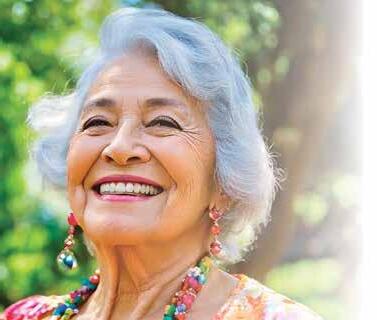






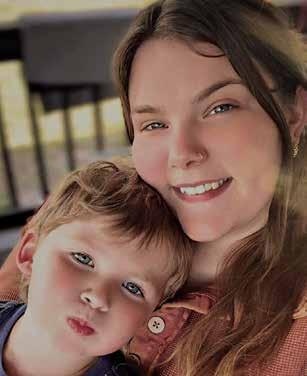
Fast forward to early 20th-century America, where one woman’s love for her mother would spark a national tradition. Anna Jarvis, moved by the memory of her mother, organized the first official Mother’s Day in 1908 at Andrews Methodist Episcopal Church in Grafton, West Virginia.
“She is clothed with strength and dignity; she can laugh at the days to come.” — Proverbs 31:25.
There’s something timeless about a mother’s love. It’s found in the quiet strength of early mornings, the laughter echoing through a busy kitchen, and the gentle wisdom shared in life’s smallest moments. Long before Mother’s Day became a date circled on calendars, the heart behind it was already beating— steady, faithful, and full of purpose.
The celebration of mothers reaches back centuries. In medieval Europe, families honored mothers during “Mothering Sunday,” observed on the fourth Sunday of Lent. Particularly in the United Kingdom, this day became a cherished opportunity for families to return home, reconnect, and express gratitude for the women who nurtured them.
Even then, the spirit of the day was simple and sincere: love, appreciation, and recognition for the steady hands that shaped the home.
Her mother, Anna Reeves Jarvis, had been a remarkable woman in her own right— an advocate for public health, a unifier during the aftermath of the Civil War, and a champion for community care. Through her work with Mothers’ Day Work Clubs, she brought women together to improve living conditions and promote healing in divided communities.
Though she may not have realized it at the time, her compassion planted the seeds for a day that would one day honor mothers everywhere.
What began as a daughter’s tribute quickly grew. By 1911, Mother’s Day was being celebrated across nearly every state. Just a few years later, in 1914, President Woodrow Wilson officially declared the second Sunday in May as a national holiday—dedicated to honoring mothers.
Another influential voice, Julia Ward Howe—author of “The Battle Hymn of the Republic”—had earlier envisioned a
By Dale Bliss
day where mothers would unite for peace and justice. Her heartfelt call for mothers to come together reflected a powerful truth: the influence of a mother extends far beyond her home.
Today, Mother’s Day is celebrated around the world, each culture adding its own unique traditions. Yet the heart of it remains unchanged. Whether through handwritten notes, shared meals, or simple hugs, families everywhere pause to say: thank you.
In a world that often celebrates the fleeting, motherhood stands as a quiet reminder of what truly lasts. As Proverbs 30 beautifully puts it, charm may fade and beauty may change—but a woman who walks in faith, love, and wisdom leaves a legacy that endures.
Mothers are teachers, encouragers, protectors, and friends. They are the steady presence in uncertain times and the joyful voice that reminds us to laugh—even at the days to come.
So this Mother’s Day, whether you’re celebrating a mother, remembering one, or walking the journey of motherhood yourself, take a moment to appreciate the extraordinary in the everyday.
Because behind every strong family… is a mother who made it so. ■










By Belle Johnson



Tucked away in Lake City, there's a place where second chances aren't just given, they're lived out every single day.
At Ranch Rescue, the smallest lives often tell the biggest stories.
During peak kitten season, the rescue becomes a lifeline for some of the most vulnerable animals in the community. Tiny, abandoned kittens—many just days old—arrive in fragile condition, requiring around-the-clock care. Volunteers bottle-feed them through the night, monitor their health, and provide the warmth and safety they’ve never known. For these kittens, survival isn’t guaranteed—but at Ranch Rescue, it’s given a ghting chance.
But kitten rescue is just the beginning.
Ranch Rescue is more than a nonpro t animal sanctuary; it’s a bridge between compassion and

community, where healing happens for both animals and people alike. Founded by Laura Rister, a disabled Marine veteran, Ranch Rescue re ects a life rooted in service— rst to country, and now to animals in need. As a 501(c) (3) organization, the rescue is dedicated to saving, rehabilitating, and rehoming neglected, abandoned, and injured animals, o ering them not just shelter, but a true path to recovery.

From newborn kittens to farm animals and everything in between, each animal that arrives is treated as an individual—not a number. Their care is intentional, hands-on, and deeply personal, addressing both physical needs and emotional healing.
Because at its core, Ranch Rescue isn’t just about rescue—it’s about restoration.
While kitten rescue often captures hearts rst, Ranch Rescue’s mission extends far beyond individual saves.





The organization is deeply committed to addressing the root causes of animal su ering through education, outreach, and community involvement. By teaching responsible pet ownership, advocating for spay and neuter practices, and promoting animal welfare, Ranch Rescue is working to prevent the very situations that lead animals— especially kittens—into crisis. It’s not just about responding to the problem. It’s about changing the future.
What truly sets Ranch Rescue apart is its comprehensive, communitydriven approach. Every program is designed not just to help animals today, but to build a more sustainable and humane tomorrow
Programs Include:
• TNVR (Trap-Neuter-VaccinateReturn): A critical initiative in reducing feral cat overpopulation, ensuring that fewer kittens are born into hardship while improving the health of community cat colonies.
• Barn Cat Program: O ering nonadoptable cats a second chance at life in safe, outdoor environments where they can thrive as working animals.
• Foster Program: Mobilizing the community to step in during the most critical stages of an animal’s life—especially for kittens—giving them the individualized care they need to survive and grow.
doesn’t stop with the animals. As a veteran-founded organization, it provides a meaningful space for fellow veterans to reconnect with purpose. Caring for animals— especially fragile ones like kittens—o ers a unique form of therapy, grounded in responsibility, patience, and quiet connection.
The rescue also partners with schools, nursing homes, and community groups to bring animals into spaces where they can make a di erence. These interactions demonstrate something simple but profound: animals have the ability to heal people just as much as people heal them.
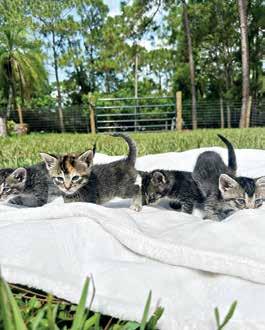
to building a model where animal rescue, environmental responsibility, and community well-being all work together.
In a world that often feels disconnected, Ranch Rescue is restoring something essential— relationship, empathy, and purpose.
As Ranch Rescue continues to grow, its vision remains clear: expand impact while staying rooted in compassion.
Future plans include:
• Increasing capacity to save more animals, especially during high-need seasons like kitten in uxes
• Expanding access to veterinary care and medical resources
• Growing education and outreach e orts across the community
• Strengthening volunteer and foster networks
A Community E ort Ranch Rescue’s story is not just about one organization—it’s about a community coming together. Through volunteer opportunities, open events, fostering, and support, people of all ages and backgrounds are invited to be part of something meaningful. Whether it’s saving a litter of kittens, educating a neighbor, or simply showing up to help, every action contributes to a larger mission.
Because at the heart of Ranch Rescue is a simple but powerful belief:
When we care for animals, we strengthen the community around us.
• Animal Welfare Education: Empowering the public with knowledge to prevent neglect, reduce overpopulation, and promote compassionate care.

Each program works together as part of a bigger system—one that tackles both immediate needs and longterm solutions.

One of the most powerful aspects of Ranch Rescue is that the healing


• Implementing sustainable practices such as solar energy and rainwater systems
These goals re ect more than growth—they re ect a commitment
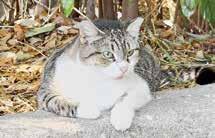


And in Lake City, that belief is coming to life—one rescued kitten, one restored animal, and one healed heart at a time.
Contact & Donation Information
The Ranch Rescue 649 SW Walter Ave Lake City, FL 32024
561-836-4111 theranchrescue@gmail.com www.theranchrescue.com
Donations: PayPal: theranchrescue@gmail.com Zelle: theranchrescue@gmail.com ■
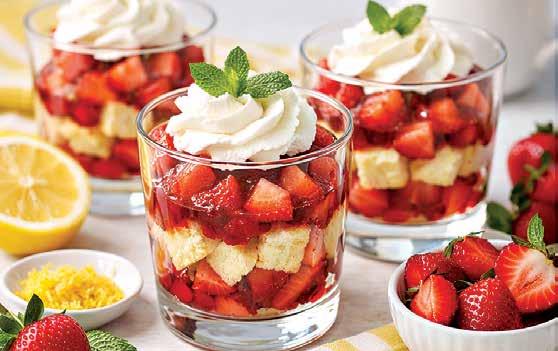
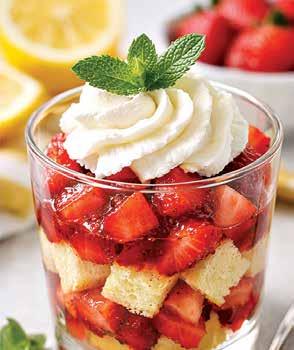
Light, bright and perfect for spring gatherings, these strawberry lemon shortcake cups bring together fresh fruit, soft cake and a hint of citrus for a refreshing seasonal treat.
Prep Time: 15 minutes
No Cook/Bake Time
Serves: 4–6
INGREDIENTS
• 1 pound fresh strawberries, sliced
• 2 tablespoons sugar
• 1 teaspoon lemon zest
• 1 tablespoon fresh lemon juice
• 1 store-bought pound cake or angel food cake, cubed
• 1 cup whipped cream (store-bought or homemade)
• Fresh mint (optional, for garnish)
INSTRUCTIONS
• In a bowl, combine sliced strawberries, sugar, lemon zest and lemon juice. Stir gently and let sit for 15 to 20 minutes to allow the juices to develop.
• Cut the cake into bite-sized cubes.
• In small cups or jars, layer cake cubes, a spoonful of strawberries and a dollop of whipped cream. Repeat layers as desired.
• Top with a small sprig of fresh mint for a bright, spring nish.
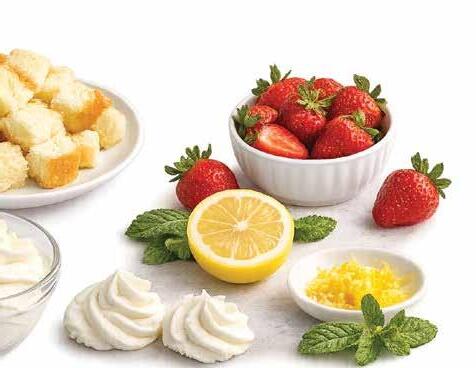
Serving Tip: Serve chilled for the best avor. These are perfect for brunches, picnics or light desserts after a spring meal.
Make-Ahead Tip:
Prepare the strawberries and cake up to a day in advance and store them separately in the refrigerator. Assemble the shortcake cups just before serving to keep the cake from becoming soggy and ensure the freshest texture.







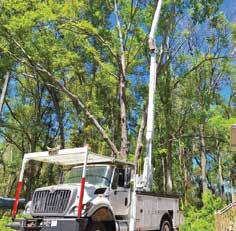

Welcome back to Youth-Led Content, a dynamic special section of Family Magazine dedicated to amplifying the bold, insightful, and creative voices of the next generation. In this fourth issue, we continue celebrating young contributors who lead with curiosity, perspective, and purpose— helping tell the stories that shape North Florida’s community.
This issue features a collection of community profiles alongside a recipe, all written by youth authors. Through these profiles, our writers highlight individuals making a difference locally— bringing their stories, impact, and character to life. Paired with a recipe that adds a personal touch, this issue reflects the diverse ways young voices can inform, connect, and inspire.
As always, it’s a privilege to provide this platform—a place where young people don’t just join the conversation, they help guide it.
Stay tuned for future issues as we continue highlighting outstanding local youth and the meaningful stories they bring to our communities.
When Cheryl McCall first rolled slowly down the quiet streets of White Springs years ago, she didn’t know the town would eventually claim her heart, her energy, and her service. What she did know was that it felt like home.
Her journey to becoming a town council member wasn’t planned. It grew from a dream shared with her late husband, a deep love for neighbors, and an unwavering belief that ordinary people can make extraordinary differences.
A Dream on the River Cheryl and her husband spent 47 years together before he died of cancer on Christmas morning in 2019. Decades earlier, they had bought riverfront property along County Road 25A — three lots, one with what they lovingly called “the tree house,” a weathered singlewide trailer perched on stilts. After her husband passed, she tried living there alone while building their dream home. But two and a half months in the woods made one thing clear: she needed community.
Driving through town one afternoon, she spotted a tiny “For Sale” sign outside the home of longtime resident Ruby Shaw. She stopped her car in the middle of the road—“because you can do that in White Springs,” she said—and called the number. Two weeks later, she owned the house.
“It was like a miracle,” Cheryl said. “And once I met the neighbors, I knew I was home.”
White Springs has shifted in the years since she arrived. The town once bustled with small shops, a local police department and a fire department. Those are gone now. But one thing remains unchanged: the strength of its people. “The friendships are what keep me here,” She said. “I adore everyone.” That
community spirit shows up in small but meaningful moments—like her neighbor Scott calling to ask why she pulled into her yard at 2 a.m. after helping with a Christmas event. “That’s the kind of neighbors I have.”
Before coming to White Springs, Cheryl spent 13 years fostering children, caring for 164 babies and young kids through state foster care and cradle care for adoption agencies. Her greatest lesson? “Patience,” she said. “Every child in care, no matter how young, is a traumatized child.” Her love for children shaped her personally and spiritually. Even now, she says each child she cared for expanded her capacity to love and understand others.
She laughs when she talks about Max, her 120-pound German shepherd who guards her yard like a professional. “When my husband passed, I wanted a little yappy dog,” she said. But fate had other plans. Max, a purebred shepherd surrendered by a young family, needed space and safety. She welcomed him instantly. “He’s wonderful,” she said. “Any child can come in my yard; adults, only if he approves.”
Cheryl never imagined serving on the town council. In fact, she said she only ran because her Sunday school class insisted she “wouldn’t get elected.” She laughs telling the story—because she did. “What I love isn’t the town as buildings,” she said. “It’s the people. They deserve answers, representation and hope.”
She doesn’t see herself as a political figure. “I’m just a mom and a grandma,” she said. But she believes that with the
Victoria Coker
right intentions, anyone can step forward and make their community stronger.
Living With Purpose
Faith guides Cheryl’s daily life. “God keeps me motivated,” she said. “That’s the only thing.” Her advice to young people: “Love one another. Without love, you’ve got nothing.” She also reminds youth that character matters even when no one’s watching — a lesson from her mother that she still carries today.
“Step Up,” She Says—Your Town Needs You
To families and young people across North Florida, she has a simple message: get involved. “Open your mouth. Volunteer. Make yourself known,” she said. “Even if it’s uncomfortable, do it anyway. Because if you don’t do it, nobody else will—or the wrong people will.”
In a small town where neighbors guard one another’s homes, where community festivals depend on volunteers and where a single hardware store can beat like a heart, she believes everyone has something to give. “If you’re not part of the solution,” she said, “you’re part of the problem.” And in White Springs, she’s determined to remain part of the solution—one conversation, one neighbor, one act of service at a time. ■
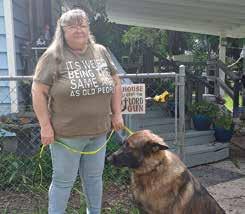
By Michael Coker
• 1 large ripe banana, mashed
• 1 cup all-purpose flour
• ½ cup sugar
• 1 large egg
• ¼ cup milk
• ¼ cup melted butter (or oil)
• 1 teaspoon vanilla extract
• ½ teaspoon baking soda
• ¼ teaspoon salt
• ½ teaspoon cinnamon
• ½ cup chopped nuts (walnuts or pecans work best)

• In a bowl, mash the banana with a fork until smooth.
• Add the wet ingredients and mix well.
• Add the dry ingredients and stir until the batter comes together.
• Preheat the oven to 375 degrees Fahrenheit.
• Pour the batter into a lightly greased bread pan or muffin pan.
• Bake for 45 to 50 minutes, or until fully cooked through.
• Allow the banana bread to cool for 10 minutes.
I like to serve muffins warm with a scoop of ice cream and nuts on top. Feel free to be creative and enjoy!

In the heart of North Florida, where the Suwannee River winds through Hamilton, Columbia, and Suwannee counties, a new kind of community project is taking shape—one that blends art, technology, youth leadership, and drug-free advocacy into a vibrant celebration of local culture.
The Art Wall Project, led by Our Community Cares Coalition (OCCC)—a drug-free coalition serving all three counties—is revitalizing the Wayside Park Boat Ramp in White Springs. What began as a mural for Red Ribbon Week has grown into a groundbreaking initiative that symbolizes the shared connections and collective responsibility of communities linked by the Suwannee River.
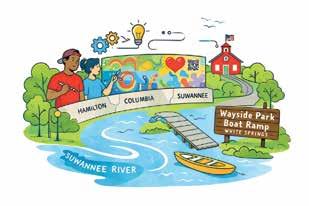
backdrop for OCCC’s mission: empowering young people by building drug- and alcohol-free environments that support healthy growth, creativity, and resilience.
A Project Rooted in Prevention and Community Pride
Wayside Park Boat Ramp is more than a scenic access point to the river. It is a gathering place for families, a destination for tourists, and a hub for year-round recreation. Visitors come here from across Florida and the United States to canoe, kayak, fish, swim, bike, hike, picnic, and enjoy the outdoors. The trails surrounding the park connect to the Florida National Scenic Trail, and the region’s cycling routes are part of the Suwannee Bicycle Association’s nationally recognized trail network— drawing hikers and riders from around the country.
This unique natural setting allows all three counties to share and celebrate the Suwannee River, creating a perfect
OCCC’s Art Wall Project aims to transform the 250-foot boat ramp wall into a series of murals designed by youth, for youth—representing the culture, history, and experiences of the tri-county communities.
But the project quickly grew beyond the mural itself. As OCCC volunteers and youth ambassadors spent time at the park, they met families who had personal connections to the wall—stories of loved ones memorialized there, photos, handwritten names, and messages of remembrance. These conversations inspired a more expansive vision: preserving the emotional significance of the space while offering a cleaner, safer, more uplifting way to honor those memories. “We first sought and received approval for installing art at Wayside Park Boat Ramp in 2018, but since then, drugs have impacted our communities
By Befaithful “Bea” Coker
in so many ways that we needed a more significant message,” said Bea Coker, Founder of Our Community Cares Coalition.
Under the leadership of Victoria Coker, Chair of OCCC’s Ambassador Leadership Council, the project extends well beyond the wall. Ten concrete picnic tables throughout the park are being restored and transformed into colorful youththemed art installations. Each table features characters beloved by multiple generations—including Winnie the Pooh and Tigger, Tom and Jerry, Charlie Brown and Snoopy, the clever fox, Baymax and Mochi, and others—bringing joy, nostalgia, and wholesome fun to a space meant for families.
“The renovations are designed with a single purpose: to create a safe, drugand alcohol-free space where young people can simply be kids,” said Victoria Coker.
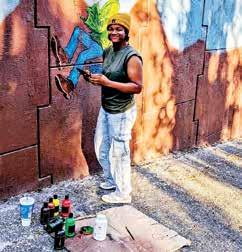
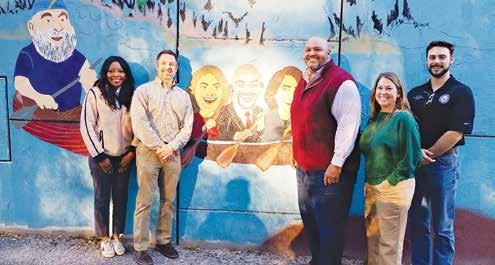
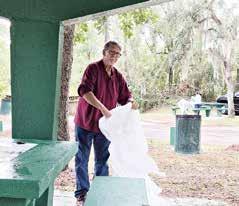
To manage a mural project of this scale—spanning 250 feet of concrete wall—OCCC incorporated advanced digital design tools and modern workflow technologies. Mia Hunter, Hamilton County Tourism Development Director, introduced the artists to the use of intelligent layout tools that would increase efficiency and allow incorporation of such additional resources as QR codes to provide information without any text on the wall,
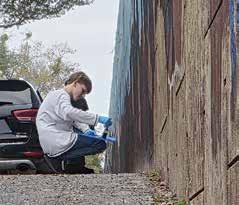
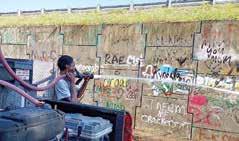
ensuring full compliance with Florida Department of Transportation (FDOT) guidelines, which prohibit advertising or written messaging on structures within state right-of-way.
QR codes link viewers to facts about the river, community resources, local leaders, and the young artists who brought the project to life—allowing the wall to educate without displaying a single written word.
The project also showcases civic-themed artwork that introduces young people to local leadership and government processes—an innovative way to spark interest in civics education. Mural
vignettes depict opportunities for youth to engage with their communities, learn about public service, and better understand how elected officials impact their daily lives.
OCCC’s success in launching the Art Wall Project highlights the power of collaborative partnerships.
The coalition worked with:
• Artists from Hamilton, Columbia, and Suwannee counties
• Local sponsors willing to invest in youth wellness
• Government agencies, including the Florida Department of Transportation
• Community volunteers and youth ambassadors
Securing the support of all these partners reflects OCCC’s broader mission—to create a network of drug-free resources across the region that empower youth with positive alternatives, strong role models, and inspiring environments.
The project is more than an art installation—it’s a long-term commitment to the community. OCCC is adopting the Wayside Park Boat Ramp as part of its tri-county mission, ensuring ongoing care through quarterly cleanups, continued youth engagement, and new opportunities for public art.
“This is a remarkable culmination of education, art, and technology,” said Bo Beauchemin, Director of Community and Partnership Development. “We are excited to adopt the Wayside Park Boat Ramp in White Springs, not just as an expression of our commitment to Red Ribbon Week, but as a celebration of the resources available for young people to grow up healthy.”
The community will come together for the great reveal occurring on April 25th at 11 am during the annual Youth Leadership Week Tri-County competition. Families, students, artists, and community partners from all three counties will gather to celebrate the completed murals, the picnic table art installations, and the collective effort that brought the project to life. ■
When Judith McClure first saw the house that would become the White Springs Bed and Breakfast, it was an “inch-tall” photo in a real estate magazine. She was visiting for a family birth and had only one thing on her mind: she had to have it.
“I used to go to bed and breakfasts a lot in Sedona,” Judith said. “I always loved bed and breakfasts, and here was my opportunity to open my own.” Judith, who grew up in Brooklyn, N.Y., has lived in White Springs for 19 years. She runs her inn in a town she describes as “comforting” and “laid back,” a place where guests slow down, enjoy the Suwannee and nearby rivers, and marvel at old houses and gardens. For her, the bed and breakfast is more than a business—it’s a way to share, welcome, and provide a peaceful place for people who travel long distances for rest.
“A lot of people travel eight to ten hours
A Youth-Led Profile by Michael Coker
to get here,” she said. “By the time they get here, they’re tired, and they find it so relaxing. That’s what people remember— my hospitality.”
Judith’s path to innkeeping wasn’t planned. She spent 22 years as a school teacher and 15 years raising her children at home. Her mother taught her to value steady work: “Never quit one job until you have another,” she recalled. That lesson, she said, carried over when she took the leap into running a historic bed and breakfast. The house already had the bones of a bed and breakfast when she found it. She furnished it with care, showing guests her own artwork and tending the gardens that draw visitors in spring and summer. She said the inn’s “historic” feeling and personal touches make it special.
“I have a lot of personal artwork that I do,” Judith said. “They like looking around the gardens and the flowers, and they like seeing old houses.”
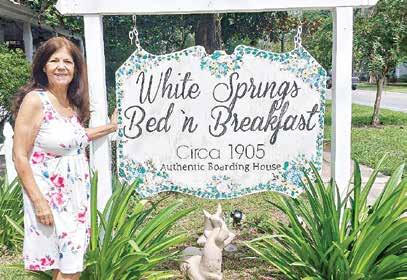
Running an older home has its challenges.
“Things break down,” she said with a laugh.
“Something’s always leaking somewhere.”
At her age, finding help with
repairs can be the hardest part of owning a historic property. Still, she said she stays motivated because she’s busy and involved: she paints, sews, walks, and spends time with family and friends.
Her energy shows in how she treats her guests. Many come for the quiet and nature; others arrive curious about White Springs’ history and the Suwannee and other nearby rivers. She attends town meetings and sees her inn as part of the community’s fabric. “I like to think my business is my role, that people see the business here, and I’m supportive of the town,” she said.
To young people who dream of starting a business, she has simple advice: believe in yourself and work every challenge one step at a time. “If they believe they can do it, they’ll be able to do it,” she said.
Her creativity reaches beyond the inn. “I can take something people put out as trash, and I can make a piece of art or something beautiful out of it,” she said. That eye for possibility is part of what makes her an inspiring figure for younger generations: she turned a small, empty house into a welcoming space where strangers become guests and guests become friends.
For Judith, White Springs is more than a place to live. It’s where she found a second act and a way to give people the kind of rest that stays with them. “I hope they remember that it was a quiet place to get away after they’ve traveled all day,” she said, “and my hospitality.” ■





















• Private school grades preschool through 12th
• Accredited by the Florida Christian Coalition of Private Schools

• Certified teachers on staff
• Dual enrollment classes taken in house


• College prep curriculum with a personalized approach
• Small clusters for an enhanced learning environment



• Recognized by the NCAA and National Honor Society








• FREE VPK: Enroll your child in a quality early learning environment. FREE for children 4 years old residing in Florida. All income levels accepted.
• School Readiness: A quality early learning program for children ages birth to 12. Enrollment criteria based on household income and family size.