THE A C ADEMY J OURNAL
LAWRENCE ACADEMY SPRING 2026
SUPPORT FOR LEARNING & FOR LIFE


LAWRENCE ACADEMY SPRING 2026
SUPPORT FOR LEARNING & FOR LIFE
President Karen Mitchell Brandvold ’82; P’16, ’17
Vice President Phyllis Rothschild P’20
Secretary Kana Norimoto P’26, ’28
Treasurer David Stone ’76
Robert Achtmeyer ’97
Pamela Amusa ’06
Katherine Beede P’16
Melissa Bois P’22
G. Randall Chamberlain ’79
Cyrus Daftary P’25
Chris Davey P’10, ’16
Peter DeFeo
Brit Dewey P’26
Hise Gibson P’24
Courtney Cox Harrison ’83
Robin Jones P’25
Jessica Knapp ’99
Greg Lauze ’00
Douglas Long P’15, ’18
Bruce MacNeil ’70; P’04
David Mazza ’01
Michael McLaughlin P’23, ’23, ’25
Catie McMenamin ’97
Peter Myette P’00, ’03
Chuck O’Boyle ’82
Devin O’Reilly P’24
Jason Saghir P’19
Taylor Sele ’02
Edward Steinborn P’23
Richard Tyson Jr. ’87
HONORARY TRUSTEES
Lucy Crocker Abisalih ’76
George Chamberlain III P’79, ’81
Albert Gordon Jr. ’59
EDITOR AND WRITERS
Caitlin O’Brien P’26, Director of Advancement Communications and Special Projects
Anne O’Connor ’78
Joseph Sheppard P’93, ’94, Retired Faculty
EDITORIAL COUNCIL
Dennis Canty, Dean of Students, Equity, and Campus Life
Beth Crutcher, Director of Advancement
Sara Gillis ’10, Director of Admissions and Digital Strategy
Tonya Kalmes, Director of Development and Annual Giving
Libby Margraf P'24, '27, Assistant Head of School
Dan Scheibe P’23, Head of School
EDITORIAL CONSULTANT
Angela Stefano
LAYOUT/DESIGN/PRODUCTION
Dale Cunningham P’13, Graphic Designer
PHOTOGRAPHY
Jonathan Gotlib, Associate Director of Communications
Caitlin O’Brien P’26
Bob Perachio Adam Richins
Ebrahim Saeed '27
In trying to weave together the examples of teamwork, partnership, and interconnectedness featured in this issue of the Academy Journal, two distinct elements came to mind in immediate succession: the idea of support and the image of a hand.
As we have developed our mission in practice over recent years, support has emerged as the force holding it all together. The language of our mission regarding support is intentional in its extended sense: Lawrence Academy “supports you as you learn.”
By that we mean that we support students both in the way that they learn AND through the full collection of individual moments surrounding that learning. In other words, we help students understand how they are built as learners even as we construct experiences for them that create indelible learning processes and pathways. It’s a mutually reinforcing pattern.
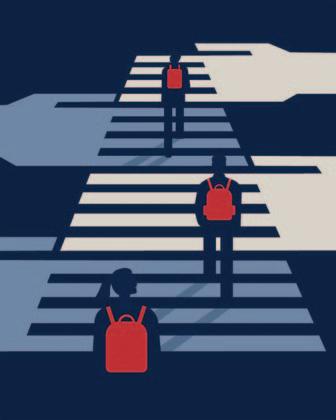
The image of the hand (illustrated on the cover and at left) comes through a more direct route. As we were working through our messaging, branding, and mission all at once, we asked an artist to create an image for our particular idea of support. Joining complex, subtle concepts together, he created the art you see: supporting hands providing a secure passage for students.
It’s a compelling idea: the individual and collective human touch providing a way forward in human development. As we know deeply within ourselves, the support of human hands is more than an idea. It is an embodied fundamental of our existence — the way we are held, nurtured, comforted, guided, healed, encouraged … supported from our earliest days through all the days to come. A helping hand isn’t just an abstract idea, it’s an essential function of life.
Yet as we know, human consciousness and education are becoming more and more DISembodied in today’s world. The
issue with artificial intelligence is not the matter of overwhelming intelligence. It is the matter of underperforming artificiality: humans allowing artificial experience to displace real experience and forfeiting a great deal of learning in the process.
As we know from our own lives, the experiences that matter are the ones that go deep, the ones that are real, the ones that are felt in the heart, flesh, and bones. Those are the ones we remember and learn from.
Lawrence Academy’s dedication to experiential, hands-on learning is rooted in a deeper commitment to real human contact. Our community is rooted in relationship on campus, then fulfilled in authentic connection beyond. Those are the places where the learning happens — with a human hand supporting us saying, “You can do it, you’re heading in the right direction, the path is yours, and there is only more learning to come.”
As we have developed our mission in practice over recent years, support has emerged as the thread holding it all together. The language of our mission regarding support is intentional in its double meaning: Lawrence Academy “supports you as you learn.”
Dan Scheibe P’23
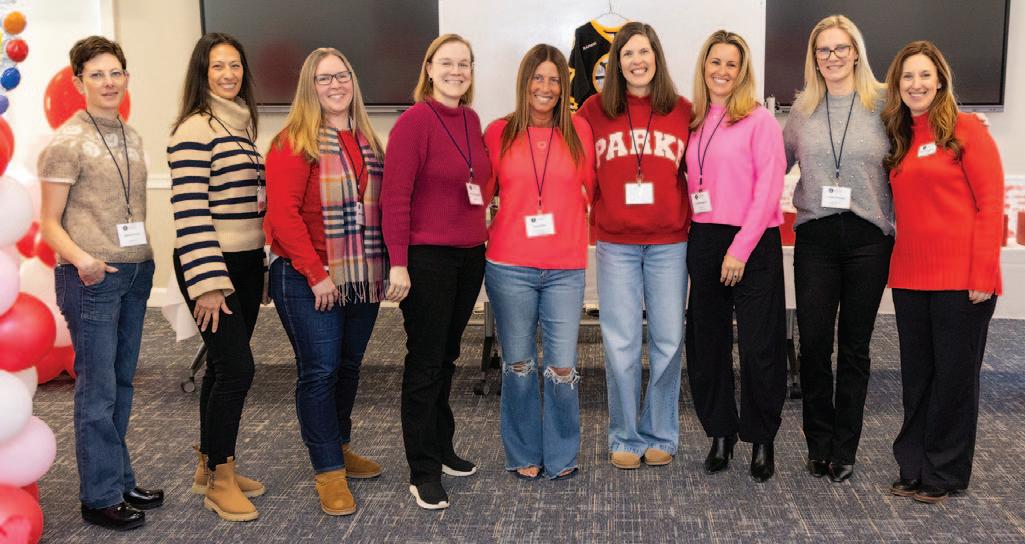
Lawrence Academy’s annual Fall Class Dinners brought families together to build community and deepen connections. Parents and guardians had the opportunity to meet classmates’ families, reconnect with friends, hear updates from school leadership, and learn more about the year ahead for their students.
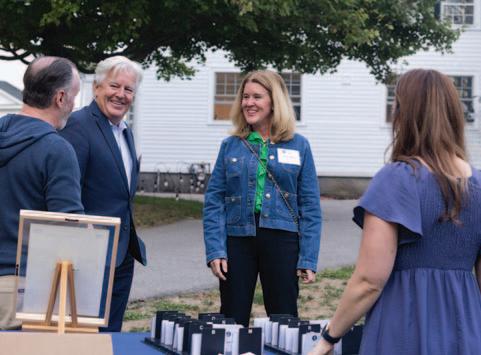
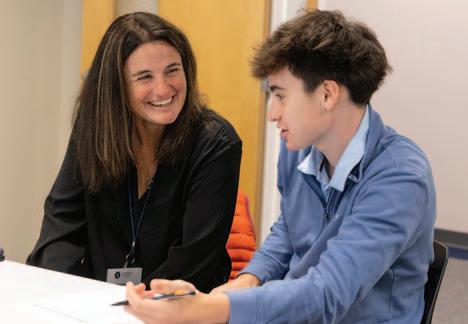
Lawrence Academy welcomed families and loved ones to campus on Oct. 24–25 for Fall Family Weekend. The weekend offered an inside look at student life, with families attending classes, sharing meals, meeting advisors and teachers, and cheering on teams at athletic contests. Campus was buzzing with connection and excitement as families experienced a snapshot of daily life at LA.
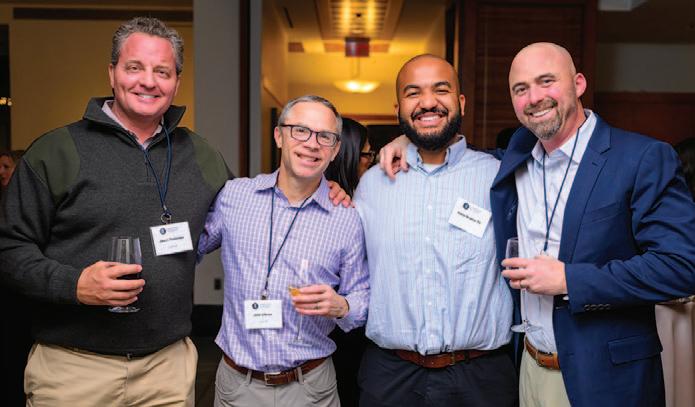
On Nov. 20, the Parents’ Association and Alumni Council co-hosted a holiday party for the LA community at East Meets West at the Exchange in Boston’s Seaport District. Attendees enjoyed a night of socializing and celebration, ringing in the holiday season with good food, drinks, and cheer.
Parent volunteers truly outdid themselves on Feb. 13 by creating a memorable celebration for Lawrence Academy’s faculty and staff. Every employee received a handwritten note from a student, a gift card to a local business, and a chance to win exciting raffle prizes — all expressions of gratitude for their dedication to the LA community.
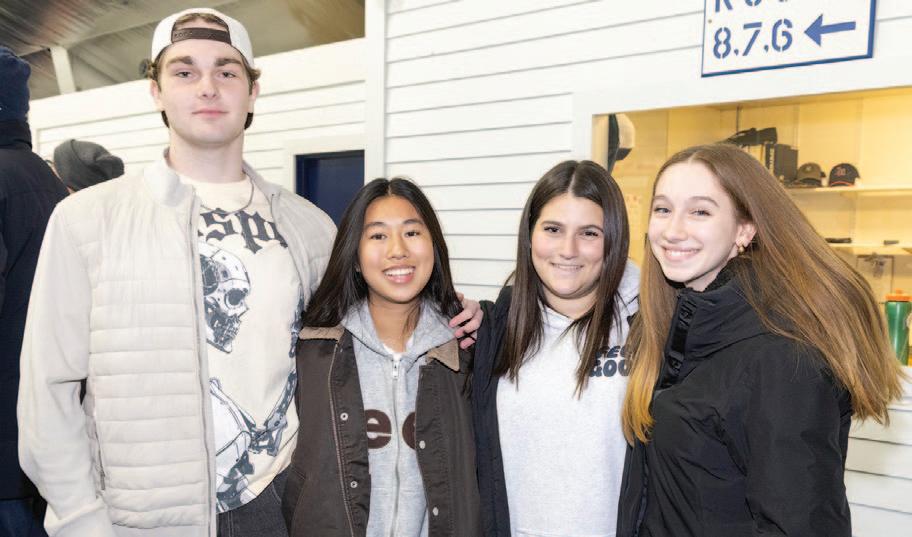
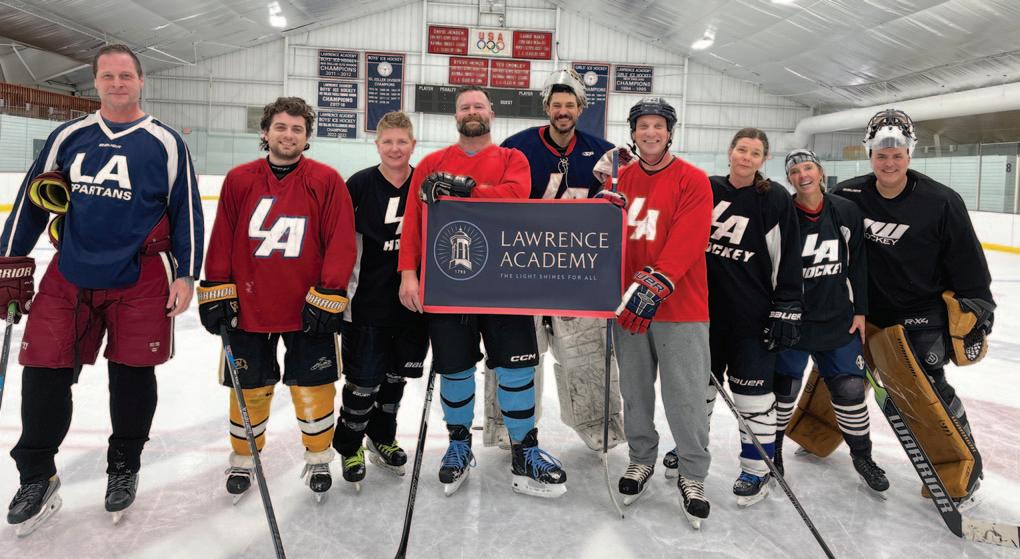
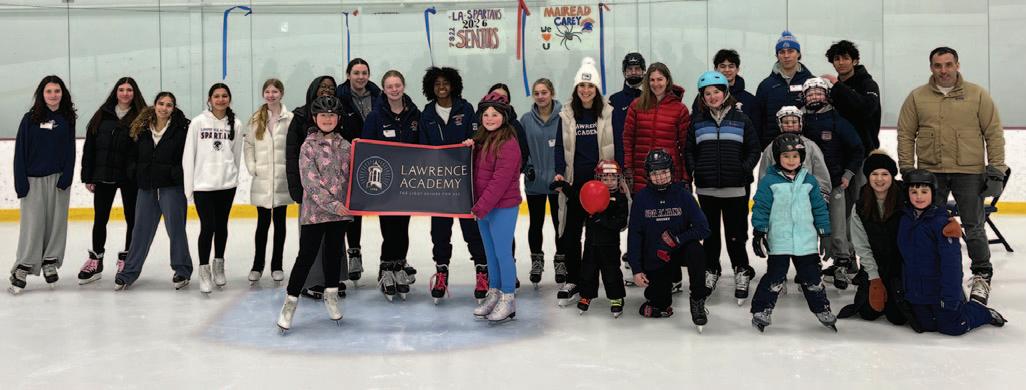
On Dec. 18, Lawrence Academy alumni visited campus for the annual LA vs. Cushing Academy boys’ varsity hockey game.
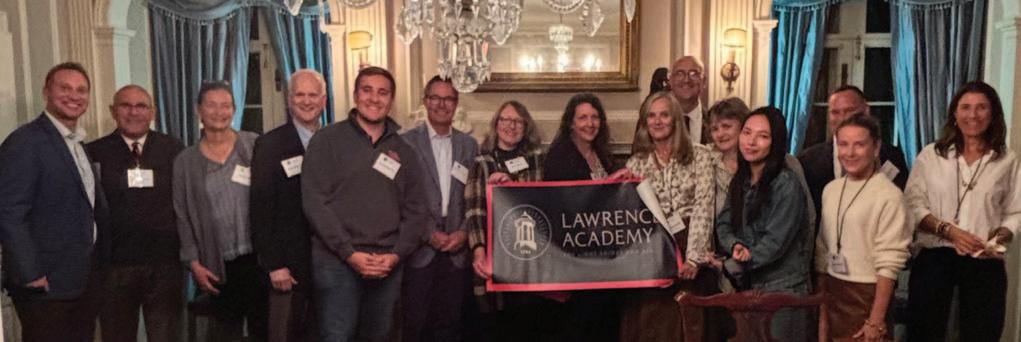
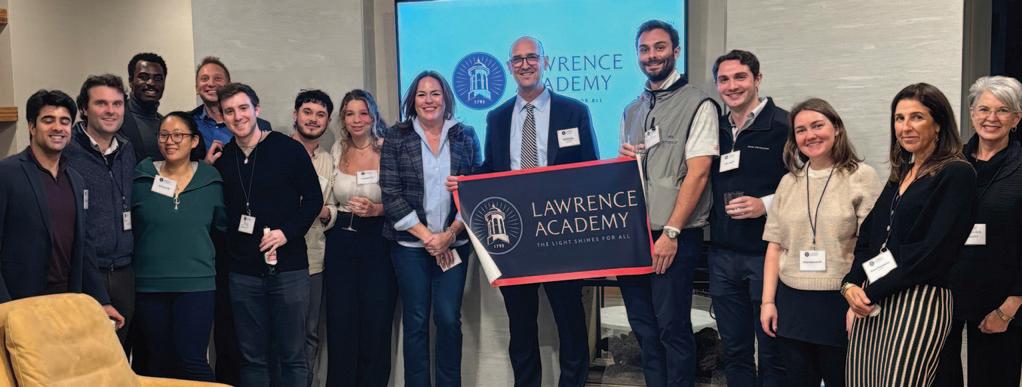
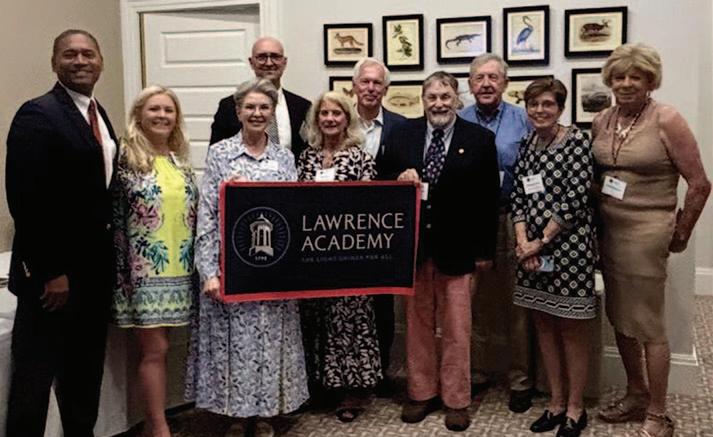
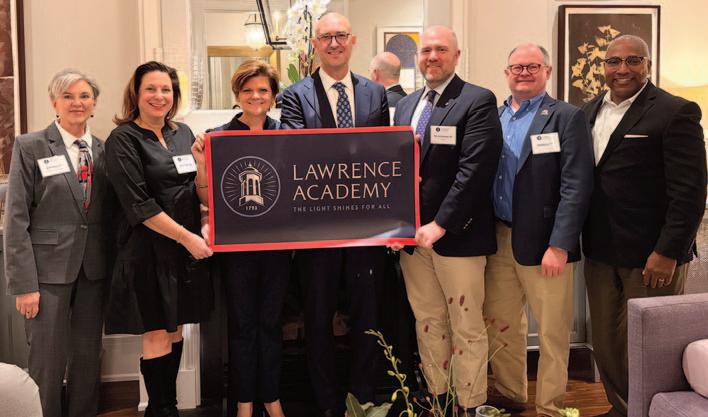
Throughout the fall and winter, alumni and parents gathered at a series of regional events, both on and off campus. From as close as Littleton, Mass., to New York City, Washington, D.C., Providence, R.I., Florida, Utah, and China, Spartans across the generations enjoyed reconnecting, sharing memories, and strengthening the Lawrence Academy network.
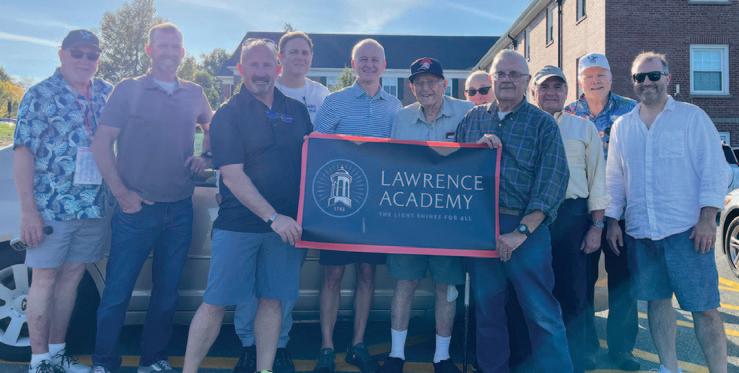
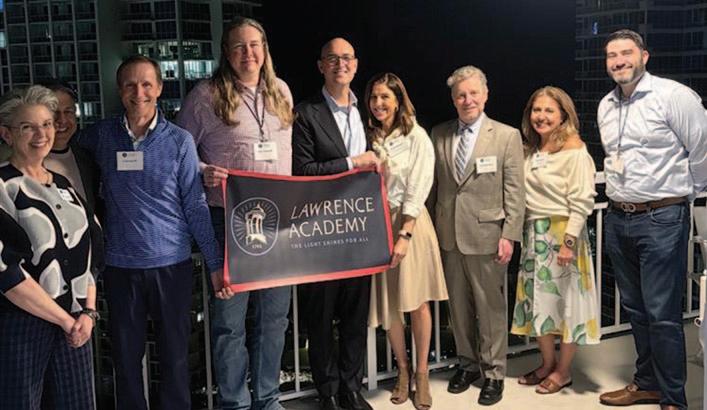
From left: Victor Arias ’81, Jacklyn Addorio ’00, Director of Advancement Beth Crutcher, Head of School Dan Schebie P’23, Former Trustee Charlotte and Charles Floyd P'97, '95, '01, Barbara Hartwell, James Hartwell '71 and Laura Bergamann
From left: Director of Advancement Beth Crutcher, Trustee Trustee Cyrus Daftary P’25, Scott Lane ’81, Peter Chesla ’93, Head of School Dan Scheibe P’23, Annie Montesano P’23, Ronald Schnell ’84, Farah Daftary P’25, Brian Lobman ’08
From left: Director of Advancement Beth Crutcher, Maria Taylor ’88, Danielle Germain ‘89, Head of School Dan Scheibe P’23, Trustee Rob Achtmeyer ’97, Tom McCuin ’85, Former Trustee Kevin Anderson ’85
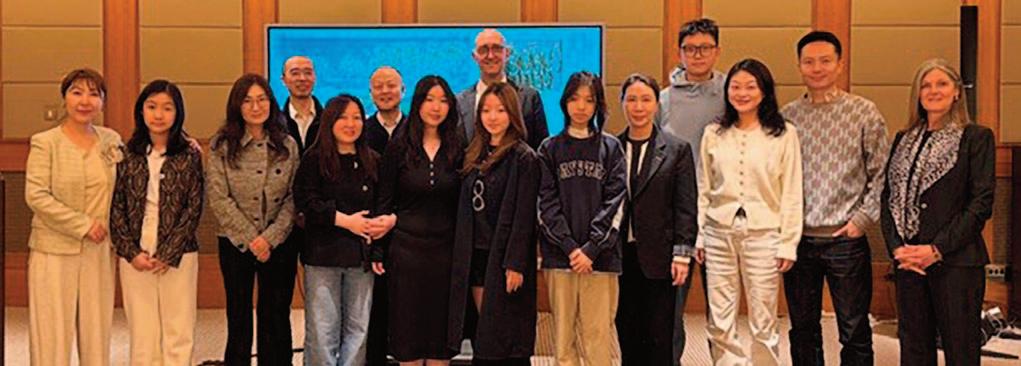
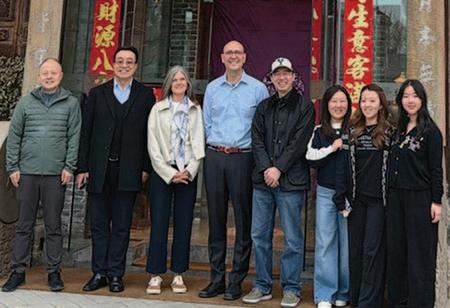
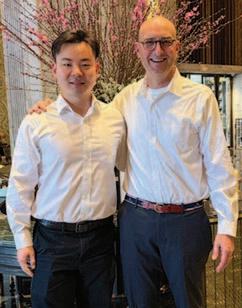
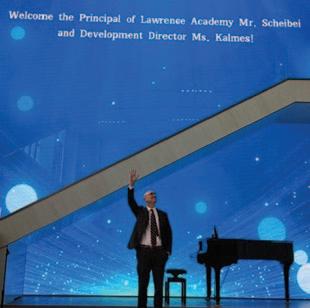
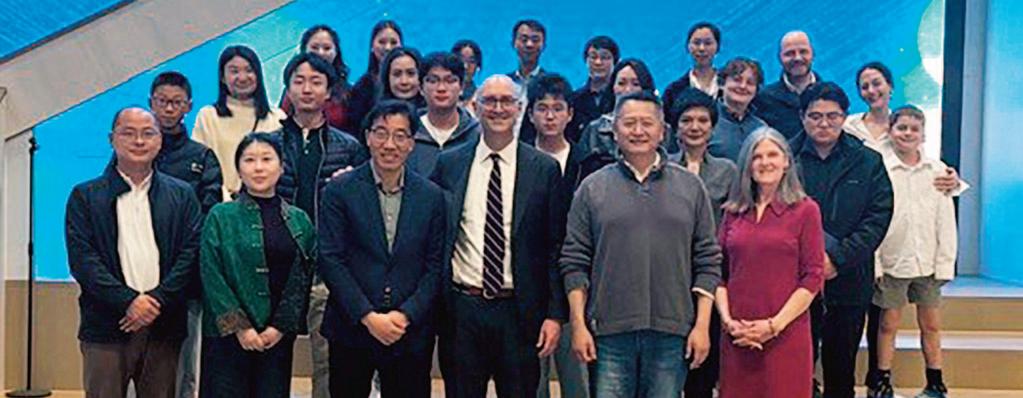
In March, Head of School Dan Scheibe and Director of Development Tonya Kalmes traveled to China to visit with current and accepted Lawrence Academy students and their families.
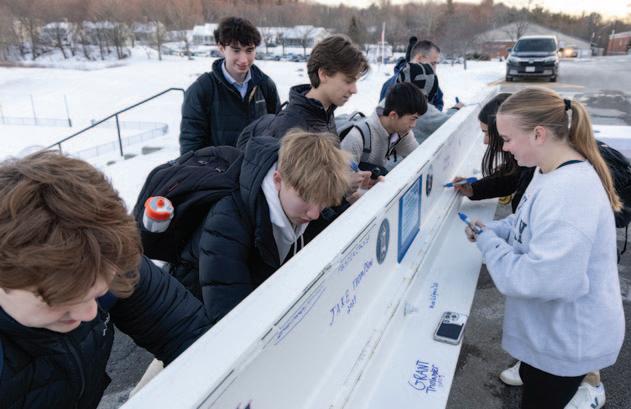
In mid-December, students, faculty, staff, and alumni added a personal touch to the construction of the Dara Frigoletto ’83 & Peter Defeo Community Commons by signing the project’s final structural beam. The communal moment captured the excitement and collective investment in this new campus space.
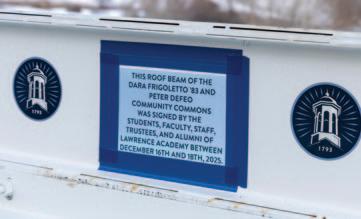
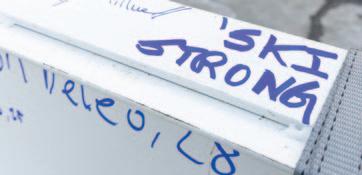
Just weeks later, the beam took center stage once again during Lawrence Academy’s topping-off ceremony — a longstanding tradition in the building industry. Before being lifted into its final position, the beam was adorned with an American flag and a spruce tree, symbols that honor construction crews, mark safe progress, and offer good fortune for the building’s future.
The ceremony served as a visible celebration of teamwork, craftsmanship, and LA pride as the project moves steadily toward completion.
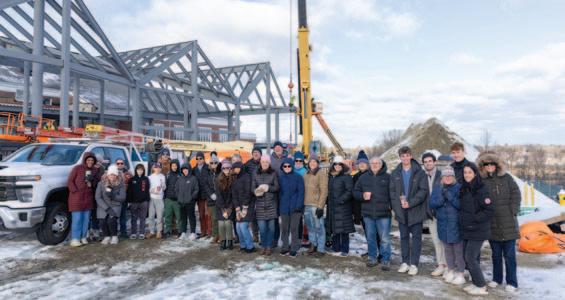

Scan here to learn more about the Dara Frigoletto ’83 & Peter Defeo Community Commons and view a livestream of the construction.
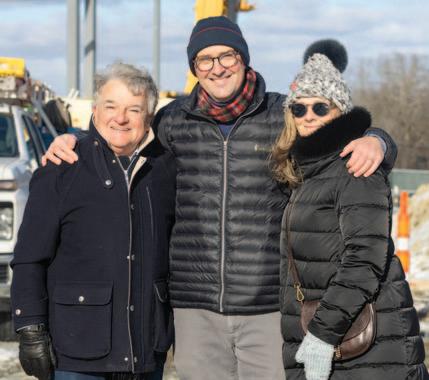
BY ANNE O’CONNOR ’78
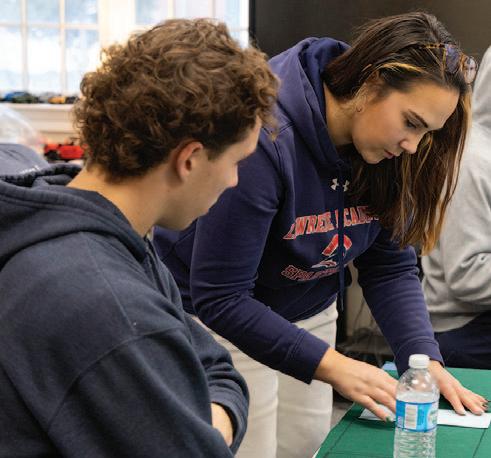
Lawrence Academy students are encouraged to take four years of math. For those not inclined to enjoy numbers or not ready to take calculus, the school recently began offering a course in quantitative reasoning. The project-based class, which replaced a more staid statistics offering, has no tests or quizzes; instead, juniors and seniors learn the importance and role of statistics through poll data and games.
“It’s a great class, super engaging, and super practical,” says Math Department Chair Mel Dexter. The course allows students to see where they might use math beyond school, and by looking at poll data and how it is presented, they learn how data can be manipulated to show what someone wants you to see.
During portions of the class focused on games, students learned how to calculate odds and tried to explain why
someone keeps playing even when losing — a question that pulled psychology into the equation. Each student presented their findings about one game to the class, and everyone played the game being discussed.
Then, it was time to put that knowledge to use. Groups created their own casino games using standard equipment, such as a deck of cards or dice, and constructed game tables with paint, stencils, and felt. They tried to balance their games so players would win often enough to remain interested while the house kept an advantage.
After presenting their games to the class and ironing out issues, they were ready for prime time: the campus-wide Casino Night, where they had stiff competition from the professional dealers manning other tables.
While LA community members played, each group attempted to answer some questions: Would other students enjoy the games enough to keep playing? Would they play and win or lose as the statistics predicted?
Following the big event, the students looked at their data and found they had come close to an 8 percent house edge; however, they also found deviation with their predictions when players opted for different ways of betting than the class thought they might.
“We got a lot of positive feedback the next week,” Ms. Dexter says. “They did a great job.”
The project-based course, which replaced a more staid statistics offering, has no tests or quizzes; instead, juniors and seniors learn the importance and role of statistics through poll data and games.
BY ANNE O’CONNOR ’78
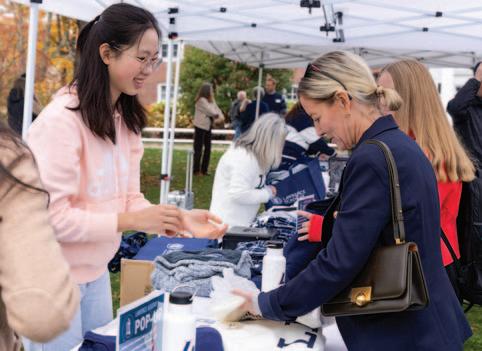
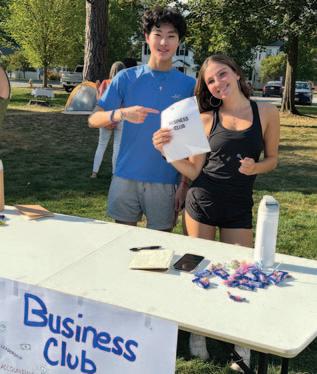
LA’s Business Club is a popular group: More than 150 students are in the Teams chat and stay abreast of the club’s goings-on, and up to 50 students attend the club’s weekly meetings, where they hear from investment professionals, plan and run pop-up school merchandise stores, and use fake funds to play an annual stock market game. And as of this spring, a select group of Business Club members are investing real money from a dedicated endowment, the Student-Led Investment Fund. “Several members of LA's Board of Trustees contributed to this endowment, motivated by the real-world opportunity for our students," said Director of Advancement Beth Crutcher.
To determine their investments, each of the involved students makes a pitch throughout the year. The students discuss each pitch and vote by ballot, on which they include
their reasons for voting yes or no. Each investment requires a two-thirds vote to move forward. The students will watch their investments and compare their earnings with those of LA’s other endowments.
“A lot of colleges do this,” says Kelly Yetter, LA’s Chief Financial Officer and the club’s advisor. “We don’t see it much at the high school level. We’re excited to see the actual experience.”
Charles Zhang ’26, who as a junior created the Finance and Investing Club — which merged with the Business Club the following year — spearheaded the new endeavor. Ms. Yetter and interested students looked at models from other schools and spoke with investment providers, then Ms. Yetter pitched LA’s board for the new endowment. She contributed $1,000, and individual trustees donated another $6,000. An endowment typically needs $100,000 to form, but the Student-Led Investment Fund received an exemption.
As of February, 11 students are part of the investment team, which is limited to 20 members. All of the original participants are boys, but Ms. Yetter is encouraging female students to participate.
Outside of this group of students, the Business Club continues as before. The money they raise from pop-up stores — which run when a large number of visitors will be on campus — helps support school clubs, and the involved students earn service hours. The school store moved online during the pandemic, so pop-up stores are the only opportunities students have to buy LA merch in person.
“The Business Club has become more than just a meeting. It has become a place where we could all learn together, collaborate on interesting ideas, or just have fun exploring things we didn’t know or quite understand. Stepping into a leadership role felt natural because I’ve always wanted to give back to a club that has been an influential part of my time at LA. I’m proud of how much we’ve grown and how engaged our members are, and I hope the club continues to inspire future students to step up, take risks, and take on leadership positions.”
Lily Teto ’26
“Combining two schools, like the combining of two cultures, provided unique challenges and excitement, and it was handled with aplomb by everyone involved.”
Anthony Giovino
BY CAITLIN O’BRIEN P’26
Sometimes, if you’re very lucky, an obstacle becomes an opportunity.
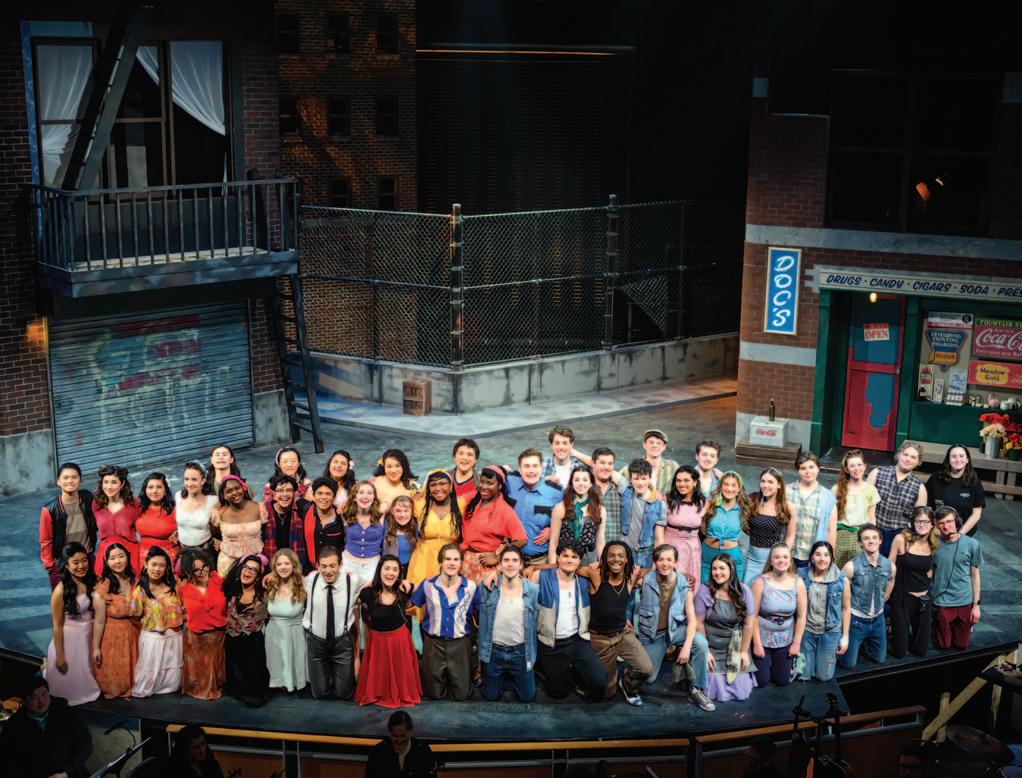
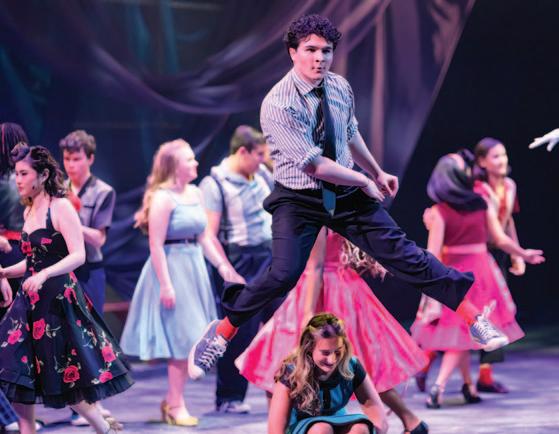
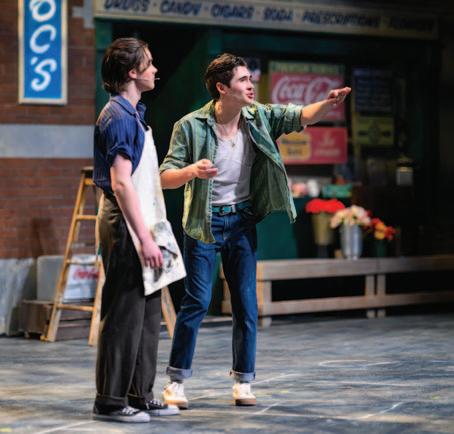
When renovations to the Gray Building made LA’s usual performance spaces unavailable, it initially seemed as though the annual musical might not happen this year. But what could have been a setback sparked a creative solution: With optimism and collaboration, Lawrence Academy partnered with Groton School to bring West Side Story to life.
LA Theatre Director Anthony Giovino had always wanted to work with Groton School. “Collaborating was something we talked about doing, so this opportunity was one we had to take,” he says. “West Side Story calls for a cast of about 50.
That scale made it the perfect vehicle to showcase talented performers from both schools.
“Combining two schools,” Mr. Giovino continues, “like the combining of two cultures, provided unique challenges and excitement, and it was handled with aplomb by everyone involved.”
Initially, some students had reservations about the partnership, but what began as uncertainty soon grew into a shared artistic home. Brian Fallon ’27, a member of the stage crew, “was worried they would perceive us as intruders. But as time went on and I got to know the people at Groton School, I felt very comfortable, welcomed, and included in their space, which soon became our space.” Adds Stage Manager
Hailey Roy '26, “It was crazy that we went to school so close to each other but never met. Now, I’m grateful we had the chance to work together and build something that will always be part of both of our schools’ histories.”
For the show’s costume designer, Jada Riley ’29, Groton School is more than an artistic home. She attends LA but lives at Groton as a faculty child, so the musical combined two aspects of her life in an exciting and unexpected way. “I was excited to see some people at Groton that I already knew, and to also work with my new friends at LA,” Jada says. “It was overwhelming at times with a large cast but so fun to work with so many great people.”
As the cast bonded and the production took shape, the story they were telling began to resonate just as strongly as the experience of creating it. West Side Story offered students the chance to engage with its still-relevant themes: immigration, racism, and the struggle for personal identity. “The ending message that we all are in the same place and deserve to be equal is something that still needs to be taught today,” reflects Aashna Palakkal ’27, who performed as a Shark Girl in the production.
For all the students who participated — actors, musicians, crew, and designers — one thing is certain: West Side Story became an experience that will live in their hearts and memories for years to come. What began as a logistical obstacle became a rare opportunity: a chance to build new friendships, create powerful art, and discover what’s possible when two communities come together with openness, creativity, and a shared sense of purpose.
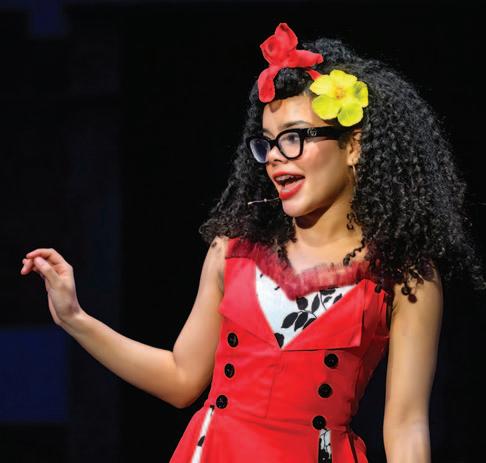
“It was crazy that we went to school so close to each other but never met. Now, I’m grateful we had the chance to work together and build something that will always be part of both of our schools’ histories.”
Hailey Roy ’26

BY ANNE O’CONNOR ’78
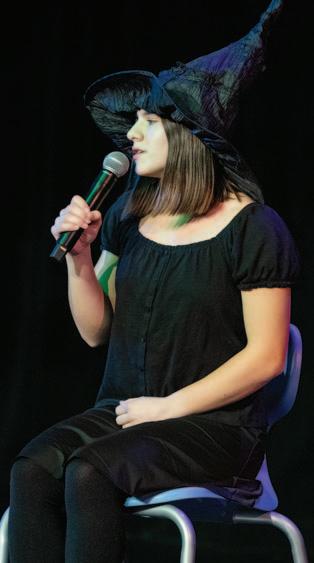
When students return to Lawrence Academy after Winter Break, they know they are in for a treat: the annual Spartans Got Talent show. Music and dancing are often part of the event, and students may see light shows, Chinese yo-yo exhibitions, and other acts that are not regular fare within LA’s performing arts program. Anything a talented and willing student can do onstage goes.
The annual student-driven show started in 2019, went online during the pandemic, and continues in person today. LA’s student cabinet — four seniors elected by faculty and the student body to promote school spirit — and the student
executive board organize the evening, learning valuable skills while brainstorming performances, running rehearsals, spearheading staging, and acting as the masters of ceremony.
It’s a really great show,” says Assistant Dean of Students and Director of Community Engagement Kimberly Poulin P'18, '21, particularly because the performers and the audience connect beyond their usual friend groups. Adds Emma Hudak ’27, “What most surprised me about the talent show was how supportive all the students truly are and how engaged they are in each act.”
Engaging an audience instills confidence in students, and those who might not otherwise get to know each other or their talents connect as performances reveal shared interests. “After the performance, I felt an accomplished feeling because everyone was singing along and dancing with me,” says Owen Pierotti ’27
For some performers, getting ready for the show takes time and lots of technical skills. “We started preparing for the talent show in late October, and it took us days of rehearsal and prep, including programming our own lighting and making up our own choreography,” Kyle Mara ‘26 says.
Not everyone attends the talent show, but everyone sees the cabinet’s work during Friday assemblies. There, cabinet members run the show, inviting students to talk about what’s coming up on campus and working to build school pride. Sometimes they use games to engage the audience; one year, they convinced all sports teams to wear pink in support of breast cancer patients. Their work makes for interesting student-led assemblies.
“The most creative space to be is in this cabinet,” Poulin says. “The cabinets try and outdo the cabinet before them.”
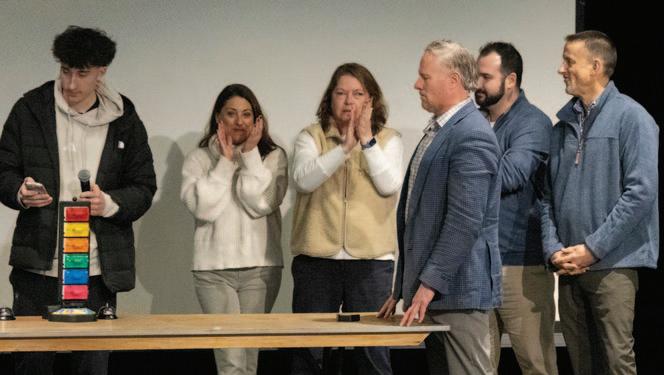

“What most surprised me about the talent show was how supportive all the students truly are and how engaged they are in each act.”
Emma Hudak ’27
“After the performance, I felt an accomplished feeling because everyone was singing along and dancing with me.”
Owen Pierotti ’27
“DOING
BY JOE SHEPPARD P’93, ’94
Asked how he answered that title question, posed over dinner by a series of alumni, Head of School Dan Scheibe replied, “That’s the question. It’s funny, because it’s either this invading army or a supernatural force or something like that … Alums just want to make sure we're not on our back foot — that we’re preparing our kids well … Schools [like Lawrence] are about preparing people for the next steps, preparing them for college, for work, for life. If that’s so, then we have no choice but to become fluent in this because it will be a part of [our graduates’] workflow.” He adds, with a laugh, “Like the advent of computers all over again, back in the early and mid-’80s — it's computers meets internet meets iPhone capability, times 5,000!”
“With teaching and learning, it now feels a bit like a tidal wave … All of a sudden I'm supposed to learn this entire new system that's coming at me a million miles an hour,” says Amy Selinger, an LA history teacher, college counselor, and member of a faculty group charged with guiding students and faculty into this new era. “The reason I ended up really wanting to dive in [to AI] is because I feel like the kids are swimming in it,” she adds. “And if I'm not involved in a conversation with them, then they're going to develop their own understanding and framework without an adult present. And I don't think that's healthy.”
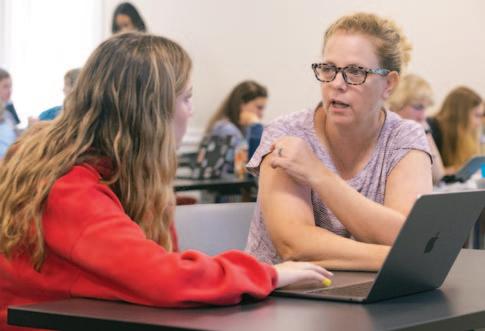
Like her sister schools, Lawrence is working hard to become “fluent” in AI with support from the New England AI Consortium, created by AI expert and former high school English teacher Eric Hudson, who is LA’s 2026 Mees Visiting Scholar. Mr. Scheibe elaborates: “Things are moving so fast that ‘right now’ becomes ‘yesterday’ very quickly … The introduction was through this New England AI collaborative that Buckingham Browne & Nichols was hosting. There are almost 15 schools, I think — everything from Andover, Middlesex, and Winsor to Landmark and Carroll. So there's no ‘type’ of school … All schools are going to have to figure out how AI is fitting into their particular mission and educational philosophy. We had two organized faculty sessions prior to Eric's visit that were guided by his work.”
At each of the member schools, as Ms. Selinger explains, “There's a small group of people that came to a couple of different in-person meetings that we had — webinars and small group meetings online. [Eric Hudson’s] premise is that he's not going to get into the weeds of the various ethical concerns that we all might have with AI, and there are many. But his idea is, ‘Listen, this is real. This is probably the biggest generational change to teaching and learning of our lives. And we need to get our arms around it.’”
“The reason I ended up really wanting to dive in [to AI] is because I feel like the kids are swimming in it. And if I'm not involved in a conversation with them, then they're going to develop their own understanding and framework without an adult present.”
Amy Selinger, LA history teacher, college counselor
Mr. Hudson’s message, rather than striking fear into the hearts of teachers everywhere, is reassuring and people-centered. In an article posted on Substack in January, he wrote: “In the spirit of human-centered, relational school cultures, I would love to reframe AI guidelines as acts of care rather than acts of control. That shift requires more transparency and mutual understanding. A first step for both teachers and students is to become more literate about each other’s experiences.”
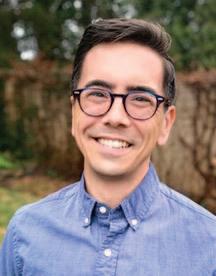
“In the spirit of human-centered, relational school cultures, I would love to reframe AI guidelines as acts of care rather than acts of control.”
Eric Hudson, 2026 Mees Visiting Scholar
basically the same prompt — yet everybody's answers were totally different. And they were so surprised!”
Elsewhere, he mentions that while some 90 percent of students have used AI in a meaningful way, only about 30 to 50 percent of teachers have done so. Faculty at Lawrence are using the new tool — some boldly, others more cautiously, depending on their level of comfort with the technology. Assistant Dean of Academics Emily Giddings describes English teacher Erin Lawler's use of AI in her senior creative writing class: “[Erin] has been really intentionally offering structured AI learning experiences. And she always offers two parallel tracks: She calls one human-only and the other AI-assisted. She's very mindful that students are in all different places in terms of their level of engagement and their desire to engage. But she has seen some interesting success using AI as a thought partner for students to actually slow down their thinking: She identified a challenge where her students were jumping too quickly to interpretation of text … [so she created] a chatbot that would basically put speed bumps in front of the kids. It would ask them a question, and then, based on their answer, it would encourage them to slow down and not go straight into interpretation, but to go back into noticing things in the text.”
Ms. Selinger had her U.S. history students generate a Roman-numeral outline of the causes leading up to the Civil War. “You have to write the prompt the right way,” she told them. “I said, ‘What you have to do is come into class with a printed-out version of a Roman-numeral outline that answers our seminar question: What's the point of no return of the Civil War? I want to see your prompt that you used … You print that out, and then in your handwriting, I want you to identify two places that you agree with what ChatGPT produced and two places that you disagree. And I want you to find evidence for both points’ … Most of them had
These assignments are examples of what Ms. Giddings calls “the student-facing side of things.” But, she adds, “there's also AI as an instructional design tool, which I think more of our teachers are actually doing — that would be using AI platforms to help you build your lessons, even if the lesson itself doesn't use AI or doesn't ask students to use it. There are science teachers who have been most vocal about saying it's really helpful to them. We have some teachers using it to differentiate assessments — for example, ‘Take a test and take this version of the test and write me three leveled-up challenge questions that are on similar content.’ Or, if teachers need to offer a retake for an assessment, [AI can] take the original and design the reassessment so that the teachers are not having to do all of that design work on their own.”
One day not too far in the future, these stories will be routine — nothing to write home about, as the saying goes. The challenge, as we meet the behemoth barreling toward us, is to keep humans in control of AI, not the opposite. As Mr. Scheibe sums up, “What has struck me is that the best uses of AI are still going to involve learning. As soon as humans take themselves out of the learning process, then you've sacrificed what could be one of the great benefits of AI. So, if you can work with AI to learn more in an assignment, that’s awesome. But if you've let AI do the learning or do the work for you, then you haven't learned anything.
“We're a learning-premium school; we’ve always focused on that learning process versus ‘perfect product every time,’” Mr. Scheibe adds. “I think, in terms of our educational philosophy, we're in a decent place. Better than some schools, maybe, to be able to go for the good stuff and worry less about the bad stuff.”
Says Mr. Hudson: “Human first, human last.”
Sounds good.
BY ANNE O’CONNOR ’78
When Alvah Crocker 1818 was just six or seven years old, his mother sent him off to live and work on farms to keep her boys from the poor house, according to Alvah’s son, Charles Thomas “C.T.” Crocker Sr. 1847, in a typed biography found in Crocker, Burbank & Co.’s Fitchburg offices in 1967. When the boy was eight, he returned to Leominster to work in the same paper mill as his father. Alvah’s mother used the weekly $1.50 to $2.50 he earned during the day but saved the money from his night shifts. The working child attended between two and eight weeks of school each year, which he supplemented by reading his employer’s books.
Desperate for more education, Alvah took that $50 his mother had set aside — almost a year’s earnings — and went to Groton Academy. He stayed at the school, which became Lawrence Academy, until he ran out of money, probably boarding with a local family or at a house on campus.
(Bigelow Hall, the first dorm, was not built until 1864.) Alvah returned to Leominster, “keeping school,” to earn money before leaving for New Hampshire, where he attended two quarters at New Ipswich Academy and worked in paper mills.
At age 21, Alvah returned to Massachusetts, selecting Fitchburg as the spot to make his fortune. New papermaking technology meant the saw industry was moving from hand work to mechanized production and new raw materials, so Alvah bought and built mills and shops to support them in West Fitchburg, in an area that became known as Crockerville. When he needed a road to reach them, he built it. Along the way, his mills were lost or damaged by fires and floods, most of the time without generous insurance to cover the losses. In 1850, Alvah and Gardner Burbank, a former employer, formed a partnership. Their paper-making company remained in Fitchburg until the 1960s.
Alvah faced the same problems as other businesses of that time: the Panic of 1837, no central banking system, and
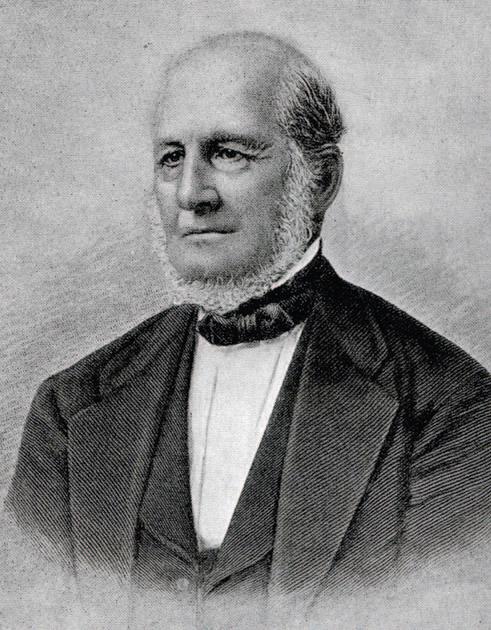
unreliable transportation of goods. He kept on top of his debts, though sometimes just barely. In addition to owning paper mills, he invested in other mills and founded two banks. One of Alvah’s biggest endeavors still makes an impact on industry: He built a railroad, first from Boston to Fitchburg, then on to western Massachusetts to join with the lines supporting the country’s westward expansion.
Alvah took that $50 his mother had set aside — almost a year’s earnings — and went to Groton Academy. He stayed at the school, which became Lawrence Academy, until he ran out of money.
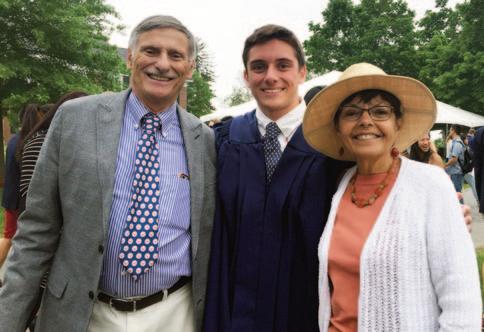
For Valerie ’89; P’16, ’19, growing up at Lawrence Academy meant being in a place where “family” extended far beyond her own household. “I loved growing up on a boarding school campus,” she says. “I always had someone to play with, a game to watch, and many, many other moms and dads.”
Still, she never expected to return to LA professionally. As a teenager, Valerie was eager to head off to college and experience life beyond campus, but circumstances brought her back to Groton, and LA eventually pulled her back in as well: first through the Alumni Council, then through the school store, then through the Development Office, and finally through the Admissions Office, where she has worked since 2012. After a lifetime intertwined with the school, Valerie says, “LA will always feel like home … I’ve spent 36 years living or working on this campus. That’s more than half of my life.”
Lawrence Academy was simply the backdrop of everyday life for Val’s brother Paul ’93. “Growing up at LA was wonderful. Having the other faculty kids around, like the Smiars, Sheppards, Mitchells, and Woodings, meant there was always a built-in group of friends,” he says. “Having access to all the sports facilities was incredible as well. I spent endless hours in the gym, skating at the rink, swimming in the pool, and roaming the acres of athletic fields. It truly was a kid’s dream.”
One of Paul’s core memories is of his father bringing him to his physics classroom when Paul was young. “I had a blast experimenting with the endless array of pulleys, ramps, magnets, and springs,” he remembers. “At the time, they were just fascinating ‘toys,’ but looking back, those moments likely played an important role in sparking my lifelong love of science.” Later, as an LA student, Paul took several courses taught by his father. “Thankfully, science came naturally,” he says with a laugh. “I’m grateful he didn’t teach English or a foreign language.”
The Campolietos’ LA legacy didn’t end with Bob’s children; for Bob’s grandchildren, the campus became just as important. Valerie’s sons, Jack ’16 and Michael ‘19, are also LA alumni. Jack’s first memories of campus are tied to watching his grandfather coach volleyball. “I distinctly remember as a little kid sitting on wooden bleachers, watching the games in the gym,” he says. “I remember it as one of the loudest places that I would ever go as a child, second loudest maybe being the LA hockey games!”
For Jack, it’s hard to imagine having gone to high school anywhere else. “It would have been a bit strange to go to high school somewhere other than LA because of how familiar it was to me,” he says. “I spent a lot of time at my grandparents’ home on campus as a kid, so it felt like a very natural transition.” Having his mom, working on campus while he was a student made his LA experience even more meaningful. “Having a built-in support system that was my mom was quite nice, and definitely a privilege,” Jack adds
Some of Michael’s earliest memories of LA include “watching my grandfather’s volleyball games in the athletic center in conjunction with the even more intense energy of Kevin Wiercinski and Donna Mastrangelo’s basketball games happening all in the same day! What a great thing to experience. I also remember riding my Razor scooter everywhere and playing on the swing set in Academy Way with Cailey ’15 and AJ Mastrangelo ’18, who lived across from my grandparents.”
Now working and living at Cardigan Mountain School in New Hampshire, Michael sees clearly how his upbringing prepared him for life in a boarding school community. “I watched my grandfather do this for the first ten years of my life,” he says. “The all-consuming lifestyle — the coaching, the meals, the team movie nights — I saw how deep the community impact can be. I fully understand why this work is so fulfilling. There is nothing more exciting than helping students reach their potential.”
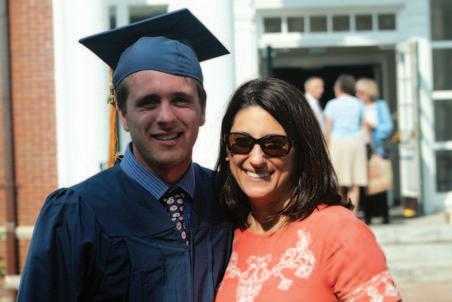
“ONCE YOU GO TO LA, YOU ARE A SPARTAN FOREVER, AND IT’S A COMMUNITY YOU’RE ALWAYS A PART OF.”
BY CAITLIN O’BRIEN P'26
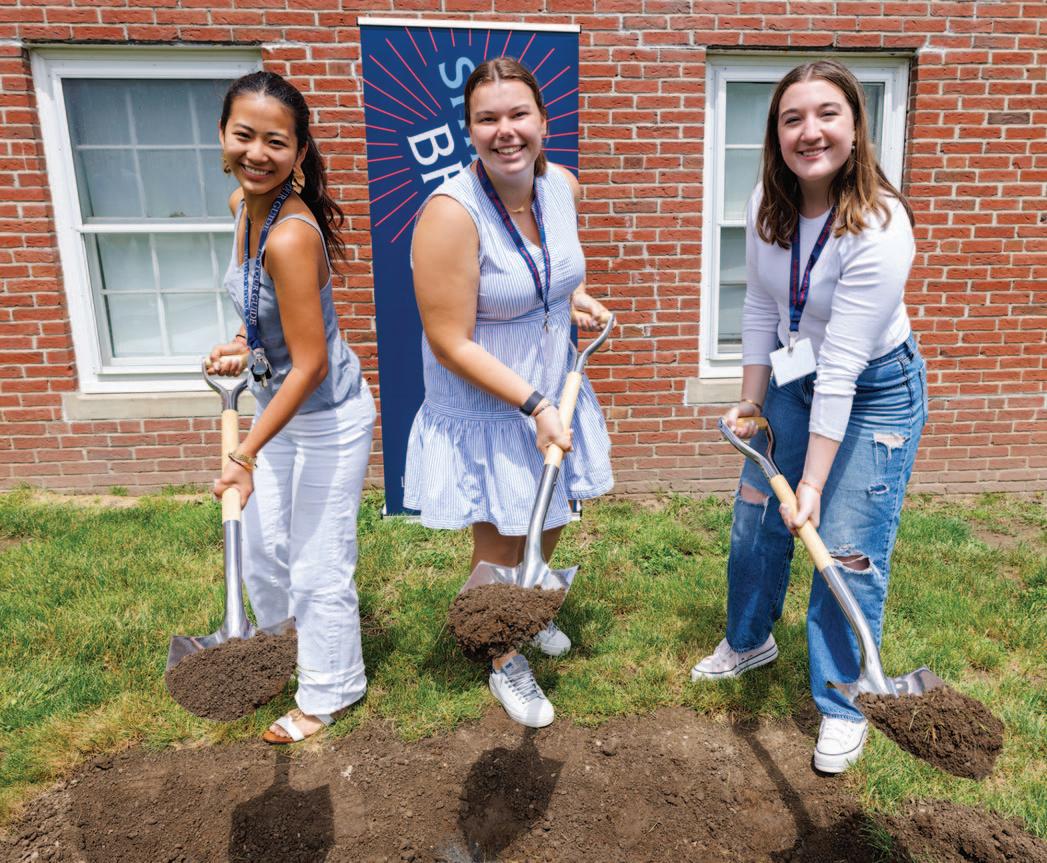
Every institution is strengthened by the connection between its past, present, and future. At Lawrence Academy, that connection is nurtured in part by students who support the work of the Development Office. The students who take advantage of this community service opportunity help steward those who support the school by making thank-you calls, offering event support, and working on organizational projects. They play an essential role in connecting generations of the school community and help ensure that every donor feels the appreciation they deserve.
When Ellie Epstein ’27 began making thank-you calls, she expected brief, simple exchanges. Instead, she found herself speaking at length with a graduate from the 1980s. “He was so very nice,” she recalls, “encouraging me to pursue what I wanted instead of doing what everyone else wanted me to do, and to make an actual impact on this world.” For students like Ellie, volunteering in the Development Office has become an unexpected look into the school’s rich history and a meaningful reminder of the shared values that unite the LA community across decades.
BY JOE SHEPPARD P ‘93, ‘94
“I was on the path to getting a doctorate and becoming a marine biologist,” Jeff Leahey ’92 recalls of his undergraduate days at Washington University in St. Louis. “Then, out of the blue, I decided I was going to take a semester and go to Washington, D.C. I was a double major in biology and political science, but I got the D.C. bug and decided not to get the doctorate. I took the LSATs instead, went to law school at Northeastern, focused on energy and environmental law, and the rest is sort of history.”
Jeff’s “sort of history” has centered on environmental issues — a lifelong passion — specifically renewable energy, “certainly in the form of hydropower, but also writ large.” He worked for the EPA in Boston while in law school; after moving back to the D.C. area post-graduation, he went to work in energy and natural resources for a firm that monitored legislative and regulatory policy for their clients, who “ranged from the Department of Defense to a trade association.”
After two years, Jeff moved to the National Hydropower Association, where he spent 17 years lobbying for “companies, utilities, [and other] asset owners that have hydropower-generating units, as well as supply-chain equipment manufacturers, consultants, and the like.” He became second in command at the association before moving on to Strategic Marketing Innovations, the private lobbying firm of which he is now a vice president. While still overseeing the interests of the hydropower industry, Jeff also works in electric vehicles, batteries, and critical minerals and represents “a couple of universities” that have “research and development needs that could be funded through some part of the federal government … The universities are looking at how they can supplement their work through federal R&D dollars.”
If you ask Jeff to describe his métier in a few words, he’ll say that he’s a “policy advocate in the renewable energy space” — “space” being D.C.Speak for field or industry. His job, he explains, has two facets: the first, the analytical side, involves “monitoring policy developments for whatever interests my client may have [and] analyzing legislation and trying to understand the impacts to my client.” In the other aspect of his work, the “forward-facing side,” Jeff represents the companies that hire his firm, serving as “an interface for them on Capitol Hill or with the administration.” He has testified before Congress four times in this capacity. His daily routine has him meeting with Hill staffers, members of Congress, and the like. “You’re an educator,” he explains, “telling them what the state of the world is, and also an advocate leading them to a potential proposal that would address the issues you’re bringing forward to them.”
As a student at LA, Jeff spent a good deal of time in the theatre, both onstage and behind the scenes. He calls the experience “a good foundation for some of the work I’ve done now … It certainly stripped away the nervousness that came with public speaking.” He adds, “In addition to the direct lobbying or advocacy work that I do, I’ve had the opportunity to speak as an expert at a variety of different events, both in D.C. and across the country,” including during more than a dozen trips to Alaska. “That may be in front of 50 people, and one time it was in front of almost a thousand.”
As a student at LA, Jeff spent a good deal of time in the theatre, both onstage and behind the scenes. He calls the experience “a good foundation for some of the work I’ve done now.”

Looking back, Jeff smiles at the path he has taken to get to where he is today. “When I was in high school, I had an environmental interest and background. I used to hang out at the Swamp, supported SCAR (Students Concerned About Rainforests), and even went on a Winterim to the rainforests in Belize and Guatemala one year. I thought I knew the path I
wanted to go on and totally ended up taking a right turn. But professionally, I’ve been very satisfied with how my career has turned out.”
Jeff should indeed be satisfied, and we should all be grateful for the work he has done to help make our world cleaner and safer.
BY JOE SHEPPARD P’93, ’94
It is surprising that a school as old as Lawrence Academy paid so little attention to its own rich history until fairly recently. Valuable artifacts and irreplaceable documents were hidden in closets, stashed on shelves, or consigned to basements all over the campus. Today, thanks to Paul Husted ’64, LA’s history is preserved in the Whipple Archives at the Jeffers Heritage Center in the Ansin Academic Building.
Paul came to Lawrence as a sophomore, from nearby Lowell, because his father, a Unitarian Universalist minister, didn’t want him to go to Lowell High. “He was a pacifist,” Paul explains, “and he didn’t want me to go there because they had Junior ROTC.” Paul spent three productive years at LA, where he played football and lacrosse, skied, and played in the band, then went on to earn a degree in political science at UMass Amherst and a master’s in public administration from Northeastern. After school, he spent three years as a first lieutenant in the Marine Corps (no word on Dad’s reaction to that choice!). “I figured I was going to get drafted eventually,” Paul recalls, “so I went around to the different recruiting officers. The Navy guy said, ‘Don’t bother me, kid!’ but the Marine Corps recruiter was really nice, and he sent me to the officer selection group.”
Eventually, 1st Lt. Husted was shipped off to Okinawa, Japan, for one year. When his service concluded after a stint in Philadelphia, he embarked on what would become a 20-plus-year position with the Department of Veterans Affairs, where he helped veterans applying for GI Bill benefits and, eventually, assisted with disability claims.
Paul’s “second career” started when he took early retirement from the VA in the early 2000s. “To keep myself busy,” he says with a smile, “I started hanging out with Dick Jeffers here in the Archives.” The actual room was new at the time — Ansin had opened only two years prior — but Dick, as
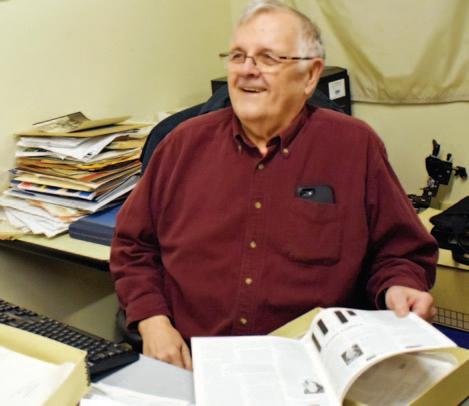
Paul remembers fondly, “was a pack rat.” Dick and the late Larry Jaquith ’63 (see obituary on p. 38) had begun to gather papers, documents, and artifacts from all corners of campus. Much of the material they collected has been professionally preserved, and some large items have been sent away to be digitized.
Paul has also digitized all LA’s student newspapers from the 1800s through the fall of 2014, when the final issue of Spectrum, the school’s last student newspaper, was published. Other collections include school catalogs from the last 200 years, yearbooks, and issues of this journal and its predecessors dating back to the 1950s, when Francis Head started the first magazine for alumni. A special treasure is the Samuel Green Collection, originally at the Massachusetts Historical Society and deacquisitioned to LA. As Paul explains, “Dr. Green, a local physician, kept scrapbooks. There are six big ones, dating from around 1830 to 1918, when he died … There are posters for Groton fairs and even a letter from James Lawrence to his cousin Sam. His mother was a Lawrence. We sent them out to be preserved, and I digitized them.”
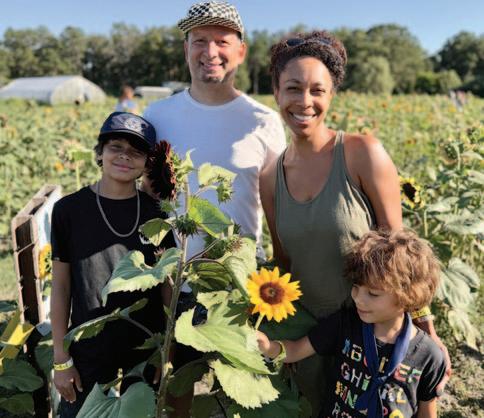
I give to the LA Fund each year because it supports students at Lawrence Academy who are much like I was a generation ago. No one in my family had even considered attending a private high school, much less applied to or been accepted to one, and my parents were far from being in a position to shoulder the full expense of tuition, room and board, extracurricular activities, and my travel from California. My ability not simply to attend but to fully participate in life as a student was made possible by the donors to the LA Fund, among other subject and activity scholarships. I knew other students had more than I did — nicer clothing or trips on weekends — but they never had more opportunity within the school than I did. All of the options were open to me at Lawrence with little or no cost to my family so I could just be a young person figuring out my own interests and path like anyone else. It’s also not lost on me that despite LA’s modest size, the financial support I received from the school dwarfed the offers from all the universities LA ultimately played a leading role in getting me
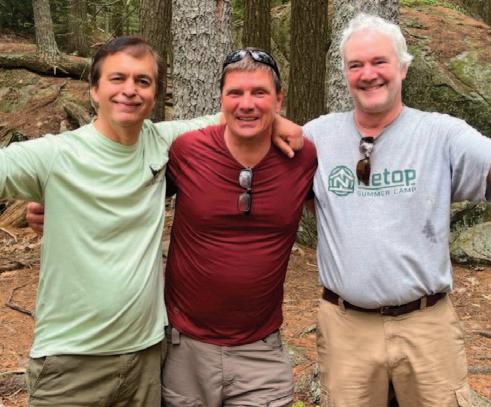
Forty-five years after graduating from Lawrence Academy, the memories of my time there and lifelong friendships that were made still live on strong. The impact that many of the faculty, staff, and intimate learning environments (including Winterim) had on my life and career were priceless.
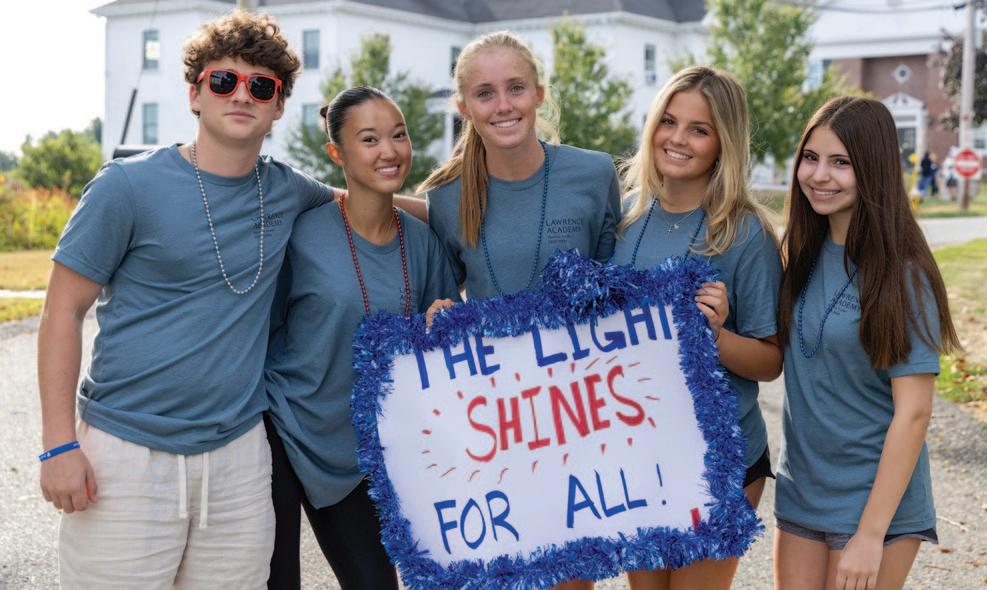
I have an ongoing passion to see today’s students who are currently learning, growing, and developing their own paths benefit from those who have gone before them. Lawrence Academy has so much to offer, and I am grateful to have experienced that “The light that shines for all.”
So, I encourage those who give to continue to do so and those who haven’t to consider giving. Rhetorical question: Isn’t it worth it? Absolutely and without doubt. So that is why I continue to give. Let’s do it!
into. So many doors eventually opened for me through Lawrence Academy, most I didn’t even know existed before I arrived there. Paying forward that gift is an easy choice.
YOU MAKE THE DIFFERENCE. PLEASE SUPPORT THE LA FUND BY JUNE 30TH.
Founded in 1793 with a bold vision and a small group of students, LA has grown into a thriving community shaped by purpose and possibility.
Today, 233 years later, with approximately 415 students, we are guided and sustained by the generosity of our donors — whose belief in our mission makes every opportunity possible.
Your support of the LA Fund is more than a gift; it is an investment in a legacy that reaches beyond the present. Together, we recognize, inspire, support, and empower students to grow, achieve, and lead — today, tomorrow, and beyond.
With your continued partnership, we will preserve this extraordinary experience while expanding what is possible for generations to come.

Have questions about the LA Fund or want to share a story about why you give? Please call Tonya Kalmes, director of development and annual giving, at 978-448-1577 or email tkalmes@lacademy.edu.
Kit Tucker ’65 writes: “It was all my grandfather’s fault — aviation, that is. He had a beautiful Stinson Reliant and gave it to the military shortly after Pearl Harbor. My father was a highly decorated Spitfire pilot during WWII. So naturally, I had to keep the family tradition alive. I never thought that some day I would fly over the LA campus in a WWII biplane and overlook the soccer field, the ice hockey rink, and the tennis courts that I enjoyed so much. I can’t say that my wife enjoys the biplane as much as I do. Why would anybody buy an airplane without a roof? ‘If you’re not having fun, you’re not doing it right.’”
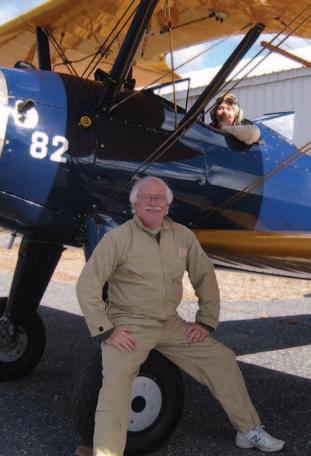
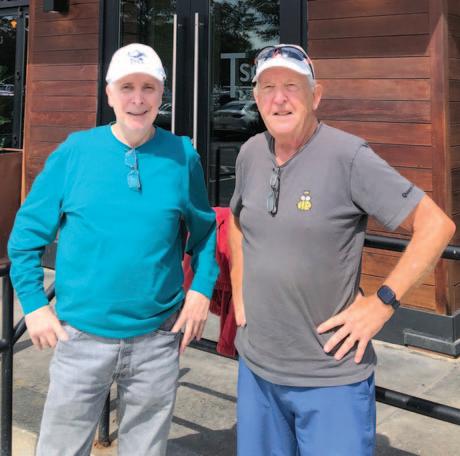
Randy Guerra ’71 sent this picture:
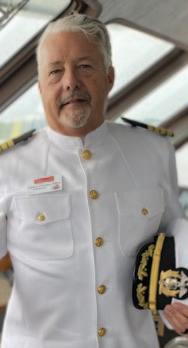
Christian Converse '76 says: “My wife, Sharon, and I have recently retired. We moved from Annapolis, Md. to Murrells Inlet, S.C. in May of 2025. Several years ago I obtained my captain's license and plan to drive tour boats in Murrells Inlet. I am also very active with the USCG Auxiliary and report to the Georgetown, S.C. USCG Station. I enjoy golf and the beach. I live on a golf course now. I do not miss the cold in New England!”
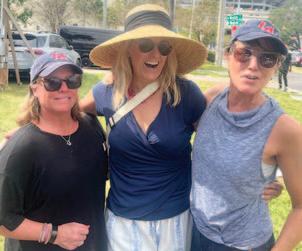
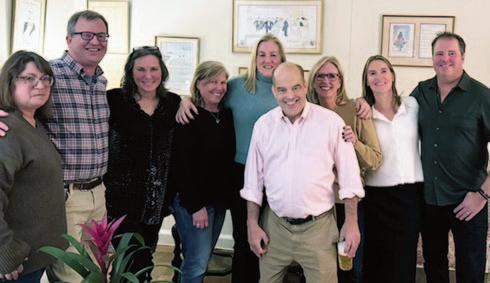
On Nov. 28, 2025, members of the Class of 1987 gathered at Nancy-Geer Hamilton’s in Boston to celebrate the start of the holidays together — Friendsgiving. They missed other Boston-area folks and definitely want to gather again soon!
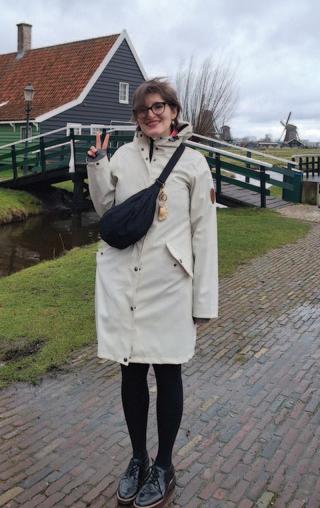
Nazanin Zadeh-Cummings ’07 writes:
“I am now in the Netherlands. I moved here from Australia in late 2023 to take a job as an assistant professor at the University of Groningen. It has been a new adventure, and I am enjoying every moment! One thing I miss about Australia is that I got to hang out with fellow LA alum Andrea Kimbrell ’09! We bumped into each other on a flight back to the U.S. for Christmas and discovered we lived not far from each other in Melbourne :) Hope all is well back on campus, and I hope to be back for my 20th reunion next year!”
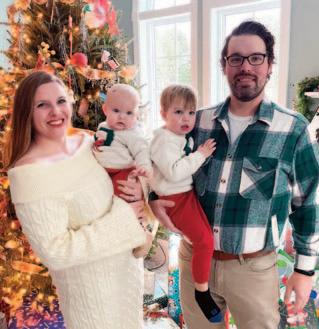
Mia Brinkman ’08 and her husband welcomed their first born child on Saturday, February 25th, 2”23. Mia says Theo weighed seven pounds, 2.2 ounces. He was 19 inches long.
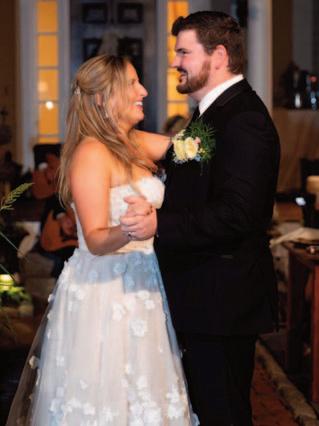
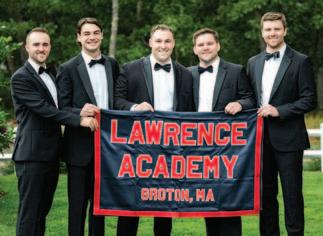
Katelyn Reichheld ’16 and classmate Billy Adie ’16 were married on Aug. 16, 2025, surrounded by family, friends, and several fellow 2016 alumni. Katelyn and Billy first met as freshmen in 2012 and remained close friends throughout their time at LA. They reconnected in 2020, after graduating from college, and their relationship blossomed, leading to many milestones together.
In 2023, Billy proposed during a memorable trip to Edinburgh, Scotland. The couple settled into their first home in Brentwood, N.H., in 2024.
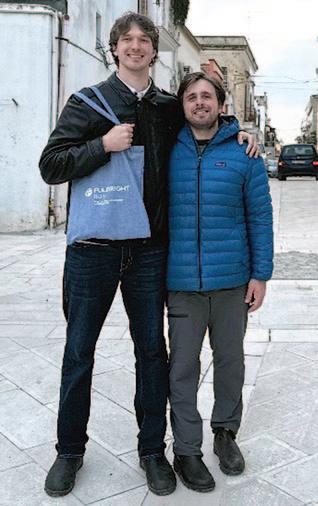
Mike Templeton ’19 went to visit classmate Mickey Feeney ’19, who is working as a Fulbright English Teaching Assistant (ETA) in Bernalda, Italy, for the ’25-’26 school year. Sponsored by the U.S. Department of State, the Fulbright Program is America’s flagship cultural exchange program, which seeks to foster cross-cultural learning and intercultural competence between nations. Selected ETA grantees are placed in classrooms abroad to provide assistance to the local English teachers while serving as cultural ambassadors for the U.S. Mickey is grateful to have been selected for this opportunity and will always remember this deeply enriching and transformative experience.
Peregrine “Perry” White ’45 of Rindge, N.H., died peacefully at the age of 99 on Nov. 3, 2025, at home.
After graduation from Lawrence, Perry joined the United States Army Air Corps. Following his discharge, he became an avid firearms enthusiast, proudly collecting guns and owning and operating his own shop, Perry White's Gun Shop, in Rindge. His interest in guns spanned over 60 years. Perry also was a devoted Dodgers fan and was able to see them win two World Series in a row.
Perry is survived by several nieces and nephews and their families. His wife, Jean (White), a brother, and two halfsisters predeceased him.
John J. Beades, Jr. ’56 of Dorchester passed away peacefully on Oct. 22, 2025. Jay’s one year at Lawrence was a busy and productive one: He worked on both the Lawrencian and The Elms (the student newspaper), sang and danced in the annual Autumn Frolic, and played football. His face was a familiar one on the LA campus.
Jay leaves a sister, Carol J. Murphy, as well as his dear niece, Danielle, and many close friends.
David Buttrick Livesey ’61 died on Dec. 22, 2025. No further information was available at press time.
Laurence White Jaquith ’63 died in New Bedford, Mass., on Nov. 8, 2025, after a brief illness. After graduating from Lawrence, Larry attended Hanover College, Brandeis University, and Harvard University, earning degrees in English literature and theatre arts.
From a young age, Larry followed a creative path, driven by his passion for design, literature, film, and ethnography. While serving in the Peace Corps with his wife, Connie, Larry designed and built their adobe home in the Bolivian village of Coromata Alta, where they shared agricultural techniques with the local Aymara community. Upon return to the United States, Larry led a distinguished career as professor and department chair of theatre arts at Kalamazoo College, playing a pivotal role in designing the college's new thrust stage for the theatre. Larry's training in theatre arts provided him with a strong foundation for architectural and museum design. He worked in New York and Philadelphia before
returning to New England, where he oversaw multiple architectural projects and produced several independent films. Also an avid gardener, he created many highly regarded landscape designs in Michigan and Massachusetts, and he enjoyed consulting with friends and neighbors on horticulture techniques.
A love of literature drew Larry to New Bedford, where he opened Subtext Books, curating rare editions and books about New Bedford's rich history. Subtext Books became an integral part of New Bedford's cultural community, offering book readings and signings and participating in the New Bedford Book Festival and AHA! New Bedford cultural nights. Larry was an active member of the First Unitarian Church in New Bedford for over a decade, where he served as chair of the finance committee. All will miss Larry's clever wit and charm.
Larry was predeceased by his parents, Wilbur and Virginia Jaquith; his sister, Cynthia Jaquith; and his brother, Bruce Jaquith. He is survived by his sister, Diane Jaquith; several nieces; a nephew; his former wife, Connie Jaquith; and many close friends.
Oliver Ames Manice ’65 passed away peacefully in his beloved home in Bridgewater, Vt., on Nov. 19, 2024, at the age of 77. After Lawrence, he earned a bachelor’s degree from the University of Denver, where he played on DU’s first men's lacrosse team. He was proud of his alma mater and was an avid supporter of the DU Pioneers hockey, lacrosse, and ski teams.
After graduation, Oliver served in the U.S. Army in the special security group. When his service was complete, he settled in Bridgewater, Vt. in an 1815 cape house, surrounded by meadows and mountains. Shortly afterwards, he met and married his adored Mathilde Zara. Together, they raised their two children, Lindsay and Reed, along with their beloved dogs, cats, and bees.
Oliver worked with Charles Fenton as a custom framer, and then at Ford Insurance Agency, before starting his own woodworking business, Angle Woodworks. He singlehandedly transformed a section of his 1800s barn into his workshop, where he created beautiful custom frames.
He loved and cared for the outdoors, appreciating its beauty and quiet. In the winter, he would play hockey and ski the nearby trails and downhill slopes, and in the summer, he would be wading in the rivers and oceans, fly-fishing with his friends.
For many years, Oliver served on the board of the Lakota Club and was an active member on the fish and boat committees. He also served multiple roles within the town of Bridgewater and was a lifelong philanthropist in his local community and beyond.
In addition to his wife, Mathilde, Oliver is survived by his children; his son-in-law, Walter Sussman; and three grandchildren.
William S. “Billy” Masland Jr. ’74 died on Nov. 26, 2025, in Harrisburg, Pa., at the age of 70. After graduating from the Rochester Institute of Technology, Billy completed an internship at Clemson University before returning home to work at his family-owned carpet company, Masland Carpet, until its change in ownership. In later years, he worked for UPMC (formerly Pinnacle Health) as a transportation driver, delivering medical supplies with the same dedication and pride he carried throughout his life. Billy’s strong work ethic and kind spirit left a lasting impression on everyone who knew him.
In 2000, Billy met Lori Paul, and the two quickly discovered a shared love of sports that sparked a deep and lasting connection. Whether cheering on their favorite teams or simply enjoying time together, their bond grew stronger through the years. They married on Oct. 11, 2025, surrounded by family and friends, celebrating a love that had been years in the making.
Billy was a devoted fan of the Philadelphia Eagles, Philadelphia Phillies, and Penn State Nittany Lions, and he held a special place in his heart for his beloved golden retriever, Lucy.
He is survived by his loving wife, Lori Paul; two sisters; a sister-in-law, Marsha Paul; a nephew; and five nieces, as well as several other family members and friends.
Billy was predeceased by his sister, Jennie Giancoli, as well as numerous beloved pets, especially his best pal, Groucho.
Juan Savoy (Patrick) Bradshaw ’78 died on Oct. 7, 2025. A graduate of the Delaware School of Nursing, she lived in Augusta, Ga., with Oliver Bradshaw, her husband of thirty years. Juan worked and retired from Comcast Cable company of Augusta.
A gifted musician, Juan brought joy to countless people with her beautiful voice during her time at Lawrence and throughout her life. She also played the piano, violin, harp, and flute, making music with her sisters, Kitty and Bunita. She loved spending time with her family and friends.
In addition to her mother, Gail O. Patrick Kelly, Juan is survived by many nieces, nephews, cousins, and friends, and a goddaughter. Her husband and sisters preceded her in death.
Malcolm G. (Trip) Caldwell III ’80 died peacefully on Feb. 6, 2025, at VITAS Inpatient Unit at St. Mary's Hospital with his loving wife, Beth (Mahaney) Caldwell, and stepson, Christopher Doyle, by his side. He was 62. A 1984 graduate of the University of Vermont, where he earned a bachelor's degree in business administration, Trip worked as an agency representative for Fidelity National Title Insurance Company for 20 years. He was a tireless advocate for his agents and took great pride in their success.
Trip excelled in hockey and football at Lawrence and kept his passion for sports throughout his life. Growing up in Concord and Acton, Mass., he was an enthusiastic fan for all Boston sports teams and all things ‘Boston.’ He remained a loyal and devoted Bruins fan and recently celebrated his 35-year anniversary as a tenured season ticket holder. His loyalty to the Red Sox and the Patriots was equally strong.
Besides Beth, his wife of 25 years, Trip leaves two sons, four grandchildren, and two sisters, in addition to many other relatives and close friends who were by his side during the last two difficult years of his life.
Nicole M. Ousler ’89, 55, passed away peacefully at Lawrence General Hospital on Sept. 8, 2025, following complications of an unexpected cardiac event. At Lawrence, Nicole was an accomplished soccer and volleyball player. She graduated from Salve Regina University in Newport, R.I., where she earned B.A. and M.A. degrees in criminal justice.
After graduating, Nicole worked in the clerk’s office of the Newburyport District Court before transitioning to lead the School Safety Department for Lawrence, Mass., public schools. She proudly and passionately served the school community in this role. Following her work in Lawrence, she brought this passion to a therapeutic setting, where she worked as a juvenile social worker and counselor for children and teenagers in court-ordered care. Later, she worked several years at a family law firm in the greater Lawrence area. She subsequently owned and operated Neat Repeats, an upscale women’s consignment store, in Groveland, Mass.
With Brian Wise, her loving partner of 18 years, Nicole enjoyed many weekends cheering on the Patriots or visiting favorite spots along the Maine coast and elsewhere around New England. She lived her life for her family and loved ones. From the moment her first nephew was born, Nicole was a beloved and devoted auntie; nothing brought her pride and joy like her nine nieces and nephews, who have keen memories of shopping trips, outdoor play, sleepovers, and reaping the benefits of her mantra, “Auntie never says ‘No!’”
Nicole is survived by her mother, Deanna Ousler; sister Kristen (Ousler) Sanchez ’86 and her husband, Frank; sister Heidi (Ousler) Lang ’92 and her husband, Bryson Lang ’89; and brother George Ousler III and his wife, Ingrid; longtime partner, Brian Wise; and many nieces and nephews. She was predeceased by her father, Dr. George Ousler Jr; two uncles; and an aunt.
Pharoah Raheem Smalls ’94 died on Dec. 18, 2025, at Baystate Medical Center in Springfield, Mass. A gifted athlete, he was a standout on the basketball court at Lawrence; after graduation, he earned a degree in liberal arts at UMass Lowell.
Pharoah had a deep love for his community and a lifelong commitment to uplifting young people. Whether working with Brightside or Job Corps, he devoted his time and energy to guiding and inspiring youth. His passion for people also led him into the entertainment world, where he founded P. Smalls Entertainment, an influential presence in the late 1990s that brought countless talents and memorable moments to the area.
In the early 2000s, Pharoah expanded his entrepreneurial spirit into real estate and several business ventures, including a convenience store and the beloved Wingz & Wafflez. No matter the role he played — mentor, businessman, entertainer, or friend — Pharoah left a lasting impression on everyone he met.
In addition to his mother, Gloria Jones of North Carolina, Pharoah leaves three sisters — Brenda Walden of Springfield, Traedonya C. Jones of New Jersey, and Tia Scott of Connecticut — as well as several nieces and nephews and many friends. Two other sisters predeceased him.
Aaron Marckell Williams ’17, 26, died on Jan. 9, 2026, the victim of a runaway driver trying to escape police in Washington, D.C. A professional photographer, Marckell had worked for the Washington Informer. Micha Green, a former Informer colleague, said, “What comes to mind for Marckell is his faith, family, his fraternity, and fearless storytelling. He truly loved his work from Washington, D.C., to Ghana. He told stories that really made a difference and was an amazing visual storyteller.” Representatives for the Informer said, “We are heartbroken over the loss of Marckell Williams — a talented photographer, storyteller, and beautiful soul who was once part of the Washington Informer family. His passion for capturing people, culture, and truth will never be forgotten.”
Michael F. Carroll, a member of the buildings and grounds crew from 2013 to until his retirement in 2022, died on Nov. 19, 2025. At LA, Mike extended his love for nature and the outdoors into a profession. He loved being outdoors, whether it was planting flowers or attending to the lawn. Michael was known for his green thumb, tending to a beautiful garden of flowers that mirrored the beauty of his spirit. An avid sports enthusiast, he played hockey as a goalie for many years, and loved watching the Bruins (as well as the Patriots).
Mike is survived by his wife, Deborah; three children; seven grandchildren; and his brother and sister in-law, Walter and Susan Carroll.
Former LA school counselor Cynthia D. Choate died on Feb. 26, 2026, in Exeter, N.H., at the age of 82. She had been suffering from dementia. Cindy’s gentle and caring ways and dry sense of humor complemented a fierce competitiveness in athletics, which she put to good use as coach of the golf team at Lawrence. She is survived by three children, seven grandchildren, three siblings, and many nieces and nephews, in addition to her former husband, John Choate, who taught math at Groton School for more than fifty years.
On an elm-tree shaded hillside
In an old New England town Stands a school, both old and famous, Worthy of its great renown.
From the many who have loved it And upheld it gloriously, Echoes down the years this watchword, “Lawrence, Lawrence, here's to thee.”
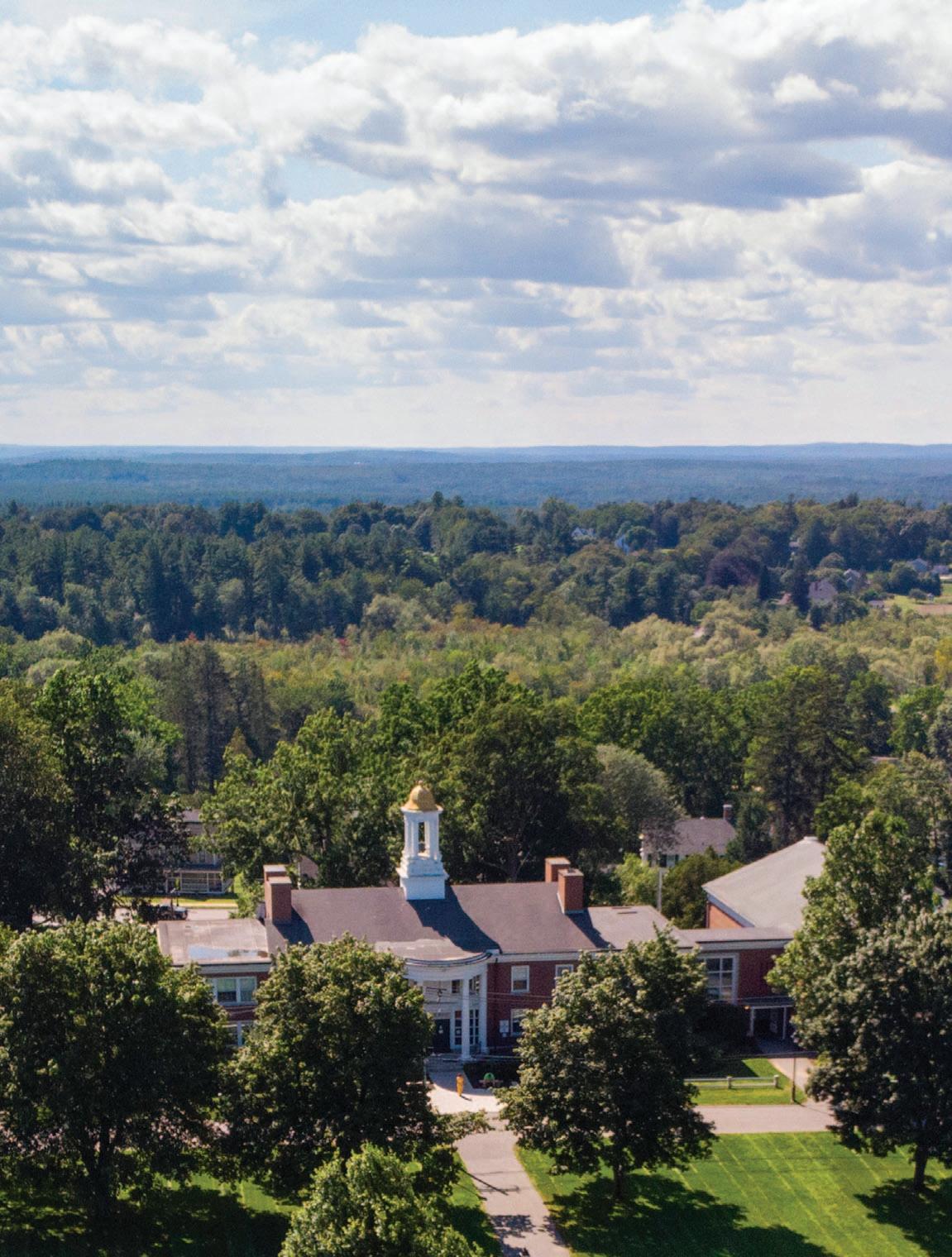
From thy portals facing westward Where the last faint sunbeams glow, Catch we on the mountains' summits Visions, dreams that still will go With us whereso'er life takes us, And through all the years to be This shall be our promise loyal, “Lawrence, Lawrence, here’s to thee.”
Monday, Oct. 5, 2026
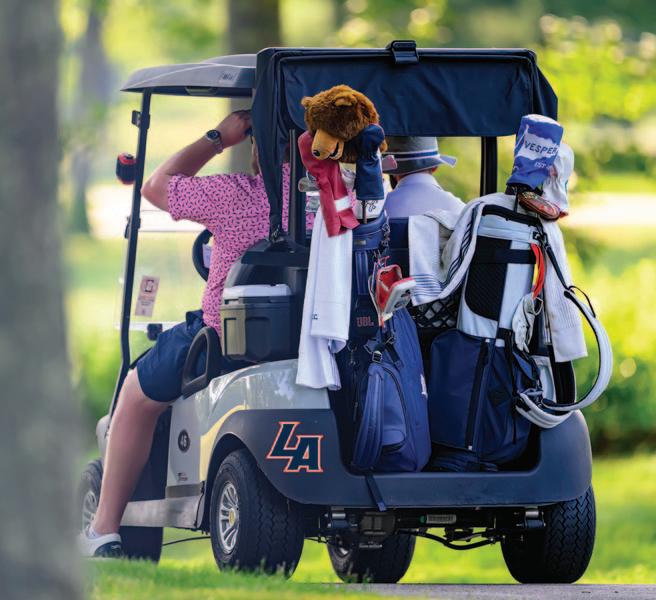
Vesper Country Club
Tyngsboro, Mass.
11:30 a.m. Registration & Lunch
12:30 p.m. Shotgun Start
5:30 p.m. Post-Play Reception
Registration Fees
$2,000 per foursome; $500 per player
$1,600 Young Alumni Foursome; $400 per player
$40 non-golfer reception attendee

Scan