BY LAWN SOLUTIONS AUSTRALIA | JULY 2026



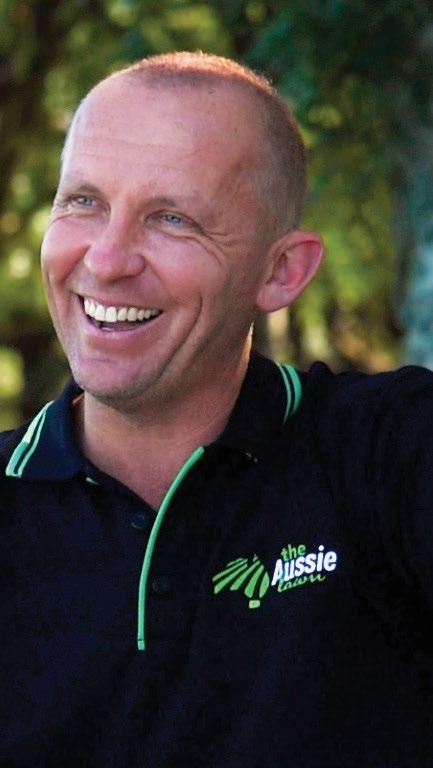




SIMON ADERMANN DR. CHANDRA JASON HODGES
KLEIM

BY LAWN SOLUTIONS AUSTRALIA | JULY 2026
Australia’s most comprehensive turf magazine. Turf Talk is suitable for all turf professionals, from turf growers to landscapers, golf courses and sports ground curators, to government and related industry organisations.
Turf Talk is here to share with you the latest information on the turf industry, the exciting developments in turf research and to keep you up to date with everything you need to know about turf.
Turf Talk is a free magazine, distributed to over 3,000 landscape and turf professionals.
Turf Talk is published by Lawn Solutions Australia. For any enquiries, submissions or to subscribe to our digital edition please contact us at news@turftalk.org.au
LOVE BLOOMS HERE SHOW GARDEN BY JASON HODGES AND
MELBOURNE INTERNATIONAL FLOWER AND GARDEN SHOW
Lawn Solutions Australia (LSA) is proud to once again be part of the Melbourne International Flower and Garden Show (MIFGS), hosted at the Royal Exhibition Building and the heritage-listed Carlton Gardens in Melbourne’s CBD. Renowned as one of the most anticipated events on the horticultural calendar, the show brings together leading landscape designers, industry experts, and garden enthusiasts to celebrate innovation, creativity, and all things flowers, gardens, and landscape design.
This year’s theme, Kaleidoscope, inspired a vibrant showcase of colour, texture, layering, and pattern throughout the displays.
The LSA stand, designed and constructed by Brad Chandler and the team from Venus Landscaping, showcased LSA’s premium turf varieties, including Sir Walter DNA Certified, TifTuf Hybrid Bermuda, Sir Grange Zoysia, Zoysia Australis, and our newest variety set to launch later this year, Stampede Hybrid Buffalo. From easy-care home lawns to highly manicured surfaces,
the stand demonstrated that there is a turf variety suited to every space.
On the stand, Lawn Solutions members from across Victoria including ANCO Instant Turf, Coolabah Turf, Lilydale Instant Lawn, StrathAyr Instant Lawn, and Mallee Turf provided expert lawn care advice. They also guided visitors on selecting the most suitable turf varieties for their homes and gardens.
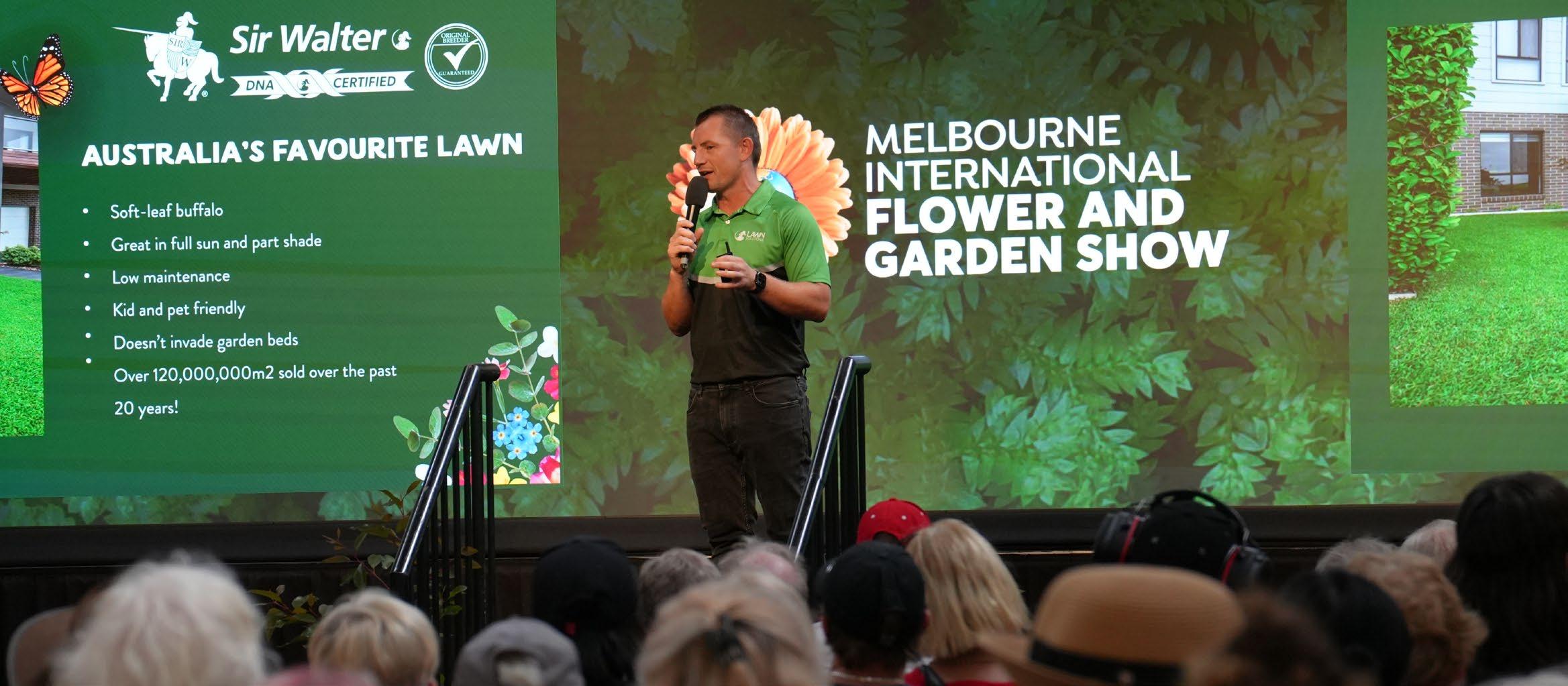
LSA also had the pleasure of presenting daily on the main stage at the Royal
Exhibition Building. These presentations provided an opportunity to engage with attendees on how to choose the right turf variety based on lifestyle, maintenance requirements, and desired aesthetic, while also showcasing how LSA’s premium range had been thoughtfully incorporated throughout the show gardens.
LSA was also featured on the much-loved TV program The Garden Gurus, hosted by Trevor Cochrane. Visiting the LSA stand, Trevor caught up with Joe Rogers for a
discussion on all things turf. Joe guided him through the display, highlighting each variety and the unique characteristics that set them apart.
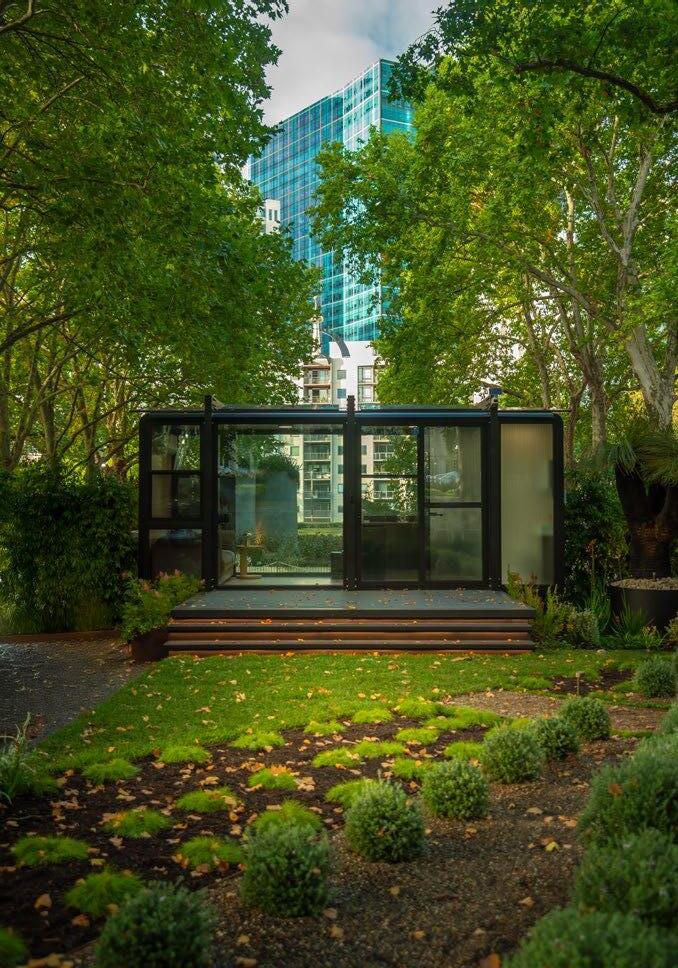
Throughout the show, LSA’s premium turf varieties were thoughtfully incorporated across a range of garden displays, each complementing the overall design.
A standout among them was Sir Grange Zoysia, which featured prominently in several gardens. Its versatility was on full display, showcased both unmown for a sculptural, contemporary look and maintained as a manicured, short-cut surface. This adaptability makes it an ideal choice for show gardens, where visual impact and texture are key.
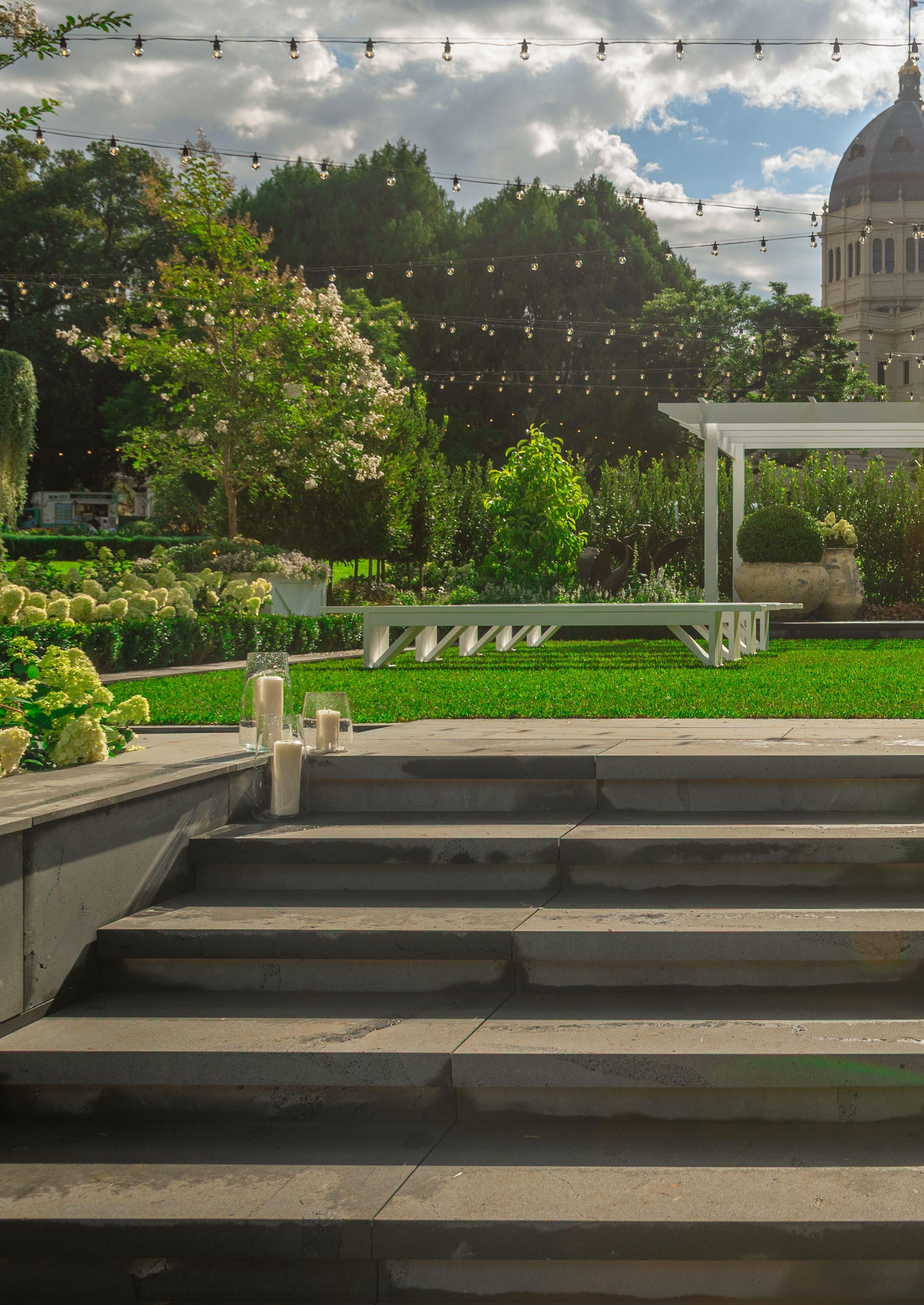
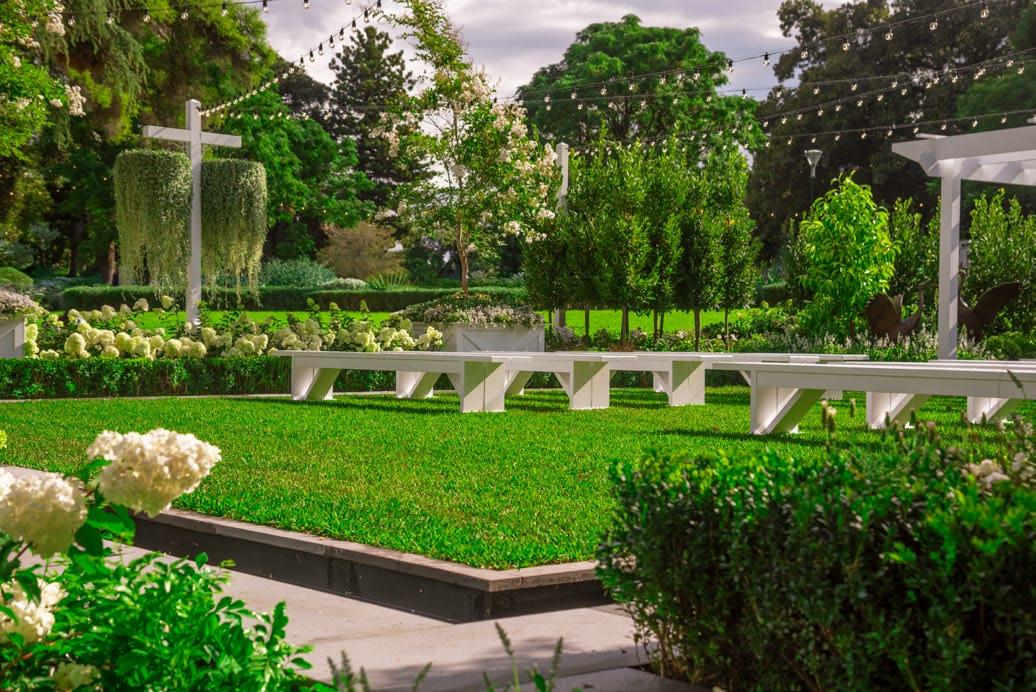
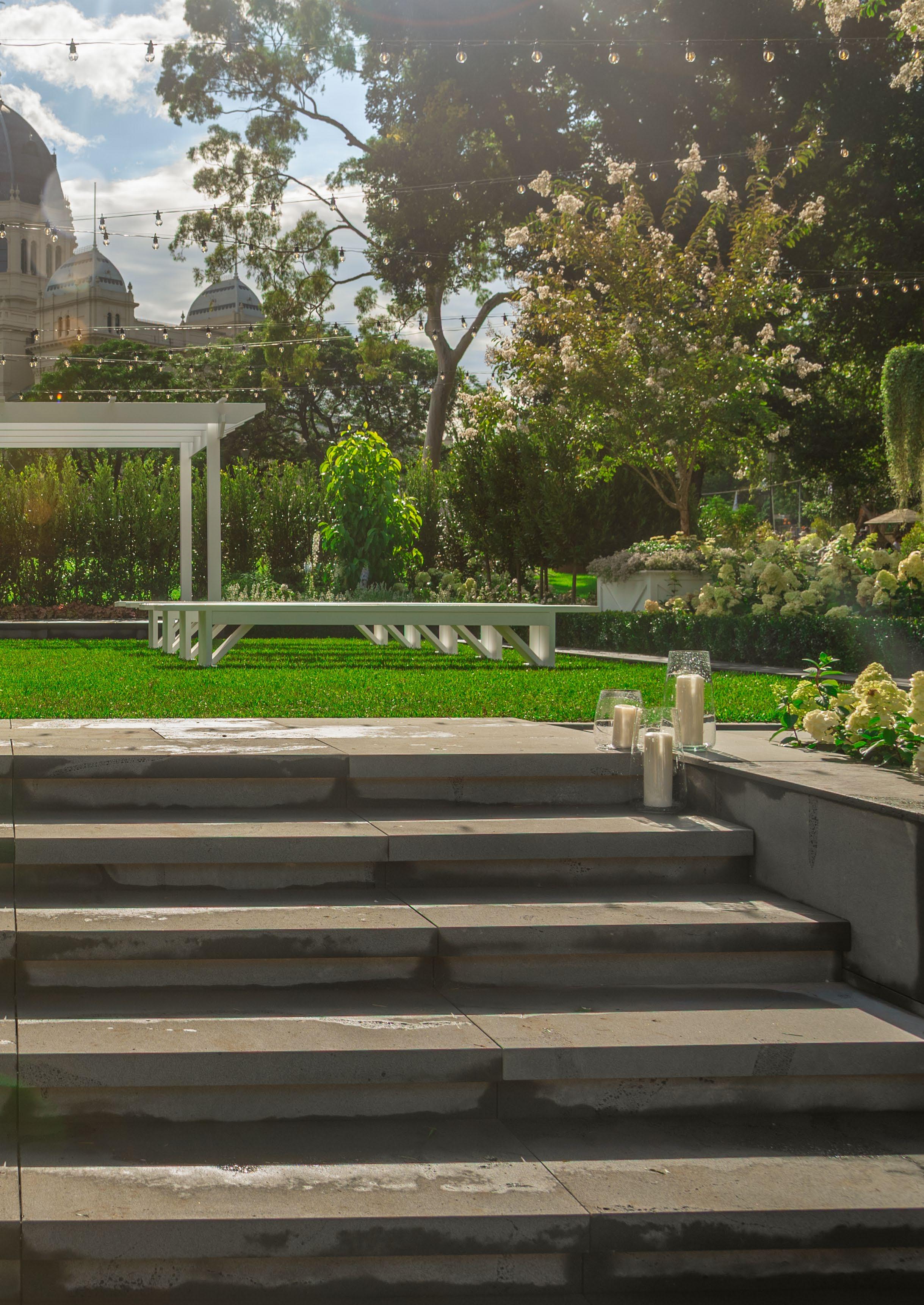
Another highlight was Sir Walter DNA Certified Buffalo, featured in the garden Love Blooms Here by Jason Hodges and
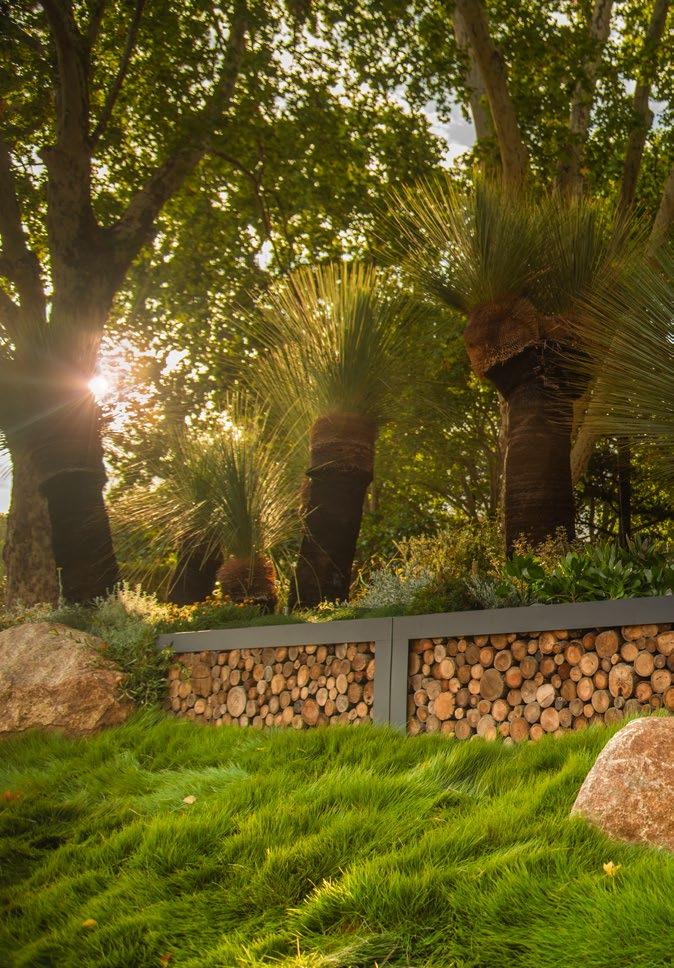
Semken Landscaping. This premium variety created a lush, carpet-like green foundation that beautifully complemented the soft pastel tones of the surrounding planting.
Jason Hodges Show Garden
Jason Hodges’ garden not only showcased the beauty of Sir Walter DNA Certified but also served a unique purpose beyond a traditional show garden, it was designed to host a real wedding ceremony during the event. Newlyweds, Dean and Tayla, share a deep connection to the show, with Dean having contributed to MIFGS gardens over his 22-year career with Semken Landscaping.
This stunning space not only highlighted the elegance of Sir Walter DNA Certified and its surrounding plantings but also created
a meaningful setting for the couple to celebrate their special day.
We the Wild – Matt York
We the Wild reflects the idea that every garden can enhance the broader ecology of its surroundings. Inspired by the windswept terrains of coastal Victoria, the design features striking plant selections, including Xanthorrhoea and flowing, unmown Sir Grange Zoysia. The garden was awarded the City of Melbourne Award of Excellence (Best in Show) and a Gold Medal.
Where We Gather – Emma Doman Design
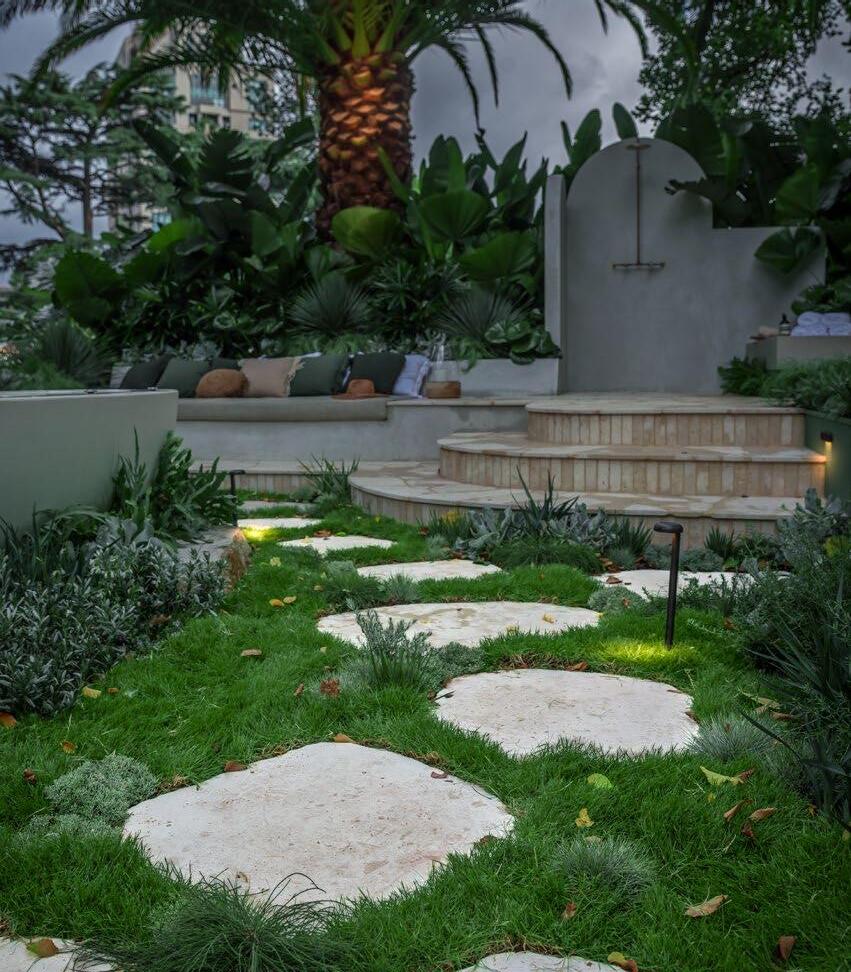
Inspired by long, sun-drenched Queensland afternoons, Where We Gather creates a calming, contemporary, and restorative space, bringing luxury barefoot living to
life. The design incorporates unmown Sir Grange Zoysia, oversized palms, and a selection of subtropical plants. The garden was awarded a Silver Medal.
The Future Garden is a forward-thinking, sustainable space designed for everyday living. It incorporates recyclable materials and features planting that includes Australian native Westringia, Sir Walter DNA Certified lawn, and a diverse mix of native species.
We would like to extend a sincere thank you to everyone involved in planning, building, and bringing these incredible spaces to life at this year’s Melbourne International Flower and Garden Show. We look forward to seeing what next year’s event has in store.
We
We






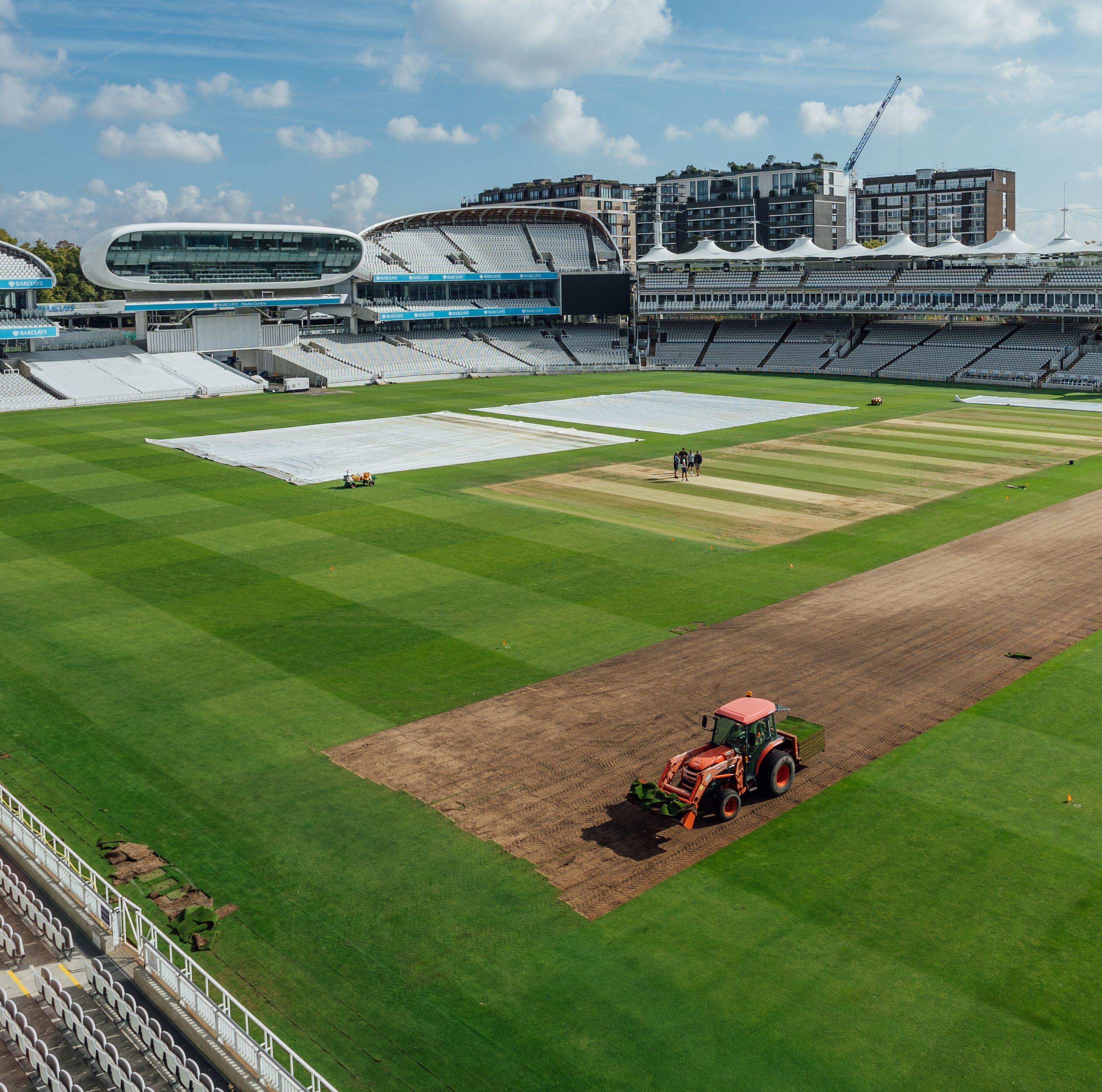
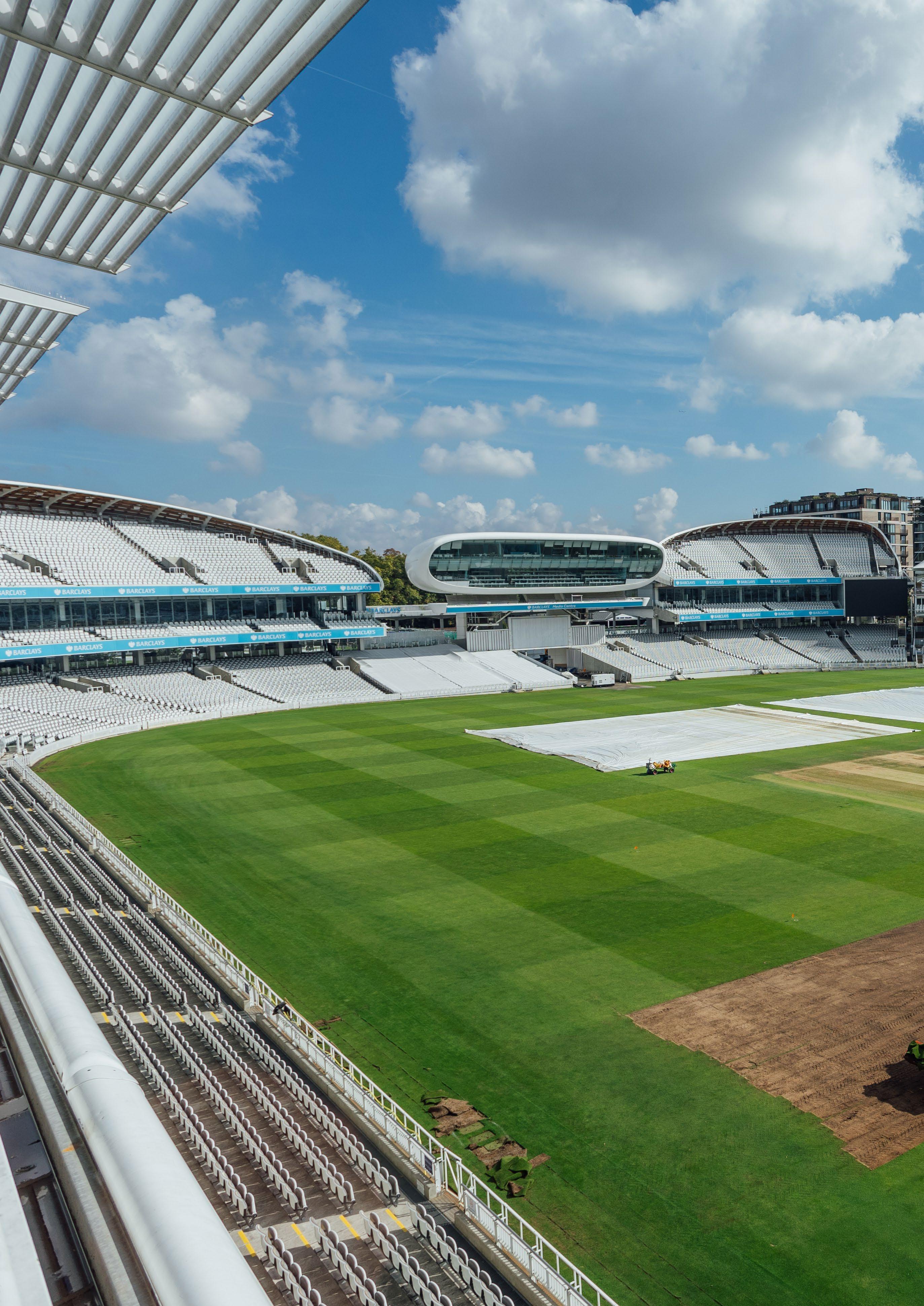
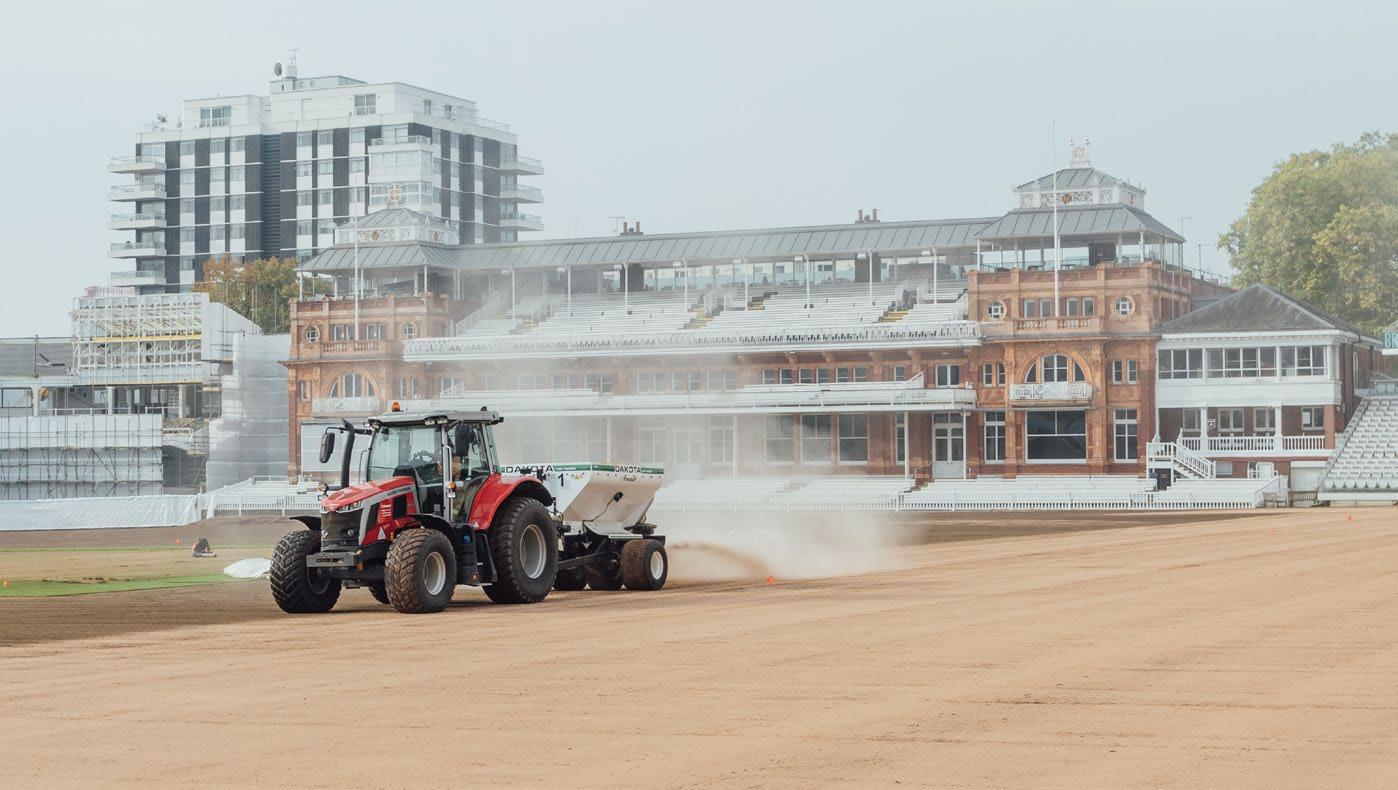
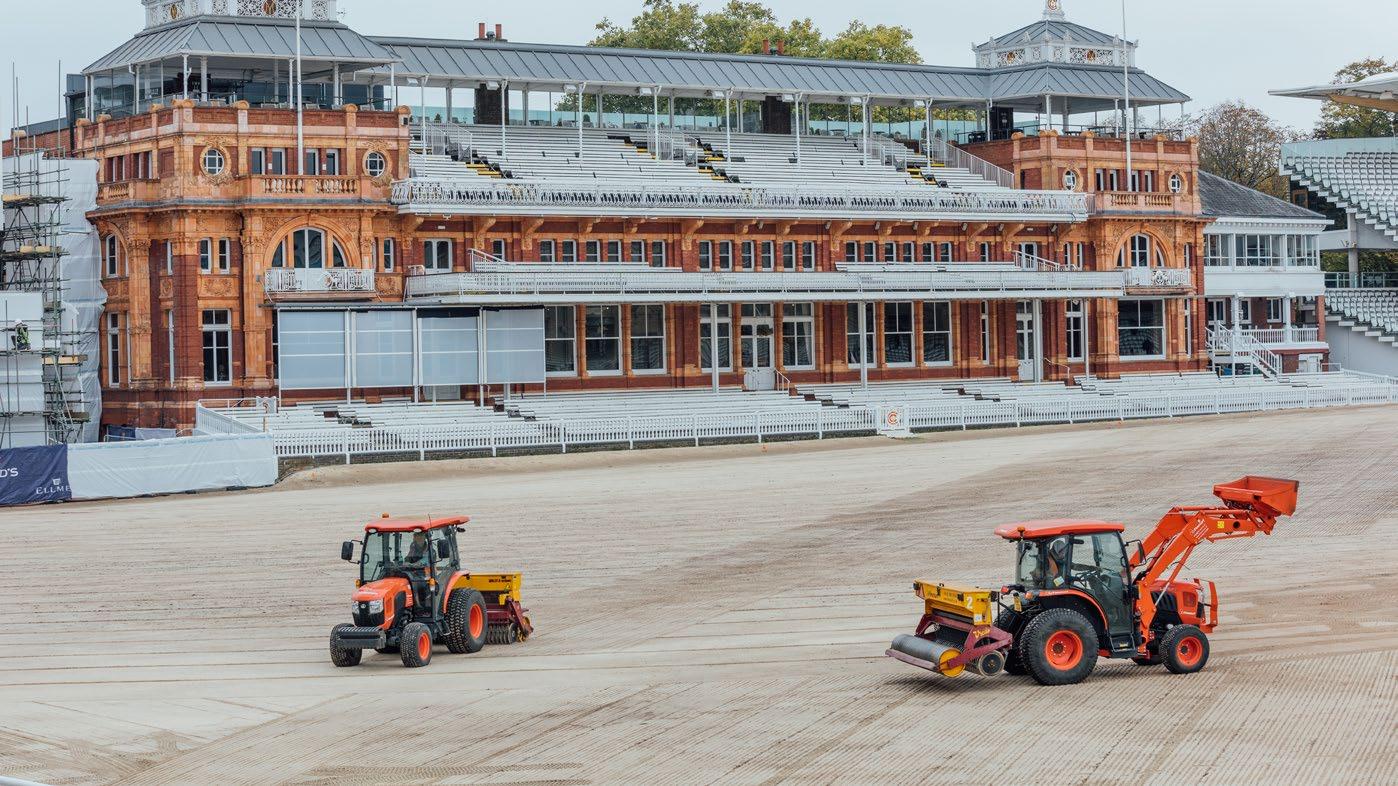
In 2025, a landmark resurfacing project was undertaken on the Main Outfield at Lord’s Cricket Ground, marking the first full renovation of this iconic surface in 24 years. Commissioned by the Marylebone Cricket Club (MCC), the project represented a significant investment in preserving the quality, performance, and heritage of the Home of Cricket. Fineturf was proud to be entrusted with delivering this prestigious
project, drawing on decades of experience in elite sports turf construction and renovation.
Lord’s Cricket Ground is globally recognised as the spiritual home of cricket, hosting historic Test matches, One Day Internationals, and domestic fixtures, as well as being a symbol of tradition and excellence within the sport. The condition of the outfield plays a vital role in both the quality of play and the presentation of
the ground, requiring exceptional levels of consistency, drainage, and resilience. With the surface having supported countless iconic moments over more than two decades, the 2025 renovation was designed to futureproof the outfield while respecting its legacy.
Ahead of renovation works commencing, MCC offered its members a unique opportunity to take home a piece of
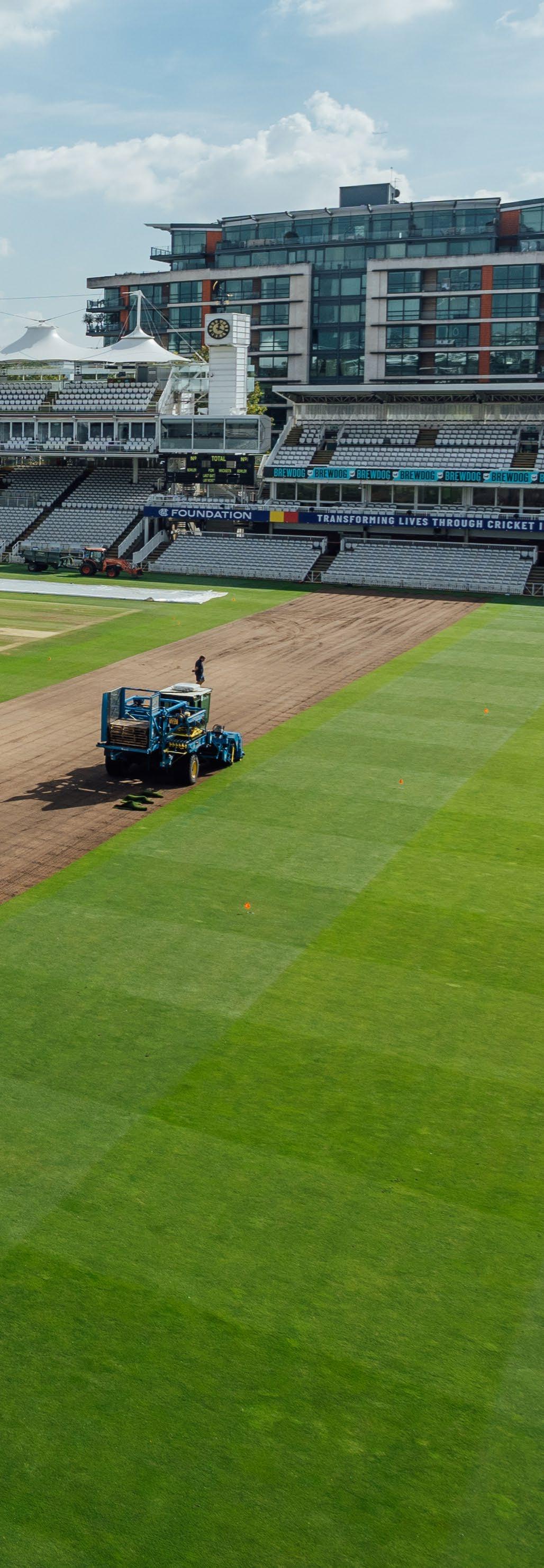
cricketing history. Members were invited to purchase sections of the existing outfield turf as living memorabilia, allowing them to preserve a tangible link to the many historic matches played on the surface. To facilitate this carefully managed process, Fineturf harvested designated areas of the outfield over the first two days of the programme.
Fineturf worked closely with sister company Tillers Turf, who deployed their specialist FireFly
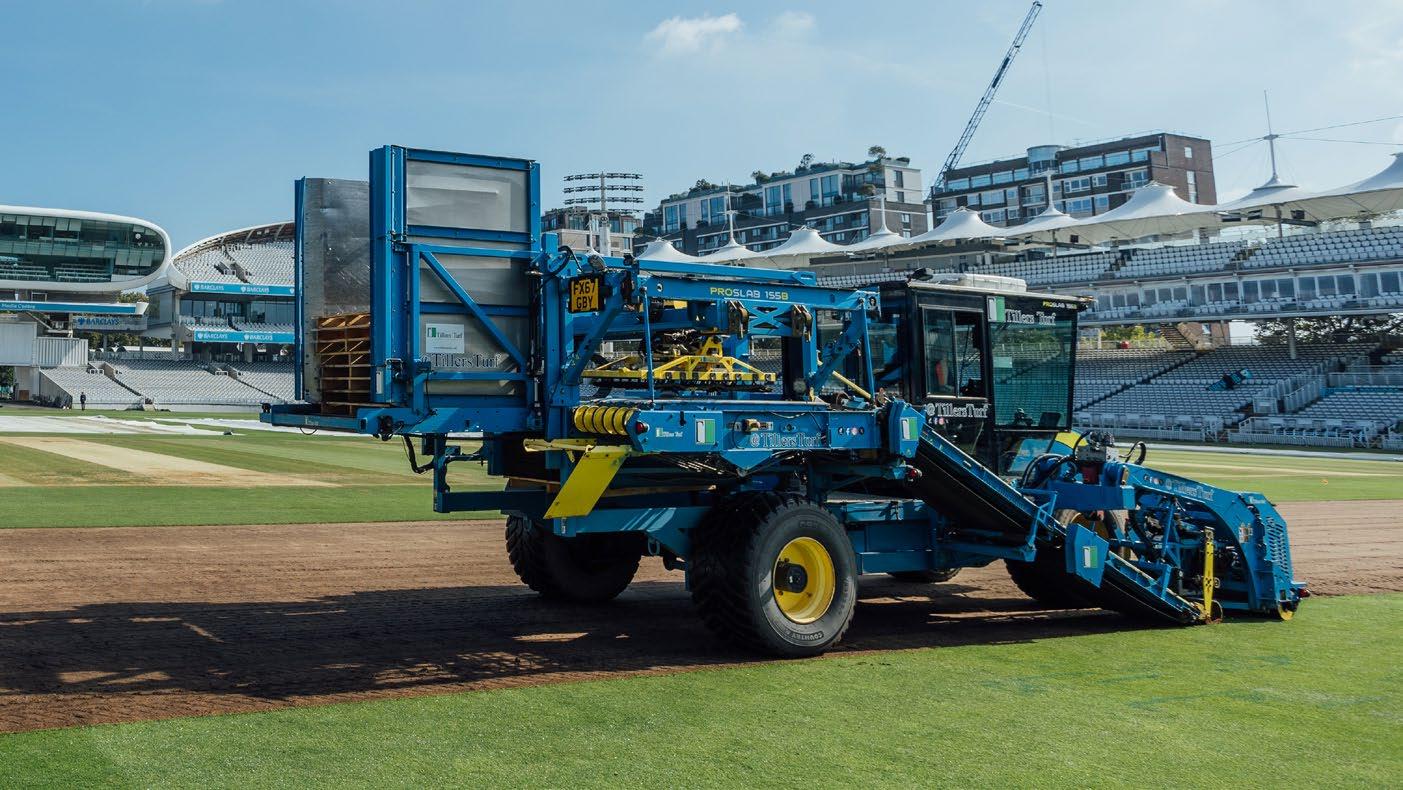
slab harvester to precisely lift and prepare turf sections for collection. This ensured that each piece was removed cleanly and with minimal disturbance to surrounding areas, reflecting the care and attention required when working at such a revered venue.
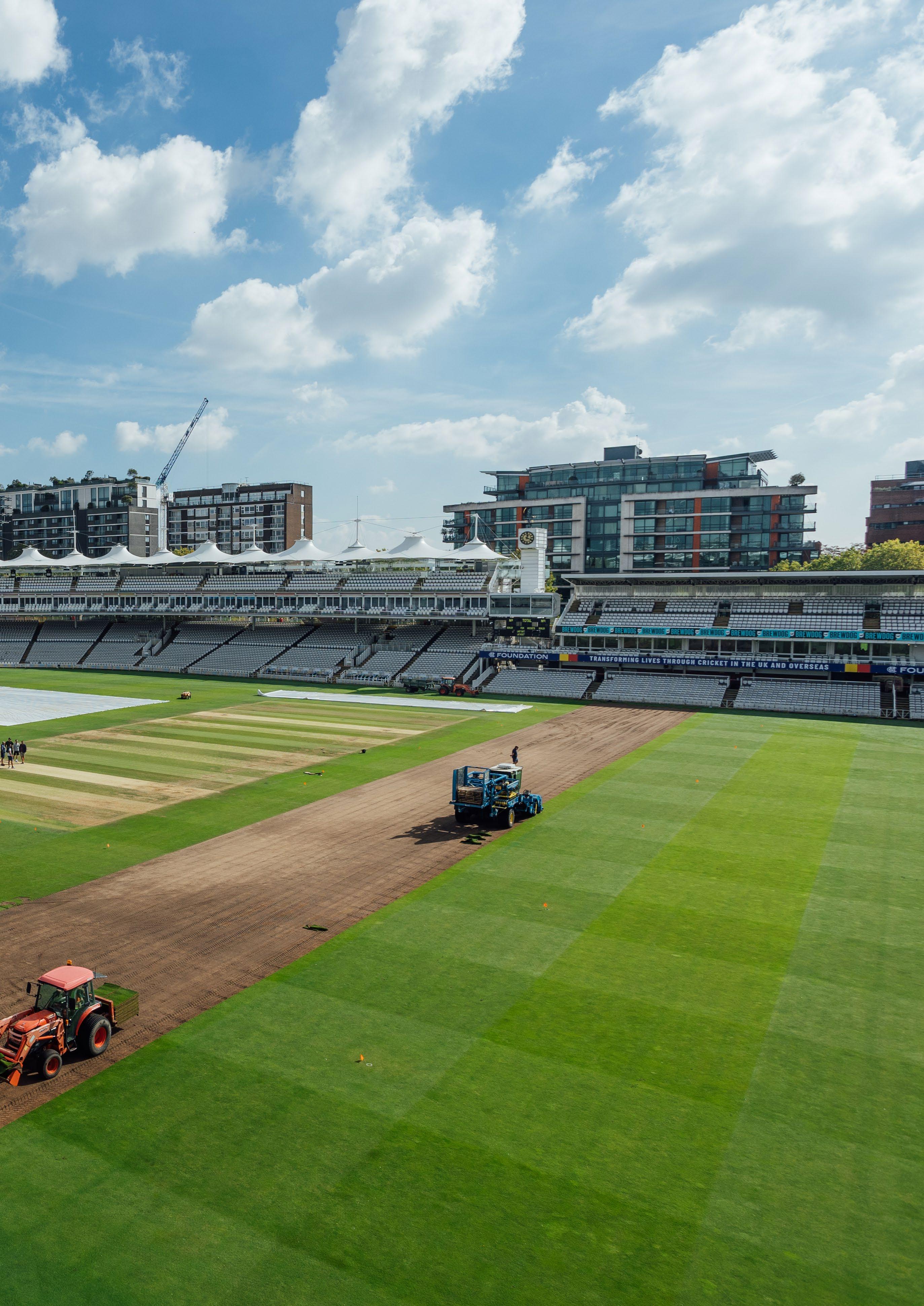
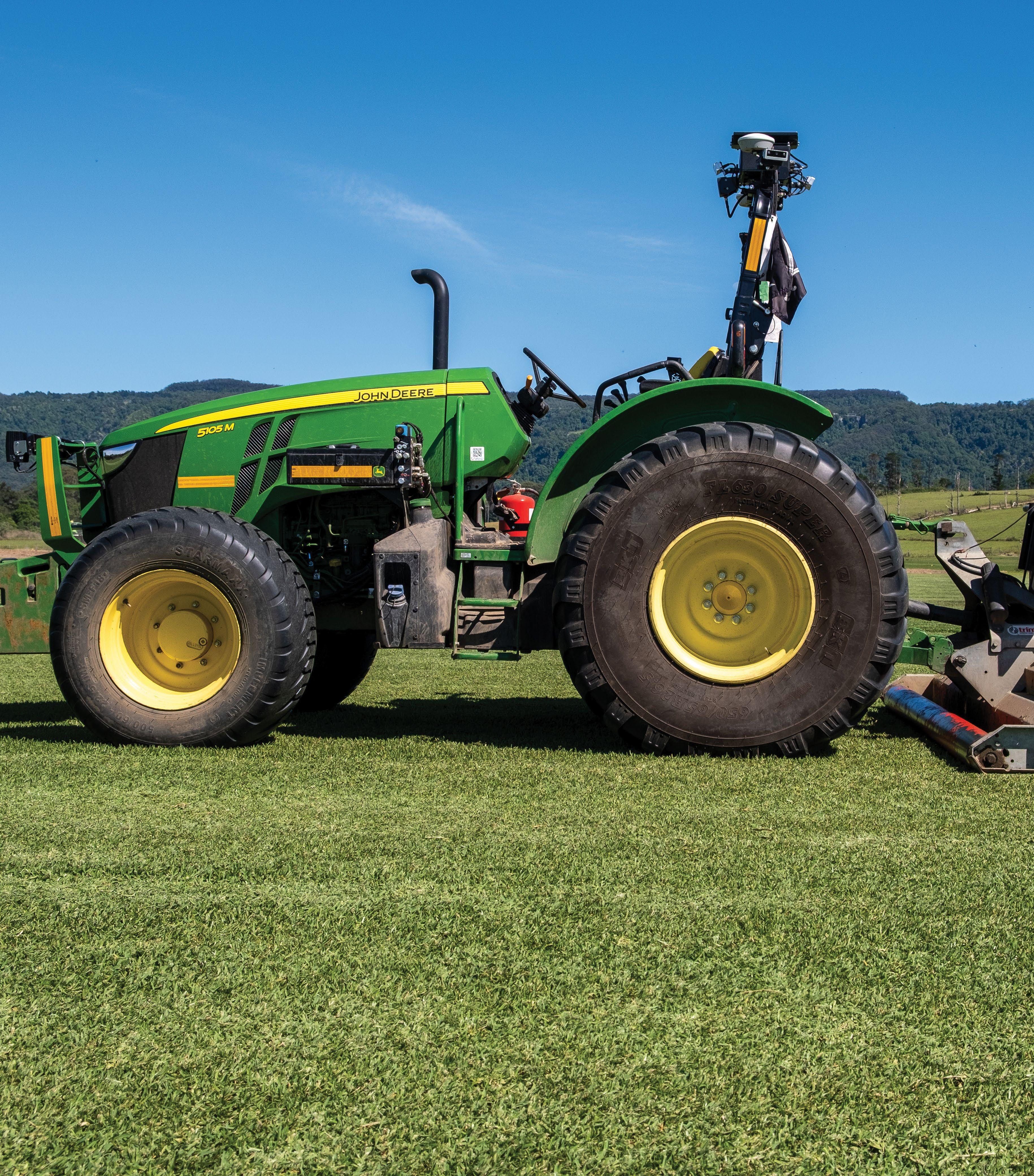
Once the members’ harvest had been completed, Fineturf proceeded with stripping the remainder of the outfield using a tractor-mounted turf cutter. The removed
turf and surface material were efficiently loaded into dump trailers by an experienced Fineturf operator using a loading shovel and removed from site, allowing works to progress safely and efficiently.
With the surface fully cleared, preparation of the underlying profile began. The outfield was Wiedenmann raked to loosen residual material and remove debris, before being thoroughly luted and dragmatted to achieve
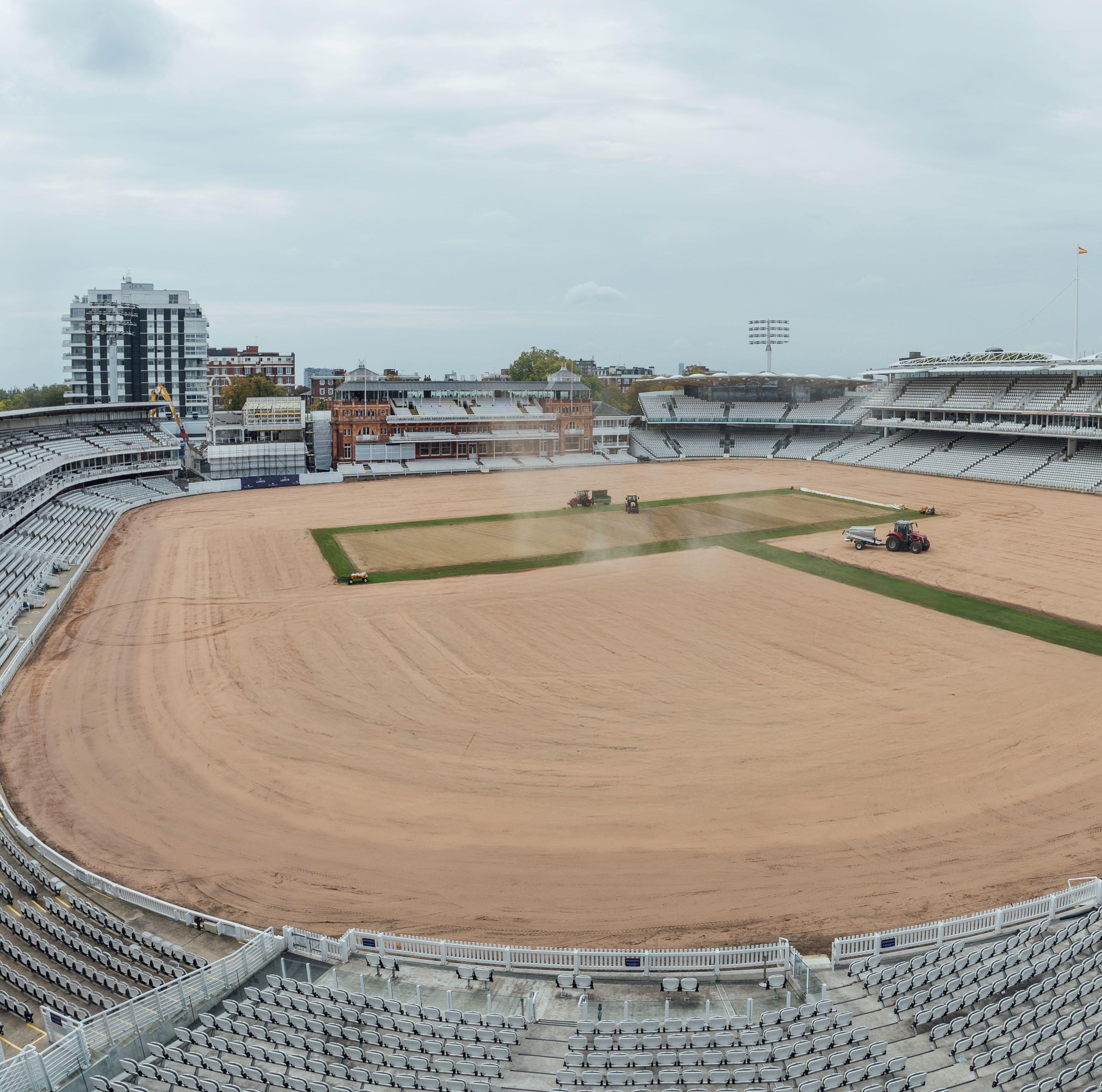
a smooth, level base. These processes are critical in elite sports turf construction, ensuring uniformity across the playing surface and creating the foundation for consistent ball roll and player safety.
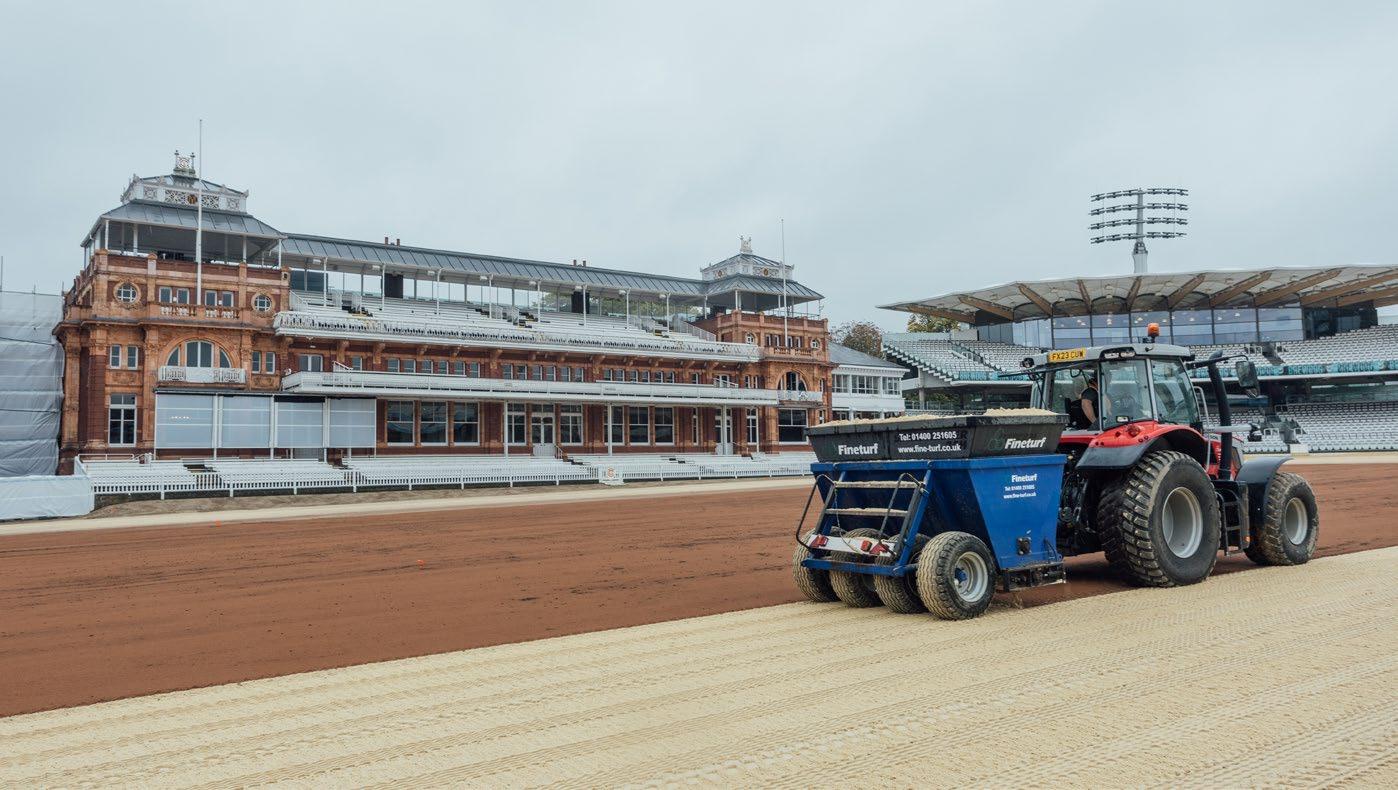
To enhance drainage, soil structure, and long-term performance, 20 tonnes of Profile porous ceramic were applied across the outfield, followed by 270 tonnes of medium sports sand. Both materials were carefully
incorporated into the surface, improving porosity and resilience while supporting healthy root development and reducing the risk of surface compaction.
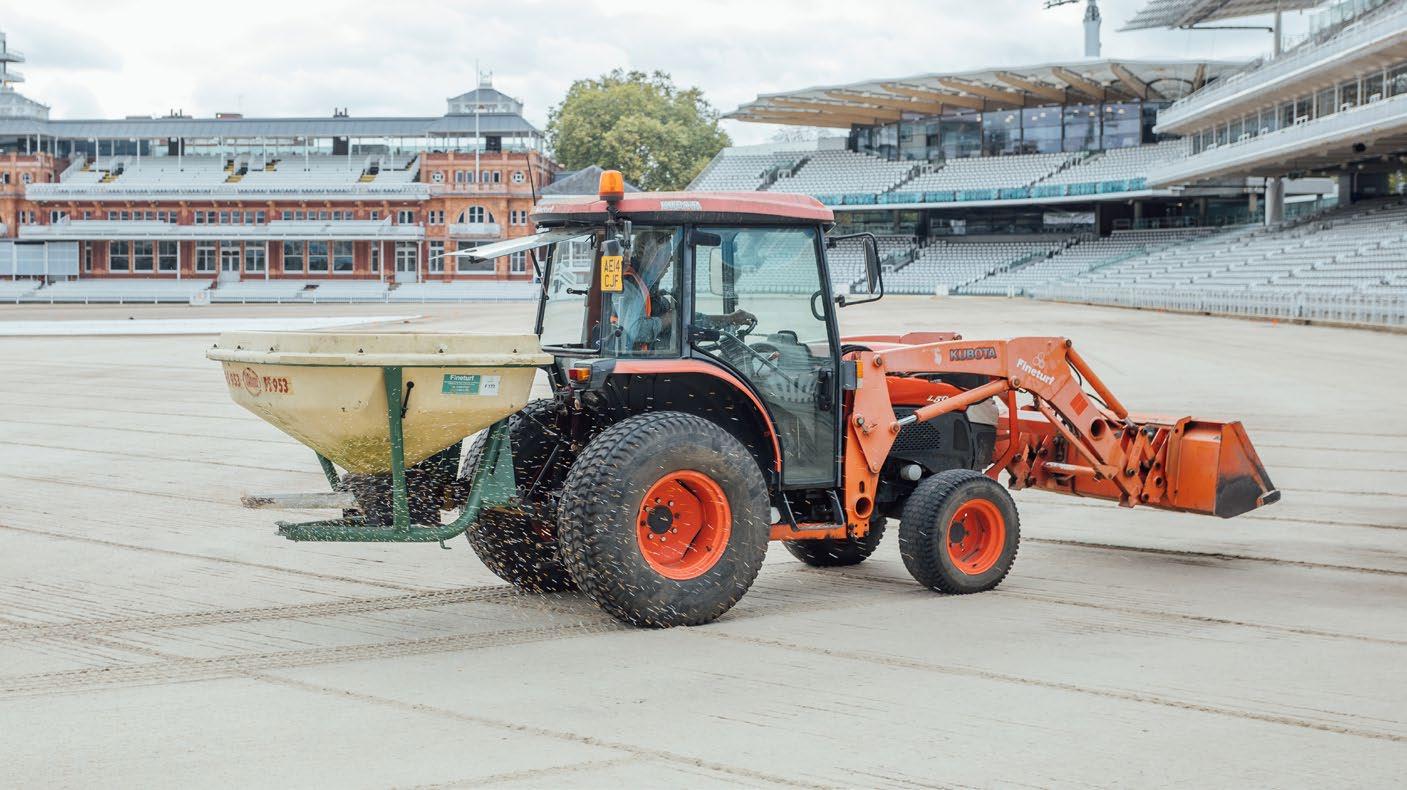
A base fertiliser application of ICL Pearl 5-28-0 was then carried out to stimulate strong root establishment ahead of seeding. This was followed by deep tine aeration using a GKB 2.5m aerator, relieving compaction within the profile and
improving oxygen exchange and water movement. Further luting and dragmatting ensured the sand and ceramic materials were fully integrated down the aeration channels, maximising their effectiveness.
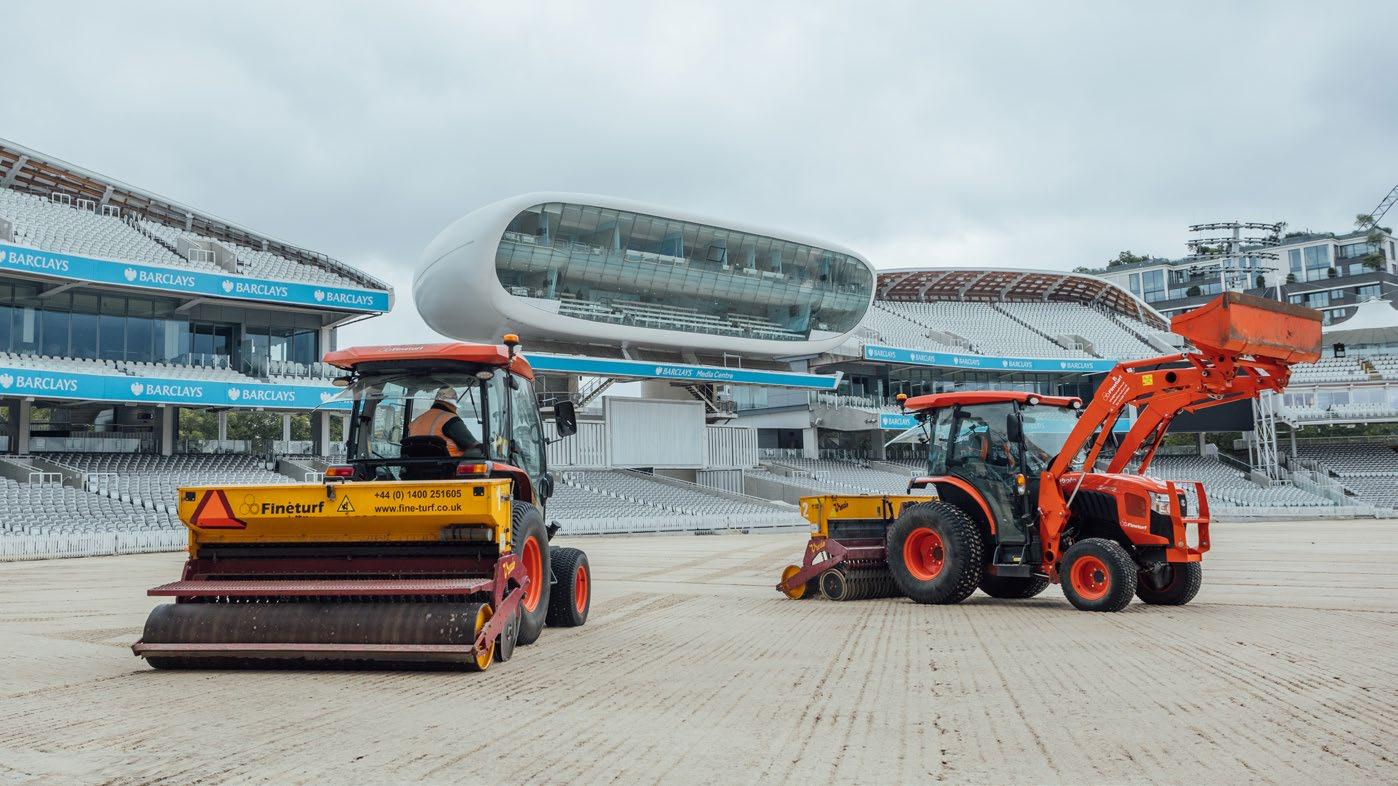
Reseeding was undertaken using MM50 ryegrass, sown at a rate of 70 g/m². A Vredo disc seeder was used to sow in five directions, ensuring excellent seed-to-soil contact and even coverage across the entire
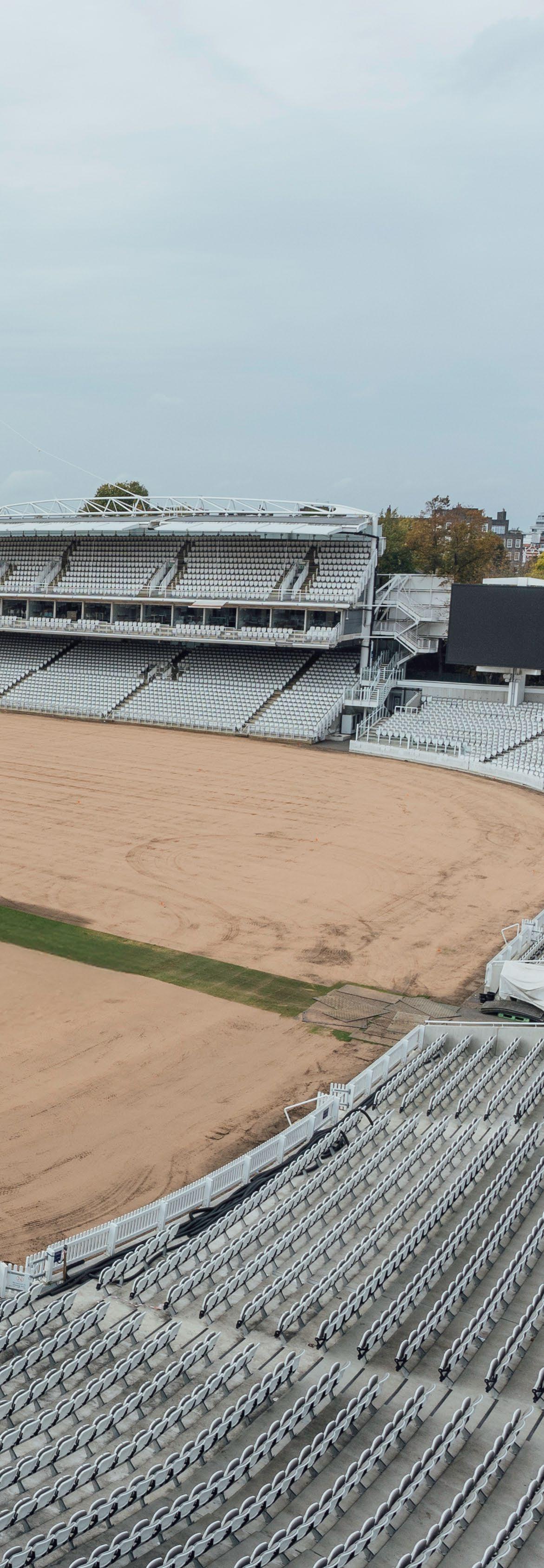
outfield. This multi-directional approach supports uniform establishment, density, and wear tolerance, all essential for a highperformance cricket outfield.
To support balanced nutrition during establishment, two fertilisers were applied: Headland Multigreen 28-3-15 and Headland Greentech 6-5-18, each at 35 g/m². These products provide both immediate and sustained nutrient release,
supporting healthy growth while promoting long-term turf stability.
To complete the renovation, a final pass was made using the Fineturf dimple seeder to ensure uniform seed distribution and fill any remaining gaps. Detailed hand seeding and finishing work were carried out around sprinkler heads, valve boxes, and perimeter areas, ensuring complete coverage and a seamless finish across the outfield.
This major renovation project highlights Fineturf’s ability to deliver complex, highprofile sports turf works at the very highest level. Through close collaboration with MCC and Tillers Turf, the 2025 renovation has created an outfield designed to meet world-class performance standards while honouring Lord’s rich history. The result is a surface built to serve the next generation of cricketing moments at the Home of Cricket.
COBBITTY LAWN TURF CELEBRATES 40 YEARS
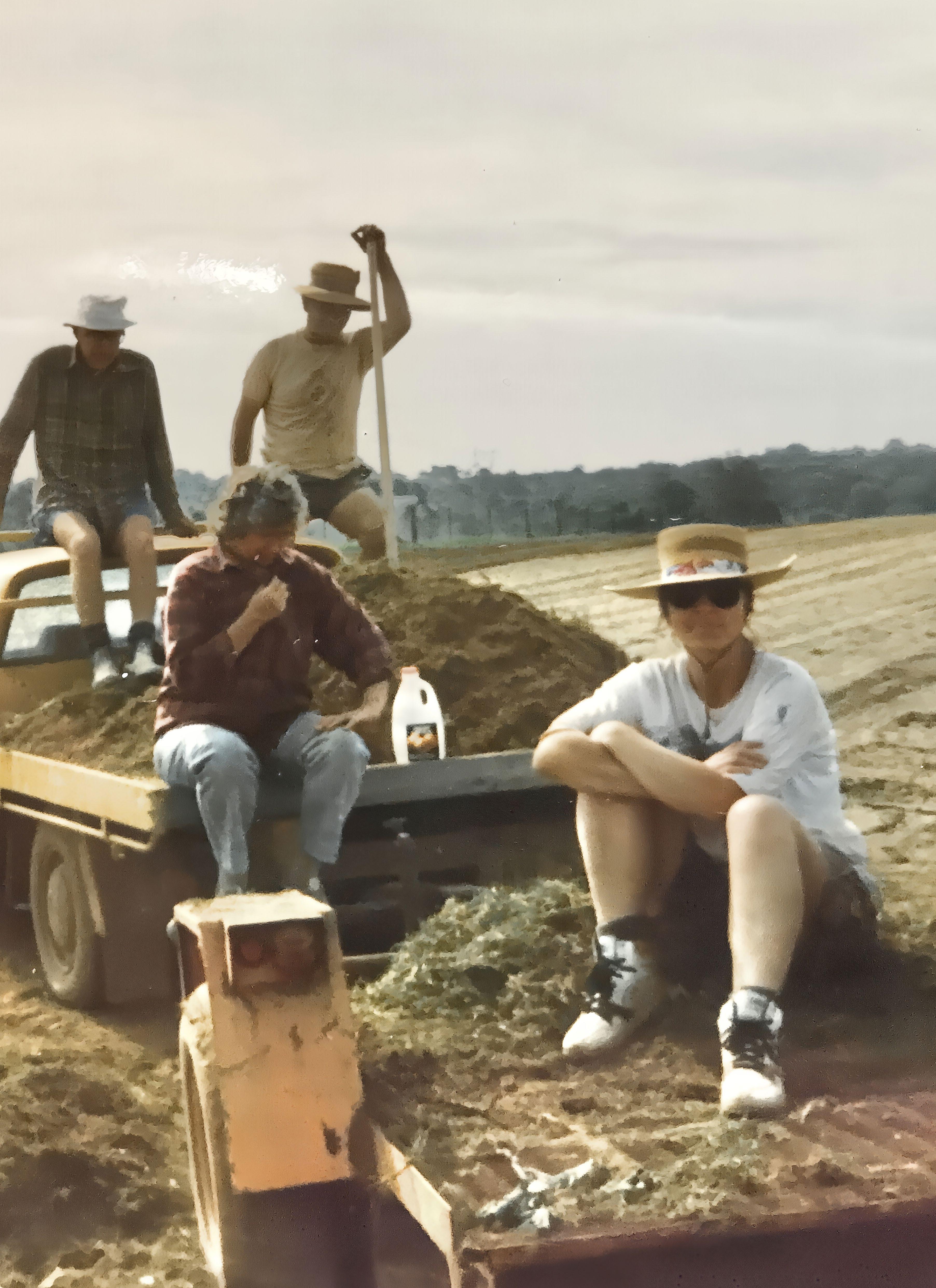
More than 40 years ago, Geoff Hatton Senior made a decision that would shape not only his future, but that of an entire family business. After years in greenkeeping, he was ready for a change.
“I was sick of working under committees. I wanted to go into business for myself.”
With a strong background in golf course construction and landscaping, Geoff began working across large-scale projects while holding onto a bigger ambition, owning his own turf farm. That vision stayed with him for years as he searched for land up and down the coast. An early opportunity in Cobbitty in 1985 slipped through
his fingers, but not long after, a chance conversation led him to approach Sydney University with an idea. He offered to lease land to start a turf farm. They agreed, and from there everything began to unfold.
Building the Foundations of Cobbitty Turf
By 1987, Geoff and his family had purchased their first property, 43 acres at Theresa Park. The land had previously grown turf, but only a poor-quality kikuyu that was not suitable for harvesting. Undeterred, Geoff worked tirelessly, balancing farm work with landscaping jobs and council contracts while building the family home on weekends.
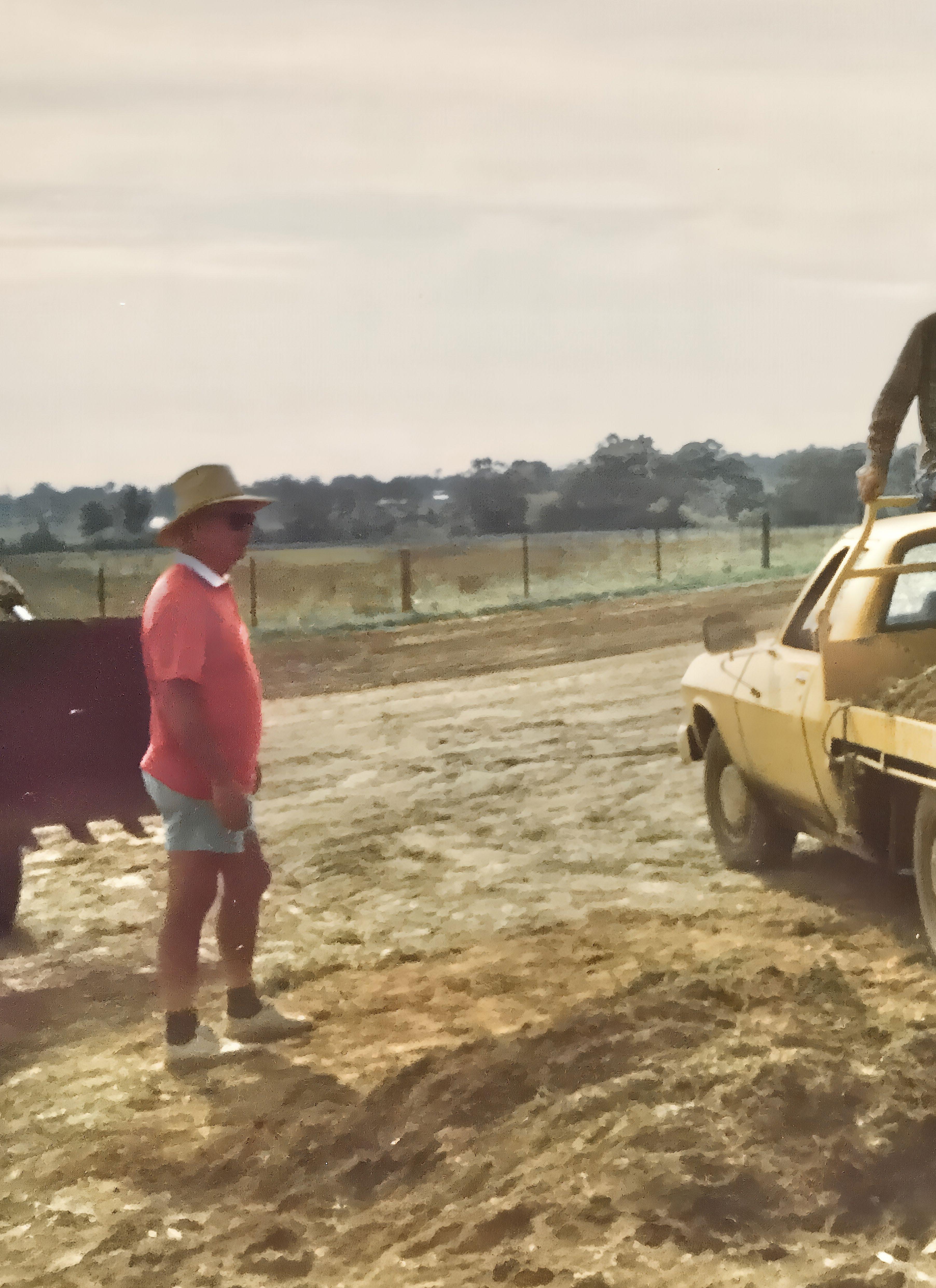
In the early years, progress was slow. The original kikuyu failed to meet expectations, prompting a fresh start. A new variety, Greenlees Park couch, was planted along the river flats and marked a turning point.
“I will never forget mowing it with my little three gang trailing mower. They were some of the best days of my life.”
A Defining Moment in 40 Years of Cobbitty Turf
From there, the farm steadily expanded. The mid 1990s brought a pivotal moment for both the business and the wider turf industry. Alongside respected industry figures, Geoff was introduced to a new
buffalo grass variety being developed by Brent Redman.
Recognising its potential immediately, the group encouraged formal registration and patenting. Soon after, licences were issued for what is now known as Sir Walter DNA Certified, a variety that would go on to become one of Australia’s most recognised turf grasses. The Hattons were among the first licensed growers.
As the business grew, so too did its reach. Over the next two decades, the Hattons remained closely connected to their roots in sports turf construction. It was during
this time that Geoff Hatton Junior became more involved in the overall management of the business.
From Adelaide to Darwin, they delivered high-quality sports fields, contributed to major golf course projects, and played a significant role in horse racing track construction. Their expertise led to involvement with five Olympic venues for the Sydney 2000 Games, including acting as principal contractor for two and maintaining the softball and baseball facilities in Blacktown throughout the event.
During this period, Geoff Snr also identified an opportunity that would
expand the business further. After attending an international turf conference in the United States, he discovered the Koro Field Topmaker system, now known as Koro by Imants FTM.
Bringing this technology back to Australia helped transform turf renovation practices. The family became Australasian distributors and continue in that role today through their sister company, Sustainable Machinery, which represents brands including Imants, Foley, and Vredo.
From walk behind Ryan turf cutters and manual loading to robotic harvesters and mechanised delivery systems, the
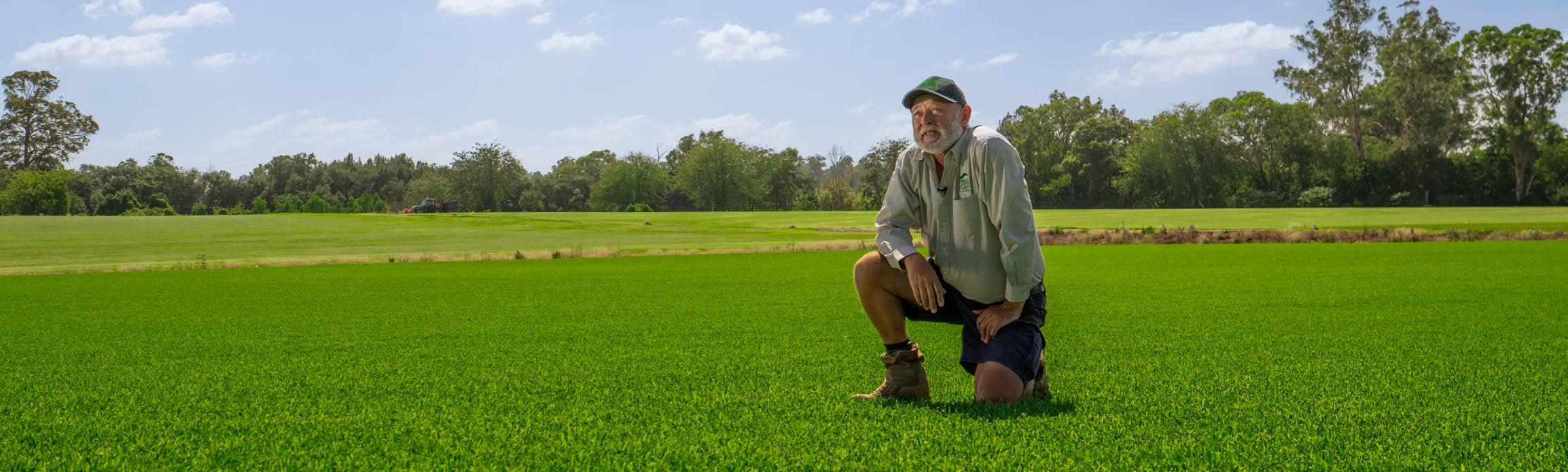
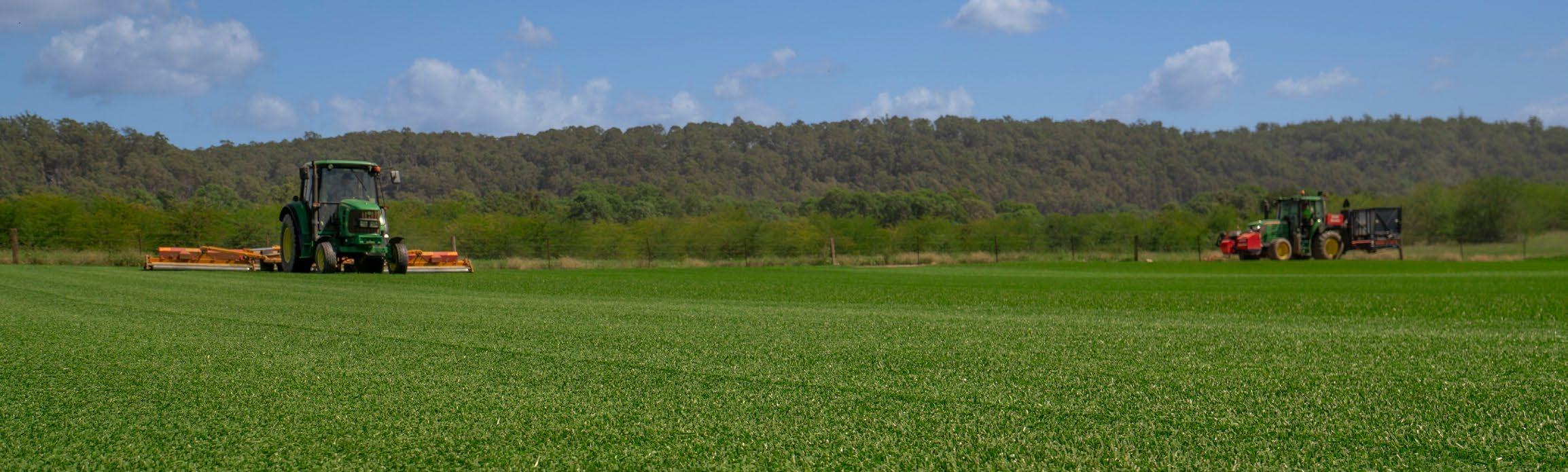
evolution of Cobbitty Turf has reflected the broader changes in the industry. Throughout it all, the focus has remained on producing high quality turf. Joining the Lawn Solutions Australia network strengthened this commitment, providing Cobbitty Turf with access to some of the most amazing cultivars and species in turf grass available, keeping their pride of product intact.
For the next generation, Geoff Jnr’s children Alex and Allira Hatton, the journey has included significant challenges. In 2022, devastating floods brought operations to a complete stop. Three major flood events within 12 months caused widespread
damage and left a lasting impact. “Hearing the air rising from the ground for days after the water went down, and dealing with the aftermath is something that stays with you.”
For nearly six months, not a single roll of certified turf was sold. What followed was two years of rebuilding, paddock by paddock, with a small team of just Geoff Jnr, Alex, and Allira. It was a defining period for the business.
Today, the farm is thriving once again. Lush green paddocks are back in production, turf is being harvested daily, and deliveries are running six days a week. For Alex and Allira,
the transformation has been remarkable. “It is the best we have ever seen the place. The people we work with now are amazing and we have built a strong culture where everyone has each other’s backs.”
More than just a business, Cobbitty Turf remains a family legacy built on hard work, innovation and a genuine passion for turf. Alex and Allira reflect on this journey, “There are still challenges ahead, but that is how we have always grown, and we hope that’s how it will always be. If we are honest with you, we are proud to be a part of it.”
“After 40 years doing what we do best, we just have one question… where did the time go?”
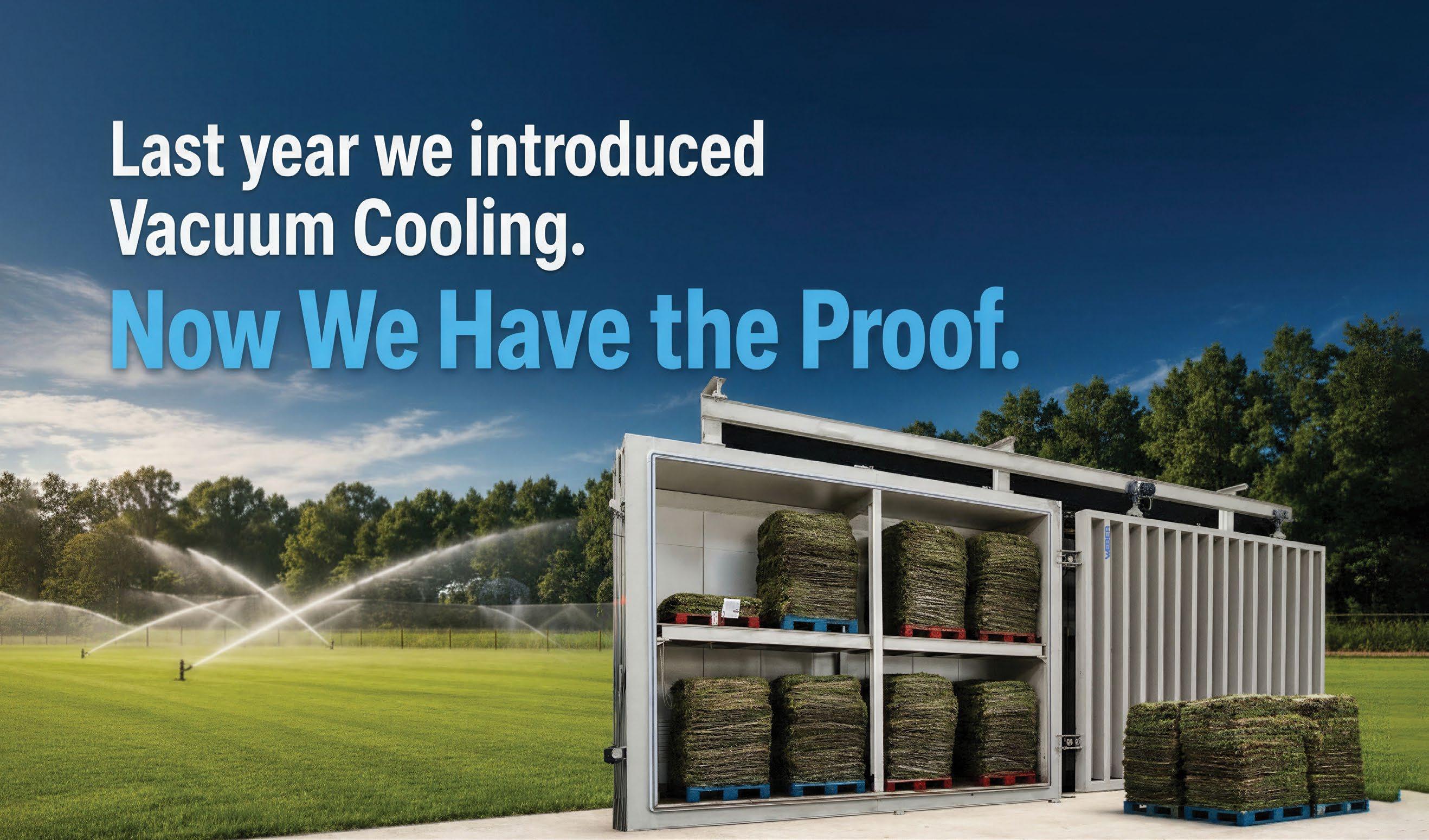

3–5x longer shelf life in hot weather


19.8°C removed in one cycle Only 2.5% moisture loss

Small. Medium. Large. Now available with lease-to-own options through Finlease




At the last Lawn Solutions Australia Conference, Heuch Cooling Solutions introduced vacuum cooling to the turf industry as a practical way to tackle one of the biggest commercial challenges growers face, heat build-up after harvest. The concept was simple, but the promise was significant. Remove field heat quickly, slow product deterioration, extend shelf life, reduce waste, and give growers more control over delivery timing and quality on arrival.
Now we have the data to show that promise is real.
Since that presentation, Heuch Cooling Solutions and Weber Vacuum Group have run two Australian field trials in collaboration
with Lilydale Instant Lawn and Coolabah Turf, covering two seasons, three turf varieties, and three storage environments. The results were not marginal. They were commercially meaningful. Across the trials, vacuum cooling consistently reduced pallet core temperatures, extended the saleable window, and created a measurable advantage during the most critical period after harvest.
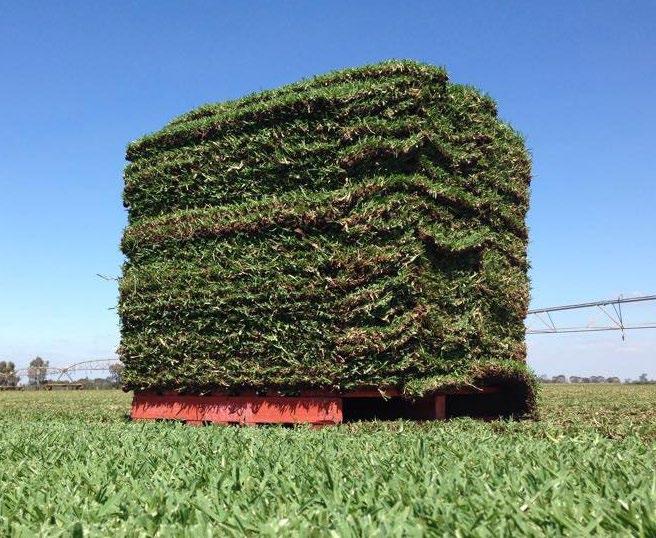
That matters because turf is one of horticulture’s most perishable products. Once cut, it starts generating internal heat through respiration. According to the study, pallet core temperatures can exceed 50°C within days, and in extreme cases have been documented as high as 70°C.
Under standard summer conditions, shelf life can shrink to just 12–24 hours. That is the commercial reality growers work with every season: a very small window to harvest, dispatch, deliver and install before quality starts dropping fast. The new Australian trial data shows vacuum cooling can change that equation.
Across the study, the headline numbers were clear: 3–5 times shelf-life extension in summer, more than 9 days at ideal temperature when vacuum cooling was combined with cool room storage in winter, a 19.8°C temperature drop in a single cooling cycle, and only 2.5% moisture loss from a 1,630 kg pallet. In other words, the system
removed almost 20 degrees of heat without materially compromising product moisture.
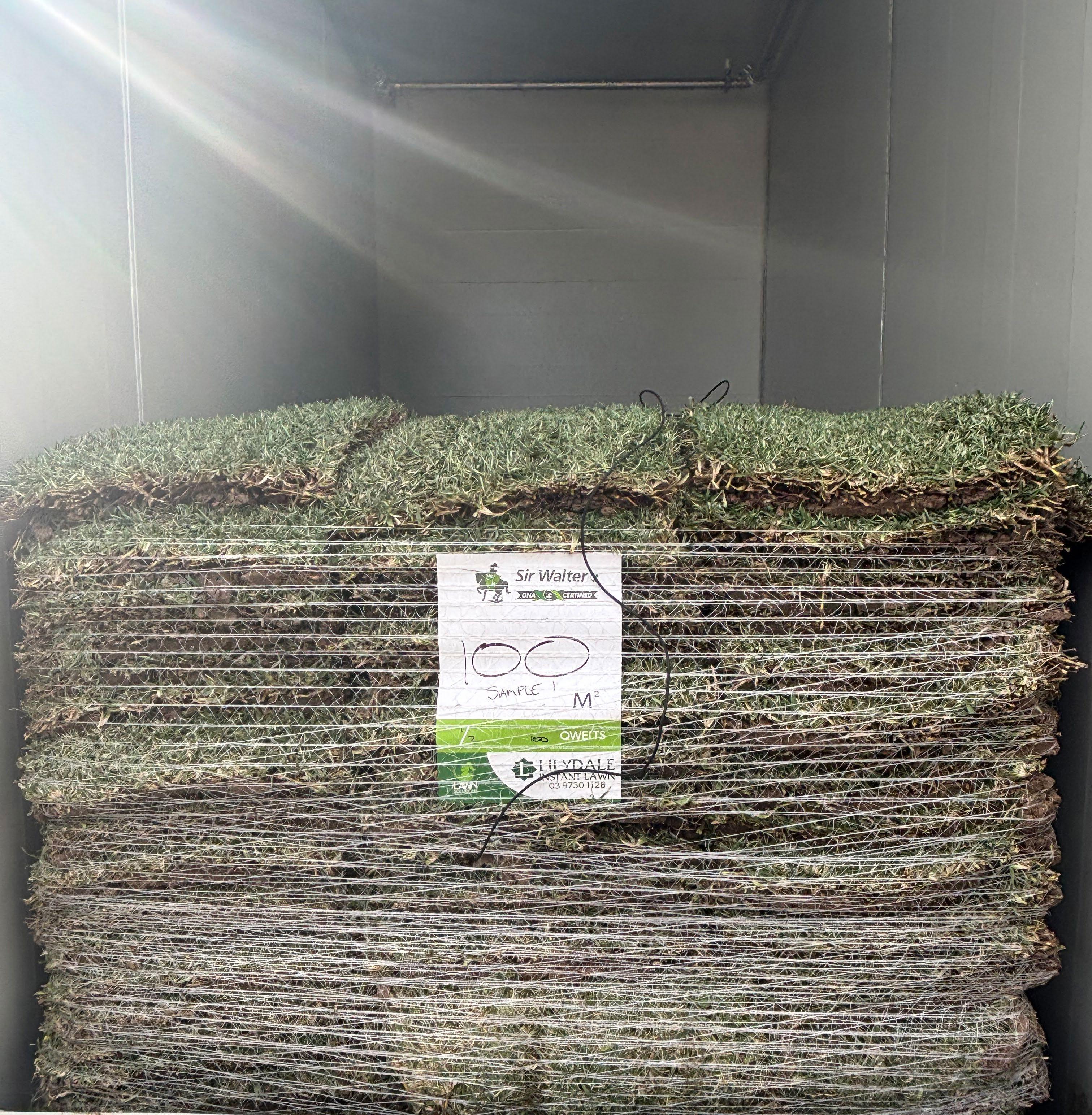
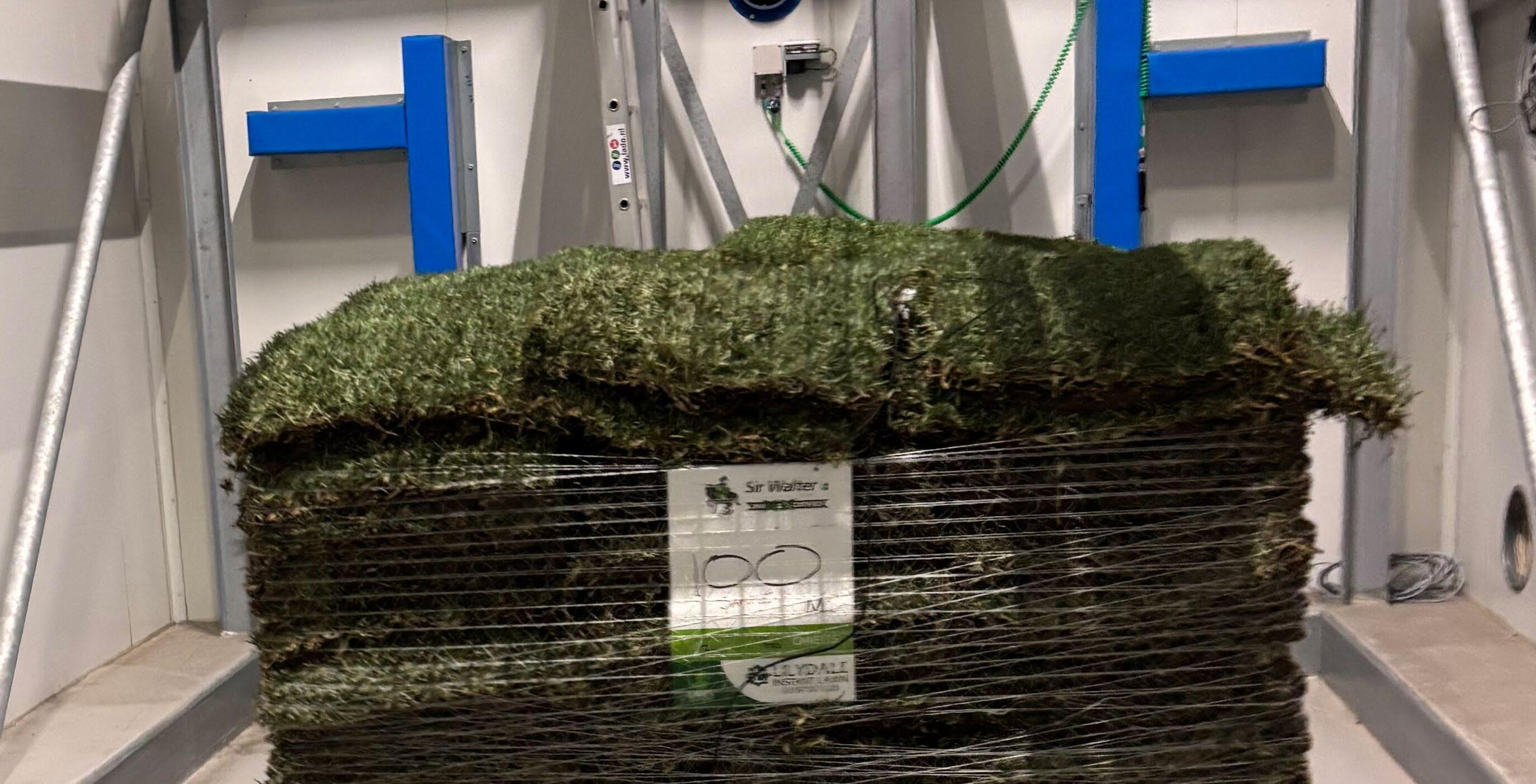
The winter trial at Lilydale Instant Lawn tested three varieties under three different conditions. Eureka Kikuyu was stored outdoors, TifTuf Hybrid Bermuda in a factory shed, and Sir Walter DNA Certified buffalo grass in a cool room. Each had one vacuumcooled pallet and one untreated control. In every case, the vacuum-cooled pallet held a meaningful temperature advantage through the commercially important first three to five days. Outdoors, Eureka maintained a 6–9°C advantage through Day 5. In the shed, TifTuf showed a 4–8°C advantage through Day 3, remaining ahead even as temperatures
gradually re-balanced. The strongest winter result came from Sir Walter in the cool room, where the vacuum-cooled pallet reached 4.6°C by Day 2 and stayed below 7°C for the full nine-day monitoring period. The untreated control in the same room took five to six days to reach similar temperatures.
That last point is important. Cool room storage alone helps, but it does not remove heat immediately. Vacuum cooling does. The combination of both gave growers the benefit from Day 1, not Day 5 or 6. For businesses holding inventory before dispatch, that difference is operationally significant. It creates a real buffer and reduces the pressure that
usually defines turf logistics. But the most compelling test came in summer.
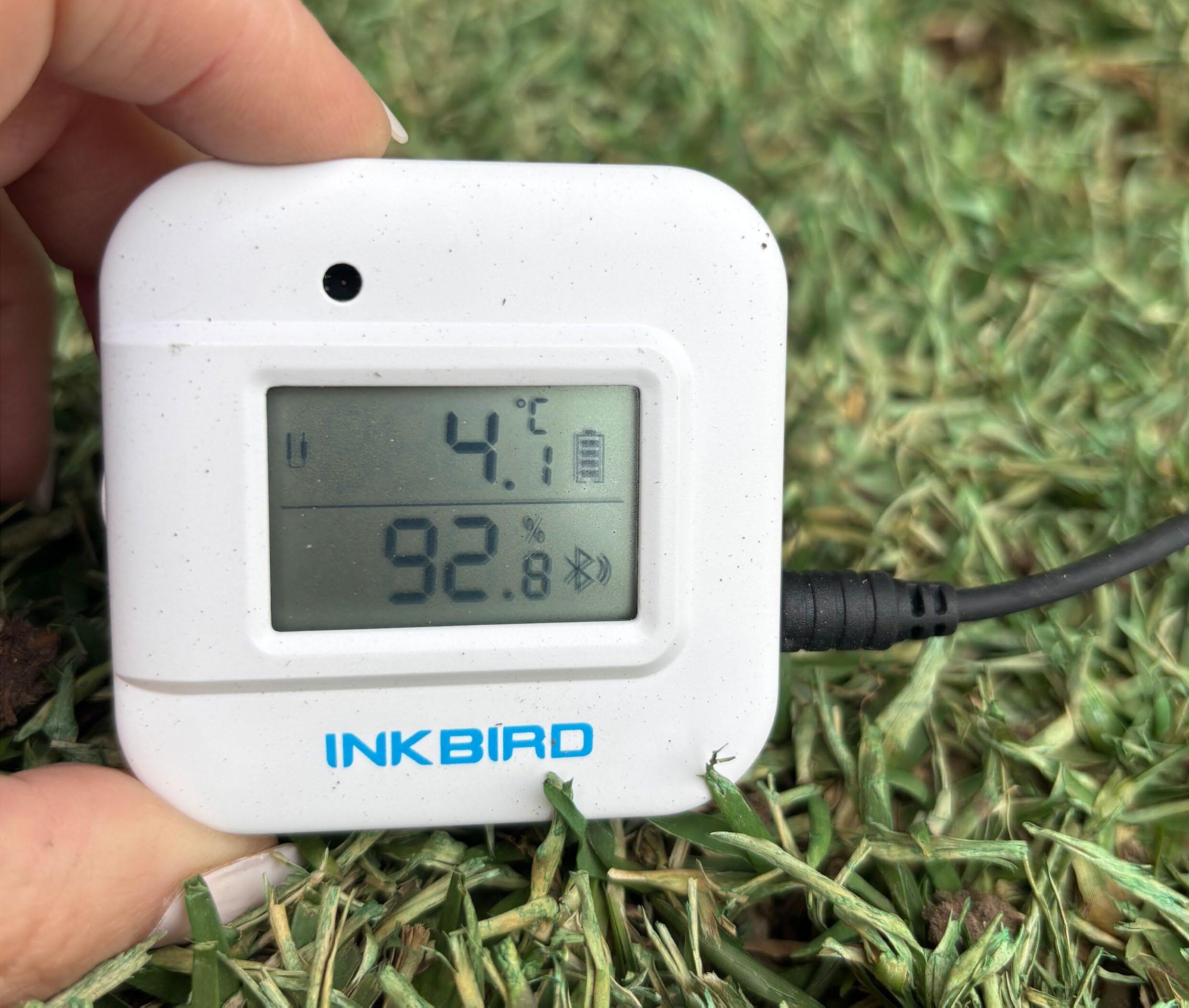
At Coolabah Turf, the study looked at Sir Walter under peak seasonal pressure, with ambient temperatures reaching 37.5°C and no cold chain in place. The vacuum-cooled pallet dropped from 27°C to 7.2°C in one cycle. The untreated control then went on to hit 43°C by Day 3 and 52°C by Day 6. The report describes it bluntly: the control pallet was effectively composting itself from the inside. By comparison, the vacuum-cooled pallet maintained a 17–23°C temperature advantage across the first three days.
The visual observations made that data even more powerful. On Day 2, the vacuum-
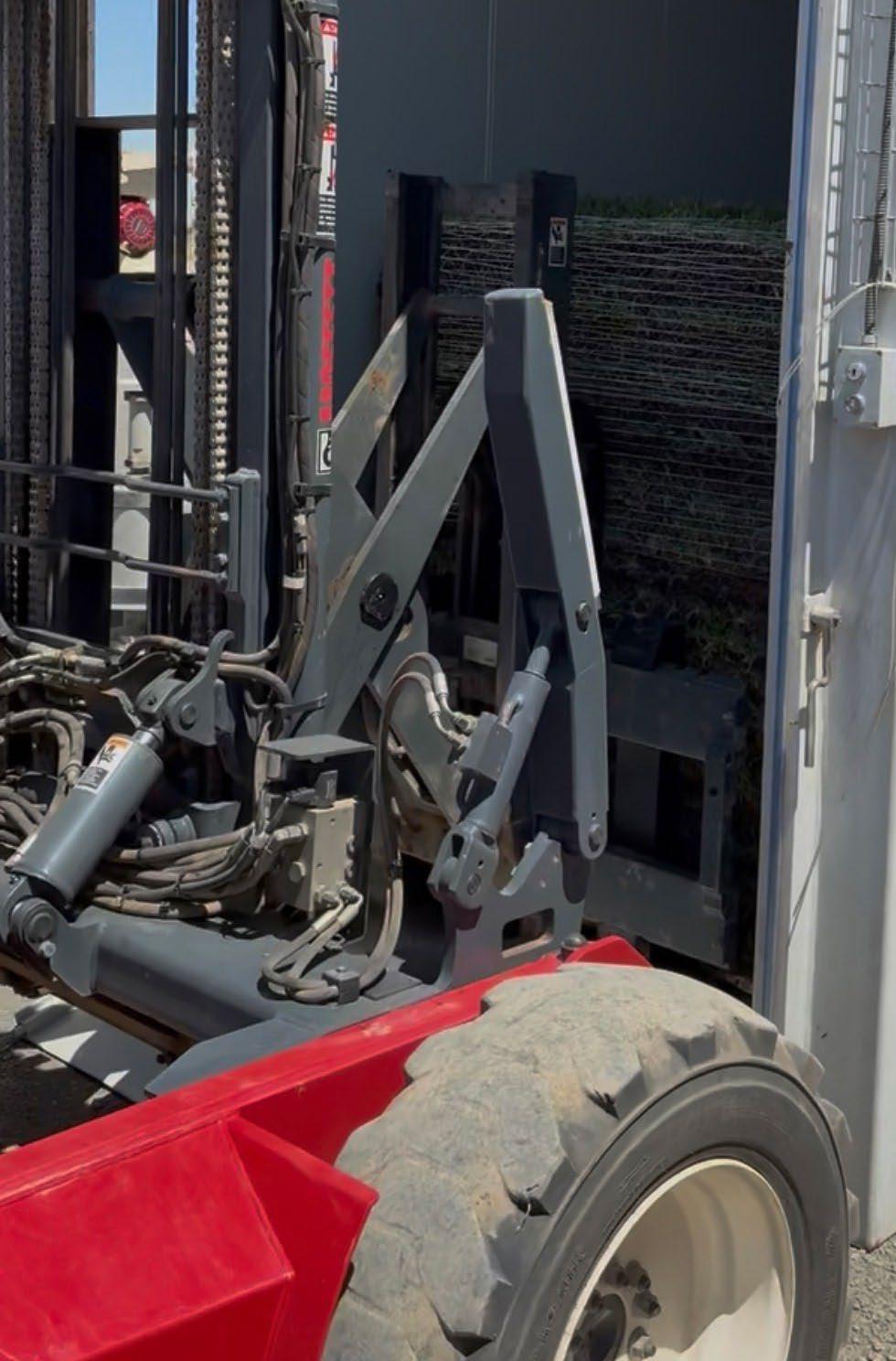
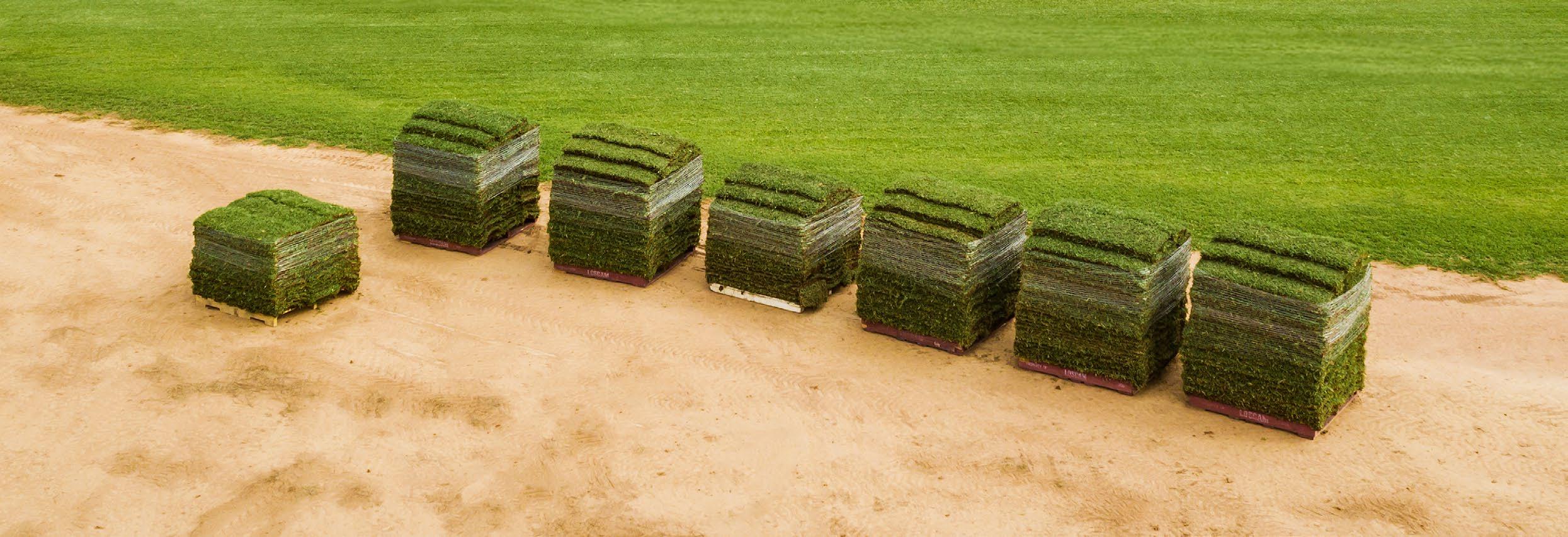
cooled pallet still showed no visible signs of heat-up, while the control was already deteriorating internally despite looking reasonable on top. By Day 3 afternoon, the control had developed a bad smell, lost around half its colour, and was no longer commercially viable. The vacuum-cooled pallet remained saleable longer, giving a larger and more workable dispatch window. That is where the bottom-line impact becomes clear.
Shelf life is not just a quality issue. It is a revenue issue. It determines how far you can deliver, how many customers you can serve, and how much of what you harvest
becomes invoiced product. The study shows that without cooling, summer turf is largely limited to same-day, local delivery. With vacuum cooling, that window extends to around 2–2.5 days, making next-day regional delivery realistic. Add refrigerated transport, and the study projects a 3–5 plus day window. In winter, vacuum cooling plus a cool room allows growers to build inventory and decouple harvest from dispatch.
There is also a direct efficiency benefit inside the farm gate. The report notes that if 5–10% of harvested turf is lost to heat damage or missed delivery windows, a business selling 100 pallets a day may need to harvest
105–110 pallets just to fulfil demand. That means water, labour, fertiliser, land use and fuel are all being spent on product that never reaches a paying customer. Vacuum cooling helps eliminate that waste. It allows growers to sell more of what they already grow, harvest in smarter batches, reduce the ‘race against the clock,’ and grow revenue without proportional increases in production cost.
Even the operating cost strengthens the case. The study estimates indicative operating expenditure at around AUD $3.60 per pallet, or under AUD $0.10 per square metre, including energy, maintenance, and labour. For growers,

Still moist, colour and visual quality still 100%
Soft leaf, slightly drier, no colour change or odour - no visible signs of heat up
Visibly good, bright green colour, no wilting or burn, soft leaf
Some wilting, leaf starting to feel crunchy - not saleable
Saleable, warm, vibrant green still, soft
Moist, soft, full colour on top - inside condition unknown
Edges dry, colour bright green on topcentre not saleable, yellowing
Bad smell, 50% loss of colour, 43°C core temp
Visually distressed, wilting, dry - planted tester pallet Completely rotten - smelly, hot to touch, unusable
At Day 2, the vacuum-cooled pallet showed no heat-up signs at 17-18°C. The control on the same day was at 35-38°C, already deteriorating internally despite a reasonable surface appearance
the decision becomes less about whether cooling costs money and more about whether a modest per-pallet cost is worth gaining extra saleable days, wider delivery reach, reduced waste, and stronger customer confidence.
One of the most interesting findings came after visual saleability had ended. In the summer trial, Coolabah planted test pieces from the vacuum-cooled pallet on Day 6, after it had already been classified as unsaleable. By Day 21, the turf showed clear regrowth and root establishment. That suggests biological viability may outlast visual saleability, opening another
commercial benefit: reduced waste and lower financial risk on stock that misses its original retail window.
Vacuum Cooling is no longer just a promising technology – it is already delivering these results for growers worldwide. Now that it has been tested with Australian turf, it shows what it can do under real conditions, with real turf, in real operations.
The next step is easier than ever. Heuch now offers a lease-to-own model in partnership with Finlease, giving growers a practical pathway to adopt the technology without carrying the full upfront capital burden.
Last year, we introduced vacuum cooling. This year, we can say something much more powerful: the proof you were after is here.
Scan this QR code to explore our small, medium and large vacuum cooling systems, download the full trial results, and see what a lease-to-own pathway could look like for your operations.
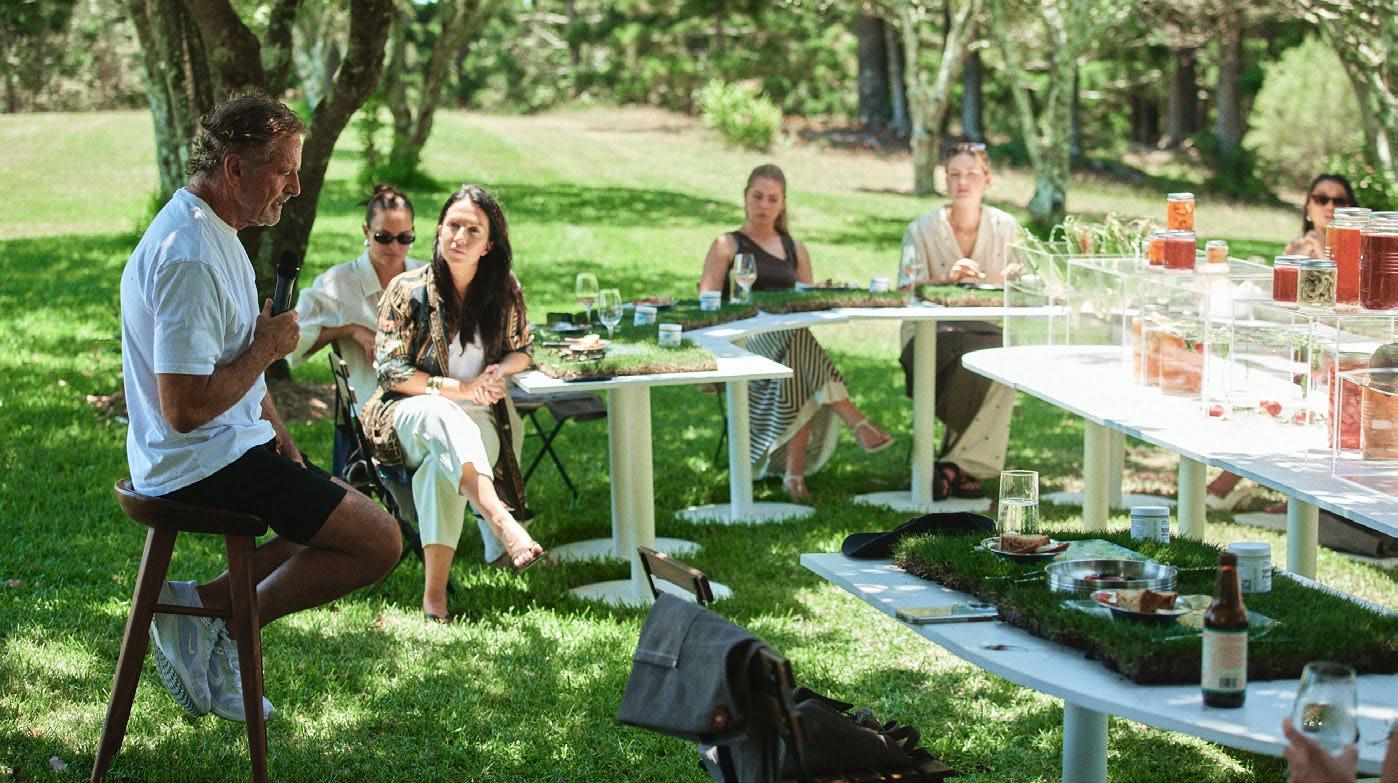
In February 2026, a private resort in Byron Bay became the setting for an immersive wellness retreat that redefined modern luxury, grounded not in excess but in intention. Designed and curated by ONSO Atelier for Chemist Warehouse and Melrose Future Labs, the three-day experience brought together a select group of guests to explore the evolving science of longevity and healthy ageing.
At the heart of the retreat was a simple but profound philosophy. Wellbeing is cumulative. Through a series of thoughtfully curated experiences, guests were guided across the essential pillars of vitality, including nutrition, movement, sleep, genetics, mental wellbeing, and social connection. Melrose Future Labs’ science-led approach anchored the
program, emphasising cellular health and energy metabolism as the foundation for long-term wellness.
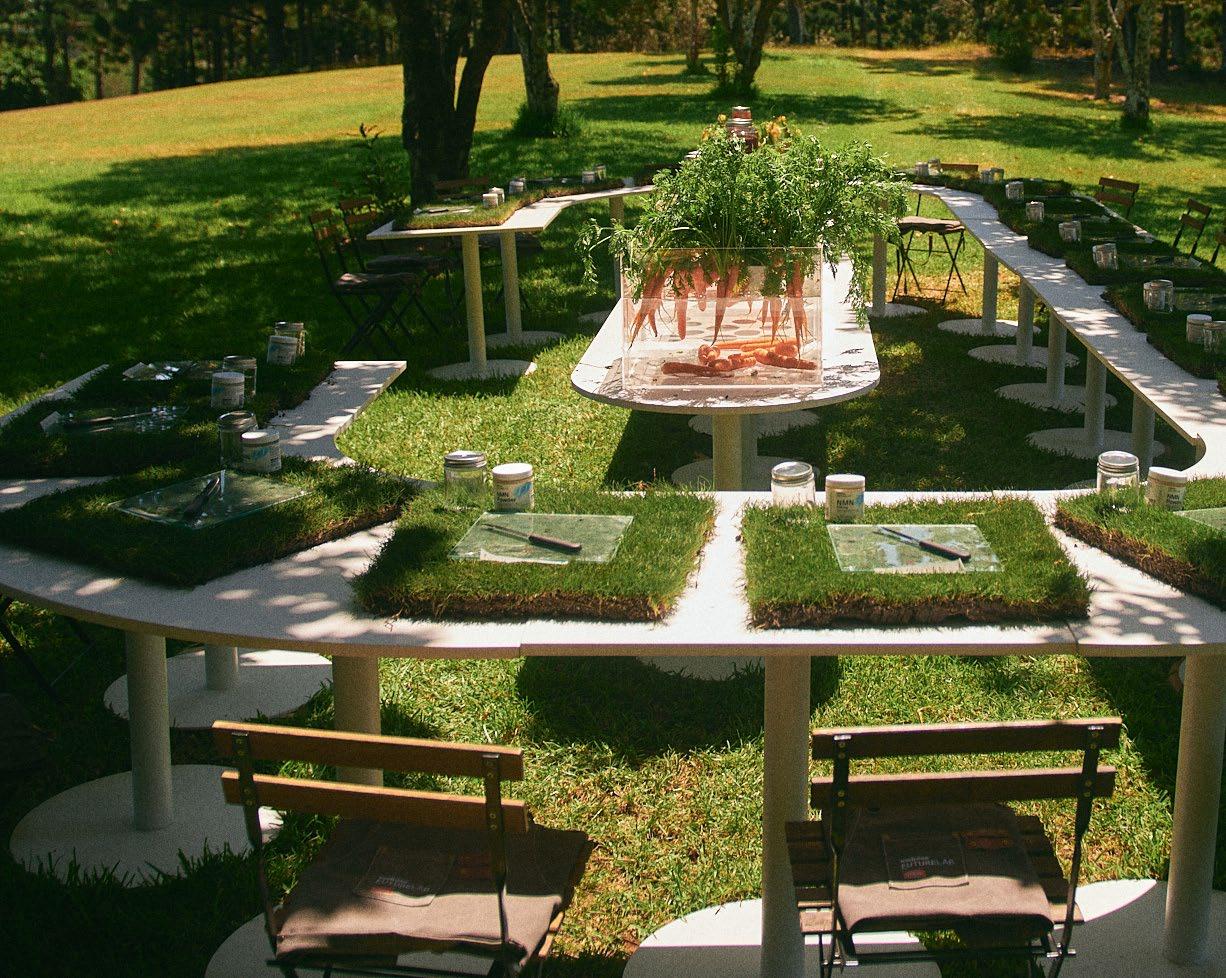
Among the many carefully considered details, one element stood out for its originality: freshly cut turf placemats.
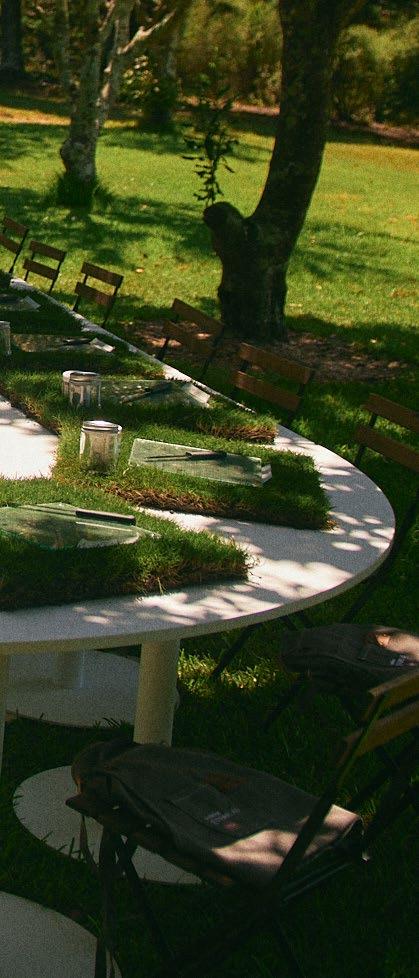
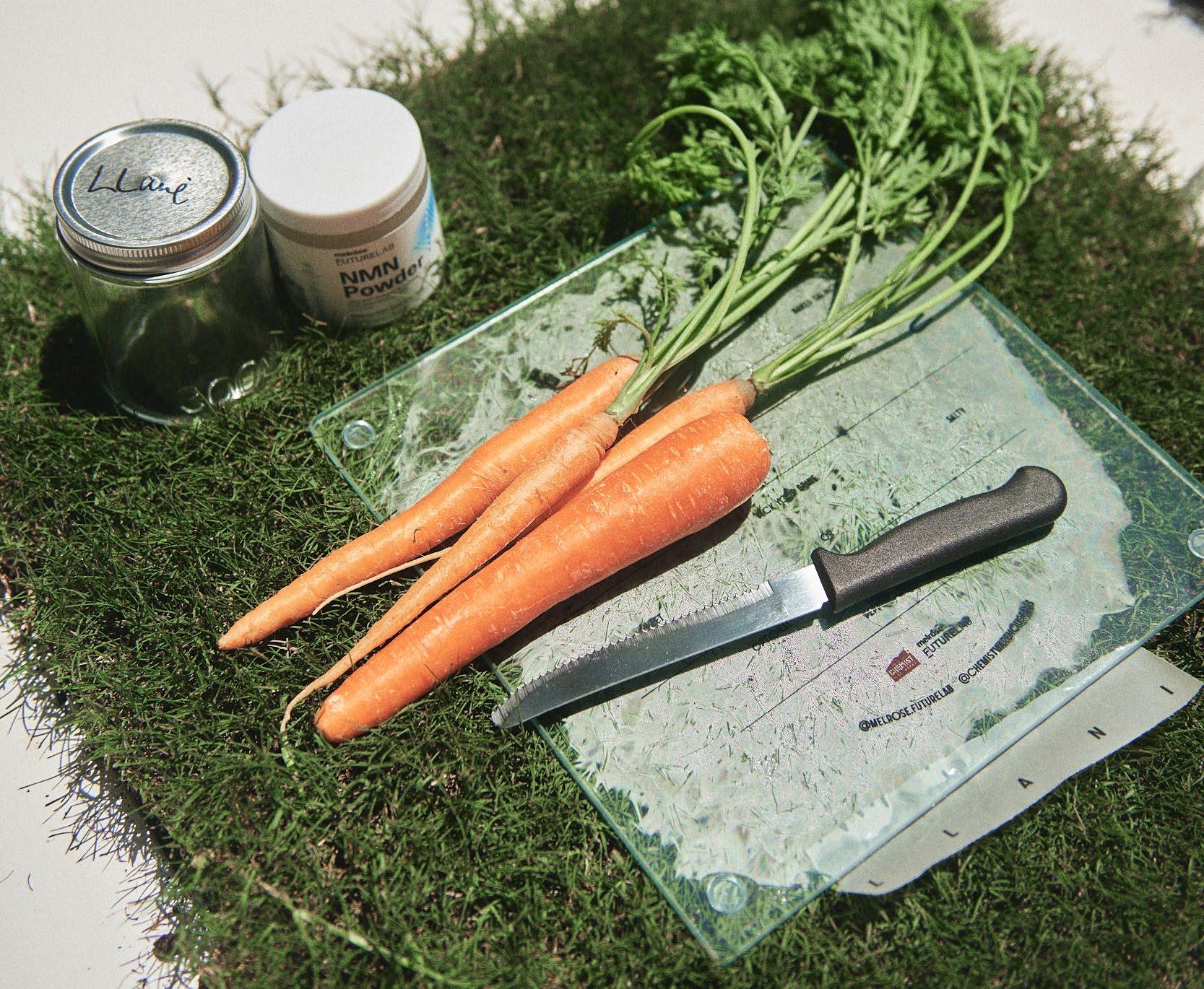
The concept was as unexpected as it was striking. Nicole of ONSO Atelier envisioned dining tables set not with traditional linens, but with living, breathing pieces of landscape. Individual squares of lush turf were cut fresh and placed beneath each setting.
To bring this vision to life, Tyagarah Turf, a family-run farm located just 15 minutes from Byron Bay, was commissioned to create 24
bespoke placemats, each measuring 500 millimetres by 500 millimetres.
“It was a completely unique request,” the team recalls. “We had never produced anything like it before, but that is what made it so exciting.”
Before sunrise on the day of delivery, the process began. A carefully selected section of TifTuf turf, chosen for its vibrant colour and slightly longer blade, was harvested in larger slabs. Rather than reconfiguring machinery for such a small run, the team opted for a more hands-on approach. Each piece was meticulously measured and hand-cut.
The finishing touch lay in the handling. Each square was stacked grass to grass to preserve its integrity and prevent soil
transfer, ensuring the final presentation was as refined as the concept itself.
Delivery to the venue, Belle Helena Private Resort, was a moment in itself. Set at the end of a winding, tree-lined drive, the property offered a secluded, natural backdrop that perfectly complemented the event’s ethos.
As the installation came together, the turf placemats transformed the dining experience, blurring the line between environment and design. The result was both tactile and visual, a tablescape that quite literally grounded guests in nature.
For Nicole and her team, the outcome was exactly as envisioned. For Tyagarah Turf, it was an opportunity to step beyond traditional applications and contribute to a creative project in a new way.
Established in 1979, Tyagarah Turf has grown into a respected supplier within the Northern Rivers region, servicing areas from Iluka to the Queensland border and inland to Lismore, Casino, and Kyogle. Now part of the Lawn Solutions Australia network, the farm has undergone significant transformation under current ownership.
In recent years, progress has not come without challenges. Severe weather events and repeated flooding have tested both resilience and resolve. Through persistence and a commitment to quality, the farm has steadily evolved and now produces a range of premium turf varieties.
Beyond the product itself, what stands out is a deep connection to the industry. “It is more
than just business,” the team reflects. “There is a genuine sense of community, with people supporting each other, sharing knowledge, and wanting to see each other succeed.”
Experiential design continues to push boundaries and the use of turf as a tablescaping element speaks to a broader shift toward authenticity, sensory engagement, and immersion into the natural world.
At this Byron Bay retreat, something as simple as grass became a defining detail. Not just decorative, but symbolic of growth, grounding, and the quiet luxury of thoughtful design.
For those who experienced it, it is unlikely they will look at a place setting the same way again.
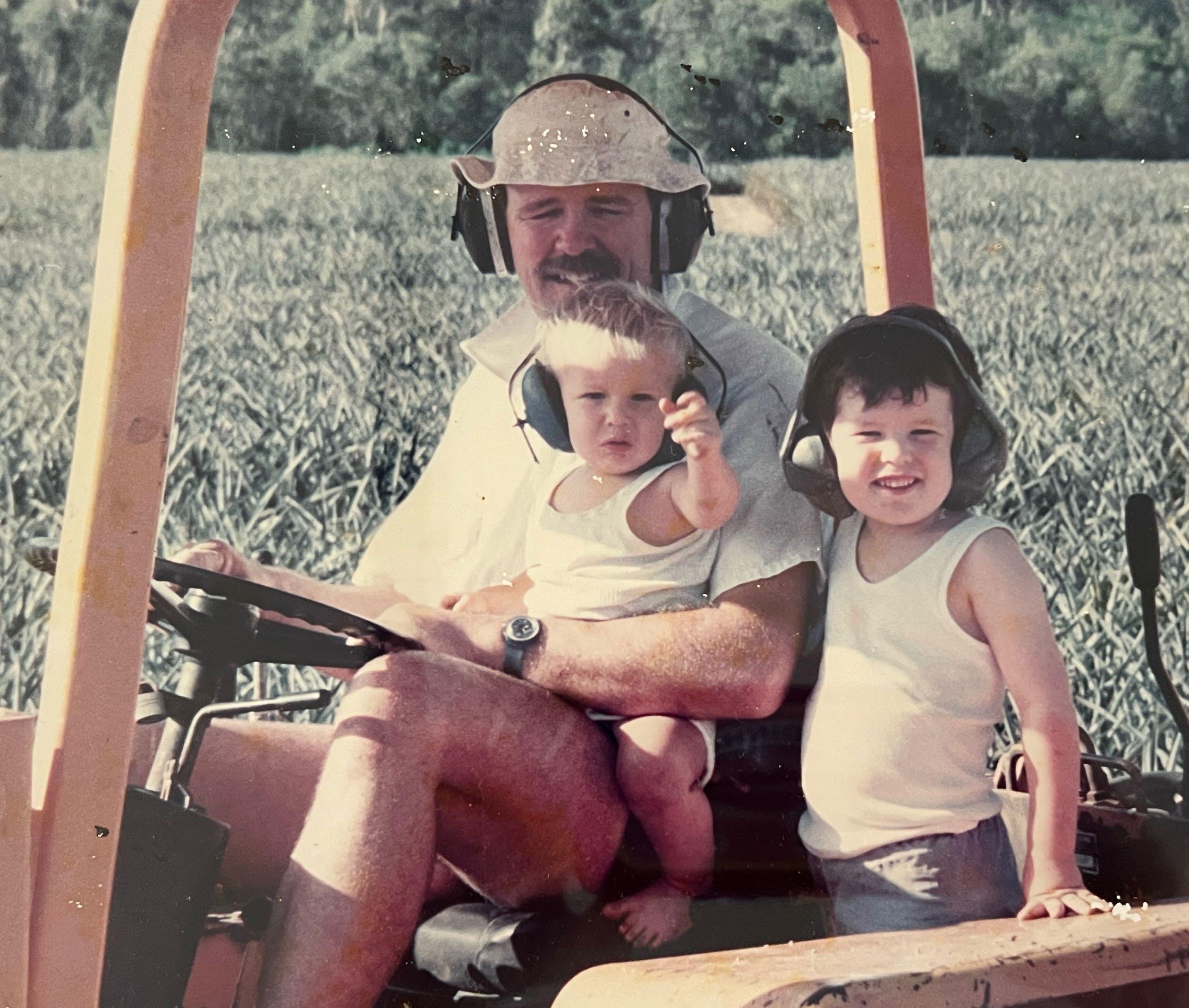
There are people within every industry who build successful businesses, and then there are the rare few who help build the industry itself.
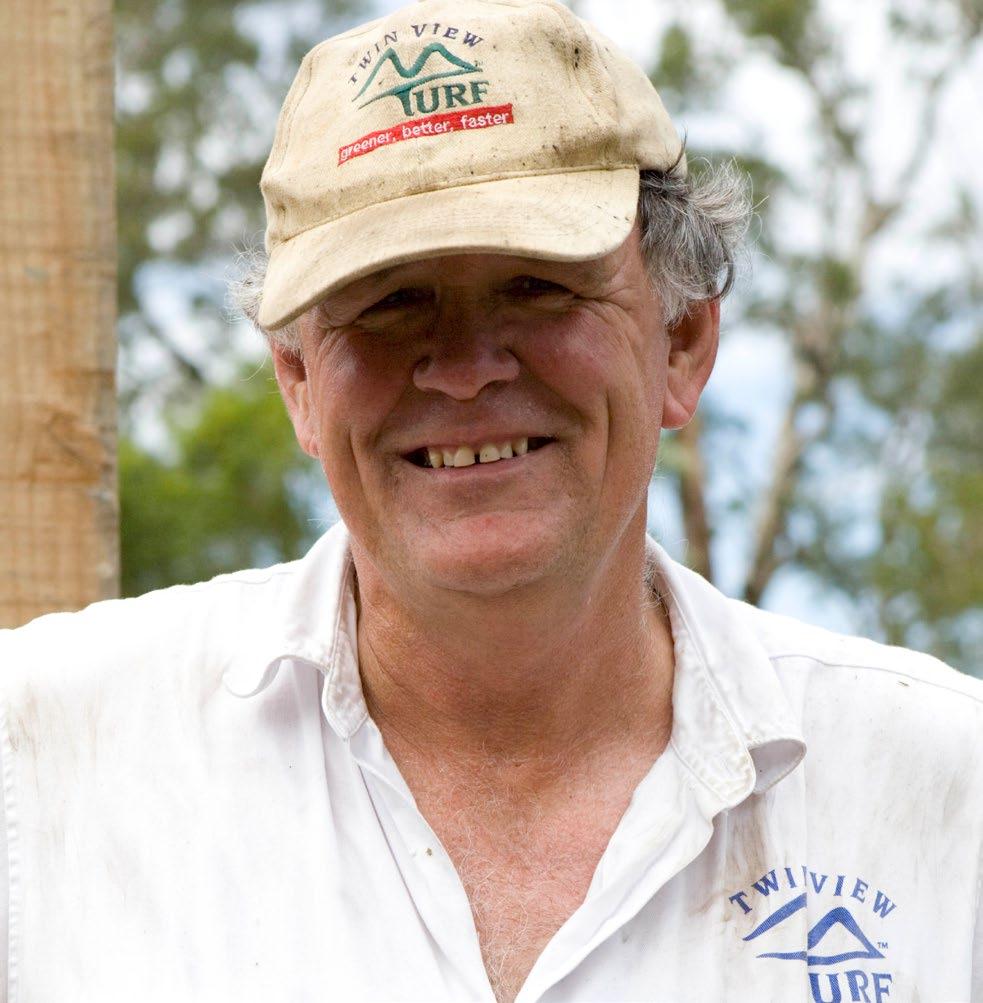
This year at the Lawn Solutions Australia Conference, Queensland turf producer Max Stephenson was inducted into the Lawn Solutions Australia Hall of Fame, one of the highest honours the group can bestow.
It is an award that is not handed out lightly. Over the past two decades it has only been presented four times, reflecting exactly what the award represents. The Hall of Fame is not about annual sales figures or business growth. It recognises a lifetime of contribution to the Australian turf industry and to the people within it.
For more than 30 years, Max has been one of the defining personalities of Australian turf. He has been a producer, innovator, mentor, problem solver, and trusted voice within the industry, but above all else, he has always been someone willing to help.
Anyone who has spent time around the turf industry knows Max, and most people probably have a story about him. It may have been advice over the phone, a visit to help solve a problem, a blunt but honest opinion shared across a conference table, or a late-night conversation at an industry event somewhere around the world. Over the years, Max has had an impact on countless people throughout the industry.
Long before Twin View Turf became one of Australia’s most recognised turf businesses, Max’s background was firmly planted in agriculture.
After growing tobacco, capsicums, and other small crops, Max spent many years in the pineapple industry. He sold whole fruit as well as fresh-cut and packaged pineapple to supermarkets, which at the time was considered a revolutionary concept.
Pineapple farming, however, came with enormous risk. A crop could take two years from planting to harvest and bad weather at the wrong time could wipe out an entire
season. As industry conditions changed, Max began exploring other opportunities. He investigated everything from vegetables to aquaculture before ultimately deciding turf was the future.
The appeal was simple. If the weather turned bad, you could simply keep mowing it. As soon as a pineapple paddock was harvested, the rotary hoe followed behind.
In 1996, Twin View Turf was established with approximately 55,000 square metres of turf production. From those beginnings, Max helped grow the business into one of the true success stories of the Australian turf industry.
Today, Twin View Turf operates across more than 600 acres in production, produces over 800,000 square metres of turf annually and employs more than 50 staff across the business. Based at Wamuran in south-east Queensland, the company has become widely recognised not only for residential turf supply, but also for premium sports turf production, sports field construction and industry-leading service.
Innovation has always been central to Max’s approach.
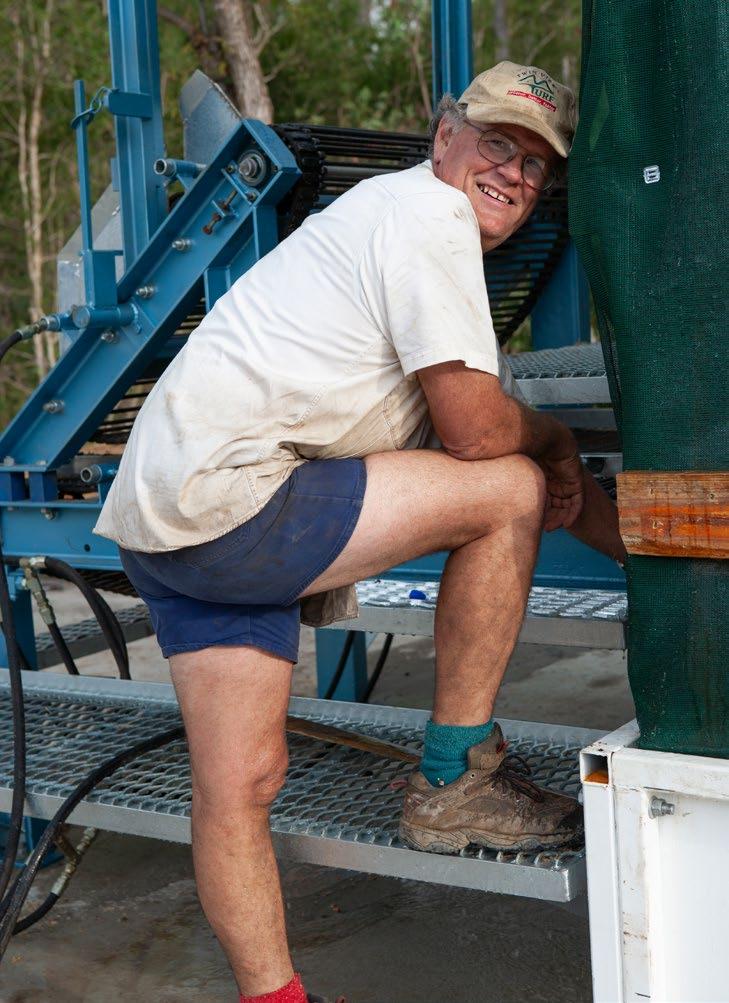
If a new piece of machinery arrived on the farm, there was every chance it would spend
its first day in the workshop being modified with an oxy torch, grinder, and welder. Max has never been satisfied with simply accepting something as good enough.
He was an early adopter of technology across turf production and logistics and continually searched for ways to improve efficiency and turf quality.
One example that has become part of industry folklore was his experience with one of the first Trebro Autoslab harvesters. While Max loved the idea of automated harvesting, he was frustrated by the performance of the vacuum system on the machine. Rather than accepting the limitations, he designed and built the first


hook-and-bump system, reflecting the practical and hands-on way he has always approached problem solving.
That mindset extended well beyond his own farm.
Throughout his career, Max has contributed knowledge, planting material, and practical support to industry research projects and turf development initiatives. He worked closely with researchers and fellow producers and was involved in supplying material for trials into warm-season turf varieties and salinetolerant grasses in Australia.
For decades, Max has been a familiar face at conferences, field days, and industry events both across Australia and internationally.

Long before global industry travel became commonplace, Max was building friendships and networks throughout the turf world. Many within the industry still talk about the “pineapple days”, when conference attendance often meant loading up stories, opinions, and ideas and travelling wherever the next opportunity to learn existed.
That willingness to connect with people has become one of Max’s defining traits. He has built a remarkable network of friends across the globe and has always been generous in sharing what he has learned.
If someone in the industry had a problem, Max was often one of the first people to offer advice. It was never polished corporate language or carefully filtered responses. It was practical, direct and based on real experience.
That honesty is part of what people respect most about him. Max has always been unapologetically himself, quick with an opinion, fiercely passionate, and completely authentic. People have always known exactly where they stood with him.
Beneath that directness has always been someone deeply invested in helping others succeed. It is a quality many within Lawn Solutions Australia have benefited from over the years. There would be very few members within the group who have not learned something from Max at some point in their career.
Outside the turf industry, Max’s appetite for adventure has been just as strong. For many years he was heavily involved

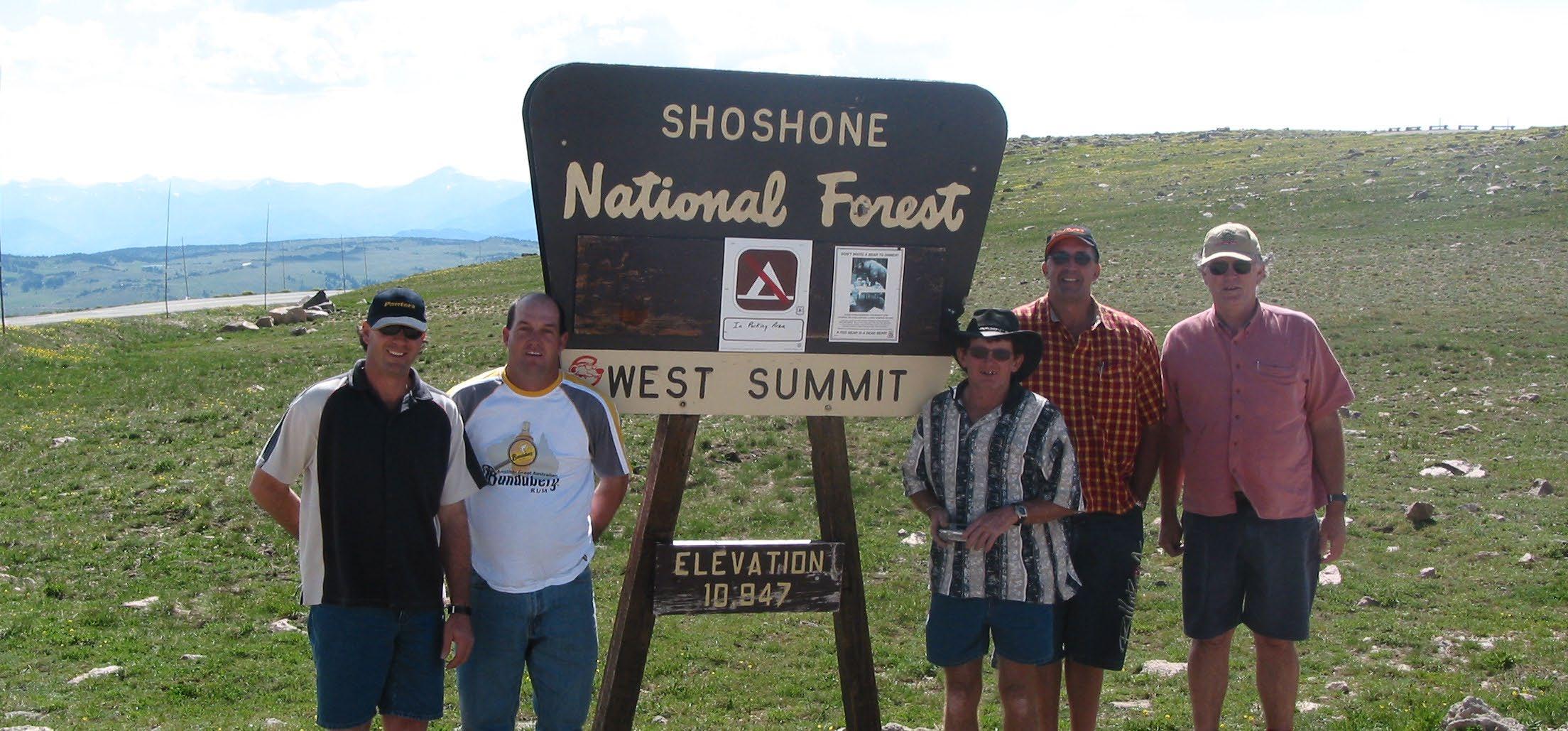
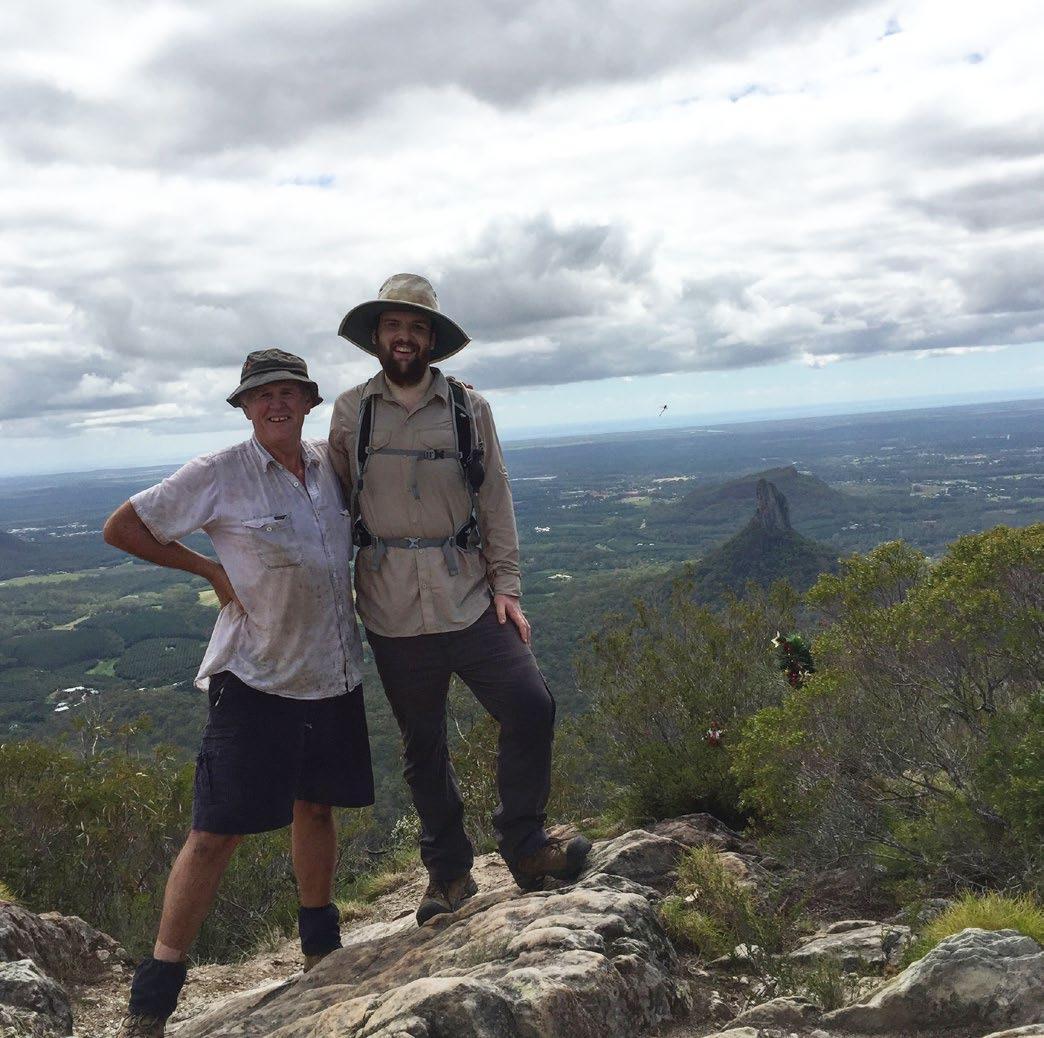
in deep scuba diving before eventually deciding that exploring extreme depths might not be entirely compatible with a long and healthy life.
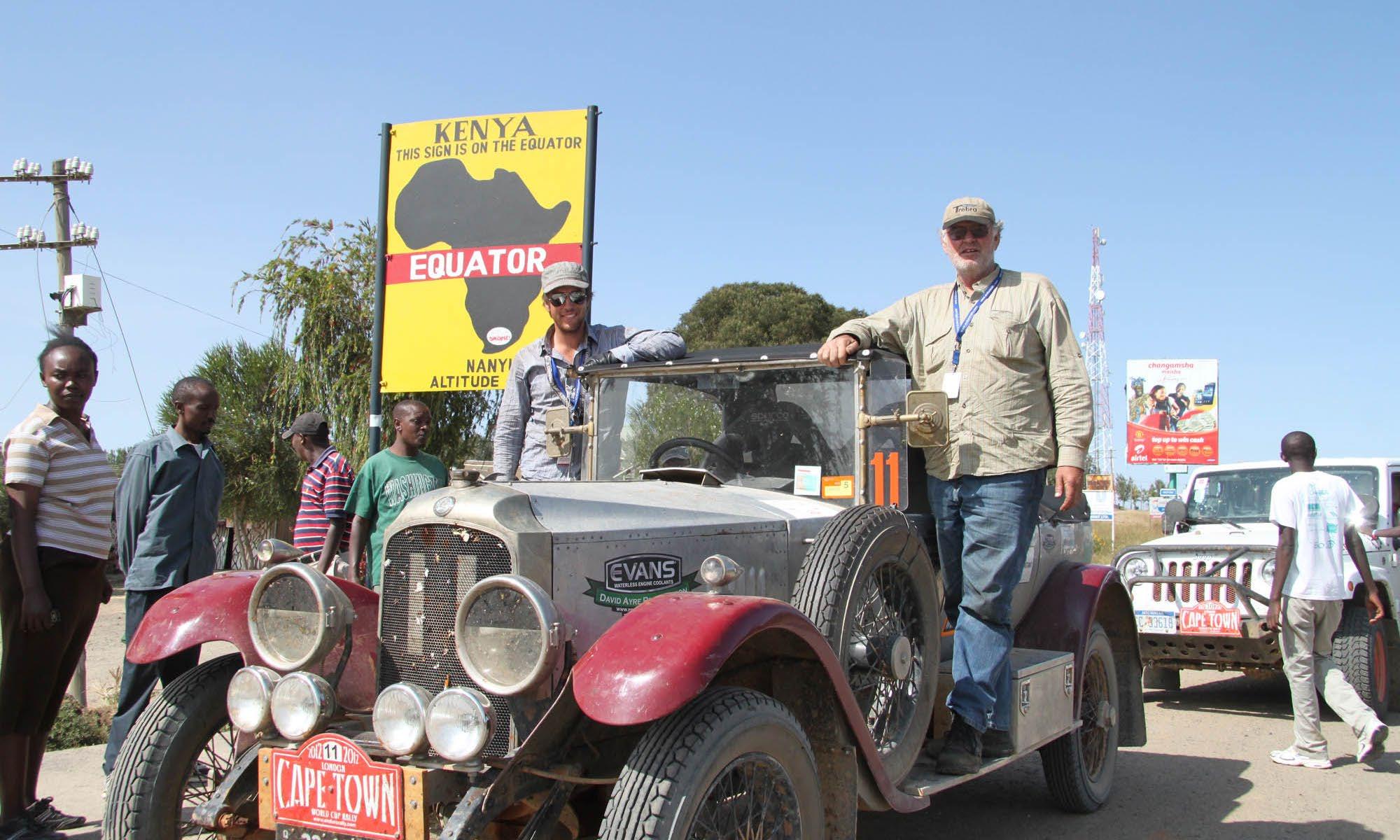
That search for adventure eventually led him towards another passion, vintage cars and international rallying. Through clients and friends, Max discovered the world of endurance motoring events, where he could combine several of his greatest interests, fixing things, navigating, travelling, and spending time with family.
In a 1921 Vauxhall, Max has completed extraordinary journeys across the globe, often accompanied by his wife Julie or his sons. His travels have included routes from Beijing to Paris, London to Cape Town, and Rio de Janeiro to Ushuaia, along with

countless journeys of more than 10,000 kilometres throughout Europe.
Like everything Max does, these adventures have become less about the destination and more about the stories, friendships and experiences collected along the way.
The Lawn Solutions Australia Hall of Fame exists to recognise people whose contribution extends far beyond their own business. It recognises people who help shape the culture, standards and future of the industry.
Max Stephenson embodies that perfectly.
His contribution to Australian turf has been immense, not only through the success of Twin View Turf, but through the people he
has helped, the knowledge he has shared and the standards he has pushed the industry towards.
For many, Max represents the spirit that built the Australian turf industry. He is hardworking, innovative, independent, generous, and deeply passionate about what he does. There are countless stories that could be told about Max Stephenson, but perhaps the simplest summary is this. The industry is better because he has been part of it. Congratulations to Max Stephenson on his induction into the Lawn Solutions Australia Hall of Fame, a truly deserving recognition for a lifetime dedicated to turf.
Alves Filho - Agronomist | Sports Turf Manager at Aspire Sports Turf
The turf grass sector has experienced a significant transformation in recent years, largely driven by rapid technological advancement. From elite football pitches to prestigious golf courses and expansive public landscapes, the industry is increasingly leveraging data analytics, automation, robotics, and applied science to deliver surfaces that are not only aesthetically superior but also high-quality, resilient, and performance oriented.
In today’s high-performance context, data collection at field level has become indispensable. It supports not only
agronomic aspects of grass maintenance but also plays a critical role in athlete performance and safety.
Genetic innovation has been a key enabler in this shift, supporting the development of turf grass varieties with reduced requirements for water, fertiliser, and chemical inputs. These improved cultivars, when integrated with modern management technologies, demonstrate enhanced tolerance to environmental stresses such as extreme temperatures, salinity, high traffic intensity, and directly supporting global sustainability goals.
The adoption of digital tools and precision technologies continues to reshape day-
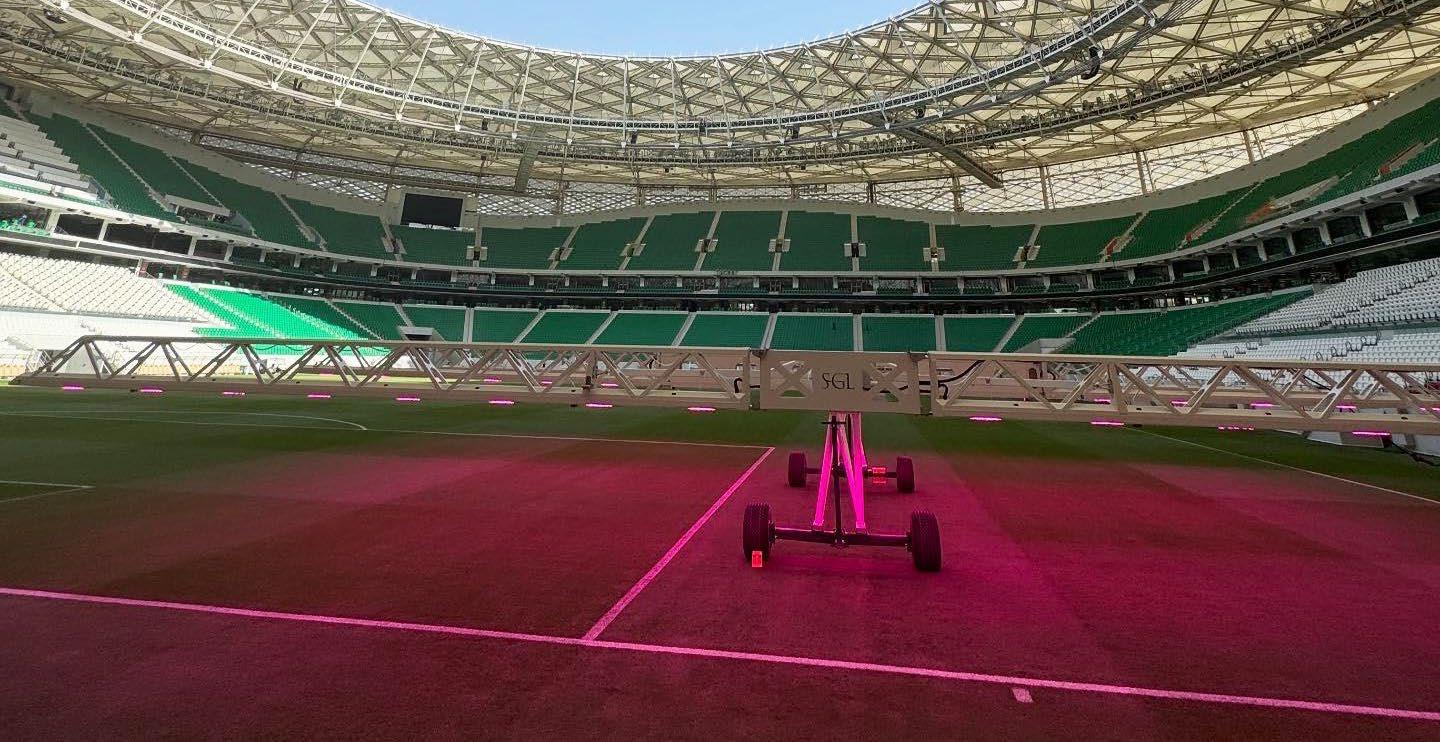
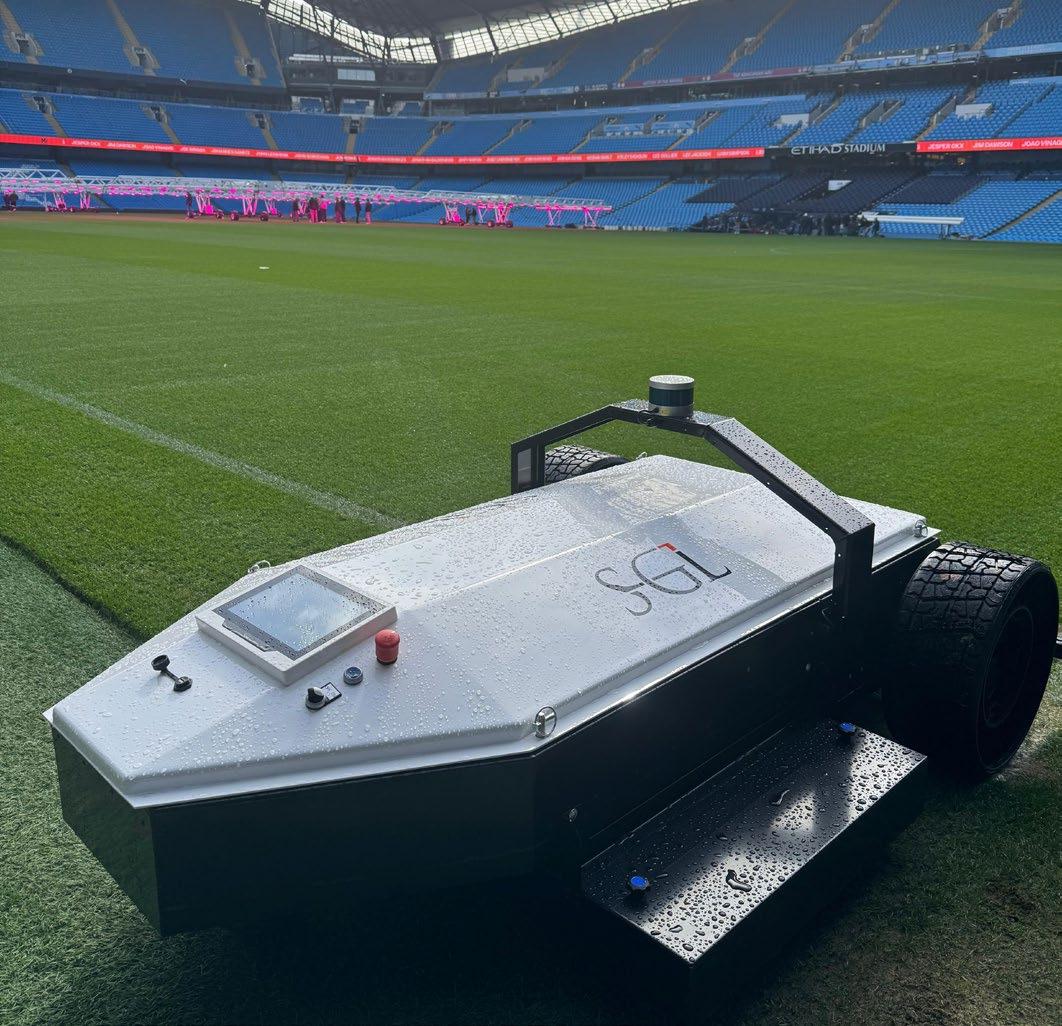
to-day operations. Mobile applications, smart irrigation systems, soil sensors, supplemental grow lighting, drones, autonomous mowing units, and robotic linemarking are just few examples of technology used in modern turfgrass maintenance and they are becoming standard components of a data-driven management approach focused on efficiency, consistency, and resource optimisation.
At the same time, complex site-specific challenges remain central to decisionmaking. Factors such as shaded environments, suboptimal or saline irrigation water, poorly drained soils, lack of air circulation, and the selection of appropriate species or cultivars must be carefully
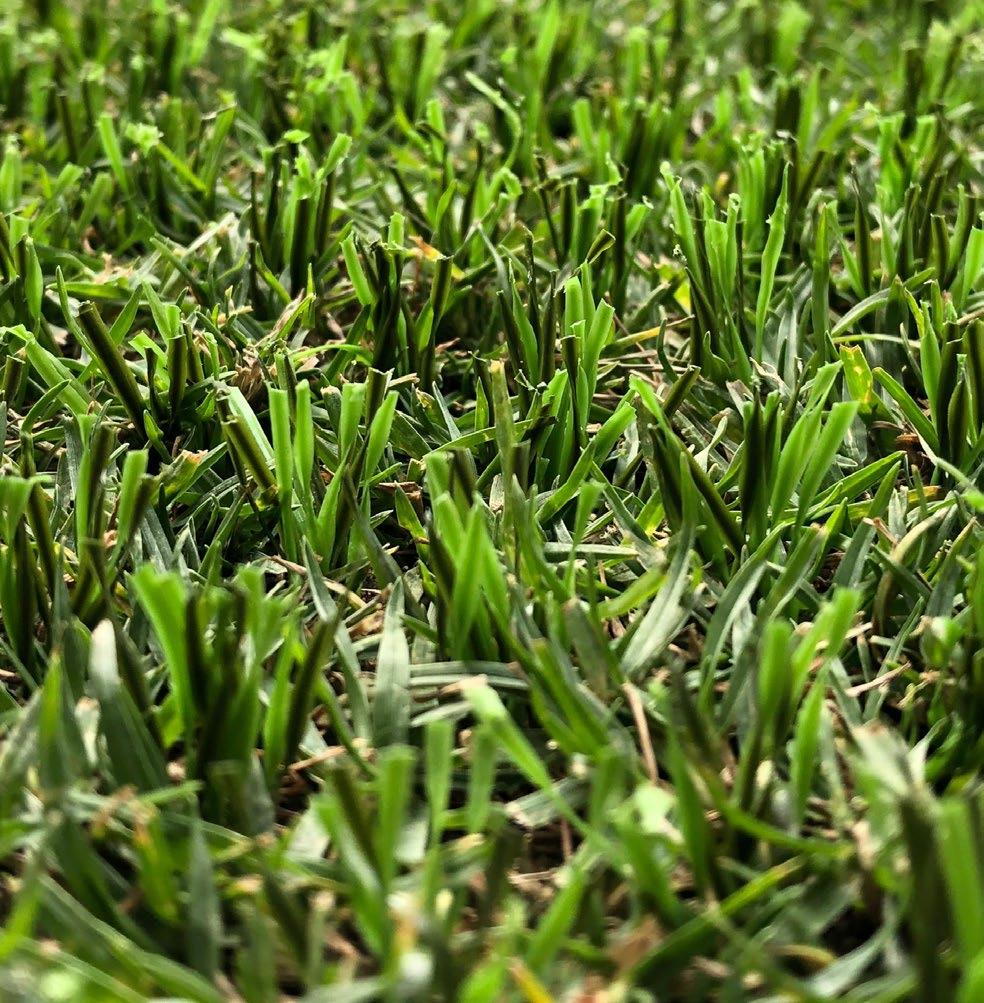
evaluated. These considerations extend beyond agronomy into operational and strategic domains, including competition scheduling, staff alignment, budgeting, and stakeholder engagement. Effective turf management therefore requires continuous collaboration among all parties involved, from design and construction through maintenance and usage.
Having had the opportunity to closely follow the sector’s evolution over the years, it is evident that continuous professional development is no longer optional, it is essential. The breadth of technologies and responsibilities associated with modern turf grass management demands ongoing engagement with training programs,
technical seminars, workshops, site visits, and professional knowledge exchange.
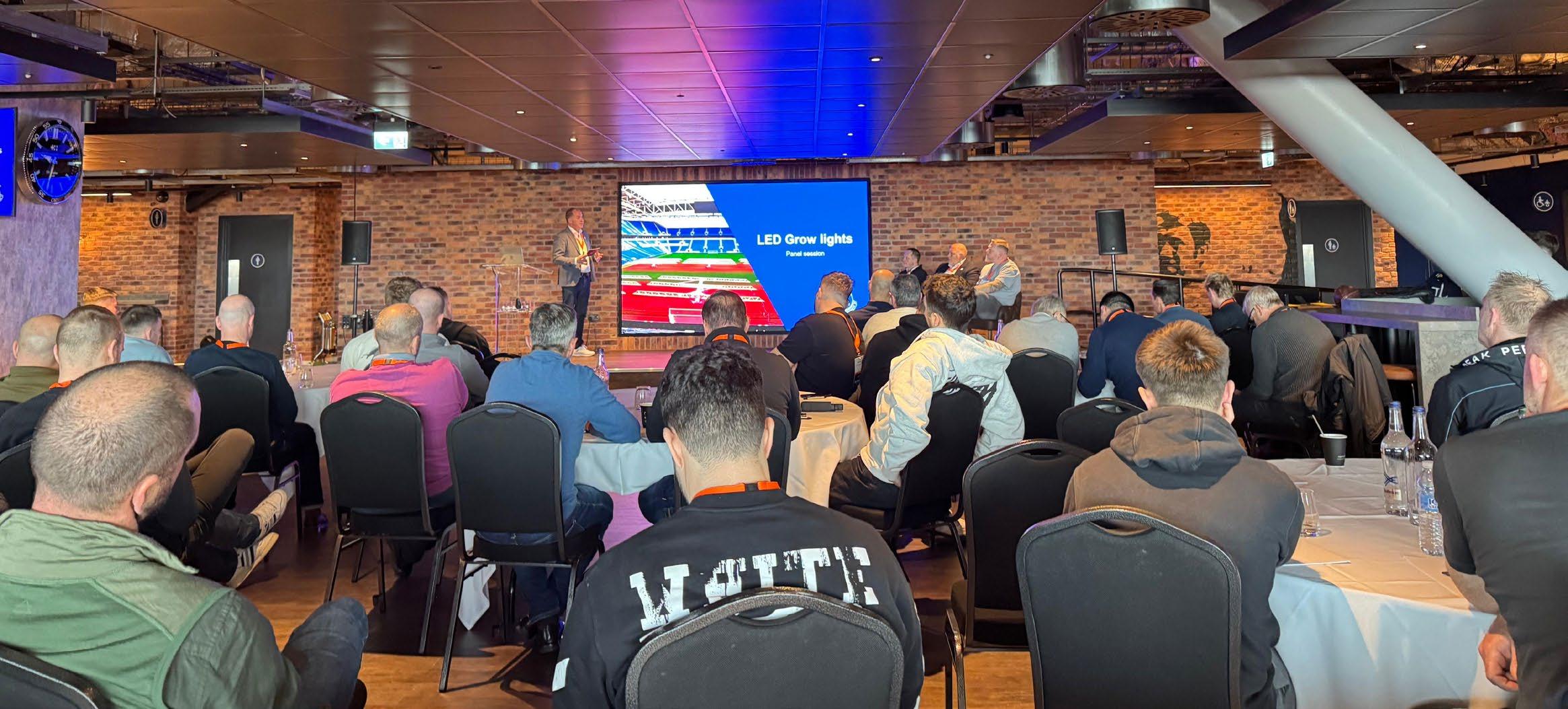
I recently attended the SGL Masterclass 2026, which provided direct exposure to iconic facilities in the United Kingdom. Through technical presentations and behindthe-scenes stadium tours, more than a hundred professionals from around the world gained valuable insights into infrastructure, maintenance logistics, and operational standards at the highest level. Notably, the sustained dominance of European football clubs, particularly those competing in the Premier League, reflects consistent investment in advanced infrastructure and high-performance environments, including both stadiums and training complexes.
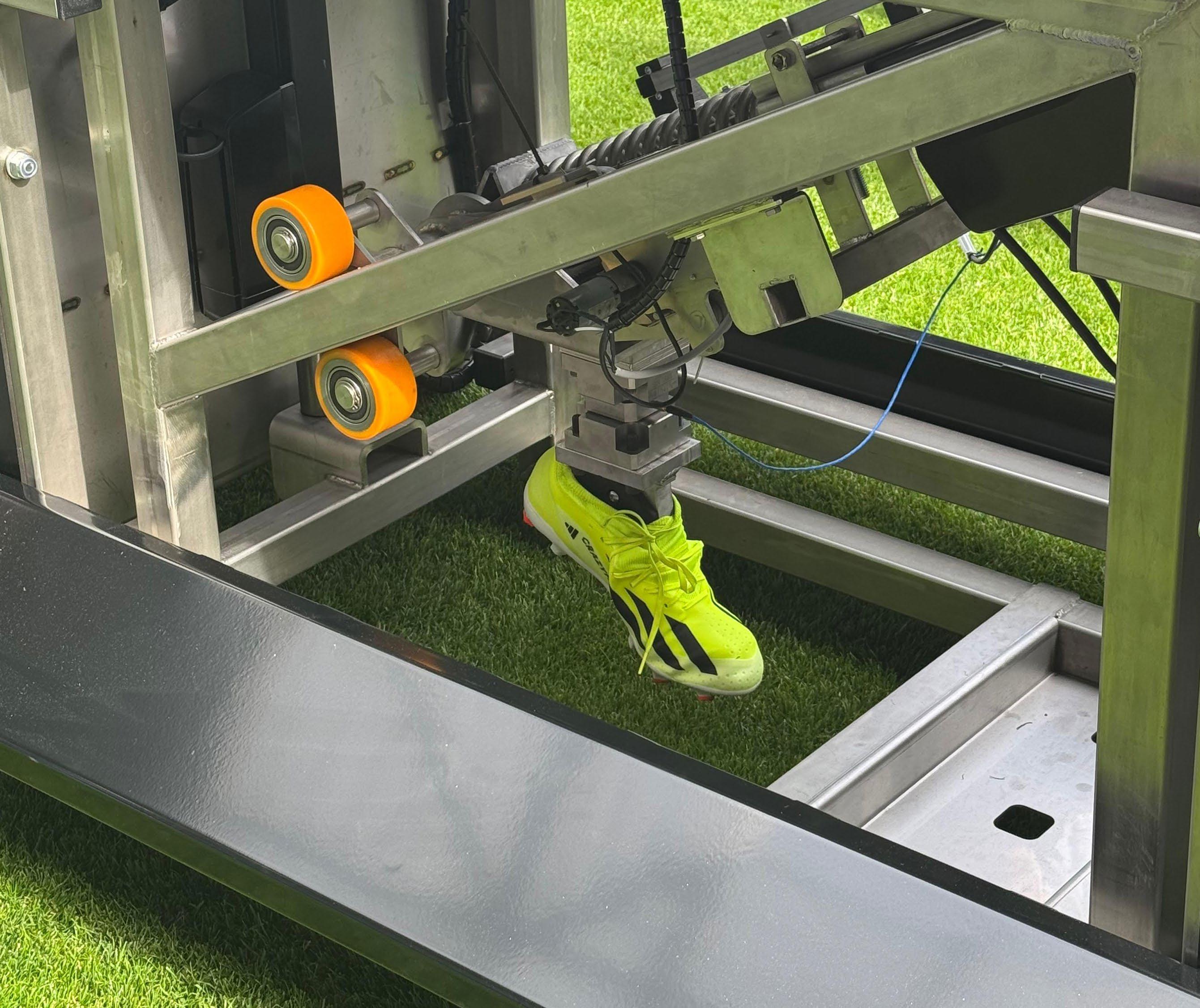
Routine testing, particularly for traction and surface hardness as an example, may become an essential practice in managing injury risk, especially concerning knee and ankle ligaments. While you cannot fully eliminate injuries, well-managed turf grass pitches significantly reduce the likelihood of incidents associated with poor pitch conditions. In this sense, pitch quality is a risk mitigation tool as much as it is a performance variable.
Readings such as surface hardness, rotational traction, soil moisture, and height of cut (HOC) directly influence pitch quality and match dynamics. These parameters affect player’s speed, surface stability, ball roll and ball bounce characteristics, and injury risk.
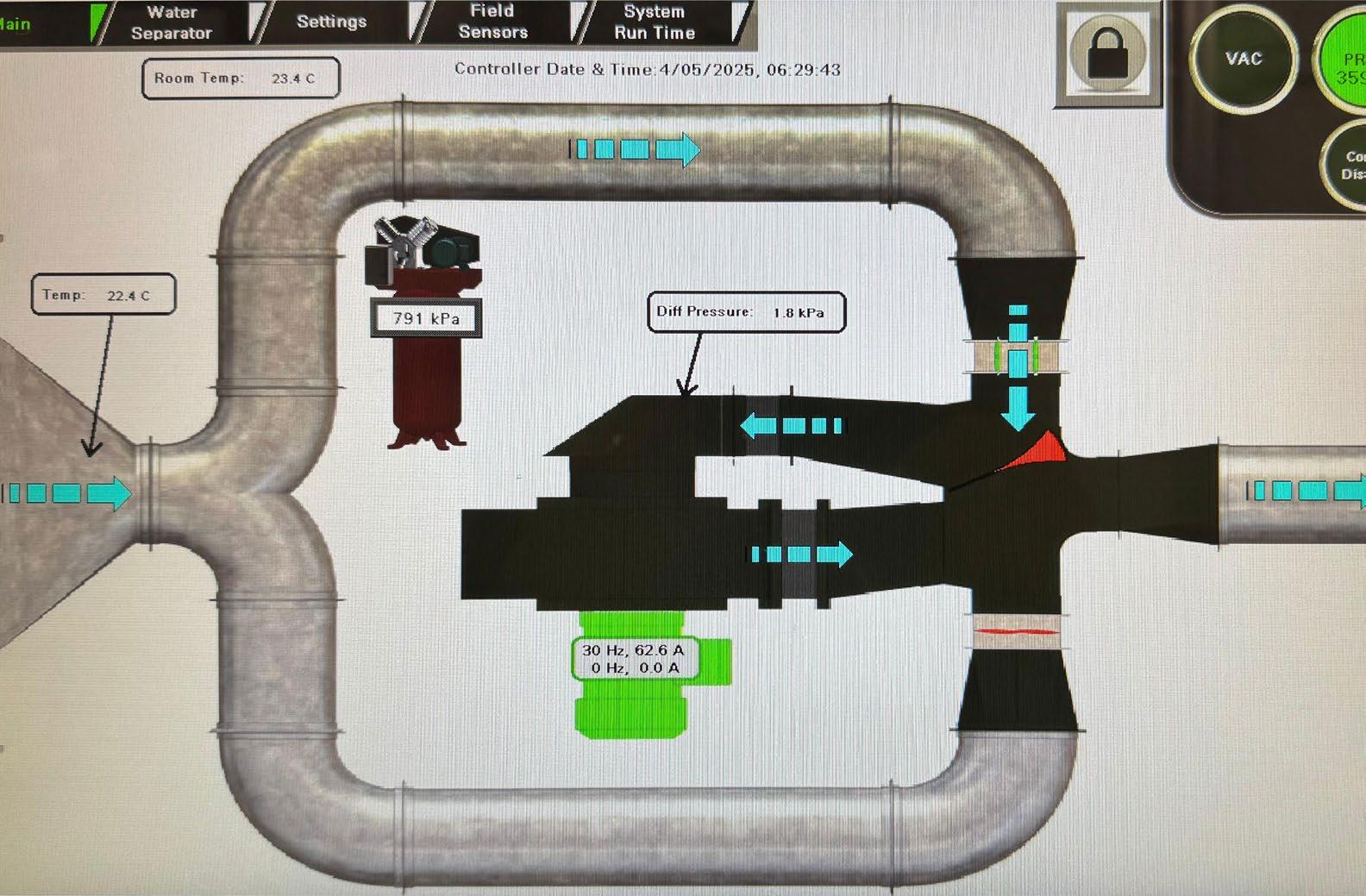
From a financial perspective, the cost associated with player injuries can far exceed the investment required for advanced turf technologies and maintenance practices. Consequently, elite organisations increasingly view the playing surface as a strategic asset, prioritising precision management to safeguard player availability and long-term performance.
This paradigm shift can also drive greater integration between agronomy department (turf grass management) and sports science departments (physical education, physiotherapy, and orthopedics). What were once isolated functions may now be part of a broader, transdisciplinary
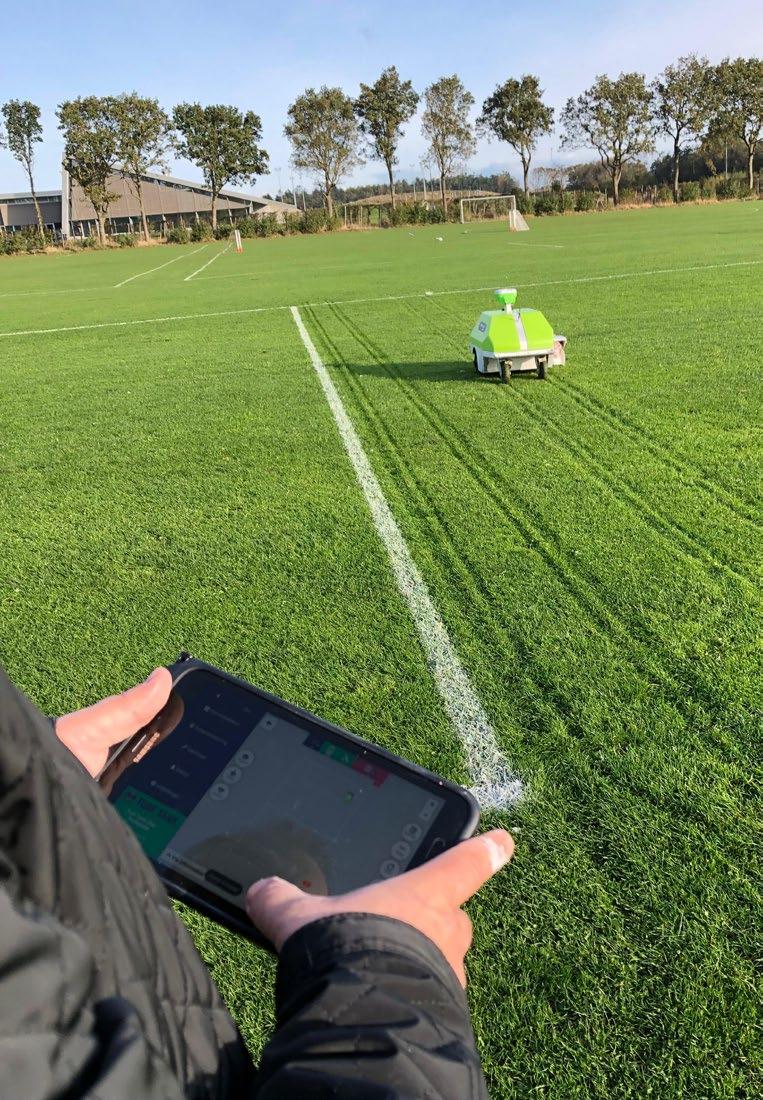
performance framework. Data sharing, collaborative analysis, and continuous feedback loops can enable more informed decisions, positioning the playing surface as an active contributor to both performance outcomes and athlete welfare.
Beyond performance considerations, the quality of the playing surface is a critical component of the broadcast product. With millions of viewers worldwide, visual presentation plays a significant role in audience perception. Uniformity of grass cover, colour, sward density, and playability standards must meet the highest expectations.
Major competitions including the FIFA World Cup, UEFA Champions League,
Premier League, and La Liga, have long recognised the importance of playing surfaces as part of their global product offering. This also extends to other elitesports performed on grass such as golf, American football, rugby, and horse racing, where surface quality is integral to both performance and presentation.
In my opinion, organisations that integrate turf grass expertise into their decisionmaking frameworks are better positioned to optimise resources, safeguard athletes and users, and elevate the overall quality of their product. In this context, turf grass management is not simply an operational function, it is a strategic pillar of the industry.

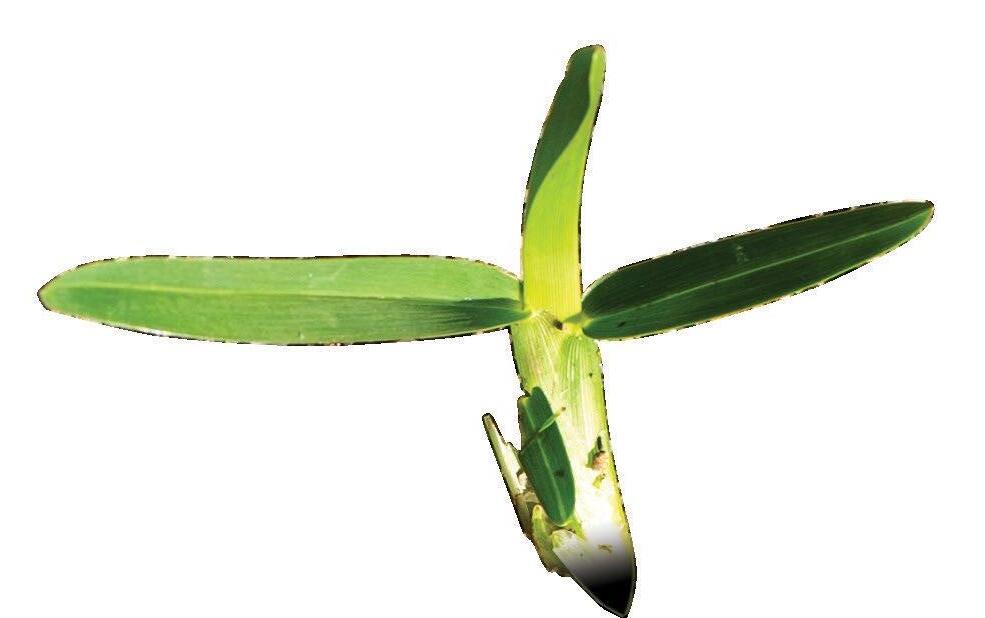
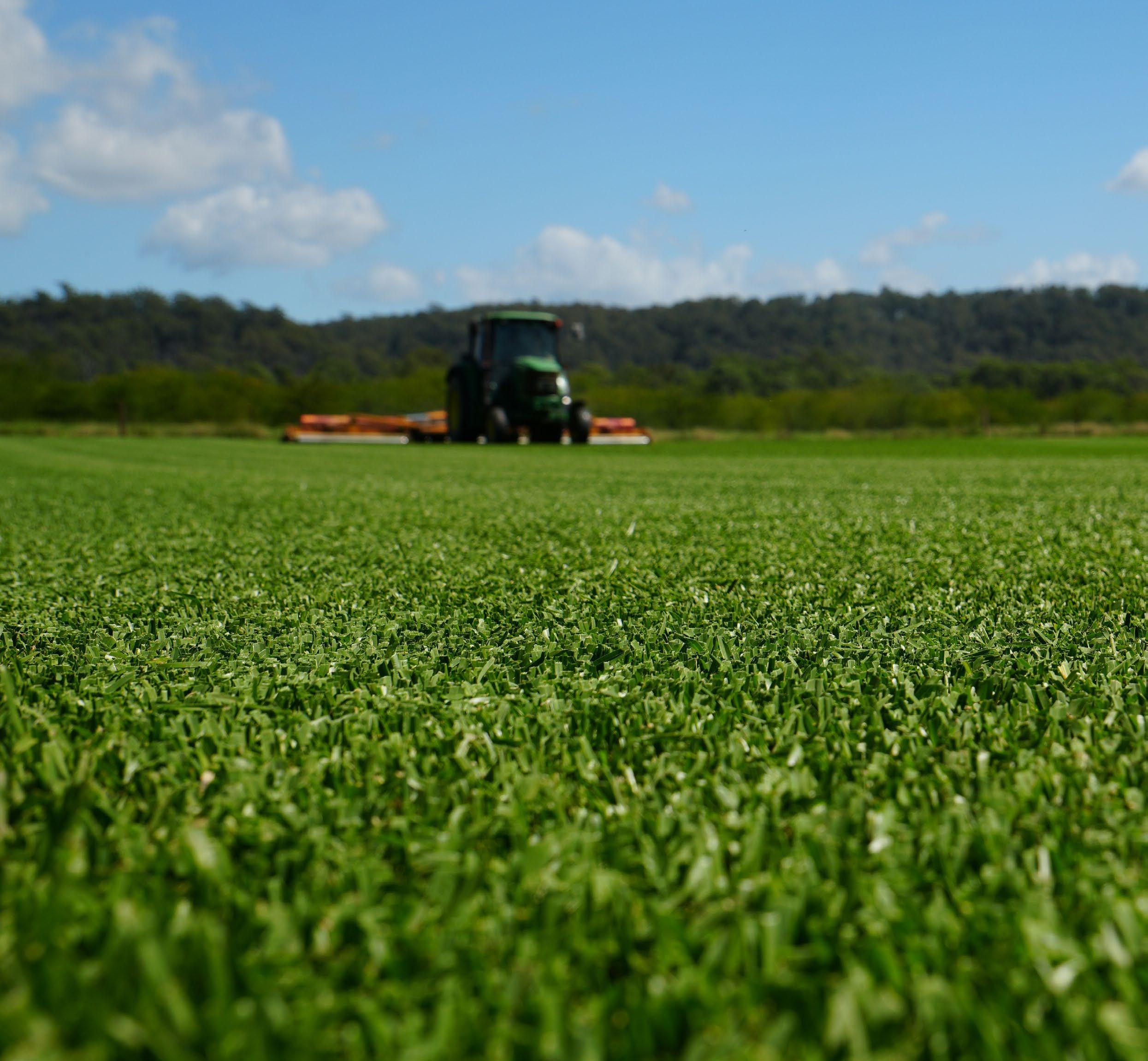
Australia’s turf industry is preparing for one of its most significant moments in decades, with the upcoming release of Stampede® Hybrid Buffalo, a new premium turf variety widely expected to shape the future of Australian lawns – Exclusively available through Lawn Solutions Australia Members.
Stampede Hybrid Buffalo has undergone a rigorous journey to reach Australian soils. Selection of this new variety has involved international selection and quarantine processes through to extensive independent and in-field trials by Lawn Solutions Australia
across a wide range of Australian climates, to ensure it is proven for local conditions.
Stampede Hybrid Buffalo exhibited strong drought tolerance, improved winter colour, darker genetic colour, increased disease resistance to grey leaf spot and spring yellowing. Stampede also showed strong tensile strength and re-growth characteristics, traits that show significant wear tolerance and recovery.
New turf releases of this scale are rare. Fewer still arrive with the potential to leave a lasting legacy. Stampede Hybrid Buffalo is
being positioned as a pivotal advancement in lawn performance, comparable to the impact Sir Walter Buffalo had when it transformed Australian backyards and public spaces more than 25 years ago.
Developed to meet the evolving demands of Australian homes, landscapes and climate conditions, Stampede represents the next major step forward in buffalo turf genetics. It combines modern hybrid breeding with proven performance characteristics to deliver a lawn that is robust, reliable, and suited to real-world Australian conditions.
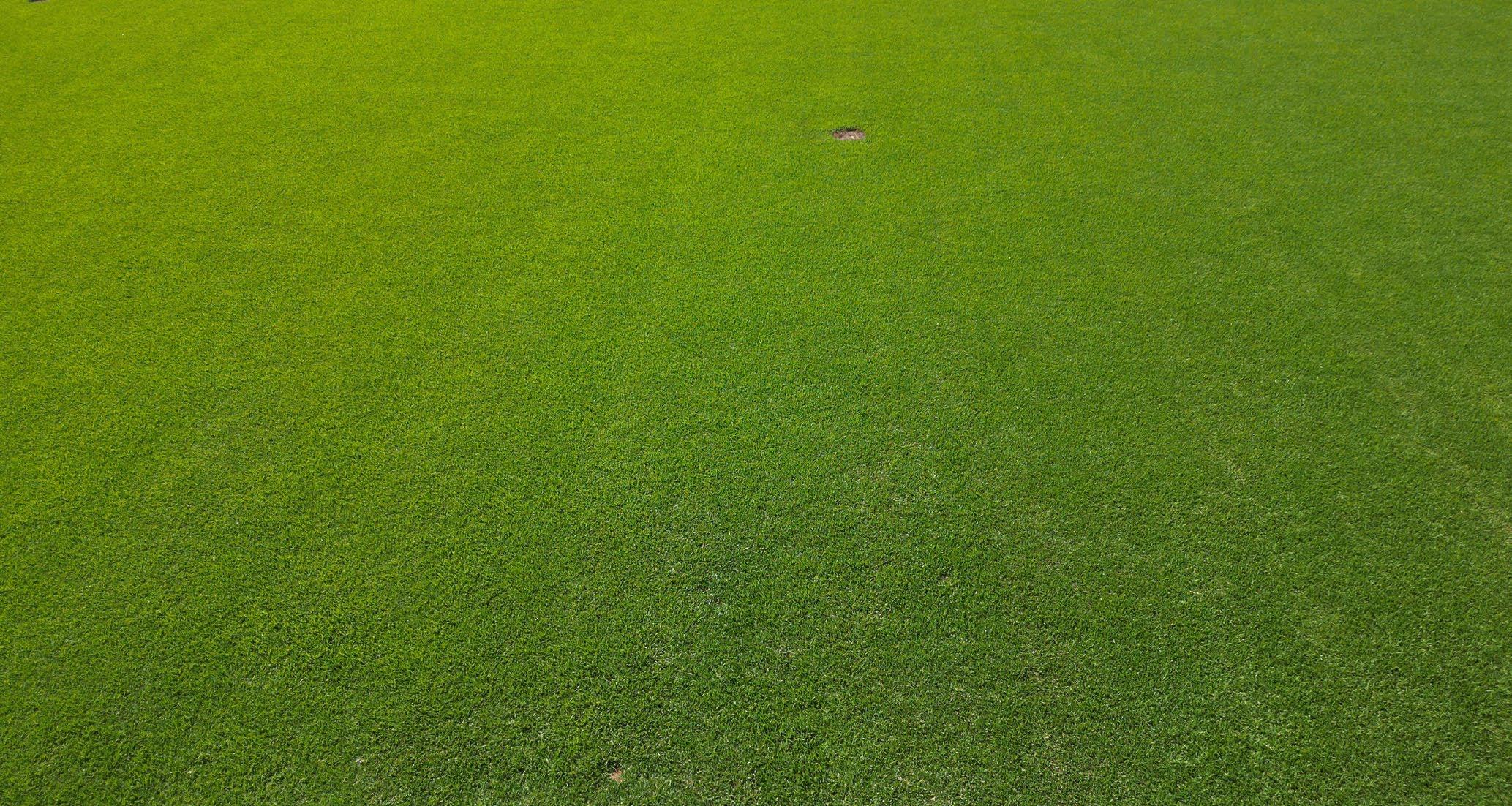
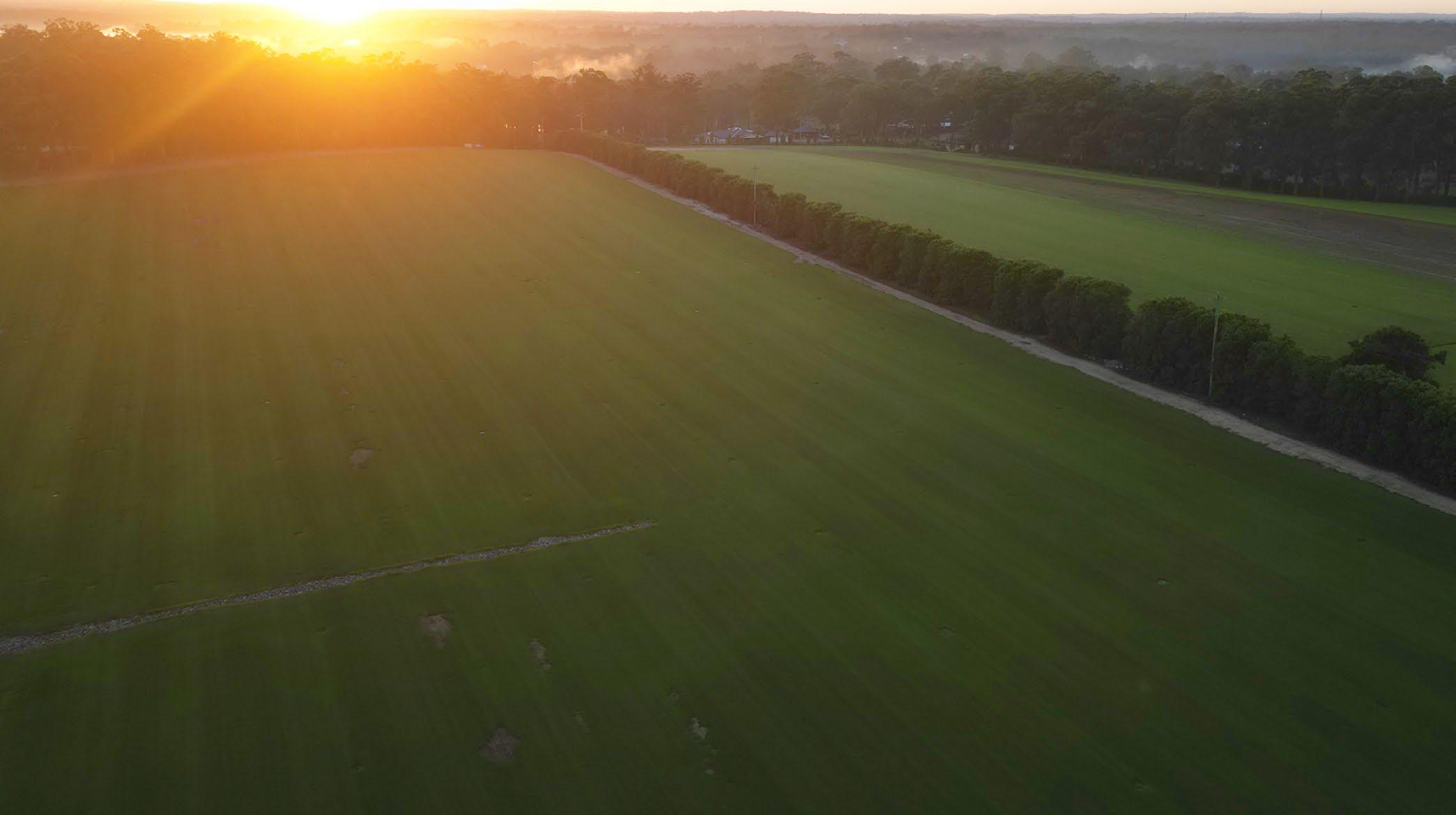
Industry insiders are already describing Stampede as a category-defining release, designed not just to compete within the premium buffalo segment, but to set a new benchmark for what Australians expect from their lawn. From durability and resilience to visual appeal and adaptability, Stampede has been developed with both households and the broader turf industry firmly in mind.
“This is not just another grass release,” said Joe Rogers from Lawn Solutions Australia.
“Moments like this are rare. Stampede Hybrid Buffalo represents a genuine leap forward
and signals where the industry is heading. Just as Sir Walter reshaped expectations around buffalo lawns, Stampede is poised to define the next generation.”
The release comes at a time when Australian homeowners are placing greater emphasis on outdoor living, long-term performance, and smart landscape choices. Stampede Hybrid Buffalo has been developed to align with these expectations, offering a modern solution for contemporary Australian lifestyles while maintaining the reliability required by professionals and producers.
With national availability planned and strong interest already building across the Lawn Solutions Australia member network, Stampede Hybrid Buffalo is expected to make a significant impact across residential, commercial, and public space applications.
For more information on availability, please reach out to your local Lawn Solutions Australia Member. One thing is already clear: a Stampede is coming, and the Australian turf industry is about to take a major step forward.
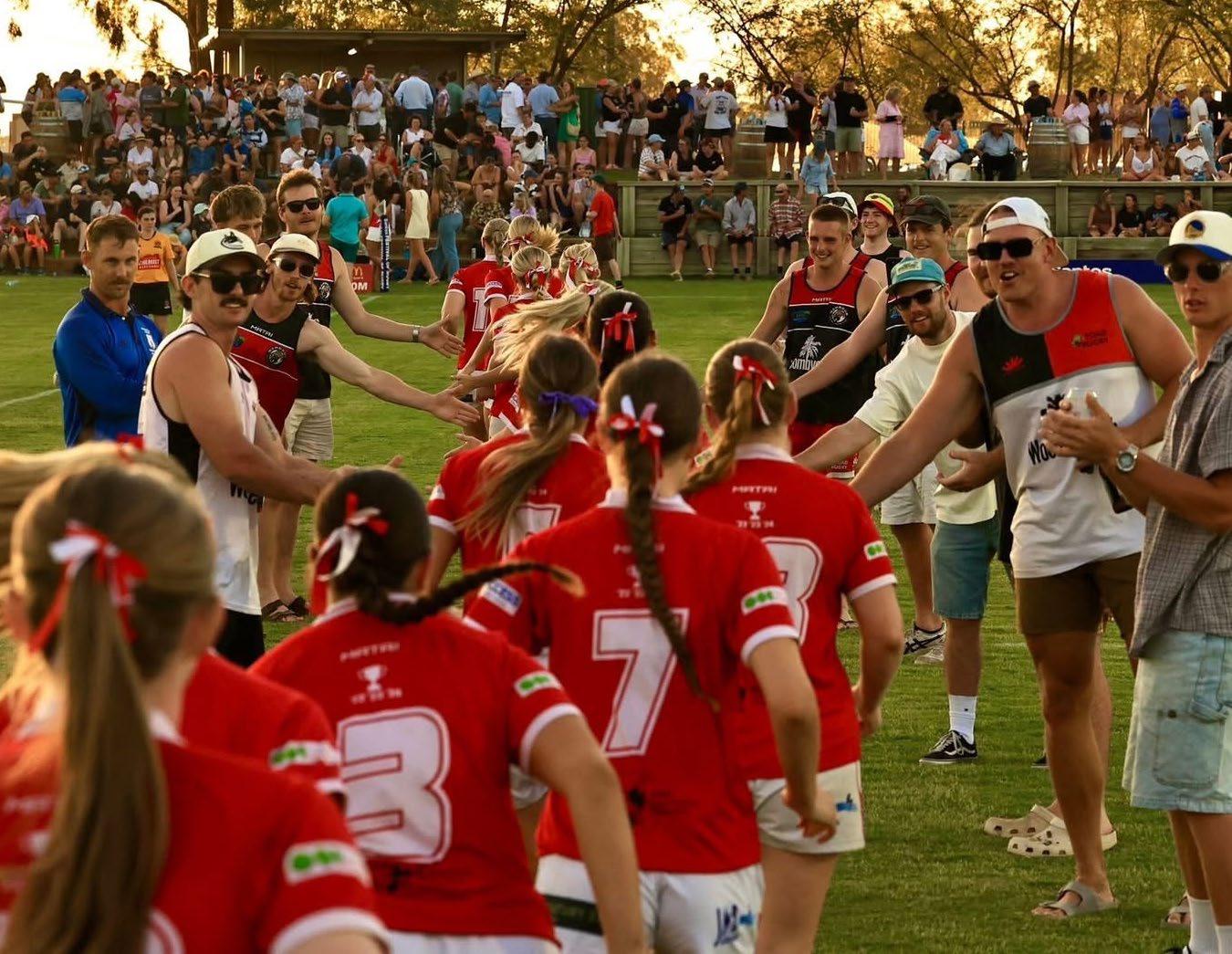
For the Roma Echidnas Rugby Union Club, Gallas Fox Park is more than just a playing field. It is the heart of rugby in the Maranoa region. A venue that has hosted generations of players, drawn crowds from across southwest Queensland, and played a vital role in the town’s sporting culture.
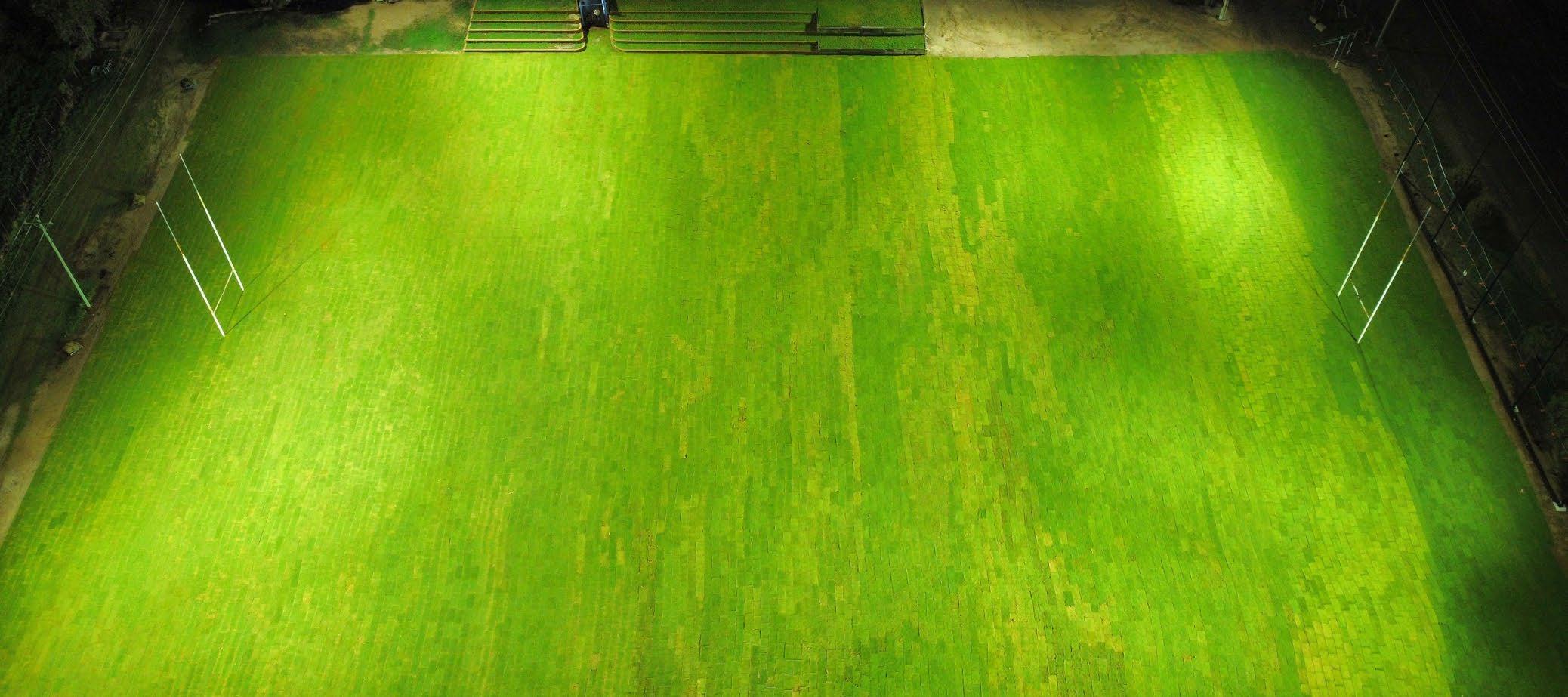
In 2024, the club took a major step toward securing the future of the game in Roma by undertaking a complete resurfacing of the main field and training area. Working alongside Twin View Turf, Maranoa Regional Council, and a dedicated group of volunteers, the Echidnas transformed the surface into a modern, resilient rugby field capable of hosting major events and supporting the club’s growing participation base.
The project combined careful engineering, innovative turf selection, and strong community
collaboration to overcome the unique challenges of building a high-quality sporting surface in remote regional Queensland.
One of the biggest challenges facing the project team was the natural topography of the site.
Gallas Fox Park sits on extremely flat ground, meaning there are no natural low points or existing stormwater services available to easily drain the field. In many sports field projects, drainage systems simply outlet into nearby stormwater infrastructure, but at Roma this option didn’t exist.
The first step was to take a detailed survey of the field surface. From this data, a design was developed that carefully balanced surface runoff and subsurface drainage,
ensuring water could move effectively across and through the soil profile without creating uneven playing conditions.
Designing the correct fall across such a flat surface required precision. The finished field needed to shed water efficiently while still appearing visually level and providing consistent footing for players.
Once the design was finalised, construction work began.
Rebuilding the Field from the Ground Up
The first stage of construction involved tilling the surface, breaking up the existing soil profile, and removing compaction that had built up over years of use. This process helped blend the soil layers into a more uniform base for the new root zone.
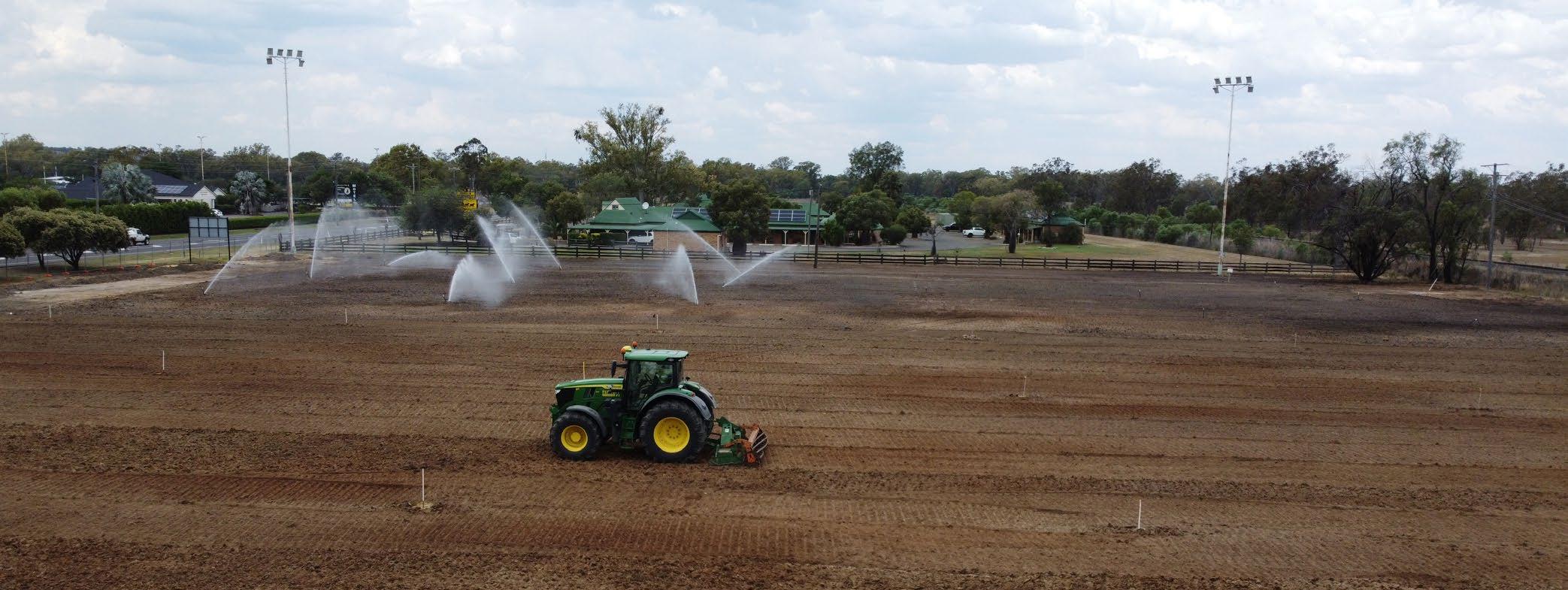
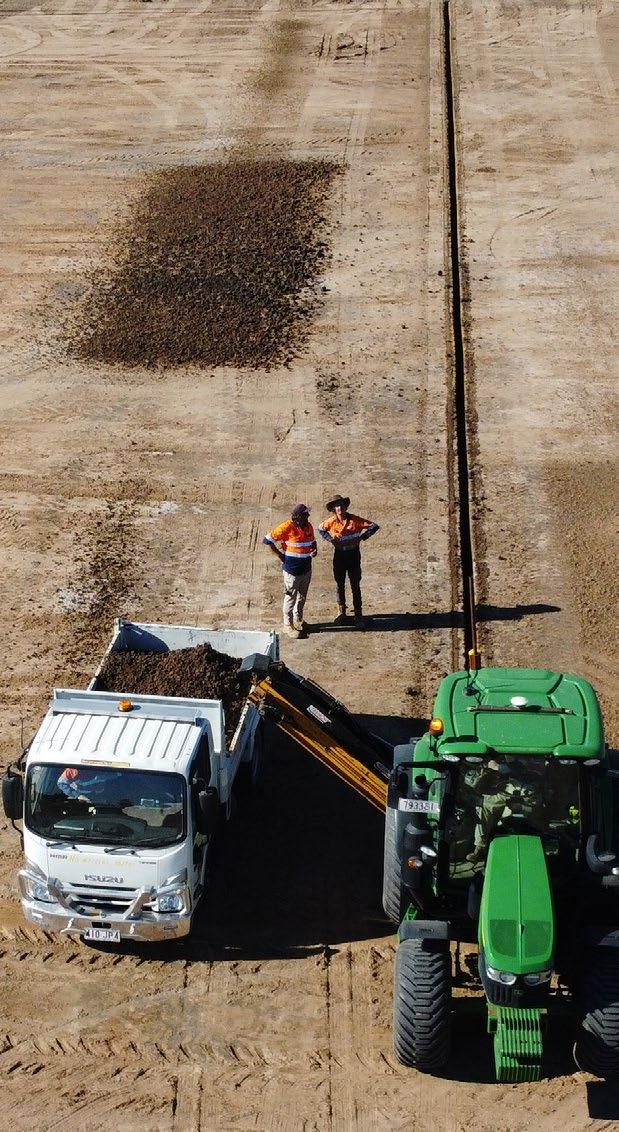
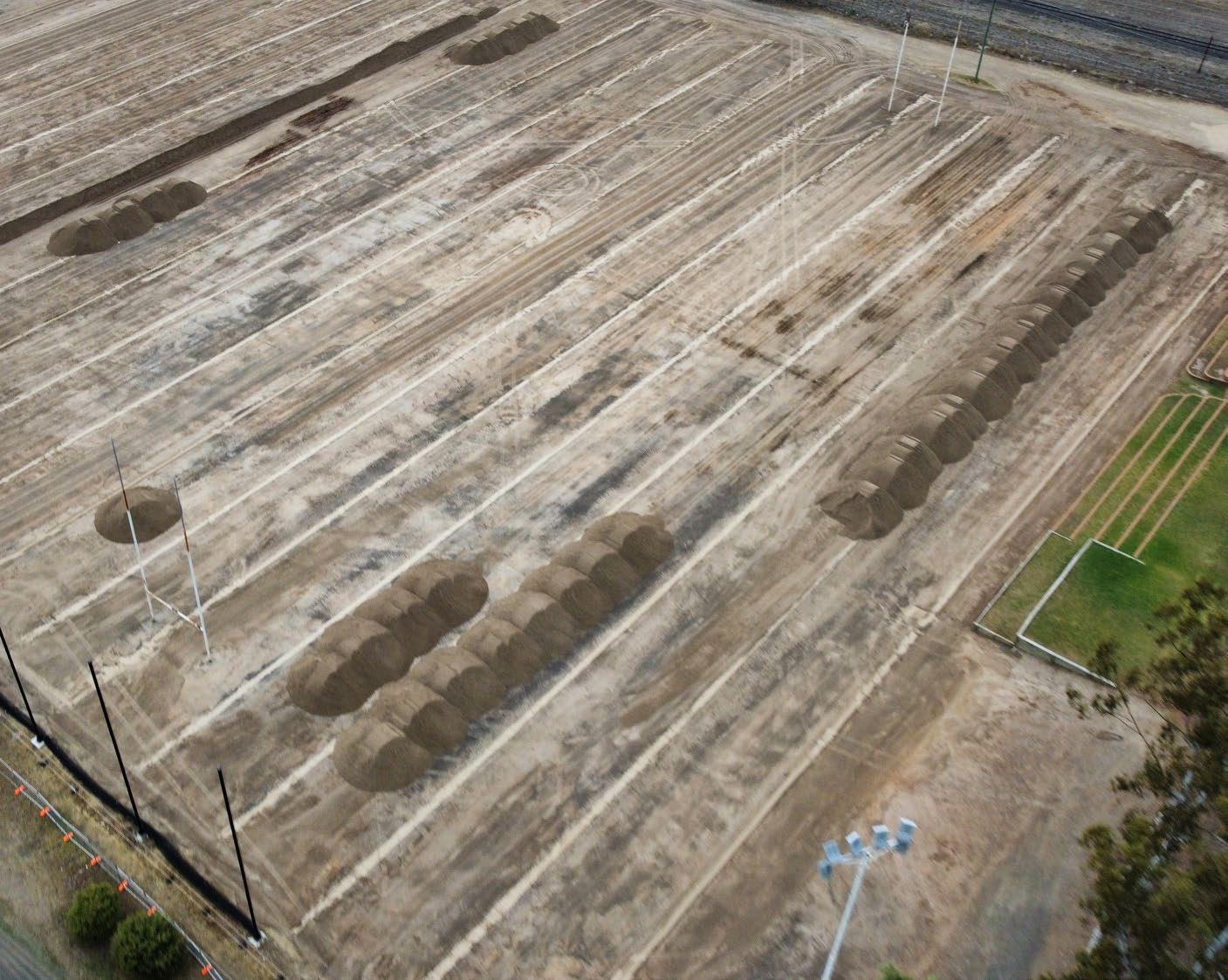
Following this, the field underwent laser grading, a highly accurate method of reshaping the ground to match the planned finished surface levels. This process required over 1,500m2 of soil to be moved by lasercontrolled equipment. This ensured the field slopes were precise, allowing water to move correctly across the surface.
With the ground profile prepared, the next step was installing the drainage infrastructure.
A new subsurface drainage system was installed across the entire field at 7.5-metre spacing, forming a network designed to quickly remove surface water and excess moisture from the turf root zone. There was over 2.6km of draincoil and PVC pipe installed to complete the drainage system on this project.
Effective drainage is critical for rugby fields, where repeated tackles, scrums, and heavy foot traffic can quickly damage a saturated surface. By allowing water to move away from the playing surface quickly, the drainage system helps maintain a firm, stable field that can recover more quickly between games.
The drainage network was carefully integrated into the reshaped soil profile, ensuring it would function effectively despite the flat conditions of the site.
With the drainage system in place, attention turned to creating the growing medium that would support the turf.
More than 1,250 tonnes of sand growing medium were imported to the site and blended with soil amendments and organic materials.
This mixture provides an ideal root zone for sports turf, balancing excellent drainage with the ability to retain nutrients and moisture.
Once spread across the field, the sand profile was laser levelled once again to achieve the final playing surface levels. This carefully constructed base created a stable and freedraining platform ready for turf installation.
Installing the turf was one of the most rewarding stages of the project and a clear demonstration of Roma’s strong community spirit.
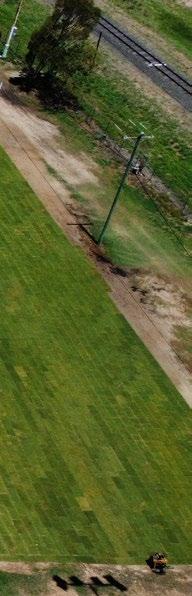
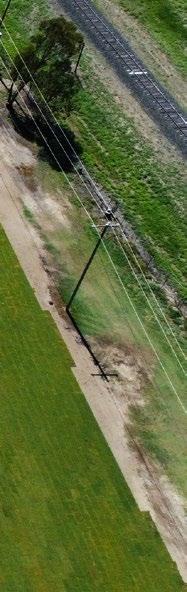
Over 9,500 square metres of washed TifTuf Hybrid Bermuda turf was laid across the main field over three days.
The installation brought together Maranoa Regional Council staff, Roma Echidnas players,
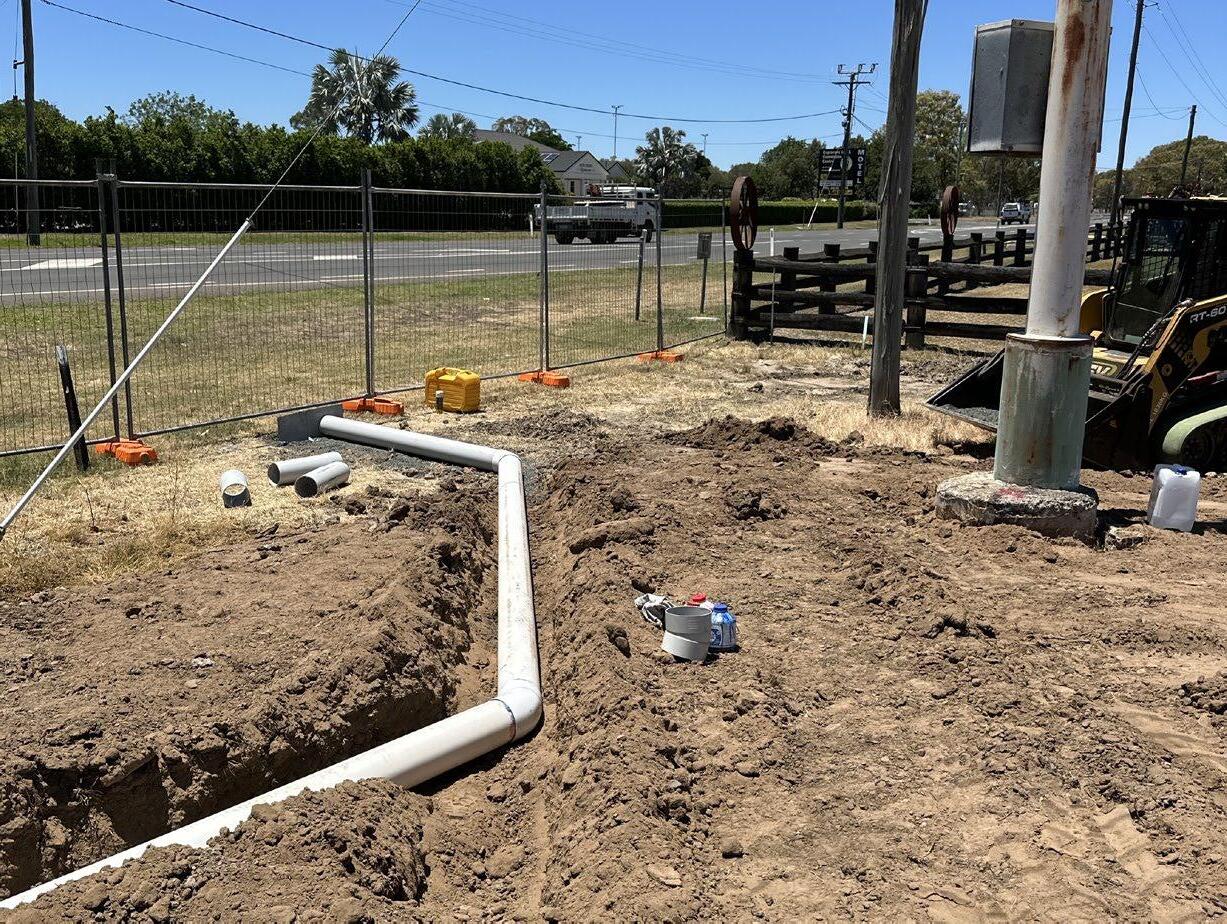
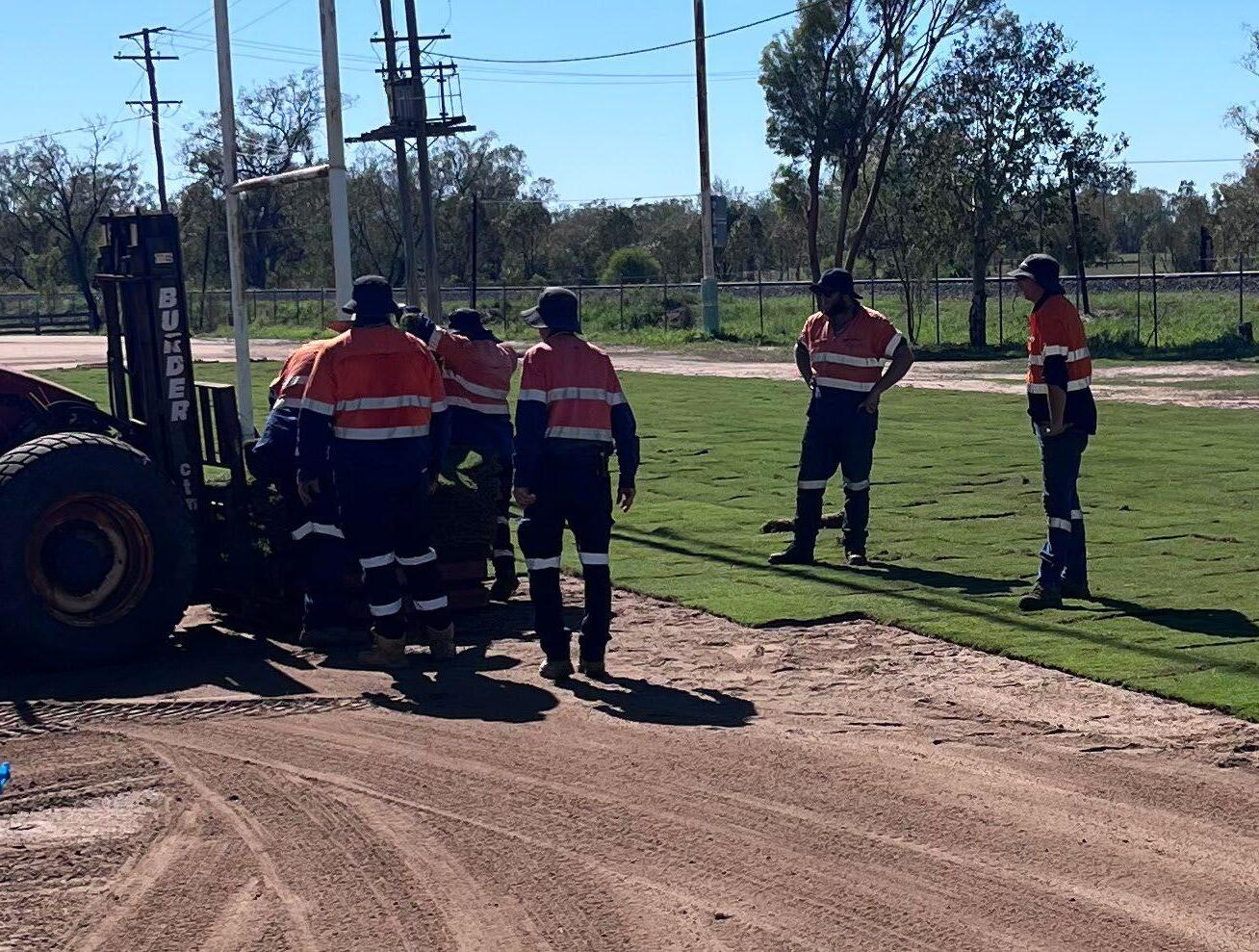
and club volunteers, all working together to roll out pallets of turf across the field.
Twin View Turf’s Trent Hobson assisted with laser levelling and ensured pallets were positioned correctly to keep the installation running smoothly. The quality of the turf itself was immediately evident. Despite being harvested only days earlier, the turf arrived with a thick, healthy, and vibrant root system, with roots already extending well beyond 60 millimetres. This strong root development helped the grass establish quickly once laid.
Seeing the field take shape over just a few days was a proud moment for everyone involved.
While the main field was fully turfed, the adjacent training field was established using a different method. On 23 December,
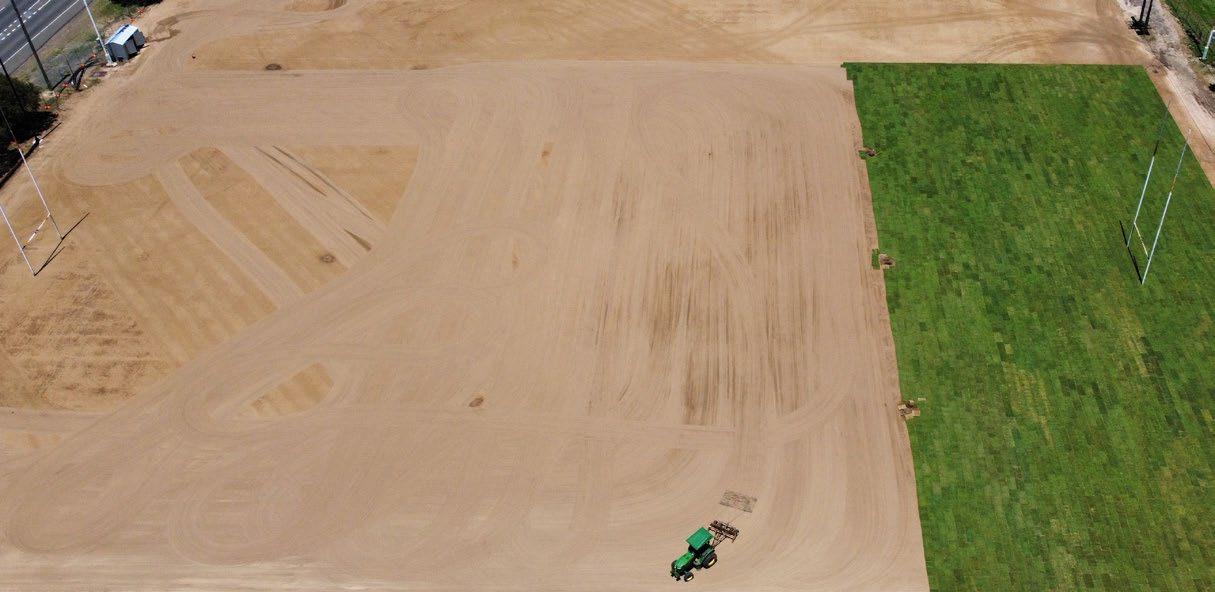
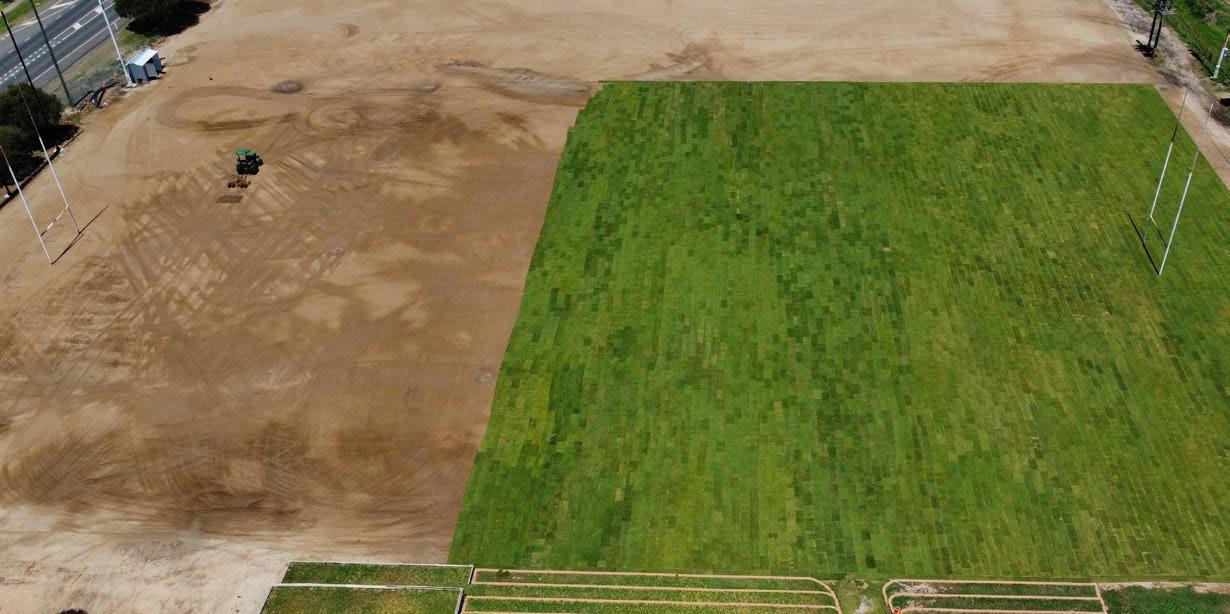
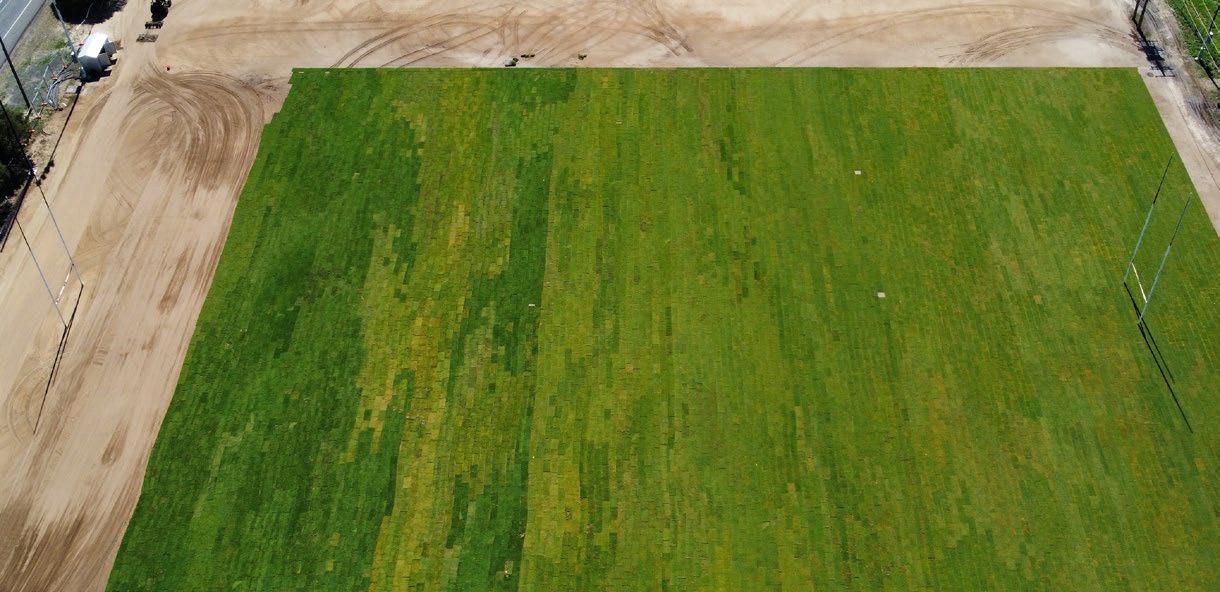
the training field was planted using TifTuf stolons, allowing the grass to spread naturally across the prepared soil surface.
The two fields were planted several weeks apart to ensure the irrigation system could maintain adequate watering during the extreme summer heat of Central Queensland. This staggered approach helped protect the young turf and allowed both surfaces to establish successfully.
Selecting the right grass variety was one of the most important decisions in the project. Roma’s irrigation water presents a significant challenge. Testing has shown very alkaline water with pH levels between 9.5 and 9.9, which can create long-term soil health problems and place stress on many turf species.
To ensure the new field would perform under these conditions, TifTuf Hybrid Bermuda grass was trialled on site six months before construction began. Three small areas were planted across the field and monitored throughout the winter playing season.
The results were impressive. TifTuf proved capable of handling Roma’s extreme winter conditions, including numerous frosts and temperatures well below 0°C. It also demonstrated excellent tolerance to the alkaline irrigation water.
Another key benefit is TifTuf’s exceptional drought tolerance, meaning the field requires less irrigation overall. Using less water helps reduce the amount of alkaline irrigation entering the soil, limiting the gradual increase in soil pH over time.
Like many regional sporting organisations, the Roma Echidnas needed to complete the project within a limited budget. The resurfacing was supported by Federal Government funding through the Women in Sport grants program, helping improve facilities and encourage broader participation in rugby.
To keep costs manageable, both the club and Maranoa Regional Council undertook portions of the project themselves, contributing labour and equipment wherever possible. This cooperative approach ensured the resurfacing could be completed without compromising the quality of the final field.
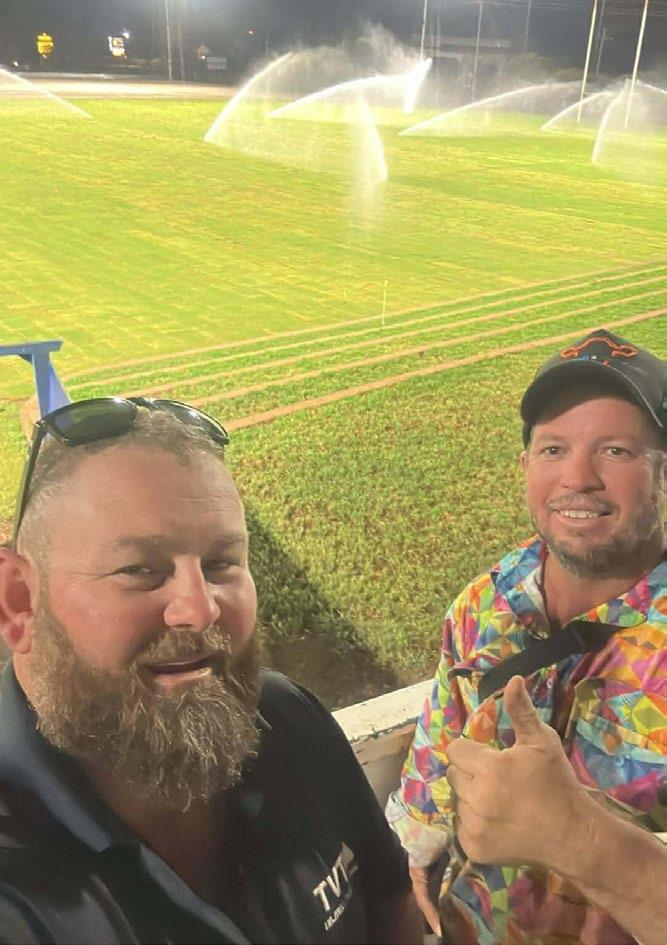
The newly resurfaced field faced its first major test just eight weeks after the turf
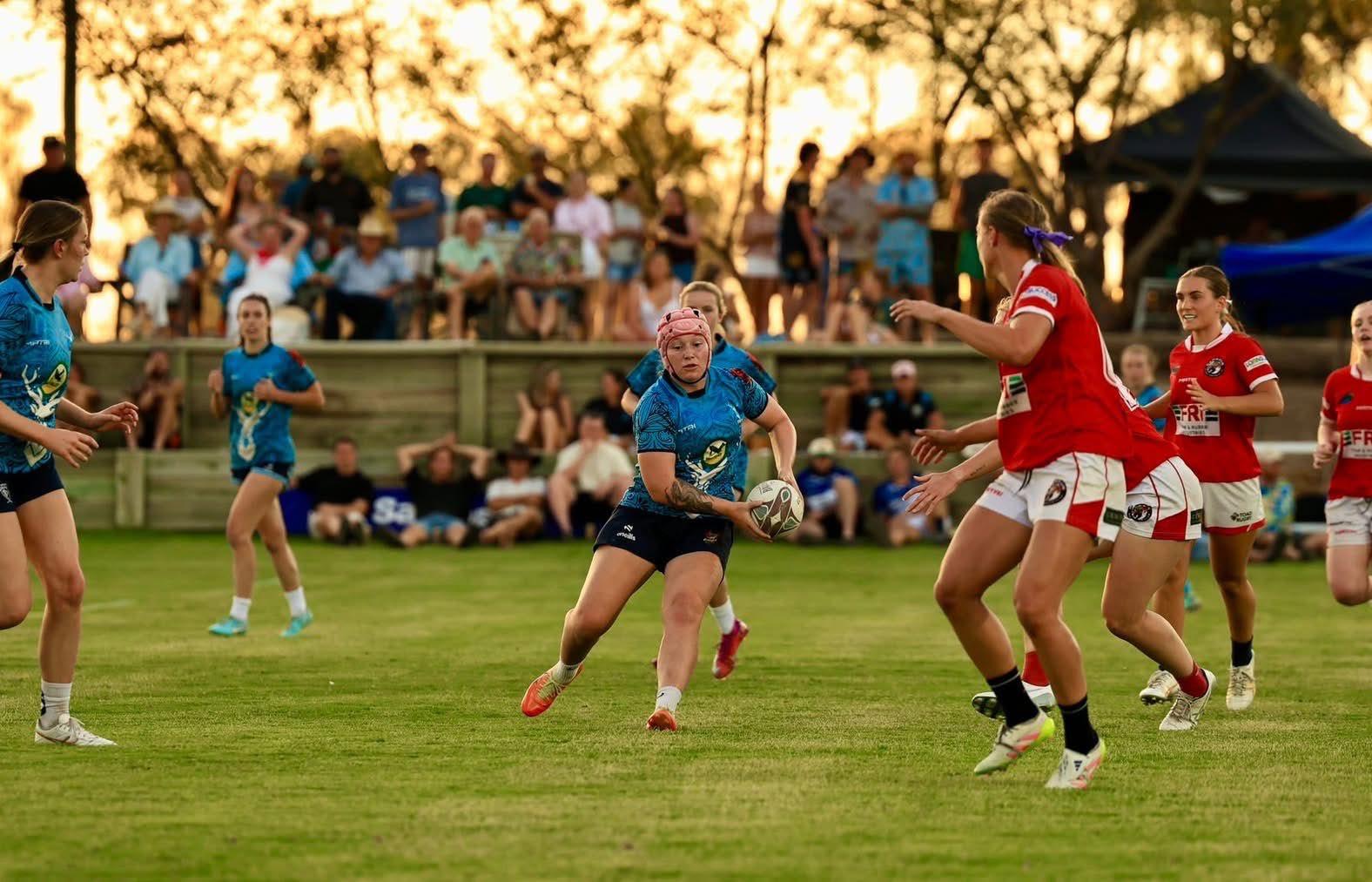
was installed, when Gallas Fox Park hosted the Santos Roma Rugby 7’s tournament. The event featured more than 13 hours of rugby across two days, including warm-ups, training sessions, and competitive matches.
Despite the heavy schedule, the new surface performed exceptionally well, providing a stable and high-quality playing field throughout the tournament.
For Trent Hobson of Twin View Turf, the whole project was a rewarding experience.
“Working with the rugby club and seeing the volunteers chip in to make the project happen was incredibly satisfying,” he said. “Hearing the feedback after the Rugby 7’s made all the hard work worthwhile.”
The success of the resurfacing has already drawn attention from the wider rugby community. Representatives from
Queensland Rugby Union have visited Gallas Fox Park and were highly impressed with the quality of the playing surface. Their visit has helped pave the way for Roma to host another major event later this year. In September, the town will welcome the Santos Festival of Rugby, where the Queensland Reds are scheduled to play a match in Roma.
For the Roma Echidnas and the wider community, the resurfacing of Gallas Fox Park represents more than just a new field. It is an investment in the future of rugby in regional Queensland, supporting players, attracting major events, and strengthening the local sporting community.
Through careful planning, technical expertise, and a remarkable volunteer effort, Roma now has a rugby field ready to host the next generation.
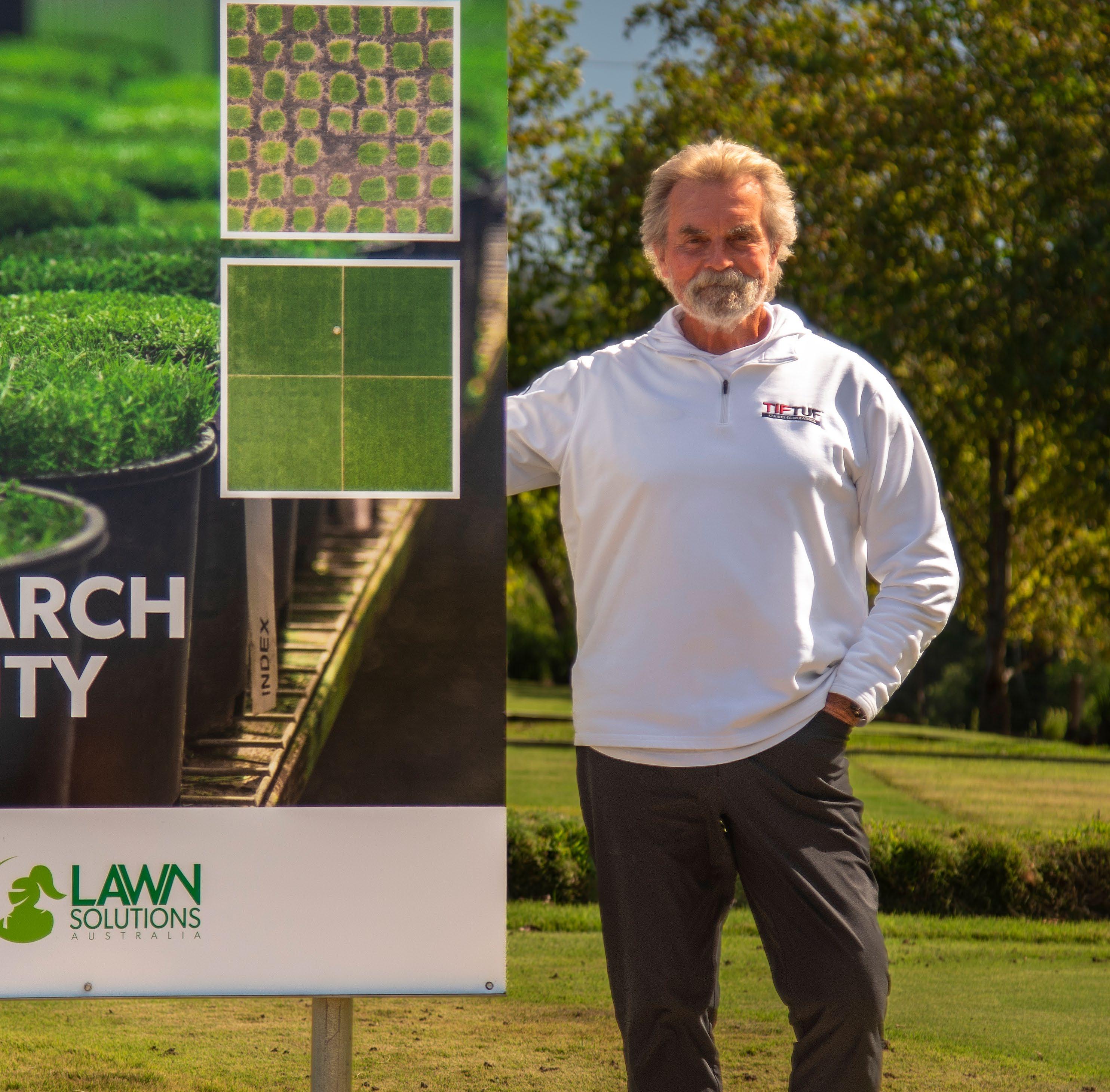
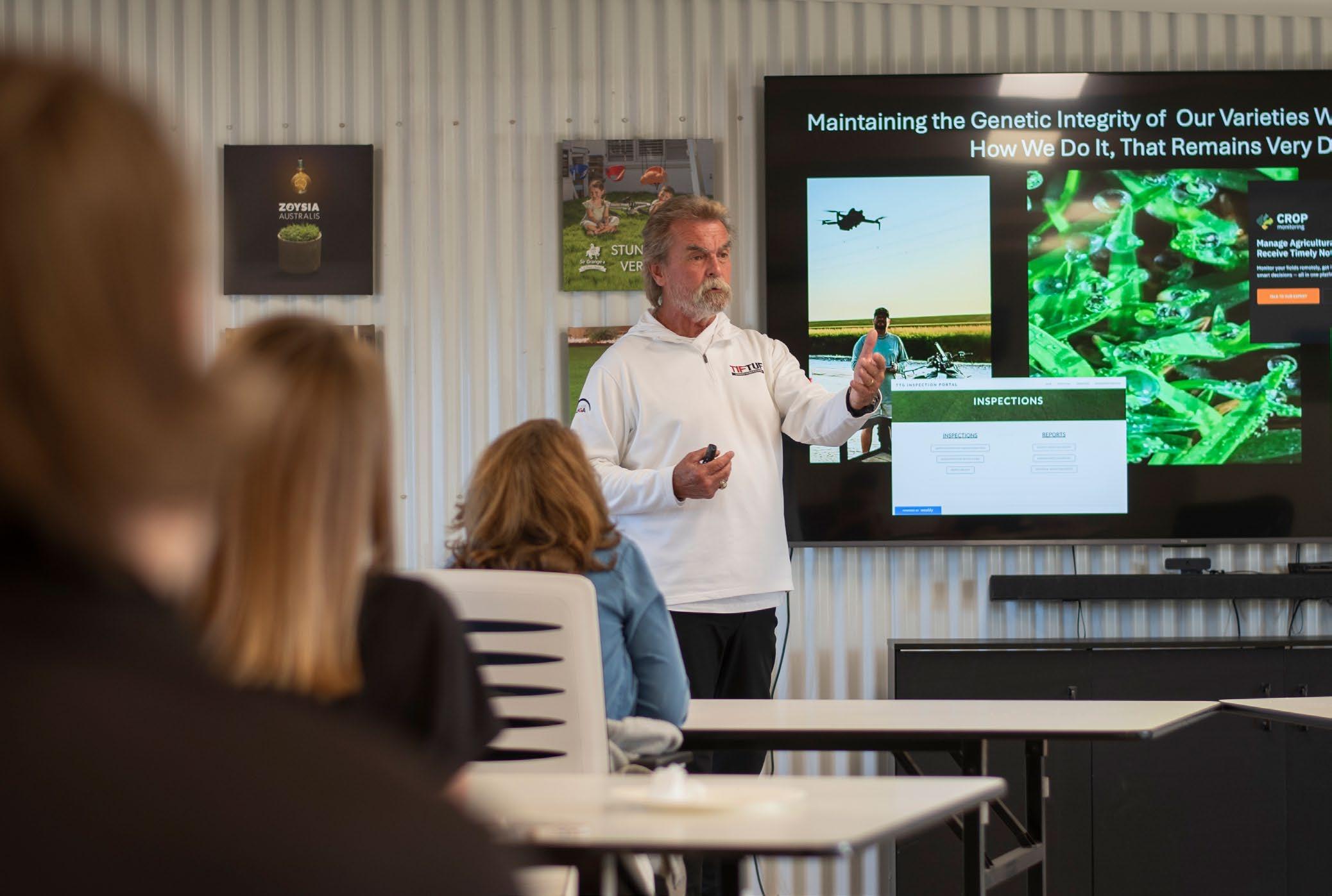
The Australian turf industry recently welcomed a titan of global turf certification, Bill Carraway of The Turfgrass Group (USA), for a comprehensive two week inspection and collaboration tour. As a representative of the International Turfgrass Genetic Assurance Program (ITGAP), Bill’s visit was more than just a tour. It was a high level audit of the systems that ensure Australian turf producers remain world leaders in genetic purity.
Bill’s work with ITGAP is central to the success of AusGAP, Australia’s leading turf certification program. Because AusGAP operates under the ITGAP system, Bill’s presence provides a direct link to the rigorous standards used globally.
During his visit, Bill toured various Lawn Solutions Australia (LSA) member farms, conducting inspections of foundation and registered production fields. These
inspections are central to the certification process, ensuring that varieties like TifTuf Hybrid Bermuda, Sir Grange Zoysia, and Zoysia Australis are grown free from weeds, pests, and, most importantly, genetic contaminants.
The tour kicked off in Cairns at Harden Park Lawns, where Bill inspected research and development plots and the planting of
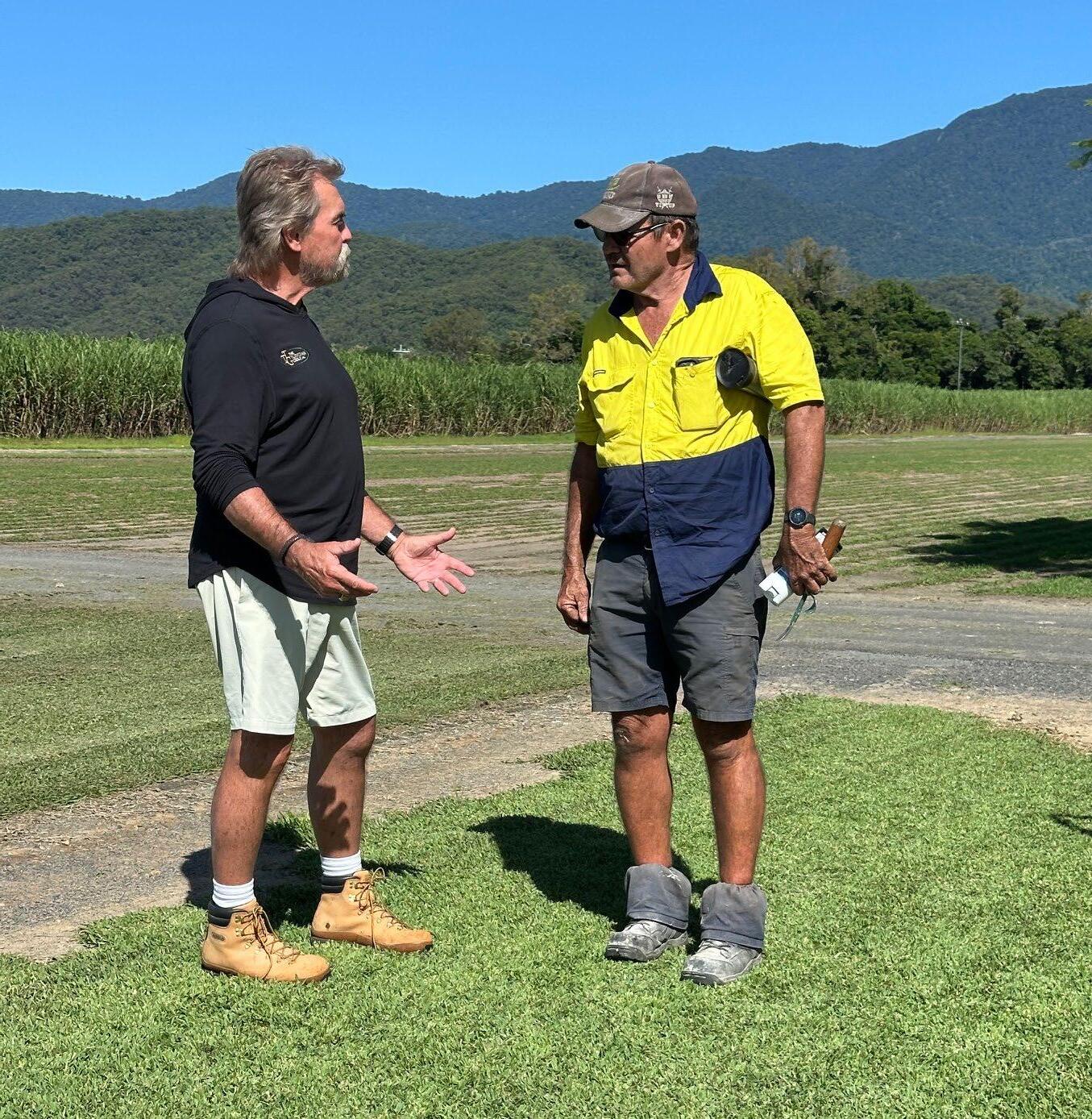
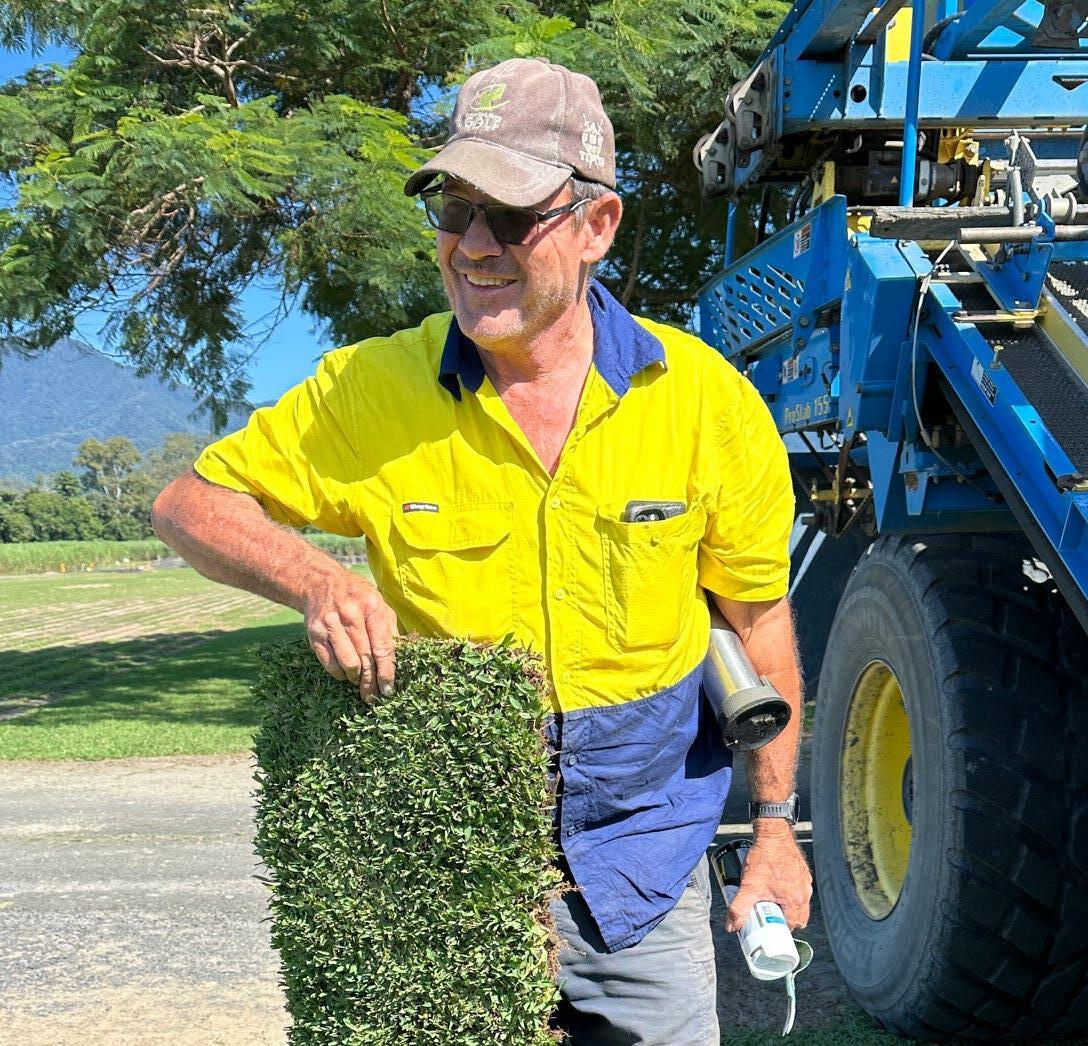
the soon to be released Stampede Hybrid Buffalo. In Brisbane, he visited Daleys Turf, Go Turf, Twin View Turf, and Jimboomba Turf, focusing on the foundation stocks of Zoysia Australis and TifTuf.
The audit continued through the Hawkesbury region at Active Turf, Greenlife Turf, Grech’s Turf, Lukes Turf, and J&B Buffalo. Here, Bill evaluated the progress of Stampede, with production currently ramping up as
producers prepare supply for the release to the Australian market later this year.
The tour then headed down the NSW coast with inspections at Cobbitty Lawn Turf and Turfco, before finishing with training and presentations at LSA Headquarters in Berry.
Bill shared insights into the massive scale of TifTuf production in the US. He provided a competitive analysis of the US market, discussing how TifTuf measures up against
newer competitors in their market. Bill’s takeaway was clear that while the market is evolving, the genetic integrity and water efficiency of TifTuf, backed by ITGAP and AusGAP protocols, continue to set the benchmark for high performance turf, both in the US and here in Australia.
For suppliers of AusGAP Certified turf varieties, Bill Carraway’s visit reinforces the industry’s ongoing commitment to turf certification.
BY LUKE BLANCH, OWNER OF TRANSITION LANDSCAPING
I completed my apprenticeship and Certificate III in Landscape Construction 15 years ago on Sydney’s Northern Beaches, working on high-end architectural projects, before starting my own business.
Transition Landscaping is a small structural landscaping company located in Jervis Bay on the South Coast of NSW. Our full-time team consists of two structural landscapers and a carpenter. We also work with an experienced network of highly skilled sub-contractors.
In the early days of Transition Landscaping, we travelled extensively between Sydney and Batemans Bay for work. These days, most of our projects are local, primarily between Huskisson and Hyams Beach. We offer high-quality soft and hard landscaping, with a focus on craftmanship and attention to detail.
Recently we completed landscaping for a project built by Tim Clout Building, commencing in February 2023 and
completed in May 2025. It stands as one of the largest projects Transition Landscaping has undertaken, with our crew on site almost continuously for nine months.
Every aspect of the project required close attention to detail, and nothing was overlooked. Despite several sleepless nights, full credit goes to Tim and his team for delivering an almost flawless operation. Their projects are consistently well organised and run smoothly.
While the original plan provided a strong foundation, as is often the case in landscaping, the project evolved as construction progressed. Our client brought a clear vision to the project, with a background in design and floristry. This was a rewarding experience working closely together creatively to achieve the desired outcome.
The eastern boundary of the property borders a bush reserve, and the home
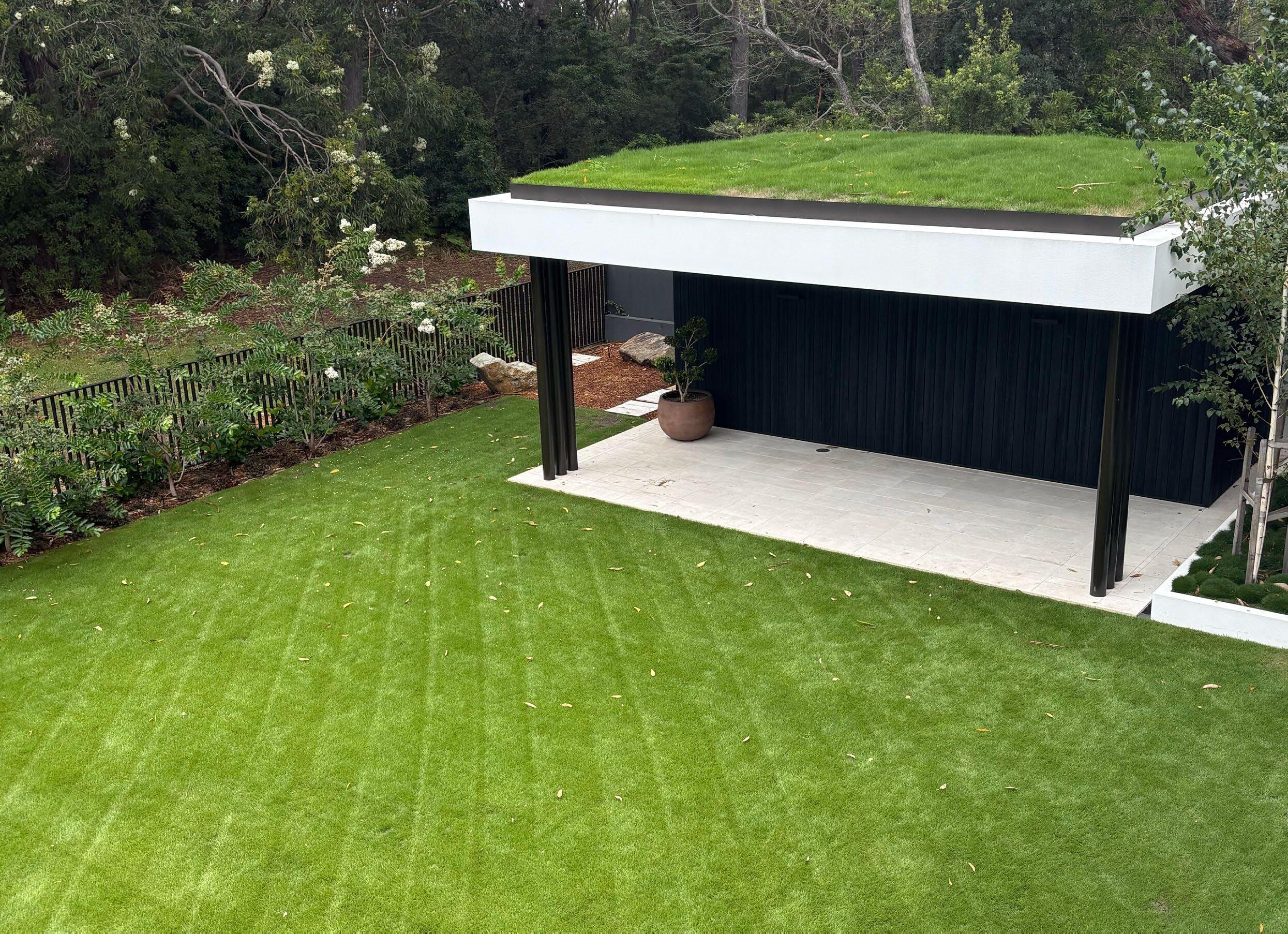
was designed so that all major living areas overlook this aspect. The cabana sits directly in line with the kitchen, living, and dining areas, with its roof at approximately the same level as the internal floor and balcony. Early in the project, the decision was made to transform the cabana roof into a green space.
Initial concepts included large boulders surrounded by crushed river pebbles, with clumped areas of Sir Grange Zoysia turf. Transition Landscaping regularly use Sir Grange in this way to soften gravel pathways and complement stepping stones. Its soft, wavy growth habit and low maintenance requirements make it ideal for this application.
Ultimately, the decision was made to simplify the design and cover the entire cabana roof with Sir Grange. The intention was to soften the appearance of the concrete roof rather than make it a feature.
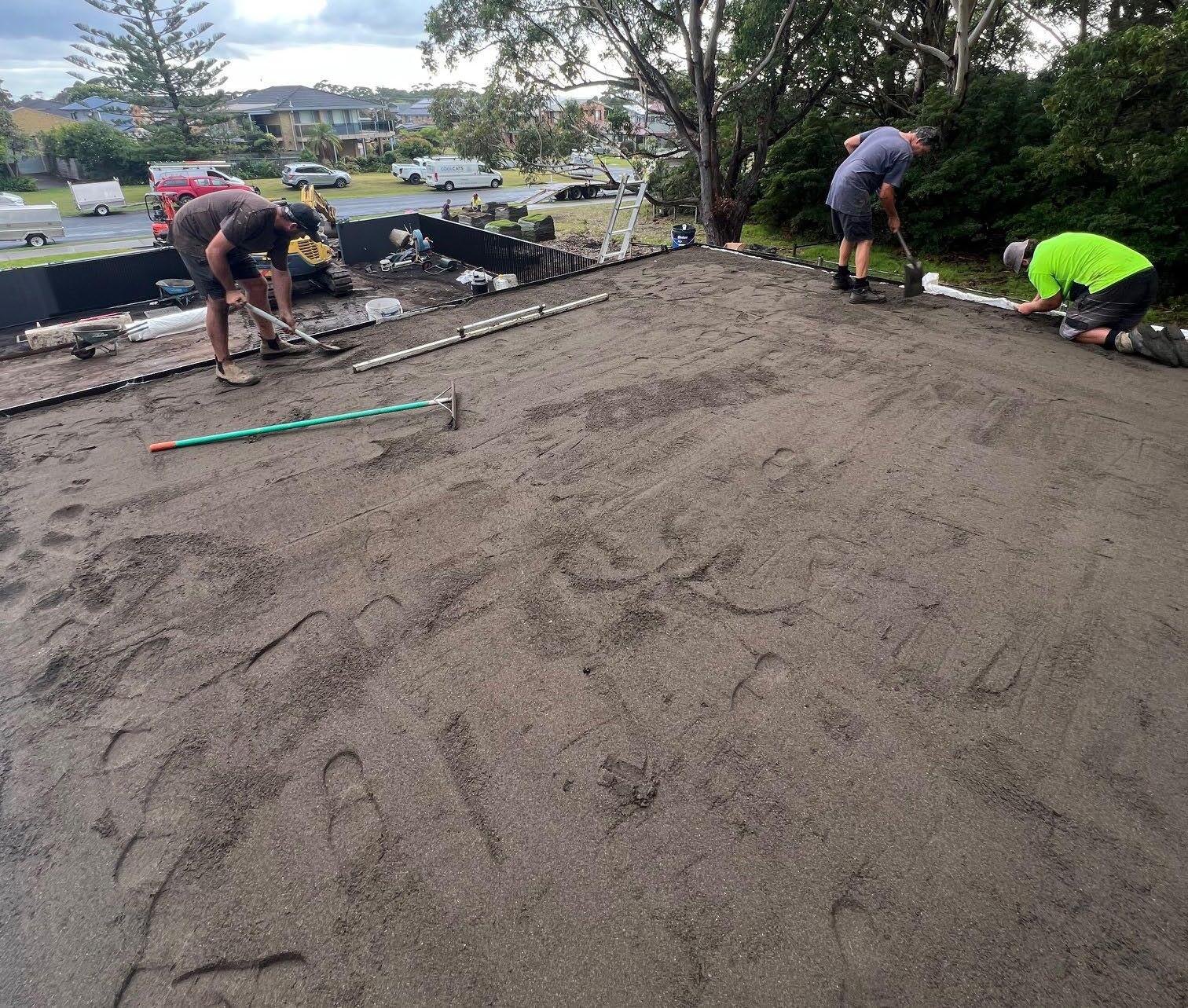
Left largely to establish naturally, the green tones of the Sir Grange blend seamlessly with the surrounding bushland backdrop.
We sourced Sir Grange through local supplier Turfco. We have collaborated on numerous projects in recent years with Turfco and they have always supplied the highest quality turf.
The cabana roof is constructed from 250mm think reinforced concrete, graded to the corners with stormwater outlets to manage runoff. Structurally, it was more than capable of supporting a rooftop garden.
We engaged Southern Fab who specialises in aluminium installations to construct a powder-coated aluminium edge system, bolted to the perimeter of the roof, allowing us to achieve a consistent finished level for the soil profile. The dark grey colour was selected to match the handrails, windows and other architectural elements.
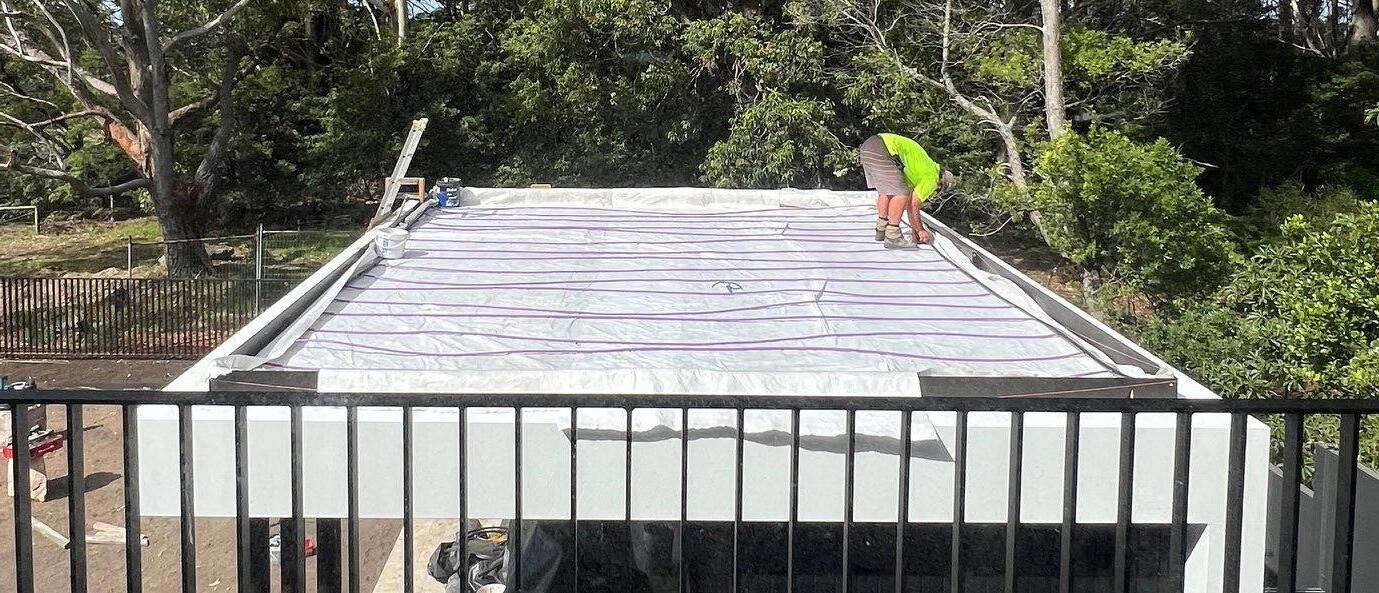
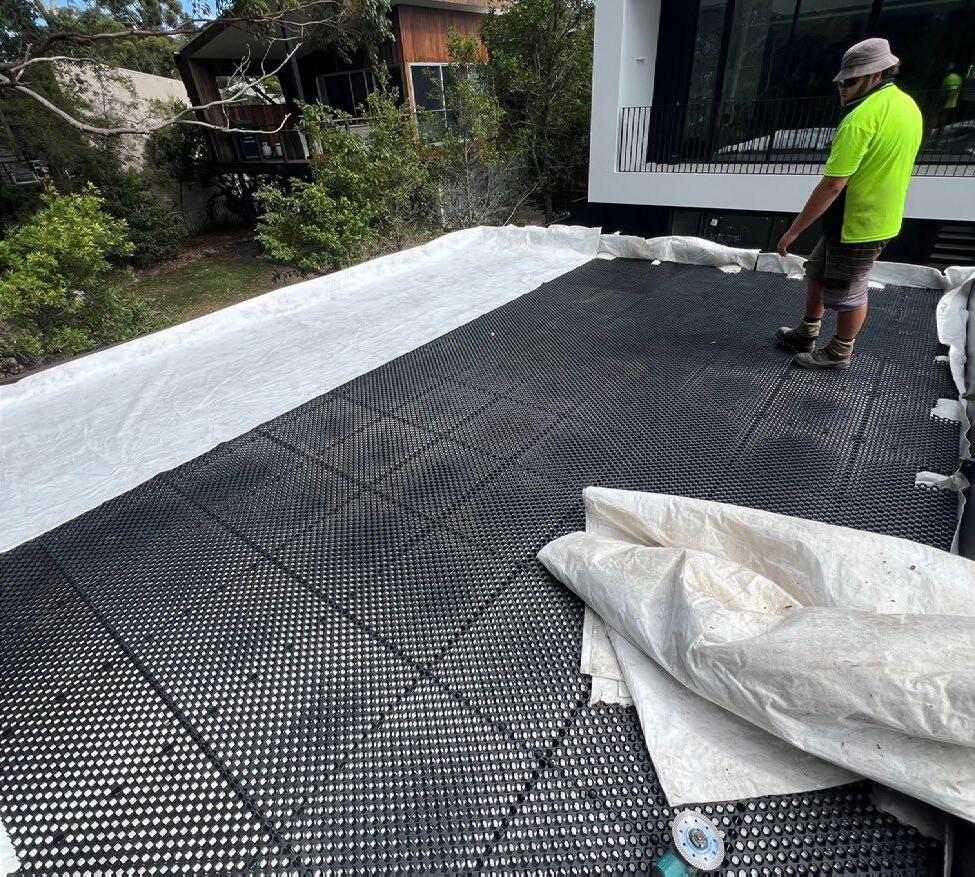
The concrete roof was first waterproofed, then covered with a full layer of geotextile fabric. A 30mm Atlantis drainage cell system was installed across the entire surface, followed by another layer of geotextile fabric. A sandy loam turf underlay mix from Terara Sands was then installed to an average depth of 150mm.
Subsoil drip irrigation was installed at 350mm spacings to irrigate the Sir Grange, chosen specifically to avoid overspray. For future projects of this nature, we would also consider incorporating a pop-up spray system to better manage extreme heat conditions. The Sir Grange turf was then installed like any other turf installation.
Regular watering was maintained until the turf established strong root growth. During establishment, we experienced some drying at the edges, due to a combination of dark edging, sandy soil and shallow soil
depth. Post-establishment, this has been minimal, occurring only during the hottest summer days.
Twelve months on, the rooftop Sir Grange has performed exceptionally well. It has largely been left to establish naturally, with minimal maintenance required. Ongoing care has primarily involved clearing leaf litter that has settled on top of the grass after strong winds. The turf has been mown twice now to encourage dense growth, and a fertiliser program using Lawn Solutions Pro Plus Fertiliser has been implemented to support the fine leaf structure.
The performance of Sir Grange in this setting has been outstanding, proving its versatility beyond traditional applications. It’s a finish that not only looks the part but will continue to deliver over time.
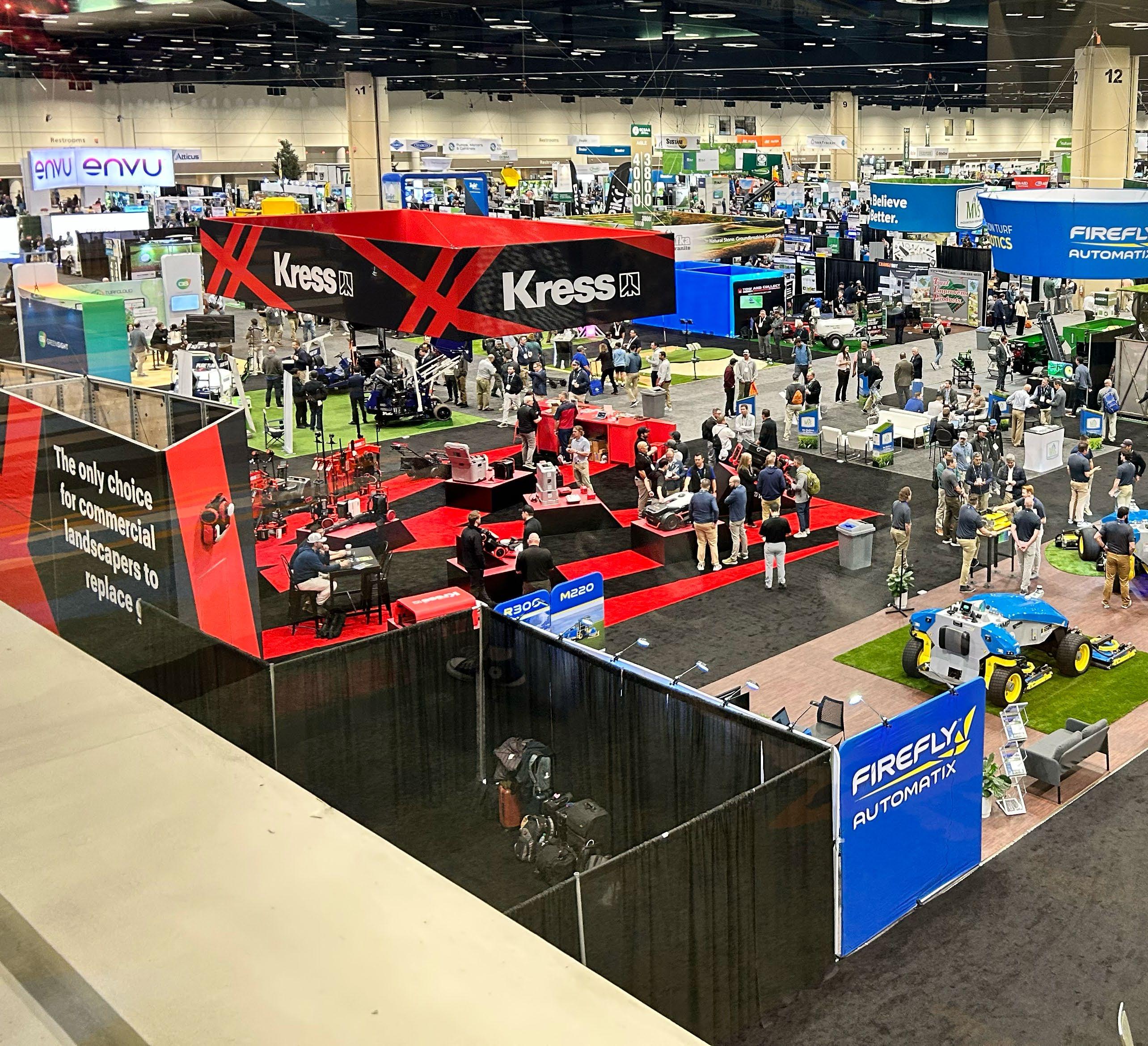
GCSAA CONFERENCE & TRADE SHOW 2026
Written by Simon Adermann
The 2026 GCSAA Conference and Trade Show, held from 2–5 February at the Orange County Convention Centre in Orlando, marked the 100th anniversary of the event and delivered one of the most vibrant gatherings the turf industry has seen in years. With impressive venues, a packed education program, and strong industry participation, the centennial conference celebrated both the history and the future of turf management.
The event attracted over 12,000 registered attendees, including golf
course superintendents, turf professionals, equipment managers, suppliers, and industry leaders from across the United States and international markets. Attendance was estimated to be 10 to 15 percent higher than the previous year, highlighting the continued growth and engagement within the global turf management community.
Attendees represented every level of the profession, from experienced superintendents and assistant superintendents to turf managers and
emerging industry professionals. Many came to expand their knowledge, explore new technologies, and strengthen personal connections across the industry.
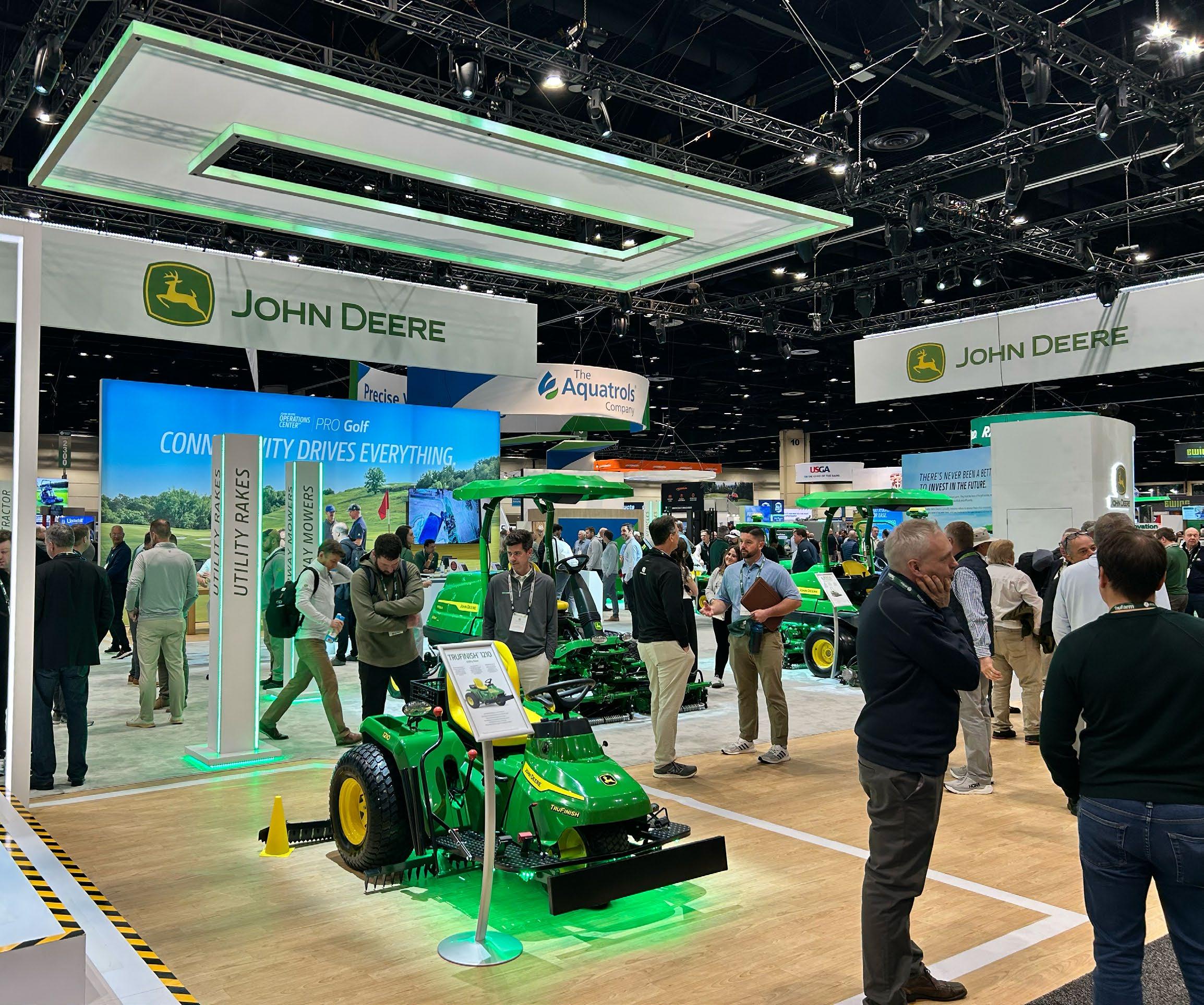
One of the standout features of the conference was the expansive trade show floor. Spanning approximately 16,000 square metres, the exhibition hosted 523 companies and was one of the largest trades shows I have attended.
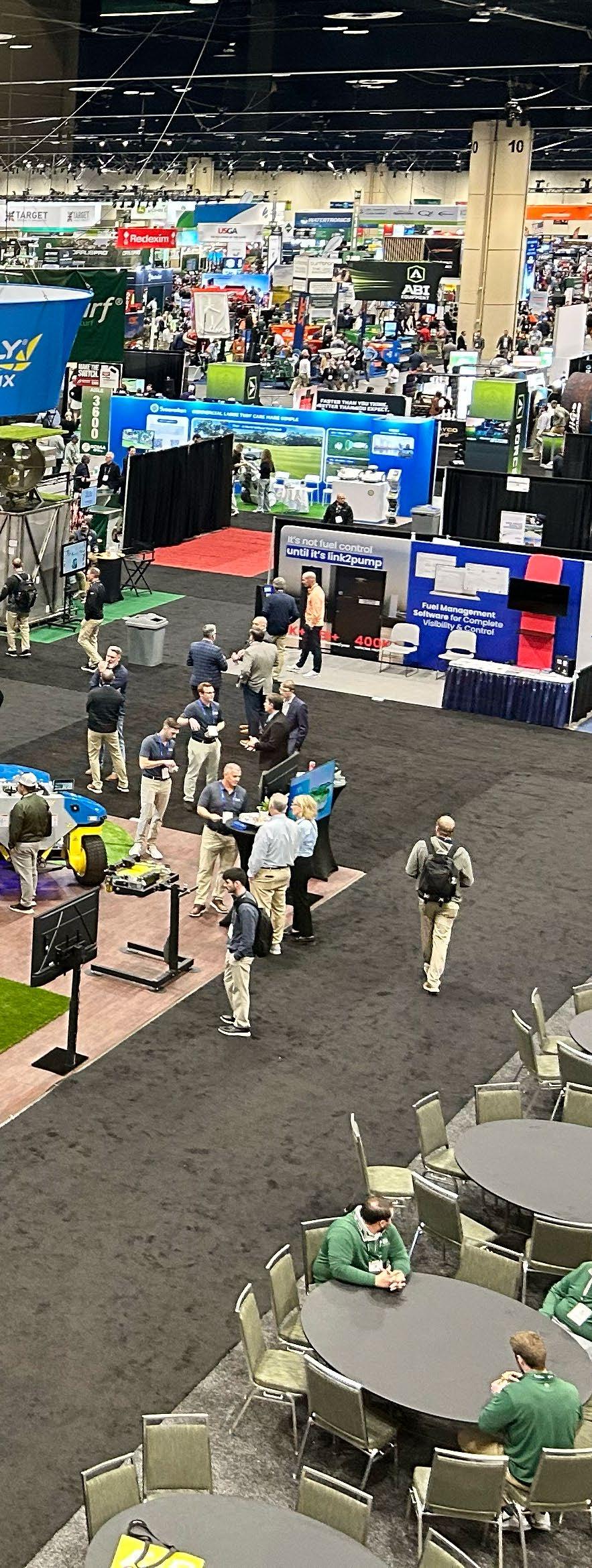
Exhibitors represented every segment of the turf industry, including equipment manufacturers, irrigation and water management specialists, turfgrass and agronomy suppliers, technology developers, construction and renovation contractors, environmental consultants and industry service providers.
Equipment and machinery suppliers generated particularly strong interest, unveiling new mowing systems, turf vehicles, aeration equipment, and specialist machinery designed to improve operational
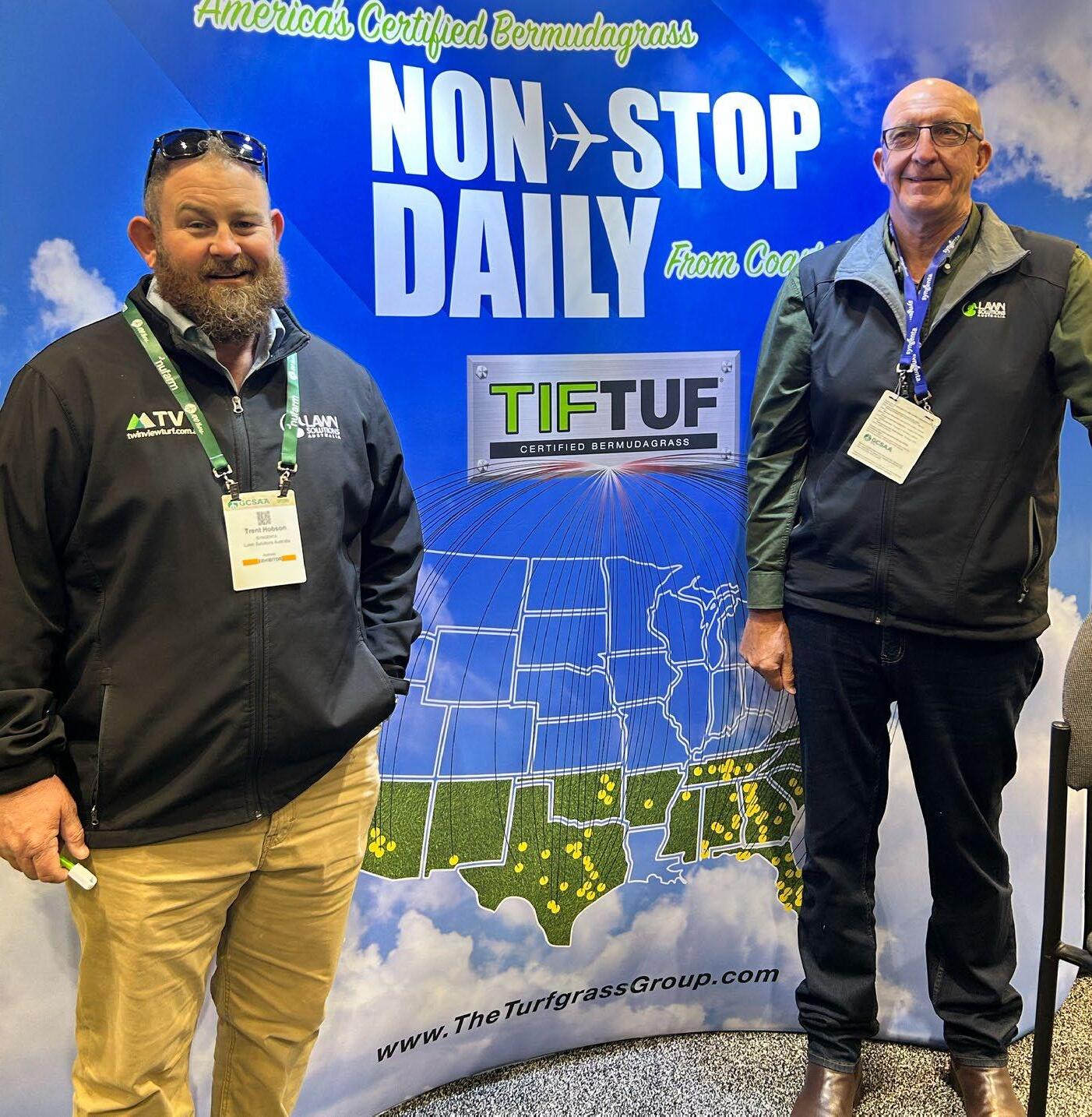

efficiency. A clear trend across the exhibition was the growing focus on automation, electrification, and data-driven management systems, reflecting the rapid technological shift occurring within the industry.
Irrigation and water management companies were highly visible across the trade floor. Smart irrigation platforms, soil moisture monitoring tools, and cloudbased system management software were widely demonstrated.
With water availability and regulation continuing to challenge turf facilities around the world, these technologies attracted strong engagement from attendees looking for practical ways to improve water efficiency.
Turf health and agronomy suppliers presented a range of new fertiliser technologies, soil conditioners, bio stimulants, and integrated pest management solutions. Increasingly, the focus has shifted toward improving soil biology and overall
turf ecosystem health rather than relying on single-product applications.
Digital platforms designed to support data collection, turf diagnostics and maintenance planning were also prominent, allowing turf managers to make more informed agronomic decisions.
Environmental and sustainability-focused exhibitors engaged strongly with attendees, showcasing initiatives centred on biodiversity, environmental restoration, carbon footprint reduction, and certification programs.
These conversations reinforced the evolving role of turf managers as environmental stewards, particularly for facilities operating within environmentally sensitive landscapes.
Alongside the trade exhibition, the conference delivered a comprehensive education program throughout the week. Sessions covered turf science, irrigation management, technology innovation, leadership development, environmental responsibility, and team management.
The centennial theme was evident throughout the program. One of the highlights was the Centennial Celebration held at ICON Park, which provided a relaxed and memorable networking environment for attendees. Another standout event was the Syngenta International Reception at the Hilton Hotel, which brought together turf professionals from around the world.
For exhibitors, the 2026 conference represented a significant commercial and relationship-building opportunity. Several innovations that stood out included the FireFly AMP autonomous mower, the Ecorobotix ALBA precision weed control machine, new turfgrass research from leading universities, and emerging chemical innovations from Syngenta and Envu.
As the 2026 GCSAA Conference and Trade Show concluded in Orlando, the success of the centennial event provided a strong platform for future conferences. The industry now looks ahead with excitement to the next event in 2027.
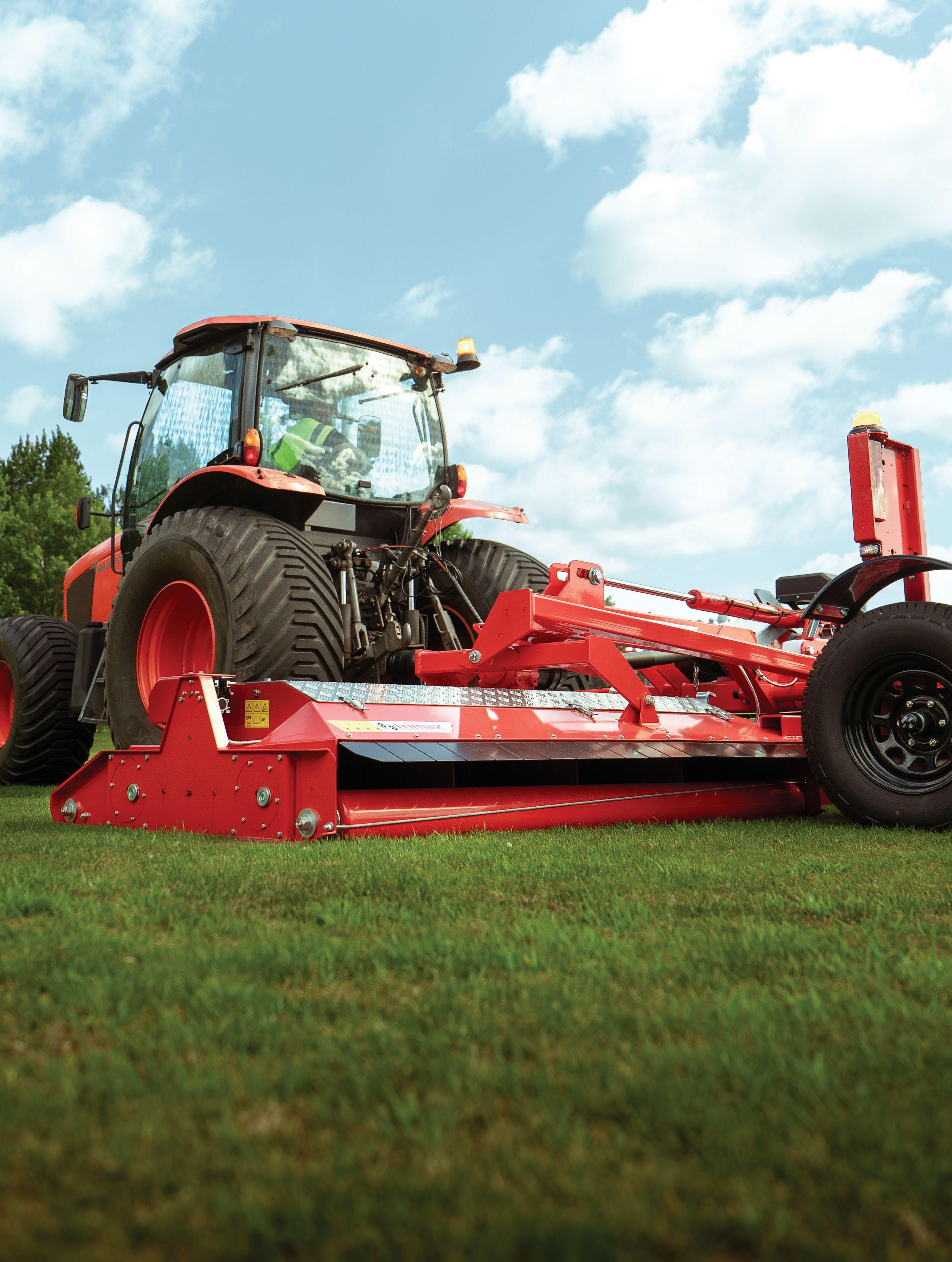
Adjust to the right mowing height for every surface, every condition, every time with TRIMAX OPTIADJUST.
OptiAdjust is a proven, field-validated system on the Pegasus S5 that gives operators precise, in-cab control of cutting height. Using the Trimax Connect app, height can be adjusted in precise 1mm increments to match turf type, growth stage, and conditions, without stopping or leaving the tractor. No more settling for “good enough” when operators can consistently achieve the right height for every job, improving turf quality, presentation, and repeatability across sites.
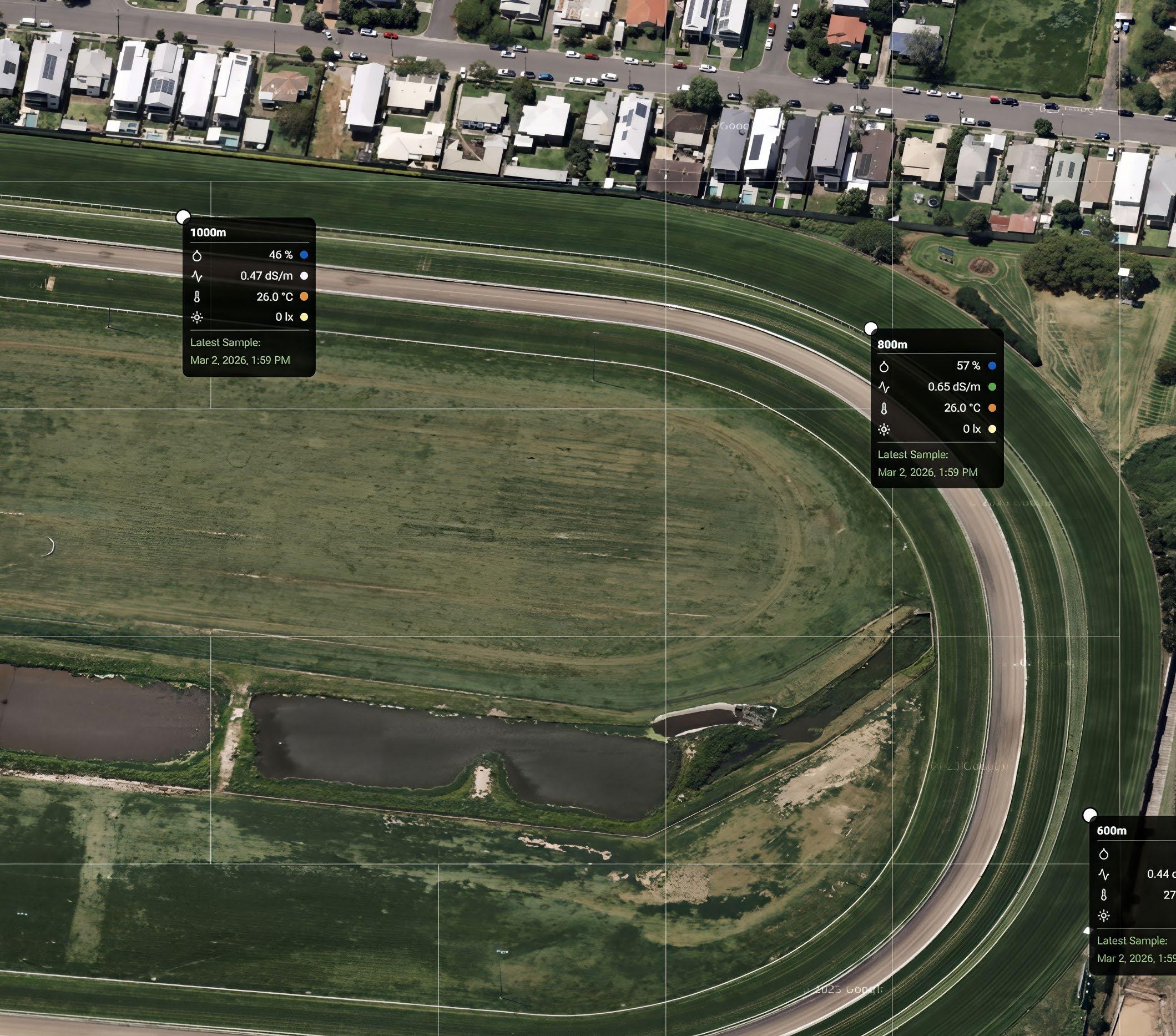
Construction, establishment and maintenance of green assets consume significant budgets and demand successful outcomes. Advances in remote monitoring of green assets bring greater control and surety of positive outcomes.
Green assets such as tree and turf landscapes are the final step in many large and costly projects. Successful establishment of the vital green component of the project is critical, and vulnerable to damage or failure. Programming irrigation or water trucks is rarely based on actual soil conditions. This can lead to over-and-underwatering, and delayed establishment or failure. By
incorporating wireless remote soil sensors into these landscape projects, resources can be applied when required, conserving water and labour without asset loss.
Lack of real-time data for soil moisture during establishment and maintenance is a common issue. Advances in weather forecasting data and apps, and in real-time monitoring sensors provide more accurate and site-specific soil information to ensure correct plant maintenance.
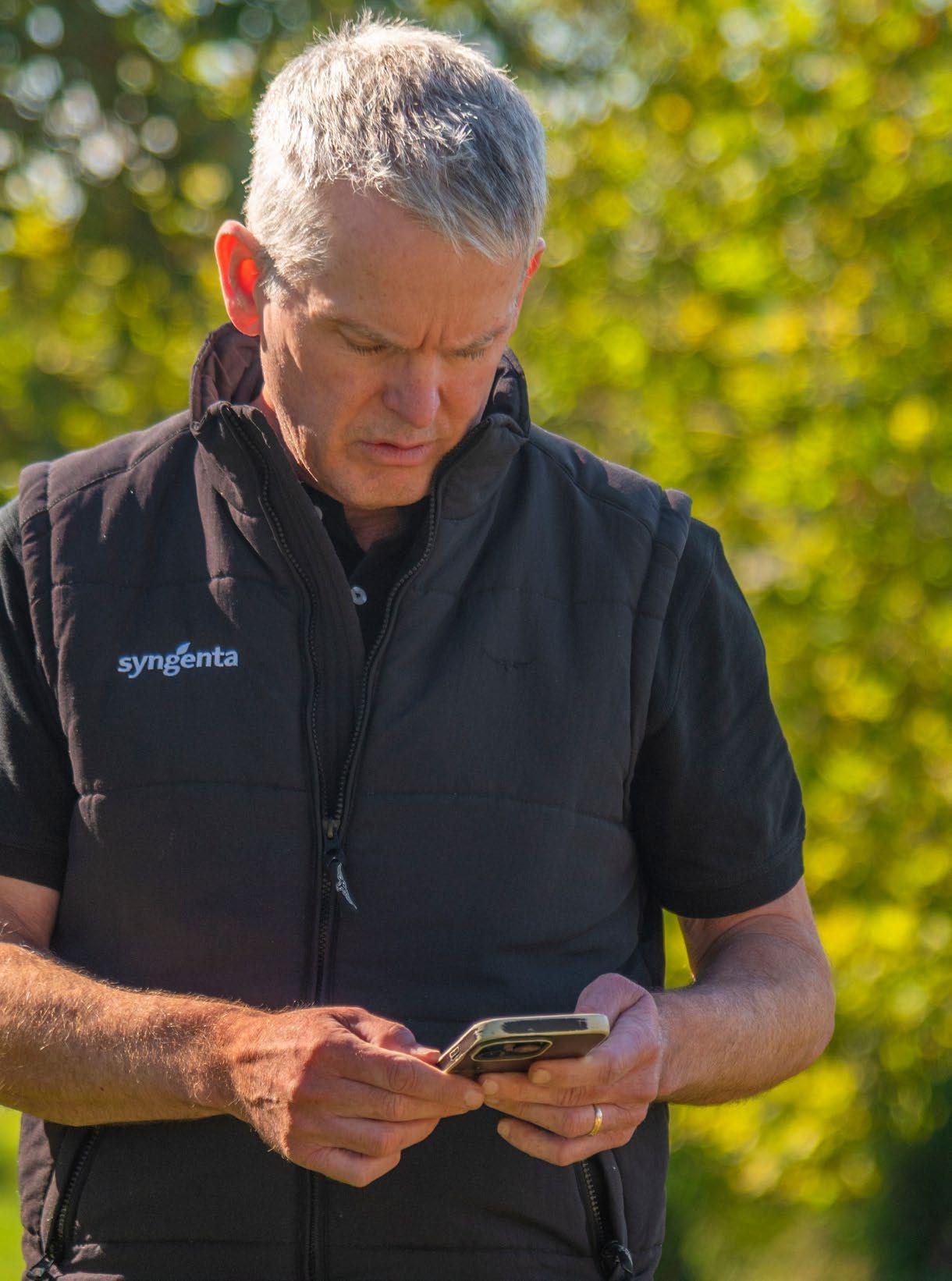
Syngenta’s continued investment is resulting in next generation digital technologies, such as SPIIO™ Soil Sensors, which can be used to create efficiencies and productivity gains
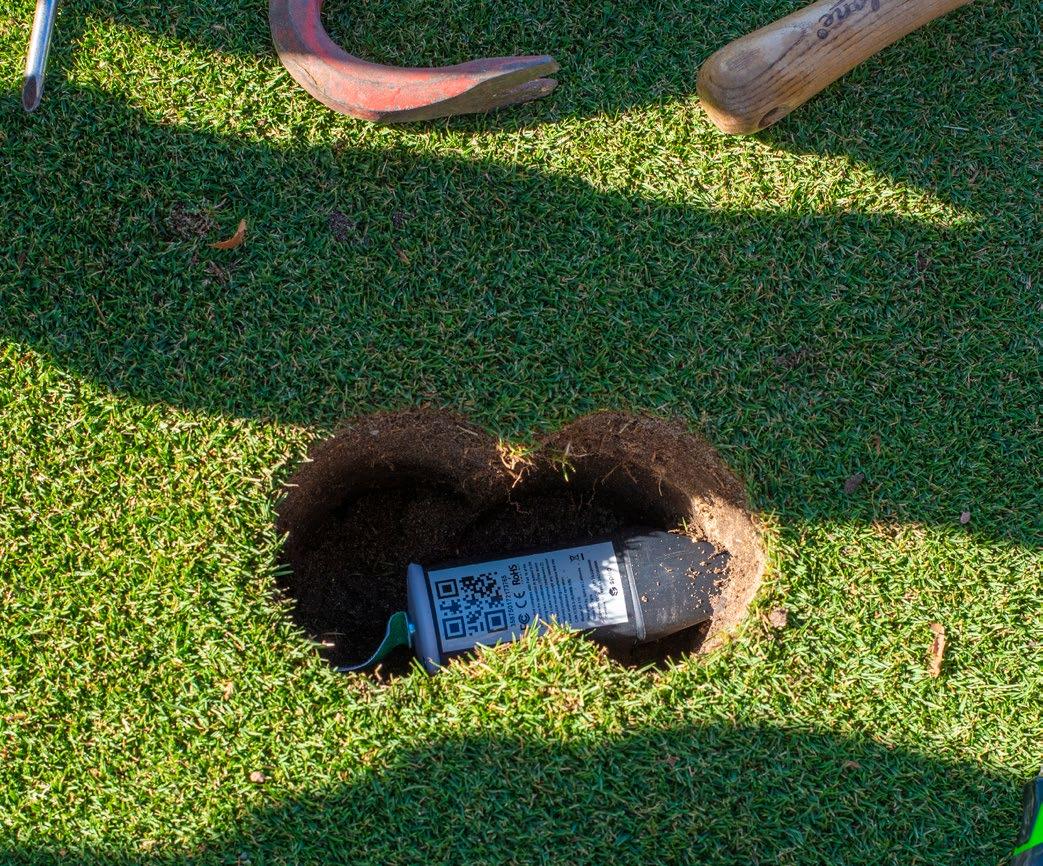
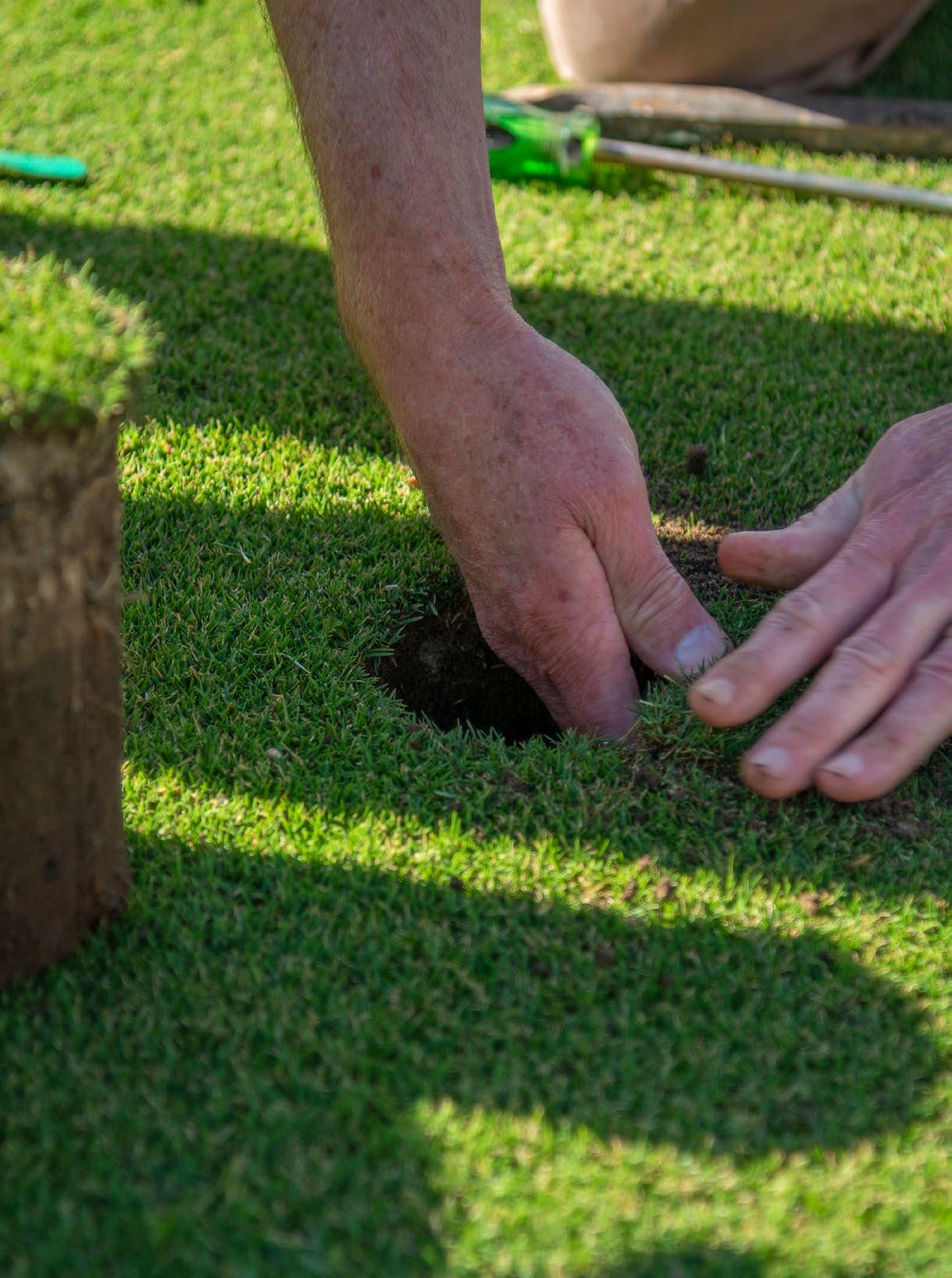
for open space and turf managers. They allow turf professionals to make informed decisions with accurate, site-specific data which is regularly updated – and which can be accessed direct from their mobile phones. A SPIIO™ Soil Sensor can achieve all this, and the sensor installation and application set up takes only minutes.
Green assets such as trees shrubs and turf have a specific soil moisture requirement during the susceptible establishment phase following planting. The use of in-ground soil moisture sensors to monitor real-time
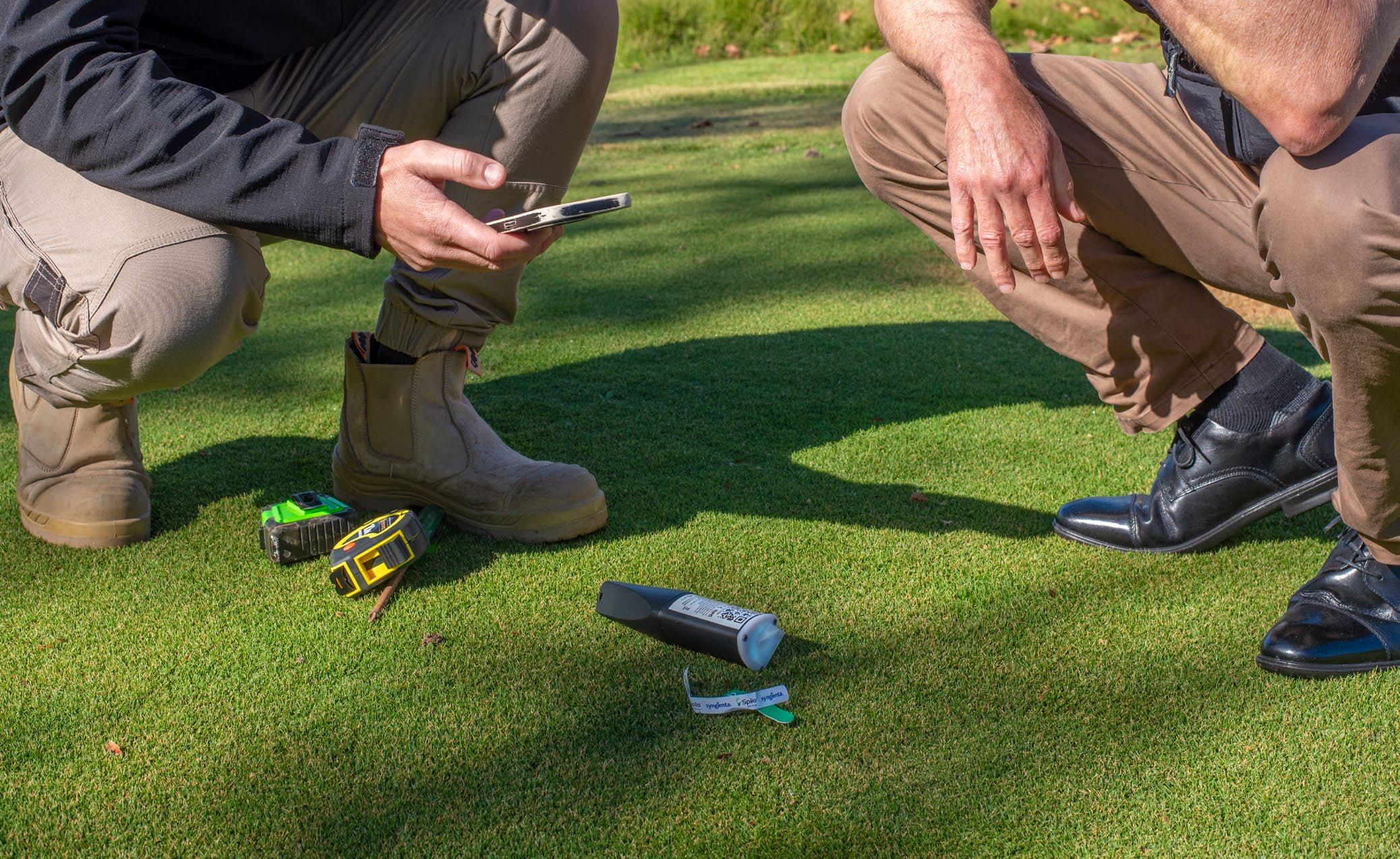
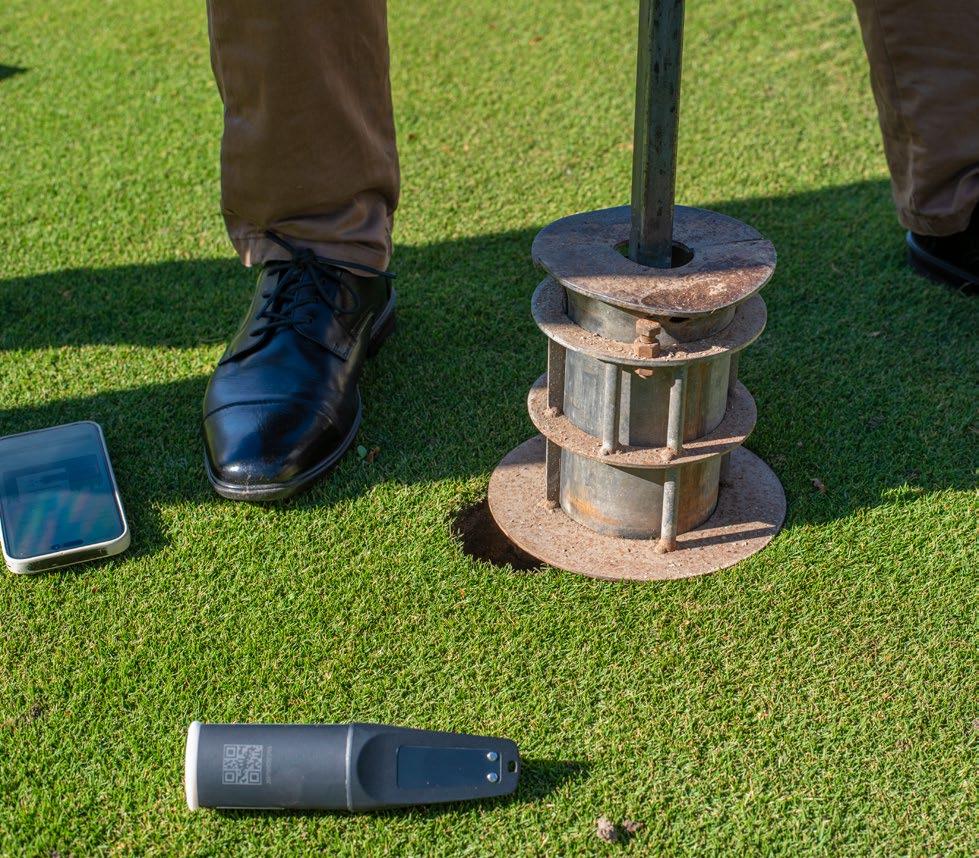
conditions can allow better allocation of labour and water resources to reduce plant damage or loss during this process. In ground remote soil sensors give actual soil moisture conditions which can only be assessed by labour intensive onsite assessments or guessed at from local weather observations.
Moisture management is obviously a critical component of ongoing maintenance, especially in turf and landscape assets. Improving irrigation application decisions will benefit plant health and save resources. Over application of irrigation can be just as
damaging as under application, resulting in excessively wet conditions making soils susceptible to damage from compaction, root loss or anaerobic conditions such as black layer. Under application depletes root systems and conditions the plant for more frequent shallower irrigation resulting in a weaker less drought tolerant plant.
Using sensors can provide more accurate data to make irrigation decisions. Monitoring soil moisture during and after precipitation events helps determine how much water is enough in each soil or location. Determining the field capacity of
the soil gives a baseline to measure against for future scheduling and observations. Observing the actual change in soil moisture content is far more useful than rain gauge or BOM records which are based on large areas and subject to wide variability.
This data can help answer questions like:
• What is field capacity at each site?
• What amount of rainfall or irrigation is required to reach field capacity in that soil?
• What effect did rainfall have at each location?
• Did the set irrigation achieve the moisture content target?
• How much does the soil type affect the target moisture content?
• Am I over or under watering?
Labour Efficiencies
If you or your colleagues have spent hours walking sporting facilities assessing moisture needs both visually and with moisture probes, you’ll easily be able to see the potential efficiencies of having constant data on soil moisture. Building the correlation of physical on-site assessments with data from in-ground sensors builds a more complete picture for moisture management.
During periods of wet weather assessing field conditions across large council LGAs can be very labour intensive with physical inspections required for opening or closing each facility. With input from in ground sensors outdoor field coordinators have moisture percentage readings to their phones giving greater knowledge
of conditions and rainfall impacts in each location. This can greatly improve efficiency of the process which may be required after each rainfall event prior to weekend sport.
Monitoring soil temperature and many other parameters relevant to turf can be done via the Syngenta GreenCast® Connect app. It includes parameters that are not typical for an average weather app including Soil temperature, Evapotranspiration, Leaf wetness, Dew Point, Growth Potential etc. These and many other features are available on the basic free version.
The use of sensors to identify the soil temperature, soil moisture and salinity from location to location or full sun to shaded areas can greatly assist decisions of inputs of water or product treatments.
SPIIO™ Soil Sensors can be placed at the desired root zone depth, are wireless and
have a battery life of 3-5 years. A simple connection to the local mobile network transfers readings to the cloud service which can be accessed anywhere on your phone or through the web-based portal. This real-time data can be shared with all staff members or relevant parties to monitor irrigation function, irrigation setting requirements, rainfall impacts etc.
Existing customers have reported savings in time spent assessing moisture requirements, improved irrigation scheduling for deeper less frequent application and earlier awareness of plant irrigation needs
For those using irrigation water that contains salts such as effluent supplies or can increase in salinity during dry periods monitoring soil salinity in real time can be a great tool. With the use of the SPIIO™ Soil Sensor you can set a warning level for salinity for when you need to act which may require a flushing irrigation cycle or transfer to another water source for irrigation use.
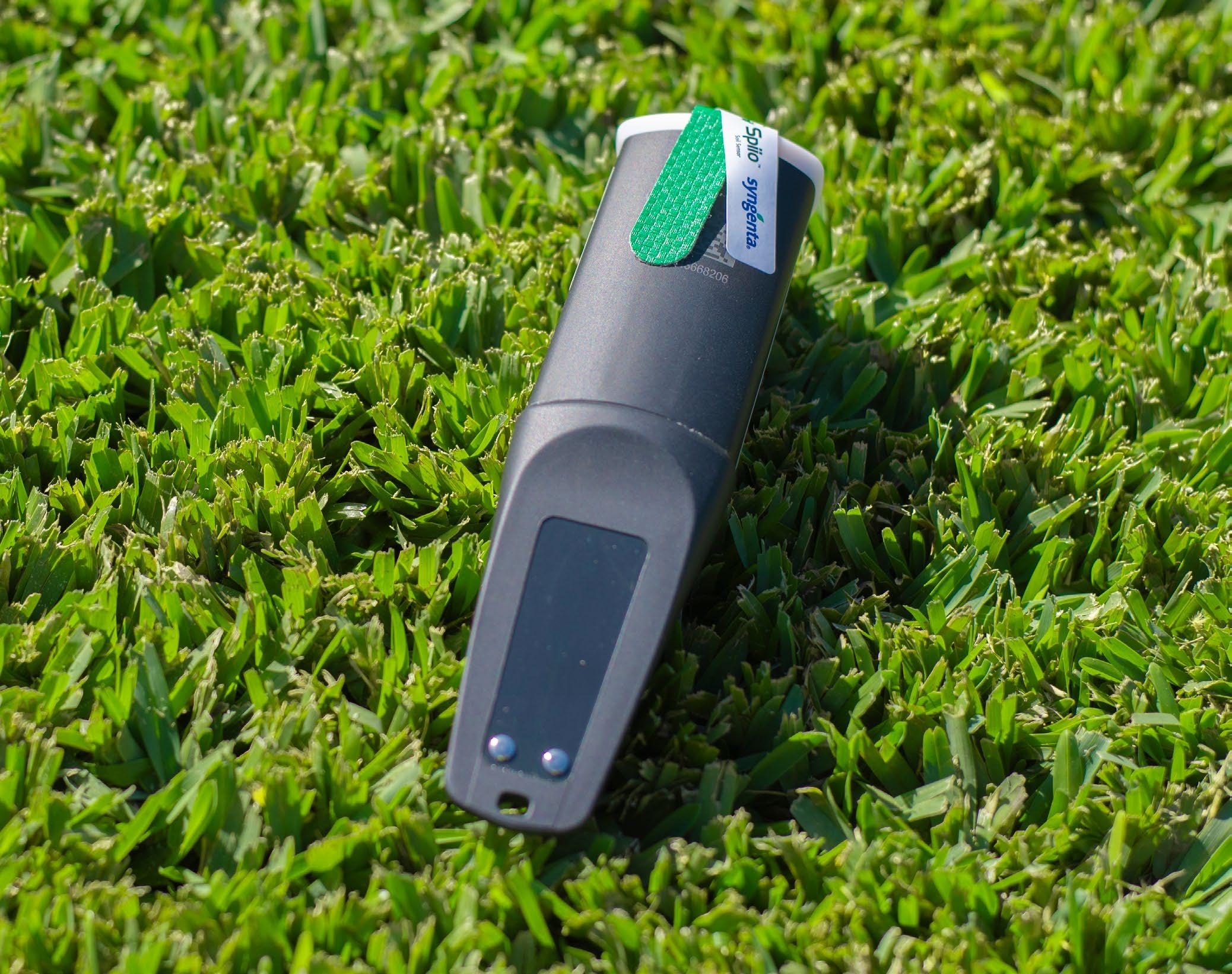
Soil temperature is the key marker of many preventative applications for protecting turf from weed germination and insect hatching. Common summer weed and insect emergence occurs from 13 to 18 degrees Celsius soil temperature. Using soil temperature from the Greencast Connect App and real-time data from the SPIIO™ Soil sensors provide the best information to time applications of what can be costly and critical annual treatments.
The SPIIO™ Sensors being portable can be moved to sites where closer monitoring is required whether it is new sites or sites where growth issues exist. They can also be used to build data for visible light levels. If shade is impacting areas of the site and you need to prepare information for review, you can compare readings from a sensor placed in the shade and one in a comparable area of full sun.
Within the Greencast Connect App or web-based tools you can set the warnings for the levels you require. Whether moisture content, temperature, salinity or extreme weather conditions, you set the levels you desire for warnings. The warnings set by the user are then pushed through notifications to the mobile, app and web portal for immediate consideration.
The sensors come under an annual subscription plan based on small to large volumes. With the sensor subscription the Pro version of GreenCast® Connect is included which inputs the sensor data into the App and Web Portal as well as providing other features.
Managing green assets across large sites or multi-site local government areas demand extensive resources which are increasing
in costs. Using resources effectively and efficiently is paramount whether it be fertilisers, pesticides, water or labour. Technology that can assist with making improved decisions and achieving better outcomes or resource efficiencies are available. The GreenCast® Connect app and input from SPIIO™ soil sensors will enable facility managers to improve labour and resource efficiencies across their assets under management.
For more information on SPIIO™ scan the QR Code below, visit syngentaturf.com. au or contact your local Syngenta Territory Sales Manager.

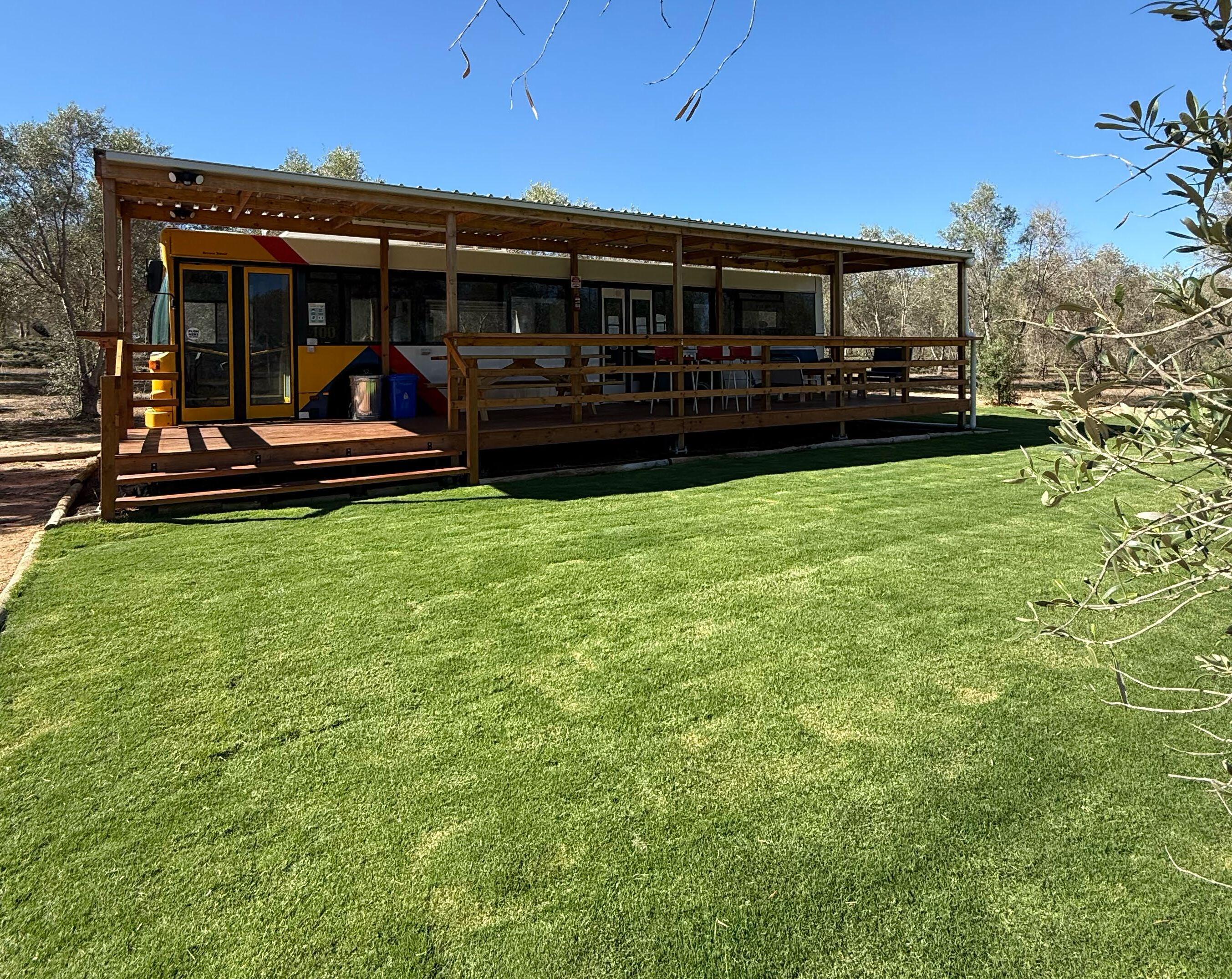
Nestled in the heart of the South Australian Mallee, just a few paces off the Mallee Highway in Pinnaroo, lies an increasingly popular short stay accommodation that’s anything but ordinary. Dubbed The Bus, this tiny home Airbnb is a lovingly converted Adelaide Metro bus that now serves as a quirky and comfortable country escape for travellers. From solo backpackers to families with energetic kids and pets, guests of all types make their way to this standout stay, and their first impression is often the lawn out front.
For the owners of The Bus at Olivacres, that lawn had to tick all the boxes: hard wearing, low maintenance, drought tolerant and beautiful. To deliver that, they turned to South Australia’s premier lawn grower and supplier, The Turf Farm based right in Pinnaroo itself.
Founded in 2003 by Paul and Tracey Daniel as a diversification from broadacre farming into irrigated lawn production, The Turf Farm has grown into one of South Australia’s most trusted suppliers of premium instant turf, servicing Adelaide, the Riverland, Murraylands, the Mallee, and beyond. From humble beginnings, the family run business is now an accredited Lawn Solutions Australia grower, offering a range of carefully selected lawn varieties suited to the challenging Australian climate. They back their turf with a unique 10 year product warranty and provide personalised support from selection through to post installation care.
The Turf Farm’s range includes classics like Sir Walter DNA Certified Buffalo and Eureka
Kikuyu, as well as specialist varieties like RTF Tall Fescue and Nullarbor Couch, giving customers local expertise and options for almost any lawn situation. Crucially for The Bus project, their stock list also includes TifTuf Hybrid Bermuda, a high performance couch grass bred for tough conditions.
Unlike a typical residential lawn, the grass outside The Bus has seen a huge diversity of visitors. Given its Airbnb use, the lawn needed to withstand unpredictable levels of foot traffic, varied play styles from guests of all ages, pets running and rolling around, and the inevitable wear that comes with short stays and quick turnovers.
At the same time, The Bus owners were clear they didn’t want a lawn that demanded
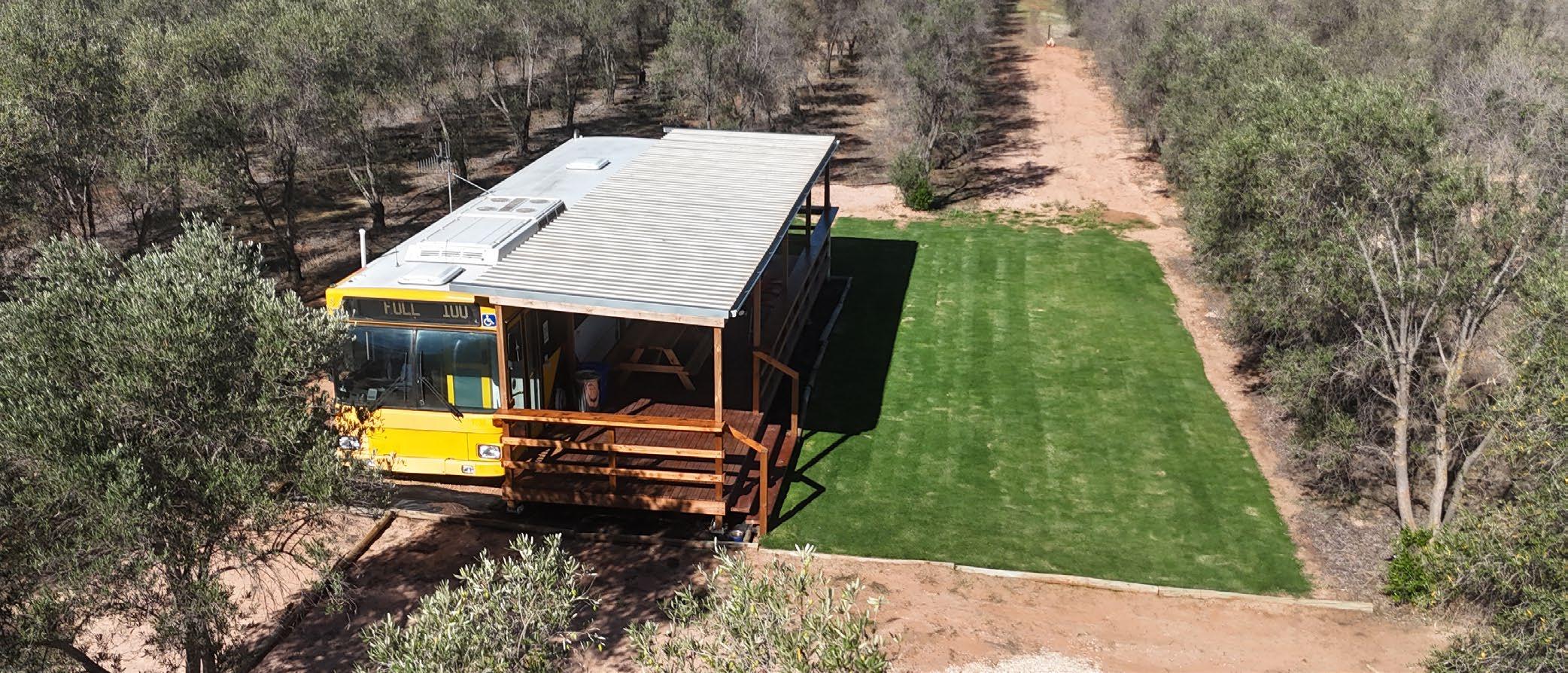
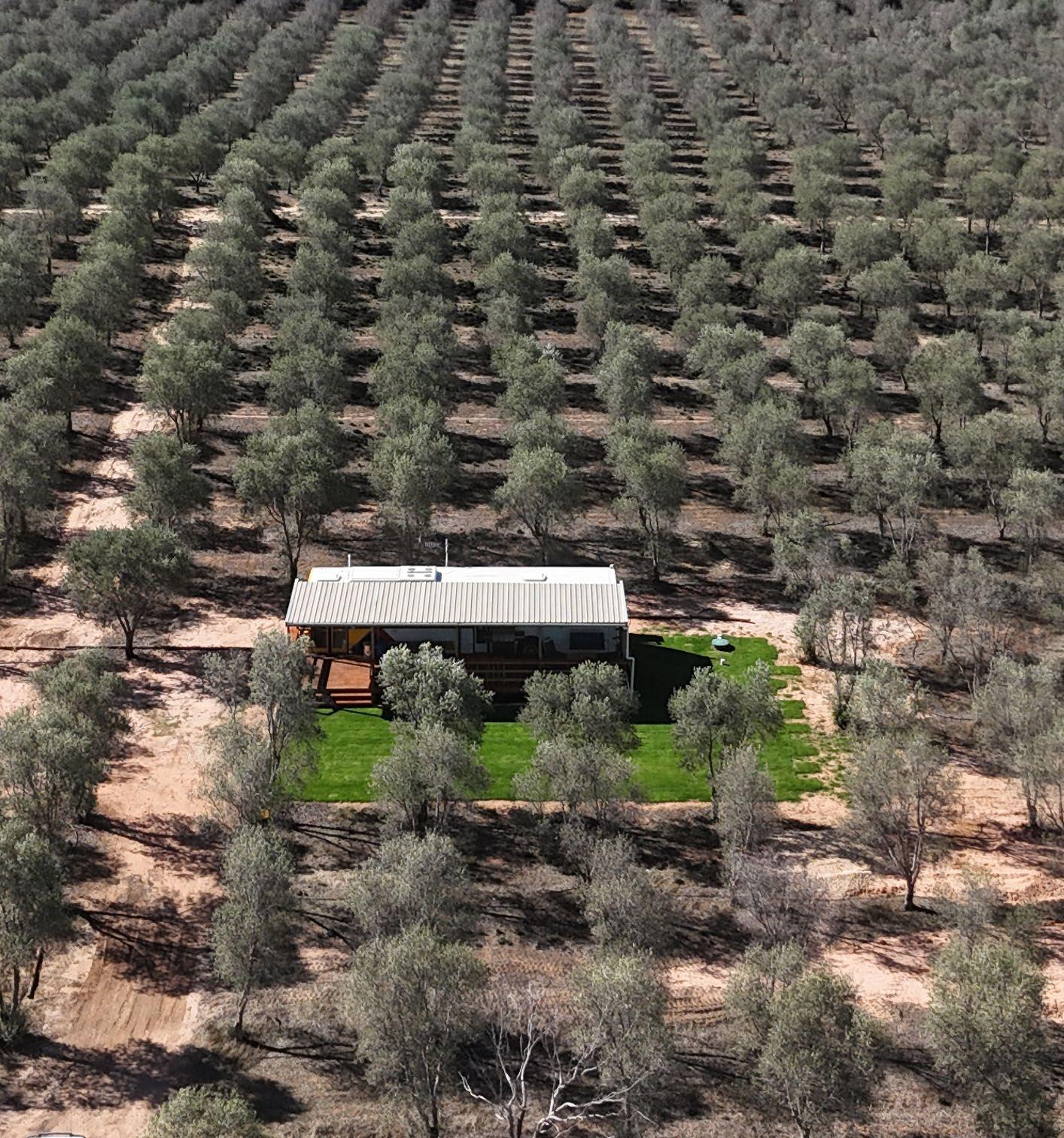
daily fuss. With guests coming and going, they needed a turf that was forgiving when maintenance couldn’t go exactly to plan. A turf that could cope with occasional lapses in watering or mowing without looking tired or patchy. Enter TifTuf Hybrid Bermuda: The Turf Farm recommended and supplied 150 m² of this premium turf to the project, which was installed on 23 December 2025. The outcome has been exactly what the brief required.
Pinnaroo sits in a semi arid region characterised by hot, dry summers and low rainfall. TifTuf was specifically bred to thrive under these conditions, requiring on average up to 38 % less water than many other warm season turf varieties, while still maintaining a lush, green appearance. This makes it an environmentally sensible and cost effective choice in areas where water is at a premium.
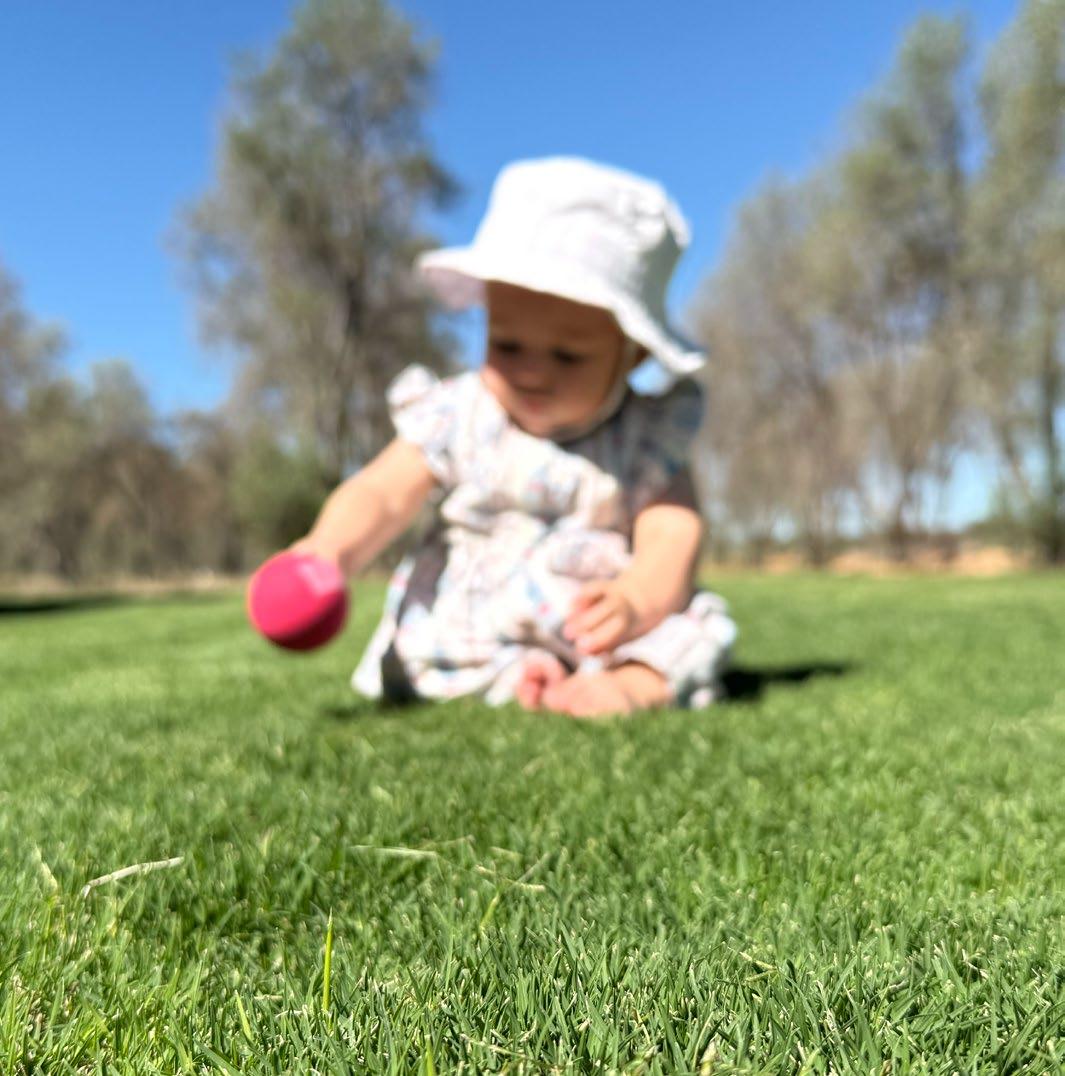
With The Bus attracting everything from couples lounging outside to families with kids and pets racing about, wear tolerance was critical. TifTuf’s dense growth habit and vigorous stolons and rhizomes give it excellent wear resistance and a rapid capacity to self repair after stress.
Unlike some turf varieties that require frequent mowing, specialist care or constant watering, TifTuf thrives with moderate maintenance inputs. Once established, it keeps its shape and colour with relatively little fuss, perfect for a holiday rental where ongoing lawn care can vary with guest stays. South Australia’s temperature extremes, from scorching summer heat to chilly winter nights, can be tough on grass. TifTuf’s performance across a range of conditions, with good winter colour retention and rapid
green up in spring, ensures that The Bus lawn looks inviting year round.
While The Bus itself is a story in creative accommodation, it sits within Olivacres Pinnaroo, a broader property that blends rustic charm with modern comfort. The Airbnb listing, a fully converted Adelaide Metro bus nights away from the bustle of city life is a welcome retreat that combines nostalgia with practicality: comfortable sleeping space, proximity to local cafes and pubs, and easy access to the rural charm of Pinnaroo. Guests can enjoy morning coffee beside the lawn, throw a ball for the kids, or let their dogs explore the turf while soaking up quiet country views. The choice of turf might seem like a minor detail, but for an outdoor space exposed to the elements and a wide range of use cases, it’s made all the difference.
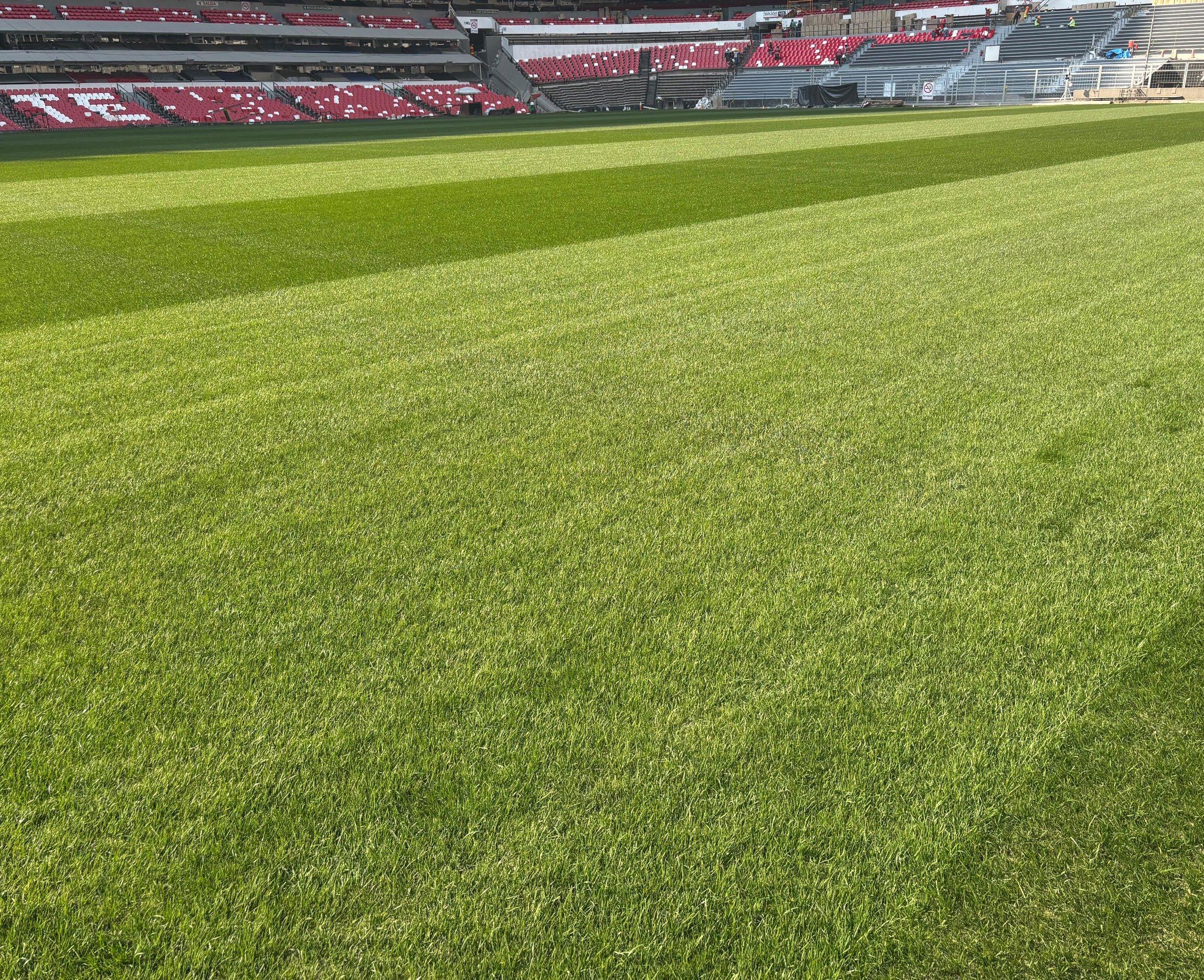
CARLOS SARTORETTO, MX PITCH CLUSTER MANAGER
It has been over a year since I last shared my experiences, and what a year it has been. I am honoured to be serving as Pitch Cluster Manager for Mexico at the upcoming FIFA World Cup 2026, overseeing three stadiums, five specific training sites, and six team base camps.
This tournament represents a significant challenge in scale and complexity. Across Canada, Mexico, and the United States, 16 stadiums will host 104 matches, supported by more than 2,000 training sessions across official and team facilities. Delivering consistent, world-class playing surfaces under these conditions is not simply an agronomic challenge, it is a logistical and operational one.
For the first time in FIFA World Cup history, pitch management has been established as a dedicated functional area within the organisation, with its own structure, planning framework, and budget.
The pitch delivery team includes strategic planners, stadium pitch managers, training site specialists, and monitoring teams. In total, more than 50 professionals are directly involved in pitch delivery, supported by local grounds crews, contractors, and suppliers across all host venues.
This evolution reflects a broader reality: pitch quality is no longer a background element. It is central to player performance, safety, and the global image of the tournament.
At its core, the pitch delivery program is guided by two key principles:
• Ensure the delivery of world-class playing surfaces across all match and training venues
• Execute all technical aspects in line with FIFA requirements, guaranteeing optimal conditions throughout the competition
Achieving this across multiple countries, climates, and stadium designs requires a highly coordinated and standardised approach.
Delivering Football on a Truly Global Stage
FIFA’s role extends beyond organising a tournament, it is about enabling football to be played at the highest standard, anywhere in the world.

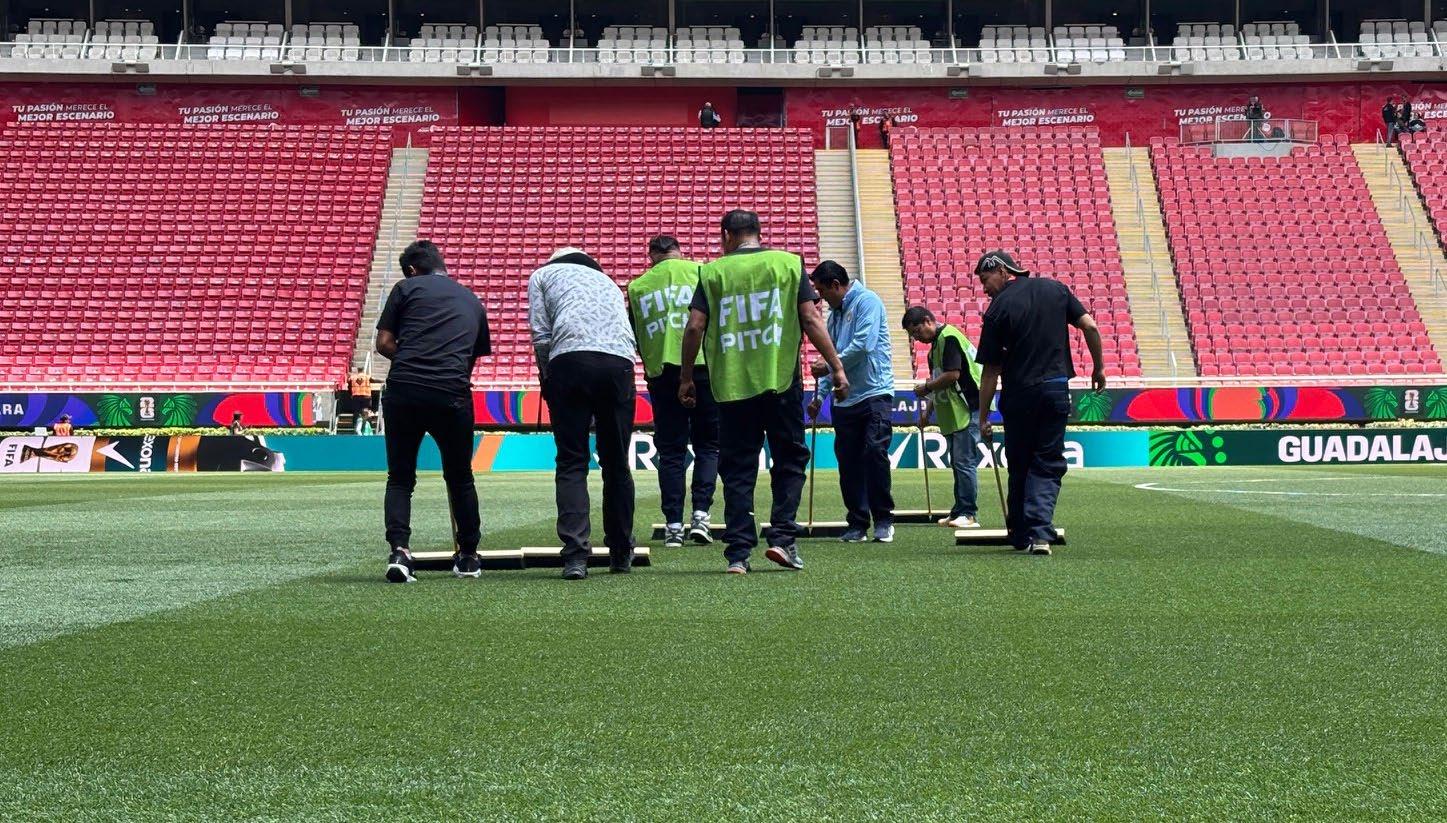
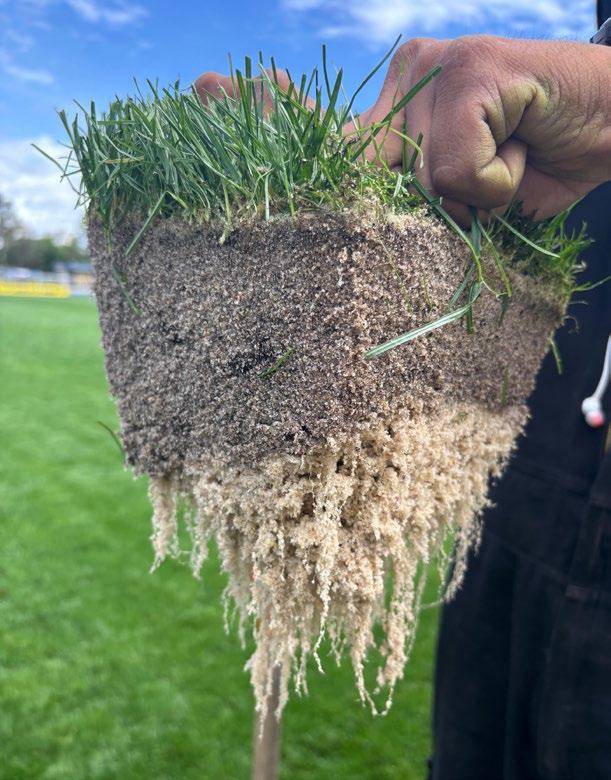
The 2026 FIFA World Cup reflects this mission in its most ambitious form. By bringing together 16 stadiums across three countries, FIFA is reinforcing its commitment to making football truly global, ensuring consistency, quality, and accessibility regardless of location. This is particularly evident in pitch management.
Through a unified strategy, FIFA ensures that:
• A match in Vancouver delivers the same performance standards as one in Mexico City
• A domed stadium in Atlanta meets the same expectations as an open venue in New York
• Training environments replicate match conditions across all team base camps
This level of consistency is the result of careful planning, shared expertise, and coordinated execution across regions. To achieve this consistency, FIFA has implemented a simplified and controlled turf grass strategy based on two primary surface types:
Cool-season system
• Kentucky Bluegrass (Poa pratensis)
• Perennial Ryegrass (Lolium perenne)
• Standardised blend: 84% KBG / 16% PRG
Warm-season system
• Hybrid Bermudagrass (Cynodon dactylon × transvaalensis)
This approach ensures that all pitches fall within a defined performance range for
traction, ball roll, surface stability, and visual presentation regardless of geography.
A defining feature of this World Cup is the number of temporary natural grass installations.
Of the 16 stadiums 8 are permanent natural grass venues, and 8 are temporary conversions from synthetic surfaces
Temporary installations introduce unique challenges. Turf must be grown off-site, often under different climatic conditions, before being harvested, transported, and installed within tight timelines. These systems are reinforced with synthetic fibers, either stitched or carpet-based, to ensure durability and stability.
The high proportion of Kentucky Bluegrass in cool-season systems plays a critical role here. Its rhizomatous growth habit provides the structural integrity required for sod production, transport, and rapid establishment under stadium conditions.
The table above summarises how these principles are applied across the 16 host stadiums.
While the framework is consistent, its implementation must adapt to each venue. Examples include:
• Domed stadiums in warm climates requiring cool-season turf supported by advanced grow lighting systems
• Open stadiums in cooler regions utilising bermudagrass to maximise performance during summer conditions
• Widespread use of hybrid reinforcement systems to maintain surface stability under intensive use
These adaptations highlight the balance between standardisation and flexibility required at this level.
Despite the scale and technical complexity, success ultimately depends on people. FIFA’s approach emphasises collaboration across:
• Local venue teams
• International experts
• Turf producers and contractors
• Research and technical specialists
From my position in the Mexico cluster, this coordination translates into daily alignment between international standards and local execution: working closely with stadium teams, contractors, and agronomic specialists to ensure consistency at every level.
Roles such as Pitch Cluster Management serve to connect strategy with delivery ensuring that global objectives are effectively implemented at the local level. It has
required extensive coordination and travel across Mexico (more than 70 flights to date), reflecting the level of detail and alignment necessary to deliver consistent outcomes.
The impact of this work extends beyond the competition itself. Each decision, whether related to turf grass selection, construction methods, or maintenance practices, contributes to a broader legacy:
• Advancing turf grass technology and knowledge
• Strengthening collaboration across the global turf industry
• Establishing new performance benchmarks for future events
In this sense, the FIFA World Cup becomes more than a tournament. It becomes a platform for innovation, learning, and the continued development of football infrastructure worldwide.

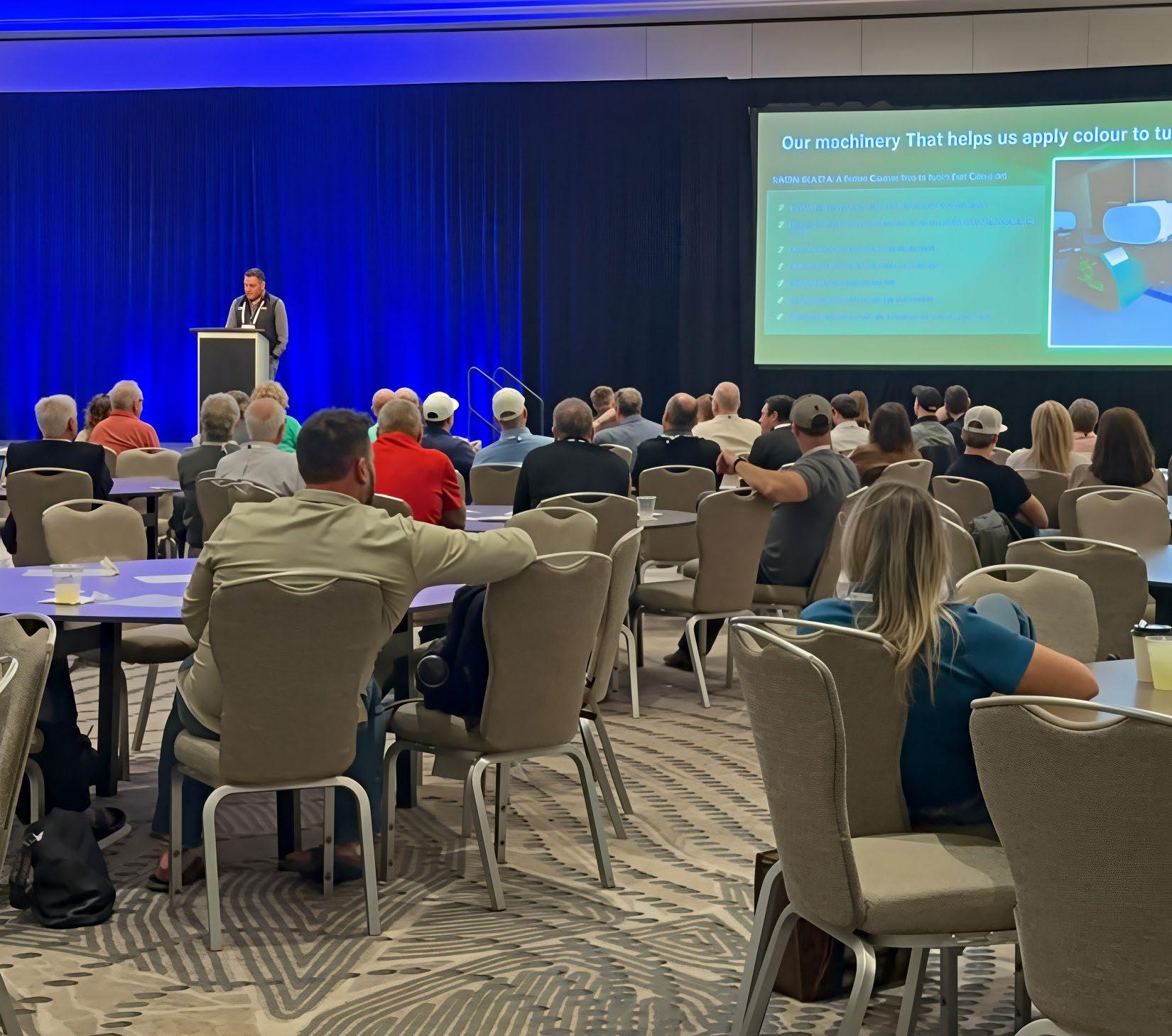
BY PAT MUSCAT, OWNER & DIRECTOR OF MUSTURF
Earlier this year, I had the incredible opportunity to travel to the United States to attend the Turf Producers International (TPI) Conference and Trade Show. What made the trip even more special was being invited not only to attend, but also to present to an international audience about our business, Musturf, and some of the innovative practices we are using in Australia.
TPI is regarded as one of the premier events in the global turf industry, bringing together growers, suppliers, researchers, contractors, and industry leaders from around the world. For anyone passionate about natural turf and the future of our industry, it is an event that
offers enormous value through education, networking, and the exchange of ideas.
Travelling from Australia to the United States is no small trip, but the excitement leading into the conference made the long journey worthwhile. From the moment I arrived, it was clear how large and connected the turf industry really is. Everywhere you went, people were discussing turf varieties, machinery, irrigation, sustainability, labour challenges, logistics, and innovation. Although the operating environments can vary greatly between countries, many of the conversations sounded very familiar to what we experience here in Australia.
One of the highlights of the trip was the opportunity to give a presentation about Musturf and the work we are doing back home. Standing in front of an international audience and representing Australian turf producers was something I was very proud of.
My presentation focused on Musturf Farms and our operations across Freemans Reach, Sydney, and Singleton/Newcastle. I spoke about the different areas of our business, including residential lawns, parklands, golf courses, sports field rebuilding, sports field renovations, and specialised turf projects.
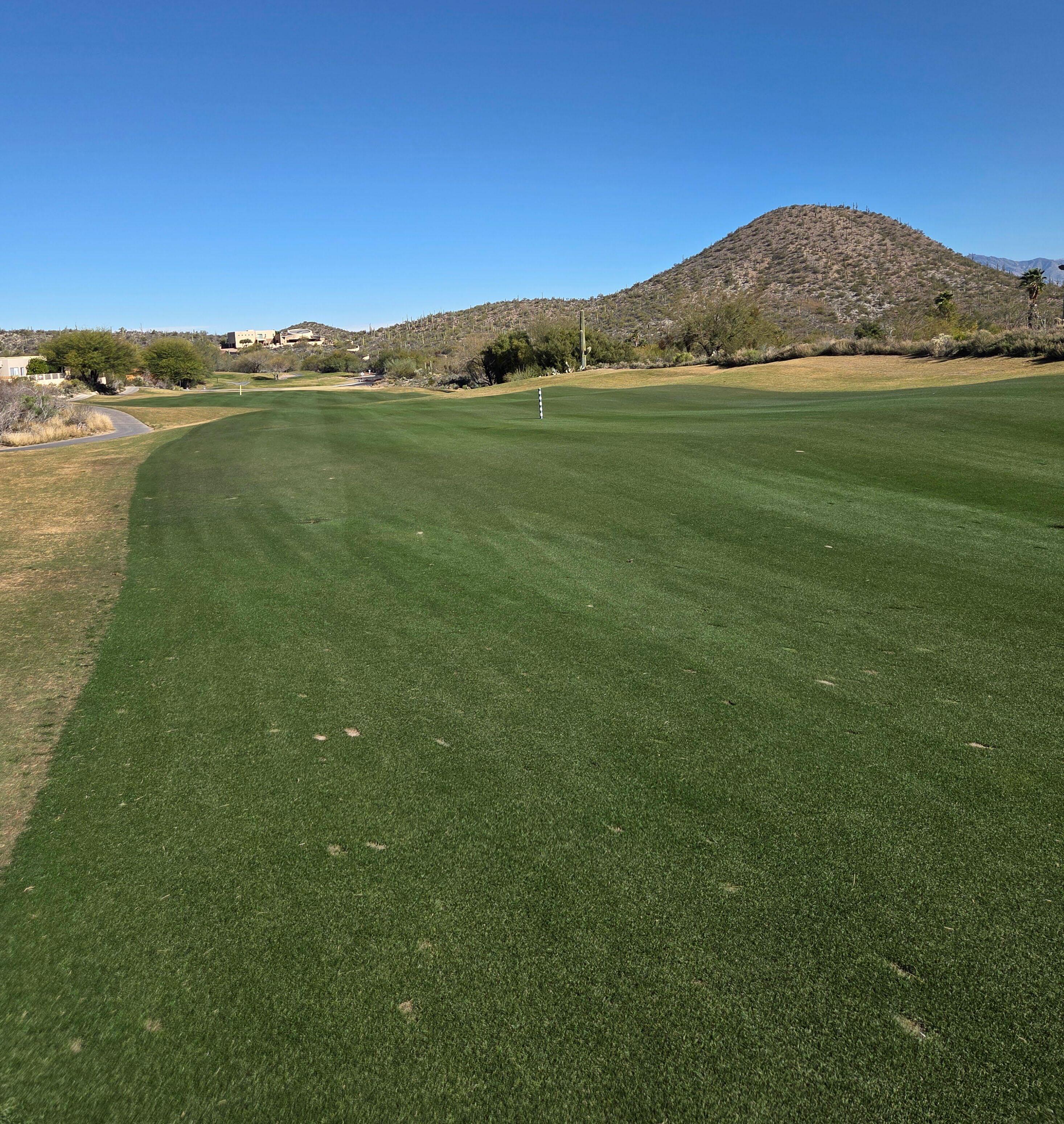
It was a great opportunity to showcase the diversity of work being carried out within the Australian turf industry.
I also shared a more personal side of the business by speaking about the many “hats” we wear in this industry. As many turf producers know, running a turf business often means balancing multiple responsibilities every day. I talked about being a father, farmer, business owner, mechanic, salesperson, and logistics coordinator all at once. That part of the presentation seemed to resonate with many people in the audience because no matter where you are in the world, family
businesses in turf often operate the same way, everyone pitches in wherever needed.
One of the main topics I presented on was turf colouring during winter and how we use it as a strategic solution for maintaining healthy, visually appealing turf during colder months. There was strong interest from attendees in how turf colouring can help keep lawns green during dormancy, improve presentation, reduce excessive watering, and deliver immediate visual results for clients and projects.
I explained the process from application on the farm right through to the finished results on projects and installations. The presentation included examples of bermuda/couch turf installed during winter and how turf colouring can significantly improve the final appearance while the turf establishes itself.
Another major talking point was the machinery and technology we use to apply turf colour efficiently. I showcased our Green-Blasta application system and discussed how it allows for more even coverage, reduced product waste, lower water use, and cleaner application
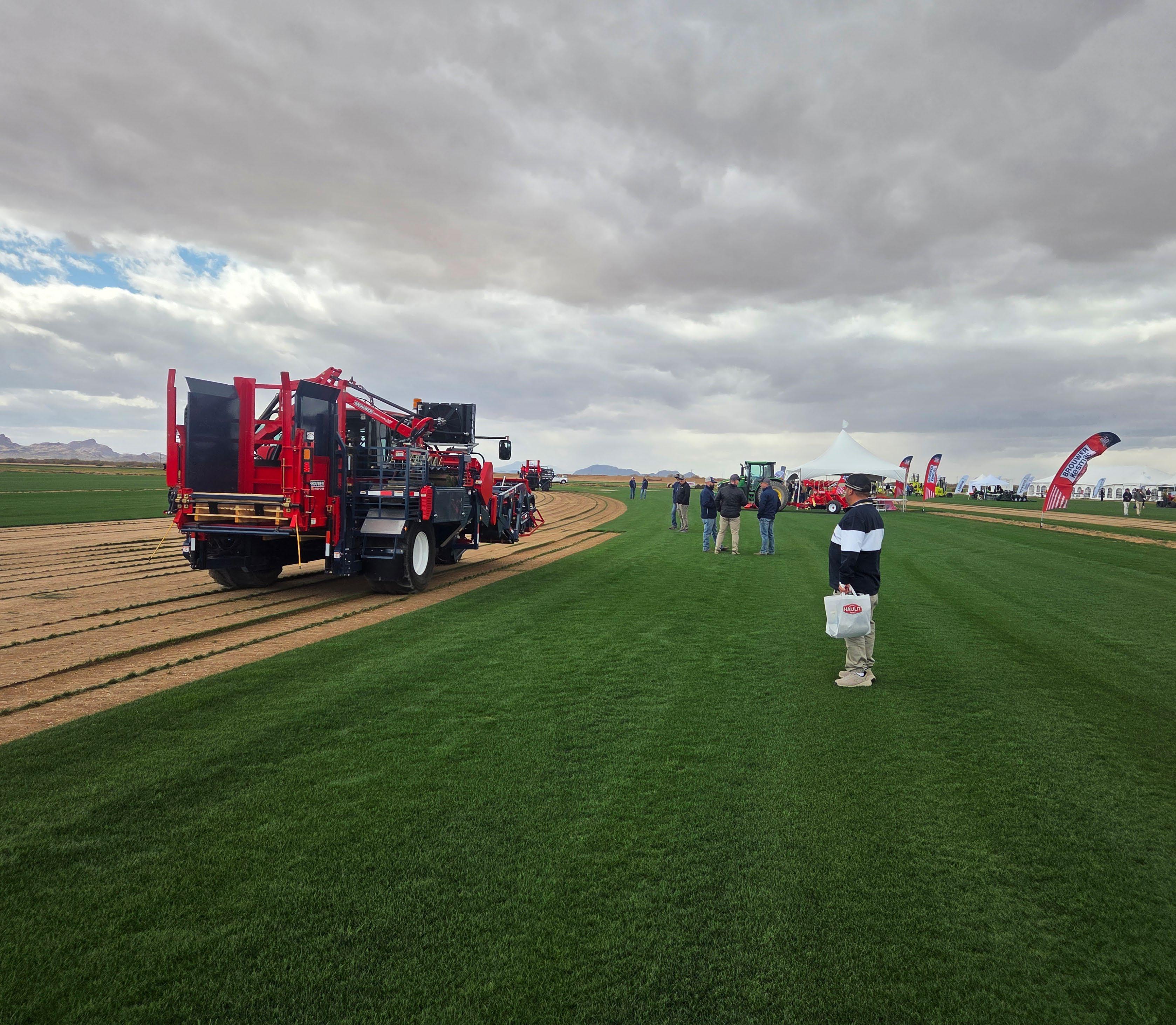
compared to traditional spraying methods. There was a lot of curiosity around the equipment, particularly because many attendees had not seen that style of setup before.
The response to the presentation was extremely positive. Many attendees were interested in how Australian growers adapt to our climate conditions, water restrictions, and customer expectations. It sparked some great conversations afterward with growers and contractors wanting to learn more about our processes and experiences.
Beyond my own presentation, the conference itself was packed with valuable
information. Educational sessions covered everything from turf grass research and environmental management to business development and marketing. One thing I really appreciated was how openly people shared their successes and challenges. Those honest conversations are often where the best learning happens.
Technology and innovation were major themes throughout the conference. There was a strong focus on automation, efficiency, and data-driven decision making. New machinery, irrigation systems, harvesting equipment, and farm management technologies were all on display throughout the trade show. Seeing
those products firsthand and speaking directly with manufacturers gave me plenty of ideas and insights to bring back home.
Sustainability was another key topic discussed throughout the event. Water conservation, soil health, nutrient management, and the environmental benefits of natural turf were all heavily emphasised. As an industry, continuing to educate people about the benefits of natural grass is becoming increasingly important, especially as we face growing competition from synthetic alternatives.
One of the most rewarding parts of the trip was the networking opportunities. I had

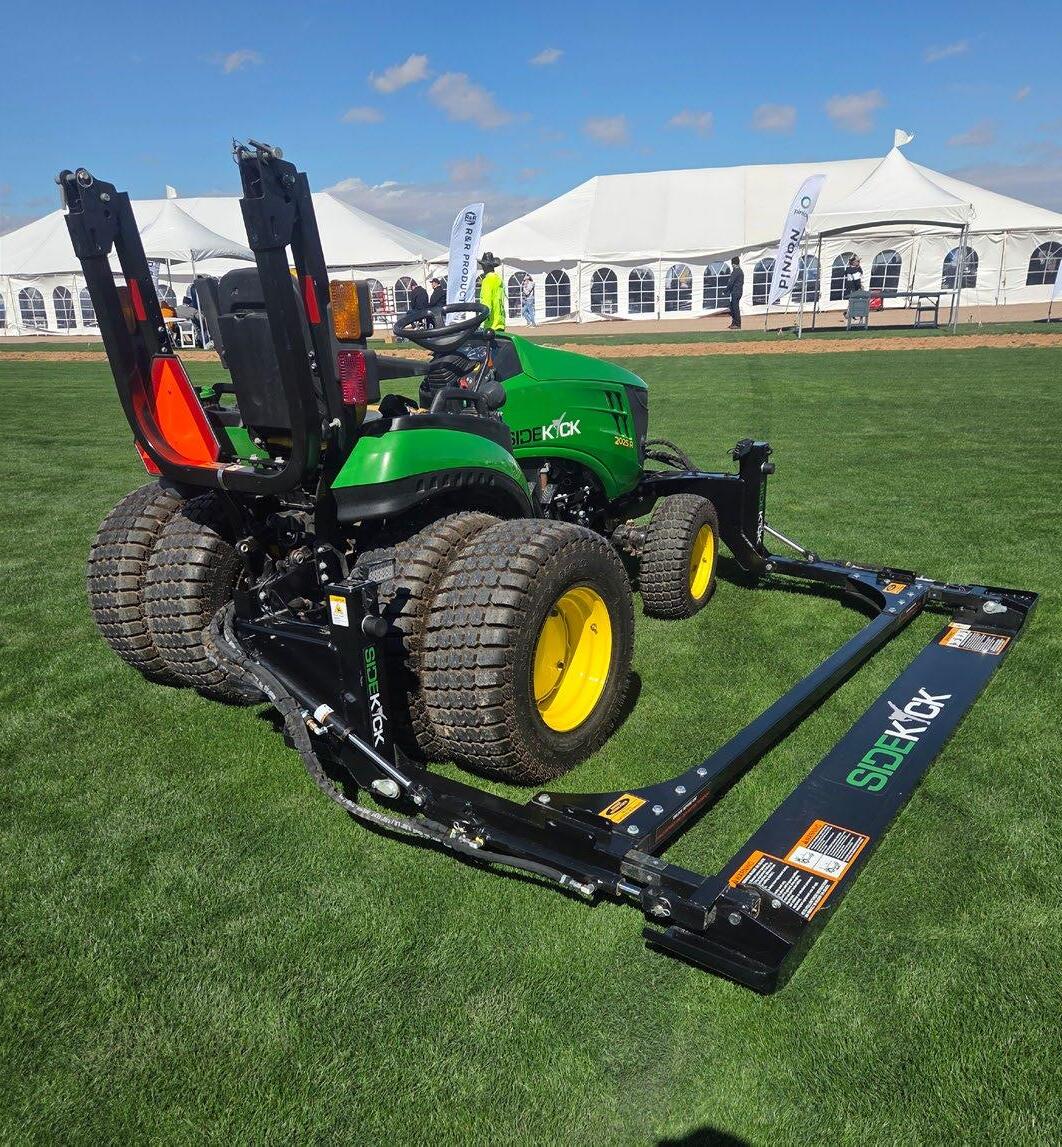
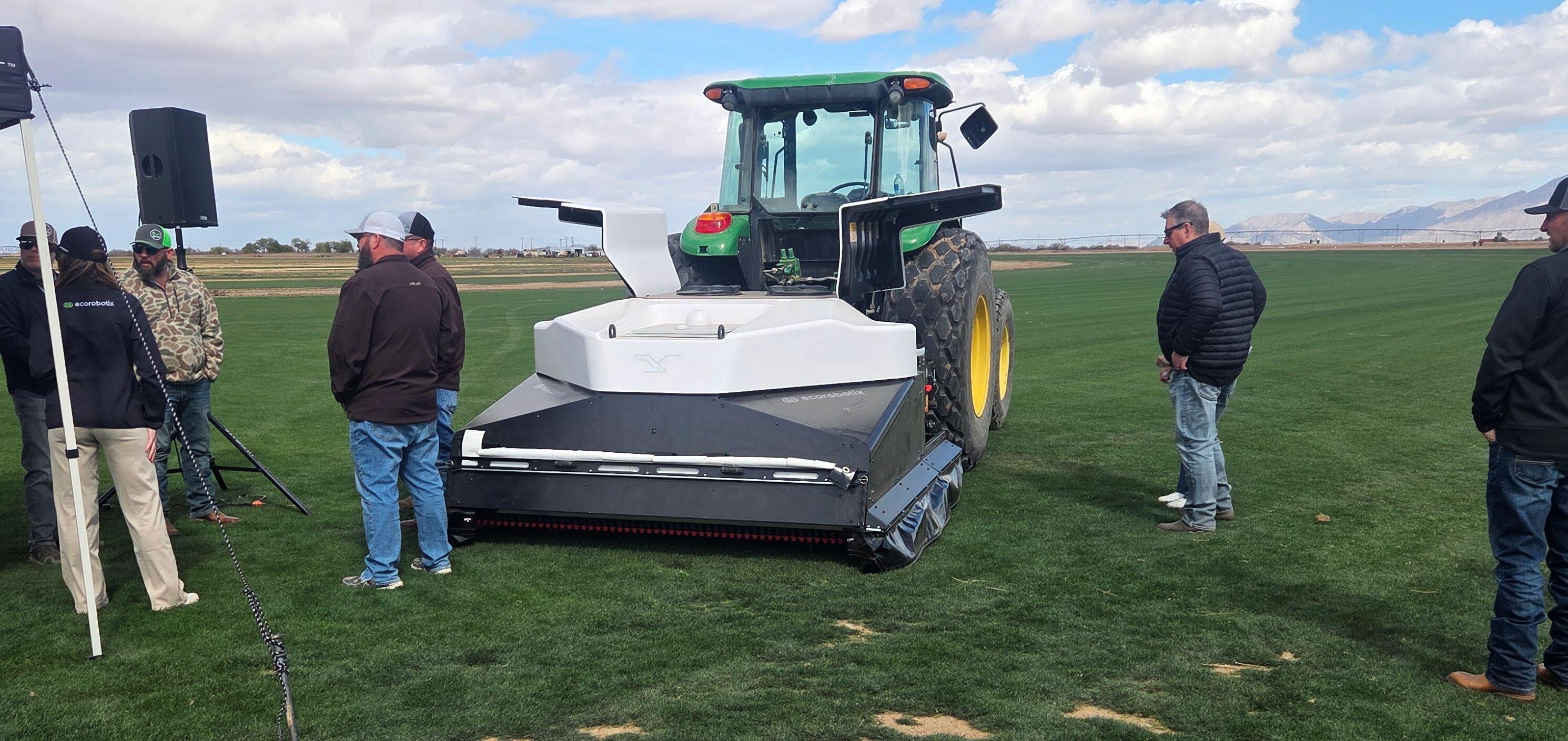
the chance to meet growers and industry professionals from across the United States, as well as attendees from Europe, Asia, and South America. Despite the different climates and business environments, there was a genuine willingness within the industry to share knowledge and support one another.
I also found it encouraging to see how much focus there was on the future generation entering the turf industry. There was a strong emphasis on leadership development, education, and attracting younger people into the industry. That is something I believe is equally important here in Australia as we continue building the future of our own turf sector.
Outside of the conference itself, the trip also allowed me to visit turf operations and observe different production methods and business systems overseas. Sometimes simply seeing how another business approaches harvesting, logistics, irrigation, or customer service can spark new ideas you can adapt back home.
The biggest thing I brought back from TPI was motivation. The experience reinforced that the turf industry continues to evolve rapidly and that there are enormous opportunities for businesses willing to innovate and adapt. It also highlighted how important it is for Australian turf producers to stay connected internationally and continue sharing knowledge with the wider industry.
Overall, attending and presenting at TPI 2026 was an incredibly rewarding experience, both professionally and personally. I’m grateful for the opportunity to represent Musturf and the Australian turf industry on an international stage, and I look forward to applying many of the ideas and insights gained from the trip here at home.
The passion people have for producing quality natural turf is universal, no matter where you are in the world, and events like TPI are a great reminder of the strength and future of our industry.
In the thriving regional hub of Mount Gambier, a new chapter in turf production is taking shape, driven by hard work, family values, and a willingness to embrace change. Blue Lake Turf Supplies, the latest member of Lawn Solutions Australia, is a business built not just on quality turf, but on resilience, reinvention, and a deep connection to the land.
For the Chapmans, the family behind Blue Lake Turf Supplies, the move into the turf industry marks a significant
transition. Long-time lobster fishermen operating out of the coastal township of Port MacDonnell, they also balanced beef cattle operations while navigating the uncertainties of overseas markets. Like many in primary industries, shifting global conditions prompted a reassessment, and ultimately, a bold new direction. That direction led them inland and into turf.
After developing a strong interest in the industry and engaging with a respected local grower, the opportunity arose for
Tim Chapman to purchase Blue Lake Turf Supplies. While the acquisition provided a foothold in the market, it came with a unique challenge. The established turf farm itself was not included. Rather than deter them, this became the foundation of their story.
Starting from a blank canvas, the family secured a neighbouring parcel of land and set about building a turf operation from the ground up, establishing grass varieties, irrigation systems, and all supporting
infrastructure. It has been a steep learning curve, but one embraced with enthusiasm.
At the centre of this transformation is Tom, Tim’s son and Turf Farm Manager, who has taken the lead in developing the farm. His hands-on approach and rapid growth in knowledge have been instrumental in bringing the new operation to life, laying a foundation that will serve the business well into the future.
Support from within the industry has also played a crucial role. The family is quick
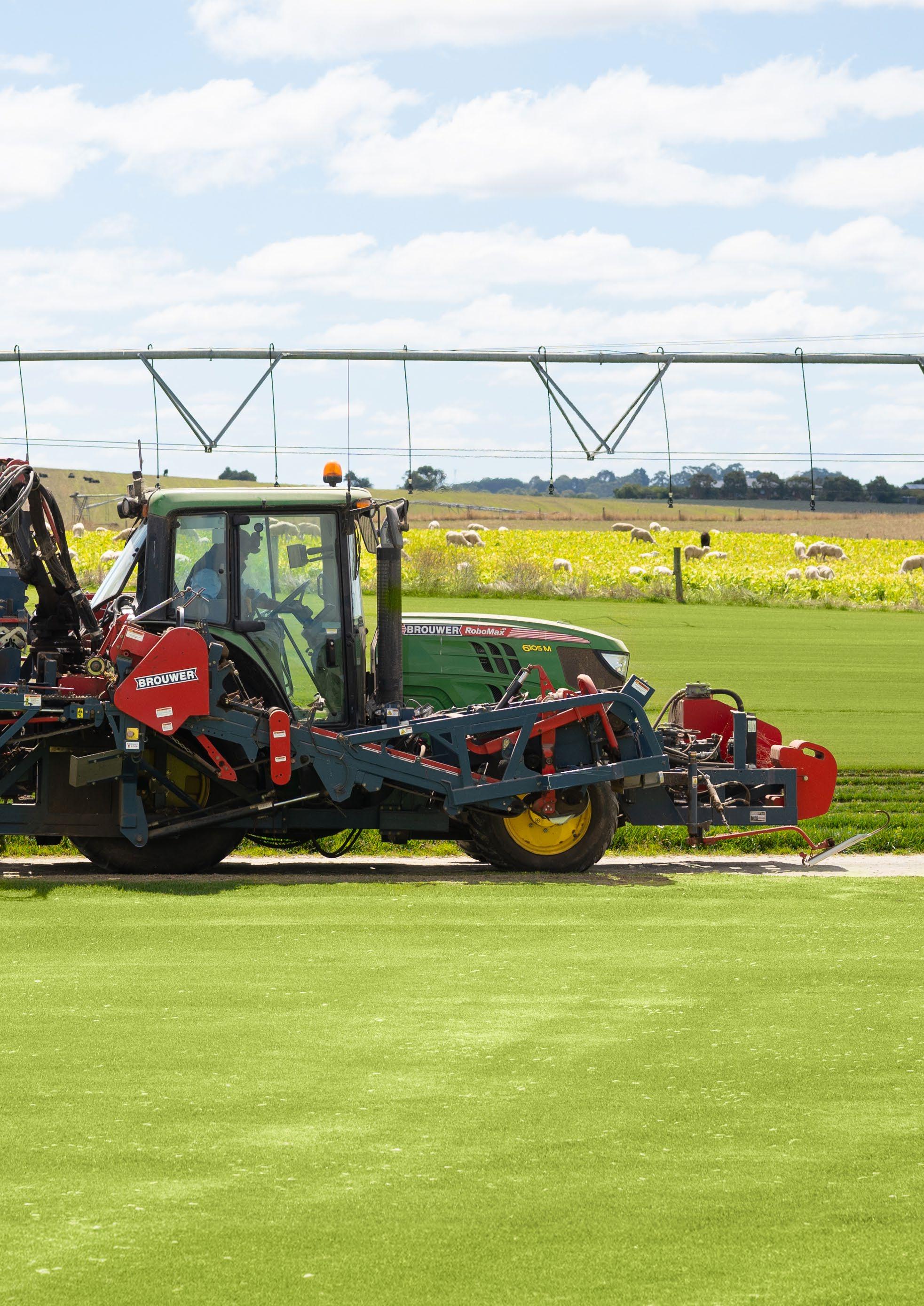
to acknowledge the guidance of former owner Adam Little, along with the broader Lawn Solutions Australia network. Access to this collective expertise has provided invaluable insight across all aspects of turf production, helping fast-track their development in a highly technical field.
The decision to invest in Blue Lake Turf Supplies was driven by a genuine alignment with the turf industry itself, an industry they see as grounded, forwardlooking, and full of opportunity. Combined
with the strength of their local region, the outlook is promising. Mount Gambier and the surrounding South East boast fertile soils, abundant underground water, and a growing population, all key ingredients for turf production success.
Blue Lake Turf Supplies is establishing a strong varietal offering tailored to local conditions. They have planted Eureka Kikuyu, RTF tall fescue, TifTuf Hybrid Bermuda, and the newly developed Stampede Hybrid Buffalo, providing a
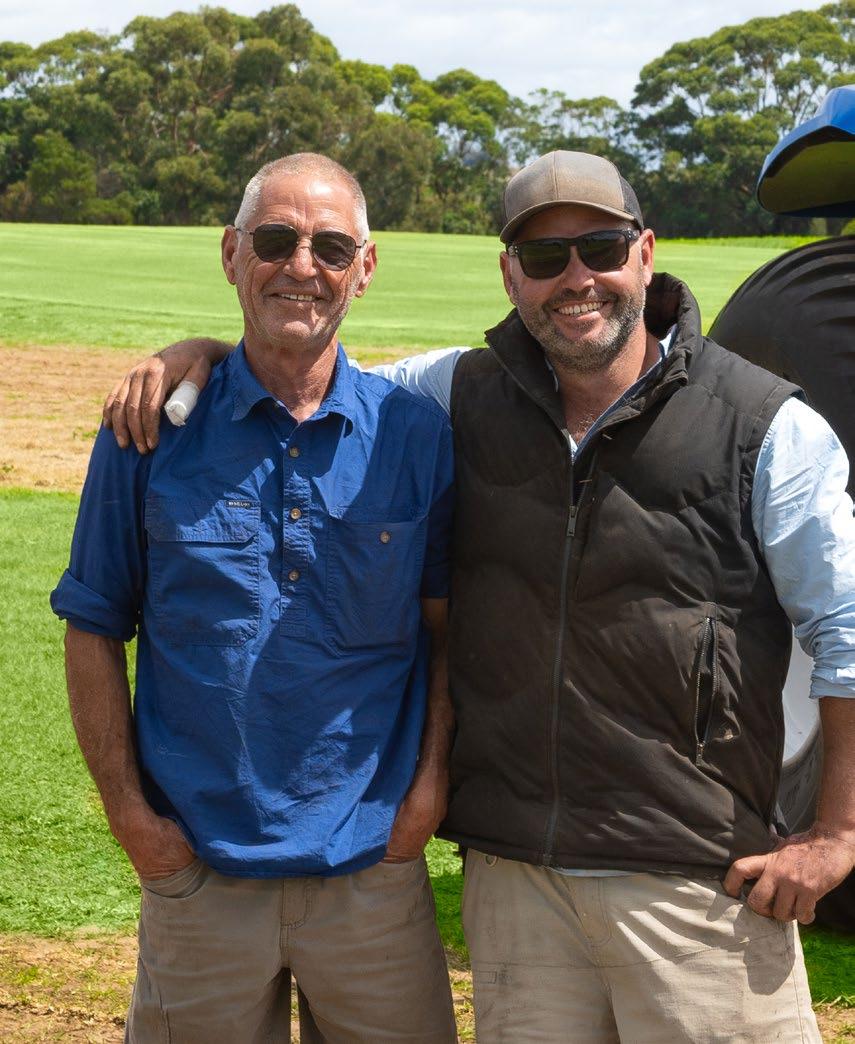
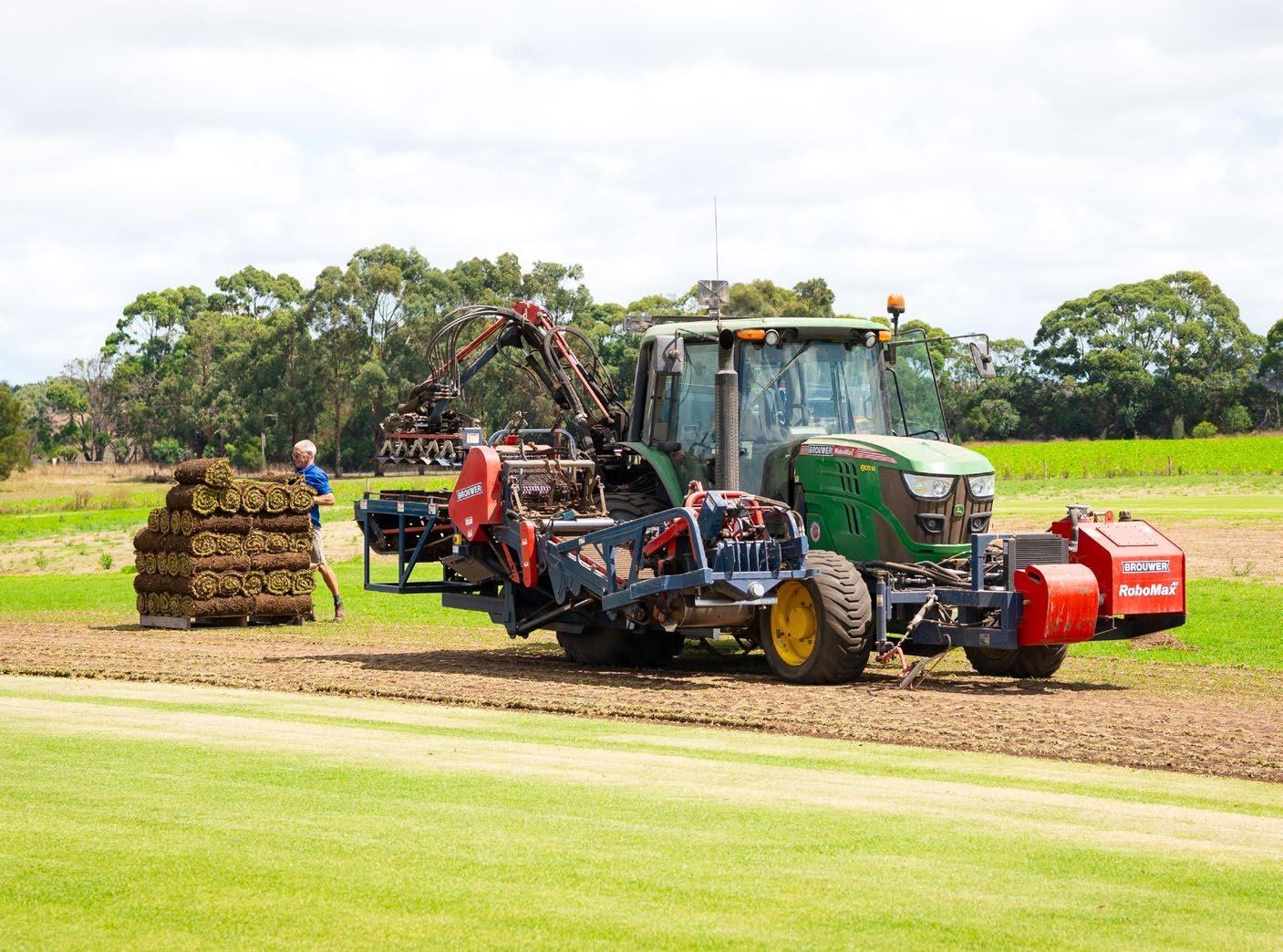
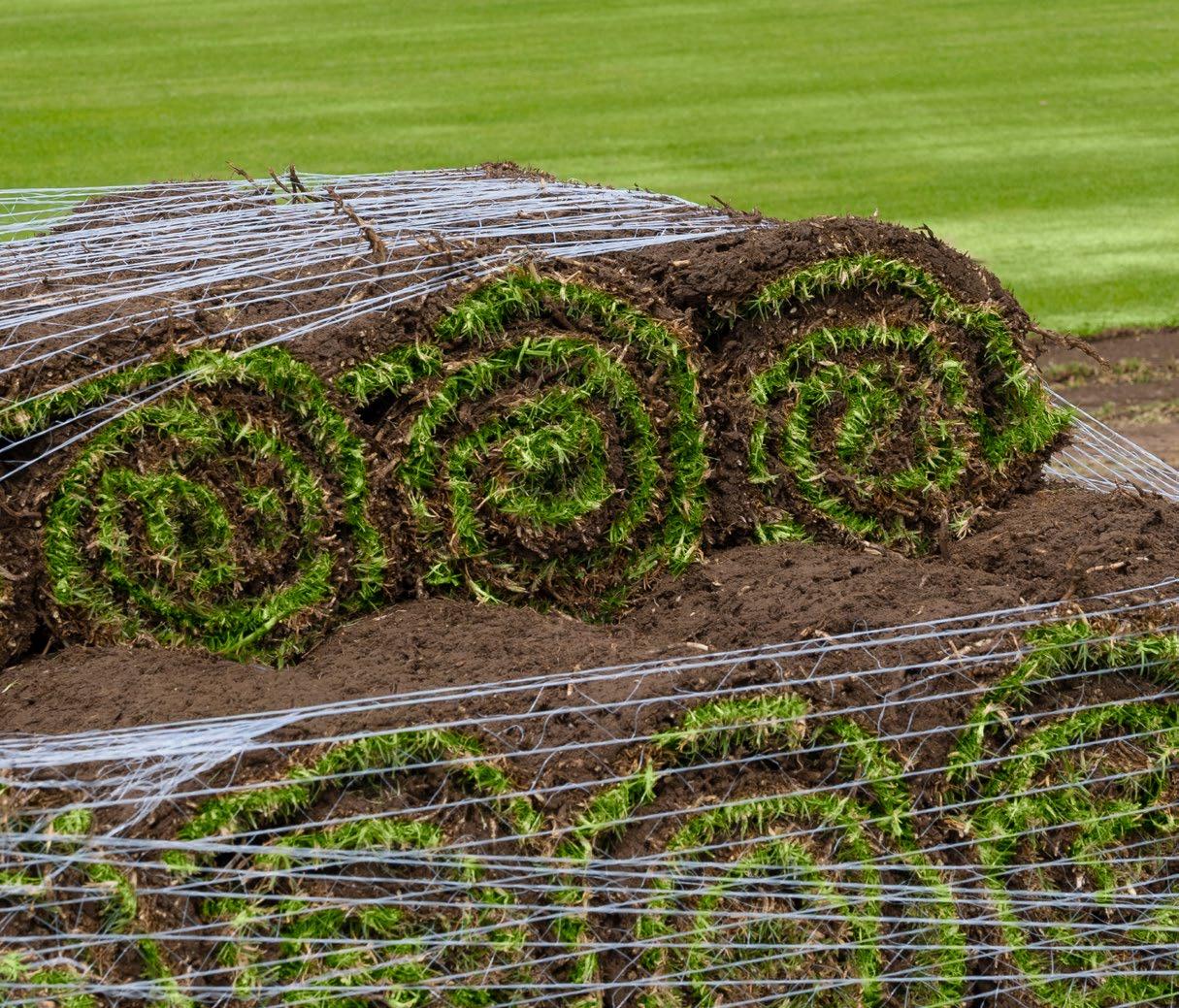
balance of durability, performance, and visual appeal to suit a wide range of applications.
Their alignment with Lawn Solutions Australia further strengthens this offering. As part of the network, Blue Lake Turf Supplies has access to some of the best turf genetics available, alongside rigorous quality assurance systems, best-practice protocols, and ongoing technical support. For customers, this translates to confidence, knowing their turf is backed by one of the most respected organisations in the Australian industry.
From the outset, the business has placed a strong emphasis on doing things properly.
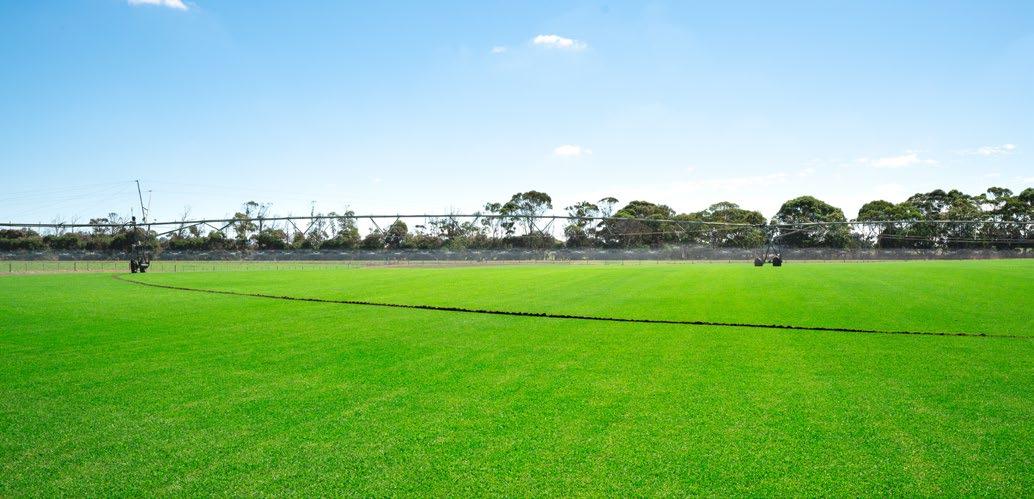
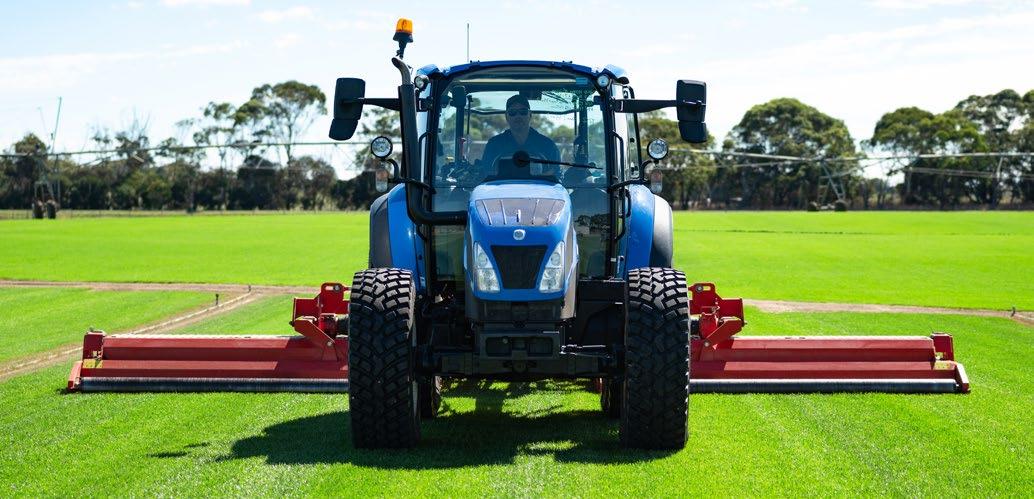
Every aspect of the operation has been approached with care and intention, with a clear goal to deliver consistently high-quality turf, every time. Whether for residential lawns, commercial landscapes, or large-scale recreational spaces, the focus remains the same, quality product backed by reliable service.
Looking ahead, Blue Lake Turf Supplies has clear ambitions. Plans are already in place to expand production areas and continue building recognition of the brand across the region. Growth, however, will not come at the expense of standards. The team remains committed to maintaining quality as the cornerstone of their business.
While proud of what has been achieved in a short time, the family is quick to acknowledge that there is still much to learn. It is this mindset, open, grounded, and driven, that will likely define their long-term success.
As they continue to establish themselves within the industry, Blue Lake Turf Supplies represents something many in turf can relate to, a new generation stepping forward, bringing fresh energy while respecting the foundations that came before.
“We look forward to meeting fellow ‘turfies’ from across Australia, and we welcome you to reach out or drop in to say hello if you’re ever in our part of the world.”
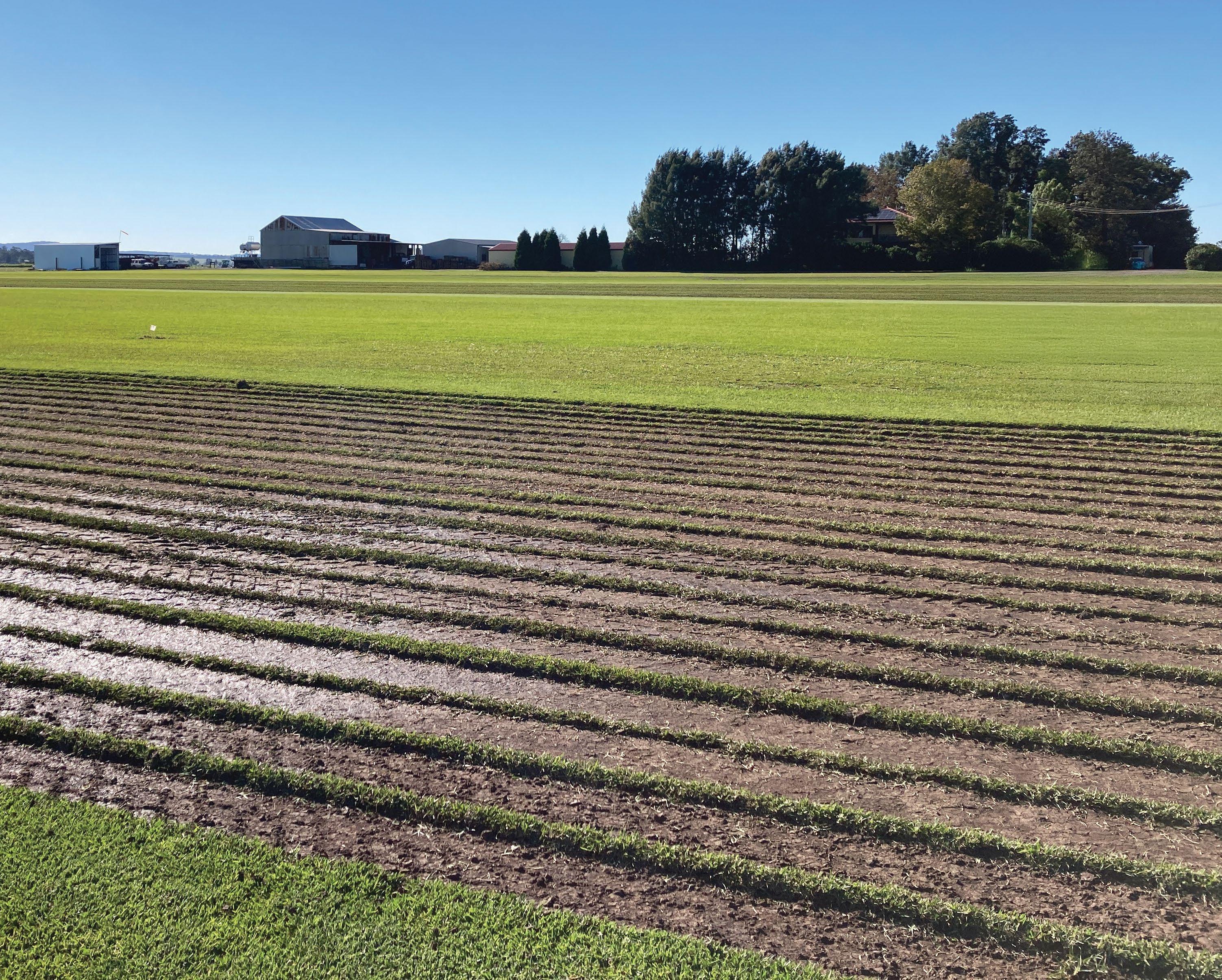
By Samuel Fragapane CEO
All Green Nursery & Garden Supplies is based in Melbourne’s western suburbs, servicing a wide range of customers across residential, trade, commercial and local government sectors.
The All Green story traces its roots back more than 40 years, when we began growing indoor and outdoor plants in Hoppers Crossing as a backyard operation. Today, we are one of the largest plant nurseries in Melbourne, with two locations spanning over 14 acres of landscaping supplies, garden materials, and flourishing greenery.
Looking back over the past decade at All Green, one thing that has remained consistent: the importance of relationships. We’ve grown as a business, evolved our offering and expanded into different areas of landscape supply. Yet one partnership that has remained a constant throughout that journey, is our connection with Lilydale Instant Lawn.
For us, it’s never just been about selling turf. It’s been about aligning ourselves with products and people that we trust, and that our customers can rely on.
Our business has always been built around providing a complete landscape solution,
from garden supplies and soils through to plants and turf. Over time, we’ve seen the demand shift from simply supplying product to providing advice, reliability, and consistency across every job. That’s where turf has played a key role for us. It’s often the final piece of a project and the most visible. If the turf isn’t right, it doesn’t matter how good everything else is.
Our relationship with Lilydale Instant Lawn goes back many years and has been a major part of how we’ve been able to confidently supply turf to our customers. From early on, it was clear that Lilydale weren’t just growers, they were operators who understood
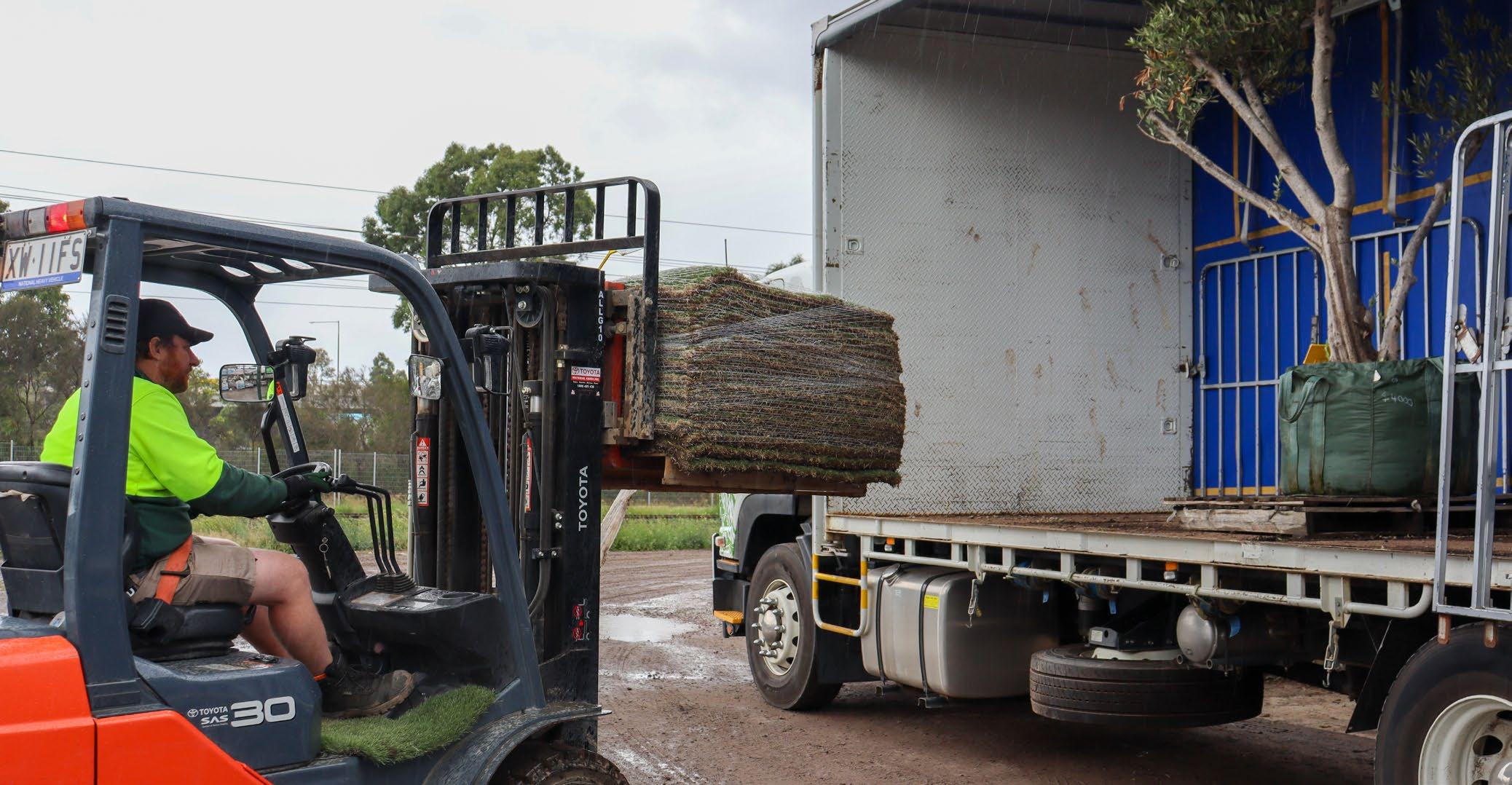
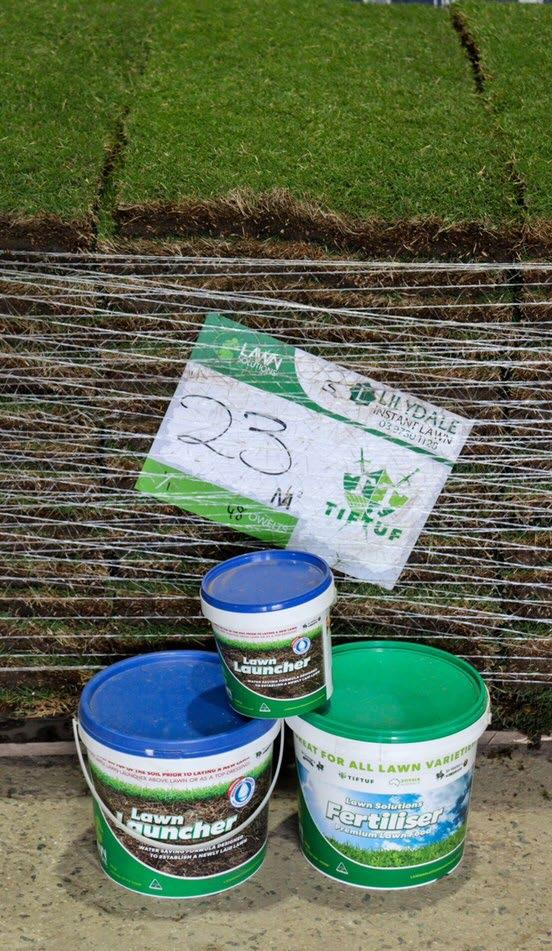
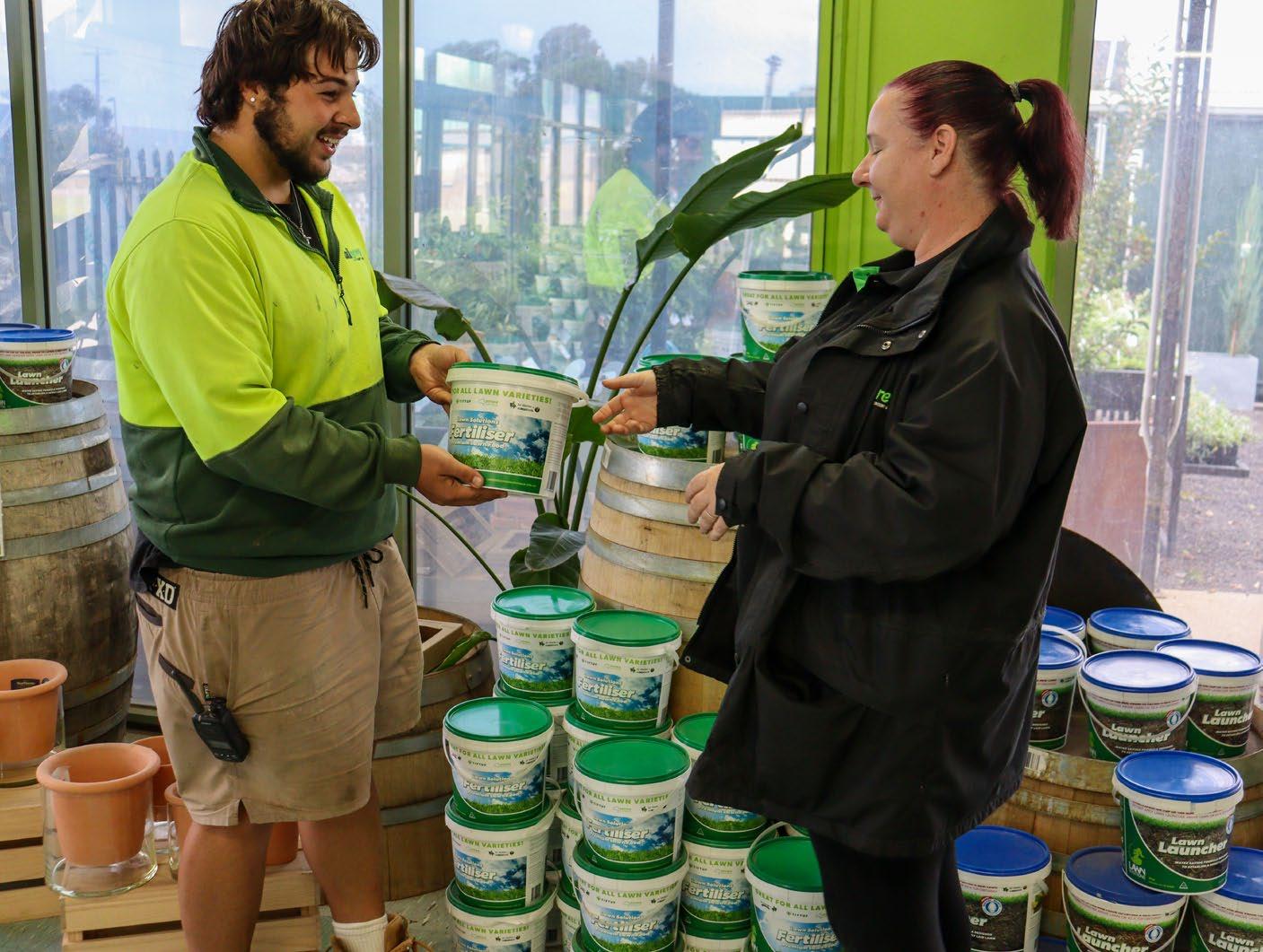
quality, consistency and what the end user expects. That alignment made it easy for us.
When you’re dealing with builders, landscapers or homeowners, you don’t get a second chance with turf. It needs to be right the first time, delivered on time, laid properly, and performing as expected. Having a direct link through Lilydale gave us that confidence.
Lilydale Instant Lawn is a member of Lawn Solutions Australia (LSA). As LSA continued to grow and formalise its network, it became a natural progression for us to align more closely as a reseller. What stood out to us wasn’t just the product range, it was the structure behind it.
Working with this network brought a level of consistency across our branding, while providing product education and support that made a real difference at the retail and trade level. It gave us the ability to not only sell turf, but to stand behind it with confidence. The introduction of well-known varieties like Sir Walter DNA Certified helped simplify conversations with customers.
Instead of explaining what type of grass something was, we could focus on performance, durability, shade tolerance, and water requirements, and match that to what the customer needed. That shift has been important for us.
Being part of the LSA reseller network has created opportunities across multiple areas of our business. It has strengthened our position in the market. Customers are more educated than ever and are often asking for specific products by name. Being able to supply those products reliably has helped us build trust and repeat business.
All Green’s two locations at Hoppers Crossing and Epping, have a combined area of more than 35,000m² of premium landscape supply. It’s a footprint that rivals major hardware retailers, supported by a depth of knowledge of over 80 staff that you won’t find on the shelf.
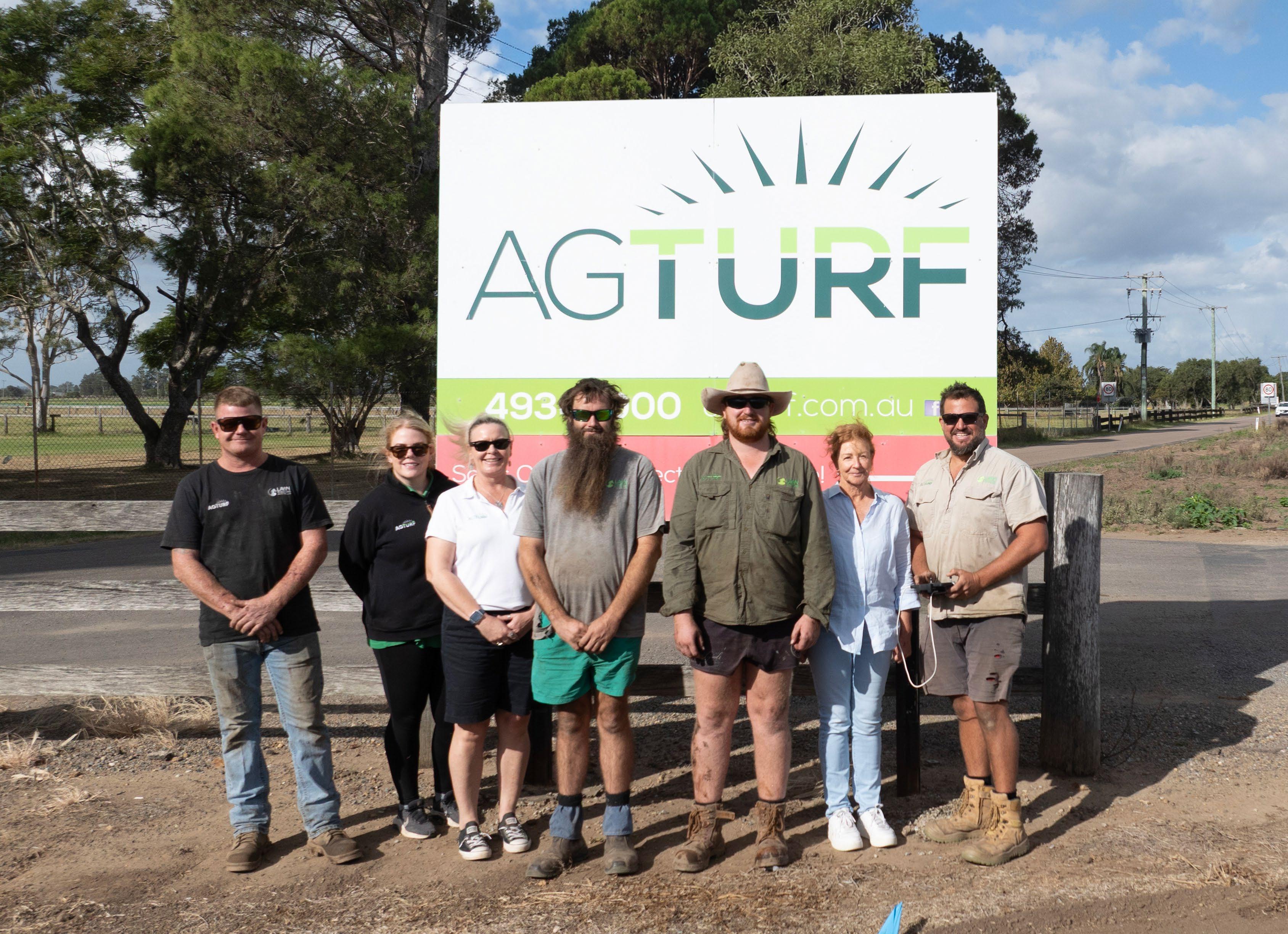
If you’ve spent any time around the Hunter Valley region, chances are you’ll have heard of AGTurf. A proud, family-run business with deep local roots, AGTurf has built a reputation the old-fashioned way, through consistency, quality, customer service and genuinely knowing their patch of dirt better than anyone else.
AGTurf’s story began with Judy and Glen Mead, whose hard work and commitment laid the foundation for what the business is today. While Glen has since passed, his legacy is still very much alive in the day-today running of the farm.
Today, that legacy is carried forward by their son Adam, daughter Brooke, and son-in-law Jeremy, who have been part of the team for many years. Alongside them is Jill, a longterm and highly respected member of the turf industry, and valued team members Jarrod
and Jake. It’s a close-knit crew, and that family feel flows through everything they do.
The Hunter region has seen significant growth over recent years, with new housing, landscaping projects, and infrastructure driving demand for quality turf. AGTurf has been right there through it all.
With the ongoing success of well-known varieties like Sir Walter DNA Certified Buffalo and later TifTuf Bermuda, the timing felt right to invest in something new. The market was ready, the region was expanding, and customers were increasingly looking for turf that balanced performance with lower maintenance.
Every now and then, a variety comes along that makes you stop and think, this could be
something special. For AGTurf, that moment came with Zoysia Australis.
The Hunter’s climate isn’t always predictable, hot, humid summers paired with periods of inconsistent rainfall mean turf needs to be tough. Around this region, soil types can vary as well, from heavier clays to more free-draining profiles. So, any new variety needs to handle a bit of everything.
Zoysia Australis showed early promise. Compared to more traditional options, it offered strong resilience, excellent colour retention, and a noticeably lower demand for water and inputs.
The first paddock of Zoysia Australis was planted as a practical, real-world trial. It wasn’t about going all-in immediately, it was about seeing how it performed under genuine farm conditions.
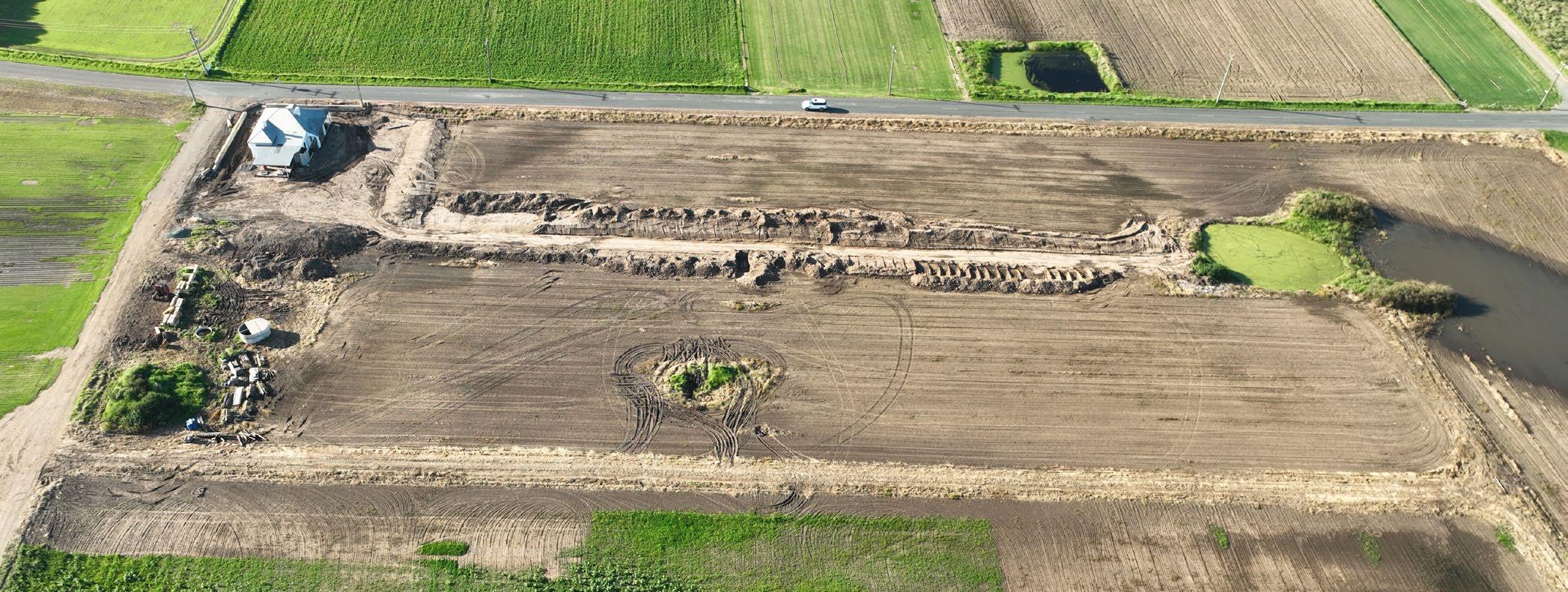
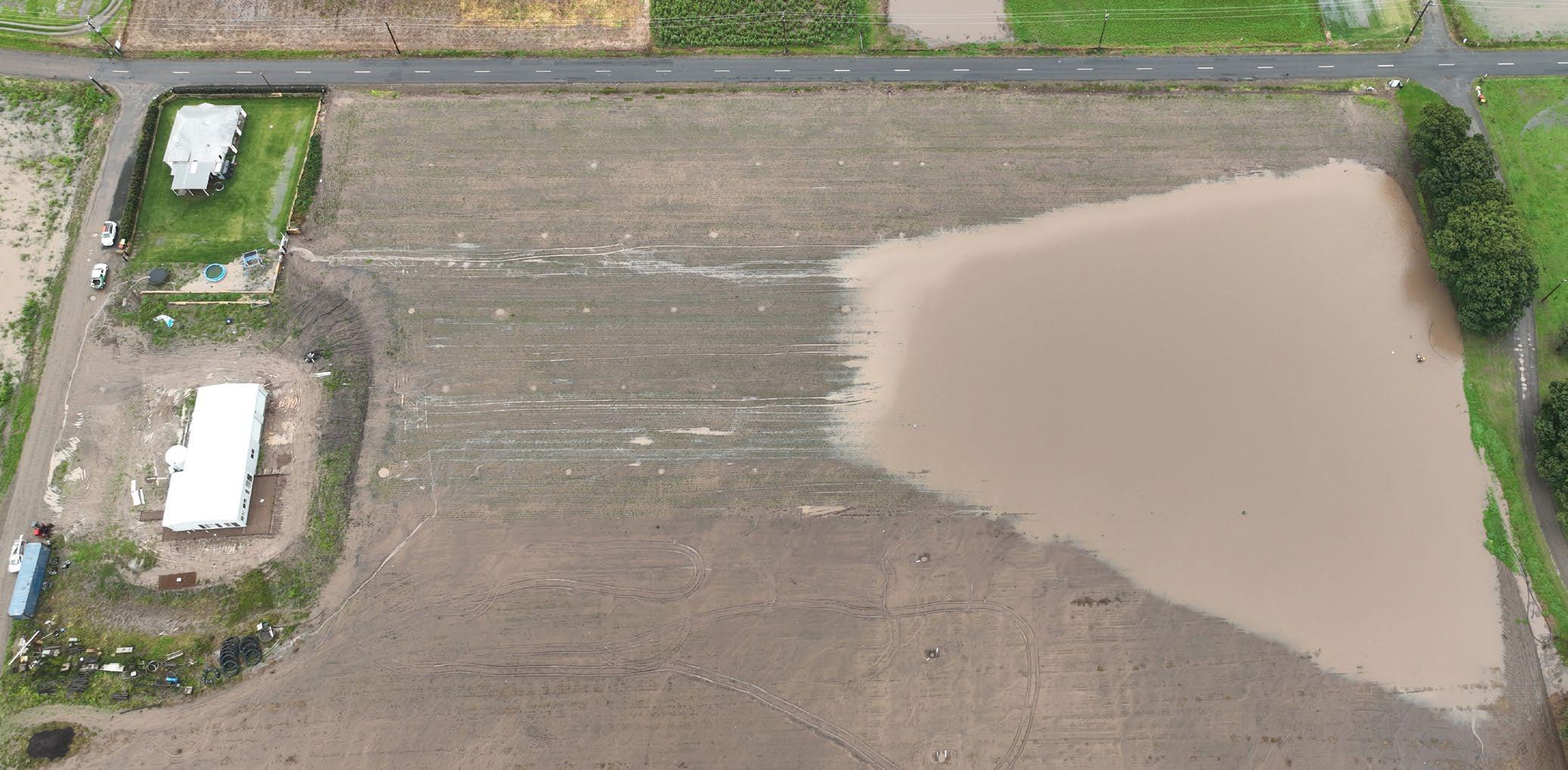
During establishment, it proved steady and reliable. While not the fastest out of the ground, it showed consistent growth and handled the local conditions without fuss, often outperforming expectations when compared to other varieties.
One of the real tests came with the significant rain and flooding events across the Hunter region last year. Many properties experienced waterlogging and challenging recovery conditions. Zoysia Australis handled it impressively well. Once waters receded, it showed strong recovery, maintaining density and bouncing back without the level of damage seen in some other turf types. That resilience gave the AGTurf team even more confidence in its suitability for the region.
Once established, Zoysia Australis quickly proved its value on farm, standing out across
several key performance areas. Its growth habit delivers a dense, tightly knit sward, providing excellent coverage and a clean, uniform finish. This consistency has been a defining feature, creating a visually appealing surface that holds together exceptionally well under a range of conditions.
In terms of colour, the variety exhibits a rich blue-green tone that remains strong and consistent throughout the seasons. It performs particularly well during the warmer months, where its growth and colour truly excel, while still maintaining stability and presence through cooler periods. It delivers that premium look, without the premium workload.
Once established, Zoysia Australis really began to stand out. Beyond its visual appeal, Zoysia Australis has impressed with its practical, low-maintenance characteristics. Its naturally slower vertical
growth reduces the need for frequent mowing, making it an efficient option for both homeowners and turf managers. Fertiliser requirements are also modest, with the variety maintaining strong health and colour without excessive feeding.
Water efficiency has been another standout feature, particularly during dry periods where its ability to perform with less irrigation becomes highly valuable.
One of the biggest surprises has been just how well it holds its appearance with minimal intervention, a big win for both homeowners and professionals.
After proving itself on-farm, Zoysia Australis was released into the market, and the response has been strong. With the help of Lawn Solutions Australia’s marketing, combined with targeted local social media
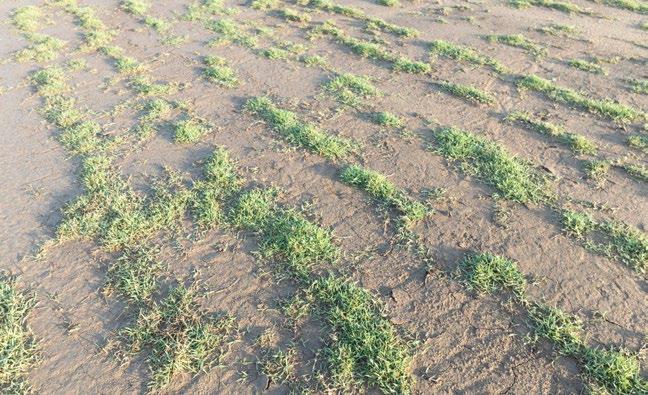
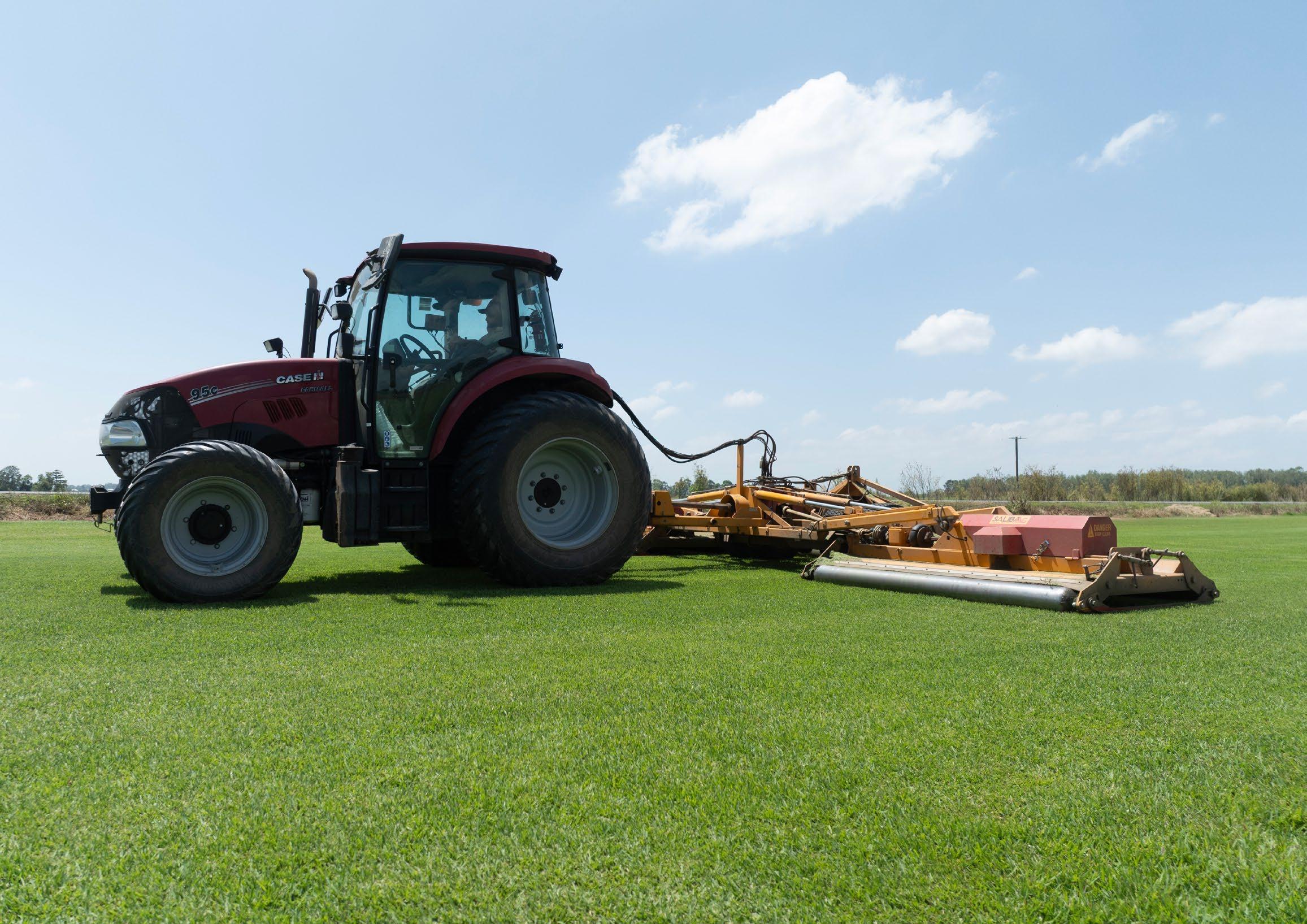
and search engine campaigns, awareness has grown significantly and demand continues to build.
Interest in Zoysia Australis has come from a broad and diverse customer base, reflecting its versatility across both residential and commercial applications.
Landscapers have been among the early adopters, drawn to its premium finish and the confidence it delivers in customer satisfaction. Homeowners are also showing strong demand, particularly those seeking a soft, attractive lawn that remains low maintenance year-round.
Designers and builders are increasingly specifying the variety as well, valuing its consistency and ability to deliver a clean, high-quality finish across a range of projects.
The rollout of Zoysia Australis has been broad, with strong uptake across new residential builds, display homes, and premium landscape projects. It is also finding a place in backyard renovations and lifestyle properties, where homeowners
are looking to elevate outdoor spaces with a durable yet refined turf solution. Across these applications, it is being positioned as a reliable option for achieving a high-end result with long-term practicality.
Early feedback on Zoysia Australis has been overwhelmingly positive, with strong comments across performance, appearance and maintenance.
Its medium leaf texture combined with a rich, vibrant colour gives it strong visual appeal, while also feeling soft and comfortable underfoot. From a maintenance perspective, users are reporting clear benefits, particularly in reduced mowing frequency and overall ease of care. Establishment performance has also been noted as a strength, with the variety showing hardy, reliable growth and consistent results once in the ground.
Overall, it is quickly building a reputation as a turf that delivers a premium look and feel, without demanding constant attention.
At its core, this isn’t just about a new grass, it’s about doing things properly. Trialling before scaling, understanding the land, and backing what you grow. It’s also about recognising the opportunities that are presented and making them work, such as becoming an AusGAP accredited member and using turf certification to strengthen credibility, expand market reach, and drive long term growth.
That approach started with Judy and Glen nearly four decades ago and continues today with the next generation and their team; the commitment to delivering premium fresh cut lush lawns, backed by expert advice and outstanding customer service.
Zoysia Australis is simply the latest example of that mindset in action. If the early signs are anything to go by, it’s going to be a defining feature of the Hunter’s landscape for years to come.
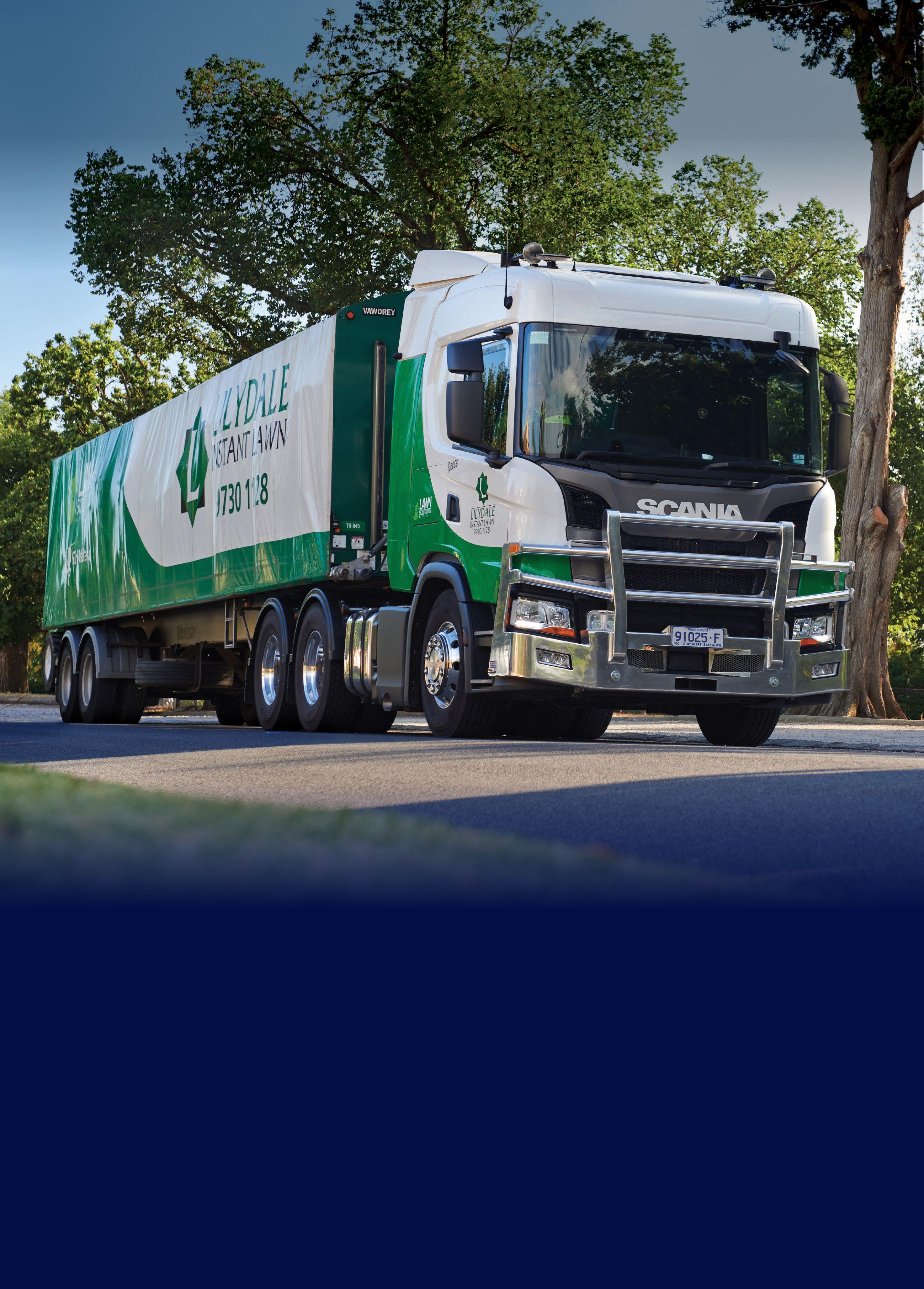


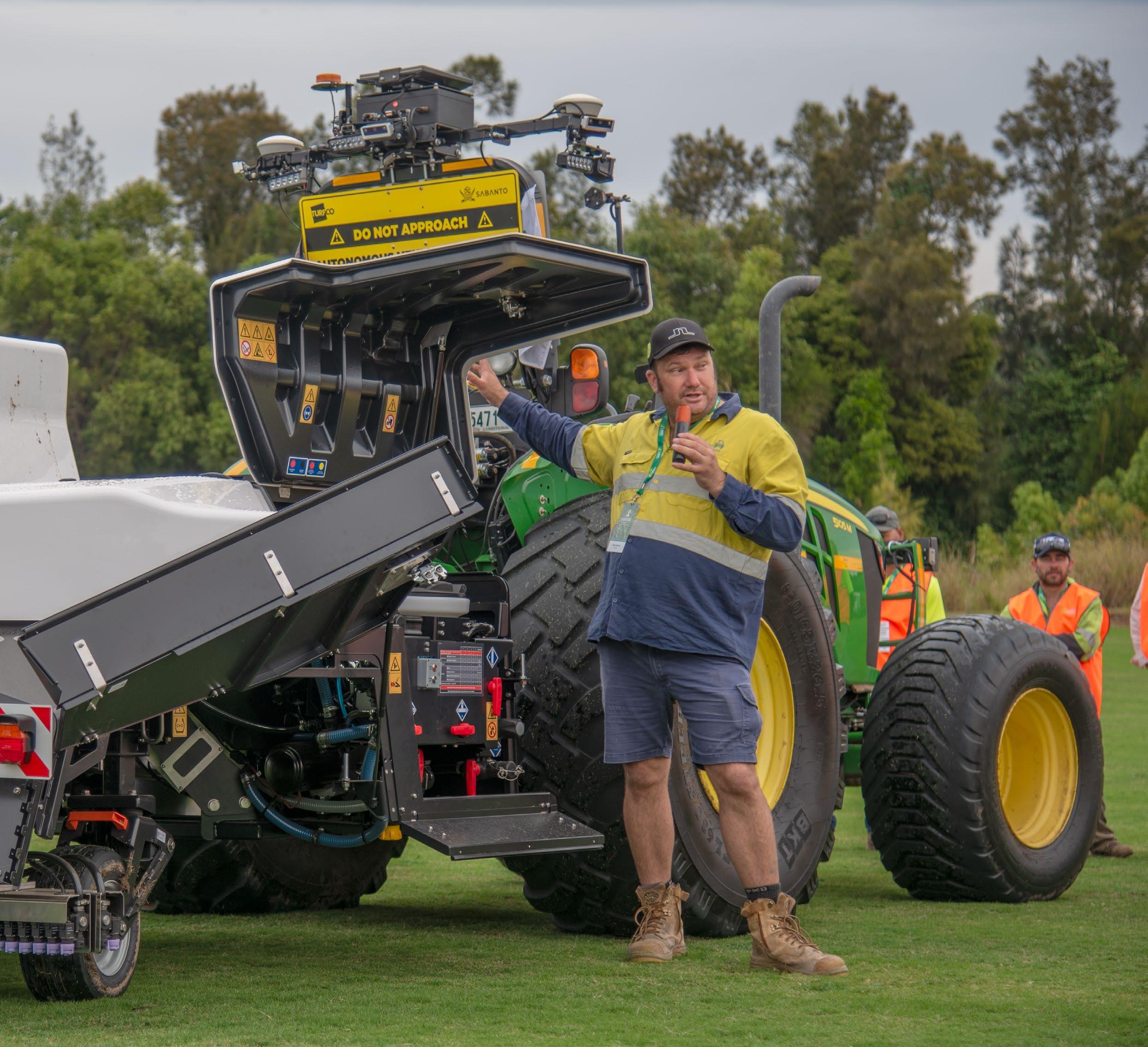
LAWN SOLUTIONS AUSTRALIA CONFERENCE 2026
This year’s Lawn Solutions Australia Global Turf Conference brought together the country’s leading turf suppliers for an engaging and forward-focused event. With a clear emphasis on future growth, the conference explored how the Lawn Solutions Australia (LSA) Member Network can continue to evolve, adapt, and thrive in an ever-changing industry.
Under the theme “Stampeding into the Future,” the program delivered practical, relevant insights for every role within the network, equipping attendees with ideas and strategies they could take back and apply directly to their businesses.
Day one kicked off with an immersive field day at the LSA Research and Development Facility in Berry, NSW. Delegates rotated through four interactive stations, each showcasing the latest advancements in turf farming technology, research, and innovation.
The first station featured Mike Casey and Scott Jameson from MCX Tech, demonstrating two Sabanto Autonomous Tractors paired with a Trimax Mowing System.
At station two, Ecorobotix presented their latest AI-driven field sprayer, offering a glimpse into the future of precision application.
Station three moved into the LSA trial plot area, where Joe Rogers led a tour of the R&D Facility and Lawn Care Product production warehouse.
The final station, held in the LSA training studio, saw Dr. Ambika Chandra from Texas A&M share developments in new buffalo turf varieties, including the soonto-be-released Stampede Hybrid Buffalo. This was the second time Dr. Chandra
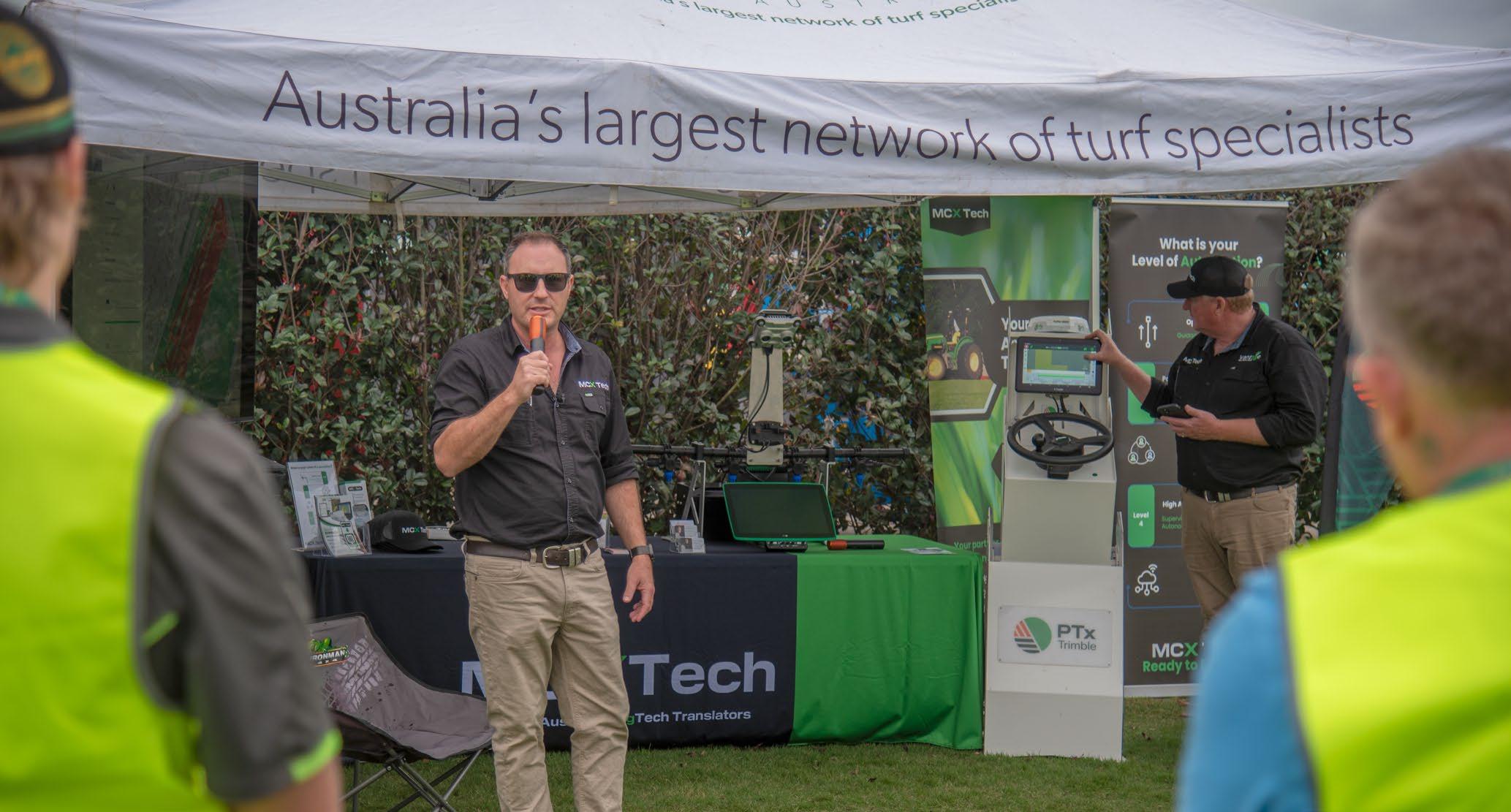
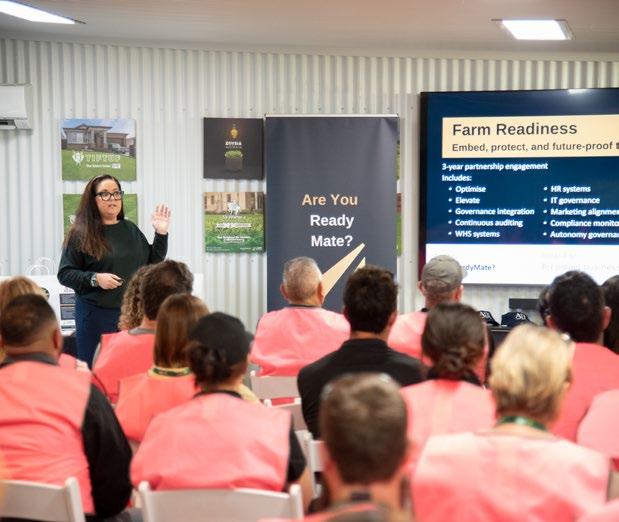
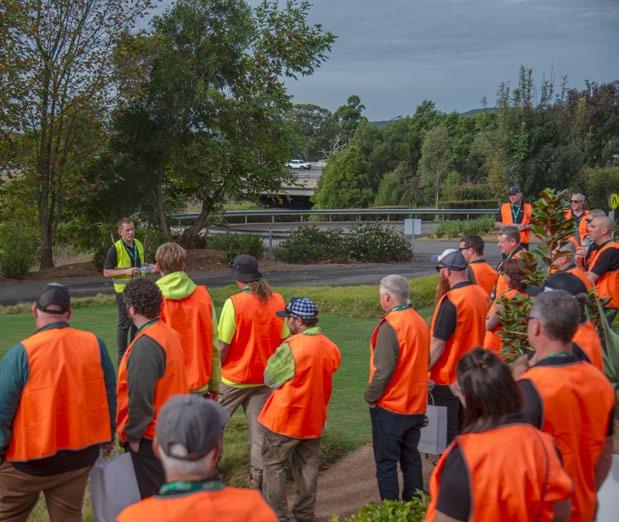
has presented to the group on her world leading buffalo program. As the breeder of Australia’s best new buffalo grass, Dr. Chandra emphasised that Stampede was selected from the newest generation of experimental lines and is the only new buffalo grass to have undergone extensive field testing under Australian conditions prior to commercial release.
This was followed by CJ Baldry from Allied Partnerships Australia, who introduced their Autonomous Farm Ready program.
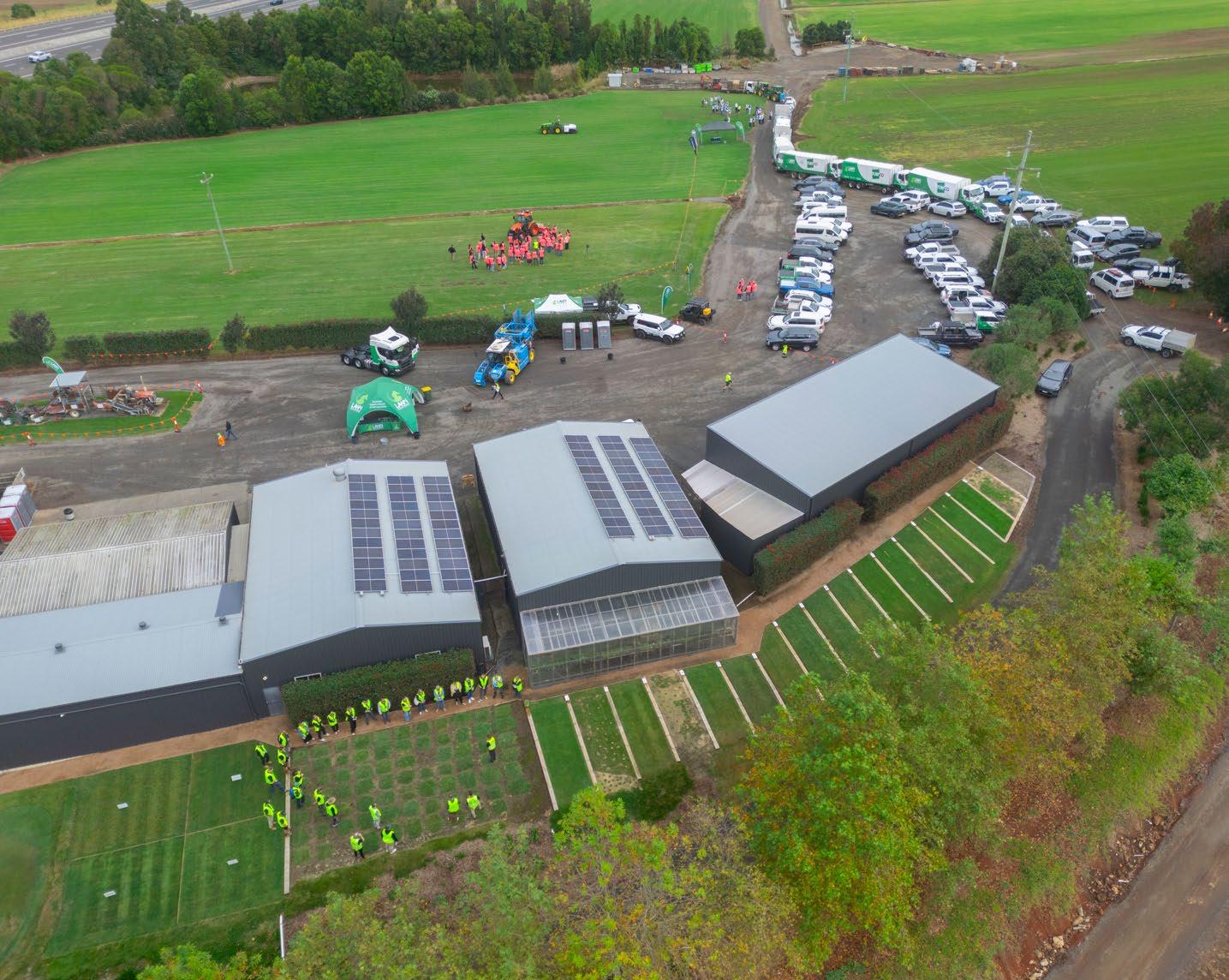
The field day proved to be a standout for many attendees, offering hands-on exposure to the tools and technologies shaping the future of the industry. It provided members with a clear understanding of how innovation can drive efficiency, enhance quality, and help future-proof their operations.
Following the field day, attendees made their way to the Sage Hotel in Wollongong for the remainder of the conference. That evening, attendees attended a networking function presented by Trimax Mowing
Systems. This event provided a relaxed setting for members and industry partners to connect, exchange ideas, and discuss solutions that Members could look to implement in their businesses.
Day two of the conference kicked off with Vince Sorrenti, often referred to as Australia’s most popular big event speaker, entertainer and master of ceremonies. Vince helped to ensure the presentations ran smoothly and provided plenty of laughs throughout the day.
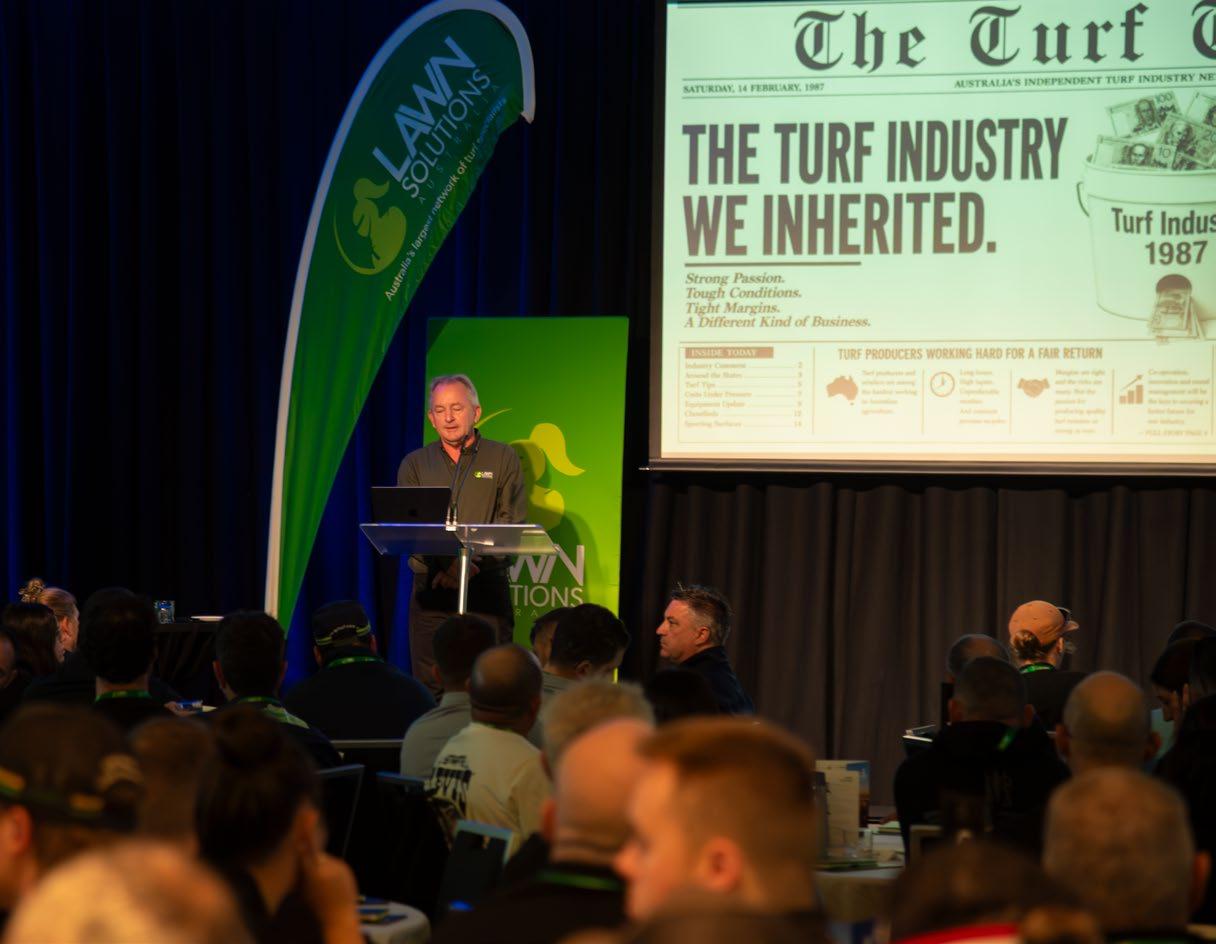
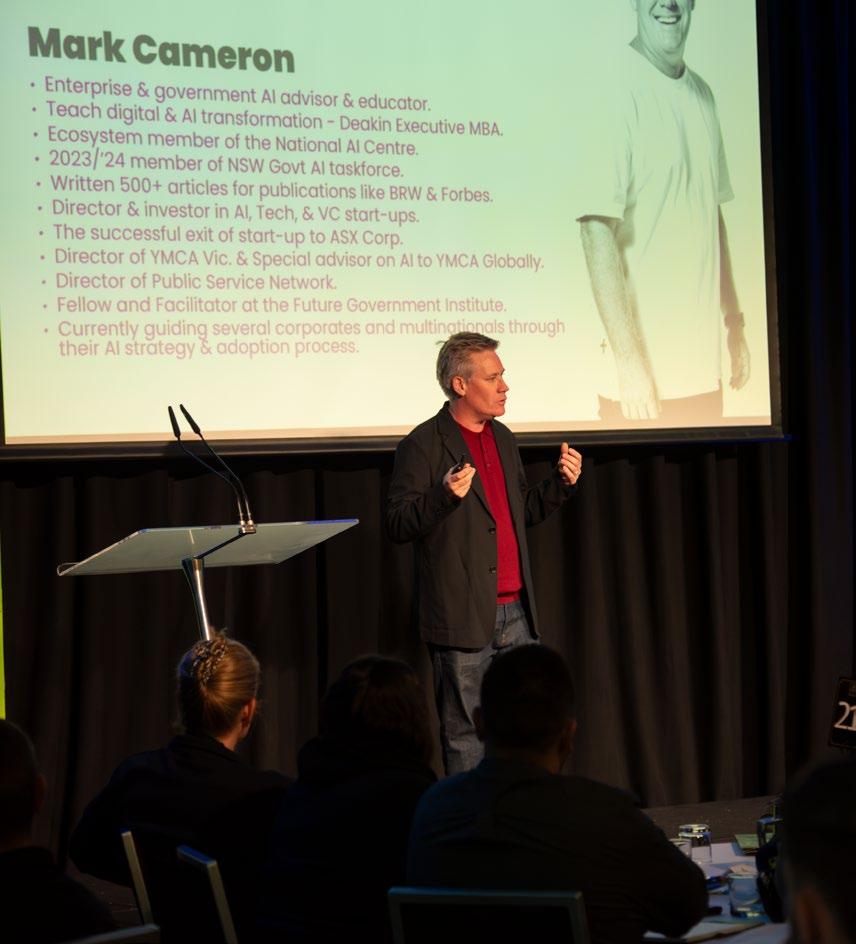
LSA Director Gavin Rogers kicked off the presentations with ‘The Next 25 Years Start Now’. Gavin took a look back through the chapters that have defined our industry and our network, while looking forward to the opportunities ahead.
Following Gavin’s address, the LSA team took to the stage to provide updates on key developments across the network. Their presentations covered everything from the upcoming release of Stampede Hybrid Buffalo, the growing role of AI in the workplace, the power of datadriven decision-making, and how strong compliance throughout the production process can help build trust and confidence within the market.
Scott Knowles from the National Heavy Vehicle Regulator (NHVR) followed,

delivering a highly practical session on safety and compliance. His insights were particularly valuable for those involved in turf production, harvesting, and delivery, offering clear guidance on meeting NHVR requirements while maintaining safe operations.
Next, attendees heard from Rachael Robertson, Australian author and expert in leading in extreme environments. Drawing on her experience as leader of the 58th Australian National Antarctic Research Expedition to Davis Station, Rachael shared simple yet powerful tools for building a strong and resilient workplace culture, even in the most challenging conditions.
Mike Casey, founder and director of MCX Tech, followed with a focus on the future of autonomous farming. His presentation highlighted how tailored technology
solutions can be designed to support, rather than complicate, day-to-day operations.
The next speaker we heard from was Mark Cameron, an AI strategist and innovation leader. With over 27 years of experience in strategic innovation, Mark explored how businesses can harness the transformative power of AI while still maintaining a humancentred approach.
The next presentation was from Mike Bentley, founder of Valstra.ai, who helps organisations adopt and implement AI with confidence, from strategy through to operational delivery. Mike’s informative and engaging session sparked ideas on how attendees can boost productivity, drive innovation, and enhance decision-making through AI adoption.
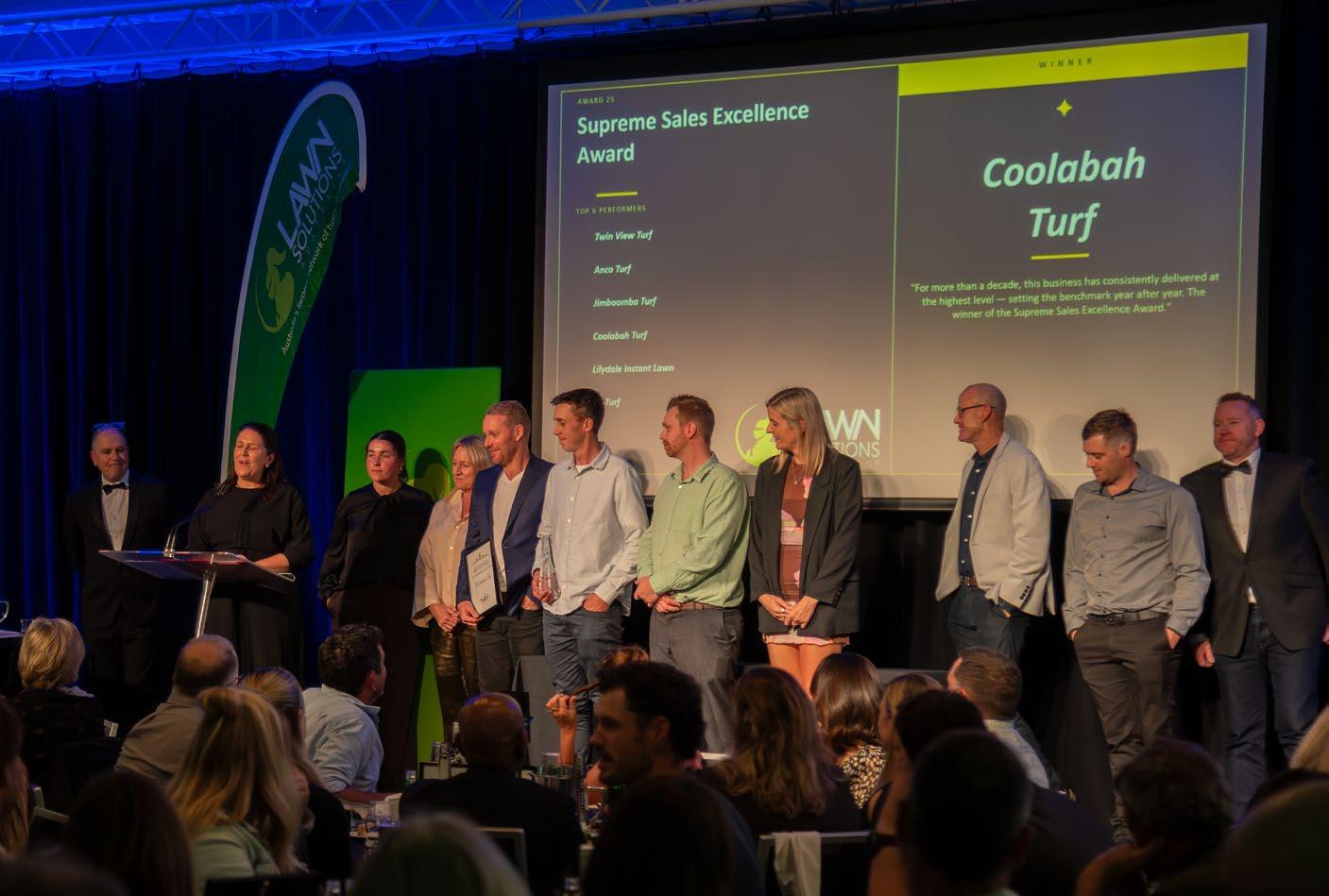

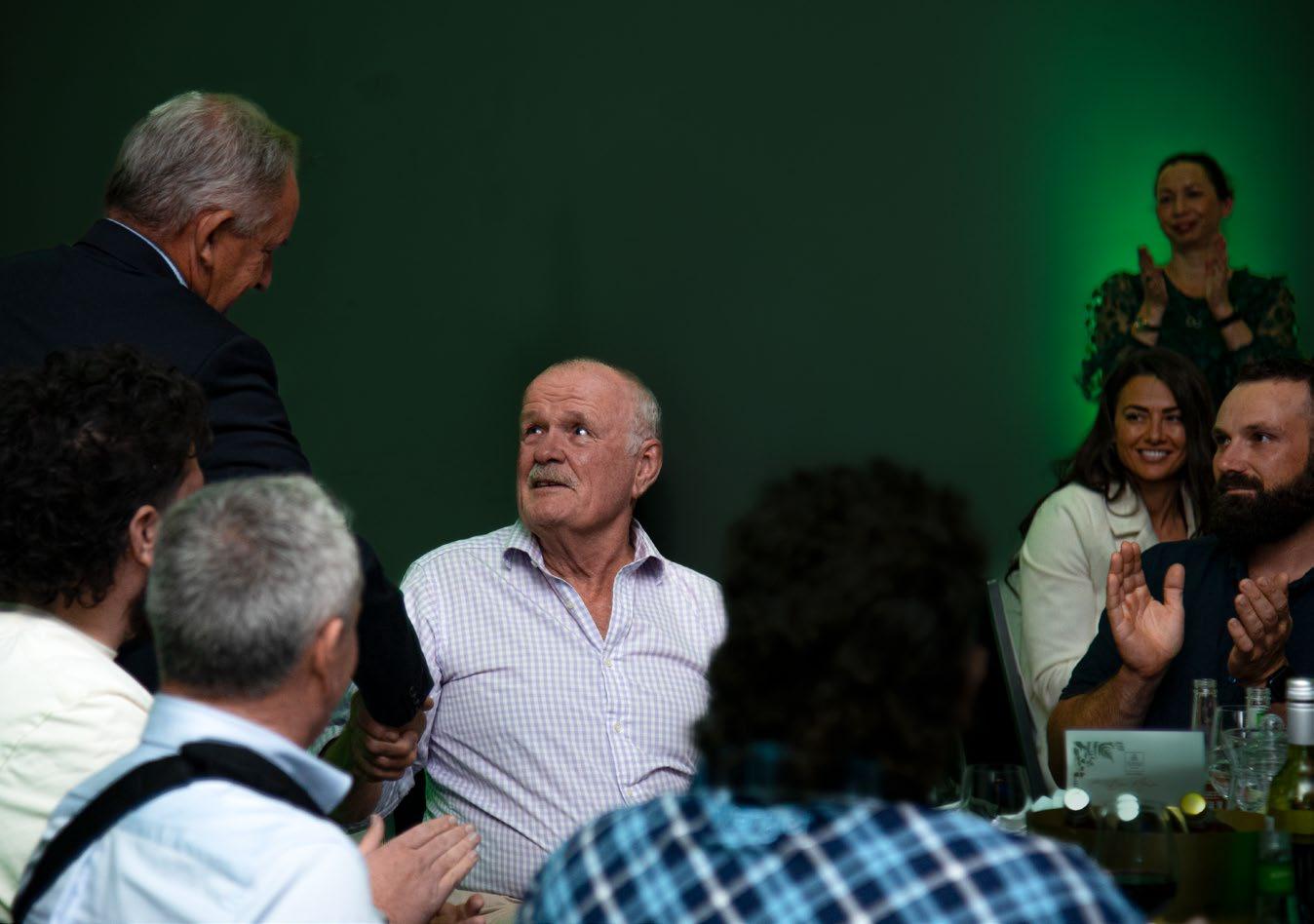
Closing out the day’s speaker program, high-performance researcher and consultant Dr. Adam Fraser delivered an energetic and research-driven session on building a high-performance workplace culture. His presentation challenged attendees to rethink how they work, offering practical strategies to thrive in an increasingly complex and evolving business landscape.
The day concluded with the Growing Greatness Gala presented by Syngenta, an evening dedicated to celebrating pride, achievement, and the collective success across the LSA network. With a red carpet welcome setting the tone, guests came together to recognise outstanding contributions from across the group.
More than just an awards night, the gala captured the essence of LSA, celebrating its people, shared values, and the strengths. It was a moment to reflect on the year’s achievements and acknowledge the individuals and teams driving the industry forward.
Awards were presented across a range of categories, including safety, innovation, leadership, service, community impact, and craftsmanship. Each award highlighted the passion and commitment that underpin the success of the LSA network.
A special highlight of the evening was the induction of Max Stephenson into the Lawn Solutions Hall of Fame. Widely respected across the industry, Max has always been someone willing to step in, lend a hand, and generously share
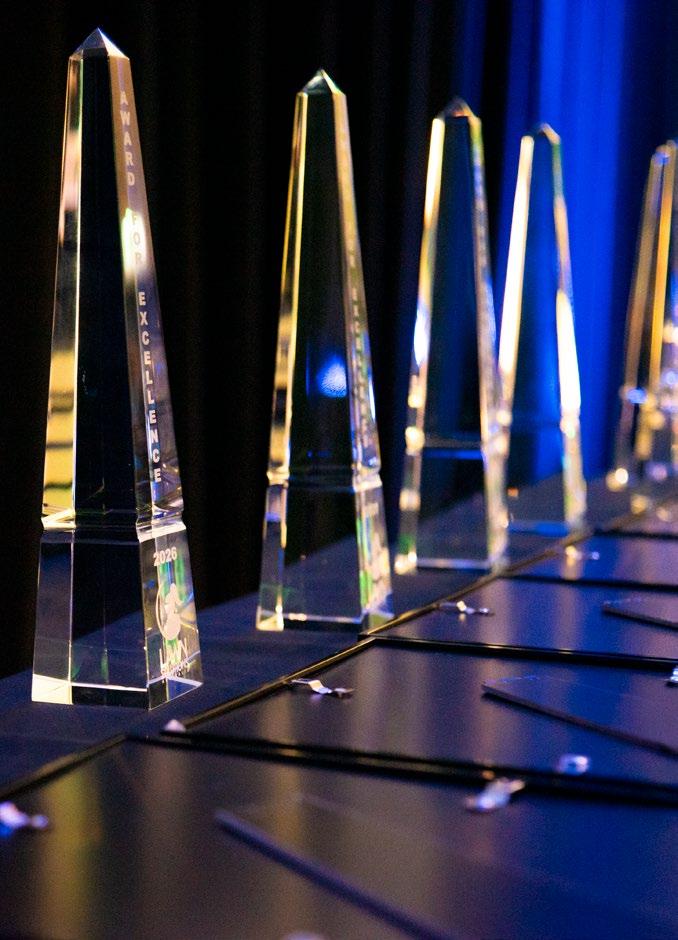
his time, knowledge, and experience with others. This recognition celebrated more than 30 years of dedication and contribution, not only to Twin View Turf and the Lawn Solutions Australia network, but to the entire turf industry. A big congratulations also to Coolabah Turf who took home the night’s most prestigious award and continues to lead the industry as one of Australia’s largest turf producers.
A sincere thank you also goes to our industry partners, whose ongoing support and collaboration played a vital role in bringing this event to life.
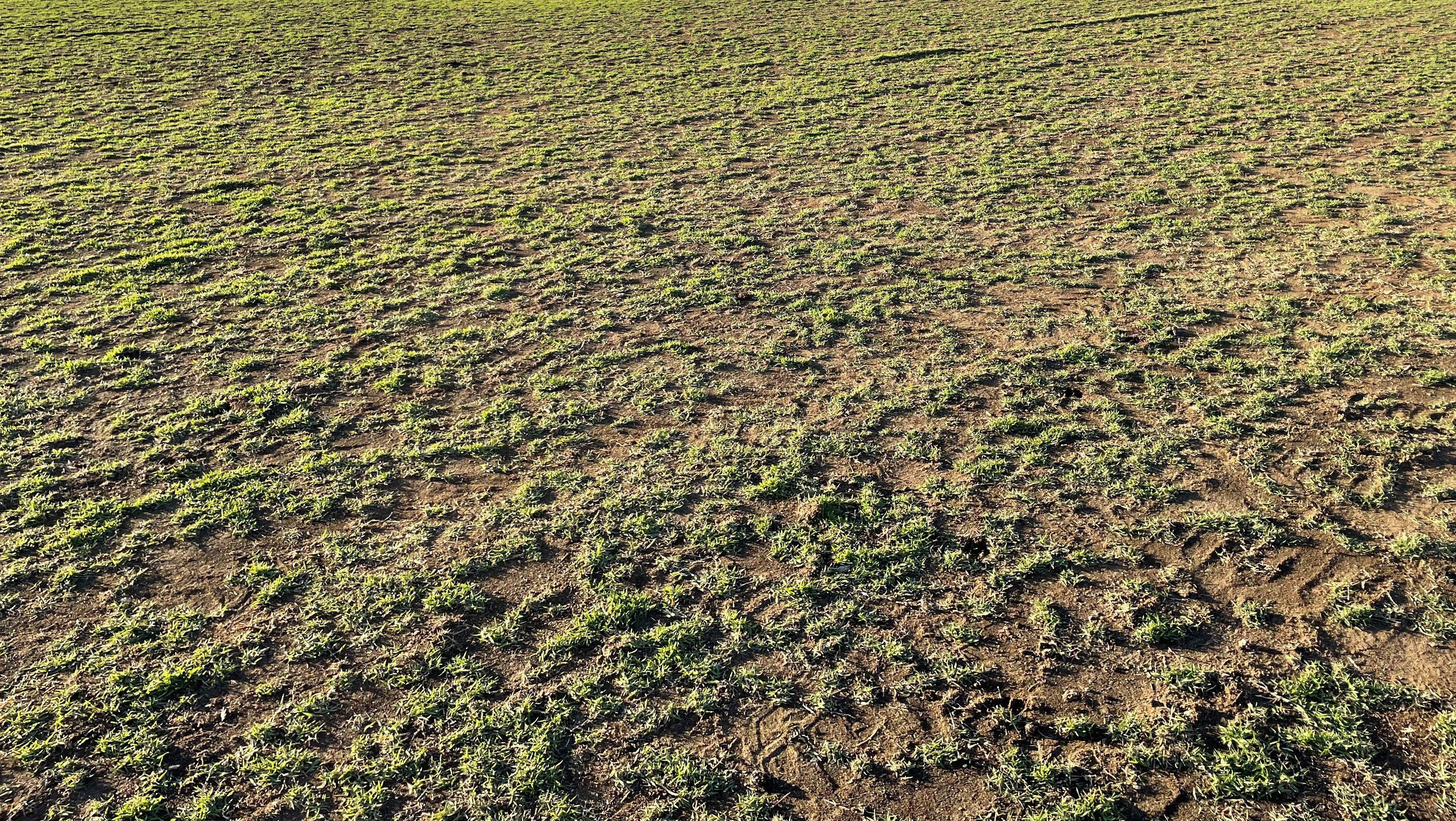
For turf producers, weed contamination remains one of the most persistent and costly challenges. Unlike end-use turf situations, where minor contamination may be tolerated, turf farms operate under tight quality standards where even low levels of off-type grasses or weeds can render turf unmarketable.
Over successive harvest cycles, weed seedbanks accumulate in the soil, particularly from species such as winter grass (Poa annua), summer grass, crowsfoot, and sedges. Once established, these species are difficult to remove selectively without damaging the crop.
For this reason, soil fumigation plays a critical role in weed seedbank management, particularly prior to replanting or when transitioning between turf varieties. It provides a reliable method of reducing weed pressure across the entire soil profile, enabling clean establishment and maintaining varietal purity.
Why fumigation is critical for weed control in turf production
1. Seedbank reduction
The primary value of fumigation in turf production is its ability to significantly reduce the viable weed seedbank in the soil. Unlike
post-emergent herbicides, which target actively growing weeds, fumigants act on germinating seeds and emerging seedlings, reducing future weed pressure.
This is particularly important in high-intensity turf systems, where repeated cropping cycles can provide a window for weed populations to build.
Fumigants move through the soil as gases, allowing them to act throughout the entire growing medium, rather than just at the surface. This is critical for controlling deeply buried weed seeds, rhizomes and vegetative propagules, and weed flushes that occur after irrigation or rainfall.
Turf consumers expect uniform, contaminantfree turf. Even minor weed contamination can lead to rejection or reduced value. Fumigation ensures a clean establishment phase, allowing the desired turf species to dominate without early competition. This is particularly important for slower establishing varieties, where early weed pressure can significantly impact coverage and uniformity.
Fumigation and turf variety changeovers
One of the most important, but often underestimated uses of fumigation in turf production is during variety transitions.
As the industry shifts toward improved turf varieties (e.g. hybrid couches, improved zoysia or buffalo lines) producers must ensure that previous turf species and off-types are completely removed before replanting.
Why this matters
• Contamination from previous varieties can persist through stolons, rhizomes, or seed
• For licensed or premium turf varieties, maintaining genetic purity is critical. Fumigation helps ensure compliance with quality assurance standards
• Mixed swards reduce visual uniformity, texture consistency, and performance. Even small amounts of contamination can compromise market acceptance
• By removing competition, fumigation allows new varieties to establish faster and more uniformly, reducing time to harvest
Fumigation provides the only reliable method of achieving a true species reset,

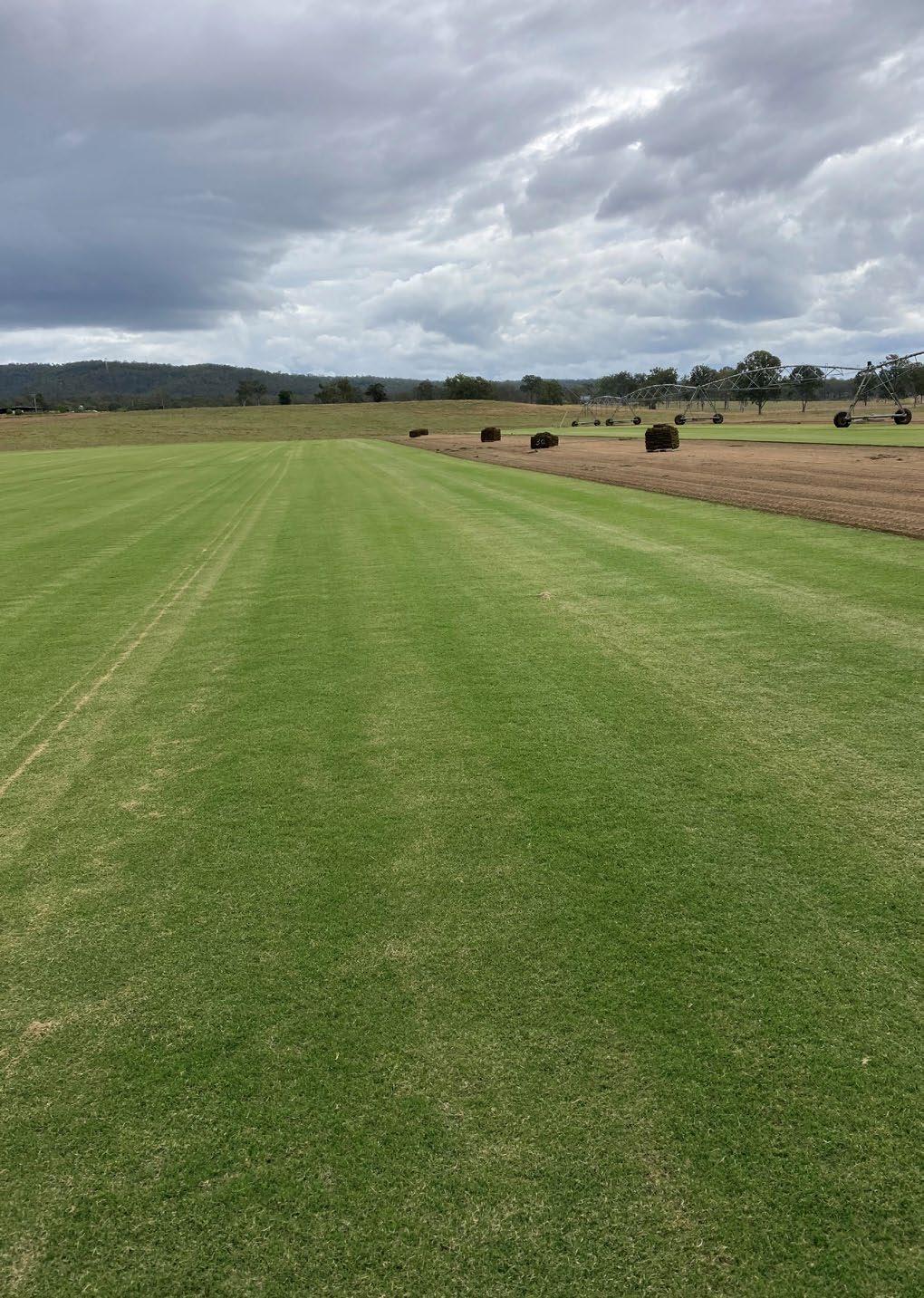
particularly where previous turf has been grown for multiple cycles.
Key fumigant options for weed-focused programs
Metham sodium remains a key soil fumigant in agriculture in Australia. Applied as a liquid, it rapidly converts in moist soil to methyl isothiocyanate (MITC), a volatile compound that diffuses through the soil profile and delivers broad-spectrum weed and pest control.
Metham sodium is registered and commonly used in turf production where multiple weed and pest pressures exist. It is particularly valuable in situations requiring simultaneous suppression of weed seeds, nematodes, and fungal pathogens.
Key benefits
• Broad-spectrum efficacy, controlling a wide range of soil weeds and pests in a single operation
• Flexible application techniques
• Proven cost-effectiveness for large-scale turf operations
• Rapid breakdown in soil, reducing longterm residue concerns
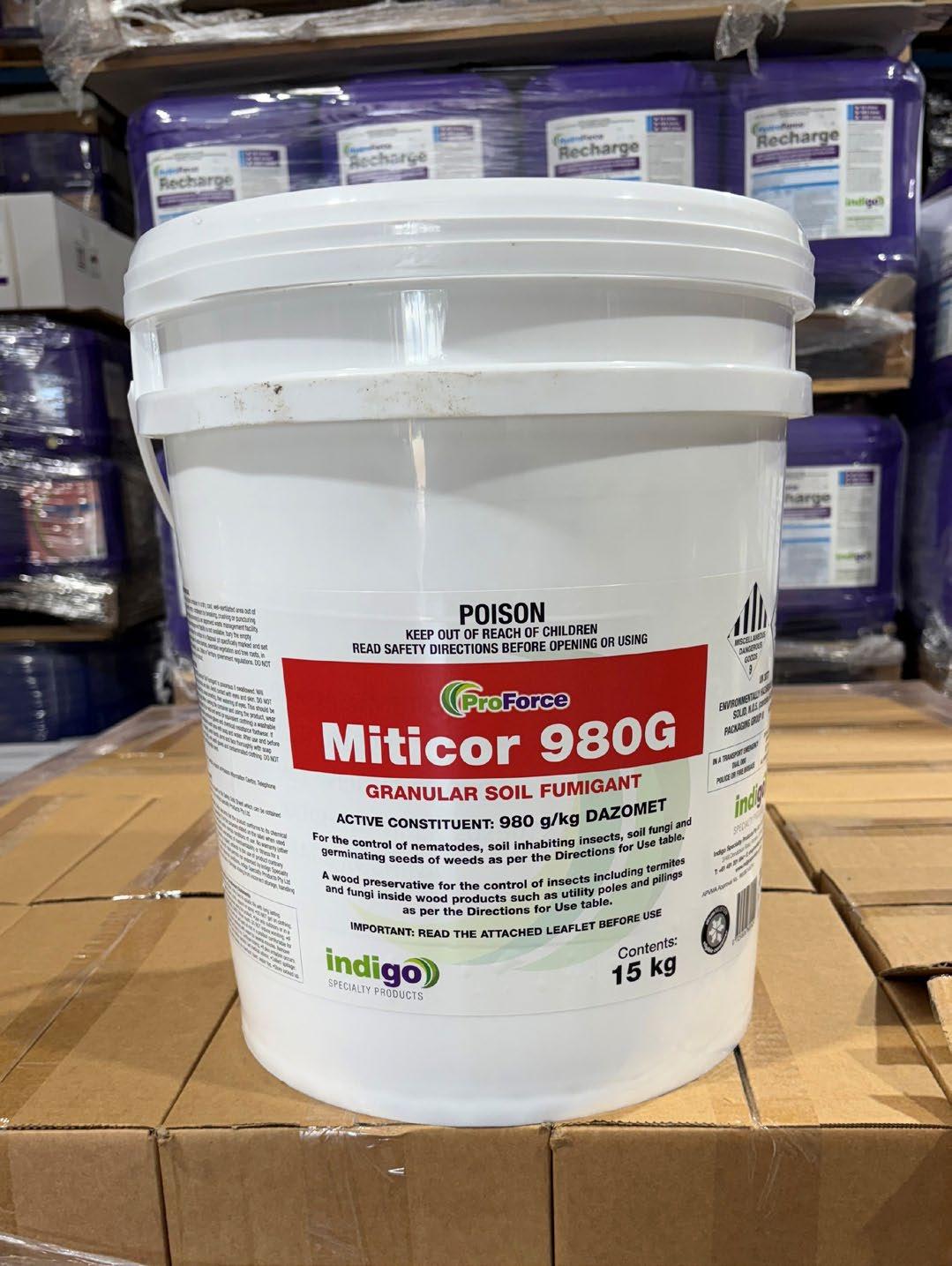
Limitations
• Performance is very dependent on soil moisture, temperature, and sealing
• Risk of vapour drift if not correctly applied and contained
• Requires careful site preparation and operator expertise
In practice, metham sodium is best suited to situations where a full soil reset is required prior to turf establishment and experienced operators are on hand to apply the product correctly and safely.
Dazomet provides similar pest control to metham sodium but in a convenient granular formulation. Once incorporated into moist soil, it decomposes to release MITC gas, delivering fumigation activity throughout the treated zone.
Dazomet is particularly suited to turf managers seeking a simpler, non-injectionbased fumigation approach. It is widely used in turf production throughout Australia and is available via Indigo Specialty as the brand ProForce Miticor 980G.
Key benefits
• Ease of handling and application, with no need for specialised application equipment
• Improved application uniformity when evenly spread and incorporated correctly
• Reduced operator exposure risk compared with liquid fumigants
• Effective against fungi, nematodes, weeds, and insects
Limitations
• Requires thorough incorporation and irrigation to activate
• Slightly slower release of fumigant gas compared with liquid formulations
Dazomet is often considered the most practical fumigant for turf operations lacking specialised fumigation equipment, while still delivering strong multi-pest control of weeds, diseases, pests and nematodes.
EPTC (S-Ethyl dipropylthiocarbamate), also known as Eptam is a thiocarbamate compound with volatile properties that allow it to act within the soil vapour phase. While not a true broad-spectrum fumigant in the traditional sense, it plays an important role in targeted weed management during soil preparation.
*Waiting periods indicative only and vary with soil temperature, moisture, rate and label requirements. Consult and follow label directions.
EPTC is most effective where weed seedbanks, particularly annual grasses and seed viable sedges (Mullumbimby Couch) are the primary constraint to turf establishment. It is typically incorporated into the soil prior to planting as part of a broader weed management strategy.
Key benefits
• Highly effective on germinating weed seeds and seedlings, especially grassy weeds
• Can be mechanically incorporated, aligning with standard cultivation practices
• Provides a targeted solution where weed pressure dominates
Limitations
• Limited activity on nematodes and soilborne pathogens
• Requires immediate incorporation to minimise volatilisation losses
• Not suitable as a standalone solution where multiple pest groups are present
EPTC is best viewed as a specialist tool, complementing broader fumigation programs rather than replacing them.
Ethanedinitrile (EDN) represents a newer generation fumigant, gaining attention globally as a potential alternative to older chemistries. It is a gaseous fumigant
with rapid diffusion and breakdown characteristics. EDN is well suited to highvalue turf construction projects, such as elite sportsfields and golf greens, where rapid turnaround and minimal residue are critical.
Key benefits
• Fast-acting fumigation, enabling shorter plant-back intervals
• Broad-spectrum activity against weed seeds, nematodes and pathogens
• Breaks down into naturally occurring nitrogen-based compounds
Limitations
• Requires specialised gas handling and application systems
• Limited commercial availability and operator familiarity
EDN is likely to play an increasing role as the industry moves toward lower-emission, high-efficiency fumigation systems.
Practical considerations for weed control success
Effective weed control depends heavily on soil preparation. A fine, moist, and uniform soil profile ensures even distribution of fumigant gases. Poor preparation can lead to patchy weed control and uneven turf establishment.
Fumigation should be timed to coincide with optimal soil temperature and moisture, promoting gas movement and seed germination activity. This increases exposure of weed seeds to the fumigant.
Sealing and retention
Sealing the soil surface, through rolling or irrigation is critical for retaining fumigant gases. Without proper sealing, fumigant loss reduces weed and pest control efficacy and increases environmental risk.
Conclusion
For turf producers, weed control is not just a maintenance issue, it is a core determinant of product quality and profitability. Soil fumigation provides a powerful tool for reducing weed infestations, enabling clean establishment, and supporting successful transitions between turf varieties.
Whether using metham sodium, dazomet, EPTC, or emerging options like EDN, the key to success lies in understanding their role within the broader production system. When applied strategically, fumigation delivers a true reset of the soil profile, allowing producers to maintain high standards of turf purity, uniformity, and market value.
Tired of Inconsistent Turf Quality? Choose AusGAP Certified Turf. Your turfgrass purity assurance.
Tired of Inconsistent Turf Quality? Choose AusGAP Certified Turf. Your turfgrass purity assurance.
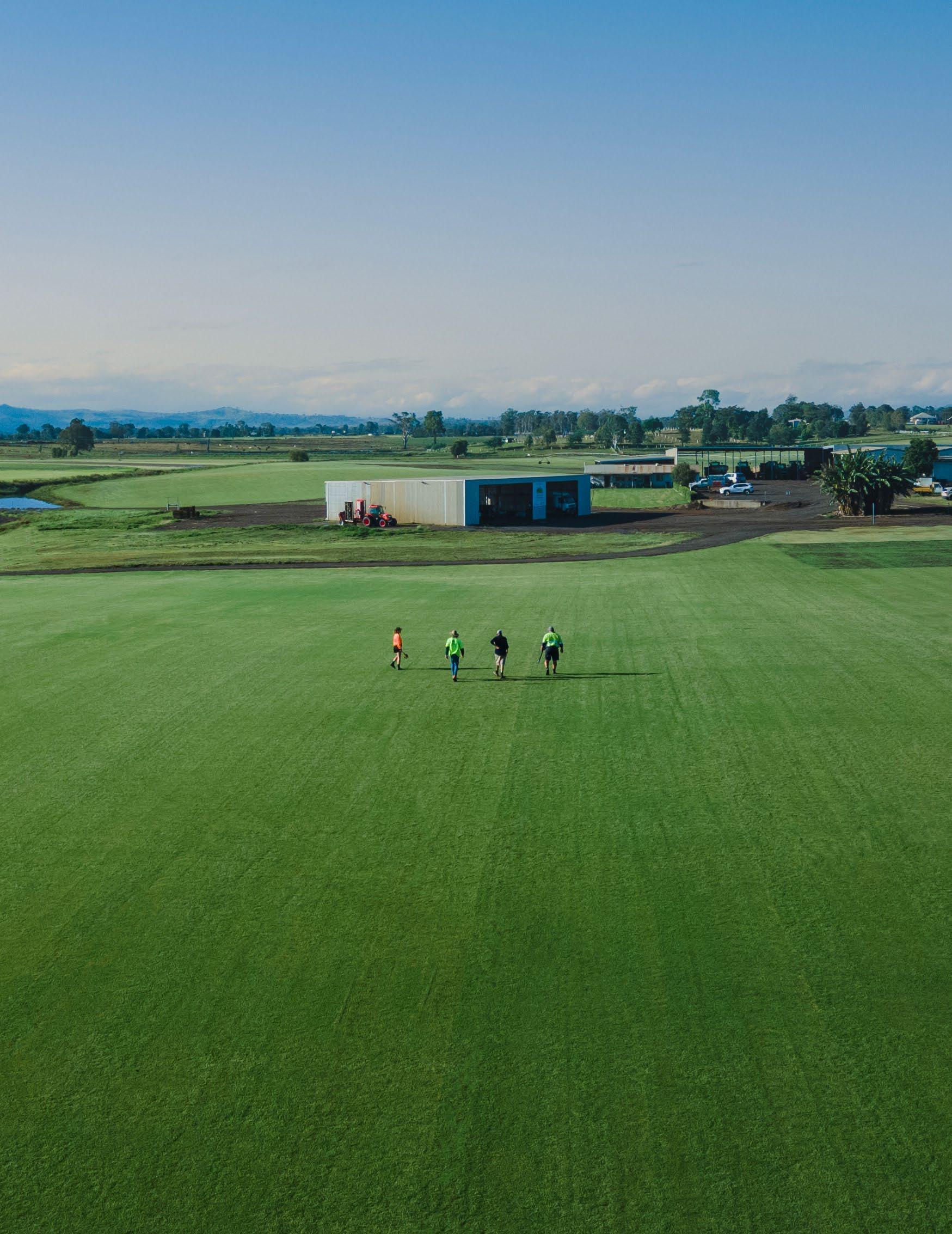
Australia’s Leading Turf Accreditation Program
Australia’s Leading Turf Accreditation Program scanme!
To find suppliers of AusGAP Certified Turf near you visit ausgap.com.au or call 1300 287 599
To find suppliers of AusGAP Certified Turf near you visit ausgap.com.au or call 1300 287 599
To find suppliers of AusGAP Certified Turf near you visit ausgap.com.au or call 1300 287 599