





























CONTROL. STI TESTING. PRIMARY CARE. GENDER AFFIRMING CARE. VASECTOMY. FERTILITY HEALTH TREATMENT. MENOPAUSE CARE. CANCER SCREENINGS. ABORTION CARE. HPV VACCINES. BREAST & CHEST EXAMS. BIRTH CONTROL. STI TESTING. PRIMARY CARE. GENDER AFFIRMING VASECTOMY. FERTILITY CARE. MENTAL HEALTH TREATMENT. MENOPAUSE CARE. CANCER


SCREENINGS. ABORTION CARE. HPV VACCINES. PEP & PREP. BREAST & CHEST EXAMS. BIRTH CONTROL. PRIMARY CARE. GENDER AFFIRMING CARE. VASECTOMY. FERTILITY CARE. MENTAL HEALTH TREATMENT. MENOPAUSE CARE. CANCER SCREENINGS. ABORTION CARE. HPV VACCINES. PEP CHEST EXAMS. BIRTH CONTROL. STI TESTING. PRIMARY CARE. GENDER AFFIRMING VASECTOMY. FERTILITY CARE. MENTAL HEALTH TREATMENT. MENOPAUSE CARE. CANCER SCREENINGS. CARE. HPV VACCINES. PEP & PREP. BREAST & CHEST EXAMS. BIRTH CONTROL. STI TESTING. CARE. GENDER AFFIRMING CARE. VASECTOMY. FERTILITY CARE. MENTAL HEALTH TREATMENT. CARE. CANCER SCREENINGS. ABORTION CARE. HPV VACCINES. PEP & PREP. BREAST BIRTH CONTROL. STI TESTING. PRIMARY CARE. GENDER AFFIRMING CARE. VASECTOMY. MENTAL HEALTH TREATMENT. MENOPAUSE CARE. CANCER SCREENINGS. ABORTION CARE. PEP & PREP. BREAST & CHEST EXAMS. BIRTH CONTROL. STI TESTING. PRIMARY CARE. CARE. VASECTOMY. FERTILITY CARE. MENTAL HEALTH TREATMENT. MENOPAUSE CARE. SCREENINGS. ABORTION CARE. HPV VACCINES. PEP & PREP. BREAST & CHEST EXAMS. BIRTH CONTROL. PRIMARY CARE. GENDER AFFIRMING CARE. VASECTOMY. FERTILITY CARE. MENTAL HEALTH TREATMENT. MENOPAUSE CARE. CANCER SCREENINGS. ABORTION CARE. HPV VACCINES. PEP CHEST EXAMS. BIRTH CONTROL. STI TESTING. PRIMARY CARE. GENDER AFFIRMING VASECTOMY. FERTILITY CARE. MENTAL HEALTH TREATMENT. MENOPAUSE CARE. CANCER SCREENINGS. CARE. HPV VACCINES. PEP & PREP. BREAST & CHEST EXAMS. BIRTH CONTROL. STI TESTING. CARE. GENDER AFFIRMING CARE. VASECTOMY. FERTILITY CARE. MENTAL HEALTH TREATMENT. CARE. CANCER SCREENINGS. ABORTION CARE. HPV VACCINES. PEP & PREP. BREAST BIRTH CONTROL. STI TESTING. PRIMARY CARE. GENDER AFFIRMING CARE. VASECTOMY. MENTAL HEALTH TREATMENT. MENOPAUSE CARE. CANCER SCREENINGS. ABORTION CARE. PEP & PREP. BREAST & CHEST EXAMS. BIRTH CONTROL. STI TESTING. PRIMARY CARE. CARE. VASECTOMY. FERTILITY CARE. MENTAL HEALTH TREATMENT. MENOPAUSE CARE. SCREENINGS. ABORTION CARE. HPV VACCINES. PEP & PREP. BREAST & CHEST EXAMS. BIRTH CONTROL. PRIMARY CARE. GENDER AFFIRMING CARE. VASECTOMY. FERTILITY CARE. MENTAL HEALTH TREATMENT. MENOPAUSE CARE. CANCER SCREENINGS. ABORTION CARE. HPV VACCINES. PEP CHEST EXAMS. BIRTH CONTROL. STI TESTING. PRIMARY CARE. GENDER AFFIRMING VASECTOMY. FERTILITY CARE. MENTAL HEALTH TREATMENT. MENOPAUSE CARE. CANCER SCREENINGS. CARE. HPV VACCINES. PEP & PREP. BREAST & CHEST EXAMS. BIRTH CONTROL. STI TESTING.

Why does it burn when I pee? From UTIs to STIs, we’ve got you covered. Schedule an appointment for testing and treatment today. Specializing in you. PPNCS.org


Volume 30, Issue 807 • April 30-May 13, 2026
Managing Editor Noah Mitchell (612) 461-8723
Editorial Assistant Linda Raines (612) 436-4660
Editor Emeritus Ethan Boatner
Contributors Lakey Bridge, E.B. Boatner, Bianca Caputo, Stacy Dahl, Natasha DeLion, Alyssa Homeier, Terrance Griep, Shane Lueck, Elise Maren, Jen Peeples-Hampton, Linda Raines, Aspen Rush, Gregg Shapiro, Allie Skarda, Randy Stern, Susan Swavely, Natalie Trimble, Sommer Wagen, Carla Waldemar, Todd P. Walker, Emma Walytka, Spencer White



Vice President of Sales & Advertising
Barry Leavitt (612) 436-4690
Account Executives
Nathan Johnson (612) 436-4695
Richard Kranz (612) 436-4675
Sales & Event Administration
Linda Raines (612) 436-4660
National Sales Representatives
Rivendell Media (212) 242-6863
Creative/Digital Director Mike Hnida (612) 436-4679
Publisher Lavender Media, Inc.
President & CEO Stephen Rocheford (612) 436-4665
Senior Vice President & Chief Financial Officer Doug Starkebaum (612) 436-4664
Administrative Assistant Michael Winikoff (612) 436-4660
Distribution Metro Periodical Partners (612) 281-3249
Founders George Holdgrafer, Stephen Rocheford
Inspiration Steven W. Anderson (1954-1994), Timothy J. Lee (1968-2002), Russell Berg (1957-2005), Kathryn Rocheford (1914-2006), Jonathan Halverson (1974-2010), Adam Houghtaling (1984-2012), Walker Pearce (1946-2013), Tim Campbell (1939-2015), John Townsend (1959-2019), George Holdgrafer (1951-2024), Julie Dafydd (1951-2025)
editor@lavendermagazine.com.
For our Privacy Policy, go to LavenderMagazine.com/resources/ privacy-policy







BY NOAH MITCHELL
On the wall of my maternal grandparents’ farmhouse near Sioux Falls, S.D., there was a clock with a photo of two toddler boys in a field, dressed in overalls. Along with the photo, there was some text: one boy asking the other, “Been farmin’ long?”
Both those boys and the people behind Lucky Lavender and Liten Bekk farms, both featured in this issue, would probably answer “No” — and that’s a wonderful thing! The recent crop (pun intended) of LGBTQ+ farmers, covered in this and previous issues of Lavender, creates exciting opportunities for both farmers and the LGBTQ+ community more broadly.
As more diverse voices enter the world of farming, they’ll inevitably introduce new ideas that will ultimately change it for the better. As more LGBTQ+ people become farmers and establish a community within the profession, it’ll become easier for LGBTQ+ people who are interested in farming but might have been concerned about a lack of safe and welcoming spaces for themselves to pursue that passion. New seeds will produce stronger crops that will produce more new seeds, and so on and so forth.
While new LGBTQ+ farmers might feel like toddlers in overalls today, one day, they’ll be community elders whose experience, knowledge and maybe even quirky wall art will inspire future generations.
For those who don’t appreciate the joys of operating massive farm equipment or don’t think they look good in overalls, we’ve got you covered, too.

Filling out the rest of the Summer Home & Garden section, we have features on Midtown Antiques in Stillwater and a detailed breakdown on the value of window shutters. We also have previews of CTC’s “Wizard of Oz,” NEMAA’s Art-a-Whirl and the 2026 Minnesota Lynx season.
If none of that sounds good to you, then you must be one picky eater. Whether it’s magazine articles about vegetables or literal vegetables, I’d encourage you to give them a try — you might like it!
Lavender has made corrections to two articles from Issue 805, Spring Dine & Drink: “‘Freddie: Break Free’ ballet promises ultimate homage to Queen frontman and his legacy” and “Hola Arepa Says Hola Aliveness.” Details on those corrections can be found on the online version of each article.





BY E.B. BOATNER

I recently read a forwarded column that set me to thinking, or at least speculating, on topics I don’t usually entertain. Its title, “Postmodernism: The Idea that Ate Itself”; its author, Frederick Alexander, appeared in “The Gadfly.” The title suggested little to me; I know nothing of the subject, nor have I with any success been able to penetrate the works of Michel Foucault, Jacques Derrida and others of their ilk, who have spoken on the topic at length.
Nor do I intend to delve into those writings in the foreseeable future. I read the article because it was forwarded by a friend. But, although I read frequently, and a fair amount, fairly widely, I’d confess, if pressed, that while my intellectual curiosity is broad, its depth more resembles a water-skimmer gliding hither and thither on a pond’s surface tension than a slow seeker plumbing abyssal depths.
The day Bill Watterson’s strip appeared, I cut out (and saved on my computer) Calvin bragging of his epistolary epiphany to tiger pal Hobbes, and asserting, “I realized that the purpose of writing is to inflate weak ideas, obscure poor reasoning and inhibit clarity. With a little practice,” Calvin concluded, “writing can be an intimidating and impenetrable fog! Want to see my book report?” As Hobbes reads it aloud,* Calvin crows, “Academia, here I come!”
At the heart of much of the postmodern output, according to the article, as I read it, is that knowledge is subjective, and that power dictates the prevailing opinion. There can be no “Objective Truth.” It’s hard even for a water strider to argue with that, even in Homer’s epic Iliad. Are you chariot driver Achilles, or slain Trojan Hector being dragged by the heels around the camp for 12 days?
Up close, objective truth seems more an oxymoron than an attainable objective, but, I wondered, as I read on, what about “objective fact”?
The Twin Towers did fall on Sept. 11, 2001; The Titanic did sink in the early hours of April 15, 1912 (it’s still there, been visited); the Ringling Brothers and Barnum and Bailey Circus big top did go down in flames on July 6, 1944. One hundred and sixty-nine perished (I was there).
That, of course, doesn’t mean that the “truth” behind those facts won’t be argued from that event’s occurrence on, nor has every incident been as scrutinized or recorded as these. As an added complication, muddling “objective,” “truth” and “fact,” is that sometimes everything can be overridden by an outside agenda by someone or several, powerful enough to sway opinion.
It’s an objective fact that on April 19, 1989, a woman jogging in Manhattan’s Central Park was
violently assaulted and raped. Five black youths were arrested and incarcerated, while the serial rapist (solo) continued until 2002, when that individual confessed, and DNA evidence confirmed the confession. The Five, having spent years in jail, sued the City of New York, a suit settled for the plaintiffs in 2014 for $41 million.
In 1989, while the original trial was underway, the now incumbent President took out full-page newspaper ads calling for the death penalty. Even after the Five’s 2002 exoneration, he still stands by his 1989 position, refusing to apologize.
Objective Truth remains for many Humpty Dumpty’s fiat in Lewis Carroll’s “Through the Looking Glass”: “When I use a word, it means just what I choose it to mean — neither more nor less.”
The main barrier to attempting to seek truth — or even, as it turns out, facts— is that one must deal with other humans. Members of the Gerridae family, those water striders, water skeeters, pond skaters and their ilk, continue to dimple the surface above their placid ponds. There are some 1,700 species, gliding serenely through life. I can’t claim serenity, being a homo sapiens burdened with all those truth/fact issues. Perhaps I’ll draw the pond next life.
*“The dynamics of interbeing and monological imperatives in ‘Dick and Jane’: a study in psychic transrelational gender modes.”

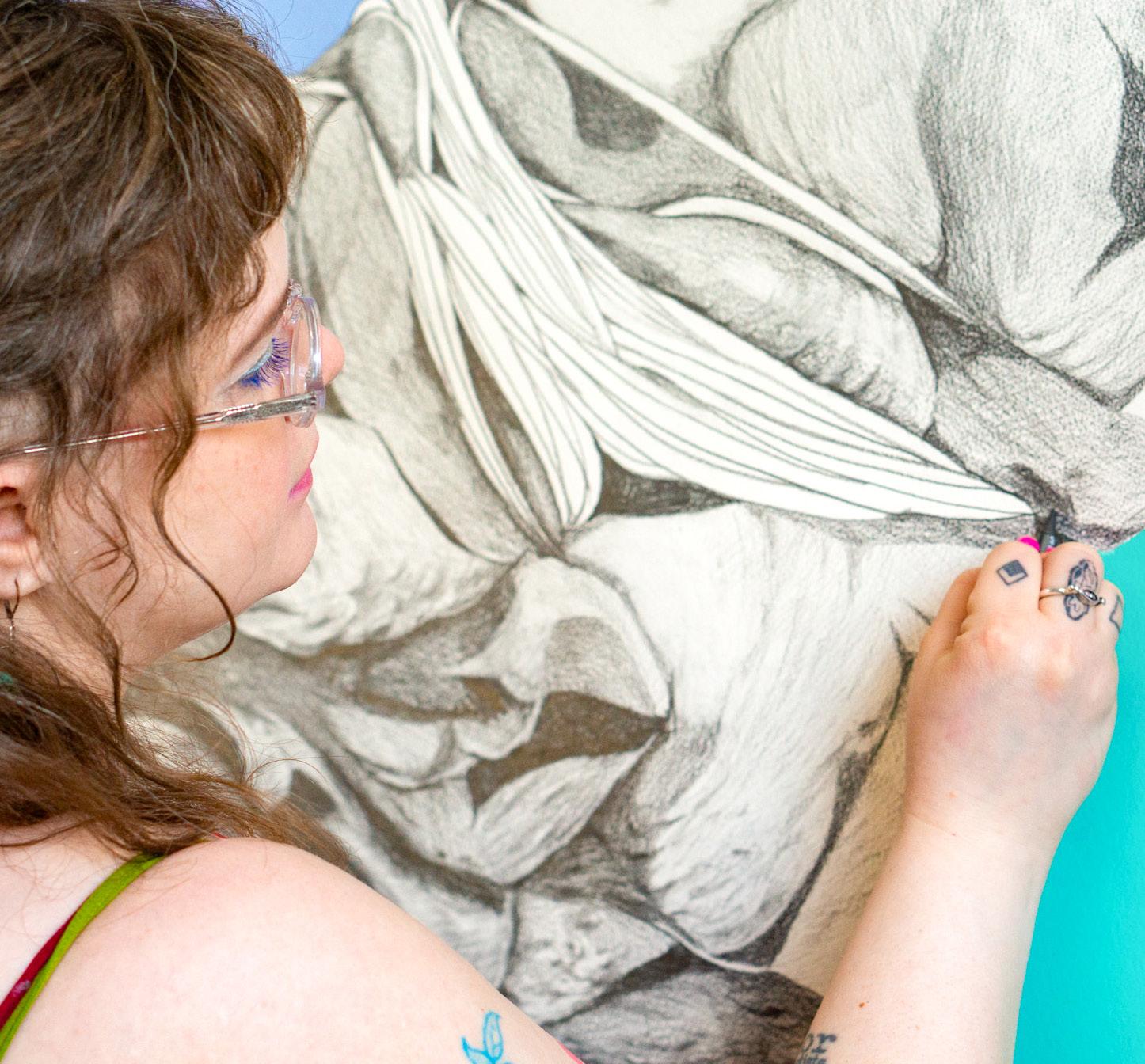
These queer artists are turning trash into treasure, fully embracing their non-normative bodies and identities and following their creative passions wherever they lead
While May marks the beginning of tornado season in Minnesota, per the DNR, one whirlwind you don’t need to take shelter from is the Northeast Minneapolis Arts Association’s annual Art-a-Whirl. In fact, it’s more fun if you run headlong into it!
From Friday, May 15 to Sunday, May 17, over 1,600 NEMAA member artists, galleries and businesses will open their doors across more than 100 locations around the Northeast neighborhood in the largest open artist studio tour in the country. You’ll also see residents take advantage of the buzz by hosting garage sales, just in case there wasn’t enough to do already.
Several participating artists are part of the LGBTQ+ community, and they represent a variety of media, backgrounds and artistic perspectives. When you’re swept up into this year’s Art-a-Whirl, these four artists are more than worthwhile spots to land.
When Black transmasculine photographers BEARBOI (or just Bear) and Wordsworth Musinguzi (or just Word), the brains behind BOI TOY Studio, first moved into the Northrup King Building, their studio felt more like a supply closet — not ideal for a photography studio and collaborative creative space.
“We were just keeping things in there and not really producing things, gathering people together,” Word says. “It was very cold.”
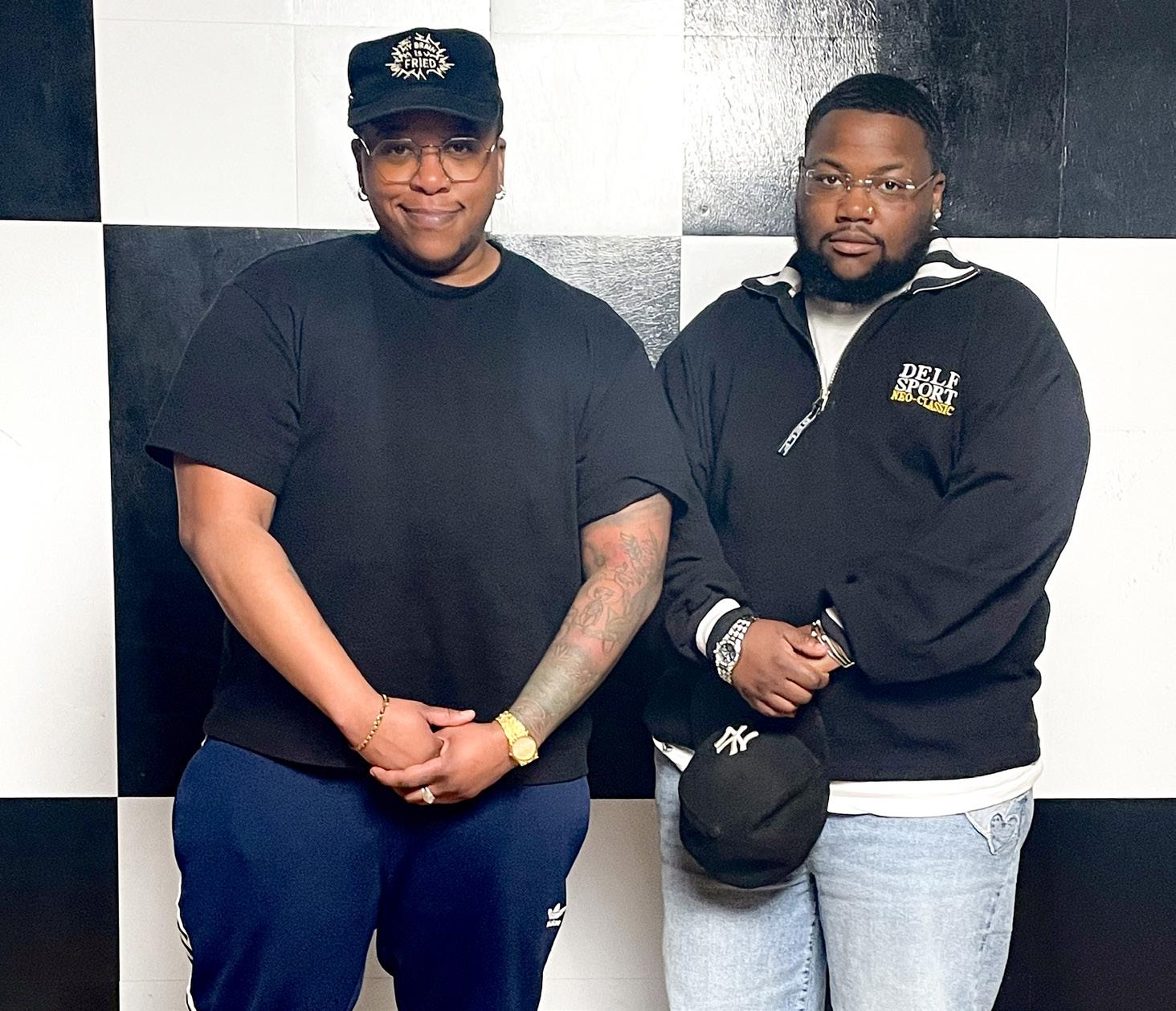
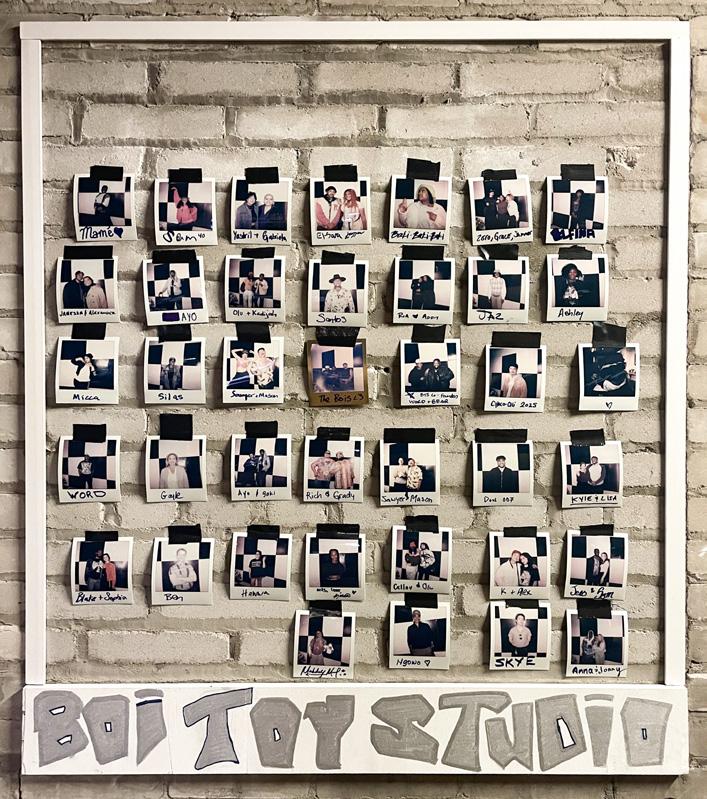
Their new space, however, which officially opened during last year’s Art-a-Whirl, is much more inviting. The warm lighting, creaky old wood floors and bright white walls covered in their work were a welcome reprieve from the rain when I came to visit them.
“(This space) felt more intimate,” Word says. “We both love public presentations, exhibitions and sharing our work with our communities. We’re creators, and we’re curators as well.”
A welcoming spirit is crucial for what BOI TOY Studio seeks to do: provide a safe, caring space for emerging Black, queer, trans and gender-nonconforming creatives to express themselves.
“We are two Black transmasc photographers that are coming together and opening a space where people who are often seen as invisible, sometimes like ourselves, are able to come in and take up space,” Word says.
Word adds how photography in particular demands vulnerability from people, especially as it’s used as a surveillance tool against the marginalized, making spaces like BOI TOY all the more crucial.
For their grand opening last year, Bear and Word took polaroids of their visitors, which now hang on the wall opposite the gold doors of their studio. What they’re most excited for this year is live-printing photos onsite with their large-scale EPSON inkjet printer that Bear got for free from a drag queen on Facebook Marketplace.
“Something that’s really beautiful is we’re trying to do a lot of things in-house,” Bear says. “There’s also definitely a deeper appreciation to art when it’s not on a screen, either.”
A word to the wise: despite its name, BOI TOY does not sell toys for children or adults. But Bear and Word do invite folks to come visit during Art-a-Whirl and “world build with some wonderful Black and trans folks.”
Bear and Word are also hosting a mixer centering Black trans men on the opening night of Art-a-Whirl and will be DJ-ing back to back. So come for the party, and stay to find out what’s possible.
A name like Bee Makes Fart definitely stands out among the droves of professional artists and fine galleries participating in Art-a-Whirl, but Bee Marshall’s found object tableaux are by no means short of intention or creative spirit.
Marshall, a 27-year-old surgical technologist, came up with the name for their artistic practice when a co-worker confidently informed them that farts weren’t funny, which, they say, “just isn’t true.”
“It made me form the connection of like, you can either view something as a piece of trash on the ground or something that you can put into art,” they explain. “And you can view farts as something gross, or you can view it as just a regular bodily function that can be funny sometimes.”
Marshall has been creating art their entire life, but they say noticing all of the odds and ends strewn around the streets of Minneapolis inspired them to build on their existing abstract painting practice. The result: threedimensional compendia of bits and bobs whose individual details contribute to larger visual narratives, each one different from the last. One piece is an LP with pieces of text and a car key stuck to it; another has a pie tin painted yellow, leering at the viewer from the upper left corner of a canvas covered in painted eyeballs.
The pieces call to mind the scrappy nature of the Minneapolis youth and punk scenes, as well as the inherent environmental messaging of cleaning up litter. Marshall also describes the repurposing of found objects as an expression of their queer identity.
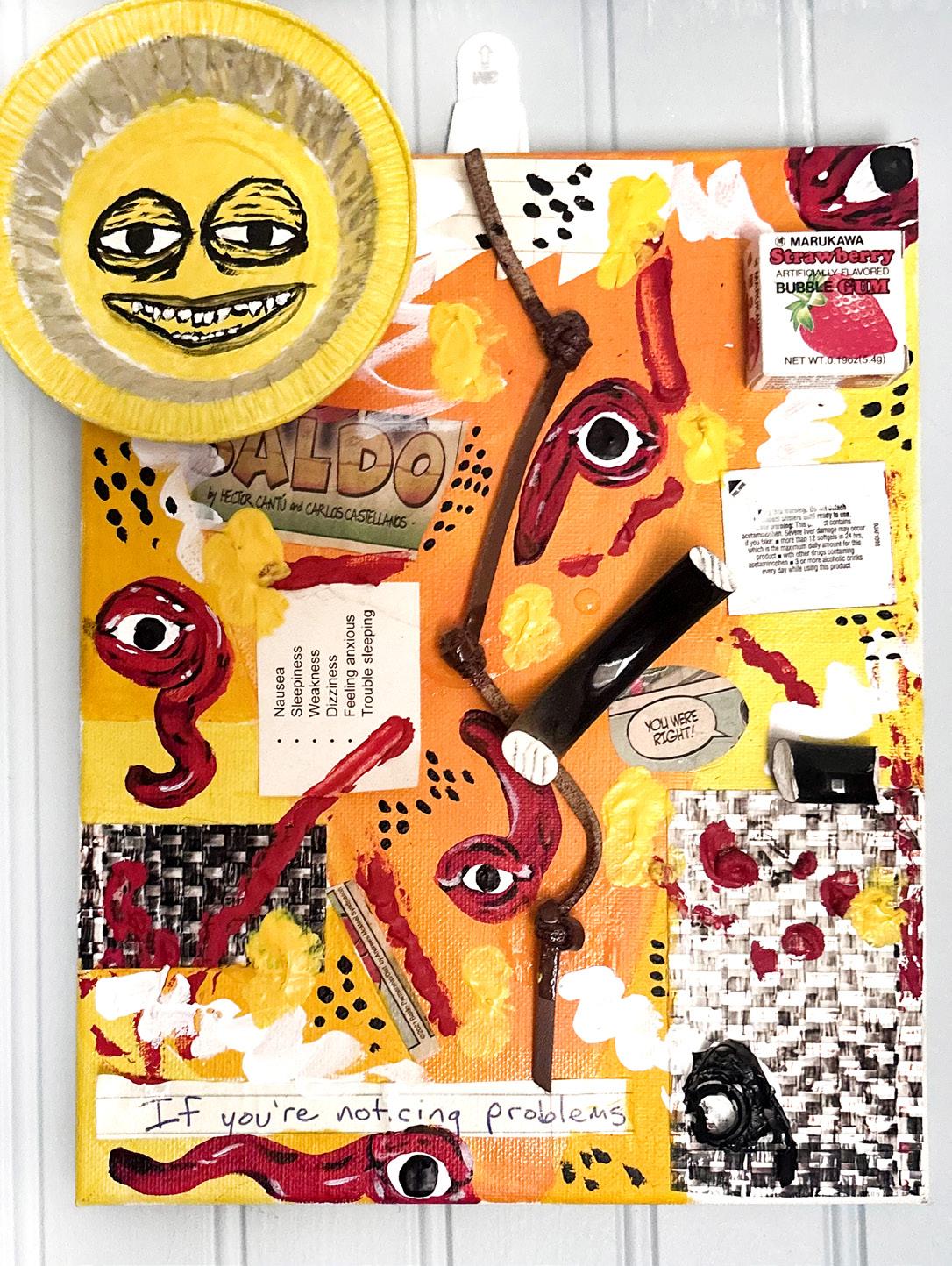
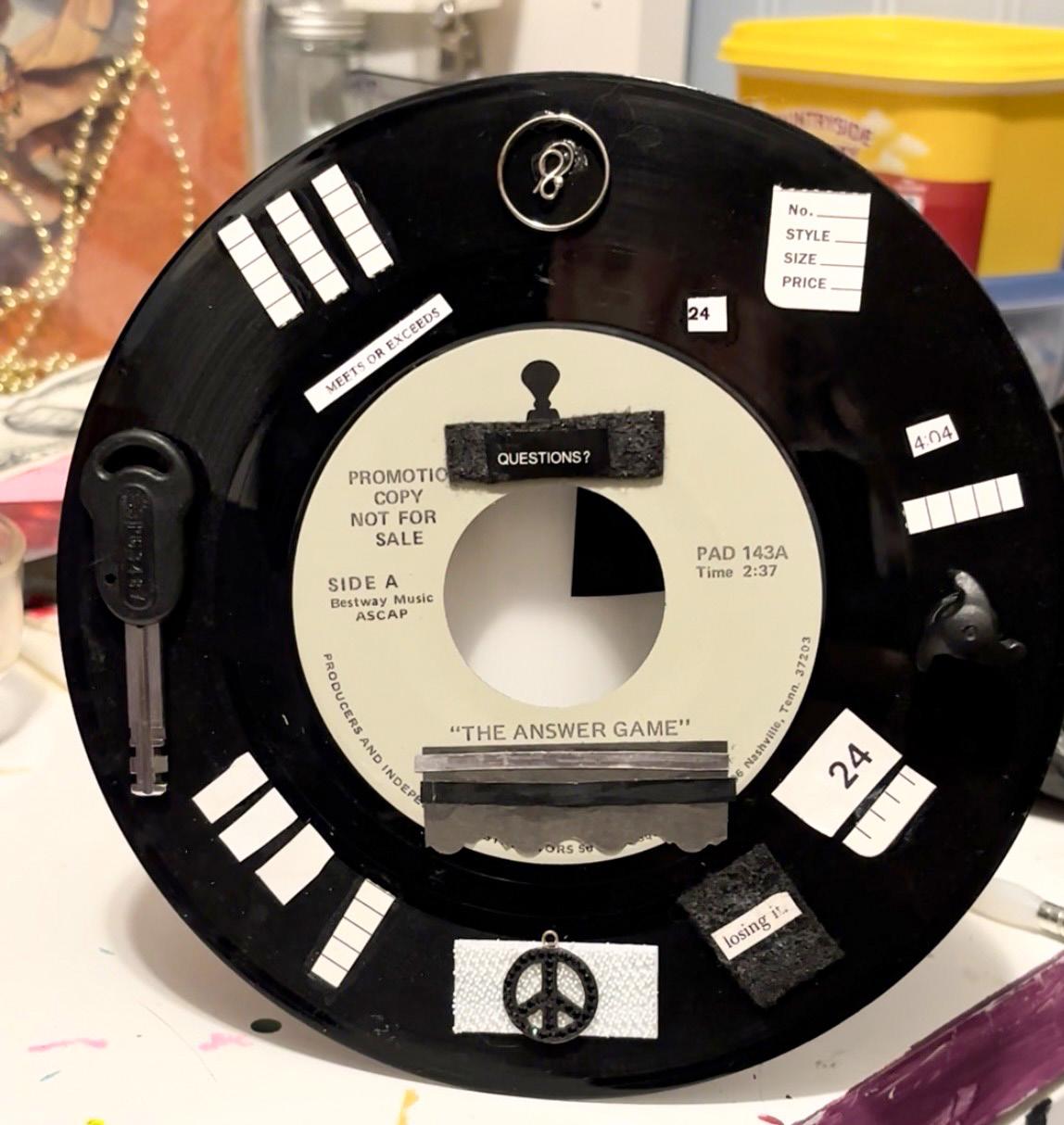
“It’s nice to be able to take something that society sees as trash and turn it into a beautiful piece of art,” they say. “I think that’s how a big chunk of society views queer people. (They) wouldn’t give us the time of day, but really, everyone is their own piece of art.”
This year will be Marshall’s fourth Art-a-Whirl and third in the Northeast Tree House, a fitting setting to display their playful portfolio. Besides their eclectic artwork, another draw to Marshall’s space will be their communal Junk Jar. Anything you have in your pockets that you can part with, Marshall will take and make art with.
“When people have visited me and my art, I get some pretty cool stuff from them,” they say. “Everyone has a little piece of trash, and that trash can become art.”
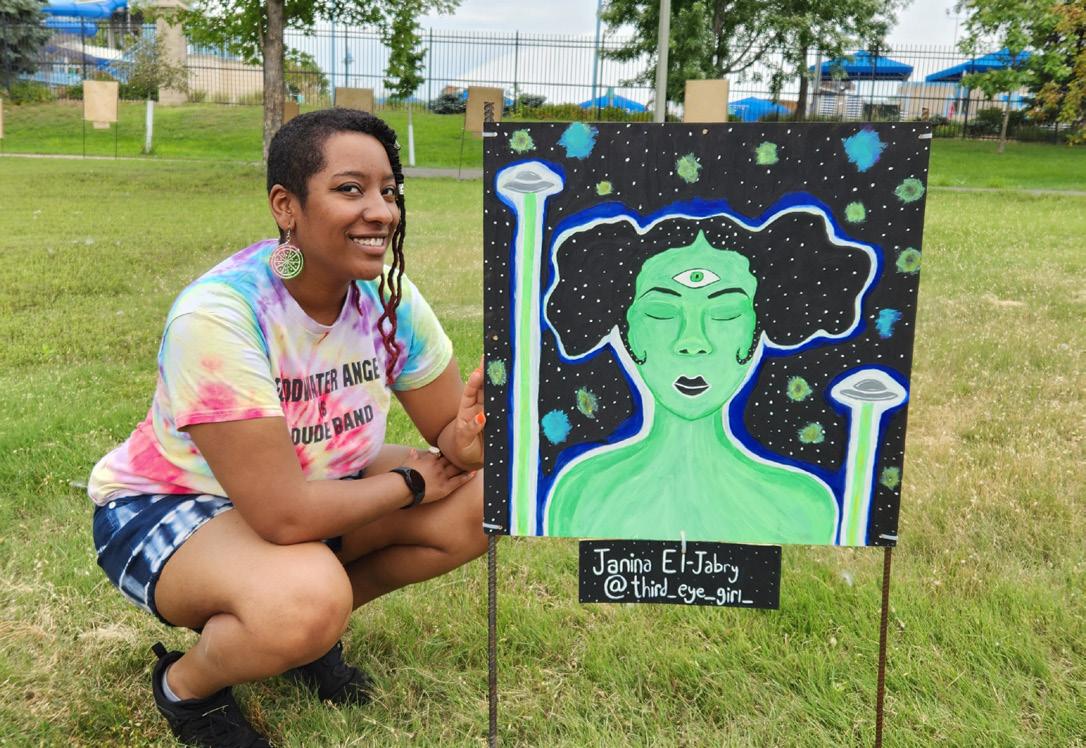
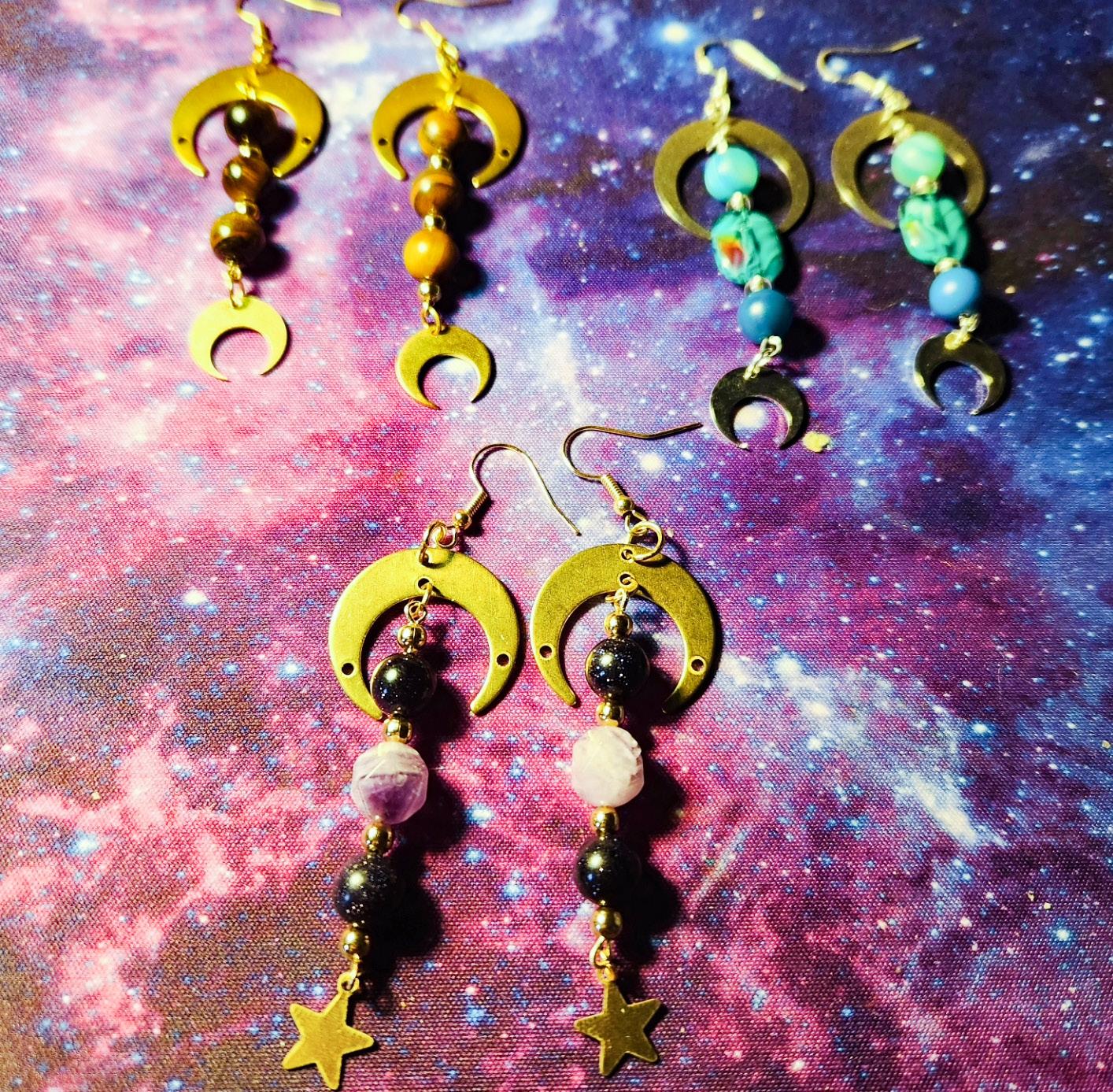
A self-described jack-of-all-trades, when Nina El-Jabry, aka Third-Eye Girl, takes an interest in a new creative pursuit, she follows it through. And those pursuits are many, from painting to drumming to jewelry-making to crafting whipped body butters to DJing to blogging about and organizing BIPOC-centered music events in the Twin Cities.
“I kind of just always create,” she says. “There are ideas that go through my mind all the time, kind of like this stream of consciousness that keeps flowing, and that excites me and fuels me.”
The hippie implications are strong with a pseudonym like Third-Eye Girl, but El-Jabry explains that she interprets the third eye symbol more holistically to avoid the “good vibes only” sentiment many bring to it.
“Using your third eye, you are looking at things objectively. And I find that very important because it’s kind of like a way to see the balance,” she explains. “You see the good in life and the bad, and then it’s our job to find that balance between the good and the bad.”
It’s an apt symbol for someone balancing so many creative endeavors. Lately, El-Jabry has been focusing on her blog, Twin Cities BIPOC Music, and organizing related events.
El-Jabry says she got the idea for the blog while working at a music nonprofit that claimed to be intersectional, but didn’t push for diversity beyond white queer folks.
“I feel like Minnesota in general feels like if there’s a space where it’s white and queer folks, that’s good enough diversity, which doesn’t cut it for me personally on my moral compass,” she says. “I mean, I love that there’s some diversity, don’t get me wrong. If there’s any diversity in a space, that’s better than nothing. But I ended up realizing that there needed to be more of a space where we could specifically appreciate BIPOC musicians.”
It’s a project she’s spearheaded since the summer of 2023, and it eventually led her to connect with her favorite blog, Punk Black, and organize an event with them at Underground Music Cafe in Minneapolis.
“I just internally screamed,” she recalls. “I’ve already hit a few milestones that I’m forever grateful for.”
An Art-a-Whirl veteran several times over, this year will be El-Jabry’s first in her studio at 2010 Artblok, part of a former General Mills plant located on the edge between Northeast and Southeast Como. She describes her studio as an out-of-this-world oasis in the middle of a concrete maze.
“We have a nebula space mural, and there’s also twinkly lights above it,” she says. “I have my lime green acoustic drum set right there, too, and I have cute little kawaii items all around. It’s really pretty and gorgeous. You have to go in and see it for yourself.”
El-Jabry says her favorite part of Art-a-Whirl is the buzz that electrifies the entire neighborhood.
“I’m a connector, so I love connecting with people,” she says. “I really love the connection process of the art world, because that’s really what it is. Not only are you just there to sell art and have art be available, but you’re connecting with people that want to know about your art.”
So come step into Third-Eye Girl’s world this Art-a-Whirl (don’t let the projected eye on the door scare you!)
El-Jabry also has a message for Lavender readers: “Your dreams are not impossible. Just remember to take your time. Great things take time. Just be patient and do what you love.”
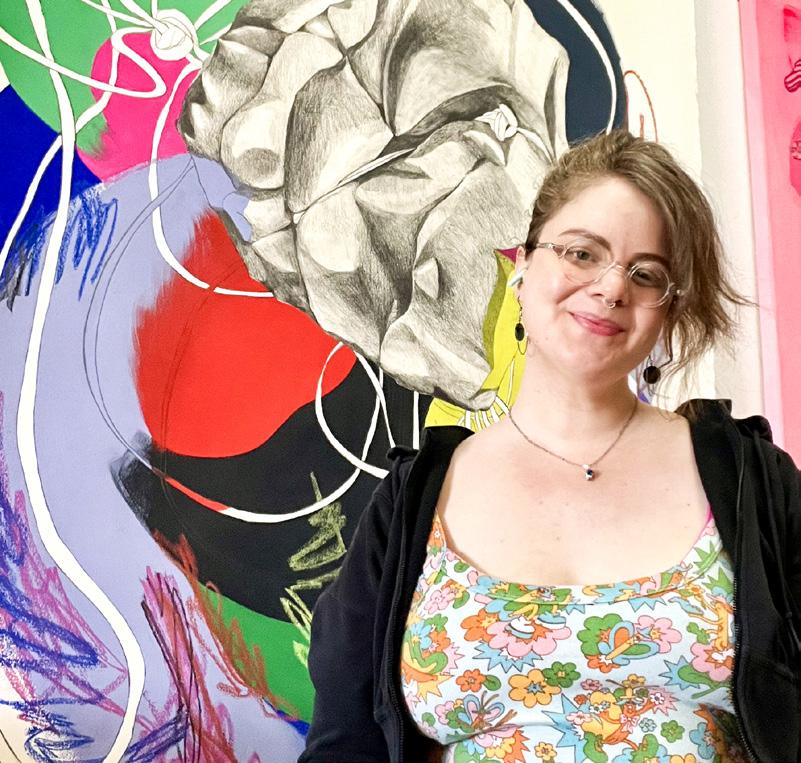
Like many kids, Madison Rubenstein loved drawing and painting. However, art took on a new meaning for them when they became chronically ill at a very young age.
“Art felt like a way for me to express what I was experiencing because what I was experiencing, I couldn’t really find the words for,” Rubenstein, now 35, says. “It became a language for an internal landscape. I think my parents noticed that, and I was very fortunate that they kind of nourished that with me.”
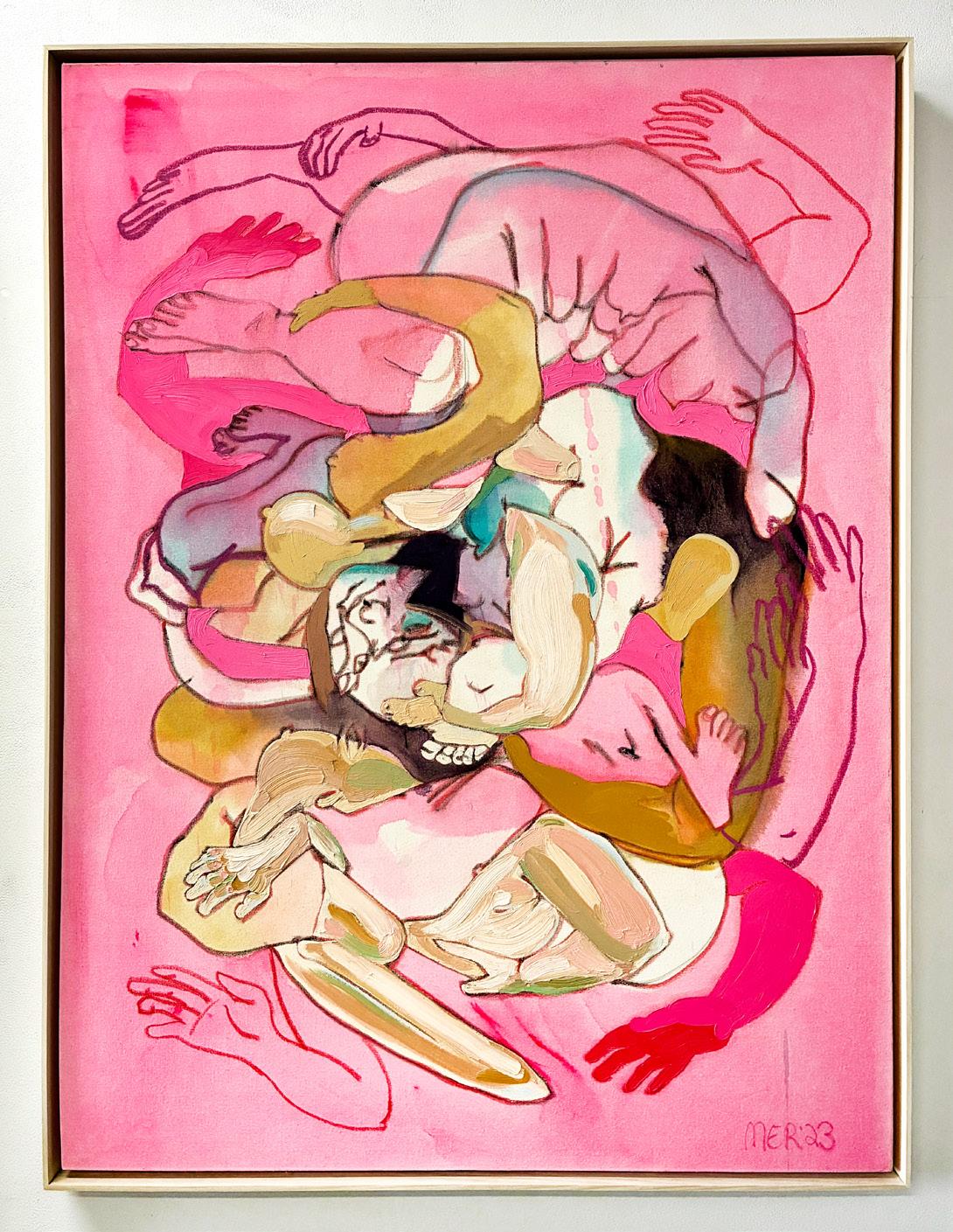
Today, Rubenstein has a studio in the California Building, where their experience as a queer disabled person is centered in their artwork. In fact, they say making art is what helps them survive as a disabled person.
“Being queer and disabled means that I’ve received this constant messaging from the world that I don’t belong or that I should be different, and those ‘shoulds’ don’t exist in art making,” they say. “I kind of get the opportunity to invent something that didn’t exist before.”
Rubenstein’s work primarily does this through abstract bodily forms — headless and limbless torsos, for example — that fluidly defy logic and occupy imagined spaces.
They also mention how being a professional artist helps them accommodate their chronic illness flare-ups because they can make their own hours.
This year will be Rubenstein’s 12th Art-a-Whirl, and they’ve participated since graduating from the Minneapolis College of Art and Design.
“I feel very lucky,” they say. “My studio is my favorite place to be, and I love being able to talk to people about what I do.”
Community is another dimension of Rubenstein’s practice, as they believe creativity comes from the same part of our brains that helps us imagine new realities and better futures for ourselves.
what’s familiar, and the context of art making is a safe place to practice challenging those fears and anxieties,” they explain. “I feel like that’s the same part of our brain that we need to imagine collective liberation.”

of their abstract work, Rubenstein also pro duces stickers and apparel featuring line drawings of garlic, poppies and anise hyssop with the phrase “Your survival and mine are intertwined.”
work that’s priced accessibly for everyone. Paintings priced in the hundreds of dollars — for which they offer payment plans — can be bought as archival prints starting at $25. They also sell their work in sticker form in the $4-$5 range.
with my work to have some,” they say. “Es pecially with the times that we’re in now, there are fewer of us buying homes, fewer of us able to make what are regarded as luxury purchases.”

Rubenstein, who is originally from Los Angeles, says they didn’t see themself stay ing in Minneapolis until a few years ago. They say the artistic community that has emerged not just in their building but in Min neapolis at large has been a major draw to stay, as well as how much funding the arts get in Minnesota.


“I have friends on the East Coast who are also working artists, and they have a much harder time getting support and funding than people here do,” they say. “I realized, actually, this is a good place to be. And I’m okay with being surrounded by all these amazing and talented people.”
While it’s likely impossible to see every thing at Art-a-Whirl, these queer artists are emblematic of the strong, vibrant arts com munity in Minneapolis. Even if you just visit them, it’ll be enough to keep you coming back.
More information about this year’s Art-aWhirl is available online at nemaa.org/art-awhirl/.




BY STACY DAHL
‘The
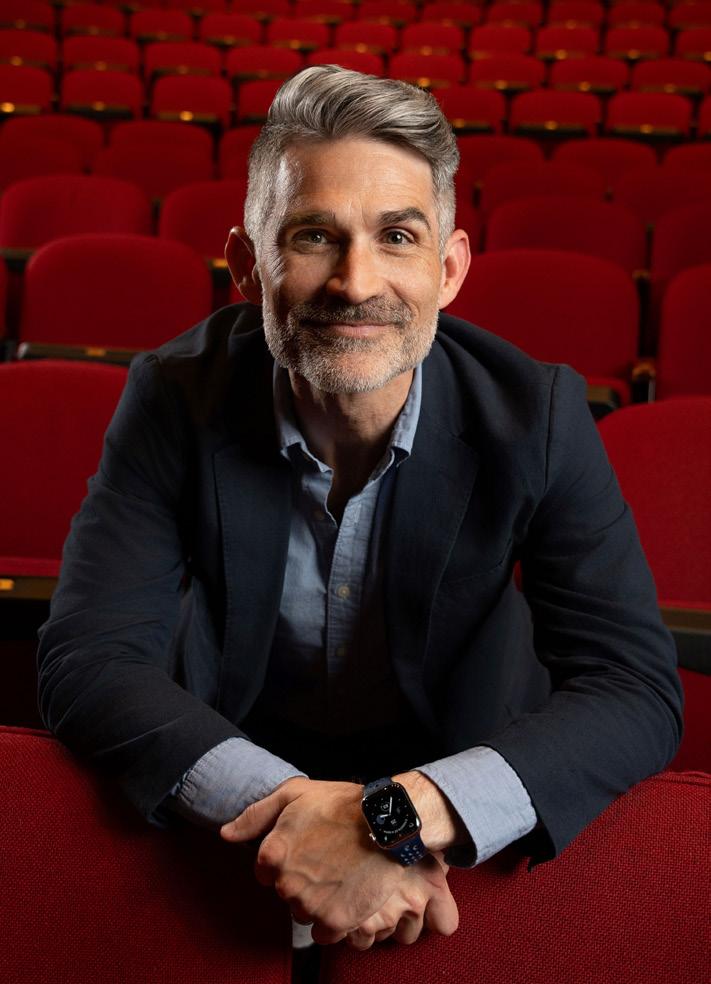
Rick Dildine, artistic director of the Children’s Theatre Company, brings a national perspective and a passion for storytelling to Minneapolis.
“I was born and raised in Arkansas, but I’ve lived all over the country,” Dildine says. “Most recently, I was splitting my time between Alabama and Washington, D.C., before moving here for this position.”
Since arriving, Dildine said the experience has been deeply rewarding.
“It’s wonderful. I love going to work at CTC every day,” he says. “You see the direct results of the work immediately. Hundreds of kids come into the building to experience live theater and storytelling. Sometimes it literally makes the building shake.”
Before joining CTC in July 2024, Dildine led the Alabama Shakespeare Festival. His path to Minneapolis came through a national search.
“I was running the Alabama Shakespeare Festival, one of the large regional theaters in the country, when I was approached about this role,” he says. “CTC hired a consulting firm, and they reached out to me.”

While his background includes classical theater, Dildine said the core of the work remains the same.
“It’s all still the same questions: What is the story? How do we tell it? Why now?” Dildine says.
The biggest difference, he notes, is the audience.
“I’m focused on young people now, and many of them haven’t developed cynicism yet,” he shares. “They experience the work fully in the moment. They talk back, they laugh, they question it and it’s electric.”
That sense of engagement is central to CTC’s programming. Some productions even invite direct participation.
“One of the shows in my first season is called ‘Forts,’” Dildine says. “It invites young people to build their own forts during the performance using cardboard boxes, blankets and flashlights. They become part of the storytelling.”
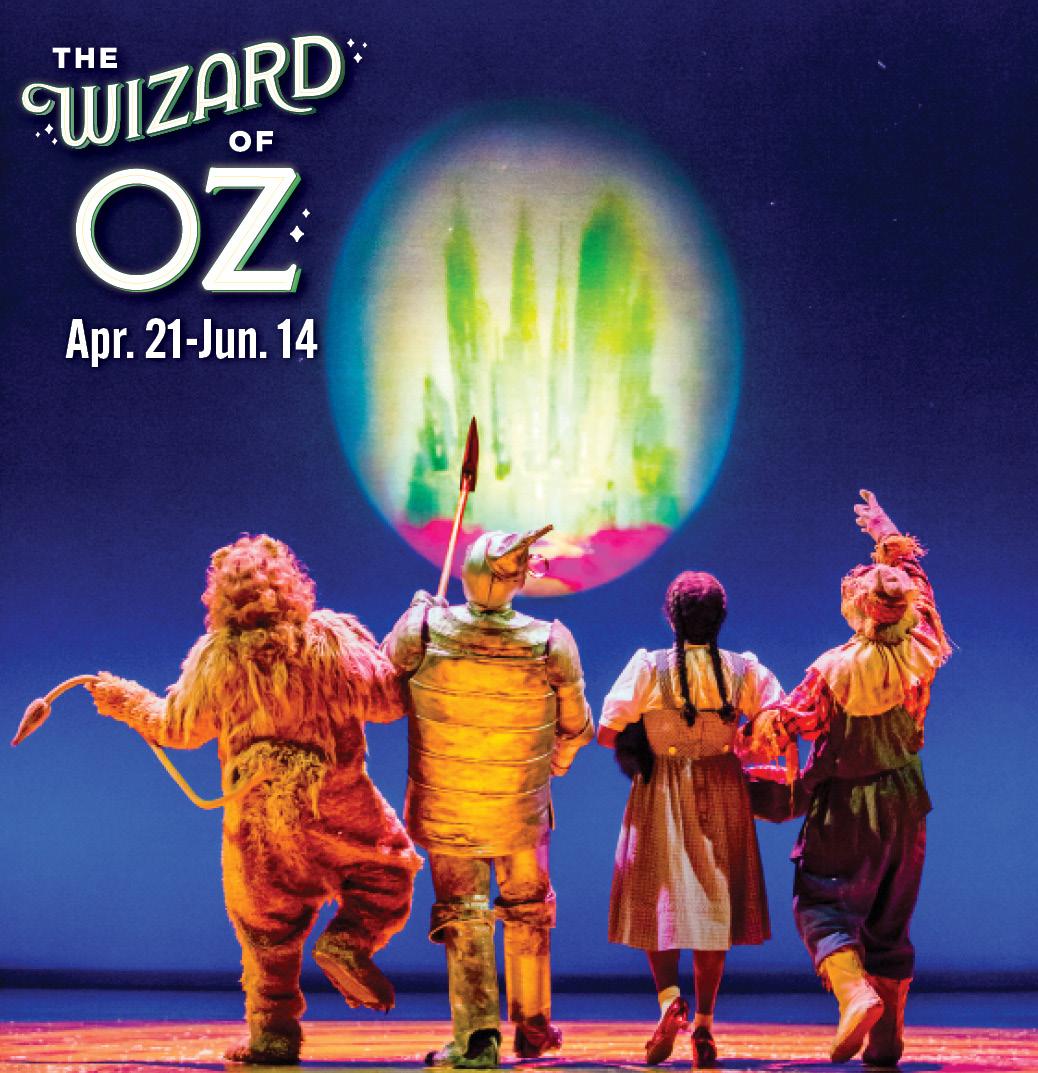
CTC’s upcoming production of “The Wizard of Oz” promises a fresh take on the beloved story.
Without giving too much away, Dildine said the production leans into both nostalgia and innovation.

“Some of the big questions are always: How do we handle color? Will there be a real dog? Is there flying? The answer is yes to all three.”
Dildine said the creative team approached color as a central storytelling device.
“We see Dorothy as a young woman whose world feels dull and without purpose, so it begins in muted, dusty tones,” he explains. “As the journey unfolds, color becomes increasingly bold and intentional. Audiences may find themselves wondering what color comes next.”
Visually, the production blends classic elements with contemporary design influences.
“We’re working with an incredible creative team with Broadway experience,” Dildine says. “It meets the nostalgia of the original film with the visual vocabulary audiences now associate with productions like ‘Wicked.’”
The show also incorporates projection and design elements to enhance the storytelling.
“I think audiences will be captivated by what they see,” he says.
To balance honoring the original story with a new perspective, Dildine encourages actors to bring their own experiences to their roles.
“We don’t ask them to recreate Judy Garland,” he says. “We ask, ‘What does this journey mean to you?’”
The role of Dorothy will be shared by two 17-year-old actors, alternating performances.
“By grounding the work in their lived experiences, it keeps everything fresh,” Dildine says.
Dildine said the story’s emotional core continues to resonate across generations, including LGBTQ+ audiences.
“This is a story about becoming and transformation. Those are universal experiences.”
As a member of the LGBTQ+ community, Dildine said the story holds personal meaning.
“The questions at the heart of it — ‘Am I brave? Am I loved? Do I belong?’ — those never age,” he says. “They resonate deeply with me and with many others.”
Inclusivity also plays a role in the production’s casting and staging.
“When we think about what the community of Oz looks like, we’re very intentional,” Dildine says. “We’re fortunate to have a diverse group of actors and young people come out for auditions.”
He emphasized the importance of representation for young audiences.
“One of my goals is that young people can look at the stage and see themselves as part of the story,” he shares.
Among the production’s more playful elements: a real dog. “There’s a rule in theater — never share the stage with a dog — and we have two,” Dildine says.
Dildine says more is on the horizon for CTC: “We’ll be announcing our next season very soon. There’s a lot to look forward to.”
“The Wizard of Oz” will run from April 21 to June 12. Tickets are available on CTC’s website, with prices ranging from $25 to $129.

Flowers are blooming, birds are chirping and sunbathers have replaced ice fishers on Bde Maka Ska. That can only mean one thing: it is almost the WNBA season. It’s a time of year that truly makes my women’s sports-loving heart flutter with excitement.
Admittedly, the past two seasons have been rather disappointing for Lynx fans. The team has dominated in the regular season only to suffer devastating losses in the playoffs. Still, the team’s chemistry and star power couldn’t be denied. Under normal circumstances, the roster would probably only go through some minor tweaks since all of the elements of success are already there. But this off-season has been anything but normal.
The 2025 season marked the end of the collective bargaining agreement (CBA) between the league and the players’ union. The following months were characterized by tense negotiations as the WNBA and the Women’s National Basketball Players Association (WNBPA) failed to reach a new agreement by the deadline multiple times.
The new CBA, which didn’t get ratified until late March, establishes a revenue-sharing model, the first in women’s professional sports history, and significantly increases salaries for athletes at all stages of their careers.
“We’ve always believed that as this league grows, the players who power it must grow with it,” WNBPA president Nneka Ogwumike said in a press release following the CBA. “This agreement reflects that shared commitment, with players owning their value and future alongside a league growing stronger because of it.”
Many players across the league had contracts that expired after the 2025 season in anticipation of the new CBA, meaning the majority of athletes, including all but two of the 2025 Lynx team, were free agents going into the 2026 offseason. Naturally, this has led to significant roster shakeup.
Napheesa Collier, Courtney Williams and Kayla McBride will all stay with the Lynx for the 2026 season. Collier signed a one-year, $1.4 million dollar “supermax” contract.
When asked at a press conference about her decision to sign a one-year deal, she said, “I’m so focused on right now with my injury and this year winning a championship … so I’m just focused on this year and winning.”
Collier suffered an ankle injury in the semi-finals against the Phoenix Mercury. She underwent surgery on both of her ankles this off-season and had to miss the second season of Unrivaled, the three-on-three basketball league she co-founded with the New York Liberty’s Breanna Stewart. It is still unclear when she will be fit to return to play.
Williams and McBride both signed two-year contracts with the Lynx. The two-time and five-time All-Star guards, respectively, have been an integral part of the Lynx’s primary starting lineup alongside Collier for the past two seasons.
The remaining two primary starters, Alanna Smith and Bridget Carelton, will not be returning to the Lynx this season. Smith, the 6’4” forward who earned the title of Co-Defensive Player of the Year last season, signed with the Dallas Wings, while Carleton was selected as the number one overall pick at the expansion draft by the Portland Fire.
The Fire, alongside the Toronto Tempo, will make their debut this season, bringing the league up to 15 teams. The expansion draft, which took place in early April, allowed them to begin building their rosters by selecting up to 12 unprotected players from the existing teams’ player pool.
Other notable players not returning to the Lynx this season are Maria Kliundikova, whom the Tempo selected in the second round of the expansion draft; Natisha Hiedeman, who signed with the Seattle Storm, splitting up the “StudBudz” duo of herself and Williams; DiJonai Carrington, who signed with the Chicago Sky; and Jessica Shepard, who signed with the Wings alongside Smith.
Of course, it’s not all bad news. Between free agency and their No. 2 draft pick, the Lynx have been able to pick up some exciting new talent. Forwards Natasha Howard and Nia Coffey will join the team this year from the Indiana Fever and the Wings, respectively. Both players already have strong Minnesota connections. Howard played for the Lynx when they won their most recent championship in 2017, and Coffey is a Hopkins native.
“We are happy to be bringing Tasha home to the Lynx,” Lynx head coach and President of Basketball Operations Cheryl Reeve stated following the signing. “She has earned some impressive accolades since her time with the Lynx, and we look forward to adding her versatile offensive skillset and defensive proficiency to our team.”
Indeed, Howard should be able to fill the void left by Smith. Since leaving the Lynx, she has helped two more teams earn championship titles, made the WNBA All-Defensive team twice and earned Defensive Player of the Year in 2019. Between her size at 6’3”, her defensive prowess and her adaptability to numerous different teams over the years, Howard will certainly make an impact for the Lynx.
Another major addition to the team is point guard Olivia Miles, whom the Lynx selected with the No. 2 overall draft pick. The Lynx famously haven’t had a traditional point guard since Lindsay Whalen retired in 2018. Whalen reunited with the Lynx as an assistant coach back in 2024.
“We felt there were two players with generational skills in the draft — the generational skills of passing and playmaking and point guard leadership,” Reeve said following the draft. “If Courtney Williams is watching, I don’t mean to suggest that she’s not a great point guard, but this is the first real point guard we’ve had since Lindsay Whalen. When I say real, you know, like that kind of generational [talent] that makes a living doing it.”
For her part, Miles is really looking forward to working with Whalen as a coach.
“I think that’s what I’m most excited about because obviously [Whalen] is on staff, so I can’t wait to learn from her,” Miles said in a post-draft press conference. “I can’t wait to be a sponge and ask questions and be open-minded and be coachable.”
Ultimately, rosters won’t be finalized until May 6, two days before the start of the regular season, but the 2026 Lynx team is shaping up quite nicely despite the shakeup caused by the expansion draft and mass free agency. Howard will make a great addition to the team, and though there may be growing pains in introducing a new playmaker with Miles, her potential can’t be overstated. Not to mention, the return of Williams, McBride and Collier gives the team some consistency and valuable experience.
Regardless of how the Lynx fare this year, this season is sure to be a historic one as the WNBA enters its 30th year with a landmark CBA and two new teams. I, for one, am thrilled by the strides the league has made in advancing women’s sports and can’t wait to see all this season will bring.
BY E.B. BOATNER




“Agnes
Sharp and the Wedding to Die For”
Leonie Swann
Soho Crime
$29.95
A time to rejoice, a time to grumble. A member of Sunset Hall is in love, engaged, about to marry and move away. But for Agnes Sharp, “Once a member of Sunset Hall, always a member of Sunset Hall.” Along with Agnes are other members of the crew reviewed here in “The Sunset Years of Agnes Sharp” and “Agnes Sharp and the Trip of a Lifetime”: Marshall, ex-military; Edwina, ex Secret Service; Lilith, “dead and in a tin”; blind, besotted Bernadette, bride-to-be of Jack, former contract killer and others. But someone is out to put the kybosh on the festivities, no matter what it takes; and that, even for Agnes Sharp, becomes pyrotechnic. The final in this series is, like the wedding, something to die for. What next?
Ian Buruma
Penguin Press
$35
1939 Berlin: a city of 4.3 million, under Nazi control for the past six years. Buruma’s father, Leo, then a Dutch student, was conscripted into forced labor in the metropolis in the spring of 1943. Surviving through nightmare times and Berlin’s ultimate destruction, he finally returned to his homeland in May 1945. Buruma first visited Berlin in 1972 with Leo. His father’s own letters, later found in a tin box, prompted Buruma to expand, sifting through personal diaries, citizens’ letters, Jewish memoirs, journalists’ columns — including Joseph Goebbels’ ravings — to recapture the tenor of those years. The parting phrase of the time was no longer an equivalent of “See you later,” but rather “Bleiben Sie übrig” — “Stay alive.” A chilling chronicle of a past time; perhaps a playbook for today.
“Someone to Cook For”
Maiko Seo tr. Laura Taylor
Europa Editions
$18
Yuko has been brought up in several quite different families, attending various schools under four surnames. (If you’re expecting an agony-aunt sob story, this isn’t it.) Yuko’s mom died when she was three, and her blood father married Rika. When learning, he must leave Japan to work abroad. Yuko chooses Japan and Rika with the life and friends she knows. Life continues to complicate as Rika marries a wealthy man so Yuko will have access to a fine piano, then … well, circumstances continue to evolve, as do new fathers. Rika comes and goes, but Yuko, ever pragmatic, is always secure in the knowledge that those around her care, that there is family. Then she falls in love and finally learns how to complete the circle of belonging.
“We
TJ Klune
Tor Publishing Group
$25.99
It’s to be neither water nor fire next time, but a Black Hole, cruising randomly towards our solar system, an immense Pac-Man, greedier than anything ever spawned on Earth. It’s devoured the outer planets, and Earth is in its path, in a matter of weeks — maybe days. Jupiter’s gone, and soon there’ll be no trace of our Moon, nor Everest, nor humanity. Some flee, some pillage and a septuagenarian gay couple set out to Washington State to reach their son. Through those they encounter on their journey, during the long miles alone together in their decrepit RV, Don and Rodney re-examine their 40-year commitment: choices they made, and what — if anything — they would, or should or could have done differently. Was it all worth it?


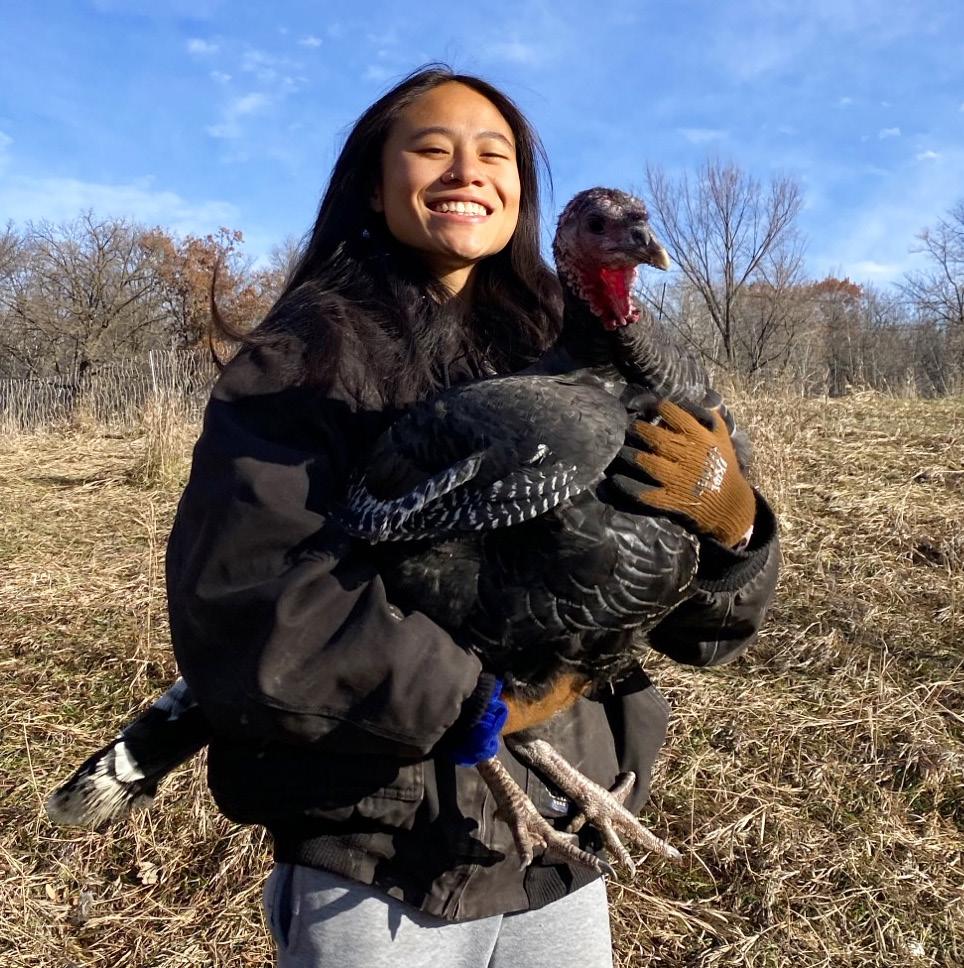
There is something deeply fulfilling about being intentionally fed. Not just physically, but emotionally, culturally and spiritually. It is a kind of satiety that doesn’t come from a grocery store aisle, but rather from memory, from ancestry, from someone saying, “I made this for you.”
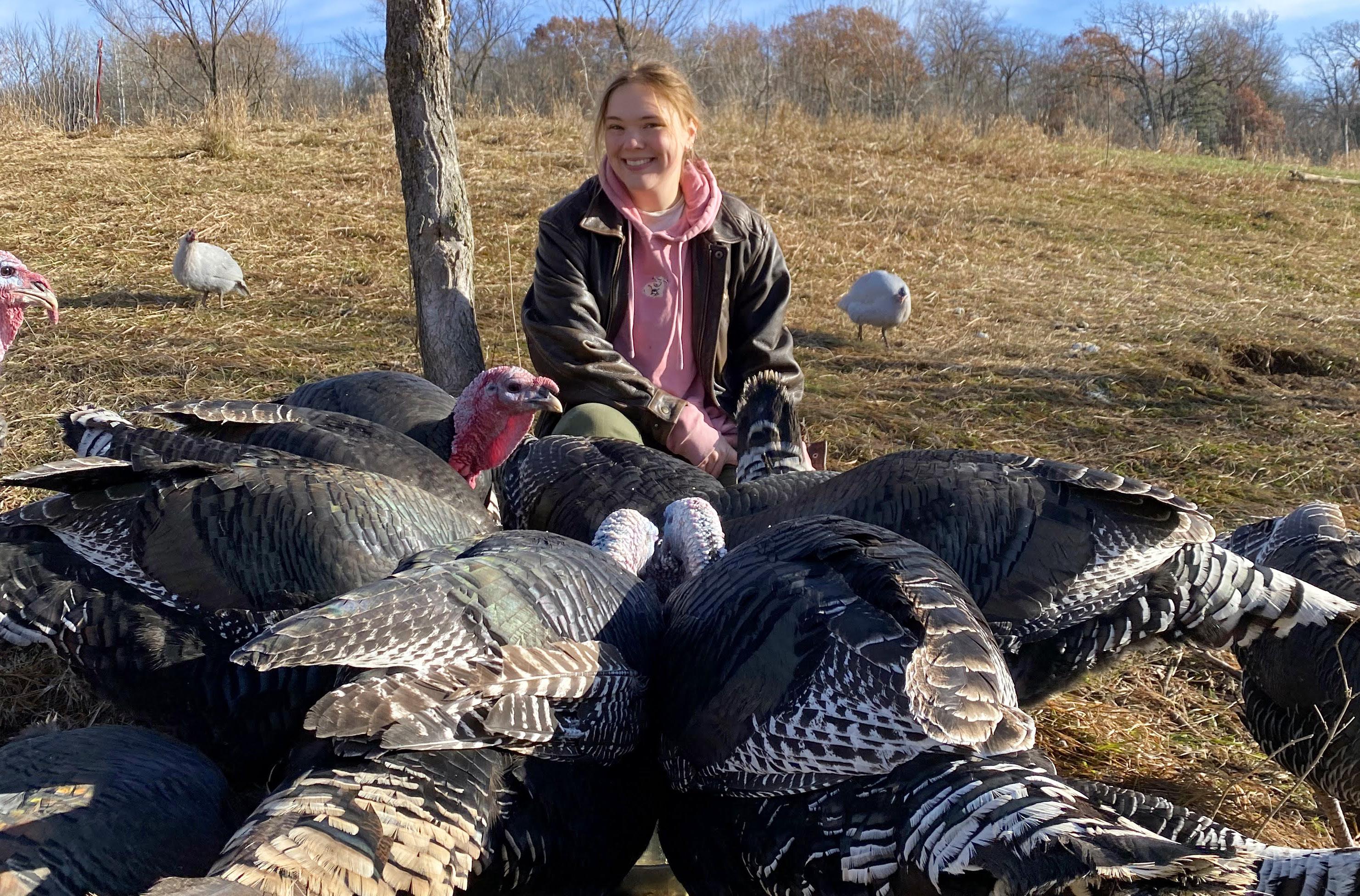
At Lucky Lavender Farm, that kind of nourishment is the foundation. Tucked into the Cannon Valley in rural Faribault, Minn., the farm is not just a place where vegetables grow. It is a space where identities are held, cultures meet, and community is cultivated with care and intention. They don’t sell or harvest any lavender. But the name comes from a queer-coined term indicating the reclamation of self and presence in the world.
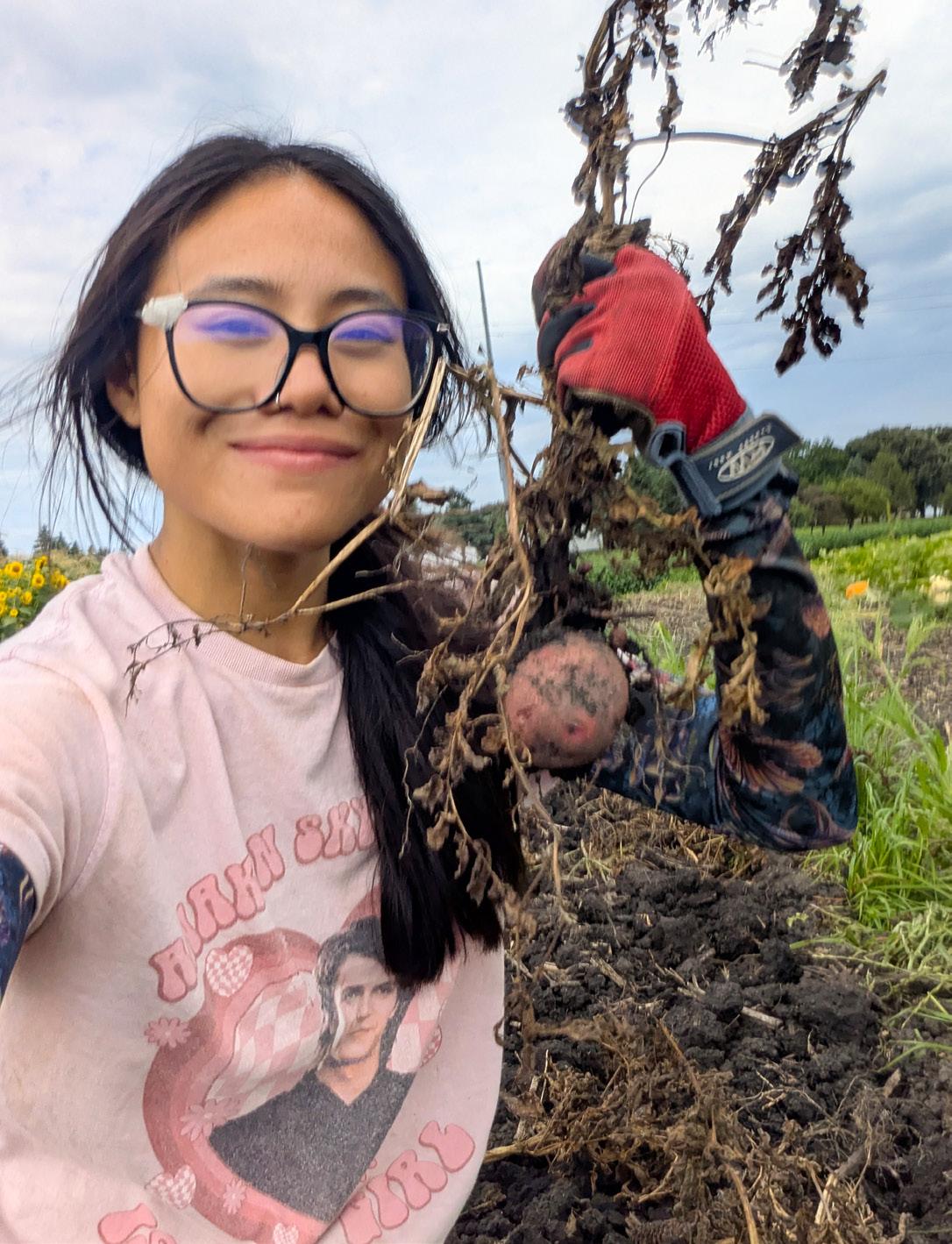
Owned and operated by Maren and Amanda Grunnet, Lucky Lavender Farm is rooted in more than land. It is rooted in relationship, in lived experience and in a shared vision of what it means to truly feed people.
Before there was a farm, there were conversations. Conversations about the kind of life they wanted to build, the love they wanted to give and the kind of world they hoped to create not just for themselves, but for others. One partner grew up in a rural environment, always knowing that land would be part of her future. The other, a self-identified urban soul raised within Vietnamese culture, did not initially view their experience as farming.
“I did not realize that what I was describing, growing food for family and community, was actually farming,” Amanda Grunnet shares. “I just knew I wanted to feed people the way my mom fed me.”

What began as two different upbringings slowly revealed itself to be one shared language rooted in care, nourishment and responsibility to something greater than themselves.
In a world where agriculture is often defined by large-scale commodity production, endless fields of corn and soybeans grown for export, feed or fuel, Lucky Lavender Farm offers something more: growing food for people. On cultivating crops that are culturally inclusive, nutritionally meaningful and emotionally grounding.
“The majority of agricultural land here is dedicated to crops and global expansion, which is beautiful and necessary,” Maren Grunnet says. “We just think of ourselves as locally serving, community-oriented. We wanted to do something rooted in nourishment.”
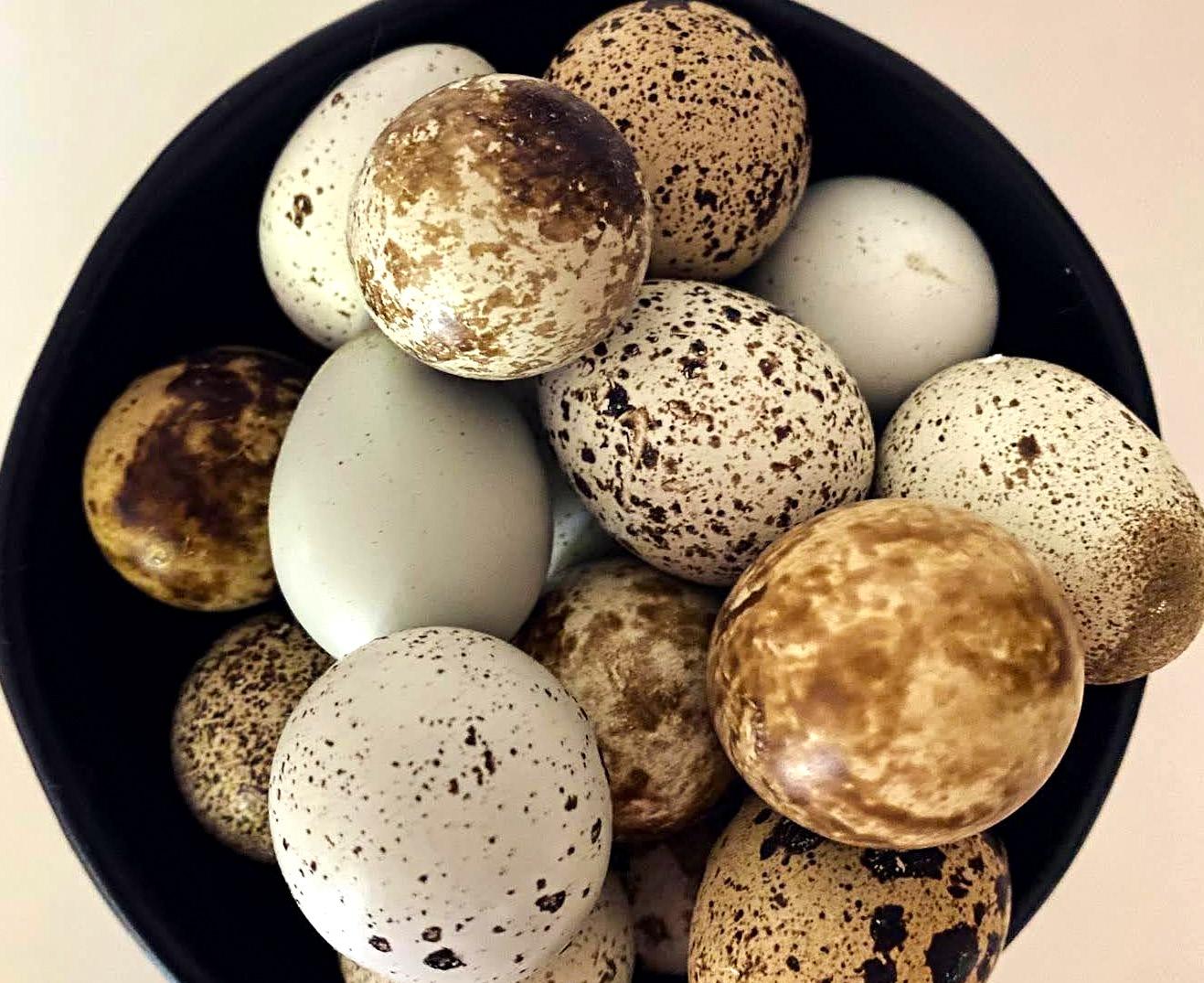
That intention shows up in every layer of the farm, from the Southeast Asian vegetables they are working to grow, to their emphasis on biodiversity, to the way they care for animals and the land. The farm is treated as a living system and intentional infrastructure.
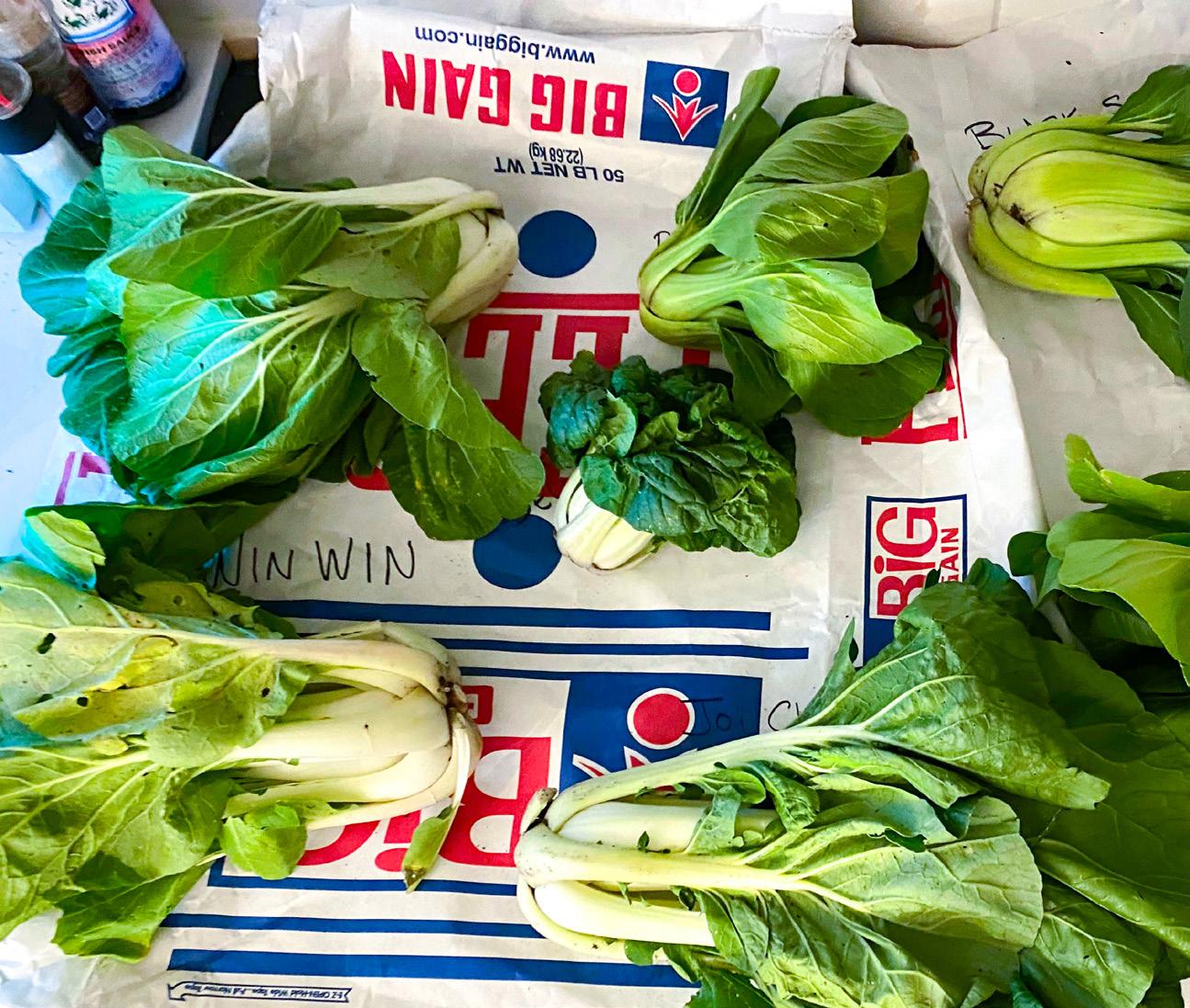
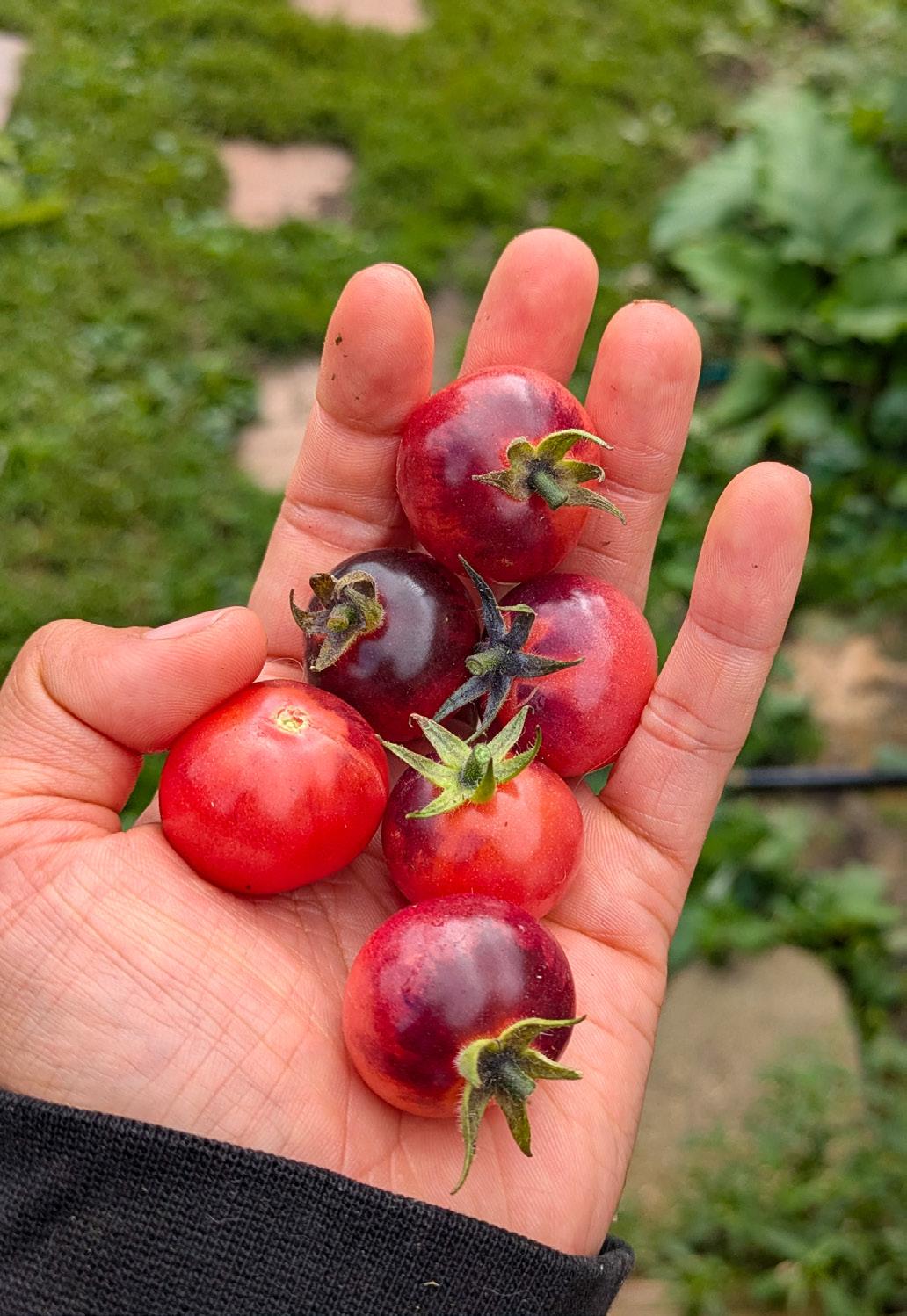
What makes Lucky Lavender Farm especially powerful is not only what they grow, but who they create space for. For many queer and BIPOC individuals, rural environments can feel distant or even unsafe. This farm exists as a response to that reality. It is a place where people can arrive fully as themselves, breathe deeply and reconnect with the land without fear.
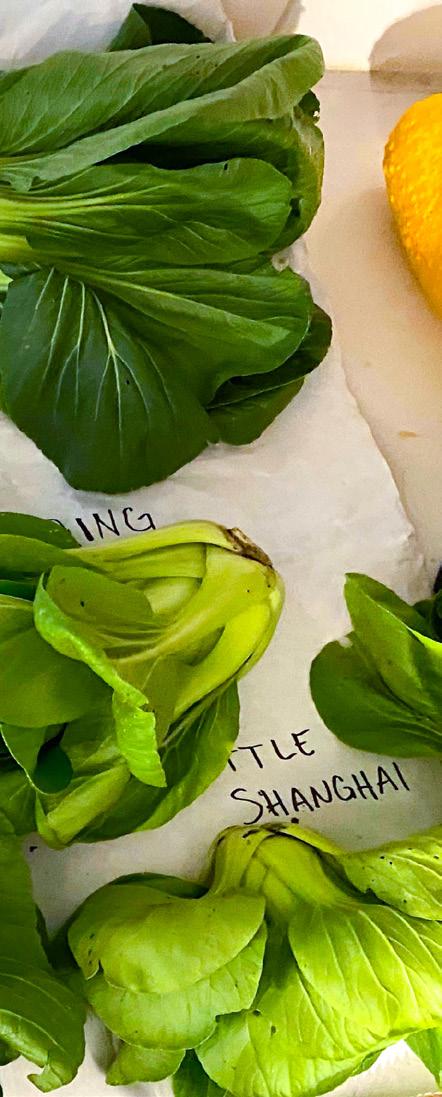
What started as a personal desire to feed friends and build community has grown into something much larger. Through Lucky Lavender Farm’s CSA program, visitors can subscribe to the farm and even volunteer their time, receiving not only food but a deeper connection to the process. It is an invitation to participate and contribute.
The vision continues to expand. There are plans for seasonal gatherings that bring people onto the land in new ways, from pumpkin patches to collaborative events with neighboring farmers and local makers. The goal is to create experiences that reconnect people with each other and the environment.
In a time where everything feels distant and disconnected, this kind of closeness feels both radical and necessary.
The faith in fellowship shapes their commitment to growing Southeast Asian crops in a climate that does not naturally support them. Through research and long-term plans for greenhouse space, Maren and Amanda are working to


make culturally significant foods more accessible across Minnesota. For many people, especially those who have had to leave their home cultures, access to familiar food isn’t always a luxury. It is a form of care.
Looking ahead, the vision continues to grow. There is interest in collaborating with other queer farmers across the region, creating shared experiences that allow people to move between farms and witness the diversity of this field.
Lucky Lavender Farm is a reminder that farming does not have to follow one narrative. It can be intimate. It can be cultural. It can be queer. It can be rooted in love.
And sometimes, it begins with something as simple and as powerful as wanting to feed the people around you. That very much could be accompanied by lavender tea.
To learn more about Lucky Lavender Farm, visit its website, luckylavenderfarm.com









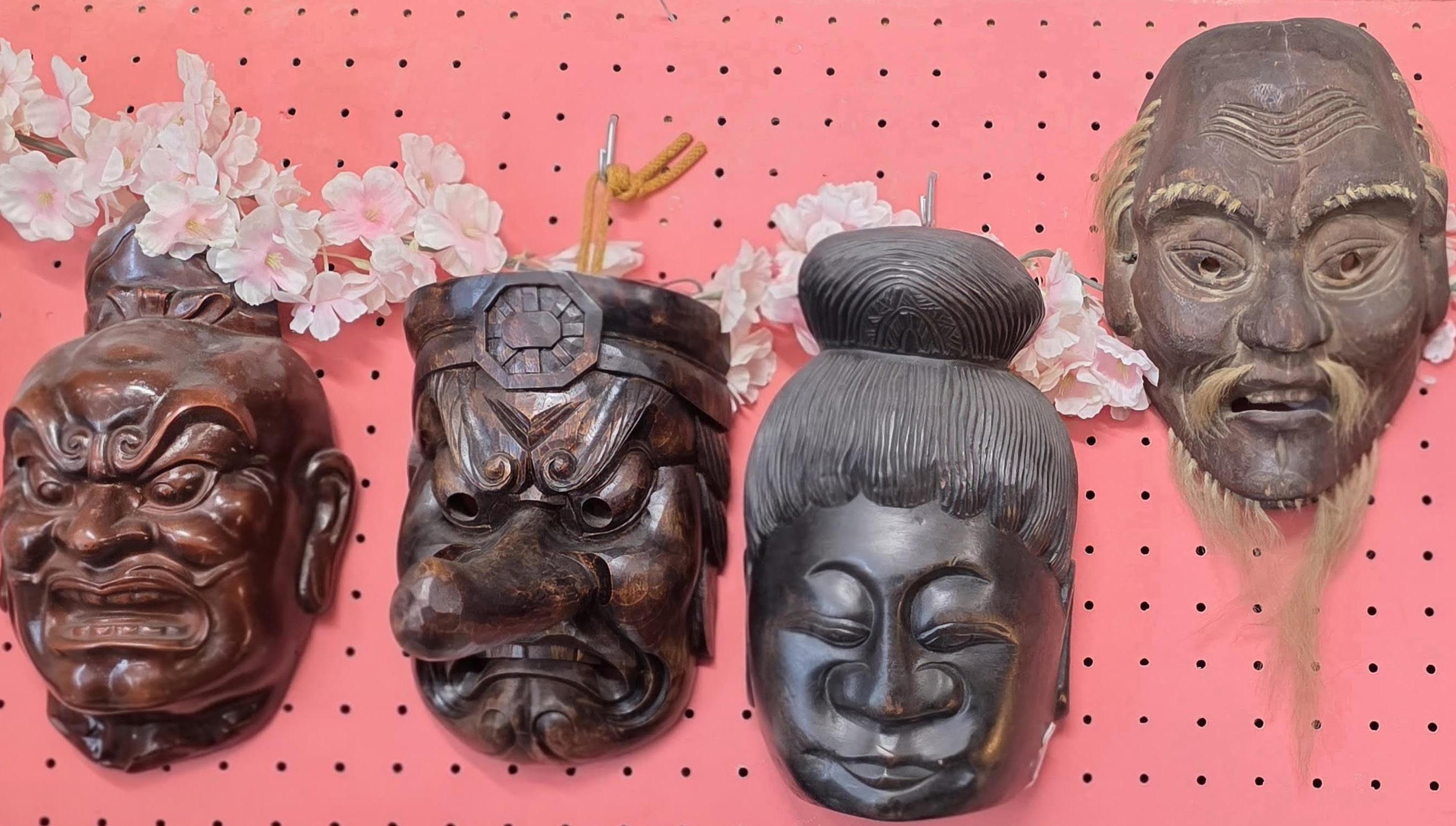
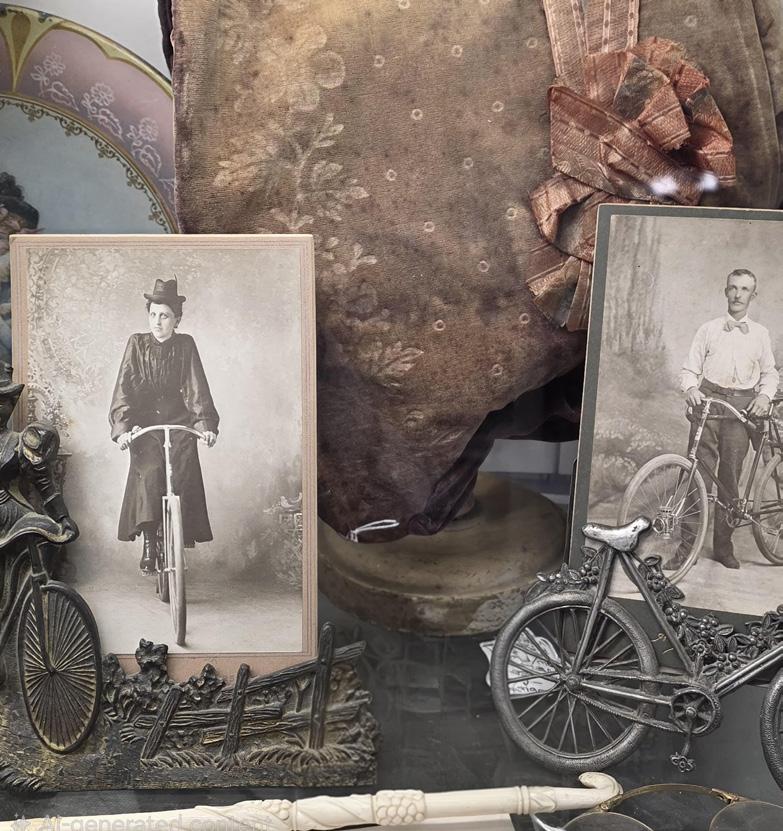
Midtown Antiques isn’t just a building where buying and selling occur; rather, it stands as a love letter to craftsmanship, authenticity, character and the art of meaning. And, for more than three decades, owner Julie and a collective of 65 dealers have filled the former Simonet’s building with collections that complement one another, rather than compete.
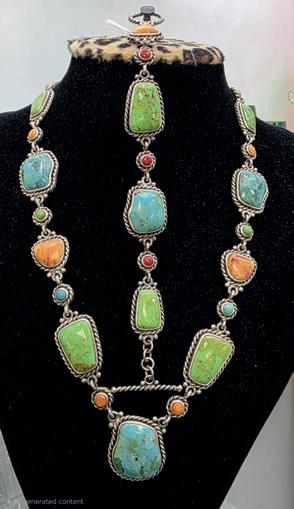
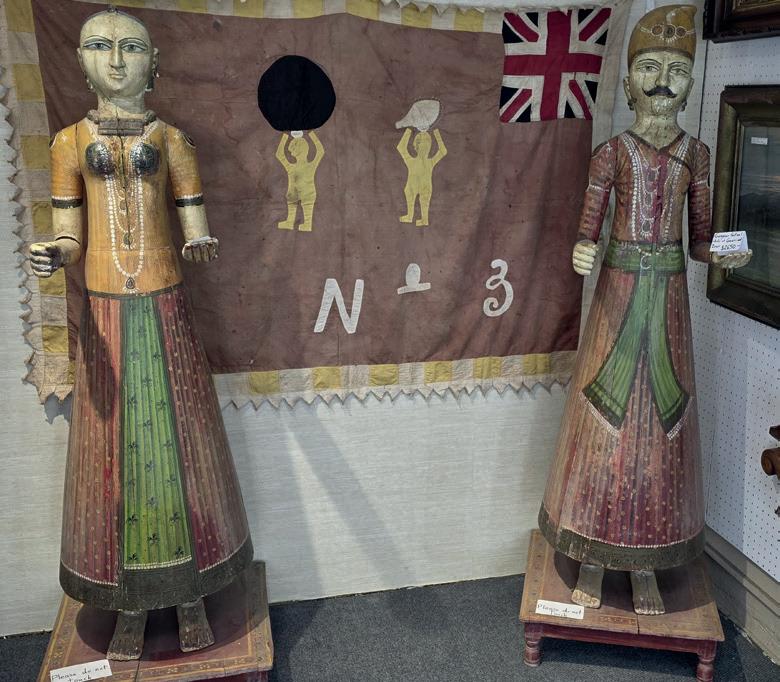
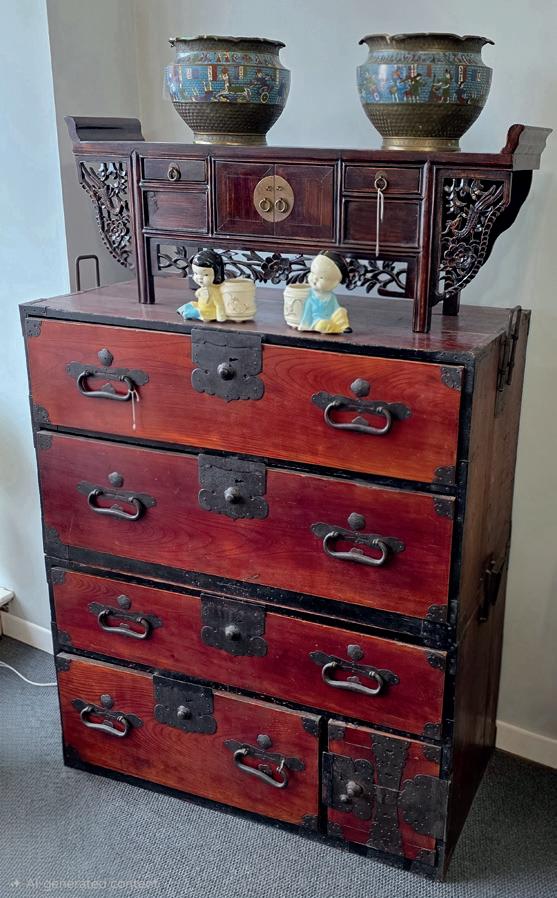
Carrying history and intricacy, the shop is filled with an array of pieces from different cultures and decades: from Victorian furniture and pieces composed of Art Deco linework to midcentury lamps, Fenton and Depression glass, and primitive pieces.
And, although Julie Kranz may be the quiet force behind Midtown Antiques, its manager, Dick Richter, the self-proclaimed extrovert, does most of the storytelling and talking about the origins and story of the shop. Still, he’s the first to point out that the vision, discipline and success of the shop all belong to Kranz.
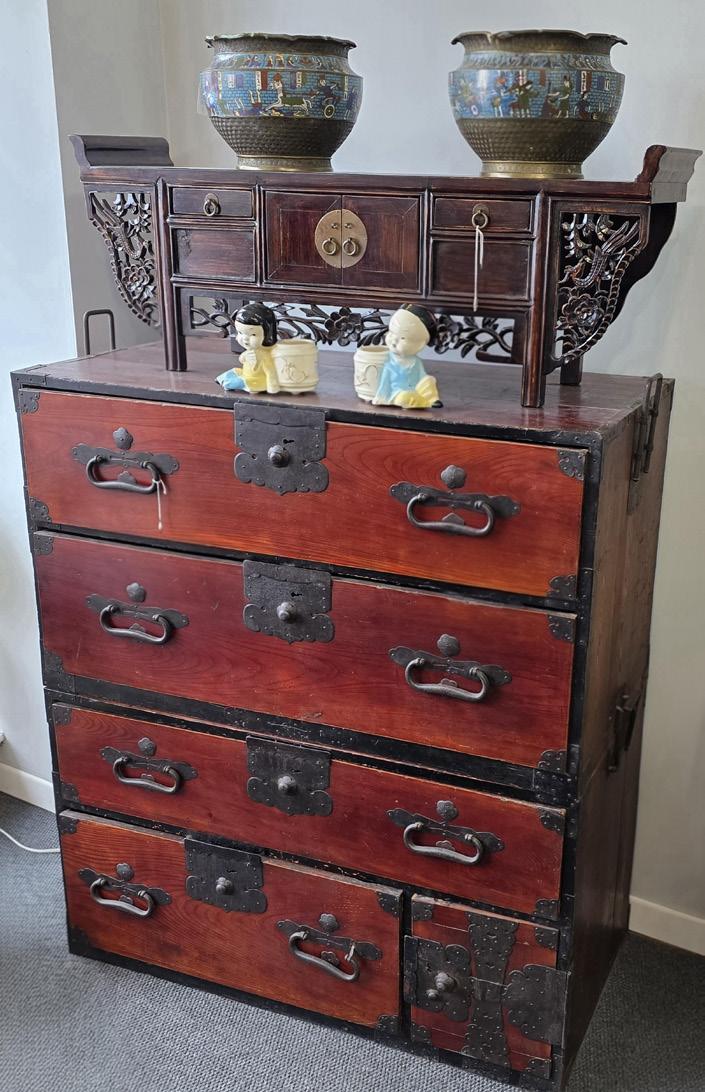
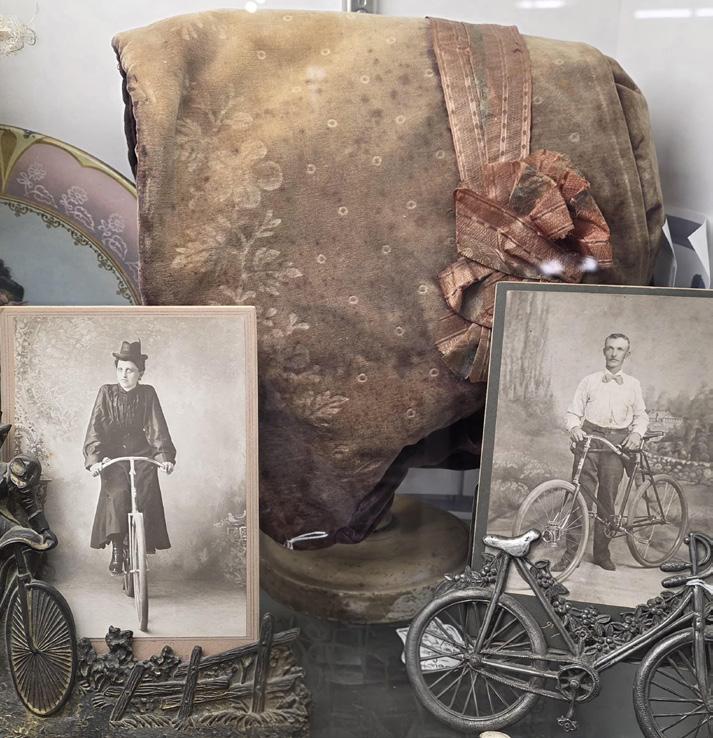
Midtown Antiques started over 30 years ago when Kranz occupied a small building across the street from its current three-story building, which was purchased just five years later. When Kranz and her former husband divorced, she took over the building and the business venture, running it successfully ever since.
“As a matter of fact, the gross volume from that business is twice what it probably was, and that is because of Julie and our customer base,” Richter says.
From looking for something to remind themselves of a grandparent, looking for a type of rare craftsmanship you can’t get commercially, to craving artistry, Richter says these are all reasons that enhance the business’s success.
“One of the things that I personally have found is that in many cases, there’s a lot of younger people now in their 20s and 30s, that recognize this, the beauty in the design and craftsmanship from years past, because what they see in in the stores today is is obviously quick and dirty with glitter to appeal to the eyes, and you know — cost be damned,” Richter says.
Beyond the appeal of design and aesthetic, Midtown combats waste just by existing in the community. Just in the Twin Cities alone, the amount of garbage going into metro landfills has increased by more than 30% in just one year, generating 3.3 million tons each year, according to the Minnesota Pollution Control Agency.
“It’s kind of neat to think that whether you’re looking at a piece that’s on the shelf or in your bedroom, that a person designed it and built it took with them that knowledge,” Richter says.
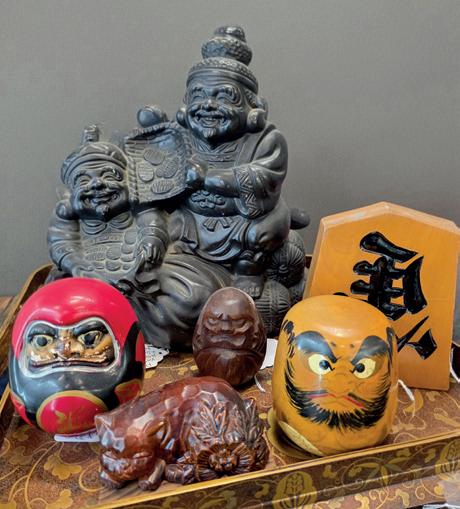
“And we’ve kept it alive, and the customers that come in appreciate that because most of the money spent at Midtown is discretionary.”
According to Richter (and federal law, for that matter), for an item to be considered an antique, it has to be at least 100 years old. Oftentimes, that’s not understood. People mislabel a vintage item as an antique, and although it makes it a “collectible,” Midtown doesn’t accept reproductions.
In fact, what makes the store so special is its layered criteria on what items Midtown accepts; since they don’t just take anything, Richter says it makes for a competitive consumer experience.
Owner and curator, Kranz enforces two clear guidelines for new dealers: no mass-produced or commercially sold goods (such as candles or a reselling of online-purchased items), and new incoming inventory must work to complement existing pieces, rather than compete with them, to create a stock that isn’t repetitive.
When someone comes into the shop who isn’t already a registered dealer with Midtown, the next steps usually consist of Richter passing the lead onto one (or several) of their dealers, asking

the owner to send a picture of their item(s) to the dealer.
Upon receiving the items, dealers then inspect the items for chips and cracks (if cracks are present, they do not make it into the store) and check for “specialization,” which analyzes if an item is unique from sets they already own and sell.
If an item does not make it past either of those processes, Richter tells customers to either list the item on Facebook Marketplace or Craigslist, or ideally, donate the item to Goodwill.
“This way, somebody else can reuse it, because if someone needs to have a bowl, because they can’t afford to go to Target and buy a bowl, but if they can go to a family store and get the bowl for $1.50, then that is helping the community,” Richter says.
Beyond policies and guidelines for dealers, Midtown prides itself on being fair and honest in the way they market their antiques, meaning it would rather lose a sale than misrepresent and collect money.
“If you ask me about a piece, and I know it’s not 1902 — I know it was made in 1942 — I’m going to tell you that, not to ruin the sale, but I want you to know that you’re going to be treated with respect and honesty, and that should make them feel comfortable to come there to shop,” Richter says.




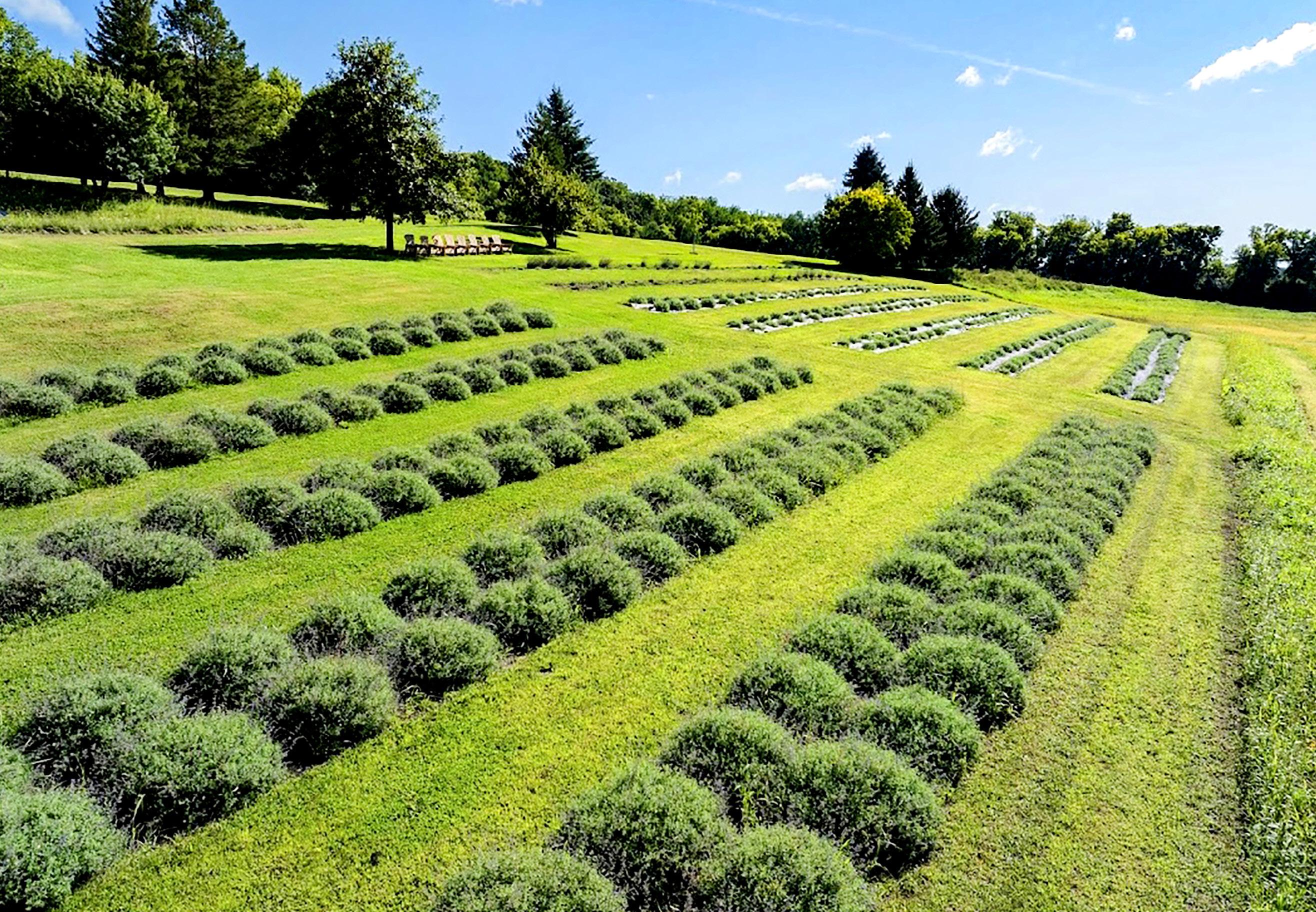
Rows of lavender stretch across the landscape at Liten Bekk Farm, where a once-overgrown property is being transformed into a hub for sustainable agriculture and community connection.
What began as a shared vision among three partners has quickly evolved into a multifaceted operation rooted in restoration, food production and giving back to the surrounding community.
The name “Liten Bekk,” derived from Norwegian, reflects both the land’s history and its natural features. The phrase translates to “small stream,” a nod to the property’s landscape and the heritage of early settlers in the region.
The farm was purchased on April 15, 2024, by Tyler Jennings, Ron Wold and Jeff Canham, marking the start of a new chapter for the 87-acre property. Since then, the team has focused on building a farm that not only produces food but also gives back to the land and surrounding communities.
“We planted lavender, and we have a big garden that we do for donations for regional food shelves,” Canham says. “We also produce honey and mushrooms, and we’re expanding into Minnesota native plants this year.”
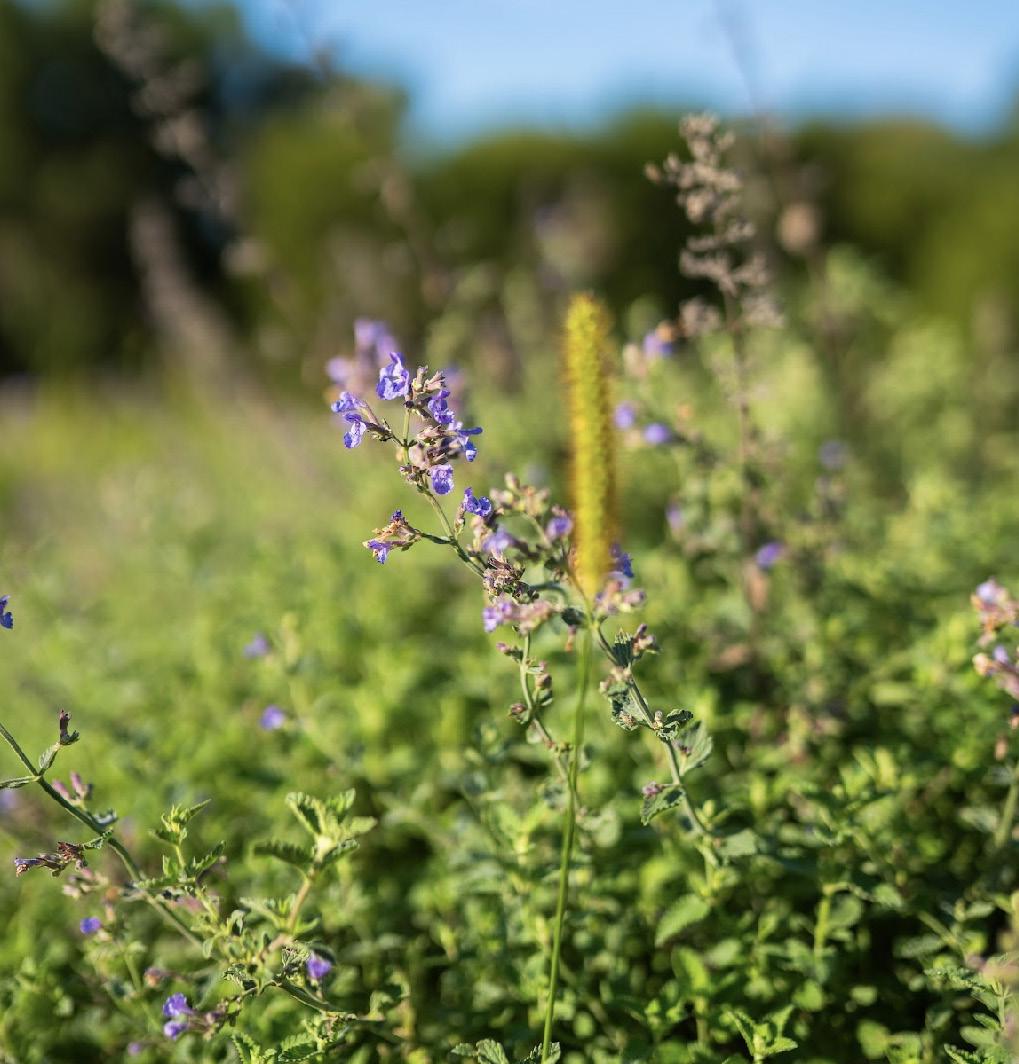
Head Gardener and Landscape Design Lead Louis Pretorius, who is originally from South Africa, brings a background in farming, landscaping and interior design. His influence is visible across the property, particularly in the rows of lavender and catmint planted to create a distinct visual identity.
“Jeff had a vision for hosting future events on the farm, so we planted rows of lavender and catmint to create that purple-lined effect across the property,” Pretorius says.
Having grown up on a farm just an hour and a half from Liten Bekk, Managing Partner and Owner Tyler Jennings lives on-site full time and oversees every aspect of the operation, from designing and building out the farm to selling fresh mushrooms and planning its next steps.
Currently, Jennings shares the land and his life with his two-year-old son, Jace, and hopes to cultivate a legacy rooted in innovation, stewardship and community.
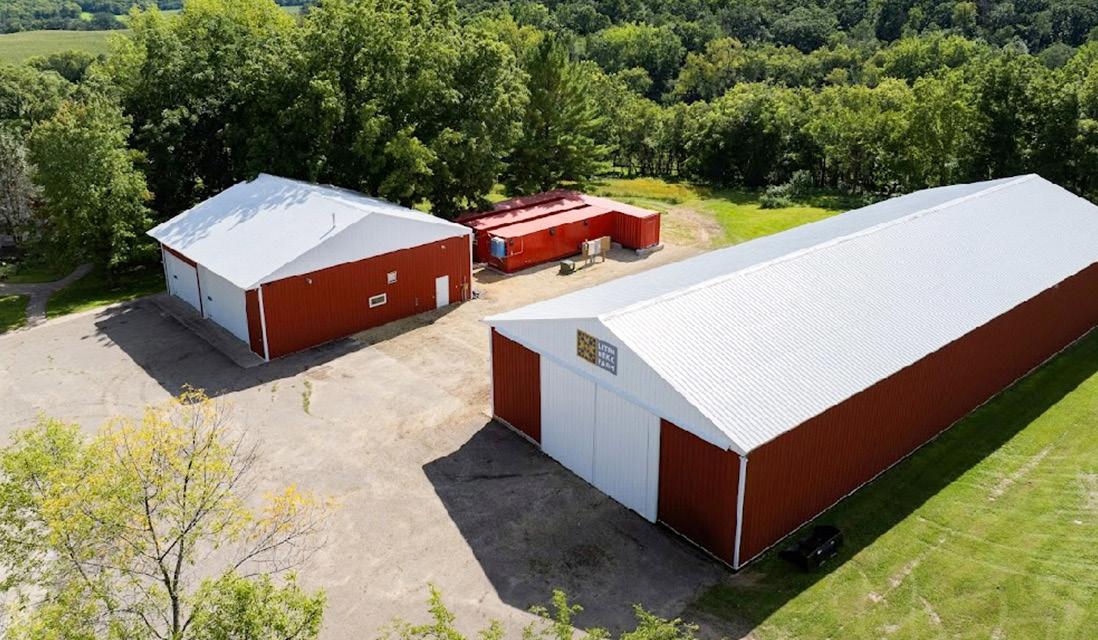
While the original concept included hosting events, the team shifted its focus toward agriculture, particularly mushroom production. After evaluating business needs and market demand, mushrooms emerged as a key opportunity.
The farm now supplies mushrooms to local country clubs, restaurants and hotels, with plans to expand into farmers’ markets this spring.
Sustainability is central to the farm’s mission. Pretorius said the team is actively restoring native fields with wildflowers and grasses while implementing environmentally conscious growing practices.
On the farm’s website, it describes container farming as “an innovative approach that allows for efficient and sustainable crop production.” By utilizing controlled environments, the farm is able to grow high-quality mushrooms and plants year-round, regardless of the weather.
The farm also incorporates composting practices by reusing mushroom substrate and organic waste to enrich the soil. Much of the land, previously overgrown, has been cleared to restore woodland areas and improve ecological health.
“We have a couple of native fields where we’re restoring wildflowers and native grasses, so we wanted to give back,” Pretorius says. “We added bees last year, and now we’ve grown to about 10 hives to produce more local honey.”
Beyond production, the farm emphasizes community involvement and philanthropy. Produce and unsold mushrooms are donated to local organizations, and the team partners with groups such as Bluebirds in Bloom, which repurposes flowers for individuals in memory care and nursing facilities.
The owners also hope to create a welcoming environment for visitors, with plans to host small gatherings and invite clients to experience the farm firsthand in the future.
“We really wanted to create an environment that is welcoming to everybody,” Canham says. “That’s why we have a philanthropic giveback with vegetables, and then we donate mushrooms, too, that don’t sell.”
Liten Bekk’s logo features a Swedish barn quilt symbolizing the rich cultural heritage of the farming community. The design dates back to Civil War times, representing resilience and unity among families. Despite their name, the squares on the quilting patterns are made out of wooden blocks rather than fabric material.
Located about 45 minutes south of the Twin Cities near Northfield, Liten Bekk Farm is still in its early stages, but its blend of agriculture, sustainability and community-driven values is already taking root.

George Christ never planned on working in the shutter industry. Instead, he was simply a lost 21-year-old who got pulled into a world he never expected. In other words, it was one of those “the rest was history” sort of stories.
Now, 30 years later, Christ shares about the passion he has discovered working as the store manager for Minnesota-based Sunburst Shutters and Window Fashions.
“I started when I was 21. I turned 51 this year, so it’s been 30 wonderful years,” Christ shares. “It’s one of those things; I didn’t know what I wanted to be when I was younger. My brother-in-law called me. I was working at Corporate Motorola, and he said, ‘Come work here.” And I said, ‘What’s a shutter?’ And he goes, ‘Don’t worry. We’ll train you.’ That’s it. I quit on a Friday, started here that next Monday, and never looked back.”
Far from the corporate role he had once worked in, which involved sitting behind a desk in a cramped cubicle, this new role involved going out and meeting people and advising them on the different options they had to modify their home with shutters.
Perhaps, when you think of shutters, the outdated colonial-style version may come to mind. However, shutters are far more than a simple, practical window covering. Although they may appear similar to blinds at first glance, shutters offer a more elegant, durable and versatile purpose than some may assume.
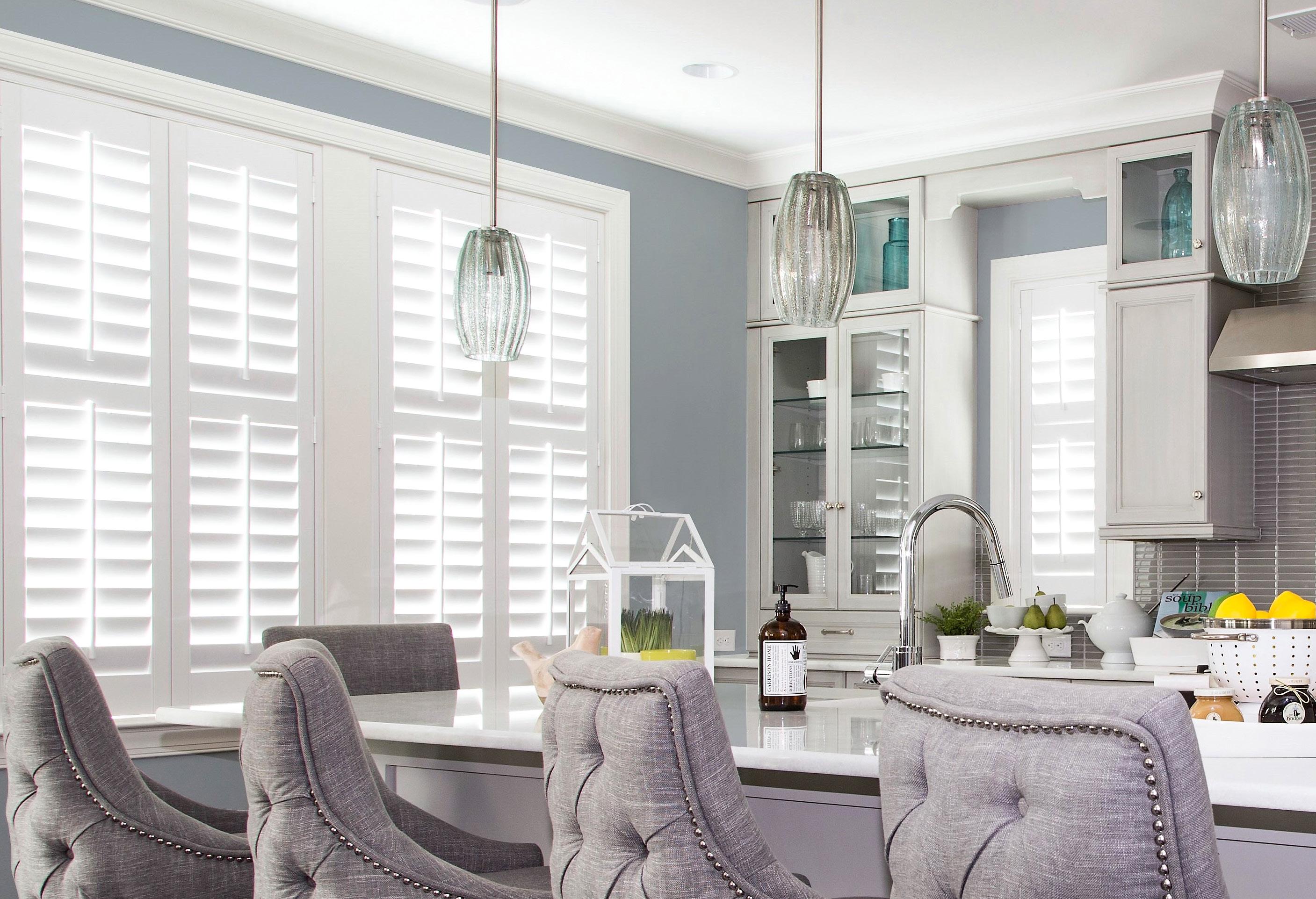
Similar to blinds, shutters provide options when it comes to light control. Unlike blinds, they offer a much more precise level of adjustment. Because shutters are custom-built for every home, they provide more flexible options for the level of privacy and light that one would like.
“We have to make it so that shutters fit as close as we can get to be perfect because they’re hanging doors on your windows, and any blind hung on your windows, you’ll notice about a half-inch gap or so on the sides,” Christ says. “Where,
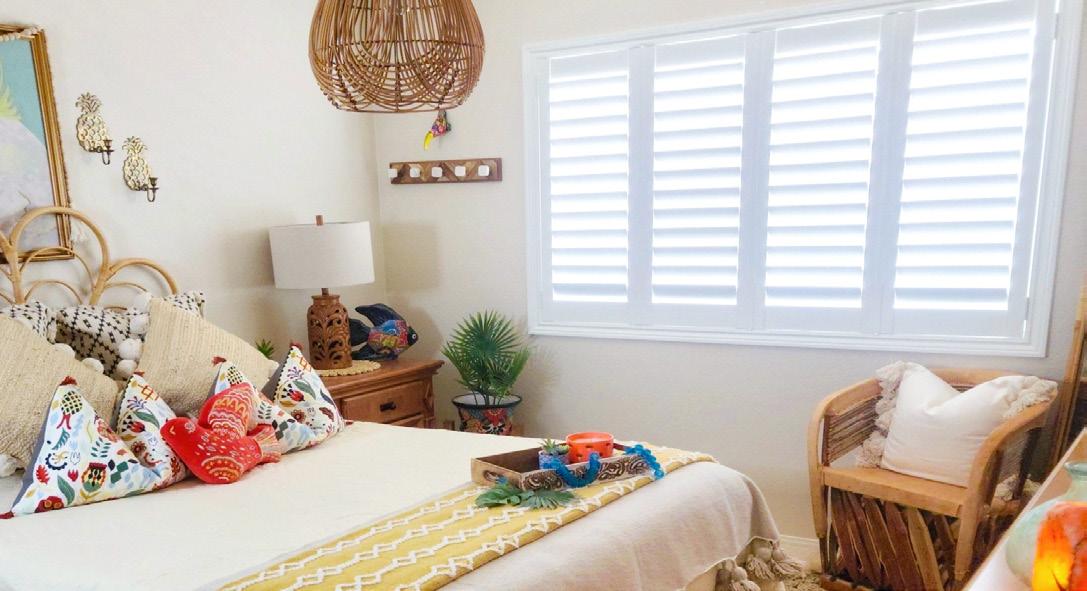






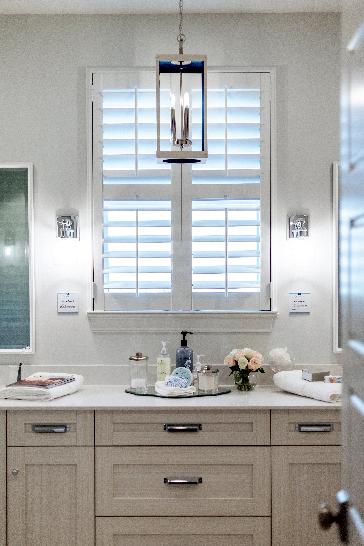
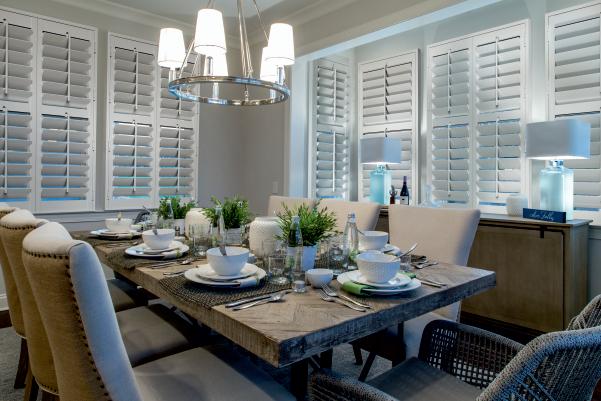
Get a fresh look for your home this Summer with Polywood® Shutters! Save 25% on all shutters for a limited time* and transform your outdated window coverings into a stylish focal point for any room. * Offer is only good until June 30, 2024, and cannot be applied to previously quoted items or combined with any other offer.

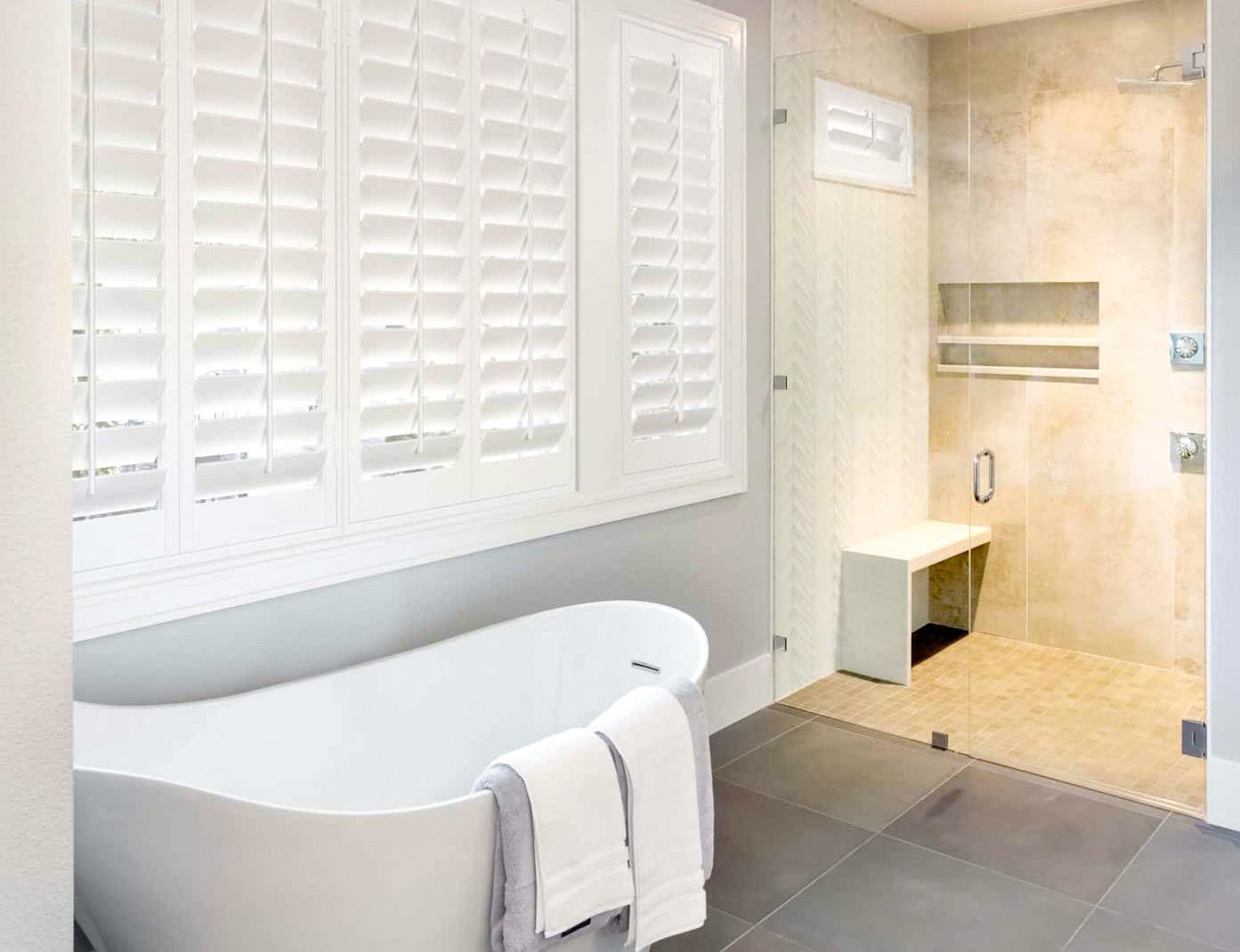
if I put a half-inch gap around your window on a shutter, people will literally want to string me up because the gap is unacceptable. I mean, an eighth of an inch is about what we use for a tolerance level. So we try to keep the gaps nice and tight.”
Because of this, Christ shares, homeowners who choose shutters have the ability to close out nearly all unwanted light. But, because shutters can be created to have multi-point control, they can be manipulated to allow for different levels of light to come through.
“We can tilt them differently, like for a lot of the louvers or for a lot of the options, people have separate louver control for the bottom half than they do the top half, and there’s quite a few different ways of doing that,” Christ says. “Now, some people might want to just close them all the way up, great, but you know it’s nice to have that flexibility, kind of like a top-down, bottom-up shade.”
With light control comes an additional feature that can help homeowners save money: energy efficiency. Because shutters excel at keeping a tight seal against unwanted light, they naturally provide insulation from unwanted heat or drafts, which can bring down costs in temperature control.
Further, Sunburst Shutters and Window Fashions carries a unique material called polywood that increases the strength of insulation compared to a typical wood shutter. Polywood, Christ says, is “a solid polymer” that is coated in an acrylic-based paint that protects against discoloration. This specific material is excellent at insulating, making it a great option for those looking to cut costs on energy.
Not only are shutters measured specifically for each individual window of the home, but there are a plethora of different designs and materials that add to the customizability and overall function of the shutters. As a result, homeowners can
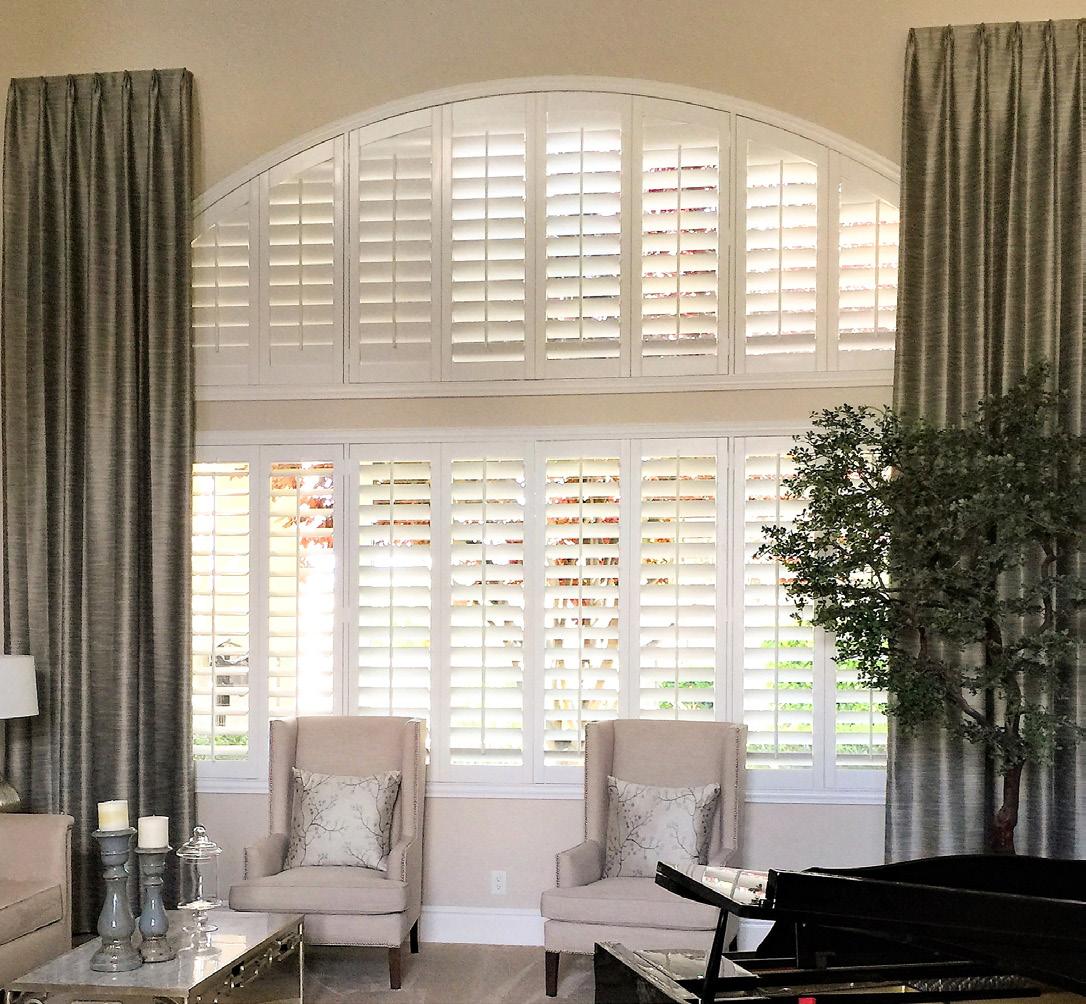
find shutters for windows of varying shapes and sizes, as well as make decisions about how they want the shutters developed.
“We can do inside, and we can do outside,” Christ says. “We come into situations where the kitchen sink may be in the way or … their garage door might be in the way of a window in the garage. And we do all sorts of applications where you can do them as pop-outs where they literally are held by magnets in the back, so the doors themselves just pop right off.”
In addition to the practical uses of shutters, they can also add value to a home through their aesthetic purposes. Contrary to other forms of window treatments, shutters are considered a long-term, durable product that is meant to be seen.
Christ puts it simply: “They’re not disappearing ever and … the main goal is they want to be a focal point, and the beauty of them is to have them there.”
Boasting both visual and functional benefits, shutters are a timeless option for homeowners to consider when investing in their property. For those interested, more information about setting up an appointment, pricing and other common questions regarding shutters can be accessed by visiting the website sunburstshuttersminneapolis.com.

BY RANDY STERN

Our community has always been seen as different from everyone else. Practically everything we do reflects that point of view. While we sometimes want to conform, we always find something that distinguishes us from the norm.
Regardless of your worldview, there is always something that will stop you in your tracks. Something that is indeed different from anything we define as normal. That is why we always have an eye on design and how our psyche reacts to it.
One look at the 2026 Polestar 4, and you begin to question everything. It is certainly unlike anything we have driven in this country — a design study on what a sporty electric hatchback could be if someone let their imagination run wild.
It is a curious vehicle. The 2026 Polestar 4 provokes a lot of curiosity towards defining itself. There are a few clues as its design inspiration. However, it is not what it truly seems to be.
Let’s back up for a moment. Polestar is a sibling to Volvo, all controlled by Chinese automaker Geely. From what we experienced so far, Polestar is further differentiating itself from its Swedish relative by offering premium-level sporty electric vehicles. While there are some shared design and engineering tenets, Polestar vehicles were developed to challenge the norm. They must be different and distinctive to attract the kind of owner who appreciates that blend of modern aesthetics with the latest technology.
Being the fourth offering from this brand, the 2026 Polestar 4 broke from many design molds. The only thing “Volvo” about this sleek four-door touring hatchback is the Thor Hammer LED front lighting units. Even those have been shaped differently than before, now split into two units per side. The nose is clean with the grille in the lower area of the fascia. The rest of the body forms a coupe-like shape for the roofline that meets the horizontal LED taillight strip. OUR HOMES

Community Connection brings visibility to local LGBTQ-friendly non-profit organizations. To reserve your listing in Community Connection, email advertising@lavendermagazine.com.
ANIMAL RESCUE
Second Chance Animal Rescue
Dedicated to rescuing, fostering, caring for, and adopting out dogs and cats into forever homes.
P.O. Box 10533
White Bear Lake, MN 55110 (651) 771-5662 www.secondchancerescue.org
BUSINESS ASSOCIATIONS
Quorum
Minnesota's LGBTQ+ and Allied Chamber of Commerce working to build, connect, and strengthen for a diverse business community.
2446 University Ave. W., Ste 112 St. Paul, MN 55114 (612) 460-8153 www.twincitiesquorum.com
ENVIRONMENT
The Nature Conservancy
TNC is an environmental nonprofit working to create a world where people and nature thrive. 1101 W. River Pkwy., Ste. 200 Minneapolis, MN 55415-1291 (612) 331-0700 minnesota@tnc.org www.nature.org/minnesota
EVENT VENUES
Landmark Center
A classic venue, with a grand cortile and beautiful courtrooms, accommodates celebrations of all sizes.
75 W. 5th St. St. Paul, MN 55102 (651) 292-3228 www.landmarkcenter.org
FOUNDATIONS
University of Minnesota Foundation
Connecting passion with possibility to transform the future through philanthropy. 200 Oak St. SE, Ste. 500 Minneapolis, MN 55455 (612) 624-3333 giving@umn.edu www.give.umn.edu
GRANTMAKERS/FUNDERS
PFund Foundation
PFund is the LGBTQ+ community foundation that provides grants to students and grants to non-profits. PO Box 3640 Minneapolis, MN 55403 (612) 870-1806 www.pfundfoundation.org
HEALTH & WELLNESS
Aliveness Project
Community Center for individuals living with HIV/AIDS – on-site meals, food shelf, and supportive service. 3808 Nicollet Ave. S. Minneapolis, MN 55102 (612) 824-LIFE (5433) www.aliveness.org
Radio K
Radio K is the award-winning studentrun radio station of the University of Minnesota.
330 21st. Ave. S. Minneapolis, MN 55455 (612) 625-3500 www.radiok.org
MEDICAL SERVICES
Red Door Clinic
HIV and STI screening, treatment, education, and referrals. Doxy PEP, nPEP, PrEP, and Reproductive Health. 525 Portland Ave., 4th Fl. Minneapolis, MN 55415 (612) 543-5555 reddoor@hennepin.us www.reddoorclinic.org
Bell Museum, University of Minnesota
Discover Minnesota’s rich natural history through engaging exhibits, wildlife dioramas, and an exciting planetarium experience!
2088 Larpenteur Ave. W. St. Paul, MN 55113 (612) 626-9660 bellinfo@umn.edu www.bellmuseum.umn.edu
Minnesota Historical Society
Create your own adventure at MNHS historic sites and museums around Minnesota. www.mnhs.org
Minneapolis Institute of Art
Home to masterpieces from around the world and through the ages. Always free. Everyone welcome.
2400 3rd Ave. S. Minneapolis, MN 55404 (612) 870-3000 www.artsmia.org
Science Museum of Minnesota
Mississippi Riverfront Museum featuring dinosaurs, hands-on exhibits, Omnitheater films, and interactive science performances. Café onsite. 120 W. Kellogg Blvd. St. Paul, MN 55102 (651) 221-9444 www.smm.org
ARENA DANCES
ARENA DANCES presents innovative contemporary dance, fostering community, dialogue, and inclusion through performance and education
711 W. Lake St., Studio 308 Minneapolis, MN 55408 (612) 804-0238 www.arenadances.org
Chanhassen Dinner Theatres
The nation's largest professional dinner theater and Minnesota's own entertainment destination.
501 W. 78th St. Chanhassen, MN 55317 (952) 934-1525 www.chanhassendt.com
Children’s Theatre Company
Children’s Theatre Company excites the imagination with world-class family-friendly theatre for kids, teens, and adults.
2400 3rd Ave. S. Minneapolis, MN 55404 (612) 874-0400 www.childrenstheatre.org
Guthrie Theater
Open to the public year-round, the Guthrie produces classic and contemporary plays on three stages. 818 S. 2nd St. Minneapolis, MN 55415 (612) 377-2224 www.guthrietheater.org
Minnesota Opera
World-class opera draws you into a synthesis of beauty; breathtaking music, stunning costumes & extraordinary sets. Performances at the Ordway Music Theater - 345 Washington St. St. Paul, MN 55102 (612) 333-6669 www.mnopera.org
Minnesota Orchestra
Led by Music Director Thomas Søndergård, the Minnesota Orchestra, one of America’s leading symphony orchestras. 1111 Nicollet Mall Minneapolis, MN 55403 (612) 371-5656, (800) 292-4141 www.minnesotaorchestra.org
Twin Cities Gay Men’s Chorus
An award-winning chorus building community through music and offers entertainment worth coming out for! 1430 W. 28th St., Ste. B Minneapolis, MN 55408 (612) 339-SONG (7664) chorus@tcgmc.org www.tcgmc.org
All God's Children Metropolitan Community Church
A welcoming, inclusive, safe place to explore and discover God's love for ALL God's children.
3100 Park Ave. Minneapolis, MN 55407 (612) 824-2673 www.agcmcc.org
Hennepin Avenue United Methodist Church
Everyone is welcome at Hennepin Church! Vibrant Worship. Authentic Community. Bold Outreach. 511 Groveland Ave. Minneapolis, MN 55403 (612) 871-5303 www.hennepinchurch.org
Spirit Garage
A Christian community of creative, quirky, curious folx where All Means ALL. Sundays, 10:30am.
100 W. 46th St. Minneapolis, MN 55419 bigdoor@spiritgarage.org www.spiritgarage.org
Westminster Presbyterian Church
An open and affirming congregation, welcoming persons of all sexual orientations, gender expressions and identities.
1200 Marquette Ave. Minneapolis, MN 55403 (612) 332-3421 www.westminstermpls.org
SENIOR LIVING
Lyngblomsten
Offering caregiver education, resources, support groups, and The Gathering (daytime respite, memory-loss enrichment program).
1415 Almond Ave. St. Paul, MN 55108 (651) 632-5320 caregiving@lyngblomsten.org www.lyngblomsten.org/CServices
SOCIAL GROUPS
Let’s Do Coffee & Let’s Do Lunch hosted by Friends & Co. Free, drop-in gatherings. LGBTQ+ adults 62+. Various locations. Coffee, pastries, or lunch—no RSVP needed.
2550 University Ave. W., Ste. 260-S St. Paul, MN 55114 (612) 721-1400 www.FriendsCo.org
SOCIAL SERVICES
Lutheran Social Service of Minnesota
Serving all Minnesotans with individualized services that promote full and abundant lives.
lssmn.org | (651) 642-5990 | (800) 582-5260
Foster Care and Adoption | chlss.org | (651) 646.7771
PICS (Partners in Community Supports) | (651) 967-5060
Pooled Trust | (888) 806-6844
Supported Decision-Making | (888) 806-6844
SPORTS & RECREATION
The Loppet
Minneapolis nonprofit connecting people to the outdoors through experiences that grow community.
1301 Theodore Wirth Pkwy. Minneapolis, MN 55422 (612) 604-5330 www.loppet.org
TRAVEL DESTINATIONS
Westopolis
Minnesota’s Sweet Spot! St. Louis Park & Golden Valley offer exceptional dining, attractions, shopping, hotels and event space.
1660 Hwy 100 S., Ste. 501 St. Louis Park, MN 55416 (952) 426-4047 www.westopolis.org
Just above the taillight unit, something is missing. There is no traditional back glass on the liftgate. This has been a topic of conversation among consumers and fellow media members that certainly caused a lot of head scratching and unfinished questions.
How does one look back? There is a camera unit where the glass pane should be located. That feeds back to two areas — the 8.9inch rearview mirror and the 15.4-inch center touchscreen display. The rearview mirror acts as the primary screen to look behind you. The resolution was fine, and you can adjust for height, position and brightness on the mirror unit itself. Just follow the prompts and select the buttons appropriately.
You do get side mirrors that are small and frameless. The entire unit adjusts through prompts on the center display screen. They also dip when you put the 2026 Polestar 4 in reverse. While in reverse, the center screen gives you both an immediate reverse view and a 360-degree overhead view. Both views are clear with great resolution.
Would the absence of a rear glass change the ambience of the cabin? First, there is a fixed electrochromic glass roof panel that adjusts to allow light inside. Our test vehicle wore Zinc Bridge of Weir Nappa leather seats that also lightened the cabin’s atmosphere. However, there are still plenty of Charcoal finishes that may cause some effects from the absence of a rear pane of glass.
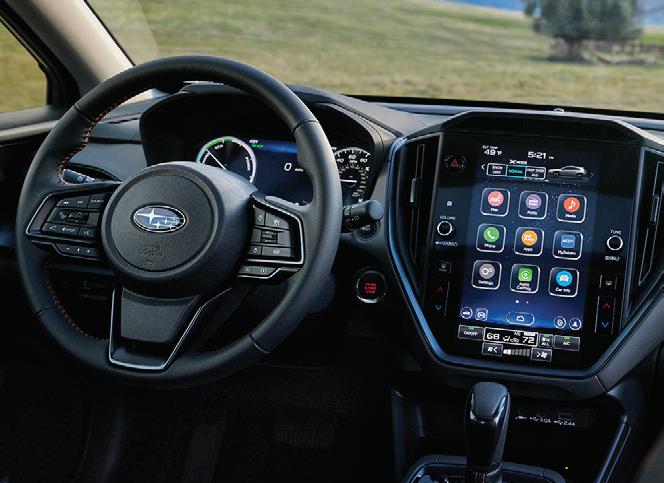
The driver is treated to a 10.2-inch display behind the steering wheel, along with a 14.7-inch head-up display. The graphics and readouts are very clear and easy to decipher. Most of the vehicle’s controls are in the center touchscreen display. The entire cabin has a clean and sleek look overall, capable of seating up to five people.
As a hatchback without a rear glass pane, there is plenty of cargo space available. With the rear seats up, there is 18.6 cubic feet. You can expand that space to 54.2 cubic feet. There is an additional 0.5 cubic feet underneath the front hood.
Our Long range Dual motor test vehicle has a driveline that consists of two electric motors mounted at each axle. Together, they are rated for 544 horsepower with 508 poundfeet of torque. Electric energy comes from a 100-kilowatt-hour battery that receives its energy from a CCS plug. At a DC Fast Charger, you can recoup from 10-80% state of charge in 30 minutes at a rate of 200-kilowatts. We found that we had nearly 300 miles of range at a full battery.

Estimates 7:30am-4:30pm



www.inkwellbooksellersco.com 426 E Hennepin Ave, Minneapolis, MN 55414 763-209-8117









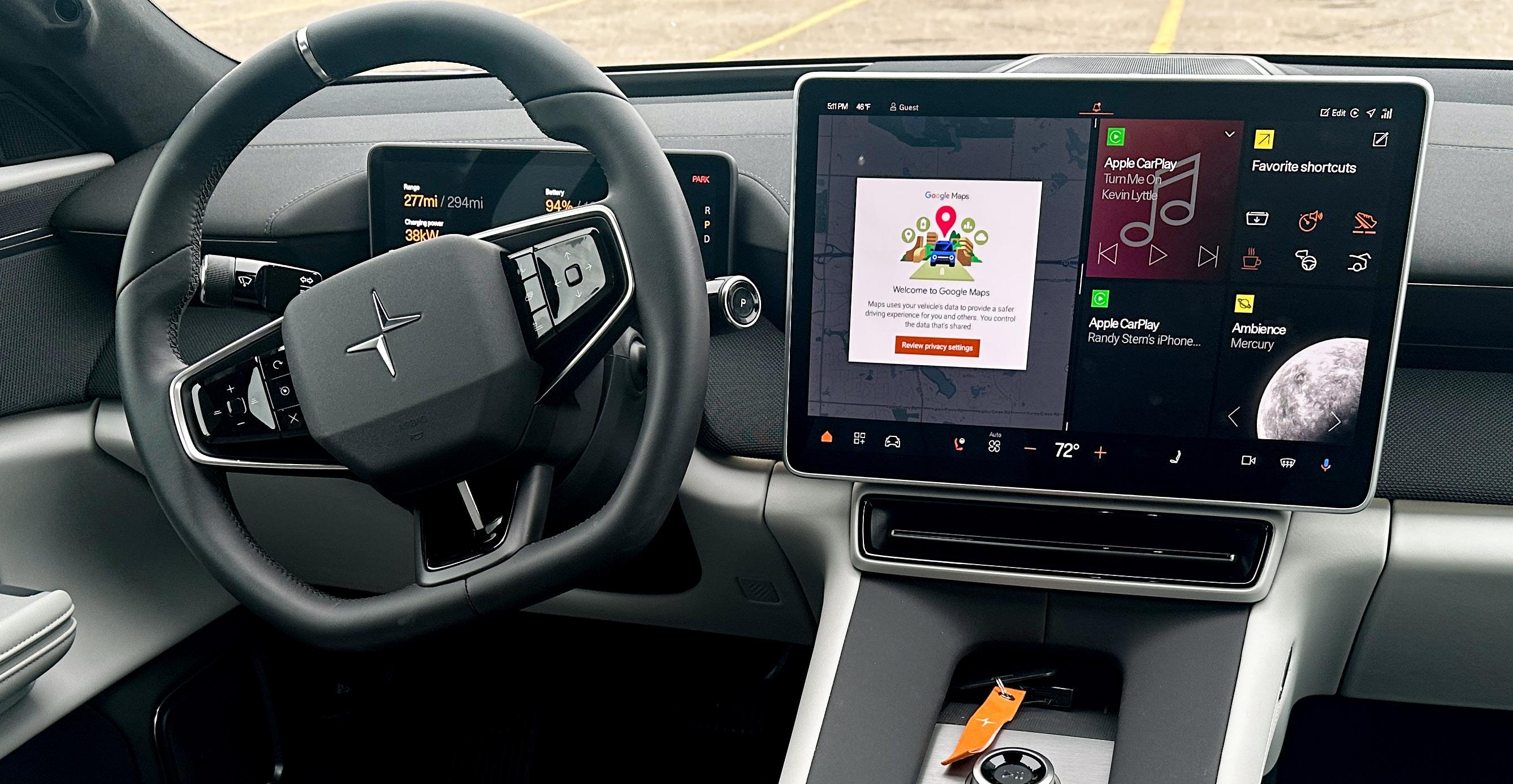

Our test vehicle came with a set of 21-inch four-spoke forged alloy wheels on low-profile tires. While they look great, they offer a solid but firm ride overall. They did their best to manage rougher road surfaces. In turn, the handling felt precise and near-flat through the corners. The 2026 Polestar 4 avoids maneuvers with reflexes.
That leads to the steering system, which we also found was precise and responsive. On-center was fine and can be adjusted by putting the 2026 Polestar 4 into Performance mode; the steering effort and feel will be weighed down.
Brake pedal feel was fine overall, with quick response to the wheels. One-pedal driving was enabled with Creep mode on, which slowed down the vehicle more quickly without much prompting. You can adjust the one-pedal driving, as well as turn off Creep mode.
With two drivelines and several packages to choose from, pricing for the 2026 Polestar 4 starts at $56,400. Our Long range Dual motor model with the Pilot and Plus Packs came with a sticker price of $79,100.

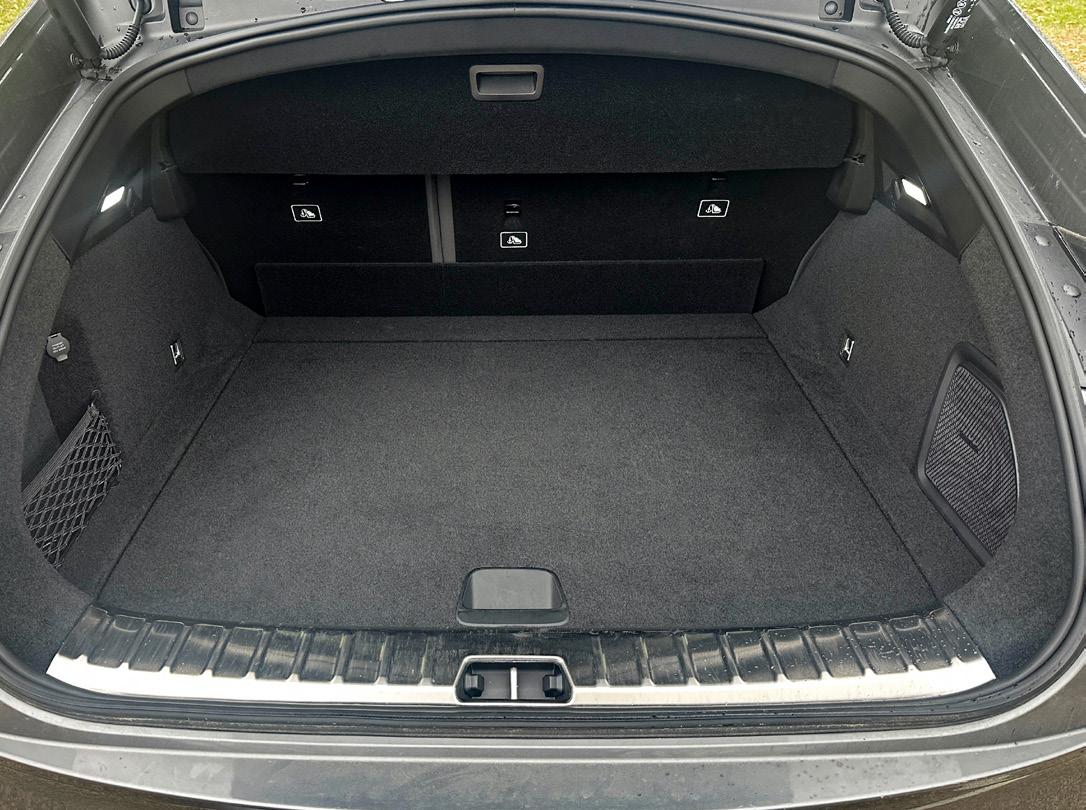
This fourth addition to Polestar’s lineup is a compelling vehicle. It is a sporty hatchback with some SUV and crossover elements that truly defy convention. Yet, it is a type of electric vehicle that we could see more of in the coming years, if not already in some parts of the world. If you dare to be different, try the 2026 Polestar 4 on for size. Just don’t mind the absence of the back glass. You’ll get used to that soon enough.





At Summit Orthopedics, we’re proud to be Minnesota’s only top-ranked orthopedic and spine outpatient surgery center as recognized by U.S. News & World Report. And while our expertise sets us apart, it’s how we care for people that defines us. Even after thousands of procedures, we treat each patient like the only one.