The ShowRoom Mag no se hace responsable de las opiniones, textos y fotografías publicadas. Derechos reservados, está totalmente prohibida la reproducción total o parcial de los artículos, fotografías, ilustraciones y demás contenidos que aparecen en la revista sin autorización expresa de Rosti Family Group.
DEL LIBRO A LA PELI NEPOBABIES
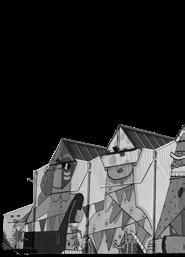
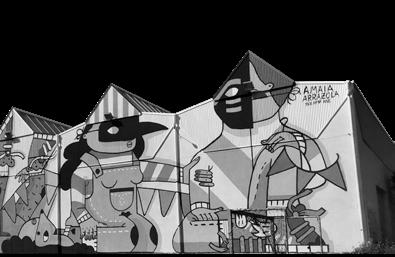
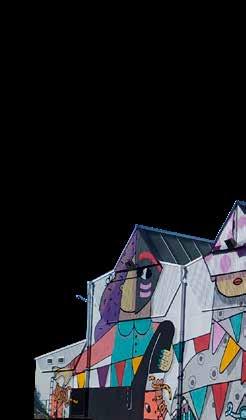
AMAIA ARRAZOLA
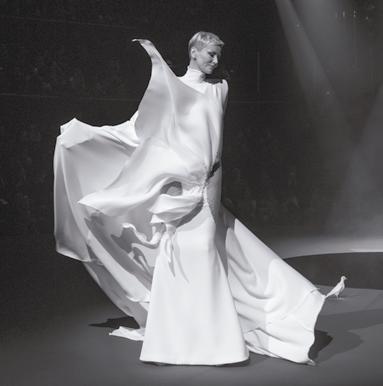
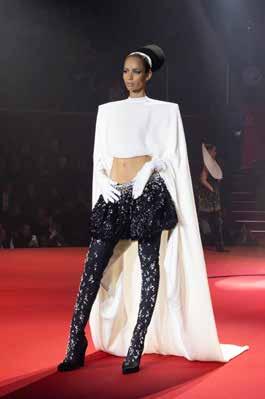
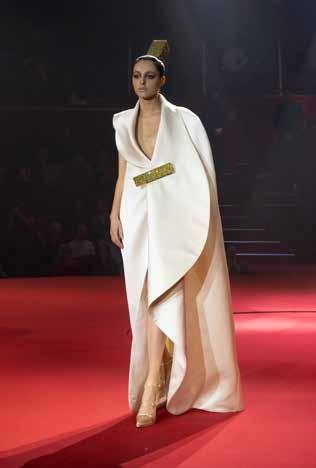
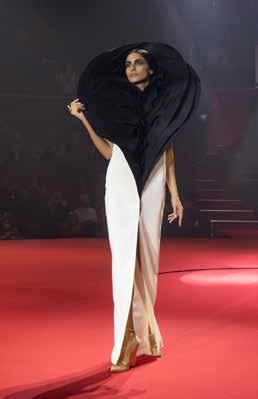
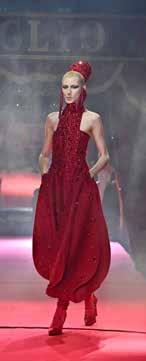
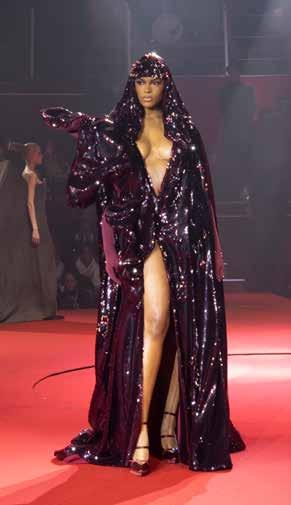
STEPHANE ROLLAND FOR YOU LIKE A WAVE MOTOR
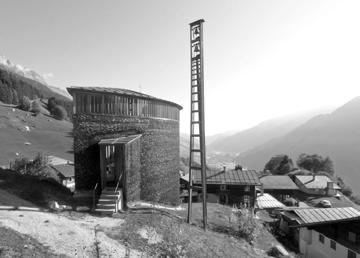
PETER ZUMTHOR
UNA OLA DE ÉXITOS NAZARÉ PAISAJES
ISLAS FEROE GADGETOPÍA
The ShowRoom Mag is not responsible for any opinions, texts and photographs published. All rights reserved. It is strictly forbidden to reproduce any article or part thereof, photograph or illustration or any other content without the prior consent of the Rosti Family Group.
Hablar de Crespo en las islas es hablar de memoria colectiva
El latido tropical que cruza océanos
Hay artistas que no pertenecen del todo a una época, sino a una sensación. Elvis Crespo es uno de ellos. Su música no se entiende únicamente como parte del auge del merengue de finales de los noventa, sino como un lenguaje festivo que ha sobrevivido al tiempo, a las modas y a los cambios de la industria. Y en lugares como Canarias, ese lenguaje ha encontrado un hogar inesperadamente natural.
Hablar de Crespo en las islas es hablar de memoria colectiva. De verbenas que se alargan hasta el amanecer, de carnavales donde la frontera entre escenario y calle se diluye, de canciones que no necesitan presentación porque forman parte del ambiente. Temas como Suavemente no se escuchan en Canarias: se activan. Aparecen, de forma casi automática, cuando la fiesta alcanza su punto exacto de ebullición.
En ese contexto, su regreso a la actualidad musical junto a Quevedo en el tema La Graciosa adquiere una dimensión especial. Por un lado, el merengue global, expansivo, de Crespo. Por otro, la sensibilidad urbana contemporánea de uno de los artistas canarios más influyentes del momento.
En los grandes eventos musicales del archipiélago, su nombre aparece con la naturalidad de quien pertenece al lugar sin haber nacido en él. Su próxima actuación el 18 de julio en el Tenerife Cook Music Fest refuerza esa idea: la de un artista que encaja en el pulso festivo de las islas como si su repertorio hubiera sido escrito pensando en ese escenario concreto.
Quizá por eso, en Canarias, Elvis Crespo no necesita grandes introducciones. Su música no abre conciertos: abre recuerdos. Y en cada carnaval, en cada noche de verbena, en cada verano que se estira un poco más de la cuenta, vuelve a aparecer como si siempre hubiera estado allí, esperando el momento exacto para sonar otra vez.
The tropical beat that crosses oceans
There are artists who don't belong to a particular era, but instead to a feeling. Elvis Crespo is one of them. His music cannot solely be understood as part of the merengue boom of the late nineties, but as a language of celebration that has survived the test of time, passing trends and industry changes. And in places like the Canary Islands, that language has found a surprisingly natural home.
When you talk about Crespo in these islands, you’re talking about collective memory. Of parties that stretch out until dawn, of carnivals where the stage merges into the street, of songs that need no introduction because they form part of the atmosphere. Songs like Suavemente aren’t just something you listen to in the Canary Islands: they activate you. They appear, almost magically, when the party reaches its maximum peak.
Which is why his return to the music scene alongside Quevedo in the song La Graciosa takes on a special significance. On one hand, there’s Crespo's global, expansive merengue. And on the other, the contemporary urban sensibility of one of the most influential Canarian artists of the moment.
At the Islands’ biggest musical events, his name appears with the acceptance and warmth of someone who belongs to a place without actually having been born there. His next performance on July 18th at the Tenerife Cook Music Fest reinforces that idea: of an artist who fits into the party pulse of the islands as if his songs had been written with that specific audience in mind.
Perhaps that's why here in the Canary Islands, Elvis Crespo doesn't really need an introduction. His music doesn't just open concerts: it unlocks memories. And in every carnival, on every party night, in every summer that goes on just a little longer than expected, his music reappears as if it had never gone away, waiting for the perfect moment to play again.
When you talk about Crespo in these islands, you’re talking about collective memory
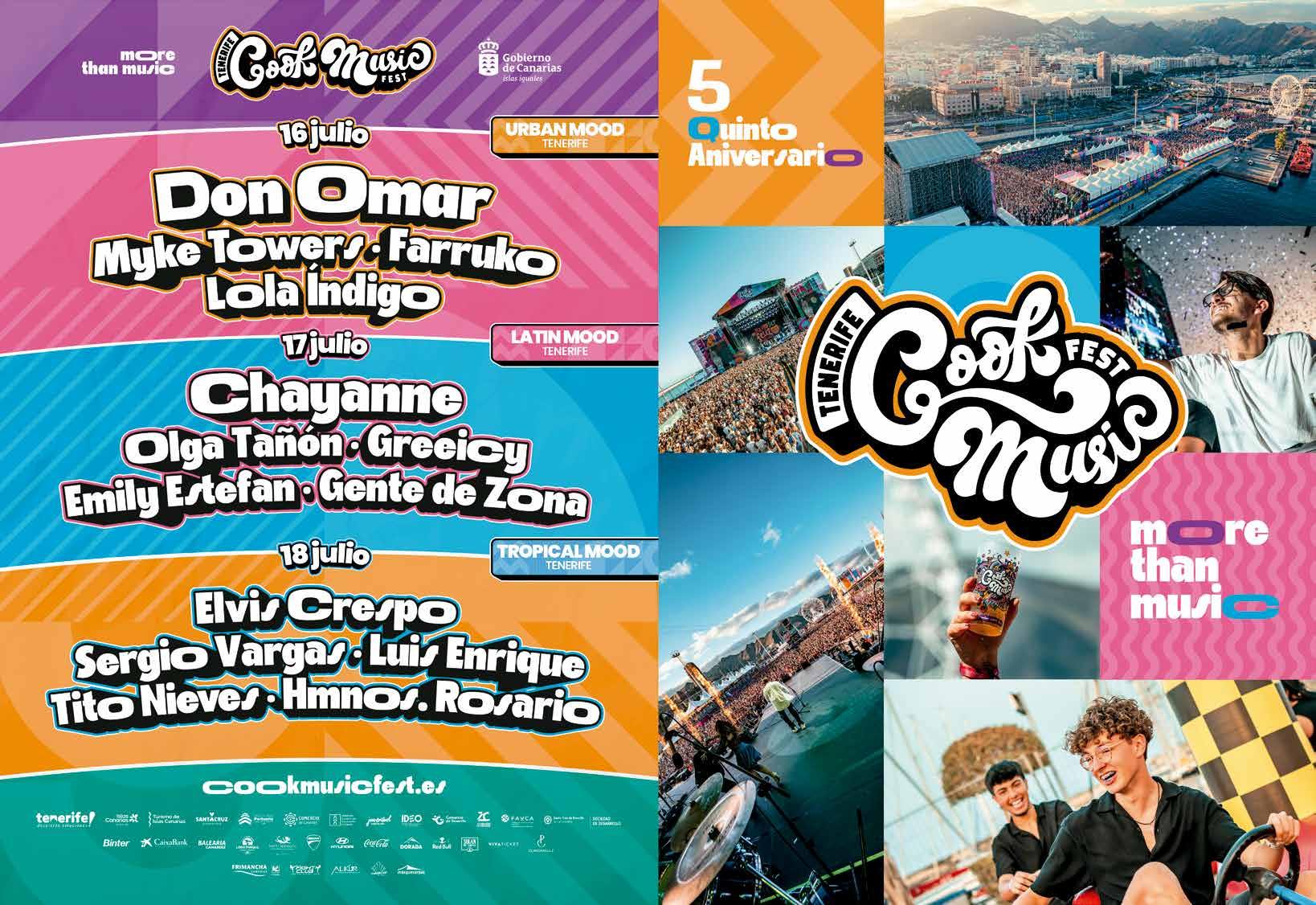
Este 2026, el Tenerife Cook Music Fest no trae una edición más, sino la edición más ambiciosa de su historia coincidiendo con su quinto aniversario. Del 16 al 18 de julio el puerto de Santa Cruz de Tenerife se transforma en el epicentro de la música con tres jornadas que combinan alma latina y energía global, y este año además con un evento especial que cruza fronteras hasta Sevilla y Barcelona.
Más que un festival, el Cook se ha convertido en un referente cultural y social en Canarias, capaz de atraer a artistas de talla internacional y a miles de personas de todas partes. Para 2026 la confirmación que ha encendido todas las alarmas ha sido la de Don Omar, con una actuación en el festival de Tenerife el 16 de julio y dos conciertos en Sevilla y Barcelona como parte del Cook Music Fest Special Edition, que tendrán lugar los días 18 y 23 de julio. Este anuncio se trata de la primera expansión de la marca del festival en la península, consolidando su presencia en el panorama musical nacional.
En lo que respecta a la edición de Tenerife, el cartel de 2026 dibuja un cruce de estilos y generaciones capaz de captar a todos los públicos. Junto a Don Omar se anuncian artistas como Farruko, Myke Towers, Lola Índigo, Chayanne, Greeicy, Emily Estefan, Luis Enrique, Elvis Crespo, Gente de Zona o Los Hermanos Rosario,
estructurando los días con ritmos urbanos, pop latino y reguetón.
Desde sus inicios, el Cook Music Fest ha ido tejiendo una historia que une a Tenerife con el pulso de la música latina en el mundo: antes de Don Omar, artistas como Gloria Estefan, Jennifer López, Aitana o Sebastian Yatra ya figuraban en sus carteles, y cada año la mezcla de sonidos y épocas musicales ha ido ampliando su alcance y convocatoria.
Tal es así que la influencia del Cook Music Fest ha trascendido el propio formato de festival logrando un hermanamiento entre Canarias y Puerto Rico para sellar el vínculo cultural. Así se ha evidenciado que el proyecto ya no solo programa conciertos, sino que actúa como plataforma de conexión entre territorios, escenas y públicos que comparten una misma forma de entender la música y la celebración.
This year, Tenerife Cook Music Fest isn’t just celebrating another edition, but the most ambitious event in its history, to coincide with its fifth anniversary. From the 16th to the 18th of July, Santa Cruz de Tenerife’s port will transform into a veritable hub of music, where, for three days, Latin soul will combine with sounds from around the globe, and this year also features a special event over in Seville and Barcelona, on the Spanish mainland.
More than simply a music festival, this event has become something of a cultural and social benchmark in the Canary Islands, capable of attracting internationally renowned artists and thousands of people from places near and far. For 2026, the announcement that got everyone buzzing is the confirmation that Don Omar will be performing in Tenerife on July 16th as well as giving two concerts in Seville and Barcelona as part of the Cook Music Fest Special Edition, which will take place on 18 and 23 July. This announcement marks the festival’s first expansion outside of Tenerife, consolidating its presence on the national music scene.
As for the Tenerife event, the 2026 line-up features a mixture of styles and generations that are sure to appeal to all spectators. Alongside Don Omar, artists such as Farruko, Myke Towers, Lola Índigo, Chayanne, Greeicy, Emily Estefan, Luis Enrique, Elvis Crespo, Gente de Zona
and Los Hermanos Rosario have also been announced, filling the days with urban beats, Latin pop and reggaeton.
Since its launch, the Cook Music Fest has been weaving a narrative that connects Tenerife with the pulse of Latin music worldwide: before Don Omar, artists such as Gloria Estefan, Jennifer López, Aitana or Sebastian Yatra had already featured on its line-ups, and each year the blend of sounds and musical eras has been broadening its reach and appeal.
So much so, in fact, that the influence of the Cook Music Fest has transcended the festival format itself, forging a twinning between the Canary Islands and Puerto Rico to cement the cultural bond. This goes to show that the project has gone far beyond simply organising concerts but rather acts as a platform that unites territories and audiences that all share the same understanding of music and celebration.
de los grandes nombres de la música latina, llega al Cook Music Fest
La cantante colombiana Greeicy será una de las grandes protagonistas de la próxima edición del Tenerife Cook Music Fest, donde actuará el próximo 17 de julio dentro de su nueva gira internacional.
Considerada una de las artistas femeninas más influyentes de la música latina actual, Greeicy ha logrado consolidar una carrera propia gracias a éxitos como Los Besos, Amantes, Destino o Más Fuerte. Antes de dedicarse plenamente a la música, desarrolló una destacada trayectoria como actriz en televisión, aunque fue su faceta musical la que la catapultó al panorama internacional.
La artista llega a España en uno de los momentos más importantes de su carrera, coincidiendo con el lanzamiento de Candela, un trabajo en el que explora sonidos afrocaribeños y ritmos inspirados en el Pacífico colombiano. El álbum refleja una evolución artística marcada por una mayor madurez creativa y una conexión más profunda con sus raíces.
Su actuación en Tenerife formará parte de una gira que recorrerá varias ciudades españolas y que servirá para presentar en directo sus nuevas canciones junto a los temas que la han convertido en una de las voces más reconocibles de la música latina. Su presencia refuerza además el carácter internacional del Tenerife Cook Music Fest, que se ha consolidado como una de las principales citas musicales del verano en Canarias.
Greeicy
Colombian singer Greeicy will be one of the headliners at the upcoming Tenerife Cook Music Fest, where she will perform on July 17 as part of her new international tour.
Considered one of the most influential female artists in contemporary Latin music, Greeicy has successfully built a career of her own thanks to hits like “Los Besos,” “Amantes,” “Destino,” and “Más Fuerte.” Before devoting herself fully to music, she had a distinguished career as a television actress, though it was her musical talent that catapulted her onto the international scene.
The artist arrives in Spain at one of the most important moments of her career, coinciding with the release of Candela, an album in which she explores Afro-Caribbean sounds and rhythms inspired by the Colombian Pacific. The album reflects an artistic evolution marked by greater creative maturity and a deeper connection to her roots.
Her performance in Tenerife will be part of a tour that will visit several Spanish cities and will serve to present her new songs live alongside the tracks that have made her one of the most recognizable voices in Latin music.
Her presence also reinforces the international character of the Tenerife Cook Music Fest, which has established itself as one of the main musical events of the summer in the Canary Islands.
One of the biggest names in Latin music, is coming to the Cook Music Fest
Texto • Ana de Armas
020
La nueva fiebre del oro está en la Luna
El helio-3 es uno de los recursos más fascinantes y codiciados del futuro energético. Se trata de un isótopo raro del helio, extremadamente escaso en la Tierra, pero abundante en la superficie de la Luna debido a millones de años de exposición al viento solar.
Su principal atractivo radica en su potencial como combustible para la fusión nuclear. A diferencia de las reacciones tradicionales basadas en deuterio y tritio, el helio-3 permitiría generar energía limpia con una producción mínima de residuos radiactivos, lo que lo convierte en una alternativa mucho más segura y sostenible.
Esta promesa ha despertado el interés de potencias y empresas tecnológicas, vinculando directamente el helio-3 con la nueva carrera espacial y proyectos de explotación lunar. Sin embargo, su uso a gran escala sigue siendo un reto: la tecnología necesaria para aprovecharlo aún está en desarrollo y su extracción resulta compleja y costosa.
HELIUM
The new gold rush is on the Moon
When it comes to energy of the future, Helium-3 is one of the most fascinating and coveted resources. A rare isotope of helium, it is extremely scarce on Earth, but abundant on the surface of the Moon, thanks to millions of years of exposure to solar wind.
Its main appeal lies in its potential as a fuel for nuclear fusion. Unlike traditional reactions based on deuterium and tritium, helium-3 would allow for the generation of clean energy with minimal radioactive waste production, making it a much safer and far more sustainable alternative.
This potential has sparked the interest of many powerful technology companies, directly linking helium-3 with the new space race and moon exploitation projects. However, its large-scale use remains a challenge: the technology needed to harness it is still under development, and its extraction is both complex and costly.
Texto • Ana de Armas | Foto • Xpanceo newsroom
022
Imagina despertar un día y, en lugar de buscar el móvil, ponerte algo tan simple como una lentilla y con ello tener acceso a tecnología que hasta ahora solo hemos visto en películas de ciencia ficción. Eso es exactamente lo que está planteando XPANCEO, una deep-tech startup con sede en Dubái que está desarrollando unas lentillas inteligentes invisibles que prometen cambiar nuestra relación con la tecnología para siempre.
Uno de los avances más impactantes es la posibilidad de incorporar visión nocturna directamente en el ojo, permitiendo ver en condiciones de baja luminosidad sin necesidad de gafas ni dispositivos externos. A ello se suma el zoom visual, que posibilita enfocar objetos lejanos con precisión de forma natural, como si el ojo contara con su propio sistema óptico avanzado.
Además, estas lentillas abren una nueva frontera en el ámbito de la salud, gracias a sensores capaces de analizar datos biométricos a través de las lágrimas, permitiendo un seguimiento médico continuo y no invasivo.
Una tecnología que no solo amplía la visión, sino que también cuida de quien la lleva.
Imagine waking up one day and, instead of reaching for your mobile, simply putting in a contact lens and gaining access to technology that we’ve only seen in science fiction films until now. That is exactly what XPANCEO is proposing, a deep-tech start-up based in Dubai that is developing invisible smart contact lenses promising to change our relationship with technology forever.
One of the most striking advances of the lens is its ability to incorporate night vision directly into the eye, allowing you to see in low-light conditions without the need for glasses or external devices. Added to this is visual zoom, which enables the eye to focus on distant objects with precision in a natural way, as if the eye had its own advanced optical system.
These contact lenses open up a whole new frontier in the healthcare field, thanks to sensors capable of analysing biometric data through tears, allowing for continuous and non-invasive medical monitoring.
Technology that not only enhances vision but also takes care of the wearer.
Texto • Abril Ronsisvalle | Foto • Otto Aerospace press kit
El flujo laminar mejora la aerodinámica del avión haciendo que se reduzcan las emisiones en un 90%
Otto
Aerospace
Un vuelo hacia la sostenibilidad
La compañía Otto Aerospace aterriza entre nosotros para transformar la aviación en un sector sostenible, eficiente y tecnológico gracias a una nueva generación de aeronaves. Su clave es un diseño innovador basado en el flujo laminar, una tecnología que permite que el aire se deslice de forma suave sobre el avión creando una aeronave mucho más eficiente desde el punto de vista aerodinámico. De esta manera, se logra reducir el consumo de combustible en un 60% y, con ello, disminuir las emisiones de carbono hasta en un 90%, posicionándose como una de las soluciones más prometedoras frente a los retos medioambientales del sector aéreo. Otto Aerospace ya cuenta con dos modelos: el Celera 500L, que ya ha realizado vuelos de prueba que validan la tecnología de flujo laminar, y el Phantom 3500, que está aún en fase de desarrollo.
Flying towards sustainability
Otto Aerospace has landed among us to transform the aviation sector into a more sustainable, technological and efficient one, thanks to a new generation of aircraft. The key is an innovative design based on laminar flow, a technology that allows air to glide smoothly over the aircraft, creating a much more aerodynamically efficient aircraft. By doing this, fuel consumption is reduced by 60%, leading to carbon emissions being cut by up to 90%, positioning it as one of the most promising solutions to the environmental challenges caused by the aviation sector. Otto Aerospace has two models: the Celera 500L, which has already carried out test flights validating the laminar flow technology, and the Phantom 3500, which is still in the development phase.
Laminar flow improves the aerodynamics of the aircraft, reducing emissions by up to 90%.
Texto • Ana de Armas | Foto • Fauna Robotics
Un robot a medida
En un sector donde los robots suelen diseñarse para cumplir funciones muy concretas, Fauna Robotics plantea un enfoque distinto: un robot que no llega con un propósito cerrado, sino preparado para adaptarse a quien lo utiliza. Su propuesta, Sprout, es un humanoide de diseño accesible, concebido para interactuar en entornos cotidianos. Puede moverse, comunicarse y percibir lo que ocurre a su alrededor, pero no desempeña una función específica desde el inicio. Necesita ser configurado y desarrollado por cada empresa según sus necesidades. Puede convertirse en anfitrión o asistente, dependiendo del contexto en el que se integre. No busca sustituir, sino enriquecer la relación entre las personas y la tecnología.
A tailor-made robot
In a sector in which robots are typically designed to carry out very specific functions, Fauna Robotics offers an entirely different approach: robots that don’t come with any fixed purpose and are instead equipped to adapt to the user. Their proposal, Sprout, is an accessible humanoid designed to interact in everyday situations. It moves, communicates and takes in what’s happening around it, but doesn’t perform any specific functions from the outset. Instead, users or companies need to configure and develop the robot according to their needs. Depending on the context in which it is incorporated into, it can become a host or an assistant, seeking not to replace, but rather to enhance the relationship between people and technology.
Sprout
Foto • Aptera
028 Amazing
Aptera SEV
Conducido por el sol • Powered by the sun
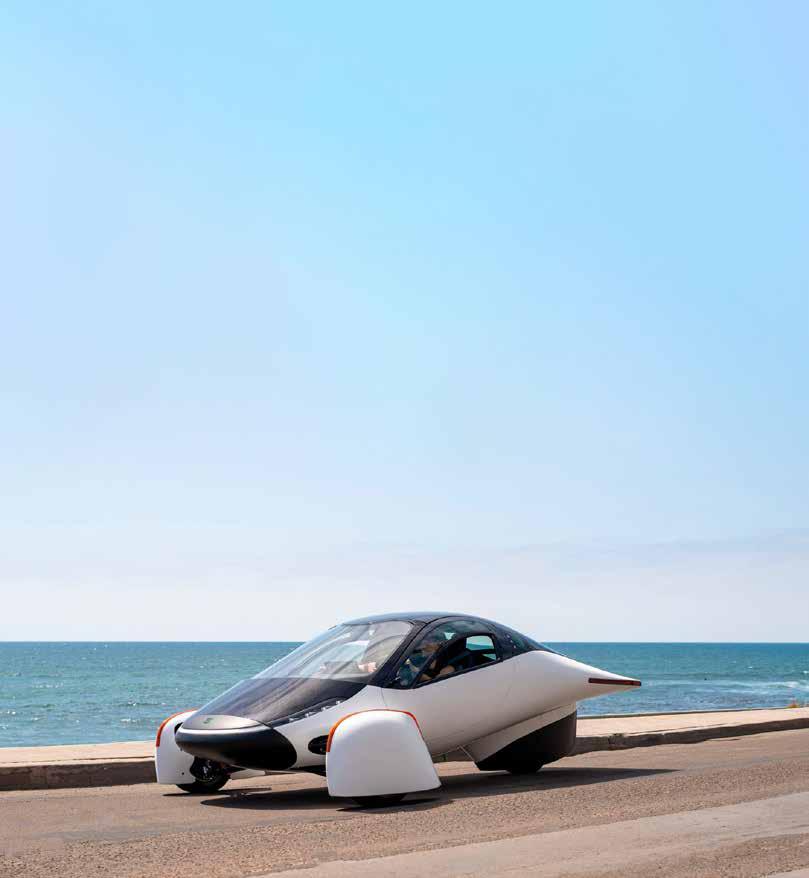
Hay veces que el futuro no llega haciendo ruido, sino deslizándose en silencio. El Aptera SEV es un vehículo eléctrico capaz de moverse, en gran parte, gracias al sol.
Cuando el sol no basta, el Aptera funciona como un eléctrico más, con una autonomía de hasta 640 kilómetros por carga completa. La diferencia está en el cómo: no gracias a baterías gigantes, sino a un consumo mínimo, fruto de un peso contenido y un coeficiente aerodinámico excepcionalmente bajo.
Este triciclo eléctrico ultraligero de dos plazas está diseñado para maximizar la eficiencia. Su forma aerodinámica permite integrar unos 700 W de paneles solares en la carrocería, capaces de generar energía suficiente para recorrer hasta 64 km al día sin necesidad de enchufarlo, si las condiciones son favorables.
El proyecto, aún en fase de pruebas y validación, no promete milagros inmediatos ni producción masiva a corto plazo. Lo que propone es una nueva forma de entender la movilidad, donde la pregunta no es cuánta energía podemos almacenar, sino cuánta necesitamos realmente para movernos.
Sometimes the future doesn’t arrive with a bang but rather glides in silently. The Aptera SEV is an electric vehicle powered largely by solar power.
For those times when the sun isn’t enough, the Aptera operates like any other electric vehicle, with a range of up to 640 kilometres on a full charge. The difference lies in how it achieves this: not through giant batteries, but through minimal energy consumption, thanks to its light weight and exceptionally low drag coefficient.
This ultra-lightweight, two-seater electric tricycle is designed to maximise efficiency. Its aerodynamic shape allows for the integration of around 700W of solar panels into the bodywork, capable of generating enough energy to travel up to 64km a day without needing to be plugged in, if weather conditions are favourable.
The project, currently still in the testing and validation phase, does not promise any immediate miracles or mass production in the short term. What it does offer is a new way of understanding mobility, where the question is not how much energy we can store, but how much we actually need to get around.
Cine • Cinema
Texto • Ana de Armas
032
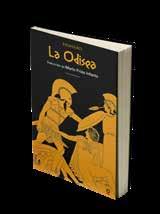
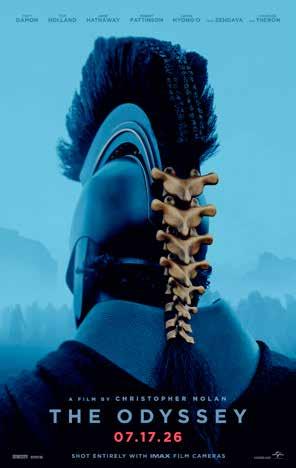
Del libro a la peli por qué el cine ya no inventa, adapta
En la industria del cine hay una constante cada vez más evidente: muchas de las grandes producciones nacen en libros que ya han sido un éxito. No es una casualidad, es una lógica de mercado.
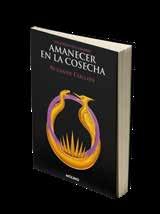
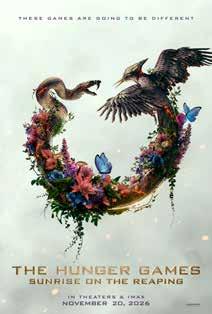
El regreso de sagas como Los Juegos del Hambre: Amanecer en la cosecha, con estreno previsto para el 20 de noviembre, o la adaptación de un clásico universal como La Odisea, dirigida por Christopher Nolan y fijada para el 17 de julio, reflejan una tendencia clara: el cine contemporáneo se construye cada vez más sobre historias ya existentes.
Más que una falta de ideas, lo que define esta etapa es un cambio en la forma de producir. En un entorno saturado de contenido y con inversiones cada vez más elevadas, la industria busca apoyarse en relatos que ya han sido filtrados por el público. El libro funciona como una primera validación cultural: no solo mide el éxito, sino también la capacidad de una historia para generar comunidad, conversación y permanencia.
Ahí reside la clave. No se trata únicamente de que el espectador conozca la historia, sino de que ya ha establecido un vínculo con ella. El cine, entonces, no parte de cero: amplifica, reinterpreta y resignifica ese material previo para adaptarlo a un nuevo lenguaje y a una nueva audiencia.
El fenómeno abarca tanto grandes franquicias como clásicos y éxitos recientes. Nuevas versiones de Cumbres Borrascosas o adaptaciones de bestsellers actuales como La Asistenta evidencian que la literatura se ha convertido en una fuente constante para el audiovisual.
En este contexto, el cine deja de ser únicamente un espacio de invención para convertirse también en un lugar de reinterpretación. Y quizá ahí esté la verdadera transformación: ya no se trata tanto de contar historias nuevas, sino de volver a contar, de otra forma, las que ya han demostrado que merecen ser escuchadas.
why cinema is choosing adaptation over invention From book to film
In the movie industry, one thing is becoming increasingly clear: many of the major productions are based on books that have already enjoyed huge success. This isn’t a coincidence, it’s pure market logic.
The return of sagas such as The Hunger Games: Mockingjay – Part 1, due for release on the 20th of November, or the adaptation of a universal classic such as The Odyssey, directed by Christopher Nolan and set for release on the 17th of July, reflect a clear trend: contemporary cinema is increasingly built upon existing stories.
Rather than due to a lack of ideas, what defines this phase is a shift in production methods. In an environment saturated with content and with ever-increasing amounts of investment, the industry seeks to rely on stories that have already won public approval. The book serves as an initial test of cultural validation: it not only measures success, but also a story’s ability to foster community, conversation and enduring appeal.
And therein lies the key. It’s not simply that the viewer is familiar with the story, but that they have already formed an attachment to it. In this way, film doesn’t start from scratch: it amplifies, reinterprets and redefines the existing material to adapt it to a new language and a new audience.
The phenomenon encompasses major franchises as well as classics and more recent hits. New versions of Wuthering Heights or adaptations of current bestsellers such as The Maid are proof that literature has become a constant source for the audiovisual industry.
In this context, cinema becomes a space for reinterpretation, in addition to one of invention. And perhaps that is where the true transformation lies: it’s no longer so much about telling new stories, but about retelling, in a different way, those stories that have already proven themselves worthy of being heard.
Cine • Cinema
Texto • Ana de Armas
034
Nepo babies o lo que en español podríamos resumir con un clásico “hijos de” es un término que se ha popularizado en internet en los últimos años para referirse a una nueva generación de artistas que han crecido en familias profundamente ligadas al mundo del entretenimiento.
Para entender el concepto, conviene detenerse primero en la palabra de la que deriva: nepotismo, definida por la RAE como la utilización de una posición de poder para favorecer a familiares o allegados en determinados empleos o cargos. Un término que suele emplearse con cierta frivolidad, y no pocas veces con ironía, para restar mérito a esta nueva saga de artistas que, aparentemente, lo han tenido más fácil. Sin embargo, crecer entre rodajes, estudios de grabación o pasarelas no solo abre puertas; también implica convivir con expectativas, comparaciones inevitables y el peso constante de un apellido que el público conoce demasiado bien.
Porque, seamos sinceros: si fueras la hija de Beyoncé, ¿no aprovecharías también ese universo para construir tu propio camino? Hoy, nombres como Lily-Rose Depp, hija de Johnny Depp y Vanessa Paradis; Maya Hawke, hija de Ethan Hawke y Uma Thurman; Emma Roberts, sobrina de Julia Roberts; o Dakota Johnson, hija de Melanie Griffith y Don Johnson, ocupan titulares, alfombras rojas y carteleras internacionales. A esta lista, que podría ser infinita, también se suman figuras como la cantante Gracie Abrams, hija del director J. J. Abrams, o la modelo Kaia Gerber, hija y heredera del legado de la supermodelo Cindy Crawford. Curiosamente, muchos espectadores consumen su trabajo sin detenerse a pensar en su origen familiar, mientras otros los convierten en el centro de un debate constante sobre privilegio y mérito.
La conversación sobre los nepo babies dice tanto de la industria como de nuestra relación con la fama. Al fin y al cabo, Hollywood siempre ha funcionado como una especie de dinastía moderna: apellidos que se repiten, talentos que se reinventan y generaciones que intentan demostrar que, más allá del apellido, también hay algo propio que contar. Y es que hay veces que este apellido solo abre la primera puerta, después, el público decide si hay algo más detrás.
GracieAb rams
Dakota
Nepo babies is a term that has gained popularity online in recent years, referring to a new generation of artists who have grown up in families with strong ties to the entertainment industry.
To understand the concept, it’s worth first considering the origin of the word it comes from: nepotism, which is the use of a position of power to favour relatives or close associates in certain jobs or positions. This term is often used somewhat flippantly and sarcastically, to detract from the merits of this new generation of artists who, it is believed, have had it easier. However, there is also a flip side to growing up amidst film sets, recording studios or catwalks; it also involves living with high expectations, inevitable comparisons and the constant weight of a surname that the public knows all too well.
Because let’s be honest: if you were Beyoncé’s daughter, wouldn’t you also make the most of that world to forge your own path? Today, names such as Lily-Rose Depp, daughter of Johnny Depp and Vanessa Paradis; Maya Hawke, daughter of Ethan Hawke and Uma Thurman; Emma Roberts, niece of Julia Roberts; or Dakota Johnson, daughter of Melanie Griffith and Don Johnson, are making headlines, gracing red carpets and appearing on international billboards. This list, which could go on forever, also includes figures such as the singer Gracie Abrams, daughter of director J.J. Abrams, or the model Kaia Gerber, daughter and heir to the legacy of supermodel Cindy Crawford. Curiously, many viewers enjoy their work without giving a second thought to their family background, whilst others make it the focus of a constant debate about privilege and merit.
The conversation about nepo babies says as much about the industry as it does about our relationship with fame. After all, Hollywood has always functioned as a kind of modern dynasty: surnames that resurface time and again, talents that reinvent themselves and generations striving to prove that, behind their surname, they also have a story of their own to tell. The fact is that sometimes all a surname can do is to open the first door; after that, the public decides whether there are any more doors to open, or not.
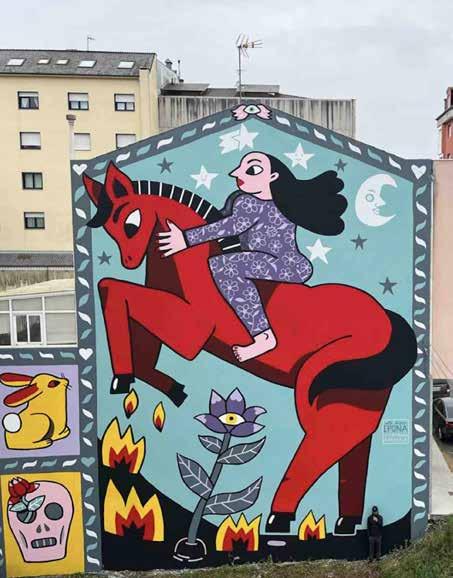
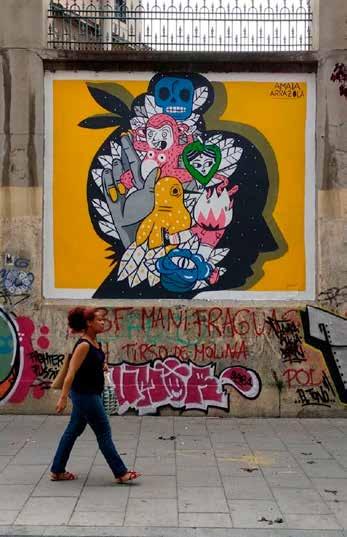
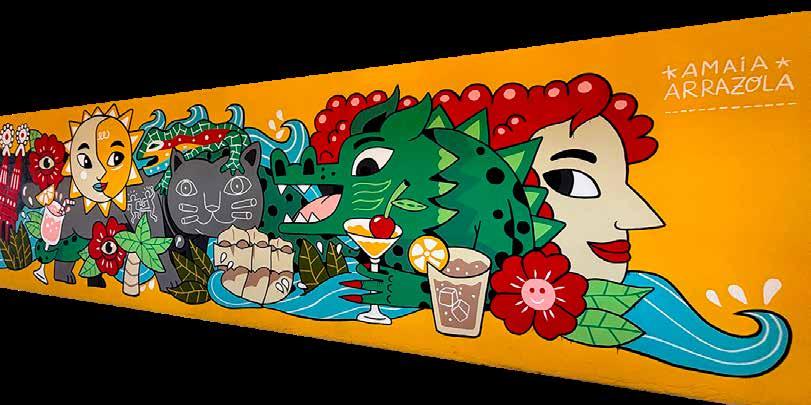
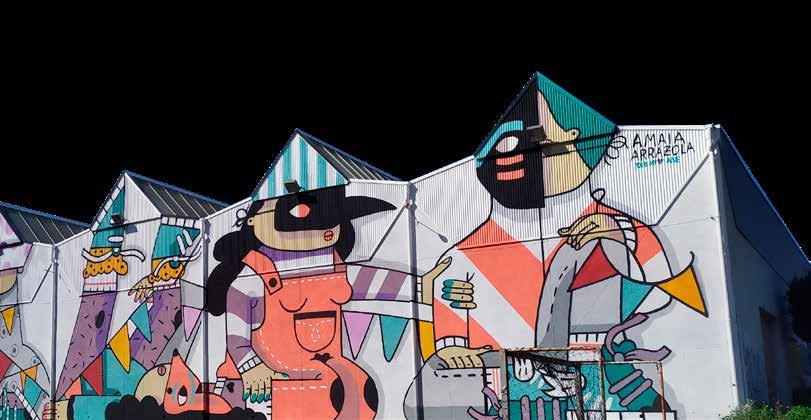
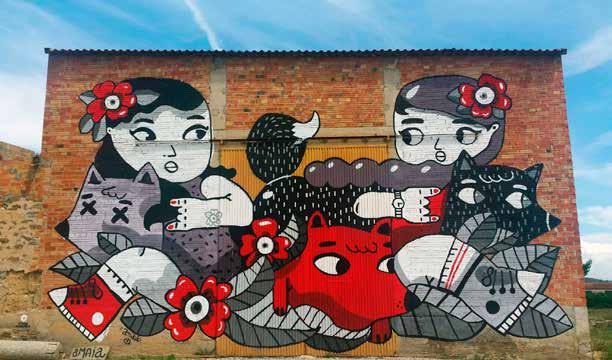
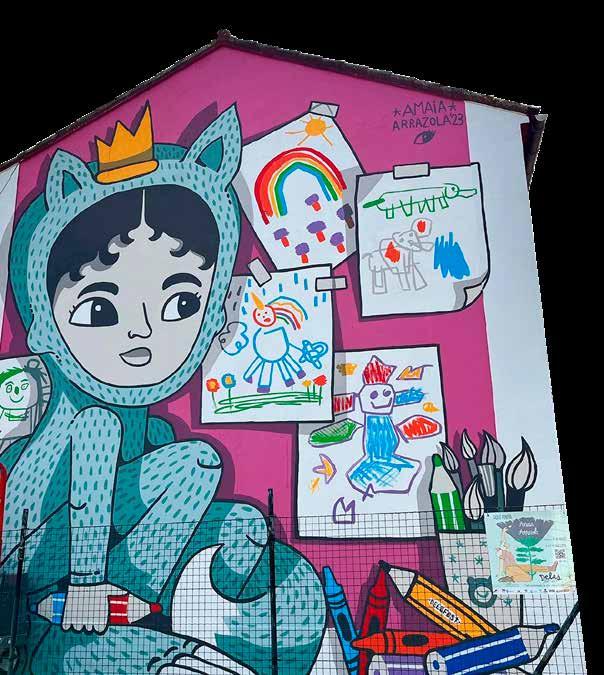
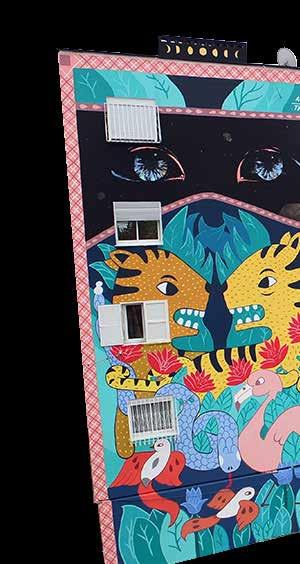
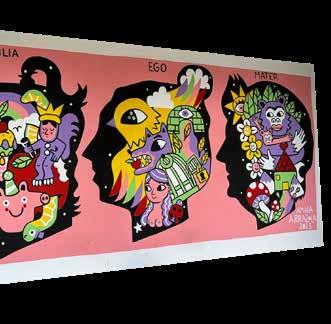
El mundo creativo sintió un fuerte terremoto en noviembre del año pasado por el repentino fallecimiento de la ilustradora y autora vasca Amaia Arrazola, que murió con tan solo 41 años.
Nacida en Vitoria, disfrutaba dibujando desde muy pequeña, pero decidió estudiar algo más “serio”, en este caso publicidad y relaciones públicas en Madrid, donde pasó a trabajar como directora de arte en una agencia de marketing. En 2010, se trasladó a Barcelona para dedicarse de lleno a su pasión como ilustradora.
“Cuando llegué a Barcelona, pensé que solo estaba de paso...pero esta ciudad te cautiva”. De hecho, nunca abandonó la capital catalana, donde construyó una vida llena de vitalidad, formó una familia con su pareja y se convirtió en un miembro muy querido de la comunidad artística y de la sociedad en general.
Su trayectoria incluye proyectos multidisciplinares, como la cerámica y la serigrafía, pero es más conocida por ser una de las ilustradoras más brillantes de su generación. Su arte es, como ella misma, entrañable, humilde y lleno de encanto.
Aparte de grandes murales urbanos, como los del metro de Madrid y la estación de tranvía de Besós en Barcelona, es más conocida por sus ilustraciones de libros, entre las que se incluyen: Totoro y yo (2022), una biografía ilustrada del director de cine japonés Hayao Miyazaki; Corazón robot; Cosas que nunca olvidarás de tu Erasmus; Pequeña y grande: Audrey Hepburn y libros infantiles como Buenas noches, Simon; Lili Lupa; Tokyo travel sketch book y Hola, ¿Cómo estás?
Cuando se le preguntó de qué obra se sentía más orgullosa, respondió que del libro de 180 páginas que realizó sobre su residencia artística de un mes en Japón, Wabi Sabi (2018). Para Amaia, publicar un libro propio supuso un verdadero punto de inflexión en su carrera. “Descubrí que tenía una voz. Antes, me limitaba como ilustradora a poner imágenes a lo que otros decían. Después de eso me di cuenta de que yo también tenía cosas que decir.”
En 2020, publicó El Meteorito, un testimonio tierno y personal de la propia experiencia de Amaia como madre primeriza. “Ane es lo mejor que me ha pasado nunca”, afirmó, reconociendo a la vez que: “estaba preparada para tener una hija, pero no para convertirme en madre.”
Y aunque convertirse en madre en 2018 era el papel que más le gustaba, le obligó a replantearse algunas de sus opciones creativas. “A Ane no le importaba cuál fuera mi trabajo… el mundo de los murales, las grúas y los andamios es muy poco compatible con la maternidad”.
Tanto en lo profesional como en lo personal, Arrazola iba viento en popa, alternando proyectos urbanos a gran escala con encargos editoriales, así como colaboraciones con instituciones culturales como la Universidad de Barcelona y la Diputación Foral de Bizkaia. También trabajó con marcas famosas como Vans, Nike, Coca-Cola y Uniqlo. Su portfolio era más variado que nunca, y junto a su pareja y su hija nunca había parecido más feliz.
Entre sus proyectos más recientes se encuentran obras para el Cirque du Soleil y grandes murales en Gràcia, donde dio nueva vida a la pared de 86 metros del mercado de la Abacería.
Sus obras se pueden encontrar por toda España, en colegios, centros culturales y, por supuesto, los murales que adornan no solo las calles de ciudades como Barcelona, Pamplona y Madrid, sino también en Japón, Francia, Marruecos e Italia, entre otros. Arrazola participaba habitualmente en festivales internacionales de arte urbano, aportando su estilo característico; una explosión de vida, color y emociones.
De hecho, hay tanto de Amaia en su arte que le resultaba difícil definir su estilo. “El estilo no es más que el resultado de lo que tienes en la cabeza más lo que tu mano te permite hacer”. Este era aún más su caso, decía, gracias al hecho de que carecía de la formación artística de muchos otros.
En sus últimos meses, mientras luchaba con fuerza y valor contra su enfermedad, Amaia siguió creando y participó en exposiciones, festivales y colaboraciones casi hasta el final. Su carrera, como su vida, llegó a su fin demasiado pronto, aunque el legado creativo que nos dejó es verdaderamente profundo.
Shooting star
Shock waves were felt across the creative world in November last year with the sudden passing of the hugely talented illustrator and author Amaia Arrazola, who died aged just 41.
Born in Vitoria, Amaia enjoyed drawing from a young age, but decided to study advertising and public in Madrid, where she went on to work as an art director at a marketing agency. In 2010, she moved to Barcelona to pursue her artistic passion as an illustrator. “When I arrived in Barcelona, I thought I was just passing through... but this city captivates you.” In fact, she never left the Catalan capital, forming a vibrant life, starting a family and becoming a cherished member of the artistic and wider community.
Her career includes multidisciplinary projects including pottery and screen printing, but she is best known as being one of the most prominent illustrators of her generation. Her art is, like Amaia herself, inescapably likeable, unassuming and enchanting.
Aside from large urban murals, such as in the Madrid metro and Besós tram station in Barcelona, she is best known for her book illustrations, which include: Totoro y yo (2022), an illustrated biography of Japanese film director Hayao Miyazaki; Corazón robot; Cosas que nunca olvidarás de tu Erasmus; Pequeña y grande: Audrey Hepburn and children’s books such as Buenas noches, Simon; Lili Lupa; Tokyo travel sketch book and Hola, ¿Cómo estás?
When asked what work she was most proud of, she answered the 180-page book she made about her month-long artistic residency in Japan, Wabi Sabi (2018). For Amaia, publishing a book of her own marked a real turning point in her career. “I discovered that I had a voice. Before, I limited myself as an illustrator to put images to what others would say. After that I realised that I also had things to say.”
In 2020, she published El Meteorito (The Meterorite), a tender and personal testimony of Amaia’s own experience as a first-time mother. "Ane is the best thing that has ever happened to me," she said, whilst also acknowledging “I was ready to have a daughter but not to become a mother."
And though becoming a mother in 2018 was her preferred role, it forced her to rethink some of her creative options. “Ane didn’t care what my job was … the world of murals, cranes and scaffolding is very incompatible with motherhood.”
Both professionally and personally, Arrazola was going from strength to strength, alternating large-scale urban projects with editorial commissions as well as collaborations with cultural institutions such as the University of Barcelona and the Provincial Council of Bizkaia. She also worked with famous brands such as Vans, Nike, CocaCola and Uniqlo. Her portfolio was more varied than ever, and with her partner and daughter she had never appeared happier.
Her most recent projects include pieces for Cirque du Soleil and large murals in Gràcia, where she brought new life to the 86-metre wall of the Abacería market.
Her works can be found throughout Spain, in schools, cultural centres and, of course the vivid murals that adorn not only the streets of cities such as Barcelona, Pamplona and Madrid but in Japan, France, Morocco and Italy, amongst others. Arrazola was a regular participator in international street art festivals, bringing her characteristic style that was an explosion of life, colour and emotions.
In fact, there is so much of Amaia in her art that she found it difficult to define her style. "Style is nothing more than the result of what you have in your head plus what your hand allows you to do.” This was even more her case, she said, thanks to the fact she lacked the formal artistic training of many others.
In her final months, whilst bravely fighting her illness, Amaia continued to create and took part in exhibitions, festivals and collaborations almost until the end. Her career, like her life, may have been cut short far, far too early, but the creative legacy she has left us with is profound.
042
El DISEÑO CANARIO se posiciona a nivel nacional
Canarias ha dado un paso firme en la Semana de la Moda de Madrid. Y no lo ha hecho como espectadora, sino como protagonista de uno de los desfiles más reconocidos del calendario: el de Juan Duyos. A través de la artesanía contemporánea, la joyería y los accesorios, varias marcas del archipiélago han logrado posicionarse en una de las pasarelas más influyentes del país, llevando consigo una identidad que conecta con el territorio. El desfile, celebrado en el Instituto Cervantes bajo el nombre Euforia: un destello, una emoción, reunió más de 40 diseños en los que los detalles se volvieron protagonistas.
Precisamente en esos detalles fue donde Canarias encontró su espacio. Sin intentar sumarse a las tendencias y actuando desde la identidad, cuatro marcas de las islas se unieron a este gran espectáculo. Lepa Punca, GalloBuey, Siliza Joyas de Fuego y Angie Vásquez fueron seleccionadas para formar parte de esta propuesta tras un proceso de mentoría impulsado por Proexca. Gracias a esta acción, se logró una presencia estratégica en la que cada pieza y cada accesorio dialogaron con la colección de Duyos sin perder su propio discurso.
Por un lado, los bolsos diseñados por Francisco Luque de GalloBuey añadieron una mirada contemporánea hacia la sostenibilidad. Desarrollados con tecnología 3D, supieron adaptarse a las necesidades del desfile y las características de los diseños.
En la pasarela también estuvo presente la diseñadora Angie Vasquez, cuyos bolsos y cinturones plasmaron emotividad y conexión con lo auténtico. De esta forma, su marca se dio a conocer en la mayor pasarela nacional.
La marca Siliza Joyas de Fuego también introdujo su propio sello. Con origen en Lanzarote, su diseñadora Silvia de Noia creó unas piezas exclusivas para la ocasión y logró que los diseños de Juan Duyos brillaran junto a una joyería de naturaleza isleña.
La palmera Melisa Rodríguez demostró la elegancia y autenticidad de sus piezas a través de una cuidada selección. Su firma Lepa Punca añadió una joyería delicada que resaltó la belleza en cada diseño.
Esta presencia en Madrid responde a una estrategia liderada por Proexca, a través de su marca Canarias Islas de Moda, que incluye a los diferentes sellos de moda de los cabildos insulares. Abrir mercado, generar conexiones y posicionar el diseño canario en el panorama nacional permite a los diseñadores situarse en los espacios donde realmente se construye la industria. Porque aunque estar en la pasarela es importante, lo es aún más formar parte de la conversación.
En este caso, Madrid ha actuado como escaparate, pero también como punto de validación, y que Canarias haya estado presente en ese contexto, con voz propia y sin renunciar a su esencia, permitirá que el diseño hecho en las islas deje de ser periférico para empezar a ocupar el lugar que le corresponde.
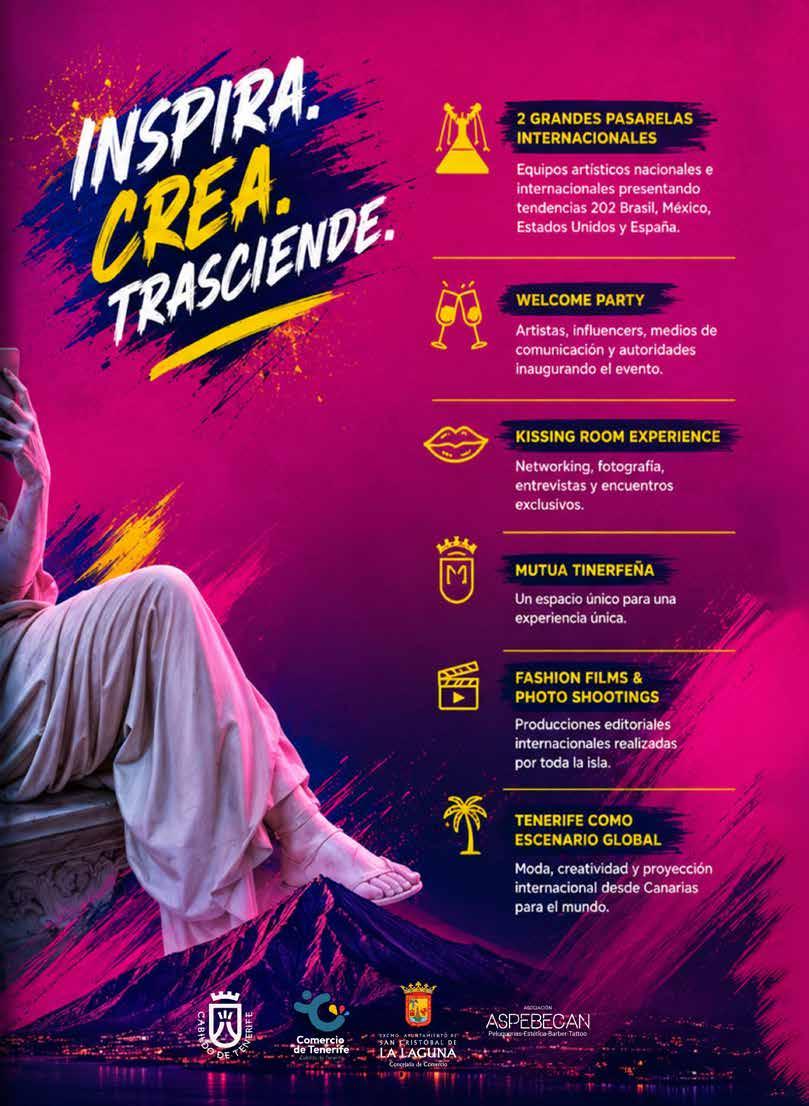
En esta línea, algunas de las acciones que se están llevando a cabo y que se desarrollarán durante los próximos meses estarán centradas en la promoción de la moda en las islas con eventos de referencia como la Semana Internacional de la Moda de Tenerife. Cita anual que ha posicionado a la isla del 4 al 7 de junio como epicentro del sector textil, calzado y complementos, con una gran variedad de desfiles y el XV Certamen Internacional de Jóvenes Diseñadores.
En unos días arrancará la Gran Canaria Swim Week, la pasarela de moda de baño más importante de Europa. Del 24 al 27 de junio, se darán cita en la isla de Gran Canaria grandes nombres de la industria, tanto diseñadores como modelos e influencers, que en anteriores ediciones han incluido a asistentes como Alexandra Miro, Agüita y Karolina Kurkova.
Después, La Gomera Moda y Magia, el 25 de julio; Fuerteventura Fashion Week el 17 de octubre; Lanzarote Fashion Weekend, del 6 al 7 de noviembre; y cierra el calendario La Palma Fashion Week con fecha aún por determinar.
Estas pasarelas, que están abiertas al público, son una oportunidad perfecta para ponerse al día de las últimas tendencias y creaciones “desde Canarias”.
El impulso a la participación de empresas canarias en las ferias Momad - en julio - en Bisutex - en septiembre - son otras de las acciones que Proexca impulsará durante este año para posicionar la moda del archipiélago y las principales plataformas donde puedan no sólo visibilizarse, sino encontrar nuevas oportunidades comerciales.
La industria de la moda sigue en línea ascendente en las islas, así lo demuestra por ejemplo el aumento en solicitudes para la internacionalización de las empresas del sector, a través de programas como Canarias Aporta, Aporta Pymes Islas No Capitalinas o Aporta Pre Islas Capitalinas, subvenciones directas a la internacionalización de proyectos y/ o empresas.
The Canaries have taken a firm step forward at Madrid Fashion Week - and not as a spectator, but enjoying a leading role in one of the best-known shows on the calendar: that of Juan Duyos. Through modern craftsmanship, jewellery and accessories, several brands from the archipelago have managed to earn their spot on one of Spain’s most influential catwalks, bringing with them an identity deeply connected to their homeland. The fashion show, held at the Instituto Cervantes under the name Euphoria: un destello, una emoción (a glimmer, an emotion), brought together more than 40 designs where it was all about the little details.
And it was precisely in those details where the Canary Islands found their space. Avoiding the urge to follow trends and acting instead from their unique sense of identity, four Canarian brands participated in the grand spectacle. Lepa Punca, GalloBuey, Siliza Joyas de Fuego and Angie Vásquez were selected to form part of the show after a mentorship process supported by Proexca. Thanks to this, they achieved a strategic presence, one in which each piece and every accessory interacted with Duyos' collection without losing their own story.
Bags designed by Francisco Luque from GalloBuey gave a contemporary perspective on sustainability. Developed using 3D technology, they suited both the needs of the show and the characteristics of the designs.
Designer Angie Vasquez also joined the catwalk. Her bags and belts conveyed emotivity and a connection with authenticity. This was how her brand made its introduced to the audience on Spain’s biggest catwalk.
Siliza Joyas de Fuego also introduced its own signature. Originally from Lanzarote, designer Silvia de Noia created exclusive pieces for the occasion and really enhanced Juan Duyos' designs alongside jewellery inspired by island nature.
La Palma native Melisa Rodríguez demonstrated the elegance and authenticity of her pieces through a carefully chosen selection. Her brand Lepa Punca brought the addition of delicate jewellery that highlighted the beauty of every design.
This presence in Madrid is part of a strategy led by Proexca, through its brand Canarias Islas de Moda, which includes different fashion labels from various island councils. Opening new markets, making connections and situating Canarian design on the national map allows designers to find themselves in the settings where the fashion industry is truly built. Because, although being on the catwalk is important, being part of the conversation matters far more.
On this occasion, Madrid has acted as a showcase, but also as a point of validation, and the presence of the Canaries within that context, with its own voice and without compromising its essence, will allow the designs created in the islands to stop being kept on the periphery and instead start occupying the place it deserves.
To support this, some of the actions already being carried out and others that will be developed over the next few months will be focused on promoting fashion in the islands with key events such as the Tenerife International Fashion Week, an annual event that, from June 4th-7th, positioned the island right in the epicentre of the textile, footwear and accessories sectors, with a wide variety of fashion shows and the XV International Young Designers Contest.
In a few days’ time, the Gran Canaria Swim Week will kick off, the most important swimwear fashion show in Europe. From June 24th - 27th, big names from the industry, including designers, models and influencers, will gather on the island of Gran Canaria, with previous editions featuring attendees such as Alexandra Miro, Agüita and Karolina Kurkova.
Following that, July 25th will see La Gomera Fashion and Magic; Fuerteventura Fashion Week on October 17th; Lanzarote Fashion Weekend from 6th-7th November and closing the calendar, La Palma Fashion Week with a date yet to be confirmed.
These catwalk shows, which are open to the public, are the perfect opportunity to catch up on all the latest trends and creations from the Canary Islands.
Promoting Canarian participation in the Momad fair in July and in the Bisutex fair in September are other actions that Proexca will undertake this year to position the archipelago's fashion on the platforms where they will not only gain visibility but also find new business opportunities.
The fashion industry continues its upward trend in the islands, as evidenced by the increase in applications for the internationalisation of companies within the sector, through programmes such as Canarias Aporta, Aporta Pymes Islas No Capitalinas, or Aporta Pre Islas Capitalinas, which offer direct subsidies for the internationalisation of projects and/or companies.
Moda • Fashion
Texto • Sarah Wylder | Fotos • Stéphane Rolland press
El arquitecto de la moda
STEPHANE ROLLAND Fashion’s finest architect
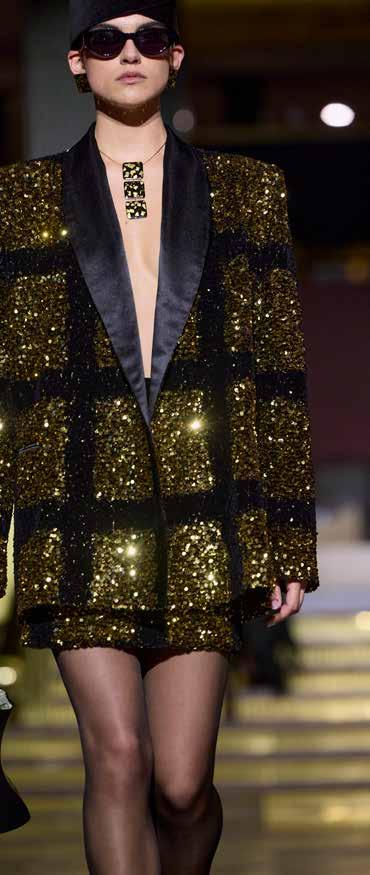
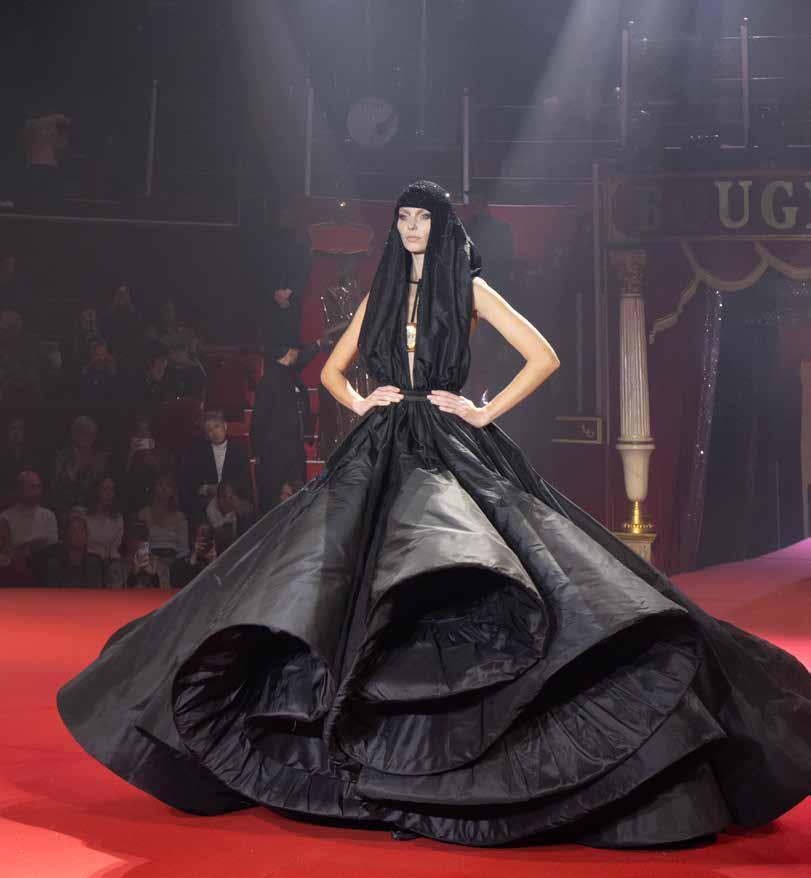
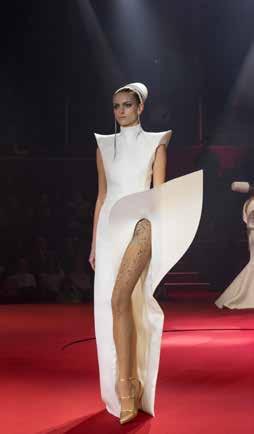
¿Qué tienen en común figuras como Céline Dion, Zendaya, Beyoncé, Rihanna, Naomi Campbell, Danielle Brooks y las hermanas Kardashian? Al igual que muchas otras, todas adoran las magníficas creaciones del renombrado diseñador francés Stephane Rolland.
uedó claro desde muy joven que Stephane estaba destinado a llegar lejos. Nacido en París, ya dibujaba bocetos a los cuatro años. Se crió en lugares como Paraguay, Argentina y las Antillas Francesas, en una familia creativa que apreciaba tanto la arquitectura como el arte modernista. Se define a sí mismo como un “artesano minimalista oriental” y su temprana pasión por la arquitectura nunca le abandonó. De hecho, ha sido una fuente de inspiración constante a la hora de diseñar creaciones que, en ocasiones, desafían tanto la credulidad como la mismísima gravedad.
Tras terminar sus estudios en la École de la Chambre Syndicale de la Couture Parisienne, Cristóbal Balenciaga lo contrató personalmente con tan solo 20 años para diseñar ropa de hombre. Nadie, y menos aún Stephane, podría haber imaginado que apenas un año después se convertiría no solo en el director creativo más joven de la historia de Balenciaga, sino en el director artístico más joven de todo París.
“Había un puesto vacío en L'Homme y me dieron las riendas. Me lancé sin saber nadar y aprendí muy rápido y con mucha libertad… también ventas, dirección, prensa y relaciones públicas. Fue una formación acelerada de 360 grados.”
Tres años más tarde, con solo 24 años, lanzó su línea personal de prêt-à-porter femenino. “Empecé con el prêt-à-porter porque la alta costura era sagrada para mí. Era intocable.”
A los 30 años, recibió una oferta de trabajo de la casa de Jean-Louis Scherrer, donde permaneció durante 10 años. “Era una casa que necesitaba una renovación, y siempre me han gustado los retos. Fue un periodo vertiginoso, bastante duro, pero allí aprendí de verdad el oficio de la alta costura. Me sumergí en mi papel de modisto sin perder de vista el aspecto comercial. ¿Cómo puedes vestir a una mujer si no sabes cómo vive? El señor Valentino o el señor Saint Laurent siempre pasaban tiempo con las mujeres a las que vestían. Sabían lo que necesitaban.” “Lo que las mujeres siempre me han enseñado es que quieren que un modisto las sorprenda. Cuando una mujer se confía, es extraordinario y conmovedor. Entonces me convierto en psicólogo. Es un trabajo muy íntimo.”
Para Stéphane, 2007 marcó un punto de inflexión en su carrera. Ese fue el año en que fundó la Casa Rolland y también se convirtió en uno de los muy pocos miembros oficiales exclusivos de la Federación de Alta Costura de Francia.
“El día que me concedieron la etiqueta de Alta Costura, mi estatus cambió radicalmente. Las clientas saben que tendrán acceso a un universo extremadamente privado y codiciado”, afirma Rolland.
También cambiaron otras cosas, entre ellos el dejar de trabajar con su familia. Sus padres cedieron el paso para que su nuevo socio, Pierre Martinez, aportara su visión y sabiduría a la empresa.
El término «alta costura» se utiliza a menudo de forma imprecisa, pero Rolland es auténtico. Como miembro oficial de la Chambre Syndicale de la Haute Couture, su marca puede ostentar oficialmente la codiciada etiqueta de “haute couture”, lo que indica el cumplimiento de las estrictas leyes francesas, entre las cuales incluyen tener un taller en París y producir prendas a medida y cosidas a mano, así como crear 50 nuevos diseños por temporada.
Los vestidos de novia de Rolland, por ejemplo, pueden tardar entre 500 y 700 horas en confeccionarse y cuestan entre 35.000 y 700.000 euros.
“La alta costura está estrictamente controlada, gracias a Dios; es una filosofía, preservamos el savoir-faire, el saber hacer”, afirmó.
048
A pesar de su fama y su evidente talento, Stéphane sorprende por seguir siendo auténtico, devolviendo al mundo de la moda una humanidad muy necesaria. Junto a Pierre Martinez, colabora con la Fondation des Hôpitaux (Fundación Francesa de Hospitales), prestando apoyo de diversas formas a adolescentes hospitalizados, no solo donando el 100 % de la recaudación de las entradas de sus desfiles de alta costura (por ejemplo, la colección Primavera-Verano 2025), sino también ofreciendo a los adolescentes la oportunidad de participar en talleres de moda, y algunos incluso consiguen prácticas en la Maison Rolland.
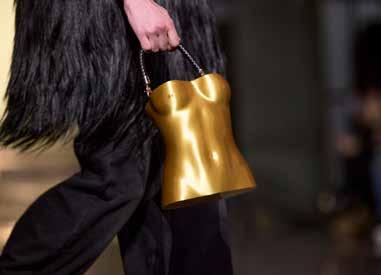
Es evidente que sus creaciones van mucho más allá de la mera moda; la arquitectura, la escultura y la alta costura se combinan para crear la santísima trinidad personal de Stéphane Rolland. Y hay algo realmente divino y trascendente en ver uno de sus desfiles. Sus prendas tienen una vida y una historia propia.
“No intento demostrar nada, simplemente me siento cómodo en mi piel, hago mi trabajo y hago felices a las mujeres, que es mi objetivo. Por eso elegí esta carrera.”
hat do the likes of Celine Dion, Zendaya, Beyonce, Rhianna, Noemi Campbell, Danielle Brooks and the Kardashians have in common?
They, like countless others, adore the sublime creations of renowned French designer Stephane Rolland.
From a young age, it was clear that he was going places. Born in Paris, Rolland was already sketching designs aged four. He was raised in places such as Paraguay, Argentina and the French West Indies by a creative family that appreciated both architecture and modernist art. He refers to himself as an “Eastern minimalist craftsman” and his early passion for architecture never left him. In fact, it has been a constant source of inspiration when it comes to designing creations that, at times, defy both belief and gravity.
After finishing his studies at the École de la Chambre Syndicale de la Couture Parisienne, he was personally hired by Cristóbal Balenciaga at the age of just 20 to design menswear. No one, least of all Stephane, could have imagined that barely a year later he would become not only the youngest creative director in Balenciaga's history, but the youngest artistic director in all of Paris.
"There was a vacancy at L'Homme, and they gave me the reins. I jumped in without knowing how to swim, and I learnt very quickly with a lot of freedom… also sales, management, press and public relations. An accelerated 360-degree training."
Three years later, at just 24, he launched his personal line of womens’ ready-towear. "I started with ready-to-wear because Haute Couture was sacred to me. It was untouchable."
Aged 30, he received a job offer from the House of Jean-Louis Scherrer, where he stayed for 10 years. "It was a House that needed to be revamped, and I've always loved challenges. It was a dizzying period, quite hard, but I truly learned the trade of Haute Couture there. I immersed myself in my role as a couturier while keeping a constant eye on the commercial aspect. How can you dress a woman if you don't know how she lives? Mr Valentino, or Mr Saint Laurent, always spent time with the women they dressed. They knew what they needed."
"What women have always taught me is that they want to be surprised by a couturier. When a woman confides, it's extraordinary and touching. I then become a psychologist. It's a work of intimacy."
For Stephane, 2007 marked a watershed moment in his career. This was the year he founded the House of Rolland and also became one of the very few exclusive official members of France's Haute Couture Federation.
"The day I was awarded the Haute Couture label, my status changed radically. The clients know that they will have access to an extremely private and coveted universe,” said Rolland.
Other things changed for him too, such as no longer working with his family. His parents paved the way for his new business partner, Pierre Martinez, to bring his vision and wisdom to the company.
The term 'haute couture' is often be thrown around quite loosely, but Rolland is the real deal. As an official member of the Chambre Syndicale de la Haute Couture, his brand can officially bear the coveted 'haute couture' label, indicating adherence to the strict French laws, including having an atelier in Paris and producing custom-made, hand-sewn garments and 50 new designs per season.
050
Rolland’s bridal gowns, for example, can take between 500-700 hours to make and cost anywhere from €35,000 to €700,000.
“Haute couture is strictly controlled, thank God - It’s a philosophy, we preserve the savoir faire, the knowledge,” he said.
Despite his fame and obvious talent, Stéphane seems to remain remarkably real, bringing some much-needed humanity back to the world of fashion.
Alongside Pierre Martinez, he partners with the Fondation des Hôpitaux (French Hospital Foundation), providing support in various ways to hospitalised teenagers, not only by donating 100% of ticket proceeds from his Haute Couture shows (SS 2025 for example) but also by giving teenagers opportunities to participate in fashion workshops, some even getting internships at House Rolland.
It’s clear to see that his creations go far beyond mere fashion; architecture, sculpture and haute couture combine to create Stephane Rolland’s personal holy trinity. And there really is something divine and transcendent about watching one of his shows. His clothes have a life and a story all of their own.
“I don’t try to prove anything, I just feel good in my shoes, I do my job and I make women happy, which is my goal. That is why I chose this career.”
Aumento de mama
Nueva técnica mínimamente invasiva Preservé
Dr
Antonio García-Cáceres Fundador y Director de CSE
CIRUGÍA ESTÉTICA CORPORAL Y FACIAL
CIRUGÍA ÍNTIMA
TRATAMIENTOS CAPILARES
MEDICINA ESTÉTICA
NUTRICIÓN
BELLEZA
@clinicase gournay saludestetica com
Texto • Tildita @tildita7
052 FOR YOU
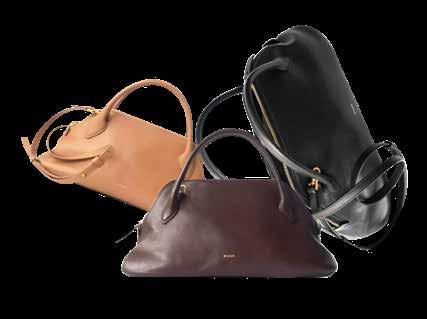
maletines médicos: el bolso Kuma de Miuur, quizá el único remedio elegante para un mal día (desde 375 €)
Inspired by vintage doctors’ bags: the Kuma bag by Miuur, perhaps the only stylish cure for a bad day (from €375)
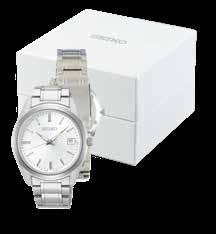
Minimalista y pulido: el Neo Classic de Seiko, un reloj que siempre llega a tiempo a cualquier tendencia (aprox. 260 €)
Minimalist and sleek: the Neo Classic from Seiko, a watch that’s always on trend (aprox. €260)
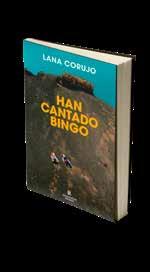
Han cantado bingo, de la autora canaria
Lana Corujo: literatura isleña para veranos con más páginas que planes (desde 19 €)
Han cantado bingo, by Canarian author
Lana Corujo: island literature for summers with more pages than plans (from €19)
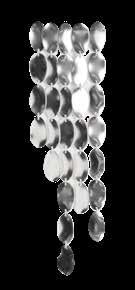
Un guiño medieval en clave urbana: el Chainmail Brooch de COS, eslabones plateados para la solapa (desde 45 €)
A medieval nod with an urban twist: the Chainmail Brooch by COS, silver links for your lapel (from €45)
Donut Mug de Petite Friture, cerámica y un guiño dulce al diseño (39–54 €)
Petite Friture’s Donut Mug, ceramic with a sweet nod to design ( €39 - €54)
En el lenguaje del estilo masculino, pocos símbolos hablan tan claro como la hebilla de polo de Ralph Lauren: un clásico de piel impecable (desde 132 €)
When we’re talking men’s style, few symbols speak as clearly as the Ralph Lauren polo buckle: a flawless leather classic (from €132)
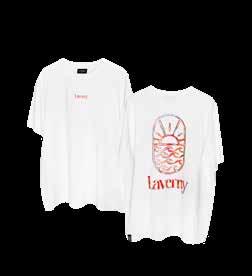
En la nueva escena creativa de las islas, el logo también es una firma: las camisetas de Laverny 1930, streetwear con ambición y una identidad muy clara (39,95 €)
On the islands’ new creative scene, the logo is also a signature: T-shirts by Laverny 1930, streetwear with ambition and a very clear identity (€39.95)
Cuando el denim se convierte en sneaker: Nike Book 2 “Must Be The Denim”, relajadas y listas para todo (desde 150 €)
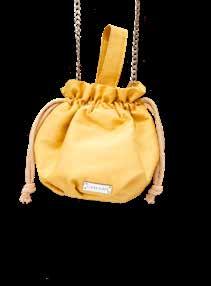
La nueva generación de diseñadoras canarias también cabe en un bolso: Mini Sac Bag de Lailumi & Design, pequeño, versátil y con mucho futuro (30 €)
The new generation of Canarian designers also fits into a bag: the Mini Sac Bag by Lailumi & Design, small, versatile and with a bright future ahead (€30)
Mejillas cálidas y labios definidos: el Blushin’ Charm Multi Stick y el Gel Glide Lip Liner de Catrice, dos pequeños trucos por menos de diez euros (5–6 € y 2,79 €)
Warm cheeks and defined lips: the Blushin’ Charm Multi Stick and the Gel Glide Lip Liner by Catrice, two little hacks for under 10 euros (€5–6 and €2.79)
When denim becomes a trainer: Nike Book 2 “Must Be The Denim”, laid-back and ready for anything (from €150)
054
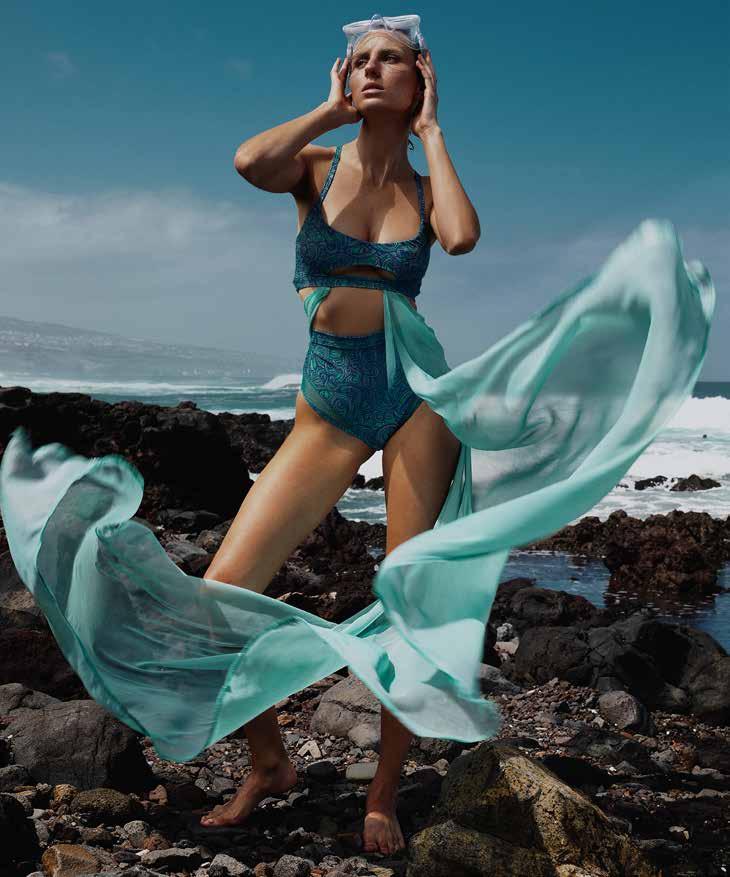
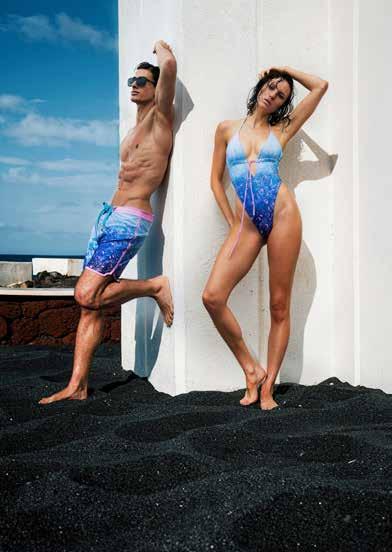
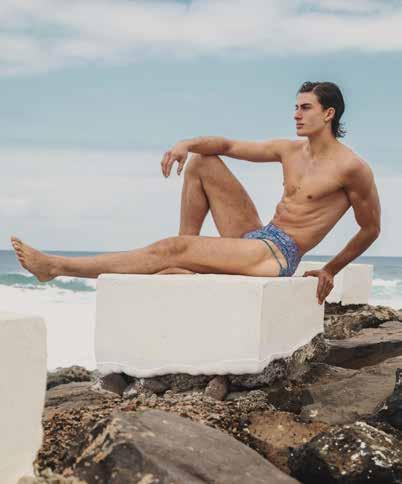
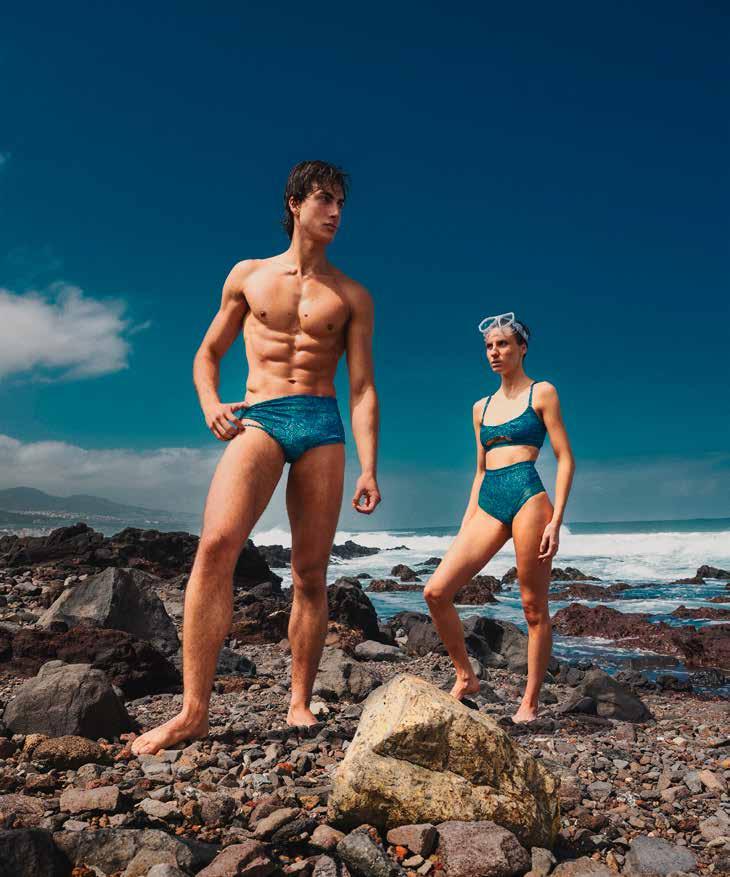
Like a Wave
acida del movimiento y la libertad, Like a Wave convierte las olas en un lenguaje visual propio.
Colores vibrantes, formas fluidas y un estampado que recorre el cuerpo con intención. Una colección que invita a sentir, cambiar y expresarse.
La sensualidad ya no se define: se manifiesta en cada cuerpo. Como el mar, indomable.
Photography: Vigonarte - Manu González
Makeup & Hair (MUAH): Klis Aristizabal
Models: Alanys Schlienger & Daniel Gómez
Fashion Designer: Betsabé Borcha
Jewelry: Anastasia
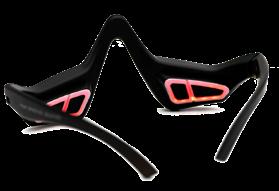
Sunglasses: 33 Raw Elements
056
orn out of movement and freedom, Like a Wave turns waves into their own visual language.
Vibrant colours, fluid shapes and a pattern that flows across the body with intention. A collection that invites you to feel, to change and to express yourself.
Sensuality is no longer something you can define: it shows itself in each and every body. Like the sea, untamed.
Texto • Ana de Armas | Foto • Microlino Press kit
El Microlino no quiere ser un coche al uso, y ahí está precisamente su revolución. Este pequeño vehículo eléctrico redefine la movilidad urbana desde la simplicidad: dos plazas, tamaño mínimo y lo justo para moverse por la ciudad sin excesos. Este vehículo responde con cifras claras: una autonomía de hasta 230 kilómetros y una velocidad máxima cercana a los 90 km/h. Más que suficiente para el día a día urbano.
Con apenas 2,5 metros de largo, se mueve como una extensión natural del entorno urbano, casi como si hubiera sido diseñado para encajar entre semáforos, calles estrechas y plazas de aparcamiento imposibles.
En un momento en el que todo parece crecer, el Microlino apuesta por lo contrario: reducir para avanzar.
The car that doesn’t want to be one
The Microlino has no intentions of being a traditional car, and that's precisely what makes it so revolutionary. This small electric vehicle redefines urban mobility through its simplicity: two seats, minimal size and yet everything you need to move around the city, without unnecessary extras. The figures speak for themselves: a range of up to 230 kilometres and a top speed close to 90 km/h - more than enough for daily use.
At just 2.5 metres long, it moves around like a natural extension of the urban surroundings, almost as if it were designed to fit in-between traffic lights, narrow streets and impossibly tight parking spaces. At a time when everything seems to be getting bigger, the Microlino’s goal is the complete opposite: growing by reducing.
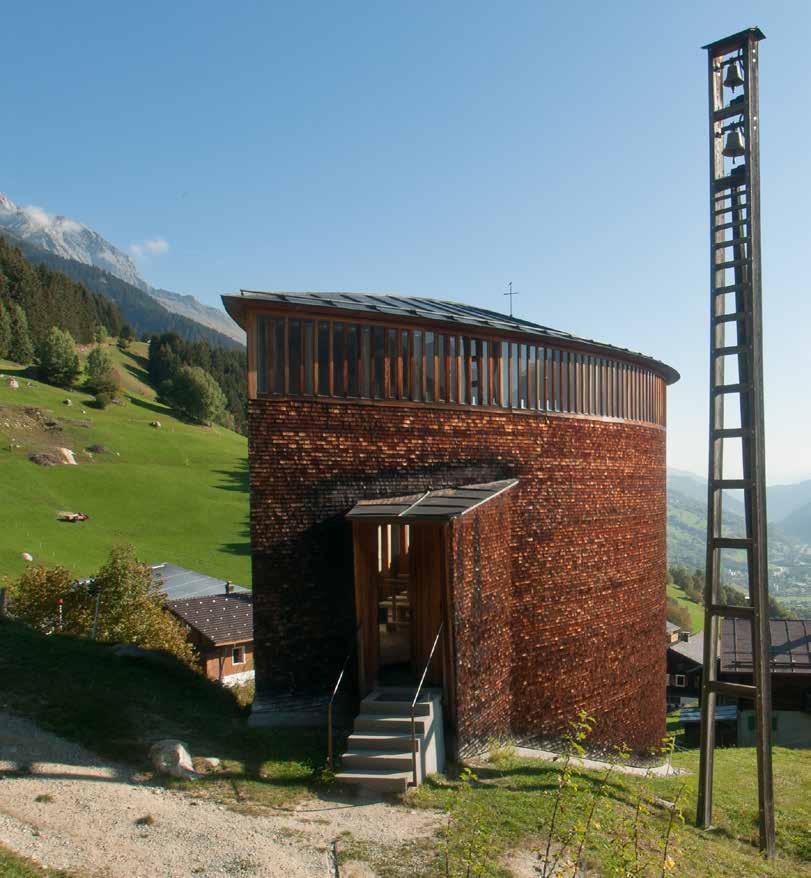
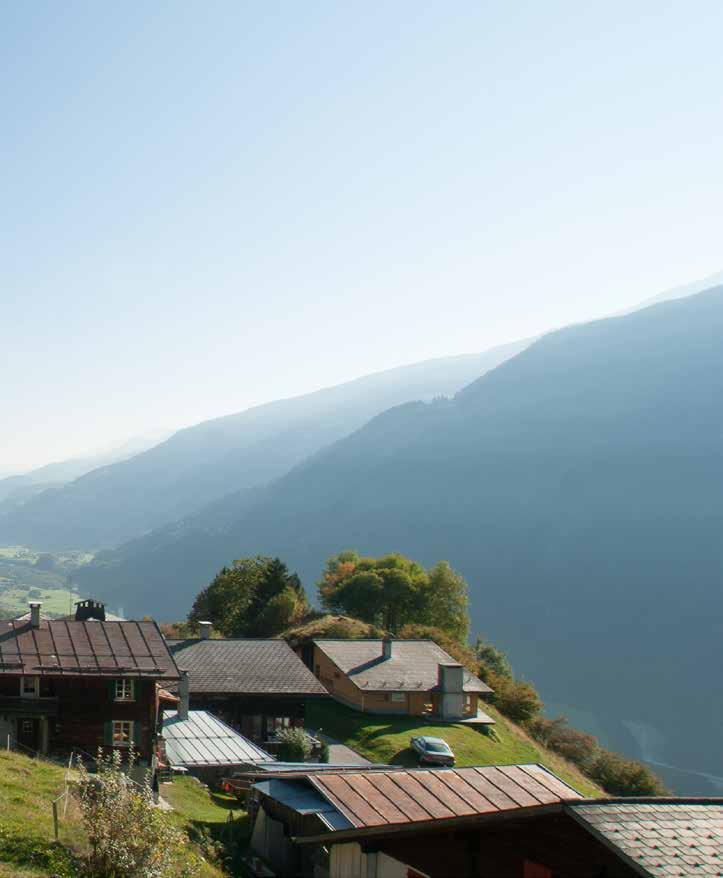
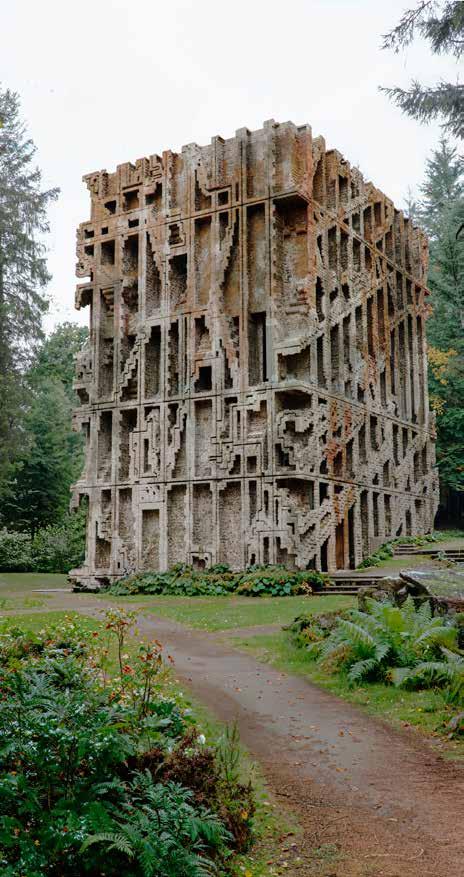
nclavado en un remoto pueblo en las montañas suizas, se encuentra el estudio de arquitectura de Peter Zumthor, caracterizado por trabajar al margen de las tendencias pasajeras y de cualquier moda. Su selección de encargos era muy meticulosa, aceptando solo aquellos que se alineaban con su visión y rechazando la gran mayoría de las propuestas.
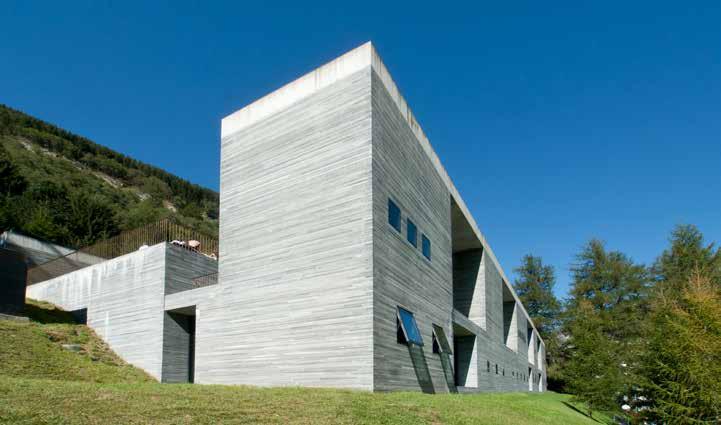
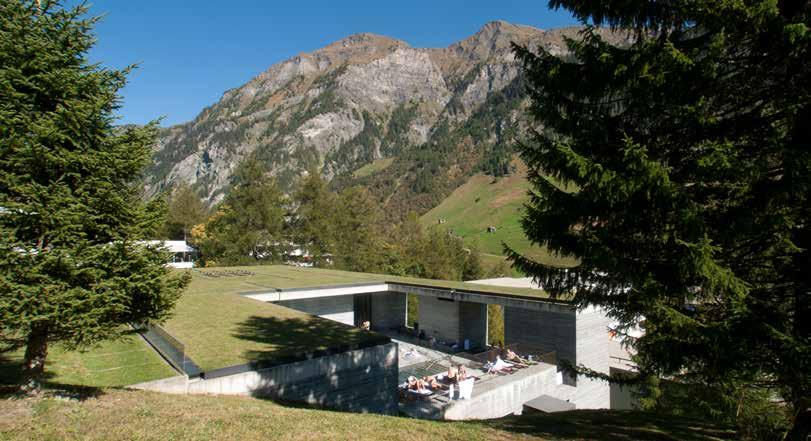
Parece irónico que, en lugar de levantar imponentes edificaciones en grandes ciudades, Zumthor se decantara por la pequeña aldea de Vals. Allí es donde se encuentran las Termas de Vals. Inspiradas en elementos como la piedra de la montaña, el agua o el ritual de baño, se integran en el terreno de forma que parecen enterrarse en la montaña. Inauguradas en 1996, se caracterizan por su enorme respeto al entorno, ya que se componen de 60.000 losas de cuarcita gris extraídas de la propia cantera de Vals y se recubren de un techo verde que se mimetiza con la densidad del paisaje.
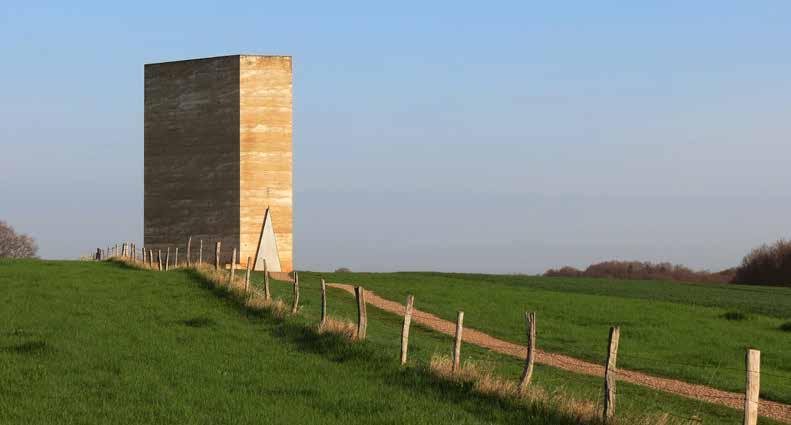
Otro ejemplo de su trabajo en lugares recónditos es la Capilla de Campo dedicada a San Nicolás de Flüe, en Alemania. Situada en medio de un campo, su apariencia es sencilla y casi rústica. Sin embargo, su construcción es mucho más compleja: utilizó un molde de 112 troncos de pino alrededor del cual se vertieron capas de hormigón. Después, los troncos fueron quemados, creando un interior carbonizado y casi místico, abierto en lo alto para dejar pasar la luz natural. Además, pequeñas perforaciones selladas con semiesferas de vidrio generan un sutil juego de luces en el interior.
En el entorno urbano, podemos destacar el Museo Kolumba de Colonia. En su exterior conviven las ruinas de una antigua iglesia gótica con una nueva fachada de ladrillo gris de carácter contemporáneo. El edificio respeta y prolonga la historia del lugar, mientras que la disposición irregular de los ladrillos permite que la luz natural penetre en el interior.
Con esto, vemos como la arquitectura de Zumthor expresa un profundo respeto por el espacio, el legado cultural y la experiencia del usuario. Esta filosofía y su rigor creativo lo llevaron a recibir el Premio Pritzker de Arquitectura en 2009, el mayor reconocimiento del sector, que distingue a arquitectos cuya obra combina talento, visión y un compromiso duradero con la sociedad.
estled in a remote village in the Swiss mountains lies Peter Zumthor’s architectural studio, known for operating outside the realm of passing trends. He has been extremely selective when choosing commissions, accepting only those that aligned with his vision and rejecting most proposals he receives.
It seems ironic that, instead of constructing impressive buildings in well-known cities, Zumthor instead chose the small village of Vals, where the renowned Vals Thermal Baths are located. Inspired by elements such as mountain stone, water and bathing rituals, the building fuses with the landscape in such a way that the baths appear to be embedded within the mountains themselves. Opened in 1996, the baths are characterised by their profound respect for the natural surroundings, in fact they were built using 60,000 slabs of grey quartzite from the local quarry and are topped with a green roof that blends into the landscape.
Another example of his work in more remote locations is the Country Chapel dedicated to St Nicholas of Flüe, in Germany. Situated in the middle of a field, its appearance is simple and almost rustic. However, its construction was far more complex: Zumthor used a mould of 112 pine logs, around which layers of concrete were poured in. The logs were then burned, creating a charred and almost mystical interior, open at the top to let natural light in. Small perforations sealed with glass hemispheres create an additional yet subtle play of light inside.
As for his work in urban settings, the Kolumba Museum in Cologne stands out. Its exterior combines the ruins of an old Gothic church with a new, contemporary-style façade of grey brick. The building respects and extends the site’s history, whilst the irregular arrangement of the bricks allows natural light to enter the interior.
These examples show how Zumthor’s architecture expresses a deep respect for space, cultural heritage and the visitor’s experience. This philosophy, along with his creative rigour, saw him awarded the Pritzker Architecture Prize in 2009, the sector’s highest honour, which recognises architects whose work combines talent, vision and a lasting commitment to society.
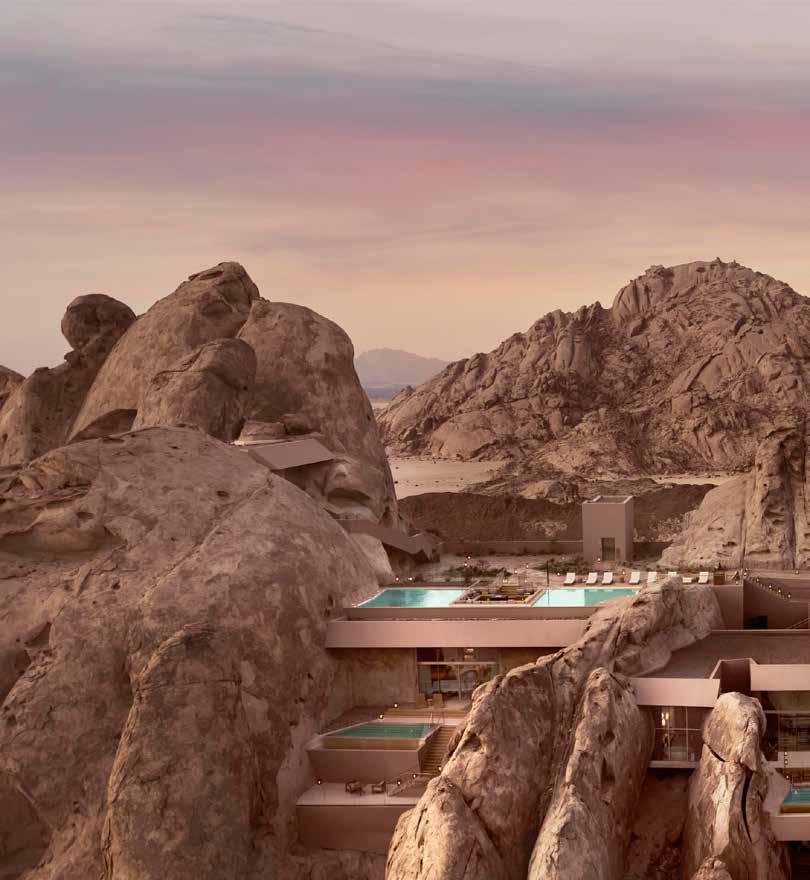
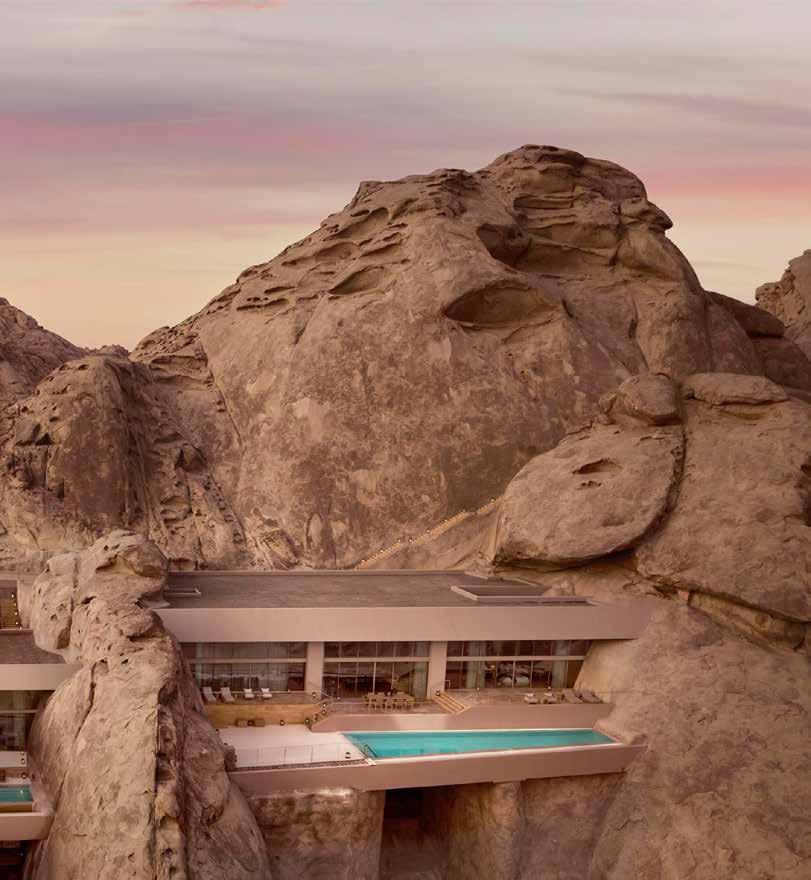
Hay lugares que no se visitan, se experimentan. Espacios donde el paisaje no es un simple telón de fondo, sino el auténtico protagonista. Desert Rock, en la región del Mar Rojo de Arabia Saudí, es uno de esos destinos extraordinarios donde las montañas se funden con el desierto y la arquitectura parece brotar de la propia roca ancestral.
Este resort redefine el lujo contemporáneo a través de la conexión con la naturaleza. Las suites y villas, amplias y completamente privadas, cuentan con piscina propia y han sido diseñadas para abrazar su entorno natural. Además uno de los grandes valores diferenciales de Desert Rock es su apuesta por la hafawah, el espíritu de la hospitalidad saudí genuina, cálida y profundamente humana.
Extendido sobre más de 30.000 metros cuadrados de naturaleza virgen, Desert Rock es un punto de partida privilegiado para explorar dunas infinitas, emprender expediciones de montaña o, sencillamente, detenerse a contemplar la inmensidad del entorno.
DESSERT ROCK
Luxury carved in stone
There are places you don’t visit - you experience. Spaces where the landscape isn’t just a backdrop, but the true star of the show. Desert Rock, in the Red Sea region of Saudi Arabia, is one of those extraordinary destinations where the mountains fuse seamlessly with the desert and the architecture seems to spring from the ancient rock itself.
This resort redefines modern luxury through its connection with nature. The spacious and completely private suites and villas each have their own swimming pool and have been designed to embrace their natural surroundings. Additionally, one of Desert Rock’s key distinguishing features is its commitment to hafawah, the spirit of genuine, warm and deeply human Saudi hospitality.
Spanning over 30,000 square metres of unspoilt wilderness, Desert Rock offers the perfect base from which to explore endless dunes, embark on mountain expeditions or simply pause to contemplate the vastness of the surroundings.
n un mundo en el que la construcción se ha estandarizado y los ‘edificios cebra’ se han vuelto la norma, las construcciones diferentes sorprenden. En el caso de Tur House, un proyecto de Barry Wark Studio, la principal diferencia radica en su material, puesto que se compone de bloques de arena impresos en 3D.
Esta decisión permite crear una fachada exterior independiente, separada de la estructura y de los espacios interiores. Así, plantea una forma distinta de entender la arquitectura: no como algo fijo, sino como un sistema que puede desmontarse, repararse y transformarse con el tiempo.
Esta cobertura, ideada como una piel monomaterial, cuenta también con una barrera térmica y con zonas acristaladas que dejan pasar la luz natural. La geometría fragmentada de estas paredes impide que la construcción se vuelva estática y permite añadir o retirar partes de la fachada sin romper la coherencia del conjunto, reforzando esa idea de edificio adaptable y en constante evolución.
n a world where construction has become standardised and ‘zebra buildings’ have become the norm, buildings that stand out come as something of a surprise. In the case of Tur House, a project by Barry Wark Studio, the main difference lies in its material, as it is made up of 3D-printed sand blocks.
This decision allows for the creation of a separate external façade, independent from the structure and the interior spaces. In doing so, it offers us a different way of understanding architecture: not as something fixed, but as a system that can be dismantled, repaired and transformed over time.
This cladding, conceived as a single-material skin, also features a thermal barrier and glazed sections that let in natural light. The fragmented geometry of these walls prevents the building from becoming static and allows parts of the façade to be added or removed without disrupting the coherence of the whole, reinforcing the idea of a building that is not only adaptable but in constant evolution.
Deporte • Sport
Texto • Abril Ronsisvalle | Foto • FESurf
072
Una ola de éxitos
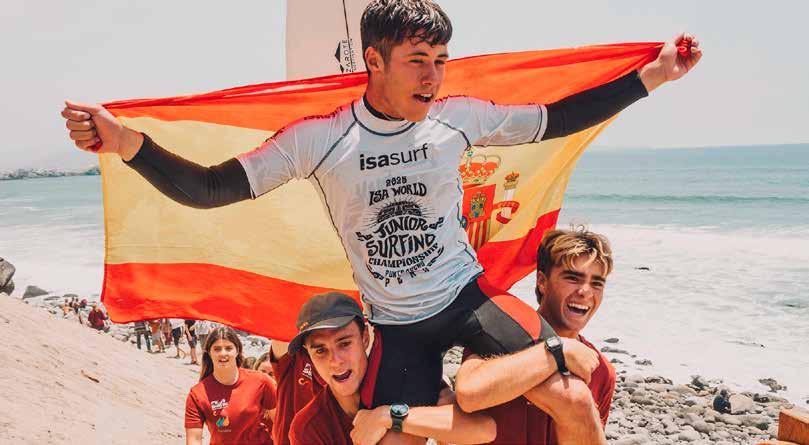
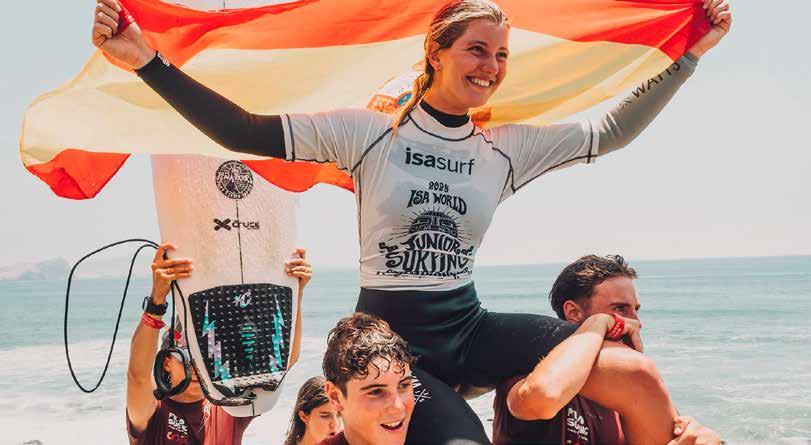
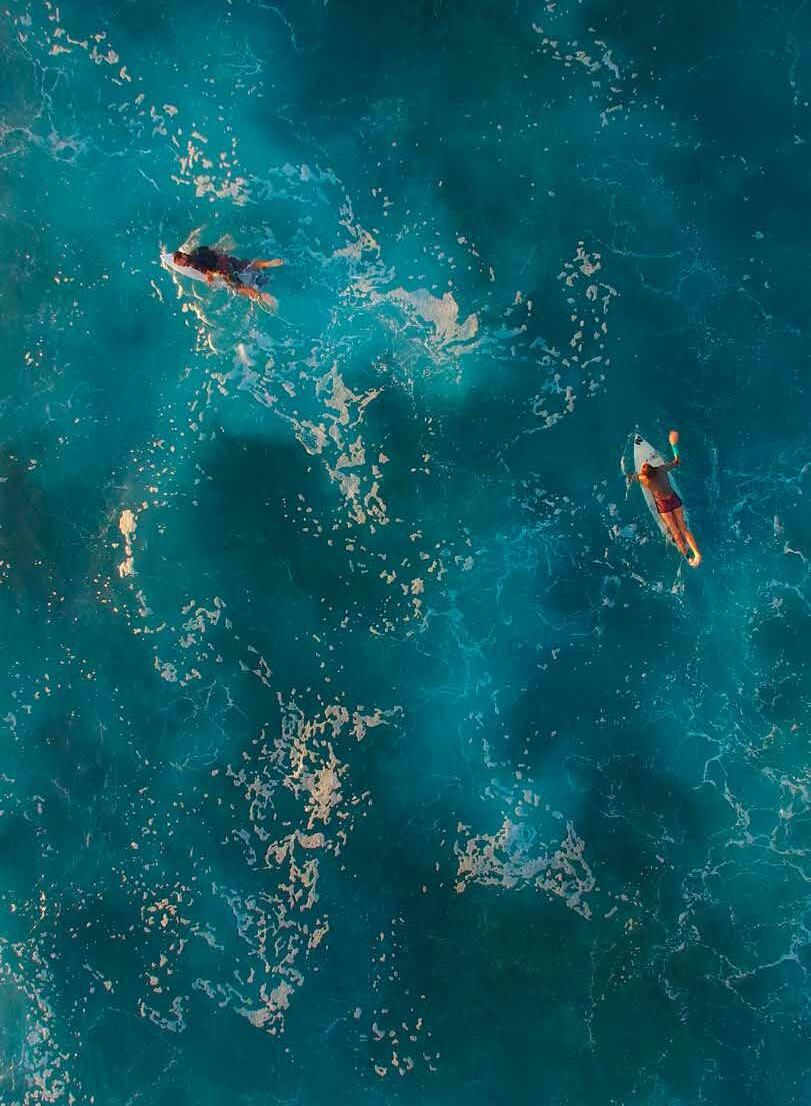
El surf forma parte del ADN de Canarias y las nuevas generaciones lo vuelven a confirmar. Los dos títulos mundiales Sub-18 del último ISA World Junior Surfing Championship han viajado directamente hasta Lanzarote. Dylan Donegan y Sol Borelli han hecho un doblete histórico, tanto en la categoría masculina como en la femenina, situando a Canarias una vez más en el centro del mapa internacional del surf.
En las potentes olas de Punta Rocas, en Perú, Donegan firmó una actuación impecable para proclamarse campeón del mundo Sub-18. Se trata de un logro que cobra todavía más dimensión si se tiene en cuenta que el lanzaroteño ya había sido campeón mundial Sub-16 el año anterior, convirtiéndose en el primer surfista en la historia en enlazar ambos títulos en años consecutivos. Su trayectoria es la de un talento precoz que creció surfeando en Caleta de Famara y que ha sabido consolidar una trayectoria que lo coloca como una de las grandes promesas del surf europeo.
Dylan Donegan y Sol Borelli sitúan a Lanzarote en el epicentro del surf mundial
Por su parte, Sol Borelli se impuso en la final femenina Sub-18 con una mezcla de paciencia, seguridad y fuerza que evidenció su evolución deportiva en los últimos años. Con trayectoria en Canarias, Argentina y Perú, su vinculación a este deporte ha sido constante y creciente, destacando en el circuito junior y en competiciones internacionales. Con esta victoria, la surfista lanzaroteña confirmó que el surf femenino canario atraviesa un momento de especial fortaleza, al igual que su carrera.
El doble triunfo de Donegan y Borelli no solo supone un hito estadístico, sino que proyecta una imagen poderosa de Canarias como territorio de alto rendimiento deportivo y como cuna de profesionales que, muy probablemente, darán el salto a los grandes circuitos mundiales en los próximos años.
A wave of success
Surfing is in the Canary Islands’ DNA, and the new generations are proving it once again. The two Under-18 world titles from the latest ISA World Junior Surfing Championship have come straight to Lanzarote. Dylan Donegan and Sol Borelli have achieved a historic double, winning both the men’s and women’s categories, placing the Canary Islands once again at the heart of the international surfing map.
Dylan Donegan and Sol Borelli put Lanzarote at the heart of the global surfing scene.
In the powerful waves of Punta Rocas, Peru, Donegan put in a flawless performance to be crowned Under-18 world champion - an achievement that takes on even greater significance when you consider that only the previous year, the Lanzarote native had been crowned Under-16 world champion, making him the first surfer in history to win both titles in consecutive years. His career is that of a gifted young talent who grew up surfing in Caleta de Famara and has managed to establish a career that already positions him as one of the most promising stars of European surfing.
Meanwhile, Sol Borelli triumphed in the U18 women’s final with a combination of patience, confidence and strength that demonstrated her growth as a sportswoman in recent years. With experience across the Canary Islands, Argentina and Peru, her connection to surfing has grown consistently, excelling on the junior circuit and in international competitions. With this victory, the Lanzarote-born surfer confirmed that women’s surfing in the Canary Islands is, like her own career, experiencing a particularly strong period.
The double victory by Donegan and Borelli not only marks a statistical milestone but portrays a powerful image of the Canary Islands as a hub for high-performance sport and a breeding ground for professionals who will, in all likelihood, make the leap to the major world circuits over the coming years.
Deporte • Sport
Texto • Ana de Armas | Foto • Koji Kamei
THE GREAT WAVE IS CALLED
LA GRAN
OLA SE
LLAMA
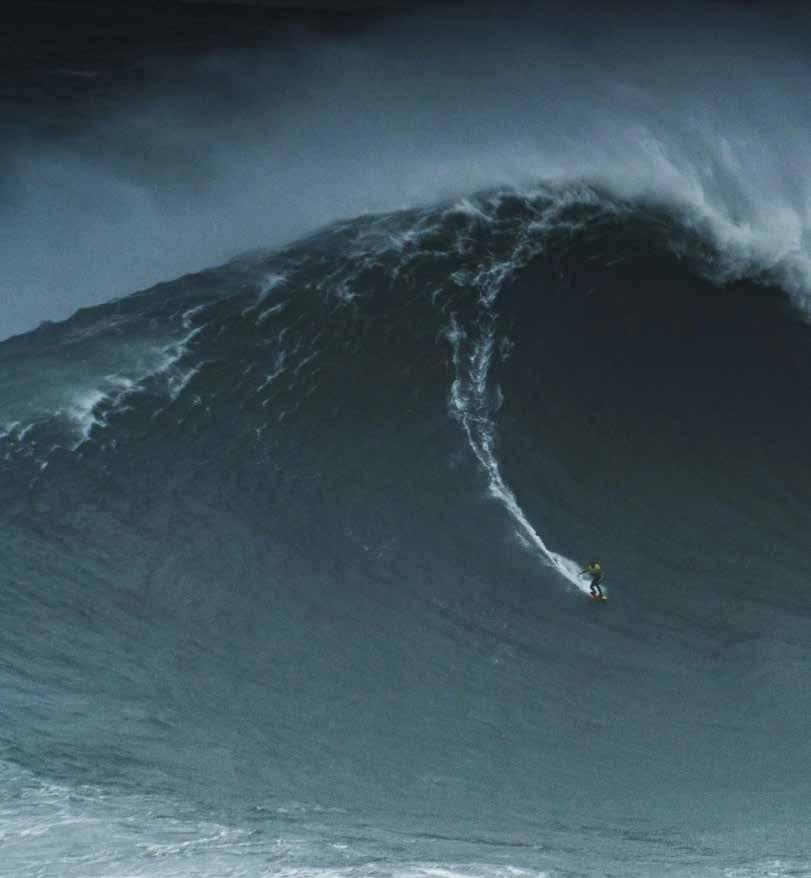
n la costa atlántica de Portugal existe un lugar donde el mar deja de ser paisaje para convertirse en espectáculo. Ese lugar es Nazaré, un pequeño pueblo pesquero que, cada invierno, se transforma en el escenario de algunas de las olas más grandes del planeta.
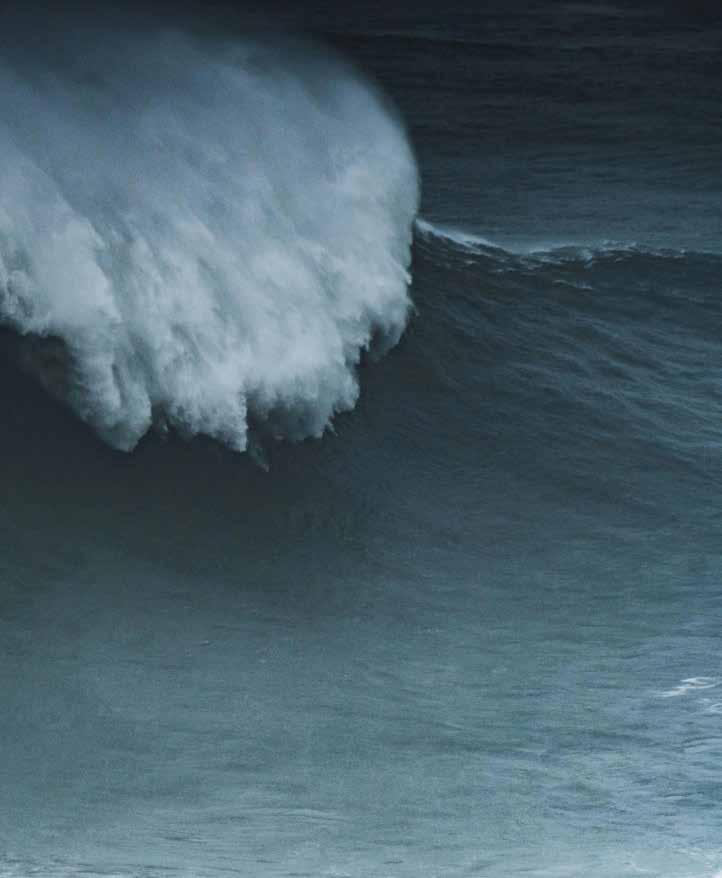
Nazaré conserva el encanto de las villas marineras: barcas varadas en la arena, redes extendidas al sol y restaurantes donde el pescado llega directo del Atlántico al plato. Pero frente a su costa ocurre algo extraordinario. Bajo el agua se encuentra el Cañón de Nazaré, un gigantesco cañón submarino que canaliza la fuerza del océano y la proyecta hacia la superficie, creando olas que pueden superar los treinta metros de altura.
El momento que cambió la historia reciente del pueblo llegó en 2011, cuando el hawaiano Garrett McNamara surfeó aquí una ola histórica que dio la vuelta al mundo y colocó definitivamente a Nazaré en el mapa del surf extremo.
n Portugal’s Atlantic coast, there is a place where the sea goes from being a scenic backdrop and instead turns into a genuine spectacle. That place is the small fishing village of Nazaré, which, every winter, becomes the setting for some of the largest waves on the planet.
Nazaré retains all the charm of a traditional fishing village: boats beached on the sand, nets spread out in the sunshine and restaurants where the fish goes straight from the Atlantic to the plate. But off its coast, something truly extraordinary happens. Beneath the water lies the Nazaré Canyon, a gigantic underwater canyon that channels the ocean’s power and propels it towards the surface, creating waves that can exceed an extraordinary 30 metres in height.
The moment that changed the town’s modern history came in 2011, when Hawaiian surfer Garrett McNamara rode a historic wave there that made headlines all around the world, putting Nazaré firmly on the map for big wave surfing.
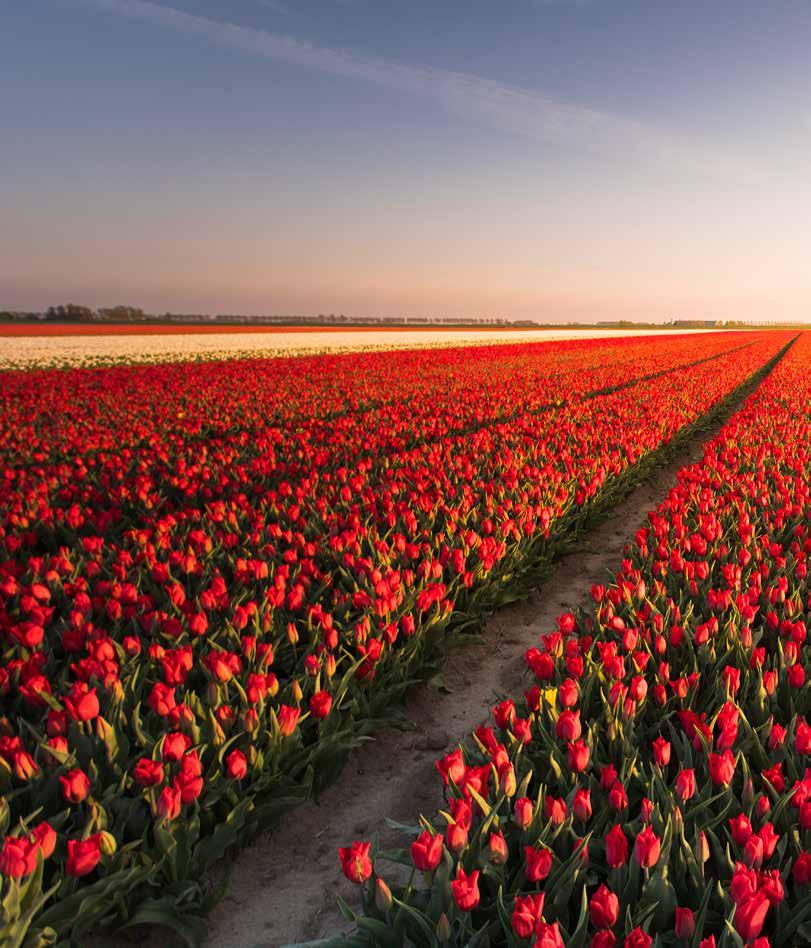
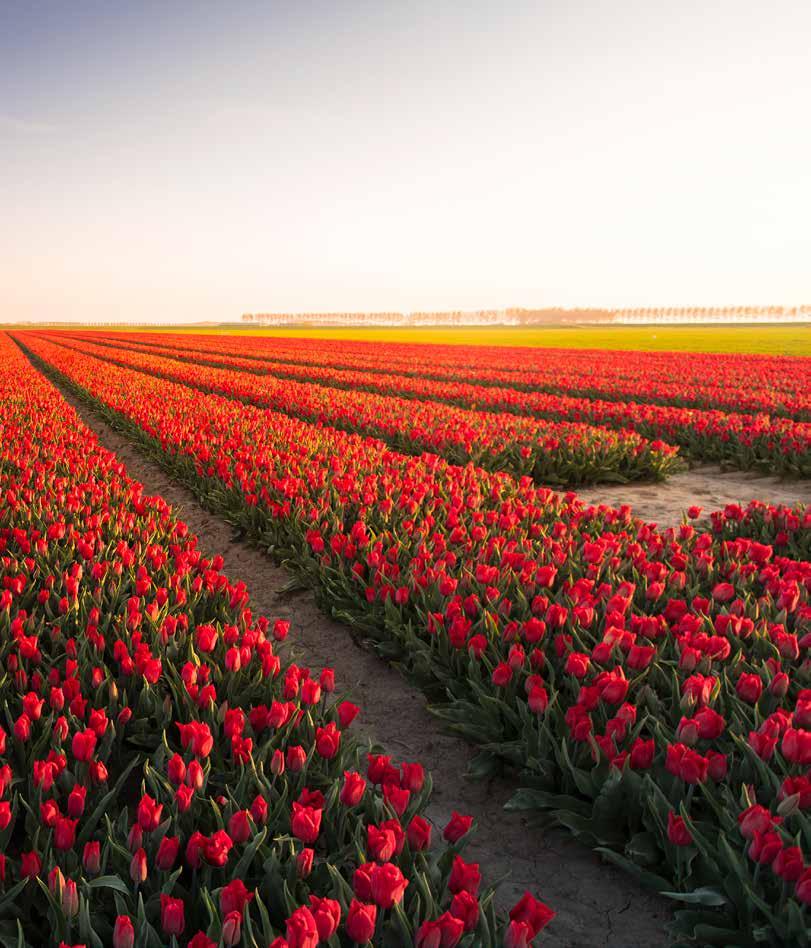
Entre marzo y mayo, los Países Bajos viven una auténtica explosión de color con la floración de sus campos de tulipanes. Sin embargo, lo que mucha gente no sabe es que la mayoría no se cultivan para vender la flor, sino el bulbo.
PAÍSES BAJOS THE NETHERLANDS
Between March and May, the Netherlands becomes a veritable explosion of colour as its tulip fields erupt into bloom. However, what many people don’t realise is that most of them are grown not for the flowers themselves, but for their bulbs.
Paisajes • Landscapes
Texto • Abril Ronsisvalle
080
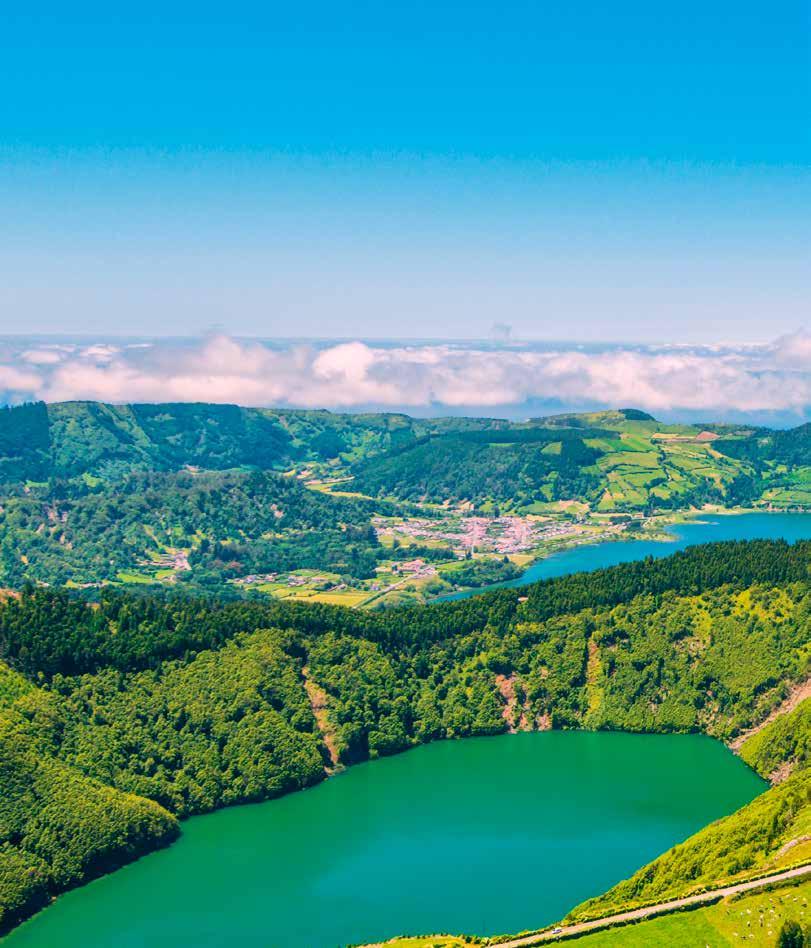
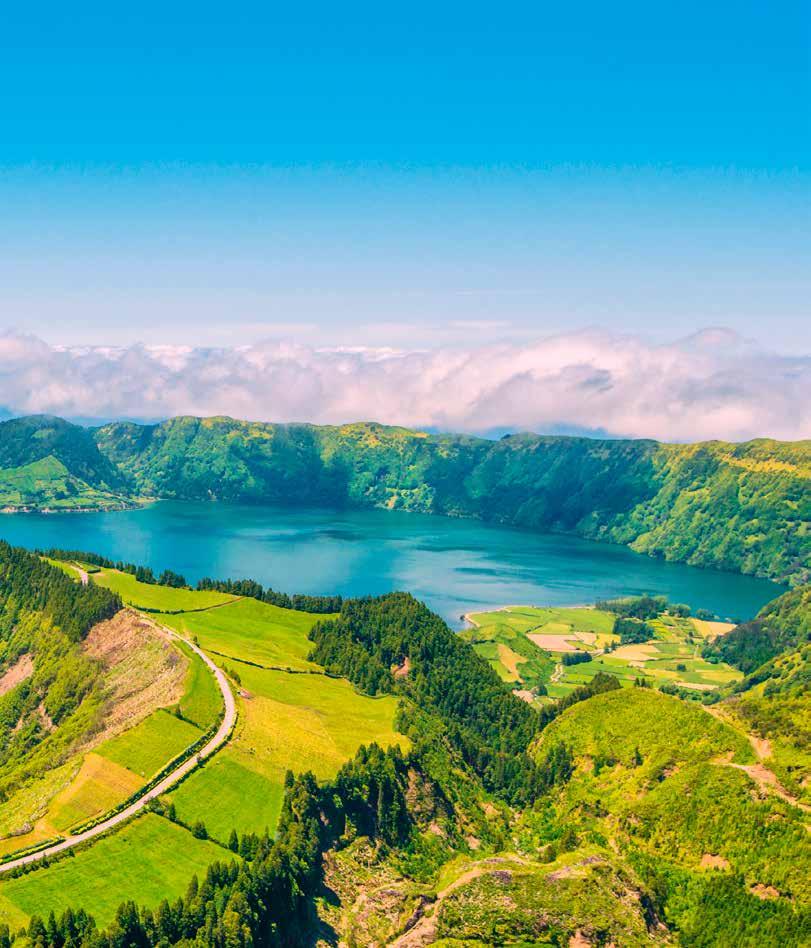
Aunque parece haber un lago azul y otro verde, en realidad es solo uno situado dentro de un enorme cráter volcánico en São Miguel. La diferencia de color se debe a la profundidad del agua y al reflejo de la luz del sol.
AZORES
It may appear to be two separate lakes; one blue and the other green, this is actually a single lake situated within a huge volcanic crater on São Miguel. The difference in colour is due to the depth of the water and the way the sunlight bounces off it.
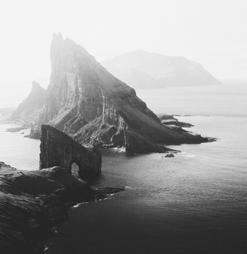
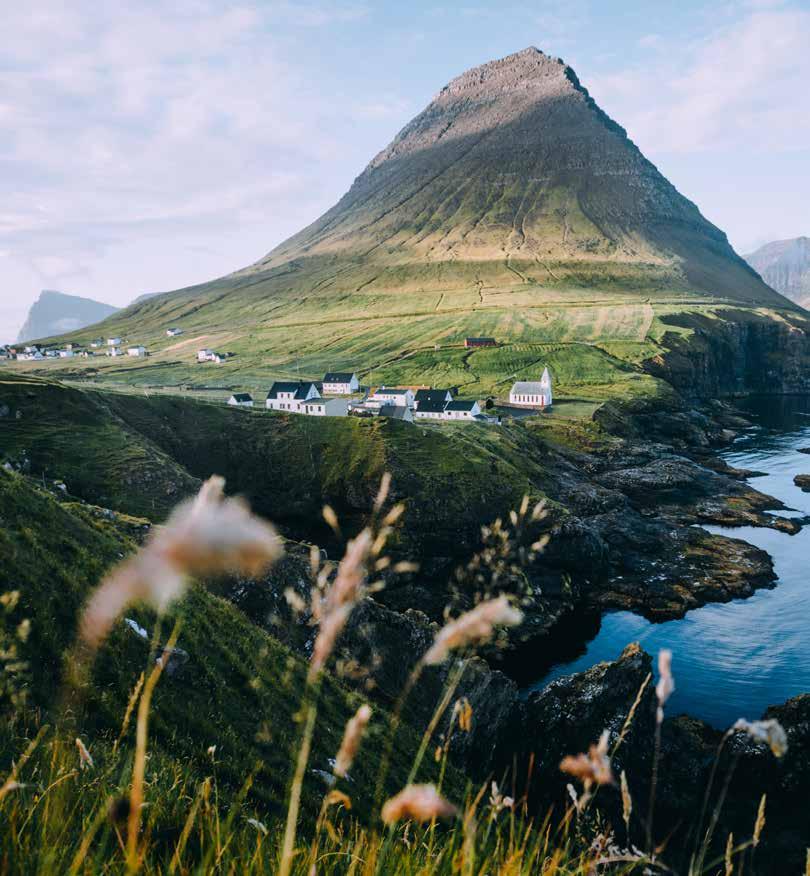
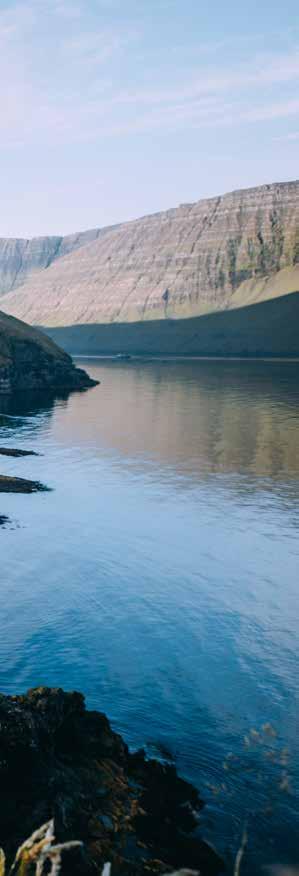
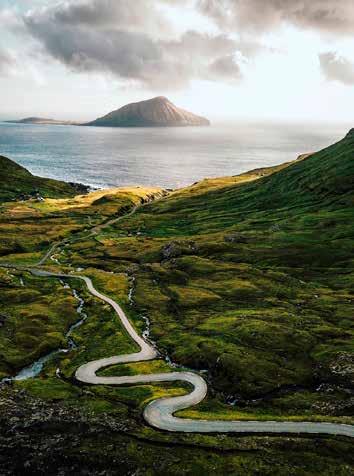
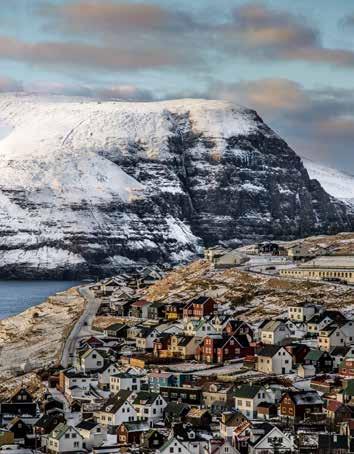
Entre Escocia e Islandia, en mitad del Atlántico Norte, se extiende uno de los territorios más singulares de Europa. Las Islas Feroe, un archipiélago de 18 islas volcánicas perteneciente al Reino de Dinamarca pero con amplio autogobierno, albergan apenas 56.000 habitantes y una identidad cultural sorprendentemente sólida para un lugar tan remoto.
Aquí el paisaje lo domina todo. Montañas verdes que emergen abruptamente del océano, acantilados que se precipitan hacia el mar y cascadas que parecen caer directamente al Atlántico, conforman un territorio de belleza indómita. Lugares como el lago Sørvágsvatn, que desde ciertos miradores parece flotar sobre el océano, o la cascada Múlafossur, junto al pequeño pueblo de Gásadalur, reflejan la espectacularidad natural de estas islas.
A pesar de su latitud, el clima no es tan extremo como podría pensarse. La influencia del océano suaviza las temperaturas, con inviernos que rondan los 3 o 4 grados de media y veranos frescos que rara vez superan los 12. El viento, la niebla y la lluvia forman parte del paisaje cotidiano. Al igual que las praderas que están siempre cubiertas de ovejas, de hecho, Føroyar significa literalmente “islas de ovejas”, mientras que la pesca sigue siendo el principal motor económico del archipiélago.
Pero si algo distingue a las Feroe es su fuerte identidad cultural. Los feroeses hablan su propia lengua, el feroés, heredera del antiguo nórdico, y celebran cada verano Ólavsøka, la fiesta nacional que llena las calles de trajes tradicionales, música y orgullo colectivo.
Remotas, verdes y azotadas por el Atlántico, las Islas Feroe representan hoy uno de los últimos rincones de Europa donde la naturaleza sigue marcando el ritmo de la vida y donde el aislamiento ha sabido transformarse en identidad.
The Faroe Islands Europe’s last wild refuge
Between Scotland and Iceland, in the middle of the North Atlantic, lies one of Europe’s most unique territories. The Faroe Islands, an archipelago of 18 volcanic islands belonging to the Kingdom of Denmark but enjoying a high degree of self-government, are home to just 56,000 inhabitants and boast a surprisingly strong cultural identity for such a remote place.
Here, the landscape dominates everything. Green mountains rising abruptly from the ocean, cliffs plunging into the sea and waterfalls that seem to cascade directly into the Atlantic make up a landscape of untamed beauty. Places such as Lake Sørvágsvatn, which from certain vantage points appears to float on the ocean, or the Múlafossur waterfall, near the small village of Gásadalur, reflect the spectacular natural beauty of these islands.
Despite its latitude, the climate isn’t as extreme as you might imagine. The influence of the ocean keeps temperatures moderate, with winters averaging around 3 or 4 degrees and cool summers that rarely exceed 12 degrees. Wind, fog and rain are part of daily life, as are the sheep-filled pastures - in fact, Føroyar literally means ‘sheep islands’, though fishing remains the archipelago’s main economic driver.
But if anything sets the Faroe Islands apart, it is their strong cultural identity. The locals speak their own language, Faroese, a descendant of Old Norse, and every summer they celebrate Ólavsøka, the national festival that fills the streets with traditional costumes, music and collective pride.
Remote, green and battered by the Atlantic, the Faroe Islands today represent one of the last corners of Europe where nature still sets the pace of life and where isolation has managed to transform itself into identity.
ROG XREAL R1
GAMING INMERSIVO
ASUS ROG presenta unas gafas que proyectan una pantalla virtual gigante. Ofrecen una experiencia envolvente pensada para jugar en cualquier lugar.
ROG XREAL R1
IMMERSIVE GAMING
ASUS ROG presents glasses that project a giant virtual screen, offering an immersive experience designed to make gaming possible anywhere.
MÁSCARA LED BELLEZA TECNOLÓGICA
LOLLIPOP STAR MÚSICA DESDE DENTRO
El Lollipop Star transforma un caramelo en un altavoz personal gracias a la conducción ósea. Al morderlo, la música se transmite directamente a tu oído interno.
LOLLIPOP STAR
MUSIC FROM WITHIN
The Lollipop Star transforms a simple lollipop into your very own personal speaker thanks to bone conduction. When you bite down on it, music is transmitted directly to your inner ear.
La máscara LED de Unicskin utiliza luz para mejorar el contorno de ojos. Un tratamiento en casa que busca resultados visibles sin métodos invasivos.
LED MASK TECHNOLOGICAL BEAUTY
The Unicskin LED mask uses light to improve the contour around the eye. A home treatment that aims for visible results without invasive methods.
GADGETOPÍA
La tecnología sigue reinventando lo cotidiano, llevando la innovación a terrenos tan inesperados como el ocio, la belleza o el gaming. Estos gadgets demuestran que el futuro no solo se usa, también se experimenta.
Technology continues to reinvent our everyday lives, bringing innovation to even the most unexpected of areas such as leisure, beauty or gaming. These gadgets demonstrate that the future is not only something we use, rather also experience.
DIRECCIÓN | MANAGMENT
Edita | Publisher
Rosti Family Group
Dirección | Director
Antonio Rosales
Sub Dirección | D. Director
Nicolás Rosales
GRAFISMO | GRAPHICS
Dirección de Arte | Art Director
Gala de Gracia
Diseño Gráfico | Graphic Designer
Atteneri Paz
Maquetación | Layout
Atteneri Paz
Asistente Gráfico | Graphic Assistant
Héctor H. de Arcos
REDACCIÓN | EDITORIAL
Redactores | Writers
Ana de Armas, Sarah Wylder,
Abril Ronsisvalle
Corrección | Correction
Ana de Armas
Abril Ronsisvalle
Traducción | Translation
Sarah Wylder
COORDINACIÓN | COORDINATION
Ana De Armas
RR.SS | SOCIAL MEDIA
Abril Ronsisvalle
VENTAS Y ADMINISTRACIÓN |
SALES & ADMINISTRATION
Dir. Financiera | Financial Dir.
Mércedes Pérez
Marketing
Chrystelle Rosales
LOGÍSTICA | LOGISTICS
Soporte | Support
Tati Guzmán
Oficina Central San Francisco Javier 80. 38001 Santa Cruz de Tenerife
Thursday and Saturday from 09:00 am to 14:00 pm Av de Bruselas, 12, Costa Adeje
El Médano Market
Saturday from 09:00 am to 14:00 pm Calle Hno Pedro, 2C, Plaza de El Médano
Los Cristianos Market
Sunday and Tuesday from 09:00 am to 14:00 pm Avda Juan Carlos I, Los Cristianos, Arona
Marina del Sur Market
Friday from 09:00 am to 14:00 pm Marina del Sur, Puerto de Las Galletas, Arona
Pink Market
C.C. Gala , Avda. Rafael Puig Lluvina,3 Playa de Las Américas
Torviscas Boulevard Market
Mondays and Wednesdays from 09:00
am to 14:00 h CC. Centro Costa, Torviscas, Adeje
Mercadillo del Agricultor San Isidro
Saturday and Sunday from 07:30 am to 13:30 pm TF-1
motorway junction direction El Médano San IsidroGranadilla de Abona
New Opening
Mercadillo Agro tradicional de Alcalá:
Address: Plaza del Llano, Alcalá Guía de Isora
Opening hours: Monday from 08:00 am to 13:00 pm
Mercadillo Agro tradicional de Playa de San Juan:
Address: Plaza de Eulogia González Taima Playa de San Juan - Guía de Isora Opening hours: Wednesday from 08:00 am to 13:00 pm
Compañía de Mercadillos del Atlántico tenerifemarket.es
Casa Marcial
el lugar donde perdura la tradición where tradition endures
La historia de los hermanos Manzano y de Casa Marcial nace en 1993 cuando Nacho, Esther, Sandra y Olga decidieron abrir este restaurante en una casa de La Salgar. La causa por la que escogieron esta pequeña aldea fue su historia. Allí, donde el paisaje asturiano muestra su cara más íntima, su abuela Herminia tuvo su tienda y su llagar. Años más tarde sus padres Marcial y Olga abrieron un bar y un negocio de comidas por encargo. Ese origen profundamente humano sigue siendo hoy el corazón del proyecto. La llegada de la tercera generación supuso pasar de aquella casa de comidas a un restaurante que ha alcanzado el máximo reconocimiento con tres Estrellas Michelin. Lo que define a Casa Marcial no es solo su excelencia, sino su manera de entender la gastronomía. La cocina nace del entorno, del producto, de la memoria. La estrella verde Michelin que el restaurante luce desde 2023 no es un accesorio de imagen, es el reconocimiento a una manera de trabajar que estuvo ah antes de que existiera una categoría para nombrarla.
La evolución del restaurante ha ido de la mano de nuevas iniciativas, pero siempre con la misma esencia: cocinar desde lo que se es. Y, ¿quién mejor que el propio Nacho Manzano para hablarnos de esta identidad que define a Casa Marcial? Conversamos con él para profundizar en sus raíces, su historia y sus perspectivas de futuro.
The story of Casa Marcial and the Manzano siblings began in 1993 when Nacho, Esther, Sandra and Olga decided to open a restaurant in a house in La Salgar. The reason they chose this small village was its history. It was here, where the Asturian landscape shows its most intimate side, that their grandmother Herminia had her shop and cider press. Years later, their parents Marcial and Olga opened a bar and a catering business. And those deeply human origins remain at the heart of the project. The arrival of the third generation saw a transition from the original modest eatery to a restaurant that has achieved the highest possible recognition with three Michelin Stars. What defines Casa Marcial is not just its excellence, but its way of understanding gastronomy. The cuisine is born out of the surroundings, the product and from the memories. The Michelin Green Star that the restaurant has held since 2023 isn’t simply an accessory; it is recognition of a way of working that existed long before there was a category to name it.
The restaurant’s evolution has gone hand in hand with new initiatives, but its essence has always remained the same: cooking from the heart of who you are. Who better, then, than Nacho Manzano himself to talk to us about this identity that defines Casa Marcial? We delved into the restaurant’s roots and asked him about its history and ideas for the future.
GASTRONOMÍA
Gastronomy
La historia de los hermanos Manzano y de Casa Marcial nace en 1993 cuando Nacho, Esther, Sandra y Olga decidieron abrir este restaurante en una casa de La Salgar. La causa por la que escogieron esta pequeña aldea fue su historia. Allí, donde el paisaje asturiano muestra su cara más íntima, su abuela Herminia tuvo su tienda y su llagar. Años más tarde sus padres Marcial y Olga abrieron un bar y un negocio de comidas por encargo. Ese origen profundamente humano sigue siendo hoy el corazón del proyecto. La llegada de la tercera generación supuso pasar de aquella casa de comidas a un restaurante que ha alcanzado el máximo reconocimiento con tres Estrellas Michelin. Lo que define a Casa Marcial no es solo su excelencia, sino su manera de entender la gastronomía. La cocina nace del entorno, del producto, de la memoria. La estrella verde Michelin que el restaurante luce desde 2023 no es un accesorio de imagen, es el reconocimiento a una manera de trabajar que estuvo ah antes de que existiera una categoría para nombrarla.
La evolución del restaurante ha ido de la mano de nuevas iniciativas, pero siempre con la misma esencia: cocinar desde lo que se es. Y, ¿quién mejor que el propio Nacho Manzano para hablarnos de esta identidad que define a Casa Marcial?
What was it like growing up in your parents' food business? Do you think that if they hadn't been part of that world, you would have developed any interest in the sector?
I think growing up here was very exciting and thrilling for us because it was a very small place. In the end, it did shape our future a bit. When we were children, in the early eighties, this was a very humble place, which met the needs of the people who lived here. Back then, restaurants in such remote places didn't exist because there was no economy for it. Then, when Spain began to progress rapidly, our household was always adapting with it. My parents, very wisely, took advantage of the opportunities that society was demanding. People would sometimes come to order a lunch or dinner. It was a modest space to enjoy a glass of wine, play cards, sell little by little and it gradually transformed into a restaurant. We were born in that environment, and I think it influenced us, and instilled in us that spirit of hospitality, of taking care of people. Personally, out of everything that happened in the house, my favourite memories are when it turned into a restaurant. I believe this had a lot to do with our professional development. I am who I am because of where I was born.
Dicen que en ocasiones es más difícil mantener las Estrellas Michelin que lograrlas, ¿ha cambiado la forma en la que trabajan en Casa Marcial tras estos reconocimientos?
No, en absoluto. Michelin es una guía fantástica porque tiene independencia, todo el mundo habla de ella y todos sabemos la repercusión que tiene, y eso es porque lo harán muy bien si no, no sería así. Creo que nosotros tenemos una filosofía Michelin en el sentido de que miramos por el cliente. Nunca nos han importado las Estrellas, la presión viene por el cliente. Venir a Casa Marcial es un esfuerzo, llegar hasta aquí cuesta y nosotros lo único que queremos es que el cliente salga contento. Ya después tuvimos la suerte de que una guía como Michelin nos premie, porque entiendo que Michelin también piensa que lo importante es el cliente. Creo que en ese punto es donde se encuentra la filosofía Michelin con nuestra manera de entender la gastronomía. Pero presión, cero, y cambios en la manera de hacer las cosas, cero. Si cabe, pues motivo de satisfacción, porque que una guía del prestigio de Michelin te otorgue su máxima puntuación es motivo de satisfacción y de un poquito de orgullo, pero hasta ahí. Al final es una carga en paralelo, y nuestro foco no está en las tres estrellas Michelin, nosotros buscamos que cuando acabemos un plato esté muy rico o que nuestro menú perdure en el recuerdo de la gente que viene para que Casa Marcial tenga vida. En noviembre vamos a hacer 33 años y, en síntesis, hemos cambiado muy poquito, porque esto va de lo mismo, de hacer una casa que genere atención y que haga que te apetezca venir a ver lo que estamos haciendo. Esto pasa por el cliente, por estar contento contigo mismo, por tener esa ilusión, y luego las Estrellas son fantásticas, pero no nos presionan más ni menos con una, ni con dos, ni con tres.
Conversamos con él para profundizar en sus raíces, su historia y sus perspectivas de futuro.
¿Cómo fue crecer en el negocio de comida de tus padres? ¿Crees que, si no hubieran formado parte de ese mundo, no se les habría despertado el interés por el sector?
Creo que habernos criado aquí ha sido muy emocionante y trepidante porque era un sitio muy pequeño. Al final, marcó un poco el devenir. Cuando nosotros éramos niños, por principios de los ochenta, esto era un espacio muy humilde, que cubría las necesidades de la gente que vivía aquí. En aquel entonces, los restaurantes en sitios tan alejados no existían, porque no había una economía para ello. Y entonces, España empezó a progresar rápidamente y nuestra casa siempre se iba adaptando. Mis padres, con una inteligencia muy sabia, iban aprovechando las oportunidades que la sociedad demandaba. La gente venía alguna vez a encargar una comida o una cena. Era un espacio humilde de vino, de jugar a las cartas, de bartienda, de vender poquito a poquito, y fue mutando a un restaurante. Nosotros nacimos en ese ambiente y creo que eso nos marcó y nos inculcó ese espíritu de la hospitalidad, de atender. A mí, personalmente, de todo lo que pasaba en la casa, cuando más me gustaba mi casa era cuando se convertía en un restaurante. Creo que esto tuvo que ver muchísimo en nuestro devenir profesional. Yo creo que soy lo que soy por haber nacido donde nací.
They say that it is sometimes harder to keep Michelin Stars than in is to achieve them. Has the way you work at Casa Marcial changed after these awards?
No, not at all. Michelin is a fantastic guide because it is independent, everyone talks about it, and we all know the impact it has, and that's because they do it very well,
GASTRONOMÍA
Gastronomy
El modelo de cocina que usan depende directamente de lo que ofrece el territorio asturiano. ¿Qué ocurre cuando el territorio cambia, cuando un productor desaparece o el cambio en el clima altera las temporadas? ¿Cómo se cocina desde la incertidumbre de depender tan radicalmente de la naturaleza?
Para nosotros eso ha sido nuestro bastión y creo que es lo que nos da dinamismo y esa parte efímera. Por ejemplo, hoy hay dos o tres cosas en menú que no estaban hace dos semanas y las tenemos porque escuchamos la naturaleza. La primavera es una estación donde brotan muchas cosas, donde todo eclosiona y explota, y puede ser que haya una flor de ajo maravillosa que sale en esta época y tenemos que hacer un plato con esa flor de ajo. Estaba viendo ahora el bocarte, que hay una campaña buenísima y ¿cómo no vamos a hacer algo con esa joya de pescado azul maravilloso que, cuando está en plenitud y capturado del día, es mágico?
Como cocineros, esto es inagotable, lo único que nos exige es estar un poquito atentos a lo que está pasando. Es verdad que en estos últimos años hay platos que han ido madurando, porque son muy redondos y un poco más atemporales, pero es que nos aburre solemnemente instalarnos en ese beneplácito de cosas que están buenas. Hay una parte mágica en la inmediatez y la temporada y, dándole un poquito de sentido común, consigues cosas maravillosas y que solo puedes tomar, quizás, dos semanas al año. Eso es algo que no podemos perder, es algo a lo que nos agarramos con uñas y dientes, ya que creo que también que hace a Casa Marcial un poco más seductor a la hora de venir porque te puedes encontrar algo que ha entrado ese día o esos dos días.
The cooking model you use is directly linked to what the Asturian territory offers. What happens when the land changes, when a producer disappears, or when climate change alters the seasons? How do you cook from the uncertainty of depending so intensely on nature?
For us, that has actually been our stronghold, and I think it’s what gives us dynamism and that ephemeral element. For example, today there are two or three things on the menu that weren't there two weeks ago, and we have them because we listen to nature. Spring is a season in which many things bloom, where everything hatches and explodes, and there may be a wonderful garlic flower that comes out at this time, and we have to make a dish with that garlic flower. I was just looking now at some local anchovy - how can we not do something with that wonderful gem of oily fish that, when it's at its peak and caught fresh on the day, is magical?
As chefs, this is boundless; all it requires from us is to pay a little attention to what is happening. It's true that in recent years there have been dishes that have become regular fixtures, because they are very well-rounded and a bit more timeless, but we get extremely bored settling into that complacency of things that are good. There is a something magical about immediacy and seasonality, and by applying a little common sense, you can make wonderful things that you can only have for maybe two weeks a year. That's something we can't lose, it's something we hold onto with all our strength, as I also believe it is what makes Casa Marcial a bit more attractive when it comes to visiting because you might find something on the menu that has just come in that day.
Si alguien entrara en Casa Marcial en diez años, ¿qué debería seguir siendo exactamente como hoy para confirmar que no ha perdido su esencia?
Si algo nos ha caracterizado ha sido una marcha silenciosa siempre en ascenso. Siento que el restaurante está en el mejor momento, pero yo siempre digo a mi equipo cuando comienzan las temporadas, este año tiene que ser un poco mejor. ¿Qué es un poco mejor? Pues creo que eso lo mide la madurez. La perfección también va de los años, aunque no perdamos esa mirada fresca y esa ilusión que nos hace ser nosotros mismos. Por eso, creo que la obra como que se va redondeando y diría que Casa Marcial cada año se supera, es decir, siempre ha habido una línea ascendente.
Hay clientes que tenemos desde el comienzo, por ejemplo, y te lo dicen: ‘Es que cuando pensamos que ya no podían superarse…’. Entonces, dentro de 10 años, creo que todo será bastante mágico si seguimos con esta línea, aunque ojo, siempre con una humildad. También creo que ese afán o ese inconformismo puede ser así porque sabemos que hay líneas de mejora. No quiero que parezca que somos increíblemente buenos, creo que hay margen de mejora, pero lo que nos mueve y conmueve es eso, porque esta sociedad no tiene sentido si no hay una evolución. O sea, esto no está pensado como para decir ‘el restaurante es bueno y solo va a mantener la calidad’. No, porque yo siempre he dicho, el día que pierdes las ganas, el hambre, la emoción de levantarte por la mañana a ponerte el mandil o de tener ilusiones por abrir caminos, el día que eso se pierde no tiene sentido el restaurante abierto. Todo esto no tiene sentido si no hay esa mejora, y esa mejora se sucede porque sabemos que podemos hacerlo un poquito mejor, ya que cada vez tenemos más cultura, más madurez, más paciencia, y eso es muy bonito.
If someone were to enter Casa Marcial in ten years’ time, what should remain exactly as it is today to prove that it hasn't lost its essence?
If anything has characterised us, it’s been a silent but constant upwards march. I feel that the restaurant is at its best right now, but I always tell my team at the beginning of each season, this year has to be a little better. What is a little better? Well, I think that's measured by maturity. Perfection also comes with the years, although we never lose that fresh perspective and the excitement that makes us who we are. That's why I believe the work is becoming more refined, and I would say that Casa Marcial surpasses itself every year; in other words, there has always been an upward trend.
There are clients who have been with us since the beginning, for example, and they us: “Just when we thought you couldn't get any better..” So, in 10 years’ time, I think that if we continue along these lines, everything will be magical, but we have to be careful to never lose humility. I also think that this eagerness or restlessness we have comes from knowing that there is room for improvement. I don't want it to seem like we are incredibly good; I think there are always ways to improve, but what drives and moves us is just that, because this society makes no sense if there is no evolution. That’s not to say 'the restaurant is good and will simply maintain quality.' No, because I have always said that the day you lose the desire, the hunger, the excitement of getting up in the morning to put on your apron or the enthusiasm for trying new things, it makes no sense for the restaurant to be open. None of this makes sense if there’s no improvement, and that improvement happens because we know we can do a little better, as we become increasingly more cultured, more mature and more patient, and that’s a beautiful thing.
Gastronomy
FASE INTERPRETATIVA
La fase interpretativa de Paisajes al Plato Santa Cruz volvió a demostrar la capacidad del proyecto para transformar el paisaje en inspiración gastronómica. A través de diferentes interpretaciones culinarias, chefs participantes reinterpretaron algunos de los espacios más representativos de la capital, creando propuestas donde producto, creatividad y territorio se unieron para dar forma a una colección visual que seguirá proyectando la identidad gastronómica y cultural de Santa Cruz más allá del evento.
INTERPRETATIVE PHASE
The interpretative phase of Paisajes al Plato Santa Cruz showcased once again this project's ability to turn landscapes into gastronomic inspiration. Through different culinary interpretations, participating chefs reimagined some of the capital’s most emblematic spaces, creating dishes where produce, creativity and territory unite to form a visual collection that will continue to project Santa Cruz’s gastronomic and cultural identity far beyond the event.
Auditorio de Tenerife Adán Martín Nacho Manzano de Casa Marcial
Barrio El Toscal Safe Cruz de Gofio
San Andrés
Iván Muñoz de Chirón
Gastronomy
Plaza de España
Pedro Nel de Etéreo by Pedro Nel
San Andrés María del Rosario Peón “Chari” de El Coto
Plaza de los Patos
Icíar Pérez y Juan Carlos Pérez-Alcalde de Moral Restaurante
Barrio El Toscal
Miguel Vieira de Grupo Mizumi (Aiko Sushi, Soko Izakaya, Los Tronkos)
Gastronomy
Barranco de Santos
Alberto González Margallo de San Sebastián 57
Auditorio de Tenerife Adán Martín
Juan Carlos Padrón y Jonathan Padrón de Restaurante Sanabria
Plaza Fernando Pessoa
Marina López de Porsabor Auténtico helado italiano
FASE GASTRONÓMICA
El evento gastronómico estuvo protagonizado por los chefs Iván Muñoz y Safe Cruz, de los restaurantes Chirón y Gofio de Madrid, ambos reconocidos con una Estrella Michelin y dos Soles Repsol. Junto a ellos participaron Icíar Pérez y Juan Carlos Pérez-Alcalde del Restaurante Moral, Alberto Margallo de San Sebastián 57 y Pedro Nel de Etéreo by Pedro Nel. La Casa del Carnaval acogió una velada que reunió a profesionales del sector, prensa, instituciones e influencers, con invitados muy especiales de la talla de Miguel Ángel Muñoz y Raquel Meroño. El menú contó además con la participación de Braulio Simancas como embajador de Paisajes al plato, así como con la panadería de Zulay y el broche dulce de Porsabor Auténtico Helado Italiano y López Echeto.
GASTRONOMIC PHASE
The gastronomic event was headlined by chefs Iván Muñoz and Safe Cruz, from the Chirón and Gofio restaurants in Madrid, both of whom have been recognised with a Michelin Star and two Repsol Suns. Alongside them, Icíar Pérez and Juan Carlos Pérez-Alcalde from Restaurante Moral, Alberto Margallo from San Sebastián 57 and Pedro Nel from Etéreo by Pedro Nel also took part. The evening was hosted by La Casa del Carnaval and brought together industry professionals, press, institutions, and influencers, with very special guests that included Miguel Ángel Muñoz and Raquel Meroño. The menu also featured the participation of Braulio Simancas as an ambassador of Paisajes al Plato, as well as Zulay bakery and sweet touches from Porsabor auténtico helado Italiano and López Echeto.
GASTRONOMÍA
Gastronomy
FASE INTERPRETATIVA
Paisajes al Plato no solo se vive durante cada experiencia gastronómica, sino también en el legado visual y creativo que deja cada edición. La fase fotográfica se ha convertido en una de las grandes señas de identidad del proyecto, uniendo paisaje, gastronomía y territorio a través de imágenes e interpretaciones culinarias únicas. En Paisajes al Plato La Laguna, los chefs participantes trasladaron la esencia de distintos paisajes del municipio a sus creaciones gastronómicas, dando forma a una colección artística que continúa proyectando la identidad y la riqueza del territorio más allá del propio evento.
INTERPRETATIVE PHASE
Paisajes al Plato (“Landscapes on a Plate”) is not something experienced purely during each gastronomic event but also in the visual and creative legacy left behind by each edition. The photographic phase has become one of the key hallmarks of the project; bringing together landscape, gastronomy and territory through truly unique culinary interpretations and images. In Paisajes al Plato La Laguna, participating chefs captured the essence of several different settings within the municipality in their culinary creations, forming a stunning artistic collection that showcases the identity and richness of the territory far beyond the event itself.
Parque Rural de Anaga
Nacho Manzano de Casa Marcial
Iglesia y exconvento de San Agustín Nacho Manzano de Casa Marcial
Bajamar
Safe Cruz de Gofio
GASTRONOMÍA
Gastronomy
Macizo de Anaga
Braulio Simancas de El Silbo Gomero
Punta del Hidalgo
Iván Muñoz de Chirón
Parque Rural de Anaga
Pastelería Zulay
Plazoleta de Zerolo
Adrián Oliveira de Bejeque
Bajamar
Naira Domínguez y Marta Santos de
La Princesa by Free Heart
FASE GASTRONÓMICA
La fase gastronómica de esta edición estuvo protagonizada por Nacho Manzano, chef de Casa Marcial reconocido con tres Estrellas Michelin, una Estrella Michelin Verde y tres Soles Repsol, y Braulio Simancas, chef de Silbo Gomero reconocido con un Sol Repsol y embajador de Paisajes al Plato. El Eco Hotel Costa Mágica acogió una experiencia gastronómica a cuatro manos que reunió a profesionales del sector, prensa e invitados en torno a una propuesta inspirada en el paisaje, el territorio y la identidad canaria. Detalles como la panadería de Zulay, el vermut El 18 de la Bodega El Lomo servido por Abel López o el broche dulce a cargo de López Echeto y Naira Domínguez y Marta Santos de La Princesa de Free Heart, marcaron la diferencia. La música de Ana Obando y Alex Sales puso la banda sonora a una noche donde gastronomía, arte y paisaje volvieron a encontrarse para deleitar a un público profesional formado por prensa especializada, profesionales del sector e influencers de la talla de Miguel Ángel Muñoz o Raquel Meroño.
GASTRONOMIC PHASE
The gastronomic phase of this edition was led by Nacho Manzano, chef at Casa Marcial, recipient of three Michelin Stars, one Green Michelin Star and three Repsol Suns, and Braulio Simancas, chef at Silbo Gomero, recognised with one Repsol Sun and an ambassador of Paisajes al Plato. The Eco Hotel Costa Mágica hosted a four-hands gastronomic experience (two chefs) that brought together industry professionals, press and guests around to witness dishes inspired by the landscape, region and Canarian identity. Special added touches such as Zulay's bakery, the El 18 vermouth from Bodega El Lomo served by Abel López, or the sweet treats by López Echeto and Naira Domínguez and Marta Santos from La Princesa de Free Heart made quite an impression. Music from Ana Obando and Alex Sales provided the perfect soundtrack to a night where gastronomy, art, and landscapes came together once again to delight a professional audience made up of specialised press, industry professionals and influencers such as Miguel Ángel Muñoz and Raquel Meroño.
ISLASCANARIAS
CONOCEREL TERRITORIO
GASTRONOMÍA
Gastronomy
La Noche de la Gastronomía Canaria reunió en el Museo de la Naturaleza y la Arqueología (MUNA) de Santa Cruz de Tenerife a chefs, productores, marcas, empresas y profesionales vinculados al sector gastronómico y comercial del Archipiélago en una velada centrada en el networking, el producto local y la identidad canaria. La iniciativa, organizada por The ShowRoom Mag y Canary Foodies, en colaboración con el área de Área de Comercio del Cabildo de Tenerife y GastroCanarias.com, puso en valor la conexión entre gastronomía y comercio como motores económicos de Canarias, generando un espacio para el intercambio de ideas, nuevas colaboraciones y relaciones profesionales en un ambiente cercano y elegante.
Durante la noche, los asistentes disfrutaron de degustaciones, cócteles gastronómicos, catas y diferentes espacios diseñados para favorecer el contacto entre profesionales del sector. El producto local fue el gran protagonista de una experiencia que sirvió para reivindicar el trabajo de productores, restaurantes, empresas y marcas vinculadas al ecosistema HORECA canario.
El encuentro profesional del ecosistema gastronómico y comercial del archipiélago
A professional gathering of the Islands’ gastronomic and commercial ecosystems
La Noche de la Gastronomía Canaria (Canarian Gastronomy Night) brought together chefs, producers, brands, companies and professionals linked to the Islands’ gastronomic and commercial sectors at the Museum of Nature and Archaeology (MUNA) in Santa Cruz de Tenerife for an evening focused on networking, local products and Canarian identity. The initiative, organised by The ShowRoom Mag and Canary Foodies, in partnership with the Commerce Department of the Tenerife Cabildo and GastroCanarias.com, highlighted the connection between gastronomy and commerce as economic drivers of the Canary Islands, creating a space for the exchange of ideas, new collaborations and professional relationships in an intimate, warm and elegant atmosphere.
During the evening, attendees enjoyed tastings, cocktails, wine tastings and different spaces designed to encourage contact between industry professionals. Local products were the real stars in an experience that served to highlight the work of all the producers, restaurants, companies and brands linked to the Canary Islands HORECA ecosystem.
DEL PRODUCTO A LA EXPERIENCIA
Gran Canaria refuerza el vínculo entre producto, cocina y territorio en GastroCanarias
Gran Canaria cerró su participación en GastroCanarias 2026 reforzando su apuesta por el producto local, el sector primario y la conexión entre cocina y territorio. La isla acudió a esta nueva edición del principal encuentro gastronómico profesional de Canarias con una amplia representación de productores, cocineros, reposteros y expertos en vinos en una propuesta impulsada por el Cabildo de Gran Canaria y la Cámara de Comercio de Gran Canaria bajo el concepto Del producto a la experiencia.
La consejera de Desarrollo Económico del Cabildo de Gran Canaria, Minerva Alonso, ejerció como anfitriona en el stand institucional de Gran Canaria Me Gusta. “Gran Canaria ha mostrado en GastroCanarias la fortaleza y la diversidad de su sector gastronómico, pero también algo fundamental: la capacidad de trabajar unidos desde el origen del producto hasta la experiencia final del consumidor. Esta feria ha permitido visibilizar el enorme talento que existe en nuestra isla y seguir posicionando nuestra gastronomía como un motor de desarrollo económico, identidad y promoción exterior”, indicó la consejera.
En efecto, la propuesta de este espacio permitió mostrar la gastronomía de Gran Canaria desde todas sus perspectivas, reforzando la idea de que la calidad de la cocina comienza en el origen del producto y en el trabajo diario del sector primario. Uno de los aspectos más destacados de esta edición fue precisamente esa conexión directa entre productores y cocina en formato que buscaba acercar al productor y al cocinero de una manera más auténtica y cercana.
La programación desarrollada en GastroCanarias incluyó un total de 19 ponencias y demostraciones gastronómicas protagonizadas por restaurantes, proyectos culinarios, productores y expertos en vinos de Gran Canaria. A lo largo de la feria, el público profesional pudo conocer y degustar productos emblemáticos de la despensa grancanaria como el gofio artesanal, los quesos con denominación de origen, el café de Gran Canaria, las mieles, las carnes locales, el pescado de las cofradías, las papas y el millo de Valsequillo, los tomates de La Aldea o diferentes producciones ecológicas de la isla.
El balance final de la participación grancanaria en GastroCanarias 2026 dejó una imagen sólida de unidad entre cocina, producto local y sector primario, consolidando la gastronomía de la isla como una herramienta de desarrollo económico, identidad y promoción exterior.
GASTRONOMÍA
Gastronomy
FROM PRODUCT TO EXPERIENCE
Gran Canaria strengthens the bond between product, cuisine, and territory at GastroCanarias
Gran Canaria concluded its participation in GastroCanarias 2026 by reinforcing its commitment to local products, the primary sector, and the connection between cuisine and territory. The island attended this new edition of the main professional gastronomic meeting in the Canary Islands with a wide representation of producers, chefs, pastry chefs, and wine experts in a proposal driven by the Cabildo of Gran Canaria and the Gran Canaria Chamber of Commerce under the concept From product to experience.
The Economic Development Councillor of the Cabildo of Gran Canaria, Minerva Alonso, acted as hostess at the Gran Canaria Me Gusta institutional stand. "Gran Canaria has showcased at GastroCanarias the strength and diversity of its gastronomic sector, but also something fundamental: the ability to work together from the origin of the product to the final consumer experience." This fair has made it possible to showcase the enormous talent that exists on our island and continue positioning our gastronomy as a driver of economic development, identity, and international promotion," stated the councillor.
Indeed, the proposal of this space allowed showcasing the gastronomy of Gran Canaria from all its perspectives, reinforcing the idea that the quality of the cuisine begins at the source of the product and in the daily work of the primary sector. One of the most notable aspects of this edition was precisely that direct connection between producers and the kitchen in a format that aimed to bring the producer and the chef closer together in a more authentic and intimate way.
The program developed at GastroCanarias included a total of 19 presentations and gastronomic demonstrations featuring restaurants, culinary projects, producers, and wine experts from Gran Canaria. Throughout the fair, the professional audience was able to discover and taste emblematic products from Gran Canaria's pantry, such as artisanal gofio, cheeses with denomination of origin, Gran Canaria coffee, honeys, local meats, fish from the guilds, Valsequillo potatoes and corn, La Aldea tomatoes, and various organic productions from the island.
The final assessment of Gran Canaria's participation in GastroCanarias 2026 left a solid image of unity between cuisine, local products, and the primary sector, consolidating the island's gastronomy as a tool for economic development, identity, and external promotion.
GASTRONOMÍA
Gastronomy
LA CIRUELA anuncia la llegada del verano
En Tenerife, el calendario agrícola también se mide por el sabor de sus frutas. Cuando las primeras ciruelas empiezan a aparecer en fruterías, mercados y puestos de agricultores, sabemos que la primavera avanza y el verano se acerca.
En las medianías de Tenerife el ciruelo se ha cultivado durante generaciones gracias al clima templado que favorece la maduración de los frutales de hueso. De hecho, un dato muy interesante es que, debido al clima subtropical de Canarias, la temporada de ciruelas suele adelantarse respecto a la península, por lo que pueden encontrarse en los mercados desde finales de primavera.
Más allá de su sabor dulce y ligeramente ácido, la ciruela también tiene una larga tradición en la cocina. Se consume fresca, pero también se ha utilizado históricamente para preparar mermeladas, compotas o conservas caseras, una forma muy habitual de aprovechar la fruta cuando la cosecha era abundante. Además, al deshidratarse se transforma en la conocida ciruela pasa, un alimento que durante siglos fue muy valorado porque permitía conservar la fruta durante meses.
Is summer coming? Ask the plums
In Tenerife, the agricultural calendar is also marked by the flavour of its fruits. When the first plums start to appear in greengrocers, markets and on farmers’ stalls, we know that spring is in full swing and summer is on its way.
In the mid-altitude regions of Tenerife, plum trees have been cultivated for generations thanks to the mild climate that favours the ripening of stone fruits. Interestingly, due to the Canary Islands’ subtropical climate, the plum season usually starts earlier here than on the Spanish mainland, meaning they can be found in markets from late spring onwards.
Beyond their sweet and slightly tart flavour, plums also have a long tradition in cooking. They are eaten fresh, but have also historically been used to make jams, compotes or homemade preserves, a very common way of making the most of the fruit when harvests were large. When dried, of course, they become the well-known prune, a food that was highly valued for centuries because it allowed the fruit to be preserved for months on end.
GASTRONOMÍA Gastronomy
ictor Suárez, tras haber recuperado su Estrella Michelin y su Sol Repsol para Haydée en el Hotel Gran Tacande Wellness & Relax 5*, lanza en 2026 dos nuevos menús y muchas otras novedades.
Dos menús de alta cocina canaria de estricto territorio El ‘Raiz’ (15 pasos) y el ‘Atlántico’ (10 pasos)
En cuento al primero, Suárez explica que “es nuestra manera de abrazar la gastronomía que nos emociona, la que llevamos de la memoria y del paisaje de La Gomera. Una vuelta a la raíz para seguir creciendo”.
El ‘Atlántico’, dice Víctor, “recoge el pulso de nuestras islas, el eco de los caminos entre Tenerife y La Gomera, y la memoria de una cocina marcada por el mar y por la tierra que lo rodea”.
Entre los platos de estos menús, destacan recuperaciones en formato contemporáneo de productos y elaboraciones que marcan la cultura culinaria canaria, como el famoso caviar gomero o la tortilla líquida de ajo; piezas de alta creatividad como la kombucha de tomate y albahaca; revisiones afinadas de la tradición como el cherne con mojo hervido y espuma de pilpil o el ‘pino’, un postre sorprendente que capta la esencia del pino canario a través de la técnica kakigori japonesa.
En la cima del mundo de los vinos
A ello se suma su propuesta de primer maridaje NoLo (el ‘Atlantika’) de Islas Canarias. Y, en el plano internacional, su entrada en la muy prestigiosa ‘Star Wine List’, considerada como la ‘Guía Michelin’ de los vinos en el mundo, el único restaurante de Canarias en haber conseguido esta distinción.
Haydée
La tradición como motor de alta vanguardia
aving successfully regained his Michelin Star and Repsol Sun for Haydée at the 5* Hotel Gran Tacande Wellness & Relax, Victor Suárez is launching two new menus in 2026, alongside many other innovations.
Two menus of Canarian haute cuisine with a strict regional focus
The ‘Raiz’ (“Root”, 15 courses) and the ‘Atlántico’ (10 courses). The former, Suárez explains, “is our way of embracing the cuisine that moves us, the one we carry in our memories and from the landscapes of La Gomera. A return to our roots so we can continue to grow”. The ‘Atlántico’, according to Víctor, “captures the pulse of our islands, the echo of the paths between Tenerife and La Gomera, and the memory of a cuisine shaped by the sea and the land that surrounds it”.
Tradition as the driver for cutting-edge innovation
Among the dishes on these menus, highlights include contemporary reinterpretations of ingredients and dishes that define Canarian culinary culture, such as the famous Gomeran caviar, the liquid garlic omelette, highly creative pieces such as tomato and basil kombucha; refined versions of traditional dishes such as boiled grouper with mojo and pilpil foam or the 'pino', a surprising dessert that captures the essence of the Canarian pine trees through the Japanese kakigori technique.
On top of the wine world
Added to this is its pioneering NoLo wine pairing (the ‘Atlantika’) from the Canary Islands, and, on the international stage, its inclusion in the highly prestigious ‘Star Wine List’, regarded as the Michelin Guide of wines worldwide. It is, notably, the only restaurant in the Canary Islands to have achieved this distinction.
Formado con Ferran Adrià (Hacienda Benazuza-elBulli Hotel**, Sevilla), en el restaurante Martin Berasategui***, (Lasarte, Euskadi) y con Albert Adrià (Heart Ibiza). Ha trabajado también en el Azurmendi*** de Eneko Atxa (Larrabetzu, Vizcaya), o el Nerua* de Josean Alija (Bilbao).
Ganador del XI Campeonato Regional Absoluto de Cocineros de Canarias.
Premio Mejor Jefe de Cocina Diario de Avisos, T de Oro de Tapas Magazine 2025. Nominado ‘White Star’ en la ‘Star Wine List’ 2025 (único en Canarias).
Posee una Estrella Michelin y un Sol Repsol.
Víctor Suárez
Trained under Ferran Adrià (Hacienda Benazuza – El Bulli Hotel**, Seville), at the Martin Berasategui*** restaurant (Lasarte, Basque Country) and with Albert Adrià (Heart Ibiza). He has also worked at Eneko Atxa’s Azurmendi*** (Larrabetzu, Vizcaya) and Josean Alija’s Nerua* (Bilbao).
Winner of the 11th Canary Islands Regional Chefs’ Championship. Winner of the Diario de Avisos Best Head Chef Award and the Tapas Magazine 2025 Golden T Award. Nominated for a White Star on the 2025 ‘Star Wine List’ (the only one in the Canary Islands). He holds one Michelin star and one Repsol Sun.
ALL YOU NEED IS less
la cosmovisión guanche que explica el origen del mundo the Guanche worldview that explains the origins of the world
Antes de la conquista, los antiguos habitantes de Tenerife construyeron una forma de entender el mundo profundamente ligada a la naturaleza. En el centro de esa cosmovisión se encontraban dos figuras clave: Magec, el sol, y Achamán, el dios supremo.
Achamán era considerado la divinidad creadora, el origen de todo lo existente. Invisible y omnipresente, representaba el orden del universo y la fuerza que daba sentido a la vida. Frente a él, Magec simbolizaba la luz, el calor y el ciclo diario que marcaba el ritmo de la existencia. Para los guanches, la salida del sol no era solo un fenómeno natural, sino una manifestación directa de equilibrio y renovación.
Esta dualidad entre creación y energía vital estructuraba su relación con el entorno. El mundo no se entendía como algo que dominar, sino como un sistema en el que convivir. Las montañas, el cielo o el propio Teide no eran simples elementos del paisaje, sino espacios cargados de significado espiritual.
Aunque no se trata de una leyenda en el sentido narrativo tradicional, sino de una creencia religiosa, la figura de Magec y Achamán permite comprender cómo los guanches interpretaban el origen y el funcionamiento del mundo. Una mirada en la que lo natural y lo sagrado formaban parte de una misma realidad.
Before the Spanish conquest, the ancient native inhabitants of Tenerife, the Guanches, developed a way of understanding the world that was deeply connected to nature. At the heart of this worldview were two key figures: Magec, the sun, and Achamán, the supreme god.
Achamán was regarded as the creator god, the origin of everything that exists. Invisible and omnipresent, he represented the order of the universe and the force that gave meaning to life. Opposite him, Magec symbolised light, heat and the daily cycle that set the rhythm of existence. For the Guanches, the rising of the sun was not merely a natural phenomenon, but a direct manifestation of balance and renewal.
This duality between creation and vital energy shaped their relationship with the environment. The world was not understood as something to be dominated, but as a system in which to coexist. The mountains, the sky or even Mount Teide itself were not mere elements of the landscape, but spaces charged with spiritual significance.
Although this is not what we typically understand as a traditional legend, rather a religious belief, the figures of Magec and Achamán help us understand how the Guanches interpreted the origin and workings of the world. A perspective in which the natural and the sacred formed part of the same reality.
Jesús Camacho
Cada año, Tenerife se llena de carretas, parrandas, vino y trajes tradicionales.
Las romerías forman parte del ADN cultural de la isla, pero son mucho más que folclore. Y estas cinco curiosidades lo demuestran.
2Tenerife tiene la romería más antigua de Canarias
No todas las romerías son iguales, y algunas tienen siglos de historia. Es el caso de la Romería del Socorro, en Güímar, considerada la más antigua del archipiélago. Su origen podría remontarse al siglo XV y tiene un componente único: recrea la aparición de la Virgen a los guanches en la zona de Chimisay en Güimar. Además, su recorrido desciende desde el pueblo hasta la costa, algo poco habitual.
Tenerife has the oldest romeria in the Canary Islands
Not all romerias are the same, in fact, some are centuries old. This is true of the Romería del Socorro in Güímar, considered the archipelago’s oldest pilgrimage. Its origins may date all the way back to the 15th Century, and it has a unique, distinguishing feature: it re-enacts the apparition of the Virgin Maria to the Guanches (natives) in the Chimisay area of Güímar. Also unusual is the fact its route descends from the village to the coast.
1No nacieron en Canarias: vienen directamente de Roma
Aunque hoy parezcan una tradición puramente canaria, las romerías tienen un origen mucho más lejano. El término “romero” se utilizaba para describir a quienes peregrinaban a Roma, el gran centro espiritual del mundo cristiano.
They didn’t start in the Canary Islands: they came from Rome
Although they now seem like a purely Canarian tradition, the romerías have much more distant origins. The term ‘romero’ was used to describe those who made pilgrimages to Rome, the spiritual home of the Christian world.
Every year, Tenerife is filled with carts, musical processions, wine and traditional costumes. Religious pilgrimages or romerías are part of the island’s cultural DNA, but they’re much more than just folklore, as these five little-known facts prove.
3
Antes no eran fiestas: eran rituales
Hoy una romería es sinónimo de alegría, pero su origen está ligado a la necesidad. Estas celebraciones nacieron como rituales para pedir lluvia, buenas cosechas y protección para el ganado. Por eso no es casualidad que las carretas vayan cargadas de alimentos, los animales formen parte del recorrido y se repartan productos del campo.
They weren’t originally festivals: they were rituals
Today pilgrimages are synonymous with joy, but their origins are linked to necessity. These celebrations began as rituals to pray for rain, good harvests and protection for livestock. Hardly surprising, therefore, that the carts are laden with food, animals form part of the procession and produce picked from the fields is distributed among the crowds.
4
Un traje de mago con origen aristocrático
Muchos de estos trajes no estaban pensados para el trabajo agrícola real. De hecho, algunos eran poco prácticos para el campo. Su función era otra: representar, embellecer y construir una imagen idealizada del mundo rural. En lugares como La Orotava, su popularización tuvo mucho que ver con las clases altas. Es decir, lo que hoy entendemos como “traje de campesino” es, en parte, una reinterpretación cultural.
A field worker’s costume with aristocratic origins
Many of these traditional costumes were not designed for actual agricultural work. In fact, some were highly impractical for the countryside. Their purpose was to represent, embellish and construct an idealised image of the rural world. In places like La Orotava, their popularity was closely linked to the upper classes. In other words, what we understand today as a ‘peasant costume’ is, in part, a cultural reinterpretation.
5
Las romerías modernas tienen menos de un siglo
Aunque parecen tradiciones inmutables, muchas romerías en su formato actual son relativamente recientes. Como la de San Benito, en La Laguna que tiene su origen en 1947.
Modern pilgrimages are less than a century old
Although they seem like steadfast traditions, many pilgrimages in their current form are relatively recent, including that of San Benito in La Laguna, which dates back only to 1947.
El humor en Canarias vive un momento especialmente activo. La comedia en vivo ha dejado de ser un invitado ocasional en la agenda cultural y ocupa hoy un espacio propio en teatros, cafés culturales y pequeñas salas. Monólogos, propuestas escénicas y espectáculos que combinan narración e improvisación conviven con una generación de creadores que también explora el territorio digital. El auge de los podcasts de humor producidos desde las islas, como No, qué va, conducido por los humoristas Kike Pérez, Aarón Gómez y Abián Díaz, confirma que la risa forma parte del relato cultural actual del archipiélago y de las nuevas formas de consumir comedia. No es casualidad: el ingenio y la ironía siempre han ocupado un lugar privilegiado en la cultura popular canaria, y muchas rutinas que hoy se escuchan sobre el escenario nacieron primero frente a un micrófono.
La escena reúne a humoristas consolidados como Juanito Panchín, Omayra Cazorla o Kike Pérez junto a una generación que comienzan a abrirse camino en salas y espacios culturales de la isla. Nombres como David García, Héctor Blue, Delia Santana o Javi Socorro representan un relevo que traslada al escenario el humor cotidiano de las islas y lo conecta con nuevas audiencias. El resultado es una comunidad diversa donde conviven profesionales, improvisadores y nuevos talentos que trasladan al escenario el humor cotidiano de las islas.
En Tenerife, el mapa del humor se articula en torno a varios espacios clave. En el área metropolitana, salas como el Café Teatro Rayuela, la Sala El Desleal, el Teatro Leal o el Paraninfo universitario mantienen una presencia constante de comedia en vivo, mientras que el Espacio La Granja se ha consolidado como uno de los lugares donde nuevos cómicos prueban material frente al público y afinan chistes que pronto terminarán recorriendo la isla.
La comedia circula por la isla con naturalidad, porque en una isla pequeña tarde o temprano todos terminamos convirtiéndonos en material de monólogo.
comedy Tenerife’s scene
The comedy scene in the Canary Islands is currently enjoying an especially lively period. Live comedy is no longer just an occasional feature on the cultural calendar; it now has its own dedicated slots in theatres, cultural cafés and small venues. Stand-up comedy, stage performances and shows that combine storytelling and improvisation coexist alongside a generation of creators who are also venturing into the digital realm. The rise of comedy podcasts produced on the islands, such as No, qué va, hosted by comedians Kike Pérez, Aarón Gómez and Abián Díaz, shows that laughter is part of the island’s cultural narrative nowadays, as well as the new ways available of consuming comedy. This is no surprise: wit and irony have always held a special place in Canarian popular culture, and many routines heard on stage today were first born in front of a microphone.
The comedy scene brings together established comedians such as Juanito Panchín, Omayra Cazorla and Kike Pérez alongside a generation that is beginning to make its mark in the islands’ cultural venues. Names such as David García, Héctor Blue, Delia Santana and Javi Socorro represent emerging talent that brings the everyday humour of the islands to the stage and connects it with new audiences. The result is a diverse community where professionals, improvisers and new talents all coexist.
In Tenerife, the comedy scene revolves around several key venues. In the area that encompasses La Laguna and Santa Cruz, venues such as Café Teatro Rayuela, Sala El Desleal, Teatro Leal and the university auditorium always offer live comedy, whilst Espacio La Granja has established itself as one of the places where new comedians test material in front of an audience and refine jokes that will soon find their way around the island.
Comedy flows naturally across Tenerife, because on an island this size, sooner or later we all end up becoming material for someone’s stand-up routine.
Naturaleza
Una ruta natural para las aves migratorias de Tenerife
El avistamiento de aves se empieza a popularizar entre las diferentes actividades en la naturaleza. Gracias a su posición estratégica en medio del Atlántico, Tenerife es un punto de paso para numerosas especies migratorias que viajan entre Europa, África y otros territorios. En este contexto, la costa de Punta del Hidalgo, en La Laguna, es un punto clave para la observación de aves.
Situada en el extremo nordeste, esta zona combina acantilados, plataformas de lava y costa rocosa abierta al océano, un paisaje que ofrece condiciones ideales para que muchas aves costeras se detengan durante sus rutas migratorias. A lo largo del año, especialmente en épocas de migración, es posible observar especies como el zarapito trinador, el chorlitejo grande, la garza real, el paiño pechialbo o el charrán común, que encuentran alimento y descanso en las rocas del litoral. También es relativamente frecuente la presencia de garcetas comunes y otras aves costeras que utilizan estos espacios como puntos de paso o zonas de alimentación. Con el objetivo de poner en valor esta riqueza natural, en el paseo marítimo de Punta del Hidalgo en dirección hacia el faro se ha habilitado una pequeña caseta que sirve de observatorio de aves para que los aficionados puedan contemplar las especies sin interferir en su comportamiento. De esta forma se busca fomentar el conocimiento de la biodiversidad local y promover una relación más respetuosa con el entorno natural.
Más allá de Punta del Hidalgo, Tenerife cuenta con numerosos enclaves para el avistamiento de aves. Espacios como el Parque Rural de Anaga, los pinares del Parque Nacional del Teide o los acantilados del oeste de la isla ofrecen hábitats muy distintos donde pueden observarse tanto especies endémicas como aves migratorias. También destacan zonas húmedas o costeras como el Malpaís de Rasca, en el sur, donde es posible ver aves marinas y garzas, o humedales como las Charcas de Erjos, uno de los pocos enclaves de este tipo en Tenerife y un lugar muy frecuentado por numerosas especies que utilizan el área para alimentarse o descansar durante sus migraciones.
La costa de Punta del Hidalgo, en La Laguna, es un punto clave para la observación de aves.
A natural route for migratory birds of Tenerife
Among nature-based activities, birdwatching is enjoying increasing popularity. Thanks to its strategic location in the middle of the Atlantic, Tenerife is a stopover point for several migratory species travelling between Europe, Africa and other regions. And the coast of Punta del Hidalgo, in La Laguna, has become a key spot for birdwatching.
Situated in the far north-east of the island, this area offers a mixture of cliffs, lava platforms and a rocky coastline open to the ocean – the ideal landscape conditions for many coastal birds to stop off during their migratory routes. Throughout the year, particularly during migration seasons, you can spot species such as the curlew, the common ringed plover, the grey heron, the white-breasted storm petrel or the common tern, which find food and rest on these coastal rocks. It’s also relatively common to see egrets and other coastal birds using these areas as stopover points or feeding grounds. To highlight this richness of nature, a small hut has been set up on the Punta del Hidalgo beachfront promenade, heading towards the lighthouse, which serves as a birdwatching hideout where enthusiasts can observe the species without disturbing them. The aim is to promote a deeper understanding of local biodiversity and encourage a more respectful relationship with the natural environment.
Aside from Punta del Hidalgo, Tenerife boasts numerous other birdwatching spots. Areas such as the Anaga Rural Park, the pine forests of Teide National Park or the cliffs on the west of the island offer very different habitats where both endemic species and migratory birds can be observed. Also worth noting are wetlands and coastal areas such as the Malpaís de Rasca in the south, where seabirds and herons can be seen, or wetlands such as the Charcas de Erjos, one of the few sites of its kind in Tenerife and a place frequented by numerous species that use the area to feed or rest during their migrations.
The coast of Punta del Hidalgo, in La Laguna, has become a key spot for birdwatching.