LARC Aerospace
Transforming Rotor Blade Logistics with LARC Advanced Reusable Sy
A leading aerospace manufacturer responsible for producing and mai value rotor blades faced significant challenges with its legacy transpo systems, built on outdated fixed-frame designs, lacked efficiency, off protection, and created excessive cost and operational burdens acros cycles
To address these issues, the company partnered with LARC to engine generation reusable transport system purpose-built for rotor blade m result was a fully redesigned platform delivering superior protection, and dramatically improved return logistics efficiency.
Challenges
Outdated, Non-Optimized Transport Systems: Legacy crates were not designed for modern logistics environments
Limited Protection for High-Value Components: Rotor blades requ handling and protection from shock, vibration, and environmental
Inefficient Return Logistics: Non-foldable systems required signifi return shipping, driving high transportation costs.
Operational Complexity: Handling and repositioning large, awkwar increased labor time
LARC Advanced Rotor B
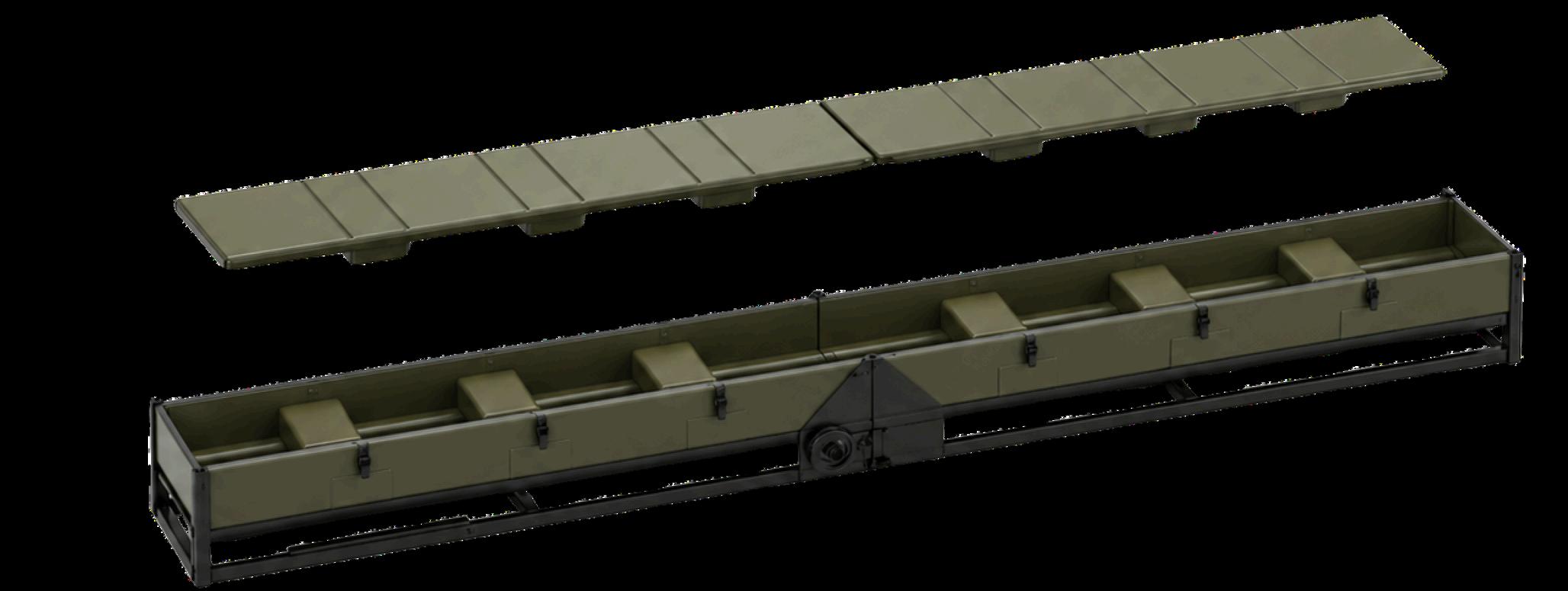
LARC developed a fully blade transport, integra mobility features.
This next-generation pla lighter, stronger, and mo shipping and return logi
of the LARC System
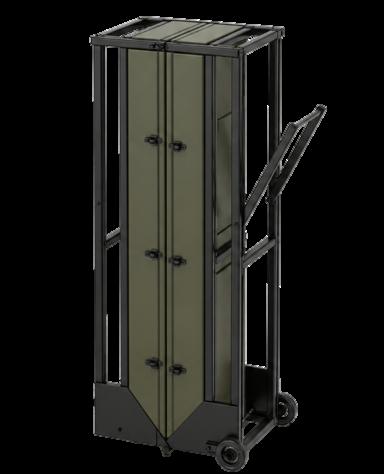
High-Strength Lightweight Structural Frame: Engineered using advanced high-strength steel, the system delivers superior durability and protection while significantly reducing overall weight compared to legacy designs
Enhanced Protective Architecture: Custom support structures secure rotor blades in optimized positions, minimizing shock transfer and eliminating movement during transit
Foldable System Design: Unlike traditional rigid crates, the LARC system collapses for return, dramatically reducing volume and enabling efficient reverse logistics.
Integrated Retractable Wheel System: Built-in retractable wheels allow for controlled, safe movement of the unit, reducing manual handling and improving operational efficiency on the floor.
Upright Return Capability with Wall Securing: The system is designed to return in an upright position and can be securely strapped to the wall of a trailer, maximizing trailer utilization and minimizing return freight costs
Modular, Repairable Construction: Individual components can be replaced or serviced, extending lifecycle and eliminating the need for full system replacement
Implementation & Results
Substantial Reduction in System Weight: Lighter structures improved handling and reduced transportation costs.
Enhanced Protection and Reliability: Improved structural integrity and custom supports reduced risk of damage during transit
Major Reduction in Return Shipping Volume: Foldable design and upright return configuration significantly increased trailer density
Improved Handling and Safety: Retractable wheels and engineered ergonomics streamlined movement and reduced labor strain.
Extended Lifecycle and Cost Efficiency: Reusable, repairable systems eliminated the recurring costs associated with single-use or short-life legacy crates.