FRENCH PASTRY: A GLOBAL BENCHMARK THAT CONTINUES TO REINVENT ITSELF
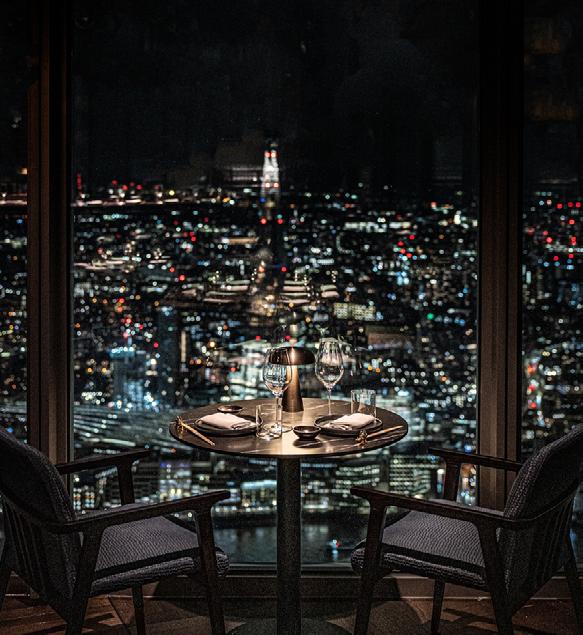
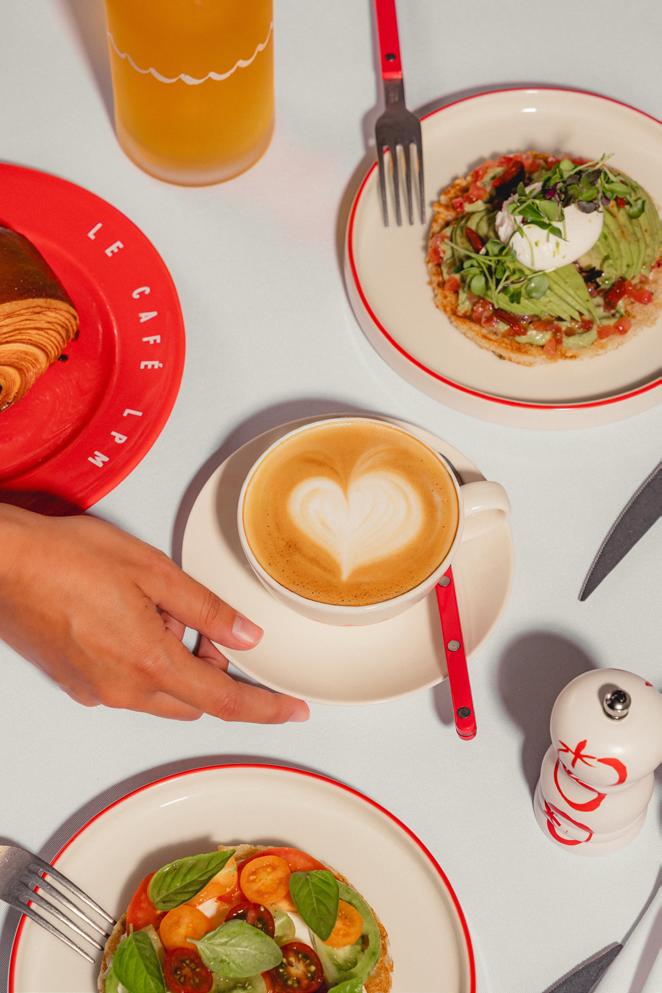
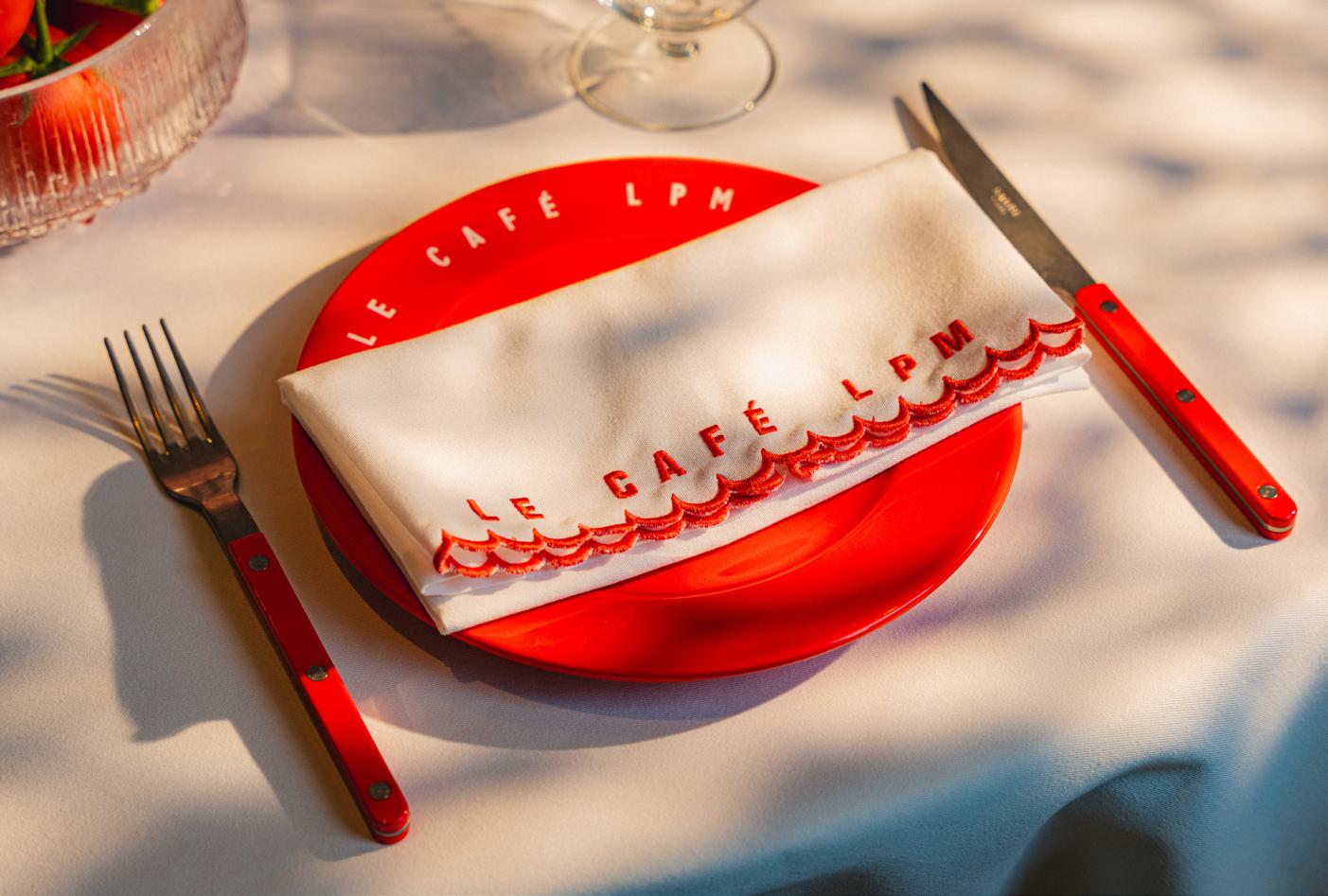
La Petite Maison unveils
Le Café LPM
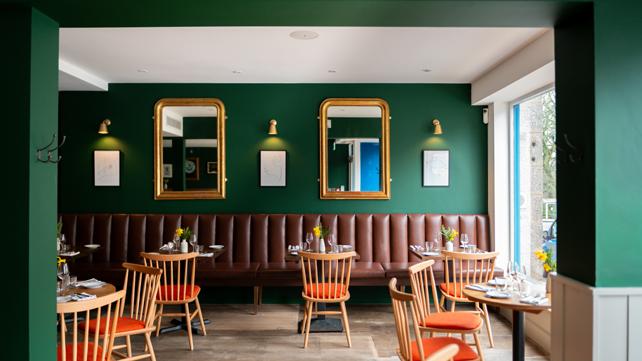
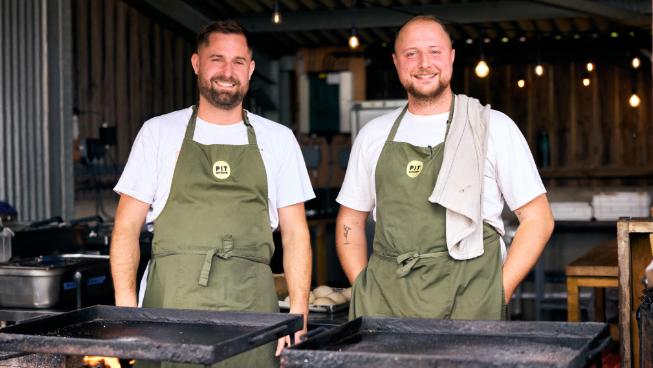
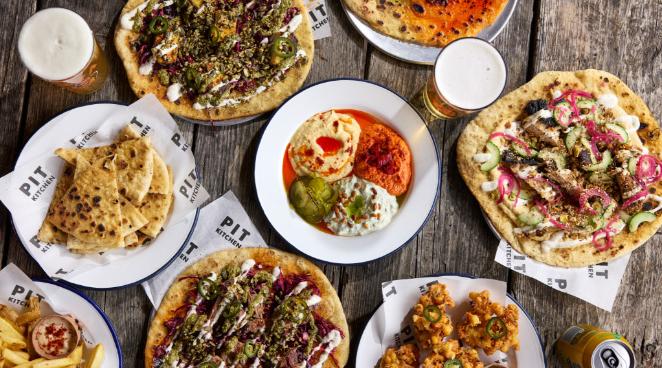
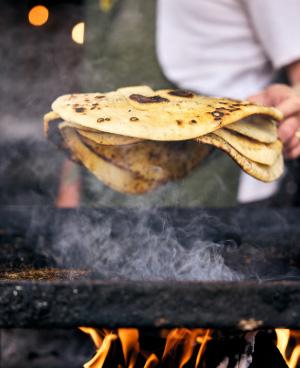
Why Pit Kitchen Is Becoming The Cotswolds’ Must-Visit Dining Destination
FALLS BY ORRY SHAND: SCOTLAND’S MOST ANTICIPATED NEW RESTAURANT OF 2026 OPENS Titanic Hotel Liverpool’s Dual-Menu Strategy on the Colonnades
WHAT WOULD AN EXTRA 20 SEATS DO FOR YOUR BUSINESS?
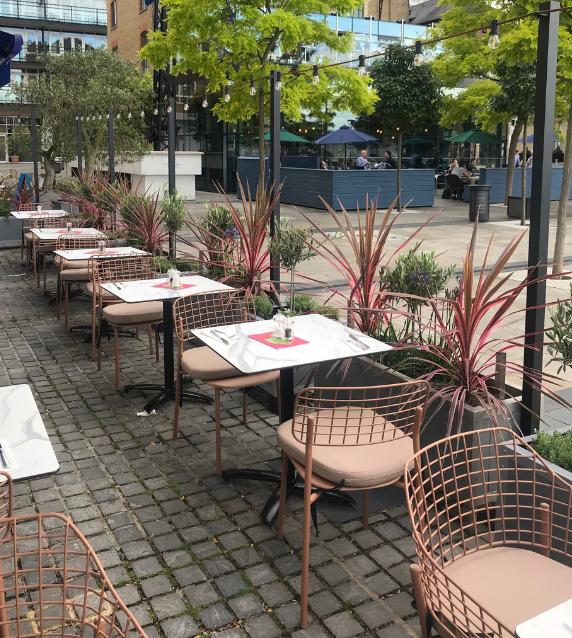
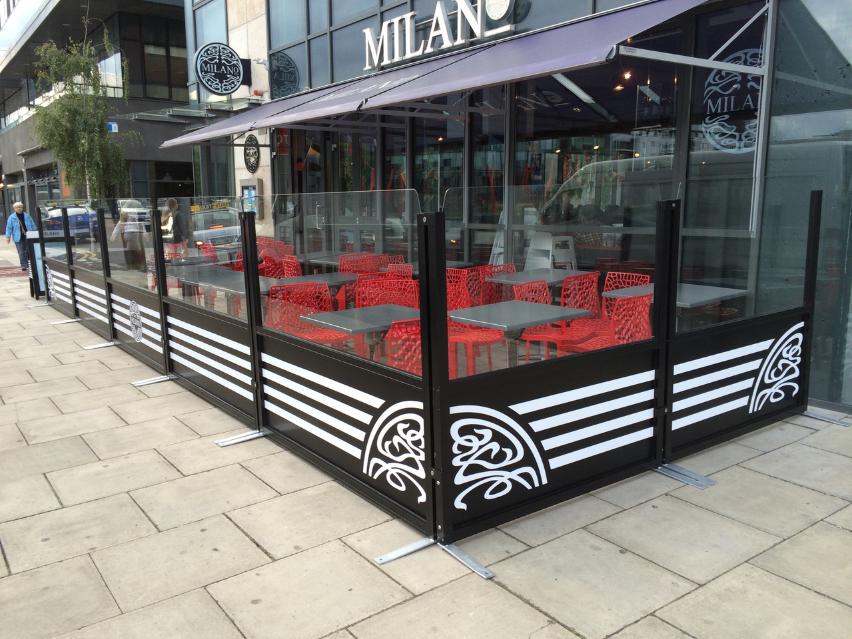
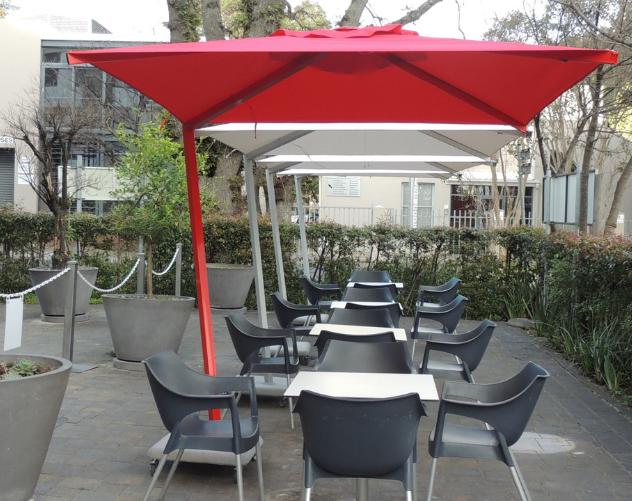
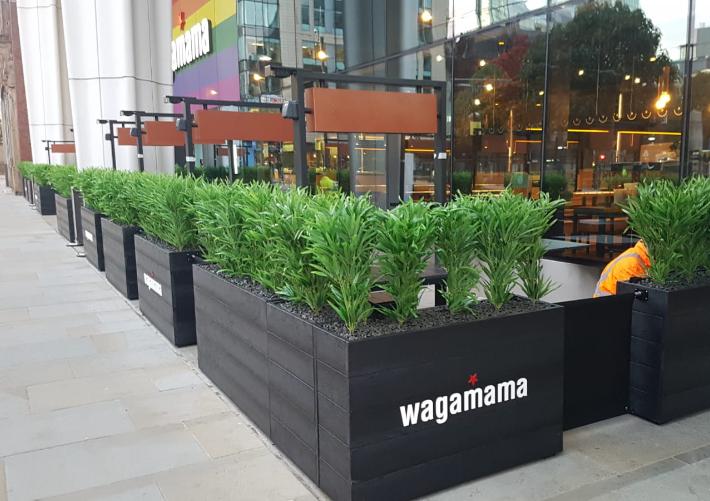
over 79% of UK diners have attested that they would be willing to spend more time and money in a restaurant if it incorporated outdoor dining... get your outdoor space Al-Fresco ready for Spring and Summer with Indigo Shadings extensive range of commercial grade products, see our website for the full range www.indigoshading.co.uk enquiries@indigoshading.co.uk 01352 751 889 shading
FEATURES
Editor
Maria Lapthorn – editor@restaurantindustry.co.uk
Editorial Assistant
John Reynolds – editorial@restaurantindustry.co.uk
Production/Design
Laura Whitehead – design@restaurantindustry.co.uk
Sales Executive
Abi Ashworth – sales@restaurantindustry.co.uk
Accounts
Richard Lapthorn – accounts@restaurantindustry.co.uk
Admin Assistant
Jade Still – jade@lapthornmedia.co.uk
Circulation Manager
Leo Phillips – subs@restaurantindustry.co.uk
Phone: 01843 808 106
Website: www.restaurantindustry.co.uk
Twitter: @ri_social
Lapthorn Media Ltd: 5-7 Ozengell Place, Eurokent Business Park, Ramsgate, Kent, CT12 6PB
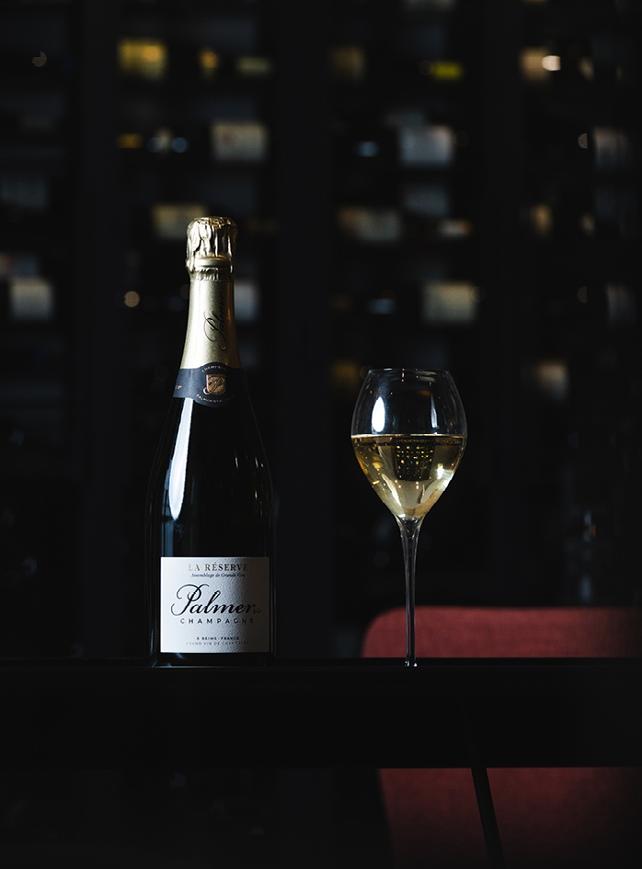
CHAMPAGNE PALMER & CO NAMED HOUSE CHAMPAGNE ACROSS GORDON RAMSAY RESTAURANTS
Champagne Palmer & Co has been appointed as the House Champagne across the Gordon Ramsay Restaurants Global’s UK portfolio, marking a significant new partnership between one of Champagne’s most respected houses and one of the world’s leading restaurant groups.
The collaboration will see Champagne Palmer & Co poured across Gordon
Ramsay Restaurants Global’s UK venues, reinforcing a shared commitment to craftsmanship, consistency, and elevated guest experience.
Founded in Reims and rooted in the grand terroirs of the Montagne de Reims, Champagne Palmer & Co is renowned for its meticulous winemaking and its signature style defined by elegance, balance, and harmony. With a strong focus on Chardonnay-led blends and extended ageing, the House consistently produces Champagnes of depth, finesse, and remarkable consistency.
These values align seamlessly with the philosophy of Gordon Ramsay Restaurants Global, where quality, attention to detail, and a refined yet contemporary approach underpin every dining experience.
The partnership introduces a selection of Palmer & Co’s signature cuvées across the group, offering guests a versatile Champagne that pairs effortlessly with a wide range of culinary styles, from fine dining to more relaxed, all-day concepts.
David Thompson, Group Head of Beverage for Gordon Ramsay Restaurants commented: “We are pleased to be working with Champagne Palmer & Co as our House Champagne. Their wines bring elegance and consistency, which is essential across our portfolio of restaurants, and they complement our menus perfectly from premium casual to Michelin restaurants.”
Rémi Vervier, Managing Director at Champagne Palmer & Co added: “We are proud to collaborate with Gordon Ramsay Restaurants. This partnership reflects our shared dedication to craftsmanship, precision, and creating memorable experiences. We look forward to seeing our Champagnes enjoyed across such an iconic collection of venues.”
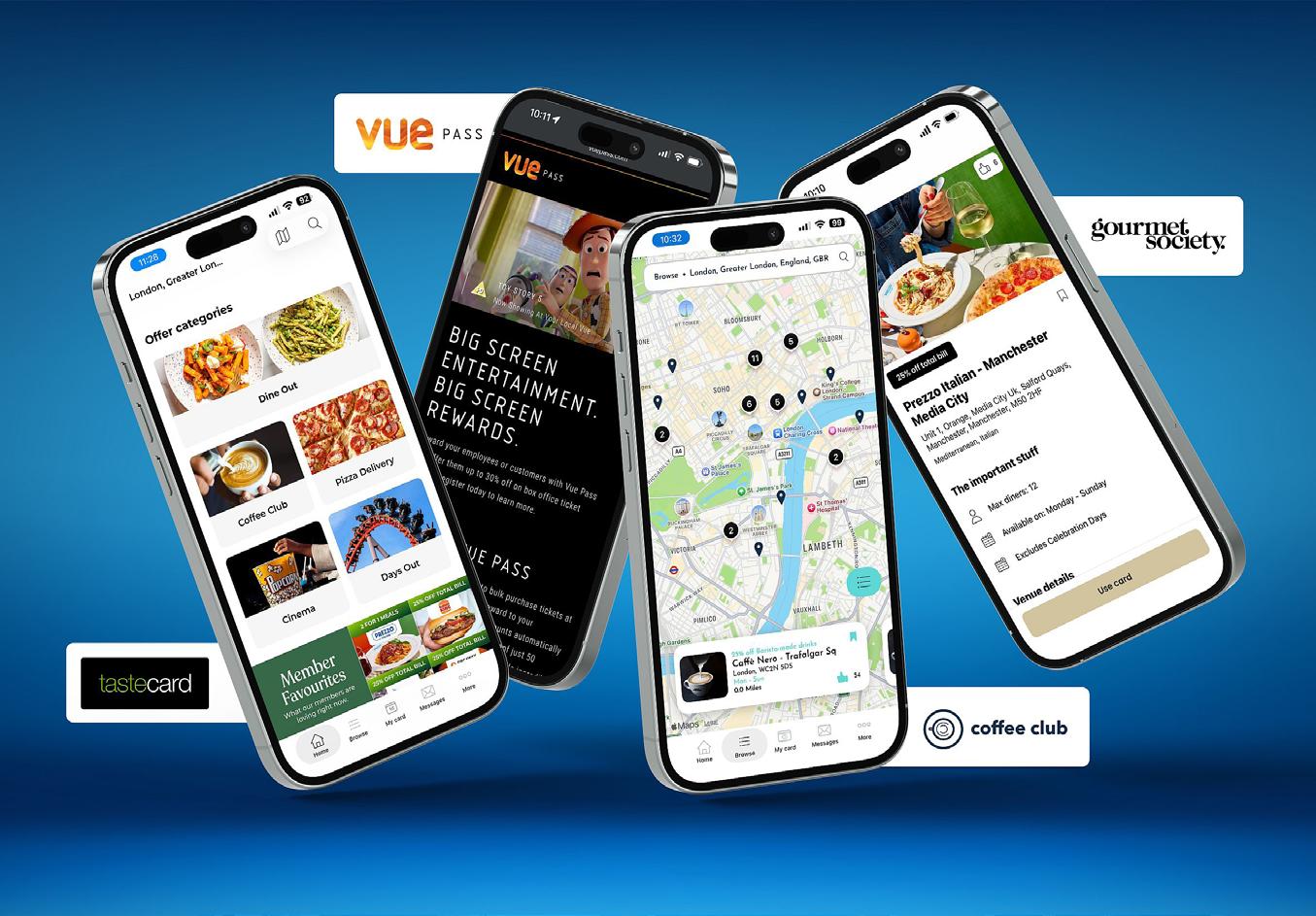
TASTECARD AND GOURMET SOCIETY OWNER ELLO GROUP SECURES £16.5M HSBC FACILITY TO FURTHER ENABLE GROWTH PLANS
Tastecard and Gourmet Society owner Ello Group has secured a £16.5m revolving credit facility from HSBC to underpin the company’s growth plans and day-to-day operations.
Ello Group provides rewards and loyalty programmes including Coffee Club and Vue Pass, helping customers build engagement and brand affinity across dining, coffee, pizza delivery, cinema and days out.
The Huddersfield-based rewards and loyalty platform provider was advised on the funding deal by law firm Gordons, and is the first time the firm has been instructed to act for the business.
Gordons banking partner Ben Roden, supported by solicitor Gresa Bakolli, acted on behalf of Ello Group.
The facility will support Ello Group as it looks to evolve under the ownership
of Dragonpass, the global travel and lifestyle rewards platform which acquired the business at the end of last year.
Commenting on securing the financing, Matt Peters, chief financial officer at Ello Group, said: “This is an important step for Ello Group as we continue to support our growth plans under Dragonpass ownership. Gordons was a great partner to work with throughout the transaction, providing
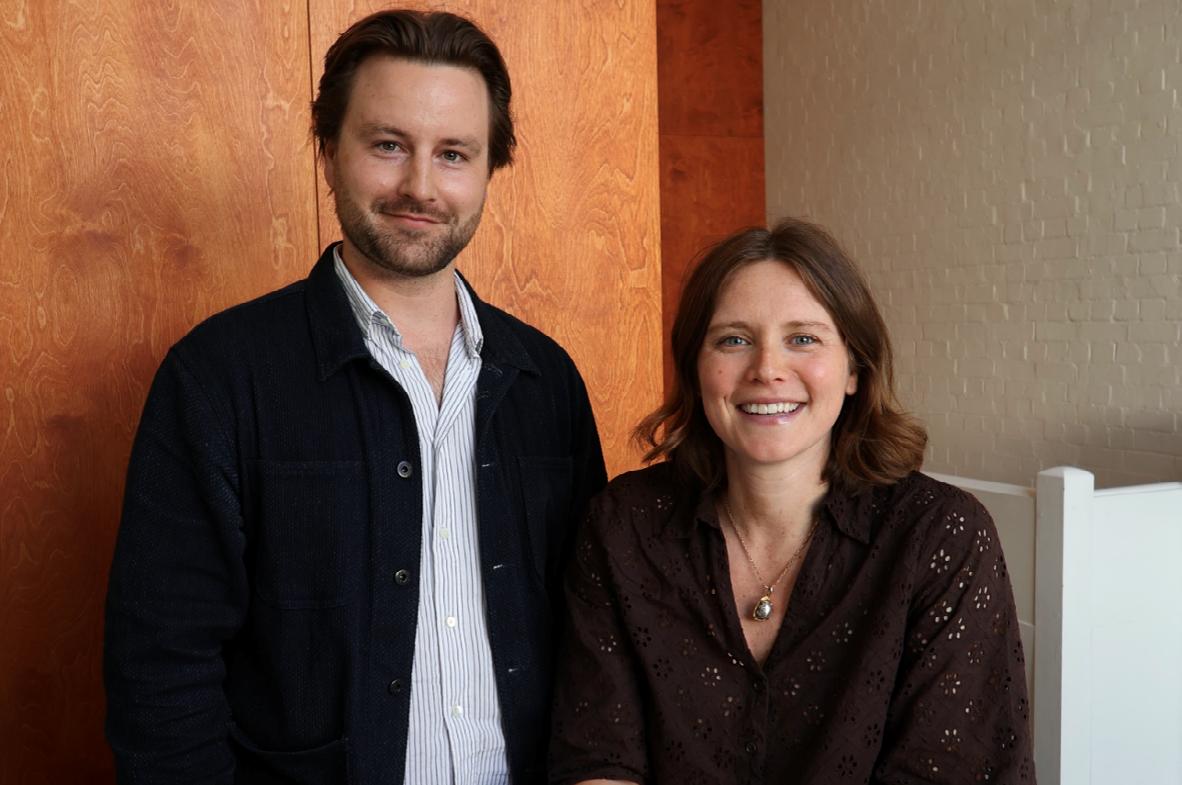
SANDY JARVIS AND SAM PULLMAN, FROM BAVETTE AND THE HIGHLAND LADDIE, LAUNCH THE LEEDS HOSPITALITY COLLECTIVE
A platform to bring together the city’s independent restaurants, pubs and bars
Sandy Jarvis of Horsforth bistro Bavette, alongside Sam Pullman of The Highland Laddie and The Empire Cafe, has announced the launch of The Leeds Hospitality Collective - a new initiative designed to bring together independent restaurant, pub, and bar owners across Leeds. The collective will create an open platform for knowledge sharing and discussion, with a focus on peer-to-peer support of local hospitality talent and business owners to strengthen the city’s hospitality community.
The much loved neighbourhood bistro, Bavette, has attracted widespread acclaim since opening, earning accolades including the Good Food Guide’s Best Local Restaurant, a Michelin Bib Gourmand, and glowing reviews from The Sunday Times and FT.
trusted advice and support to help ensure the process ran smoothly from start to finish.”
Gordons’ Ben Roden said: “Ello Group is the leading brand in the dining rewards and loyalty space, partnered with many household names throughout the UK and beyond.
“This financing provides a platform for Ello Group as it continues to enhance its offering and strengthen customer engagement capabilities and deliver greater value to customers, alongside the support of Dragonpass.”
Newly opened The Highland Laddie has received top reviews from the FT and The Telegraph as well as being named Britain’s Best Pub in The Good Food Guide 2025, while the much loved The Empire Cafe has received strong recognition following a positive review in The Guardian. With 40 years combined experience, the duo are now entering a new chapter in their hospitality careers, using their experience to offer counsel and champion emerging restaurateurs or chefs as well as making valuable introductions to strengthen Leeds’ hospitality network.
At a time when the industry continues to face ongoing challenges, the initiative will bring independent operators together to foster open conversations and discuss practical ways to support one another. The collective will provide a space to share knowledge, address operational
challenges and develop a stronger collective voice for a dialogue with local and national governments on how best to support the industry.
Mentorship will be a central pillar, providing a platform for experienced operators and managers to support emerging talent. From launching new openings and business development to navigating investment, leasing, recruitment and menu development, members will be encouraged to share knowledge and practical expertise. By investing in people through guidance and communal support, the initiative aims to promote hospitality as a rewarding and inspiring long-term career.
The collective will provide a dedicated platform to champion the exceptional work taking place across Leeds’ hospitality sector, raising its profile both locally and nationally. By showcasing the city’s talent, creativity and entrepreneurial spirit, the initiative aims to attract greater attention, investment, and visitors to the city.
AMERICAN EXPRESS ANNOUNCES PROPOSED ACQUISITION OF THEFORK, A LEADING EUROPEAN RESTAURANT BOOKING PLATFORM
American Express have announced a proposed acquisition of TheFork, a leading online restaurant reservation and management platform in Europe, from Tripadvisor, Inc., growing its dining offering in the region.
TheFork connects millions of diners with more than 50,000 restaurants across 11 European countries through its restaurant management, booking and customer engagement platform, alongside a consumerfacing restaurant discovery and reservation app and website.
The proposed acquisition builds on American Express’ broader dining strategy and its successful acquisitions of digital dining
platforms Resy and Tock. Together, these platforms are expected to expand American Express’ dining network to 75,000 bookable venues.
With the proposed acquisition of TheFork, American Express would grow its dining offerings in Europe and strengthen its ability to provide access for Card Members and diners to sought-after restaurants, while supporting the continued growth of its international business, a major driver of the company’s overall growth.
“Dining is one of the most important ways people engage with our brand,” said Rafa Marquez, President of International Card Services at American Express. “Over time, the proposed acquisition would help us enrich our differentiated Membership Model by offering Card Members
more ways to discover, book and access great restaurants, while helping our partners reach more diners and grow their businesses.
“TheFork has built a successful platform across Europe with strong relationships throughout the restaurant industry that would complement our existing capabilities. We look forward to supporting TheFork’s continued growth and building on its success as we strengthen our dining presence across Europe.”
“TheFork was created to help restaurants thrive and to make it easier for diners to discover and enjoy great restaurants,” said Almir Ambeskovic, Chief Executive Officer of TheFork. “With Tripadvisor’s support, we’ve built one of Europe’s leading dining platforms. American Express shares our commitment to innovation, service and hospitality. Together, we have a unique opportunity to accelerate our mission, bringing even more value to restaurants while creating richer and more seamless experiences for millions of diners across Europe.”
Founded in 2007, TheFork provides restaurants with reservation management, guest engagement and operational tools designed to help restaurants optimize their businesses while delivering a seamless discovery and booking experience for diners.
Following the closing of the potential transaction, TheFork would continue to operate under its existing leadership team while benefiting from the global reach and powerful backing of American Express.
The proposed transaction is expected to close before the end of 2026, subject to labor consultation and customary conditions, including regulatory approvals. Under the terms of the proposal, American Express will acquire TheFork from Tripadvisor for $700 million in cash, subject to customary adjustments.
FROM TAVOLA LE PIAZZE
TO QB CUCINA: NATACHA FAZAL-KARIM’S CULINARY CONSTELLATION REWRITING TUSCAN HERITAGE
Tuscany’s food culture has never been defined by elaborate techniques or changing trends. Instead, it has always been shaped by the seasons, the landscape, and a deep respect for local ingredients.
Across the region, every kitchen tells a slightly different story. Some preserve recipes that have been passed down through generations, while others explore new ways of celebrating the same produce. Together, they reflect the richness and diversity of Tuscan cuisine.
Within the hospitality experiences created by founder Natacha FazalKarim, this philosophy is expressed through two distinct restaurants:
Tavola Le Piazze, formerly Tavola di Guido, and QB Cucina.
Located at Locanda Le Piazze in the rolling hills of Chianti Classico, Tavola Le Piazze offers a farm-to-table dining experience inspired by the surrounding countryside. Meals are prepared with love by an upbeat team of passionate cooks who work together to create genuine food experiences. Seasonal vegetables, herbs, fresh eggs, honey, and estate-produced extra virgin olive oil are among the ingredients that help shape the menu throughout the year, alongside Tuscan meats, cheeses, and produce from trusted local suppliers.
The kitchen follows a simple principle: allow the seasons to guide what appears on the plate. Traditional Tuscan recipes, local ingredients, and thoughtful cooking come together to create meals that reflect the character of the region without unnecessary complexity.
“For me, Tuscan cooking begins with respect,” says Natacha Fazal-Karim. “Respect for the land, for the people who grow our food, and for the traditions that continue to inspire every season.”
Natacha Fazal-Karim
Tavola Le Piazze
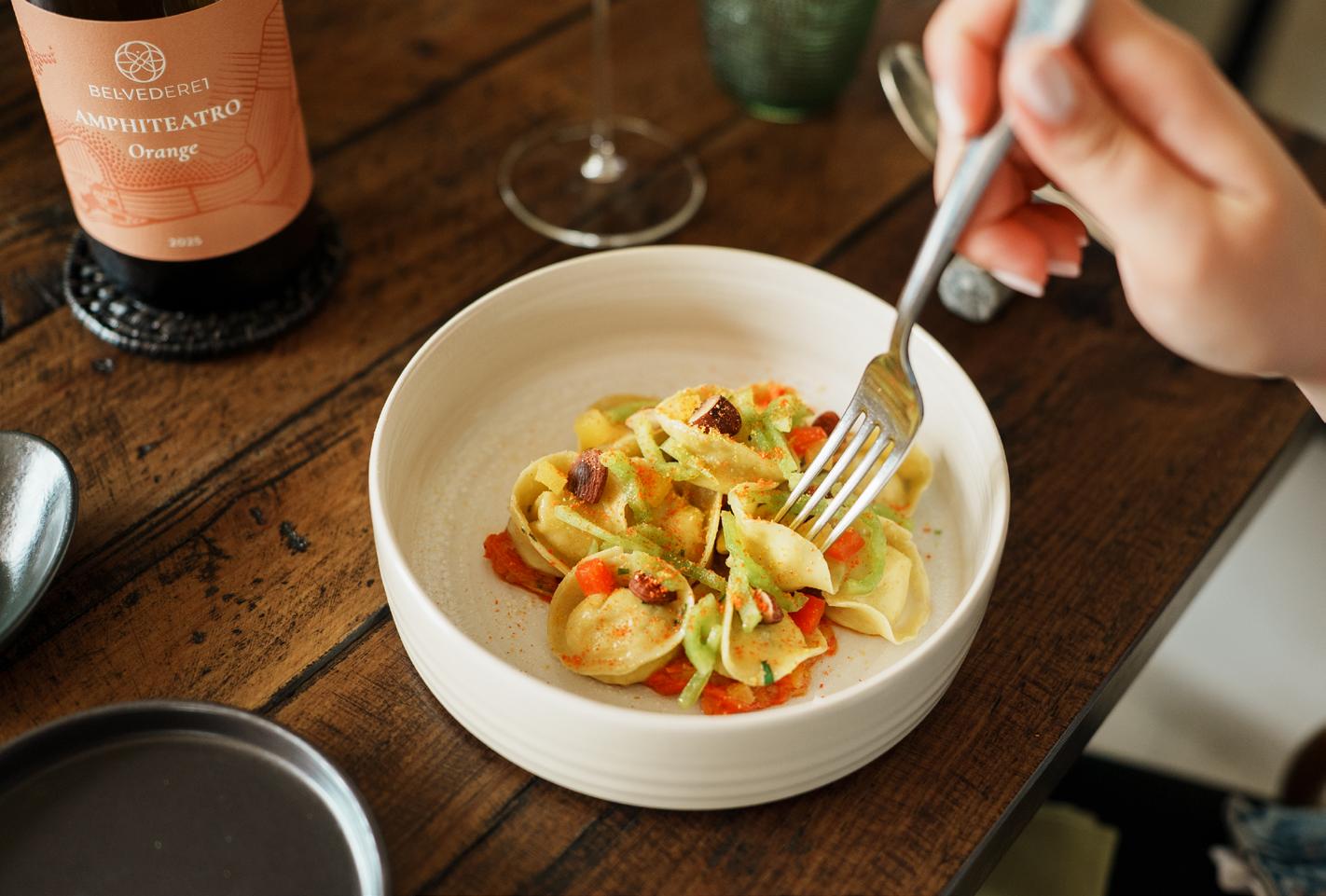
A short distance away at One Belvedere Tuscany, QB Cucina offers another expression of the same philosophy.
Led by Chef Federico Viti, the vegetarian restaurant celebrates seasonal vegetarian cuisine through the idea of quanto basta, meaning “just enough.” Vegetables, grains, herbs, and locally sourced ingredients take centre stage in dishes that are creative yet firmly rooted in the agricultural traditions of Tuscany.
QB Cucina also embraces a zero-waste approach, making thoughtful use of ingredients while demonstrating how sustainability and flavour can naturally complement one another.
Although each restaurant has its own identity, both begin with the same belief: exceptional dining starts with exceptional ingredients. By allowing the harvest to lead, every menu changes with the seasons, offering guests a different experience throughout the year.
For visitors exploring Chianti Classico, these two restaurants provide different perspectives on Tuscan dining. One celebrates the warmth of traditional farm-to-table cooking, while the other highlights the creativity of seasonal vegetarian cuisine. Together, they reflect the diversity of a region where food remains closely connected to the land, the people who cultivate it, and the simple pleasure of gathering around the table.
To learn more about Tavola Le Piazze and QB Cucina, or to plan your visit to Chianti Classico, visit tavolalepiazze.com and qb-cucina.com.
QB Cucina
FIVE NEW F&B BRANDS TO LAND AT SHAFTESBURY CAPITAL’S COVENT GARDEN
Shaftesbury Capital has announced that a series of new restaurants, bakeries, and dessert concepts are set to join the Covent Garden neighbourhood, including a central London first for community-focused bakery Sourdough Sophia, and a brand new contemporary French restaurant, Cassette, further strengthening the destination’s market-leading F&B offer.
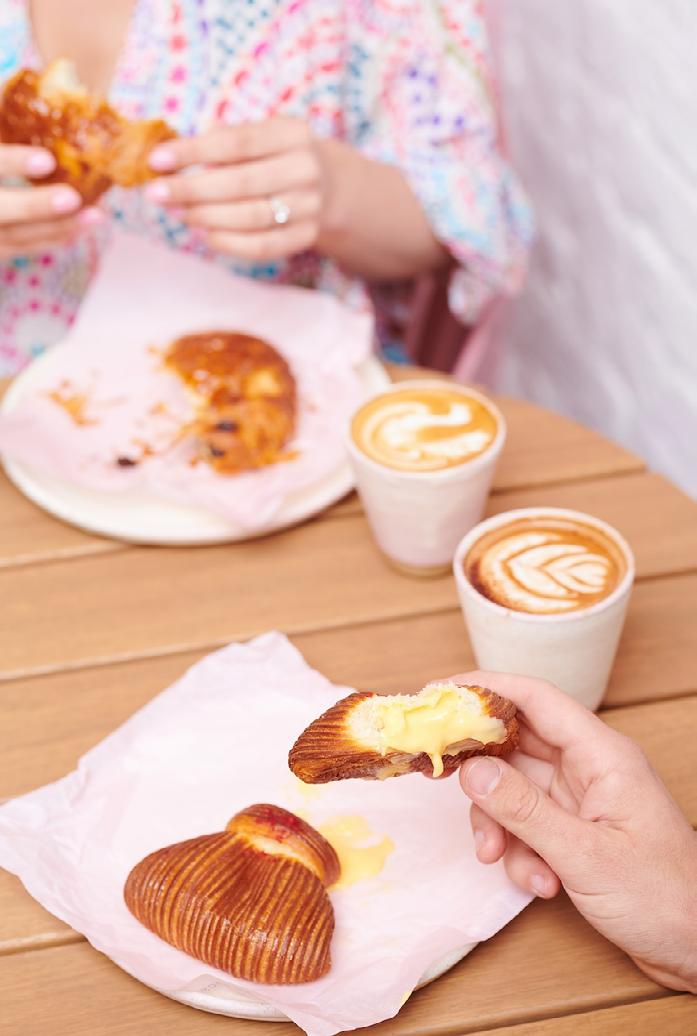
Leading the quintet is Sourdough Sophia, the community-focused bakery concept, which has signed for a 450 sq ft unit at 16 Neal’s Yard. Joining top-quality F&B and chefled concepts such as The Barbary, Story Cellar and the recently opened Buvette, Sourdough Sophia’s new location will be its first central London site, showcasing its range of sourdough bread and laminated pastries. Since its huge popularity and expansion across the capital, aided by a highly successful community crowdfunding campaign, Sourdough Sophia retains its core values, rooted in community and connection, by committing to sustainable quality ingredients, artisanal techniques, and an innovative menu which constantly evolves.
A second restaurant from the team behind Peckham favourites Levan and Bar Levan is set to open this autumn in a 1,170 sq ft space at 42
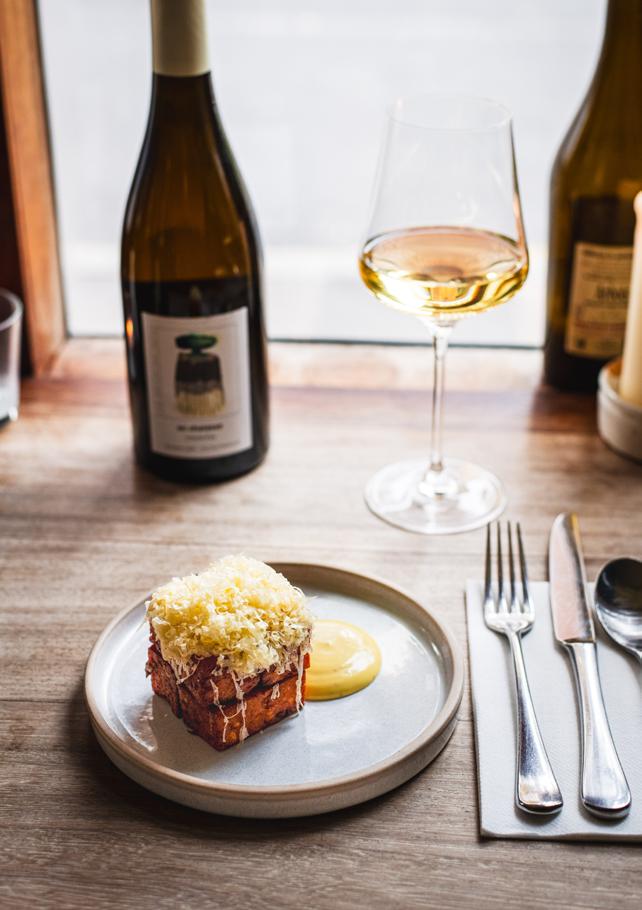
Maiden Lane. Led by Head Chef Essa Fakhry, formerly of Note in Dublin and Planque in London, Cassette will bring a contemporary French dining concept to the historic Grade II listed building. The restaurant will enhance Covent Garden’s line-up of international cuisine with a menu rooted in modern French cooking with a Parisian energy.
Named in homage to the founders’ long-standing connection to music, Cassette will build on the success of Levan while introducing a distinctly new dining experience to Covent Garden.
Soft Serve Society is set to open its flagship Soft Serve Cafe at a second London location in an 850 sq ft space at 33 Earlham Street. The larger footprint will enable the brand to create a more immersive in-store experience, with addi-tional seating and a thoughtfully designed environment that brings its distinctive aesthetic to life. Best known for its Instagrammable, inventive and over-the-top soft-serve creations, Soft Serve Society will enhance the dessert offering within the Seven Dials neighbourhood. Guests can expect a menu featuring signature sundaes and baked desserts paired with soft serve ice cream, alongside a dedicated tiramisu vending machine, an exclusive range of branded mer-chandise and more.
Over at 25 New Row, Brazilian brand OAKBERRY Açai has selected Covent Garden to open its seventh store in London, boasting its customisable, organic açai bowls and smoothies in a 380 sq ft space. OAKBERRY Açai has garnered global success with its organic and vegan-certified bowls, becoming a popular healthy on-thego option across the city.
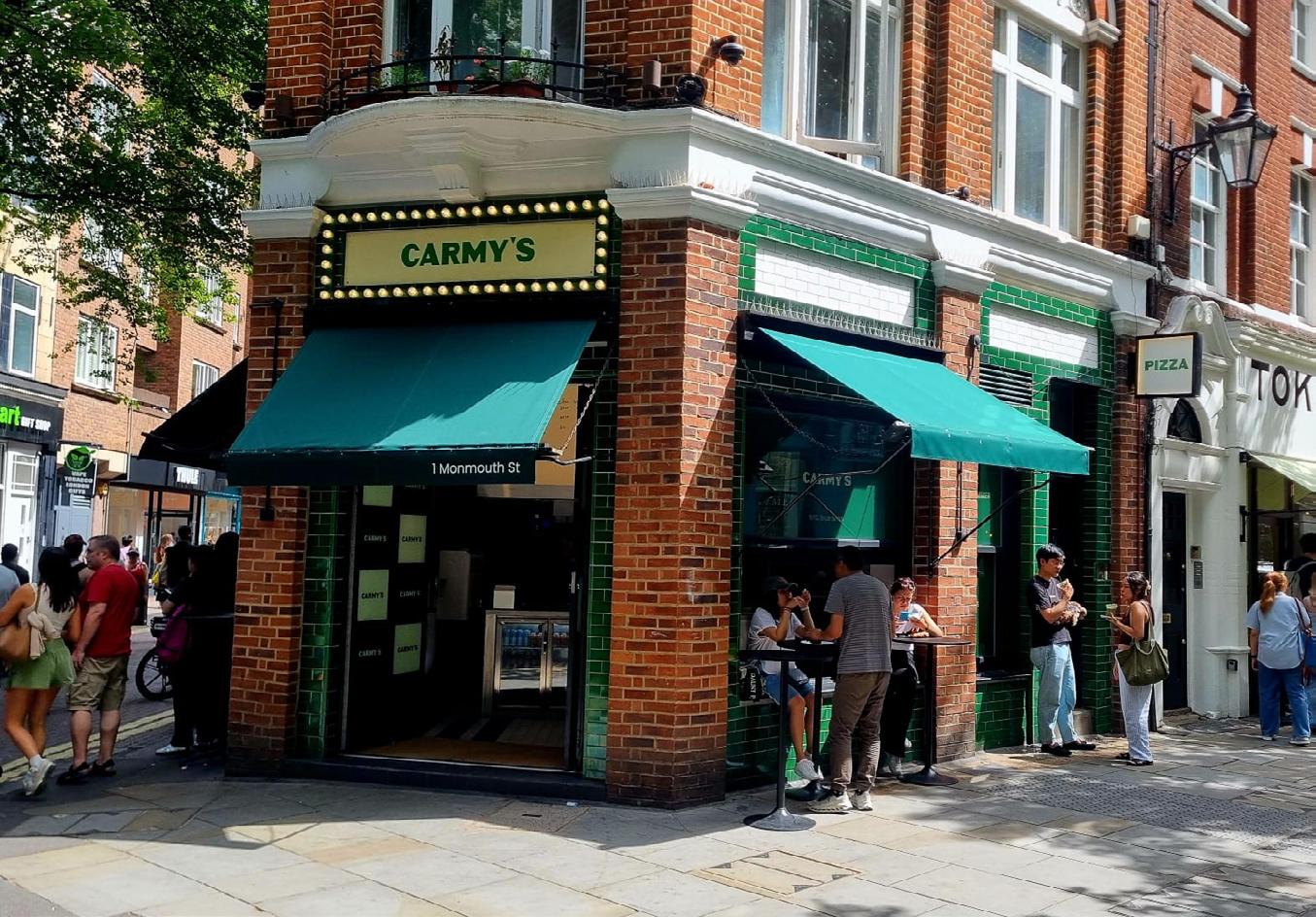
Rounding off the five is the debut of Carmy’s, which has now opened its 820 sq ft site at 1 Monmouth Street. The brand-new pizza-by-the-slice concept is located on the corner of Shaftesbury Avenue, providing a key gateway into the Seven Dials neighbourhood.
Emma Matus, Head of Restaurant Leasing at Shaftesbury Capital, commented: “This year has been a strong one for us in terms of F&B leasing, and it’s fantastic to see that momentum continue with another exceptional group of independent operators choosing Covent Garden and its Seven Dials neighbourhood.
Cassette
Carmy’s
“What sets Covent Garden apart is the calibre and diversity of our offer, and it’s this unique ecosystem that continues to attract the industry’s most exciting operators, reinforcing our position as London’s leading destination for worldclass dining and hospitality.”
Sophia Handschuh, Co-Founder at Sourdough Sophia, added: “When I started this business in lockdown, I could never have imagined that I would end up here, with a store of my own in one of the most iconic locations in the world. We’re very proud to have built our presence around London, and this moment feels extra special, marrying up with a place that has such a widespread appeal with a real community feel.”
Mark Gurney, Founder of Cassette, also said: “I’ve grown up travelling to France every year for family holidays, and over the last ten years both Matt and I have built lasting friendships with so many people in its hospitality scene. Cassette is, in many ways, a homage to that journey and those people.”
This news follows another recent wave of F&B concepts set to join the Covent Garden neighbourhood this year, including JUNK Burger and Puffy Cookies at New Row, and a second location for Frothee at 29 Bedfordbury. Elia, the modern Mediterranean restaurant, has also opened its first site in the lower level of Covent Garden’s historic Market Building, joined by Mr Foggs Market Tavern.
JENKI MATCHA TO DOUBLE ESTATE BY THE END OF 2026 WITH FIVE NEW LONDON SITES
JENKI, Europe’s leading matcha bar brand, has announced plans to double its estate in London by the end of 2026, growing to 11 locations as it continues to meet rising customer demand across the capital.
The expansion marks a major milestone for the brand and is expected to make JENKI the largest dedicated matcha bar operator in Europe. Alongside its continued London growth, JENKI is exploring opportunities in key regional cities as part of a wider expansion planned for 2027 and beyond.
The new openings will strengthen JENKI’s presence in some of London’s most sought after business, retail, and lifestyle destinations, with bars set to open in Soho, Liverpool Street, St Paul’s, Fitzrovia, and Marylebone between August and the end of 2026.
As matcha becomes an increasingly important part of consumers’ daily routines, JENKI has established itself at the centre of London’s growing matcha culture. The new openings will allow the brand to serve more customers in neighbourhoods where demand already exists, while creating spaces tailored to the character of each location.
JENKI works with a data modelling partner to identify new sites for its bars, combining customer demand, footfall patterns and local market data, to pinpoint locations across some of London’s busiest and most in-demand areas.
Founded in 2020 by Claudia and Otto Boyer, JENKI has grown from market stalls and pop-ups into London’s leading premium matcha brand, with locations across Selfridges, Spitalfields, Covent Garden, Borough Market, Canary Wharf and Battersea Power Station.
Each JENKI bar is designed around the ritual of matcha preparation, with drinks freshly whisked to order using first harvest matcha sourced directly from Uji, Kyoto, in Japan. Each location will have a bespoke design that reflects the space and its local neighbourhood, creating a premium in-bar experience that positions the matcha whisking ritual at the centre.
Otto & Claudia Boyer
Sourdough Sophia
A WELL-AGED ADDITION: THE CUT & CRAFT OPENS NEW EXPANDED SPACE AT REDICAL’S VICTORIA LEEDS
Victoria Leeds, the lifestyle destination owned and operated by Redical, has announced that British premium steak restaurant, The Cut & Craft, has completed the £1.5m expansion of its Leeds restaurant, following its initial success at the destination.
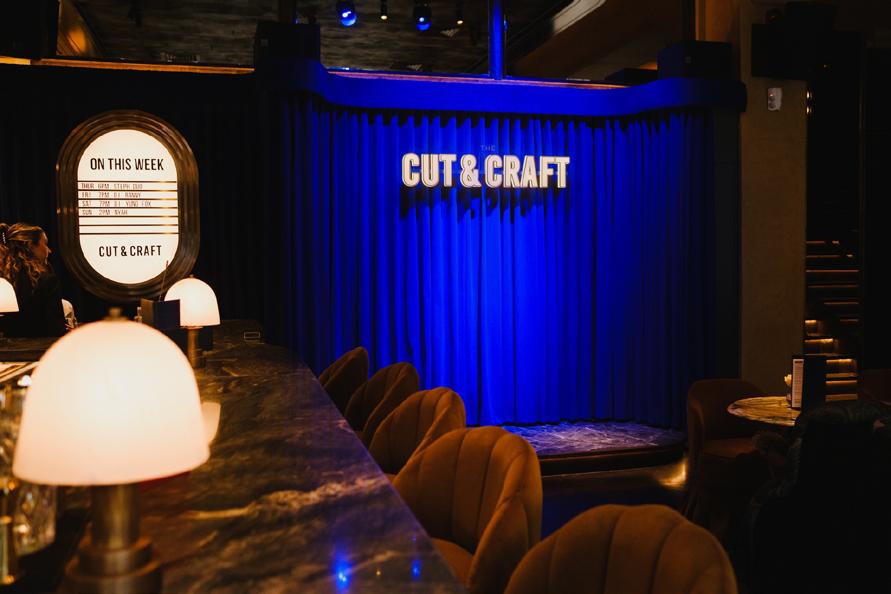
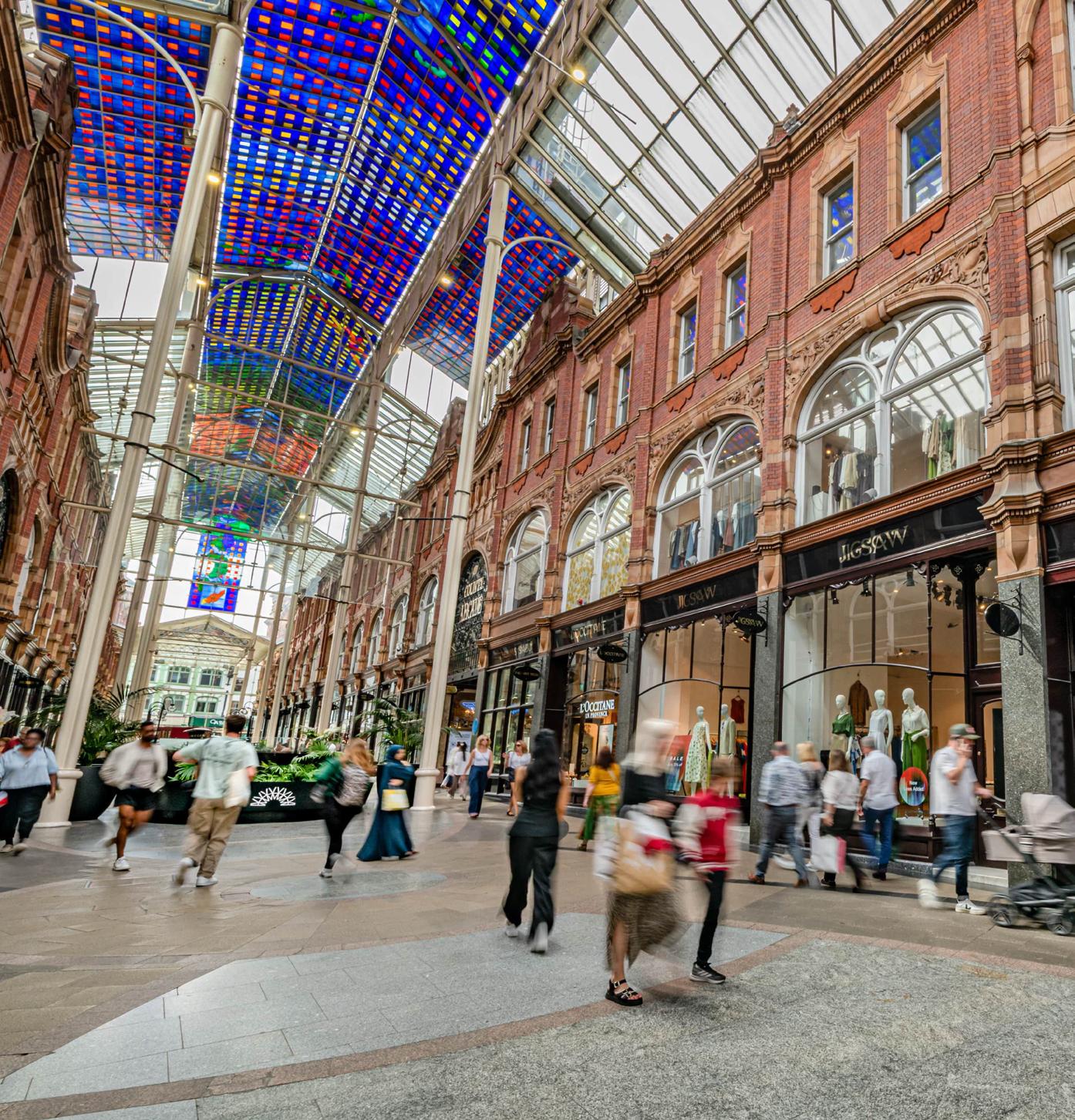
Located in Victoria Quarter, The Cut & Craft now spans 12,375 sq ft and includes the addition of two private dining rooms on the first floor, a new luxurious bar area, alongside a dedicated stage on the ground floor to cater to late-evening entertainment and live music.
The reinvestment will significantly elevate the guest experience, allowing for an extended menu of premium bar snacks and small plates, taking the overall number of covers to 370. This marks the first of its sites to undergo such an extensive investment and demonstrates Redical’s commitment to uplifting existing tenants, while reflecting Victoria Leeds’ position as a leading lifestyle destination with an outstanding F&B offer.
Equipped with deep blue furnishing details, brushed metalwork, and a rich, heritage-infused palette, The Cut & Craft’s transformation is in keeping with the destination’s historic, Grade II listed features, remaining committed to providing a refined and luxurious atmosphere.
James Edmondson, Asset Manager at Redical, commented: “The Cut & Craft wholeheartedly demonstrates the standard and quality we work to cultivate, and this significant
reinvestment from the brand into Victoria Leeds demonstrates our continued commitment to supporting and nurturing independent businesses in the city.
“The brand’s significant expansion at the destination and comes as a direct result of its continued success within Victoria Quarter’s mixed-use space.
“It will not only enable them to serve a greater number of guests, but also reflects the level of confidence our hospitality tenants have in us as they seek ways to capitalise on the growing success of the destination.”
Darioush Shahidi, Operations Director at The Cut & Craft added: “Our reputation is synonymous with not only a premium menu, but also a luxurious atmosphere, and our newly launched Victoria Quarter space will undoubtedly live up to that. Our decision to reinvest into the destination comes as a direct result of the staggering success we have experienced thus far, and we know our trajectory will continue to climb ever higher as we’re now able to welcome more guests than ever before.”
The Cut & Craft’s expansion is the latest in a series of tenant and landlord reinvestment into Victoria Leeds, totalling more than £2.5m so far in 2026. This has been accomplished through gradual transformation through accumulation that continues to make it the best location it can be for a diverse, elevated range of brands.
Victoria Quarter: Image by Bevan Cockerill
WATERFRONT DINING ON THE DOCK
Titanic Hotel Liverpool’s Dual-Menu Strategy on the Colonnades
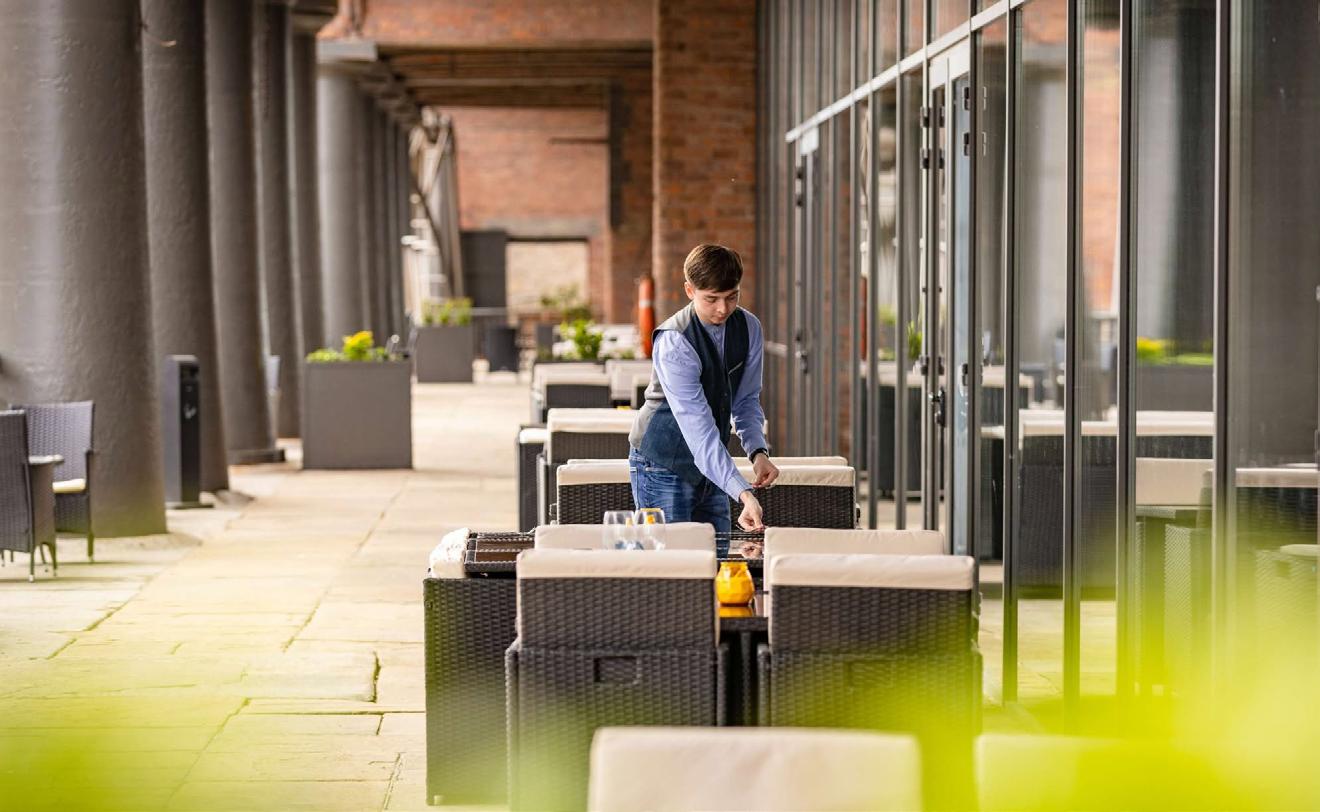
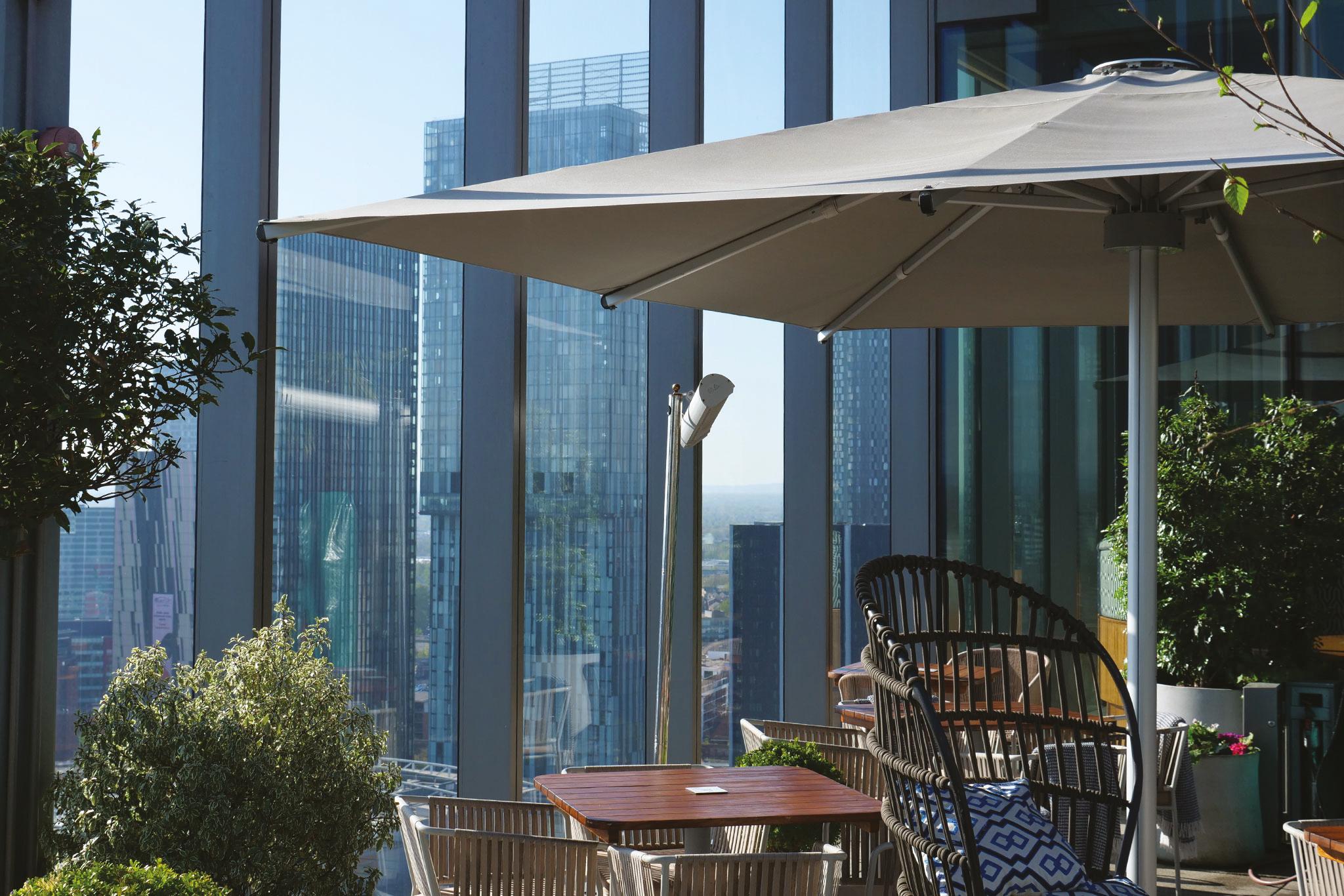
Steeping diners in local history, Titanic Hotel Liverpool’s expansive outdoor terrace, The Colonnades, serves as a stunning open-air extension of both its popular Rum Bar and its theatre-style restaurant, Stanley’s Bar & Grill. Stretching seamlessly along the entire waterside facade at the back of the hotel, this continuous terrace allows the venue to maximize its outdoor footprint while capturing consistent day-to-night footfall from hotel residents and local city diners alike.
Situated on the waterside terrace of the beautifully restored, Grade II listed 19th-century North Warehouse, guests can dine directly beneath the original cast-iron columns while looking out over the waters of Stanley Dock toward the monumental Tobacco Warehouse. This striking industrial backdrop creates a distinct destination appeal, offering a permanent waterfront terrace that transitions effortlessly from a sunny daytime lunch spot to an atmospheric evening venue.
The Colonnades’ defining operational strength is its flexible dual-menu approach, allowing guests to order from the two onsite dining establishments. Visitors looking for a casual open-air bite can opt for the Rum Bar menu, which features lighter dishes like a flavourful Cajun Chicken Ciabatta, a crisp classic Caesar Salad,
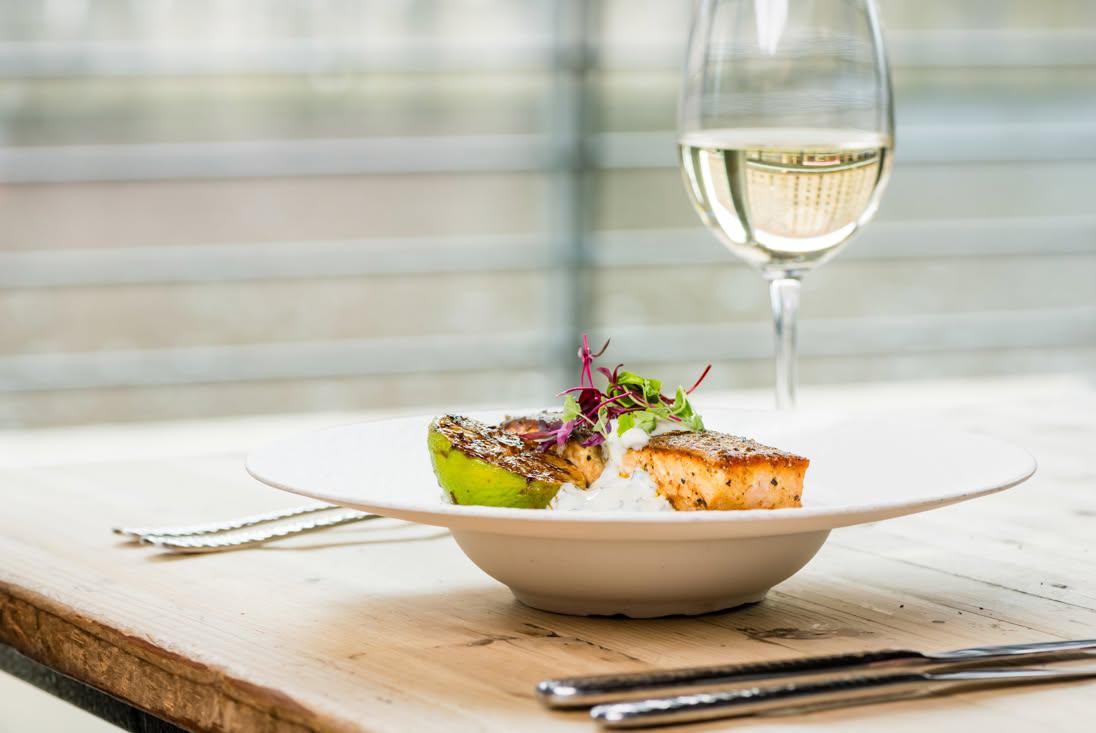
or fresh Poached Salmon served with dill crème fraîche. Alternatively, guests seeking a more substantial lunch or dinner can order directly from Stanley’s Bar & Grill menu, choosing from premium, hearty dishes such as traditional Beer Battered Fish and Chips, a plantbased Grilled Kofta Kebab, or an 8oz dry-aged Fillet Steak from the char-grill.
Complementing the diverse food offering is a targeted beverage selection that celebrates Stanley Dock’s history as a major international trading hub. The bar boasts an impressive collection of over 60 rums sourced from across the globe, which take centre stage in signature summer cocktails like the Titanic Mai Tai and the Jungle Bird. Alongside the rum menu, the bar offers an expansive wine list featuring crisp, summer-ready varietals like New Zealand Sauvignon Blanc and Italian Gavi di Gavi, alongside a premium selection of Lanson Champagnes, ideal for sunset toasts by the water.
By pairing its unique architectural heritage and scenic waterfront views with an accessible, high-quality food and drink menu, Titanic Hotel Liverpool has created a timeless outdoor dining destination. The smooth integration of the Rum Bar and Stanley’s Bar & Grill menus paired with the historic charm of the Colonnades shows how thoughtful hospitality can breathe new life into heritage spaces, establishing a standout summer destination on Liverpool’s iconic waterfront.
CONVOTHERM UNVEILS LARGE CAPACITY COMBI OVENS FOR COST-PRESSURED UK OPERATORS
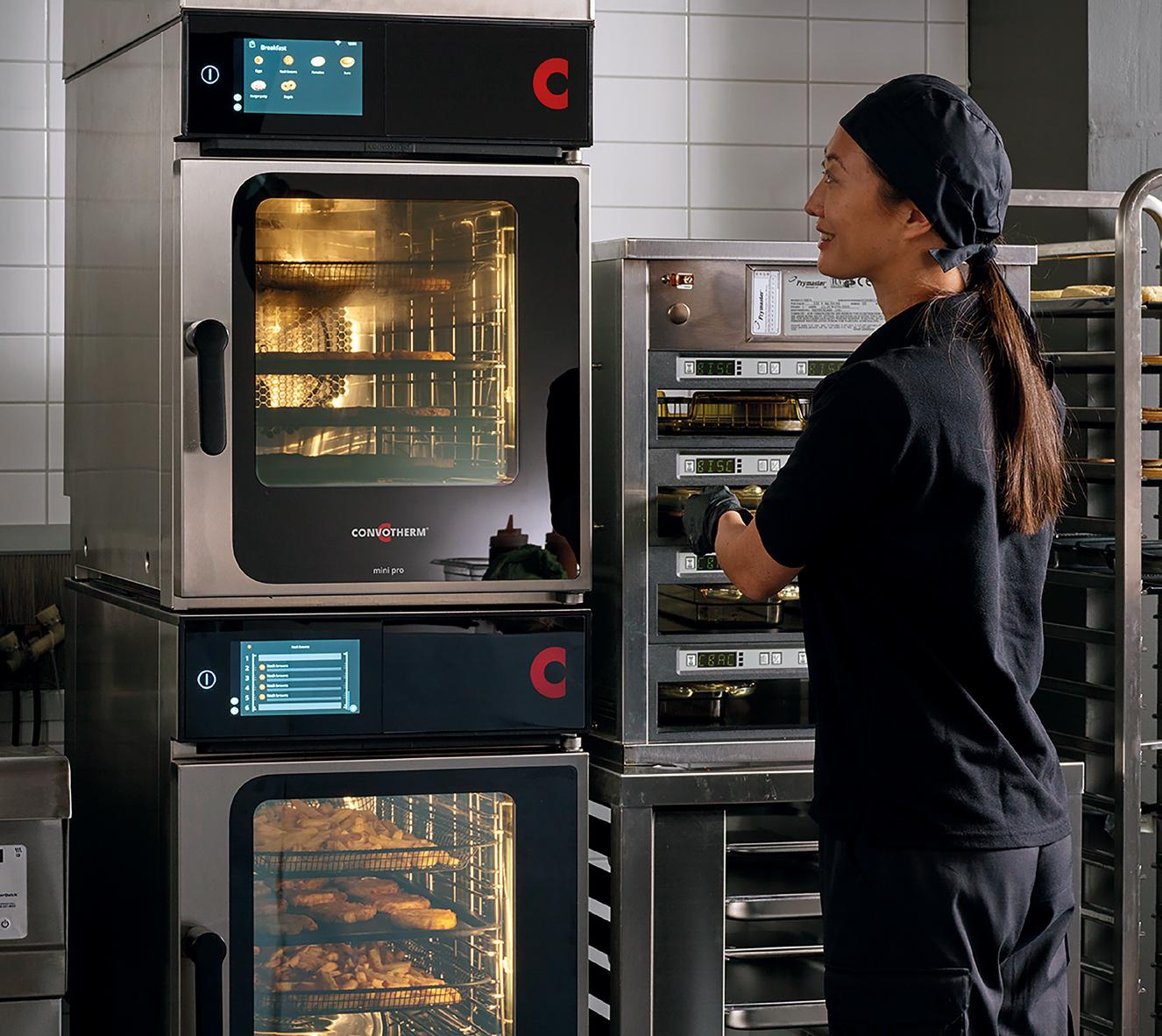
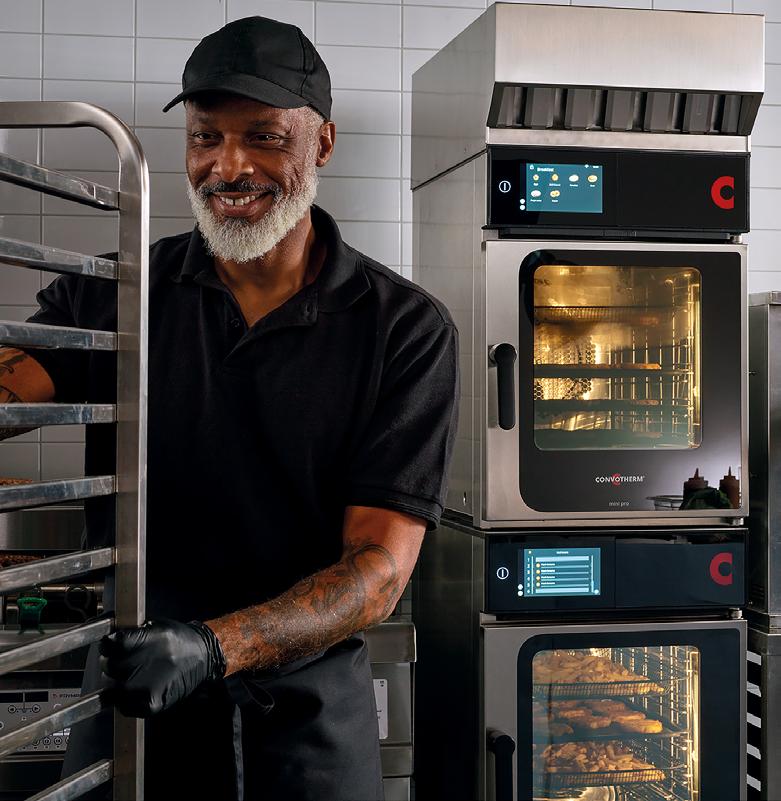
Convotherm has launched a new range of large capacity floor-standing combi ovens for UK foodservice operators who are looking to increase output, control costs and manage pressure on kitchen space and labour.
The new maxx floor-standing models, 20.10 and 20.20, expand the brand’s maxx product family with largercapacity combi ovens purpose-built for high-volume kitchens across sectors including healthcare, education, care, contract catering and hotels.
The launch comes as UK operators continue to face rising utility costs, labour shortages and pressure to deliver consistent food quality at scale. For kitchens with defined peak service periods or fluctuating cover numbers, the new models are designed to help teams produce more food within their existing footprint or staffing levels, without adding unnecessary complexity to daily operations.
Compared with the countertop units, the floor-standing maxx models offer a significantly larger cooking chamber, allowing operators to prepare more dishes at the same time
while maintaining consistent cooking results within their existing space. For example, the Convotherm maxx 20.10 can produce up to 40kg of vegetables in around 12 minutes or approximately 20kg of fries in 18 minutes, helping ease pressure during busy production windows, where volume and speed are critical.
Developed with ease of use in mind, the familiar, standardised Convotherm interface means kitchen teams can move between units with minimal additional training, supporting consistency in sites where staff turnover or limited skilled labour may be a challenge. At the same time, manual and automatic operating modes give chefs flexibility, from repeatable production processes to individual cooking profiles.
Cost control is another key focus. The units combine efficient energy and water usage, while robust construction and long-term spare parts availability aim to support lower lifecycle costs. A fully automatic cleaning system also reduces manual labour at the end of service. Finally, connectivity via KitchenConnect® allows multi-site
operators to monitor performance, standardise cooking programmes and improve consistency across locations, supporting more efficient kitchen processes.
Arndt Manter, Director of Product Management at Convotherm, said: “UK foodservice operators are under constant pressure to deliver more covers with fewer resources, whether that’s labour, energy, space or time. The new Convotherm maxx floor-standing models have been developed for kitchens with high production requirements, offering the mix of capacity, cost efficiency and proven Convotherm quality that many operators need.
“For sectors such as healthcare, education, care and hotels, where consistency and reliability are critical, the ability to increase output within the same footprint can make a real difference to day-to-day kitchen operations.”
The launch comes as Convotherm approached 50 years of combi oven innovation. Since 1976, the brand has been synonymous with steam technology that has helped transform cooking in professional kitchens, supporting chefs and operators with efficient, reliable and consistent cooking solutions.
The Convotherm maxx floor-standing range is now available in the UK.
For more information visit: www.welbilt.com.
WHY SIMPLICITY IS BECOMING THE MOST VALUABLE KITCHEN INNOVATION TOOL
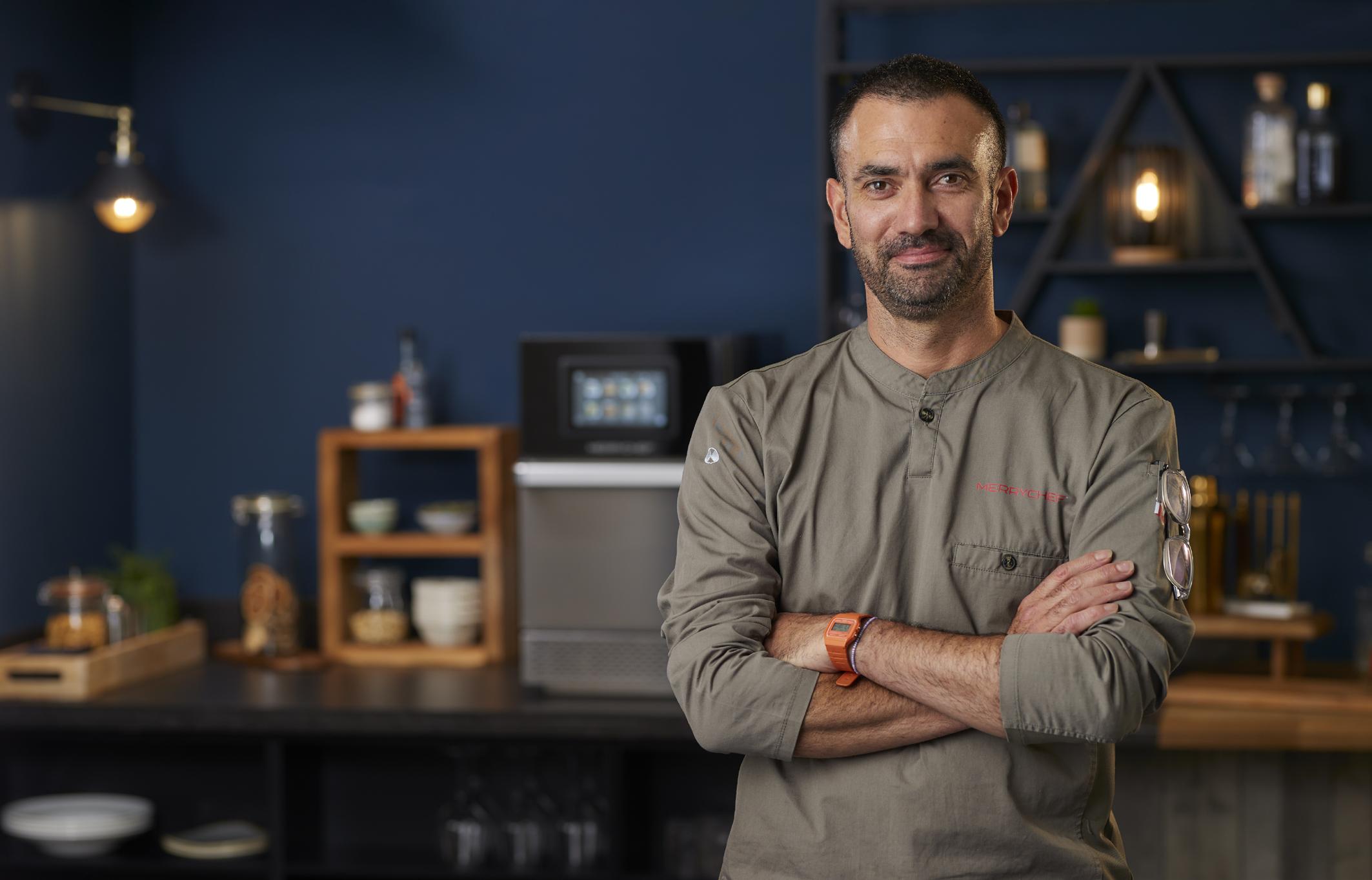
By Paul Patel, Product Manager, Merrychef UK
Kitchen innovation has evolved significantly in recent years. Operators are not simply looking for equipment with more features; they are looking for solutions that help them run more efficient, consistent and profitable operations.
In a sector facing labour shortages, rising costs and increasing pressure on kitchen space, operational simplicity has become one of the most valuable innovations of all and can give operators a competitive edge.
The businesses that are succeeding today are often those that have found ways to remove unnecessary complexity from their operations. Whether it is reducing training requirements, maintaining consistency across multiple sites or making better use of limited space, simplifying day-to-day processes allows operators to focus on what matters most: delivering great food and great customer experiences.
The new labour challenge
When discussing labour challenges, recruitment often dominates the conversation. But recruitment is only part of the picture. Staff retention,
onboarding and maintaining consistency across changing teams are equally important considerations.
That means equipment needs to be designed for the reality of modern kitchens, not the ideal scenario of having experienced chefs on every shift. The benchmark is no longer whether the most experienced member of the team can get the best from a piece of equipment. It is whether every member of the team can use it confidently and consistently.
Simple, intuitive controls, guided cooking programmes and visual interfaces all help reduce training time while ensuring food is delivered to the same standard every time. Rather than relying on individual judgement or experience, operators can create repeatable processes that improve consistency and reduce pressure on busy teams.
Reducing complexity also reduces training requirements. In an industry
Paul Patel
where turnover can be high and labour costs remain under scrutiny, shortening the learning curve can make a significant difference to operational performance.
Consistency drives confidence
Consistency remains one of the hospitality industry’s most important measures of success in hospitality. Customers expect the same experience whether they visit on a Monday morning or a Saturday evening. For multi-site operators, that expectation applies across every location. Yet consistency becomes harder to maintain as menus expand, teams change and service pressures increase.
Equipment has an important role to play here, but not because it adds more capability. Its real value lies in removing variation.
Pre-programmed cooking profiles, visual interfaces and connected menu management help ensure dishes are prepared and served consistently, regardless of who is operating the equipment.
Solutions such as KitchenConnect® allow operators to manually update and upload menus and cooking programmes remotely across multiple sites, helping maintain standards while reducing operational workload.
Make every square foot work harder
Space is becoming a valuable commodity in hospitality. With property costs rising and operators looking for new revenue opportunities, kitchens are expected to deliver more output from smaller footprints.
Rather than filling kitchens with multiple specialist appliances, many operators are moving towards
multifunctional solutions that maximise productivity while minimising complexity.
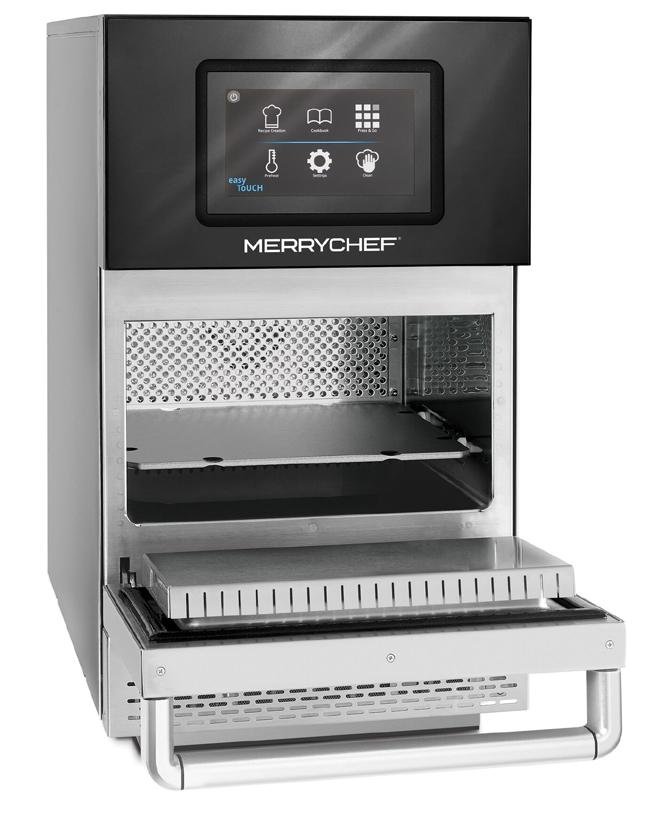
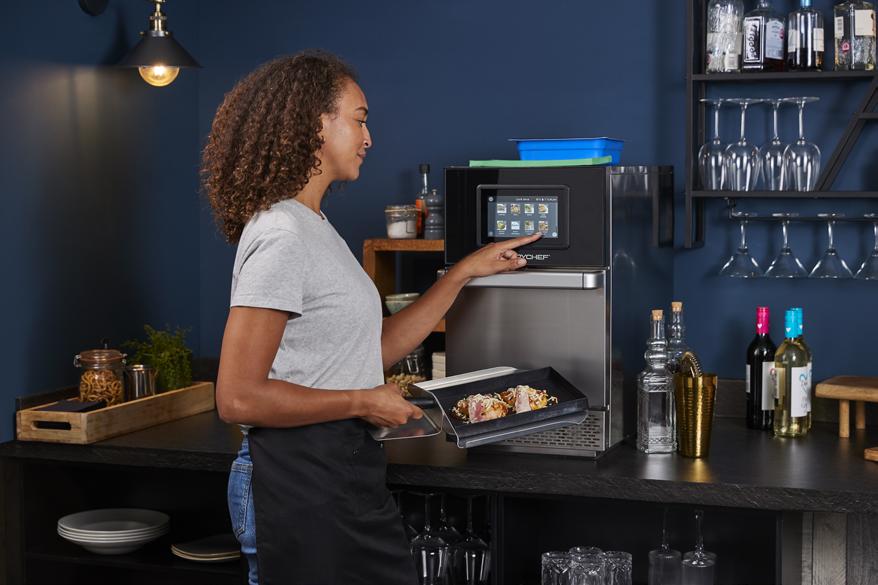
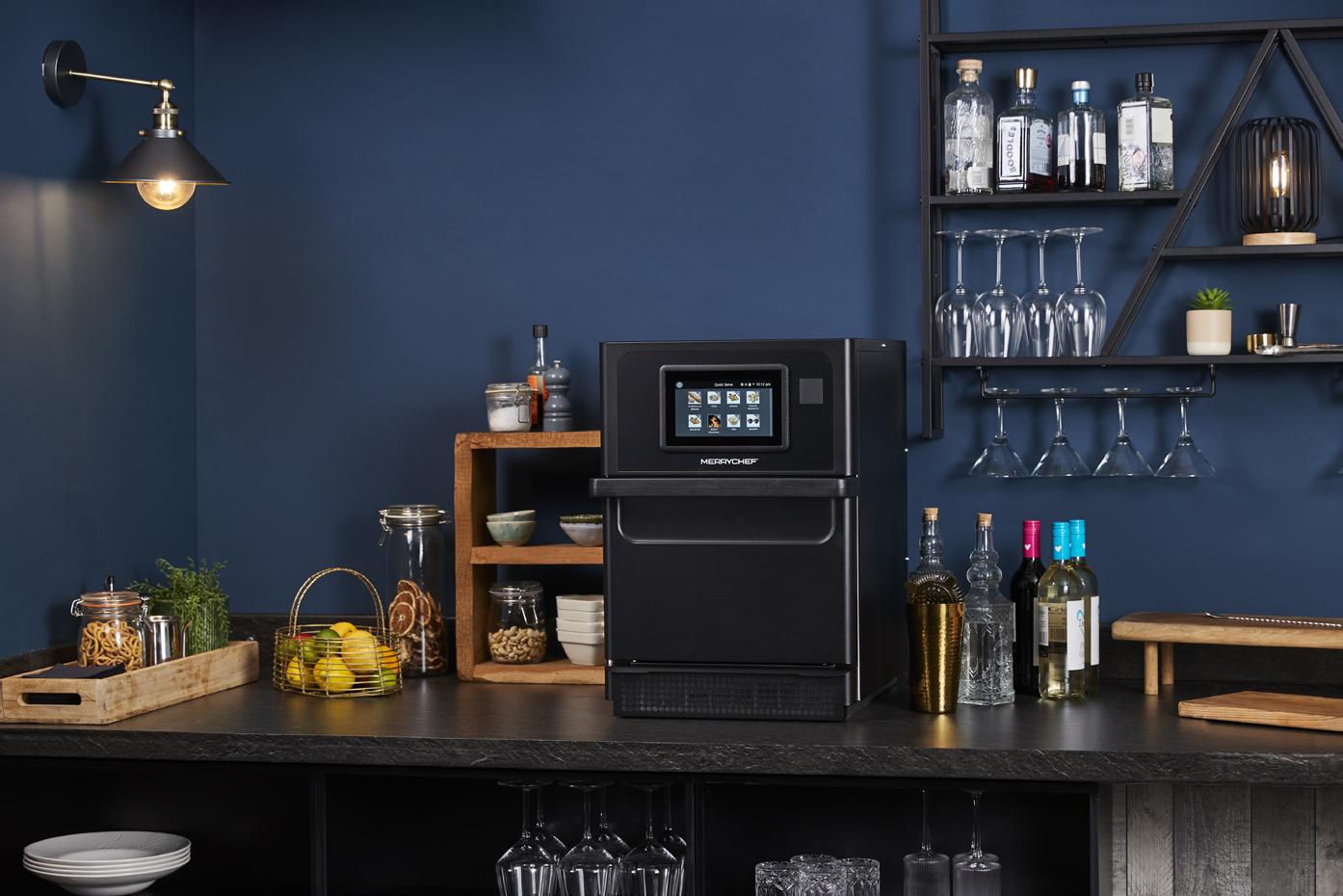
High speed cooking technology, such as the Merrychef conneX® range reflects this trend and has become an important part of that shift. A single unit should have the ability to cook, toast, grill and reheat a wide variety of menu items, allowing operators to introduce new dayparts, expand graband-go offers or test seasonal dishes without fundamentally changing their kitchen layout.
The result is greater menu flexibility, increased revenue opportunities and a simpler operation.
Simplicity creates opportunities
There is sometimes a misconception that simplifying operations limits creativity. In reality, the opposite is often true.
When teams spend less time managing equipment, training and operational processes, they have more capacity to focus on developing menus, improving service and responding to changing customer demand.
The same applies to technology. The most valuable innovations are not necessarily those with the longest list of features, but those that make day-to-day operations easier. Whether that is reducing training requirements, improving consistency or making menu changes simpler to implement, technology should remove barriers rather than create them.
“Consistency remains one of the hospitality industry’s most important measures of success in hospitality.”
This is particularly important at a time when consumer preferences continue to change rapidly and operators must remain agile to stay relevant.
Looking ahead
The future of kitchen technology is often discussed in terms of speed, automation and connectivity. Yes, all of those elements are important, but they are only valuable if they solve genuine operational challenges.
Looking ahead, the most successful kitchen innovations will be those that help operators do more with less. Less space. Less training. Less complexity. Less operational friction.
That does not mean lowering standards. Quite the opposite. It means creating kitchens that are more resilient, more adaptable and better equipped to deliver great food consistently, regardless of the challenges facing the industry.
In an era where every square foot, every labour hour and every menu decision matter, simplicity can prove to be the most valuable innovation of all.
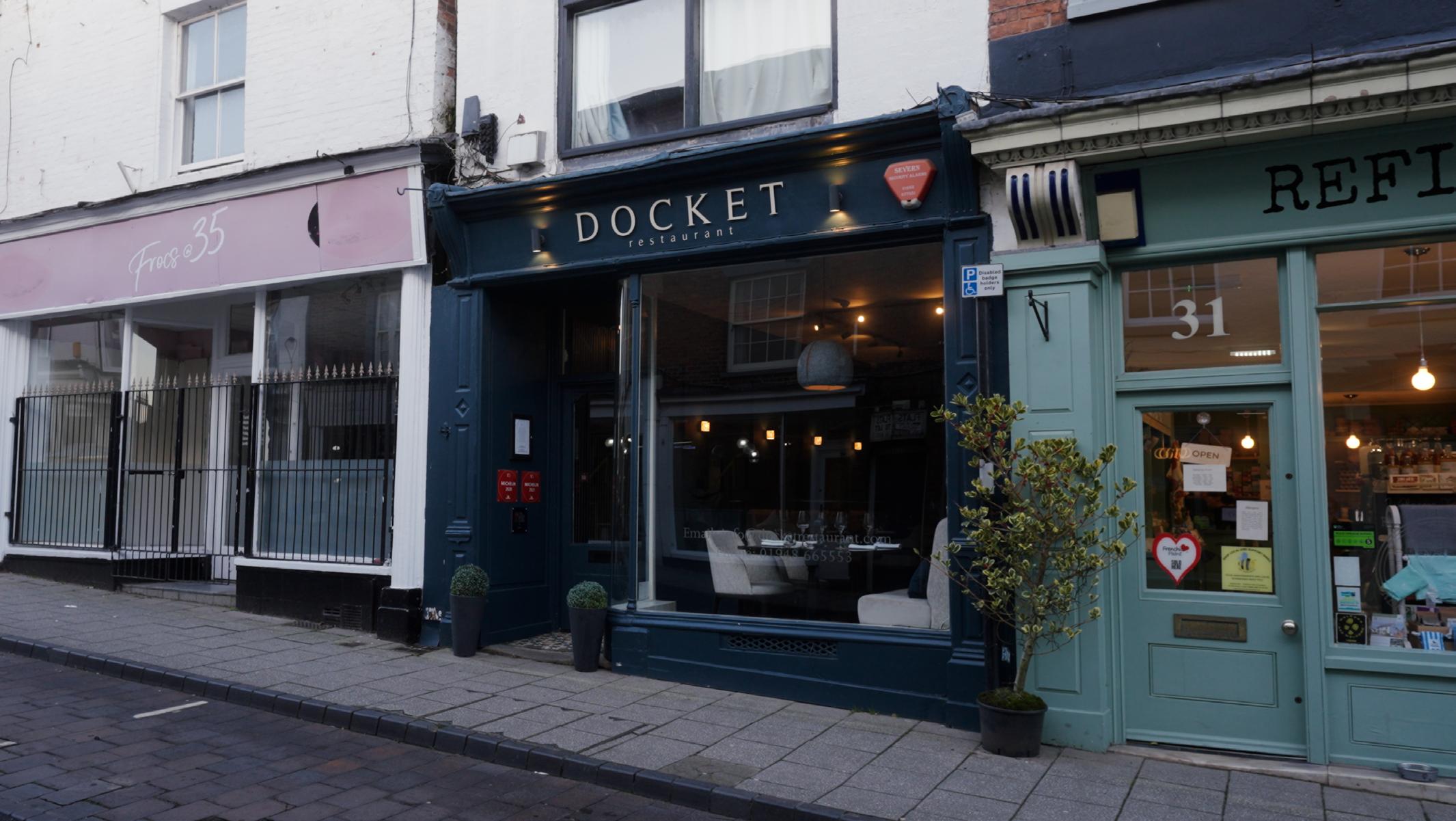
CALTEL DELIVER MICHELIN GUIDE DOCKET’S DREAM “WOW FACTOR” KITCHEN WITH NO DOWNTIME
Nestled in the heart of the Whitchurch (Shropshire), Michelin Guide restaurant, Docket, has well and truly put the picturesque market-town on the fine-dining map since opening its doors in 2017. Born and nurtured by the ambitions and impressive careers of husband-and-wife duo Stuart and Frances Collins, Docket offers an intimate and elegant dining style, with flavour-packed tasting dishes, contemporary drinks and knowledgeable service which goes hand-in-hand for a unified experience.
Like any restaurant, the kitchen is the heart and soul of the operation. However, after 7 years of serving the Docket, plus the number of years being operated by the site’s previous owner, the time had come to invest in Stuart and Frances’ dream kitchen, as detailed by Stuart himself: “After 7 years of using
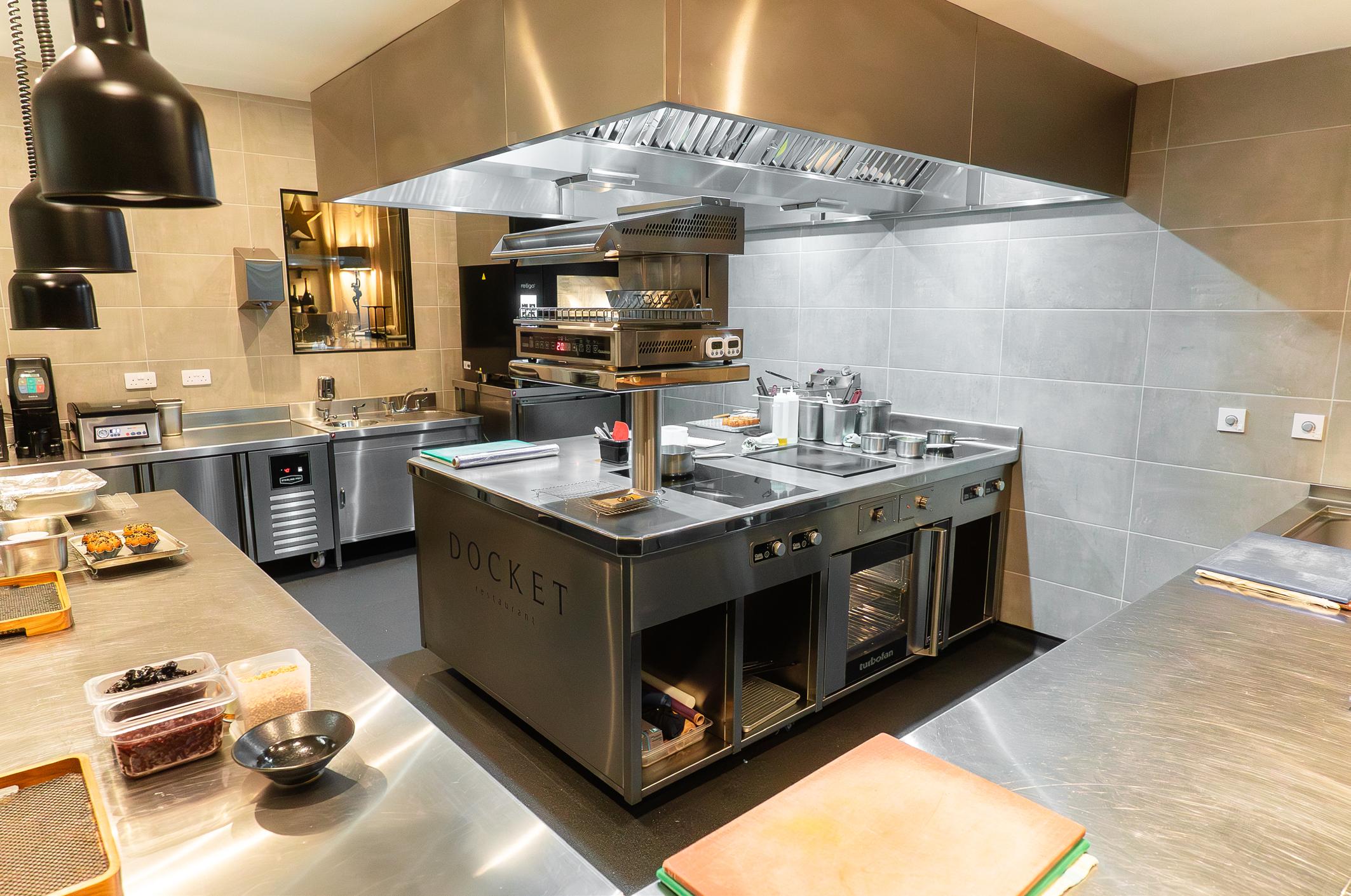
the kitchen that we had inherited from the previous operation, we decided it was time to invest in a new kitchen for Docket and our ambitions were high. In a nutshell, we wanted to create an open plan kitchen in an entirely new part of our site with minimal downtime. The space that we wanted to use for the new kitchen was also fairly restricted in terms of footprint, but we still wanted an open-plan working space that felt generous, logical for our chefs, and visually impressive.”
Having worked with Caltel previously on a few outside catering opportunities, Stuart felt confident that Shropshire based equipment dealer would be able to design and deliver this project despite these challenges. This is something that Caltel’s Project Manager, Jonathan Davies, reflects on: “At Caltel, we make it our mission to
listen and engage with the unique requirements of our customers early on. We feel this is key for both setting expectations and delivering results. Not every customer is the same, so truly understanding what a customer’s best fit is, is essential. For Docket, sustainability, timescale, space, aesthetics and efficiency were key priorities that shaped both how we managed this project, and what products we integrated into the proposal.”
This is something that Stuart identifies as being highly valuable as a proprietor: “As part of the consultation process, Caltel proposed several brands to work within our budget and helped create the workspace we wanted, whilst considering all practicalities required alongside ensuring the kitchen was visually striking. The 3D design that Caltel created for us really brought the kitchen
to life too. When you are making as big as an investment as this, it’s always good to have extra reassurance that what is being planned is right, and the design provided really cemented this.”
To put the timescale of this project into perspective, from the first consultation and design through to delivery and installation, Caltel completed this in just 5 weeks. During this time, Docket were able to remain open thanks to Caltel’s ability to complete the installation in the new kitchen space ahead of opening hours. This allowed for a seamless switch from Docket’s old kitchen, to new.
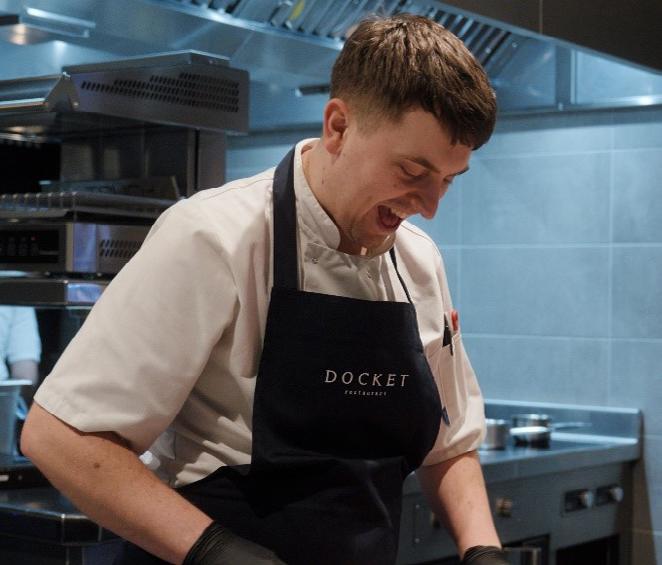
Jonathan goes on to talk about the highlights of this project: “The most rewarding aspect of this project was delivering a kitchen that benefited all parties. Anyone that visits Docket will see that the kitchen staff are genuinely enjoying working in the new kitchen, which itself is testimony to the staff-led prioritised that shaped the proposal for this kitchen, such as better work-flow, lower sound and heat levels. To add to this, recommending solutions from esteemed brands that chefs ultimately want to work with, is a big morale boost.”
The brands that were involved in this project included Control Induction (Island Cook Suite and Appliances) Retigo (Combi Oven), Inox (Extraction) Parry (Custom Fabrication and Basins) and Sterling Pro (Refrigeration). These solutions work perfectly in harmony at Docket, and thanks to Caltel’s knowledge and configuration, exceeded Stuart and Fran’s expectations for their new kitchen.
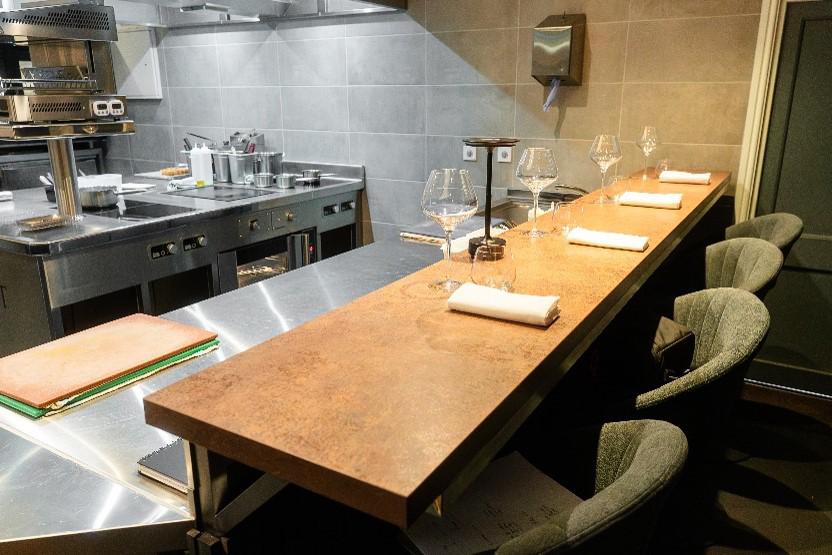
Co-Owner, Frances, goes on to talk about the impression the kitchen has made since installation: “Due to the way Docket is laid out, most customers will walk past the working kitchen during their visit, with the wow-factor often stopping them in their tracks. Thanks to Caltel’s design, we can also now offer guests a seat at the chefs table, meaning they are in the heart of the action and positioned with the best view of the kitchen that we are so proud of.”
Fran continues:
“To work with a dealer that genuinely cared about the project to the same level as us was really important. It really felt like Jonathan and Ross became an extension of the Docket team while working on this project.”
Stuart shares in Fran’s enthusiasm: “The service we’ve received from the entire Caltel team has been brilliant, from initial design proposal through to the final install. As part of the consultation process, Jonathan proposed several brands to work within our budget, and helped create the workspace we wanted, whilst considering all practicalities required alongside ensuring the kitchen was visually striking.”
HOW ONE INDEPENDENT RESTAURATEUR IS PROACTIVELY RESPONDING TO CHALLENGES
In a hospitality climate that’s been affected by challenges like elevated costs and staffing pressures, one independent restaurant owner is showing how growth can come from focusing on your people, systems and community.
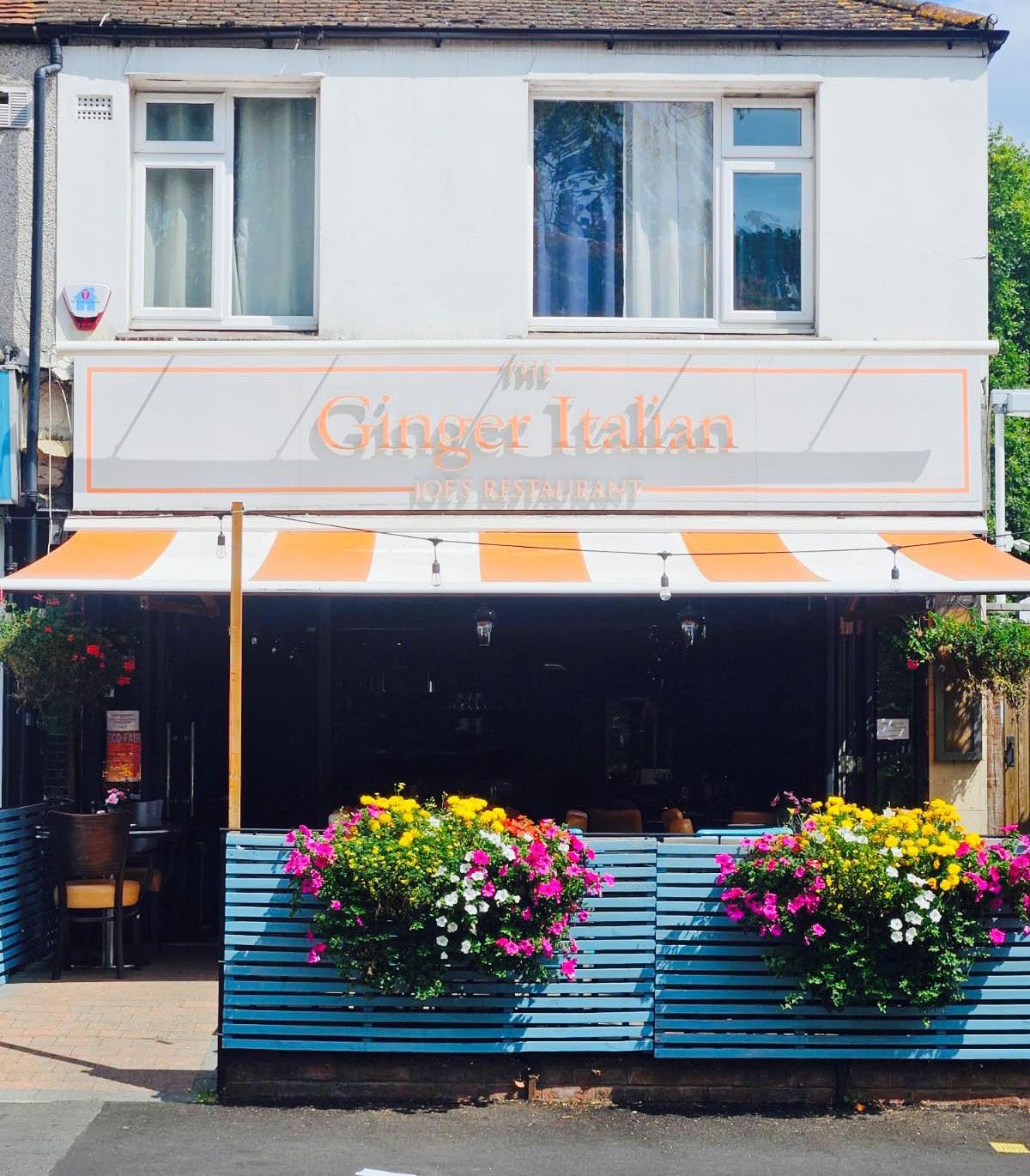
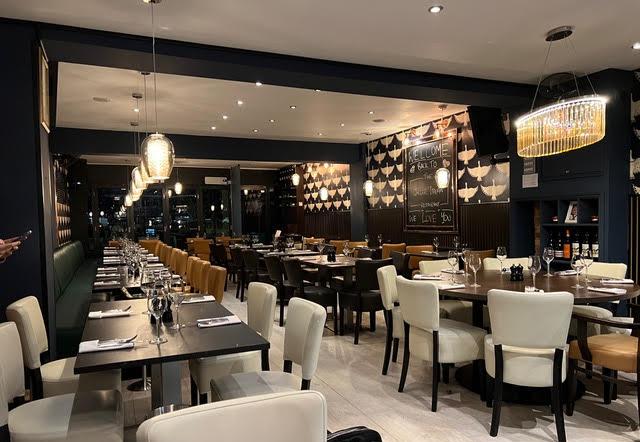
Owner of The Ginger Italian in Carshalton, Joe Paini, is open about the reality of modern hospitality and how waiting for things to get easier isn’t a strategy. Instead, he’s built a business designed to perform even when some conditions are tough.
Designing the business around real people
For Joe, it’s his team that sets The Ginger Italian apart from other restaurants in the area. “We retain staff like no other restaurant around here,” he says.
In an industry used to experiencing high staff turnover, The Ginger Italian has built a long-standing team through consistent training, clear expectations and a culture that recognises how demanding the job really is. But despite this, Joe still doesn’t think he has it all figured out.
“I don’t kid myself that my team should always be motivated to work and to learn, especially when they’re working long hours. Constantly training everyone is one of the biggest challenges I face, simply because we’re always coming up with new ideas that can make the
The Ginger Italian
restaurant better. Finding a way for the important things to never come off the table is key, but supplementing this with new strategies is a balance I’m keen to fully find.”
Technology plays a supporting role in keeping the team on the same page. Having thoroughly tested multiple ePOS systems, Joe decided that Lightspeed was the best fit. The Ginger Italian uses Lightspeed to take orders, manage modifiers and prompt key questions during service, which Joe says helps reduce mistakes. “When something just works, you don’t have to think about it - you just rely on it,” he explains. “Even if someone joins the team who isn’t tech-savvy, Lightspeed makes it easy to get up to speed, ask customers the right questions, and make menu changes on a phone or tablet without having to spend extra time on admin during a busy day.”
Engineering spend, not hoping for it
The Ginger Italian has held its spending per head at around £42 per person without relying on discounting, extra covers or aggressive price hikes. According to data from Lightspeed, that’s around £10 higher than the average spend per head in venues from January 2024 - August 2025.
To do this, Joe is all about removing friction from ordering and making it easier for guests to say yes - whether that’s through visual menus, onscreen prompts, or filming a Biscoff cheesecake and sending guests to a QR code video of him encouraging them to try it.
“When owners say they need more customers, that makes them feel daunted,” he says. “What if you just got more out of the customers you already have?”
Here again, technology matters. Joe likes that he can quickly programme upsells, modifiers and prompts without complicated back-end processes. “If I can change something in seconds and it pops up for the team automatically, that’s money in the till without a big training session,” he says.
Building the restaurant like a brand
The Ginger Italian fast became a recognisable presence in its local community thanks to its social media presence.
From weekly competitions and filmed specials to personal social content and event tie-ins, the restaurant behaves
more like a brand than just a venue. The team is front and centre, filming videos, introducing dishes, and speaking directly to guests online.
“Our Facebook posts get so much engagement that we get paid for them,” he says.
“People ask about what’s going on locally and our name always comes up.”
“That connection paid off during Covid, when customers who would never opt for a takeaway would order from The Ginger Italian, because they didn’t want to see the business suffer. This kind of loyalty has been built by understanding how to increase visibility and by truly being part of the local community.”
For now, The Ginger Italian’s current focus isn’t on new ideas, dishes or events. Instead, Joe and the team want to amplify what is already clearly working well for them.
FRENCH PASTRY: A GLOBAL BENCHMARK THAT CONTINUES TO REINVENT ITSELF
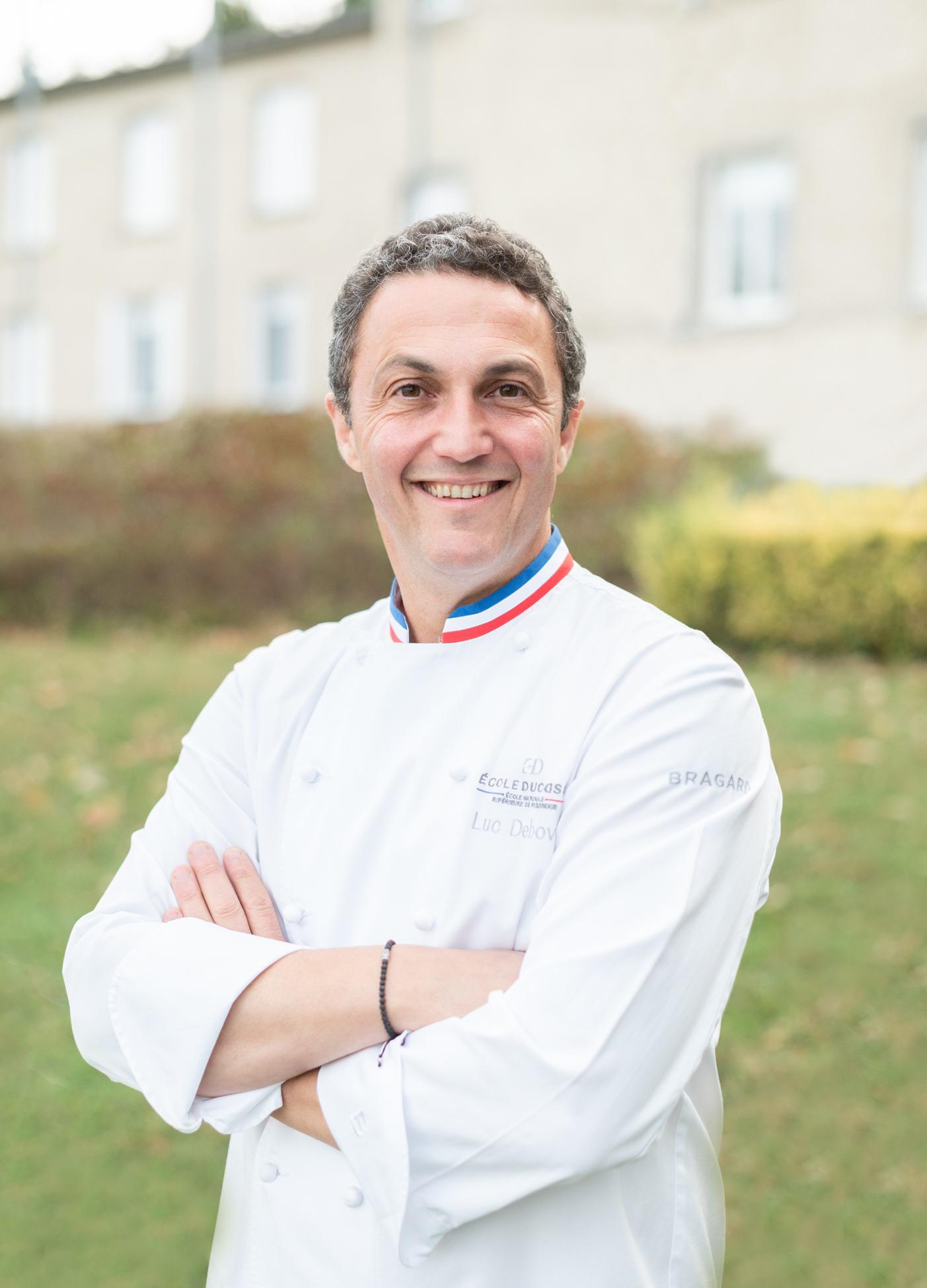
By Luc Debove, Director of
the École
Nationale Supérieure de Pâtisserie (ENSP) and Meilleur Ouvrier de France.
Few fields have retained the status of a true “global benchmark” as consistently over time as French pastry.
Whether at international competitions, the opening of a new pâtisserie abroad, or each new intake of students
welcomed to the École Nationale Supérieure de Pâtisserie (ENSP), the conclusion remains the same: French pastry continues to captivate.
From Tokyo to Seoul, from Singapore to New York, French techniques, our iconic desserts and our craftsmanship
remain enduring references. Yet the world of pastry has never been more dynamic. New talents are emerging everywhere, culinary influences are converging, and trends are spreading at an unprecedented pace.
So why does French pastry continue to hold such a distinctive place?
Perhaps the answer lies in what has defined it for centuries: its unique ability to combine heritage with innovation.
A universal language built on strong foundations
French pastry possesses a rare characteristic: it is founded on an exceptionally structured and diverse technical framework.
Puff pastry, choux pastry, crème pâtissière, viennoiserie, entremets, chocolate and sugar work: these fundamentals now form the vocabulary shared by pastry chefs across the globe.
As in classical music or architecture, mastering the fundamentals is not a limitation; it is what enables creativity to flourish.
It is this technical rigour that has helped establish France as an international benchmark. Not because it holds a monopoly on talent, but because it has transformed craftsmanship into a true discipline of transmission.
This recognition is the result of centuries of development. At the beginning of the 19th century, MarieAntoine Carême laid the foundations of modern haute pâtisserie by codifying techniques, artistic showpieces and the organisation of the profession. A few decades later, Auguste Escoffier built upon this legacy by fully integrating pastry into the modern kitchen brigade and contributing to the structure of French gastronomy as we know it today.
This codification was never intended to constrain creativity. On the contrary, it established a common language that continues to allow pastry chefs around the world to innovate on solid foundations.
Luc Debove
This culture of transmission lies at the very heart of our model. It is embodied in historic maisons, prestigious competitions, distinctions such as the Meilleurs Ouvriers de France, and in the schools that train each new generation of pastry professionals.
Excellence recognised far beyond our borders
French gastronomy enjoys exceptional international recognition. Since 2010, the Gastronomic Meal of the French has been inscribed on UNESCO’s Representative List of the Intangible Cultural Heritage of Humanity, recognising a way of life in which the product, craftsmanship, sharing and the transmission of knowledge all play a central role.
This influence is equally evident in the world of pastry.
It is no coincidence that Paris has been named the world’s leading pastry destination in Food & Wine’s Global Tastemakers Awards for three consecutive years, in 2024, 2025 and 2026.
Yet the true strength of French pastry lies elsewhere: in its ability to influence the world while embracing influences from it.
Today, this exchange works in both directions. French pastry continues to inspire chefs across the globe, while remaining remarkably open to ideas and traditions from other culinary cultures.
One of the richest dialogues has undoubtedly emerged between French techniques and the culinary traditions of East Asia. Classic creations such as choux, tarts, entremets and macarons are now enriched with ingredients such as yuzu, black sesame, matcha and Japanese citrus fruits. Not as passing trends, but as genuine new avenues for flavour and creativity.
This openness extends far beyond ingredients. It also shapes flavour balance. Pastry chefs are increasingly exploring umami, sweet-and-savoury combinations, fermentation, spices, and subtle smoky, toasted or caramelised notes. The objective is no longer simply to achieve sweetness, but to create desserts that are more nuanced, elegant and contemporary.
Reinventing without losing our identity
The greatest threat to any tradition is not change: it is stagnation.
French pastry remains influential precisely because it continues to evolve.
Over recent years, we have witnessed the emergence of new expectations: reduced sugar, greater nutritional balance, a stronger emphasis on plant-based ingredients, seasonality and more responsible approaches to sourcing and production.
These developments do not undermine the foundations of French pastry; they build upon them.
It is precisely because those foundations are so strong that such creative freedom is possible. A perfectly mastered pastry, an impeccably executed cream or a carefully balanced interplay of textures provides the confidence to explore new territories: incorporating alternative ingredients, reducing sugar, embracing bitterness, or creating entirely new dialogues between culinary cultures.
When Cédric Grolet places fruit at the heart of his creative vision, when Jessica Préalpato develops her philosophy of desserality, or when a new generation of pastry chefs experiments with innovative ingredients and techniques, they are all contributing to the same movement: advancing the profession while preserving the uncompromising standards of flavour, precision and craftsmanship.
French pastry does not seek to preserve its heritage under glass. It gives that heritage the means to continue evolving.
Training the craftspeople of tomorrow
The future of French pastry will depend, above all, on its ability to pass on its knowledge, expertise and values.
At ENSP, we witness this every day. As the world’s largest campus entirely dedicated to the sweet arts, the school welcomes a truly international community: in 2026, more than 40% of our students come from abroad, representing nearly 80 different nationalities. This diversity transforms our laboratories into genuine places of
exchange, where pastry traditions and cultures from around the world meet and enrich one another.
“Our students come in search of far more than technical skills. They come to embrace a methodology, a mindset and a philosophy of the profession founded on respect for ingredients, precision of technique and the constant pursuit of excellence.”
Our international influence extends well beyond our student body. Every year, chefs and pastry professionals from across the globe join ENSP through our continuing professional education programmes to refine their expertise, while our chef instructors are regularly invited abroad to deliver masterclasses and specialised training. This continuous exchange of knowledge illustrates the central role France continues to play in shaping the next generation of pastry professionals.
Each year, we see young pastry chefs leave ENSP to pursue careers all over the world. They will not all reproduce French pastry exactly as they have learned it – and that is precisely as it should be. Instead, they will draw inspiration from it, allow it to interact with their own culinary cultures, and in doing so, write the next chapter of its story.
A global benchmark is not one that seeks to impose a single model. It is one that continues to inspire, to pass on its expertise, and to evolve through dialogue with other cultures.
That is precisely how French pastry continues to remain a global benchmark.
Karine Hyon Vintrou is Managing Director of École Ducasse.
Sustainability is no longer a peripheral issue in gastronomy. It has become a prerequisite for credibility and responsibility.
Amid growing environmental pressure, resource depletion, and rapidly evolving societal expectations, the role of the chef is no longer limited to elevating a product: it begins well before that, with the choice of ingredients, and extends far beyond into the management of resources and waste.
Training chefs today therefore means teaching them to think sustainably, from the very conception of their cuisine.
A New Responsibility for Gastronomy
Gastronomy occupies a unique position in the ecological transition. According to the Food and Agriculture Organization of the United Nations (FAO), “19% of food available to consumers is wasted at the retail, food service and household levels,” while the global food system accounts for around 30% of greenhouse gas emissions.
In the restaurant sector, these figures translate into very concrete realities: stock management, supplier selection, seasonality, portion control and waste recovery.
In this context, the chef becomes a key player in this transformation, not an activist, but a conscious professional capable of making responsible choices without compromising gastronomic excellence. This new responsibility calls for a profound evolution in culinary education.
From Product to System: Rethinking Sourcing
Training for sustainability begins with a shift in how we view the product. For a long time, gastronomic excellence was built around access to rare ingredients, sometimes sourced from far away. Today, this logic is being questioned.
If we look at France – where I am based – according to a study by ADEME (the French Agency for Ecological Transition), food alone accounts for nearly 25% of the carbon footprint of French consumers, mainly due to production and transport methods. Learning to source locally, work with committed producers, understand agricultural cycles and respect seasonality therefore becomes a strategic skill.
For future chefs, this means being able to design menus based on what nature offers at a given moment, adapting creativity to the constraints of nature, and building long-term relationships within their local ecosystem. This is no longer a limitation, but a new form of creative freedom.
Tackling Food Waste: A Core Professional Skill
Reducing food waste is not merely a moral or economic issue; it is also a matter of expertise. In France, the restaurant sector generates around one million tonnes of food waste each year, according to the Ministry for Ecological Transition.
Training chefs to think sustainably means teaching them to design circular kitchens: using products in their entirety, intelligently repurposing surplus, adjusting portion sizes, and rethinking menus that are too long or overly complex. This requires a holistic approach, combining culinary technique, operational organisation and a strong sense of responsibility.
Karine Hyon Vintrou
EVOLVE ENERGY UNLOCKS CPPA TO POWER BKUK
RESTAURANTS WITH RENEWABLE ENERGY
The renewable power will be generated by the Alaska Wind Farm project, the first onshore development of its kind in Dorset
Evolve Energy Supply Ltd (Evolve Energy), a licensed UK energy supplier pioneering energy solutions that unlock access to true renewable energy for Industrial & Commercial businesses, has partnered with renewable energy developer Alaska Wind Farm LLP to supply renewable energy from the Alaska Wind Farm near Wareham, Dorset, to BKUK. The collaboration will provide renewable energy to power a proportion of BKUK nationwide restaurants advancing BKUK’s sustainability goals and net zero ambitions.
The Alaska Wind Farm comprises four refurbished 2MW Vestas V80 turbines relocated from Belgium, installed at Masters Quarry. As an 8MW wind farm, it generates approximately 17 gigawatt-hours of renewable energy annually.
A chef who is well trained in these areas can reduce environmental impact while improving the profitability of their establishment. Sustainability thus becomes a lever for performance rather than an additional constraint.
Respecting Seasonality as a Pedagogical Act
Respecting seasonality is not a step backwards, but a deeply contemporary act. At a time when everything seems available all year round, teaching seasonality helps restore meaning to time, rhythm and anticipation.
For culinary students, working with seasonal produce develops an essential ability to adapt: renewing creativity, accepting limitations and reinventing recipes. It is also a lesson in humility in the face of the living world, an essential value in a profession often driven by the pursuit of recognition.
According to a study by Interfel, seasonality is the primary criterion for consumers when purchasing fruit and
The power generated by the Alaska Wind Farm is secured under a longterm Corporate Power Purchase Agreement (CPPA) with Evolve Energy, which will now enable BKUK to access certifiable renewable energy for a proportion of its operations.
James Hall, COO at Evolve Energy, commented: “BKUK has been a valued customer for many years, so it was logical for us to take the unusual step of directly standing behind the CPPA as the contractual party for this impressive renewable project, exclusively matched
vegetables. Training chefs with these expectations in mind means preparing them for an increasingly informed and conscious clientele.
The Role of Culinary Schools: Passing on a Sustainable Vision
In the face of these challenges, culinary schools bear a major responsibility. Sustainability can no longer be treated as an optional module or a theoretical discourse. It must be embedded across the entire educational approach: from product choices to working methods, from student projects to the economic models studied.
At École Ducasse, we believe that sustainability is inseparable from excellence. Our students are encouraged to think concretely about sourcing, waste management, the impact of their culinary choices and their responsibility as future leaders in gastronomy. They learn to integrate these dimensions from the very first stages of designing a menu or a restaurant concept.
against their demand. One of the most innovative aspects is the realtime, half-hourly matching of BKUK’s electricity use with the wind farm’s output, enabling non-standard cost savings while helping to reduce emissions. We’re proud to support BKUK integrate more renewable energy into its operations.”
Evolve Energy and Alaska Wind Farm LLP were introduced by Sustainable Energy First (SE First), BKUK’s trusted advisory partner commissioned to source a longterm renewable energy solution aligned with BKUK’s energy requirements and sustainability commitments. To help BKUK reduce its reliance on non-renewable energy, SE First partnered with Evolve Energy for its ability to secure direct access to a generator and supply their energy through a CPPA. Evolve Energy worked with Alaska Wind Farm LLP, the renewable developer behind the project, to structure the agreement.
“Training chefs to think sustainably means giving them the tools to build a gastronomy that is responsible, desirable and economically viable.”
The food transition will not happen without chefs. But it will not happen without a profound evolution in their training either. Teaching sustainability does not limit creativity; it gives it structure, direction and meaning.
Today, schools have a duty to prepare a new generation of chefs capable of reconciling culinary excellence, environmental responsibility and societal commitment. Only then will gastronomy continue to inspire, bring people together and fully play its role in society.
For more information visit: www.ecoleducasse.com/en
WHY TRAINING HAS BECOME A COMMERCIAL ADVANTAGE FOR RESTAURANTS
The restaurant industry has never faced greater pressure to do more with less.
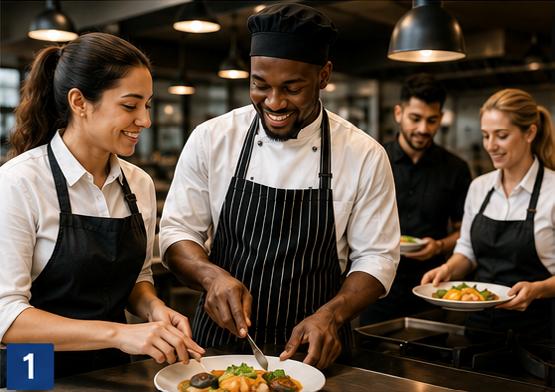
Operators are balancing rising costs, labour shortages, staff turnover, increasing compliance requirements and ever-higher customer expectations. At the same time, teams are becoming more diverse, with many businesses employing colleagues from multiple nationalities and language backgrounds.
Against this backdrop, training is no longer simply a compliance exercise. It has become a commercial advantage.
At Teaching 4 Business, we work with restaurant, hospitality, food and drink operators across the UK and internationally, delivering more than 22,000 online training courses every month. Our experience has shown that the most successful businesses view training not as a cost, but as an investment in operational consistency, employee engagement and customer satisfaction.
One of the biggest challenges facing restaurant operators today is ensuring that every team member receives the same standard of training. Whether an employee works in a single independent venue or across a large multi-site group, customers expect a consistent experience. Achieving this requires accessible, scalable training that can be delivered quickly and effectively.
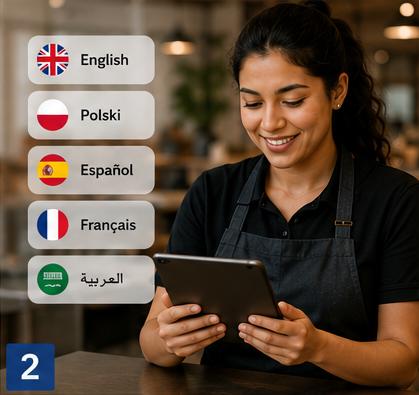
Language can often be a barrier. Many hospitality businesses now employ staff from a wide range of countries, yet training is frequently available only in English. This can create gaps in understanding, particularly in critical areas such as food safety, allergens, health and safety, and customer service.
By providing training in employees’ native languages, businesses can significantly improve engagement and knowledge retention while creating a more inclusive workplace culture.
Employees gain confidence, managers gain assurance, and customers benefit from higher standards of service and compliance.
Technology is also transforming how training is managed. Modern learning platforms allow operators to track progress, automate refresher training, maintain audit-ready records and demonstrate compliance across multiple sites. What was once a significant administrative burden can now be managed efficiently and centrally.
However, the benefits extend far beyond compliance. Well-trained teams are more productive, make fewer mistakes, deliver better customer experiences and are more likely to remain with their employer. In an industry where recruitment and retention remain major concerns, investing in people can have a measurable impact on business performance.
At Teaching 4 Business, we provide more than 100 online courses in over 100 languages, covering essential areas including food safety, allergen awareness, HACCP, health and safety, licensing, customer service, leadership and management development.
The restaurant industry will continue to evolve, but one factor remains constant: great businesses are built by great people. Equipping those people with the knowledge, skills and confidence to succeed is one of the most valuable investments any operator can make.
For more information contact Teaching 4 Business:
£150K INVESTMENT FOR BROCKENCOTE HALL HOTEL’S RESTAURANT
A Worcestershire restaurant is relaunching after undergoing a sixfigure refurbishment.
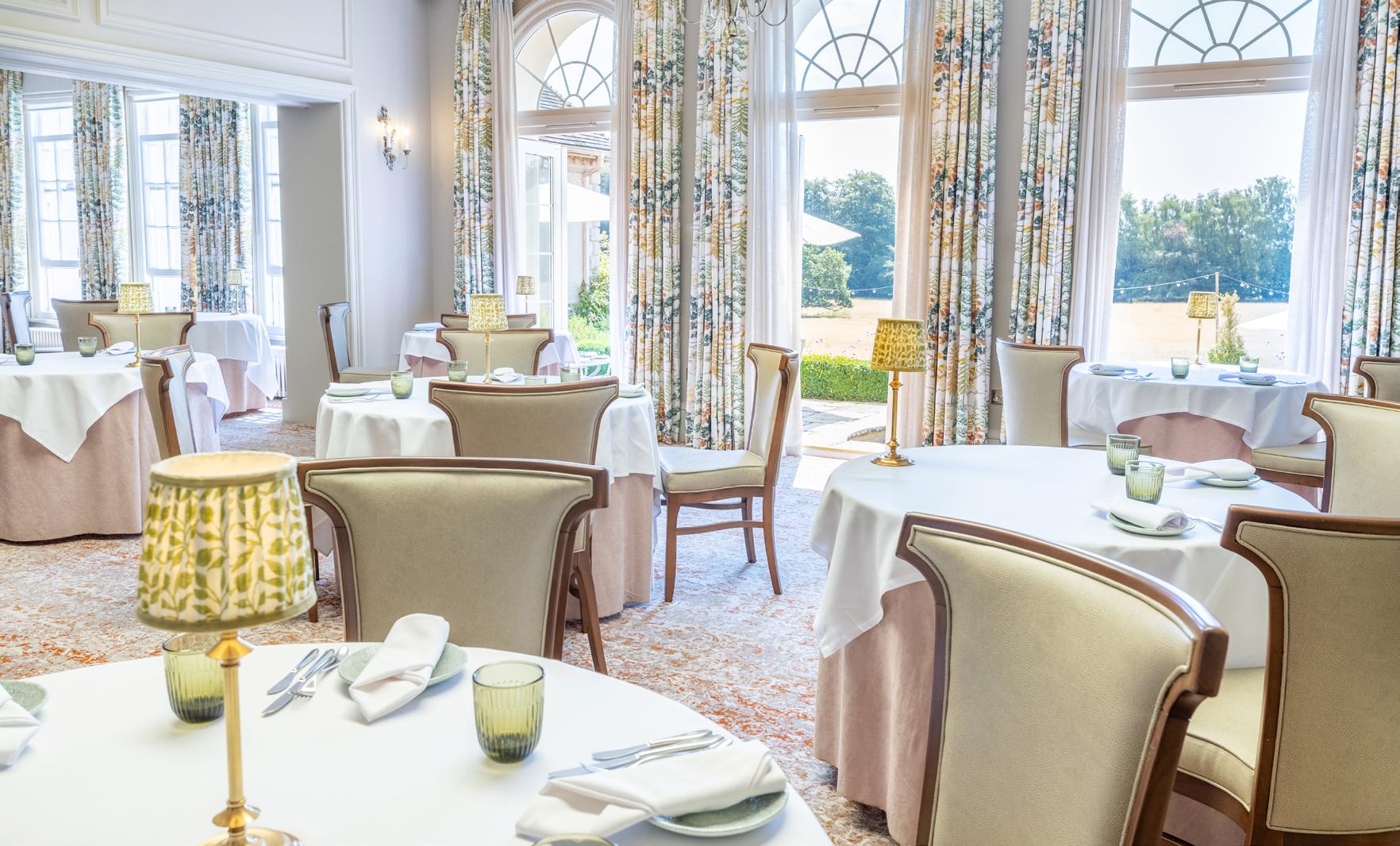
The 3 AA Rosette Chaddesley Restaurant at Brockencote Hall Hotel has been reimagined as Malvern Restaurant following a £150,000 investment, transforming the space into a contemporary dining destination inspired by the beauty of the Worcestershire countryside.
The redesigned interior draws heavily on nature, creating a warm and elegant setting that reflects the landscape beyond its windows. Striking linen curtains, intricately embroidered with pine trees and evergreens, echo the tranquillity of a European forest, bringing a subtle botanical influence into the restaurant.
Complementing this is a bespoke carpet featuring a softly distressed,
abstract pattern inspired by traditional ornamental textiles. Layered in warm terracotta, burnt orange and ochre tones against a neutral palette of stone, taupe and ivory, the design has an intentionally weathered, painterly quality.
Fragmented floral and scroll-like details add depth and character, while blending classic country house influences with a contemporary aesthetic. Together, these carefully selected finishes create a refined yet inviting atmosphere that perfectly complements Malvern Restaurant’s exceptional dining experience.
The new-look setting is complemented by a menu overseen by longstanding head chef, Tim Jenkins, who is marking a decade of culinary service at the hotel. With menus shaped by the Worcestershire countryside, Brockencote Hall has forged a reputation of sourcing ingredients locally, including from the hotel’s kitchen garden, 12 hive apiary and local suppliers.
Guests can expect beautifully crafted dishes such as XL Orkney Scallop, delicately paired with goat’s curd
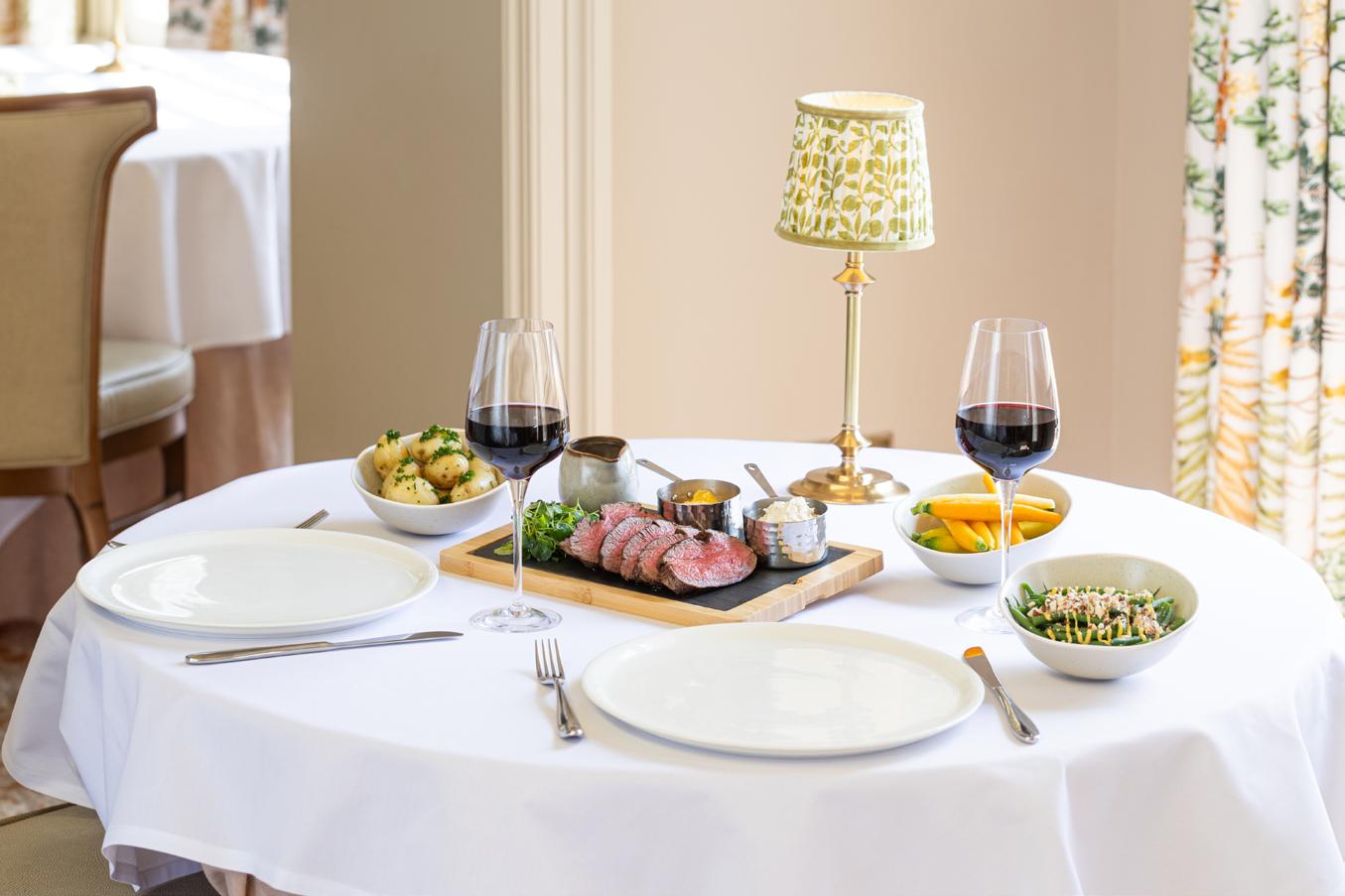
and vibrant citrus notes; an indulgent Chateaubriand, complemented by rich Port jus and classic Béarnaise sauce; and a luxurious White Chocolate Ganache, finished with Brockencote honey and seasonal peaches. Each course has been thoughtfully created to celebrate exceptional produce, refined flavours and the artistry of modern British cuisine.
Malvern Restaurant also offers an exquisite tasting menu, designed to showcase the kitchen’s finest seasonal ingredients through a carefully curated multi-course dining experience. Each course has been thoughtfully created to celebrate the very best of the season, with guests also having the option to enhance their experience with a complementary wine flight, carefully selected by the restaurant’s sommelier in partnership with its wine merchant.
The much-loved cheese trolley also returns, offering guests the opportunity to savour a carefully curated selection of ten exceptional British artisan cheeses, celebrating the finest regional producers and traditional cheesemaking craftsmanship.
Dan Brennan, General Manager said: “Guests are looking for more than just a meal when they choose to dine out; they want to enjoy an experience that creates lasting memories.
“This latest investment allows us to deliver exactly that – whether guests are joining us for an elegant evening meal, a relaxed Afternoon Tea, or a traditional Sunday Roast.
“From the beautifully considered surroundings to the theatre and creativity within our menus, every element has been designed to make dining at Brockencote Hall feel truly special.”
“The decision to rename the restaurant, Malvern Restaurant, felt like a natural progression. We are incredibly fortunate to be located so close to the Malvern Hills, and the new design celebrates that connection with nature, creating a genuine sense of place for our guests while they enjoy exceptional dishes created using the finest local and seasonal ingredients.
“We want every visit to feel gracious, timeless and quietly memorable. The investment marks an exciting new chapter for dining at Brockencote Hall Hotel, and we look forward to welcoming both local diners and resident guests to experience the newly transformed surroundings and enjoy the exceptional food, service and hospitality that define Malvern Restaurant.”
For more information visit www.brockencotehall.com
UMAMI BRINGS ITS ‘LOCAL WORLD KITCHEN’ PHILOSOPHY TO LEICESTER’S HIGHCROSS
A new dining destination that brings the world a little closer to home is opening at Highcross Shopping Centre this summer.
UMAMI, the contemporary restaurant built around its Local World Kitchen philosophy, will welcome its first guests this summer, introducing Leicester to a dining experience where global flavours, local community and shared moments come together under one roof.
Rather than simply serving food from around the world, UMAMI celebrates the idea that great meals connect people. Inspired by the belief that the world feels smaller around a table, the restaurant offers a place where familiar favourites sit alongside exciting new discoveries, creating a dining experience that’s both welcoming and unexpected.
Guests can explore more than 250 freshly prepared dishes inspired by cuisines from across the globe, with chefs cooking live at Teppanyaki grills and
pizza oven stations using fresh ingredients throughout the day. Every visit is designed to encourage curiosity, conversation and the simple joy of discovering something new together.
Located next to Highcross Shopping Centre, the new restaurant has been thoughtfully designed to reflect the energy of its menu. Contemporary interiors, theatre-style live cooking and a vibrant atmosphere combine to create a destination where families, friends and colleagues can gather, celebrate and make lasting memories.
The opening marks an exciting addition to Leicester’s thriving food and drink scene, offering shoppers, residents and visitors a fresh new place to enjoy everything from relaxed lunches and family meals to celebrations and evenings out.
SCOTLAND’S MOST ANTICIPATED NEW RESTAURANT OF 2026 OPENS ITS DOORS
Scotland’s most anticipated new restaurant of 2026 has opened its doors to guests at Bridge of Feugh, near Banchory in Royal Deeside, Aberdeenshire.
This is the first independent restaurant from Scotland’s former National Chef of the Year and BBC Great British Menu 2026 banquet winner, Orry Shand.
Inspired by its dramatic riverside location in an area of outstanding natural beauty, the restaurant has been named Falls by Orry Shand.
Rooted in Royal Deeside, Falls by Orry Shand will celebrate local produce and the region’s distinctive character.
A set multi course seasonal tasting menu of up to 12 to 15 servings will blend Scottish ingredients with Nordic inspiration and classic French cooking techniques.
There is no menu presented on the night, allowing guests to enjoy a curated and immersive dining experience, as well as reflecting the seasons and availability of the best ingredients.
Highlights will include lobster landed by day boat at Aberdeen harbour; Peterhead monkfish; and Perthshire highland wagyu beef.
Commenting on the launch of his debut restaurant, chef-proprietor Orry Shand said: “We’re absolutely delighted to finally get the doors open to Falls, which has been a momentous achievement for the whole team.
“We’ve managed to turn this building around in just six months, getting it to the incredible standard you see here today. We can’t wait to start welcoming our guests through the doors and hope they have as good a time here as we did making this a really special dining experience.”
Falls by Orry Shand is located at Bridge of Feugh, near Banchory in Royal Deeside, which is around 20 miles from Aberdeen.
The restaurant has a maximum seating capacity of 30 with two sittings available four nights a week from Wednesday to Saturday at 5.45pm and 8pm.
Guests should allow around three to four hours for the Falls by Orry Shand dining experience.
Reservations for Falls by Orry Shand are now available online at fallsbyos.com
MORE THAN 7,200 FISH AND CHIP SHOPS IDENTIFIED IN LANDMARK
STUDY OF THE UK’S FAVOURITE TAKEAWAY
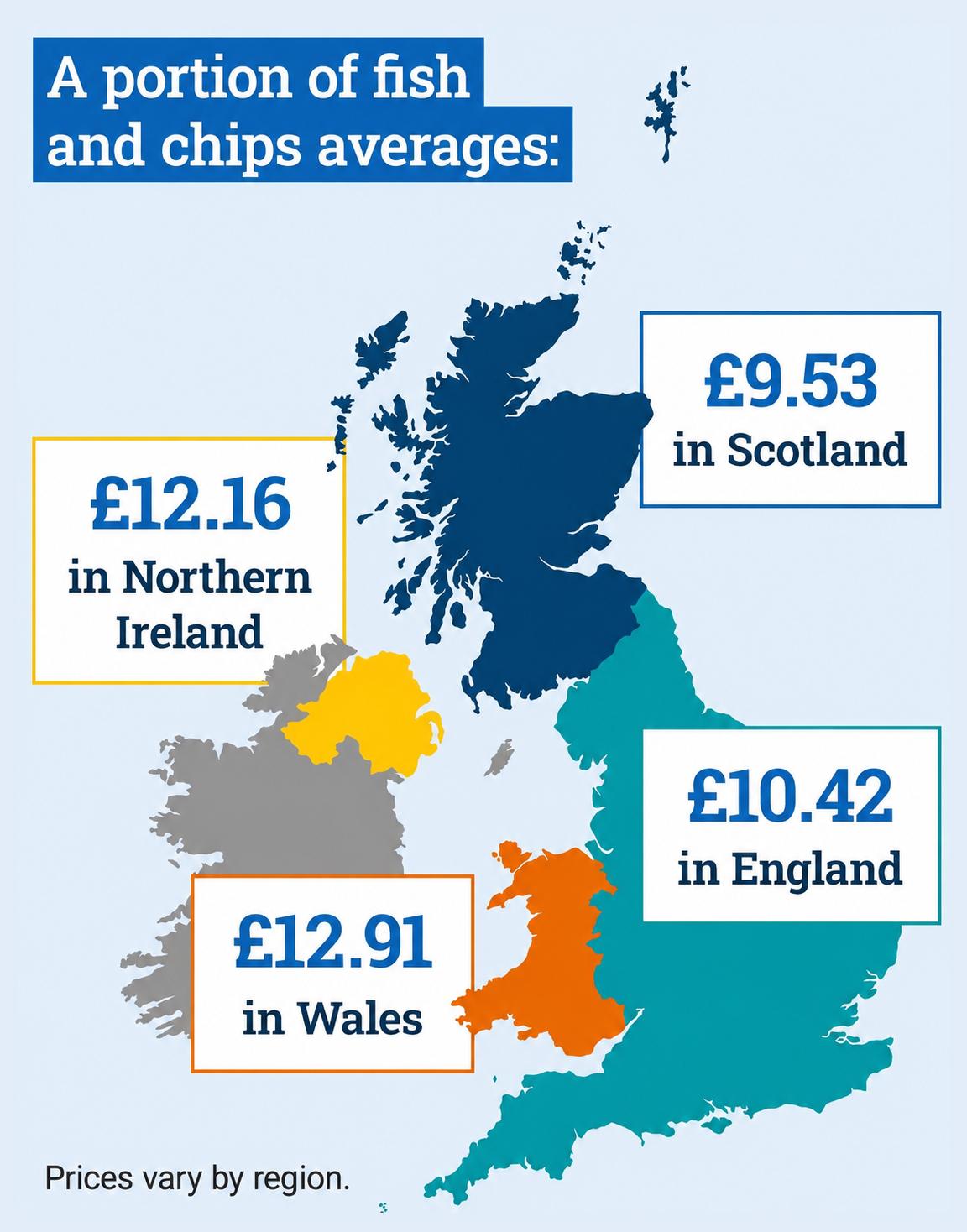
Around 7,210 fish and chip shops operate across the UK, according to one of the first comprehensive attempts to map and analyse the nation’s favourite takeaway.
The new report by Seafish reveals the scale, diversity and importance of a sector that supports jobs and communities across all four nations, while providing a key route for the public to access seafood.
The report also highlights how fish and chip businesses continue to adapt to changing consumer tastes, with many expanding their menus while maintaining a much-loved food tradition that sits at the heart of UK culture.
The Seafish study, which was supported by the Frozen at Sea Fillets Association (FASFA) and the National Federation of Fisher Friers (NFFF), provides one of the most detailed pictures to date
of the UK’s fish and chip sector. It also sheds light on the species sold on menus, regional preferences, pricing, diversification and the current challenges facing businesses.
The report’s findings include:
• Around 7,210 independent fish and chip takeaway shops are operating across the UK.
• Cod, haddock, scampi and fishcakes are the most common seafood products found on menus.
• Haddock dominates in Scotland and parts of Yorkshire and the Midlands, while cod remains the most common choice elsewhere in the UK.
• Based on Seafish’s sample, the average price of haddock and chips is £10.29, while cod and chips costs £11.41.
• Many businesses have expanded their menus beyond traditional fish and chips to include products such as burgers, pizzas and kebabs.
• Rising costs and recruitment challenges remain important issues for businesses across the sector.
Report author Jennifer Robson, Head of Future Readiness at Seafish, said: “Our report confirms that fish and chips is very much alive and kicking in the UK - it remains one of the nation’s most iconic and recognisable meals, enjoyed by millions of people every year. We embarked on this research to better understand a sector that plays a very important role in local economies and communities across the UK and provides a vital route through which consumers can enjoy seafood.
“Fish and chip shops also play an important role in connecting the public with a wide range of seafood beyond the traditional cod and haddock – for example lesser-known species such as plaice, skate and pollock, that can offer excellent eating quality and greater choice.”
Andrew Crook, President of the NFFF said: “This is a very welcome report - its findings help us not only to benchmark the fish and chip sector, but also start to calculate its value to the economy. The findings also highlight the resilience and adaptability of fish and chip businesses.
MIAMI’S COYO TACO TO OPEN FIRST LONDON SITE AS KUVI HOSPITALITY ADVANCES UK ROLLOUT
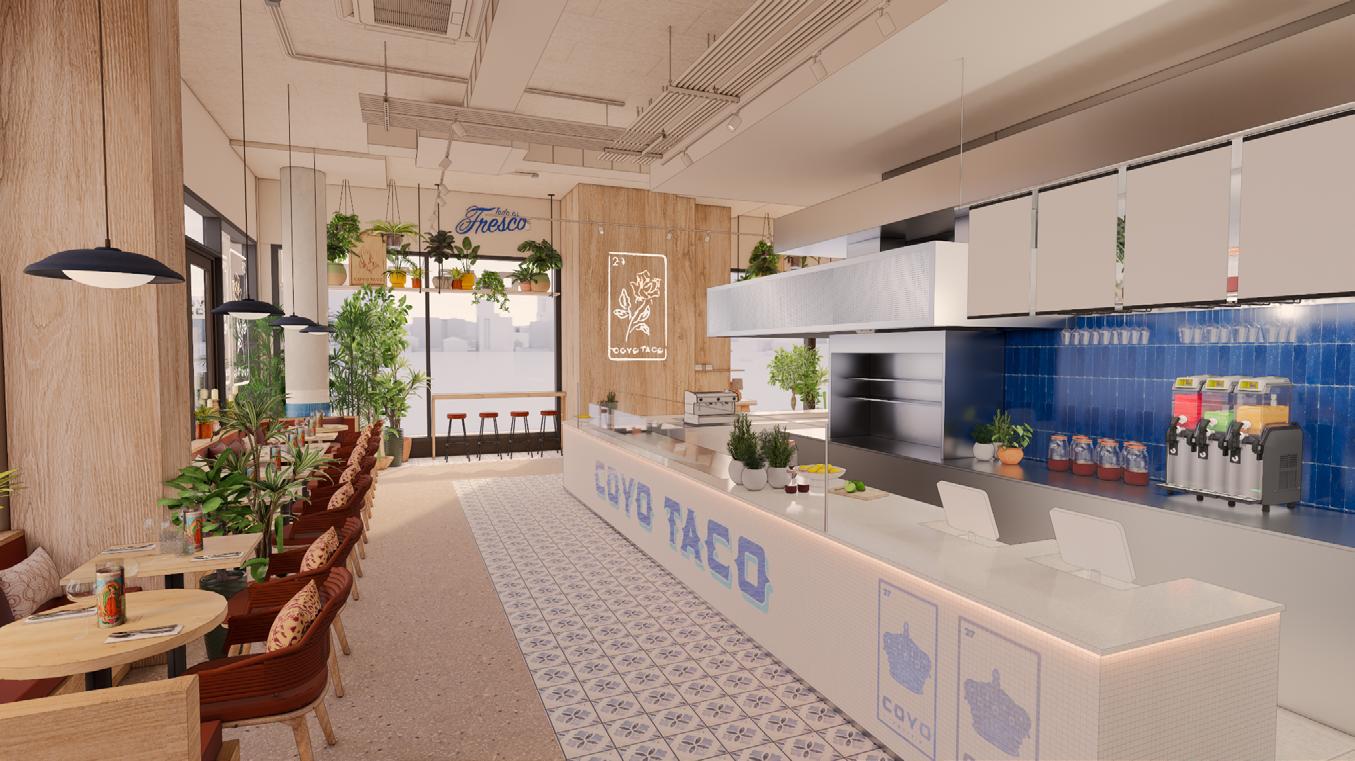
Coyo Taco will open its first London site this summer, marking the start of its UK expansion as Kuvi Hospitality progresses its rollout of the brand.
The opening follows Kuvi Hospitality securing exclusive franchise and development rights for Coyo Taco across the UK, Ireland, and GCC, with plans now underway to scale the brand to more than 50 locations across UK and Ireland.
The first site, located in Orchard Place, SW1, will launch in summer 2026, with a further two UK locations planned before the end of the year as the rollout begins.
Founded in Miami’s Wynwood district in 2016, Coyo Taco has built a strong following across the US and international markets.
Its operating model includes daily, from-scratch preparation following the brands ‘todos es fresco’, or ‘everything fresh’ philosophy, including handpressed corn tortillas, made-to-order guacamole, responsibly sourced meats and seafood, and a dual-format approach combining high-throughput dining with a late-night bar offer.
Shereen Ritchie, Group CEO, Kuvi Hospitality, said: “Coyo Taco is a true Miami institution, with a strong brand
identity and passionate fan base built over a decade. It’s a privilege to be leading its introduction and expansion in the UK. We see a significant opportunity in premium, fresh and culturally relevant dining.”
“As consumer demand continues to shift towards freshness, bold flavours, and experience-led formats, Coyo is the perfect product-market fit.”
The launch site is located in Orchard Place, SW1 - a new mixed-use
development with strong footfall, affluent local residents and all-day trading potential, supported by its proximity to Victoria, Whitehall and key tourist destinations.
The opening forms part of Kuvi’s strategy to build and scale a portfolio of high-growth international hospitality brands, with three Coyo Taco sites planned for 2026 and a long-term pipeline targeting 50+ locations across the UK and Ireland.
Coyo founders Alan Drummond, Sven Vogtland, and Scott Linquist said: “London is one of the most competitive and influential dining markets in the world, and the perfect place to introduce Coyo Taco outside of the US. Launching in London gives us a powerful platform, not just for the UK but for wider international growth.
“While the sector faces challenges, businesses continue to evolve in response to changing consumer preferences and operating conditions while maintaining a food tradition that remains an important part of British culture.”
Julie Waites, Executive Director of FASFA said: “To help the industry, government and wider society to better understand and highlight the sector’s contribution, we endorsed Seafish to undertake an initial independent Fish and Chip Takeaway Analysis Report. The report aims to demonstrate the importance of the sector, provide an evidence-based assessment of its current position and support greater recognition of its value. Ultimately, the goal is to help ensure businesses remain viable while continuing to provide consumers with an accessible, nutritious and valuable source of protein.”
Seafish carried out the analysis using a sample of data from multiple sources, including FASFA, NFFF, Food Standards Agency records, food delivery platforms and online menu information.
The Fish and Chips Takeaway Analysis Report can be found on the Seafish website at: www.seafish.org/aboutus/news-blogs/seafish-publisheslandmark-study-of-the-uk-s-favouritetakeaway-meal/
“With Coyo Taco’s strong global following, proven fast-casual model and culturally led identity, we’re confident this is the right partnership to build something meaningful across multiple regions.”
THE RISE OF THE ANTI-BRAND BAKERY
“Long live non-conformity,” says Cornish Bakery Founder Steve Grocutt as he debuts new RISE concept
Fast growing Cornish Bakery is breaking the normal rules of expansion, turning its back on cookiecutter brand building. The company has gone through three successful brand identities and is now starting afresh again.
“We are resolutely NOT a chain we are a group of high-end bakeries. We’re continually redefining what a bakery is, does and can be. And for me, and for my evergrowing team, that can be anything. Long live nonconformity.”
Founder Steve Grocutt says, “We’ve built a successful bakery brand with 81 locations and now we’re tearing it all apart. All on purpose. Five years ago, we took the DBA Gold award-winning Cornish Bakery brand we had honed at the time, and we completely ditched it! A lot of people thought we were mad, but I instinctively knew we had to move on. There was an urgency not to fall into a homogenous brand building category.”
At the time, it was Grocutt’s mantra that led this direction. His simple, pioneering, guiding mantra: ‘bakery is the new coffee shop’ set the route. Five years on, Cornish Bakery’s growth has more than proven that statement to be spot on. The company has doubled its number of bakeries, grown the team to over 1,000, quadrupled profit and has developed enviable customer NPS scores of 75%.
Steve continues, “We led with our vision to nourish people and reset the bakery design compass, all whilst delivering on our stated mission to redefine what a bakery is, does, and can be.”
The team identified a handful of larger sites, spaces “crying out for that added extra” thus ‘RISE by Cornish Bakery’ was born, a bigger, bolder licensed brand extension. Sites in Betws-y-Coed, Wales, and Gunwharf Quays, Portsmouth, are now open and, in Grocutt’s words are, “already hammering it out of the park in every way possible.”
“With RISE by Cornish Bakery we’ve reshaped what a bakery is does and can be. We’re thinning the boundary between bakeries/coffee shops and casual dining spaces, extending trading hours and integrating more deeply into the social fabric, the ‘vibe’, and the wishes and needs of the surrounding community - all led and driven by our brilliant colleagues on the ground.”
The first RISE opened two months ago in Betws-y-Coed, Wales. The second is at Portsmouth’s historic Gunwharf
Steve Grocutt
Quays Designer Outlet where Cornish Bakery has relocated into a new twostorey, 3,500 sq. ft property as part of the centre’s redevelopment, making it the company’s largest site to date.
RISE by Cornish Bakery Gunwharf Quays features an orangery, an outdoor terrace, a first-floor balcony, and dedicated space for community baking and barista classes. Alongside its signature pastries, cakes and coffee, RISE by Cornish Bakery introduces brunch and all-day small plates alongside Cornish beers from Harbour Brewery and still and sparkling wines from Camel Valley Vineyard.
Grocutt states, “We’re taking the opposite of the cookie-cutter approach. We’re purposefully designing bespoke, flexible environments that showcase and optimise our bigger spaces, and experiential opportunities. These are already becoming places for the local community to host talks, exhibitions, classes and events. But RISE by Cornish Bakery isn’t our end destination, it’s another exciting innovation on our much bigger journey of ongoing reinvention.”
With the first couple of RISE by Cornish Bakery bakeries up and running, Grocutt is already far ahead, driving the next turn of the Cornish Bakery dial. He’s spearheading an ‘anti-brand strategy’, a creative direction that is the opposite of a chain-building
mindset. He’s steering the Cornish Bakery as a collection of high-end, individually curated, bespoke-for-thecommunity bakeries that are united by a shared philosophy instead of a shared template.
“We’re building the bakeries for our locations and communities,” he says. “We’re empowering our on-the-ground colleagues to make their own decisions about their bakeries and what they can be used for with their communities. We’re hard leaning into them and their ideas.”
“We’re empowering our onthe-ground colleagues to make their own decisions about their bakeries and what they can be used for with their communities.
Grocutt also believes bakeries can play a vital role in the rejuvenation of the high street. He says, “Our contemporary bakeries can become the anchor of our communities. Less and less people are going to the ofice, to the pub, to the community centre even. Our bakeries can be all of those things. Our greatest threat is our predictability. We’re fully committed to going our own way, to going full throttle anti homogeneity, and to optimising our fiercely independent spirit at every turn.”
“The greatest risk of our success would be us falling into a ‘cookie cutter’ Cornish Bakery easy-success comfort zone. This would be the point where our brand, no matter how brilliant, would become predictable, polished and, eventually, background noise that becomes our norm. We’re not going there.”
A new Cornish Bakery expressive design philosophy for 2026, built around freedom, the rebellious spirit and an overriding ‘outlaw’ attitude, will guide the next fast-moving Cornish Bakery phase: “We are resolutely NOT a chain we are a group of high-end bakeries. We’re continually redefining what a bakery is, does and can be. And for me, and for my ever-growing team, that can be anything. Long live non-conformity.”
INTERIORS
BETWEEN TRAVEL AND FINE DINING, PEDRALI FURNISHES TERRAZZA GALLIA
The collections of the Italian manufacturer enhance the restaurant overlooking Milan
On the seventh and top floor of the Excelsior Hotel Gallia, a Luxury Collection Hotel, Milan – an iconic Belle Époque building and a landmark of luxury hospitality in the heart of the city – Terrazza Gallia Restaurant renews its identity, weaving together the value of its setting with a contemporary vision of Italian hospitality and cuisine. In this context, the restaurant becomes a tribute to Italy’s rich gastronomic heritage and to the ongoing dialogue between traditions, territories and visions. The result is an ‘Osteria d’Autore’ that blends memory and innovation, creating a space where travel becomes an experience: a journey through flavours, seasons and memories that ideally crosses the entire Italian Peninsula, reinterpreting the great traditions of Italian cuisine through a contemporary lens.
Terrazza Gallia, restaurant and rooftop cocktail bar, benefits from the consultancy of the Michelin-starred Cerea family and is led by Executive Chef Vincenzo Lebano together with Chef de Cuisine Andrea Cala Di Dio. Its culinary offering celebrates
Mediterranean and Lombard cuisine with a contemporary touch, through menus that evolve season after season, striking a dynamic balance between tradition and experimentation.
The aesthetic renewal project is based on a harmonious vision of space, where design enters into dialogue with an enveloping and coherent colour palette. Overlooking Piazza Duca d’Aosta and Milan Central Station, Terrazza Gallia Restaurant establishes a direct connection with the city and its spirit of openness. The view of the station’s monumental facade, a symbol of departures, arrivals and encounters, becomes an integral part of the narrative, bringing the theme of travel back to the heart of the venue’s identity.
In this continuous dialogue between indoors and outdoors, architecture and urban landscape, light plays a central role: by day, it enhances geometries and volumes, while at dusk the city lights transform the panorama into a vibrant backdrop suspended between history and contemporaneity. The interior lighting, conceived as an
integral part of the architectural project, accompanies this narrative, while surfaces and materials reflect natural light, amplifying the perception of space.
Within this setting, Pedrali collections integrate naturally and coherently into the project, helping to define an elegant and contemporary atmosphere, perfectly aligned with the identity of the space.
The selected furnishings interact with the architecture and colour palette, interpreting the relationship between comfort, functionality and aesthetic research with balance. Soft lines and calibrated proportions accompany the guest experience, while the quality of the materials and attention to detail express a design approach focused on durability and wellbeing. Each furnishing element contributes to shaping a welcoming and refined environment, enhancing both the convivial and more intimate dimensions of the restaurant.
In the main dining room, Ester armchairs add a further touch of sophistication, elevating the atmosphere and making the culinary experience even more distinctive. Designed by Patrick Jouin, Ester is a mix of elegance, ergonomics and functionality. A precious leather monolith shaped by soft lines and harmonious proportions,
complemented by refined die-cast aluminium legs. The upholstered shell in polyurethane foam with elastic belts ensures exceptional comfort, inviting guests to enjoy a relaxed and memorable dining experience. The selected warm tones – terracotta, sand and caramel – envelop visitors in a refined sensory experience.
The space also features Wow poufs, designed by Claudio Dondoli & Marco Pocci, which enrich the setting with their functional yet discreet presence.
At sunset, the rooftop bar becomes the perfect spot for an aperitif. Next to the counter, a lounge area is further enhanced by Ester Lounge armchairs, designed by Patrick Jouin, which create a sense of visual and design continuity with the surroundings. Ester Lounge maintains the elegance of the armchair, enhancing it with even softer and more generous shapes together with increased comfort. Made of injected polyurethane foam with elastic belts, in Ester Lounge proportions have been conceived to gracefully accommodate a wider, cosy seat, on which rests a comfortable cushion, and a backrest with a curved, enveloping design.
In designing Ester Lounge, Patrick Jouin emphasized the characteristic oval shape of the backrest, which distinguishes the collection. The curves of the backrest continue with the sinuous, enveloping forms of
the armrests, ending on the floor with refined die-cast aluminium legs, encapsulating the attention to detail that is a feature of the entire collection.
The lounge armchairs are paired with Blume tables, designed by Sebastian Herkner and selected with a round tabletop – a symbol of sharing and dialogue. This design choice encourages interaction and fosters conversation, transforming every dinner into a convivial occasion.
Blume table echoes the refined lines of the collection, whose distinctive character lies in the extruded aluminium column featuring a sophisticated flower-shaped profile running along its entire height, giving the table its unmistakable identity.
Also within this lounge area overlooking the city, Buddy sofas are featured alongside poufs and seats
from the same collection, designed by Busetti Garuti Redaelli. Buddy collection consists of upholstered elements in polyurethane foam, characterised by the contrast between the bold volumes of the seat and a slender, lightweight frame. The pouf and seat with upholstered backrest, available in two different heights and several sizes, can be combined with one another to meet the need for flexible and reconfigurable layouts in contemporary interiors. While remaining consistent with the friendly and reassuring design language of the collection, Buddy Sofa enhances seating comfort thanks to a combination of four different densities of polyurethane foam supported by elastic belts, creating an exceptionally soft and inviting seating experience. Perfectly complementing the collection, Blume coffee tables by Sebastian Herkner, with a round central base, are available in a range of heights to create elegant compositions.
TIGERMILK BRINGS HACIENDA GRANDEUR TO THE HEART OF EAST LONDON
Their modern South American inspired interior brings life to their largest site to date
Following its successful opening in May, Tigermilk Spitalfields’s interior has emerged as one of the defining elements of the new flagship restaurant by Alexis and Nina Melikov, the group’s largest site to date.
Designed by Studio Leche, Tigermilk’s in-house design studio, the space brings together hacienda-inspired architecture, layered materials and a warm, transportive atmosphere that has become central to the guest experience. Conceived as an escape in
the heart of Spitalfields, the ambition was to build an environment that guests would immediately want to stay in, rather than one designed purely to be photographed.
Central patios, generous proportions, fountains, handcrafted materials and lush greenery give the space its
structure and soul, evoking the kind of environment that takes decades to settle into its surroundings. Antique furniture sits alongside bespoke pieces, and reclaimed terracotta, natural stone, marble and aged timber are used throughout, materials that carry history and wear it well.
“People rarely talk about specific design features. They talk about the atmosphere,” adds Alexis.
“If people leave believing the space possesses a history, then we have succeeded in creating something that feels authentic rather than constructed.”
A considered selection of suppliers and craftspeople underpins the interior. Sogni and Pooky provide the lighting, Pierre Frey and Morris the fabrics and upholstery, and Mandarin Stone the marble and stone surfaces. Flexhouse - responsible for custom joinery, millwork and bespoke fabrication - also contributed to the furniture alongside vintage pieces and Leta, while Resources delivered the decorative wall finishes. Together they bring a layered quality to the space, as though each element has its own provenance and story.
With its new 280-cover restaurant, hacienda-inspired interiors and striking luminescent bar stocked with more than 2700 bottles, Tigermilk Spitalfields invites guests into what feels like the brand’s thirteenth home. Through a considered interior scheme full of texture and attention to detail, the restaurant offers a transportive South American-inspired experience designed to engage every sense.
BAIJIU SOCIETY IS A LOVE LETTER TO A REMARKABLE ANCIENT SPIRIT, CREATED TO PLACE BAIJIU INTO MODERN ASIAN RESTAURANTS SO THAT THE DRINKS OFFERING TRULY MATCHES THE QUALITY AND EXCITEMENT OF THE FOOD EXPERIENCE.
THE MODERN ASIAN FOOD SECTOR IS BUZZING. HOWEVER, IT IS STILL LARGELY FUELLED BY WESTERN DRINKS OFFERINGS, AT BEST ADAPTED INTO ASIAN-STYLE COCKTAILS. EVEN GLOBAL ASIAN
BAIJIU SOCIETY CHANGES ALL OF THIS.
IT OFFERS A COMPLETE RANGE OF CAREFULLY CRAFTED AND INFUSED CONTEMPORARY BLENDS DESIGNED TO COMPLEMENT MODERN ASIAN MENUS IN TERMS OF FLAVOUR,
INSPIRED BY CHINA AND DISTILLED IN THE UK, OUR SPIRITS ARE BURSTING WITH UNIQUE FLORAL AND RIPE FRUIT NOTES THAT ENHANCE FOOD RATHER THAN OVERPOWER IT.
BOTH OUR BEERS AND OUR SPIRITS ARE A TRUE TASTE OF ASIA, BLENDED SPECIFICALLY TO WORK WITH ASIAN FOOD. BEYOND THE FOOD SECTOR, BAIJIU SOCIETY BRINGS AN EXCITING AND CONTEMPORARY OPTION FOR MIXOLOGISTS AND COCKTAIL CREATORS. OUR COMMITMENT TO RESPECTING THE CHARACTER OF BAIJIU, WHILE PRESENTING IT IN A REFINED AND MIXABLE FORM, ENSURES OUR SPIRITS WORK BEAUTIFULLY IN COCKTAILS AND PAIR CONFIDENTLY ACROSS A MENU.
AFTERNOON TEA IS SHAKEN UP WITH WILD OFFERING AT CRAZY BEAR
Crazy Bear has launched a new inimitable afternoon tea concept that is bigger and bolder than its traditional counterpart.
The iconic Stadhampton venue has ripped up the rule book to offer a table-loaded tea party of delights. Forget dainty, in Crazy Bear style the new ‘Afternoon Tea Feast’ concept is a twist on the conventional.
An endless spread of finger sandwiches, warm scones, homemade macarons, cakes and patisserie-style treats are piled high on a bespoke wooden feasting table, a handmade feature piece in the new residents’ lounge.
Complete with a vintage vinyl record player, cocktail trolley, and snug
seating, the residents’ lounge is a place where time stands still, and guests can kick back and relax.
The Afternoon Tea Feast starts with a glass of Prosecco, with no pressure to behave politely and no counting portions.
“Our new Afternoon Tea Feast is a sight to behold,” said Jen Needham, Marketing Director at Crazy Bear. “It’s the latest step in our food and drink revamp and an appetite is essential as this is not a run-of-the-mill, dainty afternoon tea and going for it is encouraged. Whether it’s enjoyed in our relaxed residents’ lounge or outside across our gardens, you won’t find better than the Afternoon Tea Feast anywhere else.”
Booking for the Afternoon Tea Feast is recommended, but walk-ins will be accommodated where possible.
Served between 2pm and 5pm on Saturdays, Sundays and bank holidays, the Afternoon Tea Feast is priced at £40 per person.
Check the Crazy Bear’s social media channels for availability as prebooked events, including weddings, birthday parties and anniversaries, might be taking place.
“The launch of the new afternoon tea concept follows a relaunch at Crazy Bear in June, as a new era was kicked off with a refreshed menu, hedgerow cocktail range and refurbished spaces.”
Hundreds of guests packed the venue and were treated to acts including festival favourites The Cuban Brothers, a dance-off led by leading Latin dancers Ksenia Zsikhotska and Krystof Grzelak, and award-winning comedian and presenter Matt Richardson.
WHY PIT KITCHEN IS BECOMING THE COTSWOLDS’ MUST-VISIT DINING
DESTINATION
Summer has landed at Pit Kitchen with the unveiling of their vibrant new menu, packed with fresh seasonal plates, long-awaited returning favourites and the restaurant’s signature flame grilled flavours.
Set in the idyllic rolling hills and wooded surroundings of Todenham Farm, Pit Kitchen has become one of the Cotswolds’ most talked about dining destinations, attracting visitors with its laid-back atmosphere, communal dining, hearty plates and distinctive open-fire cooking.
The new summer menu blends fresh seasonal flavours with Pit’s signature smoky, flame-led cooking style. Highlights include the return of Pit Kitchen’s much-loved flatbreads, with options including Persian chicken thighs, the all-new smoked paprika pork collar, and grilled oyster mushrooms, as well as newcomers such as fava bean hummus with house crisps, and crispy Baharat lamb rolls.
Vegetarian and vegan offerings include crowd favourite sweetcorn and green
chilli fritters, grilled halloumi, and grilled courgette salad.
Two brand-new desserts also feature on the menu: charred strawberries with a pistachio crunch and whipped cream, and a silky chocolate crémeux finished with salted malt caramel, crispy rice, cacao nibs and yoghurt ice cream.
At the heart of Pit Kitchen is a commitment to consciously sourced, seasonal produce. Meat is sourced from Todenham village, while fresh produce comes from local supplier Drinkwater
Farm, allowing the menu to evolve throughout the season and showcase the very best summer ingredients.
That commitment to local sourcing doesn’t stop at the kitchen. From the bar, guests can enjoy pints from Cheltenham’s DEYA Brewery, cider from Kicking Goat and cocktails mixed using spirits from the award-winning Cotswolds Distillery.
Founded by long-time friends Adam Thomas and George Uren, Pit Kitchen was born from a shared love of bold food, outdoor cooking and bringing people together. Since launching in 2021, the pair have transformed the restaurant into one of the region’s most exciting food destinations, renowned for its relaxed atmosphere.
George Uren leads the kitchen, bringing more than a decade of hospitality experience to the table. After training at River Cottage Farm in Dorset, he held roles spanning Michelin fine dining, casual restaurants and food development, building a broad and versatile culinary background.
Meanwhile, Adam Thomas drives Pit’s warm and welcoming culture, creating the relaxed atmosphere the restaurant has become known for.
Chef Director, George Uren, said: “Summer is what Pit Kitchen is all about - enjoying the longer evenings with great food and good mates outdoors.
“We’ve spent months creating and refining these dishes to balance bringing back old favourites with introducing fresh dishes that feel lighter for summer, while still delivering the smoky flavours people come to Pit for.”
Adam Thomas, Managing Director of Pit Kitchen, added: “We’ve been blown away by how much Pit Kitchen has grown in recent years. More and more people are travelling from across the Cotswolds and further afield, and it’s incredible to see Pit becoming a destination in its own right. We can’t wait for another busy summer and welcoming more guests than ever before.”
Walk-ins are welcome on a first-come, first-served basis, though advance booking is highly recommended to guarantee food service.
Visit www.pitkitchen.co.uk to find out more.
SIGNIFICANT OPPORTUNITY FOR SEAFOOD TARGETING
THE
“PROTEIN BOOM” USING CLEARER MESSAGING AND MORE CONVENIENT FORMATS
With 20% of UK consumers now following a high-protein diet the seafood industry is in a strong position to capitalise on the fast-growing protein category. Insights from the Norwegian Seafood Council’s (NSC) latest research highlight a significant opportunity to better align seafood’s natural nutritional strengths with evolving consumer expectations.
NSC UK says the ongoing “protein boom” presents a clear pathway for growth – particularly through more convenient formats, stronger protein communication and clearer positioning within the wider protein landscape.
Protein is now one of the most influential drivers of food choice, with
62% of consumers actively prioritising it in their diets. Unlike previous health trends that focused on eliminating certain nutrients, protein carries a positive association with strength, longevity and overall wellbeing. Yet despite offering complete protein alongside key nutrients such as omega-3, vitamin D and B12, seafood remains underleveraged compared to
other categories. While sports nutrition, dairy and protein bars have achieved double-digit growth, processed seafood has grown at a more modest 3%.
According to NSC UK, the way in which seafood is brought to market, and the narrative around it are not being fully maximised.
NSC UK Country Director Bjørn-Erik Stabell explains: “Seafood has a very strong protein story, but it isn’t always being told in a way that resonates with today’s consumer.”
“Success in the protein category is increasingly driven by convenience, clarity and accessibility. That means formats that fit modern lifestyles, and clear messaging that makes nutritional benefits immediately obvious.”
Convenience is a critical factor. Research shows that 78% of consumers are drawn to meals featuring visibly healthy ingredients such as seafood. Added to this, approximately 7% of British consumers are now using GLP-1 weight loss medication and consequently are changing their diets to focus on low-fat, protein and nutrient-dense meals. Yet despite these
lifestyle shifts the category remains underrepresented in ready-to-eat and portable formats – areas where demand is growing fastest.
At the same time, changing eating habits are creating new opportunities. Snacking is now a dominant behaviour, with 88% of consumers snacking daily and younger generations leading the shift towards high-frequency, highprotein eating occasions.
NSC UK believes that unlocking growth will depend on aligning with these behaviours – particularly through the development of ready-to-eat, snackable and on-the-go products and dishes that position seafood alongside other protein-rich options. McKinsey & Company at SfN’s recent Seafood Summit echoed the key to growth: “To win the protein battle, seafood must win on format”.
Clearer labelling will also play a central role. Strong, clear front-of-pack protein messaging, in particular, is seen as essential in helping consumers quickly recognise seafood as a highprotein choice and would allow them to compare it more directly with competing categories.
Norwegian seafood offers a strong foundation for this repositioning. As a natural, whole food source of protein that is low in fat, it aligns closely with evolving consumer expectations.
Norwegian cod, both farmed and wild, is one of the leanest protein options available, is rich in vitamins A, D and B12, selenium, antioxidants and omega-3, with a single portion covering daily omega-3 requirements. Norwegian haddock also provides highquality protein as well as iodine, vitamin B12, potassium and selenium.
Alongside its health credentials, sustainability remains a cornerstone of the Norwegian seafood proposition –something which is attractive to many consumers. The Norwegian fisheries model is grounded in science-based quotas and long-term ecological stewardship, with a strong focus on maintaining ecosystem health. Aligned with global sustainability goals, it provides assurance to buyers and industry stakeholders that Norwegian seafood is a responsible and futurefacing choice.
Stabell added: “There is a clear and significant opportunity to reposition
seafood within the protein landscape, but it requires a more deliberate approach. That means making protein content more visible, and ensuring products are designed for the way people eat today – not just for the traditional three daypart meal occasions.”
“Category performance data reinforces the opportunity. Salmon continues to drive growth, while shellfish is gaining traction across demographics and channels, highlighting its versatility and broad consumer appeal.”
NSC UK believes the seafood industry is well placed to benefit from the protein boom – but only if it adapts to meet evolving expectations around convenience, format and communication.
For more information visit: en.seafood.no
KENT CHEF PIONEERS UNIQUE FARM PROJECT
Millet: a sustainable, climate-resilient nutritious, glutenfree food source - full of flavour and culinary potential
Dev Biswal, the owner-chef of two restaurants in Kent, is pioneering a farm project to assess whether proso millet can become a sustainable, climate-resilient spring break crop for UK agriculture.
Biswal, who owns the award-winning The Cook’s Tale restaurant and Café Marrakech in Canterbury, is working with local farmer Emma Loder-Symonds of Nonington Farms in Kent.
Dubbed The Millit Project, the initiative is the first robust scientific and commercial assessment of the grain and involves DEFRA with funding from Innovate UK. It will assemble a wider consortium of farmers, scientists, food specialists to evaluate the grain’s suitability as a profitable UK-grown food crop.
During a culinary research trip to India last year, for his The Cook’s Adventures travel arm, Dev witnessed first-hand
how millet grains are transforming diets and livelihoods across the country.
“As a chef, I was fascinated not only by their nutritional value but also by their remarkable flavour, versatility and culinary potential.” said Biswal, who already uses imported millet on his menus.
Millets have been a cornerstone of Indian cuisine for thousands of years, particularly in his home state of Odisha, where they have traditionally been cultivated in some of the country’s most challenging agricultural environments.
“What struck me most was how relevant these ancient grains are to the challenges facing modern agriculture.”
Millets require significantly less water than rice, thrive in harsh growing conditions and are naturally resilient to drought and extreme weather. Research suggests some millet varieties require
up to 70% less water than rice while maintaining strong nutritional value. Millet grains are naturally gluten-free and could benefit from the growing interest in fermented food and gut health.
“When I met Emma Loder-Symonds and the team at Nonington Farms, I realised we shared a common vision: finding practical and commercially viable solutions to future food security and climate challenges.”
The relationship began through Dev sourcing local ingredients for his restaurants. Throughout that collaboration, he was impressed by the farm’s willingness to innovate and explore alternative crops and sustainable farming practices. The pair have previously worked together using organically grown wheat from the farm to produce Indian flatbreads, alongside locally grown seasonal vegetables.
Millet and beans were drilled in May 2026 at trial sites in Kent and Bedfordshire, seeking to establish millet as a viable UK-grown grain for human consumption, providing arable farmers with new opportunities whilst catering to a demand for nutritious, gluten-free and environmentally sustainable crops. Despite already being grown in the UK as birdseed, millet’s potential as a high-value human crop food is mostly uninvestigated.
The project will utilise field-scale trials in Kent and Bedfordshire, nutritional analysis, pre-processing research and recipe development led by Mr Biswal.
Amid increasing climate pressures and arable growers searching for alternatives to traditional break crops such as oilseed rape, the project aims to deliver the first robust scientific and commercial assessment of proso millet’s role in UK food and farming systems.
The Mill-it Project leader, Emma Loder-Symonds, said: “We are excited to explore the potential of millet as a food crop in the UK. Working alongside scientists and farmers across the country, we will trial how millet could fit into British rotations and food systems and investigate how processing and fermentation may improve its nutritional value.”
COCO BRAZIL TO LAUNCH LIVERPOOL’S FIRST BUBBLE TEA COCKTAIL MENU THIS SUMMER
This summer, Bold Street’s luxury rodízio restaurant and bar, Coco Brazil, is set to shake up the city’s vibrant drinks scene by launching Liverpool’s first-ever Bubble Tea Cocktail Menu.
The innovative new menu blends the playful textures of traditional Taiwanese boba with the sophisticated, fiery flavours of premium Brazilian mixology. Spanning two stunning floors of tropical greenery and warm copper tones, the venue is expanding its renowned drinks program to offer a completely unique, multi-sensory drinking experience.
Specially created by the team at Coco Brazil, the limited-edition summer collection features tropical
fruits, high-quality cachaça, vodkas, and rums, all perfectly paired with popping boba and traditional tapioca pearls.
Highlights from the exclusive summer menu include:
• Brazilian Bubble Mojito
• Copacabana Cloud
• Coco Volcano
Alcohol-Free Collection:
• Rio Sunrise
• Amazon Glow
A spokesperson for Coco Brazil said: “I’ve always loved bubble tea; whenever I visited a shop, I’d order one. I’m also a big fan of cocktails, so one day I thought: why not combine the two? I began experimenting with various cocktails and fruit pearls,
tasting unique flavour combinations and adjusting them until they complemented each other perfectly. Once I hit on the recipes I loved, the Bubble Cocktail Collection was born. The fruit pearls we use come directly from Taiwan, the birthplace of bubble tea. I wanted to bring those authentic ingredients to Liverpool while creating something completely new and exciting.”
TIPTREE PATISSERIE LAUNCHES NEW ONLINE ORDERING PLATFORM FOR FOODSERVICE CUSTOMERS
Tiptree Patisserie, part of the Wilkin & Sons group, has launched a new online ordering platform designed to make it easier for cafés, tea rooms, visitor attractions, hospitality venues and foodservice operators across mainland UK to access its range of artisan cakes, traybakes and baked goods.
Available at www.tiptreecakes.com, the new website offers a carefully selected range of cakes, scones and muffins chosen specifically for their ability to travel well and deliver consistent quality, convenience and reduced wastage for operators.
The launch marks the latest development for Tiptree Patisserie, whose products already supply Marriott Hotels, Uber Boat by Thames Clippers and Essex Wildlife Trust visitor centres. The quality of Tiptree Patisserie has been proven across Wilkin & Sons’ own network of renowned Tiptree Tea Rooms, which welcome thousands of visitors every year.
As part of the Wilkin & Sons Group,the company behind the iconic Tiptree preserves brand,Tiptree Patisserie combines artisan bakery expertise with the quality standards and heritage associated with one of Britain’s most respected food producers.
All products are handmade in small batches, hand-finished and handdecorated by a skilled bakery team, creating a range that delivers a premium homemade appearance while offering the convenience required by modern foodservice operators.
The online range includes a selection of cakes, traybakes, muffins and scones. Products include customer favourites such as Victoria Sponge, Lemon & Raspberry Traycake and traditional fruit scones, with additional products and seasonal lines set to be added throughout the year.
Products are supplied frozen with a minimum six-month shelf life, allowing operators to take out only what they need, when they need it. The approach helps reduce food waste, improve stock management and provide greater flexibility for businesses of all sizes.
Tyler Bennett, Business Development Manager at Tiptree Patisserie, said:
“The new website has been developed to make it easier than ever for businesses across the UK to access our products. We know operators are looking for quality, consistency and convenience, and that’s exactly what this platform delivers.”
THIS SEPTEMBER, LA PETITE MAISON UNVEILS ITS FIRST STANDALONE RIVIERA-INSPIRED CAFÉ CONCEPT AT THE LANESBOROUGH
La Petite Maison has officially unveiled Le Café LPM, an entirely new Rivierainspired café concept and the first standalone café brand from the internationally renowned hospitality group. Making its highly anticipated debut with an exclusive year-long residency at The Lanesborough this September, Le Café LPM marks a significant new chapter for the brand, introducing an ambitious new expression of the LPM world and bringing one of London’s most anticipated openings of the year to one of the city’s most iconic addresses.
Launching first in London ahead of its permanent Dubai opening later this year, the residency offers guests an exclusive first look at the first chapter of Le Café LPM. Conceived as an evolution of the La Petite Maison experience, the concept reimagines the effortless glamour, warmth and joie de vivre of the Côte d’Azur through an elevated all-day café format centred around coffee, pâtisserie and the rituals of Riviera living, while seamlessly transitioning into an elegant neighbourhood destination as day turns to evening.
Designed as a destination from morning through to night, Le Café LPM creates a new occasion within the brand experience. From leisurely coffee
meetings and afternoon indulgences to aperitifs and relaxed evening gatherings, it captures the ease and sophistication synonymous with the South of France in a setting that invites guests to linger at any hour.
Set within the timeless surroundings of The Lanesborough, guests will discover a pâtisserie offering alongside a refined all-day menu that reflects the relaxed elegance of Riviera dining. Daytime favourites include Burrata Tartine with tomatoes and basil, the signature Croque Monsieur with veal ham and
Comté cheese, and Le Caesar Salad. For guests joining later in the day, dishes such as Tuna Carpaccio with pickled almonds and truffle dressing, Grilled Octopus with paprika, potatoes and chickpeas, Crispy Fried Squid with saffron aioli, and Sirloin Steak Baguette with gaufrette potatoes offer a more substantial yet effortlessly shareable experience, perfectly suited to aperitif hour and relaxed evening gatherings.
The menu is designed to evolve throughout the year, celebrating seasonality and London’s cultural calendar through a rotating series of signature pastry creations. Guests can also indulge in classic Riviera-inspired desserts including Crème Caramel and LPM’s signature Dark Chocolate Mousse with sea salt.
Echoing the charm of Riviera cafés and sunlit pâtisseries, the aesthetic is bright, elegant and quietly transportive, bringing together polished hospitality, understated luxury and the signature spirit that has defined La Petite Maison globally. Running for a limited time only, Le Café LPM at The Lanesborough is set to become one of London’s most sought-after new destinations this summer, from afternoon lunches and coffee through to evening aperitif.
Nicolas Budzynski, CEO of LPM Restaurant & Bar, says: “We are delighted to introduce the Le Café LPM pop-up at The Lanesborough in London, an iconic hotel that perfectly reflects the sophistication and elegance behind the concept. London holds a special place in our story as the city where La Petite Maison first began in 2007, making it the ideal setting to unveil this new chapter of the brand.
“Le Café LPM brings a fresher, more dynamic and community-driven interpretation of the French Riviera lifestyle, combining quality cuisine, warmth, and a more intimate neighbourhood feel within a luxury environment. We believe this collaboration offers the perfect platform to introduce Le Café LPM to a global audience from one of the world’s most influential hospitality capitals.”
INDEPENDENT RESTAURANTS LEAVEN PIZZA WINS BEST ITALIAN RESTAURANT IN THE MIDLANDS AND MANEKI RAMEN SHORTLISTED FOR CHEF OF THE YEAR
The Midlands Food, Drink & Hospitality Awards 2026 saw double success for ART Hospitality group for both Independent businesses
Celebrating the very best of the Midlands hospitality industry, the awards, held at The Eastside Rooms in Birmingham with over 220 finalists competing across 32 categories. The evening was filled with a double success for ART Hospitality, the independent hospitality group where Leaven Pizza was crowned Best Italian Restaurant 2026.
Leaven Pizza previously won the PAPA Award for Best Independent Pizzeria in the UK in 2024 and has been recognised as a finalist at the Italian Awards for two consecutive years. The Hereford-based pizzeria is known for making their fresh sourdough pizza’s, daily on site.
Maneki Ramen, located in Birmingham’s Jewellery Quarter, and the sister brand as part of ART Hospitality was recognised among the region’s best chefs after Matt Nichols, Head Chef of Maneki Ramen on Ludgate Hill, was shortlisted for Chef of the Year at the prestigious Midlands Food, Drink & Hospitality Awards 2026.
Maneki Ramen has quickly established itself as one of the city’s most exciting independent restaurants, serving modern interpretations of Japanese ramen and small plates in a vibrant, contemporary setting.
Whilst Nichols narrowly missed out on taking home the individual
title, the recognition highlights the growing reputation of a hospitality group that continues to invest heavily in chef-led businesses and independent restaurant concepts across the Midlands after being shortlisted amongst some of the region’s most respected chefs was recognition of years spent refining his craft.
Nichols is part of ART Hospitality’s Chefpreneur model, which gives chefs and hospitality leaders genuine influence in shaping the businesses they operate and said: “To be shortlisted for Chef of the Year was an incredible honour. Birmingham has one of the most exciting food scenes in the country, so to be recognised
alongside so many talented chefs is something I’m really proud of. Hospitality is always a team effort and this recognition belongs as much to the team around me as it does to me personally. Every day we’re trying to create a restaurant experience that people genuinely want to come back to.”
ART Hospitality Director Dorian Kirk believes the recognition reflects the quality of talent within Birmingham’s hospitality sector and added: “Matt has done an exceptional job at Maneki. He’s one of the most talented chefs I’ve worked with and has played a huge part in establishing Maneki as one of Birmingham’s most exciting independent restaurant brands. To see him shortlisted for Chef of the Year is fantastic recognition of his hard work, creativity and leadership.”
For ART Hospitality, the success demonstrates the strength of its Chefpreneur approach.
“Whether it’s Matt leading Maneki in Birmingham or Jamin leading Leaven Pizza in Hereford, our philosophy is the same” added Kirk.
“Great restaurants are built by talented people who care deeply about what they do. Our job is to give them the support, autonomy and opportunity to create something special. Seeing both Matt recognised individually and Leaven win such a major award is validation of that approach.”
NEW BARA BRITH ICE CREAM LAUNCHED AS ICONIC WELSH BRANDS JOIN FORCES FOR TASTY TWIST ON TRADITIONAL
TEA TIME FAVOURITE
A new bara brith ice cream has been launched with a tasty twist on Wales’s much-loved traditional tea time favourite.
It’s been created through a collaboration between three wellknown Welsh brands, historic ice cream maker Sidoli’s from Ebbw Vale, Denbigh-based Henllan Bread and food distribution firm Harlech Foodservice which has its headquarters near Cricieth.
“Harlech Foodservice started working with Sidoli’s recently and we have been working with Henllan for many years. It has allowed us to have a Welsh brand of ice cream on our books, it is really special.”
Made using Henllan’s famous bara brith, the ice cream is part of Sidoli’s new Proudly Welsh range and aims to tap into growing demand for locallyproduced food with a strong Welsh identity.
The range also includes a coffee ice cream made with ingredients from Bridgend-based Ferrari’s Coffee and a salted caramel flavour using Halen Môn sea salt from Anglesey.
Dan Williams, ice cream sales and commercial controller for Harlech Foodservice, Stefano Sidoli, managing director at Sidoli’s, and Ruari Wood, business development manager at Henllan Bread, gave the new products a taste test at the Castle Gallery & Tearooms in Conwy.
Giving the new flavours a big thumbsup, Dan said: “Collaboration between companies is so important to highlight and promote Welsh produce as a whole. It is amazing to work with such wonderful leading Welsh brands and the product is stunning.
“Harlech Foodservice started working with Sidoli’s recently and we have been
working with Henllan for many years. It has allowed us to have a Welsh brand of ice cream on our books, it is really special.
“We are a very proud Welsh company, as are all the companies. Harlech Foodservice has been supporting Welsh brands and promoting Welsh produce from the day we started, and that has helped local producers and the local economy.”
Stefano Sidoli, great grandson of company founder Benedetto Sidoli, said linking up with other famous Welsh food producers was the next chapter in the story of the Ebbw Vale-based company, which was founded in 1922.
He said: “It felt like a natural thing to do, especially after we started working with Harlech.
“Bara brith is obviously an iconic cake within Wales and Henllan are an iconic bakery in Wales and Harlech started in North Wales, so it just seemed such a natural thing for us to explore.
“We launched the Proudly Welsh this year and it is something we want to expand over time and work with Welsh businesses.
“Over the past three to five years, provenance is really gaining traction.
“People want to know where their food is coming from, so to partner with Welsh brands just seems like a great thing to do.
“The Proudly Welsh range is listed with Harlech so any customer that uses Harlech has the opportunity to take these products on.
“Harlech provide great support to us, they have given us a route to market in North Wales. They have the same values as we have, they are a proper familyrun business and have a great team of people there who are dedicated to their work. You can tell they really care about what they do and the products they sell.”
Ruari Wood said Henllan Bread, a fifth-generation family business which was founded in 1908, was delighted to provide the vital ingredient to the new bara brith flavour.
He said: “The new flavour uses our bara brith cake, and we are so pleased to be involved in the creation of a new Welsh product.
“We were delighted to have been approached, and we said yes straight away. And we are really pleased to be working with Harlech Foodservice, we started with them in about 2018, and they are a really good wholesaler for us. Harlech’s service is very good.
“They are a very proud Welsh business, and they stock loads of Welsh suppliers, they really focus on it, which is great. We are doing more and more with them all the time, so it was natural to do something like this new ice cream with their support.”
The ice creams were dished up by Karen Thomas, a director at Castle Gallery & Tearooms, which sits close to Conwy Castle.
Fellow director Andrew Barton predicted the new flavours would be a huge hit, especially the bara brith option which would attract interest from tourists in particular who are keen to hunt out genuine Welsh treats.
He said: “I would say 90 per cent of our customers are foreign tourists and a lot of them are off cruises and they all want to come into Conwy to see the castle. They also all want to sample something Welsh, and they all want to sample the
ice cream, so I think the new flavours will go down very well.
“All the Sidoli’s ice creams go very well to be fair, and the new flavours will be a great addition for us.
“Sidoli’s is a very good product, and we actually get a lot of people coming in asking specifically for Sidoli’s rather than other brands.
“And we are delighted to be a Harlech Foodservice customer, we have been with them for just over two years, and they give us a good service.”
“I would say 90 per cent of our customers are foreign tourists and a lot of them are off cruises and they all want to come into Conwy to see the castle. They also all want to sample something Welsh and they all want to sample the ice cream, so I think the new flavours will go down very well.”
L-R: Stefano Sidoli, Karen Thomas, Ruari Wood & Dan Williams
YOUR MORNING COFFEE RUN JUST GOT AN UPGRADE. SPACEGOODS TAKES ON BRITAIN’S £6.1 BILLION COFFEE-TO-GO MARKET
The cult functional coffee brand brings its bestselling Rainbow Dust formula to a ready-to-drink format for the first time.
Spacegoods, the disruptor brand turning the functional wellness space on its head, has announced the launch of its first-ever ready to drink can; the next, and highly-anticipated, evolution of its bestselling mushroom-adaptogen coffee blend, Rainbow Dust.
The launch sees the brand enter the UK’s rapidly growing ready-to-drink
coffee category, bringing its signature blend of mushrooms, adaptogens and coffee extract into a convenient graband-go format.
Coffee is one of Britain’s most established daily rituals. Around 98 million cups are consumed across the UK every day, while the coffee-to-go market is now worth more than £6.1 billion annually. Yet as consumers become increasingly conscious of how caffeine impacts focus, energy and wellbeing, expectations of what a daily coffee can deliver are changing.
Spacegoods has built its reputation by challenging the idea that coffee should come with inevitable jitters, crashes and energy slumps. Instead,
Rainbow Dust combines coffee extract with a carefully selected blend of functional ingredients, including Lion’s Mane, Ashwagandha, Chaga, and Maca Root, designed to support sustained energy, focus and everyday performance.
Now, for the first time, that formula is available in a ready-to-drink can.
PIMENTAE EXPANDS BEYOND TEQUILA WITH THE LAUNCH OF ITS FIRST-EVER SPICY MEZCAL MARGARITA
Award-winning tequila cocktail brand Pimentae is stepping into an exciting new chapter with the launch of its first-ever Spicy Mezcal Margaritathe brand’s first move beyond tequila and into the captivating world of mezcal.
For founders Alice Parmiter and Wynter Karo, the launch is a natural evolution of Pimentae’s love affair with agave spirits. As more consumers discover the rich complexity behind mezcal, the category is becoming one of the most exciting new areas of exploration within premium drinks.
Launching in selected Waitrose and Co-op stores, the new ready-todrink cocktail has been created in partnership with acclaimed Mexican
producer Ojo de Dios Mezcal, bringing a distinctive new flavour profile to the growing RTD category.
Combining smoky mezcal, fresh lime, sweet agave and a gentle jalapeño kick, the Spicy Mezcal Margarita offers a deeper, more intriguing take on Pimentae’s signature style.
Bold yet balanced, it is designed for curious drinkers looking to discover something new. A cocktail that invites you to slow down, savour the moment and explore the smoky, complex character that makes mezcal so special. The launch represents a natural evolution for the femalefounded brand, which has built its reputation as one of the UK’s leading tequila cocktail specialists.
“Tapping into mezcal is a natural next step for us and opens the door to a slightly different consumer and occasion,” says Alice Parmiter, co founder of Pimentae. “A lot of people don’t actually realise that tequila is a type of mezcal. Where tequila is often bright, crisp and citrus-led, mezcal has a deeper, smokier and more complex profile that tends to appeal to those who might gravitate towards whisky or darker spirits. As consumers become more educated and curious about agave, mezcal has become a real point of discovery. It still feels niche enough to be exciting, but culturally it’s building huge momentum.”
Wynter Karo says: “We never built Pimentae to simply repeat what already exists in the category.
Spacegoods Oat Mushroom Latte is designed to fit seamlessly into the moments where convenience matters most - from the morning commute and gym bag to busy workdays, travel and weekends on the move.
The launch comes as demand for functional beverages continues to accelerate. According to Ocado,
sales of functional drinks increased by 54% year-on-year, while younger consumers increasingly seek products that combine convenience with wellbeing benefits.
Matthew Kelly, Founder of Spacegoods: “I started Spacegoods because I was done with what coffee was doing to my mind and body.
“Now it’s in a can, in a range of flavours, and you can take it anywhere. This is the version of coffee I always wished existed.”
“Mezcal gave us the opportunity to bring genuine newness into the RTD space.”
Inspired by mezcal’s deep cultural roots and the landscapes of Mexico, the Spicy Mezcal Margarita celebrates mezcal’s mystical origins, ancestral craftsmanship and enduring connection to the land. The serve balances smoke, citrus and spice to create what Pimentae describes as a “dance of fire and earth, smoke and citrus”. Rich notes of mezcal are lifted by fresh lime and agave sweetness, while a gentle chilli warmth lingers on the finish.
The launch of Spicy Mezcal Margarita signals the next phase of Pimentae’s ambition to lead the premium agave cocktail category, bringing consumers new ways to explore the complexity, culture and craftsmanship behind Mexico’s most celebrated spirits.
LEON HIRES PRET VETERAN JULIO SANTOYO AS MANAGING DIRECTOR OF RESTAURANTS AS PART OF ITS ONGOING COMMITMENT TO BUILDING “THE A-TEAM”
LEON, the original fast food disrupter, has announced the appointment of Julio Santoyo as Managing Director of Restaurants - marking a significant milestone in writing the next chapter of the brand.
Julio joins from Pret A Manger, bringing 20+ years of experience in one of the most respected food operators in the UK. Starting as a team member after arriving from Spain, he rose through the ranks to become UK Operations Director, overseeing a £700M business across 360 sites and 6,000 team members.
Julio said that, “LEON has an important purpose, and it’s one that I completely share. John and I are committed to making it easier to eat and live well. I love food, and I am very curious about what makes people feel and be well. John and I share a lot of values, and at the same time, we bring different skills.
“I am very happy to be joining John and the brilliant team he is building.”
LEON founder and CEO John Vincent called the appointment “a pivotal moment for the company”.
“We have long had a spirit of innovation and disruption. We now need to be superb at operations.
I would like to make LEON as big as it can be without losing its customer intimacy. This is the challenge Julio and I have set ourselves – for every guest to experience LEON at its best, and to grow as big as we can whilst maintaining soul.”
SHENAL SUWARIS APPOINTED EXECUTIVE CHEF AT KOCHCHI GLASGOW FOLLOWING DEPARTURE FROM SUSHI SAMBA EDINBURGH
In a major move set to turn heads across the Scottish restaurant scene, Kochchi Glasgow has appointed Shenal Suwaris as its new Executive Chef, just two months after the venue’s official launch. The highprofile arrival signals serious intent from the ambitious Sri Lankan concept as it looks to cement its place among Scotland’s most exciting new openings.
Chef Suwaris joins Kochchi following his departure as Head Chef at Sushi Samba Edinburgh, where he was part of a high-performing culinary team delivering bold, contemporary cuisine
in one of Scotland’s most dynamic dining environments.
Widely regarded as one of the country’s most exciting Sri Lankan chefs, Shenal is celebrated for his vibrant approach to flavour and his deep connection to the food culture of his home country. Originally from Sri Lanka, his cooking is rooted in the traditions, techniques and spice heritage of the island — reimagined with refined presentation and modern flair.
His appointment at Kochchi represents a meaningful reunion, as he joins close
Shenal Suwaris
Julio Santoyo
OWEN SEAMARK ANNOUNCED AS NEW HEAD CHEF AT LAPIN
Bristol-based contemporary French restaurant, Lapin has appointed Owen Seamark as its new head chef. Owen has taken charge of the kitchen just over a year since Lapin first opened its doors at Wapping Wharf, following a raft of recent awards and accolades for the restaurant.
Known for his produce-driven and classical approach to cookery, Owen brings a breadth of experience with him to Lapin, including six years spent at luxury hotel, Heckfield Place in Hampshire. Working under the guidance and mentorship of much-acclaimed and Michelin-star winning chef, Skye Gyngell, Owen progressed from senior chef de partie to head chef of the estate’s open fire cooking restaurant, Hearth.
While at Heckfield Place, Owen developed his knowledge of cooking both seasonably and responsibly within 438-acres of
friends and founders Suki Jayaratne and Shehan Fernando to help lead the brand into its next chapter.
“Joining Kochchi at this stage feels incredibly special,” said Shenal Suwaris. “We’ve shared a vision of showcasing true Sri Lankan flavours in a modern and exciting way. It is an honour to step into the kitchen just two months after launch and help shape its future.”
Under his leadership, the kitchen will focus on refining Kochchi’s core menu, enhancing presentation and introducing seasonal additions while staying true to the restaurant’s vibrant street food roots.
Suki and Shehan commented: “Bringing Shenal on board was always part of the bigger dream. His passion, skill and deep understanding of Sri Lankan flavours make him the perfect person to lead our kitchen.
Hampshire countryside, where the team grows fruit and vegetables, raises cattle and produces eggs and dairy. Working alongside culinary director, Skye Gyngell, he collaborated with the likes of Jackson Boxer, Merlin Labron-Johnson and Niklas Ekstedt, as part of the restaurant’s celebrated ‘Hearth Supper’ series.
During the early years of his career, Owen took on roles at Gordon Ramsay’s Maze restaurant in Mayfair,
as well as Tom Kerridge’s two Michelin-starred The Hand & Flowers in Marlow.
Owen’s appointment will allow executive chef and co-owner, Jack Briggs-Horan to focus more on the strategic development of Lapin and BANK Bristol, alongside owner and founder, Dan O’Regan. With Owen’s classical cooking style a natural fit for Lapin’s unreserved celebration of French gastronomy, he will look to build upon an impressive first year for the restaurant, which included being named as one of the UK’s Top 100 Restaurants for 2026 by SquareMeal, earning a place in The Good Food Guide, and most recently landing the Best Newcomer trophy at the Trencherman’s Awards 2026.
Dan O’Regan, owner and founder of Lapin, commented: “We’re really happy to have found a head chef in Owen that is not just exceptionally talented, but also shares myself and Jack’s vision for how we want to see Lapin develop. He has racked up some incredible experience during his career so far, and we can’t wait to see what he can bring to the table with us. We’ve got some really exciting projects planned for the months ahead, so it’s the perfect time to expand the team.”
“The launch of the Sri Lanka Tasting Menu in 2026 will be a huge moment for us and for Glasgow’s dining scene.”
Alongside his work at Kochchi Glasgow, Shenal will also embark on a series of foodie festivals, industry trade shows and collaborative guest chef partnerships across the UK.
In his new role, Shenal will oversee both the flagship kitchen at Kochchi Glasgow and the Kochchi site within Bonnie & Wild in Edinburgh, ensuring consistency, creativity and quality across the brand. Working closely with both teams, he will lead menu development, training and kitchen operations, driving standards while continuing to evolve Kochchi’s Sri Lankan offering across the two cities.
Owen Seamark
THE CHEF WHO HAD TO LEAVE HIS KITCHEN BUILT THE COMPLIANCE PLATFORM THE INDUSTRY NEVER HAD
After a spinal injury ended his career behind the pass, Michael White spent years watching professional kitchens struggle with the same paper-based systems he’d worked under. Chef-OpsPro is his answer.
Michael White spent the better part of his career in professional kitchens. Then a car accident changed everything.
The consequences didn’t appear immediately. It was years later that the full impact became clear — two damaged discs at L4 and L5 of his spine, leaving him without the physical mobility that kitchen life demands. By 2011, after years of progressively moving into management roles as his condition worsened, he left the industry he had built his career in.
“You don’t just walk away from kitchens,” says White. “That environment gets into you. The pace, the pressure, the standards you hold yourself to. I didn’t stop thinking like a chef — I just couldn’t stand in one anymore.”
What stayed with him, alongside the identity of the industry, was the frustration of how it was run. Temperature logs on clipboards. Compliance records in folders that went missing before inspections. Staff training documented on paper that nobody could find when an EHO officer walked through the door. The same inefficiencies, year after year, in an
industry that had digitalised almost everything except its back-of-house operations.
While a number of platforms exist that serve portions of this problem — some focused on allergen management, others on temperature logging or HACCP checklists — operators wanting full coverage have typically had to stack multiple disconnected tools. The result is software that cannot cross-reference data between modules, creating the same fragmented picture that paper systems produced, just in digital form.
Chef-Ops-Pro is the platform White built to fix that.
Launched in June 2026, Chef-OpsPro brings together EHO compliance reporting, temperature logging, blast chill records, HACCP checklists,
staff training documentation, rota management, food cost tracking, and procurement into a single cloudbased platform — accessible on any device, from any location. Because every module sits within the same platform, data is connected across the operation — giving kitchen managers and operators a complete picture rather than a collection of separate records.
“Every other part of a restaurant operation has been modernised,” says White. “Reservations, payments, ordering, marketing — all digital. But the kitchen compliance folder is still sitting on a shelf next to the pass, full of paper that nobody can read and records that go back three weeks at best. That’s the gap I built Chef-Ops-Pro to close.”
The platform is designed to serve the full range of UK food businesses — independent restaurants, pub kitchens, hotel F&B operations, care home kitchens, contract caterers, school canteens, and mobile catering operations. Pricing starts at £40 per month for single-site operators, with multi-site pricing from £25 per property per month.
For White, the launch is both a business and something more personal — a way back into an industry he never really left.
“I built this for the kitchen managers and head chefs who are doing everything right but still spending Sunday night worrying about what an inspector might find on Monday morning. That used to be me. It doesn’t have to be anyone.”