MANUFACTURING PRODUCTION

TRAINING & EDUCATION BUILDING A WORKFORCE FOR THE FUTURE REQUIRES APPRENTICES

TRAINING & EDUCATION BUILDING A WORKFORCE FOR THE FUTURE REQUIRES APPRENTICES
Editor
Paul Attwood editor@mpemagazine.co.uk
Senior Editorial Assistant
John Reynolds editorial@mpemagazine.co.uk
Features Editor
Harry Peters editorial@mpemagazine.co.uk
Production/Design
Laura Whitehead laura@lapthornmedia.co.uk
Sales Manager
Charlotte Chapman charlotte@mpemagazine.co.uk
Accounts
Richard Lapthorn accounts@lapthornmedia.co.uk
Admin Assistant
Jade Still jade@lapthornmedia.co.uk
Circulation Manager
Leo Phillips subs@mpemagazine.co.uk
Publishing Director
Maria Lapthorn maria@lapthornmedia.co.uk
Lapthorn Media Ltd 5-7 Ozengell Place, Eurokent Business Park, Ramsgate, Kent, CT12 6PB
Phone: 01843 808 106
Metals firms wanted as major industry survey launches
Addressing the manufacturing skills shortage at The PPMA Show® 2026
Strategic partnerships help balance the machinery maintenance books
Powering Precision: The Long-Term Partnership Behind Notthoff’s Success
Building a workforce for the future requires apprentices
Welcome to the latest issue of Manufacturing & Production Engineering Magazine.

Across this edition, we explore the opportunities and challenges shaping UK manufacturing as businesses navigate skills shortages, rising costs, automation investment and the transition to a more sustainable industrial future. From the launch of the UK Metals Council’s major industry survey and concerns surrounding apprenticeship recruitment, to the growing role of automation in logistics, warehousing and production environments, innovation remains central to maintaining competitiveness.
We also highlight companies investing for long-term success, whether through advanced manufacturing technologies, employee ownership, workforce development or strategic partnerships. Sustainability continues to be a key focus, with features examining energy flexibility, low-carbon technologies and operational efficiency.
As always, we hope this issue provides valuable insight, inspiration and practical guidance for your business.
A major new survey to capture the latest views of the UK Metals sector has been launched - at a time that many bosses believe is the most critical in its history.
The State of the UK Metals Industry Survey 2026/27, which is organised by the UK Metals Council, is looking to gain valuable insight on current trading conditions, the impact of tariffs and how firms are attempting to come to terms with rising energy costs.
It will also tackle the complex subject of the Carbon Border Adjustment Mechanism (CBAM), whilst trying to understand how recent changes to skills support is going to affect attitudes to upskilling and apprenticeship recruitment.
This is the biggest report we do in our industry and the best chance to have your say.
- Rachel Eade
“This is the biggest report we do in our industry and the best chance to have your say. With this in mind, we’re looking to get as much feedback - both positive and negative - from companies who produce or supply into the metals sector,” commented Rachel Eade, Chair of the UK Metals Council.
“It will ultimately provide valuable insight into the challenges, opportunities and priorities facing our sector and explore the support we need to remain competitive in this globally uncertain time.”
She continued: “A successful metals sector is critical to every part of life in the UK, whether that is defending our shores, powering the move to cleaner mobility or supporting new advancements in energy generation and breakthroughs in life-saving medical devices. We will use the findings to help inform future industry discussions with government and policymakers, ensuring we champion what our firms really need and not what Ministers think they do.”
It will be promoted through the twelve trade association bodies that make up the UK Metals Council, including the Aluminium Federation, British Stainless Steel
Heritage manufacturer becomes employee owned with £2.5 million HSBC UK support
A Dundee-based manufacturer with over 150 years of heritage has secured a £2.5 million funding package from HSBC UK, supporting its transition to employee ownership.
Underpinning its long-term future, the funding has enabled Halley Stevensons to establish an Employee Ownership Trust (EOT), facilitating the buyout of its previous shareholders through a deferred payment structure.
Founded in 1864 as a cotton mill producing sailcloth for ships, Halley Stevensons has evolved into a specialist manufacturer of waxed cotton and weatherproof fabrics, supplying premium global brands including Patagonia, Belstaff, Fred Perry, and Barbour. Today, the company operates in a highly specialised market with only a small number of global competitors.
Headquartered in Dundee, the business has experienced strong
Association, the Confederation of British Metalforming, the Cast Metals Federation and TWI.
Rachel Eade concluded: “Another focus of ours will be the steel safeguarding quotas that the government are introducing on July 1st. If these go ahead as planned, it could be a massive hammer blow to our industry, so the more data and insight we can get will help us to fight this issue now and in the future.”
growth in recent years, increasing turnover from £5 million during the pandemic to approximately £14 million today.
The transition to employee ownership was driven by the outgoing shareholders’ desire to protect the heritage and independence of the business, ensuring it remains rooted in Scotland while continuing to grow. The move also supports long-term stability for employees and customers, while preserving the company’s specialist expertise.
The HSBC UK facilities will also support ongoing working capital requirements, enabling the business to manage cashflow effectively and continue investing in production as it scales.
the
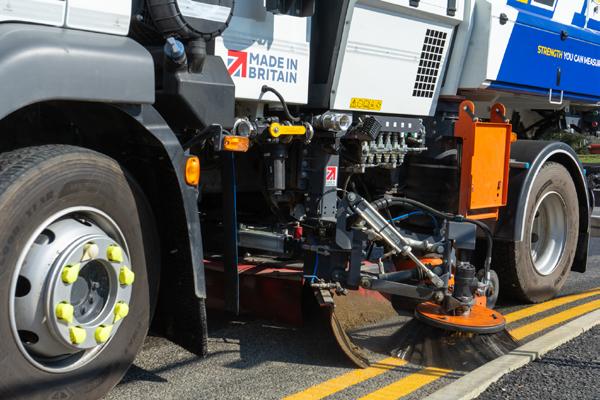
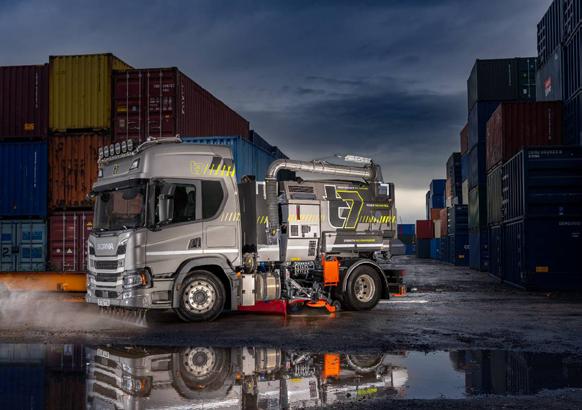
Scarab Sweepers, a designer and manufacturer of road sweepers, has highlighted the commercial advantage that Made in Britain’s Environmental and Social Value (ESV) Certification brings to its procurement processes, and has recently unveiled its latest innovation in sweeping technology.
The SCARAB T7, which proudly carries the Made in Britain trademark, sets a new benchmark in heavy-duty sweeping and marks the next step in the company’s journey to deliver positive environmental change.
Jimmy Campbell, Managing Director at Halley Stevensons, said: “Becoming employee-owned marks an important milestone in our long history.
“It was essential to us that the business remained independent and that its heritage was protected for future generations. This structure allows us to do just that, while continuing to build on the progress we’ve made in recent years. HSBC UK’s support has really been key in enabling this transition and ensuring we have the financial flexibility to continue growing and serving our customers around the world.”
Tim Laundon, Relationship Manager at HSBC UK, added: “Halley Stevensons is a well-established
Backed by Made in Britain’s ESV Certification, which helps businesses to promote their positive impact and gain a new commercial edge, the new product is designed and manufactured at the company’s state-of-the-art manufacturing facility in the South East of England.
Callum Huthwaite, Marketing Manager at Scarab Sweepers, said: “The ESV Certification is at the core of our procurement processes. As a manufacturer, there is an increasing demand to deliver trusted and credible solutions to customers, and that’s why the Certification is so importantbecause it reaffirms our position and commitment to delivering innovative road cleansing solutions.
“Our latest innovation, the SCARAB T7, is backed by both the ESV Certification and the Made in Britain mark, which reflects everything about our commitment to British manufacturing - right down to our continuous improvement processes between engineering, production and the field.
In the last couple of years, we have started looking into what more we can do to restrict our environmental impact and improve our efficiency.
The SCARAB T7 embodies the company’s industry expertise, being the first vehicle to offer a fuel-efficient 105kw Deutz auxiliary engine, and benefiting from SCARAB’s short, efficient airflow path for maximum efficiency. This complements the company’s wider sustainability policies, including extensive waste protocols and an ethical procurement policy which ensures sustainability throughout the entire value chain.
Callum continued: “In the last couple of years, we have started looking into what more we can do to restrict our environmental impact and improve our efficiency. As part of this, the ESV Certification is a really important credential that we can showcase to our customers.”
manufacturer with a strong heritage and a growing international presence. The transition to employee ownership reflects a genuine commitment to its people and its long-term future.
“We are pleased to support the business with facilities that enable this transition while also providing the working capital needed to sustain its continued growth.”
Halley Stevensons continues to manufacture from its Dundee base, supplying specialist fabrics for use in premium apparel and accessories, with a reputation built on quality and craftsmanship.
The Certification, which is aligned with the UK Government’s Social Value Model (2025) and the Procurement Act 2023, allows organisations to practically demonstrate their environmental and social value credentials, helping them to stand out and sell more in a highly competitive market.
To find out more about the ESV Certification and its benefits, visit madeinbritain.org/about/ environmental-social-value.
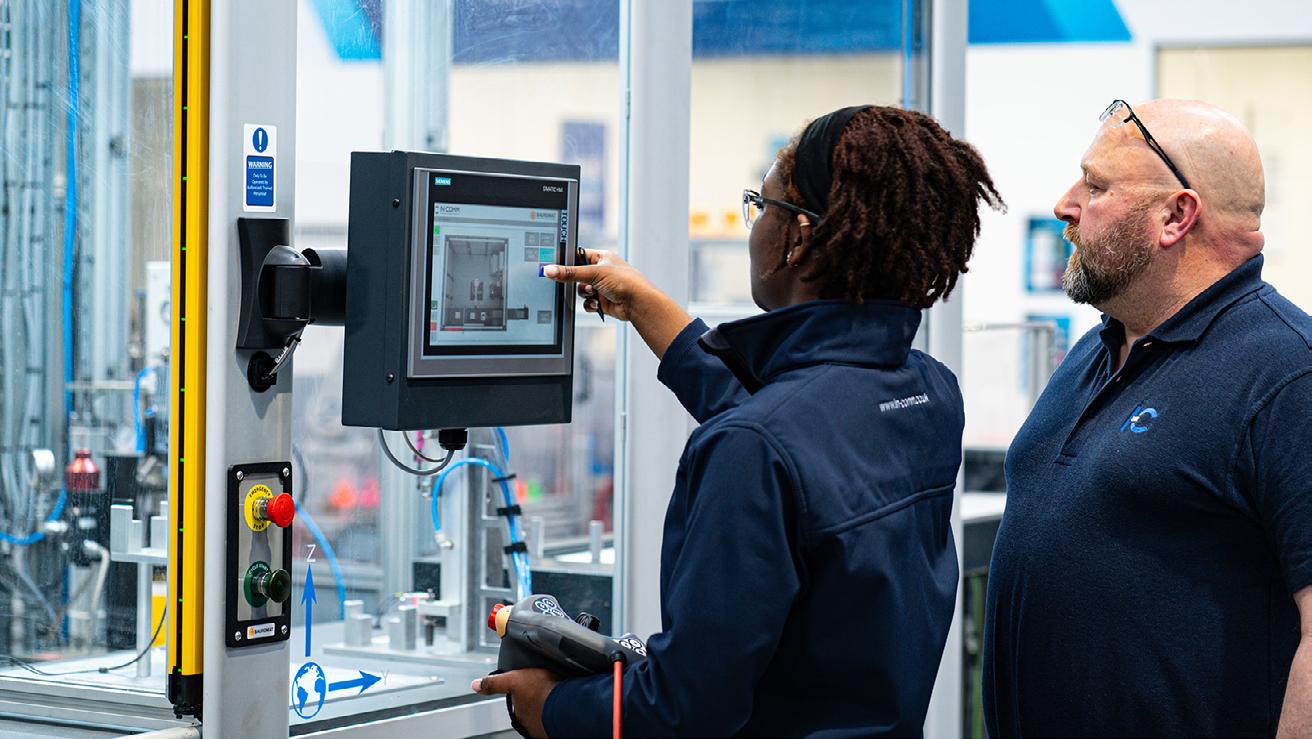
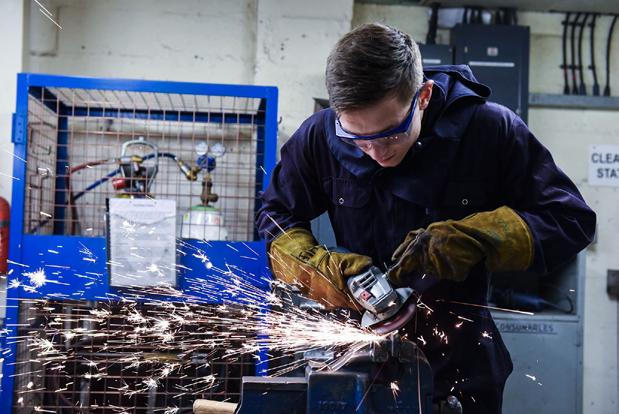
Gareth Jones, Managing Director of In-Comm Training, commented: “Skills continue to be one of the pressing challenges for manufacturers and it appears the majority have lost faith in the government playing their part in helping them bridge the gap.
“Changes to skills provision and the pace it is being delivered is damaging engagement due to a lack of industry understanding and a belief that they will not deliver the skill levels required.
Engineering and manufacturing leaders have revealed the toughest ‘skills’ picture yet in the latest annual Training Barometer released by In-Comm Training.
Nearly three quarters of businesses surveyed said they felt there was a lack of government support to address skills shortages following the budget last year, whilst only a third believe the Industrial Strategy is going to support their workforce development plans.
Barometer reveals lack of faith in government skills approach amidst a significant drop in planned apprenticeship recruitment There has also been no increase in funding for engineering apprenticeships since 2020, whilst costs have risen astronomically in the same period.
These concerns are reflected in an uncertain landscape, with less than half (46%) boosting training budgets and, worryingly, just 45% planning to take on an apprentice over the next twelve months.
This is the first time in the history of these findings that this number has fallen under half and is a massive 24% drop on recruitment intentions seen in 2025.
Staff retention has also been an issue for the 103 companies who responded. 58% of bosses they are struggling to keep employees, and this could be due to a difficult cocktail of circumstances, including an ageing workforce, wage inflation and changes to employment law.
- Gareth Jones
“It’s not difficult to see where the lack of confidence stems from. The removal of certain qualifications, defunding of some standards and reducing the level of competency involved in apprenticeships has left firms feeling the system is unwieldy and not fit for purpose.
“There has also been no increase in funding for engineering apprenticeships since 2020, whilst costs have risen astronomically in the same period. It begs the question, how are providers going to be able to maintain the same level of quality provision, whilst being squeezed from all angles?”
He continued: “All of this is translating into less of an appetite to invest in apprentices. A 24% drop in the number of companies planning to take on a new apprentice is more than worrying and should send shockwaves through the corridors of Whitehall.”
Releasing staff from core activities (55%) continues to be the biggest factor holding firms back from upskilling and this is exacerbated with just under two fifths not considering modular training, once felt to be a preferred upskilling option for employers.
This could be down to the apprenticeship units in the Skills & Growth Levy being up to 16 weeks, which many firms feel is too long to lose valuable employees for.
Nearly a third of all companies questioned are looking to boost leadership and management training, yet the government’s recent decision to defund Level 3 and above apprenticeship pathways in this area may reduce this demand over time.
Read the full report at: in-comm. co.uk/training-barometer
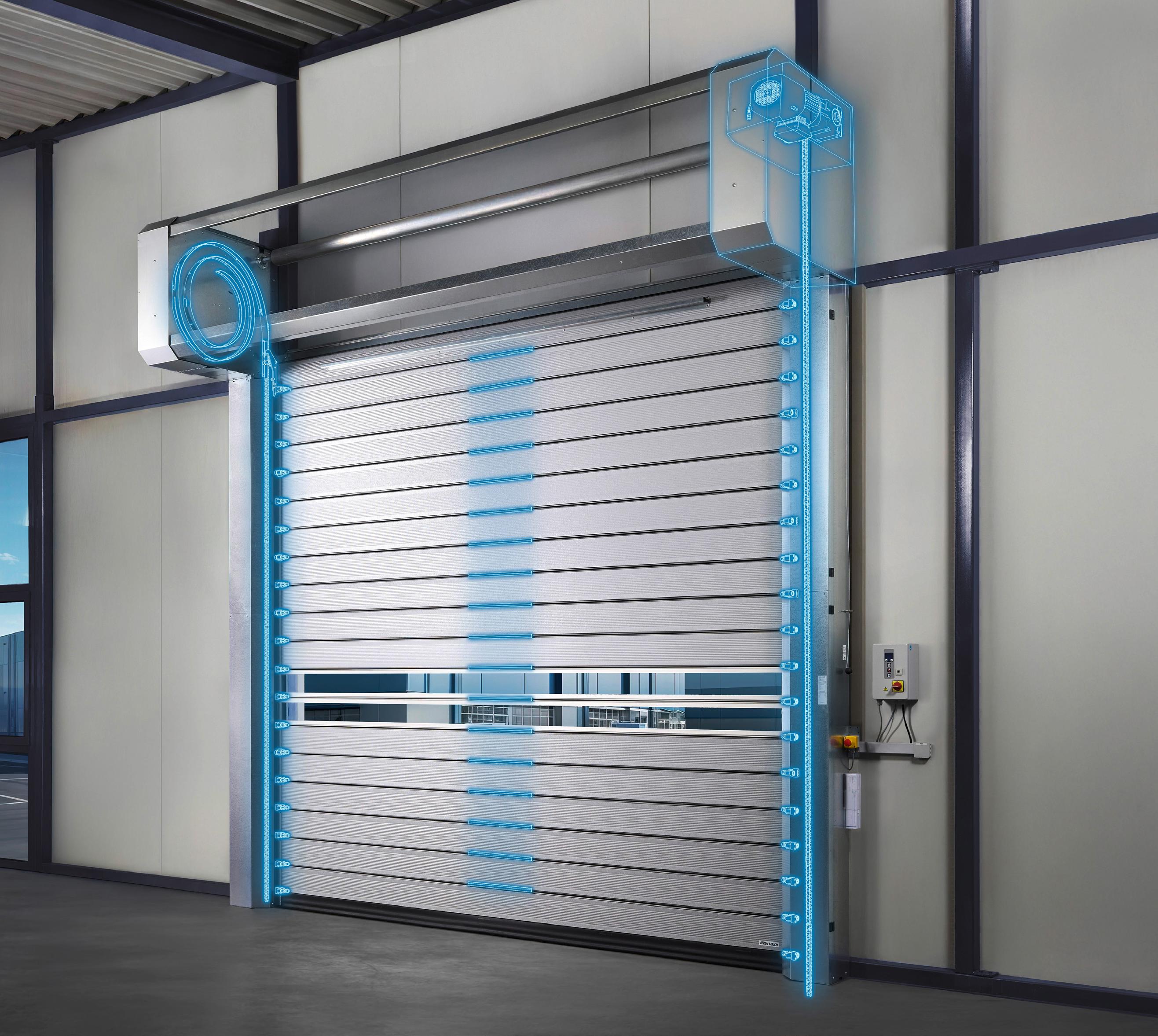

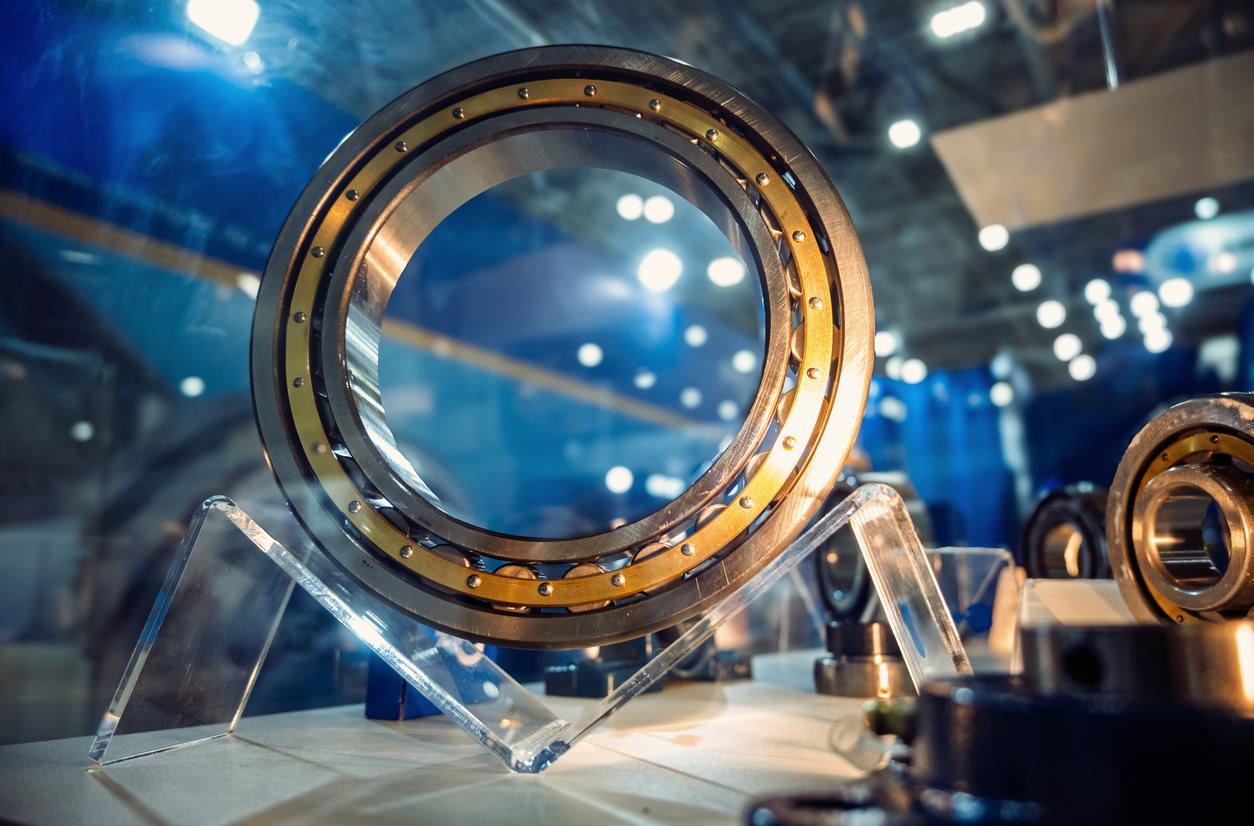
Oxfordshire based Precision Bearings and Bearing Tool specialist Carter Manufacturing recently celebrated over 25 years of bearing and aerospace excellence, establishing itself as a globally recognised leader in precision engineering solutions.
A good example of this international growth is their USA sister company Carter Americas recently achieving the USA status of a ‘Certified Small Business’ (CSB). This ongoing global development has been acknowledged by the official designation verified by the U.S. Small Business Administration (SBA) or third-party organisations enabling USA businesses to prove eligibility for federal, state, and private contracting opportunities, including set-aside contracts.
Carter Americas Chief Operating Officer Erick Sloan, comments, “We are delighted to have achieved this certification and while nothing changes in how we support our customers day-to-day, this certification allows us to better align with organizations that have small business and supplier diversity initiatives.
Strengthening a Longstanding Partnership Supporting Europe’s Space Sector
Air Products, a global leader in industrial gases and the world’s largest hydrogen supplier, has announced a three-year agreement to supply ArianeGroup with low-carbon liquid hydrogen for space launcher engine testing and related research and development (R&D) in Europe. The agreement continues a longstanding relationship supporting ArianeGroup’s current and next-generation propulsion programmes.
Air Products has supported ArianeGroup’s engine development and testing activities since 1997, supplying liquid hydrogen and
other industrial gases tailored to demanding, safety-critical operations. The new contract expands that support with lowcarbon liquid hydrogen to help reduce the footprint of ground-based test activities.
Hydrogen will be sourced through Air Products’ network, liquefied at
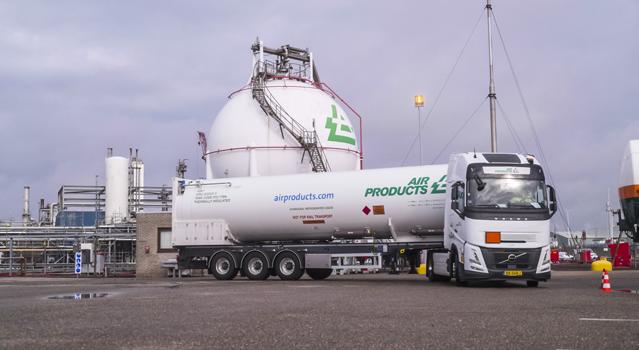
the company’s Botlek facility in the Port of Rotterdam and delivered by cryogenic truck to ArianeGroup’s Vernon site in France. It will be used to develop, integrate and test advanced cryogenic engines, including Vulcain 2.1 and Vinci for Ariane 6, the European heavy-lift launcher. Air Products’ Rotterdambased supply chain and hydrogen safety and logistics expertise support continuity of supply for critical test schedules.
ArianeGroup is lead contractor for the Ariane 6 European launcher for the European Space Agency and has expertise in state-of-the-art technologies, from the chemistry
“For us this is particularly important across aerospace, defence, energy, and emerging data centre infrastructure”.
Carter Americas are primarily focused on developing the huge opportunities within the American market supplying a wide range of products including Custom Aerospace Bearings, Defence Bearings, Nuclear Bearings, Gas Turbine Bearings, Cryogenic Bearings, High Temperature Bearings, Aerospace Bearing Tools, along with Custom Made-to-Order Bearings.
Carter Americas is proud to be ITAR registered and CMMC Level1 compliant, underscoring the company’s commitment to meeting the rigorous regulatory, cybersecurity, and quality expectations of the Aerospace and Defence sectors.
The company is actively pursuing CMMC Level ll certification, along with its C3PAO audit scheduled for July 2026, further enhancing its ability to securely manage Controlled Unclassified Information (CUI) associated with critical defence bearing programs.
of propellants and composite materials, to liquid, solid and electric space propulsion systems. The collaboration reflects the increasing focus across the sector on lowercarbon ground operations and resilient hydrogen supply.
“We’re proud to extend our partnership with ArianeGroup and provide a dependable supply of low-carbon liquid hydrogen for Europe’s space launcher test programmes,” said Caroline Stancell, Vice President, Marketing and Growth Programmes, Europe & Africa at Air Products. “Our infrastructure in Rotterdam, combined with our hydrogen safety and logistics expertise, is designed to support reliable, lower-carbon engine testing operations.”
The agreement highlights Air Products’ capabilities in hydrogen production, liquefaction and distribution, supporting customers’ decarbonization efforts across industry, mobility and aerospace.
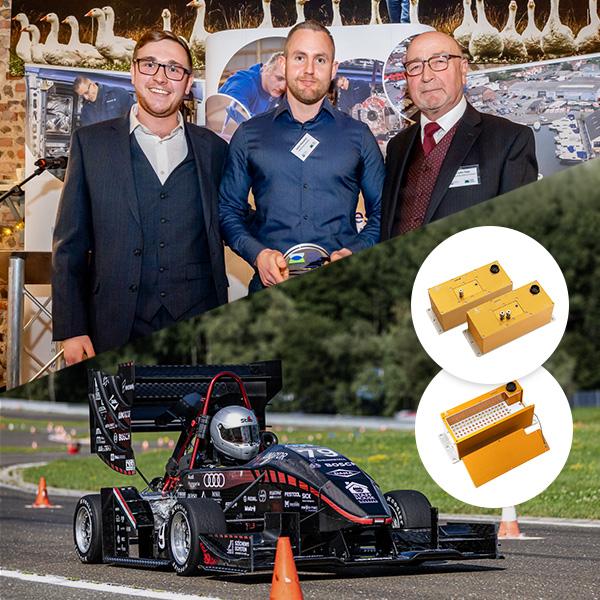
Chell Instruments reflects on ‘best year to date’ following major company milestones
World-leaders in gas measurement and control solutions, Chell Instruments, have celebrated one of their best years in business as the financial year came to a close.
Between April 2025 to April 2026, the business achieved its highest turnover to date while reaching several significant milestones, including five exciting new product launches, continued support for university engineering programmes, 25 years of ISO accreditation and recognition with a regional manufacturing award.
“We’re incredibly proud of what the team has achieved and would like to thank every member of staff, customer and partner who has contributed to our best year
to date!” says Jamie Shanahan, Director of Chell Instruments.
Over the past year, Chell Instruments introduced enhancements to their product range, including improved scanner data-transfer efficiency through CAN-FD technology.
The company also expanded its portfolio of industry-leading scanner products, launching the new 2401/2402 reference standard, picoDAQ miniature scanner, 2432T thermocouple scanner and 2416 industrial pressure scanner.
Remaining committed to exceptional standards in testing, calibration and quality management, Chell Instruments were recertified to ISO 9001:2015 and celebrated its 25th consecutive year of ISO 17025 (UKAS) accreditation for their calibration laboratory (laboratory No. 0687).
Chell also donated a nanoDAQLTS-16 pressure scanner to a Hungarian University’s Formula Student Electric Team, helping them refine aerodynamics in their Formula-style racing vehicle and gain hands-on experience with advanced pressure measurement technology.
A specialist plastic injection moulder is investing in its biggest ever press to support new growth opportunities in the building and facilities sector.
Clarity Plastics, which was formed last year following the acquisitions of Barkley Plastics and LVS, has spent £500,000 in creating a dedicated production cell for a Bole 1500 tonne machine that will enable it to produce larger, heavier mouldings requiring significantly higher clamp force.
The press will be housed at the firm’s Birmingham facility on Highgate Street and expands its capability beyond 800 tonnes for the first time. It also strengthens the firm’s ability to secure work that utilises capacity across its sister site in Telford.
An initial contract secured with a major UK manufacturer will immediately take up a significant proportion of the machine’s capacity, with the investment also enabling the company to support customers with both large and small mouldings in one solution.
“This investment is a real statement of intent and will help us improve lead times, increase capacity, reduce supply chain complexity and, importantly, take on larger, more complex mouldings,” commented Matt Harwood, Director of Clarity Plastics.
“It also aligns with our ongoing sustainability initiatives, including improving energy efficiency and supporting customers with recycled and more sustainable polymer choices. There are very few firms in the Midlands offering 1500 tonne capability. This gives both existing and new customers the confidence we are scaling with purpose and can support their full injection moulding requirements – from individual components through to fully finished, assembled and packaged products.”
He continued: “Bringing together the strengths of Barkley Plastics and LVS means we now have more than 100 years of combined experience across our two sites. Our facilities now rival, if not surpasses, anything in the UK and Europe in terms of capability, quality and performance.”
In addition to the new press, Clarity Plastics has invested in two new vans and a 7.5 tonne lorry to strengthen its in-house logistics capability, providing greater control over collections, deliveries and inter-site movements.
This has been followed by the acquisition of an additional 15,500 sq ft facility adjacent to its Birmingham site, increasing warehousing capacity and creating
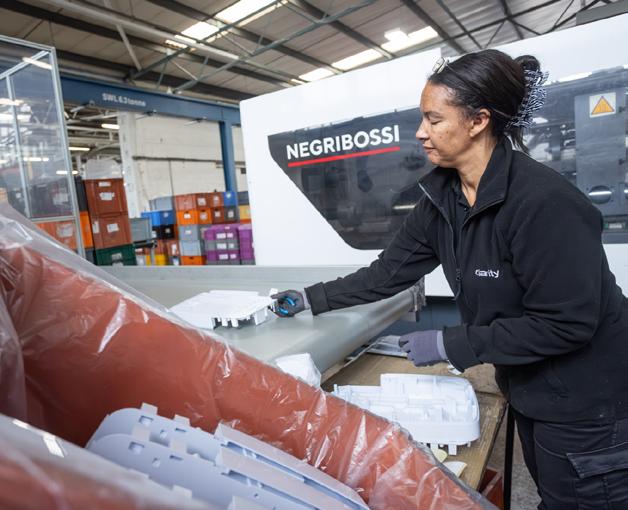
a dedicated space for new product introductions.
The firm, which holds certifications including the automotive IATF 16949 quality accreditation, believes this platform will help it exploit new opportunities at home and in export markets, particularly in Europe.
Matt, who oversees operations at both sites, continued: “Our technical capability, combined with investment in advanced manufacturing technology and robotics, has already helped us secure new programmes across four diverse sectors in recent months.
“These include automotive interior components requiring highquality ‘A-surface’ finishes, front fascia parts for a home appliance manufacturer, larger mouldings for building and facilities applications, and components for road and highway infrastructure, including lighting applications and reflective studs.”
He concluded: “These programmes are being delivered through our rapid tool transfer process, enabling a fast, low-risk transition to UK production. As more businesses look to strengthen supply chain resilience, we are well positioned to support that shift with a complete, end-to-end manufacturing solution.”
For further information, please visit www.clarityplastics.co.uk or follow the company across its social media channels.
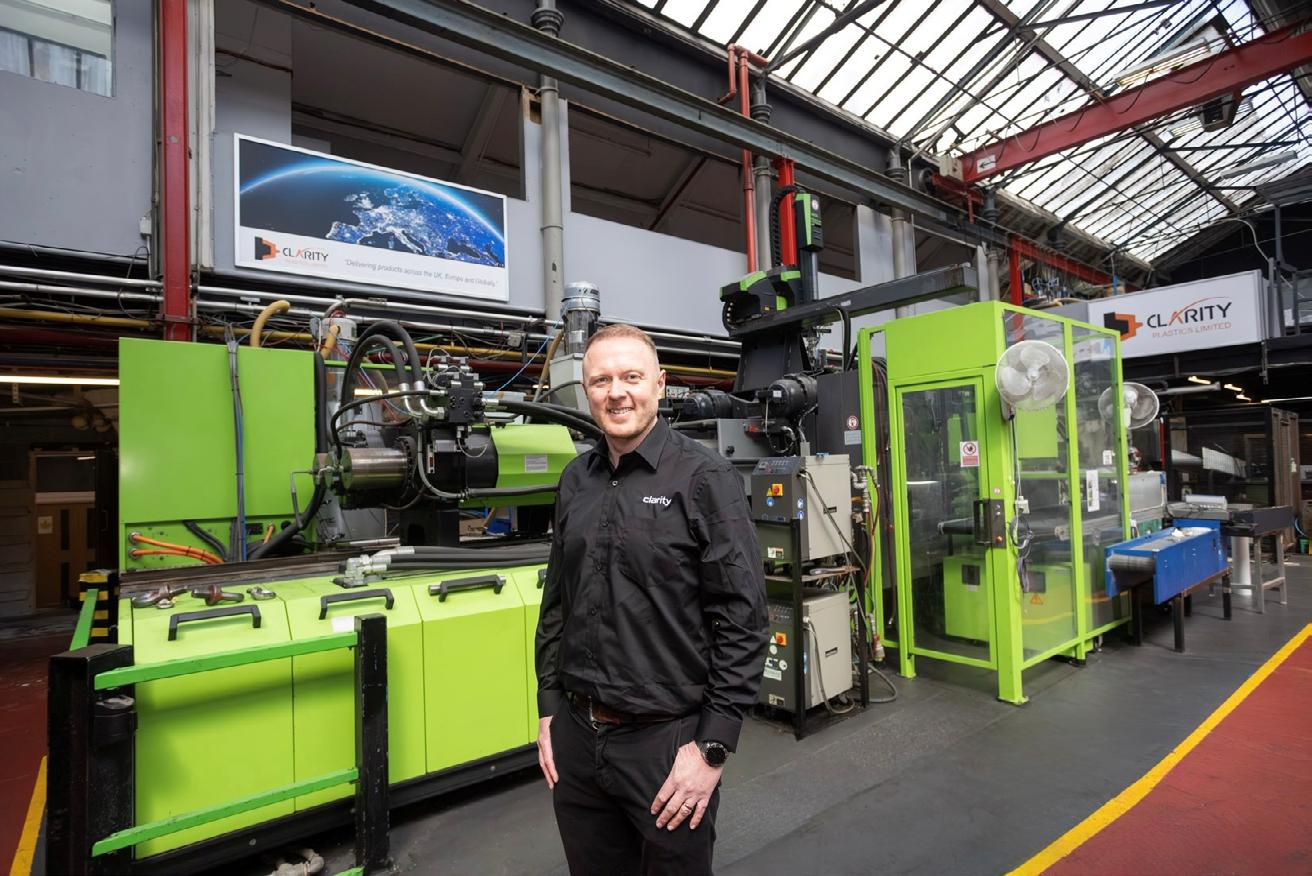
Matt Harwood, Director of Clarity Plastics


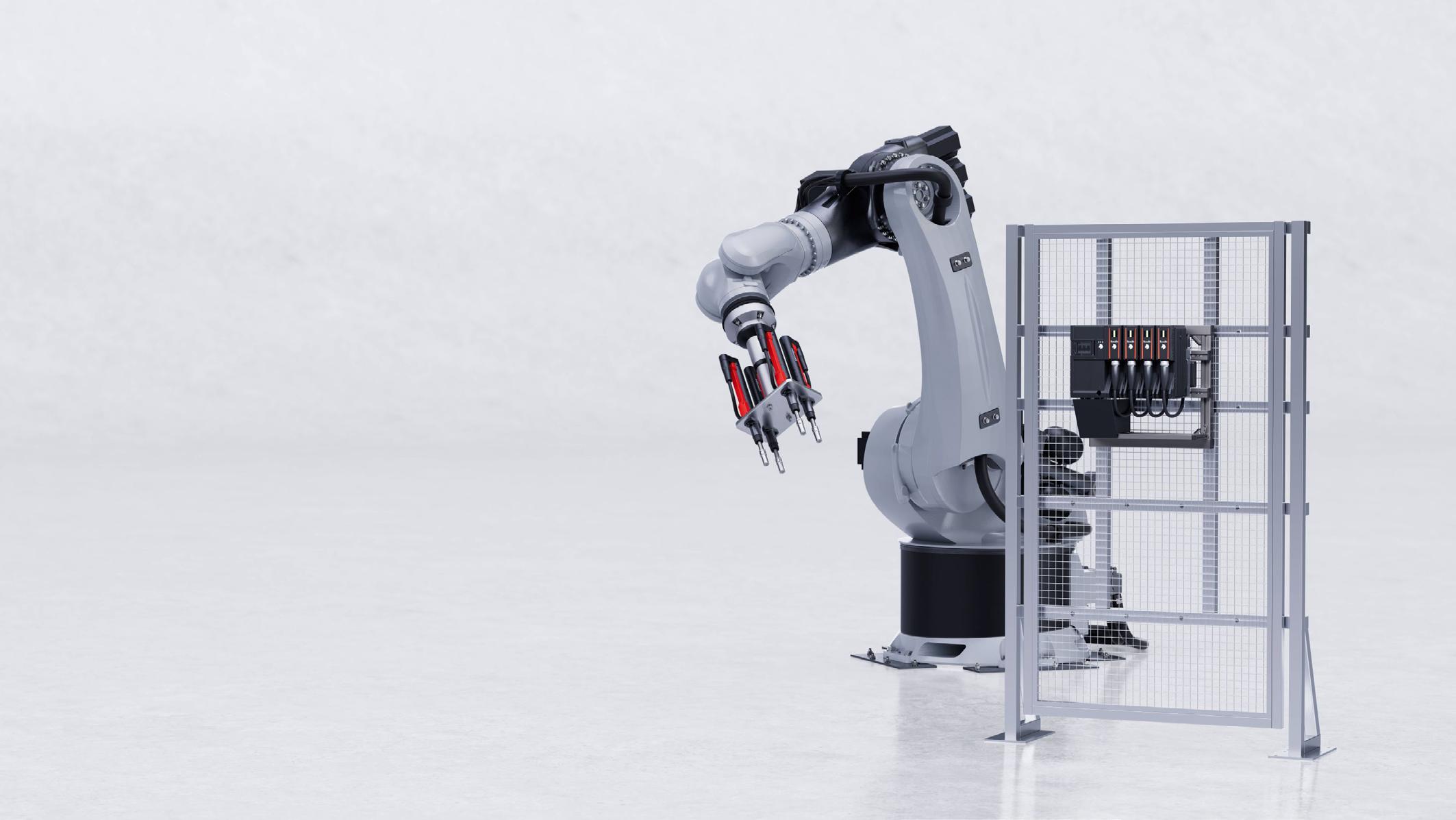
Manufacturers continue to invest in automation, but the challenge now looks different compared to a decade ago. The issue is no longer simply whether a factory uses robots, but whether the wider system around those robots can absorb change without repeated redesign. Here, Alexander Hale, product manager at industrial tools manufacturer Desoutter, explains why scalable automation depends less on the robot itself and more on the architecture that supports it.
Robots are a familiar part of modern manufacturing. The International Federation of Robotics reports that globally, “542,000 industrial robots were installed in 2024 – more than double the number ten years ago”. But installation alone is no longer the most useful measure of progress. On many shop floors, the more important question is how well those robots fit into the wider production system and how easily that system can adapt when demand, product mix or process requirements change.
For years, the presence of a robot was treated as evidence that a factory
had modernised. In practice, the real constraint often sits elsewhere, in the tooling, screw feeding, robot guidance, control layer and service model that determine how easily an automated assembly cell can adapt over time.
The production environment has changed. Many automated systems were designed for a world in which a line handled one product, one process and a fairly stable volume profile. Engineers could optimise around a fixed outcome and deliver consistency over time.
This logic still has its place, but fewer manufacturers now operate in those conditions. Product mixes are broader, variant counts are higher and production teams are under pressure to respond faster without rebuilding the line each time requirements move.
In that environment, the robot is rarely the weakest point in the system. A significant amount of installed automation still reflects the assumptions of an earlier production
model. Lines remain dedicated to separate variants because that was the most practical decision when the investment was first made.
In some facilities, manufacturers still run multiple assembly lines for different versions of what is essentially the same application, even though a more flexible architecture could now manage that variation within a single cell.
This is the utilisation gap. Automation should not be judged by whether a robot has been installed, but by how easily the surrounding system can take on variation, process changes and new demands over time. In that sense, scalable automation is ultimately an architectural question rather than a hardware one.
A robot can only scale when the surrounding system can be reconfigured without major engineering effort. If tooling changes are difficult, data does not flow cleanly across the cell, control
systems are hard to extend or support is fragmented across too many suppliers, even a technically capable robot becomes part of a process that is efficient only within narrow limits.
Manufacturers recognise this problem themselves. Make UK found that 41 per cent of manufacturers point to integration difficulties caused by outdated IT infrastructure. The challenge is therefore making automation work across a production environment that may still be only partly connected and harder to evolve than the robot itself.
These constraints tend to become most visible after installation. A cell that looks coherent on day one can become much harder to manage once servicing, calibration, maintenance and software support begin to pull in different directions. In some automated environments, that means dealing with well over a dozen vendors across the wider system. The burden does not always show up in the original business case, though it becomes very visible once change is needed.
A new variant, a new quality requirement or a new reporting layer may all be feasible in theory, yet expensive and slow in practice because the original architecture was not designed to evolve. That is often where the real cost of rigidity appears. Manufacturers lose speed
in decision-making, confidence in expansion and, in some cases, the appetite to automate further. When every improvement feels like a fresh integration project, scale remains possible on paper while difficult on the shop floor.
Luckily, some of those barriers have started to ease. Integration is simpler than it was a decade ago, interfaces are more intuitive and communication across systems is more standardised and prebuilt robot interfaces have reduced the engineering overhead that automation once carried.
This is key because manufacturers often hesitate not only over cost, but over how difficult automation may be to deploy and support. If deployment feels highly specialised and longterm support feels fragmented, manufacturers delay action even when the business case is sound.
It also changes how automation can enter the factory. Not every manufacturer needs to jump straight to a fully automated end state. In many cases, the more realistic route starts with a manual or semi-automated process and builds capability over time. A line may begin with the tooling itself, then add screw feeding, 3D vision or data analytics as
requirements mature. That staged approach gives manufacturers room to learn from live production and extend automation in line with real demand rather than fixed assumptions made at the start of the project.
Its value becomes clearest once the system is under pressure. If maintenance has to be scheduled, calibration managed or a new product variant introduced, modular architecture gives the manufacturer more room to respond without reopening the entire engineering model. That is what scalable automation looks like in practice: a production system that can take on more variation, control and visibility over time.
In sectors such as battery assembly, automotive and aerospace, this kind of staged rollout makes it much easier to extend automation without rebuilding the whole line. For manufacturers under pressure to automate without locking themselves into another rigid model, that is the real shift in perspective. The question is no longer whether to use robots, but whether the system around those robots can adapt quickly enough to keep delivering value as the factory evolves.
desouttertools.com/en-gb

MBA Consulting Engineers, part of Contollo Group, says the rapid acceleration of automation across the UK logistics sector is now reshaping not only how warehouses operate, but how they are financed, built and integrated into the wider economy. As labour shortages, rising wage levels and persistent productivity pressures collide, automation is becoming a central economic lever, one that is forcing both logistics operators and the construction industry to rethink long held assumptions about cost, capacity and competitiveness.
Whilst there is a higher investment value, the investment cost can be offset through reduced labour costs and improved operational throughputs - a trade off that is increasingly defining board level decision making across the sector.
Automation will shape the future of logistics and construction, but the real economic advantage will come from how organisations use it; not just to cut costs, but to rethink what’s possible.
- Nick Crewe
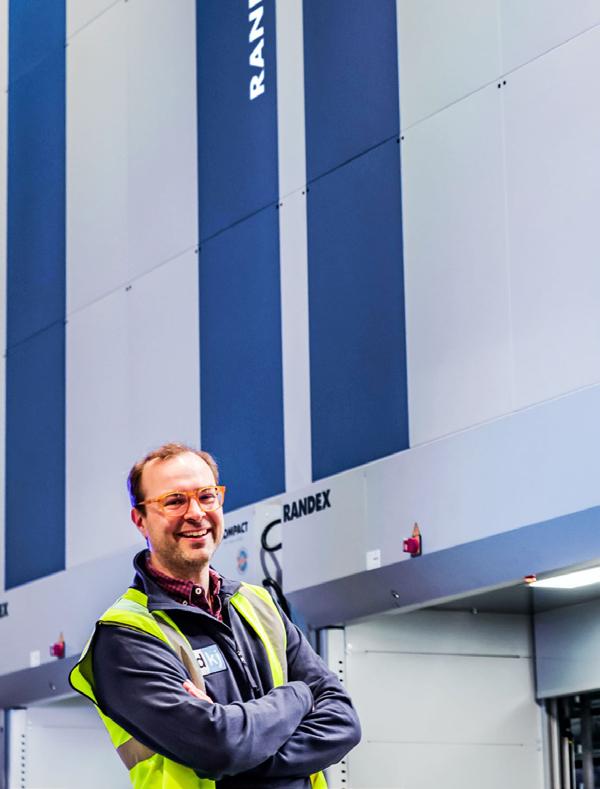
Nick Crewe, Managing Director at MBA, says the shift marks a structural turning point. “Automation is no longer a technical upgrade, it’s an economic strategy. It changes the cost base of logistics, the risk profile of development, and the performance expectations placed on the built environment. The companies that understand this will be the ones that stay competitive in a tightening market.”
MBA notes that automation heavy facilities require a fundamentally different construction approach. Developers and contractors are now being asked to deliver buildings with higher structural performance, greater clear heights, precision engineered slabs and significantly increased power resilience. These specifications are driven not by design ambition but by economic necessity: automated systems only deliver returns when the
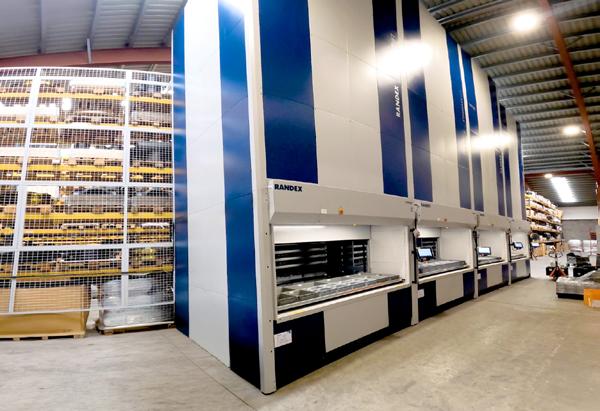
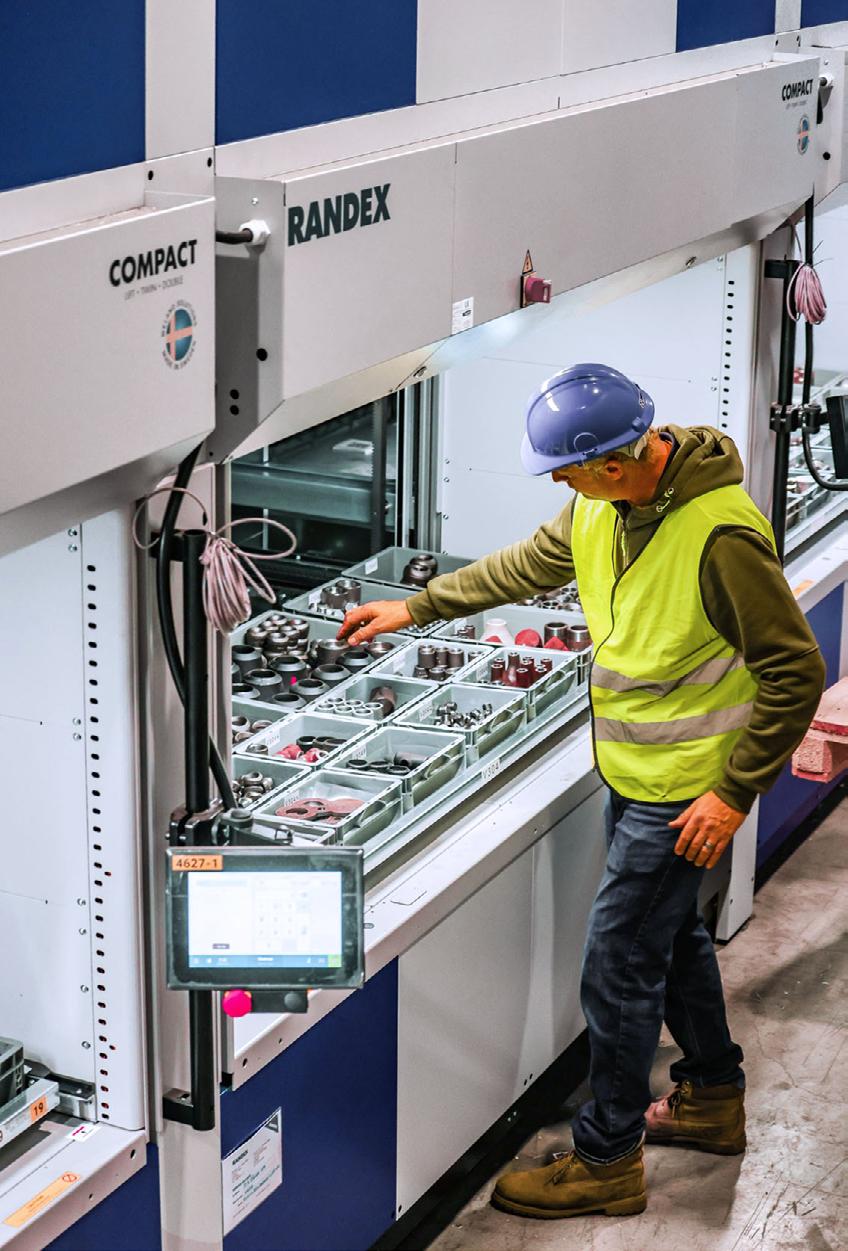
Four automated vertical lift modules supplied by Randex transformed storage capacity while freeing up valuable production space.
The industrial challenge: scaling without moving
When DK Jones Ltd initiated a major facility refurbishment and expansion programme, the operations team faced a classic industrial bottleneck: how to dramatically increase storage capacity for heavy, mixed-size components without expanding the building footprint or incurring the costs
of relocating to a new site. Traditional floor-based racking was no longer viable. It limited operational space and risked slowing down day-to-day warehouse workflows.
The solution was delivered by Randex, the UK partner for Compact Lift automated storage systems, manufactured in Sweden by Weland Solutions.
Each vertical lift module occupies a footprint of approximately 9 square metres. The system is built around a
building can support them without compromise.
For logistics operators, automation is becoming a response to macroeconomic pressures - from the shrinking pool of available labour to the rising cost of fulfilment and the need for 24/7 operational continuity. Automated facilities can deliver faster throughput, more predictable performance and lower long term operating costs, helping businesses protect margins in a volatile trading
environment. As Crewe explains, “Automation is fundamentally about productivity. It allows organisations to scale without being constrained by labour availability or wage inflation.”
MBA also highlights the broader economic implications. Automation ready warehouses attract higher value investment, support more resilient supply chains and enable UK businesses to compete internationally on speed and reliability. At the same time, the construction sector is

robust rack-and-pinion drive concept, ensuring stable tray movement and precise positioning even when handling heavy or unevenly distributed loads.
By transitioning from conventional floor storage to automated vertical lifts, DK Jones Ltd has transformed its logistics strategy:
Reduced footprint: The new vertical storage system uses approximately one-tenth of the floor space previously required.
High Storage Capacity: The four units together store around 90 tonnes of material safely and efficiently.
Improved workflow: Heavy components are delivered directly to operators at an
ergonomic working height, improving safety and freeing up valuable floor space.
“The machines have been an absolute game changer for us — efficient, reliable, and invaluable in helping us store more materials while freeing up space. We could not recommend them highly enough.” says Chris Jones, Managing Director, DK Jones Limited
The installation demonstrates how vertical power can transform warehouse capacity without increasing building size.
For industrial operations facing similar space or capacity limitations, automated vertical storage offers a scalable way to unlock warehouse potential without expanding the existing facility footprint.
being pushed to upskill, adopt new engineering standards and collaborate earlier with automation integrators - changes that are reshaping the industry’s own productivity and capability.
Sustainability remains a critical part of the economic equation. MBA argues that automated facilities, when designed holistically, can deliver lower operational carbon, improved energy performance and reduced waste. “Automation and sustainability are not competing priorities,” Crewe says. “With the right modelling, we can balance embodied carbon, operational efficiency and capital cost in a way that strengthens long term economic value.”
As demand for intelligent logistics infrastructure accelerates, MBA continues to deliver complex, high profile projects for clients such as Ocado, Amazon, Marks & Spencer and Tesco that demonstrate how automation can enhance both operational performance and economic resilience. Crewe believes the shift will define the next decade of growth. “Automation will shape the future of logistics and construction, but the real economic advantage will come from how organisations use it; not just to cut costs, but to rethink what’s possible.”
In 2017, a Nuclear Power Plant in New England, US, required long-term corrosion protection for newly fabricated carbon steel traveling screens operating in continuous saltwater immersion service. Following an inspection from Belzona representatives from Rumford Industrial Group, the epoxy coating, Belzona 5811 (Immersion Grade), was selected due to its proven performance in immersed environments. Following the success of the initial application, a second set of screens was later completed using the same solution.
Nuclear power plant components operating in immersed saltwater environments face some of the harshest corrosion conditions encountered in heavy industry. Constant exposure to moisture, chlorides and oxygen can rapidly deteriorate unprotected carbon steel assets, leading to corrosion damage, costly repairs and operational disruption.
At a Nuclear Power Plant in New England, newly fabricated traveling screens were required for service within the Plant’s water intake system. The traveling screens play an important operational role by acting as a barrier that prevents debris and aquatic life from entering the pumps, making long-term reliability and asset integrity critical.
Jim Rumford

The facility initially considered manufacturing the traveling screens from stainless steel. However, the high cost associated with stainless steel screens created a significant financial challenge. Instead, the decision was made to manufacture the screens from carbon steel and apply a high-performance protective coating system capable of providing long-term corrosion protection in continuous saltwater immersion service.
Following a meeting with Belzona representatives from Rumford Industrial Group, the project team selected the epoxy coating, Belzona 5811 (Immersion Grade), as the protective system for the new carbon steel traveling screens.
Jim Rumford, Founder and President of Rumford Industrial Group said: “Belzona 5811 (Immersion Grade) is specifically designed for immersed environments and provides excellent corrosion protection for metal surfaces exposed to saltwater. Applied directly onto the carbon steel substrate, the coating forms a durable barrier
that isolates the steel from the corrosive environment. The solution offers a practical balance of longterm performance, durability and reliability, while allowing the facility to benefit from the lower cost of carbon steel.”
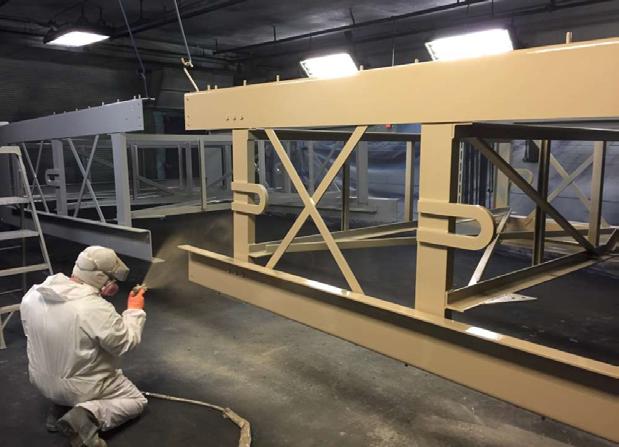
An initial application was carried out on one set of screens. The surfaces were prepared and coated with two coats of Belzona 5811 (Immersion Grade). The application process took approximately three weeks to complete and was carried out in accordance with the relevant Belzona system leaflet.
Following the success of the initial project and the Client’s satisfaction with the performance of the system, a second set of screens was completed later that same year using the same application methodology.
The completed applications delivered the long-term corrosion protection required for the Plant. The Belzona system successfully protected the traveling screens while allowing the facility to benefit from the lower cost of carbon steel.
The long-term durability of the solution proved particularly significant. The traveling screens remained in excellent condition until the closure of the plant in 2024, demonstrating that the coating system continued to perform effectively for several years after the original application. This outcome highlights how effective corrosion protection strategies can support long-term nuclear power plant efficiency by improving equipment reliability and reducing maintenance requirements.








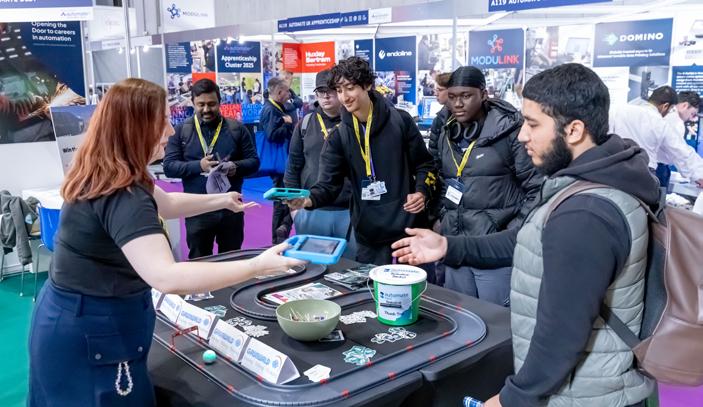
Organisers of the UK’s biggest processing and packaging machinery, robotics and industrial vision event will address one of the biggest challenges to the sector when it returns to the NEC, Birmingham in September: the skills gap and how to bridge it.
The PPMA Show® 2026, which will take place from 2224 September, is the mustattend event for professionals from across the manufacturing spectrum, providing access to brand-new technologies, live equipment demonstrations, tried and trusted advice from industry experts and and crucial networking opportunities.
Amongst the wealth of insight available to visitors to this year’s event will be on-the-ground advice and support on how to bridge the skills gap within their organisations courtesy of Automate UK’s own initiatives.
Scott McKenna, Chief Operating Officer at Automate UK said: “Of all the challenges facing the manufacturing industry at present, a diminished workforce
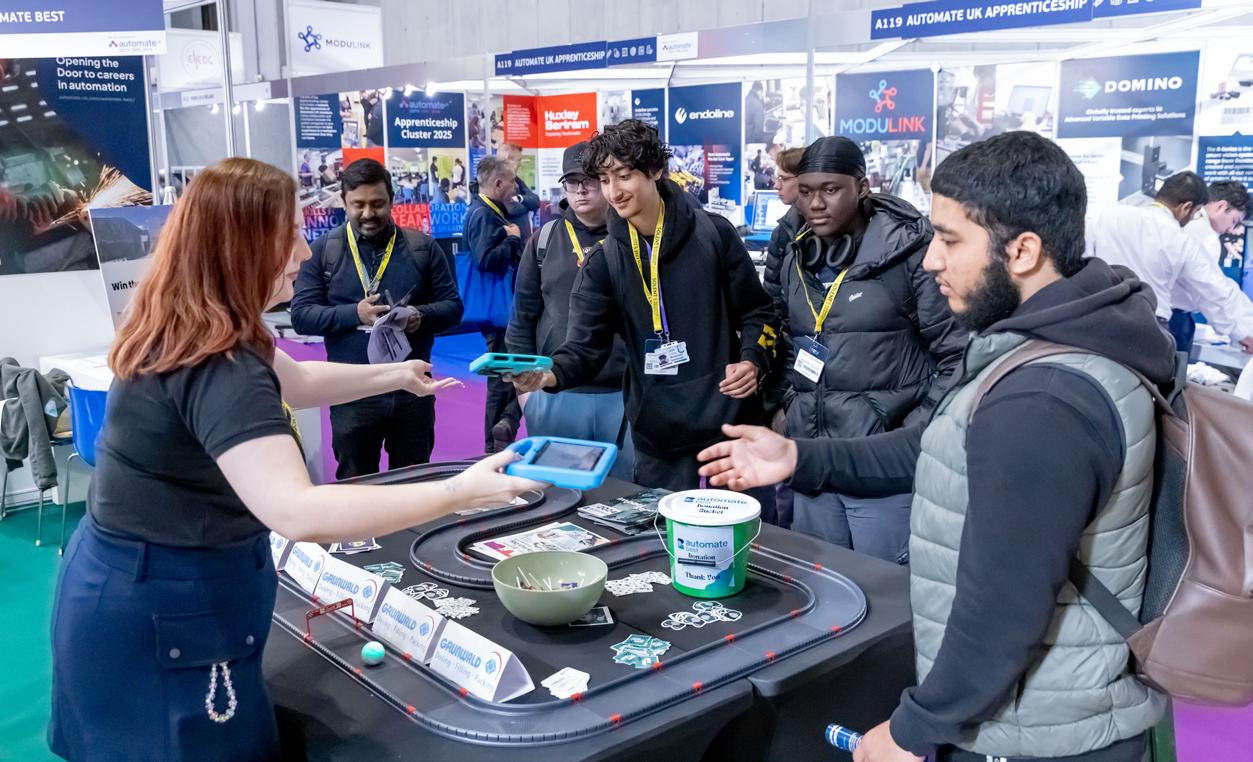
and shortage of skills is perhaps the most pressing. Automate UK has an established reputation for encouraging and supporting young people seeking careers in engineering, automation, robotics, and manufacturing, and the PPMA Show® is the perfect platform for those looking to work within the sector, and businesses looking to address those workforce challenges to find out more about the work we do. This year’s show will be the first we’ve hosted since the launch of our Apprenticeship Cluster programme. This initiative, teamed with our expert seminar sessions, will provide employers and young people looking to enter the workforce with huge opportunities.”
Automate UK’s groundbreaking Apprenticeship Cluster programme, a fully funded initiative designed to address critical skills shortages in the manufacturing and engineering sectors, was launched in January 2025.
It brings together businesses, educators, and apprentices to shape the future workforce
It’s been a fast-paced few years, but incredibly rewarding.
- Harry Kimberley-Bowen
through a collaborative, sector-wide approach. The initiative is fully funded through Automate BEST — Automate UK’s charitable arm — using profits generated by its members to create a sustainable future for the sector and its workforce.
Scott added: “One of the bestattended seminars at last year’s PPMA Show® was a panel discussion focused on addressing the skills gap, focusing on both education and training, and attracting, developing, and retaining talent. We hope that this year, in addition to providing a platform for the latest state-of-the-art technologies, we can play a vital role in bringing new talent into the sector, providing them with a route into the industry that combines hands-on experience with structured, high-quality training, and in turn offering businesses opportunities to thrive in an ever increasingly competitive marketplace.”
With more than 350 exhibitors and 1,500 brands in attendance, The PPMA Show® 2026 is free to attend.
Register at: ppmashow.co.uk.
For full details of Automate UK’s Apprenticeship Cluster initiative, visit automate-uk.com.
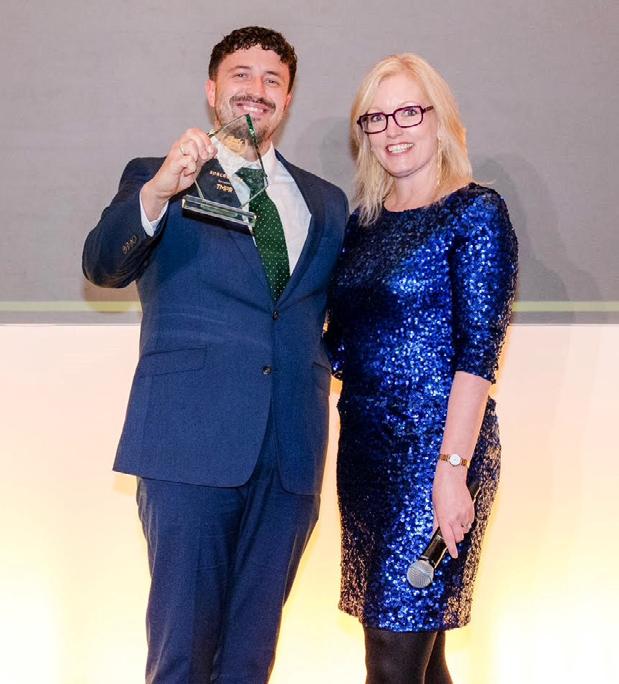
Workspace hazard wearables company spacebands has been named Best Start Up Business of the Year at last night’s Welsh Business Awards.
Organised by Chambers Wales South East, South West and Mid, the award celebrates outstanding new businesses demonstrating ambition, innovation and strong potential for growth. It recognises start-up businesses that have successfully launched, shown early traction, and are building a strong platform for sustainable growth through innovation, leadership and market impact.
spacebands was created to help organisations protect workers by
measuring exposure to workplace hazards in real time. The compact, multi-sensor wearable was designed to monitor risks such as hand-arm vibration, excessive noise, proximity to machinery and PPE compliance, alerting the wearer when thresholds were approached or unsafe conditions were detected.
Following its strong performance, the technology’s success enabled the company to bring on board some of the UK’s leading companies, with adoption now underway across major safety critical organisations including Network Rail, M Group Highways, Kier Group and Balfour Beatty, all of which treat long term exposure management as both
a legal requirement and a moral responsibility.
Just a year later, the Cardiffbased company exceeded its seed funding target of £600,000, securing £1 million in a round led by a US venture capital firm.
spacebands co-founder Harry Kimberley-Bowen said: “We launched the business in 2020 supplying contact tracing devices during the pandemic before evolving the company in late 2021 to focus on workplace health and safety wearables.
“It’s been a fast-paced few years, but incredibly rewarding.
“We’re incredibly proud of the strong feedback we receive from customers, both for our products and the insights provided through our data, and we are honoured to be recognised for this award. It’s testament to the hard work and passion of the whole team.”
For more information, visit www.spacebands.com

our range






By Louis Cottaz, Product Manager at Donaldson,
a global leader in technology-led filtration products and solutions, serving a broad range of industries and advanced markets.
Compressed air and technical gases are essential for the glass industry. From forming and cooling to handling and inspection, clean and dry air helps maintain process efficiency and consistent glass product quality. Moisture, oil and particulate contamination can cause visible defects, reduce the lifespan of critical components, and lower process efficiency in glass production. However, clean air and gases can help to reduce maintenance requirements, improve yield and support a consistent, high-quality product.
Glass production often demands air purity in line with ISO 8573-1, the global standard for compressed air purity that provides a clear framework for managing air quality. Compressed
air systems should therefore be designed to help meet these requirements by reducing particulates, moisture, oil aerosols and vapours.
Key compressed air and gases process applications
Dry and particle-free air supports precise mould cooling and forming processes. For example, in individual section machines, compressed air acts as the lung inflating molten glass into its final shape.
Clean air also powers pneumatic handling systems, which provide soft yet rapid movements. Furthermore, vacuum systems are essential for pick-and-place robotics that lift glass without scratching the surface.
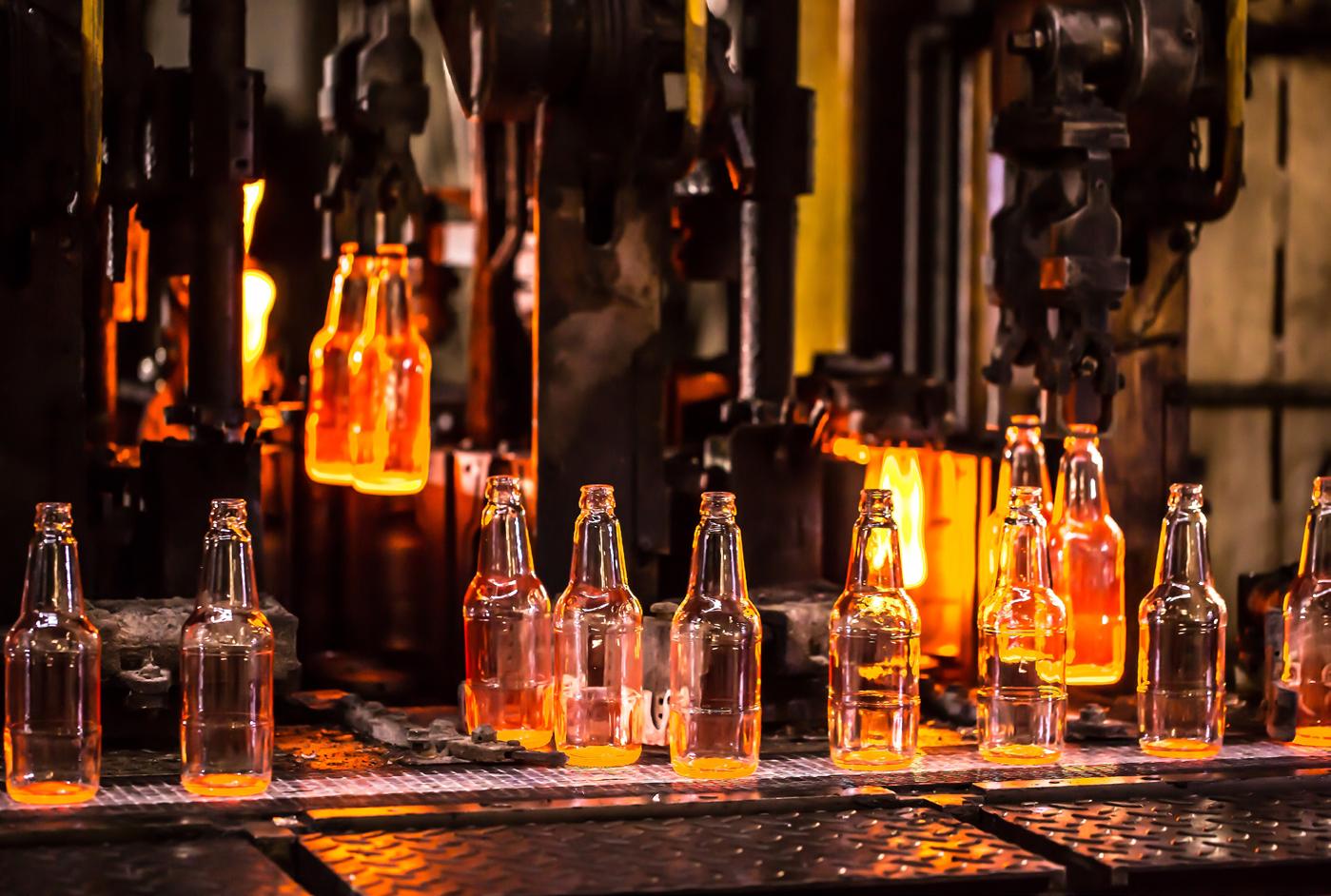
Compressed air and technical gases are essential for the glass industry
Compressed air is also used to support inspection and testing. For example, it is used in leak testing and glass container cleaning. High-speed pneumatic reject gates reject defective bottles off the line, while some plants use squeeze testers with air-driven rollers to verify mechanical resistance.
Oil-free, dry air is essential for surface treatments and coatings, as contamination can reduce durability and clarity. Glass often receives a hot end coating and a cold end coating, and compressed air is used to atomise and transport these chemicals into a fine and uniform mist.
Stable and properly conditioned combustion gases are essential for maintaining consistent flame characteristics, efficient heat transfer and reliable furnace operation. In modern oxy-fuel furnaces, specialised gases are used instead of standard ambient air to increase the flame temperature and reduce nitrogen oxide emissions. This gas-enriched combustion is highly efficient, allowing the furnace to melt raw materials, while potentially contributing to a reduced environmental footprint when properly optimised.
Suitable purification components should include dryers that reduce moisture content by lowering the Pressure Dew Point (PDP). They are essential in a wide variety of industries where moisture, rust or contamination in the air supply can compromise equipment or product quality. For glass production, maintaining a sufficiently low PDP helps prevent condensation, protects downstream components, and supports stable process conditions.
Coalescing and particulate filters capture moisture, oil aerosols and solid contaminants from the
Louis Cottaz, Product Manager at Donaldson

Dry and particlefree air supports precise mould cooling and forming processes.
- Louis Cottaz
compressed air stream. For glass production, high-efficiency filtration is critical to prevent oil mists from entering the forming process, where they could ignite in the extreme heat or cause surface staining on the finished glass. The performance of these filters depends on inlet and operating conditions. High-efficiency coalescing filters support achieving compressed air quality targets such as Class 1 per ISO 8573-1, with performance characteristics validated under ISO 12500 test methods. They are critical to support forming, control and automation systems, and the operational lifespan of downstream components.
In addition to standard purification, oil-free and breathing air solutions deliver purified, odour-free air for sensitive applications throughout the glass production facility. These systems support environments where even trace amounts of lubricant or atmospheric contaminants could lead to quality failures. In glass manufacturing, oil-free Class 1 air is often specified for high-end surface treatments and the production of optical or pharmaceutical-grade glass. Any oil carryover from the compressor can cause microscopic surface defects or fogging, impacting product clarity.
In glass manufacturing, the integrity of a compressed air system is fundamental to operational continuity. Because air is often in direct contact with the product, any degradation in air quality or system pressure can result in immediate batch rejection or equipment failure. Direct contact examples include forming, leak testing, internal cooling, air knives and coating processes.
The following two elements are therefore essential for maintaining compressed air system performance and minimising downtime.
1) Scheduled inspections – the primary method for identifying system deviations before they develop into failures or performance losses. In a manufacturing context, these inspections focus on leak detection, differential pressure monitoring, and regular air quality audits.
2) Preventative maintenance – a proactive programme designed to replace wear-and-tear components at fixed intervals, rather than waiting for a breakdown. Key tasks include filter element replacement, condensate management, and checking gasket and seal integrity.
Compressed air and technical gases are fundamental to the modern glass manufacturing industry. From the furnace to the final inspection line, these gases are essential for maintaining the structural integrity and aesthetic quality of the finished product.
However, the reliability of these processes depends on air purity and system pressure. Contaminants such as oil, moisture and particulates could present challenges such as visible product defects, combustion instability or reduced thermal efficiency in oxy-fuel furnaces, and the premature failure of sensitive pneumatic components. Adhering to strict ISO 8573-1 purity standards through the use of specialised compressed air dryers, high-efficiency coalescing filters, and oil-free solutions helps to support consistent yields and protect downstream equipment.
Ultimately, the operational continuity of a glass production facility relies on a proactive approach to system health. The integration of scheduled inspections and preventative maintenance helps manufacturers to transition towards conditionbased maintenance to help minimise unplanned downtime and prevent batch rejection while supporting energy efficiency.
Visit: donaldson.com
For the UK’s manufacturers – and particularly the food and beverage sector – grid flexibility programmes offer a new revenue stream and help avoid production losses through power failures. Here we explore the opportunity, and discuss what participation means for one major producer – Carlsberg Britvic.

Nigel Paine, Vice President of Production at Carlsberg Britvic
The energy network has evolved, moving away from a top-down distribution model to become a system in which multiple parties participate. On this new energy network, an interdependence between consumer, generator, infrastructure and regulator has developed that is key to us overcoming some of the biggest energy challenges of our time – power doesn’t just come from power stations anymore: it comes from businesses and communities working together to use energy in a smarter way.
In the UK there are now multiple, highly complex energy markets which all ultimately serve a common goal. They ensure that the nation’s supply of electricity matches demand, now and into the future, and that electricity is clean, stable and affordable.
The Capacity Market is arguably the simplest of these. It’s a mechanism that plans ahead to ensure that future energy supply, from multiple sources, is sufficient to match the forecast for demand. UK businesses are key contributors to the Capacity Market’s energy inventory, playing an important role in maintaining the balance of supply and demand on the grid.
On 1 October 2025, Enel X helped Carlsberg Britvic enrol in the UK’s new Capacity Market season, pledging to make electricity available to the grid in the event of a power grid emergency. In doing so, it joined future-focused commercial and industrial energy users in their support of a more secure energy supply, the stability of the electricity grid, and a greener future fuelled by renewable energy.

Nigel Paine, vice president of production at Carlsberg Britvic, explains what participation means to the company. “When Enel X first introduced us to the Capacity Market, the motivation for businesses like ours to be ‘good grid citizens’ was clear.
“Our commitment to give back energy to the grid, should the need arise, is a small sacrifice to make if it means we all benefit from a more stable supply of electricity.
“As an organisation with significant energy needs, we view the electricity grid as business-critical infrastructure that needs to be protected. Working in partnership with the grid is a mutually beneficial arrangement that just makes good business sense.”
Most organisations have flexible electricity capacity that they are simply unaware of. Everyday equipment such as heating, ventilation and air conditioning (HVAC) systems and compressors, pumps, or processes that involve refrigeration or extreme
heat, can be curtailed with minimum disruption to the business. On-site energy generation and storage assets such as combined heat and power (CHP) or battery energy storage systems (BESS) can also provide backup to the national grid through the Capacity Market and other flexibility schemes.
We deal with high quality, perishable goods, so sudden or unplanned interruptions to production could carry a high cost.
- Nigel Paine
This is a more circular approach to the management of the country’s energy supply, as it effectively uses resources that exist locally to keep pace with the growing demand for electricity. That’s a far more efficient – and less environmentally damaging – alternative to turning “traditional” centralised power stations up, and ultimately having to build new ones. More importantly, the greenhouse gas (GHG) emissions that these power stations would have produced over their lifetime are also avoided, making a positive contribution to our journey to net zero.
The UK government’s Clean Power 2030 Action Plan includes a call for significantly more flexibility across the electricity system. The National Energy System Operator (NESO) has projected that by 2030 the UK will need 25-45 GW of within-day flexibility – roughly double current levels.
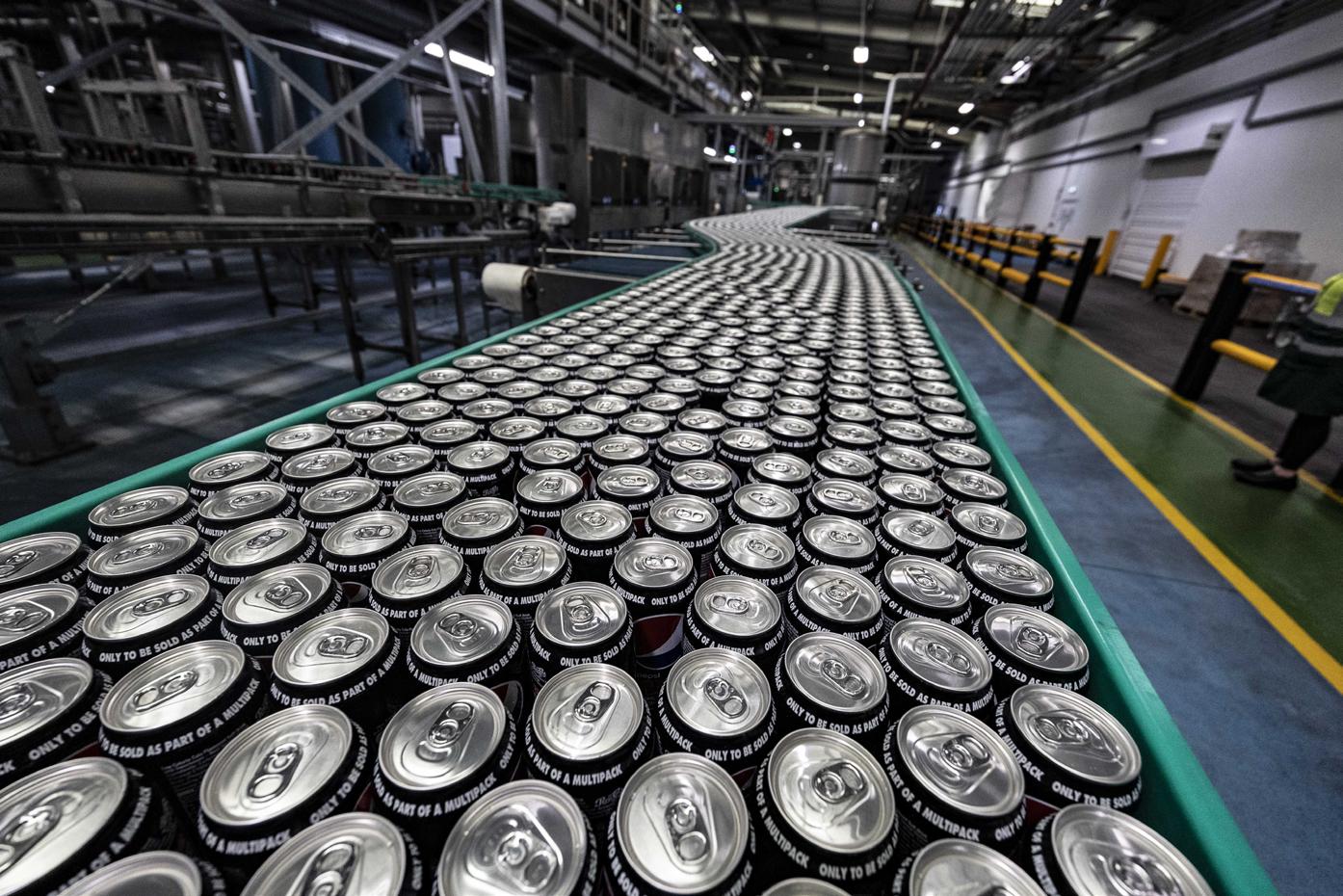
Commercial and industrial energy users such as Carlsberg Britvic have a crucial role to play in Britain’s energy future.
The government’s Clean Flexibility Roadmap goes further still, setting out a total flexibility capacity target of 51-66 GW by 2030, a two to three-fold increase on the approximately 24 GW installed today.
What does this mean for the UK’s businesses, and specifically for food and beverage operators with major manufacturing, bottling and packaging operations? Flexibility schemes typically pay organisations for their participation, whether or not their flexible energy resources are called on to help balance the grid. This opens up additional revenue, helping offset production costs or provide capital that can be reinvested in the business.
The financial rewards can be significant, but there are compelling other reasons for participation. By helping support the grid’s stability, major producers can help improve its reliability, helping avoid outages
and maximise their own uptime, and those of supply partners and that also depend on it.
Demand flexibility is especially important in the context of renewable energy, the output from which is far more variable than the gas, coal or nuclear plants. By contributing flexible resources, organisations are supporting the grid’s ability to adapt to less predictable inputs, in turn accelerating the connection of clean power projects and a reduction in the carbon footprint of power.
Enel X works with organisations to help identify untapped flexibility resources so that they can be put to work as part of our virtual power plant (VPP). It’s instructive to examine how participation looks in practice.
Nigel explains: “We deal with high quality, perishable goods, so sudden or unplanned interruptions to production could carry a high cost. In extreme cases, it may even impact on our ability to fulfil customer orders which, for us, is non-negotiable. Any steps we can take to mitigate this risk must be taken.
“By accessing the Capacity Market with Enel X, we have joined a community of like-minded organisations coming together in a virtual power plant. Working as a group, small adjustments to our collective energy consumption can make a big difference to electricity grid stability. By temporarily switching off machinery or rescheduling a

production process, Carlsberg Britvic can help to relieve pressure on the electricity system, which reduces the risk of an interruption to our own power supply.
“As a Capacity Market contributor, we also benefit from receiving an invaluable four-hour advance warning should grid stability be at risk. This enables us to act before it’s too late. We are also paid based on the level of commitment we make to the Capacity Market. Most food and drink manufacturers work with the tightest of margins, so this income makes the Capacity Market a very compelling proposition for the sector.”
As Carlsberg Britvic’s experience shows, the transition towards a decentralised, digitised and decarbonised power system presents opportunities for industry and consumers that are prepared to adopt a more flexible approach to energy consumption. For food and beverage manufacturers operating on tight margins and with little tolerance for downtime, the case for participation is particularly strong. Their participation not only supports the roadmap to net zero and boosts the competitiveness of British industry, it helps underscore industrial reliability too.
Commercial and industrial energy users such as Carlsberg Britvic have a crucial role to play in Britain’s energy future. Flexibility is one of the UK’s largely untapped strengths. We already have the businesses, the scale, the assets and the processes in place to deliver meaningful system services today. Unlocking further participation at scale and at pace will be essential if the UK is to hit its sustainability targets for 2030 – and beyond.
Nigel concludes: “Ultimately, we see our support of the grid as an investment in our future. As we grow, we require certainty around grid connections and access to clean energy to power new facilities, and new jobs, around the country.
“A strong grid is a cornerstone of a strong economy – we’re proud to play our part in defending the UK’s energy security.”
Mykor, a biotechnology company transforming industrial and agricultural waste into scalable low-carbon construction products, has secured £4 million in funding to accelerate the scale-up of its industrial biofabrication technologies. The round was led by Clean Growth Fund, with participation from the British Business Bank’s South Investment Fund via The FSE Group, Green Angel Ventures, and support from Innovate UK’s investor partnership programme. The latest raise brings total funding secured by the company to £7.5 million, including £5.5 million in equity investment and £2 million in grant funding.
The built environment accounts for approximately 39% of global emissions, with around 11% from embodied carbon in materials and a further 28% from operational energy use. Insulation plays a critical role in reducing operational carbon, yet conventional insulation materials are non-renewable, highcarbon and often combustible. As whole-life carbon assessments become standard, developers and contractors are under increasing pressure to reduce both embodied and operational emissions from buildings simultaneously.
Mykor has focused on solving the industrialisation challenge: how to manufacture low-carbon construction materials costeffectively at commercial scale while meeting the fire, acoustic and performance standards required by mainstream construction. Rather than extracting finite raw materials that can take centuries or millennia to form, Mykor’s biofabrication process grows construction products from agricultural and industrial waste streams within days.
The company’s proprietary technologies combine engineered mycelium strains, green
chemistry additives and closedloop automated manufacturing processes to produce an expanding portfolio of construction products; from prefabricated walls to cavity wall insulation. Rather than operating as a single-product manufacturer, Mykor works as a technology and process platform, enabling contractors and manufacturers to integrate low-carbon biomaterials directly into existing production lines and construction systems.
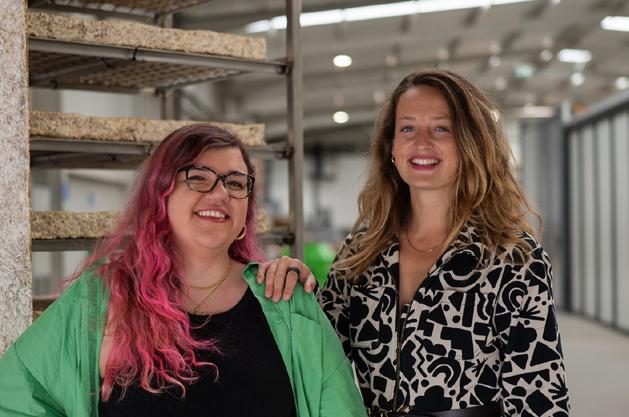

This model allows the company to scale through existing industrial infrastructure rather than relying solely on centralised manufacturing.
Mykor’s first product to market, MykoSIP, a preassembled partition wall, achieves an estimated carbon saving of ~23kgCO₂e per m² compared to incumbent systems, equating to at least 50% carbon savings and higher when accounting for biogenic carbon storage, while maintaining comparable thermal and acoustic performance. The system is designed to reduce embodied and operational carbon without compromising on fire safety, cost, buildability or product performance. Additionally, the panels use 90% less water and 40% less electricity than their polystyrene counterparts. Mould-free and breathable, they also don’t emit toxins as they degrade like synthetic insulation products.
The company is already delivering live construction projects and has secured significant commercial traction, including two large offtake agreements worth £338 million with UK and European contractors. The funding will support the scale-up of production, establishing a replicable model for deploying manufacturing capacity across key markets.
As building standards tighten, materials are becoming a critical constraint; the UK Government’s Future Homes Standard, requiring all new homes to be highly energy efficient from 2027, and the ongoing implementation of the EU’s Energy Performance of Buildings Directive, mandating zero-emission new buildings and large-scale retrofit. Mykor’s technologies allow contractors and developers to meet these requirements while maintaining performance, costeffectiveness, and buildability.
For more information visit: www.mykor.co.uk
Most sustainability conversations in manufacturing begin at the end of a product’s life.
The focus is often on recycling rates, waste reduction targets, and what happens when a product is disposed of. These are important considerations, but they can overlook a more fundamental question:
What if the biggest sustainability decision was made long before the product reached the recycling bin?
For manufacturers, facilities managers, and procurement teams, sustainability is often won or lost at the point of specification. Selecting the right product for the application can reduce waste, lower costs, minimise disruption, and extend product life. Choosing the wrong one can create the opposite effect.
At COBA, sustainability is viewed through the lens of matting and the environment, recognising that product selection, durability and responsible sourcing all contribute to long-term environmental performance.
Every time a product is replaced prematurely, there is an environmental and commercial cost.
Materials must be manufactured again. Products must be transported again. Packaging enters the waste stream again. Installation and maintenance teams must spend time replacing something that should have lasted longer.
In many cases, organisations have robust recycling programmes and broader waste reduction initiatives in place. Yet the most sustainable outcome is often to avoid unnecessary replacement in the first place.
This is where the principle of reduce, reuse, recycle becomes important. While recycling receives much of the
attention, reduction remains the most effective sustainability strategy. A product that does not need replacing generates less waste, consumes fewer resources, and reduces long-term costs.
In demanding industrial environments, durability should be viewed as a sustainability metric.
Products that are correctly specified for their environment are more likely to perform as intended, remain in service for longer, and require fewer replacements throughout their product lifecycle.
Many organisations are now seeking sustainable product solutions that balance environmental responsibility with long-term performance.
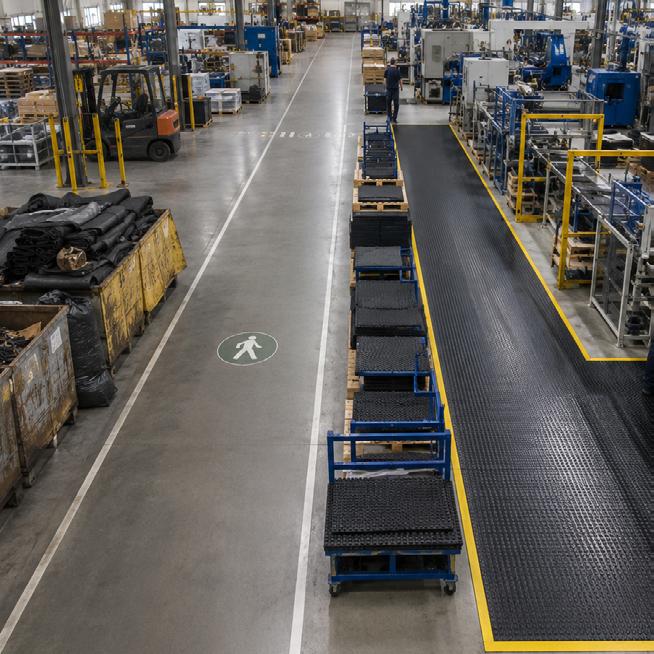
This is particularly relevant in workplace safety environments, where flooring and matting are exposed to heavy foot traffic, equipment movement, contamination, and challenging operating conditions.
When organisations focus solely on purchase price, they can unintentionally increase lifecycle costs and environmental impact. A product that lasts ten years will often deliver greater sustainability benefits than one that requires replacement every few years, regardless of its recycled content.
Product performance is only one part of the sustainability equation. Increasingly, organisations want confidence that the products they purchase have been responsibly sourced and manufactured. This is why supplier accountability plays a critical role in sustainable manufacturing.
COBA carries out annual reviews of its suppliers, assessing both raw material and finished product partners
against sustainability criteria. These reviews help ensure that environmental responsibility is considered throughout the supply chain, providing reassurance for distributors and end users alike.
Strong sustainability credentials are built through consistent actions, not marketing claims.
As manufacturers continue to face pressure to improve environmental performance, the conversation must extend beyond recycling and waste management alone.
The most meaningful gains often come from making better purchasing decisions, selecting products that are fit for purpose, and working with suppliers committed to longterm sustainability improvements. This includes reviewing materials, improving sourcing practices and reducing material waste wherever possible.
As Global Environment Day reminds us each year, sustainability is not a single initiative. It is the result of thousands of decisions made across design, sourcing, manufacturing, logistics, and procurement.
Perhaps sustainability starts earlier than we think.
Not at the recycling bin, but at the moment a purchasing decision is made.
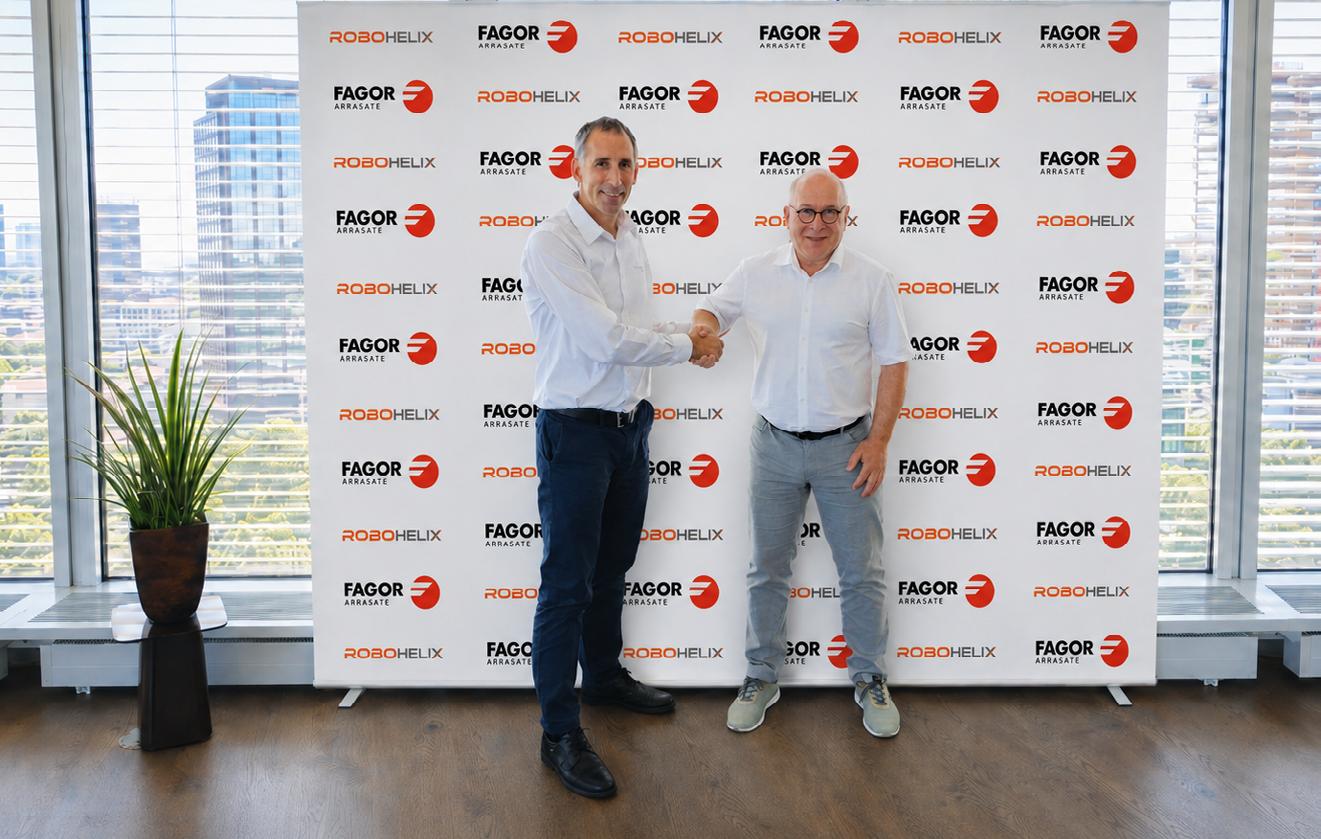
Fagor Arrasate, a MONDRAGON Corporation company specializing in the development of capital equipment for forming and processing metallic and composite materials, has taken another step in its diversification strategy with an equity investment in ROBOHELIX.
The company, originally from Australia and headquartered in Germany, has developed patented technology that automates the manufacture of helices for Archimedes screws (screw conveyors), with applications across multiple industrial sectors.
The transaction, signed May 28th, in Frankfurt, represents the initial acquisition of a 20% stake in ROBOHELIX, with the possibility of moving toward a majority stake in the coming years.
“This transaction is fully aligned with the diversification strategy set out in our 2028 Strategic Plan,” says Juan Etxebarria, Business Development Director at Fagor Arrasate.
Pioneering technology with multi-sector potential
ROBOHELIX has entered the market with 8-axis CNC robotic machines capable of forming metal flights in a fully automated way, eliminating the need for large hydraulic presses, costly dies, and manual processes. This technology delivers substantial improvements in production speed, precision, safety, and operating costs compared with traditional methods.
According to Etxebarria, this technology commitment will allow Fagor Arrasate to enter sectors such as agriculture and food, chemicals and fertilizers, mining and minerals, oil and gas, water and waste treatment, civil works, and construction.
This transaction is fully aligned with the diversification strategy set out in our 2028 Strategic Plan.
- Juan Etxebarria
“Robohelix brings us technology that is highly complementary to our capabilities and enables us to enter industries with economic cycles that are not correlated with our traditional automotive, appliance, and steelmaking sectors,” he emphasizes.
Fagor Arrasate’s involvement will enable ROBOHELIX to scale its product into a complete industrial solution that is unique in the market.
In the short term, the goal is to fully automate the manufacture of Archimedes screws, offering an integrated line that covers the entire process from sheet-metal cutting to the finished screw.
In addition to its technological know-how, the Mondragón cooperative will contribute its global sales and service network, giving ROBOHELIX the market reach and commercial strength it has lacked until now.
A sustained growth strategy
This transaction adds to other corporate moves by Fagor Arrasate in recent years, such as investments in Ribinerf, Savvy Data Systems, and Primus Robotics.
“It is one more of the transactions that may come in the future, in line with our mandate to diversify Fagor Arrasate’s activity and generate high-quality employment,” says Etxebarria.
Over a period of several years, the company estimates the creation of 60 skilled jobs and the possibility of reaching €30 million in revenue linked to this new business line.
By Toby Mankertz, Manufacturing Industry Director at Columbus UK
Manufacturing has entered an era where uncertainty is the only constant. Digital systems are exposing hidden inefficiencies, sustainability has become both an operational and financial imperative, and technology is advancing faster than many organisations can absorb. What was once “future thinking” is now the baseline for competitiveness. Smarter factory transformations will require new structures, behaviours and data foundations, along with the willingness to replace legacy processes. To succeed, this will require a fundamental shift in approach
As supply and value chains become fully connected, every product, batch and shipment will generate data that must be collected, structured, understood and shared securely across suppliers, logistics partners, regulators and consumers.
- Toby Mankertz
as to how products are made, powered and managed during this transitional era, Toby Mankertz, Manufacturing Industry Director at Columbus UK, explains.
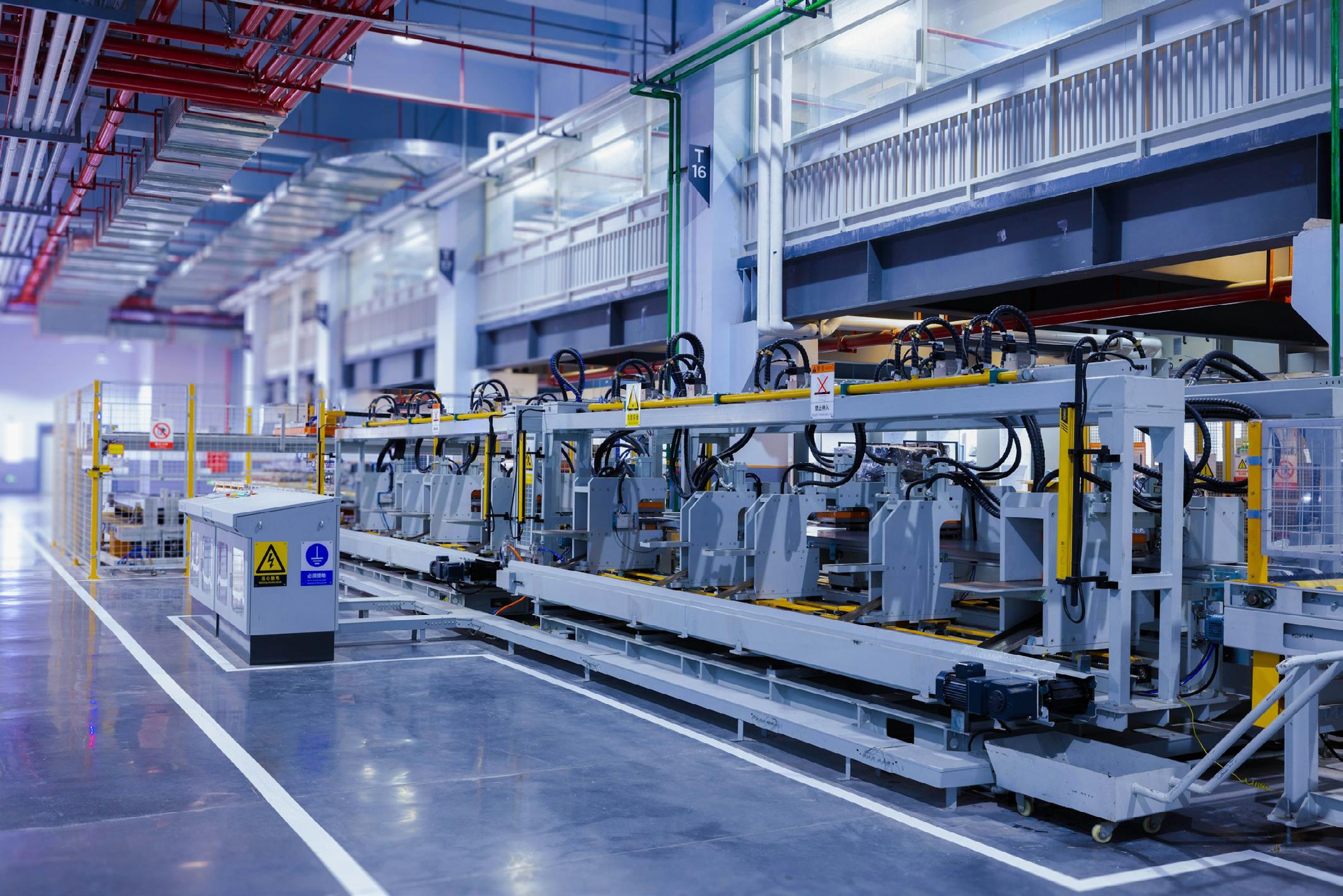
The UK manufacturing market is forecast to expand 12.0% by 2033, which represents a change in gear for the sector when compared with growth of 8.6% over the past ten years. The industry is entering a decisive transition, driven not by a single breakthrough but by the convergence of data, AI, sustainability, connectivity and workforce capability. The companies who wait for perfect readiness will find themselves perpetually preparing, while smart factories, supported by humans, data and automation working together, will be the real winners in an uncertain future. There are five defining shifts in how business approach data, connected value chains, AI, sustainability and skills—and it’s up to manufacturers to master them all to place themselves in a strong competitive position.
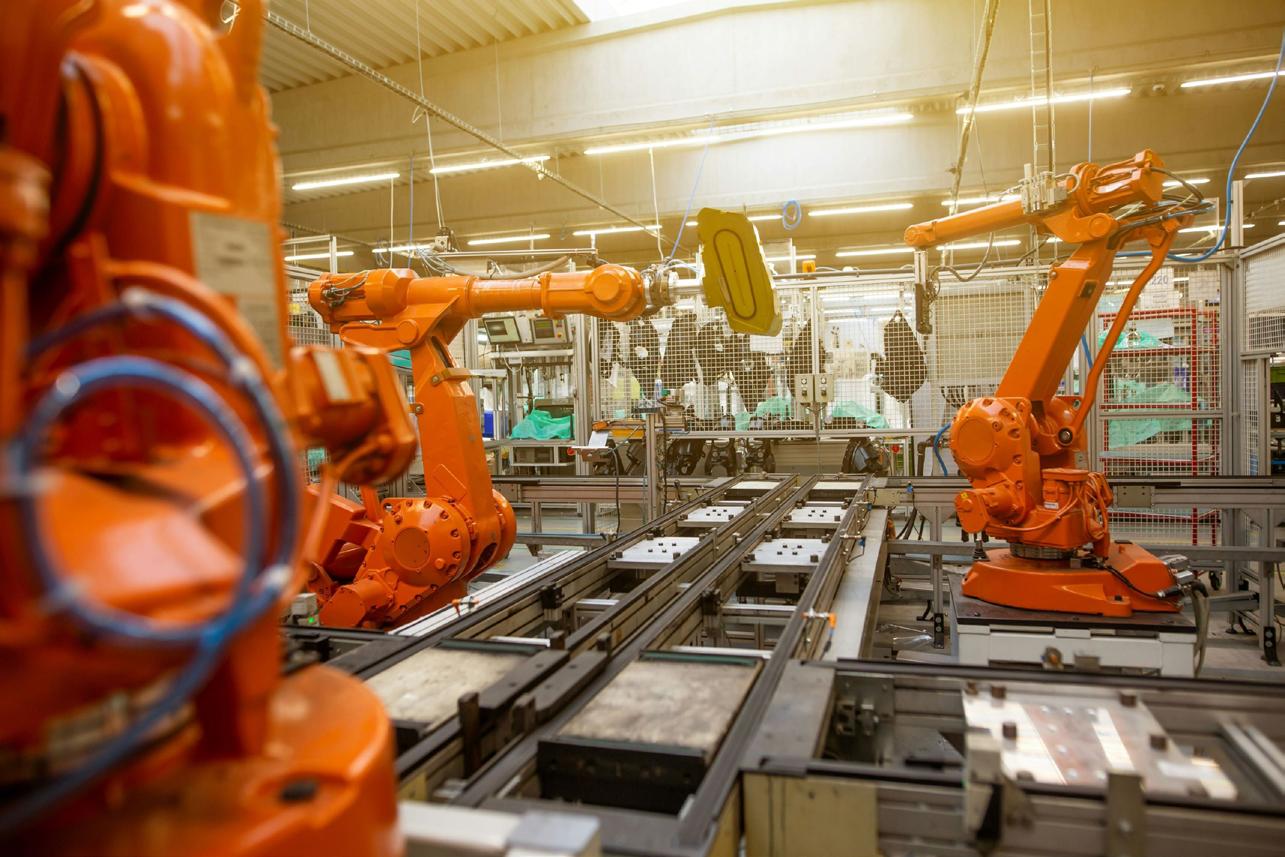
A fully automated factory is only as resilient as the intelligence and data that guide it. The real shift is not towards full replacement, but orchestration. Future systems must support rapid intervention, human oversight and mixed-mode workflows where people and software agents collaborate. Yet currently, 42% of manufacturers report difficulty sharing data between teams and

even more struggle to even access internal data across functions. So how can manufacturers address this demand for more actionable data?
Smart factories of the future will be those built on standardisation and technology that amplify human judgement. Investment in clean data for instance, will be key to reduce errors, reveal what actually happens during downtime events and prepare the organisation for technology adoptions. While manufacturers that create data governance committees can establish reliability and align
stakeholders around a single source of truth so that data drives action and enables faster, more confident decisions-making under pressure.
As supply and value chains become fully connected, every product, batch and shipment will generate data that must be collected, structured, understood and shared securely across suppliers, logistics partners, regulators and consumers. In this future, physical goods will behave like digital assets, with every item carrying a digital identity that follows it from raw materials to end-of-life reuse. Scalability will become the new definition of security as billions of data points will need to move reliably and in real time.
Interoperability will be a defining capability to build adaptable value chains. This is where organisations will require systems that can “speak the same data language,” using global standards such as GS1, so information can move securely across suppliers, logistics partners and regulators.
Manufacturers that thrive will be those building flexible, scalable systems that allow trusted data to flow through the value chain, enabling them to respond faster, collaborate more effectively and unlock new business models rooted in transparency and shared insight.
The first wave of AI’s impact will not be in science-fiction factories, but in the administrative backbone of every business. Many organisations simply “put AI on top” of existing ways of working, hoping for faster versions of the same outcome. That creates shortlived experiments, not transformation.
The real opportunity lies in reengineering whole processes around what AI makes possible, rather than digitising yesterday’s logic. In the short term, manufacturers can add intelligence to what already exists, such as using computer vision to spot defects on production lines at speed rather than relying on people watching the line for faults.
The longer-term shift is to put intelligence into the machinery that builds everything else. The real
advantage will lie with manufacturers whose facilities can be reconfigured to produce new products, from cars to humanoid robots to things we have not yet imagined, without rebuilding from scratch. In this way, factories will become platforms, not just plants. AI will amplify human capability and help teams see more, test faster and act with confidence as conditions change.
Sustainability is becoming a higher priority on the factory floor, no longer number seven on the list where businesses never get round to it. Over the next few years, the real question will be not whether sustainability competes with productivity, but whether leaders are willing to treat it as the next productivity revolution – one where digital tools and data help reveal invisible waste, and where better environmental performance and better economics are finally aligned.
Double-digit reductions are available to most factories in their first year of serious effort, whether in energy, water or materials.
vacancies
the UK manufacturing sector cost the economy £6bn in lost output each year.
- Toby Mankertz
For instance, manufacturers can open up opportunities in longer product lifetimes, repair, reuse and remanufacturing – areas that often save more emissions and cost (estimate of $380 billion in material costs to be saved for EU manufacturers in a “transition scenario”) than simple recycling, but are still underused.
Lean practices and a culture of continuous improvement will be key in this shift. These methods triumph disciplined problem-solving over the need for special sustainability technology, and can lead to smarter future capex decisions that unlock new value on the factory floor.
Long-term vacancies in the UK manufacturing sector cost the economy £6bn in lost output each year. An ageing workforce, too few young people entering the workforce and too many women and underrepresented groups leaving are three forces behind this growing skills gap.
In the next few years, retaining talent, not just recruiting it, will become a strategic imperative. Large enterprises have the resources to build internal academies that create individual paths and have upskilling and reskilling built into careers, while smaller, agile firms will benefit from the availability to adapt quickly and stay close to new policies and technologies.
However, skilled manufacturing will not just hinge on technology and courses. Everyone has a shared responsibility to close the skills gap – from policymakers, to companies and education providers. It is all about helping workers see new paths and connect experience to future roles. When manufacturing is seen as a place where diverse talent can grow, the
skills gap will shrink, and the sector will become more resilient.
Manufacturing’s future will not be decided by a single technology or policy, but by how fast leaders turn today’s uncertainty into practical progress. There is no universal roadmap. A food producer, a pump maker and a pharma plant will not follow the same path. But the future will favour those who experiment early, learn fast and scale what works with discipline to move the business forward.
The next three to five years will reward organisations that build strong data foundations, re-examine their processes, invest in their people and adopt technology with clear purpose. Not because it is fashionable, but because it solves real operational constraints.

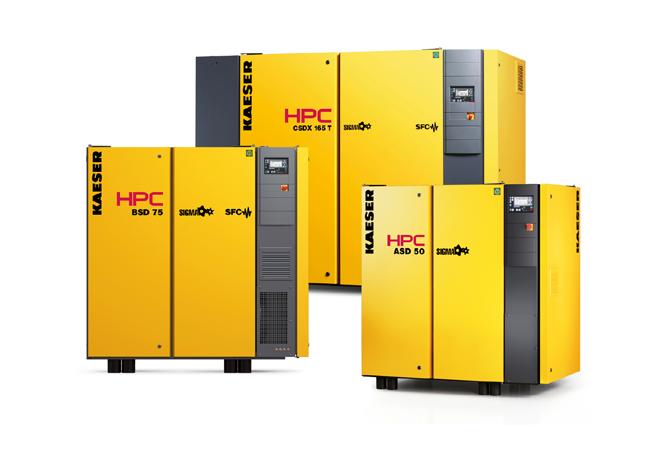



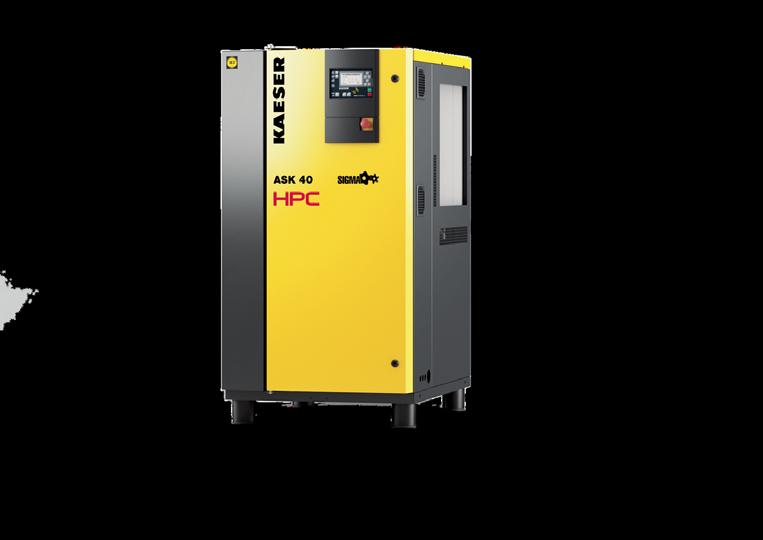
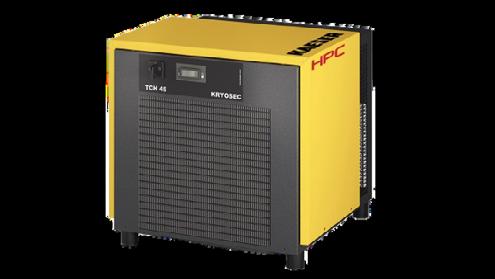

Electricity accounts for as much as 83% of your compressor’s total lifetime costs.

So, it’s vital to have an energy efficient compressor that reduces your energy bills.
Our market-leading compressed air equipment saves customers thousands of pounds in energy bills every year.
And now, we have TWO Special Offers which makes buying this equipment even easier.
1. Until 31st August, HPC is running a Special Offer on a compressed air package which includes: a beltdriven screw compressor, refrigeration dryer AND afterfilter. Featured compressors: SXC, SM, SK, ASK and AIRCENTER Series.
2. And Until October 31st, we have deals available on the ASD, BSD and CSD(X) Series ranges of direct drive screw compressors.
Get in touch today via 01444 241671 or email info@hpcplc.co.uk to find out more!

By Andy Fletcher at Acorn Industrial Services
If one word could sum up the headache of today’s manufacturing and production engineers, it would be ‘balance’the daily battle to balance advanced technology adoption with today’s skills and integration gaps. However, Andy Fletcher at Acorn Industrial Services asks, ‘could you increase your revenueprotection, by better using external suppliers to ease your machinery installation-, maintenance-, repairand monitoring-pressures?’
For those responsible for manufacturing and engineering budgets, a make-or-break business area is the installation, maintenance, repair and monitoring of machinery. Getting it right or wrong will directly impact costs, productivity, risk bandwidth and profitability.
For example, if machines are installed incorrectly or poorly, long-term operational problems will occur that have financial consequences. Also, when it comes to maintenance, too little will lead to breakdowns and lost production and too much to unnecessary labour and component costs.
Ultimately machine reliability, in assetheavy manufacturing and engineering companies, is so important to a company’s financial and reputational success that it is often one of the biggest determinants of profit margin. It is no surprise therefore that machine monitoring has taken centre-stage when it comes to reducing unplanned downtime and lost production and protecting revenue flow.
Alongside the management of machines, there is also an asset that is fast becoming a rarity in today’s engineering world – experienced, technically adept technicians and engineers. And this skills shortage is set to continue too, with around 20% of UK engineers due to retire in the next five years and 145 job openings for every one completed
apprenticeship (which is equivalent to more than 46,000 unfulfilled engineering positions).
There is continued need for existing engineers to upskill, as the drive towards digitalisation and industry 4.0 accelerates, and to balance the tension of more data, technology and performance expectations than ever before. Technicians and engineers are having to become master jugglers - keeping legacy systems running, whilst navigating which areas would most benefit from new sensors, automation solutions, predictive maintenance and data analytics. Many are also being asked to discern which AI-driven monitoring, advanced materials and modular systems will be useful for longer-term operational success and which won’t, to see if the new solutions offer discernible benefits that will work with real-world applications.
So, in this challenging manufacturing landscape, how can making the most of external suppliers ease your machinery installation-, maintenance-, repair- and monitoring-pressures?
Well, an unsung hero in modern plant maintenance are collaborative partnerships, that help promote stability and adaptability, whilst helping manufacturers transition to smarter ways of working with suppliers. Also, strong supplier relationships have the potential to help manufacturers
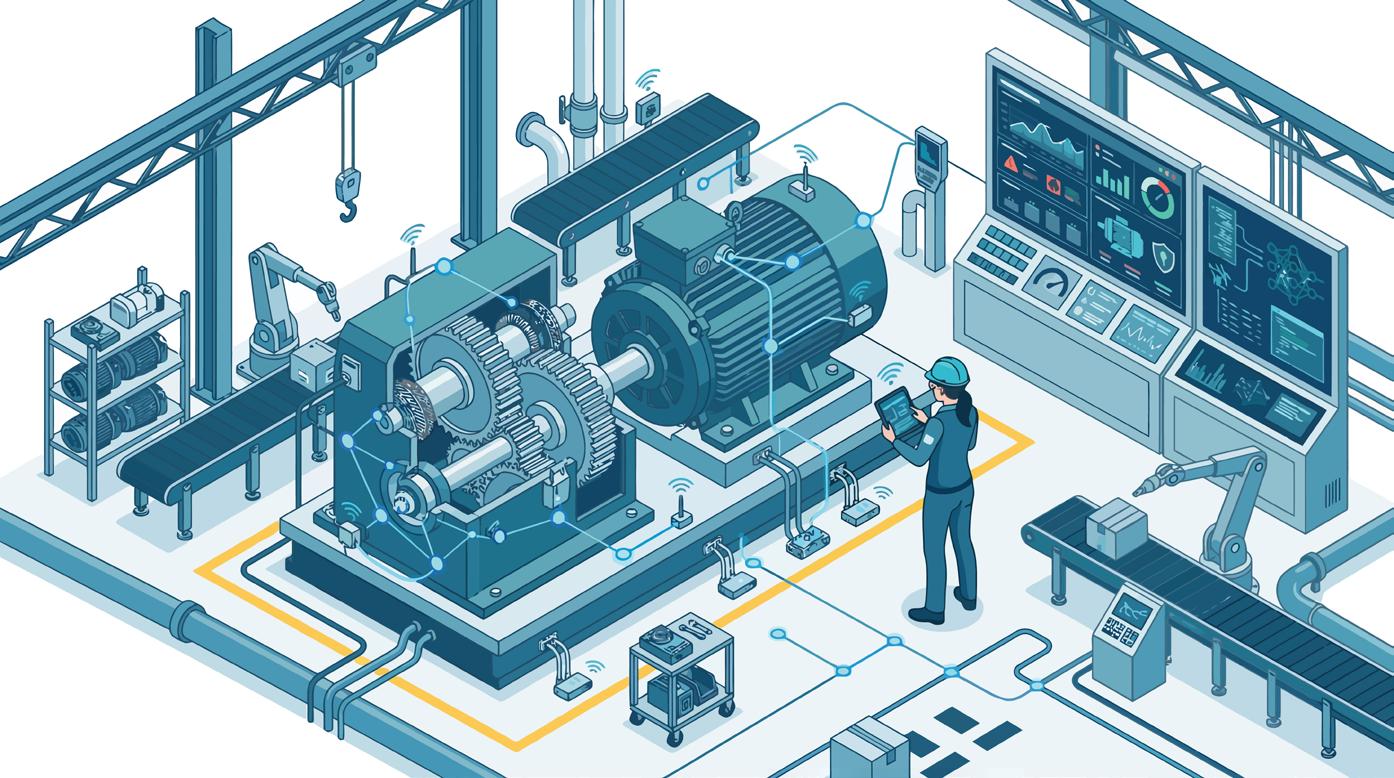
move maintenance and reliability from merely a ‘cost centre’ to a strategic investment that maximises profit potential.
Here are some of the benefits of having strong external supplier partnerships:
Better management of risk, cost and uncertainty – By moving from the use of interchangeable vendors to strategic partnerships, manufacturers can better manage risk, cost and uncertainty. As well as keeping the equipment running, costs are controlled, and downtime is minimised. In addition, collaboration with a trusted supplier can help identify alternative parts or repair options as needed and enable a manufacturer to access specialist technical knowledge for root cause analysis etc.
Potential for maintenance forecasting – Strong supplier partnerships enable early communication of maintenance plans and joint forecasting that can help a manufacturer spotlight which areas would benefit most from condition monitoring tools, upgrades and be the focus of limited resources. Good supplier relationships can also take the pressure off, via the use of vendor-managed inventories, just-intime delivery where appropriate and direct access to supplier expertise for diagnostics and root cause analysis.
Plugging skills gaps – A key challenge is equipping existing workforce for tomorrow’s challenges, whilst ensuring that today’s plant is functioning well. Those manufacturers who continue to rely on traditional ‘customer/supplier models’ will keep feeling the skills shortage. This is
Navigating the challenges of meeting current and future machinery and production needs can be made easier.
- Andy Fletcher
because they will be trying to rely on in-house capability, rather than making the most of capability-sharing supplier partnerships.
Although some producers are concerned about over-dependence on a single supplier and possible costs of exclusive contracts, the benefits of long-term partnerships are many and well charted. Even in a reactive maintenance context, good supplier relationships can mean priority servicing, faster delivery and technical support for trouble shooting issues. And for predictive or prescriptive maintenance the benefits of strong supplier relationships can lead to improved data quality, alongside early fault detection capabilities, and a positive influence on and optimisation of maintenance actions. So, what should manufacturers be looking for

when choosing a strategic supplier and what are some of the benefits?
• Choose suppliers that can provide application engineering support, not just product specifications
• Ensure they can provide comprehensive troubleshooting, with onsite visits if needed
• Opt for a supplier that offers training to boost your team’s operational knowledge and can tailor sessions to suit specific needs
• Choose a team with a track record of collaboration with their manufacturers, so that your engineering team can be extended through your suppliers.
Acorn Industrial Services supports manufacturers in the shorter- and longer-term by helping them to save money and remain competitive. With many years of experience as a full-service partner to manufacturers of varying sizes, Acorn provides everything from entry-level condition monitoring to scalable IIoT and tailored monitoring solutions. The team also offers expert data analysis support, bespoke maintenance reviews, root cause analysis, total cost of ownership assessments, product training and even maintenance equipment hire service.
Navigating the challenges of meeting current and future machinery and production needs can be made easier. By leveraging the expertise and technologies of suppliers such as Acorn, those responsible for manufacturing and production budgets can reduce unnecessary maintenance, increase Overall Equipment Effectiveness (OEE), improve safety and ultimately minimise costs through the careful use of external supplier partnerships.
For more information contact Acorn Industrial Services on 0800 8766 441, or email: enquiries@acorn-ind.co.uk or visit www.acorn-ind.co.uk.
• Poll finds public demand for long-term bill security rather than short-term support
• E.ON, working with The Purpose Coalition, calls for batteries, flexibility and smarter homes to avoid an unbalanced energy transition
The UK risks creating a “two-tier” energy transition unless cleaner and smarter technologies become more affordable and accessible to all households, warns a new report from E.ON and the Purpose Coalition.
The report, Powering Fairer Energy: Breaking Down Barriers, highlights the success of the energy transition will be increasingly judged on whether it can permanently reduce household bills across society, not just for those able to
invest upfront in energy-saving technology.
As the country moves beyond short-term energy crisis support towards long-term decarbonisation, the report not only considers the role of electrification to cut bills now, but how a ‘ground up’ energy system can reduce network pressure, increase energy security and create jobs for greater economic prosperity.
Building on the report, new research from E.ON has found clear public desire for long-term support in lowering energy bills:
• Nine in ten (91%) households feel under financial pressure from energy bills, and support expanding long-term sustainable energy schemes
• 59% would prefer long-term cost security measures over shortterm support
• 64% say high energy costs are negatively affecting their quality of life
The data also reveals a perceived social injustice among Brits that those with the greatest means are able to save money on their bills most easily, versus the most financially vulnerable. Seven in ten (70%) people believe it is unfair that some households can access technologies that reduce bills while others cannot.
Despite the pressures on household bills, public awareness of the effectiveness of the most accessible and affordable technologies, such as home batteries, remains low. Nearly three quarters (73%) of people are unaware home batteries can reduce energy costs without being paired to solar panels, highlighting a major awareness gap around the benefits newer energy technologies can deliver to households.
Chris Norbury, CEO of E.ON UK, who spoke at the launch of the report, said: “Households want more than temporary help with bills.

“They want lasting change and more control over how and when they use energy.
“The transition to clean power will only succeed if people feel the benefits in their everyday lives –otherwise we risk creating a two-tier energy system where those who need help the most are unable to access the technologies that lower bills for the long term.”
Smart energy shift could reduce bills for millions of homes
Powering Fairer Energy: Breaking Down Barriers is the latest report from E.ON and the Purpose Coalition, positioning the energy transition as both an environmental challenge and a chance to deliver lasting social and economic value, ensuring the benefits of new energy are shared as widely as possible – providing practical benefits to people while strengthening the wider energy system.
Households want more than temporary help with bills. They want lasting change and more control over how and when they use energy.
The report focuses on four key areas:
1. Affordability and supporting those most at risk while creating long-term structural solutions to lower costs. E.ON Next has already provided £200m in targeted financial support, along with flexibility solutions and smart tariffs that automatically shift energy us to cheaper times.
2. Sustainability and generating clean energy at scale by
embedding clean energy into homes, infrastructure and communities. For example, the large-scale rollout of solar, battery storage, EV charging and smart systems; developing Next Gen Home proposition which bundles clean tech with low or no upfront cost; integrating energy solutions into new housing aligned with the Future Homes Standard.
3. Inclusion and opportunity by ensuring the benefits of the energy transition are widely shared –jobs, skills, community investment and apprenticeships and future skills programmes.
4. System transformation by shifting from short-term customer support to redesigning how the energy system works, making it more flexible, local and costefficient.
The full copy of the report can be downloaded here.
The IOA Diploma in Acoustics and Noise Control is a flexible way to get into the acoustics profession, with remote learning options that fit around your life.
You’ll cover the essentials, core acoustics principles, lab methods, and your own project, then pick two specialist modules in areas such as Building Acoustics, Electroacoustics, Environmental Noise or Noise & Vibration Control.
You can study at UK centres or online, wherever suits you, and keep a good work–life balance along the way.
With over 50 years of experience, the Institute of Acoustics also connects you to a global network, events, and ongoing CPD. Find out more at: www.ioa.org.uk/education-training
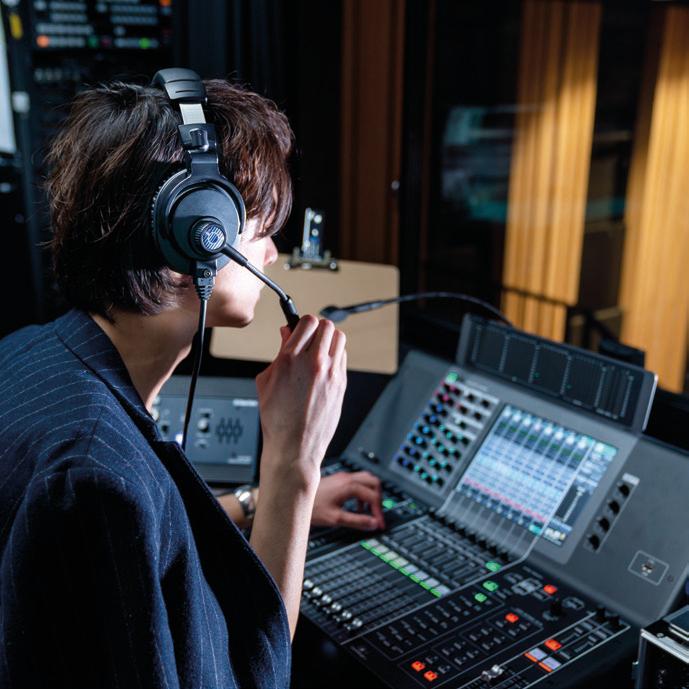













E: education@ioa.org.uk
T: +44 (0)300 999 9675 www.ioa.org.uk
Institute of Acoustics, Silbury Court, 406 Silbury Boulevard, Milton Keynes MK9 2AF








Technology company Ovarro is expanding its global channel partner network as utilities worldwide galvanise their efforts to tackle water loss and strengthen digital capability. The company is actively seeking new channel partners specialising in leakage detection and process control.
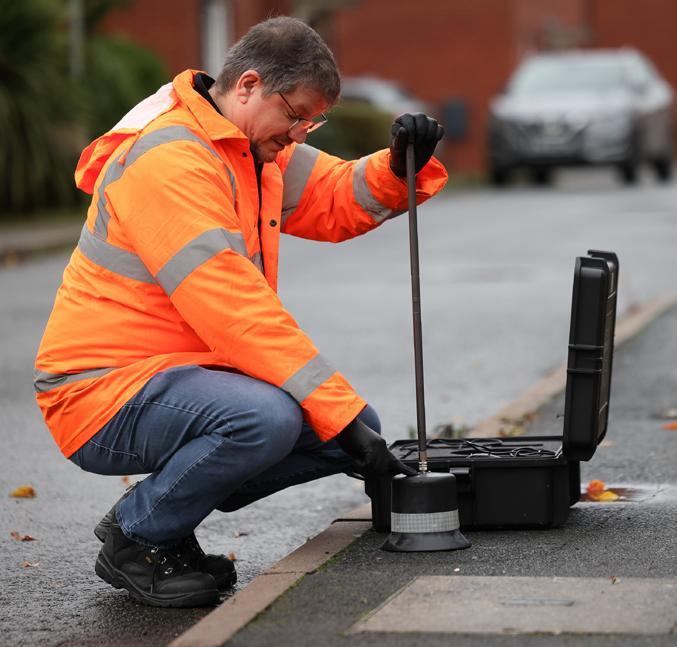
Ovarro’s channel partners form an extensive network of businesses operating in the water, energy and critical infrastructure sectors across Europe, North and South America, the Middle East, Africa, Asia and Australia. The network comprises industryleading organisations, including distributors and system integrators, ranging from large multinationals to independent sole traders.
Collaboration with Ovarro enables partners to expand their portfolio, access new opportunities and deliver greater value to their customers. Approved partners have access to industry-leading Ovarro products such as the Enigma leak detection range, TBox and Kingfisher RTUs and XiLog data loggers.
Competitive pricing and discounts, sales leads, prioritised project support and tender assistance form part of the package. Access to a partner portal,
Ovarro’s channel partners are key to our business growth.
- Tony Gwynne
with training materials and readyto-use marketing assets, is also available to enable partners to reach more customers.
The water sector faces critical challenges driven by climate change, ageing infrastructure and rising demand, all of which threaten global water security. However, opportunities lie in the use of advanced technologies to address these challenges.
Innovations in remote monitoring and automated analytics now provide 24/7 visibility across water networks, enabling faster, more accurate detection and proactive operations. Ovarro is among companies driving
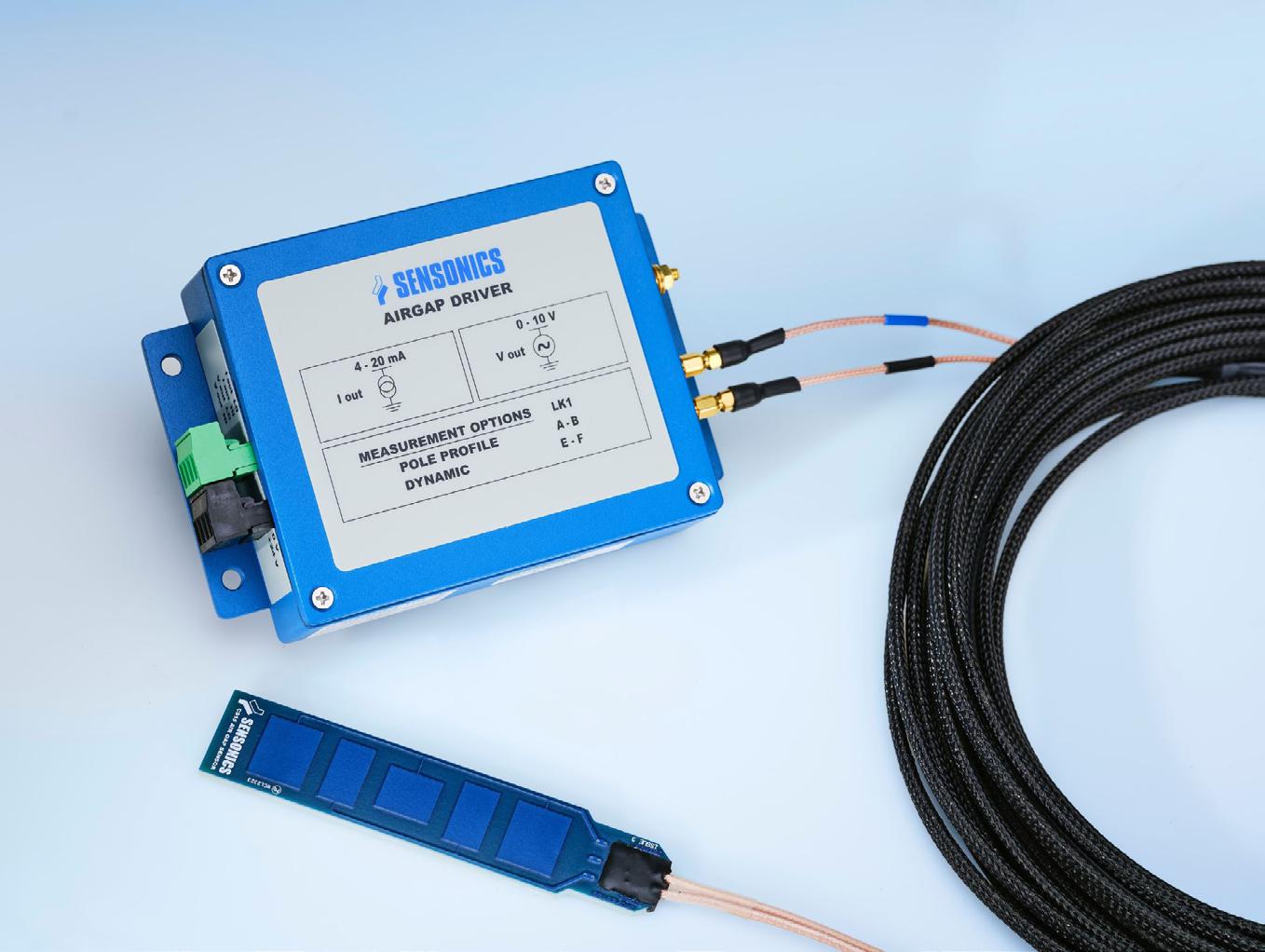
The established range of Capacitive Air Gap Transducers available from machine monitoring specialist SENSONICS, have been developed to meet the critical measurement requirements driven by the need to understand the dynamic relationship between the rotor and stator in hydro power generation applications. These CS probe and driver combination sensors are designed as a non-contact dynamic position transducer utilising a capacitive technique to provide an accurate displacement measurement from the sensor face to the generator rotor bars (a metal target).
The key advantage of the capacitive technique in generator applications is the high immunity to magnetic fields, while the CS series also provides high resolution and
digital transformation by providing advanced IoT-enabled systems that convert network data into actionable, real-time insights.
Tony Gwynne, global leakage solutions director, Ovarro, said: “Ovarro’s channel partners are key to our business growth. For our partners, the programme presents opportunities, markets and customers that may otherwise be out of reach, helping business expansion and market penetration. The assets we offer will help our partners become self-sufficient in selling Ovarro technologies, benefit from our strong growth trajectory and expand into new markets. We believe that combining our key business strengths with our technology, sector and cultural knowledge will strengthen all our operations and help us provide the best experience for our endcustomers globally.”
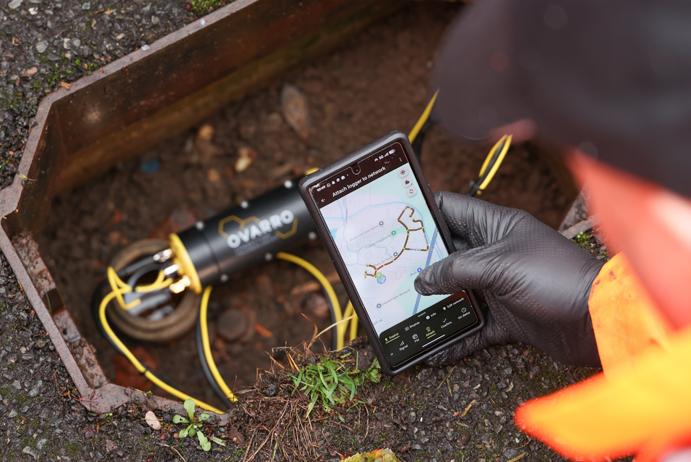
relative insensitivity to different (metal) target materials.
The sensor is available in a robust strip-line mechanical arrangement, ideal for mounting with specialist adhesive on the stator wall. It features separate transmit and receive integral coaxial cables which are routed over the stator wall or through ventilation holes to the driver which provides the transmission signal for the strip line and receiver detection.
Linearised opto-isolated outputs are provided in both voltage and current format which can be configured to represent various rotor pole measurements with respect to the stator. These include pole and rotor profile as well as an overall minimum gap output.
The CS probe and driver combinations are now available for an increased measurement range covering 7mm,15mm, 25mm, 50mm and 75mm to ensure highly effective monitoring for the smallest, up to the largest hydro generators.
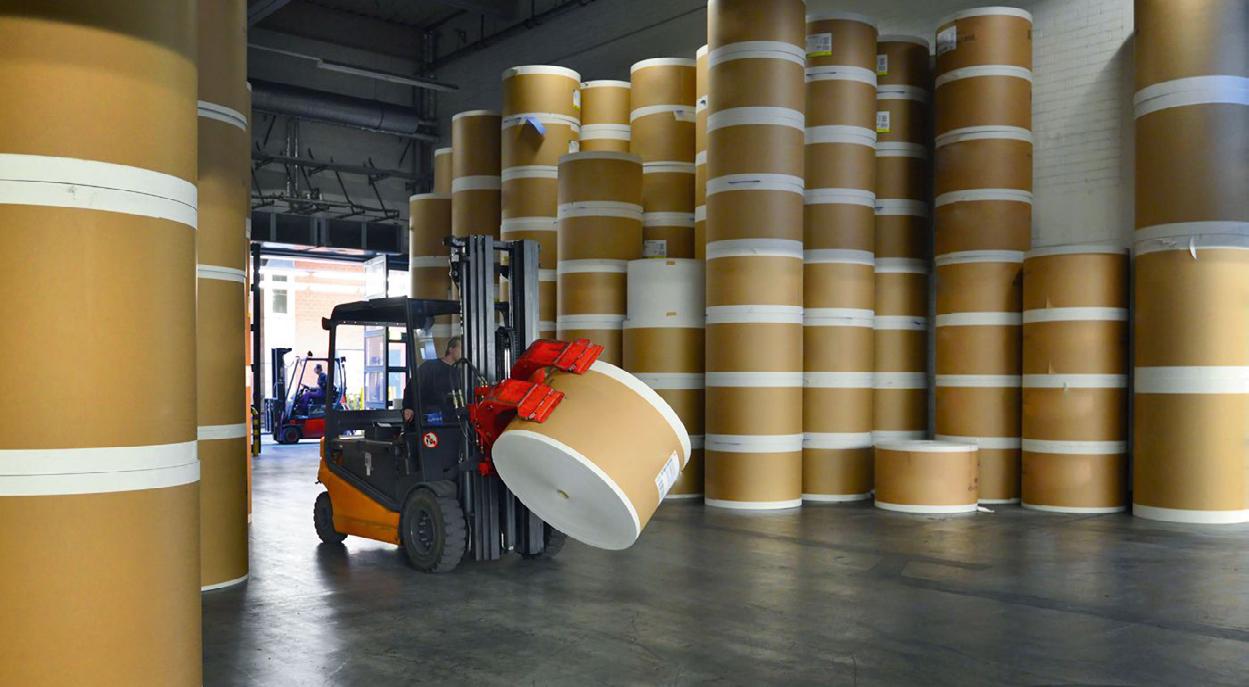
ifm has announced the launch of its new JBC series dynamic inclination sensors, providing a highly accurate angle measurement solution for applications prone to heavy shock and vibration. The new devices merge threedimensional acceleration and three-dimensional gyro data to ensure exceptional signal quality and fast response times. These sensors are specifically designed for levelling, alignment, stability and angular detection in industrial machines and structures, such as forklifts, where continuous movement often disrupts process data from other sensing technologies.
The JBC series records all accelerations and rotations across six degrees of freedom. To overcome the challenges of moving machinery, the sensors utilise an advanced Kalman filter. This technology successfully filters out machine motion disturbances caused by a vehicle starting, braking or hitting uneven surfaces, thanks to resilience against acceleration, deceleration, impacts or vibration. As a result, the sensors deliver highly reliable inclination values even during the most dynamic industrial operations.
Despite their advanced capabilities, the sensors feature a lightweight and compact design. Each unit weighs under 20 grams and attaches easily in tight spaces using only two screws, which provides a stable and vibrationfree mount. The robust, fibreglass reinforced plastic housing carries maximum protection ratings up to IP6K9K. This ensures the sensors can withstand harsh external influences whilst maintaining a static accuracy of 0.25 degrees and a dynamic accuracy of 0.5 degrees.
Ease of use remains a top priority in the JBC series design. The sensors communicate filtered data, raw data, and temperature readings directly through IO-Link or two independent switch points. Basic sensor parameters can be configured quickly over the IO-Link network. Furthermore, operators can easily set the sensor’s reference plane directly on the device using the integrated inductive teach face, completely removing the need for extra software tools.
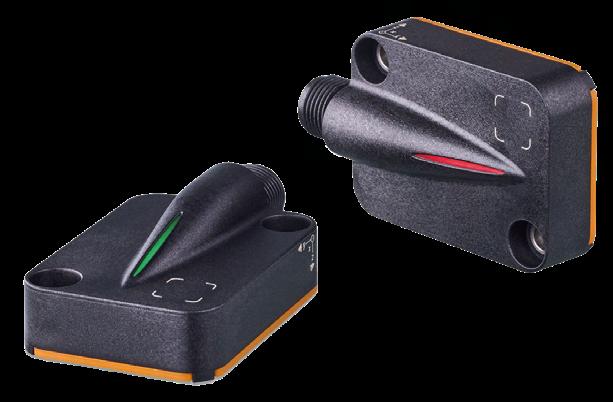
From its origins as a World War II job shop to its evolution into a specialist in high-speed structural aerospace machining, Northoff Engineering has consistently recognised that the right equipment is key to turning potential into performance. Guided by this forward-thinking mindset, the California-based manufacturer invested in its first Starrag Ecospeed F 2060 horizontal machining centre in 2013. More than a decade later, building on that successful experience, the company has further expanded its capabilities by adding a second Ecospeed F — the more compact F 1540 — reinforcing its ongoing commitment to innovation, precision, and growth.
What I really liked about the Starrag was the kinematics.
- Arnie Juarez
Founded in 1941 as a wartime job shop, Notthoff Engineering has grown steadily over eight decades to become a highly specialised aerospace subcontractor. As CEO Kelly Kaller explains: “Notthoff Engineering is a small, family-owned machine shop that has grown over the years, and we produce high-speed, monolithic structural aeroplane parts as well as helicopter components.”
Production is around 80% aluminium, with titanium, Inconel, and other hard metals making up the balance. The parts span a wide range of structural aerospace components, from ribs, stringers, and formers to fuselage sections. As COO Arnie Juarez illustrates: “To give you an example, we recently had a billet that weighed about 6,800 lbs, but when we shipped the part out, it weighed 190 lbs. That is 95% material removal, and that is common for us.”
Operating from a four-building facility covering approximately 65,000sq/ft in Huntington Beach, the company’s programme portfolio features some
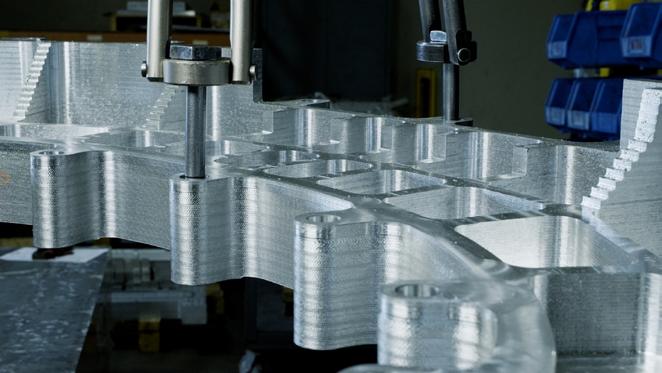
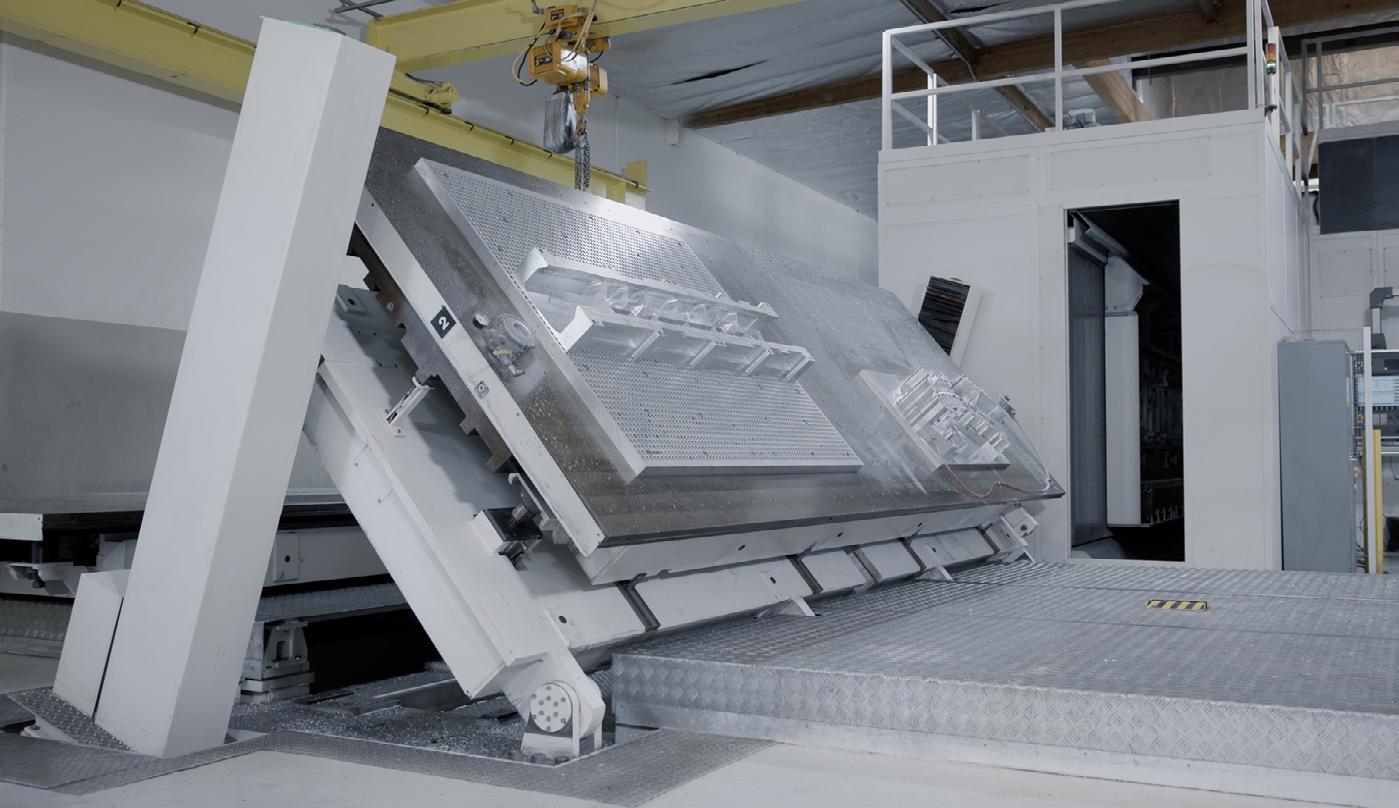
of the most significant U.S. defence aircraft from recent generations. “Most of the work we do is military. We work on the F-35 and F-47, and we did a lot of work on the F-18 back in the day. The F-16 also still has a lifespan that we support — we’re involved in a lot of programmes,” says Juarez. As a nextgeneration fighter, the F-47 project highlights the company’s expanding role in cutting-edge U.S. defence manufacturing.
When Notthoff assessed horizontal machining centres in the early 2010s, Juarez was meticulous, visiting reference customers across Europe to observe different machines in real production settings. What he discovered was compelling.
“The Starrag sales team invited me to Ireland to see another company where some of their machines were in operation. We spoke to everyone at the company, and they all praised Starrag. They were even installing two additional machines. We then visited another machine tool manufacturer in France, but upon arrival the machine was undergoing maintenance. I spoke to a few individuals there, and they mentioned numerous problems with the machines. Our decision was almost made,” says Juarez.
But the decision was not simply about reliability. By contrast, the more Juarez investigated the Ecospeed’s technical architecture, the more convinced he became. The key differentiator was the patented Sprint Z3 parallelkinematic head. “What I really liked about the Starrag was the kinematics. Most of the big horizontals from other manufacturers have large, heavy rotating heads, and they’re really slow. They wind and unwind, and you lose a lot of cycle time. With the Z3 Sprint head on the Starrag, it goes from zero to 40 in a split second. The machine

just keeps running. The acceleration and deceleration are excellent, so we can produce parts much faster with this machine than with any other on the market.”
The Ecospeed F Series is Starrag’s specialised solution for high-speed milling of aluminium and soft-metal structural parts. Both the 2060 and 1540 models feature the Z3 Sprint head, a parallel-kinematic system that delivers 1G acceleration across all five axes, with jerk values up to 200m/ s³, enabling rapid positioning without compromising accuracy.
Tim Mooney, Starrag’s National Sales Manager and aerospace specialist, describes the machine in his characteristic direct style: “It’s the fastest, most powerful machine out there — 30 to 40% more efficient than every other machine because of the Z3 head.” The spindle specification underpins that claim. The Ecospeed runs at 30,000rpm, with a 161-horsepower spindle and a base speed of 13,800rpm — the speed at which full horsepower is available. Mooney explains why this matters:
“Cutting aluminium structures is all about horsepower. If you achieve full horsepower at a lower RPM, you can use a much larger tool, which means a wider and deeper cut, and your maximum hourly metal removal rate increases. None of our competitors can match that.”
The Z3 head covers ±45° of travel, encompassing approximately 95% of aluminium structural part requirements. When the right-angle
We can control the cut throughout and get through the corners quickly, eliminating vibration.
- Tim Mooney
head is loaded via the automatic tool changer, the machine effectively becomes a 6-axis platform, extending the stroke to 135° and enabling undercuts, side drilling, and other challenging geometric features to be completed in a single setup.
For thin-walled aluminium structures, the Z3 head’s low mass — approximately 441 lb (200 kg) for the spindle assembly, compared with two to three tons for a traditional fork-
head spindle — provides a decisive advantage.
“With a very light mass to control, thin walls don’t become a problem because we can accelerate through them,” says Mooney. “We can control the cut throughout and get through the corners quickly, eliminating vibration.”
The Ecospeed F 2060, installed in 2013, has a work envelope of 2m by 6m, enabling Notthoff to machine some of the largest structural components in aerospace production. More than a decade later, the original machine continues to perform to specification.
“This machine was installed in 2013, so 13 years later we’re still producing good parts,” says Juarez. “We haven’t had any major overhauls, and it still holds tolerances to within a thousandth of an inch.”
The newer Ecospeed F 1540 has a work envelope of 1.5m by 4m. Rather than duplicating capability, the two machines form a complementary pair. “Rather than tie up the big machine with smaller workpieces, it allows us to move that work over to the 1540 and keep them both running, using them in the most efficient way possible,” explains Juarez.
There are also technical differences that make the pairing particularly practical. The 2060 uses minimumquantity lubrication (MQL) with a biodegradable oil mist delivered through the spindle, while the 1540 uses flood coolant.
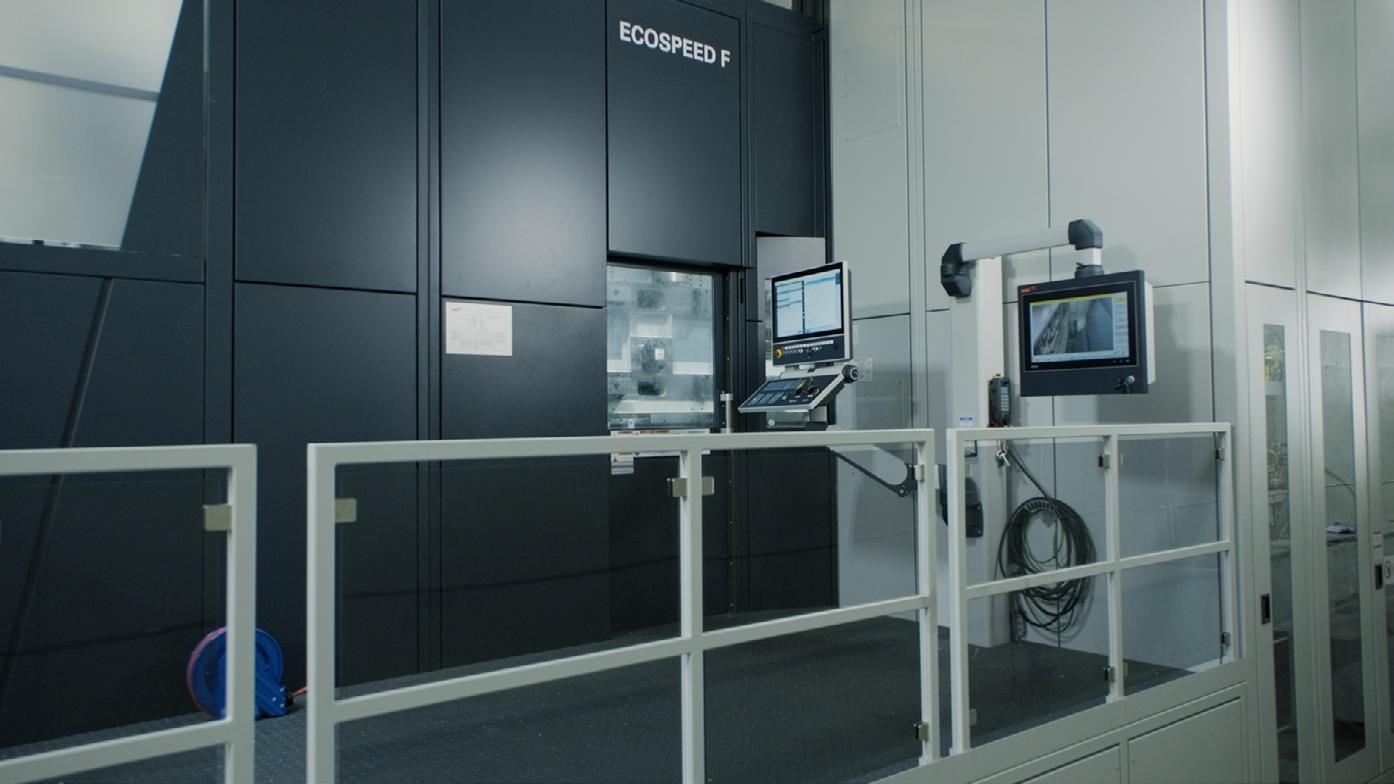
This enables the West Coast company to optimise each machine for different parts and conditions. The dual-pallet configuration on both machines guarantees maximum spindle uptime.
“We have one pallet in the machine, running parts, while the engineers prepare the other pallet for the next job,” says Juarez. “They load the tools into the tool changer while the machine is running, update the programme, and return the machine to cycle immediately.” The pallet change takes just 120 seconds, and both machines run 24/7, powered by the Siemens 840D Solution Line control, with all programs validated using Vericut simulation before reaching the shop floor.
For Kaller, the value of the Starrag investment comes down to spindle time, efficiency, and competitive capability. “This new machine gives us a nice edge by being very efficient. It adds a lot more capability and capacity to our shop,” he says. For Juarez, the competitive advantage lies in production speed. “The machine allows us to deliver on time with excellent quality, and customers get parts at a really good price because we can machine parts much faster than our competitors.” Ecospeed’s self-calibration feature also supports quality assurance, reducing reliance on operators.
“The new machine has a feature that allows it to self-calibrate, which takes a lot of responsibility away from my operators because it’s built into the machine.” The machines also directly support compliance with the latest
Boeing manufacturing specifications. “The new requirements from Boeing and other customers specify that you have to do everything in the same setup. We have a 90° head on these machines that is stored in the tool carousel and automatically loaded, which effectively makes the machine 6-axis and allows us to drill all the holes at the same time without secondary operations,” explains Juarez. “We have a leg up because we know we can deliver parts that meet the most stringent requirements in a timely manner.”
For Juarez, the quality of after-sales support was central to the purchasing decision and remains the main reason Notthoff chose Starrag again for the 1540. “There’s nothing worse than buying a machine and finding out afterwards that there’s no service support,” he says. “Starrag has always been really good, which is why we bought the second machine. They’ve always stood behind their product. They’re very involved and very responsive. They genuinely understand that when your machine is down, you’re not making money, so they’re on top of it straight away.”
The service infrastructure includes remote diagnostic capability, allowing Starrag’s engineers in Germany to log directly into the machine control and diagnose issues in real time. When onsite attendance is required, response times are rapid.
“If there’s nothing they can do remotely, they send a service technician, and he’s usually here within 24 to 48 hours at most. A lot of
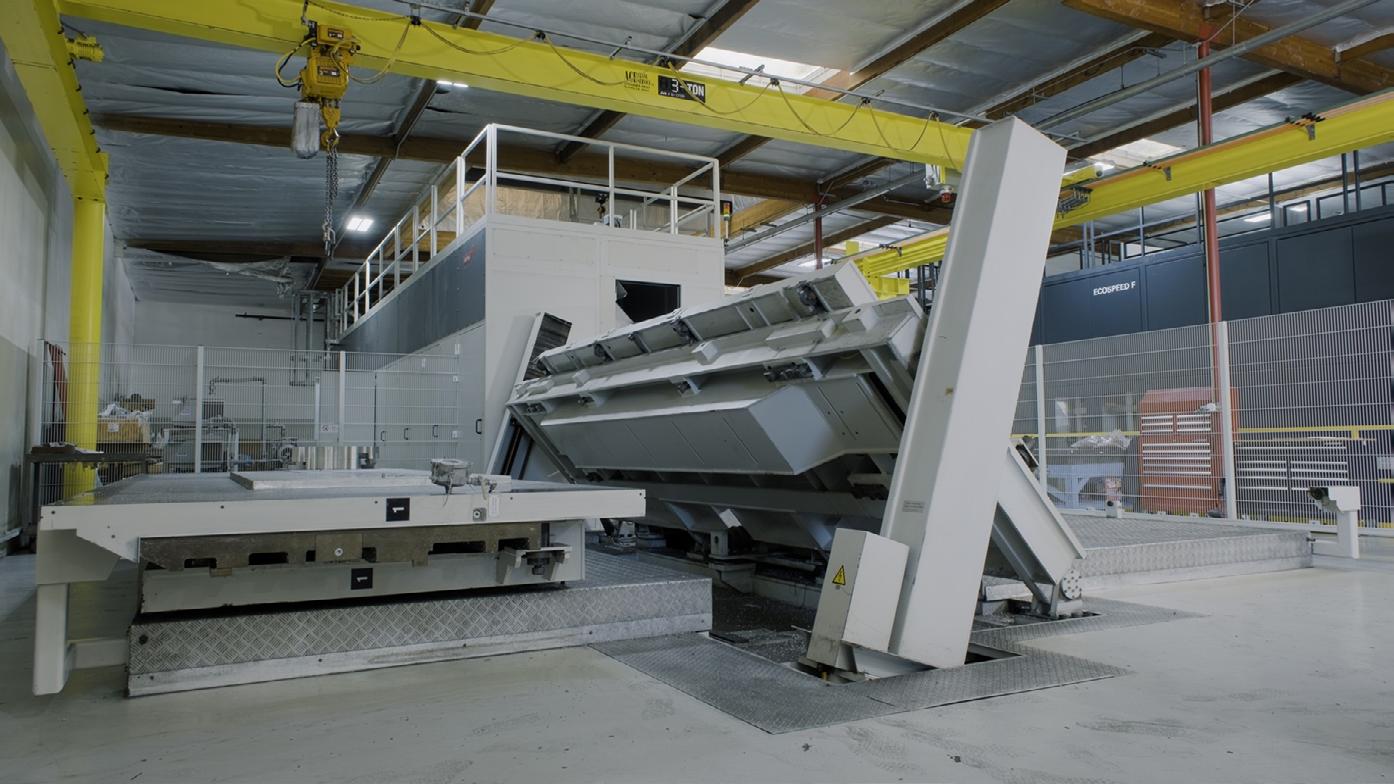
things can be fixed over the phone,” says Juarez. Starrag currently has more than 850 machines installed across the U.S. market, supported by a team of service engineers from its factories, positioned strategically throughout the country, as well as approximately US$2 million in spare parts held at its Hebron parts facility. Mooney summarises this approach: “We’re a solution provider, not a company that drops a machine off and walks away. Whether it’s the service aspect of keeping the machine at 95% technical availability or the applications team programming it correctly to maximise material removal, the people are really important.”
With U.S. defence spending increasing and build rates on major programmes accelerating, Notthoff Engineering is well positioned for growth. The company already has work scheduled for both machines and is evaluating options to add capacity. “We like to grow organically,” says Juarez. “We’re kind of out of space. We have four buildings fully occupied with equipment. We’ve either got to dispose of some of the older equipment or invest in another building, which is a very real possibility.”
Mooney confirms that around 90% of Starrag’s U.S. aerospace clients focus on defence applications and that the Ecospeed meets all stringent government specifications as standard. The relationship between Notthoff and Starrag, which has lasted more than 12 years, exemplifies the partnership philosophy Mooney describes: “When Starrag sells a machine to a customer, it’s not just about selling a machine. It’s about building relationships and supporting each other over the years — we’re in it for the long haul.”
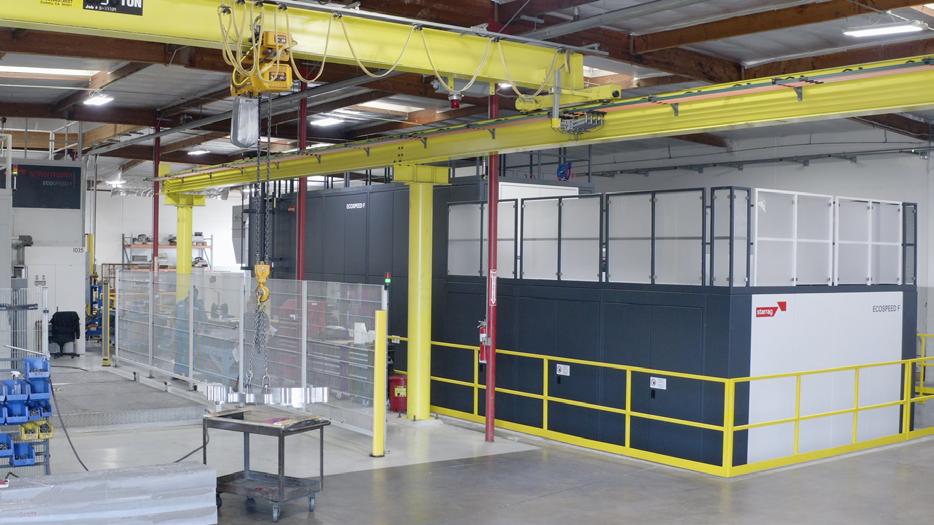


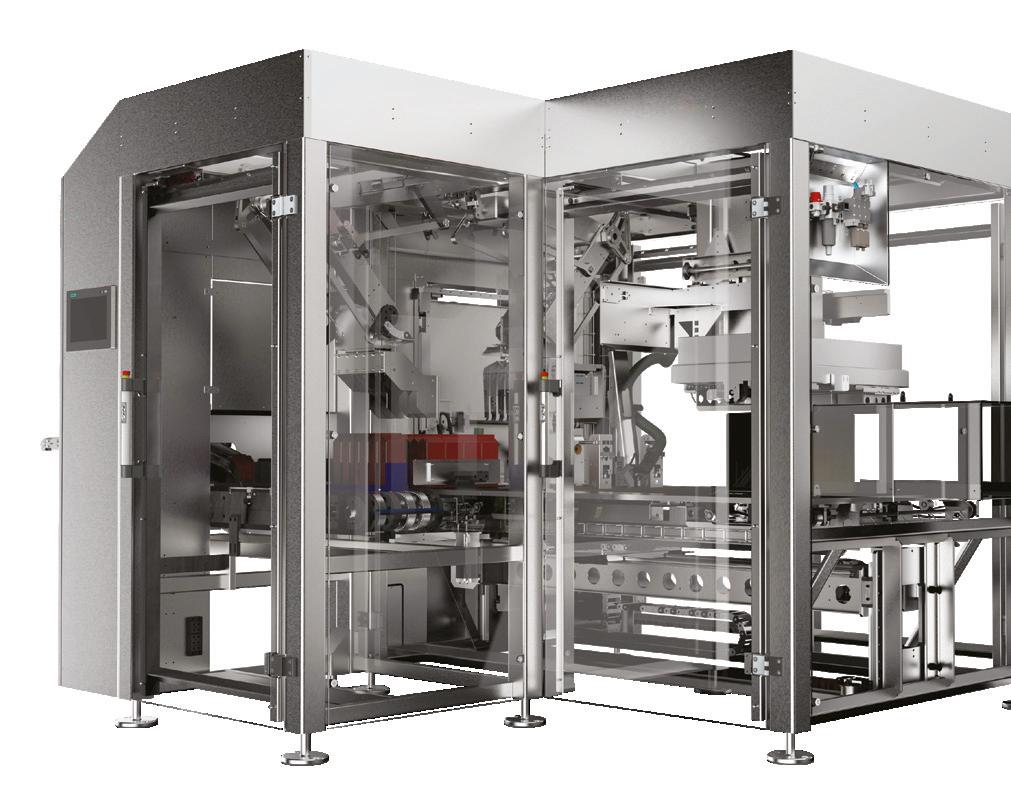
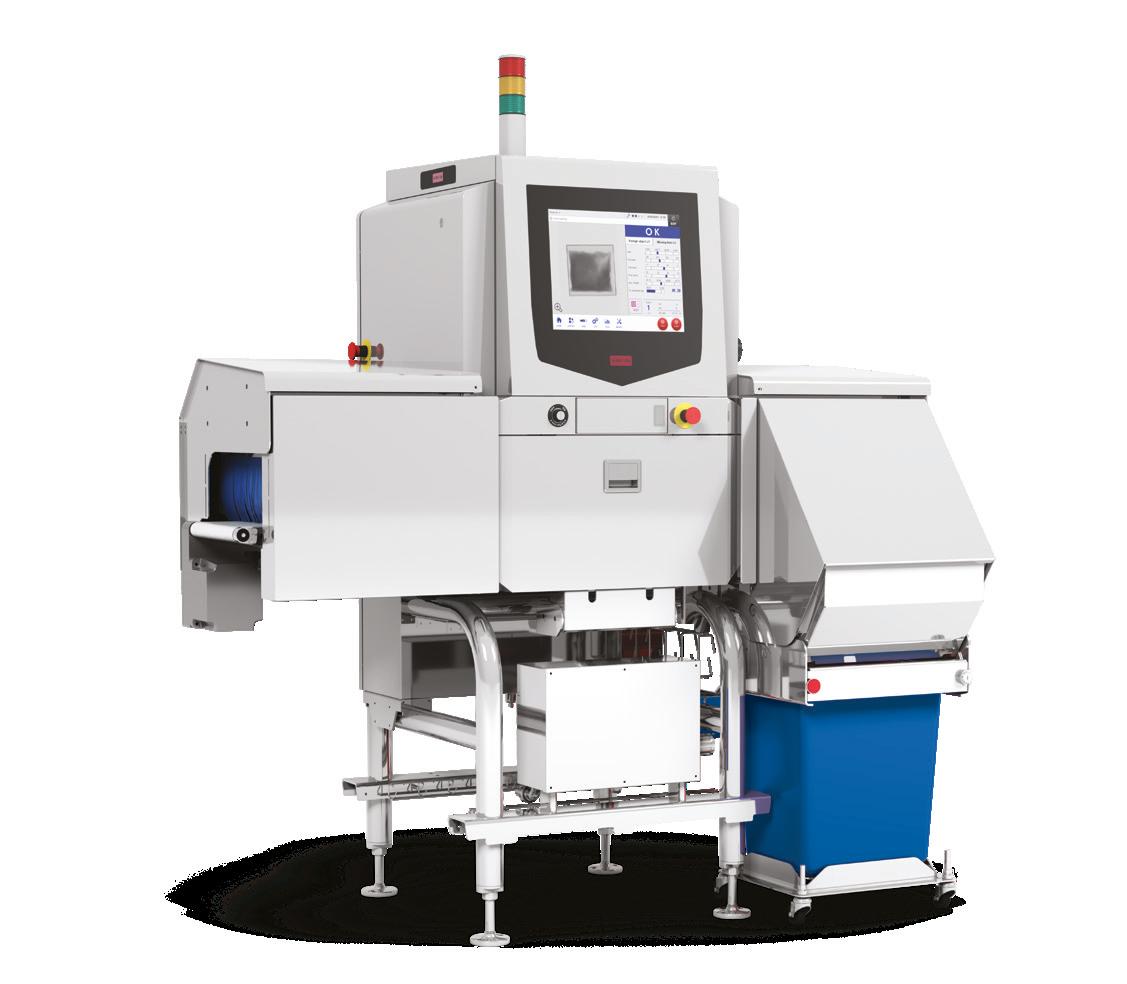

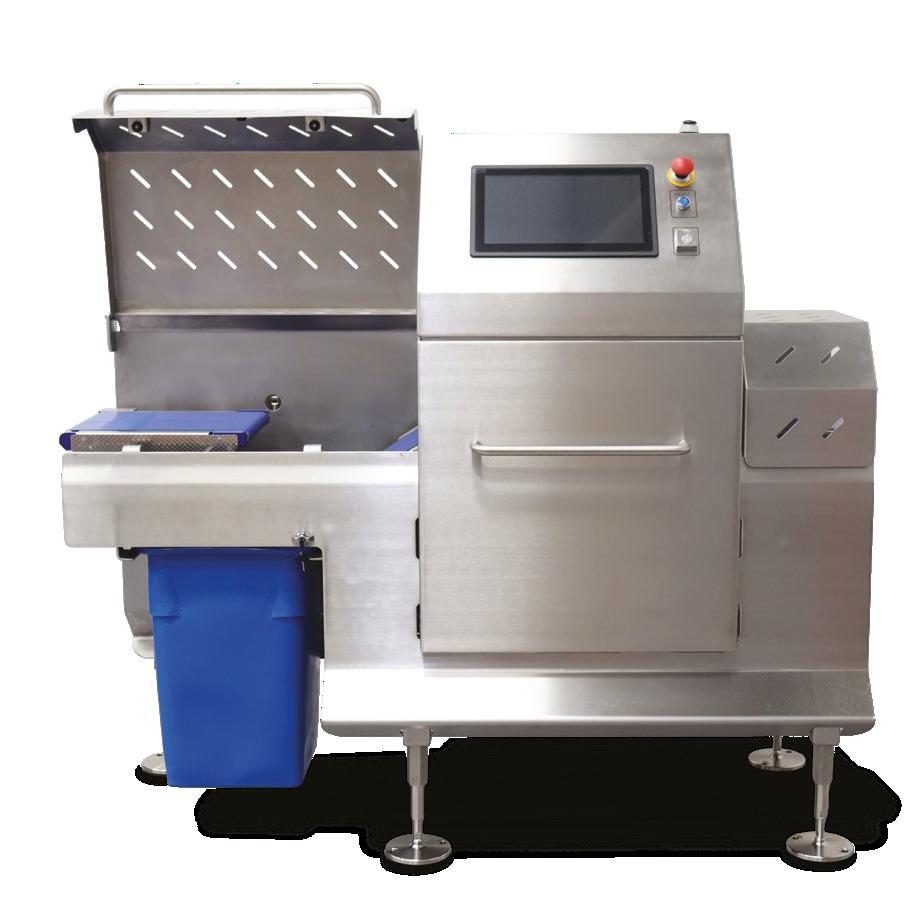
22 - 24 September 2026 l NEC, Birmingham
The stage is set for the PPMA Show 2026, held at the NEC, Birmingham from 22 to 24 September. See over 350 exhibitors, discover the latest technologies, experience live demonstrations and meet new contacts. Scan the QR code to reserve your free pass today.
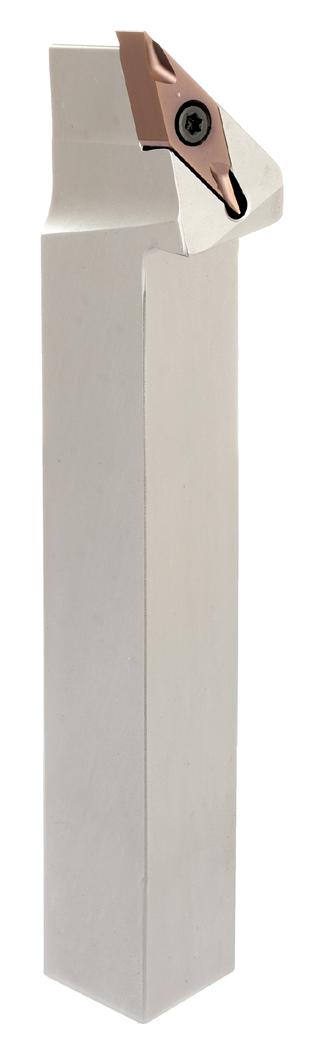
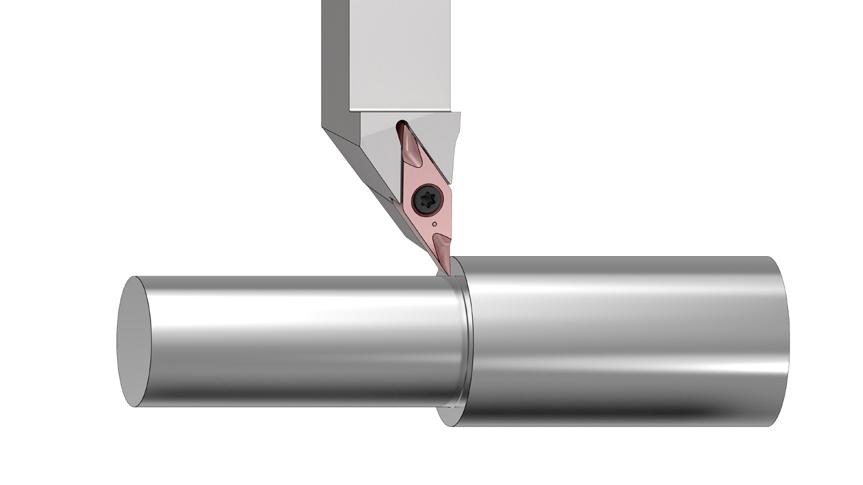
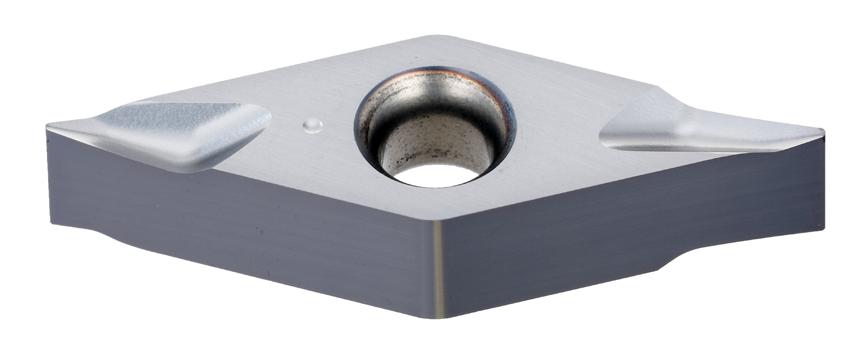
TaeguTec has expanded its acclaimed RHINO-TURN product range with the introduction of the VNGX-ST chip breaker, a doublesided, four-corner insert specifically engineered for heavy-duty turning operations. As a world-leading cutting tool manufacturer, the new addition from TaeguTec responds to growing industry demand for tooling solutions that combine exceptional productivity with extended tool life in demanding machining applications, whilst minimising carbide and subsequently tooling costs.
The VNGX-ST insert joins TaeguTec’s recently launched ST chip breaker family, which has already established a reputation for delivering superior performance in heavy material removal operations. By incorporating the ST geometry into the versatile VNGX platform, TaeguTec now offers manufacturers a cutting solution that significantly reduces machining time whilst maintaining exceptional surface quality and dimensional accuracy.
Compatible with RHINO turning holders, the insert design provides

Phoenix Contact is extending its XT product range to include terminal blocks with a nominal cross-section of 4 mm². This enables consistent, tool-free wiring for conductor crosssections from 0.34 to 25 mm².
The new feed-through terminal blocks have all the advantages of the innovative Push-X technology: They enable the wiring of all conductor types, whether rigid or flexible, even without ferrules. The factory pretensioned contact spring ensures ease of use and makes connecting particularly easy. The clear visual and acoustic identification of the conductor connection ensures additional safety and clear handling. The orange actuating push button allows for easy release of the conductor and pre-tensioning of the spring. With a nominal current of 32 A and a nominal voltage of 500 V, the XT 4 terminal blocks are ideal for manual and automated wiring processes. Phoenix Contact therefore provides a complete solution for wiring different conductor cross-sections – quickly, safely, and efficiently.
immediate cost benefits with its four indexable cutting edges. This effectively doubles the usable corners compared to traditional two-edge heavy-duty turning insert designs. This results directly into reduced tooling costs and fewer tool changes, reducing downtime and maximising machine utilisation.
Although featuring a 35-degree rhombic geometry often linked with lighter finishing tasks, the VNGX-ST delivers impressive versatility thanks to its advanced chip breaker design. The insert manages depths of cut up to 3mm, spanning from fine finishing to robust roughing operations. This broad operating range reduces the need for multiple tool changes, streamlining production and enhancing process reliability.
A key innovation of the VNGXST design is its high 25-degree rake angle, which produces significantly lower cutting forces during machining. This reduction in mechanical stress decreases vibration, enabling higher cutting parameters and a better surface finish. Component accuracy also benefits from reduced deflection, while tool life is greatly extended as cutting edges operate under decreased thermal and mechanical loads. The combined stability and geometry ensure continuous chip formation, leading to low cutting forces and excellent component quality.
Ideally suited to Swiss-type sliding head turning centres, TaeguTec specifically recommends this new VNGX-ST insert with operations that utilise servo oscillation functions, like Citizen UK’s LFV software or Star’s HFT or SCP software. This combination optimises chip breaking whilst maintaining the high surface quality essential for precision turned components in medical, aerospace and automotive applications.
TaeguTec offers the VNGX-ST in six insert variations, available with either sharp edge or micro-honed edge preparations to suit workpiece materials from steel and stainless to more challenging alloys. The range includes PVD-coated grades TT9020 and TT4430, both engineered to resist wear and extend tool life in demanding production environments. To reduce your carbide costs and improve your productivity, contact TaeguTec now.
For more information visit: www.taegutec.com
Walter is expanding its Groov·tec®GD portfolio with three new grooving innovations to broaden the range of options for manufacturers. The three new arrivals offer significant opportunities for manufacturers to accelerate productivity and performance with the G5111-P axial grooving system, the new Groov·tec®GD boring bar range G5221, and the highly versatile Groov·tec®GD grooving system range G55xx.
The G5111-P axial grooving system has been introduced in three cutting depths of T21, T25 and T33mm, with four insert widths ranging from 3 to 6mm. It enables particularly stable machining conditions and high process reliability, as the precise internal coolant on the free and plain surfaces optimally supports chip evacuation in axial contours.
Also new to the market is the impressive new Groov·tec®GD boring bar range G5221. This ensures high stability for large diameters starting at Dmin 44mm
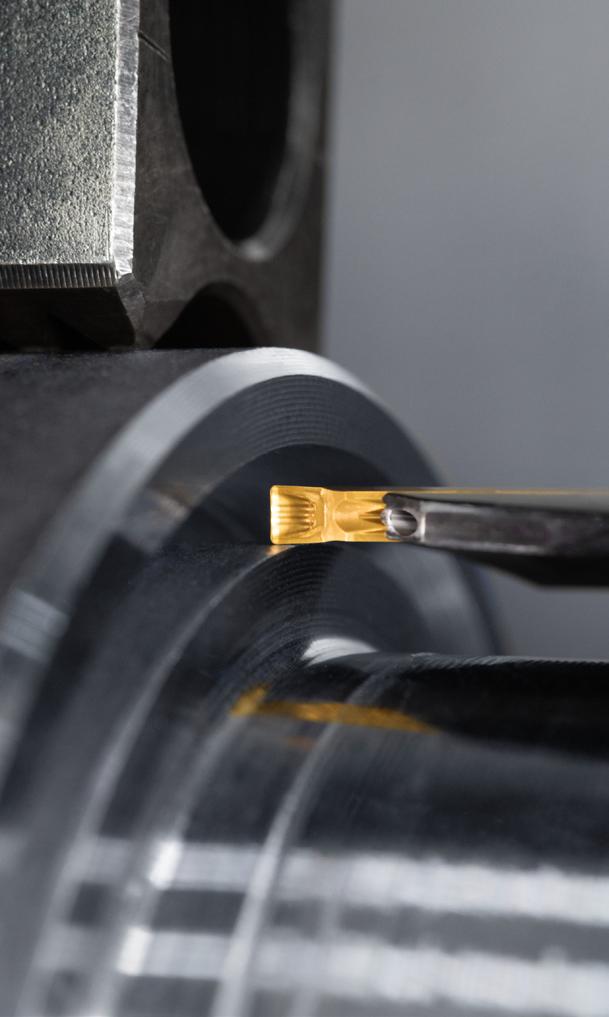
with insert widths from 3 to 5mm, and a cantilever length of up to 3XD. This makes the G5221 ideal for internal grooving starting from the minimum diameter through to grooving depths up to Tmax 12mm. The reinforced tool body with an optimised design minimises vibration. Furthermore, the enlarged internal cooling bore ensures effective flushing of the work area to optimise swarf control, prevent swarf re-cutting and improve tool life.
Expanding its portfolio of universal solutions, Walter now introduces the Groov·tec®GD grooving system range G55xx. With insert widths ranging from 2.5 to 6.0 mm, this series enables radial grooving and groove turning up to a depth of 8 mm. It is also suitable for axial and 45° applications. Thanks to the tool geometry’s reduced base, all GD cutting inserts can be used in the toolholder. This increases flexibility, reduces set-up times, and boosts cost-effectiveness across all turning centres, from single-piece to series production.
Together, the three systems share the fundamental advantages of Walter’s renowned Groov·tec®GD technology. This groundbreaking line incorporates a dual-tooth profile that remains unique in the market. This guarantees maximum stability by reliably preventing the cutting insert from being pushed out of the toolholder laterally. In combination with the wear-resistant Walter Tiger·tec®Gold grades, Groov·tec®GD enables maximum cutting parameters, tool life, and process reliability.
LEFT: Highly stable and with high process reliability: The double-tooth design of the Groov·tec™ GD grooving systems effectively prevents the cutting insert from being pushed out of the insert seat laterally.
By Steve O’Keeffe, RVP, UK&I at Epicor

Steve O’Keeffe, RVP, UK&I at Epicor
Right now, there’s only one issue dominating the agenda for business leaders: the cost of fuel. In recent weeks, the price of oil has reached eye-watering levels as tensions in the Middle East have boiled over. It’s not just the price that’s a problem. The volatility of energy prices – and the open-ended nature of the conflict – makes planning difficult for businesses that rely on transport as part of their day-to-day operations.
In response, organisations such as the Road Haulage Association (RHA) –which represents commercial vehicle operators in the UK – have called on the government to do more to help insulate companies from the current price shocks. Another industry body – Logistics UK – has warned about the damaging impact that high fuel prices have on a sector that typically operates on tight margins.
It’s impossible to say what the next weeks and months have in store.
- Steve O’Keeffe
By combining deliveries and reducing empty miles, distributors can cut fuel usage almost immediately. It’s a simple way to ease the pressure while longer-term changes are put in place.
- Steve O’Keeffe
Although the intervention from both of these industry bodies is to be welcomed, they don’t address the immediate financial headache facing distributors. So what can businesses do to keep a lid on things?
One of the first things they can do is to pass on some – if not all – of the costs to customers. The most common way to do this is through fuel surcharge clauses linked to recognised fuel price indices such as the government’s weekly road fuel prices list.
This index provides a regular snapshot of prices at the pumps and allows firms to pass on any price rises with full transparency. It’s an approach that freight carriers have used for years, but the key to success is to base any decision on objective data to avoid any accusations of arbitrary pricing or price gouging.
Another approach is for distributors to adopt dynamic pricing models that link delivery charges to fuel cost trends. In simple terms, this means that delivery pricing moves in line with real-world conditions, helping to protect gross margins without requiring price increases across the board.
Whichever approach firms decide to adopt, it must also be done with a sense of urgency. Even small changes in fuel prices can quickly push up freight costs and eat into margins if any decision to impose surcharges is delayed.
Another tactic that can be employed immediately is to optimise delivery routes and consolidate shipments. By combining deliveries and reducing empty miles, distributors can cut fuel usage almost immediately. It’s a simple way to ease the pressure while longer-term changes are put in place.
Another approach worth exploring is the use of electric vehicles. Many firms have been trialling electric vans or hybrid vehicles to test their suitability for certain routes. Now may be the time to reconsider those trials.
Indeed, the UK government recently announced that it was providing £1 billion in funding to help roll out electric vans and trucks to help “hauliers become more resistant to global price changes”.
Another area worth considering is negotiating smarter contracts with freight operators. By committing to longer-term agreements, distributors could insulate themselves from extreme price swings. Of course, that may not be something that can be done today. But by having structured surcharge tables in place, it reduces the need for frenetic renegotiations when prices do spike. It also makes budgeting much more predictable for finance teams.
Looking ahead, one of the best ways to plan for price shocks is to have better visibility of data, so you can see where costs are rising and respond quickly. Transport Management Systems (TMS) allow distributors to use data to respond quickly to fueldriven cost changes.
These platforms offer real-time tracking of delivery costs per route, helping teams to quickly identify inefficient routes and reduce unnecessary mileage.
Another approach worth exploring is the use of electric vehicles.
- Steve O’Keeffe
TMS tools also optimise routing dynamically, meaning they can find more efficient paths in real-time and reduce fuel consumption. They also support shipment consolidation, enabling distributors to combine orders, reducing the number of trips and fuel used per delivery run.
It’s something I mentioned earlier that can be done now, but with a fully integrated TMS, the process is faster, more accurate and easier to scale.
For those operators looking to gain even more control, combining TMS with integrated ERP systems allows firms to link transportation costs directly to profitability.
It means that every freight cost is allocated down to the order level, giving distributors clear insight into how fuel impacts margins. With realtime margin monitoring, distributors can adjust pricing promptly, ensuring they don’t erode profits.
Other features include predictive analytics, which allow distributors to model future price shocks and to plan accordingly. And finally, automated processes ensure fuel surcharge updates are applied without delay, and pricing adjustments flow seamlessly from cost data.
It’s impossible to say what the next weeks and months have in store. But one thing is clear: fuel price volatility is not going away any time soon. For distributors, the focus now has to be on control. That means putting the right measures in place to protect margins, whatever the market throws at them.
For more information visit: www.epicor.com/en-gb or connect with Steve O’Keeffe.
Why fastening accuracy now matters more in high-density systems
In the manufacture of electrical equipment, the assembly stage plays a decisive role in how electrical, thermal and mechanical forces interact once the product is in service. At fastening points in particular, even slight inconsistencies in clamping force or component seating can shift contact resistance and gradually influence system stability. Here, Alexander Hale, product manager at assembly tool manufacturer Desoutter, outlines why accuracy during fastening is now central to electrical equipment performance.
Electrical designs are usually specified around controlled parameters such as current density, thermal rise, creepage and clearance. However, these calculations assume something that is often taken for granted in production environments: that physical interfaces remain stable and repeatable over time.
Once joint conditions become inconsistent, electrical performance becomes harder to predict.
- Alexander Hale
Once joint conditions become inconsistent, electrical performance becomes harder to predict. The level of pressure at the contact interface and the actual metal to metal contact area both determine resistance. Even small deviations can concentrate heat in localised areas where dissipation is limited. As a result, higher resistance, uneven clamping or imperfect seating can contribute to hotspots and unstable voltage behaviour that may accelerate degradation under load.
Fastening in electrical assembly is not simply a mechanical step. It defines how force is distributed across a joint, how well current is conducted and how that connection responds to vibration and temperature change. As electrical products increase in power density, these effects become more significant. More electrical current is being routed through smaller spaces, so even marginal resistance changes can have a measurable impact on heat generation and overall stability.
At the same time, product miniaturisation is reducing mechanical tolerance margins. Conditions that previously had little effect are now more likely to influence product lifespan and reliability. Fastening quality is therefore shifting from a background mechanical concern to a factor that directly shapes electrical performance.
Many production lines still depend on manual involvement at critical

fastening stages, even in applications where tolerances are tight. Variation can be introduced before tightening begins through issues such as incorrect part selection, poor alignment or inconsistent seating of components.
Torque control remains widely used in production environments, but it does not fully describe what is happening inside the joint. Changes in friction and surface condition affect how torque relates to clamp load. This means that two fastenings within specification can still behave differently in practice. Even when tightening results appear acceptable, torque and angle profiles can reveal irregular joint behaviour. To address this, DeMeter, Desoutter’s manufacturing data analytics software for tightening and drilling, applies real time curve analysis with AI based classification, alerts and capability indicators to identify drift earlier and improve traceability.
These effects are often not visible during assembly and may not be detected during end of line checks. However, once the product is exposed to electrical load, vibration or thermal cycling, they can emerge as instability in contact resistance or mechanical behaviour. At the same time, expectations around traceability are increasing. It is no longer sufficient to confirm that a product meets specification at inspection. Manufacturers are now expected to demonstrate process control, repeatability and data backed evidence of quality. Manual
operations at key interfaces make that consistency more difficult to guarantee.
In response, manufacturers are shifting more control towards the points where mechanical and electrical behaviours intersect. Fastening is one of the most important of these because it directly influences the quality of electrical joints.
Automated screw feeding systems reduce one of the most common sources of variation by standardising how fasteners are delivered to the process. This reduces dependence on manual handling and helps eliminate issues such as misfeeds, incorrect presentation and inconsistent seating before tightening begins.
Desoutter’s RAPID screw feeding system supports this by supplying screws directly to the tightening tool in a controlled and repeatable way. This improves consistency in component presentation and reduces operator driven variation, particularly in high volume production or compact assemblies where access is limited.
In smaller electrical devices, where fastener access and size already increase process sensitivity, even small differences in screw presentation can affect how a joint forms. That in turn influences contact behaviour and long-term stability.
Crucially, stabilising the feeding stage also improves downstream data quality. When screw delivery is consistent, tightening results become more reliable, supporting traceability requirements and strengthening quality validation in safety critical manufacturing.
As electrical systems continue to move towards higher power density, greater miniaturisation and wider deployment in critical infrastructure, performance is increasingly shaped by how precisely they are assembled rather than by design intent alone. Fastening is not the only influencing factor, but it is one of the key interfaces where mechanical variation directly affects electrical and thermal outcomes. In this environment, control over fastening becomes essential for dependable system performance.
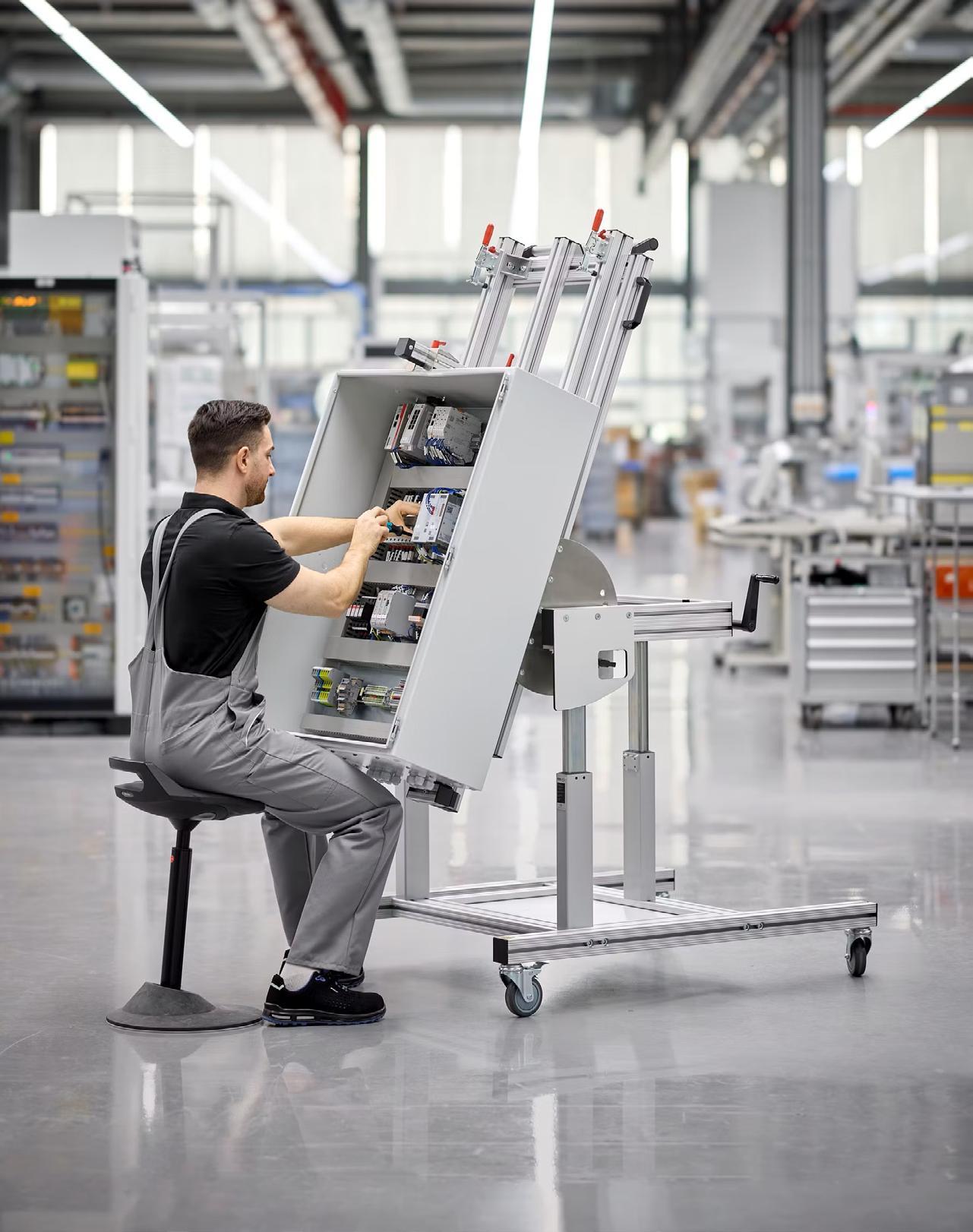
More than ever before, efficiency is becoming a decisive factor in control cabinet building. The shortage of skilled workers and increasing demands on ergonomics are forcing companies to rethink their production concepts. They are increasingly looking for flexible solutions to make their mounting and wiring processes more efficient and ergonomic at the same time.
This is precisely the aim of the new mobile workstation from Phoenix Contact: a flexible mounting bench that supports the production flow and reduces waste
in line with the lean approach. The mounting trolley serves as a workpiece carrier for control cabinets and mounting panels and can be adjusted manually to any height. The tilt adjustment allows different work steps to be carried out comfortably in a variety of positions. These functions result in optimized processes, better working conditions, and a significant increase in productivity. Customer benefits from a movable, adaptable solution that can be seamlessly integrated into various production concepts and enables back-friendly working in different positions.
The ongoing labour shortage in the electrical installation sector is making time efficiency on site more important than ever. Protecting connections and electrical components, enclosures are key across electrical installations. This means housings that are fast and straightforward to work with are important to any installer, whether the installation will take place indoors, outdoors, or with special requirements.
Chris Lloyd, Managing Director at Spelsberg UK, explains.
The recruitment challenge of electrical contractors shows no signs of slowing. While reports welcomed by the Electrical Contractors Association (ECA) suggest the electrical workforce has declined by over 25% since 2018 experienced electricians leaving the industry aren’t being replaced. A recent story issued by the NICEIC said that of the 10,500 apprentices needed annually to stabilise the country’s
electrical workforce, less than 8,000 apprentices are starting each year. This picture is similar across Europe.
What this means right now for electrical contractors is that to maximise productivity against high demand, speed and ease of work is more crucial than ever. Across electrical installation projects, installing distributions and termination can account for a large proportion of on-site labour time. As a result, simplifying this process, while ensuring a reliable job first time, can make a significant time saving.
- Chris Lloyd

enclosures provide this long duration of protection in the event of a fire.
- Chris Lloyd
To make installation faster and easier, we’re seeing growing demand for plug-and-play systems featuring enclosures that are pre-wired with ready-to-connect sockets. Instead of building complete distributions or junctions on-site, installers only need to mount the enclosure and plug the input/output cables into the connections.
Spelsberg’s new TKS enclosures can integrate over 20 WAGO WINSTA® pre-assembled plug connectors. Instead of performing individual field terminations into junction boxes or terminal strips, installers simply mate pre-assembled, coded connectors together. WINSTA is a factory-tested pluggable connection system available in male and female formats, with mechanical coding to prevent errors,
which significantly reduce installation time on site.
The TKS enclosures are designed for indoor use and present time savings when connection repeatability is required for installations in buildings such as apartments, offices, or municipal buildings such as schools or hospitals. Manufactured from lightweight polycarbonate, this makes the enclosures easy to handle and highly durable for long-term use.
Although most electrical installation takes place indoors, moving outside or to industrial environments, distributions and connection points need more protection, but ease of use is still crucial to get the job done quickly. While a key attribute of an enclosure is ingress protection to prevent rain or corrosive liquids from penetrating to connections inside, the housing must still allow straightforward cable installation while maintaining its protective seal. An advantage of polycarbonate enclosures over metallic designs is not only their resistance to corrosion but their flexibility in installation, more readily allowing fast customisation on-site if required.
For example, Spelsberg’s Abox Pro enclosure features multiple knockout points in its walls, allowing a wide choice over cable routing position. Knock-out cable entry/exit points are then secured with a sealing gland, maintaining the enclosure’s ingress protection rating, which extends through to IP69, preventing the entry of water from high-pressure jets. For easy wiring within the enclosure, the option of tool-free, push-fit cable terminals are also available.
Suitable for almost any outdoor environment, the Abox Pro is also resistant to ammonia, which is common in industrial and agricultural environments, and these housings can even be used in salt water maritime settings.
While electrical installation can take place across a variety of demanding environments, working with concrete construction and fabrication has specific requirements. Whether the junction or terminal enclosure will
be integrated pre-cast or during a cast-in-place process, it’s essential that they accurately maintain position during casting to allow straightforward first fix wiring installation.
To achieve this, Spelsberg’s IBT system uses magnet-mounted fixing for accurate positioning within formwork, combined with sealing entry systems that allow conduits to be connected after mounting while preventing concrete ingress during the pour. This approach improves the positional accuracy of electrical connections, significantly reducing installation time on site for electricians.
Within many buildings, the electrical installation can also be relied on to supply fire protection and evacuation equipment, such as emergency lighting or smoke extractors. While concrete can form a defence, depending on its thickness and the insulation materials used in conjunction, specific fire-protection enclosures can guarantee integrity for up to 90 minutes in the event of a fire. For wall-mounted junctions serving fire-protection equipment, enclosures like this are essential.
Spelsberg’s WKE enclosures provide this long duration of protection in the event of a fire. Also constructed from polycarbonate, this material is non-conductive during fire or heat exposure, preventing the risk of short circuit. While wall-mounted enclosures like the WKE are much faster to work with in installation, the design also features knock-out holes for flexible cable installation, maintaining their protection with included glands. Inside the enclosure, the terminal block position is adjustable, while cables can be connected with a tool-free design.
While the demand on electrical installers remains high in the face of the ongoing labour shortage in the sector, techniques that improve productivity and reduce time on site are more valuable than ever. Easyto-use enclosures that enable faster installation of junctions, distributions, and electrical devices are crucial to this.
Altus Group, a leading distributor of capital equipment for electronics manufacturing in the UK and Ireland, has announced the return of its ‘Factory of the Future’ event for 2026. Taking place from 22–24 September in Buckinghamshire, the threeday event will once again bring
Factory of the Future has always been about giving manufacturers the opportunity to see complete production solutions and technologies working together across the full assembly process.
- Joe Booth
together leading manufacturing technologies and suppliers from across the electronics industry.
Following two successful events hosted at the Manufacturing Technology Centre in Coventry, this year’s Factory of the Future will introduce a new format, and take place inside a customer’s manufacturing facility. The site has recently invested in one of the most advanced SMT lines in the UK, giving attendees the opportunity to see a real high-performance production environment.
Joe Booth, CEO of Altus Group, said: “Factory of the Future has always been about giving manufacturers the opportunity to see complete production solutions and technologies working together across the full assembly process.
“For 2026, we wanted to take that concept even further by hosting the event inside a customer manufacturing facility, giving attendees the opportunity to see how advanced SMT technologies are implemented within a real production operation.
The event also comes at an important time for the UK and Ireland manufacturing sector.
“ The event also comes at an important time for the UK and Ireland manufacturing sector. We continue to see strong levels of investment in capital equipment, driven by increasing production demand, major programme opportunities, and manufacturers preparing for future growth.”
The host company, which will be revealed closer to the event, is a UK-based OEM developing and manufacturing a high-technology product range with significant market potential and ambitious production forecasts. The facility serves as the company’s key technology centre and will offer visitors the opportunity to learn more about an important futurefocused technology and how it is manufactured at scale.
The SMT line on display will represent a full turnkey assembly solution delivered by Altus in partnership with Fuji, highlighting Altus’ capability as a complete manufacturing solutions provider. The line will feature a broad range of SMT processes, including board handling, laser marking, screen printing, solder paste jetting, SPI, pick-and-place, vacuum reflow, and 3D AOI inspection.
Alongside SMT assembly technologies, the event will also showcase conventional assembly solutions supporting through-hole automation, back-end processes such as conformal coating and cleaning, component management systems designed to improve traceability and handling efficiency, and a broad range of manufacturing consumables, further highlighting Altus’ turnkey manufacturing offering.
A leading Yorkshire steelwork specialist has helped enhance safety and efficiency at a major local manufacturing site following a series of complex upgrades.
Tadweld, a Yorkshire-based steelwork expert, has successfully partnered with global beverage solutions provider Refresco, based in Pontefract, to design and install bespoke access platforms and structural steelwork at its Pontefract facility. The project ensures safe and practical access to both new and existing equipment while allowing production to continue uninterrupted.
Following recent line upgrades at the site, Refresco required tailored solutions to support engineer access across multiple areas of the
factory. Tadweld responded with a series of custom-built platforms, stairways and modifications, including a critical filler access installation completed in just two weeks - from initial site survey and material procurement through to final installation.
The fast-paced delivery minimised disruption and eliminated downtime, while maintaining high safety standards throughout.
The project presented several technical challenges, including working from third-party drawings while adapting designs in real time, installing large multi-stair crossovers between conveyor systems, and relocating existing structures without interrupting live production. Tadweld also developed an innovative solution for accessing a new filler unit, despite its final position only being confirmed at the point of installation.
To overcome these challenges, Tadweld worked closely with both the project and on-site teams, refining layouts and iterating designs to achieve the most effective outcome. Existing walkways were modified to improve workflow efficiency, while high-level platforms were repositioned to accommodate new packaging lines - requiring precise calculations, fabrication of new components, and seamless integration with existing structures.
Careful coordination of fabrication and installation
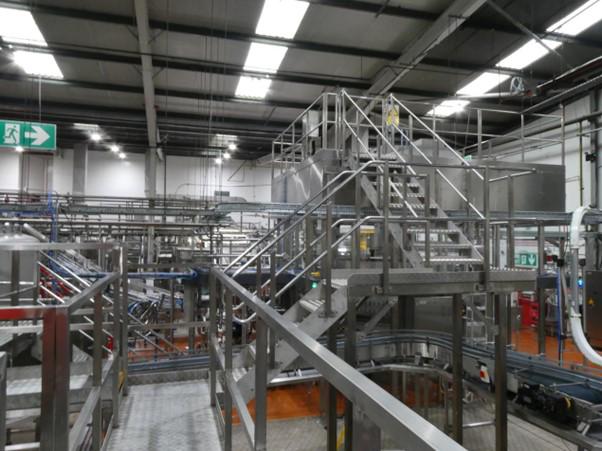
Partnering with Tadweld has been a seamless experience from start to finish. They delivered safe, efficient access solutions quickly, with minimal disruption to our production.
- Richard Marsh
schedules, alongside detailed site assessments and strict adherence to safety procedures, ensured all work was completed efficiently and safely.
The result is a flexible, futureproof access system that supports ongoing operations while allowing for further modifications as production evolves. Multiple complex installations were delivered with minimal disruption, and the final access solution was completed within tight project timelines.
Chris Houston, of Tadweld, said: “We’re proud to have supported Refresco with a project that demanded both precision and flexibility. Working in a live production environment always brings added complexity, but through close collaboration and careful planning, we were able to deliver safe, efficient access solutions without impacting operations. The speed and adaptability of our team were key to the project’s success.”
Richard Marsh, Engineering Projects Manager at Refreco said: “Partnering with Tadweld has been a seamless experience from start to finish. They delivered safe, efficient access solutions quickly, with minimal disruption to our production. Their flexible approach and professionalism made a real difference, and we’re very pleased with the results.”
To find out more visit: tadweld.co.uk/case-studyrefresco
By Al Kingsley MBE, Group CEO of NetSupport
When a production line stops because of an IT issue, most manufacturers focus on the fault itself. That may be a mistake. In many cases, the biggest production losses are not caused by the initial outage at all, but by the delays that follow as teams diagnose problems, gain access to systems and wait for support to arrive.
At NetSupport, we increasingly see manufacturers operating highly connected environments where even minor technical issues can disrupt production if support teams cannot quickly access affected systems. In these situations, the speed of recovery often matters more than the fault itself.
As digital technologies become more deeply embedded in manufacturing operations, IT support is no longer separate from production performance. Delays in diagnosing or resolving technical issues can quickly affect schedules and operational efficiency.

Often, the technical issue itself is relatively minor. Manufacturers more commonly face software issues, configuration errors or connectivity problems that can be resolved quickly once identified.
For manufacturers, the issue is often not the fault itself but the time it takes to diagnose and resolve it. In manufacturing, delays rarely affect a single user or workstation. A fault affecting a production system can halt machinery, interrupt workflows and create knock-on effects across the wider operation.
Production schedules are often tightly planned, meaning even short interruptions can affect output. As a result, the cost of delayed diagnosis is frequently measured in lost production time rather than IT downtime alone.
If delayed recovery is the problem, the next question is what causes those delays in the first place. One of the most common factors is the time taken to get the right expertise to the right place.
When a production line is halted, delays can mount quickly. By the time an issue has been escalated, the appropriate specialist identified and travel arranged, even a relatively straightforward technical fault may have caused significant disruption to production schedules.
For organisations operating multiple facilities, maintaining specialist expertise at every location is rarely practical, making secure remote support increasingly important.
Production schedules are often tightly planned, meaning even short interruptions can affect output. As a result, the cost of delayed diagnosis is frequently measured in lost production time rather than IT downtime alone.
- Al Kingsley MBE
Solutions such as 247connect enable IT teams to access systems, diagnose faults and resolve issues without the delays associated with travelling to site. By giving specialists immediate visibility of affected systems, manufacturers can reduce downtime and minimise disruption to production.
Manufacturers will never eliminate every technical issue. The more important question is how quickly operations can recover when problems occur.
In today’s connected production environments, resilience is increasingly defined by how quickly organisations can restore operations before a minor issue becomes a major production loss.
For more information visit: netsupportsoftware.com






SDI Group plc, the buy and build group, focused on companies which design and manufacture specialist lab equipment, industrial & scientific sensors and industrial & scientific products, is pleased to announce the appointment of Mark Fryer as an Independent Non-Executive Director. Mark will join the Board on 16 July 2026 and will be appointed Audit Committee Chair on 1 August 2026.
Mark is a seasoned CFO and finance leader with over 35 years of experience in public companies, private equity and privately owned businesses spanning global manufacturing and industrial services. Currently, he is serving as Group CFO for Dialight plc, the Main Market listed global LED lighting business, where he has recently contributed to its return to profitable growth. Prior to this he held CFO positions at AIM-quoted Franchise Brands plc and Anexo Group plc and spent six years as Finance Director at Augean plc, during which time its market capitalisation grew from £25 million to £385 million ahead of its sale to infrastructure investors in 2021.
Mark has been involved in over 100 M&A transactions including the $1.8 billion acquisition of Volvo Cars by Li Shufu and the acquisition and financing of SKP, the largest paper recycling business in Europe, for £500 million. Mark is a Chartered Accountant and completed his Executive Education at Columbia Business School.
Mark has been involved in over 100 M&A transactions including the $1.8 billion acquisition of Volvo Cars by Li Shufu and the acquisition and financing of SKP...

adi Group has announced the appointment of Steve Appleton as Group Growth Director.
Steve brings more than 25 years of experience in sales and business restructuring, having worked across public and private sector organisations in national and international markets. In his new role, he will focus on strengthening collaboration across adi Group’s specialist divisions to deliver more integrated engineering solutions for clients.
Steve began his career at Ford Motor Company, working in robotisation and maintenance engineering, before studying advanced manufacturing techniques in Japan and supporting their implementation in UK manufacturing facilities.
His experience includes work across highly regulated sectors including life sciences, healthcare, petrochemical, government, education, transport and retail. Prior to joining adi Group, he worked in consultancy and advisory roles across the industry.
Commenting on his appointment, Steve said: “There is significant potential across adi Group, and my focus will be on strengthening collaboration and targeting the sectors where our combined capability can make the greatest impact. By working in a more connected way, we can deliver even greater value for our clients.”
Paul Smith, CEO of adi Group, added: “Steve joins us at a pivotal time for the business. As we continue to grow, bringing our
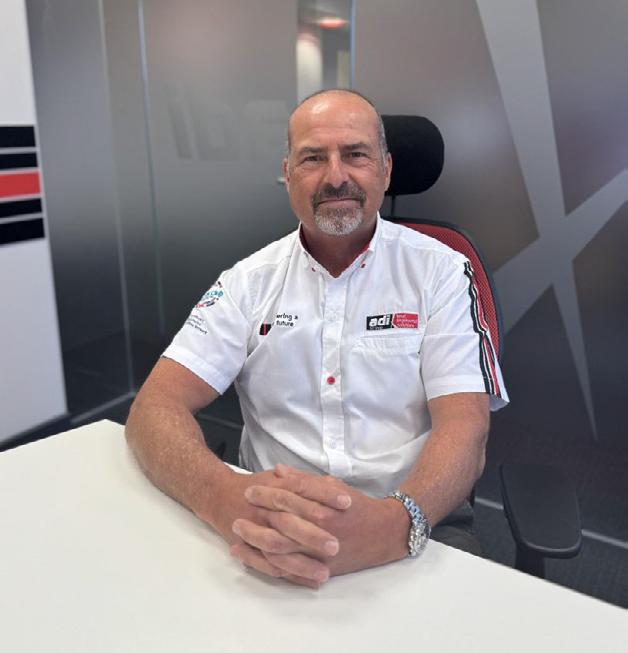
specialist teams together in a more co-ordinated way will be essential to delivering even greater value for our clients. Steve’s experience in leading complex programmes and driving collaboration will play a key role in that next phase.
“We have exceptional capability across the Group, and Steve will help us unlock even more of that strength as we continue to expand our integrated engineering offer.”
Jamie Bailey
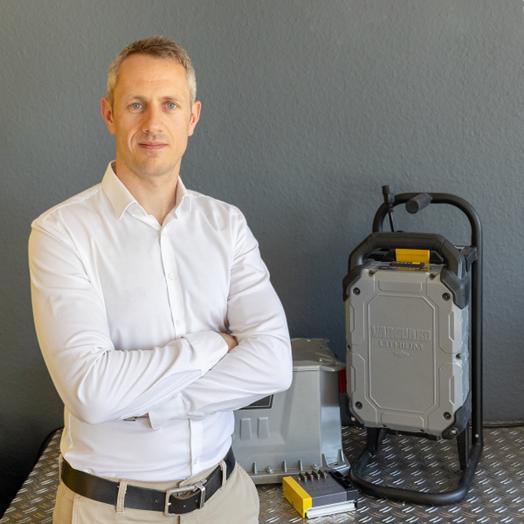
Briggs & Stratton, one of the world’s leading providers of power solutions has announced the appointment of Jamie Bailey as the company’s New Business Development Manager for Electrification, leading Briggs & Stratton’s electrification strategy across EMEA.
Jamie steps into the role following five years of successful development within Briggs & Stratton, having progressed from Service Technician within the UK market to Regional Technical Service Leader for Central Europe, later expanding his responsibilities to include Southern Europe, the Middle East, Africa and India.
In his new position, Jamie will lead efforts to support and accelerate Briggs & Stratton and Vanguard Battery Systems’ electrification initiatives across the EMEA region. He will help identify new business opportunities, strengthen customer relationships and support the continued growth of the company’s evolving power solutions portfolio as it progresses its transition towards electrification and new technologies.
Jamie Bailey said: “Electrification is a fast-moving and important area for our industry, and I’m looking forward to working closely with our customers, partners and teams across EMEA.”
For more than two centuries, Birmingham manufacturer Westley Engineering has adapted, evolved and engineered its way through industrial change — from its origins supplying precision firearms in 1812 to becoming a modern specialist in high-precision press work, tooling, CNC machining and production engineering.
Now, this Birmingham manufacturing business is entering what it describes as an “exciting new era” with the appointment of Christopher Greenough as its new Managing Director, succeeding the retiring, John Harland.
Greenough joins the company with more than 30 years’ experience in senior operational leadership roles across British manufacturing, having previously held positions including Commercial Director and Managing Director. He arrives with a reputation for driving operational growth, building strong customer relationships and investing heavily in workforce development.
The appointment signals a significant moment for the historic engineering business, which today employs 47 people and generates annual turnover of approximately £5 million from its dual capabilities in presswork, tooling and CNC machining.
Westley Engineering has an extraordinary heritage and reputation which has been built over generations...
Operating from its purposedesigned Birmingham facility, Westley Engineering occupies a distinctive position within UK manufacturing — able to support customers with both tooling manufacture and production component supply under one roof.
Greenough said the business possesses “all the ingredients” required for significant future growth.
“Westley Engineering has an extraordinary heritage and reputation which has been built over generations,” he said. “What immediately stood out to me was the depth of engineering capability within the business and the commitment of the people here. There is a huge opportunity to build on those foundations and take the company into an exciting new phase of growth, building on the strong foundations laid by John Harland.”
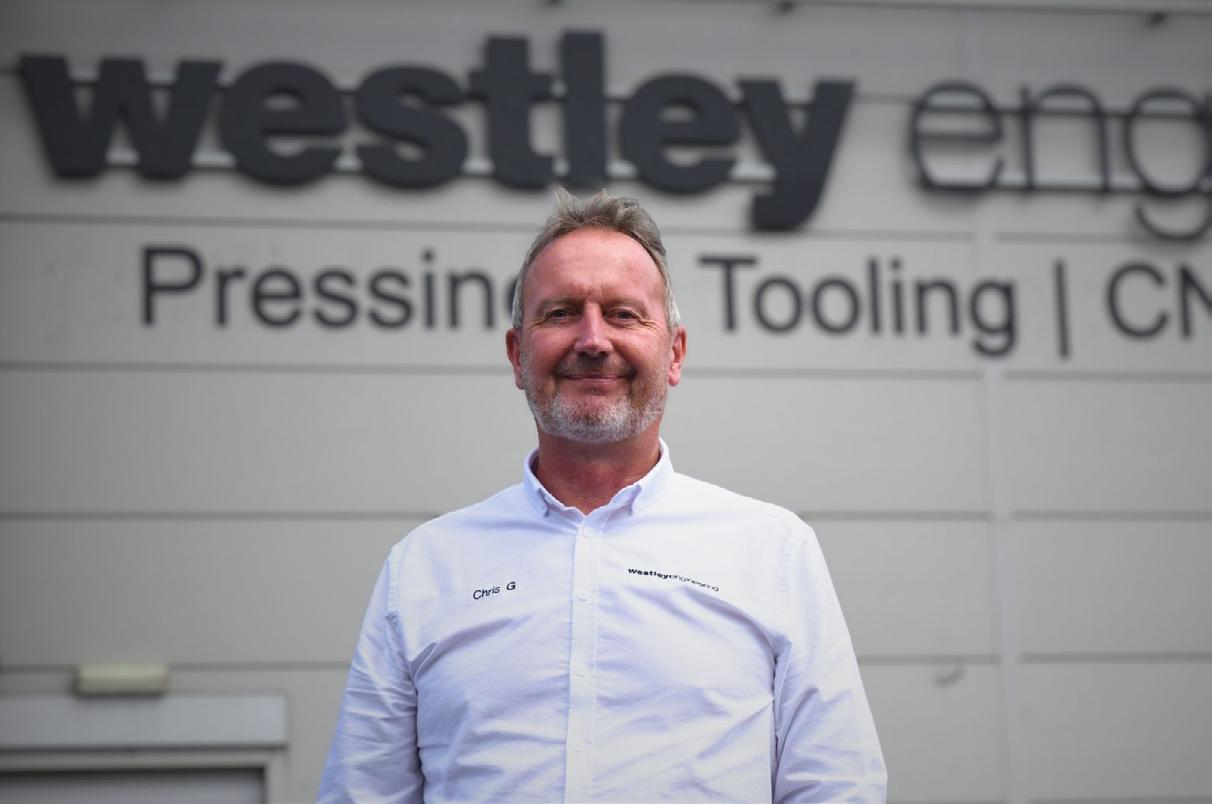
Christopher Greenough
Laura Hurcombe, head of UK operations at SPP Pumps, explores the role of apprenticeships for UK manufacturing, arguing they’re much more than a nice-to-have: they’re a necessity for sensible, sustainable businesses today.
UK manufacturing has a people problem. Between an aging workforce with many workers set to retire in the coming years and a boom in the demand for engineers, a widening skills gap is emerging. More skilled people are needed, and most companies are feeling the effects directly.
These issues are exacerbated in the rural communities where a significant share of UK manufacturing and engineering takes place. Here the local populations are smaller, transport links are thinner, and young people may not have clear visibility of the career pathways available to them. All of this causes an acute problem that national and local governments can address, but which companies themselves must also tackle headon. The best tool for the job? Apprenticeships.
I started my career as an engineering apprentice in machining at a Gloucestershire-based company making metrology equipment –precise tools used for accurate measurement. At the time, it felt like apprenticeship programmes were either less common, or less often prioritised by young people.
However, today the tide is changing, and these programmes are what young people want. Governmentcollected data for the 2025-26 academic year so far shows that the number of people starting apprenticeships has increased by 12% to over 226,000, with higher apprenticeship starts rising by 23% compared to 2024-25.
More people are successfully finishing apprenticeships, too. The achievement rate is up five percentage points to 65%. In manufacturing and engineering, roughly two thousand more people finished their apprenticeship than in the previous year.
Part of apprenticeships’ popularity is that they offer a pathway to a secure, rewarding, and long-term career that enhances social mobility and provides a way for young people to earn while they learn. For engineering and manufacturing businesses, that equates to an engaged workforce keen to be a part of your future – one which depends in large part on that very workforce itself.
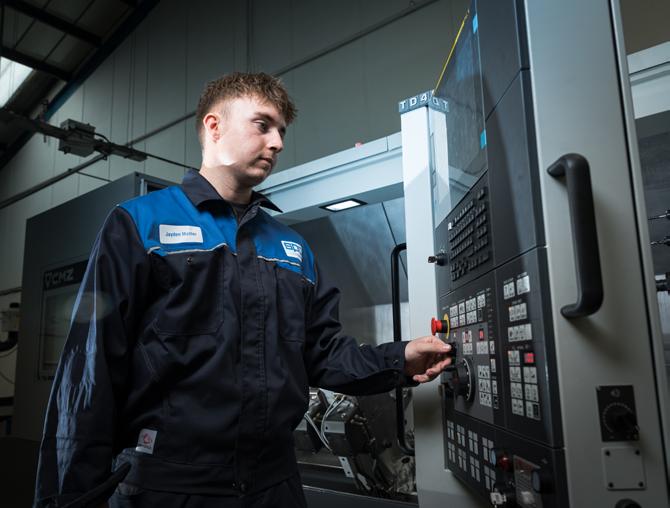

When a water utility, industrial operator or data centre developer commissions a critical pump system, they’re buying commercial and operational expertise as much as they are buying the hardware. If that expertise isn’t there, the product and the customers suffer.
SPP runs its apprenticeship programme to cement those skills and expertise within our organisation, ensuring customers receive the custom-engineered products that make up the majority of our sales. Without a deliberate, long-term commitment to developing technical talent, I believe it would be hard for any business to sustain the high quality,
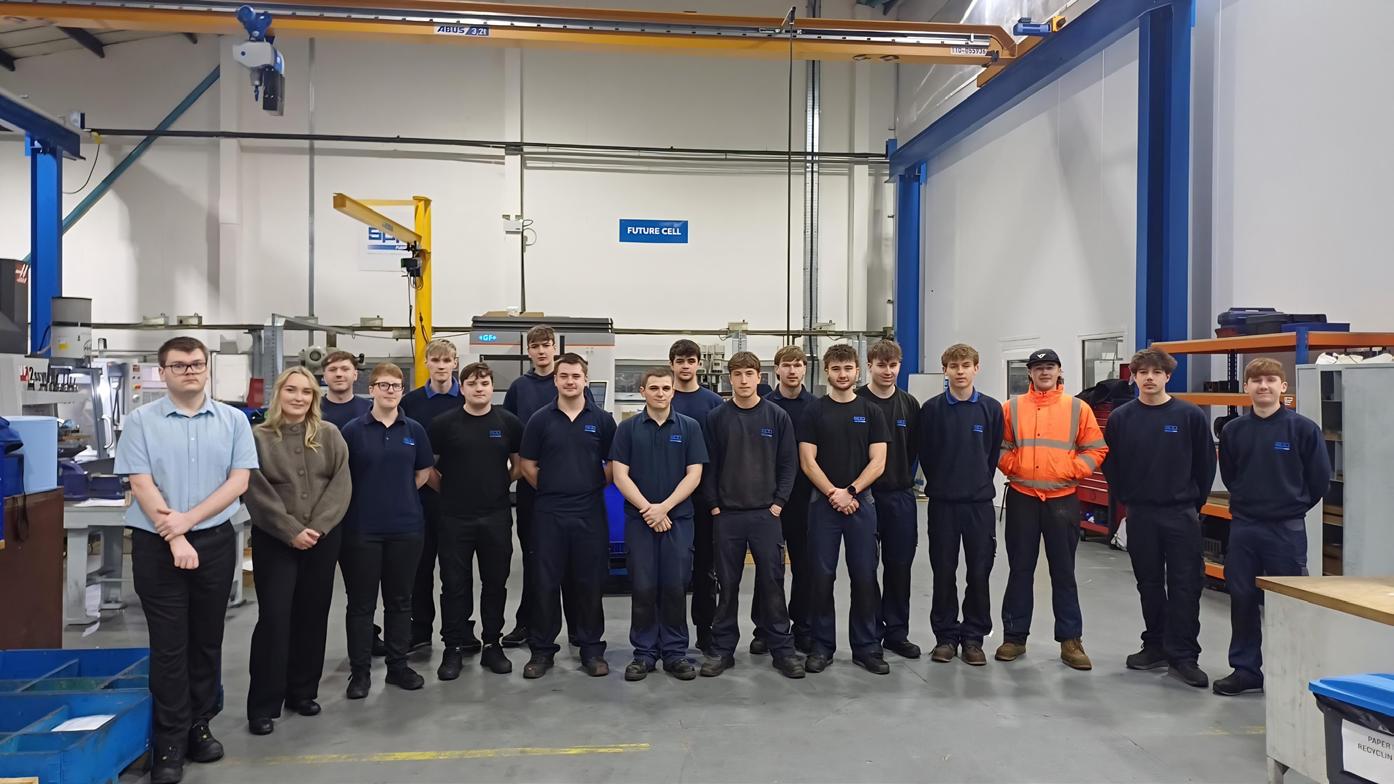
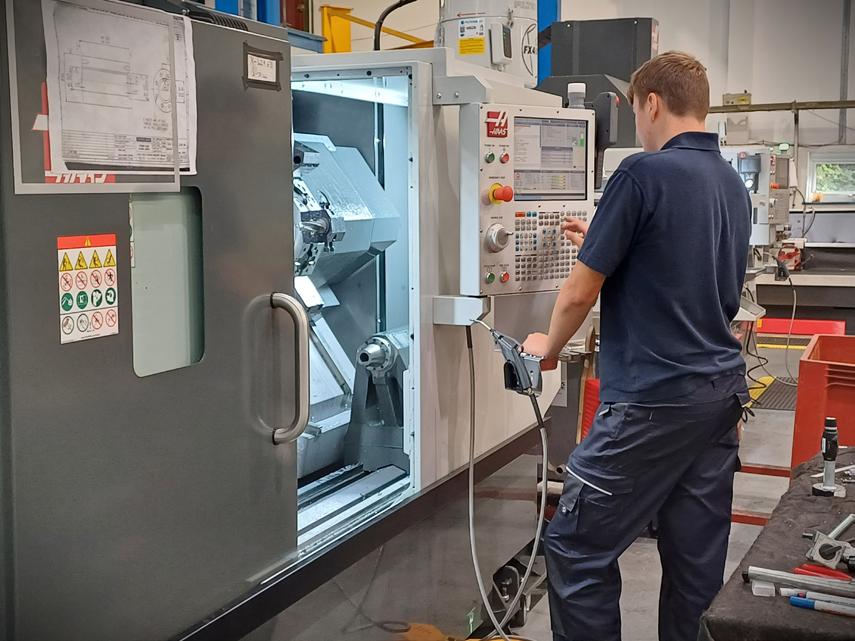
bespoke systems that SPP has come to be known for.
Naturally, delivering bespoke systems enhances any company’s reputation and longevity. In the short term, however, it can also have a direct impact on your bottom line. Our ‘Future Cell’ machining apprenticeship group is an example.
When struggling to recruit new experienced machinists several years ago, we decided to create a dedicated apprenticeship cell equipped with three new CNC (computer numerical control) machines. We selected Haas machines matching those used at our partner college so that skills could be transferred directly and immediately, and we identified components we had previously been outsourcing for apprentices to work on. Not only did this allow our apprentices to work on real product lines, it increased our overall capacity. Within eight months, the machines paid for themselves. Now, several years later, we’ve made considerable savings and those early Future Cell apprentices are operating our larger, higher-value machines on the complex, long-lead projects on which our reputation is built.
The scope of what we do extends well beyond bringing people in at 16 or 18. Over the past two to three years, we have put more than 40 existing employees through our management development apprenticeship programme, too. This translates into career longevity, and reflects an organisation that deeply values the apprenticeship pathway. Today, we have ex-apprentice representation at every level of the business, and apprentices make up around 10% of our UK workforce.
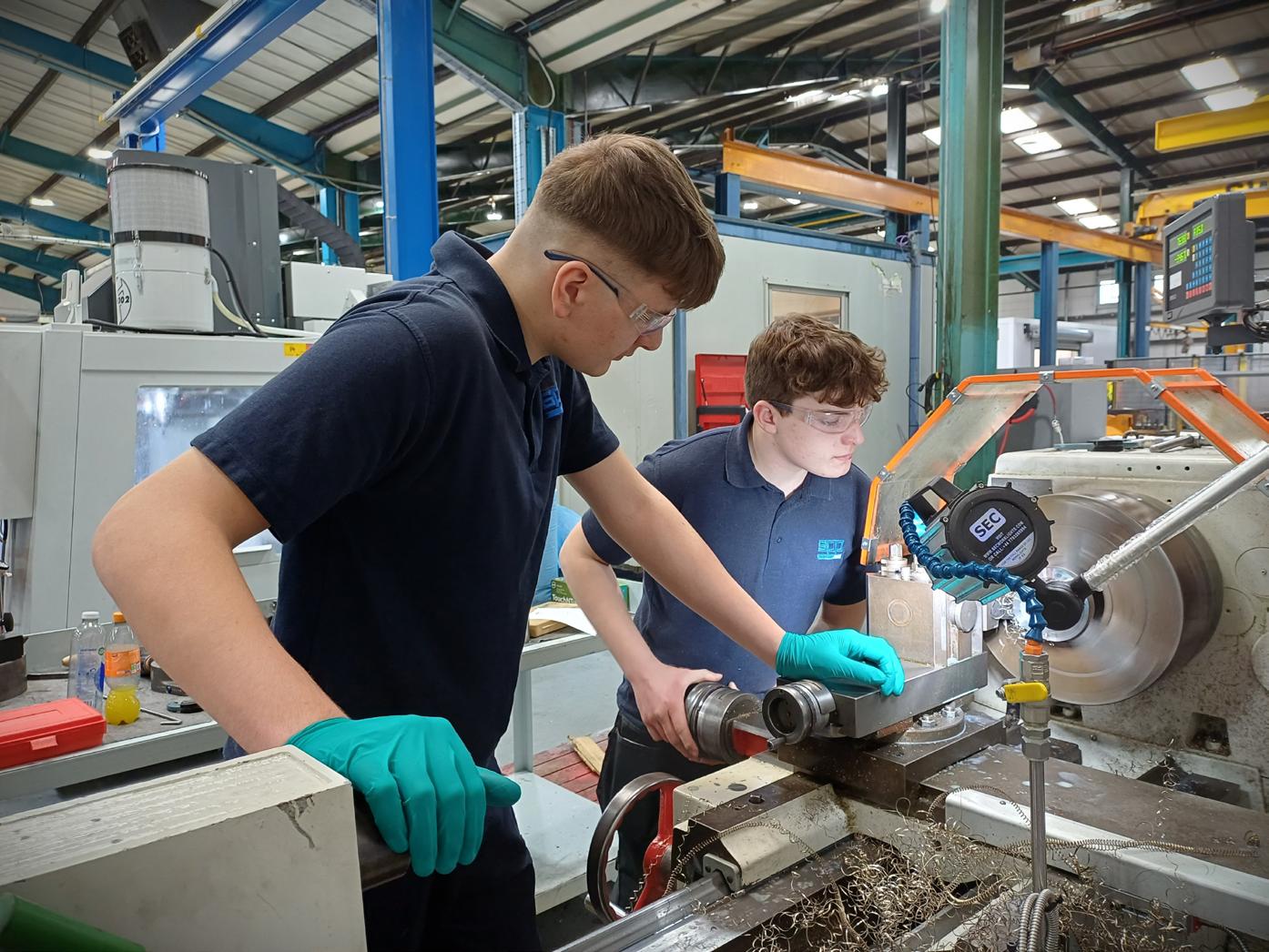
Naturally, delivering bespoke systems enhances any company’s reputation and longevity.
- Laura Hurcombe
Filling our own vacancies is only part of the overall challenge. The skills pipeline is a problem for the whole of UK manufacturing and engineering, and deep down, it starts early – in classrooms, in the assumptions young people make about what’s available to them, and in the role models they see.
We work actively with local schools, including primary schools, to build awareness of opportunities and raise aspirations more broadly. I have a personal policy of never turning down a school that asks for support; our sector needs young people to consider engineering, and it needs representation. That includes for women, who still make up only 17% of UK STEM roles.
Increasing apprenticeship numbers is not easy, however. And for all the good brought about by the apprenticeship system lots of organisations find it hard to navigate. SPP has a dedicated HR team who understand, for example, the apprentice levy – a tax mechanism through which apprentice
funding is collected and redistributed. However, other smaller employers find navigating the system and accessing the funding isn’t straightforward. So, if businesses are put off taking on apprentices because the system is too complex to work through, that’s a problem worth solving. Simplifying access to funding and making the process easier for smaller or less wellresourced employers would help.
Access to transport for young people is a less obvious, but equally important challenge. We are asking young people to get to factories and training facilities, which, in rural areas, can be quite a distance from their homes. Additionally, they may not be well served by bus or train routes. If the UK is serious about making apprenticeships accessible, the solutions must include investment in transport, and flexibility around how training is delivered locally.
SPP has around 20 apprentices on its engineering and business administration programmes. It takes on five new people each year and boasts an achievement rate of effectively 100%, providing pastoral support and development alongside technical skills. If someone you know is considering an apprenticeship in engineering, visit SPP Pumps to learn more.
LEEA (Lifting Equipment Engineers Association) is rolling out a new form of assessment called Proficiency Testing. The optional proficiency test, which is conducted in a practical environment, offers a modern, more dynamic form of testing and has been introduced in response to feedback from LEEA members.
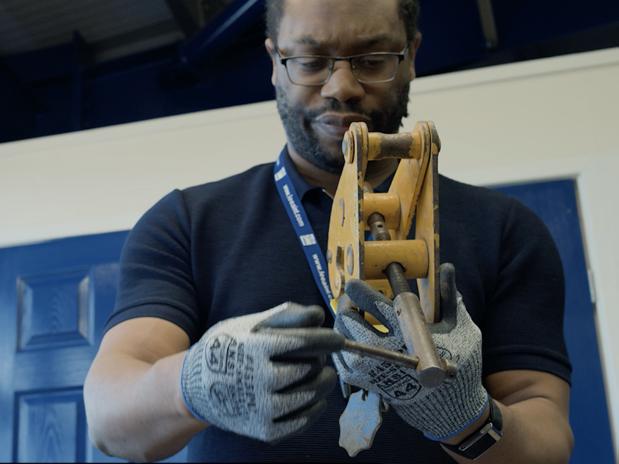
This pioneering approach moves from theory-only testing to a real world demonstration of proficiency, with learners applying their knowledge across three key stages:
• Preparation and planning
• Process
• Reporting and justification.
These stages are assessed against equipment in known conditions of repair, with learners demonstrating their true proficiency by passing each stage to achieve the relevant LEEA diploma.
The same pass criteria applies across both MCQ and Practical Test routes, ensuring consistency in standards, quality and reliability. Practical Test days are scheduled to give flexibility around when assessment takes place.
A Bolton manufacturer specialising in solids handling and processing equipment says a Government-backed leadership programme is helping it strengthen operations, embrace digitisation and support longterm growth.
Ajax Equipment, a family-run business with more than 55 years of engineering heritage, is among the latest businesses to complete Help to Grow: Management at the University of Salford’s Salford Business School.
The programme is designed to help businesses scale more sustainably through stronger leadership, clearer strategy and improved operational systems.
Matt Barnes, Production Manager at Ajax Equipment, described the experience as “incredibly valuable”.
“The programme has given us the opportunity to reflect on how we work and how we can bring new tools and approaches into the business,” he said. “It has helped us set clearer goals and rethink how we continue improving the business. Digitisation is opening up new ways of working for us, and we are already starting to see progress in how we operate. Hearing different perspectives from other businesses has been incredibly valuable, and it has helped shape how we approach the future.”
The University of Salford began delivering Help to Grow: Management five years ago, combining academic insight with real-world business experience. It has now supported 252 businesses across more than 60 sectors.
Across the latest cohort, businesses reported stronger operational and financial decision-
Matt Barber, LEEA Director of Membership, commented: Having listened to our members, we have designed our new Proficiency Testing for those who prefer to demonstrate their skills through hands-on inspection. Not all learners feel at ease with online multiple choice assessments, yet for years this has been the standard – a single format and a single measure, but is that enough in an industry built on real world skill?
LEEA’s new Proficiency Testing is a shift in mindset to a learnercentred, inclusive approach to qualification. It challenges industry standards and embraces initiative to create fair and reliable outcomes.”
For more information and to secure your spot, visit leeaint.com/courses.
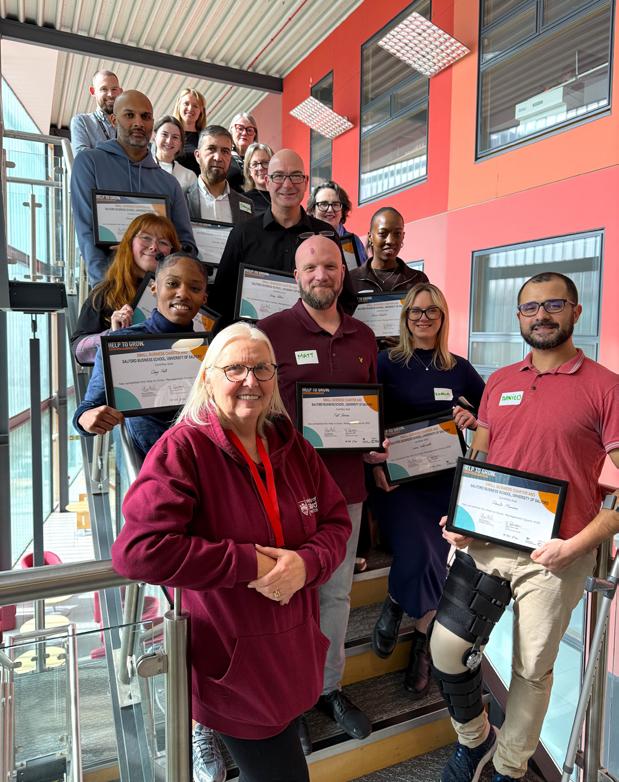
making, clearer organisational structures, improved confidence around digital adoption, and greater readiness to explore technologies such as AI and automation to improve efficiency and support future growth.
The 12-week, 50-hour programme is 90 per cent government-funded, reducing the cost to £750 per participant. On completion, participants join a national alumni network, providing ongoing opportunities for support, collaboration and continued development.

MSc - 1 year full time
time part time Certificate for CPD
MSc - 1 year full time
MSc - 2 or 3 year part time
PG Diploma • PG Certificate
MSc - 2 or 3 year part time
Short Courses for CPD
Designed
Designed