INSTALLERBUILD TAKES CENTRE STAGE AT INSTALLERSHOW 2026
Bluebeam Max: Practical AI for the work that slows projects down
REDS10 TO DELIVER £22.5M STEAM FACILITY
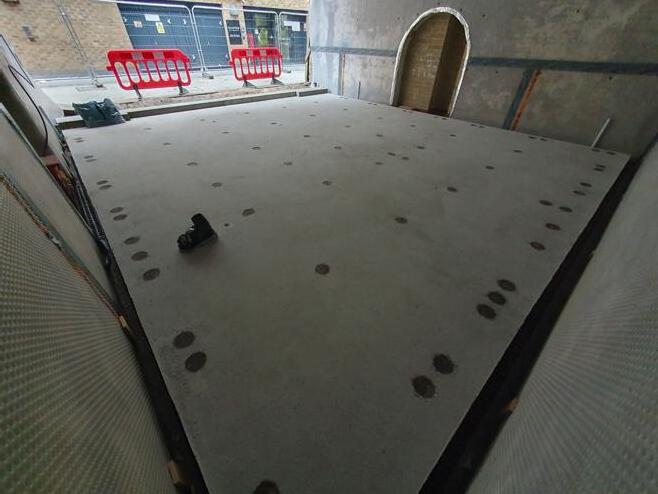
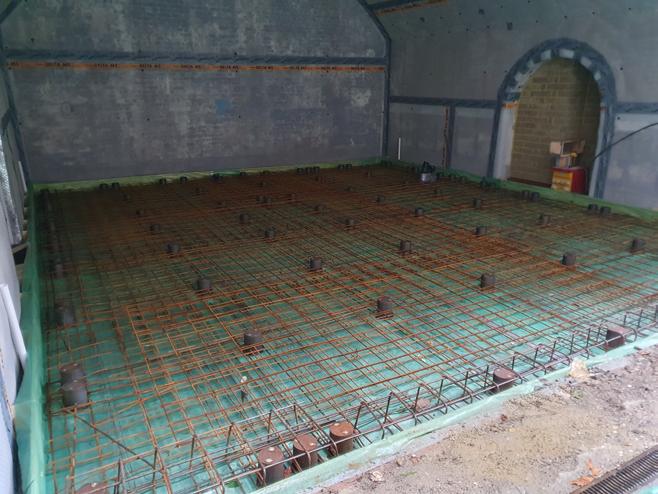
Acoustic isolation within historic railway arches
Stay safe in the sun: Summer safety gear for builders
DOOR CONTROLS DIRECT: ACCESS CONTROL – THE FUTURE OF BUILDING SECURITY EXPLAINED
More than just a fuel card.
Less hassle. More love.
Whether you’re paying for fuel or EV charging, for a few vehicles or a growing fleet, Allstar brings everything together in one place.
From fuel discounts at the pump* to fast, reliable charging across the UK, you get the coverage, control and cost savings your business needs to keep moving.
A simpler way to manage payments, with less hassle where it matters.
Search ‘Allstar card’ or scan below for more info
Access Control – The Future of Building Security Explained
Construction industry faces ‘productivity paralysis’ as Middle East conflict drives uncertainty
Henry Brothers appointed to deliver £10.3m Joint Asset Workshop and Stores project
Practical AI for the work that slows construction projects down
Artus Air supports British Land’s sustainable HQ ambition
Reds10 to deliver £22.5m STEAM facility at Leicestershire school
Futurebuild 2026 ignites a new era of connection across the built environment
ECITB e-learning platform hailed as ‘great example of industry collaboration’
Stay safe in the sun: Summer safety gear for builders
InstallerBUILD takes centre stage at InstallerSHOW 2026
Admin Assistant Jade Still jade@constructionmaguk.co.uk
Production/Design Laura Whitehead laura@constructionmaguk.co.uk
Accounts Richard Lapthorn accounts@lapthornmedia.co.uk
Editor Maria Lapthorn
Editorial Assistant John Reynolds editorial@constructionmaguk.co.uk
Circulation Manager Leo Phillips subs@constructionmaguk.co.uk
Website: constructionmaguk.co.uk
Twitter: @constructionukm
LinkedIn: @constructionmaguk
NEW ‘ON THE TOOLS CARD’ TARGETS RISING COSTS FOR UK TRADESPEOPLE
The largest construction community in the UK, On The Tools, has launched a new membership card aimed at helping tradespeople save money across both work and everyday life.
The NHS and emergency services have had access to similar perks for years, however - despite building our hospitals, schools, homes and even carrying on service as key workers during covidtradespeople aren’t afforded the same privileges.
The On The Tools Card gives access to discounts on tools, materials and other construction-related spend, as well as money off things most people are paying for week in, week out - including groceries, coffee shops, pubs, retail and insurance.
Big name brands such as Nike, Samsung, Kwik-fit, Confused.com, Virgin Media, The AA, Ray Ban,and Gousto, alongside heavy-hitters in construction such as Jewson, Karcher and more.
New deals and brands will be dropping all the time - so there’s always something for everyone.
It also includes a built-in wellbeing area, designed to make it easier for people in the industry to find support when they need it, continuing the work they do supporting tradespeople through ‘Project 7k: The Lost City’.
The launch reflects the ongoing pressure many tradespeople are under, with rising costs hitting both jobs and home life. While trade discounts have always been part of the industry, the idea behind the card is to bring everything together in one place - not just site essentials, but the day-to-day spend that adds up over time.
On The Tools says the card has been shaped around real spending habits, rather than just focusing on merchants. That means recognising that for most trades, costs don’t stop when the van’s parked up.
Alongside the savings, the wellbeing section gives access to support and resources around mental health, financial stress and general day-to-day pressures - areas that are increasingly being talked about across construction, but can still be difficult to act on.
Lee Wilcox, Co-founder and CEO of On The Tools said:
SBS AWARDED MAJOR WHOLE-HOUSE RETROFIT CONTRACT BY PA HOUSING
Principal retrofit contractor Sustainable Building Services Ltd (SBS) has been awarded a major new retrofit contract by PA Housing, delivering a comprehensive energy efficiency upgrade programme across more than 3,000 properties spanning the south of England and the midlands.
Established in 1976, SBS is a multiaward-winning principal contractor currently delivering projects with a combined value of over £200 million, generating approximately 50,000,000 kWh per year in household energy savings.
Steve Roberts, regional director at SBS, said: “We’re thrilled to begin working with PA Housing, one of the foremost providers of housing services in the country. At SBS we never lose sight of our guiding motivation: the people whose houses we want to help improve. These upcoming retrofit works will be led by residents’ real needs – designed to reduce their energy bills and ensure their future comfort and wellbeing.”
That resident-first approach will be reflected in the breadth of the programme itself. Over the next four years, SBS will upgrade thousands of PA
Housing’s homes to EPC band C or above through works encompassing external, internal and cavity wall insulation; flat roof and loft insulation; solar panels; window and door replacements; and ventilation upgrades.
PA Housing – otherwise known as Paragon Astra Housing – owns more than 23,000 homes across the midlands, London and south east, making it one of the country’s leading providers of housing services.
SBS has been appointed to the project via Fusion 21’s Whole House
We wanted to create something that actually reflects that reality. There are plenty of offers out there, but they’re often focused on one part of the picture. What we’ve tried to do with the card is bring it all together - savings on the tools and materials you need to do the job, but also on the things you’re spending on when you’re off site.
The card is now available to tradespeople across the UK for free for a 12 month period, or 2 years if members refer a friend or colleague. Membership will be £10 a year thereafter.
Visit: www.onthetoolscard.com or download here bit.ly/OnTheToolsCard.
Decarbonisation procurement framework, and it will be delivered through the Warm Homes: Social Housing Fund Wave 3 with additional support via client funding.
This places the programme at the centre of the UK government’s ambition to decarbonise five million homes by 2030, as set out in the Warm Homes Plan published in January. All housing upgrades will be installed to the latest PAS 2030:2023 and MCS standards, ensuring high quality, energy efficient installation and full compliance with DESNZ (Department of Energy Security and Net Zero) requirements.
Roberts added: “This is a pivotal contract for SBS, as we continue our growth across the south and the midlands. It is indicative of our capability to lead large-scale, high-quality retrofit programmes wherever they are needed most – and this contract puts us at the heart of an exciting new chapter for retrofit in multiple regions.”
STRI APPOINTED TO DELIVER DESIGN AND BUILD NEW STADIUM PITCH AT BLACKBURN ROVERS’ EWOOD PARK
STRI Group has been appointed by Blackburn Rovers Football Club to deliver a comprehensive design and build solution for the redevelopment of the stadium pitch at Ewood Park, following technical assessment work commissioned by the English Football League.
STRI was initially engaged by the EFL in December 2025 to investigate the causes of match postponements due to waterlogging at the stadium and following a detailed assessment and report, Blackburn Rovers engaged STRI to provide further investigation, alongside design and delivery services to address both immediate challenges and long-term pitch performance.
James Podesta, Development Director commented,
We’re delighted to be working alongside Blackburn Rovers. The redevelopment will address critical elements such as primary drainage, soil profile enhancement, irrigation systems and pitch runoffs, ensuring the surface can perform consistently under the demands of professional football.
Construction started in May, and is being delivered by Carrick Construction, working closely with STRI’s design and consultancy teams to ensure the project is delivered to specification. This integrated approach combines technical design expertise with practical delivery, providing a streamlined solution from concept through to completion.
‘NO SIGN OF RECOVERY’ IN CONSTRUCTION DEMAND, WARNS MPA
UK demand for essential construction materials fell further in the first quarter of 2026, according to the latest survey by the Mineral Products Association (MPA). Declining sales of aggregates, concrete and mortar in have prompted the MPA to reiterate its calls for Government to take steps to increase confidence, encourage investment and stimulate growth.
Sales of mortar, which closely track housebuilding activity, fell by 2% compared to the previous quarter and were 5.4% lower than a year earlier.
Primary aggregates and ready-mixed concrete sales, widely used across construction, also declined by 0.8% and 0.5% respectively in Q1. Asphalt sales were broadly flat over the quarter (-0.1%), supported by a short-term boost to road maintenance activity ahead of the financial year end.
The Q1 data points to persistently subdued demand, with housebuilding dragging down overall material sales, even after accounting for short-term disruption from above-average rainfall early in the year. The results highlight growing pressure on the mineral products industry, as rising costs coincide with already falling demand.
Commenting on the latest data, Aurelie Delannoy, Director of Economic Affairs, said: “The Q1 data largely predates the recent escalation in global risks and energy prices, but it shows that UK construction
demand was still falling as costs were starting to rise. Since February, early indications from MPA members point to higher fuel and production costs, alongside emerging signs of project delays and pauses, particularly on some lower-margin housing schemes.
This is not just an energy cost story. The industry is being squeezed from both sides at the worst possible time. After four years of downturn, such pressure increases the risk of a more prolonged decline, rather than the recovery many had expected – or at least hoped for – this year.
Weakness in housing and commercial construction continue to weigh heavily on demand. Higher borrowing costs and uncertainty are already affecting investment decisions, while longstanding affordability challenges will remain a key constraint on new housing this year. Together, these sectors account for around half of ready-mixed concrete demand, helping to explain why sales remain at historically low levels.
The downturn is particularly pronounced in London, where annual concrete volumes over the past 12 months were 47% lower than in 2022.
By contrast, infrastructure remains the only area providing limited support. Major projects such as HS2 and Sizewell C have underpinned demand for aggregates, with crushed rock volumes rising modestly in Q1. However, this remains insufficient to offset broader weakness across construction markets.
Chris Leese, Executive Chair at the MPA, said: “There is no sign of recovery in the Q1 data, and this is likely to be further compounded by the economic fallout from events in the Middle East. Demand is still falling, and now costs are rising again. That is a difficult combination for any industry, and it raises real concerns about the outlook for construction this year.
“If this continues, we are looking at a fifth consecutive year of decline. That has consequences not just for our sector, but for the UK’s ability to deliver housing and essential infrastructure that supports energy security, transport and defence.”
Subdued economic growth, high borrowing costs and rising cost pressures continue to constrain project pipelines and business confidence. With the market previously expected to remain broadly flat in 2026, the latest evidence from Q1 points to a worsening outlook for construction and mineral products markets this year and next.
Even before the events in the Middle East, MPA had asked Government to act to increase confidence, encourage investment and stimulate growth to address what has become a “dire situation”. The MPA contends that there are key opportunities for immediate intervention which could have rapid economic and social benefits:
1. Support housing demand in the form of financial support for new home buyers.
2. Rapid public funding into infrastructure, in particular road maintenance.
3. Incentivise private construction investment through a superdeduction.
4. Targeted support to reduce costs for the construction sector.
Chris Leese concluded: “Government needs to recognise that the Middle East situation is compounding what is already a crisis in construction, and urgent action must now be taken to boost confidence and stimulate demand.”
Construction Insurance Built for You
Construction is complex. Managing risk shouldn’t be. Gallagher supports construction businesses across the UK with specialist insurance and risk management solutions. Our teams work with contractors, developers and consultants to help identify and manage risks across the construction lifecycle, from planning and procurement through to completion. Discover how we can support your business.
TRADEMARK HELPS
PARTITION MANUFACTURERS SEPARATE THEMSELVES FROM THE COMPETITION
Two UK manufacturers of industrial and commercial partition walls and cubicles are seizing the growing demand for British-made goods by joining Made in Britain.
Ace Partitioning Systems Limited and Bespoke Industrial will be displaying the Made in Britain trademark on their products and branding to clearly show that their products are made in the UK and to demonstrate their commitment to transparency, provenance and UK production values.
The two companies have seen growing customer emphasis on traceability, accountability and quality assurance across procurement and specification decisions.
The move comes amid growing consumer and commercial demand for clearly identifiable British-made products.
Recent research commissioned by Made in Britain found that 86% of UK adults consider product origin when making purchasing decisions, while 70% said they are more likely to buy products displaying the Made in Britain trademark.
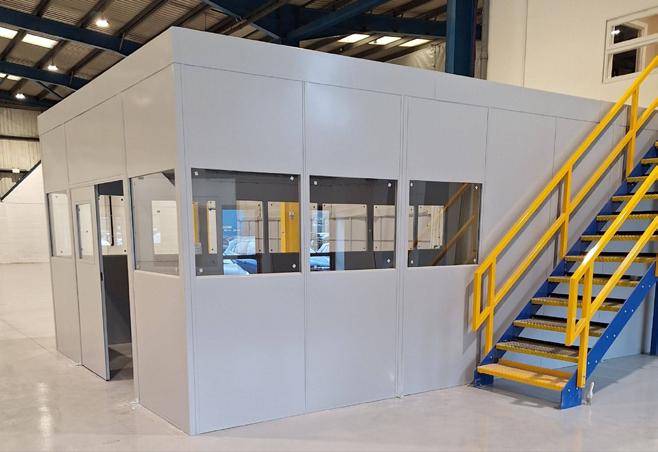
Ace Partitioning Systems Limited designs and manufactures bespoke aluminium glazing and glass partition systems, supplying office fit-out contractors, glazing companies and interior specialists across the UK.
Anna Fraczek, Director of Ace Partitioning Systems Limited, said: “With contractors and specifiers placing greater emphasis on traceability, reliability and verified quality standards, independent verification is increasingly important to our customers. The business sees the Made in Britain mark as a practical tool to support specification decisions and build confidence across the supply chain.”
“Joining Made in Britain was a natural step for us. We’ve always designed, developed and manufactured our systems here in the UK, so the accreditation allows us to clearly demonstrate that commitment to our customers. The membership is an important recognition of what we already stand for – British manufacturing, quality and accountability. It gives us a stronger platform to communicate that in a competitive market.”
Daniel Smith, Director at Bespoke Industrial, said: “Being a Made in Britain member gives you an elevated feeling that your business lives up to the trademark and shows we follow the tight requirements of Made in Britain.
“When consumers see that a product is Made in Britain, it can be enough to sway them to use that business. It’s also nice to see a clear drive for more British manufacturing at the moment.”
MORRO PARTNERSHIPS BECOMES ONLY UK
SME HOUSEBUILDER WITH SBTI-VALIDATED DECARBONISATION PATHWAY
Matthew Moore, Morro Partnerships CEO
Leading Midlands developer Morro Partnerships has committed to the Science Based Targets initiative (SBTi), becoming the only SME housebuilder in the UK with a decarbonisation pathway independently validated against climate science.
Through the SBTi SME Target Setting route, Morro Partnerships has committed to reduce absolute Scope 1 and Scope 2 greenhouse gas emissions by 42% by 2030, using 2023 as its baseline year, while also committing to measure and reduce Scope 3 emissions across its value chain.
The Science Based Targets initiative is widely regarded as the global gold standard for corporate decarbonisation, providing a robust, science-aligned framework for companies transitioning towards net zero.
GROUP METROPOLITAN LAUNCHES DEDICATED COMPLIANCE DEPARTMENT, STRENGTHENING ITS CRITICAL SERVICES
Group Metropolitan has announced the launch of a new Compliance and Small Projects Department, expanding its critical services and strengthening Group Metropolitan’s ability to support new and existing clients with structured compliance programmes and proactive risk management to meet electrical safety obligations across complex and high-risk environments.
Bobby Connor, who began his career as an apprentice with Group Metropolitan and has progressed through the business, will lead the division to develop specialist electrical compliance services including Electrical Installation Condition Reports (EICR), Residual Current Device (RCD) testing, Portable Appliance Testing (PAT), and Emergency Lighting Testing, re-enforced by Group Metropolitan’s reliability, transparency, and expert guidance. The department will support existing and potential clients who operate critical systems in locations such as data centres, financial
Matt Moore, CEO at Morro Partnerships, said the validation marks a defining step in the company’s approach to climate action and operational accountability.
“Securing validation through the Science Based Targets initiative is a major milestone for Morro, because it embeds climate science directly into how we operate and deliver projects. It removes ambiguity and ensures our decarbonisation pathway is independently aligned with what the science requires.
With a 42% reduction target by 2030, we are committing to one of the most ambitious and credible pathways available. This is not about aspiration alone; it is about measurable, operational change across every part of our business.
The commitment is underpinned by a wide-ranging operational strategy already being implemented across
institutions, healthcare and other highrisk environments.
Bobby Connor, Compliance and Small Projects Divisional Director at Group Metropolitan: “Our goal is to deliver structured compliance programmes that give clients complete visibility of their electrical assets, risks, and obligations. Compliance shouldn’t be reactive or unclear.
“By combining our engineering expertise and strong digital reporting, we can help clients take control of their compliance, manage risk, and operate safe, resilient environments with confidence.”
Morro’s sites, offices and supply chain. This includes a transition away from diesel reliance across construction operations, targeting one of the company’s largest sources of baseline emissions, with onsite diesel combustion accounting for 47% of total emissions.
The business is introducing biodiesel across all sites, alongside solar-powered welfare cabins to reduce demand for fossil-fuel-generated energy, and has switched to renewable electricity across its offices and Innovation Hub, which is fully powered by photovoltaic panels and operates entirely on electricity.
Waste and circularity remain central to Morro’s approach, with all materials now segregated for reuse or repurposing, and site timber diverted into prison repurposing programmes to support circular economy outcomes and reduce landfill dependency.
Further measures include an electric vehicle salary sacrifice scheme, EV charging infrastructure at office locations, and a continued focus on local labour procurement to reduce transport-
The department will utilise Group Metropolitan’s online compliance management system, ‘Dutiful’, which provides documentation storage and management, centralised digital records of assets and test results, real-time visibility of compliance status with reporting, tracking and electrical asset registers supported by QR-code identification.
By combining Group Metropolitan’s engineering expertise with their advanced digital reporting tools, the new department aims to simplify compliance management for end-clients, facilities managers, asset managers, and building operators.
related emissions and support regional employment.
Matt Moore added that the changes are already delivering tangible operational benefits as well as environmental impact.
“The shift we are making is already visible across our projects, from how we power sites to how we manage waste and logistics. These are practical, embedded changes that are improving efficiency while materially reducing emissions in real time. The construction industry has a critical role to play in reducing emissions, and we recognise the responsibility that comes with that. By aligning with the Science Based Targets initiative, we are holding ourselves to a globally recognised standard that demands accountability and continuous improvement. We hope it also sets a clear example for other UK housing developers in the sector.”
SBTi validation confirms that Morro’s targets are aligned with the level of emissions reductions required to meet global climate goals, giving its strategy independent credibility and long-term integrity.
Fire Safety & Security
ISN’T INSTALLED COMPRESSION: WHY “ZERO-COMPRESSION” ASSUMPTIONS CAN LEAVE CAVITIES VULNERABLE TO SMOKE
By Dr Alex Boote, Product & Innovation Manager, ARC Building Solutions
Passive fire protection is rarely visible once a building is finished, but it plays a fundamental role in saving lives from the moment a fire starts. Among the most important elements are cavity barriers, hidden within concealed spaces and designed to stop smoke and flames moving through the building.
A growing concern though is whether that protection still holds in real service conditions. The problem starts when systems that rely on pre-compression are installed without sufficient compression, and the cavity then changes size over the building’s life. Even a small increase in cavity width can cause the barrier to lose contact, leaving a gap that allows smoke to spread.
Mind the gap
In practice, smoke will exploit any available route driven by pressure differences and air movement. If a gap exists, smoke will find it. This matters because smoke is widely recognised as the primary cause of harm in fires. UK fire statistics consistently show that the
most common cause of death is being overcome by gas or smoke.
So, the core question for specifiers is straightforward: will the cavity barrier maintain a continuous seal when the building doesn’t remain perfectly “as built”?
Cavities don’t stay perfectly sized
Cavity widths are subject to variation at installation and can change further over time. Movement, settlement, shrinkage, thermal effects, and normal construction tolerances can all influence the effective cavity dimension in service. The Masonry Association of Great Britain’s Technical Note TN 01/26 specifically raises concern about the long term fire performance risk where cavity barriers are installed with zero compression. Buildings do not remain static and small dimensional changes can create gaps in concealed areas.
A key point is that laboratory fire tests are conducted under controlled conditions, whereas real structures experience change. Performance
therefore needs to be considered over the full life of the building, not just at the point of installation or test.
“Pre-compressed” barriers with no installed compression: where assumptions fail
Many cavity barrier designs depend on being installed with compression to ensure firm contact with the surrounding construction and continuity across the cavity. Compression provides resilience: if the cavity widens slightly, the barrier can recover and continue to fill the space (within its tested range).
The risk appears when:
• a barrier is installed without compression, often relying on “precompression”, and then
• the cavity then increases in service
In that scenario, there is no compression reserve to absorb the change, so a gap can open up. A gap of only a few millimetres may seem insignificant structurally, but it can allow smoke to pass through concealed cavities, undermining compartmentation. Cavity barriers are there to prevent exactly this. This is why TN 01/26 recommends that cavity fire barriers are installed with compression, including a nominal minimum preload of 5mm, unless manufacturer testing justifies otherwise, to maintain contact and continuity as movement occurs.
Testing versus reality: why compression levels matter
Fire resistance testing remains essential, but specifiers should look beyond a single headline result at one ideal compression level. If a system’s seal depends on compression, then it is reasonable to ask what happens when compression is reduced or lost due to service-life cavity change.
At ARC Building Solutions, we recommend installing cavity barriers with compression – including 5mm installed compression – because continuity and contact matter. But we also recognise that buildings move and tolerances vary, so performance evidence should cover realistic deviations.
That is why ARC has generated test evidence across compression conditions:
• Fire resistance has been demonstrated at both 5mm compression and 0mm compression, and
• Smoke performance has been tested at 0mm compression, representing
the most onerous condition where a cavity increase could create a gap if no compression reserve existed at installation.
The intent is not to encourage “zerocompression installation”, but to provide confidence that performance is maintained even if compression is reduced in service. This aligns with the broader direction of TN 01/26: durability of fire integrity depends on how systems behave as buildings change over time, especially in concealed areas that are difficult to inspect once construction is complete.
The big questions
To ensure products claims deliver real-world performance, engineers, architects and specifiers should ask:
1. What installed compression is required and how is it achieved on site?
If the system needs compression to seal, ensure the details and installation method reliably deliver it.
2. Is there evidence of performance at reduced or zero compression?
This helps address service-life cavity change and workmanship/tolerance realities.
3. Has smoke performance been assessed under the most onerous (lowest compression) condition?
A system can be “fire rated” but still allow early smoke leakage if the seal is not maintained. Cavity barriers are intended to restrict both smoke and flame movement in concealed spaces.
4. How does the design maintain continuity as cavities vary over time?
TN 01/26 explicitly highlights that buildings move and that small dimensional changes can create gaps where zero-compression approaches depend on perfect geometry.
A practical specification takeaway
The most robust approach is not complicated:
Specify for reality: cavity barriers that perform with compression (ARC recommends 5mm) and still protect when it’s reduced or lost.
If you would like support reviewing masonry cavity details, typical tolerance considerations, or how to interpret performance evidence across compression levels, get in touch with ARC. Our technical team can help you specify and detail cavity barrier solutions that better reflect how buildings behave in reality.
Fire Safety & Security
EXPERT COMPOSITES MANUFACTURER DEVELOPS FIRE-RATED MATERIAL COMPLIANT WITH EUROPEAN BUILDING STANDARDS
Advanced composites manufacturer & pultrusion leader Exel Composites has developed a new non-halogenated fire-rated composite material that meets key European building standards and has been validated through independent third-party testing in France and the UK. The new material responds to rising demand from European building and infrastructure customers who wish to meet strict fire safety standards.
The material has been tested in accordance with EN 13501-1, achieving a Euroclass B-s2, d0 reaction-to-fire classification. British and French laboratories carried out independent third-party testing, both are recognized providers of fire testing services for the construction industry. The testing found that the materials made a limited contribution to fire and had low smoke production and no flaming droplets.
The material also meets EN 13706 mechanical performance class E23, providing a recognized level of structural performance for pultruded composite profiles. This dual compliance addresses a long-standing challenge in construction applications, where fire-retardant composite materials have often lacked clearly defined mechanical classifications aligned with European standards.
“This development is significant due to the removal of the traditionally used halogens which are heavily regulated because of health and safety issues. The new material formulation has demonstrated Euroclass B fire performance in external laboratories, while still complying with EN 13706 E23 mechanical requirements. This gives designers and engineers a clear and reliable basis for specification, alongside CEN/TS 19101:2022, which defines the European design rules for FRP composite structures,” said Neil Dykes, Technical Sales Manager at Exel Composites.
The formulation can be applied across different profile designs, starting from a wall thickness of three millimeters upwards, providing design flexibility while remaining aligned with European regulatory requirements. The new material enables composite solutions to be developed for a wide range of building and infrastructure applications, including façade and envelope elements, frames for fire-rated doors and technical joinery, and modular housing structures.
The non-halogenated solution supports safer fire performance and is already available across Exel Composites’ production sites in Europe, Asia and North America. By validating both fire behavior and mechanical performance through recognized European standards and independent testing, Exel Composites is helping to reduce barriers to the wider adoption of composites in construction and infrastructure projects across Europe.
Neil Dykes
Fire Safety & Security ACCESS CONTROL – THE FUTURE OF BUILDING SECURITY EXPLAINED
Security has traditionally meant one thing, manual ironmongery such as locks, cylinders, and physical keys. This has long been the default method for controlling who can enter a building. It’s simple and widely understood but it’s no longer the only option, and in many cases, it’s no longer the most effective solution.
Josh Trott from Door Controls Direct explains why access control is the modern alternative to controlling who can go where, and when.
Instead of relying solely on physical keys, access control systems use electronic methods to grant or restrict entry. Credentials include key cards, fobs, PIN codes, mobile devices, and even biometrics.
At its core, it performs the same function as a traditional lock and key, but with far greater flexibility, expansion, and control. There are several forms that access control can take, depending on the needs of a building.
Standalone systems such as keypads or card readers can secure individual doors without the need for complex infrastructure. These are often used where a straightforward, cost-effective upgrade from keys is required.
Networked access control systems connect multiple doors to a central platform. This allows permissions to be managed in real time, across entire
What sets access control apart is not just how entry is granted, but how it is managed. Features like audit trails provide a clear record of who has accessed a building and when. Timebased permissions allow access to be restricted to certain hours, while user-specific credentials ensure individuals can only enter areas relevant to them. These capabilities bring a level of accountability and oversight that traditional systems simply cannot offer.
sites or multiple locations. Access can be granted, changed, or removed instantly. Lost a key? That’s a security risk. Lost a fob? It can be deactivated in seconds. Many networked setups can also integrate with other building systems, including fire alarms, CCTV, and building management platforms.
Importantly, access control should not be seen as a replacement for traditional security, but as a smarter extension of it. Reliability remains at the heart of any security solution. Modern access control systems are designed to be dependable, with secure hardware and resilient software working together for consistent performance.
Electric locking hardware supports many of these systems. Devices such as electric strikes, magnetic locks, and motorised locks help keep doors secure. When correctly specified, these components also support compliance with fire safety regulations, ensuring that safe and immediate egress is always a priority in an emergency.
Ultimately, access control is about more than just managing doors, it’s about creating environments that are secure, controlled, and reliable. Reassurance that buildings are protected, access is properly managed, and systems perform when they are needed most. Everyone deserves to feel safe, confident, and trust the security solutions they rely on, access control is proving to be one of the most effective ways to deliver exactly that.
Dependable Door Control Solutions
We recognise the critical role that doors and their hardware play in the safety and security of any building.
Our core product range includes:
• Door Closers
• Access Control
• Electric Locking
• Door Hardware
• Locks & Security
• Fire Door Ironmongery
• Panic Hardware
Whatever your project requires, you can depend on Door Controls Direct.
Fire Safety & Security
FIRE SAFETY AND PROPERTY INVESTMENT: THE HIDDEN COSTS DEVELOPERS CAN’T IGNORE
Every building project involves the coordination of a huge number of decisions, skills, people and timelines. It can be easy to think of fire safety as just one of a long list of things to tick off. Taking a delayed or inconsistent approach to fire safety can lead to significant problems in property development. And those problems come in the shape of time and money.
From the point of view of property developers, asset owners, contractors and engineers alike, there are clear benefits to including life safety measures from the earliest stages of planning.
These span a range of different areas, from commercial to practical, and can make a big difference in delivering a build on time and on budget.
Brad Crisp, Commercial & Specification Manager at Sertus, the UK’s leading smoke ventilation manufacturer, explores how property developers and contractors can mitigate hidden fire safety costs, by addressing concerns during the early planning stages.
Risks to Core Development & Construction
Many strategic design decisions will have an impact on fire safety, including building height, layout, façade systems and structural materials. These are earlystage decisions and will shape many other decisions as the project progresses. But if key design decisions are taken without considering fire safety and escape strategy, fundamental changes may need to be made once that safety lens is applied at a later point. This can impact every other aspect of the process. For example, if fire compartmentation has not been properly considered, or allowances for the smoke ventilation is not included, key aspects of layout may have to be entirely re-worked.
When it comes to insurances, as well as in the cases where a project requires financing, early-stage fire safety planning can help to reassure lenders and insurers that all precautionary and regulatory measures are in place. This is particularly pertinent for residential and high-rise schemes.
Construction stage fire risk should also not be ignored, as partially completed buildings can be vulnerable due to temporary electrics and exposed materials. A comprehensive safety strategy could protect developments before completion, as well as after.
Mounting Costs to Redesign
The worst offenders for spiralling costs are, of course, late-stage design changes. And the later this happens in the process, the higher those costs usually end up being. Up to, and including, having to disassemble completed work and start again.
When layouts, stair cores, façade materials and services routes don’t meet safety regulations, the knock-on effects to design are wide-reaching. And, of course, every single change that is required will come with a price tag. For example, you might need to completely rip out walls that are already installed if they are non-compliant for the services penetrating them.
The cost is not only of having to recommission work that has already been paid for and rebuild to meet regulations, but it also comes in the guise of significant programme delays. These can also be costly, while also causing secondary consequences for the
IMIST BECOMES FIRST FIRE SUPPRESSION COMPANY TO ACHIEVE WHICH? TRUSTED TRADER ENDORSEMENT
Fire suppression specialist iMist has made history as the first company in the fire suppression industry to be officially recognised as a Which? Trusted Trader, a significant milestone for the business, underlining its commitment to delivering trusted, highquality service to its customers across the UK.
With Fire and Rescue Services attending over 40,000 building fires in England in the year ending December 2025 (a
5.5% increase on 2024) — the most recently published figures from the Home Office — and the majority of UK homes remaining unprotected by active fire suppression, the need for trusted, accessible specialists has never been greater. The Which? Trusted Trader endorsement now offers homeowners a clear, independently verified way to appoint iMist with confidence.
The Which? Trusted Traders scheme, operated by the UK’s leading consumer
body, recognises businesses that meet strict criteria, including trading standards inspections, credit checks, and verified customer references. It is widely regarded as a mark of trust and reliability within the home services sector and is the first time it has been awarded to a fire suppression specialist.
iMist systems are installed in thousands of properties across the UK and have achieved a 100% success rate in realworld fire situations.
Brad Crisp
project supply chain, leading the delayed completion.
Where including fire safety early can enable architects and designers to be creative with solutions that work within regulations, late-stage safety additions can often interfere with planned design features. Having to add fire stopping, compartmentation or smoke control systems can add cost, while also diminishing design impact in some cases.
According to GOV.UK, costs for fire safety remediation work can scale extremely quickly with the following figures quoted as a rough estimate:
• Minor fire strategy and design tweaks - £10,000 - £30,000
• Moderate redesigns, including system or layout changes - £30,000£150,000
• Late construction rework - £100,000£500,000+
Common fire safety problem areas that cause costs to increase:
Compartmentation and Fire Stopping: when these areas are ignored, there is clear risk to life from rapid smoke and fire spread. It might be that these are considered thoroughly at one stage of the project, but then ignored at another, for example when pipework, ducts or cabling compromises fire-rated walls and floors.
Façade and External Wall Compliance: this can be an incredibly costly aspect to resolve or change if fire safety has not been central to decision making about cladding, insulation and cavity barriers.
Fire Safety & Security
This is not only in the specification phase, but also in the installation phase, where missing cavity barriers or incorrect installation can require significant work to remedy.
Alarm, detection, smoke control, and suppression systems: when considered early, it is possible to ensure that these are integrated into building services. It is vital that these life safety systems are designed for and installed in the building with long-term safety as a focus, which includes access for regular testing and maintenance.
Regulatory and Approval Risks
With ever-increasing scrutiny on meeting safety standards, modern building safety protocols require detailed design evidence before construction can proceed, as well as demonstration of compliance at multiple stages along the way. When design records are vague, or when there are sign-off challenges at any of these gateway approval points, resolving and retrofitting safety measures can cause unwelcome delays.
The surefire way to get around these issues is including fire safety planning from the earliest stages, and maintaining the focus on them throughout the build. This smooths the path to regulatory signoff and safe buildings.
Where projects fail to meet safety regulations at a late stage, incurring costs and causing delays to completion, the parties involved will be aware of potential damage to reputation. With building regulations so fundamental to the process, making sure that fire safety measures are fully integrated,
The company’s water mist technology, designed specifically for domestic and residential environments, protects homeowners, families, and properties across housing, care, and multioccupancy settings. For those seeking an additional layer of reassurance, iMist also offers the iMist Monitoring System (IMS) — a 24/7 smart monitoring service that tracks system performance, alerts homeowners to any issues or activations, and provides monthly health reports, ensuring peace of mind whether at home or away.
For homeowners, the endorsement means iMist can now be found through the Which? Trusted Traders directory alongside other vetted tradespeople, making it easier than ever to choose a fire suppression specialist they can trust. While the scheme is consumer-focused, the accreditation also signals to developers, housing providers, and care operators that iMist holds itself to the same rigorous standards of transparency and accountability it brings to every installation.
rather than only addressed as an afterthought, is important to demonstrating professionalism and reliability. Beyond reputational risk alone, developers can find themselves liable for safety shortcomings.
How to avoid these hidden costs, delays and penalties
By engaging expert fire safety advice early in the design process, including a comprehensive fire strategy for the building, all aspects of the development can comply with regulations, ensure safety and pass inspections to keep the project on track.
• Fire engineers can support with the shaping of building layouts, evacuation strategies, smoke control and fire resistance from the outset of the project.
• Ongoing collaboration with architects and engineers can help identify risks and remedy issues before costly construction begins.
• Once the build is underway, regular monitoring in advance of gateway site inspections can make sure that regulations are complied with, and no remedial actions are required post inspection.
• Once complete, fire engineers can verify that the life safety systems in use are installed correctly, and perform as they need to before occupancy.
Taking a coherent and planned approach to fire safety will help to ensure the project stays on track, both in terms of completion dates and the all-important budget.
People on the Move
ARDENT STRENGTHENS SCOTTISH GROWTH AMBITIONS WITH STRATEGIC SENIOR HIRE
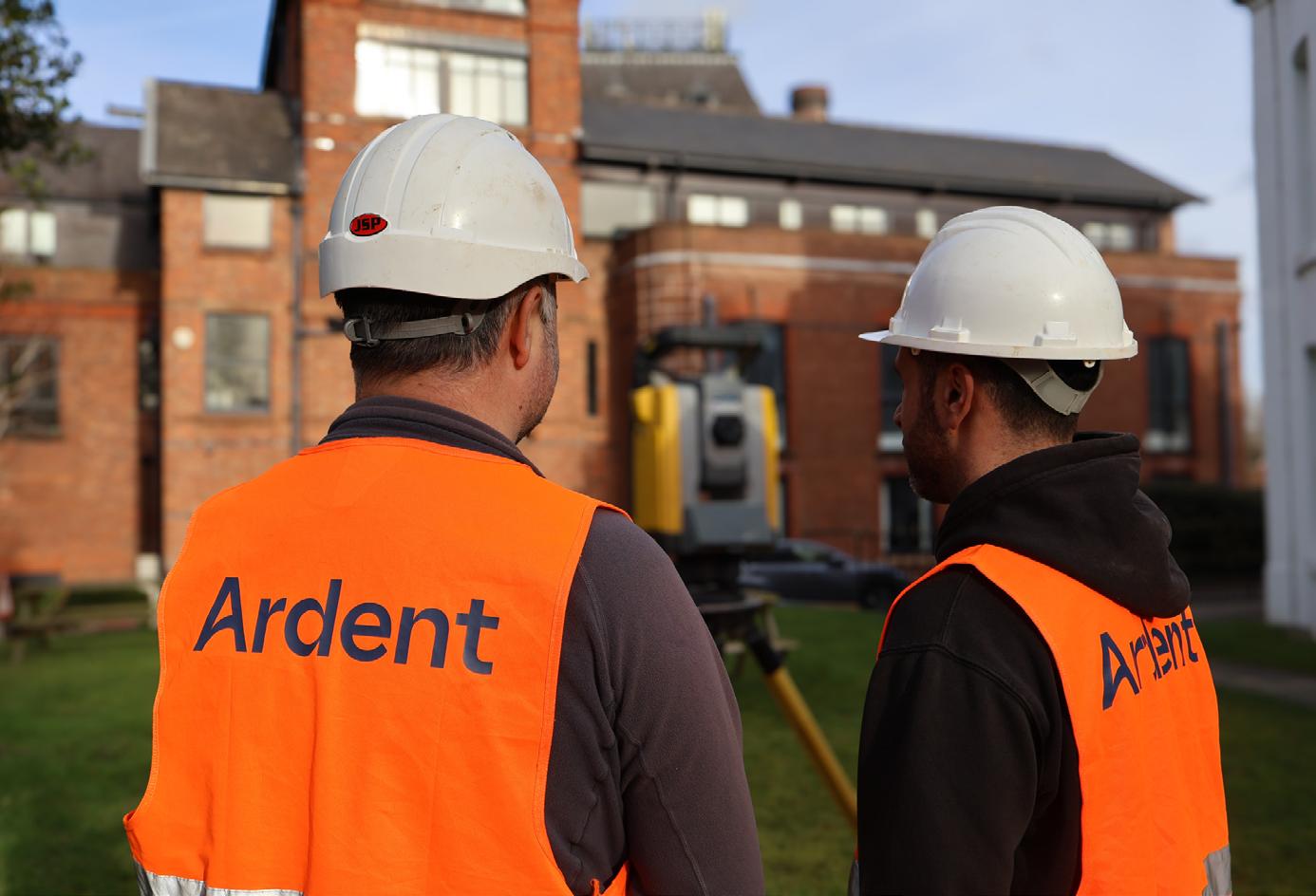
Land, stakeholder and consents specialists Ardent have strengthened their Scottish operations with the appointment of infrastructure and property expert Gavin Falconer as Senior Associate Director.
The strategic hire supports Ardent Scotland’s continued growth across infrastructure, transport, utilities and renewables sectors. It also strengthens the business’s specialist land and project delivery expertise at a time when developers, investors and infrastructure partners are facing increasing pressures around land risk, project viability and delivery uncertainty.
Based in Ardent’s Glasgow office, Gavin has more than 20 years’ experience in the property sector. He brings extensive expertise in strategic land management,
infrastructure delivery and complex project development.
There is a clear ambition within the Scotland team to continue growing and expanding its capabilities across the market.
Most recently, he served as Head of Renewables at Forestry and Land Scotland. There, he led one of the UK’s largest renewable energy land portfolios, including 1.4GW of operational onshore wind capacity and a forward pipeline of 3.5GW.
Throughout his career, Gavin has worked across valuation, commercial property management and large-scale
ARC BUILDING SOLUTIONS APPOINTS ANNABEL MANTEL
AS CHIEF FINANCIAL OFFICER
Leeds-based passive fire protection and insulation specialist ARC Building Solutions has appointed Annabel Mantel as Chief Financial Officer, strengthening its leadership team as the business continues to scale.
Annabel brings over twenty years of experience in senior financial roles in transaction led environments, taking several businesses to successful exits. She further enhances a senior management team that was recently expanded with the appointment of Andy Yates as Chief Operations Officer.
ARC recently secured significant investment from LDC, a leading private equity investor which is part of Lloyds Banking Group, to fund its next phase of growth. This includes expanding its production capacity, systems and commercial capability.
“This is an exciting time to be joining ARC,” said Annabel.
“LDC’s investment creates an incredible opportunity to build on ARC’s existing success and take it to the next level. I am proud to be a part of the leadership team tasked with making this happen.”
Annabel joins ARC from home security specialist Brisant-Secure, where she was Finance Director and then Managing Director. At Brisant-Secure, she oversaw a threefold increase in EBITDA before completing a successful exit for investors and founders to Allegion International in 2025.
“I’m looking forward to helping ARC scale through organic growth and targeted acquisitions – whilst retaining the great ethos and culture that underpins ARC’s success,” she added.
Neil Weeks, CEO of ARC Building Solutions, welcomed Annabel to the company. “Annabel’s expertise will be a real asset to us,” he said. “It is vital we have the strongest possible senior
infrastructure projects. He also currently serves as a Tribunal Member for the Scottish Courts and Tribunals Service, hearing cases relating to non-domestic rates and council tax.
Having worked closely with developers, landowners and infrastructure partners across Scotland for many years, Gavin brings significant client-side and strategic delivery experience to the role.
His appointment further strengthens Ardent Scotland’s ability to support complicated projects through changing market conditions, policy challenges and increasingly complex land requirements.
Commenting on his appointment, Gavin said: “This is a really exciting time to join Ardent. Scotland’s infrastructure and development sectors are facing significant
leadership team in what will be a pivotal phase for the business.
“As we continue to invest in our capabilities and expand the business, Annabel’s expertise will be key to ensuring we grow in a way that is both sustainable and aligned with what our customers need.”
Annabel Mantel
change, but that also creates major opportunities for businesses that can provide strategic insight and help projects continue moving forward.
“Ardent has built a strong reputation for supporting complex projects across infrastructure and energy. What really appealed to me was the opportunity to join a business with deep technical expertise, while still maintaining a collaborative and agile approach.
“There is a clear ambition within the Scotland team to continue growing and expanding its capabilities across the market. I’m looking forward to working with the team on a broad range of projects and helping clients navigate increasingly complex challenges around land, risk and project delivery.”
He brings exceptional experience across infrastructure, property and strategic land management, alongside valuable client-side insight from major renewable energy and infrastructure projects.
Gillian Lang, Head of Scotland at Ardent, said: “Gavin’s appointment is a significant addition to our Scottish business and reflects our long-term ambitions for growth across Scotland’s infrastructure and development sectors.
“He brings exceptional experience across infrastructure, property and strategic land management, alongside valuable client-side
People on the Move
insight from major renewable energy and infrastructure projects.
“As projects across Scotland face increasing pressure around policy, grid reform and delivery risk, clients are looking for strategic partners who can help maintain momentum and provide greater certainty around land and viability. Gavin’s expertise will play an important role in supporting that.”
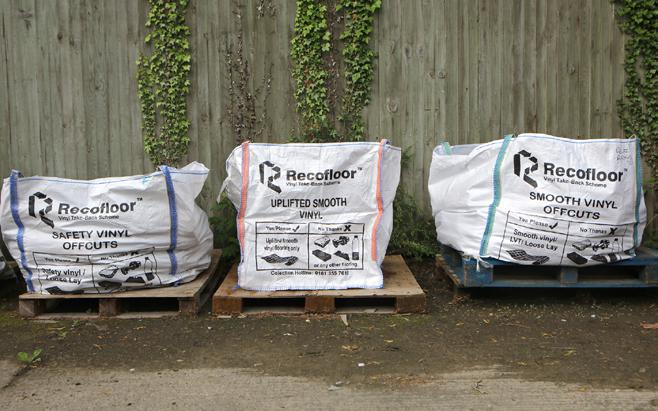
RECOFLOOR ANNOUNCES WINNERS OF ITS 2026 SUSTAINABILITY AWARDS
Flooring recovery scheme celebrates the businesses and people turning waste vinyl flooring into a resource, as members collect 563 tonnes in 2025.
Recofloor has announced the winners of its 2026 Recofloor Awards, recognising flooring contractors, distributors and individuals who are helping the sector keep materials in use for longer, and build recycling into everyday practice.
The awards, run by the UK-wide vinyl flooring take-back scheme founded by Altro and Polyflor, celebrate the ‘how’ as much as the ‘how much’: the routines that prevent contamination, efforts to keep teams aligned on sustainable action, and the small operational tweaks
that make waste prevention feel normal rather than exceptional.
In 2025, Recofloor members collected 563 tonnes of material for recycling (a 6% increase on 2024), and the scheme also facilitated the movement of 21 tonnes for reuse. Together, these figures point to a shift already under way in the supply chain: circular approaches that bring down waste and, increasingly, strengthen bids and help flooring businesses to win work in a competitive market.
A Recofloor award is a great milestone: reflecting consistent effort over time and giving businesses a credible story to share with customers, project partners and their own teams.
This year, Recofloor received 15 entries across categories, with all entries judged by the Recofloor team alongside representatives from Altro and Polyflor.
“We’re delighted with the brilliant entries we’ve received this year, which really demonstrate the depth of sustainability commitment across our members, and the sector at large” comments Carla Eslava, Recofloor Project Manager.
2026 award winners
• Contractor of the Year: Fineweave Carpets Ltd
• Distributor of the Year: Nutland Carpet Accessories Ltd (Chandlers Ford)
• Recofloor Champion: Ed Murison, Veitchi Flooring Ltd
• Best Newcomer: Donnelly Watson Flooring Limited
A full list of award winners – including the members receiving Gold, Silver and Bronze awards for hitting designated tonnage targets - will be published on the Recofloor website: www.recofloor.org
CONSTRUCTION INDUSTRY
FACES ‘PRODUCTIVITY
PARALYSIS’
AS MIDDLE EAST CONFLICT DRIVES
UNCERTAINTY
Construction companies risk becoming stuck in a productivity ‘paralysis’ over economic uncertainty and geopolitical instability, a leading consultancy has warned.
Multi-disciplinary consultancy Pick Everard says mitigating the impact of inflation and supply chain disruption requires active planning to overcome the threat of cracked construction pipelines and reduced demand.
The warning follows its recent survey, which found 70 per cent of respondents working in construction fear prices and capacity will be severely affected as a result of oil restrictions within the next six months.
Inflation has now reached 3.3 per cent, largely driven by an increase in fuel prices driven by the war in the Middle East. This has intensified pressure on an industry already grabbling from fragile confidence and ongoing project delays.
Gavin Mason (right), Operations Director at Pick Everard, said sitting tight is not an option and urged construction companies to take a proactive risk management approach.
“It’s not a lack of intent that is the issue now,” he said, “but a ‘watch and wait’ mentality that is threatening growth.
“The problem is that the shockwaves from the Iran war are likely to be felt by construction for some time - regardless of how peace talks play out. In these
volatile times we need to collaborate and foster agility through strategies like advanced procurement and data sharing.”
In the latest market intelligence from Pick Everard, 45 per cent of respondents described the mood of the construction industry as concerned or very pessimistic.
Survey participants, comprising clients, contractors, developers and consultants, cited costs and viability as among the biggest challenges they face, while nearly 70 per cent of respondents fear that a further squeeze on prices and capacity is imminent.
The research showed more than half of those surveyed believe the war in the Middle East had affected immediate delivery plans. Only 17 per cent thought inflation had minor or no impact on construction projects.
“The past six years have seen three consecutive periods of major supply chain disruption – the triple shock of COVID, the conflict in Ukraine and now the Gulf. This is starting to feel like the new normal, and the effects are felt throughout the economy long after the events have stopped.
BRITISH STEEL ENABLES £9.8BN IN UK ECONOMIC ACTIVITY AND 142,000 JOBS, NEW ANALYSIS FINDS
British Steel underpins £9.8bn in economic activity and supports 142,000 jobs across the UK, according to new independent analysis by Oxford Economics.
The report highlights the central role British Steel plays within its own operations and across the wider economy, quantifying why steelmaking matters in the UK.
The company directly and indirectly through its UK suppliers supports £1.1bn in GDP and over 20,000 jobs across the UK, while its products enable a further £9.8bn in economic activity and 142,000 jobs across key downstream customer sectors including construction and rail.
The analysis also shows that British Steel’s impact is concentrated in regions with deep industrial heritage. In the North of England alone, British Steel supports £680m in GDP and 13,700 jobs, with the vast majority of wages flowing into local communities and supply chains.
British Steel is also supporting regional growth through its supply chain – nearly half of the money it spends in the UK is with businesses located in the 20% most deprived local authorities in England. Furthermore, British Steel plays a big role in supporting small and medium sized businesses, with 94% of its UK suppliers being SMEs, in turn providing and supporting over 8,000 SME jobs.
The report’s findings underline the foundational importance of the steel industry, enabling activity across sectors that are critical to the UK’s infrastructure and long-term growth, from construction and transport to energy and advanced manufacturing.
The findings come as British Steel continues to drive its ‘Save Steel Buy British’ campaign, which calls for greater use of British-made steel in infrastructure and across supply chains to support domestic industry.
Michael Weissman
THE NEXT STEPS FOR CONSTRUCTION PRODUCTS IN THE UK
By Michael Weissman, Partner, Construction and Lucy Moon, Associate, Construction at Howard Kennedy
After years of emphasis elsewhere in the industry, construction products have increasingly come under the spotlight in the UK following post Grenfell safety reforms.
In February 2026, the Government published its Construction Products Reform White Paper (the “White Paper”) setting out proposals for a major overhaul of the regulatory system. This was long criticised as fragmented and lacking proper enforcement. The proposals respond to the findings of the Grenfell Tower Inquiry and the independent review of construction product regulation led by Paul Morrell OBE and Anneliese Day KC (Independent Review).
Together, these reviews exposed systemic failures in product testing, clear information and enforcement. Ultimately, these failures enabled unsafe products to be placed on the market and used in the buildings occupied across the country.
For the first time, all construction products placed on the UK market will be subject to regulatory oversight.
A focus on safety
After the Independent Review, the White Paper highlighted that only around one third of construction products are covered by designated standards adopted by the UK Government, which prescribe mandatory performance characteristics and testing methods.
That means around 63% of construction products currently fall outside the existing regulatory regime, not subject to any formal regulatory approval
process. The reforms are now intending to address this gap by introducing a new general safety requirement (GSR).
The Independent Review also found that the current regulatory system was not equipped to prevent unsafe products from being manufactured, marketed or specified for use on the UK market.
Among the issues identified:
• poor quality and misleading product information;
• a lack of independence in testing and certification;
• limited powers for regulators to intervene; and
• few effective routes for redress once products had been installed on a building.
Proposals for reform
Against that backdrop, Government has proposed 3 key reform pillars: (1) safe products, safely used; (2) stronger testing, information and oversight; and (3) effective regulation, enforcement and redress.
There appears to be a continuing tension between divergence from and alignment with the EU construction product regulation regime, as the UK is seemingly trying to develop a new framework while retaining broadly similar safety principles and product assurance expectations as EU requirements.
(1) Safe products, safely used
For the first time, all construction products placed on the UK market will be subject to regulatory oversight. Products will fall into one of two categories:
• those covered by ‘designated standards’; and
• those subject to a new overarching GSR.
The new GSR is a significant regulatory shift. Manufacturers will be required to assess whether a product is safe for its intended use, identify foreseeable risks and take proportionate steps to mitigate them before placing the product on the market. Duties will also extend along the supply chain, with importers and distributors required to verify that the product is compliant, rather than relying on assumptions or assurances from others.
The Government has also placed particular emphasis on “safety‑critical scenarios”, where, if a product is misused or fails, it would result in serious harm. In these scenarios, designers, contractors and manufacturers will be expected to scrutinise suitability, installation and performance more rigorously.
(2) Stronger testing, information and oversight
The new reforms also seek to address concerns about testing and certification. UK conformity assessment bodies who independently test, inspect and certify that a product meets the regulatory or technical requirements will operate under tighter control. That will include including licensing requirements, with greater emphasis on transparency and reporting.
Manufacturers will be required to provide clear, accurate and digitally accessible product information, including test results, performance data and installation guidance. Proposals also include a national “construction library” and digital product identifiers, such as QR codes, to improve traceability across the supply chain and throughout a building’s lifecycle.
This is intended to feed into the golden thread of safety information under the Building Safety Act 2022. Interestingly, the White Paper also refers to a new BSI code of practice to support manufacturers in demonstrating product safety.
(3) Effective regulation, enforcement and redress
The proposals envisage a substantial expansion of regulatory powers, such as investigating non compliance, carrying out market surveillance and imposing sanctions, which may include fines, product recalls, criminal prosecution and director disqualification.
In parallel, the Government has indicated its intention to strengthen routes to redress against manufacturers of defective or mis sold products, an issue of particular importance for those seeking to recover the costs of historic remediation, such as contractors or developers.
Aligning with wider building safety reforms
Crucially, construction product reform is intended to align closely with the Building Safety Act 2022 rather than be
addressed in isolation, as emphasised by the White Paper.
Crucially, construction product reform is intended to align closely with the Building Safety Act 2022 rather than be addressed in isolation, as emphasised by the White Paper.
Product regulation will support dutyholder obligations across the lifecycle of a building. In particular, higher risk buildings will require clearer and more reliable evidence of product performance. This reflects a broader industry shift in which product safety is treated as a continuous responsibility throughout a building’s lifecycle.
The Remediation Bill (included in the King’s Speech) will also put the spotlight on construction product manufacturers for payment towards remediation costs.
A culture change?
Evidently, product reform alone will not prevent future failures unless it is accompanied by a shift in the behaviour and attitudes across the industry. Designers, contractors and those specifying products are likely to face heightened scrutiny over how products are selected and used. Client, developer, contractor and designer decisions on procurement and contractual risk allocation would need to incorporate this as an area of focus.
The reforms are also likely to have an impact on the insurance industry as insurers are likely to scrutinise compliance, testing and product information more closely. Ultimately, that could be reflected in the price of insurance premiums as well as the availability of the appropriate insurance coverage in the market.
Successful steps?
Every construction product ultimately becomes part of a home, workplace or community. The success of the proposed reforms will depend on whether the construction industry embraces a broader cultural change, moving from viewing compliance as a burden to recognising it as a fundamental professional and moral responsibility.
Lucy Moon
Project News
HENRY BROTHERS APPOINTED TO
DELIVER £10.3M JOINT ASSET WORKSHOP AND STORES PROJECT
FUTURE HOSPITALS
TAKE SHAPE AS GROUNDWORK BEGINS ON NEW £12.8M
URGENT TREATMENT
CENTRE AT LEICESTER ROYAL INFIRMARY
Our future hospitals are quickly becoming a reality, with groundwork now officially underway on the new £12.8 million Urgent Treatment Centre (UTC) at Leicester Royal Infirmary. The site has been set up, hoardings are in place, and excavation has begun to prepare the foundation area for the new facility – a visible and exciting step forward for the project.
This marks a significant milestone in improving urgent care services for patients across Leicester, Leicestershire, and Rutland.
The new UTC was announced in December 2025 and is expected to open in 2027. It will replace the existing Minor Injuries and Minor Illnesses (MIaMI) unit and will provide a modern, purpose-built environment designed around the needs of patients requiring same-day treatment for urgent but non-life-threatening conditions.
As work gets underway, patients, visitors, and colleagues will begin to see changes across the Leicester Royal Infirmary site.
The new Urgent Treatment Centre forms part of our future hospitals programme, which is focused on modernising hospital facilities and ensuring services are fit for the future.
Leading construction company
Henry Brothers, headquartered in Magherafelt, has been appointed to deliver a £10.3 million Joint Asset Workshop and Stores project at Darby House in Wellingborough, on behalf of the Northamptonshire Police, Fire and Crime Commissioner Danielle Stone.
The new facility, which is scheduled for completion in June 2027, will bring together fleet management operations for Northamptonshire Police and Northamptonshire Fire and Rescue Service into a single, modern location in the existing car park at Darby House.
Ian Taylor, Managing Director of Henry Brothers, said: “We are pleased to have been appointed to deliver this important project for Northamptonshire Police, Fire and Crime Commissioner.
“Work on the project started at the end of March, and we are already making good progress.”
The scheme comprises a large two storey building. The ground floor will include multiple industrial access doors leading to vehicle bays for mechanical operations, alongside welfare facilities including toilets and showers, while the first floor will provide a mix of office space and storage areas.
Sustainability is a key focus of the project, with the building designed to help reduce energy consumption and carbon emissions, while also lowering long term maintenance and operational costs.
Danielle Stone, the Northamptonshire Police, Fire and Crime Commissioner, said: “I am pleased that we will be working with Henry Brothers to deliver the new joint asset and workshops stores building.
Sharing facilities for Police and Fire, where it makes sense to do so, offers best value for money for the taxpayer and both organisations.
The new building will offer first class facilities for our staff to help them give the best service to the public, and I am looking forward to seeing it open next summer.”
The project team includes Gleeds as project and cost manager, Corporate Architecture as architect and principal designer, Millward for civil and structural engineering and Anderson Green for MEP services. The project was procured via the Crown Commercial Service Framework on a single stage basis and will be delivered under a traditional construction contract with contractor design portions.
Ian added: “This project demonstrates our continued commitment to delivering complex, multi-service facilities that support vital community services. Our team is proud to contribute to a sustainable, efficient workspace that will benefit both the Police and Fire services for years to come. We look forward to working closely with all partners to successfully deliver this scheme.”
Specifying CFA members for your flooring projects means you’ll be gaining a wealth of experience from vetted contractors with the knowledge and products to fulfil your specification with a sustainability criteria.
CFA members are part of a supply chain that includes specialist contract flooring contractors, manufacturers and distributors, all of whom promote the highest standards and expertise.
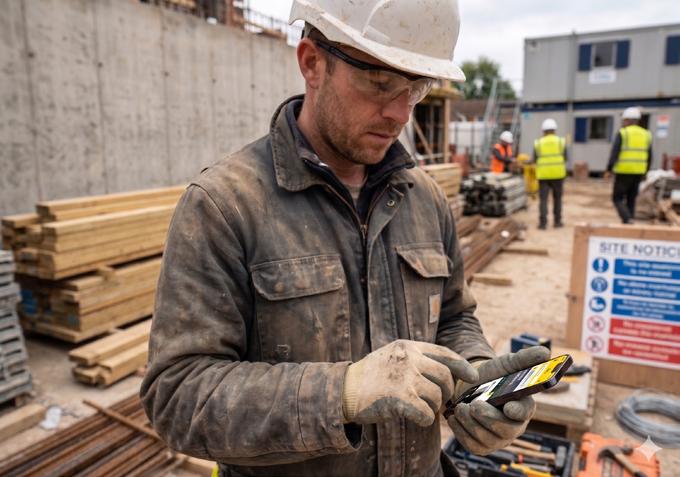
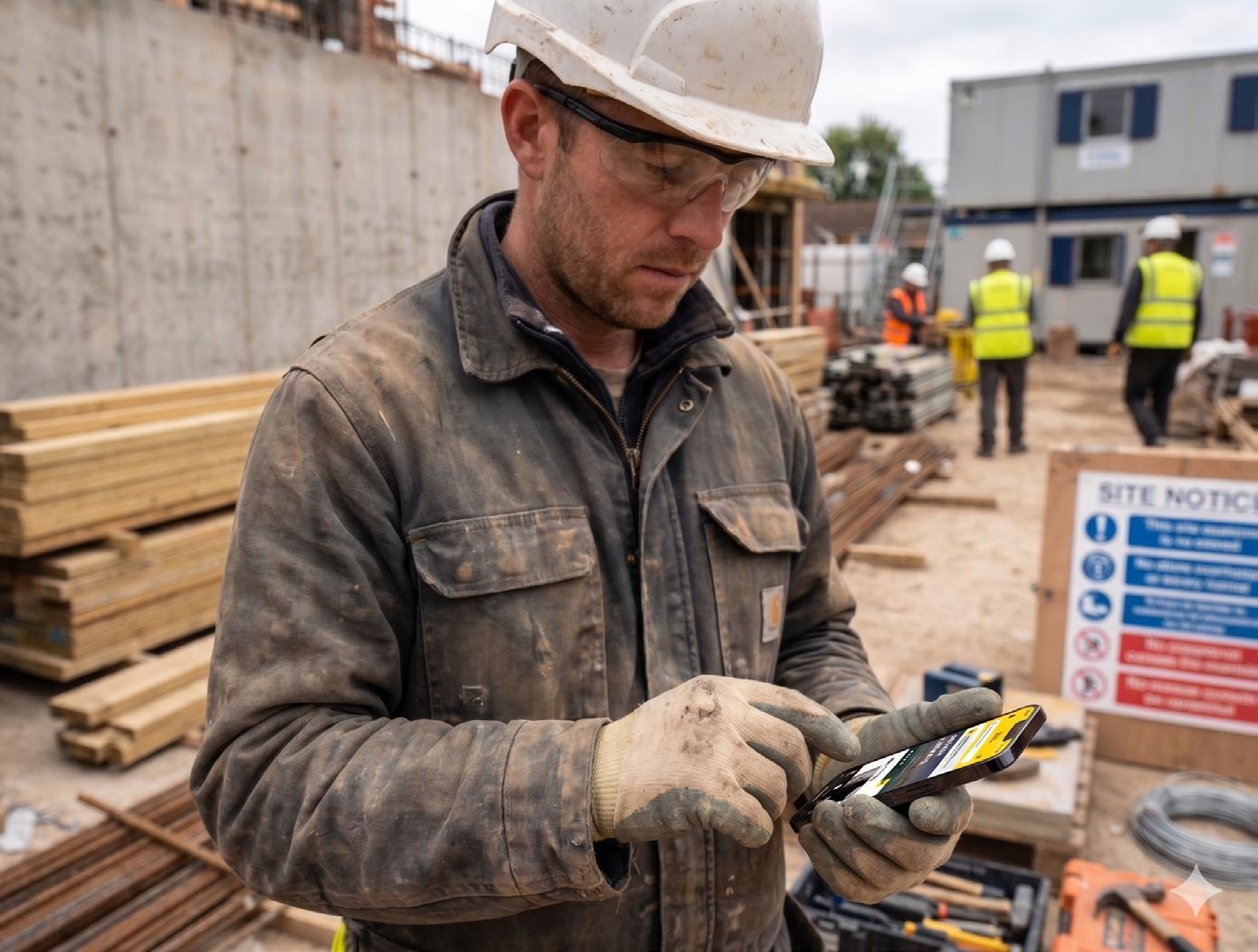
TRANSFORM SITE COORDINATION WITH ONE SIMPLE APP
It is a practical, easy to use field-level coordination App focused on what will happen today, who is responsible, and what may impede progress.
Every contractor knows the feeling: another day on site, another round of missed messages, late deliveries, unclear priorities, and “I thought they were doing that” conversations. Programme meetings drag on, whiteboards are out of date the moment you walk away, and by 10am your site looks very different to what was agreed at 8am.
Now imagine the opposite:
Imagine opening one simple app each morning and seeing, at a glance:
• What every subcontractor plans to do today
• Who is responsible for each key activity
• Which cranes, deliveries and access routes they need
• What might impede progress before it actually does
That’s exactly what the Project Management & Safety Coordination App delivers: practical, field level coordination focused on what will happen today, not what went wrong yesterday.
Built For Contractors, Not IT Departments
This isn’t another bloated project platform you need a week’s training to understand. It’s a lean, easy to use tool designed around the way sites actually work.
Setup is simple. The main contractor receives login details, signs in as “Contractor” and adds their subcontractors in seconds. From there, each subcontractor is assigned to the relevant project via a straightforward dropdown menu. No complex permissions, no long configuration – just
This
isn’t another bloated project platform you need a week’s training to understand.
It’s a lean, easy to use tool designed around the way sites actually work.
select the project, pick the subcontractor, click “Assign Project” and you’re live.
Each subcontractor supervisor then receives an automatic email with their login details. They download the app, sign in as “Subcontractor” using the dropdown menu, and from that point on they’re part of your coordinated daily planning process.
Daily Planning, Done Properly
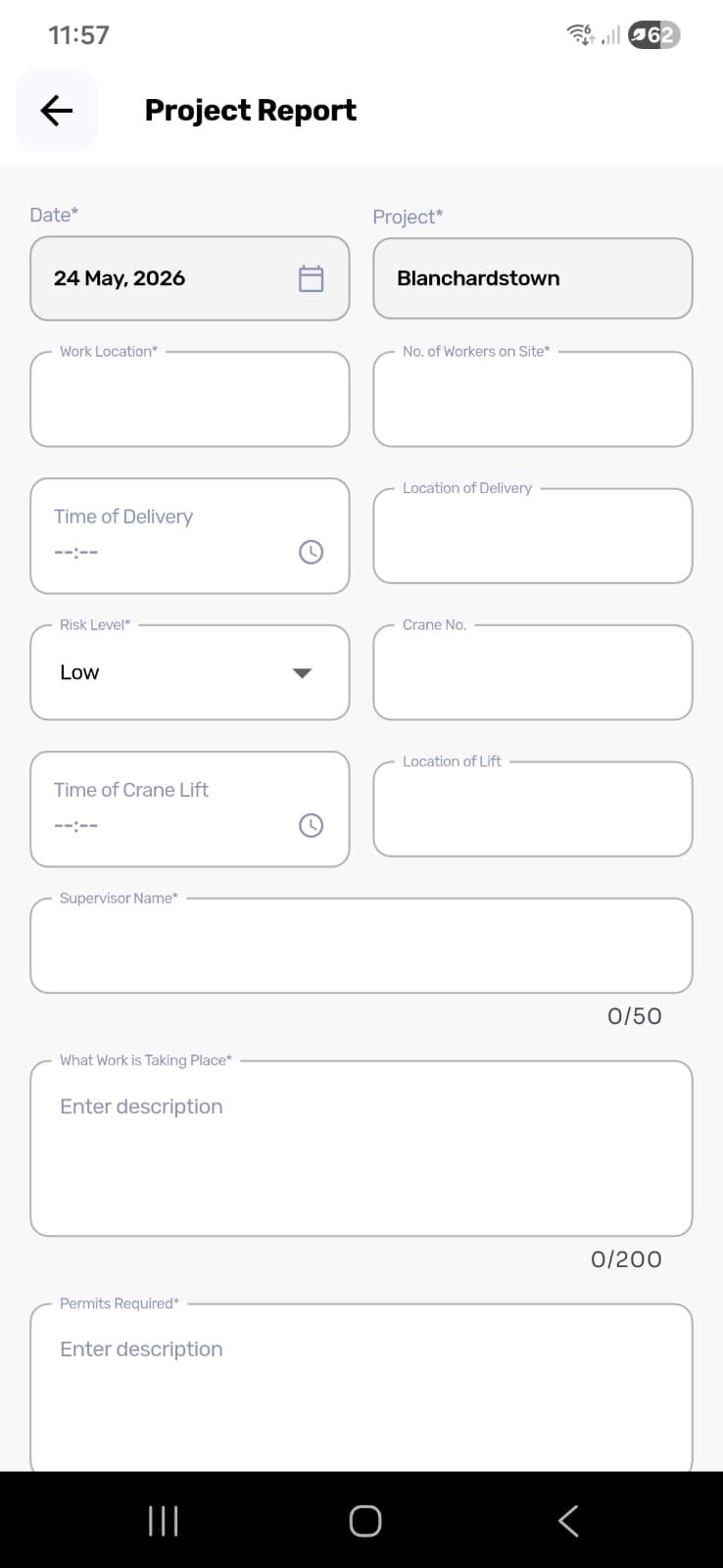
The heart of the app is the daily report – fast to complete, powerful in what it delivers.
Each morning (for example, by 8am – you decide the deadline), every subcontractor opens the app and in a couple of minutes they confirm:
• What work they will be doing today
• Where they will be on site
• Any constraints, interfaces or safety considerations
• Crane needs, deliveries, and key resources
They can add photos straight from the camera or from their gallery – ideal for highlighting access issues, site conditions, or particular coordination points.
Once they hit “Review and Submit,” the information flows instantly to the contractor’s dashboard. No chasing, no paper forms, no wondering who’s doing what. You’ve got a live, up to date picture of your site, driven directly by the people doing the work.
True Site Wide Visibility
The app doesn’t just collect information –it shares it where it matters.
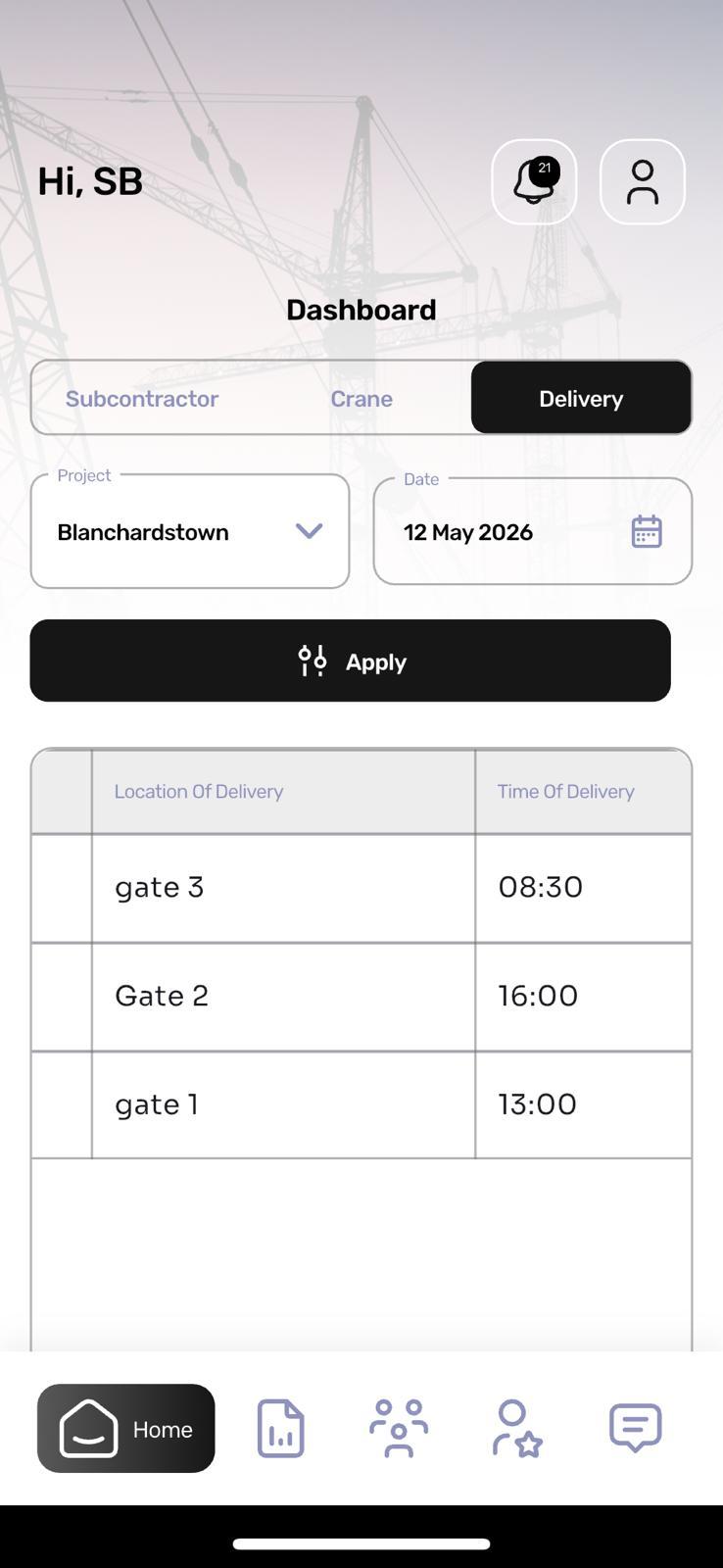
Subcontractors can see what other trades are doing that day simply by tapping the tabs along the top of the home screen:
• The Subcontractor tab shows what other contractors are working on and where.
• The Crane tab shows crane usage: times, locations, what is being lifted.
• The Delivery tab shows inbound deliveries by time, gate and description.
This alone transforms coordination. Instead of discovering a clash when a truck is blocking the gate or a crane is already lifting for someone else, teams can plan around each other in real time. Everyone is working from the same, current information.
A Smarter Contractor Dashboard
On the contractor side, the dashboard becomes your live whiteboard.
As each subcontractor submits their daily report, the dashboard automatically populates. You can add your own notes – ideal for client instructions, safety points, or site wide constraints. Everything feeds into a clean, time stamped project record.
Want to know what happened last week / month / 6 months ago? Just select the date and press “Apply.” In seconds you can see the full picture for that date – who was on site, what they were doing, what was lifted, what was delivered.
Powerful Reporting At The Click Of A Button
The app turns your live data into professional reports without you lifting a pen.
With one tap on Export PDF, you generate a polished daily report ready for your whiteboard meeting or coordination call. Connect your laptop to a screen and you’ve got an instant visual of the day’s plan and activities. Prefer spreadsheets? Hit Export CSV and you’ve got the data ready for analysis, claims support, or programme reviews.
Need to drill into the detail? Choose the contractor’s report you wish to view, and then tap “View Report” to see the full submission from each subcontractor. If you need to follow up, a built in messaging function lets you contact them directly from the report screen. (Messages are
currently one way from contractor to subcontractor, with two way messaging in development.)
Controlled Access For Your Entire Team
Construction is a team game, and so is this app. The dashboards can be viewed on site or from your company offices no matter where in the World they are.
You can easily give controlled access to directors, contracts managers, project managers, QSs and other key stakeholders by adding them as Stakeholders. When they sign in through the Stakeholder tab, they see the same clear, structured project view – without interfering with the contractor/subcontractor workflow.
The Result: Fewer Surprises, Smoother Sites
The Project Management & Safety Coordination App doesn’t try to replace your entire project management system. It focuses on the critical daily coordination that makes or breaks site performance:
• Clear, early visibility of who is doing what, where and when
• Better use of shared resources like cranes and gates
• Fewer clashes, delays and last minute scrambles
• A complete daily record for meetings, claims and compliance
• Real time collaboration between contractor, subcontractors and stakeholders
If you’re tired of firefighting your way through every day on site, this is a simple, effective way to take back control. Turn your whiteboard into a live, shared digital view of your project – and keep your teams one step ahead, every single day.
For more information email stephen@constructionwhiteboard. com and or call +44 7394 553294
The App will hold the following accreditations:
• ISO 9001 (Quality Management Systems)
• ISO 14001 (Environmental Management)
• ISO 27001 (Information and Data Security)
BRIDGIT PARTNERS WITH SIR ROBERT MCALPINE
TO BRING
DATA-DRIVEN
WORKFORCE PLANNING TO ONE OF THE UK’S MOST ICONIC CONTRACTORS
Bridgit, the leading AI workforce planning software for construction, has announced a strategic partnership with Sir Robert McAlpine (SRM), one of the United Kingdom’s leading construction and infrastructure companies. The partnership will see SRM adopt Bridgit’s workforce planning platform to modernise how it plans, allocates, and retains the talent needed to deliver some of Britain’s most complex and consequential infrastructure projects.
Founded in 1869, Sir Robert McAlpine has more than 150 years’ experience delivering some of Britain’s most iconic projects — from flagship commercial developments and major NHS facilities to national infrastructure and heritage landmarks. Today, SRM operates across infrastructure, industrial, commercial, healthcare, defence, and heritage sectors, with a workforce drawn from some of the industry’s most skilled and experienced professionals. As project
complexity deepens and the pipeline of major UK programmes continues to grow, the firm recognised the need for a more structured, data-led approach to workforce planning.
A Strategic Response to a Structural Challenge
The UK and broader European construction sector faces a welldocumented workforce crisis: skilled labour shortages, demographic change, and the retirement of experienced project managers and superintendents are widening the gap between project demand and delivery capacity. According to Bridgit’s 2026 Construction Workforce Benchmark Report — the industry’s largest workforce intelligence study — the median industry attrition rate has reached 18.7%. Senior talent is scarcer still; Senior Project Managers turn over at just 3.6%, but when they do leave, the impact on project continuity is significant. For contractors like SRM managing multi-year programmes, retaining and
LUC LAUNCHES FLAGSHIP
COMMUNITY CONSULTATION TOOL
ENGAGE3D uses game-engine technology to provide total transparency in infrastructure planning
Environmental consultancy LUC has launched its flagship immersive visualisation tool designed to build greater public trust and engagement during the consultation process.
Built on advanced game-engine technology, ENGAGE3D produces interactive 3D models of proposed developments in real world landscapes on a touchscreen TV. At consultation events, stakeholders can move freely through the site at eye level, switch to a virtual drone view, and compare alternative layouts and scenarios.
The tool is fully customisable, with users able to explore landmarks or custom viewpoints, toggle seasons, weather, visibility, turbine speeds and more, and access
integrated supporting media and annotations. Each model combines multiple datasets - including LiDAR terrain models, aerial imagery, the National Tree Map, and photography - to reflect real-world conditions.
“At LUC, we believe that the best projects start with listening. Effective consultation builds understanding, strengthens trust, and helps communities feel part of shaping their future,” said Rob Booth, Chief Executive at LUC. “This is why we developed ENGAGE3D - an integrated service backed by 60 years of environmental consultancy expertise and robust GIS data. It’s a tool that will facilitate meaningful conversations about development proposals and place communities into the heart of decision making.”
strategically deploying experienced professionals isn’t just a people issue — it’s a project delivery issue.
“Our people are our greatest competitive advantage, and ensuring the right talent is in the right place at the right time is central to how we deliver for our clients,” said Nadeem Mirza, Resourcing and Workforce Planning Director, Sir Robert McAlpine.
“Bridgit gives us the visibility and rigour to plan our workforce with the same precision we bring to our project programmes. In an environment where skilled talent is increasingly constrained, that capability is essential.”
Bridgit’s Platform at the Heart of the Partnership
Through the partnership, SRM will deploy Bridgit’s AI Workforce Planning platform — the only AI purpose-built for construction workforce planning — marking a significant step forward in how the firm manages talent across its growing project portfolio. Bridgit builds on SRM’s own workforce history and data, surfacing patterns and suggestions that get sharper over time. These valuable insights will provide SRM with deep, immediate visibility into
Welsh, publically-owned renewable energy developer Trydan Gwyrdd Cymru is one of the first adopters of ENGAGE3D, leveraging the technology to consult with communities on a series of new wind farms across the country. The tool enables residents to explore landscapes within an average 10-kilometre radius of each site.
Trydan Gwyrdd Cymru commissioned LUC to apply the ENGAGE3D technology to help communities better understand the visual change that could occur if proposed sustainability infrastructure in their area proceeds to construction and operation.
“The 3D digital model is an excellent tool for visualising what a project can look like in the local landscape from close up, or from kilometres away. It helps provide context and illustrates how some features, such as trees and buildings, or topographic effects, mean the turbines are less apparent when observed from certain locations, and more obvious from other viewpoints,” said Dr Catrin Ellis-Jones, Head of Public Involvement, Trydan Gwyrdd Cymru.
Technology & Software
the experiences and skills that make each team member unique — spanning past projects, certifications, availability, location, and tenure. Planners will be able to ask Bridgit questions directly and receive AI-powered smart suggestions as they assemble and balance project teams, enabling the firm to move away from spreadsheet-based processes and toward a structured, data-driven model built for proactive decision-making.
With Bridgit, SRM will be able to:
• Easily put the right people on every project - AI-powered suggestions recommend the right person for each role based on skills, experience, and availability, with the ability to query Bridgit directly during planning
• Align workforce plans with project pipeline - Leverage project timelines and sector mix to ensure more precise team planning with longer lead time
• Gain better team visibility - Quickly see team composition, tenure, and experience balance for active and upcoming projects
• Ensure junior talent is supported - Analyse “rookie ratio” to ensure junior talent is effectively paired with experienced colleagues before projects mobilise
• Better understand attrition and retention - Attrition tracking and talent retention insights can protect institutional knowledge as SRM continues to scale
The UK and European Opportunity
The partnership with Sir Robert McAlpine marks a significant step in Bridgit’s expansion into the UK and European construction markets, where demand for structured workforce intelligence is accelerating. Major UK infrastructure commitments — including investment in transport, energy, defence, and healthcare — are creating sustained demand for construction services at a time when the talent pipeline is under real pressure. UK contractors that invest now in systematic workforce planning will be better positioned to win and deliver the decade’s most significant programmes.
Across Europe, the challenge is similarly acute. Supply chain re-shoring, energy transition infrastructure, and urban regeneration programmes are driving substantial construction activity, even as the available pool of experienced construction professionals narrows. Bridgit’s platform is purpose-built to help contractors in these conditions turn workforce planning from a reactive overhead into a strategic capability.
“It allows direct comparison with existing turbines where they exist, which people are often keen to see. It makes the data and designs we draw up easily accessible to a wide range of people, young and older, and in turn helps us gather informed and specific feedback on our proposals. It was appreciated by local people and stakeholders who participated in our early stage project-introduction events, and the 3D model will be updated through the iterative and consultative planning process, so people can also “see” our designs evolve.”
Welsh, publicallyowned renewable energy developer Trydan Gwyrdd Cymru is one of the first adopters of ENGAGE3D, leveraging the technology to consult with communities on a series of new wind farms across the country.
Technology & Software
BELLROCK SURVEY REVEALS SERIOUS BLOCKERS TO AI ADOPTION IN LOCAL GOVERNMENT AND HEALTHCARE ESTATES
Industry has the will to evolve, but data infrastructure, skills, and investment needed are lagging behind, study finds
Only 1% of estates leaders across local government and healthcare believe the current facilities management model is fit for purpose. And while AI is still expected to play a big part in FM’s future, 40% of professionals in the sector lack the skills to deploy it, and 65% have received no AI training at all.
These are two of the key findings of a study carried out by property management industry leader Bellrock in partnership with GovNews.
The company polled 285 estates professionals across healthcare and local government - and the results expose a widening gap between strategic ambition and operational readiness.
A staggering 99% of estates leaders admitted that their current model is not fit for purpose, while only 3% of local government professionals and 6% of those in healthcare were very confident that their organisation’s property data is accurate, complete, and standardised enough for AI to be effective. 58% (local government) and 66% (healthcare) said they were “not very confident at all”.
“These findings reflect the very real pressures that estates professionals in local government and healthcare are navigating every day,” said Arunn Ramadoss, Group Director of Marketing at Bellrock. “The ambition is there, but ambition alone can’t bridge the gap between where organisations are today and where they need to be. Along with the ambition, it’s essential to put in place the skills, data infrastructure, and resources required to achieve real change.”
The ambition is there, but ambition alone can’t bridge the gap between where organisations are today and where they need to be. Along with the ambition, it’s essential to put in place the skills, data infrastructure, and resources required to achieve real change.
Other highlights from the report include:
• The majority of local government and healthcare professionals believe legacy systems and outdated technologies are holding back organisations’ ability to deploy AI. 75% (local government) and 80% (healthcare) believe legacy technology is affecting progress “moderately”, “significantly” or “severely”.
• Just 7% of local government workers and 3% of those in healthcare fully agree organisations have the skills in-house to deploy AI effectively in estate management.
• One of the key barriers to increasing AI adoption is the quality of data that estates professionals have at their disposal. Only 3% of respondents in local government and 6% in healthcare say they are very confident in the quality and structure of their data.
• There is also a lack of confidence among senior leaders about using data and AI insights for strategic property decisions. Among local government and healthcare professionals, only 3% said they were “very confident” while 53% (local government) and 59% (healthcare) said they were “not very confident” or “not confident at all”, with 28% (local government) and 18% (healthcare) saying they were “unsure”.
• However, there is broad support for the idea of a standard data taxonomy across each sector, allowing organisations to share data and insights. Among local government professionals, 68% said they “agree” or “strongly agree” with the idea, while among healthcare professionals, the figure was 80%.
• When asked whether they believe current regulation and standards for AI are adequate for property services, only 1% of local government and 4% of healthcare professionals answered “yes, fully adequate”, while 38% (local government) and 39% (healthcare) answered “not adequate” or “not at all adequate”. 43% in local government and 37% in healthcare said they were “unsure”.
There’s also a lack of agreement on what is holding back the adoption of AI in property services. While cost or investment constraints top the chart, a number of other factors drew a similar level of agreement, including:
• Cost or investment constraints (29% and 36% in local government and healthcare respectively)
• Skills and capability gaps (14% and 19%)
• Lack of quality data (17% and 13%)
• Legacy systems or infrastructure (17% and 8%)
• Leadership culture or resistance to change (7% and 11%)
• Risk or governance concerns (9% and 5%)
Nonetheless, recent projects point to the increasing feasibility of a joinedup, AI-driven approach, including Manchester City Council’s use of Bellrock’s Concerto platform to consolidate disparate systems into a unified digital view of their estate.
PRACTICAL AI FOR THE WORK THAT SLOWS CONSTRUCTION PROJECTS DOWN
Construction does not need more AI hype. It needs fewer bottlenecks.
Teams are under pressure to deliver faster, keep information moving and avoid costly mistakes. But too much time is still lost to repetitive admin, slow reviews, disconnected files and manual handoffs.
Bluebeam Max is designed to help fix that.
Built directly into Bluebeam Revu, it brings practical AI into the drawing and document workflows teams already use every day. No disconnected tools. No unnecessary complexity. Just smarter support where the work is already happening.
Bluebeam Max helps teams review drawings faster, manage markups more efficiently, simplify document setup, generate reports and get more value from the data already sitting inside project files. The result is less time spent chasing information and more time keeping work moving.
It also strengthens coordination between 2D drawings and 3D model-based workflows, helping teams stay aligned and work from the right information.
And because it builds on Revu, teams can put it to work faster without having to learn an entirely new system.
That is what practical AI should look like in construction: less friction, fewer avoidable errors and better visibility across delivery.
Bluebeam Max gives organisations control at user level, helping them manage access, governance and privacy in a way that works for their business.
AI will only matter in construction if it helps teams do real work better. Bluebeam Max is built with that in mind. See Bluebeam Max in action at Unbound London on 18 June 2026.
your interest: https://bit.ly/4sWJamk
Technology & Software
GMCA INNOVATION PROGRAMME INTRODUCES SMART HOME MONITORING TO IMPROVE RESIDENT WELLBEING AND ENERGY USAGE
Lancashire-based technology company Sustainable Smart Technologies (SST) has completed the installation of its smart home monitoring platform in 30 social housing properties across Greater Manchester, working with Onward Homes and Southway Housing Trust.
It is part of the Greater Manchester Combined Authority’s (GMCA) 5G Innovation Region programme, which is testing how digital tools can improve housing conditions, affordability and resident wellbeing at scale.
SST was selected for the project after a competitive tender process, going on to deploy sensors across 20 homes managed by Onward and 10 homes managed by Southway Housing. Installations were completed by the end of January 2026 – just four months after being awarded the contract.
The company’s platform monitors temperature and humidity across four rooms in each property, providing housing officers with real-time insight into conditions to help prevent damp, condensation and mould growth. The system also integrates smart meter data, enabling the identification of residents who may be on unsuitable energy tariffs – a capability that directly supports efforts to tackle fuel poverty.
Niamh Allen, managing director at SST, said: “We are proud to have delivered this installation programme to a high standard
at pace, using pioneering technology to assure residents that their homes are fit for the future. My team and I make sure to meet as many residents as possible, to learn about their experiences and to address their queries firsthand.
“That’s because as a business we are led by a sense of purpose and social value – we want to ensure that bills are more affordable, that energy is sustainable and that people are content with the places in which they live. That’s what our monitoring platform enables us to do.”
SST is the technology arm of Sustainable Investments, which also owns retrofit specialist Sustainable Building Services (UK) Ltd (SBS). A number of the Onward properties in the trial are now due to be retrofitted with energy efficiency upgrades by SBS, meaning SST will be able to compare pre- and post-retrofit performance data.
This expansive monitoring capability offers housing providers and funders to compare ‘before’ with ‘after’, offering independent verification that retrofit investments are delivering the intended outcomes – and early identification of any properties where further investigation may be needed.
At Southway, the first phase of the GMCA programme focused on the connectivity of Daikin air source heat pumps in selected properties. SST became involved in phase two and went a step further by
integrating data from the connected heat pumps into the platform. This ‘stacking’ of use cases – combining environmental monitoring with renewable heating performance data in a single dashboard – demonstrates the benefits of SST’s platform, which has open, hardwareagnostic architecture, with an ability to bring together data from multiple sources without requiring housing providers to replace existing technology.
Scott Murray, head of asset management and sustainability at Southway Housing Trust, said: “SST’s new platform allows us to see our existing heat pump data alongside their environmental monitoring all in one place. This will help us make sure that our customers get the benefits of having the heart pump systems in their homes.”
Resident engagement was central to installation success. SST achieved a 100% sign-up rate across all 30 households, with no subsequent withdrawals. In the Onward-managed area of the project, where Bengali is a commonly-spoken language, SST produced bilingual Bengali and English materials – a decision that drew positive feedback from residents and their families. The company’s handson approach to onboarding, informed consent and ongoing communication has been recognised by GMCA, which formally noted the team’s delivery speed and quality in project governance meetings.
While some smart home-monitoring solutions provide large amounts of raw data, SST’s platform is designed to present housing officers with relevant, actionable insight. The system can therefore improve efficiency, making it easy to see which properties may need attention and reducing the burden on already stretched housing management teams. The platform’s open data architecture means it can integrate sensors, solar panels, batteries, inverters and other devices already deployed across a housing provider’s estate and deliver this information in a comprehensible format.
As greater focus turns to technology in order to make housing as affordable and sustainable as possible, GMCA is now developing a procurement framework to make it easier for social housing providers across Greater Manchester to access proven smart monitoring services, without each organisation having to start from scratch.
From left, Tunde Ajibola (GMCA), Niamh Allen (SST), Soraya Talor (Southway Housing Trust), Tayyib Jaffar-Ali (SST), and John Duncan (GMCA)
It takes a long time to create perfection.
Once in a while a product comes along and changes everything, from the way it’s crafted to the way it works. Products are often copied and many are great ideas that never really see true success in their application. Many years are spent searching for a product that will ultimately surpass expectations, stand the test of time and become recognised as the leader in its field.
We created one of those successful products nearly two decades ago and still today it has never been equalled.
Why?
Because we have never compromised on quality.
FROM THE GROUND UP: WHY CLAY BRICK REMAINS THE MATERIAL OF CHOICE FOR RESIDENTIAL ARCHITECTURE
Across the UK, residential development is navigating a familiar set of tensions. Planners want contextual sensitivity, clients want durability, and residents want homes that feel like they belong. Clay brick has always been well-placed to meet these demands, and a number of recently completed schemes show just what the material can do. The Michelmersh Group can offer a range of solutions for those seeking to utilise clay brick and has a well-documented history of helping projects to stand out and live up to the expectations of those who designed them.
Affordable housing that earns its place
Sheepcote Road in Harrow, designed by Threefold Architects for Pocket Living, delivers 149 compact homes without the visual compromise that affordable housing too often accepts. The scheme draws on the interwar shopping parades that define the area, using Floren Pallas grey brick with rose-hued complementary tones to build a rhythmic, layered facade. Red brick detailing picks out lintels, podiums and key thresholds, while varied bonds and projecting courses give the elevations texture that changes with the
light. Sheepcote Road holds its own in the townscape and is a reminder that constraint and character are not mutually exclusive.
Heritage and new build in conversation
At The Old Boathouse in Taplow, Napier Clarke Architects faced a riverside brownfield site anchored by two heritage structures: a Victorian gatehouse and an Edwardian boathouse. Rather than contrasting the new with the old, the six
new longhouses take their proportions, roof profiles, and material references directly from the existing buildings. Floren Pollux and Polaris bricks provide a refined palette of whites and greys in light stretcher bond. The tones catch the river light and give the terrace a quiet permanence, with the new homes reading as a natural extension of the conservation area rather than an addition to it.
Industrial character, contemporary living
Urban regeneration asks different things of a material. At The Engine Yard on Edinburgh’s Leith Walk, the final phase of development restores the historic Shrubhill tram sheds and introduces 43 new apartments within the original footprint. The design leans into the site’s industrial character rather than working against it. Blockleys Sterling Grey bricks
The Old Boathouse
Sheepcote Road
The Engine Yard
Clay brick has always been wellplaced to meet these demands, and a number of recently completed schemes show just what the material can do.
clad the facades and accentuate the central chimney stack, their muted tones sitting comfortably alongside the original red brick frontage and the metal cladding throughout. The Engine Yard is proof that old and new can feel like parts of a coherent whole.
Scale, sustainability and civic presence
King George’s Gate in Tolworth is a larger undertaking: 211 units across an 11-acre brownfield site that had been empty for nearly two decades. The scheme needed to create a genuine sense of place while respecting the surrounding streets and meeting demanding sustainability targets. 400,000 Freshfield Lane Selected Dark Clay Bricks were specified for their rich, varied palette of dark reds, oranges, purples and browns, grounding a contemporary development in the
material tradition of London’s residential neighbourhoods. Air source heat pumps and rooftop gardens sit alongside the brick without contradiction. The two ambitions, a handsome street presence and a credible sustainability strategy, are part of the same brief here, not competing priorities.
Density done well
In Barking and Dagenham, Archio’s project within the Becontree Estate approaches density carefully. Drawing on the estate’s Garden City origins and the Neo-Georgian language of nearby London County Council developments, the scheme places 19 homes across two buildings on a landscaped corner without unsettling the scale or character of the surrounding streets. Freshfield Lane First Quality Multi bricks, with their soft red and brown tones, settle into the wider environment without drawing attention to themselves. The research-led approach has produced something that feels discovered rather than imposed.
The case for clay
These five projects span different typologies, budgets and geographies. What connects them is the decision to build in clay brick, and what that consistently delivers: longevity, contextual range and a material quality that holds up over time. Whether the task is new homes within a conservation area, the regeneration of a derelict industrial site or affordable housing at scale, clay brick provides a dependable and characterful foundation.
To find out how Michelmersh’s range could work for your next residential project, get in touch at sales@mbhplc.co.uk.
Becontree
King George’s Gate
GETTING COMMERCIAL HEATING RIGHT: FUEL CHOICES, RISK AND RESILIENCE IN A RAPIDLY CHANGING WORLD
By Lisa Bennett, CEO, Craggs Energy
For operators of commercial buildings, heating strategy has become a far more complex and business-critical issue than in previous decades. Rising energy costs, tightening environmental regulation and increasing scrutiny around sustainability are reshaping how organisations approach fuel selection.
While electrification and heat pumps dominate long-term policy discussions, liquid fuels continue to play a vital role across the UK’s commercial landscape – particularly in off-grid locations, construction environments and large-scale industrial settings. For construction specialists, contractors, facilities managers and developers understanding the strengths, limitations and risks associated with different fuels is essential to making informed decisions.
A changing regulatory and operational landscape
The UK’s approach to fuel usage has shifted significantly in recent years. The removal of entitlement for most sectors to use rebated fuels such as red diesel has forced many organisations to reassess long-standing heating arrangements.
This has had two immediate effects. First, it has increased compliance risk, with HMRC taking a firm stance on the misuse of rebated fuels.
Bennett, CEO, Craggs Energy
Second, it has accelerated the need to identify viable, cost-effective and compliant alternatives.
At the same time, market dynamics remain volatile. As highlighted in Craggs Energy’s analysis of heating oil pricing, costs are influenced by a combination of global crude markets, seasonal demand, currency movements and geopolitical instability. For commercial operators, this creates ongoing uncertainty around budgeting and procurement.
Against this backdrop, fuel choice is no longer a purely operational decision – it is a strategic one, balancing cost, compliance and long-term resilience.
Kerosene: a dependable baseline
Kerosene continues to serve as a core commercial heating fuel across the UK. Its relatively clean-burning properties make it suitable for a wide range of applications, from office buildings to retail and light industrial environments.
Compared with heavier oils, kerosene produces fewer deposits within heating systems, which can reduce maintenance requirements and support efficient operation over time. It also benefits from a well-established supply chain,
ensuring reliable availability in most regions.
However, kerosene is still directly linked to global oil markets. This exposes users to price volatility and supply pressures, particularly during periods of geopolitical disruption. Storage and handling also require careful management to avoid contamination or operational inefficiencies.
For many operators, kerosene remains a practical and compliant choice – but not without exposure to external risk factors.
DERV (white diesel): flexibility at a cost
DERV, or white diesel, offers complete flexibility as a fully duty-paid fuel. It can be used across both vehicles and heating systems without restriction, making it a useful option in temporary or emergency scenarios – particularly on construction sites.
That flexibility comes at a price. The higher duty applied to road fuels makes DERV significantly more expensive than other heating options for sustained use. As a result, it is rarely viable as a primary heating fuel for commercial buildings.
Its role is therefore typically limited to short-term or contingency applications, where operational simplicity outweighs cost considerations.
Industrial heating oil: a transitional solution
The removal of red diesel from commercial heating uses has led to increased adoption of industrial heating oil (IHO), often referred to as 35-second oil.
Designed specifically for commercial boilers, IHO offers a relatively seamless transition for businesses with legacy systems. It provides strong energy output and can often be used with minimal modification to existing infrastructure.
For larger commercial or industrial operations, this makes IHO a costeffective and practical solution in the short to medium term. However, as with kerosene, it remains a fossilderived fuel and is therefore subject to the same market volatility and longerterm regulatory pressures. It is not to be used in road vehicles or off-road machinery.
Lisa
HVO: from alternative to strategic solution
Hydrotreated vegetable oil (HVO) is increasingly being recognised as a credible long-term option for commercial heating, particularly in offgrid environments.
Produced from waste fats and oils, HVO is a renewable fuel capable of reducing lifecycle carbon emissions by up to 90 per cent compared with traditional kerosene. For organisations with clear sustainability targets, this represents a significant opportunity to cut emissions without fundamentally redesigning heating systems.
However, the case for HVO extends well beyond carbon reduction.
Operationally, it delivers several advantages:
• It burns exceptionally cleanly, reducing particulate emissions and lowering maintenance requirements
• It produces fewer odours, improving conditions in enclosed or customerfacing environments It performs reliably in very low temperatures, supporting consistent operation year-round
• Many existing oil-fired systems can be adapted to use HVO with only minor adjustments, avoiding major capital expenditure
This ability to retrofit rather than replace is particularly valuable for commercial estates and construction projects where system change can be disruptive and costly.
HVO’s price, volatility and the resilience argument
One of the main barriers to HVO adoption has been cost. At present, it typically commands a premium over conventional heating oil, reflecting production processes and supply constraints.
However, focusing solely on headline price risks overlooking a broader strategic consideration.
Fossil fuel prices are inherently volatile, driven by global supply chains and geopolitical events. Instability in major oil-producing regions can quickly translate into price spikes and supply disruption, creating uncertainty for businesses reliant on traditional fuels.
Heating, Ventilation & Insulation
By contrast, HVO is derived from diversified waste-based feedstocks. While not entirely insulated from global energy markets, its supply chain is structurally different and less directly exposed to crude oil fluctuations.
This introduces an important shift in perspective. Rather than simply comparing cost per litre, operators may increasingly evaluate fuels based on:
• Price stability over time
• Exposure to geopolitical risk
• Alignment with future regulatory frameworks
In this context, HVO begins to present a compelling case – not necessarily as the cheapest option today, but as a more resilient and future-facing solution.
Compliance, sustainability and reputation
Fuel choice now sits at the intersection of operational performance and corporate responsibility.
Regulatory compliance remains critical. Misuse of rebated fuels carries significant financial and legal consequences, alongside the potential for operational disruption.
At the same time, stakeholders –including investors, clients and the public – are placing greater emphasis on environmental performance. For developers and commercial landlords in particular, heating strategy can influence both asset value and brand perception.
Adopting lower-carbon fuels such as HVO can therefore deliver reputational as well as operational benefits, signalling a proactive approach to sustainability and risk management.
A balanced path forward
There is no single, universal solution for commercial heating. Each fuel type offers a different balance of cost, performance and risk, and the optimal choice will depend on the specific requirements of each building or project.
However, the direction of travel is clear. The sector is moving towards lowercarbon, more resilient energy solutions, supported by evolving regulation and market dynamics.
For commercial operators, the priority should be to take a structured and informed approach. This includes:
• Auditing current systems and fuel usage
• Ensuring full regulatory compliance
• Assessing the viability of alternative fuels such as HVO
• Developing procurement strategies that mitigate price volatility
• Aligning heating decisions with wider sustainability objectives
By doing so, businesses can move beyond short-term decision-making and build a heating strategy that is not only cost-effective, but also robust, compliant and fit for the future.
Heating, Ventilation & Insulation
and project delivery teams, the partnership helped shape design and installation decisions.
CUTTING CARBON AND PRIORITISING COMFORT: ARTUS AIR SUPPORTS BRITISH LAND’S SUSTAINABLE HQ AMBITION
Artus Air heating and cooling solutions are being installed at British Land’s new London head office at 20 Triton Street, Regent’s Place, supporting the developer’s commitment to creating high-quality workplaces with significantly reduced carbon impact.
Developer British Land is renowned for building, owning and managing some of the UK’s most sustainable real estate. The redevelopment of 20 Triton Street demonstrates that commitment in action, delivering a modern workplace designed to minimise embodied and operational carbon while maximising comfort and usability for its colleagues.
Located within the Regent’s Place campus, the refurbished headquarters promises an adaptable, future-ready workspace where employee wellbeing, accessibility and environmental performance are central to the design.
A key objective of the project brief was to minimise both embodied and
operational carbon while futureproofing the building for low carbon strategies. This included the use of water-based cooling and compatibility with heat pump systems to support long-term sustainability goals. Artus Air’s AR75 and AR60 solutions aligned closely with these requirements, making it a natural choice for the development.
Artus Air AR75 and AR60 units will be installed throughout the open plan workspaces, executive offices and meeting rooms across the two-floor 40,000 sq ft space. The system ensures consistent temperature control and thermal comfort in every area, creating a flexible environment that supports collaboration, productivity and day-today wellbeing for the British Land team.
The project also demonstrated strong collaboration between Artus Air and British Land from the earliest stages. Working closely with sustainability leads, technical specialists, designers
Resiliency and certainty were key to British Land’s procurement and supply chain strategies. By choosing the fully packaged comfort cooling solutions from Artus Air, the procurement journey was simplified and supply chain risk mitigated. Once on site, Artus units can be installed up to 75% faster* than traditional systems due to the compact, fully packaged form, removing the need for multiple ceiling components (typically) required in other installations.
Early and ongoing collaboration ensured that sustainability ambitions could be balanced with practical design requirements to deliver a comfort-led workplace with high aesthetic quality through compact and attractive heating and cooling design integrations.
Antone Husbands, Head of Specification at Artus Air commented: “Our approach is collaborative from day one and this project is a great example of that. The fundamental design of Artus Air’s solutions reduces embodied and whole-life carbon and enhance occupant comfort through patented airflow design: key factors in our selection on this outstanding redevelopment.
Husbands continues: “British Land is committed to delivering against its sustainability ambitions, and Artus Air’s solutions are supporting those goals at 20 Triton Street.
By working closely with the project team from the outset, we were able to support both the sustainability ambitions, reduction on operational carbon and the creation of a beautifully designed workspace that is comfortable, welcoming and future-ready.
Antone Husbands
REDS10 TO DELIVER
£22.5M
STEAM FACILITY AT
LEICESTERSHIRE
SCHOOL
Reds10, a pioneer in industrialised construction, has been appointed by the Department for Education to deliver a new £22.5 million STEAM (Science, Technology, Engineering, Arts, and Mathematics) facility at The Hinckley School in Leicestershire. The project will replace four existing teaching buildings in two phases, creating a modern, purpose-built, three-storey facility for students across all year groups.
The 103-module 3610m² building will provide a range of specialist and general teaching spaces, including science laboratories, IT suites, engineering workshops, classrooms, and food technology kitchens.
The project will be delivered using Reds10’s advanced volumetric modular construction approach, with approximately 87% of the building
manufactured offsite at the company’s advanced construction facility in Driffield, East Yorkshire. This method will enable faster onsite assembly, improved quality control, and reduced disruption within a live school environment.
Factory production is scheduled to begin later this year, with modules delivered and installed onsite from June 2027, before a handover to the school and planned opening in 2028.
Sustainability is also central to the scheme. The new STEAM block is designed to achieve Net Zero Carbon in use and will incorporate a bio-solar green roof with photovoltaic panels to offset energy consumption.
The surrounding external works will include a combination of hard and soft landscaping, creating new outdoor social and learning spaces for students.
The project is being delivered in collaboration with Hinckley & Bosworth Borough Council, The Hinckley School, Gleeds, Sense of Space and The Futures Trust, reflecting a strong partnership approach to delivering high-quality educational infrastructure.
ORIGINAL WORKS AND LEGENDRE UK SIGN CONTRACT FOR REDEVELOPMENT OF 10 SALISBURY
Legendre UK has been appointed by Original Works as the main contractor for 10 Salisbury Square, delivering a landmark sustainable office redevelopment in the heart of the capital.
The six-storey office building will undergo a major upgrade, creating a net total of 54,000 sq ft of office space, including two new office floors. Offering best-in-class amenities and multiple roof terraces, the scheme, known as Oriel St Bride’s, will also feature a striking oriel window with views of the Grade I-listed St Bride’s Church.
A strong sustainability strategy sits at the heart of the development. The project will retain 90 per cent of the existing structure and employ low carbon construction techniques. All-electric MEP systems, openable windows and on-site renewables will help ensure the building achieves the highest standards of operational efficiency, with the scheme targeting BREEAM Outstanding and NABERS 5 Stars. Legendre UK has also committed
to the project’s final as-built embodied carbon target for scope A1-A5 in accordance with the RICS Whole Life Carbon Assessment standard, further underlining the scheme’s rigorous approach to sustainability and Legendre’s growing expertise in sustainable construction.
The scheme has already been recognised for its environmental ambition, having been selected for the UK Net Zero Carbon Buildings Standard Pilot Testing Programme, positioning it among the projects helping to refine the Standard ahead of its application across the market.
Strategically positioned, within easy reach of both the West End and City, the redevelopment strikes a careful balance between respecting the site’s historic context and creating exceptional space for contemporary office occupiers. Located within the Fleet Street Conservation Area, the development sits on Salisbury Square, where more than £300 million is being invested in the creation of the new
SQUARE
Justice Quarter and City Law Courts. As part of the scheme, St Bride’s Passage will be transformed through the introduction of extensive new greenery, delivering a welcoming oasis for the wider community and future tenants
10 Salisbury Square was the first asset acquired by Original Works, the joint venture behind the scheme, underlining the platform’s focus on bringing forward sustainable, futurefacing office spaces that respond to both occupier demand and climate goals. Simten, one of the JV partners, is acting as development manager for the project, with completion scheduled for Autumn 2027.
Image:John Robertson Architects
THE CONSTRUCTION INDUSTRY SCHEME A CHANGE IN REGIME FOR 2026
By Joshua Clough, Associate at Walker Morris
The Construction Industry Scheme (CIS) was established under the Finance Act 2004 to tackle tax evasion in the construction industry. Under the scheme, contractors must deduct 20% from payments to registered subcontractors, or 30% from those who are unregistered, and pass these amounts to HMRC. Subcontractors may apply for Gross Payment Status (GPS), enabling them to receive payments without deductions and account for their own tax obligations.
The CIS was updated in April 2024, when the compliance test was tightened. Subcontractors must now ensure that VAT returns and payments are accurate and submitted on time to obtain and maintain GPS. Failure to comply allows HMRC to cancel GPS immediately where there are reasonable grounds to suspect fraud relating to VAT, Corporation Tax, Income Tax or PAYE.
The changes introduced, effective from 6 April 2026, are an extension of sweeping reform to the CIS targeting fraud, and arguably the most significant yet.
The 2026 Reforms
The most significant development is the expectation that construction businesses now actively prevent fraud. This extends beyond a business’s own operations into its supply chain. HMRC
may now intervene where it considers that a business knew, or should have known, that a payment it made or
received was connected to fraudulent activity.
The implications are severe. Where this test is met, HMRC may withdraw GPS immediately, recover associated tax losses and impose penalties of up to 30%. In some cases, directors may now also face personal liability.
GPS is widely regarded as a hallmark of credibility in the construction industry, playing a vital role in cash flow and often acting as a prerequisite to securing work, particularly at the tender stage. Previously, GPS’s revocation was always a significant setback. Still, with stringent compliance and the extension of the re application period from one year to five years, the consequences of non-compliance have never been higher.
The move towards a more proactive compliance regime is also reflected in the reinstatement of nil returns, requiring contractors to file in months with no subcontractor payments unless HMRC has been notified in advance. This is intended to improve reporting accuracy and reduce inadvertent noncompliance.
One welcome change is that payments to local authorities and public bodies will no longer fall within the scope of CIS, simplifying dealings with public sector clients.
Preparation Advice
The direction of travel is clear. The CIS has evolved into a proactive compliance framework emphasising oversight and accountability. For many, this will require a shift in approach. Due diligence can no longer be treated as a one-off exercise at the point of engagement; it must be ongoing, documented and capable of withstanding scrutiny. Prudent businesses will also revisit their contractual arrangements, flowing down risk through clear GPS warranties, fraud-prevention obligations and information-sharing provisions.
Those that act early by strengthening internal processes, reviewing supply chain controls and aligning their contracts with the new regime will be better placed to manage regulatory risk and remain competitive. Those that do not may find that, under the reformed CIS, ignorance is no longer a defence, but a liability.
Joshua Clough
FUTUREBUILD 2026 IGNITES A NEW ERA OF CONNECTION ACROSS THE BUILT ENVIRONMENT
Futurebuild 2026 closed on a remarkable high after delivering one of the most vibrant, energetic and connected gatherings the built environment industry has ever seen, with overall visitor numbers across the co-located shows doubling year-on-year.
For the first time, Futurebuild co-located with UK Construction Week (UKCW) and Stones & Surfaces at Excel London (12–14 May), transforming the venue into a thriving hub of innovation, collaboration and opportunity.
The scale and energy across the halls created a genuine sense of momentum throughout the three days, with packed seminar theatres, crowded exhibition stands and constant movement between the connected events creating one of the busiest and most dynamic industry gatherings of the year.
The seamless connection between the three shows unlocked a completely new visitor experience, dramatically increasing cross-show discovery, networking opportunities and access to innovation across the entire built environment supply chain.
Architects, specifiers, contractors, developers, manufacturers, policymakers and innovators explored the events sideby-side, creating a level of collaboration and cross-sector interaction rarely seen within the industry.
The connected format brought together every corner of the built environment in one destination, allowing visitors to discover new technologies, exchange ideas and make valuable business connections at every turn.
“Three hours at Excel gave me more insights into the trends affecting the UK building sector than I could’ve gathered in days of
calls and site visits,” said Luke Vargas, Podcast host at the Wall Street Journal, who attended in search of transferable technologies to help tackle the U.S. housing shortage.
Across the three days, Futurebuild’s Main Conference and National Retrofit Arena delivered a packed programme of thought-provoking discussion and industry insight.
Keynote speakers included Rt Hon Chris Skidmore OBE, MP Martin McCluskey, Minister for Energy Consumers at the Department for Energy Security and Net Zero, and the Deputy Mayor of London for Environment and Energy, Mete Coban, while James Cleverly, the Shadow Secretary of State for Housing, Communities & Local Government, also appeared on stage at UKCW.
“As ever, our curators have done a phenomenal job of delivering a highly acclaimed knowledge programme that is truly for the industry, by the industry,” said Futurebuild Event Director Martin Hurn.
The decision to connect Futurebuild, UKCW and Stones & Surfaces delivered something far bigger than three co-located events. Together they transformed Excel London into a single destination for the entire built environment industry, creating new opportunities for collaboration, innovation and commercial connection across every corner of the sector.
“The energy across the halls over the three days was incredible. Every theatre was full, every networking space was active and there was a genuine sense that the industry had come together with purpose, optimism and ambition. We continue to invest heavily in our conferences, seminar stages and networking opportunities because meaningful connection and knowledge sharing are at the heart of what Futurebuild stands for.”
BBA LAUNCHES INAUGURAL SUSTAINABLE INNOVATOR
AWARD FOR MARKET-READY CONSTRUCTION PRODUCTS
The British Board of Agrément (BBA) has launched the inaugural BBA Sustainable Innovator Award, a new initiative created to recognise construction products that show meaningful progress in sustainability and innovation.
The award reflects a growing need across the construction sector for future-focused innovation that is
also demonstrably robust. With more manufacturers actively developing products designed to improve environmental performance, the BBA Sustainable Innovator Award plays a pivotal role in supporting progress that is underpinned by clear technical evidence and independent assessment.
Designed for manufacturers with sustainable and innovative products
Events & Awards News
PREMIER FOREST CELEBRATES SUCCESS AT WALES BUSINESS AWARDS
Leading UK timber supplier Premier Forest Products has celebrated victory at the Wales Business Awards 2026, taking home Manufacturer of the Year for the work of its business division PWIDF Fire Door Solutions.
already in production, the award opens up opportunities for these products to be adopted at scale. It provides a defined route into the BBA’s established certification process, supporting products as they move from development into wider specification.
Hardy Giesler, CEO of the BBA, comments, “This award has been launched to support manufacturers who are addressing sustainability challenges in a practical, evidence-led way. Innovation is fundamental to why the BBA was founded, and that continues to come through in the products we assess today. Over the years, we have seen a growing number of solutions that push the boundaries of performance and environmental impact, and it is important that these products can demonstrate performance and reliability for real-world applications.”
The annual Wales Business Awards celebrates the ambition, innovation, and impact of Welsh businesses across all sectors and sizes.
The 2026 awards ceremony, held at the Holland House Hotel, Cardiff, recognised achievements in categories like sustainability, manufacturing, and inclusive employment.
PWIDF is a specialist designer and manufacturer of fully compliant fire door solutions, and a comprehensive supplier of architectural hardware, with full membership of the Guild of Architectural Ironmongers.
PWIDF was recognised for its exceptional ability to design and manufacture fully certified, triple-performance fire door sets combining fire resistance, smoke control, and security within a highly controlled, scalable production system.
The winning product will receive access to a full BBA Agrément assessment, or HAPAS for civils products, covering scoping, certification and the first three-year cycle of standard planned maintenance audits, with an approximate value of £50,000. Certification remains subject to meeting all relevant technical and procedural requirements, in line with established BBA protocols.
The Sustainable Innovator Award is open to growth-ready manufacturers (specifically startups and small businesses) who are the original developers of the products submitted and who supply products for use in the built environment.
The winning product will be announced at the CPA Autumn Lunch in November
Its work stands out for integrating advanced engineering, strict quality control, and specialist expertise particularly in healthcare and mental health environments to deliver safe, durable, and thoughtfully designed solutions.
Alongside this technical innovation, PWIDF demonstrates strong social impact through skills development and community initiatives, while setting a benchmark for compliance, collaboration, and safety standards across the construction industry.
Dave Timson, PWIDF Brand Director, said: “Taking home this award is a proud moment for PWIDF. We’ve dedicated ourselves to creating high-quality, durable, and thoughtfully designed solutions, with safety at the core especially for environments that may need it most such as healthcare, mental health, and education.
This award is a testament not only to the strength of what we deliver, but to the relentless hard work and commitment of our team. It reflects the people behind PWIDF, whose pursuit of excellence continues to drive us forward.
Terry Edgell, Co-founder & CEO of Premier Forest Products, said: “Being recognised at the Wales Business Awards is a tremendous honour and a significant milestone for us.
“I’m proud to see the commitment, drive, and ambition of our entire team acknowledged in this way. This recognition means a great deal to us, and while we take a moment to celebrate this achievement, we remain firmly focused on the future continuing to grow, innovate, and deliver exceptional value in everything we do.”
2026, celebrating the shortlisted entries and overall winner at the key industry event.
Entries opened on 18th May and close on 28th August. To find out more about the awards scheme and how to enter, visit www.bbacerts.co.uk/sustainableinnovator-award
Training & Education News
SINIAT EXPANDS PRACTICAL DRYWALLING TRAINING TO SUPPORT DEPTH OF KNOWLEDGE FOR BSA
Drywall specialist Siniat has expanded the practical training it offers to help support the competency drive across the construction industry in line with the Building Safety Act.
In addition to its drywalling induction and site supervisor courses, the manufacturer has now introduced a series of specialist courses taking a closer look at the installation of drywallling in steelwork encasements using fire rated board systems, as well as specialist training in the installation of shaftwalls, and suspended ceilings.
With a greater industry focus on evidencing competency in the installation of structural and fire-rated systems, Siniat aims to ensure installers have as comprehensive an understanding as possible of the correct and compliant
installation of drywall systems - and are able to evidence that to support the golden thread.
Held at Siniat’s dedicated training centre in Bristol, the courses include a thorough explanation of the correct use of different types of plasterboard to ensure optimal performance, including water resistance, fire board and shaft wall systems.
Following an introduction to the properties of the boards and their relevant application, the course takes the form of a guided session, where participants are taken through best practice examples of the use of boards, creating partition walls and suspended ceilings.
The manufacturer also runs two separate courses looking at best practice in taping and jointing - both hand and mechanical.
Following the introduction of the Building Safety Act, drywalling systems now need to be specified precisely at the design stage when used in a high risk building, while the installation needs to be evidenced in line with the golden thread, including demonstrating competency.
Often used as part of a passive fire protection system due to its built-in fire performance, Siniat drywalling also plays a part in ensuring compartmentation, and as such, must be installed in line with the tested detail.
In addition to detailing best practice in the installation of drywalling, Siniat’s training covers common issues that can lead to costly snagging to ensure cost efficient installation at the earlier stages of a construction project.
Simon Watkins, Training Centre Manager at Siniat, said:
“Practical training is hands down the best approach to teaching best practice in drywalling installation that is easy to recall. Siniat is committed to providing free of charge training on our drywalling systems to ensure they are installed in a way that supports the optimum performance that has been engineered into our products.
CITB SUPPORTS OVER 30,000 LEARNERS WITH APPRENTICESHIP GRANTS IN THE 2025-26 FINANCIAL YEAR
The new figures reveal that over the same period, more than 10,000 employers were supported – of which over 9,000 are small and micro enterprises.
The Construction Industry Training Board (CITB) has today released its 2025-26 financial year (FY) grants figures. CITB has provided a total of £120 million for all grants, including £68 million in apprenticeship grants, helping to support the industry to develop a skilled, competent and inclusive workforce.
In the FY 2025-26, 30,837 apprentices were supported. The apprenticeship grants provided have also supported 10,410 construction employers in the past year – of which 9,258 are small and micro businesses.
CITB’s Travel to Train grant, for construction employers in England, Scotland and Wales, exists to support
apprentices who need to travel for block-release training. The money received covers travel as well as accommodation costs. This year, it has supported 3,794 learners and 1,217 employers who have received a total of £8.2 million in Travel to Train grant support.
In addition, CITB also offers qualification grants, which support registered construction employers with the cost of training their workforce beyond just apprentices. CITB data from April 2025 to March 2026 reveals that 22,690 learners, as well as 3,088 employers received £21.7 million of qualification grant support. Out of the 3,088 employers supported in the past FY, 2,185 were small and micro businesses.
CITB’s Construction Workforce Outlook (CWO) finds that construction output is expected to grow by an average of 2.1% per year from now until 2029.
The CWO also finds that an average of 47,000 extra construction workers are required each year to meet demand and CITB’s grants remain vital in building a sustainable and resilient construction workforce.
“We are committed to ensuring high technical performance standards through continued innovation, research and testing, and it absolutely makes sense that this is supported by sharing best practice in its installation.
“Practical training courses with expert support are ideal to develop confidence and to hammer home the message that getting it right the first time really matters. An error in the installation of drywalling can prove a costly error to rectify once a project nears completion, and with gateway 3 approvals there will be increased scrutiny on issues such as this.
“The need to show competence under the Building Safety Act has put an emphasis onto demonstrating proactive skills training that Siniat is happy to support.”
To find out more about Siniat training courses, visit www.siniat.co.uk
Deb Madden, Executive Director, Customer Engagement and Operations, said:
We’re committed to ensuring the construction industry remains at the forefront of skills development, and we’re so pleased to have been able to support so many employers to take on new people and help train their employees.
“Supporting employers to recruit and retain apprentices is critical to building the skilled workforce the industry needs.
“Without sustained recruitment and training, labour shortages risk project delays and increased costs, and we’re pleased to be playing a part in providing the support employers and learners need to help build the workforce of tomorrow, today.”
For more information on CITB grants and funding support, please visit: www.citb.co.uk/funding-support
Training & Education News
NEW COLLEGE DURHAM STUDENTS HELP PRESERVE NORTH EAST HERITAGE AT BEAMISH MUSEUM
Students from New College Durham are playing a vital role in preserving one of the North East’s most iconic heritage attractions after completing a major restoration project for Beamish Museum.
Learners from the college’s Level 2 Carpentry & Joinery programme have handcrafted 12 replacement windows for the museum’s historic station signal box, combining traditional craftsmanship with modern industry skills as part of a live restoration project.
The collaboration began following discussions between New College Durham lecturer Dave Hutchinson and Beamish Museum staff, who highlighted ongoing challenges repairing the ageing signal box windows. After visiting the museum with colleagues Allen Hooker and Steve Laws, it was agreed that replacing the original timber frames would provide the most sustainable long-term solution.
Using original window frames supplied by Beamish as templates, two groups of students each took responsibility for producing six replacement windows. Learners carried out the full manufacturing process, including measuring profiles, preparing cutting lists, machining timber, shaping sections and assembling the finished frames before they were returned to the museum for installation.
The project reflects the college’s continued commitment to providing students with practical, employerled learning opportunities within its highly regarded construction curriculum. New College Durham delivers a wide range of vocational and technical programmes designed to equip learners with the industryready skills demanded across the region’s growing construction sector.
Dave Hutchinson, Lecturer in Carpentry & Joinery, New College Durham said: “Projects like this are incredibly important because they give students the opportunity to work on something authentic, meaningful and visible within their local community.
“The learners have developed technical skills, confidence and professionalism throughout the process, while also contributing to the preservation of one of the North East’s most treasured heritage attractions.”
Jonathan Kindleysides, Head of Industry at Beamish Museum, added: “Beamish Museum has always valued partnerships that support both heritage conservation and skills development. Working alongside New College Durham has been hugely positive and the students have produced work of an exceptionally high standard. It is fantastic to see young people developing traditional craft skills while helping preserve an important part of the region’s history.”
Building capability that lasts Why construction professionals join IWFM
Construction projects succeed when the workplace behind them is safe, compliant and well managed.
Facilities management plays a critical role across the construction lifecycle –from design and mobilisation through to handover and occupation.
Yet many construction teams still rely on fragmented knowledge, informal training or outdated guidance. When concepts like the Golden Thread are so central to the safe lifecycle of a building, knowledge gaps can represent a risk to a business.
The Institute of Workplace and Facilities Management exists to change that. As the professional body for facilities management, IWFM supports construction organisations to strengthen capability, reduce risk and build confidence across their teams. Group membership of the Institute provides guidance and team training programmes that are designed for the realities of the sector – complex sites, evolving regulations and multidisciplinary teams working under pressure.
Practical
training for real construction environments
IWFM’s team-based training can help construction organisations create
a shared understanding of facilities management responsibilities. From health and safety and statutory compliance to soft landings, maintenance planning and client handover, our guidance is grounded in current best practice and aligned to recognised professional standards.
Training can be delivered to whole teams, ensuring consistency across roles and locations. This approach supports better decision-making on site, clearer accountability and smoother collaboration between construction, FM and client stakeholders.
Supporting compliance and professionalism
Construction is a highly regulated sector. IWFM members benefit from trusted guidance that supports compliance with legislation and recognised industry frameworks. Our resources are kept under review to reflect regulatory change and emerging risks, giving teams confidence that their approach remains robust and defensible.
Membership also signals a commitment to professionalism. For contractors, consultants and service providers, being part of IWFM demonstrates credibility to clients and partners, while supporting sta development and retention.
A clear route into professional accreditation
Team training often marks the start of a wider relationship with IWFM. Through group engagement, individuals are introduced to the benefits of professional membership – including CPD, expert insight and access to a network of peers facing similar challenges.
Group membership helps you support career development and retain your best people, while helping you build depth and resilience within your FM function.
Build stronger foundations with IWFM
Whether you are delivering complex projects, managing handover or supporting occupied buildings, IWFM can help your teams work more e ectively and with greater confidence.
Find out how IWFM’s training and corporate membership options can support your organisation – and help your people build skills that last well beyond practical completion.
Live Virtual Training Courses
in-house and can be
to
the
in which you operate, your organisational needs and your teams learning style. Get in touch for further information about our in-house options.
Training & Education
M GROUP LAUNCHES SECTOR ENTRY PILOT TO TACKLE INDUSTRY SKILLS GAP AND UNLOCK MEANINGFUL CAREER OPPORTUNITIES
In partnership with EU Skills (EUSP) and the Department for Work & Pensions (DWP), the initiative is designed to address skills shortages across the sector and create new routes to sustained permanent jobs.
The Sector Entry Pilot targets people not in education, employment, or training (NEETs) and those facing significant barriers to the jobs market.
Following a series of information sessions to promote the opportunity offered by M Group, held at Jobcentres across the North, seven candidates were selected to undertake a fourweek Domestic Meter Option (DMO) training programme on M Group’s Yorkshire Water contract.
The water industry continues to face a widening skills gap, particularly in specialist areas such as metering and trailer resource management. The Sector Entry Pilot is a targeted response to these challenges. By identifying and supporting people who have faced difficulties entering the workforce, the pilot is breaking down barriers and enabling sustainable, meaningful jobs.
The training, delivered by M Group’s specialist partner, HSP, equips candidates with essential knowledge and practical skills in smart metering, excavation, water meter installation, and streetworks safety. The bespoke training ensures candidates receive both technical knowledge and supervised practice, preparing them for real-world roles, supported by onsite training in at M Group’s controlled training facility.
Scott Findlay, Operations Manager at M Group Water, said: “At M Group Water, attracting new talent into the industry is one of our biggest challenges. As we look to expand our DMO team and support
Yorkshire Water’s ambitions, the DWP Sector Entry Pilot provides a practical, effective solution. Bringing in this cohort of seven new starters allows us to upskill local people and give them an opportunity to grow within the business.”
Speaking on the programme, Kieran Ratcliffe, Sector Entry Pilot trainee, said: “My previous background was as a bricklayer for 10 years, so I’ve always enjoyed working outdoors. After an injury, I was looking for work and the Jobcentre told me about this opportunity, taking into account my experience. Through the training, I feel I’ve found a job for life, with real prospects and opportunities to progress. I’ve enjoyed meeting new people
and learning new skills. Even though I’ve worked outside before, installing meters is a whole new challenge.”
The training focuses on developing DMO teams able to carry out skilled tasks such as excavating to live water services, installing meters, site reinstatement, and safe trailer handling.
This training is fully funded by DWP, providing M Group the opportunity to offer high-quality, targeted development at no cost to the business.
Stephen Barrett, Director of Membership and Strategic Engagement at Energy and Utility Skills, said: “This pilot shows what can be achieved when industry and government work together. By aligning training with employer demand, we are creating opportunities for individuals while addressing critical skills shortages.”
Minister for Skills, Baroness Jacqui Smith, said: “This pilot is a brilliant example of what happens when government and industry work together to break down barriers to employment. Our mission is to equip young people and those re-entering the workforce with the skills needed for the jobs of the future. Partnerships like this one are turning that ambition into reality, creating opportunities for people and filling the critical skills gaps our industries need to thrive.”
Following successful completion of the training, six people have taken roles within M Group.
Looking ahead, the ambition is for this training programme to become a recognised pathway, offered by EU Skills and DWP across the sector, supporting greater inclusion and resilience in the workforce.
ECITB E-LEARNING PLATFORM HAILED AS ‘GREAT EXAMPLE OF INDUSTRY COLLABORATION’
The Engineering Construction Industry Training Board’s (ECITB) award-winning e-learning platform has been hailed as a great example of industry collaboration in action.
To mark Learning at Work Week 2026, NRS Dounreay has highlighted how the ECITB’s Learning Experience Platform (LXP) has become a “go-to training solution” for its 1,400 workers.
The nuclear decommissioning site in north Scotland was one of the early adopters of the LXP when it was officially launched in January 2023 to provide free online courses to in-scope ECITB employers within the engineering construction industry (ECI).
Hundreds of workers have benefited over the last three years, with the organisation averaging between 300-400 e-learning course completions per month during this period.
Dounreay has also provided feedback along the way to ensure the LXP continues to meet the needs of industry, no matter the size of the organisation.
Learning and Development Specialist Rhona Gill, who will retire in September 2026 after almost 40 years at the business, works closely with the ECITB to ensure Dounreay gets maximum benefit from the LXP.
She said: “In my 39 years working here, it has been a pleasure collaborating with the ECITB to ensure all workers at Dounreay
have the skills they need. We’ve got a great relationship, which we really value.
“The LXP is a great example of this. At the early stages, we worked closely with the ECITB to trial things and offer opinions on courses we were using and what could work well to roll out for the rest of industry.
We’ve been invested from the word go. With tens of thousands of course completions across industry each year, it’s been fantastic to see how much the platform has grown and what it has achieved like winning an industry award.
“As it has grown, we have been involved in trying out and providing feedback on new ECITB-built courses that are being developed to sit alongside the LXP’s off-the-shelf courses.
“Alongside this, it has been a collaborative approach in the way we use the platform
day-to-day, with the LXP team now among the first people I go to when looking for a training solution.
“We have our own learning management system (LMS) at Dounreay, because security is so tight being a nuclear site, and the ECITB has been so flexible, accommodating and proactive in coming up with ideas on how it can make the LXP work for us. We are able to transfer the files onto our LMS and track learning on our own system so that training can be added to personnel records on site.
“With so many courses to choose from, the ECITB is constantly working with us to find the right content that works for us.”
‘Transformation through learning technology’
The LXP is accessible from any device, allows people to learn at their own pace and provides access to a wide range of resources, such as e-learning packages, video courses, webinars, podcasts and e-books.
Smaller companies, who have less capacity to manage their own online learning system, are able to join the ECITB Learn Academy and access content.
Employers with administrative resources can create their own online learning environment with a branded academy, while for bigger organisations like Dounreay that already have an established LMS, e-learning files are transferred.
The ECITB’s partnership with OpenSesame on its Learning Experience Platform (LXP) was recognised with the gold award at the Learning Technologies Awards for Best Digital Transformation Programme in November 2025.
The judges called it “an inspiring example of sector-wide transformation through learning technology,” recognising a clear business case, smart use of tech to drive large-scale change, and the reinvestment of savings into future skills development.
Find out more about the LXP at www.ecitb.org.uk/working-for-industry/ learning-experience-platform-lxp/
Dounreay nuclear site in north Scotland has benefitted from using the ECITB LXP
Dounreay workers using the ECITB LXP
PTSG ACCELERATES FIRE SOLUTIONS STRATEGY WITH ACQUISITION OF BDS GROUP LIMITED
Premier Technical Services Group Ltd (PTSG), a leading provider of niche specialist services to the construction and facilities management sectors, today announces the acquisition of BDS Group Limited (BDSG), a high-quality provider of fire safety engineering and electrical compliance services operating across the UK.
The acquisition further strengthens PTSG’s market-leading Fire Solutions division and adds significant scale, technical capability and recurring compliance-led workstreams to the Group’s expanding portfolio of essential specialist services businesses.
Headquartered in Wallington, South London, BDSG comprises Bespoke
Detection Services Limited (BDS) and BDS Electrical FM Limited (BDSE). The businesses provide testing, inspection, planned preventative maintenance, repair and specialist electrical services to a longstanding customer base operating across commercial, industrial and infrastructure environments nationwide.
BDSG has developed a particularly strong position within fire detection and compliance services, supported by high customer retention levels, long-duration customer relationships and a substantial base of recurring maintenance and testing activity driven by regulatory and safetycritical requirements.
The business has also established a long-standing Tier 1 supplier relationship with a world leading motor industry brand
across the UK, reflecting its technical expertise, operational reliability and consistent service delivery over more than two decades.
JACOBS SELECTED TO PROVIDE ENVIRONMENTAL BASELINE FOR OLDBURY
Environmental consultancy services will assess the site owned by Great British Energy - Nuclear
Jacobs has been selected by Great British Energy – Nuclear to provide environmental services for the Oldbury site in South Gloucestershire, supporting the potential development of new nuclear generation in the U.K.
Jacobs will develop environmental baseline data across terrestrial and marine environments, along
with environmental assessments, Habitats Regulations Assessment and associated activities to inform future potential planning, design and permitting decisions. Jacobs will deliver the services with AtkinsRéalis and AECOM as subconsultants, bringing together a multidisciplinary team to support environmental surveys, impact assessments and regulatory approvals.
Strengthening the U.K.’s energy security and advancing lower-carbon power requires new civil nuclear development at pace. Jacobs has supported some of the most complex nuclear programmes in the U.K. and globally, working across the full lifecycle from early development through delivery.
We bring that experience to Great British Energy – Nuclear at Oldbury, helping lay the environmental foundations needed to support long-term project success.”
Great British Energy - Nuclear Chief Executive Simon Roddy added: “As part
Jacobs Executive Vice President Richard Sanderson said:
Importantly, the business will continue to be led by its existing senior management team - Kevin Blyde, Mitchell Blyde and Anthony Watts - who will remain with the business following completion, ensuring continuity of leadership, customer relationships and operational expertise.
Paul Teasdale, PTSG’s Co-founder and Executive Chairman led on the deal. He said: “This acquisition aligns closely with PTSG’s strategy of acquiring high-quality specialist businesses operating in resilient, compliancedriven markets with strong cash generation characteristics and clear opportunities for longterm value creation.
“BDSG has demonstrated a consistent track record of profitability, strong operating margins and resilient cash conversion, underpinned by a predominantly recurring and repeatable revenue profile. The transaction also provides further critical mass within PTSG’s Fire Solutions division and enhances the Group’s ability to deliver integrated compliance services at scale across the UK. This deal reflects PTSG’s disciplined approach to strategic M&A and our continued focus on building market-leading positions within essential compliance and safety-critical services.”
of our role to position Oldbury for nuclear development, it’s important we continue to deepen our understanding of the site with various packages of work, such as ground investigations and archaeological surveys.
“I’m pleased to welcome Jacobs and their partners to the team to better our knowledge of Oldbury through environmental assessments, which will be key to informing future planning decisions.”
The contract builds on initial site characterisation activities and will help assess the suitability of the Oldbury site for potential nuclear development. The work will support the evidence base needed to inform planning and consenting decisions, as well as future design and construction considerations.
Jacobs’ appointment builds on more than 60 years of experience delivering global civil nuclear solutions across the full asset lifecycle in highly regulated environments — from new build programmes to decommissioning and waste management and disposal. The company continues to play a leading role in the U.K.’s civil nuclear industry, contributing to major programmes such as Sizewell C, Hinkley Point C and Sellafield. This experience planning for nuclear technologies will also have increasing relevance across the globe as the energy sector looks to keep pace with demand.
RPS GROUP SHINES WITH £8.2M SOLAR DEAL WITH VICO HOMES
Renewables Contractor to Lead LargeScale Solar Retrofit in West Yorkshire
RPS Group, one of the UK’s leading renewables contractors, is to install rooftop solar panels in over 2,000 homes across West Yorkshire in a deal with social housing provider Vico Homes worth £8.2m.
The programme follows the successful delivery of a previous contract, under which RPS Group installed more than 900 solar panels for Vico Homes (formerly WDH).
An estimated 18,000 photovoltaic (PV) solar panels could meet up to 50% of each household’s electricity needs, helping customers, many from fuel-poor, lower-income households, save money on their fuel bills and reduce carbon emissions.
RPS Group’s contract with Vico Homes is among the most significant large-scale PV solar retrofit programmes in the region’s social housing sector.
It will be partially funded through the Government’s Warm Homes: Social Homes Fund, an initiative designed to improve the energy performance of social housing throughout England. The scheme is being delivered by West Yorkshire Combined Authority and Vico Homes.
As part of the project, RPS Group has opened a dedicated office in Pontefract, West Yorkshire, reinforcing its long-term commitment to growth in the region and supporting local employment during the programmes, which will run through to Spring 2028.
Graham Rothwell, Owner and Founder of RPS Group, said: “Securing such a major PV solar installation with Vico Homes marks a further milestone in West Yorkshire’s drive to decarbonise its social housing stock and help families reduce their fuel bills.
Because we understand the complexities of housing, providers trust us to deliver efficient, highquality installations that bring immediate benefits to residents. That’s why RPS Group has increased its investment in recent years to support the delivery of more large-scale housing retrofit projects across the North of England.
As part of the project, RPS Group will use its market intelligence to work closely with Vico Homes’ asset management team to identify homes that would benefit most from PV solar electricity.
RPS Group’s analysis indicates that an average 2.6-kilowatt PV system could meet up to 30–50 per cent of household electricity demand, helping customers cut energy bills and improve EPC ratings.
The company also estimates that homes will save 500-900 kg of CO₂ per year, helping to meet decarbonisation goals under Vico Homes’ Sustainability Plan 2025 to 2030.
The programme aligns with the wider objectives of the UK Government’s Warm Homes Plan, including the introduction of a minimum EPC C requirement for housing associations and local authorities, alongside efforts to reduce energy bills.
Simon Gutteridge, Head of Homes and Sustainability at Vico Homes, added: “We know many households are facing pressure from energy costs, which is why this solar rollout matters. Installing rooftop PV can help our customers generate clean electricity, lowering bills and improving the energy efficiency of our homes.”
STAY SAFE IN THE SUN: SUMMER SAFETY GEAR FOR BUILDERS
By Matthew Wilkin, Sales and Marketing Director at DART Tool Group
Matthew Wilkin
As temperatures rise across the UK, construction sites face a seasonal challenge that is often overlooked.
While winter is typically associated with dangerous working conditions, summer brings its own set of serious risks. Extended exposure to heat and sunlight can affect concentration, increase fatigue, and raise the likelihood of accidents.
The provision of protective gear is more than just a safety requirement – it is a strategic operational choice to maintain site speed, productivity, and worker confidence. PPE still needs to deliver the same levels of durability and protection while allowing
COSTAIN ENHANCES
PPE OFFERING WITH FOCUS ON INCLUSIVITY AND SUSTAINABILITY
Costain, the infrastructure solutions company, is offering an enhanced range of Personal Protective Equipment (PPE) and workwear products, reinforcing its commitment to safety, inclusivity and sustainability.
In cooperation with its Disability and Wellbeing Network and Women’s Network, Costain has worked with its PPE and workwear supply partner Arco, to complete major update to its PPE and workwear catalogue. More than 150 inclusive and sustainable items are now available to Costain’s people to improve comfort, accessibility and fit for its workforce. In Costain’s 2025 Sustainability Report, 24% of its people stated they had a disability or long-term health condition.
Additions to the catalogue include a range of lace-free, dial and cable boots, otherwise known as BOA safety boots, designed for individuals who find traditional laces difficult to use. Clothing options feature thinner, more breathable fabrics to support individuals experiencing skin conditions, sensory issues or going through menopause. PPE can also be customised for individuals with limb differences.
More broadly, the catalogue has been revised to include a larger range of PPE,
workers to stay cool, comfortable, and productive throughout the day.
This is where the right combination of gloves, safety apparel, and breathable workwear becomes critical. If PPE is too heavy or uncomfortable in hot conditions, workers are far more likely to remove it or wear it incorrectly, increasing the risk of accidents and injuries on site.
The right equipment: a sun-safe solution
Hand protection is one of the most important forms of PPE on any
Andrei Nicuta
clothing and footwear produced using more sustainable methods, whereby items use a greater proportion of recycled materials and have a lower reduced water and energy footprint compared to traditional methods. The updates to the catalogue have doubled the number of sustainable PPE items available to Costain’s people.
Catherine Duffy, Chief People and Sustainability Officer at Costain, said: “We’re an inclusive employer committed to creating a workplace where everyone has opportunities to reach their full potential.
“Working closely with Arco and colleagues from our inclusion networks, we’ve enhanced our PPE and workwear catalogue for our people, improving inclusivity without compromising on safety, quality or sustainability.”
Emily Castle, Chair of Costain’s Disability and Wellbeing Network (DaWN), said:
Image:
construction site, regardless of the season.
Throughout the year, workers regularly handle abrasive materials, power tools, sharp edges, and chemicals, all of which can cause serious injuries without the right gloves. However, traditional gloves can quickly become uncomfortable in high temperatures, reducing dexterity and causing excessive sweating.
Instead, the focus should shift towards lightweight, breathable glove solutions that provide protection without restricting movement or causing discomfort. Modern glove technologies now allow contractors to select products with high levels of cut, abrasion, and chemical resistance while still maintaining flexibility and airflow.
Materials play a major role in achieving that balance. Lightweight liners made from nylon, polyester, Lycra, and spandex blends also improve comfort and mobility on site. Seamless knitted constructions
“Through DaWN we’re able to bring about positive, inclusive improvements to our ways of working and we’re proud to have worked closely with teams across Costain to influence this new range of PPE. The wide variety of options and sizes makes the range more inclusive and accessible.”
Heather Sperry, National Account Manager at Arco, said: “Fit for purpose PPE and workwear is essential for any individual working on an infrastructure project. It is critical that organisations invest in inclusive, more sustainable PPE and workwear that caters for their entire workforce and has been manufactured to the highest standards. We have worked with Costain to curate and produce a catalogue that is tailored to the organisation and its people’s needs.”
The enhanced PPE and workwear offering underlines Costain’s commitment to inclusivity for its people, who work across infrastructure projects in the road, rail, integrated transport, energy, water, defence and nuclear energy sectors.
Costain is recognised as a Disability Confident Leader and actively participates in disability-focused networks such as The Valuable 500 and the Hidden Disabilities Sunflower scheme. Its headquarters in London has a range of features to create an inclusive, accessible workplace for neurodivergent and disabled employees.
and ventilated designs can help reduce sweat build-up and hand fatigue during long shifts, allowing workers to maintain productivity without compromising protection.
Foam nitrile coatings, for example, provide strong grip and abrasion resistance while remaining breathable enough for prolonged use in warmer conditions. Polyurethane-coated gloves offer flexibility and dexterity for precision handling tasks, while nitrile-coated options help maintain grip in oily or wet environments where control remains essential.
For tradespeople carrying out detailed or repetitive tasks, this combination of breathability, grip, and flexibility becomes especially important during summer. Gloves that are too heavy or restrictive can quickly affect compliance, movement, and performance.
Proactive protection: The importance of safety apparel
Alongside gloves, safety apparel plays a major role in helping workers manage heat and sun exposure during summer months. Traditional workwear can often become restrictive and uncomfortable in high temperatures, particularly on exposed sites where workers spend long periods in direct sunlight.
Lightweight, breathable clothing is now becoming a key part of summer PPE strategies. Ventilated fabrics, moisturemanagement materials, and UV-resistant layers help workers stay cooler while still maintaining the protection expected on active construction sites.
Long-sleeve garments and UV-protective sleeves are particularly valuable for outdoor trades, helping reduce the risk
of sunburn and prolonged UV exposure without adding unnecessary bulk. As awareness grows around the long-term risks associated with working in direct sunlight, more companies are beginning to view sun protection as an essential part of PPE rather than an optional extra.
High-visibility clothing also remains crucial during summer. Bright conditions and glare can reduce visibility around machinery, vehicles, and busy working zones, making compliant hi-vis apparel essential throughout the warmer months.
Building a year-round safety culture
Comfort on site has a direct impact on both safety and productivity. Heat stress and dehydration can affect concentration, slow reaction times, and increase physical fatigue, all of which raise the likelihood of mistakes and injuries.
Providing PPE that is designed specifically for warmer conditions helps reduce these issues while encouraging workers to wear equipment correctly throughout the day.
Combined with regular breaks, hydration, and shaded rest areas, breathable safety apparel can play an important role in supporting workforce wellbeing during periods of high temperature.
As construction sites continue to operate through increasingly unpredictable weather conditions, adapting PPE strategies for summer is becoming a practical necessity rather than a seasonal consideration.
HOW UNPREDICTABLE SPRING WEATHER IMPACTS OUTDOOR WORKERS AND TRADES – AND HOW WORKWEAR NEEDS TO ADAPT
Unpredictable spring weather is creating growing challenges for outdoor workers and tradespeople, with fluctuating temperatures, heavy rain, strong winds, and sudden warm spells making it increasingly difficult to stay comfortable and protected on site.
Construction workers, landscapers and other outdoor trades are particularly affected, as cold mornings can quickly turn into warm afternoons before heavy showers or windy conditions arrive later in the day. Wearing the wrong workwear for these rapidly changing conditions can leave workers overheating, soaked, distracted, and uncomfortable during outdoor shifts.
Adam Halewood, Head of Sales at custom workwear supplier Clothes2order, reveals the most common spring workwear mistakes outdoor workers make, the issues these cause and how to avoid them.
Wearing heavy winter layers all day
Adam says, “One of the biggest mistakes outdoor workers make during spring is continuing to rely on the same heavy winter workwear they used during the colder months. At 8 am, thick fleeces, thermal jackets and hoodies can feel essential, especially when working outdoors on exposed sites. But by midday, temperatures can rise significantly, particularly for workers carrying out physically demanding tasks.
“This often leads to overheating, discomfort and workers removing layers as the day goes on. In some cases, workers may swap parts of their PPE or uniform for personal clothing to stay cool, which can affect both professionalism and compliance with workplace safety requirements.
“Spring weather requires adaptable workwear rather than heavy winter layers. Workers should instead focus on lighter, breathable clothing combinations that can be adjusted throughout the day as conditions change. Moisture-wicking base layers, lightweight mid-layers and flexible outerwear options can all help workers stay comfortable without overheating.”
Underestimating sudden rain and windy conditions
Adam explains, “Every spring, many workers and businesses underestimate
just how quickly weather conditions can change. Sudden rain showers can appear with little warning, leaving outdoor workers soaked and uncomfortable for the rest of the day.
“Without proper waterproofs available, workers often reach for mismatched emergency waterproofs that look unprofessional, and may not provide suitable protection, leaving workers cold, distracted and less comfortable on site.
“Strong winds can also make lightweight clothing feel much colder than expected during the morning, especially when workers are stationary or operating machinery outdoors. The key is having protective outer layers without these being bulky or restrictive once temperatures begin to rise later in the day.
“Keeping lightweight waterproof jackets, breathable rainwear and packable waterproof shells nearby allows workers to respond quickly when conditions suddenly change, without overheating once the rain passes.”
Forgetting about sun exposure and overheating
“While spring is often associated with rain and cooler temperatures, many workers forget that UV levels and sun exposure also increase during this time of year,” Adam says.
“Outdoor workers can spend hours exposed to direct sunlight and wearing thick or non-breathable clothing during unexpectedly warm afternoons can quickly lead to discomfort, dehydration and fatigue.
“As temperatures increase throughout spring and into summer, employers should ensure workers have access to lighter workwear options, breathable hi-vis garments and fabrics designed to improve airflow and reduce heat build-up. Encouraging regular hydration and breaks during hotter weather is also important for maintaining both comfort and concentration on site.”
Adam adds, “Spring weather can be particularly difficult for outdoor workers because conditions change every hour. Workers may experience cold temperatures, heavy rain, wind and sunshine all within a single shift. The businesses that prepare properly with flexible, weather-ready workwear are far more likely to keep workers comfortable, productive, protected and looking professional, regardless of what conditions the day brings.”
ACOUSTIC ISOLATION WITHIN HISTORIC RAILWAY ARCHES
Floating floor system supports the transformation of Chapter Westminster
Redeveloping historic railway infrastructure into modern, highperformance spaces presents a unique combination of structural and acoustic challenges. Located on Lambeth Road close to the Houses of Parliament, Chapter Westminster features three Victorian brick arches that were being converted into office-style accommodation, including meeting rooms, study areas and amenity spaces. To help isolate the new internal structures from the existing archway, Mason UK delivered a fully independent floating floor system.
Specified by KP Acoustics and installed for principal contractor Longley Group, the solution was to create a structurally separate “island” within each railway arch. Acoustic floating floor systems are used to prevent noise from passing through a structure while isolating against vibration and impact. By separating the floor from the surrounding building fabric, they help control noise and vibration transmission between noisy and quiet environments.
At Chapter Westminster, the floating floor formed the foundation of a ‘boxin-box’ style construction, enabling the new internal structure to sit entirely independently from the Victorian brickwork. This would significantly reduce vibration transfer from train passes while supporting the new steel frame elements without direct connection to the arches.
Installation and isolation
Mason UK installed six-inch-thick sprung concrete floors across all three arches, each lifted on specialist spring jacks with a natural frequency of <4 Hz to create a continuous 50 mm air gap beneath the slab. The air gap is critical to the floating floor’s performance, acting as a physical break that prevents vibration and impact noise from transferring into the surrounding structure. Decoupling the new floor from the existing substrate ensures the internal spaces remain acoustically isolated from the railway arches.
Working
within the Victorian railway arches presented several geometric challenges.
Because the arches had already been lined with an “egg crate” waterproofing membrane, the team had to coordinate each jack position carefully. The membrane was locally filled with highstrength grout to prevent compression under load, while steel spreader plates helped distribute forces evenly.
In areas of concentrated load, where the internal steel frame interfaced with the floor, Mason UK incorporated additional jacks. These jacks ensured that the floating floor system could accommodate both the structural frame and subsequent finishes without compromising performance.
The importance of coordination
Working within the Victorian railway arches presented several geometric challenges. For example, irregular brickwork and the lack of straight reference lines meant that the team had to work from a central line within each arch, setting out in both directions rather than from the edges to maintain accuracy.
Close coordination with the wider project team was also essential. Jack locations had to be carefully aligned with all the column base plates while avoiding clashes with drainage runs, service penetrations and fixing points. This meant regular dialogue between designers, engineers and installers to ensure all elements could be integrated seamlessly.
The Chapter Westminster project demonstrates how carefully designed floating floor systems can unlock the potential of complex existing structures. By delivering a fully independent solution, Mason UK helped transform these Victorian railway arches into high-quality, functional workspaces, while maintaining the integrity of the original building fabric and ensuring long-term acoustic performance.
InstallerSHOW 2026
INSTALLERBUILD TAKES CENTRE STAGE AT INSTALLERSHOW 2026
The UK’s built environment is entering a period of rapid change. With new building safety regulations, ambitious decarbonisation targets and the urgent need to upgrade existing housing stock, developers, housing providers and contractors face increasing pressure to deliver buildings that are safer, more efficient and more sustainable.
Against this backdrop, InstallerSHOW 2026 returns to the NEC Birmingham from 23-25 June, with a renewed focus through InstallerBUILD, the show’s dedicated theme for the building sector.
InstallerSHOW has grown into the UK’s largest event for the installation and built environment industries, bringing together more than 40,000 visitors and 900 exhibitors across three days of networking, innovation and industry insight. The event connects installers, manufacturers, developers, specifiers and housing professionals, creating a unique environment where the entire supply chain can come together.
InstallerBUILD provides a hub for professionals looking to explore the latest products, materials and techniques shaping modern building projects. Designed for builders, contractors, developers and specifiers, it focuses on the practical realities of delivering high quality buildings across both new build and retrofit environments.
Visitors will be able to discover innovations covering roofing, cladding, flooring, insulation and renewable technologies, alongside systems designed to improve performance, durability and sustainability. With the industry increasingly focused on energy efficiency and building safety, InstallerBUILD highlights solutions that help meet evolving regulatory and environmental demands.
A major highlight within InstallerBUILD is The HAUS, a full scale two storey house constructed inside the exhibition halls. Designed by award winning architects IF_DO and built using regenerative materials by Natural Building Systems, the project explores modern methods of construction and demonstrates how sustainable design, circular building principles and integrated technologies could shape the homes of the future.
InstallerBUILD will also shine a spotlight on the critical issue of compliance and regulation through the Building Safety Forum. Bringing together industry leaders, policymakers and technical experts, the forum will explore the latest developments surrounding the Building Safety Act, accountability, competency and best practice across the built environment. With building safety now central to project delivery and housing management, the forum provides visitors with practical insight into navigating evolving regulatory requirements and improving standards across the sector.
The event will also feature the NHIC Knowledge Hub, delivered in partnership with the National Home Improvement Council. The dedicated content theatre will host discussions and presentations focused on the future of home improvement, retrofit, housing quality and workforce development. Sessions will explore the opportunities and challenges facing contractors, installers and housing professionals, while offering
practical guidance on delivering safer, more sustainable and higher performing homes.
InstallerBUILD will also host a range of live demonstrations and competitions that bring craftsmanship and best practice to life on the show floor. The Flooring Demo, delivered in partnership with FITA and the Contract Flooring Association (CFA), will feature live installation demonstrations showcasing professional techniques and highlighting the importance of training and standards.
Meanwhile, the National Institute of Carpet and Floorlayers (NICF) will host the prestigious NICF Fitter of the Year competition, where leading flooring professionals will compete in front of a live audience, demonstrating the skill and precision required to deliver high quality installations.
Roofing professionals will also have their moment in the spotlight with the National Federation of Roofing Contractors (NFRC) and SIG Roofing hosting The Great British Slate Off, a live roofing competition celebrating craftsmanship and the next generation of roofing talent.
Adding even more live action to the show floor, InstallerSHOW will also host Super Trowel, one of the UK’s best known bricklaying competitions. The competition will see skilled bricklayers go head to head in a fast paced challenge designed to test speed, accuracy and workmanship in front of a live audience. Super Trowel celebrates the importance of trade skills, training and craftsmanship, while giving visitors the chance to see top level talent in action throughout the event.
Beyond InstallerBUILD, InstallerSHOW offers a wider installation ecosystem, structured around four key show themes covering HVAC, plumbing and renewables, electrical technologies, construction and interiors.
For 2026, InstallerSHOW will also be co-located with the Professional Woodworking Expo and The Painting and Decorating Show, creating an expanded multi-trade environment with even more products, expertise and demonstrations from across the construction and finishing sectors.
Free registration for InstallerSHOW 2026 is now open and the show is less than a month away. Visit https://forms. reg.buzz/installer-show-2026/ construction-uk-magazine to get your free pass.