



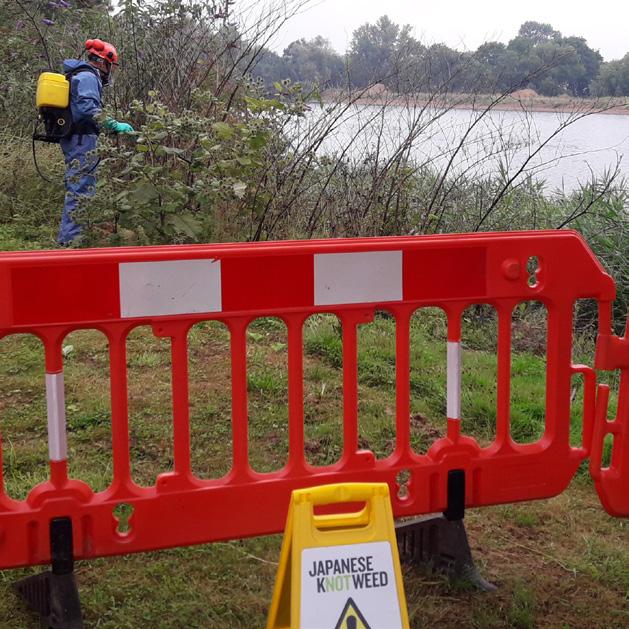

Keep your project moving with specialist remediation services for Japanese knotweed, invasive plants, amenity weed management, and asbestos-contaminated soils.

MULTI-CONTAMINANT REMOVAL AT THE SAME TIME = REDUCED PROJECT DELAYS & STRESS!
Get rid of knotweed and asbestos contaminated soils together all on one contract. Zero delays, less procurement time and costs.
From site acquisition and planning through to construction and completion, our expert teams deliver practical, compliant solutions that minimise risk, protect project timelines, and support successful development.
• Invasive plants and asbestos in soils managed simultaneously
• Nationwide coverage across the UK
• Rapid-response, free plant identification
• Surveys (including drone), treatment strategies, excavation, removal, and expert watching brief
• Trusted by over 8,000 long-term UK clients
• Projects up to £2M
Schindler expands elevator installation robot fleet
Why quality matters: how bricks are tested to meet modern standards
Expert warns hard working Brits about “meaningless” working requirements
Birmingham challenges London and Manchester for property investment
Buro Happold leads major deep retrofit of new Bath headquarters
Built to scale: Keeping contractors connected across the UK
Building better: how we can future-proof our buildings against flooding
Costain wins place on £700m Transport for London framework
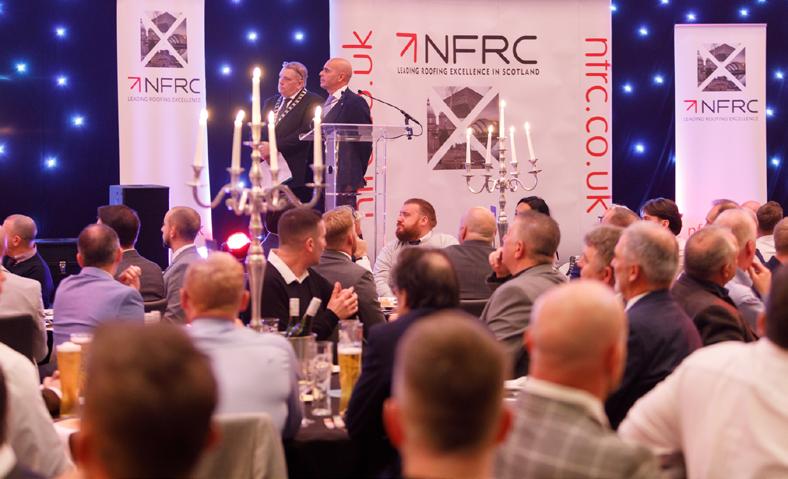
Entries Now Open for Scottish Roofing Awards 2026
Morgan Sindall delivers Imaging Centre in Milton Keynes




Admin Assistant Jade Still jade@constructionmaguk.co.uk
Production/Design Laura Whitehead laura@constructionmaguk.co.uk
Accounts Richard Lapthorn accounts@lapthornmedia.co.uk




Editor Maria Lapthorn
Editorial Assistant John Reynolds editorial@constructionmaguk.co.uk
Sales Manager Hannah Marshall hannah@constructionmaguk.co.uk
Circulation Manager Leo Phillips subs@constructionmaguk.co.uk
Website: constructionmaguk.co.uk
Twitter: @constructionukm
LinkedIn: @constructionmaguk
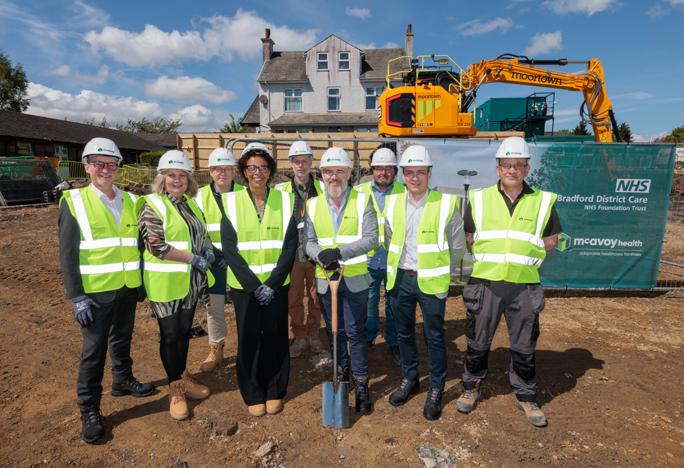
Bradford District Care NHS Foundation Trust has reached a major milestone in the redevelopment of Lynfield Mount Hospital as the Trust has officially broken ground on phase two of the programme.
In January 2026, the Trust received final approval from the Department of
Health and Social Care to proceed with its ambitious plans to redevelop Lynfield Mount Hospital’s central building.
The redevelopment follows a phased approach of planning, building and refurbishing over three years and all hospital services will continue throughout.

Ambitious new plans have been submitted to transform the iconic Grade A-listed Sugar Sheds at James Watt Dock in Greenock, Scotland, into a dynamic, culture-led events space, marking another major step in the regeneration of Inverclyde’s historic waterfront.
The proposals, brought forward by Glasgow Arts Centre Limited, outline a “light-touch” partial change of use that would see the vast internal spaces of the Sugar Sheds brought to life as a flexible pop-up events hall, hosting food markets, craft fairs, seasonal festivals and corporate events throughout the year.
The buildings take their name from Greenock’s historic role as a centre of sugar importation, where raw materials arriving by ship were stored in vast dockside sheds before processingcementing the town’s place in Scotland’s industrial story.
Designed to celebrate the building’s rich industrial heritage while unlocking its potential for modern use. With the ambition to transform the site into a destination for school trips and education, the developers intend to create an onsite museum whilst also introducing temporary, reversible installations, including pop-up stalls, food trucks and a removable toilet
Phase one of the programme focused on enabling works to prepare the site for work to begin. This included the creation of a new staff car park and woodland wellbeing walkway for visitors to the site, temporary relocation of the main entrance and demolition of the former Estates and Facilities offices.
The redevelopment team has now officially broken ground on phase two of the redevelopment. This next stage will deliver a new two-storey, two-ward block featuring 100 percent en-suite facilities, alongside the refurbishment of communal areas within the central building.
Therese Patten, Chief Executive of Bradford District Care NHS Foundation Trust, said: “This is a really exciting milestone for the Trust and our ambitious plans to deliver a facility that better supports the recovery and wellbeing of our people who use our services. The upgraded facilities will significantly enhance the experience of our patients and will help
facility, ensuring the historic fabric of the building remains untouched.
The events programme is expected to align with key moments in the calendar such as Christmas, Easter and Halloween, as well as local celebrations, creating a year-round destination for residents and visitors alike. Existing food vendors operating at the marina will also be invited to take part in events, helping to support local businesses and boost their visibility.
The submission builds on growing momentum at James Watt Dock Marina, where significant infrastructure upgrades, including a new access road and causeway, alongside approved marina and retail developments are already reshaping the area into a major destination for tourism and community activity. These investments have been led by James Watt Dock LLP -a partnership between Riverside Inverclyde and waterside regeneration specialists Peel Waters driving the longterm vision for the site - are positioning the waterfront as a catalyst for regeneration, tourism, and community growth.
them to return to their communities as soon as they are able.”
In March 2026, the Trust signed a contract with McAvoy, one of the UK and Ireland’s market leaders in the precision manufacture of modular buildings, who arrived at Lynfield in April to prepare the site to begin phase two.
Modular construction involves creating sections of a building (known as modules) in a factory-controlled environment, which are then transported to site and assembled.
Using this approach means the buildings are constructed offsite which reduces disruption to both our services and neighbouring residents when compared with traditional build methods.
Martin O’Neill, Contracts Director at McAvoy said:
We are proud to mark the groundbreaking of this important redevelopment and to be helping deliver modern mental health facilities for the people who use Lynfield Mount Hospital’s services.
Phase two of the programme is expected to be completed by autumn 2027, when phase three will commence. The overall redevelopment is currently scheduled for completion in early 2029.
The Sugar Sheds, alongside the neighbouring Titan Crane, are among the most recognisable symbols of Inverclyde’s industrial past. Having stood largely underused for decades, the new proposals aim to reintroduce activity, energy and public access while carefully preserving their historic character.
The plans form part of a wider, long-term vision to create a vibrant waterfront destination, combining heritage, culture and leisure. They follow Glasgow Arts Centre Limited’s earlier planning submission for an exhilarating urban zipline experience from the Titan Crane, which could become the longest of its kind in the UK, and further enhance the site’s appeal as a visitor attraction.
The newly submitted plans for the Sugar Sheds will complement the proposed outdoor experience, by also having a smaller indoor zipline and activity climbing centre.
Together, these initiatives signal a bold new future for James Watt Dock, positioning it as a hub for creativity, tourism and economic growth in Inverclyde.
Property developers and contractors who fail to identify hidden asbestos contamination on redevelopment sites risk major project delays, rising costs and potential long-term liability, according to Environment Controls.
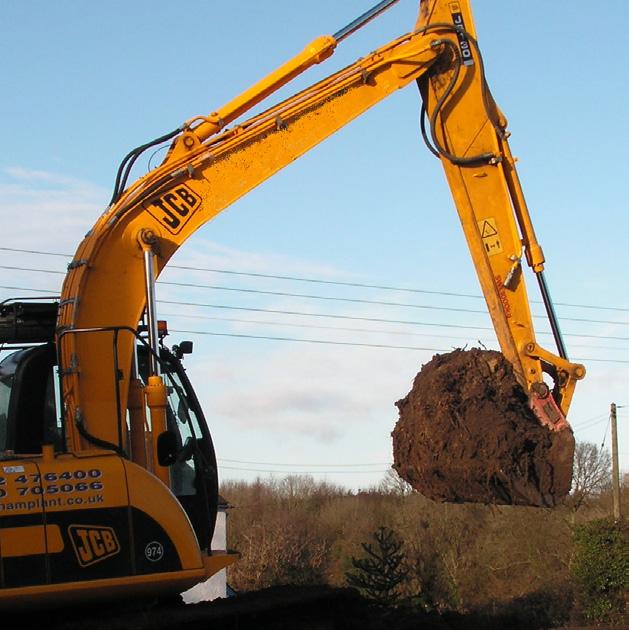
The warning follows a complex remediation project at a former commercial site earmarked for residential development, where excavation works to remove Japanese knotweed uncovered asbestos-contaminated soils, buried infrastructure and deep invasive plant rhizomes extending to depths of three metres.
Hidden asbestos contamination within made ground continues to present significant risks for developers across the UK, particularly on sites also affected by invasive plant contamination.
With this particular case, works were temporarily halted after suspected asbestos-containing materials (ACMs) were identified by the team during excavation of the knotweed. Laboratory testing later confirmed the presence of nonlincesable ACMs within the madeground layer.
Industry specialists say asbestos exposure remains one of the most serious long-term occupational health risks in the construction sector, particularly when previously developed land is disturbed without appropriate identification and remediation procedures in place.
According to the Health and Safety Executive, asbestos-containing materials can become dangerous when damaged or disturbed, releasing fibres into the air that can cause serious diseases including mesothelioma, lung cancer and asbestosis years after exposure.
During the project, remediation teams carried out layered soil stripping, hand-picking and doublebagging visible ACM fragments before separating hazardous and non-hazardous waste streams. This enabled the site to be cleaned safely whilst allowing the wider redevelopment project to continue.
Specialists involved in the remediation works say projects involving multiple contaminants are becoming increasingly common on historic commercial and industrial sites, particularly where demolition materials or imported made ground are present.


FUSION21 APPOINTS SUPPLIERS TO £85 MILLION UK-WIDE GROUNDS MAINTENANCE FRAMEWORK FOR THE
Following a competitive open tender process, Fusion21 has appointed 22 suppliers to its £85 million UK-wide Grounds Maintenance Framework, providing public sector members with a fast route to market for grounds maintenance, landscaping and outdoor space services.
The specialist companies have secured a place on the fourth iteration of the framework, with 72% being SMEs. This is also the first Fusion21 framework awarded under the Procurement Act 2023.
Designed to support Fusion21’s public sector members in maintaining and improving a diverse range of outdoor spaces, the framework provides regional and national coverage, and is available to members, including housing providers, local authorities, education, blue light and the NHS.
Services span routine and seasonal maintenance, as well as hard and soft landscaping, tree works, fencing, and hedge and shrub maintenance.
Over the lifetime of the framework, Fusion21 aims to support the development of a community forest planting trees in every area where the framework is active, helping to create more sustainable communities, reduce carbon emissions and improve wellbeing.

Kimpton’s high-rise residential MEP division has completed the first phase of a major installation in Cardiff.
Central Quay is a BTR scheme on the former Brains Brewery site in the city, led by Watkin Jones. It includes two interlinked 23-storey towers comprising 718 apartments, as well as a concierge, lobby, gym, gardens, roof gardens and terraces, as well as nearly 20,000 sq ft of leisure and retail space.
Phase one of the development is now complete and Kimpton’s £6.7m heating, ventilation and plumbing installation reflects its highspecification and the importance of sustainability within the build.
To minimise water waste and deliver plentiful supply suitable for families, 200-litre internal heat pump cylinders have been installed, while a multi-extract vent system and heat recovery system maximise efficiency and ensure any heat generated is cleaned and recycled.
Paul Davies, divisional director at Kimpton, said:
At Central Quay, the high-end apartments and facilities are designed for long term living and as such it features some very high-tech heating, ventilation and hot water solutions, way above the norm for the BTR sector. A great and rewarding challenge for our MEP team.
“Safety is rightly also a primary concern, so the riser and sprinkler system, connected to a reinforced GRP tank and pump system, can deliver 740 litres of water per minute, creating a highly-effective solution for potential fire control in the towers. This development is best-in-class and we are proud to be playing our part in delivering it.”


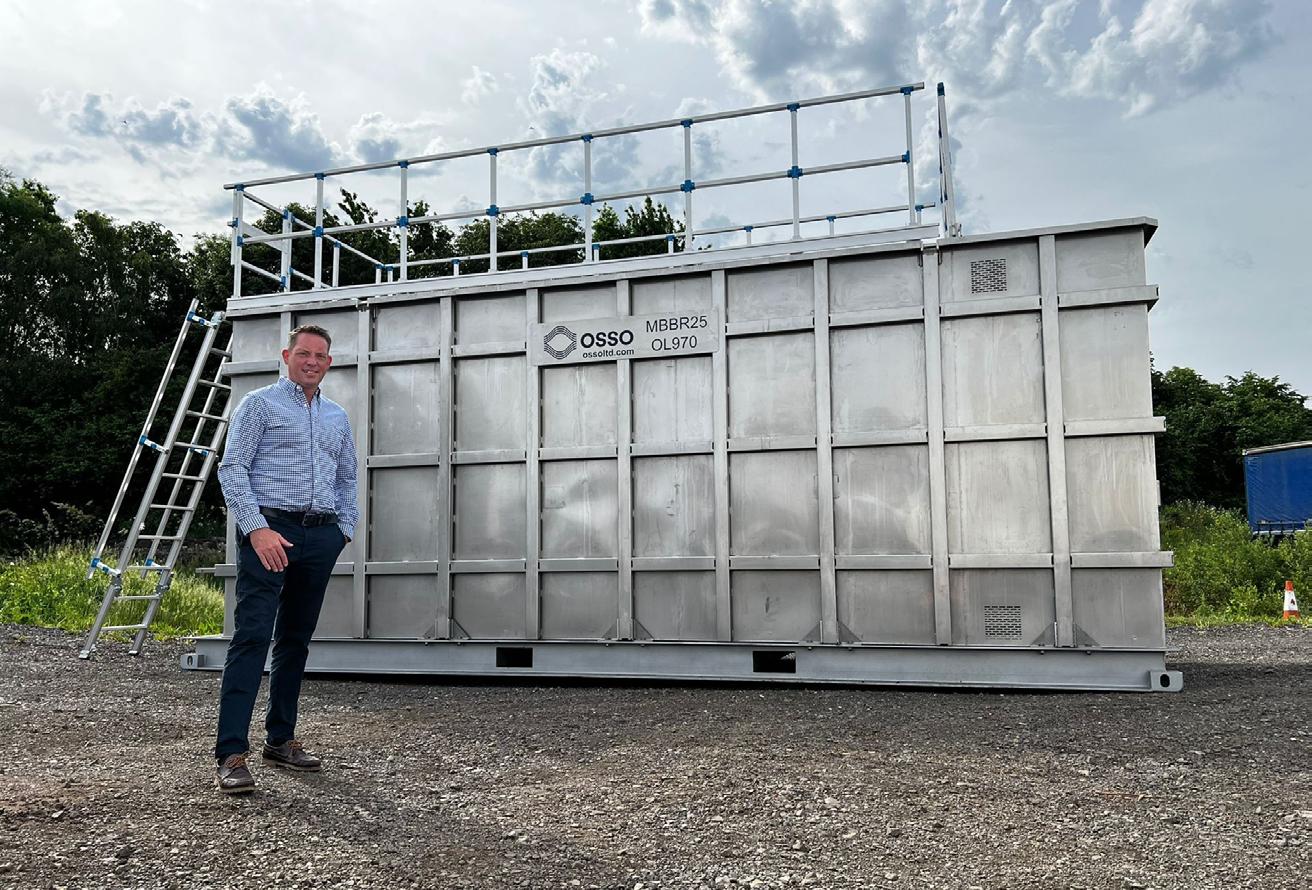
OSSO, the specialist provider of fluid temperature control and separation solutions, has invested a further £3 million in its water treatment fleet as it targets growth across construction, municipal and industrial wastewater treatment markets.
The investment builds on strong growth for OSSO’s water treatment offering, with demand for its WTS20 system and broader capability helping double construction sector revenue in FY25. More than 30 WTS20 units are now deployed across construction and infrastructure projects.
Growth has continued into 2026, with OSSO securing more than £3.5 million in water treatment contracts in Q1. As part of its latest fleet expansion, OSSO has introduced new Moving Bed Biofilm Reactor units (MBBRs), and Dissolved Air Flotation systems (DAFs), alongside further investment in additional WTS20 units and supporting water treatment equipment.
James Scullion, CEO at OSSO, said: “This marks an important step in the continued expansion of our water treatment offering. We have built a strong position in construction and, with opportunities in municipal and industrial water treatment growing quickly, we are investing to meet that demand. We have seen significant revenue growth, enabling us to grow the team, strengthen the fleet and build an offering that can support a wider range of customers.”
The addition of MBBRs and DAFs strengthens OSSO’s ability to provide
more complete water treatment solutions by combining biological treatment with solids separation for sites facing higher contaminant loads, tighter discharge consents, seasonal changes in effluent, or the need for temporary and supplementary treatment capacity. MBBRs provide biological treatment capacity by supporting the growth of bacteria that break down contaminants in wastewater, while DAF systems use flotation-based separation to remove suspended solids, oils, greases and excess biological material.
Tristan Hughes, Business Unit Manager at OSSO, said: “The continued investment in our WTS20 units and solids removal systems, alongside the introduction of MBBRs and DAFs, gives us a stronger platform to support industrial and
municipal customers with more complex wastewater treatment requirements. These sectors often need systems that can manage variable flows, changing effluent profiles, solids loading and additional capacity requirements. By broadening the technologies we can deploy, this investment gives us greater flexibility to tailor treatment solutions to each site and strengthens our position as a full water treatment solutions provider.”
OSSO has expanded its water treatment team with two new hires to support rising demand, adding business development and engineering resource to support regional project delivery, customer engagement and technical input during system planning and deployment.
Gerald Edelman, UK mid-tier accountancy and advisory firm, is pleased to announce that its Corporate Finance team has advised on the management buyout of Zone Vale Ltd, which trades as Banbury Builders, a specialist commercial construction
business with a strong track record of delivering projects within the defence sector.
Banbury Builders, which is headquartered in Ringwood, Hampshire, provides a comprehensive range of
construction services to commercial clients, with a well-established portfolio of contracts with the Ministry of Defence.
The transaction saw Jason Hardy, Managing Director, lead the
Matthew Appleton, Strategic Account Director for Culture and Heritage at Pick Everard


A new funding guide has been launched by multi-disciplinary consultancy Pick Everard to support partners working to protect and revitalise cultural and heritage assets through capital development programmes.
The guide is aimed at local authorities, developers, building owners and charitable organisations striving to preserve and regenerate historic places for the benefit of future generations.
As funders look beyond preservation alone to prioritise projects that deliver measurable social, economic, and environmental impact, Pick Everard shares its expertise in leveraging heritage landmarks as drivers for economic growth, placemaking and sustainability.
management buyout to acquire the business from Paul Lucas, who had served as CEO of the company since 2007. The buyout provides a platform for Banbury Builders to pursue its next phase of growth under Hardy’s leadership. Gerald Edelman provided strategic advice throughout the process to help facilitate the MBO.
Paul Lucas, former CEO of Banbury Builders “This transaction marks a significant milestone for Banbury and
The guide provides a comprehensive, upto-date list of grants, trusts and funding sources dedicated to conservation support, as well as advice on preparing bids and tips to help ensure a successful outcome.
Matthew Appleton, Strategic Account Director for Culture and Heritage at Pick Everard, said: “At a time when the industry is facing what feels like a perfect storm of challenges, securing funding has become one of the prominent barriers to bringing projects forward. Developers are increasingly required to balance preservation with relevance, accessibility and long-term sustainability, all within an increasingly complex and competitive regulatory environment where funding is place-based, outcome-driven and dependent on clearly demonstrating value.
for me personally. I’m proud of what the business has achieved over many years, and I’m confident that Jason and the team are extremely well-placed to build on those foundations. I’d like to thank the team at Gerald Edelman for their invaluable advice throughout – they made what can be a complex process feel very manageable, and I couldn’t have asked for better support.”
Nick Wallis, Partner at Gerald Edelman, added: “We’re delighted to have supported Paul through this process. Banbury is a
“With this in mind, we’ve developed this guide to help organisations better navigate the funding landscape. It brings together the key streams available and supports teams in identifying opportunities, strengthening proposals and ultimately maximising the value that cultural and heritage assets can deliver for communities.”
As well as being involved in the design and management of some of the nation’s most iconic cultural venues and sites, such as the British Museum and National Trust estate, Pick Everard is currently working on heritage-led regeneration schemes with Oldham City Council and public realm improvement works in Horsham Historic Town centre.
Matthew added: “While unlocking early-stage funding is just one element of a heritage scheme, it is often the part that will seed bigger regeneration proposals and often the most challenging. Following regulatory changes in procurement, planning procedures, new environmental targets and paying attention to the long-term maintenance required for these sites, we expect to see an increase in demand for built heritage expertise.
“In launching our funding guide, we aim to help our partners get a head start on the strategic planning required for a heritage scheme that can weather any future storms in the sector and work together on unlocking the potential of our historic environment.”
To download the funding guide, visit pickeverard.co.uk/market-reports
long-standing client of Gerald Edelman and has built a strong reputation under Paul’s leadership, particularly through its longstanding work with the Ministry of Defence. We are delighted that we have been able to support Paul and Jason to complete this transaction, and to ensure that the business continues in capable hands with a management team that knows it well. We look forward to a continuing relationship with the business and wish Jason and the team every success as they take the company forward.”
BRCK Group PLC has entered into an agreement to acquire H.S. Jackson & Son (Fencing) Limited, known as Jacksons, in a deal worth over £20 million.
Jacksons is a premium fencing, gates and perimeter security specialist, designing, manufacturing and installing timber and steel fencing systems for infrastructure, commercial and residential markets.
The acquisition marks a further step in BRCK Group’s ongoing diversification strategy, broadening its product and service offering across the construction, infrastructure, commercial and residential sectors.

Founded in 1947, Jacksons is a long-established family business headquartered in Ashford, Kent, with further sites near Bath and Chester, and its Autogate Systems business based in Bolton.
Jacksons serves a wide range of end markets, including critical national infrastructure, schools, governmentbacked projects, commercial developments and premium residential schemes. With annual sales of more than £40 million, Jacksons expands BRCK Group’s reach into a wider range of specialist markets and adds significant manufacturing capability to the Group.
Jacksons’ timber fencing is produced using its proprietary Jakcure process and carries a 25-year guarantee against rot and insect attack, while its steel fencing is backed by a 25-year service life guarantee. The company also provides acoustic barriers and access control solutions, strengthening its position in the specialist fencing and perimeter security market.
Frank Hanna, Chief Executive Officer of BRCK Group, said, “Jacksons is a quality business with a strong reputation
for product excellence, customer service and specialist market knowledge. The acquisition supports our strategy to build a broader, stronger Group and expands BRCK’s reach into specialist markets including schools, government projects and major infrastructure. I am pleased that Peter Jackson will continue to lead the business and look forward to welcoming the wider Jacksons team to BRCK Group. This acquisition reflects our commitment to backing quality British businesses and building a group that can support customers across the full breadth of the construction sector.”
Peter Jackson, Managing Director of Jacksons, added, “BRCK is the ideal custodian for the Jacksons brand, with a shared commitment to product quality and customers. We are proud of what Jacksons has achieved over three generations as a family business and look forward to driving the next stage of growth as part of BRCK Group.”
Subject to completion, the acquisition will add a premium British fencing and perimeter security brand to BRCK Group’s growing portfolio and further strengthen its ability to support customers across a wider range of construction and infrastructure applications.
Survey Solutions, the UK’s largest independent engineering surveying business, has relocated its head office to Birmingham.
The switch from Ipswich to Solihull’s Trinity Park – located next to Birmingham International train station and airport – has been made with connectivity and collaboration in mind. It provides a strategic, centralised location from which the business can continue to grow its customer base which includes major UK contractors, commercial and residential developers, engineering consultants and specialist contractors within the rail, heritage and utility sectors.
Enabling a larger number of employees to work together in person more frequently, the move will also help drive the teamwork, communication and
strong working relationships that the company’s clients value so highly.
This is underpinned by the open plan nature of the workspace which sees head office staff working directly with colleagues from the company’s surveying and operational teams, spurring creativity and enhancing customer service and support levels.
The company’s head office relocation to Birmingham follows other strategic moves in recent months which include the opening of new offices in Milton Keynes and the Thames Valley region, and a change of premises to a larger, more modern space in Glasgow to support growth in Scotland.
Speaking of the switch to Trinity Park, David Lowe, CEO of Survey Solutions, said: “Moving our head
office to Birmingham delivers a range of benefits for the company, our people and our clients.The centralised nature of the location allows us to target growth right across the UK and be more agile in terms of the regions we’re looking to expand in, while it also helps us foster a more connected, community-oriented environment internally. Ultimately, these factors will help us deliver even better results for our clients.”

David Lowe
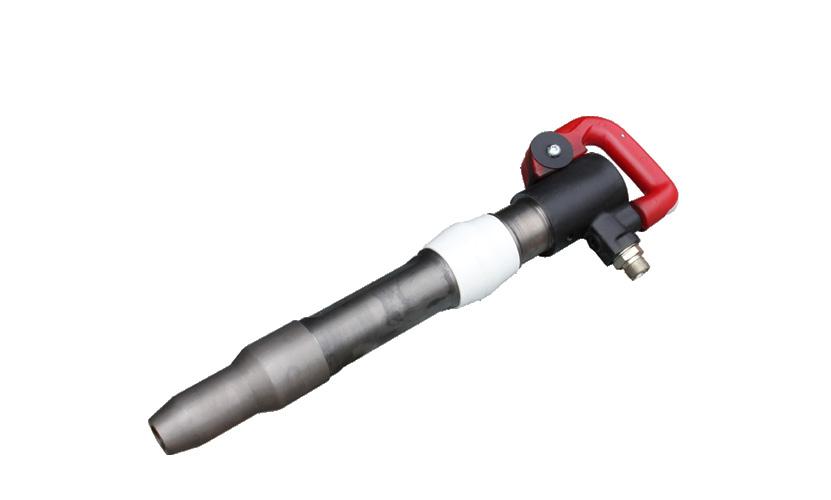









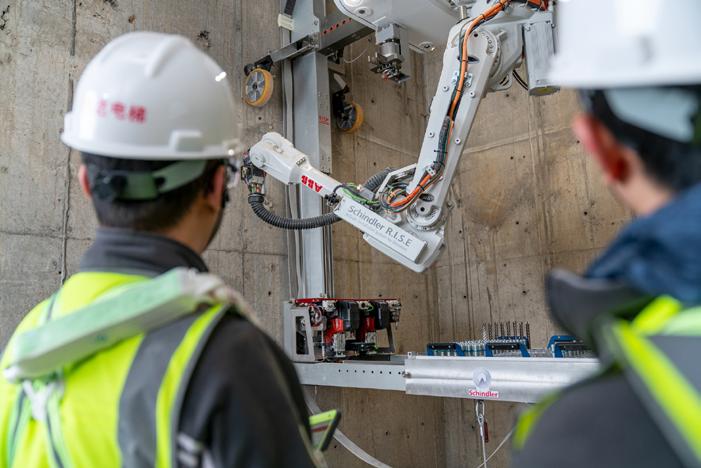
Two additional Schindler R.I.S.E robots have joined the company’s global fleet, as contractors see increasing value in the hardware, which delivers up to 40% time savings while improving safety and working conditions inside elevator shafts.
Schindler is expanding its fleet of construction robots, adding two new units of its Robotic Installation System for Elevators (Schindler R.I.S.E). The expansion comes amid growing global demand for high-tech construction solutions that enhance safety, boost efficiency, and reduce the physical strain of on-site labor. With these additions, the company is now operating seven robots worldwide, supporting projects across multiple markets and delivering time savings of up to 40% during elevator shaft preparation and installation.
Since its launch five years ago, Schindler R.I.S.E has been deployed at 36 job sites worldwide and installed approximately 50,000 anchor bolts – a key structural component in elevator shafts. Projects have spanned Austria, Poland, India, the UK, Brazil, China, Singapore and beyond, as interest in robotic elevator installation continues to grow.
“We are seeing growing demand worldwide as construction projects face tighter deadlines and increasingly prioritize safer, improved working conditions onsite,” said Faruk Osmanbasic, lead advanced installation technologies at Schindler. “Elevator installation is carried out in confined spaces, where workers may spend hours exposed to noise and dust from drilling. Contractors are recognizing the wide range of benefits these robots bring.”
Elevators are among the most essential – and least visible – technologies in modern cities. Before passengers move between floors in a finished cabin, however, an intensive process unfolds inside the concrete shaft of a building.
A critical part of every elevator system is the guide rails – long, precisely aligned steel tracks that ensure smooth vertical travel. These rails are secured to the shaft walls using brackets, each fixed with multiple anchor bolts.
Schindler R.I.S.E prepares the shaft walls by measuring positions, drilling holes and installing anchor bolts for the guide rails and elevator doors. A high-rise elevator shaft could have around 1,000 anchor bolts. In supertall buildings, or in seismic zones, that figure can climb quickly. An elevator group in one recent project required more than 4,900 anchor bolts on a single site.
Traditionally, installing those bolts has meant weeks of heavy drilling for on-site workers, with the associated vibration, dust exposure and physically demands, performed meter by meter as technicians climb working platforms inside confined shafts.
Schindler R.I.S.E was developed to transform this operation, increasing

safety, improving efficiency and ensuring consistent, high-quality installation. Rather than replacing human expertise, the system was designed to take over the loud, repetitive and physically strenuous tasks – allowing skilled technicians to focus solely on the outcomes of the work: precision alignment, guide rail installation and overall ride quality.
Transported in two wooden boxes, the robot and all necessary accessories arrive on site ready for deployment. The unit is mounted on a transportation trolley and positioned at a shaft opening. Suspended by its own winch system and secured by integrated safety mechanisms, the robot can move up and down into the shaft, where it operates autonomously according to a pre-uploaded digital work plan.
Once in place, the system braces itself securely within the shaft and begins scanning the concrete surface to avoid drilling into steel reinforcement. It drills holes with high precision and installs anchor bolts at pre-programmed heights and positions. Every step follows a detailed digital layout that has been prepared in advance for the specific building. Operators monitor the entire process via a tablet interface, where they can follow progress in real
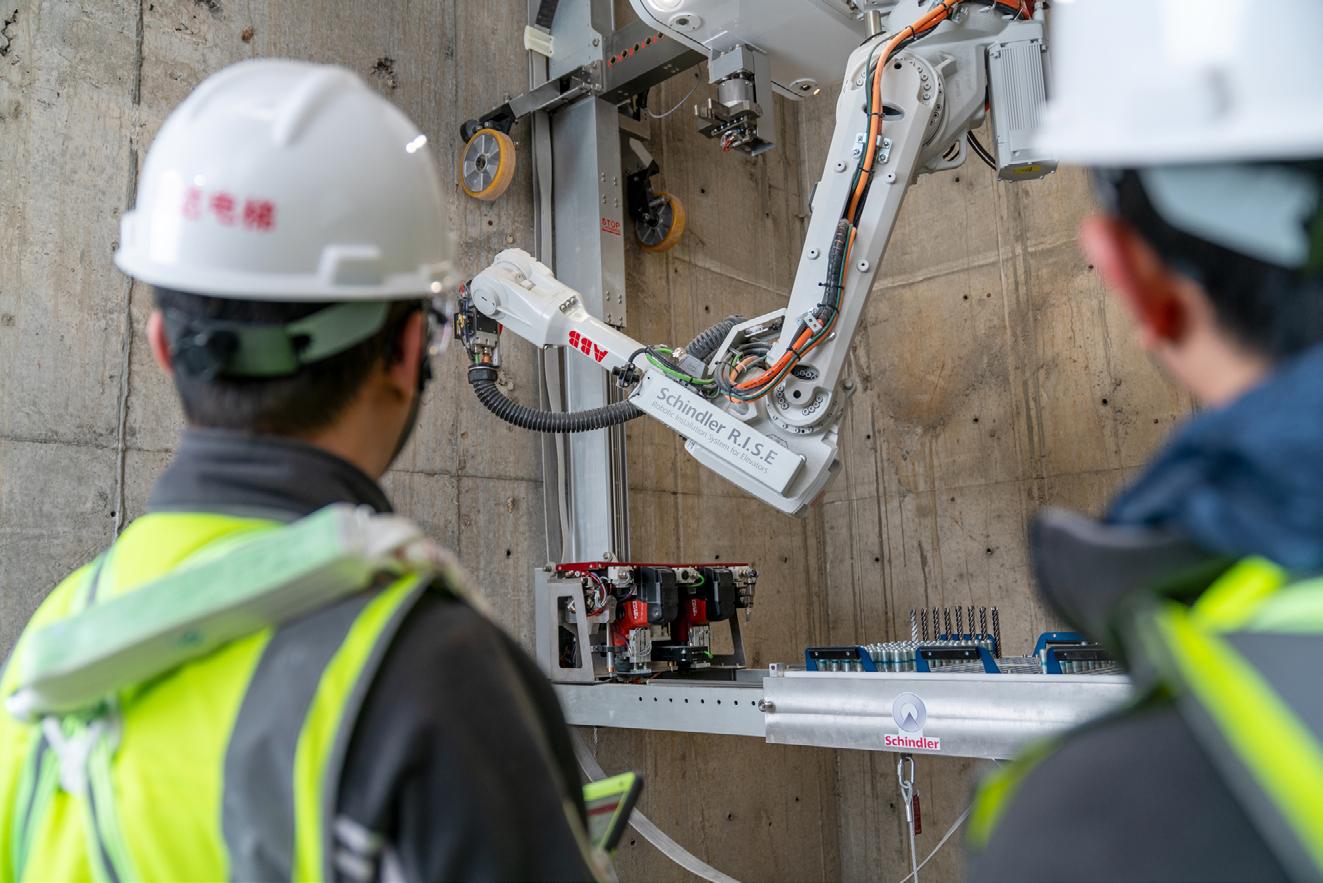


time through live camera feeds and performance data.
As demand increases, the elevator company is strengthening the global infrastructure that supports Schindler R.I.S.E deployment. When not at construction sites, the robots are maintained at strategically located hubs, positioned in regions where demand is strongest, allowing them to be dispatched quickly and efficiently.
Schindler currently operates hubs in Switzerland, Hong Kong and Australia, where the robots return for servicing between projects. Additional hubs are under evaluation in highgrowth markets to ensure shorter transportation routes and faster deployment.
The future of construction
Construction has historically lagged other industries in automation. But as cities grow taller, labor shortages intensify and safety standards become more stringent, robotics is increasingly
From fit-outs and refurbishments to final handovers, construction professionals need equipment that keeps pace with busy sites while maintaining high standards of cleanliness and safety. The Nilfisk AERO Battery range has been developed specifically for that challenge, combining cordless flexibility with the powerful dust extraction performance expected from a professional-grade solution.
Designed for wet and dry applications, the AERO Battery eliminates the restrictions of power cables, allowing operatives to move freely around sites, access confined spaces and complete cleaning tasks wherever they arise. Without the need to locate power outlets or manage trailing leads, teams can spend less time setting up and more time working efficiently.
For construction teams working to tight deadlines, downtime matters. Nilfisk’s battery technology delivers up to 65 minutes of runtime in Eco Mode, while achieving an 80% recharge in 55 minutes. Combined with strong suction performance and the Push&Clean™ filter cleaning system, the result is efficient dust extraction with minimal interruptions.
The AERO Battery range is certified for both L and M dust classes, helping contractors meet stringent health and safety requirements when handling potentially hazardous dust on site. Lightweight, durable and built for professional use, it offers a practical solution for construction environments where efficiency, mobility and compliance are essential.
To learn more visit www.nilfisk.co.uk
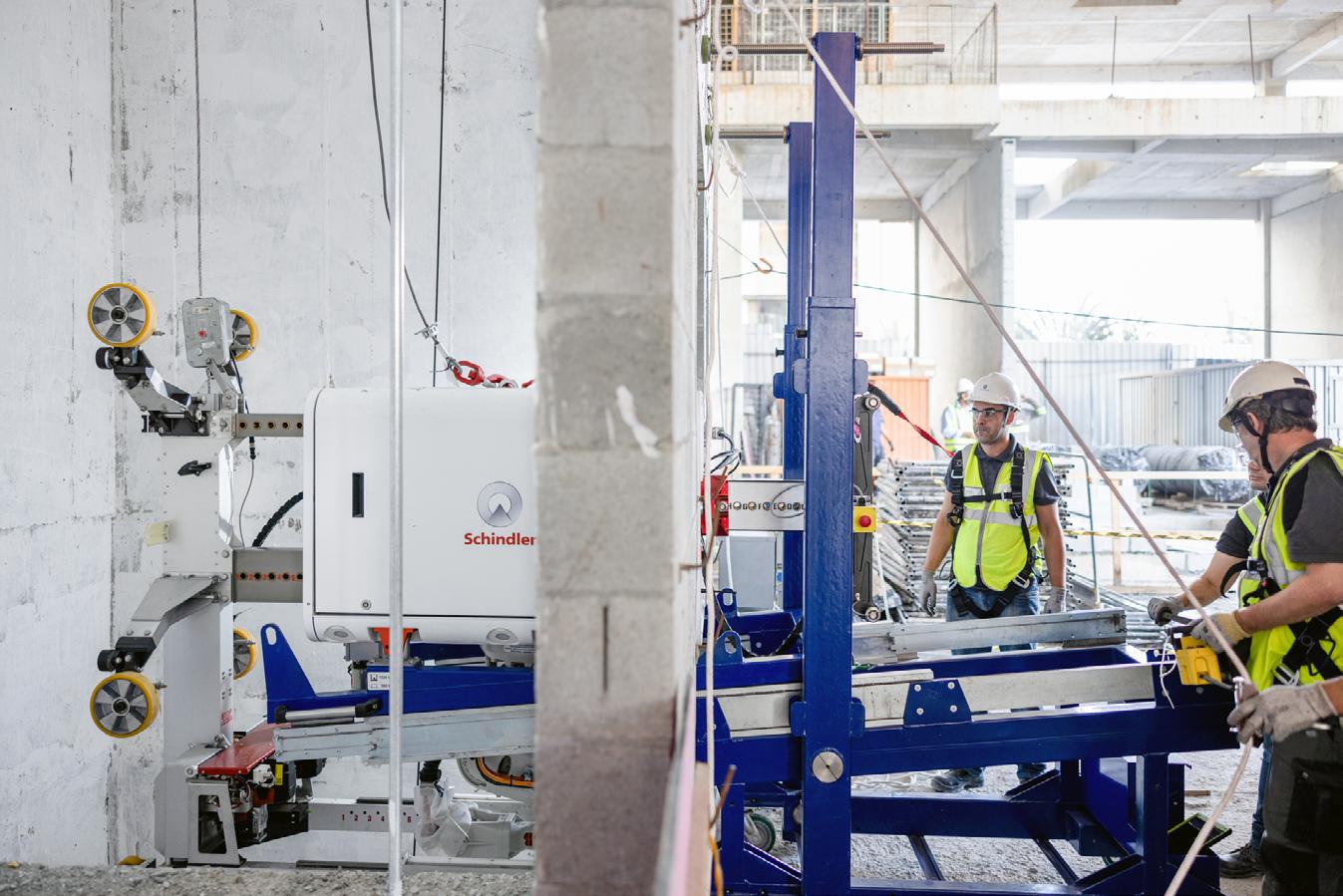
becoming a practical driver of productivity.
The unique Schindler R.I.S.E solution reflects the company’s commitment to enhancing the quality of urban living, investing in smart ways to bring innovation paired with employee safety and well-being to the construction industry.
“The feedback that we get from customers across the globe is that Schindler R.I.S.E is a very robust solution that offers high precision and delivers excellent results,” Osmanbasic said. “What we are seeing is only the beginning.”
Learn more about Schindler R.I.S.E at group.schindler.com/en/company/ innovations/schindler-rise.html
Lucion advises housebuilders that accurate, joined-up site data must come before decisions on heating systems, solar PV and fabric upgrades
Housebuilders know the deadline. They know the standard. But are they thinking early enough about the data that will decide whether their schemes can actually move in time?
That is the advice from Lucion, which is urging developers not to overlook the most important first step in Future Homes Standard readiness. Getting accurate, joined-up site data in place early enough to inform planning, design and Building Control decisions.
With the sector now well into a 12-month transition period, housebuilders have around 10 months left before the new regulations come into force on 24th March 2027.
While much of the industry conversation has focused on heat pumps, solar panels, fabric performance and expected cost increases, Lucion says the starting point for many housebuilders should
come much earlier in the process of understanding the site.
While much of the industry conversation has focused on heat pumps, solar panels, fabric performance and expected cost increases, Lucion says the starting point for many housebuilders should come much earlier in the process: understanding the site. Without accurate survey data, environmental insight and coordinated technical due diligence, developers risk delays, redesigns and missed transition deadlines before they even reach decisions around heating systems, renewable energy or building specifications.
The Future Homes Standard will require new homes to deliver significantly lower carbon emissions, with lowcarbon heating, on-site renewable electricity generation and stronger fabric performance becoming central to future compliance.
The government has confirmed that the new regulations will come into force on 24th March 2027.
The notional building specification is expected to be based around an air source heat pump, making gas boilers commercially unviable for many newbuild schemes, while most new homes will also be required to include solar PV equivalent to 40% of each dwelling’s ground floor area.
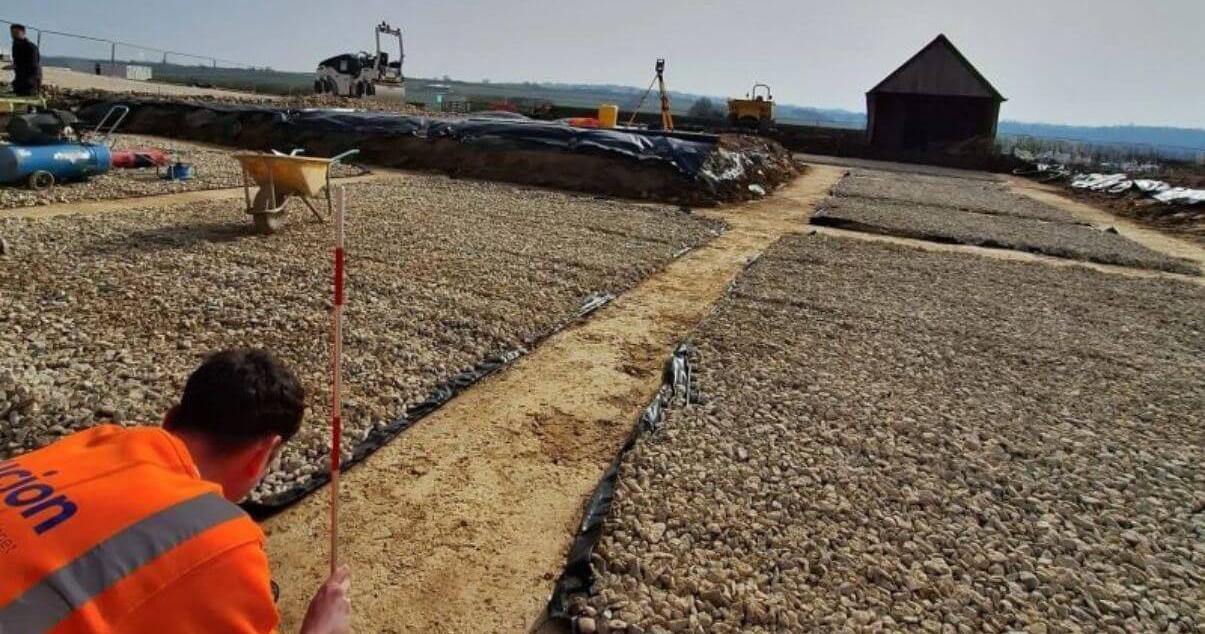
Before you can design confidently for the standard, or accelerate a scheme through the transition period, you need to know what you are building on, what constraints exist, and how those constraints affect the wider development.
Fabric performance will also tighten, with greater emphasis on glazing performance, air permeability and improved building efficiency. Under the new standard, the target air permeability score is reduced from 5.0 to 4.0, adding another technical consideration for development teams already managing more complex design requirements.
However, Lucion says the ability to move schemes forward quickly will depend heavily on whether developers have the right technical information in place from the outset.
Topographical surveys, utility detection, drainage information, ecological assessments, ground investigations, flood risk, arboricultural assessments, and Biodiversity Net Gain considerations can all influence layout, design, planning conditions and Building Control readiness. If these workstreams are delayed, incomplete or managed in isolation, the impact can quickly spread across a development programme.
Tom Chapman, Business Development Manager at Lucion Survey Ltd, said: “The industry is understandably focused on heat pumps, solar panels and fabric upgrades, but those decisions come later. The first step must be understanding the site itself.”
“We’re already seeing developers accelerate their pre-commencement work. The transitional arrangements are generous if you act now, but once March 2027 passes, housebuilders will be designing to a completely different standard, with longer
lead times, higher costs and more complex supply chain management.”
“The projects that stall are almost always the ones where technical work happens in silos. An ecological issue can affect the site layout, which impacts the drainage design, which changes the levels. Suddenly, you are months behind, and your Building Control submission date has slipped past the transitional deadline.”
The government has confirmed that the new regulations will come into force on 24th March 2027. Building Control applications submitted before this date can continue under the current 2021 standards, provided construction starts within 12 months.
For larger sites, this creates both an opportunity and a challenge. Transitional arrangements can apply on a buildingby-building basis, meaning developers may be able to phase applications strategically. However, Lucion says this will only be effective if technical constraints are identified and resolved early enough to prevent submission dates from slipping.
The transition could also affect unstarted buildings currently working to older standards, including plots under the 2013 version of Part L, which will need to be uplifted to meet the new requirements if they fall outside the transitional arrangements.
The government has estimated that the Future Homes Standard could increase build costs by around £4,350 per dwelling, driven by heat pump installations, solar panel requirements, improved fabric standards and additional design work. Lucion says these costs could be compounded further if developers face avoidable programme delays caused by poor or fragmented site information.
The deadline also comes against a backdrop of wider uncertainty for development teams. The Home Energy Model, which will replace the Standard Assessment Procedure, is not expected to be available as an approved methodology until at least June 2026, with a 24-month dual running period expected alongside SAP 10.3.
Lucion says this makes it even more important for housebuilders to take control of the areas they can influence now, including the quality, accuracy and coordination of site data.
Tom added: “There is a real risk that some housebuilders treat the Future Homes Standard as a compliance issue that starts
with the building specification. In reality, readiness starts much earlier.”
“Before you can design confidently for the standard, or accelerate a scheme through the transition period, you need to know what you are building on, what constraints exist, and how those constraints affect the wider development.”
“That is where early, coordinated technical due diligence becomes critical. It is not just about collecting survey data. It is about making sure that data is accurate, connected and usable across the whole project team.”
As demand increases for heat pump installers, solar PV specialists, enhanced insulation and high-performance glazing, Lucion is also warning that delays at the early technical stage could make wider supply chain pressures harder to manage. Grid connection queues, installer availability and specification changes are all likely to place additional pressure on development programmes as the deadline approaches.
According to Lucion, the housebuilders best placed to manage the Future Homes Standard transition will be those that bring technical teams together earlier, use site data to identify constraints quickly, and avoid treating surveys, environmental assessments and design inputs as separate workstreams.
Tom concluded: “Housebuilders should not wait until the specification stage to think about Future Homes Standard readiness. Before the heat pumps, before the solar panels and before the fabric upgrades, get the site data right. That is what will help schemes move faster, reduce avoidable delays and give developers a much clearer route through the transition period.”
Grid
connection queues, installer availability and
specification changes are all likely to place additional pressure on development programmes as the deadline approaches.

Clay bricks are one of the most familiar materials in the built environment, but their performance is far more complex than their simple shape suggests. Behind every brick used in a façade, boundary wall or architectural detail is a set of measurable characteristics that determine where and how it should be used.
That is why brick testing standards matter. For architects, developers and specifiers, they provide confidence that a product has been assessed for performance, durability, consistency and safety before it reaches site.
In this article, we’ll explore how bricks are tested, what those tests mean and why quality is about much more than appearance alone.
What does brick quality actually mean?
Quality can be a difficult word to define because different projects need different brick characteristics. One brick might be selected for its texture and colour variation, another for its density, strength or performance in an exposed location.
Depending on the product, compressive strength can range significantly, as can water absorption. That does not mean one brick is simply ‘better’ than another. It means the right brick must be chosen for the right application.
In practical terms, brick quality is about suitability, durability, consistency and declared performance. A high-quality brick is not just one that looks good on day one, but one that performs as expected over the life of the building.
In the UK, clay masonry units are manufactured and assessed in accordance with BS EN 771-1, which sets out the characteristics manufacturers must declare for their products. These characteristics are verified through
standardised testing, primarily using methods from the BS EN 772 series, helping specifiers compare products and assess their suitability for different applications.
Michelmersh provides detailed clay brick technical information across its product range, including durability, tolerance and performance classifications. These details are especially important at the specification stage, where the wrong assumption can affect the appearance, longevity or performance of the finished brickwork.
Product data is also supported by Declarations of Performance, which provide formal documentation of declared characteristics.
What are the main tests behind modern bricks?
Compressive strength
Compressive strength measures the load a brick can withstand before failure. Although, in many modern cavity wall constructions, the outer leaf is not the primary loadbearing element, compressive strength remains an important declared characteristic.
It helps specifiers understand the brick’s mechanical performance and suitability for different construction details, especially where brickwork is used above openings, in external works or in more demanding applications.
Water absorption
Water absorption measures how much moisture a brick can take in. This matters because brickwork is exposed to rain, frost, wind and changing temperatures throughout its life.


A more absorbent brick may be perfectly suitable in one application, while a denser brick may be preferred in a more exposed location. In severely exposed conditions, specifiers may choose bricks with lower water absorption and appropriate durability classifications to reduce the risk of prolonged saturation and moisturerelated deterioration.
Water absorption can also affect how the brick interacts with mortar. If a very dry, absorbent brick draws water out of the mortar too quickly, it can affect the curing process.
This is one of the reasons technical data should be considered alongside site practice, mortar choice and workmanship.
Freeze-thaw resistance is one of the most important durability considerations for external brickwork. When water enters a material and freezes, it expands. Over repeated cycles, this can place stress on the brickwork.
Bricks are therefore classified for frost resistance, helping specifiers select products suitable for the expected exposure conditions. For external walls, landscaping, detailing and exposed brick features, this is a vital part of long-term performance.
Soluble salt content is another important test because it can affect the appearance of finished brickwork. If brickwork becomes saturated, salts can dissolve into the water. As the brickwork dries, these salts may migrate to the face of the brick, contributing to efflorescence or staining.

be selected for its colour and texture, but quality control helps ensure that character is delivered consistently across the project.
Standards provide the baseline, but quality also depends on careful manufacturing and ongoing checks.
Low soluble salt content can therefore support a better aesthetic outcome, helping brickwork retain the intended appearance as it weathers.
Brickwork relies on consistency. Dimensional tolerance testing measures the size of bricks and the range of variation within a batch.
Tighter tolerances can help create a more consistent wall, particularly where crisp detailing, regular bond patterns or precise elevations are required. Good workmanship still plays a vital role, but consistent sizing gives bricklayers and contractors a stronger foundation to work from.
Reaction to fire classification provides reassurance around how a material behaves in a fire. Fired clay brick is a non-combustible ceramic material and typically achieves the highest reaction-to-fire classifications providing reassurance for specifiers and end users.
For architects, declared performance supports more informed specification. It helps ensure the chosen brick suits the design intent, exposure level and technical requirements of the building. For developers, it helps manage risk by supporting durability, consistency and long-term value.
Testing also supports visual quality. Size, colour range, soluble salts and water absorption can all influence how brickwork appears once built. A brick may
At Michelmersh, products are tested regularly to support consistency, particularly because clay is a natural material and its characteristics can vary. After firing, bricks are checked for colour consistency, shape and size before being classified. This helps ensure products meet the agreed aesthetic and technical expectations before they are supplied.
As a PLC, Michelmersh also works within established management and manufacturing processes, including ISO 9001, responsible sourcing commitments, CCPI and BES6001. You can find more information on our company policies and certificates.
The right brick is not chosen by appearance alone. Colour, texture and bond pattern are important, but so are frost resistance, water absorption, tolerance, compressive strength and declared performance.
By understanding brick testing standards, architects and developers can specify with greater confidence, balancing design ambition with technical assurance.

To explore suitable products for your next project, browse Michelmersh’s full clay brick product range or use BIM data for Michelmersh products to support specification.
Construction has always been a sector defined by complexity, pace and pressure. But alongside the operational demands of delivering projects on time and on budget, businesses are also navigating an increasingly broad risk landscape — from workforce safety and regulatory scrutiny to supply chain disruption and emerging technologies.
For contractors, developers and construction firms alike, building safety is no longer simply a compliance requirement. It is a core business priority that can influence project performance, reputation and long-term resilience.
Here, Tracy Keep, National Construction Practice Group Leader at Gallagher, shares why firms best placed to succeed are often those that treat safety and risk management as strategic priorities, rather than standalone compliance obligations.
Traditional site hazards remain a daily reality across the industry. Falls from height, plant and machinery incidents, fire risks, electrical exposure and manual handling injuries continue to present significant challenges.
However, today’s risks often extend beyond the physical jobsite. Labour shortages can place additional strain on teams, tighter margins may impact resourcing decisions, and increasingly complex projects can create new exposures if not managed carefully.
As a result, many firms are taking a broader view of safety — one that combines prevention, planning and protection across the full lifecycle of a project.
Strong safety performance is rarely accidental. It is usually the result of clear leadership, consistent standards and a culture where risk management is embedded into everyday operations.
That starts with robust risk assessments, regular site inspections and clear reporting processes that help identify issues early. Just as importantly, businesses should ensure responsibilities are understood across principal contractors, subcontractors and supply chain partners.
Training also remains critical. As methods of construction evolve, so too must workforce capability. Whether operating machinery, working at height or adopting new materials and processes, competent and confident teams are central to safer sites.
“The construction industry continues to evolve at pace, bringing both opportunity and new challenges. Businesses that take a proactive approach to health, safety and risk management are often better placed to protect their people, meet client expectations and build resilience for the future.” — Tracy Keep
Innovation is also reshaping how safety is managed.
Drones are increasingly being used for inspections, reducing the need for workers to access hazardous or hardto-reach areas. Wearable technology can support monitoring of fatigue, movement and environmental conditions. Meanwhile, Building Information Modelling (BIM) is helping project teams identify design-stage risks before work begins onsite.
Used effectively, technology can improve visibility, planning and decision-making — helping businesses reduce incidents and improve efficiency.
Safety conversations are increasingly extending beyond physical injury.
Construction can be a demanding environment, with long hours, programme pressure and workforce mobility all contributing to stress and fatigue. These factors can affect concentration, decision-making and ultimately site safety.
Forward-thinking employers are recognising that wellbeing support, mental health awareness and positive workplace culture are not separate from safety strategy — they are part of it.
Even with strong controls in place, unforeseen events can still occur. That is
why insurance remains an important part of the wider risk management picture.
Employers’ liability, public liability, contractors’ all risks and professional indemnity cover can all play a role depending on the nature of the business and projects undertaken. However, cover should be reviewed regularly to reflect changing contract terms, project values, inflationary pressures and evolving exposures.
“Insurance is most effective when aligned with a wider risk strategy, helping businesses strengthen resilience and respond more effectively when issues arise,” Tracy adds.
The construction sector continues to adapt — whether through sustainable building methods, digital transformation or changing regulation. With that progress comes new opportunities, but also new responsibilities.
Businesses that keep safety, wellbeing and risk management at the centre of decision-making are likely to be better positioned to meet those challenges with confidence.
For construction firms, protecting people remains the priority. But done well, effective risk management can also help protect projects, profitability and future growth.
The sole purpose of this article is to provide guidance on the issues covered. This article is not intended to give legal advice, and, accordingly, it should not be relied upon. It should not be regarded as a comprehensive statement of the law and/or market practice in this area. We make no claims as to the completeness or accuracy of the information contained herein or in the links which were live at the date of publication. You should not act upon (or should refrain from acting upon) information in this publication without first seeking specific legal and/ or specialist advice. Arthur J. Gallagher Insurance Brokers Limited accepts no liability for any inaccuracy, omission or mistake in this publication, nor will we be responsible for any loss which may be suffered as a result of any person relying on the information contained herein.
Construction is complex. Managing risk shouldn’t be. Gallagher supports construction businesses across the UK with specialist insurance and risk management solutions. Our teams work with contractors, developers and consultants to help identify and manage risks across the construction lifecycle, from planning and procurement through to completion. Discover how we can support your business.


By James Crame, safety expert at Start Safety
The Met Office has confirmed 2026 is on course to rank among the four warmest years since records began. And yet, the millions of construction workers, roofers, site and groundworkers who will spend this summer working outdoors in full PPE have no legal protection from the heat. That’s because there is no maximum working temperature in British law.
Key facts:
• Summer of 2025 saw 1,504 people in England die from heat-associated causes
• Occupational heat deaths across Europe have risen by 42% since 2000, the fastest rate of increase anywhere in the world
• By 2040, more than one million outdoor workers in the UK will routinely work in temperatures exceeding 27°C throughout the summer season
• In construction, nearly four in ten workers are exposed to dangerous temperatures at least a quarter of their working time
• Britain has a minimum working temperature, but it currently has no maximum
Specialist PPE and site safety advisors at Start Safety UK are calling on employers across the construction sector to act now, before the first heatwave of 2026 arrives.
James Crame, safety expert at Start Safety, says that while workplace regulations say that workplaces should maintain a minimum indoor temperature for physically demanding work, it only requires employers to maintain a ‘reasonable’ temperature beyond that.
“What is reasonable? The legislation does not say. There is no threshold, no trigger point, no enforceable upper limit. Spain and Germany have legal maximum working temperatures, but the UK does not. In Spain, outdoor work must pause when conditions become dangerous. In Britain, a site manager’s only legal obligation is to describe the situation as ‘reasonable.’ For a worker laying tarmac in full PPE in a 32°C heatwave, the word ‘reasonable’ is completely meaningless.”

Parliament has been petitioned on this matter multiple times:
• In 2022: Early Day Motions have called for a maximum of 30°C for general work, and 27°C for strenuous outdoor roles such as construction.
• In 2019: The TUC has campaigned on this for over a decade under its ‘Cool It’ initiative.
• The current Labour government’s Employment Rights Bill - described as ‘the biggest improvement in workers’ rights for a generation’completed its Lords stages without a single provision for heat at work.
Research from the Autonomy Institute has found that by 2040, more than one million outdoor workers in the UK - the vast majority in construction - will regularly work in temperatures exceeding 27°C throughout the summer season.
And the numbers are already moving in this direction;
• The Met Office recently confirmed that 2026 is forecast to be among the four hottest years since records began, with preliminary summer forecasts showing temperatures 0.5–1.5°C above the 1991–2020 average.
• England recorded 26°C in early April 2026 - temperatures the Met Office described as more typical of late spring or early summer.
• Heatwaves that once struck London every 60 years can now be expected every six.
The uncomfortable truth is that the equipment that protects workers from one hazard creates another. This is the aspect of heat safety that barely features in public debate, and where specialist knowledge matters most.
The HSE’s own guidance is unambiguous: ‘work clothing and personal protective equipment may prevent sweating and other ways of regulating temperature.’ Translated into practical terms: the protective workwear that a construction worker is legally required to wear actively impairs the human body’s primary cooling mechanism.
Sweat evaporation is the most effective tool the body has for shedding excess heat, but is blocked or reduced by every

layer of PPE. The result is that a worker wearing full site equipment in 28°C heat faces a physiological burden equivalent to working at a significantly higher ambient temperature.
“The PPE paradox is something most people don’t understand. The equipment that keeps a construction worker safe from physical harm - hard hat, hi-vis, safety boots - is the same equipment that traps heat and accelerates the risk of heat exhaustion.
“There is a direct, irresolvable conflict at the heart of construction safety in hot weather: the hazard protection creates a heat hazard. Managing this is not a matter of common sense. It requires active planning, equipment review, and a site-level heat risk assessment that most UK construction sites have not conducted.”
Under the Health and Safety at Work Act 1974, employers must do whatever is ‘reasonably practicable’ to protect worker health. In a summer forecast to be one of the hottest on record, failing to have a documented heat management plan is a foreseeable risk that has not been controlled.
Start Safety UK suggests the below are the minimum standard of care.
1. Conduct a site heat risk assessment before temperatures rise
Every site should have a documented heat risk assessment that identifies which tasks, roles and workers are most exposed. This is distinct from a general COSHH assessment and should be updated at the start of each summer season and whenever new workers join. Key factors to assess include: direct sun exposure by task type, PPE heat burden per role, access to shade and water, worker age and health status, and acclimatisation status for new or returning workers.
2. Implement an acclimatisation schedule for all new and returning workers
The majority of heat fatalities occur in the first few days of hot conditions. New workers, those returning from holiday or sick leave, and workers new to physically demanding roles must be given a structured acclimatisation period - gradually increasing their exposure and workload over five to seven days.
There is a direct, irresolvable conflict at the heart of construction safety in hot weather: the hazard protection creates a heat hazard. Managing this is not a matter of common sense. It requires active planning, equipment review, and a site-level heat risk assessment that most UK construction sites have not conducted.
3. Reschedule strenuous outdoor tasks away from peak heat hours
Outdoor task scheduling should be adjusted during periods of forecast heat. Strenuous physical work should be moved to early morning (before 10am) or late afternoon (after 4pm) wherever possible. UV radiation and ambient temperature are highest between 11am and 3pm.
4. Establish a structured work-resthydration regime
Telling workers to drink water is not a heat policy. A compliant heat management approach requires documented rest rotation schedules, with frequency increasing as temperature rises. Workers should be encouraged to hydrate every 15–20 minutes - small amounts frequently, rather than large volumes infrequently. Shade structures or site welfare units should be positioned to allow genuine rest, away from radiated heat from plant, machinery and structure.
5. Review and adapt PPE for heat conditions
PPE selection in summer requires a task-by-task review that asks: can lighter, breathable alternatives be used without compromising the required protection level? Vented hard hats, moisture-wicking base layers, lightweight hi-vis, breathable gloves, and UV-protective eyewear can all reduce heat burden without sacrificing compliance. Workers should be explicitly encouraged to remove PPE during rest breaks where it is safe to do so, to allow the body’s cooling systems to function.
For more information, please visit Start Safety UK
In a power sector defined by the rapid build-out of renewables and battery storage, increasingly complex operations and advanced hybrid assets, safety requires constant focus. For independent power producers (IPPs) like ContourGlobal, that focus includes designing intrinsically safe work environments, managing large-scale construction in often remote areas with multiple contractors, and operating thermal and renewable plants across geographies.
As IPPs increasingly move from greenfield development into hybridization, repowering and storage integration, the operational challenges continue to grow. For ContourGlobal, this is particularly relevant in a context of an accelerating renewables portfolio expansion and clean energy pipeline, with 6.2 GW of installed capacity in operation or under construction across multiple technologies and geographies.
Against this backdrop, ContourGlobal reported outstanding occupational health and safety performance in 2025, managing more than five million working hours, including over 3 million hours performed by contractors and subcontractors, while advancing construction activities that delivered more than 1.2 GW of new installed capacity spanning solar PV, hybrid and battery energy storage (BESS) projects.
This focus on safety is embedded in the company’s newly released HSEQ Policy and is guiding a review of its Global HSEQ
Integrated Management System, both aligned with ISO standards and with the company’s purpose The Right Power Forward, integrating quality requirements and key sustainability commitments. This approach positions health and safety as a measurable indicator of operational quality, rather than a standalone objective. This approach considers health and safety as a measurable indicator of operational quality, rather than a standalone objective.
These updates come as ContourGlobal concludes its global “Buddy Up for Safety” awareness campaign, a monthlong initiative culminating in an all-hands meeting on the World Day for Safety and Health at Work. An initiative aimed at strengthening safety commitment and reinforcing early hazard identification and mutual care across its workforce and contractor base.
“Safety is not just about rules on paper, it is about how we look after one another, every single day,” said Antonio Cammisecra, President and Chief Executive Officer of ContourGlobal.
Buddy Up for Safety is a reminder that everyone — employees, contractors and partners — has both the responsibility and the authority to speak up, stop unsafe work and protect others.
“That mutual care, supported by data and active leadership approach, is essential to

protecting life - our most precious value - at all times, ensuring we operate and deliver our construction projects on time, on budget, and in full compliance with the highest safety standards”.
Over the course of the campaign, safety initiatives like site-level awareness activities, toolbox talks and leadership safety moments were rolled out across operating assets, major construction sites, and offices worldwide, involving more than 1,200 employees in 18 countries and a broad international contractor base. A global webinar held on April 28th marked the culmination of the campaign.
At ContourGlobal, safety does not end with this month. The company is committed to continuously improving its safety culture, and, as part of this approach, it offers all its employees a dedicated learning path focused on safety, available in the company’s internal Learning Academy and leveraging external resources such as LinkedIn Learning.
The past year tested this approach across a range of high-intensity activities. In 2025 ContourGlobal built a 500 MWh BESS facility in Bulgaria, marking a key milestone in the company’s transition of the Maritsa East 3 site, totally delivered without recordable injuries. In parallel, safety discipline was equally evident in other parts of the European portfolio such as Spain, during major planned maintenance, as well as in Austria, with the installation of wind measuring technology, all completed with Zero Accidents.
In the United States, large-scale renewable construction and thermal O&M programmes required extensive contractor coordination and complex site safety oversight. In Chile, construction and commissioning of large-scale solar PV and storage assets implied enhanced controls around energized systems and contractor interfaces, validated through full-scale emergency drills to reinforce electrical risk preparedness.
Equally central to the company’s model is how it responds when incidents occur. Severe events trigger immediate stop work decisions, followed by root cause analysis and system level changes — an approach designed to prioritize workforce protection and organizational learning over short-term continuity, particularly in environments characterized by accelerated buildout and parallel construction streams.



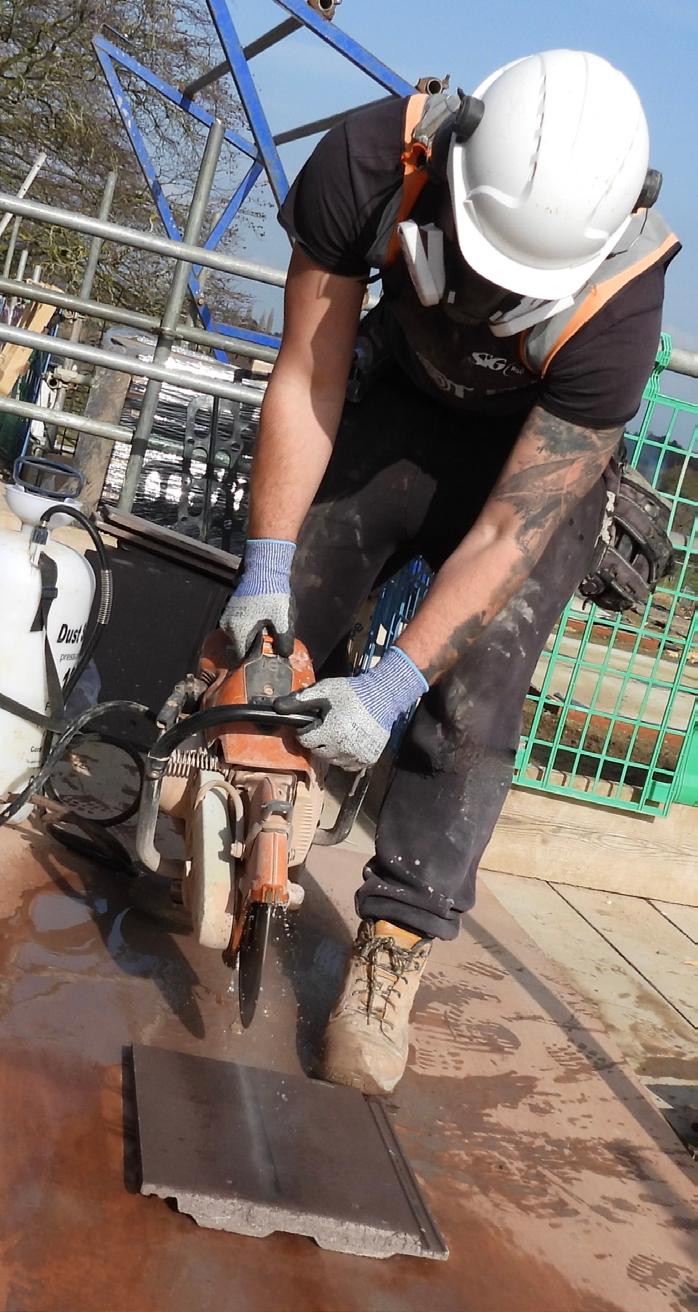
National Federation of Roofing Contractors (NFRC) has launched Cut the Dust, a major new industry-wide campaign aimed at tackling the serious and often overlooked dangers of respirable crystalline silica (RCS) dust exposure across the roofing sector.
As part of NFRC’s ongoing commitment to drive change and raise standards across the industry, Cut the Dust is the first of three dedicated Health, Safety and Wellbeing campaigns the trade association will roll out this year. The initiative and associated resources are designed to improve awareness, change behaviours, and provide practical support to help eliminate harmful silica dust exposure from everyday roofing activities.
The resources are available to all roofing and cladding businesses
Respirable crystalline silica dust is generated during common tasks such as cutting tiles, slates and mortar. While the effects are not immediate, repeated exposure over time can cause irreversible and life-threatening illnesses including silicosis, chronic obstructive pulmonary disease (COPD), lung cancer and kidney disease. Because the dust particles are microscopic, workers may be exposed without realising the damage being caused.
Led by Gary Walpole, NFRC’s Technical Safety, Health and Environment Officer, the campaign is focused on supporting
A report published by the British Safety Industry Federation (BSIF) has revealed that a staggering 82% of personal protective equipment (PPE) supplied by non-BSIF registered organisations fails safety testing.
These shocking findings highlight the growing importance of sourcing PPE from BSIF Registered Safety Suppliers, who demonstrated a consistently high level of compliance, with 96% of products meeting all required standards during testing.
Where non-conformities were identified, these were addressed promptly with BSIF support.
The report related to testing conducted by the BSIF between January 2025 and January 2026, which identified widespread non-compliance among PPE supplied by non-registered organisations.
Just 18% of products tested from these organisations met all applicable regulatory requirements, whilst a massive 82% failed one or more checks relating to technical performance, certification, documentation or product marking.
In several high-risk categories, h 100%*. According to the report:
• 100% of hearing protection didn’t meet standards
• 100% of fall protection fell short of test criteria
• 94% of head protection didn’t meet test criteria
• 91% of sports and motorcycle equipment didn’t pass tests
• 86% of eye and face protection didn’t pass tests
• 84% of protective clothing failed tests
• 84% of high-vis jackets failed brightness tests
• 84% of RPE had ineffective filters
• 83% of hand protection left workers exposed
• 79% of safety footwear failed tests
This report comes just three weeks after industry leading safety experts Arco launched a powerful awareness campaign to highlight the growing threat of “silent killer” silicosis to workers across the country.
The campaign reinforced Arco’s long standing commitment to workplace safety, aiming to spark conversation and drive immediate action against a disease that develops silently over decades and remains one of the UK’s most serious occupational health threats.
Arco prides itself on supplying reliable, fit-for-purpose PPE that complies with appropriate UK standards and regulations.
everyone involved in the manufacture, distribution and installation of roofing materials to understand the risks, identify unsafe practices, and adopt safer methods of working.
Speaking on the campaign, Gary said, “The roofing industry has made great progress in preventing accidents and enforcing safer workplaces, but we must now collectively tackle this silent but critical threat that has been overlooked for too long.
“Cut the Dust is about making good practice the default by building better habits to control dust at source and taking responsibility to put it right where risks cannot be fully controlled.
“We must challenge the normalisation of poor practice such as ‘it’s only a quick cut’ or ‘we’ve always done it this way’. Compliance alone doesn’t change outcomes, behaviour does.”
The campaign calls on roofers, contractors, principal contractors, merchants, manufacturers and suppliers
As the UK’s leading safety experts and the country’s only integrated safety products and services provider, Arco is uniquely positioned to support workplaces in identifying, monitoring and reducing workplace health risks.
Arco tests 100% of PPE products on an annual rolling basis. In 2025, they tested over 800 products through their laboratory, ensuring the risk that an end user receives a faulty product, or a product that doesn’t comply, is extremely low.
Built on more than 135 years of safety excellence, Arco works meticulously with organisations across the country to deliver practical safety solutions and reliable expertise that protects workers every single day.
This commitment allows tradespeople to focus on what they do best, without having to second-guess the equipment designed to keep them safe and well at work.
As an expert safety partner for workplaces, Arco supports businesses across the UK in implementing these controls through a strategic, end-to-end approach across the hierarchy of control, combining safety products, specialist training and consultancy to empower organisations to effectively manage workplace hazards.
to take the Cut the Dust Pledge, committing to five simple but vital actions:
• Control every cut – no uncontrolled dry cutting
• Use water suppression or on-tool extraction
• Wear suitable respiratory protective equipment (RPE), with minimum FFP3 protection where required
• Eliminate dry sweeping and blowing of dust
• Train teams and challenge unsafe practices
Anyone who pledges support through the NFRC website will receive a campaign pack containing educational resources, practical guidance materials, and a certificate demonstrating their commitment to safer working practices.
By launching Cut the Dust, NFRC is urging the roofing industry to recognise that silica exposure is preventable, and that meaningful change starts with everyday decisions on site.
Testing
is really important, especially for an end user. Our ability to apply a bespoke approach to testing makes it even more relevant to them. It takes their exact hazard and environment and puts that into the testing, rather than generalising.
Ross Constable, Laboratory Manager at Arco, said: “Here at Arco, we chance nothing.
“We’re the only UK distributor to have an accredited lab, and all our PPE products are Arco-made, Arco-tested, giving customers complete confidence.
“Testing is really important, especially for an end user. Our ability to apply a bespoke approach to testing makes it even more relevant to them. It takes their exact hazard and environment and puts that into the testing, rather than generalising.
“The real-world dangers of not testing in the way that we do is ultimately, the PPE is not fit for purpose.”
Christian Halford, Technical Quality Director at Arco, added: “Arco is setting the standards within the industry due to our UKAS-accredited laboratory, our rigorous testing programme, and our involvement in standards committees, which ensures that the products we’re supplying meet the requirements of all relevant standards.
“Our UKAS-accredited lab is all about confidence in results, the reliability of the results and the accuracy, and it allows us to react really quickly to anything problematic within the industry. Customers can request bespoke testing from us, an example of that is chemical permeation testing, where we can take the exact chemical that the customer is using and subject the PPE to that test, and give them a real-world answer.”
Arco is proud to make significant investments in its testing lab, with six dedicated staff working within the lab full-time to ensure rigorous testing and unwavering compliance with industry standards.
To find out more about Arco’s rigorous testing, visit the company’s website: here or watch the video on YouTube here.

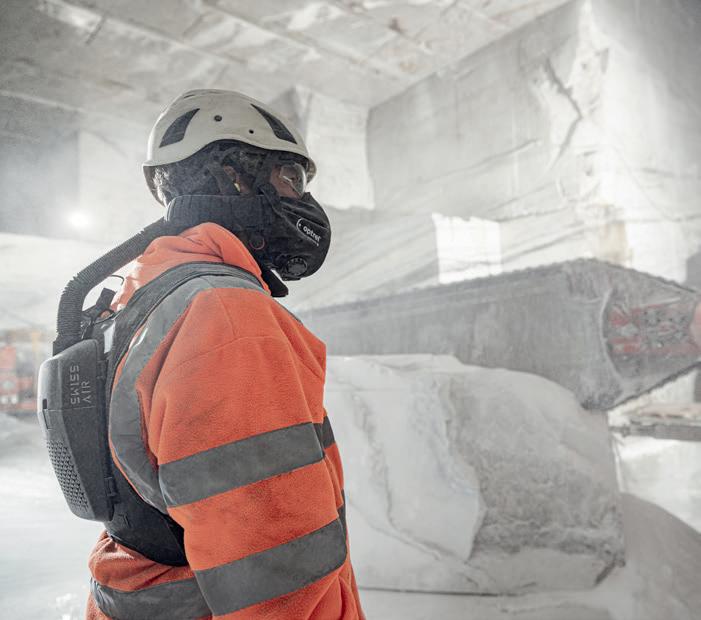
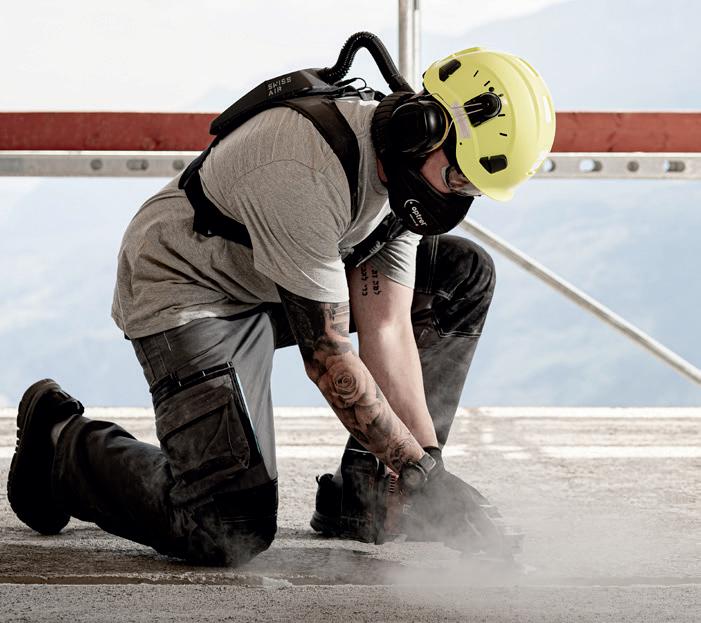
Various hazards lurk on construction sites. For the lungs, these include dust, smoke, toxic gases and vapours. That is why respiratory protection is as indispensable for construction workers as the hard hat. The Optrel swiss air makes a significant contribution to the long-term health of workers.
As versatile as the challenges in construction, so flexible is the swiss air in use. Whether in dusty environments, during welding work or in areas with chemical fumes, it always provides optimal protection. Thanks to the particle filter, even the finest particles, such as sharp-edged quartz dust, are removed from the breathing air. This protects the lungs and reduces the risk of respiratory diseases and long-term health damage. Chronic coughing, shortness of breath, bronchitis and even pulmonary fibrosis or silicosis are avoidable when using the swiss air continuously.
A major advantage of the swiss air is its wearing comfort. The flexible fabric half-

mask with a protection factor of 500 for TH3 protection adapts perfectly to any face shape, even if someone is not cleanshaven. The fabric half-mask completely covers the mouth and nose. If needed, the mask can be switched to a tightly fitting silicone mask with a protection factor of 2000. Both mask types can be cleaned with little effort.
The swiss air supports breathing with a slight overpressure, eliminating the tiring breathing resistance known from passive masks and allowing higher worker performance even during long usage durations.
The ultra-light blower unit of the swiss air is ergonomically shaped and comfortably worn on the back with an adjustable shoulder strap for maximum freedom of movement. The high wearing comfort makes you forget the respiratory protection is even there and wearing it becomes a permanent state.
This continuous protection helps to prevent health-related consequential damage caused by exposure to contaminants during active work or by traversing the working environment.
To ensure that the innovative swiss air can also be used in exposed and humid working environments, Optrel offers an IP 54 certified protective cover. It provides effective protection for the swiss air against malfunctions caused by conductive dirt or water.
To check the capacity of the battery or filter, a quick glance at the user-friendly control panel is sufficient. If the battery is empty or the filter is full, an alarm will be displayed in good time. The fan can
swiss air is the revolutionary PAPR from Optrel and represents everything the company stands for.
also be switched on or off via the panel and the air volume can be adjusted to the users liking.
Overall, the respiratory protection system is well accepted thanks to its high level of comfort. This helps ensure compliance with respiratory protection guidelines while improving working conditions and long-term health protection.
Curious to see the swiss air in action? The Optrel sales team will be happy to arrange a demonstration of the swiss air and its features.
swiss air is the revolutionary PAPR from Optrel and represents everything the company stands for. As a Swiss manufacturer of innovative PPE, Optrel is committed to continuously delivering useful products to make workdays easier and safer. Read more about swiss air on the Optrel website.


Breath the purest air thanks to the revolutionary swiss air PAPR!
· Eliminates 99.8% of particles, including quartz dust, from the air
· No face shaving and no fit test required
· Ultra easy to use
· Compatible with all common helmets, ear defenders and goggles




London Gatwick has awarded its refreshed set of Building and Civils Frameworks, appointing 11 suppliers to support the airport’s ambitious capital investment programme.
These frameworks - alongside the Design Services Framework - will play a vital role in delivering a wide range of infrastructure projects, enhancing efficiency, sustainability and passenger experience across the airport.
The contracts mark a significant milestone in London Gatwick’s long-term supply chain strategy and will support the delivery of projects such as asset replacement, expansion and capacity, process and efficiency, compliance and regulation, and service quality.
Aligned with London Gatwick’s Decade of Change sustainability strategy, the frameworks also include clear commitments to carbon management, local employment and social impact.
Alasdair Scobie, Capital Programmes Director, London Gatwick said: “The Building and Civils Frameworks are the latest step in delivering London Gatwick’s ambitious capital investment programme, designed to ensure enhanced efficiency and experience for passengers, and help the airport meet crucial sustainability targets.”
A new report commissioned by Berkeley shows that Birmingham is rapidly strengthening its position as one of the UK’s most compelling destinations for property investment. With strong price growth, rising rental demand and billions of pounds of infrastructure investment, Birmingham is set to challenge cities such as Manchester and London.
In fact, the report, commissioned by Berkeley and prepared by PriceHubble, shows that Birmingham is projected to see proportionally more price growth than either city over the next four years, while still retaining its cheaper house pricing.
The past decade has also shown proportionally more growth: average new-build prices in Birmingham have risen by 57%, significantly outperforming London, where growth has reached 25% over the same period.
Rental performance reflects this demand. Average rents in Birmingham have increased by 37% over the past five years, with a further 14% of growth forecast by 2030. At the same time, average apartment yields have risen significantly, from 4.5% in 2021 to 8.1% in 2026, outperforming both London and Manchester and
highlighting the city’s strong income potential for investors.
This growth is being reflected in developments such as Glasswater by Berkeley. The canalside development in Birmingham’s Eastside sits at the heart of Birmingham’s £4 billion Knowledge Quarter, a major innovation district designed to drive long-term economic growth.
The development is also set to benefit from forthcoming HS2, with the new Curzon Street station just a short walk away, a project which is expected to deliver a £10 billion economic boost to the West Midlands by 2034, alongside nearly 31,000 jobs.
In fact, the West Midlands has become the UK’s leading destination for inward investment outside London, securing 130 foreign direct investment projects in 2024–25 alone.
This harmonises with the city’s growing reputation: in 2025 Birmingham was ranked the 13th best city to visit in Europe by Time Out, while the West Midlands welcomed a record 101.5 million visitors in 2024.
Stephen Kirwan, Managing Director, said, “Birmingham is undergoing a period of sustained transformation, with investment in infrastructure, employment and regeneration driving long-term growth. For buyers and investors, the city offers a compelling combination of strong fundamentals, relative value and future potential, which is increasingly positioning it alongside other major UK cities.”

Back-to-frame redevelopment of 1980s Pinesgate West office targets net zero in operation, WELL Platinum and BREEAM Outstanding
Buro Happold, the global engineering, design and advisory practice, is set to transform the 1980s Pinesgate West building in Bath into a low-energy, allelectric headquarters, demonstrating how deep retrofit can deliver highperformance, low-carbon workplaces.
Working with architect AWW and landlord Watkin Property Ventures, Buro Happold is engaging in a backto-frame retrofit of the Pinesgate West office that will retain the existing concrete structure and renew it with a new high-performance facade. The refurbished building will target WELL Platinum, BREEAM Excellent with an ambition for Outstanding, and net zero carbon in operation.
All-electric systems, supplemented by renewable energy generation at roof level, will significantly reduce operational carbon, while the reusefirst approach to the existing structure minimises the embodied carbon associated with new construction.
A key focus of the new building is bringing people together. The workplace has been designed to encourage collaboration and
Image: © AWW
connection, with a variety of flexible spaces that support focused work, teamwork and informal interaction, all underpinned by a strong emphasis on wellbeing.
The transformation of Pinesgate West reflects Buro Happold’s commitment to upholding the sustainability principles and performance standards it advocates for clients around the world. The new Bath office will act as


a living demonstrator of low energy, high-performance refurbishment, showcasing how existing commercial buildings can be reimagined to deliver outstanding environmental and social outcomes.
The move to Pinesgate West comes in Buro Happold’s 50th year, marking a significant milestone in the firm’s longstanding relationship with the city where it was founded. From its origins as a seven-person start-up led by engineering visionary Ted Happold, Buro Happold has grown into a leading global consultancy with 3,700 employees across 37 locations worldwide.
Phil Lines, Buro Happold’s Bath Office Director, said: “Pinesgate West will bring our people together in a space that truly reflects who we are as a practice and what we stand for as environmental leaders. By transforming an underused 1980s building into a high performing, net zero in operation workplace, we are showing that ambitious, low carbon refurbishment is both possible and preferable.
“Delivering this project has been a collaborative effort from the outset, and we are excited to create an office that supports wellbeing, enables new ways of working and deepens our connection to Bath as we look ahead to the next 50 years.”
Mark Watkin Jones, Chief Executive of Watkin Property Ventures, said: “We are delighted to be supporting Buro Happold as it begins this important new chapter in Bath.
“Pinesgate is a significant building in the heart of the city, and this investment reflects our shared belief in the value of high-quality, sustainable workspace that meets the needs of leading businesses for the future.”
Duncan Taylor, Director and Architect at AWW, said: “The refurbishment of Pinesgate West for Watkin Property Ventures embodies our retrofit-first approach, striking the right balance between reuse and renewal.
“By transforming an outdated office building into a modern workspace, we will be dramatically improving its energy while reimagining its external identity and refreshing the external appearance to feel considered, contemporary, and confident. The result is a workplace ready for the future, and a unique new home for Buro Happold.”

UHI Moray and South Lanarkshire College apprentices take home top honours as competition celebrates excellence in plumbing and heating training.
Three of Scotland’s most talented plumbing and heating apprentices have been crowned winners in their categories at the 51st Scottish Plumbing Apprentice of the Year (SPAY) competition.
Held at West College Scotland in Paisley, the competition brought together 27 of Scotland’s most skilled plumbing and heating apprentices to compete across three technical disciplines: Copper, Leadwork and Renewable Technologies.
Anne Campbell, Principal and Chief Executive of West College Scotland, said:
“It was a real honour for West College Scotland to be selected to host this year’s Scottish Plumbing Apprentice of the Year competition.
“We are proud to play a leading role in developing apprentices and were delighted to welcome competitors, partners and the team at SNIPEF to our campus for this exciting and inspiring event.”
Organised by the Plumbing and Heating Federation (SNIPEF), SPAY remains one of the most respected competitions in Scotland’s apprenticeship calendar, providing a platform for apprentices to demonstrate their technical ability while highlighting the value of vocational training and career opportunities within the profession.
The competition comes at a time when apprenticeship pathways are facing increasing pressures and the industry continues to tackle skills shortages. SPAY plays an important role in showcasing the talent coming through the profession and the contribution apprentices make towards Scotland’s economy, infrastructure and transition to lowcarbon heating.
National honours for Kai Gray in BPEC SkillPLUMB Copper competition
The Copper category once again served as the Scottish qualifying heat for the UKwide SkillPLUMB competition, delivered in partnership with BPEC and linked to the WorldSkills UK framework.
Kai Gray of Cowie Plumbing and Heating and UHI Moray secured first place in the Copper category, with James Rankin of Eric Hyslop Ltd and Dumfries and Galloway College finishing second and Chris Ripley of BPS Group and Glasgow Clyde College taking third.
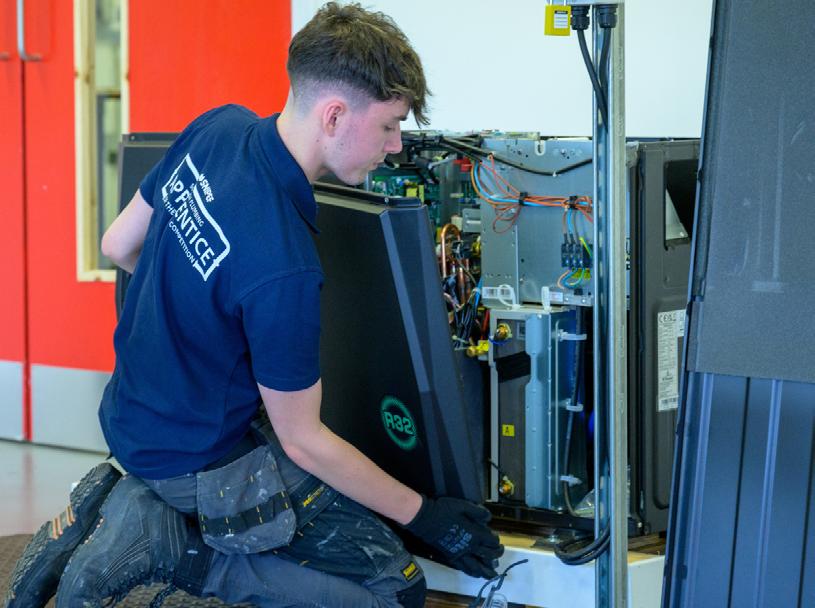
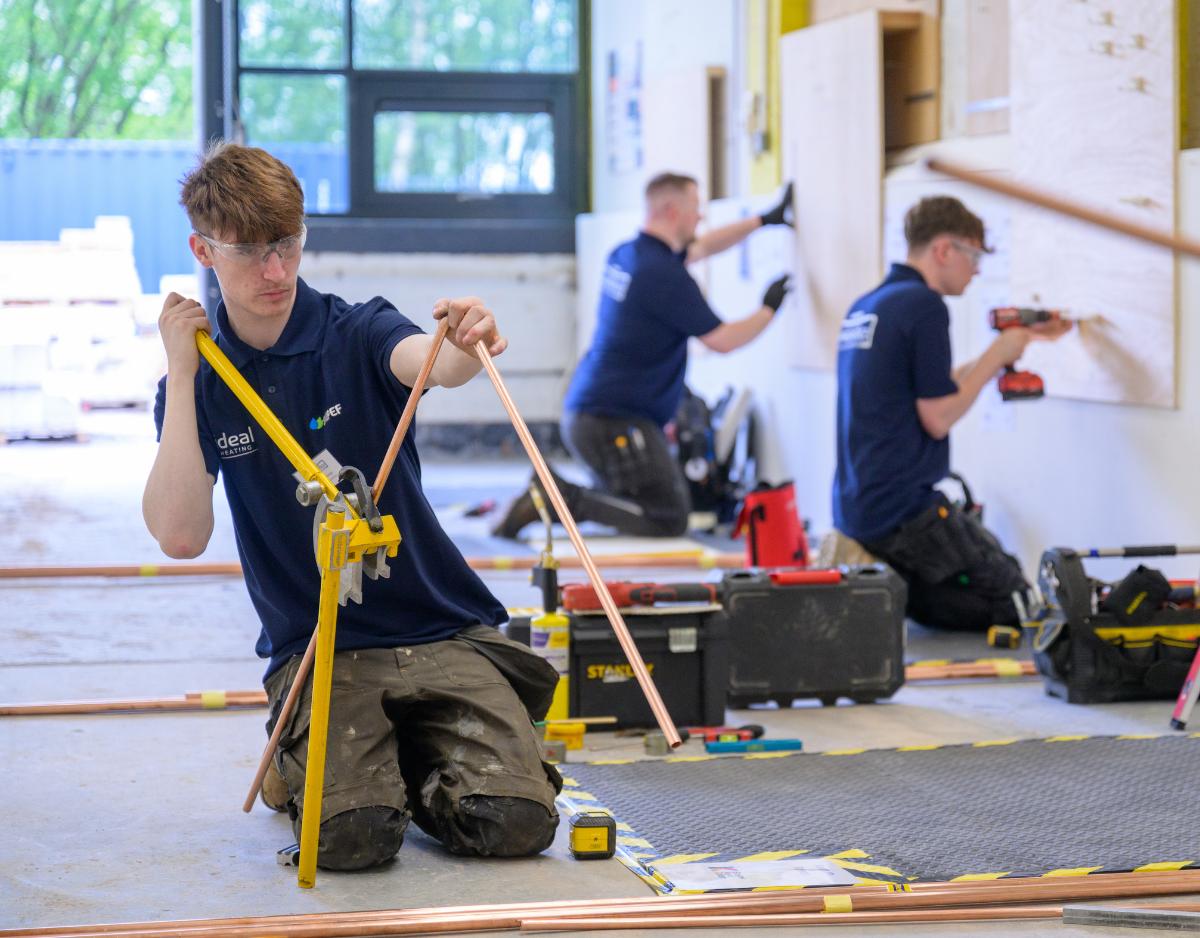
Speaking after his victory, Kai said: “It feels great to be honest with you! Last year I came second, so to come first this time round is fantastic. I think I had a good chance this year, but it still comes as a nice surprise by winning.
Neil Collishaw, Chief Executive of BPEC, said:
We are delighted to see SkillPLUMB once again forming part of the Scottish Plumbing Apprentice of the Year competition. The standard of work on display this year has been exceptional, demonstrating the high level of talent being developed by employers and colleges across Scotland.
“Competitions like SPAY provide apprentices with an invaluable opportunity to test their skills, gain recognition for their achievements and benchmark themselves against the very best in the industry.”
Leadwork title for UHI Moray apprentice
The Leadwork category continues to showcase the enduring importance of traditional skills within the profession, highlighting the opportunities available within heritage and conservation work.
This year’s Leadwork title was won by Sweyn Macaskill of Moray Council and UHI Moray.
Speaking after receiving his award, Sweyn said: “It feels really good to win – I’ve put in a lot of effort practicing for this event, so to win feels incredibly rewarding. To win awards and recognition like this definitely makes you feel like you’ve chosen the right path.
Renewable Technologies category highlights future skills
Now in its fourth year, the Renewable Technologies category continues to reflect the changing demands of the profession and Scotland’s transition towards low-carbon heating technologies.
Blake Lockhart of HF Mechanical and Electrical Ltd and South Lanarkshire College claimed first place in this year’s Renewable Technologies competition. Calum Wylie of Orbis Services Ltd and UHI Inverness finished second, while Aiden Docherty of HF Electrical Ltd and South Lanarkshire College secured third place.
Commenting on his win, Blake said: “I’m buzzing! Didn’t expect it at all. It was a great day out, mixing with everybody and having the chance to showcase my skills. I did think I had a good chance, but I’ve got to keep myself humble.”
Marshalls Civils & Drainage has announced the launch of its new Manhole Safety Cover, a purposebuilt solution designed to protect workers and site visitors from the risks of open manhole shafts during the construction phase.
Open manholes are a common feature on construction sites. With drainage infrastructure typically installed before road surfaces are laid, access points are often left uncovered for weeks or even months. This has long posed a significant safety risk, with reports of serious accidents, including fatalities, caused by falls into unprotected shafts.
Responding directly to feedback from contractors and merchants, Marshalls has used its innovation capabilities to develop a robust, reusable product that addresses this risk head-on.
The Manhole Safety Cover is manufactured from durable mild steel, hot dip galvanised for corrosion resistance, and powdercoated in highly visible Traffic Yellow to ensure clear recognition as a safety measure. Designed for walk-over use, the cover supports loads of up to 500kg. It fits securely into the access hole of a concrete manhole cover slab and can be
locked in place for added protection. When the time comes to install seating rings and manhole covers, the safety cover can be removed and reused on another site.
Available in five aperture sizes with a range of lifting methods, the Manhole Safety Cover provides contractors with a reliable and standardised alternative to makeshift or inconsistent site safety practices.
Paul Curtis, Managing Director at Marshalls Civils & Drainage, commented: “Through close collaboration with our customers, we identified a clear safety gap on sites across the UK. Too often, open manholes were being left unprotected – sometimes covered with nothing more than a sheet of steel. The Marshalls Manhole Safety Cover is a purpose-designed product that helps protect lives and gives contractors confidence they are meeting their compliance obligations. But this is about more than bringing a new product to the market; it’s reinforcing Marshalls’ commitment to supporting safe working practices and ensuring our products are used in the safest way possible.”
Visit: www.marshalls.co.uk/watermanagement/products/manholesafety-covers
Construction is a collaborative industry full of remarkable stories. Behind every successful scheme is months, and often years, of partnership, technical innovation and problem-solving - much of what makes a project successful happens long before the finished structure is revealed.
For specialist contractors, communicating the journey is becoming increasingly important. In an information-saturated age, specialists are increasingly recognising the value of showcasing the process, the personalities and the expertise that go into their bespoke projects. Clients are rarely buying a finished structure alone but are investing in the trusted problem-solving required to deliver it.
Whether it’s a complex installation or a one-off bespoke structure, the real value often lies in the process behind the project. The conversations, decisions and creative solutions are what ultimately determine success, and as projects become more ambitious and involve larger multidisciplinary teams, communicating that value has become increasingly important.
For many years, construction businesses have relied on portfolio websites as their primary marketing tool. While project galleries of what we’ve built remain important, they often struggle to capture the complexity behind modern projects.


For companies like Base Structures working in specialist sectors, this can create a disconnect and under sell the real value of the work being done –people come to Base for the decades of experience, knowledge and connections created over time. Many of the projects involve significant collaboration with architects, artists, contractors and client teams, yet much of that story is difficult to communicate through a traditional portfolio format.
Take the University of Nottingham Castle Meadow roof replacement project. The story is one of preserving an important

building from a heritage perspective, site constraints, complex engineering, logistics planning and collaboration between multiple specialist disciplines. Much of this doesn’t get translated to the viewer in a traditional case study.
This challenge became one of the driving forces behind the launch of Base Structures’ new digital platform and refreshed brand identity.
The new website has been designed to provide greater insight into the collaboration, creative thinking and technical delivery that underpin complex tensile architecture. Long-form project stories, video content and behind-thescenes features help explain not just what was built but how it was delivered, and the new updated brand adds visual appeal and a common thread that runs through the whole site.
Rachel Winterton, Director at Base Structures, explains: “This new platform gives us the opportunity to better showcase not just the finished structures, but the collaboration, creative thinking and problemsolving that goes into making some of our most complex projects happen.”
Storytelling is something that can provide confidence to clients, demonstrate technical capability and experience working with multiple project teams. In specialist sectors such as tensile architecture, where no two projects are ever quite the same, that expertise is often the most valuable thing a company has to offer.
As the construction industry becomes increasingly digital, companies are being challenged to find new ways to communicate their value.
For Base Structures, the new website represents part of a broader evolution of the business and a recognition that the stories behind projects are often just as important as the structures themselves. For


THE SASH WINDOW WORKSHOP TRUSTED BY PROFESSIONALS FOR OVER 30 YEARS
The Sash Window Workshop is a leader in the timber windows and doors industry
We have partnered with a number of architects, developers, contractors and builders on prestigious properties to ensure that our clients get the best service.
We have worked on a variety of properties, from listed buildings to new developments, offering renovations, restorations and replacements. Our attention to detail ensures that we are the type of business you can trust on all projects, including high-end and heritage led work.



How do you keep a nationwide workforce connected when engineers cannot always be reached, even though every job depends on fast, accurate communication? For compliance and energy services contractor, Correct Contract Services (CCS), that question became increasingly urgent as the business scaled across the UK. This was the challenge before building a long-term partnership with managed IT service provider Crystaline.
Much of CCS’ work takes place across social housing and local authority projects, where expectations around response times and service delivery are tightly monitored. As a compliance and energy services contractor, CCS has grown rapidly from a small, directorowned team of fewer than five people operating from a single base to an organisation employing around 270 staff and generating more than £30 million in turnover, with operations spanning from Cornwall to the North East.
A trusted partnership built over time
The relationship between CCS and Crystaline developed early in CCS’s growth journey and quickly evolved into a long-term partnership built on trust, responsiveness and a shared understanding of the operational pressures CCS was facing.
“We were growing and starting to feel the strain on our communications,” said Andy Denney, Commercial Director of CCS. “Crystaline was right there. There was already trust there before anything formal happened and what began as informal support gradually evolved into a long-term working relationship built on proximity, timing and trust.”
Today CCS operates with a communications setup designed to support national operations.
When growth starts to raise the pressure As demand increased across the UK, the pace of operations accelerated quickly. Teams were mobilised into new regions at short notice, Cornwall one week and the North East the next. Engineers were working inside occupied homes where connectivity could not always be guaranteed and where job requirements often changed once work had already started. At the same time office teams were coordinating live activity across multiple regions without always having full visibility of what was happening on site.
In this environment small communication gaps quickly became operational risks. A missed call could delay an appointment and delayed SIM setup could hold back an entire team.
“We might need a large number of new lines set up at once. When that happens it is not admin, it is the business depending on it working immediately, especially when you are working within social housing and local authority frameworks where performance metrics and response times are closely monitored,” said Denney.
To support that level of growth CCS needed more than mobile contracts. It needed a communications system that could scale quickly, remain stable under

pressure and integrate seamlessly into day-to-day operations.
Crystaline supported CCS with a fully managed mobile estate, covering SIMonly contracts, devices and a flexible hardware funding model. This gave CCS flexibility to scale quickly while also choosing devices as and when they were needed. Today Crystaline manages around 450 mobile connections across the organisation alongside tablets used by engineers on site.
As CCS continued to scale, the value of a centralised mobile setup became increasingly clear. Rather than managing multiple contracts, networks and device


sure communications never became the thing slowing them down and that meant focusing not just on infrastructure, but on the speed and reliability with which it could be deployed when demand increased,” said Kristian Torode, Director and Co-Founder of Crystaline.
arrangements separately, CCS benefited from a streamlined approach where all mobile services were coordinated through a single partner. This reduced administrative burden on internal teams and ensured that new connections, device changes and support requests could be handled quickly and consistently as demand increased.
With engineers operating across a wide geographical area, having a flexible and responsive mobile estate also helped ensure reliable connectivity in the field. Plans and devices could be adjusted in line with operational needs, giving CCS greater visibility and control over usage while reducing inefficiencies as the workforce expanded. Connectivity also extends beyond mobile. Crystaline provides mobile WiFi solutions such as Vodafone GigaCube units, which deliver internet connectivity without fixed broadband.
For CCS, this has been especially valuable when engineers are working in rural housing estates or areas where fibre broadband is unavailable or unreliable. By using mobile network connectivity instead of fixed infrastructure, teams can remain online and access job information, updates and systems in real time, helping to prevent delays in the field and maintain continuity of service across geographically dispersed sites.
“From the beginning it was clear CCS was not standing still. Our role was to make
As CCS continued to grow, the operational picture behind the scenes became more complex. Mobilising teams across multiple regions meant coordinating deliveries activations and replacements at speed. Engineers arriving on site needed equipment that worked immediately. Even small issues such as a missing SIM card or delayed handset could halt work before it had begun. At scale, these small disruptions stopped being isolated problems and became operational risks.
To manage this CCS and Crystaline worked closely together over time. Delivery processes were refined over time, with clearer expectations established between both teams and greater visibility of service performance. Crystaline operates to defined service standards covering response and delivery times, including rapid response to support queries, fast turnaround on new connections and device replacements, and structured account management reviews to ensure ongoing alignment with customer needs.

“Kristian has always been available to help us and support us,” said Denney.
“Our growth has been exceptional. We have gone from being stable to managing a large amount of progress and they have supported us as and when we have needed it and come up with innovation when required.”
Understanding CCS as a business has been central to that support too. “Crystaline knows how we operate and that makes a big difference. It means things do not need to be explained every time.”
Today CCS operates with a communications setup designed to support national operations. Engineers can be deployed anywhere in the UK and remain connected throughout the working day. Site teams mobilise faster, and office staff have greater visibility of live activity which allows them to respond quickly when priorities shift. The impact is most visible in day-to-day delivery: fewer delays at the start of jobs, fewer communication breakdowns between site and office and fewer instances where work is paused due to missing information.
“The biggest difference is consistency,” said Denney. “Communication just works and that means our teams can focus on the job, not the system behind it.”
What has developed between CCS and Crystaline is a partnership built on longevity trust and mutual understanding. From a handful of connections in a shared office to hundreds of devices supporting a national workforce the relationship has scaled alongside the business itself. For CCS the value is not just in connectivity but in continuity. For Crystaline it is in being close enough to the operation to support it as it evolves.
As CCS continues to grow across the UK, that partnership remains a constant behind the scenes, ensuring teams stay connected and work continues without interruption.
Crystaline has worked with organisations across the UK to deliver tailored, scalable communication solutions that support growing teams. To find out how we could help your business stay connected and perform at its best, get in touch.
By Afshan Rasheed, Head of Environment at
Across the UK, a growing number of infrastructure projects are moving from planning into delivery, placing renewed focus on whether the sector has the people, skills and capacity needed to keep pace.
The government’s National Infrastructure Pipeline sets out 734 planned projects worth more than £718 billion over the next decade, with implementation expected to require an average workforce of around 700,000 people annually during the first five years of the programme.
These figures underline the scale of the challenge ahead, while also presenting an opportunity to consider not only how many people the sector needs, but how well they are being prepared for the realities of delivering major projects.
A key part of this conversation is how capability is defined. Skills shortages are often framed around specialist expertise, but progress depends on much more than technical proficiency alone. Communication, collaboration and adaptability are fundamental to turning knowledge into practical outcomes.
Infrastructure projects rarely sit neatly within a single discipline. Progress relies on professionals working across multiple technical areas, each with their own priorities, constraints and objectives. Moving projects forward requires individuals who can connect these perspectives and align them towards a common goal.
Even the strongest engineering or design solutions can struggle to gain traction if they are not communicated

clearly, challenged constructively or understood beyond a single discipline. In many cases, outcomes are shaped as much by coordination and decisionmaking as by the quality of the underlying design.
Despite this, many of these attributes are still treated as assumptions rather than skills to be deliberately developed. Education and early training understandably focus on technical knowledge, whereas workplaces often expect new entrants to arrive already equipped to engage with clients, collaborate across disciplines and navigate commercial pressures.
In reality, these skills develop at different rates. Some people build confidence quickly through experience, while others benefit from more structured support. This reflects the diversity of routes into the sector as opposed to any weaknesses in the system.
Many of the qualities that underpin strong project performance are developed through exposure and practice rather than formal teaching. Stakeholder engagement, commercial awareness and professional judgement are often learned on live projects, despite being central to day-to-day delivery and decision-making.
Adaptability is a clear example. Infrastructure projects evolve constantly as designs change, risks emerge, funding priorities shift and external constraints come into play. The ability to respond to these changes while maintaining momentum is now a core requirement for anyone working in the sector.
Commercial awareness is equally important. Infrastructure professionals operate within constraints around cost, programme and risk, and understanding how design and engineering decisions influence these factors is an essential part of the role.
None of this diminishes the importance of technical expertise. Rather it reinforces that expertise. Specialist knowledge adds the most value when applied within the complex environments in which projects are planned, managed and delivered.
It also broadens how talent is viewed across the sector. Not every role requires the same strengths, and not every individual contributes in the same way. Some people bring deep technical understanding, while others excel at coordination, stakeholder engagement or connecting teams.
The strength of infrastructure delivery depends on this balance. Projects rarely thrive through a single, standard skillset. They progress when different capabilities complement one another in response to the complexity of the challenge.
This has significant implications for how people enter the sector. Recruitment is only one piece of the puzzle. Preparing individuals for the realities of project work is equally crucial, and there are already strong pathways helping to bridge that gap.
Apprenticeships provide one such route, combining technical learning with exposure to live projects and day-today responsibilities. Work experience in professional environments can offer similar benefits, helping individuals understand how projects operate in practice.
These opportunities matter because workplace readiness is not uniform. Some people develop confidence quickly, while others require more time and support. Both can become highly capable professionals when development is recognised as an ongoing process rather than something expected to be fully formed from the outset.
Leadership plays a key role in enabling that growth. The workforce is becoming increasingly diverse and multi-generational, bringing different

expectations and approaches to work. In this environment, trust and clarity are essential. Teams perform best when individuals are given scope to work in ways that reflect their strengths, instead of being expected to conform to a single model of professional success.
This sense of autonomy can have a big impact on retention. When people are trusted to balance their responsibilities and work effectively, they are more likely to remain in the sector and continue contributing over the long term.
Ultimately, the effectiveness of infrastructure projects depends on more than technical knowledge alone. It relies on people being able to work across disciplines, respond to change, understand commercial realities and communicate clearly with those around them. As the sector prepares to deliver an ambitious pipeline of projects, these qualities should be recognised not as informal expectations, but as core professional skills underpinning longterm success.
Written by Afshan Rasheed, Head of Environment at Egis: egis-group.com
As UK builders face increasing pressure to balance performance, cost-efficiency and sustainability, SterlingOSB Zero offers a versatile solution that can replace multiple panel types within a project, simplifying procurement and improving consistency.
Manufactured in the UK, West Fraser’s SterlingOSB Zero is a high-performance OSB panel engineered for structural use in humid conditions. It delivers reliable strength and durability across roofing, walling and flooring applications, including timber-frame construction, where it enhances racking strength and structural integrity.
Unlike traditional plywood, SterlingOSB Zero’s precisionengineered strand alignment provides consistent mechanical properties, dependable load-bearing performance, dimensional stability and reliable fixing characteristics.

Made from FSC-certified, locally sourced timber, SterlingOSB Zero is net carbon negative, contains no added formaldehyde and is manufactured in ISO 14001-accredited UK mills.

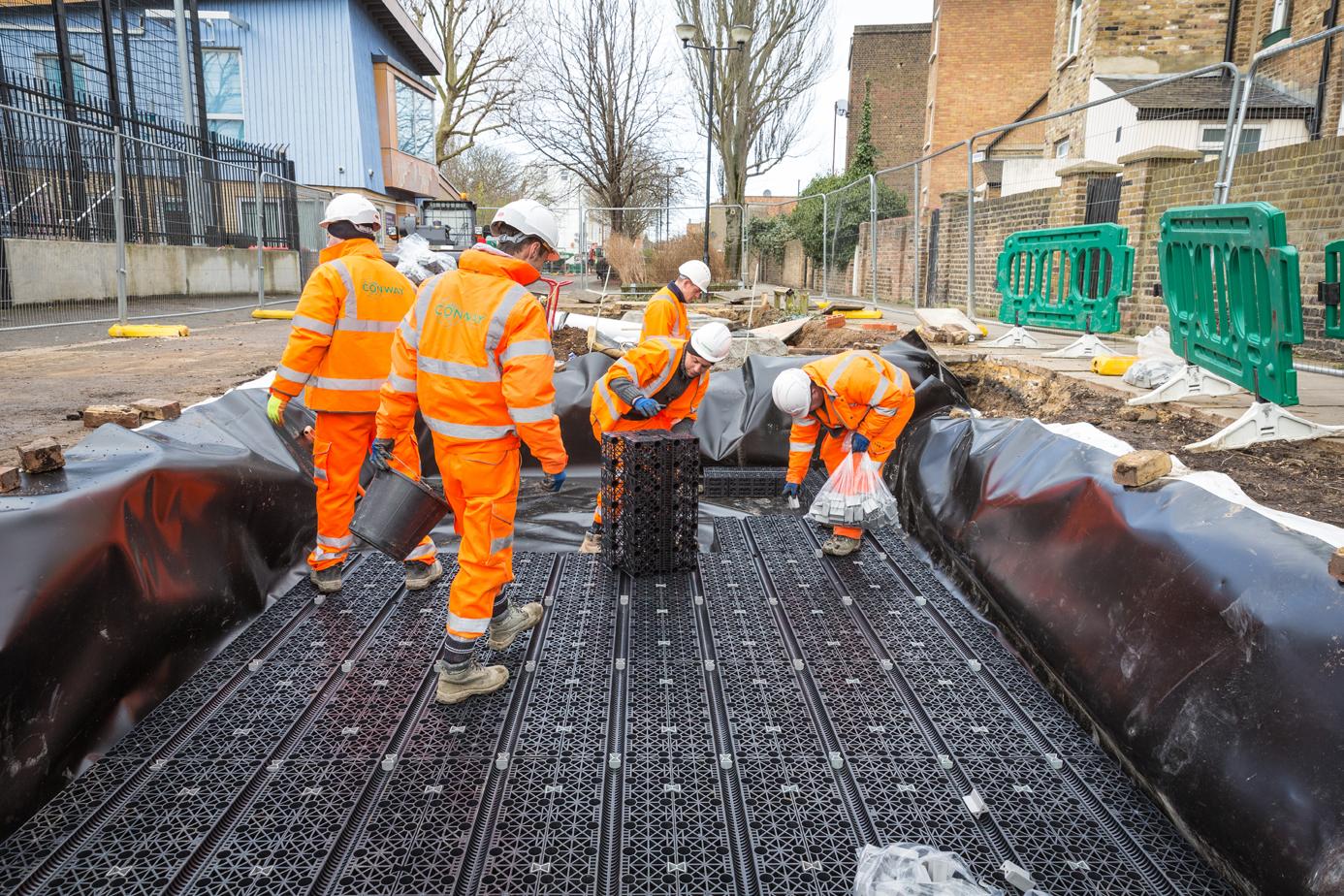
By Matt Bradley, Specification Sales Manager – East Midlands at Polypipe Civils & Green Urbanisation

Matt Bradley
Extreme weather is becoming increasingly common, and we only need to look at January’s record-breaking 55-day streak of rainfall and the recent May heatwave (in which the UK surpassed its record for maximum temperature in May, reaching 35.1°C in Kew Gardens, London) as examples of the extremes caused by climate change.

Coupled with the rise of the ‘concrete jungle’ and population growth, it’s clear to see that we’re behind. Infrastructure is aging and Victorian-era combined sewer systems can no longer cope with the needs of modern day, urban Britain. With more houses and commercial buildings needing to connect to systems that are already outdated, and our climate becoming warmer and wetter, it’s time to re-think the historical norm and allow our approach to evolve.
So, how exactly do we future proof our buildings against flooding?
Well, the approach needs to combine site planning, structural design, material selection, utilities protection and community-scale resilience. The best method depends on whether the risk is from waterways, coastal storm surge, flash flooding, groundwater rise, or sewer overflow.
To reduce run-off and help to prevent urban flash flooding, the sites themselves can be used to slow and redirect water.
How? There are a variety of methods and solutions that fit nicely into this category. The first of which are swales – shallow, gently sloped linear channels that transport water. They, along with bioswales (enhanced biodiverse versions, which commonly feature native vegetation and specialised soils) are commonly found in and around newbuild housing developments, as the requirements for hitting biodiversity net gain have ramped up in recent years.
Retention ponds – designed to capture stormwater run-off as a permanent pool of water – are also commonly found in new-build housing projects.
Other effective methods here include the use of permeable paving (which allows water to drain through into the ground below), rain gardens (which provide low maintenance ways of allowing rainwater to slowly soak into the ground, without overwhelming drainage systems) and green or blue-green roofs, which feature vegetation and, in the case of the latter, collect and store stormwater and supports biodiversity.
Not only do all these methods prove effective in terms of water management, but they can all have positive impacts for local communities, too. Residents can take comfort in the fact that the implementation of such solutions reduces the risk of flooding and, therefore, damage to their properties and lives, but they also bring extensive benefits in areas ranging from environmental, wellbeing and community enjoyment.
In modern flood-resilient buildings, we’re seeing an increased use of smart monitoring systems to increase capacity in new and existing attenuation tanks and nature-based solutions.
Smart water sensors can offer real-time monitoring and flood detection and can be implemented in various systems –from roofs to sewers and catchpits, and many applications between – to prevent overwhelm and damage to structures and properties.
At Polypipe Civils & Green Urbanisation, our own smart system, Polysync, works with our Polystorm and Permavoid geocellular systems, along with a cloud-based control system, to forecast weather events to optimise water volumes stored in attenuation tanks. It will forecast weather activity and then instruct the tanks to either reduce or maximise their stored water to accommodate rainfall or to maximise potable water storage for use in the event of a drought.
Elsewhere, ‘smart’ is being increasingly used for automated flood barriers, shutoff valves and weather-linked building management systems.

Many flood maps are outdated because rainfall intensity and sea levels are changing.
These systems are proving to be gamechangers in terms of providing realtime data – which can enable real-time decision making – to the end user.
While it’s great to see the emergence of so many new (and largely naturebased) approaches – such as mangroves, wetlands, rain gardens, tree pits and planters – in the mainstream, we can’t negate the importance of bringing our planning approaches in line with today’s climate.
Many flood maps are outdated because rainfall intensity and sea levels are changing. We’re used to planning based

on historical weather, but it’s increasingly important that we design beyond the current code minimums.
In this sense, good future-proofing should consider: 100-year climate projections, plus a 30 or 40 percent scope for climate change impact; sea level rise scenarios; intense rainfall events, and compound flooding (storm surge and rainfall together).
It’s also imperative that we consider the wider picture. It’s fantastic to see the implementation of these solutions, but a single flood-proof building can still fail if the surrounding infrastructure isn’t sufficient.
The UK’s aging water infrastructure is under strain and, one year into AMP8 (the eighth, and current, asset management period for the UK water industry), the pressure is on for our sector to deliver.
In this cycle, local councils and water authorities are – rightly – investing in upgraded storm sewers, restored wetlands, tidal barriers and water reuse and urban water management.
AMP8 is and will continue to bring change to the sector but, ultimately, to truly prepare our infrastructure for the environmental challenges and risks of both today and tomorrow’s world, collaboration is an absolute necessity.
Joint efforts, methods and approaches will set us up for long-term resilience.
Learn more about how Polypipe Civils & Green Urbanisation are creating sustainable living: www.polypipecivils.com


Costain, the infrastructure solutions company, has been selected by Transport for London (TfL) to join its Infrastructure Improvement Framework.
The multi-discipline framework, covering both design and construction, will allow for major infrastructure upgrades across the capital. This includes upgrade work at South Kensington tube station and works to enable TfL’s step-free access programme.
Costain was one of three successful suppliers joining the framework, which carries a total value of approximately £700m. Projects will be awarded over a two-year term, with an option of a two-year extension.
Drawing on its extensive cross-sector experience delivering complex transportation infrastructure programmes, Costain’s role will see it provide a range of best-in-class services, including design, engineering, programme delivery and supply chain management.
The framework award extends Costain’s long-term delivery of complex infrastructure with Transport for London, including using production thinking, which combines modern methods of construction with new technologies, to successfully refurbish the A40 Westway, one of London’s busiest routes.
Black & White Engineering, a global engineering design consultancy specialising in mission-critical buildings and infrastructure, has grown its civil and structural team by 79%.
The department has increased from 43 to 77 people in five months, with additional engineers joining its Dubai, Manila, Milan, London and Paris offices, alongside new bases in Manchester and Singapore. The expansion reflects rising demand from data centre clients across established and emerging markets.
David Williams, Director of Civil and Structural Engineering at Black & White Engineering, said: “The growth reflects the continued expansion of our work in the data centre market, with both existing and new clients. That growth is creating opportunities for our civil and structural engineers across more locations and project types.
We have built the team around experienced people, many of whom we have worked with successfully before or who have joined us following strong recommendations.
The department supports projects from concept through to construction information, while also advising on site due diligence, feasibility studies and third-party

technical reviews. It strengthens Black & White Engineering’s wider design offer by bringing civil, structural, MEP and design management expertise together within one project team.
David continued: “Detailed design delivery remains central to our role, but we are also being brought into projects much earlier, including due diligence, feasibility work and technical reviews.
“Working alongside our MEP and design management colleagues means we can provide input throughout the project, not just at fixed design stages. That helps improve coordination, quality and delivery for clients.”
The team is also reviewing thirdparty designs and, in some cases, taking responsibility for final delivery. This includes projects where civil, structural and MEP designs need to be more closely aligned, or where external subconsultants are less familiar with specific client requirements and processes.
Demand is currently strongest across Europe, with activity increasing from southern to northern markets. In APAC, the business is pursuing opportunities in Japan and the Philippines, supported by its Singapore and Manila operations.
The consultancy also plans to continue building its Singapore presence and expects to establish a civil and structural capability in its new Saudi Arabia office this year.
The investment forms part of Black & White Engineering’s wider focus on building regional capability while drawing on the experience of its global team. The expanded team will support technically complex schemes within tighter programmes, while carrying lessons from previous projects into new work.




Kingspan Insulation offer a bespoke tapered design service which include on-site surveys, creation of detailed plans, manufacture and delivery of the system to site.
As well as quick and simple to install, our lightweight boards deliver the required fall and insulation requirements in a single solution. They can be used with most green-roof systems and are compatible with partially bonded torch applied multi-layer bituminous waterproofing, mechanically fixed waterproofing and bonded waterproofing systems.
By Simon Storer, Chief Executive of Insulation Manufacturers Association
As the housebuilding sector faces the challenge of meeting the government’s commitment to delivering 1.5 million ‘safe and decent’ homes before the end of this Parliament, the pressure to build quickly has never been greater. But speed cannot be at the expense of performance. Coupled with the relaunch of the Net Zero Council, there is a clear opportunity to ensure homes are climate ready from day one. This means striking the right balance between delivery and long-term performance, while recognising the critical role of insulation in reducing emissions, improving efficiency, and avoiding costly future retrofits.
The homes we construct today need to be better and smarter to remain resilient for future generations. From the anticipated changes expected in the Future Homes Standard to the enormous task of retrofitting existing building stock, it is vital to ensure both compliance and long-term sustainability. The road to net zero begins with quality insulation, reducing emissions while also ensuring homes are comfortable, energy-efficient and fit for the future.
While current minimum requirements for new builds lay a foundation, they are only the start. We must close the performance gap and tighten regulations for higher building standards. Failure to do this will result in new homes needing

to be refurbished well before 2050. High-performance insulation such as PIR (polyisocyanurate) offers a fabric-first approach to energy efficiency and is the cornerstone of every new home.
Any successful strategy to achieve net zero revolves around high quality insulation as one of the most costefficient and effective methods in reducing energy demand, particularly for heat retention. Better or lower U-values in walls, floors and roofs reduces heatloss, lowering energy use and CO2 emissions, which in new builds must be non-negotiable.
Prioritising the fabric-first approach as a central pillar of construction principles
is not simply about complying with regulations, it is about delivering buildings that will perform consistently over time. The energy efficiency of a building should be as good as it can be, contributing to sustainability, comfort and occupant health. For contractors, this means attention to detailing and workmanship.
The fabric-first approach becomes critical when retrofitting existing homes. Nearly six million homes were built before 1919 and over half predate the first insulation requirements added to the Building Regulations in 1965. Many are notoriously inefficient, waste heat, and drive-up energy use. Tackling these buildings requires deep and comprehensive retrofits that addresses

By Matt Hart, Director of Residential New Build, E.ON Next
The built environment is full of a huge variety of roofs and for most of history their roles have been to protect the buildings beneath them from the elements. However, thanks to modern
technology they are now able to be part of a building’s energy infrastructure too. For years now solar has been being applied on rooftops to generate power and lower energy costs.
insulation, heating systems, and overall energy efficiency.
However, retrofitting is never a onesize-fits-all solution. The variety in building types, construction methods and ages means each project requires a tailored approach. Ideally, properties need a full energy audit, interpreted by experienced professionals who can propose appropriate improvement measures in the most effective order. With millions of homes requiring substantial upgrades, care and attention must apply equally to new builds and retrofit. Only then can we reduce emissions, alleviate fuel poverty and create healthier living environments.
For the housebuilding industry the message is clear: the decisions made on site today will define whether homes remain fit for purpose in 2050 or become tomorrow’s retrofit problem. Meeting the UK’s 2050 net zero targets will only be possible through collaboration. Contractors, specifiers, installers, merchants and manufacturers must come together to share knowledge, ideas, and best practices.
The Future Homes Standard (FHS) has confirmed that rooftop solar will form part of the requirement for a vast majority of new homes, reflecting a wider ambition to deliver properties that are cheaper to run, more energy efficient and better prepared for the UK’s lowcarbon future.
But for the construction sector it’s much more than a regulatory change and energy companies are well aware of this. FHS stands to have a huge impact on the way homes are designed, built and even marketed to potential buyers of new homes.
Solar technology today is now so advanced that homes of almost any shape or size can generate a meaningful amount of electricity even if they’re not in sunny climates or have large roof surface areas. The opportunity for solar to benefit people by generating clean power and lowering bills has therefore never been greater.
For homeowners the benefits of solar are immediate. Clean, cheap energy from solar can be used in the home straight away, when it would otherwise be taken at cost from the grid from an energy supplier like E.ON. If there’s an excess of energy generated, it can be sold by
Creating high-performance homes and healthier living environments now will save us from expensive problems later and keep the industry moving towards its net-zero goals. The insulation industry is ready to support the construction of high-quality homes that are energy-efficient, but success relies on the whole supply chain. Tomorrow’s home are being built today so they must be built to last.
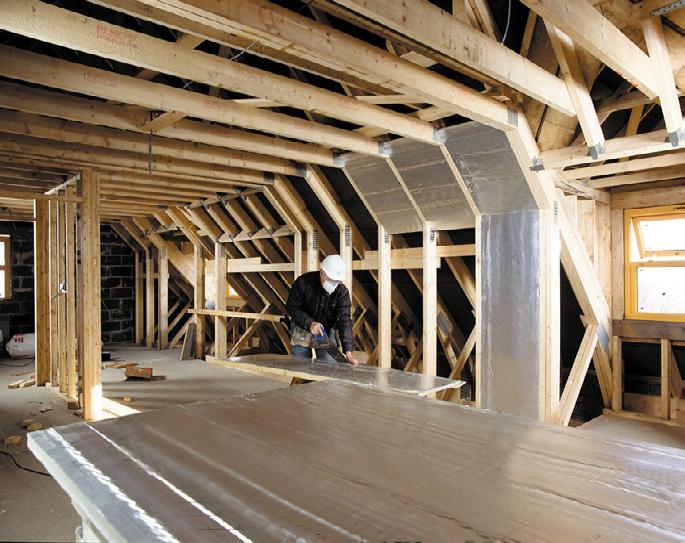

Matt Hart

households back into the grid for use by others around the UK. It’s a win-win.
However, the inclusion of solar in new homes has also prompted discussion about local electricity networks, plus the wider national grid and whether they could actually accommodate the scaled levels of generation likely to come from FHS.
This is where battery storage has an important role to play.
Batteries store electricity generated during the day and make it available when households need it most, including
when solar panels aren’t generating at night. They solve two of the short term challenges within FHS, in helping to reduce pressure on local networks while also letting homes use more of the power they generate themselves.
Taken together, solar generation and battery storage can help create homes that are better able to respond to changing energy demands. They also support the wider shift towards electrification, particularly as heat pumps and electric vehicles become more common features of UK homes.
The construction industry has always adapted to changing standards, whether in relation to safety, insulation or building performance. FHS is another milestone in that journey. While it introduces new considerations for design and delivery, it also presents an opportunity to create homes that are fit for the way people will live in the years ahead.
Roofs are playing an increasingly important role in helping homes become cleaner and cheaper to run through FHS. It’s the role of developers and those within their supply chains, in partnership with energy experts, to ensure we can turn all that potential into a reality.
By Kate Fox, Regional Specification & Sales Manager, URSA
The construction industry has long relied on product information to support design, procurement and construction decisions, but expectations have changed significantly. Historically, product datasheets and declarations of performance were often used to demonstrate that products could satisfy the performance requirements established during the design process. Today, following the Building Safety Act and wider industry reforms, construction professionals are increasingly expected not only to demonstrate compliance, but also to ensure that product and system choices are supported by robust, verifiable evidence of performance.
Alongside regulatory compliance, there is growing recognition that product data now needs to be robust enough to support both informed decision-making and, ultimately, guarantee buildings which perform as intended throughout their entire lifecycle. Product information is no longer viewed simply as a source of product data. It is increasingly expected to provide robust, verifiable evidence of performance that can support compliance, building safety and informed decision-making throughout a building’s lifecycle.
Evidence-based specification
Decisions relating to insulation have never been solely about thermal performance. Designers must balance a range of considerations, including fire safety, acoustic performance, moisture management, durability and whole-life environmental impact. While these competing demands are not new, the level of scrutiny applied to the

information supporting specification decisions has increased considerably.
Designers, contractors and clients alike are increasingly demanding a broader evidence base, including technical documentation, test reports, and thirdparty certification, which all make up integral aspects of the “Golden Thread of information” under the Building Safety Act.
Whether assessing thermal conductivity, reaction to fire, acoustic performance or environmental credentials, project teams are seeking greater transparency around how performance has been measured and verified. Rather than relying on product information on a standalone basis, they are now seeking evidence which enables decisions to be justified, recorded, and, where necessary, revisited throughout the project lifecycle.
This becomes particularly important when products form part of wider building assemblies. An external wall, for example, may comprise multiple components working together to meet fire, thermal, acoustic and moisture performance requirements. If one element changes due to value engineering, product availability or design revisions, it can affect how the entire assembly performs and whether it continues to meet regulatory requirements. Access to reliable product information and supporting evidence helps teams understand these interactions and make informed decisions throughout design and construction.
The Building Safety Act has reinforced the importance of ensuring product information remains accessible, accurate and traceable throughout a building’s lifecycle.
Central to this is the concept of the Golden Thread, which places greater emphasis on maintaining a clear record of the decisions, products and

performance information that underpin a building’s design and construction. While most closely associated with higher-risk buildings, its principles are increasingly influencing expectations across the wider construction sector.
For project teams, this creates a greater need for consistency. Information used to support specification decisions during design should remain available through procurement, construction, occupation, refurbishment and eventual decommissioning. Maintaining that continuity helps preserve specification intent, supports future decision-making and provides a clear evidence trail when information needs to be reviewed or verified.
For manufacturers, this increases the importance of ensuring product information is not only accurate but also up to date, accessible and capable of supporting long-term information requirements.
Insulation products do not operate in isolation. They form part of wider building envelope systems, where interactions between materials and components can significantly influence overall performance. Responsible specification therefore requires an understanding not only of individual product characteristics but also of how those characteristics contribute to the performance of the complete assembly.
Building regulations establish minimum standards across areas such as thermal efficiency, acoustics and fire safety. However, achieving compliance at practical completion is only one stage in a building’s lifecycle. Buildings are expected to perform effectively for decades, often under
changing environmental and operational conditions.
Product information should therefore support a broader understanding of performance beyond compliance alone. Thermal data helps designers assess how insulation contributes to energyefficiency targets, while information relating to moisture management and durability can provide insight into how building fabric performance may be maintained over time.
Considering these factors early allows design teams to evaluate potential risks, understand system interactions and make informed choices that support both regulatory requirements and longterm building performance.
As building specifications become increasingly complex, access to technical expertise remains an important part of the decision-making process. Manufacturers can play a valuable role in helping project teams interpret performance data, understand certification requirements and assess how products are likely to
perform within specific applications or assemblies. This support is often most effective when it takes place early in the design process, while key performance objectives are still being established.
Early engagement allows questions around thermal performance, acoustic requirements, moisture management and compliance considerations to be explored using project-specific information. This can help ensure decisions are informed by relevant evidence and supported by appropriate technical documentation and verified testing from the outset.
Industry initiatives such as the Code for Construction Product Information (CCPI) have further highlighted the importance of clear, accurate and accessible product information. By promoting greater consistency and transparency, these initiatives are helping to strengthen confidence in the information used to support specification decisions.
For insulation specification, confidence is increasingly built on access to accurate, traceable and evidence-based product

information. While compliance remains fundamental, the industry’s focus is extending beyond meeting minimum standards towards demonstrating how and why products have been selected in the first place.
This represents a significant shift in mindset. Product information is no longer simply about describing performance; it is about providing the evidence needed to support responsible decision-making throughout the life of a building.
As expectations continue to evolve, evidence-based specification will play an increasingly important role in helping the industry deliver buildings that are safe, compliant and capable of performing as intended for decades to come.


Every day, millions rely on a vast network of unseen infrastructure to power their homes, deliver clean water, and keep essential services running. Yet beneath our feet, shifting ground threatens to disrupt these critical networks, often without warning. Here, Karl Sivori-O’Neill, design and estimating manager at ground engineering specialist Geobear, explores how a proactive approach to maintenance can improve visibility across utility networks while reducing disruption, lowering costs, and improving service reliability.
With the UK’s water supply network spanning over 300,000 miles and the wastewater system covering another 220,000 miles, the scale and complexity of maintaining our infrastructure is vital. As demand for reliable, sustainable services increases, utility companies face unprecedented challenges in ensuring operational resilience and future-proofing critical networks.
The impact of settlement on utilities infrastructure
Settlement — a downward movement of the ground due to soil compression or subsurface changes — poses a significant threat to these utilities. Settlement is a natural but disruptive process where the ground beneath pipelines shifts, placing stress on pipe joints and leading to blockages, backups, leaks, and flooding.
If left unaddressed, settlement can lead to large-scale disruptions. Burst pipes have the potential to cut off mains water supply to entire communities, causing extensive road closures and even forcing residents to relocate.
It is critical to address settlement proactively, in order to prevent such large-scale disruptions. Early warning signs, such as ground depressions, must be monitored, particularly in vulnerable areas with soft soil or a history of flooding.
Traditional methods for repairing damaged pipelines rely on excavation, which is time-consuming, disruptive, and carbon intensive. The works often require extensive road closures, heavy machinery, and prolonged service interruptions for local communities.
An alternative solution is geopolymer resin injection, which involves drilling small holes to inject the material below ground. The material follows the path of least resistance, filling voids, compacting, and stabilising the soil. This process helps level and lift the ground, as well as stabilising the surrounding pipework.
This method has several advantages: it produces lower carbon emissions, requires only lightweight equipment, and minimises material use for reduced overall environmental impact. Additionally, it is significantly faster than excavation, which allows for rapid stabilisation with minimal disruptions to communities and infrastructure and potential cost savings.

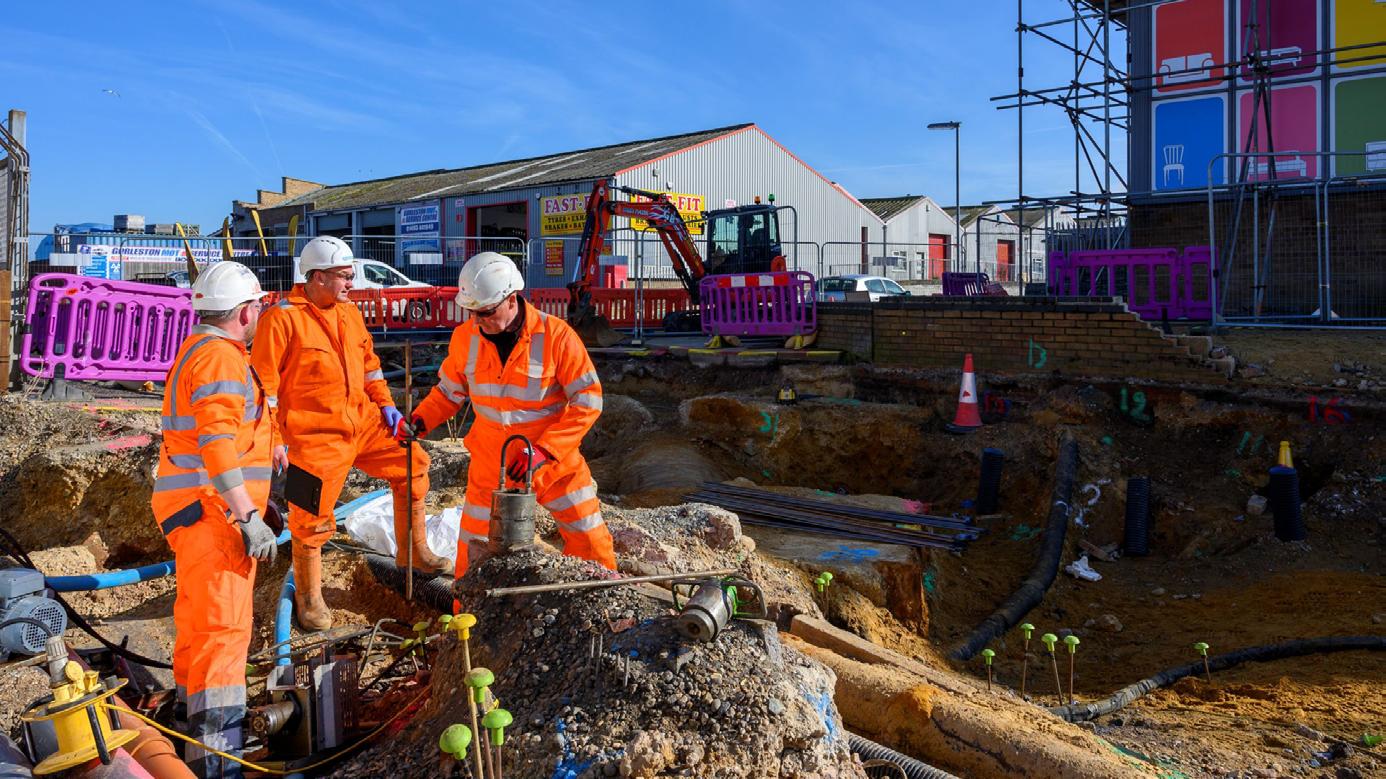
Alongside eradicating the need for heavy machinery and reducing waste production, geopolymers also offer lower environmental impact. A sustainability analysis by consultant KLH Sustainability identified a 46 per cent reduction in the carbon footprint of geopolymers compared with conventional techniques, offering contractors a method that supports net-zero pledges.
Pollution risks with geopolymers were also identified as lower in an environmental impact assessment conducted by ESI/Stantec. Leachability testing showed that groundwater would be able to flow through the resin without any hazardous substances or non-hazardous pollutants leaking into waterways.
A notable example of this approach’s effectiveness took place in Great Yarmouth, Norfolk, UK. A road and its surrounding sewer system experienced significant settlement, which had been caused initially by flash flooding. Located in a busy town centre, severe ground settlement resulted in sections of road and sewer pipes dropping by 100 to 200 mm, compromising their structural integrity.
The flash flooding, combined with the area’s very loose ground conditions, washed out unconsolidated soil around the pipe. As the surrounding soil weakened, sewer joints began to bow and fail, leading to further erosion and a cycle of leakage and ground loss. Traditional excavation was unfeasible due to the extensive disruptions it would cause, including the need for temporary works and prolonged road closures.
To restore stability, technicians injected geopolymer resin at depths down to 7.5 meters, reinforcing the soil and realigning the pipeline. The treatment’s effectiveness was confirmed through post-injection standard penetration tests (SPT), which showed a significant increase in soil density from 0–1 (very loose) pre-treatment, to 5–15 (medium) post-treatment. This threefold improvement ensured long-term stability and reduced the risk of future settlement.
Specifying CFA members for your flooring projects means you’ll be gaining a wealth of experience from vetted contractors with the knowledge and products to fulfil your specification with a sustainability criteria.
CFA members are part of a supply chain that includes specialist contract flooring contractors, manufacturers and distributors, all of whom promote the highest standards and expertise.




National Federation of Roofing Contractors (NFRC) has announced it is now accepting entries for this year’s Scottish Roofing Awards, which takes place on 30 October 2026 at the Grand Central Hotel, Glasgow.
Held annually, the ceremony is dedicated to the achievements of NFRC Members from across the Scottish region with categories open to all roofing disciplines, including:
• Bituminous hot applied liquid waterproofing
• Cold applied liquid waterproofing
• Fully supported metal
• Green roofing
• Heritage roofing
• Leadwork
• Mastic asphalt
• Multi-discipline project over £500K
• Rainscreen façades
• Reinforced bitumen membrane
• Roof slating
• Roof tiling
• Sheeting & cladding
• Single ply
• Solar
In addition, Members are encouraged to enter individuals for the Ronnie Forsyth Young Roofer of the Year Award.”
“It’s a real honour to host this event each year and give our members recognition for their achievements.


The British Board of Agrément (BBA) has launched the inaugural BBA Sustainable Innovator Award, a new initiative created to recognise construction products that show meaningful progress in sustainability and innovation.
The award reflects a growing need across the construction sector for future-focused innovation that is also demonstrably robust. With more manufacturers actively developing products designed to improve environmental performance, the BBA Sustainable Innovator Award plays a pivotal role in supporting progress that is underpinned by clear technical evidence and independent assessment.
Designed for manufacturers with sustainable and innovative products
already in production, the award opens up opportunities for these products to be adopted at scale. It provides a defined route into the BBA’s established certification process, supporting products as they move from development into wider specification.
Hardy Giesler, CEO of the BBA, comments, “This award has been launched to support manufacturers who are addressing sustainability challenges in a practical, evidence-led way. Innovation is fundamental to why the BBA was founded, and that continues to come through in the products we assess today. Over the years, we have seen a growing number of solutions that push the boundaries of performance and environmental impact, and it is important that these products can demonstrate performance and reliability for real-world applications.”
The winning product will receive access to a full BBA Agrément assessment, or HAPAS for civils products, covering scoping, certification and the first three-year cycle of standard planned maintenance audits, with an approximate value of £50,000.
Certification remains subject to meeting all relevant technical and procedural requirements, in line with established BBA protocols.
The BBA Sustainable Innovator Award was established to help manufacturers stand out for proven, sustainable innovation, through trusted industry recognition and access to rigorous independent assessment. For specifiers and stakeholders, it acts as a trusted marker of innovation that has been responsibly developed.
“Each year we welcome more guests along and the atmosphere in the room is incredible” says Scott Miller, Chairman of NFRC Scotland.
I really encourage all NFRC Scotland members to get their entries in this year, it’s a great opportunity to gain recognition and credibility across the sector. I’m already looking forward to the 2026 edition of the Scottish Roofing Awards and celebrating our members.
Entries are open until 31 July 2026 and there is no fee to submit a project.
All projects must have been completed between 1 August 2025 - 31 July 2026 and can be entered via the dedicated awards portal at www.bit.ly/SCOTRA26.
Remember, a project can only be entered once, and additional information can be found at nfrc.co.uk/scot-awards
Winners of the Scottish Roofing Awards automatically qualify for entry to the UK national awards, held the following year.
Hardy Giesler adds, “Independent assessment has always been central to the BBA’s role, with our work focused on giving the industry confidence in new products through rigorous assessment that resolves uncertainty before products enter the market.
“Through this award, we are looking to engage with manufacturers at an earlier stage, building on the work we do and accelerating support for credible, wellevidenced sustainability and innovation as the industry continues to evolve.”
The Sustainable Innovator Award is open to growth-ready manufacturers (specifically startups and small businesses) who are the original developers of the products submitted and who supply products for use in the built environment. The winning product will be announced at the CPA Autumn Lunch in November 2026, celebrating the shortlisted entries and overall winner at the key industry event.
To find out more about the awards scheme and how to enter, visit www.bbacerts.co.uk/sustainableinnovator-award
Registration is now live for elementalLONDON 2026, the UK’s dedicated show for advancing the efficiency of buildings, taking place from 25 to 26 November at Excel London.
Co-located with London Build Expo, the events will connect specification and building services professionals with the wider construction and sustainability communities.
With a key focus on the products, systems and expertise needed to improve performance across commercial, industrial and large-scale residential projects, elementalLONDON will cover key areas including HVACR, energy efficiency, retrofit, heat networks, smart building technology, compliance, decarbonisation and low carbon building services.
Visitors can now register for their FREE ticket which provides 2-day access to the latest technologies, products and insight shaping more efficient, higher performing buildings.
A major meeting place for the sector
The 2026 event will feature more than 650 exhibitors, bringing together major brands, innovators and specialist suppliers from across HVACR, building services, energy efficiency and construction.
The show is expected to welcome over 25,000 visitors including leading Building Services Engineers, Consultants, Developers, Contractors,
M&E Engineers, Architects, Policy Advisors, Housing Associations, Local Authorities, Facilities Managers, and Sustainability Leads, to name a few.
CPD content across 17 stages
The co-located events will host 900 speakers across 17 CPD stages, delivering practical insight into the biggest trends and challenges shaping the future of the built environment, from building performance and decarbonisation to regulation, retrofit and emerging technologies.
Key topics include Delivering Healthier Buildings, the UK Net Zero Carbon Building Standard, Social Housing Retrofit, Heat Networks in Practice, Decarbonising Industrial Buildings and much more.
Representatives from some of the UK’s leading organisations are already confirmed to speak as part of the 2026 conference programme, including: Royal Institute of British Architects (RIBA), NESTA, Building Engineering Services Association, HPA UK, AECOM, ADE Heat Networks, Mace, UKGBC, Buro Happold, Arup, Vistry, McLaren Group and more.
Secure your free ticket today
Join 25,000 built environment professionals at elementalLONDON, 25-26 November at Excel London to explore the latest solutions, hear from industry leading speakers and connect with the suppliers shaping the future of building performance.
Rising oil prices are making headlines across global markets but their impact extends far beyond the petrol pump. For the flooring industry, oil price volatility is increasingly shaping manufacturing costs, influencing material availability and redefining long-term value. At a time when homeowners, contractors and specifiers are under pressure to balance upfront budgets with lifetime performance, understanding this connection has never been more important.
From synthetic flooring materials to transport and logistics, oil plays a far more significant role in flooring than many realise. For Atkinson & Kirby, a UK-based specialist in engineered wood flooring, this link between global energy markets and everyday flooring choices highlights a broader shift: the need to think beyond initial purchase price and focus on resilience over time.
The hidden link between oil and flooring
Although real wood flooring is a natural, renewable choice, its journey from forest to finished product is still shaped by global energy markets. Oil is not only used as a fuel for manufacturing and transport; it is also embedded within the materials that underpin modern flooring production.
Petroleum-based inputs form the backbone of many industrial processes, including chemicals, resins and plastics used throughout the flooring supply chain. Even natural wood flooring is not entirely disconnected, with oil-derived components found in adhesives, lacquers, stains and protective coatings. As oil prices rise, the cost of these essential inputs increases, feeding through manufacturing and distribution networks.
For flooring systems that rely heavily on synthetic content, the exposure is even more direct. Products such as luxury vinyl tile (LVT) and laminate depend on PVC layers, plastic backings and stabilising resins that are


intrinsically linked to petrochemical markets. When oil prices fluctuate, these materials are among the first to feel the impact, leading to cost volatility across the value chain.
Many perceived “value” flooring options are now facing increasing cost pressure due to their reliance on petroleumderived materials. As oil prices rise, so too do production costs for these products, narrowing the price gap that has traditionally made them attractive on a short-term basis.
However, cost is only part of the picture. These materials are also typically associated with shorter lifespans, often requiring replacement within five to ten years. This creates a cycle of repeated investment that, over time, can outweigh the initial savings. In a volatile energy market, this cycle becomes even less predictable, with replacement costs and material prices both subject to fluctuation.
For contractors, homeowners and specifiers, this raises an important question: is short-term affordability still the most cost-effective option in a market defined by long-term uncertainty?
Engineered wood: stability in a volatile market
While engineered wood flooring is not completely immune to global cost pressures, it remains significantly less exposed to oil-driven volatility than fully synthetic alternatives. Timber is a physical, renewable resource, not a byproduct of oil refining, which gives it a degree of insulation from petrochemical price swings.
Atkinson & Kirby emphasises that engineered wood flooring represents a more stable long-term investment. Its value is driven by the durability and longevity of the material itself rather than the fluctuations of global oil markets. When properly maintained,
engineered wood floors can be sanded and refinished, extending their lifecycle and reducing the need for replacement.
This longevity fundamentally changes the cost equation. Rather than repeated expenditure on replacement flooring, customers benefit from a single, long-term installation that can adapt and evolve with the space over time.
In summary, oil price rises are reshaping flooring costs but not all materials are affected equally. Synthetic flooring products are highly exposed to oil market volatility, while engineered wood flooring remains one of the most resilient, stable and future-proof choices available.
For Atkinson & Kirby, the message is clear: true value is not defined by the lowest upfront cost, but by long-term performance, stability and sustainability. By choosing quality, natural materials backed
by UK expertise, customers can protect both their interiors and their investment against an increasingly uncertain global market.
As energy markets continue to fluctuate, material choice becomes more than a design decision, it becomes a financial and strategic one.



The increased use of AI in the construction sector is helping firms realise efficiencies, streamline processes and cut administration, with new software and technology driving growth. But what impact is the rise of digitalisation having on young people and their career prospects? David Lowe, CEO at the UK’s largest engineering surveyors, Survey Solutions, delves into why the industry must continue to invest in the talent of tomorrow alongside embracing digital advancements.
Artificial intelligence is impacting the whole economy at present, and of course the construction industry isn’t immune to these changes.
There are numerous benefits that companies can realise by leaning into the AI boom, including streamlining both the planning and reporting process, utilising new tools and programmes that can help with design and inform decision making, and finding bespoke solutions to construction problems that may previously have sapped time and money.
Indeed, the companies and individuals who welcome digitalisation rather than shun it will be best-placed to seize opportunities and not be left behind by forward-thinking competitors.
But before the sector races to implement AI tools across every aspect of its operations, it needs to ask a very important question: how will this impact tomorrow’s construction professionals?
By its very nature, construction is a hands-on discipline. For generations, the skills of people working in the sector


Ultimately, those starting out in their careers today are going to be the construction leaders of tomorrow.
have been built and honed by watching others, learning from peers and having expert knowledge passed down to them, with individuals often working their way up from an entry-level or apprenticeship position.
With the rise of AI, will young people get these same chances and experiences? Are they going to build the in-depth knowledge that practical, on-site working helps develop?
Because of this, as a sector we need to ensure we continue to invest in the construction talent of tomorrow.
Invest now before it’s too late
In construction and engineering related disciplines we’ve already seen firsthand how entry level roles are being replaced by AI.
But if people leaving education and considering their career prospects see this on a national scale, why would they choose a career in construction?
Collectively we need to make the industry more attractive to young people, and that means committing to offering apprenticeship and graduate programmes and taking on trainees.
Ultimately, those starting out in their careers today are going to be the construction leaders of tomorrow.
If there aren’t the opportunities for them to enter the profession, learn and grow – and they can’t see a pathway to a career in the sector – it will severely hamper the long-term future of a number of industries related to construction, engineering and manufacturing.
We simply won’t have enough people with the talent and know-how to keep the wheels of industry turning.
Of course, there is a middle ground to be found, however. The integration of AI alongside human expertise can help accelerate processes across the industry without necessarily reducing the need for people.
Instead, AI should be viewed as a tool that enhances productivity, enabling employees to work more efficiently and focus on higher-value tasks.
The digital revolution is here to stay, and businesses should take advantage of the economies of scale utilising AI effectively can bring.
But people need to remain at the heart of businesses as the sector enters a new phase of growth.
If we don’t invest in young people today, how will we create the construction professionals of tomorrow?

The construction & infrastructure sectors are entering one of the most significant investment periods in recent memory. And across the UK, billions of pounds are being committed to improving essential services, strengthening resilience and delivering the infrastructure needed for future generations.
However, alongside the challenge of delivering these ambitious programmes sits another equally pressing issue: finding the people needed to make them happen.
Skills shortages continue to affect projects across the construction sector. From site-based roles through to project management, planning and commercial functions, organizations are competing for an increasingly limited talent pool. And as a result, many businesses are beginning to look beyond traditional recruitment methods and explore new ways of attracting people into the industry.
One approach gaining momentum is the development of structured training programmes that create alternative routes into infrastructure careers.
A great example is in the Anglian Water’s @one Alliance, through their Project Delivery & Construction Operative Training School’s. This training programme was originally established back in 2022 to help identify talented individuals from a wide range of backgrounds including retail, hospitality and the sports sectors for example. And the aim is to provide them with the skills needed to build successful careers within the infrastructure sector through the school.
The most recent cohort saw fifteen trainees complete a 10-week programme and progress into permanent roles across the Alliance. Demand for places remains high, with 215 applications received for this intake alone, and just 15 selected.

Since its launch, circa 700 people have applied across both of our many project delivery and construction-focused training schools, which represents the high demand for people to move across and into the industry.
Importantly, many of those applying had never previously worked in construction, engineering or the water sector. Instead, the programme focuses on identifying individuals with the right behaviors, attitudes and potential. It recognises that many of the skills required within project delivery environments can be developed through structured learning, mentoring, and practical experience.
Beyond addressing skills shortages, the programme is also contributing to improved diversity across the sector. While women represent around 15% of the UK construction workforce, recent Project Delivery Training School cohorts have achieved female participation levels of 43% and 73%, demonstrating the impact of widening access routes.
And as the industry prepares sustained investment over the coming years, the importance of attracting, developing and retaining talent continues to grow. Initiatives such as the @one Alliance Project Delivery Training School highlight the role that structured development programmes can play in strengthening the pipeline of future professionals.
Ultimately, the success of major infrastructure programmes will depend not only on the projects delivered, but on the people equipped to deliver them. Creating accessible and effective routes into the industry will remain critical to meeting that challenge.
Scotland’s largest trade construction association, SELECT has elected the managing director of a third-generation Dundee electrical company as its 68th President.
Darren Crockett is Managing Director of RAS Crockett and Partners, a family firm of electrical engineers which has been operating successfully in the city since 1964.
The businessman was elected at the SELECT AGM and replaces Mike Stark,
who will become Immediate Past President after two years in the position.
David Harris, MD of Glasgowbased DMH Electrical Services, was elected SELECT Vice President at the same event, with Mike Campbell, Apprenticeship Programme Manager at Inverness-based RSE, the association’s new Depute Vice President.
Speaking in a new video to mark his election, Darren said: “I’m extremely honoured and excited to be taking over


as the new President of SELECT and it’s a privilege to be representing the Members of this historic and wellrespected association.
“It’s a great honour to take up this role at a time when SELECT is campaigning on a number of vitally important issues for the electrotechnical industry and wider construction sector. I’m now looking forward to raising awareness of regulation and promoting the importance of protection of title for the electrical industry, while at the same time helping to lobby the Scottish Government to secure more funding for apprenticeships.”
As a nine-strong family business, RAS Crockett, has built a strong reputation in Dundee and won Best Small Contractor at the SELECT Awards in Glasgow in 2014.
The thriving family business was founded by Darren’s grandfather, Bert – a Grade One football referee – who passed it to son Sinclair in 1974 when he retired.
Sinclair’s son Darren joined the company when he left school in 1986 and served as Chair of the SELECT Tayside Branch in 2013 before becoming Depute Vice President of the association in 2020 and Vice President in June 2024.
Darren, whose wife, Gill, sons Liam and Kieran and uncle Paul also work in the business, said: “It’s been a great privilege to work alongside outgoing President Mike Stark during my time as Vice President. I’d like to thank him for the invaluable insights and knowledge that he’s passed on to me and which I hope to use to equally good effect throughout my Presidency.”
At a meeting of their Council, Members of the Construction Industry Council (CIC) appointed Simon Rawlinson MRICS as their new Deputy Chair with immediate effect.
Subject to Council approval, Simon is expected to assume the role of Chair following the completion of current CIC Chair Ian Brant’s two-year term at the June 2027 Council meeting. In accordance with CIC’s rules and bylaws,
Ian will subsequently take on the role of Deputy Chair for a further year.
Simon is Head of Strategic Research and Insight at Arcadis, leading research, market intelligence and thought leadership across the UK and Europe.
He oversees a major portfolio of industry publications, providing insight on construction markets, infrastructure and sector transformation, and
Jonny Williams, Head of Operations and Maintenance at solar thermal innovator Naked Energy, has been appointed Chair of the Buildings Working Group at Solar Heat Europe, the Brussels-based industry body representing the solar thermal sector.
The Buildings Working Group focuses on solar thermal systems used in buildings ranging from residential properties and public buildings to hotels and commercial centres.
Jonny Williams will lead the group’s efforts to digitalise the sector and advise Solar Heat Europe’s general strategy for positioning solar thermal with other renewable tech. He’ll lead the industry’s efforts to ensure solar thermal is recognised within key EU legislation to decarbonise the continent’s heat.
This appointment further solidifies Naked Energy’s status as a leading player in the solar thermal industry. Its solar thermal collectors specialise in decarbonising heat in commercial and industrial buildings, and have received the coveted TÜV Rhineland certification.
The business is also backed by £17m from Barclays and E.ON and has projects in 10 countries, including the largest UK solar thermal project on the British Library.
Williams joined Naked Energy in 2021 as Strategy and Partnerships Lead,
has contributed to landmark UK programmes including HS2, Tideway and the Lower Thames Crossing.
Simon brings more than 30 years’ experience in the built environment, combining technical expertise as a chartered surveyor with a strong track record in strategy, industry collaboration and professional leadership. Simon previously held senior roles at Davis Langdon and began his career at Building Design Partnership.
Simon succeeds Dr Wei Yang OBE, who has served as Deputy Chair following her tenure as CIC Chair.
before becoming Head of Operations and Maintenance (O&M) in 2024. He leads the company’s O&M service, particularly the regular assessment of project performance through Clarity 24-7, the company’s industry-first tech monitoring platform.
The appointment comes at a pivotal time for the decarbonisation of heat. Currently only 26% of Europe’s heat is currently generated from renewable sources. Solar thermal is well-positioned to change this, with the European Commission recently singling it out as being key to reducing the continent’s dependence on fossil fuels.
Solar thermal is an important way of helping to reduce the cost of operating boiler and heat pump systems in industrial applications. Naked Energy research suggesting integrating solar thermal
can save British industrial businesses over £600,000 a year in operational expenditure, with an estimated payback of under 9 years and cumulative savings of over £14.5m over the 25-year lifetime of the installation.
Williams’ 20 years of experience in the construction and renewable energy sectors, with a background in engineering a nd environmental law, makes him well-placed to lead the industry’s efforts to ensure the EU recognises the vital role that solar thermal has to play.

Simon Rawlinson, said of his appointment: “I am delighted to have been appointed Chair Elect of the Construction Industry Council.
“Throughout my career, I have shared CIC’s commitment to professional excellence, collaboration and the collective advancement of the built environment.
“I strongly believe that CIC’s collaborative approach is essential to addressing the complex challenges facing our industry, and I look forward to working with colleagues across the sector to help move our agenda forward in a positive and inclusive way.”

Morgan Sindall Construction’s Northern Home Counties business has officially handed over the £18.5 million Imaging Centre to Milton Keynes University Hospital (MKUH) NHS Foundation Trust.
To mark the handover of the new facility, representatives from Morgan Sindall and MKUH NHS Foundation Trust visited the site. The visit included a short address from Malcolm Ormond, Programme Manager for Strategic Estates at MKUH, followed by a tour of the facility with end users, who welcomed the modern space that will bring a wide range of imaging services together in one place at the Trust.
Procured through the Pagabo framework and funded as part of the government’s New Hospital Programme, Morgan Sindall has replaced the hospital’s previous small MRI unit with a purpose-built two-storey facility which has officially opened its doors to patients.
The new centre includes two MRI rooms, two CT scanners, and six ultrasound machines, alongside dedicated bed space, changing areas, a reception, and a waiting area with a dedicated play area for young children. The tier one contractor has also constructed a new M&E plant room at roof level.
Designed to enhance both efficiency and patient experience, the facility supports faster diagnostics and a more comfortable environment for patients and staff alike.
In line with Morgan Sindall’s commitment to sustainability, the building incorporates air source heat pumps, while externally, a green roof and sedum roofing have been introduced to boost biodiversity and reduce rainwater runoff.
The team also took part in Morgan Sindall’s 10 Tonne Carbon Challenge,
working collaboratively across the supply chain to reduce carbon emissions by at least 10 tonnes. The project exceeded its target, achieving a saving of 26 tonnes of CO₂e, the equivalent of heating 13 UK homes for a year.
Delivered within a live hospital environment, the scheme required careful coordination to minimise disruption. To achieve this, the team undertook measures like strict delivery management, dust and noise monitoring, and the use of digital tools such as BIM and Oculo to track progress and maintain compliance to design and safety. Plus, Morgan Sindall used a tower crane in the small site footprint to safely install 15m long large façade panels while working next to strategic public roads and walkways.
Morgan Sindall also made a positive impact in the local community, delivering 25 hours of school and college engagement, supporting 12 apprentices, providing seven weeks of work placements, and contributing 64 hours of volunteering to local initiatives.
In support of the local economy, the project team prioritised nearby suppliers and contractors located within a 20-mile radius of the site.
To recognise these outstanding contributions, the Imaging Centre project has been shortlisted for a Considerate Constructors National Site Award.
Emma Curtis, Area Director for Morgan Sindall Construction in the Northern

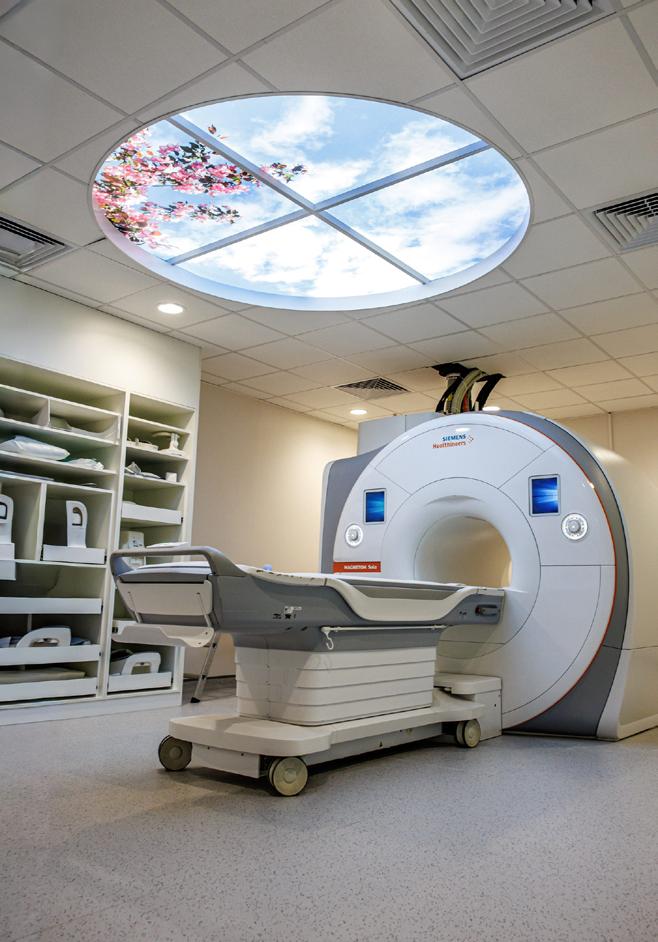
Home Counties, said: “Projects like this really show what can be achieved when you’re working closely with the Trust and the wider team from day one. We know how important these facilities are, not just for staff, but for every patient who comes through the doors, so there’s a real sense of pride in handing over a space that will make a genuine difference day to day.”
Rebecca Grindley, Programme Director at Milton Keynes University Hospital, said: “The completion of our new Imaging Centre represents a significant step forward in the development of our hospital infrastructure. This purpose-built facility has been carefully designed to support modern diagnostic technology, improve patient flow, and create a more comfortable and accessible environment for both patients and staff.”


Once in a while a product comes along and changes everything, from the way it’s crafted to the way it works. Products are often copied and many are great ideas that never really see true success in their application. Many years are spent searching for a product that will ultimately surpass expectations, stand the test of time and become recognised as the leader in its field.
We created one of those successful products nearly two decades ago and still today it has never been equalled.
Why?
Because we have never compromised on quality.
