In a world full of screens, endless scrolling, and algorithms deciding what we see, feel, and want, is it any wonder that we often find ourselves disconnected? Disconnected from the world around us. Disconnected from the Earth beneath our feet. Disconnected from our neighbors who are only a few feet away from us. Disconnected from our community. Gracias a Dios for communal spaces such as Viva Nutrition (530 Bandera Rd, San Antonio, TX), co-owned and operated by the dynamic hermana y hermano duo Evelyn Andry (she/they) and Chrys Niven (he/him). “We prioritize authentic communication. We prioritize true connection… If we can put connection before transaction, we will be very happy,” states co-owner Nevin, as he and Andry reflect upon their journey, their purpose, and their service rooted en conexión y comunidad. The name Viva came to the siblings as an unexpected gift from Evelyn’s partner Jon. Hay mucho poder en una palabra, mi gente. Y la palabra “Viva” acts as a mirror and daily reminder to their familia, their collaborators, and community members served on the Westside of San Anto. Viva is a call to live, to be present, to feel what is in your body instead of being lost in mental overload or survival mode. At Viva Nutrition, you will find delicious herbal-loaded teas, mouthwatering shakes and smoothies, hearty oatmeal, and my personal favorite: powerful protein waffles, as well as many more nutritious delectable items available. In addition to healthy, nutrient-dense options to fuel and balance our bodies, Viva Nutrition also offers donation-based community wellness workshops such as yoga, sound healing, the Children’s Open Art Studio, the Tender heArt’s Club for creatives, etc. “We can connect in many ways,” states dedicated mother and community advocate Evelyn Andry, “We can connect through our struggles, and also, we can connect through the things that bring us Joy.” And this is where ancestral wisdom meets modern wellness, honoring the abuelitas who healed with plants y remedios long before “wellness” became a Western trend, while inviting community into healing practices that align body, mind, and spirit as one through connection, through joy, through inspired creative flow. “When there’s inspiration, there’s ganas, and when there’s ganas, there’s energy, a life force… it doesn’t come from a place of survival mode. It comes from catching these inspirations, but for that to happen, you need to live in the present moment,” adds proud husband and entrepreneur Chrys Nevin. It takes ganas, mi gente. Ganas de sanar. And it is possible for us to heal con alegría, letting go of our outdated stories of survival and scarcity, opening the pathways for the abundance that already exists within us through presence. And you are invited to connect in this communal space, invited to bring your hope, your vision, your heart, and your creativity to life in collaboration with Viva Nutrition y Auanich’ipiri “Red” Rojas (they/them) this August for a mural en conjunto, a true testament to what is possible when we create mano a mano. Recuerden, mi gente: la Cultura Cura. Vivan. Vivan.
Address: 530 Bandera Rd, San Antonio, TX 78228
Phone: (210) 370-7778
Website: vivanutritionsa.com
FB: https://www.facebook.com/vivanutritionsa
Insta: https://www.instagram.com/vivanutritionsa/
Audiencia de Aviso y Comentarios
Proyecto de Permiso Núm.: O4791
Este es un aviso para una audiencia de aviso y comentarios sobre el Permiso Federal de Operación Número O4791. Durante dicha audiencia se responderán preguntas informales sobre el Permiso Federal de Operación y se recibirán comentarios formales. La Comisión de Calidad Ambiental de Texas (la TCEQ) ha programado la audiencia de aviso y comentarios sobre esta solicitud y proyecto de permiso como se indica a continuación:
Fecha: 17 de agosto de 2026
Hora: 7 p.m.
Ubicación:
Courtyard by Marriott San Antonio SeaWorld®/Westover Hills, Alamo-Concepcion Ballroom 11605 State Highway 151 San Antonio, Texas 78251
Teléfono de la ubicación: (210) 509 - 3700
Solicitud y Proyecto de Permiso. Vantage Data Centers TX11, LLC, 14720 Omicron Dr, San Antonio, Texas 78245-5131, una instalación de procesamiento de datos, alojamiento y servicios relacionados ha solicitado a la TCEQ una Emisión Inicial Renovación del Permiso Federal de Operación (en lo sucesivo denominado “permiso”) Núm. O4791, Solicitud Núm. 38602 para autorizar la operación de la Vantage TX 11, un procesamiento de datos, alojamiento y servicios relacionados instalación. El área mencionada en la solicitud se ubica en 14720 Omicron Dr en la ciudad de San Antonio, Condado de Bexar, Texas 78245-5131. La TCEQ recibió esta solicitud el 17 de julio de 2025.
La Directora Ejecutiva de la TCEQ ha completado la revisión técnica de la solicitud y ha preparado un proyecto de permiso el cual, de ser aprobado, codificará las condiciones bajo las cuales debe operar el sitio. Asimismo, la Directora Ejecutiva recomienda que se emita el proyecto de permiso federal el cual tiene como propósito mejorar el cumplimiento integral de las normas que rigen el control de la contaminación del aire a través del listado claro de todos los requisitos aplicables como se define en la sección 122.10 del Título 30 del Código Administrativo de Texas (30 TAC). Dicho permiso no autorizará nuevas construcciones o emisiones.
Audiencia de Aviso y Comentarios. La audiencia estará estructurada para la recepción de comentarios orales o por escrito de personas interesadas. Tanto la inscripción como un periodo de discusión informal con personal de la comisión se llevarán a cabo durante los primeros 30 minutos, en los cuales también se anima al público a realizar preguntas y a participar en una discusión abierta con el solicitante y el personal de la TCEQ sobre esta solicitud y proyecto de permiso. Las cuestiones planteadas durante este periodo solamente se abordarán en la respuesta formal a comentarios si dichas cuestiones también se presentan durante la audiencia. Tras la conclusión del periodo informal de discusión, la TCEQ llevará a cabo una audiencia de aviso y comentarios sobre la solicitud y el proyecto de permiso. Las personas pueden presentar comentarios orales al ser llamadas por orden de inscripción. A fin de garantizar que cada persona interesada cuente con tiempo suficiente para poder hablar, podría establecerse un tiempo límite de cinco minutos durante la audiencia. Aunque
no habrá discusión abierta durante la audiencia, miembros del personal de la Comisión estarán disponibles para hablar sobre la propuesta y responder preguntas después de ésta. El propósito de esta audiencia será la recepción de comentarios públicos formales que la TCEQ tomará en cuenta para determinar si es necesario revisar o emitir el permiso, así como determinar su precisión e integridad. Cualquier persona puede asistir y presentar comentarios orales o por escrito en esta audiencia, la cual se realizará de conformidad con la sección 382.0561 de la Ley de Aire Limpio de Texas, según lo codificado en el Código de Salud y Seguridad de Texas y en la sección 122.340 del 30 TAC.
Las personas con necesidades especiales de comunicación o que requieran otros arreglos especiales que planeen asistir a la audiencia deben comunicarse con el Programa de Educación Pública de la TCEQ mediante llamada sin costo al 1-800-687-4040 o bien al 1-800-RELAY-TX (TDD, dispositivos de telecomunicación para sordos) por lo menos cinco días antes de la audiencia.
Asimismo, cualquier persona puede enviar comentarios por escrito antes de la audiencia a la Oficina de la Oficial Mayor de la Comisión de Calidad Ambiental de Texas a la siguiente dirección: Texas Commission on Environmental Quality, Office of the Chief Clerk, MC-105, P. O. Box 13087, Austin, Texas 78711-3087, o bien electrónicamente en www14.tceq.texas.gov/epic/eComment/. Los comentarios por escrito deben incluir (1) su nombre, dirección, número de teléfono y (2) el número del proyecto de permiso que se encuentra en la parte superior de este aviso.
Se enviará por correo un aviso de acción final propuesta (que incluye una respuesta a los comentarios e identificación de cualquier cambio al proyecto de permiso) a todas las personas que hayan presentado comentarios por escrito o solicitudes de audiencia, hayan asistido a la audiencia o hayan solicitado ser parte de la lista de correo para esta solicitud. Este aviso por correo también contendrá instrucciones para peticiones públicas a la Agencia de Protección Ambiental (EPA, por sus siglas en inglés) para poder solicitarle que se oponga a la emisión del permiso propuesto. Después de recibir una petición, la EPA podría oponerse solamente a la emisión de un permiso que no cumpla con los requisitos aplicables o con los requisitos del Capítulo 122 del 30 TAC
Lista de correo. Además de enviar comentarios públicos, una persona puede enviar una solicitud para ser parte de una lista de correo de esta solicitud a la Oficina de la Oficial Mayor de la TCEQ a la dirección antes mencionada. Aquellas personas en la lista de correo recibirán copias de avisos públicos futuros para esta solicitud de parte de la Oficial Mayor (si es que los hay).
Información. Para más información sobre esta solicitud de permiso o el proceso de tramitación de permisos, favor de comunicarse con el Programa de Educación Pública de la TCEQ por correo a la siguiente dirección: Texas Commission on Environmental Quality, Public Education Program, MC108, P.O. Box 13087, Austin, Texas 78711-3087 o mediante llamada sin costo al 1-800-687-4040. Es posible consultar información general sobre la TCEQ en www.tceq.texas.gov. Para información en español, favor de llamar al 18006874040.
Para obtener más información sobre Vantage Data Centers TX11, LLC, favor de comunicarse con Emily Weissinger, Principal al (602) 734-7739.
Fecha de emisión de este aviso: 17 de junio de 2026
Jacinto Guevara’s Art Documents Barrio Life in the Cheech Museum and Dock Space Gallery
By Ricardo Romo, PH.D
Chicano art originated in the late 1960s and early 1970s as a means to fill an artistic void in American art. Artistically, the Chicano artists painted murals that protested the Vietnam War, promoted the United Farm Workers’ labor movement, and challenged their status as second-class citizens living in a world filled with racial and ethnic inequality and social injustice. Geographically, Chicano art had many points of conception, but among the more prominent areas were San Diego and Los Angeles in California, San Antonio and South Texas, the San Francisco Bay Area, and the Midwest area surrounding Chicago
Today, art lovers can appreciate the evolution of Chicano Art over the past fifty years by viewing exhibitions at the Cheech Museum in Riverside, California. On May 30, 2026, the Cheech Museum opened a splendid new show, We the People: Chicano Art in the U.S.A. curated by artist Benito Huerta with Cheech Marin’s conceptual contributions. Benito Huerta commented that the exhibit recognizes Chicanos as an important segment of the American experience. He wrote: “We are integral to the fabric of our country: the
culture, the politics, the social strata, the economics, and, of course, American art. We’ve been here since Aztlán, since Mexico, through shifting borders and histories, and now within these United States.” Huerta added that while “we are still challenged as to where our home resides, our home is here. Our life is here. Our destiny is here no matter what anyone says.” Huerta chose sixty-one Chicano artists for the We the People exhibit, displaying 126 works of art. He noted, “The most pressing concerns we are wrestling with are identity, migration, and immigration, in which we are often perceived as criminals to be rounded up like the usual suspects, detained and deported.” Artists who chronicled the Chicano urban experience were also selected and featured. Among them is Jacinto Guevara of San Antonio, Texas. A simultaneous exhibition of Guevara’s artwork is in Texas, at San Antonio’s Dock Space Gallery owned by artist Bill Fitzgibbons. The Gallery in San Antonio’s Lone Star Art District is best understood as an artist-run space devoted to contemporary art and to giving local and Texas-based artists a visible platform in a neighborhood arts setting. Guevara chose Dock Space because the gallery functions as part of a larger creative ecosystem in Southtown: a place where artists, visitors, and the community can gather around new work, shared conversation, and regional artistic production. At the same time, the gallery fits into the Lone Star District’s wider vision of becoming a walkable, mixeduse cultural destination that honors the neighborhood’s historic character while adding art, open space, and pedestrian-friendly public life. Guevara was born in Los Angeles and moved to La Puente, California soon after his birth. At age six, his family to the Maravilla Housing Projects in East Los Angeles. Guevara grew up drawing on scraps of paper,
encouraged by his parents but largely selftaught. Reflecting on his early development, he told me, “The best of the early drawings were simple ‘studies’ of the world around me plus many fantasies. These drawings were never considered to be a product of ‘Art.’ I didn’t consider making ‘Art’ until 1974.” Coming of age in the early 1970s, Guevara was shaped by the emergence of the Chicano art movement, particularly the mural culture of East Los Angeles. As a teenager at Belmont High School, he witnessed the rise of public art tied to community activism, including murals associated with United Farm Workers and the work of early East L.A. muralists such as David Botello and Ignacio Gomez. In a recent interview, Guevara recalled becoming “obsessed with the Chicano illustrative motif which included Indigenous design and history, vato loco/street iconography and the great Mex ican muralists.” This visual language, rooted in Chicano cultural identity and public expression, remained central to his artistic outlook.
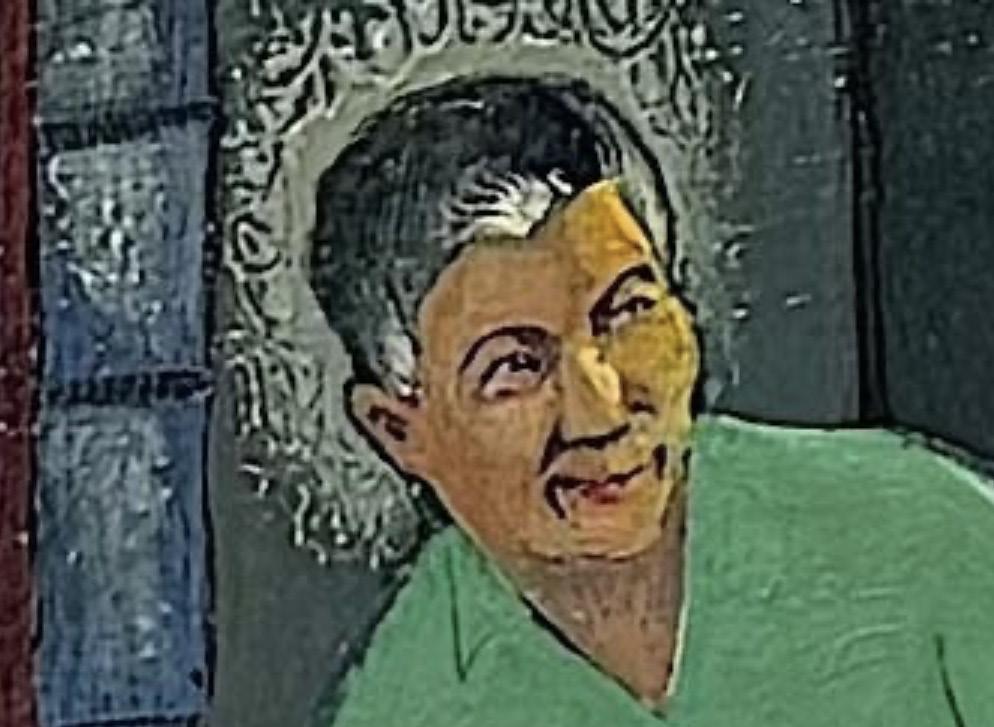
Jacinto Guevara, “Cameo Theatre.” Courtesy of the artist. Photo by Ricardo Romo.
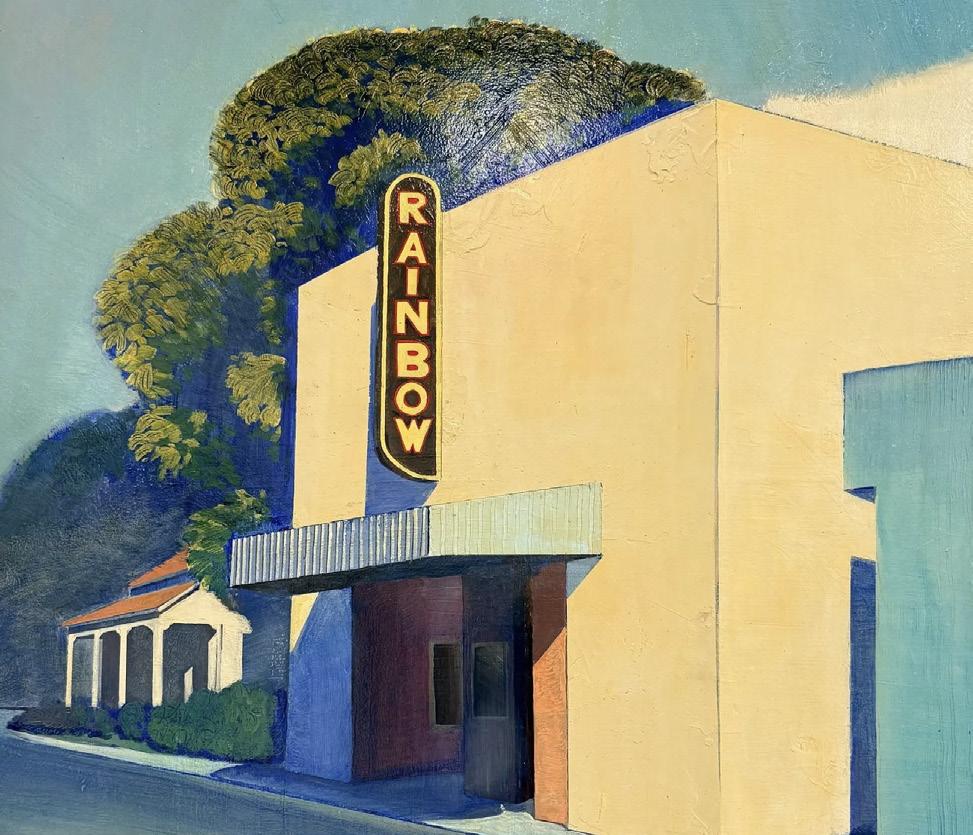
Jacinto Guevara, “Rainbow.” [Castroville, Tx.] Courtesy of the artist and Dock Space Gallery. Photo by Ricardo Romo.
In 1975, Guevara enrolled at California State University, Northridge (CSUN) majoring in Ethnic Studies during a formative period for Chicano Studies programs. Guevara contributed artwork and cartoons to El Popo, the Chicano student newspaper, while also pursuing music. Under the guidance of Professor Beto Ruiz—who lent Guevara his first accordion—Guevara developed as an accomplished acordeonista, performing with Los Angeles bands for over a decade. During this period, painting remained secondary, though Guevara continued to produce drawings and canvases and remained closely connected to the evolving Chicano art scene. Guevara’s trajectory reflects the historical currents of the 1970s, a decade that witnessed the rise of Chicano cultural expression alongside major social and political transformations in the United States. From student walkouts and farmworker victories to the institutionalization of Chicano Studies, this era shaped a generation of artists who saw their communities and histories newly affirmed in visual form.
Despite his deep engagement with Chicano visual culture, Guevara encountered limited access to galleries and markets in Los Angeles. His first big art breakthrough came in a 1990 group exhibition at B-1 Galleries in Santa Monica—alongside artists like Frank Romero, Wayne Alaniz, and Paul Botello. Guevara’s inclusion in the exhibit, however, yielded little commercial success. Facing these financial constraints, and drawn by both affordability and a vibrant Mexican American cultural environment, Guevara relocated to San Antonio in 1992. There, he balanced a dual career in music and visual art, refining his accordion performances within the city’s competitive conjunto scene and continuing his painting. San Antonio proved crucial in sustaining Guevara’s career. The city’s lower cost of living enabled him to support himself as an artist while local support networks—including collectors and public initiatives like a San Antonio 1999 Percent for Art commission—provided visibility and validation. His work, he reminded me recently, has entered important local collections, including those supported by us [Harriett and Ricardo Romo], donations to St. Philip’s College and the San Antonio Public Library, and of course, the Cheech Museum in Riverside, California. In San Antonio, Guevara developed the body of work for which he is best known, his “Urban Landscapes” series. Working primarily from life rather than photographs, he depicts modest homes, aging infrastructure, and overlooked streetscapes in both Los Angeles and San Antonio. His subjects, historical and weathered buildings and everyday residences, reflect a deliberate focus on environments often excluded from aesthetic celebration. As he noted of such structures, they “weren’t necessarily pretty,” yet they carried meaning and quiet visual power. His approach aligns with a broader philosophy that values authenticity over stylization, extending as well to portraiture projects based on direct observation. Through his depictions of San Antonio’s historic neighborhoods, abandoned train yards, modest homes, and landmarks like the original
Liberty Bar—Guevara contributes to a form of cultural preservation parallel to the efforts of local architects committed to historical conservation. Guevara’s painting of the Cameo Theatre, located on East Commerce Street, is part of San Antonio’s Eastside story of racial segregation. I am especially fond of his painting of “Porfirio Diaz,” the ex-Mexican President’s home in the South Flores community. I noted to Guevara that the house actually belonged at one time to ex-Mexican President Venustiano Carranza, who had family in San Antonio and may have kept a second home in San Antonio.
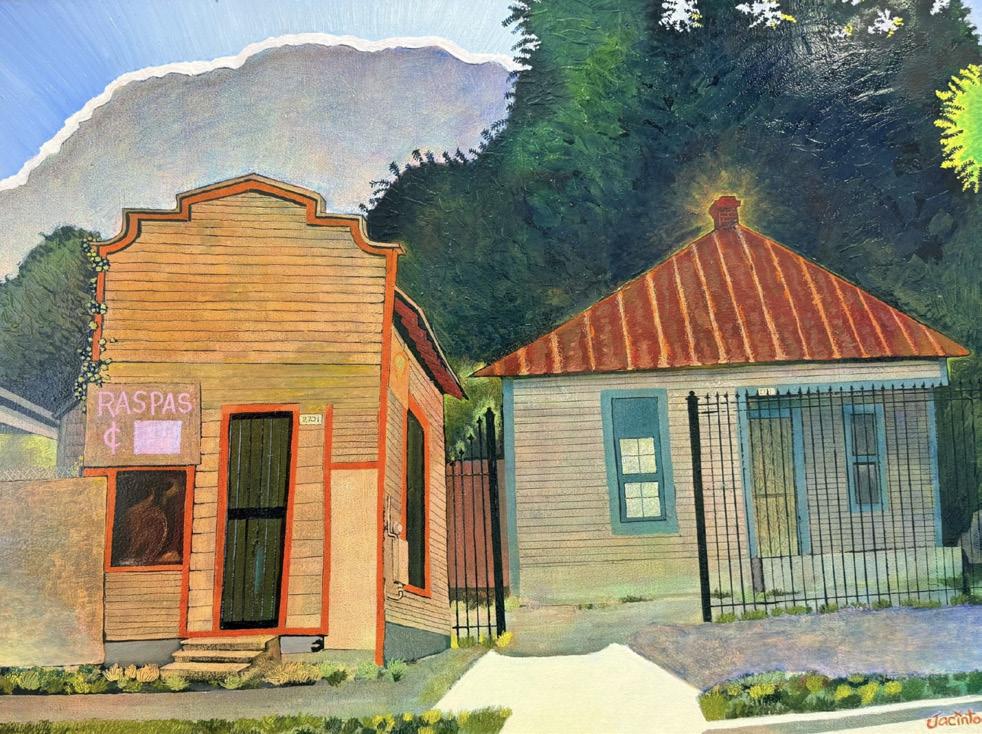
While I am familiar with Guevara’s painting of the old “Raspa” store on South Flores, I did not initially recognize the meaning of his painting “Project Marvel.” I learned in talking with him that the painting depicting the tearing down of a building dealt with the destruction of the UT San Antonio Institute of Texan Cultures building to allow construction of a new Spurs Arena. Guevara loves historical structures, and his paintings of the “Devine Mill” and the “Rainbow Theatre” in Castroville, Texas, are beautifully executed. Across decades of painting and music, Guevara has maintained a consistent commitment to discipline, humility, and community. Every artwork undertaken since he began painting has been completed in Plein Air, none from photographs.
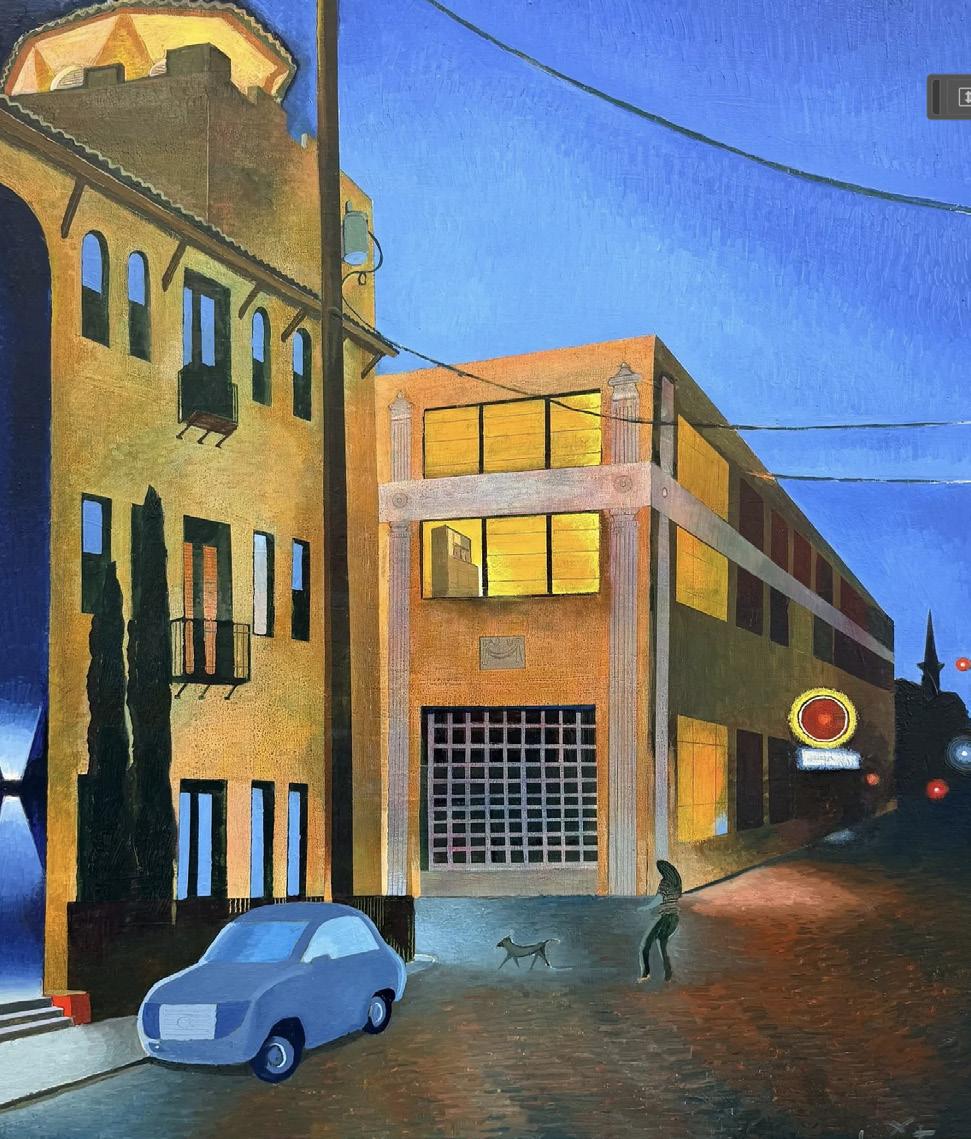
Jacinto Guevara, “Gabriela and Maggi.” [Cadillac Lofts] Courtesy of the artist and Dock Space Gallery.
Photo by Ricardo Romo.
Jacinto Guevara, “Raspas, 2731 So. Flores.” Courtesy of the artist and Dock Space Gallery. Photo by Ricardo Romo.
Curanderismo: A Mexican Cultural Legacy
By J. Gilberto Quezada
Yvette, in your latest column of July 5, “Let’s Talk About It: Rediscovering the Healing Wisdom of Curanderas,” I found myself deeply moved and inspired. Your column and the comments beautifully captured the essence of a tradition that is both timeless and profoundly relevant today. I truly enjoyed reading your reflections and the way you honored the curanderas’ role in preserving cultural and spiritual well-being. It is in that same spirit of appreciation that I would like to share my own story, Curanderismo: A Mexican Cultural Legacy, a personal journey into the heart of this healing tradition and its enduring place in our heritage. Curanderismo (folk healing) is an integral component of the fabric that is very much a part of the Mexican American cultural, social, and historical heritage. My paternal grandmother, Doña Emilia, or Memia as we fondly called her was a curandera (healer). Her older sister, Doña Ester, was a renowned curandera in Nuevo Laredo, Tamaulipas, Mexico, where she lived with her husband Don Manuel Ibarra. Both women were highly respected in their communities for their reputation of healing the sick. Doña Ester wanted us to call her Mamá Ester, but in our developing sense of hearing since we were small children, the name sounded like Mamá Tay, and so that became her sobriquet. Their house was located at the corner of Degollado and Gutiérrez and across the street on Degollado, my parents and my older siblings Peter and Lupe lived before crossing the Río Grande and immigrating to Laredo, Texas.
This was in the early 1940s, so I was not born yet. When my siblings and I were growing up in the barrio El Azteca in Laredo, Texas, during the late 1940s and early 1950s, my mother learned many home healing remedies from both Memia and Mamá Tay. So, on very, very rare occasions that Mamá had the neighbors (Tencha or Conchita), who had a telephone, call Dr. Raúl de la Garza to make a house call. He seemed tall, and of medium built, and was always well groomed and impeccably dressed with a coat and tie. All the people in the barrio knew the good doctor was in the neighborhood because of his long and dark blue Cadillac that barely made it through the narrow unpaved streets. Dr. de la Garza wasn’t even called when I was born. It was customary in the barrio El Azteca that babies were born at home with the assistance of a mid-wife. Only the middleand upper-class families could afford to have their children born at Mercy Hospital. In my case, the mid-wife saved my life. Instead of coming out normal, I somehow got twisted inside the placenta and ended up feet first. And the umbilical cord got tangled around my ruddy head and neck. I never knew who she was and now I am sorry I didn’t ask Mamá about it so that I could have met her in person and offer my sincere gratitude. Whenever I had a cólico (stomach ache), Mamá boiled the leaves of the Estafiate plant (Mugwort) and gave them to me in the form of hot tea. She grew this plant behind the house, in the small backyard. Surprisingly, the pain went away. She also had great faith in the Arnica, another herb that she used for bruises
and cuts. And, Mamá used these two herbs very effectively well into my high school days. When I had an empacho (indigestion), Mamá placed an egg on the stomach and moved it around until I would tell her the area where the discomfort was located. She would then crack the egg and covered it with strips of cloth. The empacho caused diarrhea and loss of appetite. I felt like something was stuck in the stomach or was blocking the intestines. Mamá told me that I was eating too quickly and not digesting the food properly. If at the end of the day, I was still aching, then Dr. Raúl de la Garza was summoned. He had an innate nervous twitch of turning his head from side to side, as if slowly saying, “No.” Mamá was afraid of asking him how I was doing. Nonetheless, as a last resort, he came and with a calm expression on his face, he gently removed each sticky strip of saturated cloth to check my stomach. Now, my two siblings and I affectionately called our paternal grandfather Pana instead of his real name Don Cipriano Juárez. Pana claimed that he had a special God given gift--a don, for curing people of the mal de ojo (the evil eye). His remedy, which I personally witnessed, was quite an experience for a six-year-old. Pana was also the only member of the family who claimed to have supernatural powers to give the evil eye, which was not done with a malicious intent. Whether it was true or not, nobody dared questioned him. On the contrary, he had our utmost respect. According to what I heard from Mamá of this phenomenon, if Pana was attracted by another human being or by a material object, then he
needed to touch it. Otherwise, the affected person got sick with fever, body aches, and vomiting or the ornate vase broke into little pieces. One afternoon, Mamá started complaining about severe pain in her lower extremities. Memia stopped by to visit and Mamá told her about her discomfort. Immediately, she exclaimed in a loud voice, “Alguien te hizo ojo!” (“Someone gave you the evil eye!”). Mamá tried to recall who had visited her during the day, or when she was outside hanging the clothes to dry maybe someone passing by might have seen her. Then, Memia said, “As soon as Pana comes home from work, I will have him come over right away.” When he arrived, he asked Mamá to lay down on the small bed. He gently brushed her legs with a bundle of leaves while in sotto voce, he recited some incantation in Spanish. Then, he swept her legs with an egg and afterwards cracked it and placed it on a small plate with water with two broom sticks in the form of a cross over the yolk and placed it under the bed. He said that when the yolk breaks, she was well because the egg was supposed to take the evil spirits away from Mamá. We all sat in the kitchen waiting. About an hour later, Mamá was standing by the doorway, smiling and saying that the pain had gone away. On several occasions, Mamá Tay came to the house to cure my sister and Mamá of susto, which occurred when they became frightened. She told Mamá that when this happened, the spirit is temporarily separated from the body and needs to be reunited. I vividly remember that she asked Mamá to lay on the small bed and then pro-
ceeded to sweep her body with a bundle of herbs while simultaneously reciting an incantation in Spanish. This ritual was repeated for three consecutive nights. I clearly recall one time when I became a victim of susto. This occurrence happened in 1950 and I was four years old. On a hot Saturday afternoon, Pana and I were walking from Nayo’s Grocery Store on Iturbide Street to our house at 402 San Pablo. We were walking on the Arroyo del Zacate bridge when I stuck my head between the concrete pillars to see if there were any fish in the creek. When I wanted to leave, I could not get my head out. Naturally I panicked and became very frightened. My grandfather tried to pull me by different body parts, but to avail. He ran for help and in the meantime, I was giving my small behind to the vehicular traffic that was going by. I was really scared. A commotion soon ensued with people from the neighborhood coming over to see what was going on. Finally, someone brought a bucket of water with plenty of soap and threw it over my head. Voila!--my head slipped off with no problem, and Pana rushed me home to start the treatments for susto. In this photograph, taken by Jo Emma in 1995, I am pointing to the elongated and narrow opening on the concrete rail of the Arroyo del Zacate bridge, facing north, where I stuck my head forty-five years ago. Even without having a black and white television set or a telephone in our home to call our friends, there was never a dull moment growing up in the barrio El Azteca.
Harrison Y Brittany Barnes Inauguran En Saltillo Dos Canchas De Baloncesto
Por Franco
En boletín oficial de prensa la empresa SS&E, propietaria del pentacampeón equipo Los Spurs, anunció sobre su participación en el desarrollo de su agenda internacional de mercadeo con entidades asociadas en expansión. Ahora en su se-
gundo año consecutivo apoyaron la iniciativa de su delantero Harrison Barnes, y su esposa Brittany, quienes con su “The Harrison and Brittany Barnes Community Fund”, en colaboración con la Fundación Spurs Give, en conjunto con el gobierno municipal de Saltil-
lo, Coahuila que preside el alcalde Javier Díaz, se dieron a la tarea en el proyecto de emodelación en dos canchas de baloncesto ubicadas en sectores populares donde tras su apertura la comunidad deportiva juvenil tendrá espacios adecuados para la práctica del baloncesto. Ahora ya son cuatro canchas remodeladas bajo los protocolos de ambas entidades que están disponibles para seguir trabajando unidos en la promoción para que la comunidad de Saltillo, continúe adelante en el desarrollo del deporte ráfaga. A la vez las remodelaciones también apoyan las actividades de la comunidad fu-
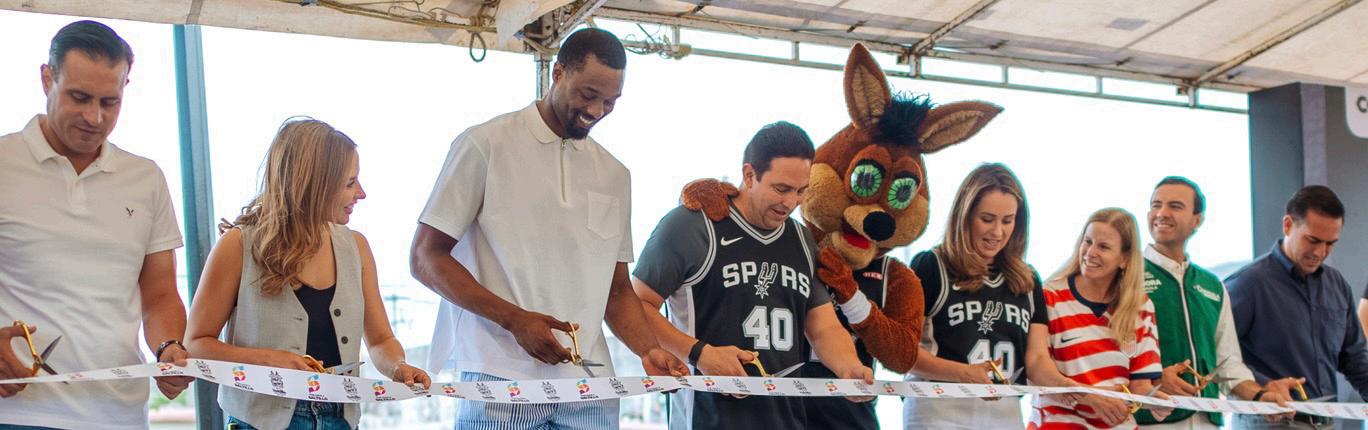
tbolística y programación de actividades comunitarias. “La gente de México y su cultura, tiene un lugar especial en mi corazón. Así por igual en la organización de los Spurs”, dijo Harrison Barnes. Con el apoyo de funcionarios del municipio de Saltillo, la delegación de Spurs realizó corte de listón en ambas canchas, en
las que participó la mascota The Spurs Coyote, posteriormente la Spurs Sports Academy realizó interesantes clínicas en habilidades del deporte ráfaga, que fue el máximo evento para concluir con éxito las aperturas de ambas canchas.
(Fotos de cortesía SS&E).
By Celinda De La Fuente
Running Toward the Fire Priscilla Sanchez Hurt
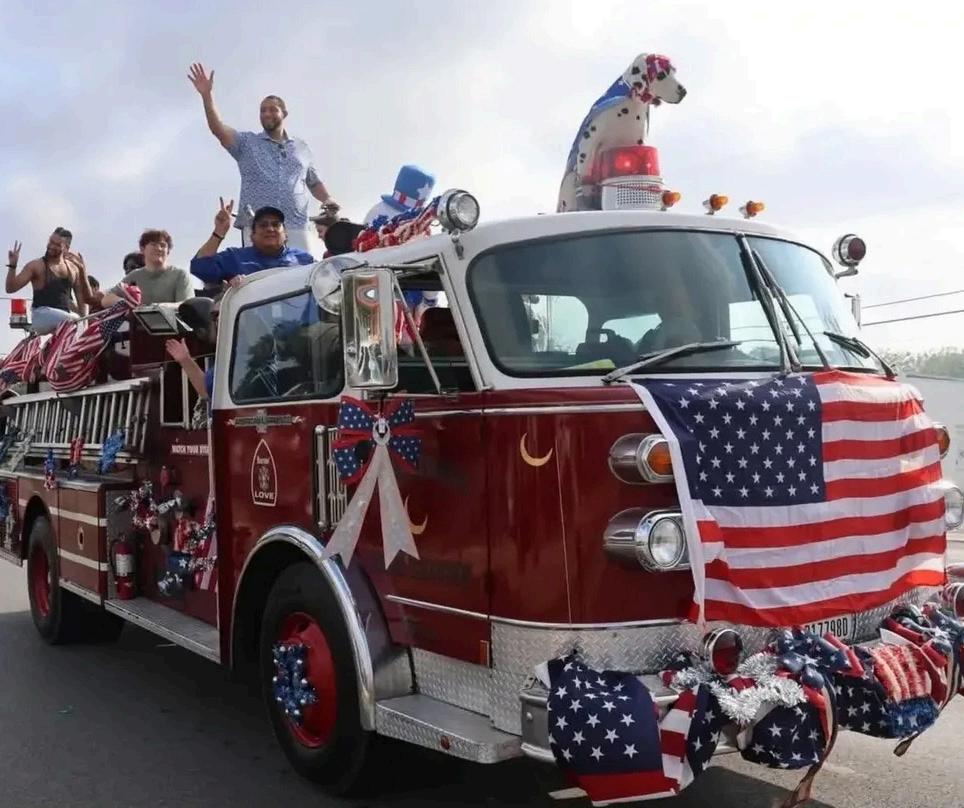
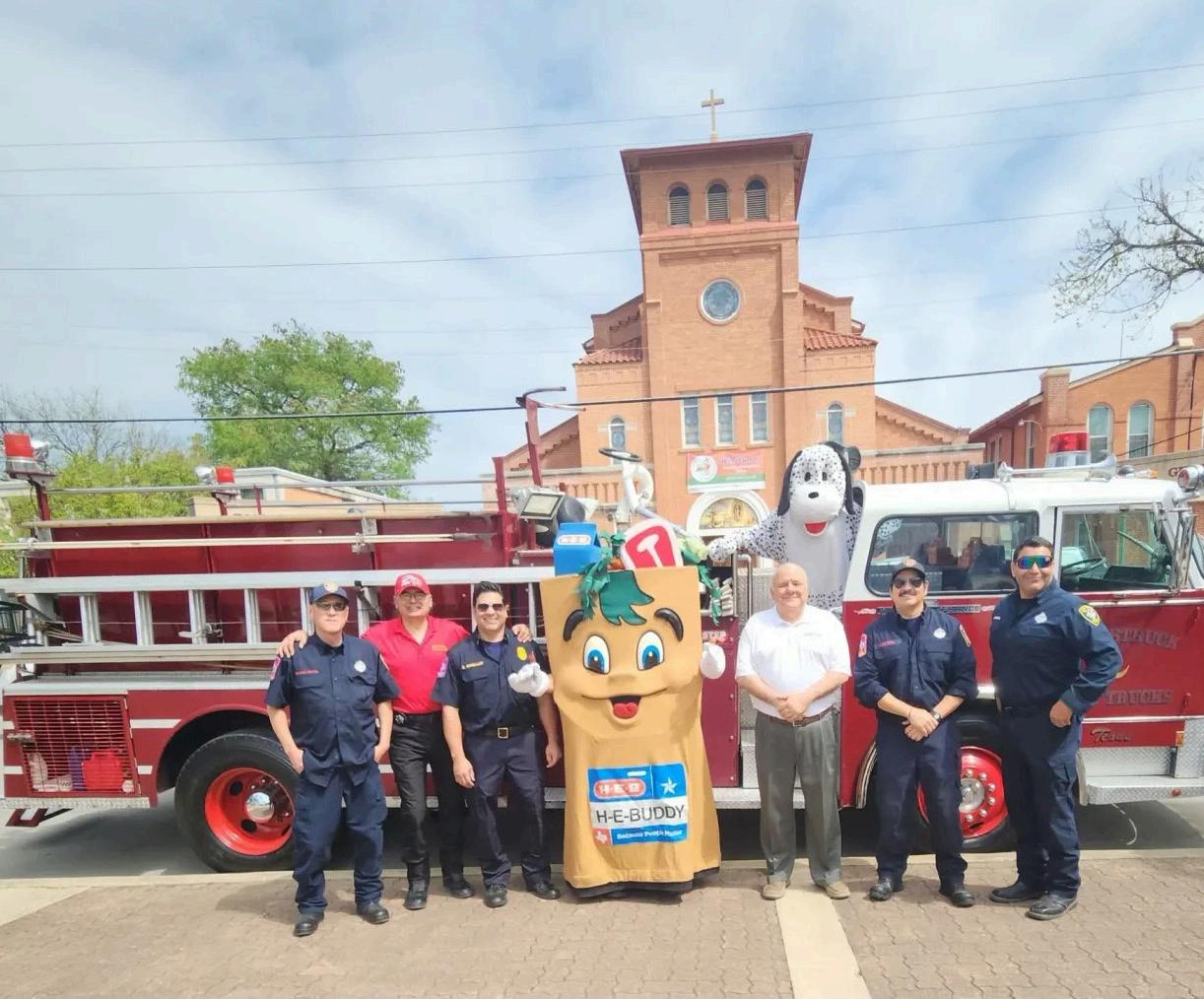
Real power is not something we run out of. It is not the last slice of Texas pecan pie, mi gente. When power is shared with purpose, it grows. Still, many women have been taught the opposite. We have been taught to protect opportunities, guard contacts, and look at another woman’s success like it somehow takes away from our own. We have seen it in offices, nonprofits, organizations, and even within our own communities. Too often, women are told there is only room for one: one Latina in leadership, one woman at the microphone, one business owner, one voice. But what if we stopped fighting for space at someone else’s table and started building something better together? That is the heart of We the Women, the movement La Prensa Texas is helping carry forward. It is not about pushing anyone out. It is about opening the doors wider. It is about creating a sacred circle where women support each other, share what they know, and understand that another woman’s success can be a sign of what is possible, not a threat. Priscilla Sanchez Hurt has lived that kind of leadership for more than 20 years. A proud South Side San Antonio native and John Jay High School graduate, Sanchez Hurt founded the Moonstruck Foundation in 2004. What began as one woman’s calling to serve grew into a mission that has touched children, families, seniors, and neighborhoods across San Antonio. Many people recognize her by the bright red antique fire truck that has become the heart of her foundation. Children light up when they see it. Families gather around it at community events. Seniors smile when it rolls into care centers. The truck teaches fire safety, but it also delivers something just as important: joy, connection, and hope. Keeping that mission alive has not always been easy. Like many community leaders, Sanchez Hurt has faced limited funding, long hours, and moments when the work felt heavy. But she believes one of the biggest challenges in service is not always money. Sometimes, it is the walls people build around themselves. “I think it’s the territorial part that needs to have the walls come down,” Sanchez Hurt shared. “Sometimes people, even in the nonprofit world, don’t want to share who their contacts are. They’ve already gone down that path and made mistakes, and they could be helping each other be more successful. But a lot of times, people feel like, ‘You figure it out yourself. I had to figure it out myself, too.’ I think we would have much more success if we helped each other with our missions.” Her words are a powerful reminder that generosity is not only about writing a check. Sometimes generosity is sharing a phone number. Making an introduction. Offering advice.
Warning someone about a mistake you already made. Opening a door that someone once opened for you. That is where the firefighter spirit comes in. When another woman is struggling, we should not stand back and watch the flames rise. We should run toward her. Bring water, not gasoline. Ask, “How can I help?” instead of quietly hoping she fails. That kind of support does not weaken us. It strengthens the whole circle. “The first thing about community service and giving back is, it is not about you,” Sanchez Hurt said. “It is about the cause and the purpose. If people can remember that, at the end of the day, you’re out there to meet your mission statement.” That sense of purpose has guided her even when the easier choice would have been to compromise. Sanchez Hurt remembers being offered $5,000 to use her antique fire truck for a media shoot that did not align with what she represented. At the time, the money could have helped keep the truck running. But the request did not sit right with her spirit, so she said no. “I thought I definitely could use that money,” she recalled. “But I want to be respected. When you do this work, always stay respectful of what you represent.” That is leadership. Not the kind that needs a title, a spotlight, or a fancy room. It is the kind that makes a hard decision when no one is watching because the mission matters more than the money. For Sanchez Hurt, service is rooted in faith, love, and purpose. “I think that success comes from within,” she said. “If more people can love themselves, then it is easier to get along with others. You feel successful because you have inner strength. Your God-given purpose, your God-given mission, that in itself gives us strength.” You can see that strength in the way she shows up. You see it when she puts on a heavy Dalmatian costume to dance with children with autism and special needs. You see it when her 91-year-old mother, despite severe arthritis, sits at a sewing machine to make a custom “Silver Santa” costume so forgotten seniors can feel seen, remembered, and loved. That is community service in its purest form. Not just programs. Not just events. Not just photo opportunities. It is the small, faithful acts of love that remind people they still matter. And maybe that is what our communities need more of right now. Less gatekeeping. Less jealousy. Less “I had to struggle, so you should struggle too.” More sharing. More mentoring. More opening doors. More women saying, “Come with us. There is room.” Priscilla Sanchez Hurt’s story reminds us that purpose does not have to be complicated. Sometimes it looks like a fire truck. Sometimes it looks like a costume. Sometimes it looks like a mother sewing with tired hands. Sometimes it looks like a woman choosing integrity over a check, And sometimes it looks like a circle of women deciding we are no longer going to compete for crumbs. We are going to build together. We are going to support loudly. We are going to remember that when one woman rises with honesty and purpose, the whole community can rise with her. The circle is already forming. There is room for all of us.
By La Prensa Texas Staff
Walmart Community Event Celebrates America’s 250th
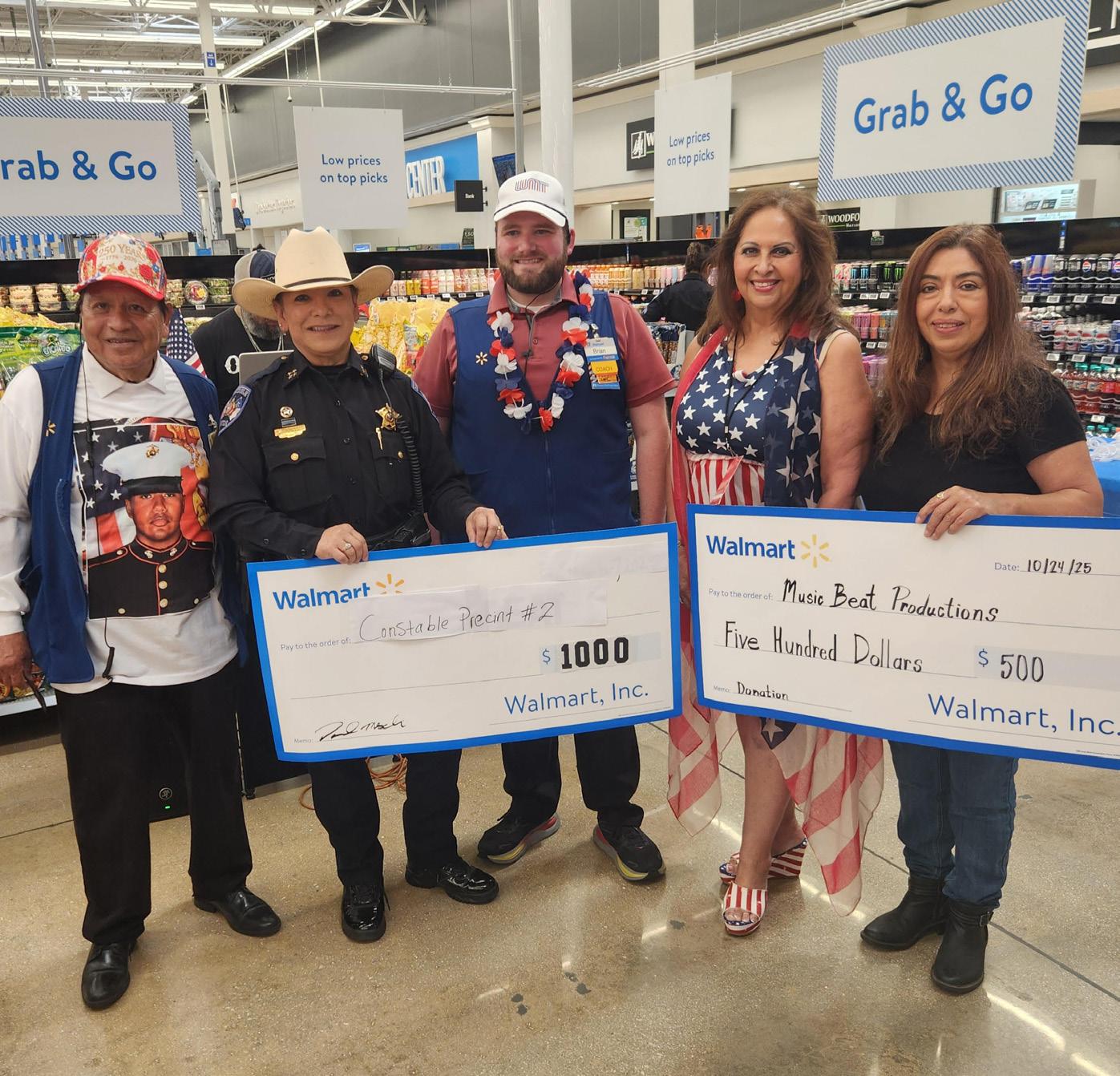
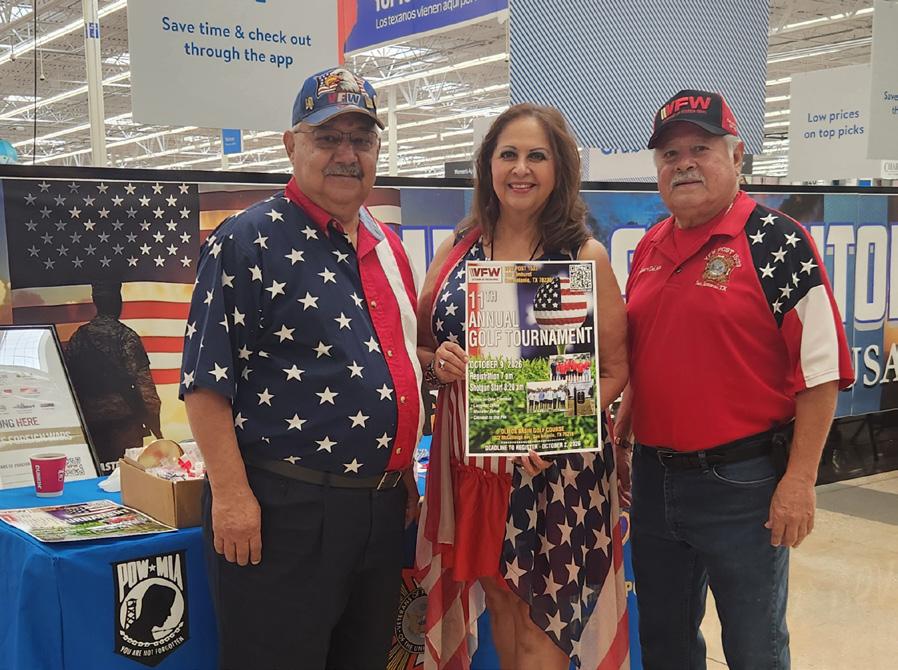
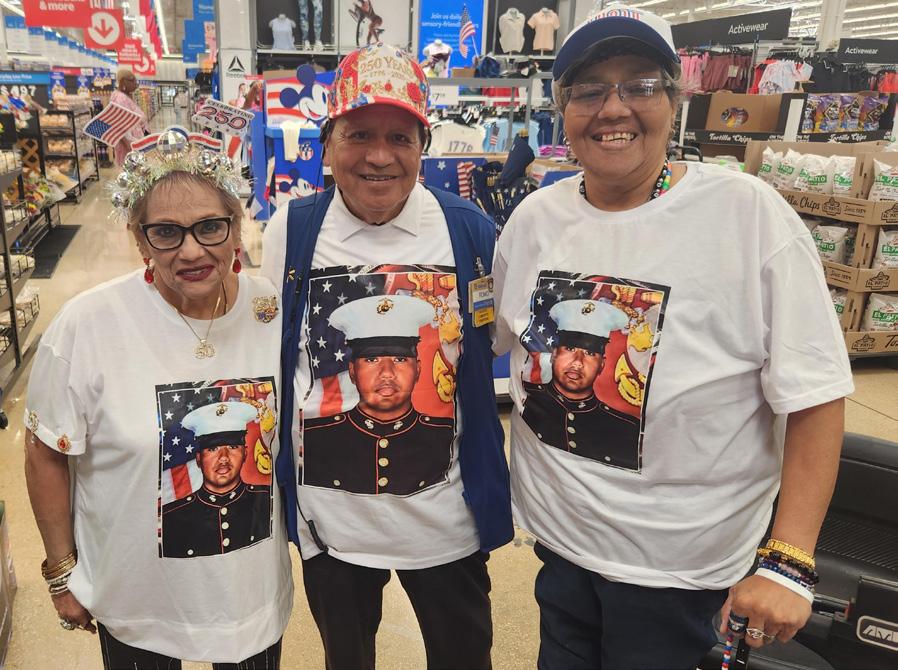
A recent Walmart community event brought together family, music, patriotism, and service as local supporters gathered to celebrate the upcoming 250th anniversary of the United States while honoring veterans and those who continue to serve. The event was coordinated by Robert Romo, Community Coordinator, who attended with his wife, Connie, and daughter, Rita. The family wore matching T-shirts in honor of their grandson, Roman Romo, an active-duty Marine currently stationed in North Carolina. Their presence served as a heartfelt reminder that military service is not only carried by those in uniform, but also by the families who love and support them from home. The celebration also highlighted community support for VFW Post 1533, located at 107 Elmhurst Ave. in San Antonio, under the leadership of Commander Gilbert De Leon. Guests received poppy flowers, a longstanding symbol of remembrance for those who served and sacrificed. Several community partners helped make the event possible through generous grants and donations, recipients and community members attended including Bexar County Precinct 2 Constable Leticia Vasquez, Moonstruck Foundation Inc., led by CEO Priscilla Sanchez Hurt,; and Music Beat Productions, represented by Editor Elvira Cavazos, Music was provided by Larry Lopez of Outlaw Country, adding energy and celebration to the patriotic gathering. The event also served as an opportunity to promote continued support for veterans through the upcoming VFW Post 1533 Golf Tournament, scheduled for October 9, 2026. The tournament will help raise awareness and support for the post’s ongoing work with veterans and the community. As the nation prepares to mark 250 years, events like this remind us that patriotism is more than a date on the calendar. It is family. It is service. It is remembrance. And it is a community coming together to honor those who have given so much.
A Legacy of Music, Justice, and Community Service
By:Yvette Tello
For generations, Tejano music has carried the stories, struggles, pride, and resilience of our people. Few names represent that legacy more powerfully than Little Joe Hernández, whose music has become part of the cultural heartbeat of Texas and the Southwest. Mujeres Hispanas Por Mejor Justicia, an organization dedicated to education, opportunity, and advocacy, proudly recognized Little Joe as the first man inducted into its Hall of Fame. The honor celebrated his dedication to Tejano music, his role as a pioneer in Hispanic music, and his example as a role model for Hispanic youth throughout Texas and beyond. The recognition was more than an award. It was a statement of gratitude from women who understood the importance of preserving culture while building pathways for future generations. Little Joe’s career has opened doors, lifted voices, and shown young people that their heritage is not something to hide, but something to celebrate. Known for his powerful performances and lifelong commitment to his community, Little Joe and La Familia helped define a sound that blended Tejano, conjunto, country, blues, and soul. His music spoke to working families, migrant communities, and Mexican Americans who rarely saw themselves represented with dignity in mainstream spaces. Through his songs and presence, he reminded people that our stories matter. That mission aligns deeply with the work of Mujeres Hispanas Por Mejor Justicia. Based in downtown San Antonio, the organization has long worked to assist women, students, immigrants, and families seeking a better future. Their scholarship fund helps women and high school students pay for ACT and SAT fees, summer school programs, GED support, continuing education, and other academic needs that can often stand in the way of progress. The organization also supports ESL and citizenship classes for immigrants pursuing the dream of becoming American citizens. In addition, Mujeres Hispanas Por Mejor Justicia assists with job bank resources and follows up with participants as they move forward. Their work is rooted in a simple but powerful belief: when education and opportunity are within reach, entire families rise. For many Tejanitas, this kind of service is personal. They know what it means to fight for education, to stretch limited resources, to raise children while working, to carry culture proudly, and to keep moving forward even when systems were not designed with them in mind. Their work reflects the strength of Hispanic women who have always been leaders in their homes, neighborhoods, schools, churches, and communities. By honoring Little Joe, Mujeres Hispanas Por Mejor Justicia recognized a man whose music has walked alongside that same struggle. His songs gave voice to the people they serve. His career became proof that cultura is power, and that Hispanic youth deserve role models who look like them, speak like them, and understand where they come from. The induction of Little Joe into the Hall of Fame stands as a beautiful bridge between music and justice, between cultural pride and community service, between Tejanitas and the Tejano legend whose voice continues to inspire generations. In honoring Little Joe, Mujeres Hispanas Por Mejor Justicia also honors every student reaching for a diploma, every parent returning to school, every immigrant studying for citizenship, and every young person who needs to know their dreams are valid. This is the legacy of Tejano music. This is the work of Hispanic women. This is community.
Kawacon San Antonio
By La Prensa Texas Staff
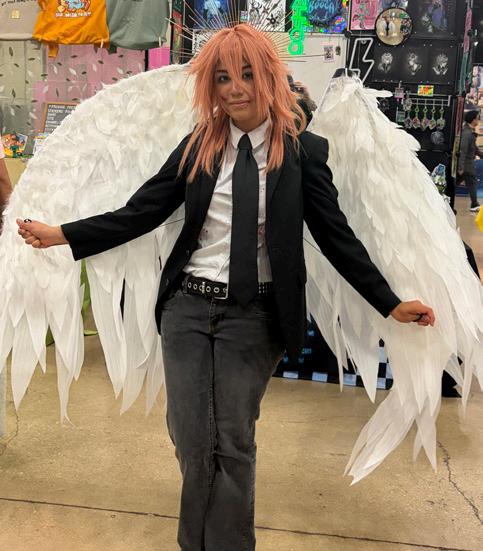
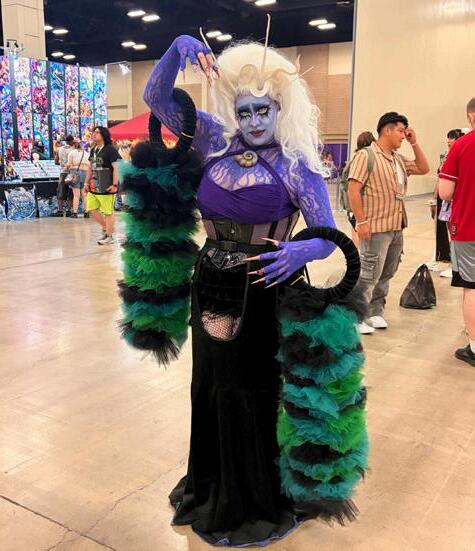
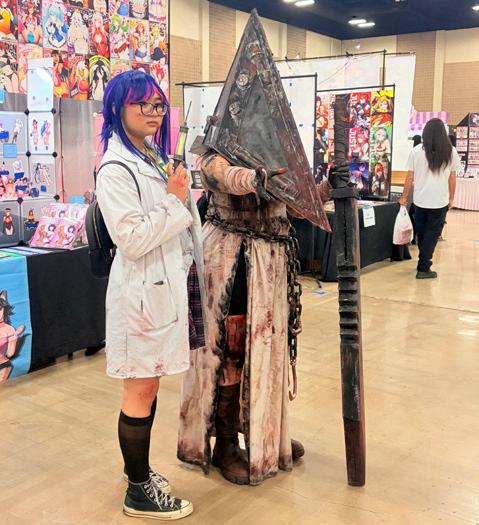
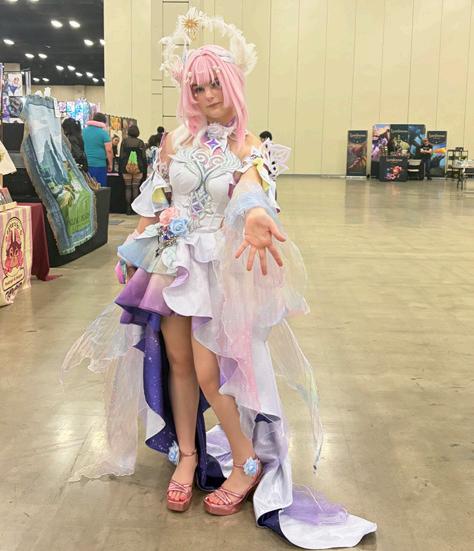
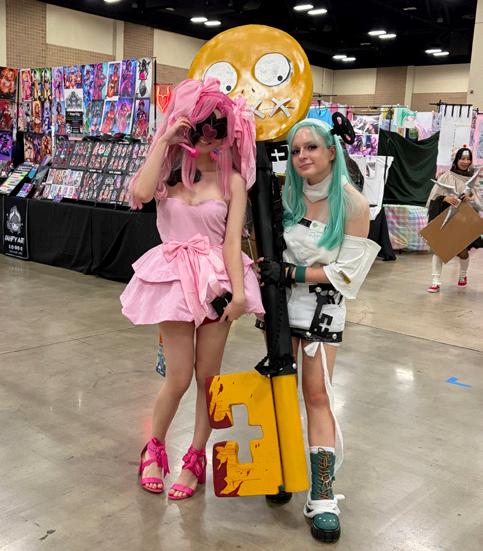
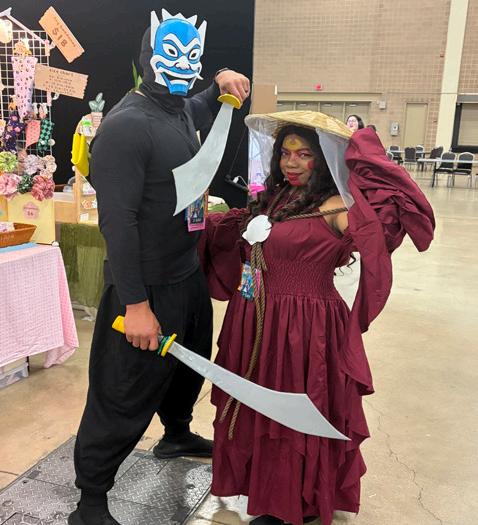
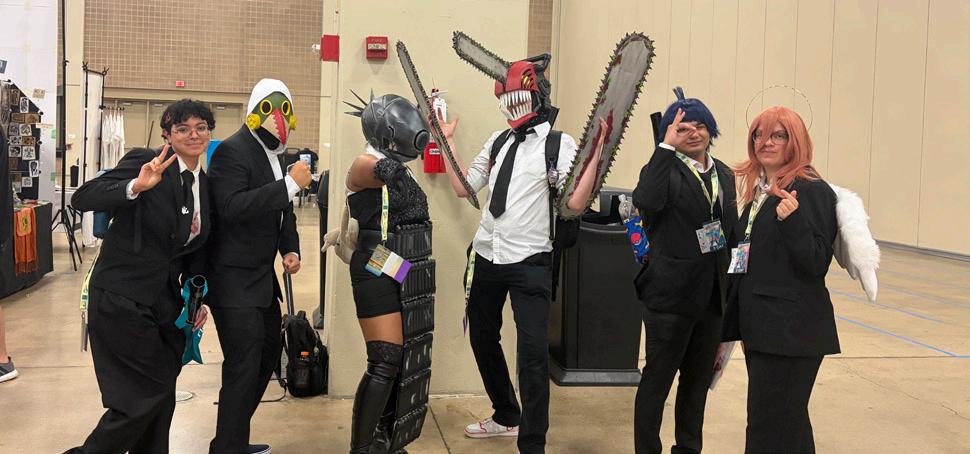
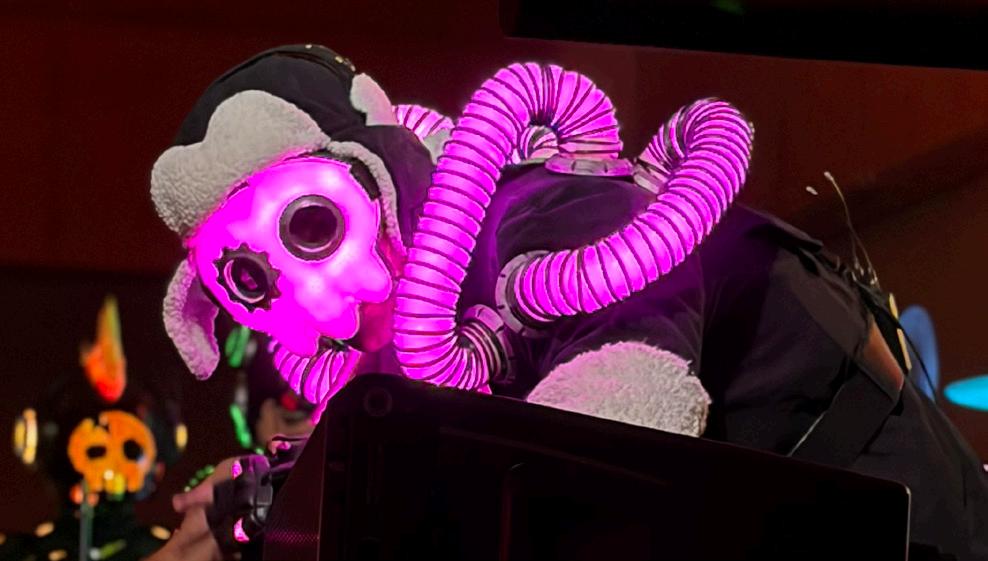
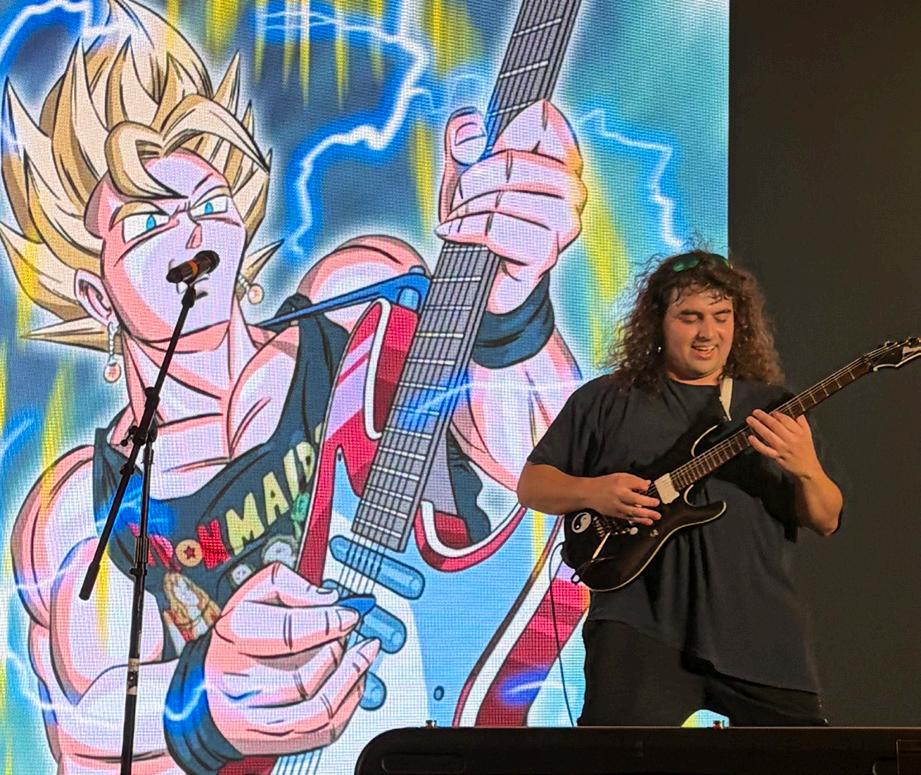
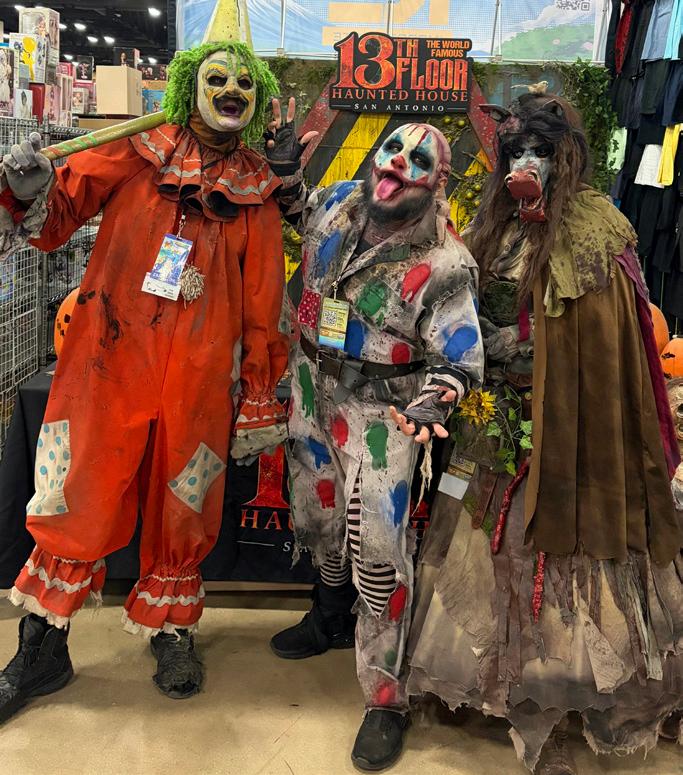
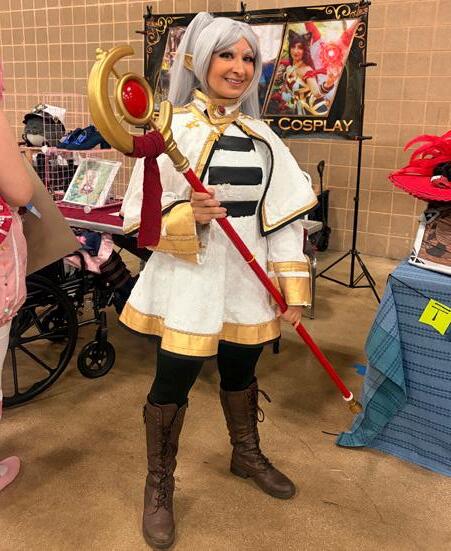
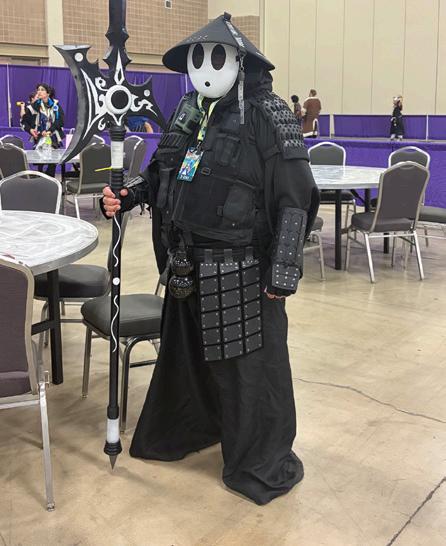
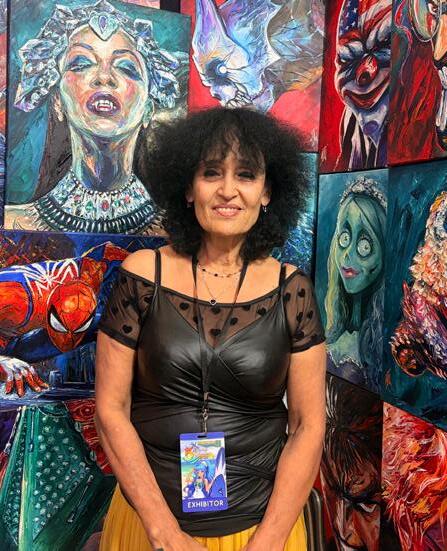
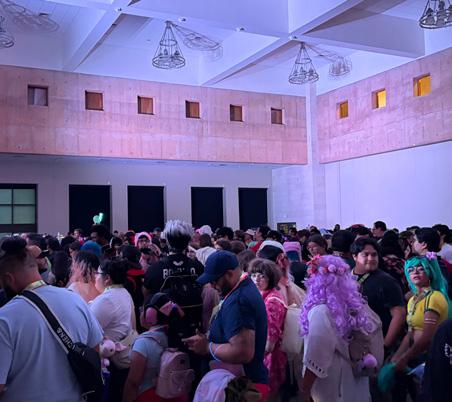
What is Kawacon? Kawacon is an anime and gaming convention that brings fans together for a weekend of entertainment, creativity, and community. Attendees can enjoy live concert events, shop from talented artists selling their original work, and experience the excitement of seeing unique costumes inspired by favorite anime and gaming characters. The event also features panels with guest voice actors, costume contests, and family-friendly activities for anime and gaming lovers of all ages. This year, Kawacon took place July 3–5 at the Henry B. González Convention Center in San Antonio, creating a fun and welcoming atmosphere for fans and families alike. Be sure to look out for Kawacon next year around the same time in July. For updates, visit kawaconsa.com and join their newsletter.
VIA METROPOLITAN TRANSIT AVISO DE AUDIENCIA PÚBLICA
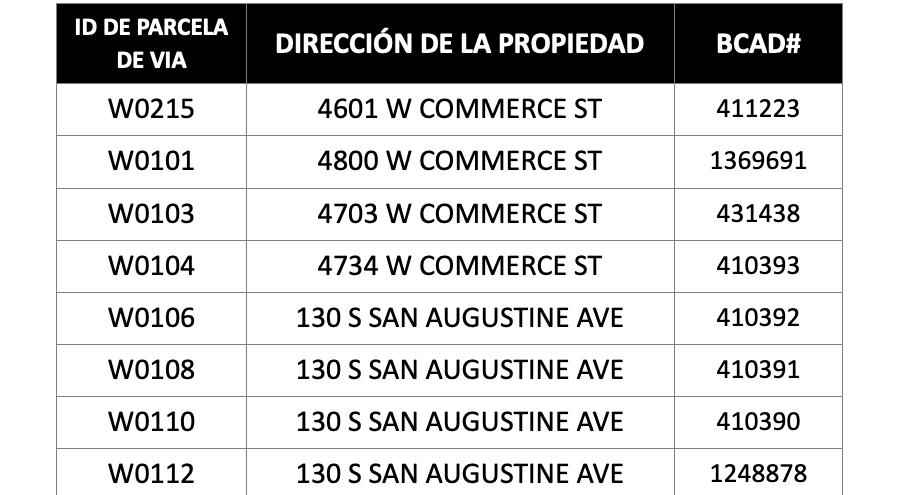
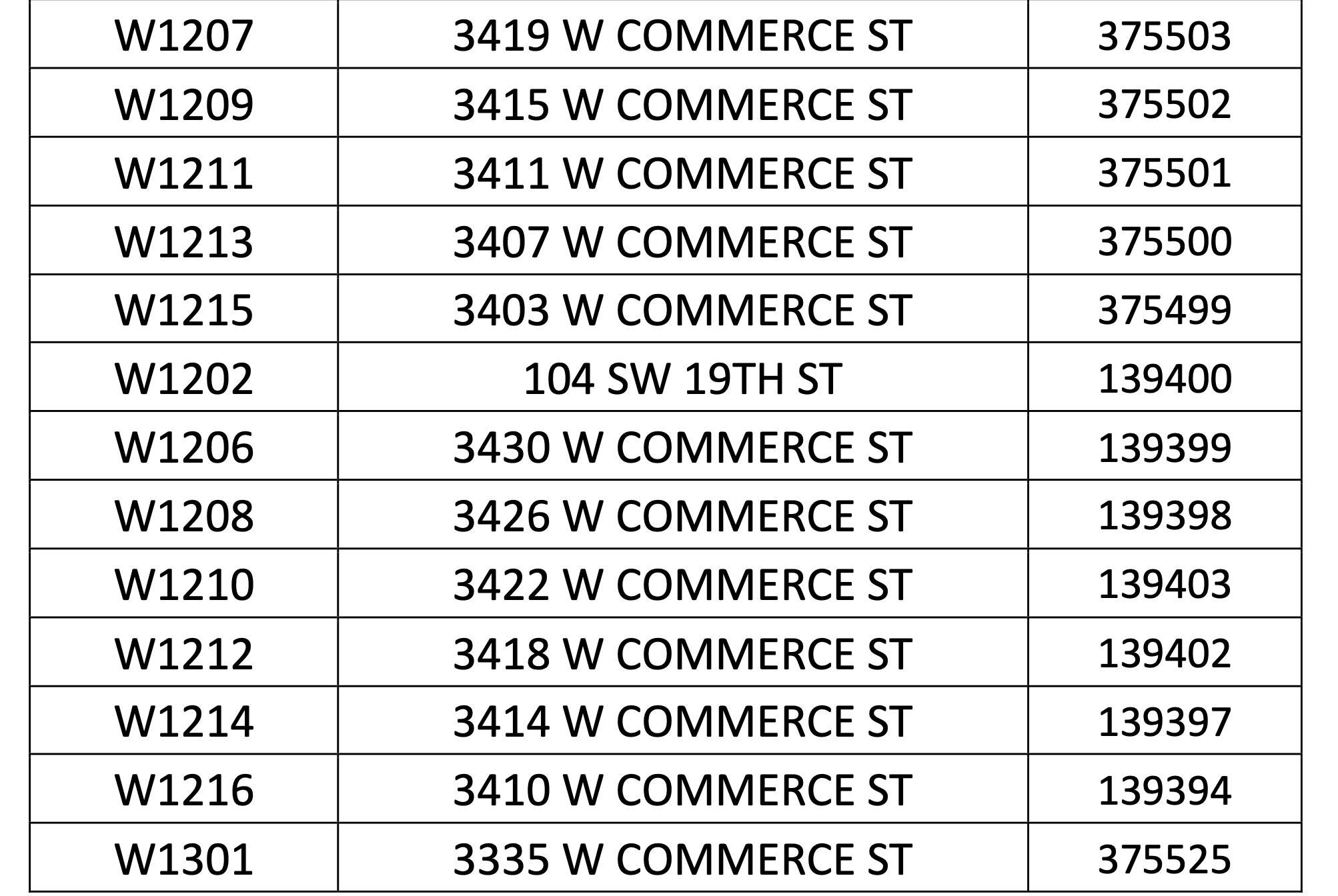
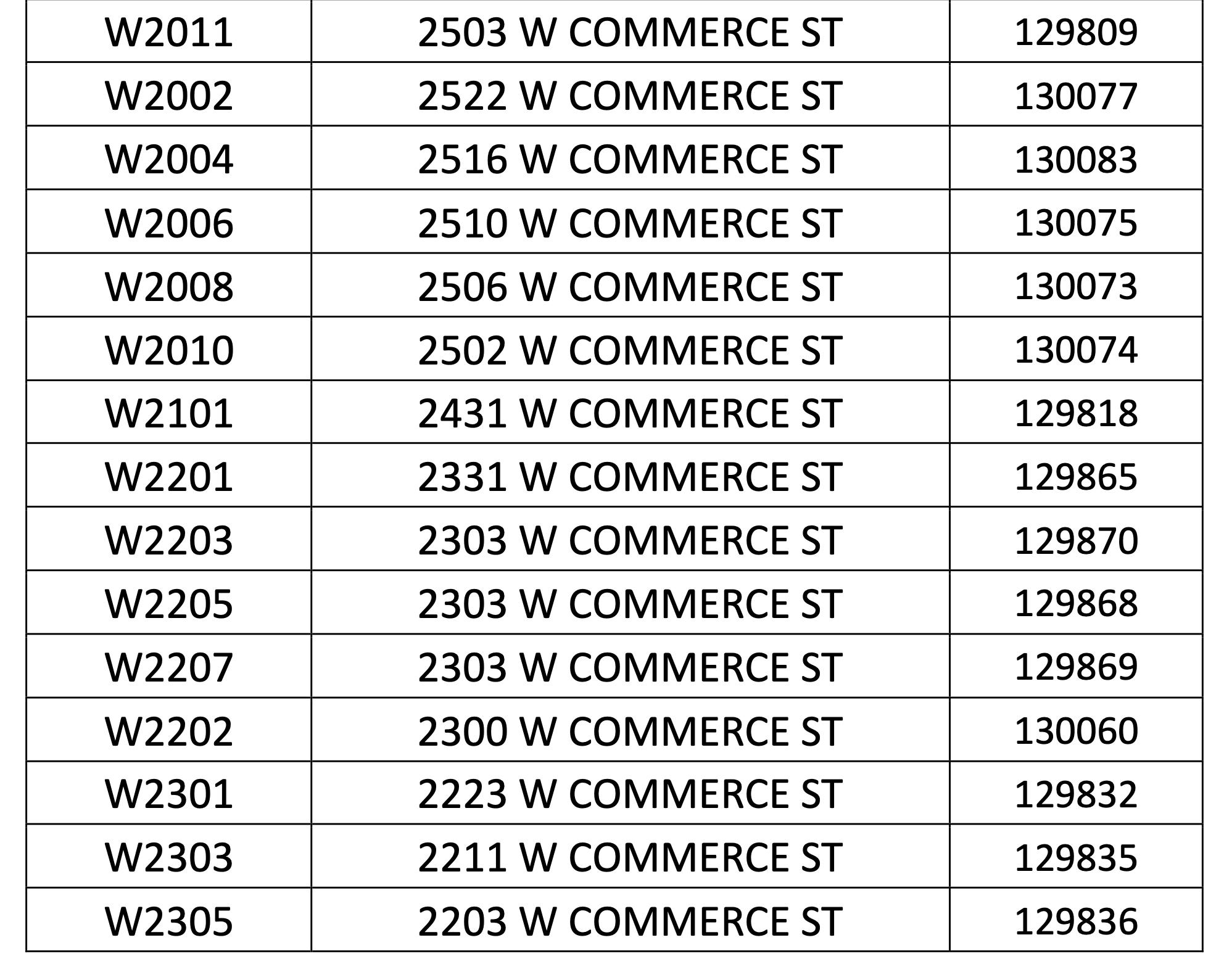
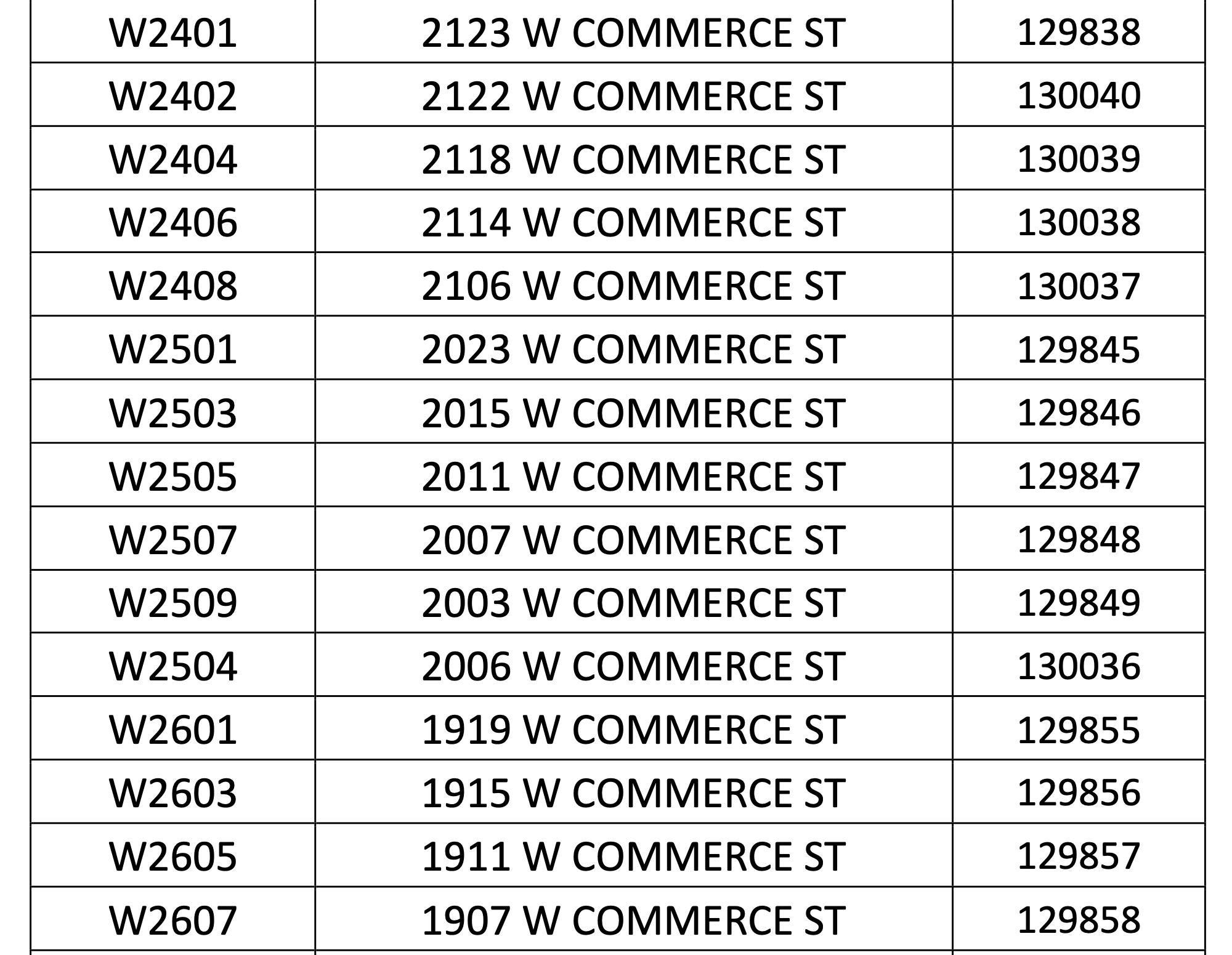
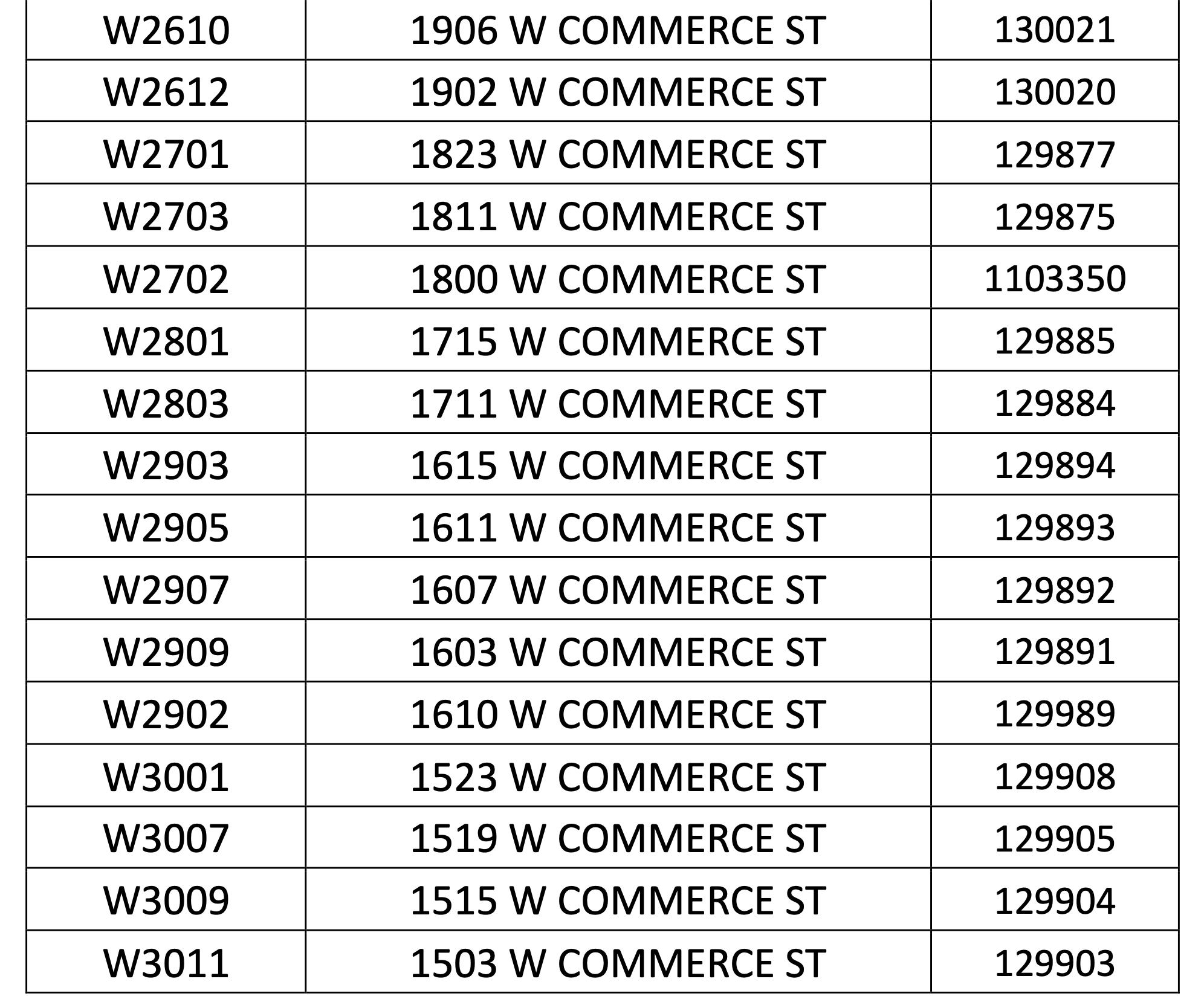
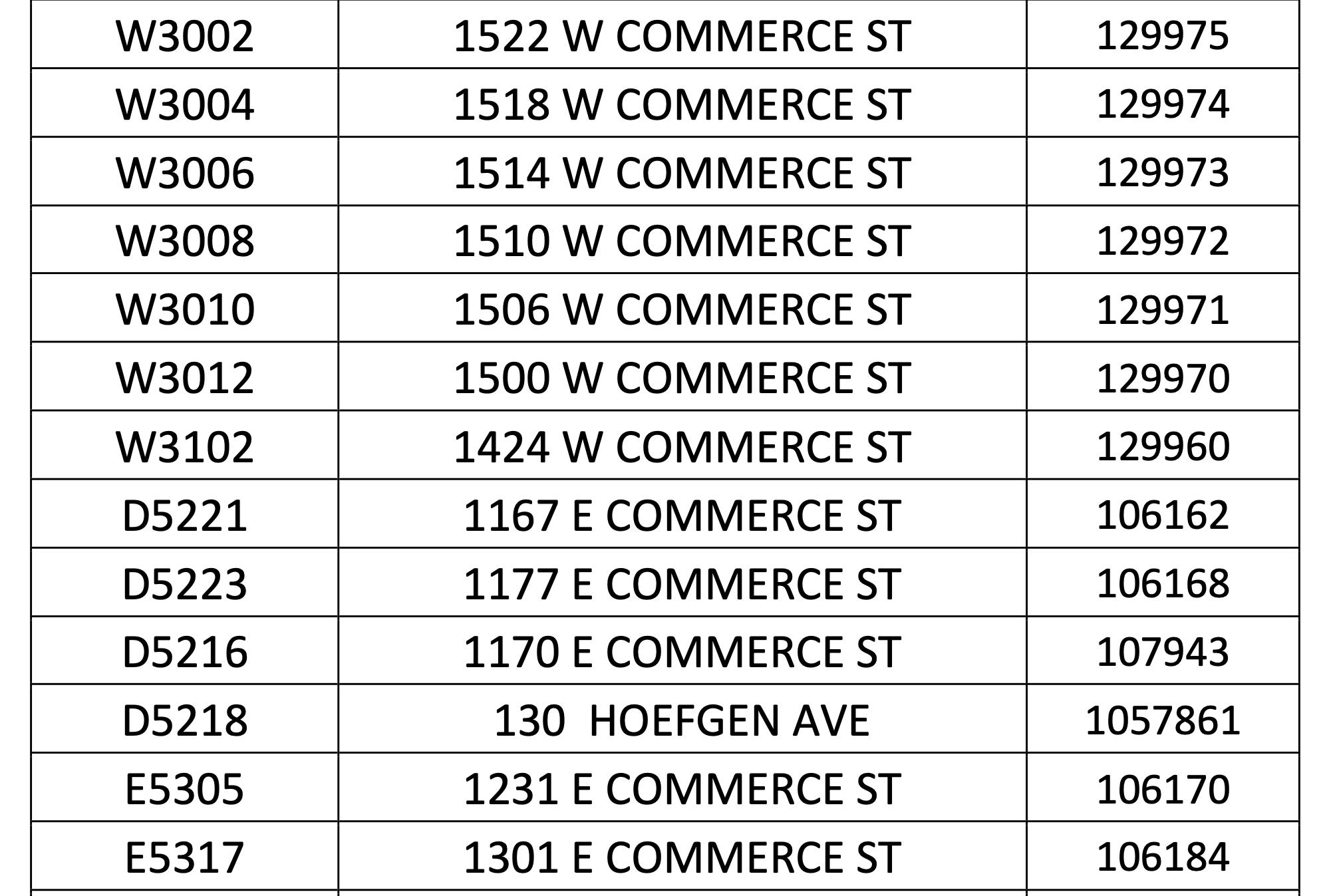
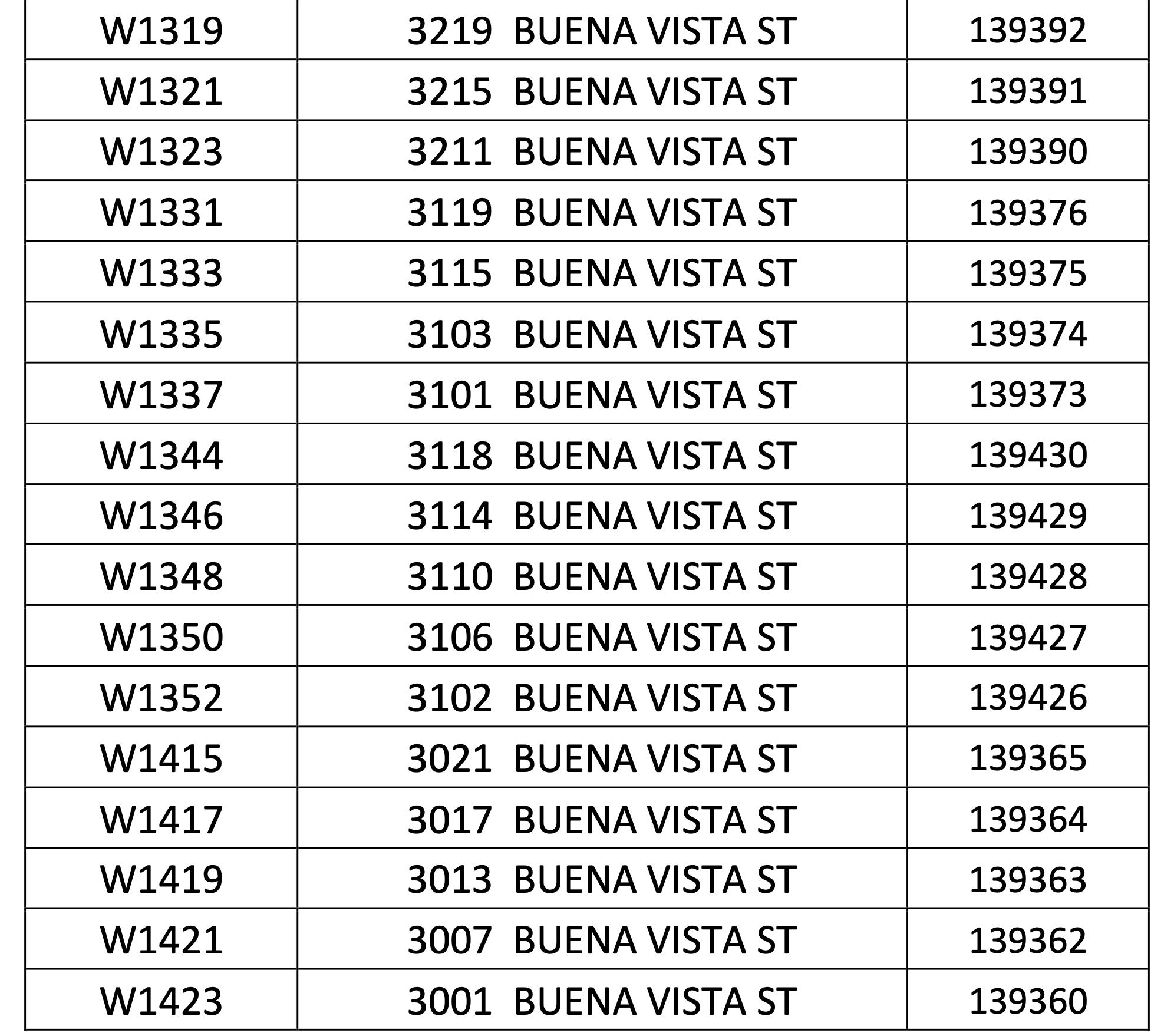
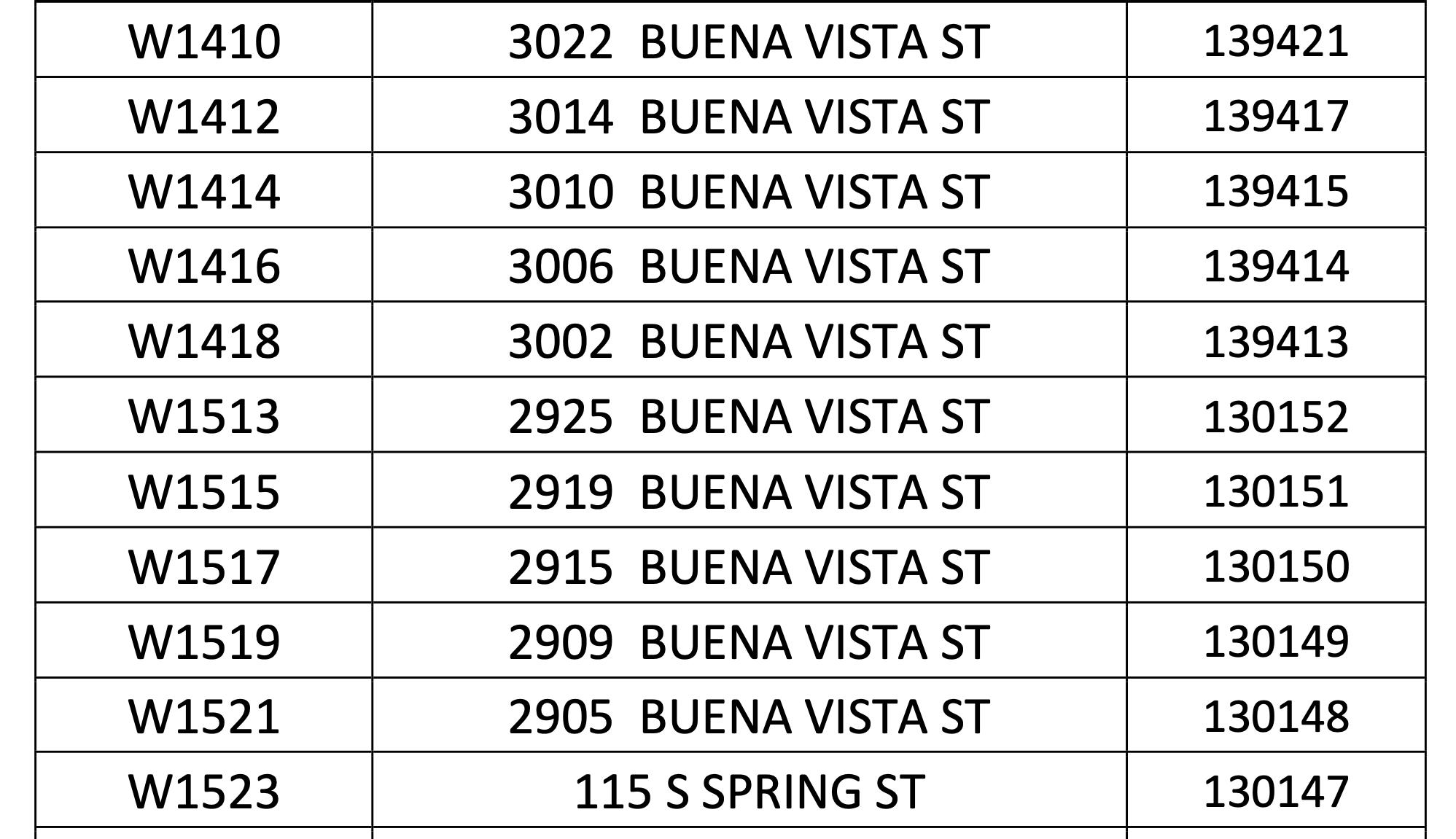
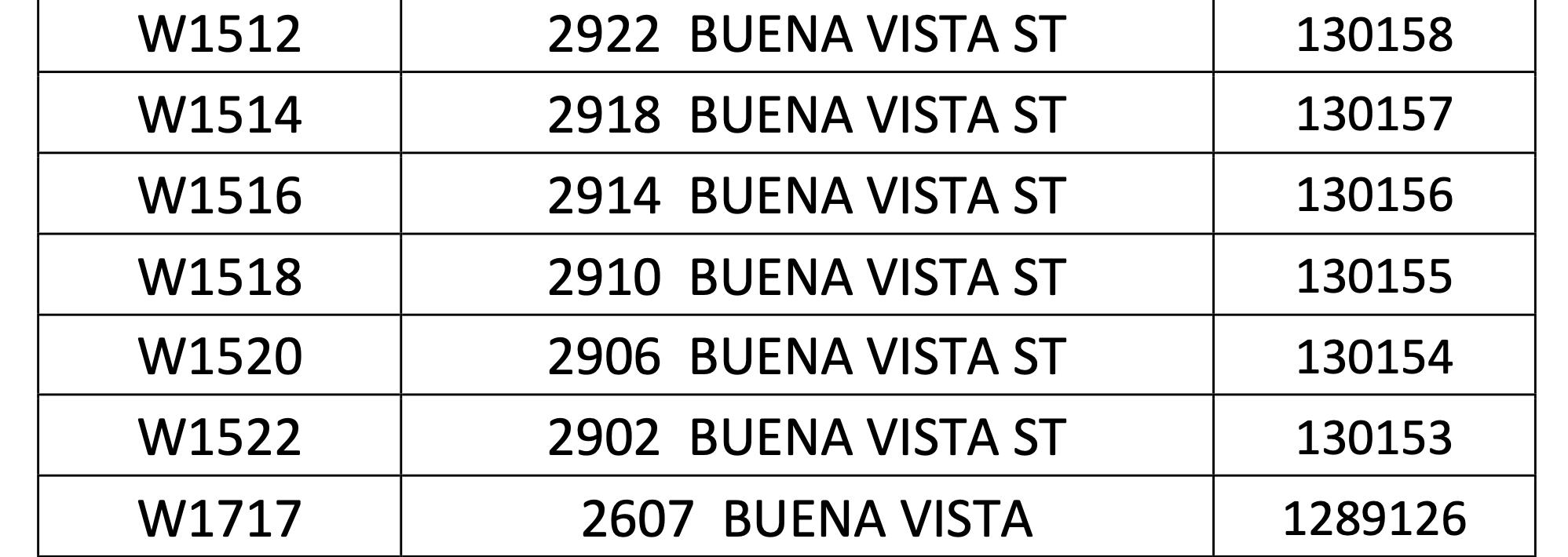
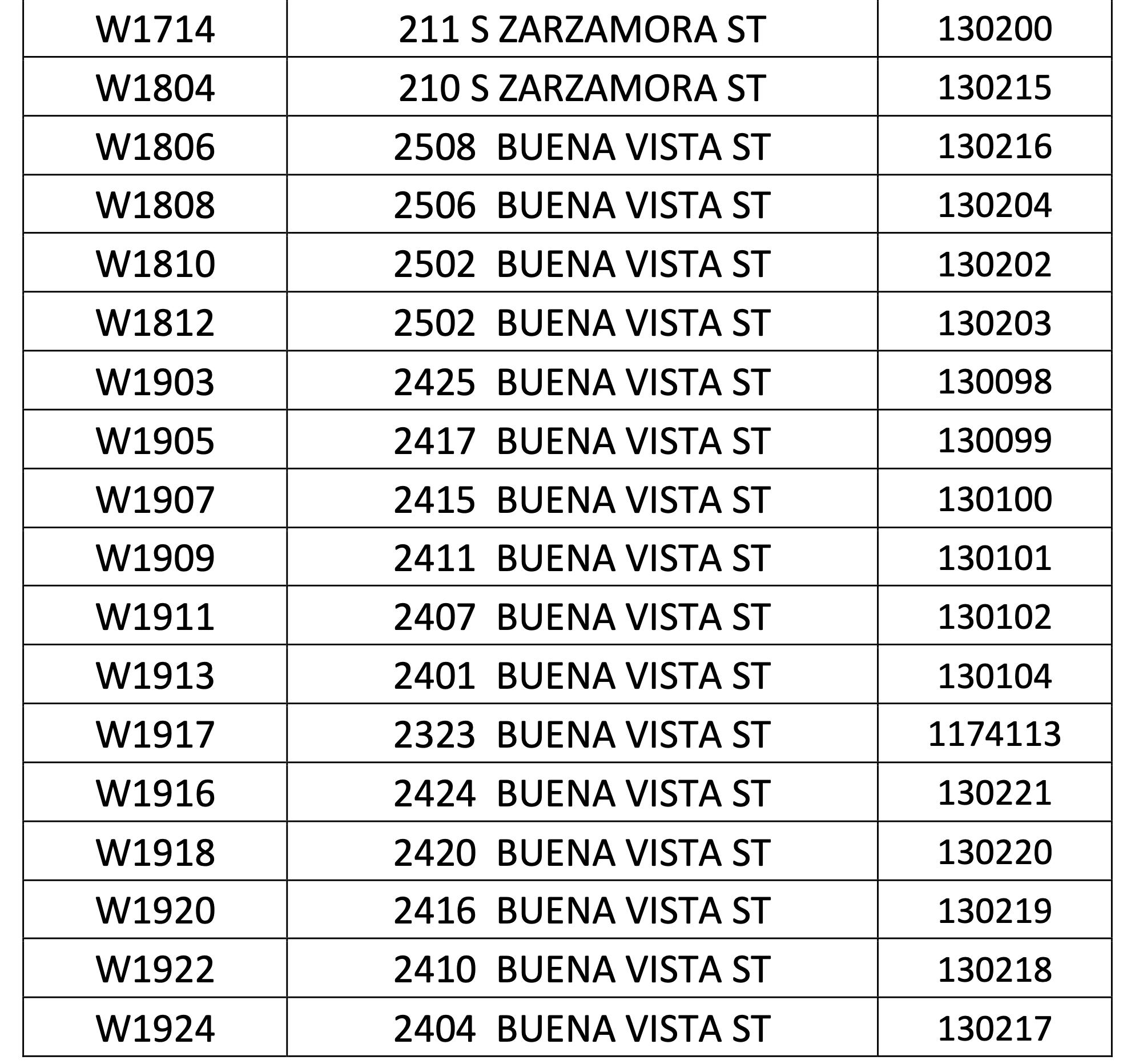
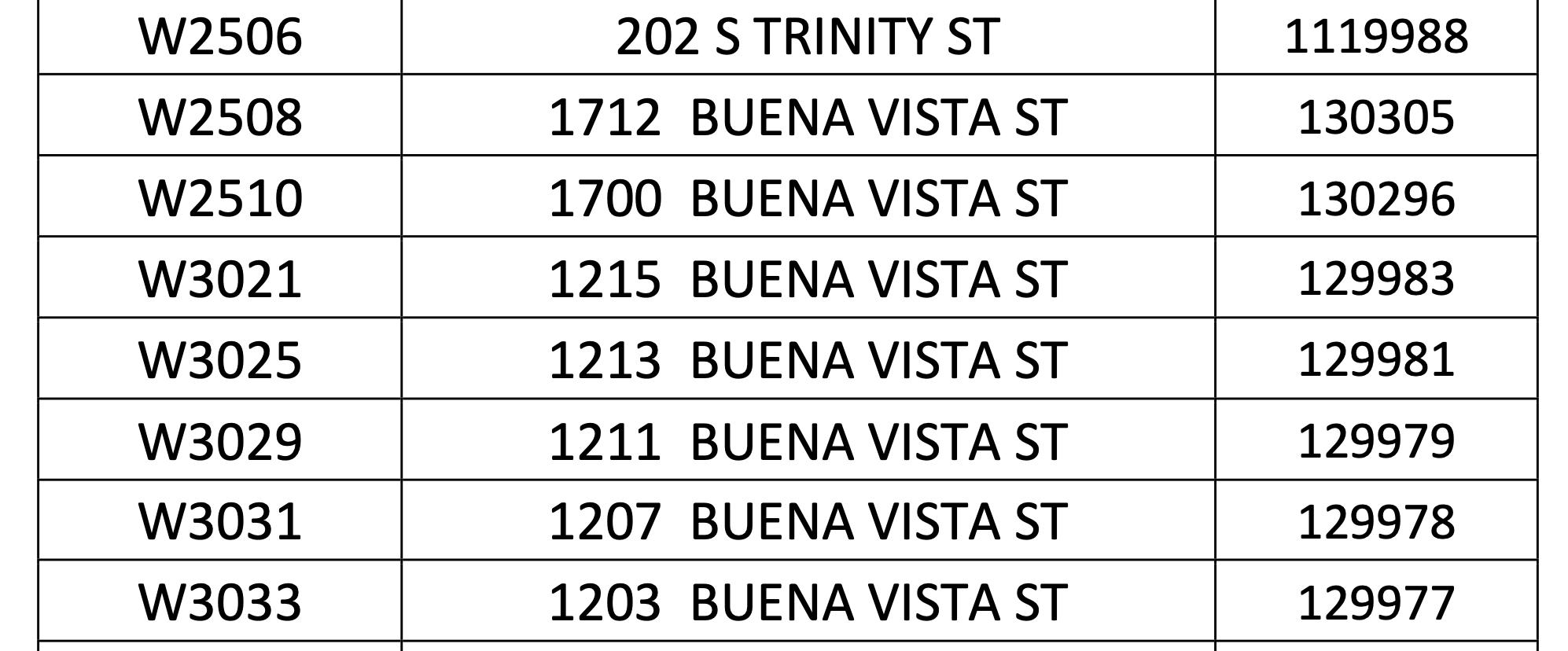
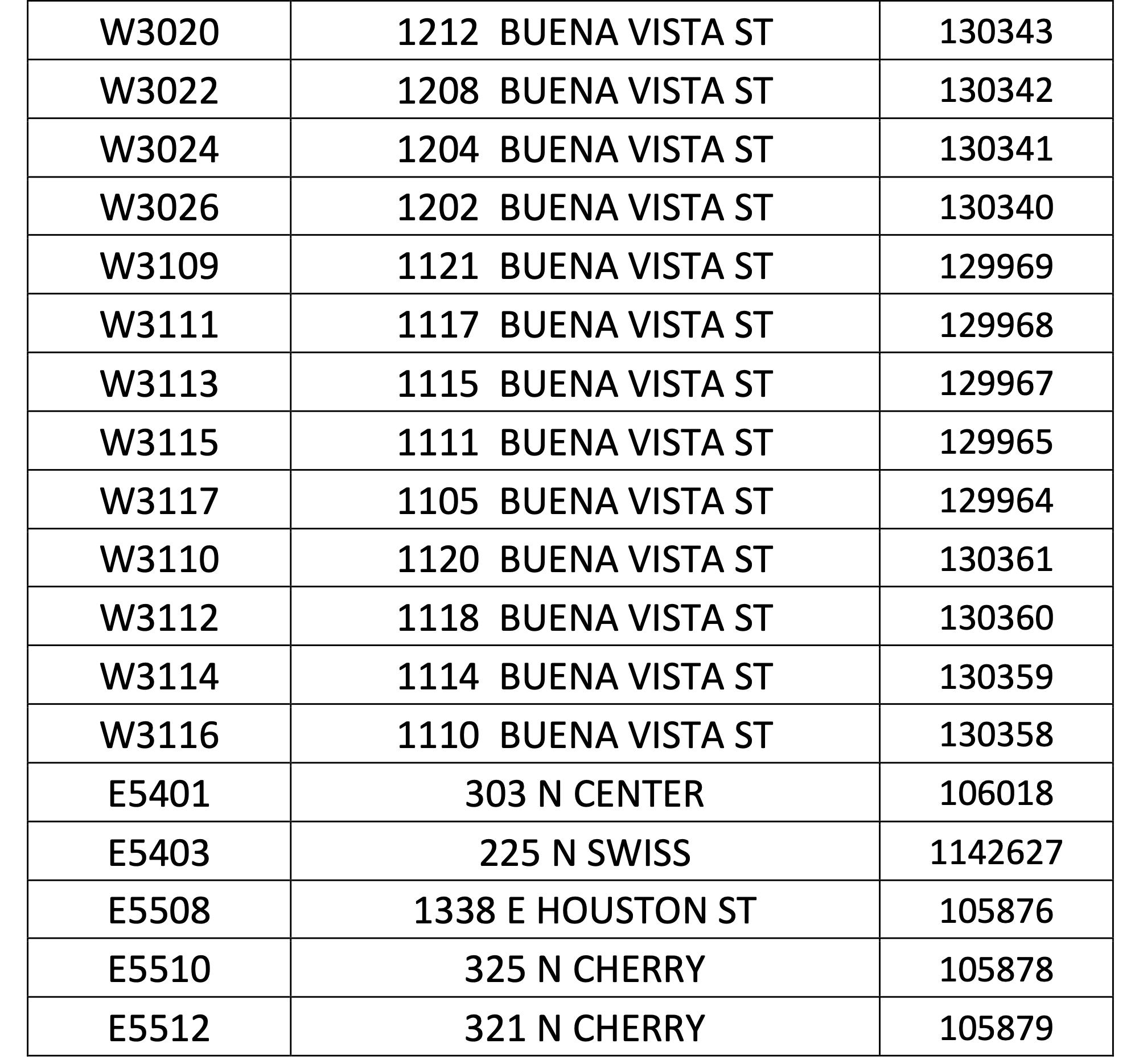
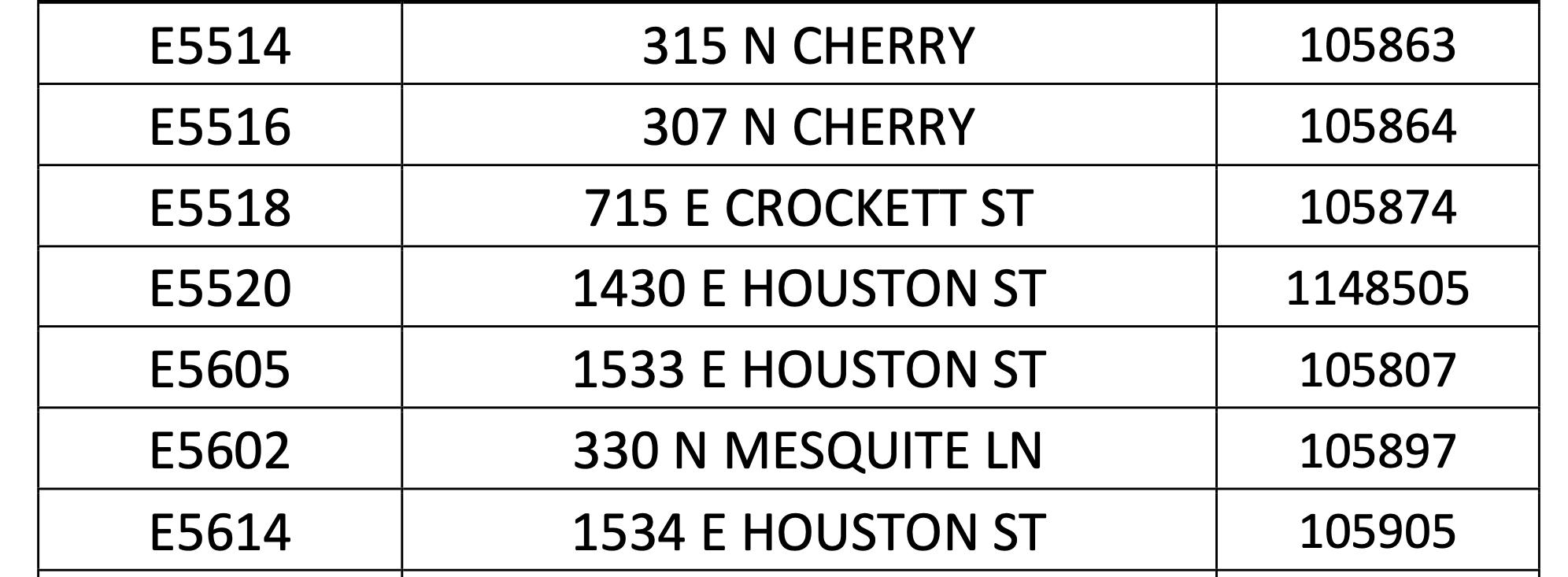
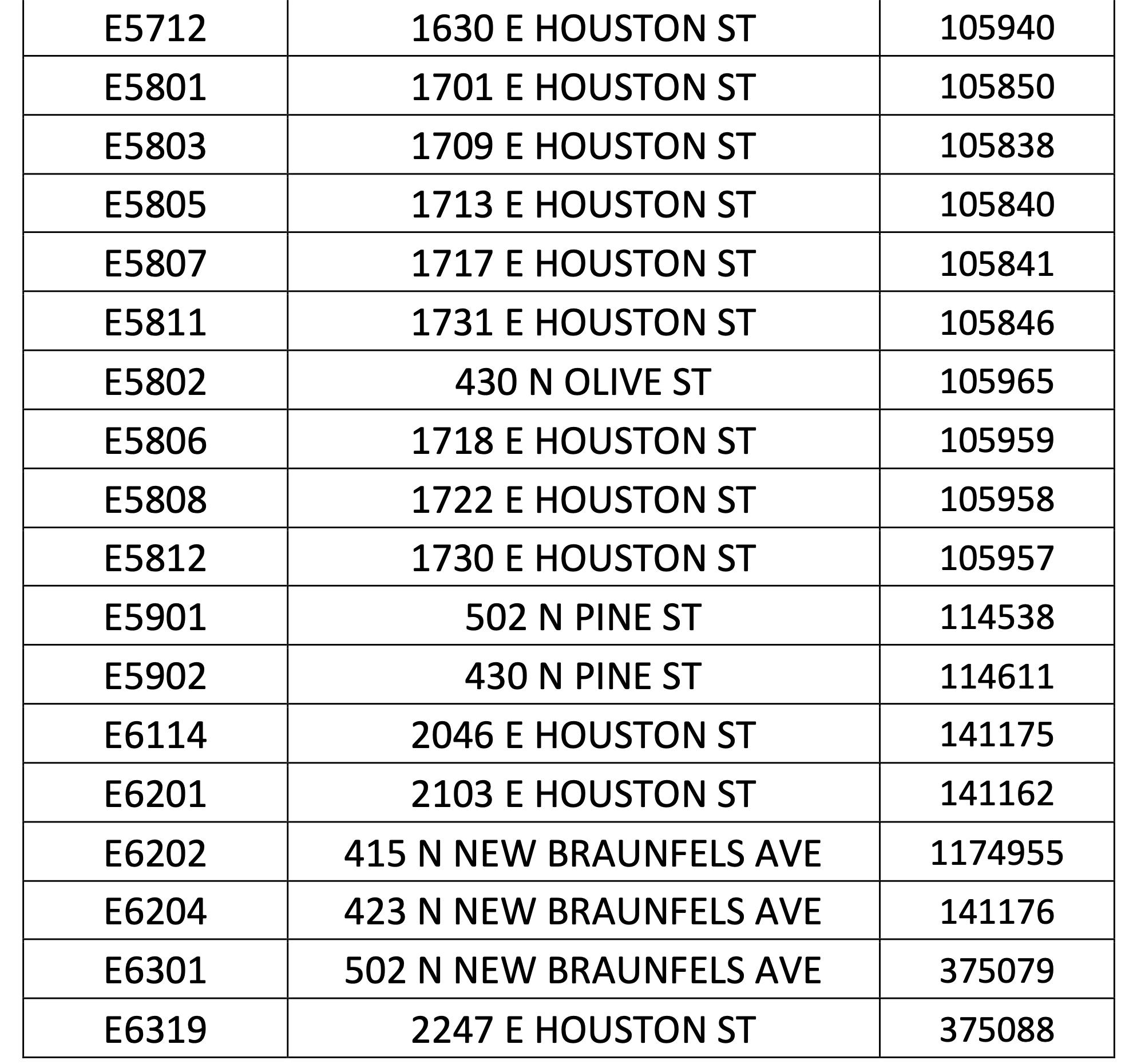
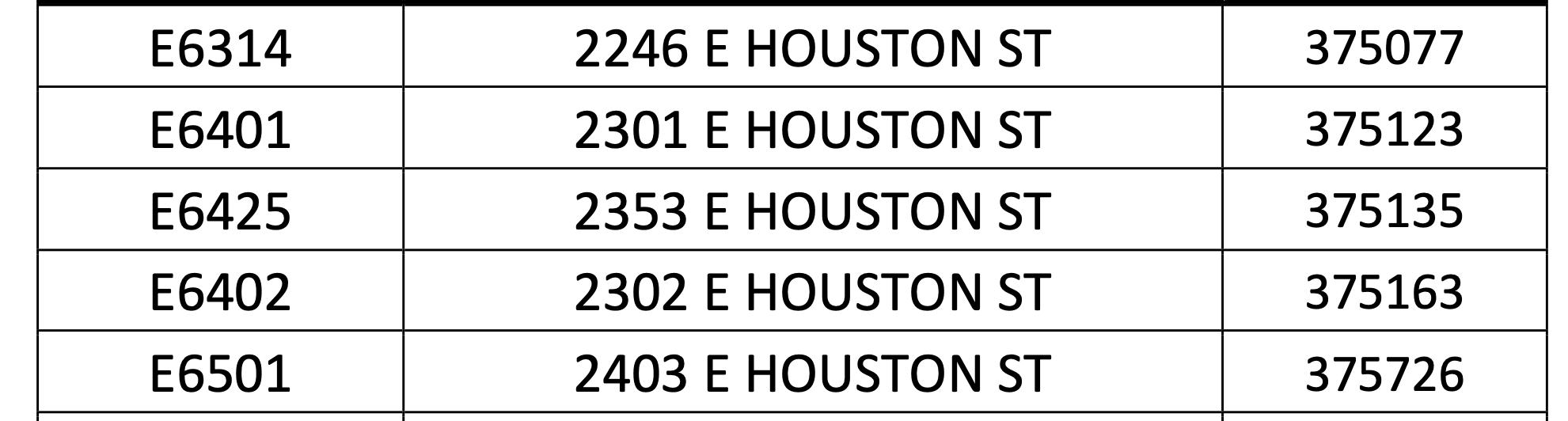
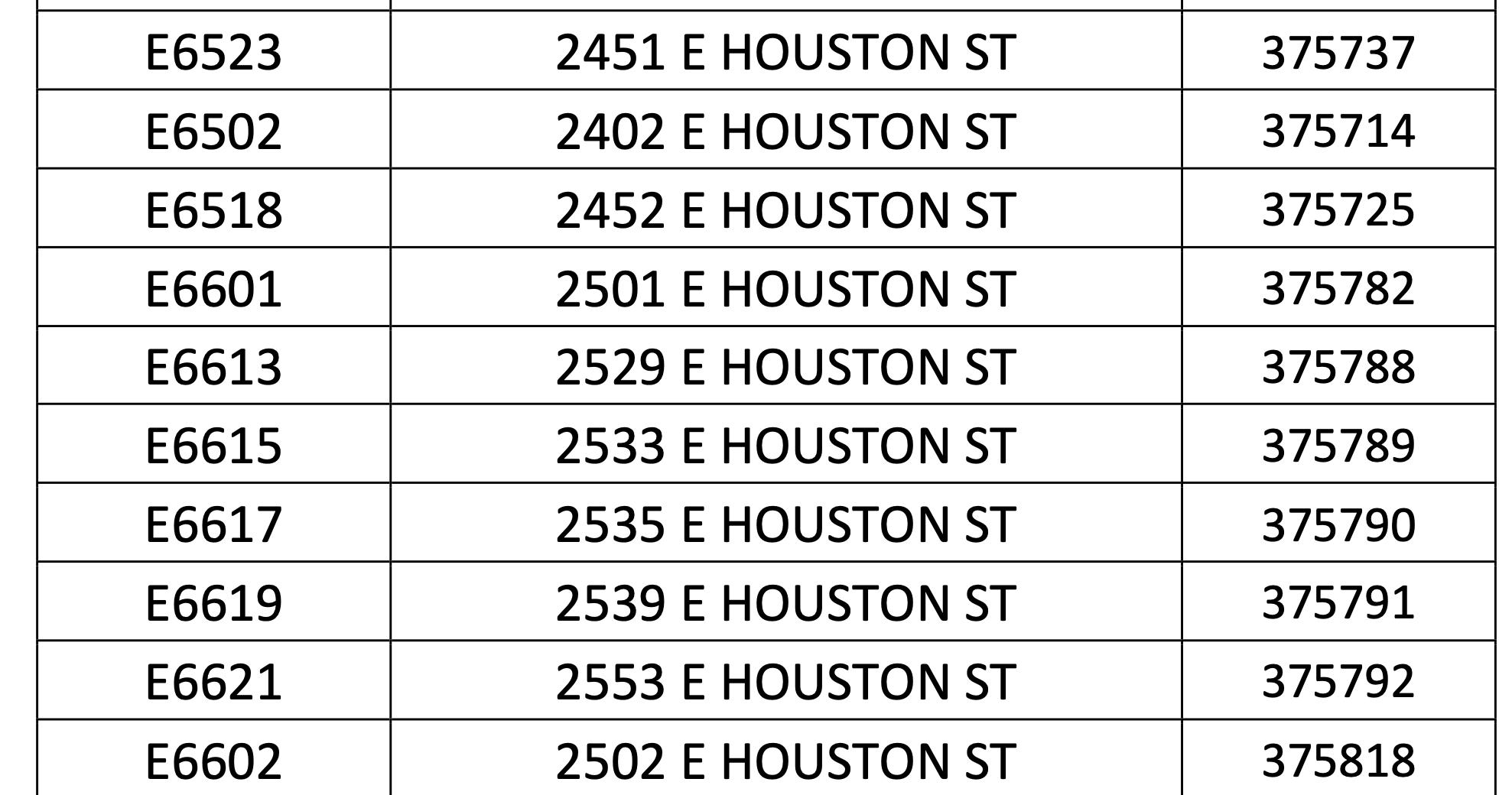
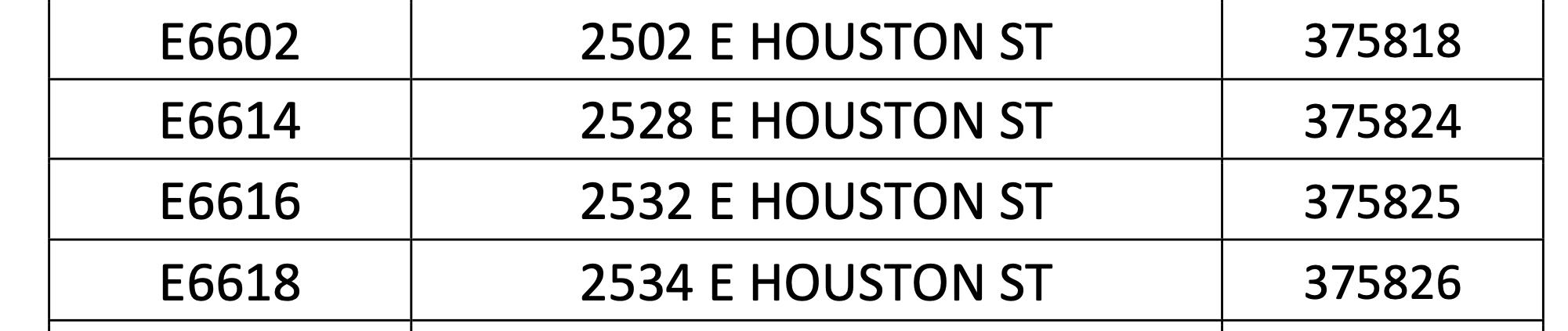
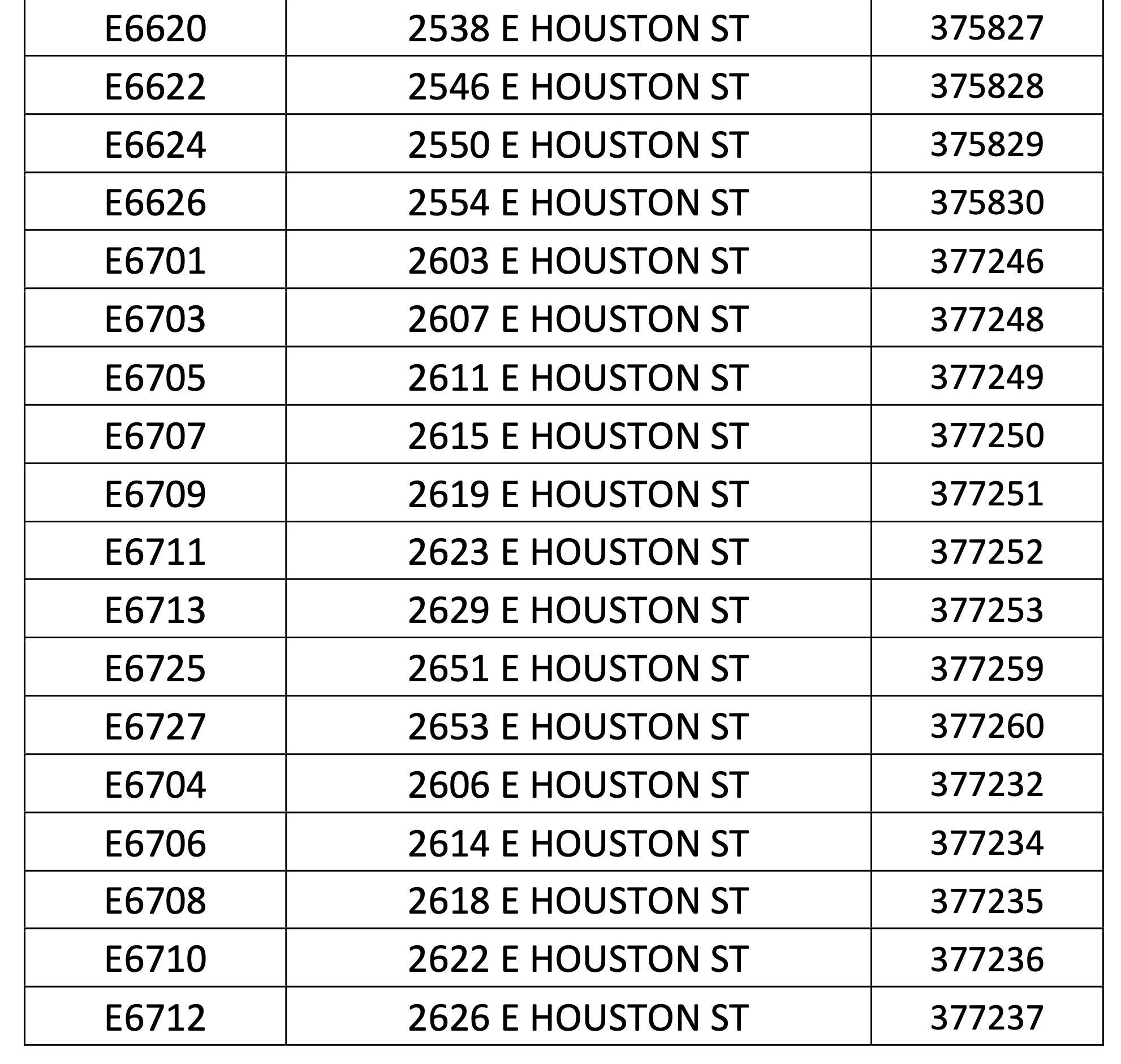
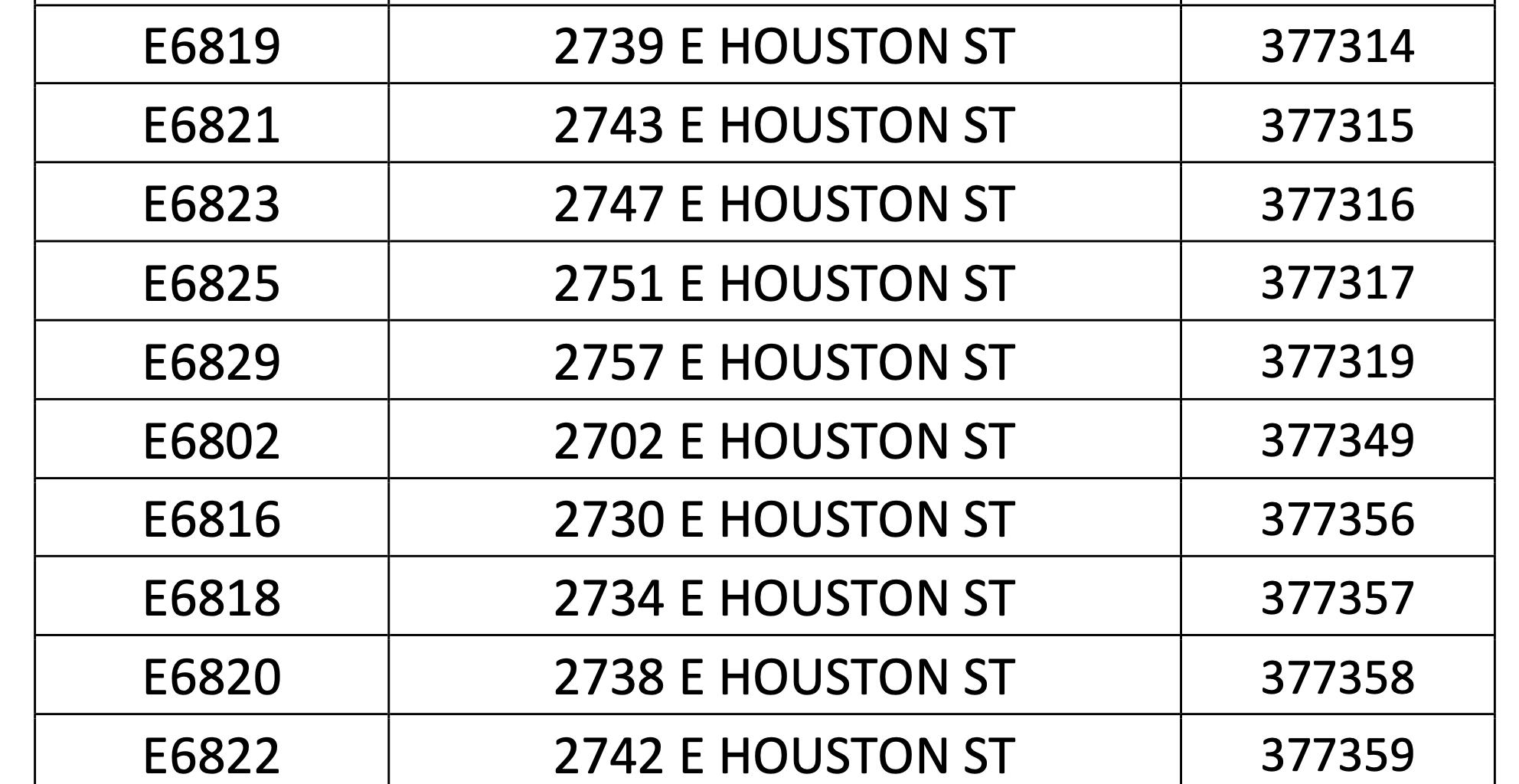
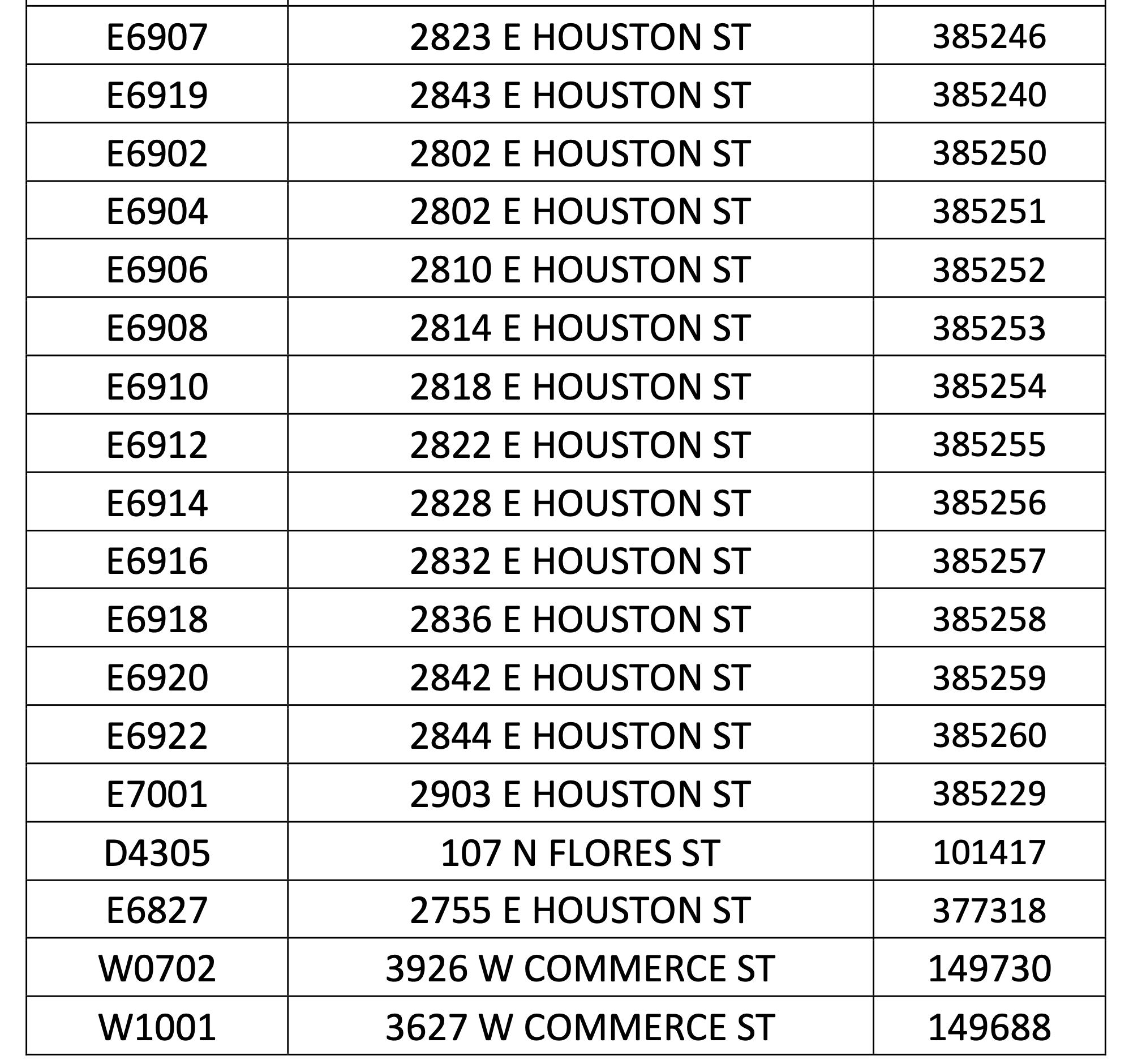
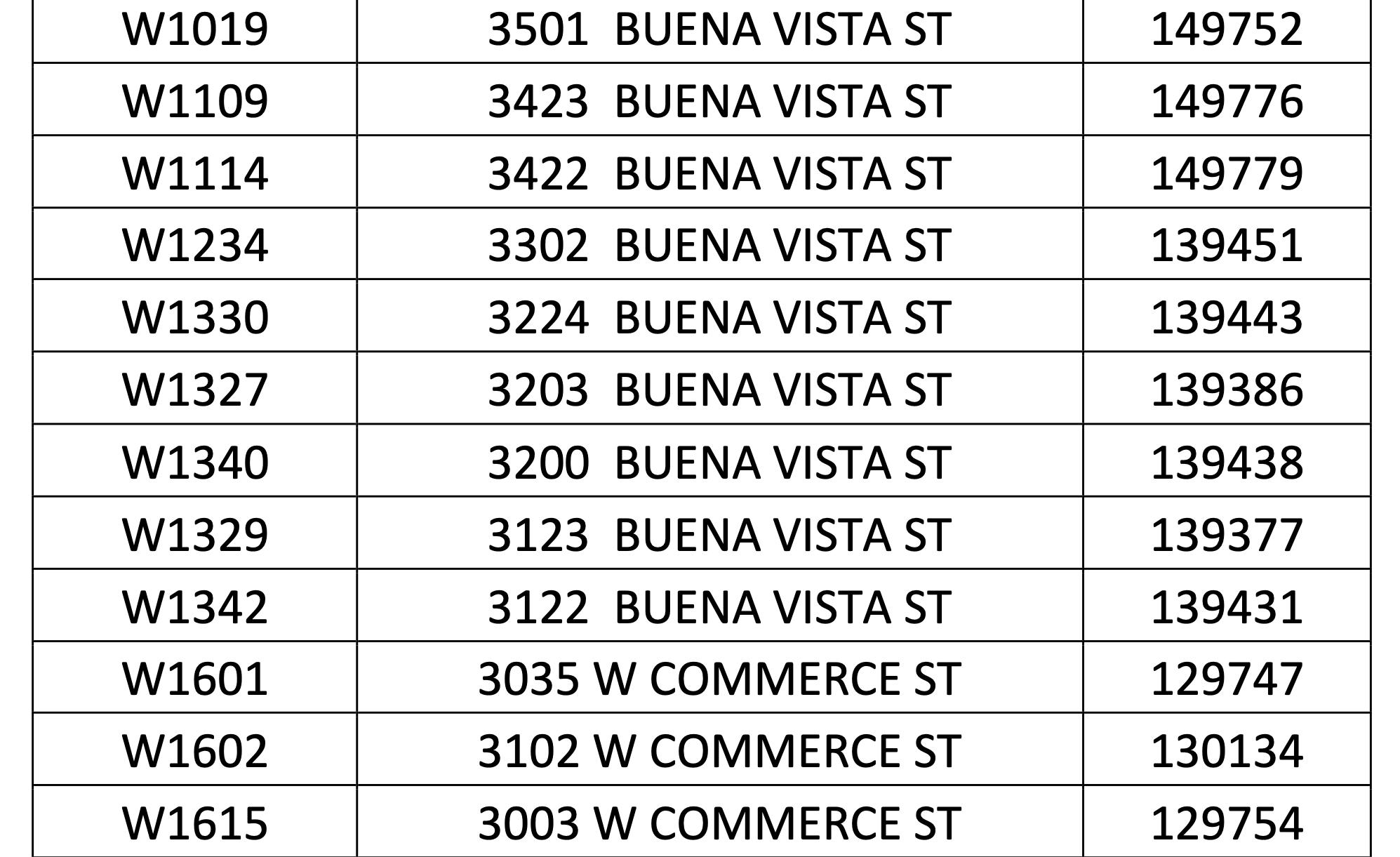
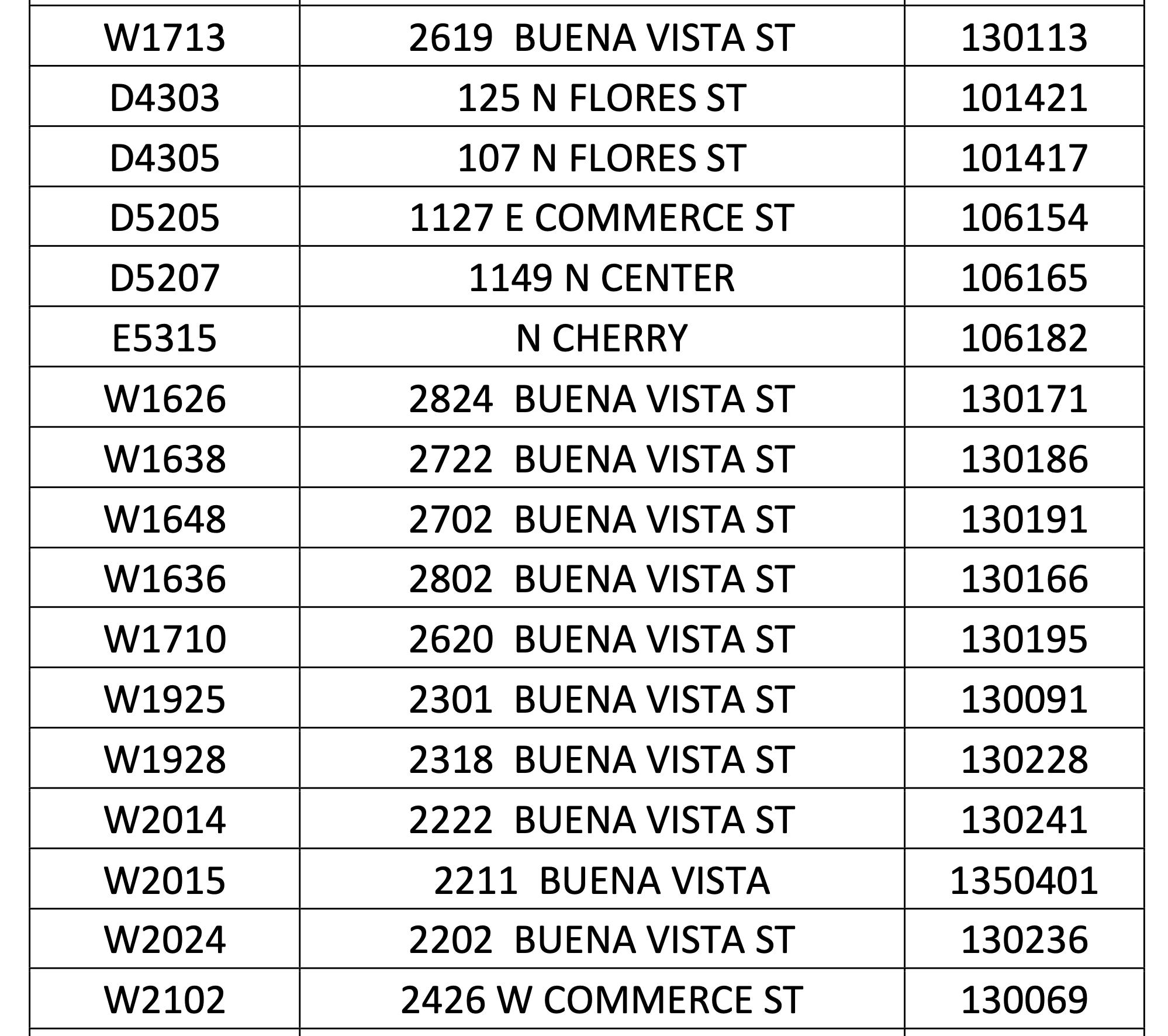
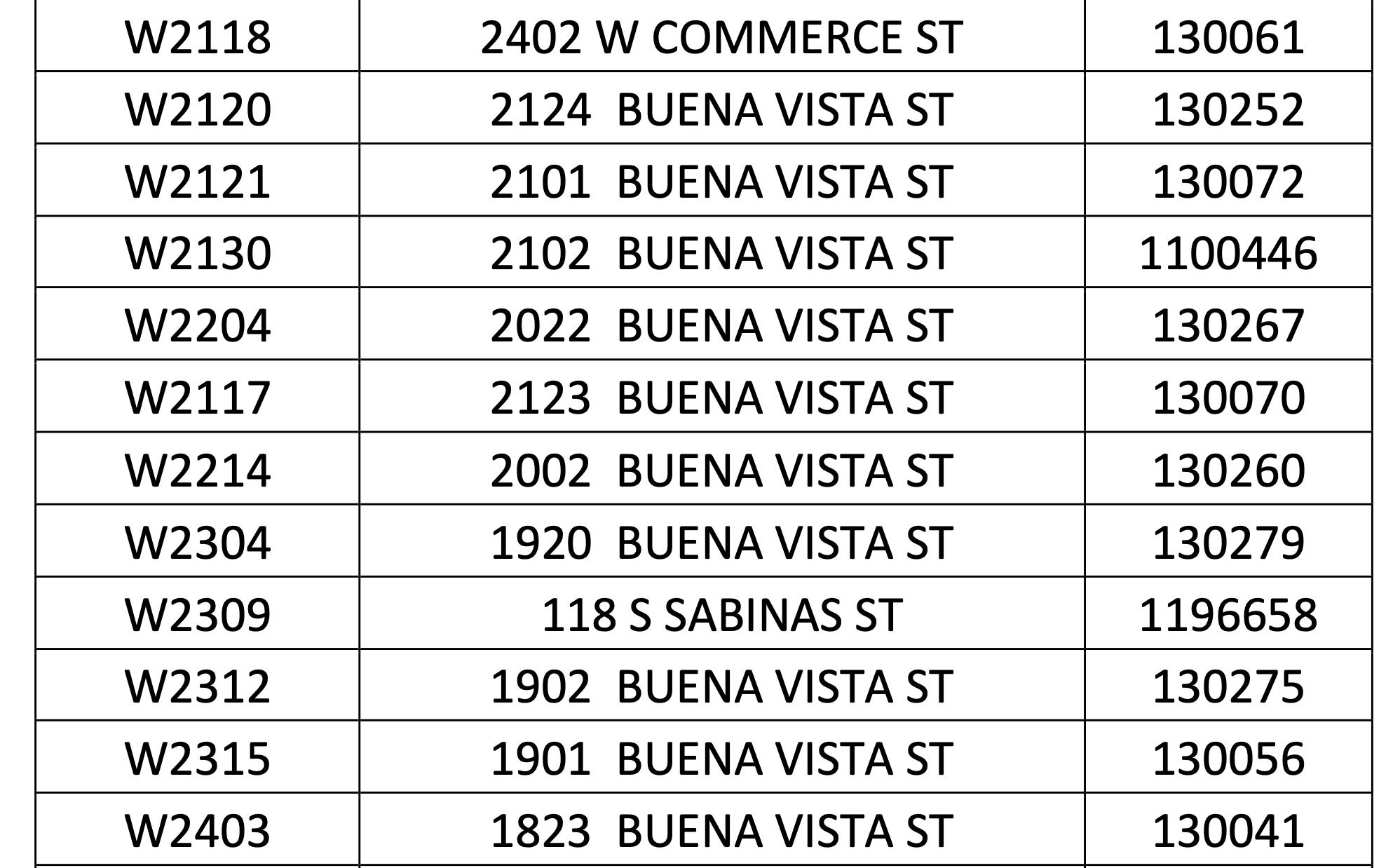
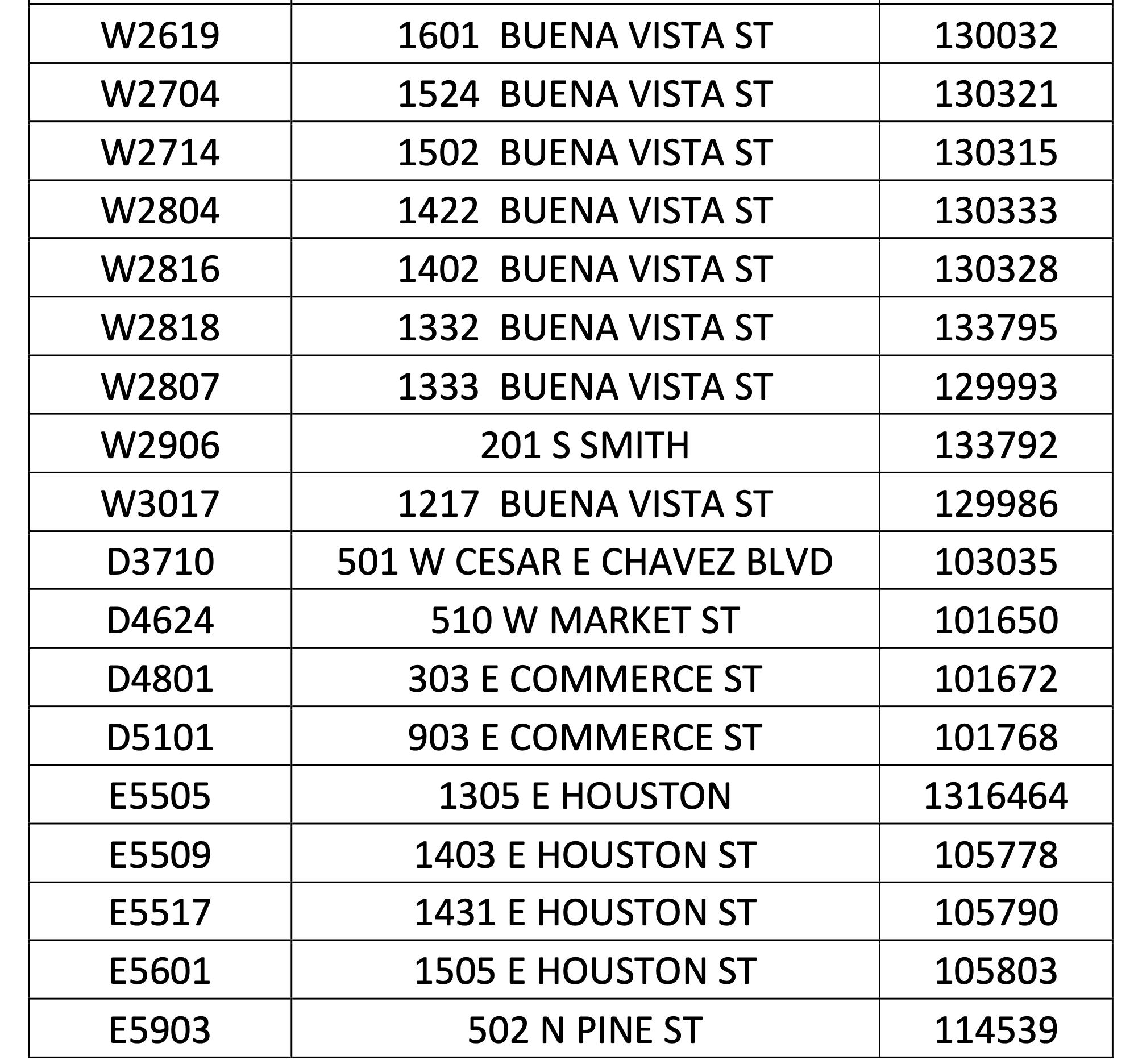
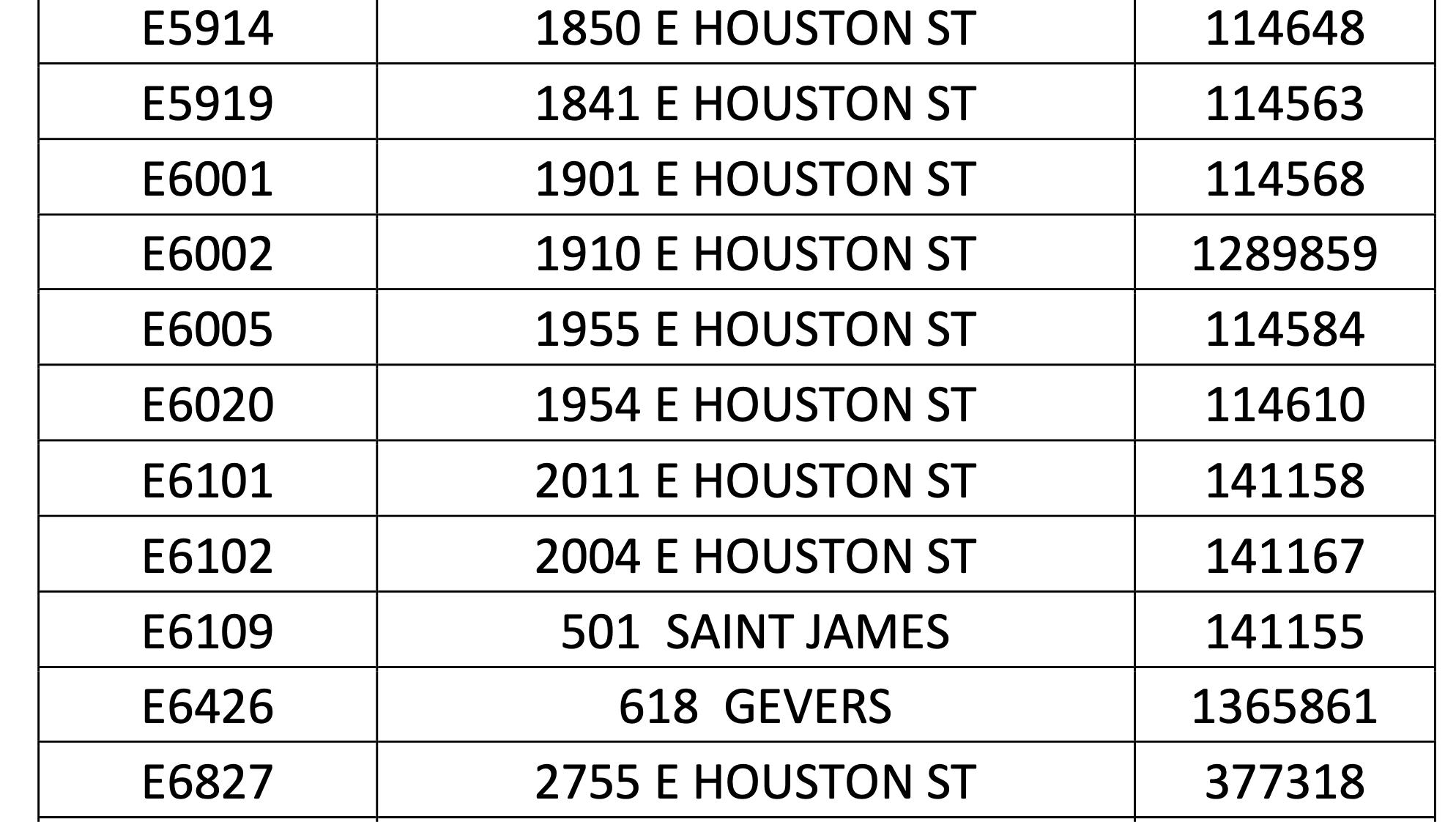
La Junta Directiva de VIA Metropolitan Transit llevará a cabo una audiencia pública para recibir comentarios sobre la propuesta de adquisición de derechos de acceso a la propiedad y/o de derechos de propiedad plena sobre las propiedades identificadas a continuación, de conformidad con la Sección 451.059 del Código de Transporte de Texas. Las propiedades se encuentran ubicadas dentro del área de servicio de VIA Metropolitan Transit y serán utilizadas para ampliar los fines y usos de transporte público asociados con el Sistema de VIA Metropolitan Transit, incluido el Proyecto del Corredor Este/Oeste de Tránsito Rápido Avanzado (Advanced Rapid Transit, ART) (Línea Plateada), que se construirá a lo largo de determinados tramos de las calles W. Commerce, E. Commerce, Cherry, E. Houston, Buena Vista, Dolorosa y Market.
INFORMACIÓN DE LA AUDIENCIA PÚBLICA
Martes 28 de julio de 2026 a las 5:00 p.m.
VIA Metro Center 1021 San Pedro
San Antonio, Texas 78212 Las siguientes propiedades ubicadas en San Antonio, Condado de Bexar, Texas, están siendo consideradas para la ADQUISICIÓN PARCIAL DE DERECHOS DE PROPIEDAD PLENA Y/O DE DERECHOS DE ACCESO A LA PROPIEDAD:
Varias rutas de autobús prestan servicio al lugar de la audiencia. Acceda en línea a www.viainfo.net o Google Maps para obtener indicaciones para llegar en transporte público o en vehículo, o llame al 210-362-2020 para obtener asistencia. El VIA Metro Center es accesible para personas en silla de ruedas. Las personas con discapacidades auditivas pueden solicitar un intérprete 48 horas antes de la reunión llamando a la Oficina de Servicios de Accesibilidad al (210) 362-2140 o al Departamento de Servicio al Cliente de VIA al (210) 362-2020. Por favor, envíe sus comentarios por escrito antes del lunes 21 de septiembre de 2026 a la Oficina de Relaciones Gubernamentales, Apartado Postal 12489, San Antonio, Texas 78212, o comuníquese por correo electrónico a GCR@ viainfo.net. Para obtener información adicional sobre la adquisición propuesta, por favor comuníquese con RealEstate@viainfo.net al (726) 234-3811.
Por Edwin Ortiz Jr.
El equipo de Maceteros
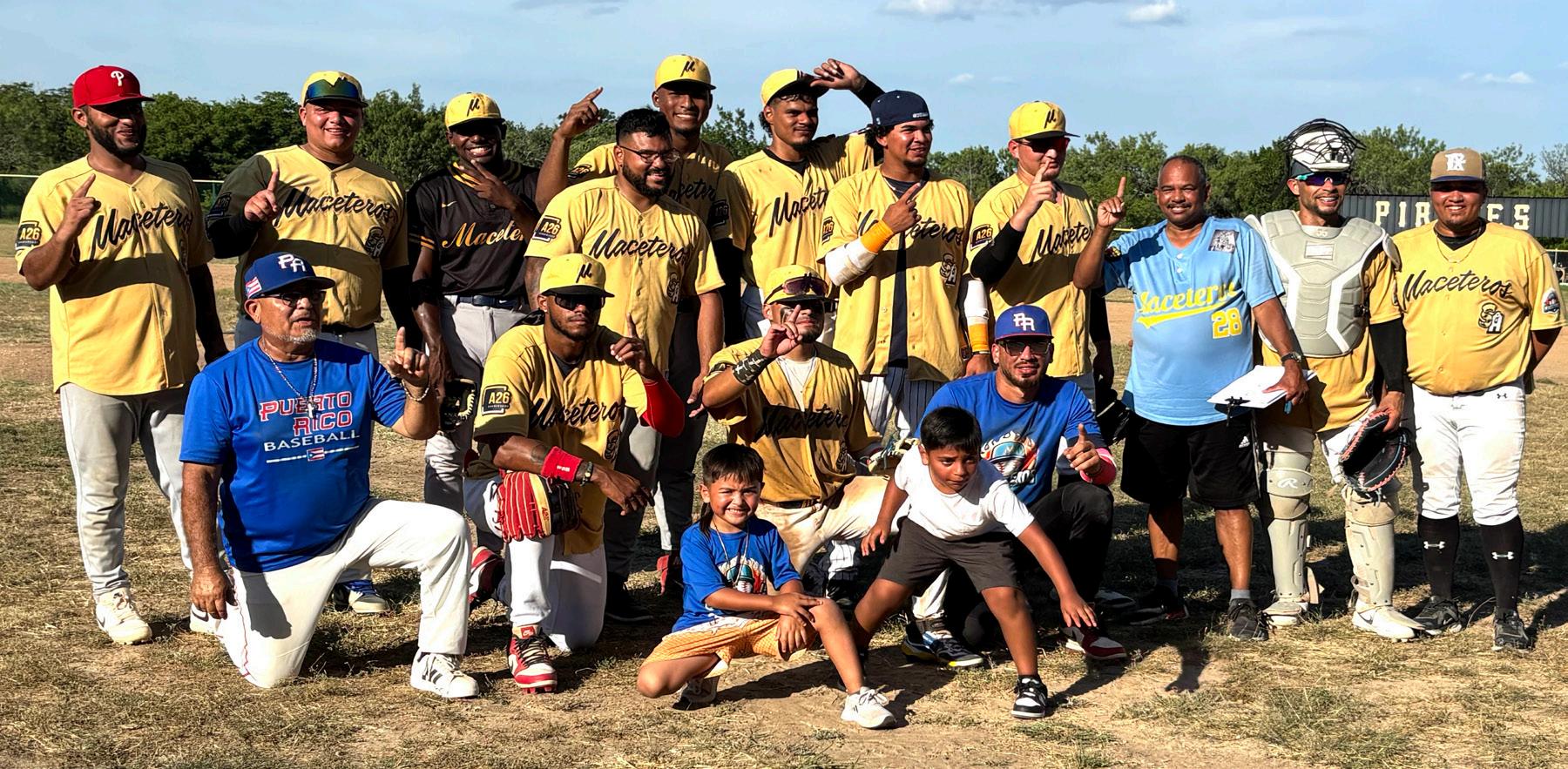
SA durante el Torneo 4 de Julio 2026, celebrado en Liga Potranco (Estadio Potranco), se proclamó campeón y son los número 1 de San Antonio, Texas en torneo de primera fuerza en la liga más fuerte “La Potranco Baseball League”. En partido eliminatorio Tuzos se rindió ante Maceteros en la cuarta entrada perdiendo 19-0 carreras. Maceteros pegaron dos grand slams. Contra Piratas (que eliminó 5-3 a Diablos con triunfo para
Maceteros SA Campeón
José López ‘El Látigo’. Para enfrentar la final, estos tiraron la toalla en el séptimo inning perdiendo 10-3 carreras, y de esa manera Maceteros
SA se proclamó el equipo más duro de vencer en San Antonio. Maceteros SA tiene un récord general en su trayectoria en SA de 58 victorias y solo 8 derrotas en cuatro temporadas completas logrando dos campeonatos de cuatro finales consecutivas. El pitcher Eliezer Paulino, fue nombrado MVP del torneo, tirando 10 innings y ponchando a 16 bateadores rivales.
Siendo el pitcher ganador en ambos juegos. Maceteros conectó
5 cuadrangulares en los dos partidos, en el primer partido hubo
Grand Slam de Marcos Cabrera. Grand Slam de Roidel Martínez, Rixo Piña dio jonrón de tres carreras. En el segundo juego Osvaldo Tovalin, pegó 2 jonrones con 4 carreras producidas. Nota del editor deportivo Franco La Prensa Texas: el presidente Simón Sánchez y el artista Eloy Rocha, dueño de Potranco Sports Complex y Salon Social Potran-
co Rodeo Ball Room, felicitaron a los cuatro equipos participantes.
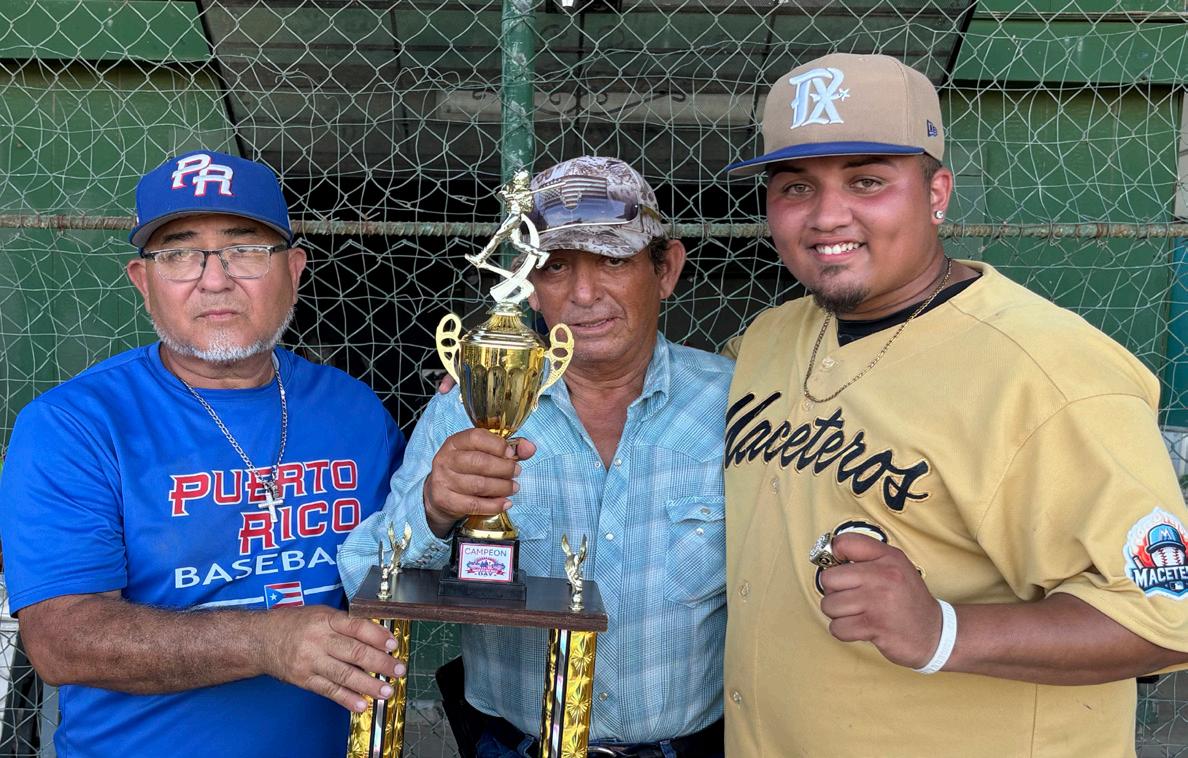
Y agradecimiento al público asistente,presentando a la vez trofeos al campeón Maceteros, subcampeón Piratas de Iván Vaquera y al MVP Eliezer Paulino. Ahora la invitación es para este domingo 12
de julio para el segundo partido de serie del playoff Abierta: 10am Tuzos (1-0) vs Potros (0-1). 1pm Piratas (1-0) vs Diablos (0-1). (fotos de Franco).