El plazo para presentar una solicitud de audiencia de caso impugnado es de 15 días a partir de la publicación del anuncio en el periódico. Si la solicitud se presenta a tiempo, el plazo para solicitar una audiencia de caso impugnado se ampliará a 30 días después del envío de la respuesta a los comentarios.
Si se presenta a tiempo cualquier solicitud de audiencia de caso impugnado, el Director Ejecutivo remitirá la solicitud y cualquier solicitud de audiencia de caso impugnado a los Comisionados para su consideración en una reunión programada de la Comisión. A menos que la solicitud se remita directamente a una audiencia de caso impugnado, el director ejecutivo enviará por correo la respuesta a los comentarios junto con la notificación de la reunión de la Comisión a todas las personas que hayan presentado come tarios o estén en la lista de correo de esta solicitud. La Comisión sól podrá conceder una solicitud de audiencia de caso impugnado sobre cuestiones que el solicitante haya presentado en sus comentarios a tiempo y que no hayan sido retirados posteriormente. Si se concede una audiencia, el objeto de la misma se limitará a las cuestiones de hecho controvertidas o a las cuestiones mixtas de hecho y de derecho relativas a los problemas de calidad del aire pertinentes y materiales presentados durante el periodo de comentarios. Cuestiones como el valor de la propiedad, el ruido, la seguridad del tráfico y la zonificación quedan fuera de la jurisdicción de la Comisión para ser tratadas en este procedimiento.
LISTA DE CORREO. Además de presentar comentarios públicos, puede solicitar que se le incluya en una lista de correo para recibir futuros avisos públicos sobre esta solicitud específica enviando una solicitud por escrito a la Oficina del Secretario Oficial en la dirección que figura a continuación.
C ONTACTOS E INFORMACIÓN DE LA AGENCIA. Los comentarios y solicitudes del público deben presentarse vía electrónicamente en www14.tceq.texas.gov/epic/eComment/, o por escrito a la Texas Commission on Environmental Quality, Office of the Chief Clerk, MC-105, P.O. Box 13087, Austin, Texas 78711-3087. Tenga en cuenta que cualquier información de contacto que proporcione, incluyendo su nombre, número de teléfono, dirección de correo electrónico y dirección física, formará parte del registro público de la agencia. Para más información sobre el proceso de tramitación de permisos, favor de llamar al Programa de Educación pública de la TCEQ sin costo al 1-800-687-4040, o bien visitar su sitio web, www.tceq.texas.gov/goto/pep. Para información en español, favor de llamar al 1-800-687-4040. También es posible consultar oportunidades de participación pública en nuestro sitio web, www.tceq.texas. gov/goto/participation.
También se puede obtener más información de Forterra Pipe & Precast, LLC, 402 North WW White Road, San Antonio, Texas 782192811 o llamando a Mr. Kevin Whitenight, Consultant, al 512-785-0375.
Fecha de emisión del aviso: 10 de junio de 2026
Por Franco
Regresan Las Silver Dancers
Los Spurs de San Antonio, recientemente anunciaron su agenda de entrenamiento en partidos locales ha jugarse en su sede el Frost Bank Center todo para le temporada siguiente NBA 2026-27. Ahora con su expansión estarán presentando las espectaculares presentaciones del selecto grupo artístico Silver Dancers, que se unirá a la Spurs Hype Squad, con lo que se estará realizando todo una gama estelar ante el público asistente a cada partido local y a la vez participarán en programas comunitarios.(tal y como lo realizaron en años anteriores).
Con ello Los Spurs seguirán trabajando en pro de la comunidad en la región de El Álamo. “Siempre hemos visto las formas por hacer los partidos locales de Spurs, una experiencia emocionante y cercana entre nuestros aficionados “., dijo Jordan Mandelkorn, Vice President of Marketing, Creative & Retail for Spurs Sports & Entertainment (SS&E). Por lo qué extendió lo siguiente.”Silver Dancers y Hype Squad, cada uno traerán sus respectivas energías y habilidades para seguir conectados con nuestra base de seguidores. Por lo tanto estamos emocionados por expander nuestro pro-
grama de entrenamiento en una forma que refleje el espíritu de Spurs tanto dentro de la cancha de juego como en la comunidad”. En boletín oficial de la SS&E, empresa dueña del pentacampeón Spurs se indicó la importante invitación para quienes cuenten con habilidades y destrezas deportivas interesadas (os) en participar durante las próximas audiciones tanto en las porras de Silver Dancers como Spurs Hype Squad, que desde el domingo 28 de junio se abrieron en la comunidad. Para mayor información pueden visitar el sitio at_Spurs.com/Auditions. Cabe mencionar
que Silver Dancers, será un equipo formado por mujeres quienes participarán en selectos partidos de Spurs y eventos comunitarios durante la temporada, para actuar con gran entusiasmo durante actividades de entrenamiento para los Spurs. Silver Dancers cuentan con excelente aceptación y ahora en su regreso convocarán a la afición de San Antonio para seguir adelante y logren una fantástica temporada que los llevará a su clasificación para los playoff’s del 2027 bajo la dirección del entrenador en jefe Mitch Johnson.
(Fotos de Franco)
By: J. Gilberto Quezada
Our Nation’s 250th Birthday
In celebration of July 4, 2026, the semiquincentennial of the Declaration of Independence and our nation’s 250th birthday, I find myself looking back across the decades of my life. Each milestone year has carried its own meaning, shaped by national triumphs, struggles, and moments of unity. Together, these memories form a tapestry of what it has meant to grow up, grow older, and grow wiser in a country constantly redefining itself. I was born in 1946 in my beloved Barrio El Azteca in Laredo, Texas, just as the United States emerged from World War II. The nation was filled with relief, hope, and a renewed belief in freedom. Soldiers returned home, families reunited, and Americans looked toward a brighter future. By 1956, the country was deep into the postwar boom. The interstate highway system was beginning to reshape travel, rock ’n’ roll was giving young people a voice, and America seemed confident that anything was possible. I
was a third-grader at St. Augustine School in Laredo, sitting in Miss Bazan’s classroom, where the world felt steady and safe even as the country changed around us. In 1966, I began my first year at Laredo Jr. College while the nation was in the middle of redefining itself. The Civil Rights Movement had achieved monumental victories, and the promise of equality was beginning to reach places it had never touched before. Independence Day that year felt like more than fireworks; it was a reminder that freedom was expanding and becoming more inclusive. The Bicentennial in 1976 was unlike anything before it. The country seemed wrapped in red, white, and blue. Parades rolled through cities and small towns, tall ships filled harbors, and patriotic concerts echoed across parks and schoolyards. After Vietnam and Watergate, the Bicentennial felt like a moment of healing. For me, it was also my fifth year working for the South San Antonio ISD, and my wife Jo Emma and I celebrated our fifth wedding anniversary. In 1986, as
the nation celebrated the 100th birthday of the Statue of Liberty, I reflected on my own journey after fifteen years of service with South San Antonio ISD. Lady Liberty, newly restored, stood again as a beacon of hope and welcome. In my own corner of South San Antonio, those same values lived in the classrooms, hallways, and hearts of the students and colleagues I served. By 1996, one year after the publication of my award-winning political biography, Border Boss: Manuel B. Bravo and Zapata County, the nation was entering the digital age. The young internet was beginning to change how we communicated and imagined the future. That summer, the Atlanta Olympics brought Americans together in celebration of athleticism, diversity, and pride. In 2006, the country was still healing after September 11. I, too, was reflecting on healing. It had been four years since I retired from South San Antonio ISD and three years since my openheart surgery. Independence Day carried a deeper meaning that year, as Americans honored first
responders, remembered lives forever changed, and embraced unity and resilience. By 2016, I was fully immersed in the joy of writing, sending my words into the world through different news outlets. Technology was advancing, medicine was breaking barriers, and space exploration was reigniting our imagination. While America looked outward with curiosity, I looked inward with purpose. Writing had become more than something I did; it had become part of who I was. Now, in 2026, I stand at the intersection of history and possibility. The United States prepares to celebrate its 250th Independence Day, inviting us to look back with gratitude and forward with courage. For me, this milestone is deeply personal. I have lived through eight decades of American life, filled with change, challenge, and wonder. Most importantly, my wife Jo Emma and I will celebrate our 55th wedding anniversary this coming August. As fireworks burst across the sky on July 4, 2026, I will stand among millions of Americans honoring 250 years
of independence. Each anniversary I have lived through has carried its own meaning. Together, they tell the story of a nation constantly striving to live up to its ideals.Although there were no Spanish signers on the Declaration of Independence, we can still be proud of our Spanish ancestors and their vital contributions to the American Revolution. Spain provided money, muskets, munitions, medicine, supplies, credit, and military support. General Bernardo de Gálvez led campaigns against the British, and thousands of cattle from private and mission ranches in the San Antonio River Valley helped feed Spanish troops. As we mark America’s 250th anniversary, we must remember the full story of independence, including the allies who helped make freedom possible. America is not just a point on a map. It is a living epic— restless, imperfect, and astonishing—written by generations who believed freedom was worth the struggle. Now it is our turn to add a verse.
Latinos in America: Summer Reading Recommendations
By Ricardo Romo, PH.D
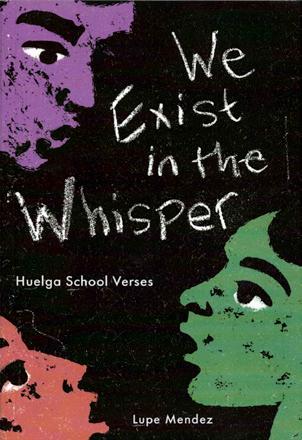
HOUSTON, TX- In We
Exist in the Whisper: Huelga School Verses (ISBN: 979-8-89375-0300; $17.95), author Lupe Mendez reveals the Mexican community’s school boycott in Houston through interviews and historical documents. This anthropoetry collection, which brings to life the issues of school segregation in the 1970s, depicts one of many school walkouts by Latino students during the civil rights era. “One day all these classrooms / will no longer hold any of us. / Leave no evidence we were here. / We exist in the whisper....” Lupe Mendez’s innovative new collection captures a unique time in Houston, Texas, “a sliver of a moment for Mexican-American and Mexican communities in the early 1970s,” that explores Houston ISD’s racist plan to integrate schools by sending Mexican-American children-labeled as white— to predominantly African-American schools, thereby satisfying federal desegregation laws. Incensed that its children would have to travel to schools no better than the ones they could walk to, the Chicano community resisted by instituting a walkout, or huelga, and by creating its own schools in churches, homes, and neighborhood centers. Weaving poetry and history, the book contains “found” poems created from newspaper articles about the strike; oral history interviews with teachers, principals, and students; notes from visits the author made to the sites where classes were held more than
50 years ago; docupoems created from official Huelga School papers; and historical documents such as photographs, charts, fliers, and letters. In his illuminating notes about the book, Mendez describes the methodology for creating this collection and includes a list of best practices for the “poethnographer.” His research revealed the racism that existed in this era, perpetuated by the majority white population and between brown and black populations forced to compete for every resource. Ultimately, Mendez asserts the Huelga School strike had a critical impact on Houston, both in the development of Mexican-American leaders who got their start in these “freedom schools” and the nascent collaborations between diverse communities. LUPE MENDEZ, the 20222023 Texas Poet Laureate, is the author of W/ by I Am Like Tequila (Willow Books, 2019), winner of the 2019 John A. Robertson Award for Best First Book of Poetry from the Texas Institute of Letters. ARTE PÚBLICO PRESS.
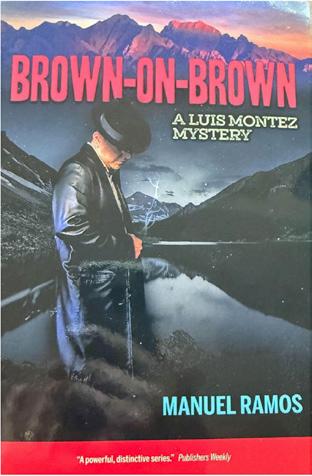
Luis Montez despises Harry López, a con man he has represented many times and who still owes him money. But when the petty criminal asks him to consider taking on a distant cousin as a client, the lawyer sets aside his distaste because he needs the work. Montez meets with Fermín Santos, a wealthy rancher from the San Luis Valley, whose son has been imprisoned again. He is accused of threatening a neighboring Anglo rancher-who also happens to head up the water compa-
ny. The Santos patriarch has been fighting for water rights for decades. His land sits above a huge aquifer, but rights were lost generations ago, and the water is exported to other parts of Colorado and California. Before Montez can even deposit the retainer, Santos’ son is killed in a jailhouse riot. Against his better judgment, the attorney agrees to travel to the valley to investigate. There, he is attacked in a bar’s parking lot, badly beaten and left for dead. Is there more going on than rights to the liquid gold below the earth’s surface? This riveting read-the fifth and final installment in the Luis Montez Mystery series-deals with an issue that has become even more relevant as the planet heats up. MANUEL RAMOS is the recipient of several literary awards for his books, which include Blues for the Buffalo (Arte Público Press, 2025). ARTE PÚBLICO PRESS.
Houston, TX— Alberto Roblest’s new novel, A Necklace of Ears (ISBN: 979-8-89375-0096;$18.95), is a thriller that mixes magic with reality while moving between tension, eroticism, and mystery. After leaving the artificial charm of Las Vegas behind, Sergio makes a living working at a military base. While repairing houses andmaintaining the complex’s gardens, he enters the lives of characters as diverse as married women in need of a sexual encounter— who are marked by the absence of their husbandsat the front—and veterans who carry the echoes of war, facing ghosts that never
fade away. In a bold narrative game, the reader becomes an accomplice to the clandestine encounters and gossip of the military base. With a provocative tone, Alberto Roblest invites us to witness the human dynamics that unfold in this microcosm: the unbridled flirtation of the playboy protagonist and the stories that are whispered in the shadows. As relationships blossom and wither, Ser gio is presented as an enigma: in sudden dreams— or hazy memories— we find him wandering through the desert, a collar made of ears hanging from his neck. The haunting question persists: to whom do these belong?The novel combines detailed descriptions with reflections on today’s society to graphically explore the reality of many hard-working migrants facing harsh conditions in the United States.
ALBERTO ROBLEST, an award-winning digital artist, writer and educator, is the co-founder of the arts and humanities website, Hola Cultura. ARTE PÚBLICO Press
BY FOLLOWING THE artistic and ideological journeys of two groups of Northern California Chicana artists, María Ochoa argues that the women involved in these collectives created complex images whose powerful visual social commentary sprang from the daily experiences of their lives. Ochoa’s artistic narrative first focuses on Mujeres Muralistas, a pathbreaking San Francisco group of mural painters organized in the early 1970s at the height of the Chicana/o movement. The story then turns its attention to Co-Madres Artistas, a group of artists who came together in the 1990s after spending decades tending their families, becoming successful in their careers, and launching key Chicana/o cultural instit tions in the Sacramento Valley. Ochoa tells the sto-
ries of the individual members of these collectives to show how they combined art and activism. Through an innovative application of oral-history interviews, a fascinating compilation of individual and collective stories emerges. Creative Collectives is notable for its skillful weaving of personal recollections, representational analysis of mural and easel painting, and social-movement narration. Maria Ochoa teaches at San José State University in the Department of Social Science. ARTE PÚBLICO PRESS.
When sixteen-year-old Grace Martinez, a goth filmmaker in Austin, Texas, is struck by lightning, her crush Blake Abrams miraculously brings her back to life with CPR. Afterwards, the girl discovers she can communicate with ghosts. Among these spectral visitors is a troubled Muslim teen, who appears to her with a noose around his neck. Did he hang himself? As she recovers from her brush with death, the girl struggles with her friends’ incredulity about her new ability, her evolving relationship with Blake, her clueless father, and her obnoxious stepmother. Meanwhile, haunted by her mother’s suicide, Grace delves deeper into the mystery of Mohammad’s passing, trying to decipher the ghost’s messages, which are sent via song lyrics from the 80s! Along the way, Grace discovers a treasure trove of secrets about her own family as well as those of Mohammad and other friends. She also learns that her ancestral spirit guide is none other than La Llorona, the fabled demon woman who killed her own children! Alisa Valdés pens a suspenseful novel for teens narrated by a quick-witted and articulate young woman dealing with issues all young people can relate to, including friendship, family, and the power of belonging.
ALISA VALDÉS is the New York Times and USA Today bestselling author of The Dirty Girls Social Club (St. Martin’s Press, 2003). ARTE PÚBLICO PRESS.
Lingering whispers of the departed ech throughout this volume of short fiction. At a Día de los Muertos celebration attended by those left behind- and loved ones who have moved on —Pati, dead for twenty-nine years, remembers when her daughter came out and is amazed that Emm Elisa still builds an altar for her. Miguelito remembers his Mamá, his father who transitioned to a woman and lost custody of her son to her tr ditional, tyrannical father. ire’ne lara silva’s stories are rooted in mythical realism, in liminal spaces that don’t differentiate the voices of the dead from those of the living, that navigate borders and borderless places fearlessly to bring us the stories of gods, mortals, and animals. An extraterrestrial relates an eyewitness account of Malinche and the Conquest. Santísima Muerte opens a taco truck in Austin and finds love. A woman blinded by a hummingbird and distracted by multiple lovers struggles to find her purpose. The pieces in this tender yet fierce collection consider grief, death, and love, all through the prism of indigenous beliefs. Highlighting the importance of art, spirituality, and relationships in healing wounds from generations of trauma, ire’ne lara silva explores how stories inhabit the body-the mythologized, sexualized, historicized, embattled body —and how different kinds of desire fuel imagination towards transformation and wholeness. The characters in these stories are driven by their gods, echoes of the dead, and their desire to love-and to create. ire’ne lara silva, the 2023 Texas State Poet Laureate, is the author of five poetry collections: furia, Blood Sugar Canto, Cuicacalli/House of Song, ARTE PÚBLICO PRESS
Op-ed by Louis Escareno
Today Is A Heartbreaking Day!
I am deeply saddened by two major decisions handed down today by the United States Supreme Court that will profoundly affect the lives of countless asylum seekers and individuals who have relied upon Temporary Protected Status to build lives in this country. These rulings represent a significant legal and political victory for the Trump Administration. From my perspective, however, they also mark a painful retreat from one of America’s most enduring moral commitments: offering refuge to those fleeing persecution. What happened inside the Supreme Court today was itself extraordinary. According to CNN Supreme Court analyst Joan Biskupic, who was present in the courtroom, Justice Samuel Alito announced the Court’s decision adopting a narrow interpretation of federal
asylum law—one that will make it substantially more difficult for many individuals arriving at or near our southern border to even have their asylum claims heard. Before Justice Alito proceeded to announce the Court’s next immigration decision, Justice Sonia Sotomayor broke with the Court’s customary practice and asked to read her dissent aloud from the bench. Joined by Justices Elena Kagan and Ketanji Brown Jackson, she used one of the Court’s most solemn traditions to warn of the human consequences of the majority’s ruling. Justice Sotomayor began by reminding the nation of one of history’s darkest lessons: the 1939 voyage of the MS St. Louis, carrying 937 Jewish refugees desperate to escape Nazi persecution. After being denied refuge, many passengers were forced back to Europe, where hundreds ultimately perished in the Holocaust. She then explained that
the refugee protections developed after World War II—including international agreements designed to ensure “never again”—were intended to prevent precisely this kind of tragedy from recurring. She also described the violence, extortion, and grave dangers faced by many asylum seekers stranded along the U.S.-Mexico border. When she finished reading her dissent, Justice Alito publicly responded that had he known she intended to deliver those remarks from the bench, he would have addressed them himself—a striking exchange that underscored the profound divisions within the Court. Whether one agrees with today’s decisions or not, history reminds us that immigration law is never simply about statutes and procedures. It is also about human lives, moral responsibility, and the values a nation chooses to embrace. For me, this is a sad and sobering day.I am
Venezuela
Al final no llegó la paz al país caribeño y atlántico como se dijo. Ni la paz ni la ansiada democracia supuestamente.
La injerencia de la potencia norteamericana escondía detrás sus negocios sucios petrolíferos entre otros más que su voluntad de acabar con los narcos.
Su apariencia de llevar la “paz” por todo el mundo que les parece creando conflictos por doquier es su forma de vivir.
Es un país que tiene muy poca historia o nada y que vive de crear conflictos donde no los hay.
O donde los hay pero ellos crean más.
Con la naturaleza no hay tecnología que pueda. Ella manda y decide cuándo y dónde. Y va avisando : incendios, danas, temblores, lluvias ácidas, olas de calor , sequías, etc..
Te devuelve lo que le has hecho.
Las cosas están así porque así las mayorías lo han decidido, si la gente mañana decidiera cambiar el
rumbo de sus vidas así cambiaría el ambiente, la vida , la atmósfera , es decir , podríamos respirar.
Pero resulta que la mayoría no son amas de su destino, no son capitanes de su barco. Un barco que por eso mismo va a la deriva.
Se agarran al dinero como tabla de salvación y sin ninguna emoción.
Una sociedad que sólo utiliza la cabeza sin inteligencia emocional va por supuesto mal.
Recuerdo ahora un estudio científ-
grateful that Justices Sonia Sotomayor, Elena Kagan, and Ketanji Brown Jackson chose not to remain silent. Their dissent ensures that another vision of America—one rooted in compassion, due process, and our historic commitment to protecting those fleeing persecution—has been preserved for history. Many families in our own communities will feel the impact of today’s rulings. Some are our neighbors. Some are our friends. Some came here seeking only safety for their children. History will ultimately judge not only the Court’s legal reasoning, but also whether we remained faithful to the humanitarian principles that emerged from the tragedies of the twentieth century. Today, I mourn for those whose hopes became more uncertain, and I remain hopeful that our nation will continue striving to live up to its highest
ico antiguo ya donde se avisaba de que las prospecciones petrolíferas pueden aumentar la potencia de los sismos.
Se está agujereando la tierra con demasía. Todo lo que haces tiene consecuencias.
Todo depende de tí, ser el capitán de tu destino y no un esclavo del dinero.
( Cuando publiquen envíen link ; información autor en Google)
Artículo Opinión Por Jesús Antonio Fernández Olmedo
Supreme Court Ruling Gives Big Money a Bigger Voice in Elections
By: Yvette Tello
Campaign money may sound like something only politicians care about, but it affects all of us. It affects what we see on TV, what shows up on our phones, what comes in the mail, and what messages get repeated over and over before we vote. A recent Supreme Court decision changed the rules on how political parties can spend money with the candidates they support. In simple terms, political parties can now work more closely with candidates and spend much more money helping them win. Some people say this is free speech. They believe political parties should be able to support their candidates however they want. Others are worried because this could give rich donors, big political groups, and powerful party leaders even more control over elections. This can go wrong very quickly. Think about a regular person from the community who wants to run for office. Maybe they care about better streets, safer neighborhoods, schools, small businesses, veterans, seniors, or working families. They may know the community. They may have real experience. They may truly care. But they may not have millions of dollars. Now think about their opponent. That person may have the support of a powerful political party and big donors. Suddenly, their name is everywhere. Their ads are on TV. Their signs are all over town. Their videos are on-
line. Their mailers are in your mailbox. Their text messages are on your phone. The regular candidate may be the better choice, but the other candidate has more money. That is the problem. In the worst-case scenario, elections become less about the people and more about who has the biggest wallet. Candidates start listening more to donors than to voters. Local issues get pushed aside. Regular families start to feel like their voices do not matter. Money can also confuse voters. When we hear the same message again and again, we start to believe it without asking who paid for it or why. A lot of money makes a candidate look stronger, more popular, or more trusted than they really are. Money is also used to attack people. Instead of hearing real answers about what our community needs, voters see more negative ads, fear, division, and half-truths. By Election Day, people feel tired, confused, or so upset that they do not vote at all. And that is dangerous. When regular people stop voting, people with money gain even more power. When communities stop paying attention, decisions get made without them. This does not mean our vote does not matter. It means our vote matters even more. We need to follow the money. When we see a political ad, we need to ask who paid for this? What do they want? Why are they trying so hard to convince me? What are they not telling me? We also need to pay atten-
tion to local elections, not just presidential elections. School boards, city councils, county offices, judges, and state leaders make decisions that affect our everyday lives. They affect our streets, schools, taxes, safety, families, and future. These local races can also be influenced by money. If we are not careful, democracy can become a system where regular people are allowed to vote, but rich people and political insiders control the choices. That is why history still matters. People before us fought for the right to vote and the right to be heard. They fought so everyday people could have a voice in this country. We cannot take that for granted. Now is not the time to sit back and hope someone else is paying attention. The time for suggestions is over. It is time to get up, know our rights, understand our vote, and use it. Check who is funding the candidates. Ask questions. Learn what is on the ballot. Talk to your family. Help young voters and elders understand what is at stake. Support local journalism that explains how these decisions affect our own community. Campaign money may be loud, but people are louder when they are informed, organized, and ready to act. Democracy does not protect itself. Rights do not defend themselves. We must stand up, speak up, vote, and hold power accountable. Because if we do not use our voice, someone else will use their money to speak for us.
COMISIÓN DE CALIDAD AMBIENTAL DE TEXAS
AVISO DE RECIBIR DE LA SOLICITUD E INTENCIÓN DE OBTENER RENOVACIÓN DEL PERMISO DE AIRE (NORI) NÚMERO DE PERMISO 21741
SOLICITUD. Mars Petcare US, Inc. ha solicitado a la Comisión de Calidad Ambiental de Texas (TCEQ) la renovación del Permiso de Calidad del Aire Número 21741, que autorizaría la continuidad de la operación de una planta de fabricación de alimentos para mascotas situada en 3401 Eberhardt Road, Temple, condado de Bell, Texas 76504. AVISO DE IDIOMA ALTERNATIVO. El aviso de idioma alternativo en español está disponible en https://www.tceq.texas.gov/permitting/air/newsourcereview/airpermits-pendingpermit-apps. Este enlace a un mapa electrónico de la ubicación general del sitio o instalación se proporciona como cortesía pública y no for ma parte de la solicitud o aviso. Para la ubicación exacta, consulte la solicitud. https://gisweb.tceq.texas.gov/LocationMapper/?marker=-97.355,31.135&level=13. La instalación existente está autorizada a emitir los siguientes contaminantes atmosféricos: monóxido de carbono, óxidos de nitrógeno, compuestos orgánicos, materias particuladas incluyendo partículas de diámetro de 10 micras o menos y 2,5 micras o menos, y dióxido de azufre.
Esta solicitud fue presentada al TCEQ el 8 de junio de 2026. La solicitud estará disponible para consulta y copia en la oficina central de TCEQ, la oficina regional de TCEQ Waco y la Biblioteca Pública de Temple, 100 West Adams Avenue, Temple, condado de Bell, Texas, a partir del primer día de publicación de este aviso. El expediente de cumplimiento de la instalación, si existe alguno, está disponible para su revisión pública en la oficina regional de Waco del TCEQ. La solicitud, incluidas las actualizaciones, está disponible electrónicamente en la siguiente página web: https://www.tceq.texas.gov/permitting/air/airpermit-applications-notices
El director ejecutivo ha determinado que la solicitud está administrativamente completa y realizará una revisión técnica de la misma. La información de la solicitud indica que esta renovación del permiso no supondría un aumento de las emisiones permitidas ni la emisión de un contaminante atmosférico no emitido previamente. La TCEQ puede actuar sobre esta solicitud sin solicitar máscomentarios públicos ni ofrecer la oportunidad de una audiencia impugnada si se cumplen ciertos criterios.
COMENTARIOS PÚBLICOS. Puede enviar comentarios públicos a la Oficina del Secretario Jefe en la dirección que aparece a continuación. La TCEQ tendrá en cuenta todos los comentarios públicos para tomar una decisión final sobre la solicitud y el director ejecutivo preparará una respuesta a esos comentarios. Cuestiones como el valor de las propiedades, el ruido, la seguri dad vial y la zonificación están fuera de la jurisdicción de la TCEQ en el proceso de permisos.
OPORTUNIDAD DE UNA AUDIENCIA IMPUGNADA. Puede solicitar una audiencia impugnada si es una persona que puede verse afectada por las emisiones de contaminantes atmosféricos procedentes de la instalación. Si solicitas una audiencia impugnada, debes presentar lo siguiente: (1) tu nombre (o para un grupo o asociación, un representante oficial), dirección postal, número de teléfono diurno; (2) nombre del solicitante y número de permiso; (3) la declaración “[yo/nosotros] solicitamos una vista impugnada;” (4) una descripción específica de cómo se vería afectado negativamente por la aplicación y las emisiones atmosféricas de la instalación de una manera no común para el público general; (5) la ubicación y distancia de tu propiedad respecto a la instalación; (6) una descripción de cómo utilizas la propiedad que puede verse afectada por la instalación; y (7) una lista de todos los hechos en disputa que presentas durante el periodo de comentarios. Si la solicitud la realiza un grupo o asociación, uno o más miembros que tengan legitimación para solicitar una audiencia deben ser identificados por su nombre y dirección física. También deben identificarse los intereses que el grupo o asociación buscaproteger. También puedes presentar tus ajustes propuestos a la solicitud/permiso que satisfagan tus preocupaciones. El plazo para presentar una solicitud de
audiencia impugnada es 15 días después de la publicación del aviso en el periódico. Si una solicitud se presenta a tiempo, el plazo para solicitar una audiencia impugnada se extenderá hasta 30 días después del envío por correo de la respuesta a los comentarios.
Si alguna solicitud de audiencia impugnada se presenta puntualmente, el Director Ejecutivo remitirá la solicitud y cualquier so licitud de audiencia impugnada a los Comisionados para su consideración en una reunión programada de la Comisión. A menos que la solicitud se remita directamente a una audiencia impugnada, el director ejecutivo enviará por correo la respuesta a los comenta rios junto con la notificación de la reunión de la Comisión a todos los que hayan presentado comentarios o estén en la lista de corr eo de esta solicitud. La Comisión solo puede conceder una solicitud de audiencia impugnada sobre cuestiones que el solicitante haya presentado en sus comentarios oportunos y que no hayan sido posteriormente retiradas. Si se concede una audiencia, el objeto de la audiencia se limitará a cuestiones de hecho en disputa o a cuestiones mixtas de hechos y derecho relacionadas con preocupaciones relevantes y relevantes sobre la calidad del aire presentadas durante el periodo de comentarios. Cuestiones como el valor de las propiedades, el ruido, la seguridad vial y la zonificación están fuera de la jurisdicción de la Comisión en este procedi miento.
LISTA DE CORREO. Además de enviar comentarios públicos, puede solicitar ser incluido en una lista de correo para esta solicitud enviando una solicitud a la Oficina del Jefe de Secretarios en la dirección que aparece a continuación. Los inscritos en la lis ta de correo recibirán copias de futuros avisos públicos (si los hay) enviados por la Oficina del Jefe de Secretarios para esta solicitud.
CONTACTOS E INFORMACIÓN DE LA AGENCIA. Todos los comentarios y solicitudes públicos deben enviarse electrónicamente en www14.tceq.texas.gov/epic/eComment/, o por escrito a la Comisión de Calidad Ambiental de Texas, Oficina del Secretario Jefe, MC-105, P.O. Box 13087, Austin, Texas 78711-3087. Por favor, tenga en cuenta que cualquier información de contacto que proporcione, incluyendo su nombre, número de teléfono, dirección de correo electrónico y dirección física, pasará a formar part e del registro público de la agencia. Para más información sobre el proceso de permisos, por favor llame gratuitamente al Programa de Educación Pública de TCEQ al 1-800-687-4040 o visite su página web en www.tceq.texas.gov/goto/pep. Si desea información en Español, puede llamar al 1-800-687-4040. También puedes consultar nuestra página web para oportunidades de participación pública en www.tceq.texas.gov/goto/participation.
También se puede obtener más información en Mars Petcare US, Inc., 3401 Eberhardt Road, Temple, Texas 76504-2604 o llamando a la Sra. Olivia Hughes, Gerente Regional de Medio Ambiente, en el (629) 214-5801.
Fecha de emisión del aviso: 16 de junio de 2026
A TODAS LAS PERSONAS Y PARTES INTERESADAS:
Forterra Pipe & Precast, LLC, ha solicitado a la Comisión de Calidad Ambiental de Texas (TCEQ, por sus siglas en inglés) lo siguiente: Renovación del Permiso 74573. Esta solicitud autorizaría la autorización continua de una planta de fabricación deproductos de hormigón ubicado en 402 N WW White Rd, San Antonio, Condado de Bexar, Texas 78219. Información adicional sobre esta solicitud se encuentra en la sección de aviso público de este periódico.
Cuadrangular Potranco 4 De Julio
Por Sendero Deportivo
Directivos de equipos en conjunto con el presidente Simón Sánchez y el artista Eloy Rocha, dueño del compl jo deportivo y social Potranco, hacen la invitación a la noble afición beisbolista en San Antonio para que el domingo 5 de julio acudan a presenciar tres grandes partidos en el estadio Potranco Baseball League, donde se estará celebrando el 4 de julio.
En los horarios de las 9am se miden Piratas vs Diablos y a las 12pm Maceteros contra Tuzos. A las 3pm los equipos ganadores irán por el trofeo de campeón. En resultados del playoff series a ganar 2 de 3 partidos, el campeón Piratas derrotó 10 ha 7 carreras a los Diablos con victoria para José López “El Látigo” y salvamento de Maxi Vega. Por Piratas pegaron jonrones
José Ferrer (soli-
tario), Ulises Núñez con uno abordó y Daniel Rojo cambien con un compañero en base. Tuzos que se clasificó de líder temporada Santos Vaquera, de cierre doblegaron a Potros de Zacatecas con pizarra de 17-9 carreras. Con victoria para el prospecto Chris Arriaga en relevo ha Emiliano Chávez, cerró fuerte el relevista Carlos Zúñiga se adjudicó el salvamento. En categoría Masters 50+,
Astros derrotaron a Los Rojos con pitcheo de Joey Farías y relevo de Dan Hefton, quien aceptó imparable conectado por el jardín izquierdo ejecutado por el bateador emergente Lupe Obregón, coach y jugador de Los Rojos, quien recordando sus mejores años sacó la casta y cumplió su presencia en el diamante. Este domingo 5 de julio el manager del equipo Los Rojos Jimmy
Martínez invita a partido amistoso en categoría 60+ a jugarse al medio día en el campo 2 de Potranco sede de la categoría Másters. En las fotos aparecen Adrián Jiménez de Tuzos anotando y el receptor de Potros Ty Williamson. Lupe Obregón, de Los Rojos conectando su primer hit en Liga Másters.
(Fotos de Franco)
Community Spotlight
Skillpoint Alliance Brings Free Skilled Trades Training to San Antonio Families
By Yvette Tello
San Antonio is growing quickly, and with that growth comes a greater need for skilled workers in construction, electrical work, HVAC, plumbing, and manufacturing. For many families, these careers can offer stability, strong wages, and long-term opportunity. But for residents who do not know where to begin, the path can feel confusing or out of reach. Skillpoint Alliance is working to change that. In an interview with La Prensa Texas, Skillpoint Alliance CEO Kevin Brackmeyer shared how the nonprofit is expanding its workforce training programs into San Antonio to help local residents move from uncertainty into real career pathways. “We serve people in the community who are ready for a new opportunity,” Brackmeyer said. “We’re working with local residents to build stable, meaningful careers, and also helping employers meet the growing need for skilled talent.” Skillpoint Alliance has been serving communities since 1994, providing no-cost training in high-demand fields across Central Texas, West Texas, the Permian Basin, New Braunfels, and now San Antonio. The organization recently launched its first San Antonio class, focused on electrical pre-apprenticeship training. The electrical program is a four-week class designed to prepare students to begin working quickly. Students receive hands-on instruction, support with TDLR registration, and a Greenlee conduit bending credential. After completing the program, graduates are prepared to move into employment and continue through a registered apprenticeship program, which can eventually lead to a journeyman license. Skillpoint also offers training pathways in HVAC, plumbing, and manufacturing. HVAC students may move into careers as HVAC technicians or maintenance technicians. Plumbing students can enter the workforce and pursue apprenticeship opportunities. The manufacturing program, offered in New Braunfels in partnership with TSTC, is an eight-week program with flexible class schedules. Brackmeyer explained that Skillpoint’s training model is built around speed, structure, and employment. “Our model is a rapid training model,” he said. “Get them in, get them trained, get them out, get them employed.” The classes are designed to feel like a real job. Students attend on a Monday through Friday schedule, usually from 8 a.m. to 3 or 4 p.m., depending on the region. They are expected to show up, participate, and build the habits employers need. In addition to technical training, students receive help with resumes, interview preparation, workplace expectations, and soft skills. A key part of Skillpoint’s success is its connection to employers. Brackmeyer said industry partners help shape the curriculum by giving feedback on what they need from new workers. Employers also visit classes, mentor students, attend graduations, and often recruit graduates directly. “Everything that we do in our programs is based on employer feedback,” Brackmeyer said. “Our employers let us know the kinds of things they need to see when they hire one of our students.” That trust matters. According to Brackmeyer, some employers even refer applicants to Skillpoint first, telling them to complete the program and then return for employment consideration. For families, the most important part may be that Skillpoint’s classes are free. The organization does not charge students because its mission is to create pathways out of poverty and into long-term careers. “We want to get people in here that are really looking for an opportunity to change their lives,” Brackmeyer said. “Once they graduate, their lives are changed. They’re getting into not just a job, but a real career pathway.” Skillpoint also works with individuals who may have a criminal record, depending on the background and employer requirements. Brackmeyer said the organization has been successful in helping many people with past challenges find employment, and Skillpoint reports an employment rate of about 80 percent. For residents who are working while trying to train, Brackmeyer acknowledged that the programs are intensive. Some students do work while attending, but because the training is fast-paced, applicants are encouraged to discuss their schedule and needs during the interview process. For many San Antonio families, a better future may be closer than they think. Whether you’re starting over, changing careers, or simply looking for a path to financial stability, Skillpoint Alliance offers more than free training—it offers a chance to build a lasting career with purpose. “Once they graduate, they’re getting into not just a job, but a real career pathway,” Brackmeyer said. If you’ve been waiting for the right opportunity, this may be it. Visit Skillpoint Alliance’s website to complete the online application https://skillpointalliance.org/application/ and take the first step toward a career that can change your future, strengthen your family, and help build the workforce that is shaping San Antonio’s tomorrow.