Community Liaison / Enlace Comunitario: Ramon Chapa Jr. r.chapa@laprensatexas.com
Advertising & Production Coordinator / Coordinadora de Publicidad y Producción: Jessica Medrano
Contributors / Colaboradores:
Dr. Ricardo Romo, info@laprensatexas.com
Editor Español: José I. Franco
Sales Representative / Representante de Ventas: Maria Cisneros
La Prensa Texas is a grassroots, bilingual publication that serves as a vital voice for the community — especially for those who are too often left out of mainstream media conversations. Since its founding, La Prensa Texas has been dedicated to providing relevant, accessible, and culturally rooted news that reflects the lives, struggles, and triumphs of the people of San Antonio and surrounding counties. Our mission is simple yet powerful: to inform, inspire, and empower our readers through storytelling that uplifts the diverse voices of our community. This publication continues to be the lifeline of local news, bridging the gap between the people and the stories that matter most.
By Yvette Tello
Sales Info:
Our Circulation 45,000 Printed And Distributed Weekly English And Spanish
Send Press Releases and Advertising Inquiries to: Info@LaPrensaTexas.com 210-628-9611
Let’s Talk About
It:
Does the Truth Matter Anymore?
Today I read about Cecilia Vega, the first Latina correspondent for 60 Minutes, reportedly being let go alongside several of her CBS colleagues. Her statement stopped me in my tracks. Not because people do not lose jobs every day. They do. Not because the media industry is not changing. It is. But because of what she said about censorship, political pressure, self-censorship, and the fear journalists are feeling when trying to tell important stories. That should concern every single one of us. Cecilia Vega walked away from an amazing job, but she made it clear she still has something no one can take from her: her integrity. That last line stayed with me. In a world where people are rewarded for being loud, messy, cruel, dramatic, and sometimes completely dishonest, integrity almost feels rare now. And that is sad. Does the truth matter anymore? We live in a time where sensationalism gets more attention than facts. Gossip travels faster than corrections. Half-truths become headlines. Drama becomes content. People can build entire platforms on chisme, outrage, rumors, and tearing someone else down. Let’s be honest. We are all guilty of leaning in when there is “tea.” We want to know what happened. We want the inside story. We want the dirt. But there
was a time when being known as a gossip or a liar was not something to be proud of. There was a time when people were embarrassed to spread something they could not prove. Now, half-truths and drama can make someone an influencer with thousands of followers. That may be expected on social media, where there are very few rules, very little accountability, and almost no ethics. But what happens when that same energy enters mainstream media? What happens when news becomes entertainment? What happens when political agendas, corporate pressure, and personal bias begin shaping what the public gets to see, hear, and believe? For many of us, there was a time when if something was reported on the evening news, we believed it. We trusted that someone had checked the facts. We trusted that journalists were asking the hard questions. We trusted that truth mattered more than ratings, politics, or popularity. But do people still feel that way? Reading Cecilia Vega’s words made me sad, but it also made me proud of her. She did not leave quietly pretending everything was fine. She spoke with dignity. She spoke with courage. She spoke like someone who understood that a career is important, but a conscience is priceless. As a Latina, seeing her become the first Latina correspondent on 60 Minutes mattered. Representation matters. But representation with integrity matters even more. When I grow up, I want to be just like her. So here is the question: Do you still trust mainstream media? Where do you get your information? Do you fact-check what you read before you share it? Or have we become so addicted to drama that we no longer care whether something is true? Because once truth becomes optional, democracy becomes fragile. Let’s talk about it.
Joanne Brusuelas Simoson: “Every time I read another story like yours, I am saddened. But then....I hope to see them all rise again like the Phoenix.... WE NEED TO SUPPORT INDEPENDENT JOURNALISM AND TRUTH”
Kathleen Drew: “She will always have your integrity. To be hired as a correspondent or producer at 60 Minutes is a huge accomplishment. It only happens, or happened, to the very best in the field who had no fear of seeking the truth to the bone and reporting it honestly down to the word. It consumed every cell in her being. Pure dedication and integrity. All good journalists strive for that in all stories. But, there is no other 60 Minutes. All journalists and those interested who seek truthful news, await what will happen to the broadcast moving forward. Thank you for your work and keep going!”
Jon Burress: “Truth still matters to those who believe in transparency, honesty and equality. The president of the United States does not believe in nor promote ANY of these qualities. He will run this Country into the ground after fulfilling his vendetta against all those that stood against him. All our media outlets are being pressured to deliver Trump the truth, which is to say, lie to us.”
Kenneth Mumma: “I love the truth… Liberal communist hate the truth.”
Frank Kreusel: “God bless Trump, God bless ICE, God bless Turning Point USA, God bless Isreal, and God bless Elon Musk! 3 more years then Vance and Rubio. Praise God and give him all the glory.”
Nancy Memmott: “ I admire her courage to press on with the
truth. It has set you free to find your way towards opportunities that value your integrity, intelligence and straightforwardness. I worked for CBS 1973-1975. The network represented the best of the best in journalism going back to the days of Walter Cronkite. Sadly, those days are gone and CBS no longer has my respect, attention or viewership. I will follow Cecilia wherever she goes, let’s roll.”
Lenny Golder: “I have watched 60Minutes since it’s inception.Its been a model of journalistic integrity and independenceYouve embodied those values .For a network that’s given us Murrow ,Cronkite Rather and other stalwarts. It’s disheartening to see it turn into a victim of censorship . You should and I believe will find work in another network. Perhaps PBS”
Mimi Zordan: “Everyone who has been fired from the 60 minutes team needs to get together and do a podcast”.
Sixto Molina: “In the words of Emiliano Zapata, “its better to die on your feet than to live on your knees,’ I am very proud of her for the decisions she made.”
Fernando Ramos: “Best wishes and I’m confident another network will acknowledge your work ethic and professionalism. First time freedom of the press is questioned by the press itself or rather, driven into it!”
Teresa Harrison: “That integrity will allow your soul to experience peace. Thank you for your great work and dedication. There are so many of us who recall the pre-propaganda reporting. May you be able to use the truth of your voice in another media outlet. Godspeed.”
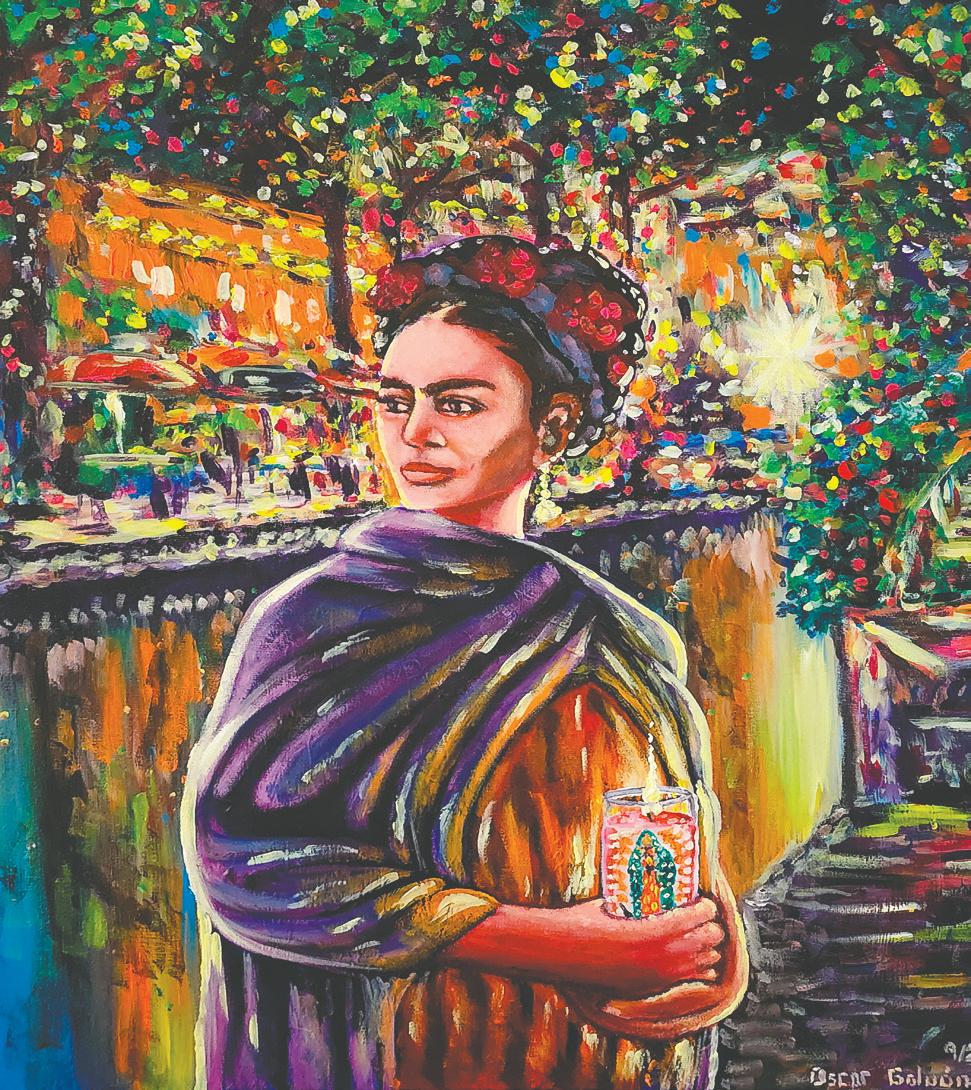
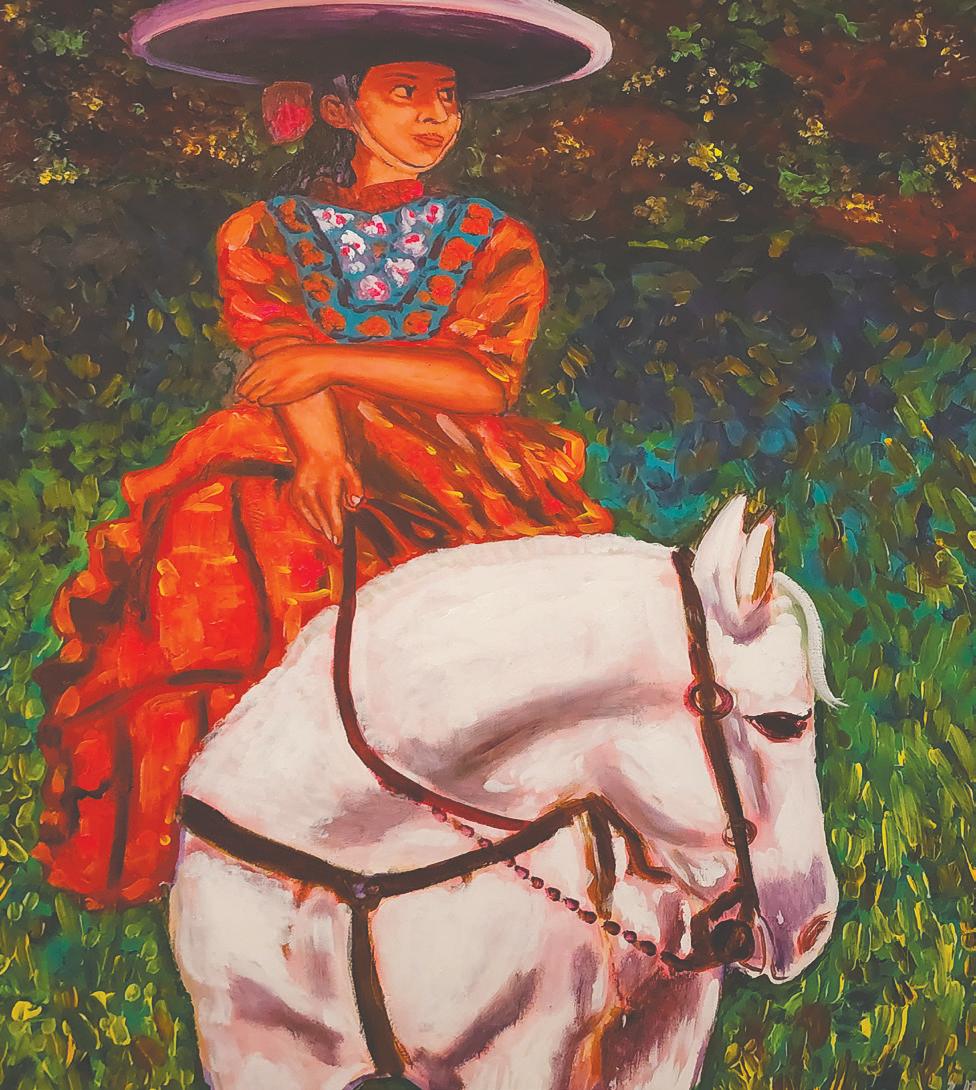
About the Artisit
Oscar A. Galván Jr.
HERE’S TO ART! HERE’S TO LOVE!
Oscar A. Galván Jr. is a San Antonio-based realist and surrealist artist who uses acrylics to bring his thoughts, emotions, and imagination to life on canvas. His artistic journey began at the age of five, sketching in an accounting ledger while watching his parents work at Galván Pharmacy on the West Side
of San Antonio. At age 12, Galván began formal art lessons with Sister Tharcilla Fuchs, a respected art professor at Our Lady of the Lake University, who introduced him to painting, color, composition, and artistic technique. Her mentorship helped shape the foundation of his career and led to his first exhibitions at Our Lady of the Lake University. Galván later studied Fine Arts and Marketing at Our Lady of the Lake University, where he continued to grow under the guidance of several professors and mentors. Since 2008, he has regularly exhibited with Centro Cultural Aztlan, a gallery he credits for its leadership, cultural impact, and sup-
port of local artists. In 2010, Galván had a breakthrough year with a solo exhibition at Gallista Gallery and began exploring the art of body painting through Beyond the Canvas. In 2012, he participated in the World Bodypainting Festival in Austria, where he placed in the finals and was the only American finalist that year. Today, Galván continues to create, exhibit, and expand his work as part of the Bluestar Upstairs Arts Collective. His portfolio can be viewed at galvanstudios.org, on Instgram at @galvanstudios, and on Facebook under Oscar A. Galvá Jr.
San Antonio’s Growth Must Reach 78207
by Louis R. Escareño
As someone born and raised in 78207, and who still lives on the West Side where I grew up, I love San Antonio deeply. I’ve seen its generosity, resilience, and growth firsthand. This is not an argument against San Antonio. It is a great city. But loving a city also means being honest. In the spirit of honest civic reflection, San Antonio must confront a difficult truth: after decades of anti-poverty initiatives, are conditions truly improving in the four census tracts of 78207 still burdened by entrenched generational poverty? For readers of La Prensa Texas, this conversation is not abstract. It is personal. The West Side has long been the cultural and historical heart of the Mexican American community in San Antonio, yet many families continue to face barriers rooted in decades of systemic inequity. San Antonio has benefited from strong leadership over the years. Leaders like Henry Cisneros, Julián Castro, Ron Nirenberg, and Gina Ortiz Jones have all advanced important conversations around growth, education, equity, and opportunity. None created the structural poverty that persists on the West Side — they inherited it. That poverty did not emerge overnight. It was shaped through segregation, redlining, unequal schools, discriminatory lending practices, and generations of disinvestment in Mexican American neighborhoods. Those realities left scars that remain visible today. Despite sincere efforts and meaningful programs, difficult realities persist. San Antonio continues to grow economically, attracting investment, tourism, and national attention. Yet some neighborhoods remain trapped in cycles of persistent poverty. Journalists such as Mimi Swartz from Texas Monthly and Edgar Sandoval from the New York Times have highlighted this contradiction on a national stage. Defenders of the city rightly celebrate its culture, compassion, and progress. Still, optimism alone cannot substitute for measurable outcomes. In parts of 78207, life expectancy remains dramatically lower than in wealthier ZIP codes only miles away. That disparity reflects accumulated in equality
that cannot simply be explained away. The central question, then, is not whether San Antonio is growing. It is whether that growth is reaching the neighborhoods that need it most. Who is measuring outcomes in these communities? Which programs are demonstrably improving education, household income, public health, and economic mobility? Are institutions coordinating effectively, or are they still operating in silos? These are not attacks on leadership. They are necessary questions for any city serious about equity. Many initiatives may still require time to produce results. But accountability matters. Too often, cities celebrate funding announcements, ribbon cuttings, and strategic plans instead of examining long-term outcomes. Are children in these neighborhoods experiencing better life trajectories than previous generations? If not, then San Antonio must reassess its strategies and coordinate more effectively. This commentary is not an argument against growth or business investment. A thriving city benefits everyone. But San Antonio’s greatness should ultimately be measured by whether neighborhoods facing generations of poverty finally experience sustained opportunity. That requires coordination, accountability, shared goals, and honesty about what is and is not working. I write this not as an outsider, but as someone who has lived his entire life in 78207. The people here do not lack talent, pride, or resilience. What has too often been lacking is sustained structural investment equal to the challenge. San Antonio has shown it can dream boldly. The question now is whether it can align boldly. Can we build a coordinated strategy focused on measurable outcomes in neighborhoods facing the deepest poverty? Can we sustain that commitment beyond political cycles? Can we ensure growth reaches those long left behind? I believe we can. But belief alone is not enough. San Antonio’s future will not ultimately be judged by its skyline or convention growth. It will be judged by whether children growing up in the four census tracts of 78207 finally experience the opportunity this city has long promised.
DAV and RecruitMilitary to Host Virtual Hiring Event for Transitioning Service Members and Military Spouses
by La Prensa Staff
Transitioning from military service into civilian life can be both exciting and overwhelming. For many service members, the next chapter brings questions about careers, stability, family needs, and how to translate years of military experience into meaningful civilian employment. For military spouses, the challenge can be just as difficult, especially after years of frequent moves, interrupted career paths, and the responsibility of supporting the family through every transition. To help bridge that gap, DAV and RecruitMilitary will host a Transitioning Service Member and Spouse Virtual Career Fair on Tuesday, June 9, from 11:00 a.m. to 3:00 p.m. Eastern time. The online hiring event is designed to connect transitioning service members and military spouses with regional and national employers who are actively hiring for skilled positions. The virtual career fair offers a valuable opportunity for the military community to meet directly with decision-makers across various industries. Unlike a traditional job search, where applications can sit unanswered, this event is focused on real connections, active hiring, and helping candidates move forward with
confidence. For transitioning service members, one of the biggest challenges is explaining how military training, leadership, discipline, and technical skills apply to the civilian workforce. Many veterans leave the service with years of experience managing teams, handling complex operations, solving problems under pressure, and working in high-demand environments. However, those strengths are not always easy to communicate on a resume or during an interview. Events like this help close that gap by giving employers access to strong candidates while helping service members better understand how their skills fit into civilian careers. The goal is not just to find jobs, but to create pathways into careers where veterans and military spouses can grow, lead, and continue contributing. Military spouses are also encouraged to participate. Many spouses bring strong skills in administration, education, healthcare, customer service, entrepreneurship, logistics, and leadership, often developed while managing households and careers through deployments, relocations, and unpredictable schedules. The career fair will include resources and opportunities that recognize the unique experiences and strengths of military spouses. The event will also highlight
employer voices, career resources, candidate screenings, and success stories from recently hired veterans. Organizers, employers, and military community participants will be available for interviews, offering insight into in-demand roles, hiring timelines, and the importance of supporting those who have served. RecruitMilitary has long focused on connecting employers with veterans, transitioning service members, and military spouses. Through hiring events, job boards, and career resources, the organization helps military-connected candidates access opportunities that value their experience and service. The DAV and RecruitMilitary Virtual Career Fair is more than a job fair. It is a step toward stability, dignity, and opportunity for military families preparing for the next stage of life. For those who have served, and for the spouses who have supported them, this event offers a chance to be seen, heard, and connected to employers who understand the value of military experience. The event will take place online on Tuesday, June 9, from 11:00 a.m. to 3:00 p.m. Eastern time. Transitioning service members and military spouses are encouraged to participate. To learn more about RecruitMilitary, visit recruitmilitary.com.
ALAMO COLLEGES DISTRICT BID/PROPOSAL INVITATION
The Alamo Colleges District is releasing the Request for Proposal (RFP) on June 4, 2026 unless otherwise indicted on the date shown. RFP 2026-0093 PURCHASE OF CONSTRUCTION
AUDIT
Proposal Deadline: July 2, 2026, at Specifications are available by visiting the Alamo Colleges District website: www.alamo.edu/purchasing or by emailing dst-purchasing@alamo.edu
Por Sendero Deportivo
Tuzos con su victoria ante Diablos con pizarra de 10-9 en el décimo episodio, sigue firme en el primer lugar del standing categoría Abierta dominical Liga Potranco que preside Simón Sánchez con aval del artista Eloy Rocha propietario del complejo deportivo y social Potranco. Con la pizarra empatada 9-9 carreras en el cierre del décimo capítulo el jardinero central Henry Pichar-
Tuzos Ganó Clásico A Diablos
do anotó la carrera del triunfo, lo cual fue ovacionado. Cabe mencionar el jonrón del receptor Tim Yan de Diablos quien en la quinta entrada borró la blanqueada dándole alivio a su equipo dirigido por el cafetero Mike Tabhan, quien con su plan de juego logró empatar el score 9-9 forzando el clásico al décimo episodio.
Despos de Elías Contreras, con pitcheo de Elijah Romero y salvamento de Gavin Villanueva, derrotó 11-4
al potente rival Potros de Zacatecas del artista Eloy Rocha y su manager-jugador el internacional pelotero
Víctor Mercedes “El Caminante”, y su coach Rob Garza. Nuevo rol de juego dominical: Campo 1 Potranco Baseball Field: 9:30am White Sox vs Despos. 12:30pm Potros vs Tuzos y 3:30pm Piratas vs Diablos. En categoría Másters 50+ Yankees doblegaron a Los Rojos con pizarra de 6-3, la victoria fue para Moisés Cer-
vantes, con relevos de Pat Hernández y Alan Mow. Jorge Morales cargó con la derrota y el relevista Alfredo Obregón, logró detener la artillería rival.
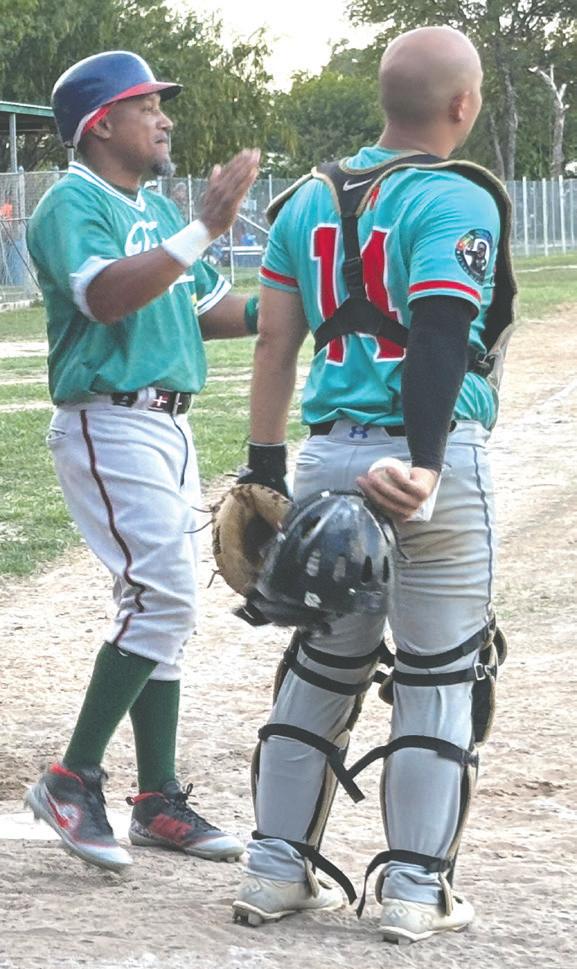
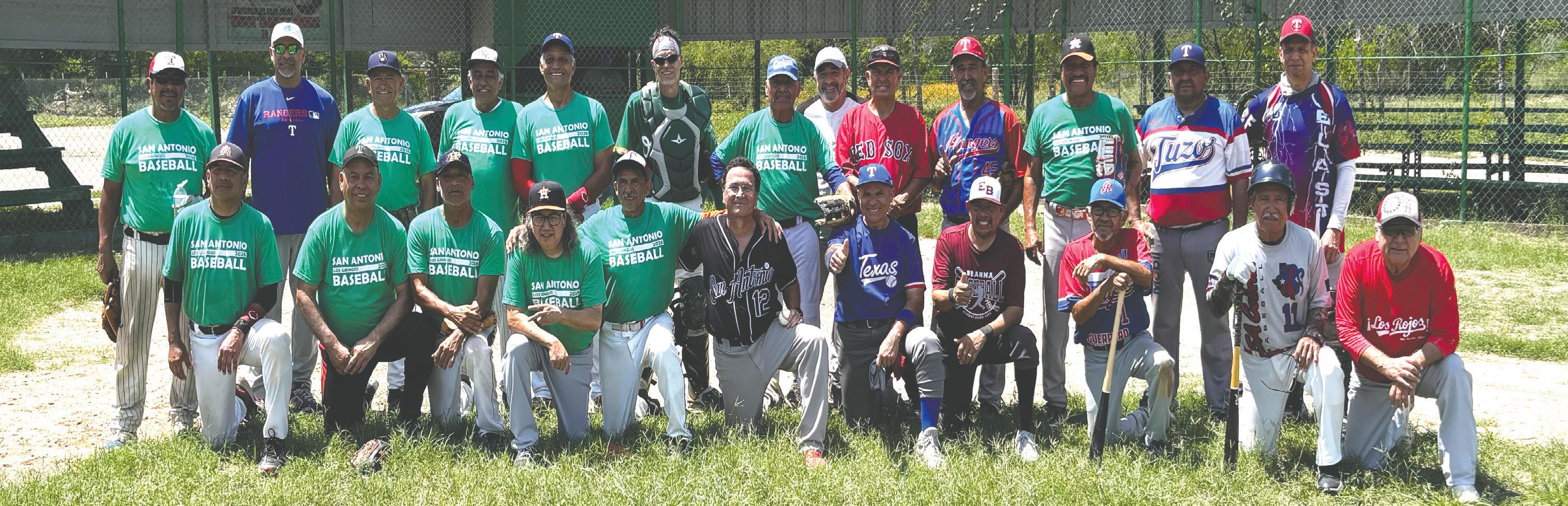
Rol de juegos campo 2: 11am Yankees vs Astros. 2pm Despos vs Rangers. Los Rojos descansan: en las fotos aparecen los equipos Mariachis y Gringos, en categoría 60+ encuentro organizado por Jimmy Martínez de los Reds y Simón Sánchez, presidente. Henry Pichardo,
anotando la décima carrera de Tuzos, el catcher es Tim Yan de Diablos. (Fotos de Franco)
José Cisneros--An Internationally Acclaimed Artist
By: J. Gilberto Quezada
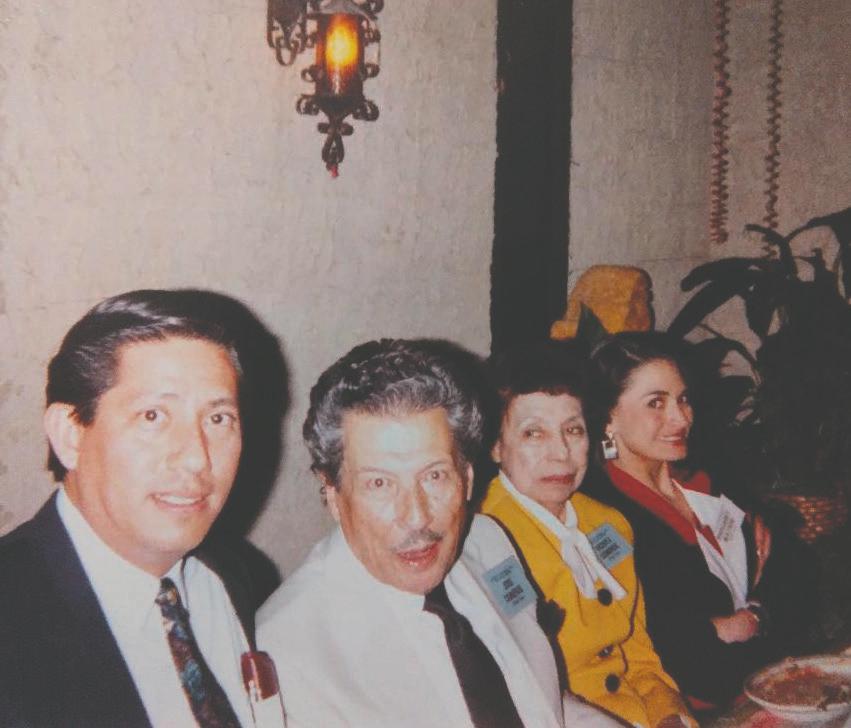
I was first introduced to the exquisite artwork of José Cisneros, the eminent and internationally renowned artist of the Spanish Borderlands from El Paso, Texas, by my good friend, mentor, and muse Dr. Félix D. Almaraz Jr., when I took his history course HS 307, The Spanish Southwest, during the first summer session in 1968 at St. Mary’s University. And I first got to meet José Cisneros at the annual conference of the Texas State Historical Association in Austin, Texas, in the mid-1990s. I vividly remember him as a quiet, modest, and humble man, and with a good sense of humor. He was about eighty-five years old, but he never looked his age, and I was forty-nine. In the following photograph, to my left is José Cisneros, and next to him is his wife Vicenta, and next to her is their eldest daughter Inés. They were all very nice people. I asked Dr. Almaráz to take this photograph with my camera at a Mexican Restaurant on the East side of Austin, Texas, on East Sixth Street. During the day, we participated in the annual Texas State Historical Association conference. Obviously, we are having fun and looking quite complacent after enjoying a hearty meal. In 1971, Texas Western Press, out of the University of Texas at El Paso, published Monograph No. 30, of their Southwestern Studies in his honor. It is a collection of thirty of his drawings and the monograph is entitled, Riders of the Border, and consists of 64 pages. Shortly after the monograph came out, José Cisernos sent me an autographed copy. In our personal library, I have four of his books, which contain priceless illustrations, and are collectors’ items. Besides the first book mentioned above, the second book was published in 1984 by the University of Texas at El Paso, and is entitled, Riders Across the Centuries: Horsemen of the Spanish Borderlands, and consists of 200 pages. Fourteen years later, in 1998, the Hidalgo County Historical Museum published, Borderlands: The
Heritage of the Lower Río Grande through the Art of José Cisneros, and it consists of 159 pages. The two historians who wrote the text were Drs. Félix D. Almaraz, Jr., and Hubert J. Miller. And, a year later, Sundance Press published, Cisneros 2000: Faces of the Borderlands, and was co-authored with Dr. Félix D. Almaraz, Jr., and it consisted of 164 pages. By this time, the very talented and gifted artist was ninety years old and had developed degenerative eye disease, but his artistic spirit remained undimmed. When the book first came out, First Lady Laura W. Bush attended the reception to honor José Cisneros at the Mexican Arte Museum in Austin. José Cisneros was born on Monday, April 18, 1910, to Fernando Cisneros and Juanita Barragán in the Mexican state of Durango. Born with color blindness, José was nonetheless a precocious child and started drawing at a very early age. His box of color pencils was marked so that he could read their colors. Due to the turmoils of the Mexican Revolution, when José was fifteen years old, his family moved to northern Mexico and eventually crossed the Río Grande into El Paso, Texas. He acquired his meticulous precision in the depiction of his illustrations by reading, doing research, and by corresponding with other artists and scholars. His passion and love for his marvelous drawings lasted him a lifetime. And his drawings have been exhibited at the Institute of Texan Cultures in San Antonio and at St. Mary’s University, the Humanities Research Center in Austin, the Palace of the Governor in Santa Fe, New Mexico, as well as in other venues all over the Southwest and all over the United States. Moreover, his priceless illustrations have graced the walls of the White House, the Texas state capitol, Spanish embassies, and many magazines, newspapers, monographs, and over 200 books, including all of Dr. Almaraz’s award-winning books. His accolades are too numerous to mention in this essay, but here is a small sample of some of them:
Pope John Paul II bestowed knighthood for the Equestrian Order of the Holy Sepulchre of Jerusalem in 1990.
__ King Juan Carlos of Spain presented a special knighthood honor in 1993.
__ The University of Texas at Austin awarded him a Paisano Residence Fellowship of six months at the J. Frank Dobie Ranch near Austin in 1969, with a monthly stipend to cover living expenses.
__ The El Paso County Historical Society inducted him into the El Paso Hall of Honor in 1972.
__ The Western Writers of America honored him with the prestigious Lifetime Achievement Owen Wister Award in 1997.
__ President George W. Bush honored him with the National Humanities Medal in 2002. José Cisneros and his wife Vicenta had five beautiful daughters. He was a devout Catholic who attended Mass on a daily basis. His eldest daughter Inés died in a horrific auto accident and Vicenta passed away in 1994. On Saturday morning, November 14, 2009, José went to his eternal reward at the age of 99. I am proud and, indeed, very fortunate and blessed to have personally known him and to be considered among his friends.
Latina Artist Eva Marengo Sanchez’s Solo Exhibit Highlights Family Traditions and Cultural Memories
By Ricardo Romo, PH.D
Eva Marengo Sanchez’s solo show, Any Given Monday, at the Ruiz Healy Art Gallery in San Antonio, features the San Antonio-based artist’s new paintings. Her recent artwork combines natural floral beauty with the daily activities of food preparation, presented in both purposeful and playful ways. In these creations, Marengo Sanchez combines traditional oil painting techniques with themes of familiarity and heritage embedded in daily life.
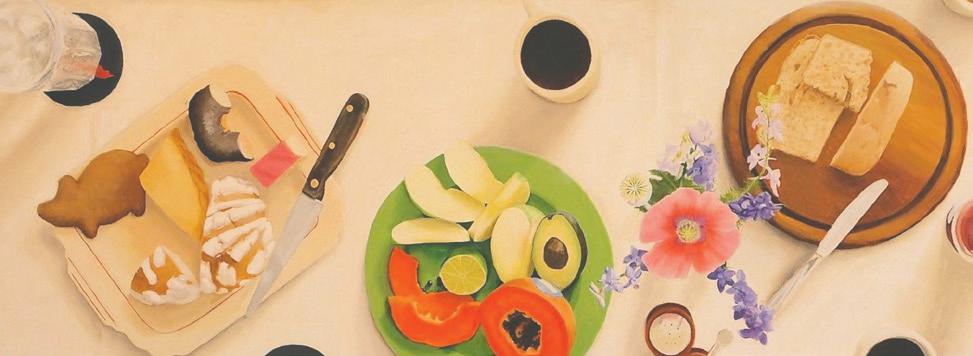
Eva Marengo Sanchez, “Mom and Dad’s House. ” Courtesy of Ruiz-Healy Art Gallery. Photo by Ricardo Romo.
Marengo Sanchez was part of a Borderland show that Harriett and I saw last year at the Ruiz-Healy Art Gallery in New York City. In her new solo show, Marengo Sanchez’s art focuses on South Texas flora as well as Mexican American culture and family activities. In her painting “Mom and Dad’ s House,” the familial is revealed in a table prepared for a quiet, intimate morning gathering in her family home. Although no people are present, the table arrangement implies a multigenerational family coming together. Colorful Mexican plates are adorned with a variety of traditional Mexican breakfast staples, including pan dulce, freshly cut fruit, and toast, and are accompanied by mugs that reveal the definitive character traits of someone who prefers coffee with cream. These depictions are both observations and romantic interpretations of contemporary South Texas society. By combining various shades of coffee
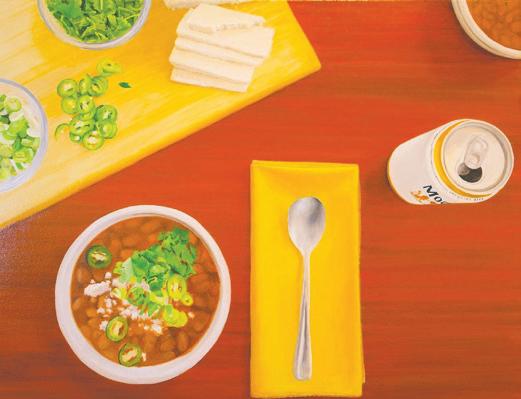
with these morning delicacies, Sanchez creates an evocative image of a family’s early-morning rituals. The painting titled “Mom’s Beans” resonated with me and proved Marengo Sanchez’s concept that “food holds the power to reconnect us with our memories and shift our emotions in the present.” My mother, Alicia Saenz Romo, cooked great pinto beans for both her family and her customers in her South San Antonio restaurant. We were lucky because she open her Mexican restaurant only on the weekends, and on those days, we always had her delicious, freshly cooked frijoles.
Eva Marengo Sanchez, “Mom’s Beans. ” Courtesy of Ruiz-Healy Art Gallery. Photo by Ricardo Romo.
Marengo Sanchez recalled that “ a bowl of my mom’s soupy pinto beans, cooked slowly and served in a white bowl with cilantro, onion, jalapeño, and cotija cheese (which must be from La Michoacana), is sort of a symbol for one of the reasons that our house has that magic.” She explained: “Each of my paintings represents moments and recurring themes in my life that tell a larger story about geography and cuture.” Reflecting on the profound bond between sustenance and identity, Eva Marengo Sanchez remarked in a Texas Standard interview, “I think there’s just this incredibly close connection between what we eat and who we are. ” Her new painting, “Best Case Scenario,” brings this philosophy to life by capturing a quintessential San Antonio morning–the quiet, communal ritual of coffee and breakfast tacos shared among
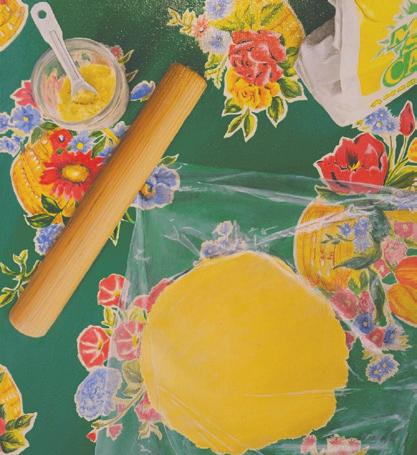
family members. “Best Case Scenario ” depicts tacos wrapped in aluminum foil across a vibrant mantel (oilcloth tablecloth), “ an ubiquitous emblem of Mexican American households, serving both utilitarian and aesthetic purposes,” noted Marengo Sanchez. Corn tortillas have been a staple of Mexican and Borderland food for thousands of years. All agree that corn tortillas are also a major staple of Mexican American families. Marengo Sachez offers a glimpse in her painting into the process of making your own tortillas, with a bag of Maseca (corn flour) standing by. Making your own tortillas takes time and patience, and most South Texas residents buy them already made. The HEB store that I frequent in San Antonio makes its own tortillas and is often sold out, especially over the weekends. In Marengo Sanchez’s painting, “Gluten-free is healthier, right?,” the tortilla roller is set aside, and a tortilla, lying on the floral tablecloth, is rolled out but its edges are not perfectly round. Eva Marengo Sanchez,“Gluten Free is Healthier,
Marengo Sanchez’s narrative scenes emphasize how friends and family groups gather around food, how identities are formed, and how the objects we collect help us understand ourselves. She commented that by elevating these everyday scenes, she can “find beauty in the ordinary, serving as a poignant reminder that the mundane moments of our lives are truly worthy of celebration.”
Right? .” Courtesy of Ruiz-Healy Art Gallery. Photo by Ricardo Romo.
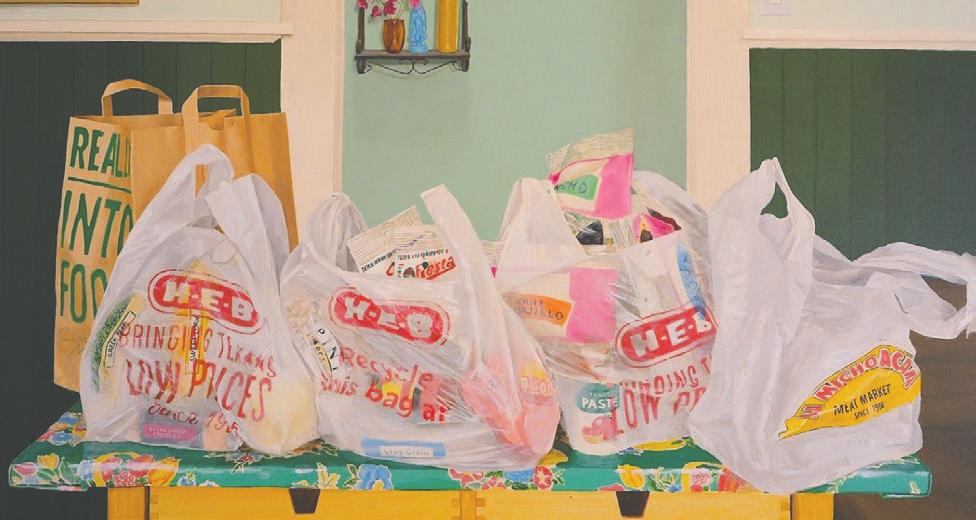
In food preparation, Marengo Sanchez takes the task of grocery shopping to new artistic levels. The painting “Special Occasion” captures the aftermath of a grocery run, featuring bags from HEB, Central Market, and La Michoacana stores in San Antonio. Marengo Sanchez’s work shows an intense interest in a specific type of Mexican food. She, however, adds a mystery to the shopping experience. She chose to place her shopping bags on the counter or kitchen table unopened.
Occasions.”
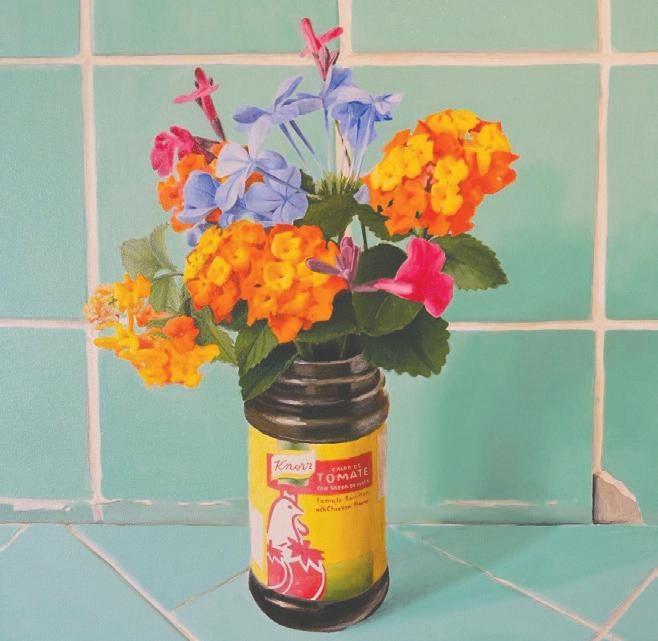
While some of the foods are partially visible, we are left wondering what else might be in the bags. We can only guess at her meat and vegetable preferences. Does she prefer chicken, fish, or pork over beef? Perhaps a plastic bag from La Michocana, a favorite market among Latinos, hints at a meat purchase. What are her favorite vegetables? Bell peppers, avocados, chili serranos, and onions are surely in the package. Marengo Sanchez also paints beautiful South Texas flowers in plain settings. In one painting titled “Knorr,” she placed flowers in a discarded Knorr glass jar, a container representing a favorite seasoning for chicken broth used in many savory Mexican American dishes. She writes that a “salvaged tomato bouillon container is utilized as a vase for flowers typical of South Texas.” Marengo Sanchez shows exceptional skills in her paintings of flowers and the ordinary things that are a part of our daily life. In her work,
she explains that she elevates the “commonplace, creating snapshots of her bicultural and Tex-Mex experience.” She noted that her purpose in painting is a simple exercise of “noticing and appreciating the simple, small, unremarkable, mundane parts of our lives, saying this is special and romantic and dramatic and beautiful.
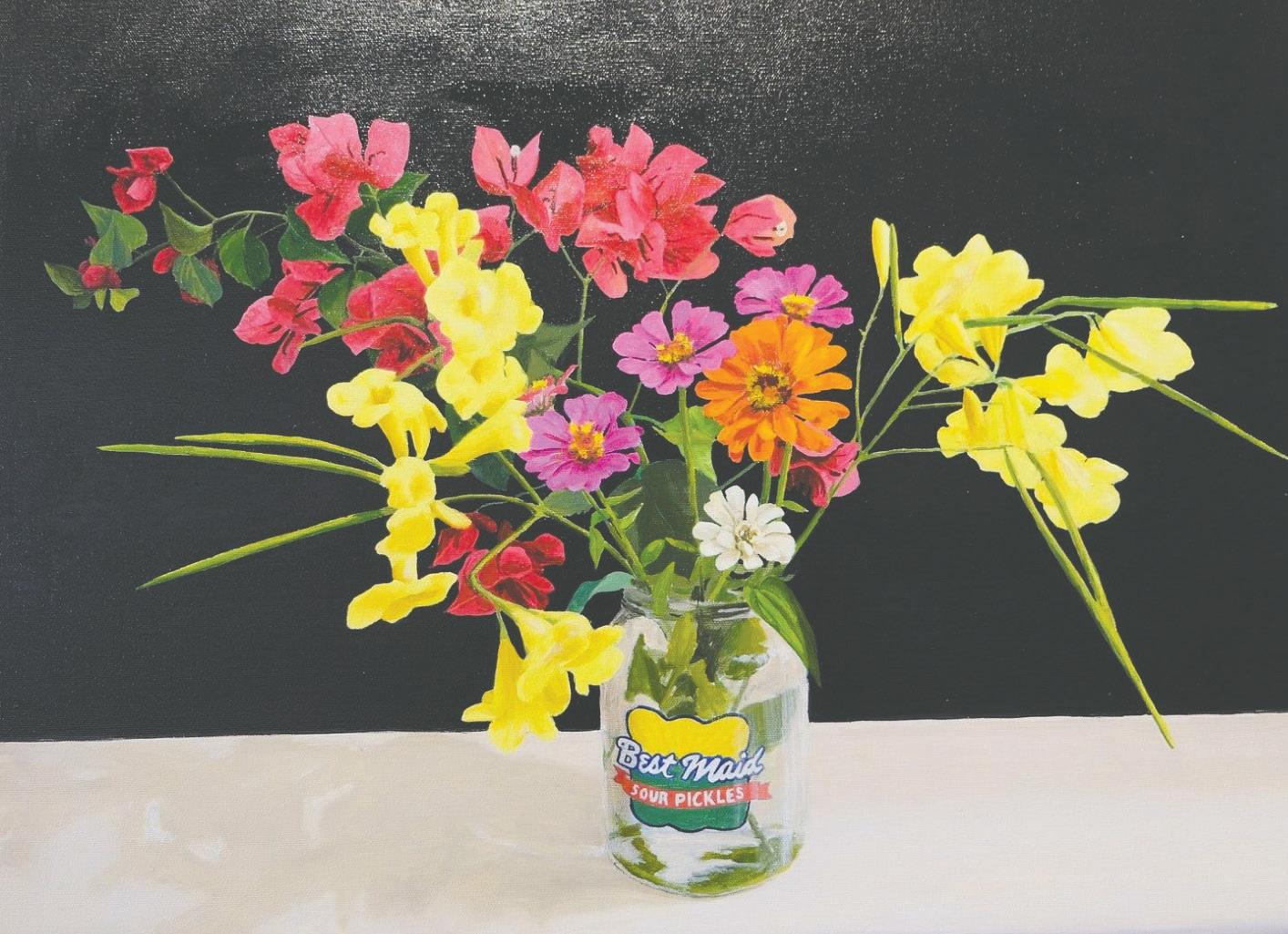
In another painting, Marengo Sanchez’s beautiful floral arrangement is placed in a repurposed pickle jar. This choice, she noted, honors the resourcefulness of everyday life, “highlighting the importance of finding and romanticizing beauty in all aspects of life, no matter how mundane or unassuming. ” This practice reflects the artist’s personal commitment to sustainability, as she incorporates eco-friendly habits into her paintings by repurposing everyday objects, such as this makeshift pickle jar flower container, into functional pieces. Marengo Sanchez is a visual storyteller. In the “Coin Jar” painting, she focuses on a single woman’s dresser, littered with items that reflect a self-fashioned sense of self. She uses a painting of a jar filled with 100 Mexican peso banknotes, “Coin Jar,” to emphasize the passage of time through details such as old and new in a jar, a candle with ash-covered glass from reuse, and an overgrown plant gently caressing a watch at the center of the composition. Drawing on the traditions of still
life painting, Marengo Sanchez explains that her new work “ captures the gradual process of coming into one’s own identity, such as collecting coins or growing plants beyond one’s favorite pot.” Disrupting traditial expectations of still life compositions, Marengo Sanchez blends technical skill with a humble sensibility. In her painting, “In Here for Two Seconds,” the artist honors the beauty of Texas native flowers, an appreciation inspired by the artist’s parents’ love of nature, at the same time recognizing their practical practices by placing the flower arrangement in a repurposed container, such as pickle jar.
Eva Marengo elevates the commonplace, creating new iconic symbols of her bicultural and Tex-Mex experience. “Each of my paintings,” she writes,“ represents snapshots into moments and recurring themes in my life that tell a larger story about geography and culture.” Her new show, “Any Given Monday,” explores the convergence of private and public through still life portraits of everyday subjects that hold strong associations in the artist’s personal narrative while also speaking to collective memories. The exhibition will be on view at our San Antonio gallery from May 20 to August 22, 2026.
Eva Marengo Sanchez,n“Special
Courtesy of Ruiz-Healy Art Gallery. Photo by Ricardo Romo.
Eva Marengo Sanchez,“Knorr.” Courtesy of RuizHealy Art Gallery. Photo by Ricardo Romo.
Eva Marengo Sanchez, “Here for Two Seconds.” Courtesy of Ruiz-Healy Art Gallery. Photo by Ricardo Romo.
A San Antonio Legend Reimagined for a New Generation
By Yvette Tello
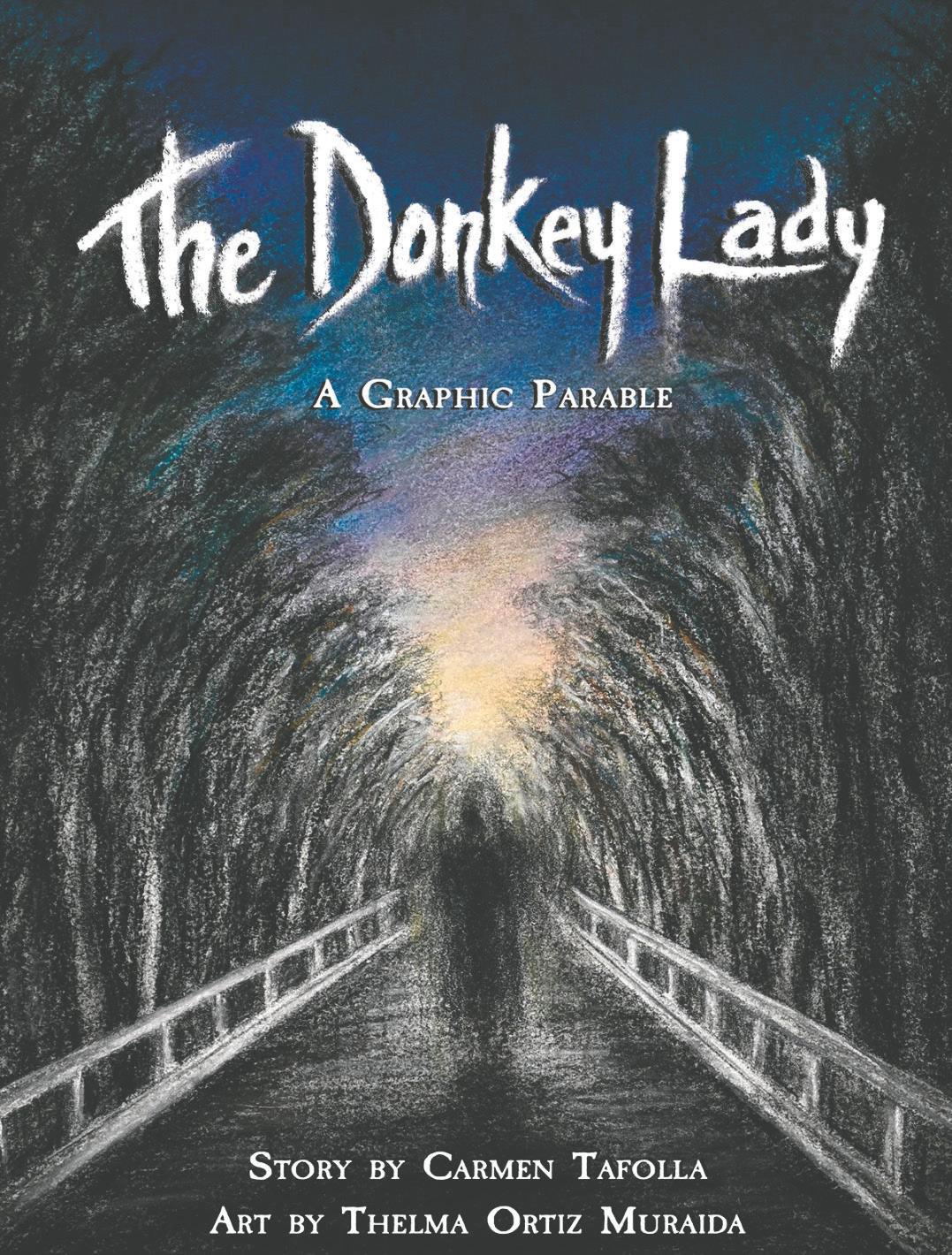
For generations, San Antonians have whispered her name with fear, curiosity, and fascination; the Donkey Lady. For some, she was the story told late at night by older cousins trying to scare the younger ones. For others, she was the reason no one wanted to be caught near the old bridge after dark. Every generation in San Antonio seems to have its own version of the legend. Some heard she haunted the Southside. Some heard she appeared on the road near the famous Donkey Lady Bridge. Some were warned not to go looking for her at all. Now, one of San Antonio’s most famous pieces of folklore is being reimagined through a powerful new book, The Donkey Lady/A Graphic Parable, written by celebrated
author Carmen Tafolla and illustrated by acclaimed artist Thelma Ortiz Muraida. Aztlan Libre Press, in collaboration with the Esperanza Peace & Justice Center, will host the National Book Launch Tardeada for The Donkey Lady/A Graphic Parable on Saturday, June 20, 2026, from 3 p.m. to 6 p.m. at the Esperanza Center, located at 922 San Pedro Ave. in San Antonio. The event is free and open to the public. Books will be available for purchase, and light refreshments will be served. This special tardeada will feature a reading by Carmen Tafolla, an exhibit of the original illustrations and artwork by Thelma Ortiz Muraida, a brief question-and-answer session, and a reception with live music by Juan and Armando Tejeda. For San Antonio, the Donkey Lady is more than a spooky story. She is part of the city’s cultural memory. Her legend has traveled through neighborhoods, schoolyards, family gatherings, and late-night car rides for decades. Parents told the story. Grandparents added details. Children dared one another to
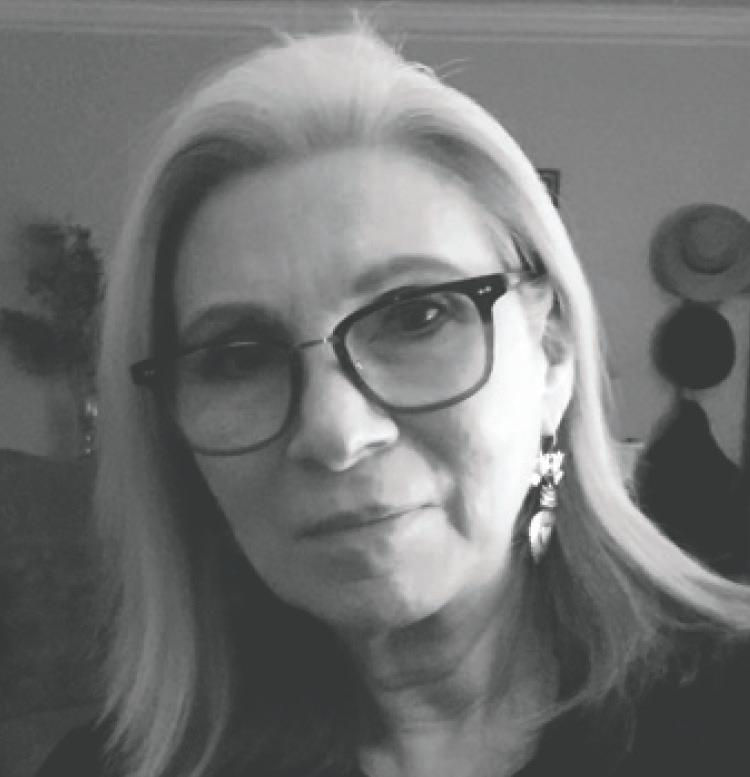
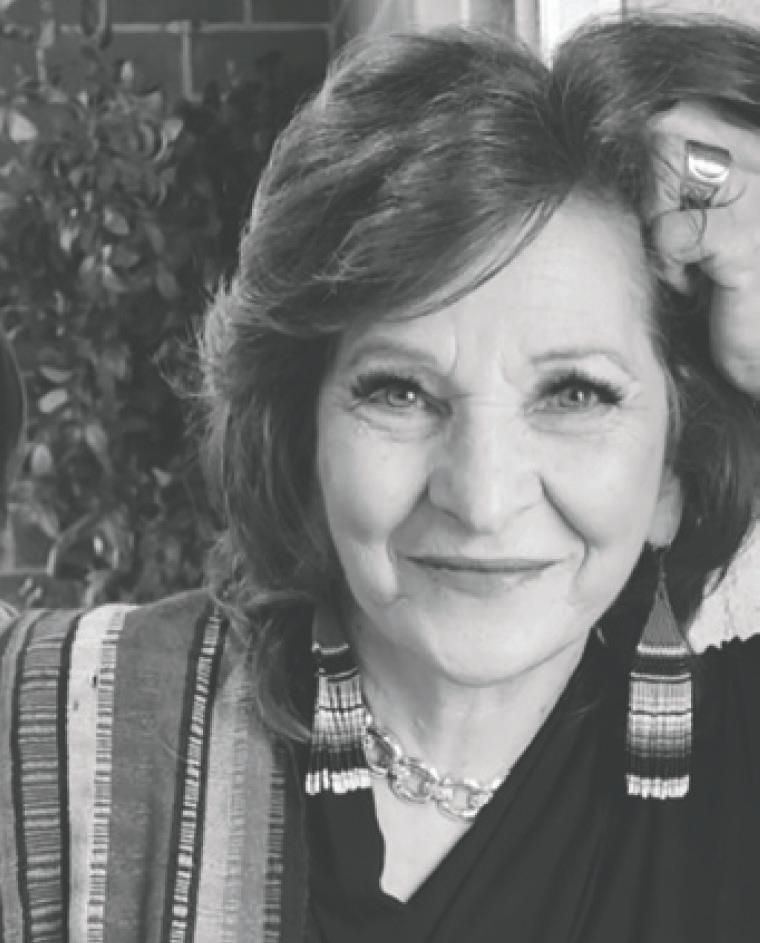
visit the bridge. The myth became part of growing up in San Antonio, especially for those connected to the Southside and the old roads where the legend is said to live. But The Donkey Lady/A Graphic Parable does more than retell the tale. It offers a deeper and more meaningful look at a story many locals thought they already knew. At a time when conversations about violence against women, cultural erasure, and survival continue to matter, this book transforms the Donkey Lady from a frightening figure into a symbol of witness, resistance, and truth. Through Tafolla’s words and Muraida’s visual storytelling, the legend becomes something larger than folklore. It becomes a way to ask what happens to women whose stories are twisted, silenced, or forgotten. It invites readers, young and old, to look beyond fear and consider the pain, strength, and humanity behind the myth. Carmen Tafolla, Ph.D., is a former San Antonio and Texas Poet Laureate and the author of more than 40 books.
Her work has received national recognition, including an Américas Award, three Tomás Rivera Book Awards, and eight International Latino Book Awards. Tafolla’s writing has long centered Mexican American culture, history, identity, and personal empowerment. Thelma Ortiz Muraida is an accomplished artist and graphic designer whose work includes children’s books, poetry collections, and culturally rooted visual storytelling. She has collaborated with Tafolla on several projects, including Tamales, Comadres and the Meaning of Civilization. Her artwork brings depth, emotion, and layered imagery to stories that reflect community, memory, and culture. For Aztlan Libre Press, The Donkey Lady/A Graphic Parable marks its 17th publication and its first Children’s/ Juvenile and Young Adult Fiction title. The 48-page trade paperback will be released in June 2026 and is priced at $20. The launch of this book is not just a literary event. It is a celebration of San Antonio storytelling. It honors the legends that shaped our childhoods while challenging us to see them with new eyes. Whether someone grew up hearing about the Donkey Lady from a tío, a classmate, a
neighbor, or a late-night drive across town, this book brings the legend home in a new way. It reminds us that folklore is not only about fear. Sometimes, it is about memory. Sometimes, it is about survival. And sometimes, the stories that scared us as children have something powerful to teach us as adults. The National Book Launch Tardeada for The Donkey Lady/A Graphic Parable will take place Saturday, June 20, 2026, from 3 p.m. to 6 p.m. at the Esperanza Center, 922 San Pedro Ave., San Antonio, Texas. For more information or to order copies, visit aztlanlibrepress. com/donkey-lady-graphic-parable.
2026 The Year of the Mujer
by Yvette Tello
Something is happening across this nation. Women are waking up. Mujeres are organizing. Mothers, daughters, grandmothers, business owners, educators, caregivers, artists, students, community leaders, and everyday women are beginning to understand that this moment is bigger than one person, one city, one election, or one organization. Across the country, women are having conversations that can no longer be ignored. We are talking about leadership, representation, opportunity, family, culture, business, politics, education, safety, and the future of our communities. We are asking hard questions. We are challenging old systems. We are remembering who we are. And here in San Antonio, through La Prensa Texas, we are adding our voice to that movement. 2026 is the year of the mujer. Not because someone handed us permission. Not because someone suddenly decided women deserve space. Not because we are waiting to be invited into rooms where decisions are made. It is the year of the mujer because women across this nation are already claiming it. We the women are taking our seats
at the table. But this is not just about taking one chair in someone else’s room. It is about understanding that our leadership is not new. Our power is not new. Our wisdom is not new. Our ability to build, organize, protect, provide, lead, heal, and transform communities is not new. It is ancestral. Did you know that before colonization, many Indigenous women were leaders? Many of us did not know that. Many of us were never taught that part of history. We were taught about conquest, survival, assimilation, and struggle, but not enough about the women who held power before colonization tried to erase it. In many Indigenous communities, women were central voices. They were knowledge keepers, healers, leaders, protectors of land, language, family, ceremony, and tradition. They helped guide communities. They carried authority. They were not fighting for a seat at the table because their voices already mattered in the circle. Then colonization came. And with it came systems that pushed women out of power. Systems that tried to erase Indigenous knowledge. Systems that told our ancestors their ways were not civilized, their languages were not worthy, their ceremonies were not sacred, and their women were not supposed to lead. Over time, many of our people were forced to assimilate. They had to survive inside systems that were not built for them. They had to adjust, adapt, hide, and compromise pieces of themselves to protect their families and keep moving forward. And are we not still seeing that today? Politically, professionally, culturally, and socially, women are still being told to shrink. We are still being told to wait. We are still being told to be grateful for limited space. We are still being divided by party, age, race, class, industry, jealousy, fear, and competition. But across the nation, women are beginning to reject that. We are remembering that division is what we were taught. Leadership is what we inherited. I used to think my great-grandmother was ahead
of her time. She owned a business. She owned a grocery store. She owned a live theater. I thought she was rare. I thought she was different. I thought she was doing something women were not supposed to do back then. But now I understand something deeper. Maybe she was not ahead of her time. That is why this moment matters. This is not about one Maybe she was the last of her kind. Maybe she carried something that had always lived in the women before her. Maybe she was living proof of what women in our bloodline had always known how to do: build, lead, create, provide, organize, and stand strong for the generations coming behind them. That kind of power does not disappear. It gets buried.It gets silenced. It gets renamed. It gets forgotten. But it does not disappear. It is in our DNA. We the women are not becoming powerful. We are remembering that we always were. woman rising. It is about women rising together. It is about every woman who has ever felt unseen, unheard, underestimated, excluded, or pushed aside. It is about the grandmother whose sacrifices were never recorded. The mother who keeps showing up even when she is exhausted. The young woman looking for a mentor. The businesswoman breaking barriers. The student finding her voice. The caregiver carrying everyone else. The woman starting over. The leader who knows real power means making room for others. This is an invitation.To every mujer in San Antonio. To every woman in Texas. To every Latina, Black woman, Indigenous woman, Asian woman, white woman, young woman, elder, mother, daughter, sister, entrepreneur, teacher, healer, artist, voter, volunteer, and leader across this country. Come into the circle. There is room for you here. For too long, women have been taught to compete instead of connect. We have seen exclusion, gossip, jealousy, gatekeeping, and silent hostility become normalized. We have watched women be divided when we should have been aligned. We have been taught that another woman’s success somehow takes something away from us. That ends now. Her win is not your loss. Her win is a reminder. Her win is evidence. Her win is proof that the door can open wider, the path can stretch farther, and the circle can grow larger. We the women are taking our seats at the table, but we are also remembering
something older and stronger than the table. The circle. In our culture, the circle is sacred. The circle is family. The circle is ceremony. The circle is community. The circle is where stories are told, wisdom is passed down, healing begins, and no one stands above another. A table can be controlled. A table can have limited chairs. A table can be owned by someone else. But a circle is different. A circle has no beginning and no end. That is what women across this nation are building now. A circle of leadership. A circle of mentorship. A circle of civic power. A circle of economic strength. A circle of culture. A circle of healing. A circle of mujeres who understand that we were never meant to do this alone. La Prensa Texas is inviting every woman, every ally, every organization, every business, every school, every church, and every community leader to be part of this moment. Share the stories. Speak the names. Mentor the next woman. Open the door. Recommend her. Hire her. Vote with her in mind. Protect her voice. Celebrate and defend her publicly. Teach our daughters the history we were never taught. Teach our sons to honor the leadership of women. We are not asking for crumbs. We are not waiting quietly. We are not shrinking anymore. We are building. We are leading. We are voting. We are mentoring. We are remembering. And we are inviting everyone who believes in the power of women to stand with us. Let 2026 be remembered as the year mujeres stopped waiting. The year women across this nation remembered who they were. The year we stopped competing for one chair and started building a circle big enough for all of us. We the women are taking it back. Our seat. Our voice. Our power. Our history. Our circle. And it is never ending. La Prensa Texas invites readers to be part of this national conversation. Share your stories, photos, family histories, comments, views, and the movements or organizations you are part of that uplift, empower, and honor women. Selected submissions may be shared in the newspaper, online, and across La Prensa Texas social media platforms as we build a circle of strength, mentorship, culture, and change. Send your submissions to info@laprensatexas.com with the subject line: We the Women.
MACRI Symposium Reminds San Antonio Why Our Stories Must Be Preserved
By Yvette Tello
The opening evening of the 2026 Mexican American Civil Rights Institute Symposium offered San Antonio more than a program. It offered a reminder. Held at the Malú and Carlos Alvarez Theater in partnership with Texas Public Radio, the evening brought together community leaders, historians, journalists, artists, advocates, and residents for a powerful conversation about history, identity, representation, and the responsibility we all share to protect the truth of our stories. The Mexican American Civil Rights Institute, known as MACRI, continues to play an important role in preserving and sharing the history of Mexican American civil rights. That work is especially meaningful in San Antonio, a city deeply connected to generations of Mexican American leadership, organizing, culture, and struggle. From education and voting rights to labor movements, media representation, and cultural preservation, the Mexican American experience is not separate from the American story. It is central to it. In her welcome message, MACRI Executive Director Dr. Sarah Zenaida Gould described the symposium as a space for reflection, dialogue, and understanding at a time when Latino communities are at the center of many of America’s most important democratic conversations. This year’s symposium is symbolized by Quetzalcóatl, representing knowledge, wisdom, enlightenment, and the ongoing search for truth.That symbolism could not be more timely. Across the country, communities are debating whose history gets taught, whose stories are honored, and whose contributions are remembered. For Mexican American communities, this is not an abstract conversation. It is personal. It is about our parents, grandparents, educators, veterans, farmworkers, activists, artists, journalists, and everyday families who helped shape this country, often without receiving the recognition they deserved. San Antonio Mayor Gina Ortiz Jones opened the evening by reflecting on San Antonio’s unique role in the story of Mexican American civil rights. She reminded the audience that our city has long been shaped by civic leadership, cultural advocacy, and the pursuit of justice. Preserving those stories, she noted, is not only about honoring the past. It is about strengthening democracy today. Award-winning journalist and Buena Vista Project co-creator Elaine Ayala helped set the stage by emphasizing the power of
storytelling. History survives because people have the courage to tell their stories, preserve their memories, and pass them on to future generations. Without storytellers, too many important chapters disappear. That message is at the heart of why gatherings like the MACRI Symposium matter. The evening concluded with a fireside conversation between Congressman Joaquín Castro and actress, comedian, and Rio Grande Valley native Cristela Alonzo titled “Representation in the Age of Erasure.” The conversation was humorous, honest, emotional, and deeply insightful. Alonzo spoke about identity, resilience, and the importance of seeing Latino stories reflected authentically in film, television, and public life. Her reflections reminded the audience that representation is not only about being seen. It is about being seen truthfully. Congressman Castro, who has long challenged Hollywood to increase Latino representation both on screen and behind the camera, spoke to the broader importance of visibility, opportunity, and dignity. When communities are excluded from media, history books, and public memory, the result is not just invisibility. It is erasure. That is why the work of MACRI matters. The symposium serves as a reminder that Mexican American history cannot be treated as a side note, a special topic, or something only brought up during heritage months. It is the story of students who walked out for equal education. It is the story of families who fought for voting rights and fair wages. It is the story of artists who preserved culture, journalists who documented injustice, and leaders who demanded a seat at the table. It is also the story of San Antonio. The opening night embodied one of MACRI’s central themes: documenting our stories so that our history, and our future, cannot be erased. In a time when misinformation spreads quickly and historical truth is often challenged, preserving Mexican American civil rights history is an act of education, resistance, and love. The symposium continues today, offering the community another opportunity to listen, learn, reflect, and engage. For San Antonio, this gathering is not just important. It is necessary. Because when we know our history, we better understand our power. When we preserve our stories, we protect our future. And when we gather in spaces like this, we remind one another that Mexican American history is not a footnote to the American story. It is America.
Por Franco
Los Spurs Vs. Knicks En NBA 2025-26 Finals
Los Spurs de San Antonio, bajo el mando del entrenador en jefe Mitch Johnson (manejador novato en la NBA), tras batir al campeón OKC Thunder en el sexto partido jugado en su sede el Frost Bank Center y de visitante séptimo partido jugado en el Paycom Center de OKC, levantaron el trofeo de campeón en la conferencia del oeste NBA. Con dicha hazaña los capitaneados por el francés Víctor Wembanyama (Wem-
by), se convirtieron en el equipo más joven del circuito que logró sobresalir en la temporada regular ganando 62 partidos por 20 derrotas. Clasificado en el segundo lugar por debajo de OKC que dejó marca de 64-18. San Antonio, en sus tres partidos elimatorios de series a ganar 4-7 partidos, dejó atrás a los Blazers, Timberwolves y destronando al Thunder del capitán
Shai Gilgeous-Alexander. Ahora qué se encuentran disputando el trofeo NBA Larry O’Brien, Spurs tendrá
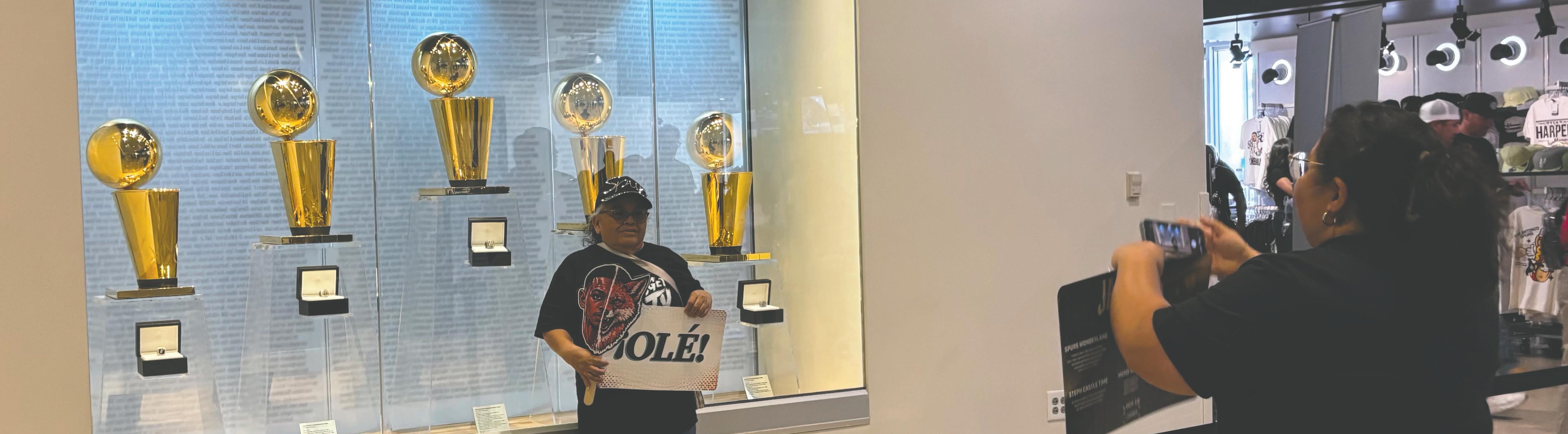
que seguir adelante en su plan de juego, por igual Knicks del timonel en jefe Mike Brown, ex miembro del grupo de asistentes del legendario Gregg Popovich, quien ha logrado formar un excelente roster, para darle à la afición newyorquina al parecer su tercer campeonato en los 79 años de militar en la NBA. Spurs con sus cinco trofeos ganados durante los años 1999, 2003, 2005, 2007 y 2014, siempre los han exhibido en su estadio sector Plaza Level donde aficiona-
dos en cada partido de pretemporada y regular se toman las ahora famosas “selfies”. Indiscutiblemente esta gran serie va ha elevar los ratings en todas las plataformas digitales del mundo, ya que será una nueva generación que estará apoyando a Spurs y Knicks. Knicks tendrán de local que aguantar las ovaciones de la legión del pentacampeón, y por igual Spurs allá en el legendario estadio Madison Square Garden, que tendrá respaldo de figuras del deporte de paga y ar-
tistas de renombre. La foto de fan posando con los cinco trofeos es de Franco y la imagen de Mitch Johnson es de cortesía SS&E.
Mission Road Ministries Honors Legacy Leadership
By La Prensa Texas Staff
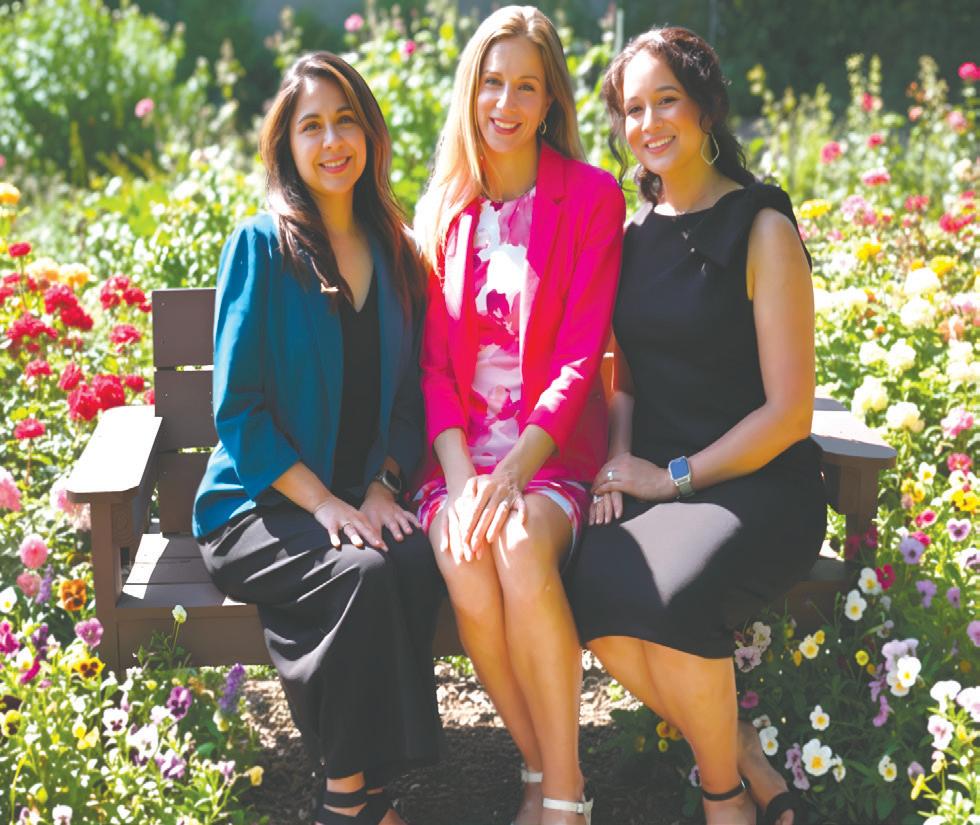
Mission Road Ministries (MRM), a leading faith-based provider of services for individuals with intellectual and developmental disabilities (IDD), announces the appointment of Jessica Morales as Chief Executive Officer and Claudia Pina as Vice President of Development & Communications, marking a new chapter in the organization’s nearly eight decades of service. Mission Road also proudly recognizes Crystal Cantu, promoted to President of Mission Road Developmental Center. Morales, Cantu, and Pina bring extensive experience serving mission-driven organizations focused on individuals with disabilities and special needs communities. Together, they will help advance Mission Road’s mission of empowering and providing a continuum and lifelong care for individuals with IDD so that they may achieve their highest potential for independence, productivity, and inclusion. Founded in 1947 by Clifford and Adele Bledsoe, Mission Road Ministries began with a calling to serve children with disabilities and has grown into one of the region’s most comprehensive providers of lifelong support services. Today, the organization serves more than 800 individuals daily through residential, therapeutic, educational, vocational, and community-based programs. “This transition represents both continuity and a new chapter of opportunity,” said Mission Road Ministries Board Chair Ross Ormond. “ As we move forward, we do so with gratitude for those who built this foundation, faith in God’s guidance, and excitement for the leaders stepping forward to continue this important work.” As the organization welcomes new leadership, Mission Road also recognizes the lasting contributions of several tenured leaders whose service helped strengthen and expand its impact across San Antonio. The organization extends its gratitude to former leaders Carol White, Toby Summers, and former Vice President of Development &
Public Relations Lynette Farrimond for their years of faithful stewardship and dedication. Morales brings more than two decades of executive leadership experience in mission-driven organizations and is recognized for aligning mission, strategy, and financial stewardship to drive sustainable growth and impact. “I am honored to join an organization with such a rich history and exceptional reputation for care,” said Morales. “The depth of Mission Road’s services is remarkable, but it is the unwavering values and incredible people here that make Mission Road a North Star in our field. We have a bright future ahead, and I look forward to what we will accomplish together.” Crystal Cantu, President of Mission Road Developmental Center, continues to advance operational excellence and program innovation throughout the organization’s continuum of care, “Mission Road has always been rooted in compassionate care and opportunity. I am proud to continue strengthening its programs, supporting staff, and ensuring every individual we serve feels valued, empowered, and included.” Pina brings a strong background in development and communications leadership, with expertise in strategic fundraising, donor engagement, and storytelling within disability-focused organizations. “Mission Road is more than an organization – it is a home,” said Pina. “I have witnessed firsthand the compassion and dignity extended to every individual served here. It is an honor to help tell these stories, deepen relationships, and invite our community to be part of this life-changing work.” Mission Road also recognizes the ongoing leadership of Lora Butler, Chief Executive Officer of Mission Road Developmental Center, whose 32 years of service reflect a lifelong commitment to individuals with disabilities. And Leticia Palmer, VP of Human Resources, who has committed 25 years of services to recruiting quality direct care staff, the heart of our service, finding individuals that become lifelong partners that walk alongside the
individuals we serve. Mission Road’s services are delivered through Mission Road Developmental Center, Unicorn Center, 24 residential homes, apartment communities, adult day activity programs, and employment support programs. Collectively, these services provide comprehensive support throughout every stage of life for individuals with intellectual and developmental disabilities. While leadership evolves, Mission Road’s mission remains unchanged: to minister to persons with intellectual developmental disabilities by empowering them to achieve their full potential for independence, productivity, and inclusion in the community. Mission Road Ministries is a San Antonio-based, faith-driven nonprofit providing a full continuum of care for children and adults with intellectual and developmental disabilities. Through its family of agencies, including Mission Road Developmental Center and Unicorn Center, the organization serves more than 800 individuals daily through residential care, education, vocational training, employment services, and community integration programs.
For more information about Mission Road Ministries, located at 8706 Mission Road, visit www.MissionRoadMinistries.org, or call (210) 954-3164.