
www.lanshack.com
Introduction
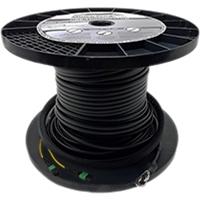
Whensettingupafiberopticnetwork, choosingbetweensingle-modeandmultimodefibercansignificantlyaffect performanceandcost.ThisFiberTypevs SpeedandDistanceTutorialwillhelpyou understandhoweachtypeimpacts bandwidth,range,andapplication.
WhatIsSingle-ModeFiber?
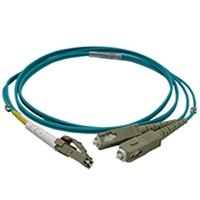
Single-modefiber(SMF)usesasmallercore (around9microns)andtransmitsdatausinga singlelightpath.Thisallowslighttotravelwith minimaldispersion,makingitidealforlongdistancecommunication.
Bestfor:Long-rangetransmission(upto100+km) Speeds:Supports10G,40G,100G,andhigher Cost:Highertransceiversandsplicingcosts
WhatIsMulti-ModeFiber?
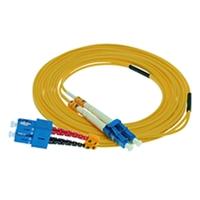
Multi-modefiber(MMF)hasalargercore (typically50or62.5microns)andallowsmultiple lightmodestotravelsimultaneously.Whilethis increasessignaldistortionoverdistance,it's perfectforshort-rangehigh-speedconnections.
Bestfor:LANs,datacenters,andcampus networks(upto~550meters)
Speeds:Supportsupto100Govershortdistances
Cost:Lowertransceiverandinstallationcosts
Speed&DistanceComparisonTable
Max Distance 10 km to 100+ km Up to 550 meters
Speed Support 10G to 400G+ 10G to 100G (short range)
Typical Use Case Telecom, MAN, WAN Data centers, LAN
WhichOneShouldYouChoose?
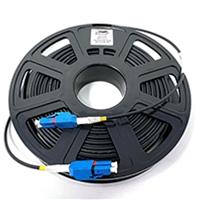
Choosesingle-modeifyourfiberrunexceeds 500metersoryou'rebuildingatelecom backbone.
Optformulti-modeifyou'reconnecting servers,switches,orequipmentrackswithin asinglebuildingorcampus.
MatchFiberTypewithEquipment
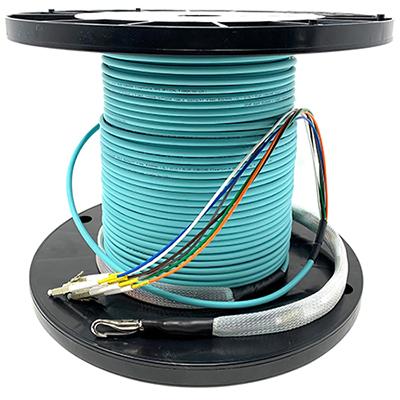
Using the wrong fiber type with incompatible transceivers can severely impact performance. Always ensure that cables, connectors, and equipment are all properly matched to avoid costly rework.
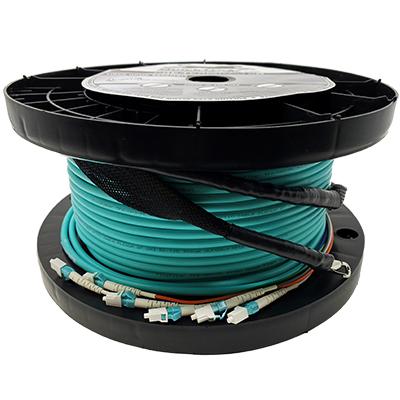
Whetheryou'reinstallingfiberinanewbuilding, upgradingadatacenter,orsettingupa campusnetwork,havingtherightcablingand componentsmakesallthedifference.Brands likeLanshackofferpre-terminatedfiber assemblies,customcabling,andexpert guidancetohelpstreamlineyourfiberoptic projects—makingdeploymentfasterandmore reliable.