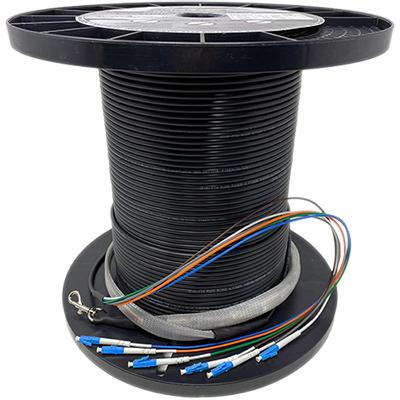
5 Key Factors to Consider When Choosing a Fiber Optic Cable for Your Project

Page 1


INTRODUCTION

Selecting the right fiber optic cable is essential for building a reliable, highperformance network. Whether you're planning a small office setup or a large-scale infrastructure, making the right choice can save time, money, and future headaches. In this short guide—part of our Choosing a Fiber Optic Cable Type for Your Installation Tutorial—we highlight the 5 key factors to consider before making your purchase.
1. Installation Environment

Determine whether the cable will be installed indoors, outdoors, underground, or in plenum spaces. This helps you choose the right jacket type—plenum, riser, or armored—for safety and durability.

2. Distance of Transmission

Use multimode fiber for short distances (up to 550 meters).

Choose single-mode fiber for long-distance runs (1,000+ meters), such as between buildings or across campuses.

3. Bandwidth Requirements

Consider your current and future data needs. If you expect higher speeds or more connected devices, go with a cable that supports higher bandwidth.

4. Fiber Count

Plan for both current usage and future growth. It's often smarter to install higher fiber counts than you immediately need to allow for expansion and redundancy.

5. Connector Compatibility

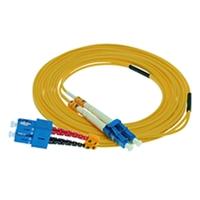
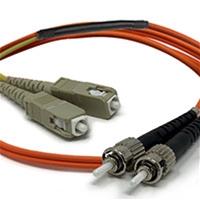
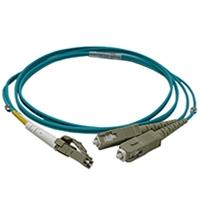
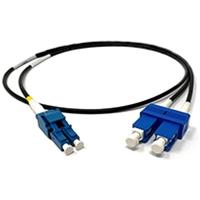
Match the cable's connector type (LC, SC, ST) with your network equipment to avoid additional costs or compatibility issues.

Making the right decision early ensures long-term performance and reliability.

For expert advice, custom cable assemblies, and top-quality fiber optic products, trust Lanshack.

Turn static files into dynamic content formats.

Create a flipbook
5 Key Factors to Consider When Choosing a Fiber Optic Cable for Your Project by Maria S - Issuu