










One of the most common misconceptions about languagelabsoftware is that its value depends entirely on how well it is assigned and managed by a teacher. Thisispartlytrueeffectiveteacherintegrationmakeslanguagelabssignificantly more productive. But it misses something important about how language lab software actually works at its best.
Thestudentswhogainthemostfromlanguagelabsareoftennottheonesdoing exactly what they were assigned. They are the ones who have started using the lab independently replaying exercises they found difficult, recording speaking attempts beyond what the task required, exploring vocabulary modules on their own time. The students who discover the language lab as a personal practice tool are the students who improve fastest.
Understandingwhythishappensandhowinstitutionscanencourageitchanges how language labs should be positioned within a school's English programme.
WhatHappensWhenStudentsDriveTheirOwnPractice
In a teacher-assigned language lab session, every student works through the same module at the same time, following the structure the teacher has set. This is valuable. It ensures coverage, creates consistency, and connects lab activity to the classroom lesson.
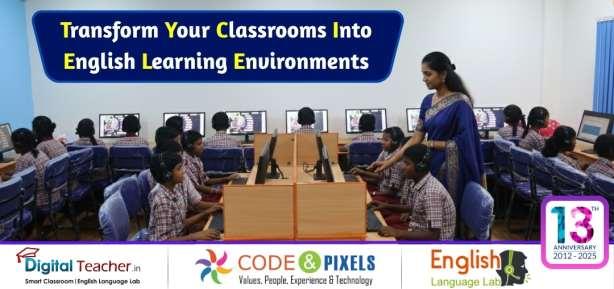
But student-driven practice looks different. A student who opens the language lab software independently during a free period, during an extended study


session,orattheendofaschooldaychooseswheretoinvesttheirpracticetime. They return to the pronunciation exercise that gave them trouble in Tuesday's session. They replay a listening passage until they can follow every word. They attempt the speaking prompt three more times because they were not satisfied with how they sounded the first two.
This directed, self-motivated practice is qualitatively different from assigned practice not because the exercises are different, but because the intention behind completing them is different. A student who is practicing because they want to improve produces more learning per minute than a student who is practicing because they were told to.
WhattheLanguageLabDesignEnables
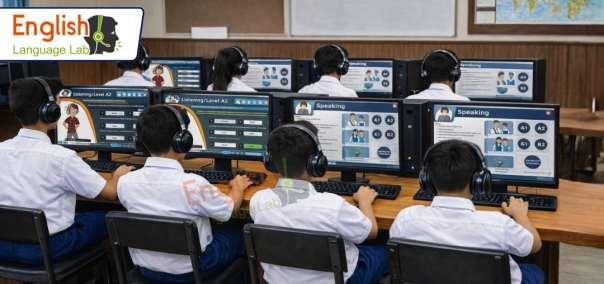
Good language lab software is designed to support this independent use. Sessions that can be accessed without a teacher initiating them. Content that is organised clearly enough for students to navigate without guidance. Progress tracking that reflects individual decisions to practice rather than only assigned activities.
This design is not incidental. It reflects an understanding that language development is not a classroom event. It is an ongoing process that happens whenever a learner engages with the language in class, outside class, between assignments.
WhatSchoolsCanDotoEncourageIt
Institutions that get the mostvalue from their language labsare those that have made the lab genuinely accessible to students beyond designated class time. Open lab periods. Communication to students about how to use the software independently. A culture that treats extra practice as the expected behaviour rather than the exceptional one.
When students understand the lab as their tool not just the school's facility they use it more,andthey develop faster. The teachersandadministrators atschools across Andhra Pradesh who have reported significant improvement in student confidence and fluency over a semester are, in many cases, describing the outcomeofthiscombination:goodassignedpracticeinclass,supplementedby student-driven independent practice outside it.

TheLessonforEveryLanguageLabInstitution
Teacher assignment matters. Content quality matters. Timetabling matters. But the language lab institutions that consistently report the strongest student outcomes are those where the software has become part of the student's relationship with English rather than just part of the school's English programme.
That shift from "the language lab is something we do in English class" to "the languagelabissomethingIusetogetbetteratEnglish" istheshiftthatproduces the strongest results. And it is available to every institution that chooses to position the lab as a student tool rather than solely as a teacher resource.