

Educating students is our obligation. Providing them with unique and enriching academic experiences is our fundamental responsibility. We pursue excellence and develop character, one scholar at a time.
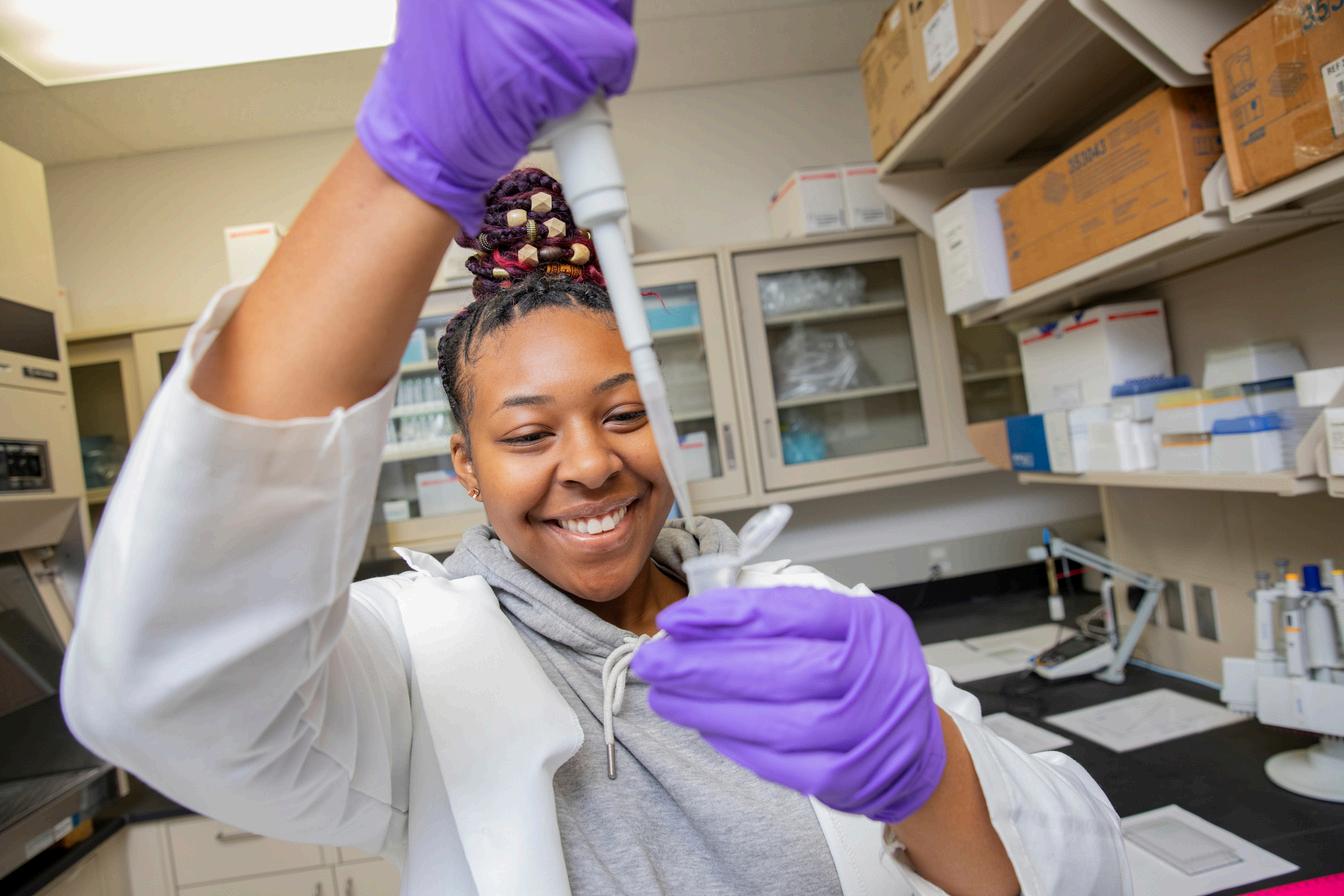
The ASM program prepares students for a broad cross-section of professional fields including animal physiology, animal reproduction and improvement, food technology, meat product evaluation and quality control, animal nutrition, ruminant production, livestock production, and other animal sciences-related fields. Students are also prepared for admission to veterinary and graduate schools.
ThePSRSisamultidisciplinaryprogramthatpreparesstudentsinbroadprofessional fieldsthatincludetheenvironmentandnaturalresourcesconservationand management;precisionagriculture;cropimprovementandbiotechnology;crop physiologyandnutrition;crophealth,production,andconsultancy;fruitand vegetableproduction;controlledandopenenvironmentculture;nurseryandgenetic stocksmanagement;forestry;extension;andotherrelatedconservation,soiland plantsciencefields.Graduatesarealsopreparedtopursueadvanceddegreesin agriculturalfields.
TheAAEprogramintegratesbothbusinessandeconomicsdisciplinesandcoversthemanagement,financial, andmarketingaspectsofthefoodandfiberindustry.Thisincludestheproduction,processing,anddistribution ofagriculturalandrelatedproducts.Itequipsstudentswithbusinessandanalyticalskillstosolveproblemsin agriculture,relatedbusinesses,communities,andthebroadereconomy
The Early Childhood Program promotes the idea that children learn best by doing, by becoming actively involved, and by participating fully with their minds, bodies, and emotions. The programs focus on the Social, Emotional, Cognitive, and Physical development of children and include the following Programs:
BS in Child Development
BS in Early Childhood Education
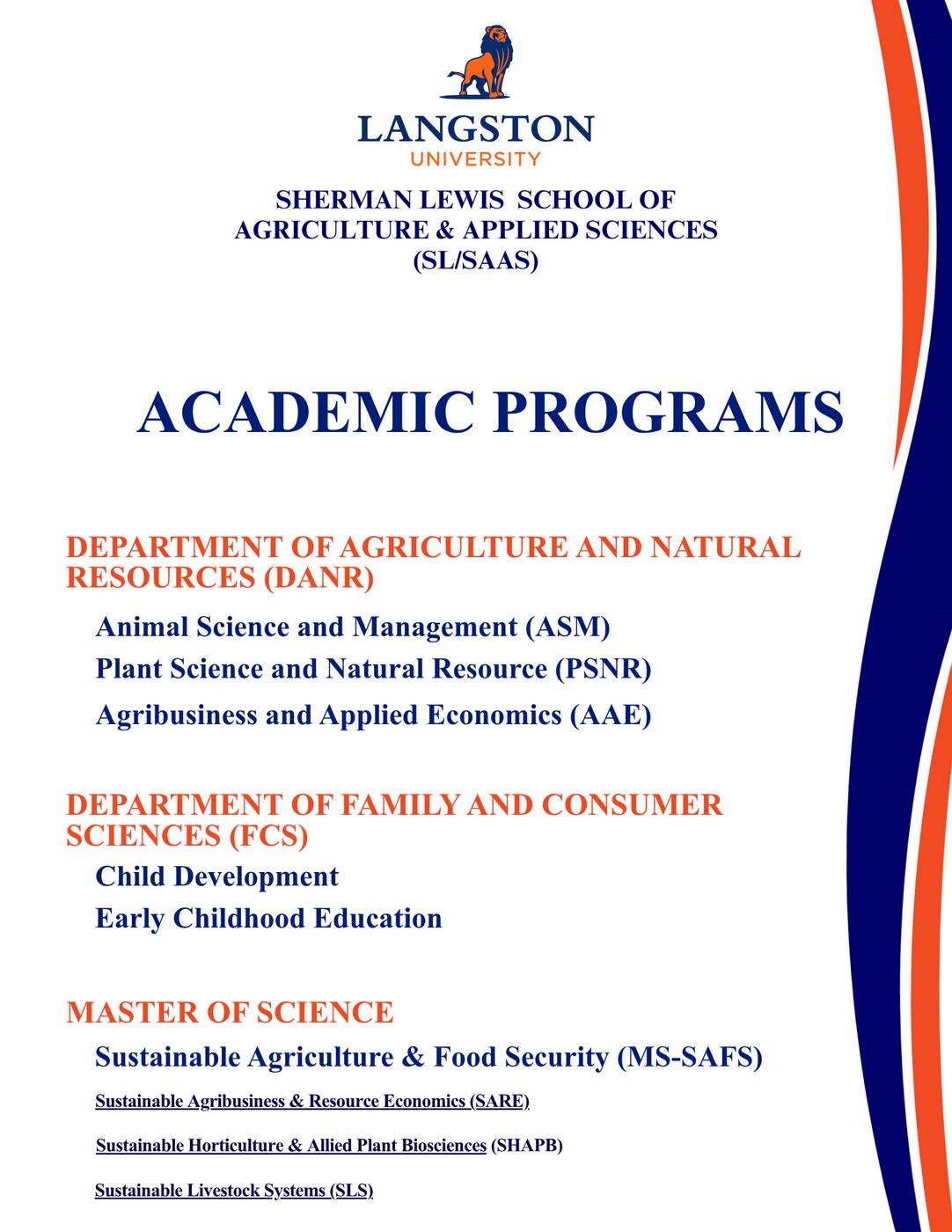
SUSTAINABLE AGRICULTURE & FOOD SECURITY (MS-SAFS)
The SL/SAAS Master of Science in Sustainable Agriculture and Food Security (MS-SAFS) is designed to prepare graduates for Careers in academia, government agencies, non-governmental organizations, commercial & enterprises, and private companies. The program's vision is to serve as aprominenthubforboldandtransformationalleadersandeducatorstopromoteintegrated food,agriculturepolicy,andsustainability.
Specialized Concentrations |Thesis or Non-Thesis
Sustainable Agribusiness & Resource Economics
Sustainable Horticulture & Allied Plant Biosciences
Sustainable Livestock Systems
Program Contacts
Kanyand Matand, Ph.D. | matand@langston.edu Emisha Maytubby, Ph.D. | emisha.young@langston.edu


The Mission of the Department of Agriculture and Natural Resources (DANR) is to promote student success and workforce preparedness by providing a diverse student population with knowledge, experiential exposure, and broad, enriching academic experience needed for leadership and lifelong career paths in food, agriculture, and human sciencesinarapidlychangingglobalmarketplace.
To make the program an academic hub of excellence where facilities and other resources for teaching and student experiential learning are of high quality and problem-solving-based, and students are provided with a broad and enriching academic experience that will empower them for lifelong success and service to their communities, the nationandtheworld
Theacademicprogramsinthedepartmentaredesigned
1.Toprovideallstudentswithastrongfoundationingeneraleducation,generalknowledgeinagriculture, aglobalperspectiveonagriculture,andstrongcommunicationskills.
2.Totrainstudentstousecriticalthinkingandanalyticalskillstosolveavarietyofproblemsrelatedto food,agriculture,andnaturalresources.
3.Toprovideexperientiallearninginvariousdisciplinesoffood,agriculture,andnaturalresources.
4.Toencouragestudentstotakeadvantageoftheireducationandhonetheirleadershipskills.
5.Toprovidestudentswithopportunitiestointeractandnetworkwithpeersandprofessionalsinfood, agriculture,andnaturalresources.
6.Totrainstudentstobecomelifelonglearnersandpreparethemforpost-graduatestudiesinfood, agricultureandnaturalresources
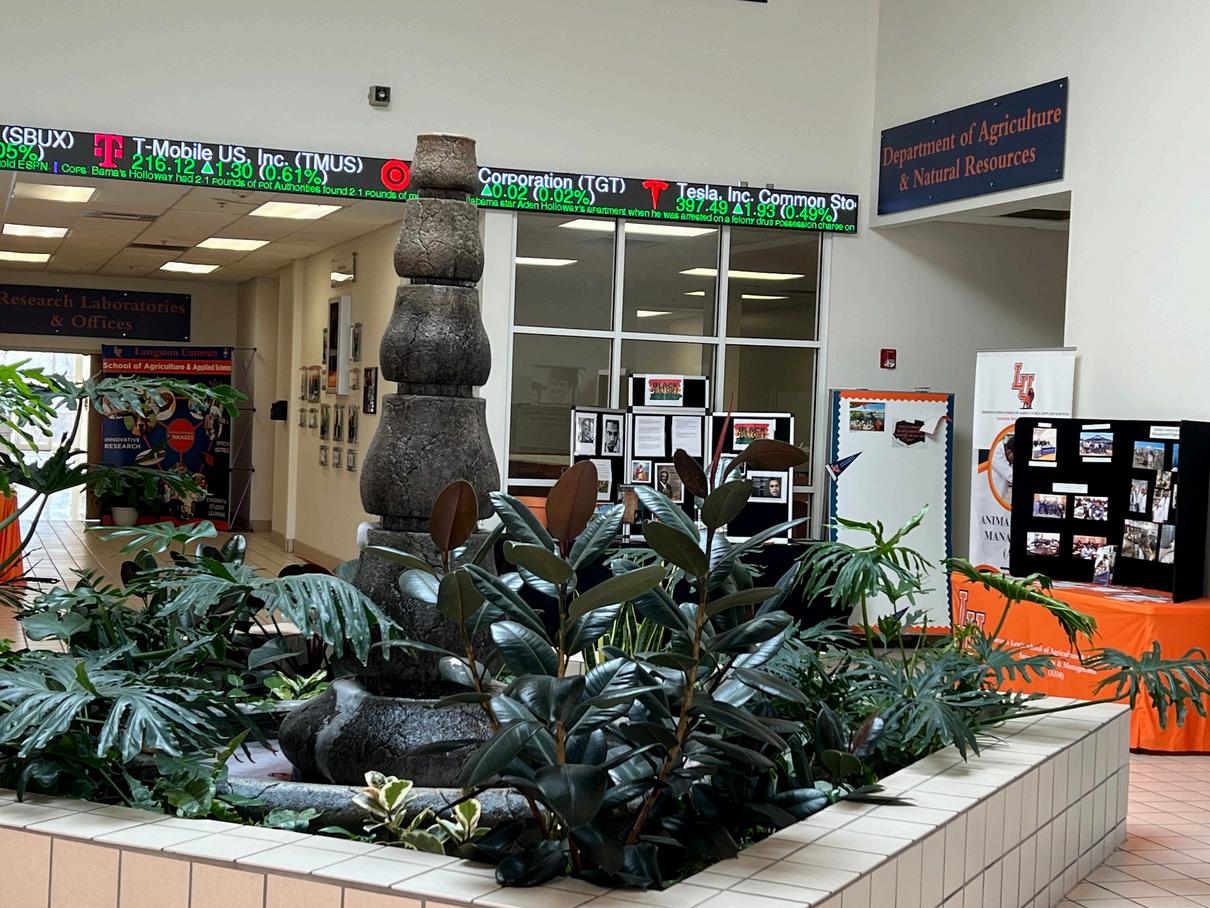
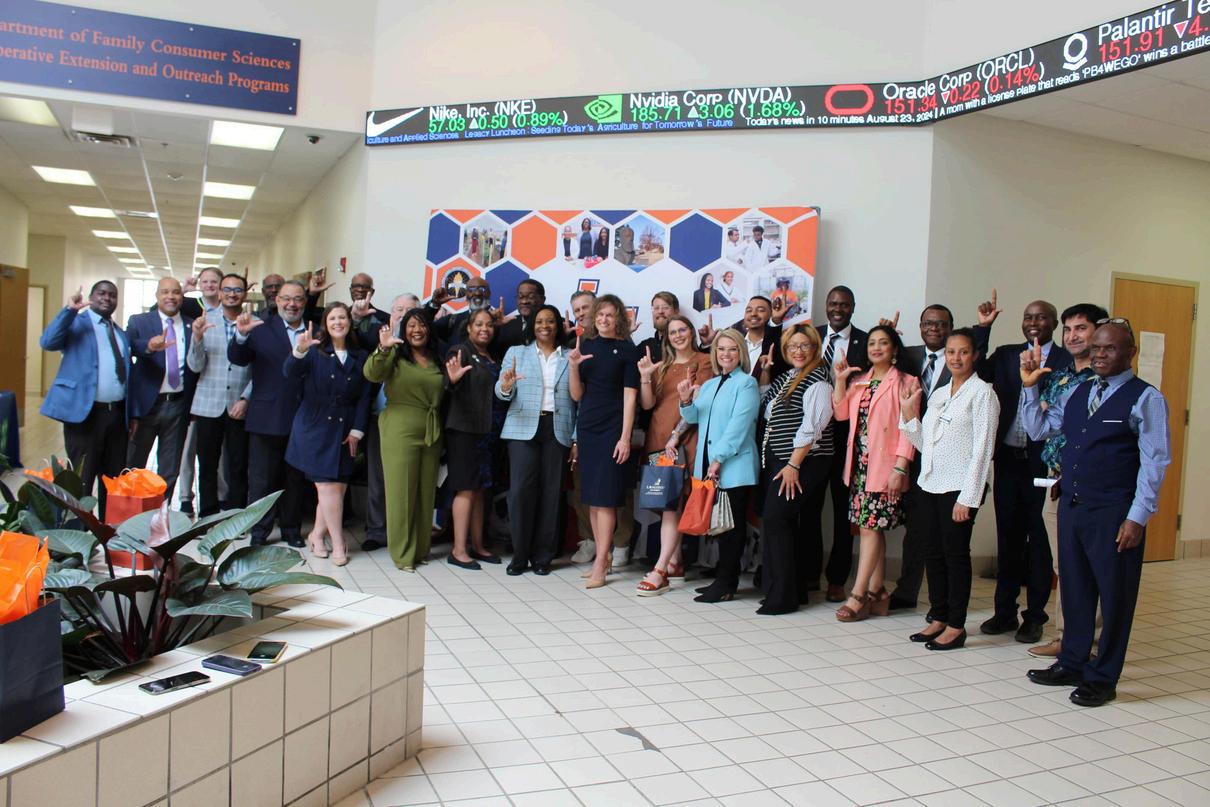
The Department offers both Bachelor ’s and Master’s Degree Programs The bachelor’s program includes the followingthreemajors:
(a)AgribusinessandAppliedEconomics(AAE),
(b)AnimalScienceandManagement(ASM)
(c)PlantSystemsandResourceSustainability(PSRS)
The master program offers a Master of Science in Sustainable Agriculture and Food Security (SAFS) with three Options:
(a)SustainableAgribusiness&ResourceEconomics(SARE)
(b)SustainableLivestockSystems(SLS)
(c)SustainableHorticultureandAlliedPlantBioscience (SHAPB)
The program is designed to provide the opportunity for students to acquire an understanding of the problems, principles, and practices associated with agriculture, food, and natural resources disciplines and sustainability at the local, national and international levels.Agriculture students have the unique opportunity to interact with research scientistsintheHorticultureEducationandResearchCenter (HERC), world-renowned American Institute for Goat Research (AIGR), Cooperative Extension and Outreach Program, and Education and Extension Center.The students are provided with additional experiential learning opportunities through required in-house research mentorship, internships, externships, and participation in studentorganizationsintheDepartment.
FullandPartialScholarships
PaidStudentResearchMentoringProgram Work-study
InternshipandExternshipprograms
Fieldtrips Studyabroadprogram
AcademicMeetings/Conferences
ClassTutoring
Major-BasedClubs
MANRRSOrganization
StateFairVolunteers
AmbassadorsProgram
AcademicMentoringProgram
4HYouthDevelopmentProgram
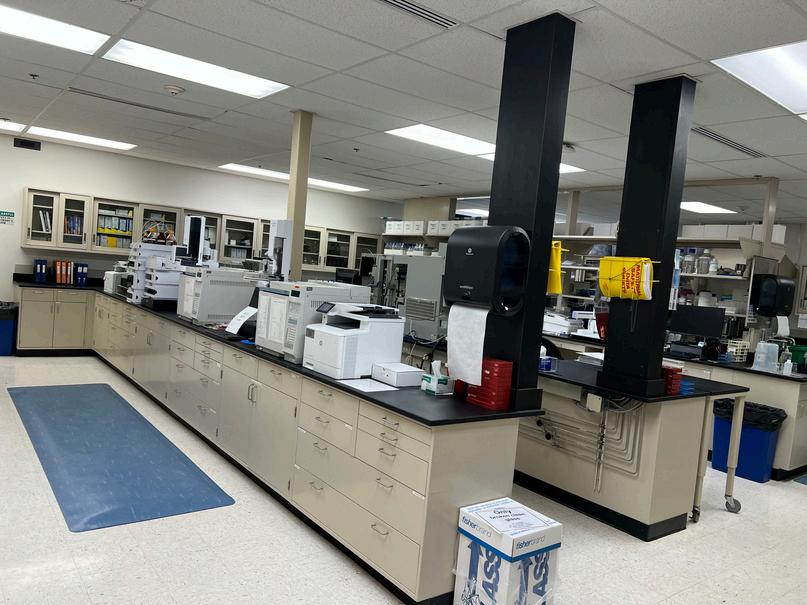
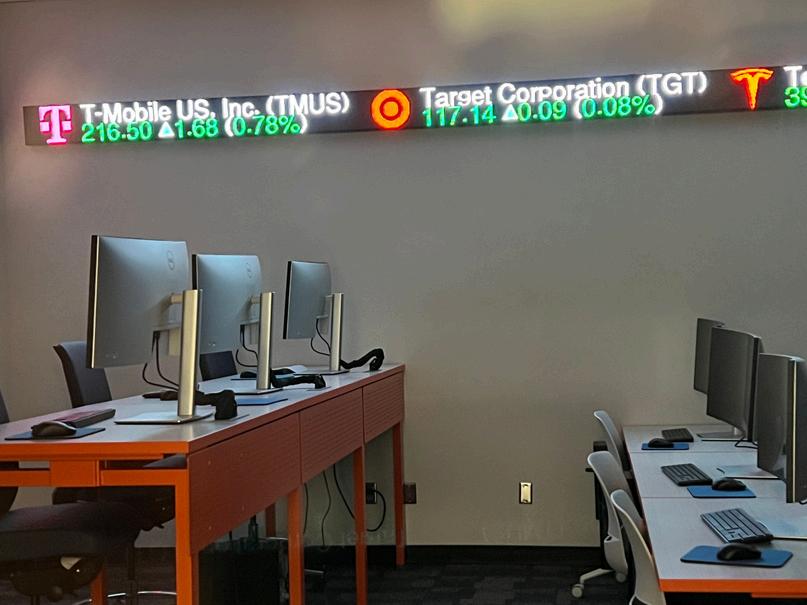
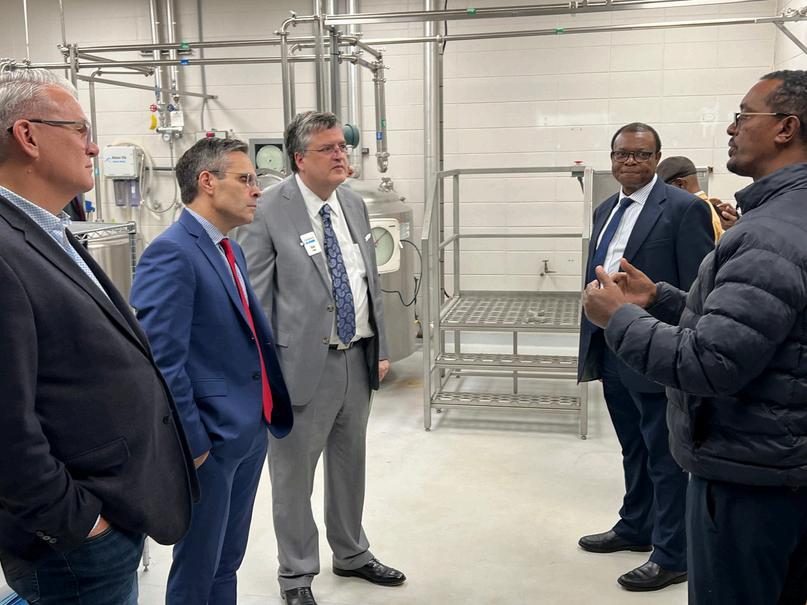
For Specialty Excellence in Practicums and Learning Opportunities (Please see individual Bachelors’ Majors or OptionsfortheGraduateProgram)

Contactinformation
Dr.KanyandMatand,DANR,Chairperson|405.466.6145:matand@langston.edu
Dr.NirodhaDeSilva,AAE,ProgramLeader|405.466.6163:nirodha.de_silva@langston.edu
Dr.HajiAkbar,ASM,ProgramLeader|405.466.6126:haji.akbar@langston.edu
Dr.KamalGosh,PSRS,ProgramLeader|405.466.6100:kgosh@langston.edu
Ms.SusannaKerenPalipogu,DANR,StudentSuccessCoordinator|405.466.6174:spalipo@langston.edu
100SuccessAvenueor701SammyDavisJr.Dr.;LangstonOK73050;Phone(405)466-6145;www.langston.edu
PSRS equips students with scientific foundations and applied skills to address Oklahoma's and the nation's most pressing challenges in agriculture, food security, natural resources management, climate-smart agriculture, and environmental stewardship Offering unparalleled experiential learning across laboratory, greenhouses, field, and farmsettings,theprogramsservestudents,localfarmers,andOklahomacommunities.
Horticultural&agronomiccropproduction(tomato,peanut, sweetcorn,ginger,garlic,daylily,etc.)
Weather-resilientspecialtycropproductionsystems
Soilsampling,fertilityassessment&conservationpractices
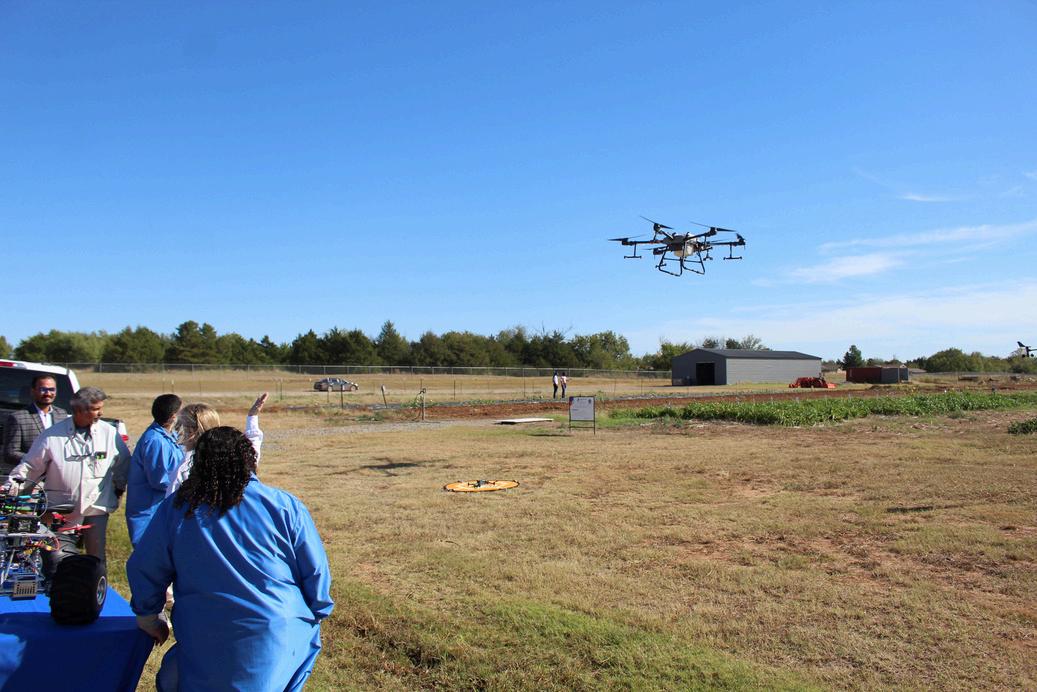
Drone-assistedprecisionagriculture advancedsensorsfor croptraitspredictions&pasturehealthmapping
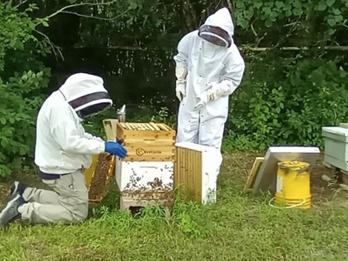
Apiculture(beekeeping)extension&educationprograms
Aquaculture,aquaponics,wildlife&fisheriesconservation
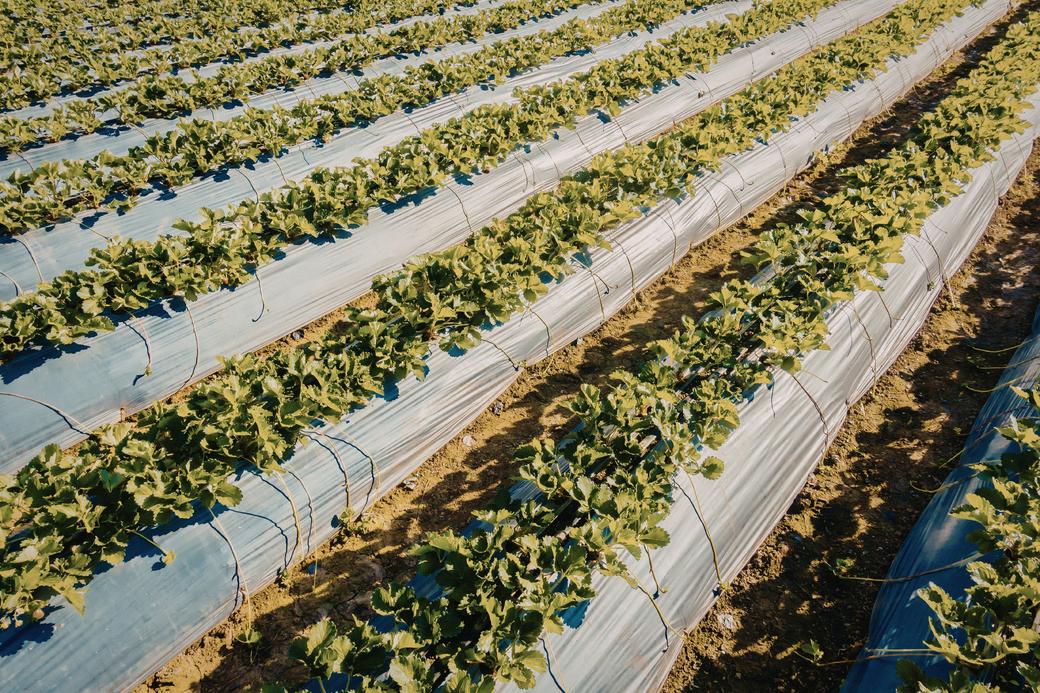
Vegetable&spicecropproductioninhightunnel,micro-tunnel& greenhouseconditions
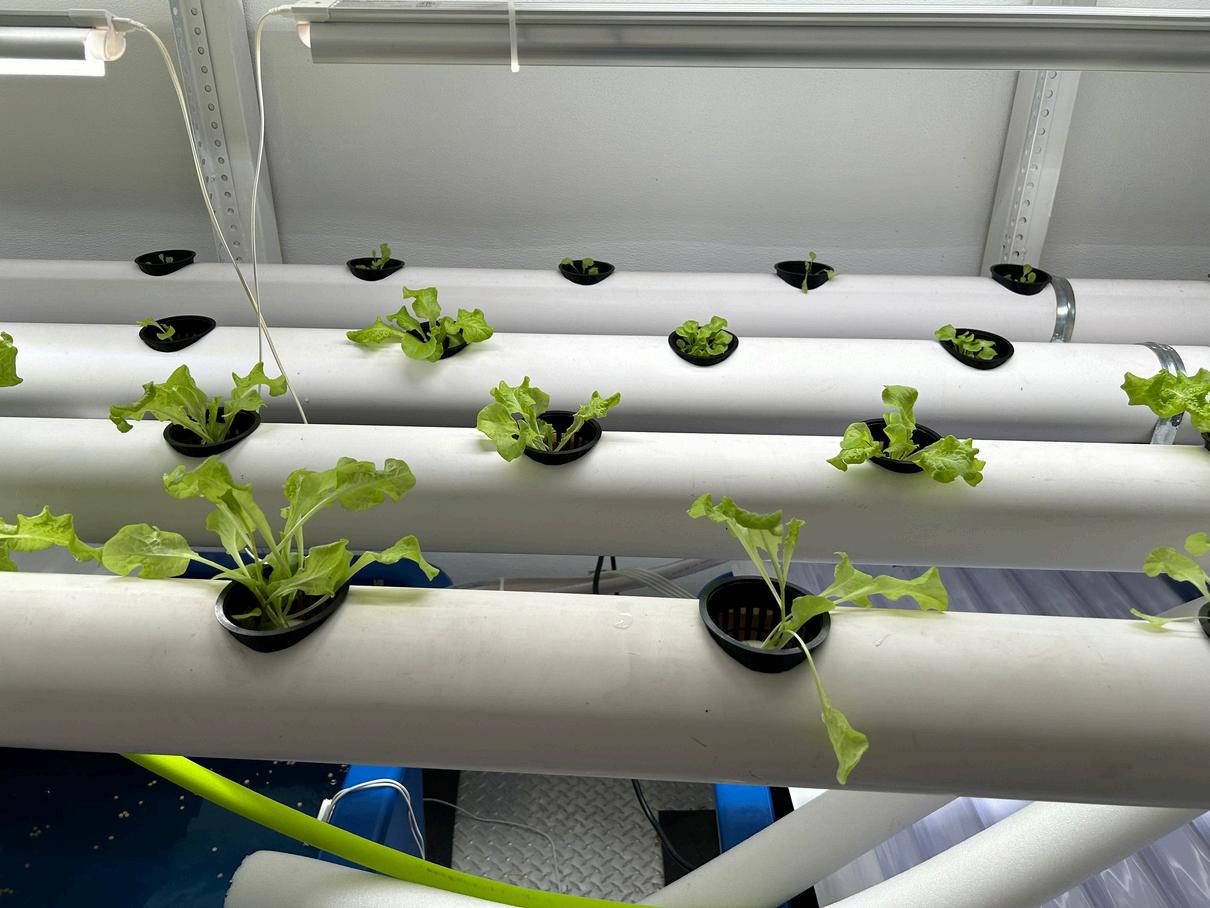
Hydroponicandaquaponicsystemsdesign&operation
Planttissueculture steriletechnique&invitroregeneration
Geneisolation,PCR&geneexpressionstudies(daylilygenetics, 45cvstock)
Microscopy,spectrophotometry&spectroscopy
Macro-propagationdevelopmentskillsandexperiences
Plantbiotechnology:DNA/RNAextraction,recombinantDNA, genetic transformationandgeneticeditingassays
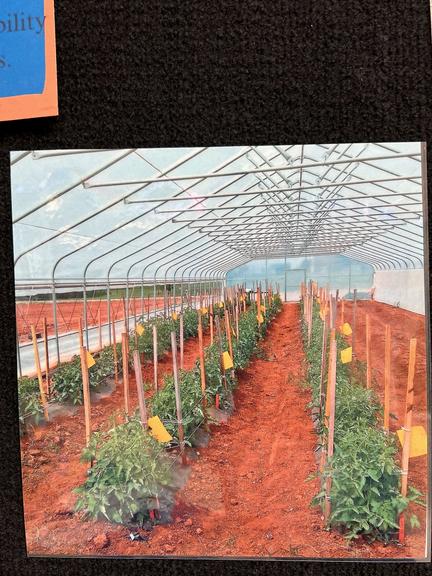
Tomato,eggplant,ginger&turmericproductioninopenfield, hightunnel &greenhouse
Weather-resilientspecialtycropproductionsystems
Bestmanagementpracticesusingplasticulture,improved varieties&resourceoptimization
Daylilygeneticimprovementandlandscapestudies
Qualityassessmentofvegetables&spicesundervaried productionenvironments
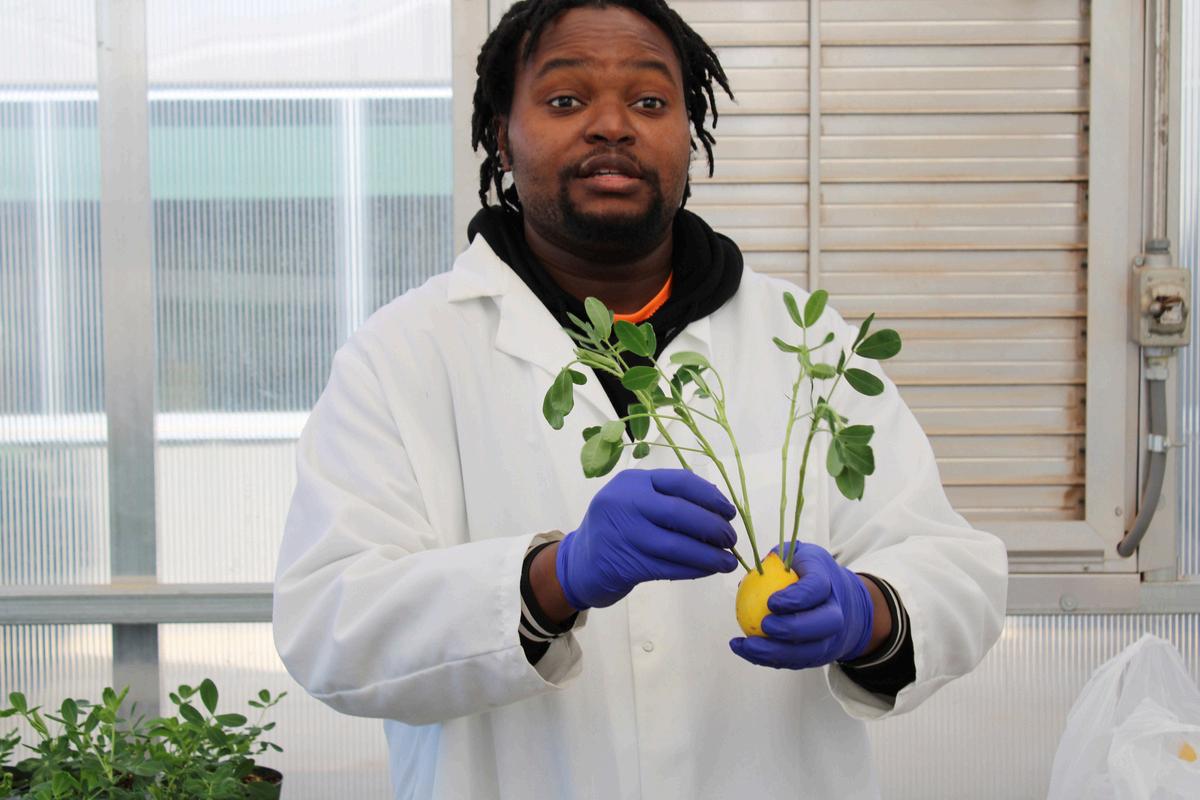
Agraduatestudentisdevelopinganew“macropropagation” technologyinpeanutasanalternativeapproachtothestandard, costlymicropropagationMethod
PSRS students operate a fully functional, researchdriven aquaponics system linking fish culture with soillessplantproduction.Studentsdevelopskillsin: Waterqualitymanagement&fishgrowth monitoring
Nutrientcycling&plantbiomassoptimization Aquaponicvs soil-basedproductioncomparison
Remotesensing,precisionagdatamanagement &spatialanalysis
GISforfarmmappingandlanduseplanning
Real-timedatacollection&evidence-based agronomicdecisionmaking
Developmentoflow-costdroneprototypesfor small-scalefarmers(SkyWranglerproject)
Technologytransferskillsforon-farm applications
Multi-yearinterdisciplinaryresearchteam leadership
Beehiveinstallation,seasonalmanagement&colony healthmonitoring
Honeyharvesting,processing&qualityassessment Pollinatorhabitatestablishment&evaluation
Datacollectiononbeehealth,pests&environmental stressors
Extensiondemonstrations&producerworkshops
Pollinatoreducationforfarmers,K–12,and communitystakeholders
Studentsdevelopworkforce-readyskillsin: Career tracks: USDA, NRCS, Cooperative Extension, agricultural industry, graduate studies, food systems, andenvironmentalcareers.
Sustainablecrop&resourcemanagement
Data-drivendecisionmakingwithprecisionagtools Researchdesign,analysis&scientificcommunication
OklahomaResearchDay NortheasternState University(2026)
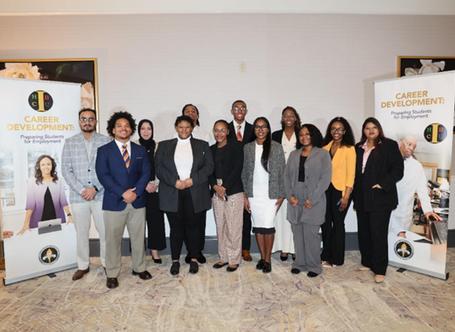
ARDResearchSymposium NewOrleans(2026) 1890UniversitiesFoundationCareerDevelopment Conference Atlanta,GA(Feb2026)
AmericanSocietyofHorticulturalSciencesAnnual Conference

spalipo@langston.edu

100SuccessAvenueor701SammyDavisJr.Dr.;LangstonOK73050;Phone(405)466-6145;www.langston.edu ExperientialLearning,ResearchExcellence,&WorkforceDevelopmentinAnimalAgriculture
The Animal Science & Management (ASM) program at Langston University delivers hands-on, research-driven, and industry-relevant training in animal production, health, and product development The program integrates teaching, research, and extension, preparing students for careers in livestock industries, veterinary sciences, biotechnology, and agriculturalleadership.
200studentsenrolled(SL/SAAS)
Rapidlygrowinggraduateprogram(est.2023-2024)
Strongemphasisonappliedresearchandworkforcereadiness
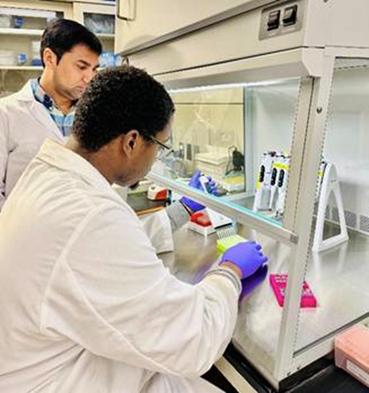
Studentsaretrainedthroughafarm–laboratory–classroom integrationapproach:
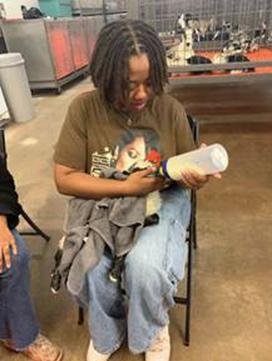
Farm-Based Training (AIGR Farms)
Livestockmanagement(goats,sheep,cattle)
Feeding,breeding,andhealthmonitoring
Reproductiveandgeneticimprovementprograms
Sustainableproductionsystems
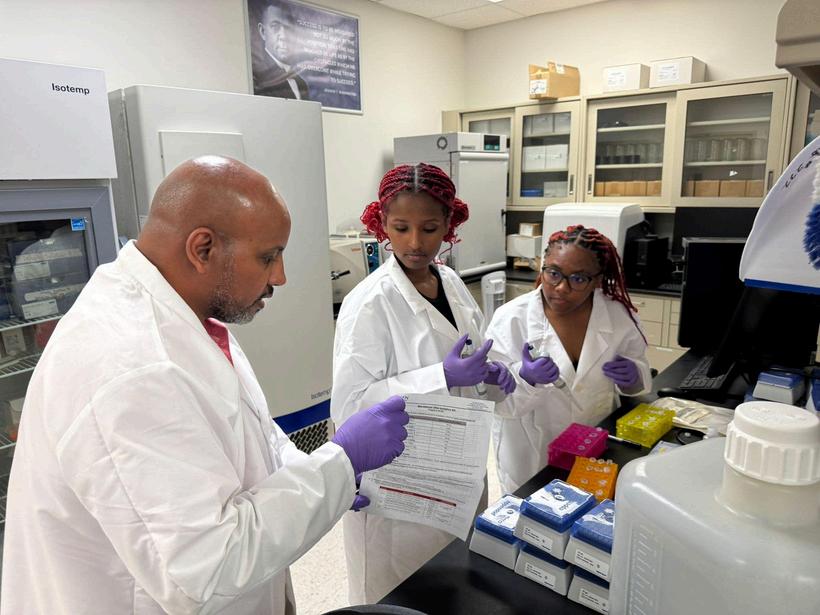
Laboratory & Research Training
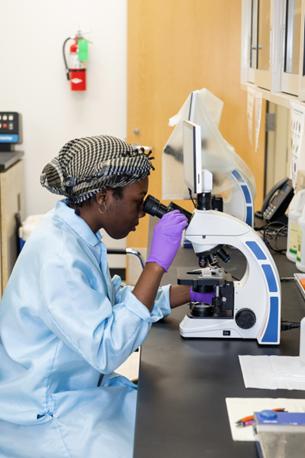
Basicandadvancedlaboratorytechniques
Molecularbiology(PCR,qPCR,geneexpression)
Animalnutritionandfeedanalysis
Bloodchemistryandmetabolicprofiling
Food Science & Product Development
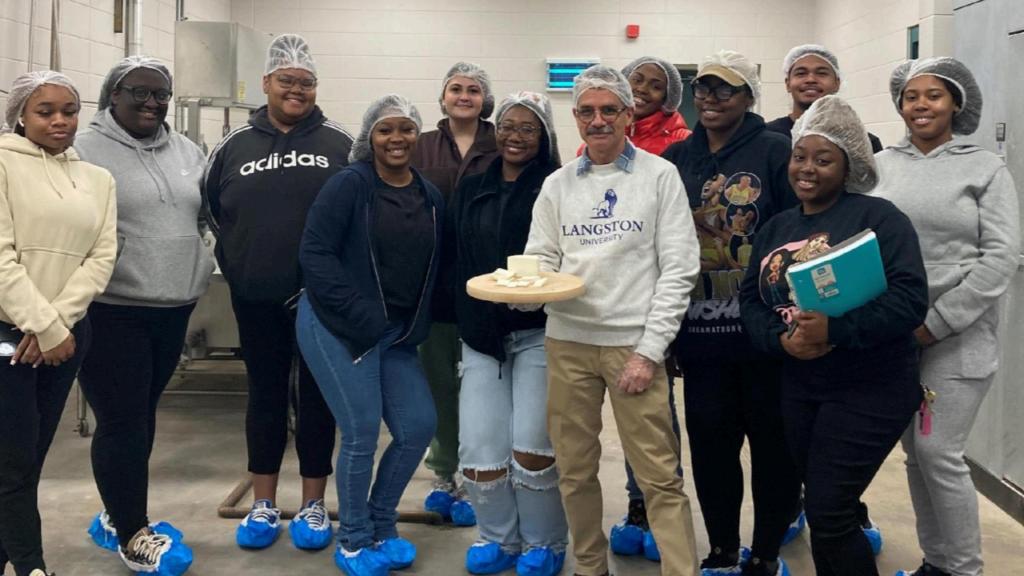
Dairyandmeatprocessing
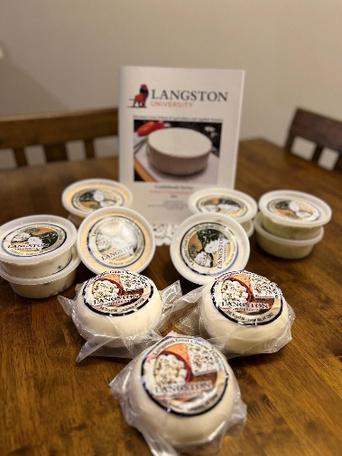
Cheesemakingandmilkcompositionanalysis
Foodsafetyandqualityevaluation
Climate-smartlivestocksystems
PrecisionlivestockfarmingandAI-basedanalytics
Genomics,omics,andbioinformatics
Heatstressandenvironmentaladaptation
Sustainablenutritionandmethanemitigation
Animalhandlingandherdmanagement
Laboratoryandanalyticaltechniques
Datacollectionandscientificanalysis
Productdevelopmentandfoodsafety
Leadership,communication,andoutreach
Integrationoffarm+lab+classroomlearning
Nationalleadershipinsmallruminantresearch
Applicationofadvancedtechnologies(AI,omics, biotechnology)
Stronglinkagebetweenresearchandreal-world application
Careerpathwaysinveterinarymedicine,biotechnology, livestockproduction,andfoodscience
Developmentoftechnical,analytical,andleadershipskills
Improvedlivestockproductivityandhealth
Adoptionofsustainablepractices
Technologytransfertoproducers
Supportforregionalagriculturaleconomies
Goat,sheep,andcattleresearchfarms
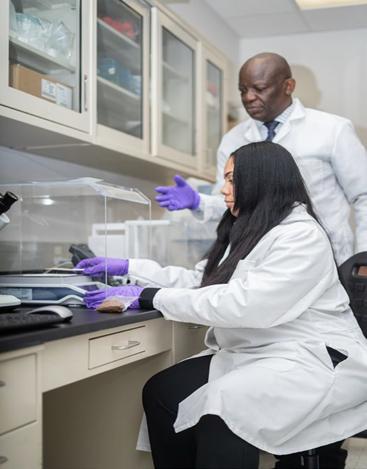
Molecularbiologyandbiotechnologylabs
Foodscienceandmeatprocessingfacilities
Environmentalandclimateresearchsystems

Dr.KanyandMatand,DANR,Chairperson,405.466.6145,matand@langston.edu
Dr.HajiAkbar,ASM,ProgramLeader,405.466.6126,haji.akbar@langston.edu
Ms.SusannaKerenPalipogu,DANR,StudentSuccessCoordinator,405.466.6174,spalipo@langston.edu
Economics,finance,analytics,andcommunity-centeredagriculturaldecisionmaking
Langston University's AAE pathway prepares students to apply economic reasoning, business tools, and agricultural knowledge to real decisions affecting producers, food systems, natural resources, and communities. Students study agribusiness, marketing, prices, finance, accounting, management, statistics, policy, and resource issues within Langston'sland-grantenvironmentofresearch,extension,andoutreach
AAEcentersagriculture-specificmarkets,finance,policy,andresourcedecisions
Studentslearnhowfarm,food,andagribusinessdecisionsconnecttoproducers,consumers,communities, andregionaldevelopment.
Thepathwaycombineseconomics,accounting,management,communication,andagriculturalcontext insteadofseparatingthemintodifferentmajors
Learningisreinforcedthroughinternship,seminar,mentoring,andcommunity-facingexperiencestiedto Langston'sservicemission.
Knowledgethatisuniquetothemajor
Agribusinesssystems,agriculturalprices,marketing,andfinance. Appliedeconomicsforfarm,food,trade,andpolicydecisions
Statistics,GIS/GPS,anddecisiontoolsusedforagriculturalproblems
Naturalresourceandcommunity-developmentissueslinkedtoland, water,andlocaleconomies.
Businessfoundationsinaccounting,management,andprofessional communication.
Marketassessment,budgeting, enterpriseanalysis,andrisk thinking
Surveydesign,datacollection, andevidence-basedinterpretation Credit,recordkeeping,and financial-literacyapplicationsfor agriculturalenterprises.
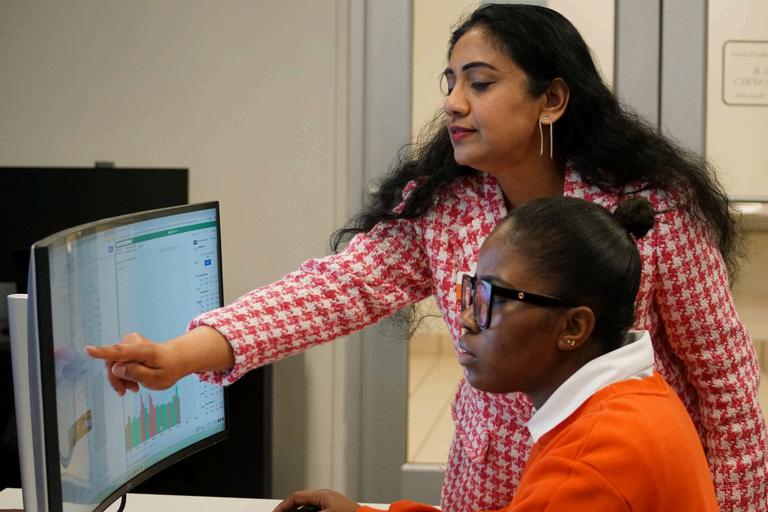
Internship,seminar,andfaculty-guidedresearchorextension-linkedlearning. Communicationwithproducers,agencies,communitypartners,andagribusiness stakeholders
FacultymentoringandadvisingwithintheSchoolofAgricultureandAppliedSciences.
ResearchandmentoringthroughtheStudentResearchandMentorshipProgram(SRMP)thatconnectcourseworkwith careers,professionalcommunication,andgraduatestudy
ExposuretoAgribusiness,Analytics,andFinancialResourceCenter(AFRC)seminarsonbanking,wealthbuilding, financialmarkets,anddata-drivenregionaldevelopment.
Extensionandoutreachsettingsthathelpsmallfarms,localbusinesses,andcommunitiesstrengthenaccounting, recordkeeping,marketing,andprofitability
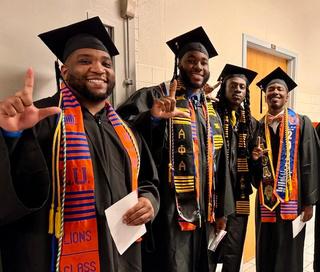
StudentgrowththroughMANRRS,student-ambassadoractivities,peermentoring,andconferenceparticipation
Agribusinessormarketanalyst
Impactonproducers,businesses,andcommunities
Agriculturalfinance,credit,orcommercialbankingroles
Farm,ranch,oragribusinessmanagement
Marketing,sales,supply-chain,orprocurementsupport
Extension,communitydevelopment,orpublic-sector positions
Strongpreparationforgraduatestudy,including Langston'sSAREpathway
Betterbusinessplanningandmarketunderstandingfor producersandlocalenterprises
Improvedrecordkeeping,profitability,andevidence-based decisionsupport
Strongerlinksamongproducers,communities,institutions, anddevelopmentpartners
Appliedlearningthatsupportsfoodaccess,resourceuse, andcommunity-developmentgoals
Langston University's AAE pathway prepares students to apply economic reasoning, business tools, and agricultural knowledge to real decisions affecting producers, food systems, natural resources, and communities Students study agribusiness, marketing, prices, finance, accounting, management, statistics, policy, and resource issues within Langston's land-grant environment of research, extension,andoutreach.
Skills You Will Develop from the AFRC
Theopportunitytobuildwealthstartingfromanearlyage
Financialanalysisandinvestmentstrategies
Agribusinessdataanalyticsandforecasting
Riskmanagementanddecision-makingskills
Marketanalysisandeconomicevaluation
Professionalcommunicationandteamwork
Hands-On Experiences
Simulation-basedfinancialtraining
Real-worldagribusinesscasestudies
Student-ledinvestmentandmarketanalysisactivities
Internshipandcareerpreparationsupport
Workshopswithindustryprofessionals
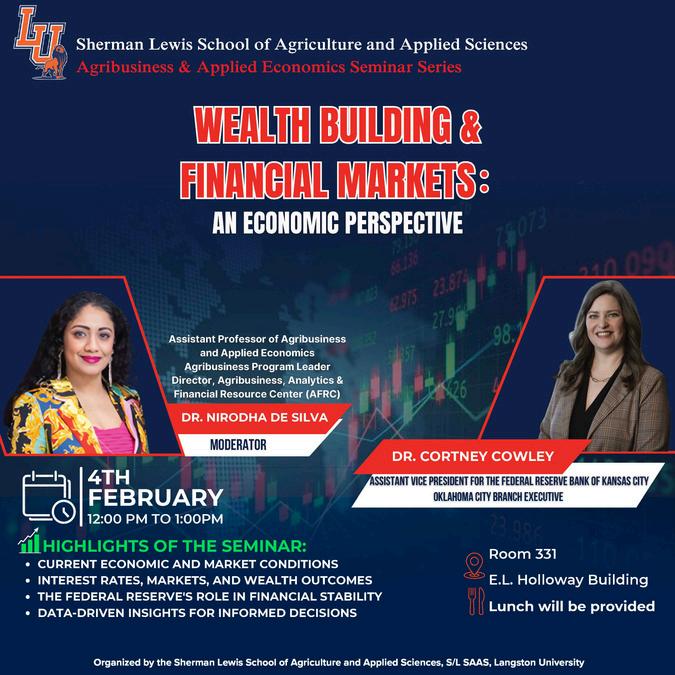
The AFRC prepares students to become competitive professionals in agribusiness, finance, and relatedindustriesbycombiningacademicexcellencewithpracticalexperience.Studentsgraduate withtheconfidenceandskillsneededtosucceedinadynamicglobaleconomy
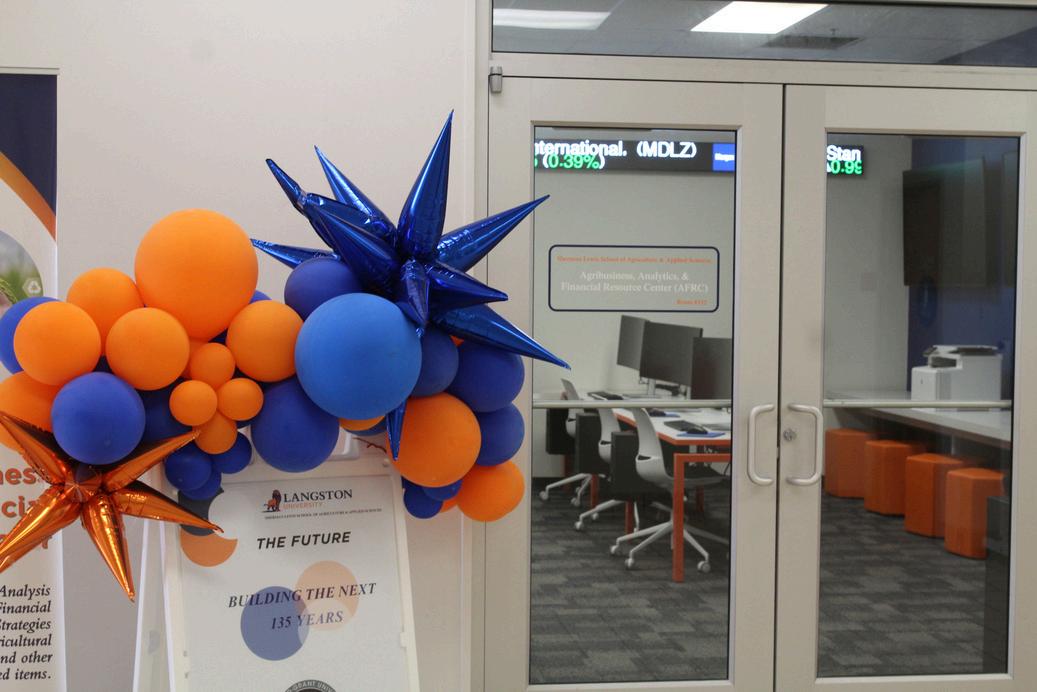
A Learning Environment
Technology-equippedworkspace
Collaborativelearningenvironment
Accesstofinancialtoolsandsoftware
Dedicatedsupportforstudentsuccess GetInvolvedwiththeAFRC!
Enhance your academic experience with realworldfinancialandagribusinesstraining
AAE also serves as a strong foundation for graduate training in Langston's Sustainable Agribusiness & Resource Economics (SARE) pathway, where students deepen analytics, research, sustainability, and stakeholder-centeredproblemsolving AAE->SARE
Forprogramandpathwayinformation
Dr.KanyandMatand|DepartmentChairperson|405.466.6145|matand@langston.edu
Dr.NirodhaDeSilva|ProgramLeader,Agribusiness&AppliedEconomics/AFRC|405.466.6163
Ms.SusannaKerenPalipogu|StudentSuccessCoordinator|405.466.6174|spalipo@langston.edu langston.edu|langston.edu/academic-advisors

TheMasterofScienceinSustainableAgricultureandFoodSecurity(SAFS)providesthreeoptions:
A. SustainableLivestockSystem(SLS)
B. SustainableAgribusiness&ResourceEconomics(SARE)
C. SustainableHorticultureandAlliedPlantBiosciences(SHAPB)
ThemissionoftheMasterofScience(MS)PrograminSAFSistoprovideadvancedknowledgethatwillenhancethe career path of professionals, practitioners, and educators by improving their ability to apply new and emerging science and technologies to leadership and support of sustainability in agriculture, food policy, natural resources management,andalliedfields.
The vision of the Master of Science Program in SustainableAgriculture and Food Security is to become a prominent hub for graduate training of leaders, scientists, and educators in integrated food, agriculture policy, natural resources management, and sustainability.
The goals and objectives of the MS in SAFS program aretoaddressthefollowing:

Totrainandincreasethenumberofqualifiedprofessionalstoworkinagriculturalacademic,research,and extensionprogramsaswellasinstateandfederalagricultureandfood-relatedagencies.
Providestudentswiththeoreticalandappliedskills,knowledge,andexperiencesbeyondthebaccalaureatelevel thatwillenablethemtotranslatecourseworkandresearchexposureintechnicalagricultureintoreal-world solutionsandapplications
Toprovidestudentswithanexperiential-based,opportunity-designed,workforce-readyprogramtotranslate academiccontentlearnedincourseworktoreality.
Toprovideadvancedandhigh-qualityacademictrainingresponsivetothelabormarketandabroadspectrumof marketdemandsinOklahomaandtheNation.
Topreparestudentstobecomefutureleadersandteamplayersinanincreasinglyintegratedfoodandagriculture systemandtosupportlocal,regional,national,andglobalsustainabledevelopment.
Toplacegraduatesasfutureleadersinacademic,research,andextensionpositionsinstate-federalagriculture andfood-relatedagenciesandthebroaderagricultureandfoodindustries.
Thefacultymembers,researchscientists,andextensionspecialistsinSL/SAASareexperiencedandpossess well-regarded credentials from prominent Universities to advise, mentor, train, and support graduate studentsastheynavigateallaspectsofgraduatestudiesintheirrespectivedisciplines.
The MS in SAFS provides specialized education in three options: SLS, SARE, and SHAPB. Students may select elective courses based on potential requirements for future employment, personal interest in the subject matter and likelihood of pursuing a related course of study at the Ph.D. level, or mere curiosity for a moreprofoundexpositioninthesubjectmatter.
This MS Program includes coursework in core theory, research methods, statistics, and a broad range of applied electives in all three option disciplines. Students can specialize in the field of sustainable food and agricultureastheydesire.
Graduate candidates for admission are expected to have a BS degree in agricultural science or a related discipline from an accredited program. Students should have an undergraduate GPA of 3.00 (or an equivalent) or higher. Three letters of recommendation and a statement of research interest, will be used in admissionevaluationsanddecisions.
Students’education in SAFS Program is supported by avarietyofresources,amongwhichinclude:
FinancialResourcesCenterestablished BeesResearchCenter
ResearchFarms(Main,South,andNorth): currentlyhousingmorethan1300goats,300 sheep,and20cows.
ComputerizedMilkingParlor:milk10heads atatime
AutomatedFeedMill:meetallresearchand productionfeedrationneeds
PilotCreamery:acompletelineofdairy processingthatiscertifiedbytheState AnimalNutritionLab:Conductfeednutrition andmetabolismanalyses
ParasiteControlLab:Novelpreventativeand controlmethodsofparasitecontrol
CentralAnalyticalLab:equippedwithstateof-the-artinstrumentsforanalysesofminerals, fat,fattyacids,protein,aminoacids,etc.
BiotechnologyLab:plant,crop,andanimal biotechnologyresearch,education,and outreach
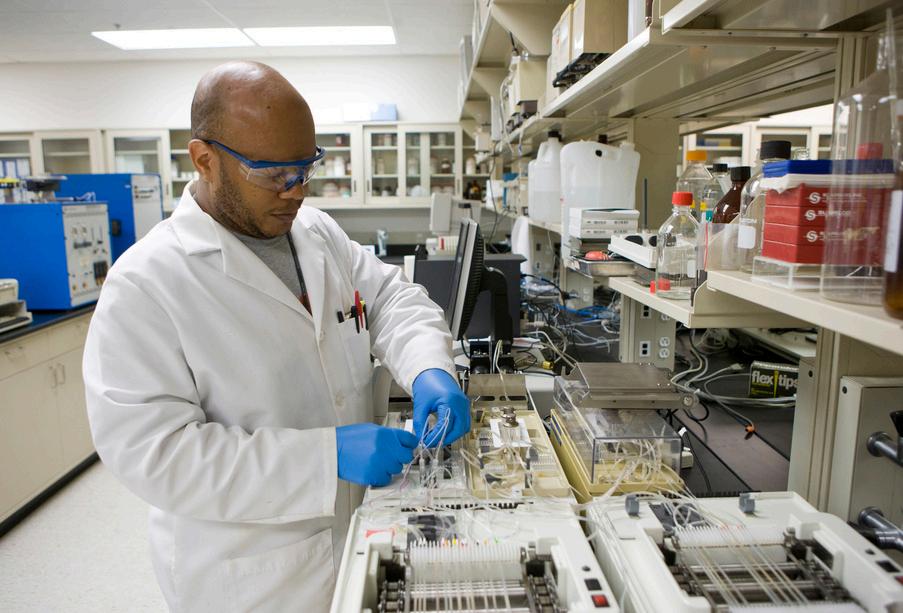
AquacultureLab:waterqualityanalysesfor fisheryresearchandproduction State-of-the-artHorticultureFacility,including greenhouses,hoophouses,etc.
GIS/GPSLab:allnewcomputerswithadvanced softwareforinstructionsandexperientiallearning State-of-the-artBiotechnologyCenter:isbeing establishedtoexpandourcurrentbiotechnology researchandeducation(constructionstartis pending)
Horticulturalgeneticstocks
Computersequippedwithsoftwareforsocial scienceresearch,statisticalanalyses,and economicstudies.
On-campuslibrarywithaccesstodigital databasesandprintmaterial.

Dr.KanyandMatand,DANR,Chairperson|405.466.6145:matand@langston.edu
Dr.NirodhaDeSilva,AAE,ProgramLeader|405.466.6163:nirodha.de_silva@langston.edu
Dr.HajiAkbar,ASM,ProgramLeader|405.466.6126:haji.akbar@langston.edu
Dr.SudipKunwar,PSRS,ProgramLeader| 405.466.6100:kgosh@langston.edu
Ms.SusannaKerenPalipogu,DANR,StudentSuccessCoordinator|405.466.6174: spalipo@langston.edu
TheFamilyandConsumerSciencesprogramhelpsmembersgrowbothpersonallyandprofessionally
This individual mentoring program is established to assist and mentor each incoming freshman throughout his/her entire educationjourney at Langston University. Individual mentoring relationships are established by faculty,staff,andadministrators.Specialassistanceisprovidedinacademics,research,internships,andworkstudyopportunitiestohelpstudentssucceed.Scholarshipsareavailable.
Students can work in the FCS Department to gain hands-on experience with administrative task, research, andotherprofessionalresponsibilities.
This individual mentoring program is established to assist and mentor each incoming freshman throughout his/her entire educationjourney at Langston University. Individual mentoring relationships are established by faculty,staff,andadministrators.Specialassistanceisprovidedinacademics,research,internships,andworkstudyopportunitiestohelpstudentssucceed.Scholarshipsareavailable.
ASSOCIATE LEVEL
ChildcareCenterDirector
ChildcareTeacher
HeadStartTeacher
FamilyChildcareHomeProvider
ThemissionoftheFamilyandConsumerSciences Departmentistopreparestudentswithasolid understandingofchilddevelopmenttoworkwith urban&ruralchildrenfrombirthtoage8and theirfamiliesinawaythatisrespectfulofeach family’suniqueness.

EarlyChildhoodTeacherinPublicSchool, HeadStart,orCommunityBasedProgram
SpecialEducationTeacher
ChildLifeSpecialist
BehavioralSpecialist
FamilyChildcareHomeProvider
AdministratorinHeadStartPrograms
CenterDirector/OwnerCoordinator
ChildcareDirectorintheArmedServices
ParentasTeacherFacilitator
TheFamilyandConsumerSciencesDepartmentprovidesstudentswithadeep understandingoftheecologicalfactorsthatinfluencechildren’sdevelopmentand prepareshighqualityprofessionalstoworkwithchildrenandtheirfamiliesacross diversesettings.
•AssociateofScience,ChildDevelopment
•BachelorofScience,Family& ConsumerSciences-ChildDevelopment
•Bachelorof Science, Family& Consumer Sciences-EarlyChildhoodEducation
•TheNationalAssociationfortheEducationofYoungChildren(NAEYC)
•TheNationalBlackChildDevelopmentInstitute(NBCDI)
•TheSouthernEducationAssociationofOklahoma(SECA)
•TheCouncilforExceptionalChildren(CEC)
•StudentOklahomaEducatorsAssociation(SOEA)
•StudentProfessionalOklahomaEducators(SPOE)
WhychooseadegreeinFCSChildDevelopmentandEarly ChildhoodEducation?

The undergraduate degree program in the Department of Family and Consumer Sciences offersdegreesinChildDevelopmentandEarlyChildhoodEducation(ECE).Bothdegreesare designed for students to have quality experiences while studying and a variety of career path opportunities.TheECEdegreeoptionisthecertificationtrackandpreparesstudentstowork inapublicschool.
Our program will assist students with developing strong interpersonal/intrapersonal skills, self-discipline, competency with classroom management while simultaneously enjoying the shared space of children. Ourstudents are trained to be physically, emotionally, and mentally preparedtointeractwithchildrenandtheirfamilies. Wefosterexcellenthands-onlearningopportunitiesthrough
•ParticipationinFamily&ConsumerSciencesorganizations.
•Hands-on learning opportunities in a variety of early childhood programs, public schools, andcommunity-based programs.
•Opportunitiestoattendlocal/nationalearlychildhoodconferences.
•Applicationanduseofbestpracticesdatafordecisionmaking.

Designedtoprovidetargeted,responsivesupporttoclientelestatewide
Regionallybasededucatorstoaddresslocalissues
Example:SWregioninitiativetopartnerwithKiowa,Comanche,andApachecommunitiesestablishing gardensandsmall-scalefarms
IntegrateinnovativetechnologiestostrengthenlocalcommunitiesSpring-Summerworkshopsandhands-on demonstrations
LU CEOP IS ACTIVE IN 55 COUNTIES IN OKLAHOMA NEW REGIONAL EXTENSION MODEL OF WORK IN THE 4 REGIONS OF OKLAHOMA: NW, SW, NE, AND SE IMPACTFUL EXTENSION PROGRAMMING

Beekeeping
Supportsagriculturalsustainability, workforcedevelopment,ruraleconomic growth,andsmallbusinessesthroughhandsoneducationandappliedpollinationservices
Technicalassistanceinsetup,management, pestcontrolandhoneyproduction
Workshopsandshortcoursesexpandaccess tobeekeepingeducation
Workswithfarmershavingover200hives statewide–andgrowing!
Providepollinationsupporttoveteran’s groups,nonprofit,andcommunitygardensto strengthenlocalfoodsystems
LangstonUniversityfarmapiaryusedfor croppollinationandasademonstration, training,andresearchsite
Comparing Chemical vs Organic Fertilizer for Growing
Watermelon Varieties
Watermelonsareapopularcash cropinOklahoma
Mostproducersusechemical fertilizer
Cowmanurecompost outperformedotherfertilizers
Organicfertilizerscontributeto soilhealth
Researchleadstoextension message
Market Gardening Course
Trainproducersongardening
Coverstopicsfromsoil enhancementthroughpest managementandharvest
Supportsproducerswishing toenhanceincomethrough raisingfood


Master Food Preserver Program
Preparescertifiedvolunteersto teachresearch-basedsafehome foodpreservation
Coverswaterbathcanning, pressurecanning,freeze-drying, dehydration,fermentation, pickling,andfoodsafety
Intensivetraining(typically30+ instructionalhours)
Buildslocalcapacityforfood resilienceinruralcommunities
Value-addedproduct development(jams,sauces,dried food)
Field to Table Grains Program
Supportsmall-scaleand specialtygrainproduction (wheat,sorghum,rye,oats)
Providetrainingincleaning, storing,millinggrains,andbaking withfresh-milledgrains
Developvalue-addedproducts (flours,bakingmixes,breads)
Supportmicro-millingandrural bakerybusinesses
Strengthenfarmer-to-consumer supplychains
Promotewholegrainconsumption andchronicdiseaseprevention
Trainyouthandadultsin sewingforclothingandcrafts
ParticipantslearnSTEM principlesthroughtranslating measurementsonpatternsto cloth
Createusefulandunique products
Expanded Food and Nutrition Education Program (EFNEP)
Providesnutritioneducationt youthandadults
Targetsimprovingnutritional intake,safefoodhandling,an healthylifestyle
Engageswithcommunitiesand producerstoassistinbusiness planning
AssistsproducerswithUSDA assistanceapplications
Helpsfamilieswithfamily farmlandtransitionsthroughHeir’s Propertydiscussions
Workswithcommunitiestoidentify resourcesforgrowthand sustainability
Entrepreneurshipandworkforce development
Expanding4-Hclubsandspecial interestgroupsthroughoutthestate
Engagingyouthinagriculture throughJuniorMasterGardener, aquaponics,equine demonstrations,andmore
Supportyouthdevelopment throughexposingyouthtocareers inagricultureandskill development

The Master Food Preserver Program provides research-based training in safe home food preservation techniques, including canning, freezing, dehydrating, and fermentation. The program also prepares participants to become microfood producers by teaching food safety, labeling, and small-scale production practicesalignedwiththeOklahomaHomemadeFoodFreedomAct.
Interestinsmall-scalefoodproductioncontinuestogrowacrossOklahoma. The Homemade Food Freedom Act allows residents to produce and sell certain homemade foods directly to consumers, provided they follow appropriatefoodsafetyandlabelingguidelines.
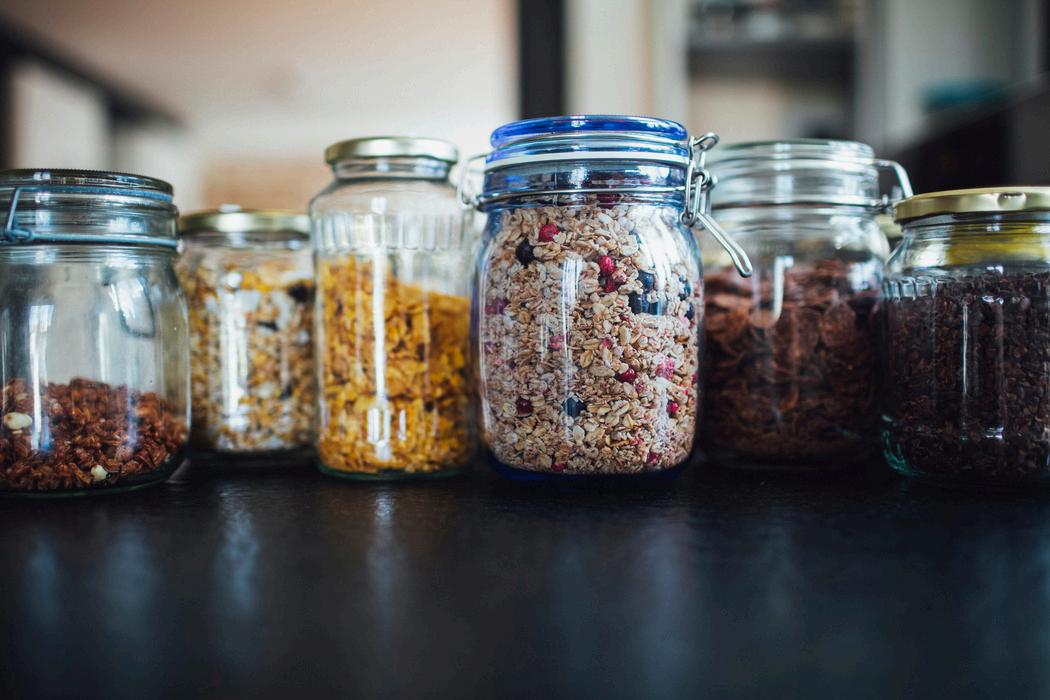
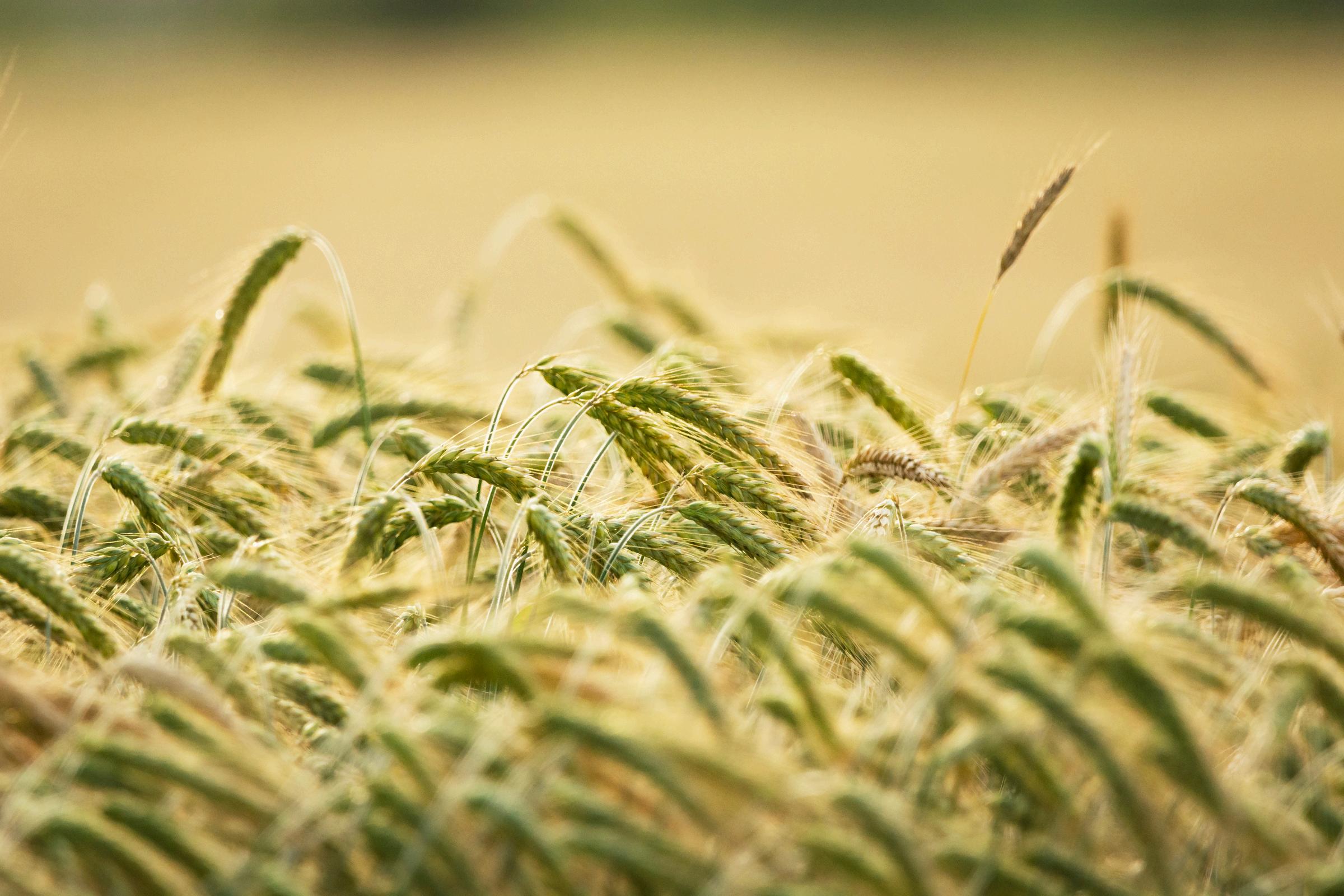
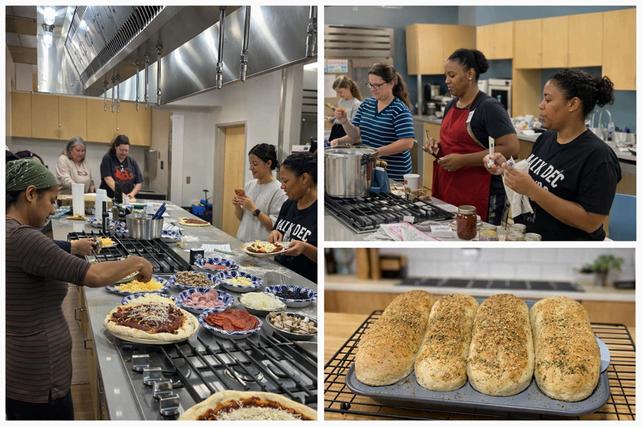
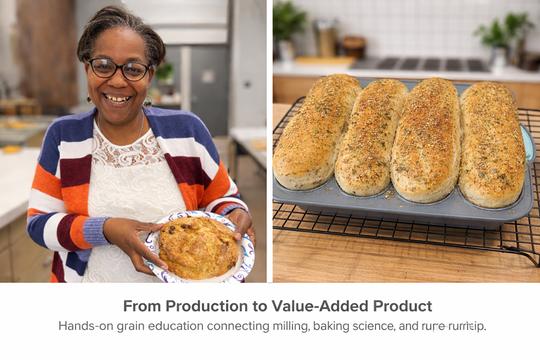
Grains: From Field to Table connects agriculture, food processing, and nutrition by teaching participants how grains move from farm production to finished food products. The program alsointroducesparticipantstoopportunitiesforgrain-basedmicro-foodenterprises,including baked goods and value-added grain products that can be produced under the Homemade FoodFreedomAct.
Many consumers are disconnected from how staple foods such as wheat, corn, and oats are produced and processed. At the same time, the Homemade Food Freedom Act provides opportunities for individuals to produceandsellcertainhomemadegrainproductsdirectlytoconsumers.
Understandagriculturalgrainsystems
Learnaboutwholegrainnutrition
Exploresmall-scalefoodentrepreneurship
Developvalue-addedgrainproducts
ProgramActivities
Educationalsessionsongrainproductionandharvesting
Demonstrationsofgrainmillingandprocessing
Cookingworkshopsfeaturingwholegrainrecipes
Trainingonproducinggrain-basedhomemadefoodproducts
Discussionsonagriculture,foodsystems,andlocalmarkets
EFNEP provides nutrition education to limited-resource families and youth, helping them develop the knowledge and skills needed to make healthier food choices, manage foodresources,andimprovephysicalactivityhabits.
Many families face challenges related to food access, nutrition knowledge, and food budgeting. EFNEP addresses these challenges by providingpracticaleducationthatimproveshealthandwell-being.
Nutritioneducationclassesfor adultsandyouth ProgramActivities
Cookingdemonstrationsand healthymealpreparation
Grocerybudgetingandfood resourcemanagement
Youthprogrammingfocused onhealthyeatingandphysical activity
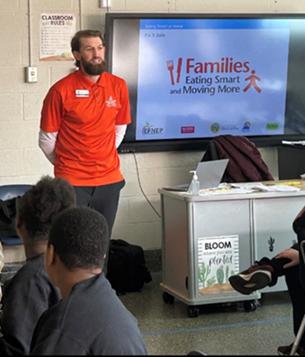

ProgramImpact
Participantsimprovedietaryhabits,foodsafetypractices,and householdfoodmanagementskills,contributingtohealthier familiesandcommunities.
ProgramReach
The Master Sewing Program provides hands-on instruction in sewing and textile skills. Participantslearnpracticaltechniquesforclothingconstruction,repair,andtextilecare whiledevelopingcreativityandself-sufficiency.
Sewing is an important life skill that promotes creativity, financial savings, and sustainability through clothing repair and reuse. The program also provides youth and adults with valuable hands-on learning experiences.

ProgramActivities
Beginnerandintermediate sewingworkshops
Garmentconstructionand alterationtraining
Textilerepairandclothing maintenance
Communitysewingprojectsand demonstrations
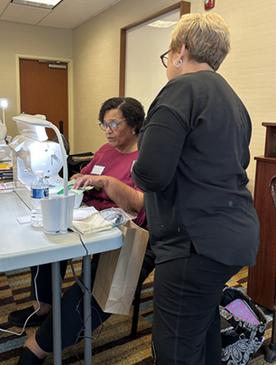
Participantsdeveloppracticalsewingskills,gainconfidencein clothingrepairandcreation,andlearnsustainabletextilepractices thatreducewaste.
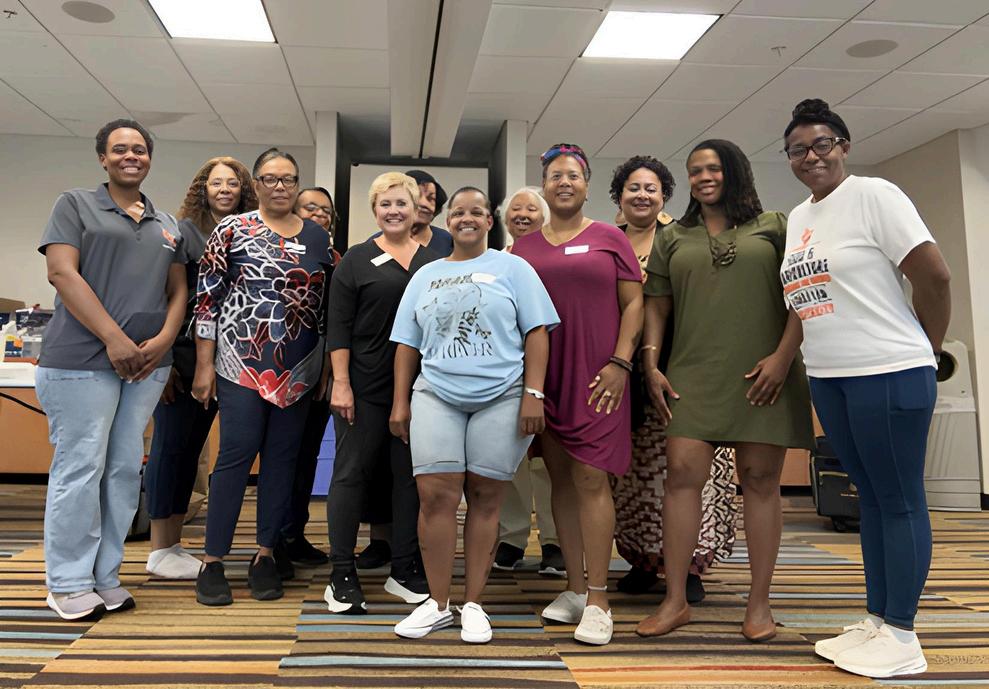
30–60participantsserved annually 5–8sewingworkshopsor trainingsessions Youthandadultparticipation acrossmultiplecommunities
Empowering Oklahoma Farmers, Businesses, and Communities develop, grow, and thrive socially and economically
Supportsmall-scalefarmersandrancherswithbusinessplanning,management strategies,policyawareness,andmarketdevelopmenttoincreaseprofitability
Helpindividualsandcommunitiesbuildstrongbusinessesandentrepreneurial opportunities
Buildstrategicpartnershipsandcollaborationstoexpandopportunitiesandresources forcommunitiesandorganizations.
Serving Communities Through Practical, Respon
Assesscommunityandstakeholderneedstoguide effectiveaction
Connectindividualsandgroupswithrelevant resourcesandopportunities
Facilitatecollaborativedecision-making, problem‑solving,andstrategicplanning
Ensuretimelyfollow‑upanddeliverresponsive support
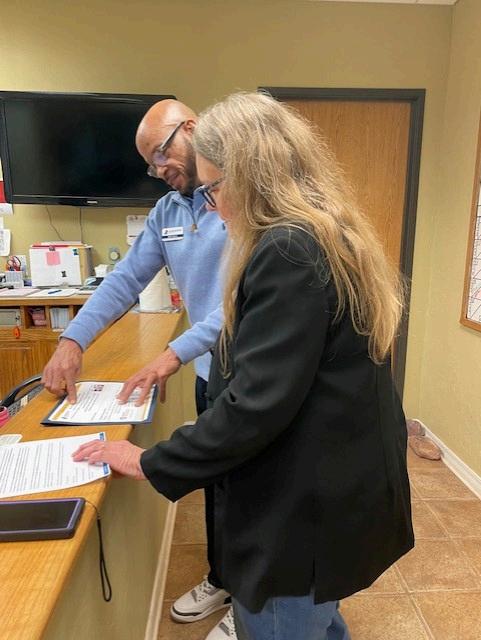


Agricultural Value Chain Development
Entrepreneurship & Workforce
Development
Community Capacity & Economic Development
Community Food Systems & Infrastructure Development
Small Town & Community
Revitalization
Supporting agribusiness initiatives and connecting farmers to valuedd d d i i i
Helping individuals start and grow businesses while strengthening kf i d
Promoting economic vitality and improving quality of life through d i l i d
Supporting community gardens, farmers markets, and initiatives
Assessing development needs and supporting revitalization


The Horticulture Education and Research Center (HERC) serves as a hub for research, education, community engagement, and hands-on learning in sustainable horticulture and natural resource management. The center supports innovative production systems while providing opportunities for students, producers, and communitymemberstogainpracticalknowledgeandskills.
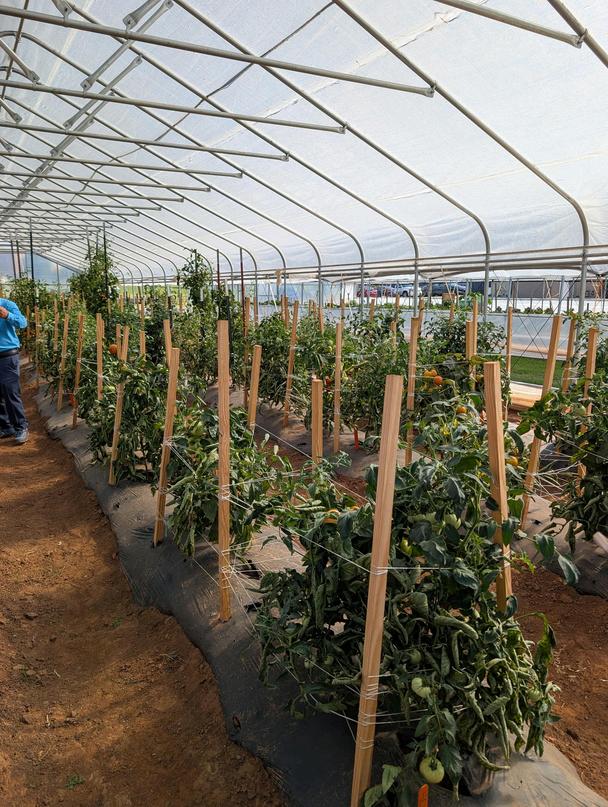
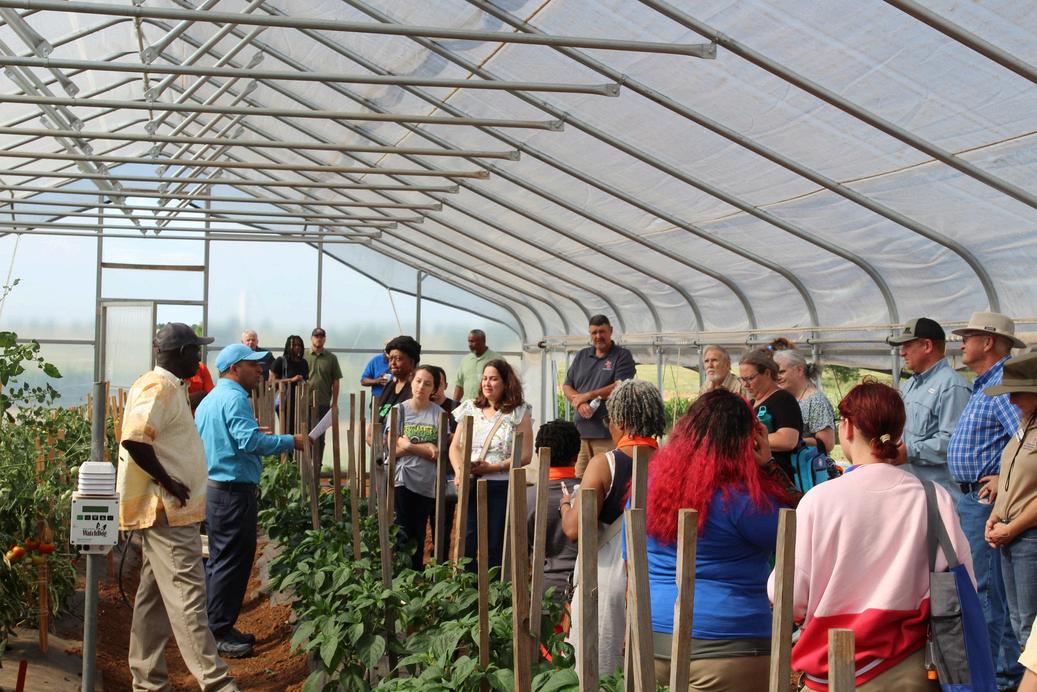
Researchonhigh-valuespecialty cropssuchasginger,eggplant, andtomatotoevaluate productivity,cropperformance, andseasonextensionstrategies.
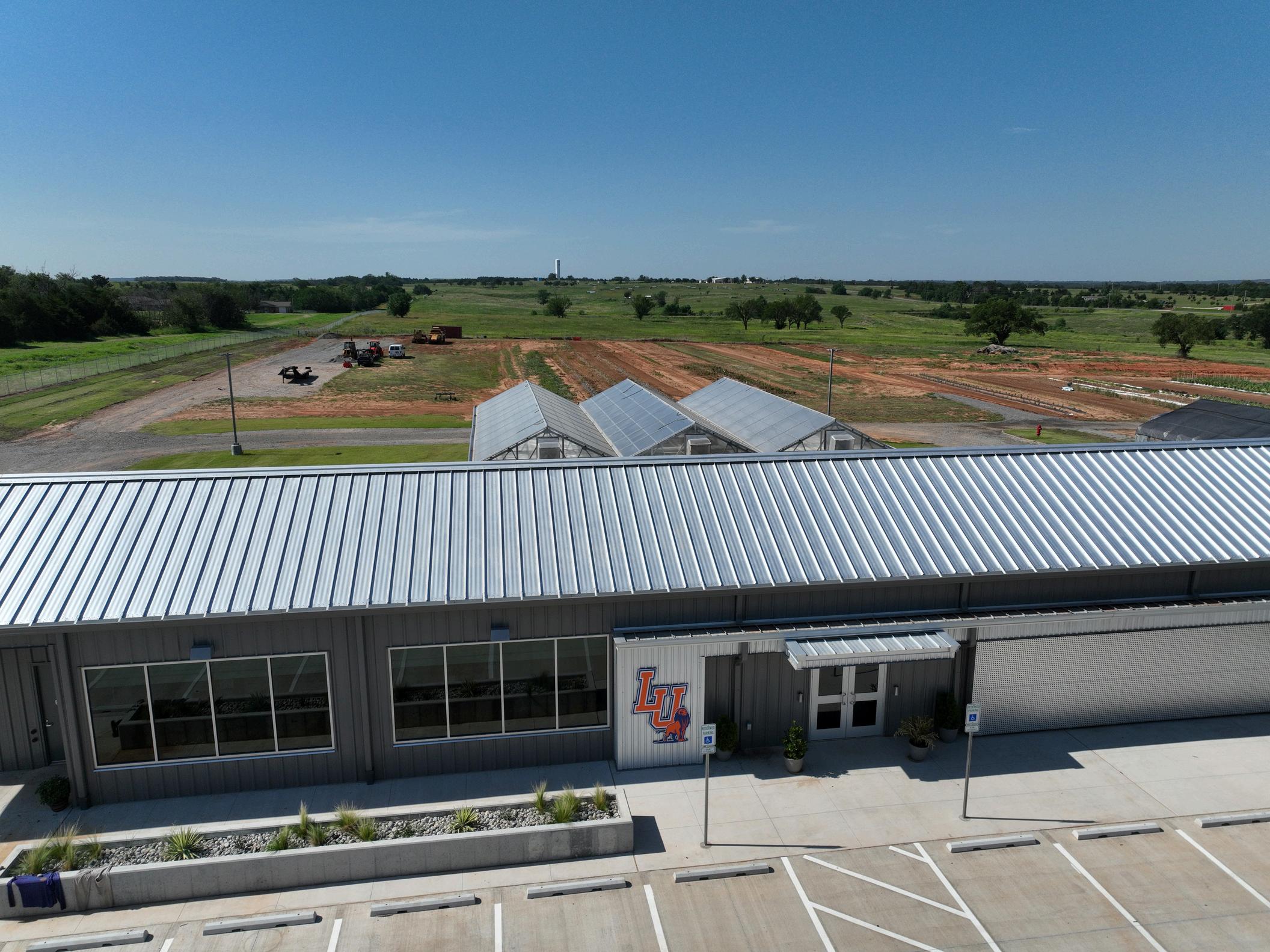

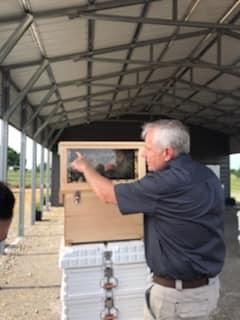
Researchplotsevaluatingdifferent croppingsystemsintegratingcover crops,soilhealthmanagement,and ecologicalresilientproduction practices.
PROGRAM
Apiaryunitsthatsupportcrop pollinationwhileproducinghoney andprovidingtrainingin sustainablebeekeepingpractices.
Educationalprogramsdesignedtoequiplocalproducers andcommunitymemberswithknowledgeonmodern horticulturalproductionandsustainablepractices.
Experientiallearningopportunitieswherestudents participateindailyfieldoperationsincludingplanting,crop management,irrigation,andharvesting.
Ademonstrationsystemintegratingaquacultureand hydroponicsthatcanbetransportedtooutreacheventsfor trainingandeducationalpurposes.
Gardenspacesthatengageneighboringcommunitiesin foodproduction,nutritionawareness,andurbanagriculture

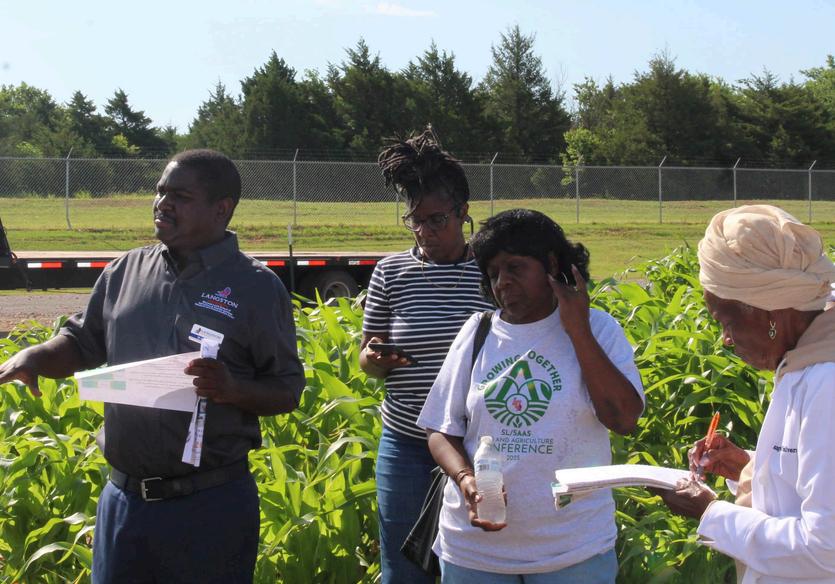
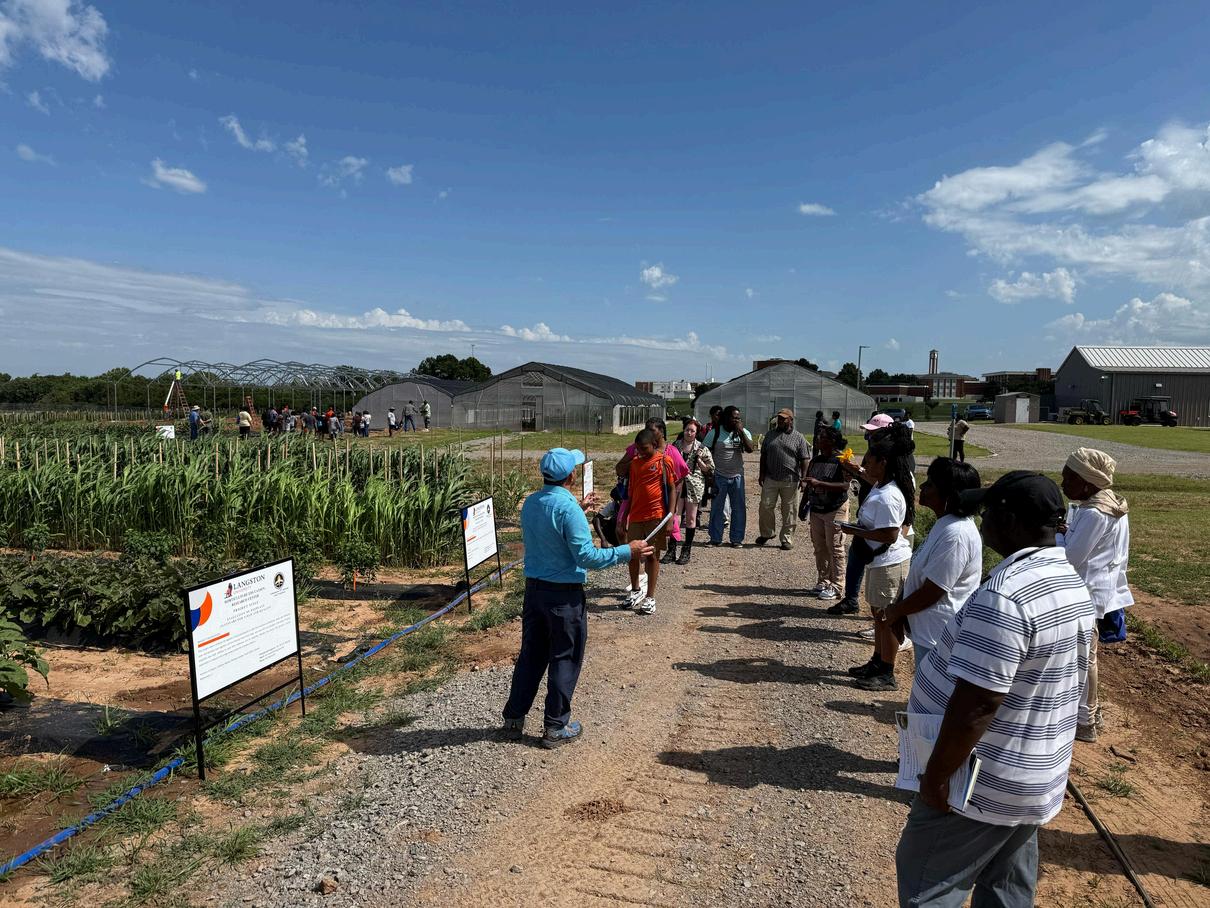
Fruittreeplantinginitiativethatsupportslocalf biodiversity,andlong-termperennialcropeduca
On-siteweathermonitoringthatsupportsresearc managementdecisions,andclimate-relatedagric studies.
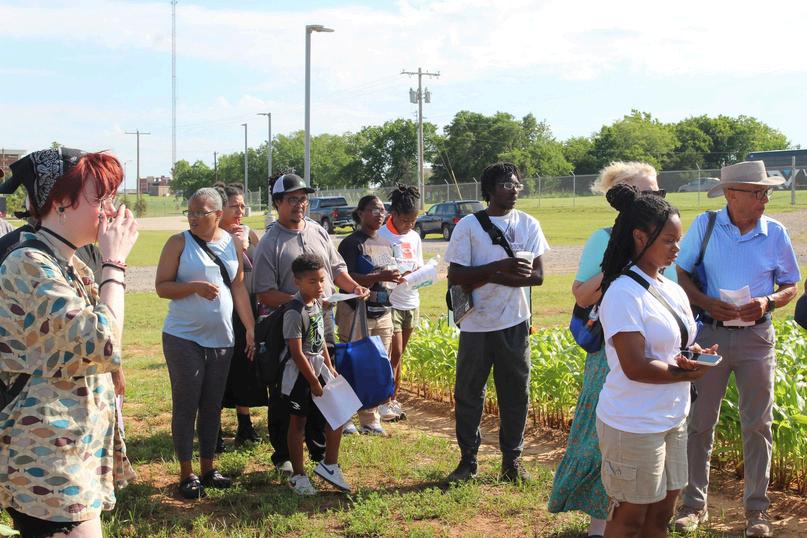

4-H is the youth development for males and females ages 5-19. The Coverbuds 4-H program (5-7) is non-competitive, and the 4-H Youth Development (8-19) provides youth with an opportunity to learn skills that they will use throughouttheirlives.
LangstonUniversity4-HYouthDevelopmentProgramsinclude: Living:STEM,Agriculture,CivicEngagement/Citizenship,Healthy Living,WorkReadiness,LeadershipDevelopment,FamilyandConsumer Sciences,Agriculture.
4-HPledge:IPledge:MyHeadtoclearerthinking.MyHearttogreater loyalty.MyHandstolargerservice.MyHealthtobetterlivingformyclub, mycommunity,mycountry,andmyworld.
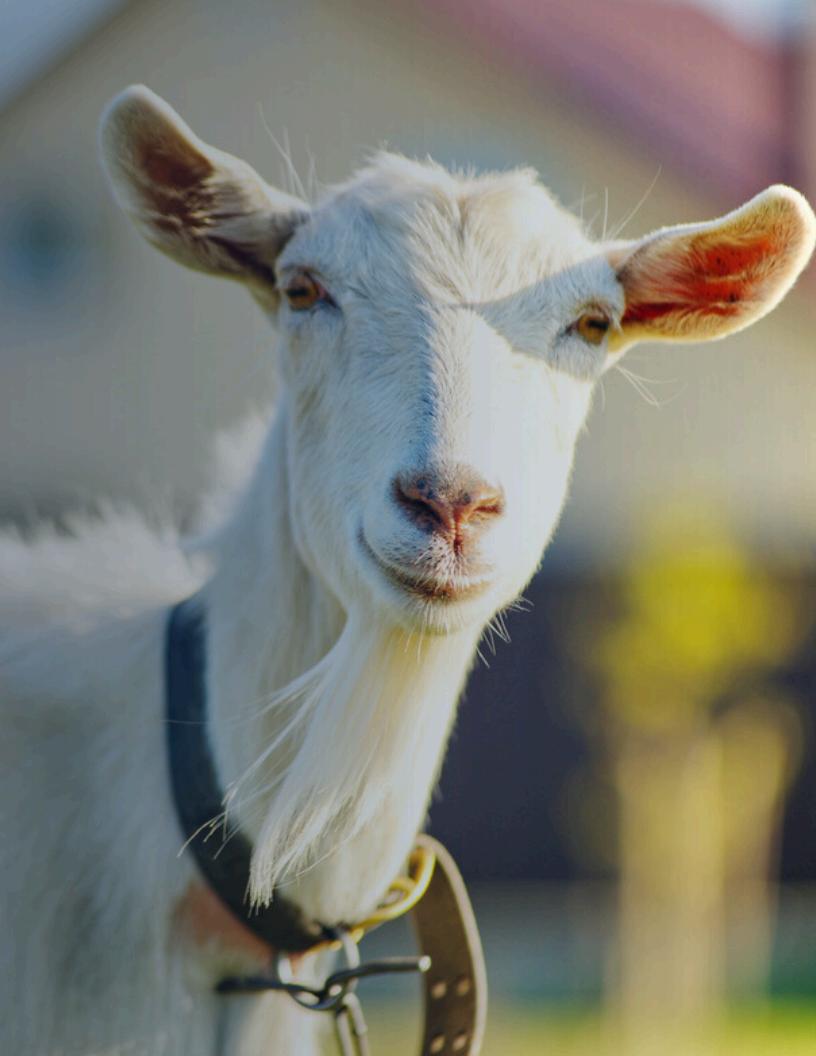
The mission of AIGR-LAU is to develop and transfer enhanced goat production system technologies, withimpactatlocal,regional,nationalandinternationallevels.
The AIGR-LAU Research/Extension Farm continues its transformation into multipronged research, extension, and teaching operation that includes meat goats, dairy goats, hair-sheep (meat), product development.Asafarmthathasbeenengagedinsmallruminantproductionandresearchformanyyears, AIGR-LAU farm is making a new step to found large ruminants farm aiming to establishment start up herd and facility development for the future beef research section.The Farm currently has approximately 320fencedacresofland,mostofwhichisusedforgrazingorharvestedforageproduction.
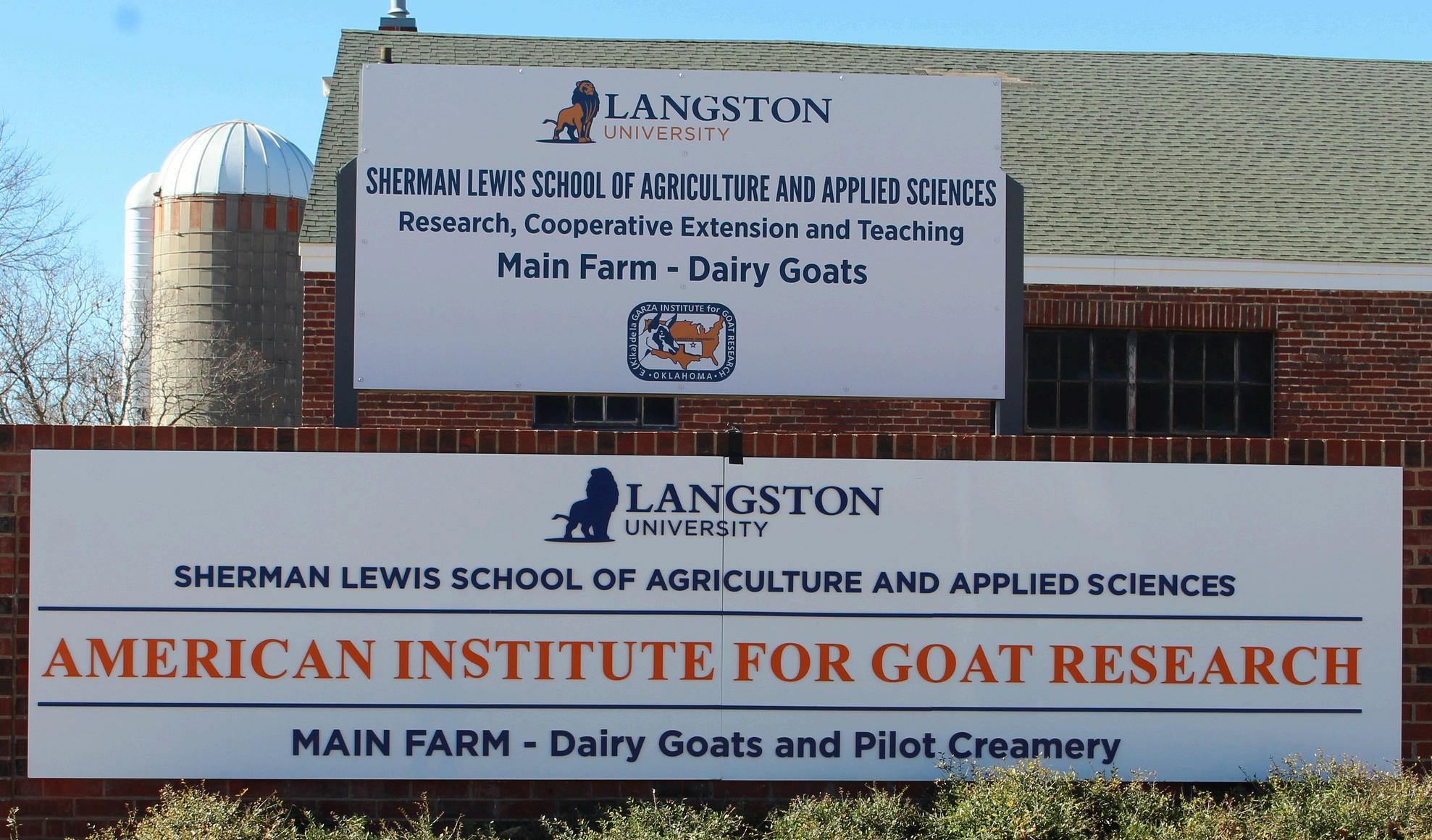
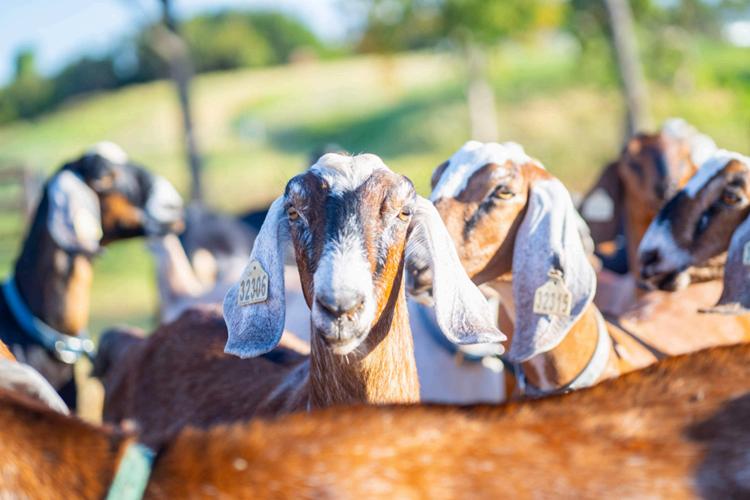
The first facility ofAIGR-LAU was built in 1985/86 and the foundation animals were 70Alpines goats These goats were used in the initial research conducted at the institute in support of the dairy goat industry The 120-acre Main Farm is located on the west side of the Langston University campus and is now home to the Alpine and Nubian dairy herd. It’s the place where AIGR dairy operation and product development unit is located. In support of the dairy goat industry AIGR-LAU dairy research made improvements and in 1992, a creamery was established that allows research of goat milk products and processing. AIGR-LAU dairy operation has been working for more than three decades and positively impactedgoatproducersatregional,nationalandinternationallevels.
As the Institute grew in structure and reputations Spanish goats were introduced in 1990 for research on meat and cashmere production and latter on (1995) Bore goats were introduced to the research site. When the research site and number of animals expanded, in 1995 south barn was built and start providing excellent venue for detailed research in meat goat production. located at the south farm The 160-acre South Farm, located 3/4 of a mile south of campus, is now home for theSpanish,Boer,Kiko,Fainting,Angora,andHairsheep(Dorper,Katahdin&StCroix).
As an institute that has been engaged in small ruminant studies for years; AIGR-LAU recently established beef cattle research and teaching unit. When its fully operational it will serve as a large ruminant research center and teaching platform for students to get hand on exercise in beef cattle feeding, reproduction , physiology,productionandmanagement.
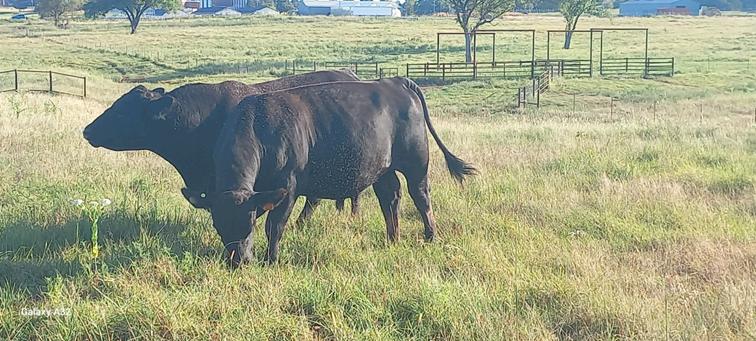
MaintenanceofAngusbreedanddevelopmentoffacilitiestostartupLargeAnimal(BeefCattle)research operation.
Introductionofupgradedgoatandsheepreproductionprogram. ImplementationofLeg-of-Lambproject.
Improvementstothedairy-goatshelter,feedingandwateringsystematthemainandsouthfarms. Farmfacilitydevelopmentandrenovation.

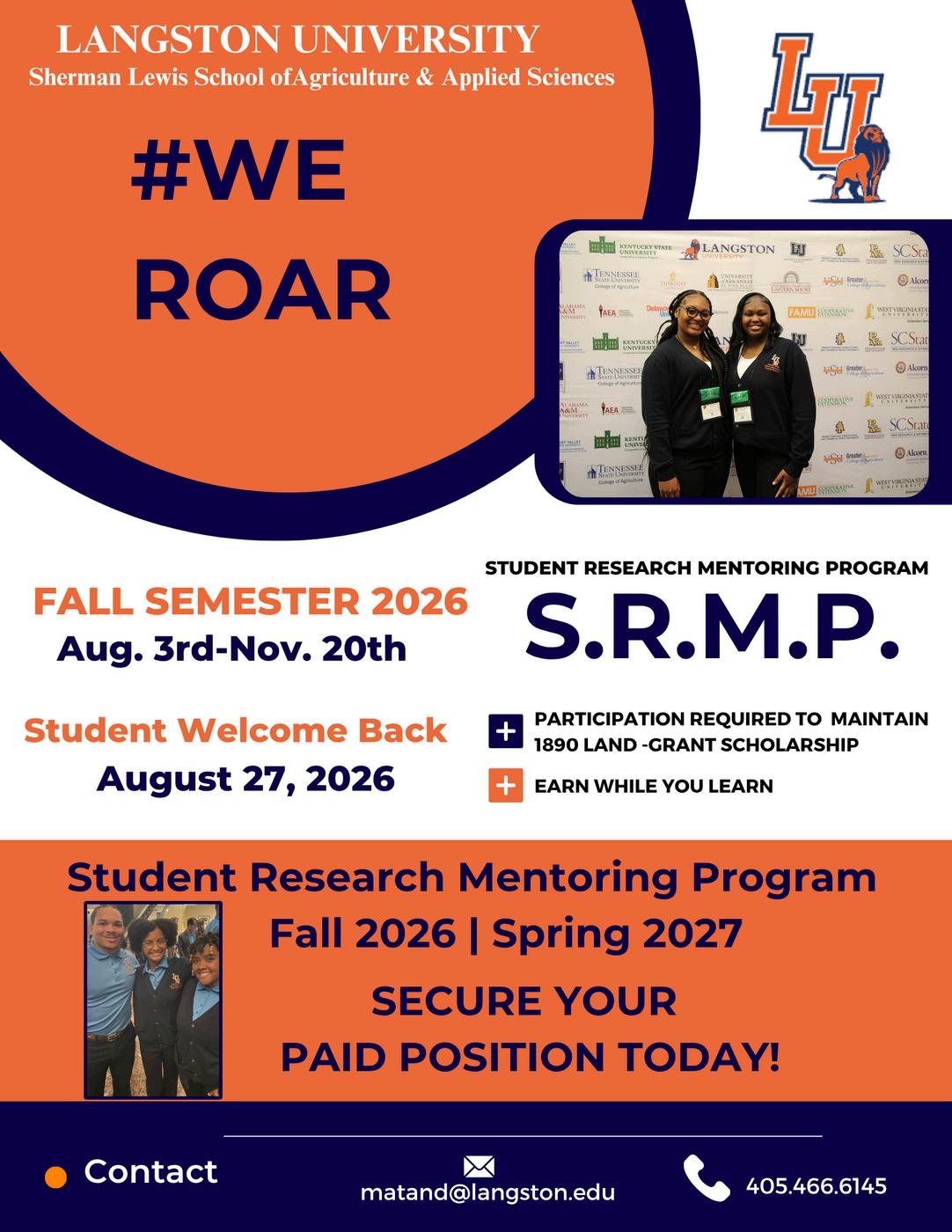
# WE ROAR
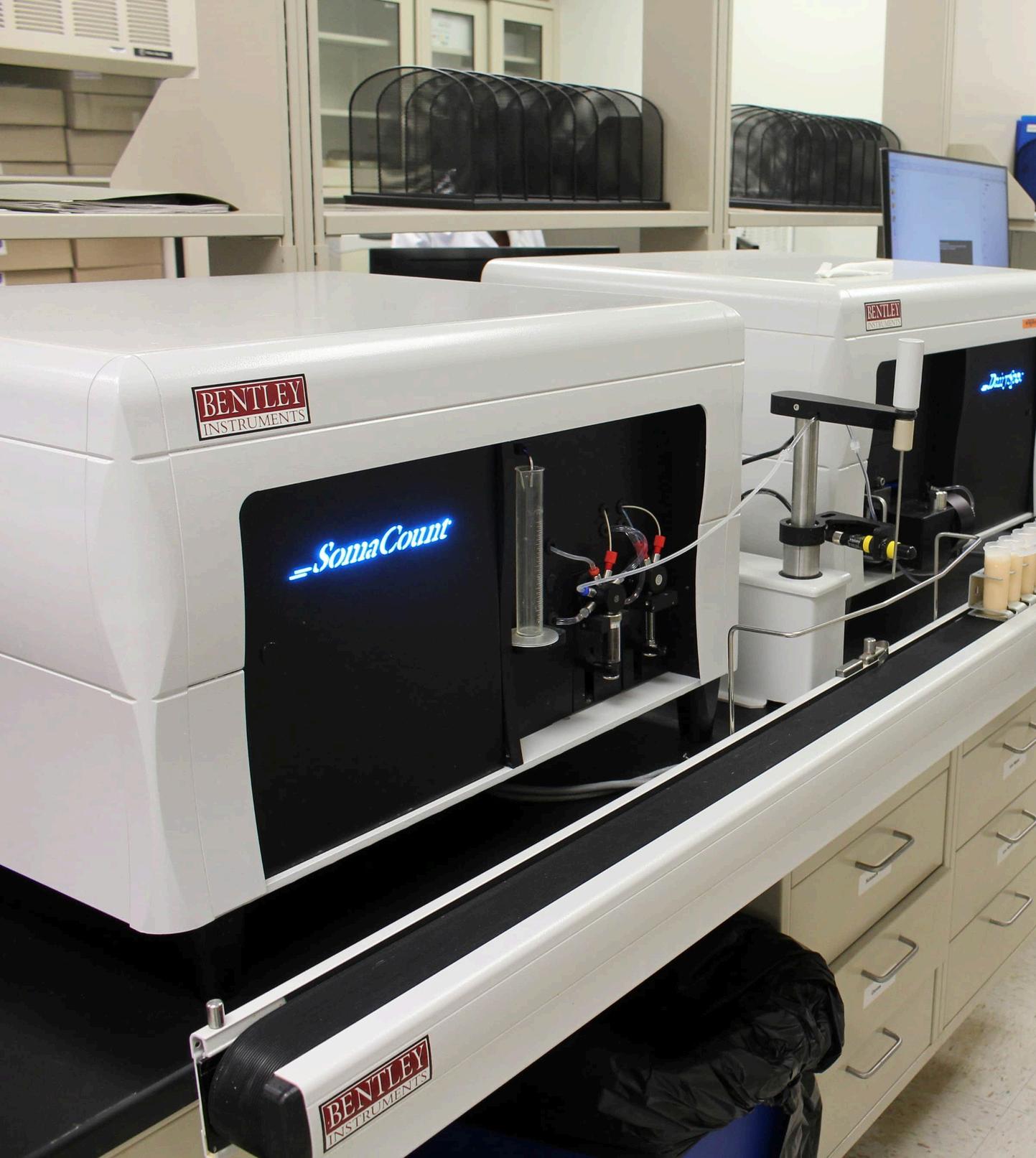
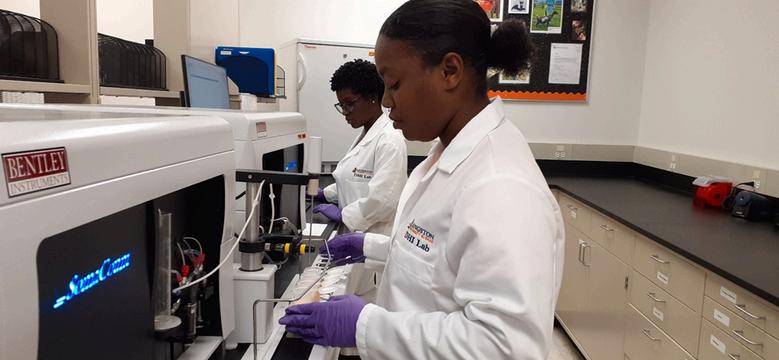
is specifically serving dairy goat producers, and provides standardized milk testing services thathelpproducerstrack: Milkyield Milkcompositionand Herdperformancetrends
The lab receives milk samples from approximately 640 dairy goat producers nationwide, including22countiesinOklahoma
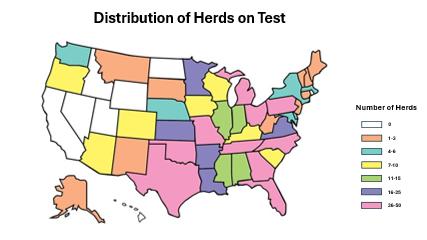
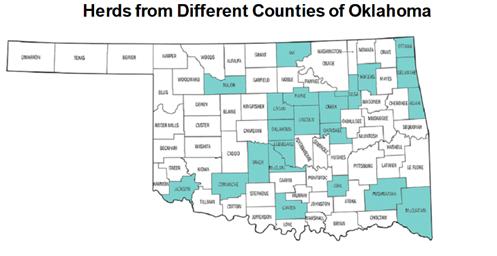
isaspecializedfacilitydedicatedexclusivelytoservinggoatproducers
Unlike most laboratories, which calibrate equipment using only cow milk, our lab calibrates instruments with both cow and goat milk. This dual calibration provides greater accuracy for goat milk testing, making ourservicesespeciallyvaluabletoproducers.AspartofourExtensionprogram,wealsooffertheseservices atahighlycompetitiveandaffordablerate.
In a year, the DHI lab analyzed 16,640 milk samples; calibrated 346 scales to ensure herds meet verification requirements for milk testing and certified approximately241milktesters
DHIlab advisesdairygoat
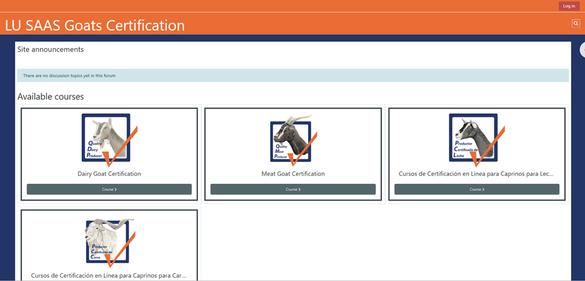
Langston University also provides free certification programs for goat producers. https://certification.goats.langston.edu/
LU SAAS Goat Certification has two certification programs: Dairy Goat Producer Certification and Meat GoatProducerCertification.Currently,134participantshaveenrolledtotheseprograms.
advisesdairygoatproducersforimprovedmanagementskills;andprovidesexperientiallearning opportunitiesforSL/SAASstudents. Contactinformation

TheVAPDCsupportsproducers,entrepreneurs,andstudentsindevelopingsafe,market-ready value-addedfoodproducts,withafocusondairy,meat,andspecialtyfoods.
ExpandsmarketopportunitiesforsmallproducersandAgStudents Enhancesfoodsafetycomplianceandproductquality Supportsruralentrepreneurshipandagribusinessgrowth Bridgesresearch,extension,andindustryapplication