Hastings shutdown
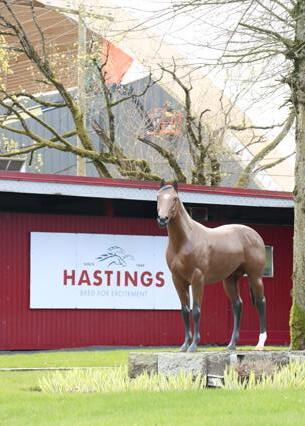
Members of the horse racing community upset about empty track . P12

Busker Blues
Street performers react to new rules in anticipation of world cup. P6
ONLINE SPECIAL

Members of the horse racing community upset about empty track . P12
Street performers react to new rules in anticipation of world cup. P6
ONLINE SPECIAL
Experts at the H.R. MacMillan Space Centre elaborate on Artemis II. langaravoice.ca


BY LIAM ROBERT SCOTT
At a board of governors meeting last month, the Langara Faculty Association and college administration once again disagreed over staffing numbers, turning the meeting into a dispute not just over priorities but over the credibility of the numbers themselves.
At the March 26 meeting, the Langara Faculty Association used data obtained through a freedom of information request to demonstrate how the college has expanded administration while cutting courses and laying off staff. Senior leaders, meanwhile, pushed back on how the data they submitted to the LFA should be interpreted.
The LFA said the data revealed that administrative staff headcount and compensation rose sharply between
2014 and 2025.
According to Raged Anwar, vicepresident of the Langara Faculty Association, salary and benefits at the college rose from $9.3 million in 2014 to $39 million in 2025 — a 322 per cent increase.
According to the LFA’s interpretation, the administrative headcount rose by 218 per cent. By comparison, LFA faculty headcount increased by 40 per cent.
Anwar said the college is being counterproductive in its stated efforts to mitigate the enrolment crisis by bolstering administrative positions while cutting faculty and courses.
“Administrators continue to talk about the importance of recruitment and retention at this important time for the college, and lowering barriers to access for students,” Anwar said.
“Yet, we have to cancel courses with
20-plus students.”
However, Michael Koke, Langara vice-president, administration and finance, told the board those figures were drawn from payroll instead of the general ledger.
Because of this, college administrators said, the LFA’s interpretation of the data was inaccurate.
“The information that we ended up providing to satisfy a request created scenarios where headcounts were duplicated,” said Parveen Mann, vice-president, people and culture at Langara College. “So anytime you had any person be in two positions in one year, they would be double counted.”
Mann said had the administration known the intended purpose of the FOI request, it would have provided information “in a different way.”
The discussion appeared to expose a breakdown in consensus over the
staffing numbers provided by the college.
Paula Burns, president of Langara College, said the college does have “a bit of a bubble, there’s no question” but that was likely related to Workday staffers.
Burns said the college is reviewing its organizational structure, examining staffing levels in relation to student numbers and acknowledging that rapid growth may have led to an inefficient structure.
“We really need to look at that structure because we have some concern about the proportion of administrators to the teaching, the people that are supporting students,” Burns said. “So, we’re in agreement that there needs to be some look at that.”
Koke asked Anwar why the LFA had even requested that information through FOI, saying the college
would have gladly provided it.
“There’s no need to go through that whole FOI process,” he said. “If LFA had come directly to us, we certainly can provide that information.”
Anwar told the board the faculty union has been frustrated with the quality of information provided by the college.
“We have been requesting information and the information that comes back is not necessarily the information that we believe we’ve asked for,” Anwar said in the meeting “Then that information is characterized as somehow misleading or inaccurate.”
He added that the union is calling for an external audit of the college’s operations to identify ongoing issues and clarify a path forward.
Burns said the college aims to run as many courses as possible to meet student demand.
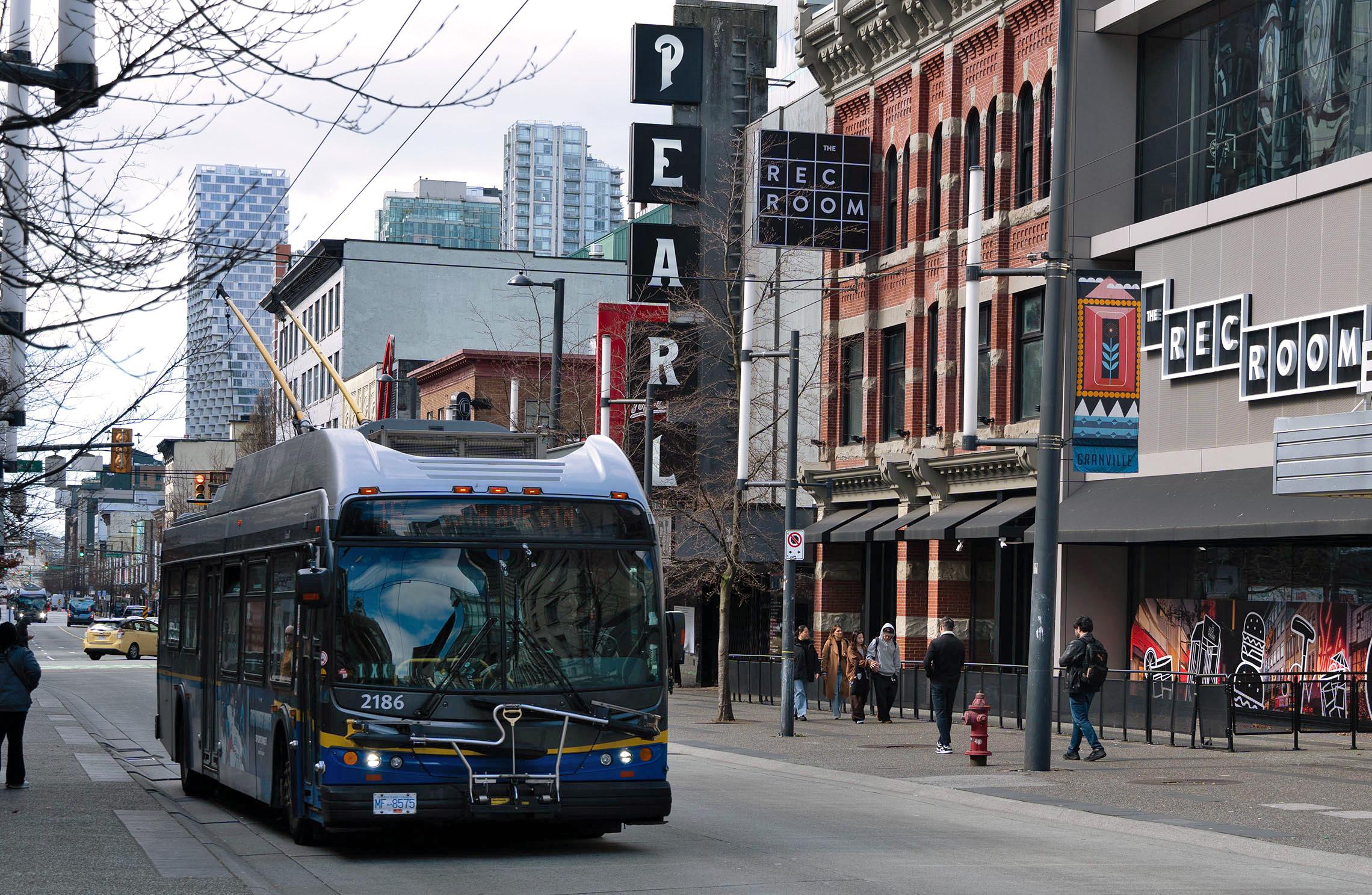
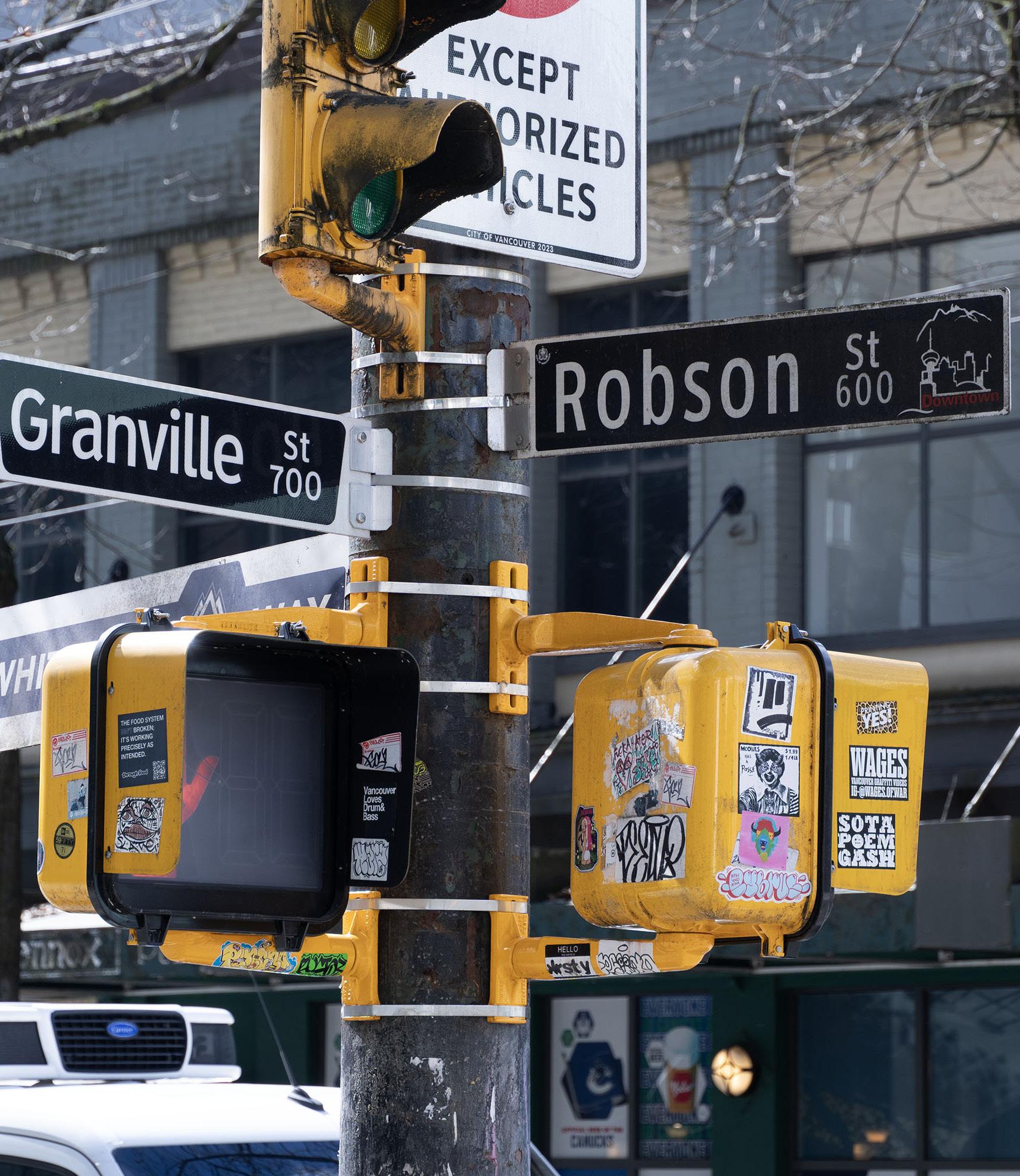
Granville Street will become a pedestrian-only zone this summer to celebrate the FIFA World Cup and some local businesses and commuters aren’t happy about it.
Based on past experience, some business owners on the main downtown artery worry that the transformation will lead to chaos.
As someone who spends a lot of time on Granville Street, Nathan Buchinger, manager of Leo’s Clothing Supply, fears the large number of people coming for the international soccer tournament, who aren’t from Vancouver, will disrupt and disrespect the city.
He remembers when more than 200 masked anti-Olympic protesters smashed windows, vandalized cars, trashed newspaper boxes and intimidated pedestrians in downtown Vancouver, one day into the international sporting event.
The following year, a riot broke out almost immediately after the conclusion of the Boston Bruins’ victory over the Vancouver Canucks in game seven of the Stanley Cup finals.
“There is the underlying kind of thing when you do have such a large
crowd of people, all these different types of people from all over the world coming,” Buchinger said.
“And then you mix it with alcohol and drinking and partying. It’s kind of like a volatile mix at most times.”
The City of Vancouver is in partnership with the Downtown Vancouver Business Improvement Association that is working to transform Granville Street into a pedestrian zone during June 11 and July 20 for the FIFA World Cup 2026.
Buchinger feels the city is approaching initiatives incorrectly.
“In my mind, it’s like prepare for the worst, hope for the best,” Buchinger said, adding he hopes the “boom of tourism” will benefit local businesses on Granville Street.
Denis Agar with Movement YVR, a Vancouver transit advocacy group, said the move was also eliminating a major bus route.
“They’re only willing to sacrifice transit riders’ experience,” Agar said. “They’re not willing to sacrifice a car street.”
Agar worries that the city hasn’t taken into consideration the narrow sidewalks. He added that they are poorly lit and without benches.
In an email to the Voice, TransLink said buses that normally operate on Granville Street will be re-routed to
Seymour and Howe streets.
“Bus lanes will be available on Howe and Seymour streets to handle the additional bus capacity.” TransLink said in its email.
They will also add signage to Granville Street bus stops to direct customers to the closest stop on Howe or Seymour streets.
The five-block pedestrian zone will be accented with additional public seating, patios, food vendors, live music and more.
Not everyone is mad about the transformation.
President and CEO of Golden Age Collectables, Patrick Shaughnessy said he’s looking forward to seeing people from out of town who collect comics.
The comic book shop, Golden Age Collectables, has been open since 1979 and has experienced a wide array of sporting events.
Shaughnessy said he has noticed that police officials and people working with the city are working to clear up the streets.
He said they have a difficult task in front of them, but they’ve done a good job trying to make things better.
“So, it’s just trying to live with the situation we’ve got, you know,” he said.

Vancouver food truck vendors are facing difficult choices as they struggle to keep up with the rising cost of gas and fuel.
Fateh Lekcir, the owner of Disco Cheetah Korean Bowl, has operated his food truck business for five years downtown.
His food truck runs on diesel and costs him around $30 every day to run the generators. He said he spends approximately $10 for transportation. Vancouver has one of the highest gas prices in Canada. According to
GasBuddy, the average price for gas is $2.11 per litre, and $2.25 per litre for diesel in Vancouver. Food trucks use approximately up to 27 litres of fuel for cooking and generators in one day.
Lekcir said the rising cost of gas is causing a burden to his business and said he tried to cut costs to a minimum to sustain the business.
He said before the recent gas price spikes, he operated the business every day.
“We are trying to operate only on the days where it’s guaranteed and busy,” he said.
He considered switching to an elec-
tric truck but said it’s challenging to secure electricity and a plug in the vending location.
Increased gas prices are not only a burden to vendors using gas for their generators, but also operators who travel long distances every day.
“Nothing I can do. I don’t have any option, right?”
While he uses an electric generator for his business, he said the rising gas price is a burden for him to drive from Surrey to downtown every day.
— MUHAMMAD NASEEM, MO’S PREMIUM HOT DOG
Muhammad Naseem, the owner of Mo’s Premium Hot Dog, has run his food truck for almost 18 years downtown.
“Nothing I can do,” Naseem said. “I don’t have any option, right?”
While he is not increasing his menu prices, he hopes the city can work on bringing down gas prices to ease the financial crisis.
Gavin Johnson, a tourist from
Edmonton, said he always get a hot dog from a food truck every time he visits Vancouver.
He said he noticed the increase in gas prices driving from Alberta to British Columbia.
While he observed the rise in menu prices of different food trucks over time, Johnson said it’s understandable.
“I don’t see anything wrong with it,” he said.
Johnson said food trucks are an important culture that supports businesspeople and students.
“You don’t want to see them disappear,” he said.
Marpole-Oakridge gets government support for upgrades
Vancouver’s oldest community centre is one of 13 projects across Canada to receive money from a new federal government fund intended to support community growth.
On Tuesday, the federal government announced it will distribute $51 billion across Canada over 10 years to support community infrastructure. Of that, $2.2 billion will be allocated toward B.C., with $2.16 million towards the construction of the new Marpole-Oakridge Community Centre.
The new federal fund is meant to help the construction of hospitals, recreation centres, universities and colleges.
Veterans Affairs Minister Jill McKnight announced the funding Tuesday at the site of the new community centre.
“This centre will offer childcare, after school programming, a gymnasium, a sensory room and flexible multi-purpose spaces for sports, arts and cultural activities. By serving youth, families, seniors, it will bring generations together and strengthen the bonds that make community strong,” she said.
McKnight said the federal government has been engaging with provinces and territories to tailor funding agreements under the new initiative.
Construction on the new MarpoleOakridge Community Centre began in 2023. The $91-million project, expected to be completed this year, will replace the area’s original community centre that has been in operation since 1940.
The 42,000-square-foot facility will serve approximately 40,000 residents in a fast-growing part of the city and is one of the Vancouver’s largest community centre investments in recent years. It is notable for its timber construction and its
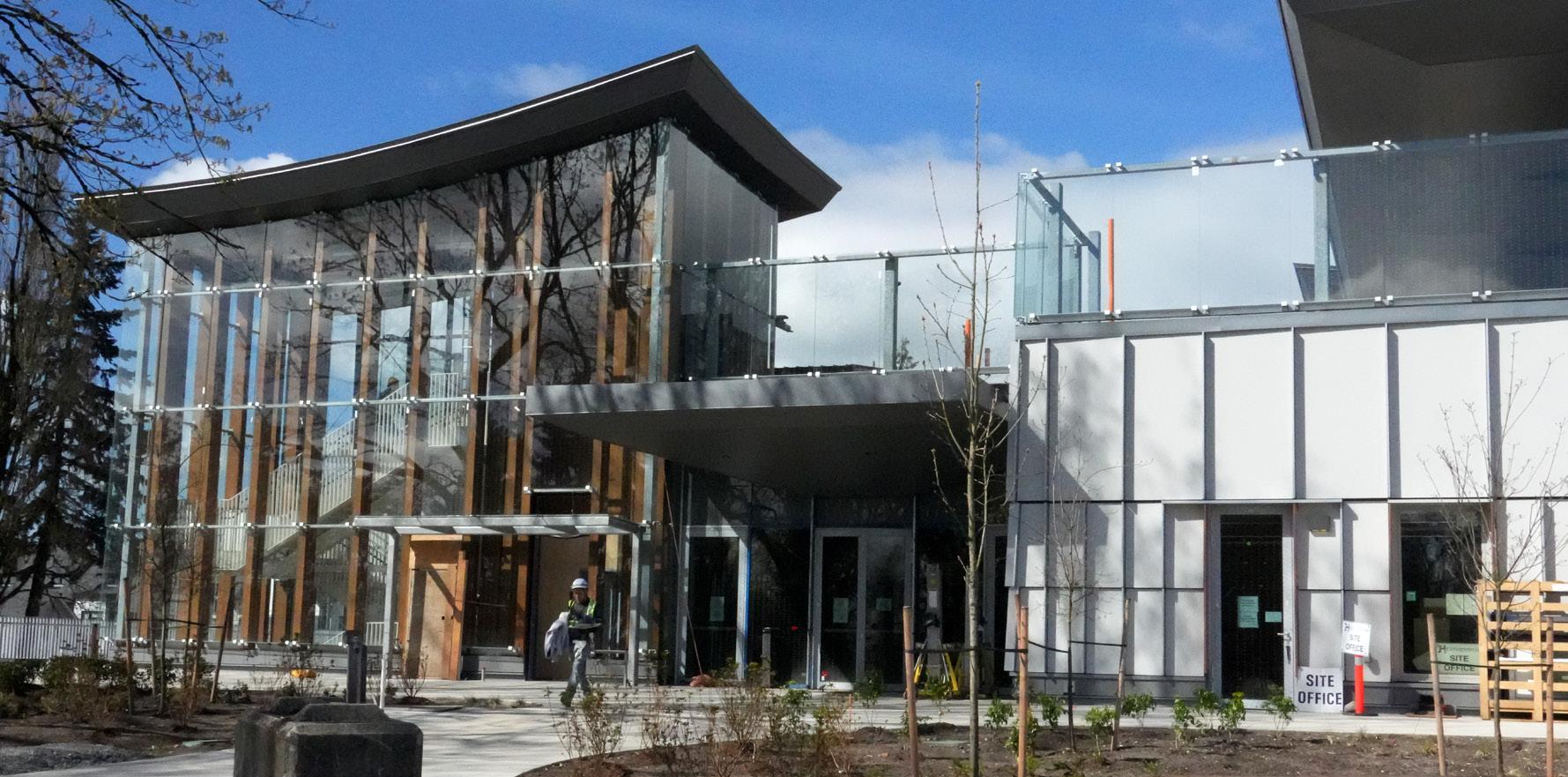
intention to be an inclusive facility operated entirely by electric power and featuring minimal carbon emissions.
She said there are projects the city is hoping to work on in the future and that this current project is supporting the working community in Marpole.
“The new facility is going to
“It is a very significant investment for the City of Vancouver to support vital programs for residents of all ages,” said Coun. Sarah Kirby-Yung, who is also present at the funding announcement.
deliver 74 new childcare spaces that will help support families and make a real difference in people’s lives,” said Kirby-Yung.
The Voice contacted Marpole Community Centre regarding this story, but no comment was made in time for publication.
BY DANIEL BUMANGLAG
For many kids, being unsupervised without a parental figure is like winning the lottery and living life without rules.
But for Wiley Wei-Chiun Ho, the only rules she lived by as a kid was to “study hard and stay out of trouble.”
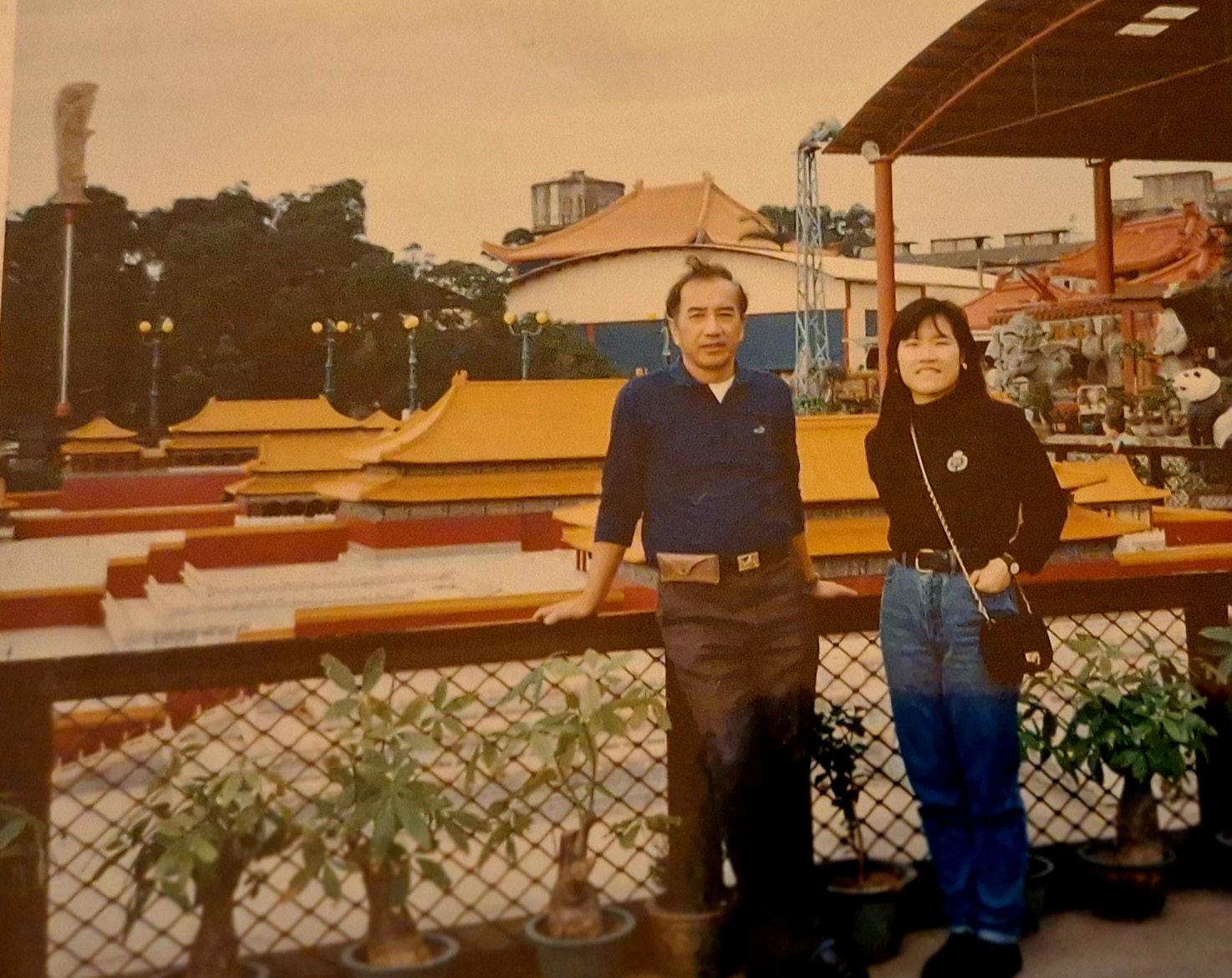
Ho, a writer whose family migrated to Vancouver in the early 1980s when she was nine, has just published a memoir. She recounts her experience as an “astronaut child” in a new country when her parents returned to Taiwan three years later, leaving her alone with her four older siblings.
In her memoir, The Astronaut Children of Dunbar Street, she explains what that experience meant for her and her siblings through the years.
The book goes into detail about her parents making the decision to leave Taiwan because of the political uncertainty and the long-term safety to send her and her siblings to Canada.
Ho spoke with the Voice to discuss her experience.
Why did you write the book?
It took me a long time to write this book, and now I recognize that I’ve written it for my 12-year-old self, which is when my parents left to go back to Taiwan to work. I started off writing it as fiction and short stories.
What was it like to be an astronaut kid in Vancouver?
I grew up in Vancouver in the ‘80s, when it was still very white and the neighbourhood I was in especially Dunbar, there were no other Asian families around, let alone other astronaut families. So, I felt like an alien. I remember pretending that I was like everybody else like, “oh, our parents are just travelling.” I also remember lying a lot. I would lie to my neighbours and my teachers.
Can you describe the emotional challenges of being unsupervised as a child in a new country?
I do have four older siblings. The oldest was my brother who was 21 at the time and he was trying to get into university and having a tough
time because there’s all this expectation that we should do well in school.
The unspoken pact was the parents would work really hard while the child’s job was to study hard and to do well in school. It really was this idea that I knew that my parents were working hard and that they were doing everything possible for us, but from far away. There was this feeling of like, very jumbled up, fear, confusion and resentment. I think it was just like this complicated grief
of knowing that they were doing everything for us, but they couldn’t be there for us.
How did you approach balancing personal storytelling with historical and political context?
I landed on facts, rather than opinion. I think all the things that I put in the book ended up being factual. I pulled out my personal commentary as much as I could because I want the reader to decide what it means for
Taiwan to be in this place, much like its astronaut children.
Were there any specific memories or moments that you knew had to be in the memoir?
Yes, I did think that I needed to write the scene about at the airport when they were leaving, and the eavesdropping scene where I’m listening to my neighbours have dinner because those were moments that were seared into my memory of
longing and wishing things were different.
What do you hope readers, especially other astronaut children take away from your story?
I hope that if it’s the children who are reading, I hope that they see themselves and that they’re definitely not alone and perhaps it’s okay to start the difficult conversations with their parents earlier because I think I left mine too late.
Buskers and street artists are required fee to perform in World Cup special zones
BY AJ WATT
The City of Vancouver says that street performers will have to apply for permits to perform in designated areas during the FIFA World Cup event starting May 13. Currently, there are designated “free zones” for performers throughout the city, but during the FIFA event period the city said these places will be restricted.
Permit designated places are still available, but performers who rely on the “free zones” will have to pay a fee to play.
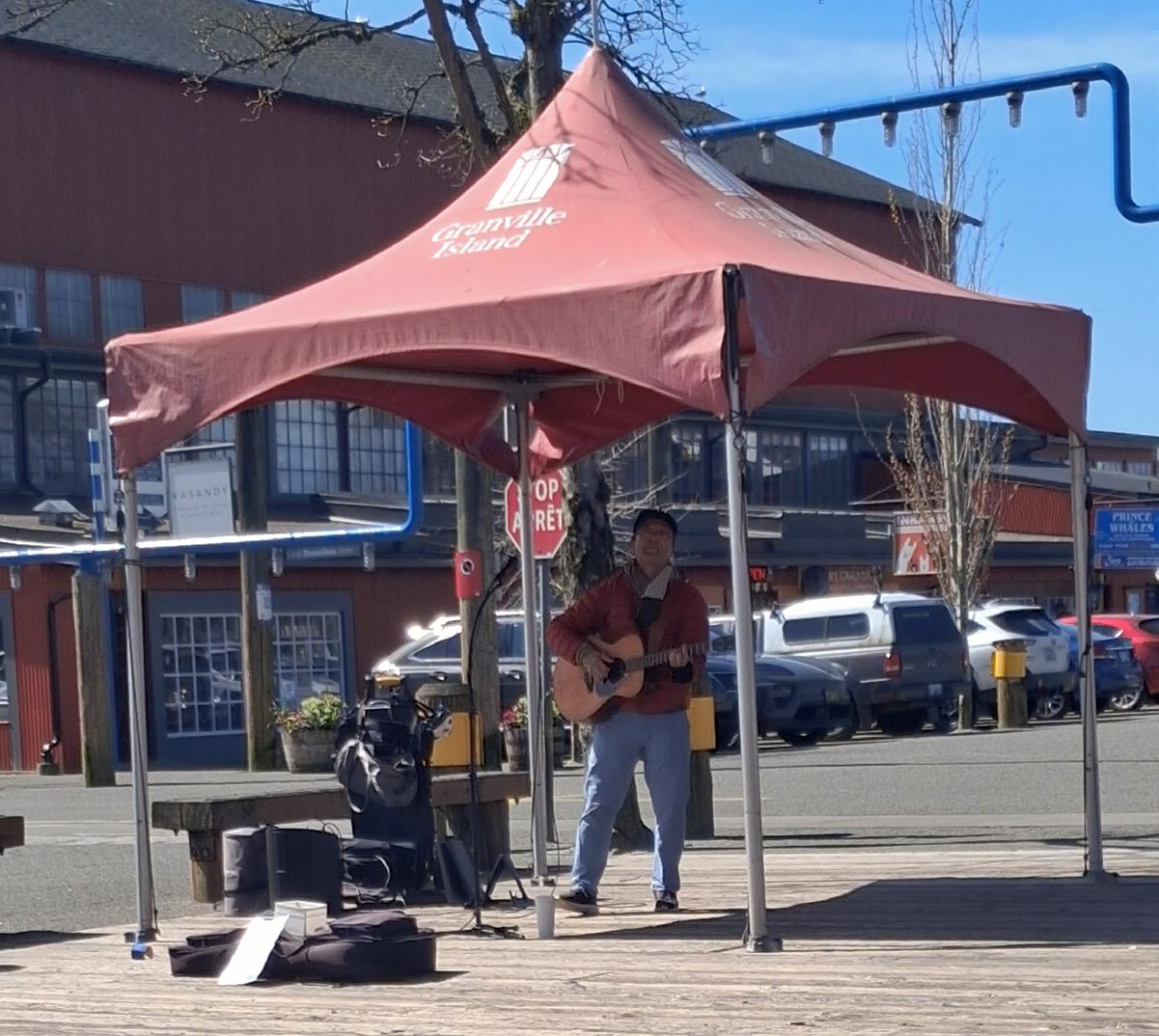
Sho Matsumoto, a street performer who plays regularly outside SkyTrain stations, says the FIFA restrictions for street performers will affect him but that he is also grateful for the spot he plays regularly on Granville Island.
“Here is kind of a unique location,” Matsumoto said. “Almost like the Vatican. I hope the FIFA restric-
tions will draw more people to see me play here.”
The city says the fees required of buskers will not be higher than normal.
“In terms of street performers being impacted, I can tell you that fees for street vendors, including food truck operators and street performers, will not have any FIFArelated fee increases,” said Elayne Sun, with the city’s media relations department. Performers must fill out an application form to acquire a permit to perform.
loud.”
It also includes information such as where the permit-free areas are located within the city, as well as all of the FIFA 2026 temporary restrictions.
The free-to-play area’s will be restricted until July 20, when “all locations will return to their regular status.”
“I hope the FIFA restrictions will draw more people to see me play here.”
— SHO MATSUMOTO, STREET PERFORMER
High-traffic SkyTrain stations downtown like Waterfront and Burrard will also be temporarily restricted during the event.
Matsumoto hopes the FIFA games are a benefit to him.
The form contains information for performers such as amplification volumes and penalties for being “too
“Here, recently, it’s been really slow, so in a sense... It’s good if it brings more people.”
Gary Johnson is still fighting to bring horse racing back to Vancouver. His horses, however, are in Edmonton.
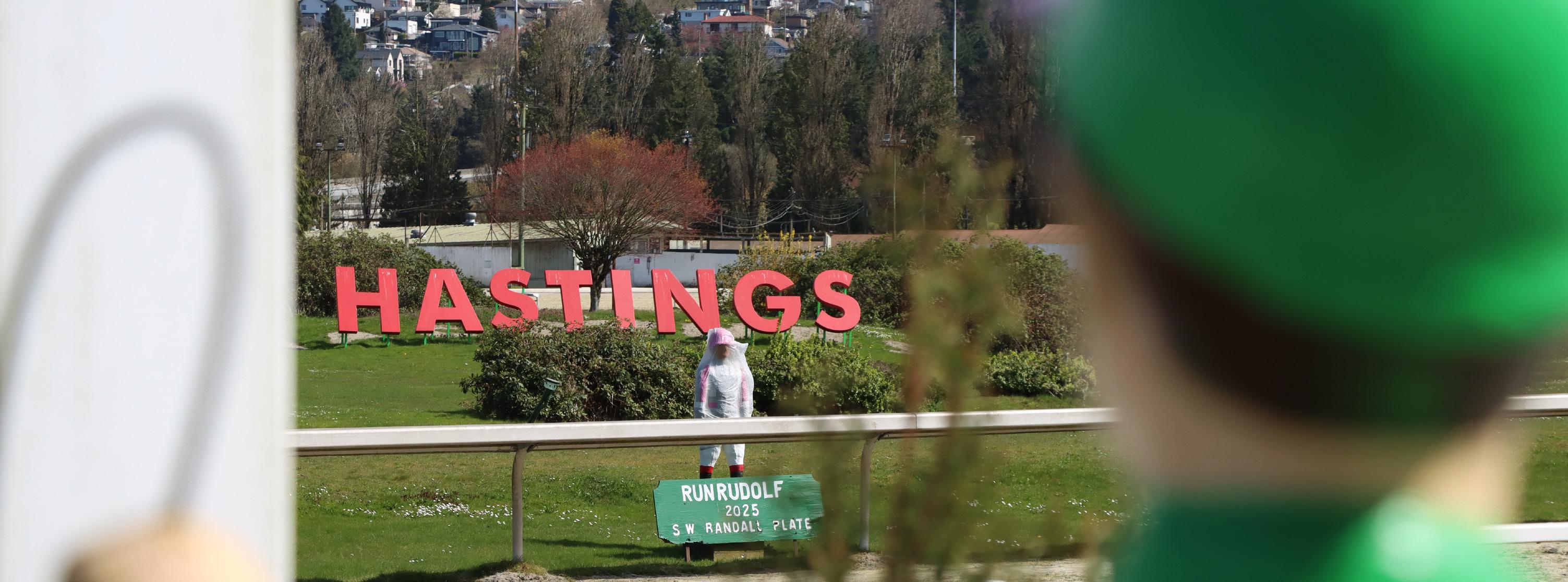
This spring, for the first time in 133 years, there are no horses at Hastings Racecourse. The stables are empty and the track is silent during what would normally be the start of the racing season, which typically runs from April to October.
The provincial government announced on Nov. 27, 2025, that it would no longer share slot machine revenue with the horse racing industry, ending a funding model in place for more than 20 years. One week later, Great Canadian Enter-
tainment, the track operator, shut down racing effective immediately.
The industry had no warning.
“They asked us for a budget, we reduced our ask, and then on Nov. 27 we got told that not only were they not going to give us any additional money, they were cutting out all slot income as well,” said Johnson, vice-president of the Horsemen’s Benevolent and Protective Association of B.C. “We were in absolute shock.”
The government justified the cut by citing declining attendance and falling revenues, but Johnson disputes that.
“The government was fed a bunch of misinformation about declining attendance,” he said. “Attendance was going up. Betting per race was
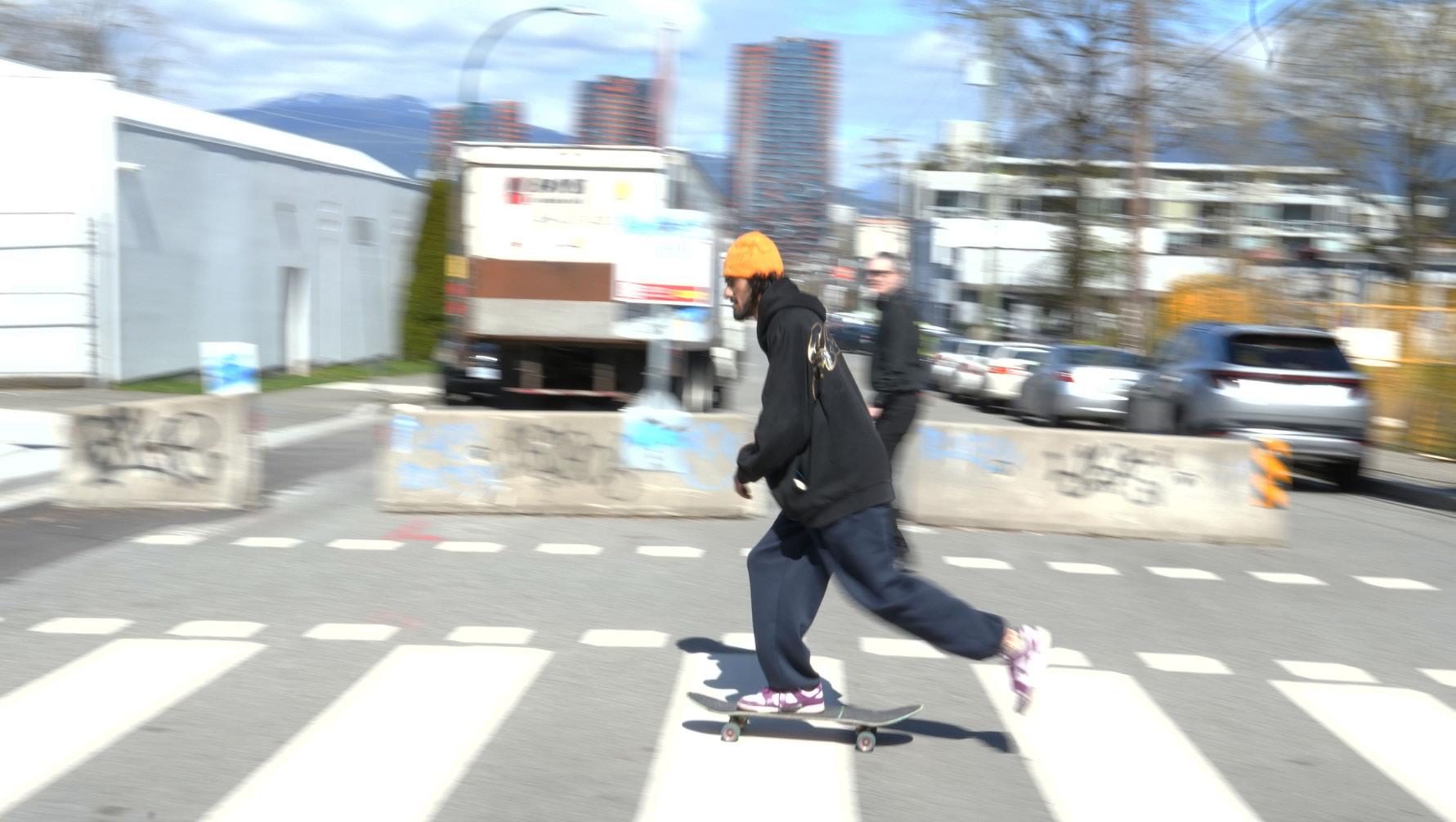
Local skaters will find out next week whether a new, highly anticipated skatepark at Burrard Slopes Park is approved.
On April 13, the Vancouver park board will vote on the final design and funding for the development.
The neighborhood has no skatepark nearby, and its approval would mean a place to gather for the large local skateboard community.
Many local skaters, businesses, and residents are voicing strong support.
The idea has been years in the making.
Oliver Tennant, secretary of the Vancouver Skateboard Coalition, said the project grew out of the city’s 20-year skateboard strategy, City Skate.
“The strategy identifies where new skateparks should be built and which areas need upgrades,” Tennant explained. He said the Burrard Slopes Park project is a major mile-
stone in that plan, with volunteer efforts, petitions, and advocacy helping bring it to this stage.
The one-hectare park proposal, planned between Fairview and Kitsilano, is designed to combine a skatepark for riders of all skill levels with open green space for the wider community.
“This is considered a park-deficient area,” said Hanako Amaya, a senior landscape architect on the project. “There aren’t enough accessible green spaces nearby, and this location meets multiple criteria where new parks are needed.”
Amaya added that the skatepark addresses a gap in youth recreation.
“Vancouver has playgrounds for children and facilities for adults, but fewer dedicated spaces for youth,” she said. “This skatepark helps fill that gap, especially in this area.”
For local businesses, the park could be an important piece to the community, with the areas’ strong skate culture but no central facility.
Teagan Armitage, a customer
going up.”
Johnson said he is in discussions with the City of Vancouver about leasing facilities at Hastings Park for a 10-day race meet in September or October. He is not ready to call it the end.
“If we have to move from Hastings Park, I think we would find a place to race in the future,” said Johnson, whose horses are now training in Edmonton.
Denise Praill, a longtime horseracing fan, said the loss extends far beyond the track itself.
“It just has been so cruel that the doors have been closed,” Praill said. “We had no warning this was happening.”
The closure directly affected more than 300 workers at Hastings and an
estimated 1,500 across the province.
“Every horse represents a fulltime job or a job and a half,” Praill said. “We have very skilled workers from veterinarians, vet techs to our race officials, right down to really low skilled work.
“If you can move a broom, you can work at the racetrack, and you can earn a living.”
Praill said she and about a dozen regulars still gather every Saturday at Jerome’s, a race book at the base of the Hastings grandstand, to watch races broadcast from tracks across North America.
“People will keep showing up on Saturdays and hope for the best for the industry.”
For some, who saw the writing on the wall, staying was not an option.
Tara Neigel, a horse trainer and former Horsemen’s association board member, left Vancouver for Toronto two years ago, before the closure was announced.
“I love BC. I love Vancouver, and I had to move over to Toronto if I wanted to stay in an industry that I’m passionate about,” Neigel said. “They just slowly took it down so they could say, oh, this is not a viable industry. But they made it that way.”
She now works at Woodbine Racetrack in Ontario, where government grants and infrastructure investment keep the sport running. She has not given up on home.
“If they could ever have a viable industry again, I would come back in a heartbeat,” she said.
experience associate at Boardroom skate shop, said current options like UBC and Kitsilano are far away, especially for those relying on transit.
“Having something right in the heart of where all the skate and snowboard shops are would be awesome,” Armitage said. “A lot of kids come in buying their first setups. It would be great if there was a park nearby where they could go practice right away.”
In the Burrard Slopes Park: Concept Plan Update, common concerns included in the document was noise being in close proximity
to residential buildings. Graham Peat, co-owner of Boarder Labs and CalStreets said, the location is already quite loud, being mostly commercial and industrial.
“Honestly, it won’t be any louder than kids on swings,” he said.
Raj Gill, a local skateboarder, praised the park’s design, which aims to be more accessible than other city skateparks.
“A lot of the previous skateparks have been built more for skilled riders,” he said. “This one seems like it’ll be more usable for families and beginners.”
Supporters say it represents more than a skatepark and it’s a step toward expanding public space, supporting youth, and strengthening community interactions in the Fairview area.
“It’s close to transit, bike routes, and a lot of skate shops along Fourth Avenue,” Tennant said. “It’s also planned as a medium-sized park, which allows for more features and accommodates a wider range of users.”
A petition advocating for the skatepark has garnered over 350 signatures.
Vancouverites say the city’s popular parks and community centres need attention, as the city’s public amenities and outdoor spaces and show signs of wear.
Joseph Macapili, a Yaletown resident, says that he has noticed signs of deterioration along the seawall, a place where he walks almost every day.
“Whenever it rains, or there’s a storm, that’s when you can see the damage,” said Macapili. “Parts of the seawall look worn down. It’s definitely something that needs more attention from the city.”
Macapili’s concerns echo Vancouver park board commissioner Brennan Bastyovanszky’s recent call for a $1.3 billion investment to address a growing backlog of maintenance and aging infrastructure across the city’s parks
system. The proposed funding aims to repair parks, community centres and public pools. An audit of the city’s recreation facilities found 72 per cent were in poor or very poor condition.
Scott Jensen, a park board commissioner, says Vancouver city council needs to be aware of the need to renovate the city’s parks.
“We want to invest in them, not tomorrow, not 10 years from now, but we want to invest in them today,” Jensen said.
Jensen said that parks become like a resident’s backyard and community centre gyms become like their fitness studio.
One of the city’s most iconic public amenities is Kitsilano Pool, which has faced periodic closures and costly repairs in recent years. The outdoor pool was closed for the entirety of the
2024 season due to structural damage and water leaks.
Anna Palmer, a Kitsilano resident, says she hopes the city prioritizes repairs to “well-used places like Kits Pool.”
“It’s such a big part of the community in the summer,” said Palmer. “When it’s closed, you can actually feel the loss … it just shows how important it is to keep places like these maintained.”
The pool is closed for the season, with no opening date announced for this year.
Britannia Community Centre has also faced issues with its aging infrastructure. Bastyovanszky’s motion proposed a $300 million renewal of the arena in partnership with the Vancouver Canucks.
The facility has long been rumoured to be the new location of the Canucks’
practice facility, which would replace the community centre’s ice rink.
Jon Santiago, a Commercial Drive resident, agrees that the community centre could “use a few upgrades,” but would be disappointed if upgrades came at the cost of residents losing access.
“The community centre is for everyone, not just the elite athletes,” said Santiago.
Mike Newall, an urban planner and manager of development services at UBC, said city planners must weigh the costs of keeping facilities running against the benefits of building new, safer, and more efficient structures.
“They’ll make a judgment or analysis about how much it costs to keep the facility running, and then compare that to the cost of a new facility,” Newall said.
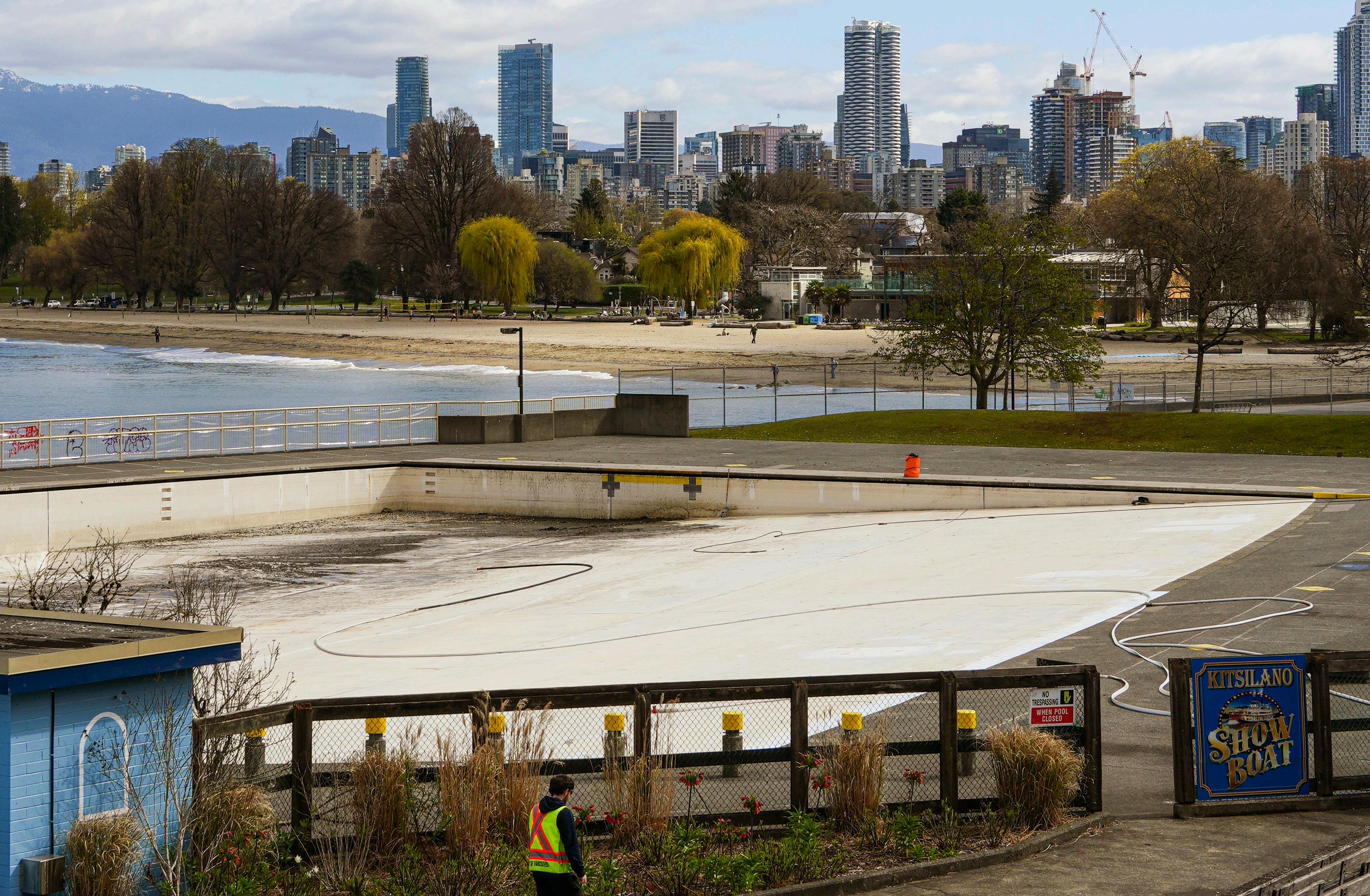


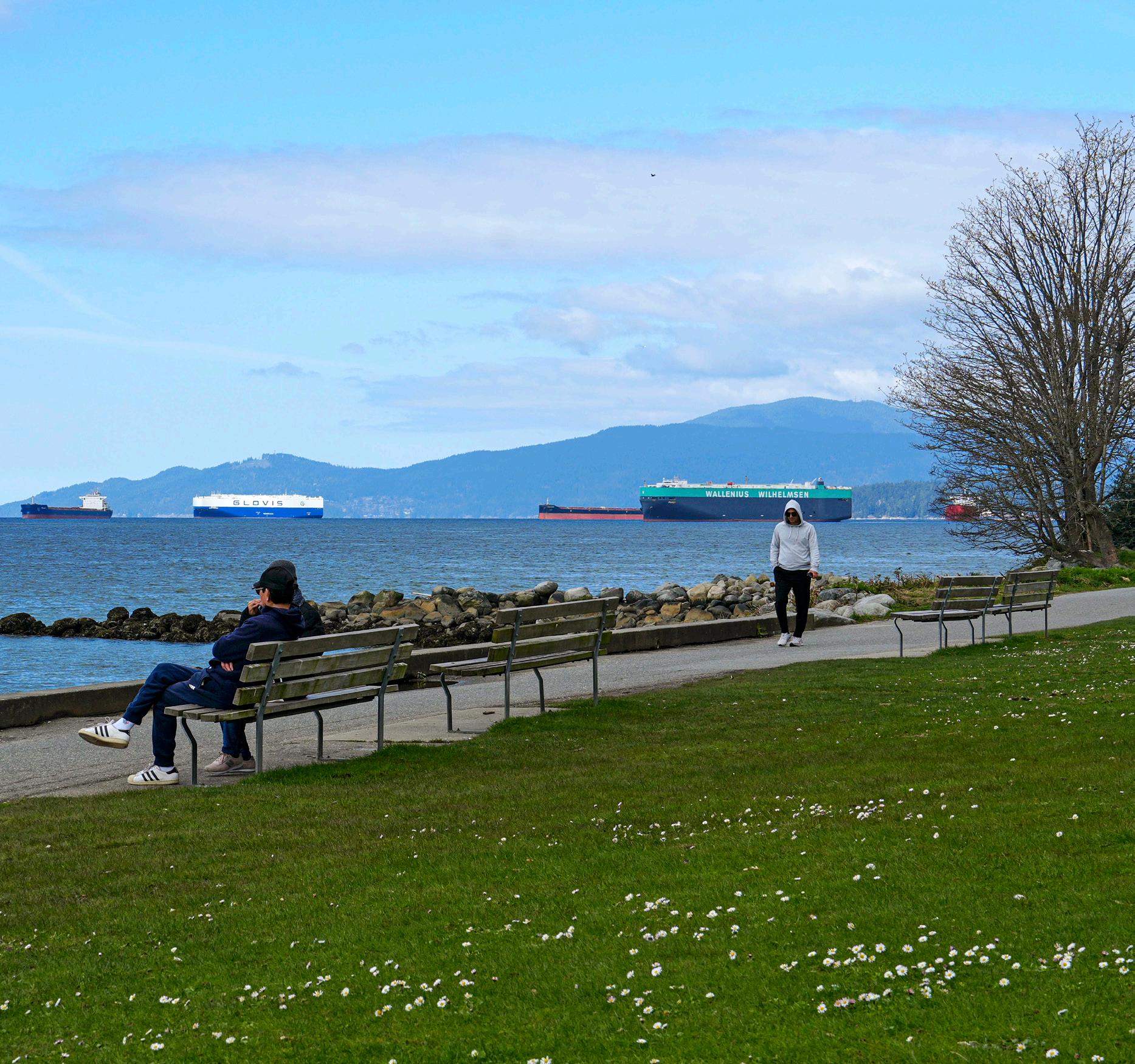
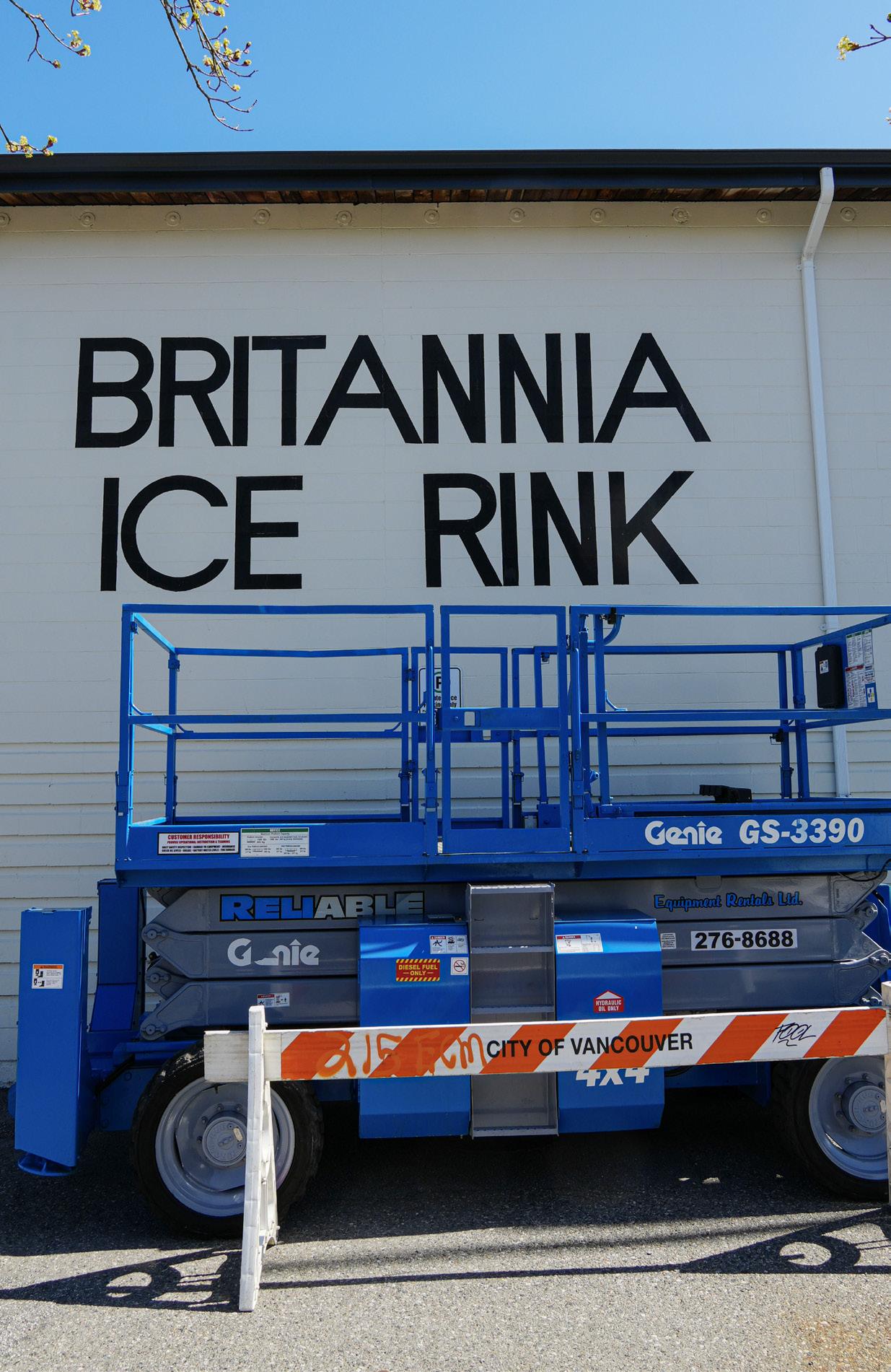
CLOCKWISE FROM TOP-RIGHT : Vancouver’s seawall is the world’s longest uninterrupted waterfront path and remains a daily route for many residents, who say visible damage and deterioration highlight the need for repairs.
BOTTOM-RIGHT: In collaboration with the Vancouver Canucks, the plan would designate $300 million for upgrades and the expansion of the Britannia Community Centre. Located off Commercial Drive, the community centre has an indoor pool, fitness centre, ice rink and youth centre.
BOTTOM-CENTRE: The money would be used to improve Vancouver’s 240 parks, including Vanier Park, where residents say the popular gravel path requires maintenance.
BOTTOM-LEFT : Bastyovanszky’s $1.3 billon plan designates $300 million for parks and open spaces, which would include seawall and waterfront repairs
TOP- LEFT : Kitsilano Pool is Vancouver’s only outdoor saltwater swimming pool and the longest outdoor swimming pool in North America. Bastyovanszky’s proposal includes $200 million for aquatic facilities, including the complete reconstruction of the 50-year-old pool.

Photos and story by
Liam Clarke
Bacterial vaginosis affects millions of women, yet after 70 years of research, there is still no reliable cure

BY OKSANA SHTOHRYN
Nicole Donnelly spent years cycling through doctors, over-the-counter treatments and conflicting advice before she finally found relief, not through her doctors but through her own research.
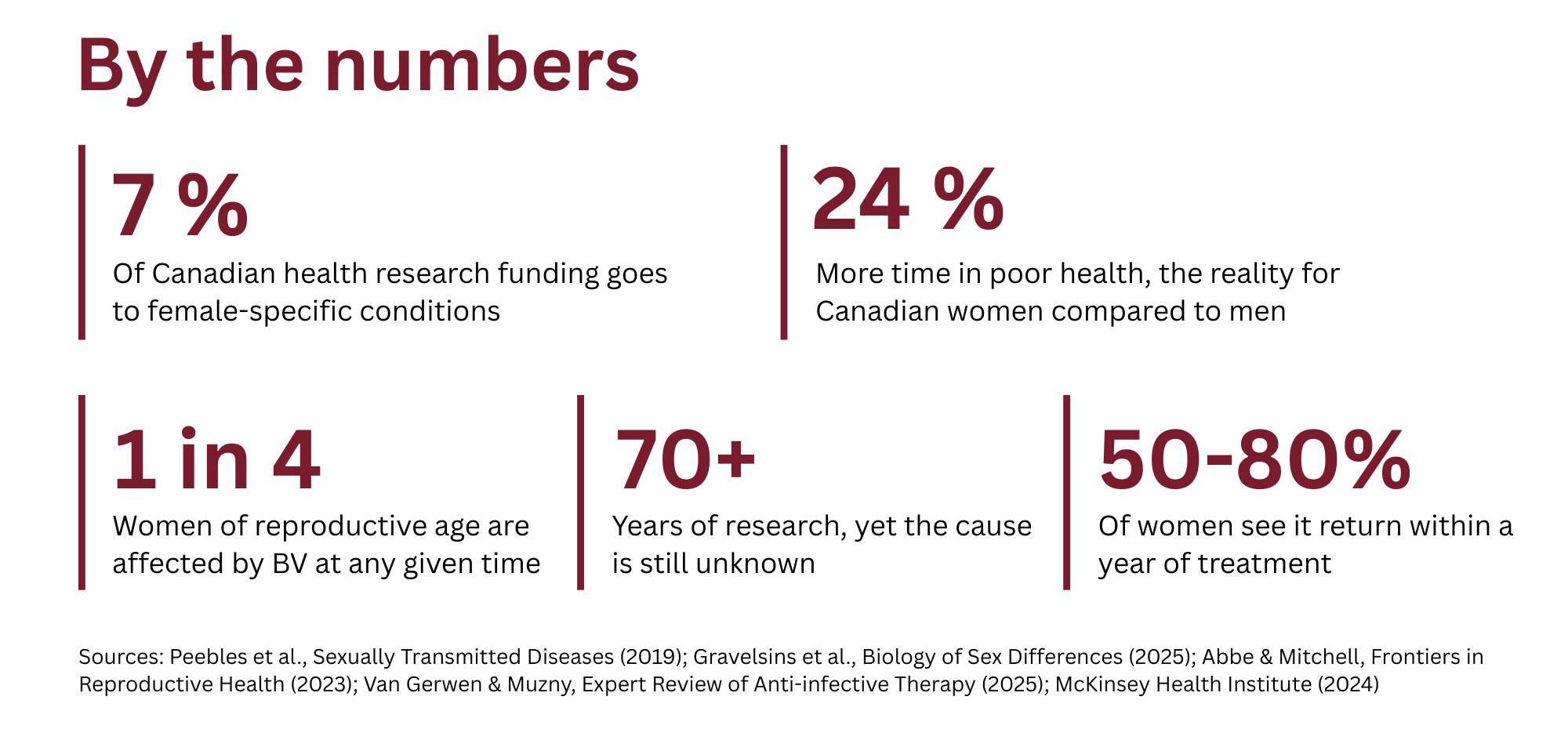
She is one of many B.C. women living with bacterial vaginosis, or BV, which is the most common vaginal infection in women of reproductive age, yet one that scientists still cannot fully explain. The condition affects roughly 23 to 29 per cent of women of reproductive age worldwide, according to the World Health Organization, though the true number is likely higher since many women have no symptoms and never get diagnosed.
Unlike chlamydia or gonorrhea, BV is not tracked as part of Canada’s routine disease surveillance, which means there is no national count of how many women are diagnosed or how often they seek care.
Despite its prevalence, BV remains poorly understood and receives little dedicated research funding, and that is part of a broader pattern in which female-specific health conditions have historically been underprioritized. The antibiotics used to treat it can trigger yeast infections, trapping women in a cycle that doctors rarely know how to break.
Women experience a recurrence in 50 to 80 per cent of cases within a year of treatment.
“I went to so many doctors, so many times. I never got anything,” Donnelly said. “There was never anything they said that I could do about it.”
BV typically shows up as an unusual vaginal discharge with a strong fishy odour. Left untreated, it can lead to serious complications including pelvic inflammatory disease, infertility and increased susceptibility to HIV and other sexually transmitted infections.
Donnelly, a Vancouver resident, first started noticing symptoms years ago. She went to walk-in clinics, saw doctors, and kept coming back to doctors with the same problem. One told her there was nothing
wrong and questioned why she had even come in.
At one point, a boyfriend ended their relationship over her symptoms. She has spent what she estimates was easily $500 on overthe-counter treatments, including creams, suppositories, douches, coconut oil and garlic, none of which addressed the root cause.
“I felt like maybe I’m doing something wrong,” she said. “You’re a doctor and you keep telling me to do this and I do that and it doesn’t work.”
BV is typically treated with prescribed antibiotics, according to public health guidance. Relief, she said, finally came not from a clinic but from her own online research.
Donnelly said she tried diluted hydrogen peroxide and believes it helped relieve her symptoms.
“They didn’t help me out,” Donnelly said. “I had to help me out.”
Donnelly is not alone. Julia Goudkova, another Vancouver woman, spent what she estimates was thousands of dollars over decades on over-the-counter treatments for recurring yeast infections, sometimes needing medication every month or two.
“It would change my lifestyle,” she
said. “I would have to think twice, am I going to go on a bike ride or not?”
Without a family doctor for most of her life, Goudkova cycled through walk-in clinics where doctors treated each visit as an isolated case. After a while, she stopped bringing it up altogether.
“I just genuinely felt like there aren’t really options,” she said.
It was only when she saw a gynecologist for an unrelated issue that a vaginal boric acid treatment was mentioned, almost as an afterthought. Goudkova said it was the first thing that brought lasting relief.
with certainty what causes BV or how to reliably cure it. No single infectious agent has ever been identified.
In 2025, an Australian clinical trial published in the New England Journal of Medicine tested whether treating male partners alongside female patients could reduce recurrence. When both partners were treated, the recurrence rate dropped from 63 per cent to 35 per cent.
“The culture of medicine is a culture of maleness, and man as the appropriate normal, whereas women are an aberration.”
— DR. JERILYNN PRIOR
“I was so pissed,” she said. “It costs pennies. It’s so much cheaper than over-the-counter medication and it’s much more effective.”
After more than 70 years of research, scientists still cannot say
“There is a vacuum in understanding, doing research on, and treating many, many common women’s reproductive health issues,” said Dr. Jerilynn Prior, professor emerita at UBC and scientific director of the Centre for Menstrual Cycle and Ovulation Research.
Only seven per cent of Canadian health research grants over the past 15 years have focused on femalespecific conditions, a share that has
not meaningfully increased, according to a 2025 study published in Biology of Sex Differences.
When a woman is writing a proposal about something that relates only to women, Prior said, there are two strikes against it.
“One is that women’s issues are not considered very serious or scientific. And two, that the principal investigator is a woman,” she said.
In B.C., 17 per cent of residents have no family doctor, according to the 2026 Angus Reid Institute study. For women managing a recurring condition, that can mean cycling through walk-in clinics.
Goudkova, who spent years without a family doctor herself, sees a broader pattern.
“The default within our system — it’s changing, but for a very long time and still persisting — is male,” she said.
For Prior, the disparity runs deeper than any one doctor or any one patient.
“The culture of medicine is a culture of maleness, and man as the appropriate normal, whereas women are an aberration,” she said. Fixing it, she said, will not be simple.
BY PHILOMENA OKOLO & VALENTINA BARRERA
More than half a million dollars was spent on building renovations by the Langara Students’ Union (LSU) in 2023. Yet torn couches line the student lounge. A hot water dispenser has not worked for more than two years. And a café space that could offer affordable food remains closed.
The gap between spending and student experience is raising questions about how more than $6 million in annual student fees from roughly 11,000 students is being used.
Students contribute mandatory fees to the Capital Trust Fund, which in 2025 collected about $874,000 in levies and nearly $200,000 in interest. Financial statements show more than $500,000 was spent on renovation costs in 2023, but the statements do not say what work was completed.
Records also show about $120,000 invested in furniture and equipment in 2025. Students interviewed by the Voice said the LSU’s groundfloor lounge still has limited seating and worn furniture. They also said they have not seen some services commonly available at other colleges, including recreational amenities and electronics repair.
“The staff office looks amazing,” said freedom of information researcher Stanley Tromp after touring the building. “But in student spaces, the couches are torn with little to no amenities provided.” His comments reflect the gap between how spending is recorded and how it is experienced by students on campus.
Rajesh Vijayaraghavan, assistant professor at the Sauder School of Business at UBC, said this gap points to a known limitation of financial reporting.
“They [financial statements] show how much was spent, but not necessarily what was delivered or how it was experienced,” Vijayaraghavan said. “To understand how the money was actually used, one would typically look for additional documentation such as asset listings, purchase records, or project-level summaries.”
Vijayaraghavan said that kind of detail would normally sit outside the audited financial statements.
“The finance division should have that information,” he said.
In a written statement sent to the Voice, the LSU described the spending as part of a planned investment.
The LSU said the 2023 renovation expenditure “reflects a significant, planned capital investment into the LSU building funded through the Capital Trust Fund.” The union said the work included improvements to student-facing spaces and infrastructure upgrades. It added that such spending “is not incurred annually but rather occur periodically based on operational needs and long-term asset planning.”
According the 2024-25 financial statement, an additional $51,474 in renovation costs was withdrawn from the Capital Trust Fund in 2025, again without any detail. The LSU said this was “not a new renovation project, but rather a year-end accounting adjustment made by the auditors to recognize deferred contributions related to prior capital expenditures.”
Renovation spending is one visible use of the Capital Trust Fund. Financial statements also show rising costs in other LSU spending categories, though the records do not always show what those increases produced.
Graduation expenses rose to about $117,400 in 2025 from roughly

$78,200 the year before, a 50 per cent increase, even as students pay separate graduation fees to the college.
The LSU said the increase reflects “both scale and enhanced student experience,” including more than 2,000 graduating students across a three-day event and the provision of higher-value graduate gifts.

Graduation spending is not the only studentlife category where costs have increased.
Campus life and events spending reached about $192,300 in 2025, up from about $130,400 the previous year.
Membership development and promotion spending rose to nearly $293,800, an increase of about $117,600 in a single year. The financial statements do not break down what that spending funded.
The LSU said campus events are “not discretionary spending; they are a core part of the LSU’s mandate.”
“They play a critical role in supporting student mental health and well-being, building community and a sense of belonging on campus, and ensuring equitable access,” the union said.
Based on previous reporting, six events were held in 2024 with a budget of about $130,400, averaging more than $21,700 per event.
In B.C., student unions generally fall under the Societies Act, not direct college or university control. That means they are primarily accountable to their members through bylaws, elections, records and general meetings. While they must file annual reports and keep financial records, there is no student-unionspecific oversight body under the Act. When disputes arise, members often have to rely on internal votes and meetings or pursue remedies
through the Civil Resolution Tribunal or the courts.
In March 2026, B.C. Finance Minister Brenda Bailey ordered a formal investigation into the Kwantlen Student Association under the Societies Act to determine whether funds were misused or other problematic conduct occurred. While the probe is underway, the province has frozen the association’s assets except for approved operating expenses, saying the move is meant to protect the organization and its members.
According to the association’s financial reports, the KSA spent $947,848 on wages and benefits for elected representatives in 2025. By comparison, UBC’s Alma Mater Society paid its student directors $231,888 that same year, the Simon Fraser Student Society (SFSS) spent $210,667 on its seven elected student representatives, and the University of Victoria Students’ Society (UVSS) paid its directors $239,635.
According to its 2024-25 financial statements, the LSU also paid its board of directors and other elected personnel $185,108, while wages and benefits for six staff that year were $843,335.
Questions about student-union oversight are not new in B.C. Accountability challenges across student unions trace back to a 1999 policy change that made fee collection mandatory while limiting institutional oversight. Today, student unions receive guaranteed funding through mandatory fees, with accountability relying largely on internal governance.
In 2006, Douglas College withheld more than $1.5 million in student union fees after the student union failed to produce audited financial statements for three years, prompting a forensic review of the union’s finances and a lawsuit that sought to place the union into receivership.
More recently, in 2024, Kwantlen
Polytechnic University administration raised concerns about proposed bylaw changes by the Kwantlen Student Association, saying they could restrict student oversight, limit the ability to call meetings and create financial risks.
The LSU told the Voice that all expenditures are guided by “a strong framework of governance, accountability, and transparency.”
“As a not-for-profit organization, our objective is not to generate or retain large surpluses, but rather to responsibly allocate resources in ways that maximize student value and impact.”
Vijayaraghavan said audits are designed to show whether financial statements are fairly presented, not to assess how effectively money is spent.
Its audits, conducted by Tompkins Wozny, follow standard accounting practices but do not assess how effectively money is spent.
For decades, the government of B.C. has implemented measures to address declining spotted owl populations but with few breakthroughs. Now, with only one wild-born spotted owl left in B.C., the government has amended its old recovery plans, with hopes of finally saving the endangered species.
Many factors have contributed to the owl’s decline, and no single cause fully explains it.
The northern spotted owl population has been declining since the 1970s, a trend that was formally recognized in the late 1980s. In the decades since, the species has moved closer to local extinction in B.C.
B.C. has made two recovery strategies for the owl since, one in 2006 and an amended strategy, in 2025. Both attempt to address the various factors that contribute to the near extinction of the spotted owls.
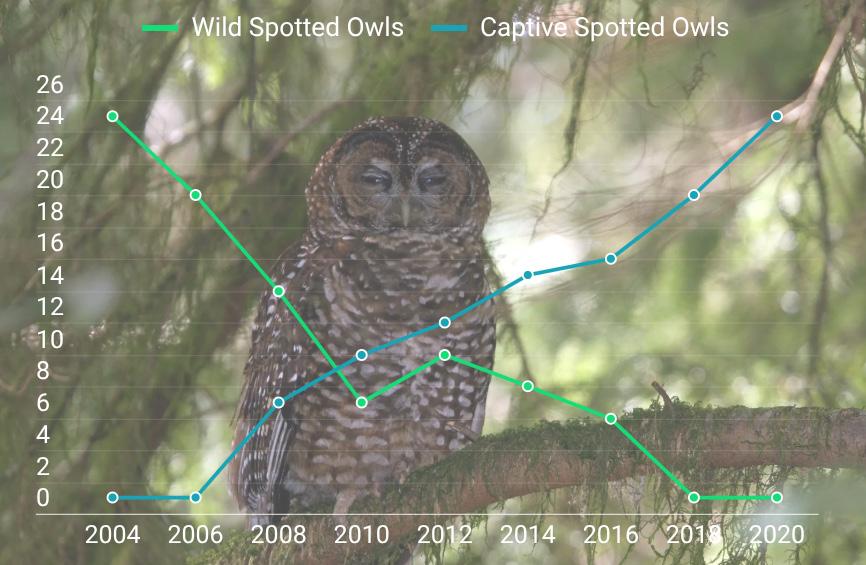
Since first migrating to B.C. in the 1940s, barred owls have outcompeted the native spotted owl, reducing its numbers to around 37. those, only about three live in the wild.
The rest are protected by the Northern Spotted Owl Breeding Program (NSOBP) in Langley, as a part of the province’s captive breeding initiative.
Compared with Washington, Oregon and Northern California, which have used a more aggressive approach to barred owl culling, B.C.’s northern spotted owl population is far smaller. Those U.S. regions have an estimated 1,500 to 2,500 spotted owls, while B.C. has only about three in the wild and about 30 in captivity. According to the Government of Canada, the United States accounts for 90 per cent of the global spotted owl population, compared with 0.1 per cent in Canada.
While the larger U.S. spotted owl population is partly due to more suitable habitat, U.S. policy has also differed from B.C.’s, particularly in its efforts to remove and cull barred owls.
The 2006 recovery strategy included a barred owl removal program aimed at reducing competition with the northern spotted owl.
According to the 2025 amended strategy, crews captured and relocated 108 barred owls away from proposed spotted owl re-establishment sites between 2007 and 2021. During the same period, they lethally removed another 80 from active spotted owl sites.
The combined removal effort reduced the number of detected barred owls overall, but as of 2016 had not been sufficient to overcome local re-colonization rates.
But Joe Foy, a campaigner with the Wilderness Committee, said too much attention has been placed on barred owls and not enough on other pressures.
Foy said logging is too often overlooked in discussions about the owl’s decline. “The murderer is often an industrial industry,” he said. “But like all good murder mysteries, the murderer points to somebody else.”


logging, because spotted owls need larger, connected territories while barred owls can survive in more fragmented habitat.
Old-growth forests need to be repaired, he said, and protecting the remaining old-growth forests in B.C. is not enough.
“This country is failing to meet not just the spotted owl emergency, but the endangered species emergency.” —
He said the problem of barred owls outcompeting spotted owls is tied to
“We need to stop logging any old growth in [the spotted owl] range,” he said.
Foy said the amended plan is a positive step, but he argued that the province is still allowing logging in federally mapped spotted owl habitat.
“This country is failing to meet not just the spotted owl emergency, but the endangered species emergency,” he said.
Other groups have sounded the alarm on logging as well. Advocacy groups like Ecojustice and the B.C. Wilderness Committee fought for an amended plan for years.
In a press release, Ecojustice said the amended recovery strategy is the result of an 18-year legal and grassroots effort led by the Wilderness Committee, represented by Ecojustice, and Spô’zêm Nation. The release says the groups spent years pressing federal and provincial governments to protect old-growth habitat from logging and mismanagement.
According to the 2025 recovery strategy, the 2006 plan was amended because “the identification of critical habitat was insufficient.”
The 2025 amended strategy also recognizes the role of old-growth logging in habitat loss. It says logging and wood harvesting have a high impact and extreme severity for northern spotted owl habitat.
Foy said, “So an important part of the spotted owl recovery plan, the mapped habitat, we think is a blueprint for the future right across
Canada.”
Although the amended plan recognizes the role of logging in habitat loss, Ecojustice says much of the owl’s critical territory is still being logged.
In an email to the Voice, Hannah Boonstra of Environment and Climate Change Canada said the federal government intends to recover spotted owls in Canada to a stable population connected with regions across B.C. and the United States.
“Spotted Owl recovery actions include habitat management, conservation breeding and release, and invasive species management,” said Boonstra.
Foy said it’s not all logging.
“The issue is just to live up to the promise we give to the people that buy the lumber, that we’re not purposely driving species into extinction, which we are,” Foy said. “And so we continue to work every which way we can.”
The Voice contacted the B.C. government’s ministry for water, land and resources for comment, but no response was provided in time for publication.
2003 SARA declared spotted owl an endangered species. 2006 Original spotted owl plan released.
2007 Barred owl removal program started. 2008-2023 Spotted pop steadily declining, action ineffective.
2024 ECCC delayed a SARA emergency plan for spotted owl.
2025 Amended plan released.
SOURCE: CANADA.COM
Recovery from pandemic isolation isn’t linear, and many post-secondary students say they are still feeling its effects
BY ROSE LEUNG & DANIEL BUMANGLAG
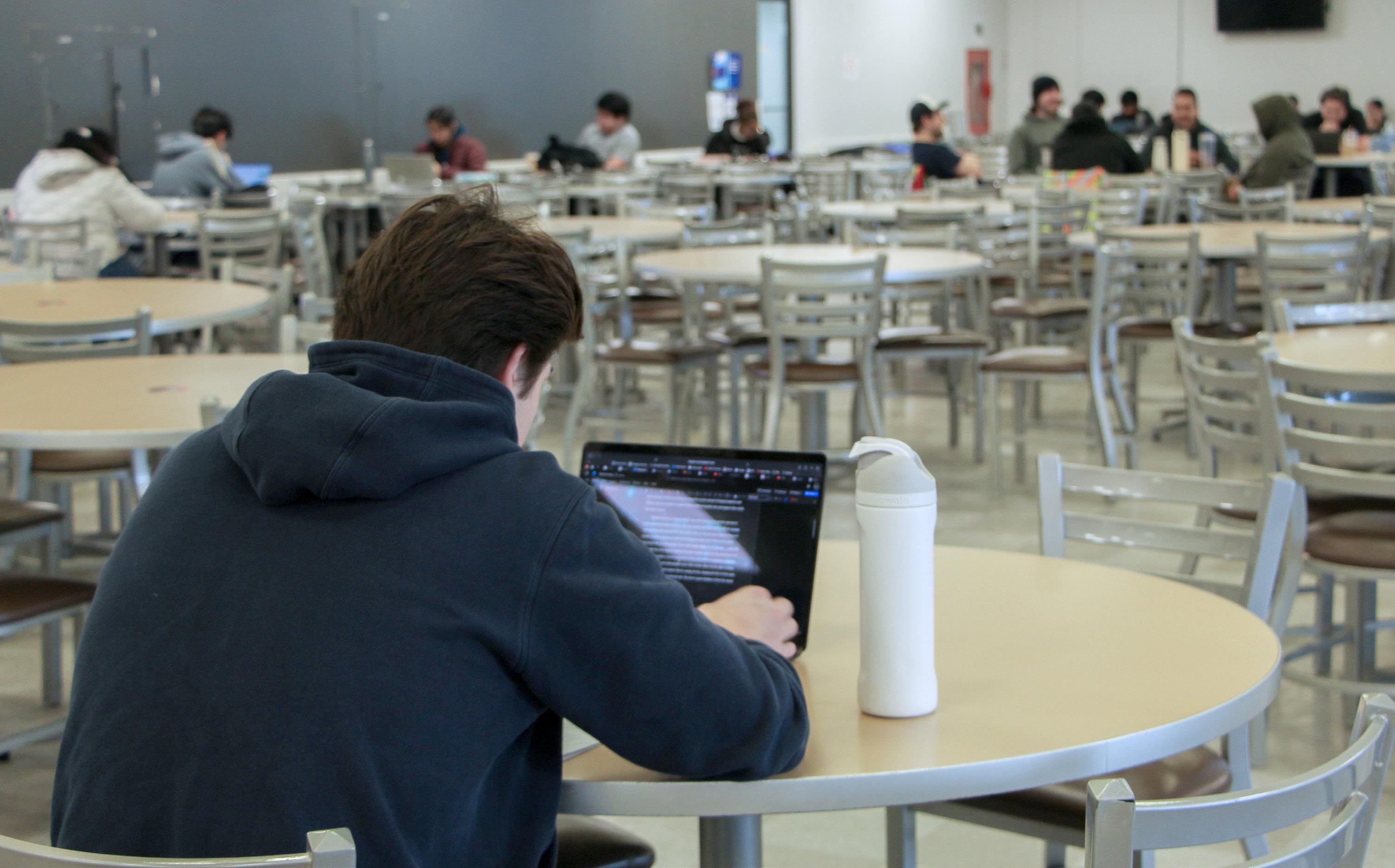
Nearly six years have passed since the pandemic first upended daily life, pushing many young people into nearly two years of social isolation. Many assumed life would return to normal once schools and universities reopened.
However, even now, loneliness among post-secondary students remains prevalent.
Having experienced the pandemic in high school, Sanaa Mathew, a thirdyear student at UBC, said the psychological effects of the lockdowns still affect her today.
“I wasn’t all that social starting off. And then the pandemic hit, and then I became way less social than before,” Mathew said. “Usually in high school you would grow those skills, but there was that twoyear gap where I didn’t get to grow them.”
harder for some students to make new friends or maintain existing friendships after returning to school.
A national snapshot from the Campus Wellbeing Survey recorded 53 per cent of post-secondary students from 2024 to 2025 reporting feelings of loneliness.
Amelia Preston, a third-year SFU student who struggles with social anxiety, said the pandemic exacerbated her condition.
“COVID-19 kind of affected the way I handled friendships because I went from not wanting to spend time by myself ever to being really okay with spending time by myself,” Preston said.
Jennifer Broughton, director of operations at GenWell, a Canadian non-profit that advocates for social connection, said social isolation had lasting consequences.
“Usually in high school you would grow those skills, but there was that two-year gap where I didn’t get to grow them.”
In an article from 2025, the World Health Organization described adolescence as “a crucial period for developing social and emotional habits important for mental well-being.”
— SANAA MATHEW, UBC STUDENT
In 2023, researchers at the University of Groningen examined lockdown’s social impact on students. Their study, The development of adolescents’ loneliness during the COVID-19 pandemic: The role of peer status and contact with friends, found that students who were already struggling socially were more likely to adopt withdrawn and avoidant habits. Those habits may have made it
“Being around people every day, navigating friendships, figuring out who you are in relation to others: when that was disrupted, it wasn’t just missed moments. It was missed practice,” Broughton said. She said students entering postsecondary are expected to build connections independently, but many did not have the opportunity to develop those skills during the pandemic.
A 2024 study, Starting an undergraduate degree amid the COVID19 pandemic: A mixed-method egocentric network study on student loneliness, by researchers from the University of Glasgow and the University of Edinburgh, found that the COVID-19 pandemic severely
disrupted the typical post-secondary transition, preventing students from establishing university peers as their primary support group.
Some students interviewed for this story said many domestic peers continue to rely on high school friend groups for support rather than building new friendships in post-secondary.
Justin Setiawan, a second-year international student at UBC, said making friends with domestic students can be difficult.
“In my first year, most of the people, especially the local people I’ve met were a bit rude,” Setiawan said. “They don’t really want to make new friends because a lot of them have friends from high school.”
A 2024 longitudinal study, Declines in social-emotional skills in college students during the COVID-19 pandemic, found that post-secondary students were more emotionally dysregulated and self-conscious after the pandemic than before it.
Researchers from the University of Vermont, Middlebury College and Vermont Psychological Services said those shifts can make connection feel riskier, contributing to anxiety, withdrawal and loneliness.
Preston said exchanging contact information with classmates is easy, but building long-term relationships outside class is harder.
“You kind of have to take these initiatives not wait for people to come to you instead,” Preston said. “But I think everyone’s kind of waiting for that so people don’t go out of their way to make plans.”
However, social anxiety can make that first step feel risky.
“I get anxious because what if we chatted fine in class but when we meet up it’s super awkward,” Preston said.
For students who no longer feel close to old friends, making new ones can be difficult. Even in the same
classes, some say academic settings can feel socially thin.
Kiffer Card, an SFU expert on social connection and loneliness, said in an email to the Voice that society is not well designed for people’s psychological and social needs.
“The economy pressures people to move for jobs, and young people to go away to college. We work 40-hour work weeks, sacrificing much of the time we would otherwise be spending with family and friends,” Card said.
Students also face increasing socioeconomic pressures. According to a 2024 report by the Canadian Alliance of Student Associations, average rent has risen 22 per cent since 2023, while living expenses, including groceries, have jumped 72 per cent.
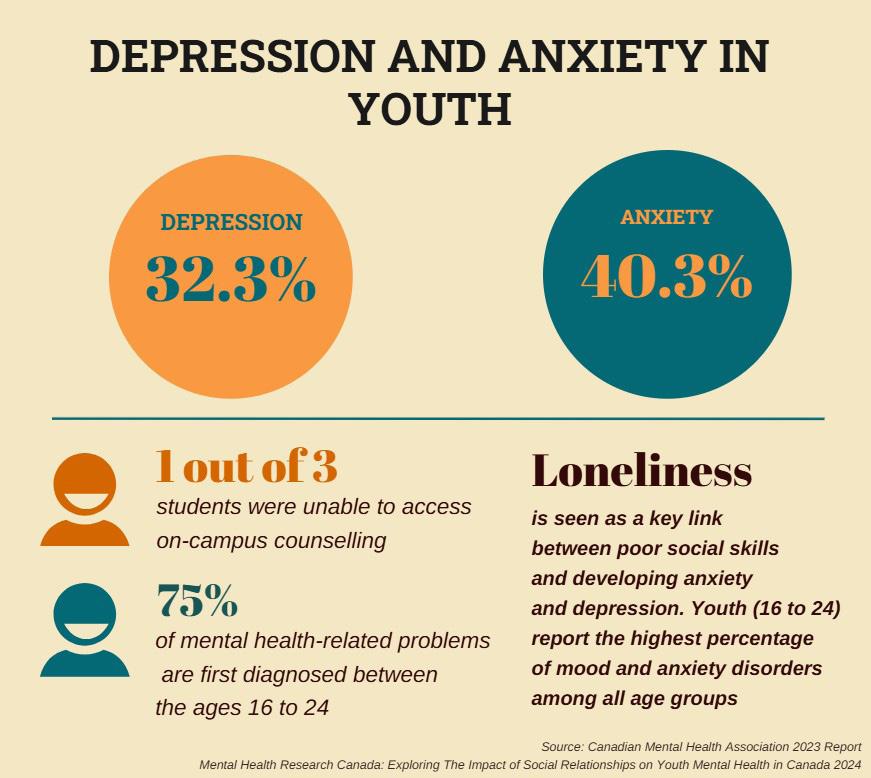
Financial stress can increase the risk of anxiety and depression, the two most common mental disorders in Canada, according to the federal
government.
Loneliness can help explain the link between weak social skills and anxiety and depression among college students, according to a 2019 study by researchers from the University of Vermont and Middlebury College.
One-in-three students reported negative mental health experiences, according to the 2024 CASA report.
To Broughton, loneliness is more than an individual issue, and society should be as invested in social health as it is in physical health.
“[We should be] rethinking our schools, our workplaces, and our communities to create more opportunities for meaningful connection,” Broughton said. “It also means helping people understand the ‘why’ behind connection, so they’re more intentional about it in their own lives.”

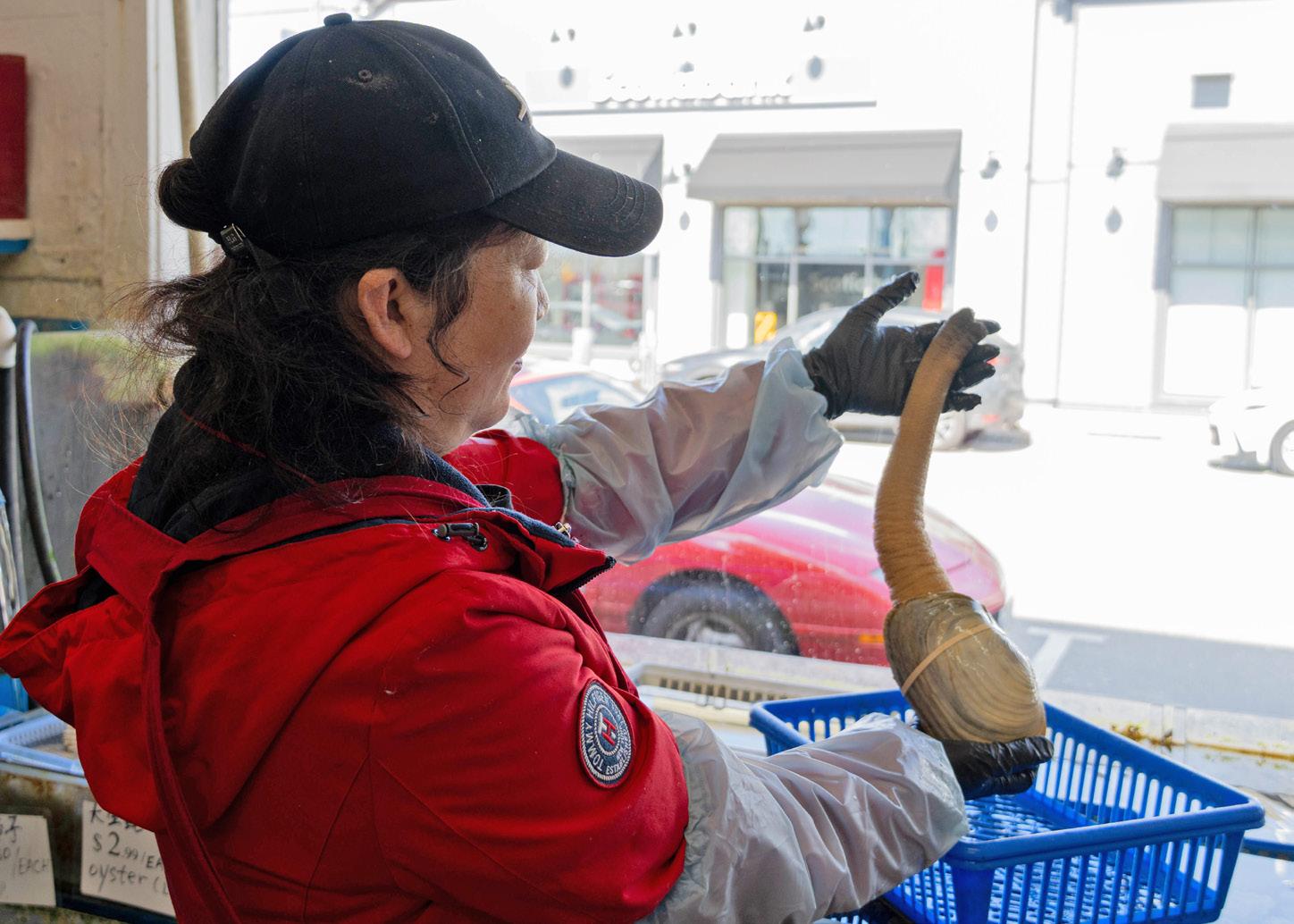
British Columbia’s geoduck industry is still facing sharp export losses after the 2025 trade dispute with China slashed sales to its main market.
For years, these giant clams were one of the province’s most reliable ocean exports, prized in Chinese cuisine and harvested by divers on licensed vessels.
But in March 2025, China imposed a 25 per cent retaliatory tariff on certain Canadian seafood products, including geoduck. The industry, which peaked at $79 million in annual exports to China in 2023, saw those values plummet to $52 million by the end of 2025, according to Statistics Canada.
Since tariffs were announced last March, the dockside price has declined by approximately 30 per cent, according to Katie Lindsey, marketing manager of the Underwater Harvesters Association.
China suspended some retaliatory tariffs on Canadian products effective March 1, 2026, including canola meal, peas, lobster and crab, according to the Government of Canada. Geoduck was not included in those tariff relief measures, Lindsey said.
“The price reduction is felt directly by licence holders and divers, significantly impacting their livelihoods,” she said.
Pronounced “gooey-duck,” the Pacific geoduck is a giant clam native to coastal waters from Alaska to Baja California. Named after the Lushootseed word gʷidəq, it is known for its long siphon, or “neck.” In British Columbia and the Pacific Northwest, it is also a commercial export shipped mainly to overseas buyers.
Management Plan, the geoduck fishery is export-driven, sending almost its entire catch overseas, mostly to China and Hong Kong. The plan says the sector operates under limitedentry licences and strict dive quotas and supports a few hundred coastal jobs.
That dependence left the sector especially exposed when the China tariff took effect. With few alternative markets for live geoduck, the industry had little room to absorb the shock. In an email to the Voice, Lindsey said the association has 55 licence holders, all of whom fished this season, while about 40 to 45 vessels are active. She said about 20 to 25 per cent of those licence holders are Indigenous.
Despite the decline in exports, no dedicated relief program for geoduck had been announced as of publication. The Pacific Region management plan says no financial assistance has been offered, while the latest federal trade tables still list China as the dominant market for the product. Fisheries and Oceans Canada did not respond to a request for comment by publication.
“It may take at least six months before Canada and China begin discussions on additional tariff relief.”
Lindsey said updates from Ottawa have been limited. At a seafood expo in Boston on March 18, 2026, the association met with Canada’s fisheries minister and agriculture minister, who told industry representatives geoduck would be prioritized in the next round of negotiations.
— KATIE LINDSEY, MARKETING MANAGER THE UNDERWATER HARVESTERS ASSOCIATION
“It may take at least six months before Canada and China begin discussions on additional tariff relief,” she said. Federal management documents say market recovery may take time.

Federal trade records show B.C.’s geoduck exports to China averaged about $75 million a year between 2021 and 2023 before the decline in 2025. Nearly all of Canada’s commercial geoduck harvesting takes place in British Columbia, according to Fisheries and Oceans Canada.
According to Fisheries and Oceans Canada’s 2025-26 Integrated Fisheries
The Pacific Region Integrated Fisheries Management Plan for 2025-26 highlights research and collaborative efforts to develop aquaculture methods and domestic markets.
The same federal documents say the sector will need to diversify, either by expanding aquaculture or by finding new buyers in Asia-Pacific markets such as Japan, South Korea and Singapore. But Statistics Canada export tables show no meaningful increase so far in shipments to those countries.