






August 29, 2026
is isn’t your average fashion event, and frankly, Kentucky deserves better than average.
Set inside e Henry Clay, Best Dressed Kentucky brings together style, substance, and just the right amount of spectacle for one unforgettable soirée. Expect an elevated fashion experience featuring local boutiques, a curated runway show, drinks, hors d’oeuvres, entertainment, and a stylish French parlor inspired social atmosphere, culminating in a ballet performance and Best Dressed awards presentation. Très chic. In a twist worthy of a standing ovation, ballet dancers will serve as both runway models and featured performers, and thankfully, they make it look e ortless. Even better: Louisville Ballet will be the nonpro t bene ciary of the night, making every fabulous out t feel slightly more vertueux.
Voting for Best Dressed Kentucky is now o cially open. Scan the QR code and cast your vote.
À BIENTÔT.
Dear Louisville Voices & Readers,
As I reflect on my previous publisher’s letter, I want to begin with a personal note that has influenced my perspective this month. I had to say goodbye to my 11-year-old cat, Renfield, after his battle with cancer. Around the same time, our home welcomed a litter of Shiba Inu puppies. It has taught me a lot about how grief and new beginnings can exist side by side.
Life doesn’t usually separate personal moments from professional responsibilities in neat ways, and this month was no exception. As I was working with Louisville leaders on our ongoing Louisville Zoo project, our dog went into labor. It was an unexpected overlap of timing, but it reminded me of the importance of staying present when things are unfolding in real time.
Those early days with the puppies were hands-on and demanding, as new life is. They required constant care and attention, and they also brought many moments of sweetness. Even in the midst of exhaustion and uncertainty, there was something grounding about simply focusing on what needed to be done in front of me.
One of the puppies had a brief and difficult start to life and, despite care and attention, only lived for a short time. In that brief window, she made a lasting impression. Impact is not always measured in time, but in presence and connection. Some experiences stay with you.
That idea carried into our work this month.
As we gathered with leaders across Louisville for the Louisville Zoo project, I thought of how many different organizations contribute to the fabric of this city. Museums, arts organizations, schools, environmental spaces, and cultural institutions all operate in different ways, but share a common purpose: to educate, to connect, and to strengthen the community.
What stood out most in these conversations was how much alignment there is beneath the surface. Each leader brings a different perspective, but there is a shared commitment to making Louisville a place where people can learn, grow, and feel connected to something larger than themselves.
A conversation this month with Verity Vonberg also touched my heart. She spoke about the difference between being included and truly feeling like you belong. That distinction is simple, but important. It challenges all of us to think more deeply about how spaces are built and whether people are truly seen, supported, and valued once they are in them.
This volume reflects those ideas in action. It highlights leaders who carry a wide range of responsibilities, but who are connected by a shared purpose. They preserve culture, support education, foster creativity, and help create opportunities for connection across our city.
At the VOICE-TRIBUNE, we remain committed to telling stories with care, accuracy, and respect. This project reflects what is possible when a community comes together with intention and openness.
Louisville is full of people doing meaningful work every day, often in the background and without recognition. This month, we are honored to share a few of those voices.
Because at the end of the day, this is what we stand for:
Your Story. Your City. Your VOICE,

Amelia Frazier Theobald Publisher & CEO, The VOICE-TRIBUNE
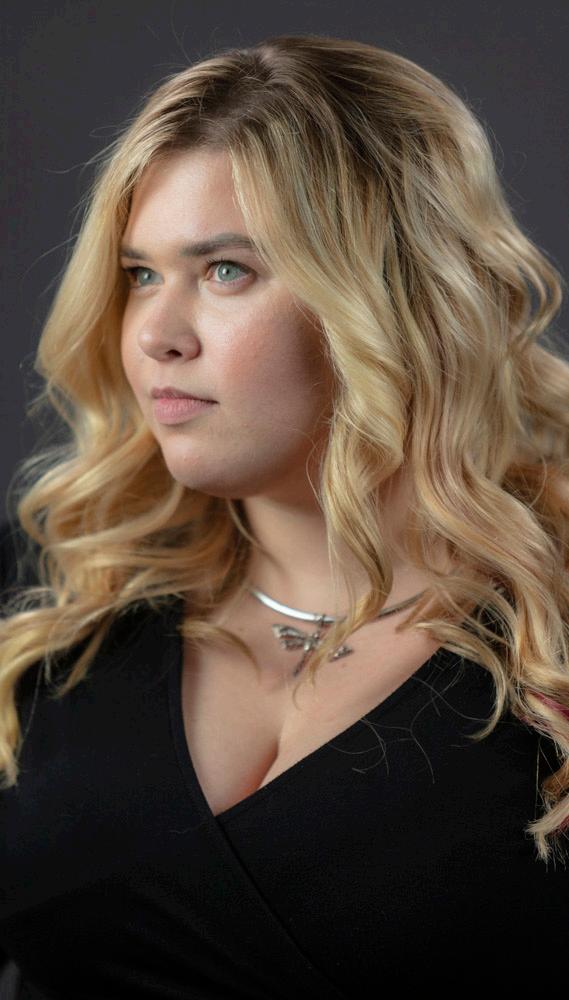


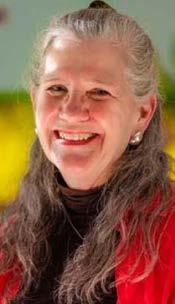

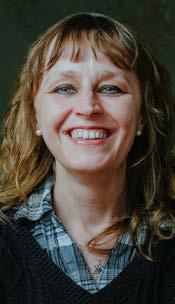
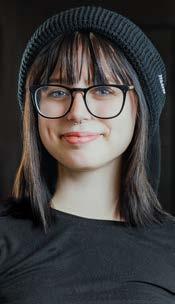
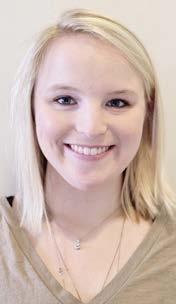
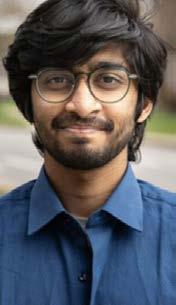
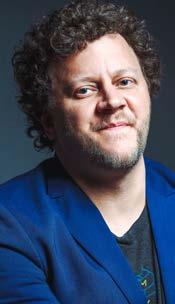
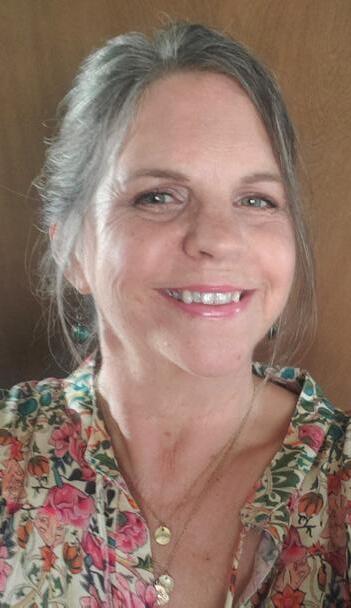
After all the cold and rainy months, summer is nearly here. One week, the sidewalks are empty, and the next, there are people everywhere. School is out. The city feels more ambitious than usual. People linger and talk to strangers. They stay out later than they meant to. There is a collective optimism to it, the way a season can make people believe they have more time than they really do.
Art has a tendency to be discussed as though it exists separately from ordinary life, but it is my opinion that it doesn’t. It can be found in the places we return to, the people we keep meeting there. Louisville seems to understand this well. It makes a life out of repetition, and every summer asks us to notice it again. A walk or a bike ride at sunset. Finding a patch of shade at your favorite park. Going to the farmers market to sift through the fresh produce with no real list. Hearing music drift out of an open bar door on a warm night.
I hope these pages provide some inspiration for how you paint your warm summer days.
Take care,
Alisha Proffitt Chief Director of Editorial & Editor
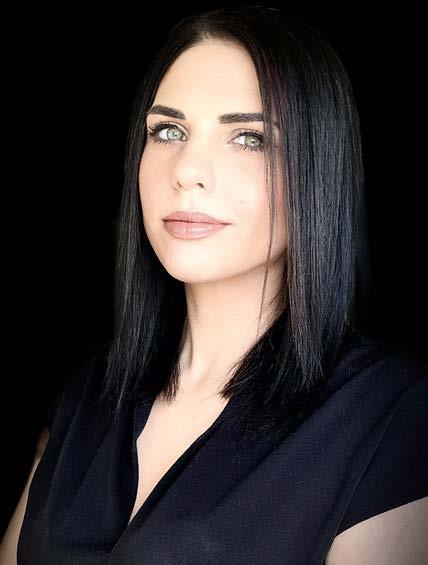
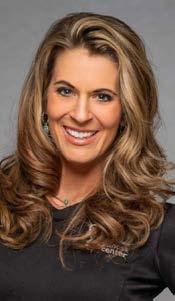
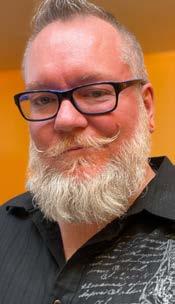

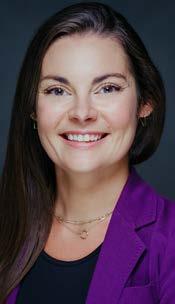
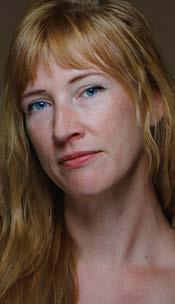
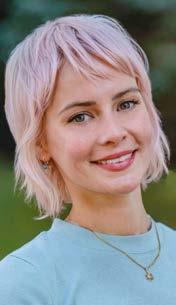
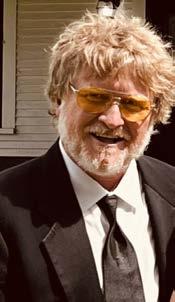

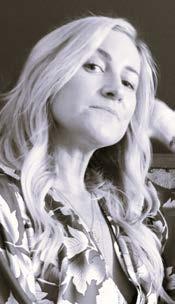
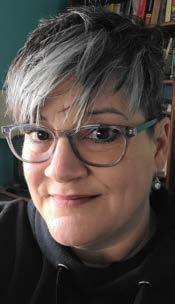
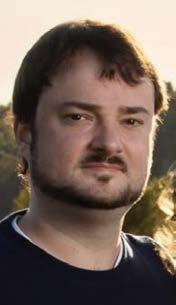
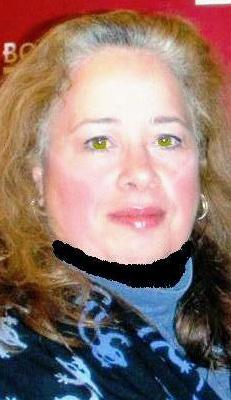
PRESIDENT/CEO, AMELIA FRAZIER THEOBALD
OPERATIONS MANAGER, MARY ZOELLER
CHIEF DIRECTOR OF EDITORIAL & EDITOR, ALISHA PROFFITT
CHIEF REVENUE OFFICER & DIRECTOR OF SALES, JULIE KOENIG
CHIEF GRAPHIC DESIGNER, JOSH ISON
COPY EDITOR, RENAE ISON
SOCIAL MEDIA MANAGER & EXECUTIVE ASSISTANT, BRYLEA PEACH
CHIEF EVENT PHOTOGRAPHER & DIRECTOR, EDITORIAL PHOTOGRAPHER & VIDEOGRAPHER, GRAPHIC DESIGNER, KATHRYN HARRINGTON
FASHION & EDITORIAL PHOTOGRAPHER, MATT JOHNSON
FASHION & EDITORIAL PHOTOGRAPHER & VIDEOGRAPHER, ANTONIO PANTOJA
ACCOUNT EXECUTIVE & FASHION DIRECTOR , CLEO HEINE
ACCOUNT EXECUTIVE, MIKE TOMES
DISTRIBUTION, KELLI & RAGAN VAN HECKE, JILL & JOHN MINNIX, TANNER BATEMAN
CONTRIBUTING WRITERS: ALISON CARDOZA, ALISHA PROFFITT, JACKIE ZYKAN, KATHRYN HARRINGTON, KELSEY KNOTT, KEVIN MURPHY WILSON, MCKENNA GRAHAM, RUSS BROWN
CONTRIBUTING PHOTOGRAPHERS: BAPTIST MILESTONE, EBRU YILDIZ, GIOIA PATTON, JACKIE ZYKAN, JOSH ISON, LOUISVILLE NATURE CENTER, LYNN FAMILY STADIUM. MARTY KING, SPINDLETOP DRAPERIES, UOFL ATHLETICS


96
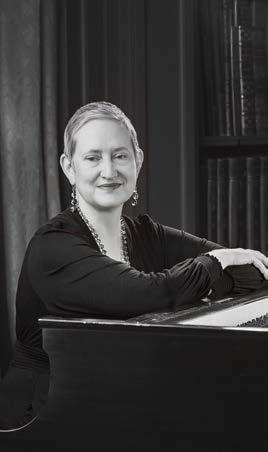
Jackie Zykan Maître Liquoriste + Perfumer + Herbalist
100
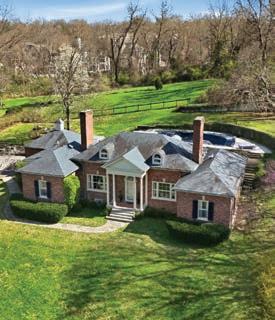
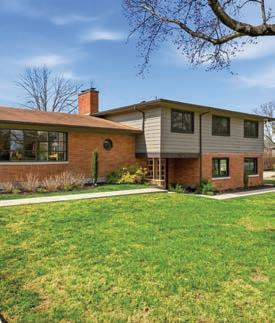
Bless Our Preservationist Hearts: Saving Old Homes Instead of Starting Over
By VOICE-TRIBUNE
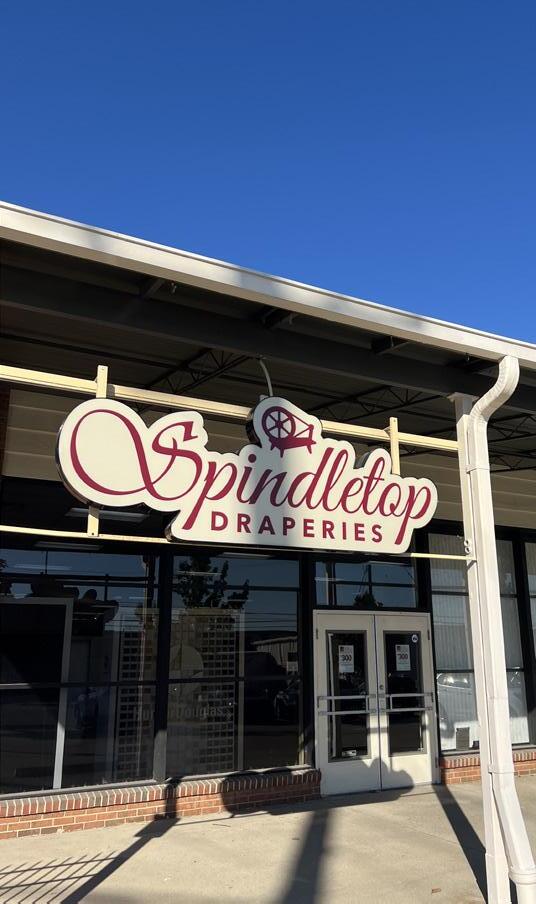
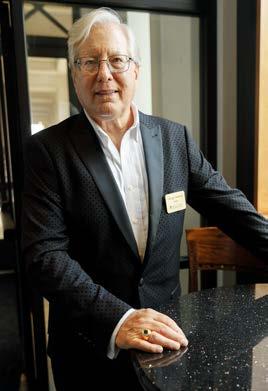
Photo By Josh Ison 114
The Case for Bookshelves, Records, and Real Collections
By VOICE-TRIBUNE
Summer Shade & Lasting Style with Spindletop Draperies
By VOICE-TRIBUNE
108
By VOICE-TRIBUNE 104
2026 Marc Lehmann Spirit of Service Awardees
By RUSS BROWN
Photos By Matt Johnson
122
High dollar basketball Cards U of L spending to big to rebuild roster
By RUSS BROWN
Smart Home Investments That Boost Resale Value
Photos Provided Sponsored 112
Racing to Healthy Lifestyle -Return to Vietnam
By Alison Cardoza
Photos By Matt Johnson & Provided • Sponsored
Photos By UofL Athletics 126
Community Engagement
By: Jazmin Martinez Diaz
THANK YOU TO SPONSORS 102











By Kelsey Knott • Photos By Matt Johnson
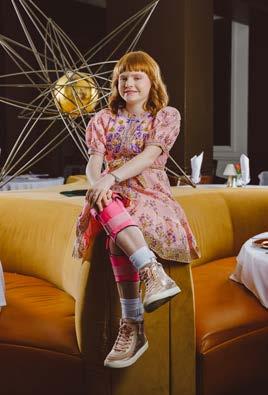
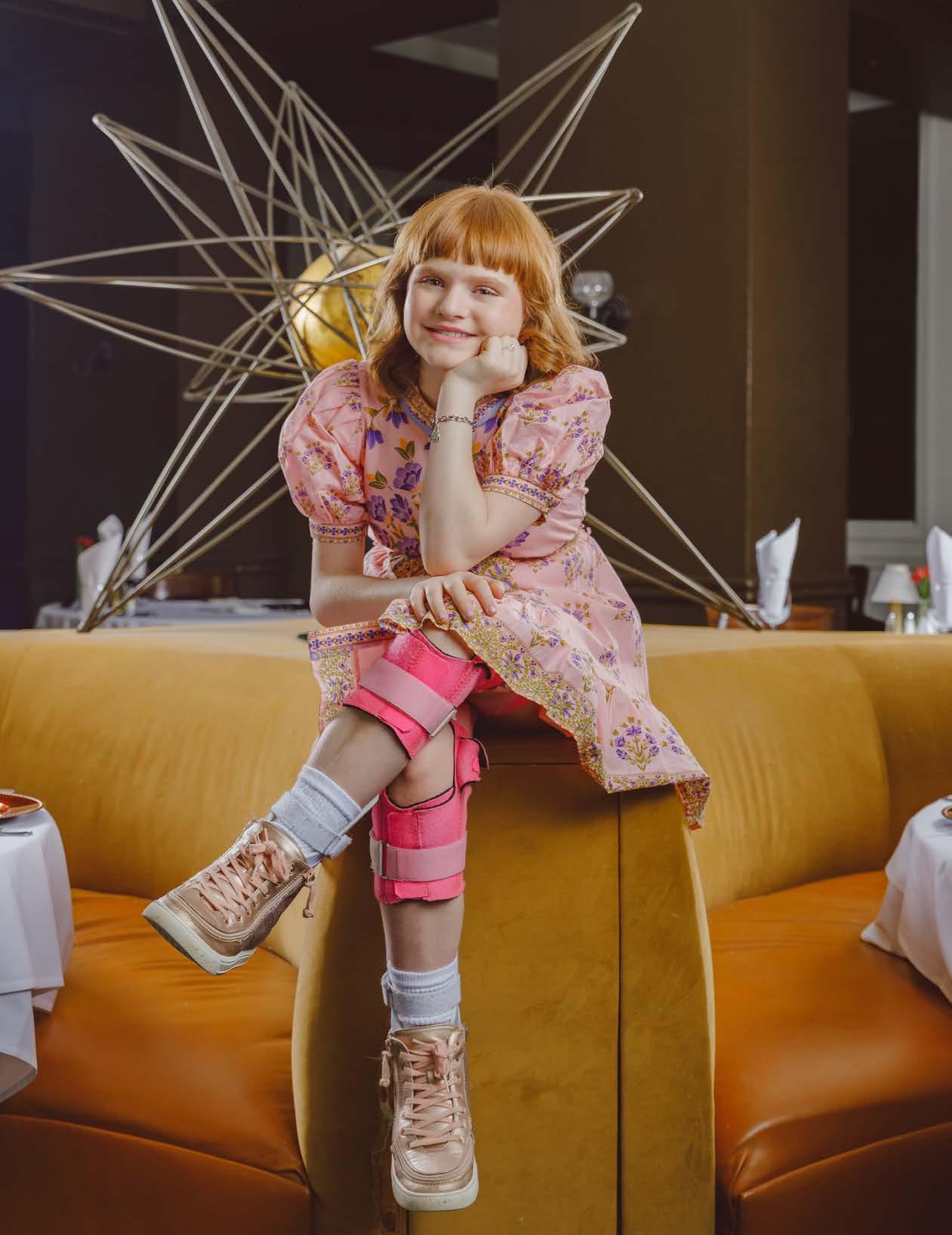
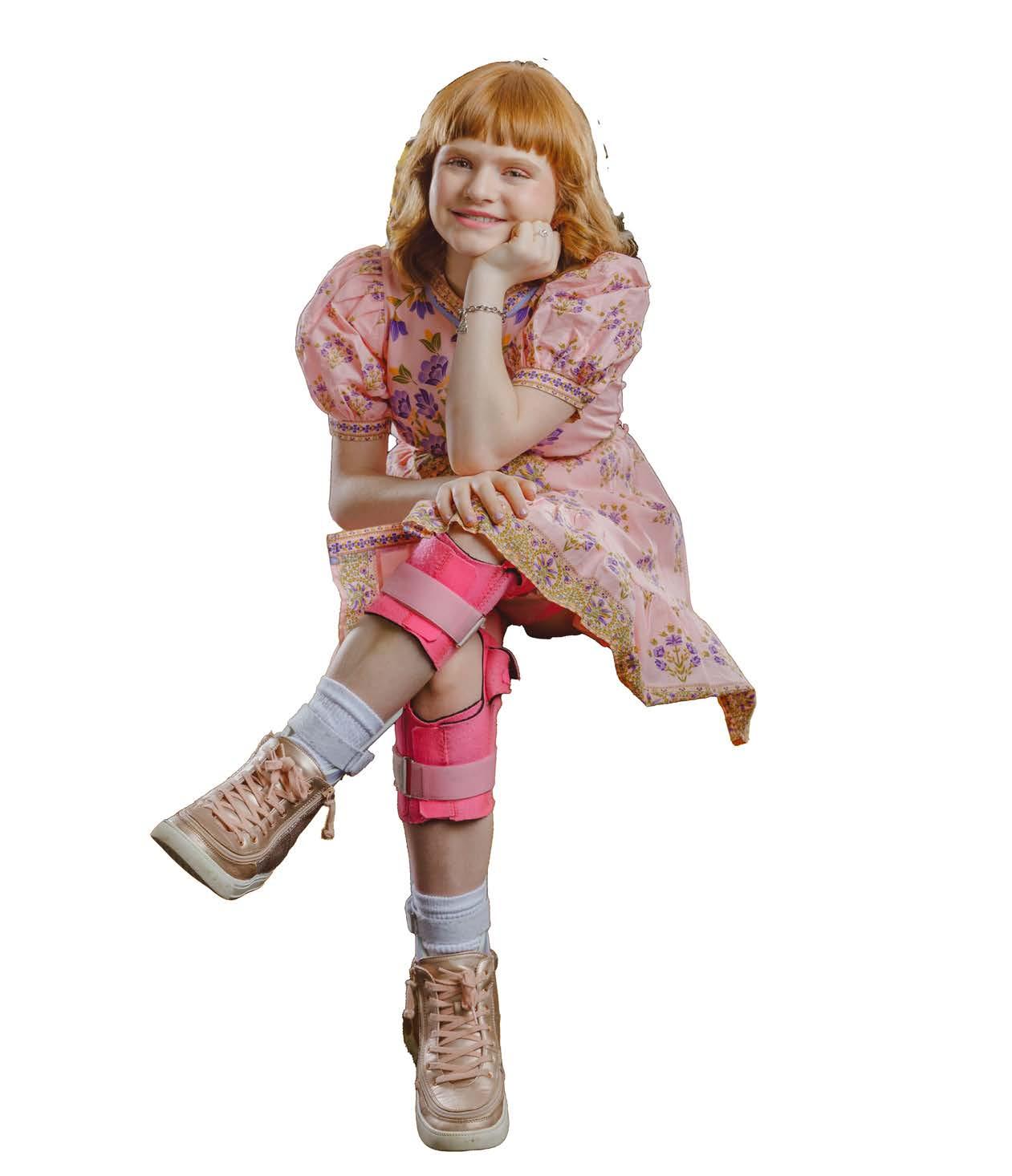
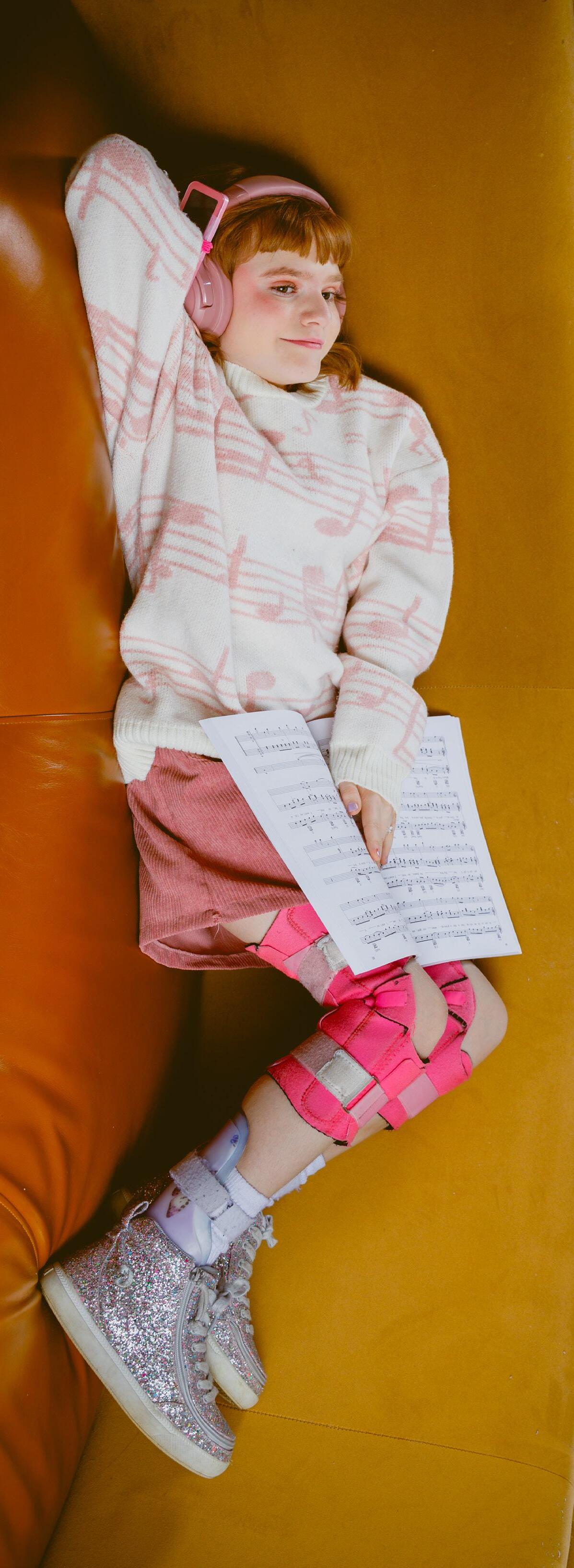
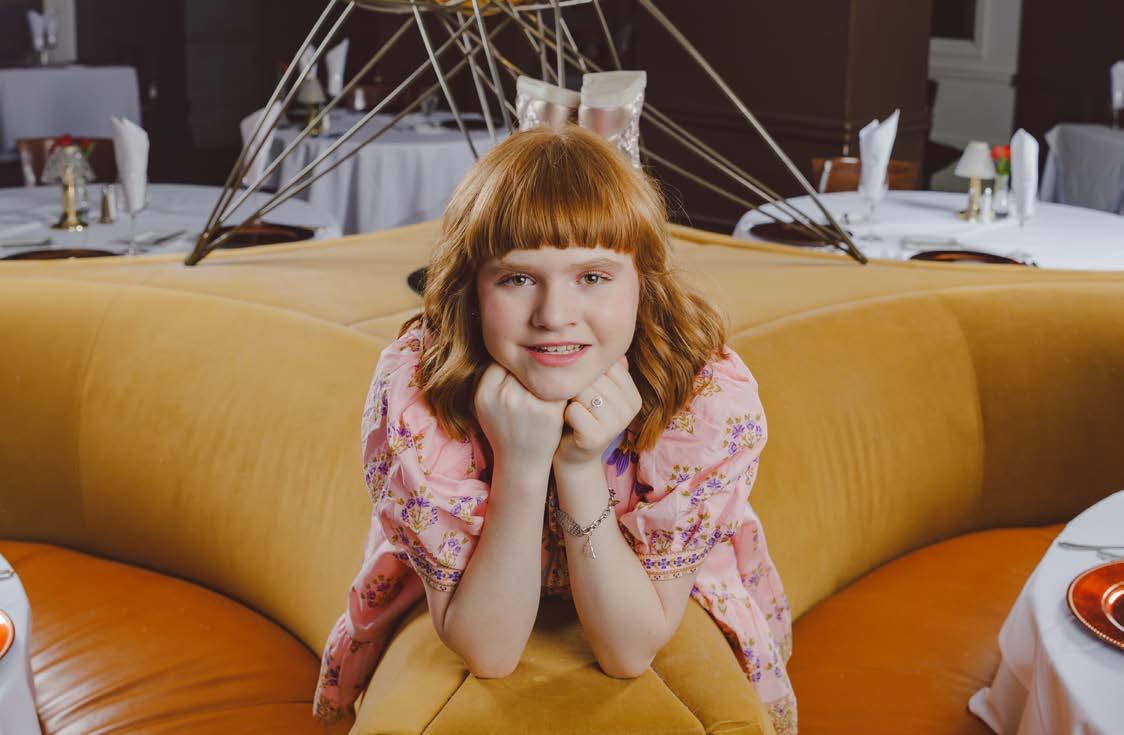
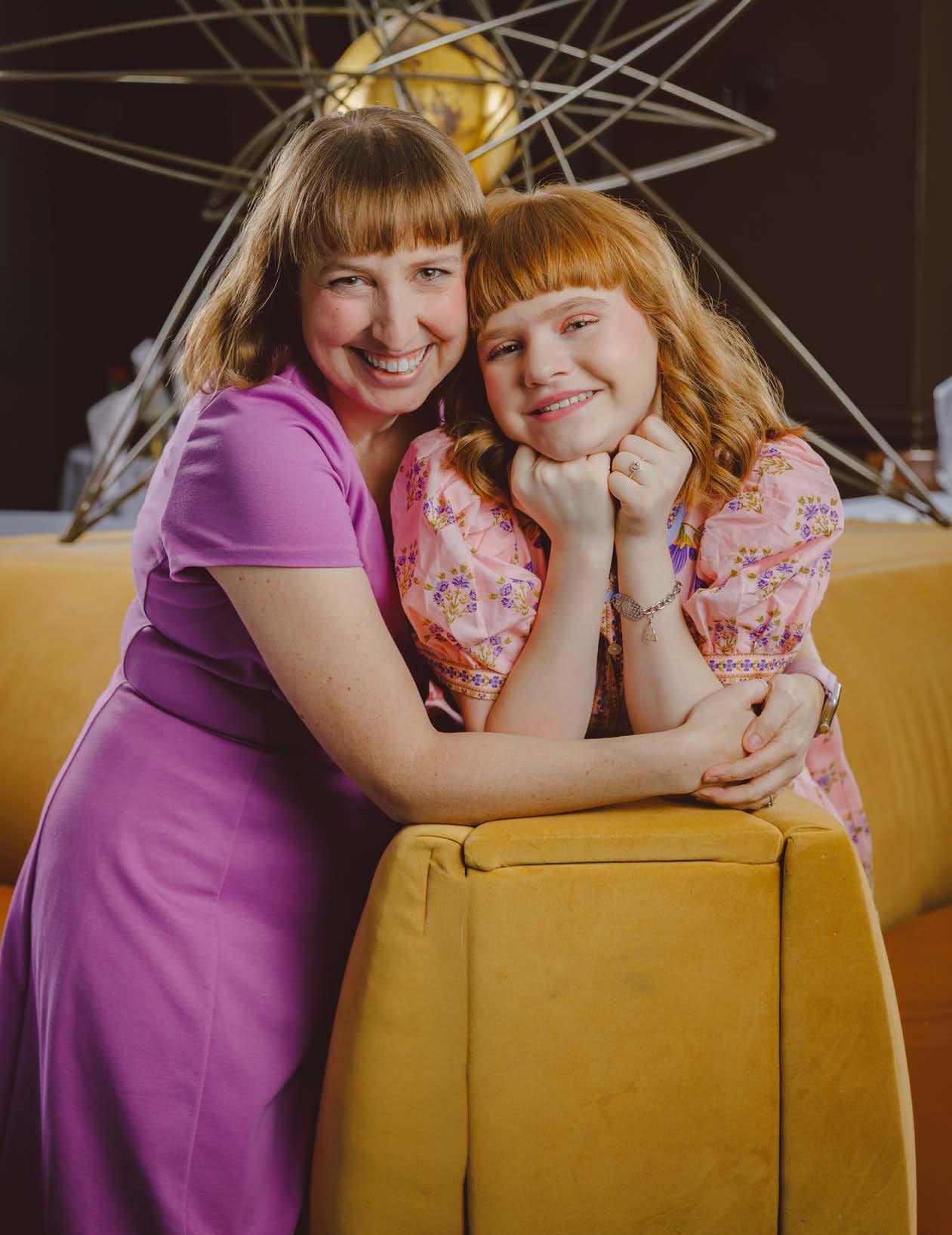
At just 12 years old, Verity Vonberg is taking the local theater and opera scene by storm, performing in Hansel and Gretel, The Hobbit, Brundibar, Charlie and the Chocolate Factory, The Best Christmas Pageant Ever, and A Christmas Carol. Through Actors Theater, Kentucky Youth Opera, StageOne and Walden Conservatory, Verity has built a strong stage presence as an actor and vocalist.
But beyond that, she’s developed deep friendships through these programs that carry her through. Verity has faced significant health challenges since birth, namely degenerative musculature problems, gastroparesis, and autism. Recently, due to her progressing neuromuscular disease, her physician team is requiring her to start spending an increased amount of time in a wheelchair, which in no way will slow down her ambition as a performer, as her cast, audience, and family support her wholeheartedly. Morgan Vonberg, Verity’s mother, emphasizes the importance of the relationships she’s made through acting and opera: “There’s a difference between inclusion and belonging somewhere. We want to find places where she belongs and is wanted, not just places that include her. We’re trying to find things she’s passionate about doing and other people who accept her just how she is. Finding that space for her has been our mission as parents.”
I had the opportunity to talk with Verity, celebrate her talent, and find out what’s next for her as a rising actor.
KK: Tell me about your start. What first got you into theater?
VV: When I was five, I was a reader at church, and I would stand up in front of the congregation to read out of the Bible. Later, when I was eight years old, my mom was watching the Tony awards and a girl named Ali Stroker won for best featured actress in Oklahoma. She was in a wheelchair, and I didn’t know you can have a disability and be on stage. I asked my mom if we could do that, and she found the Youth Opera project, a program at Kentucky Opera where children get together and sing opera songs. We’re going to do the Star-Spangled Banner at a Kentucky Bats game soon!
KK: Who influences and inspires your performances?
VV: I am inspired by other performers in my shows. They can be like family, working together and mothering me. They hang out, talk to me, and help me, making me feel like I really belong and that they want me there. Other actors and singers understand and don’t judge my disability. Some even think my leg braces are cool. I just really like being with other performers. I think it’s important to make everyone good in the show.
KK: Why is Actors Theatre and the Louisville acting scene a strong place for young actors starting out?
VV: They’re all very inclusive. They don’t care that I’m different and make me feel special. They don’t judge me. I feel like I belong on the stage, and people really like the performance.
I was the smallest child in Hansel and Gretel–I played a gingerbread man and a wisp. The costume designer didn’t judge that I had a colon tube and braces on my legs. My costume didn’t cover them up, and I told them to show some of it because I want people to see me as me, not just as the character.
Being with other kids my age who support and love me is really cool too. Actors Theatre, StageOne’s Walden Conservatory, and The Kentucky Opera feel like my second home. I enjoy being with people that connect with me and want to be my friend.
KK: What do you wish more people knew about acting or the theater?
VV: I wish there were more disabled actors. I want people who are disabled to be inspired to do what they desire–if it’s painting, horseback riding, or whatever inspires them, don’t feel held back. People like me have desires and dreams. My dream right now is to be on Broadway. I can’t dance, but many of my roles don’t include dancing. I want to be the first disabled Elphaba maybe. I hope that when people watch me, they have a new idea of what a character can be like. I was the only girl who played Charlie when I did Charlie and the Chocolate Factory at StageOne Walden Conservatory that year!
KK: When people see you perform, what do you hope they gain?
VV: Because of my disability, I feel like I’m more emotional on stage. I can connect to the sad roles, because I know what it’s like to be really sad and sick. I also know how to be super happy when things are good. I hope the audience can feel my feelings, and I hope other kids are inspired by me to be on stage. Maybe they’ve never seen someone with braces and will think they’re cool.
KK: What can we look forward to seeing you in next?
VV: I’ll be in the Kentucky Opera’s Robin Hood as Scout, one of the sheriff’s guards, and I have a few solo parts, which is cool. I’ll also be in School of Rock The Musical at StageOne Walden Conservatory this summer.

By VOICE-TRIBUNE • Photos By Kathryn Harrington & Matt Johnson
Late spring and summer in Louisville are magical. Sunlight stretches a little longer, weekends fill with adventure, and families are looking for places to explore, connect, and make memories. One of the most locally cherished places for summertime adventure is the Louisville Zoo, where wildlife, education, and community come together in one unforgettable experience.
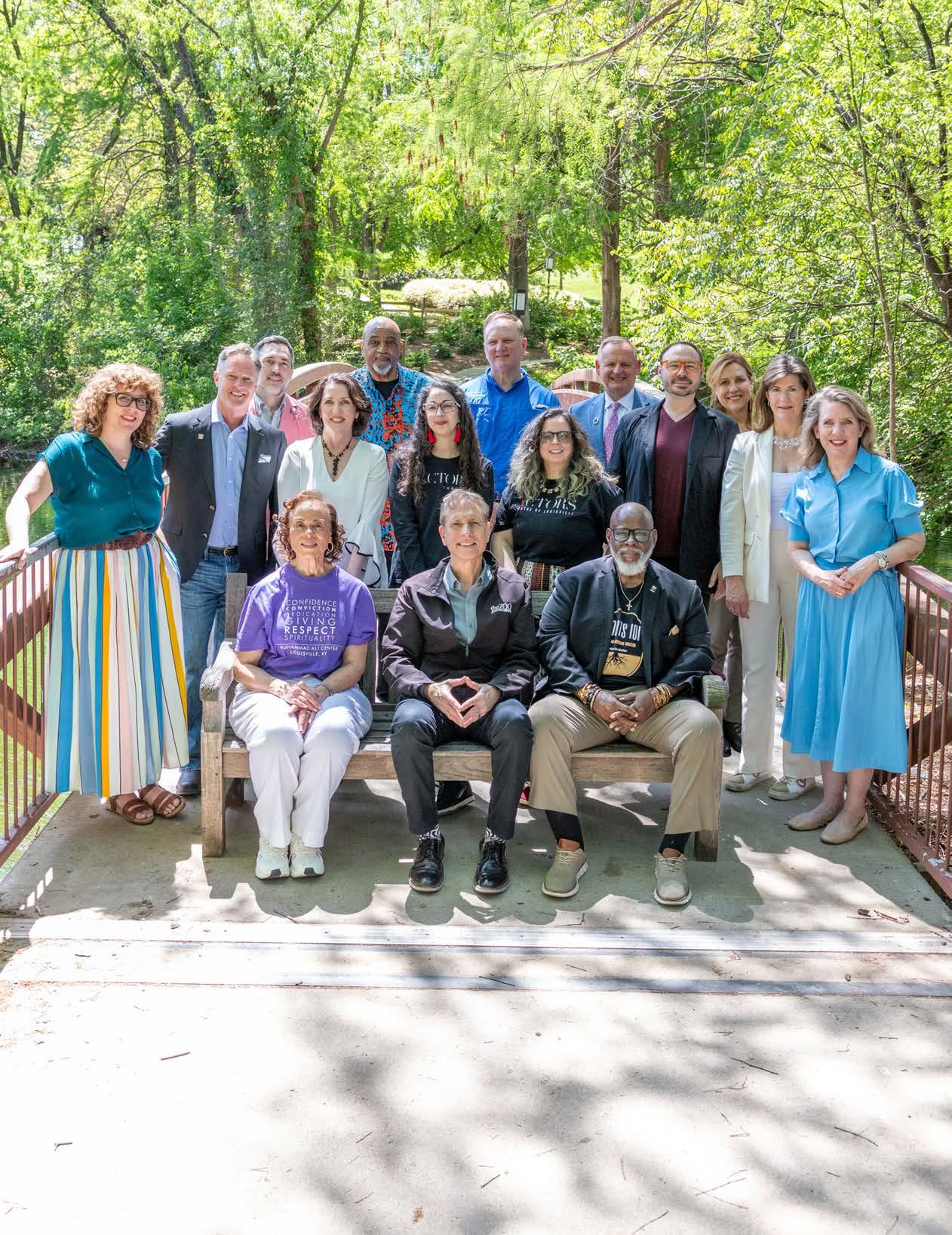
For this special 3rd annual editorial photo spread, Louisville Zoo returns to our pages again as both host and backdrop, this year, welcoming the leaders of some of Louisville’s most beloved cultural institutions to stand alongside its remarkable animal residents. These are the visionaries behind the museums, theaters, gardens, historic sites, and arts organizations that help express our city’s identity; people dedicated to preserving history, inspiring creativity, protecting nature, and creating spaces where our community can learn and grow.
Captured among the Zoo’s vibrant habitats and extraordinary wildlife, this feature highlights not only the individuals leading these organizations forward, but also the shared mission that connects them all: building a stronger, richer Louisville through education, access, and experience.
As summer invites us to get out and enjoy everything our city has to offer, these destinations remain some of the best places to spend a day!
This photospread is both a celebration and a reminder: to visit, to support, and to champion the institutions that make Louisville extraordinary. And thanks to the Louisville Zoo, the sponsor of this special collaboration, we’re reminded that some of the best adventures, and the strongest community connections, can begin right here at home.
I did not choose leadership in Louisville so much as I grew into it—guided by the people, places, and histories that have shaped my life and work. Over time, I came to understand my role as both creative and curatorial: to help frame narratives, hold memory with care, and create spaces where stories can be seen, felt, and understood.
Louisville is a city layered with history, where untold stories live in its neighborhoods, photographs, music, and the everyday lives of its people. I am inspired by those stories—the resilience, the beauty, the complexity— and by the belief that when we bring them forward, we do more than preserve the past; we open pathways to new ways of knowing, seeing, and being.
My work is grounded in a lifelong engagement with the African diaspora and a commitment to connecting local experience to global narratives. Through exhibitions, archives, and community engagement, I strive to create spaces where people can encounter truth, feel a sense of belonging, and imagine new possibilities.
For me, leadership is an extension of that practice. It is about vision shaped by responsibility and about building enduring cultural spaces—places where creativity, history, and community converge to inspire reflection, dialogue, and possibility.
To serve in this role is both a privilege and a charge, ensuring that these stories remain visible and vital for generations to come and that they shape a more connected and just future for all people.
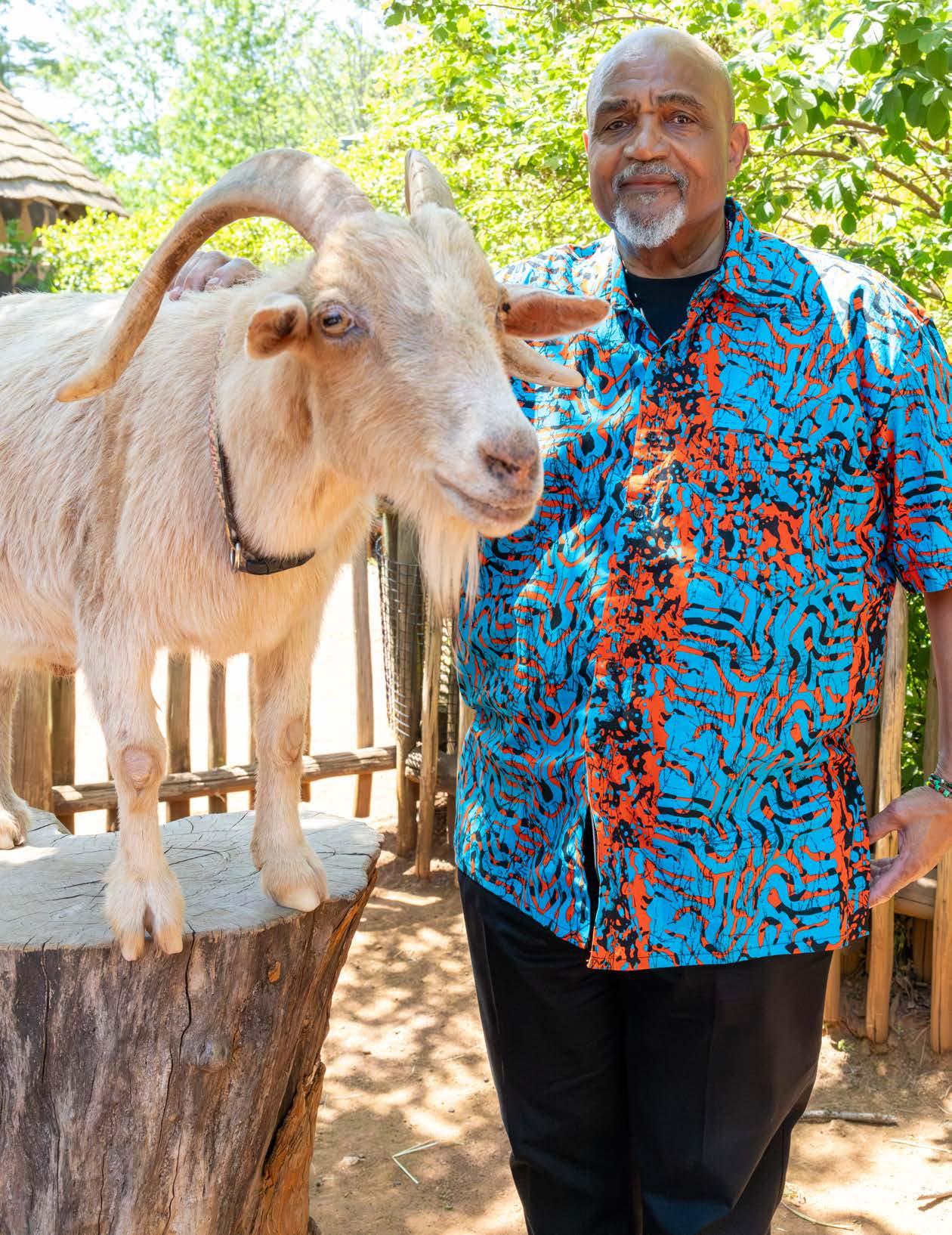
Located near the zebras at Louisville Zoo, the Boma Petting Zoo is open year-round and offers visitors an up-close experience with some of the zoo’s friendly goats, including Cowboy, Lily, and Rocket—featured here. A favorite stop for families, Boma gives guests a chance to connect with the animals in a fun, hands-on setting.
By:
ACTORS THEATRE
My path has been rooted in service and getting in where I fit in. As a self-proclaimed generalist in making things happen, I aim to continue my leadership by building sustainable, communitycentered institutions that can meet any moment with both rigor and imagination. My work sits at the intersection of creativity, operational strategy, and long-term financial health—because I believe the future of the arts depends on our ability to align vision with viable models that truly serve people.
I’m particularly interested in how live arts function as an infrastructure for connection, well-being, and shared experience. I am motivated by the idea that we are not just producing work—we are shaping ecosystems.
ACTORS THEATRE
My leadership is galvanized by the belief that there is something irreplaceable about what happens when people gather in a room and experience a story together. The shared intake of breath, the simultaneous burst of laughter, or shedding a tear only to see someone across the way doing the same: these are the moments we remember we are not alone.
My path has brought me to Actors Theatre of Louisville because I deeply align with the organization’s mission to serve our community with stories that inspire wonder and connection.
Live theatre is a rare third space where strangers gather for a dynamic experience, reveling in the same humor, grieving the same loss, rooting for the same person. It is a place of imagination where we collectively conjure a better future that we co-create in real time. That shared exercise in hope is essential to our humanity. I seek to have a positive impact by making that experience accessible to as many people as possible.
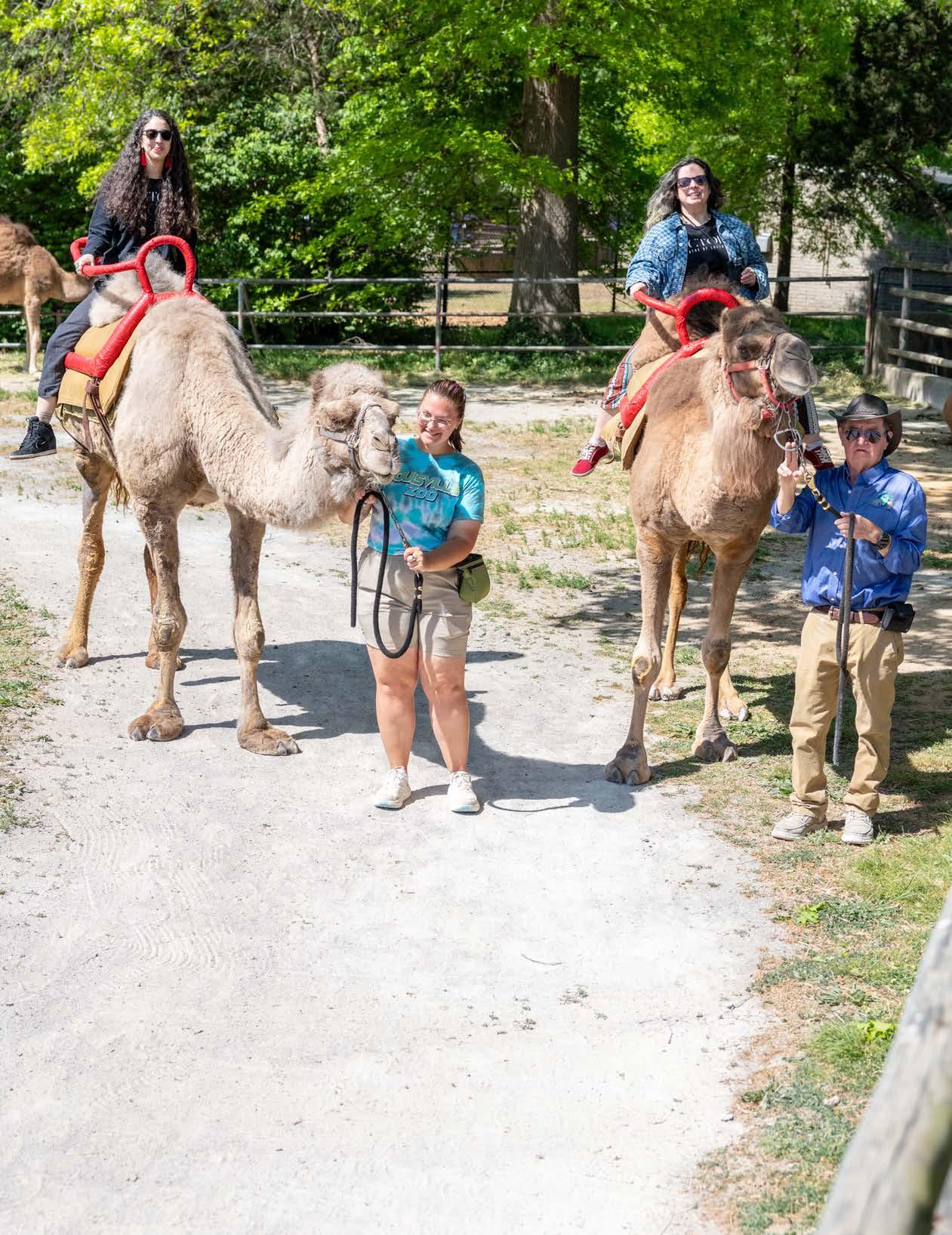
Known as the ships of the desert, the Louisville Zoo offers a camel ride experience for guests from March to October. Scan the QR code to Learn About Camel rides.
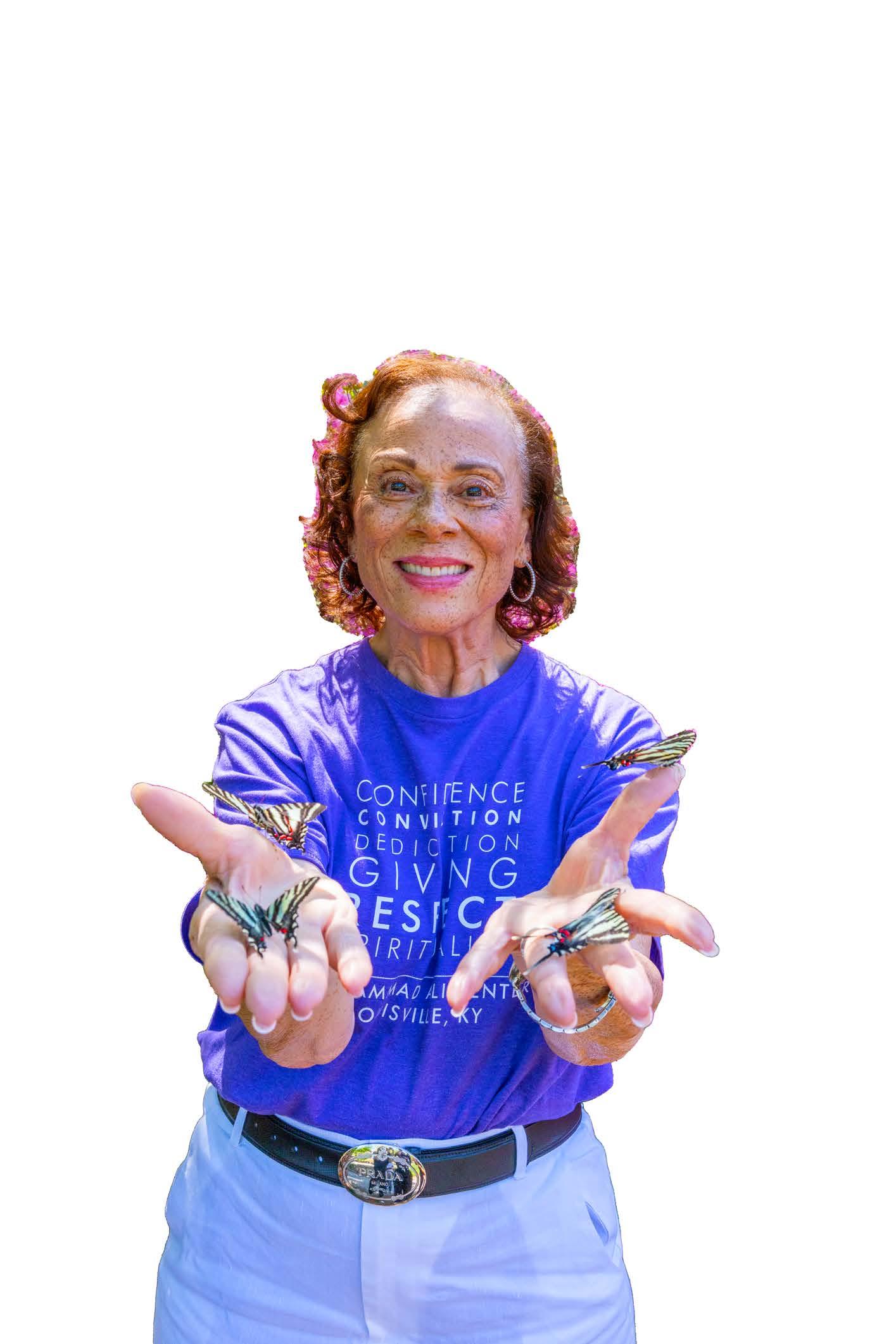
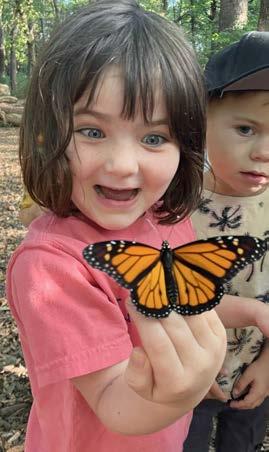
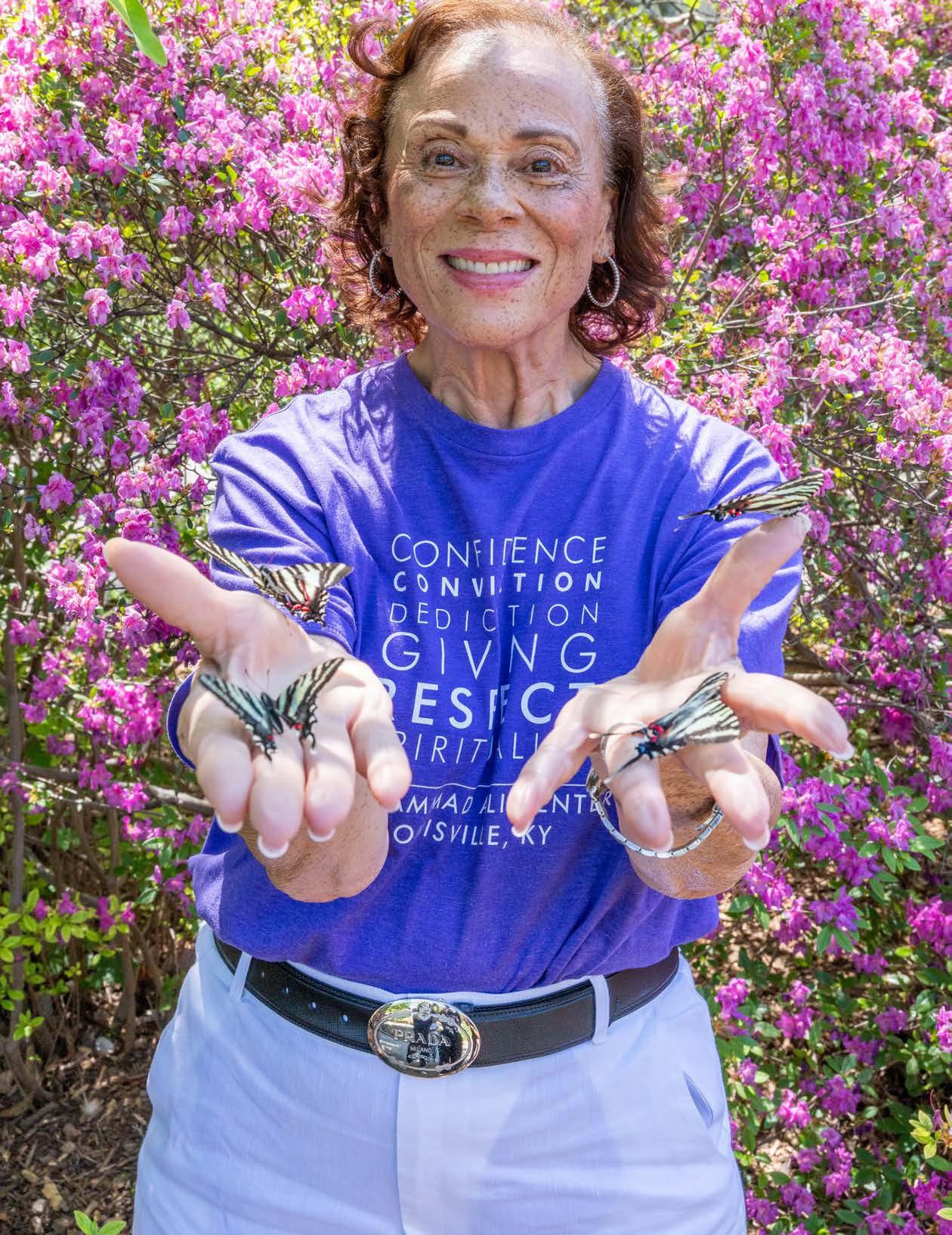
A native of Kentucky and one of the state’s most striking pollinators, the Zebra Swallowtail Butterfly is known for its bold black-and-white striped wings and graceful flight. Named for its zebra-like pattern, this distinctive butterfly is a beautiful symbol of Kentucky’s rich natural landscape and biodiversity.
In every city and community where Muhammad and I lived, we were deliberate in strengthening our ties through action—through presence, service, and a shared commitment to giving back. Wherever we recognized the need or the potential to make a meaningful difference, we engaged. It was instinctive. It was who we were.
As proud Louisvillians, our connection to this city has always been deeply personal. Louisville shaped my childhood and embraced a young Black athlete with boundless dreams, offering both support and a platform for greatness. Out of that gratitude—and guided by the power of Muhammad’s example—grew a lasting commitment to give back to this community that gave so much to us.
What the world witnessed during Muhammad’s Memorial week—when Louisville stood as one, welcoming people from across the globe with open hearts, compassion, and a defining spirit of Southern hospitality—was not a singular moment. It was a reflection of who we are at our core.
I was raised to believe that being part of a community is both a privilege and a responsibility—that we are called to engage, to contribute, and to leave things better than we found them. I carry that belief forward every day. As the guardian of Muhammad’s legacy, I am deeply committed to ensuring that his life and example are used in the highest and most meaningful ways—to uplift, to inspire, and to create lasting impact within this community and beyond.
That responsibility also calls me to lead by example. For me, the greatest reward is not found in recognition or accolades, but in the quiet, powerful moments when that example inspires a young person to step forward—to serve, to lead, and to use their gifts in ways that benefit others.
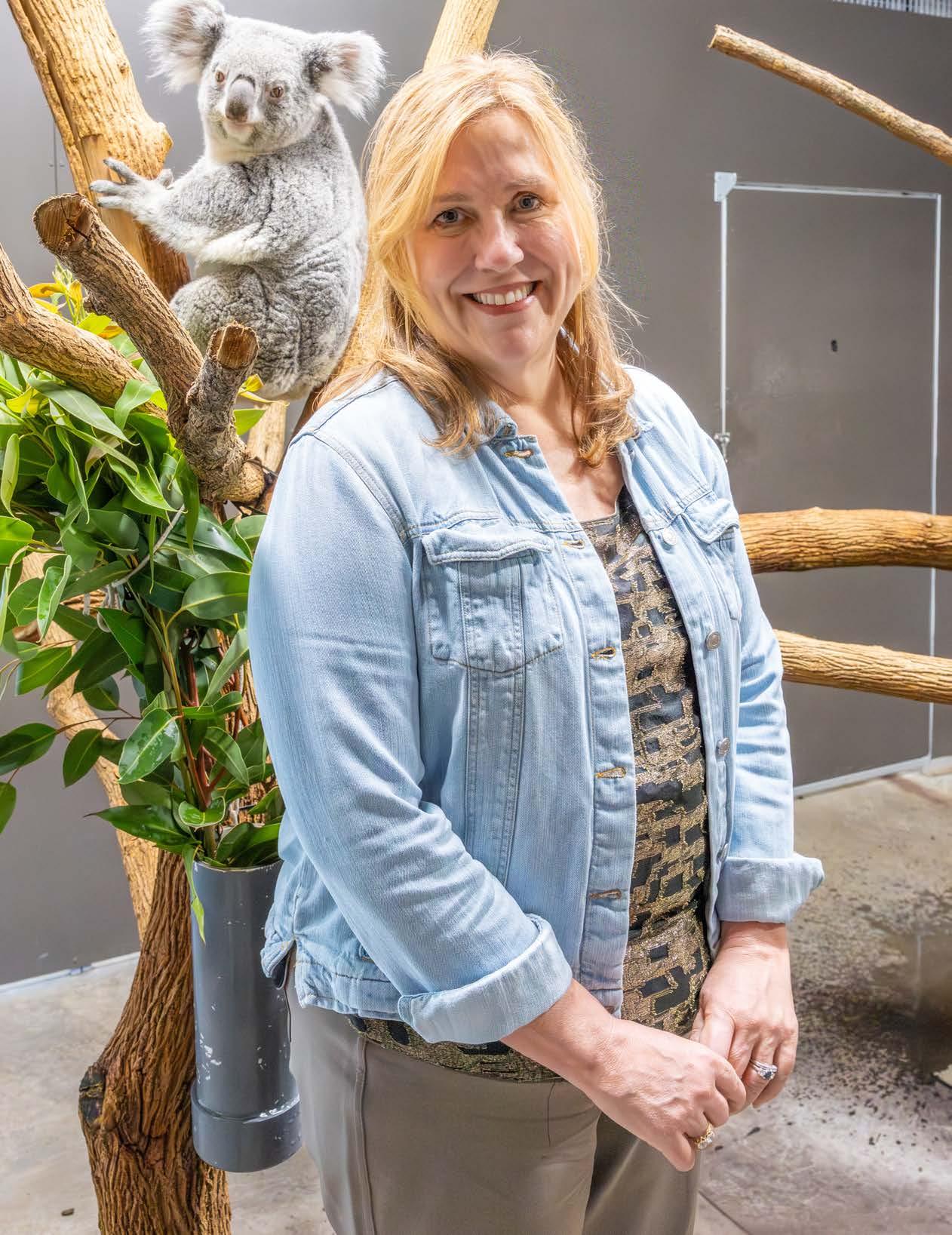
Dharuk journeyed all the way from San Diego to join the family at Louisville Zoo last year, marking the return of koalas to the zoo for the first time since 2000. This lovable marsupial is now a permanent resident, giving visitors the chance to once again enjoy one of Australia’s most iconic animals right here in Louisville.
Louisville didn’t just influence my leadership path—it made it possible. I am a product of this community: a JCPS student who first discovered music in a fourth-grade band room, a young artist who found confidence and identity through school programs and public-private partnerships like the Governor’s School for the Arts, and a lifelong audience member inspired by the Kentucky Center and stages across our city. Those opportunities led me to receive a full scholarship studying arts administration and I became a first-generation college graduate. The arts didn’t just shape my interests—they shaped my trajectory.
That sense of possibility is what drives me today. As the first Louisvillian, the first woman, and the first Kentuckian in this role, I carry both deep pride and a clear responsibility: to ensure that the arts continue to evolve and are not something a few experience, but something everyone can access and see themselves in.
My work is fueled by a belief that the arts are essential building blocks for a thriving community. They connect us, challenge us, and give meaning to our shared experiences. I’ve seen firsthand how the arts can shape a life—I’m living proof of it—and I’m committed to expanding that impact across our city, our state, and our country.
This role is more than a career—it’s a calling. It’s about building a future where arts and culture are not only sustained, but centered, and where every person, in every community, has the opportunity to be transformed by them.
If you would have told me during any of the 25 years that I worked in television that I would one day be the President and CEO of a history museum, I wouldn’t have believed you. In fact the notion of leading what was voted the best museum in Kentucky in 2025 by Kentucky Living Magazine readers was the farthest thing from my mind. What is the old saying, “if you want to make God laugh, tell him your plans.” How grateful I am to be here. My job at the Frazier Kentucky History Museum over the last 10 years is the most gratifying job I have ever experienced. And, I’ve had some pretty cool jobs!
While working in broadcasting in Cincinnati, Milwaukee, and Louisville I always had a side hustle. Not necessarily paid jobs, but outside of work I was either coaching, or mentoring at Y-Now or Big Brothers and Big Sisters, contributing on a committee, or serving on a board. It gave me great satisfaction to work towards a common goal and to share in success with others. All of that work laid an undeniable foundation for eventually leading a non-profit.
At the Frazier our team is redefining what a history museum can mean to a community with story-telling, multimedia and so much more.
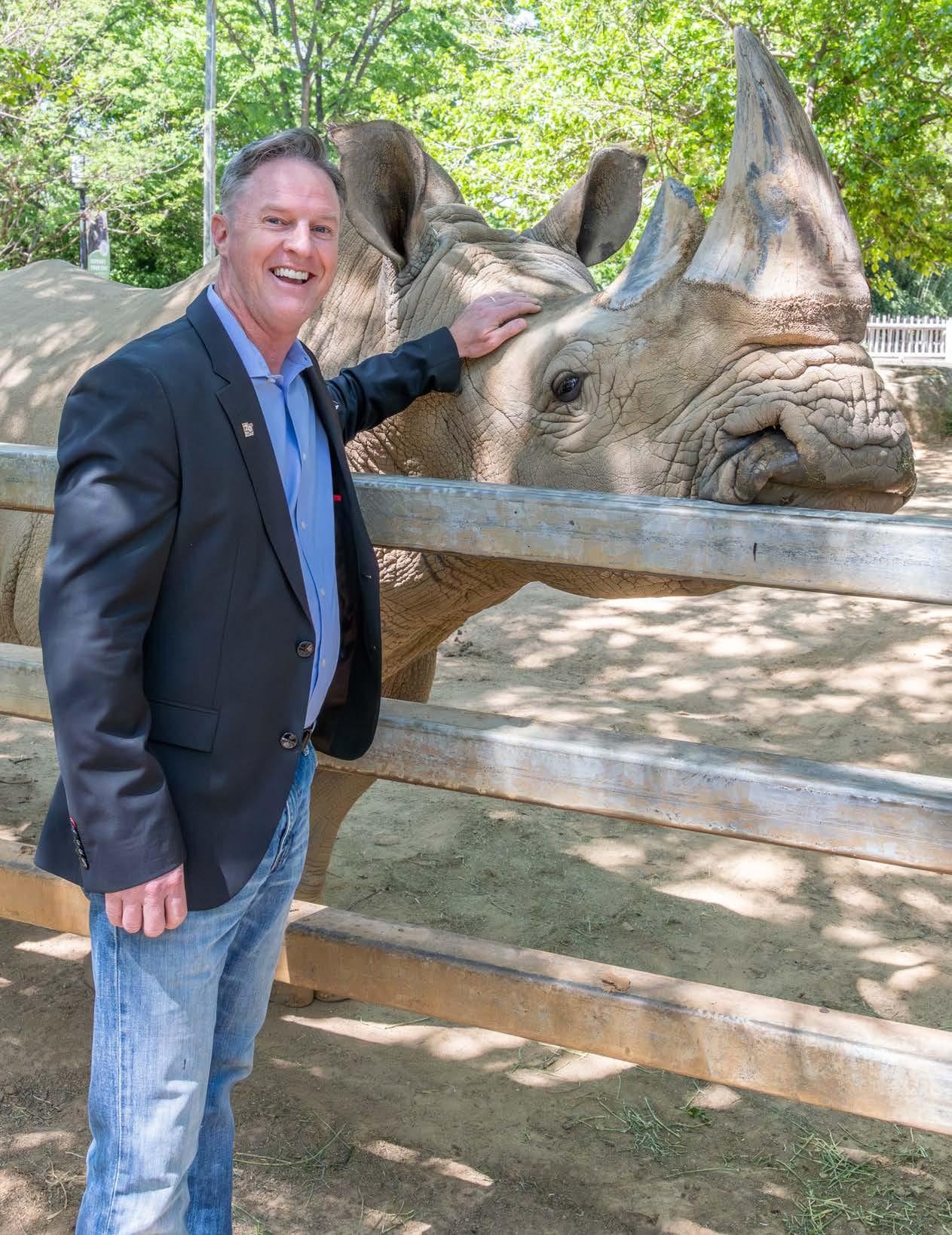
At Louisville Zoo, visitors can meet Letterman, a 9-year-old southern white rhinoceros and one of the zoo’s two rhinos. Featured here, Andy enjoyed a special encounter with Letterman through the Zoo’s Backstage program, which offers guests unique behind-the-scenes animal experiences and an up-close look at some of the zoo’s most remarkable residents. Guests may continue to observe Letterman daily in the Africa Zone.
You can learn about the backstage pass at louisvillezoo.org/backstage
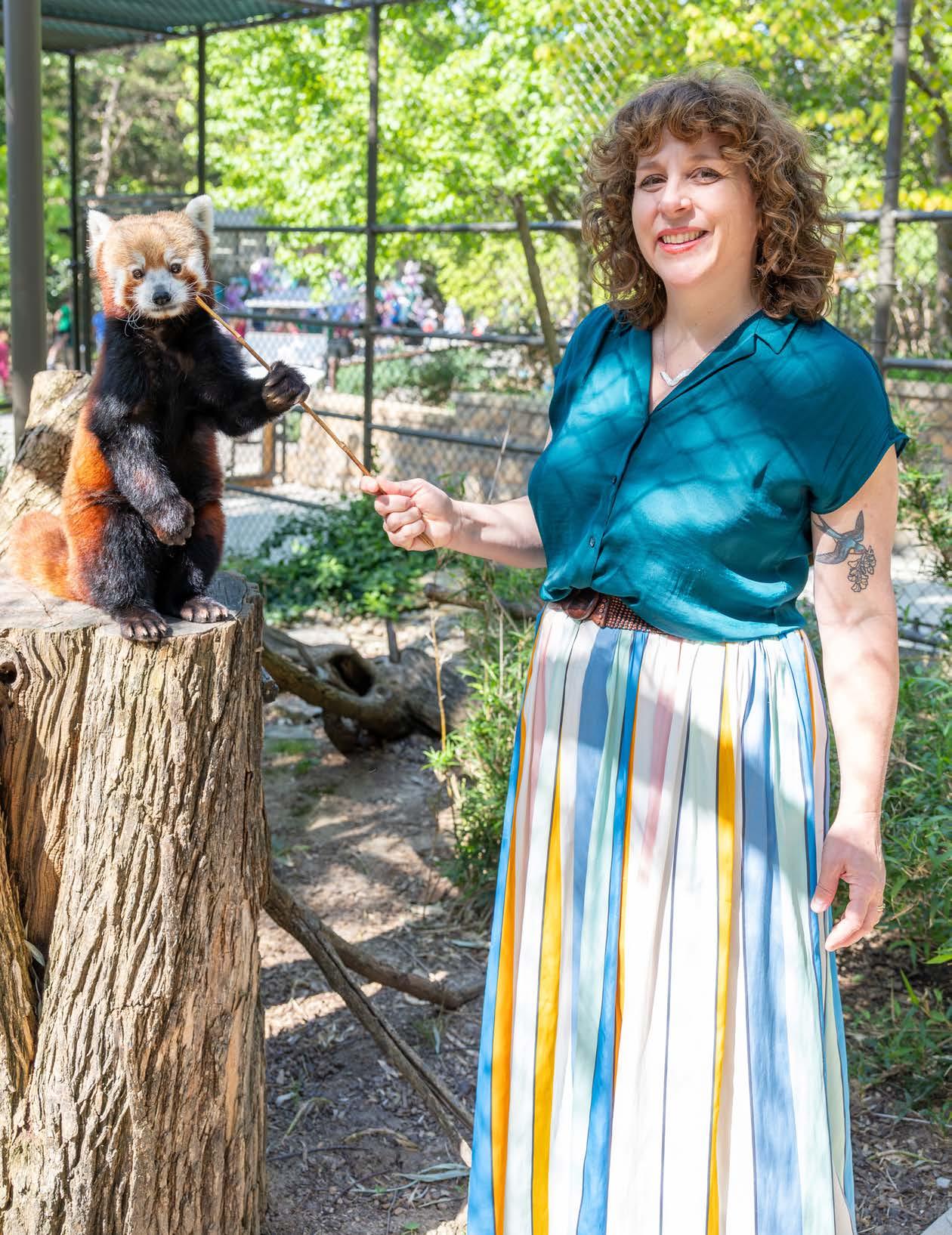
After graduating from Hanover College with a degree in geology, Rebecca Minnick traveled the U.S. working in the environmental field, where she discovered a deep love for sharing the wonder of nature with others. About 25 years ago, Rebecca was home visiting and hiking in the Beargrass Creek State Nature Preserve with her mom. She peered into the window of the Louisville Nature Center building and said, “Mom, I should work here some day!” In 2013, after almost 20 years away, Rebecca moved home to Louisville to work as Program Manager at Jefferson Memorial Forest. In 2018 Rebecca was hired as the Executive Director of Louisville Nature Center. LNC has grown considerably under her tenure, adding the Nature Play Area and expanding programming. In 2020 LNC created the Swallowtail Forest School, which has grown from ten students in its first year to a projected 90 students for 2026-27. (Currently enrolling students!) In 2022, Rebecca earned the Outstanding New Leader Award from the Association of Nature Center Administrators. She has almost 30 years of experience as an educator and administrator, both at nature centers and in schools. She holds an M.S. in Environmental Studies/Environmental Education from Antioch University.
Stop by on the way to Glacier Run and meet the Louisville Zoo’s Red Pandas. Red pandas are considered crepuscular (active at dawn and dusk), sleeping up to 17 hours a day. They are avid climbers due to the habitat they are found in, and often sleep in trees during the daytime. Louisville Zoo is currently offering a backstage pass to meet the red Pandas. Scan the QR code.
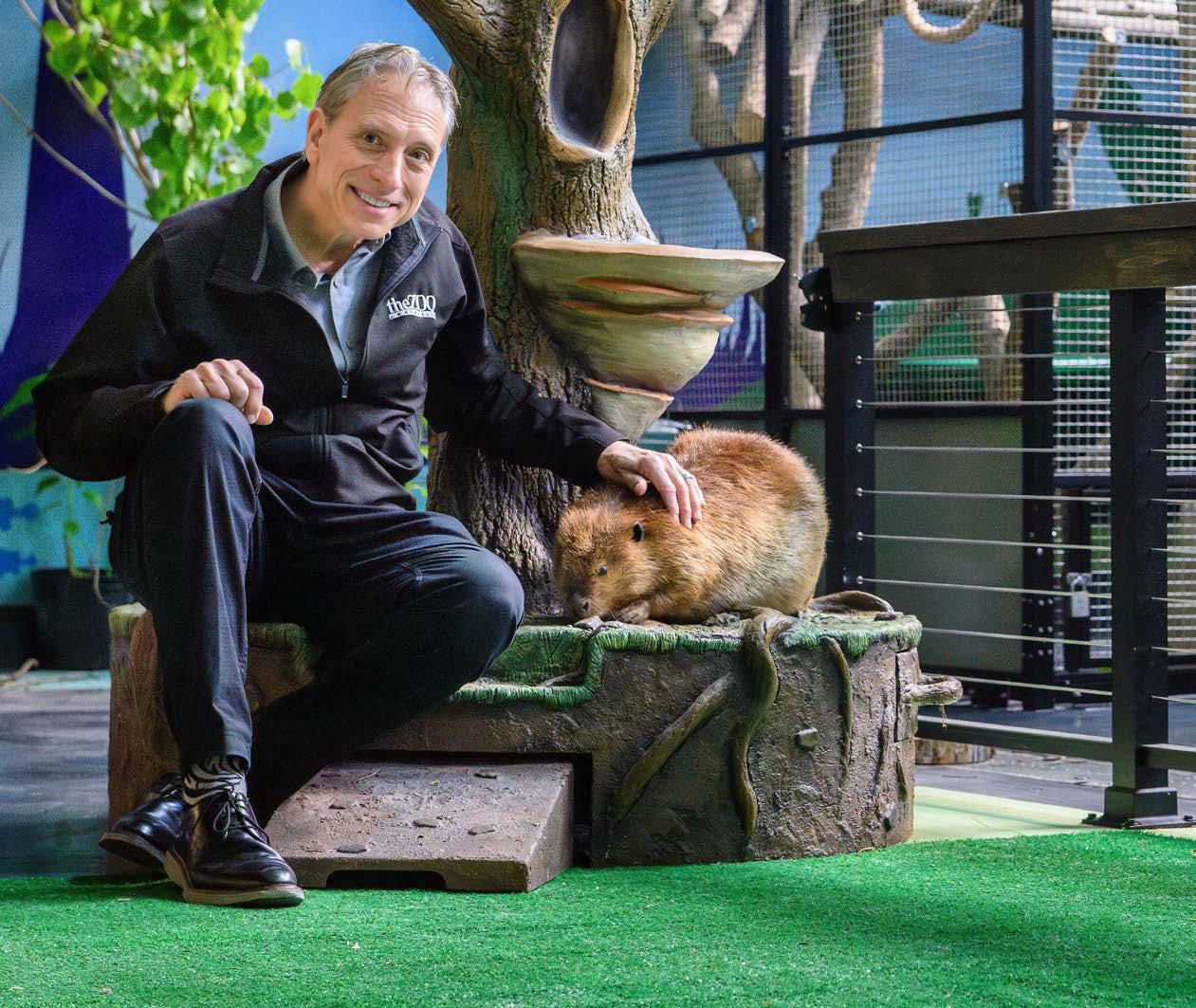
As Director of the Louisville Zoo, I have the great fortune of working with terrific people and extraordinary creatures every day. Making my passion my profession is a privilege I never take for granted.
Our Zoo is an exceedingly positive place where families can spend quality time together, where school kids come to explore, where guests of all ages enjoy special evening events like Roarchestra and Wild Lights, and more than 900,000 folks come year-round to connect with amazing animals!
Hands-down, I’m convinced I have the best job in Louisville! My office is on the edge of our welcome plaza where the sounds of children’s delighted squeals and hearty laughter consistently fill the space.
“Bettering the Bond Between People and our Planet” is Louisville Zoo’s hallowed mission. Our team strives daily to inspire guests to develop lasting connections with wildlife that guides action in their own lives to support the wildlife around them. As we look to the future, we have plans to bring to life a 17.5-acre habitat featuring native species such as bison, elk, black bear, bobcat, and otters alongside lesser-known critters like the hellbender and spotted skunk. This new space will undoubtedly support wildlife conservation and encourage guest engagement in new ways.
If you don’t mind being humbled on a near daily basis, then nature is your perfect profession, because what we are still learning about wildlife far outweighs what we already know!
Native to Kentucky and featured in the upcoming Kentucky Trails exhibit celebrating the Commonwealth’s wildlife, the beaver is the secondlargest rodent in the world. Best known for building dams and lodges that provide protection from predators, these remarkable engineers also have striking orange front teeth—the color comes from iron in the enamel, giving them the strength needed to cut through wood with ease.
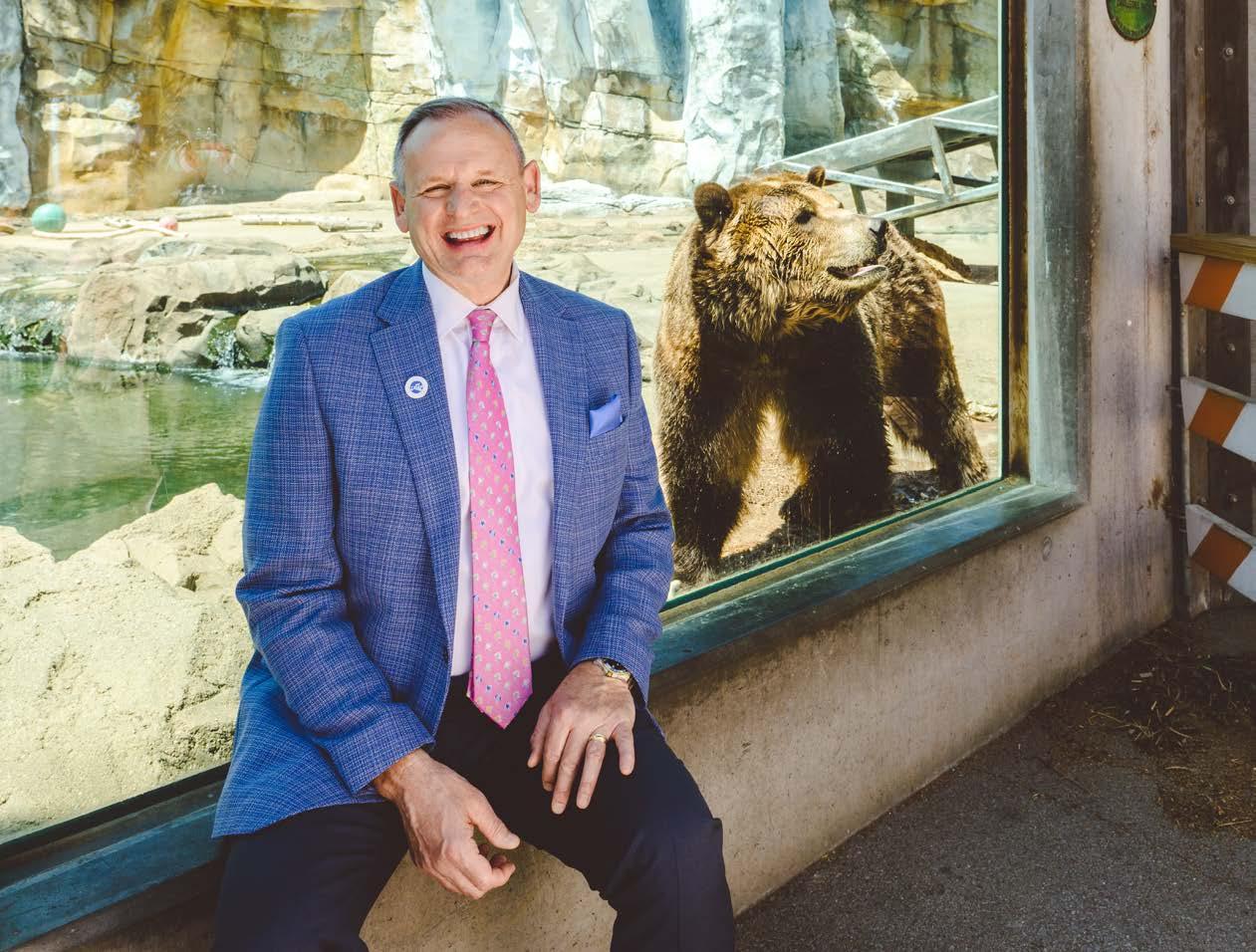
Patrick Armstrong has served as President & CEO of the Kentucky Derby Museum for 11 years, leading with a clear belief that great organizations are built by great people. His leadership path has been shaped by a commitment to empowering talented teams and recruiting passionate professionals, trusting them with the autonomy to excel in their roles. This “museum team-first” philosophy drives every decision, ensuring that each guest experience reflects the authenticity and excitement of the Kentucky Derby.
Under Armstrong’s leadership, and in partnership with the museum’s Board of Directors, the organization has invested $12.5 million in transformative capital projects over the past five years. These enhancements have fueled record-breaking attendance—welcoming more than 255,000 visitors annually—and national recognition as a USA Today 10Best Sports Attraction for three consecutive years. Armstrong’s impact is guided by empathy, integrity, and a deep sense of responsibility to both the community and the Kentucky Derby brand. He prioritizes listening, collaboration, and strategic execution, while consistently recognizing the contributions of his team. For Armstrong, success is not measured individually, but by the collective ability to preserve Derby history, inspire guests, and move the museum forward.
Grizzly Bear “Otis” can be seen at the Louisville Zoo’s award-winning Glacier Run. Otis is a wild-born bear and a rescue from Montana.
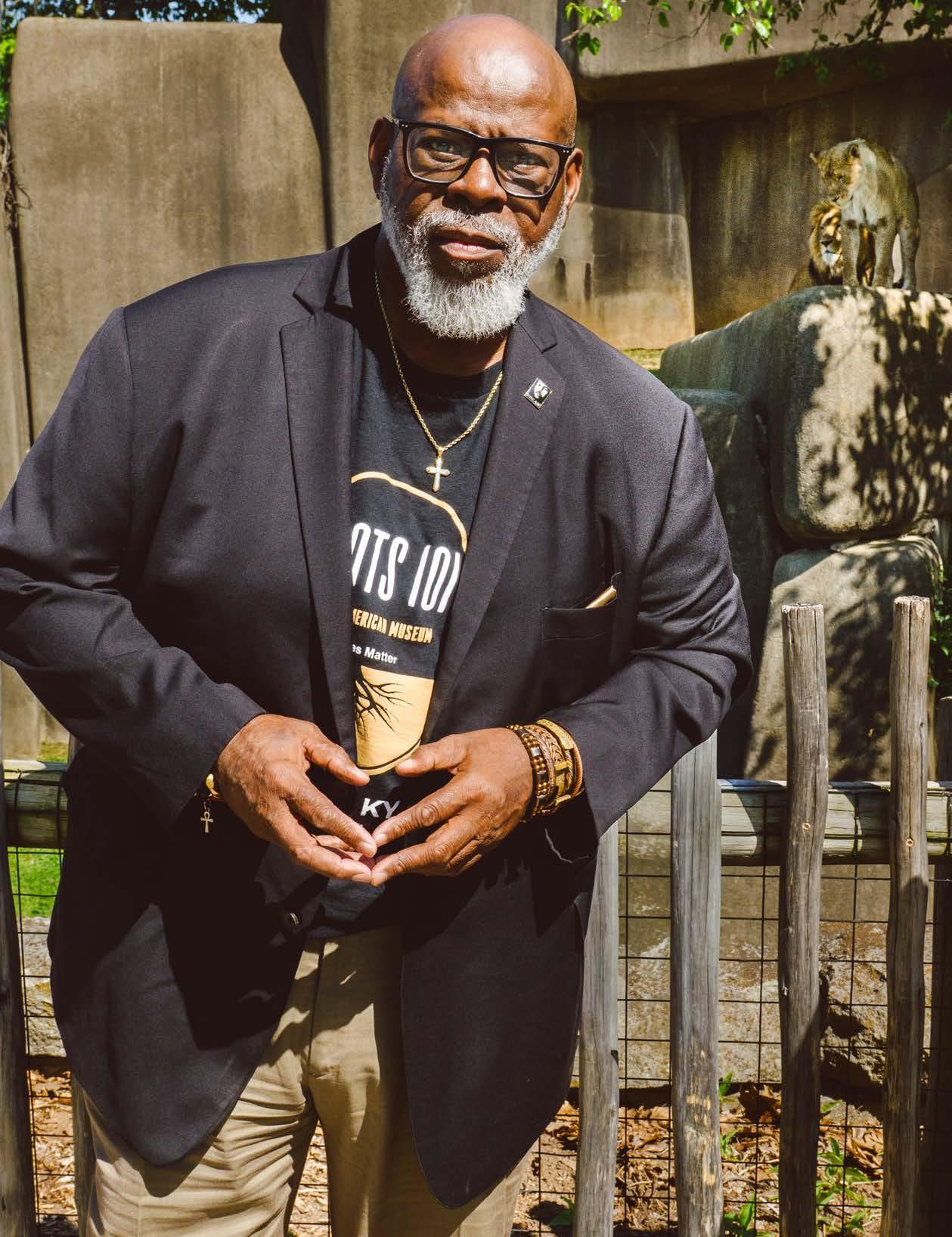
ROOTS 101 AFRICAN-AMERICAN MUSEUM
I chose to open up Roots 101 African-American Museum because no one else has chosen to do the work - The work to let our children know that they’re descendants of Kings and Queens that were enslaved in America. Not slaves but ENSLAVED. The power of Roots 101 is the commitment of telling that unapologetic story. That is why I am paired with the Lion, because the Lion has power, and a voice in its community. When the Lion roars, the forest pays attention. Roots 101 gives a voice to the community, that our story matters, and our journey continues. The museum highlights the importance of our children knowing who they are and what they are. We were the bulldozers before bulldozers, jackhammers before jackhammers, and engineers before engineering degrees. We built this place. We built this place we call America.
At Louisville Zoo, three African lions—male Siyanda (9) and females Amali and Sunny (both 11)—can be found near the camels in the African Outpost area, where these majestic big cats are a favorite stop for visitors exploring the zoo.
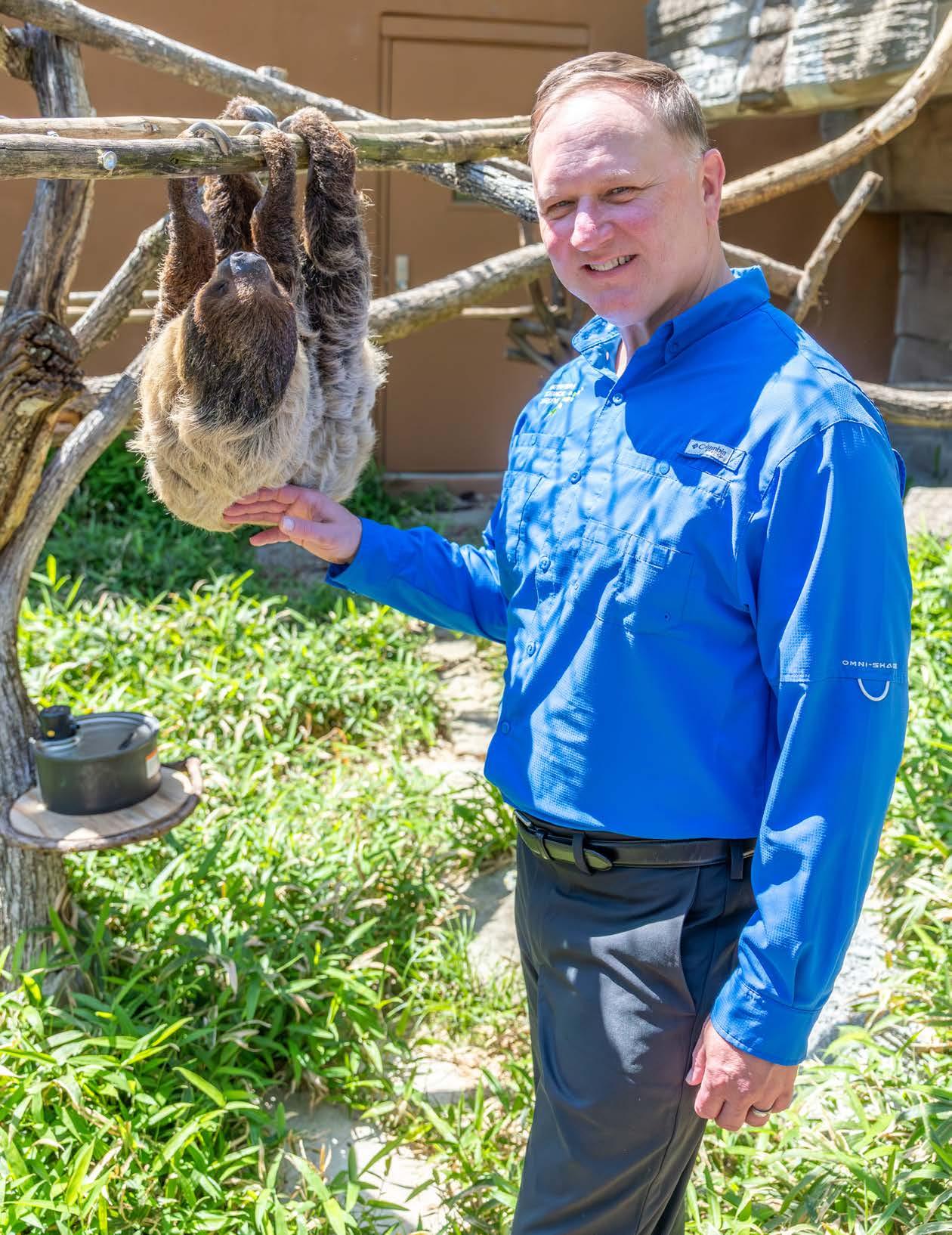
My leadership path in Louisville came down to the simple belief that world-class experiences should exist in every community. After working with acclaimed performing arts institutions like the Chicago Symphony Orchestra, Lyric Opera of Chicago, and the Los Angeles Philharmonic, I saw the same opportunity and exceptional qualities at Waterfront Botanical Gardens. As a young and growing organization, our vision is taking shape to transform a former landfill into a cultural and environmental destination that reflects Louisville’s unique identity and evolving character.
My impact is driven by a commitment to quality, care, and intentional growth. Much like a performance, every detail in the Gardens matters and the experience stays with you long after you leave. Some of my favorite moments at the Gardens are the quiet ones: early mornings or dusk when the light shifts and you can truly connect with the space.
Ultimately, success to me is simple: if everyone who visits the Gardens leaves with something personally meaningful, whether that’s a moment of peace, learning something new, or simply enjoying the beauty of nature, then we’re doing what we set out to do.
Sebastian is this year’s featured Linnaeus’s two-toed sloth. Known for their slow, gentle movements and relaxed nature, these fascinating tree-dwellers are a favorite among guests, making them a memorable stop for visitors exploring the zoo.
By:
Penguin Cove, Little Penguin Conservation Center, The Paul Ogle Foundation, Inc. This Island’s exhibit will introduce you to a species of penguin that arrived at the Louisville Zoo in 2016 — little penguins! Penguin Cove allows guests the opportunity to observe the penguins’ social and natural behaviors in an expansive outdoor exhibit area that will transport you to the rocky sand-filled coasts of Australia. Waddle on over for an up-close encounter with one of the Zoo’s resident penguins and get a rare peek into how the Zoo’s team cares for the colony behind the scenes! This tour includes an exclusive opportunity to visit the Zoo’s Black-Footed Ferret Conservation Center.
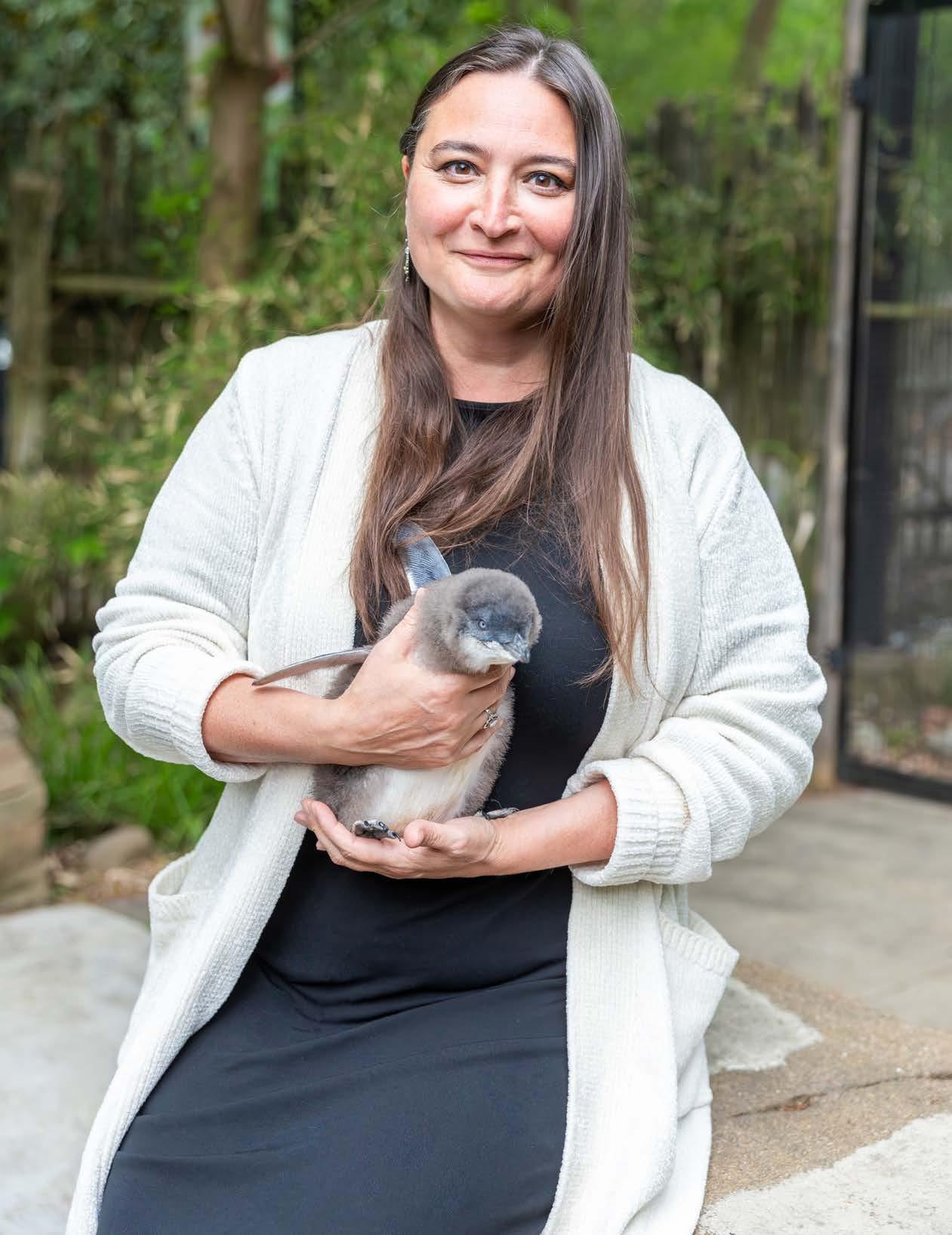
LOCUST GROVE
I never knew I loved history until it grabbed a hold of me and never let go. I was struck by Louisville’s history most of all, imagining the many different lives our city has seen, and I couldn’t help but wonder.. what connects us to them? To find the answer, I went searching for our “Louisville History Museum” and quickly realized our city didn’t have a central location to learn our shared past. That’s when I knew I had to forge a new path and make my own mark on our city. I’ve spent the last 20 years learning and growing as a leader in order to do just that.
I see myself as the connector between the past and the present, so I want you to learn how this unique place on an ancient river has been a catalyst for greatness throughout American history. But alongside that greatness is also the truth of humanity, which can be filled with mistakes, challenges, and failures. So the lesson that lives within is how we choose to write our own stories, based on our sense of place, belonging, identity, and community. It’s not just about how we connect with the past, but also how we connect with each other. And because Locust Grove is a Louisville Metro Park and a National Historic Landmark, I don’t want people to just feel welcome here; I want them to feel like it belongs to them. As the home of Louisville’s founder, we are the place where Louisville begins, but I want to be the place where Louisville begins for you.
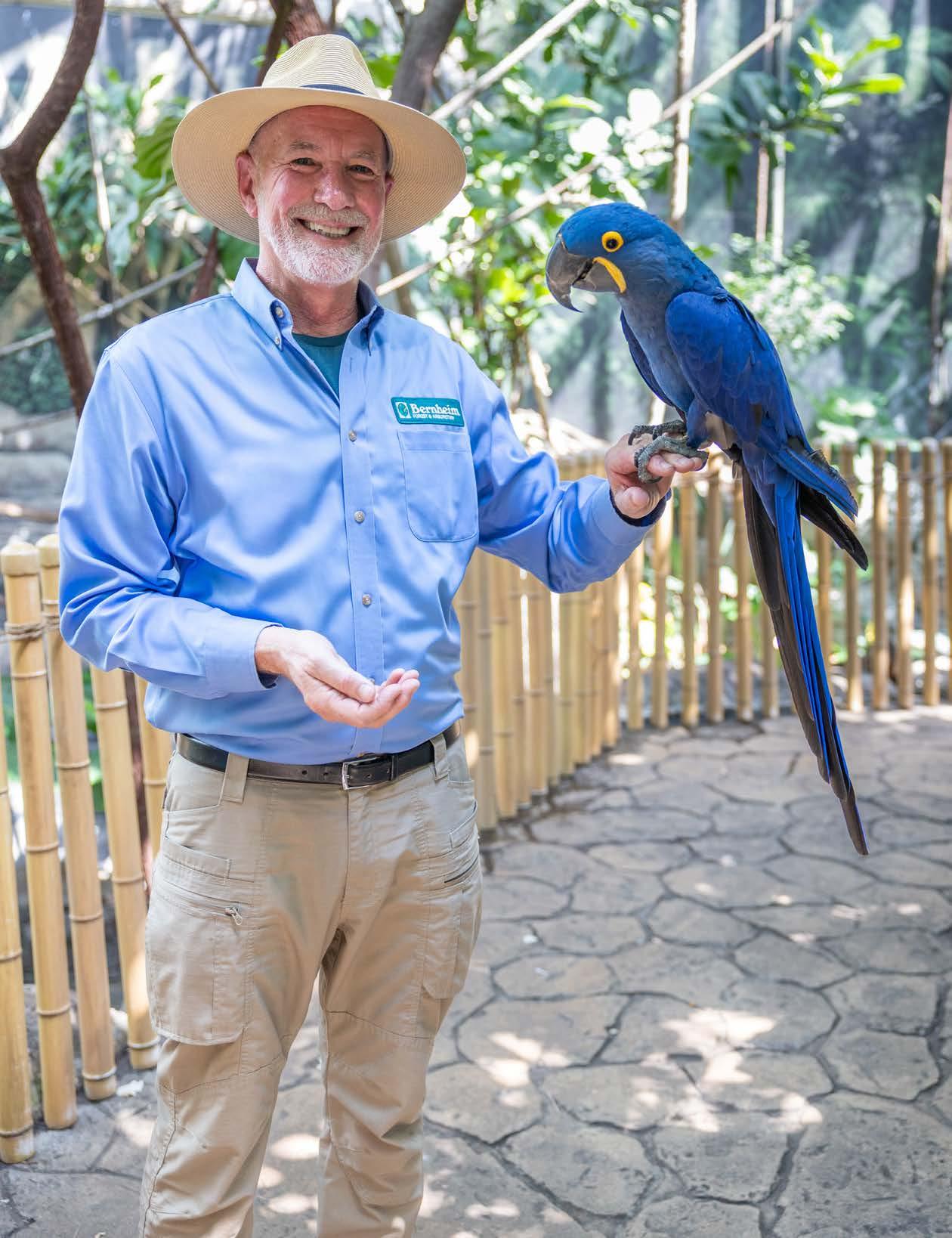
Bernheim Forest and Arboretum is nature’s C.P.R! Bernheim’s talented team is driven by the vision of a world where nature is cherished, protected, and restored. I have always loved nature in all forms – plants first, then birds, and then all things that move, cute or not! Bernheim inspires me, and I hope all our guests, to make a difference in human and natural communities, leaving the planet healthier than when we inherited it. I believe working as a community with our corporate partners, employing sustainability and regenerative principles to all we do, the natural world will be healthier leading to better health in humans, our economy stronger and more resilient, and we will overcome the existential threat of climate change.
Come see what Bernheim offers to the young and not so young alike at BloomFest on May 16th. It is a fun-filled celebration of Spring with music, crafts, art, and community for all in the beauty of Bernheim’s sustainable landscapes. Bernheim protects over 18,000 acres of land and diverse habitats and has a million things to discover!
The Island Exhibit bird trail is open year-round and showcases a vibrant collection of avian life in a lush, immersive setting. Featuring 23 species and 46 free-flying birds, the trail offers a colorful glimpse into global biodiversity. Pictured here is Saphira, a striking hyacinth macaw, whose brilliant blue plumage is one of the exhibit’s many highlights.
Photo By: Matt Johnson
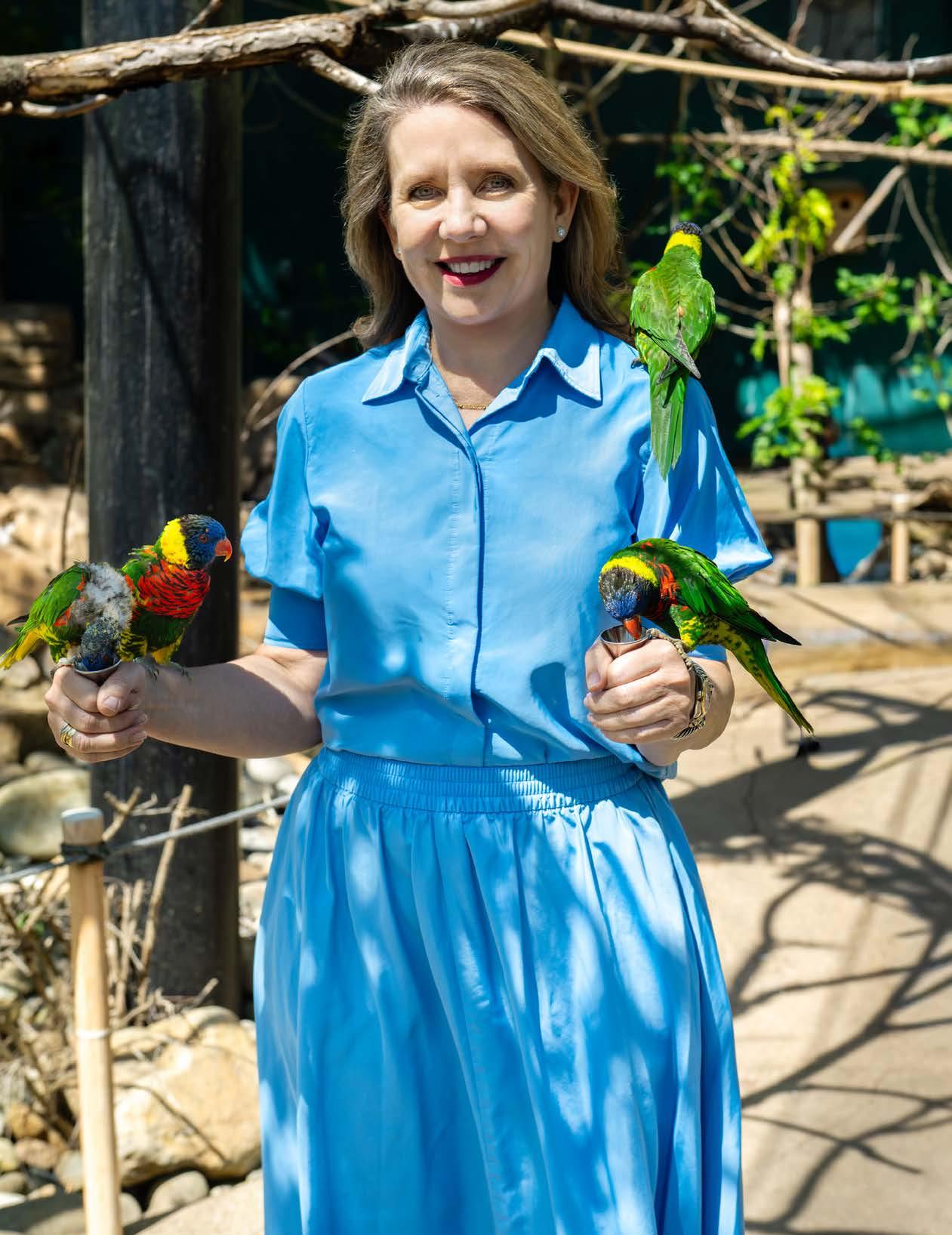
This is my second tour of duty at the Speed Art Museum; I worked here almost 30 years ago in Development and it was a magical time at the Speed. I was excited to return to this great museum two years ago, surrounded by beautiful art, brilliant colleagues and fellow lovers of the arts. I am deeply motivated by the opportunity to connect people to a mission that matters. At the Speed, leadership means building relationships, inspiring generosity, and helping ensure that art remains a powerful resource for our community. What drives my impact is a strong sense of responsibility to this institution, to Louisville, and to the people who believe in the Museum’s future. Art is everyone’s first language and I always harken back to that statement when I talk about our path forward. Everyone is impacted by art. It is a vital part of our ecosystem and our existence. I am immensely grateful for having this cultural and community treasure in our city.
Enjoy a real nose-to-beak experience as you stroll through this beautiful aviary, surrounded by brilliantly colored, friendly birds that will eat nectar right out of your hand!
By:
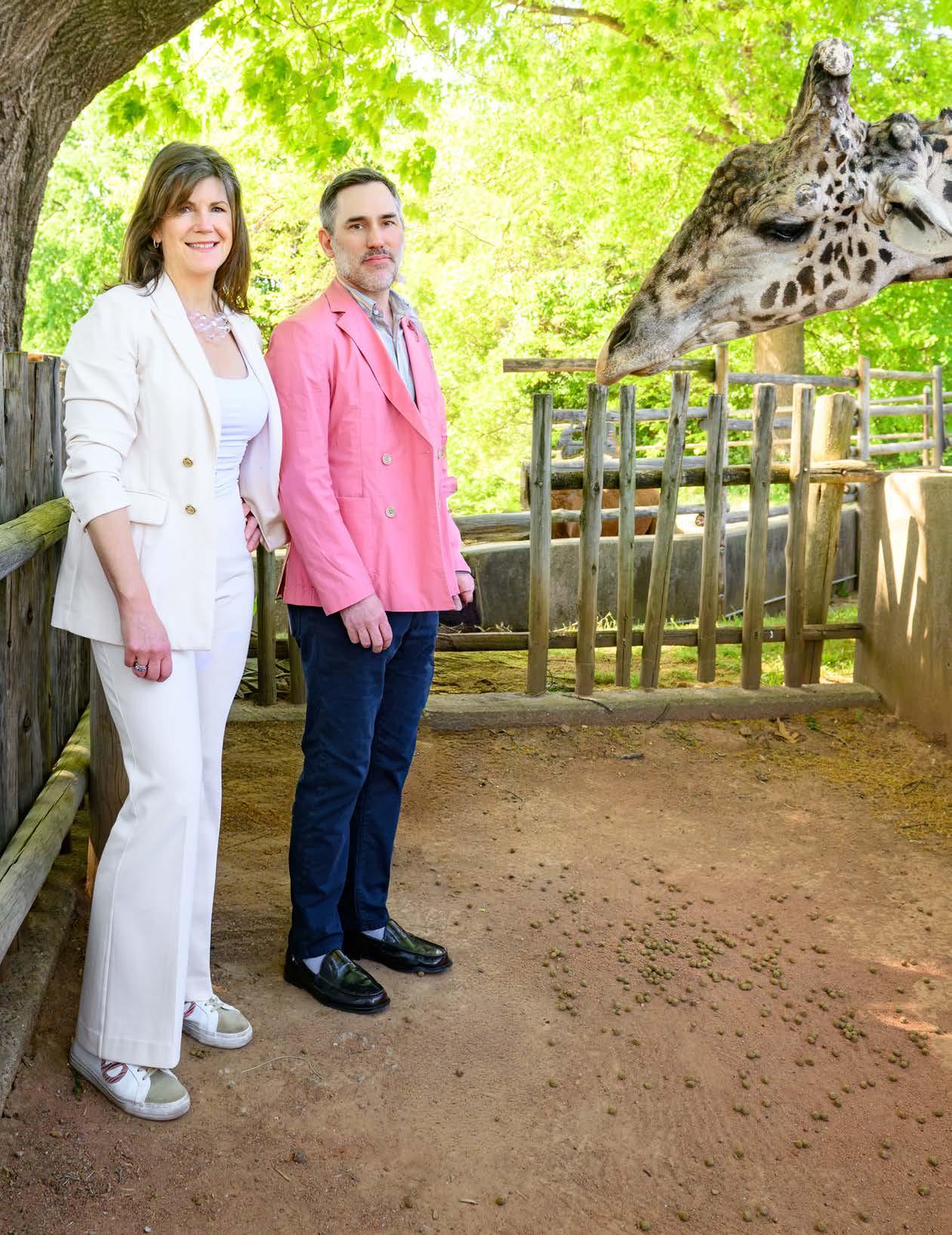
Found in the Africa zone at the Louisville Zoo, Male giraffes grow to be 15 – 18 feet tall and weigh 1,200 – 1,800 pounds. They also have a massive heart (approximately two feet long and 25 pounds in adults) and extremely high blood pressure, which is necessary to force blood up the seven or eight-foot path to the brain. Scan QR Code to Learn more about feedings.
KMAC MUSEUM
I have been committed to the voluntary sector since an early age, but it wasn’t until graduate school at the Lilly School of Philanthropy that I developed a deeper understanding of the vital role philanthropy has played in shaping the United States—and how uniquely embedded these structures are within our society. I realized then that I was motivated to contribute to the greater good, rather than pursue a path defined solely by personal financial success.
KMAC Contemporary Art Museum has been part of my Louisville story for nearly 28 years. As a donor and volunteer, I built a lasting connection to the organization, and when the opportunity arose to join the team professionally, I embraced it wholeheartedly. Since becoming Executive Director in 2020, I have navigated significant challenges, particularly financial ones, during a time when cultural institutions face increasing uncertainty.
We are at a critical moment in our country, and many underestimate how vulnerable these organizations are. Without sustained community support, the institutions we often take for granted may not endure.
I believe art is essential. It shapes how we think, fosters empathy, and connects us to one another. My “why” is rooted in ensuring that art remains accessible, relevant, and enduring. Through my work at KMAC, I am committed to supporting artists, engaging audiences, and preserving a space where creativity and shared humanity can thrive for generations to come.
As a young musician and actor, exhilarated by the sounds and beauty of life, I was inspired to further pursue the humanities and art history in college, learning more about our global culture and the motivations of our most impactful writers, thinkers, innovators, and creators. The role of the curator allowed me to bring these experiences and ideas into a path of participation and leadership. As a dedicated museum professional for nearly 15 years, I have led our organization and city in introducing new artists and new ideas into the discourse of contemporary art. Through exhibitions that aim to reach a growing diversity of audiences, I remain committed to presenting the most accomplished art of or time. As the Curatorial Director at KMAC, I feel strongly that encounters with art museums can bring people together, even those with the greatest differences, into a mutually empathetic exploration of the human condition.
Louisville Zoo is currently offering a backstage pass to meet the Seals & Sea Lions.
Scan the QR code.
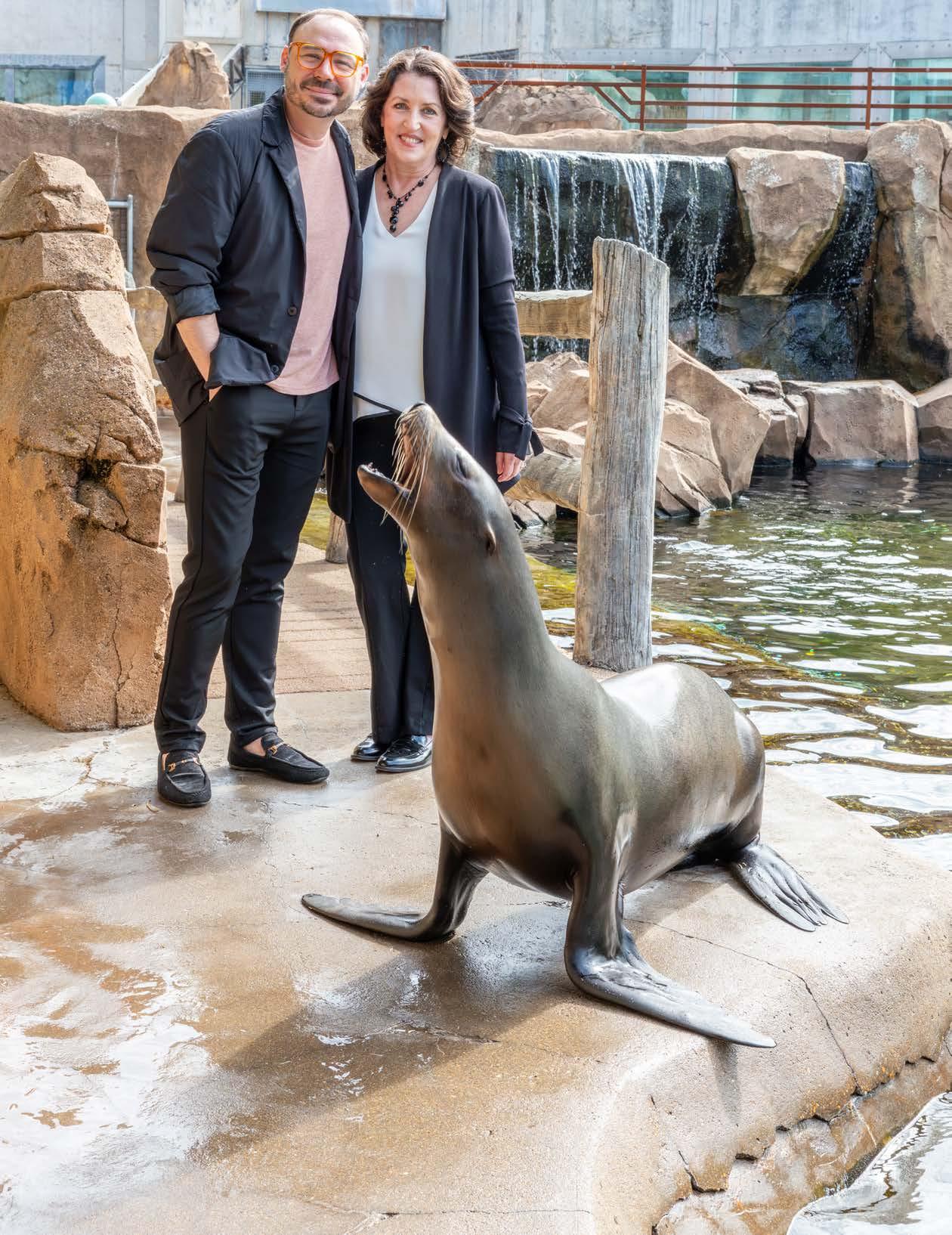
LOUISVILLE BALLET
I chose to come to Louisville Ballet because I believe deeply in what this company can become—not just regionally, but nationally and internationally. Louisville is a city with a rich cultural history and an appetite for growth, and I see an opportunity to build something here that is both rooted in tradition and boldly future-facing.
Ballet, as an art form, must continue to evolve. It thrives when it honors its classical foundations while embracing innovation—new voices, new choreographic perspectives, and new ways of engaging audiences. My vision is to cultivate a company that reflects the world we live in now: dynamic, diverse, and forward-thinking. That means investing in artists who are not only technically exceptional, but also curious, collaborative, and unafraid to push boundaries.
Serving as a nonprofit leader inspires me each day because it allows me to connect purpose with impact. As CEO of Louisville Ballet, I have the privilege of advancing an art form that elevates the human spirit, strengthens community, and creates opportunities for artists to thrive.
This work is deeply personal. Louisville Ballet is not just an organization I lead—it is part of my family’s story, having shaped our upbringing and enriched our lives, with nine members of my family either dancing or serving in volunteer roles over the years.
That legacy grounds me and reminds me that our mission extends far beyond the stage. It is about access, education, and ensuring that future generations experience the transformative power of dance. Dance also plays a vital role in supporting health and well-being, strengthening the body, reducing stress, and fostering emotional resilience.
Louisville Ballet has always been—and will always remain—a part of my life. That deep sense of connection and responsibility is what drives my passion and commitment each day.
By:
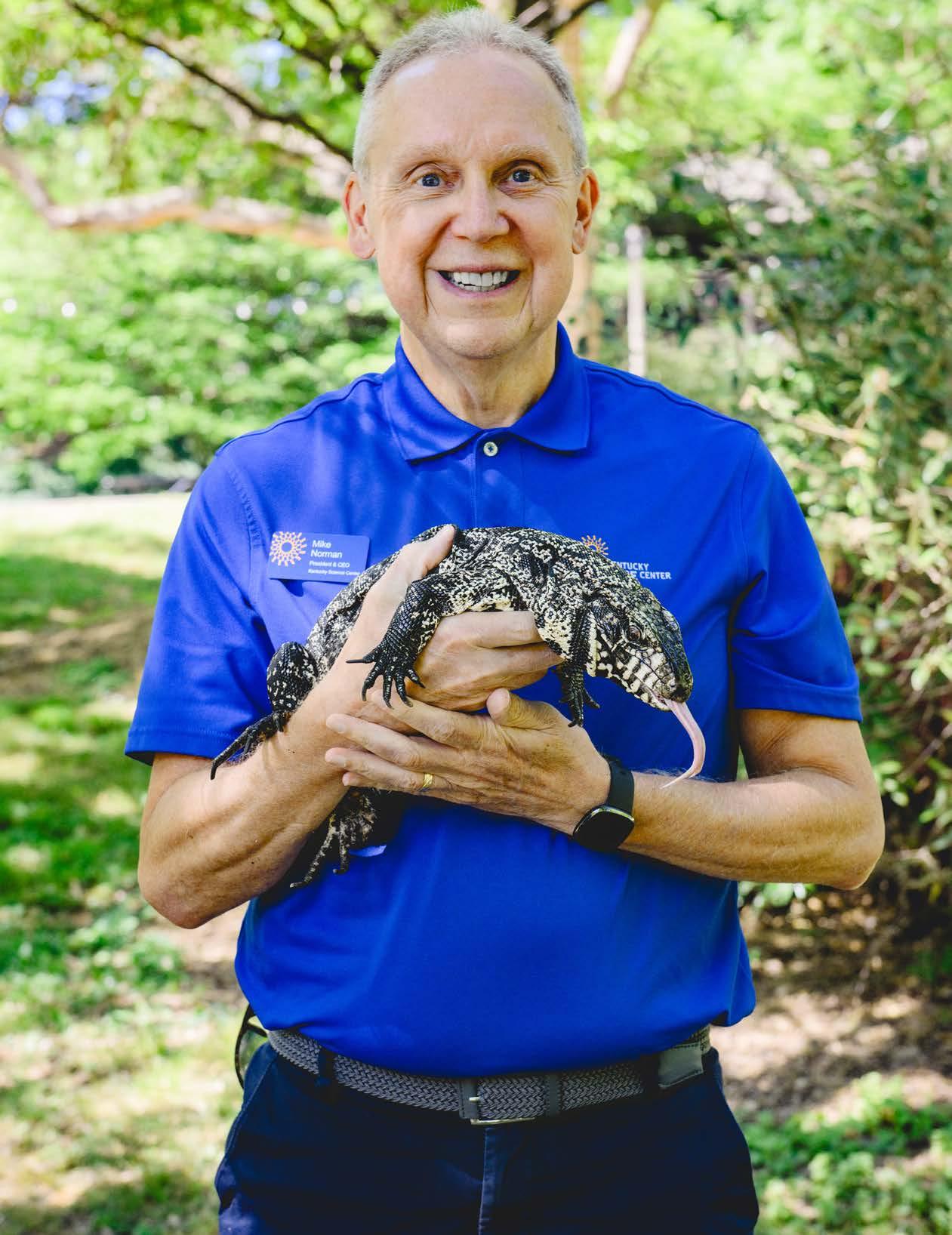
KENTUCKY SCIENCE CENTER
Mike Norman’s leadership journey in Louisville has always been rooted in service, learning, and community impact. A native Louisvillian and proud graduate of Jefferson County Public Schools, Mike has dedicated his career to building stronger institutions that serve people and help them grow. Since joining Kentucky Science Center in 2011 and becoming President & CEO in 2020, he has focused on expanding access to science education and creating opportunities that inspire curiosity in learners of all ages.
What drives Mike’s work is the belief that science literacy and hands-on learning can transform lives and strengthen communities. Under his leadership, Kentucky Science Center now reaches every county in Kentucky and nearly every county in Indiana, helping nurture the next generation of thinkers, creators, and problem-solvers. He is especially passionate about ensuring that young people and families across the region see themselves reflected in STEAM careers and lifelong learning.
For Mike, leadership in Louisville means investing in the city’s future, supporting its families, and helping spark the kind of wonder that turns today’s questions into tomorrow’s discoveries.
An omnivorous lizard native to South America, can be seen at the MetaZoo. Known for their intelligence and curious nature, tegus are adaptable reptiles with powerful limbs, sharp claws, and a surprisingly calm demeanor.


Tummy
Nerve

At Lynn Family Stadium, match days now come with two new faces greeting fans at the gates: Float and Sting.
Racing Louisville FC and Louisville City FC, the two professional soccer clubs that call Lynn Family Stadium home, recently introduced their first-ever mascots inspired by Louisville’s own Muhammad Ali and his famous words, “Float like a butterfly, sting like a bee.”
Float, a butterfly, represents Racing Louisville. Sting, a bee, belongs to LouCity. While the mascots are connected by Ali’s legacy, they were intentionally created as separate characters to reflect the identity of each club.
Katie Stephenson, Vice President of Merchandise and Licensing, describes Float as “Racing’s rebel hero guardian that defines empowerment. She is confident and fierce. She is a role model — not a sidekick. Much like Racing Louisville since its launch, she represents growth and change.”
Sting brings a different energy to LouCity. “Sting is LouCity’s fearless guardian,” Stephenson said. “He is a fierce protector of traditions and a disruptor of dullness. He can be a bit of a jester but definitely not a clown.”
Their shared story begins at the Muhammad Ali Center, where the two longtime friends learned more about Ali’s life and the six principles that shape his legacy: confidence, conviction, dedication, giving, respect and spirituality. That connection led them to the clubs and eventually to the stadium, where both now serve as game day ambassadors.
The mascots also play a major role in helping families feel at home at matches. The clubs’ youth membership program is now called the Float and Sting Kids Club, presented by YMCA of Greater Louisville. Open to children ages 4–13, the club offers game tickets, gear and exclusive experiences designed to make young fans feel like part of the action.
Chris Phillips, Chief Revenue Officer, says those moments matter.
“Youth programs don’t just bring families to the stadium. They also create first experiences that turn into lasting relationships with a team,” he said. “When the experience is designed around kids — mascots, giveaways, on-field opportunities, clinics — it shifts the decision-making dynamic. Kids become the drivers, pulling parents into the stadium.”

That connection is already showing. Fans packed the mascot unveiling at the Ali Center, and both clubs say children quickly lined up for photos, high-fives, and dance-offs. Float has already become a regular face at community events, while Sting brings his personality to supporter marches and drum lines.
For first-time visitors, the matchday experience itself is part of the draw. Supporter groups like The Coopers and 502 Crew bring chants, drums and purple smoke after LouCity goals, while Racing Louisville continues building its place as one of the city’s most visible professional women’s teams.
Jonathan Lintner, Vice President of Marketing, puts it simply: “We have more than a decade’s worth of evidence showing that if someone comes out to their first pro soccer game, they’re very likely to come back.”
With Float and Sting now leading the welcome, there may be no better time to grab season tickets and see what game day at Lynn Family Stadium feels like for yourself.


By McKenna Graham • Photo Provided
It’s a rainy spring day at the Louisville Nature Center (LNC). The eager leaves of the deciduous forest covering the roughly 80 acres that LNC manages are bursting forth in their annual vernal display, signaling the end of winter.
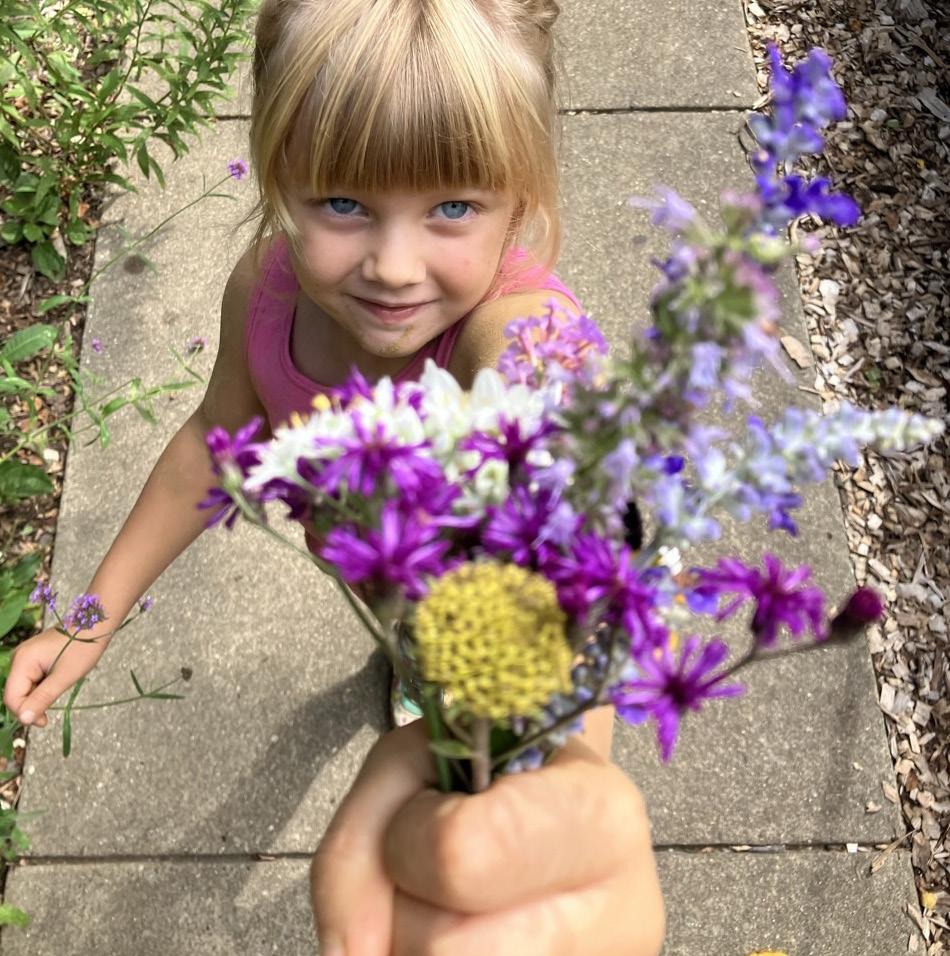
Nearby, obscured by a veil of wild grape vines, honeysuckle, and Osage orange the giddy whoops and wails of children can be heard. For them, the springtime means mud, and along with it the untethered joy that comes from cloaking themselves in the brown goop from head to toe. Tucked safely away in their forest classroom, this group of kids attending LNC’s Swallowtail Forest School slide down what they have aptly named “Mud Hill” like they are tobogganing in the winter snow. Some of them use the mud to make potions and pies anointed with diminutive native flowers and others simply plop a handful of mud on their head and call it a day. Here, the rules are fewer, the reins a little looser and the kids, ranging in age from three to five, take full advantage of all the delights that nature affords them.
Founded in September 2020 and spurred forward by the demand created for outdoor activities due to COVID 19, the school started in earnest with a parred down staff of three and a mere 10 children. Now, six years on, the staff and the students have increased in number. Current enrollment for the past year totaled 45 and next year the school debuts its second classroom. This new space, dubbed the Pawpaw classroom, will increase total school capacity to 90 students and 6 teachers, a 5:1 student teacher ratio (since each session is capped at 15 students).
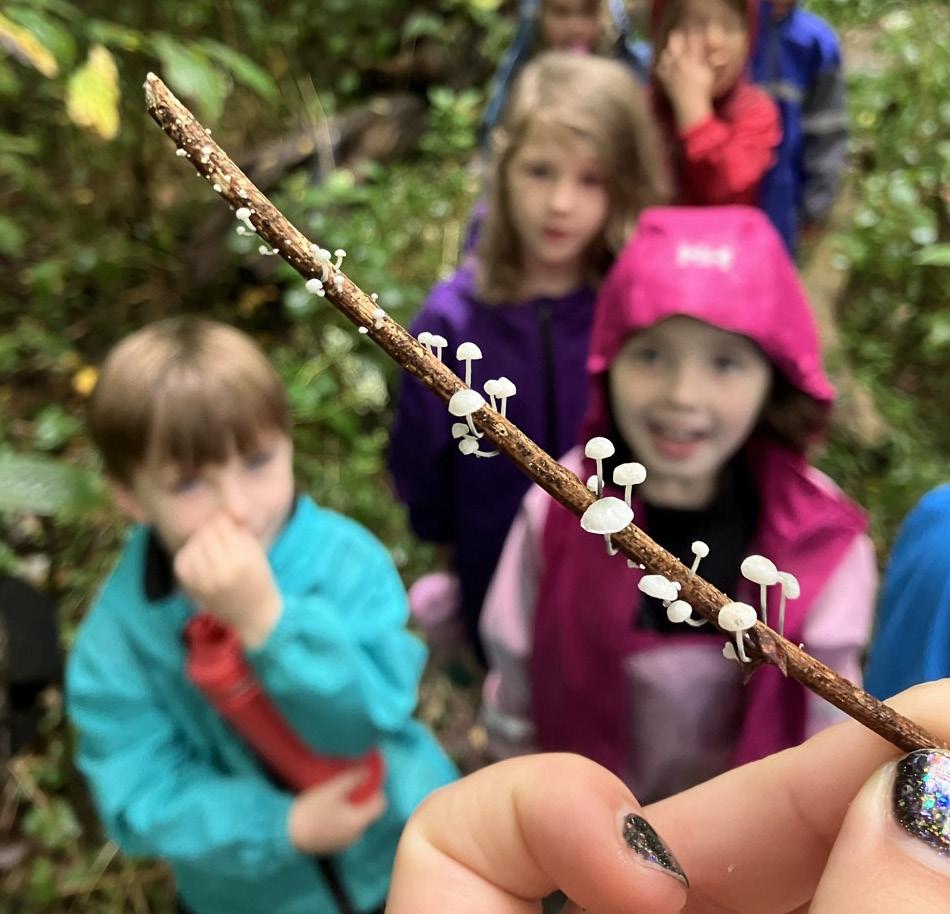
Forest classrooms here are simply a semi-cleared space in the woods, far enough away that there is privacy from park visitors and hikers. The boundaries of the classroom are determined by orange cones that students learn not to go beyond. Each also has a small shed structure where students can hang their backpacks and where circle time takes place in the morning. In addition to bathrooms available in the LNC visitor center, students also have access to an outdoor toilet within the classroom boundaries. Each classroom has its own unique natural elements to explore. The original classroom, known as the Spicebush classroom, was built next to a hill that provides endless fun while the Pawpaw classroom features a large fallen tree perfect for climbing. Classrooms also include books, various pots and pans, buckets, several swings, ropes, tires and other materials that change with the season. For example, in the fall the school brings in oodles of pumpkins for students to enjoy. Some get rolled down the hill and smashed, others get painted, and most are eventually eaten by the deer. In the winter, students freeze objects in blocks of ice and then delight in chiseling those same objects back out.
The classroom expansion came about as a response to the waitlist of families wanting to enroll and will provide more opportunities to give children access to the outdoors with the convenience of an urban location. Rebecca Minnick, Executive Director of LNC, points to data from the Parks Alliance showing that increasing visitorship to parks and expanding interest in outdoor experiences isn’t slowing down.
“It’s a growing need” says Minnick, “it was already a growing need, and then the pandemic just skyrocketed it. People realized, number one, that the outdoors was a good and safe place to be, but also how good it makes them feel.”
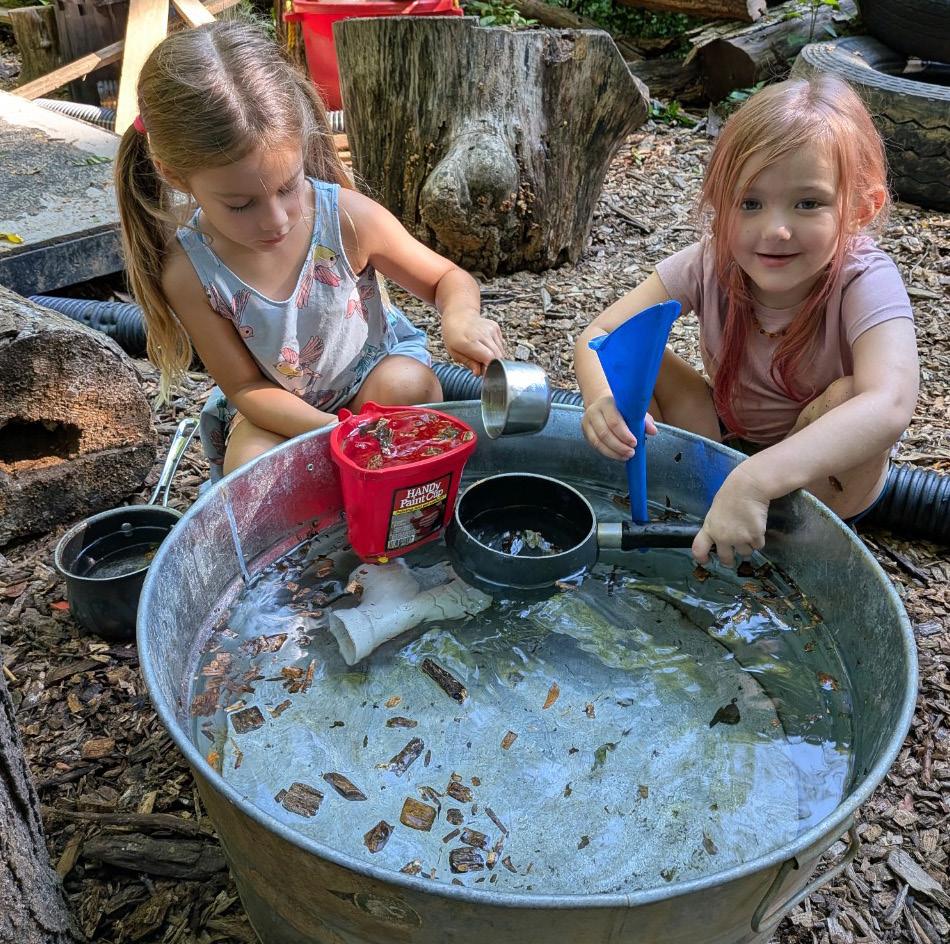
Olivia Kaiser, Swallowtail Forest School Director, echoes these sentiments, commenting how she has witnessed children in the program grow and thrive in the outdoor environment. Forest exploration and healthy risk-taking, like climbing trees or balancing on rocks in a creek, help to develop gross motor abilities and independence. Instead of learning in traditional academic settings, kids are exposed to basic pre-K curriculum in new and dynamic ways, like learning numbers by counting the roly-polies under a log or colors by identifying the hues in the changing fall foliage.
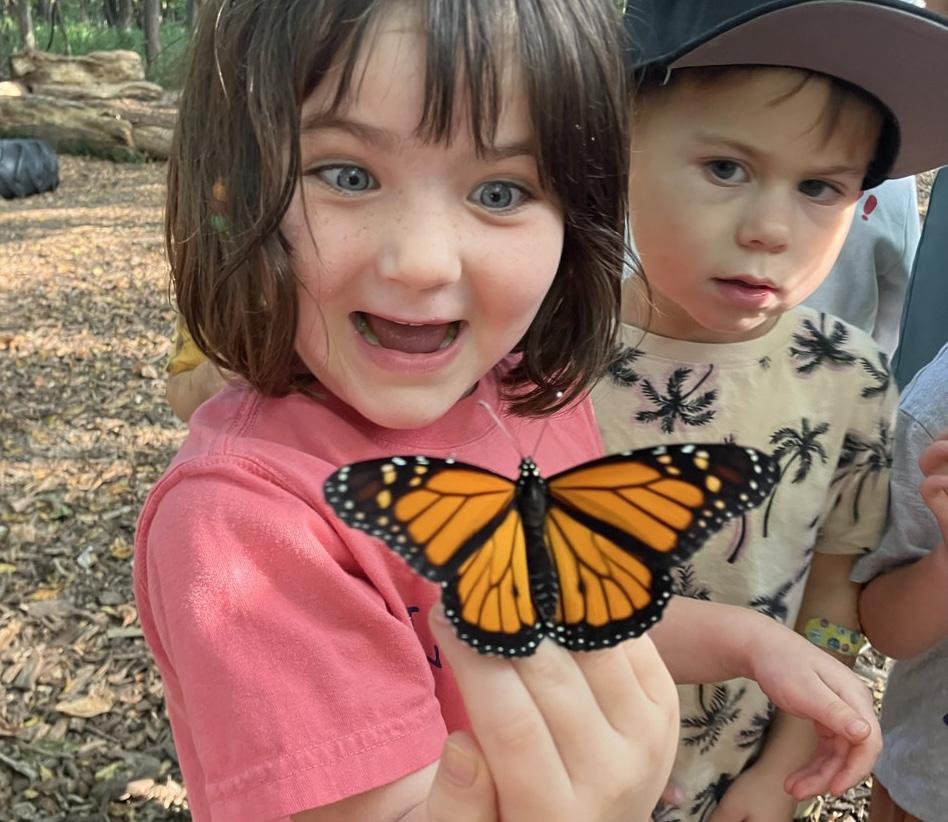
The kids also absorb a fair bit about science and nature, happily rattling off the names of common forest plants and describing the life cycles and behaviors of various insects, such as the school’s namesake, the swallowtail butterfly. During the 2024 school year the children even had a special “class pet”- a wild turkey they named Kevin Bacon who made regular appearances during the fall and winter months. Their regular cast of characters includes animals cared for by LNC, such as Cornflake the corn snake, Francis the Turtle, and Balthazar the Gray Rat snake.
“We don’t do any academics,” says Kaiser, “but we do follow seasonal change. So, we focus on what’s happening in our space and around us at all times. And learning comes naturally through that.” In addition, the school performs assessments twice a year, once in the fall and again in the spring that focuses on students’ social and emotional growth.
Data from various institutions, such as the Institute for Child Psychology, shows that outdoor experiences for children are vital for their development and may provide better academic outcomes for kids long term. Time outdoors is linked to stronger attention spans, better emotional regulation, increased focus, and higher academic engagement later in life. It also fosters creativity and supports cognitive development. The second classroom will allow more children in the Louisville community to benefit from increased access to the outdoors in their formative years- an especially valuable resource for kids coming from neighborhoods with limited access to greenspace. Swallowtail teacher, Elaine Keller, recalls watching first-hand how the transformative power of nature can cultivate confidence in students.
“I remember a breakthrough day for her,” Keller says, speaking about a child struggling with separation anxiety from her parents. “She wasn’t doing well, but we were out front playing in a giant puddle by the garden and I said to her, ‘This puddle looks really fun. It looks like a lot of kids are splashing in this puddle. Don’t you think it would be so cool if you had a ton of fun, and then you got to tell Mom all about it?’… I remember, holding her hand and walking into the puddle with her, and then… the transformation! She starts splashing and getting dirty and muddy. Throughout the day, I slowly started backing away. By the end of the day, she was playing by herself and playing with others, just getting dirty and realizing it can actually be really fun to play outside and, like, I don’t need my mom here!”
Though the Swallowtail Forest School does encourage children to take the lead in play and choice making, they also provide opportunities throughout the school year for some more directed enrichment activities as well. About 15% of the program is enrichment based, with activities such as hiking, crafting with natural materials, science experiments, and seasonal parties. Most importantly, they teach students their ethos: “Be kind to yourself, others, and nature”.
With the school expansion and many other developments on the horizon (such as plans for a new Living Building certified visitor center) for LNC, there is a greater need than ever for support from the community they serve. As a non-profit, the Center relies on charitable donations and volunteers to accomplish their mission of connecting people to nature. Currently there are still openings for new students in the 26/27 school year. But LNC has many other ways to get involved as well- such as guided hiking excursions, their annual PawPaw festival, community nights, and miles of hiking trails to explore. They encourage everyone to come for a visit, wander the woods and along the way you might even rediscover the magic of childhood deep in the forest.

By RUSS BROWN • Photos By Matt Johnson
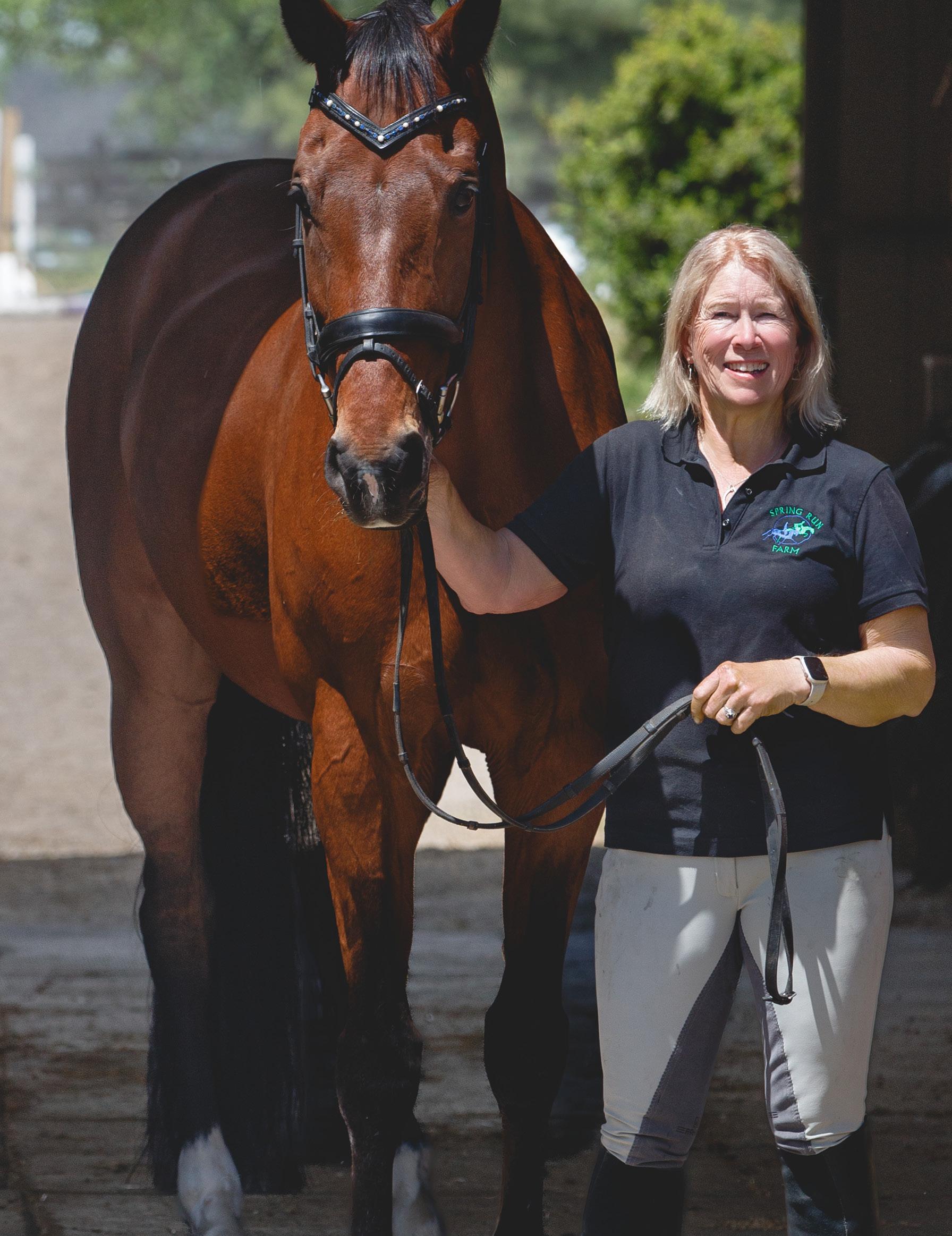
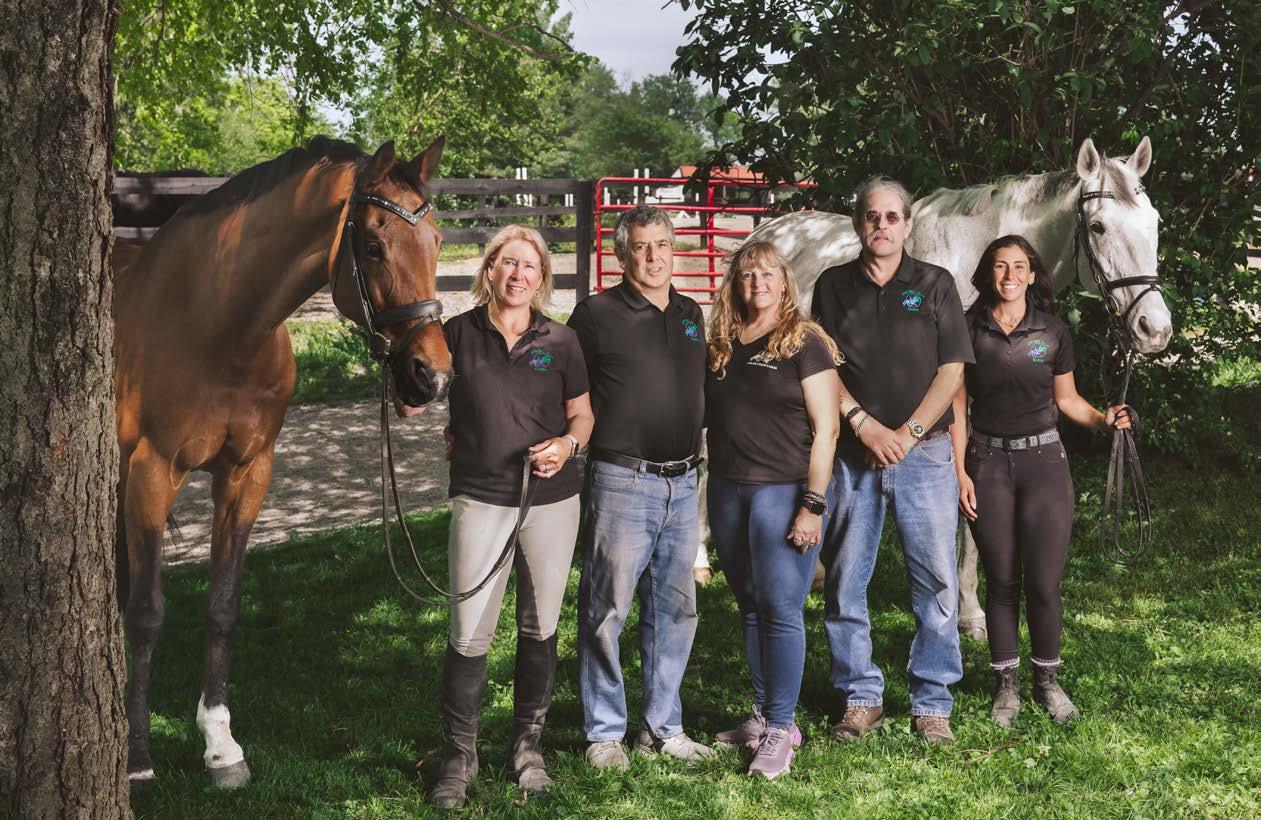
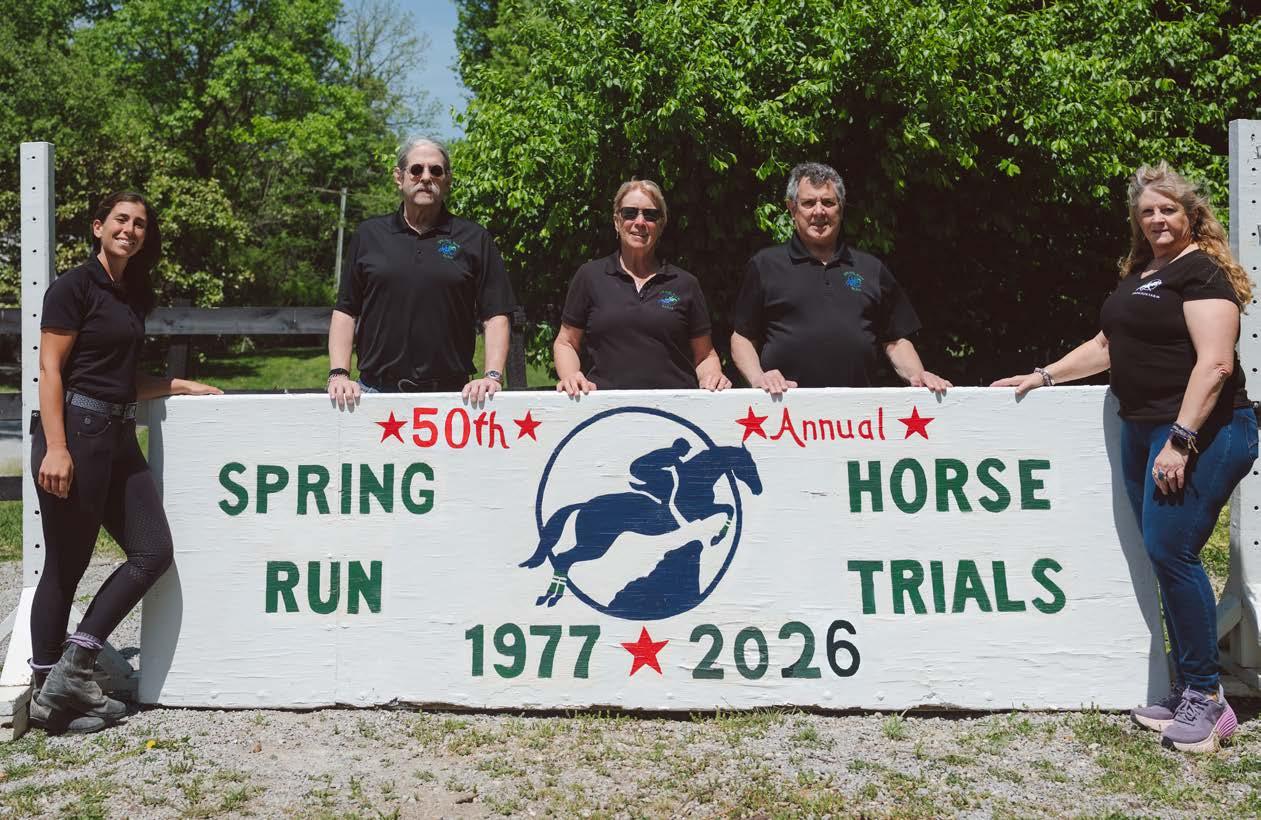
Decades ago, 3-year-old Susan Perellis began living on the two-centuries-old 40-acre family farm in Prospect. Next month she will celebrate a milestone when Spring Run Farm marks the 50th anniversary of its annual Horse Trials -- consisting of dressage, cross country, and show jumping -- to be held on June 7. “It’s exciting,” Perellis, 71, said. “I can’t believe I’ve been running either nationally or regionally recognized competition for 50 years. That’s crazy. So it’s a big deal for us.”
Spring Run Farm was settled by the Hardin Family in the 1790s as a land grant from Virginia governor Patrick Henry to one of Colonel William Hardin’s three sons after the Revolutionary War, more than likely while Kentucky was still part of Virginia.
Susan’s father, William Temple Lewis, inherited the farm from his aunt, Louise Robertson, and renovated the home in the early 1950s, covering two log cabins and creating a colonial-style home. The Lewis family, including Susan, then moved from St. Matthews to the farm in 1957.
For much of the time it was primarily a cattle farm until Perellis’ father “remodeled” by tearing down everything relating to cows, building horse stalls and starting a boarding service.
“This was really out in the country at that time,” Perellis said of her days as a child on the farm. “We had ducks and chickens running around, I had a pony. I did all the things kids who live on farms do, playing in the creek, climbing trees, riding.”
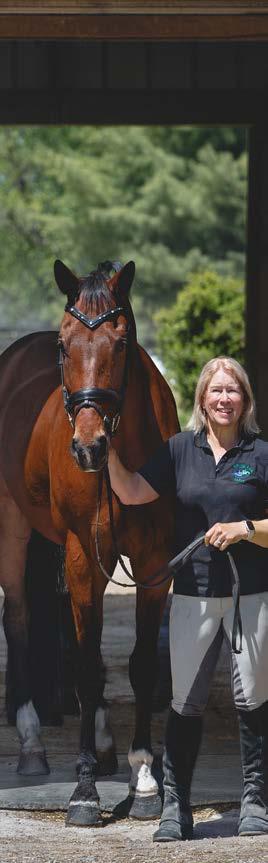
Fast forward to 2026. Today Spring Run is a five-barn facility offering a variety of equine services, including schooling in dressage, eventing (show jumping and cross country), and riding lessons for both experienced and novice riders, along with boarding.
The property also features a bed and breakfast inn, The Inn at Spring Run Farm, which Susan and her then-fiance/now-husband, Jeff Parellis (an ex-chef), decided to open in 2017 on the original rock and log foundation of the two log cabins following a renovation. The logs were refurbished and many of the rooms in the house have portions of the original exterior of the cabin on display. The 3,600-square-foot home, located on Covered Bridge Road between Prospect and Crestwood, consists of five bedrooms and 4.5 bathrooms.
As for the equestrian business, the farm is currently home to 67 horses, with access to acres of trails and fields for riding. Spring Run also boasts a large indoor arena, outdoor jumping and dressage rings, and a cross-country course that winds around the farm’s perimeter that includes a water jump and other obstacles used for eventing competitions.
Perellis is one of two trainers, assisted by former hunter/jump rider Samantha McLean, a native of upstate New York who came to this area for college and stayed. She met Susan when she started taking lessons at Spring Run in 2016 while attending the University of Louisville, and that led to a part-time job.
“(Susan) told me I could come and feed,” McLean said for a story about Spring Run on the U.S. Eventing Association (USEA) Website. “So I started doing that, and then I started doing afternoon chores -- water, feeding, turn in, turn out -- after my college classes. That also gave me more opportunities to ride in my free time. Eventually, she asked me if I might want to teach riding to new kids.”
Before long, after graduation, McLean was training beginning riders full-time while pursuing her own competitive creams under Perellis’ guidance.
“When she coaches me, it’s a little different than she’s trying to do with her students,” McLean said. “Because I can see she is trying to mold me into not only being a better rider, but a better educator too. I can see she is putting her time and effort and passion into me, which is very, very special.”
Emilie Herzig, a volunteer at Spring Run whose daughter Caroline, 14, has taken lessons with Perellis since she was nine, is one of her many enthusiastic fans. She calls Perellis a “warm, loving coach.”
“If Susan ever has to give you constructive criticism, it’s never done in a condescending manner,” Emilie told USEA. “It’s always conversational. She is very kind. And she treats you no different if you are taking a lesson on a school horse once a week or if you have a $100,000 horse doing every trial possible.”
Perellis refers to her clients as her extended family, some of whom have been involved for 30 or 40 years.
“You’re talking about everybody gets to be really, really good friends, and that’s the great thing about it,” she said. “It’s your horse family and your barn family. I think everybody who comes to our farm feels it’s very family oriented. Our instructors, students and boarders know each other well. It’s a really, really important part of people’s lives. You’ve got to be a really nice person to be here. We don’t allow any drama.”
A small sample of her many awards and accomplishments: since 1978 she has competed in numerous novice through intermediate level horse trials, including the renowned Rolex at the Kentucky Horse Park; she has earned a silver medal through the U.S. Dressage Federation; competed at the Prix St. George National Dressage Championship; was presented “The Cornerstone Instructor Appreciating Award” by the USEA; is an “A” level graduate and national examiner for the U.S. Pony Club.
Perellis says that when she started her business she never envisioned it becoming as wide-ranging and successful as it has become.
“That’s just how things just evolved,” she said. “I mean, I didn’t go into this thinking it would be this way or that I’d be doing it this long. You know, you start a little business and then it gets a little bigger and a little bigger. I feel like this farm and business and everything has been a really special thing and has just basically been evolving for my whole life.”
At one time, Perellis did consider another career path for a short time. After earning her Master’s Degree from U of L Kent School of Social Work, she became a therapist for Seven Counties Services.
“But as you can see, the horses won out,” she said.
And they still are because even entering her eighth decade, Perellis says she is entertaining no thoughts of retiring at this point.
“I don’t know how you do that,” she says. “How do you go from working your whole life and running a farm, and teaching and training and going to shows? How do you slow down? Although at some point, I know I will need to.”
Until that time comes, Pelellis will continue to attack life on the farm with boundless energy, just as she has done for more than half a century.
“Susan has put her blood, sweat and tears into that place,” McLean said. “I think the reason why she still is so attentive to the details and why she still fights for it at her age is because she is so proud of it and wants to see it continue to thrive.”

Get all the benefits of a standard membership at a discounted rate. Special student/teacher memberships may start anytime after May 1, but the rate remains the same, as well as the closing date of August 31, 2026.

Center Café
Top-of-the-line equipment
Fitness coaching
Over 200 classes weekly
Locker/towel service
Member discount at the Oasis Spa And much more!
*Must be 15 years of age. Valid Student ID or school email address required. Membership must be paid in full. No refunds.

By Alisha Proffitt • Photos by Matt Johnson
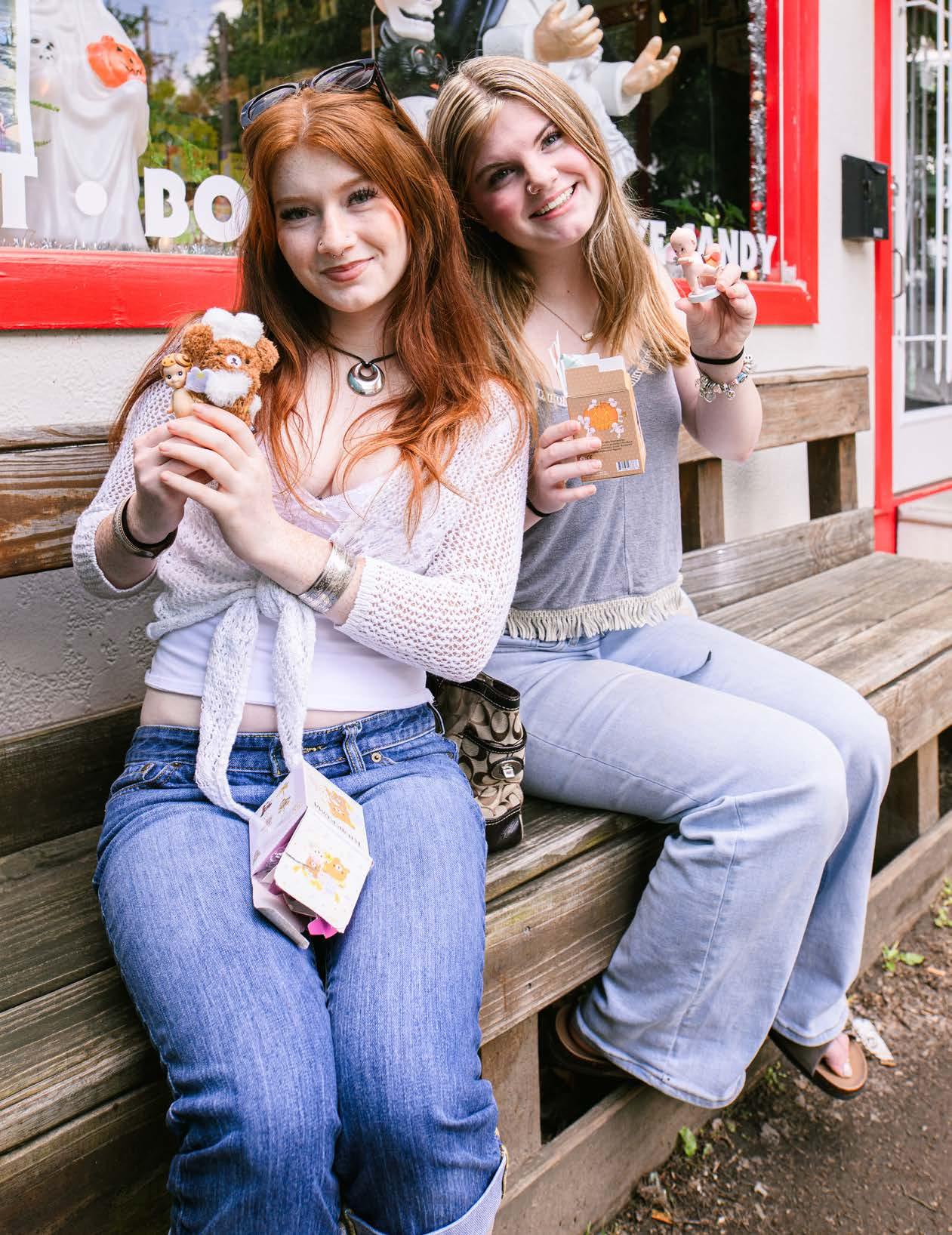
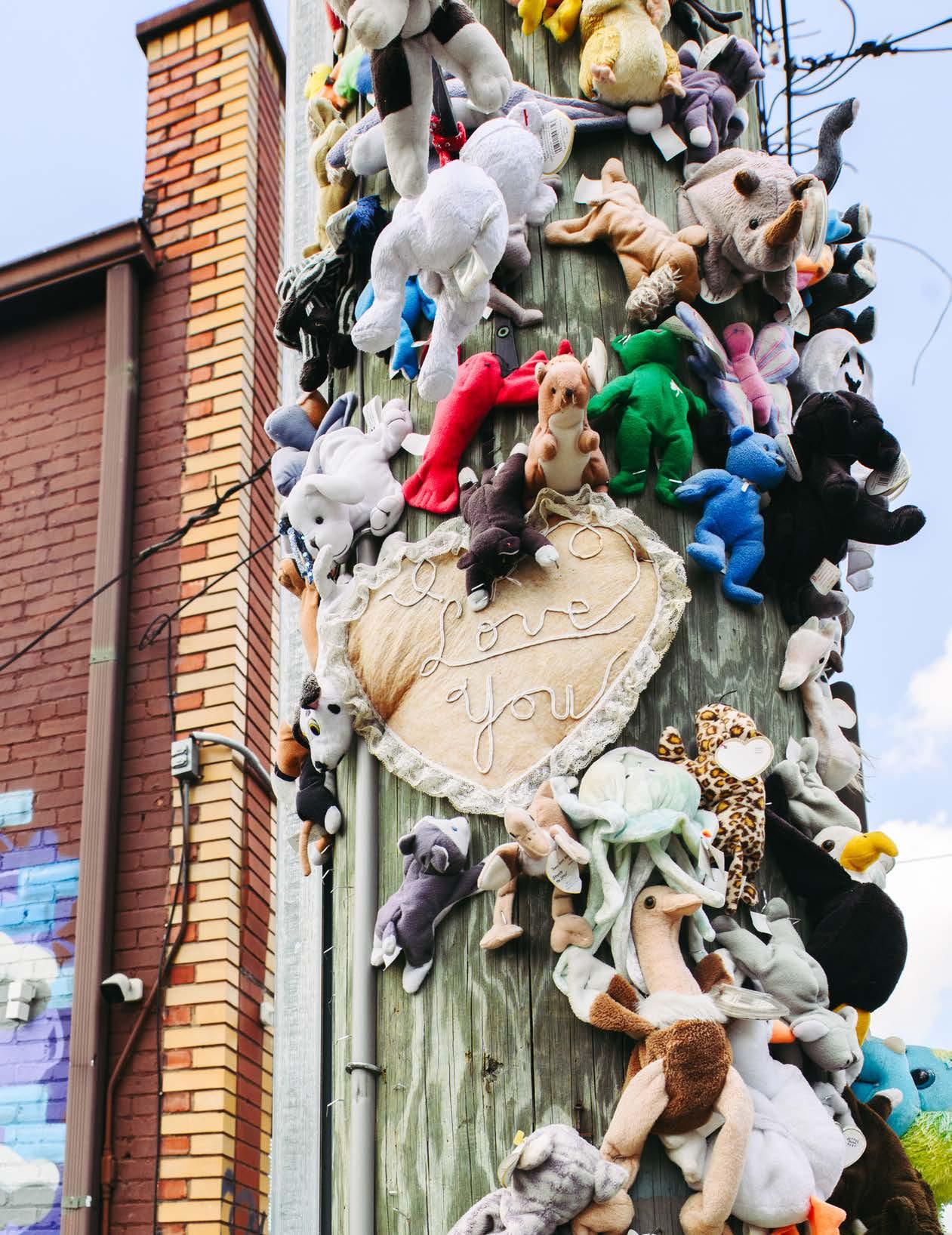
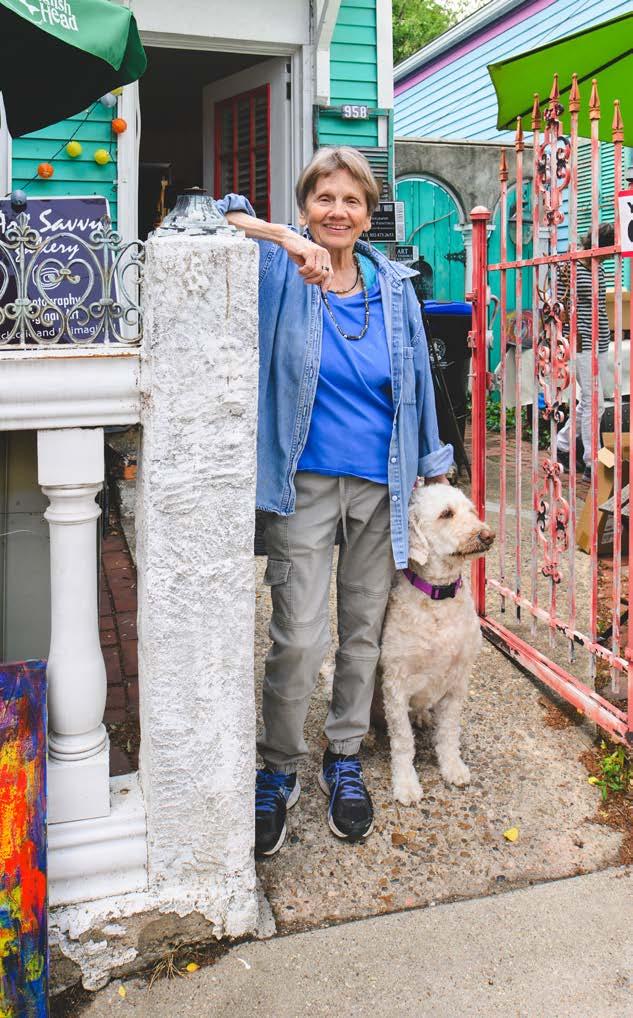
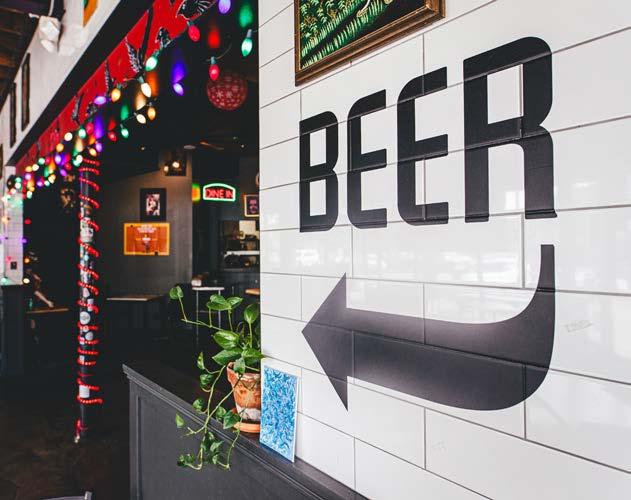
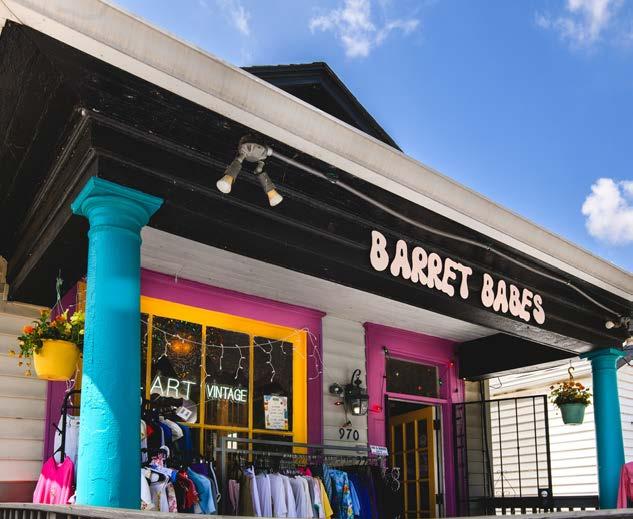
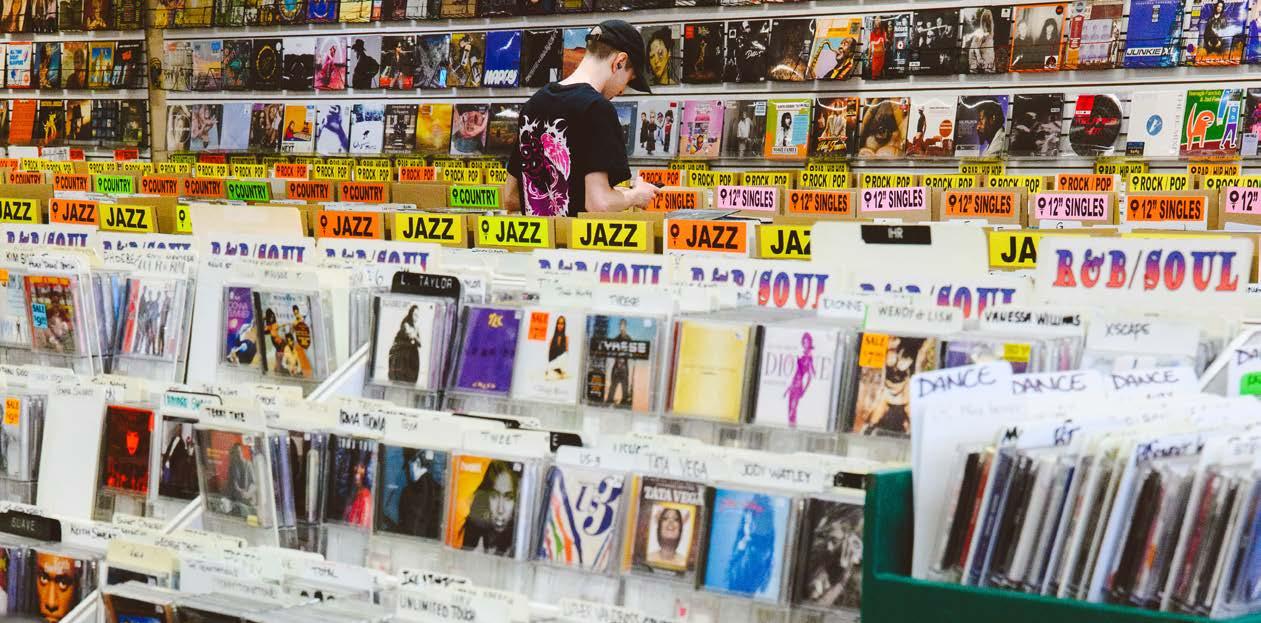
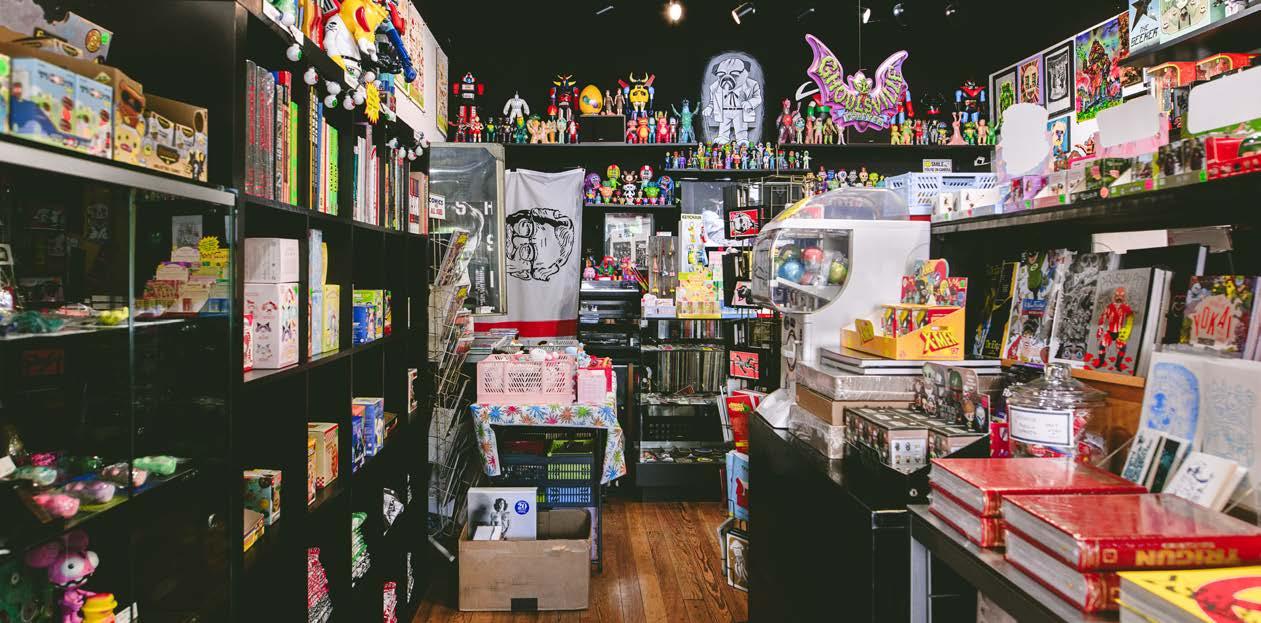
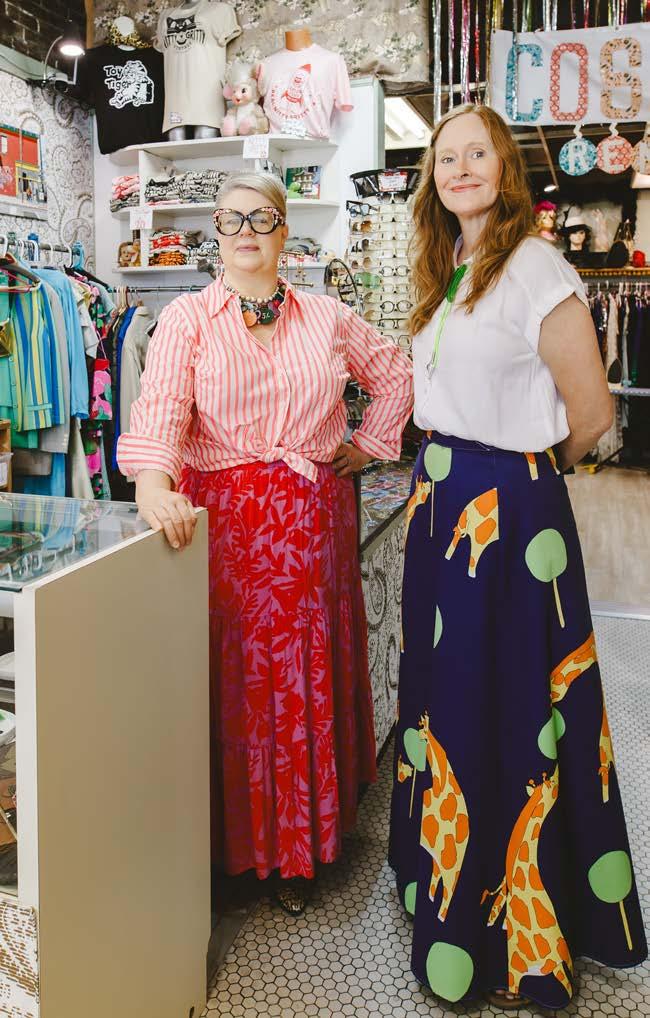
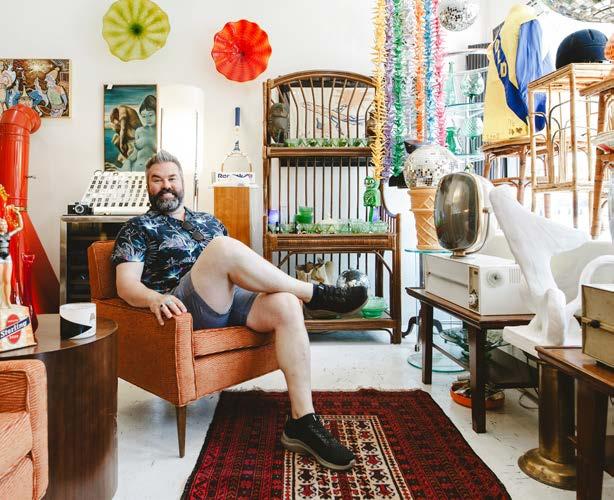
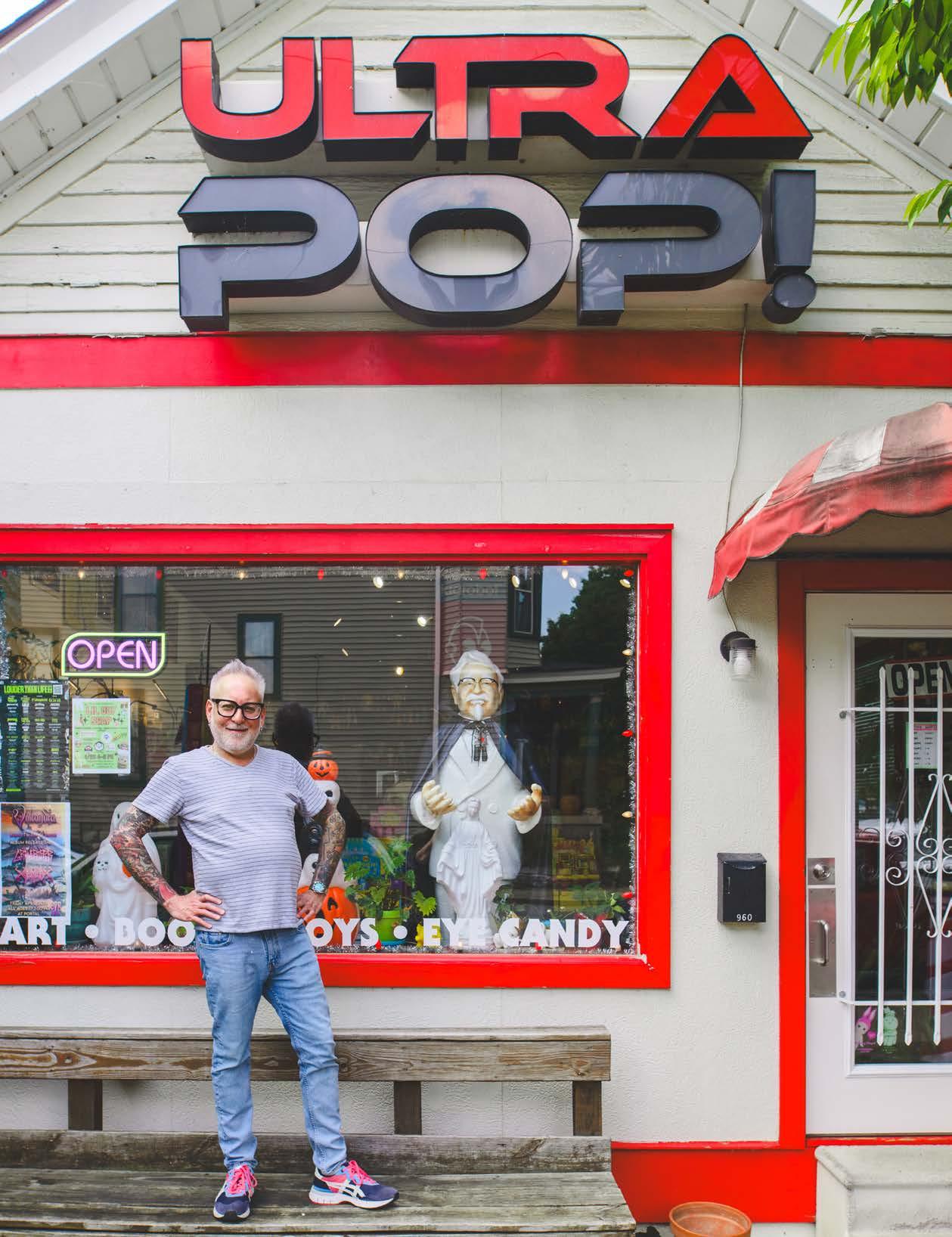
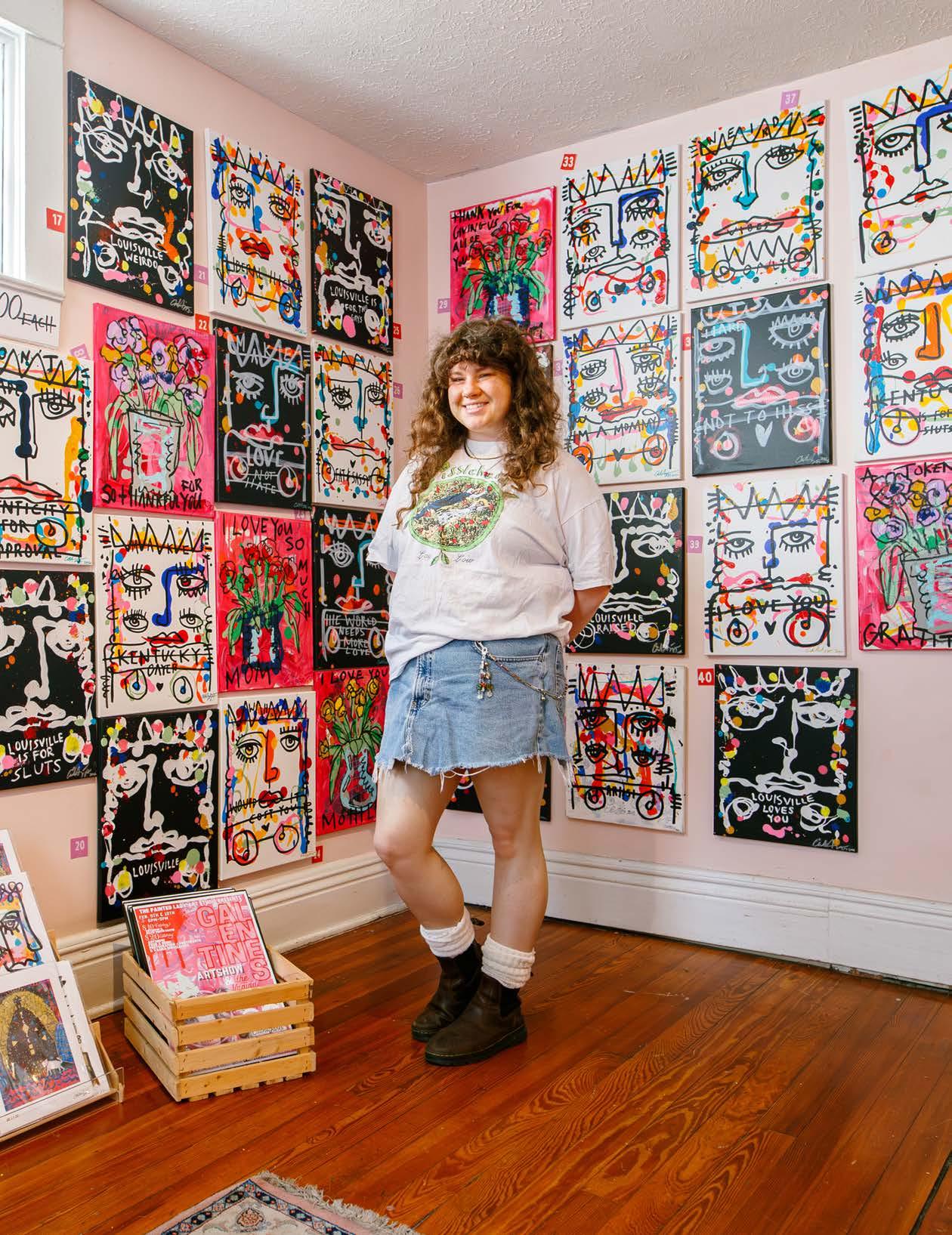
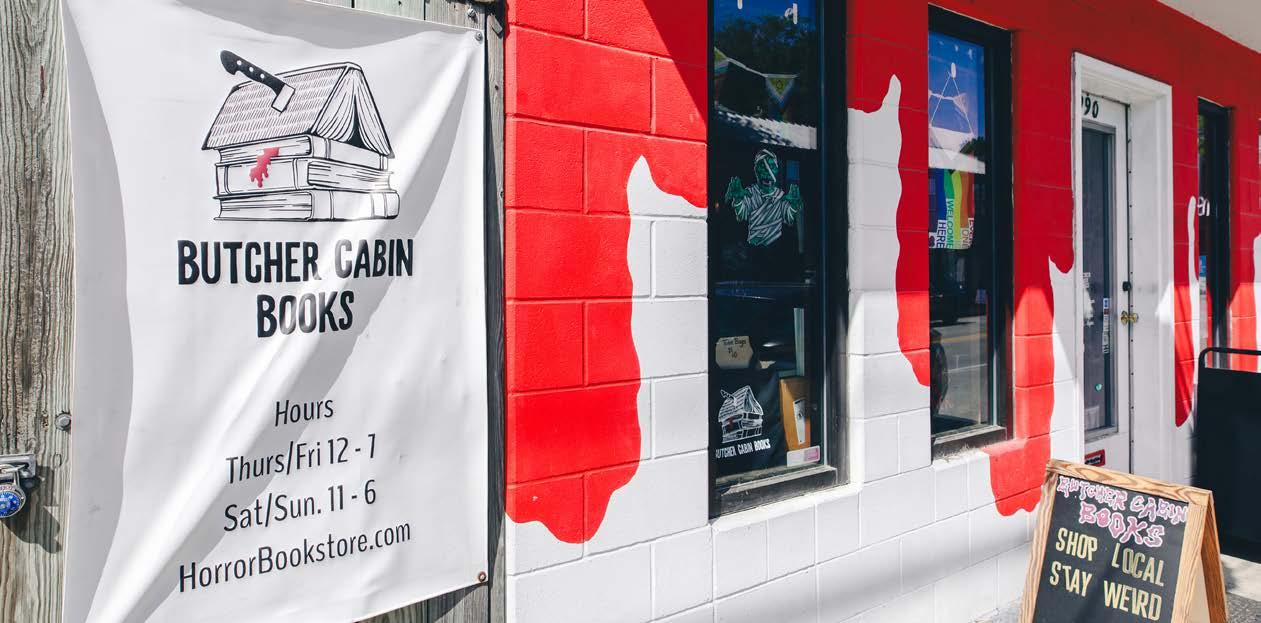
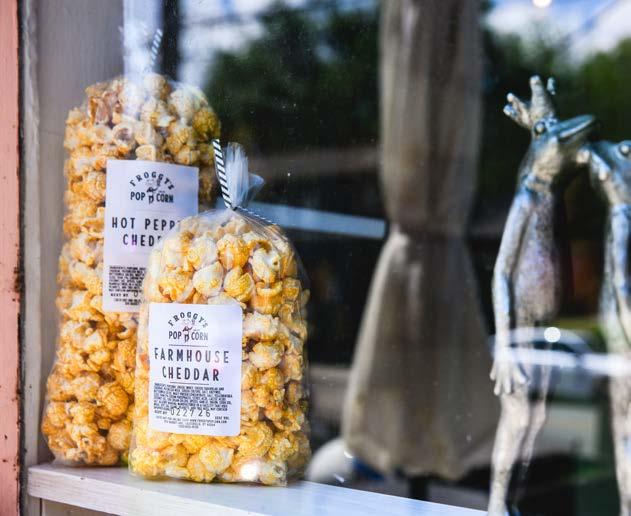
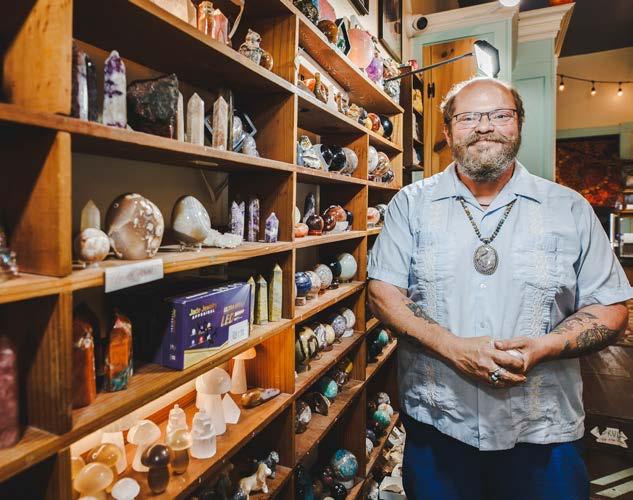
When I set out to write this story, I had this fantastical idea of interviewing every business owner and resident on Barret Avenue. I wanted to truly capture the spirit of the neighborhood and give everyone the opportunity to share their perspectives through this article.
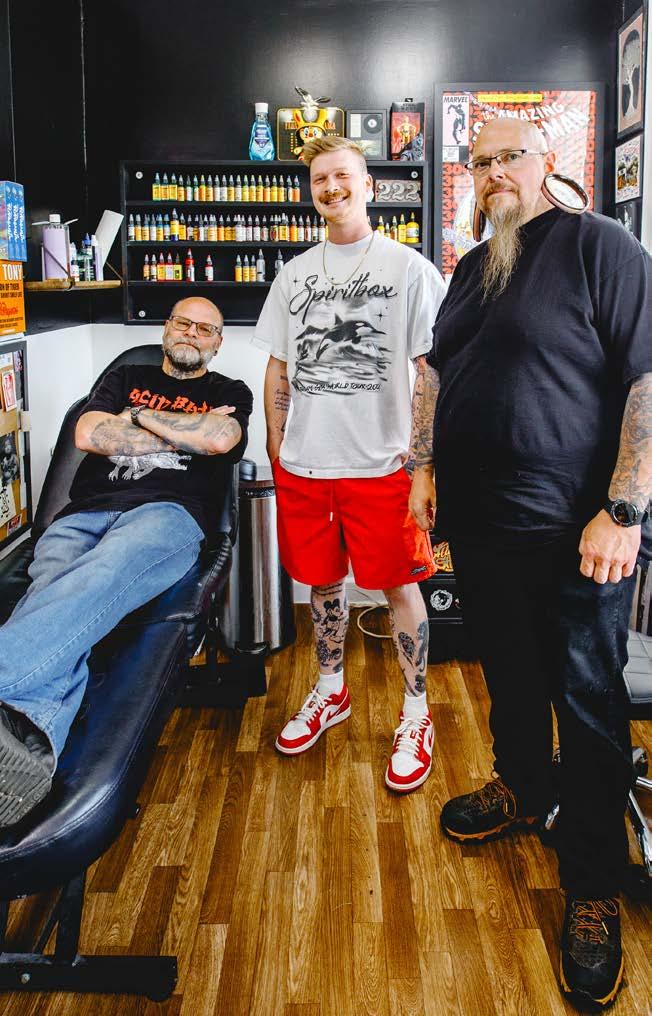
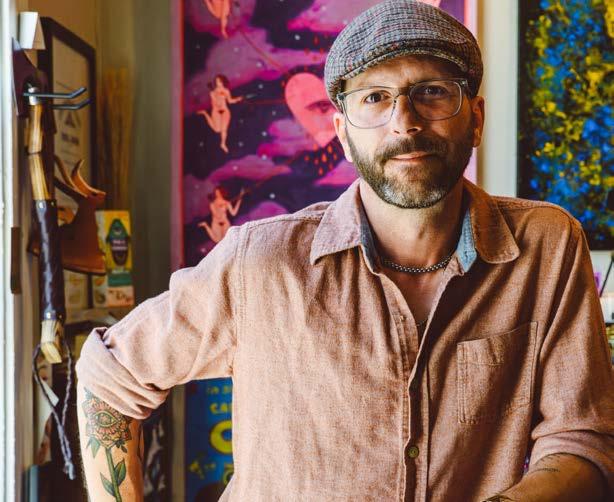
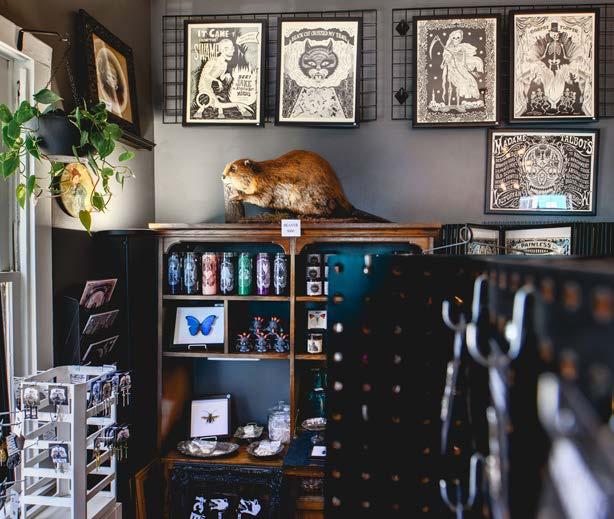
I say “fantastical” because, if you’re at all familiar with Barret Avenue, then you know just how massive an undertaking that would be. Barret Avenue is home to dozens of businesses, and within them, the work of hundreds of local and regional artists, craftspeople, tradesmen, writers, photographers, antique lovers, and vintage aficionados. I know I’m not unique in holding the belief that it is one of the last places in this city that still has that old spirit and sense of community of the original Highlands, in true “Keep Louisville Weird” fashion. And here’s the thing: I can try to express that within the limits of word and page counts, but I know I’d fall short. I was grappling with how to approach this when I received these photographs Matt Johnson captured of the area, and it became very clear to me that Barret Avenue does not need me to lend it my voice. It speaks for itself.
I hope our readers enjoy flipping through these photos as much as I have, and I hope they feel inspired to spend a lazy afternoon among some truly genuine people, working their way through all the treasures waiting to be found on Barret Avenue.




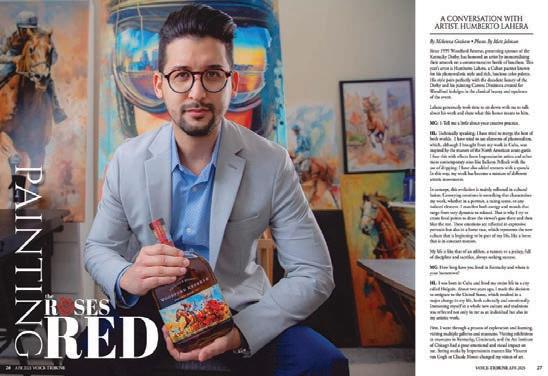
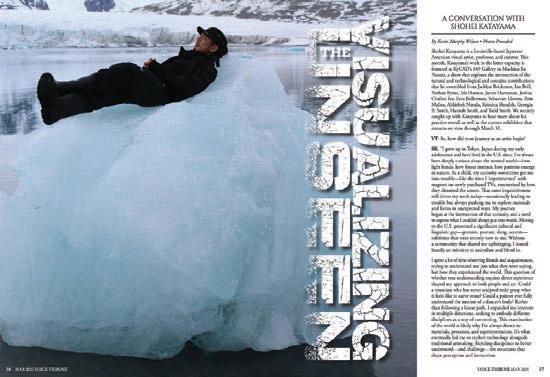
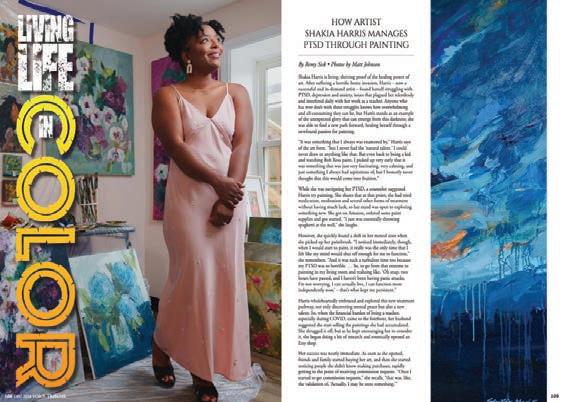
is Sponsor an Artist program gives businesses and individuals the opportunity to directly support local artists by sponsoring in-depth features that highlight their work, stories, and impact on the community. ese features have always been a cornerstone of our publication, showcasing the creatives who bring color, culture, and soul to Louisville. rough sponsorship, you can help elevate these voices while aligning your brand with the heart of the city’s arts scene.
Each sponsored piece o ers thoughtful storytelling, beautiful visuals, and shared recognition, both in print and online. It’s a powerful way to invest in local talent and be part of something that truly matters.
Contact julie@voice-tribune.com for more details on how you can get involved!






By Kevin Murphy Wilson | Photo Credit: Ebru Yildiz
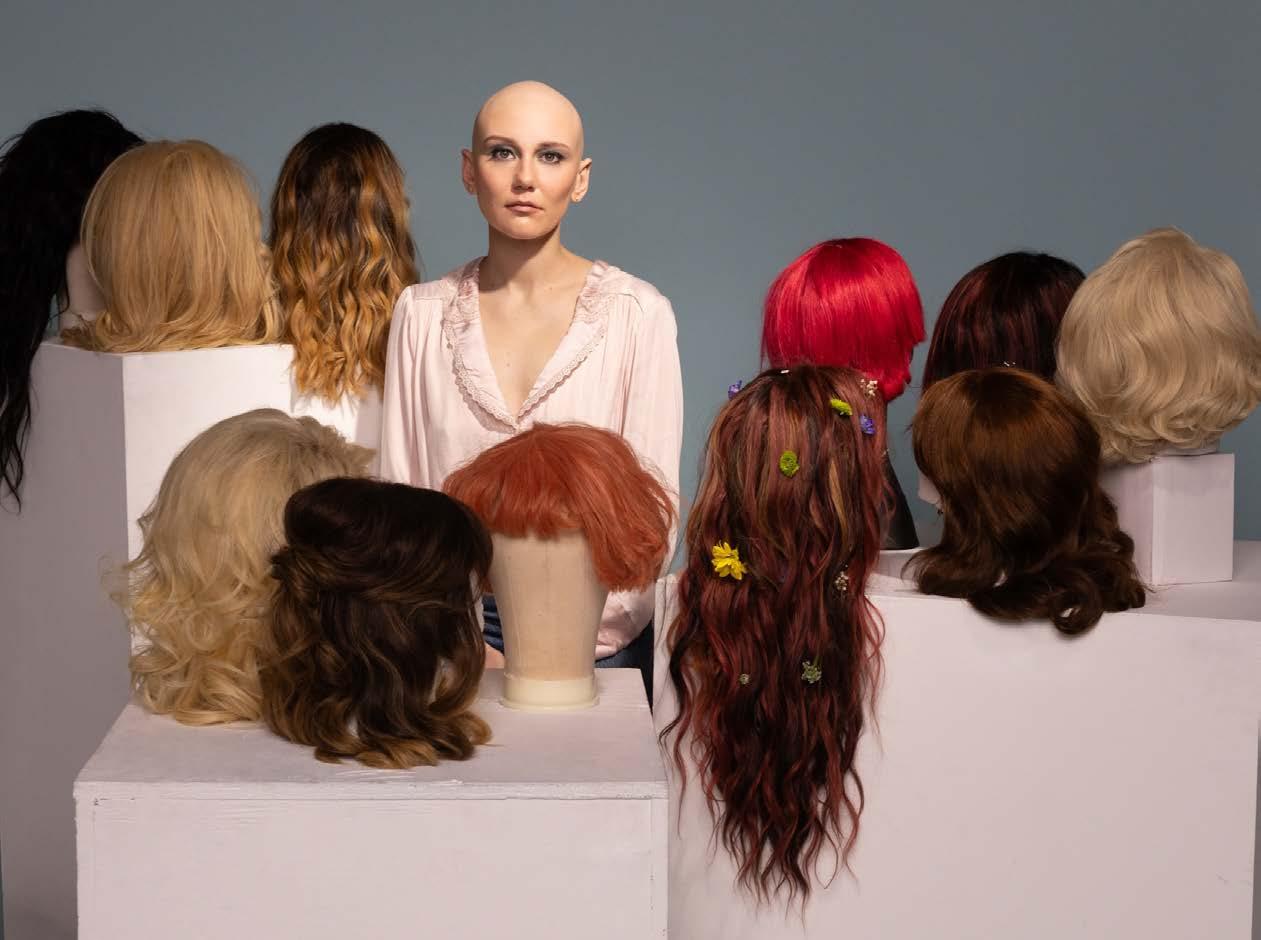
Molly Tuttle is a Nashville-based singer, songwriter, guitar player, banjo picker, and music teacher, who is becoming increasingly popular all over the world. Her robust catalog features two consecutive Grammy-winning albums that have helped propel her to the forefront of the modern acoustic music scene. Over the years, Tuttle’s many high-profile collaborators and co-conspirators have included Sheryl Crow, Billy Strings, Nathaniel Rateliff, Ketch Secor, and Ringo Starr. In her spare time, Tuttle even acts as a spokesperson for the National Alopecia Areata Foundation. We recently caught up with the genre-bending artist for a quick chat about her craft and the superb new LP entitled So Long Little Miss Sunshine, among other things. Read on, then be sure to check out Molly Tuttle’s co-headlining tour with Maggie Rose that lands the pair back in Louisville on May 14 for an intimate performance at Mercury Ballroom.

VOICE-TRIBUNE: What led you to become a music-maker in the first place?
Molly Tuttle: “My dad is a musician, too, and he was my first guitar teacher when I was eight years-old. He was a full-time music teacher the whole time I was growing up and taught at a music store that had these teaching rooms in the back of the store. So yeah, he brought me home a guitar one day because I had been saying I wanted to learn and then he started teaching me how to play simple fiddle tunes and bluegrass standards and that’s sort of what got me started.”
VT: I heard that you grew up in Palo Alto, CA. Was the spirit of the Merry Pranksters and the Grateful Dead still alive and well when you were coming of age?
MT: “Yeah, definitely. I feel like so much about it I didn’t even realize until later, but, like, the bluegrass scene, which is what I was kind of around a lot growing up, was heavily influenced by the Grateful Dead and Jerry Garcia’s bluegrass work and you know, David Grisman, of course, and Peter Rowan. When I was in middle school I remember my music teacher was really into the Grateful Dead and we had a bluegrass band in middle school and we kind of played the more
Dead-type repertoire, I guess. So many of the songs I used to sing as a kid had become popular within bluegrass circles through Jerry Garcia’s bluegrass stuff.”
VT: That’s fantastic. I grew up in Lexington, KY which had its own share of legendary musicians hanging around, including the late great J.D. Crowe. It is also home to the John Jacob Niles Center for American Music. So, I’m wondering what sort of influence Appalachian artists from this side of the country might have had on your development?
MT: “Yeah, I mean, I listened to so much music from Appalachia. One of my biggest heroes growing up was Hazel Dickens. She was probably my first really big musical hero. When I was 12 or 13, I started listening to her music all the time and learning all of her songs, trying to sing just like she did. And she came out to California to play at Hardly Strictly in San Francisco, which is a big free festival that they have in Golden Gate Park. So, I got to see her play there along with some other acts from the East like Ralph Stanley and Earl Scruggs. I feel like, too, around the house, we just listened to so much traditional bluegrass and so much old time music. I loved, like, Ola Belle Reed, Cousin Emmy. They were two of my favorites, kind of in the old time realm. Roscoe Holcomb as well.
But yeah, when I finally got to go to the Southeast for the first time, it was so cool. I got to go to Clifftop, when I was 14 or 15, with my dad, which is where they hold an old time festival in West Virginia. And it was really cool just to get to go to the region that all this great music came from, for the first time.
It was very eye-opening.”
VT: You have released quite a few projects, with a diverse crowd of collaborators. What made the writing and recording of the So Long Little Miss Sunshine material special to you?
MT: “You know, it’s kind of like, on my last couple records before that, Crooked Tree and City of Gold, I was intentionally trying to make records that, you know, paid tribute to the bluegrass tradition I grew up with and my family roots in that music. My grandfather was a banjo player, and he sort of brought bluegrass into my family, so I just wanted to make records that he would be really proud of, and that kind of reflected that musical heritage that I have. But then with this new record, I felt like it was time for me to kind of stretch the boundaries and experiment with some different sounds and not really stay tied to any specific genres. So I had all these songs I’d been writing for years that didn’t really fit on my two projects before that.
They weren’t really in that traditional bluegrass realm. So I was really excited to finally go in and record all of them and just kind of, you know, see what I could come up with without any, like, specific sound in mind that I was going for.”
VT: Apart from your growing number of originals and the traditional tunes you’ve always incorporated into your repertoire, there are some really lovely cover versions of songs that you have made your own, such as “Stop Draggin’ My Heart Around,” and “White Rabbit.” How do you approach those, like, do you keep a running list of stuff you’d like to take on eventually, or is it often a spontaneous decision to try something different on for size?
MT: “I do, yeah, I often have like a list of songs that I’d like to learn and work up with a band, especially now that we’re going into festival season and playing a lot of shows. I love working up new covers and I feel like it’s a really fun way to just kind of draw the audience in whether or not it’s a song they’ve heard before, but if it is, it’s kind of a way to connect with fans over shared love of other artists.”
VT: It seems like all of your hard work and determination is paying off these days. Is it somewhat surreal to now have two new signature Martin guitars that bear your name, a variety of IBMA and Grammy Awards, AND a friendship with a Beatle?
MT: “Yes! Those are not things I could have expected to happen when I first started out.
It’s all just kind of crazy.”
For more information visit mollytuttlemusic.com or mercuryballroom.com.

By Kevin Murphy Wilson • Photos Provided
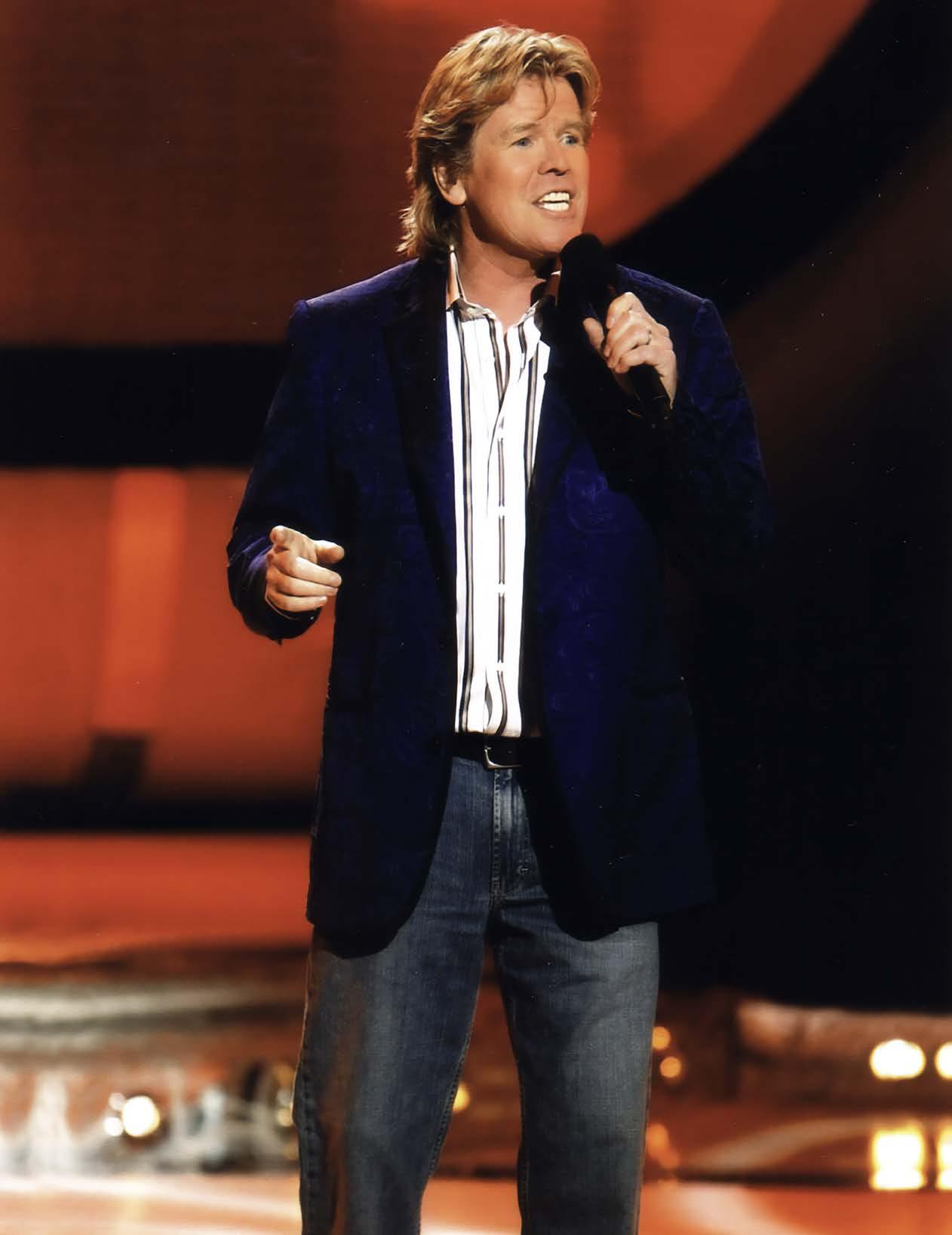
Although Peter Noone is also an accomplished actor and broadcast personality, he will forever be most closely associated with Herman’s Hermits, the 1960s rock n’ roll band he co-founded as a teenager and continues to front [in a modified form] even after all these years. As part of the so-called British Invasion, Noone’s group sold more than 60 million records worldwide, racking up a fair amount of gold singles and albums in the process. Herman’s Hermits’ numerous radio staples [aka “WAKY bangers” if you grew up locally] include: “I’m Henry the Eighth, I Am,” “Can’t You Hear My Heartbeat,” “I’m into Something Good,” “Mrs. Brown, You’ve Got a Lovely Daughter,” “Silhouettes,” “Wonderful World,” “There’s a Kind of Hush,” “Just a Little Bit Better,” “A Must to Avoid,” “Listen People,” and “No Milk Today.” We recently caught up with the English-born hitmaker ahead of his headlining set at Abbey Road on the River [Saturday, May 23, 2026] to discuss such things as his early days in the business, his thoughts on the Beatles, and Noone’s current work as a DJ on Sirius/XM.
VOICE-TRIBUNE: Who were some of your musical influences when you were starting out?
Peter Noone: “When I was a kid I had the biggest record collection in Manchester, really. And I was, like, such a big fan of music, but mostly American music, you know. I had ‘At the Hop’ by Danny & the Juniors, of all things. And I had a lot of other ‘50s-going-into-the-‘60s music, like Dion and the Belmonts and, you know, Eddie Cochran, Buddy Holly, Everly Brothers, those people.”
VT: When did you first encounter the Beatles, and what sort of impact did they have on you?
PN: “It was August, 1963. I went to a show in this field near my grandmother’s house and there were the Beatles playing on this, like, 12-inch high stage. They really inspired me. More than the music, even, I was struck by their interaction with each other. They were clearly enjoying every minute of it. And at the end of the show, they stood around the stage talking to their fans. You know, I don’t think the Beatles were lucky.
I think they were brilliant. And hard workers. So, after that encounter, I decided that I would find four idiots who would believe that I had a good idea.
And it was a good idea, which was that we would form a new group, rehearse 10 hours a day, and take any date that was offered to us. We got up and went to work every day, you know.
It’s like there was nothing else going on because work was the hobby. It still is! So, we grew pretty quickly, and we got a thing called a following.
And, you know, like [the Beatles’ manager] Brian Epstein had said, you get a following, then you try and grow a following, and then you try and keep a following. That’s the routine, right? So we were growing a following and labels started to get interested and we were hustling for a record deal because we thought what we had appealed to youngsters. We were teenagers who thought we knew what teenagers liked. And then [record producer and label boss] Mickey Most shows up, and he signs the band, and we go and make a record, and it goes to number one, and then our following went from ‘Margaret plus three other girls’ to, you know, thousands and thousands of people. We went on tour with Dusty Springfield and then we were invited to Wembley [for the NME Poll-Winners’ All-Star Concert at the Wembley Empire Pool] with the Beatles and the Stones and the Yardbirds, and we suddenly felt we’d made it.”
VT: You definitely enjoyed a staggering amount of success in those days. How did you handle that level of fame at such a young age?
PN: “I often think about this. How come I’m not completely mad like all those other teen idol guys? And, you know, I think it’s because I saw the Beatles when I was a kid. And I saw a lot of big stars when I was a kid.
And they knew how to manage reality. I’d run into the Beatles, and they were always kind, and made fun of me. John Lennon always called me ‘Hermit.’ That was my name to him.
He’d say, ‘Hey Hermit, what are you drinking?’ You know, that sort of thing. They were huge stars already, but they were still normal in a kind of way that only people from the North of England understand.
They couldn’t get a big head. ‘He’s a big head,’ was, like, the worst thing you could hear people say about you. Ron Wood [guitarist for the Faces and the Rolling Stones] in his memoir writes that he remembers when he was in this band called The Birds, B-I-R-D-S, they were loading their gear into the Oasis [Club] in Manchester one day and I walked over and said, ‘You can’t get in that way. The PA’s got to go around to the side door there,’ and I proceeded to help them in with their gear. And I was, like, one of the biggest stars in the world at the time. But
I was still normal. I like being normal, you know, I think it was Paul McCartney who said, ‘It’s great having a career, but you’ve also got to have a life at the same time, so don’t go all in with the career, go half in with it.’ And he did great, didn’t he?
I mean, he got married to Linda and they had a career and they were in a band together but they also went home and raised their babies in a farmhouse.”
VT: I always enjoy hearing your personal take on the events of the 1960s, as well as your superb song selections, during episodes of your popular radio program for Sirius/XM’s Sixties Gold Channel. And your stories about working with people like John Paul Jones, Jimmy Page, and David Bowie before anyone outside of the London studio scene knew them by name are incredible. All that is to say, your show [“Something Good”] must be a lot of fun to produce.
PN: “Yeah, especially since I know something about every one of the records that is in the playlist. And I’m a bit of a raconteur, you know, so I always say at the beginning of each show that, ‘some of the stories I tell this week may be true.’ And then, of course, most of them are.”
VT: Looking back from this juncture, what are you most proud of?
PN: “I’m just proud of myself, really, that I somehow managed to, like, avoid all the things that are supposed to happen to people in this business.
You know, the drug abuse and the divorce and all that stuff. I can’t even write a book because nothing bad happened.”
To purchase tickets to see Herman’s Hermits Featuring Peter Noone at Abbey Road on the River visit: www.arotr.com
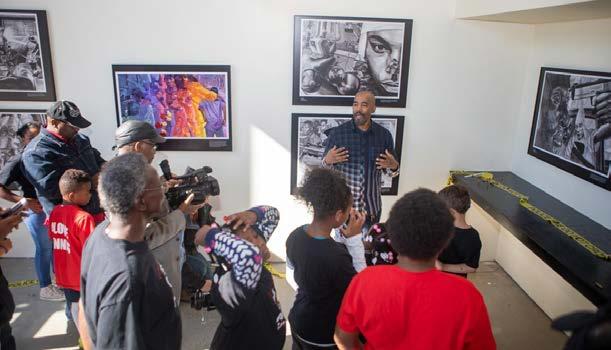
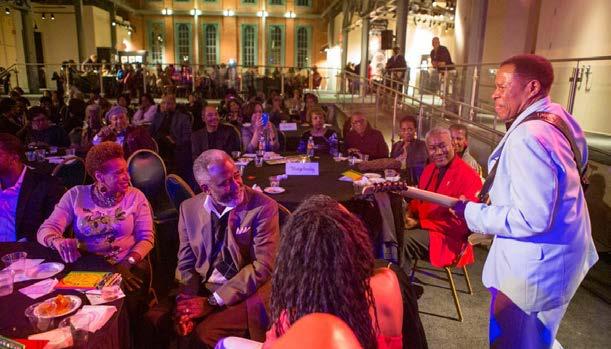
Since 2011, the Kentucky Center for African American Heritage has been a member of the Kentucky Tourism, Arts, and Heritage Cabinet. As a quasi-state agency, the Heritage Center is dedicated to a statewide mission to preserve, promote, and advance the culture and heritage of African Americans in Kentucky and the legacy shared throughout the African Diaspora.
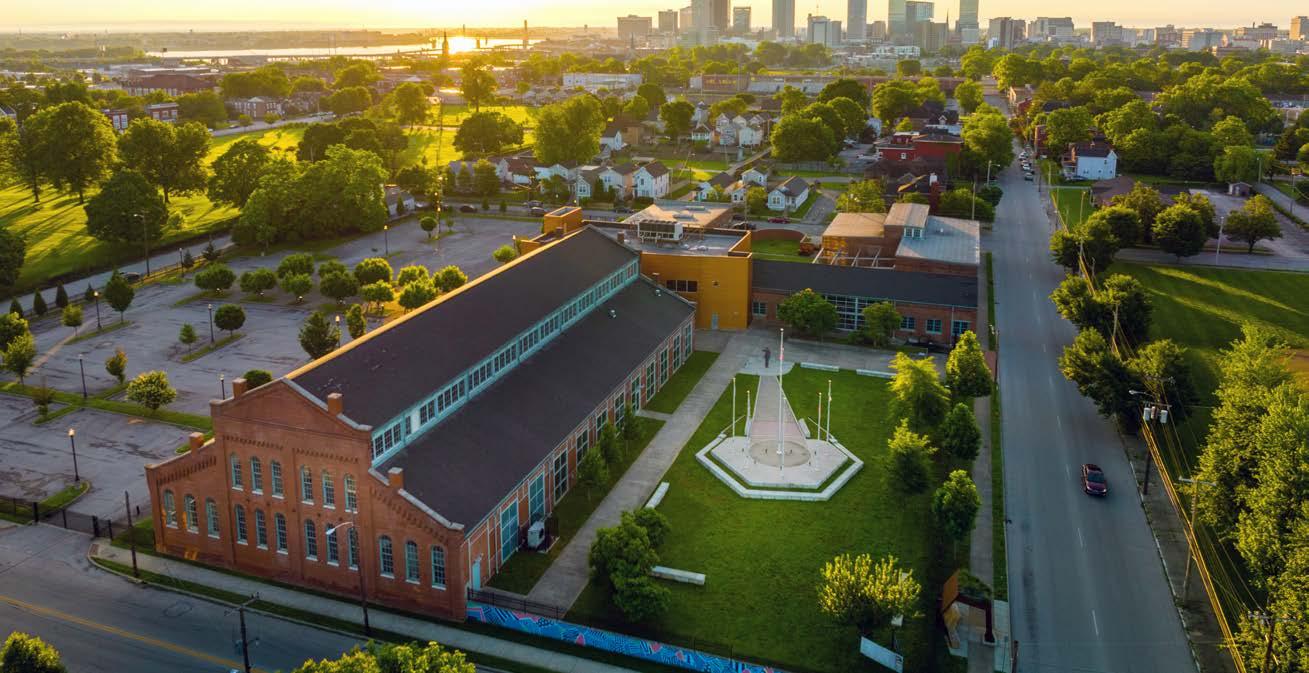
For over a decade, the Heritage Center’s operation has been located in the heart of Louisville’s historic Russell neighborhood on the former Louisville Street Railway Complex known as the “Trolley Barn,” built in 1876. The imposing 68,000 sq. ft. campus provides multiple venues where education, enrichment, and entertainment happens.
Permanent exhibitions in the Brown-Forman Great Hall and other galleries across the Heritage Center campus include “A Salute to Muhammad Ali: A Life of Inspiration,” “Black Freedom Struggle in Kentucky,” “Brigadier General Charles Young: Soldier, Educator, Diplomat & Civil Rights Advocate,” “The Legends of Great African American Jockeys,” “Two Centuries of Black Louisville and “A Self-Guided Tour of Louisville’s Civil Rights History.” In addition to rotating and permanent exhibitions throughout the year, the Heritage Center produces, curates, and hosts educational, enrichment, and entertainment programs with performances of all types for children and adults alike.



By Kelsey Knott • Photos By Matt Johnson
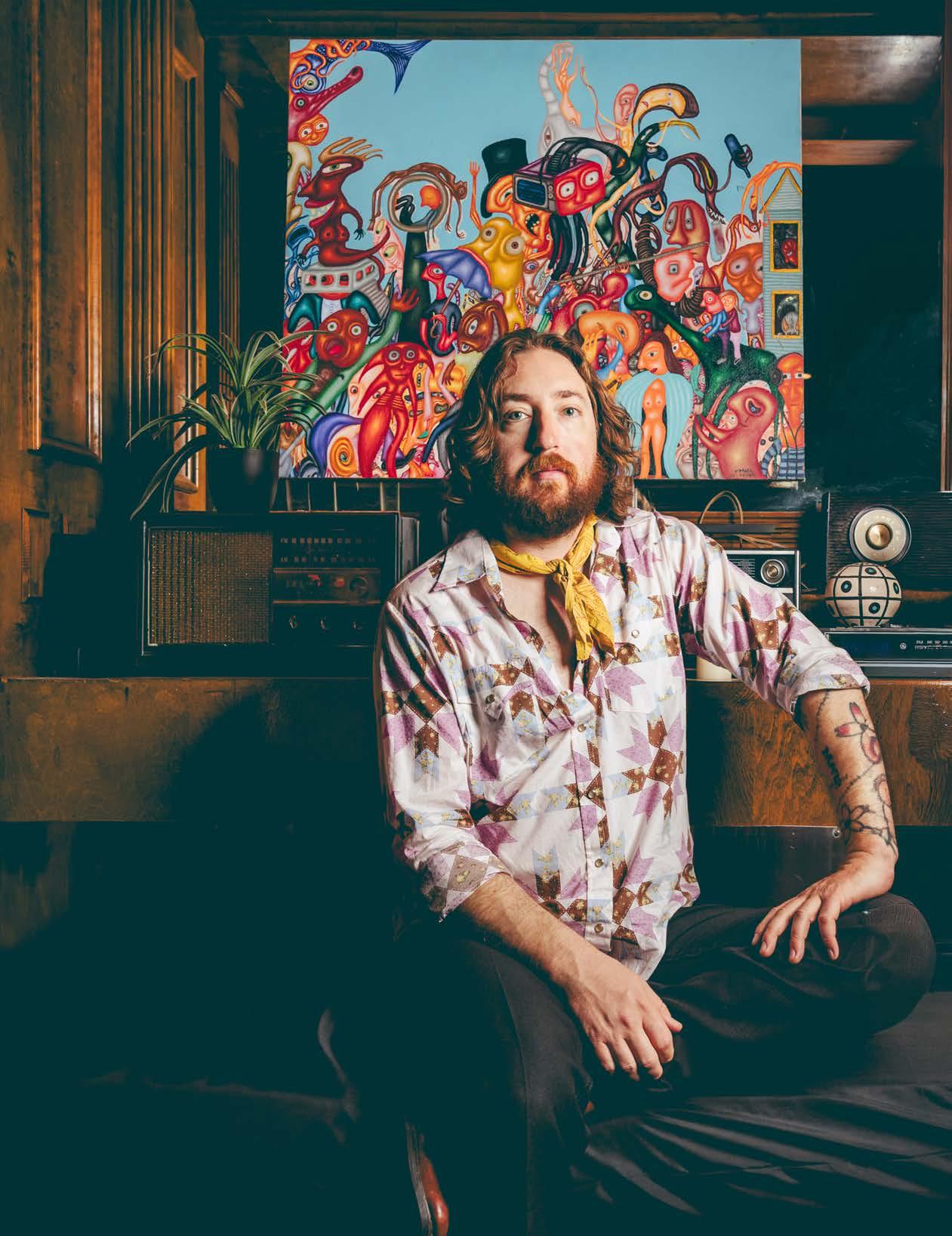
“In a lot of ways, The Monarch is a space I’ve waited to exist for the entire time I’ve been playing music–to walk around the Highlands and have a place to go and play music and see my friends coming in and out, getting ready for tour or practicing.”
When it was still Bearno’s, Nick Dittmeier gigged within the Monarch walls. He was one of the first to hear Mark Roberts’ vision. “We tour a lot and I know how cutthroat and difficult live music is–I’m glad he didn’t listen to me.” With fewer and fewer third spaces as industries grow more corporate and consolidated, Dittmeier recognizes the value of places where spending money isn’t expected. “You can make a case that there’s less and less opportunities for artists, especially as they’re starting, so to have a place where it’s not purely transactional is really important.”
Musical instruments stole their way into young Dittmeier’s life. His grandmother, a music teacher whose piano now resides at his home, brought him a guitar from her classroom over summer break between sixth and seventh grade. “All I did with my free time was try to master it. I wanted to be in a band. As I got better, I stole my dad’s nicer guitar.” In high school, Dittmeier assembled his first band after seeing peers playing shows at The BRYCC House, an all ages non-profit space at the time. “I saw people handing out flyers and doing shows and thought, I can get some people together and figure that out. I wanted to write songs and got comfortable with that dynamic as we evolved.” Today, Nick Dittmeier & The Sawdusters regularly tour their three-piece progressive roots rock band all over the country and even internationally.
Dittmeier is always writing, letting the demoing process match songs to current projects. “I don’t sit down and write a batch of songs, but through demoing can eliminate stuff that doesn’t work. On this album, there were songs written in 2019 and 2024, and songs that didn’t make the cut for various reasons. I don’t feel like I’ve ever written a song that is for the moment, that has to come out right now.” When writing, Dittmeier strives to turn over each stone, pushing past any laziness to develop his songs beyond catchiness. “I was trying to always find something that wasn’t your first instinct as a thought or lyric, but also push the boundary. Doing something different but not completely unrelatable is a challenge that a lot of people that make music have–not making a long improvisational song, but also not making something that feels like a million people have heard before.” Making each word count and not cutting corners or overexplaining to the audience is a central goal to his work, evidenced in his prior albums Midwest Heart/ Southern Blues, All Damn Day, and Heavy Denim.
Placing analog media back at the forefront is the focus for Nick Dittmeier & The Sawdusters latest project, Apparition. “For the record, we’re really focusing on records and physical albums. We’ve got a few different variants of those albums, like one that’s exclusively for record stores limited to around 100 copies. There’s one for Band Camp, which is a notoriously good service for artists that started to push back against iTunes and other streaming services that were cutting the quality of what digital media would be.” Dittmeier whittled down many songs to make the physical product of Apparition the best it can be. “I would hope that the authenticity and unconventionalness that we represent as a whole comes through on this release.”
Come to Apparition’s release on May 8th at Zanzabar before they tour, and definitely make time to grab your physical copy of the record, through Sofa Burn or in person!
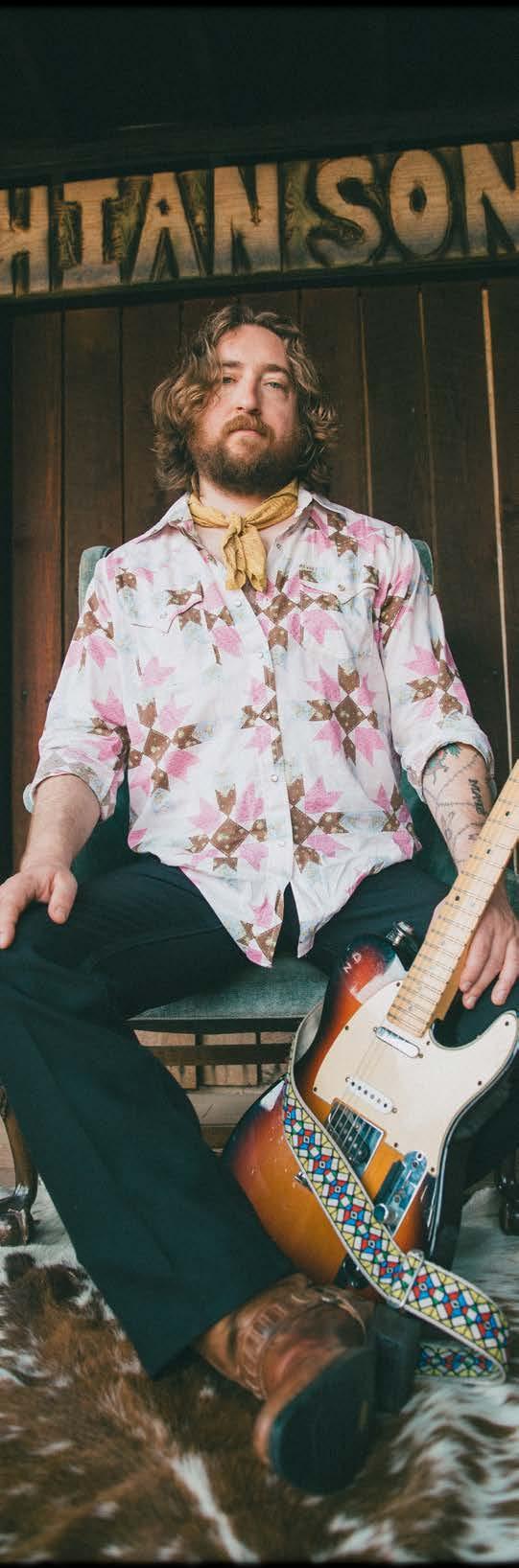
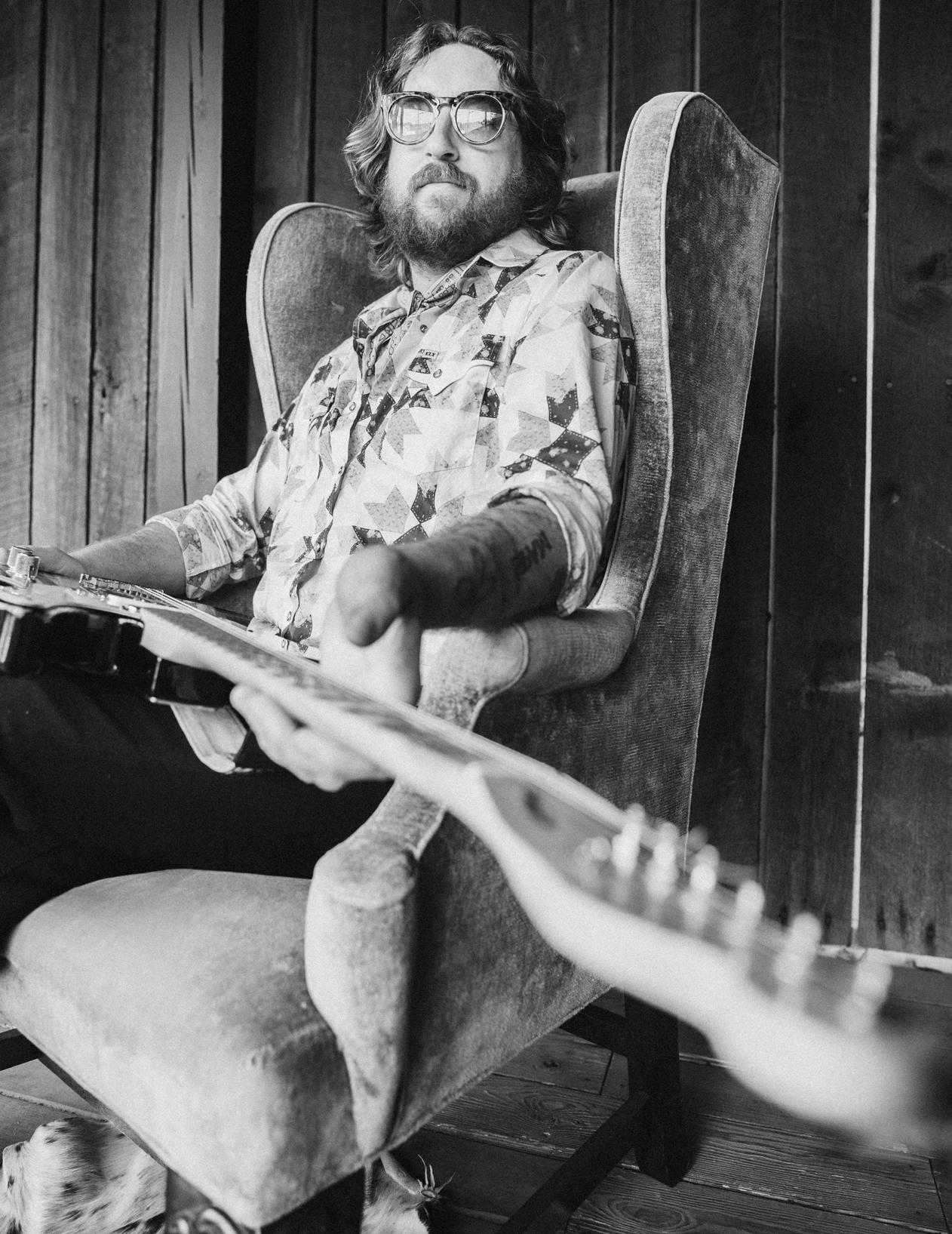
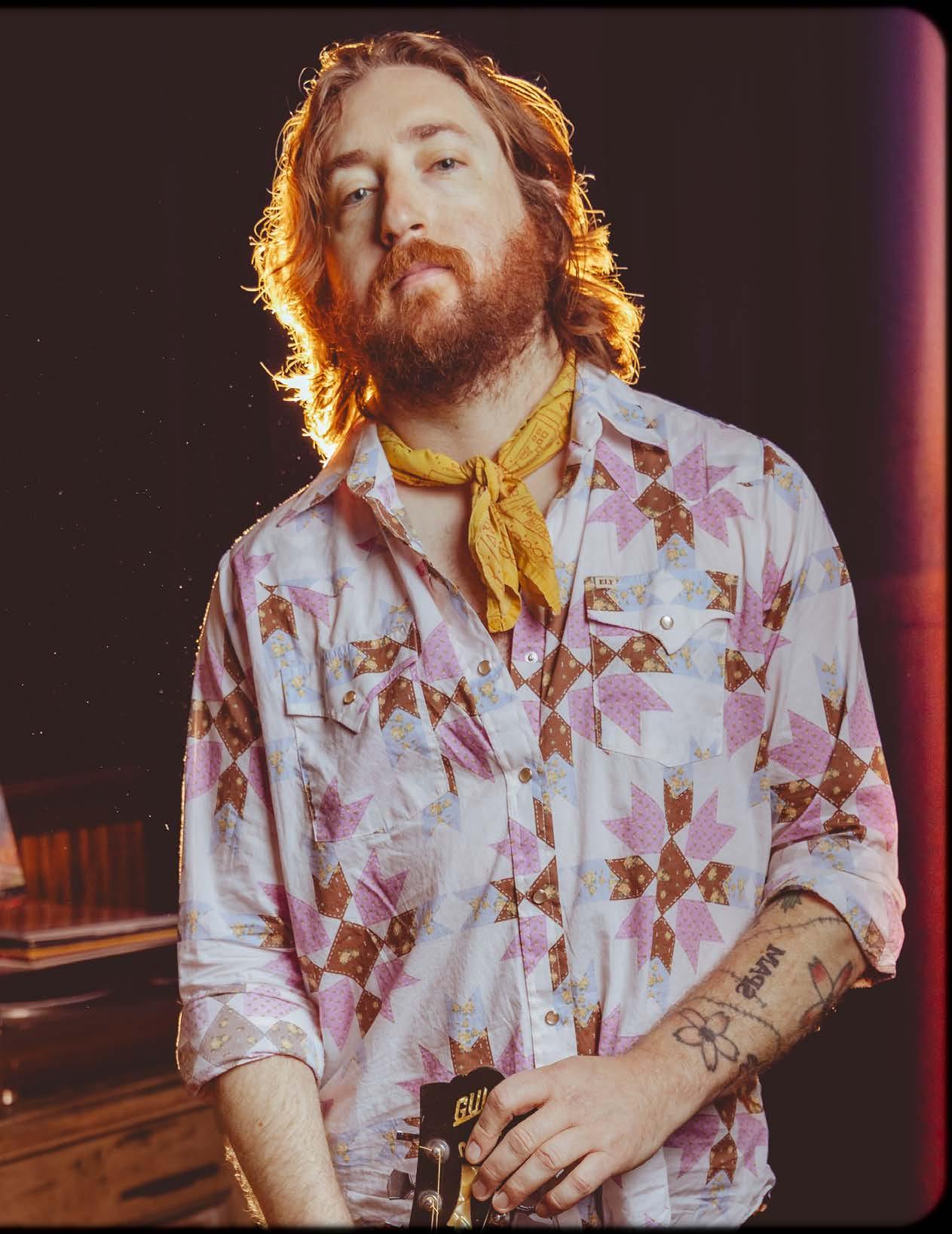
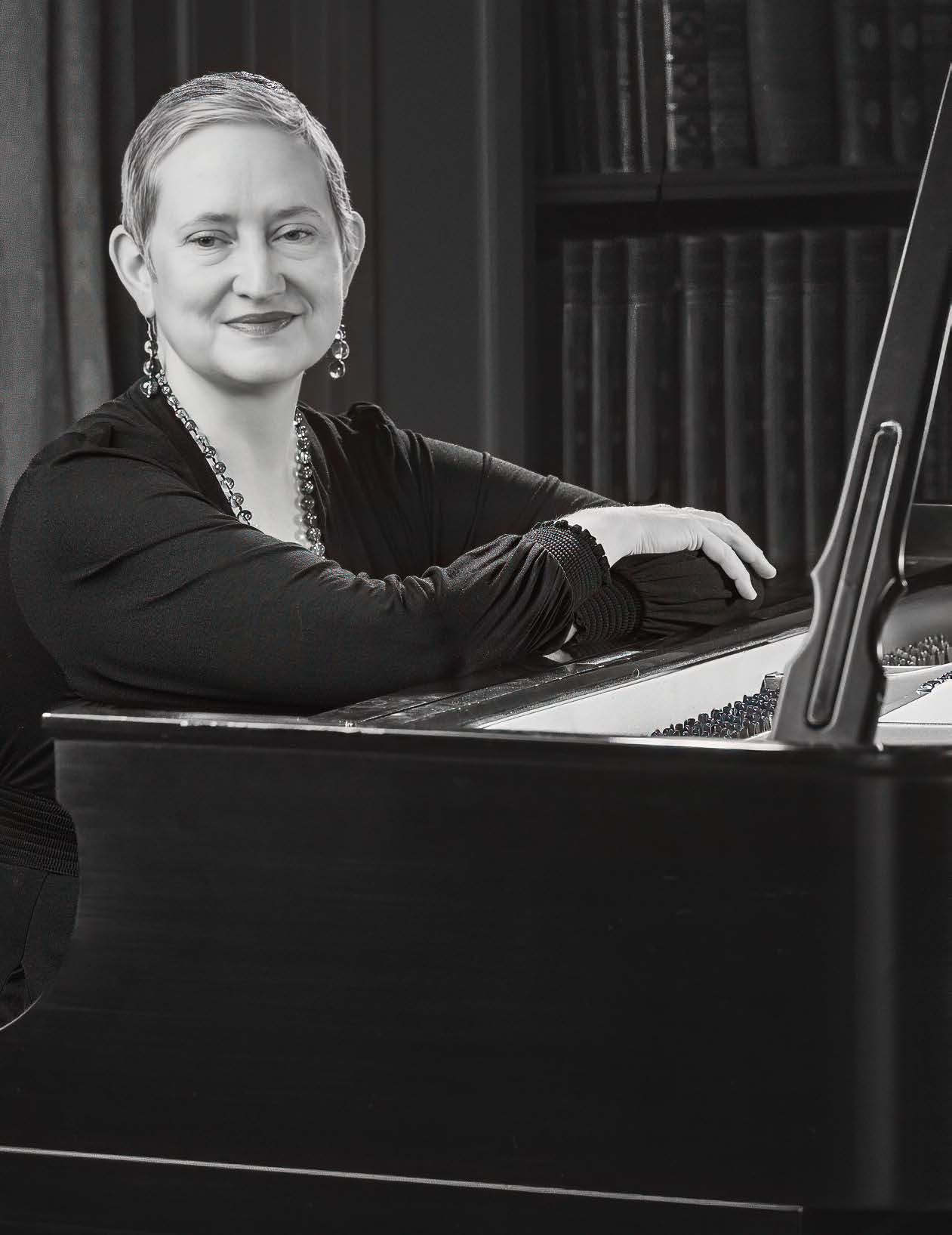
By Alisha Proffitt • Photos By Matt Johnson
Rachel Grimes has spent a good chunk of her career listening for the voices history tends to leave at the margins. The Louisville-based pianist and composer is known for her years with the chamber-rock group Rachel’s, whose work fluidly moved between post-rock, folk, and contemporary classical composition. In recent years, her focus has been on another kind of composition. Her interests lately involve reconstructing lives through archives and genealogy. Her latest undertaking, focusing on the music of Henry Hart, continues that work with an impressive depth.
The project’s muse is Henry Hart, a 19th-century Black composer, violinist, and bandleader born in Kentucky in 1839, whose music once heavily impacted the social life of Indianapolis but, in large part, has disappeared from public memory. During the late Gilded Age, “Professor Hart & His Orchestra” was considered indispensable entertainment for the city’s wealthy white families, including those connected to Eli Lilly. The US Library of Congress lists Hart’s song “Good Sweet Ham” as a hit song of 1873. Hart’s dance music was widely published and performed, but after 1877, the publications abruptly stopped. Grimes’ uncovering of Hart’s story began with someone else.
In 2017, while researching her folk opera The Way Forth, she was studying her ancestor Elizabeth Callaway as a possible historical voice for the work. Instead, she found herself drawn to Dolly, an enslaved woman brought to Kentucky in 1775 by Colonel Richard Callaway as part of the same expedition traveling with Daniel Boone and the Transylvania Company. “I pivoted my research focus to Dolly,” Grimes says. “She was enslaved to the Callaway family and helped to raise their children.”
She wrote songs around Dolly’s life and continued researching her family long after the opera premiered. This all led her to Dolly’s son, Frederick Hart, and eventually to Henry Hart. A death certificate listed Frederick and Judy Hart as Henry’s parents, and after extensive genealogical work, Grimes confirmed that Henry’s father was the same Frederick Hart who was the first child born at Fort Boonesborough in November 1775.
The discovery linked Hart’s music to a much larger Kentucky story of enslavement, freedom, and artistic inheritance. “There is always more to learn about our collective history,” Grimes says. “I felt deeply compelled to share what I was learning about this ground-breaking family and their experiences in Kentucky’s story.” That impulse became Waltzes & Love Songs of Henry Hart, an album of newly arranged works, along with new sheet music editions of eight of Hart’s compositions and the first commercial recordings ever made of his music.
Hart’s disappearance from the canon, Grimes notes, is a reflection of both politics and technology. As Jim Crow laws took hold during the late Reconstruction era, publication of his compositions halted. His family moved from Evansville to Indianapolis in 1879, and his later years focused on live performance rather than publication. Then came sound recording. “The arrival of audio recordings in the early twentieth century captured national attention and diminished the decades-old practice of playing sheet music at home,” she says. “Suddenly, the music could be replicated in your living room, while you lounged in a chair.”
For Grimes, restoring Hart’s work is archival recovery, yes. But it’s also part of a larger cultural reckoning, especially as the United States approaches its 250th anniversary. “Black artists and creators have been central to the development of American musical forms and styles,” she says. “My hope is that people will enjoy Hart’s lively dance music and charming songs and broaden their understanding of our continually evolving American cultural heritage.”
Her arrangements share that same commitment to context. Rather than treating Hart’s work as a historical artifact to be preserved under glass, she approached it as performance music meant to live in the present.
Hart was a violinist who occasionally played cornet and led dances such as the quadrille, a precursor to the square dance. His wife, Sarah, was a pianist, and their daughters were trained on piano, viola, cello, harp, xylophone, and drums. In later years, Hart often performed with his daughters at Indiana summer resorts, including Lake Wawasee and West Baden. Grimes chose violin, cello, and piano for her chamber arrangements to honor that family ensemble.
That sense of continuity expands in her collaboration with the Louisville Youth Orchestra, where young musicians are now performing orchestral versions of Hart’s work. “Working with the Louisville Youth Orchestra to create custom orchestra arrangements for their spring concert has been an absolute pleasure,” she says. As she worked on those orchestrations, she found herself imagining Hart’s own response. “I would laugh and think what fun Henry might have had with these songs on such a large scale.”
With a full orchestra, Hart’s waltzes take on a new dimension. Pizzicato strings behind the dance pulse, low brass creating the “oom-pa-pa” rhythm, percussion expanding that energy, and a final coda that can become, in her words, “huge and celebratory.”
Grimes began playing piano before she was a year old, sitting in her father’s lap. Her grandmother kept two pianos in the living room, and music-making was a part of her family dynamic. Later, she played with her brother Edward in Rachel’s, making the idea of the family band feel familiar long before she ever encountered the Hart family archive. That history helps explain in part why Henry Hart resonates so strongly with Grimes.
Hart’s story is not just one of a lost repertoire. It is about freedom through music. Hart was born enslaved; this was wrongfully imposed upon him and countless others. Because of the determination of his parents, freedom was secured for their family, allowing him access to music education, entrepreneurship, and the ability to support his own children through performance.
That story feels especially urgent now. “We are living through an upheaval of moral and civic order in America,” Grimes says. Protecting cultural history is inseparable from defending civil rights and democratic memory. Revisiting Hart’s work means preserving both the music and the conditions that made it possible. When audiences encounter the music of Henry Hart, she hopes they leave with both the pleasure of the compositions and the weight of that history.
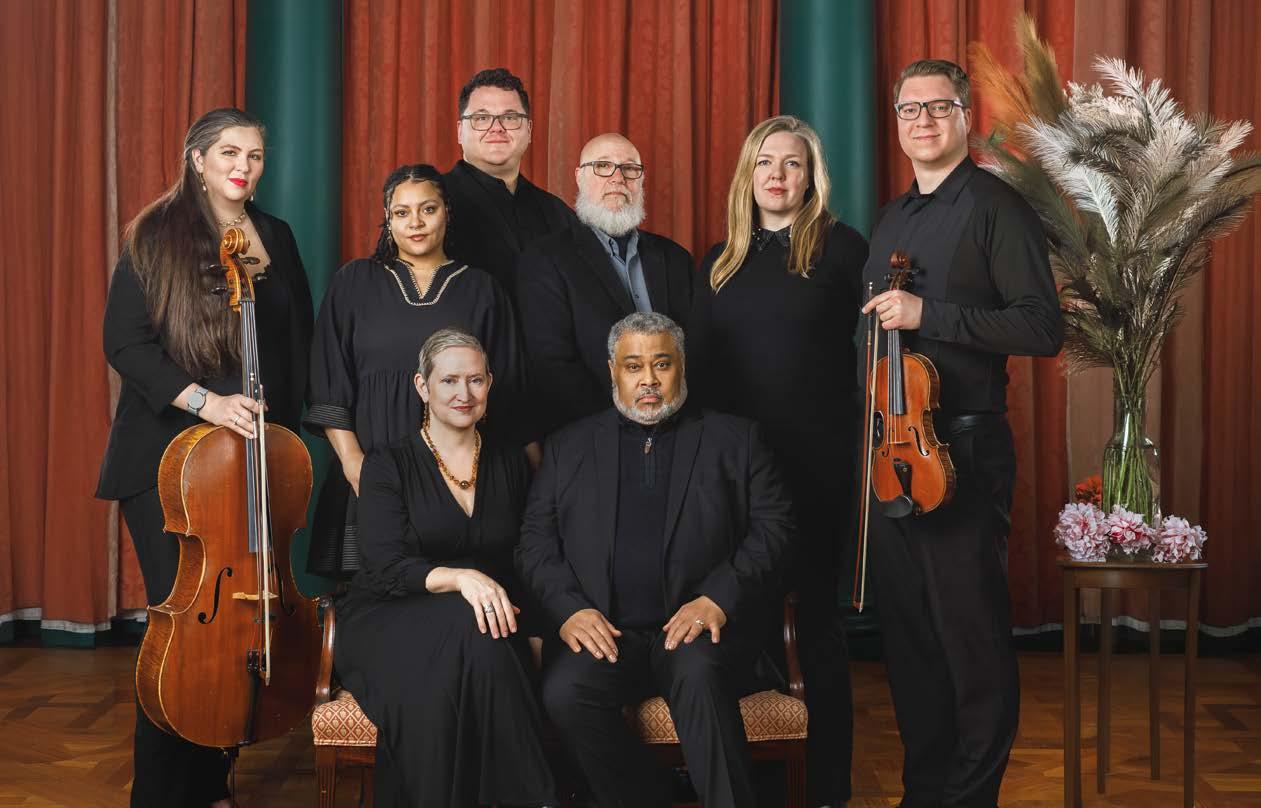
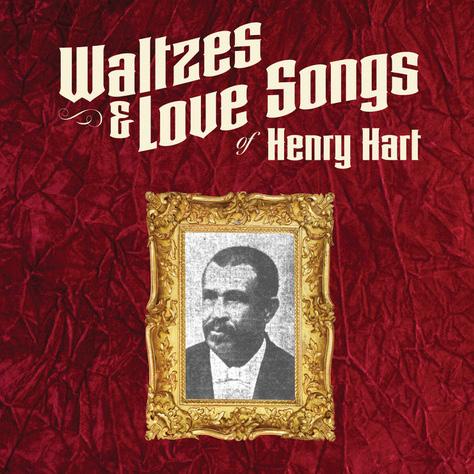
“So many people did not get the same chance at freedom,” she says, “and we will never know how their lives could have flourished if not for the oppression forced upon them.”
Waltzes & Love Songs of Henry Hart is available on Grimes’s Bandcamp, attached to the QR code below, with a special live performance on Friday, May 29th, by Rachel Grimes and Ensemble at The First Presbyterian Church in Frankfort.
To follow and learn more about Rachel’s work, visit: www.rachelgrimespiano.com

WE WANT TO SHARE YOUR VOICE!
WE AT VOICE-TRIBUNE WANT TO SHARE YOUR VOICE AND ENGAGE WITH THE COMMUNITY. SHARE YOUR STORIES, YOUR PHOTOS, YOUR ARTWORK AND SO MUCH MORE. CHOSEN SUBMISSIONS WILL BE PRINTED IN OUR MONTHLY VOLUMES, AND ONLINE AT VOICE-TRIBUNE.COM.
SUBMIT YOUR VOICE BY SCANNING THE QR CODE BELOW!

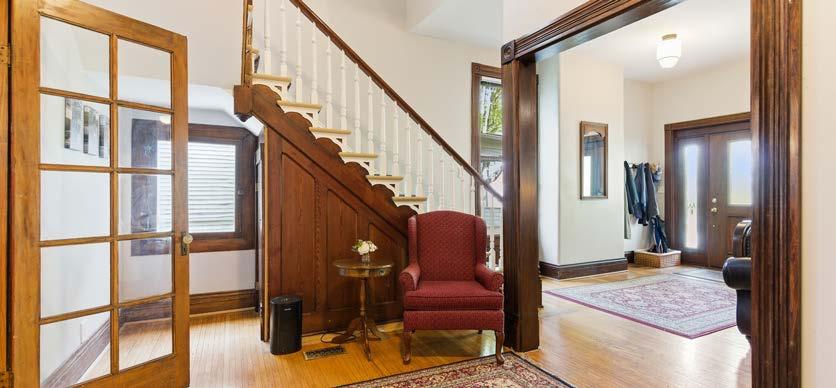



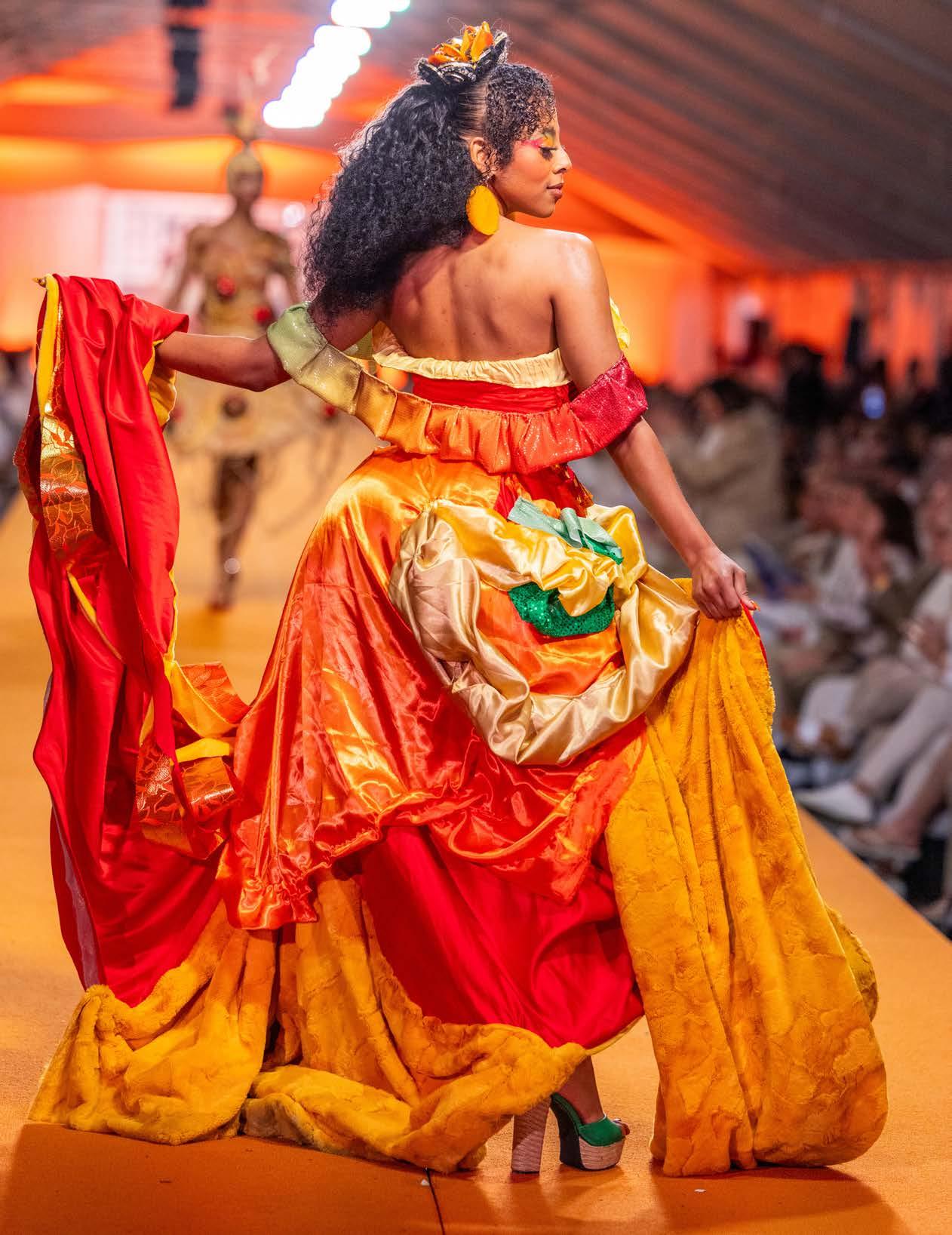
By VOICE-TRIBUNE
• Photos By Kathryn Harrington
Every year, KMAC Couture asks designers to do something ambitious. This year, designers were asked to do what most of us avoid at family gatherings: confront their ancestry. This year’s theme, Ancestor, turned Louisville’s favorite wearable art spectacle into a glamorous excavation of memory, lineage, and the inherited quirks.
The 2026 show invited designers to dig into heritage and cultural legacy, then translate it into couture. The results weren’t so much a “runway trend report” and more “if your family tree had a very expensive costume budget.” Designers pulled inspiration from family stories, cultural traditions, and the craftsmanship passed down through generations. The result was a beautifully dressed family archive, if family archives came with dramatic trains and impossible headpieces.
The references to heritage were both intimate and expansive: heirlooms reimagined, family trades, ancestral craftsmanship, quilting traditions elevated to high drama, kente cloth, alter egos, and stories passed down like recipes. That’s the charm of KMAC Couture. It knows fashion works best when it tells a story, preferably one with excellent tailoring and a little theatrical flair. Ancestor gave the usual runway spectacle something richer, something that stands the test of time.
Here are some of our favorite pieces from the show.
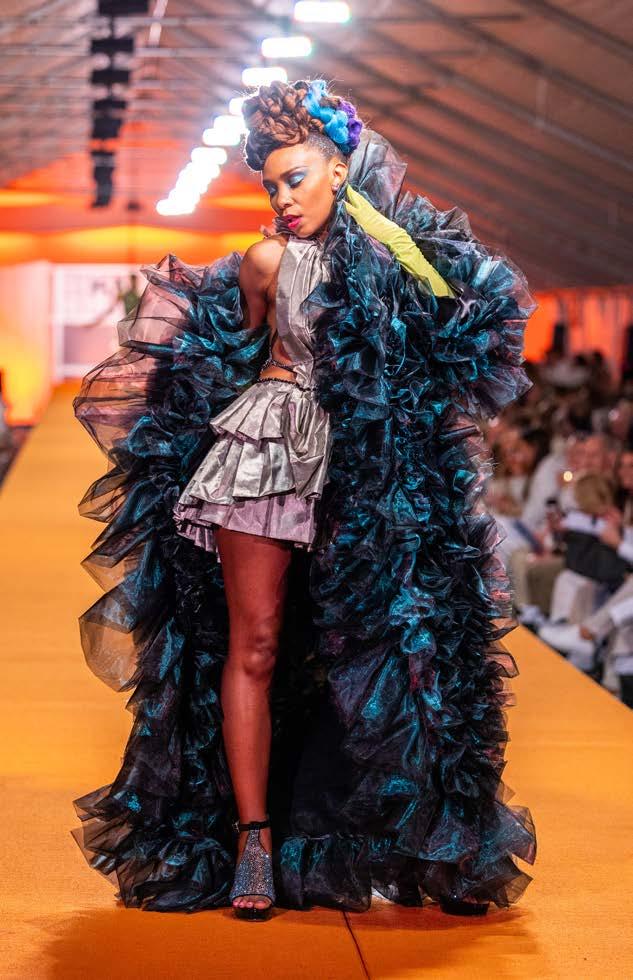


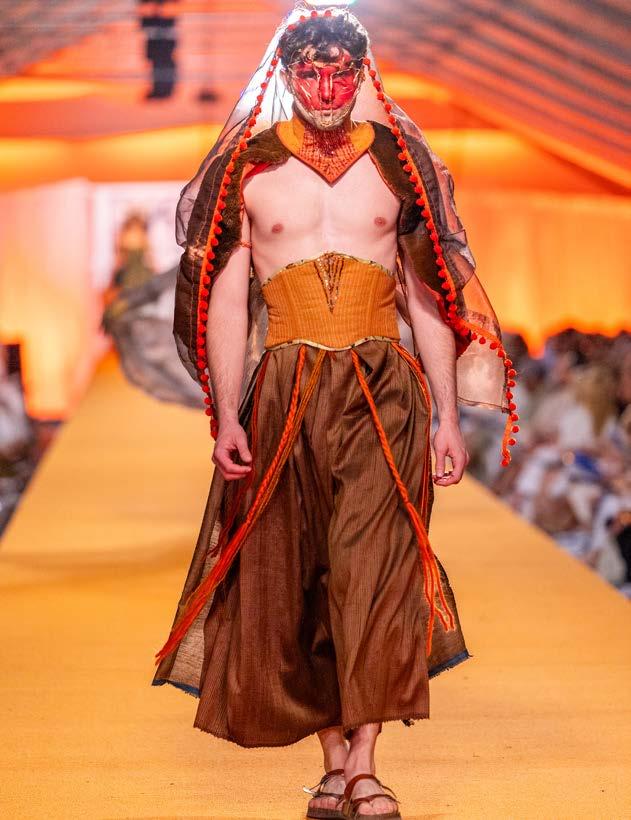

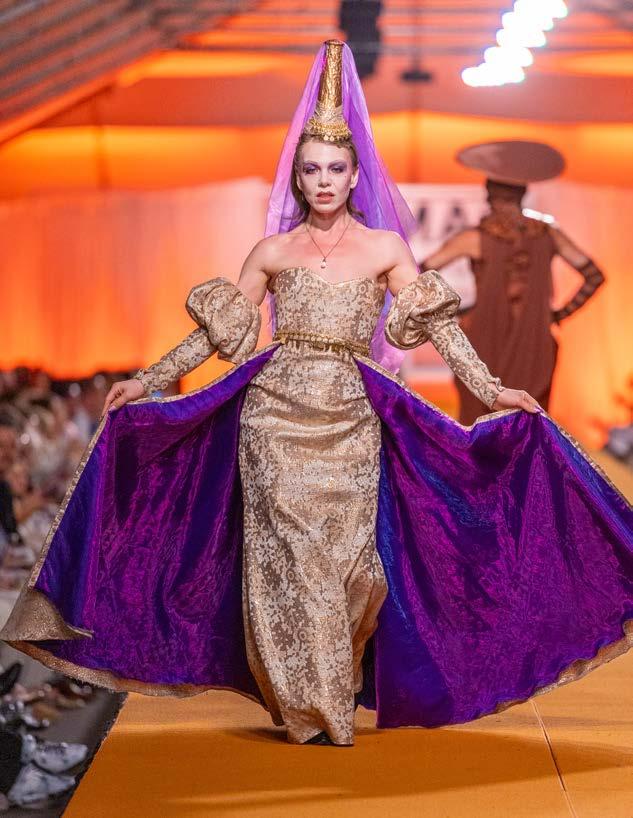
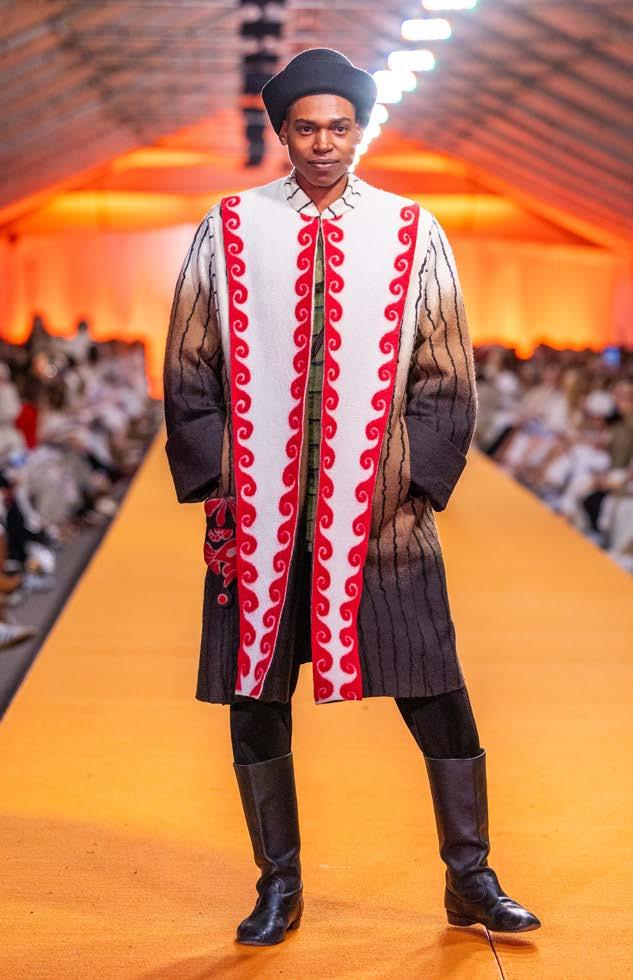

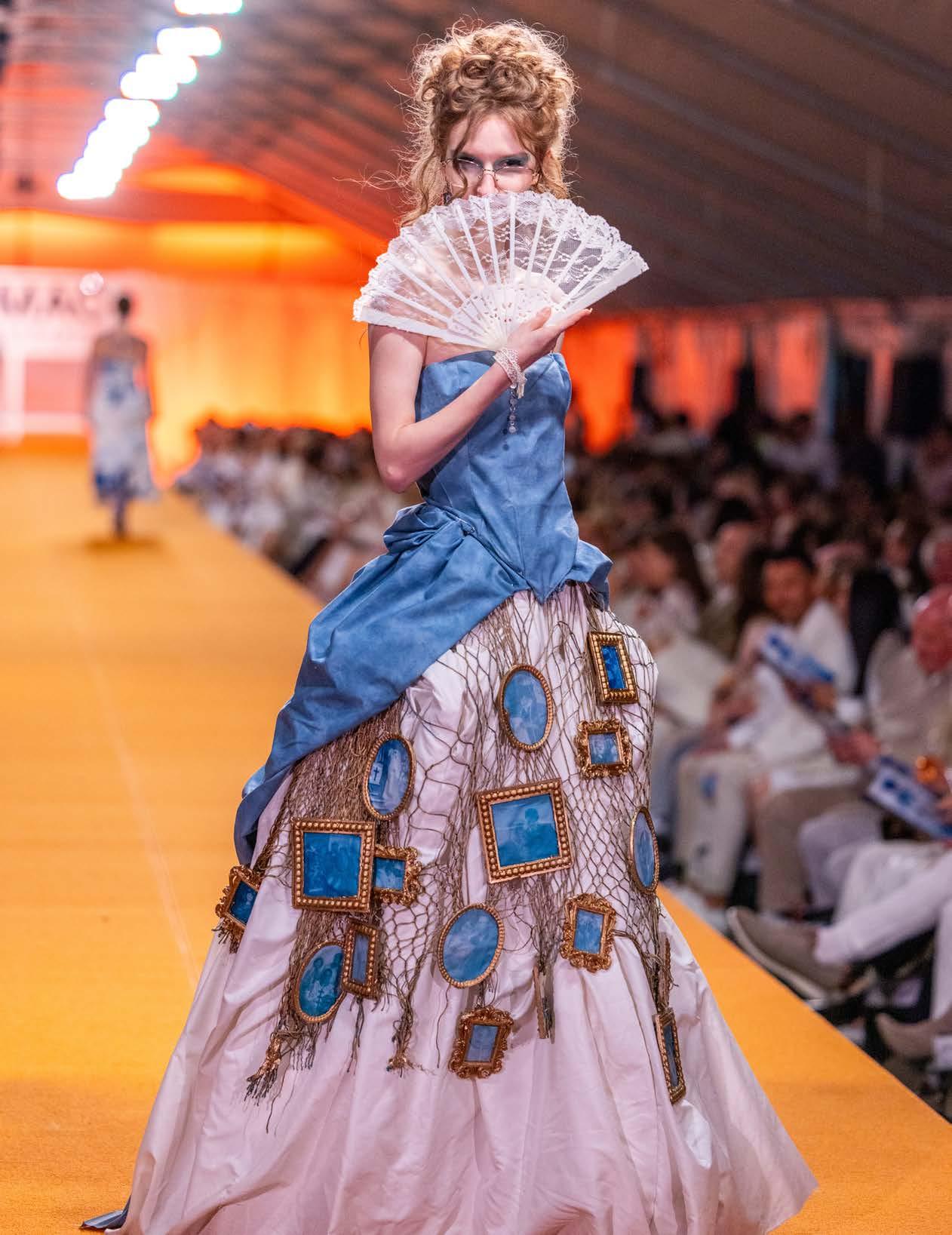
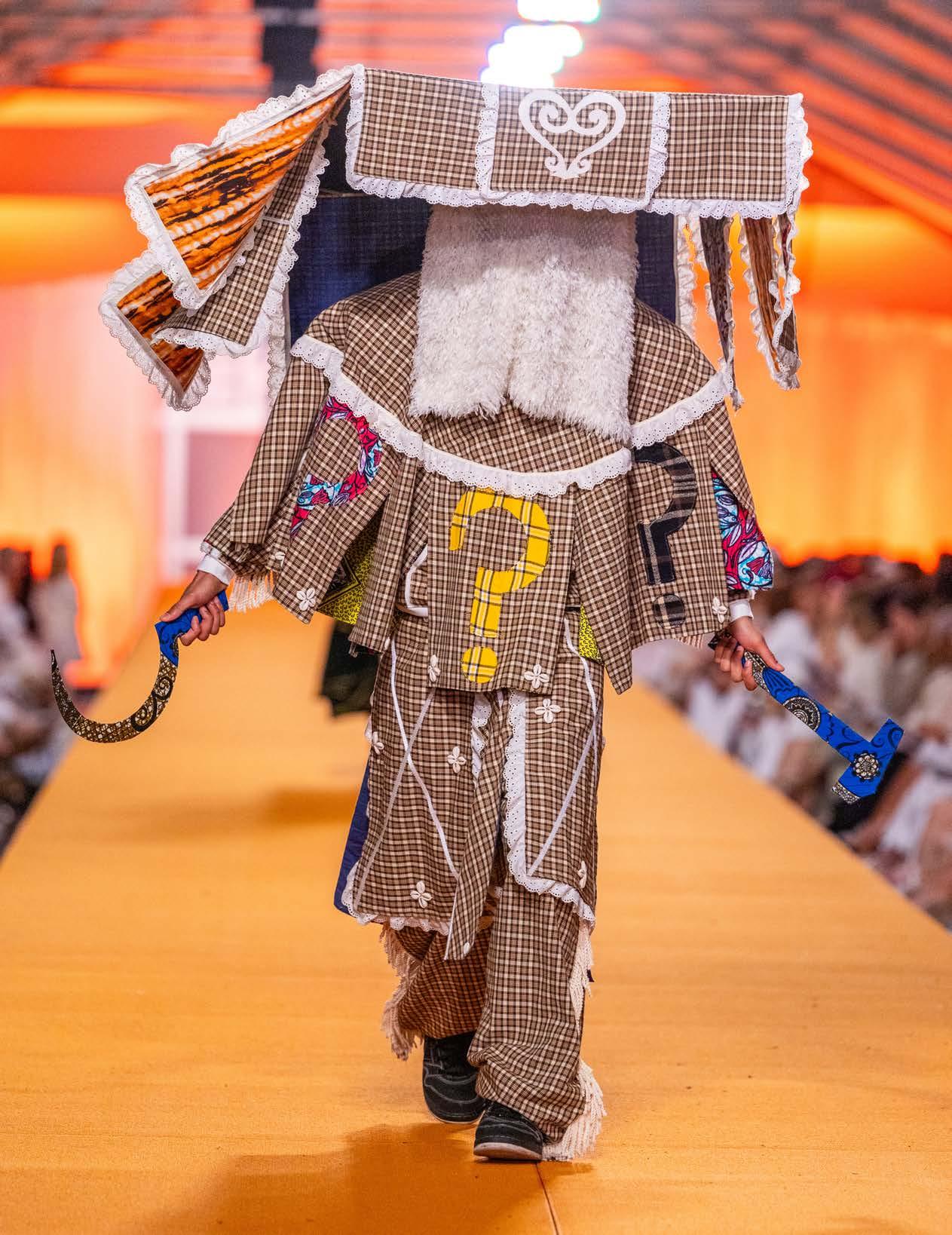


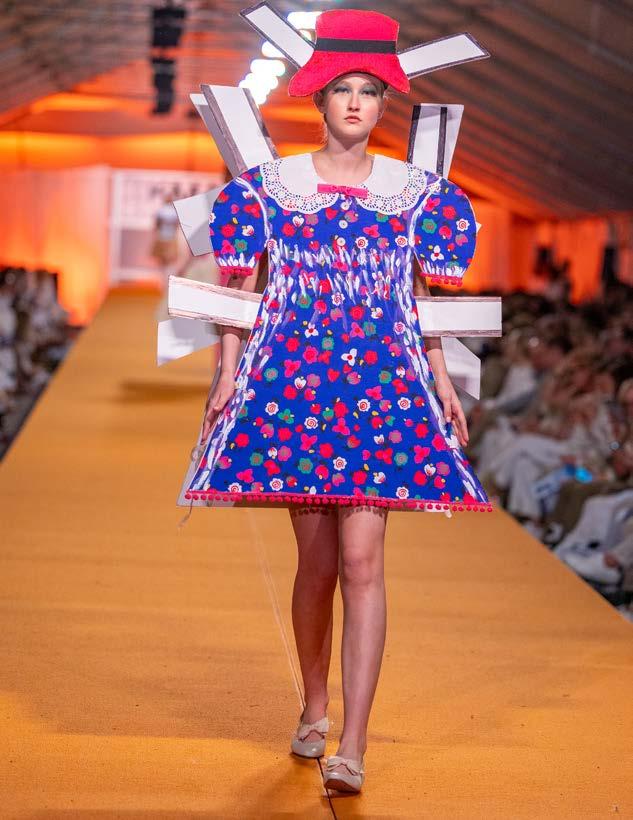
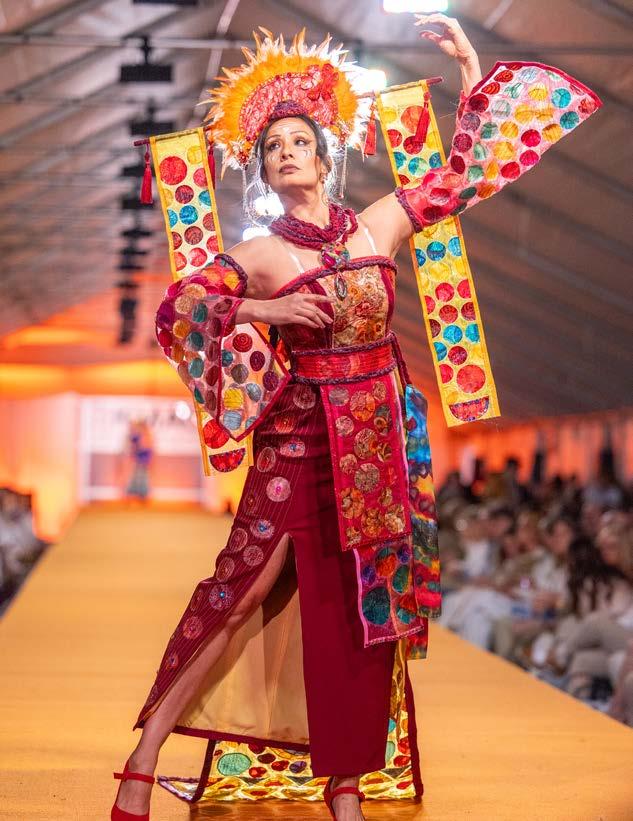
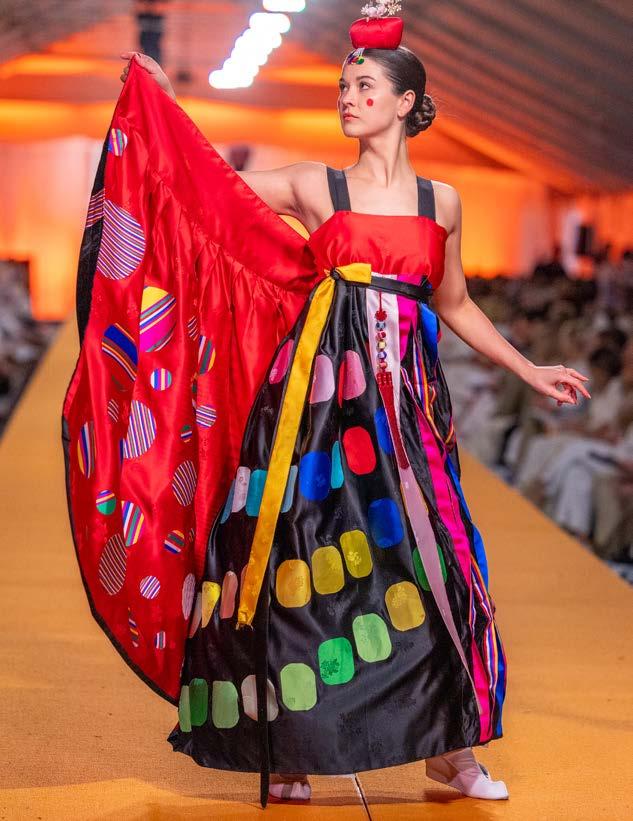
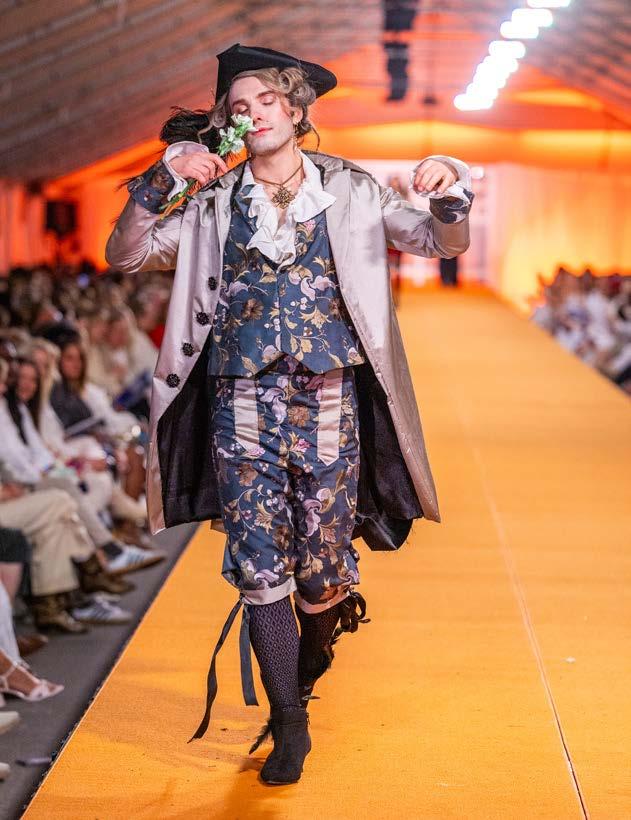
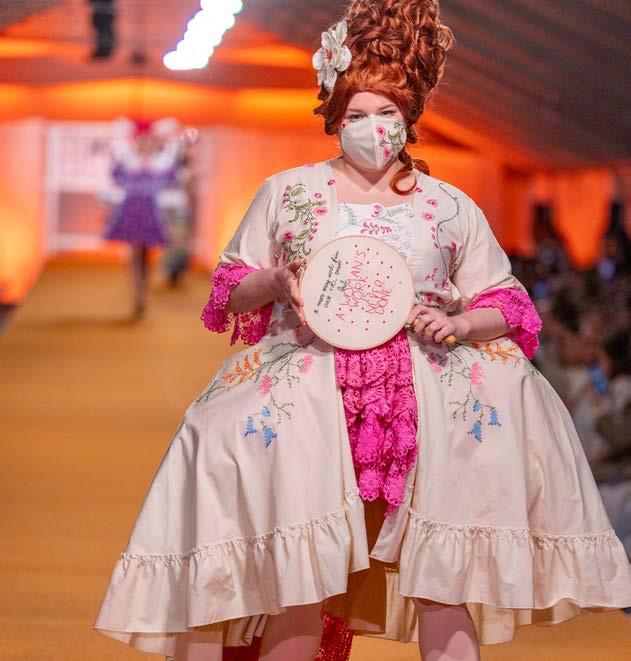

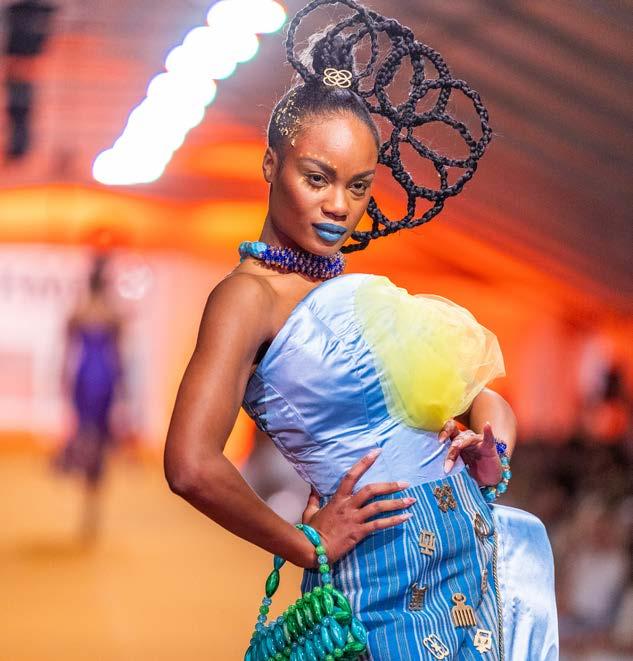
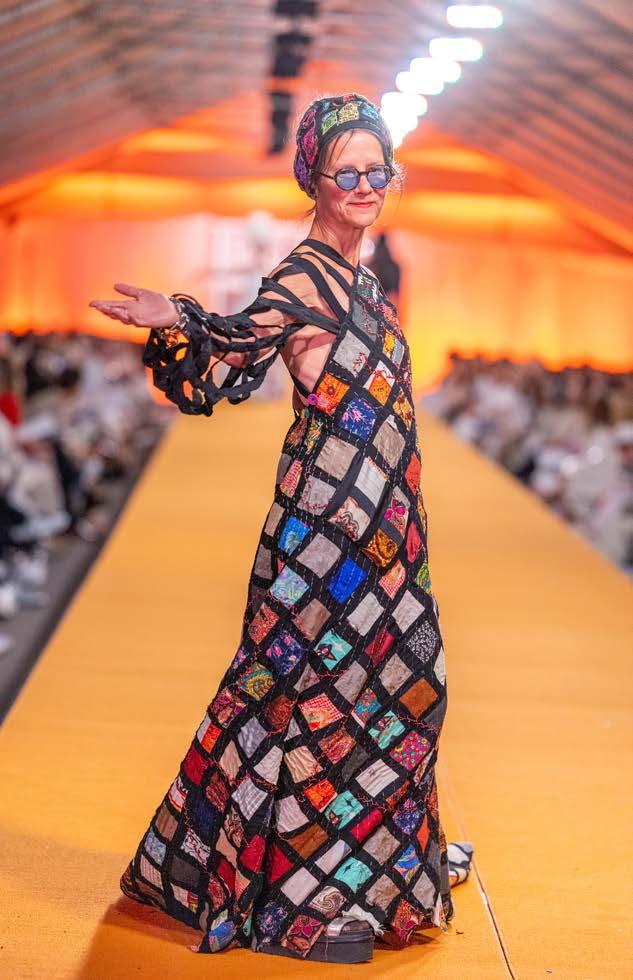
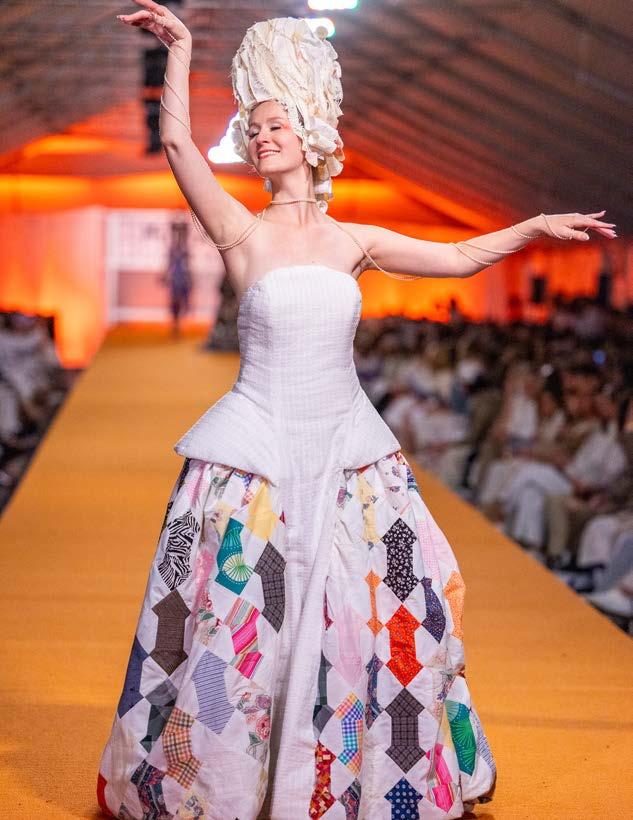


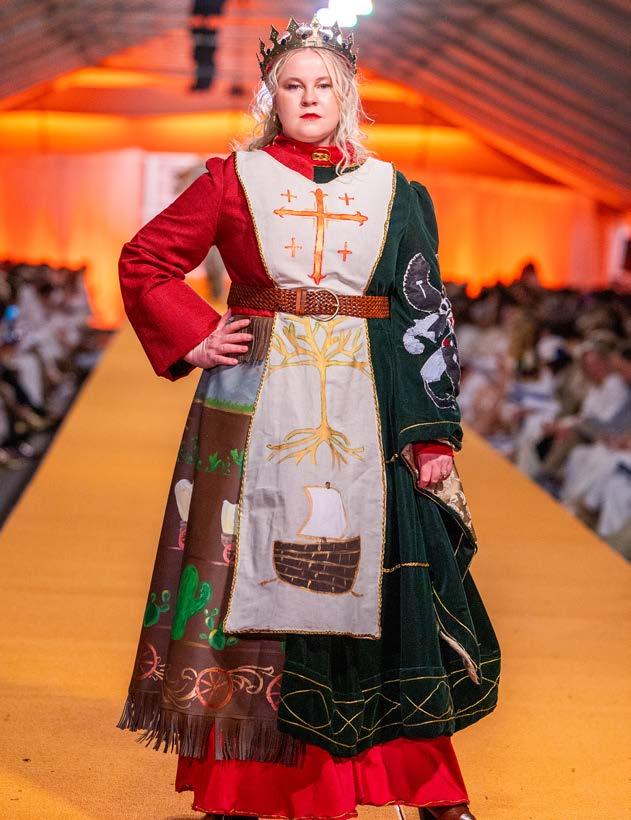


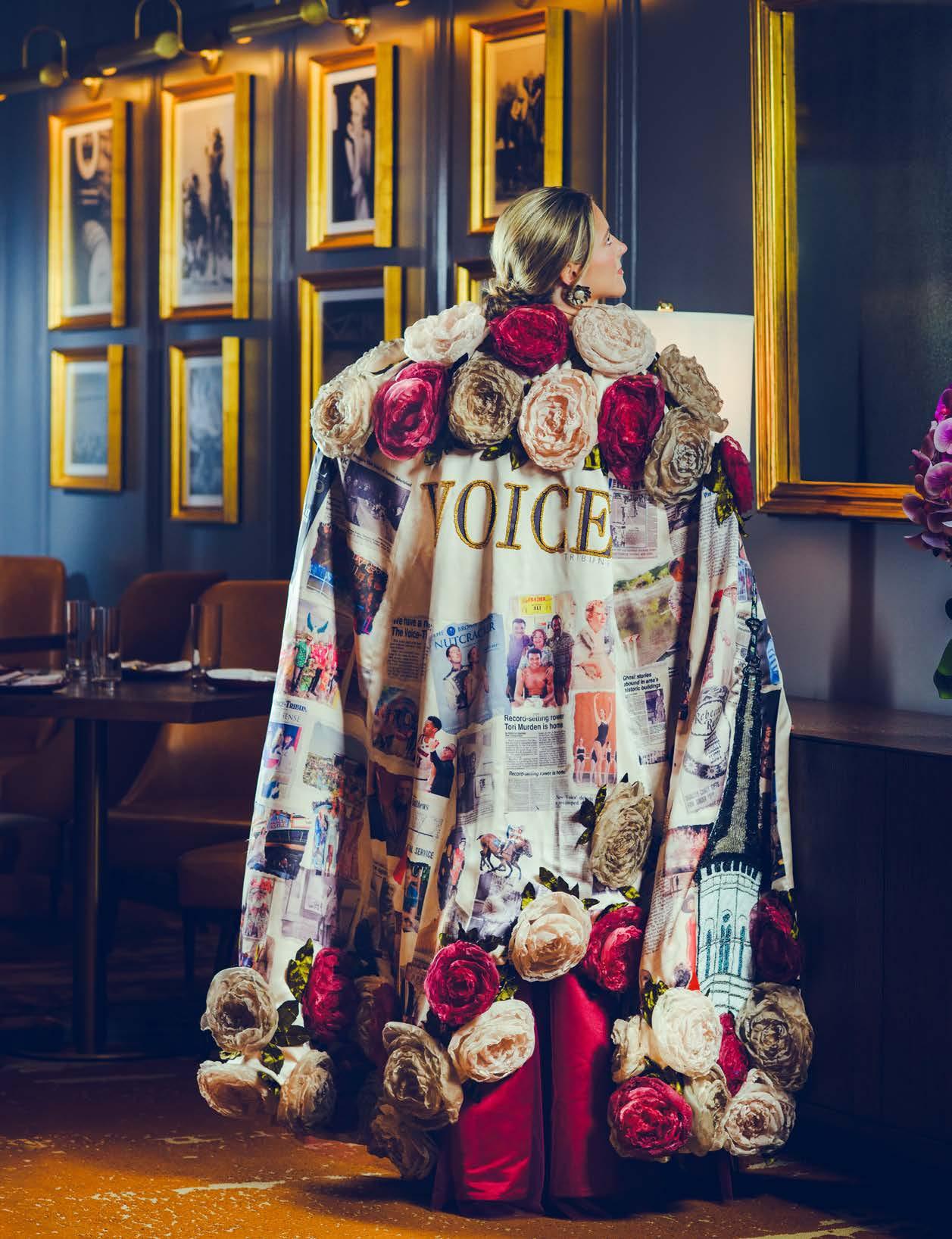
By Alisha Proffitt • Photos By Matt Johnson and Provided
For this year’s KMAC Couture, Lilah Pudlo made a dress about memory. She was asked to create a piece for the VOICE-TRIBUNE during Kentucky Derby season, tied to this year’s KMAC Couture theme of ancestry. She chose to focus on the magazine’s long history in Louisville and what it has meant to the city for 77 years.
“I was approached with the concept of highlighting the importance and transformation of the VOICE-TRIBUNE,” she says. “The theme this year of Ancestry was the perfect platform to show the historical importance of the magazine as a piece of Louisville’s history and its resilience for 77 years.”
For Pudlo, the project became personal. It gave her a reason to take a deeper look at the city where she grew up and the creative community that has so greatly influenced her vision. She spent a significant amount of time looking through old archives and gained a real understanding of how not only the publication had changed over time, but the city itself. “This became one of the most meaningful pieces I have created, as the process immersed me in the history, resilience, and spirit of Louisville in a way I had never experienced before,” she says.
Pudlo’s interest in fashion began at DuPont Manual High School’s Visual Arts Magnet. In her senior year, she found herself drawn to fabric, texture, and the work of making something by hand.
“I fell in love with fashion design during my senior year of high school at DuPont Manual Visual Arts Magnet,” she says. “In Alana Alford’s class, I was exposed to a wide range of fabrics, materials, and textures, and she encouraged us to experiment freely with different sewing machine techniques.”
She also attended summer study programs that helped her along her path. From there, she studied Fashion Design at Massachusetts College of Art and Design, where she graduated with top honors. “One of the biggest takeaways for me was the emphasis on craftsmanship,” she says. “From patternmaking to draping, there was a strong focus on precision and understanding structure, which still heavily influences how I construct pieces today, especially in couture work.”
She also learned that every garment needs a reason to exist. MassArt pushed its students to think about concept as much as construction. That really stuck with her, and now, whether she is designing for film, couture, or a private client, she starts with a story.
She received a scholarship to study abroad in Paris and Antwerp. A visit to Versailles moved her creatively and later influenced her senior collection through color, brocade, and silhouette.
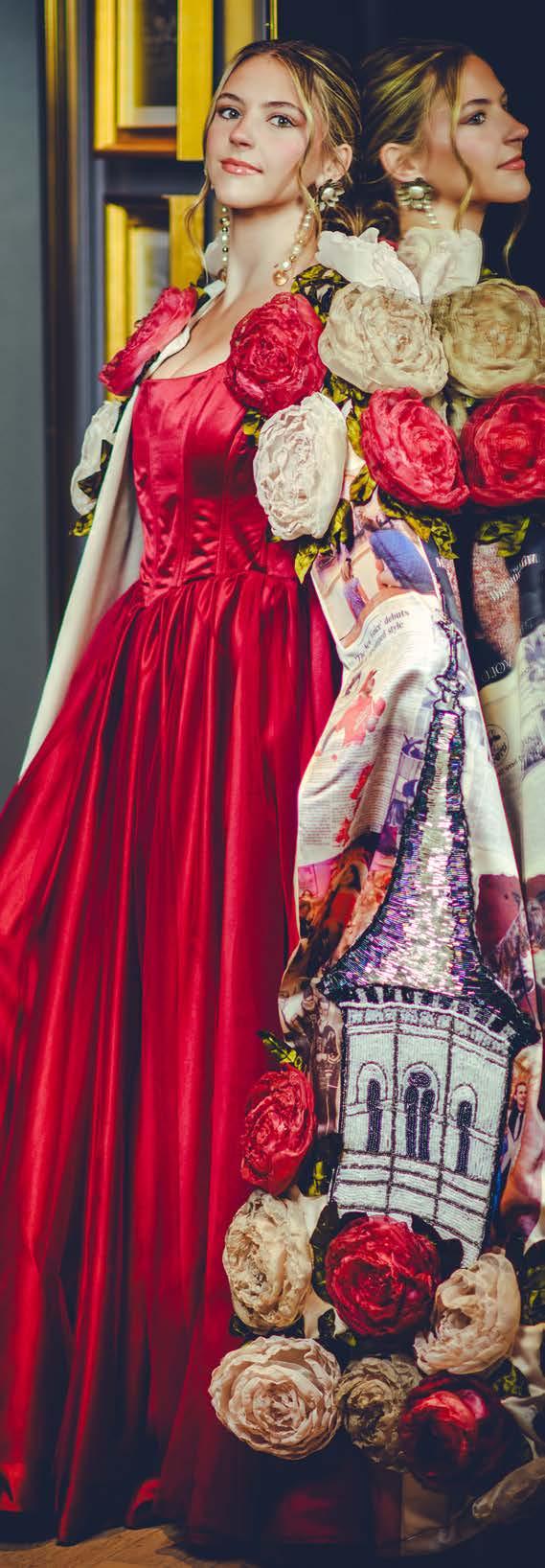
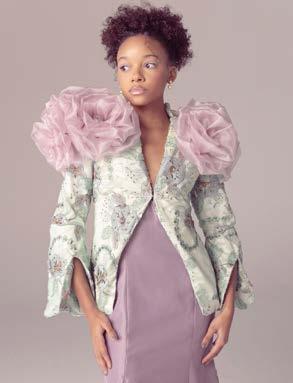
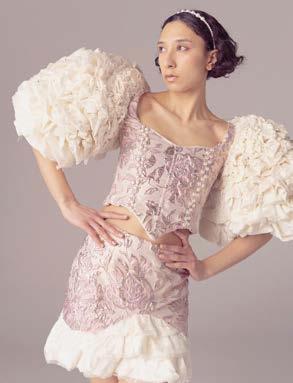
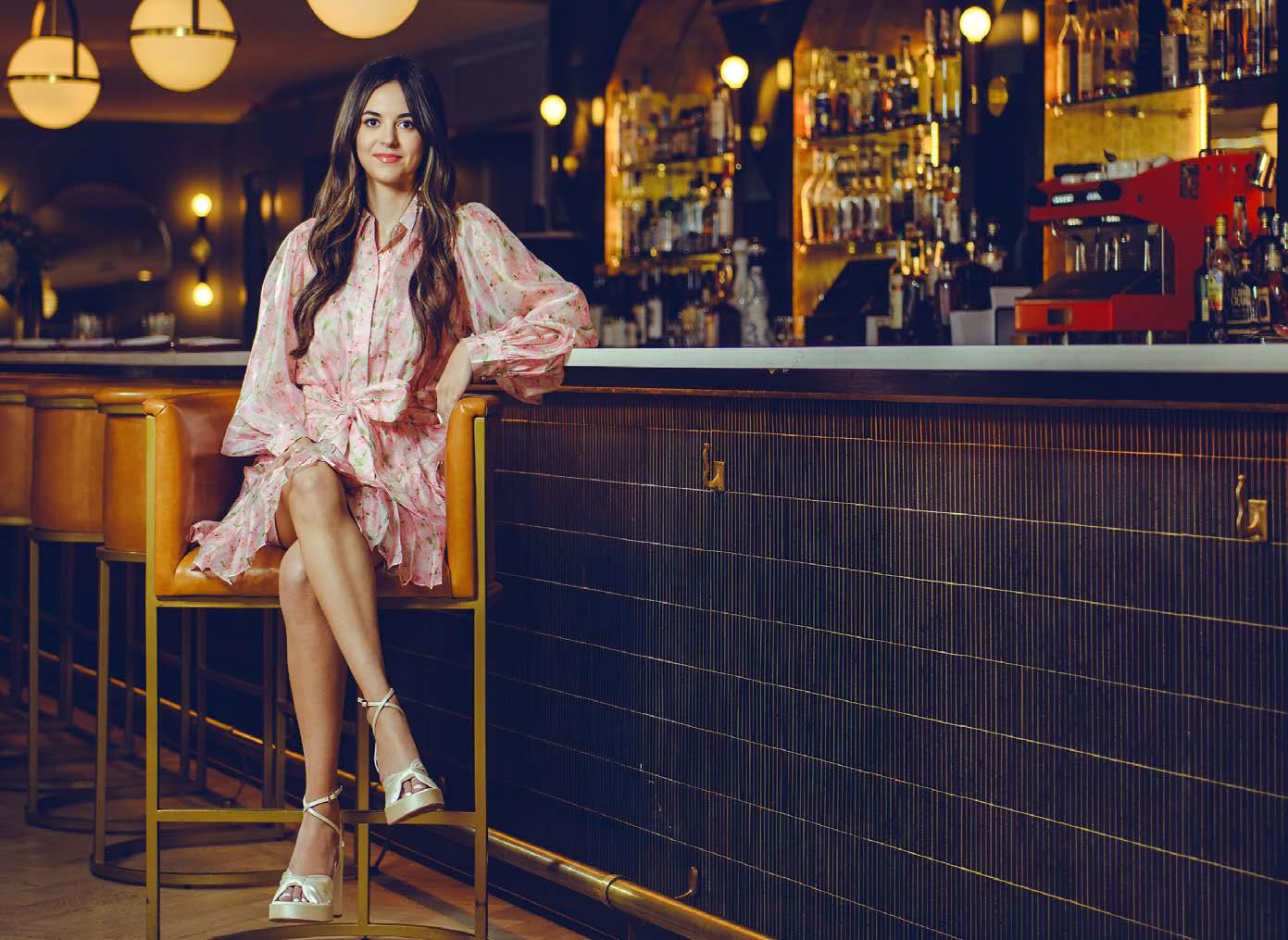
Hand sewing, finishing, and couture details are her favorite parts of the process. “Detailed hand sewing and couture techniques are my favorite part of the design process,” she says, “Although this stage is the most time-consuming, I find myself constantly experimenting with new stitches and strengthening the skills I already have. It is a rewarding feeling to see my work come to life through that level of craftsmanship.”
She likes the work that takes the longest. Hand sewing, finishing, and couture details are her favorite parts of the process. “Detailed hand sewing and couture techniques are my favorite part of the design process,” she says. “Although this stage is the most time-consuming, I find myself constantly experimenting with new stitches and strengthening the skills I already have.”
Her work tackles many different types of design. She has made wedding gowns, tailored jackets, corsetry, and adaptivewear. This range is in large part driven by her love of learning, though her interest in adaptivewear comes from home. Her youngest sister has physical challenges, and Pudlo has spent years tailoring clothes to make them more comfortable. At MassArt, she also worked with Tatum Robotics to help develop a fabric glove for a robotic hand built to support communication for deaf and blind individuals. This work, she says, gave her a broader understanding of how design can serve people in direct and practical ways, and was featured in Forbes magazine.
History matters to her, too. Her mother has a PhD in Art History, and museums were a special part of her childhood. She grew up learning how art and fashion change over time. Her illustrations were later selected for display during Boston Fashion Week for a Charles Frederick Worth exhibition at the Isabella Stewart Gardner Museum. Worth, often called the father of haute couture, became an important figure in her research. “My philosophy is that in order to embrace the future, we must first honor the past,” she says. This was all taken into account for her KMAC Couture piece.
She had taken part in the show once before as a DuPont Manual student in 2020, returning now after earning her degree, she felt different. She trusted her skills more and gave herself room to experiment.
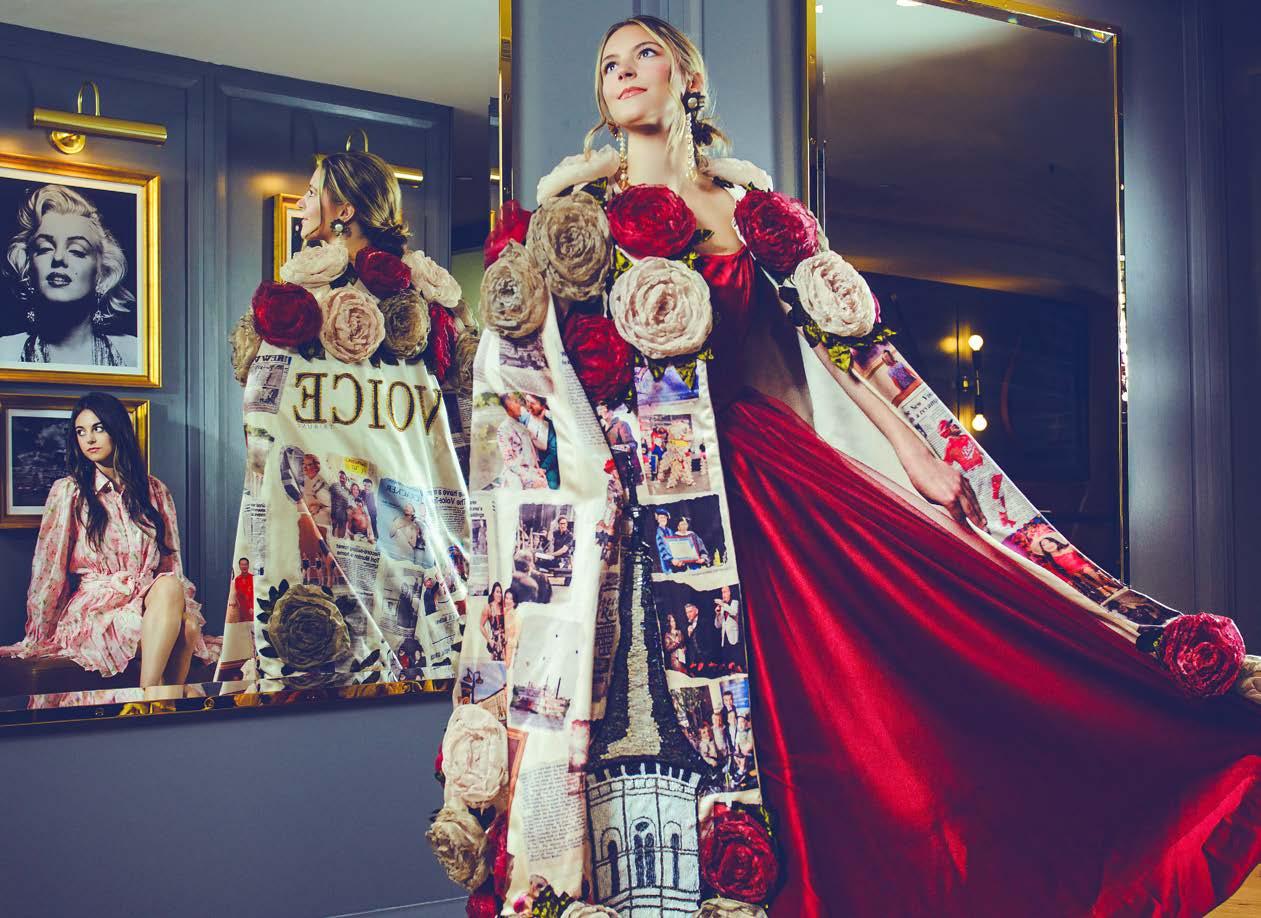
For the VOICE-TRIBUNE design, she taught herself how to print images directly onto fabric. She also hand-beaded twelve-inch Twin Spires, the largest beaded element she had ever made. “I felt very confident creating a piece for KMAC this time around,” she says. “Now, having earned my degree in Fashion Design, I felt much more secure in my technical skills, which allowed me to have fun and experiment in ways I would have once been too timid to try.”
Louisville has always been part of her work. She took classes through the Louisville Visual Art Association from elementary school through high school. She also painted and donated a mural to the Berrytown Community Center through Louisville Parks and Recreation. She remembers how what had been just a concrete wall changed when color was added, and how people responded to it. That memory remains with her.
Fashion works the same way. It can change how people feel. It can tell people where they come from. Seeing her KMAC Couture piece shown in her hometown mattered more than any runway, she says.
Last May, Pudlo was chosen for the cover photo for Vogue.com’s Best Derby Looks. It was an important moment for her, but Louisville still feels like the center.
“It’s always a thrill to see my designs come to life, whether on the runway or on a client, but seeing my work displayed in my hometown meant so much more,” she says.
To learn more about Lilah and her work, visit: lilahpudlo.com.
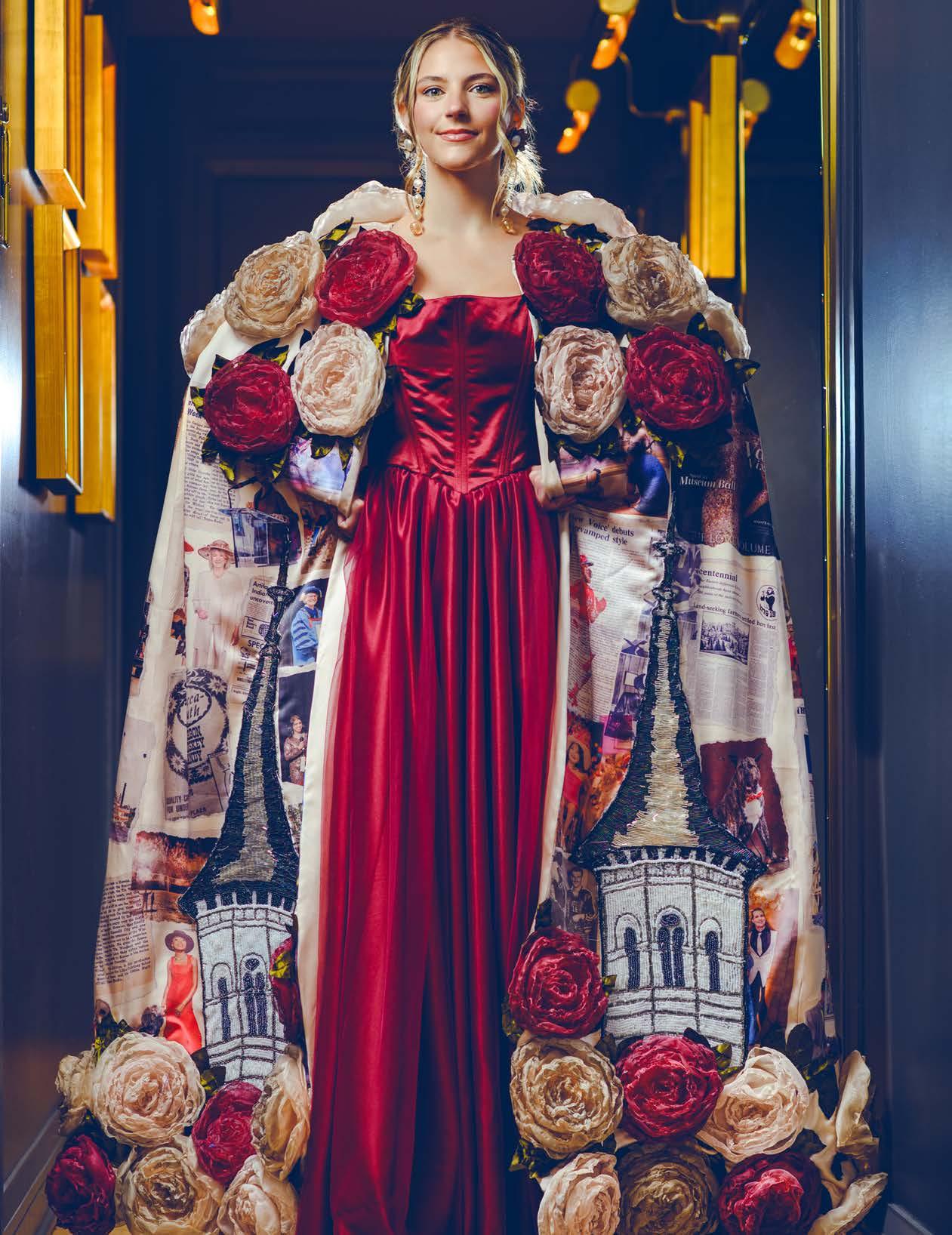
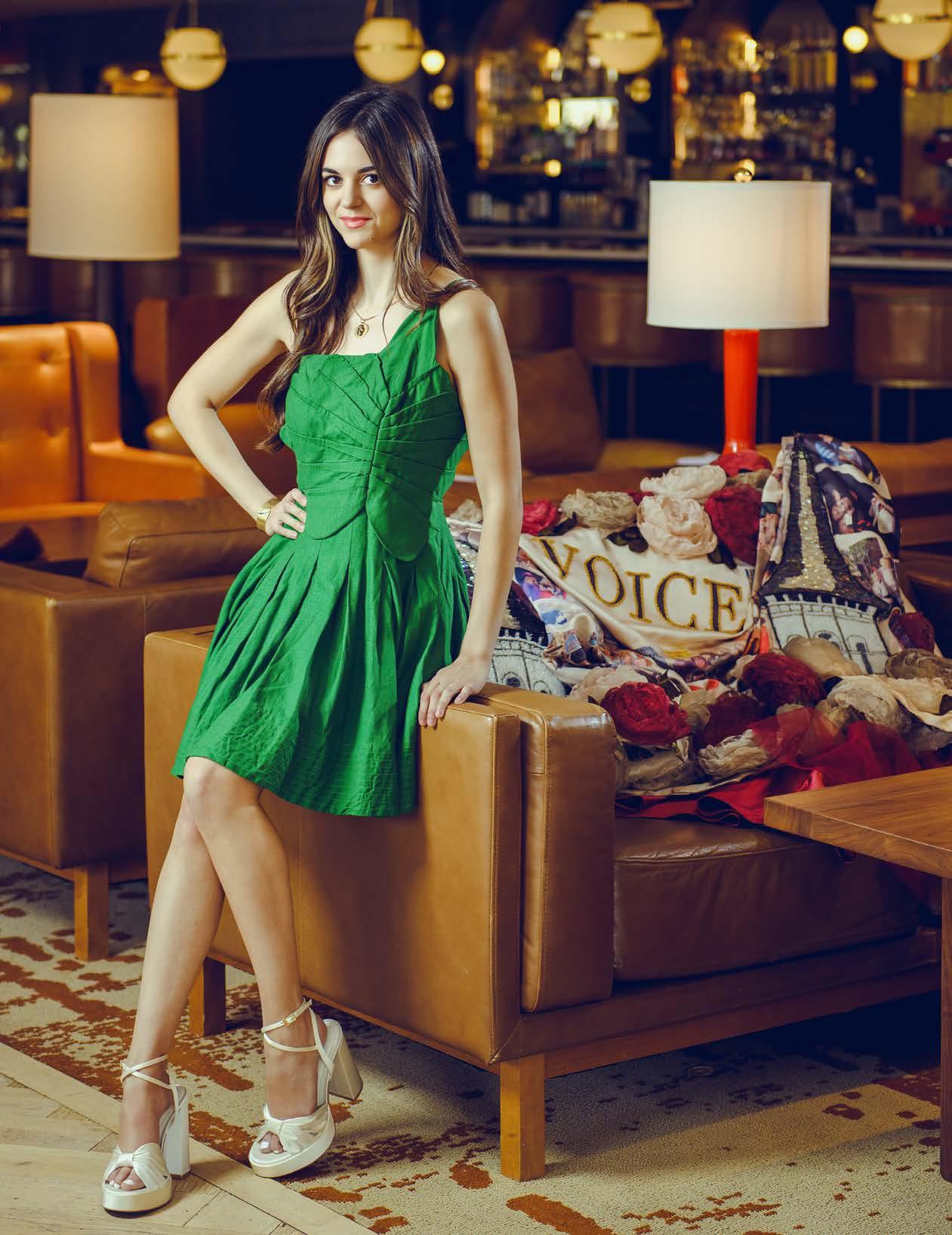

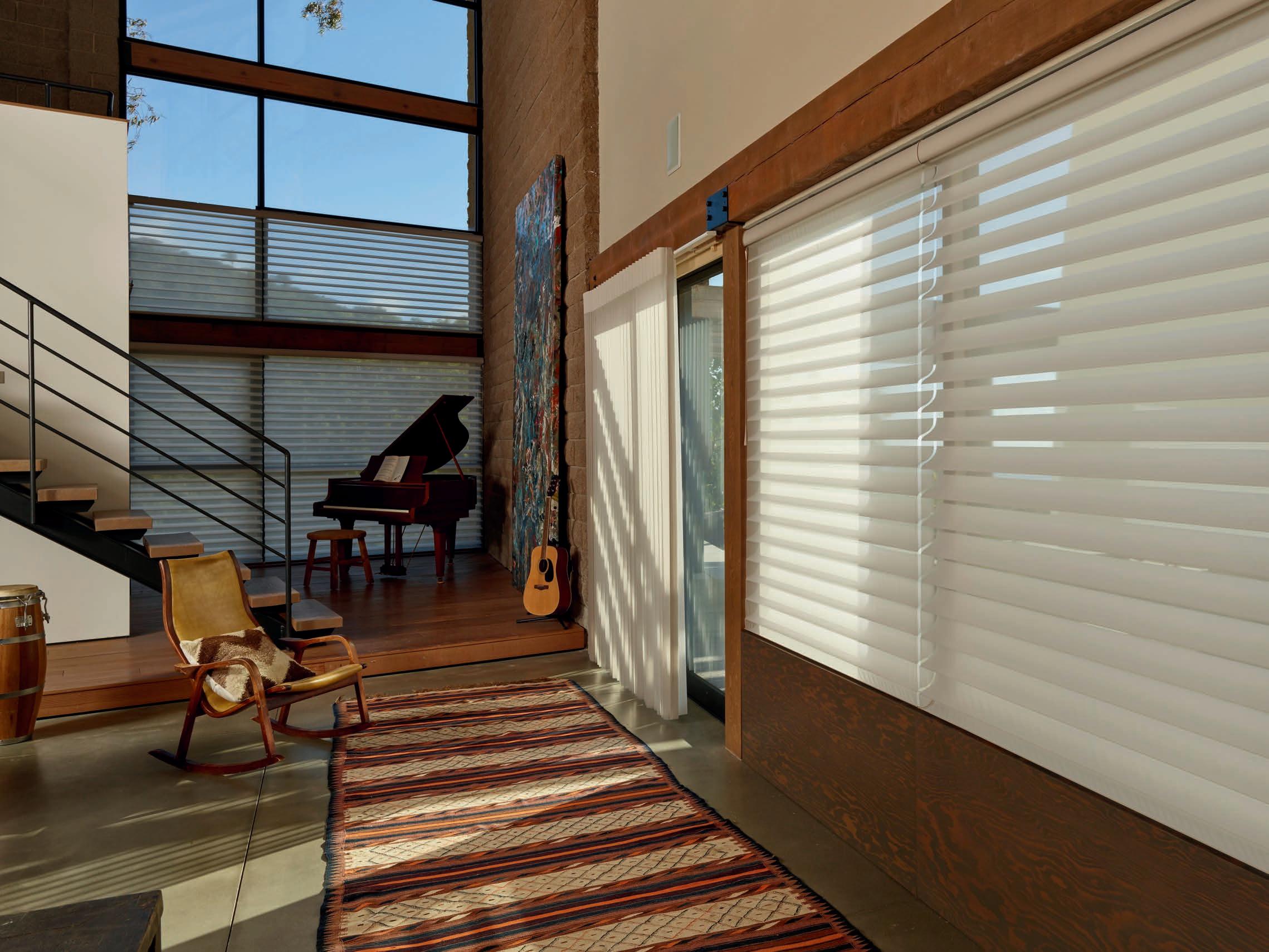

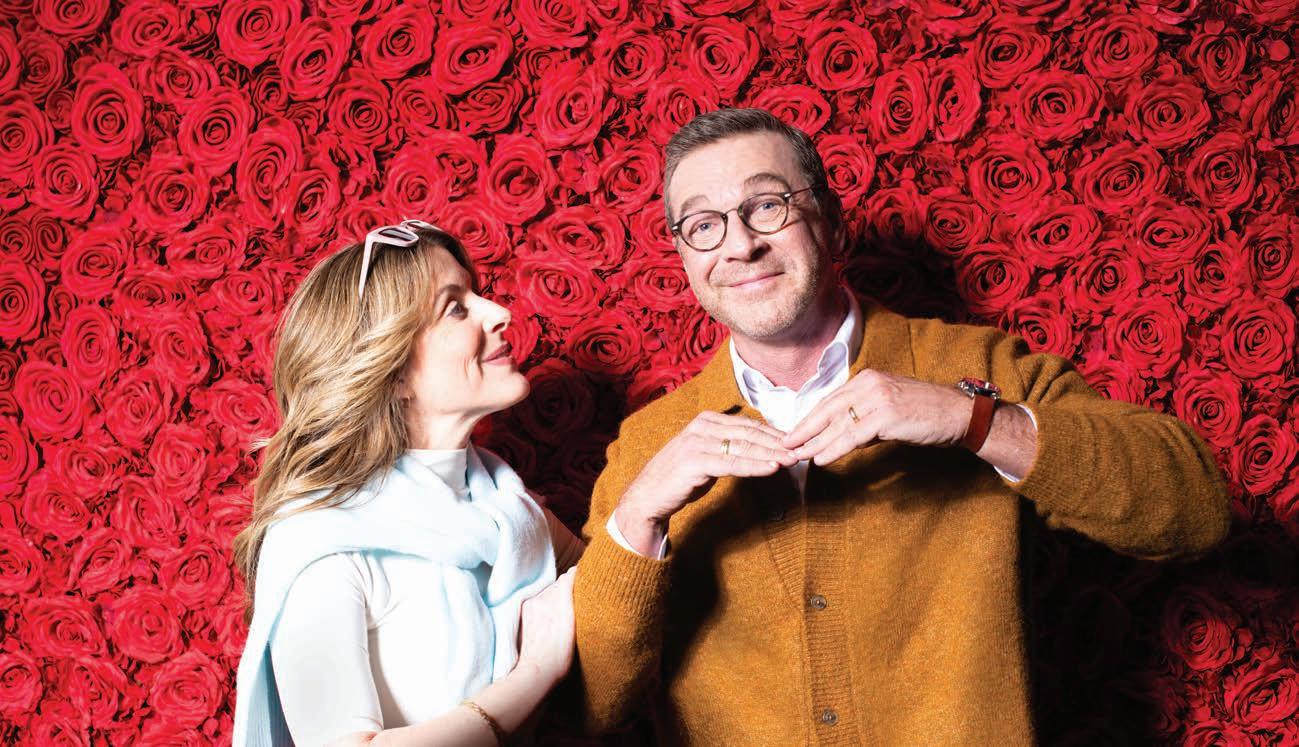

By Jackie Zykan
A few weeks ago, I found myself taking full advantage of an unseasonably warm day on the patio of a local brewery. I was waiting for a friend, and the sun was so delicious I lost my sense of time absorbing it. The only pieces of evidence concerning the passing minutes were the change in my beer temperature with each progressive sip and the beads of condensation rolling over my fingers on the sweating glass. I was not alone, the patio was dotted with islands of couples and panting dogs. None of us engaged more than a smile and nice nod if eye contact happened to catch, however we were all there for the same core reason: patio season has begun. This magical transition point teases about through Kentucky’s spring rollercoaster weather swings, but then one day it just sticks. And we all recognized that the very warmth landing on our faces on this exact patio on this exact day could in fact be the first official moment on the other side of the frost. Or at least we hoped, as we do every time.
My sunny dream state was abruptly shaken upon a loud scoot of a heavy bench. One of the tables nearby had been invaded by a familiar accessory of patio season: a bee. One partner jumped, the other tried to comfort, the entire ordeal turned into an arm flailing, circle running, angry and terrified chaos show which ultimately ended with a seating relocation. I challenged myself to not judge or react in any way. I could feel the embarrassment in the attempts of the reassuring partner. But having been desensitized to bee fear simply via exposure therapy in the garden, I remained unfazed and observant. I wondered if this was a first date, and I wondered if it would be the last. Was I getting a front row seat of a discovery moment between two humans? You see, the conversation between them prior to the unwelcome pollinator was robust and flowing. The now frantic individual previously spewed bravado and confidence in droves, the entirety of which vanished into thin air along with my beer-and-bask moment of peace as soon as they freaked out over the bee.

In one split second, the bubble burst and all that remained was fear. What an interesting spectrum of emotions to observe, I thought to myself. And what a gift to have a moment in the sun to do so. For me, the greatest learning of the entire event was the importance of recognizing when folks we care about are acting from a place of fear and could use a little calm in the calamity. Noticing how their words and movements contrast their typical character, and intentionally practicing mindful observation helps discern their behavior in the presence of a bee, whatever “bee” may mean. Being aware allows us to support each other accordingly. “Bee” could represent losing income or relationships, rejection, abandonment, failure, success, etc. The idea is the same: that which makes you feel unsafe and flares up your nervous system. The situation could have been worse had the supporting partner gone berserk as well. But perhaps they weren’t afraid of the bee. Perhaps they recognized adding fuel to the fire would only worsen the situation for all. Or perhaps they knew all along it was a carpenter bee and the risk of injury was low to begin with. Nonetheless, one person’s panic is felt by all persons around them, even if a physical response doesn’t manifest. We all have something that throws us off center. The differences between each of us as far as what those individual situations could be are irrelevant. What’s important to note is the common denominator: that we ALL have them. Period. They just happen to show up in different seasons, different forms, none are made any easier by careless reactivity, and all are made gentler with awareness. Judging who should or shouldn’t be bothered by what is at best a novelty and on a certain level, a bit cruel. We have the capacity to love endlessly and to hold calm in calamity if we choose. That day, I witnessed exactly that. And it was beautiful.
Bees will happen. As they should. The best way to take the sting out of that fact, literally and figuratively, is to have a remedy ready should you unfortunately get stung. When we are prepared we can at least find comfort knowing that if the worst case scenario does happen, at least you’ve got the resources to soothe it. Let me be clear. This in no way is a call to arms for everyone to stock pile batteries and dehydrated meals. This is a sharing of straightforward, generations-old-knowledge of our immediately accessible environment. Consider it an invitation to rest assured, even if just a little, that you have an abundance of help at your finger tips for living in sync with your natural surroundings. Areas which harbor biting and stinging critters also come with masses of plants to counter balance. This is also a much needed moment of lighthearted play. Let’s take the most iconic cocktail of the month in Kentucky, and through an approach that allows you to have your first aid and drink it too, relax a bit and enjoy the sunshine while we can, before we turn the corner and start complaining about the heat.



• 8 oz aloe vera juice
• 2 oz water
• 1 tablespoon manuka honey
• 1 tablespoon 90 proof bourbon
• 10-16 plantain leaves
• 6-8 mint leaves
Combine all ingredients and blend on low for 1 minute. Remove the solids using a cheesecloth lined strainer. Store liquid in the refrigerator in a spray bottle for quick relief, or freeze into cubes for use throughout the season, or pour over ice to soothe from within.
“That’s not a julep”
Oh but it is. By definition, a julep is a sweetened medicinal drink. A concoction of botanicals with their bitter flavor softened using sugar, preserved and palatable with sterilizing booze. Here’s what makes up this multifunctional concoction:
Plantain (broad or narrow leaf) - draws out toxins and expedites healing of stings and bites
Mint - cools inflammation and swelling
Bourbon - preservative and also contributes tannins for astringency
Manuka Honey - provides antiseptic properties, healing minerals, and nutrients
Aloe Juice - soothes inflammation
When foraging wild plants always be completely certain of identification and follow the rule of “when in doubt, don’t”. Only take what is needed, leaving plenty for our native pollinators and fauna. Avoid harvesting from areas which are exposed to pesticides or other chemical applications. The statements in this article are for entertainment purposes only and are not meant to diagnose, treat, or medically advise. Please drink responsibly, you are loved by many.
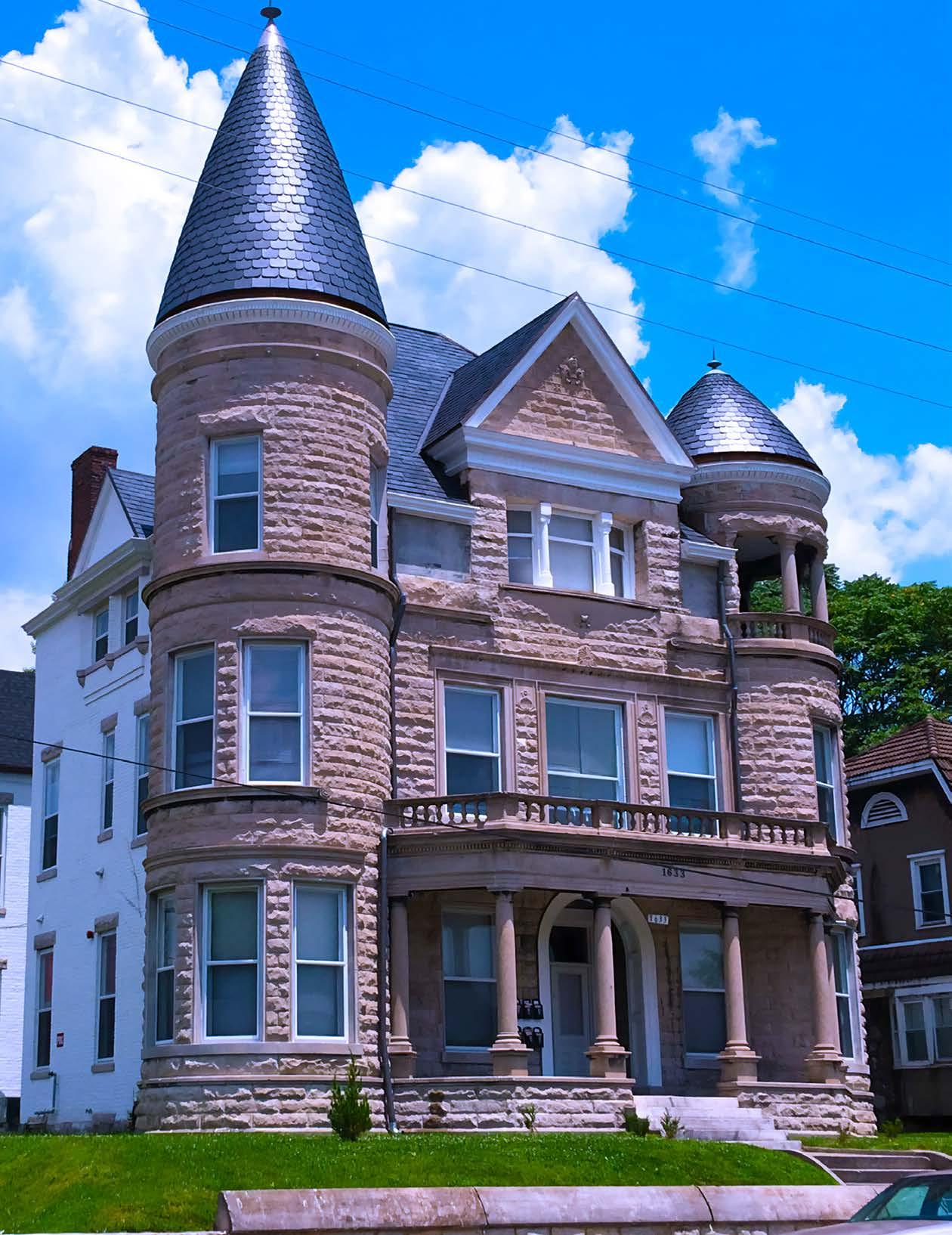
By VOICE-TRIBUNE • Photo By Josh Ison
In Louisville, old homes have a hold on people’s hearts. The original hardwood floors, the stained glass windows, the front porches made for long conversations. In neighborhoods like Old Louisville, Crescent Hill, and The Highlands, these houses are part of the city’s personality.
For many homeowners, choosing a historic home means choosing a project. Victorian houses, more often than not, come with aging plumbing, drafty windows, and ever-evolving repair lists. Shotgun homes may need structural work before anyone can think about paint colors or furniture placement. Mid-century homes bring their own challenges, with outdated electrical systems and original design details being more difficult to replace.
Still, people keep choosing them.
Part of the appeal is character. Older homes were built with details that are harder to find in newer construction. Pocket doors, crown molding, built-in shelves, and brick fireplaces give a house a real sense of history and romance. Even the imperfections can be endearing. Doors stick when the weather changes. Nothing is perfectly square, and for many owners, that is part of the charm.
There is also a sense of bequeathal; living in a century-old home is like inheriting a story. Someone else once sat on that same porch, hosted dinners in that same dining room, or planted the tree now shading the backyard. Preserving an old home is a stewardship, in a sense.
That does not mean restoration is romantic all the time. Ask anyone who has tried to match original trim or repair plaster walls, and they will likely have a few stories. Budgets stretch, and small surprises behind old walls turn into expensive ones.
Rebuilding from scratch is not always the goal. Many homeowners say they would rather work with what is already there than erase it. A renovated kitchen can live alongside the original tile. Modern lighting can share space with century-old woodwork. The goal is usually not perfection.
But Louisville’s historic neighborhoods make all that effort feel worthwhile. Passing through Old Louisville or along the tree-lined streets of Crescent Hill in full bloom, it is easy to see why people invest the time.
There is also a growing appreciation for sustainability. Restoring an existing home means keeping materials out of landfills and respecting craftsmanship that has already lasted for generations; original brick and hardwood, windows, doors, and fixtures that still have years of life left in them. Many older homes were also built with materials that are harder to find today. Dense old-growth lumber, solid wood doors, hand-laid brick, and detailed plaster work were made to last, not to be replaced every few years. In many cases, repairing what is already there makes more sense than tearing it out and starting over with cheaper materials that may not hold up the same way.
It is a simple thing. Some homes are worth saving. Not because they are easy, but because they have something new homes cannot have. History. Character. A beauty made better with age.
In Louisville, that kind of home still matters. Bless our preservationist hearts.

By VOICE-TRIBUNE
• Photos Provided By
Francesco Ungaro (left page) & Alina Vilchenko (right page)
There was a time when people proudly ripped out built-in bookshelves to make room for bigger TVs. Formal sitting rooms became media rooms, shelves disappeared, and entire collections of books, records, CDs, tapes, and DVDs were boxed up or donated because streaming platforms promised we would never need them again. Owning things started to feel outdated. Now, the pendulum has swung back.
People want libraries again, but not just as places to read. They want sitting and listening rooms, studies, and built-in shelves that make space for the things they actually care about. A home library today is just as likely to hold first-edition novels, vinyl records, old concert DVDs, family photo albums, and a favorite CD collection as it is a stack of hardcovers waiting to be finished.
This is in large part due to screen fatigue. After years of working, scrolling, shopping, and socializing through a phone or laptop, people are craving a break from the constant noise. A library or sitting room is the opposite of that. You sit down, pick up a book, or put on a record and stay put for a while. There are no notifications or expectations coming from a bookshelf. It feels separate from the constant demand to be connected.
There is also a growing appreciation for physical media because it belongs to you. A book on your shelf is yours. The same goes for a record, a cassette tape, a DVD, or an old box set of films you refuse to part with. Nobody can remove it because it did not perform well enough on a streaming platform. Nobody can move it behind another monthly subscription or decide it is no longer available.
Streaming made entertainment easy, but it also made it temporary. Movies disappear. Albums get pulled. Shows jump between services. Even reading now comes with memberships and digital licenses instead of simple ownership. People are getting tired of renting access to everything, especially when it comes with ads and constant reminders to upgrade.
There is something satisfying about choosing a record from your own shelf, putting on a CD you have had for years, or pulling out a favorite book without needing Wi-Fi to enjoy it. Free time feels different when it is uninterrupted. There are no ads before chapter one. No buffering before the opening scene. No algorithm deciding what you should experience next.
Design trends have caught onto this disillusionment. Empty, minimal spaces with no personality are losing some of their appeal. People still want beautiful homes, but they also want to live in them. Shelves filled with books and collections do that better than almost anything. They add color, texture, and evidence of actual interests. A wall of books, records, and films has more to give to a space than any carefully arranged collection of decorative mass-produced objects ever could.
Built-in shelves also happen to look expensive. Even when they are filled with used paperbacks and thrifted vinyl, they make a room feel finished. In real estate, a study with custom shelves or a proper sitting room often stands out more than another oversized kitchen island. It feels thoughtful instead of trendy.
Of course, there is always a little performance involved. Not every beautiful library belongs to someone spending weekends reading the works of literary geniuses or alphabetizing jazz records. Sometimes people simply like the look of a room with books and collections on display. That is fine. Good design has always involved a little theater.
Still, the return of the home library and sitting room tells us this. People want homes with character. They want privacy. They want ownership instead of subscriptions and downtime that does not feel imposed upon.
Turns out, having a room full of things you actually own feels like luxury now.
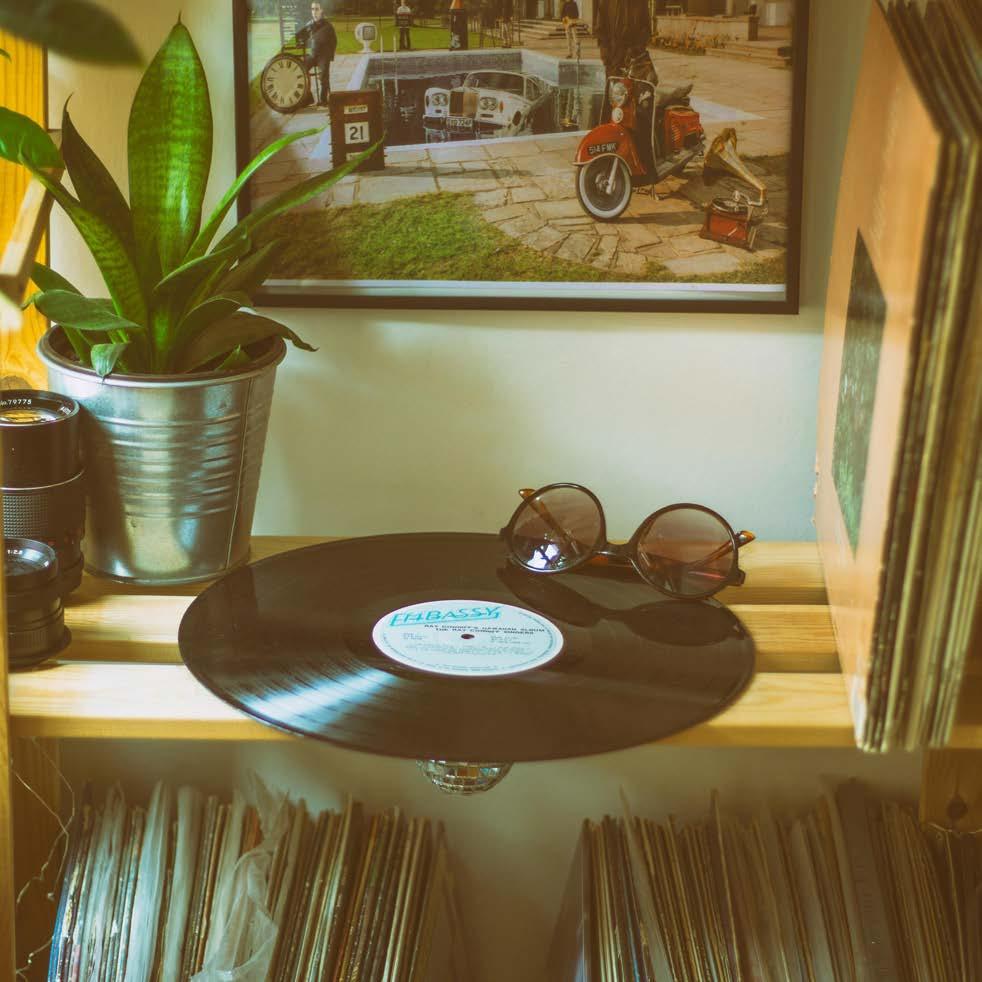
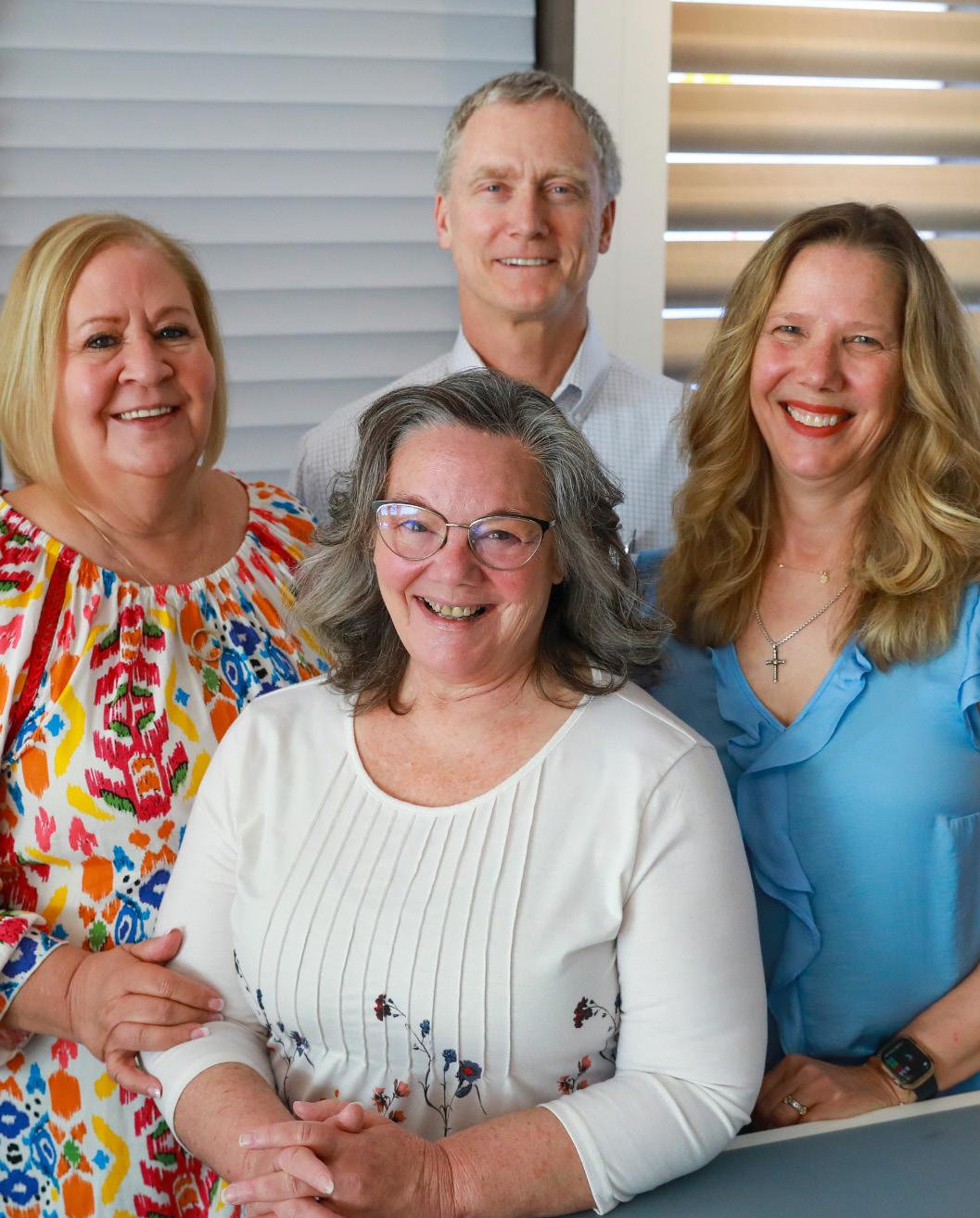
By VOICE-TRIBUNE
Photos Provided
Sponsored
As we move into the warmer months, thoughtful window treatments become more than a finishing touch. They help manage sunlight, improve comfort, protect interiors from harsh UV exposure, and bring balance to the way a home feels day to day. For homeowners looking for quality, style, and function, Louisville’s own Spindletop Draperies has spent more than five decades helping local clients create personalized spaces that feel complete.
Family-owned and operated, Spindletop Draperies is now in its second generation and has been serving the Louisville area for 56 years. Originally purchased by Pat Payne in 1972, the company has grown from a small workroom with six sewing machines into a full-scale showroom and manufacturing facility in the heart of NuLu at 939 East Jefferson Street. Today, owner Tyler Payne leads daily operations, continuing the company’s focus on craftsmanship, service, and long-term quality.
Spindletop specializes in custom-designed window treatments for homes, with every detail tailored to the space, the light, and the architecture of each room. Their work includes custom draperies, motorized window treatments, Roman shades, shutters, wood blinds, and layered solutions such as sheers paired with blackout panels. They also serve designers and commercial clients, providing the same level of precision across every project.
“Window treatments are often the missing piece that pulls everything together,” Payne says.
Rather than treating draperies as an afterthought, Spindletop understands them as an essential part of how a room functions and feels.
“Window treatments are often one of the last decisions people make, but they have one of the biggest impacts. When they’re done right, everything else in the room feels more intentional. It’s a subtle transformation, but it changes how a space is experienced every day.”
Summer is often when homeowners notice that need most clearly. Strong afternoon sun, rising temperatures, and the desire for privacy without sacrificing natural light make shading solutions especially important. Motorized shades and layered treatments can help regulate brightness and heat while maintaining a polished look, and Spindletop offers a wide range of options, including products from Hunter Douglas, for which they are one of Louisville’s largest distributors.
“There’s a balance between beauty and function that we really respect,” Payne says. “A room should look elegant, but it also needs to work for how you live. We recommend window treatments with both in mind, so nothing feels forced or overly complicated.”

One of Spindletop’s standout offerings is its locally made draperies, created by an in-house team of sewing professionals in the downtown Louisville showroom and workshop. This allows for close quality control and highly customized results.
“What we create is highly detailed work, even if it appears simple at first glance,” Payne says. “The proportions, the way the fabric falls, the way it interacts with light—those details can make all the difference.”
Clients also have access to the largest fabric library in the city, with hundreds of options from brands including Schumacher, Thibaut, Fabricut, Trend, and Stout Textiles. For added convenience, Spindletop offers complimentary shop-at-home consultations.
“We bring the showroom to you,” Payne says.
For Louisville homeowners preparing for summer, that combination of expertise, local craftsmanship, and personalized service makes Spindletop Draperies a natural place to start. As Payne puts it, “Our work is meant to last, both in craftsmanship and in style.”
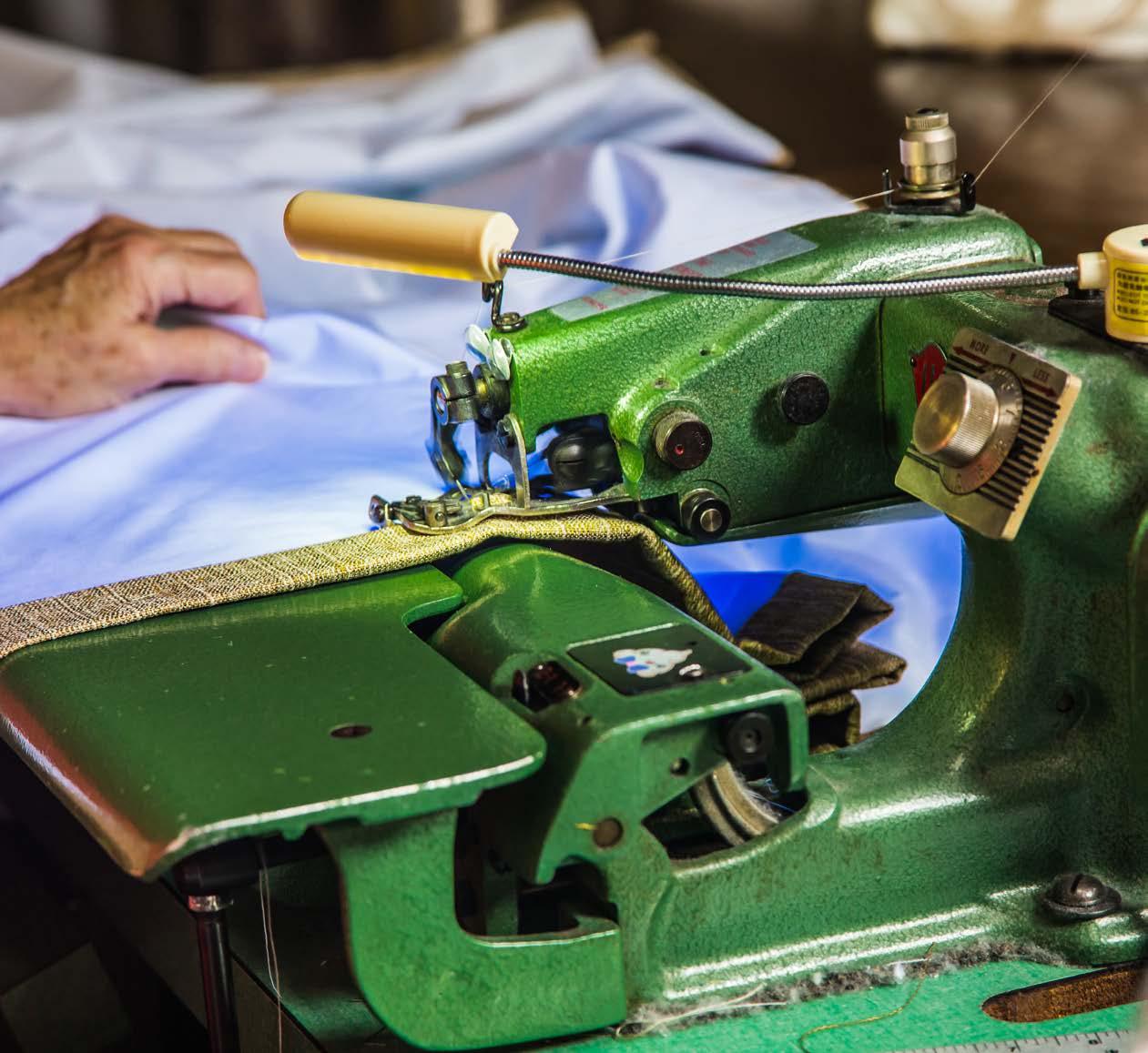
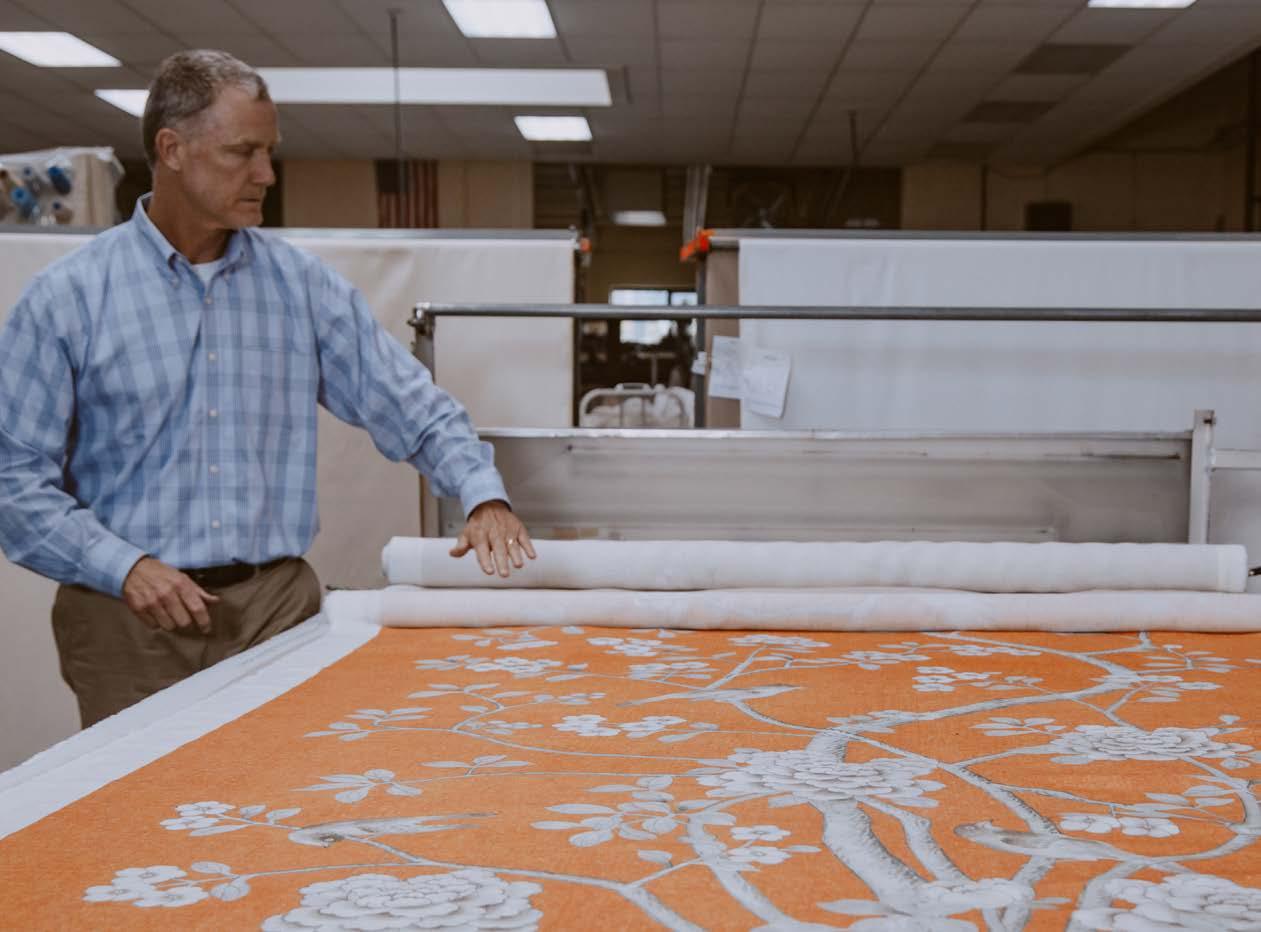
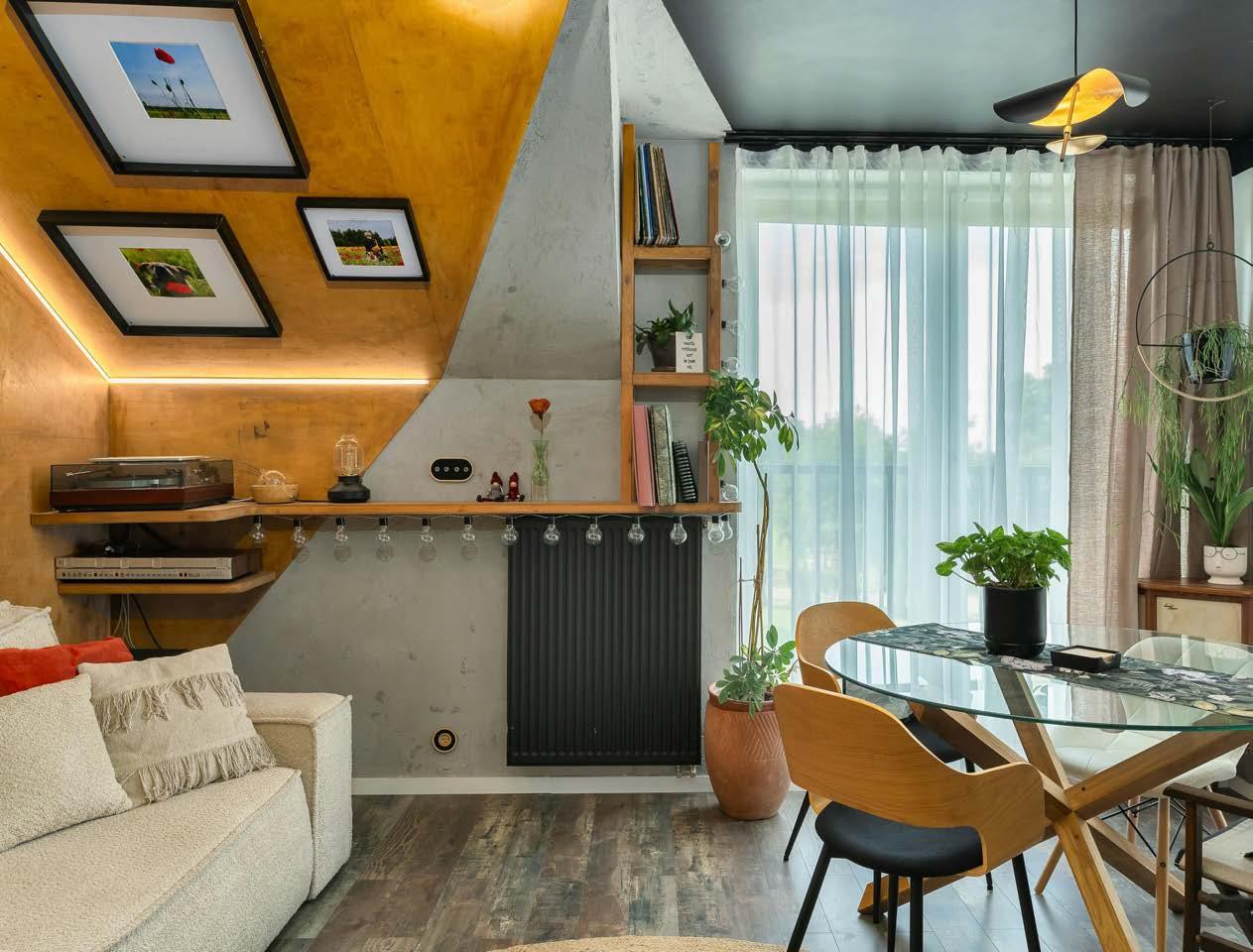
When preparing a home for sale, the most effective upgrades are those that improve appearance, reduce buyer concerns, and make the property feel move-in ready. Instead of expensive full renovations, strategic updates in key areas can significantly increase perceived value and marketability.
• The kitchen is often the most influential space for buyers.
• Repaint or reface cabinets instead of replacing them
• Upgrade cabinet hardware
• Install quartz or updated countertops
• Add a clean, neutral backsplash
• Replace outdated appliances with energy-efficient stainless steel models
• Focus on consistency and cleanliness rather than luxury finishes
• Bathrooms strongly influence buyer impressions of maintenance and comfort.
• Replace or refinish vanities and mirrors
• Update lighting fixtures
• Re-caulk tubs and refresh grout for a clean look
• Install water-efficient faucets and showerheads
• Consider walk-in shower upgrades where practical
• Keep colors light and neutral
• Fresh paint is one of the most cost-effective improvements.
• Maintain consistent color schemes throughout the home
• Choose soft finishes that reflect light well
• Cover outdated or bold color choices
• The exterior sets the tone before buyers even enter.
• Repaint or replace the front door
• Add fresh mulch, trimmed landscaping, and simple greenery
• Install or update outdoor lighting
• Power wash siding, driveways, and walkways
• Upgrade house numbers and mailbox
• Small changes can make a home feel significantly newer.
• Replace outdated ceiling lights and chandeliers that don’t complement the space
• Update faucets, cabinet pulls, and door handles
• Use matching finishes (black, brushed nickel, etc.)
• Add brighter bulbs or recessed lighting where possible
• Flooring strongly affects how “updated” a home feels.
• Install luxury vinyl plank for spaces in need of a reset
• Refinish existing hardwood floors when possible
• Maintain consistent flooring across main living areas
• Replace worn carpet
• Additional usable space increases value and buyer interest.
• Finish basements or bonus rooms
• Create office or guest spaces
• Add simple drywall, lighting, and flooring upgrades
• Keep designs neutral and flexible for buyers
• Buyers increasingly factor in long-term utility costs.
• Upgrade HVAC systems if outdated
• Install smart thermostats
• Improve insulation where needed
• Consider energy-efficient windows for older homes
The best home investments make the space feel clean and functional. Buyers respond most strongly to homes that feel well-maintained, updated, and easy to move into without immediate repairs.




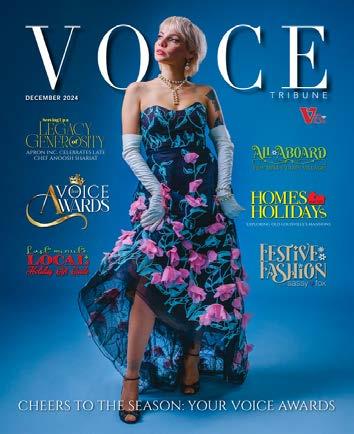

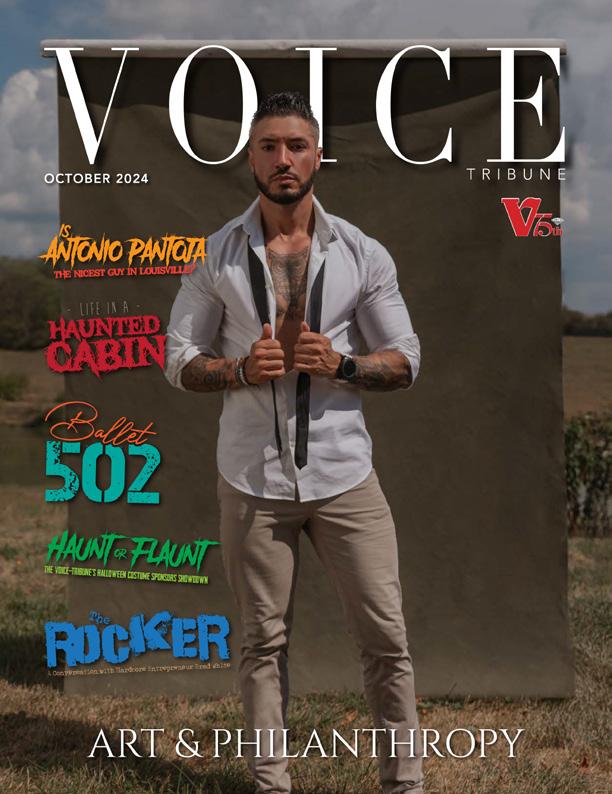


By: Alison Cardoza • Photos By Matt Johnson & Provided • Sponsored
At Baptist Health Milestone, Michael Davidson, a member and avid cycling enthusiast, is a role model to fellow members, encouraging them to share in a remarkable experience in Vietnam with him.
“When I first encountered Vietnam over fifty years ago, I was an Infantry officer in the First Air Cavalry Division and everyone was shooting at me. When I started going back to Vietnam in 2001 to ride a bike, no one was shooting at me. That makes for a more enjoyable trip,” laughs Michael Davidson.
“On my first trip back to Vietnam in 2001, I was looking for a warm weather ride during the cold Kentucky winters. The TET Lunar celebration is in early February and was the perfect fit,” says Mike. Têt, short for Têt Nguyên Đán, is the Vietnamese Lunar New Year and the most important festival in Vietnamese culture. It signifies the arrival of spring, a fresh start, and a time for family, reunions, and paying respect to ancestors. It falls between late January and mid-February.
“After a couple of trips back, I started recruiting friends to join me on this adventure. The core of our Vietnam ride is a Milestone riding group. We love to ride together every Sunday in Kentucky. Indoors when the weather is bad, and at Floyds Fork in good weather. We now have added on army veterans and friends of friends for the Vietnam trip. We had 17 riders on our most recent trip this past February, riding around 150 miles together. While we are there, we support a small orphanage in the Mekong Delta. Our group is generous and we help substantially in maintaining the orphanage for the entire year. We plan to go back every two years and end the trip in Saigon for the TET celebration,” says Mike.
“Before tourism came to Vietnam, If you stopped your bike in a remote village, many people would gather to look at an American, perhaps the first American that they had ever seen. The kids had to take English in school and they wanted to practice their somewhat limited skills. One day, riding out of a rural village alone, two young teenage girls on a single bike caught up to me. They wanted to talk. During my interaction with the open and friendly Vietnamese, they asked me if I had been there for the war. I confirmed, and asked what side their family had been on. Viet Cong was their response, which led me to ask why. One of them took a moment to respond with a single thought: “freedom.” I had thought that was our purpose; however, her guileless answer was absolutely genuine, which gave me pause,” says Mike.
Embarking on a journey 9000 miles away from their Kentucky home, accompanied by 17 friends, fulfills a transformative, fundamental human desire that enriches one’s life.
Whether you ride at home on your Peloton, cycle at your favorite studio, or travel miles away, pedal towards a healthier you!
Alison Cardoza, ACSM Certified Personal Trainer and Fitour Group Exercise Instructor at Baptist Health Milestone Wellness Center. BS Exercise Science and Sports Medicine with a minor in Health Promotions from University of Louisville. Former UofL Ladybird and NFL Colts Cheerleader.
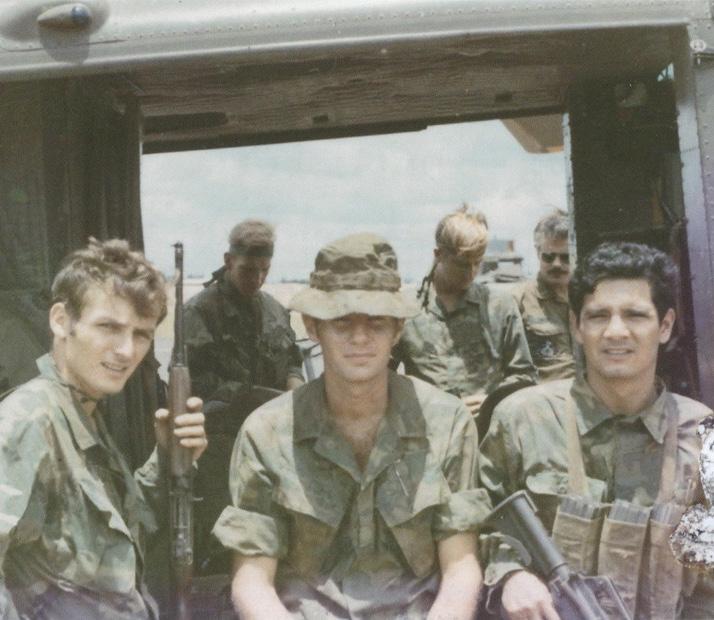
Mike(center with hat). Vietnam War August 1971 getting ready to lift off with his Ranger team on a mission.
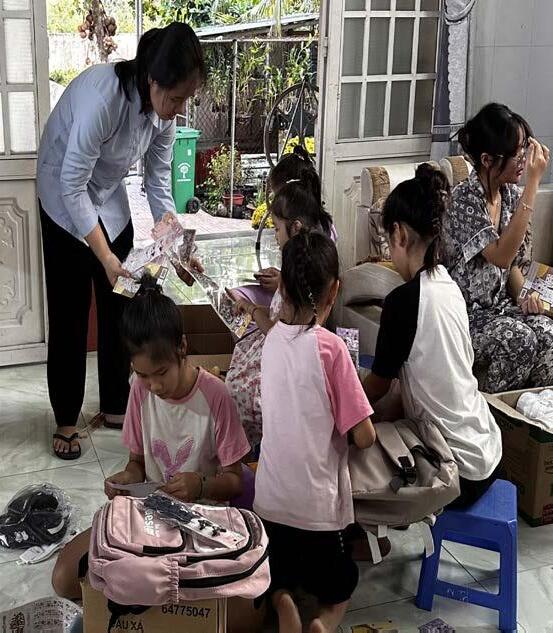
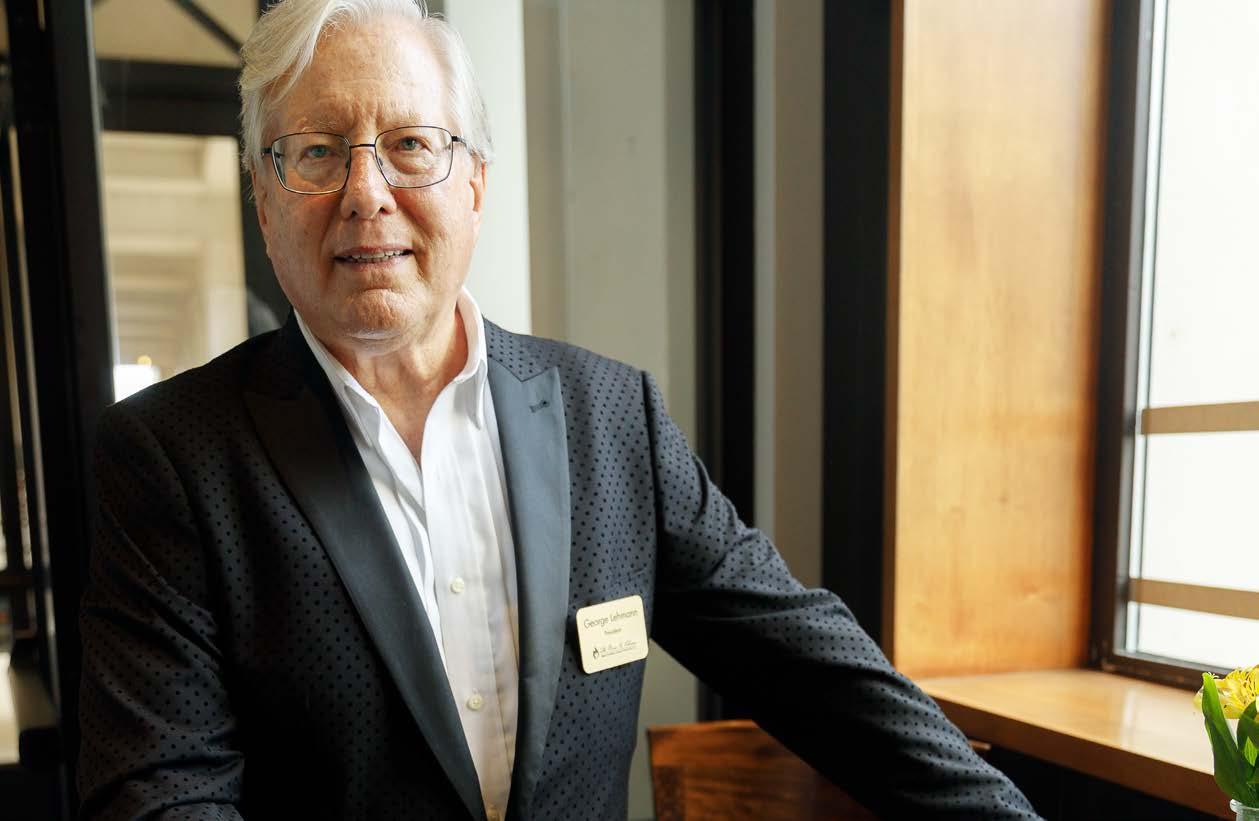
By RUSS BROWN • Photo By Matt Johnson
Since 2013, the Marc Lehmann Spirit of Service Award Foundation has honored nearly 60 caregivers, nurses and physicians in the field of oncology in Louisville and surrounding communities. This year’s annual awards dinner was held in April at Vincenzo’s Italian Restaurant.
In concert with the area’s leading medical and cancer treatment facilities, the Foundation identifies exceptionally proficient, patient-centered and empathetic practitioners for well-deserved acclaim. An art glass piece custom-made by Flame Run is presented to each award-winner.
The four honorees this year are Dr. Joseph M. Flynn, Physician in Chief of the Norton Cancer Institute and Chief Administrative Officer of Norton Medical Group; Dr. Michael Kommor, a career Baptist Health oncology physician; Dr. Akshitkumar M. Mistry, a University of Louisville professor and neuro-oncology surgeon as well as a Presidential Scholar; and Ms. Kim Rhodes, who has provided over a quartercentury of service as an oncology charge nurse with the U of L Hospital and Brown Cancer Center Bone Marrow/Stem Cell/Blood Cancer program.
The Voice-Tribune conducted a question-and-answer session with each of the four award recipients. Here are their replies:
VT: What sparked your interest in a career in the medical field?
JMF: After graduation from college, I was in medical equipment and the pharmaceutical industry as a sales rep. My mother was diagnosed with chronic leukemia at the time. Throughout the course of her care and my exposure to healthcare in a way I had never known, I got a unique view into what it meant to be in cancer care. I learned of the very real human rewards of caring for others and wanted to have that. I decided to apply to medical school and there was no doubt that I would focus my career in cancer care.
VT: An important qualification for this cancer caregiver recognition centers on the recipients’ reputation for the exercise of humanistic, emphatic and compassionate concern for cancer patients and their families. Can you explain the importance of that mentality and interaction for you and your patients?
JMF: Having been the son of two parents who had cancer, I lived the suffering that many endure, and it is never lost on me that our responsibility is much more than knowing the medical literature. As a cancer doctor, you will experience many times when you cannot impact the course of the cancer, but you can always impact the course of the cancer journey.
I was reminded of this when my daughter Samantha was deciding on her career journey and one day she was working in a clinic as a student intern and told me about an interaction she had. She told me of a man who was in the waiting room, waiting to be seen and my daughter asked if she could get him some water and crackers. Then she sat with the man and just talked to him and listened, offering kind and compassionate support. Nothing at all clinical, but he commented how much she helped him in that moment. That is what this is all about. It is a gift to be able to have such an impact on those in need.
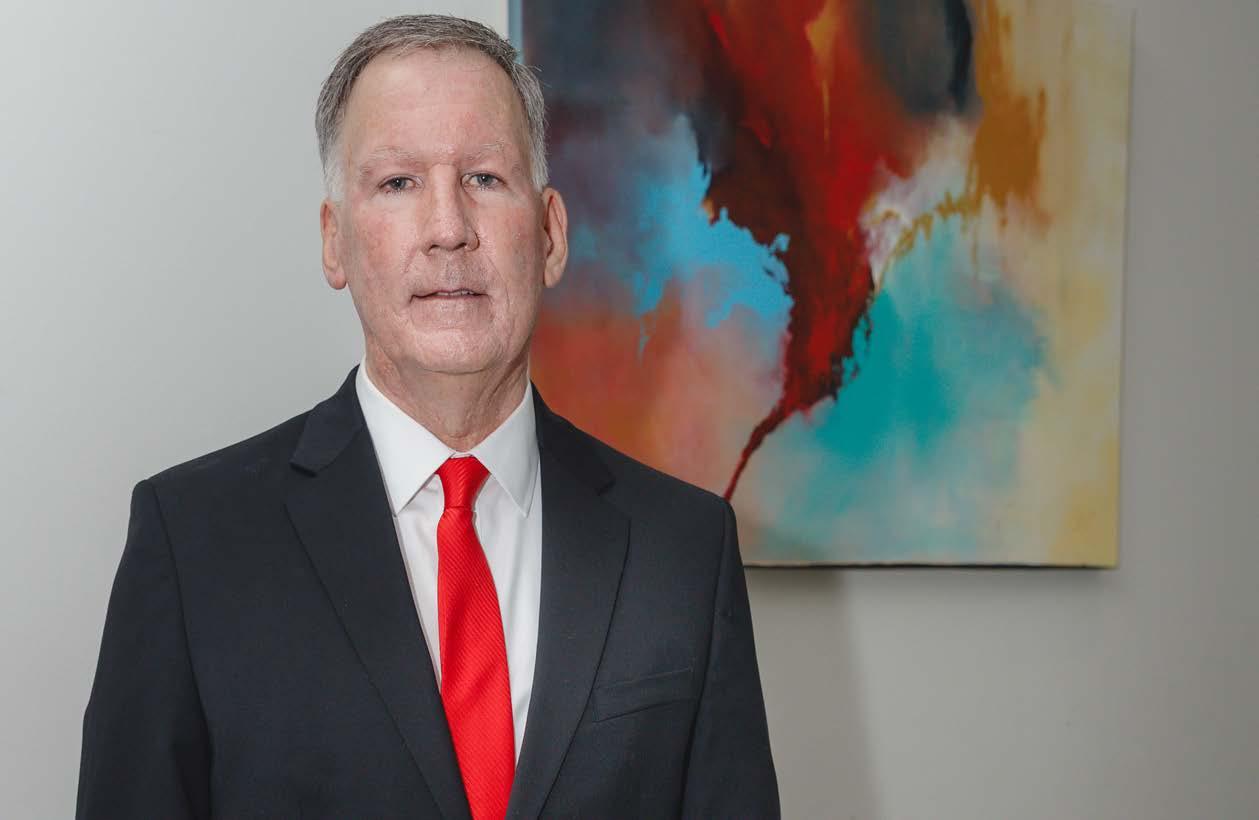
VT: What sparked your interest in the medical field?
MK: My interest in medicine began early, watching my father, who was a physician. I saw early the connection he had with patients in the unique physician-patient relationship. I was drawn to the problem-solving side of medicine and how knowledge could be applied to improve lives. Together, these experiences inspired me to pursue a career in medicine.
VT: What special meaning does your selection for the Marc Lehmann Spirit of Service Award have for you?
MK: I have come to understand that the service of Medicine is to listen, advocate, and provide thoughtful and equitable care for patients. It really is a service profession, and I’m grateful that this spirit can still be recognized and encouraged apart from the business of Medicine.
VT: What inspires you to confront, on a daily basis, the challenges and sacrifices required to do battle against cancer in concert with your patients, many of whom are fighting for their lives?
MK: What remains consistently inspirational is the courage and resilience that people can have. It is evident that they’re dealing with fear, uncertainty, and often physical hardship, but always demonstrate strength, determination, and hope. If I can support them medically and emotionally in difficult moments and celebrate progress when it occurs, then I’ve done the best I can.
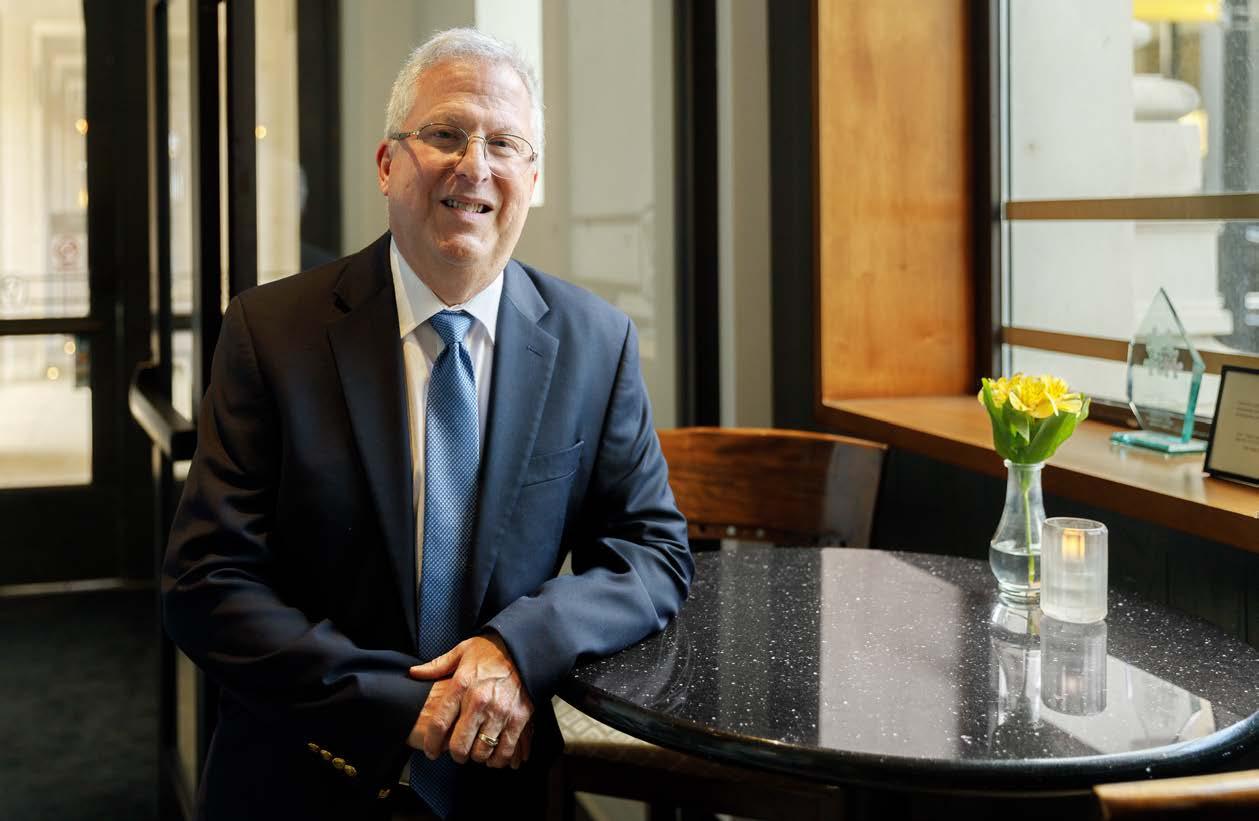
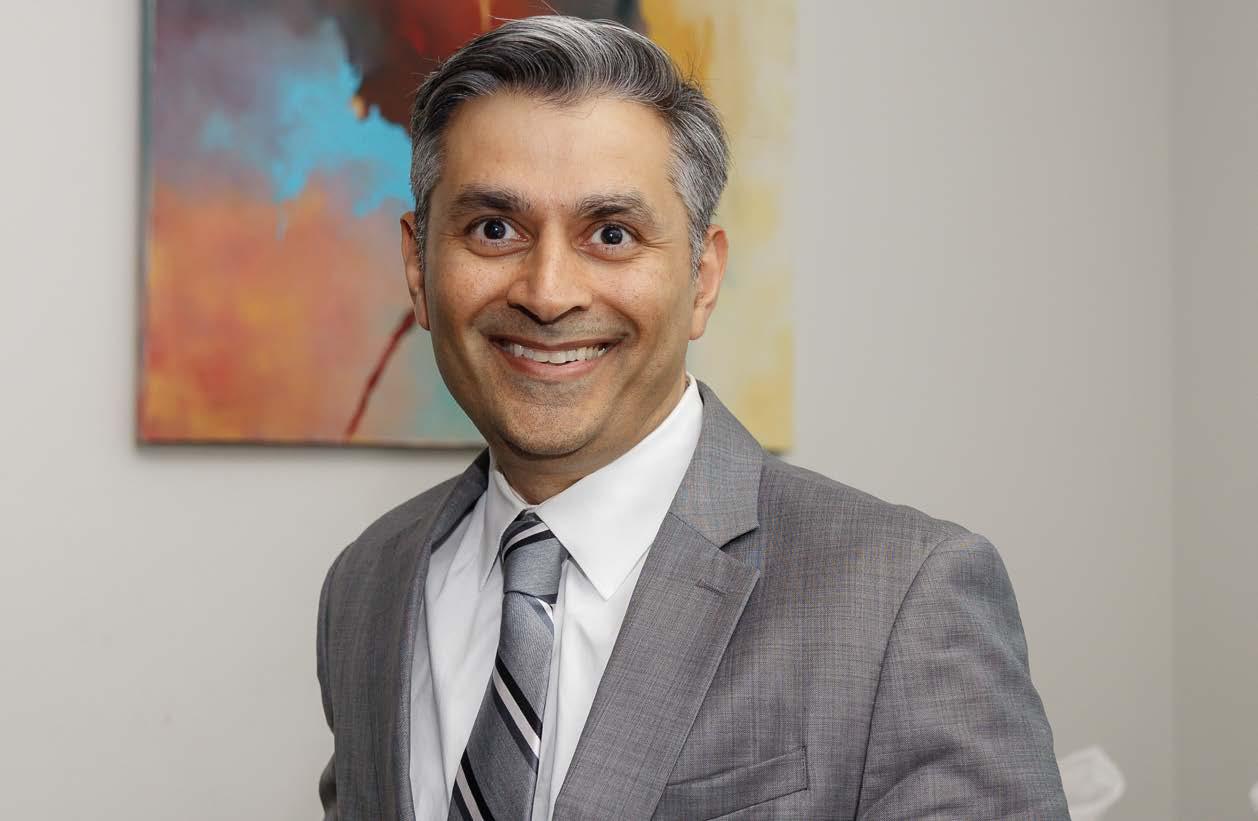
VT: What sparked your interest in a career in the medical field?
AMM: My path to medicine began as a necessity shaped by instability. Growing up in a household marked by financial uncertainty, I witnessed firsthand how fragile access to care and to opportunity can be. Medicine drew me not only as a means of stability, but as a rare convergence of purpose: a profession where I could care for the sick (being a doctor/surgeon), teach with intention (being a professor/ mentor), and pursue discovery (being a scientist/researcher). It offered a singular path to impact, one that extends from the bedside to the classroom to the frontiers of knowledge, allowing me to serve patients in the present while helping shape the future of care.
VT: How has the combination of medical proficiency and compassionate counsel aided in the journey of your afflicted patients?
AMM: I have come to believe that the most meaningful care happens at the intersection of technical precision and compassionate communication. Neurosurgery demands exactness, but patients need more than a technically successful operation; they need understanding, guidance, and honesty. When I am able to combine those elements, it transforms the experience for patients and their families. It allows them to participate in decisions with clarity and confidence, and to face outcomes—whether favorable or not—with a sense that they were fully supported and never alone in the process.
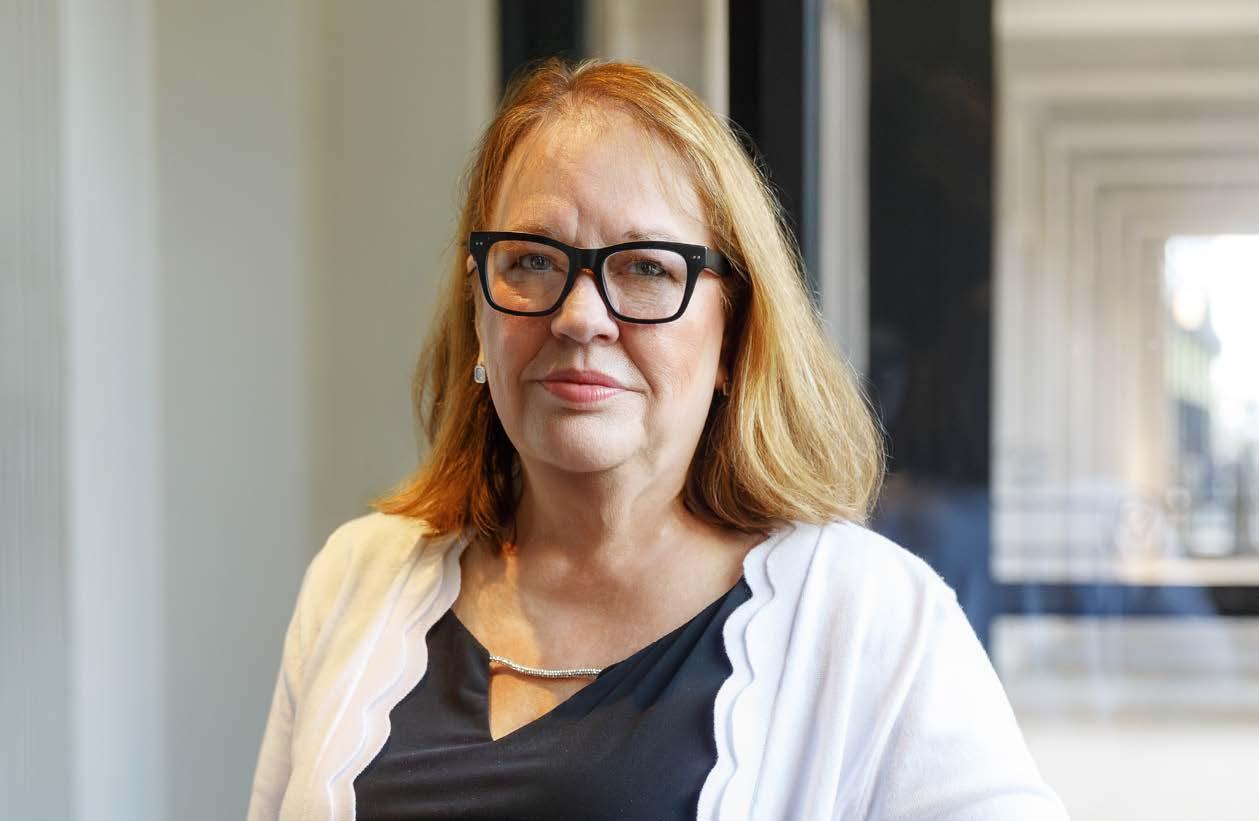
VT: What sparked your interest in a career in the healthcare field?
KR: I had known from a young age that I wanted to be a nurse, so it was never a question for me. I wanted to be a labor and delivery nurse. I loved babies. I would stroll with my neighbors’ babies in the evenings. Life gave me a few sidetracks, but I got there! However, a funny thing, I became interested in oncology and have never worked a single day in labor and delivery.
VT: Foundation members are united in the recognition that cancer care is a challenging and demanding career. What are your thoughts on why you decided to concentrate on this field?
KR: Oncology is nothing I had ever thought about pursuing. I believe it was fate that I ended up in BMT and fell in love with the patients. I was inspired by (the late) Dr. Roger Herzig, with whom I opened the unit in 1988. I had no idea what I was walking into that first day, but knew I would never leave.
VT: What inspires you to confront, on a daily basis, the challenges and sacrifices required to do battle against cancer in concert with your patients, many of whom are fighting for their lives?
KR: My patients are my biggest inspiration to continue in this field. There are no patients like oncology patients for inspiration, joy, and hope.
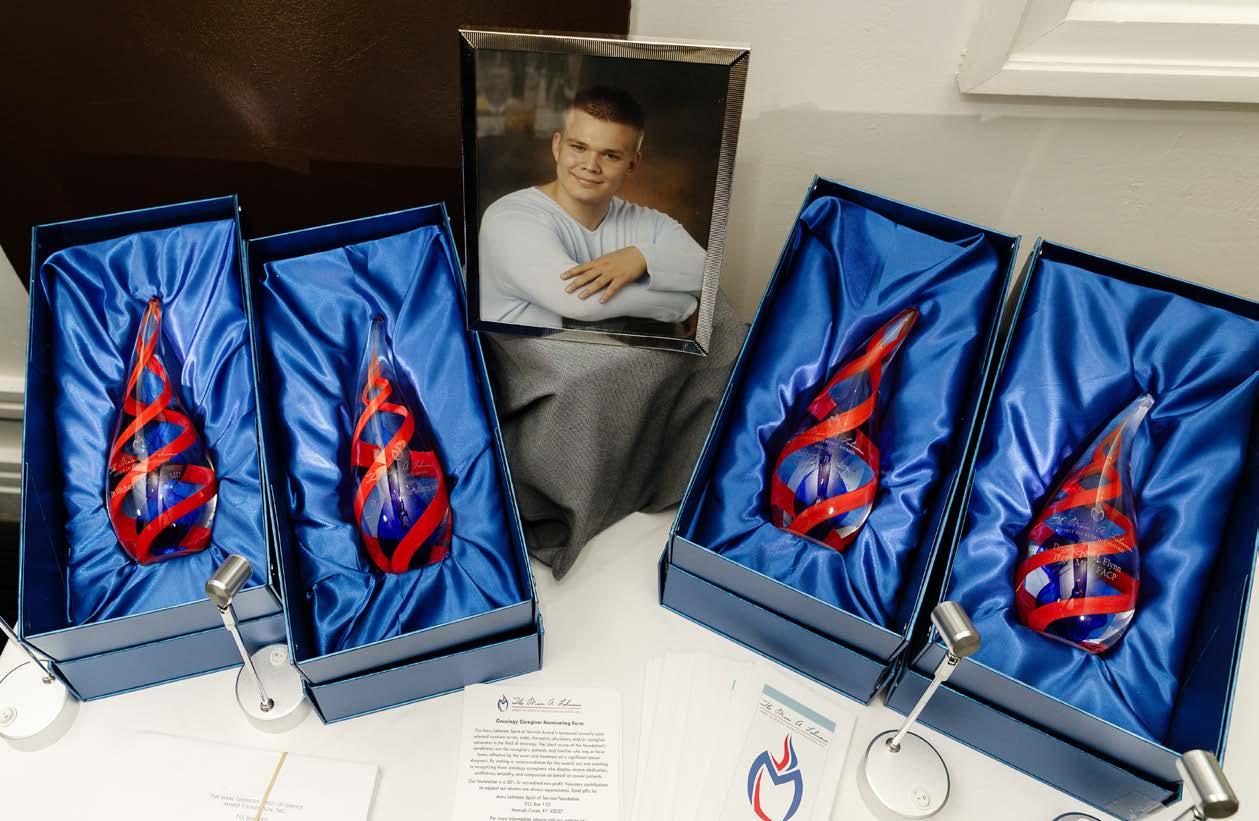
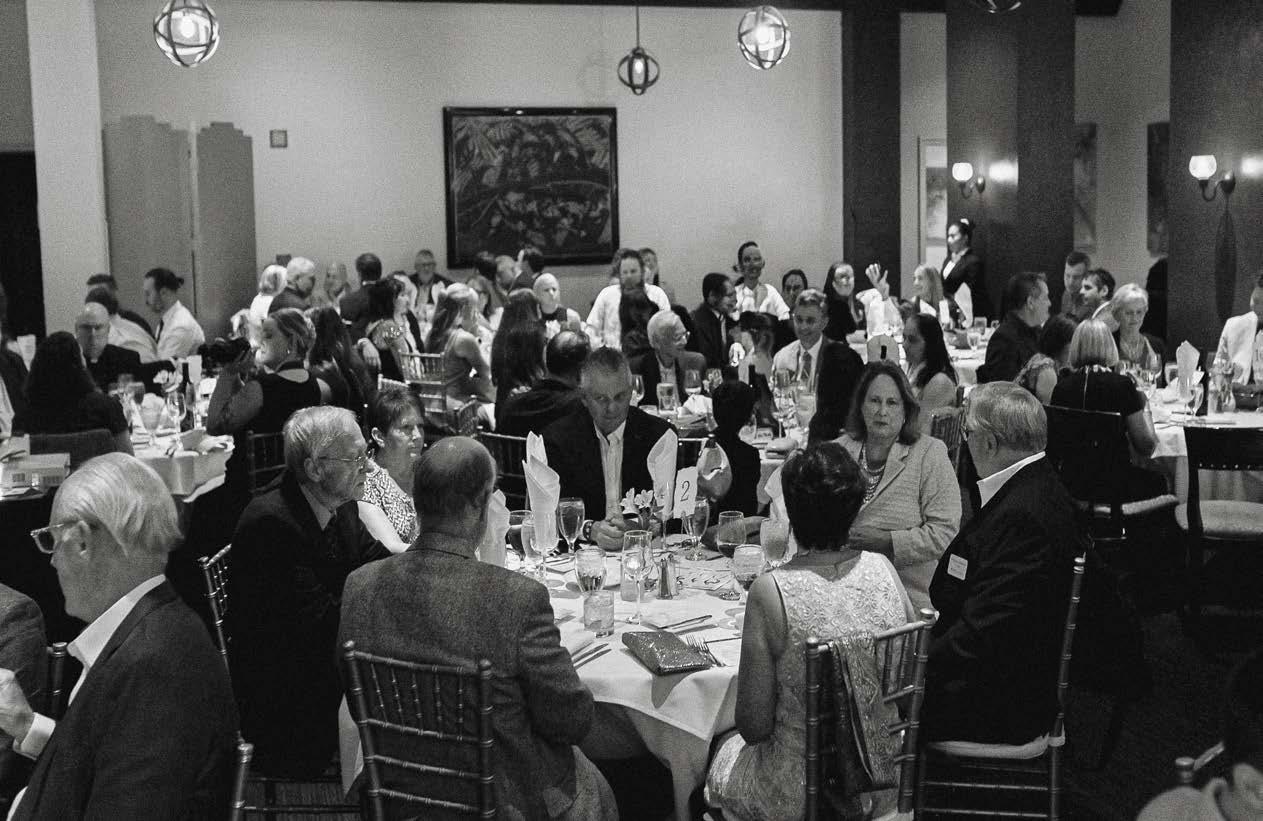
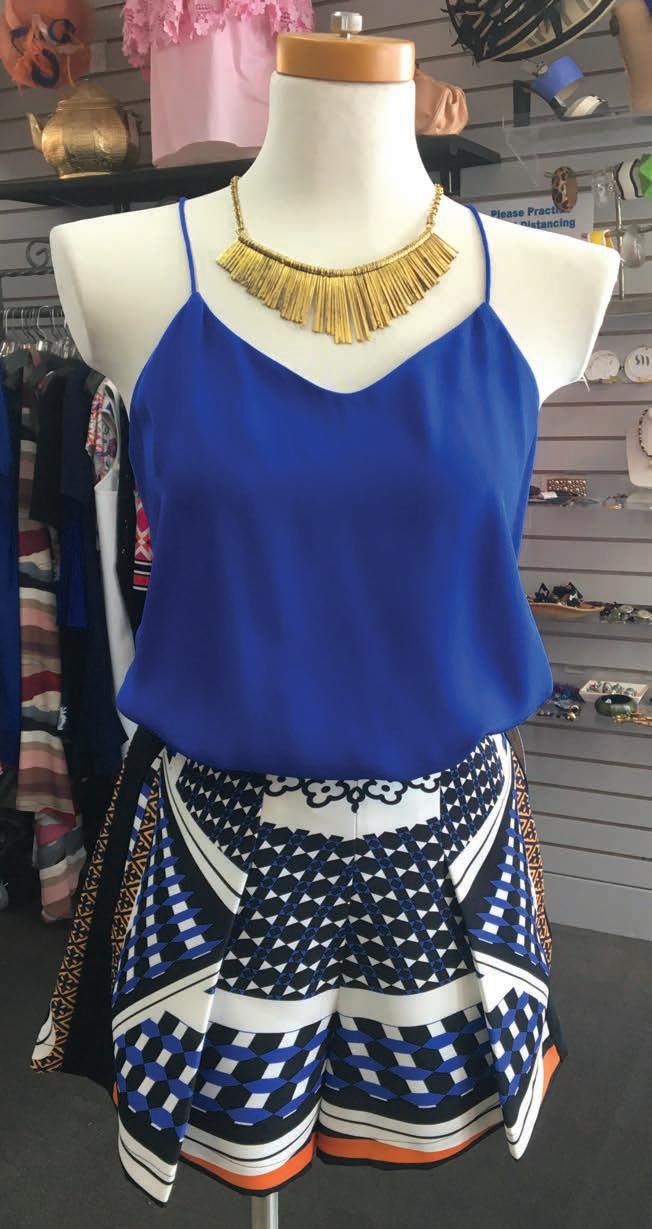

Spoil the mom in your life with a J Michael's gift card. With every gift card purchase of $50 or more, we're sending you home with a complimentary gift bag full of our favorite beauty goodies!

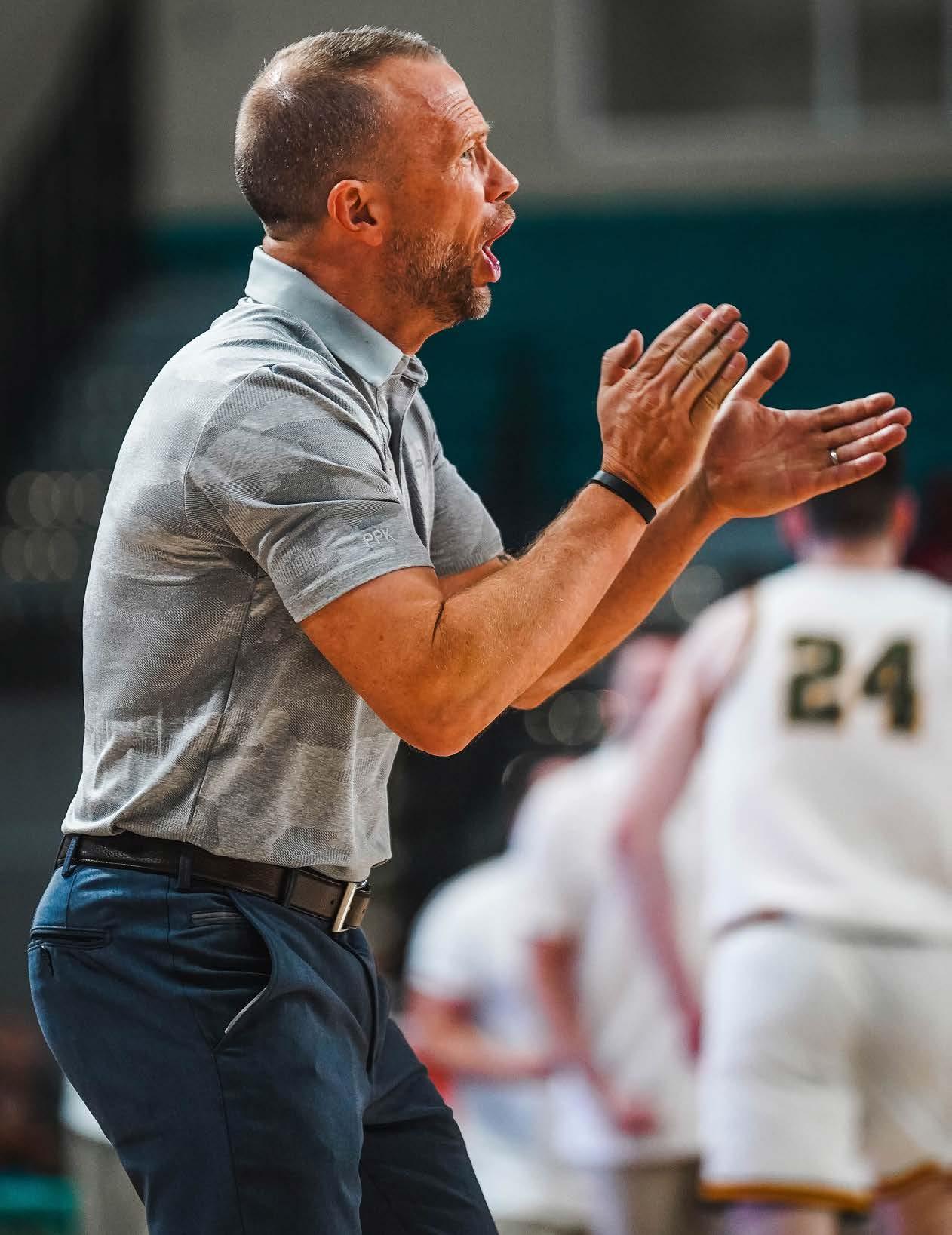
By RUSS BROWN • Photos Provided By Louisville Athletics
The University of Louisville athletics department has gone on a spending spree to restock its depleted men’s basketball roster, despite a reported an athletics deficit of $12.5 million for fiscal year 2024-25 and a reserve fund that has dwindled from $34 million to $3.4M, forcing the department to take out lines of credit with local banks.
Taking note of Michigan’s surge to the national championship this year with a starting lineup consisting of five transfers, U of L has gone all-in on a similar strategy. While specific figures aren’t made public, the school’s basketball recruiting budget for 2026-27 has been reported as more than $12, making it one of the highest in the nation.
And coach Pat Kelsey wasted no time dispersing the funds, signing three highly-sought players out of the transfer portal in the first week it was open for a rumored $9M, then adding one more shortly before the portal closed on April 21. As of this writing the last week of April, Louisville still had six scholarships available (of a maximum 13 allowed by the NCAA), so the Cards could conceivably wind up with the most expensive roster in the country.
Of course, U of L is spending even bigger on its leading revenue generator, football, with an estimated payroll in the range of $22M-$25M. And on April 23, the Board of Trustees approved a contract extension for head coach Jeff Brohm through 2033 for a total salary of $64.8 million, or $8.1M per year, with bonus incentives potentially worth millions more.
In March, athletics director Josh Heird, U of L president Gerry Bradley and board of trustees chairman Larry Benz published a white paper that declared, “College Athletics Is Running Out of Time.”
“We’re not self-sustaining,” Benz told Sports Illustrated writer Pat Forde. “We’re doing the same thing everyone else is doing—-we’re borrowing money.”
U of L’s basketball investment headliner is former 6-foot-10 Kansas center Flory Bidunga, followed by ex-Oregon guard Jackson Shelstad and former Arkansas wing Karter Knox. The final player who committed before the portal shut down was 6-10 forward Alvaro Folgueiras, a native of Spain who was a key player in Iowa’s surprising run to the Elite Eight.
Three days after the portal closed, Kelsey landed a commitment from another transfer target, 6-5 Dayton shooting guard De’Shayne Montgomery, who had visited the U of L campus less than 24 hours before. Montgomery also visited North Carolina State, and was linked with Oregon, Kentucky and St. John’s.
Montgomery started his career at Mount St. Mary’s before playing a season at Georgia and one at Dayton, where he averaged 13.2 points, 3.5 rebounds, 2.0 assists and 1.7 steals this past season while shooting 49%. He has already surpassed the 1,000-point mark for his career.
With those five players on board at that point, U of L owned the No. 1 transfer class in the nation and seems certain to finish in the top 10 when the dust settles in the next few weeks as Kelsey continues his search for pieces to fill a roster decimated by attrition through various avenues.
“We have an administration that is leaning into this new era,” Kelsey said. “We don’t have anyone sitting around wishing it was still a bygone era. Josh and the leadership team are as forward-thinking and aggressive as any front office, if you will. Those guys put wind at our back.”
While U of L is off to a good start, none of the future recruits will command the kind of money the Cards spent on that early quartet because 75 of the top 100 transfers have already committed to other schools.
For the third season in a row, U of L fans will be watching basically an all-new team when the 2026-27 season tips off in early November. How did that happen? Six players -- Ryan Conwell, J’Vonne Hadley, Isaac McKneely, Aly Khalifa, Kasean Pryor and Kobe Rodgers -exhausted their eligibility. Four players opted for the portal -- Sananda Fru, Khani Rooths, Mouhamed Camara and Vangellis Zougris. And freshman point guard Mikel Brown Jr. entered the NBA Draft.
That left only rising junior guard Adrian Wooley and former NBA G League guard London Johnson returning. Wooley appeared in all 35 games this past season, starting 16, while averaging 8.7 points, 3.9 rebounds and 1.8 assists. Johnson joined the team in December, then redshirted.
Whether all the greenbacks U of L is showering on hoops will produce success when March Madness rolls around remains to be seen, but Heird believes his department has no choice if it wants to remain competitive. . .or maybe even become another Michigan and Benz calls it “an arms race.”
“We just have to put ourselves in the best position possible,” Heird was quoted by SI. “It goes back to the old saying, ‘It’s good to have opportunity and choices.’ Well, if we’re not successful, we don’t have opportunities and we don’t have choices. It’s the old adage, it takes money to make money.”
On the same day that Brohm’s new contract was approved, U of L also announced that the board had okayed the creation of a new non-profit called Cardinal Ventures, Inc. the latest development in its search for new ways to fund the athletics department. The entity will pursue new revenue through marketing, branding, sponsorships and NIL-related agreements.
The board also approved the creation of a for-profit entity, subject to further approval if needed in the future. This entity would allow for a private equity investor to purchase a stake in athletics.
“The university does not have an entity currently that can negotiate and receive monetization dollars in the form of private capital, private equity, buying of a revenue stream — all kinds of things that are available, for example, to professional sports franchises,” Benz said. “We discovered that the scene of college athletics means that you have to be opportunistic to monetize the brand in ways that you never imagined.”
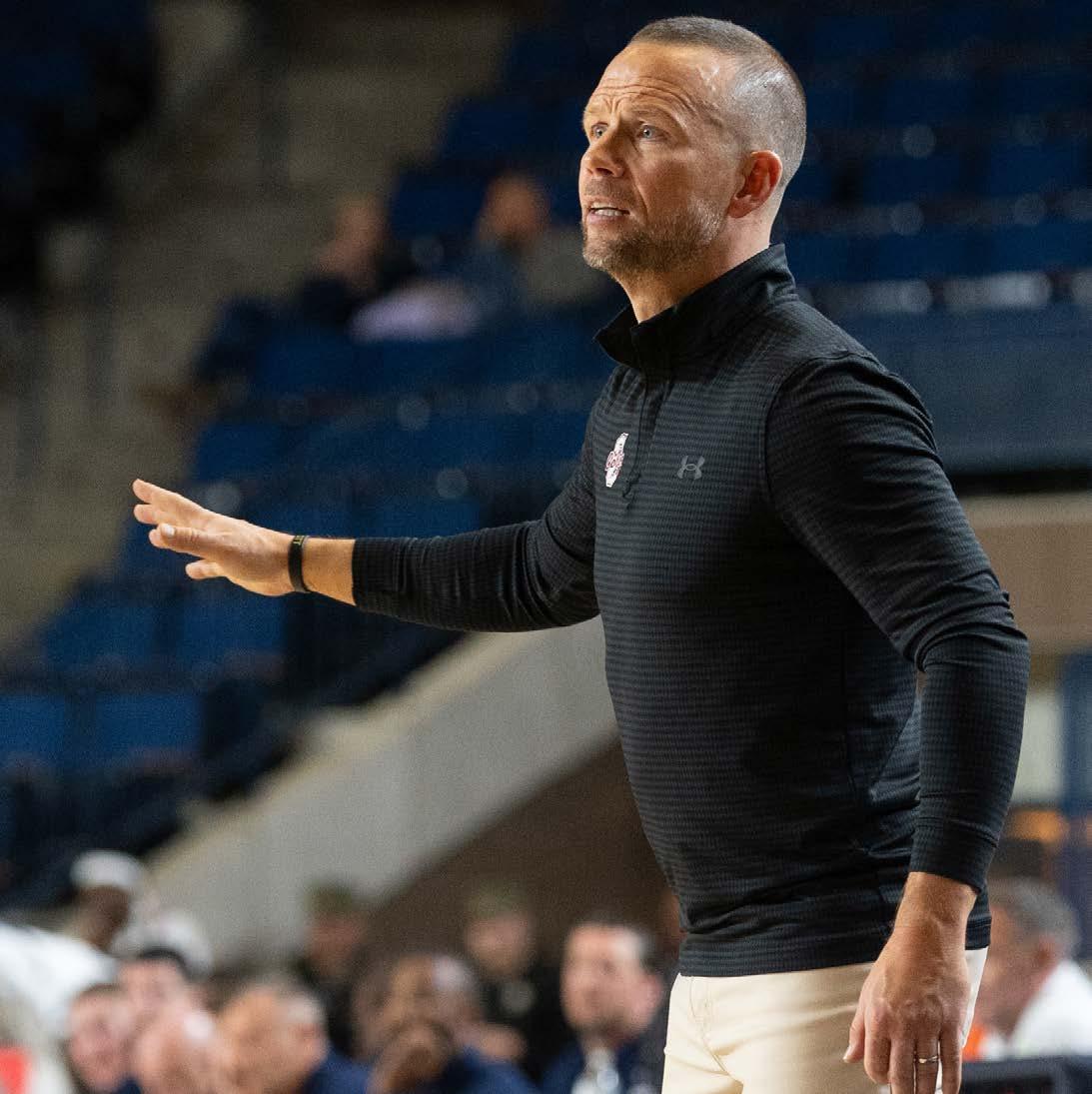

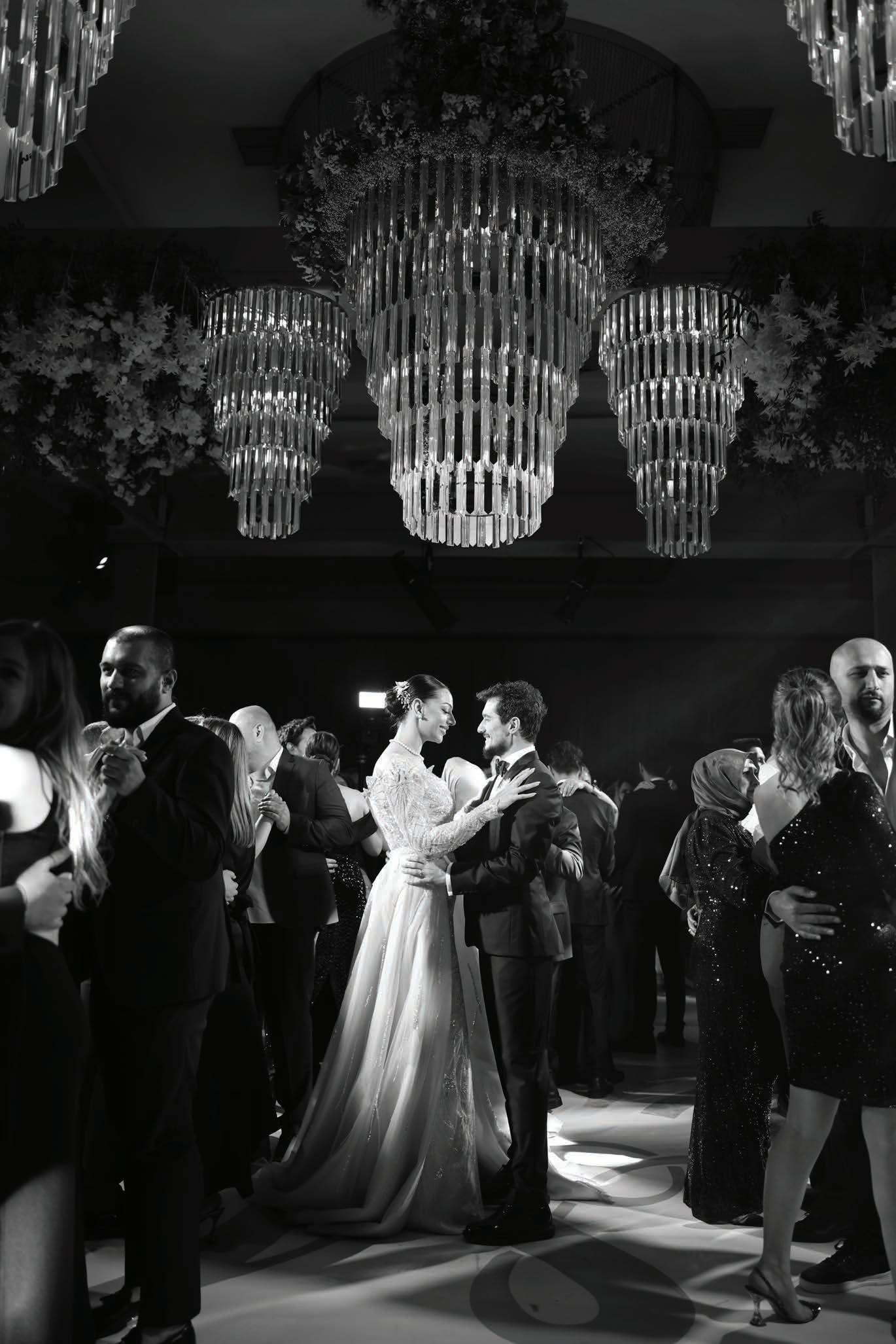
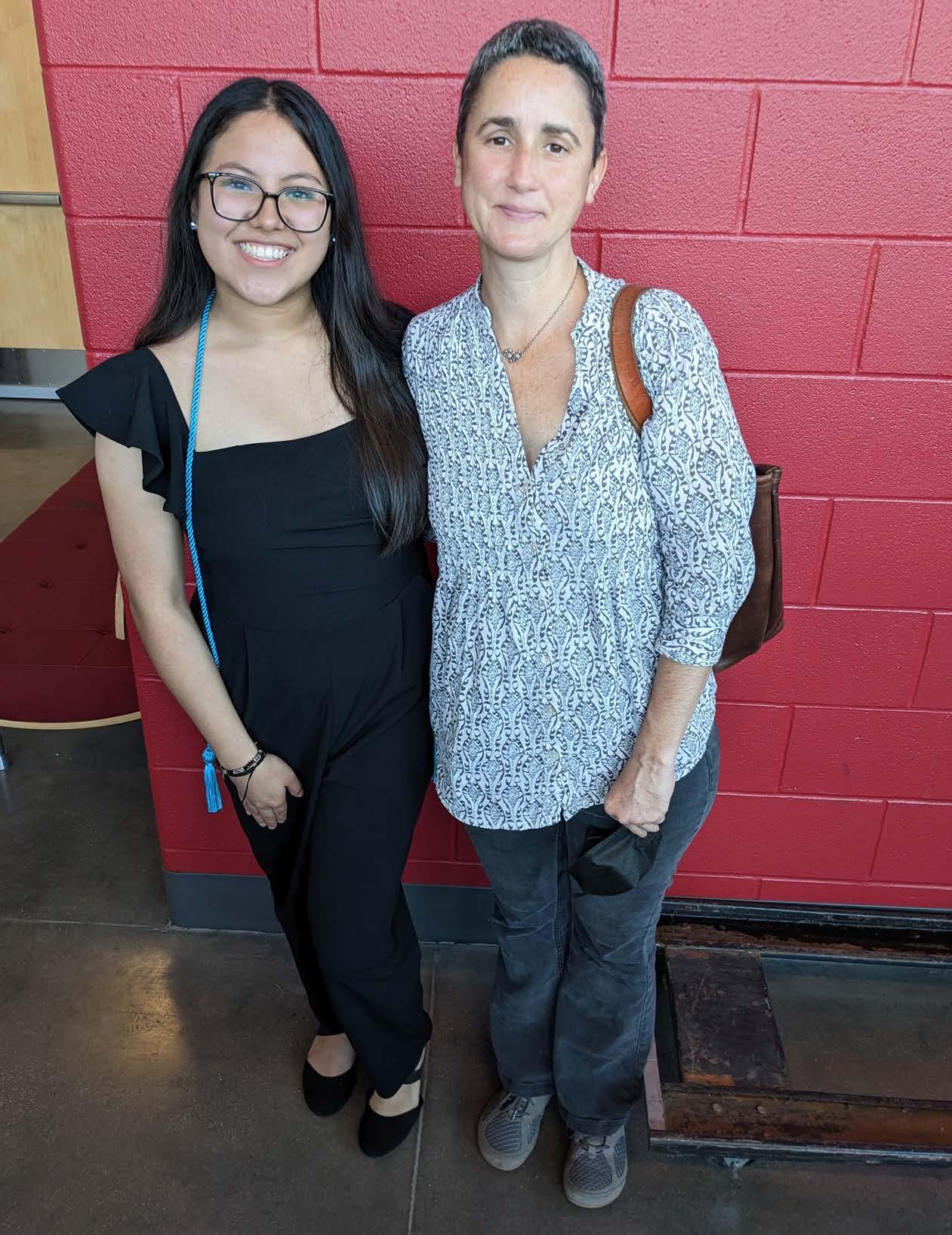
By Jazmin Martinez Diaz
For more than ten years, I have had the privilege of being part of Big Brothers Big Sisters of Kentuckiana. A journey that began when I was just eight years old. At that age, I didn’t fully understand what it meant to have a mentor. I just knew I was being paired with someone who would spend time with me, listen to me, and support me. What I didn’t realize then was that this relationship would become one of the most impactful and defining parts of my life.
My mentor, Elizabeth, has been a constant source of encouragement, guidance, and positivity. She has been there for me through some of my biggest milestones. Moments that have shaped who I am today. From celebrating my achievements in school to supporting me as I took the leap into starting college, Elizabeth has always shown up. Her presence during those transitions reminded me that I was never alone, even when things felt uncertain.
But mentorship is not only about celebrating the highs, it’s about standing strong during the lows. There have been difficult moments in my life when I needed someone to lean on, someone who would listen without judgment and help me find my way forward. Elizabeth has been that person. She has helped me shift my mindset, encouraging me to stay positive and resilient even when life felt overwhelming. Her belief in me often came at times when I struggled to believe in myself.
Big Brothers Big Sisters of Kentuckiana matches youth ages 7-16 (“Littles”) in the Louisville area and Southern Indiana with volunteer mentors (“Bigs”) through a variety of community and facilitated programs, providing consistent support and resources to help each mentoring match thrive. Mentoring is proven to help youth improve their confidence and mental health, graduate high school on time, and avoid involvement with the juvenile justice system.
Through this program, I have learned that mentorship is not just about guidance—it is about connection, consistency, and care. It is about having someone who sees your potential even when you cannot. The impact of having a mentor goes far beyond childhood; it shapes confidence, decision-making, and the ability to navigate life’s challenges.
As I reflect on more than a decade with Big Brothers Big Sisters, I recognize that this experience has played a crucial role in my personal growth. It has influenced the way I approach relationships, my commitment to giving back, and my desire to support others the way I have been supported. Mentorship creates a ripple effect. One relationship can inspire a lifetime of impact.
Programs like Big Brothers Big Sisters are not just beneficial; they are essential. They provide young people with stability, encouragement, and a sense of belonging. My story is just one example of what is possible when someone takes the time to invest in a young person’s future.
There are over 200 young people ready to be matched with a mentor today. Learn how you can make a difference as a mentor by visiting bbbsky.org.
Jazmin Martinez Diaz is a Kentucky native studying early childhood education at the University of Louisville.
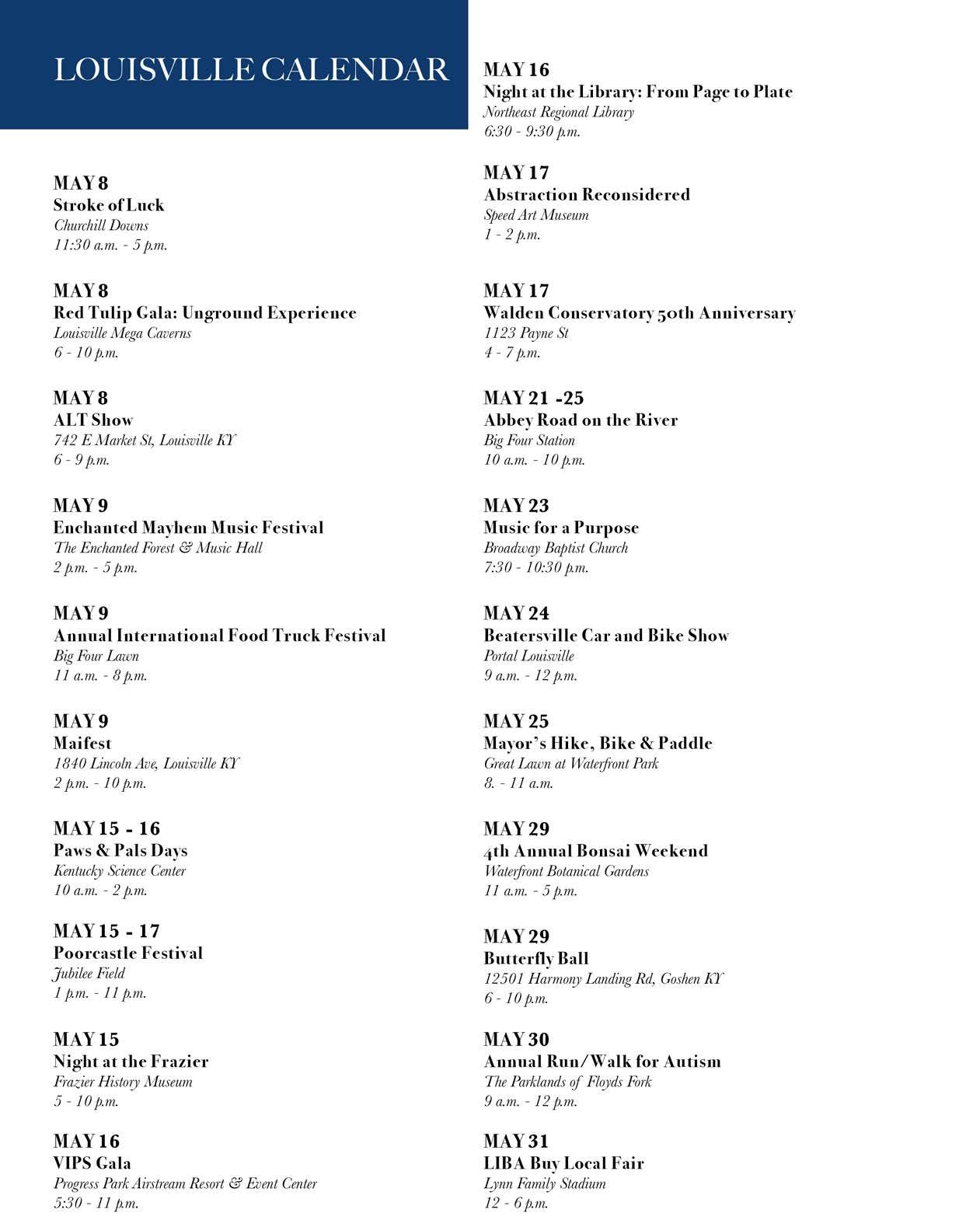

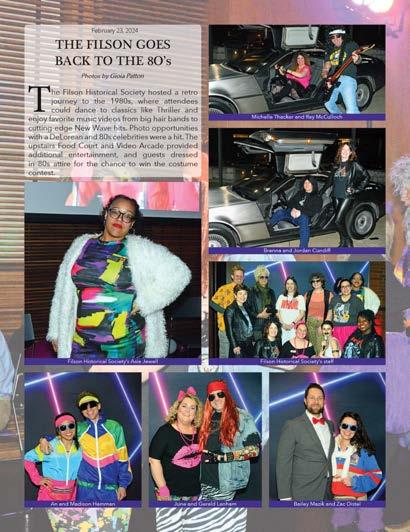
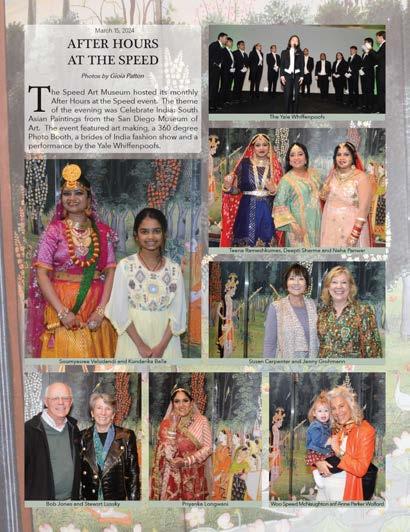

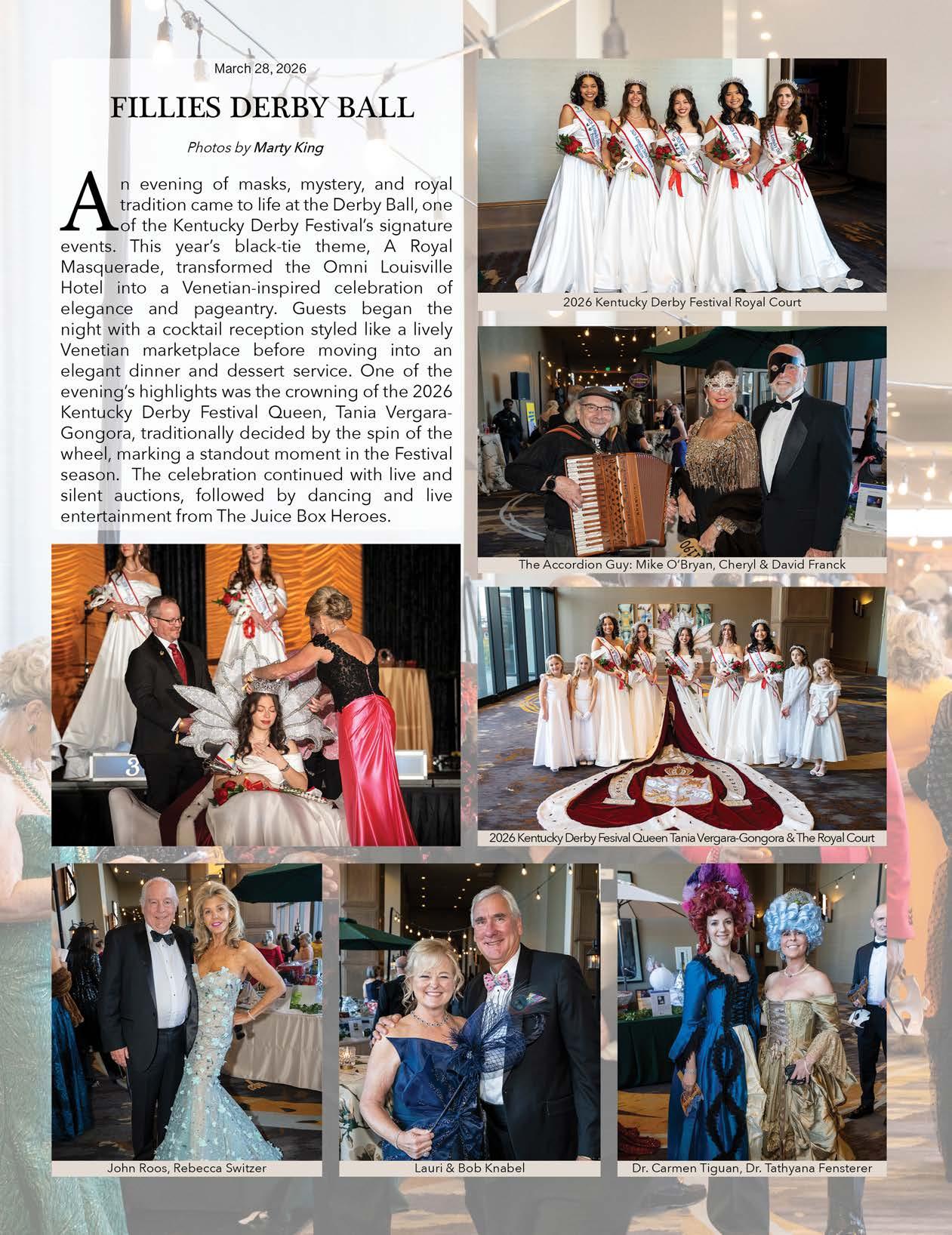
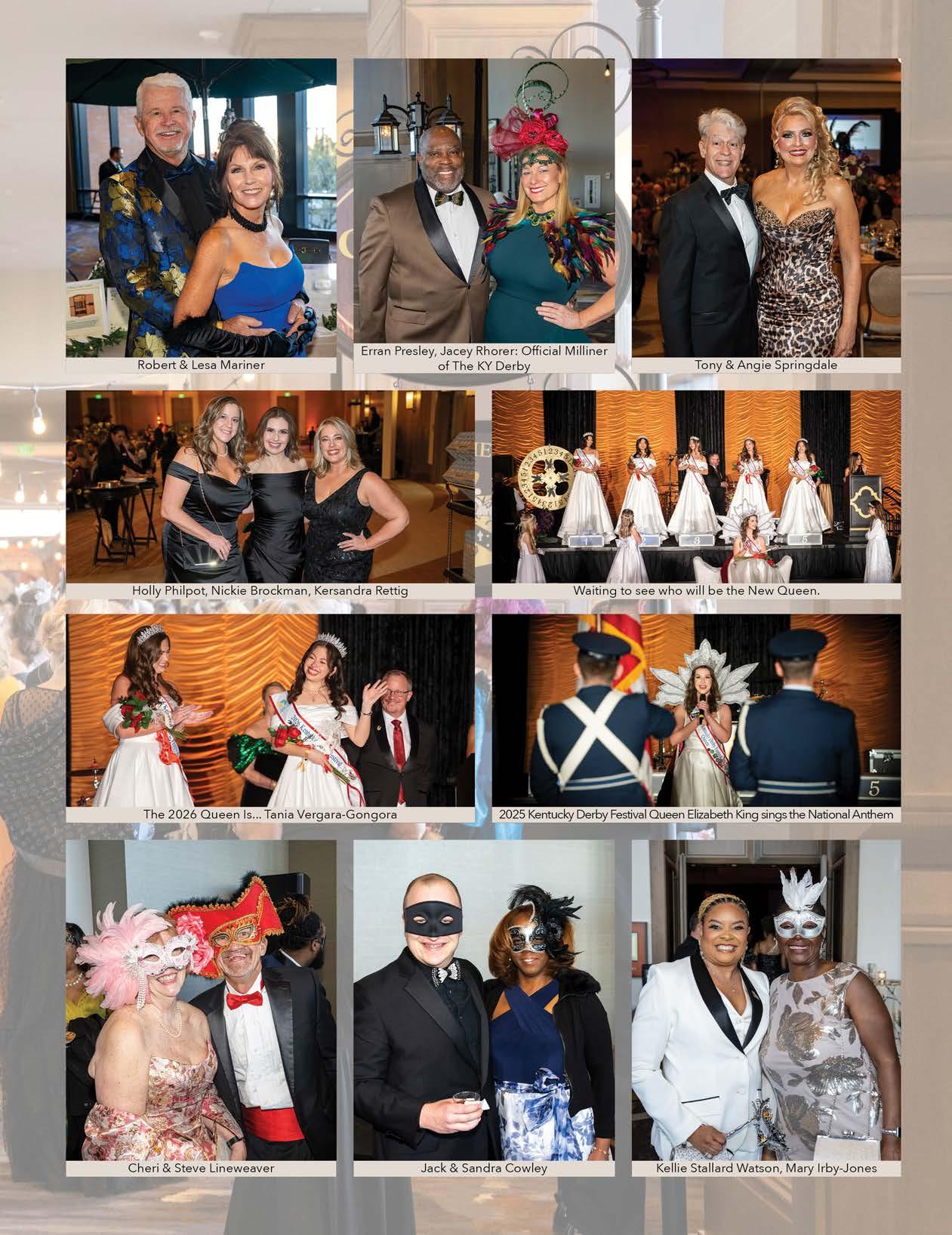
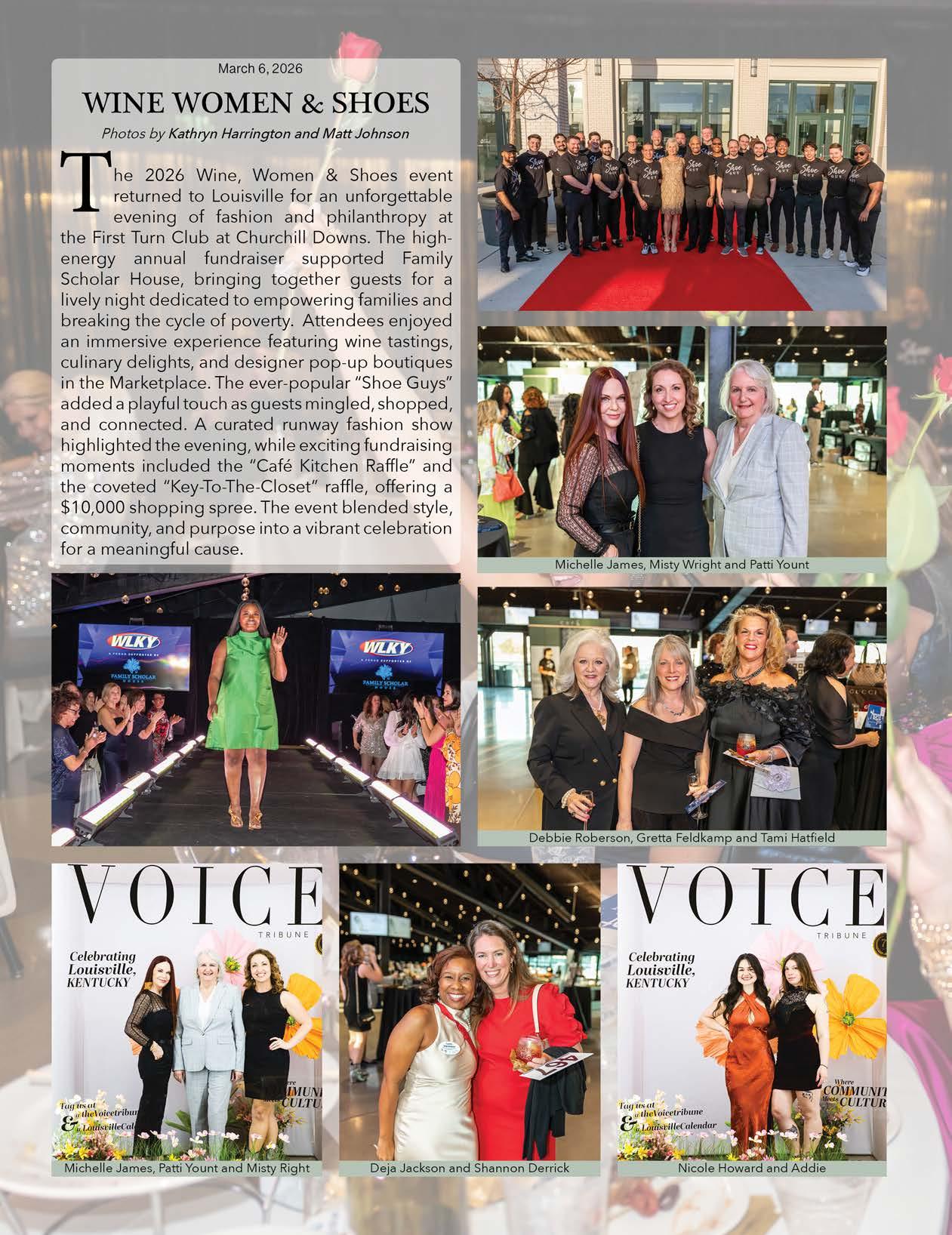
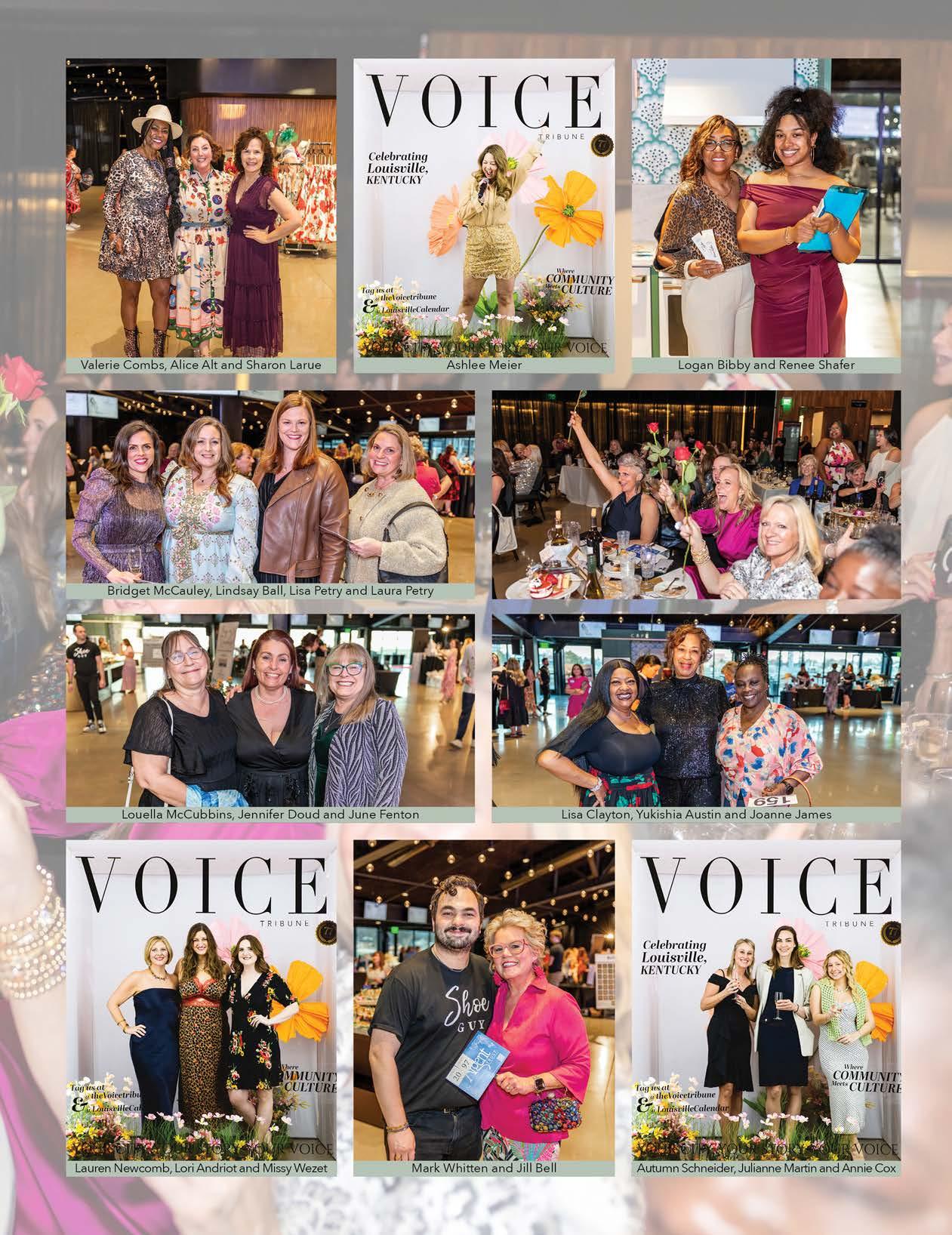
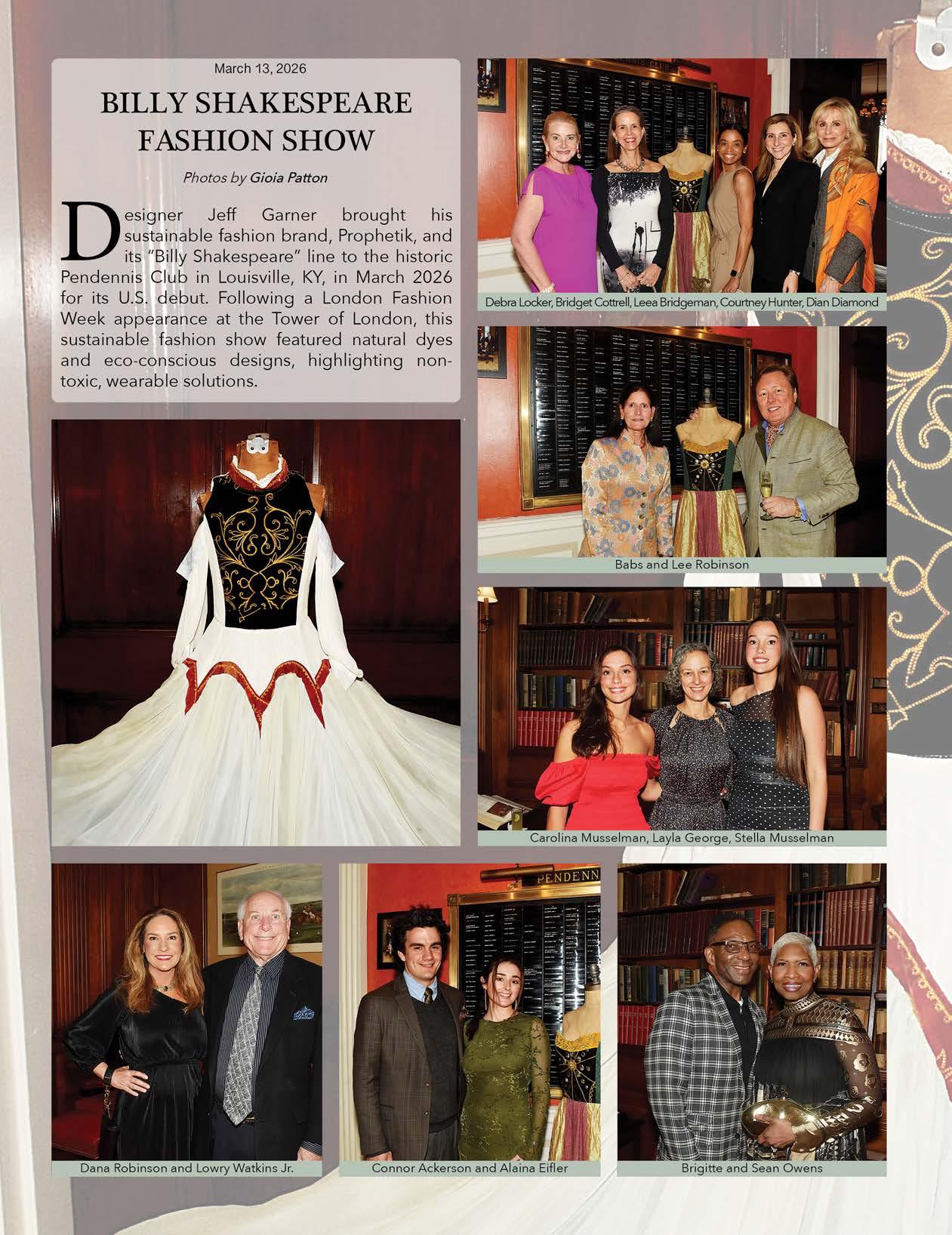
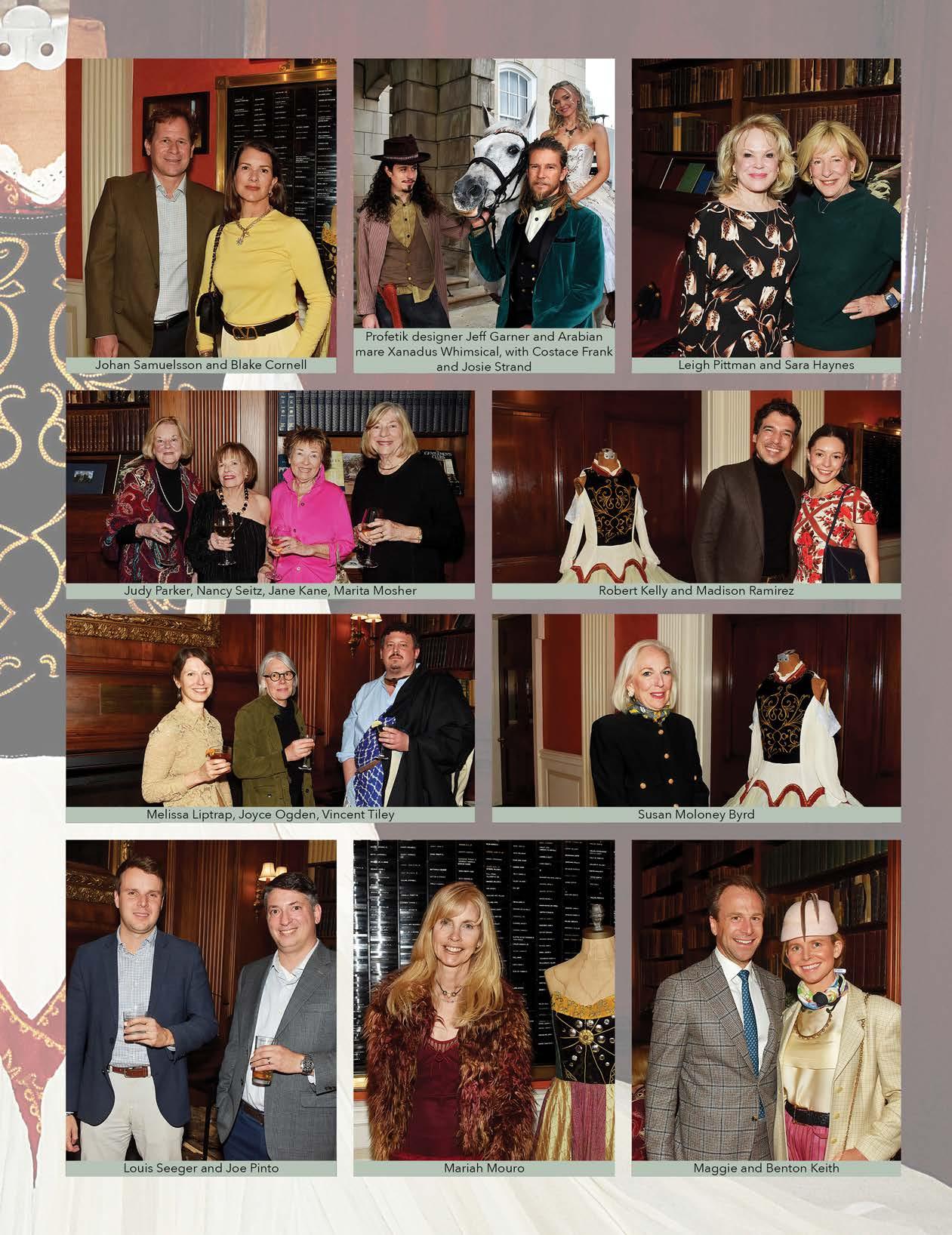
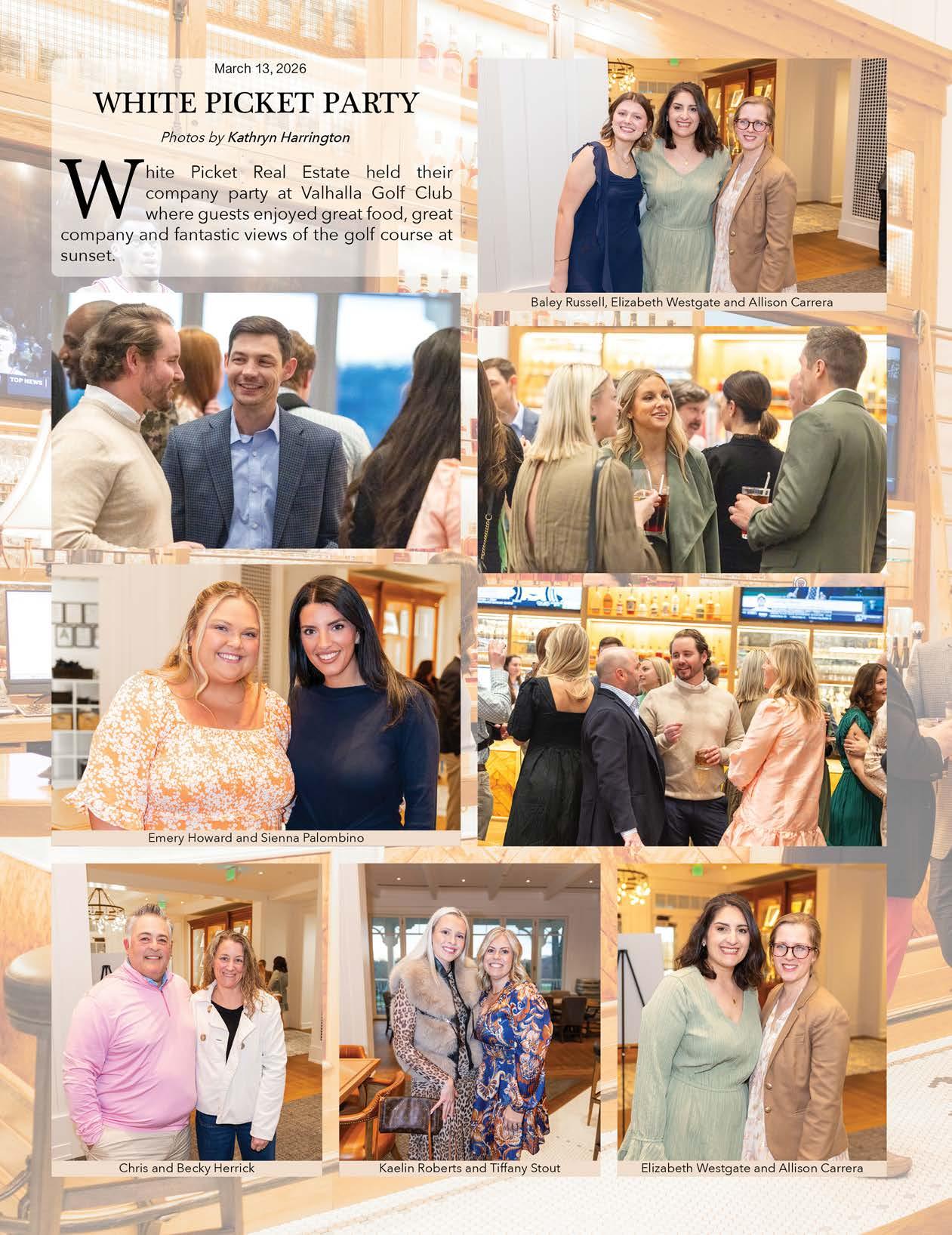
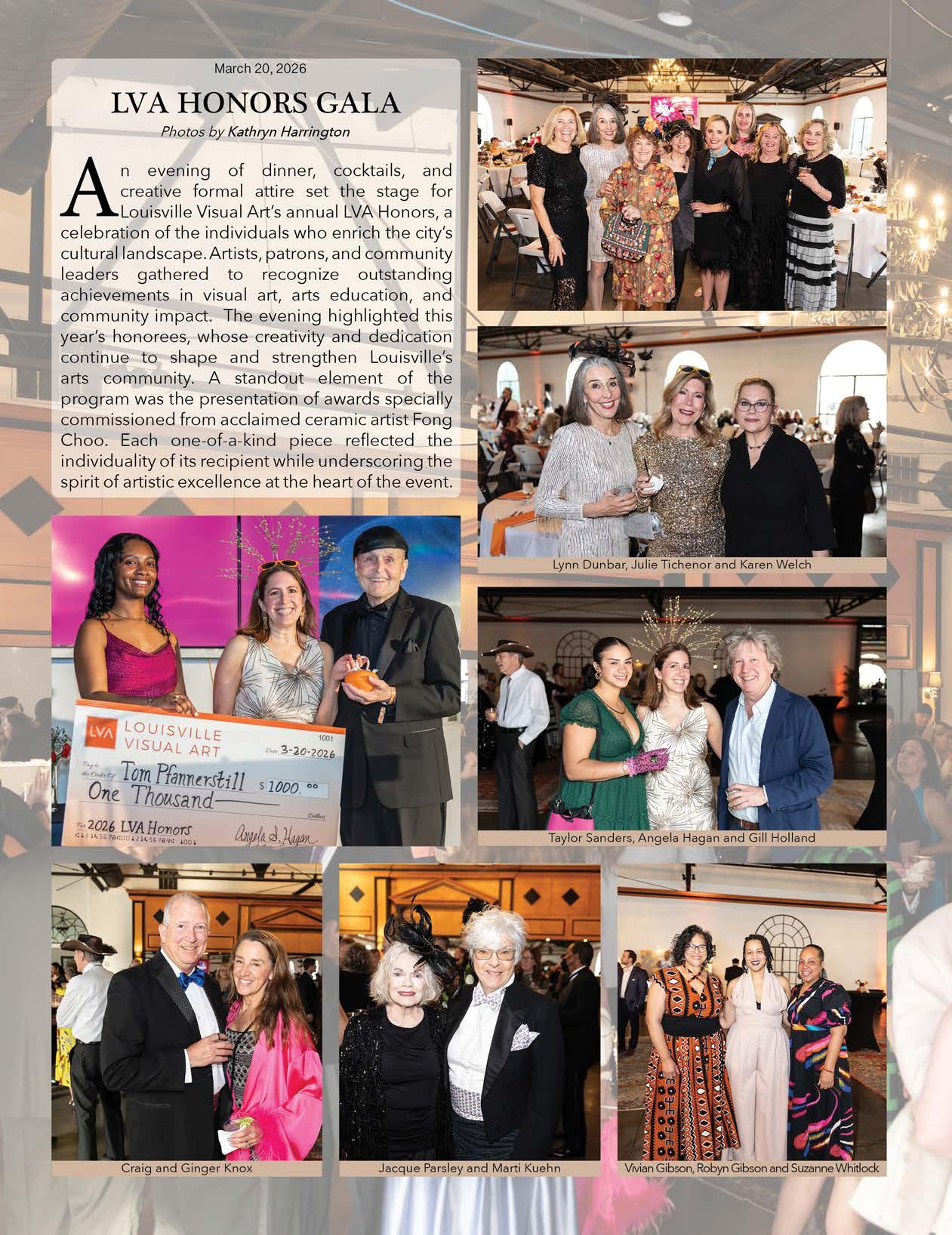
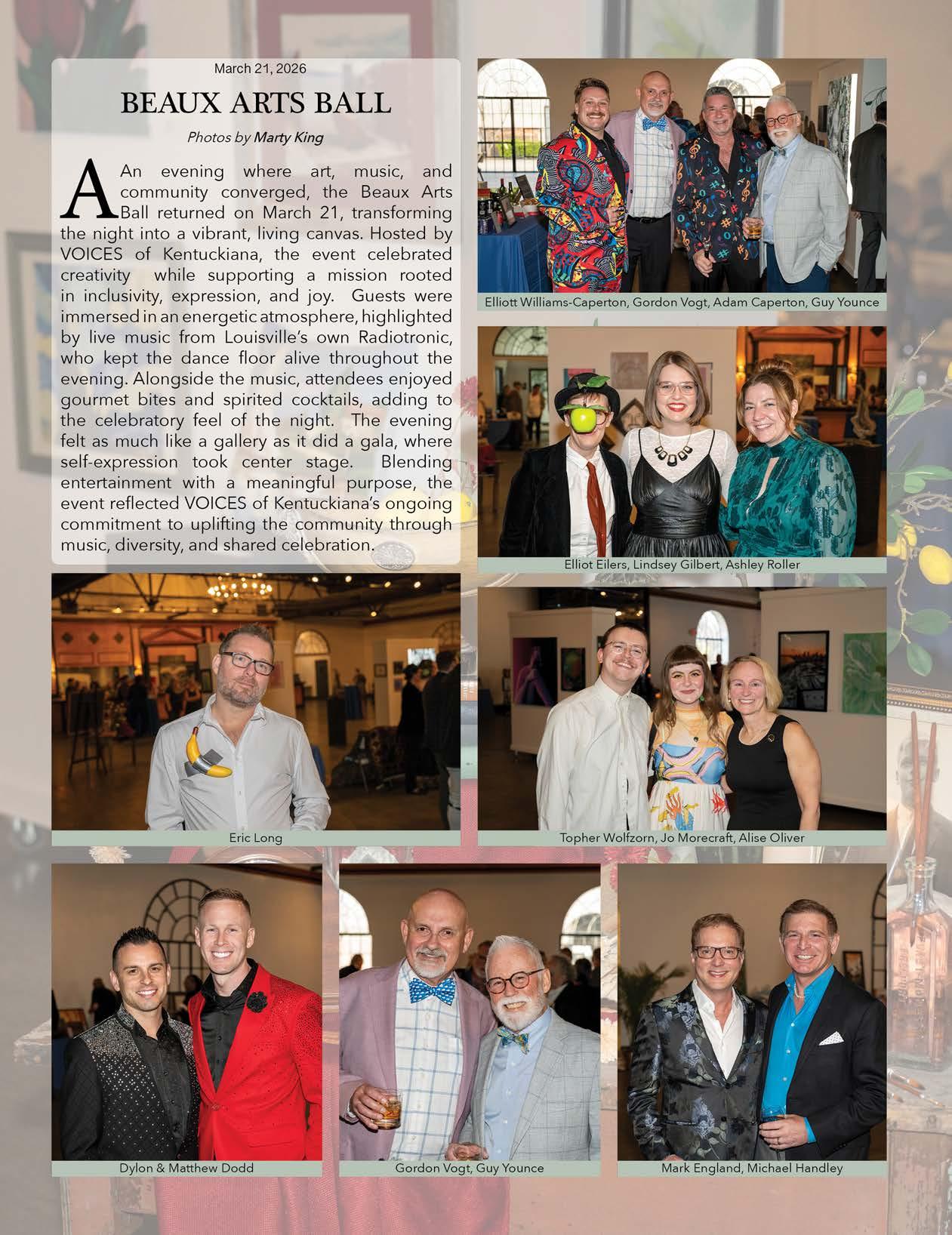
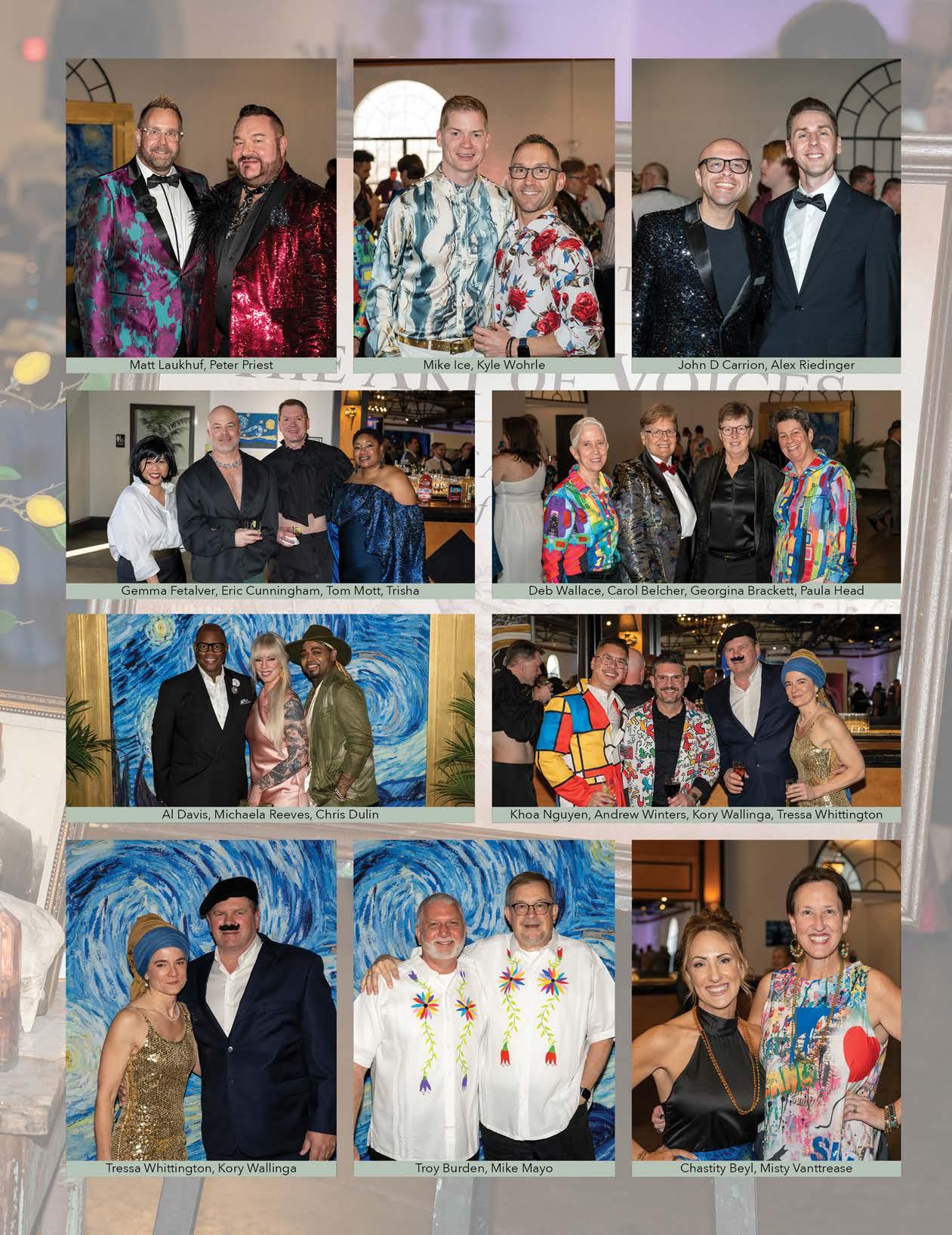
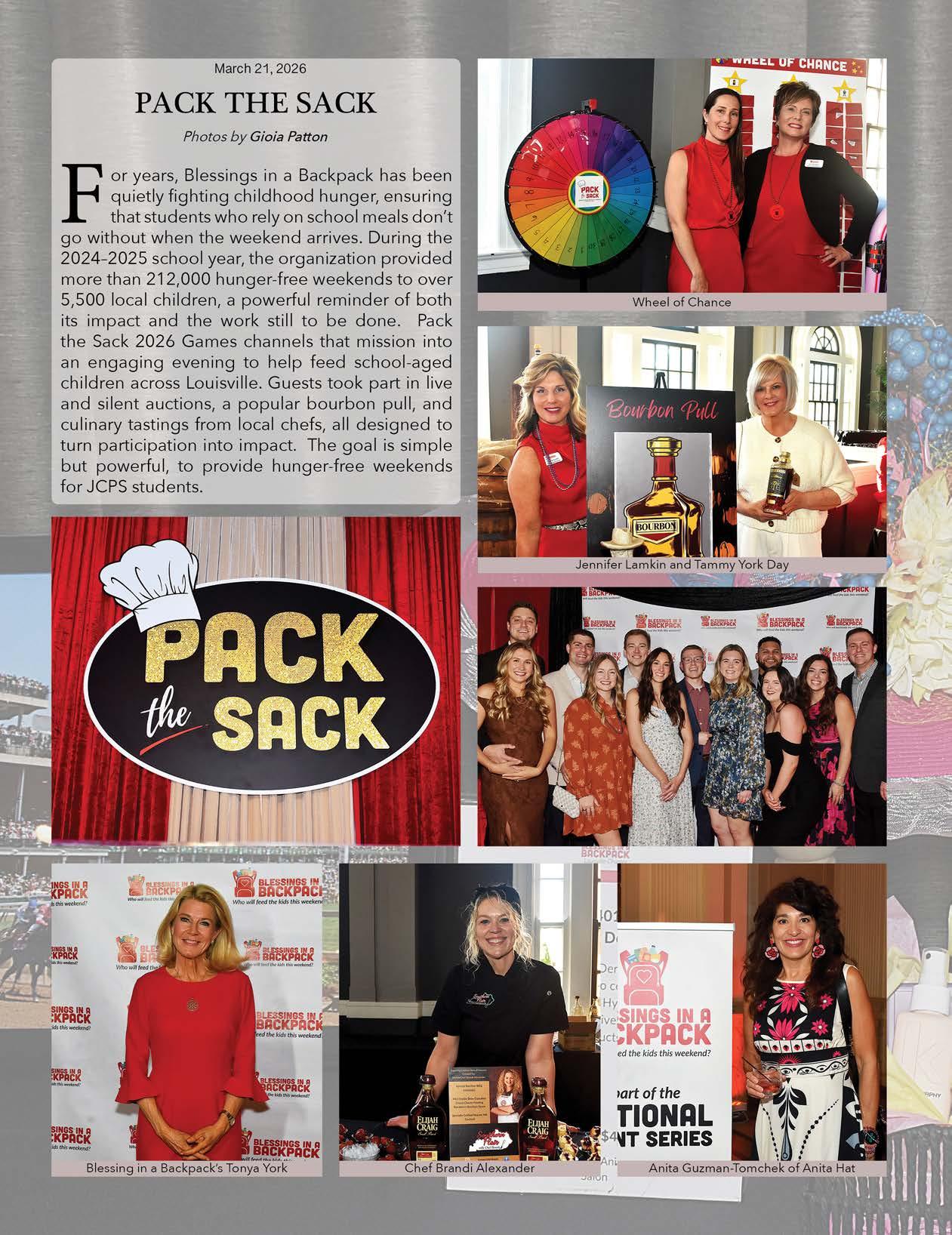
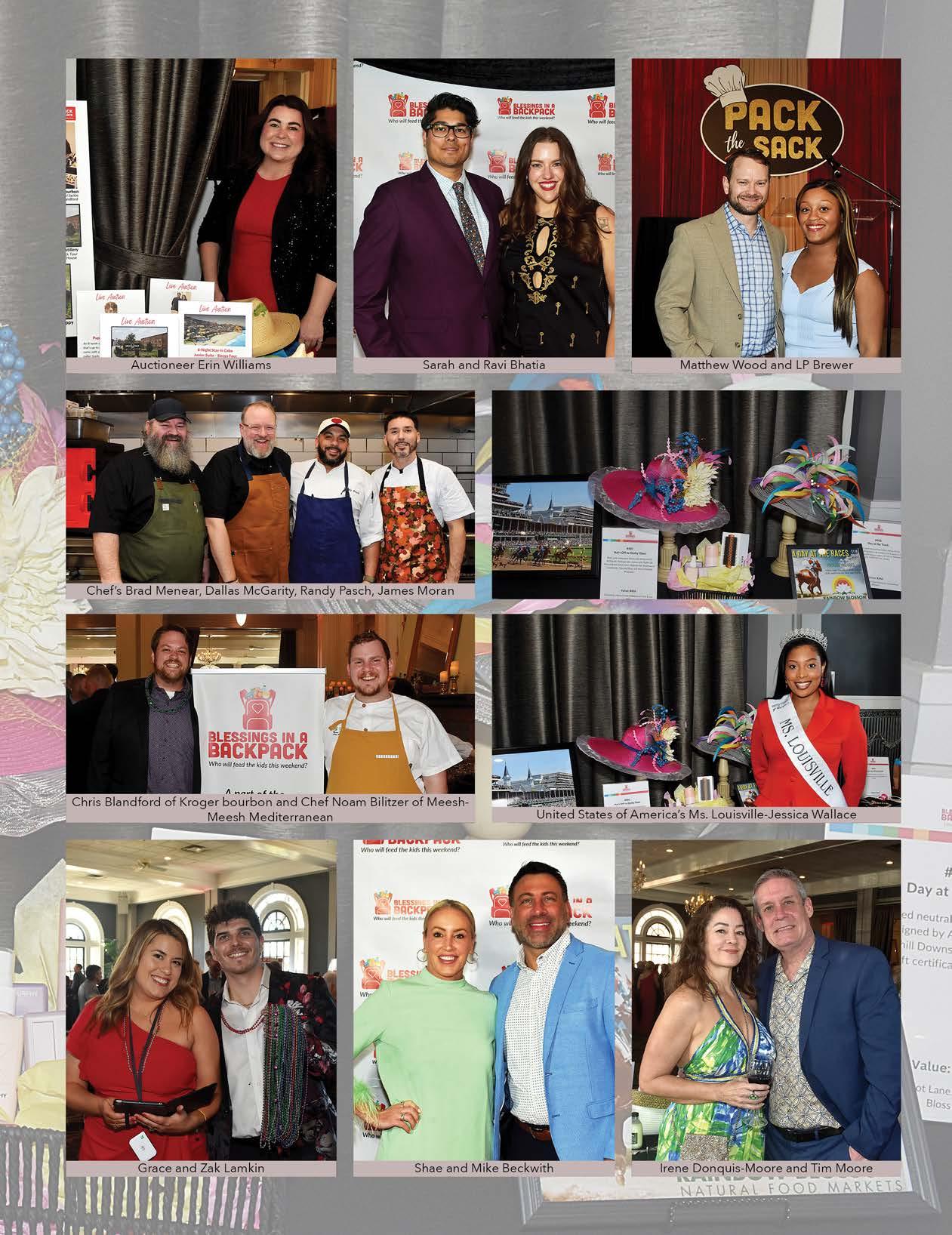
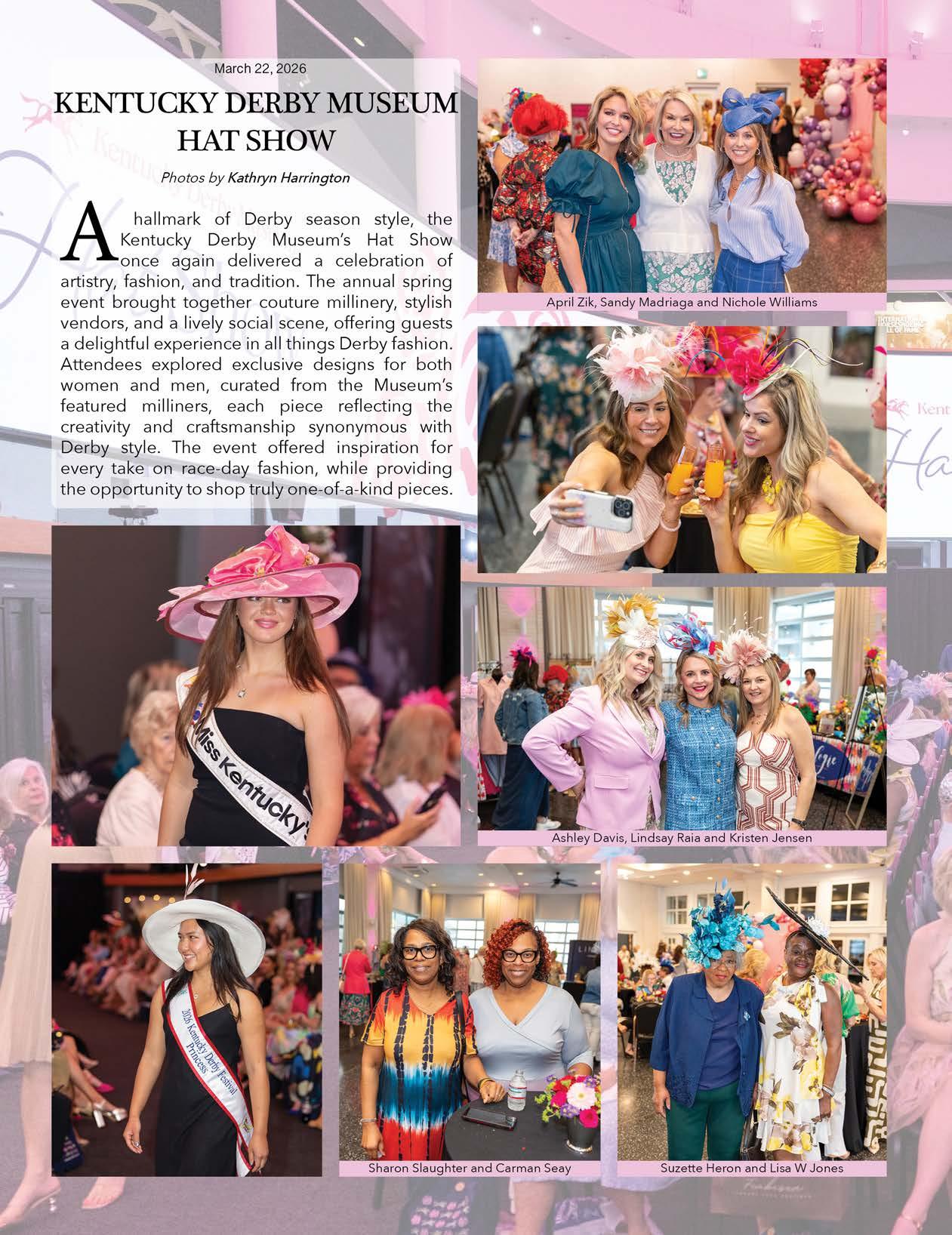
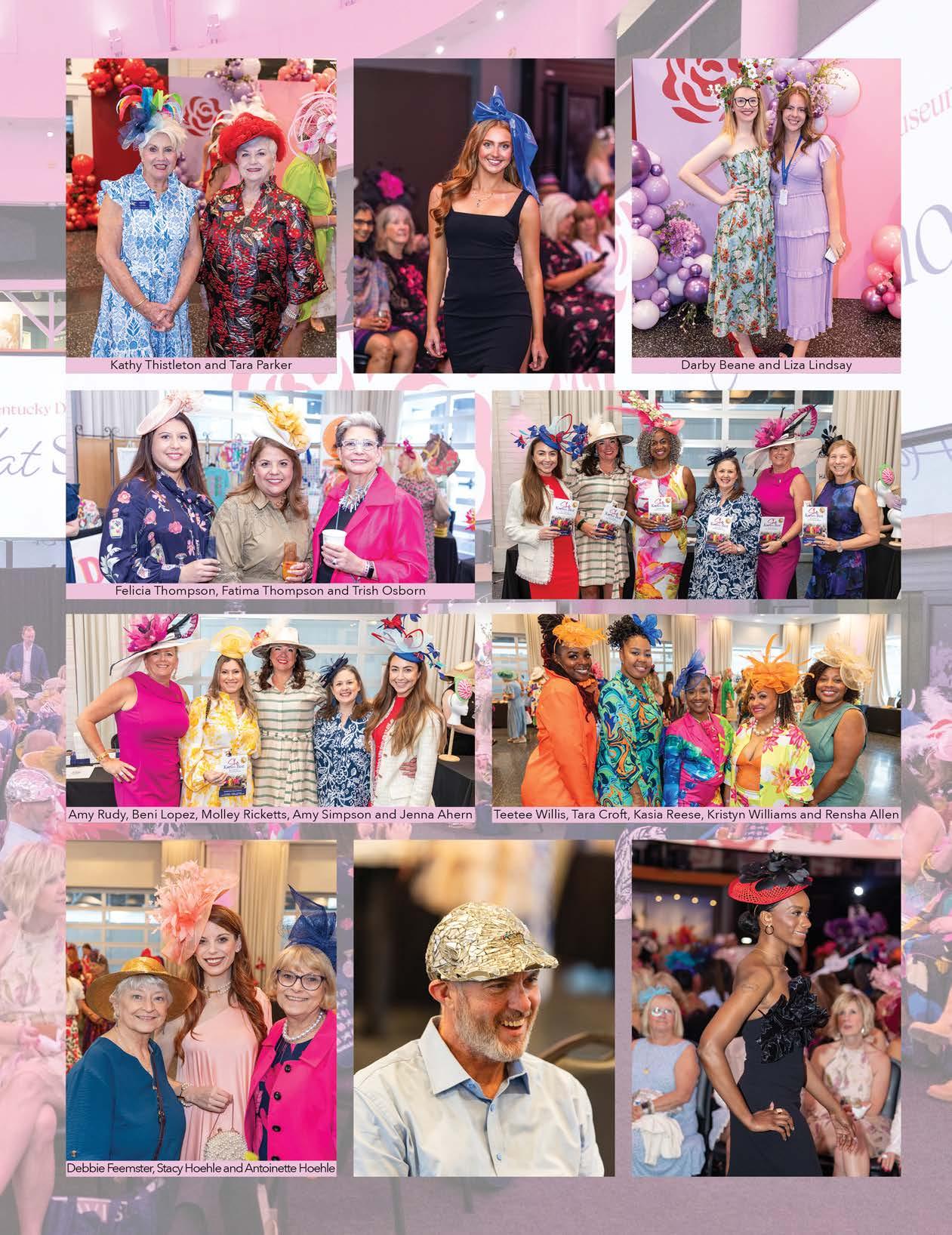
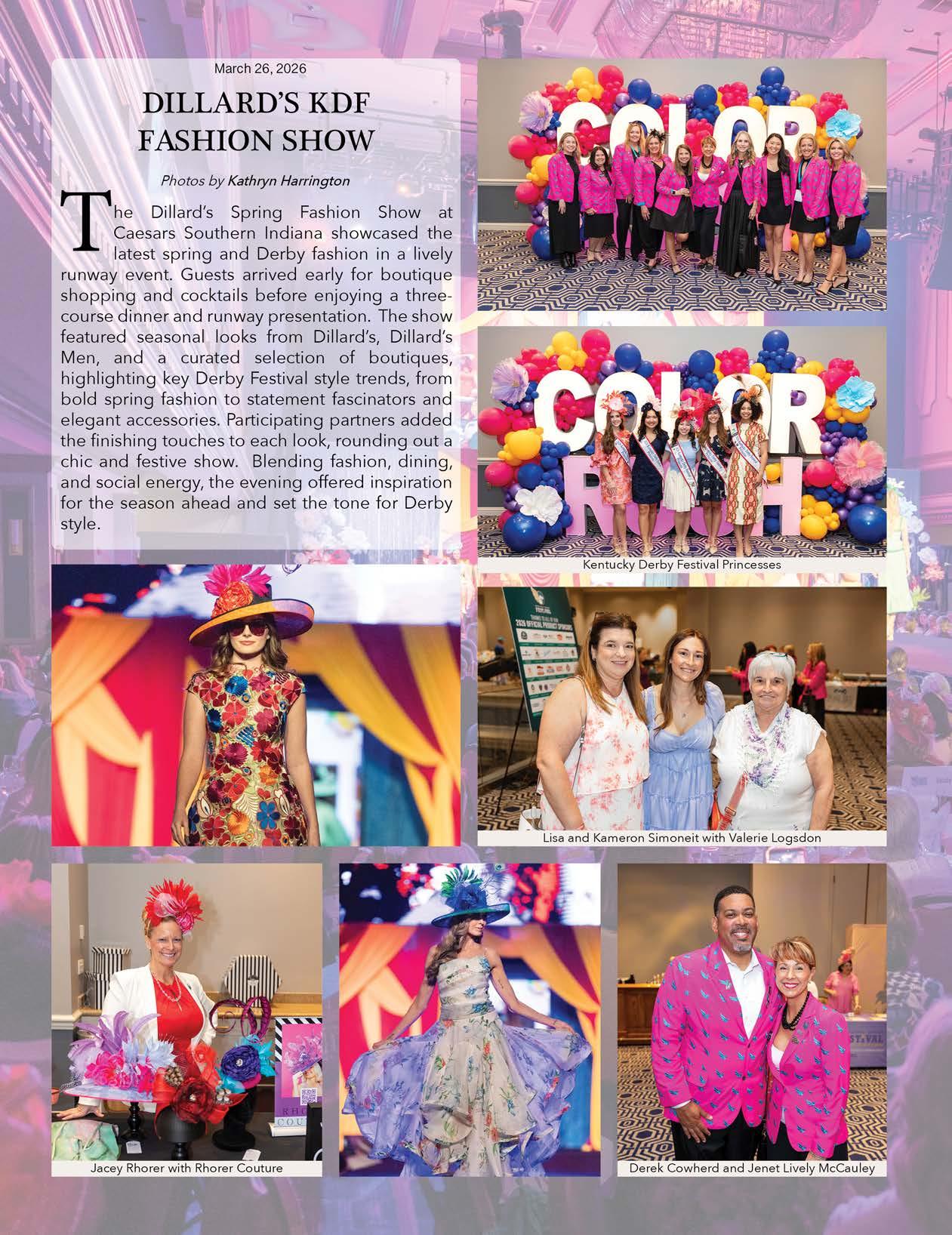
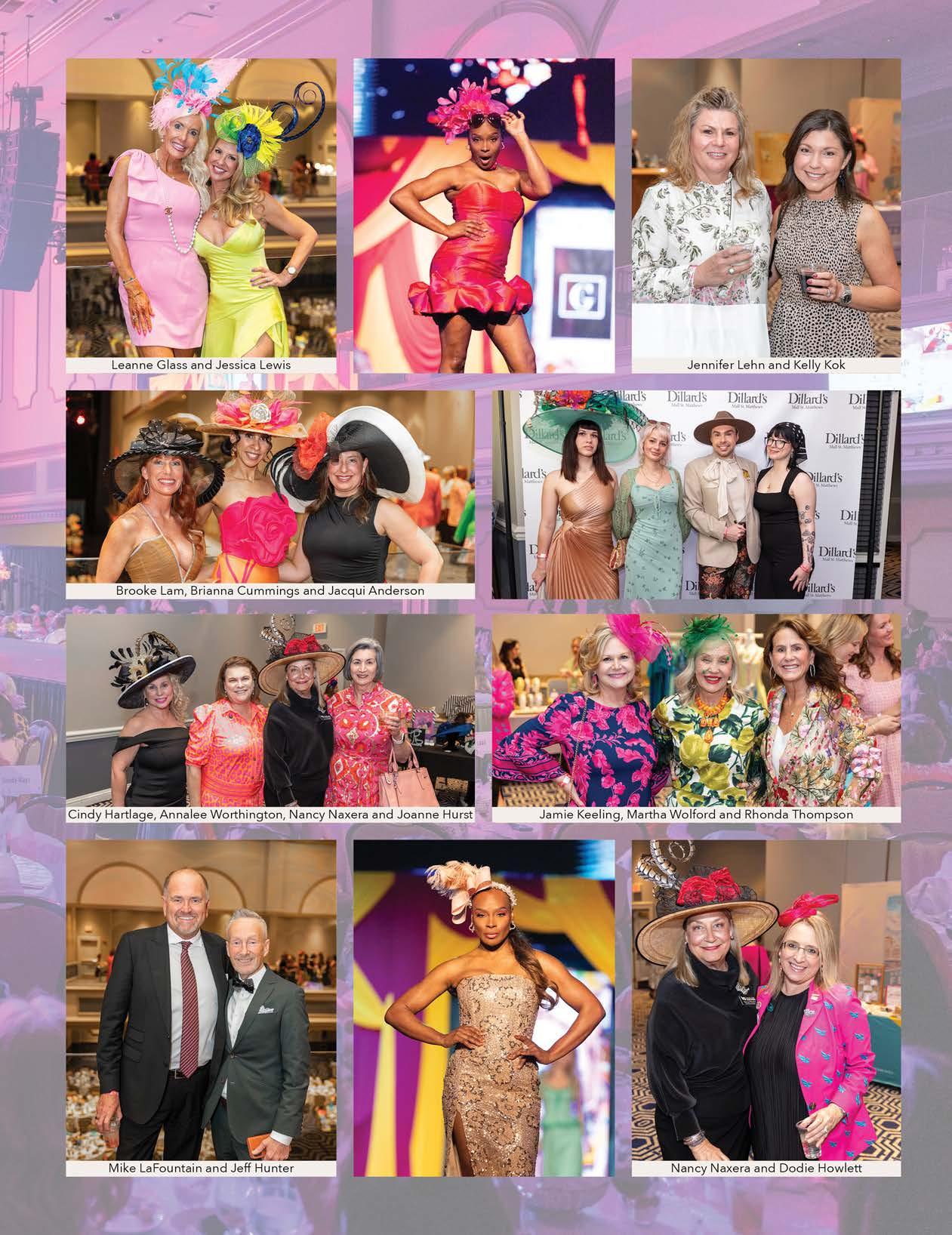
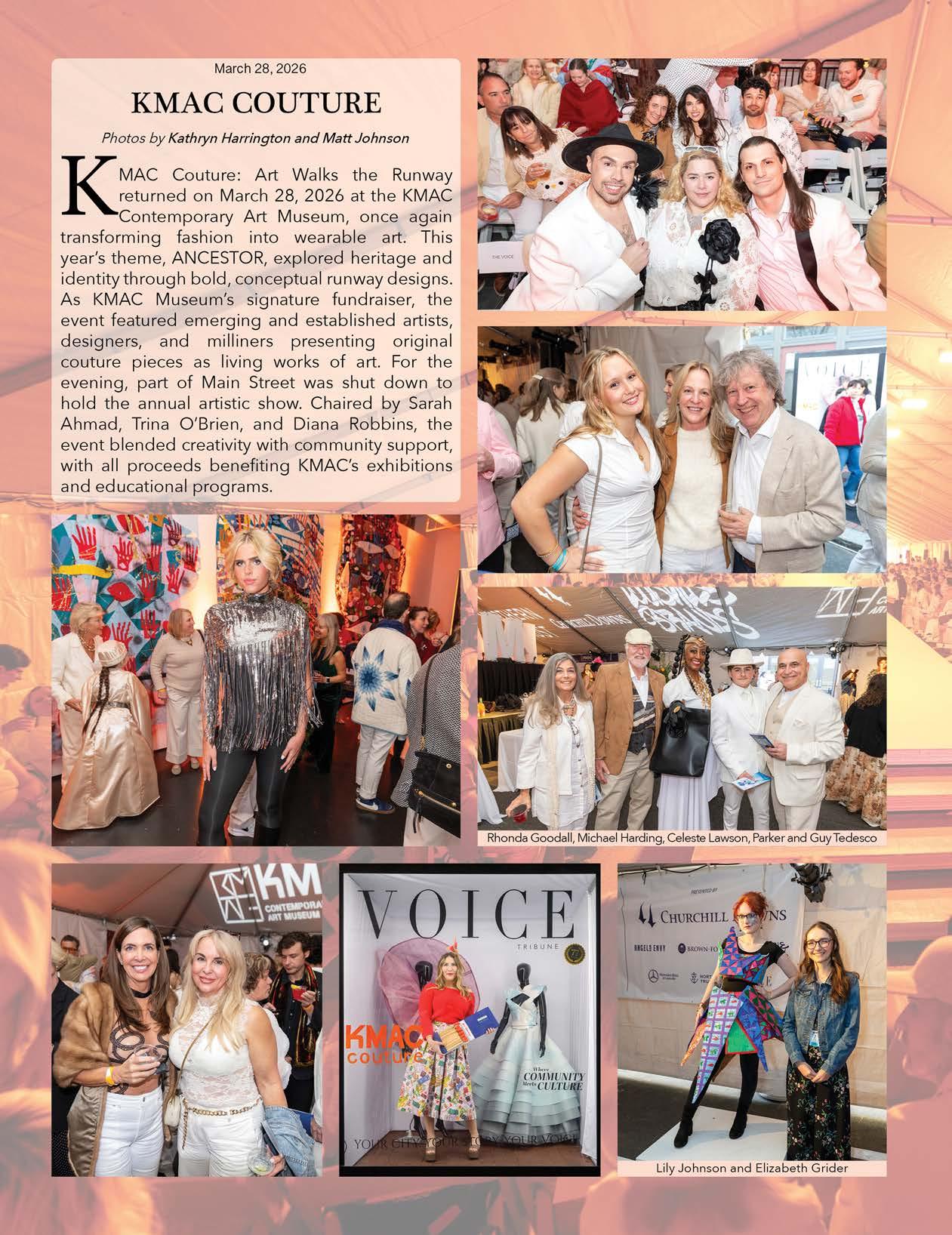
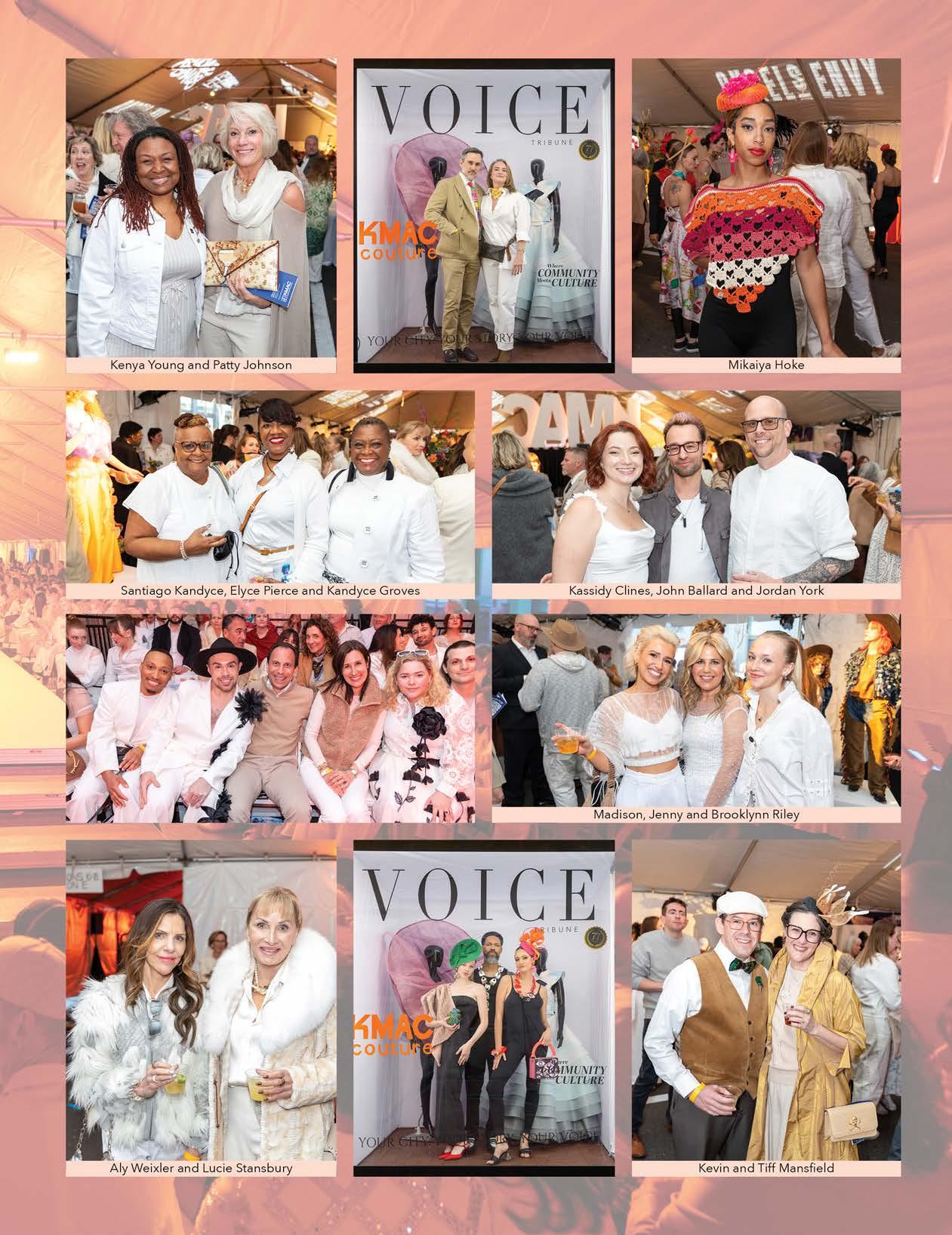
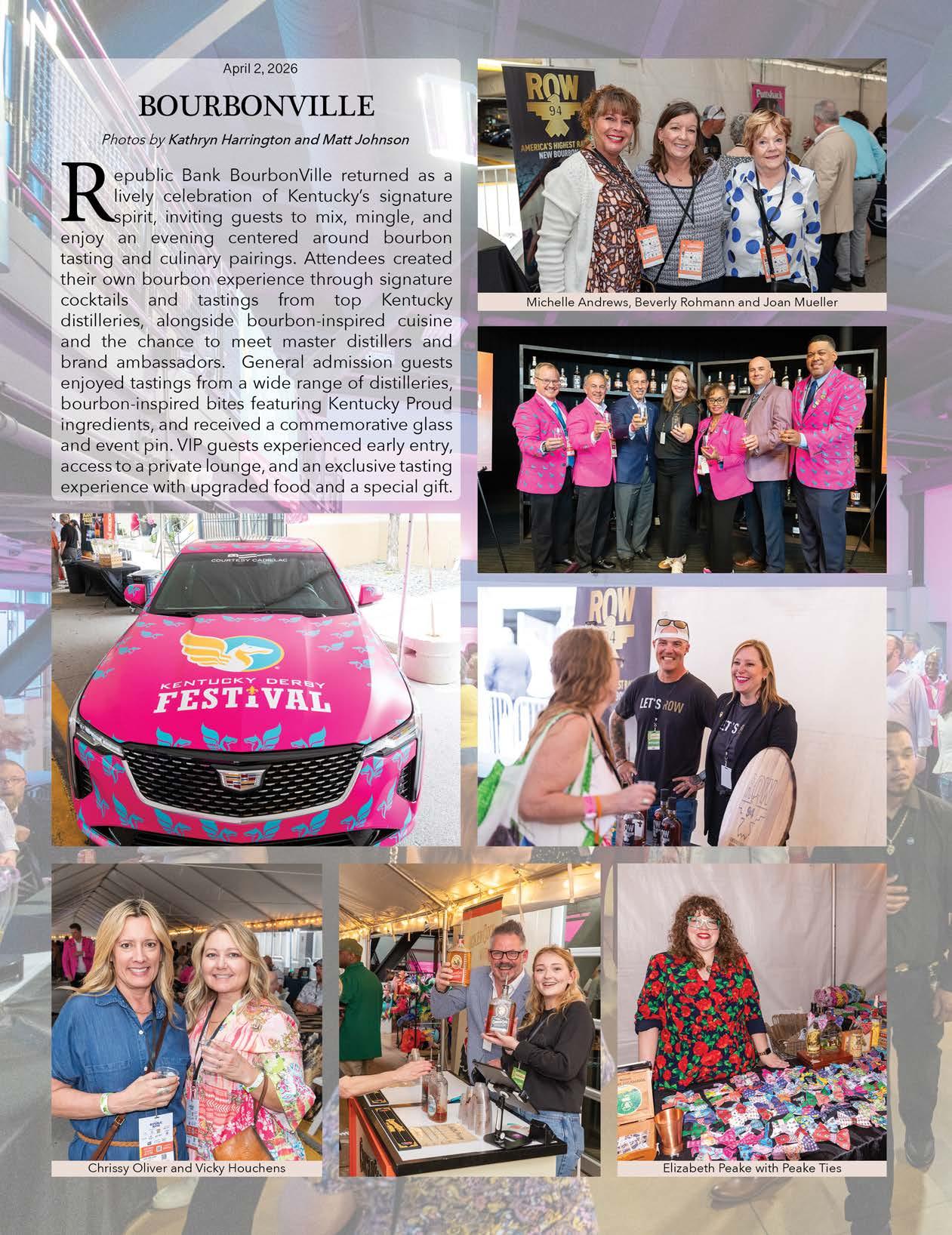
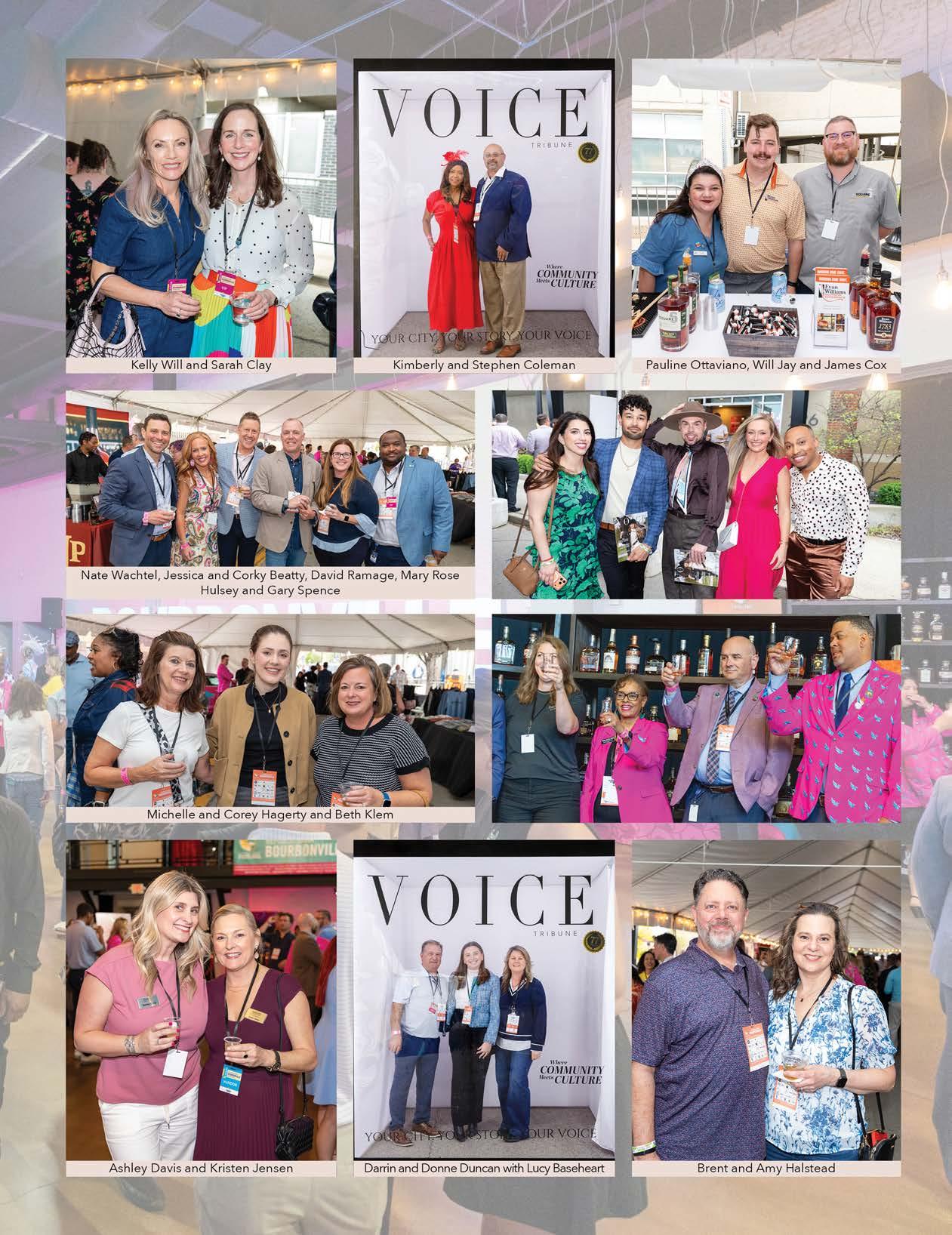
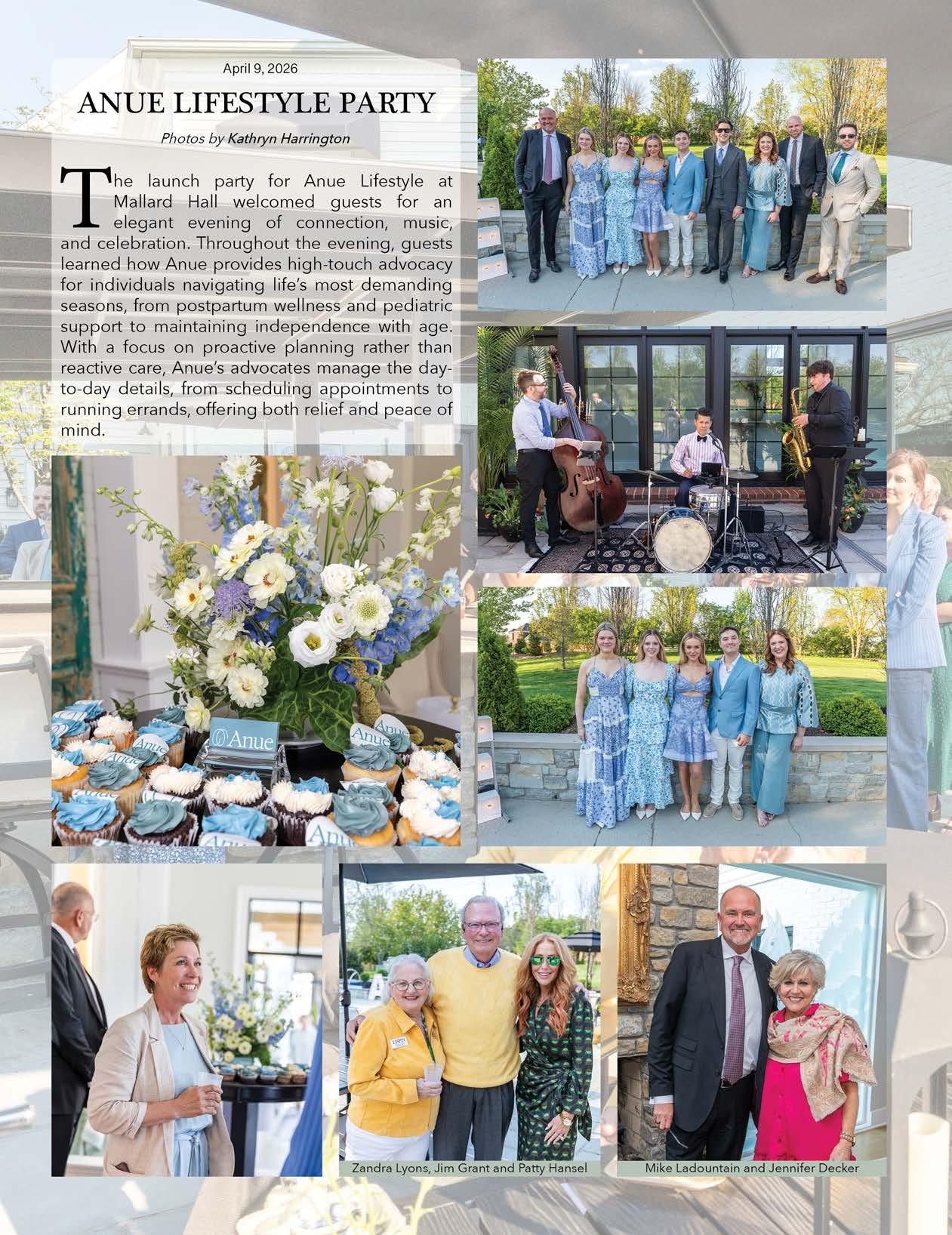
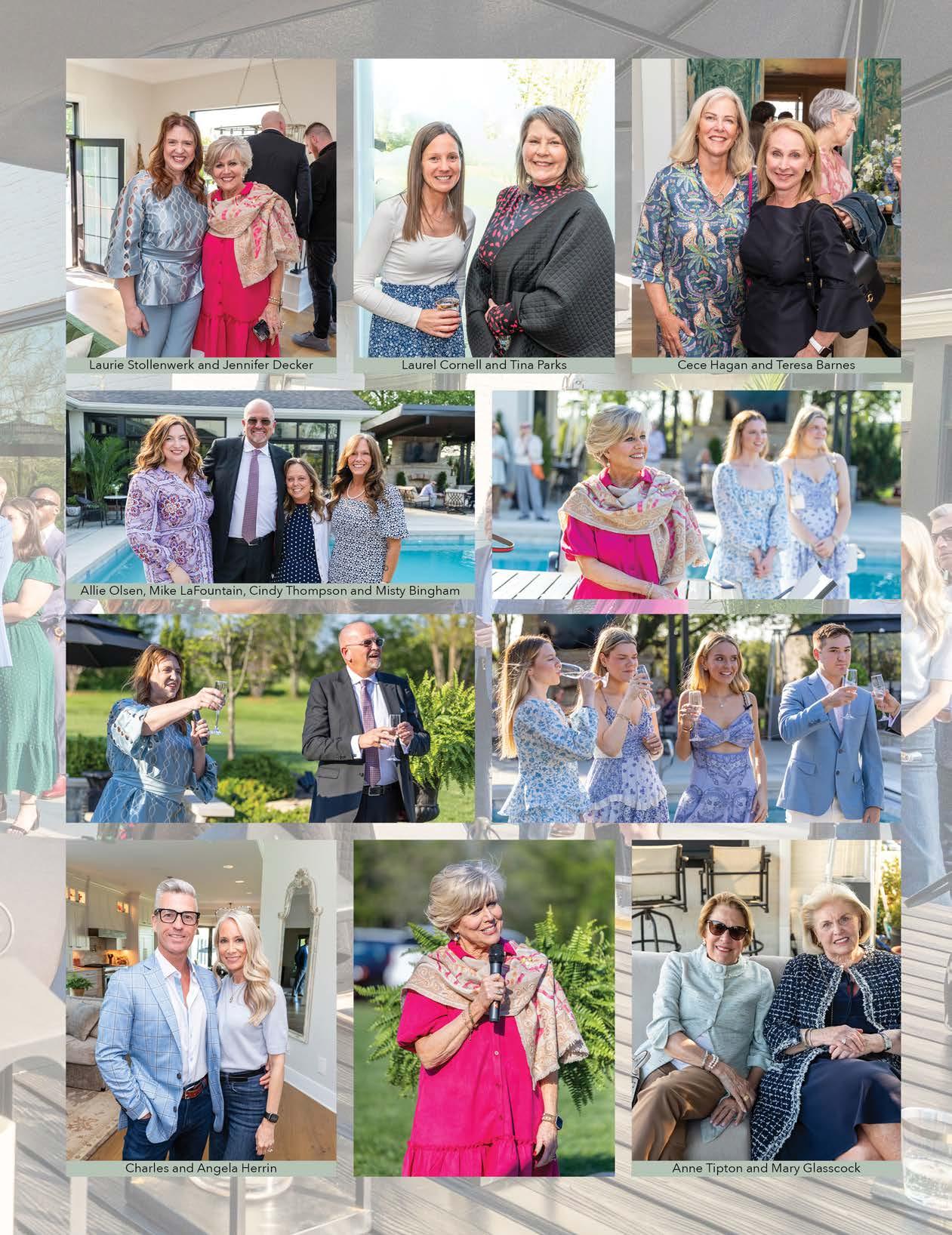
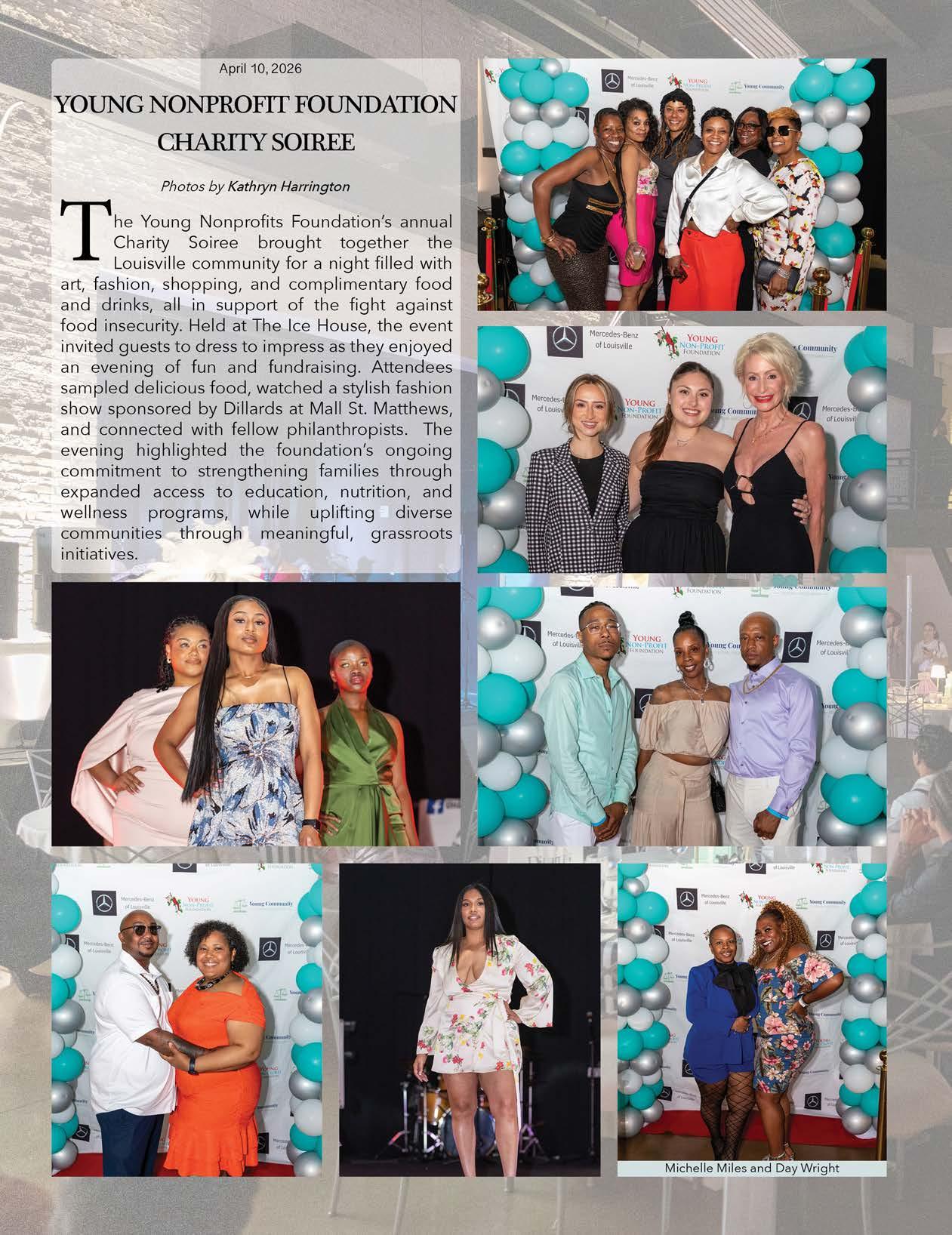
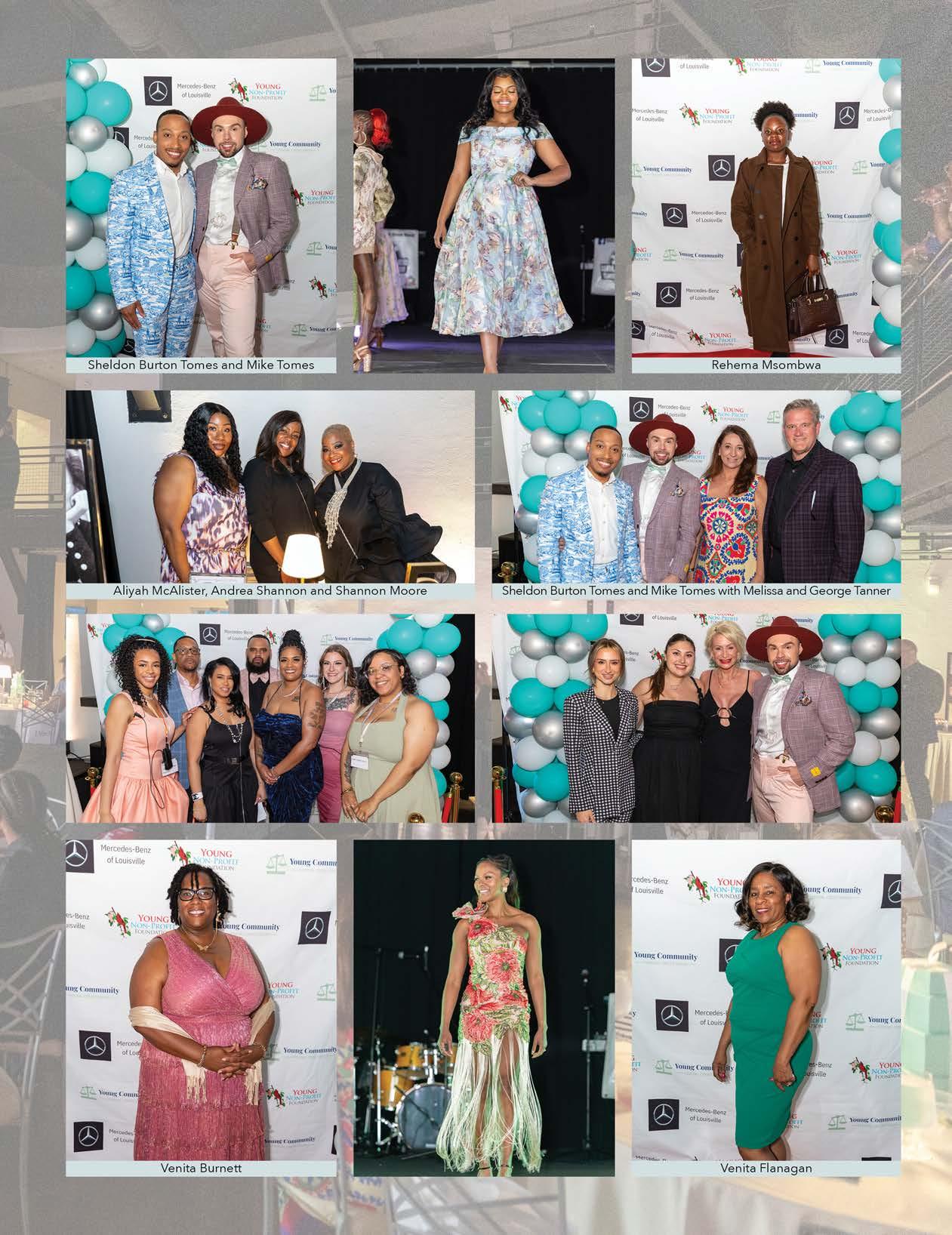
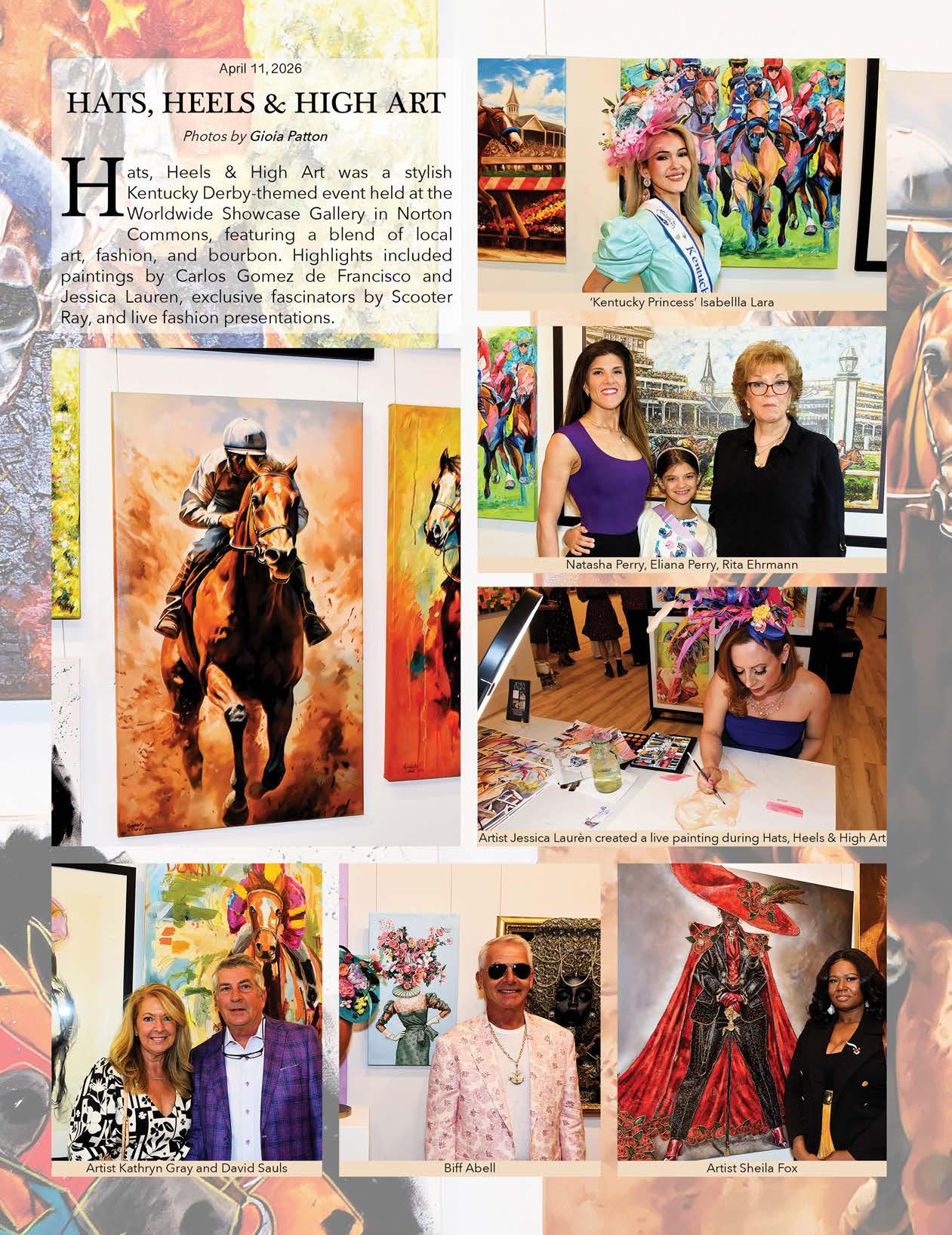
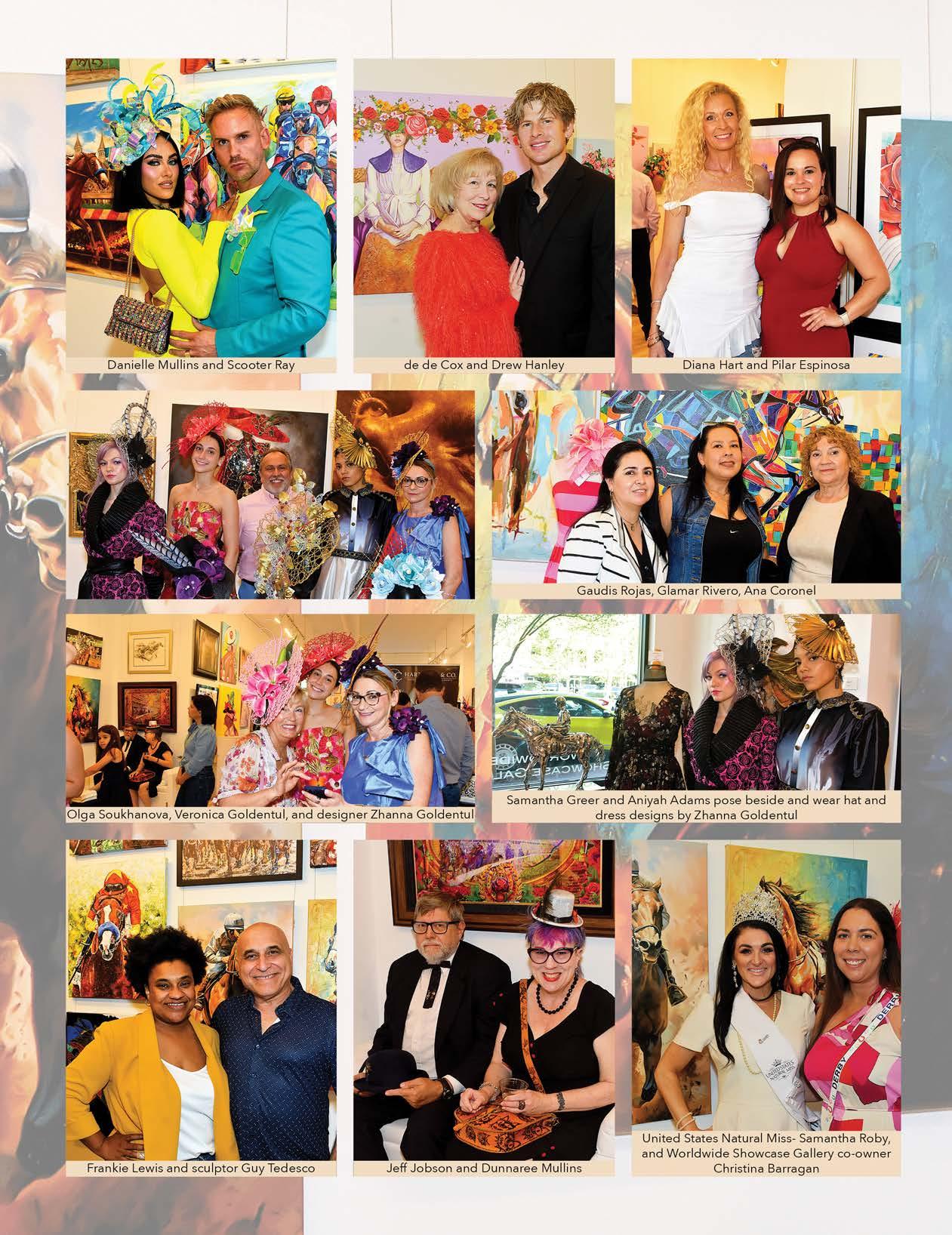
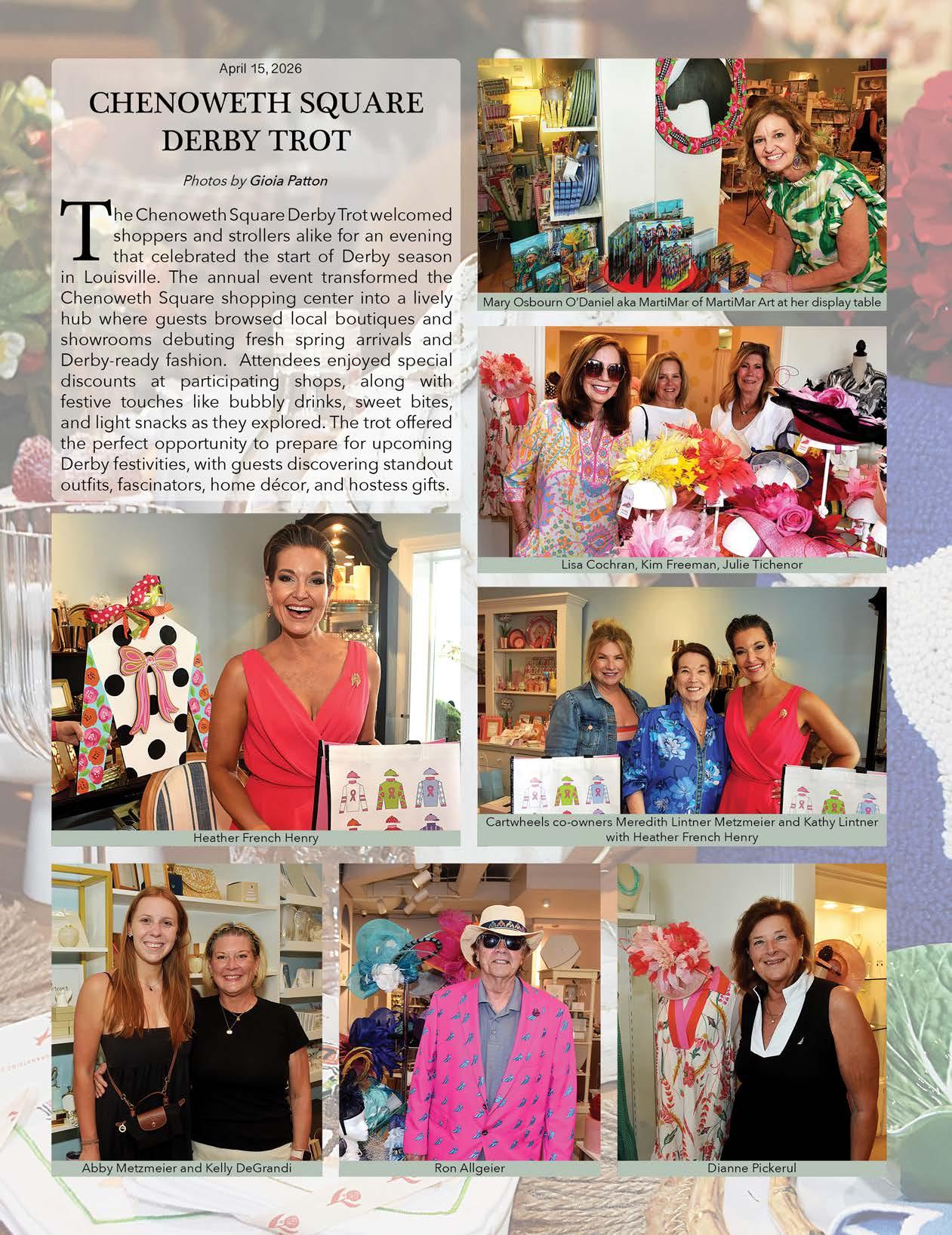
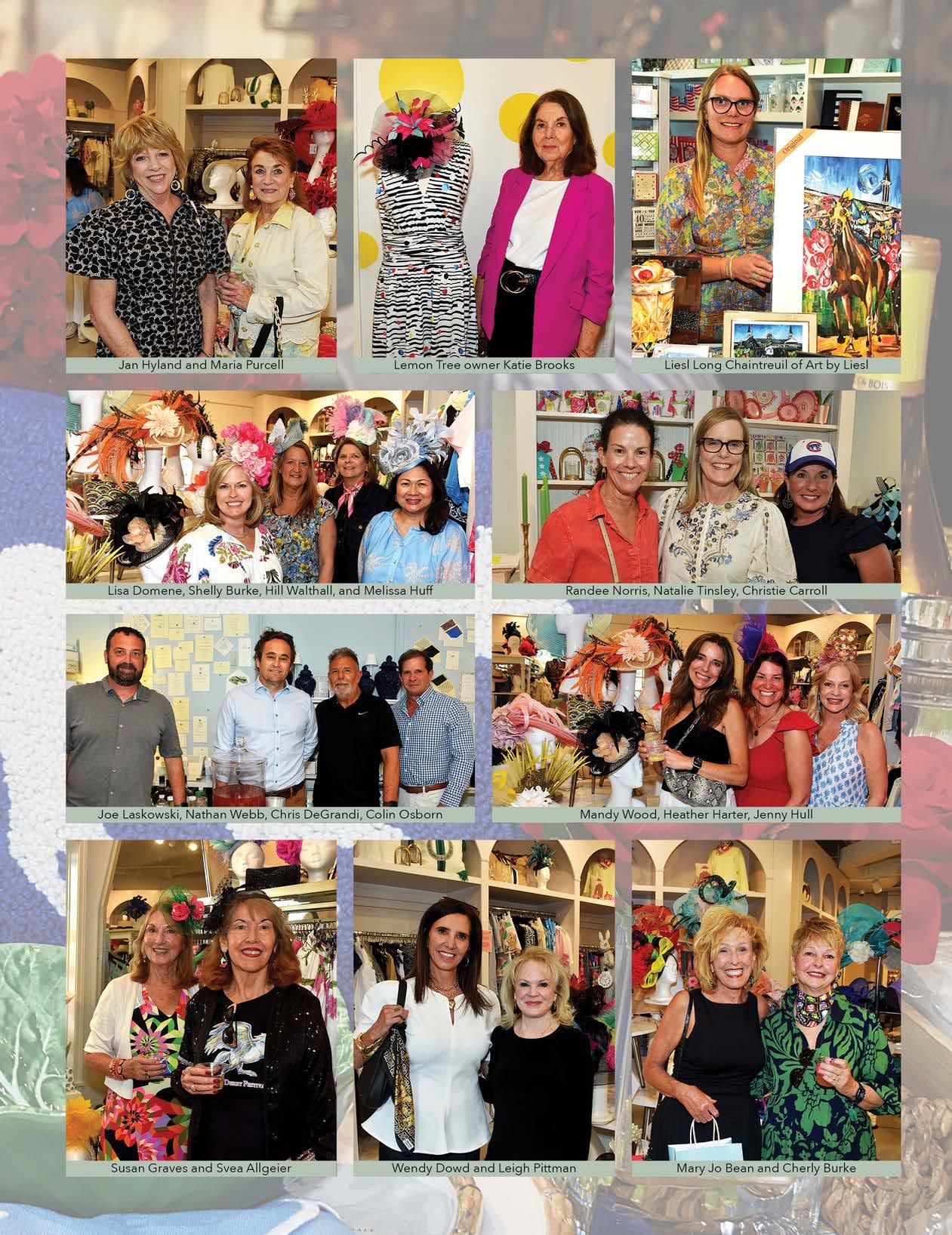
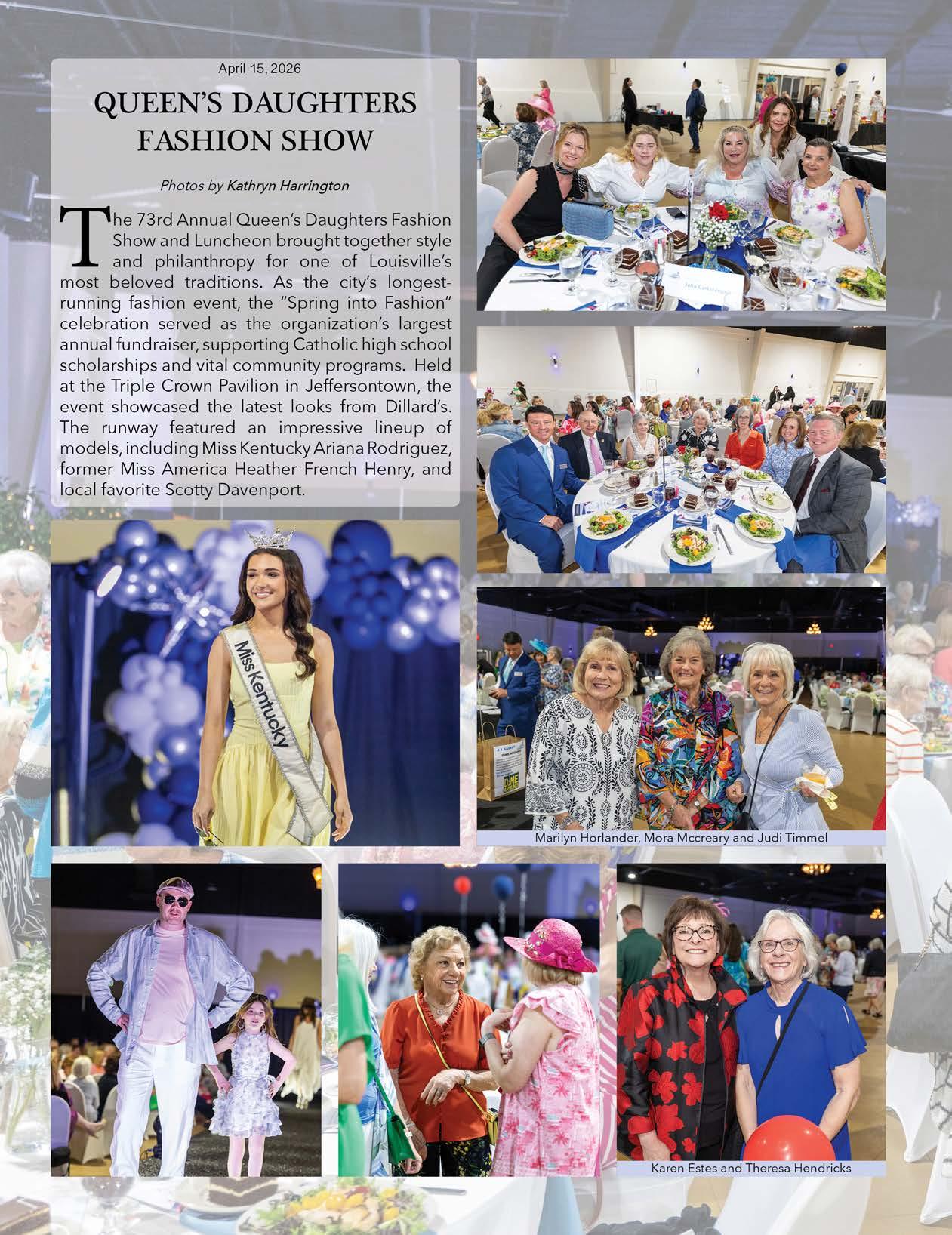
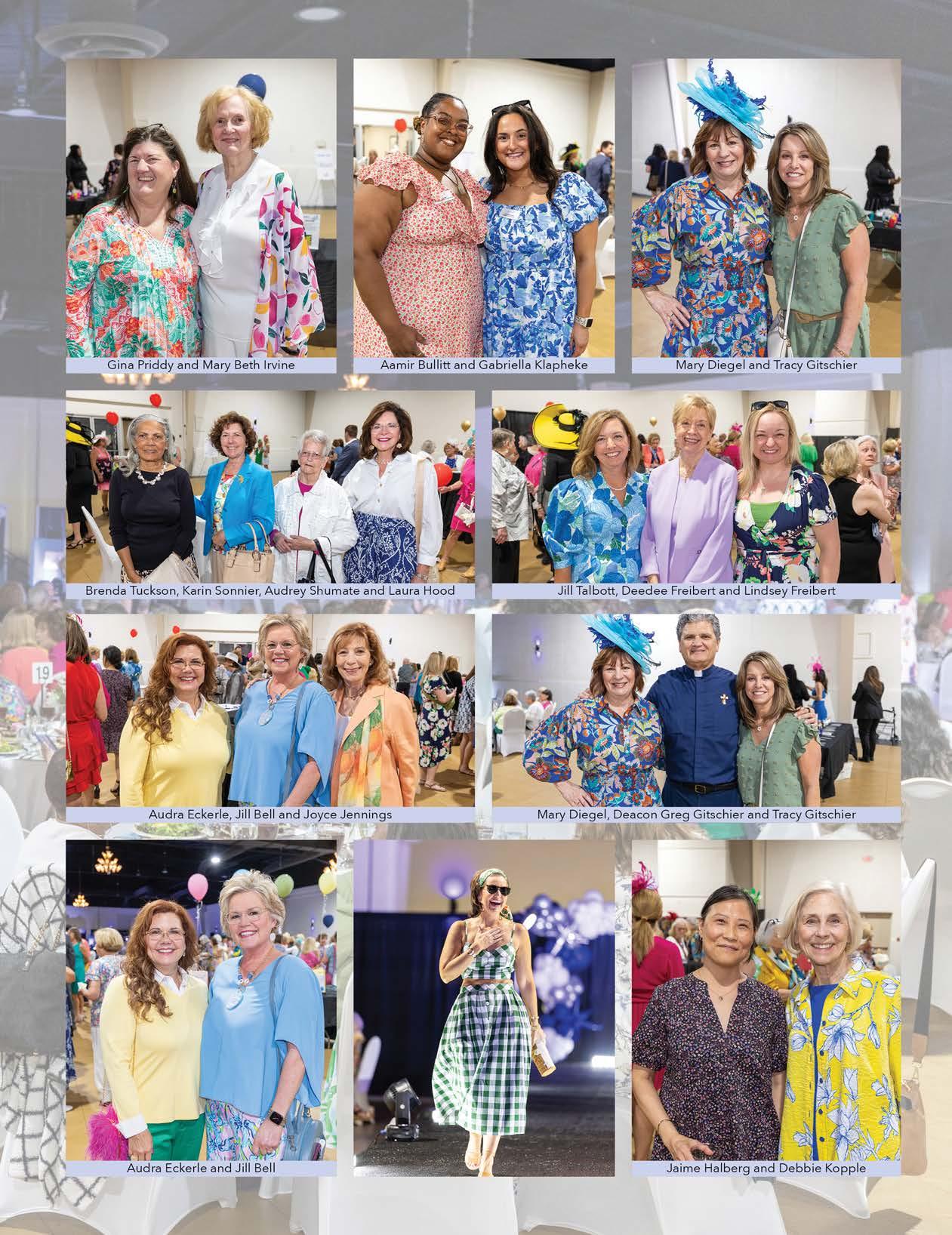
Thank you to our sponsors for your continued
We extend our deepest gratitude to our sponsors, whose generous support makes it possible for us to share the stories, voices, and creative spirit of Louisville. Through your commitment, the VOICE-TRIBUNE is able to highlight the arts, culture, fashion, philanthropy, and the many facets of our vibrant society. It is because of you that we can continue to celebrate and uplift the people and organizations shaping our community with vision, style, and heart. Thank you for believing in our mission and for helping us shine a light on the voices that make Louisville truly extraordinary.
Baptist Health
Baptist Health / Milestone Wellness Center
Bittners
J Michael’s Spa & Salon
Kentucky Center for African American Heritage
Kentucky Derby Museum
Kentucky Select Properties
Laura Rice
Louisville City FC & Racing Louisville FC
Louisville Visual Art
Louisville Zoo
Lumi Skin Bar + Aesthetics
Lynn Family Stadium
Melanie Galloway
Rodes
Sassy Fox
Simpler.realestate
Spindletop Draperies
Susan’s Florist
Waterfront Botanical Gardens
White Picket Real Estate