



It gives me great pleasure to welcome you onboard your Skyward Airlines flight today.
This issue of Angani captures what it means to fly with intention – whether that's touching down in one of Kenya's most overlooked counties, tracing Ferdinand Omanyala's rise from Tongaren schoolboy to the fastest man in Africa, or following the journey of Harriet James through Turkana’s landscapes, history and resilient communities.
In May, we touched down in Wajir through the Skyward Foundation, in partnership with the County Government of Wajir. Alongside food, water and dignity kits for learners and their families, learners received a drought-resistant tree seedling to nurture – a small but deliberate investment in a county where drought remains a constant challenge. It is the kind of gesture that doesn't make headlines on its own, but it's exactly the sort of commitment we intend to keep making.
That commitment isn't staying in one place. The Skyward Foundation will be extending this outreach to other towns across Kenya and the region in the seasons ahead, with each initiative shaped by what that specific community needs. Our thanks go to the County Government of Wajir, The Akothee Foundation, Indomie Kenya, Sunveat Kenya, Kevian Kenya and Chandaria Industries for standing with us on this.
Beyond Wajir, this issue has plenty to explore: our best beach picks along the Swahili coast, reasons to visit Kakamega Forest, and the Diani Beach clean-up crew proving that sustained, local effort can genuinely shift the tide.
Whether you're headed to the coast, the highlands, or somewhere in between, thank you for choosing to fly with us. Let’s keep connecting – together.
Diana Nyambura Chief Executive Officer
Skyward Airlines
“The Skyward Foundation will be extending its outreach across Kenya and the region in the seasons ahead”








Skyward Foundation launches it network-wide commitment to helping communities in need with an unforgettable sports day for schoolchildren in remote Wajir.
In one of Kenya’s most overlooked counties, an airline discovered that the most important cargo it carries isn’t always physical.
Wajir is an often-overlooked town tucked away in Kenya's north-eastern corner, known for the relentless heat and drought that shape its desert-like landscape. On a Friday morning in May, Skyward Airlines touched down in Wajir to lead a memorable day for nearly 1,000 of the town's schoolchildren.
The airline, through the Skyward Foundation and in partnership with the County Government of Wajir, organised a football tournament that brought together 950 pupils in a celebration of teamwork, talent and opportunity.
Beyond the matches, the event’s most lasting impact came from direct interactions between students and Skyward’s pilots and staff. Aviation professionals shared their personal journeys with learners, encouraging
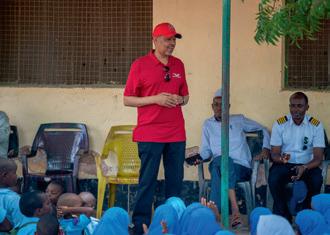
them to pursue their ambitions through education, discipline and hard work.
For many of the children, it was their first opportunity to meet people working in the aviation industry. Rather than focusing solely on flying, the conversations centred on perseverance, goal-setting and the possibilities that education can unlock, regardless of where a child grows up.
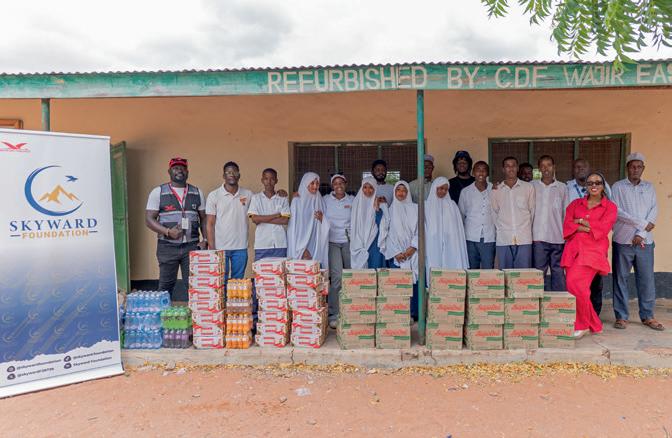
The event also included the distribution of food, water and dignity kits to support

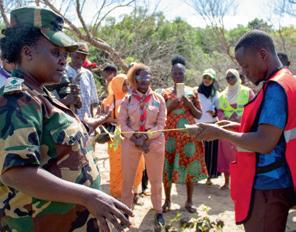
learners and their families. In a county where drought remains a constant challenge, each child received a drought-resistant tree seedling and was encouraged to nurture it. The initiative aimed to promote environmental stewardship while helping build resilience in the local community.
The Wajir event marks the beginning of a broader outreach programme led by the Skyward Foundation that will extend to other towns across Kenya and East Africa, with each initiative designed to respond to the specific needs of local communities.
The programme was supported by partners including the County Government of Wajir, The Akothee Foundation, Indomie Kenya, Sunveat Kenya and Chandaria Industries. For one day, football was the attraction, but the deeper message was clear: young people in Wajir can dream beyond the horizon – and those dreams are worth investing in.

Visit: Skywardairlines.co.ke
Call: +254 709 786 000
Email: reservations@skywardairlines.co.ke Visit our office at Wilson Airport We

Check-in opens 1 hour 30 minutes before departure and closes 40 minutes before take-off. No-show tickets are non-refundable and non-reusable. A valid National ID or Passport is required for all passengers at check-in.
Children above 2 years pay 75% of the adult fare. Infants under 2 fly free (no seat, no baggage allowance). Unaccompanied minor services available – request at booking. Families and infants board first. One fully collapsible stroller carried free of charge.
Unwind before your flight in our premium Ebari Lounge or the exclusive CIP Lounge at Wilson Airportdesigned for comfort, calm, and quiet before you take off. Access from KES 2,500. Ask at our check-in counter for lounge access details.






I used to race my brothers all the time –and I’d win. I was a bit cheeky too. I would run away when my parents wanted to discipline me and they could not catch me.


Ferdinand Omanyala is leading Kenya’s sprint revolution. Mark Edwards charts his career from Tongaren schoolboy to record breaker.
Sprinter Ferdinand Omanyala has broken the mould of Kenyan running. Compact and powerful at 1.75 metres tall, his frame is packed with dense muscle –a sharp contrast to the long, lean silhouettes of the middle- and long-distance champions the country has become famous for producing over the past six decades.
The trait Omanyala does share with Kenya’s track luminaries – Faith Kipyegon, Eliud Kipchoge, David Rudisha, Beatrice Chebet and Emmanuel Wanyonyi among them –is that he belongs among the best in the world. In 2021, he became the fastest African in history when he ran 9.77 seconds for the 100 metres in Nairobi. Since then, he has broken the 10-second barrier – the benchmark of an elite sprinter – five more times, regularly taking on and beating the world’s best sprint specialists.
Omanyala may be an outlier in Kenyan athletics, but he is still very much a product of his country. He grew up in Tongaren, in Bungoma County in western Kenya – a region known for its rich farmland – and credits
its fresh produce with helping to build his powerful physique. He was always quick on his feet, a talent he relished showing off. “I used to race my brothers all the time –and I’d win,” he says. “I was a bit cheeky too. I would run away when my parents wanted to discipline me and they could not catch me.”
That same fleet-footed elusiveness soon translated to the rugby pitch, where he excelled as a young winger. The sport was his first love. While studying chemistry at the University of Nairobi, he played for the university side, where his speed regularly caught the eye. It was there, during a game, that a friend urged him to try track sprinting – a suggestion that would change the course of his career.
Just weeks after switching sports, Omanyala ran 10.4 seconds in his first race and soon won Kenya’s Olympic trials. “I was told of sprinting but did not want to leave rugby so I went for one open athletics event in Mumius in Kakamega County in 2016 and won.

When I went back to Nairobi, I started training for both sports because I did not want to let go of rugby. Soon that became too hard because I was performing well in track.”
In 2021, Omanyala set successive Kenyan records before becoming the first Kenyan ever to run under 10 seconds, clocking 9.86 seconds in Austria. A few weeks later, he shocked the athletics world by running 9.77 seconds at the Kip Keino Classic in Nairobi, establishing him as one of the top sprinters in world athletics history.
His rise continued in 2022. He won gold at the African Championships and became the first Kenyan in 60 years to win the Commonwealth Games men’s 100m title. The quadrennial event comes around again from July 23 this year in Glasgow, Scotland. Omanyala hopes to become the first sprinter
since the UK’s Linford Christie in 1990 and 1994 to retain the Commonwealth title in consecutive games.
His form this season suggests he could make history again. He leads the men’s sprint rankings in the Diamond League – a series of athletics meets across the world for the very best athletes. His best results include a victory in Xiamen, China, in a time of 9.94, destroyed a world-class field that included South African sprint prodigy Tlotliso Leotlela. The win was, he says, a “huge confidence
booster”. “It gives me an edge over the others leading into the Commonwealth Games. This will be so big.”
That the 30-year-old is still recording sub10-second times a decade into his sprinting career is testament to Omanyala’s dedication to fitness and his sport. Such longevity was a feature of his sprinting heroes such as Jamaica’s Yohan Blake and Shelly-Ann FraserPrice who both maintained their status as top sprinters in the mean and women’s event, respectively, for close to 20 years.
I feel I have inspired the sprinters in this region. We now have to bring in proper coaching and nurturing.
Omanyala thinks he has at least three more years of competing with the world’s best and believes his best times are still ahead of him. “9.77 was remarkable,” he says. “I respect and honour that moment, but I want to go faster. I believe in the coming seasons that will happen more than once.”
Outside of his track career, Omanyala is a police officer in Kenya – a role he considers, like his sprinting, to be “a service to the nation”. Having put Kenya on the world sprinting map is a huge source of national pride for Omanyala. He hopes his achievements will change attitudes to the sport and lead the way for more East Africans to excel.
“Since I fell in love with sprinting, I have wanted to change the perception people have,” he says. “There was a belief that we could never compete globally. I wanted to be the first to go pro and inspire millions in Africa and the world.
“I feel I have inspired the sprinters in this region. We now have to bring in proper coaching and nurturing.”
To this end, he has launched the Ferdinand Omanyala and the Omanyala Sprint Club to develop the sport at a grassroots level, identifying and training school-age sprinting talent in Kenya.
Omanyala is as sure of Kenya’s ability to compete as a sprinting nation in the future as he is in his own abilities on the track right now. Confidence is the ultimate mental muscle for a sprinter and Omanyala has plenty of it. “When I got to the World Championships final in 2023 that’s when I knew am a legend among sprint legends,” he tells me. In a race that is over in a matter of seconds, an unshakeable belief in your own ability is crucial. Consequently, the elite level of the sport is made up of outsized characters such as Olympic champion Noah Lyles whose lion’s roar pre-race rituals are almost as famous as the world-beating times he clocks. Omanyala – who was in one second of Lyles 9.97 winning time in a Diamond League event in Paris in 2023 – is a similarly charismatic presence on the starting blocks. For him the pre-race
preparations are a time to block out all distractions and believe. “Before a race my mind is always blank,” he says. “Confidence is very important in our sport. It is like boxing. Sometimes races are won mentally before you step on the track.”
That self-belief involves resetting after each race – especially if the result was disappointing – and coming back anew. “The hardest part for me rising to the top is maintaining that winning streak,” Omanyala says. “Sometimes it does not go the way you want but you have to wake up the following day and keep going.”
Running the 100m at Omanyala’s elite level is a stunning display of maximum force. What does moving that fast feel like? “It feels normal,” he laughs. “We train at those speeds. We run at those speeds. We are ‘programmed’ to move at that speed.
Sometimes I hit 44km per hour. After the race you wave and walk out of the stadium smiling. To someone else that is very fast. It is fast, but I am still aware of what’s going on around me as I run. So, it feels normal.”
It may feel ‘normal’ for this boy from Tongaren with the maize-fed muscles, but he is creating a new normal for Kenyan sprinting – blazing a trail for a new generation of East African speed machines.
To keep up with Ferdinand Omanyala’s latest races and news, visit @ferdiomanyala on Instagram.
For more details on the Omanyala Sprint Club, go to ferdinandomanyala.co.ke


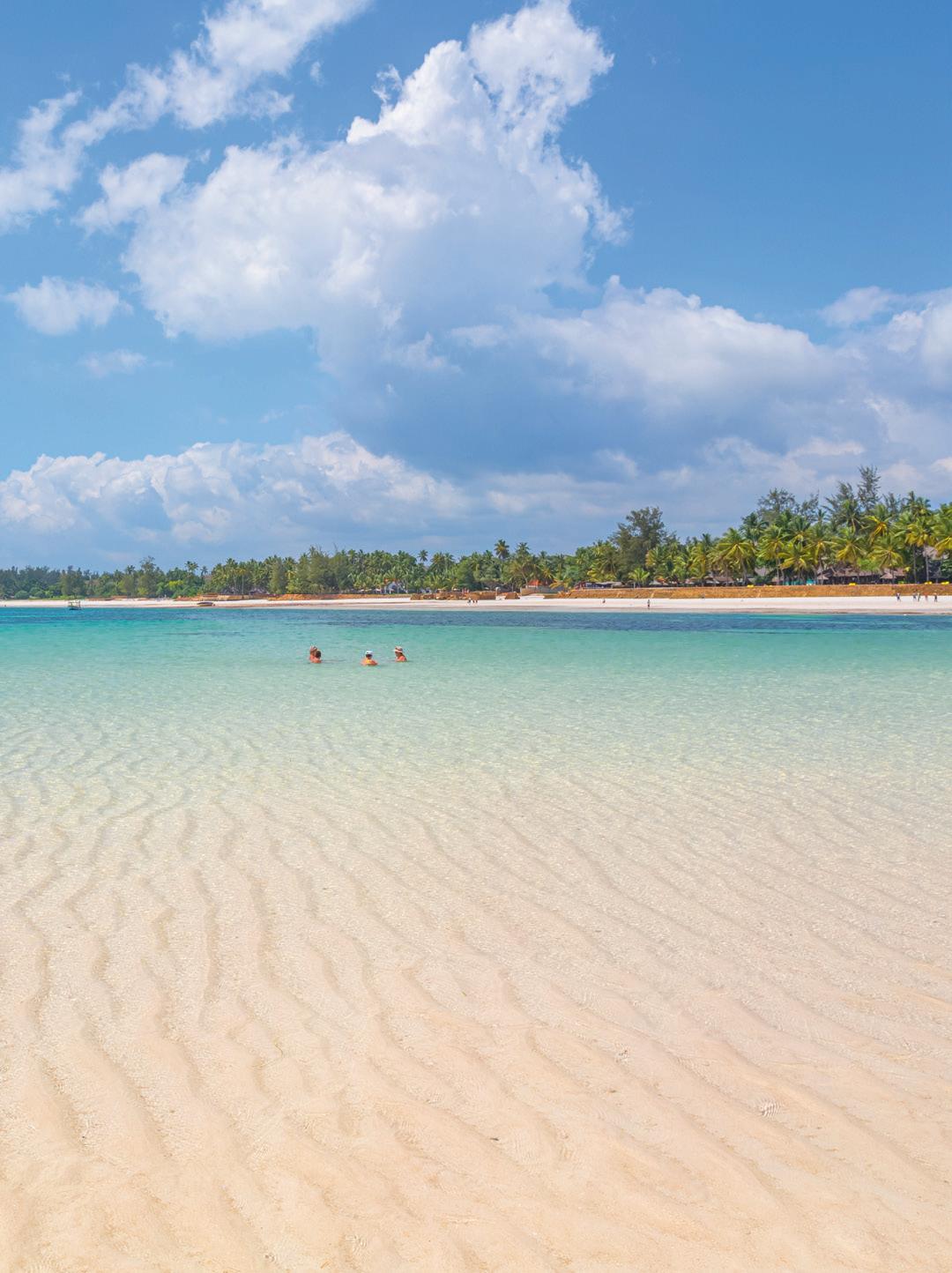
Airport: Ukunda
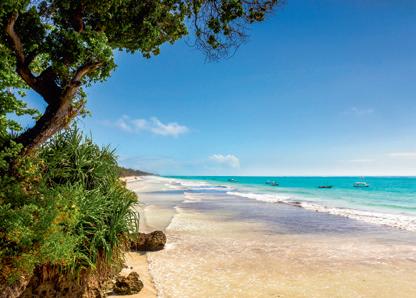
Famous for: white sands, turquoise waters, and coral reefs.
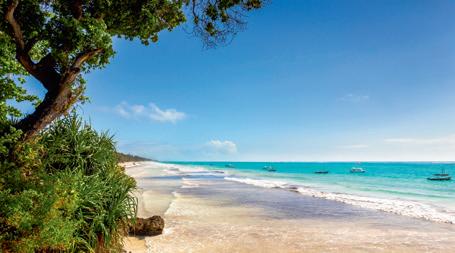
Best beaches: Diani’s shoreline stretches for miles in a sweep of powder-soft sand shaded by palm trees. Expect calm, warm waters that glow in shades of aquamarine, especially along Galu Beach at the quieter southern end.
Activities: Snorkelling and diving are standout experiences here, thanks to the nearby coral reefs teeming with marine life. For something more adventurous, kitesurfing is a favourite in the breezier months, while dhow trips at sunset offer a slower, more romantic pace.
Escape factor: Effortlessly balanced. Diani combines polished resort comforts with just enough energy to keep things lively – without ever feeling crowded.
Choose if you love: A classic tropical beach scene with a touch of activity and a wide range of places to stay, from boutique hideaways to full-scale resorts.
We connect passengers to some of the prime beach locations along East Africa’s Swahili coast. Here’s help choosing your coastal escape.
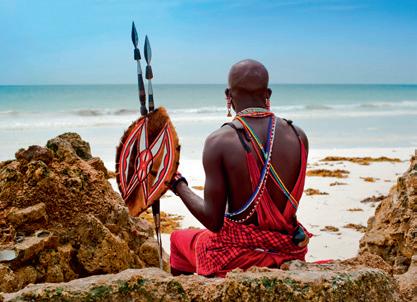
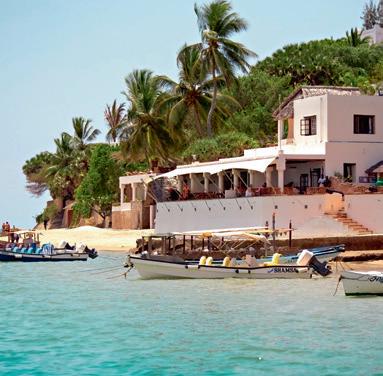
Airport: Lamu
Famous for: rich Swahili culture and historic beaches.
Best beaches: Shela Beach is the star attraction – a seemingly endless ribbon of sand backed by dunes, just a short walk from Lamu’s historic streets.
Activities: Wander through Lamu Old Town’s maze-like alleys, sail on a traditional dhow, or simply soak up the slower rhythms of island life where donkeys outnumber cars.
Escape factor: High. Lamu feels worlds away from modern bustle, offering a truly unplugged retreat steeped in heritage and tranquillity.
Choose if you love: Culture-rich escapes, timeless charm, and the feeling of stepping into another era.
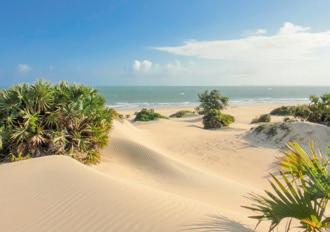
Airport: Malindi
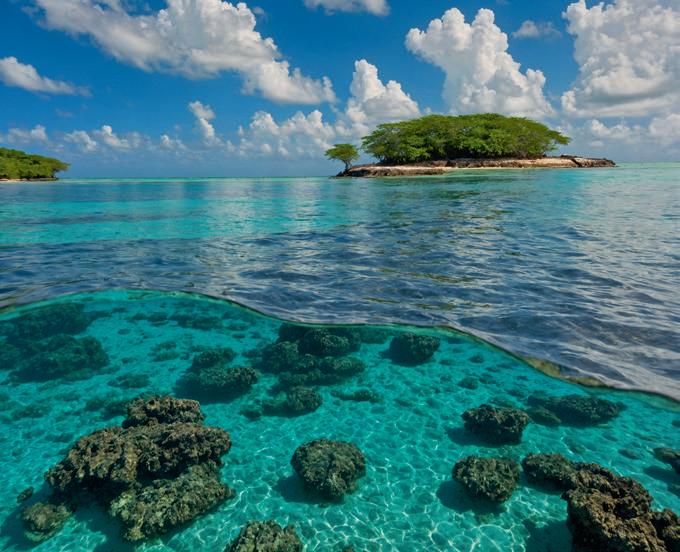
Famous for: coral reefs and luxurious beach resorts.
Best beaches: Watamu Beach, just south of Malindi, routinely ranks among the region’s finest, with crystal-clear waters and protective reef systems forming natural lagoons.
Activities: Marine parks here are ideal for snorkelling, while deep-sea fishing excursions attract enthusiasts from across the globe. On land, you’ll find Italian-inspired cafés and laid-back coastal dining.
Escape factor: Relaxed but refined. Malindi offers a quieter, more sophisticated beach experience with plenty of space to unwind.
Choose if you love: Elegant stays, excellent seafood, and easy access to some of East Africa’s best marine environments.
Airport: Moi International
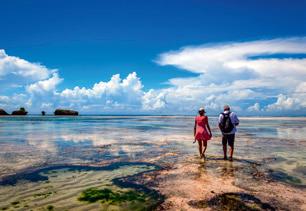
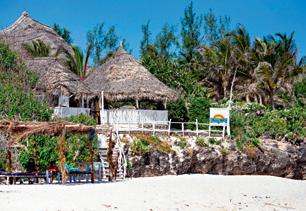
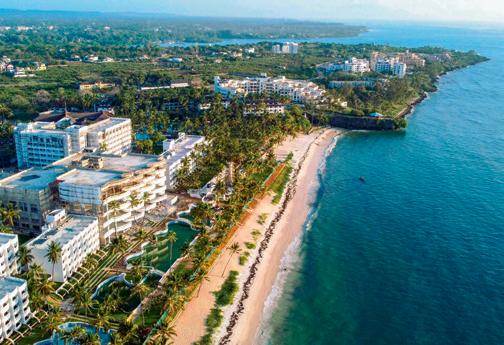
Famous for: a vibrant coastal city and gateway to North and South coast beaches
Best beaches: Nyali and Bamburi to the north offer lively stretches with lots going on, while Diani (to the south) provides a more laid-back extension of your Mombasa trip.
Activities: From exploring Fort Jesus and the Old Town to beach hopping and sampling Swahili cuisine, Mombasa blends culture with coast in a uniquely dynamic way.
Escape factor: Varied. This is where beach life meets urban energy, giving you the best of both worlds.
Choose if you love: A mix of history, culture, and coastal relaxation – with plenty of choice at your doorstep.
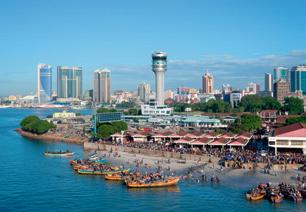
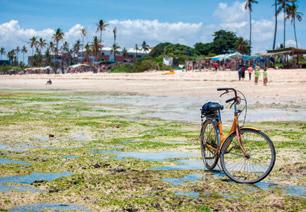
Airport: Vipingo Ridge (VPG)
Famous for: exclusive coastal experiences and high-end retreats.
Best beaches: Kilifi Creek’s calm waters offer a different coastal feel, while nearby Bofa Beach is quiet, scenic, and blissfully uncrowded.
Activities: Think golf with ocean
views, private villa stays, and curated experiences designed for relaxation. Water sports here are more low-key – perfect for unwinding.
Escape factor: Very high. This is the coast at its most serene and exclusive.
Choose if you love: Privacy, space, and an upscale escape away from the crowds.
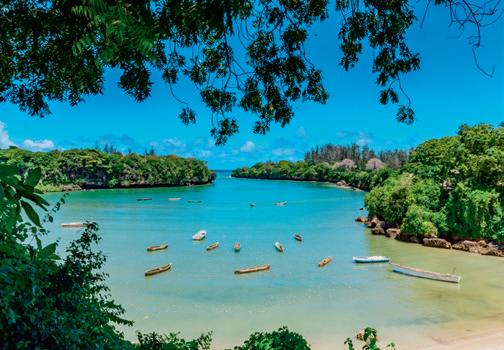
Airport: Julius Nyerere International
Famous for: a bustling city gateway to vibrant beaches.
Best beaches: Just beyond the city, Coco Beach and Kigamboni offer easy access, while island escapes like Bongoyo deliver pristine sands and clear waters.
Activities: Hop on a boat to nearby islands, explore bustling fish markets, or unwind with fresh seafood by the water as the sun sets over the Indian Ocean.
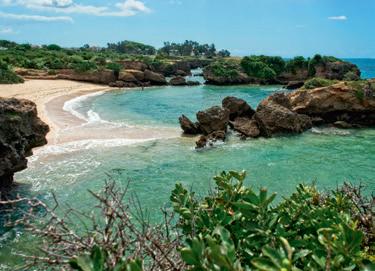
Escape factor: Flexible. Combine the buzz of Tanzania’s commercial capital with quick getaways to peaceful coastal spots.
Choose if you love: A dynamic city break paired with spontaneous beach escapes.
The 2026 Kenya Association of Travel Agents (KATA) AGM and Convention highlighted the forces shaping the future of travel in Kenya and across Africa –from AI and customer data to leadership, culture and institutional resilience.
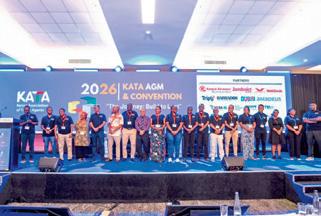
For years, aviation growth was measured by familiar indicators: new aircraft, expanded airports, more routes and rising passenger numbers. While these metrics remain important, a different theme emerged at the 2026 KATA AGM & Convention, which brought together more than 350 delegates, 30 exhibitors and industry leaders from 11 countries. The future of aviation growth will be driven not just by infrastructure, but by intelligence.
Over three days, airlines, travel agencies, tourism boards, technology firms, airports and regulators explored the future of travel from different angles. Despite the diversity of topics, a common message emerged: the industry's future belongs to organisations that understand their customers, embrace technology without losing the human touch, build resilient institutions and deliver memorable experiences.
Fittingly, the convention's theme was ‘The Journey: Build to Last.’ While Kenya's travel industry is experiencing strong growth, the focus was not only on today's opportunities, but on what will sustain success in the years ahead.
The optimism was backed by strong performance. In 2025, Kenya's tourism

sector generated about KES 500 billion and welcomed 7.9 million travellers, one of its strongest years on record.
The aviation value chain is also expanding. IATA's Billing and Settlement Plan (BSP) now processes more than KES 74 billion in annual ticket sales in Kenya, underlining the continued importance of accredited travel agencies. Growth has continued into 2026, with BSP sales up 10 per cent by the end of May compared with the same period last year.
Together, these figures point to an industry that has moved beyond recovery and entered a new phase of growth driven by rising demand, greater travel accessibility and a more competitive marketplace.
The economics of air travel are changing rapidly. Between 2011 and 2023, the average real airfare in Kenya fell by 54 per cent,

making flying accessible to a much wider segment of the population.
As fares continue to decline, airlines and travel businesses can no longer compete on price alone. Increasingly, success depends on understanding customers, anticipating their needs and delivering experiences that extend well beyond the booking itself.
In his digital marketing masterclass, Moses Kemibaro, Founder and CEO of Dotsavvy, argued that travel decisions increasingly begin on social and digital platforms long before a booking is made.
With more than 70 per cent of media consumption now taking place online, digital visibility has become essential for travel brands. Unlike traditional advertising, digital marketing provides real-time data on customer behaviour, allowing businesses to refine campaigns,
personalise communication and measure results instantly.
Combined with customer journey mapping and AI-driven insights, these tools are helping airlines and travel agencies better understand traveller preferences and make smarter marketing decisions. Today, booking is often the end of the customer journey, not the beginning.
Dr Martin Oduor-Otieno urged delegates to rethink what the travel industry is selling.
“Your product is not a ticket. It is an experience,” he said.
As online platforms make flights and inventory widely accessible, competitive advantage increasingly lies in delivering personalised and seamless travel experiences. Today's travellers expect expert advice, tailored recommendations and journeys that integrate flights, accommodation and activities.
As a result, travel professionals are evolving from ticket sellers into trusted advisors and experience curators. For airlines, customer loyalty is shaped not only by the flight itself, but by every interaction before, during and after the journey.
During his keynote address, Dr Julius Kipng'etich challenged delegates to think beyond digital transformation and focus on institutional resilience.
His message resonated because Kenya's tourism industry has weathered numerous disruptions, from economic shocks and security challenges to the Covid-19 pandemic. The businesses that endured were not necessarily those that grew fastest, but
those built on strong systems, disciplined leadership and a clear sense of purpose.
The lesson was clear: sustainable growth requires institutions that can outlast individual leaders and adapt to changing conditions.
Drawing on decades of industry experience, Charles Gikundi, Mohamed Bafagih and Lalit Jobanputra argued that lasting success is built on resilience, relationships and longterm partnerships rather than short-term transactions.
That message was reinforced by leadership strategist Juanita Vorster, who urged organisations to focus less on generational labels and more on creating inclusive cultures where people can thrive. Businesses that attract, develop and retain talent, she argued, will be best positioned for long-term success.
Together, these sessions underscored an important point. While AI can improve efficiency and customer insights, trust, leadership and human relationships remain the foundations of sustainable businesses.
A common theme ran through the convention: data is becoming one of the industry's most valuable assets. The challenge is no longer collecting information but turning it into insights that improve customer experience and business performance. At the same time, speakers repeatedly stressed that technology should complement, not replace, human judgement.
As delegates departed, the message was clear. The future of travel will be shaped not only by growth in passenger numbers and routes, but by how effectively organisations use data, develop talent and build resilient institutions.
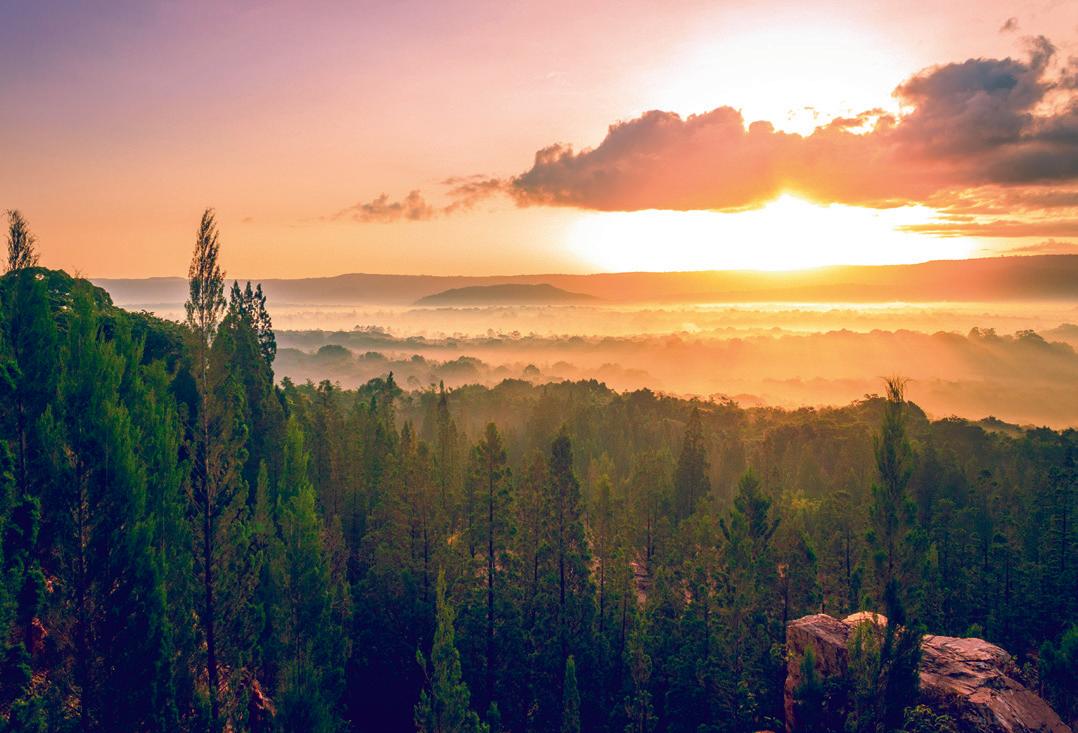
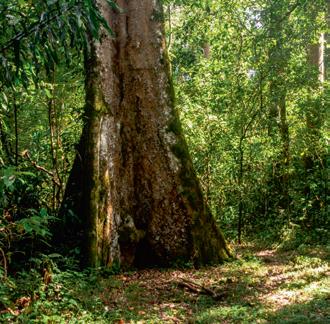
Just a two-hour drive from Skyward Airlines’ destination Eldoret lies Kakamega Forest, Kenya’s only tropical rainforest. Here are 10 reasons nature lovers should add this rare and remarkable rainforest to their travel plans.
The dense canopy of Kakamega Forest provides protection as well as a vast array of fruits, leaves and insects for large populations of black-and-white colobus, blue monkeys, and red-tailed monkeys to thrive.
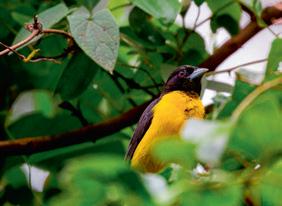
With more than 330 bird species recorded in the forest, Kakamega Forest is one of the most exciting birdwatching spots in Kenya. Visitors can look out for hornbills and turacos, while at least 16 bird species occur here and nowhere else in Kenya.
If you love the smaller details of the natural world, this forest delivers in a big way. Kakamega Forest is home to approximately 487 butterfly species – that’s more than half of all species found in Kenya.
Kakamega Forest is made to be explored on foot. Options range from 30-minute walks to the prime primate areas to 4.5-hour treks for an immersive forest adventure.
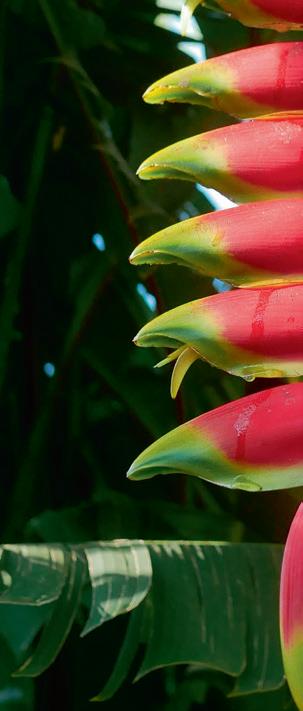
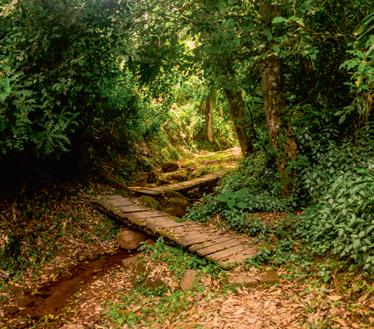
Guided nature walks are especially recommended for spotting rare birds and troops of monkeys. Visitors can hire expert local guides or Kenya Wildlife Service (KWS) rangers at the park’s main station with options range from immersive half-day jungle walks that delve deep into the canopy to learn about medicinal plants and rare flora such as the forest’s 60 orchid species – including nine that are found nowhere else on earth.
The hiking routes are not only about wildlife. There is a 15 km trail with tours led by the KWS that leads visitors deeper into the forest to see spectacular views and waterfalls, while the Yala River Trail features caves, scenic mountain peak views and riverside spots.
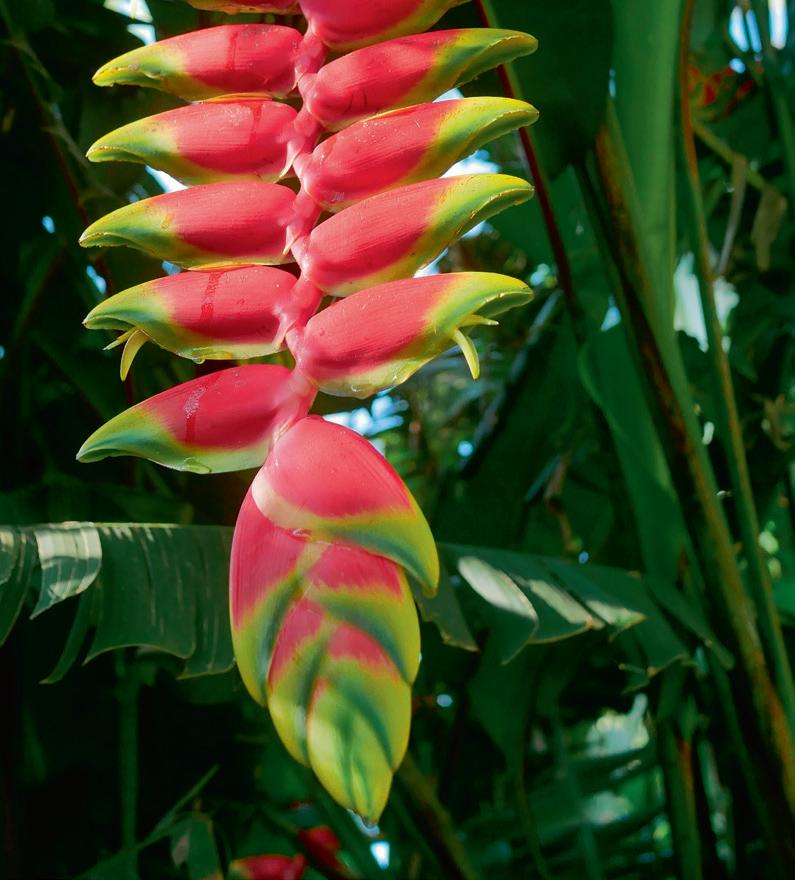
For visitors who prefer their nature with a bit more pace, cycling and mountain biking are allowed on designated trails. The document describes biking here as a fast-paced but scenic way to explore the forest canopy and local wildlife, giving visitors another great way to experience the landscape.
The forest does not stop being interesting when the sun goes down. Guided night safaris and nocturnal walks give visitors the chance to experience a completely different side of Kakamega Forest and to spot wildlife that is active after dark.
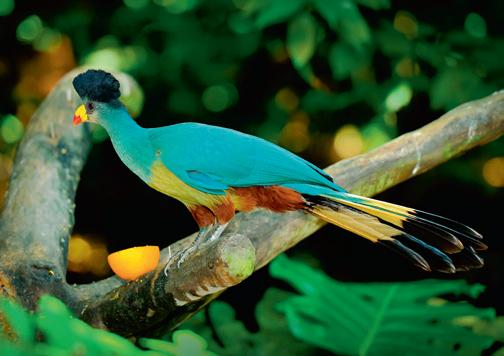
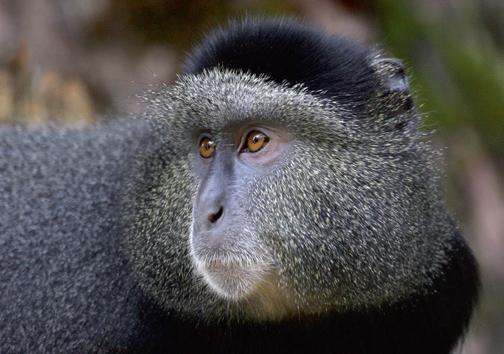
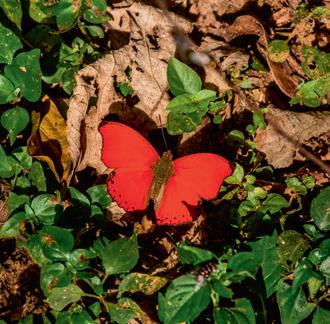
Beyond the monkeys, the forest supports an extraordinary range of wildlife, including unusual mammals, at least 28 snake species, notable amphibians, and a rich small-mammal community with strong links to the wider Congo Basin.
10
Kakamega is Kenya’s only remaining slice of the Congo Basin rainforest. Visiting matters: fees from guided tours help fund KWS conservation work and support local livelihoods, making your trip not just memorable, but meaningful too.


Harriet James takes an unforgettable journey through Turkana’s landscapes, culture, history, and resilient communities facing environmental change.
Turkana is one of Kenya’s most unique travel destinations, offering a rich blend of adventure, culture, history, and breathtaking landscapes. From the world famous Cradle of Mankind to the striking blue waters of Lake Turkana, the region offers an experience unlike anywhere else in the country.
Our journey began before sunrise, with passengers clutching coffee cups as we boarded a small aircraft. As it climbed into the glowing orange sky, excitement quickly replaced my exhaustion.
The further north we flew, the more dramatic the scenery became. Green vegetation faded into rugged hills, dry riverbeds, rocky plains, and endless stretches of brown earth. Despite its harshness, the landscape held a strange beauty.
Then, suddenly, Lake Turkana appeared beneath us like a hidden treasure.
Its blue green waters stretched across the dry terrain, creating one of the most breathtaking views I have ever seen. From above, the region looked untouched and ancient, almost frozen in time. Winding dusty roads, scattered villages, and dramatic hills stretched endlessly towards the horizon.
After landing, we headed straight to The Cradle hotel (in Lodwar) to check in. The cool environment offered a welcome escape from the heat. After breakfast and a short rest, our Turkana adventure officially began.

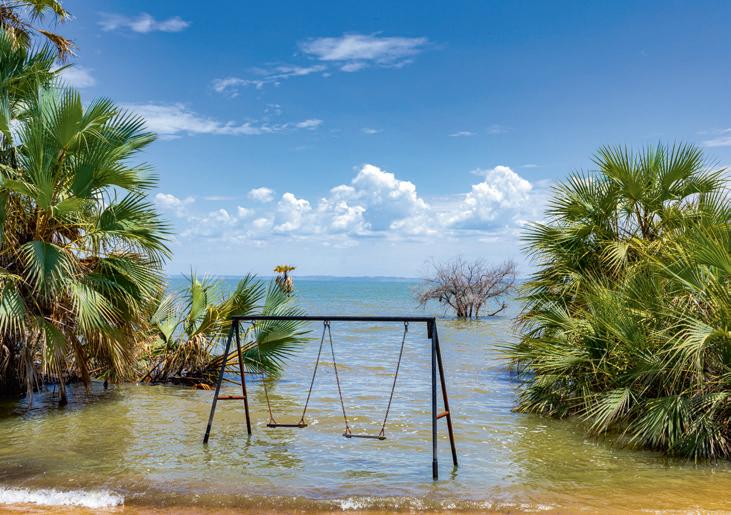
Another unforgettable highlight was Eliye Springs, about 50 kilometres east of Lodwar. I was surprised to find palm fringed sandy beaches.
I quickly learned that travelling to Turkana requires proper preparation. Light cotton clothing, sunglasses, sunscreen, a hat, and plenty of drinking water are essential. The heat can be exhausting, especially during long road trips. Comfortable shoes are equally important, as many attractions involve walking or hiking on rocky terrain.
It is also advisable to carry cash, as mobile network coverage can be unreliable, and some places do not accept digital payments. Early morning and evening travel are best, as daytime temperatures can become extremely high.
Our first major stop was the Nariokotome Turkana Boy Monument. The journey took nearly five hours along dusty, rugged roads, but it was worth every minute. Discovered
in 1984 by Kamoya Kimeu from Dr Richard Leakey’s team, the fossilised skeleton is believed to belong to a Homo erectus boy who lived about 1.6 million years ago. Although only a replica is displayed, the silence and vast wilderness made me understand why Turkana is called the Cradle of Mankind. Standing there felt deeply humbling.
Another unforgettable highlight was Eliye Springs, about 50 kilometres east of Lodwar. I was surprised to find palm fringed sandy beaches in Turkana. The calm atmosphere and panoramic views of the lake made it feel like a hidden desert paradise.
However, beneath this beauty lies a growing concern. Lake Turkana has been steadily rising in recent years, affecting communities along its shores. Villages, homes, schools, and beaches have been submerged, forcing
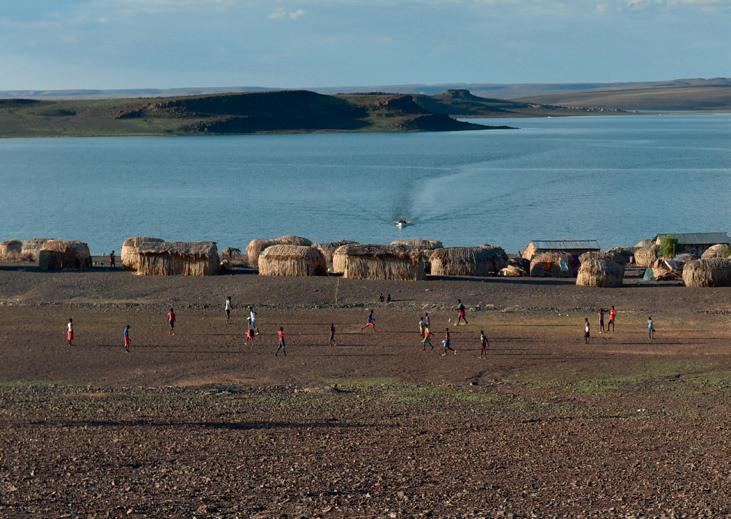
families to relocate. Fishermen told us that areas once used for business and settlement are now completely underwater.
The rising waters have disrupted fishing, transport, and livelihoods for families who depend on the lake. Scientists attribute this to increased rainfall in the Ethiopian Highlands and climate change. Hearing locals describe their losses was truly heartbreaking.
The next morning, we woke early to photograph the beach before heading to the Napeget Sand Dunes, about 25 kilometres away. The journey was hot, dusty, and exhausting. At one point, I felt like I could drink an entire drum of water. Still, the spirit of adventure kept us moving.
When we arrived, the views made every struggle worthwhile. The untouched dunes stretched endlessly beneath the bright sky, even more peaceful than the Chalbi Desert. The silence, broken only by the wind sweeping through the sand, felt magical.
On our way back, we stopped at the Wadach Pyramids, unique natural soil formations along the Eliye-Kalokol road. I was amazed by how closely they resemble the pyramids of Egypt. After a short hike, we were rewarded with sweeping views of Lake Turkana and the surrounding landscape.
Later that afternoon, we set out for one of the most thrilling parts of the trip – Central Island National Park.
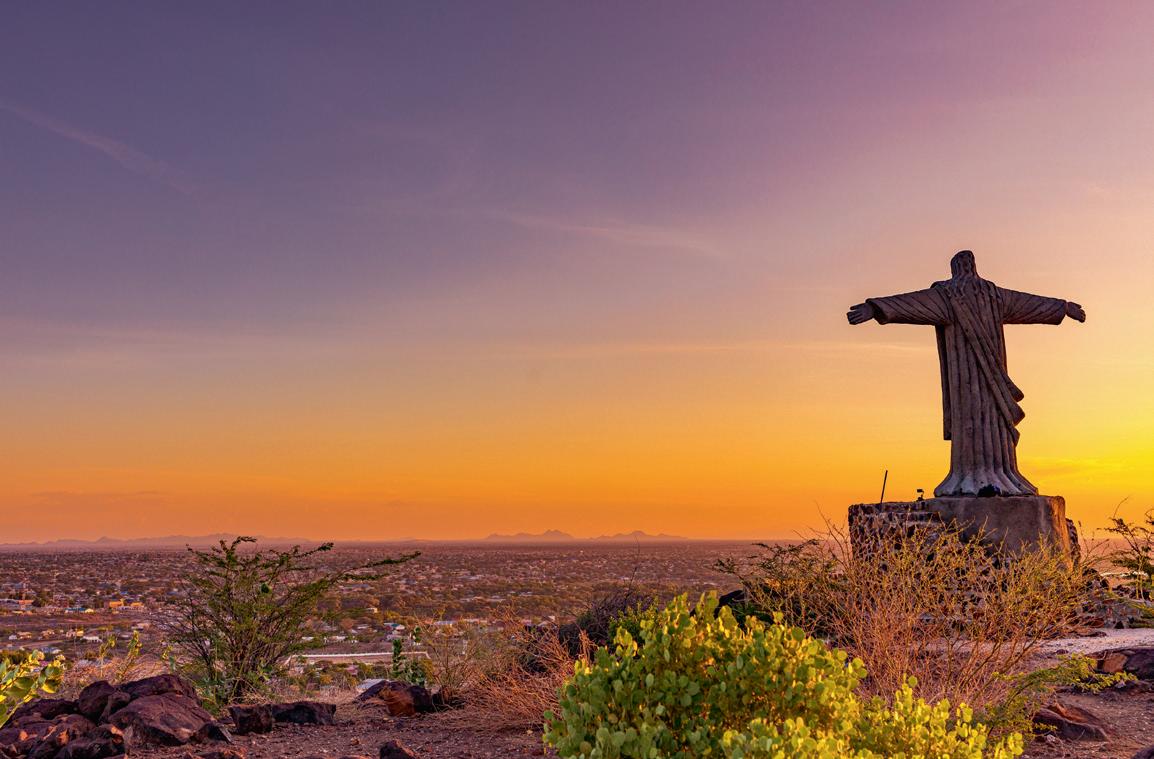
Another memorable experience in Lodwar was hiking up Mount Lodwar (890 metres) to the Christ the Redeemer statue overlooking the town.

We boarded a speedboat after being assured the lake was calm. However, the journey quickly turned intense as strong waves rocked the boat from side to side. At one point, we feared the worst. After about 45 minutes, we finally arrived safely.
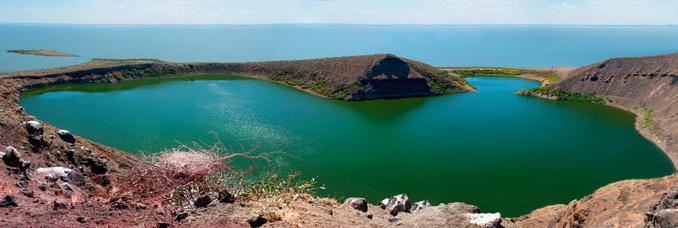
Rising dramatically from the middle of the lake, Central Island looked both mysterious and stunning. The volcanic island contains three active volcanoes that still emit sulphurous smoke and steam. We attempted to hike to the top, though some members of our group turned back due to thorny bushes and slippery paths.
The island also features three crater lakes – Crocodile, Flamingo, and Tilapia – which serve as breeding grounds for Nile crocodiles and various bird species. Using binoculars, we watched crocodiles resting below while birds circled above. Visitors should always follow guide instructions, as the terrain is steep, rocky, and potentially dangerous. Carrying enough water is essential due to the intense heat.
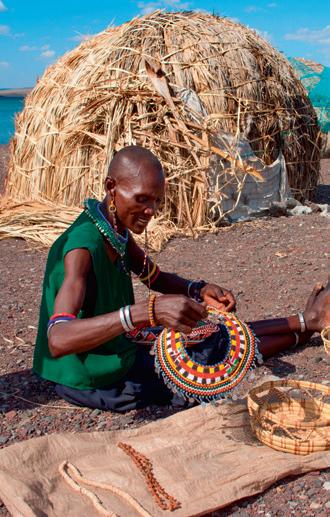
One of the most rewarding parts of the trip was interacting with the local communities. The Turkana people are warm, welcoming, and deeply proud of their culture. In Kalokol, we met fishermen and women weaving colourful baskets from reeds and beads. Buying locally made crafts is a meaningful way to support communities affected by drought and rising lake levels.
Another memorable experience in Lodwar was hiking up Mount Lodwar (890 metres) to the Christ the Redeemer statue overlooking the town. The climb was challenging due to the rocky terrain and intense heat, but the view from the top made every step worthwhile. We were treated to sweeping views of Lodwar, the surrounding hills, and the vast dry landscape.
Earlier in the day, we visited the Kenyatta House Museum, a significant historical site linked to Kenya’s struggle for independence. Learning about Mzee Jomo Kenyatta’s time in Lodwar deepened our appreciation of the country’s history.
After a long day of exploration, nothing was more satisfying than enjoying freshly prepared tilapia from Lake Turkana. Served hot with fries and kachumbari, it was one of the most delicious meals of the trip.
When Nairobi’s traffic, noise and fast pace begin to feel a little too full-on, the city’s green spaces offer an easy reset. A good walk among trees, open hills or forest trails can do wonders for body and mind: think fresh air, gentle exercise and the kind of scenery that slows your thoughts down. From wildlife boardwalks to waterfall paths, these five nature walks make it easy to swap the city’s bustle for birdsong, big views and a healthier rhythm – even if only for a morning.
Where to find: On Lang’ata Road, next to Nairobi National Park and about 7–8 km from the city centre.
Best for: Families, first-time visitors and anyone wanting an easy, accessible walk with a wildlife feel.
Activities available: Walking, birdwatching, photography, picnicking and conservation learning.
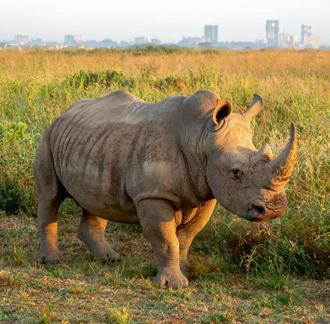
Highlights: A raised boardwalk winds through wetland, savannah and forest zones, with close-up views of animals including white rhino, bongo, big cats, crocodiles and pygmy hippos.
Walking distance: Around 1.5 km, or roughly 60-90 minutes at a relaxed pace.
Where to find: In Karen, around 20 km from central Nairobi, inside Oloolua Forest.
Best for: A peaceful half-day outing, a shady walk or anyone craving a proper forest atmosphere without leaving the city behind.
Activities available: Hiking, jogging, birdwatching, picnics, photography and guided nature outings.
Highlights: The trail leads through indigenous forest to a waterfall on the

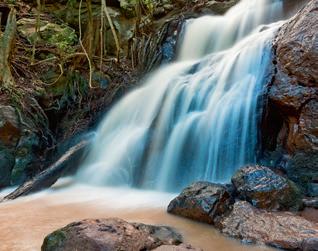
Mbagathi River, a bamboo rest stop, a papyrus swamp and a historic Mau Mau cave.
Walking distance: About 5 km, usually taking 1.5 to 2 hours.
Where to find: Southwest of Nairobi, roughly 25 km from the CBD, near Ngong Town.
Best for: Hikers after a workout, sweeping views and a breezy sense of wide-open space.
The trail leads through indigenous forest to a waterfall on the Mbagathi River, a bamboo rest stop, a papyrus swamp and a historic Mau Mau cave.
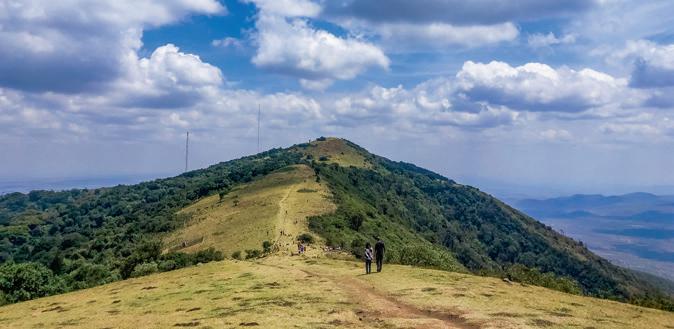
Activities available: Hiking, trail running, picnicking and photography.
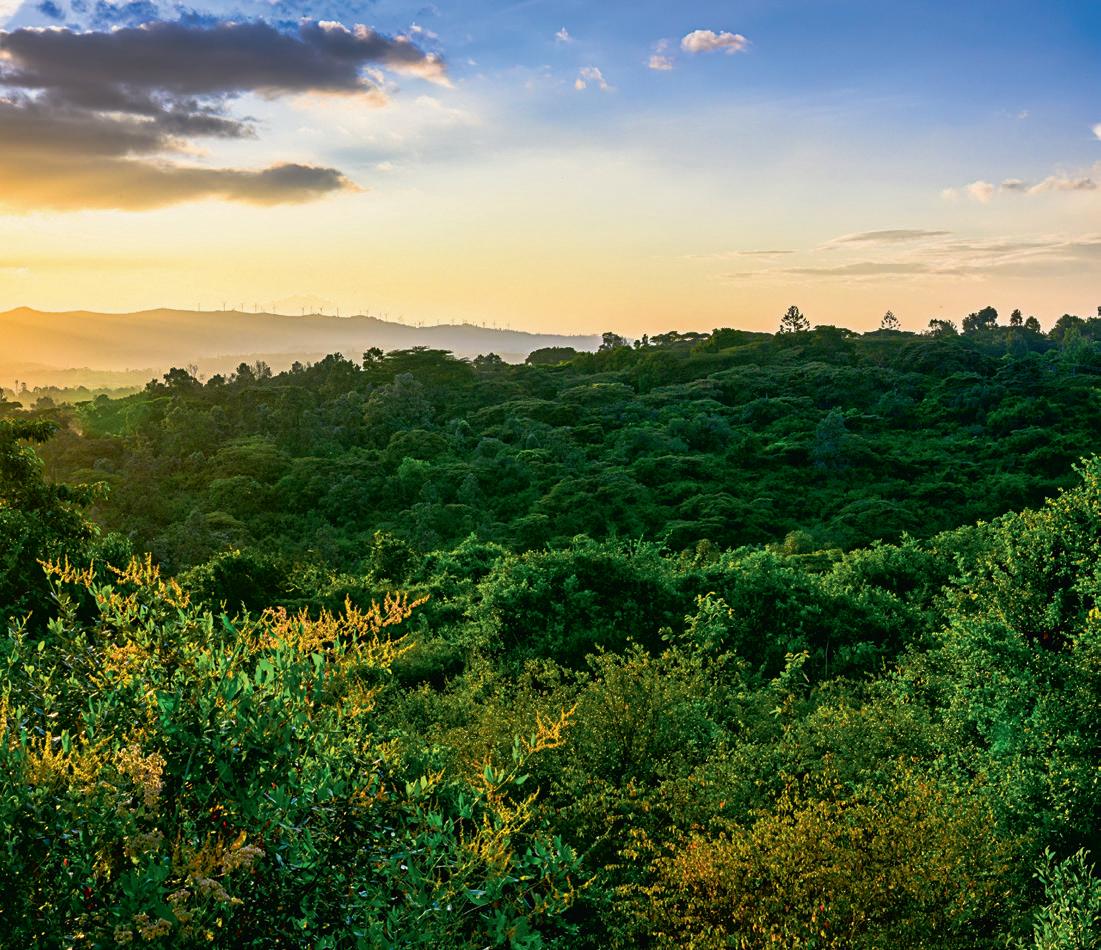
Highlights: The famous ridge rolls across seven hills, with panoramic views over the Great Rift Valley on one side and Nairobi on the other. On a clear day, the scenery is spectacular.
Walking distance: The full ridge is about 12 km one way, though shorter out-and-back walks are easy if you want a lighter option.
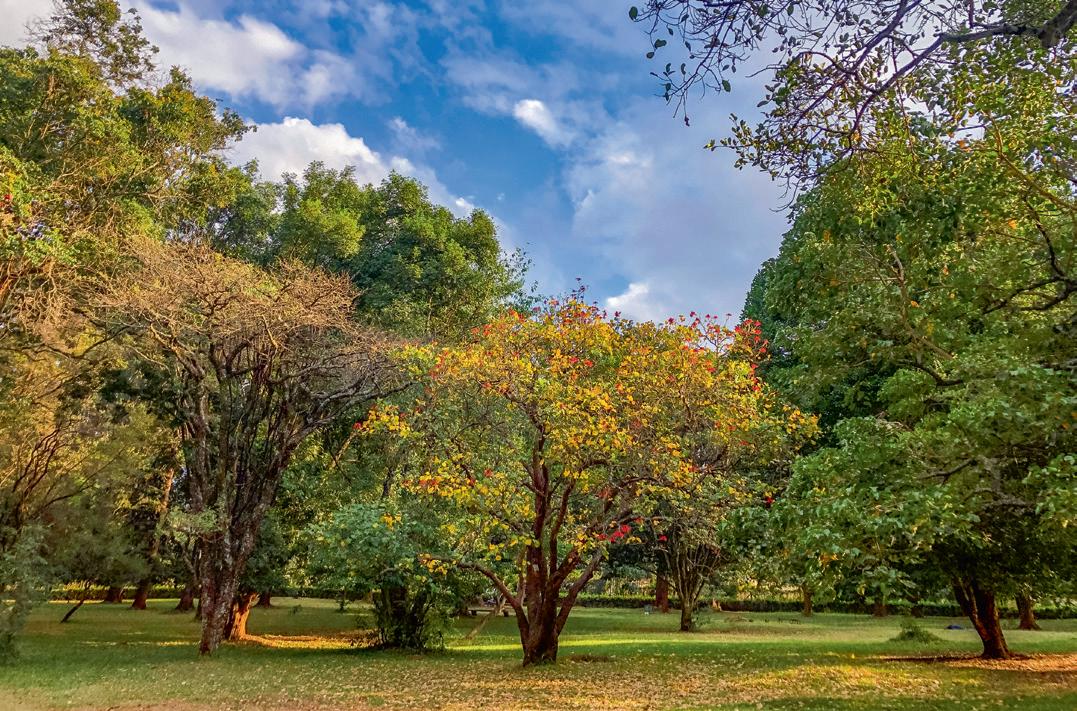
Where to find: Off State House Road on Arboretum Drive, just a few kilometres from the city centre.
Best for: A quick nature fix, gentle exercise and an easy stroll between meetings or before a flight.
Activities available: Walking, jogging, yoga, picnics, birdwatching and tree spotting.
Highlights: Often called the green lung of the city, the arboretum is home to hundreds of tree species, monkeys, butterflies and plenty of shaded paths.
Walking distance: Roughly 3 to 3.5 km for a satisfying loop, with shorter meanders possible.
Where to find: North of central Nairobi, with popular access points off Limuru Road and Kiambu Road.
Best for: Walkers who want choice: short stroll, longer loop, bike ride or a full morning in the forest.
Activities available: Walking, jogging, cycling, birdwatching, picnics and guided nature walks.
A good walk among trees, open hills or forest trails can do wonders for body and mind.
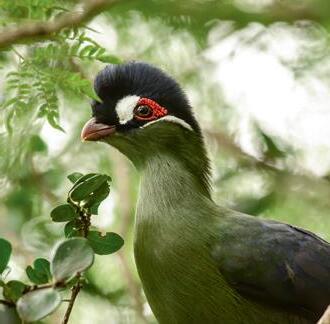
Highlights: Karura combines forest trails, bamboo groves, caves, streams and waterfalls in one of the world’s largest urban forests. It feels wonderfully far from the city, even though it is still inside it.
Walking distance: Trails vary widely, with popular circuits of around 5 km, 10 km or more.

Under an hour from Nairobi, a trip to the lush, rolling hills of Tigoni is a must for any tea lover. The women-run Teagoni farm in the region is ready to welcome you.
The rolling emerald hills of Tigoni feel like stepping into another world – cooler, quieter, and richly green. Just a 40 minute drive from the capital, the region reveals sweeping tea fields that stretch across Kenya’s highlands.
At the heart of Tigoni lies Teagoni Tea Farm, a proudly Kenyan owned, women run farm with a story that’s as rich as the tea it grows.
Founded in 1981 by the current director’s grandmother – a bold move at a time when land ownership was rare for African women— the farm is still family-run today.
“She’s very much the boss,” says Wendy Kinyua, the farm’s director.

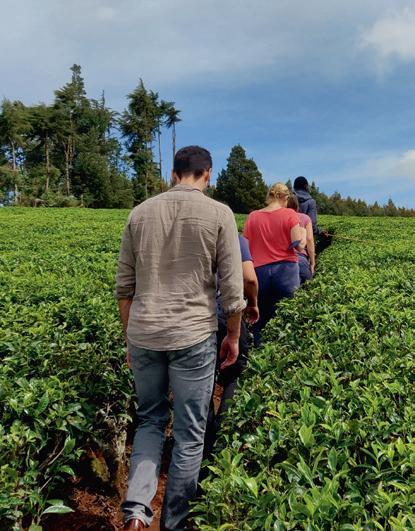
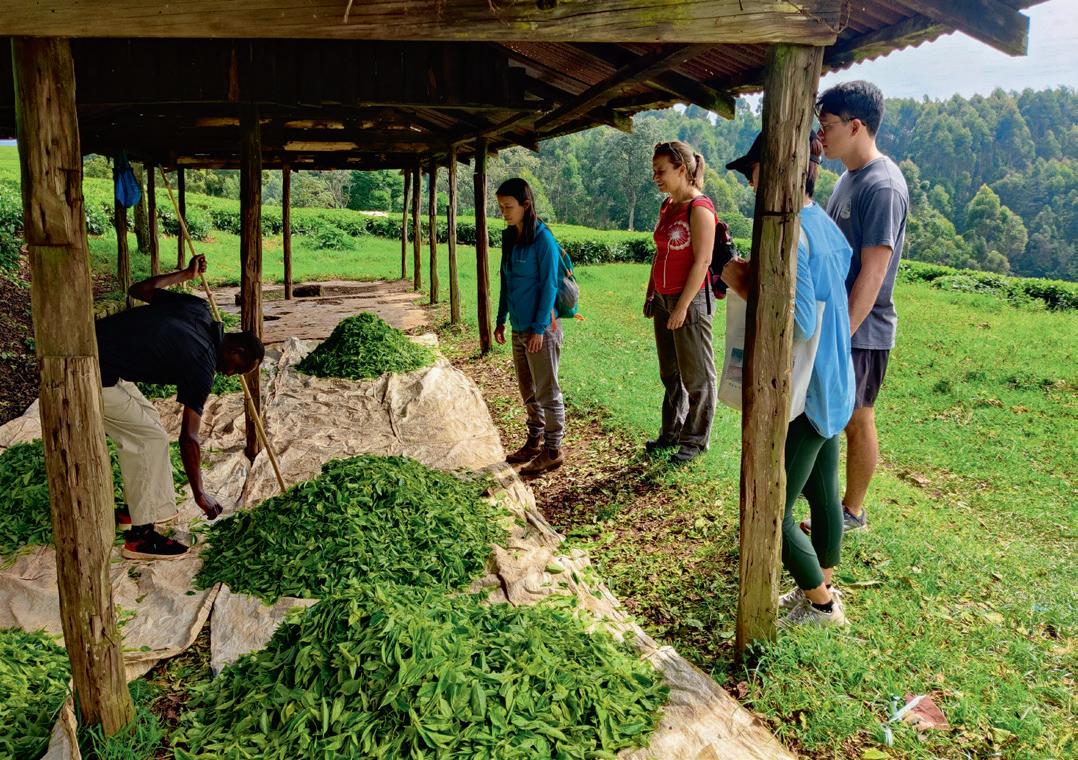
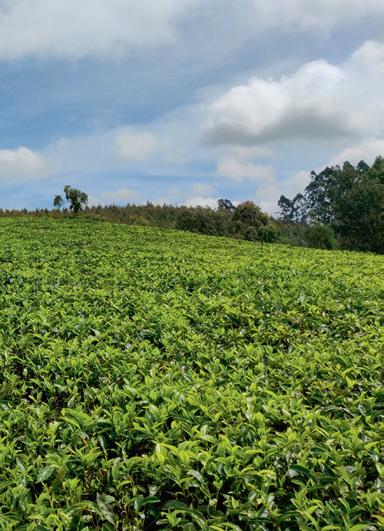
With no background in tea farming, Teagoni’s founder planted 15 acres and waited patiently for three years before the first harvest in 1984. That patience laid the foundation for what visitors experience today – a thriving farm built on resilience, courage, and belief in the land.
Black, green, white, oolong and even matcha all come from the same plant – the difference lies in how they’re processed.
Withering – straight after harvesting, freshly plucked tea leaves are spread out in thin layers to dry naturally. This reduces moisture and triggers vital chemical changes that develop the tea's signature aroma and flavour.
Oxidation – the dried tea leaves are exposed to oxygen, altering their colour, aroma, and flavour.
Drying – this halts the oxidation process and ensures the leaves don’t spoil.
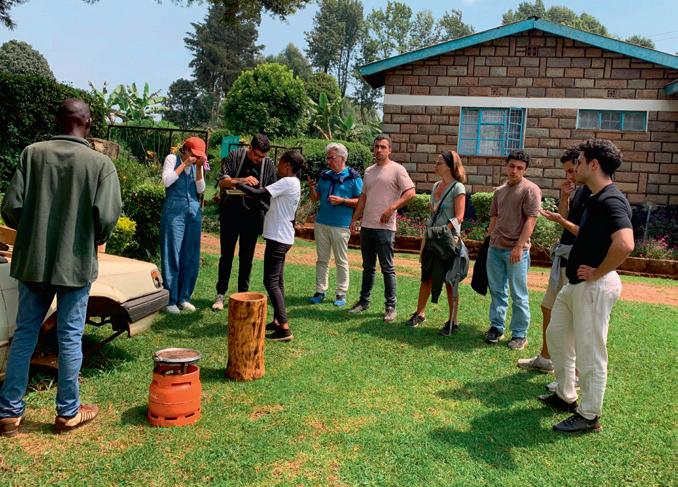

Ever heard of “two leaves and a bud”? It’s the gold standard tea picking – and you’ll get to try it yourself at Teagoni. It involves hand-picking only the unopened bud (the newest, most tender growth) and the two youngest, smallest leaves directly below it. Guests are invited to walk through the fields, learning the delicate art of hand picking the freshest leaves – just as generations of Kenyan farmers have done before.
The journey from fresh leaf to your teacup is more complex than you might think. After picking, tea leaves go through stages:
Teagoni is a hands-on experience designed to immerse you in tea culture. You can wander through the fields on a guided tour, hearing the stories behind each row of leaves before trying your own hand at picking them. From there, it’s time to roll up your sleeves in a traditional tea making class, learning how to pluck, dry and brew your own leaves the Kenyan way. The experience continues with a tasting session, where you can sample a range of rich, local flavours, before slowing down over a homemade picnic lunch served with bottomless iced tea brewed right on the farm.
There’s something deeply calming about Tigoni – the cool air, the endless green, the rhythmic pace of farm life. Teagoni captures that feeling perfectly, offering visitors a chance to slow down, savour, and connect – with nature, with people, and with the story behind one of the world’s most beloved drinks.
For more information on Teagoni, call +254 716 631 653 or visit teagoniteafarm.com
Record low trash levels at beach clean-up suggest Diani Beach Zero Plastic Pollution campaign is having desired effect. Michael Timonah reports.
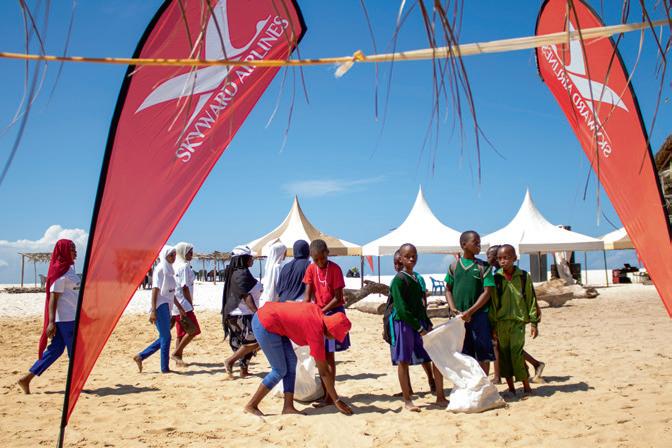
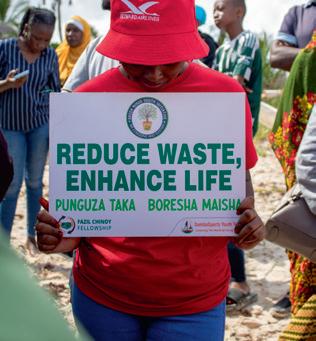
World Oceans Day marked the finale of the four-day Diani Beach Zero Plastic Pollution Festival 2026, as hundreds of students, community groups, conservationists, beach operators, volunteers and government representatives joined a five-kilometre Ocean Action Walk and mass beach clean-up along Kenya’s south coast.
The four-day festival, organised by Samba Sports Youth Trust from 5 to 8 June, brought together environmental organisations, research institutions, schools, public agencies and local businesses to promote cleaner beaches, sustainable
tourism and practical action against plastic pollution.
Its closing event began at Chandarana Supermarket, where participants set off carrying messages on ocean protection and environmental responsibility before walking to Kongo Beach. Here volunteers collected and sorted plastic waste for recycling through the Kwale Recycling Centre. By the end of the festival, three tonnes of plastic had been recovered from the environment.
For organisers, the figure was significant not because it was high, but because it was lower than in previous years. The festival’s
first edition in 2024 recovered seven tonnes of plastic waste. In 2025, the total dropped to 4.5 tonnes. This year’s three-tonne haul points to a steady decline in the amount of plastic reaching the beach.
Samba Sports Youth Trust and its partners say that trend suggests the festival’s message is beginning to take hold locally. Repeated clean-ups, school engagement, public awareness campaigns and community education appear to be helping residents, businesses and visitors take greater responsibility for waste before it reaches the shoreline.
The clean-up was the festival’s most visible activity, but it was part of a wider programme focused on learning, innovation and youth participation. Over the four days, participants attended workshops and discussions on marine conservation, plastic pollution, waste management, ocean governance and opportunities in the blue economy.
Sessions were facilitated by experts and practitioners from organisations including Heri Kenya, the Kenya Marine and Fisheries Research Institute, the Kenya Maritime Authority and the Kwale Recycling Centre. The aim was to connect local coastal challenges with broader questions of climate resilience, sustainable tourism and livelihoods.
Exhibitions also showcased community and youth-led solutions, from recycling initiatives and circular economy ideas to conservation projects designed to reduce plastic pollution.
Sport remained another defining feature. Beach football and volleyball competitions helped draw young people into the festival and provided an informal space for environmental messaging. Organisers said the approach reflects the belief that conservation is more effective when it is participatory, accessible and rooted in community life.
The festival also highlighted the importance of partnerships. Government agencies, environmental groups, research bodies, schools, private sector partners and volunteers worked together across the programme, underscoring the scale of cooperation needed to protect Diani’s beaches and marine ecosystems.
For Diani, cleaner beaches carry environmental and economic importance. They protect marine biodiversity, support tourism, safeguard livelihoods and help preserve one of Kenya’s best-known coastal destinations.
As the 2026 festival closed on World Oceans Day, its strongest message came from the beach itself. The reduction in litter is evidence that sustained community engagement can shift behaviour, not just clean up after it.

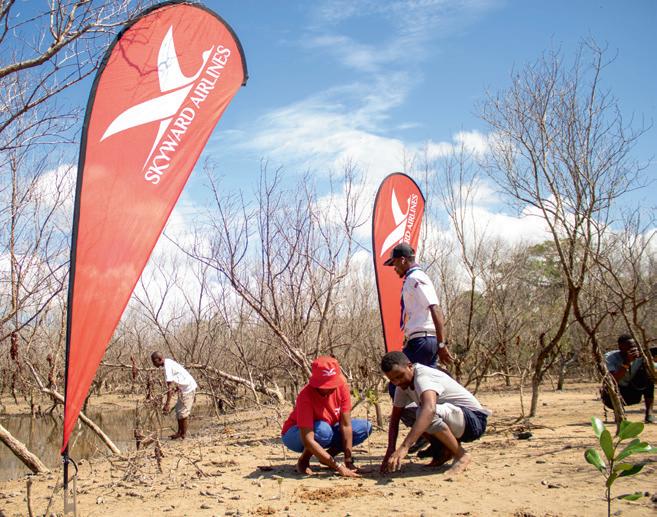
As part of the Diani Beach Zero Plastic Pollution Festival, hundreds came together to plant 3,000 mangrove seedlings along the coast of Kwale County. The restoration exercise, implemented in partnership with the National Environment Management Authority (NEMA) and the Kenya Forest Service (KFS), was a powerful demonstration of collective commitment to safeguarding
Kenya’s coastal ecosystems and building resilience against the growing impacts of climate change.
Mangroves are often described as the guardians of the coastline as their extensive root systems stabilise shorelines, reduce coastal erosion, and act as natural barriers against storm surges and flooding.
They also serve as vital nurseries for marine life and help combat climate change by capturing and storing carbon at rates significantly higher than many terrestrial forests.
Environmental experts from NEMA and KFS led learning sessions on mangrove ecology, restoration techniques, and long-term stewardship.




Whether you're a seasoned traveller or heading somewhere new, a little preparation goes a long way. Here's how to make your Skyward journey as smooth as possible — from your front door to your destination.
From JKIA you enjoy 23 kg checked baggage + 7 kg carry-on. From Wilson Airport, 15 kg checked + 5 kg carry-on. Roll, don't fold — it saves space and cuts creases. Keep essentials, valuables, and a change of clothes in your carry-on, always.
Give yourself at least 1 hour 40 minutes before departure. Check-in closes 40 minutes before take-off — no exceptions. Early arrivals mean relaxed security queues and a moment to breathe before you board. The journey begins well before the runway.
Download your boarding pass to your phone before you leave home. Screenshot it too — Wi-Fi isn't always your friend at the airport. Having your documents ready at every touchpoint saves precious time and keeps the line moving for everyone.
Cabin temperatures can shift — even on short hops. A light layer in your bag makes all the difference between a comfortable flight and a long, chilly one. Loose, breathable clothing also helps on longer legs to Tanzania and beyond.
Give yourself at least 1 hour 40 minutes before departure. Check-in closes 40 minutes before take-off — no exceptions. Early arrivals mean relaxed security queues and a moment to breathe before you board. The journey begins well before the runway.
Your national ID is accepted on domestic routes. For international travel, always carry your passport. Keep a digital photo of both in your email or cloud storage — should anything go missing, you'll have a fallback that speeds up the process at every desk.
We could list every route and every feature. Instead, here's what our passengers feel from the moment they book to the moment they land
We don't just connect Nairobi to the coast or the highlands — we connect communities. Skyward reaches destinations that bigger carriers overlook, giving you direct access to the places that matter most, without unnecessary stopovers.
Your time is not a variable. We measure our performance by whether you get where you're going when you planned to. On-time departure and arrival isn't a bonus — it's the baseline we hold ourselves to, every single flight.
Flying shouldn't be a luxury. Our pricing is designed to put more Kenyans and East Africans in the air — without stripping away the experience. Competitive fares, honest extras, no surprise charges at the gate. What you see is what you pay.
Exceptional service isn't a script — it's a standard. Our cabin crew are trained to read the room, anticipate needs, and treat every passenger as an individual. From first-time flyers to frequent travellers, everyone deserves to feel taken care of.
Need to move a team for a corporate off-site, a delegation to a regional summit, or a group to a safari destination? Our charter service puts the entire aircraft at your disposal — flexible scheduling, tailored service, across East Africa and beyond.
Everything we do begins with safety — our fleet, our training, our procedures, and our culture. You don't need to think about it when you're on board with us. That's the point. Sit back, look out the window, and trust that you're in good hands.
Skyward Airlines is proud to connect our passengers to a range of destinations across Kenya and beyond. Whether you’re seeking culture, adventure, or simply a relaxing getaway, our network offers convenient flights to some of the most exciting and beautiful spots. Here’s a closer look at the destinations we serve.

Malindi is a stunning coastal town known for its tropical beaches and rich history. Located 120 km northeast of Mombasa, Malindi is easily accessible from Nairobi,with flights from Wilson Airport taking just over an hour. The area offers visitors breathtaking beaches, a marine national park, and excellent diving and snorkelling opportunities. With warm temperatures year-round, Malindi is a popular destination for sun-seekers.

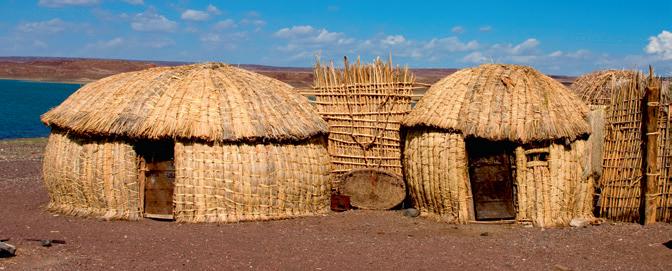
The largest settlement in Turkana County, Lodwar is known as the ‘Cradle of Man’ and this region boasts significant fossil discoveries dating back millions of years. Popular attractions include Lake Turkana, Eliye Springs, and Central Island National Park. Nature lovers will appreciate the beautiful landscapes and heritage that define this remote corner of Kenya.
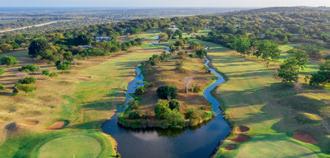
Vipingo Ridge is a premier 2,500-acre residential estate and golfing destination on the Kenya coast, renowned for its PGAaccredited championship course, secure environment, and private airstrip. It is a growing tourism hub, combining luxury villas with coastal wildlife, beaches, and exclusive leisure activities.
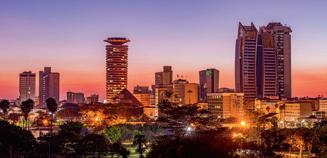
Nairobi, Kenya's bustling capital is often referred to as the ‘Green City in the Sun.’ Founded in 1899 as a railway camp, Nairobi quickly grew into a political and economic hub. Home to over 4.5 million people, it offers a blend of urban amenities and wildlife experiences. Nairobi is famous for Nairobi National Park, where lions roam just outside the city, as well as the David Sheldrick Elephant Sanctuary, Giraffe Centre, and Karen Blixen Museum. It is also a leading centre for international business with many global companies based here.
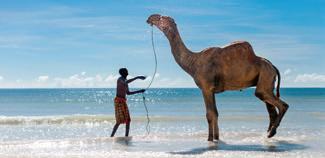
Mombasa is Kenya’s second-largest city and a key port on the Indian Ocean. Mombasa is famous for its beautiful beaches, including Nyali, Bamburi, and Shanzu, and rich history. From the historic Fort Jesus to the vibrant Old Town, Mombasa is a blend of African, Arab, and European cultures. The city also boasts bustling markets, delicious seafood, and a welcoming atmosphere. Explore the waters on a dhow trip or simply relax on the stunning beaches.
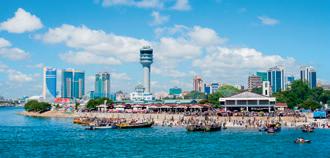
Skyward Airlines launched flights from Nairobi to Dar es Salaam in 2024 connecting Jomo Kenyatta International Airport (JKIA) Terminal 2 with Julius Nyerere International Airport. Dar es Salaam, meaning ‘City of Peace’ in Arabic, is Tanzania’s largest city and its commercial hub. The city is growing rapidly and offers a vibrant arts, music, and food scene. Located on the coast, Dar boasts beautiful beaches like Coco Beach, popular for its lively bars and nightclubs. Explore the bustling Kariakoo Market for fresh produce, second-hand clothes, and local goods, or visit Kivukoni Fish Market at dawn as fishermen bring in the daily catch. For a more relaxed shopping experience, head to The Slipway shopping centre overlooking Msasani Bay.
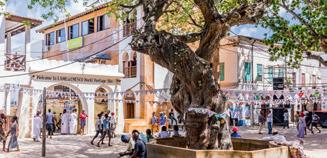
A historic island off the coast of Kenya, Lamu is a Unesco World Heritage Site and a hub for cultural festivals. Visitors can enjoy long sandy beaches, crystalclear waters, and the slow-paced island life. Explore Lamu Old Town, the Lamu Fort, and the Donkey Sanctuary, or enjoy water sports, snorkelling, and windsurfing.
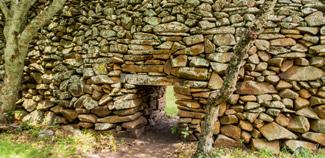
In southwestern Kenya, near Lake Victoria, Migori is a fascinating destination with a deep heritage. Migori’s diverse population and busy local markets reflect the area’s cultural mix. Visitors can explore the nearby Isebania border post, enjoy a boat trip on Lake Victoria, or visit the Sony Sugar Factory.

Located in the heart of the Rift Valley, Kitale is a gateway to Kenya’s farming heartland. The town is surrounded by beautiful hills and valleys, offering stunning views and a peaceful atmosphere. Kitale is an excellent base for exploring the surrounding countryside and experiencing the agricultural way of life.
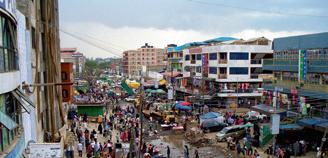
Garissa offers travellers a distinctive glimpse of eastern Kenya. The region blends vibrant Somali culture and bustling markets with remarkable conservation stories, from hirola antelope and rare white giraffes at Ishaqbini Hirola Conservancy to the rugged wilderness of Kora National Park where the Tana River builds into white water for rafting adventures. Garissa rewards adventurous travellers with rare wildlife encounters, rich birdlife and some of eastern Kenya's most dramatic river landscapes.
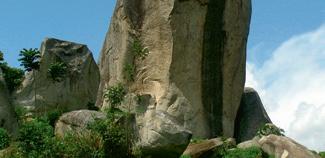
A lively town in western Kenya, Kakamega is known for its lush forests and scenic landscapes. The Kakamega Forest, one of Kenya’s few tropical rainforests, offers opportunities for hiking, birdwatching, and exploring unique wildlife.
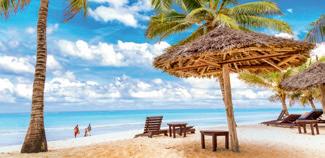
One of Kenya’s top coastal destinations, Diani is famous for its 17-kilometre stretch of white sandy beach and crystal-clear waters – making it a true tropical paradise. The area is home to coral reefs, dolphins, and lush vegetation, including the nearby Shimba Hills National Reserve.

In the heart of Uasin Gishu County, Eldoret is known for its association with elite athletes. Visitors can explore the scenic Rimoi National Park, Kerio Valley National Reserve, and Naiberi Campsite. Eldoret is the perfect destination for nature lovers and those interested in sports tourism.
Skyward Airlines is proud to operate a fleet of regularly serviced and well-maintained aircraft. Here is an overview of the aircraft in our fleet, each chosen for its reliability, efficiency, and suitability for flying to various destinations across Kenya and beyond. Whether you're flying to into Nairobi or to more remote airstrips, our aircraft are designed to ensure a smooth, comfortable journey every time.
The Fokker 50 is a versatile twin-turboprop aircraft, capable of carrying up to 50 passengers. Its reliability and spacious cabin make it perfect for regional travel, particularly on shorter or medium-range routes. The Fokker 50 excels at accessing smaller airports, including those with unpaved runwaysideal for Kenya's diverse terrain.
The Dash 8 Q100 is a reliable turboprop aircraft designed for regional connectivity, offering seating for 37 passengers. Known for its efficiency, it operates well on short-haul flights, which is essential for Kenya's numerous smaller airports. With a cruise speed of 310 mph/500 kph, the Q100 delivers a smooth and comfortable experience. Its ability to operate in challenging environments makes it ideal for serving remote or hard-to-reach destinations, ensuring connectivity across Kenya.
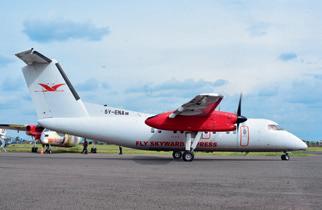
A step up from the Q100, the Dash 8 Q200 comes with powerful PW123 engines and
enhanced cargo capacity, while maintaining the same 37-passenger seating. With a cruise speed of 334 mph/537kph, it’s perfect for regional flights across Kenya, providing faster, more efficient travel for passengers and cargo.
The Dash 8 Q300 boasts a 50-passenger capacity and is well-suited for regional flights, offering both comfort and reliability. Its larger seating capacity and advanced features make it a perfect fit for connections to smaller regional hubs. With a cruise speed of 328 mph/527kph and a wingspan of 90 feet/27 metres, it’s designed for efficiency and can operate on a variety of airport surfaces.
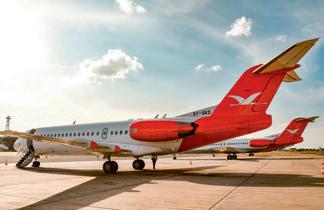
The Fokker 70 is a compact and efficient regional jet with a comfortable cabin, ideal for short-haul flights. Seating around 80 passengers, the Fokker 70 is perfect for domestic travel and offers a reliable option for connecting passengers across the country in comfort and style.
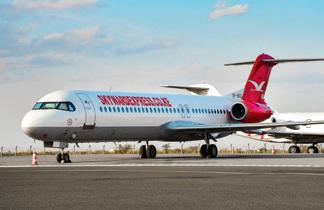
The Fokker 100’s blend of comfort, advanced technology, and operational reliability make it an excellent choice for high-demand flights between cities like Nairobi, Mombasa, and Kisumu.
The Dash 8 Q400 is the largest in the Dash 8 family, with seating for 76 passengers. Known for its quiet operation and speed (414 mph/666kph), it is perfect for city routes and short regional flights. The Q400 is highly efficient and offers exceptional performance even in challenging weather conditions. Its low noise footprint and advanced features make it well-suited for urban destinations with smaller airports, ensuring fast, comfortable, and environmentally friendly travel across the country.