tiyende
With compliments of Malawi Airlines
Special species
Malawi is home to wildlife that surprises at every turn
Running for a reason Joggers on the Move, the running club bringing people together
Special species
Malawi is home to wildlife that surprises at every turn
Running for a reason Joggers on the Move, the running club bringing people together
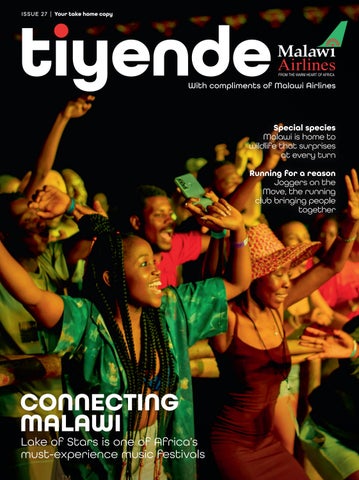
Lake of Stars is one of Africa’s must-experience music festivals


Malawi Airlines’ Public Relations Officer: Joseph Chikalipo josephc@malawian-airlines.com
Editor: Mark Edwards markedwards@landmarine.com
Advertising sales: Lucia Gimson +44 (0)7787 227531 (WhatsApp) lucia.gimson@landmarine.com
Printed by Jamana, Dar es Salaam.

Since its establishment in 2014, Malawi Airlines has proudly carried the nation’s flag, guided by a commitment to excellence and service. Our progress has been shaped by the support of our valued customers, travel agents, tourism partners, service providers, corporate stakeholders, and the wider travelling public.
Through this strong network of partnerships, we continuously refine our service delivery. In a dynamic and competitive aviation industry, customer and stakeholder feedback remains vital. It helps us improve the travel experience, strengthen operational reliability, and better understand evolving expectations.
Over the years, we have gathered insights through customer surveys, digital platforms, and stakeholder engagement forums. These contributions play a critical role in identifying areas for improvement, enhancing efficiency, and guiding informed decision-making across our operations.
Equally important, your feedback strengthens trust and transparency. By encouraging open engagement, we are able to build an airline that reflects both the pride of Malawi and the expectations of the global traveller.
On behalf of Malawi Airlines, I extend my sincere gratitude to everyone who continues to share their experiences and perspectives. Your voices drive our growth and motivate us to improve every day.
We remain committed to listening, responding, and delivering services that meet your expectations. I encourage you to continue sharing your feedback through our digital platforms and dedicated feedback page, accessible via mobile using the QR code.
Together, let us shape the future of Malawi Airlines – from the Warm Heart of Africa to the world.

Solomon Bekele CEO, Malawi Airlines
AFRICA


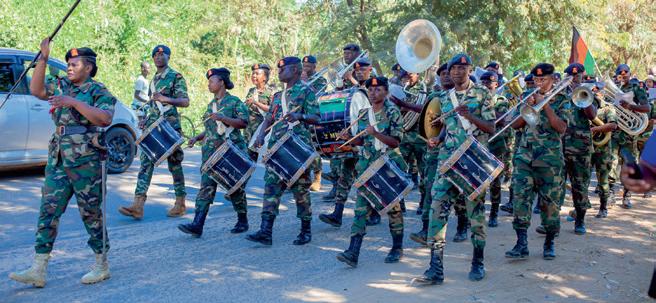
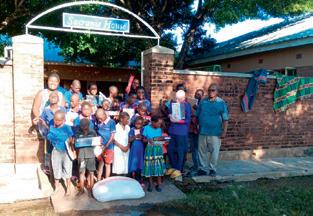
Malawi Airlines has reinforced its commitment to community development by partnering with Lions Club International during a recent regional convention held in Salima.
As part of its contribution, the airline provided air tickets as prizes for a raffle draw organised during the event. Proceeds from the raffle were donated to the Salima LEA School Resource Centre of the Blind, helping to fund assistive learning technology and refurbishment efforts for 30 visually impaired students.
Additional funds were also directed toward supporting 18 children receiving care at Ndimoyo Palliative Care, highlighting the initiative’s broader impact on vulnerable groups in the community
Mtisunge Chithenga from the airline emphasised the importance of the partnership, noting that as the country’s national carrier Malawi Airlines remains dedicated to contributing to meaningful social causes.
“Our corporate social responsibility goals are centred on witnessing
humanity grow beyond measure. This is what motivated us to join hands with Lions Club International and its partners in supporting vulnerable children and improving lives within the community,” Chithenga said.
Beyond financial support, Lions Club members donated essential items such as soap, maize, salt and sugar to enhance the welfare of the students.
Through initiatives like this, Malawi Airlines continues to demonstrate its role not only as a connector of people through travel, but also as an active contributor to positive change across the region.
Your feedback matters. Help us improve your journey. We value your voice, scan the QR code below to share your experience with Malawi Airlines.


‘OUR AIM IS TO CONNECT
TO THE WORLD and the world to Malawi ’
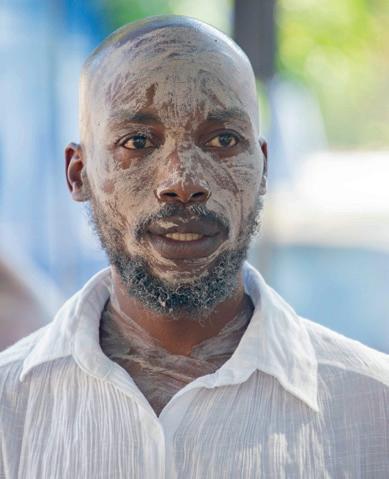
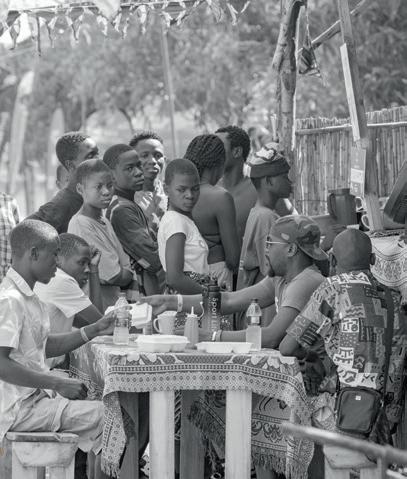

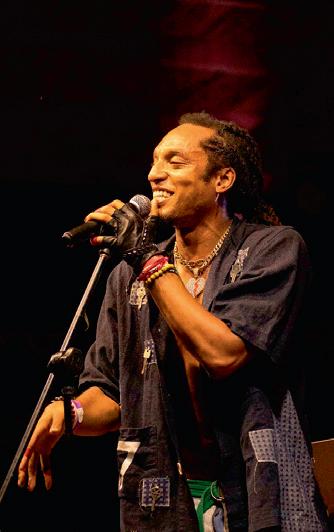
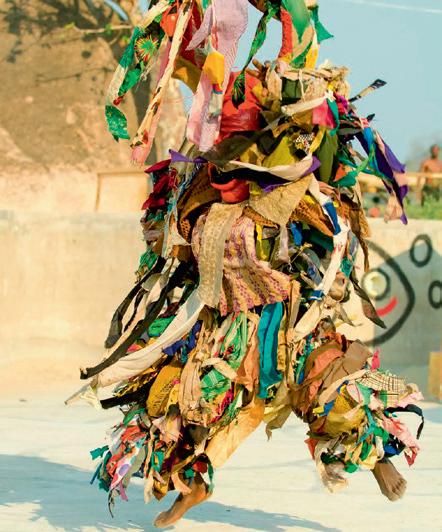
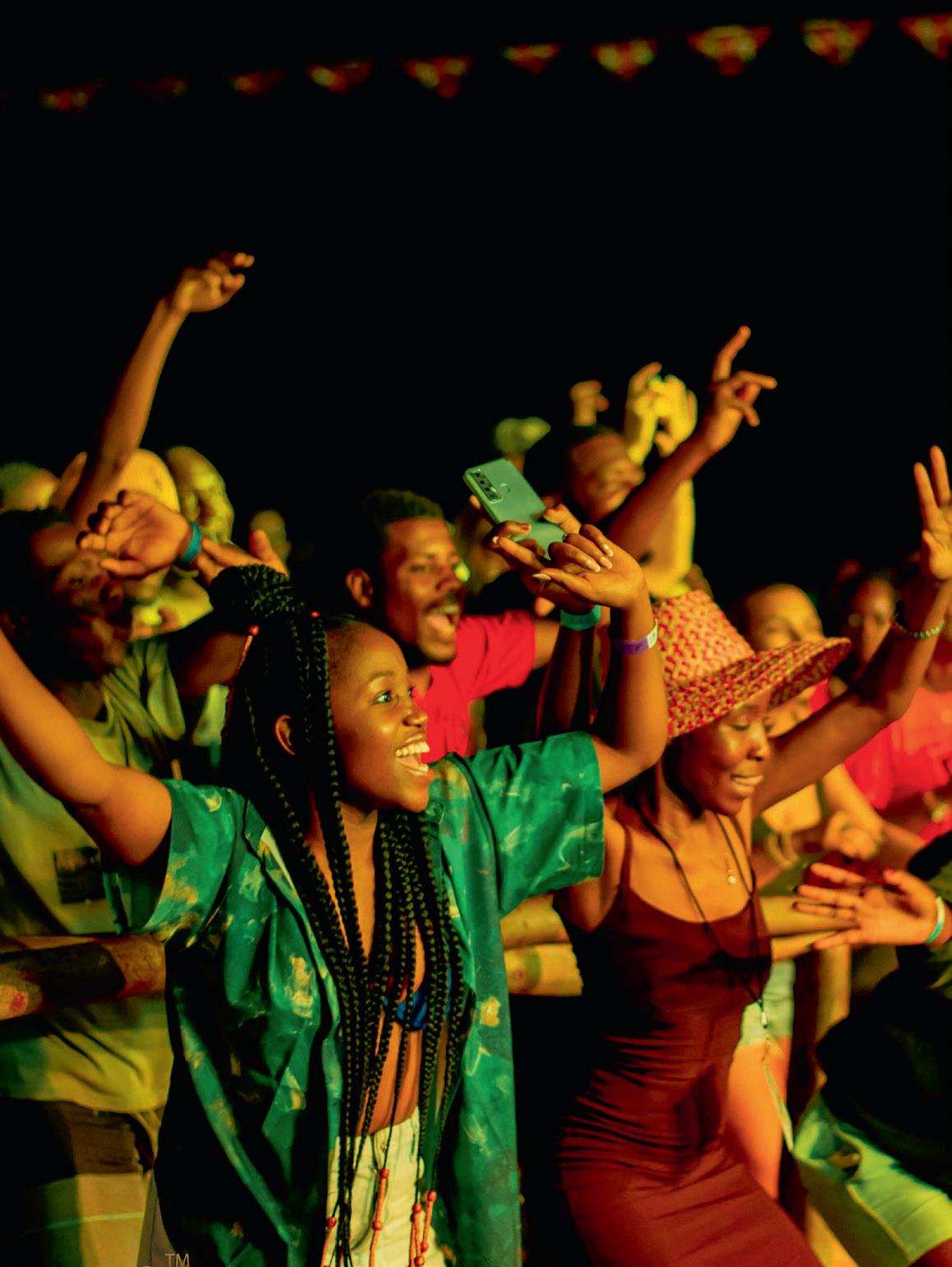
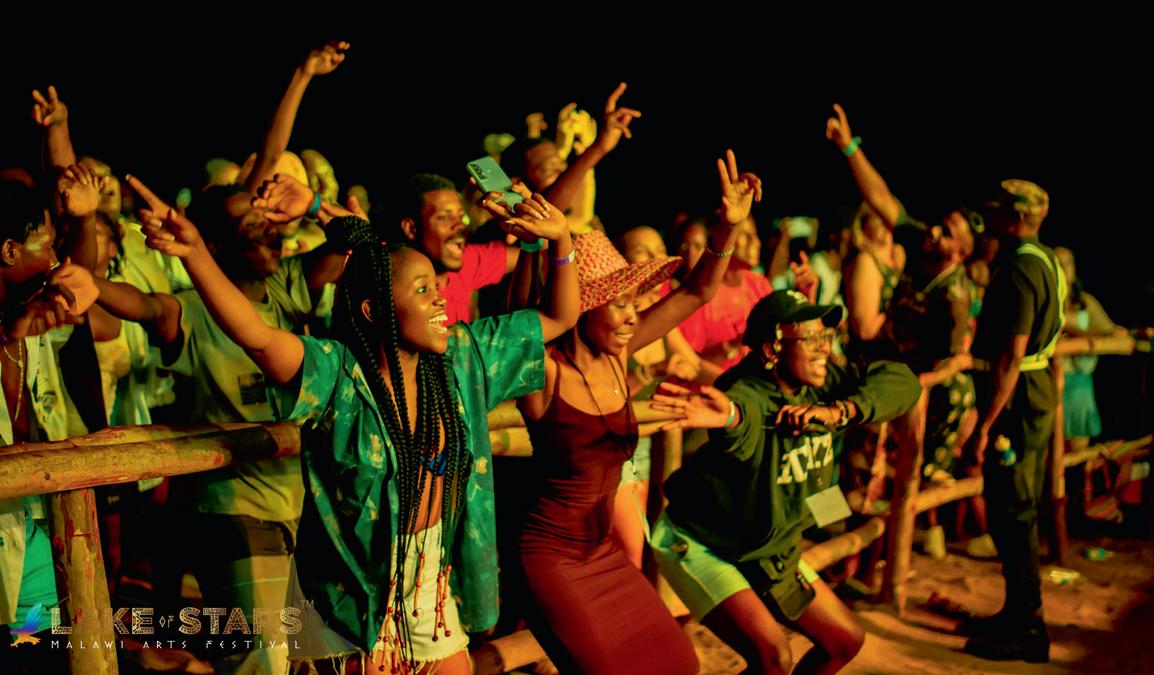
Hosted in a breathtakingly beautiful setting and featuring a world-class line-up of artists, Lake of Stars is one of Africa’s must-experience music festivals. Here’s what to expect from this year’s event.
SAlongside exciting new talent, audiences can expect legendary artists

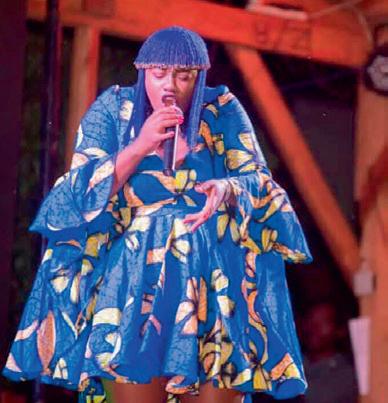

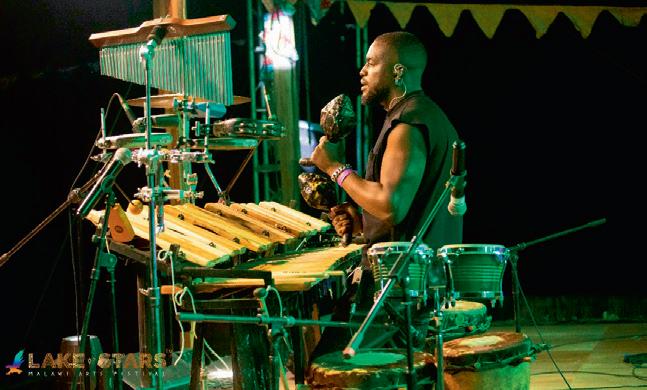
ince 2004, the Lake of Stars music festival has been bringing exciting musical talent from Malawi and beyond to perform live on the shores of Lake Malawi. Past performers have included stars of the local scene such as Lucian Banda and Tay Grin, African legends Sauti Sol and leading international acts such as Major Lazer, Young Fathers and Foals. An array of globally renowned DJs such as Timo Maas and Gilles Peterson has also shaken the sands until dawn through pounding sound systems
creating an unforgettable shared experience for festival-goers as the sun rises over the lake.
The scale of the festival has grown considerably over the decades. As well as the excellent music, the event includes fashion, visual arts, crafts, cuisine, film, storytelling, workshops and cultural experiences. It all combines into three days of festivities that showcase the cultural and natural beauty of Malawi to an international audience of intrepid music fans all woven into a broader mission of youth empowerment,
tourism growth and community development.
The 2026 edition – which takes place from October 2 to 4 at the lakeside Fish Eagle Lodge close to Nkhotakota – promises to be one of the most ambitious yet, according to Sharmila Elias-Taijala, the executive director of festival organisers DOPE (Dusty Orange Projects Et Al). “Under the theme ‘Festivals with Purpose – Inspire. Connect. Invest. Celebrate’ we are building on more than two decades of impact by delivering a festival that goes beyond entertainment,”
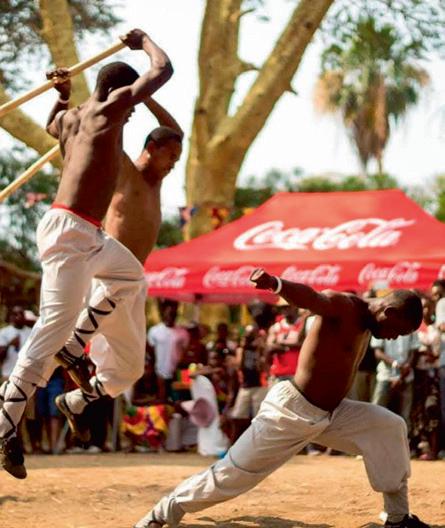
she says. ““Our aim is to connect Malawi to the world and the world to Malawi.”
While the full musical line-up is yet to be announced, the scale and diversity of interest offer a clear indication of what’s to come. EliasTaijala says applications from artists this year came from a wide range of genres, regions and backgrounds, promising a vibrant mix of sounds and styles.
True to its roots, the festival remains firmly anchored in Malawi. “We always aim for a programme that is predominantly Malawian,” says Elias-Taijala, with around 80 per cent of the line-up dedicated to local talent, much of it emerging. The remaining artists – drawn from across Africa and beyond – bring experience, visibility and opportunities for collaboration. “Alongside exciting new talent, audiences can expect legendary artists who have played an important role in mentoring, supporting, and opening doors for the next generation of creatives,” says Elias-Taijala.
This balance is deliberate. It
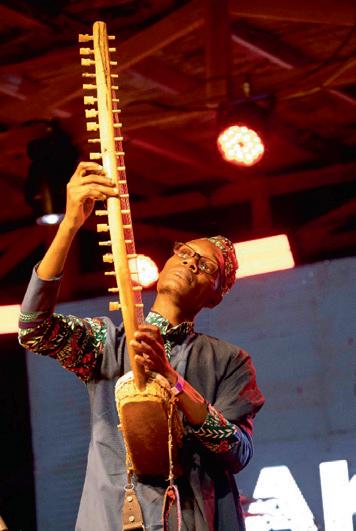
allows rising Malawian artists to share stages with established names, fostering mentorship and creative exchange while ensuring a high-calibre programme for audiences. As Elias-Taijala puts it, the aim is to create “opportunities for all and leave no one behind.”
That blend of local and global talent is central to Lake of Stars’ identity. “The festival was founded on the belief that culture can build bridges between people and nations,” Elias-Taijala explains. “By bringing together Malawian, African and international artists, we create opportunities for collaboration, learning and cultural exchange. This blend allows local artists to share stages with global talent while introducing international audiences to Malawi’s vibrant creative scene.”
Alongside its music programme, this year’s festival places a renewed emphasis on community-driven experiences. New and returning initiatives deepen its reach beyond the main stages and into the surrounding communities.
Highlights include the Mbalame Village Soccer Tournament, inspired by Malawian international footballer Temwa Chawinga (who plays for US side Kansas City Current), which
focuses on empowering young girls through sport, and the Day of Ideas Youth Festival, designed to mentor and inspire students from lakeshore communities.
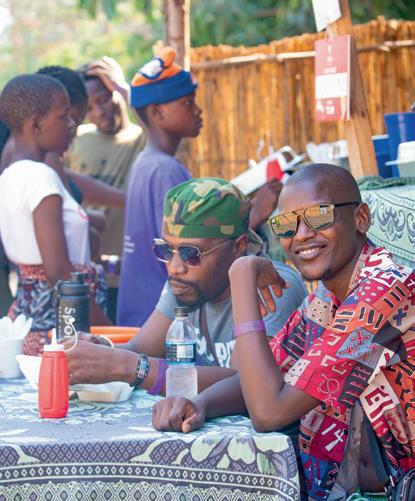
Visitors can also take part in the Khalani O Masuka Community Guest Experience, staying with local families and experiencing Malawian hospitality firsthand – a rare opportunity to connect more deeply with the culture behind the festival.
“The atmosphere is welcoming, vibrant, and uniquely Malawian,” says Elias-Taijala, noting that the experience often leaves a lasting impression. For many, it’s a chance not just to attend a festival, but to truly experience Malawi.
Crucially, Lake of Stars is designed to benefit the people and places that host it. From local suppliers and artisans to hospitality providers and performers, the festival creates economic opportunities that extend well beyond the event itself.
The atmosphere is welcoming, vibrant, and uniquely Malawian
Initiatives such as the homestay programme ensure income reaches local families, while partnerships

“Lake of Stars has grown into a major cultural platform”
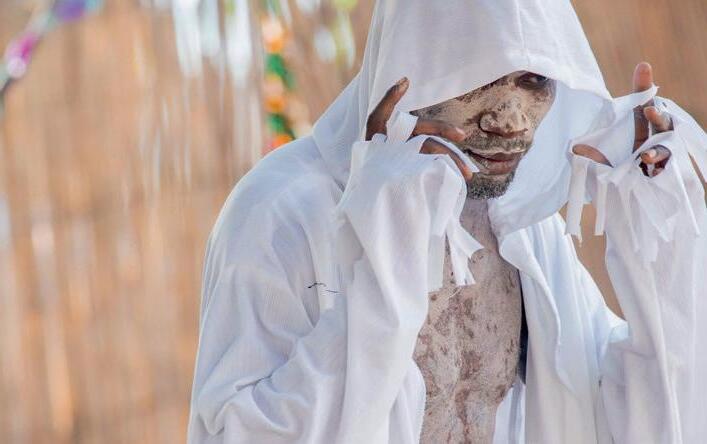
with schools and youth groups help deliver long-term impact. Sustainability is also a priority: materials used during the festival are repurposed – including stage timber transformed into school furniture – and community projects such as clean-up campaigns and solar lighting initiatives contribute to lasting improvements. “The festival should leave a positive legacy long after the final performance ends,” Elias-Taijala says.
More than two decades on from its beginnings, Lake of Stars has grown into a major cultural platform. It has helped elevate Malawi’s international profile, attracted visitors from around the world, and supported the development of the country’s creative industries.
Yet its ambition stretches further. “Lake of Stars is a movement,” says Elias-Taijala. “Through culture, creativity, and connection, it inspires collaboration, investment, and positive change, making it one of the most impactful events on the African festival calendar.”
Looking ahead, organisers plan to expand their work beyond the annual festival, with year-round programmes focused on youth development, creative entrepreneurship and tourism.
“We want Lake of Stars to remain a catalyst for positive change, inspiring future generations while showcasing Malawi's creativity, innovation, and cultural richness to the world,” says Elias-Taijala.
“Looking ahead, our ambition is to establish a permanent home for the festival – one that becomes a leading arts, culture, and tourism hub for Malawi and the region.
“Ultimately, we see the Lake of Stars brand extending beyond borders, inspiring collaboration, cultural exchange, and similar movements across Africa, while remaining proudly rooted in Malawi.”

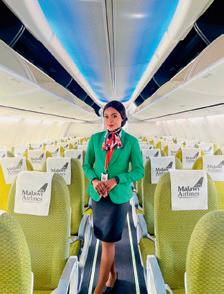
Malawi Airlines is one of Lake of Stars’ most valued sponsors playing a vital role in connecting African talent, audiences and industry professionals to the festival. The recent addition of Entebbe to the airline’s network increases its regional connectivity and helps Malawi grow its tourism, trade and cultural partnerships. Together, Lake of Stars and Malawi Airlines are helping Malawian creativity take flight.
For more details on Lake of Stars and to book your tickets and accommodation, visit www.lakeofstars.org

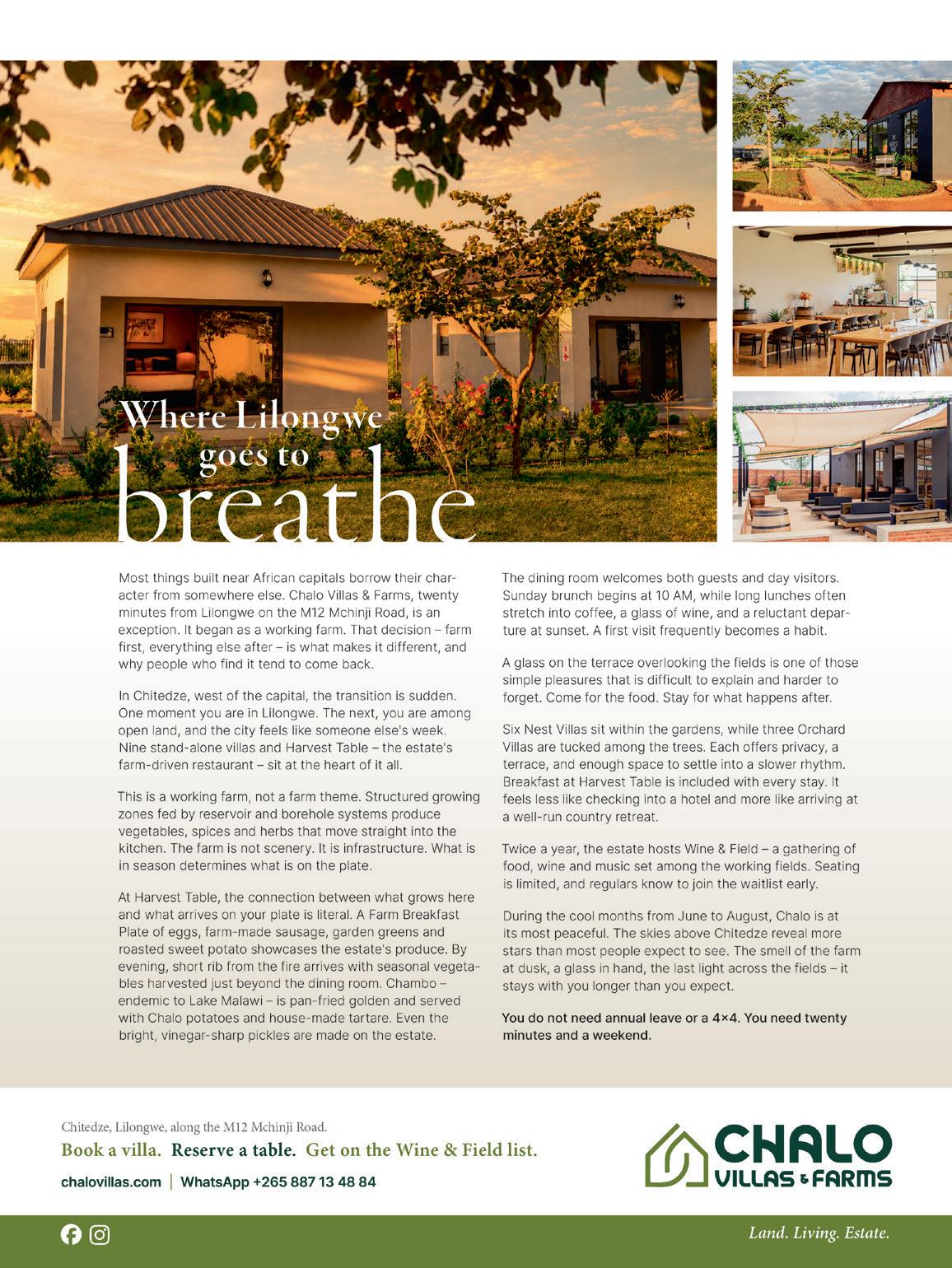

Meet Joggers on the Move, a Lilongwebased running club bringing people together through fitness and community action.
t 5am in Lilongwe, before rush-hour traffic starts to build and the heat of the day reaches its sweltering peak, you’ll find a group of joggers pounding the capital’s streets. This caravan of hi-vis lycra is run club Joggers on the Move, popularly known as JOM. From absolute beginners to those training for marathons, its members have formed a community focused on building fitness, friendships and supporting good causes.
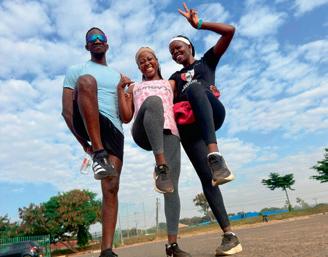
Joab Frank Chakhaza is the chairman of JOM, a running club launched by a small group of fitness-minded friends in March 2018. In the eight years since, he has seen the group grow into a “vibrant community” of more than 100 runners, with JOM becoming the driving force behind a series of philanthropic initiatives that support communities in the capital and across Malawi. “JOM has helped make running visible, social and purposeful in Lilongwe,” says Chakhaza. The club’s charitable fundraising efforts include the JOM annual marathon, which is accredited by the Malawi Athletics Association and Malawi Sports Council and is Lilongwe’s only fulllength marathon event.
This year’s marathon – which takes places on August 8 and includes 5km, 10km, and 21km races – will raise funds to help connect electricity at the Nkhwazi Health Centre, a government-run rural clinic located in Mchinji District, Central Malawi. “It serves a vast, cross-border population of up to 50,000 people, including citizens from Zambia and Mozambique,” says Chakhaza. “The facility frequently experiences resource constraints and has energy problems making delivery of health services a challenge. The 2024 and 2025 marathons each raised more than MWK10 million (US$ 5,700) for their chosen causes.
The club’s ethos of generosity

“Discipline is possible. Health is possible. Community is possible”

and community support is matched by its inclusivity. JOM is open to everyone, regardless of ability or experience. “You do not need to be fast. You do not need to have run before,” Chakhaza says. “What matters most is movement, consistency and the courage to start.”
That ethos is reflected in how the group runs. Members can choose their own pace, from faster groups pushing for performance to more relaxed “slow buses” where beginners, walkers and those building confidence can take part without pressure. Structured runs, regular weekly meet-ups and shared route plans help runners steadily build endurance, while more experienced members offer encouragement along the way. It’s a system that ensures no one is left behind.
“Our regular Wednesday and

Saturday morning runs form the foundation, while longer-distance preparation includes hill work, distance building, pacing support and encouragement from more experienced runners,” Chakhaza says.
That support network is central to JOM’s appeal. Running, Chakhaza explains, is only part of the story. “People come to run, yes, but they also come to belong.” After early morning sessions, members stay to talk, share updates and build friendships that extend far beyond the road. For many, the club has become a space for connection, networking and mutual support, turning what can often be a solitary sport into a shared journey.
Lilongwe plays a role in that experience. The capital is, says Chakhaza, “a beautiful and interesting city to run in. It is not always easy, especially with traffic, heat and uneven terrain, but that is also what makes it rewarding. Running in Lilongwe teaches discipline. Some mornings are cold, some routes are demanding, but the city gives runners enough variety to build both fitness and character.”
Those following JOM’s training
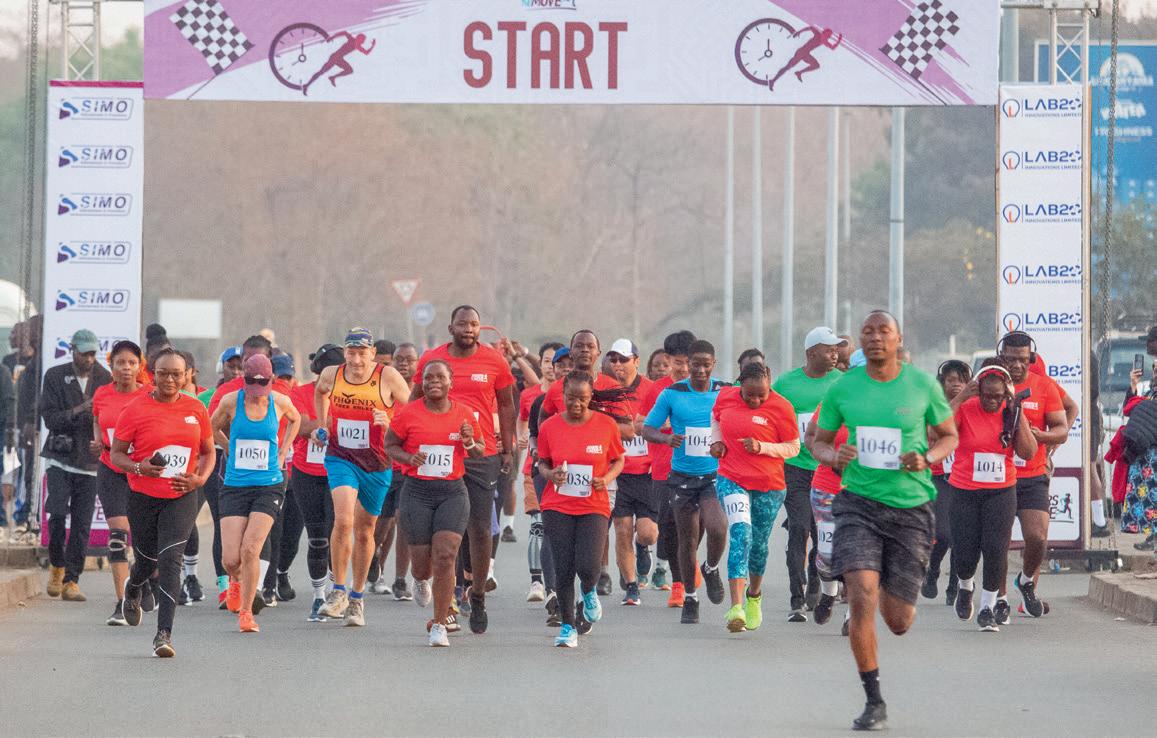
plan for the upcoming marathon will be familiar with the city’s many testing inclines, including one in Area 3 that Chakhaza tells me runners have come to call ‘Puke Hill’ because of the stomach-churning exertion needed to get to the top.
JOM has also helped shape a growing running culture in the capital. Chakhaza says: “We are seeing more groups on the road, more participation in races, more conversations about fitness, and more people challenging themselves to do distances they once thought were impossible.” Through its regular runs and annual marathon, JOM has played a key part in making running visible, accessible and social.
And it is hard to miss the group when they are out together. Clad in bright gear and moving as a unit through the early morning streets, they often draw curious looks from passers-by. Some cheer them on,

others stop to ask how they can join, while a few even fall into step for part of the route. “When people see a group of runners moving together, it sends a message,” says Chakhaza. “It says discipline is possible. Health is possible. Community is possible.”
For those inspired to try it themselves, joining is simple. JOM welcomes newcomers at its regular Wednesday and Saturday morning runs, whether they arrive ready to run, jog or simply walk. As the group likes to say, the hardest part is showing up – “the rest follows on the road”.

STEP 1: Make your payment on Kwenda.co or https://kwenda.co/su/joggersonthemove
STEP 2: Register and upload your proof of payment here: https://tinyurl.com/3y53bbhy
For further details like the Joggers on the Move Facebook Page, email joggersonthemove@gmail. com, or contact Joab Frank Chakhaza on +265 888 579 684.
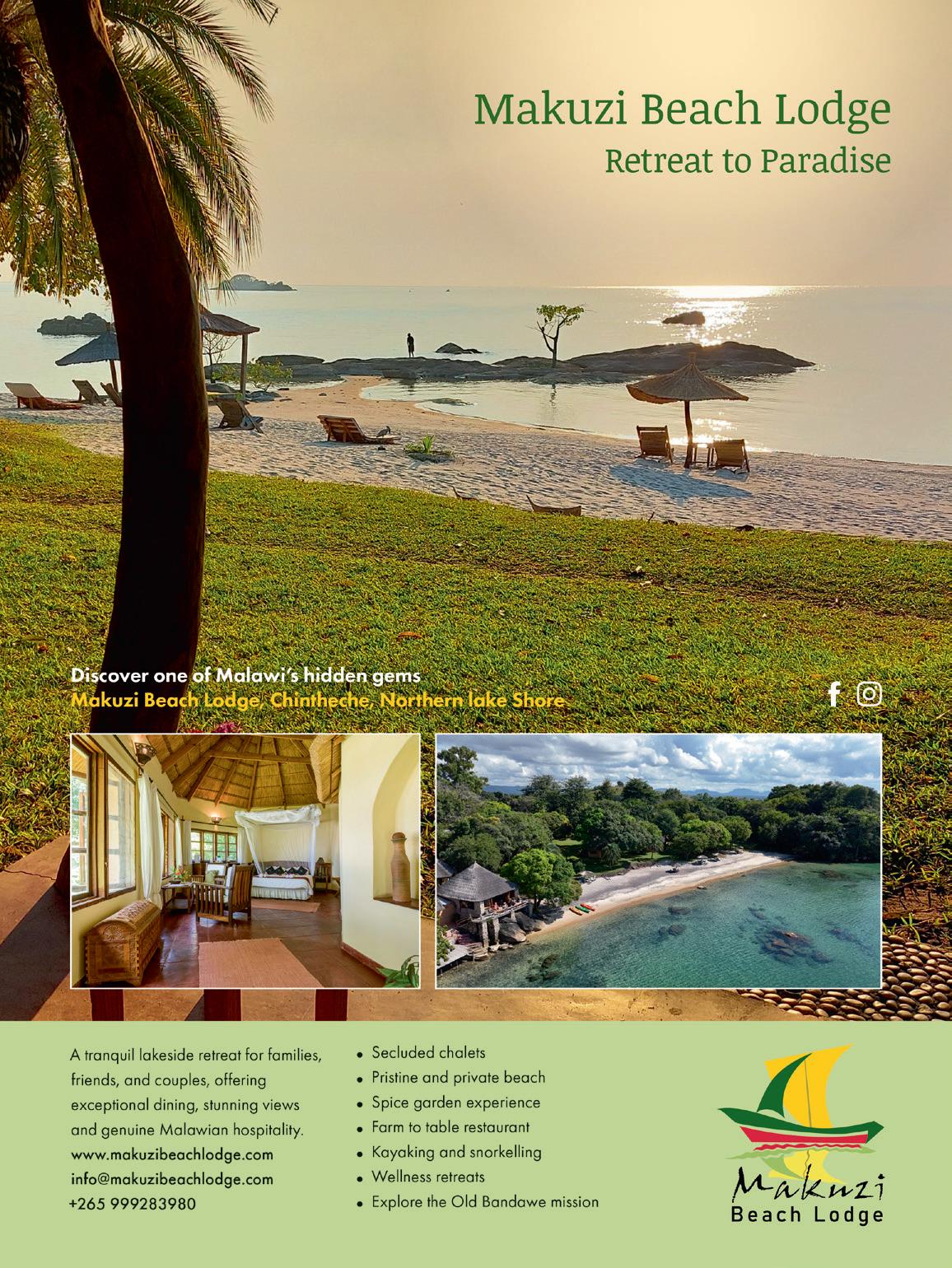
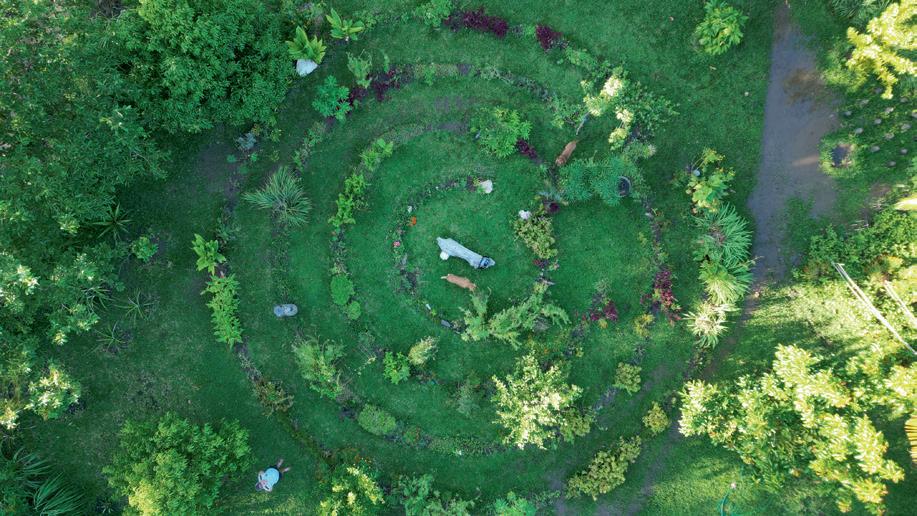
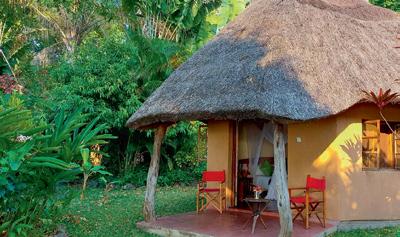
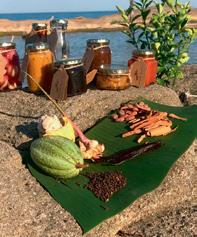
Win a luxury four-night stay for two at Makuzi Beach Lodge, a peaceful lakeside retreat on the shores of Lake Malawi. Located in a private cove near Chintheche, Makuzi Beach Lodge offers comfortable thatched chalets, direct beach access and beautiful views across the lake. Set among tropical gardens and indigenous forest, it is an ideal place to unwind and enjoy the natural beauty of Lake Malawi, as well as fresh, seasonal cuisine prepared with locally sourced ingredients. Dinner, bed and breakfast is included*.
Competition Terms & Conditions. Prize subject to availability. One entry per person. Entrants must be 18 years or older. The decision of the organisers will be final, and no correspondence will be entered into. Employees of Malawi Airlines, Land & Marine Publications Ltd, Makuzi Beach Lodge, and their immediate family members are not eligible to enter. The prize does not include flights or any other transport. *Drinks are not included. Prize is valid for 6 months and cannot be transferred. Prize cannot be redeemed during peak holiday periods. No cash alternative. Images are for illustrative purposes only. Competition closes on 10th September 2026. The winner will be announced in a subsequent issue and contacted directly.
To enter, simply email a photo of yourself holding this issue of Tiyende during your Malawi Airlines flight to competition@landmarine.org by 10th September 2026.
Please note: The prize does not include transport to or from Makuzi Beach Lodge.
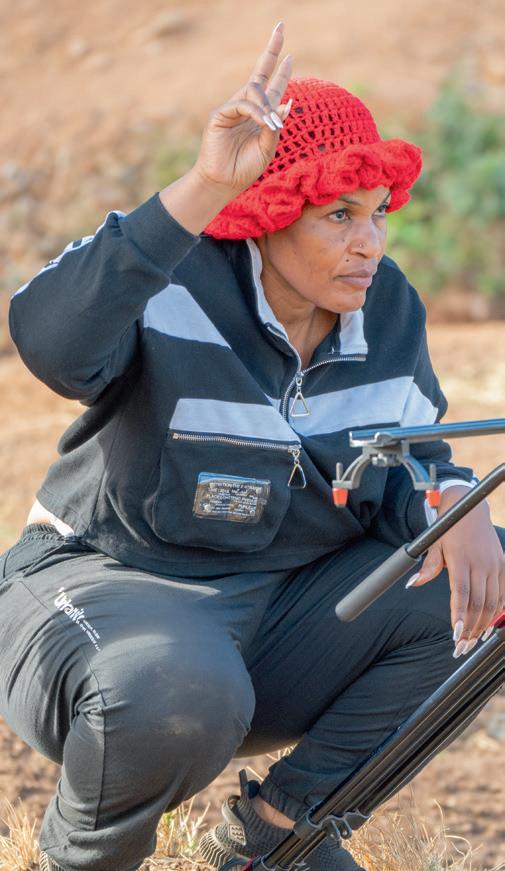
From village storytelling traditions to international cinema, Malawian filmmaker Joyce Mhango-Chavula confronts violence, justice and identity while reshaping the country’s creative future.
oyce Mhango-Chavula is one of the defining voices in Malawi’s modern performing arts landscape: an award-winning filmmaker, actress and arts trainer whose work refuses to look away from the country’s most urgent stories.
Lilongwe has provided the platform for her successful career. It is her home – and the base of Rising Choreos Theatre, the company she founded in 2009. Still, much of the provocative storytelling in her work draws on her roots in village communities far from the capital.
Mhango-Chavula was born in Rumphi in northern Malawi. It was here, amid shared meals, folktales and nightly storytelling rituals, that she first encountered the power of narrative as a living, communal act. “I enjoyed village visits as my grandfather encouraged a daily routine of a family dinner where every household would bring a meal and we would all freely eat from each meal followed by folktales and a bedtime prayer,” she says. “My early years were filled with curiosity, observing the rich cultural traditions around me,
listening to folklore, and watching how people in my neighbourhood interacted.”
Those early experiences of listening, observing and absorbing the rhythms of village life would shape her artistic vision, instilling a belief that even the most isolated communities hold stories of profound national importance.
That sensibility runs through her films. Nyasaland, released in 2018, confronts the horrific and alltoo-real rural tradition of ‘human hyenas’ – men assigned to rape young women as a rite of passage – while in her latest feature, 2025’s The Gunless Soldier, she returns to rural spaces where tradition, superstition and social pressure collide with questions of justice and human rights. Her work is not afraid to interrogate today’s Malawi, bringing audiences face to face with the consequences of silence, inequality and fear.
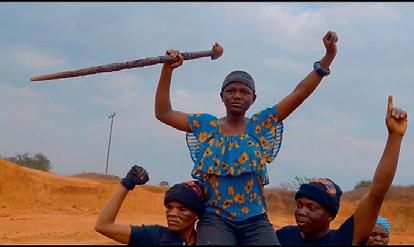
In The Gunless Soldier, that confrontation is stark. Inspired by the newspaper headlines of vigilante violence and the breakdown

of trust in legal systems, the film examines the human cost of violence – and asks whether justice, rather than vengeance, can still prevail.
In narrative terms, The Gunless Soldier follows Onani, a young woman driven to the brink by grief as she searches for her mother’s killer in a remote village where suspicion spreads quickly and justice is often displaced by collective anger. What begins as a personal quest unfolds into a wider portrait of panic-driven mob violence, fuelled by rumour, superstition and long-standing distrust of authority. Chavula resists the pull of spectacle; instead, she lingers on the human cost – on the way violence fractures communities as much as it promises resolution. Crucially, the film does not offer easy answers. “Vengeance is an


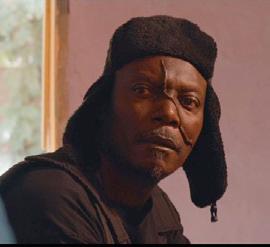
the vigilante group – an imposing, almost mythic figure whose presence is intensified by the angry scar that cuts across his face. The prosthetic itself, Chavula admits, was “a nightmare” to maintain, requiring painstaking work from the film’s make-up team to ensure continuity. Yet beneath the physical menace lies something more ambiguous: a man capable of tenderness, visibly torn by the role he plays in perpetuating violence. He is not a villain in any simple sense, but a product of the same fears and fractures that shape the community around him.
“My early years were filled with curiosity, observing the rich cultural traditions around me, listening to folklore, and watching how people in my neighbourhood interacted”
immediate, emotional reaction that ultimately leaves everyone broken,” Chavula explains, positioning the film as a deliberate challenge to that instinct. “Justice, however, requires accountability, law, and coexistence… By focusing on justice, the film moves from a place of anger to a place of hope and healing.”
In this sense, The Gunless Soldier becomes less a story about retribution than a meditation on what it takes to break cycles of violence in societies where trust has eroded.
That moral complexity is embodied in its characters. None more so than the commander of
It is a performance that anchors the film, delivered with remarkable depth by the late Malawian actor and producer Ashukile Mwakisulu. His presence lends the story both gravitas and emotional weight, his portrayal capturing the internal contradictions of a man caught between duty and doubt.
Tragically, The Gunless Soldier would be Ashukile’s final film. For Chavula, his contribution remains inseparable from the film’s legacy. “He was so passionate about film and art in general,” she reflects. “He was a team player who contributed so much to the local film sector by training and encouraging upcoming actors. He just had a way of making everyone feel comfortable and valued on set… Today he would have been so proud to see how far the film has travelled.”
Like Mwakisulu, Chavula is a pioneer in an industry still taking


shape. Since founding Rising Choreos Theatre in 2009, she has built not only a body of work but a pathway – training, mentoring and creating opportunities for young Malawians to enter theatre and film. Formal structures are only now emerging. Organisations such as the Film Association of Malawi (FAMA) are building networks, while the University of Malawi (UNIMA) has begun offering dedicated arts degrees. At the same time, digital platforms are reshaping access: as Chavula notes, young creatives can now “write, shoot and distribute their work on YouTube or TikTok,” building audiences and attracting established producers.
Chavula’s work has pushed Malawian storytelling beyond national borders. The Gunless Soldier has swept local awards and screened at international festivals, while her theatre productions have toured across Europe. For Chavula, that global visibility is about more than recognition. “When a Malawian film screens globally, it changes the narrative about our country – from one of lack to
“It forces me to let go of control and fully embody the character”
one of abundant talent, culture and intellectual value,” she says. “It opens doors for collaboration, distribution and funding, ensuring that filmmaking can become a sustainable career for future generations.”
That sense of building – of an industry, a language, a future –extends into her own practice as a multi-hyphenate artist. As a writer, director and actor, she moves between disciplines with a deliberate, almost methodical approach. Writing, she explains, is “a deep process” of constructing worlds through multiple drafts; directing demands constant problem-solving and leadership; acting, by contrast, requires surrender. “It forces me to let go of control and fully embody the character,” she says. “Each discipline feeds into
the other.”
Recent acting roles, including her performance in new Malawian film The Royal Dilemma – now available to view on YouTube –have provided a different kind of creative challenge. She was drawn to the project, she says, by its exploration of “the delicate balance between tradition and personal identity within a Malawian cultural setting”—a theme not far removed from the tensions she interrogates behind the camera. To inhabit such a story as an actor offered “an opportunity I couldn’t pass up,” allowing her to engage with those questions from within rather than as their architect.
Today, Chavula sees the Malawian film industry at a “defining turning point,” moving beyond zero-budget passion projects towards more ambitious, high-quality productions. With growing institutional support and a new generation of filmmakers emerging through grassroots networks and digital platforms, there is a sense of momentum – and of possibility.
It is within that evolving landscape that Chavula’s work continues to resonate. Her films return to the spaces where Malawi’s most difficult questions are lived out. They do not opt for easy answers but insist on something more demanding – that audiences confront them.
In doing so, Chavula is redefining what Malawian cinema can be: urgent, unflinching and unafraid to ask the hardest questions.
To watch The Gunless Soldier online go to www.youtube.com/watch?v=XB5V7w_R7lI

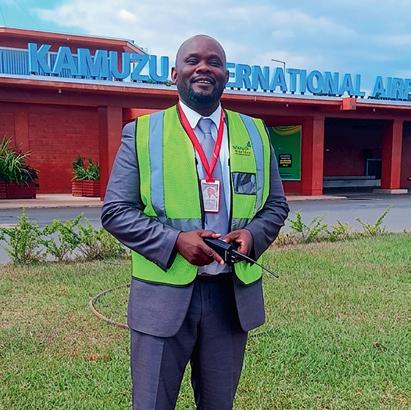
Tell me about yourself
I am Ambokire Ngonga, a qualified flight dispatcher with three years’ experience in commercial aviation operations. I specialise in flight planning, weather analysis, and maintaining regulatory compliance.
Q: Can you tell us about your journey from cabin crew to becoming a flight dispatcher at Malawi Airlines?
The journey has been fantastic and full of adventure. Initially starting as cabin crew, I had a unique lifestyle that constantly challenged me to grow. Interacting with a mix of passengers on board, each day could bring its own challenges, and all you needed to do was to be flexible to different personalities. This built confidence, problem-solving skills, and even grace in me.
Go behind the scenes with Tiyende as we uncover the day to day operations of Malawi Airlines. In this edition, public relations officer Joseph Chikalipo speaks with Ambokire Ngonga, a flight dispatcher, about his aviation journey.
Q: What inspired the move from working onboard aircraft to working in flight operations?
My background as cabin crew is a vital asset. I understand most aviation terminologies, safety, and emergency procedures. It is not like I am starting from scratch, but rather already applying my experience to the tactical side of flights. Now I serve as a flight dispatcher, acting as the ‘brain’ of the airline. I work closely with pilots to determine flight routes, analyse weather data, calculate fuel requirements, and ensure that the aircraft reaches its destination safely and efficiently.
Q: How has your experience as cabin crew helped you in your current role?
It laid a great foundation for what I am today. I exactly know what pilots and cabin crew face during delays, turbulence, or diversions.
Joseph Chikalipo, Flight Dispatcher
When planning reroutes, you know how to communicate clearly the exact information they need to manage the cabin smoothly, hence the respect for Standard Operating Procedures (SOPs). You understand exactly how crucial timing and adherence to rules are. Speaking the ‘aviation language’ and having prior experience with crew-tocockpit dynamics makes VHF radio communications with the aircraft much faster and more effective.
Q: What are some of the biggest differences and challenges between the two roles?
While both roles are essential, the key challenges differ significantly. As a flight dispatcher, the biggest challenge lies in managing complex and constantly changing weather conditions, making critical decisions to ensure flights take the safest and most efficient routes.
For cabin crew, the challenges are more physical and lifestyle related. Irregular schedules and jet lag can disrupt sleep patterns, while long hours on their feet and the physical demands of working.
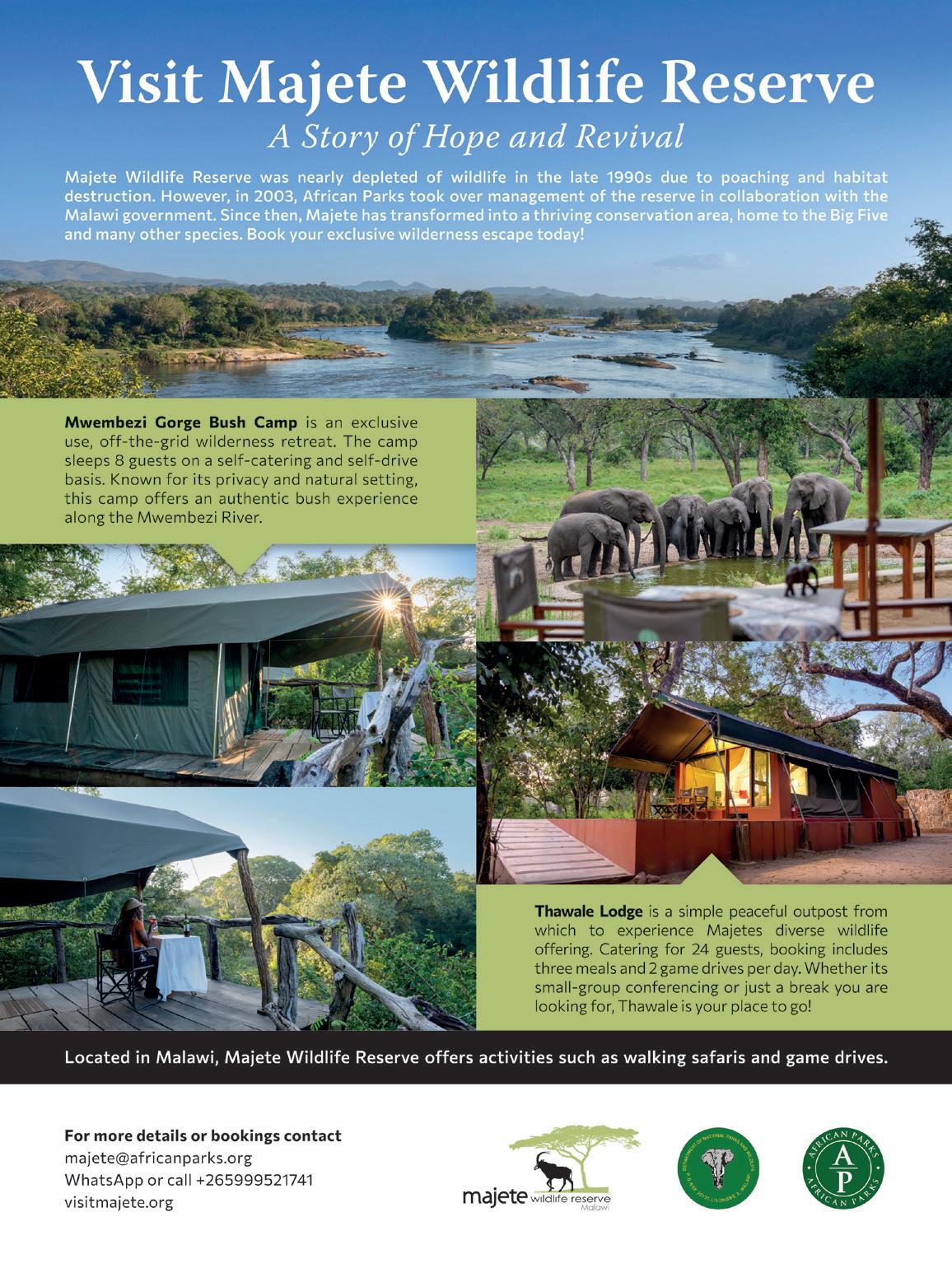
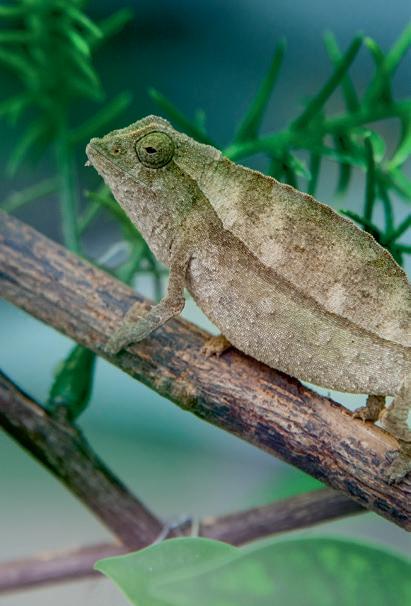
From tiny rainforest survivors to dazzling lake fish and elusive big cats, Malawi is home to wildlife that surprises at every turn. Here are some of the species that make it so special.
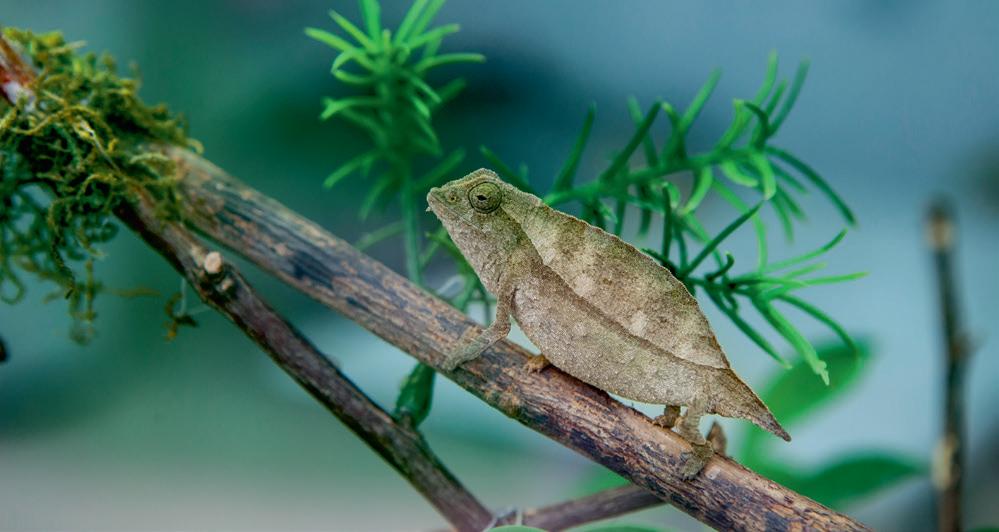
If you manage to spot this remarkable little creature, consider yourself incredibly lucky. Tiny enough to perch on a human thumb, Chapman’s pygmy chameleon is also one of Malawi’s rarest animals. For years it was feared extinct, until a small surviving population was discovered in the last fragments of rainforest in the Malawi Hills of southern Malawi. More remarkably still, these miniature chameleons communicate by sending soft buzzing vibrations through the twigs beneath their feet. Spotting them may be harder than hearing them, however, because they can change colour to blend into the grey and brown shades of the twigs around them. Best places to find them in Malawi: within the within the rainforest of Natundu Hills and Malawi Hills near the town of Nsanje.
Snorkellers and divers in Lake Malawi get to experience a magical, technicolour underwater world. Leading the iridescent show are the lake’s close-to 1,000 species of cichlids. These dazzling fish come in electric blues, yellows and oranges,
and hundreds of species live in the lake with many of them found nowhere else on Earth. Their behaviour can be just as distinct with the Livingston’s Cichlid known for its ‘play dead’ hunting tactic while others swim so they can feed from the underside of rock overhangs. Together they form one of the world’s richest explosions of freshwater life.
Best places to find them in Malawi: the best snorkelling is concentrated around the rocky shorelines and offshore islands of Lake Malawi National Park and Likoma Island.
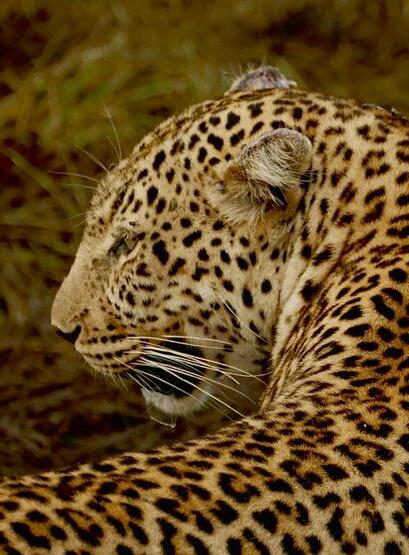
A leopard is the kind of animal that can make a whole landscape feel mysterious. Strong enough to haul prey heavier than itself high into a tree, this solitary big cat is as powerful as it is stealthy. Its rosette-patterned coat breaks up its outline so well that even a leopard in plain sight can be strangely hard to spot, and most do their hunting under cover of darkness. In Malawi, the thrill of seeing one is even greater because these cats can appear almost anywhere, from thick riverine woodland to the high, open plateau of Nyika.
Best places to find them in Malawi: Nyika National Park is the country’s standout leopard destination, while Majete Wildlife Reserve and Liwonde National Park also offer rewarding sightings.

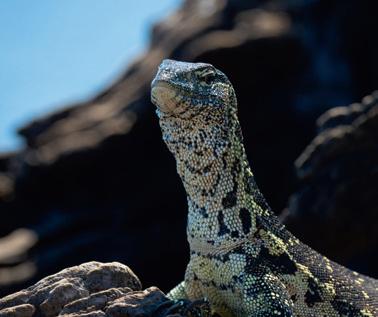

Reaching up to two metres in length, the water monitor is Africa’s largest lizard. Malawi has some massive specimens that stalk the shores sticking out their long tongues to detect food. A favourite meal is crocodile eggs. As for its own eggs, the lizard keeps them safe by laying them in termite nests, ensuring a delicious meal of the insects is waiting for the baby lizards upon hatching.
Best places to find them in Malawi: frequently spotted roaming the beaches and coves around Lake Malawi National Park or Mumbo and Nankoma Islands.
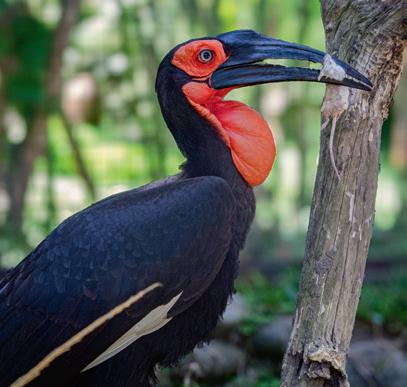
These prehistoric-looking birds look like they should be in Jurassic Park rather than a Malawian national park. You will find plenty of these huge creatures – adults are over a metre tall – striding, rather than flying, across the Malawian savannah. They live in groups of around ten, defending territories of up to 100 square kilometres using loud, booming calls to scare off other hornbills.
Best places to find them in Malawi: Liwonde National Park features riverine habitats and open savannah that are ideal for ground hornbills. Vwaza Marsh Wildlife Reserve also supports populations of this species.
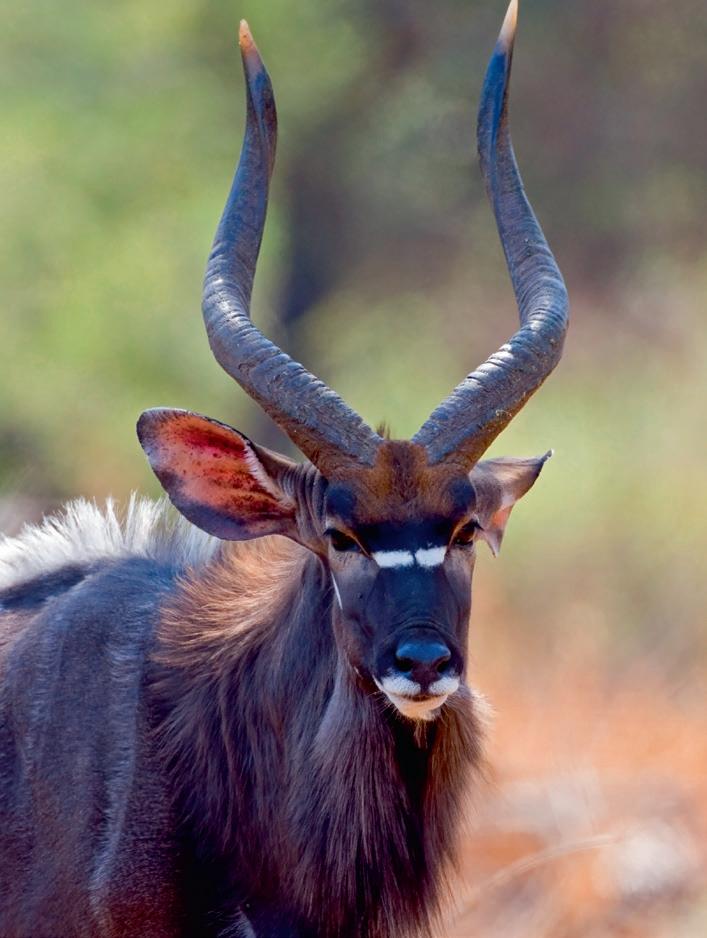
At first glance, the nyala looks almost too elegant to be real. Yet what makes it truly remarkable is how different the two sexes are: females are bright chestnut with crisp white stripes, while males grow larger, darker and shaggier with impressive spiralling horns. This extraordinary contrast is one of the strongest examples of male–female difference seen in any antelope. Shy and cautious, nyalas prefer thick woodland close to water, where they can melt into the shadows so completely that a whole animal can seem to disappear between one blink and the next.
Best places to find them in Malawi: southern Malawi’s riverine woodlands and thickets, especially in Liwonde National Park and Majete Wildlife Reserve.

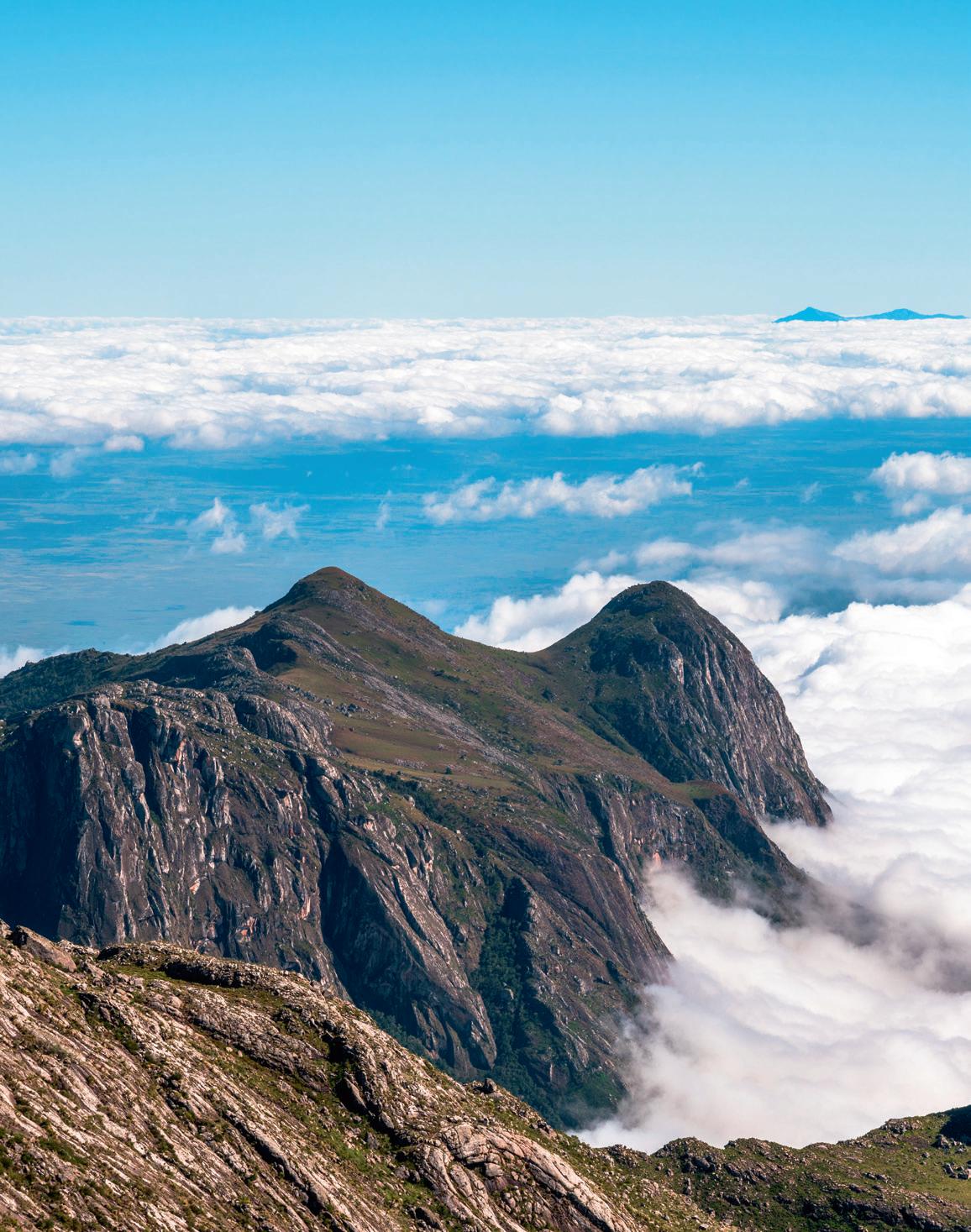
March to November is known as ‘hiking season’ in Malawi with clear views and excellent wildlife-spotting opportunities. David Majeweta, CEO of Trek Mulanje Tours, breaks down why this is the ideal season to explore Malawi’s highest mountain.
Why is March to November considered the prime hiking season on Mulanje, and how do the conditions change across those months?
March to November is widely regarded as Mount Mulanje's prime hiking season because it offers the most favourable combination of weather, trail conditions, scenery, and visibility. As the rainy season begins to ease in March, the mountain is at its greenest and most vibrant. From April through August, cooler temperatures and dry conditions create ideal trekking weather, while September to November brings warmer days, crystal-clear views, and excellent summit conditions. Throughout this period, hikers enjoy safer, more comfortable trails and a greater opportunity to appreciate the mountain's remarkable landscapes.
Q: What do hikers notice on the trails during this period compared with the rainy season?
One of the first things hikers notice is how much easier and more enjoyable walking becomes. Trails are generally drier, firmer, and less slippery than during the rainy season. Stream crossings are easier, visibility is better, and there is less chance of weather-related delays.
Q: How does the scenery evolve from March through the middle of the year?
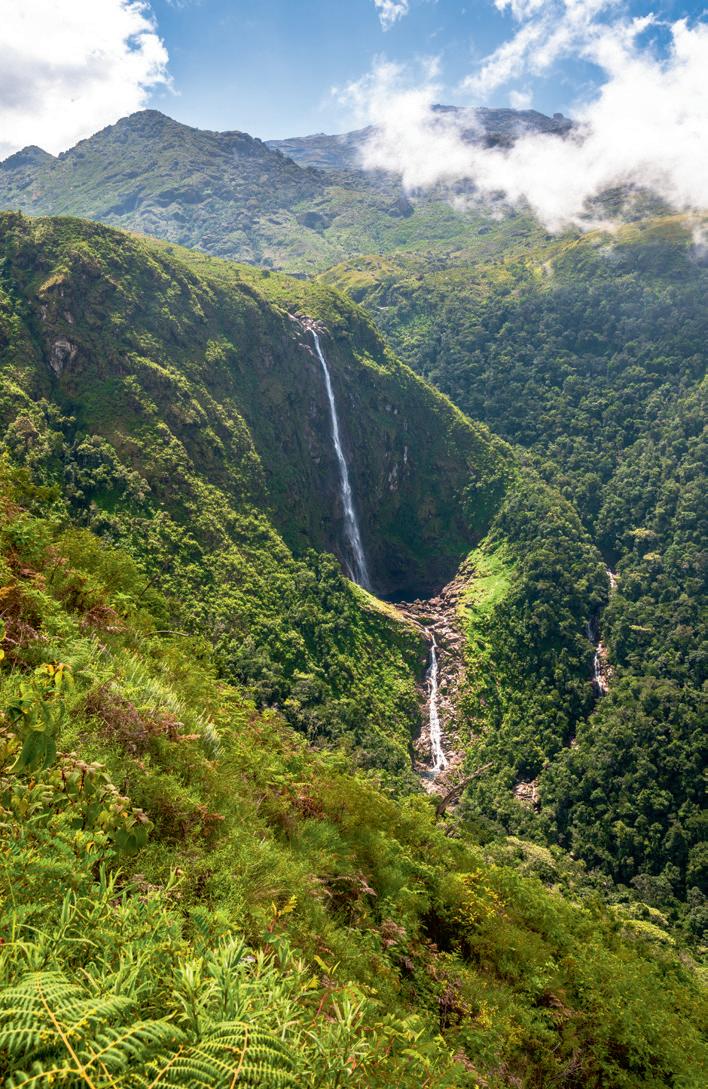
March and April showcase Mulanje at its most lush and colourful. Waterfalls are flowing strongly, forests are vibrant green, and wildflowers appear across parts of the mountain. As the months progress into the cool season, the vegetation becomes slightly less dense, revealing wider views across valleys, ridges, and granite plateaus. The mountain takes on a different beauty, with clear skies, dramatic rock formations, and excellent visibility that can extend for many kilometres.
Q: What kind of views can hikers expect during this season?
Hikers are rewarded with some of the finest mountain scenery in Africa. On clear days, vast panoramas stretch across southern Malawi and towards neighbouring Mozambique. Spectacular granite peaks rise above forests and grasslands, while waterfalls cascade through hidden valleys. Ancient forests, mountain streams, dramatic cliffs, and expansive plateaus create constantly changing scenery throughout every trek.

Q: Are there particular wildlife sightings, birds, plants, or seasonal details that make these months rewarding?
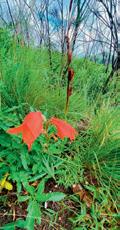
The hiking season offers excellent opportunities to observe Mulanje's unique biodiversity. Bird enthusiasts may encounter a variety of forest and mountain species, especially during the cooler months when visibility is high and birds are active. Indigenous forests reveal rare plant life, colourful flowers, and fascinating ecosystems found nowhere else. The changing seasons also bring
subtle variations in vegetation, making each visit slightly different from the last.
Q: How do temperatures and weather conditions affect the hiking experience?
The cooler temperatures between May and August make strenuous climbs significantly more comfortable, particularly on steep ascents. Lower temperatures reduce fatigue and allow hikers to maintain a steady pace throughout the day. Even during the warmer months of September to November, the mountain's elevation provides refreshing conditions compared to the surrounding lowlands. The generally stable weather during this period also increases the likelihood of successful summit attempts and multi-day treks.
Q: What can travellers discover on a single-day adventure?
Even a single day on Mount Mulanje offers a memorable experience. Visitors can explore forest trails, enjoy mountain
streams and waterfalls, encounter impressive viewpoints, and experience the unique atmosphere that has attracted hikers for generations. A day hike provides an excellent introduction to Mulanje's character.
Q: What extra experiences open up during multi-day treks?
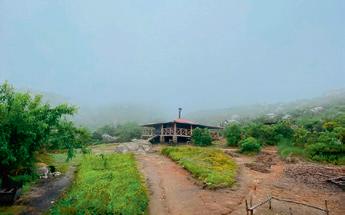
For those venturing deeper into the mountain, multi-day treks reveal an entirely different dimension of Mulanje. Remote plateaus, hidden valleys, dramatic peaks, and overnight stays in mountain huts create a genuine wilderness experience. Sunrise and sunset from the highlands are particularly unforgettable, while spending several days on the mountain allows hikers to appreciate its immense scale, diversity, and spiritual atmosphere. Many visitors describe these longer treks as life-changing experiences.
Q: If you had to sum up why March to November is Mulanje's hiking season in one vivid memory from
“Many visitors describe these longer treks as life-changing experiences ”
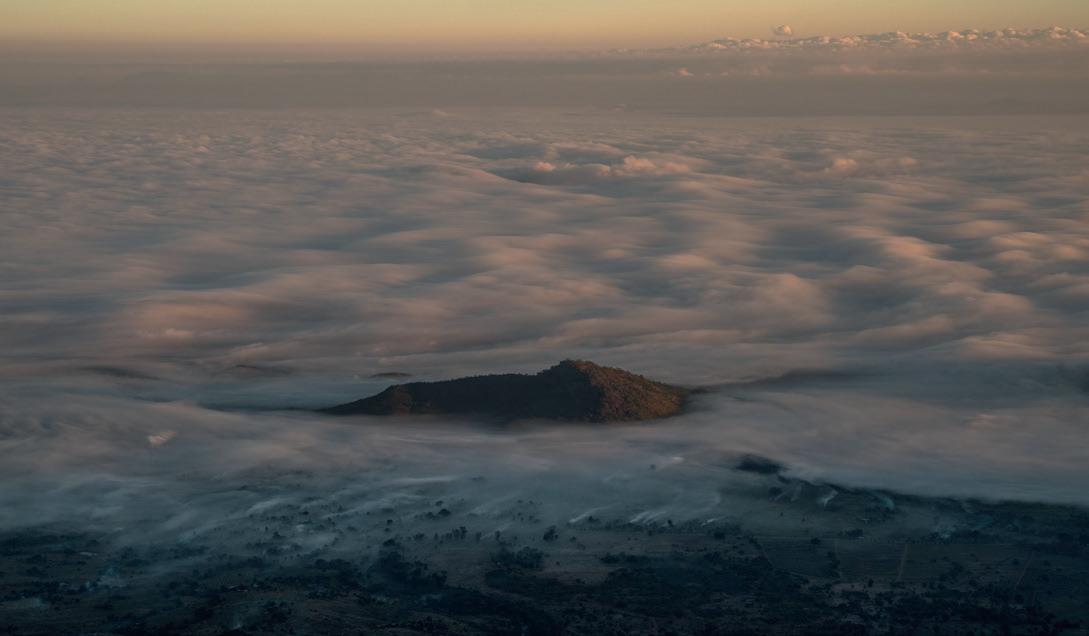
When clouds encircle its peaks Mount Mulanje is magical
your guiding experience, what would it be?
One image stands out above all others: standing on a granite summit shortly after sunrise, watching the first golden light spread across the vast mountain plateau while clouds drift far below in the valleys. The air is cool and perfectly clear, waterfalls glisten in the distance, and the landscapes of Malawi stretch endlessly towards the horizon. In that moment, hikers understand why Mount Mulanje is known as the ‘Island in the Sky’ and why March to November remains its most rewarding season for exploration.
Whether it’s a one-day hike or a multi-day trek, start planning with Trek Mulanje Tours.
Email: trekmulanje@gmail.com
WhatsApp: +265 888 584 011
Website: www.trekmulanje.com


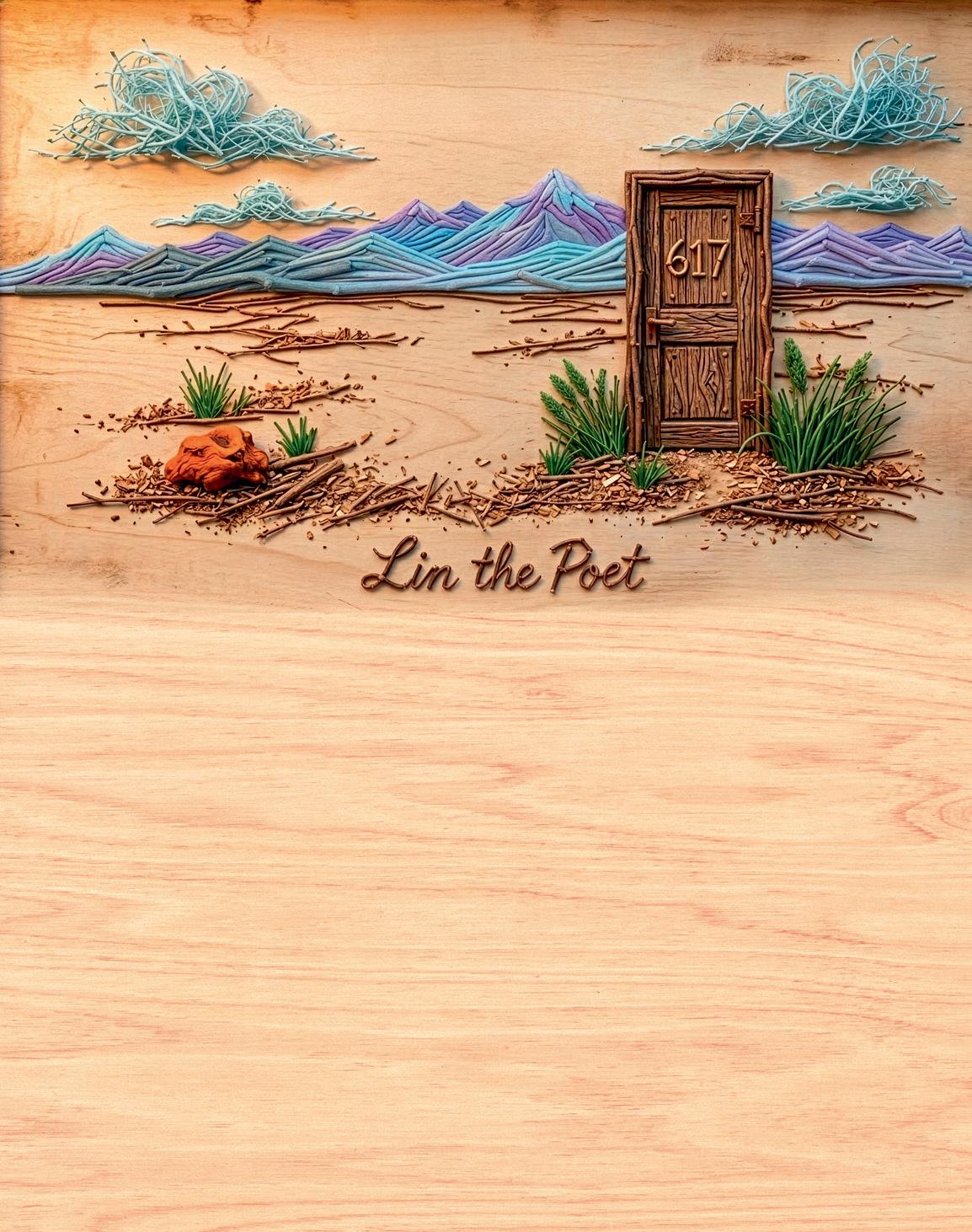
Zomba-based writer Sibusisiwe Shaba has long used writing as a source of encouragement and reflection. Under the name Lin the Poet she shares empowering poems that speak to the inner struggles and turning points people experience in life. The Language of Hinges is one of nearly 30 poems she has published online, alongside her own original illustrations. Reflecting on the poem, Lin says: “Not every ‘no’ is an ending. Some are movement you cannot hear yet. Listen closely. The door is doing something.”
I once met an entrepreneur who carried a number in his pocket: 617
Six hundred seventeen doors closing with the same dull sound no. no. no.
He said the trick was not to listen for silence afterward, but for the hinge.
Because a hinge means the door moved.
617 lives in me now
in the space between ribs where hope goes to heal or harden.
Some nights I press there and feel it pulse, a second heartbeat made of no.
Yesterday a small email arrived, polite as rain on tin.
Thank you for your submission. Not this time.
The words fell softly but I heard the echo that familiar thud against the ribs.
For a moment the room held its breath.
Then something in me shifted, slow and deliberate like something rusted learning to give
This season is not for folding. This season is for pressure.
Pressure on the page, pressure on the doubt, pressure on the quiet voice that whispers maybe stop.
Let the doors close. Let them sound their hollow music.
I am not learning to stop counting.
I am learning to count differently.
I am learning the language of hinges like metal remembering to move.
To read more work by Lin the Poet head to
www.motivationalvibes withlin.substack.com

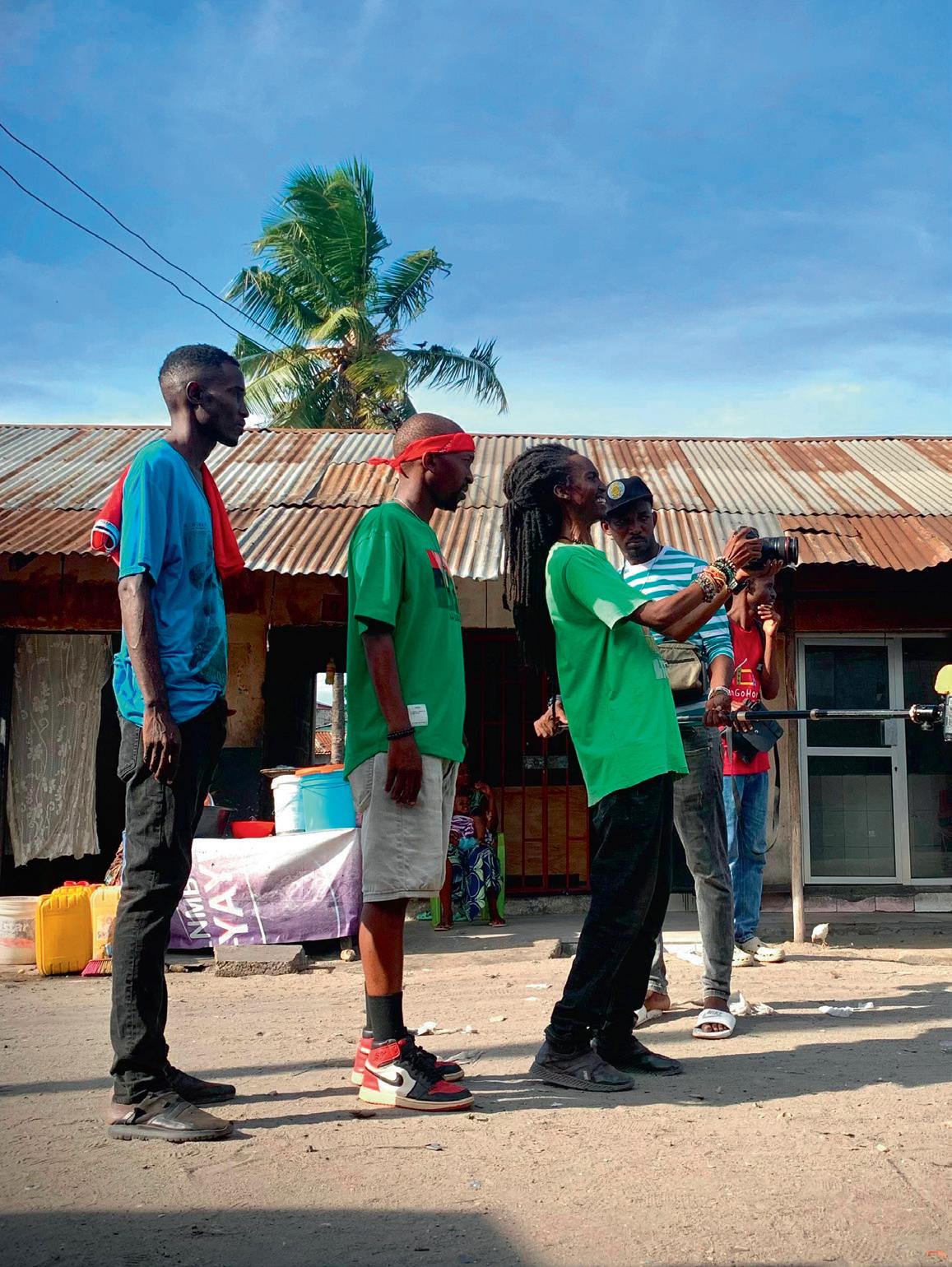

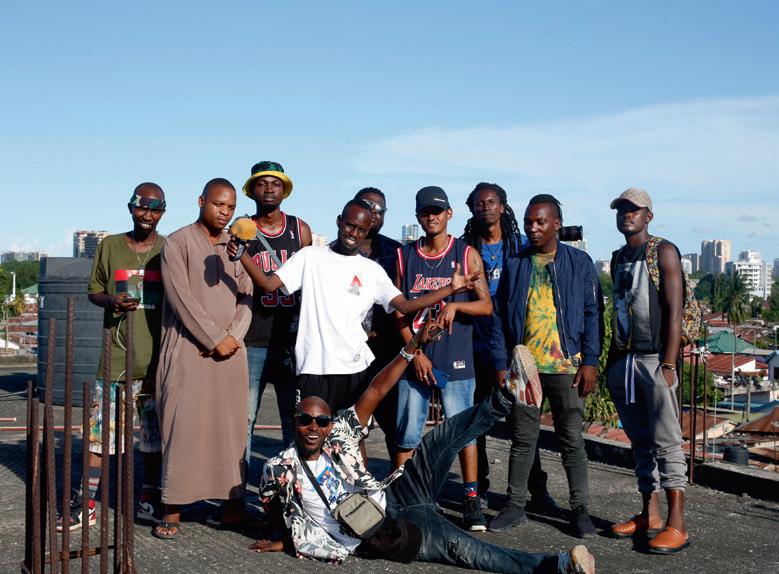
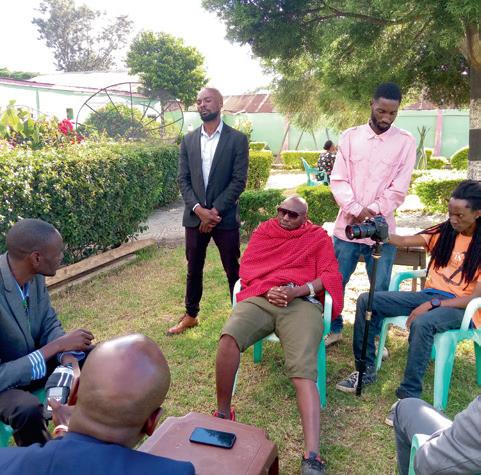
Step off a Malawi Airlines flight into Dar es Salaam and you enter the beating heart of Tanzania’s guerrilla filmmaking scene. With its free for all online releases and deceptively sharp low budget productions, Bongohoodz Pichaz is fuelling a creative surge in the industry.
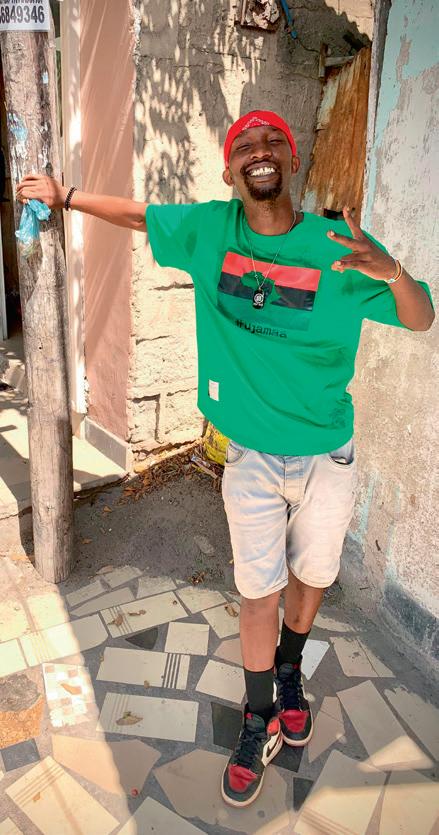
ar es Salaam’s ‘Bongo Movie’ guerilla filmmaking industry has dominated the Tanzanian film scene through the 21st century. With its “no budget” feature films that capture in compelling style the day-today dramas in Dar’s inner city, independent production house Bongohoodz Pichaz is part of that heritage, yet pushes it into radical new territory.
“What we’re doing is revolutionary,” says BongoHoodz producer and actor Noriega ‘Scooby’ Francis. “There is Bongo Movies and then there is Bongohoodz.”
Key to the distinction is the production house’s pioneering move to separate itself from the DVD-based distribution that has long defined the
Bongo industry and make its films – in Swahili with English subtitles – free to stream worldwide on its YouTube channel. Scooby says the decision was fuelled by a desire to retain full creative control over their work with Government film boards, restrictive regulations, and unreliable or exploitative distributors often standing between the team and its intended audience. “We wanted to put our films out in our way, and build our own fan base,” says Scooby. Launched in 2017, Bongohoodz Pichaz now has a catalogue of over 20 feature films available to view online. The collective’s first release, 2018’s wild crime caper Bongo na Flava, has been watched more than 180,000 times – a significant success for an independent film.

Follow-up films have been similarly fast-paced slices of Tanzanian street culture, crime and ambition. These include last year’s Kichaa Kichizi (Crazy Crazy), which follows a victim of a brutal assault on a path of revenge; Siku za Alosto (Days of Addiction), a story about a former drug addict trying to rebuild his life; and Mikasa Mikosi na Makosa (Mistakes and Mistakes), in which two friends attempt to piece together the events of a drunken night out. Each is pushing six-figure views.
The impressive engagement metrics of these online films highlights another way Bongohoodz distinguishes itself from the guerrilla filmmaking scene: the quality of its output. While the wider Bongo movie business model often prioritises rapid production for quick returns – frequently at the expense of cinematography, dialogue, and editing – Bongohoodz takes a different approach. The collective releases just three or four feature-length films a year, each carefully crafted. “A lot of work and dedication is put into our productions,” says Scooby.

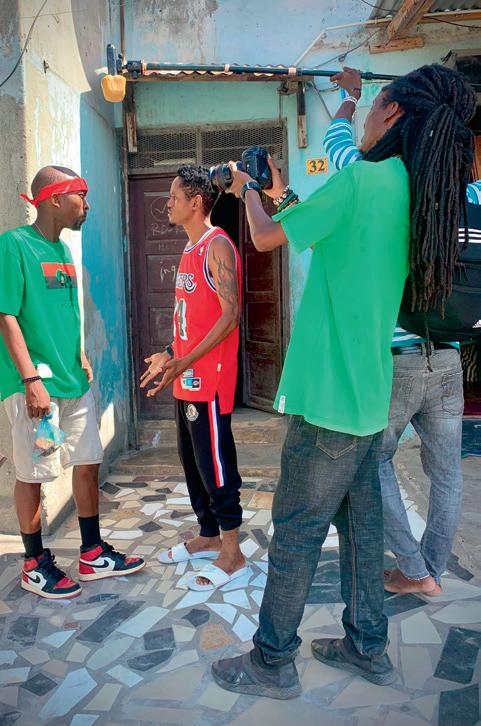
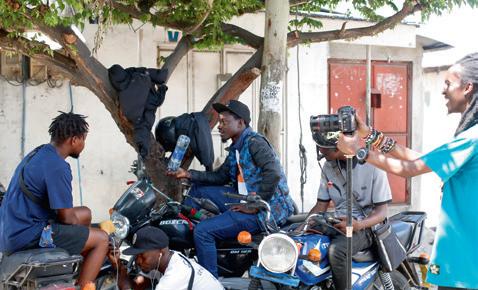
Integral to this emphasis on quality is Bongohoodz Pichaz founder Novatus ‘RrahC’ Mugurusi, the collective’s principal director and scriptwriter. Working with a stripped-back crew – often just himself filming with a tiny DJI pocket 3 hand-held camera and a sound operator balancing a pole topped by a taped-on microphone – RrahC captures footage with a high-definition clarity that belies the production’s extreme minimalism and lends the films a polished, big-budget feel online.
RrahC is also known for his immersive and inventive camera work that elevates the energy of these gritty urban dramas. Just how far the director is willing to go to get the perfect shot is evidenced on the Bongohoodz Pichaz Instagram page, which includes some behind-the-scenes footage from Deni La Damu (Blood Debt),

a 2026 release about a local thief who tries to clear his name after being framed for murder. RrahC can be seen hanging off a speeding bajaji, camera trained on an argument erupting between driver and passenger. On another occasion, he rides as a passenger on a moving motorbike, facing backwards to stay ahead of – and film – a dramatic chase scene.
Scooby says innovations such as these are a team effort, recalling how for one film a wooden crane was built from scratch and attached to the roof of a car to hold a camera and put viewers directly in the driver’s seat for another intensive chase sequence.
RrahC's film ideas are grounded in Dar street reality but elevated with high-stakes tension and
“A lot of work and dedication is put into our productions”

unexpected dramatic pivots. "My inspirations come from my community; I read and observe the daily challenges which the people face and try to address it in a dramatic way."
Scooby adds: "When RrahC has finished a script, he’ll put it on the Bongohoodz WhatsApp group chat, and we’ll all throw in ideas. Someone might know a location or a house that would work for a certain scene.”
The films are shot in dusty, busy Dar es Salaam central neighbourhoods such as Kinondoni, Manzese, and Buguruni. These areas form the heart of ‘Bongo Hood’, a nickname for the city’s inner districts that inspired the production house’s name. Here daily life is driven by constant hustle and inventive –‘Bongo’ means brainy or clever in Swahili – means of survival. “This is the real Dar es Salaam,” says
Scooby. “Our films represent where we’re from.”
Collaboration at Bongohoodz
Pichaz draws on a broad in-house creative skill set. The production house’s community includes musicians who compose original soundtracks, fashion designers responsible for wardrobe, make-up artists, and even chefs who handle on-set catering. For Scooby, this collective ethos is central to the films.
“We live as family,” he says. “The bond between us is very strong. Everyone here, whether in front of or behind the camera, is trying to do their best for the film.”
Beyond its core collective, Bongohoodz Pichaz has drawn support from a wider circle of high-profile names in Tanzanian
entertainment, keen to associate themselves with an independent company expanding the possibilities of Tanzanian cinema.
Since day one, the country’s hip-hop community has shown strong support, with the raw, authentic portrayal of urban life in these dramas striking a chord with local rappers. Arusha hip-hop legend JCB and Bongo Flava artist Soggy Doggy have even made appearances in front of the camera.
The pull of Bongohoodz has reached some of Tanzania’s most recognised screen talent. Angel Mazanda, star of the TV drama Noma and Female Actress of the Year in 2025, and Isarito Mwakalindile – producer and actor of the multi-award-winning feature My Son – have both appeared in Bongohoodz productions.
Bongohoodz adopts a repertory



approach, drawing repeatedly from a large, consistent pool of local actors. The talent spans teenagers to established performers, many of whom have appeared across several of the production house’s films. The charismatic Scooby is one of the most familiar on-screen faces, with lead roles including Bongohoodz’s latest release, Deni La Damu. His passion for performance began in school plays and later took him to drama school. Yet he says the characters he plays feel so close to his everyday life in Dar es Salaam that he barely feels like he’s acting at all. “My life is a drama,” he says.
Scooby is also a conduit for the network of connections necessary to complete each film. He’s described on the Bongohoodz Pichaz website as “the guy who knows the guy” and he tells me that his influential circle of friends is as important to him personally as it is professionally. “There is nothing better than having friends, and I have a lot of friends,” he says. “Things always go smoother when you know people.”
The Bongohoodz inner circle includes several of Tanzania’s most prominent entertainment figures, among them celebrated actor and comedian Idris Sultan. “He’s always been there for us,” Scooby says. The wider network also takes in influential industry figures such as radio presenter Adam Mchomvu, Tanzanian musician and politician Hamis Mwinjuma, and Kenyan rapper Kaa La Moto. Far from decorative associations, these relationships play a practical role in Bongohoodz’s survival – helping to forge new connections, unlock opportunities, and, at crucial moments, support productions financially.
That web of relationships underpins what Scooby describes as Bongohoodz’s “no-budget” model of filmmaking. In reality,
this does not mean films are made without money, but that there is no banked budget to cover an entire production from start to finish. Instead, films are assembled in stages, dictated by the availability of funds, people, and logistics. “Our movies can take from three to five months,” Scooby explains. “Things happen – cast members get sick, someone is travelling.” When the right conditions align –actors are available, fees can be paid, or a vehicle essential to a scene can be secured –the shoot moves forward.
Sharing their films for free on YouTube generates no direct income for Bongohoodz, but it has built a growing local and international following that continues to raise the production house’s profile. The collective’s channel now has around 40,000 subscribers, and each new release is keenly anticipated online. That enthusiasm carries offline too: in Dar es Salaam, pop-up premiere screenings draw packed crowds and have become hot tickets. For Scooby, the films’ popularity reflects the care and commitment invested in them. He sees the online catalogue as proof of what Bongohoodz Pichaz can achieve with “no budget” – and as a calling card for potential investors who could help take the collective to its next stage. “We see the films on the site as trailers for even better things to come,” he says. “When we have the means to do it, then our fans will see the full-blown movies.”
By combining guerrilla methods with professional ambition, Bongohoodz Pichaz has redefined what no-budget cinema can look like in Tanzania. The films stand as both a creative statement and an invitation – evidence of how far the collective has come, and how much further it aims to go with the support to match its vision.
To stream the entire Bongohoodz Pichaz catalogue of films, go to www.youtube.com/ channel/UCBSXy78j966HTLS3cYpwYBw
For details on the creatives that make up the Bongohoodz Pichaz collective in front of and behind the camera, go to https://nagznova. wixsite.com/bongohoodz/about-us
For news of latest releases and behind-thescenes reels check out @bongohoodzpichaz1 on Instagram

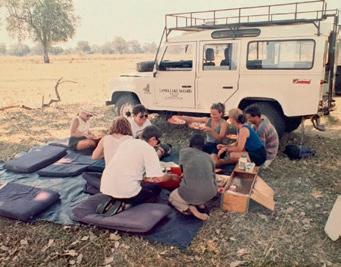
For four decades, Land & Lake Safaris has helped shape adventure travel in Malawi. What began as a leap into the unknown for a young couple has become one of southern Africa’s most respected family-run safari companies, built on resilience, conservation and a deep love of Malawi.
The story began in the early 1980s, when Angela, a young British nurse, met safari guide Mark Sprong during a tour through South Africa’s Cape provinces.
Soon after, a colleague returned from Malawi convinced of its untapped tourism potential. At the time, the country was little known to international travellers, with limited infrastructure and communications, but clear promise.
In 1986, Land & Lake Safaris was registered as one of Malawi’s first tour operators. Mark persuaded Angela to move there for what was meant to be a two-year experiment. It became a lifetime.
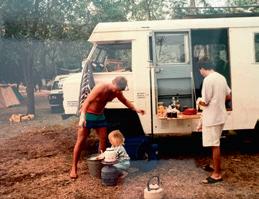
Mark drove north from South Africa through RENAMO-era Mozambique with the family’s furniture packed into a truck. Angela followed with their young daughter, Chelsey, and the family settled in Lilongwe, where the company is still based.
Running a safari company in 1980s Malawi demanded determination
and ingenuity. Roads were poor, communications relied on borrowed telex machines, and journeys to places such as Nyika Plateau could take four days. Trips into Zambia were led by Angela, often with baby Chelsey beside her, because South African passport holders like Mark could not enter. Breakdowns were common, but those hardships forged the adventurous spirit that still defines the business.
At first, safaris were fully guided. Mark converted an old forward-control vehicle into a safari truck and led small overland groups through Malawi, Zambia and beyond. Industry ties in South Africa and the UK slowly built the company’s reputation among travellers seeking authentic experiences away from the crowds.
Angela helped anchor the family in Malawi while building the business. She also founded Rainbow Playschool in Lilongwe with a handful of children, including her own, and in the early years Mark even ran reservations from the school.
As the school and safari company

grew, so did the family. A second daughter, Amelia, arrived, and the Sprongs became deeply rooted in Malawian life.
As Malawi’s tourism industry matured, Land & Lake grew with it. The company expanded from a small land-based safari operation into a full-service destination management company offering tailor-made itineraries, accommodation, guided safaris and regional logistics across Malawi, Zambia and Zimbabwe, while remaining family-owned and Malawi-based.
The second generation grew up immersed in safari life and hospitality. Today, Amelia leads the company with the same adventurous spirit that inspired her parents.
Unlike larger operators, Land & Lake has always prioritised local knowledge, strong relationships and authentic experiences, showcasing not only Malawi’s landscapes and wildlife but also its culture and warmth.
The business also adapted to
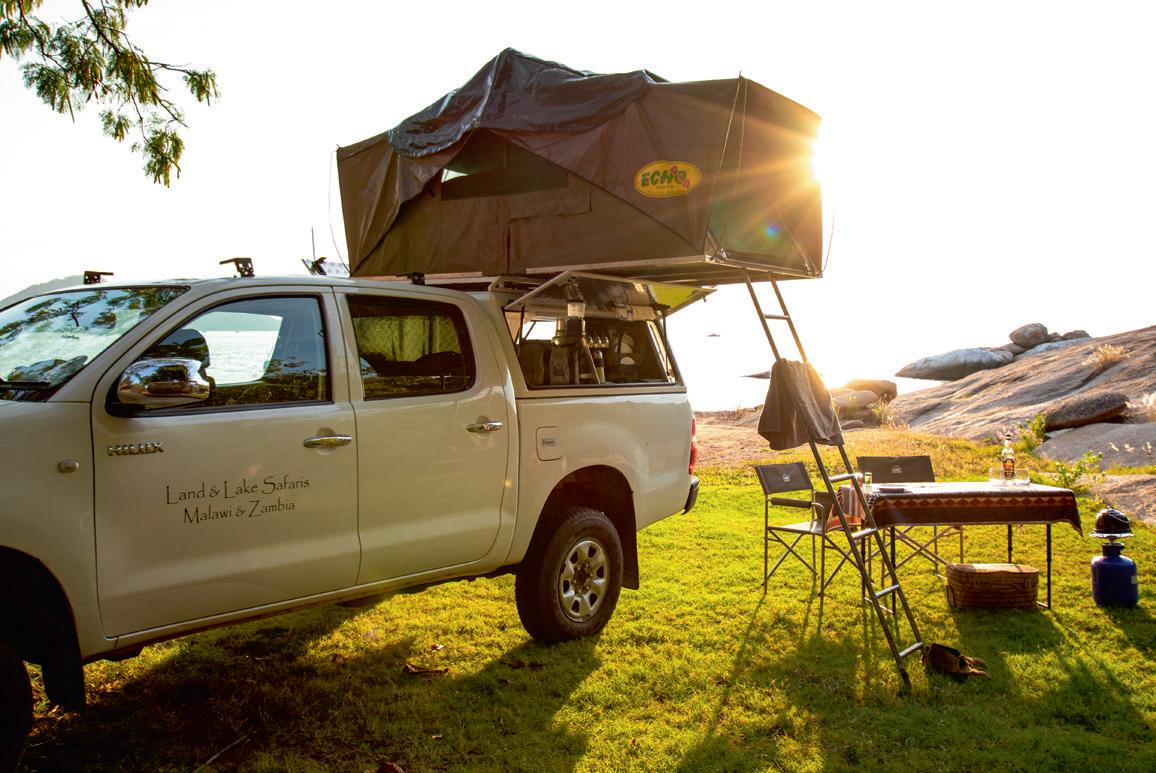
changing travel habits, pioneering supported self-drive safaris in Malawi. These trips gave independent travellers freedom while retaining expert local backing, and they remain one of the company’s signature products.
Land & Lake has long treated tourism as a force for conservation and community benefit backing projects that protected wildlife and supported local people. Its support has ranged from schools and environmental programmes to wildlife protection. The company also played a key role in establishing Lilongwe Wildlife Centre, now one of Malawi’s leading conservation and wildlife rescue organisations.
That ethos extends to its hospitality ventures. Dzalanyama Forest Lodge gives visitors access to one of Malawi’s top birding areas while highlighting the value of miombo
forest ecosystems, and the Land & Lake Café in Lilongwe has become a welcoming hub for travellers and residents.
Perhaps Land & Lake’s greatest achievement has been introducing Malawi to generations of travellers. For years it has championed the country as a destination of intimate safaris, uncrowded parks, dramatic scenery and exceptional warmth. Long before Malawi appeared on mainstream travel lists, the company was guiding visitors to Lake Malawi, Majete, Liwonde and Nyika National Park. In doing so, it helped define a Malawian safari style that blends wildlife, lakeshore relaxation, cultural encounters and genuine human connection.
Forty years on, Land & Lake Safaris is one of Malawi’s leading travel companies, offering

tailor-made safaris, birding trips, cultural tours, women-focused journeys, family holidays and regional itineraries.
Despite its growth, the company still reflects the values it began with – adventure, authenticity, flexibility and personal connection, underpinned by decades of local knowledge.
As Land & Lake enters its fifth decade, it looks ahead with optimism. Better infrastructure, conservation gains and growing interest in sustainable travel are helping position Malawi as one of Africa’s most appealing emerging destinations.
For the company, the task now is to keep sharing Malawi while staying true to its roots. Forty years after Mark and Angela arrived with a young family and a sense of adventure, Land & Lake Safaris still embodies the pioneering spirit that built it.
Wild, vast and full of comeback stories, Nkhotakota packs epic landscapes, rare wildlife and remarkable conservation wins into one reserve. Here are eight standout stats.
1935
The year Nkhotakota was first proclaimed a forest reserve, before gaining game reserve status in 1954.
1,800 sq km
The size of Malawi’s largest and oldest wildlife reserve, a huge sweep of miombo woodland, rivers and rugged hills.
500
elephants
The first wave of wildlife restoration brought more than 500 elephants, followed by 2,000 other animals in 2017 and 800 more in 2022.
300 km
Of electric fencing erected ahead of reintroductions to protect wildlife and reduce conflict with neighbouring communities.

1,240 insect species
Logged in a 2024 study, revealing a tiny world of butterflies, dragonflies and giant flower beetles beyond the big game.
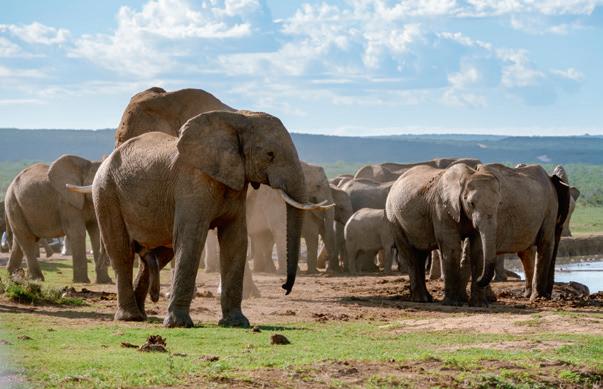
8 km
Of self-drive road network, giving visitors an easy way to explore parts of the reserve at their own pace.
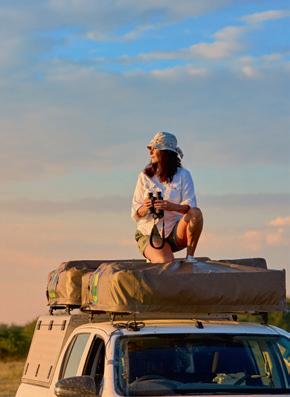
1,638 m
The height of Chipata Mountain, the highest peak in the reserve
12,500
CHILDREN
Reached each year through environmental education outreach programmes linked to the reserve’s conservation work.
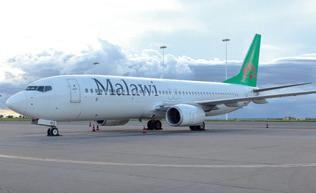
BOEING 737-800
Seating capacity:
138 (economy) 16 (business)
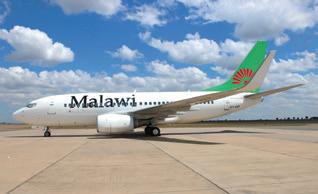
BOEING 737-700
Seating capacity 118
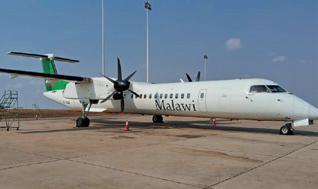
DE HAVILLAND CANADA DHC-8
Seating capacity: 60 (economy) 7 (business)
For the latest flights, information and to book download our app or visit www.malawian-airlines.com
Reservations: +265 992 991 097 reservations@malawian-airlines.com
All check-in counters are opened two hours before departure. Passengers need to ensure that they come with confirmed bookings, and travel documents in order for their respective destination and transit points, which they will need to present at the counters. Passengers must also ensure that their luggage is within the allowed weight/piece for their particular flight. Any weight/piece above the allowance will incur extra charge.
Separate counters are available for Cloud Nine (business class)passengers with membership cards. Once Cloud Nine passengers have completed their check-in process they will be given an invitation card to use the Cloud Nine Lounge located at the Departure Area.
Check-in at the counter
For personal service, our friendly staffs at our check-in counters at airports we fly to around the world are happy to help you. They make sure that your baggage is checked through to your final destination and give you your boarding pass.
Baggage check-in
Checked Baggage: Passengers are permitted a free checked baggage allowance the limit of which may differ by class and point of origin-destination. Excess baggage may be carried on payment of applicable charges.
Cabin/hand baggage: On all Malawian routes you are allowed to carry only one piece of hand baggage with a maximum weight of 7kgs and measuring not more than 20x40x55cms or 8x16x22inches into the cabin.
Check-in/reporting time
The time shown on flight coupons is the departure time of the aircraft. In order to perform check-in operations in due time, the passenger is requested to report at the airport check-in counter two hours prior to flights departure.
7 KG
One (1) piece with a maximum weight of 7kgs is free of charge
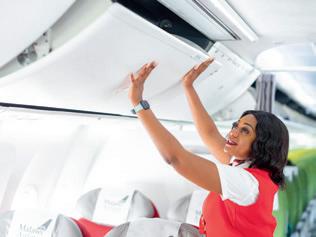
All carry-on baggage should be suitable for placement in the overhead rack or under the passenger’s seat. The total of all dimensions added together (L+W+H) shall not exceed 115 cm and/or 45 inches.
In addition to carry-on baggage passengers may also carry items of personal effects for use in-flight, free of charge, these include:
• A handbag (laptop bag), pocketbook or purse
• A small camera and/or a pair of binoculars
• A reasonable amount of reading material for the flight
• Infant’s food for consumption in flight
• Infant’s carrying basket
• A fully collapsible cabin wheelchair and/ or a pair of crutches, and /or braces or other prosthetic devices provided that passengers are dependent on them
• One laptop without accessories and attachments.


OPERATED BY B737-700 (ET-BCF) ET53
1325-1540
0810-0850
0810-0850 BLZ-JNB 0920-1135
1220-1435
0920-1135
1220-1435
0920-1135
1220-1435 BLZ-LLW 1505-1545 BLZ-LLW 1505-1545 BLZ-LLW 1505-1545 ET50 LLW-NBO 1645-2000 ET50
1645-2000
1645-2000

Book and manage your flights download our app for instant access to the latest flight information.
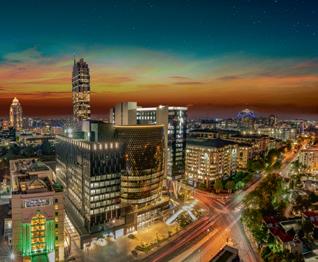
Johannesburg, South Africa’s vibrant economic hub, seamlessly blends rich cultural heritage with modern attractions. From iconic historical landmarks to dynamic business districts, it’s a must-visit destination for both leisure and corporate travellers.
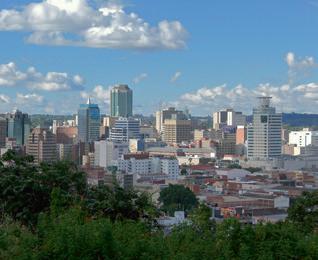
Zimbabwe’s capital is known for its lush green spaces and rich cultural heritage. With its welcoming atmosphere and nearby natural attractions, Harare provides a distinctive urban experience.
Lilongwe stands out for its dual nature, with the modern city centre complementing the more traditional Old Town. It offers serene landscapes, such as the Lilongwe Wildlife Centre, while serving as a convenient base for exploring Malawi’s rich cultural heritage and natural attractions.
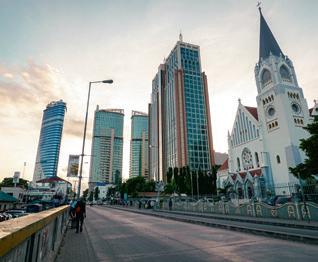
Tanzania’s largest city is a lively coastal destination that combines modernity with Swahili culture. Renowned for its vibrant markets, arts scene, and proximity to pristine beaches and islands, it’s a gateway to Zanzibar and safari adventures.
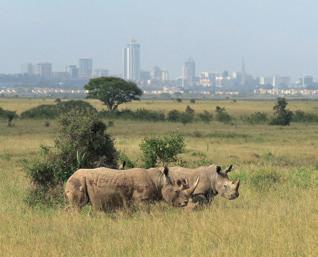
Nairobi boasts a lively nightlife, excellent dining, and accommodation for all budgets. It is unique among capital cities in having a national park within its city limits offering exciting game viewing.

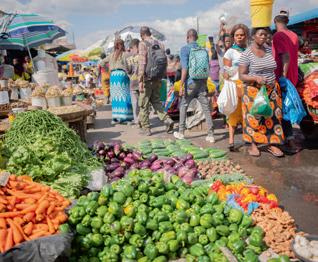
Lusaka is a vibrant city with a unique African culture and friendly people. Its diverse culinary scene showcases a range of local and international flavours. Whether you’re exploring markets or dining out, Lusaka offers an authentic and dynamic experience.
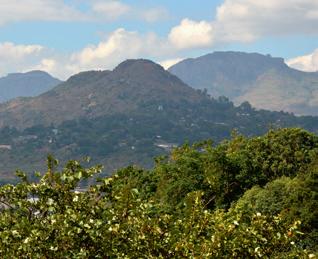
Malawi’s commercial centre is known for its thriving business scene. The city offers a unique blend of colonial architecture and modern development, along with a rich cultural heritage.
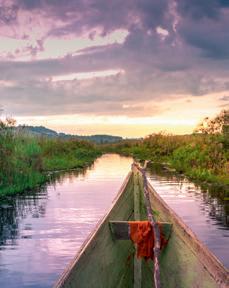
Home to Uganda's international airport, this lush, lakeside city is many travellers' introduction to the country. It is a charming base for visiting nearby attractions such as the Botanical Gardens, the Ngamba Island Chimpanzee Sanctuary, and rare bird habitat the Mabamba swamp.
For the latest flights, information and to book download our app or visit www.malawian-airlines.com
Reservations: +265 992 991 097 reservations@malawian-airlines.com
LILONGWE SALES AND TICKETING OFFICE
Golden Peacock Shopping Centre
T: +265 992 991 097
E: LLWCTO@malawian-airlines.com
Kamuzu International Airport (KIA)
T: +265 992 991 123
E: LLWAPT@malawian-airlines.com
Baggage inquiries
T: +265 996 46 66 10
E: llbaggage@lihaco.net
BLANTYRE SALES AND TICKETING OFFICE
Chibisa House next to Pep Stores
T: +265 992 991 125
E: BLZCTO@malawian-airlines.com
CHILEKA AIRPORT (BLANTYRE)
T: +265 992 991 124
E: BLZAPT@malawian-airlines.com
Baggage inquiries
T:+265 992 178 627
E: blzbaggage@lihaco.net
ENTEBBE
GSA SOUTH AFRICA (JOHANNESBURG)
AVIAREPS/Malawi Airlines Ticketing Counter, Opposite Counter A49-50 International Departures, Terminal A OR International Airport
Johannesburg, South Africa
T: +27 11 783 1181
Fax: +27 11 783 8135
Cell / WhatsApp: +27 (0)79 514 7694

Reservations
E: JNBRES.Malawian@aviareps.com
Sales
E: JNBSALES.Malawian@aviareps.com
AVIAREPS
T: +27 11 783 1181
Cell / WhatsApp: +27 (0)79 514 7694
E: JNBRES.Malawian@aviareps.com
Baggage inquiries
Colossal baggage office (Next to the police station)
T: +27 11 921 6074
T: +27 82 337 1565
E: LostPropertyJNB@colossalaviapartner.co.za
Fast Track Ltd., Peugeot House, Ground floor, Bibi Titi Mohamed Street, PO Box 38331, Dar es Salaam
T: +255 222 136 663
Cell: +255 688 737 500
E: info@fasttracktanzania.com
After Office Hours
T: +255 714 737200
T: +255 755 218 243
Baggage inquiries
T: +255 754 000 051
T: +255 754 000 052
T: +255 763 881 375
E: Dar.tracing@swissport.co.tz
Fast Track Ltd., Upper Ground Floor, Park Royal Mall, Buganda Road, Kampala
Sales
T: +256 716 680 400
T: +256 704 724 279
T: +256 711 888 226
Station in charge / Administration
T: +256 782 485 368
T: +256 718 680 400
Airport sales and service
T: +256779419088
E: reservations@malawiairlines.co.ug
E: sales@malawiairlines.co.ug
Kenneth Kaunda International Airport Office
Contact: Fred Mazyopa
T: +260 955 236 402
E: fredm@malawian-airlines.com
Contact: Rimai Fundisai/Augustine Matingo
No.5 Lezard Avenue, Milton Park, Harare, Zimbabwe
T: +263 4575191
T: +263 716 800 209
E: AugustineM@ethiopianairlines.com
E: RimaiF@ethiopianairlines.com
Muindi Mbingu Street, PO Box 42901-00100, Nairobi, Kenya
Reservations and Ticketing Office
T: +254 723 786 649
T: +254 701 223 493
T: +254 701 223 970
E: nbocto@ethiopianairlines.com
E: nbores@ethiopianairlines.com
Sales
Angela Oduor
T: +254 113 040 927
E: nbosls@ethiopianairlines.com
Claire Gichuki
T: +254 113 040 928
E: nbosr@ethiopianairlines.com
Airport office
T: +254 722 518 532
Global contact Centre
T: 020 3892349