At Auric Air, our journey has always been defined by an unwavering commitment to excellence – both in where we fly and how we serve. As we continue to expand across Tanzania and the wider East African region, this commitment remains at the heart of everything we do. Today, we are proud to be building on a legacy of highquality service, combining our rich heritage with a bold vision for the future.
This year marks a particularly significant milestone for Auric Air. Being named Best Airline of the Year at the Africa Company of the Year Awards (ACOYA) 2026 is a testament to the dedication of our entire team and the trust placed in us by our passengers. At the same time, we are honoured to once again be in the running for Tanzania’s Leading Domestic Safari Carrier at the World Travel Awards (WTA) – an accolade we have proudly brought home nine times. These recognitions reflect not only our operational excellence, but also our deep-rooted commitment to delivering a seamless, safe, and memorable travel experience.
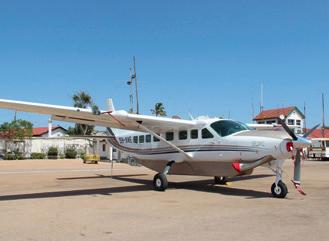
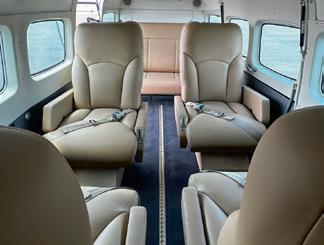
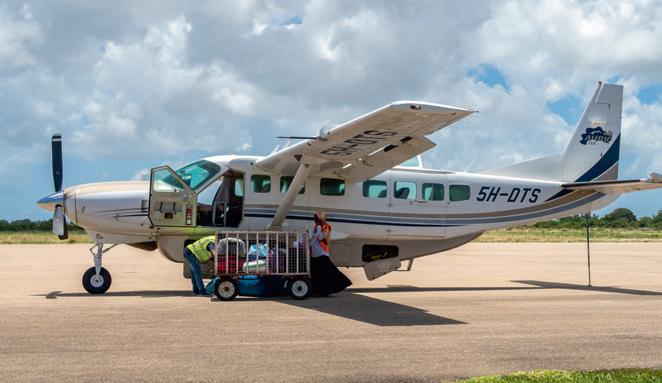
Our growth story continues to unfold. With the addition of new Cessna Grand Caravan aircraft, we are enhancing both capacity and comfort, offering executivestyle seating while maintaining the flexibility to access remote airstrips that are vital to Tanzania’s iconic safari circuits. Alongside fleet expansion, we are broadening our network of destinations and increasing flight frequencies – connecting more travellers to key hubs such as Dar es Salaam, Mwanza, Bukoba, and beyond. Whether for business, leisure, or adventure, Auric Air remains your trusted gateway to the region.
As we expand, we remain equally focused on maintaining the high standards that define us. Safety, reliability, and service excellence are non-negotiable pillars of our operation. In order to sustain these standards amid rising global aviation fuel costs, we have introduced a modest fuel surcharge across our routes. This step is necessary to ensure that we can continue delivering the level of service and operational integrity that our passengers expect and deserve.
We are deeply grateful for your continued support as we grow and evolve. Every flight you take with us is part of a shared journey – one that celebrates Tanzania’s natural beauty, connects communities, and upholds the spirit of world-class aviation.
Thank you for flying with Auric Air.
Deepesh Gupta Director of Corporate Affairs
PRIVATE CHARTER SERVICE
FLY SUSTAINABLY IN STYLE
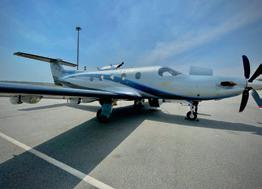
With Auric Air’s Pilatus PC-12 private charter service, the journey becomes part of the experience –refined, flexible and designed for travellers who value both comfort and conscious travel.
Whether you’re heading out on a safari, a business trip, or an exclusive retreat, our private charters promise a journey like no other.
Tranquil and spacious interior
Our Pilatus PC-12 is designed to minimize noise through advanced engine technology, propeller design, and cabin soundproofing for a truly relaxed travel experience. The aircraft’s spacious, flatfloor cabin comfortably accommodates up to eight passengers, making it perfect for groups or families. With ample room for bulky luggage like golf bags and snorkelling equipment, your gear will travel as comfortably as you do.
Environmentally Conscious and efficient
The Pilatus PC-12 is eco-friendly, burning up to two thirds less fuel than comparable jets. This makes it one of the most efficient aircraft in its class, allowing you to travel with a smaller environmental footprint without compromising on comfort or speed.
Versatile landing capabilities
This aircraft can touch down on both paved and unpaved runways, accessing 60 per cent more airfields than traditional aircraft. Whether your journey takes you to a remote safari lodge or a secluded island, Auric Air’s PC-12 ensures you arrive in style, no matter the destination.
Fly with Auric Air
We are dedicated to providing a travel experience that blends luxury, efficiency, and environmental responsibility. Book your next journey on our Pilatus PC-12 and discover the true meaning of flying in style.
AURIC AIR WINS 'BEST AIRLINE'
In June, Auric Air was announced as the winner of the Best Airline of the Year award at the Africa Company of the Year Awards (ACOYA) 2026.
ACOYA is an annual programme that recognizes and honours outstanding companies and institutions across Africa for excellence in leadership, service delivery, innovation, and overall business performance.
The prestigious award recognises that Auric Air has expanded its operations across Tanzania from coastal destinations such as Dar es Salaam and Tanga through Indian Ocean islands like Zanzibar and Pemba to safari destinations such as Ruaha and Serengeti. Travellers can also now connect from Tanzania to wildlife adventures in Kenya, Rwanda and Uganda with Auric Air.
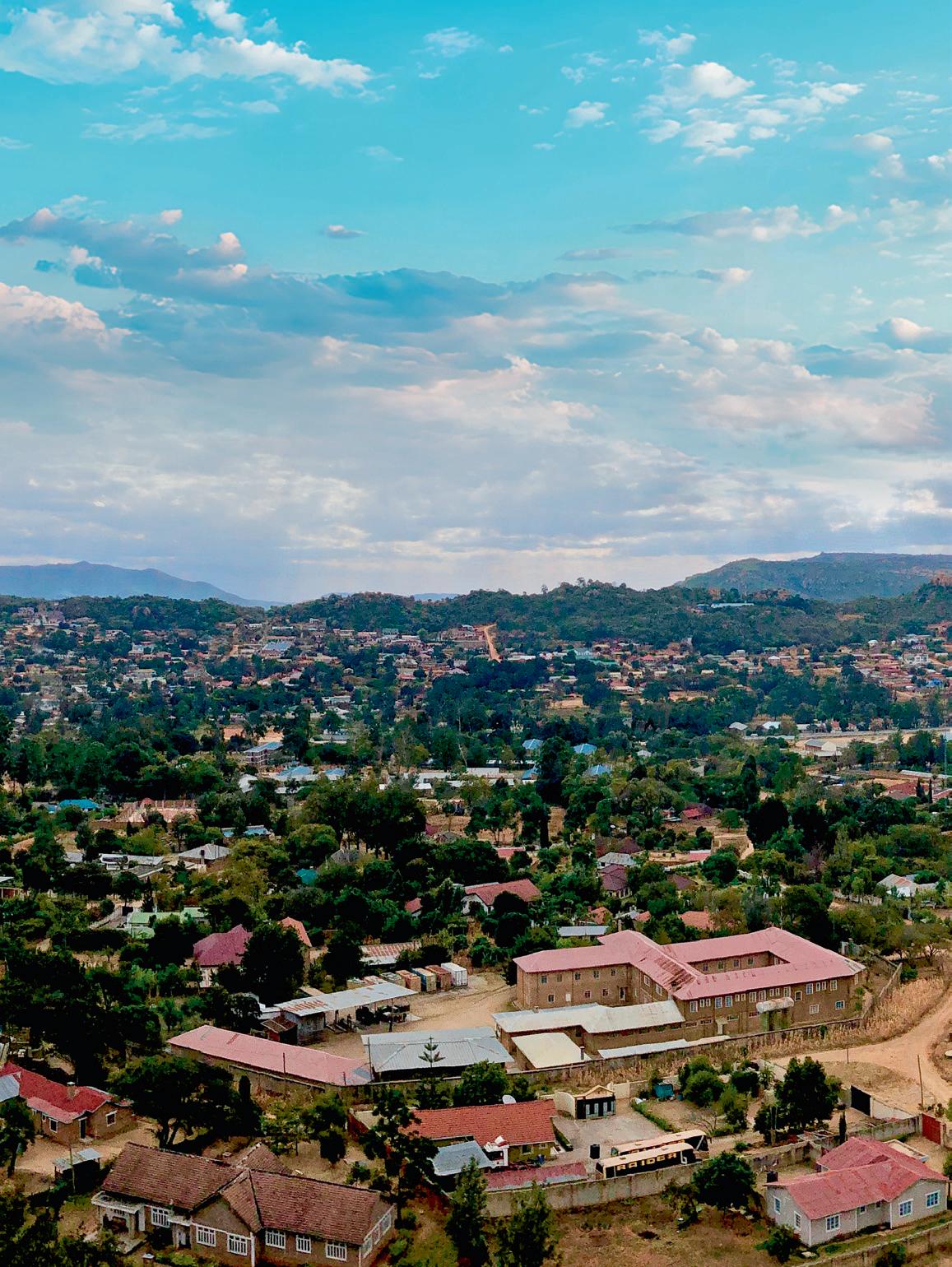
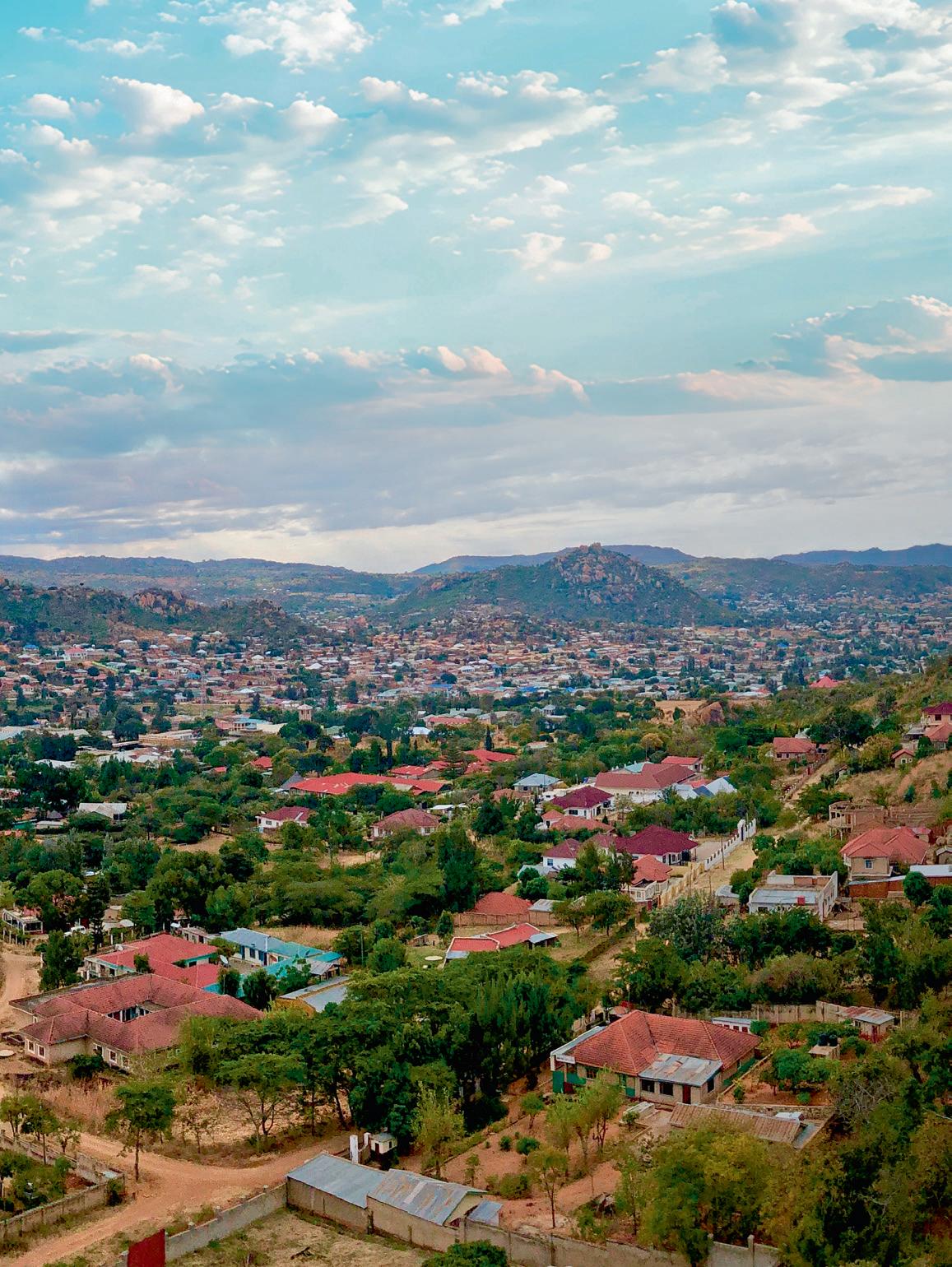
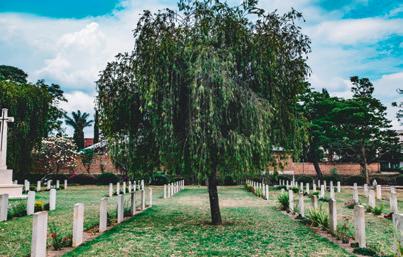
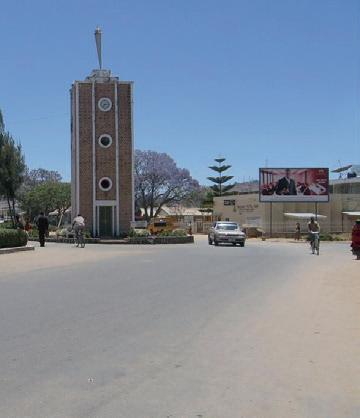
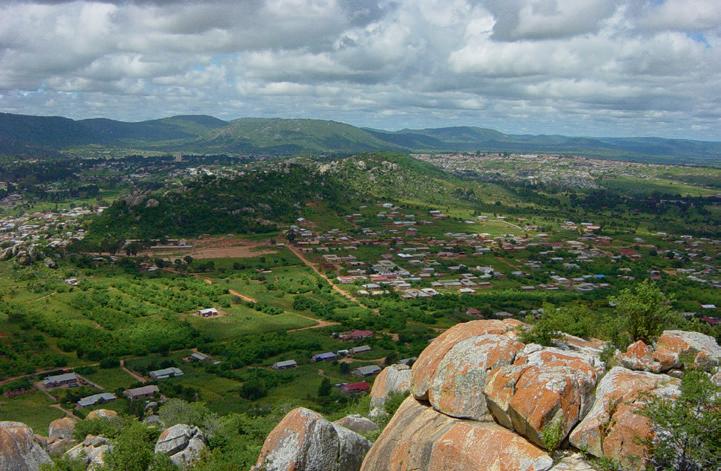
ringa is arguably home to one of Tanzania’s most beautiful landscapes, where dramatic highland scenery meets a deep, living history. Here, stories stretch back to prehistoric times, etched into the land itself, and continue through the proud legacy of the Hehe people, renowned for their resilience against colonial rule. Iringa also serves as a gateway to safari adventures in nearby Ruaha National Park, adding to its appeal. Today, the city thrives as a vibrant cultural centre, known for its contemporary art scene that bridges thousands of years of human life and creativity. In Iringa, past and present exist side by side – come and explore.
Auric Air offers daily flights to Iringa from Dar es Salaam and Zanzibar while also operating safari connections between Ruaha and Serengeti hubs.
The Tanzanian city that quietly rewrites everything you thought you knew about the country
The Isimila Stone Age Site is the cornerstone of human history
A landscape that holds humanity’s deep past
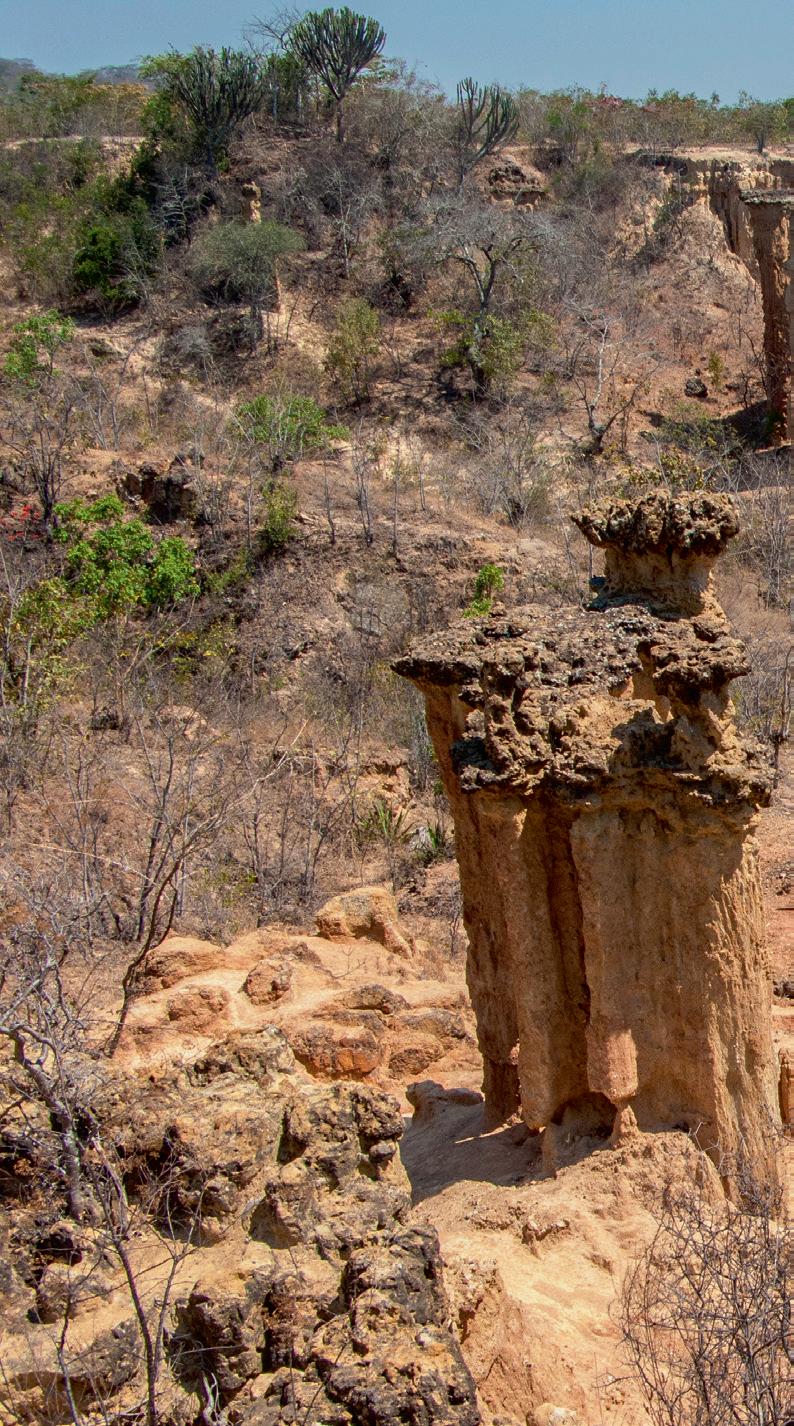
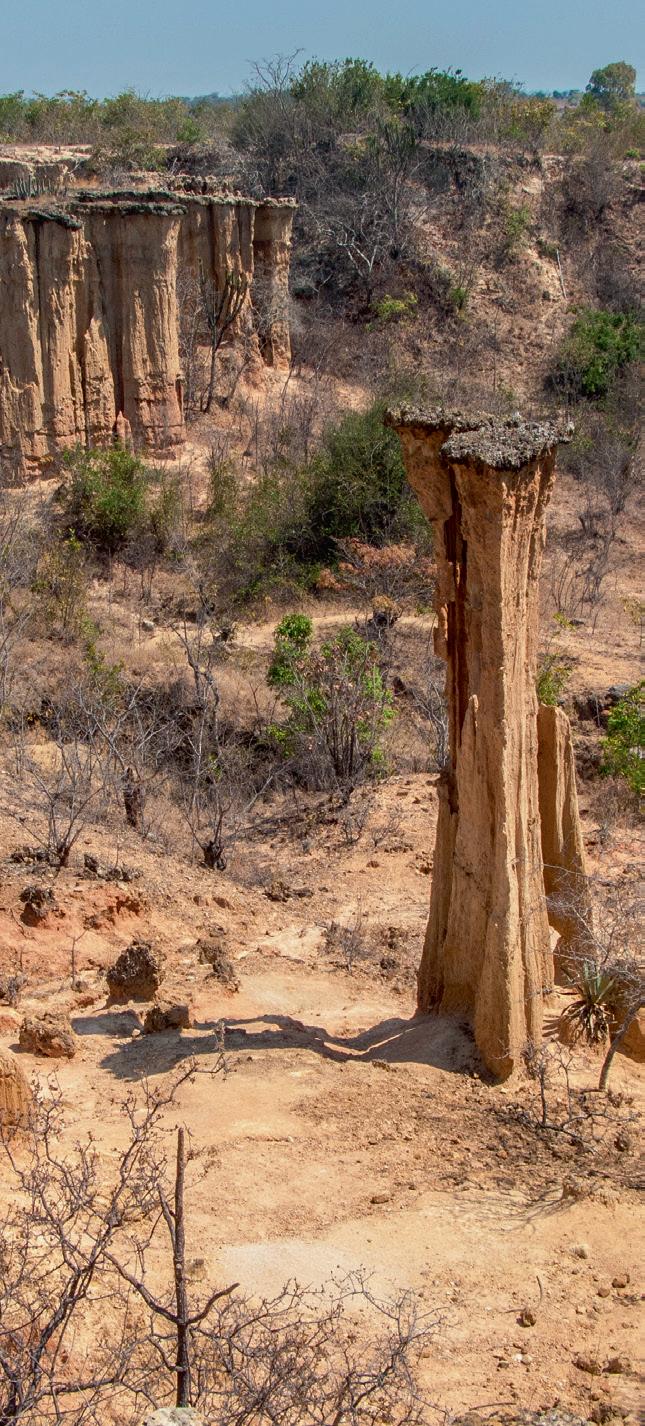
Just beyond town, Isimila Stone Age Site feels like stepping into a forgotten chapter of humanity. Towering sandstone pillars rise from the earth, guarding tools left behind by early humans hundreds of thousands of years ago. It’s a place where history is embedded in the ground beneath your feet. The artefacts visitors can see at the onsite museum include incredibly preserved tools and fossils from extinct species of giraffes and elephants dating back between 60,000 and 300,000 years.
Culture that lives quietly Iringa doesn’t perform its culture – it lives it
Among the Hehe community, traditions unfold in kitchens, farms, and evening gatherings, where stories and rituals are passed down naturally. You won’t find staged spectacles here; instead, you’ll discover a deeper, more intimate rhythm of life that reveals itself only to those willing to linger. Visitors may be met with a performance of the Kiduo dance that is a traditional greeting for arriving guests. The rhythmic drum-led dance is also part of wedding celebrations in the town.
Beyond the battlefield
The name Chief Mkwawa still echoes through Iringa, his resistance against colonial forces shaping a regional identity rooted in courage and pride. Just a short walk from the town centre, Gangilonga Rock offers sweeping views of the surrounding landscape and is believed to be a place where Mkwawa once called upon ancestral strength before battle, returning in quieter moments for reflection.
Today, that spirit of resilience endures as the Hehe people work to preserve their cultural identity in the face of globalisation – sharing their traditions through weaving, pottery, and storytelling with those who come to visit.
Tanzania’s surprisingly cool city
Forget the heat you associate with East Africa, Iringa sits high in the southern highlands, where mornings can feel crisp and evenings demand a sweater. This unexpected climate gives the city a calm, almost contemplative atmosphere, setting it apart from the humidity and bustle of Tanzania’s coastal destinations.
A place that refuses to become a tourist stage
While much of Tanzania shines under the global spotlight, Iringa chooses a quieter path. It remains refreshingly unpolished – its markets, streets, and cafés exist for locals first. The result is a destination where travel feels less like observation and more like participation in authentic, everyday life.
A city between tradition and change
Iringa is evolving in subtle, fascinating ways. As a growing university town, it attracts students and new ideas, creating an energy that contrasts beautifully with its deep-rooted traditions. Here, modern Tanzania and ancestral heritage meet to shape the city’s evolving identity.
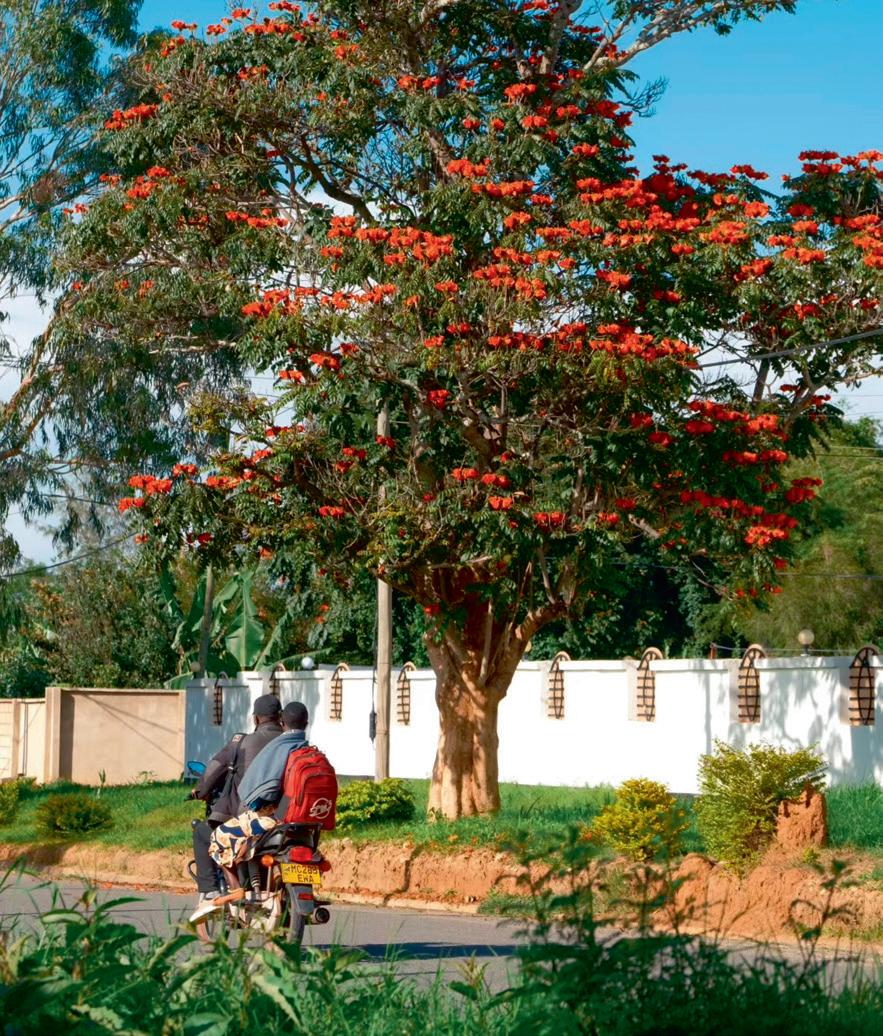
Iringa is a vibrant university hub in Tanzania's Southern Highlands
“As a growing university town, it attracts students and new ideas, creating an energy that contrasts beautifully with its deep-rooted traditions”
Food that tells a story
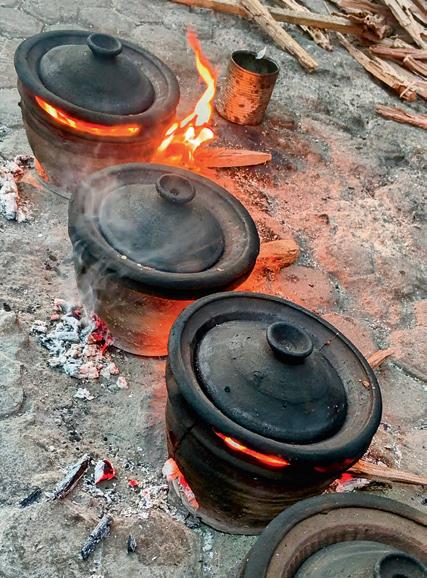
In Iringa, every meal carries memory. Traditional cooking methods – like slow-cooking over firewood in clay pots –preserve not just flavour but culture. Food is shared, unhurried, and deeply communal, offering visitors a simple yet powerful way to connect with the rhythms of local life. Pig farming is a cornerstone of the economy
so it’s no surprise that pork dish kitimoto (the Swahili slang for pork, literally translating to ‘hot seat’) is king of the food scene here. It consists of seasoned pork that is fried or roasted to perfection. It is traditionally served on large platters to share, accompanied by a fresh salad.
Cooking in pots handcrafted in local clay enhances the rich flavour of Iringa cuisine
Auric Air is one of the few airlines to fly into the Mafia archipelago. Here are six unforgettable creatures to see in this protected paradise.
SEA TURTLES (GREEN AND HAWKSBILL)
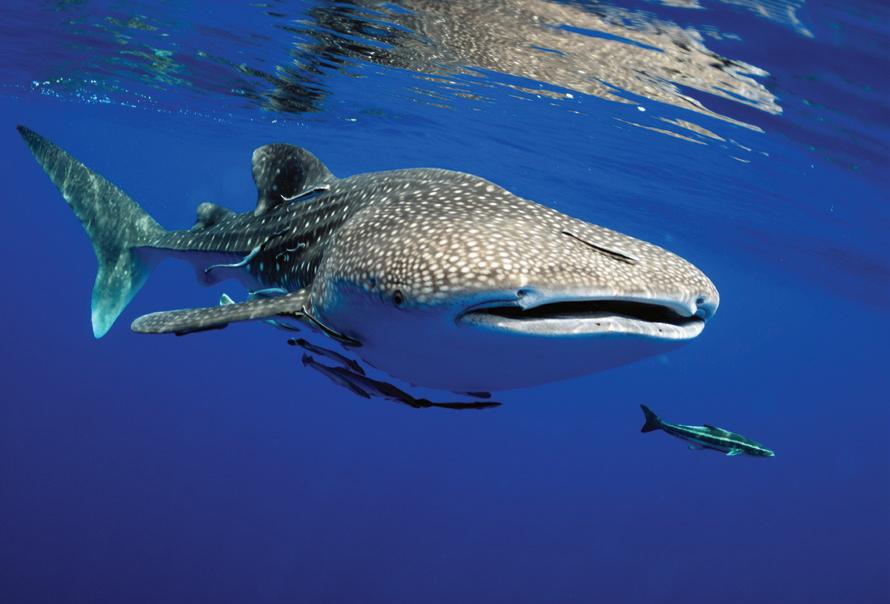
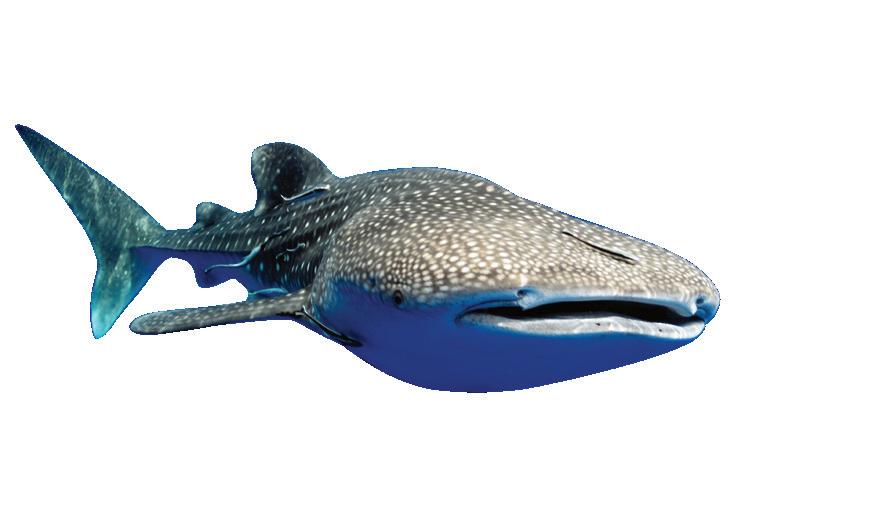
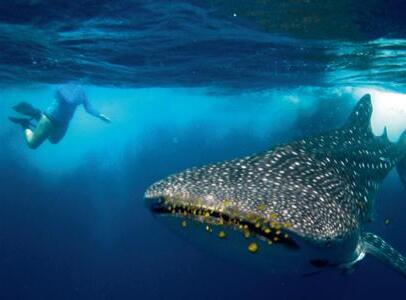
WHALE SHARK
WHERE TO FIND THEM ON MAFIA ISLAND?
In the waters off Kilindoni Bay and the southern coast, especially between October and March.
WHAT IS THE BEST WAY TO EXPERIENCE THESE ANIMALS?
Join a guided boat excursion and snorkel alongside them – calmly and respectfully.
WHAT MAKES THEM SO SPECIAL?
They are the largest fish in the ocean, yet completely gentle and filter-feeding.
HOW DOES THE ISLAND PROTECT THEM?
Local marine park regulations limit boat traffic and enforce safe distances.
WHY DO THEY LOVE MAFIA SO MUCH?
The island’s nutrient-rich waters provide an abundance of plankton.
FUN FACT:
Despite their size, whale sharks have tiny teeth – over 300 rows of them.
WHERE TO FIND THEM ON MAFIA ISLAND?
Nesting beaches around Juani Island and shallow reef flats.
WHAT IS THE BEST WAY TO EXPERIENCE THESE REPTILES?
Join a conservation-guided night walk during nesting season or snorkel quietly over reefs.
WHAT MAKES THEM SO SPECIAL?
They return to the same beaches where they were born to lay eggs.
HOW DOES THE ISLAND PROTECT THEM?
Community-led patrols guard nesting sites and relocate eggs if needed.
WHY DO THEY LOVE MAFIA SO MUCH?
Safe beaches and healthy seagrass beds provide ideal feeding and nesting grounds.
FUN FACT:
Sea turtles can migrate thousands of kilometres between feeding and nesting sites.
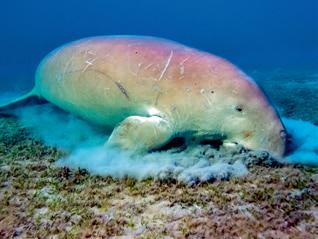
DUGONG
WHERE TO FIND THEM ON MAFIA ISLAND?
The protected seagrass areas around Mafia are one of the last-known refuges in East Africa for this critically endangered and unusually beautiful creature.
WHAT IS THE BEST WAY TO EXPERIENCE THESE ANIMALS?
From a distance on a quiet boat – these shy creatures are best admired without disturbance.
WHAT MAKES THEM SO SPECIAL?
They are one of the few strictly herbivorous marine mammals.
HOW DOES THE ISLAND PROTECT THEM?
Strict conservation zones help preserve their fragile habitat.
WHY DO THEY LOVE MAFIA SO MUCH?
Extensive seagrass beds provide their primary food source.
FUN FACT:
Dugongs are believed to have inspired ancient myths about mermaids.
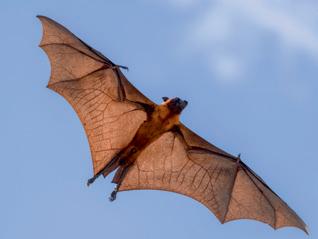
FRUIT BATS (FLYING FOXES)
WHERE TO FIND THEM ON MAFIA?
Roosting in large colonies, especially on Chole Island.
WHAT IS THE BEST WAY TO EXPERIENCE THESE ANIMALS?
Visit at dusk to watch them take flight in dramatic swarms.
WHAT MAKES THEM SO SPECIAL?
They are vital pollinators and seed dispersers for island forests.
HOW DOES THE ISLAND PROTECT THEM?
Local awareness and protected forest areas safeguard their roosts.
WHY DO THEY LOVE MAFIA SO MUCH?
Abundant fruit trees and minimal disturbance make it an ideal habitat.
FUN FACT:
Some fruit bats have wingspans reaching over 1.5 metres.
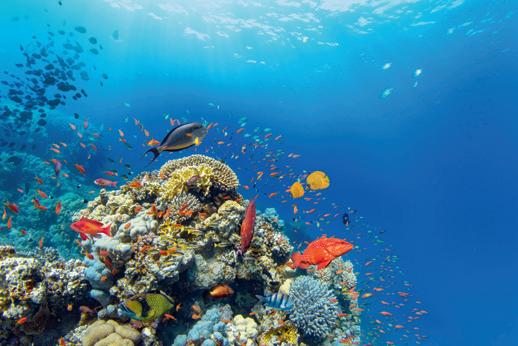
REEF FISH (FROM PARROTFISH TO CLOWNFISH)
WHERE TO FIND THEM ON MAFIA ISLAND?
Coral reefs throughout the Mafia Island Marine Park.
WHAT IS THE BEST WAY TO EXPERIENCE THESE ANIMALS?
Snorkelling or diving in the clear, shallow lagoons.
WHAT MAKES THEM SO SPECIAL?
Their colours rival any tropical palette –and they keep coral reefs healthy.
HOW DOES THE ISLAND PROTECT THEM?
Fishing restrictions and marine reserves allow reef ecosystems to flourish.
WHY DO THEY LOVE MAFIA SO MUCH? The reefs are among the most intact in the Western Indian Ocean.
FUN FACT:
Parrotfish help create sandy beaches by grinding coral into fine sand.
COCONUT CRAB
WHERE TO FIND THEM ON MAFIA ISLAND?
In forested coastal areas, especially on the smaller islands in the archipelago.
WHAT IS THE BEST WAY TO EXPERIENCE THESE ANIMALS?
A guided night walk offers the best chance to spot them.
WHAT MAKES THEM SO SPECIAL? They are the largest land-living arthropods in the world.
HOW DOES THE ISLAND PROTECT THEM?
Habitat protection and reduced hunting pressure support their survival.
WHY DO THEY LOVE MAFIA SO MUCH?
Plenty of food sources – especially coconuts, of course – and quiet habitats.
FUN FACT:
Coconut crabs can climb trees and crack open coconuts with their powerful claws.
reasons why now is the time to visit
If Ruaha is Africa’s wild heart, then July to September is when it beats the loudest. Here’s why this dry-season window delivers unforgettable safaris.
HUGE HERDS OF ELEPHANTS
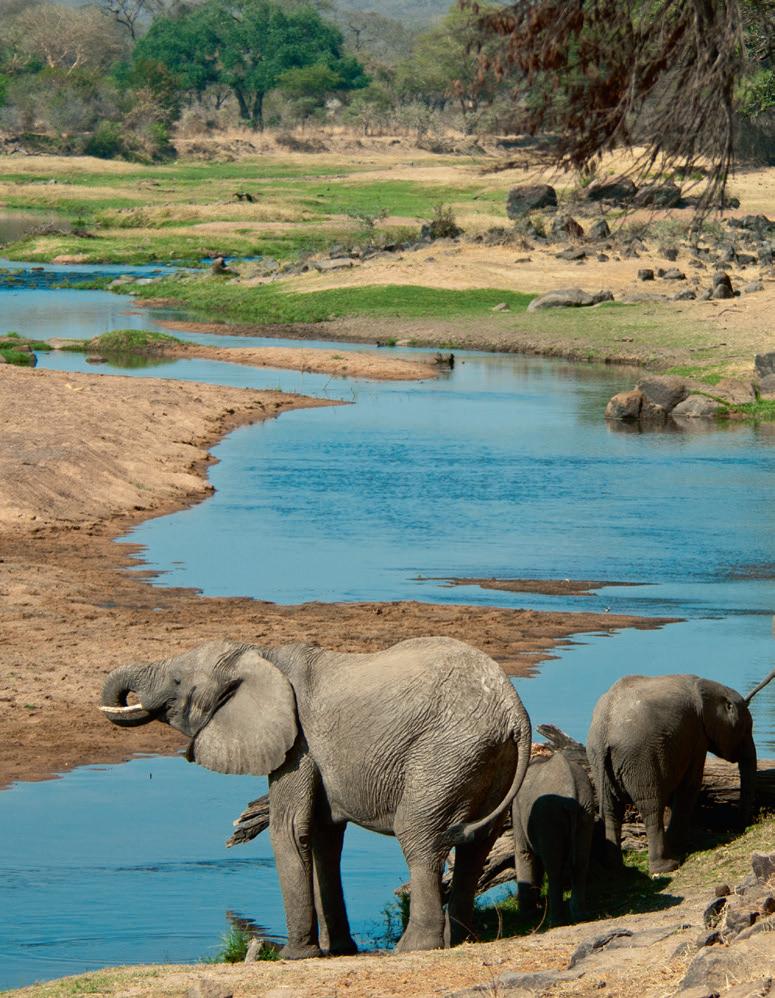
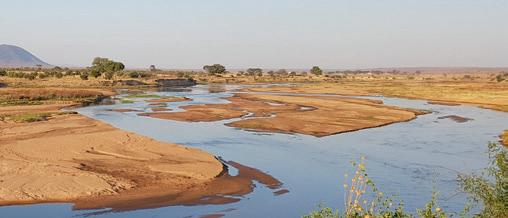
An estimated 12,000 to 14,000 elephants roam the vast RuahaRungwa ecosystem. While they disperse across the 20,000 sq km park during the wet season, the vast majority congregate along the Great Ruaha River and dry riverbeds from June to October when water becomes scarce. Because surface water can disappear, elephants use their trunks to dig deep into the sandy riverbed, unearthing hidden subterranean springs that other animals then use.
DRAMATIC PREDATOR ACTION
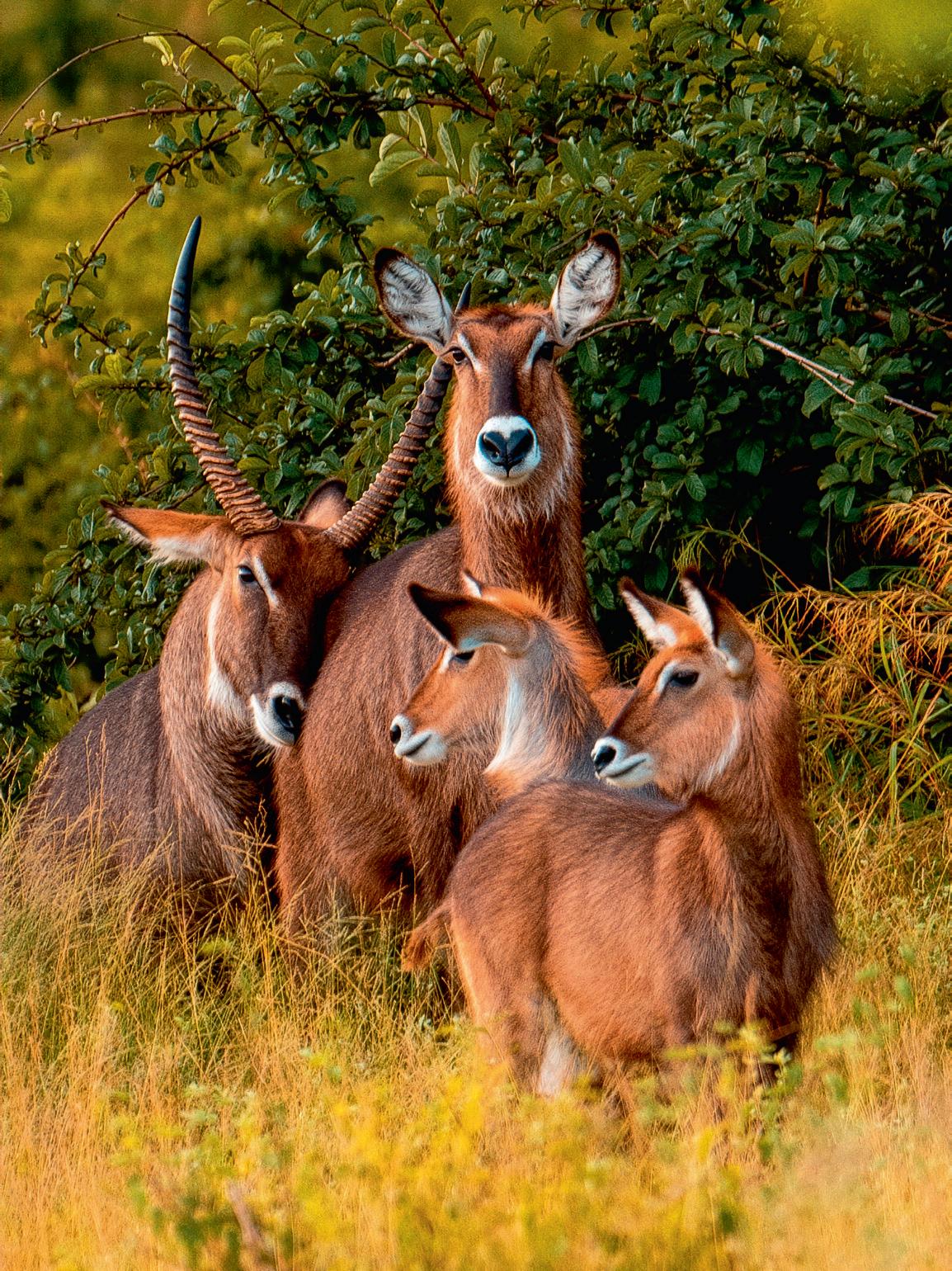
Lions, leopards, and wild dogs stalk riverbanks where they have their pick of a stream of thirsty herbivores such as impalas, waterbucks, and the majestic greater kudu. Hunting action is frequent and thrilling.
AQUATIC BATTLES
With the water of the Great Ruaha River levels dropping, hippos and massive crocodiles are forced into close quarters, often resulting in fierce territorial battles over the narrowing pools.
WILDLIFE IS EASIER TO SPOT
With vegetation thinning and animals concentrated around water, sightings are clearer and more consistent.
CLASSIC SAFARI LANDSCAPES
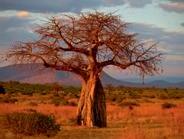
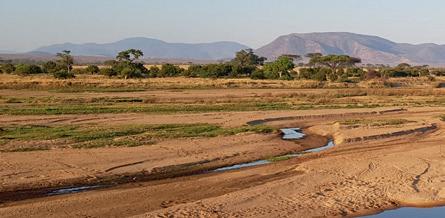
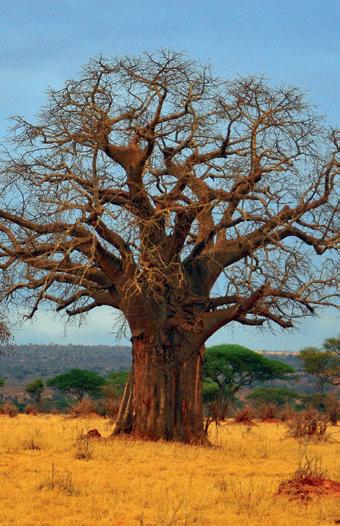
Expect dusty plains, golden grasses, and towering baobabs beneath crisp blue skies. This is Ruaha at its most raw and rugged.
WILD DOGS SIGHTINGS
With fewer than 7,000 remaining in the wild, African wild dogs are among the continent’s most thrilling and elusive predators. Ruaha is considered one of the best places to see these endangered animals, especially in the dry season when the nomadic animals are tethered to the water sources where their prey such as impala and kudu drinks. The reduced foliage and softer sand will also make it easier for your expert guide to track their footprints and movements.
WALKING SAFARIS AT THEIR BEST
Dry ground, thinner bush, and cooler mornings make guided walking safaris safer, richer, and more immersive.
PERFECT WEATHER FOR EXPLORING
Think sunny days, cool nights, and almost no rain. Ideal for long game drives and outdoor adventures.
NEXT-LEVEL PHOTOGRAPHY
Clear light, dust-haze sunsets, and dramatic predator-prey scenes make this peak time for once-in-alifetime shots.
RARE ANTELOPES
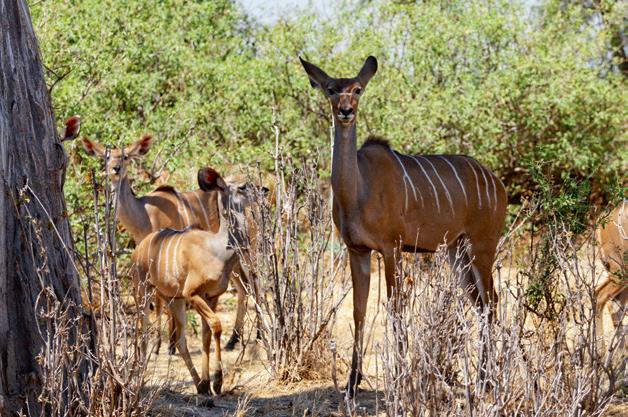
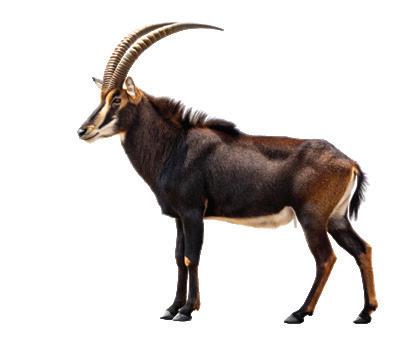
Ruaha’s unique location creates a rare wildlife crossover, where northern and southern species meet. Spot striking antelope like greater and lesser kudu, along with the elusive sable and roan – highlights of this remarkable ecosystem.
GETTING THERE
Auric Air flies directly into Ruaha National Park from Dar es Salaam, Zanzibar and the Serengeti. You could also base yourself in Auric Air destination Iringa, from where the eastern entrance to Ruaha is just a two-hour drive.
Ruaha is home to rare antelope such as the lesser kudu
The swamp for
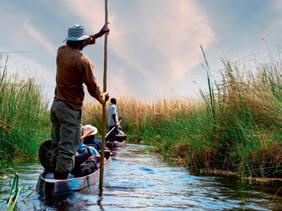
A scenic 45-minute boat ride on Lake Victoria will take you from Auric Air destination Entebbe to one of East Africa’s most thrilling wetland encounters.
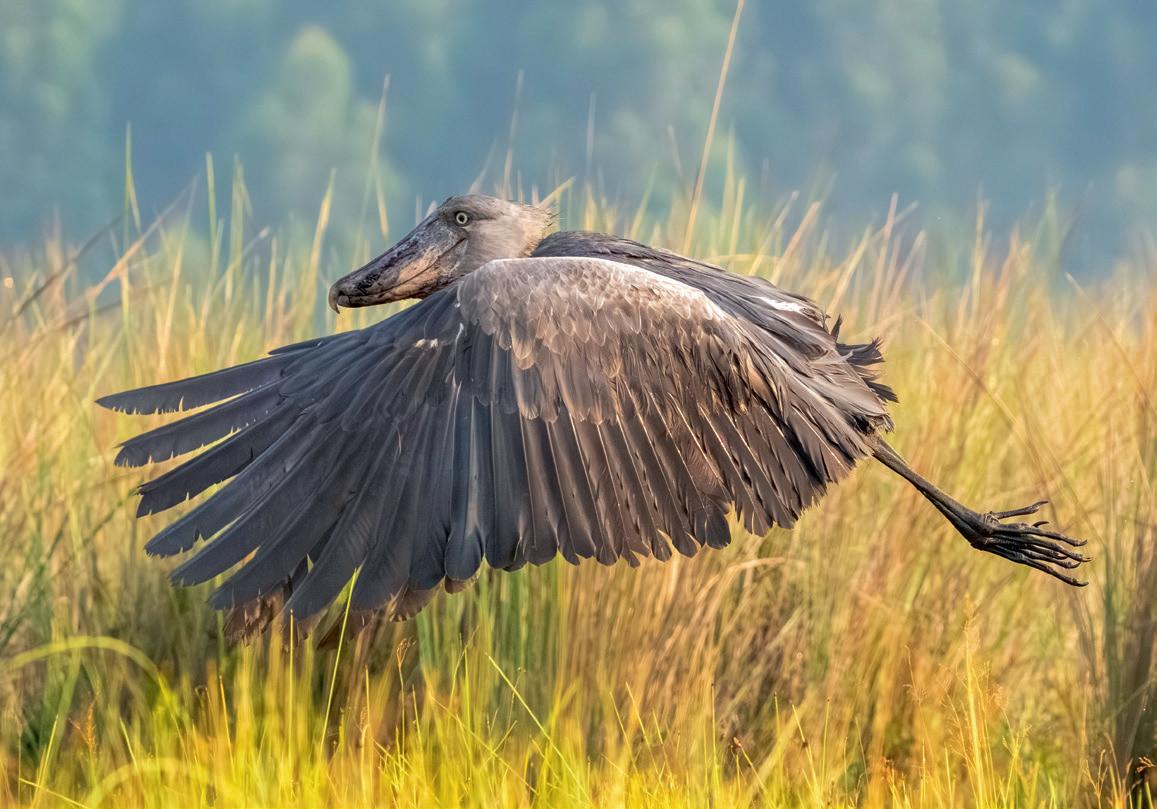
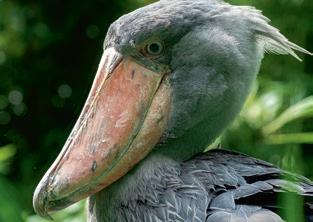
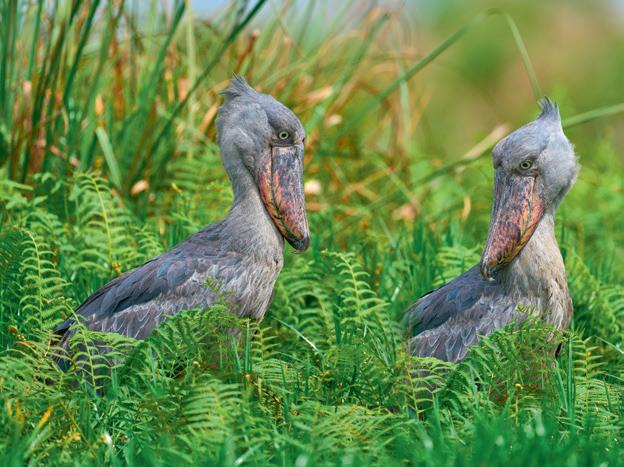
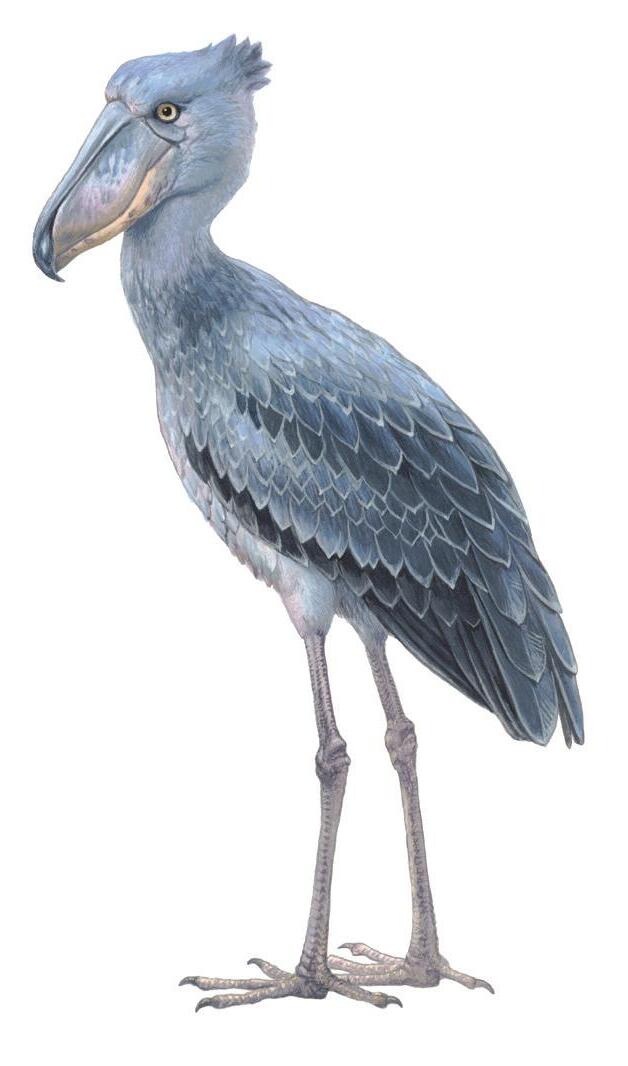
he trip might not be long, but travellers will soon realise they have left the city far behind. Mabamba is lush world of papyrus walls, glassy channels and rustling reeds. Every sound here seems turned down low, except for one. The peace is occasionally broken by a loud, rapid clattering noise like a machine-gun. This is the tell-tale call of the shoebill stork as it snaps its massive beak. The bird looks as extraordinary: huge and almost prehistoric-looking with that clog of a beak.
Sightings of this rare bird are a major part of the magic of Mabamba Bay. The wetland’s vast mosaic of papyrus swamp, marsh, open water and floating
vegetation creates exactly the kind of quiet, food-rich environment the shoebill loves. These birds are patient ambush hunters, perfectly suited to still, shallow wetlands where lungfish and other prey move below the surface.
Birding hotspot
Even if the shoebill is the headline act, Mabamba is no one-bird wonder. The wetland is a celebrated birding hotspot with more than 300 recorded species, so every outing comes with a rich supporting cast. Look out for African jacanas tiptoeing over lilies, malachite and pied kingfishers flashing over the water, herons and egrets stalking the shallows, and the unmistakable cry of the African fish eagle ringing across the swamp.
Lucky visitors may also spot papyrus specialists such as the papyrus gonolek and papyrus yellow warbler, along with lunging marsh harriers overhead and the occasional shy sitatunga in the reeds. In short: bring binoculars, and do not expect to put them down.
For travellers who like their adventures with a side of bragging rights, Mabamba is pure gold. It is close enough to Entebbe for a half-day escape, wild enough to feel like a revelation, and singular enough to deliver one of the region’s great wildlife moments.
Shoebill by numbers
As if the stare, the stature and the sheer strangeness were not enough, the shoebill also comes with a treasure trove of glorious trivia. Here are a few facts and figures to make the case for why this remarkable marshland celebrity deserves a place on every birder’s wish list – and every curious traveller’s camera roll.
19-24 cm long Bill
IT
IS ENORMOUS
An adult shoebill typically stands around 110 to 140 centimetres tall, with some birds reaching about 152 centimetres.
THAT BILL IS THE REAL DEAL
The shoebill’s famous clog-shaped bill can measure around 19 to 24 centimetres long.
IT IS NOT ACTUALLY A STORK
Despite the nickname, the shoebill is not a true stork at all. It sits in its own family, Balaenicipitidae
IT HUNTS LIKE A MASTER OF SUSPENSE
Shoebills can remain almost completely motionless for long stretches, waiting for prey to surface.
3,300 to 5,300
individuals left in the wild, and the population is thought to be decreasing.
IT SOUNDS AS STRANGE AS IT LOOKS
Shoebills are often quiet, but they are known for dramatic bill-clattering
IT LIKES ITS PERSONAL SPACE
Shoebills are famously solitary, often foraging at least 20 metres apart
IT IS BUILT FOR THE SWAMP
Long legs, large feet and elongated toes
IT IS A PATIENT PARENT
Shoebills build substantial nests on floating vegetation or mounds in the swamp.
For seasoned birders, the shoebill is one of Africa’s great prizes. Up to 152centimetres
IT IS RARE – AND THAT MATTERS
The shoebill is classified as Vulnerable
IT IS A GENUINE BUCKET-LIST BIRD
Follow the flock for curated
Yellow Feather is an Arusha events company that invites you to experience the slow side of the safari city.
In a city best known as the gateway to Tanzania’s iconic safari circuit, Yellow Feather is quietly reshaping how both travellers and residents experience Arusha after the game drives are done. The lifestyle experience brand has announced its much-anticipated July to October 2026 season, promising more of its signature blend of open-air cinema, creative gatherings and immersive social experiences set against the city’s lush natural backdrop.
Founded in 2025 by Gloria Marandu, Yellow Feather has
quickly built a devoted following –or ‘flock,’ as its community fondly calls itself – by offering something refreshingly different: a slower, more intentional way to engage with Arusha. In its debut year alone, the brand hosted a diverse programme of events that drew more than 600 guests, signalling a growing appetite for experiences that go beyond the traditional safari itinerary.
Alternative Arusha
Arusha’s identity as a safari hub often means its social rhythm is defined by early starts, packed itineraries and evenings that tend
to revolve around nightlife. Yellow Feather introduces an alternative.
“Arusha’s social life can often feel repetitive or heavily centred around nightlife and drinking culture,” explains Marandu. “We wanted to create something softer, slower, and more intentional. Experiences that encourage people to connect not only with each other, but also with themselves and the nature surrounding the city.”
That vision has resonated strongly. Travellers passing through the city – often unsure
Yellow Feather founder Gloria Marandu
how to spend downtime between safaris – are increasingly seeking meaningful ways to engage with the destination itself. Yellow Feather steps into that gap with experiences that prioritise atmosphere, creativity and connection over speed.
“One thing we’ve noticed is that many people visiting Arusha often don’t know what to do while actually spending time in town,” Marandu says. “There’s been growing interest around more intentional, lifestyle-oriented experiences within the city itself.”
Open-air cinema
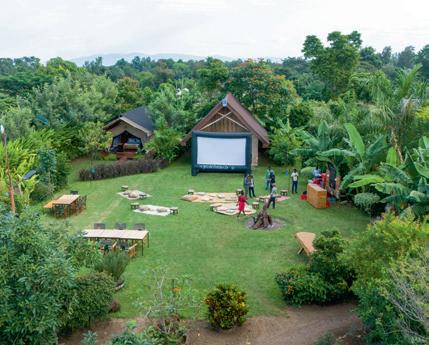
The backbone of the 2026 season will once again be Yellow Feather’s much-loved open-air cinema nights, held primarily on Thursdays and Saturdays at The Blue Heron Restaurant – a tranquil
dining spot set in lush gardens with sweeping views of Mount Meru. Beginning on 4 July and running through to the end of October, these screenings offer a relaxed, social setting where guests gather under the stars to enjoy carefully selected films.
Programming remains deliberately fluid and community-driven. Each month’s schedule is announced via Instagram and WhatsApp, with members of the ‘Sunbirds’ community actively shaping the lineup through polls and conversations. Film selections range from nostalgic favourites and cult classics to occasional African cinema, depending on what resonates most with audiences.
Beyond film, Yellow Feather’s calendar expands into two distinctive formats: Wild Popups and Slow Gatherings.
“These experiences are crafted around presence and atmosphere, blending elements such as sound healing, film and nature”
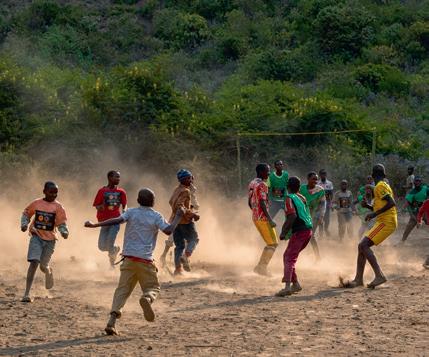
Wild Popups are dynamic, location-based experiences designed to surprise and energise. One standout from last season – returning in 2026 – is Football in the Volcano, staged at the Kilimamoto Crater in Ngaramtoni. The event saw guests descend into the crater basin for a spirited seven-a-side match surrounded by dust, wild flora and cheering spectators, before gathering at the rim for sunset DJ sets and sundowners.
Slow Gatherings, by contrast, lean into stillness and reflection.
These experiences are crafted around presence and atmosphere, blending elements such as sound healing, film and nature. One memorable evening paired a moonlit screening of the Tanzanian conservation film Chameleonair with a sound bath under the full moon. This year, the concept expands further to include movement, food and connection-centred experiences.
Making connections
What distinguishes Yellow Feather is not just its programming but its emphasis on fostering genuine connections. Events are intentionally designed to create space – both physically and socially – for people to linger, interact and form bonds.
“Yellow Feather was built around the idea that social experiences shouldn’t feel like something you
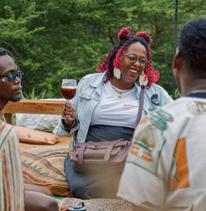
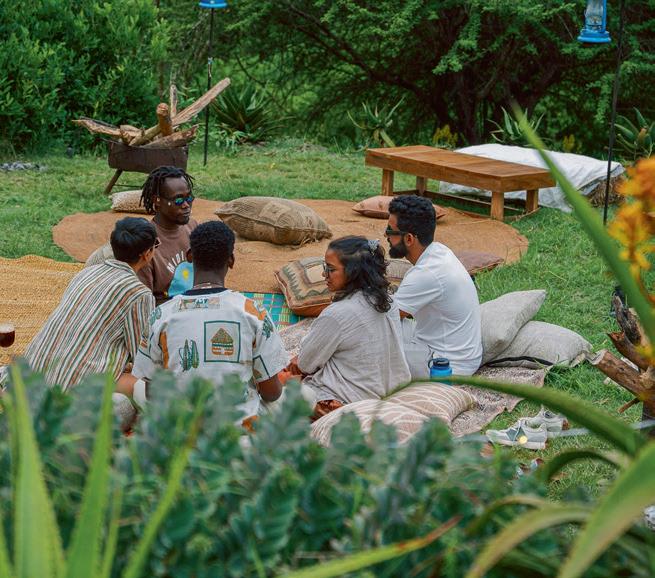
Yellow Feather events include outdoor film screenings, meditation sessions, and even football games inside volcanoes
need to recover from afterwards,” says Marandu. “But something that leaves you feeling more present, grounded, and connected.”
This approach has helped cultivate a growing network of locals and travellers who return not just for the events themselves, but for the sense of community they offer.
As travel trends shift towards more experience-driven and culturally immersive journeys, Yellow Feather represents a compelling evolution of Arusha’s identity. It adds a new layer to the destination – one that
complements its world-famous wildlife adventures with something equally memorable, yet entirely different.
For visitors, it offers a way to engage with the city beyond transit and checklist tourism. For residents, it is helping to redefine what social life in Arusha can look like.
And as the 2026 season approaches, Yellow Feather continues to invite guests to step off the fast track and into something more meaningful.
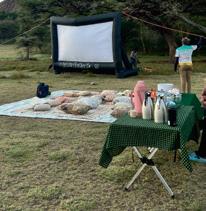
A memorable movie night at The Heron Restaurant
Auric Air destination Kigali is the gateway to cycling adventures along the western shore of Lake Kivu. Adventurer Bruno Peelman reveals why it is an unforgettable journey to the soul of Rwanda.
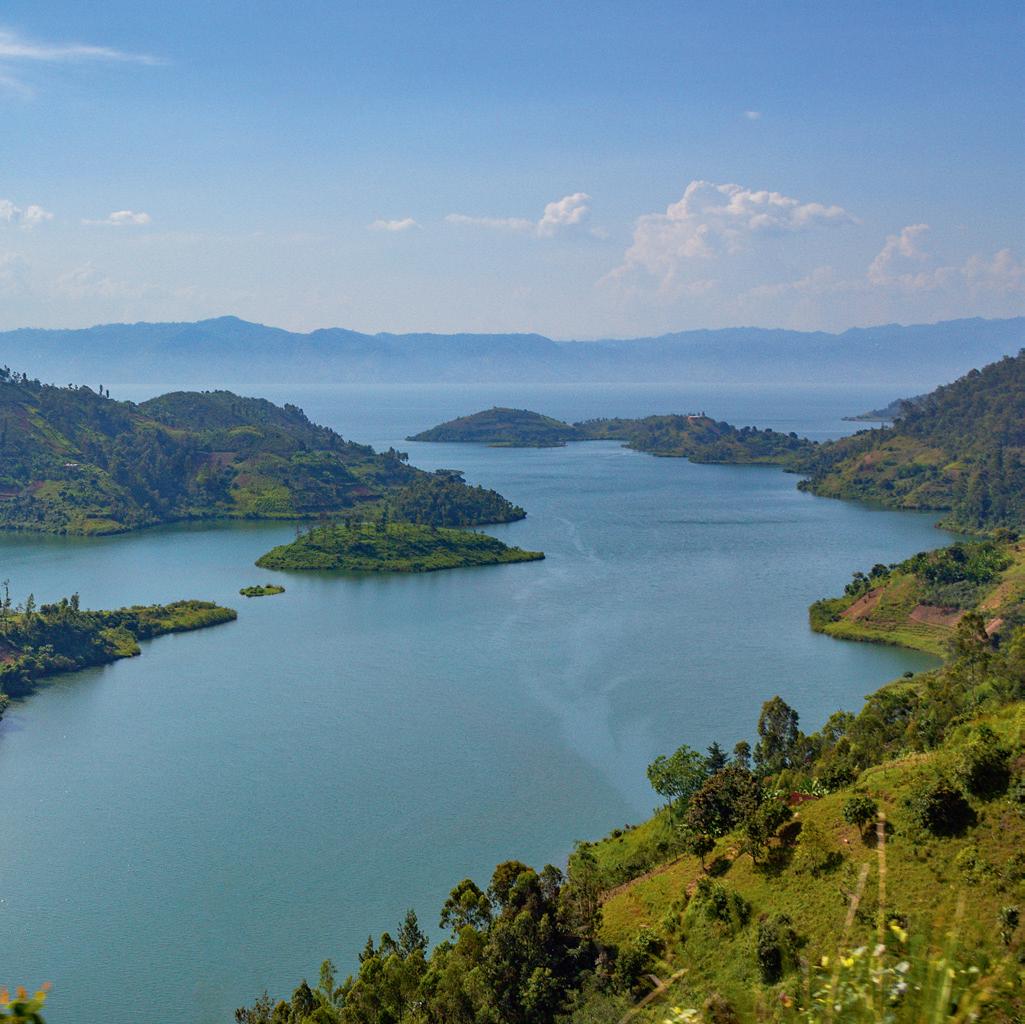
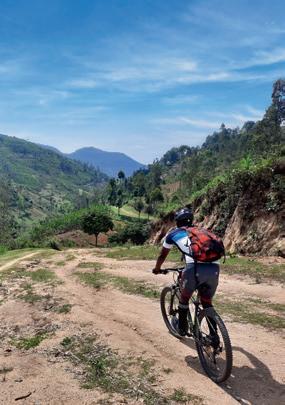
The Congo Nile Trail in Rwanda offers an extraordinary cycling experience. With a start-point just three hours' drive from Auric Air destination Kigali, the trail stretches along the western shore of Lake Kivu, provides cyclists with a unique opportunity to explore one of Africa's most captivating regions. Contrary to what the name suggests, the trail only runs through Rwandan territory. The name refers to the region’s water divide in which rivers either flow westward into the Congo River or eastward into the Nile. It takes five days to cover the 250-kilometre trail, but you can opt to cycle only a part of it.
Here are eight compelling reasons why you should saddle up .
BREATHTAKING SCENERY
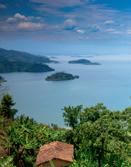
The Congo Nile Trail is famous for its stunning landscapes. As you cycle along the trail, you will be treated to panoramic views of Lake Kivu, terraced hillsides, green forests as well as tea and coffee plantations. The ever-changing scenery ensures that each turn of the trail offers a spectacular view. This visual feast is a photographer’s dream and a nature lover’s paradise.
RICH CULTURAL EXPERIENCE
Riding the trail is a chance to immerse yourself in the vibrant culture of Rwanda. The trail passes through numerous villages with opportunities to interact with the locals and experience their hospitality. School children will cheer you on as if you were competing in the UCI Road World Championships.
reasons to cycle the
WILDLIFE ENCOUNTERS
Rwanda is renowned for its biodiversity, and the Congo Nile Trail is no exception. As you cycle through the various ecosystems, you will spot a variety of birds and other wildlife. For those who wish to extend their adventure, the nearby forests of Nyungwe National Park provide the chance to see semi-habituated chimpanzees and 12 other primates.
PHYSICAL CHALLENGE & ADVENTURE
The Congo Nile Trail is not for the faint-hearted. It is a physically demanding challenge that will test your endurance and cycling skills. The adventure, however, is immensely rewarding. It pushes you out of your comfort zone and there is a huge sense of accomplishment each time you conquer a section of the trail. At the end of a tough cycling day a swim in the clear waters of Lake Kivu is the perfect refreshment.
UNIQUE LODGING OPTIONS
There are a range of unique and charming lodging options along the trail that cater to all budgets. From luxury lodges to eco-friendly campsites, the accommodation offers comfortable and memorable stays. Many of these lodgings are situated in picturesque settings, allowing you to relax and rejuvenate while taking in the natural beauty that surrounds you. Toast your achievements with a beautiful sunset and a cold drink in your hand on the terrace of your hotel.
BOOST YOUR SOCIAL MEDIA
Make your friends and family jealous by sharing your most beautiful pictures with them. Your social media channels will take off like never before with the stunning scenes you will record. It’s the reason that Lonely Planet calls the Congo Nile Trail one of the most beautiful off-road cycling trails in Africa.
CONTRIBUTION TO SUSTAINABLE TOURISM
By cycling the Congo Nile Trail, you are contributing to the promotion of sustainable tourism in
Rwanda. The trail is part of the country's efforts to develop eco-friendly tourism that benefits local communities and preserves the natural environment. Your journey along the trail supports local businesses, creates job opportunities, and fosters a greater appreciation for Rwanda’s cultural and natural heritage.
HOST OF THE 2025 UCI ROAD WORLD CHAMPIONSHIPS
All eyes were on Rwanda when it hosted the UCI Road World Championships in September last year. It was the first time an African country had hosted this prestigious competition. Riding the Congo Nile Trail will give you a deeper understanding of the challenges that faced elite riders as they raced towards the finish line in the land of a thousand hills.
IN CONCLUSION
The Congo Nile Trail in Rwanda offers an unparalleled cycling adventure. This trail is not just a path, but a gateway to the soul of Rwanda. Pack your gear, prepare for an adventure of a lifetime and discover the magic of the Congo Nile Trail.
While you can ride the trail by yourself, you can make the most of the experience by booking a tour with a provider like www.CongoNileTrail.com with airport transfer, (e-)bike rental, a guide and hotel accommodation included. You can also choose the number of days that you want to cycle.
Incredible views over Lake Kivu from the trail
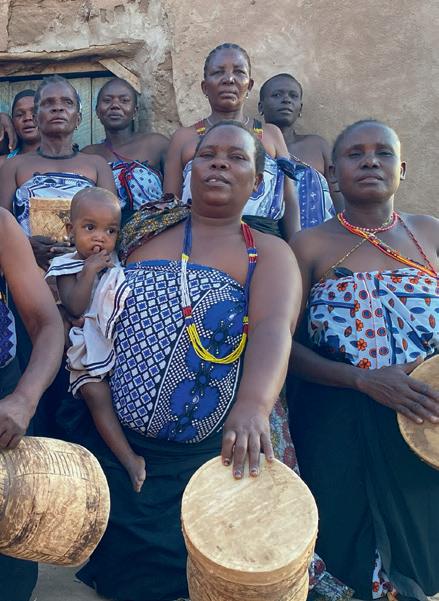
New album Asili ya Mama showcases the women-led traditional music of Tanzania. Explorer speaks to the album's curators
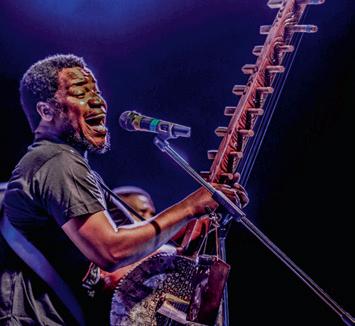
Msafiri Zawose and Ruth Ndeto.
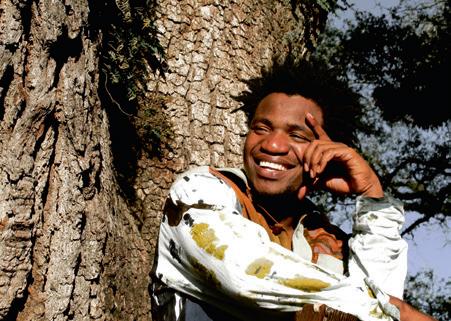
safiri Zawose, the fifth of 17 children of the late Dr Hukwe Zawose – a towering figure in Tanzanian traditional music – was immersed in the family’s musical world from an early age. Trained by his father to play and build the handcrafted instruments central to their renowned sound, he was touring and performing alongside him by the age of 12.
Now a respected solo artist whose work blends the traditional Gogo music he inherited with contemporary influences, Msafiri is also looking beyond the most visible source of that legacy. His latest project, Asili ya Mama – a compilation of field recordings performed by women – honours a quieter but equally formative force: his mother, and by extension the often unacknowledged role of mothers in carrying culture across generations.
Mother's influence
He says: “When people speak about Hukwe Zawose as my influence, of course that is true. But inside me there is also Erika Kalima Zawose. She is another fire inside my music – quieter perhaps, but equally powerful.
“My mother shaped my musical life directly and emotionally. She sang a lot at home, during family gatherings, and carried a joyful spirit. Over the years, I watched that joy slowly become quieter. Life changed, the family structure changed, and she carried many responsibilities. She ailed for
a very long time. Still, she always kept warmth and love for us as her children.”
When Msafiri sought guidance after his father’s death in 2003 – when he was just 22 – it was his mother who reminded him that music is “spirit and emotion given by God,” and that each individual must build their own vision with persistence, rather than dependence on favour or hype.
The source of culture
Asili ya Mama – which translates as “The Origin of Mother” – honours the foundational role of his mother, and of mothers more broadly, as custodians of cultural memory. “Without origins there is no culture, no identity,” Msafiri says. “A mother is the first source of life, the first teacher, the first person to shape us. Before we understand language or community, we already know our mother’s voice and her care.
“For me, culture is passed down first through mothers. They nurture it, protect it, and carry it into the next generation through everyday life. When I started this project, which is about preserving traditional music and culture, I felt we had to begin at the very source – the mother.”
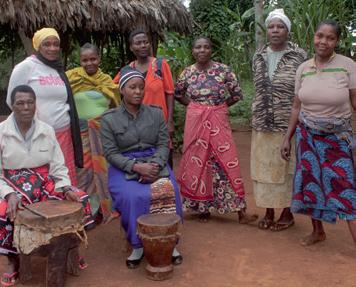
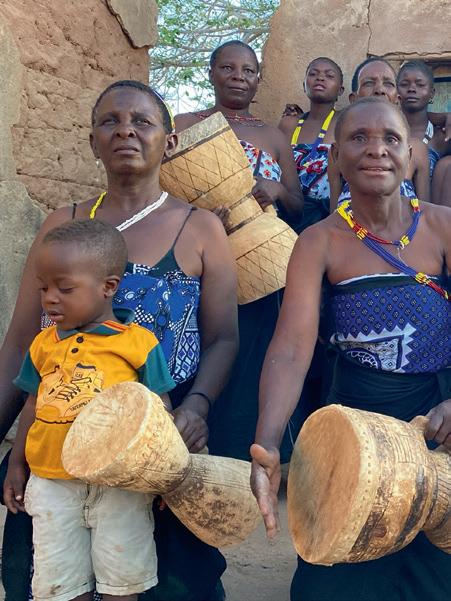
The album is a collection of traditional Tanzanian music performed by women in village communities, curated and recorded by Msafiri over an eight year period beginning in 2017. The songs were captured live in courtyards, homes, and open village spaces across Dodoma, Tanga, and Morogoro.
The recordings span ceremony, daily life, and women led traditions. All of the songs are long standing traditional works passed down through generations, recorded either as raw field recordings or with minimal studio reinforcement limited to percussion already typical to each community’s style.
Lyrical themes include relationships, family roles, respect, social responsibility, and life transitions such as marriage and initiation. Msafiri says he feels a particular connection to the message behind the infectious call and response track Kuku Mnywa Maji (“A Chicken Drinking Water”).
“It describes how a chicken must lift its head repeatedly to drink water,” he says. “It carries a meaning about effort and action. If you need something in life, you must act.”
The project was entirely self financed, and financial constraints partly shaped the choice to record in villages rather than professional studios. But the decision was also philosophical. Traditional music, Msafiri explains, is inseparable from daily life.
Women sing while carrying children, cooking, feeding babies, and gathering communally. Recording within these environments allowed the music to remain grounded in its original context.
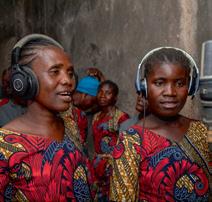
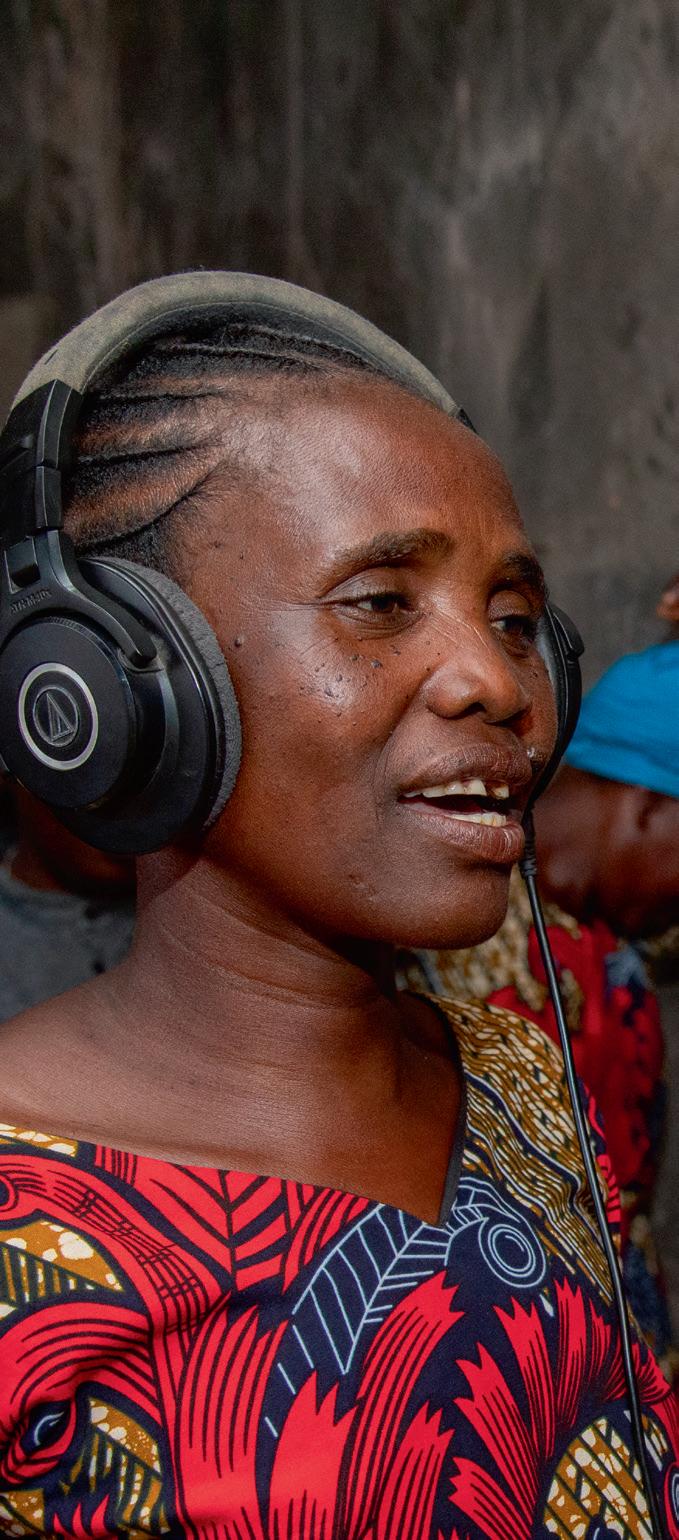
The sessions often became informal celebrations. Women enjoyed the novelty of the headphones and microphones, passers by joined in, and gatherings formed naturally. “Sometimes people gathered around to watch and sing along, and the recordings became community moments rather than formal sessions,” Msafiri says. “The women became stars within their own spaces – surrounded by familiar people, relaxed and confident. That feeling would have been difficult to recreate inside a modern studio.”
The album also challenges a persistent narrative surrounding Zawose and Wagogo music – that men occupy the centre while women remain at the margins. Msafiri insists that Asili ya Mama is not a corrective gesture, but rather a reflection of how women have always played leading roles within Tanzanian musical traditions.
In his own family, musical authority was never divided strictly by gender. Commitment, discipline,
and excellence determined who performed. His father actively encouraged women to learn instruments, and Msafiri’s sister, Mariam Zawose, became one of the strongest women solo performers of Wagogo traditional instruments – chizeze (a single stringed fiddle) and ilimba (thumb piano) – by the early 2000s.
“My father was guided by discipline and ability rather than gender,” Msafiri says. “He was very strict about musical standards. Anyone who wanted to perform or tour with him had to prove themselves through rehearsals and auditions, regardless of gender. Some women made the touring groups; some men did not.”
Ensuring visibility
Over time, Msafiri reflected on why fewer women appeared visibly on melodic instruments – not because of a lack of ability, but because family responsibilities and childcare often limited the time required for training and performance. That realisation later shaped his work through the Art Promoters Foundation, which created opportunities and employment for young women and girls to engage in traditional music through teaching and performance.
Q: From your perspective, how did the Asili ya Mama project begin?
Kenyan cultural documentarian and musician Ruth Ndeto assisted Msafiri Zawose in putting together Asili ya Mama. Here she shares how the two artists first met and what the project means to her as an African woman.
I first met Msafiri Zawose in Kenya during one of his performances. It was my first time seeing him perform live, and I was immediately fascinated, especially seeing a younger generation continuing such a deep traditional musical heritage.
After the performance, I went to speak with him because I was curious not only about the music itself, but also about how these traditional instruments and cultural practices are preserved.
That was really the beginning of many conversations around preservation, culture, and documentation. Later, he shared with me his vision for Asili ya Mama. It immediately spoke to me very deeply as a woman.
Q: What did you learn through your involvement in the project? I learned that there are incredible singers, musicians, storytellers, and tradition bearers whose work may never be heard beyond their immediate communities.
I also realised how urgently this documentation work is needed.
Many elders carrying this knowledge are aging, and with modernisation a great deal of cultural knowledge is disappearing very quickly without being archived or preserved.
Q: How did you choose where to make the recordings? We focused initially on communities where there were already relationships, local contacts, or easier access.
Dodoma was naturally central because of the Wagogo connection, while places like Morogoro and Tanga were also relatively
accessible from Bagamoyo where some of the work was coordinated.
At the same time, the selection was guided by the types of songs and traditions being preserved. We wanted to document different forms of women-led traditional music connected to ceremonies, teachings, labour, celebration, and social life.
This is really only the beginning. Tanzania has more than 120 ethnic communities, and there is still an enormous amount of cultural material that remains undocumented.
“From my experience growing up in the family, I never really saw music as something divided between men and women,” he says. “The bigger issue was never whether women played major roles in music – because they always did. The issue was visibility and recognition.”
The roots of Msafiri's music
Asili ya Mama emerged from a long held awareness rather than as a reaction to recent success. Most of the recordings predate the release of the 2024 debut album by the Zawose Queens – a duo made up of Msafiri’s sister and niece, both of whom he has mentored – which marked the first time female members of the famous Tanzanian musical dynasty took the lead as performers, songwriters, and lead vocalists. With Asili ya Mama, Msafiri says his aim was to document women’s voices before they disappeared, honouring both his mother and generations of female tradition bearers.
Through Asili ya Mama, Msafiri hopes listeners – both in Africa and internationally – will hear traditional Tanzanian music not merely as a foundation for contemporary genres such as Bongo Flava and Singeli, but as a complete and sophisticated art form in its own right, rich in
Q: Do you have plans to work with Msafiri again?
Musically, we are developing collaborative work that brings together my Kikuyu roots and Msafiri’s Wagogo heritage among other tribes within a contemporary sound. Alongside this, we are also co-authoring a book exploring Wagogo culture and musical traditions as part of the broader preservation work of the Hukwe Zawose Foundation.
We are also involved in environmental and cultural preservation initiatives connected to traditional instrument-making materials.
communal meaning. “For me, fusion only becomes meaningful when the roots are understood and respected first,” he says. “Asili ya Mama is important because it presents traditional music in a direct and honest form, without trying to reshape it into something else.”
The album forms part of a larger preservation initiative, Muziki Asili, under the Hukwe Zawose Foundation, which focuses on documenting, archiving, preserving, and sharing traditional music across communities throughout Tanzania.
Women have always been part of those traditions – singing, teaching, remembering. Asili ya Mama simply listens back, placing those voices where they have always belonged: at the origin.
One important project focuses on preserving indigenous tree species used in traditional Wagogo instruments, especially the Mheme tree used to make the sacred mheme drum traditionally played by agogo women.
During fieldwork we observed that some of these trees are becoming increasingly scarce. We have already begun small-scale propagation projects in Dodoma and Bagamoyo to help preserve these species.
CHIMPANZEE TREKKING
Why choose Rubondo?
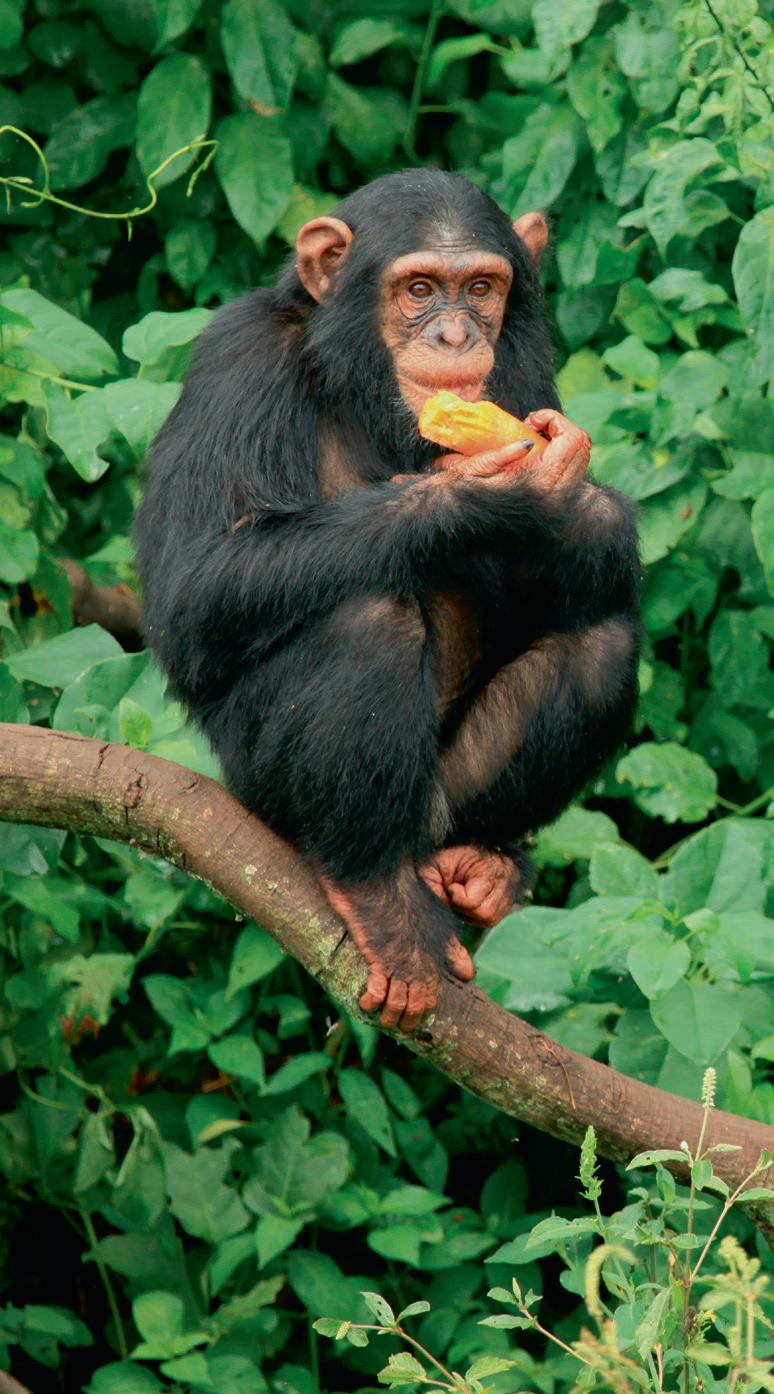
There has been a chimpanzee population on Rubondo since 1966 when 16 wild-born chimps rescued from zoos and circuses across Europe were released into the island’s equatorial forest. The untrained primates remained fearful and elusive, fleeing or reacting aggressively to people until the Tanzania National Parks Authority (TANAPA) introduced a habituation project in 2015. That gradual, multi-year process means the now around 80 chimpanzees can be observed by visitors on guided treks. Sightings can’t be guaranteed – the chimps have Rubondo’s vast, dense forest for cover after all – but observing them as they forage or groom by the lakeshore is one of Tanzania’s most remote and rewarding adventures. Treks can last several hours and offer a rare glimpse into one of Africa’s most unique chimp populations, living freely in this isolated island sanctuary.
BOAT AND CANOE ADVENTURES
Trade dusty tracks for open water as you explore Lake Victoria by boat or canoe. Glide past papyrus swamps, quiet bays, and rocky shorelines where hippos wallow and crocodiles bask.
These water-based safaris bring you closer to the island’s aquatic life and bird-rich habitats, offering a completely different perspective from traditional game drives.
Auric Air is one of the select airlines offering direct flights into Tanzania’s largest island national park. Here are some of the wildlife adventures in store in this remote corner of Lake Victoria.
CATCH-AND-RELEASE FISHING
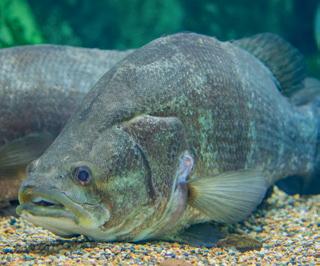
Lake Victoria is famous for its Nile perch – and Rubondo is one of the best places to try your luck. Guided fishing excursions give you the chance to hook one of these legendary freshwater giants using techniques like fly fishing, trolling, or spinning.
All fishing is catch-and-release, making it both thrilling and sustainable. Even beginners can join in, with expert guidance provided throughout.
GUIDED FOREST WALKS
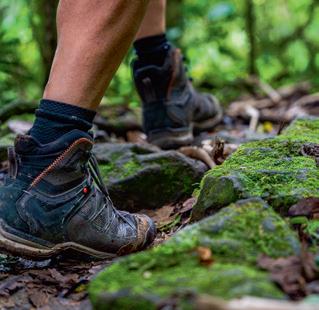
On foot is where Rubondo truly comes alive. Guided walks take you beneath the dense canopy, where you’ll encounter everything from butterflies and birds to shy forest mammals. Options range from short exploratory strolls to full-day treks, with the chance for more adventurous overnight experiences in treehouses or fly-camps. It’s an intimate way to connect with the island’s wild side.
DAYTIME GAME DRIVES
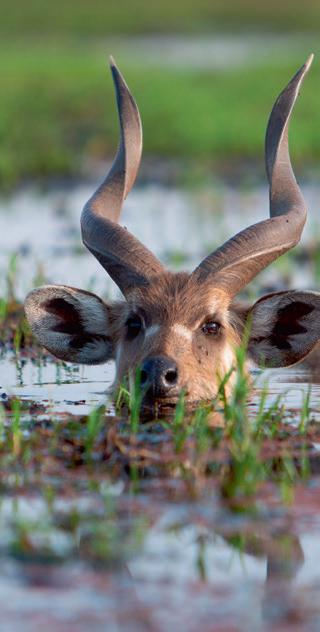
Yes, even on an island, you can go on a game drive. Explore forest clearings and open woodland in a 4x4 vehicle, scanning for elephants, giraffes, and rare antelope like sitatunga.
The setting is what makes it special –this isn’t the wide-open savanna, but a more secluded, forest-fringed safari experience.
A BIRDWATCHER’S PARADISE
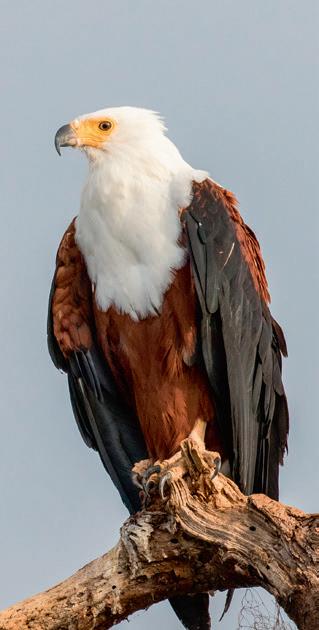
With hundreds of bird species recorded, Rubondo is a dream destination for bird lovers. From African fish eagles and kingfishers to herons and parrots, the island’s mix of forest and wetland habitats attracts both resident and migratory species. Whether on foot or by boat, birding here is as relaxing as it is rewarding.
RUBONDO ISLAND CAMP
The only permanent safari lodge on the island. It features 8 hand-built, eco-friendly waterfront chalets (including a family cottage and a honeymoon suite) situated in the lush forest. Each unit offers en-suite bathrooms, private verandas, and hammocks for unobstructed lake views.
BUDGET OPTIONS
Tanapa manages camping grounds on the island. You generally need to bring your own camping gear and food provisions.
PARK BANDAS / REST HOUSES: Basic, self-contained or shared park-run cabins are available for those on a strict budget.
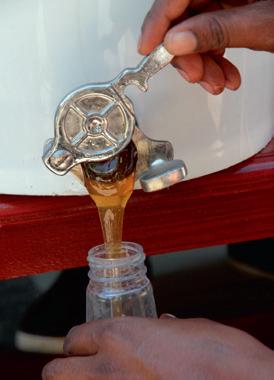
If you’ve never tasted honey from Auric Air destination Pemba, you’re missing out on one of the Indian Ocean’s most delicious secrets. Here’s why you need to taste it on your next trip.
A natural medicine cabinet
Raw honey has long been valued for its healing properties – and Pemba’s is no exception. It is packed with antioxidants that support immune health and has anti-inflammatory and wound-healing effects. Local culture across Zanzibar has deep traditions of plant-based medicine in which honey plays a supporting role.
Bees feast on wild, untouched forests
Pemba bees forage in indigenous forests and coastal mangroves, far from industrial farming. This wild setting means cleaner nectar and a naturally “organic” honey profile.
Honey that protects the forest
Unlike its larger island neighbour Unguja, Pemba has retained much of its forest and mangrove coastal cover. Beekeeping helps safeguard these highly sensitive ecosystems by providing rural communities with a sustainable source of income linked directly to environmental stewardship. As a result, practices such as deforestation and illegal charcoal production become less attractive alternatives.
A botanical buffet
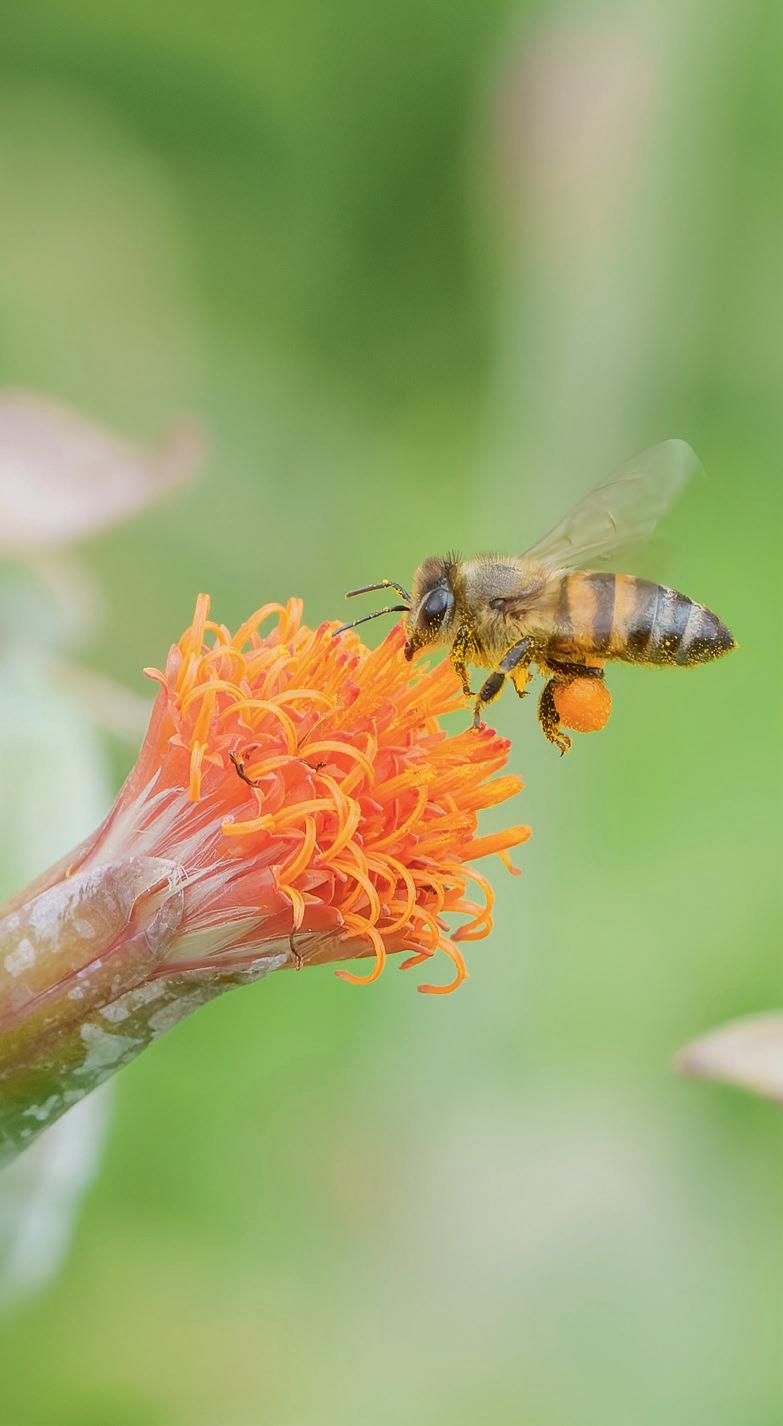
The island’s biodiversity is the honey’s secret weapon. Bees draw from clove trees (a major crop on Pemba), mangrove flowers along the coast, coconut palms, and mango, banana, and other fruit trees. The result is a complex, multi-layered nectar source you won’t find in single-flower honeys.
A dark, rich flavour
Pemba honey is typically a deep amber colour. Its flavour profile includes slightly spicy notes thanks to the clove nectar. Its layers of taste come directly from the diversity of plants with each flower leaving a signature.
Traditional hives are still common
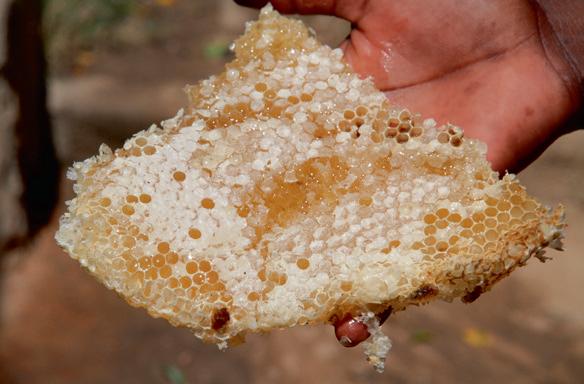
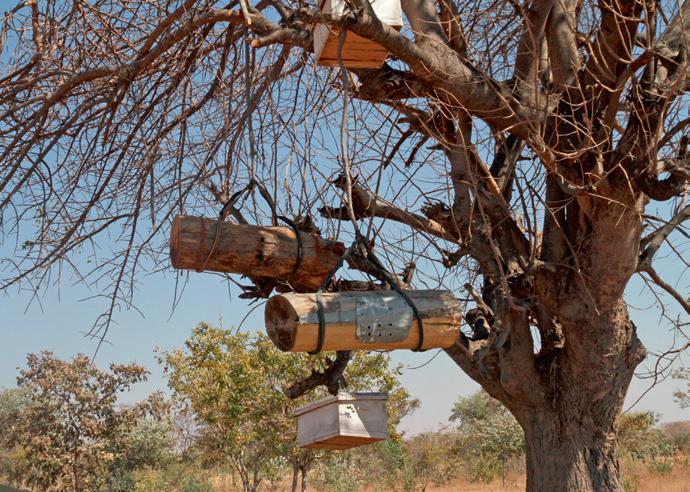
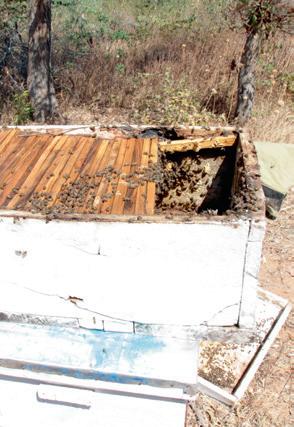
Most beekeepers on Pemba use simple, locally made log hives crafted from hollowed sections of indigenous timber and baited with beeswax to attract wild swarms. Suspended high in the canopy, these traditional hives replicate the natural tree cavities where honeybees would ordinarily nest. They provide a sheltered, insulated environment for colonies while keeping them out of reach of predators such as honey badgers, lizards and ants. Importantly, the hives are installed without harming the living trees that support them.
The two types of Pemba honey
Pemba's traditional log hives are typically hung in clove trees or near coastal mangrove forests, placing bees close to two of the island's most important nectar sources. Clove blossoms provide a delicate, naturally sweet nectar, while mangrove flowers contribute pollen and nectar rich in antioxidant compounds. The resulting honey of the latter is prized not only for its flavour but also for its traditional medicinal uses, including the treatment of burns, ulcers and minor skin infections.
Honey producing co-operatives
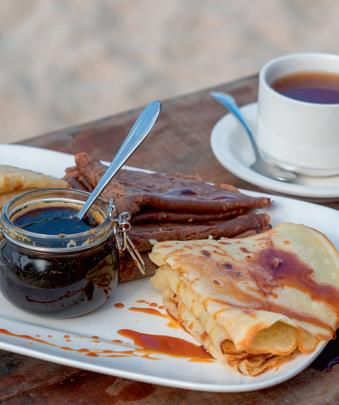
Certified organic clove and mangrove honey is sold by the Pemba Beekeepers’ Association (PEBA), which acts as the central hub and buyer for co-operatives of small-scale farmers on the island. You’ll also find the jars of raw forest honey at local markets and herbal shops across the island. The reputation of Pemba honey has spread to Unguja with high-end botanical skin brand Zuria Rituals selling jars while one of Stone Town’s stand-out hotels, Emerson Spice, has small pots to pour on your breakfast pancakes.
It’s a true ‘pollinator economy’
Beekeeping provides farmers with a vital secondary source of revenue. The bees are constantly on the move, drifting between clove blossoms, fruit trees and wild forest flowers as they collect nectar. In the process, they transfer pollen from bloom to bloom, helping many of the island's crops to flourish.
Beekeeping has deep roots here
Beekeeping in Pemba and across the Zanzibar archipelago has evolved from wild honey harvesting traditions with community knowledge passed down generations. Still today it’s largely a grassroots livelihood.
Your
Our fleet
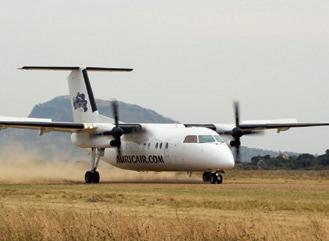
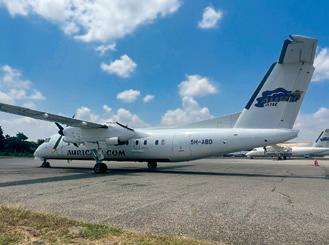
With their short take-off and landing capabilities‚ the 26-strong Auric Air fleet opens up a world of possibilities for reaching destinations that are inaccessible to larger aircraft. Here’s a closer look at our built-for-adventure fleet.
Cessna Grand Caravan C208B EX
NUMBER OF AIRCRAFT IN FLEET: 15
MAXIMUM RANGE: 912 NM
MAXIMUM CRUISE SPEED: 185 KTAS
MAX OCCUPANTS: 10 TO 14
Cessna Grand Caravan C208B
NUMBER OF AIRCRAFT IN FLEET: 4
MAXIMUM RANGE: 1,070 NM
MAXIMUM CRUISE SPEED: 186 KTAS
MAX OCCUPANTS: 13 WITH ONE PILOT OR 12 WITH TWO PILOTS
Safety and maintenance
Our entire fleet is meticulously maintained by Hawk Aviation Ltd‚ a reputable organisation head-quartered at Wilson Airport, Nairobi. With approvals from the Kenya Civil Aviation Authority‚ the Tanzania Civil Aviation Authority‚ and the Uganda Civil Aviation Authority‚ Hawk Aviation ensures the highest standards of safety and reliability. All Hawk Aviation engineers in charge of maintaining the aircraft are appropriately licensed having attended approved aircraft type-rating courses with considerable practical experience ensuring all aircraft are looked after by the best of personnel.
De Havilland Canada Dash 8
NUMBER OF AIRCRAFT IN FLEET: 2
MAXIMUM RANGE: 1,148 NM
MAXIMUM CRUISE SPEED: 270 KNOTS
MAX OCCUPANTS: 39
Dash 8-300
NUMBER OF AIRCRAFT IN FLEET: 2
MAXIMUM RANGE: 1,490 NM
MAXIMUM CRUISE SPEED: 287 KNOTS
MAX OCCUPANTS: 50
Pilatus PC-12
NUMBER OF AIRCRAFT IN FLEET: 2
MAXIMUM RANGE: 1,137 NM
MAXIMUM CRUISE SPEED: 280 KNOTS
MAX PASSENGERS: 9 (ONE PILOT), 8 (TWO PILOTS) SIX EXECUTIVE SEATS
Executive Cessna Grand Caravan
NUMBER OF AIRCRAFT IN FLEET: 1
MAXIMUM RANGE: 1,490 NM
MAXIMUM CRUISE SPEED: 140-180 KNOTS
MAX OCCUPANTS: 11 PASSENGERS AND ONE PILOT
Our destinations
Our 15-strong network of destinations connects with some of the most remote and unforgettable attractions across Tanzania and beyond. Here’s where we fly.
Dar es Salaam
What began as a humble fishing village is now the biggest and busiest city in Tanzania. Dar es Salaam is where you can experience the fusion of the Swahili culture and modern life. The culturally diverse city has a vibrant community with thriving food, music and art scenes. Here you can get a hit of city life and a toes-in-the-sand slice of the beach all in one.
Entebbe
The Ugandan city on the shores of Lake Victoria is the gateway to a host of primate adventures such as mountain gorilla trekking in Bwindi National Park and boat rides to Ngamba Island Chimpanzee Sanctuary, which protects orphaned chimps
Iringa
Time spent in this tranquil town in the southern highlands of Tanzania reveals a rich historical background – battles were fought here during German colonial times and the world wars – as well as insight into traditional African culture. It can also be the base for safari adventures with Ruaha National Park close by.
Kahama
Once a modest settlement in north-western Tanzania, Kahama has grown into a bustling town, shaped by the region’s gold mining industry. Today, Kahama offers a blend of energetic urban life and authentic Tanzanian hospitality. The town’s lively markets, local eateries, and welcoming atmosphere provide a window into daily life in the Shinyanga region.
Kigali
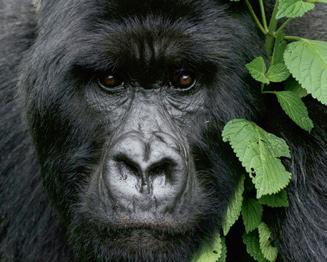
More gorilla adventures can be pursued in Rwanda. The country’s capital, Rwanda, is one of Africa’s most progressive cities as well as being the launch pad for trips to Volcanoes National Park where wild gorillas live among the high forest of the Virunga Mountains – a dramatic backdrop for the trekking experience.
Lake Manyara
The beautiful, bijou Lake Manyara National Park is dominated by its titular soda lake that takes up almost two thirds of the park during the wet seasons and attracts vast flocks of flamingo, pelican and more than 130 more species of birds. It comprises a diverse range of habitats with herds of elephant, giraffe, baboons
and impala roaming the grass and woodland while its forests contain all manner of monkeys as well as tree-climbing lions.
Lake Tanganyika
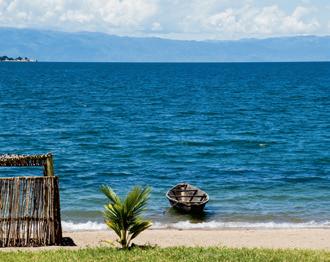
A trip to Tanzania’s deepest lake opens up the country’s remote west. Here you can dive or snorkel to explore the lake’s unique marine life or take longer canoe and trekking adventures into the Mahali Mountains, renowned for its wild chimpanzees.
Mafia Island
The waters surrounding the Mafia archipelago are protected so its pristine reefs teem with marine life and offer some of the best diving experiences in East Africa. Giants of the sea such as whale sharks and humpback whales are also regulars here.
Masai Mara
This protected reserve in southern Kenya is one of the best places in the world to observe animals in the wild. Its sprawling plains are home to the Big Five‚ there are hippos and crocodiles in the rivers‚ and more than 500 species of birds. The
Lake Tanganyika Rwanda
Mafia Island
reserve is particularly famous for its big cats—lions‚ leopards‚ and cheetahs. While the wildlife viewing at almost any time of the year is superb‚ the Masai Mara is best visited during the months of the Great Migration‚ when millions of zebra‚ wildebeest‚ and gazelle make their way north into the park from the Serengeti‚ crossing the Mara River in search of fresh grazing.
Mwanza
Tanzania’s second city hugs the southern shores of Lake Victoria with its iconic coastline of gigantic granite rocks. The city centre is a bustling place with markets galore. For escapes into nature, you can take boat trips on the lake or take a ferry trip to Ukerewe Island with its lush forests. Mwanza can also be the starting point for safari trips into Tanzania’s world-famous Northern Circuit.
Nyerere National Park
Nyerere National Park is Tanzania’s newest and now largest national park,
Your gateway to East Africa
WhatsApp: +255 783 233334
+255 746 986123
auric@auricair.com www.auricair.com
yet tucked away in the country’s southern wilderness it is something of a hidden gem. Its rivers and lakes are the lifeblood of the park that hosts some fabulous game‚ including elephants‚ wild dogs‚ buffalo‚ hippo‚ crocodiles‚ and fantastic prides of lions.
Pemba
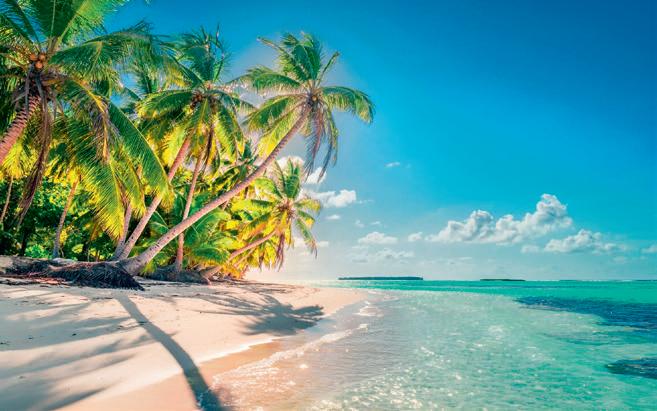
Pemba is the second-largest island of the Zanzibar archipelago and provides a lush, lowkey alternative to its larger neighbour, Unguja. Nicknamed ‘The Green Island’, Pemba is renowned for its fertile soil with its clove and vanilla plantations securing it global trading renown. Ringed with pristine beaches and reefs and with a forested interior that is home to endemic birds and mammals, Pemba is a haven for nature lovers.
Ruaha National Park
This massive national park is ideal if you want to escape the crowds. Here you can enjoy outstanding levels of wildlife – some of the country’s largest
Serengeti
prides of lions and herds of elephants call Ruaha home – with almost no other vehicles around.
Rubondo Island
This island in the southwest corner of Lake Victoria has national park status with colobus monkeys, elephants, giraffes, hippos and crocodiles enjoying its sanctuary. As well as its animal adventures, the island is a true wild getaway with deserted beaches and virgin forest to explore.
Serengeti
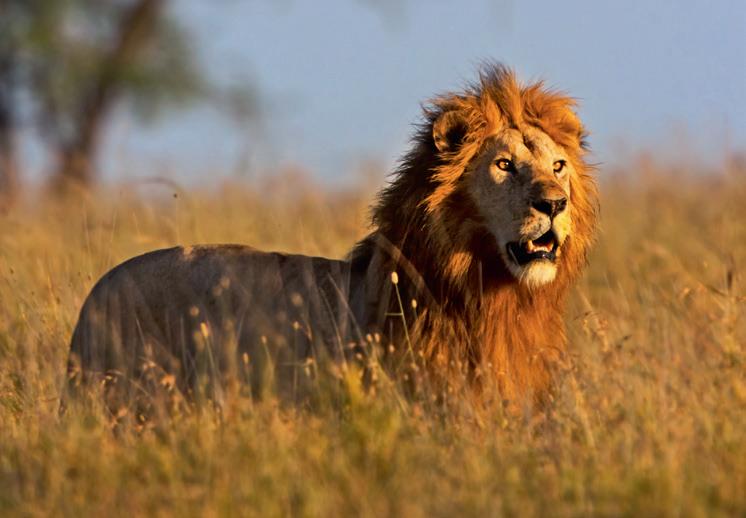
With access to the hot-spots of the Great Migration and some of the largest concentrations of African wildlife – including more wild lions than anywhere else in the world, the Serengeti takes safaris to another level. The park welcomes almost a hundred thousand tourists every year.
Tanga
In colonial times, this port city in northern Tanzania headed East Africa’s trade links with the world. Now it has a more sleepy, laidback appeal, offering charming insights into the Swahili lifestyle. It also provides access to the East Usambara Mountains and the beaches of Pangani.
Zanzibar Island
Zanzibar’s main island, Unguja, has become one of Africa’s most popular tourist attractions. Resorts pepper its spectacular beaches while its historic centre, Stone Town, is a living museum of its trading heyday as well as vibrant proof of the cosmopolitan Swahili culture with its exciting food, music and arts scenes.
Lake Tanganyika Kipili Airstrip
TANZANIA
Auric Air chatbot is available to answer your questions 24 hours a day, 365 days a year. Scan the code or WhatsApp "Hello" to +255 783 233334 to get started.
KENYA
Ma a Island
Serengeti National Park
Masai Mara Musoma Kisumu
Rubondo
Lake Victoria
Lake Tanganyika
Kigali
Ruaha National Park
Pemba
Iringa
Tanga
Zanzibar
Lake Manyara National Park
Masai Mara and Serengeti route
Nyerere National Park (Selous Game Reserve)
Arusha
Dar es Salaam
Mwanza
Kahama
Passenger information
Need help?
Auric Air chatbot is available to answer your questions 24 hours a day, 365 days a year. Scan the code or Whatsapp “Hello” to +255 783 233334 to get started.
Everything you need to know to get your journey with us off to a smooth start.
Baggage
Baggage allowance for each passenger is 20kg (inclusive of hand baggage‚ cameras‚ filming equipment and any other personal item including loose clothing). Hard suitcases are allowed, but the dimension of individual items of luggage should not exceed dimension of 90cm in length, 65cm in width and 35cm in depth.
If passengers anticipate they will have excess baggage‚ excess baggage is bookable in advance in slabs of 10kgs. The excess baggage cost is between US$ 30 and US$ 60 depending on destination.
A maximum of four slabs (40kgs) additional luggage can be booked per person. For more than 40kgs‚ a freight seat at child fare is to be booked‚ which will permit a carriage of an extra 75kgs
There is a complimentary secure store at our Dar es Salaam airport office. Please enquire in advance.
Bookings
You can make payment online by credit card or mobile money at the time of making your booking. Alternatively‚ email reservations@auricair.com for other payment options such as credit card payment links or bank transfer options.
Children aged between two and 11 years (inclusive) are charged 75 per cent of the applicable adult fare. Infants under two years of age are not charged providing they are not occupying a seat. Infants are not entitled to baggage allowance.
Missed flights
No-show passengers will be required to book and pay for new tickets. If prior
notification is received by up to 24 hours before the flight‚ Auric Air can transfer your booking‚ at a cost of 50 per cent of your ticket basic cost‚ to the next available flight but has no responsibility whatsoever for any related extra costs. If seats are not available‚ no refunds will be made. You are advised to ensure that your travel insurance covers such situations. Details of any amendment or a cancellation must be sent by email to reservations@auricair.com
Check-in times
The latest Check-in time for all passengers is strictly 60 minutes before flight time. Auric Air reserves the right to depart up to 15 minutes ahead of the scheduled departure time if passengers are not present at the place of departure by that time. Auric Air has no responsibility for direct or indirect costs resulting from passengers missing a flight due to non-compliance‚ for whatever reason‚ with the above check-in times.
Auric Air operates from Terminal 1 at Julius Nyerere International Airport in Dar es Salaam.
Flying when pregnant
A woman with an uncomplicated pregnancy and clearance from their doctor can board flights up to the end of the 30th week of pregnancy. A doctor’s certificate or clinical card must be provided and Part 1 of our MEDI form must be completed by the passenger. They then have to be seated on the last single seat near to the emergency door.