Sheeting, laminating
The mission:
Everything dough
Lighting
In the right light, at the right time
Case study
The Whole Grain Partnership project








Sheeting, laminating
The mission:
Everything dough
Lighting
In the right light, at the right time
Case study
The Whole Grain Partnership project

Catalina Mihu, Editor-in-chief
Your commments or suggestions are always appreciated: e-mail: mihu@foodmultimedia.de
Although there is no formally agreed-upon value in Europe, our whole-grain intake should be at least 75 grams per day for a healthy diet. The Nordic Nutrition Recommendations, in particular, recognize the benefits of foods rich in nutrients and fiber, made with whole grains: “It is recommended to have an intake of at least 90 grams/day of whole grains (including whole grains in products), with likely further benefits of higher intakes. Whole-grain cereals other than rice should preferentially be used,” according to the document published in 2023.
Whole grains pack an abundance of fiber, vitamins, and antioxidants that are missing in refined grains. Their benefits are undeniable and backed by science, with research proving that regular consumption reduces the risk of cardiovascular conditions, obesity, certain types of cancer and diabetes. It is a powerhouse ingredient – on paper. In 15 out of the 27 EU countries, however, people do not even reach half of what’s recommended in the Nordic countries, despite many dietary guidelines circulating in the EU, information from the European Food Information Council (EUFIC) shows. Daily consumption is under 30 grams in Hungary, Croatia, Italy, Belgium, Spain, the Czech Republic, Poland, Romania, Slovenia, Slovakia, the UK, Lithuania, Estonia, Latvia and Bulgaria. This list points to the biggest problem areas and the literal land of the best opportunities, since the first step is providing enticing choices. As someone recently said on stage at the 39th AIBI Congress, in France, “We decide what consumers eat,” – an interesting and empowering perspective shift. A detailed report on my trip to the large plant bakers’ biggest event will be included in our next issue of BBI.
In the meantime, you can read about an inspiring success story on how Denmark did manage to elevate the people’s average whole grain intake from 36 grams per day to 66 grams, through a unique, multi-approach project. To achieve this goal, the Whole Grain Partnership has combined the forces of its 29 members – including public authorities, health NGOs and companies in various fields, baking included. The project, which is still ongoing, was recognized as a Best Practice example by the EU and the Organization for Economic Co-operation and Development in 2022. It even earned praise from the UN last year for its effective approach and results. As further evidence that the public-private partnership works in supporting whole-grain consumption and public health, respectively, Sweden is already working on its own version of the project.
Combining nutrition, well-being and sustainability makes whole grain possibly the biggest thing since sliced bread, a trend we will follow closely. Enjoy reading about Denmark’s project in the pages of this magazine, we hope it will be food for thought.
Have an excellent, creative summer, everyone!
Catalina Mihu
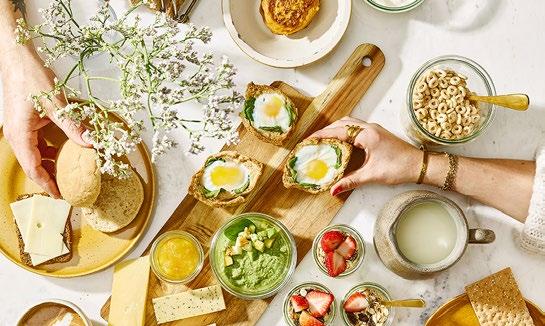
MORE WHOLE GRAINS, PLEASE!
The Whole Grain Partnership was established in Denmark to encourage people to eat healthier – which means having more whole grains.
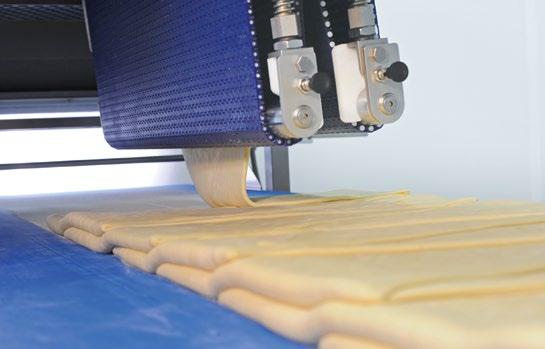
SHEETING AND LAMINATING MISSION: EVERYTHING
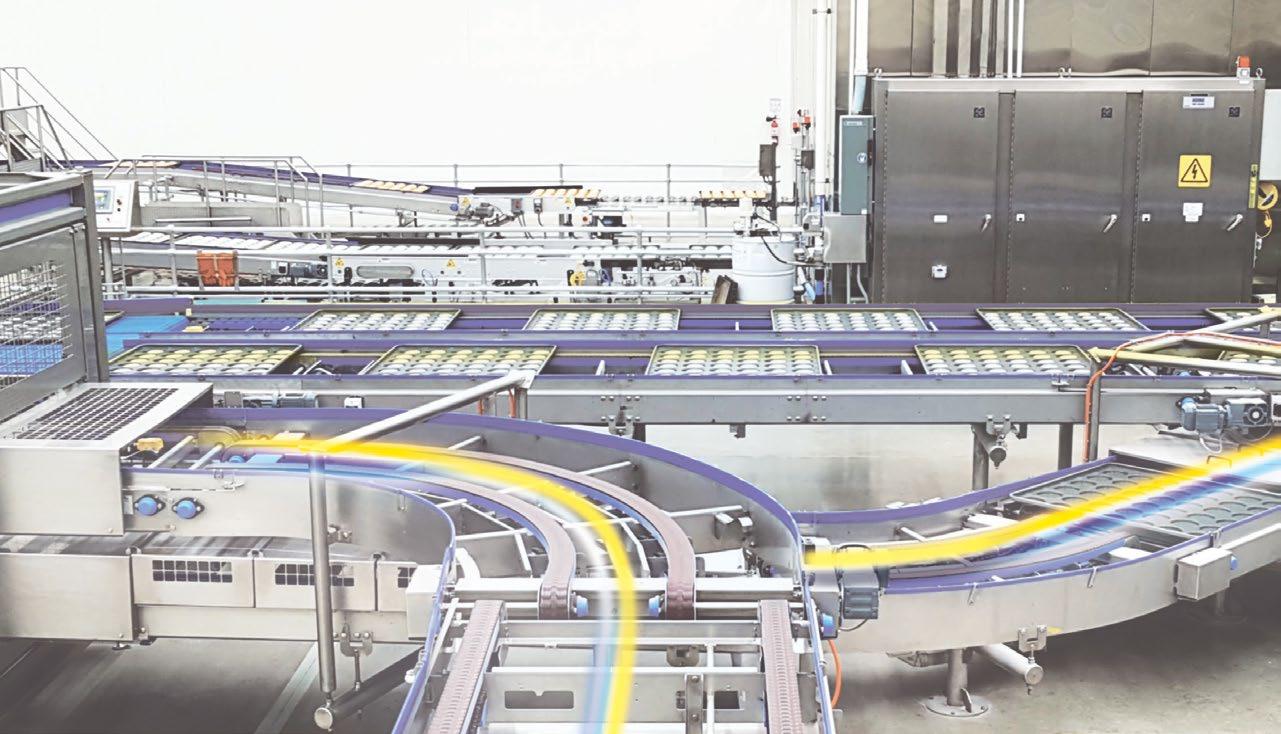
FRITSCH designed its LAMINATOR systems to process any type of dough consistently. To do that, the SoftProcessing technology does the heavy lifting (and gentle dough handling).
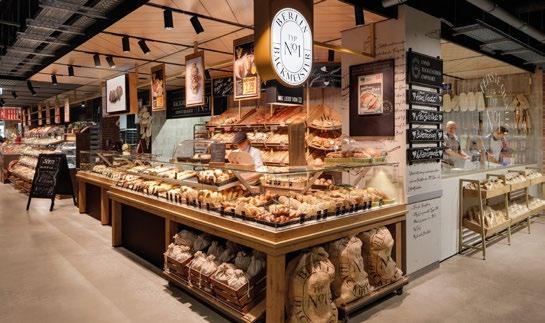
IN THE RIGHT LIGHT, AT THE RIGHT TIME
Turning on the light switch in a bakery shop holds a world of power in addition to making everything visible. When set up correctly, it is a combination of form, function and feeling.
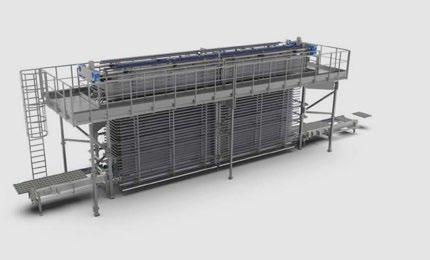
STEP RIGHT UP!
Space is a precious commodity, especially so in bakeries pursuing growth. What’s more, a strategic location is hard, sometimes even impossible, to leave behind. Compact solutions transform bakeries into valuable real estate. A solution that literally steps up to this task, flexibly covering proofing and cooling, is the step cabinet.
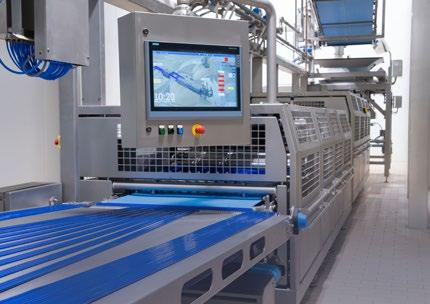
THE PRODUCT DEFINES THE PROCESS
With 15 years of experience in the market, Royal Kaak has over 50 DrieM sheeting lines in operation worldwide. The focus is on continuously improving the process, combining technology and craftsmanship.

“OUR FIRST GOAL IS TO ALW AYS UNDERSTAND THE BAKER’S PROCESS”
On the company's 60th anniversary, Andreas Putz, talks about Koenig’s approach to baking technology and strategy for the future.

(I) 22 AMF Bakery Systems: Vertical proofing steps right up
24 Royal Kaak: The product defines the process
28 Andreas Putz, Koenig: “Our first goal is to always understand the baker’s process”
IMOON: In the right light, at the right time
40 INMIND Consulting: An untapped opportunity (when a brand becomes relevant)
FMCG Gurus: Health-conscious indulgence is approved


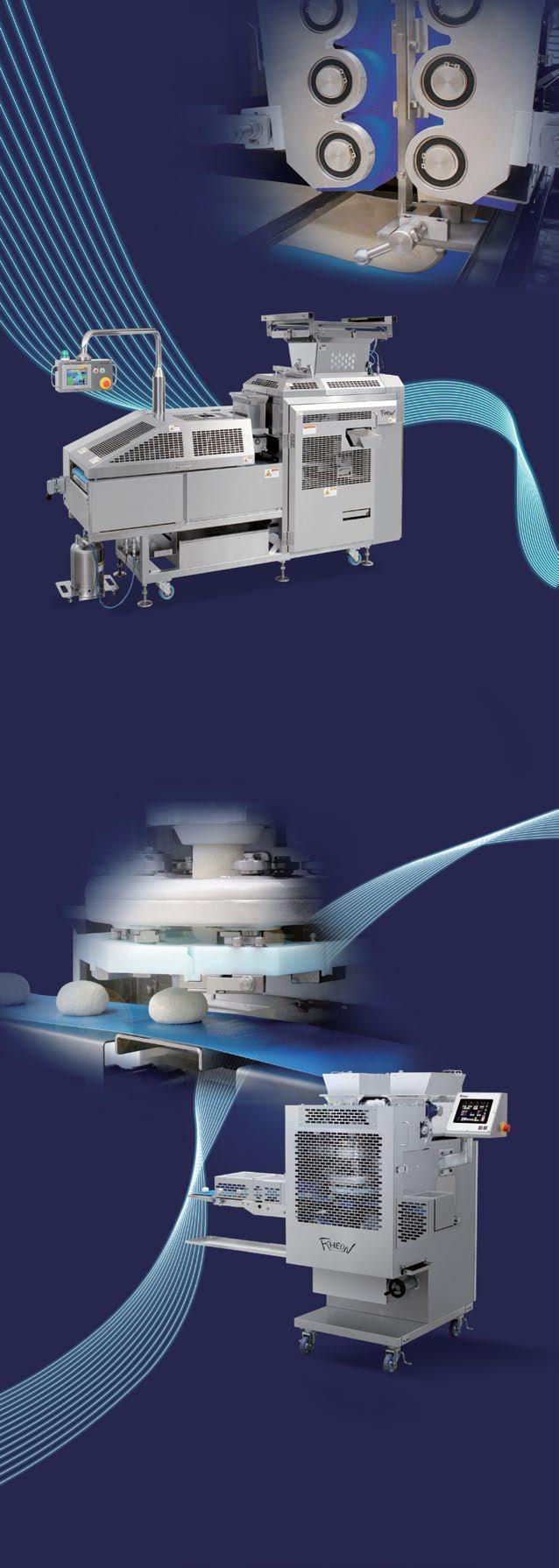


The Whole Grain Partnership was established in Denmark to encourage people to eat healthier – which means having more whole grains.
By Catalina Mihu
+The Whole Grain Partnership is a public–private partnership between authorities D anish Veterinary, Food, Agriculture and Fisheries Agency, the Danish Cancer Society, the Danish Heart Foundation, and the Danish Diabetes Association, as well as several food companies, retail chains, and trade associations. The initiative consists of 29 partners, each contributing with their strengths and competencies. Authorities (e.g., the Danish Veterinary, Food, Agriculture and Fisheries Agency) contribute with dietary guidelines, professional guidance and credibility. Health NGOs bring forth research, health communication and PR, while ensuring that messages about health benefits remain

evidence-based. The project’s commercial partners (millers, bakeries, cereal and food producers) contribute by product development and reformulation, increasing whole grain availability and quality, and by marketing and in-store/ on-pack communication (within the partnership’s agreed framework). In turn, retail chains make whole grain choices visible and accessible in stores and participate in joint campaign weeks. Foodservice/canteen partners implement whole-grain solutions in professional kitchens and help create structural changes in everyday meals.
The bakeries’ role is also important: bread, especially rye bread, is a key contributor to whole-grain intake in Denmark. Historically, it has been challenging for bakeries to widely use the orange whole grain logo, which has been developed for the project, widely due to recipe and category criteria,
but whole grain flour is part of everyday baking across the sector. “You can find rye bread and other whole-grain breads made with whole-grain flour in virtually any Danish bakery,” says Rikke Iben Neess, Campaign Manager, Whole Grain Partnership.
The aim is simply – and essentially – improving public health. The mission of the Whole Grain Partnership is to increase the availability of whole grain products and spread awareness of the beneficial effects of whole grains. The cumulated work of the participating organizations already shows visible results: around 70% of all Danes are familiar with the ‘whole grain’ logo promoted by the Project, and a vast majority of them (approximately 80%) say they choose to buy products bearing it. Danes’s good intentions are not just words: the average daily intake of whole grains in Denmark has roughly doubled since the launch of the project.
The interest has been met with a matching, impossibleto-refuse offer diversity: if fewer than 200 products labeled as ‘whole grain’ could be found on the shelves in 2010, that number soared to over 1,000 varieties with the logo.
The European Union recognized the Danish Whole Grain Partnership as a Best Practice example in 2019, followed by the Organization for Economic Co-operation and Development in 2022. Most recently, the United Nations acknowledged the project in July 2025, highlighting its successful public-private model as a global initiative for improving public health and dietary habits. Since then, research has investigated how the model could be adopted in other countries, such as Slovenia, Romania, or the UK.
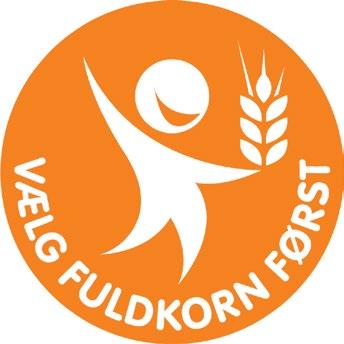
The Whole Grain Partnership – Fuldkornspartnerskabet, in Danish, was established between 2007 and 2009, when the orange whole grain logo was launched. It says, simply, ‘Choose whole grains first’, which is ‘Vælg fuldkorn først’ in
Danish. Since then, the campaign has been working on rolling out multi-year strategies and annual action plans for the people of Denmark.
Improving public health in the country by increasing whole grain consumption has been, and it remains the project’s primary goal. At the same time, “The partnership has attracted significant international interest and is used as a best-practice case by other countries and organizations, but our consumer-facing activities and targets are national,” Iben Neess clarifies.
“We continuously keep our ‘antennae out’ for food trends and new consumer needs right now, for example, we are looking closely at the ‘fibermaxxing’ trend and developing recipes with a strong dietary fiber content.”
Rikke Iben Neess, Campaign Manager, Whole Grain Partnership
Setting up the project as a public-private partnership pooled together public institutions’ strengths with those of businesses and research organizations to address public health from the focused perspective of whole grains, as a valuable ingredient to a healthy life. In this format, all parties could share expertise and bring complementary competencies to the table, as well as a wealth of combined resources, for a broader reach and impact.
The project is a long-term public-private partnership with a two-sided approach:
1. Making it easy for consumers to choose whole grains, which are clearly marked the orange whole grain logo. These are not only products with a high whole grain content, but they also meet criteria for low-fat, low-sugar and low-salt content claims, and
2. ‘Lifting the baseline’ by encouraging more whole grain choices to be available in many everyday products and meals (with or without the logo) where possible.
Several activities are carried out all year round: “Our yearly action plans combine partner-driven activities and shared national <peaks> that create visibility and new norms, including campaigns such as Yearly Whole Grain Day (Årets Fuldkornsdag) – held in mid-January, Breakfast Week (Morgenmadsugen), Open Sandwich Week (Smørrebrødsugen) and Dinner Week (Aftensmadsugen),” the Project’s Campaign Manager tells bbi. The concepts for these campaigns are developed in collaboration with the member partners, often in dedicated working groups, and produced as
‘plug-and-play toolkits’ – so that retailers, producers, canteens, NGOs and authorities can immediately incorporate them in their own channels and settings.
The Project’s members maintain an ongoing communication strategy with consumers and all interested stakeholders, encouraging them to access the information resources. Key channels include social media (Instagram and Facebook for consumer inspiration; LinkedIn for stakeholder and partner profiling), PR and media outreach, newsletters to partners, and partner amplification via retail chains, brands and canteens.
The Project management learned that a combination of the following factors is the most effective:
1. Simple, consistent messages (e.g., ‘Choose whole grains, and ‘Look for the orange logo’);
2. Inspiration-driven content (recipes, short videos, seasonal tips) that speaks to taste, comfort and everyday habits; and
3. Partner activation where consumers have such food choices in stores, foodservice/canteens and in workplace or school settings.
Messages and materials are developed with partners to ensure coherence and credibility, while allowing each partner to adapt to their own audiences and channels.
Before the partnership was established, Denmark had a relatively low average whole grain intake of 36 g of whole grains per day, around the mid-2000s. Today, the Danes eat an average of 66 g of whole grains per day. However, there is still more work ahead, new statistics show. Iben Neess reveals that, “We have just received fresh intake data on Danes’ dietary habits, and, unfortunately, the overall picture is not very positive. Whole grain intake shows a mixed development: it is increasing among men, but has declined by 18% among young women, compared with 10 years ago. Whole grain intake has increased from 57 g to 69 g (on average) per day –among men aged 18-75.”
The Project’s organizers are optimistic about being able to maintain the overall intake level, given broader dietary trends, which are largely negative.
The resources provided even include recipes and meal inspiration, created and curated to make whole grains practical, tasty and relevant in everyday life. “We continuously keep our ‘antennae out’ for food trends and new consumer needs right now, for example, we are looking closely at the ‘fibermaxxing’ trend and developing recipes with a strong dietary fiber content,” she highlights.
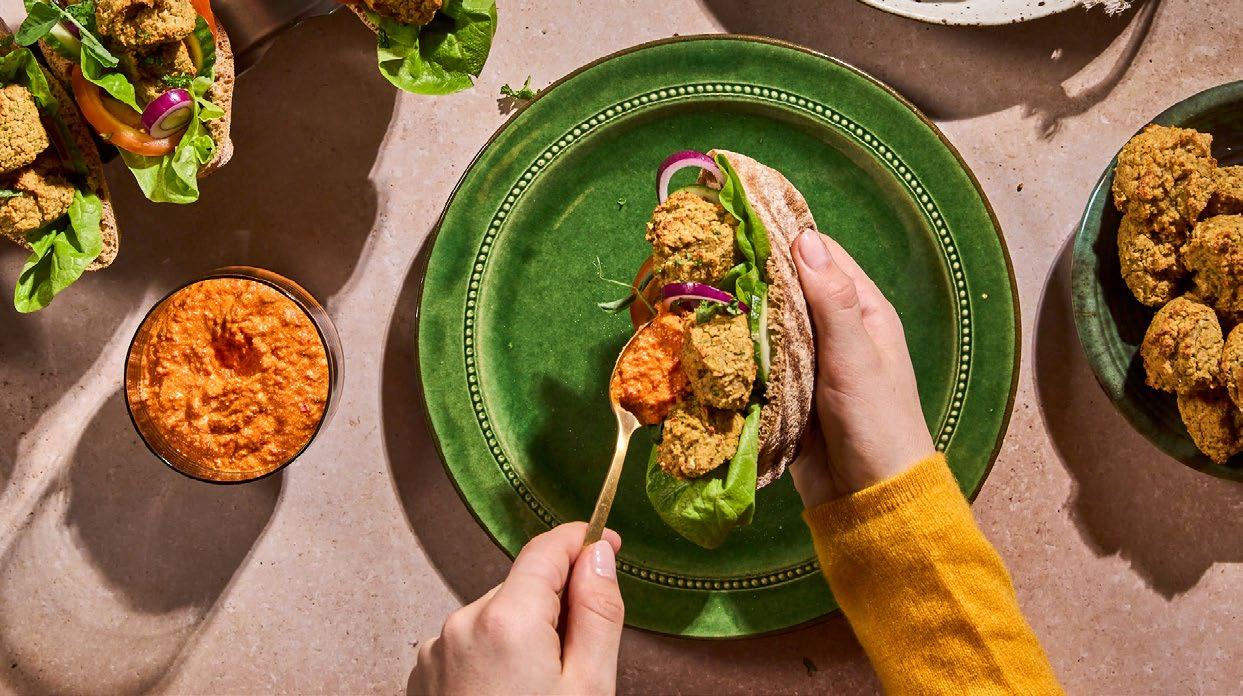
The recipes are mostly developed internally, but some are created with external contributors, including food professionals. A key principle is that the recipes should be easy to use, based on familiar Danish food culture, and help consumers increase whole grains across meals. They are also designed to be reusable by partners in their own communication and activations.
The results are encouraging, as the substantial intake growth has been thoroughly documented. “With the national recommendation now set at 90g/day, there is still an important gap to close, especially among those who eat the least whole grain and the young girls aged 11-17,” the Campaign Manager underlines. The Project members can already observe strong consumer recognition and trust in the orange logo.
They believe that a continued demand for convenient and tasty whole grain solutions across multiple categories can make a difference, not limited to only traditional rye bread, but also for breakfast products, sandwich, pasta, and ‘everyday’ bakery products. The activities within the Project focus on making whole grains relevant in modern eating patterns, and by communicating whole grains through inspiration and taste not only through nutrition facts.
The partnership was designed as a long-term collaboration rather than a time-limited project. The next steps, as described in the current strategy cycle and annual action plans, will focus on increasing whole grain intake (especially among the quarter of the population who eat the least and young girls); maintaining the earned level of trust in the orange logo, and ensuring availability and attractiveness of whole grain products across categories and eating
occasions. The Project’s representative notes: “A newer major focus area is embedding whole grains structurally in meals outside the home, particularly school meals and foodservice/canteens, so that whole grains can become a natural default choice.
The success of the planned actions is monitored through targets/KPIs such as intake levels where data exists, number of logo-labelled products, consumer awareness and behavior, and an uptake in foodservice initiatives.
In practice, the partnership is not considered as ‘completed’ when reaching a certain endpoint; rather, the goals are updated as new data and societal conditions emerge – for example, when national dietary recommendations change, as they did when the recommendation increased to 90g/ day. Iben Neess anticipates: “Even if we were to reach an average intake of 90g/day, we would not expect the work to stop. Experience tells us that progress needs to be maintained, and without continued joint focus and many stakeholders pulling in the same direction, whole grain intake would likely decline over time.”
Anyone who can contribute to improving public health by increasing whole grain consumption is welcome to join the project. “For producers specifically, we expect a concrete commitment – at the very least, one product sold must carry the orange whole grain logo, and preferably more should be added over time, alongside active engagement in relevant partnership activities,” she explains.
As numbers show (and international recognition confirms), the Project is working, and Danes are improving their nutrition. +++
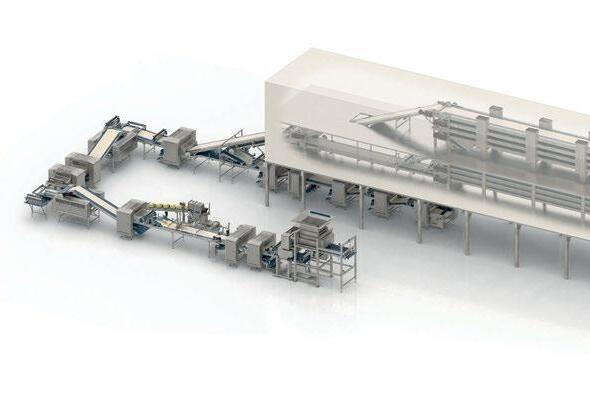
FRITSCH designed its LAMINATOR systems to process nearly any type of dough consistently. To do that, the SoftProcessing technology does the heavy lifting (and gentle dough handling).
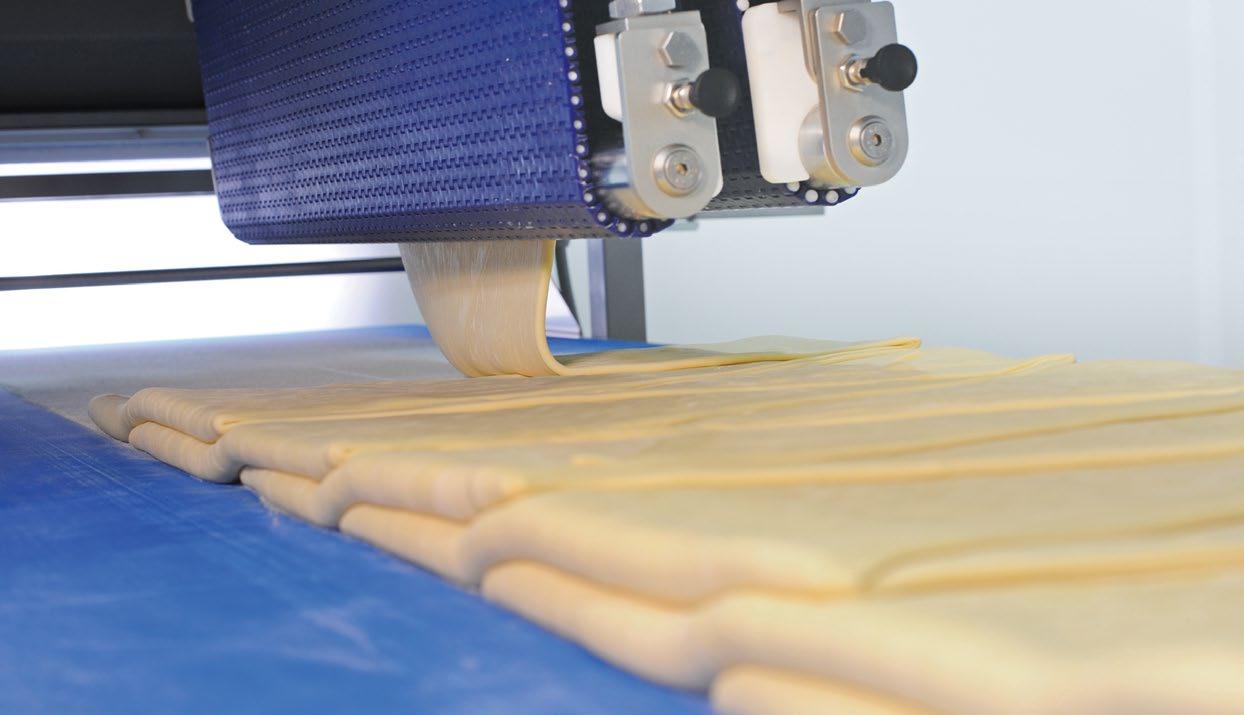
+Starting from the dough sheet forming stage through to laminating and stress-free sheeting, followed by the transfer to the make-up line, each component of the laminating line contributes to the quality of the resulting final products.
For pastries and croissants, the FRITSCH laminating lines ensure a precise control of the dough loop at the level of the satellite head and calibrating head. This allows the dough to roll out evenly, in a controlled manner. “Infra-red sensors recognize the dough sheet and regulate the speed of the infeed table and the rollers so that the dough is transported tension- and accumulation-free through the calibrating head,” FRITSCH explains.
For the automated production of dough sheets, FRITSCH LAMINATOR allows sheeting of nearly any type of dough, the entire range from short dough to puff pastry, Danish and yeast dough. The SoftProcessing technology helps with the gentle processing of each variety, respecting its characteristics.
To operate the LAMINATOR, it is only necessary to set the output and number of layers; all subsequent adjustments are calculated automatically. The entire line is displayed on the control panel to offer an overview of the process, at any time. “This facilitates orientation on the line and enables the user to quickly access the required operating level,” FRITSCH explains.
The range of doughs that can be processed even includes filo dough – made up of paper-thin, unleavened dough layers associated with Mediterranean crispy, flaky specialties. High-precision sheeting and laminating are a must to achieve very thin dough and require very accurate rollers, such as those designed and built by FRITSCH. And this is only the start: “For sheeting very thin, or filo dough, we use the so-called ‘duo calibrating head’ with two calibrating rollers. The speed of the calibrating rollers is adjustable. The speed ratio is adjusted from the infeed to the exit so that the dough is always slightly pulled, “FRITSCH explains. To make the dough even thinner, a spreading belt can be used, to roll the dough out to the desired characteristics.
+ The laminating components allow for 4 to 144 layers – depending on the line configuration and the number of folding systems.
+ It features coated surfaces, efficient scrapers, hygienic stainless steel design, removable flour containers, quick-release mechanisms on all conveyor belts and the removable folding channels.
+ The system can be operated by one person, using its central control via a touchscreen.
+ Continuous dough sheet production
+ Gentle working method to maintain the dough structure
+ Wide range of applications
The technology specialist offers two sheeting options for pastry lines: the low-stress dough sheeter (TBP) – which can also be used on bread and pizza lines – and the DS system. The TBP system, with its five rollers, can reduce the dough very gently, which is why it excels at processing doughs with hydration rates of 145 up to 175. It adapts to the process and to any required changes: “If you adjust the rolling gap between the last two rollers, then the TBP automatically adapts all of the front rollers proportionally, in order to achieve a high-quality dough sheet all the way to the edges,” FRITSCH points out. The side walls are designed as guiding disks that move in sync with the dough.
‘Low stress’ is the core concept for the equipment design:
“The heart and soul of our Soft-Processing technology is the FRITSCH satellite head. This forms the dough sheet quickly while being gentle on the dough texture and giving the sheet its desired thickness,” FRITSCH highlights.
An integrated pressing roller ensures that the dough is pressed down gently before it enters the satellite head. For flexibility, the pressing roller’s gaps and the satellite head are infinitely adjustable, by means of its motor. The satellite head can reduce the dough up to a ratio of 10:1.
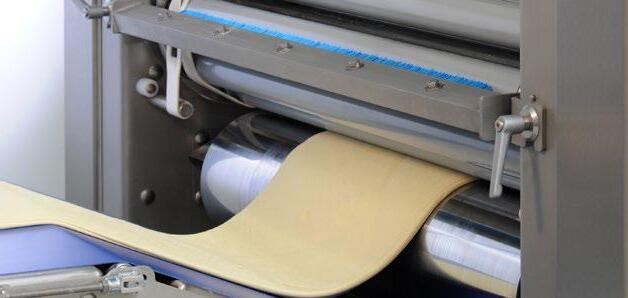
The LAMINATOR can be flexibly set up to match the exact needs of the type of dough being processed. For firm doughs that don’t require any proofing, FRITSCH recommends combining a LAMINATOR with the dough sheet former DS:
“The DS employs a three-roller principle: this is where the dough sheet thickness is determined by the rolling gap between the intake roller and the sheeting roller. A clean separation of the dough sheet from the rollers is guaranteed by scrapers. An infra-red sensor controls a flawless transfer of the dough sheet onto the conveyor table without stretch or accumulation,” the specialist explains.






Even fat application is essential to perfectly even lamination. On FRITSCH systems, fat or butter is conveyed via the fat pump and applied to the dough sheet as a fat band. The pump ensures optimum flow properties of the fat, which results in an extremely uniform band of fat on each dough layer. “The FRITSCH nozzle makes it possible to individually adjust the desired thickness of the fat band, quickly and easily,” the specialist notes. The pipe system leading from the pump to the nozzle can be easily removed for cleaning. Moreover, a water separator can also be installed as an additional solution.
Next, folding can be done in several ways. FRITSCH can offer different solutions for various dough and process needs: + A folding channel with motorized belts, suitable for folding widths of up to 800 millimeters. This solution can even be used for sensitive doughs. “The active forward feed and guidance of the dough sheet during the folding motion prevent any additional tensile stresses in the dough sheet,” the specialist explains.
+ A horizontal folding station, which also allows cut dough sheet segments to be overlapped. In this way, odd numbers of layers can be obtained, if needed.
Cooling should also be optimized to avoid moisture loss and skin formation. Just like sheeting and laminating, cooling and resting must also be a very gentle process on the dough. Cooling technology made by FRITSCH is based on a combination of contact cooling and convection cooling. In this way, the desired core temperature of the dough sheet is reached very quickly, and the process is stabilized. The temperature of each conveyor belt level can be individually regulated. “In order to prevent the dough from drying out or forming skin, we use a low air flow rate in our cooling cells,” FRITSCH says.
If the end product dictates the technology choice, with the LAMINATOR, the breadth of dough varieties that can be processed also leaves the door wide open for opportunities in new product development. +++
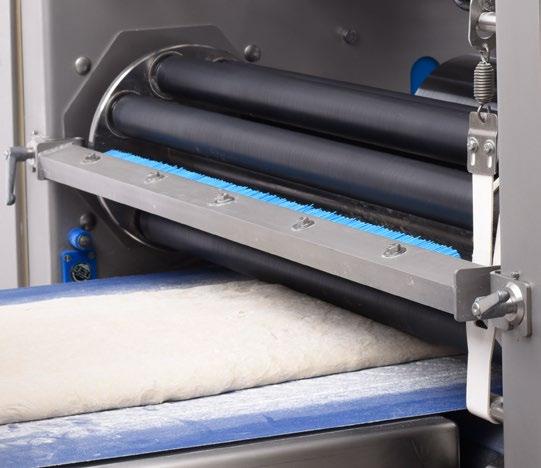
Producing extremely thin layers of dough is just one of many challenging sheeting and laminating scenarios. Processing highlyhydrated dough is another – a difficulty known all too well in bakeries. FRITSCH can offer support for these doughs, too, with dedicated sheeting systems for specific demands and dough parameters. On bread lines, the sheeting section is made up of the DOUGHLINER. It is supplied with dough from the Soft Dough Sheeter (SDS) - for soft and pre-proofed doughs. The specialist illustrates: “FRITSCH bread lines use an SDS in combination with the so-called Soft Dough Roller (SDR) to produce a highly uniform dough sheet. The SDS dough sheeter is ideal for processing very soft and pre-proofed doughs with bowl rest as well as sponge doughs, which, depending on the type of flour used, achieve a hydration rate of 165 to 190.” This system uses fold-up conveyor belts to flour the dough sheet from all sides, which prevents it from sticking while also reducing the need for oil while processing the dough sheet. Monitoring the hopper’s fill level (with the use of sensors) allows for greater precision and more even weight distribution when producing the dough sheet, the specialists from FRITSCH point out, as more dough is added if its level falls below a certain amount. Next, the SDS (Soft Dough Roller) gently rolls out the dough. FRITSCH developed the new sheeting technology with the SDR that helps produce a highly uniform dough sheet with extremely well-defined edges and without shearing forces, while also having no need for separating agents. This reduces scrap dough to a minimum for the rest of the process. Sheeting is carried out gently: the cross-roller unit spreads the dough to just the right width while simultaneously releasing it from whatever tension may be present. Hygiene was also a big priority of design upgrades for FRITSCH: scraperers or brushes continuously clean the rollers, and the system collects the dough scraps from them in stainless steel trays. For breads, the satellite head and the calibrating head on the line are designed without any falling height. In this way, the delicate structures in the dough are preserved; they develop during fermentation and remain intact during this important work step. The technology specialist describes: “On the satellite head, the dough is transferred to the infeed side via a table with a knife edge. Once it has been processed, the dough then leaves the system on a conveyor belt installed around the basic roller.” The same dough-in and dough-out methods are used for the calibrating head.
Introducing the new 893 C.
Closing up to 120 bags per minute with state-of-the-art motion control, ethernet, and wireless communications, the speedy 893 C Automatic Bag Closing Machine has efficiency baked right in. LEARN MORE AT KWIKLOK.COM


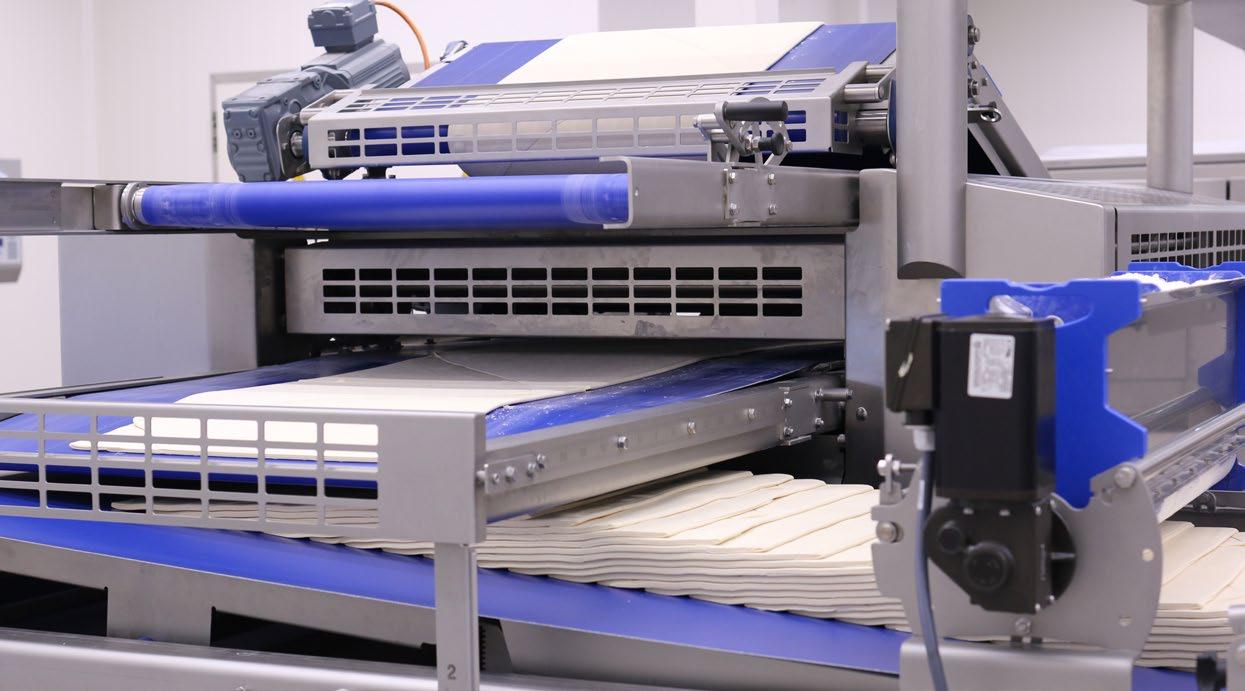
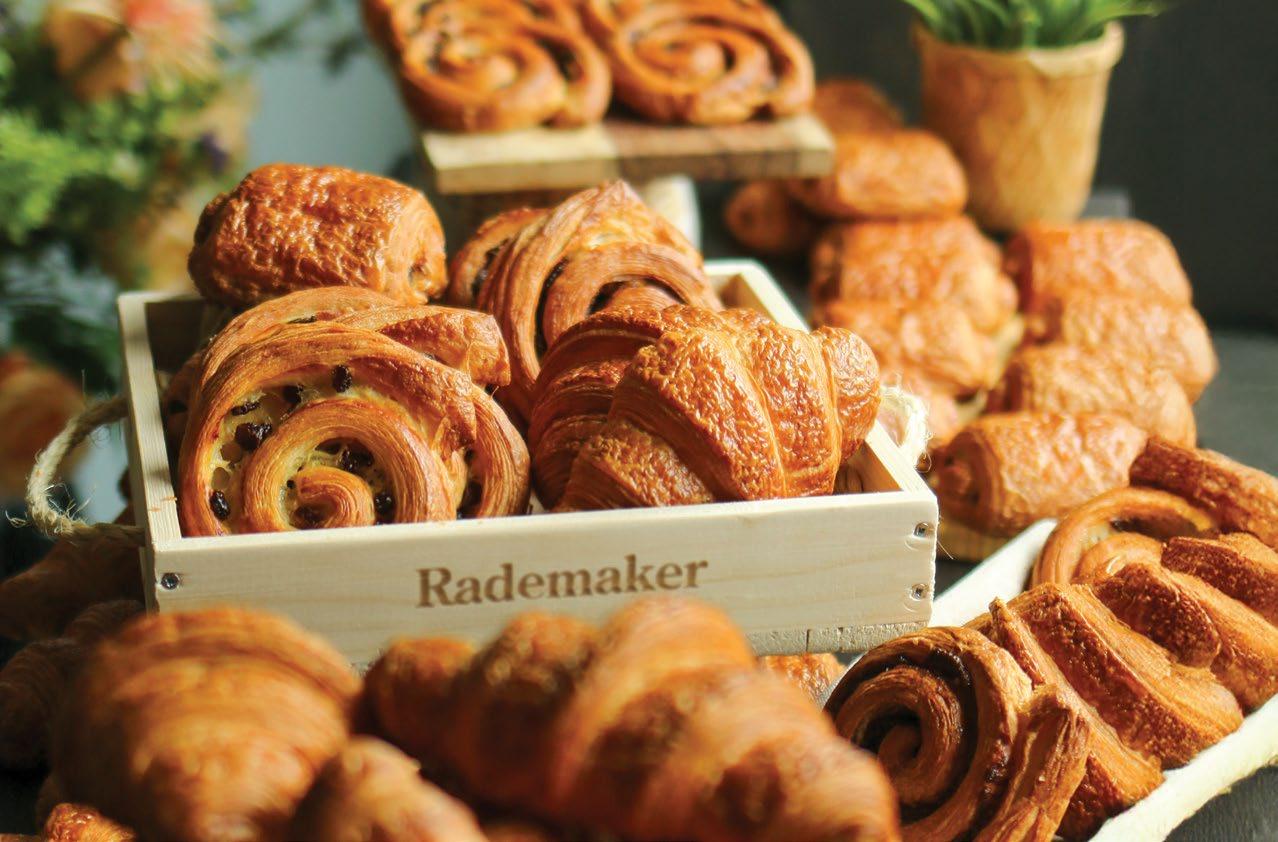
Rademaker recently brought significant improvements to its laminating system, a development project that took about three years.
Rademaker recently brought significant improvements to its laminating system, a development project that took about three years.
+ Rademaker has long been focusing on producing the stress-free dough sheet at an industrial scale. While the necessity may sound simple enough, when manufacturing products that require laminated dough, controlling the stress levels in the dough remains a hard technical challenge. Technically, ‘stress-free’ sheeting and laminating comprise little to no gluten stress, ideally no dough shrinkage, maintaining the integrity of the butter or fat layers and – importantly – the ability to recreate the appreciated artisan-like structure at industrial scale. This is the technology ‘blueprint’ for croissants, Danish pastries, laminated brioches and any other creations in this family.
Rademaker designed their laminators specifically to reach these goals. The company’s latest developments continue to improve system performance: “We have refined our existing laminators, intending to take them to a new level. This development is the result of a three-year study that began in 2022 with the goal of further improving the quality of the laminated dough sheet,” Sales Technologist Jan Willem Jansen shares details about the extensive R&D project.
Throughout this time, they conducted extensive trials at their Technology Center in Culemborg. The team used colored dough for the tests, for the strong visual contrast with the fat layers. In this way, “We gained valuable insights into the lamination quality. These trials enabled us to pinpoint exactly where optimization was needed,” Jansen reveals. Following this investigation process, they identified the following key areas for technological improvements:
+ Improving dough sheeting and layering
+ Reducing rework
+ Minimizing dough tension
In addition to advancing the technology itself, Rademaker also targeted an increase in the operator’s comfort and reducing the machine’s overall footprint.
Through this study, the development project gathered the necessary information to commence: “Our technologists challenged the development team with an extensive set of requirements. This eventually led to new modules being developed and re-tested, to gain a clear understanding of the improvements. We have paid extensive attention to the laminating module, which, by the end of the project, received the most improvements.” The key improvements made help produce fat layers with enhanced stability, better dough homogeneity and a smoothly streamlined machine operation.
“Our technologists challenged the development team with an extensive set of requirements. This eventually led to new modules being developed. We have paid extensive attention to the laminating module, which, by the end of the project, received the most improvements.”
Jan Willem Jansen, Sales Technologist, Rademaker
With the development project recently completed, the newest generation of laminating machines is already in operation at a few bakeries. Rademaker has already received highly positive feedback from them: “The stability of the fat layers
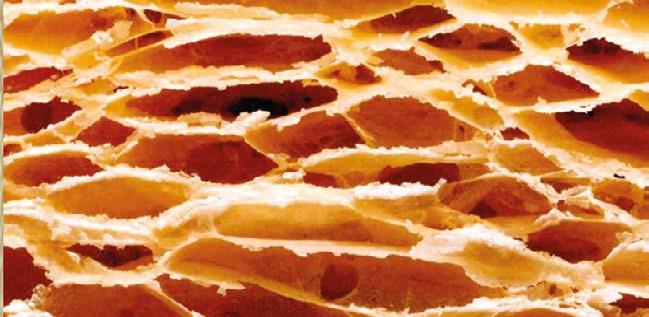
and the homogeneity of the dough sheet have been significantly improved, bringing it in line with the latest product trends. In addition, major steps have been taken in the operation of the laminating module, simplifying operation and greatly increasing product reproducibility. Ease of operation, reduced contamination, and quick startup after product changes are mentioned as major improvements as well,” Jansen reports.
Achieving a stable end product in terms of weight and shape largely depends on the quality of the dough sheet created. Significantly improving the stability of the dough sheet forming process, coupled with increasing the homogeneity of the fat layer thickness, led to a more stable, high-quality end product.

Another novelty of the system is its new fat pump. While its performance and operating principle remain unchanged from the previous iteration, as there was no need for efficiency improvements, the new version focused on enhancing its hygienic design and ease of cleaning, including convenient access. Hygiene was a priority for the entire system. For example, the risk of flour pollution is now significantly lower, thanks to the laminator’s reduced falling height. Moreover, the new design of the cutting unit lowers fat contamination on the cutting knife. “Besides it being more hygienic, it also leads to less downtime as it requires less cleaning,” the Sales Technologist observes. The unit is built according to the Sigma 3 design philosophy, to ensure the highest hygienic standards. This means the pump is fully wet-cleanable and contains no closed compartments: “There are no enclosed motor housings, hollow spaces, or concealed niches. All cables are routed
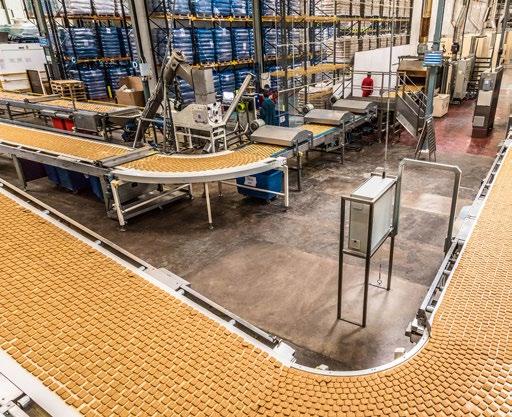
Orchard Foods Valley Ltd (OV UK), a subsidiary of Orkla Food Ingredients (OFI), acquired Phoenix Brands Ltd, a UKbased producer of biscuits and baked inclusions. Phoenix Brands represents a complementary addition to OV UK’s business, with manufacturing capabilities within biscuits and baked inclusions. The company serves customers across bakery, dairy and confectionery applications with its own production site.
“Phoenix Brands represents a strong strategic fit for OV UK. The company has built a focused and scalable platform with long standing customer relationships and a clear position within its niche. This acquisition strengthens our capabilities within sweet inclusions and enhances the value offering we bring to customers in the UK market,” says Coen Louwerse, CEO of OV UK.
“This acquisition is well aligned with our strategy of strengthening our ingredients portfolio through targeted investments in attractive categories with strong fundamentals. Phoenix Brands supports our ambition to build leading, specialised positions in selected segments over time,” says Tor Osmundsen, CEO, OFI Sweet Ingredients.
“Phoenix Brands has developed into a well run business with a strong market position, built on product quality, technical expertise and close customer collaboration. I am pleased that the company is becoming part of OV UK and OFI, and I look forward to remaining involved in the business to support continuity and its continued development,” says Andy Richards, previous owner and Managing Director of Phoenix Brands. +++
“It was
From May 7 to 13, over 2,800 exhibitors from 65 countries and trade visitors from 161 countries came together in. Of all visitors, 75% came from outside Germany, including 28% from outside Europe. Around 100 additional companies were represented at components, the supplier trade fair held in parallel. This made interpack 2026 the largest edition in its history in terms of exhibitors.
“That was a top interpack. Busy halls, intensive exchange and concrete projects showed the strength of this global community. interpack is the most important meeting place for the industry worldwide, and this edition impressively confirmed that,” said Thomas Dohse, Director of interpack, at the closing of the trade fair.
A key focus at the trade fair was the European Packaging and Packaging Waste Regulation (PPWR). interpack showed how companies are responding to pressures systemically. Exhibitors presented solutions in which materials, machines and processes are increasingly considered together and coordinated with one another, for instance. Automation, data-based applications and flexible plant concepts were also presented at interpack as concrete applications of smart manufacturing.
The organizers conclude: “What remains is more than a successful trade fair. It is a clear signal: the industry faces major challenges and is meeting them with innovative strength, cooperation and the will to actively shape the future.“
The next interpack will take place in 2029. +++

Krispy Kreme signed an agreement with Jafa Holding BV to bring Krispy Kreme to the Netherlands. The country’s first shop is expected to open in late 2026. The first Netherlands Hot Light Theater Shop will feature the brand’s Hot Light experience and serve as both a retail location and a production hub. It will support a broader phased expansion across the country, as Krispy Kreme anticipates approximately 30 locations will open over the next five years. The company expects to open at least 100 shops globally and three to four new international markets this year, including the Netherlands.
“We’re thrilled to bring Krispy Kreme’s delicious, fresh doughnuts to the Netherlands. Partnering with Jafa Holding BV, an experienced operator with deep knowledge of the local market, expands our European presence and reinforces our commitment to sustainable, profitable growth through our capital-light franchise model,” said Krispy Kreme CEO, Josh Charlesworth. +++
Despite market challenges, Oetker Group’ sales rose to EUR 7.1 billion in 2025 – an organic growth of 1.4%. Germany remains the Oetker Group‘s primary investment focus, with more than EUR 250 million invested in its home market. Investments in Germany over the past five years have now exceeded EUR 1 billion. One of last year’s highlights was the international scaling of the new premium frozen pizza Suprema. Oetker expects further sales growth in 2026. Sales generated in Germany by the Oetker Group remained largely stable at around EUR 4 billion. The share of revenue generated outside Germany increased slightly to 44.2% of total revenue (previous year: 43.9%), amounting to approximately EUR 3.1 billion.
Dr. Oetker and Conditorei Coppenrath & Wiese together increased their sales to around EUR 4.3 billion, with notable dynamics in the frozen bread roll business of Conditorei Coppenrath & Wiese. After initially expanding its pizza range in Germany in September 2024 with the new premium frozen pizza Suprema, featuring its three core varieties, Dr. Oetker focused in 2025 on the international scaling of Suprema. During the 2025 financial year, the range was rolled out in key additional DACH markets, the UK and Canada. In 2026, alongside further geographic expansion, an attractive extension of the Suprema product range will also be a key priority. +++


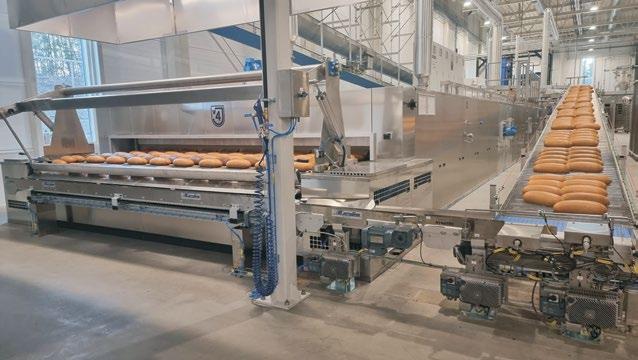



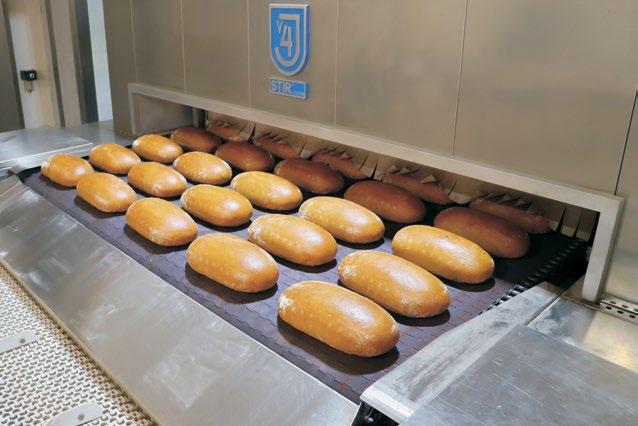
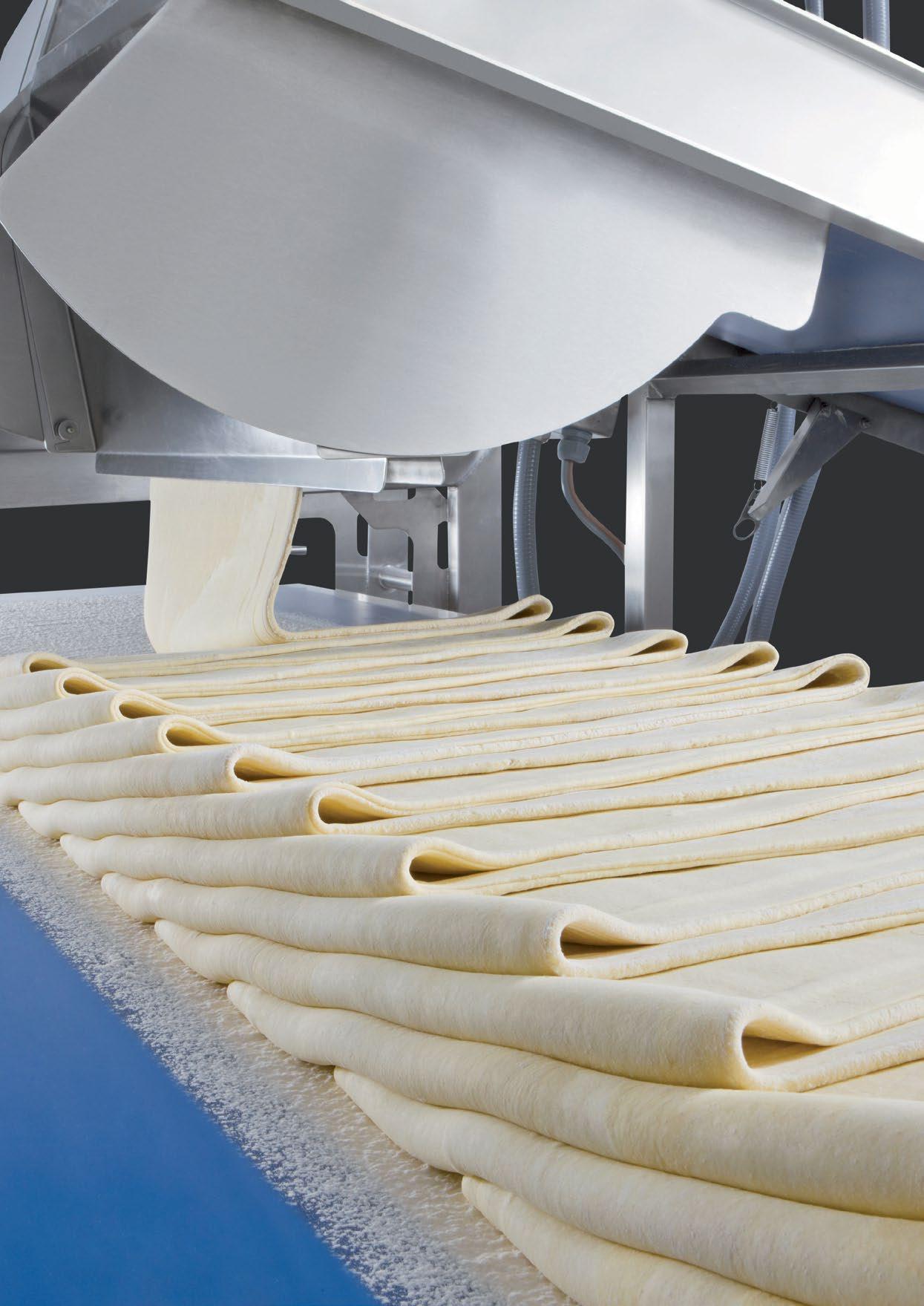
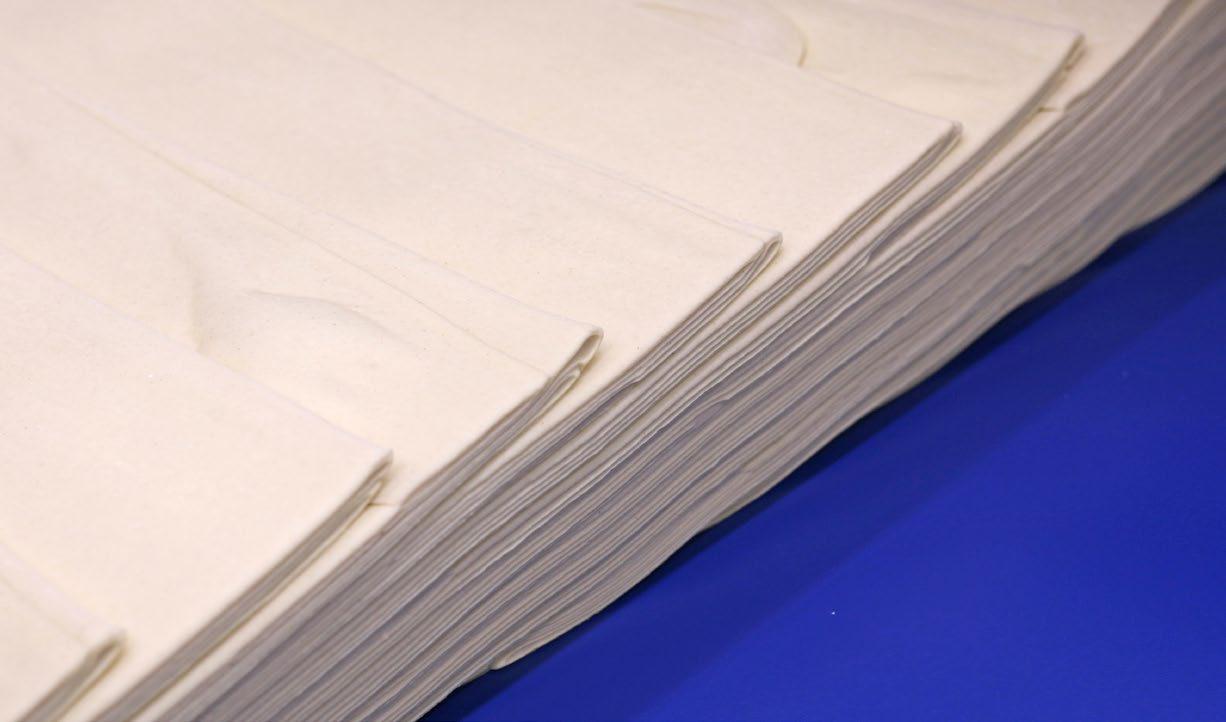
With new-generation technology, bakeries can work smarter, not harder, on sheeting and laminating dough bands for any number of products.
+Variations in a dough band are not a rare occurrence from batch to batch. They can be caused, to various degrees, by any number of changes – from the dough temperature and resting times to differences in the recipe, or the uncontrolled return of rework dough. When fluctuations exceed a certain level, they lead to variations in the dough flow on the sheeting line. Differences can occur in the thickness or width of the dough band, and changed parameters can also lead to blistering, shrinkage, curling of the edges, uneven dough density, stickiness, or even surface tearing.
RONDO has developed several control systems with algorithms that automatically adjust the sheeting line settings to maintain a constant flow of the dough, regardless of changes in the dough characteristics. This is done without the need for any manual intervention from the operator.
To achieve this, the first step is to thoroughly assess the type of product and its corresponding dough characteristics, as well as the optimum process needs and the expectations regarding the quality of the final result. Based on this information, RONDO can evaluate the adequate dough band former for the specific application.
Taking the MIDOS system as an example, “It is perfect for yeast-raised doughs, with or without resting time before the dough band forming process starts, RONDO specialists explain. The MIDOS does not require oil while shaping the dough, which is a plus for the quality of the product, as well as for process safety and the overall hygiene in the facility. The delicate structure of the dough is protected throughout the process. The gluten network is particularly sensitive to stress, especially during the transformation from a dough bulk to a dough band. This is why RONDO sees applying the lowest possible forces as a must. “Damage done at the
beginning of the process cannot be recovered,” they underline, as the integrity of the gluten network can only be evaluated after baking. Various rheological measurements can offer an indication of its status, but it is only 100% confirmed by baking the product – too late for any corrective actions.
Inconsistencies over time can occur, and they can mostly be seen from one batch to another. New flour batches can lead to inconsistencies, as well as changes in the facility’s temperature. Also, “Shifting from a slightly older dough from the previous batch to freshly mixed dough from the next batch brings a big difference,” RONDO notes. Its systems will automatically adjust to such changes it detects, to maintain the flow of the dough constant throughout processing. Even under changing conditions that influence the dough, this reduces variations in the sheeted dough’s characteristics to an absolute minimum.
Pressing the dough to shape it from block to band should not risk hurting the gluten structure at any time; then, the outside variables can be managed for consistent results. ‘Inside’ variables, intrinsic to the dough, are also accounted for – and they can vary widely. The preparation of the dough is often influenced by current trends or seasonal and regional preferences: “Several inclusions could already be mixed into the dough, such as olives, dried tomatoes, or various spices. Inclusions have no influence on the sheeting of the dough band,” RONDO specialists explain.
The systems are designed to support recipe diversity in every aspect. For example, “Adding toppings such as spraying oil or sprinkling herbs can be implemented in the line configuration. By-pass functions are also available, when a certain feature is not needed for the product on the line,” illustrates RONDO.
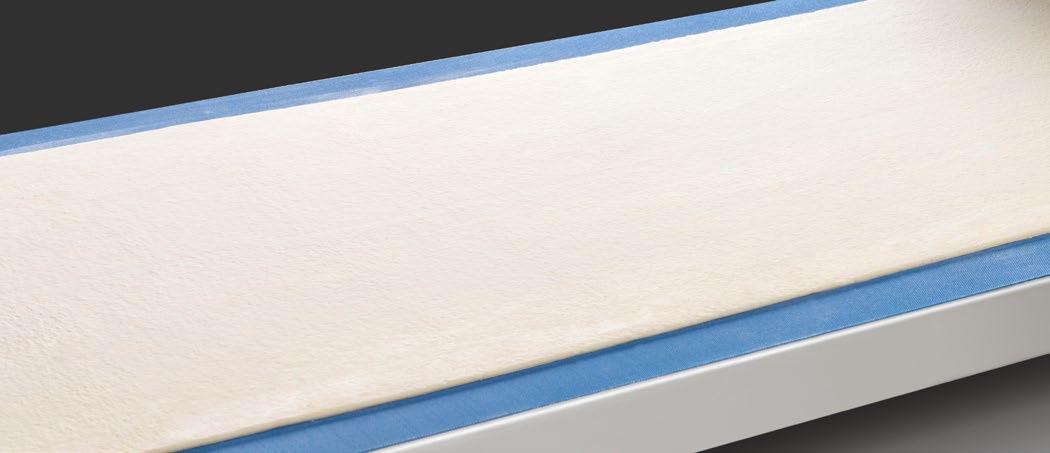
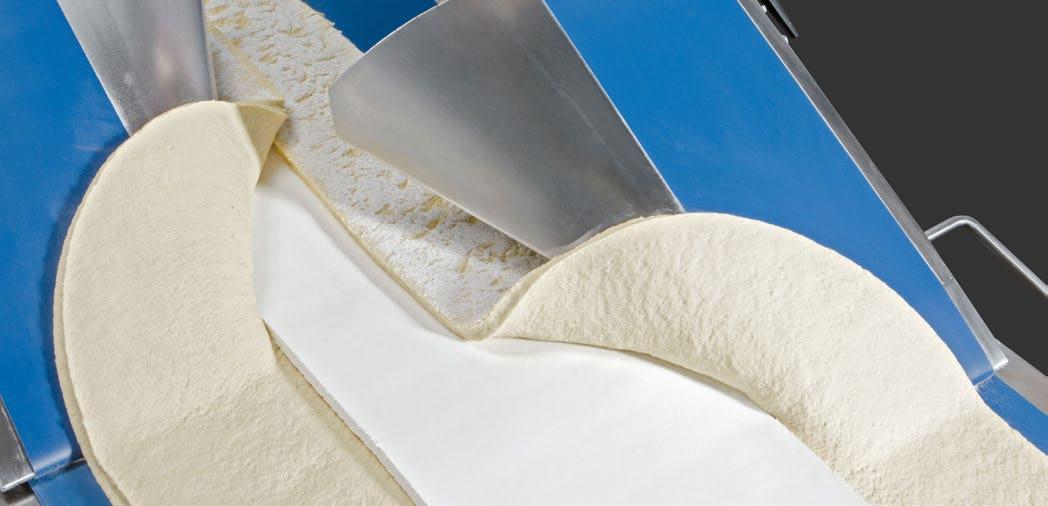
The Swiss company’s sheeting systems can support any production volumes, for sheeting and laminating. Thanks to the continuous, constant flow throughout the process, the equipment workload is relatively low, so high operating speeds can be achieved, as needed. When high-volume operations are the priority, the line’s capacity can be increased two- or three-fold, by increasing sits width. Line widths of up to 1,500 mm are standard for RONDO. Flexibility in production volumes is ensured: “With the RONDO Process Control, capacity changes from +/- 30% can be easily done; the line will readjust itself.”
For improvements in sheeting, RONDO is targeting reduced product changeover times, operation-friendly design, improved waste management and lowering the amount of scraps, as well as the hygienic design of the systems, for longer production runs.
RONDO designed laminating as a continuous process, for any number of dough layers. Determining the optimum count is a matter of what’s expected from the product. For yeast-raised laminated products for anything from croissants, pains au chocolat and other similar pastries, a number of layers ranging from 12 to 24 is generally considered sufficient. This value rises sharply when looking at laminated products without yeast; in this category, a layer count of 64 to over 100 is considered normal. Why? “The volume increase during baking comes from the physical changes that occur: when water evaporates, it separates and lifts each layer. This is why, the more layers, the better the results, for non-yeast laminated products,” RONDO points out.
The good thing is that, although the number of layers has an influence on the layout of the line, it does not affect its
“The MIDOS is perfect for yeast-raised doughs, with or without resting time before the dough band forming process starts.”
RONDO specialists
capacity. The choice in the laminating ingredient – margarine or butter – will determine the system’s design and the necessary components, and the matching process. Margarine is more tolerant of higher room and dough temperatures, for example, which means that it’s possible to laminate the dough without resting or cooling times. But resting times and intermediate cooling will increase the product quality, which should be taken into consideration. Alternatively, resting and intermediate cooling are a must when using butter.
The key, in any case, is in consistently forming each layer. “Layer creation and control are defined by defined speed differences and the correlation between several speeds. Different speed correlations result in different layerings. With our know-how and the understanding of machine settings and dough flow, the layering process can be set to obtain consistent results reliably,” RONDO highlights.
The company has been working on further improvements to the process and the corresponding technology. Notably, the process control feature can help achieve high-quality end products, thanks to its ability to independently adjust the process to the dough properties, whenever necessary.
The good news is that it applies to any type of dough, recipe, line setup, environment conditions, shift, or season. The results will always be great. +++
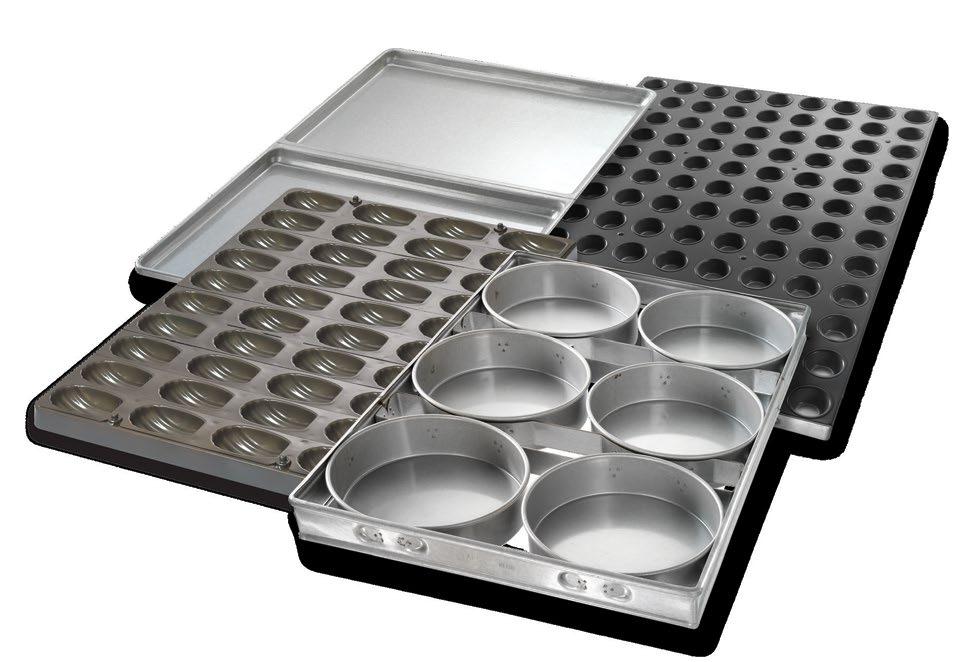



Achieve consistent product quality and increase efficiency with custom muffin and cake trays. Choose from a range of materials, mould types, and coatings designed to improve release, reduce waste, and extend the life of your bakeware.

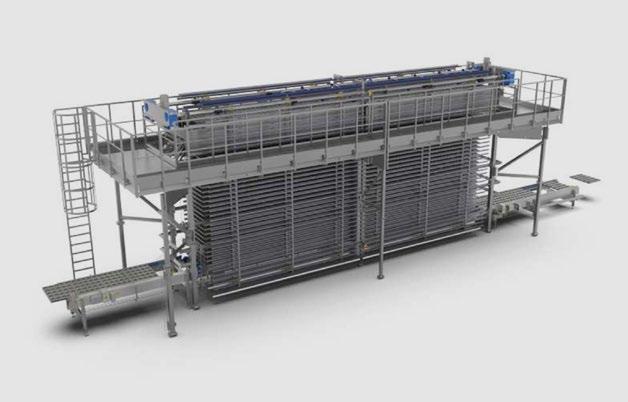
Space is a precious commodity, especially so in bakeries pursuing growth. What’s more, a strategic location is hard, sometimes even impossible, to leave behind. Compact solutions transform bakeries into valuable real estate. A solution that literally steps up to this task, flexibly covering proofing and cooling, is the step cabinet.
+Long fermentation baked goods are among the strongest movements in modern bakery trends. As the dough takes the time to perfect its structure, this exercise in patience must be sustained with the solution that offers both minimum footprint and maximum storage space, creating all the required conditions for the dough’s nurturing rest in a controlled environment. How to compensate for longer proofing times to balance the production workflow? Taking as little space as possible is a great solution in this case.
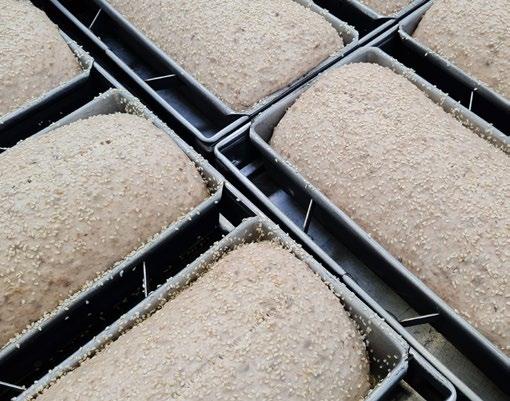
One alternative that is compact by design is the step cabinet. Also known as a paternoster, it is ideal where space is limited and the output is high, making use of the vertical space to save the floor surface occupied. In this category of solutions, the Step Cabinet developed by AMF Den Boer is also multi-use: it can be flexibly utilized as a proofer, a cooler, or a buffer if required. It can be designed to use the height of the facility, also taking into account the total weight of the products and that of the baking trays or peelboards. “We have built step cabinets for peelboards up to 2.5 meters long and 1 meter wide, so the range and capacity of products can be immense,” AMF Bakery Systems specialists explain.
The efficiency of the cooling process is also a critical factor, equally important to the machine’s footprint. AMF developed the Step Cabinet together with specialists in climatization and enclosures to optimize the environment control technology, with the help of humidity and temperature sensors. Custom setup is a given: “When our customers need more control, we can measure the temperature and humidity at multiple locations within the enclosure. The actual environment can be seen and adjusted anytime via the HMI,” the specialist details.
The integration of this multi-functional cabinet with the system handling the baking trays and peelboards is a thoroughly thought-out process, to ensure the equipment stays future-ready over time, AMF observes. “As a solution for a process step within a system built for multiple operating stages, the high-level optional software solution that AMF can already provide is recipe control within the complete
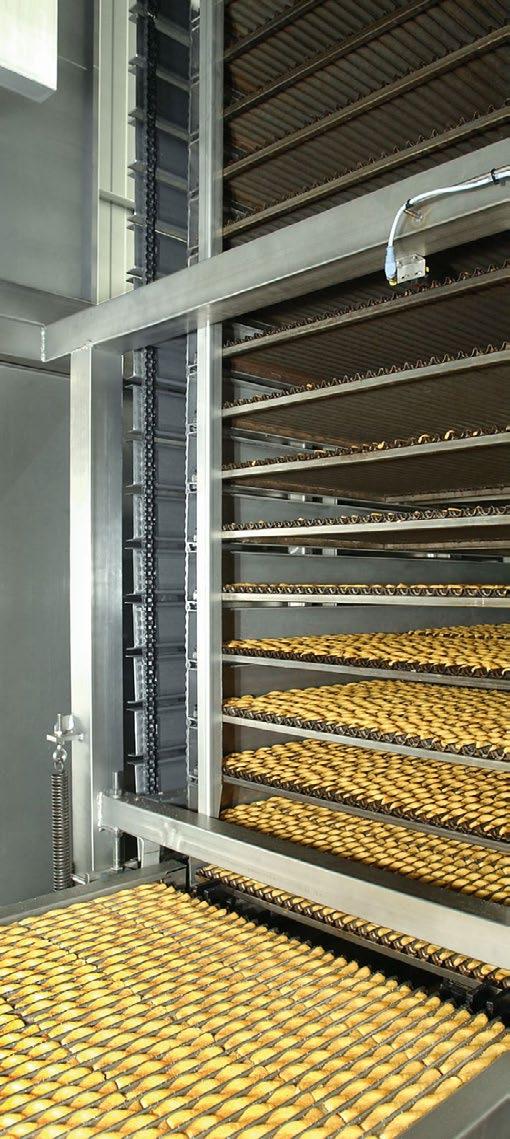
Bread with sourdough has firmly established itself as an important part of a healthier diet. Research shows that it ranks third among consumers’ favorites, after ‘bread rich in fibre’ and ‘breads with more grains’. It is preferred over varieties in the categories: ‘high in protein, low in salt’ and ‘gluten free’. Reconsidering the way bread is fermented can bring new opportunities in product development. Extended sourdough fermentation – typically, around 20 hours – results in more premium bread characteristics. A well-executed long fermentation ensures breads have a rustic look on the crust, a more open and ‘waxy’ crumb that has a cohesive, moist and elastic-like texture, and a rich flavor.
Source: Puratos – ‘How long fermentation is changing the baking industry’
system,” for instance. Product changes can be managed easily with it: “In an optimally integrated system, the AMF software ‘travels’ with the product through the system. The program controls and adjusts every conveyor and machine that, combined, make up a process step. The operator does not have to manually change any settings in the system.”
Great products made consistently require similarly stable process steps. The system ensures the required proofing conditions to meet this goal. Using a vision system (AIbased, perhaps) could be an interesting future opportunity to make the process completely fail-safe through an automated feedback loop from the proofed products to the proofer. AMF already provides such a system with product recognition, used after the oven and for ingredient depositing on pizza. For proofing, this could also help with the mitigation of accidental parameter changes.
For consistent results, all changing surrounding parameters are taken into consideration, from the system’s placement, seasonal changes and the facility’s layout.
For proofing, AMF’s Step Cabinet incorporates systems that use hot and cold water, as well as steam, or a combination of these. “For cooling and freezing, we use evaporators that use cold water or other media that are standard in that field, depending on the requirements,” AMF explains. The step cabinet can work in any climate and season, from Nordic countries to the equator. Fluctuations coming from seasonal changes are largely avoided by using enclosures with small openings, only for the trays or peelboards to fit through, via a conveyor, in a complete stainless-steel frame with climate control integration. “Our specialized partner has multiple decades of experience that helps us in creating the solution that the customer needs, even during hot summers and cold winters,” the specialist highlights. Narrow infeed and outfeed access does not mean the
“In an optimally integrated system, the AMF software ‘travels’ with the product through the system. The program controls and adjusts every conveyor and machine that, combined, make up a process step. The operator does not have to manually change any settings in the system.”
AMF Bakery System specialists
machine is difficult to clean and maintain – these aspects are covered by its easy-access design.
The Step Cabinet can also be used as a buffer in production, whenever the need arises. It can safely help pause processes – the duration afforded depending on the product behavior during this stage. In most cases, buffering is done in the ambient conditions of the production facility, which also depend on each product being made. The exact amount of time should be determined according to the product, AMF observes. For example: “When cake is buffered too long and is then sent to a depanner, the condensation between the baking form and the cake will cause problems during depanning; bread may get soggy if it does not move along on time.”
Considering everything from system design to its integration and its process optimization, the Den Boer Cabinet Proofer is a flexible solution for any proofing times – including long-fermentation products. For these on-trend varieties, it helps develop the intense aroma and the appreciated acidity that makes them so popular. This is the proofing process behind products described as high-quality and authentic and perceived as healthier and more nutritious than conventional alternatives. +++
With 15 years of experience in the market, Royal Kaak has over 50 DrieM sheeting lines in operation worldwide. The company of Dutch origin, with operating companies and sales and service offices worldwide, focuses on continuously innovating to improve the sheeting process, so that craftsmanship and technology go hand in hand, while making the process easier for the operator.
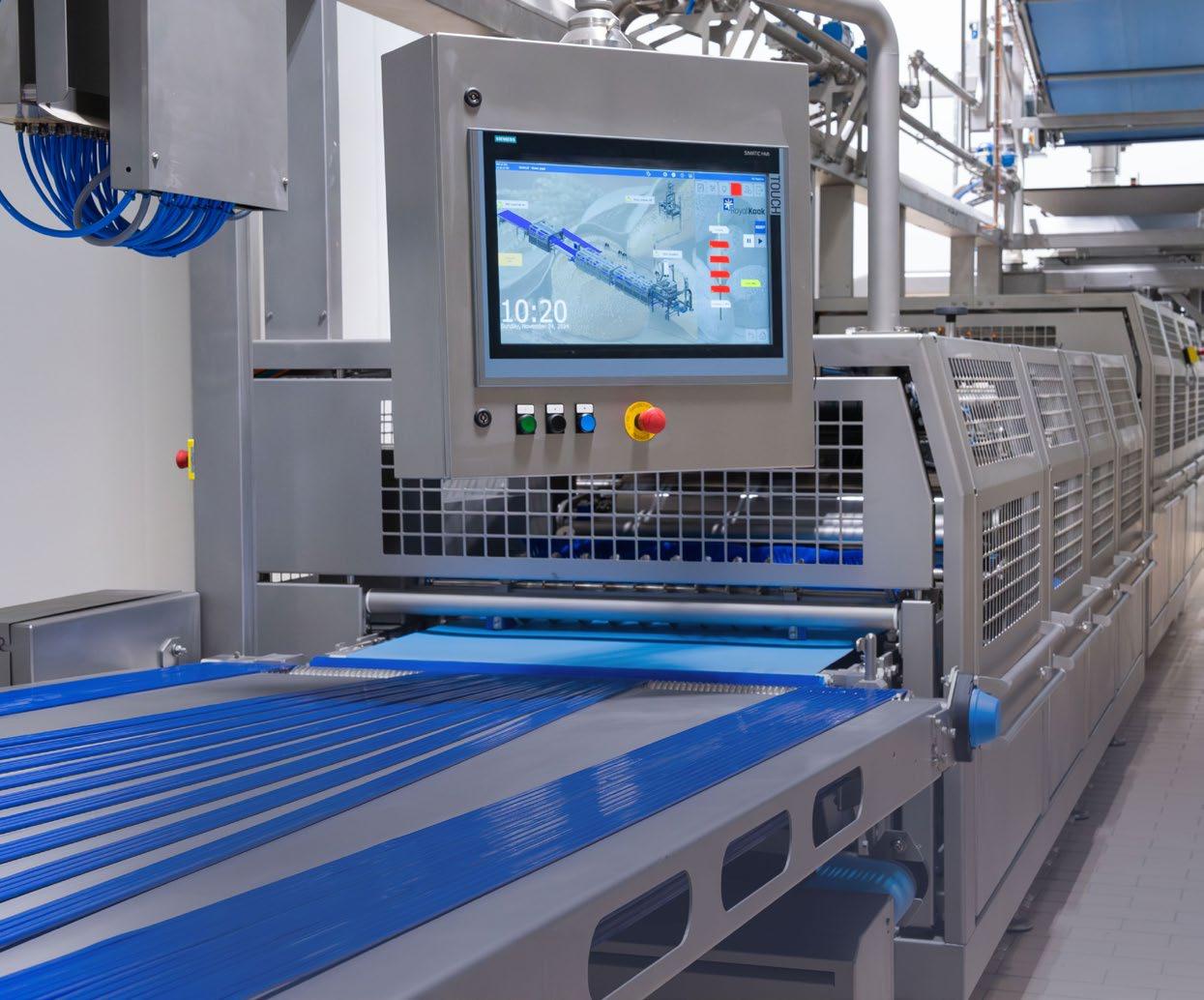
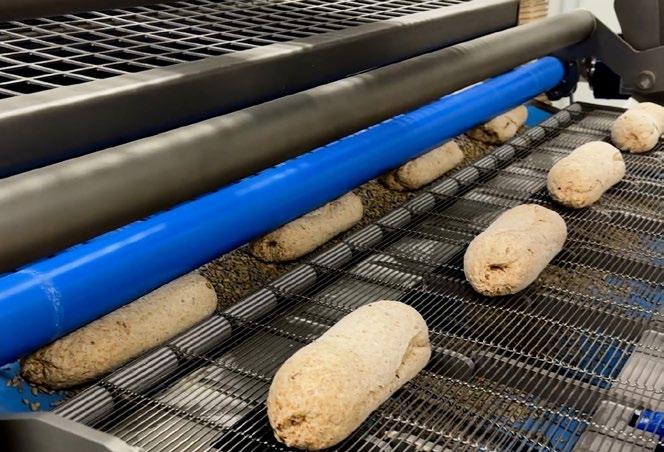
+Kaak has brought several new developments to its DrieM sheeting line. It now comes with a new generation of rounders, for instance. Not long ago, it received an Easy Access Portioner, a new system that lowers the portioner on a frame within comfortable reach, for cleaning and maintenance without having to dismantle it. The line also features a new seeding system, which allows adding seeds to the bottom of the dough – opening the door to an array of new products that are fully covered in different kinds of seeds.
Kaak’s approach to designing the technology is perfecting the required processing steps to the desired end product, for maximum efficiency and reliability in semi-industrial and industrial operations. Rens van Heesch, Product Sales Manager DrieM Sheeting Lines at Royal Kaak, shares: “Because we supply production lines worldwide, we gain a wealth of knowledge and insights. Together with our R&D department, we can effectively and quickly translate market demands into optimized production processes.”
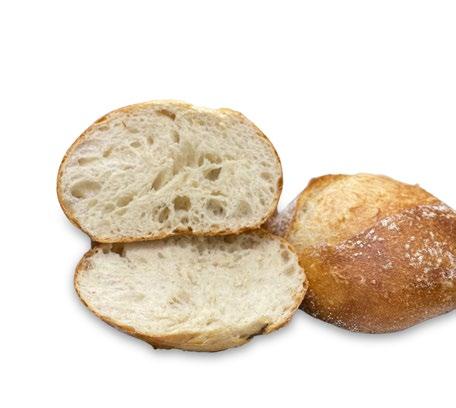
The DrieM sheeting line is the first specifically developed by Kaak to process bread and pizza doughs. It is a timely solution that can meet the growing trend toward softer, more hydrated doughs – qualities that are well-liked, but also known to pose challenges during processing.
The DrieM sheeting lines can process an extensive range of doughs with widely different characteristics, dough starting at around 45% hydration and allowing processes with and without bulk fermentation. “Because bakers have their own philosophies, recipes, and core values, no two sheeting lines are alike. To optimize processing, our technology now distinguishes between soft dough and, where applicable, bulk fermented doughs or doughs more than 60% hydration, or green doughs with a hydration level lower than 65%,” Rens van Heesch explains.
The key to accommodating bread and pizza doughs is to keep the dough horizontally on the sheeting line,” says Rens van Heesch, noting that, “A hopper with a specific
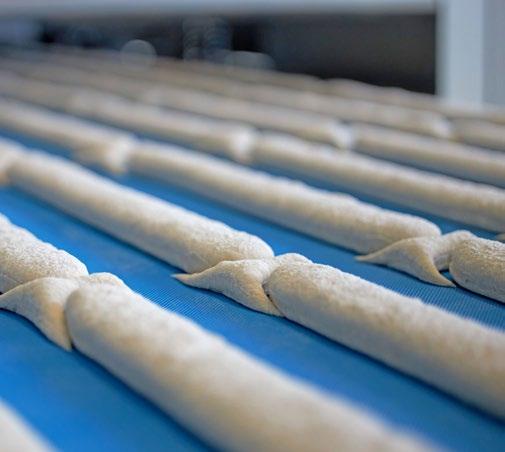
design is required to ensure very precise dough chunking.” Moreover, Kaak opted for a servo-driven chunker for its soft dough sheeter, to allow more flexibility with the incorporated chunker knives. The most beneficial solution is determined on a case-by-case basis, following testing, which is usually carried out at the Kaak Technology Center (KTC) in Nieuwkuijk, the Netherlands. Products including baguettes, pizza and tin bread can be tested through product trials and simulations at the KTC, together with on-site specialists and master bakers, who can provide asistance.
“The dough and the desired end product determine the process; the process determines the technique – that is our vision.”
Rens van Heesch, Product Sales Manager DrieM Sheeting Lines, Royal Kaak
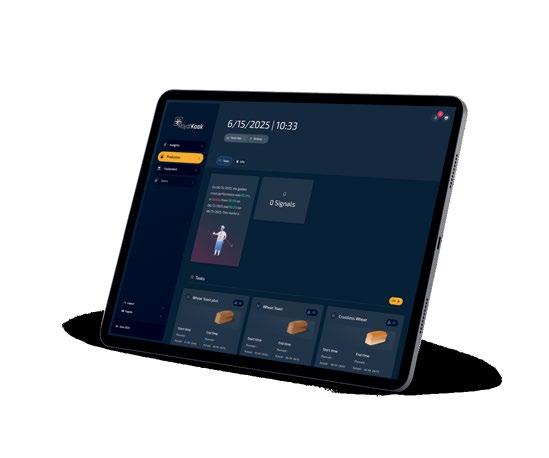
Data is, perhaps, one of the most powerful tools in a bakery at present. Kaak has been developing solutions for data collection, analysis and management to meet this surging need for information and optimum application guides. The iBakeCare ® platform collects the data and converts it all into an online dashboard for monitoring the production process, analyzing efficiency, and predicting maintenance needs, Rens van Heesch points out.
He anticipates this trend will only grow in importance, thanks to the invaluable operational benefits it offers bakers: “We see that the advent of AI in our world and in the business world is accelerating data analysis. At Kaak, we have been responding to this trend across a wide range of areas for quite some time.” The company
incorporates several additional sensors into the DrieM sheeting line, to generate the necessary data for these insights.
The DrieM sheeting line automatically adjusts settings via cascade based on the feedback of the line. The dough technology expert explains how this is consistently achieved: “Our weighing system collects weight results and, in combination with several sensors that check the dough sheet on the line, a proper dough management is provided, based on a set recipe by the Kaak Master Baker during commissioning. Royal Kaak configures required products in the software during the wet commissioning phase, but the line is not limited to them. New ones can always be added, with assistance from the company’s Master Bakers, if needed.
In fact, the entire sheeting process has been completely automated. Once installed, the DrieM sheeting system can be operated by a single person. They will only need to carry out visual checks to verify that the dough is automatically fed correctly and that the dough is behaving within expected parameters. If, at any point in the process, the smart sensors measure characteristics outside of the preset values, iBakeCare ® will help explain the reasons behind deviations. Royal Kaak can also share important feedback with the bakers based on the analyzed data. “This helps stabilize the process and increase the uptime of the line, lowering the Total Cost of Ownership,” Rens van Heesch concludes. As always, throughout the sheeting process, the core priority is to ensure the
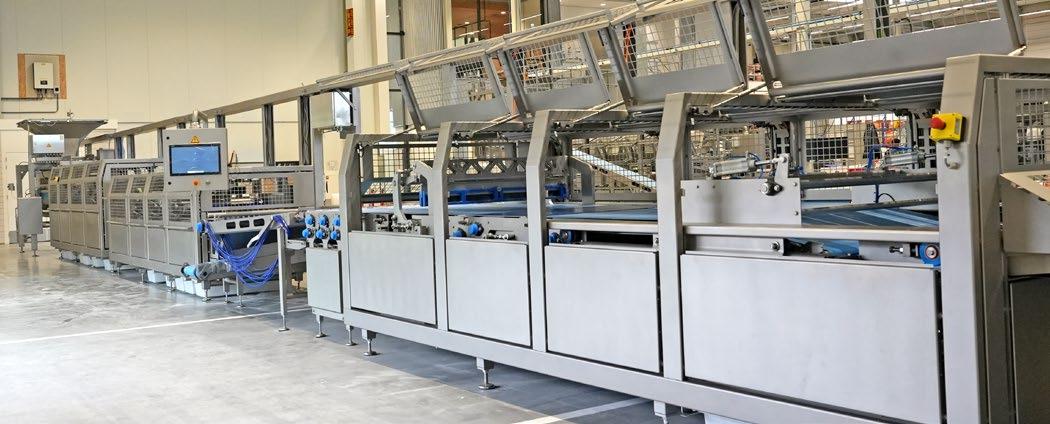
structure of the dough remains intact, regardless of how wide and thin the dough sheet needs to become, according to the needs of the final product. For this, modular sheeting sections are essential, to configure the line according to what the dough needs. “When processing a thin dough sheet for higher hydrated pizza, for example, Kaak adds an extra dough cross controller to gently reach the final width and thickness, while maintaining the developed gluten structure of the dough,” the expert illustrates. The soft dough sheeting line is always equipped with two multi-rollers, which do the majority of the gentle dough reduction. With the DrieM sheeting lines, dough sheets can be made ranging from 450 mm to 1,400 mm in width. “The minimum mechanical opening between the gauging station is 1 mm, giving the minimum final dough sheet thickness,” he points out.
The dough rounder was recently reenvisioned, with a new design aiming at increasing process efficiency, ease of use and low maintenance requirements with new features incorporated into the rounding technique. By adjusting various parameters via the recipe-driven software on the HMI, the unique rounding mechanism ensures the rounding of both soft and pre-fermented doughs as well as green doughs.
In the redesign, the number of maintenance-sensitive components has been reduced, Kaak details. This ensures improved accessibility to the operating side and, in particular, significantly enhanced access to the maintenance side. This has been achieved without compromising capacity;

dough pieces weighing between 50 g and 830 g can be rounded, with volumes reaching up to a maximum of 4,500 kg of dough per hour, depending on the product.
Looking at consumer preferences and trends for unique, exciting product offerings, Kaak incorporated an bottom decoration system, which, as its name indicates, is able to apply seeds to the bottom of the dough pieces. It works for cut, molded and rounded dough products and can be used to create luxury bread specialties, decorated on top, bottom, or completely enrobed.
Anything from poppy seeds, sesame seeds and sunflower seeds to pumpkin seeds, by themselves or in different mixes, the DrieM sheeting line offers the flexibility to combine any of these options with the new decorating system.
Moreover, the Easy Access Portioner ensures these delicate doughs are safely processed, as the machine can be easily and thoroughly cleaned and maintained. It is simply automatically lowered beside the line, an efficient and convenient method to improve the line’s hygiene.
Developing improvements is a continuous effort at Kaak, researching how different new technologies and concepts can present opportunities for bakery line upgrades. Currently, metal 3D printing technologies are being developed and integrated in different kind of purposes to Royal Kaak production lines.
For Kaak, it is the dough and the desired end product that determine the process: “The process determines the technique; that is our vision,” the specialist underlines. Depending on the configuration, a wide range of products can be made flexibly, from cut, omega-cut, and rounded to molded dough pieces. +++
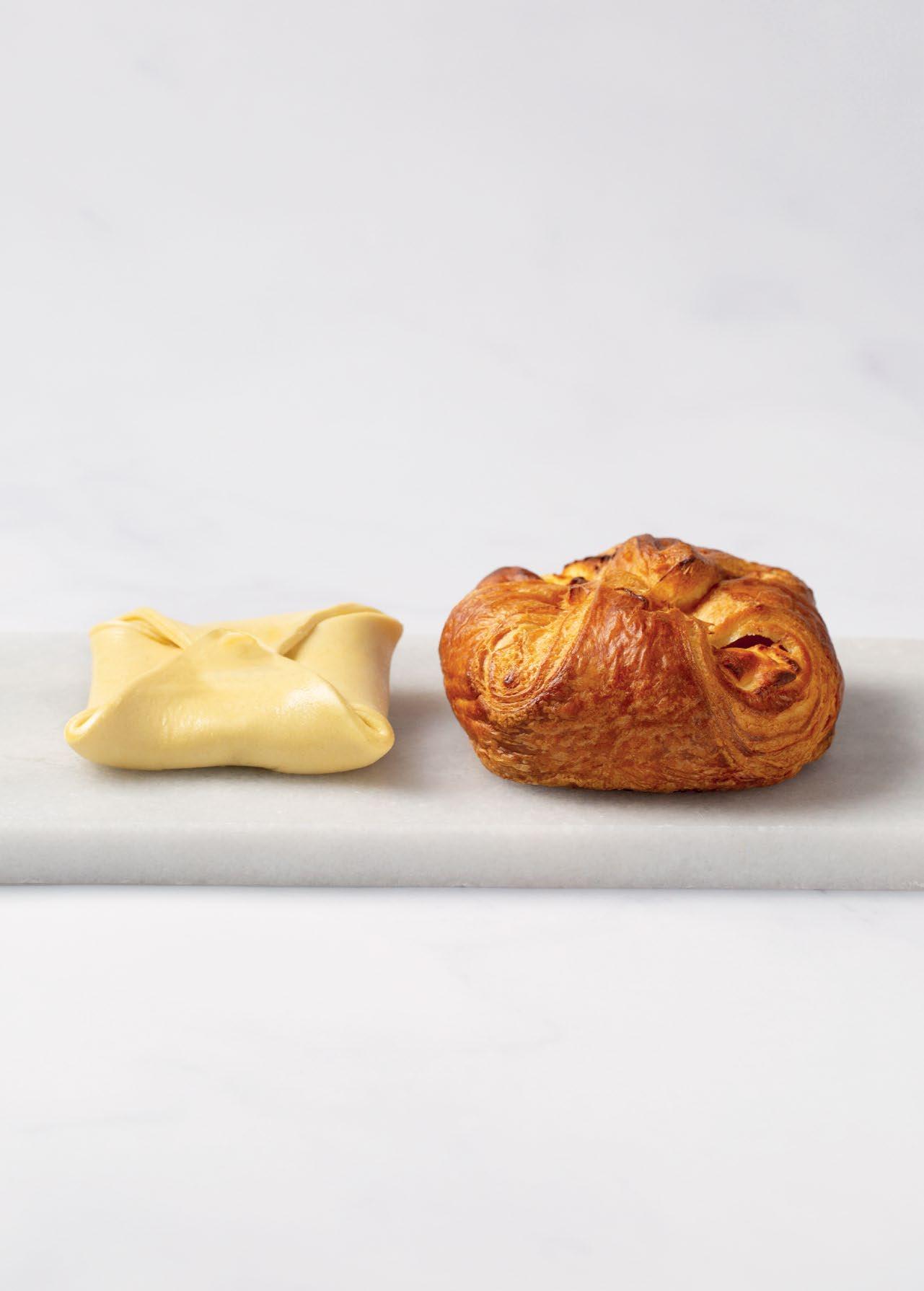
Would you like to know how you can sustainably save time, energy costs, and storage space in your bakery, while still ensuring high-quality laminated pastries? We would be pleased to inform you about this.
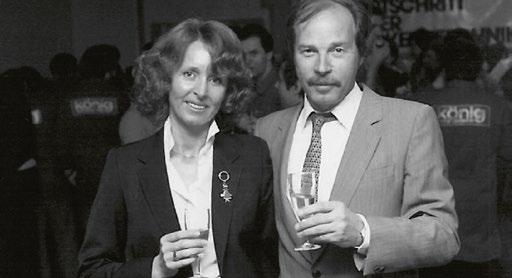
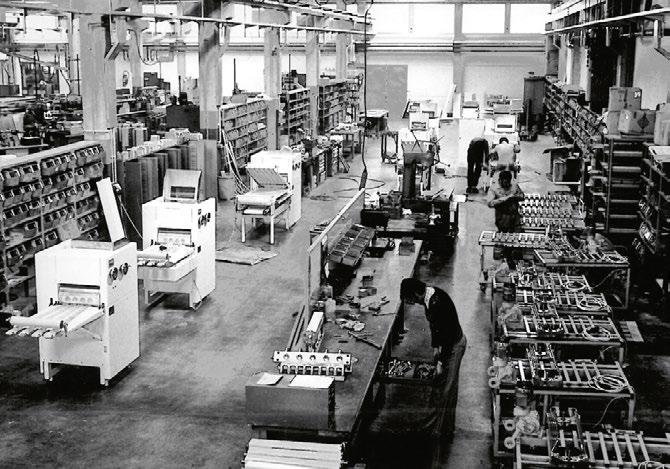
What began in 1966 as a one-man operation started by Helmut talks about Koenig’s approach to baking technology and strategy
+ Catalina Mihu: The dough divider and rounder machine called Rex Automat, designed by Helmut Koenig, was the first piece of equipment that marked the beginning of Koenig as a company. Since then, Koenig has pursued a strategy of modernization. Please comment on the technology needs in bakeries (in Europe and beyond) 60 years ago and today.
Andreas Putz: When Helmut Koenig began developing machines, the core need in bakeries was very practical: how to make hard manual work easier, more consistent and more efficient. Coming from a baker’s family in a small town in Austria, he understood the physical work behind bread production, and his guiding principle was that technology must serve people.
Sixty years ago, automation meant relieving bakers from repetitive, labor-intensive tasks, such as dividing, rounding and forming dough pieces. Today, the needs are broader: bakeries need quality, flexibility, hygienic design, energy efficiency, digital serviceability, and the ability to produce a wide variety of products with reliable output. In Europe, labor shortages and energy costs are major drivers; beyond Europe, the priorities may also include scalability, standardization, local eating habits and robust service support. The core need, however, has not changed: our machines must support bakers in producing better baked goods more efficiently, without losing the character of the product.
Mihu: What are the company’s long-term sustainability goals, and where is Koenig on this journey today?
Putz: For us, sustainability means combining economic success with long-term responsibility – toward our employees, our customers, and the environment. Our goal is to help bakeries worldwide produce in a way that is more resourceefficient, energy-efficient, and cost-effective.
That is why we make targeted investments in modern technologies that reduce energy consumption, use raw materials more efficiently, and optimize production processes. At the same time, we focus on durable machine designs, high serviceability, and sustainable partnerships spanning many decades.
Sustainability is already an integral part of our product development and corporate strategy. With new machine designs, automation solutions, and energy-efficient systems, we create tangible added value for our customers while contributing to more sustainable food production. Our longterm goal is to make sustainability measurable across the entire life cycle: from engineering and manufacturing to operation, service, spare parts, and machine longevity.
Koenig is now a globally active company. Andreas Putz , Head of Group Marketing and Product Management, for the future, on the company’s 60th anniversary.
Mihu: Koenig is now known for technical rigor for the solutions it develops. What are the goals for the design teams when working on new innovations and process improvements?
Putz: The design team’s first goal is always to understand the baker’s process. A machine is only successful if it solves a real production problem: better product quality, more stable output, easier cleaning, less waste, lower energy consumption, faster changeovers, or safer operation. At Koenig, this means that innovation must be robust in daily use. We develop machines for bakeries that run under real production conditions, not only in a showroom. Therefore, our teams focus on process reliability, dough-friendly handling, hygiene, ergonomics, accessibility, serviceability and long-term availability of parts. Another key focus is on automation and digitalization, aimed at helping bakeries worldwide address labor shortages, rising costs, and the optimization of their production processes. Our goal is to develop innovations that function reliably over the long term and provide our customers with sustainable competitive advantages.
Mihu: What aspects must always be considered for any type of new technical development, which would together constitute ‘the Koenig standard’? What is the group’s innovation strategy?
Putz: The ‘KOENIG Standard’ is based on a combination of technological precision, high reliability, and a deep understanding of the baking process. With every new development,
we therefore focus on product quality, gentle dough handling, process reliability, durability, and ease of use. At the same time, our solutions must be flexible enough to meet the diverse requirements of international markets.
“Sixty years ago, automation meant relieving bakers from repetitive, labor-intensive tasks, such as dividing, rounding and forming dough pieces. Today, the needs are broader: bakeries need quality, flexibility, hygienic design, energy efficiency, digital serviceability, and the ability to produce a wide variety of products with reliable output.”
Andreas Putz, Head of Group Marketing and Product Management, Koenig
Our innovation strategy is not innovation for its own sake. It follows our founding idea: our products must serve bakers. Koenig’s stated goal is to simplify baked-goods production and increase quality while maintaining the artisanal character of the product.
That means we innovate both in individual machines and in complete systems. With the Koenig Group portfolio today covering mixing, dough make-up, proofing, scoring, baking, cooling and freezing, we can look at the full production chain rather than isolated process steps.
“Koenig Maschinen GmbH stands for 60 years of sustainable development – from the beginnings in a small workshop in Graz to an internationally active group of companies.
This development is based on entrepreneurial foresight and clearly defined values: responsibility, stability, reliability and cooperative partnership – both internally and externally. Innovations and a consistent focus on user requirements have always been key success factors. With current developments, such as the new head machine series and developments in the industrial dough sheet sector, we are consistently building on this foundation. In this way, we are expanding the performance of our technologies and increasing the benefits for our customers.
Our primary goal is to further develop König as a reliable partner, to expand our international presence and to strengthen our technological expertise, with a clear view of the future.” Hannes Stelzer – CEO, Koenig
Mihu: Koenig has a team of around 800 people. What is the strategy behind the company’s expansion over the years? And what new markets could look interesting for future growth, geographically?
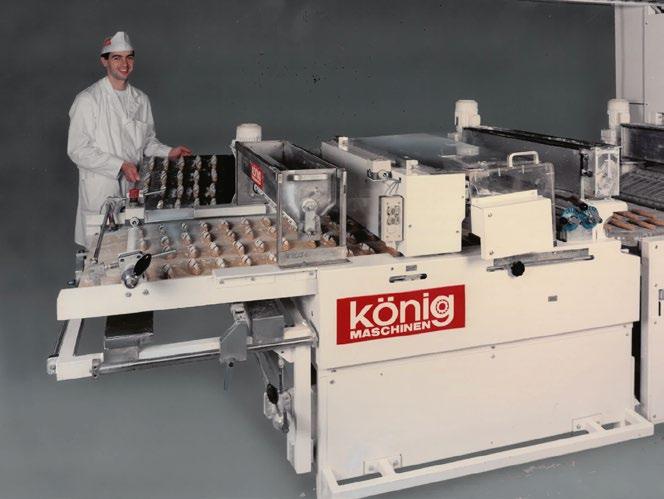
Putz: Our expansion has followed our customers. Koenig started as a one-man company in Graz and has grown into an international group with around 800 people, production facilities in Austria, Hungary, Italy, Finland and Germany, and sales subsidiaries in several key markets.
A factor that has been essential to our success has always been our ability to understand regional market requirements and offer customized solutions for different baking cultures and production scales. At the same time, we continuously invest in innovation, service, and international sales and partner networks.
We see significant potential for future growth, particularly in regions where food production is becoming increasingly industrialized and demand for automated baking processes is rising. These include North America, the Middle East, Southeast Asia, and selected markets in Africa and Latin America. It is precisely in these regions that demands for efficiency, product quality, and automation are rising sharply. Our goal is to continue growing globally in the future without losing sight of our roots: high-quality technology –‘Made in Austria’, combined with international proximity to our customers.
Mihu: How does the group address artisan bakers and large-scale producers, according to their operational needs? What is innovation for Koenig, for each of these bakeries?
Putz: For artisan bakeries, innovation often means compact machines, flexibility, gentle dough handling, simple operation and the ability to maintain a handmade product character with less physical strain. For large-scale producers, innovation means line efficiency, automation, consistent output, hygienic design, data-supported reliability, and integration from dough preparation to cooling or freezing.
+ 93% export rate – main markets: Germany, Poland, USA, UK, Czech Republic
+ 800 employees worldwide, of which about 50 are designers and 17 are apprentices
+ 8 worldwide subsidiaries: Germany, Switzerland, USA, Finland, Hungary, Austria, Netherlands, Italy
+ 5 production sites: Austria, Hungary, Finland, Italy, Germany

Our strength as a group lies in our ability to understand both worlds. We combine decades of baking expertise with modern technology to develop solutions tailored to the specific needs of our customers – from small artisan bakeries to fully automated industrial bakeries.
Mihu: And how can Koenig support both, at its Demo Center? How was the Center developed?
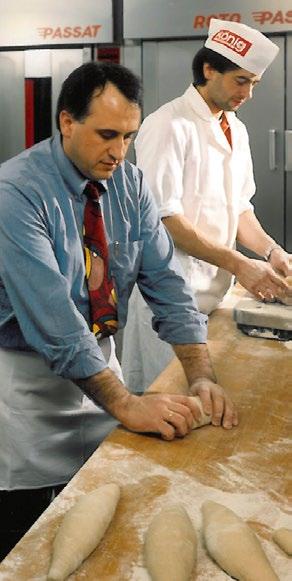
Putz: Our Demo Center is a central component of our customer-focused strategy. It was designed to provide bakeries – from artisanal shops to large-scale industrial producers – with a hands-on environment where technologies, processes, and new product ideas can be tested under real production conditions. It is an essential part of our company, creating a consultative environment for product trials, line configuration tests, external and internal trainings, events and also co-creation of new baked goods with customers.
This provides significant added value for our customers: they can work with our experts to develop customized solutions, test machine concepts, and optimize production processes before making investment decisions. At the same time, the Demo Center enables the realistic simulation of different doughs, products, and line configurations.
Especially at a time when flexibility, efficiency, and product quality are becoming increasingly important, the Demo Center is a vital place for working together with our customers to further develop the bakery of the future.
Mihu: Koenig now has a global footprint. Where is its ‘brain’, and how is the R&D structured?
Putz: Our expertise comes together at the headquarters in Graz. At the same time, our R&D is not isolated in one department. It is a network between design engineering, product management, production, service, sales, the Demo

Center and our customers. The Group structure gives us additional specialized know-how from our different locations and brands. Another key component of our development work is direct collaboration with bakeries – from artisanal shops to industrial bakeries. Many innovations stem from specific customer requirements and are tested and refined in collaboration with our application engineers at the Demo Center.
Our strength lies in combining traditional baking expertise with state-of-the-art technology to create innovations that deliver long-term benefits for our customers.
Mihu: What is the first thing you would want Koenig to be associated with/known for?
Putz: Above all, Koenig should be associated with quality, reliability, and gentle dough processing. For 60 years, our
name has stood for technology that combines traditional baking expertise with innovative solutions.
Furthermore, we want to be recognized as a long-term partner to bakeries worldwide – as a company that understands its customers’ challenges and develops practical, sustainable, and cost-effective solutions.
In short, Koenig stands for the highest product quality, technological expertise, and trust across generations.
Mihu: What is one of your favorite customer stories and projects that comes to mind?
Putz: One story that particularly impressed me took place during a commissioning project in the Middle East. The customer had built a state-of-the-art industrial bakery and wanted to produce traditional local baked goods in large quantities while maintaining consistent quality – something that, until then, had been possible almost exclusively by hand. Our team worked side by side with the bakers for days on end right at the production line, testing doughs, adjusting processes, and optimizing every single movement of the product. At some point in the middle of the night, the production manager came out of the line with a freshly baked product, tasted it, and said, “This tastes just like it came from my father’s little bakery.”
That was a special moment because it showed what our work is really about: using state-of-the-art technology in a way that preserves tradition, quality, and cultural identity –even in highly automated production environments.
Mihu: How is Koenig aiming to shape the future – that of the bakers it supports, that of the industry and, at the same time, its own growth together with its team?
Putz: We want to shape the future by helping bakers stay successful. That means giving artisan bakeries tools to remain competitive and attractive workplaces, and giving industrial producers efficient, flexible and sustainable production systems.
“A factor that has been essential to our success has always been our ability to understand regional market requirements and offer customized solutions for different baking cultures and production scales. At the same time, we continuously invest in innovation, service, and international sales and partner networks. ”
For the baking industry, we want to contribute to higher product quality, lower resource consumption, better working conditions and more resilient production. For our own company, growth must remain responsible: strong engineering, strong service, strong people and strong partnerships. Koenig has grown from a one-man operation into a global group, but the mission is still very close to Helmut Koenig’s original idea: technology must serve people. If we stay true to that, then our next decades will be built on the vision of our founder 60 years ago.
Our goal is to bridge the gap between tradition and the future – so that bakeries around the world can continue to operate successfully for decades to come. +++
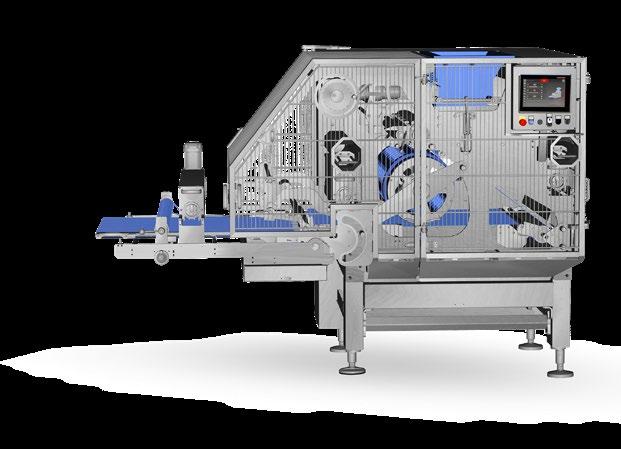
In May 2026, Koenig introduced the new Industrie Rex Evo EC, the latest generation technology for dough dividing and rounding, bringing significant improvements in hygiene, performance and ease of use. For the first time, the suction-dividing principle – which enables particularly gentle yet precise dough division – has been incorporated into a system that achieves uniform processing of a wide variety of doughs with high weight accuracy and consistent product quality. At the same time, this principle ensures stable and reliable production.
The new Industrie Rex Evo EC comes in a modular design, with quickly interchangeable modules, to support flexible production planning. Moreover, it follows the principles of Koenig’s known Easy Clean Design, characterized by an open construction, large access panels, and a clear separation of the drive and dough areas. In this way, it ensures easy cleaning and maximum line availability in daily operation.
The machine is designed for industrial bakeries, focusing on optimizing process efficiency and convenience for operators. Product development focused on a clear goal, shares Koenig: maximum production output with minimum complexity. “The Industrie Rex Evo EC combines a compact design with intuitive operation, thereby reducing both training requirements and operator errors,” the Austrian expert highlights. The new machine also has a compact design, to free up valuable production space in bakeries.
Industrie Rex Evo EC specifications:
+ Weight range from 28 to 280 g in a single machine (1 to 10 oz)
+ Hourly output of up to 24,000 pieces
+ High weight accuracy of ±1% (depending on the dough)
+ Flexible changeover system for different products and weight ranges
+ Modern 10-inch touch panel for easy control
+ Compact design with integrated control cabinet
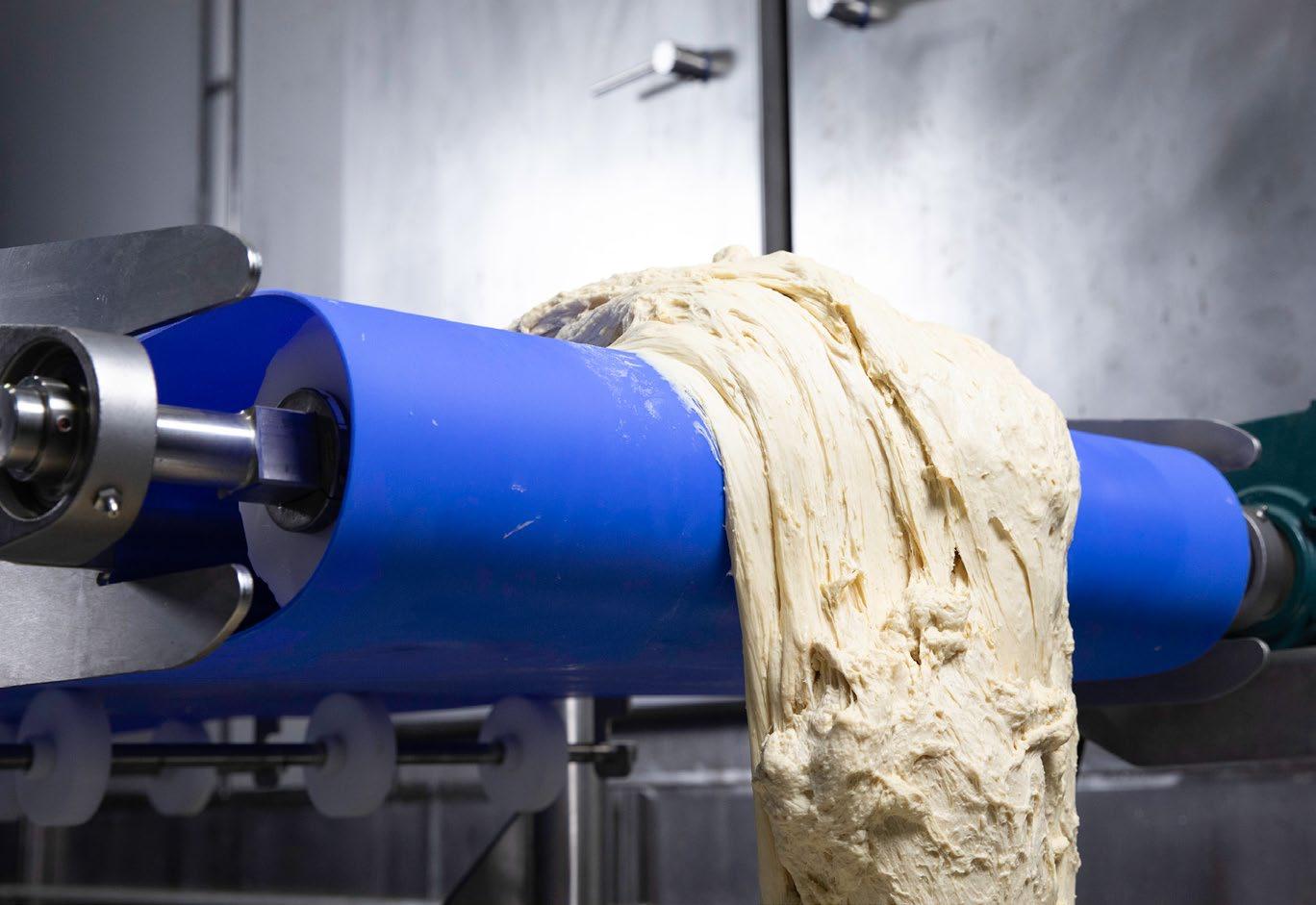
With the release of Intralox® LugDrive™ Series 8140 belting in A23 material, bakeries can now upgrade to the strongest, most hygienic belt available for raw dough-handling applications.

For more about the superior dough handling capabilities of LugDrive S8140 belting in A23, visit www.intralox.com/industries/food/bakery
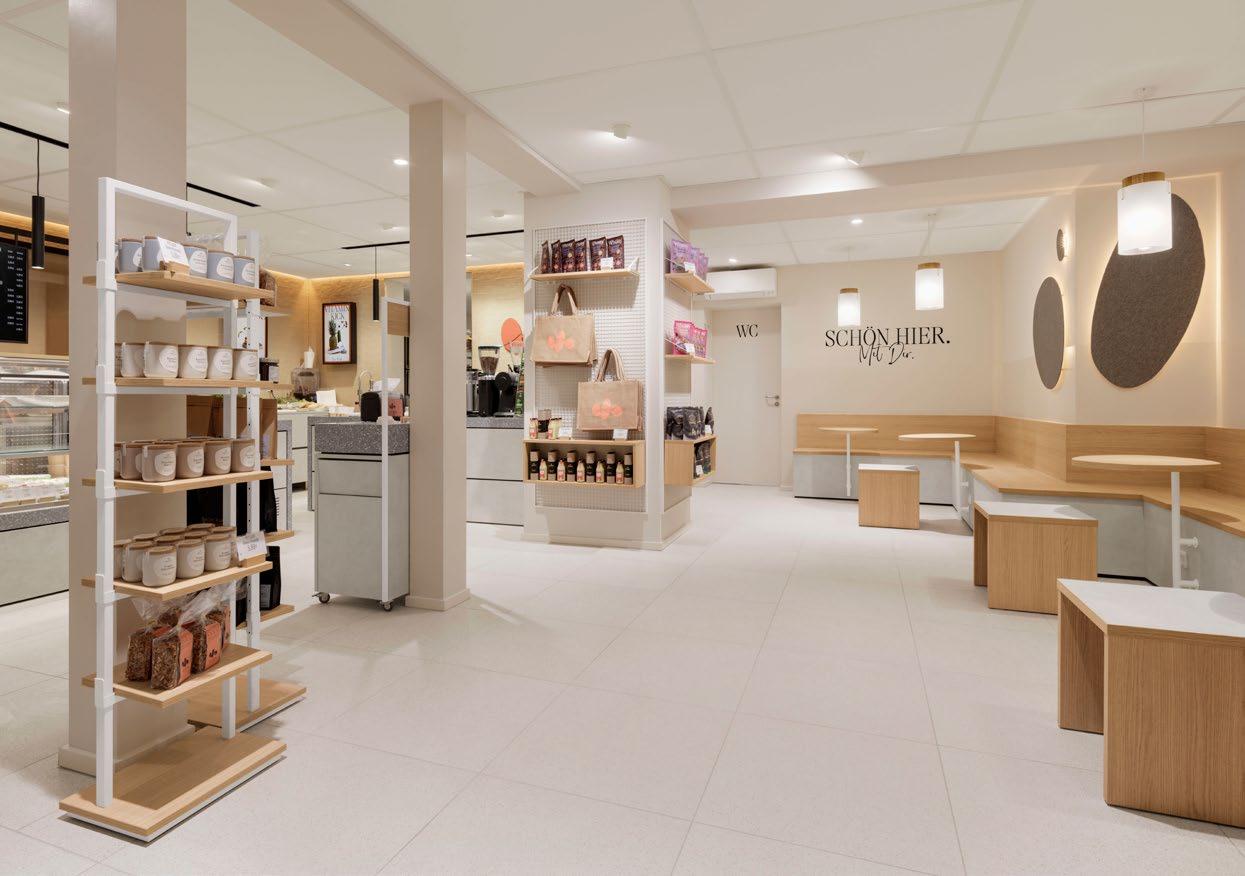
Turning on the light switch in a bakery shop holds a world of power in addition to making everything visible. When set up correctly, it is a combination of form, function and feeling.
+ A professional lighting setup for a bakery café skillfully pairs retail psychology with hospitality ambiance, artistic expression of a brand’s identity and food color science, all the while retaining its core practicality –to brighten up and visually define the spaces in the establishment. In a well-thought-out setting, the lights will simultaneously put the spotlight on the #1 star – the products, create a welcoming atmosphere for its patrons, entice them to linger and try more treats, and support the staff while producing and handling the offerings.
For Italian designer of lighting solutions for food and fashion retail, IMOON, the philosophy behind lighting design lies in the seamless synthesis of technical performance and architectural aesthetics. “Designing light goes far beyond simple visibility: in addition to selecting specialized LEDs to enhance products and choosing the ideal color temperatures for a welcoming feel, we must identify fixtures that integrate harmoniously with the design of the space itself. For instance, using pendant lights over tables doesn’t just create focused light accents; it also contributes to the interior design through finishes—such as specific RAL colors – that coordinate with the overall palette of the premises. From this perspective, the lighting fixture ceases to be a mere technical tool and becomes an integral part of the architecture and the shop's visual identity,” the leading lighting specialist shares.
Each space is unique. To correctly establish a lighting project, it is essential for a lighting design specialist to be involved from the very early stages of the store concept development. “Lighting must evolve in perfect synergy with the architectural vision; therefore, the lighting designer must work closely with the interior designer to understand the intended message and the desired atmosphere,” IMOON experts explain. A determining factor for the light setup is the study of the color palette: “The dominant colors in the space drastically influence light performance. Since different colors and materials have different reflection coefficients, these choices dictate the power output (wattage) required
“The dominant colors in the space drastically influence light performance. Since different colors and materials have different reflection coefficients, these choices dictate the power output (wattage) required for the fixtures to achieve the target illuminance levels (lux) within the shop. ”
IMOON specialists
for the fixtures to achieve the target illuminance levels (lux) within the shop,” IMOON underlines. In short, the process begins with concept analysis, moves through the study of materials and colors, and culminates in the technical calibration of lighting parameters.
Founded in 2010, IMOON completes over 1,000 store projects every year. The company designs architectural lighting solutions that help enhance geometries, materials and perceptions, aside from their functionality. Together with lighting designers and architects, IMOON develops bespoke lighting scenarios that “amplify both spatial and sensory experiences” with the use of specialized LEDs and advanced optics, customized to the space. The goal is to shape light info configurations that meet precise technical and emotional targets.
For a dining location to feel and look inviting, the light setup is designed to encompass technique and artistry. A bakery café requires a distinct approach. The primary goal is customer experience: here, “We aim to create a cozy atmosphere that encourages guests to linger. To achieve this, we use warm color temperatures to put people at ease, paired with accent lighting – such as spotlights on tables or the counter – to add a touch of drama and depth. Visual comfort is key here: the lighting must be welcoming without being intrusive or causing glare,” the specialist underlines.
Reaching the perfect balance between many different aspects is not an easy feat for dining out spaces. Functionality and space separation need to be combined with reflecting the intended mood, while also conveying the brand’s identity as an immersive experience.
In IMOON’s experience, the main challenge lies in successfully meeting the emotional soul of lighting with functional and regulatory requirements. To achieve the ideal combination of these aspects, light must be used as a scenic and design element that simultaneously enhances the product, presenting it in the best possible way. “While we use accent lighting to boost aesthetic appeal and create visual 'islands' within the space, it is equally essential to guarantee safety and functionality. This means ensuring adequate illuminance levels (lux) both on work surfaces – allowing staff to operate with precision – and along walkways, to ensure customer comfort and safety. A brand's identity is expressed through this very balance,” the specialist points out.
By comparison, in a point of sale such as a bakery shop, the focus shifts toward sales conversion at the counter. In this case, “We utilize specialized LEDs with warm tones that emphasize the freshness of the baked goods, making them look 'straight out of the oven.' Our dedicated Warm and
With the new system, light becomes a tool for orientation, engagement, and connection with the customer, from checkouts to aisle and department signs. Checkout numbering, promotional messages, department signage, cross-selling content and safety signs are integrated directly into the lighting element, making communication an organic part of the space. This is achieved with flexible, centralized content management via Bluetooth, Wi-Fi, or data network connections. Vision offers dynamic, contextual and data-driven communication, as it is designed to accommodate Artificial Intelligence solutions and flow analysis. The system helps guide the eye, improve in-store navigation, and stimulate sales through dynamic communication. Its ultra-high-brightness LED display ensures excellent readability even in natural light.
As a whole, Vision is conceived as a modular communication and lighting platform, articulated into four dedicated solutions for different areas of the store, each equipped with professional LED display modules that guarantee maximum legibility and reliable, long-term performance:
+ In the checkout area, Vision Dart integrates lighting, numbering, and LED screens for direct control over informative and promotional content, transforming the registers into an active space for communication and sales.
+ In the aisles, Vision Track is a tool for buyer orientation and engagement, with double-sided displays that guide customers along their journey with promotional, cross-selling and safety messages.
+ At the department level, Vision Veletta reinterprets signage, transforming aisle signs. The high-visibility, animated display brings communication, lighting, and architectural function together in a single element.
+ Vision Fly display solution maximizes product visibility by integrating side LED screens that deliver dynamic, promotional content.
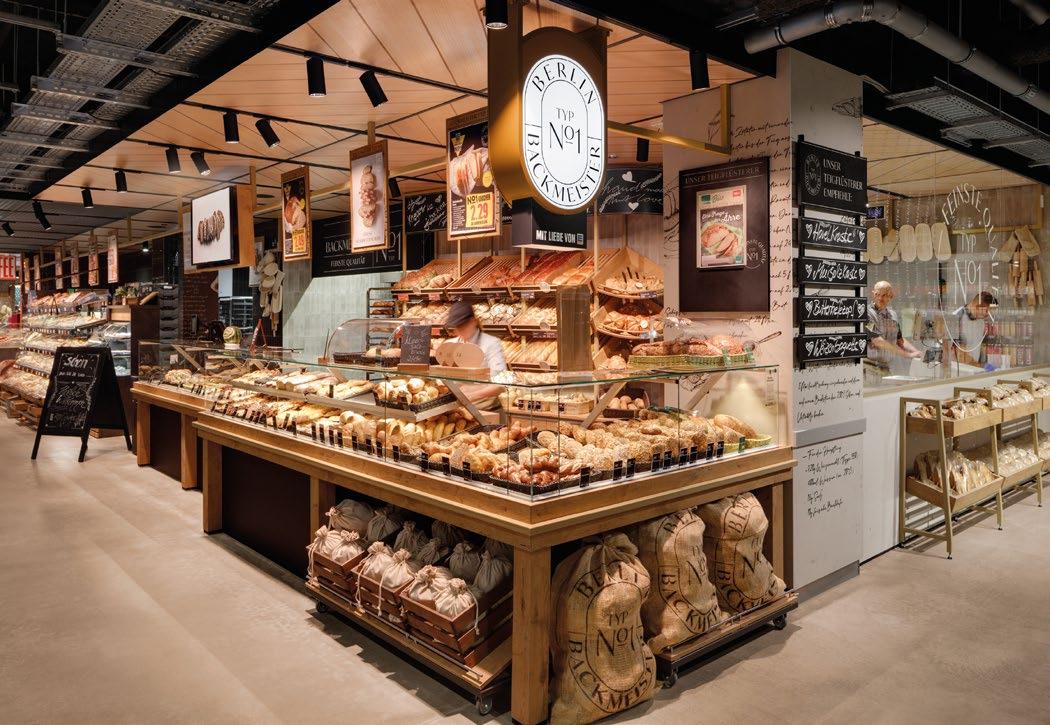
Extra Warm HD LEDs are specifically designed to bring out these textures and golden hues. When pastries or cakes are involved, we must also consider the vibrancy of other ingredients, like colorful fruit or the pure white of cream. For this, we implement Full Color LED technology: it maintains a warm color temperature while ensuring brilliant whites and vivid colors, making every product look irresistibly fresh,” IMOON recommends.
The tone of the concept is one layer; to this, various iterations should be considered – such as special settings for different occasions, and even different moments of the day, or changing seasons. Through all these changes, identity must be preserved, so that the light can tell all the stories it meant to convey.
Light profoundly influences the perception and energy levels of people within a space. It’s crucial to adapt the lighting to the consumer’s varying needs throughout the day, IMOON explains: “In the morning, someone entering a bakery for breakfast is looking to recharge for the day ahead; in this case, higher light levels and cooler color temperatures help stimulate the mind and body. In the evening, within that same environment, the need shifts toward relaxation. We then transition to warmer color temperatures that evoke a sense of domestic intimacy, alongside lower illuminance levels to harmonize the interior with the fading natural light
outside. Technologies such as dimming and Tunable White are essential tools for managing these transitions, allowing us to create the perfect atmosphere for any time of day with ease.”
In any project with a goal to find the best lighting methods and sources, shadows must also considered. The shadows cast by the objects in an establishment are an essential component of an environment’s scenic design. IMOON illustrates: “If lighting is excessive or too diffuse, the emotional impact is lost because depth is sacrificed.” Shadows create the three-dimensional effects that prevent objects and products from appearing flat or uninspired.
“Properly managing shadows is fundamental when lighting aims to be theatrical as well as functional. This is typically achieved through accent lighting: the contrast between light and shadow directs the customer’s gaze toward specific products and defines the architectural volumes, making the space visually dynamic and engaging.”
The Milan-based lighting expert perfected a new solution, called ‘Vision’, which made its debut at EuropShop this year, representing a bold new step in the company’s innovation journey. Vision is both a smart retail lighting solution and a communication platform, incorporating product and design
RAL is a color matching system defines colors for paint, coatings and plastics. The RAL standard is administrated by the RAL Deutsches Institut für Gütesicherung und Kennzeichnung, located in Bonn, Germany. 'RAL' is the abbreviation of 'ReichsAusschuß für Lieferbedingungen und Gütesicherung', which can be translated in English as 'National Commission for Delivery Terms and Quality Assurance'.
The RAL color system is one of the most recognized color-matching systems in the world. It is widely used in architecture, construction, manufacturing and infrastructure. Among the many colors in the RAL Classic palette, some shades have become especially popular due to their versatility, aesthetics and practical advantages.
RAL color charts include a toal of 2,831 colors, split between the following RAL color systems: RAL Classic, RAL Design, RAL Effect, RAL Plastics P1 and RAL Plastics P2. RAL Classic is the most well-known and widely used system, with RAL 9010 (pure white) being the best-known RAL color.
Source: www.ralcolorchart.com

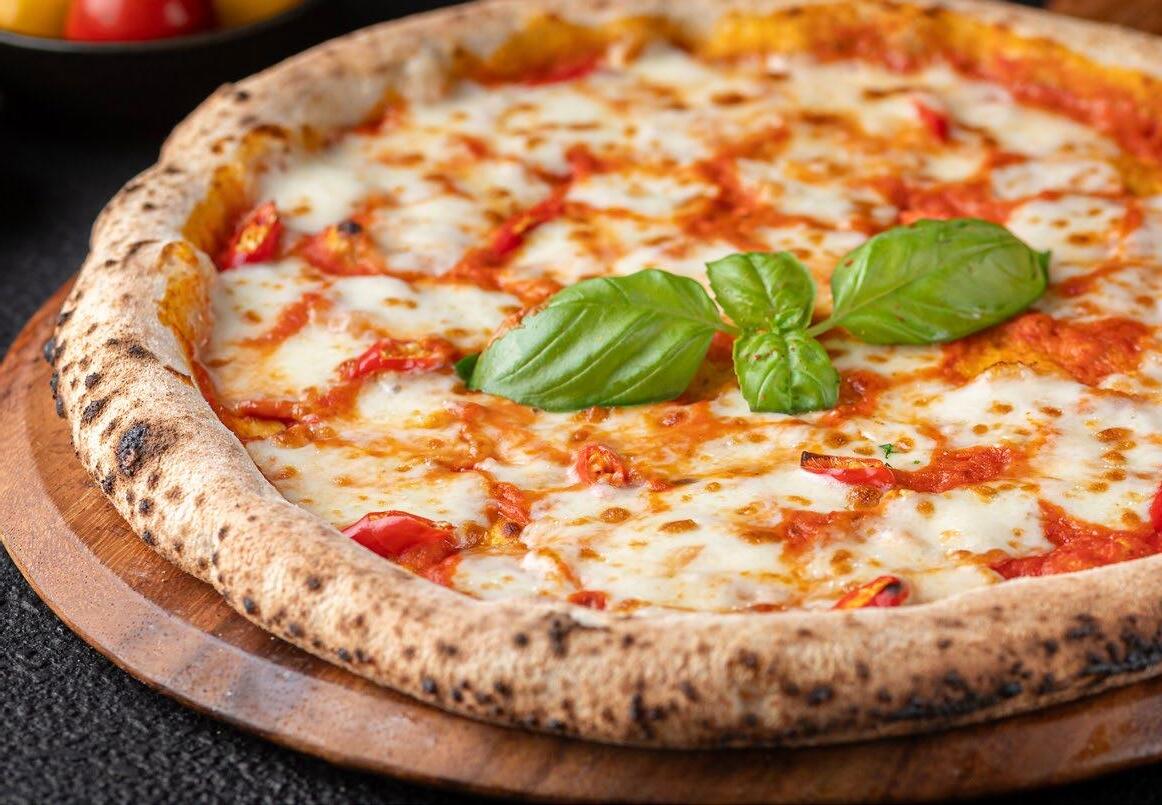
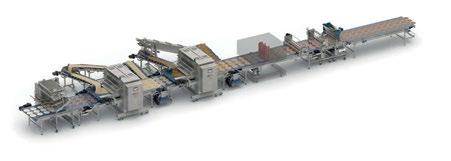

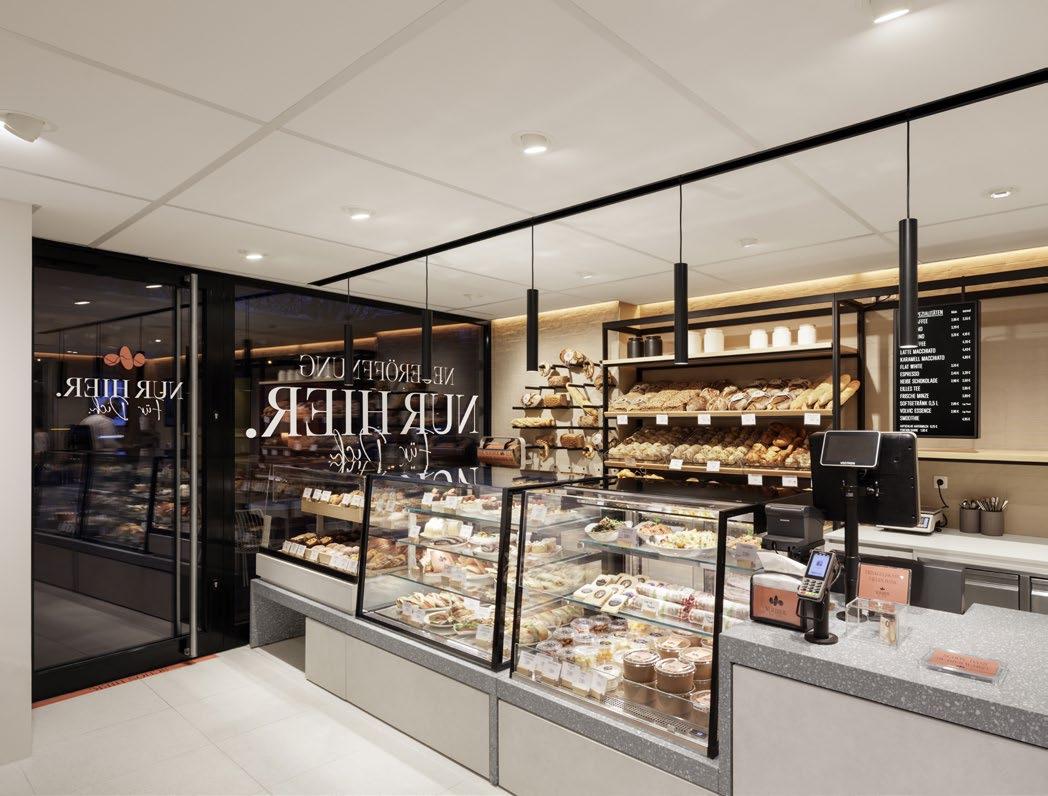
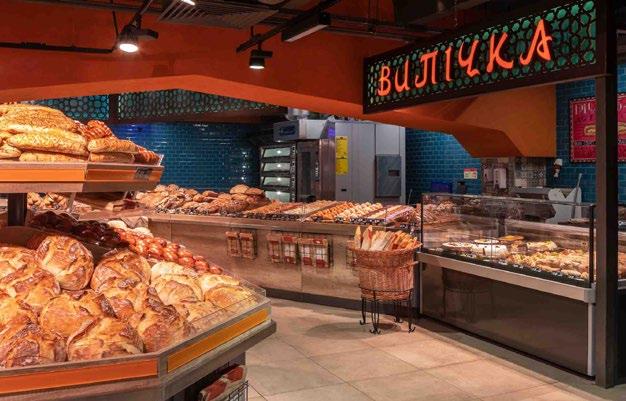
into complete lighting concepts. Lighting fixtures become digital media and a living part of the brand’s narrative.
“Vision is an unprecedented solution by Imoon that natively combines lighting and communication, transforming lighting fixtures into digital media capable of delivering informative, promotional, and service-oriented content within the store,” its developer details. This professional system is designed for diverse retail contexts in terms of size, layout, and product categories, and engineered to transform technical infrastructure into a visual experience on multiple levels: “not just light, but information, guidance, storytelling, and purchasing power.”
In particular, Vision Veletta redefines in-store communication. Imoon designed it to transform traditional bulkheads into high-visibility digital signage and powerful marketing tools. “This all-in-one system features a front-facing animated display for multimedia content (such as videos or promotional messages), while integrating recessed or track lighting into the rear,” the specialist elaborates. With its customizable shapes, Vision is meant to simplify store architecture by eliminating the need for complex drywall structures. This, in turn, significantly reduces installation time and costs.
What makes it great to have in a bakery? The Vision Veletta version, in particular, is the ideal solution when positioned above the counter, IMOON suggests. Placed here, it combines impeccable product lighting with targeted, dynamic communication: “It allows for real-time promotions, information on ingredient quality, details regarding allergen-free products, or personalized services. This approach not only enriches the customer experience but also acts as a powerful sales driver, leading to higher turnover by effectively communicating value and encouraging cross-selling directly at the point of purchase.” Talk about shedding light on what matters! +++










































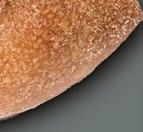
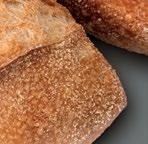



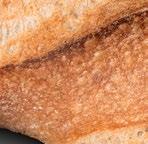

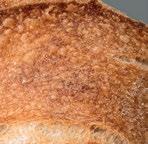








Clicks, views and likes are the currency of modern marketing. But what good are these metrics if they don’t bring additional customers into the bakery? Why do many marketing resources go to waste and how can neuro-branding offer a way out of the price war?

The baking industry is under pressure from surging prices and shrinking margins. Meanwhile, consumers are bombarded with thousands of advertising messages every day. In the face of such an information overload, it’s not volume but relevance that determines whether a brand is noticed, remembered – and ultimately purchased. However, many bakeries are indistinguishable from one another – in their product range, brand image, and communication. Whether it’s vibe marketing*, performance campaigns, or social media trends, without genuine relevance, even creative approaches fall flat. Only brands that are deeply rooted in consumers’ minds and hearts build trust, provide guidance, and ultimately drive purchase preference.
Traditional market research provides rational answers: “I like the bread roll,” “The price is important,” “The quality is right.” But these conscious statements only scratch the surface. The subconscious level – where 95% of all purchasing decisions are made – remains untouched. This is exactly where INMIND’s MetaMotivation ® comes in.
A look at other food categories reveals the power that targeted messaging can unleash. For years, oat milk languished as a niche product – until brands like Oatly established a distinct messaging profile that clearly differentiated itself from cow’s milk. The result: significant growth with premium pricing, while the milk market stagnated.
The cheese industry also impressively demonstrates just how diverse emotional positioning can be. From Appenzeller, with its strong connection to its region of origin, to ‘La Vache qui rit’ with its playful character, to ‘Caprice des
Dieux’, which emphasizes indulgence and imagination: different brands occupy different thematic spaces and thus specifically appeal to different target groups. Another example is ‘Liquid Death’, a mineral water in a can that currently generates over USD 300 million in sales in the U.S. The retail price for ‘Liquid Death’ exceeds that of the Evian brand by 15%. Compared to Wal-Mart’s own brand, the product is even eight times as expensive.
“While there are attempts at differentiated positioning – sourdough breads with long fermentation times, regional specialties with a story of origin, or innovative creations with unique ingredients – the emotional potential still falls short of what is truly possible.”
In the bread and baked goods sector, however, products often appeal to similar themes: craftsmanship, quality, tradition and freshness. While there are attempts at differentiated positioning – sourdough breads with long fermentation times, regional specialties with a story of origin, or innovative creations with unique ingredients – the emotional potential still falls short of what is truly possible. Ultimately, price often dominates on the shelf, while the name and character of a bread or pastry fade into the background.
The crucial question for bakeries is: Why do people buy bread in the first place? Is it purely for sustenance? For enjoyment and reward? For tradition and a sense of home? For
* Vibe marketing is a marketing approach that focuses on the emotional experience – the “vibe” – of a campaign.
Liquid Death is a success story from the US: In 2009, Mike Cessario, who would later found the company, observed at the Vans Warped Tour music festival that many band members were refilling their ‘Monster Energy’ cans not with energy drinks but with water to quench their thirst, yet without losing the ‘cool’ image. This observation led him to realize that healthy products are often marketed in a boring and unattractive way. This gave rise to the idea of selling water in cans with rebellious, provocative branding aimed at punk and metal communities, positioning water as a lifestyle choice. The ironic name ‘Liquid Death’ and the can design were intended to playfully and strikingly embody the ‘murder of thirst’.
The market launch initially took place via social media and a low-budget video that went viral – and sales exploded. Despite resistance from investors, skepticism in the retail sector, and criticism regarding sustainability (until 2024, the cans were filled in Austria and transported to the US), the product was successfully established first online and later in retail stores.
Founded in 2019, the company was valued at over USD 1 billion in May 2024, with estimated annual revenue of more than USD 200 million. The business magazine Forbes wrote on May 24, 2024: “While many marketers continue to try to achieve growth through ever-new product promises and loudly touted benefits, Liquid Death is banking on something else: relevance and meaning.”



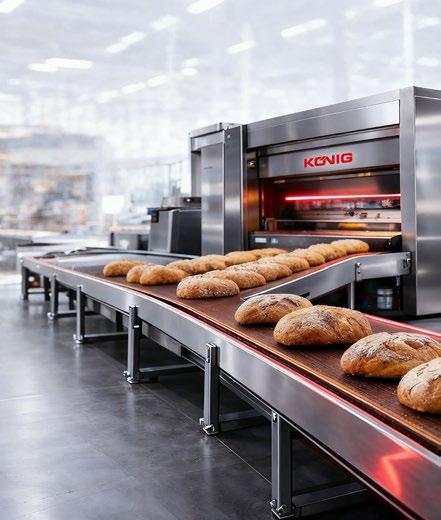
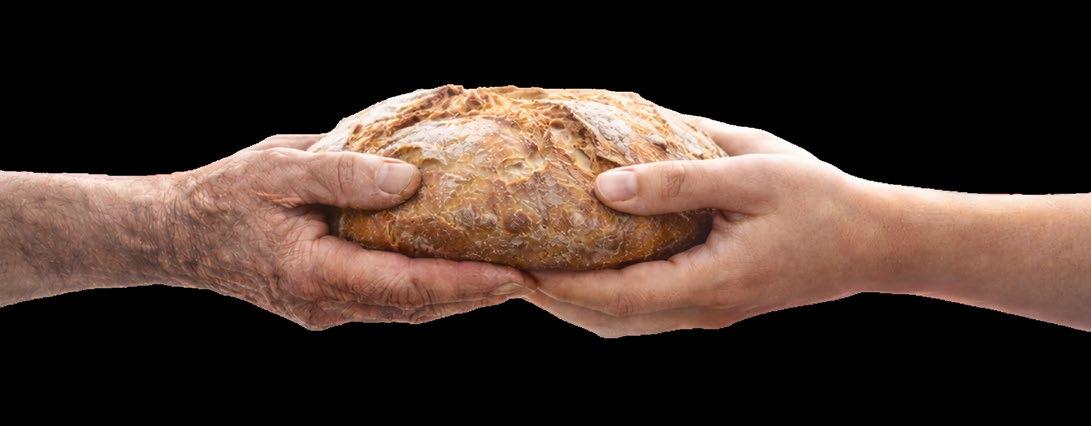

sustainability and a clear conscience? Or for a bit of quality of life in the hectic daily routine?
The pitfall of vague positioning
“We are traditional, sustainable, innovative, and affordable”: such positioning statements are not uncommon. The problem is that if you try to appeal to too many motivations, you end up appealing to none of them effectively. In the eyes of consumers, such a brand remains vague.
INMIND – Backwarenindustrie DE
An additional obstacle: In the baking industry, thinking often revolves around product types – whole-grain bread, wheat bread, spelt bread – rather than brands with their own distinct character.
When their motivations are not addressed, consumers become price-sensitive. However, as soon as a brand becomes relevant because it fulfills a deep-seated need, consumers are willing to spend more money. At INMIND, selecting the right motivation is seen as one of the greatest opportunities for effective marketing by bakeries. “Business must decide with underlying needs they want to embrace – and then consistently translate this into product and store design, product range, and communication. Those who turn a product into a brand with its own name, its own story, and a clear profile create differentiation and increase consumers’ willingness to pay.” +++
Basierend auf der MetaMotivation® und Analytical Neurodesign
MetaMotivation ® is a tool developed by INMIND that reveals consumers’ underlying needs and visualizes which motives are associated with a product category or brand. Purchase motives are presented using a motives map that shows:
+ Which underlaying motives drive the target audience
+ Where your own brand and competitors are positioned
+ Which motive fields are unoccupied and offer potential
+ How positioning is implemented across all touchpoints
Basierend auf der MetaMotivation und Analytical Neurodesign
The illustrations below show motive maps according to INMIND. In the graphic, purchase motives for bread (left) are compared with motives associated with the Appenzeller cheese brand.
Further information: INMIND Consulting GmbH Website: www.inmind-consulting.ch
Subconscious orientation Based on MetaMotivation ® and Analytical Neurodesign
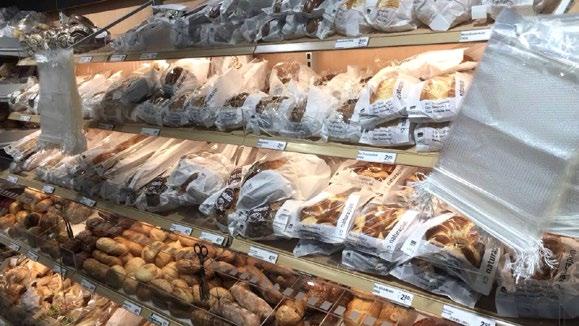
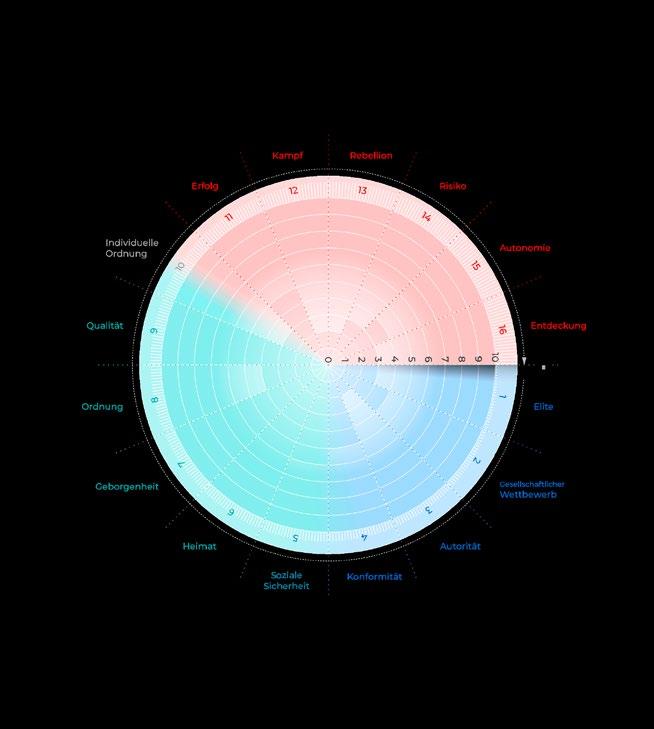
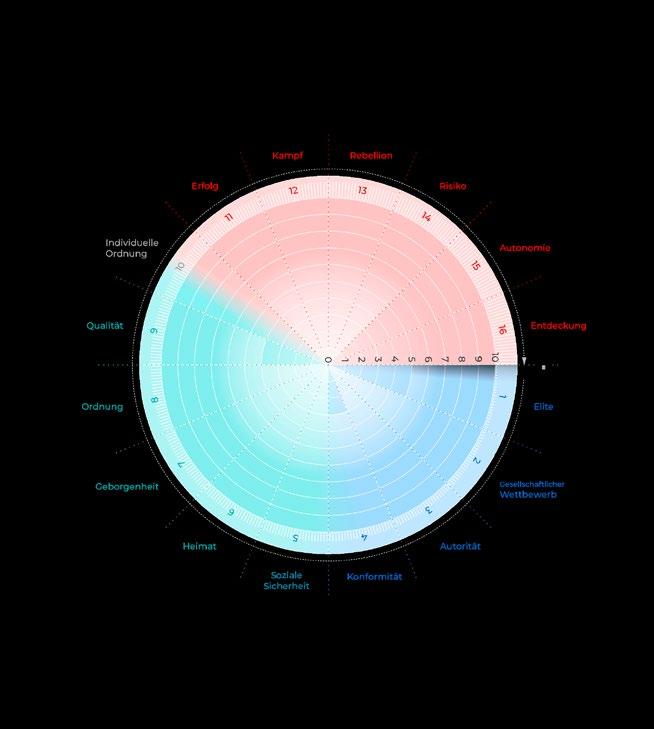
Cheese (using Appenzeller as an example)

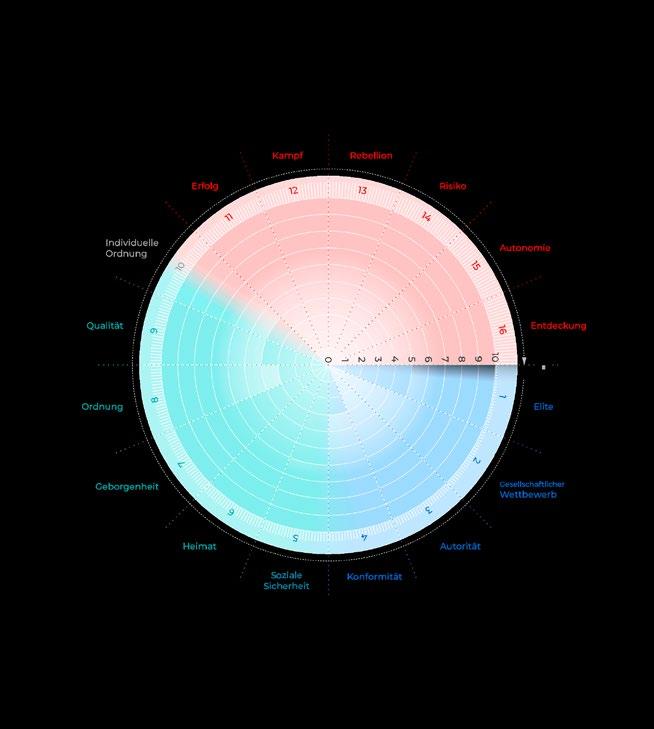
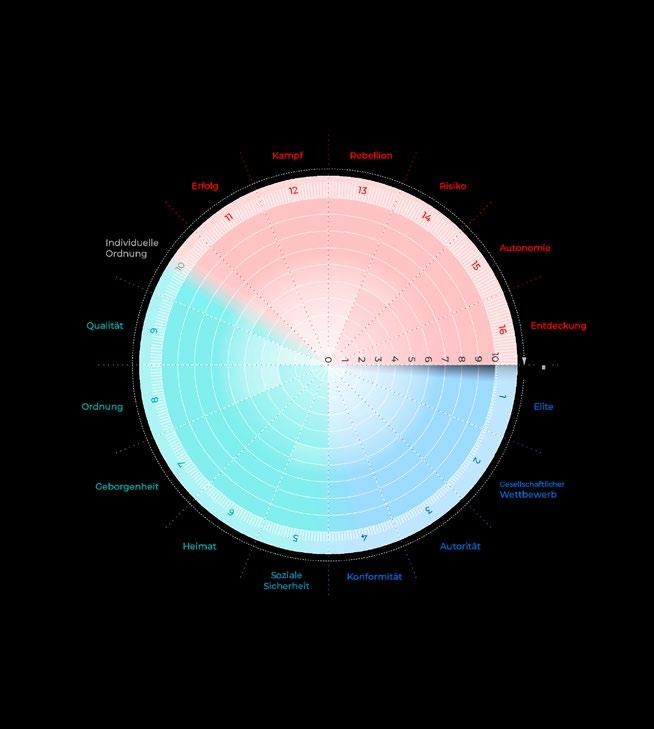

Consumers are backing their purchasing choices with reason, as they actively control food and drink choices at a time when indulgence is more nuanced than ever.

By Jess Ryall, Content and Marketing Executive, FMCG Gurus
+For years, treats have been associated with excess, guilt, and escape from an otherwise ‘disciplined’ lifestyle – ‘cheat’ moments (or days) that sat outside of healthy living. This train of thought was shared by consumers and manufacturers offering these snacks. The underlying message was to offer an irresistible temptation, a deserved reward, and even the permission to ‘break the rules’.
That mindset is now shifting. Consumers are rethinking what indulgence means. In 2026, indulgence is becoming more measured, intentional, and integrated into everyday routines, a trend likely to continue.
Rather than abandoning treats, consumers are redefining their role. They are looking for products that deliver enjoyment and emotional reward, while still fitting within broader health and wellness goals. This is creating a significant opportunity for food and beverage brands, but it also raises the bar for how indulgence is positioned.
Stress is increasing the need for small moments of escape Consumers are living in a climate shaped by stress, uncertainty, and fast-changing routines. FMCG Gurus research shows that 53% of global consumers say they experience stress some of the time, most, or all of the time, while a further 53% say they feel the world is changing too fast. In
FMCG Gurus’ consumer insights highlight strong global demand for functional and fortified food and drink products, with 57% of consumers saying they turn to these products already. As consumers increasingly seek foods that deliver added health benefits, the bakery category is well-positioned to respond. When asked which functional or fortified products they find appealing, 39% of global consumers stated bread, placing it among the top-performing categories and just behind yogurt (42%). Biscuits also show appeal at 30%. These figures indicate a clear demand for bakery brands to strengthen health-focused positioning, particularly through targeted fortification.
Protein fortification drives positive nutrition messaging
Protein enrichment presents a significant opportunity for bakery manufacturers to promote the concept of positive nutrition. Among consumers who find product fortification appealing, FMCG Gurus’ consumer insights show that 39% say they would like to see bread
fortified with protein, while 26% express interest in protein-enriched cakes and pastries. Interest is even higher in adjacent categories such as snack products for on-the-go (56%) and breakfast-based meals (59%), reinforcing the relevance of protein in everyday eating occasions.
Importantly, 43% of global consumers say they find products fortified with protein appealing, compared to just 22% who consider them unappealing. This demonstrates that protein carries aspirational associations linked to strength, satiety, and active lifestyles. While bakery products are more traditionally associated with fiber than protein, evolving consumer expectations create an opportunity to reposition staples such as bread and morning goods as carriers of functional benefits. However, success will depend on ensuring that fortification does not negatively impact taste perceptions, price expectations, or naturalness credentials. Transparent communication around sourcing and formulation will be critical.
this environment, food and drink are increasingly being used to create small, accessible moments of comfort and escapism.
This means indulgence is no longer simply about sensory reward. It is also about emotional well-being. Treats are becoming tools for self-care, helping consumers pause, reset, and reward themselves during busy days.
At the same time, consumers do not want indulgence to come at the expense of their wider health ambitions. Instead, they are taking a more balanced and flexible approach to wellbeing. FMCG Gurus data shows that 45% of consumers believe a healthy diet includes occasional treats in moderation, highlighting a move away from restrictive thinking and toward more sustainable routines.
This has important implications for brands. Consumers are not necessarily looking for indulgence to be removed or replaced. Instead, they want reassurance that indulgent products can fit into modern lifestyles. This may come through portion control, ingredient quality, or simple nutritional cues that help a product feel easier to justify.
That sense of justification is becoming increasingly important. Consumers are actively managing trade-offs, allowing themselves moments of indulgence while trying to maintain a sense of control. In fact, 36% of consumers say they struggle with weight management because they are prone to enjoying treats. Rather than avoiding indulgence altogether, many are building it into their routines in a way that feels earned or proportionate.
Fiber’s link to digestive health strengthens bakery’s credentials
Fiber remains a powerful asset for the bakery sector, particularly as awareness of digestive health continues to grow. FMCG Gurus’ research shows that over half (53%) of global consumers associate fiber with aiding digestive health.
Knowledge of the gut microbiome is also becoming more mainstream. 48% of consumers say they have heard of the microbiome, while only 14% say they have not. As understanding of the connection between diet, gut health, and overall well-being expands, bakery brands have a credible platform to communicate fiber benefits more assertively. Addressing digestive health remains a priority for many consumers. Globally, 59% say they are interested in digestive health products when suffering from specific health problems, whilst 49% report being satisfied with their current digestive health. This highlights both reactive and proactive engagement with the category.
Given that bread and cereal-based products are already naturally associated with grains and fiber, bakery brands are in a strong
For brands, this means communication matters just as much as formulation. Consumers are willing to invest in indulgent products, but only when the value feels tangible and credible. FMCG Gurus’ research shows that 50% of consumers are willing to pay a premium for snacks with high-quality ingredients. However, this willingness depends on clear and immediate justification. Ingredient quality, calorie positioning, or functional reassurance can all help strengthen purchase confidence.
“For food and beverage brands, the opportunity lies in delivering indulgence that feels emotionally satisfying, easy to justify, and relevant to real life.”
Jess Ryall, Content and Marketing Executive, FMCG Gurus
Another important factor is occasion. Indulgence is not experienced in the same way throughout the day. Consumer expectations shift depending on mood, routine, and context. Only 33% of consumers prioritize indulgence in the morning, rising to 45% in the evening, when products are more likely to be associated with relaxation and reward.
This highlights why brands need to think beyond broad demographic targeting. Success will depend on understanding when consumers are seeking functionality, when they want reassurance, and when they simply want enjoyment.
position to capitalize on this trust. Clear messaging around wholegrains, fiber content, and digestive support can help reinforce positive perceptions and differentiate products in a competitive market.
bakery as part of everyday wellness
As consumers look to make their snacking habits healthier across both retail and foodservice channels, bakery brands should consider evolving beyond indulgence-led messaging. By emphasizing protein fortification, fiber content, and digestive health support, the sector can reposition itself within the functional food space. The opportunity lies not in radically changing the category, but in elevating existing strengths. With more than half of global consumers actively seeking functional benefits, bakery has the potential to move from staple status to a key option for consumers looking to improve their nutrition.
Based on FMCG Gurus’ consumer insights. More information is available online: https://fmcggurus.com.
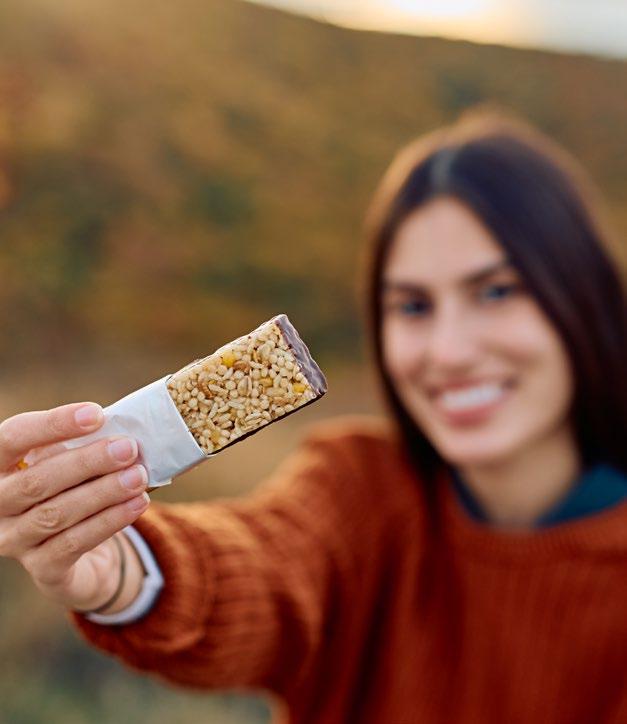
Indulgence is also becoming more closely tied to emotional well-being. FMCG Gurus’ insights show that 58% of consumers say enjoying small moments of indulgence for self-care is important, reinforcing the role of food and drink as tools for managing stress and creating breaks in busy routines.
This creates a major opportunity for brands to position indulgence in a more positive and purposeful way. However, these products must still feel proportionate and credible. Consumers want treats that feel deserved, but not excessive.
Ultimately, permissible indulgence reflects a broader change in how consumers define balance. They are no longer separating health and enjoyment into two opposing choices. Instead, they are looking for products that allow both to coexist.
For food and beverage brands, the opportunity lies in delivering indulgence that feels emotionally satisfying, easy to justify, and relevant to real life. In 2026, the most successful treats will not be those that ask consumers to compromise, but those that help them feel comfortable saying yes. +++
This contribution is based on FMCG Gurus’ Trend Report: Permissible Indulgence – Redefining Treats in a Balanced Lifestyle – March 2026
PUBLISHING HOUSE
baking+biscuit international is published six times a year.
Single copies may be purchased for EUR 15. Subscription rates are EUR 75 per annum. Students (with valid certification of student status): EUR 40. (All rates include postage and handling, but not VAT).
Cancellation of subscription must be presented three months prior to the end of the subscription period in writing to the publishing company. Address subscriptions to the above stated distribution department.
Claims will not be accepted for any copies not received or lost copies due to reasons being outside the responsibility of the publishing company. This magazine, including all articles and illustrations, is copyright protected. Any utilization beyond the tight limit set by the copyright act is subject to the publisher’s approval.
Online dispute resolution in accordance with Article 14 Para. 1 of the ODR-VO (European Online Dispute Resolution Regulation): The European Commission provides a platform for Online Dispute Resolution (OS), which you can find at http://ec.europa.eu/consumers/odr
Valid advertising price list: 2025
Food2Multimedia GmbH Schoolkoppel 27 21449 Radbruch, Germany +49 4178 244 9797 www.foodmultimedia.de
EDITOR EMERITUS
Hildegard M. Keil hildegard_keil@t-online.de
PUBLISHER
James Dirk Dixon dixon@foodmultimedia.de
EDITOR-IN-CHIEF
Catalina Mihu mihu@foodmultimedia.de
EDITOR
Helga Baumfalk baumfalk@foodmultimedia.de
COPY EDITOR
Annie Dixon annie.dixon@foodmultimedia.de
SUBSCRIPTIONS
Viktoria Usanova usanova@foodmultimedia.de DISTRIBUTION vertrieb@foodmultimedia.de
ADVERTISING Dirk Dixon dixon@foodmultimedia.de
SOCIAL MEDIA
Annie Dixon annie.dixon@foodmultimedia.de
LAYOUT/GRAPHIC
LANDMAGD Design aus der Heide
Linda Langhagen, design@landmagd.de
Leinebergland Druck GmbH & Co. KG Industriestr. 2a, 31061 Alfeld (Leine), Germany
IT IT Consulting BRUNK Felix Brunk, felix@brunk-net.de


Stay in the know, with the industry-first, open-access virtual library!
Valuable in-depth information about everything baking, always with you. The f2m resource library is now open!


All controlled within one seamlessly integrated line. Our integrated lines deliver higher output, consistent quality, and full process transparency. A reliable engine for scalable growth and long‑term value creation. One partner for your bakery solutions.
Maximum efficiency
Synchronised processes reduce downtime and increase throughput. Consistent quality
Precise control ensures every product meets the same high standard.
Smart insights
With our iBakeCare® app, you can access live data anytime, anywhere.
Future-proof design
Scalable solutions that grow with your bakery.