


Birds of Lāna‘i You Help Protect
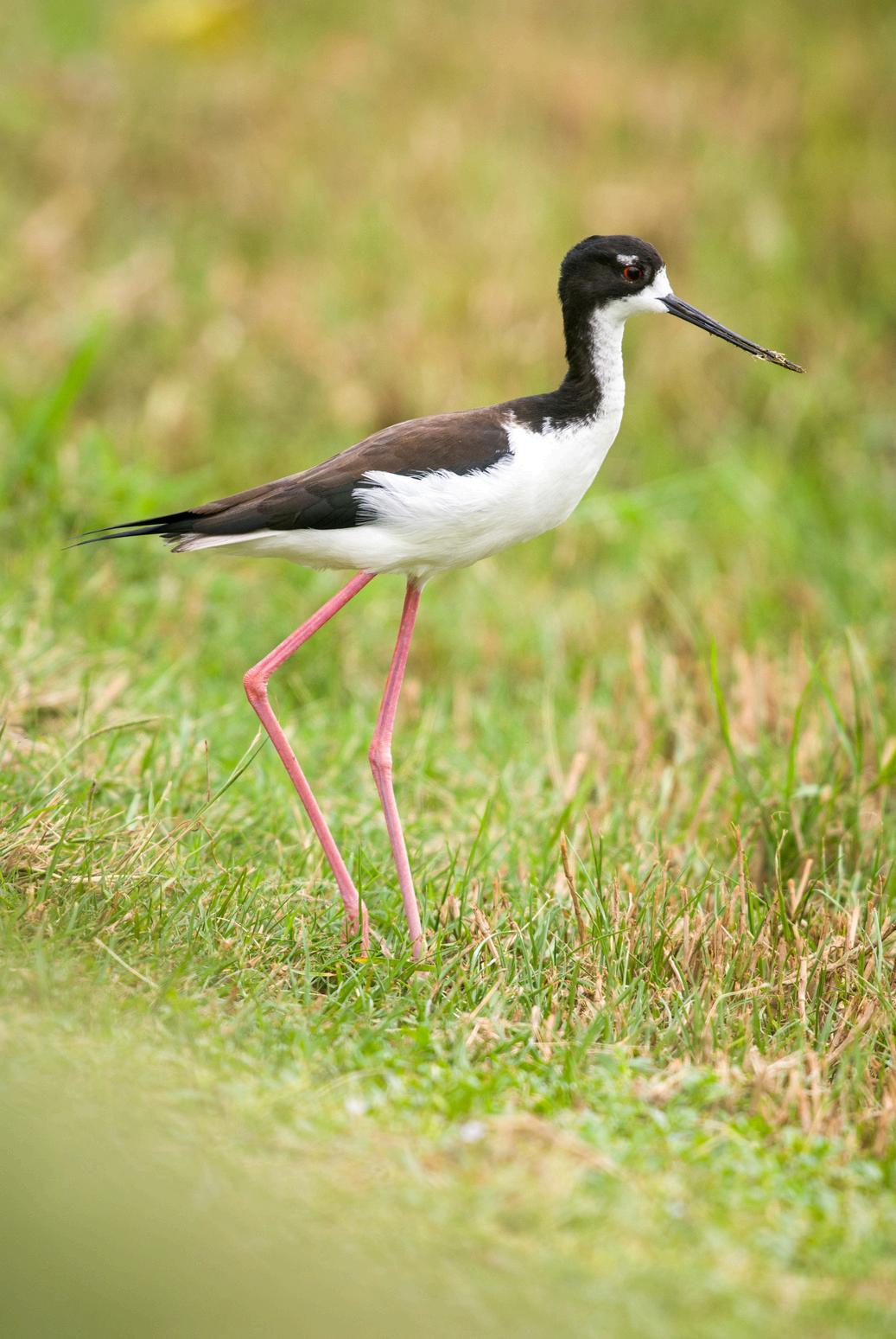

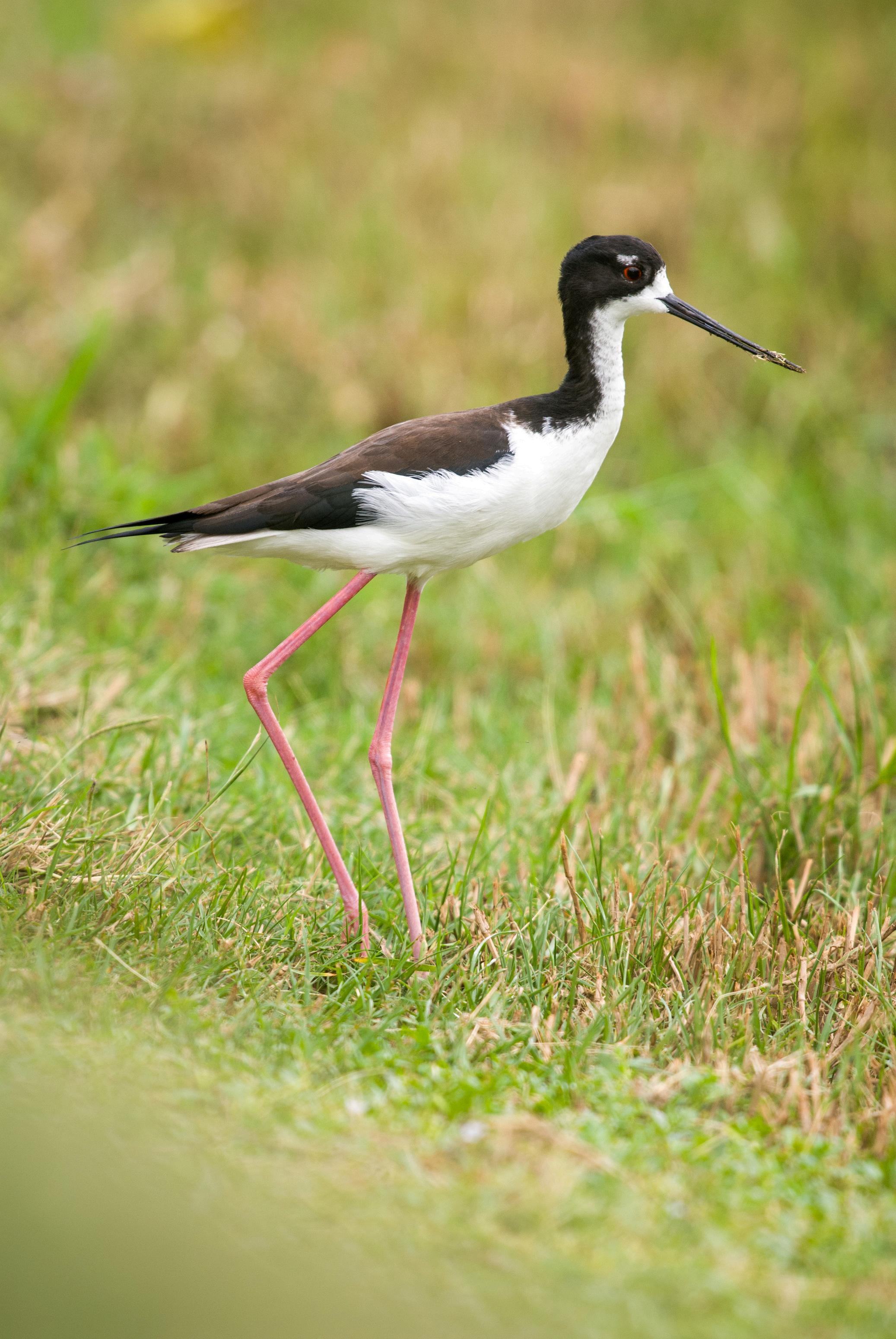

A striking black-and-white bird with long pink legs, often seen wading through shallow wetlands.
Markings:
Black above, white below, with a long black bill and bright pink legs.
What they eat:
Worms, small crabs, insects, and fish found in shallow water.
Nesting:
Builds nests on open mudflats or small wetland islands.
Parents fiercely protect their nests, calling loudly and even pretending to have a broken wing to distract predators.
Where they live:
Shallow wetlands, ponds, and mudflats. On Lāna‘i, they can often be found near the wastewater treatment ponds.
Status: Endangered
Why it matters:
Ground nests like these are vulnerable. Keeping cats safely housed helps protect these nesting areas.

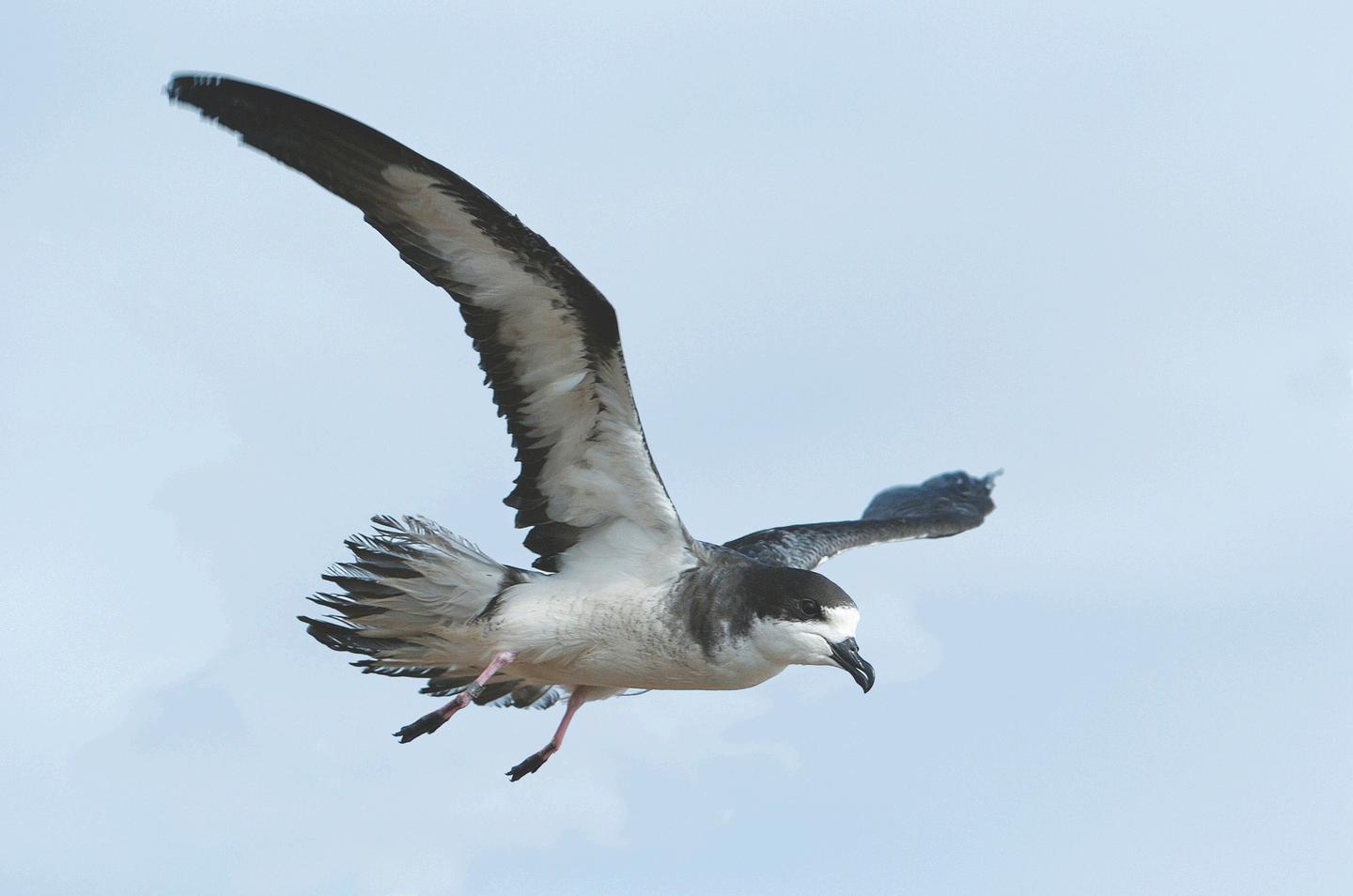
A large seabird known for its haunting wails and moans heard at night.
Markings:
Long, narrow wings, a wedge-shaped tail, and a hooked bill.
Comes in both light and dark color forms.
What they eat:
Fish and squid found far out at sea.
Nesting:
Nests in underground burrows on sandy or coastal areas.
Forms long-term pairs and raises just one chick each year.
Where they live:
Found across Hawai‘i and throughout the Pacific.
Returns to the same nesting sites year after year.
Status: Least Concern (population declining)
Why it matters:
Each nest has a single entrance and one chick, making them especially vulnerable.
Safe, undisturbed nesting areas help these colonies thrive.
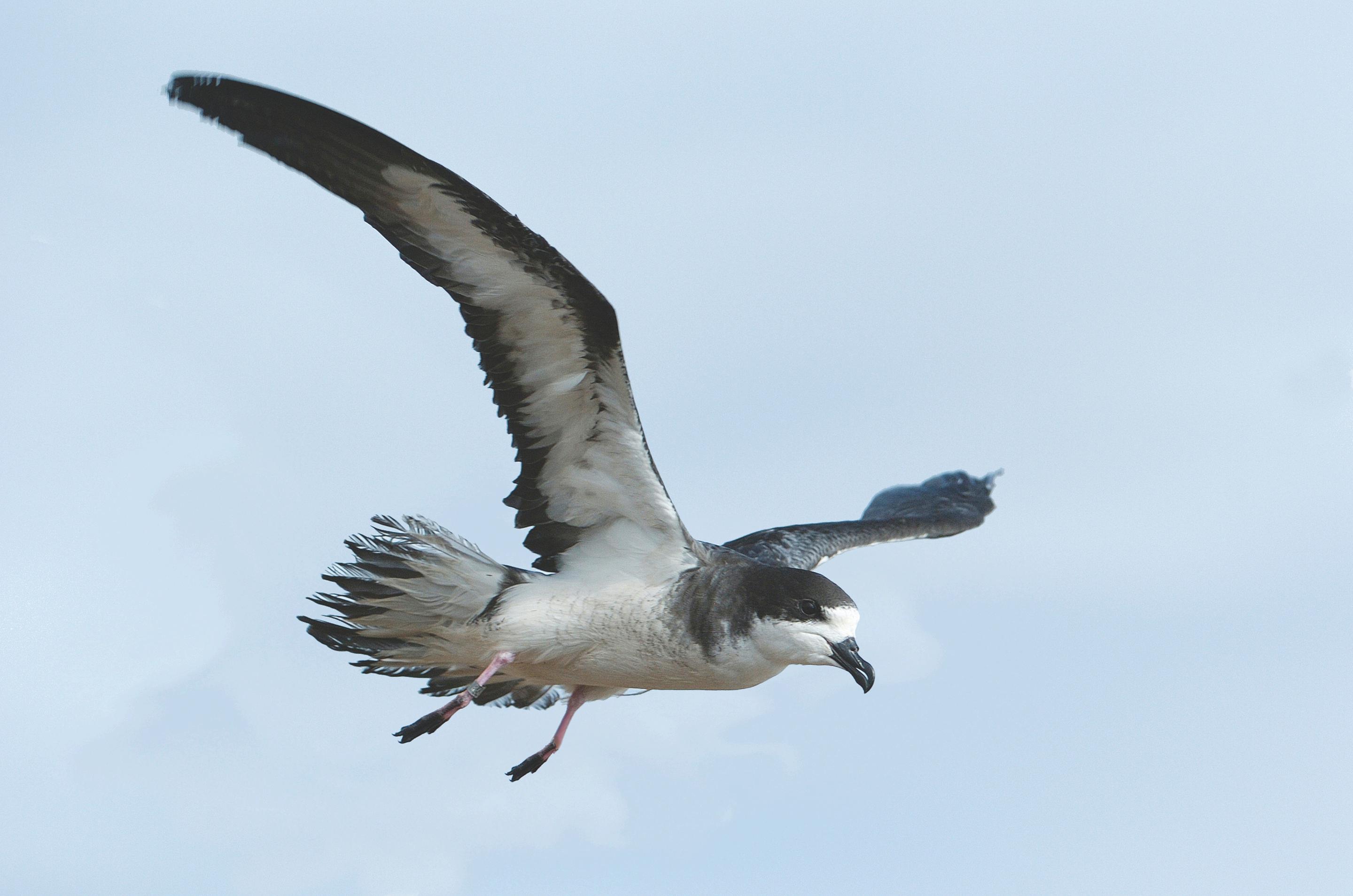

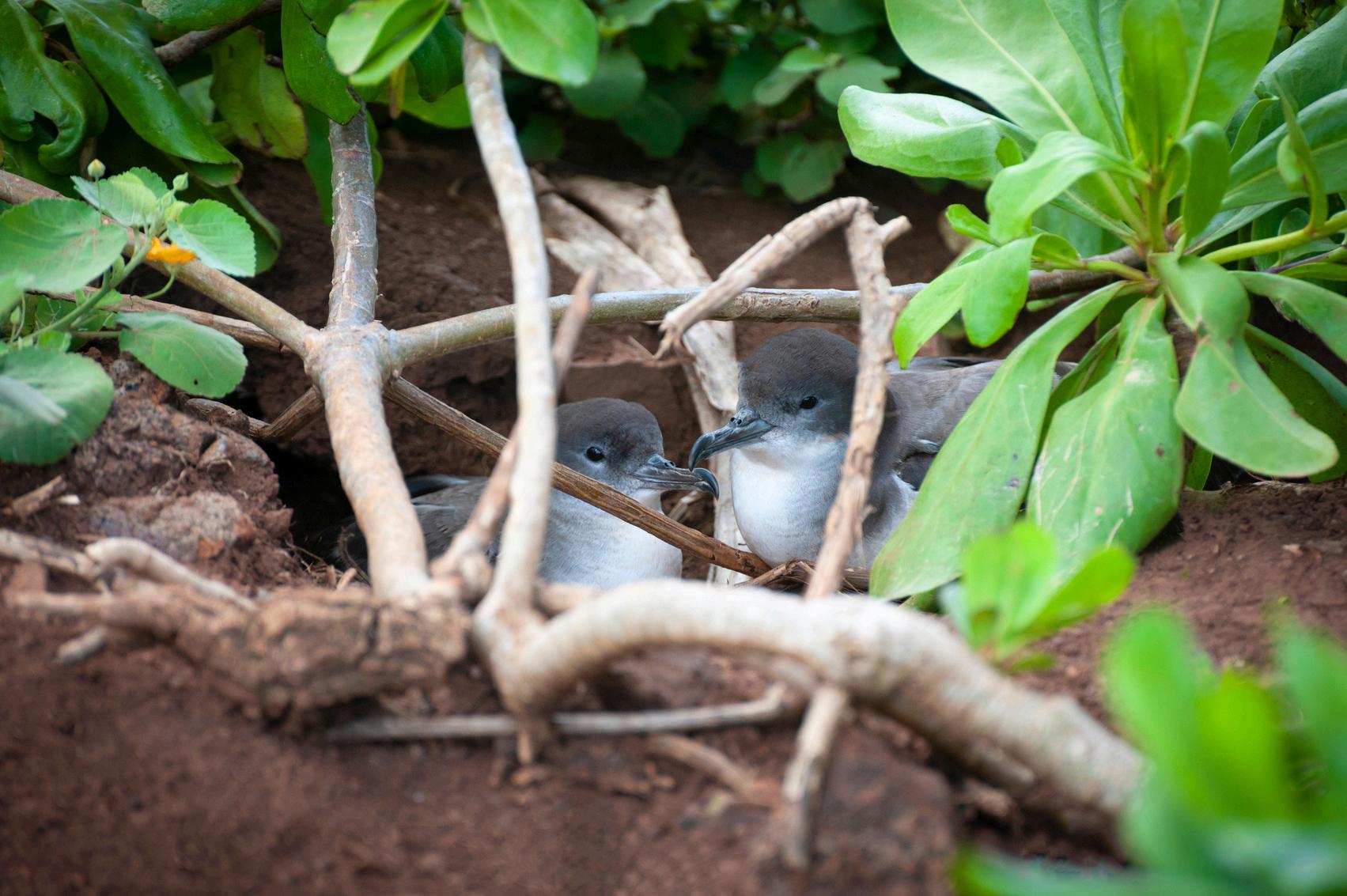
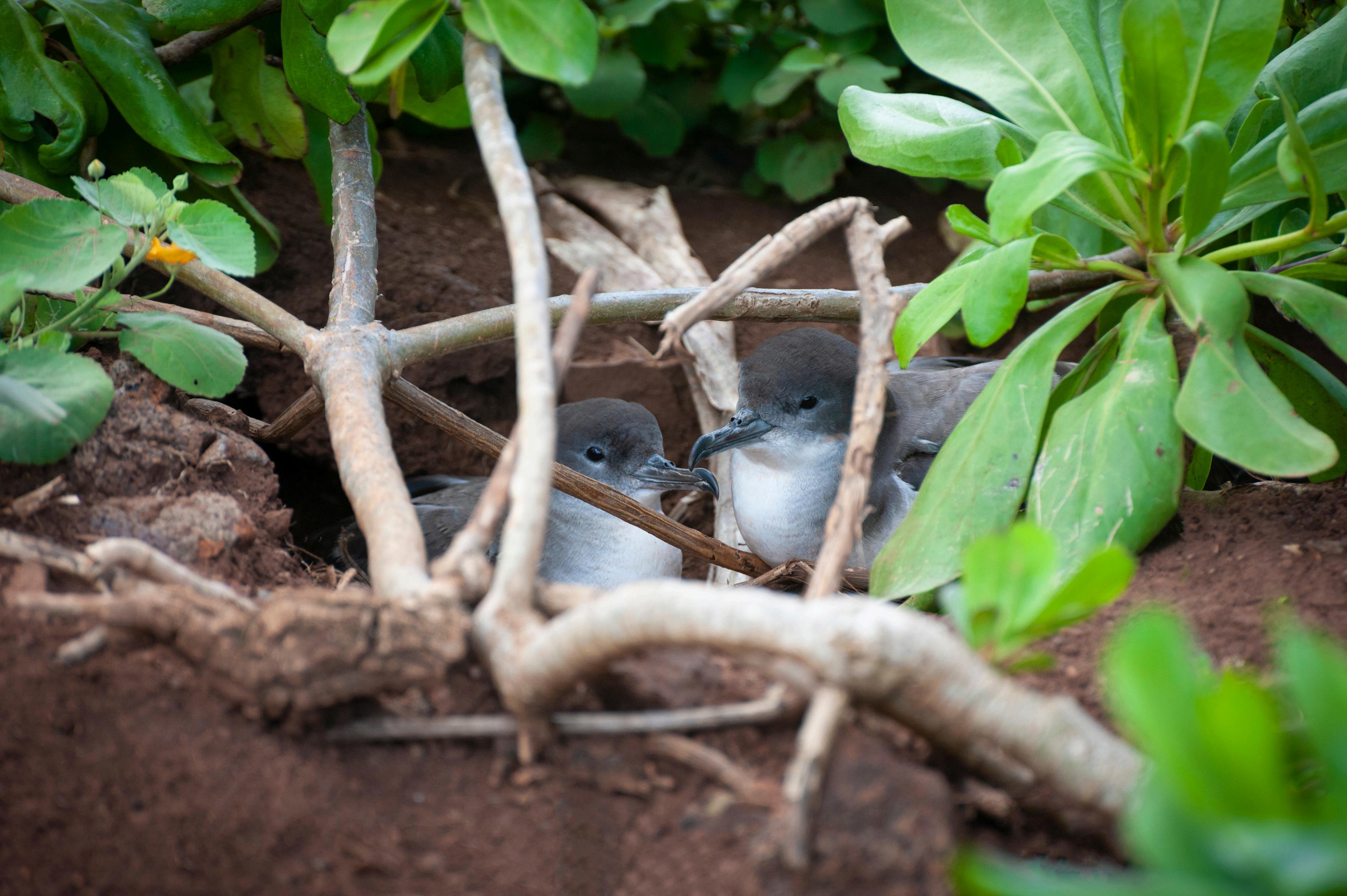
A rare seabird that nests in remote inland habitats, often hidden in forests and upland areas.
Markings:
Dark above with a white face and underside, and a black bill.
What they eat:
Primarily squid, along with fish and small crustaceans.
Nesting:
Nests deep underground in burrows, crevices, and lava tubes, sometimes up to 30 feet below the surface.
Each pair raises just one chick.
Where they live:
Nests in remote inland areas on islands like Lāna‘i, often in forested or upland habitats.
Status: Endangered
Why it matters:
Because they nest in isolated areas, even small disturbances can have a big impact.
Protected nesting areas are essential for their survival.

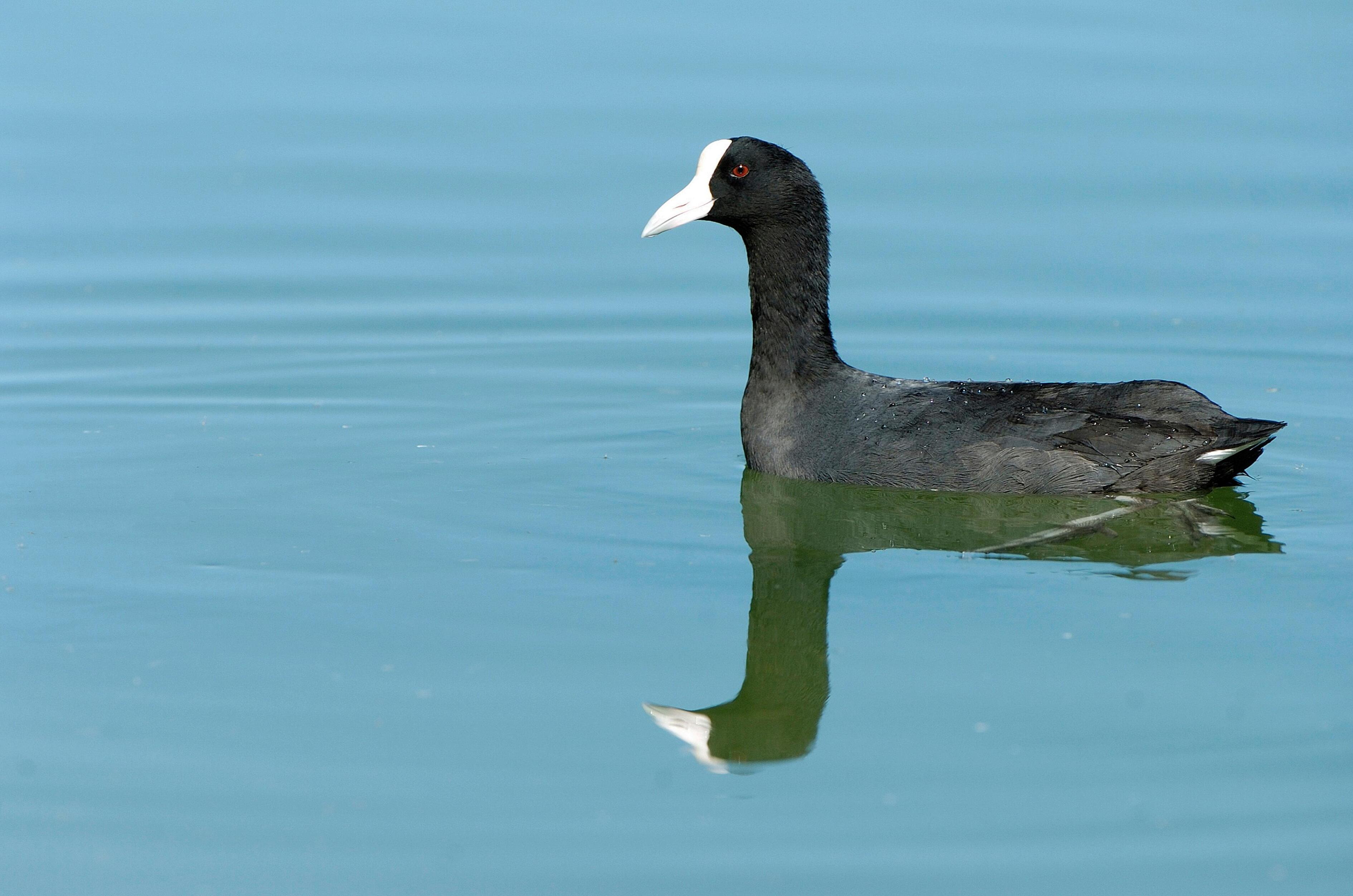
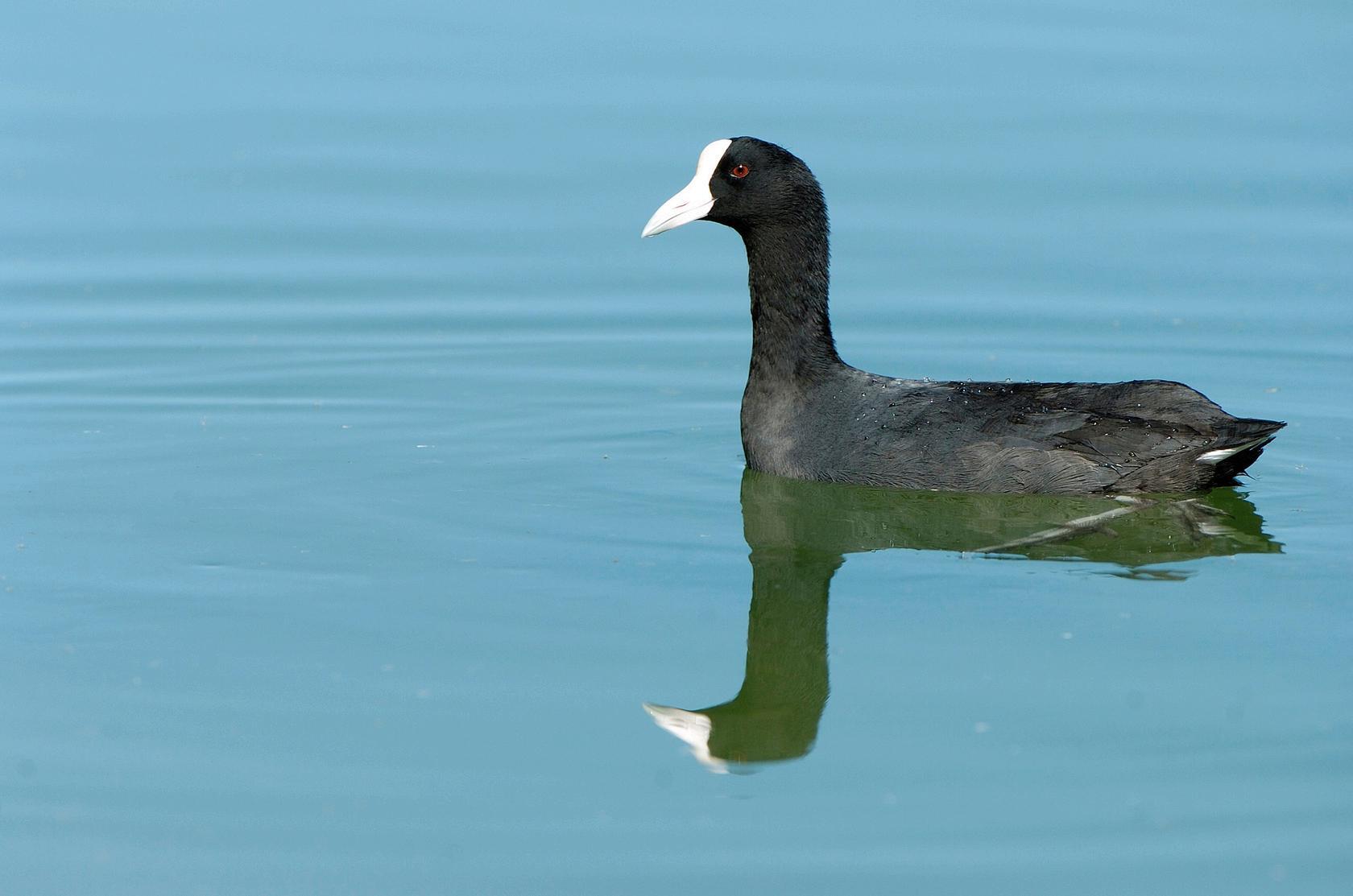
A native waterbird often seen gliding across wetlands, known for its bright white bill and shield.
Markings:
Dark gray body with a black head, white bill, and a distinctive white forehead shield.
Feet are lobed instead of webbed, helping it move easily through water.
What they eat:
A flexible feeder that eats plants, insects, small fish, and crustaceans, both in and around the water.
Nesting:
Builds floating nests made of wetland plants, often anchored to vegetation or resting in open water.
Where they live:
Found in lowland wetlands across Hawai‘i, including ponds, marshes, and taro fields.
On Lāna‘i, they can be seen at the wastewater treatment ponds.
Status: Endangered
Why it matters:
Healthy wetlands provide everything these birds need to survive.
Your support helps protect the balance of these ecosystems.
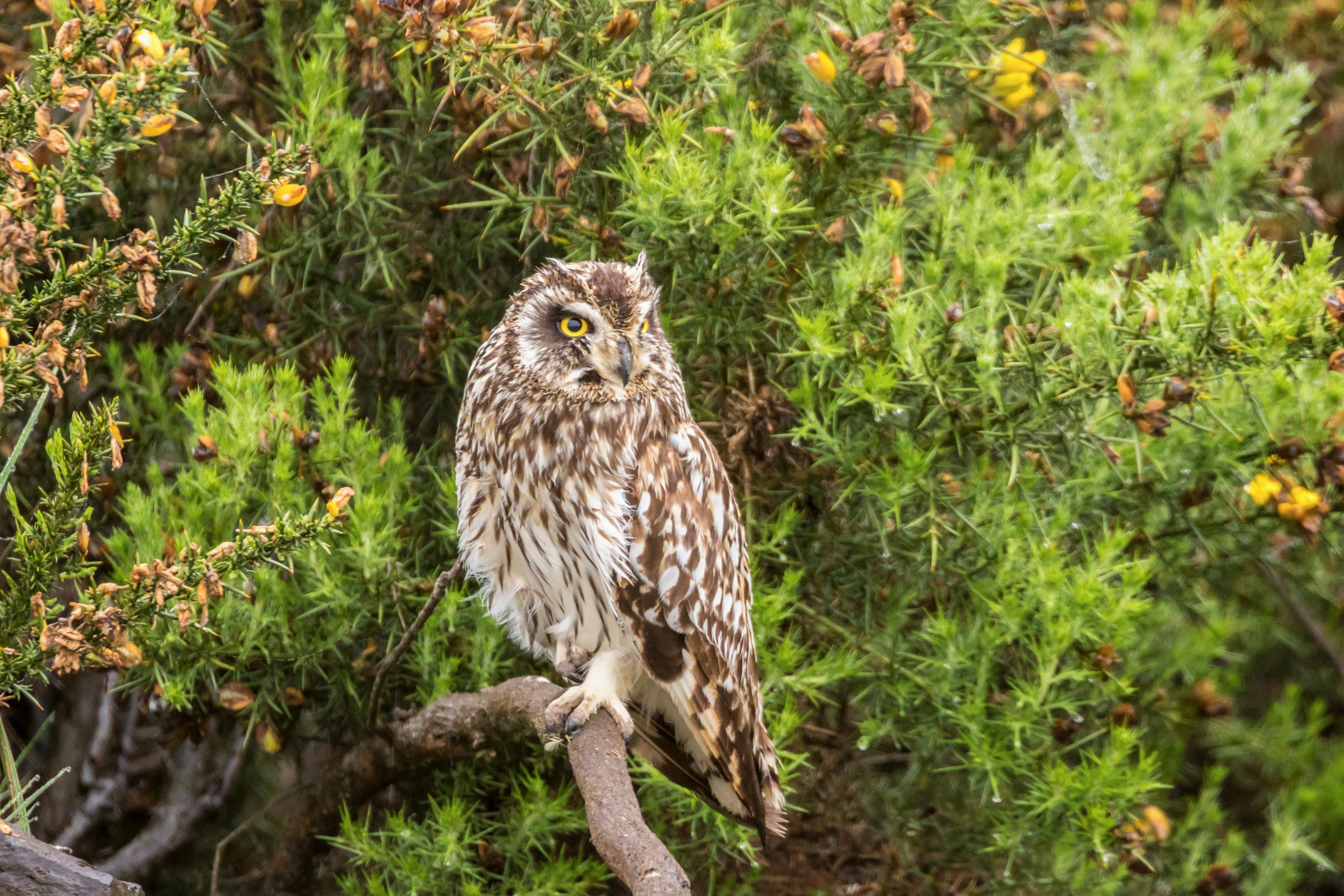

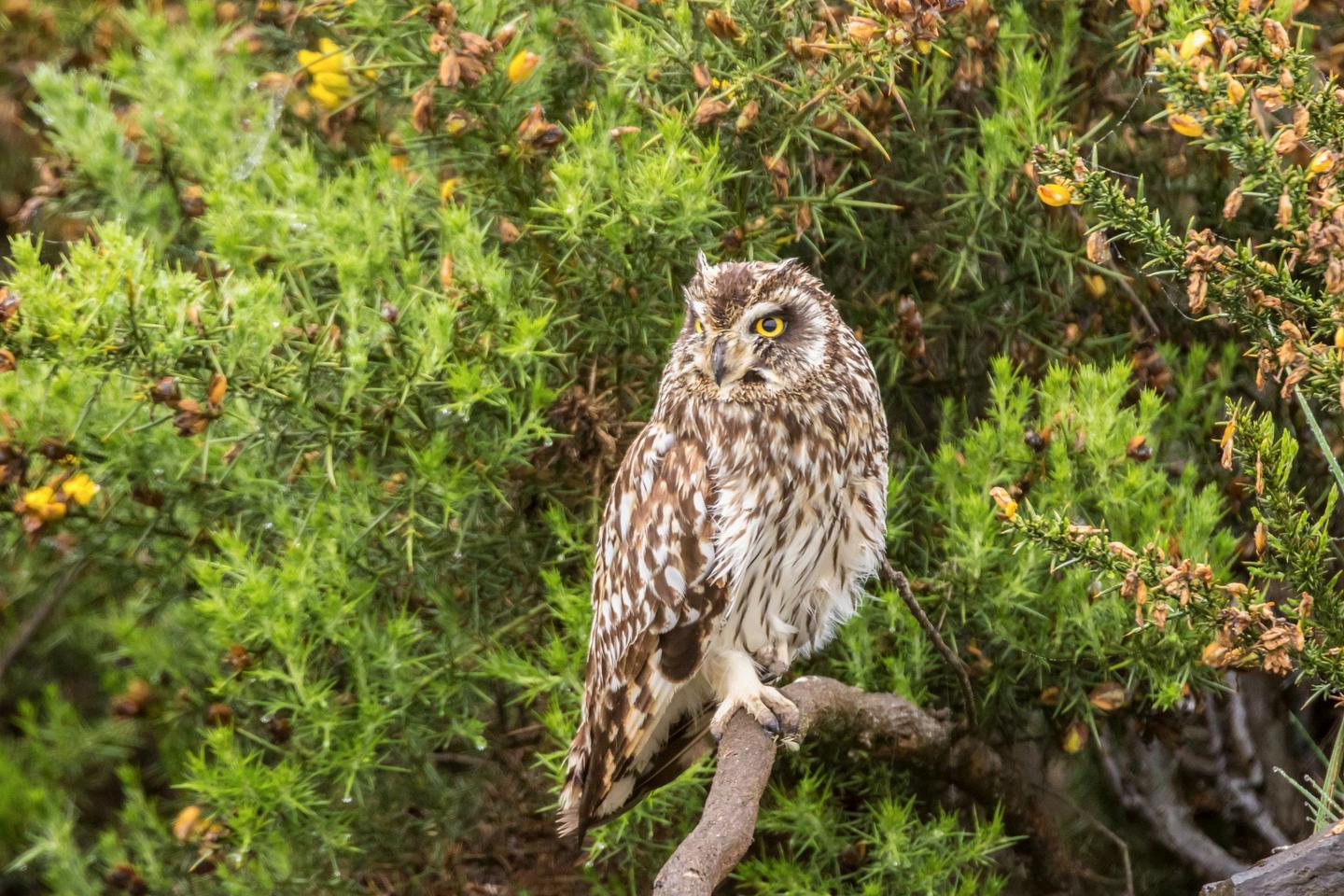
A native Hawaiian owl often seen flying during the day over open landscapes.
Markings:
Mottled brown with a rounded face, yellow eyes, and a sleek, long-winged shape in flight.
What they eat:
Hunts rodents, insects, and small animals across open areas.
Nesting:
Nests on the ground in simple grass-lined scrapes.
Chicks leave the nest before they can fly and stay hidden in grasses.
Where they live:
Found across a variety of habitats, but most often seen in open areas like grasslands and shrublands, including parts of Lāna‘i.
Status: Endangered on O‘ahu
Why it matters:
Ground nests and open habitats make these birds especially vulnerable.
Keeping these landscapes undisturbed helps give species like the Pueo a chance to thrive.



From
mountain
slopes to the welcoming committee
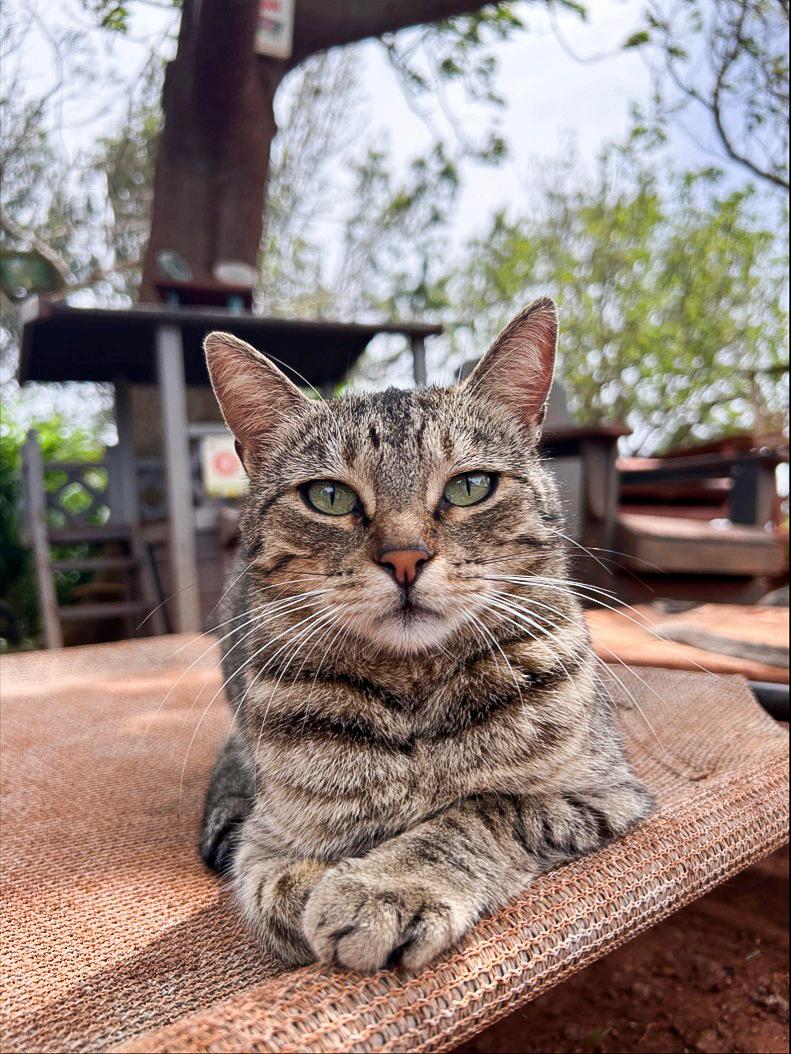
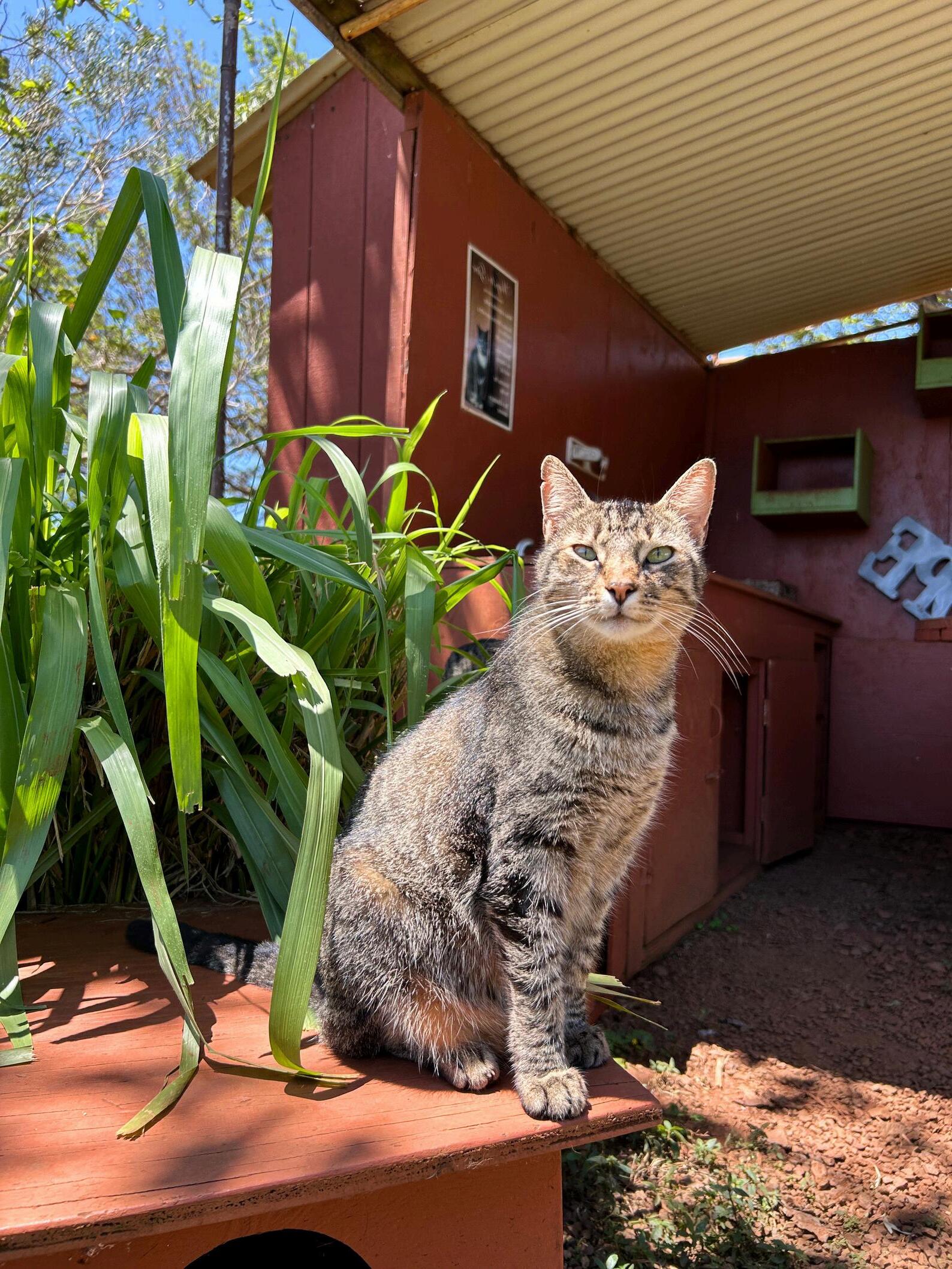
Crista was rescued from the Hi‘i mountain area in 2024, a region that supports nesting seabirds like the Hawaiian Petrel. When she first arrived, she kept her distance.
Now, she’s part of the welcoming committee in Koele Park.
Loves watching lizards dart along the fence
Chases toys when visitors play with her
Has fully embraced her new, safe routine
Today: Crista spends her days napping, playing, and greeting guests, while the mountain habitats she came from remain protected.
Teddy was rescued from the wastewater treatment area, where native waterbirds like the Hawaiian Stilt and Hawaiian Coot gather. He arrived at the Sanctuary in 2016 and now lives in the Kupuna Center for senior cats.
12 years old and loves attention
Always ready for pets from visitors
Has a strong opinion about the clinic staff
Today: Teddy enjoys a calm, cared-for life, far from the wetlands that support these birds.
From defensive to devoted
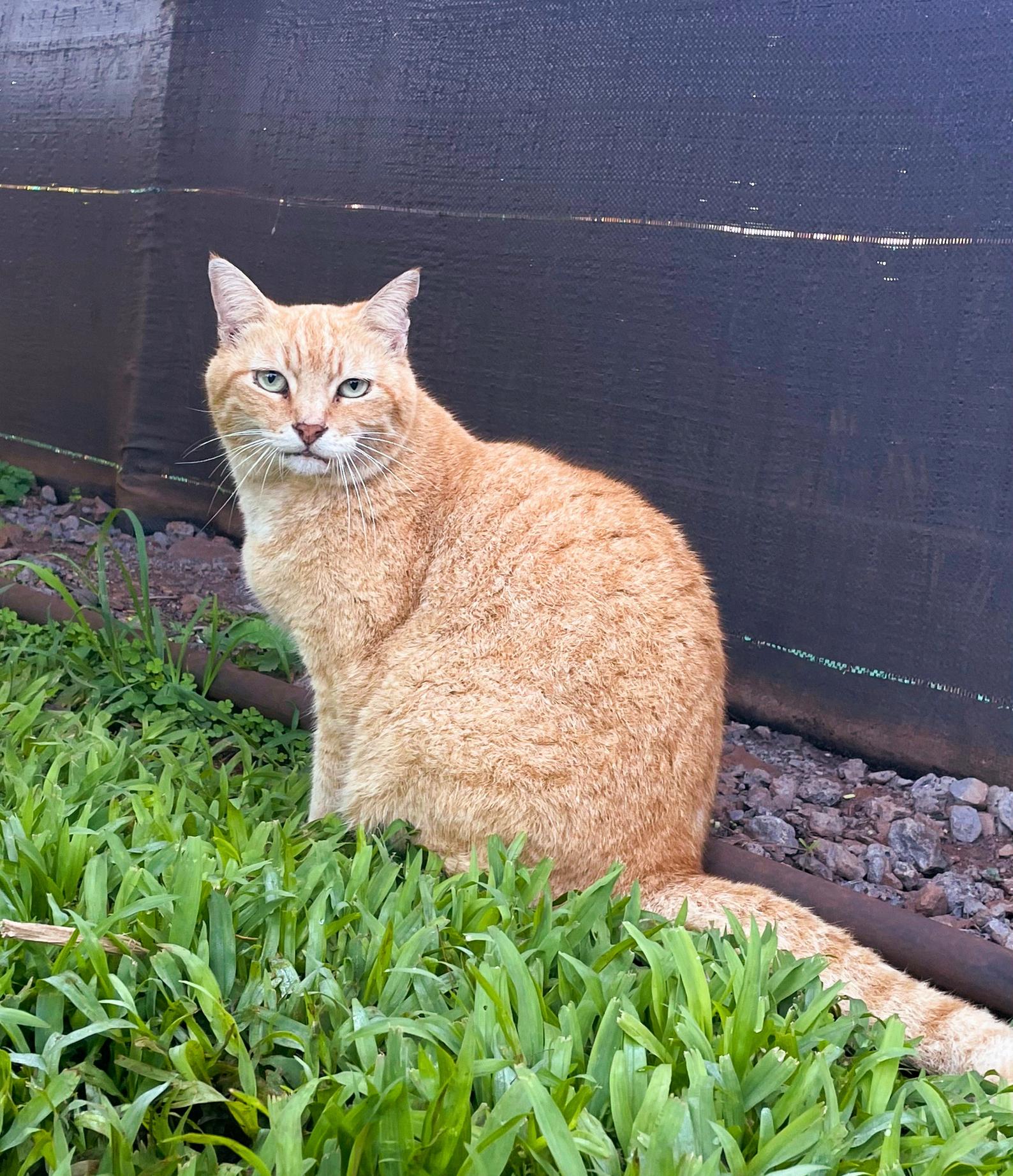
Zephaniah came from the Koele buffer zone, near protected bird habitats. When he first arrived in 2020, he was extremely feral and didn’t trust people.
That changed over time.
Now enjoys pets and treats Seeks out attention instead of avoiding it

Lives comfortably in Koele Park
Today: Zephaniah’s world is safe, stable, and full of care, while the surrounding habitats remain undisturbed.