

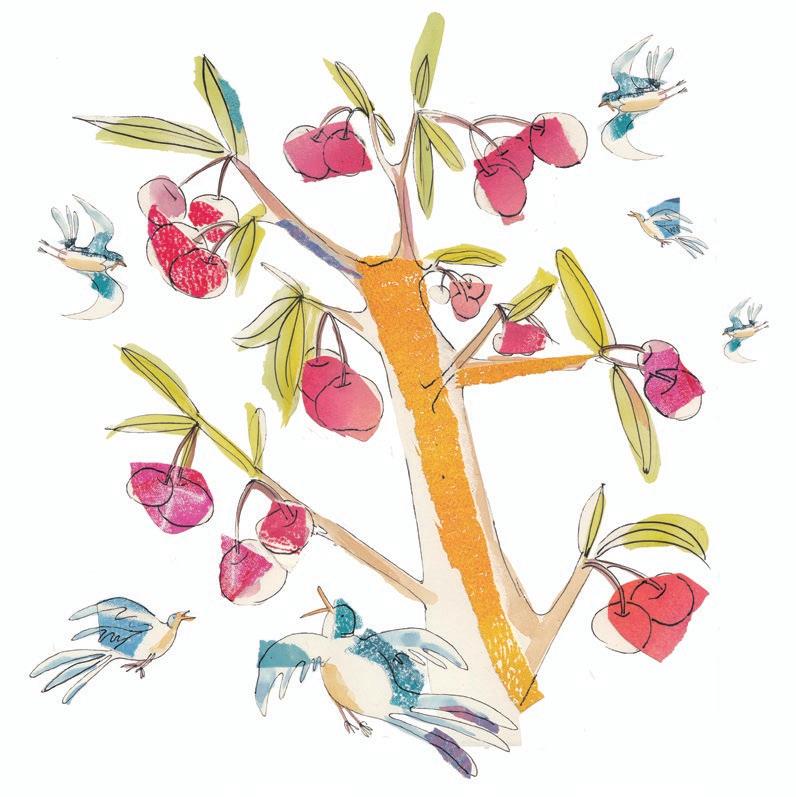
Stewart's Tree

Page 1

First published in 2018 by Jessica

73 Collier Street

London N1 9BE, UK and

400 Market Street, Suite 400 Philadelphia, PA 19106, USA

www.jkp.com

Copyright © Cathy Campbell 2018

Front cover image source: Copyright © Cathy Campbell 2018. The cover image is for illustrative purposes only, and any person featuring is a model.

All rights reserved. No part of this publication may be reproduced in any material form (including photocopying, storing in any medium by electronic means or transmitting) without the written permission of the copyright owner except in accordance with the provisions of the law or under terms of a licence issued in the UK by the Copyright Licensing Agency Ltd. www.cla.co.uk or in overseas territories by the relevant reproduction rights organisation, for details see www.ifrro.org. Applications for the copyright owner’s written permission to reproduce any part of this publication should be addressed to the publisher.

Warning: The doing of an unauthorised act in relation to a copyright work may result in both a civil claim for damages and criminal prosecution.

Library of Congress Cataloging in Publication Data

A CIP catalog record for this book is available from the Library of Congress

British Library Cataloguing in Publication Data

A CIP catalogue record for this book is available from the British Library

ISBN 978 1 78592 399 9

eISBN 978 1 78450 762 6

Printed and bound in China
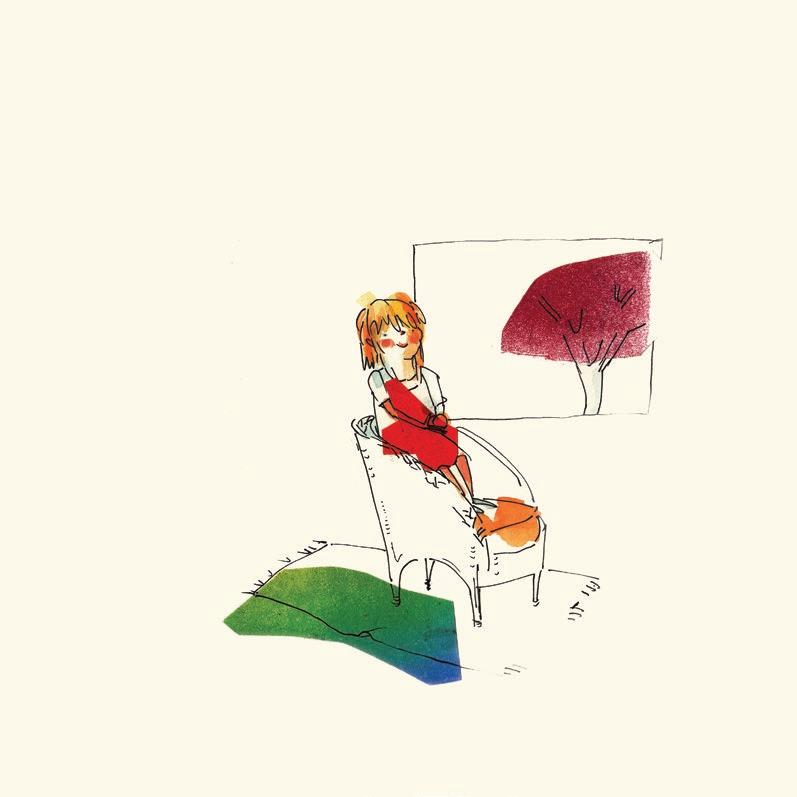
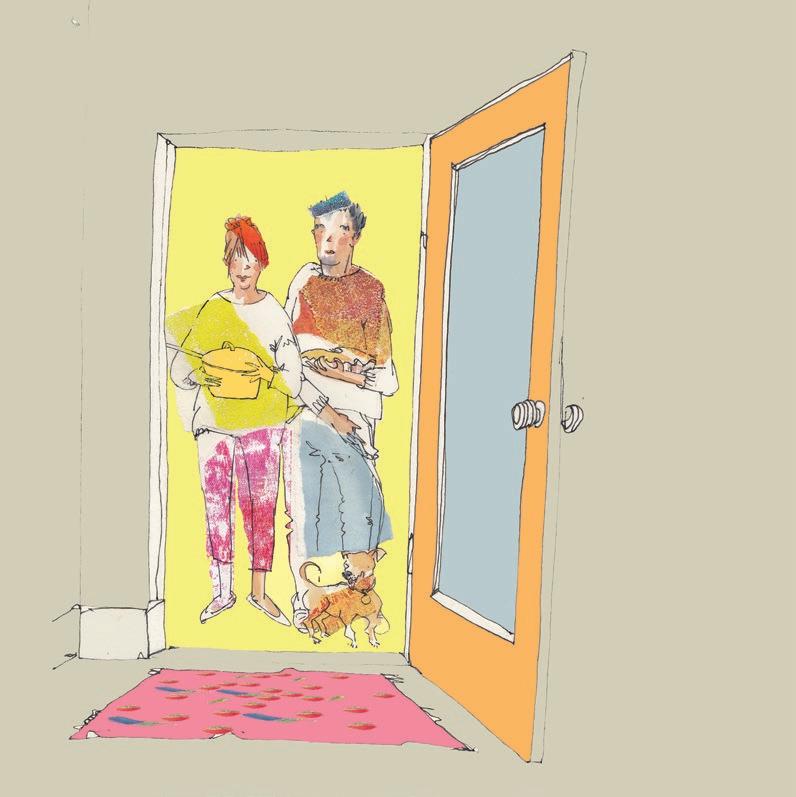
Ellen was waiting for something special.
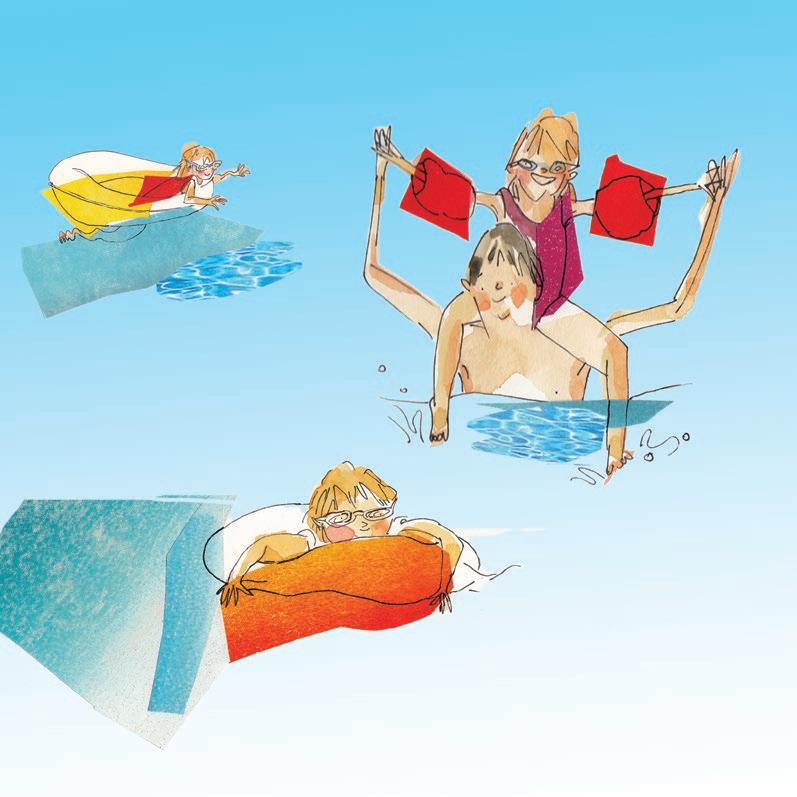
She wasn’t going to her favourite place,
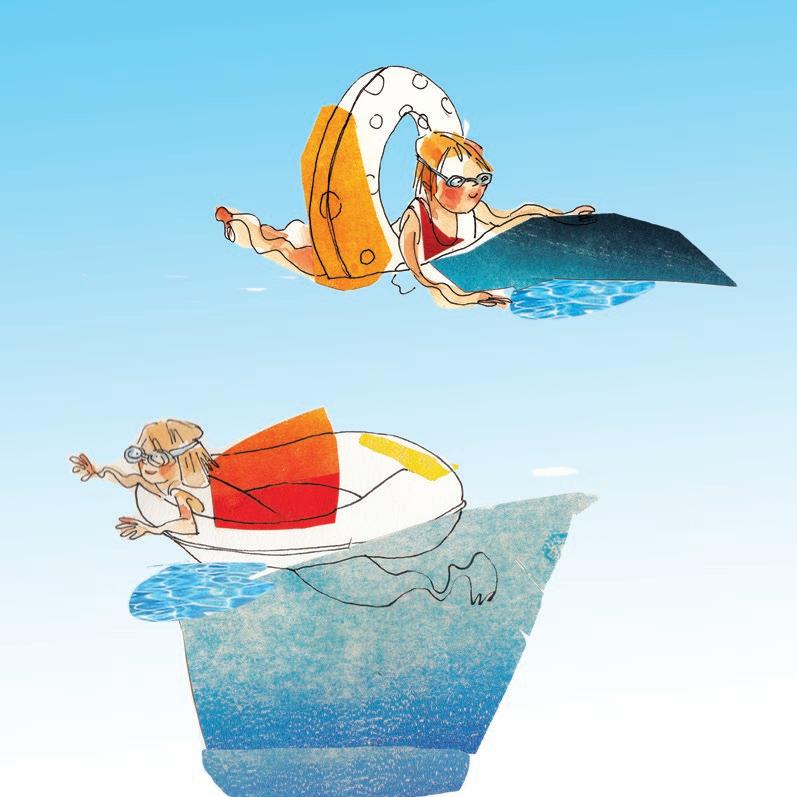
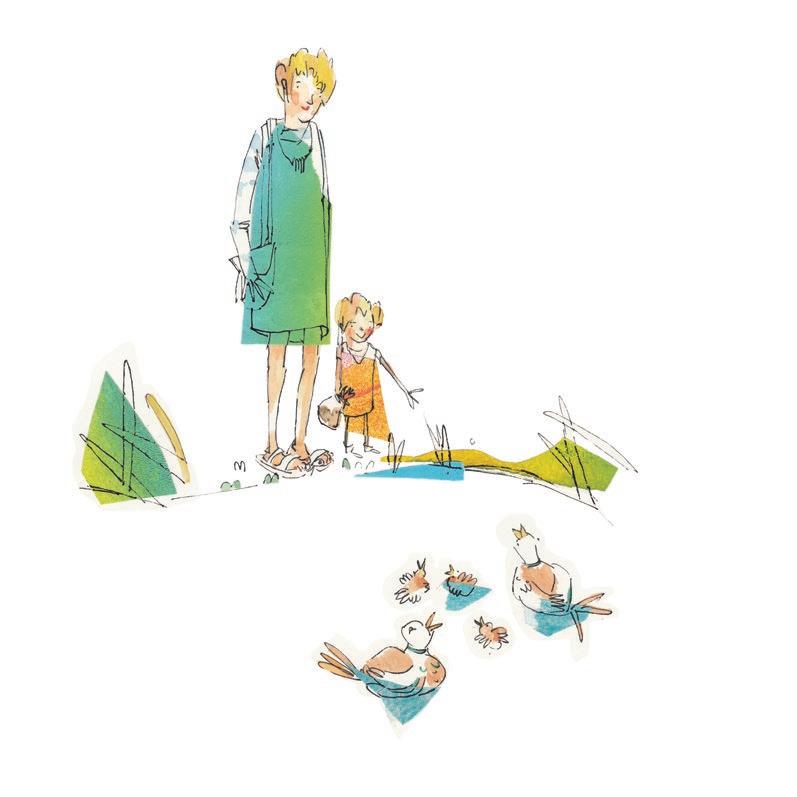
…or to the park.
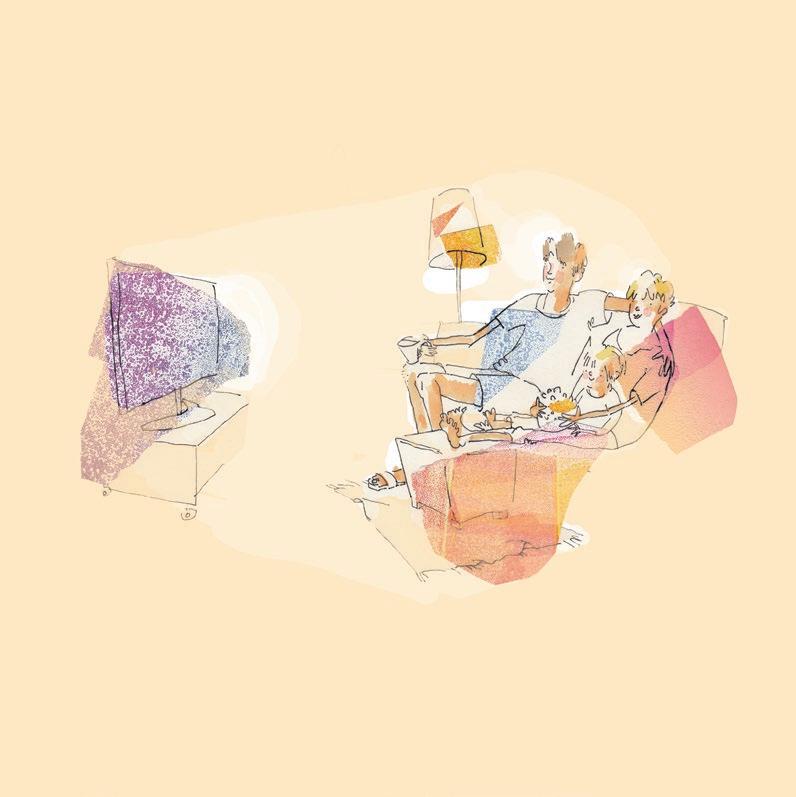
And it wasn’t movie night either!
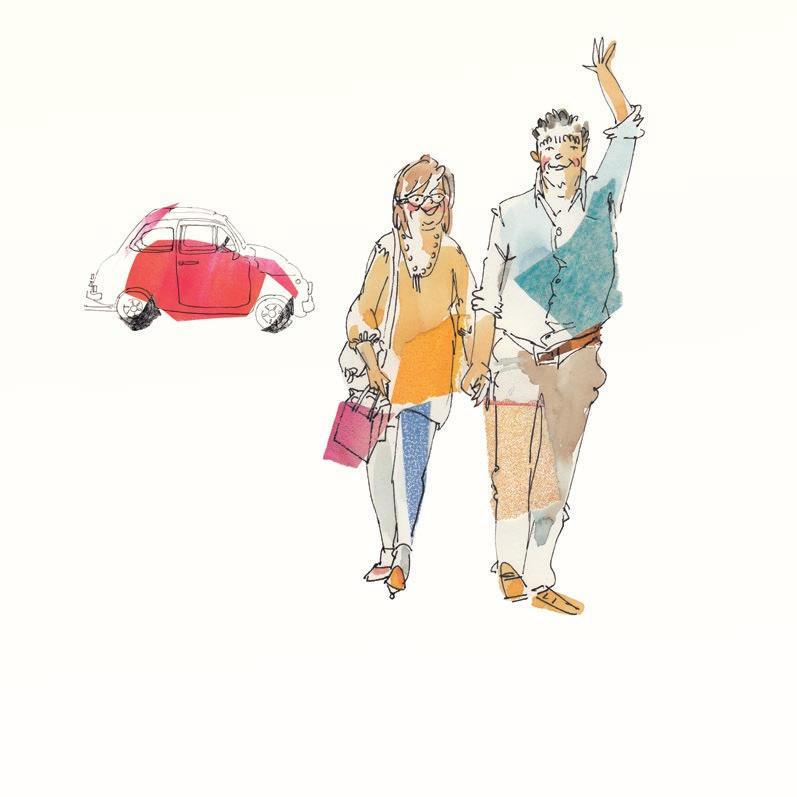
Granny and Papa were coming to stay,
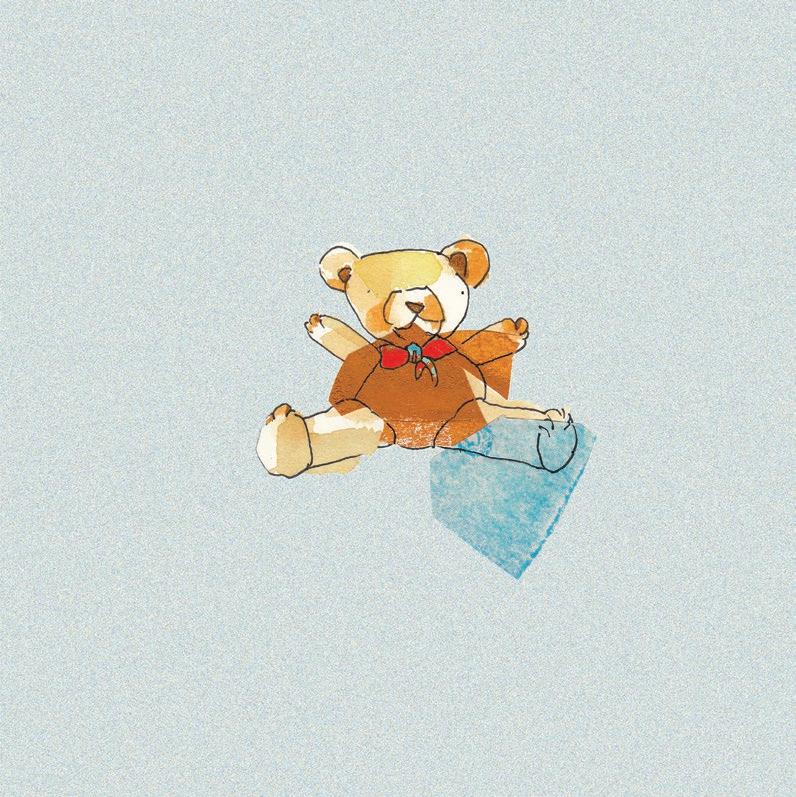
and they had brought a special gift, because…
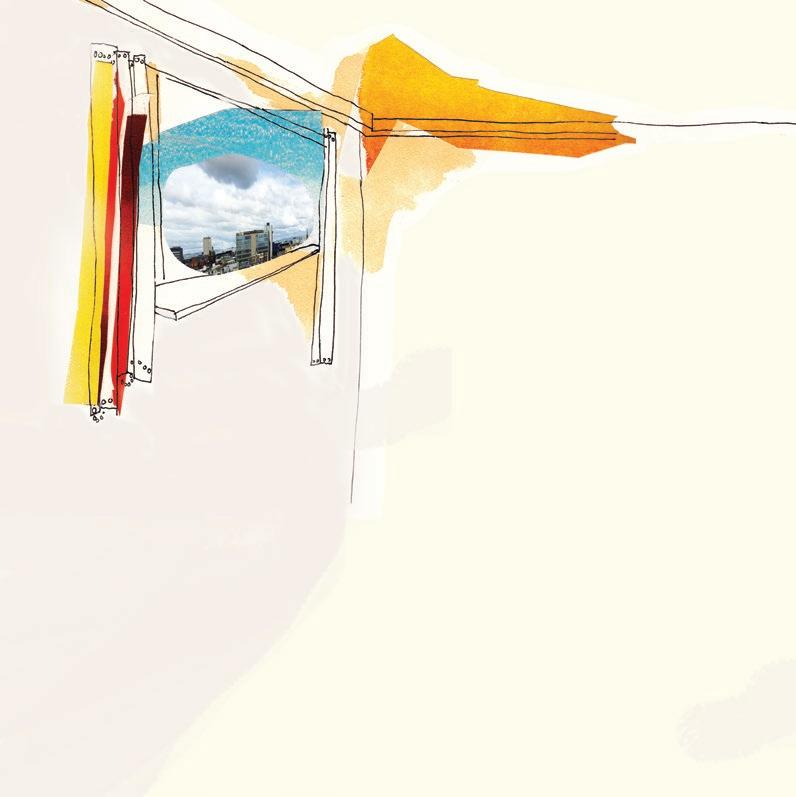
…Ellen had a new baby brother called Stewart,
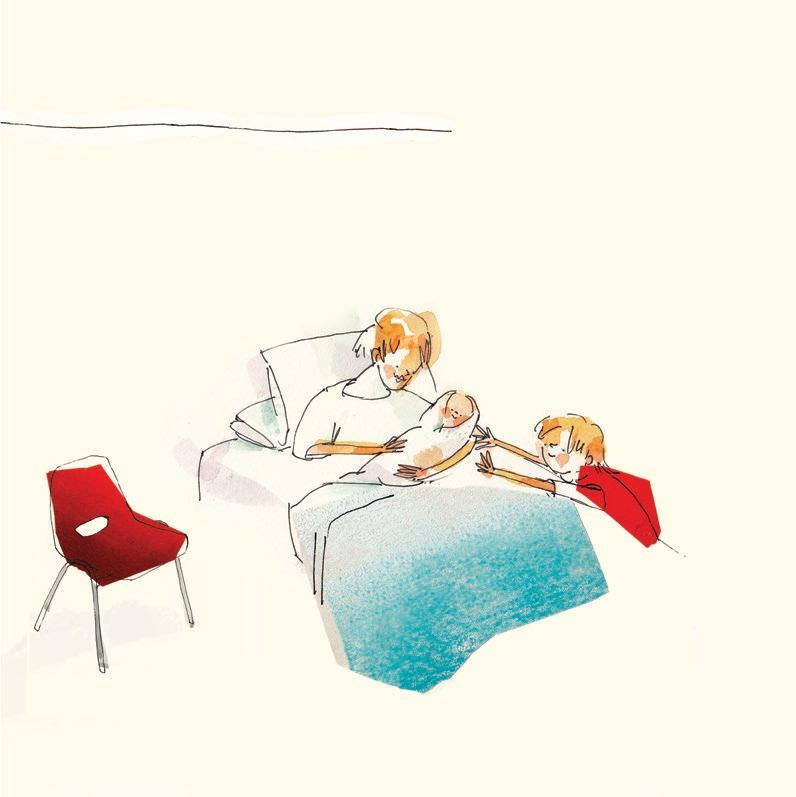
and she couldn’t wait for him to come home!
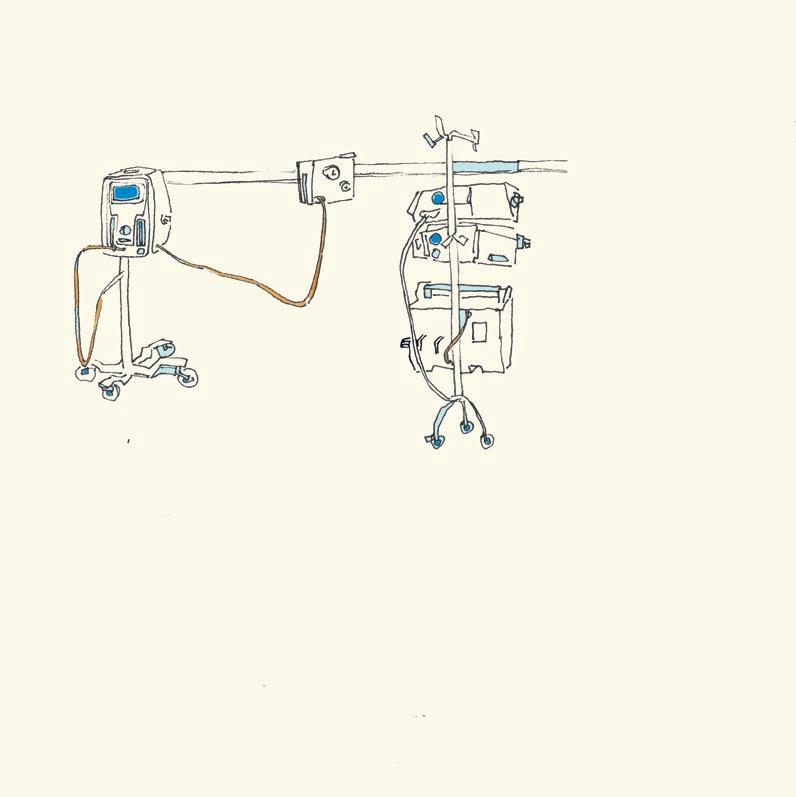
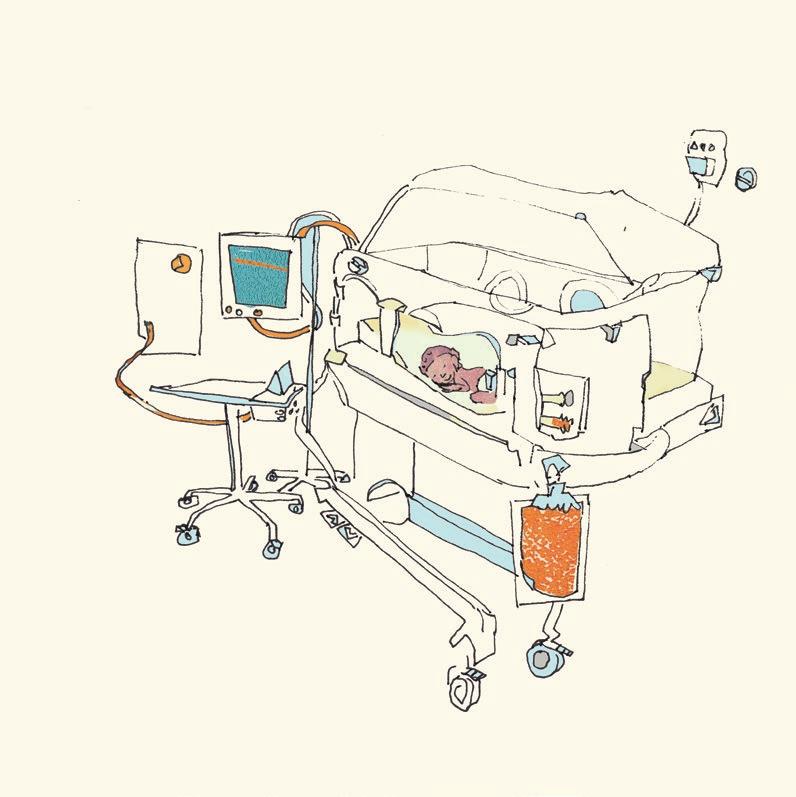
But something was wrong with Stewart. Ellen thought his cot looked like a spaceship.
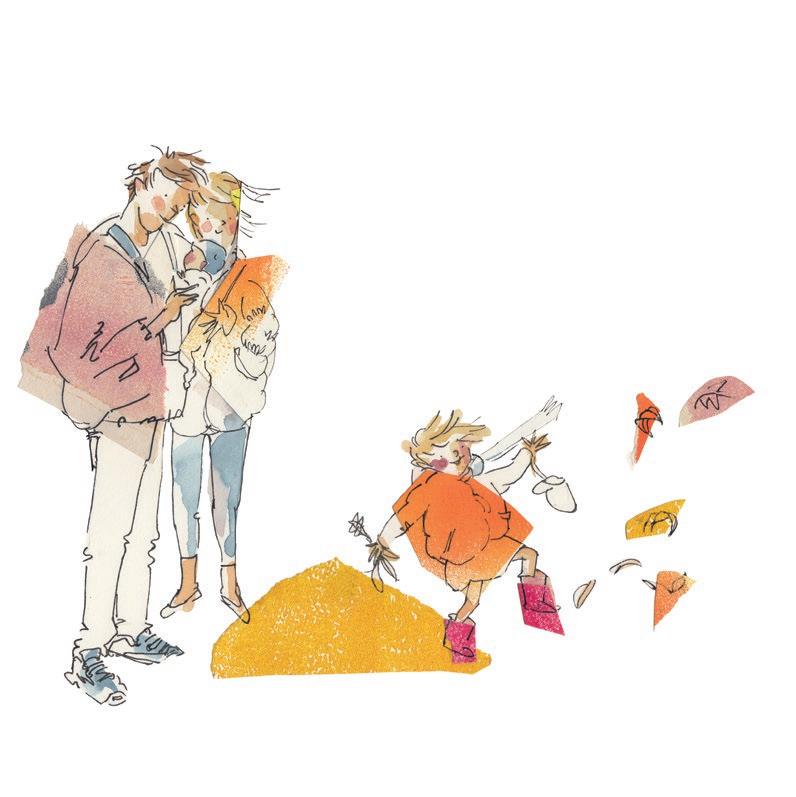
The doctor said it was alright for them to take Stewart outside for a walk. It was raining and a little bit sunny too.

Dad said Stewart could feel the wind.
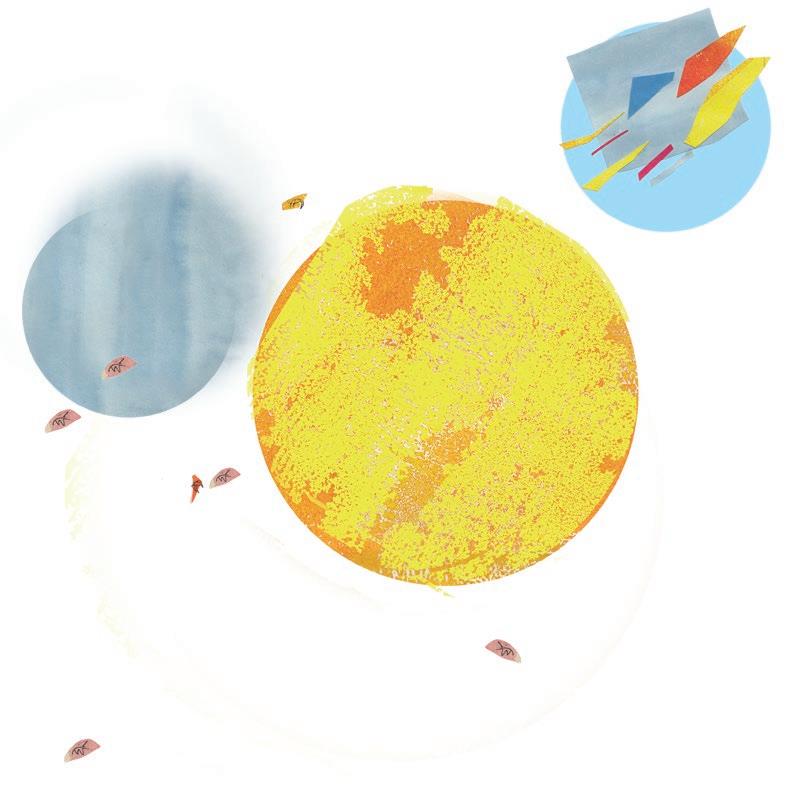
Mum said he could smell the rain. Ellen thought he could feel the warmth of the autumn sunshine.
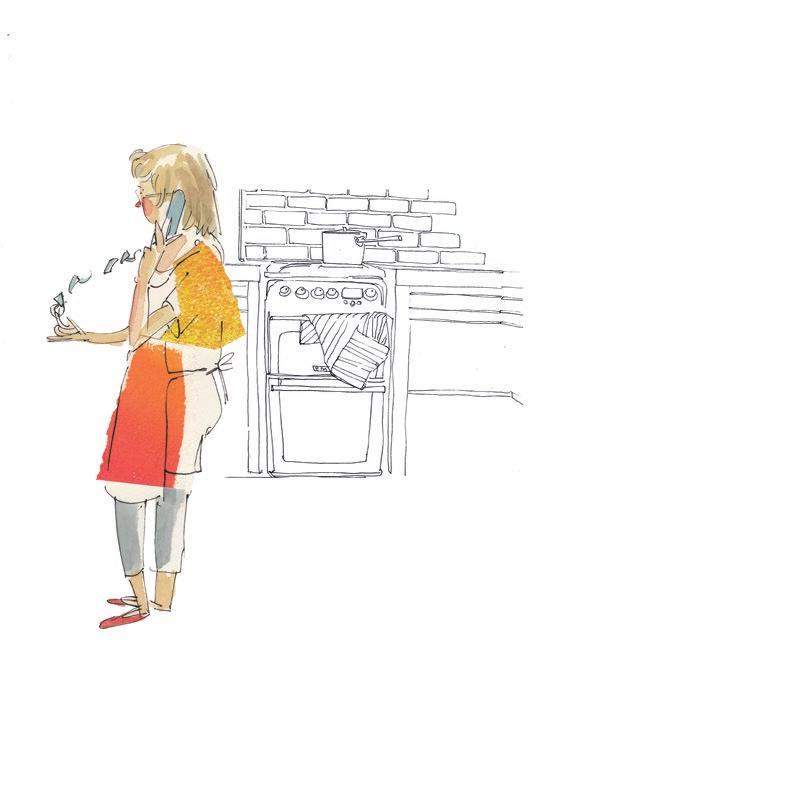
At home the phone rang AGAIN! “They’ve lost the baby,” Granny said.
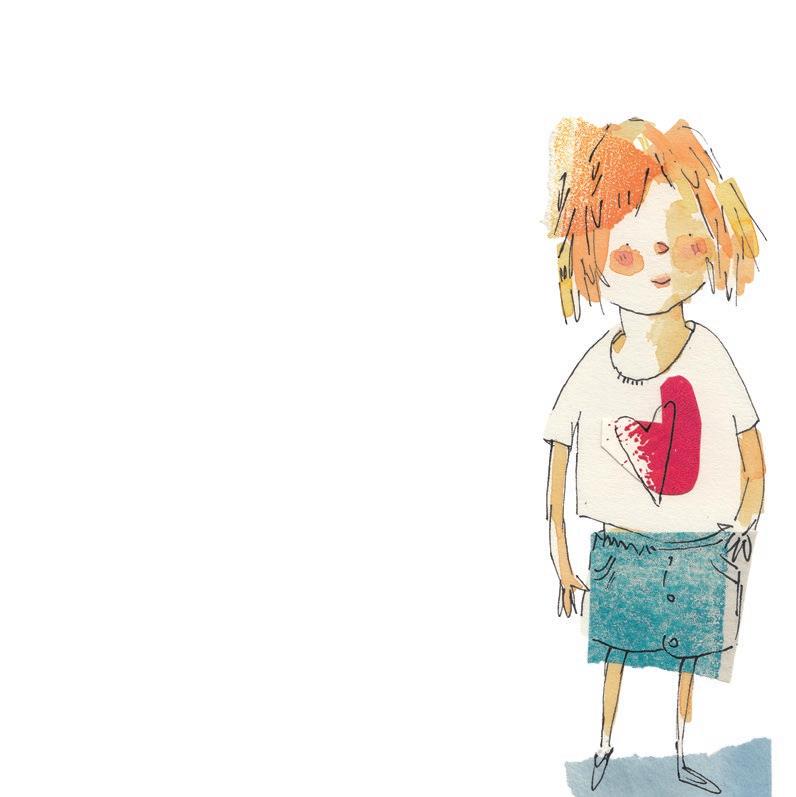
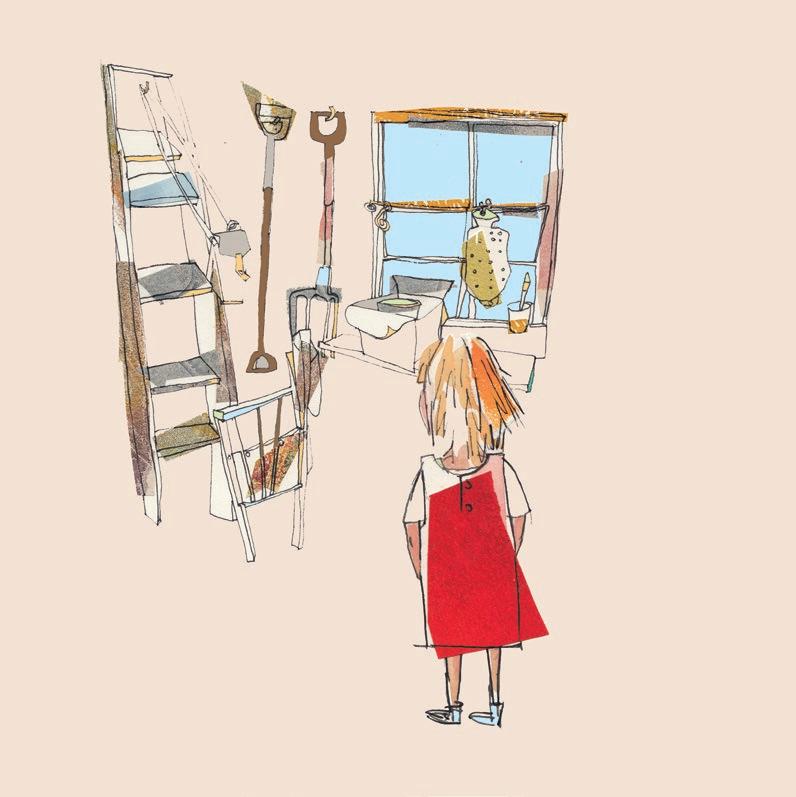
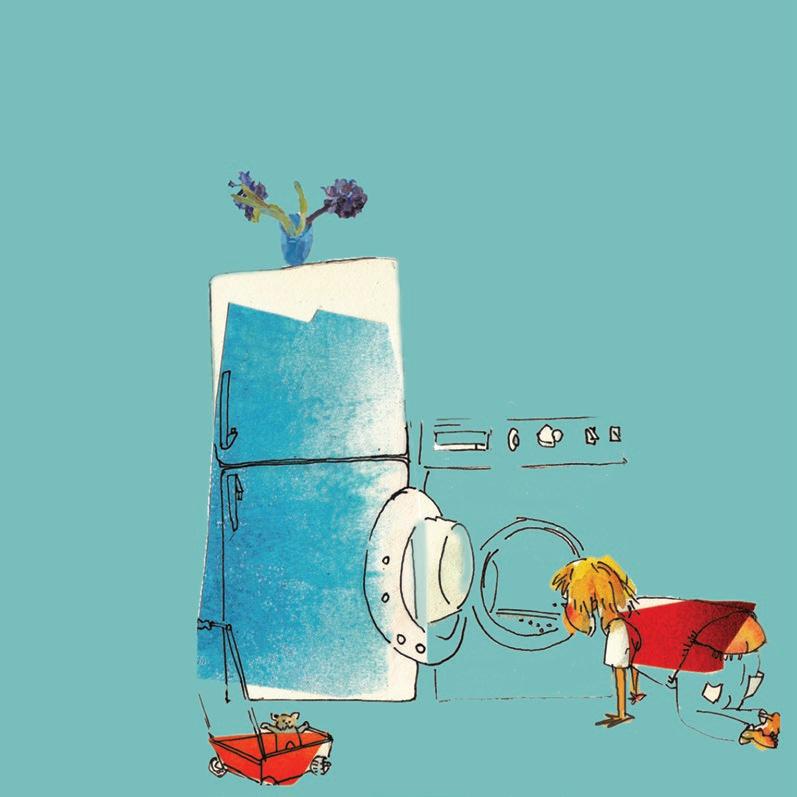
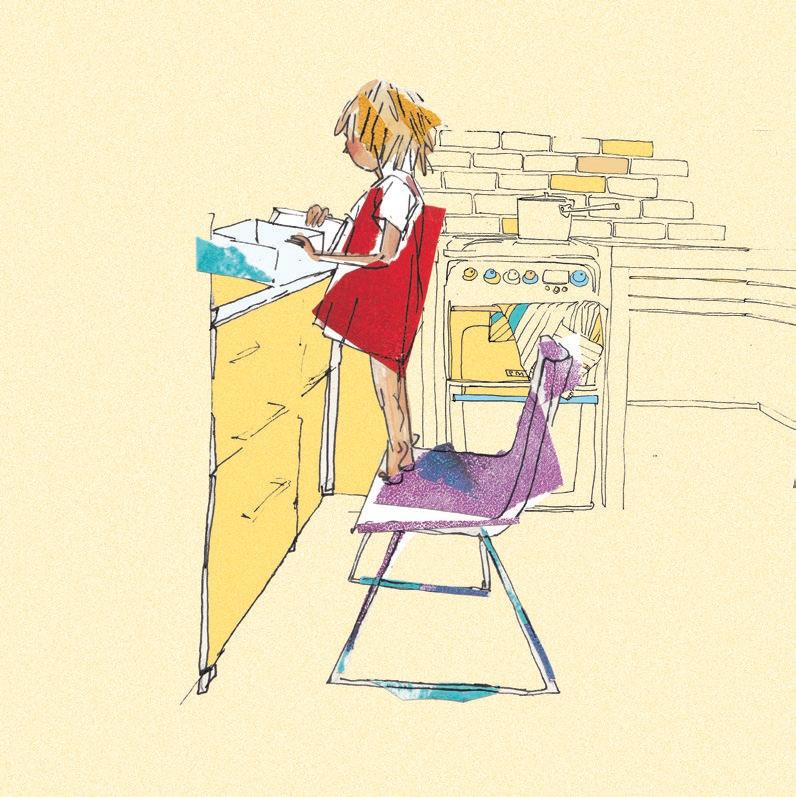
Ellen thought, “I’ll look for him.”
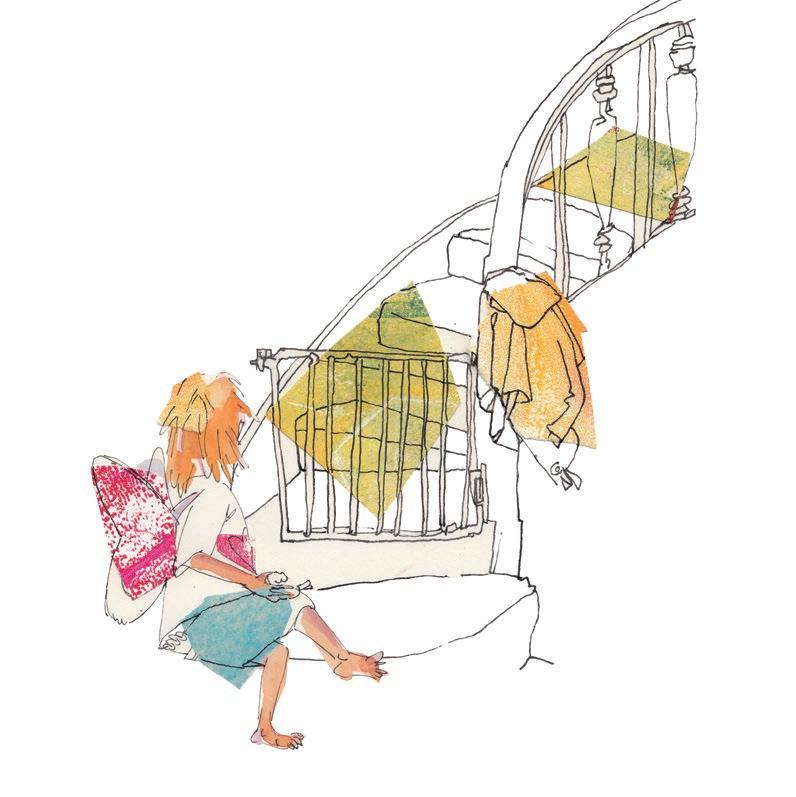
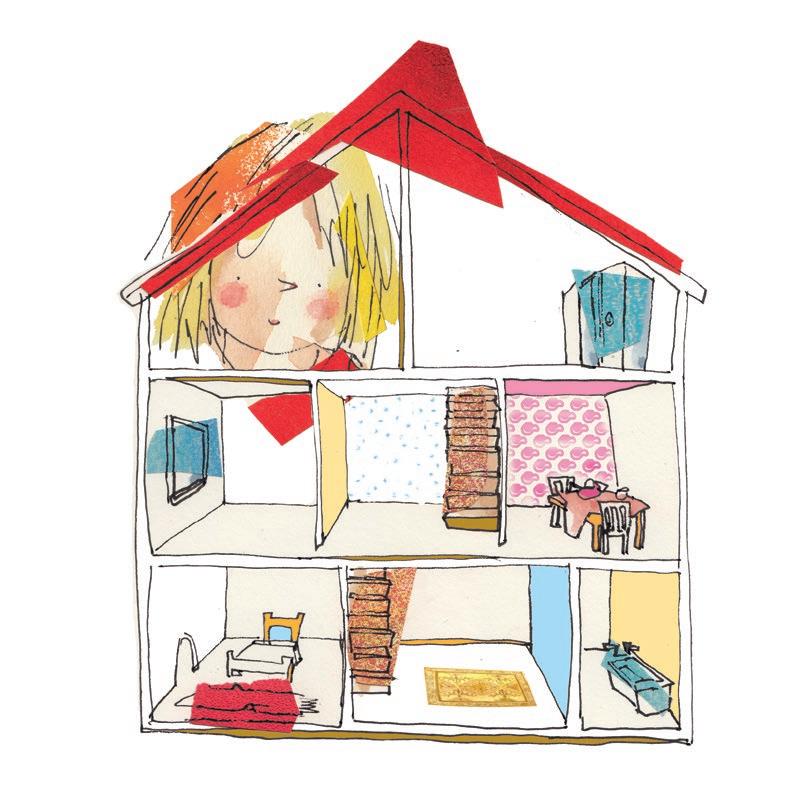
But she couldn’t find him anywhere.
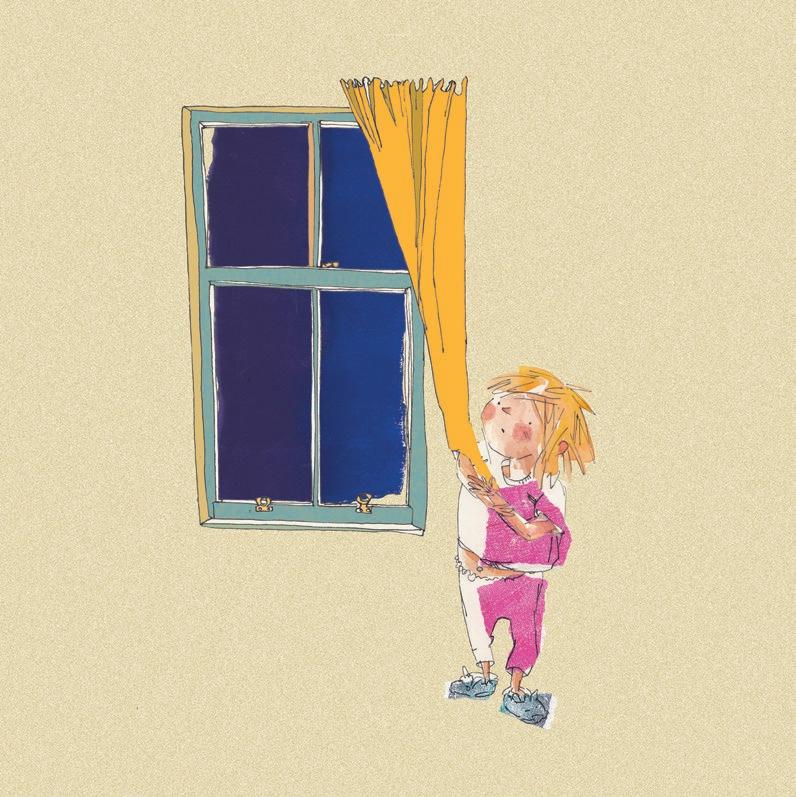
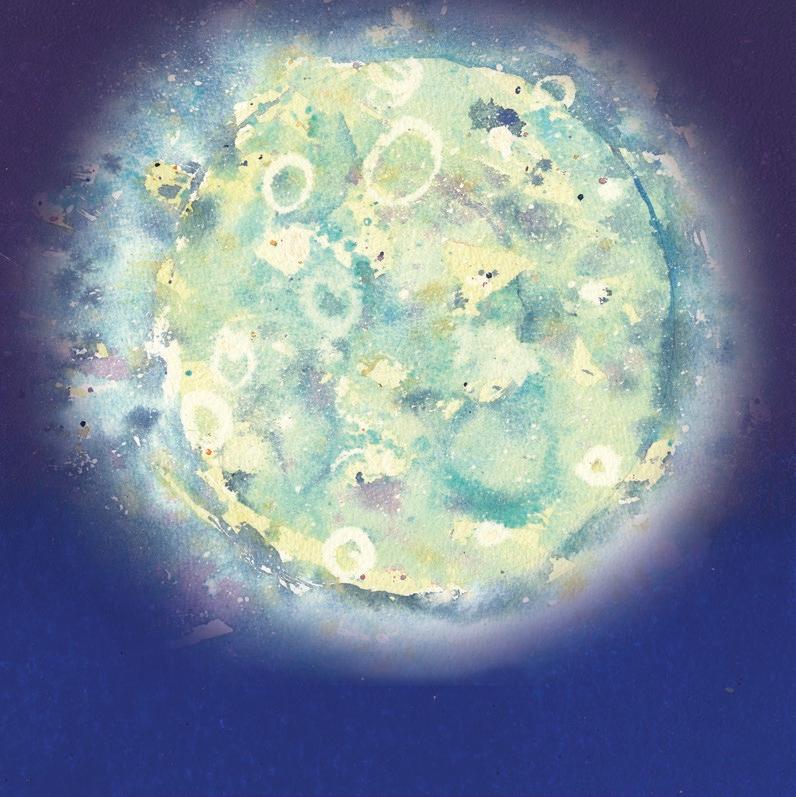
She wondered if he’d gone to the moon in his spaceship.

People came with vegetable soup,
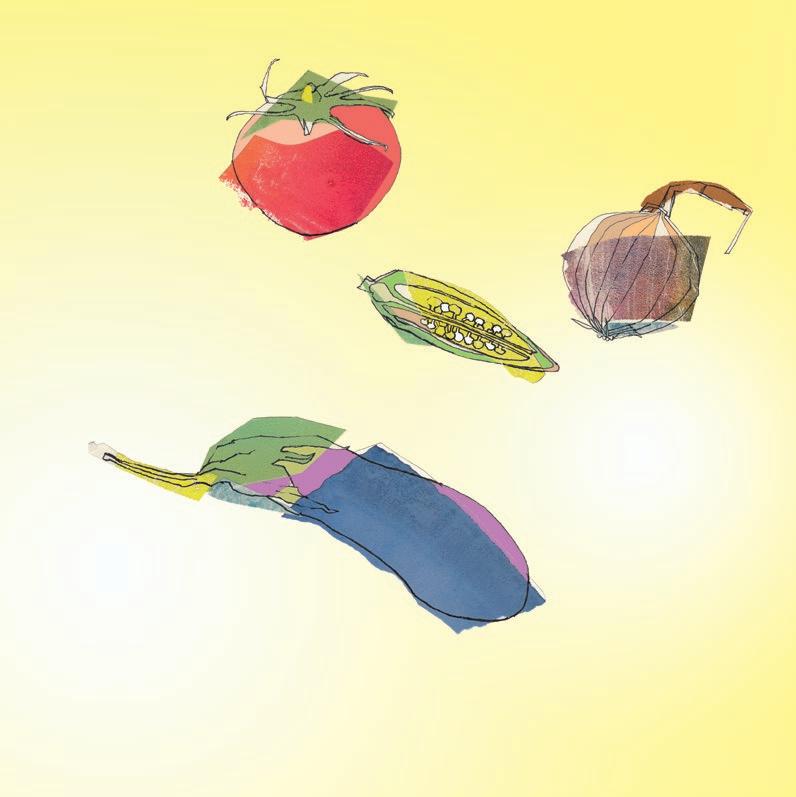
but Ellen didn’t like vegetables!
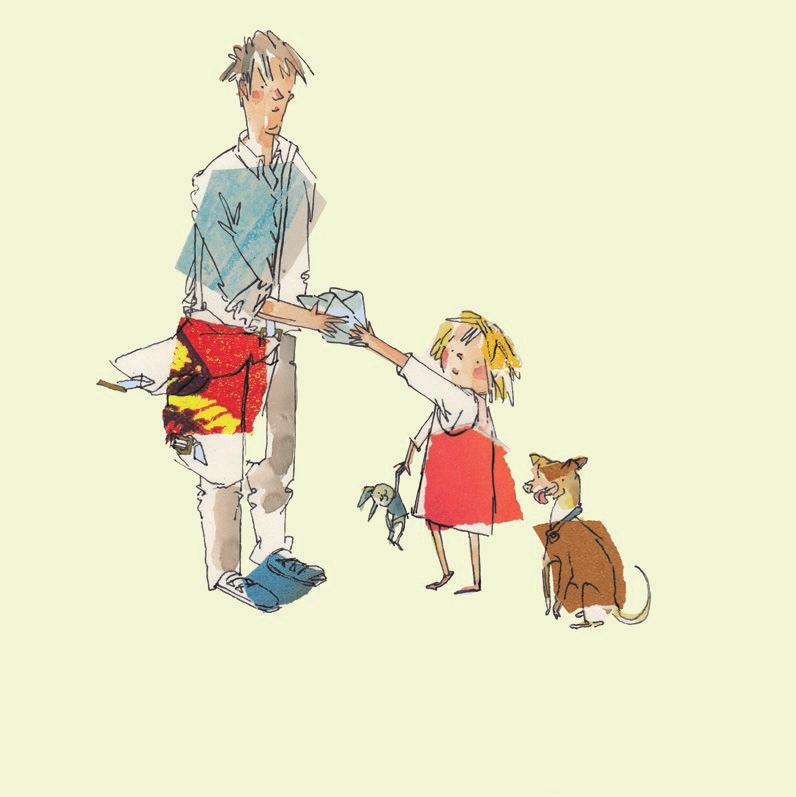
Lots of cards arrived, but it wasn’t Ellen’s birthday. Maybe they were for Stewart…
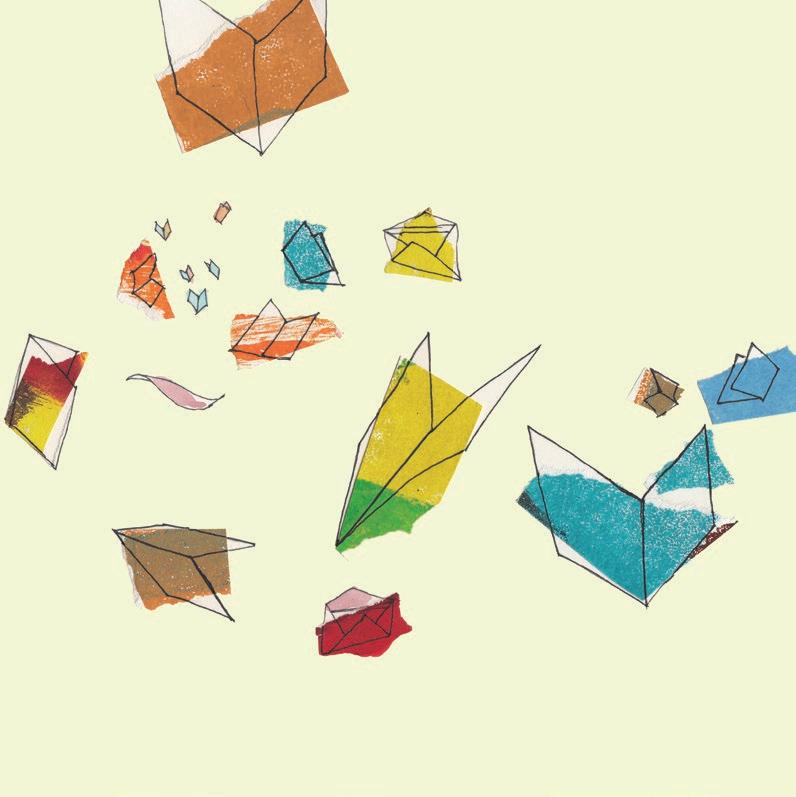
But Ellen didn’t know where he was.
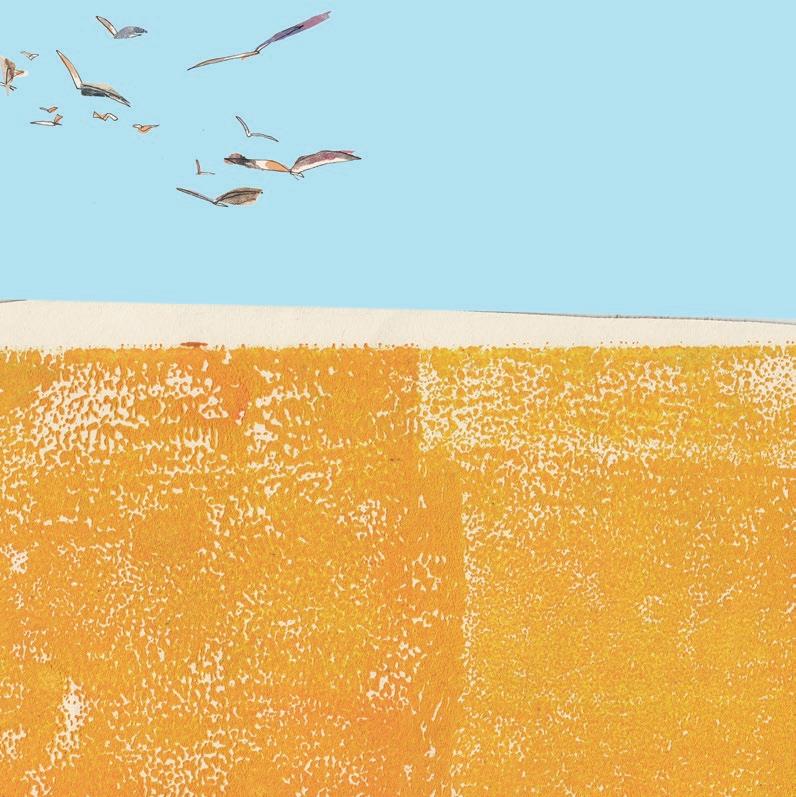
Dad said that Stewart wasn’t lost. He said that he was dead, which meant he wasn’t alive any more. He couldn’t feel the wind, or smell the rain, and he couldn’t feel the warmth of the autumn sunshine. Mum said it was because he wasn’t strong enough to live outside her tummy. She said he would never be forgotten because he is our family.
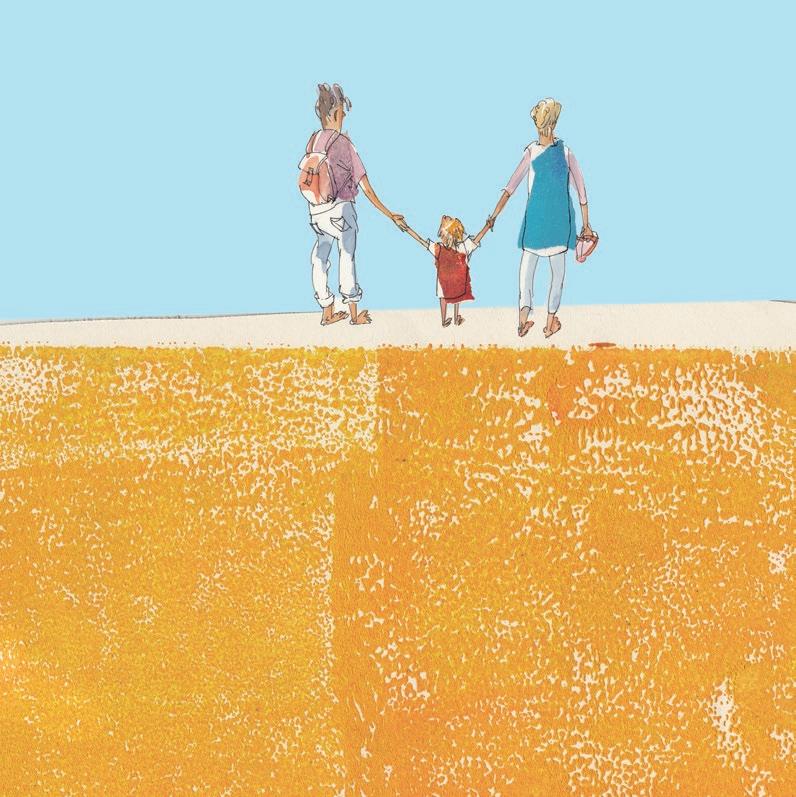
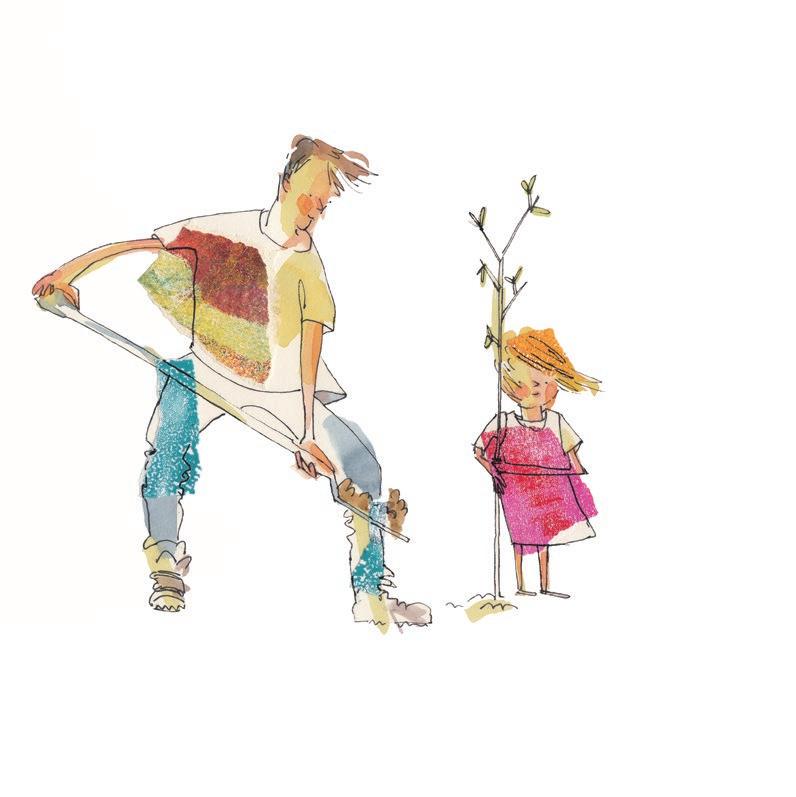
Ellen helped Dad to plant a little tree.
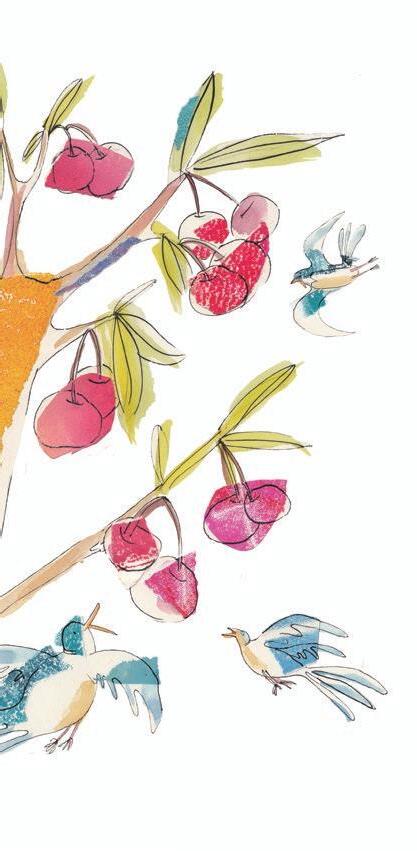
Mum said the birds would love to eat the juicy red cherries.
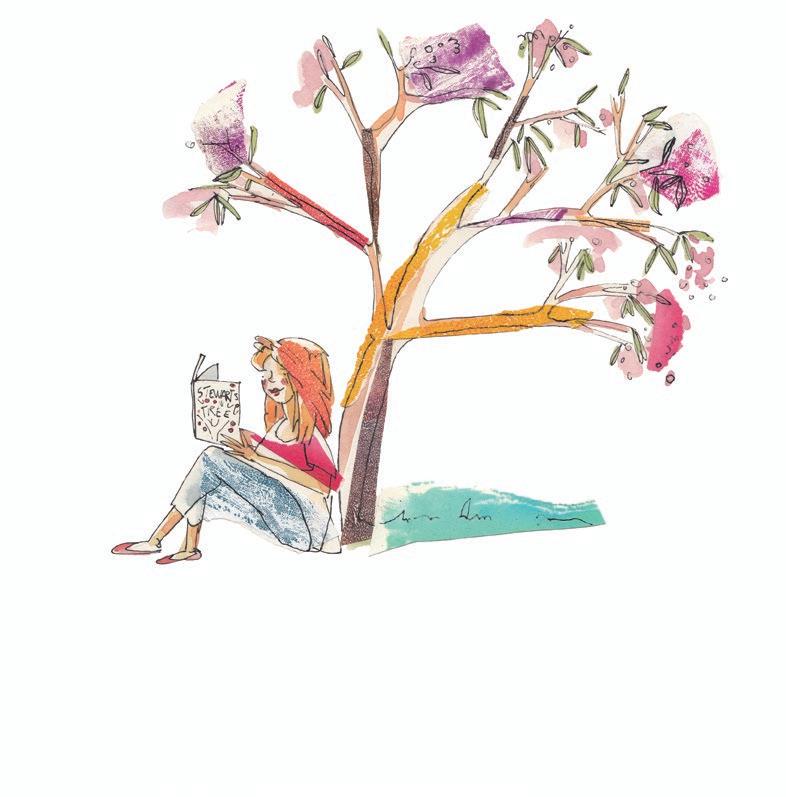
Ellen knew it would always be her favourite tree and it would help her to remember Stewart.
I wrote Stewart’s Tree primarily for Ellen Mackay, whose little brother Stewart died of a condition called hypoplastic left heart syndrome. As the project developed it became clear that this book could help other families, too.

With special thanks to Vivienne and David Mackay and family.
HEADING?

Telling anyone that a baby has died or is unlikely to live is always hard. Telling children is especially difficult. Each family and each child are different. There is no one right way to talk to a child.

It’s important to choose carefully the words you use to explain that the baby has died. Children tend to take things very literally. Some words and phrases may confuse younger children. Saying that the baby is “asleep” or “sleeping” may make a child afraid of going to sleep. Using the words “lost” or “gone” instead of “died” may make a child frightened of getting lost themselves. Some children may think that if the baby is lost or gone, he or she could be found again or come back.

Saying “the baby wasn’t well” may worry a child later when he or she is ill. Instead you might say, “The baby wasn’t strong enough or big enough to live outside Mummy’s tummy.”

You may also want to think about the way a young child might react to phrases such as “the baby is an angel,” or “the baby is with the angels.” This could cause problems if, later, someone says to the child “you are an angel…” or “be an angel…” An explanation such as “God wanted the baby to be with Him” might frighten a child who thinks that God might want him or her as well.

It’s usually better to keep things short and clear and not try to say too much at any one time. If a child wants to know more they will probably ask questions, as long as they feel it is alright to ask.

Pre-school children: Very young children are unlikely to understand completely what has happened but will react

to the changes in the atmosphere around them. They are especially sensitive to changes in the people they depend on and are closest to. Even if they know words such as dead or die, most children under the age of five or six find it hard to understand that death is permanent. Some may not react to what you tell them straight away. You may need to explain more than once. Younger children, especially, will usually focus on how the death affects them, rather than how it’s affecting you. Younger children are also likely to find it hard to put their feelings into words. They may express their distress through changes in their behaviour.

Mementoes and memory boxes

Many parents collect mementoes such as photos, hand and foot prints, copies of scans, a lock of hair, cot tags and name bracelets. These can be stored in a memory box or book. Brothers and sisters might want to add something of their own to the box or book. Depending on their age, they could do a drawing or painting, or write a poem or a letter. Some children might want to give the baby a cuddly toy which could be placed in the coffin or kept in the memory box. An older child might want to help make a memory box for the family or to make one themselves.

This is a short edited extract from Supporting children when a baby has died, published by SANDS Stillbirth and Neonatal Death Charity. The full booklet is available on the SANDS website at https://www.uk-sands.org/ support/bereavement-support/supporting-children-whenbaby-has-died and contains further information on supporting children and family life after the death of a baby at or shortly after birth, including advice on the longer term. The information has been reproduced here by kind permission of the charity.

Turn static files into dynamic content formats.

Create a flipbook
Stewart's Tree by Lalahuman - Issuu