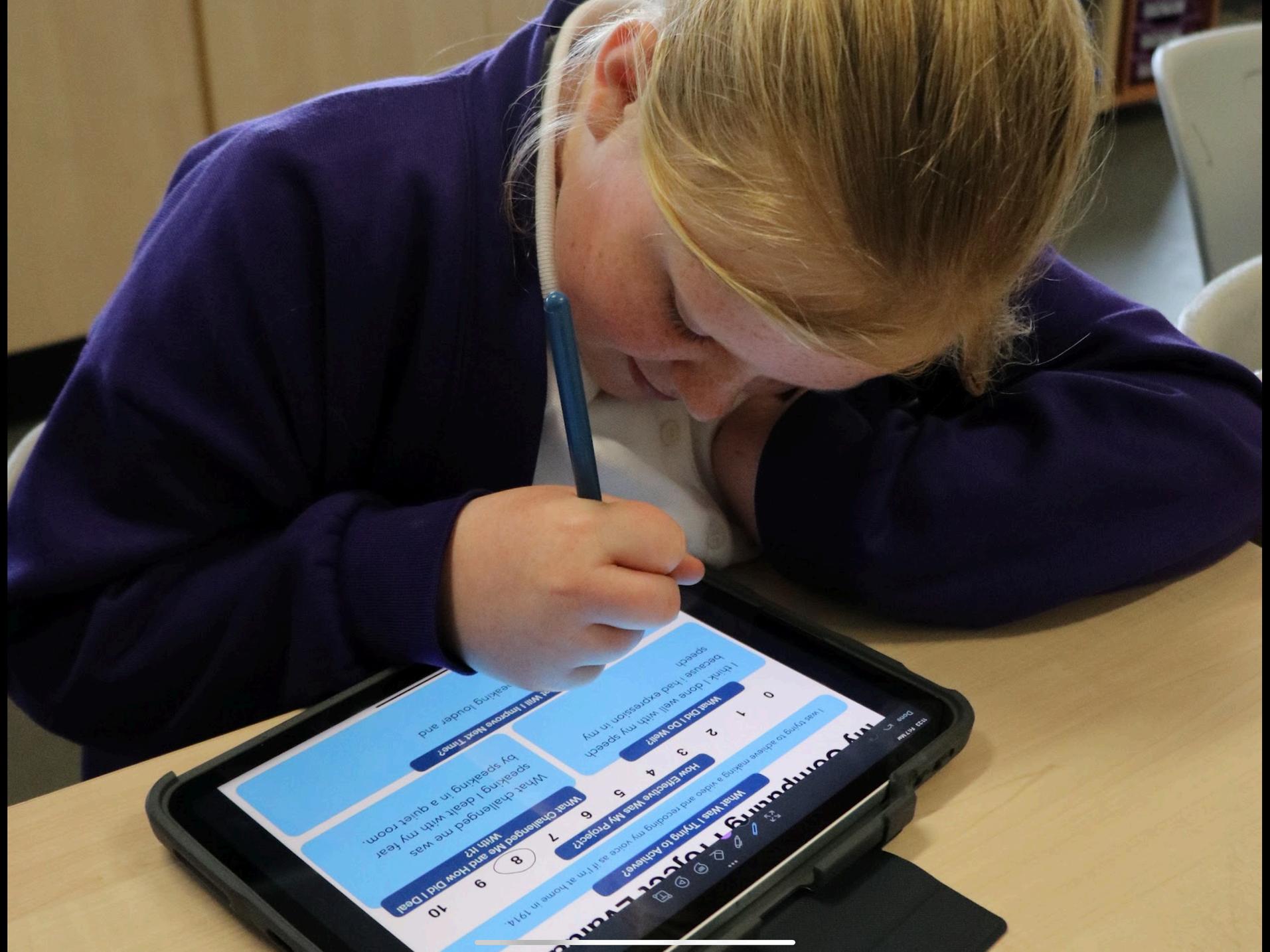
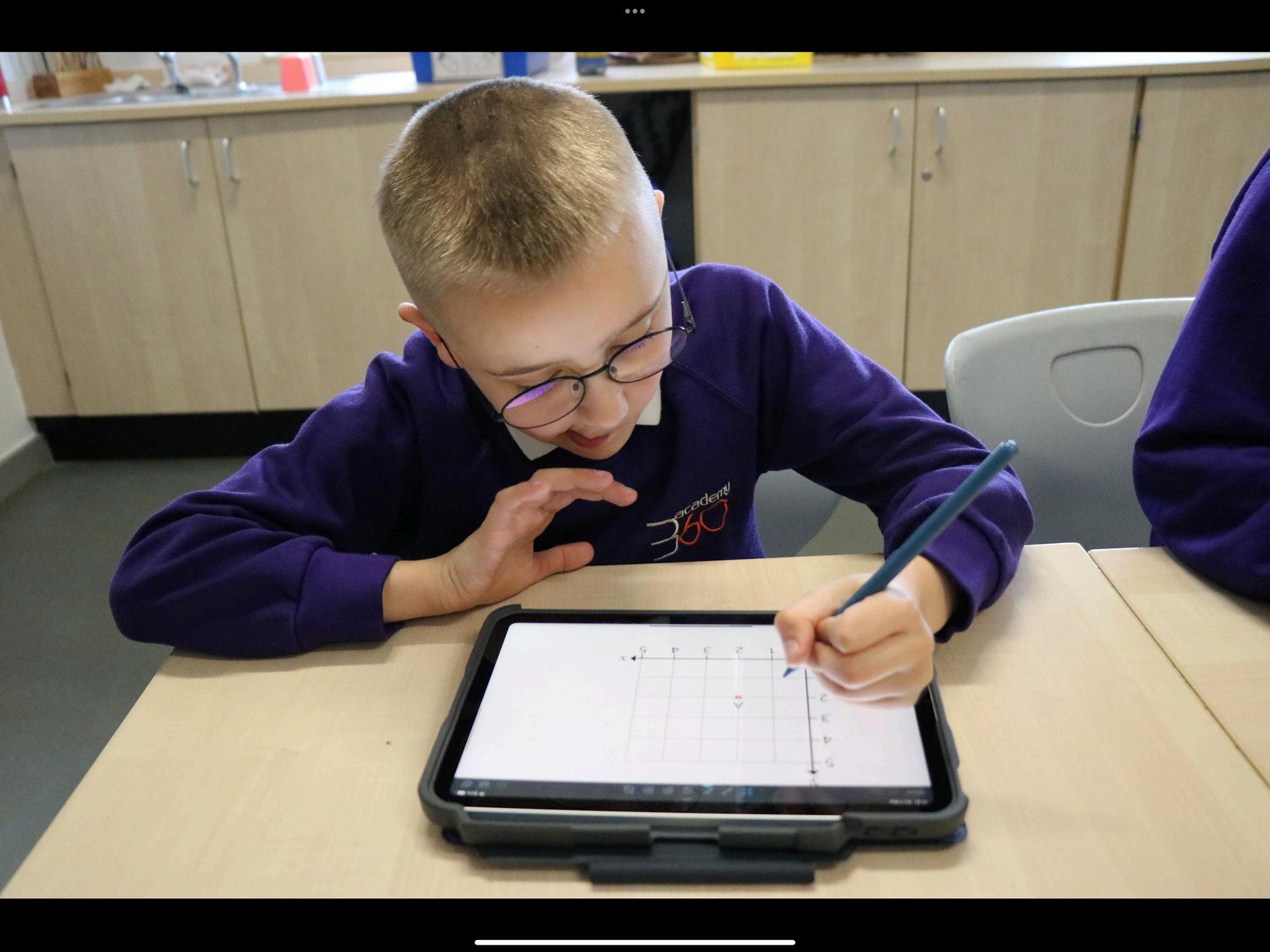
Our PedTech strategy puts pedagogy first - using technology not for its own sake but to enhance the learning process, increase access and support outstanding teaching. Since September all children from Year 2 to Year 6 have access to individual iPad. Every child in Key Stage 2 will have access to their own device, used across the curriculum in meaningful ways. In EYFS and Key Stage 1 children will also have access to devices, which are planned for, meeting the needs of the children for their age and stage of development. In practice, PedTech supports:
Our primary curriculum offers rich, first-hand learning experiences, access to engaging visitors, high-quality resources, and frequent opportunities for outdoor learning. Our unique location allows us to collaborate closely with the local community and community partners, enriching our pupils’ education.
Spiritual, Moral, Social, and Cultural (SMSC) development is embedded across all subject areas, helping our pupils grow into confident, reflective learners who aim for excellence. Our school values, British values, and virtues—alongside respect for the beliefs and values of others—are woven throughout our teaching.
We nurture essential personal qualities through our curriculum, encouraging resilience, empathy, courtesy, perseverance, cooperation, friendship, confidence, honesty, self-control, and a sense of safety and happiness. Children are consistently challenged to grow not just academically, but personally.
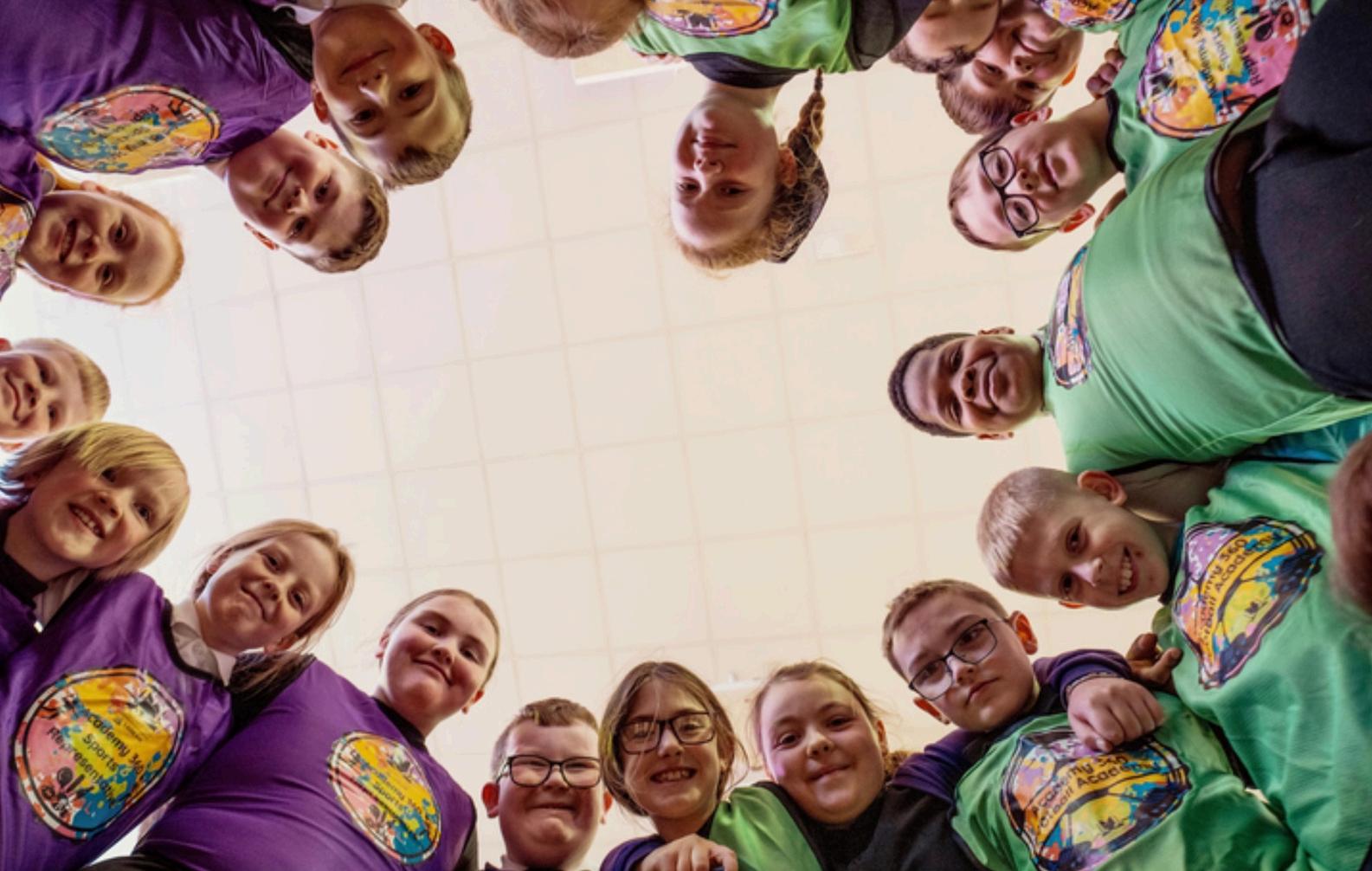
Our curriculum also embraces diversity and enterprise, supporting children in broadening their thinking and raising their aspirations. We place a strong emphasis on the arts, culture, and our community, fostering creativity and a sense of belonging.
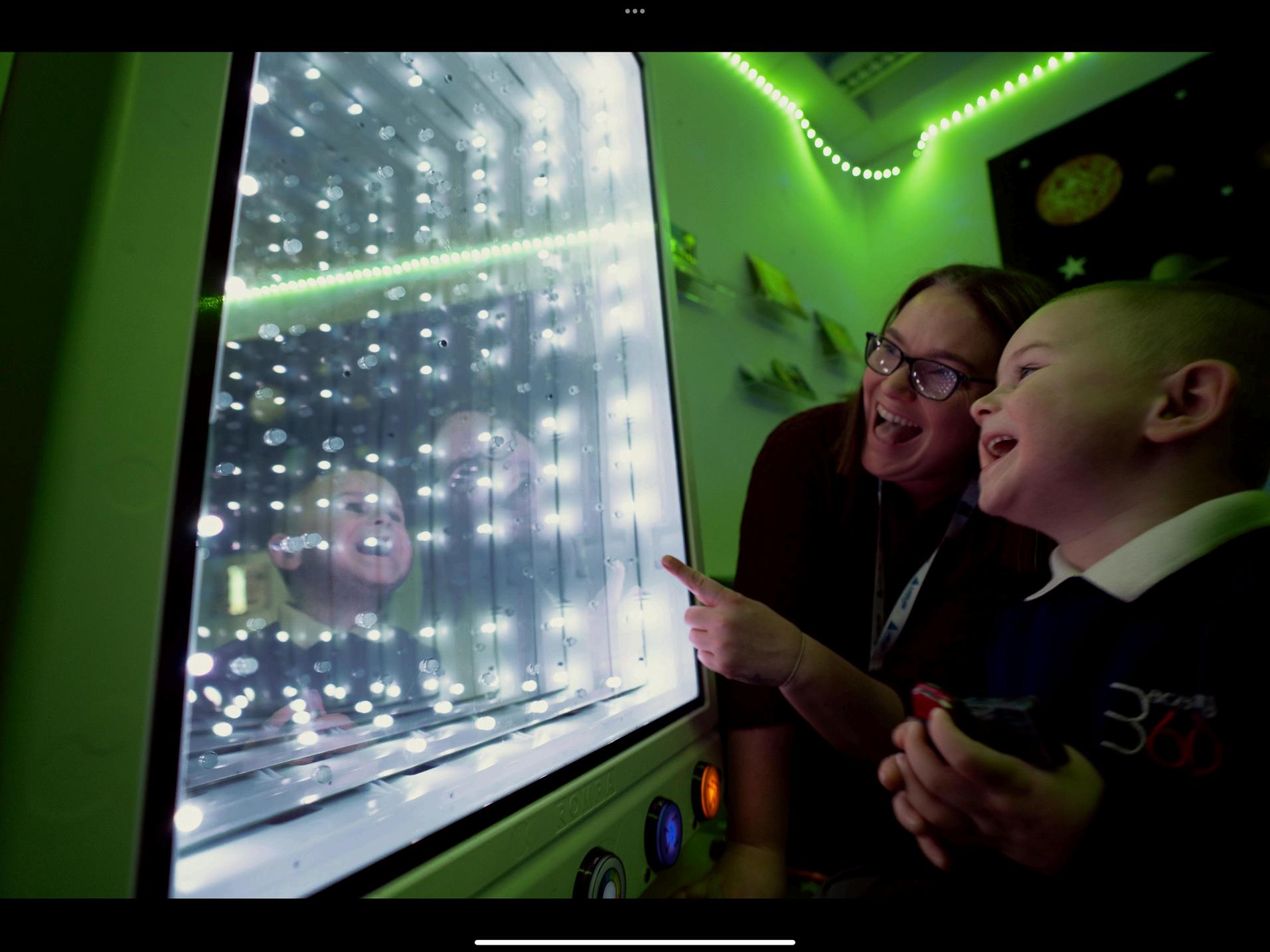
At Academy 360’s Primary Phase, we take great pride in our stimulating learning environments—indoors and out—which are designed to inspire curiosity, celebrate learning, and deepen children’s knowledge through access to thoughtfully curated displays, materials, and spaces.

We promote the importance of our primary school virtues throughout all we do in school. Our primary school virtues are recognised and celebrated during assemblies and on social media. Each week, emphasis is given to one particular virtue.
AMBITIO
To achieve than you th was poss B Take risk the r
CURIOUS
About everything and learn through exploration.

ERMINED vercome les with an ering sense
EXTRAORDINARY
In everything you do.
Becaus short



GOOD
To others and the world around us.
"Tell me and I forget. Teach me and I remember. Involve me and I learn."
Benjamin Franklin
At our school, this quote encapsulates our approach to learning. We believe that when children are actively involved, supported emotionally, and intellectually challenged, deep and lasting learning happens. That’s why we’ve created a teaching and learning strategy rooted in sound pedagogy and strengthened through purposeful use of technology—a strategy we call PedTech.
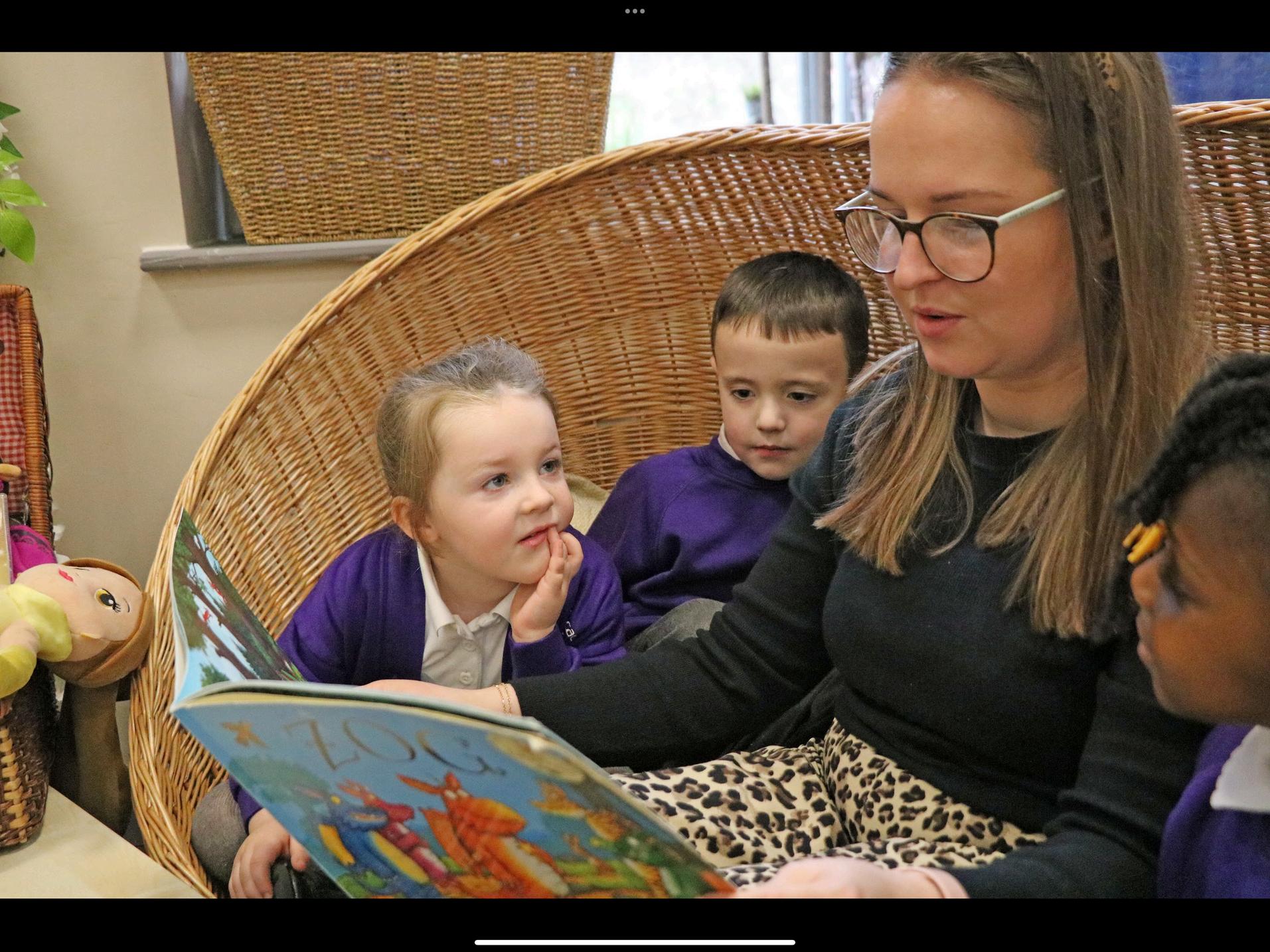
At Academy 360, we are committed to inclusive, accessible, and sustainable teaching and learning. By combining innovative technology with traditional teaching approaches, we aim to empower our pupils—supporting them to thrive academically while nurturing a lifelong passion for learning and reading.
Through high-quality feedback and personalised learning, students are encouraged to take ownership of their progress. We place a strong emphasis on resilience, viewing mistakes as valuable learning opportunities and challenges as pathways to growth. By integrating technology, we inspire students to become creators, giving them the freedom to showcase their knowledge through choice, creativity, and innovation.
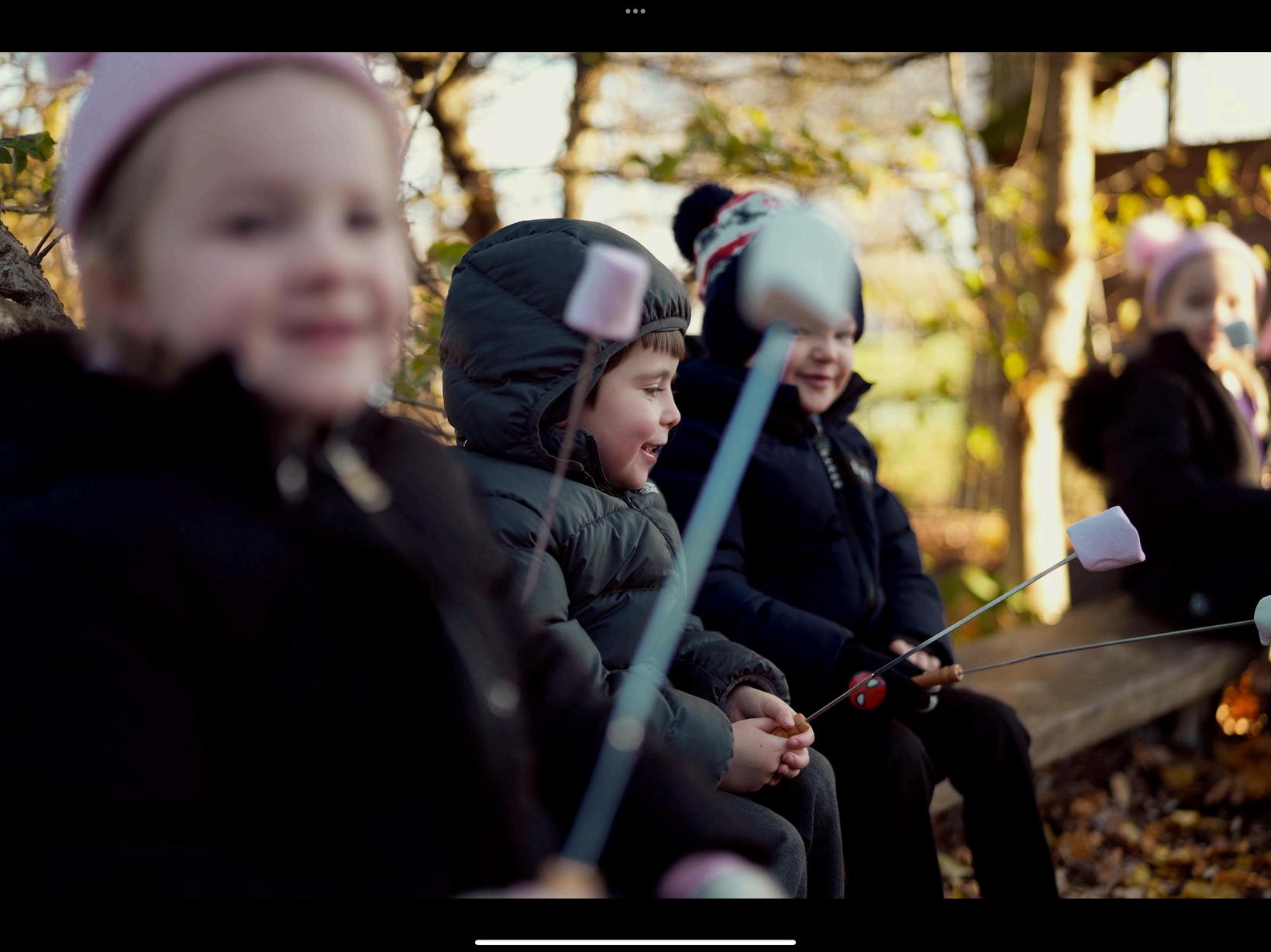
Step into any classroom—from Reception through to Year 6—and you’ll feel a sense of calm, purpose, and belonging. We nurture an environment where children feel physically and emotionally safe. Mistakes are seen as stepping stones, not setbacks, and children (and adults) are encouraged to take risks, reflect, and grow. Our learning spaces are vibrant and well-organised, with children’s work proudly displayed. These environments reflect not only achievement but our commitment to high-quality learning experiences for all.
At Academy 360’s Primary Phase, we follow the ‘I Do - We Do - You Do’ approach to our ‘Gradual Release of Responsibility Model’ for teaching and learning. This is exemplified through our vision and values.
‘I DO’

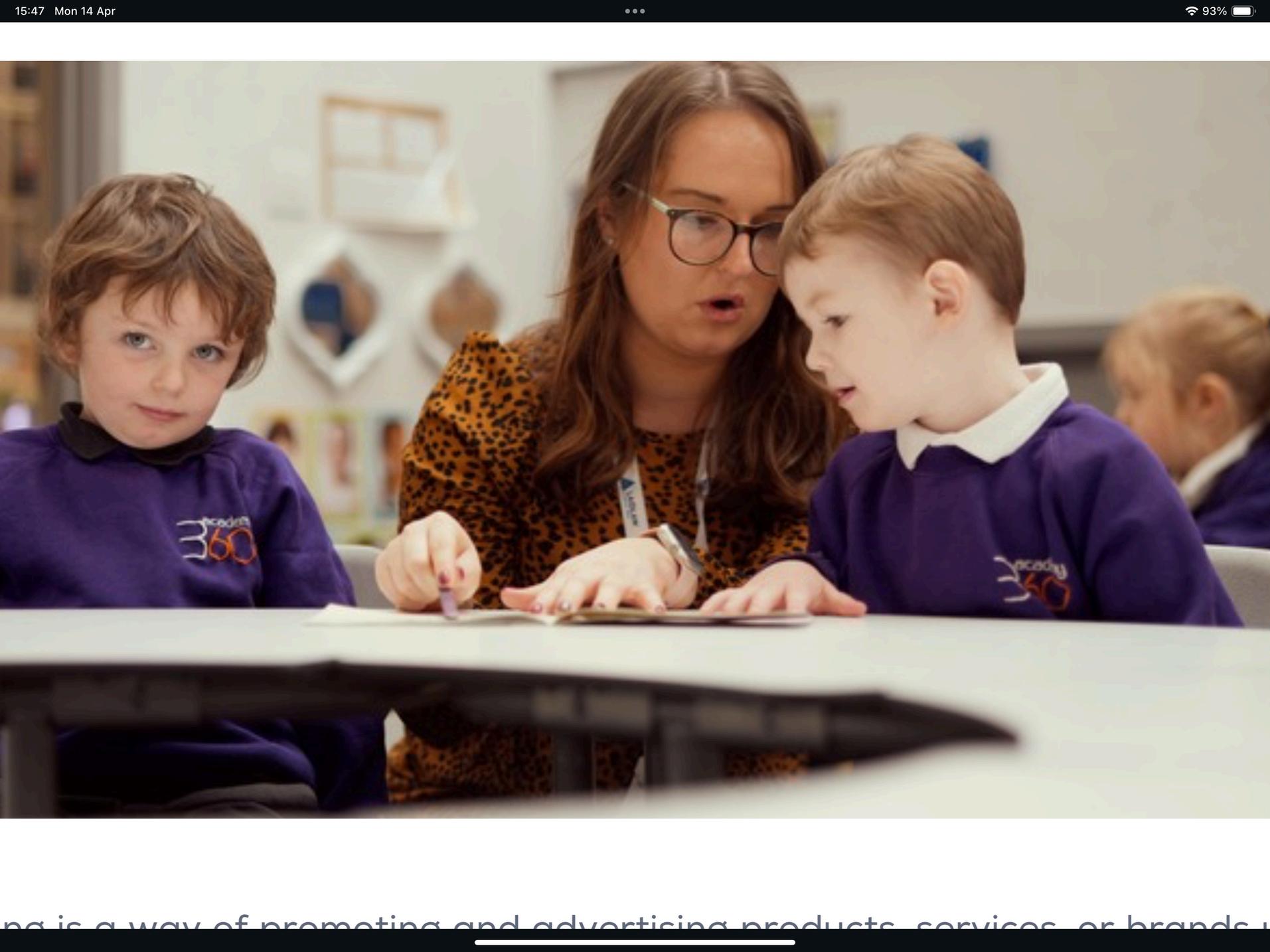
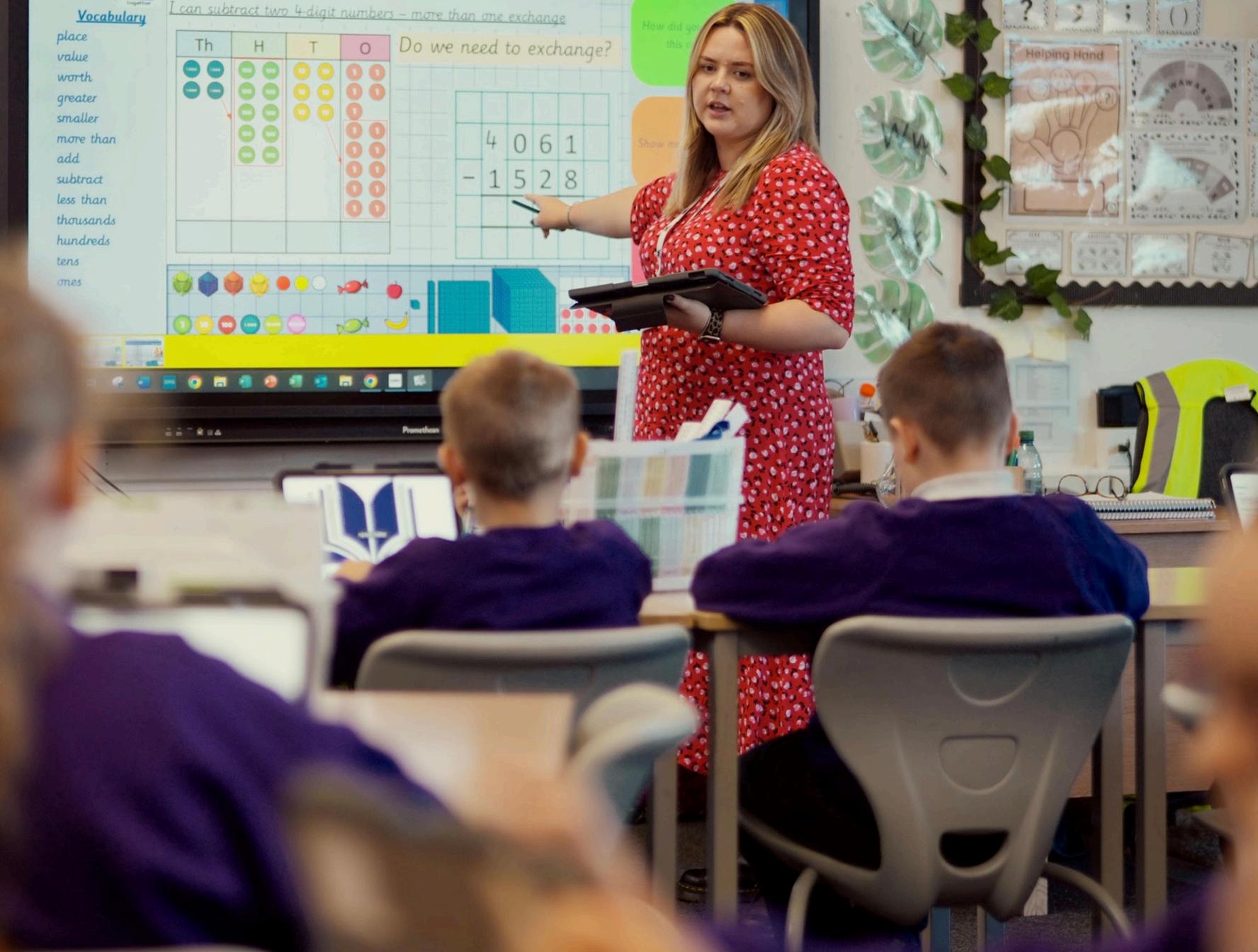
In the ‘I’ stage, the teacher deconstructs the skill into smaller, manageable steps, clearly demonstrating each one and connecting it to pupils’ prior knowledge. Whilst modelling, the teacher can verbalise their thinking to help develop pupils’ metacognitive skills, aiding them when they later apply the skill themselves (EEF, 2017). Frequent questioning is essential at this stage — to clarify the process and ensure pupils aren’t overwhelmed, as well as enabling the teacher to ascertain when pupils are ready to move on to the more collaborative ‘we’ stage.
During the ‘we’ stage, pupils begin to practise the whole skill or its components under the close guidance of the teacher. This stage remains highly interactive, with pupils actively attempting the skill while the teacher provides ongoing monitoring and feedback to support their development. Pupils only progress to the ‘you’ stage once they demonstrate consistent success and understanding.
In the ‘you’ stage, pupils apply the skill on their own. The teacher should ensure pupils understand how to practise independently and offer scaffolding where needed. To embed and reinforce their learning, pupils will require ample opportunities for independent practice.
This framework serves as a useful reference for teachers when modelling a process to pupils. It begins with strong guidance and support to ensure the process is clear and explicit. As pupils gain confidence and proficiency, the teacher gradually reduces the level of scaffolding.
Our day-to-day teaching is shaped by seven core pedagogical practices designed to develop confident, independent, and engaged learners. These preferred practices guide lesson design and classroom culture across the school.
NO HANDS UP
Promoting equality by showing everyone’s voice is heard.
SENTENCE STEMMING
Helping children articulate thinking clearly and confidently.
A FORMATIVE ASSESSMENT
RICH CLASSROOM
Adapting teaching in real time, based on pupil understanding
STRONG ROUTINES
Providing the consistency learners need to flourish.
THE TEACHER AS A ROLE MODEL
Demonstrating learning behaviour, curiosity, and resilience.
TALK PARTNERS
Deepening thinking through structured peer dialogue.
PROCESS FOCUSSED QUESTIONING
Fostering metacognition through ‘why’ and ‘how’ questions.
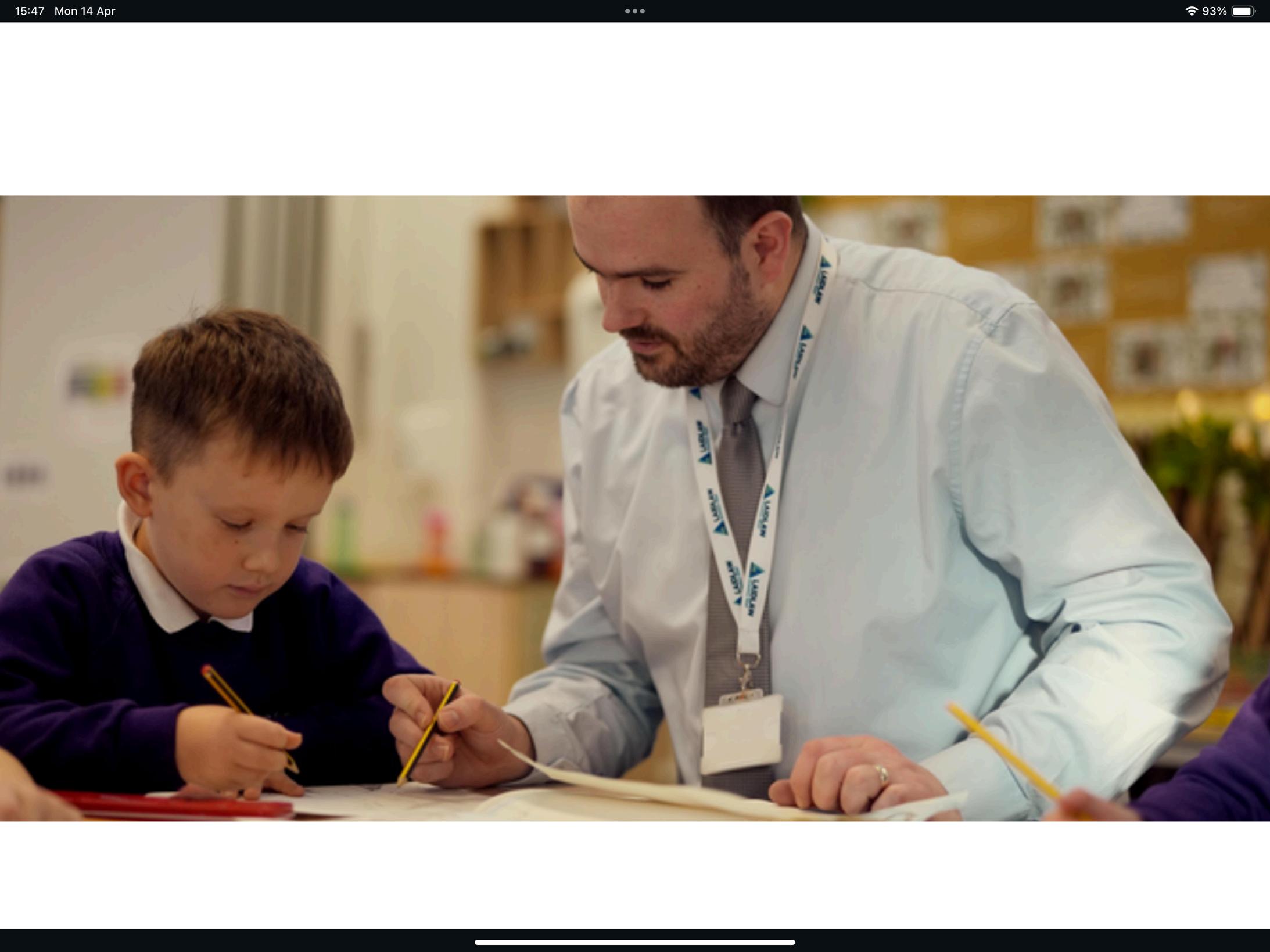
At Academy 360, we employ a range of assessment for learning (AFL) techniques, so that we can go slow; learn the fundamentals - then go Fast!
Questioning is a fundamental tool for teachers. It can be used to many ends, including, checking pupils’ prior knowledge, assessing pupils’ understanding and breaking down problems. In terms of explanation and modelling, the teacher needs to know where to begin, which will mean asking questions to understand pupils’ prior knowledge. Through the I-We-You process, the teacher is constantly checking pupils understand new information. They can ask questions that will target common misconceptions pupils might have with the material (Christodoulou, 2017) and focus on the specific knowledge and skills pupils need to understand. This will enable teachers to make inferences from pupils’ answers that will allow them to adapt their teaching. Indeed, more effective teachers tend to ask more questions and ask pupils to elaborate and explain their answers (Rosenshine, 2012). Asking more advanced questions to pupils is usually most useful once pupils have shown that they have a developed strong foundational knowledge (Pashler et al., 2007).

All teachers are encouraged to build an AFL rich environment using a range of techniques, such as:
Exit tickets
Summative Assessments can take many forms, including tests and projects, and are often scored to provide a quantifiable measure of students’ performance. This is stored centrally to allow all our subject leads and class teachers the opportunity to analyse trends, strengths and weaknesses. All assessments are built around clear endpoints, set out in each curriculum area.
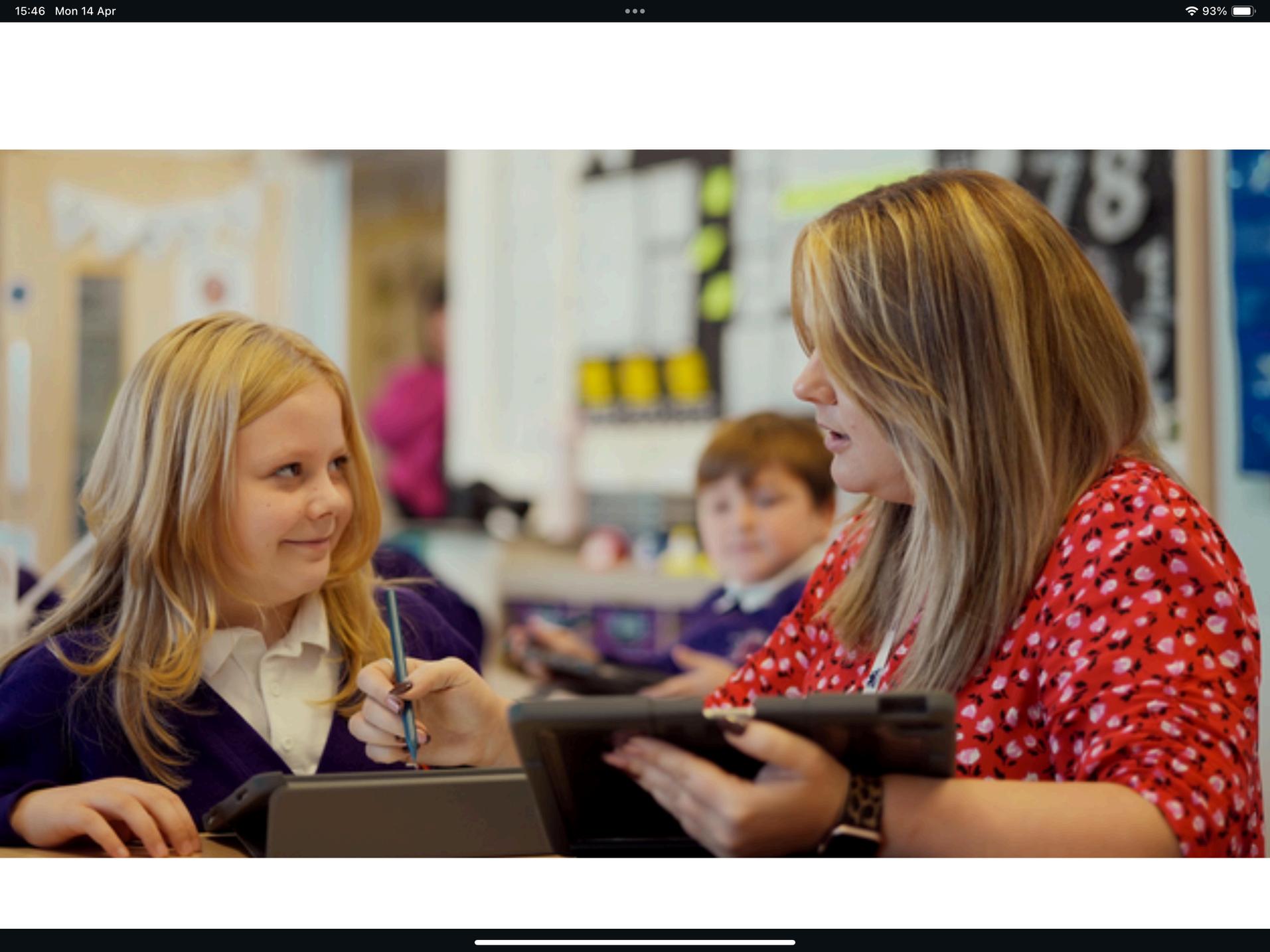
Our PedTech strategy puts pedagogy first—using technology not for its own sake, but to enhance the learning process, increase access, and support outstanding teaching. Currently, all children in Years 5 and 6 have access to individual iPads. This provision expands into Year 3 and Year 4 in September 2025 and Year 2 from Spring 1, 2026 or when appropriate. Every child in Key Stage 2 will have access to their own device, used across the curriculum in meaningful ways. In EYFS and Key Stage 1 children will also have access to devices, which are planned for, meeting the needs of the children for their age and stage of development. In practice. PedTech supports:
Inclusion & SEND Support
Tools such as voice notes, coloured screen options, audio assistance, and adaptive formats help every child access and present learning in a way that suits their needs. This has been especially transformative for our SEND learners, helping to narrow attainment gaps.
Independence & Digital Literacy
Children are encouraged to follow areas of interest, conduct research, and build independence as learners and thinkers.
Engagement & Feedback
Tools like Showbie streamline feedback, including audio comments. Platforms like Socrative and Kahot allow real-time assessment and student response. Apple TV brings immediacy to modelling, sharing work, and addressing misconceptions, without delay.
Presentation & Accessibility
Technology allows for high-quality presentation without compromising learning content, enabling every child to showcase their understanding confidently and creatively in all subjects. Transcription is still of high importance to us in the primary phase, therefore technology will compleiment and not replace the traditional approaches of handwriting and presentation.
PedTech enables more effective planning and assessment. Teachers are supported in using tools that align with their styles, freeing them to focus more on delivery, feedback, and pupil interaction—not just admin.
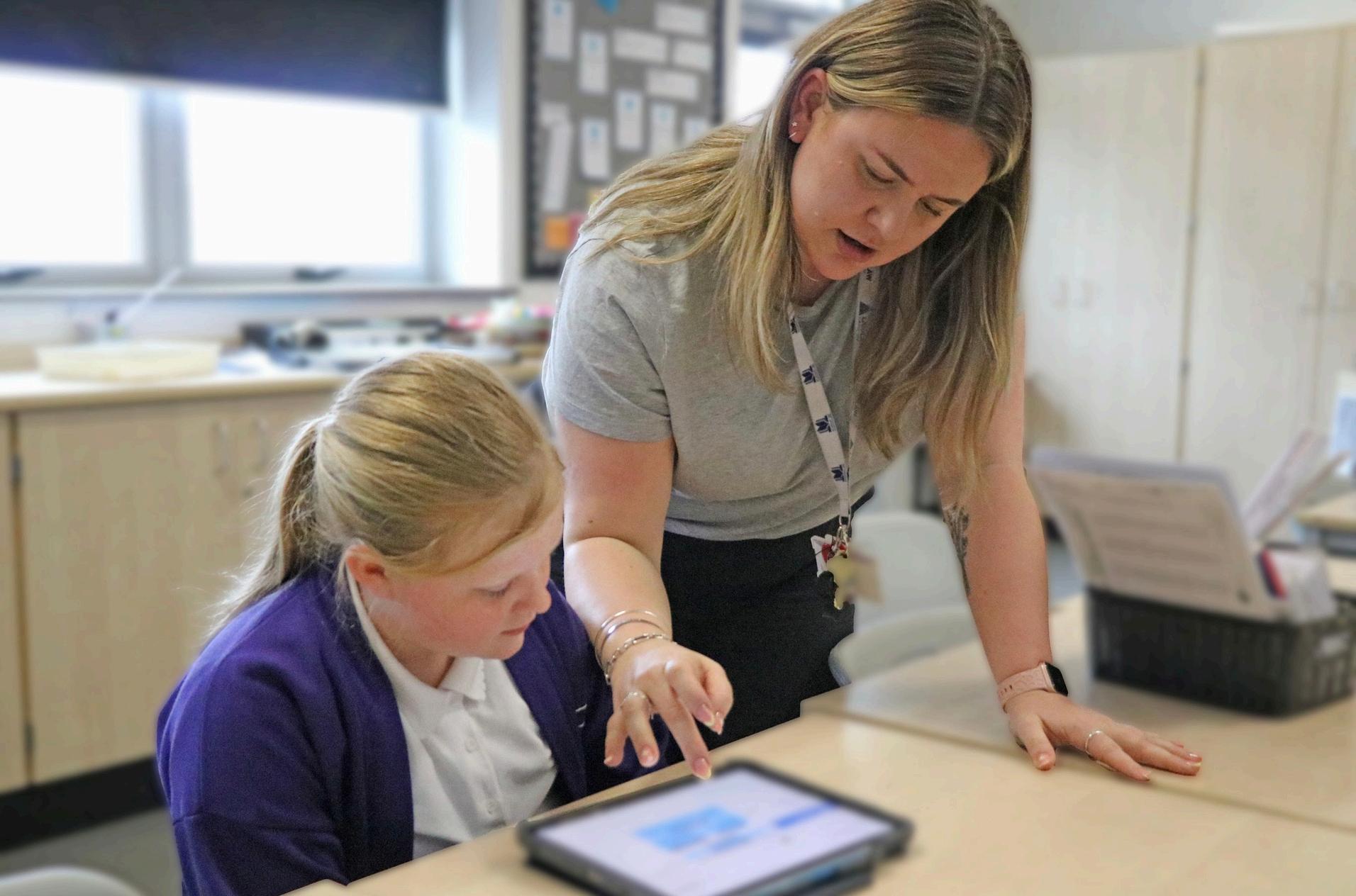
We aim to ensure all children leave us as confident, competent users of technology, ready to thrive in a digital world.
Research and enquiry skills
Independent learning habits
Digital collaboration and communication
An understanding of safe and responsible tech use
Our strategy helps develop:
Preparation for secondary education and beyond in the workplace.
Heightened awareness of online safety and greater awareness of the digital world.
From EYFS to Year 6, digital tools are used to enhance—not replace—the power of great teaching.
Although our PedTech strategy is still developing, its impact is visible across the school. From digital storytelling in EYFS, use of accessing phonic and curriculum support materials in Keys Stage 1 and 2, to collaborative presentations, green screen and media to record exit tickets in Key Stage 2. From voice note reflections to instant feedback loops, the use of technology is embedded in our ethos.
This is not about gadgets. It’s about using every tool—digital or otherwise—to make learning richer, more inclusive, and more effective learning outcomes.
Pedagogy-First
Technology serves learning goals—not the other way around.
Teacher Ownership re empowered to choose tools that match their teaching style and student needs.
Focus on Relationships & Behaviour
upports interaction, collaboration, and student voice.
Evidence-Informed choices are guided by research and ongoing reflection.
Inclusive & Adaptive
d is left behind—every learner has access and opportunity.
Evolving & Reflective ntinuously review and refine, based on classroom impact.
just a technology strategy. y powered by purposeful technology.
As we move forward, we will continue to ask: Does this serve the learner? Does it support the teacher? Does it improve outcomes?
And, if the answer is yes—we’ll keep doing more of it.
PREPARE
Upload lessons to Showbie; Save under the lesson’s learning intention on the assignment title in Showbie; Set Jamf for iPad/app restrictions; Prep Apple Classroom.
PRACTICE
‘Apple’s Up’ -to minimise distractions; ‘Teach from the back’ and from the iPad; Teach from Showbie rather than slides.



Our homework strategy remains inclusive, diverse, and accessible. We blend paper-based tasks, family project-based learning, and growing use of online platforms which children enjoy and engage with. We are fully committed to equity of access:
Chromebooks are available to loan.
Children can use personal smartphones or tablets.
Support and access in school.
No child is disadvantaged due to lack of device access.
Homework supports—not hinders—engagement. Tasks are carefully selected to complement in-class learning without becoming a barrier.
There are several SEND adaptations you can make on an iPad. This list is not exhaustive and is just indicative of some of the things that you can do.
• VoiceOver: A screen reader that reads aloud what’s on the screen.
• Zoom: Magnifies the screen for easier viewing.
• Display & Text Size: Adjust text size, bold text, increase contrast, reduce transparency, or use color filters.
• Magnifier: Turns the iPad into a digital magnifying glass.
• Speak Screen & Speak Selection: Reads highlighted text aloud.
• Live Listen: Works with compatible hearing aids or AirPods to amplify sound.
• Subtitles & Captions: Available on supported content.
• Mono Audio & Balance: Helps if hearing is better in one ear than the other.
• Sound Recognition: Alerts users to sounds like sirens or doorbells.
• Assistive Touch: Adds a customizable on-screen menu for gestures and commands.
• Switch Control: Allows control of the iPad using external switches.
• Touch Accommodations: Adjusts how the screen responds to touch, including holding duration and touch sensitivity.
• Voice Control: Enables complete control of the iPad using voice commands.
Adaption NOT differentiation!
• Guided Access: Restricts the iPad to a single app and limits touch functionality to prevent distractions.
• Speak Screen & Highlight Content: Supports reading comprehension by reading text aloud and highlighting words.
• Type with voice: Useful for children with dyslexia or other reading difficulties.
• Predictive Text & Dictation: Makes writing easier for those with writing or language processing difficulties.
• Reader: let Siri read the text on a page
• Colour background: change the colour of the background for dyslexic pupils.
• Screen Time Management: Helps structure usage with timers and downtime settings.
• Mindfulness Apps: Using apps like Calm or Headspace to help children regulate their emotions.
• Customizable Notifications: Reducing sensory overload by limiting intrusive notifications.
• Showbie: For organizing work and providing structured feedback.
• Slides: A creative way for children to produce digital stories or demonstrate understanding in a multimedia format.
• Chat GPT: Reduce or increase the reading age of a text
• Jamf: Removes any distracting apps