CODIFIED CULTURE South Hylton


Our Mission



Ambitious
We strive to do our best and aim high in everything we do. We set challenging goals, embrace new opportunities, and persevere to achieve our dreams.


























Brave
At SHPA we get things wrong, make mistakes and eventually we do things we never thought we could!
Curious
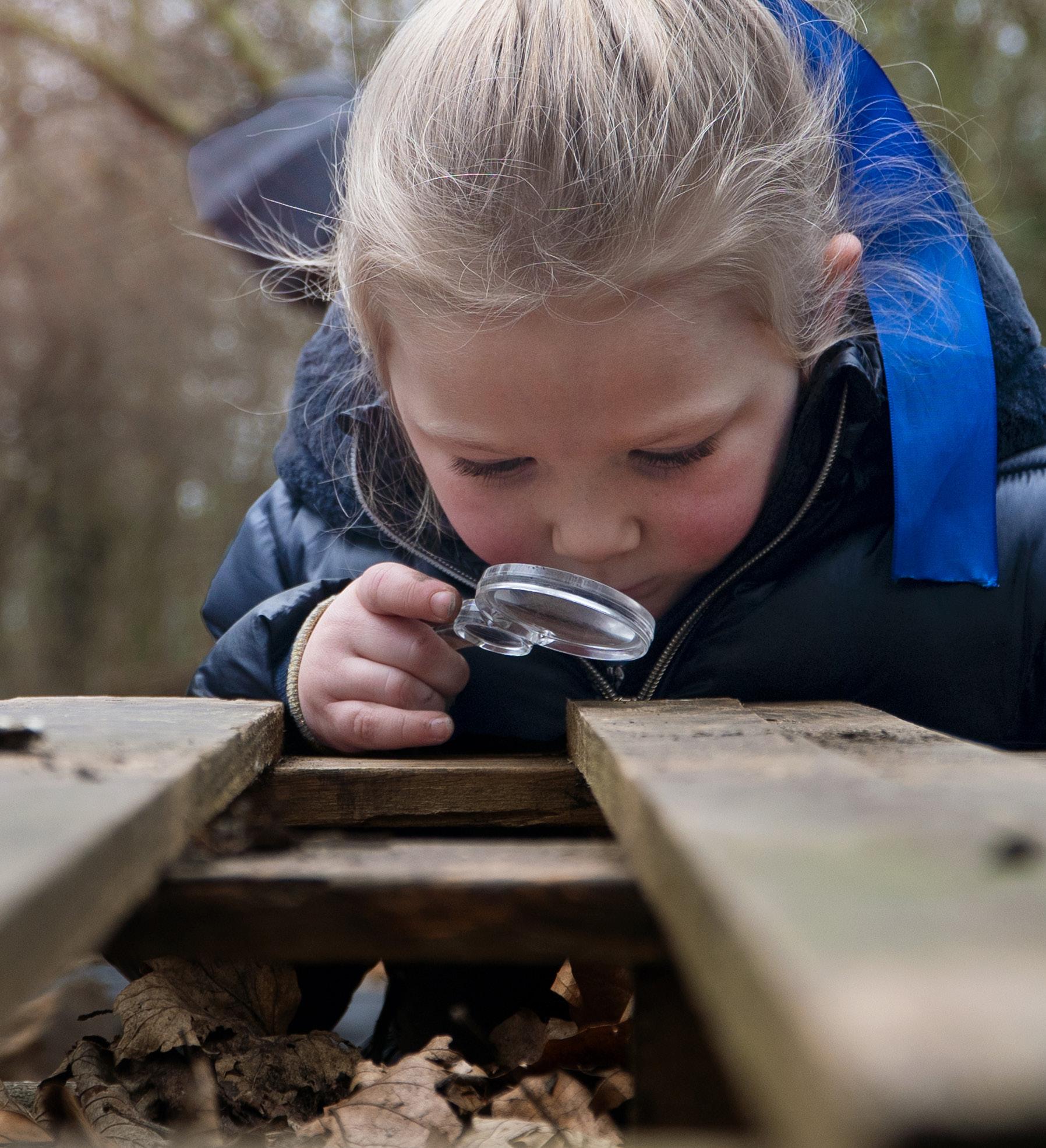
At SHPA we ask questions we don’t judge. We wonder why and we explore.










































Determined We Never Give Up (NGU)


Extraordinary
We listen, learn, apply and become extraordinary!






Fast










We go slow, take our time, learn the fundamentals, make mistakes... we go slow, so that we can then go fast!

Good
At SHPA we aim to do good in the world, but first we do good in school, at home and in our community.
How we build Autonomy in Pupils
Belief: Be Ambitious
Mission
Belief: Be Brave
Belief: Be Curious
Autonomy
We go slow so that we can go Fast
Mastery
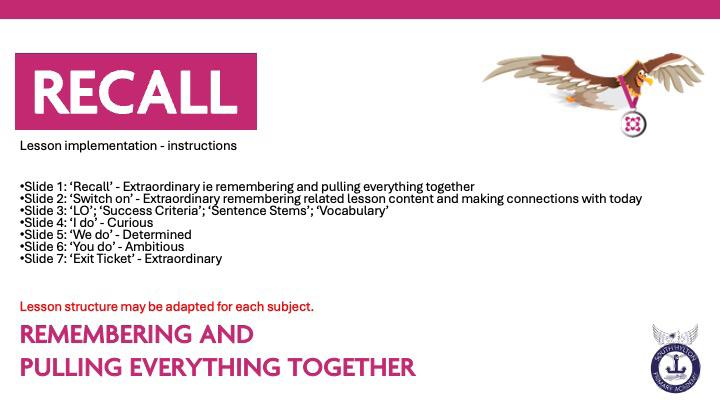
We pull everything that we learn together to be Extraordinary
Belief: Be Determined
SHPA Artefacts
When codifying a culture, artefacts refer to the tangible, physical items or products that a culture creates, uses, or values ie when can you see, hear and touch that demonstrates our commitment to culture? What ‘good’ are we doing? Will you see lessons broken down… ‘going slow to go fast’ etc.
Purpose
To do Good in the world. Starting with school and our community
“Apples down”
“Track me”
“Say it again, but say it better”
“No hands up”
“Talk to your partner”
WHAT?
Rewards
Our rewards system recognises when pupils are demonstrating our core beliefs and values of: Curiosity; Being Extraordinary; Determination – never giving up; becoming ‘Fast’ through learning the fundamentals; doing good in school and in our community; showing Ambition through striving to do our best; not fearing mistakes or challenges – being Brave.
WHY?
WHEN?
HOW?
Our reward systems plays a crucial role in promoting the behaviours we expect from our pupils on a daily basis. Our reward system allows us to promote these behaviours, through positive reinforcement.
Froggets, should be given out throughout lessons at every opportunity. We want to recognise and ‘catch’ our students demonstrating our core values.
Award a Frogget at every opportunity and provide precise praise to reinforce why a child may be receiving this award. 1 2





Codifying Teaching and Learning
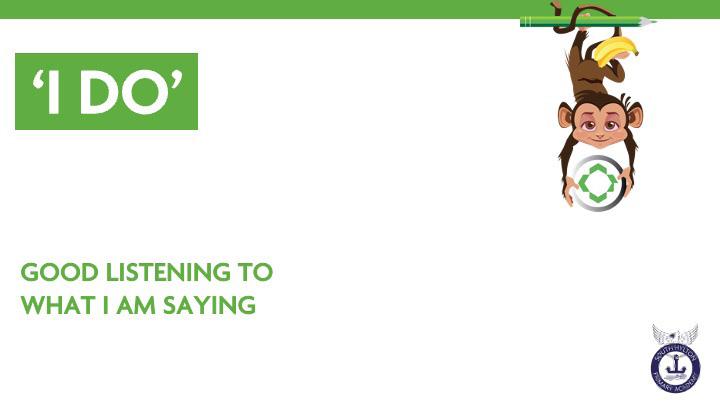
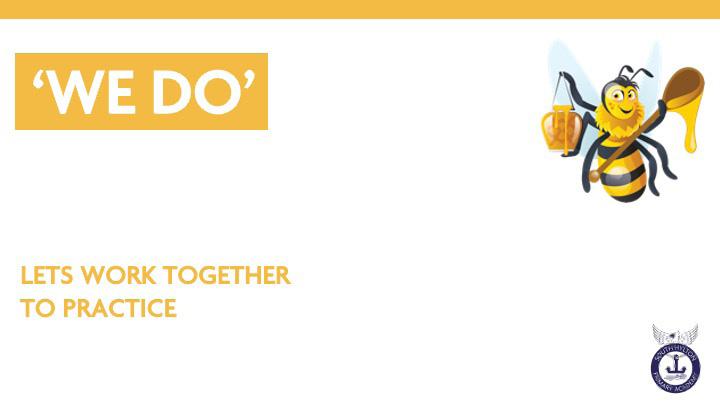
At South Hylton Primary Academy we follow the ‘I do – We Do – You Do’ approach to our Gradual Release of Responsibility model for teaching and Learning. This is exemplified through our vision and values.
IN THE ‘I’ STAGE, the teacher breaks down the skill into manageable steps, modelling each step explicitly and linking it to what pupils already know. As they model, the teacher can narrate their thought process to their pupils as this will support pupils’ metacognition when they come to execute the skill (Education Endowment Foundation [EEF], 2017). The teacher will need to ask a lot of questions: questions to break down the process, to check pupils are not overloaded and ultimately, so they know when pupils are ready for less guided support in the ‘we’ stage.











































IN THE ‘WE’ STAGE, pupils practise all or part of the skill with the teacher’s supervision. Again, this is a highly interactive process where pupils will try all or parts of the skill whilst the teacher continually checks and feeds back on their work to support them. Only when pupils are achieving a high level of success will they be supported to move on to the ‘you’ stage.



IN THE ‘YOU’ STAGE, pupils attempt the skill independently. The teacher needs to provide pupils with clarity on how to practise independently and provide them with scaffolds if necessary. Pupils will need to engage in a lot of independent practise to consolidate what they have been taught.
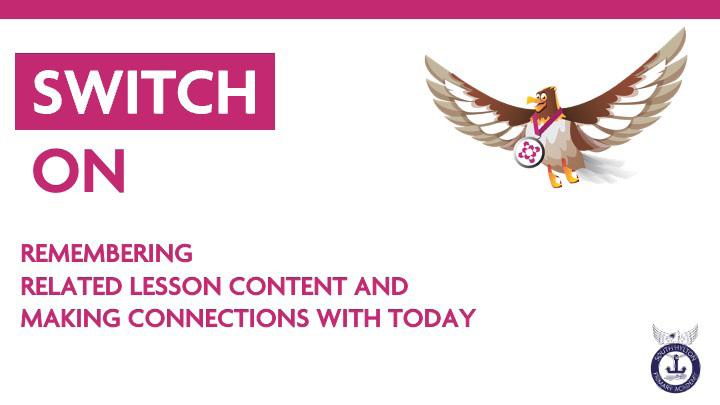
Pull everything together, accessing prior knowledge and making connections
EXTRAORDINARY
‘I-WE-YOU' (Lemov, 2015) is a helpful guide for teachers to think about when they model a process to pupils. It involves a high degree of guidance and support from the teacher at first to make the process obvious and explicit, then as pupils become more and more successful, scaffolding is gradually removed.
Codifying Assessment

At South Hylton Primary Academy, we employ a range of Assessment for Learning (AFL) techniques so that we can go slow; learn the fundamentals - then go Fast!
QUESTIONING
Questioning is a fundamental tool for teachers. It can be used to many ends, including checking pupils’ prior knowledge, assessing pupils’ understanding and breaking down problems. In terms of explanations and modelling, the teacher needs to know where to begin, which will mean asking questions to understand pupils’ prior knowledge. Throughout the I-We-You process, the teacher is constantly checking pupils understand the new information. They can ask questions that will target common misconceptions pupils might have with the material (Christodoulou, 2017) and focus on the specific knowledge and skills pupils need to understand. This will enable teachers to make inferences from pupils’ answers that allow them to adapt their teaching. Indeed, more effective teachers tend to ask more questions and ask pupils to elaborate and explain their answers (Rosenshine, 2012). Asking more advanced questions to pupils is usually most useful once pupils have shown that they have a developed strong foundational knowledge (Pashler et al., 2007).
All teachers are encouraged to build an AFL rich environment using a range of techniques such as: n Pre & post-topic tests n Low stakes quizzes n Exit tickets n Mini whiteboards/Ipads
Summative assessments
can take many forms, including tests and projects and are often scored to provide a quantifiable measure of students’ performance. This is stored centrally to allow all of our subject leads and class teachers the opportunity to analyse trends, strengths and weaknesses.
All assessments are built around clear endpoints, set out in each curriculum area.
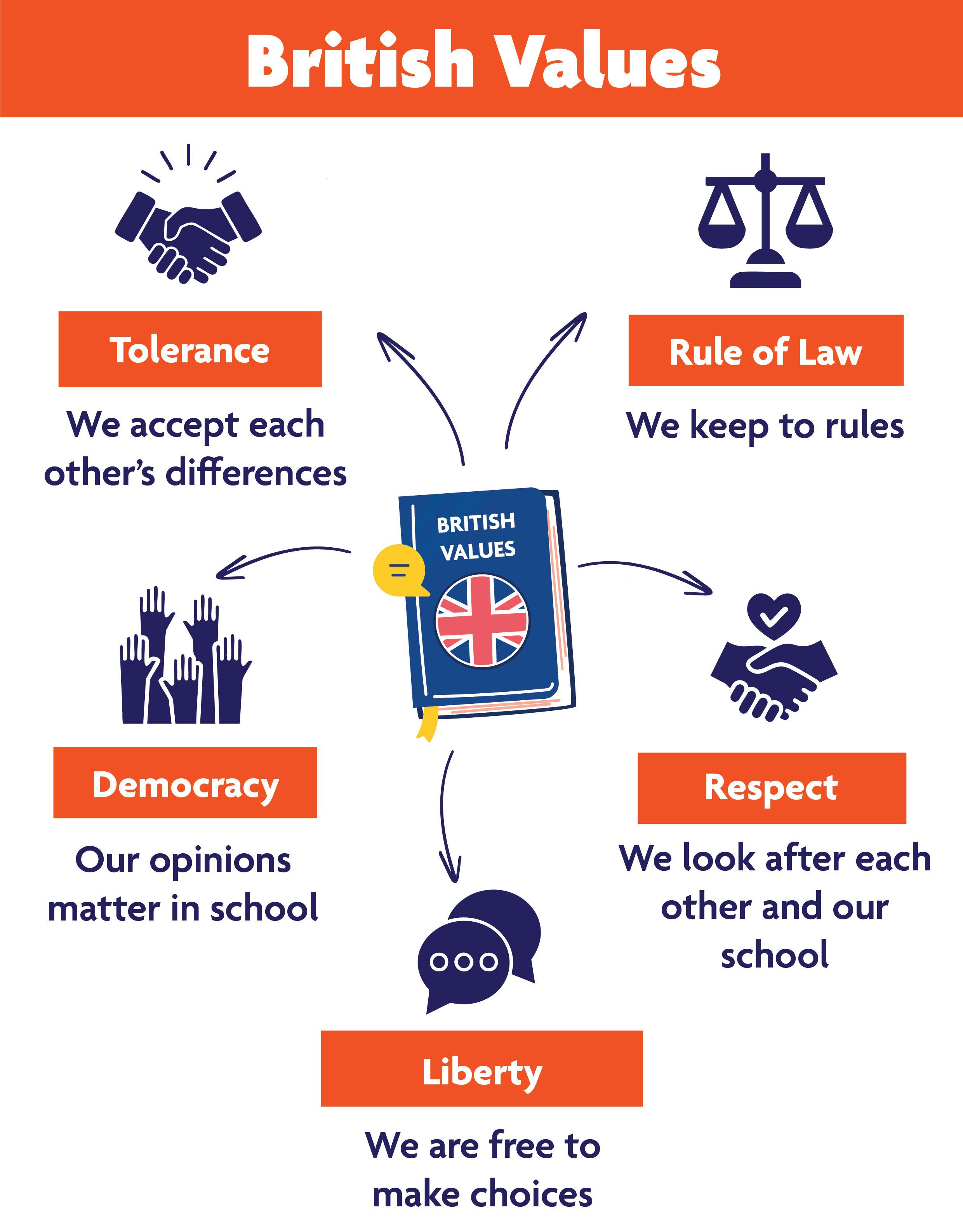
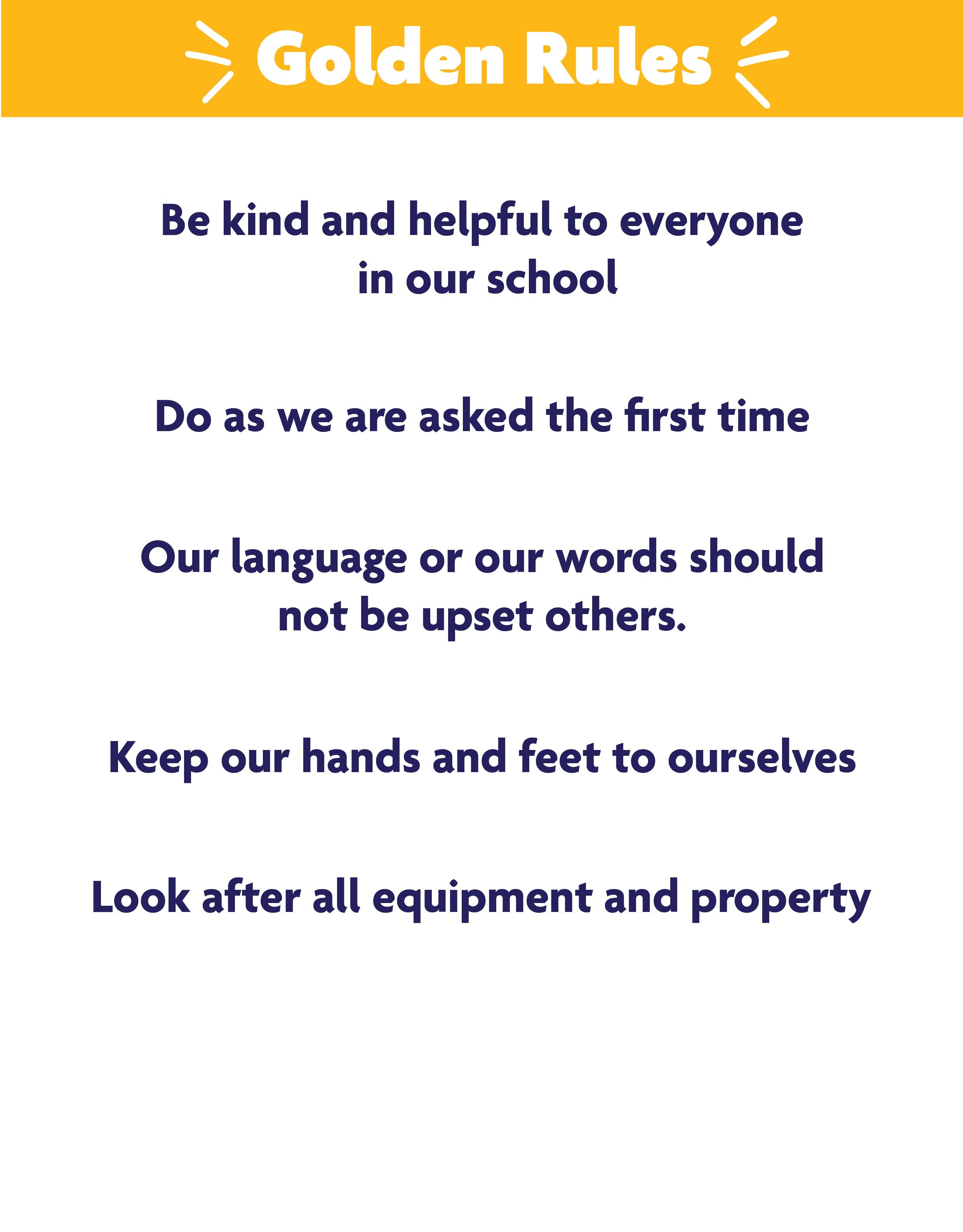
British Values & Golden Rules
Lesson Slides