




In this newsletter we are going to tackle PLASTIC POLLUTION.
The information we provide is not perfect and sometimes in scientific evolution
But the information is sourced from reliable Science, from ESRAG ‘s work, and from Project Drawdown information.

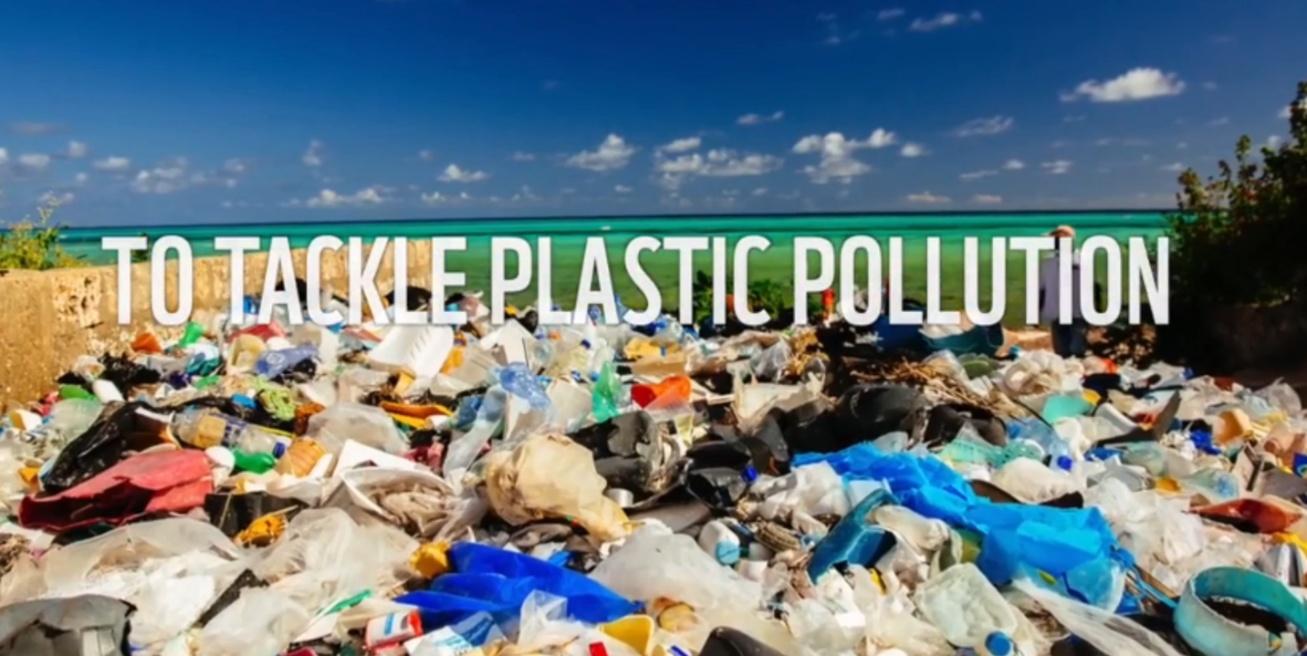

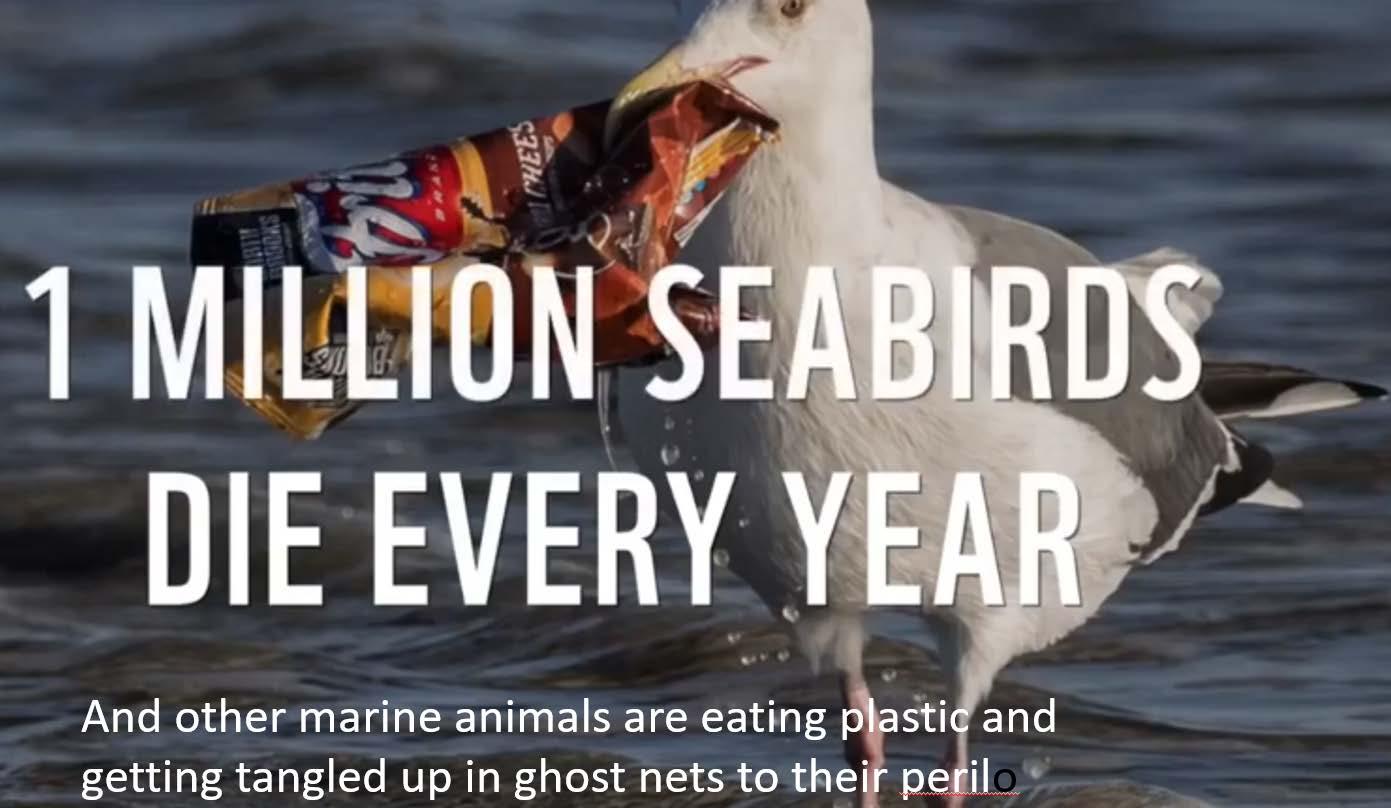
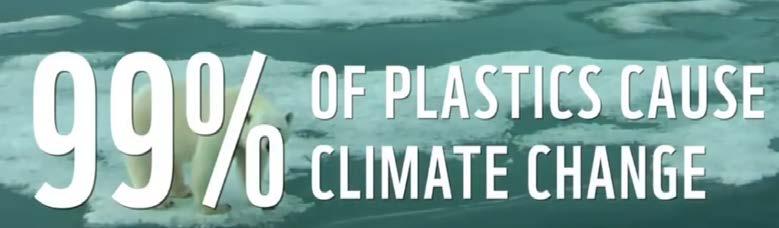
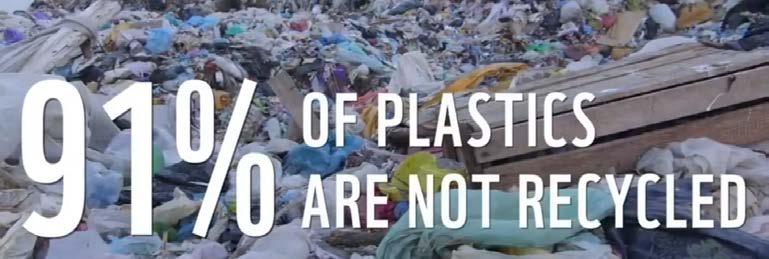
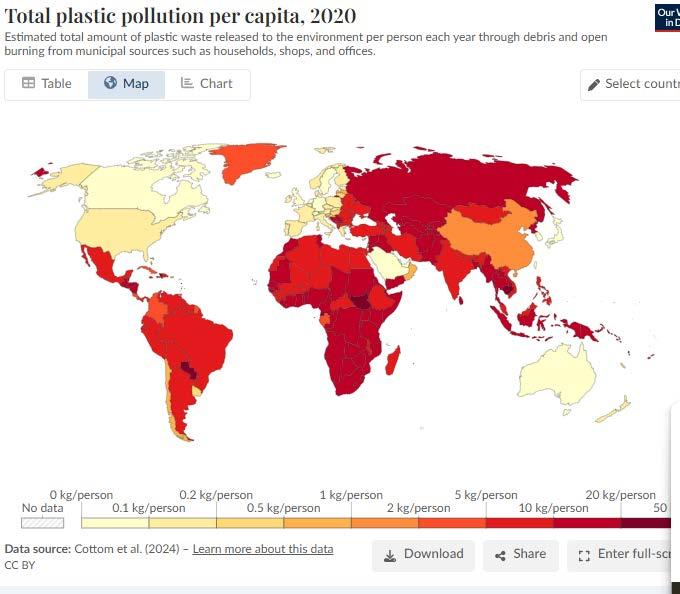
What can Rotary clubs do?
Rotary clubs can lead the way within the community –
• Ban plastic use in your clubs where possible.
• Do plastic cleanups in waterways, roadways, community parks
• Make events plastic responsible
• Recycle at club meetings
• Join ESRAG – and join the End Plastic Soup challenge
• Educate your club and your community
• Work with or support international projects to end plastic pollution in those countries

You can lead the way in your home and in your community –
• Avoid single-use plastic
• Use natural fibre in shopping bags and vegetable bags
• Avoid plastic bottles and plastic containers
• Avoid clothing with plastic
• Minimize buying plastic toys and plastic utensils
• Avoid disposable razors, toothbrushes, and other disposable hygiene products
• Use refillable containers if you have access to bulk supplies
• Buy bars of soap, shampoo, etc.
We cannot do without some plastic, but we can mitigate its use and we can clean up plastic pollution in our environment!
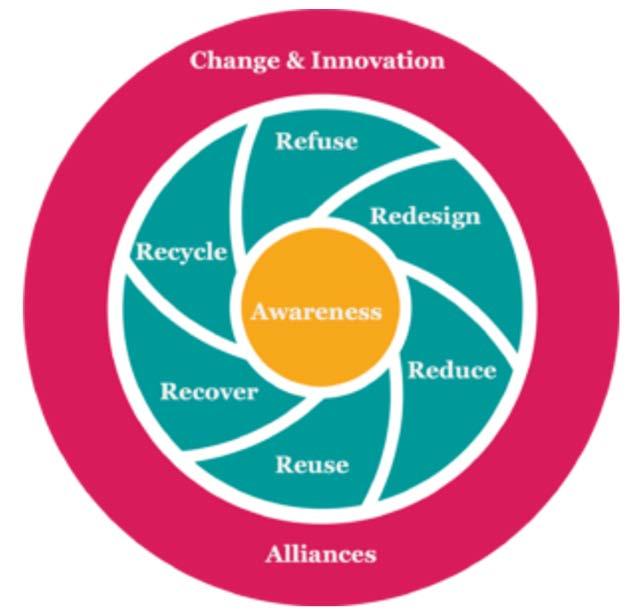
Health risks of plastic pollution
• There is strong - although not definitive – evidence for health risks.
• But Where there is smoke, there is usually fire!
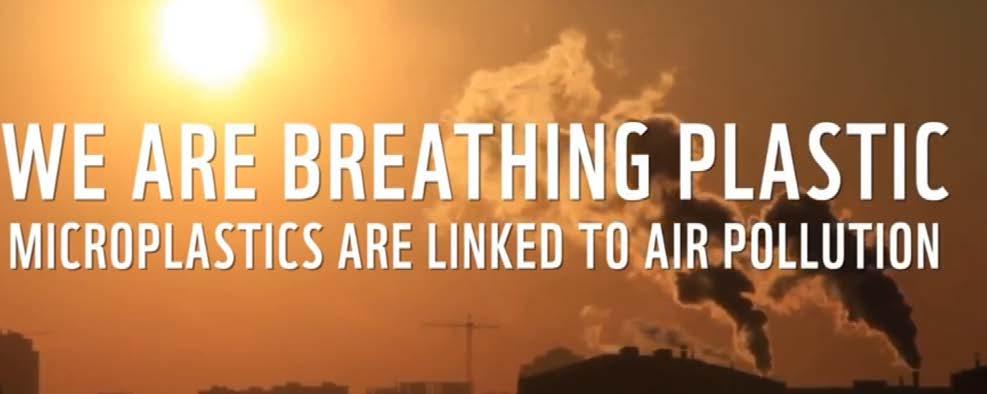
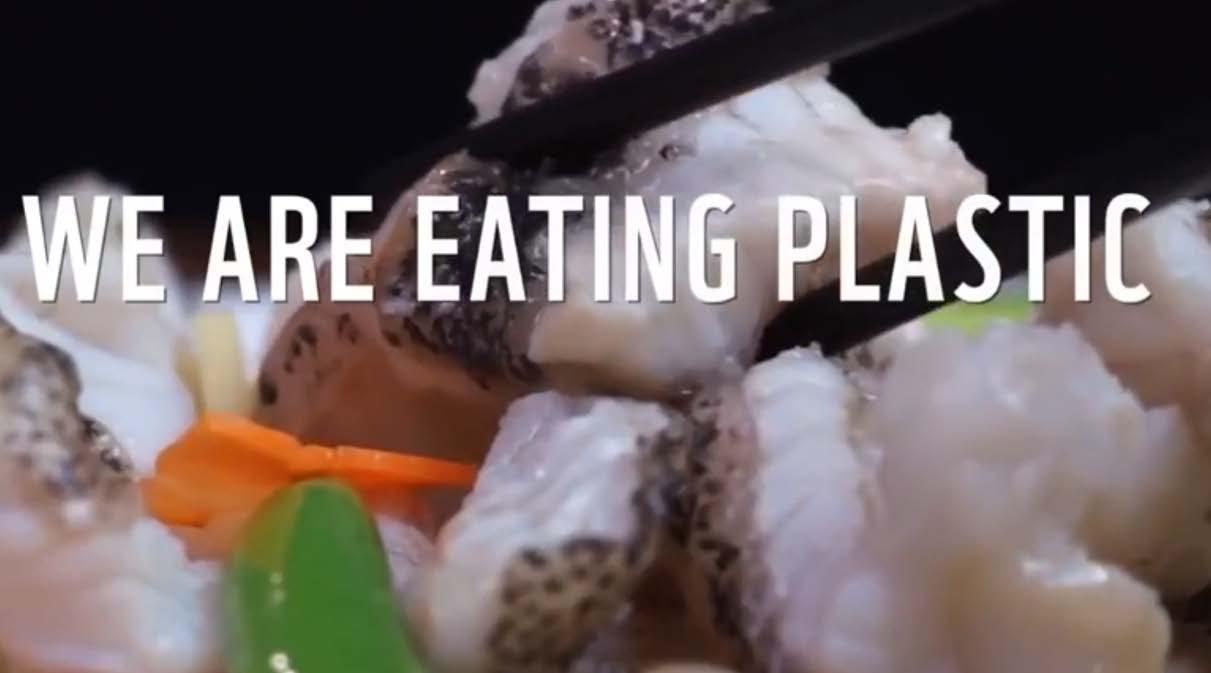
• Plastic breaks down to micro- and nano-size and enters the body through multiple means.
• Plastic is present in most organs in your body, even at birth.
• Plastic in your body causes an inflammatory state
• Plastic may cause hormonal changes and may affect fertility
• Plastic may predispose you to cancer – to inflammatory conditions – and to cardiovascular disease@

• Nations are more aware now
• Nations are starting to manage plastic at all levels
• Nations are beginning to promote a CIRCULAR ECONOMY
• Technology is coming to our rescue to produce safer and more recyclable plastics – and alternatives!
• There are algae and bacteria that can break down plastics in our environment.
Rotary can play a vital part in our communities by being a model for reduction, clean up and education!
Plastic pollution has become one of the most visible environmental challenges facing our planet today. These resources provide reliable information about the causes of plastic pollution and the global efforts underway to address it.
• UN Environment Programme – Plastic Pollution
https://www.unep.org/plastic-pollution
A global overview of the plastic pollution crisis, including impacts on oceans, wildlife, and human health, along with international efforts to reduce plastic waste
• Ocean Conservancy – Plastics in the Ocean https://oceanconservancy.org/trash-free-seas/plastics-in-the-ocean/ Research and data gathered through international coastal cleanups showing the most common forms of plastic pollution found around the world.
• The Ocean Cleanup
https://theoceancleanup.com/
An innovative engineering project developing technologies designed to remove plastic from oceans and rivers before it reaches the sea.
• National Geographic Society – Plastic Pollution
https://www.nationalgeographic.com/environment/topic/plastic-pollution
Clear educational articles, photography, and research explaining how plastic spreads through ecosystems and what can be done about it.
• International Union for Conservation of Nature – Marine Plastic Pollution
https://www.iucn.org/resources/issues-brief/marine-plastic-pollution
A science-based overview with global statistics, sources of plastic pollution, and possible policy solutions.

PERVASIVE PLASTIC - HEALTH & ECONOMIC RAMIFICATIONS
Meet our dynamic guest speaker – Tami Mulcahy!

Tami serves as Co-Chair of ESRAG’s End Plastic Soup, the global effort to end plastic pollution. She also serves as Co-Chair of ESRAG’s All Forces that represent nine environmental focus areas.
As a physical therapist, Tami understands the intricate interconnections of the human body systems and regularly makes presentations on the health and economic ramifications of pervasive plastic in our lives.
Join us April 21 via Zoom to learn how we can handle plastics in our society.
Gain a broader understanding of the impact of pervasive plastic on our health!
Learn how to begin reducing exposure to chemicals for personal health and the health of our children.
Grasp the similarities and differences between the impact of first world countries and developing countries.
Understand the full weight of why reduction is so critical.

DATE - Tuesday April 21 at 7:30 p.m. - Zoom link –
https://us02web.zoom.us/j/85807128702
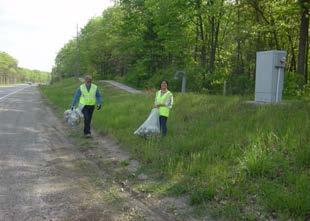
The Rotary Club of Grand Bend regularly maintains the 22 benches along the Rotary trail and members do two annual highway cleanups from Grand Bend to the Pinery Park along Highway 21 to ensure that the waste is collected.
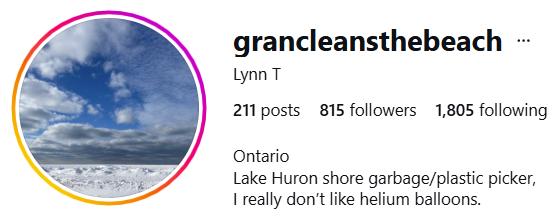
Grand Bend resident, Lynn Tremain, although not a Rotarian, is famous on Instagram as Grancleansthebeach.
The Rotary Club of Stratford has a Minimum Plastic Policy at all events. They created a club Waste & Recycling Policy for use at its special events and its weekly meetings and they do a weekly clean- up of all debris every Monday morning from May to September (tourist season). Pairs of Rotarians circle the Avon River to collect debris. The members also participate in the Adopt a Highway program. The club is very environmentally conscious. Check their website
Meaford Cleanup - Around the world, Rotarians contribute some 47 million volunteer hours each year. Protecting the environment is one of Rotary International’s key goals. Some of those hours go to help our beleaguered planet. The Rotary Club of Meaford wants to do its part.

Last year, Meaford’s annual Baggy Day took place on Saturday, May 10. You may have seen the many volunteers picking up trash and putting it into garbage bags. The good news is that there seemed to be less litter to pick up this year. The bad news is that there is still way too much.
Over 60 volunteers collected more than a ton and a half, or 680 kilograms, of trash, enough to fill two large commercial disposal bins. The amount of plastic collected is worrisome: fast food containers, drinking cups, plastic straws, plastic sheets and tarps.
“Some of the plastic I picked up crumbled in my hand,” one of the volunteers said.
Please let us know if your club is working on an Environment project!! and your projects will be highlighted in an upcoming newsletter!

EARTH DAY – WEDNESDAY - APRIL 22, 2026
However, we can celebrate our fragile earth every single day!


But no -

When tomorrow comes, this day will be gone forever. In its place is something that you have left behind. Let it be something good. 1
1 Author unknown