

[p3] Crossword puzzle
[p4] From Fission to Fusion – the future of nuclear energy by Alice Hill
[p5] Drug Discovery by Zoe Stewart
[p6] The Three Parent Baby by Dharmini Bouri
[p7] String Sonority by Chloe Yeung
[p7] Koch Snowflake by Rachel Long
[p8] Maths Inspiration Trip by Jana Al-Ghuti
[p9-11] Pharmacology and Regulation in Modern Medicine by Akshitha Sunkari
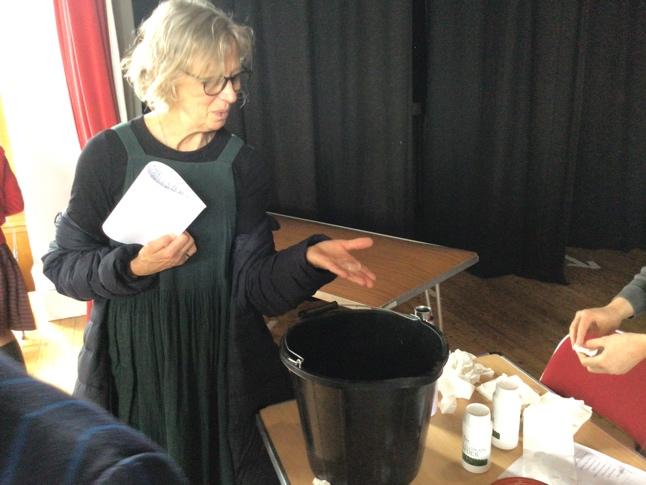
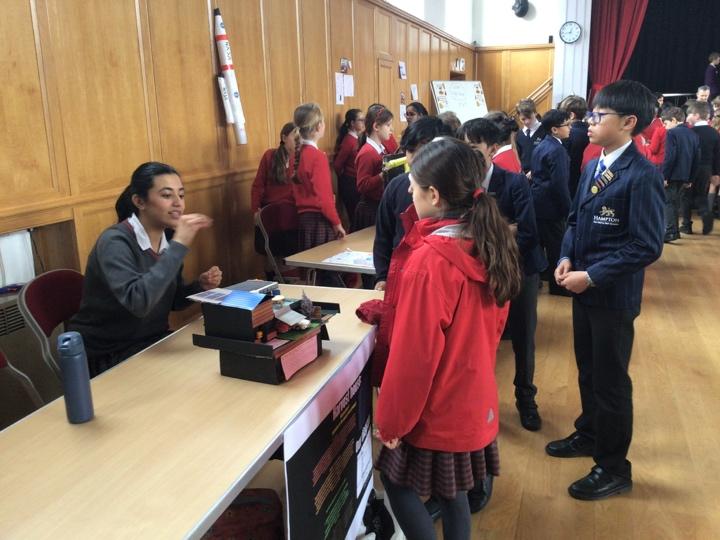
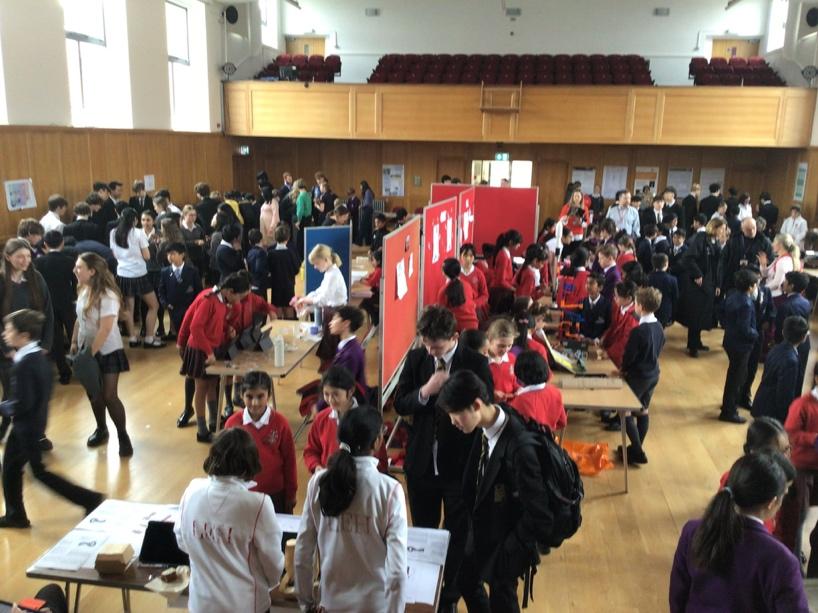
[p12-24] STEM Fair Posters and photos
[p25] Wordsearch
[p26-27] STEM News Around the World
[p28-33] Recent STEM News at LEH
Welcome to the Catalyst Summer Edition 2026. This STEM Journal is filled with a variety of interesting topics, written by students. Many thanks to all of the people who have contributed to this edition. I hope you enjoy reading just as much as I have whilst compiling and editing it.
Saskia Hanson L6J
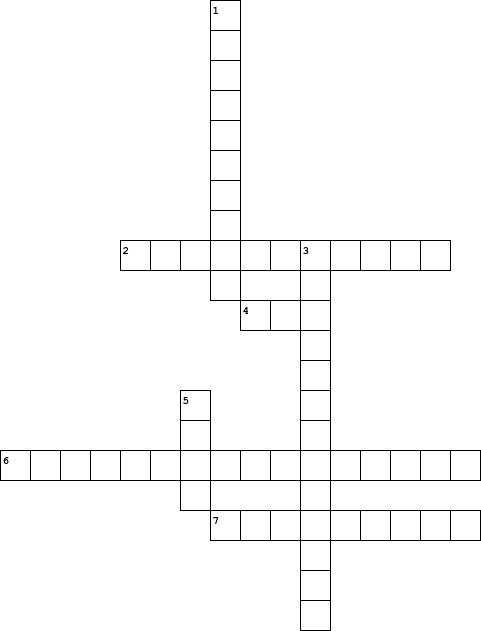
2. These atoms do not contribute to energy generation and instead complicate the fuel cycle and waste management.
4. This string has a less uniform molecular structure, unlike the highly ordered metallic lattice in steel strings.
6. How a drug impacts the body
7. A ______ is a one in a million chance of death.
1. Historically used for cosmetics, to dilate pupils, and later for medicinal purposes, despite being highly toxic even in small amounts, also called deadly nightshade.
3. The donor contributes only ________ DNA during 3 Parent Baby.
5. Each part of the snowflake looks like a smaller version of the whole ____ snowflake.
The crossword puzzle answers are related to the articles. If you think you have completed it, email your answers to shanson@lehs.org.uk
I pursued my interest in nuclear power by investigating how public perception can distort understanding of its risks and benefits. I began by watching a TED Talk titled “Why I Changed My Mind About Nuclear Power”. This presentation examined widespread misconceptions surrounding nuclear energy, particularly those arising from major nuclear accidents such as the Chernobyl disaster and Fukushima nuclear disaster. These events have significantly influenced public opinion, often leading to an exaggerated perception of the dangers associated with nuclear power.
In reality, nuclear energy can be considered one of the safer energy sources when evaluated in terms of overall impact. Unlike fossil fuels, it does not contribute to air pollution, which is responsible for a far greater number of deaths globally. Furthermore, although nuclear waste is a valid concern, it can be carefully managed, stored, and disposed of under controlled conditions. By contrast, many other energy sources - including some renewables - also present environmental challenges; for example, solar panels require materials that are not always efficiently recycled.
Motivated by these ideas, I compared the claims made in the talk with empirical data. Initial findings suggested that nuclear energy has one of the lowest death rates per terawatt-hour (TWh) among all energy sources. However, further investigation revealed that this conclusion requires careful qualification. While the nuclear fission of uranium-235 is an efficient and a relatively clean process, it does not represent the complete picture. In some cases, nuclear reactions can produce isotopes such as uranium-239, which do not contribute to energy generation and instead complicate the fuel cycle and waste management.
This led me to explore alternative fuels for nuclear fission. One promising candidate is thorium, which is more abundant than uranium and plutonium. Thorium-based reactors have the potential to produce waste with significantly shorter radioactive lifetimes, making them an attractive area of ongoing research within the field of nuclear physics.
I then shifted my focus to nuclear fusion, the process that powers the Sun. Although my exploration of this topic was more introductory, I developed a foundational understanding of its potential as a future energy source. Given the increasing strain caused by reliance on nonrenewable energy, fusion presents a compelling long-term solution. Unlike fission, fusion does not produce long-lived radioactive waste and relies on fuels such as isotopes of hydrogen (eg deuterium), which are relatively abundant.
However, fusion presents significant technical challenges. The fuel must reach extremely high densities and temperatures for fusion reactions to occur, conditions that are difficult to achieve and sustain. Despite these challenges, ongoing research suggests that fusion could play a critical role in meeting future global energy demands.
In conclusion, my research has shown that while nuclear fission offers a relatively efficient and low-emission energy source with some limitations, nuclear fusion holds even greater promise as a sustainable and long-term solution to global energy needs.
discovery by Zoe Stewart
Drug discovery begins with picking a “target”. Researchers will first find a specific protein in the human body (for example an enzyme or receptor) that plays a key role in a disease. They research this protein’s structure and how it acts to comprehend how it can be stopped or regulated.
Scientists then use a method called high-throughput screening (HTS) to comb through millions of chemical compounds to highlight ones that can attach to the target protein or moderate it. The encouraging, favourable compounds are called hits. The best hits are then enhanced to provide stronger drug candidates. This stage is called lead optimisation; scientists will adjust sections of the molecule to improve it. They have five main aims when enhancing the molecule: selectivity (how specifically it targets the protein), potency (how forcefully it binds), bioavailability (how it is absorbed in the body), metabolic stability (time period it remains until it is decomposed and toxicity decreasing harmful knock on effects). To aid them, scientists will use structure activity relation (SAR) analysis.
Finally, the drug molecules will go through pre-clinical testing where scientists look at how the drug works it way through the body (absorption, distribution, metabolism, and excretion) and how it impacts the body (pharmacodynamics). After, this the drug will go through clinical trials to check for and other hazards and its success in people.
What is the 3 Parent baby?
The “three-parent baby” refers to a child created using a technique called mitochondrial donation. In this process, the baby inherits nuclear DNA from both the mother and father, as well as healthy mitochondrial DNA from a donor mother, meaning the child contains genetic material from three individuals.
Which organelles?
This technique is used to prevent mitochondrial diseases, which are caused by faulty mitochondrial DNA passed down from the mother. Mitochondria are responsible for producing energy in cells, and when they do not function properly, they can lead to serious conditions such as muscle weakness, brain damage, organ failure, and even early death.
The procedure*
The procedure involves removing the nucleus from the mother’s egg and inserting it into a donor egg that has had its own nucleus removed, before fertilisation occurs with the father’s sperm. As a result, the embryo contains the parents’ nuclear DNA and the donor’s healthy mitochondrial DNA.
How is this possible?
This process is based on key biological concepts: mitochondria have their own DNA (mtDNA), which is inherited only from the mother, while nuclear DNA determines most traits such as eye colour and height**. The donor therefore contributes only mitochondrial DNA and does not influence the child’s physical characteristics in the same way as the parents.
Legal implications
There are also important legal and ethical considerations. The United Kingdom became the first country to legalise mitochondrial donation in 2015, with regulation and approval from the Human Fertilisation and Embryology Authority.
Advantages and Disadvantages
This technique has several advantages, including preventing serious inherited diseases, allowing parents to have a genetically related child, and reducing suffering and early mortality. However, there are also disadvantages, such as the fact that long-term effects are still being studied, ethical concerns surrounding germline modification, the inability of the child to consent to the procedure, and the high cost and limited availability of the treatment.
Notes
*Pro nuclear transfer (PNT) is another possible method.
**Mitochondria can subtly influence metabolism and some health traits
Gut violin strings are widely regarded as producing the warmest and most complex tone, and this can be explained through their chemical and physical properties. Traditional gut strings are made from animal intestine, primarily made from the protein collagen, which forms long, irregular polymer chains held together by hydrogen bonding. Unlike the highly ordered metallic lattice in steel strings, gut has a less uniform molecular structure, leading to greater internal friction when the string vibrates. Physically, this means gut strings show higher damping: more vibrational energy is lost as heat within the material. As a result, the higher harmonics in the sound decay more quickly than the fundamental frequency. Because brightness in sound is largely caused by strong upper harmonics, their faster reduction produces a softer, rounder tone that we perceive as “warm.” Additionally, gut strings typically operate at lower tension than steel strings, which further reduces the intensity of upper partials. This combination of molecular structure, increased energy dissipation, and lower tension explains why gut strings are favoured in historically informed performance for their rich, mellow sound.
The Koch snowflake is one of the earliest described fractal curves and was introduced by Helge von Koch, a Swedish mathematician, in 1904
The fractal snowflake is constructed by:
1. Modifying an equilateral triangle
2. Dividing each side into three equal parts
3. Create another equilateral triangle using the middle part of that equilateral triangle
4. Continue process for each individual newly created equilateral triangle
Each part of the snowflake looks like a smaller version of the whole koch snowflake* (zooming into one section of the Koch snowflake shows the same repeated pattern as when zoomed out).
There is an infinite perimeter, as the perimeter is multiplied by 4/3 each time. As 4/3 is bigger than 1, the pattern increases infinitely. However, the area stays finite as the triangles added gets smaller.
Note
*Sections of the boundary repeat the pattern at smaller scales
On Monday 23rd March, L6 Maths students went to the Hexagon Theatre in Reading to listen to mathematicians speak about their inspiring experiences and careers.
The first speaker was Rob Eastaway who discussed the ideas of intuition and counterintuition, as well as if we should be afraid of AI. He described a series of problems which humans intuitively normally get wrong and told us whether ChatGPT got it right. Notable problems that ChatGPT got wrong included how much lead is wasted for a pencil. ChatGPT claimed it was around 5-15%. In reality, we must think about the maths behind it first. Picture a pencil. Decide what shape(s) you can make out. It's a cylinder, right? If we sharpen that pencil, it becomes a cone. Upon considering volume formulas for cylinders and cones, a cone's volume is 1/3 of that of a cylinder. Hence, 66% is wasted when a pencil is sharpened once. However, we sharpen a pencil even more often than we need to as we do not wait until it is completely blunt. If we continue the calculations in such a manner, we can conclude that around 99.5% of pencil lead is wasted*. Additionally, most ironically, ChatGPT was unable to solve what letter came next in this sequence: T P G T A H _. (The correct answer is, of course, C as it is ChatGPT spelled backwards). Even when told that it, of all people, should know the answer, ChatGPT failed to recognise itself.
One in a million. That was the title of the second speaker Alison Kiddle's talk. Here, we learnt about an interesting term: a micromort. A micromort is a one in a million chance of death. Some interesting probabilities we came across were: probability of dying if you drive 230 miles, if you walk 17 miles, if you cycle 6 miles on a motorcycle or if you go by train for 6000 miles (which is 1 micromort). The data she showed proved that statistically, travelling by train truly is the safest option. Another notable probability was that of climbing Mount Everest... 38000 micromorts! However, Kami Rita has climbed this mountain 31 times and 31 multiplied by 38000 is greater than a million. Hence the statistics say that he should be dead. This proves that micromorts are not always the most useful units as they make the most sense for small values whereas they can throw things out of proportion if used with bigger values.
Furthermore, the third and final speaker, Matthew Scroggs, tackled the world of maths at the video game arcade. From the postman problem to different kinds of maps, we delved into the world of video games by understanding the maths behind winning strategies. The postman problem, for instance, could be applied as when you have an odd number of junctions, you can pair them up and find the route which takes the least extra distance. This is apparently how you win a game like Pac-Man. Shocking, right? Who knew all you had to do was apply maths to video games and you would win every time?
Notes
*This figure is based on a simplified approach for the purposes of discussion only
Akshitha Sunkari
Recently, I attended an Insight into Science lecture on pharmacology by Balliol College, Oxford. The lecture explores how drugs are developed, how they are tested, and why regulation is such an important part of modern medicine. The lecture showed that even effective treatments can become dangerous without careful dosing, thorough testing, and strong regulatory oversight.
Pharmacology is not just about discovering drugs that are effective, but it is about proving that they are safe, correctly dosed, and unlikely to cause serious side-effects. In the past, prior to when medicine was developed through proper clinical development, many treatments were introduced with good intentions but without enough scientific evidence. Remedies such as mercury, arsenic tonics, and other “miracle cures” were widely used before scientists understood their toxicity. Paracelsus famously stated, “It is the dose that makes the poison,” highlighting the idea that any substance can become harmful if given in a high enough dose. Almost any substance can become harmful at a high enough dose, while some dangerous substances can still be used in medicines if used in tiny, controlled amounts. This is clear in the example of belladonna (deadly nightshade), which was historically used for cosmetics, to dilate pupils, and later for medicinal purposes, despite being highly toxic even in small amounts. Another example is botulinum toxin, which is a very potent toxin and can cause paralysis. However, in carefully controlled doses it has been repurposed as Botox for medical and cosmetic use. These examples show that a substance’s risk is not just about what it is, but how much is given and under what conditions.
Therefore, pharmacology depends on understanding the therapeutic window, which is the range between a dose that produces a beneficial therapeutic effect and a dose that causes a toxic effect. Drugs with a wide therapeutic window are generally safer because there is more room between benefit and harm. Drugs with a narrow therapeutic window are riskier and require much more careful monitoring. A medicine cannot just be effective; it must also be shown to work at a dose that is safe enough for patients. To do this, modern medicine uses a strict drug development pipeline. Before a drug can be tested in humans, it must go through preclinical testing, including laboratory studies and animal studies. Animal studies are important because they help researchers identify early signs of toxicity, estimate dosing, and decide whether it is ethical to move into human trials. However, because animal models do not always accurately replicate human physiology, metabolism or immune responses, their validity has limitations which is why regulation remains necessary even after preclinical results that are promising.
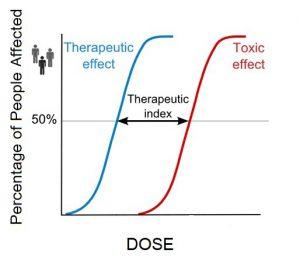
A major reason for modern regulation was the thalidomide tragedy. In the late 1950s thalidomide was marketed as a sedative and anti-nausea drug in pregnancy. However it caused 10,000 – 20,000 severe birth defects worldwide, including limb malformations and organ defects. It revealed that some risks only become obvious after widespread use, especially in groups, like pregnant women, who are not fully represented in early testing. Thalidomide transformed drug safety standards by showing that short-term success is not enough; drugs must also be assessed for long-term and developmental risks.
Another key example is the TGN1412 Elephant Man trial in 2006. In this Phase 1 trial, a monoclonal antibody that had appeared safe in animal studies caused a severe cytokine storm and multi-organ failure in six healthy human volunteers. Later probes studies done on monkeys revealed that TGN1412 does not have the same effect in none-primate mammals as it does in primates. The trial also exposed failures in trial design and dose escalation, as during the phase I trial, the doses were incrementally increased even after the first participant started showing side effects. This showed that promising scientific results are not enough without strong safety procedures and regulatory oversight.
That is why human drug testing is divided into 4 phases of clinical trials after the preclinical phase.
• Phase 1 tests safety and dose in around 20-80 people.
• Phase 2 continues to test safety, identifies side epects and measures epectiveness in around 100-300 people.
• Phase 3 measures epectiveness and monitors side epects in around 1000-3000 people
• Phase 4 continues after approval to monitor rare or long-term epects that may not appear in earlier trials.
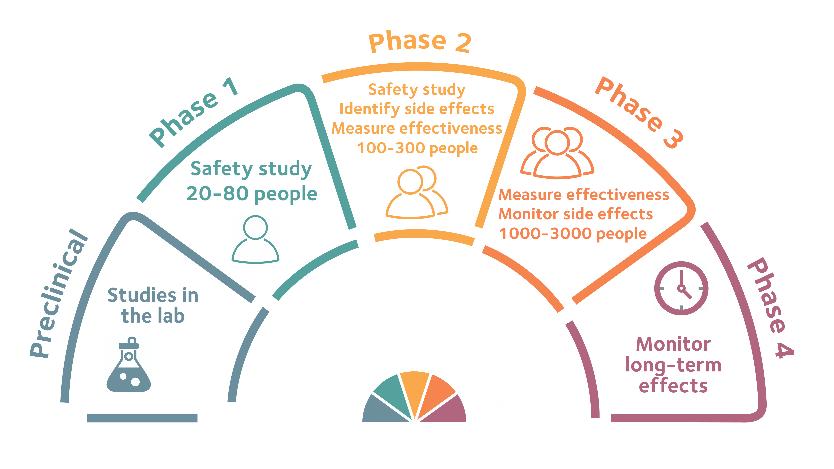
This final stage is especially important because no clinical trial can identify every possible result before a drug reaches the public.
Regulatory bodies, such as the MHRA in the UK and the FDA in the US, exist to make sure this process is followed properly. They review evidence, approve or reject medicines, monitor side effects, and can restrict or remove unsafe drugs from the market. Although this may slow scientific progress, it exists to reduce the risk of harm and adverse reactions in patients. Overall, regulation acts as a safety and ethical checkpoint, ensuring that drug development progresses responsibly.
In conclusion, the lecture showed that pharmacology is not just discovering new drugs but also ensuring that those drugs can be used safely and responsibly in patients. A treatment may appear effective in preclinical studies and in early testing, yet still cause serious harm if its toxicity, dosage, or long-term effects are not fully understood. The
history of toxic substances, alongside major drug safety failures such as thalidomide and TGN1412, shows that even promising treatments can become dangerous without careful testing and dose control. Clinical trials and regulatory oversight therefore have an important role in ensuring that new medicines are both effective and safe. Ultimately, the real measure of progress in medicine is not how rapidly new drugs are produced, but how safely they can be used to treat patients.


Human (terrestrial)
Earthworm (terrestrial)
Lady Eleanor Holles School
Griffiths L4L , Sienna Davies L4Y
U5W , Mali
Yusef L4X , Jemima de Rivaz
An aiah
Brain, spinal cord, peripheral nervous system (nerves )
Brain in centre, ventral nerve cord, segmental ganglia
Testes and ova ries (multiple times)
Hermaphrodites, clitellum (many times)
Ragworm (aquatic)
Dorsal brain, ventral nerve cord, segmental ganglia
Nervous system
Epitoky ( one time)
Reproductive system
Overview and Aims We completed this project to investigate the d ifferent systems within a ragworm ( Hediste di versicolour) , in comparison with the common earthworm (Lumbricus terrestris) and in humans ( Homo sapiens) We aim to understand the adaptations of each worm to the biome they belong to , particularly within the con text of industrial uses for each species. To do this, we plan to complete a dissection of a ragworm , alongside indepth analysis of each species.
Evaluation and next steps
One way we could extend this project is to complete respiration and reaction tests across the species . We could also explore how these physical factors may impact ragworm as fishing bait .
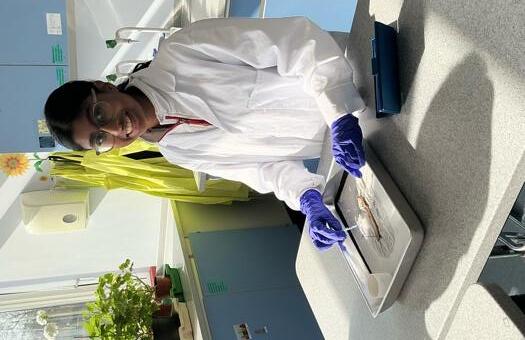


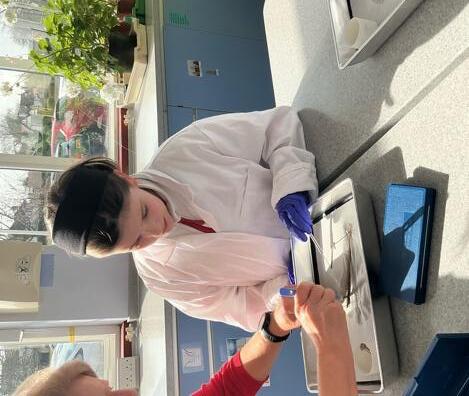
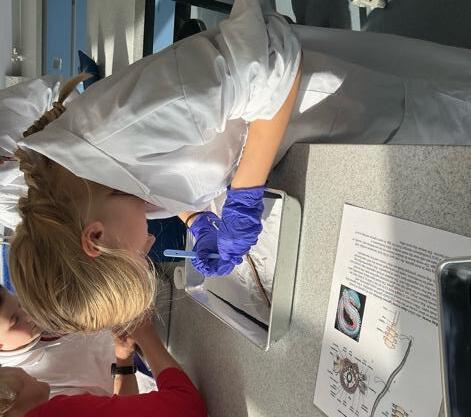
Research and Investigations undertaken We began with extensive research of the ragworm as a species, using a combination of online sources and encyclopaedias. Having formulated this into a ‘factfile’, we began to explore the internal structure s of the worm, creating models contain ing the main organ s ystems, which we used as a reference during our dissection. Before opening the worm, we observed its external f eatures. This allowed us to identify the parapodium and setae along each long edge ; the ever ted probosois, prostomium, eyes, perisome and antenna at the upper end; and the pinnuels and branchiae . We then pinned the worm down at each end, a nd created a shallow cut along the center of the ragworm, marked by the stomach line. Pinning this open to see inside, we began by identifying the mouth (external) , leading through a tube into the pharynx at the head , into the oesoph agus and int estines. These ran the whole way down the worm, to increase the sur face area and therefore maximise diffusion of useful substances into the body. We cut this out, revealing the brain that lay directly beneath the pharynx, and the spinal chord that ran from the brain to the end a gainst the base outer layer.

Human ( terrestrial)
Earthworm (terrestrial)
Omnivore –vegetation, whole grains, proteins
Detritivores –dead leaves, roots, a nimal manure
No crop or gizzard. Contains stomach, two intestines, and a liver
The same as in a ragworm
Bones, joints, muscles, tendons and ligaments
Gas exchange between lungs and bloodstream
Results and Conclusion
Ragworm (aquatic)
Diet Omnivores –detritus, algae, plankton , mollusks
Contains a mouth, pharynx, crop, gizzard, anus and intestines
Digestive system
Peristalsis
Hydrosta tic pressure, parapodia.
Movement system
Passive cuta neous respiration across skin
Passive cutaneous respiration in parapodia
Respiratory system
by Anoushka M and Yilan M
Summary:
Our programme is a simple way of allowing users to play musical instruments digitally, similar to apps like Garageband. Users can play notes from the first three frets of a guitar as well as di@erent chord combinations, allowing most popular songs to be played. This makes it a great alternative to traditional instruments as it takes up much less space than a traditional guitar and is more easily transported providing a fun and interactive way to learn music theory or play with friends on the go.

Background:
For this programme, in order to display visuals and sound, we had to use the pygame library in python. As this library is not included as a part of the Computer Science GCSE course, we had to search for online resources such as internet forums to learn how to use this library to import pictures and sounds.
Since we wanted this programme to be practical for playing songs, we also researched the most common chords on the guitar that appear in most songs. These are C, G, D, Em and Am so we knew it was vital to include these chords so that users can play almost any song that they would like to, as this is the primary purpose of our programme. After some deliberation, we finally decided to only include all major and minor open chords since this allows for a wide variety of songs to be played but unlike with fretted chords, there is a finite number of them making this programme easier to code.
Coding process:
For our game, we decided to use the pygame module in python. Python was the only language we felt confident enough in to code our project in, and the pygame library would allow us to fully implement everything we wanted to. However, neither of us had coded with it for two years so before we could get started with coding, we had to remind ourselves of how to do so. We did this using resources on YouTube. Our next step was to gather all our ideas onto a massive mind map to plan our next moves. Initially, we wanted to try and code both a piano and a guitar, but we ended up just focusing on the guitar due to time constraints with mocks and coursework. We started our code with just a basic game loop. Then for our background, instead of attempting to model the shape of a guitar ourselves which would prevent us including may details, we decided to draw our own visuals and import them. The next step was to add the buttons the user would click to play the notes. We considered including all possible notes, however using the computation thinking concept of abstraction, we realised that we only really needed to include 24 notes as they were the ones most used. To play the audio we had recorded, we decided to use pygame.mixer() so it remained cohesive with the rest of the program. Overall, though it was initially a bit hard getting used to pygame again, the coding process was relatively enjoyable and allowed us to consolidate our python knowledge.
When we first began writing this programme, we found that the computer we were using was too old, making it laggy and also prone to crashing often, erasing a lot of our progress. Due to the storage that this programme required, including visual and audio files, the computer we were initially using was unable to cope. This problem was luckily solved as our team member’s family decided to upgrade their computer, allowing our programme to run smoothly without crashing.
As aforementioned, we at first struggled to code this programme since we were using the pygame library, something our team members had little experience with. This was a major challenge since we were unfamiliar with various the built-in subprograms in this library. We did lots of research, both online and using books, in order to learn how to make features of our programme such as visuals, audio, and buttons.
Evaluation:
Our programme could be improved by allowing the user to perform a greater variety of tasks. This could include adding the ability to play fretted chords, allowing the user to play more di@erent chords as well as allowing them to choose between a more resonant sound from open chords or a more controlled sound from fretted chords. As mentioned earlier, we have chosen to only include the first three frets of the guitar as this is most practical for both the storage space on the computer, as well as allowing the user to play most notes and chords. However, going forward, we could also add more notes and chords from the 4th and 5th frets to allow an even greater range of sounds to be produced.
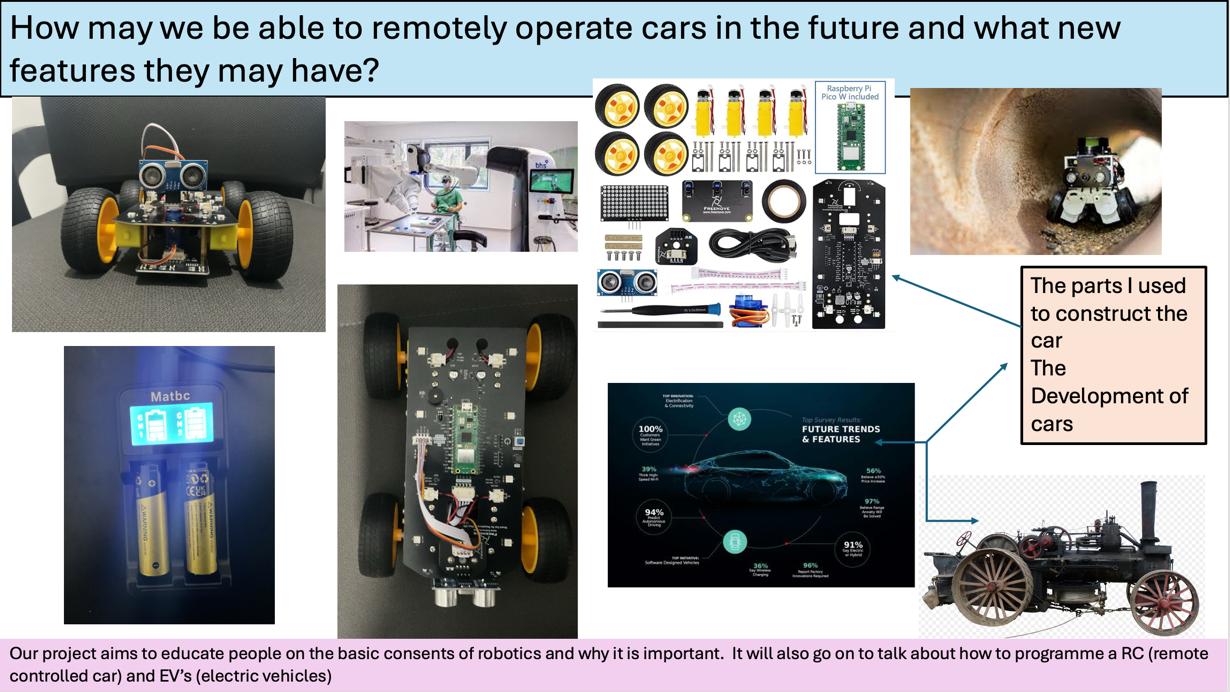
Using the Raspberry Pico Microcontroller and Python to control a wide range of buttons, sensors, LEDs, servo’s and Motors

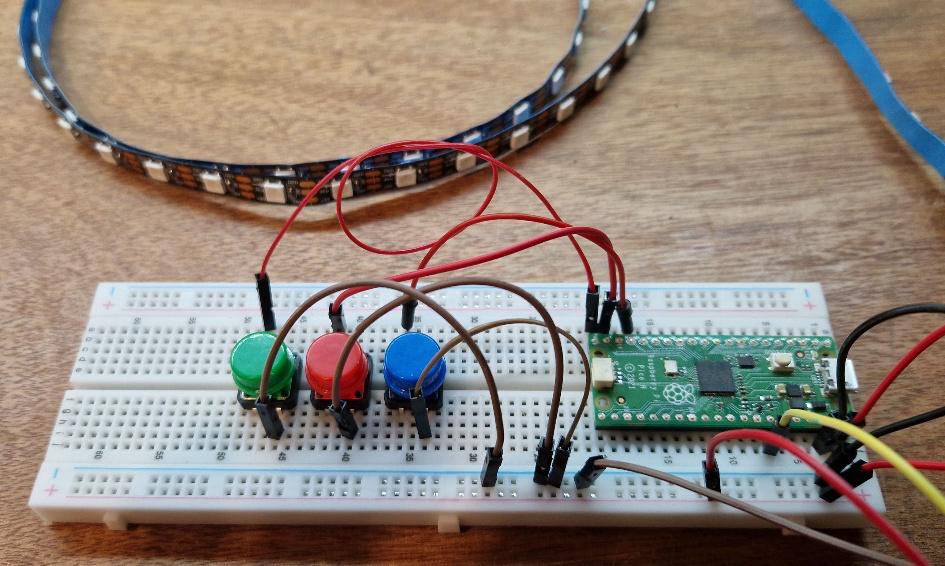
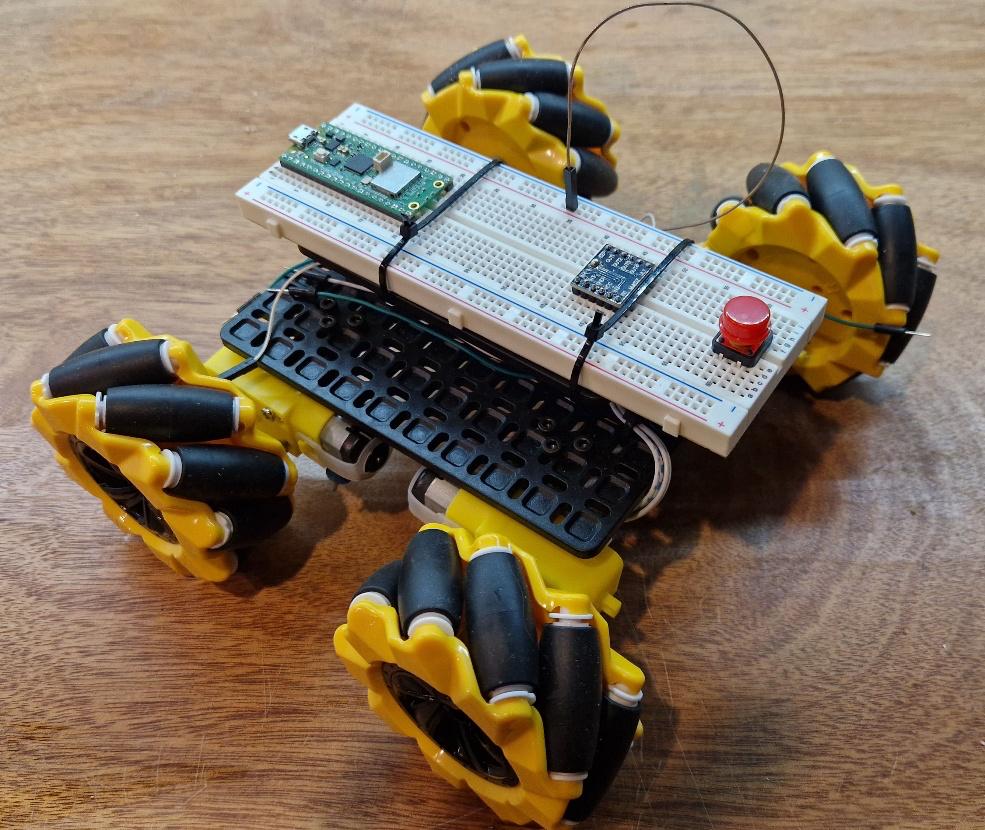
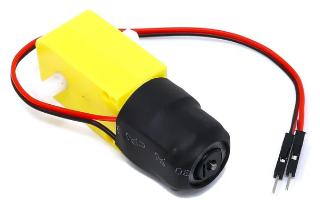

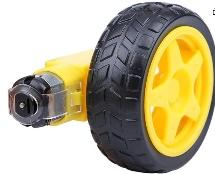
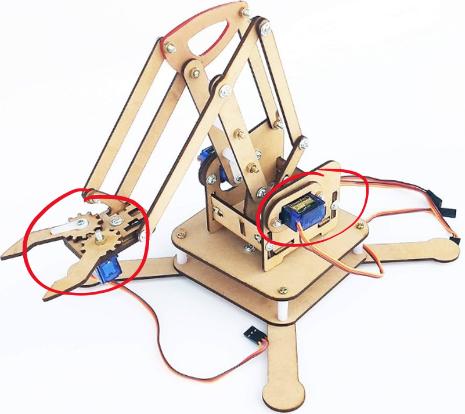
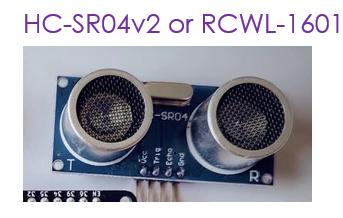


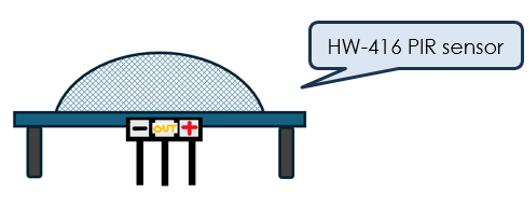
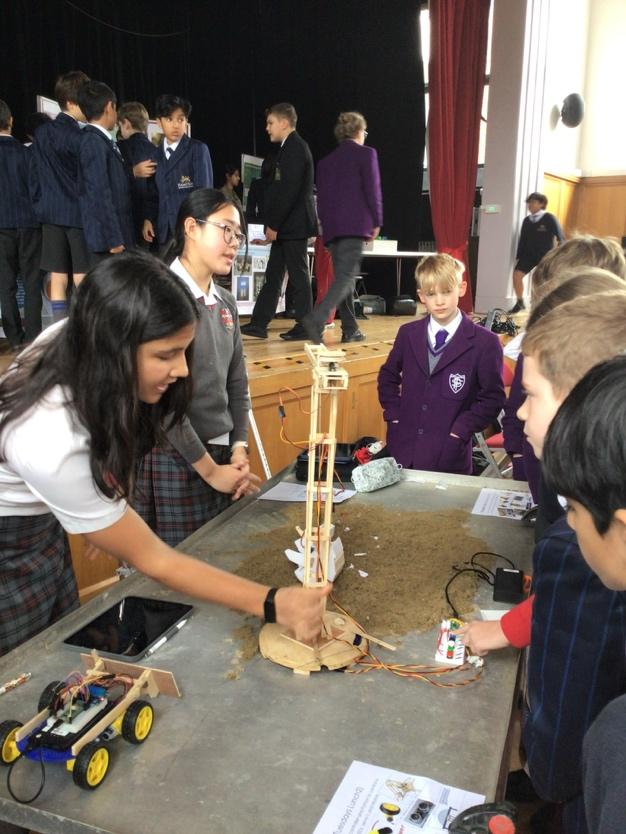
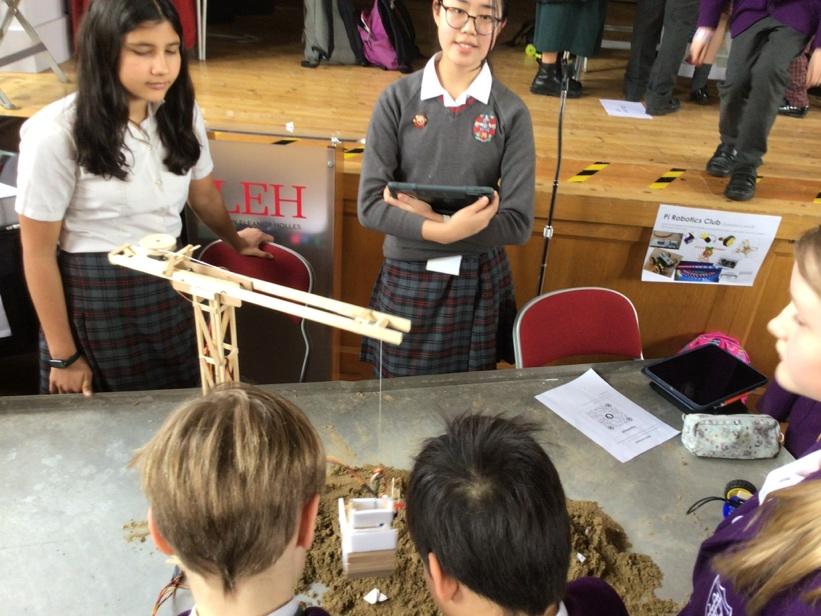
By Sabri Chavda , Jess Johnston and Poppy Farstad
Introduction: With sports being essential for maintaining a healthy lifestyle and providing joy in everyday life, finding ways to improve p erf ormance is key, which is why sports performance technology is a continuously growing market. Experiencing progress remains vital for increasing enjoyment levels, and studying energy transfer can help analyse efficient ways to enhance performance. In our research , we tested how energy input affects energy output in swimming and golf. The experiments showed how increasing the rate of energy transfer increases forward motion, but with diminishing r etu rns due to drag. The results can be used to evaluate areas of focus for improving performance, and thus also sports enjoyment.
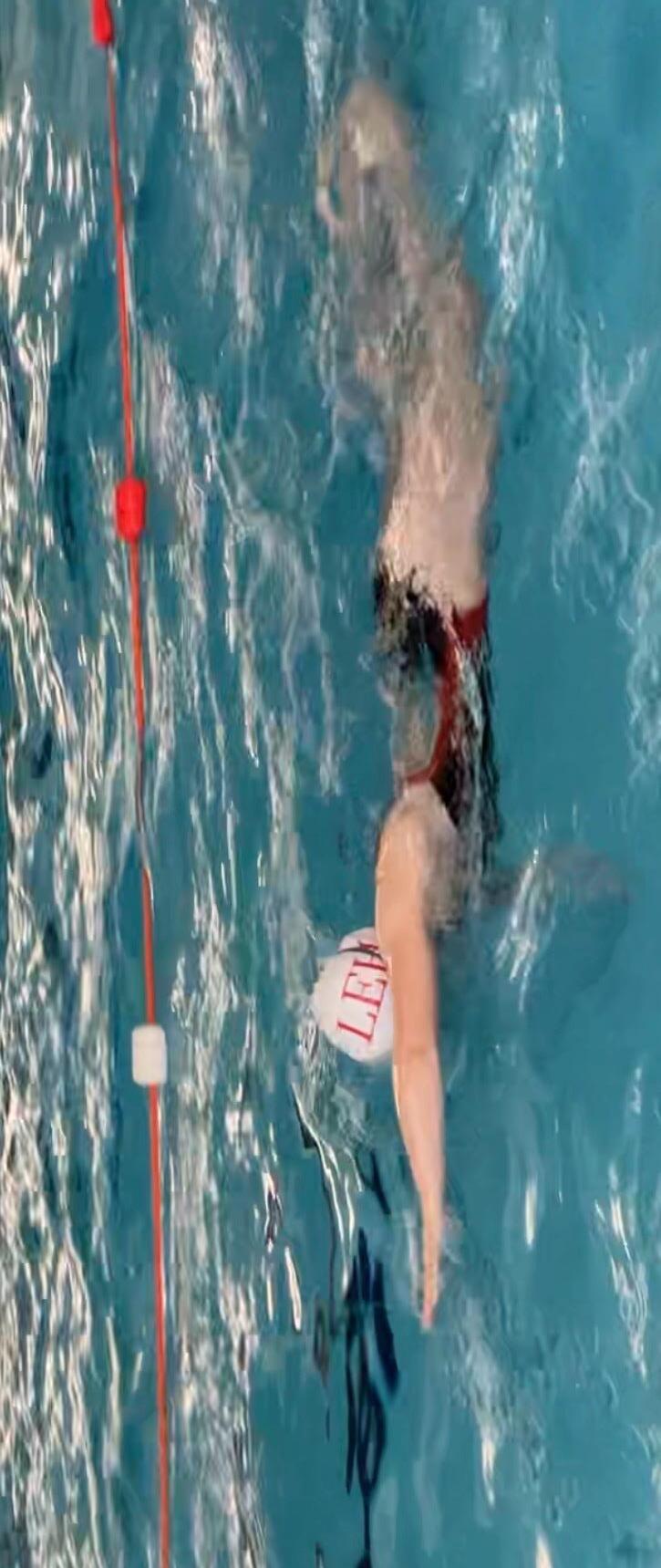
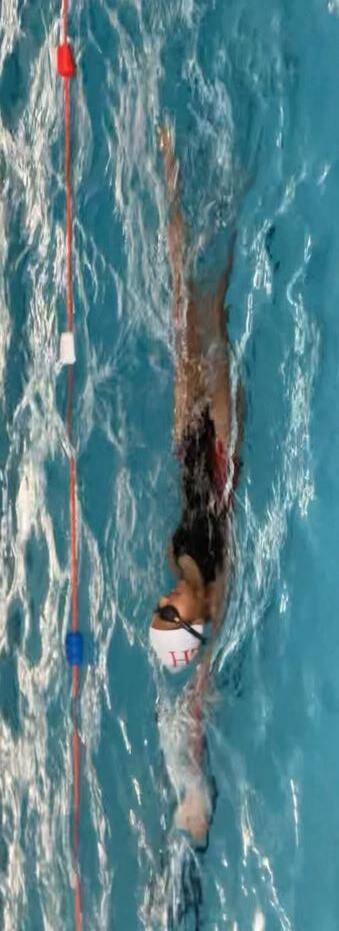
Analysis: In the recordings of swimming, it became clear that although the 100% effort swims were significantly faster than the others, technique was suddenly lost.This is due to the human body and its natural instinct . When increasing in speed our bodies are used to using more brute force and therefore tend to tense muscles rather than relaxing them. This not only prevents you from swimmin g a s swiftly as you can, but it can also lead to a reduced DPS (distance per stroke). Swimmers will tend to become unable to uphol d t heir DPS, so instead they will simply increase their stroke count. This shows that although the quantity of effort put in does lea d t o the output of a faster result, that result could be taken to great heights by swimming at 100% effort, while concentrating on tec hni que as well.
Method : The experiment included a 25m length pool, and two swimmers. Swimmer A swam the front crawl and Swimmer B swam the backstroke. The swimmers each did three separate lengths for each 25% effort, 50% effort, and 100% effort. After each length had been swum, the swimmer walked back to the same side of the pool to ensure that our data collection method was reliable. We recorded the time taken to swim from one end of the pool to another, the amount of strokes and distance swum, using a stopwatch and recordings. Hypothesis We expected that the more effort put in would result in a faster time overall. However, we also knew that since water is just under 800 times denser than air, that the drag would slow us down when putting in maximum effort swimming.

Method : The experiment included a 7 iron, three range balls and one player. The player hit the three golf balls with low, medium and high swing speed, using swing speed as a proxy for energy transfer. After each shot, the strike, swing speed, carry and distance were recorded using Trackman technology.
Energy transfer is essential to achieve forward motion, and increasing energy input when practising a sport –whether it is swimming or golf –increases output –distance but the results diminish in significance when higher rates of power are applied due to drag. We also appreciated that our data collection method was subjective and so to prevent this as much as possible, we prioritised using quantitative data and utilised two different swim mer s for the experiment. This ensured that a fair range of data was represented in our investigation.
The research highlights that to a chieve high performance, power is important, but technique is key. Executing a successful golf shot, for example, is a combination of Strike + Loft + Speed = Carry. This means that a player with less power –slower swing speed –than another competitor can still execute a more successful golf sh ot if achieving a better strike. A swimmer that cannot keep their DPS consistent during a race has less of a chance of winning the rac e compared to a swimmer who is consistent with technique and speed. Balance between the two is crucial as the output motion is not dependant simply on the force applied against the water.

r younger athletes in general, physical development will play a part in ability to reach full power, but with the research highlighting the importance of technique, technique should be a priority in the development phase This suggests sports coaches need to consider how to keep young athletes with potential committed to a sport when facing limitations in energy input due to physical factors like height, ensuring they remain motivated and can reap the ben efits in future instead.
Results:
Analysis: The experiment showed that when swing speed increased, carry and distance increased, but the increase was more significant from a low to a medium swing speed than from a medium to a high swing speed. The research also highlighted increasing the energy input to full power risked jeopardising the strike, resulting in an unclean hit. When testing the driver for comparison, it was particularly obvious that a clean strike was equally important to power when reaching a high speed, as the driver is the longest club and would therefore reach an even higher speed than the 7 iron used in the experiment. This indicates technique becomes more important than power when operating at full power.
In order to investigate the issues that needed to be addressed through my project, I conducted initial research through visiting a rowing race, firsthand experiencing the rowing, and interviewing relevant
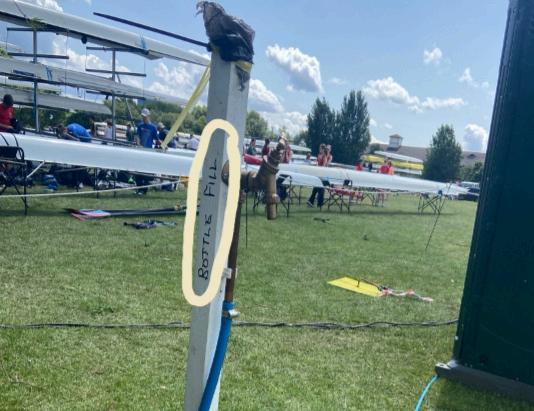
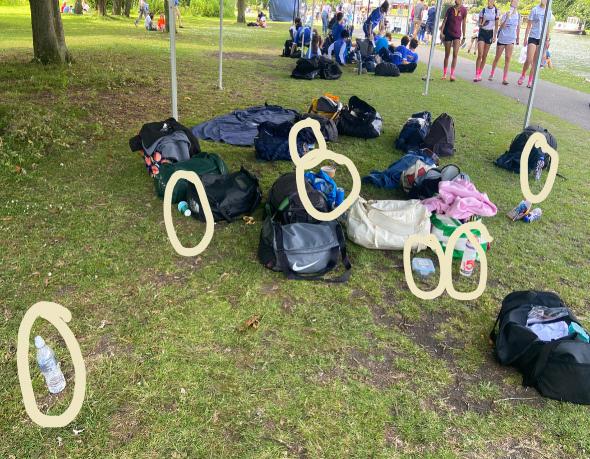

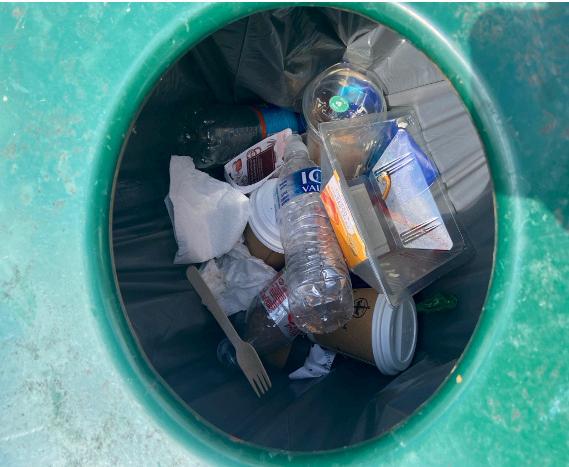
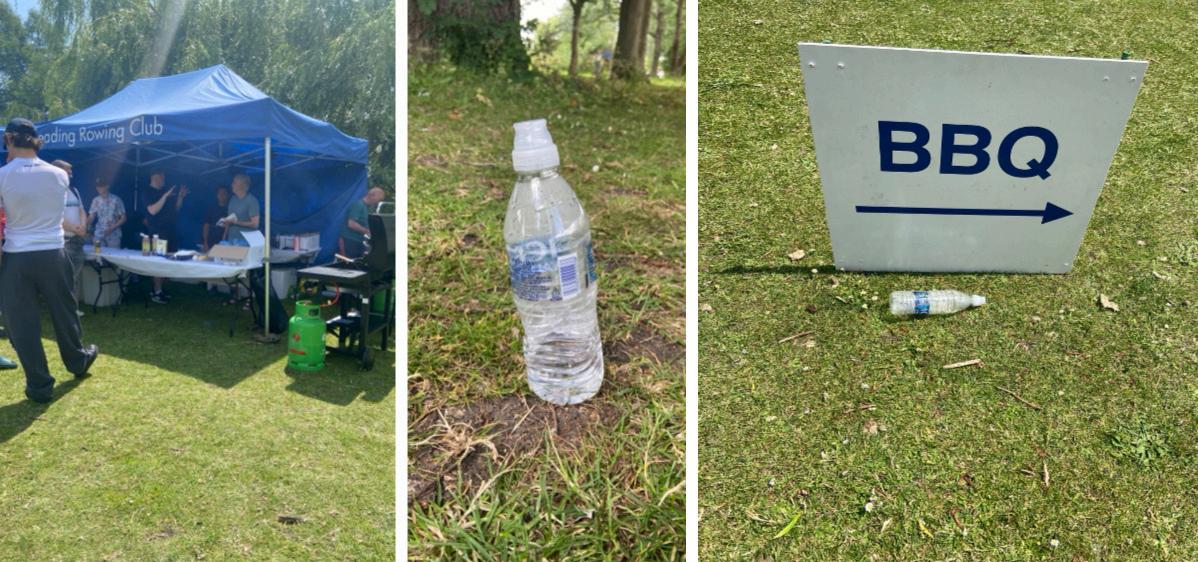
Through this I identified several issues such as an overuse of single-use products such as water bottles in response to the hot weather which whilst creating business caused litter and pollution as well as being inefficient (not solving dehydration) and unspecialised (therefore people left them lying around) especially for the athletes
Interview and primary observations with John (62) John is a first-aider (and possible stakeholder) who often volunteers and works at rowing regattas, where he treats participants who need aid From a first-aider s perspective, he told me many of the issues he encountered were caused by a lack of suitable / compatible preparation for event conditions causing dehydration sunstroke and fatigue which has a detrimental impact on rowers’ performances
Primary user requirements:
PUN1: The product needs to improve athletes’ access to hydration in the rowing boat
PUN2: The product needs to not be a distraction or obstruction to rowers whilst rowing (ie no noise movement or excessive usage time)
PUN3: The product needs to comply with and not have an impact on sporting event / competition regulations and proceedings
PUN4: The product needs to be safe and not cause injury / illness nor damage to neither any people involved nor the boat
PUN5: The product needs to have sufficient liquid capacity for the duration of the rowing session
Primary user wants (ranked by importance):
PUW1: The product should be simple and quick to use
PUW2: The product should integrate or accommodate a range of existing hydration systems
PUW3: The product should be customisable or applicable to a variety of boat sizes and users
PUW4: The product should be thermally controlled, or insulated
PUW5: The product should be easy to clean (dishwasher safe if applicable)
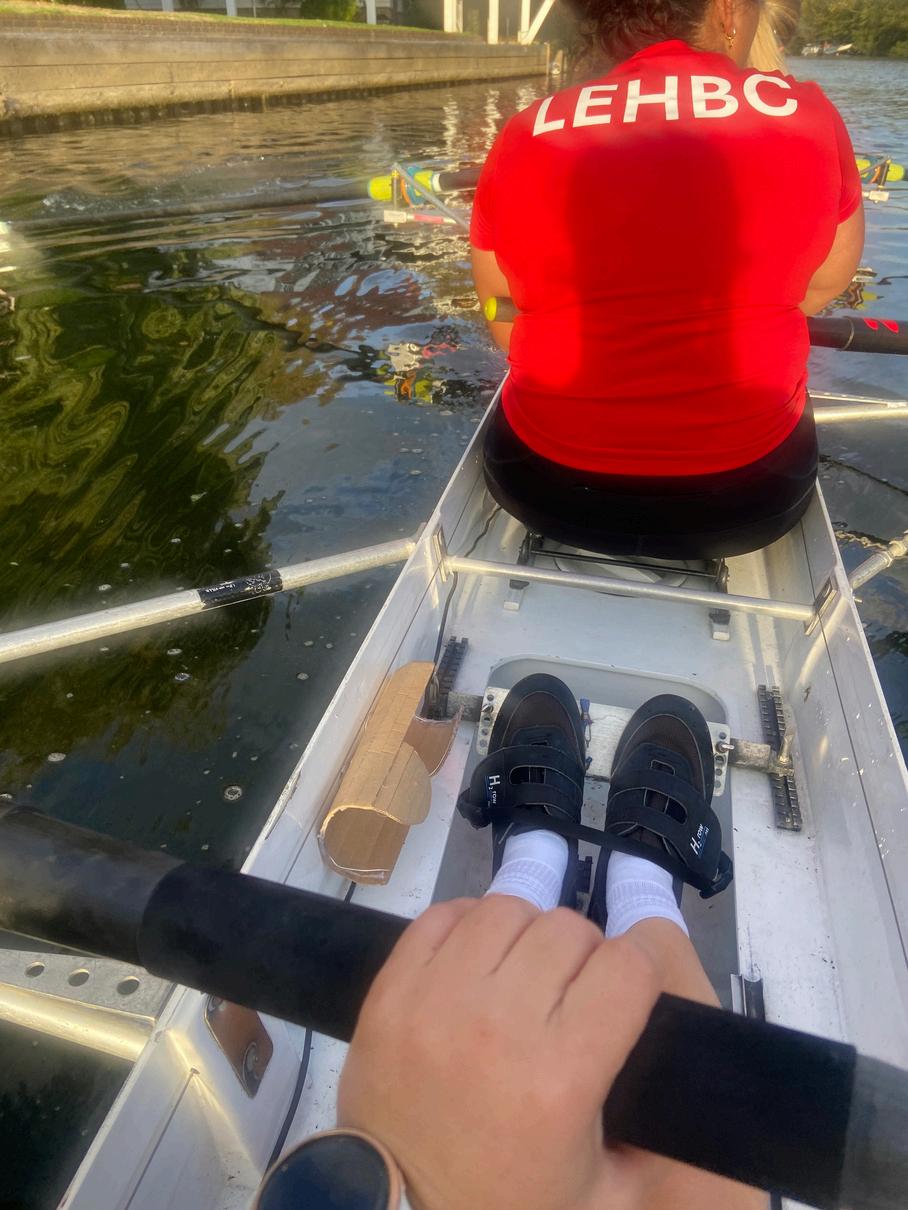
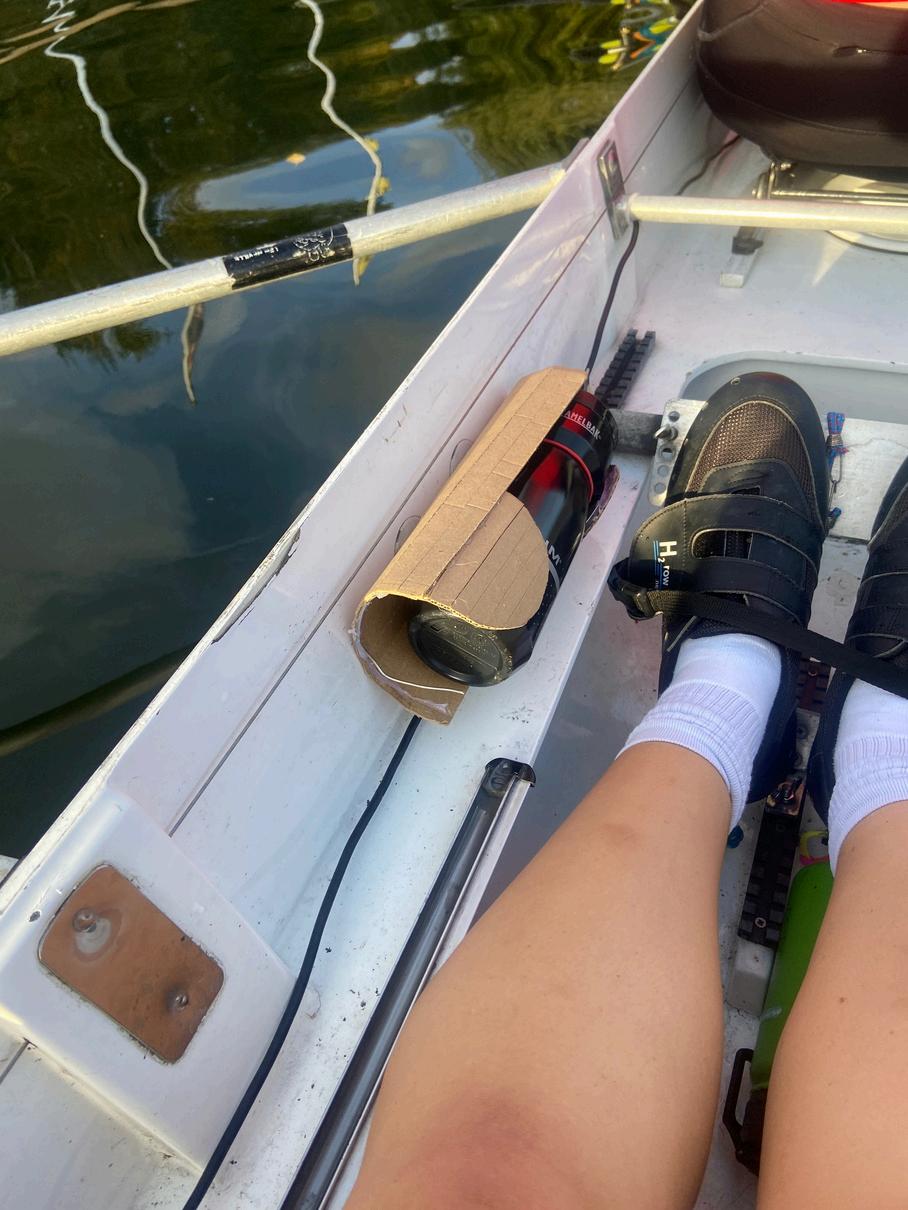
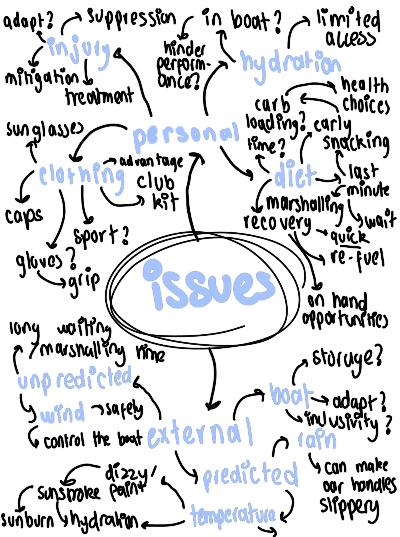
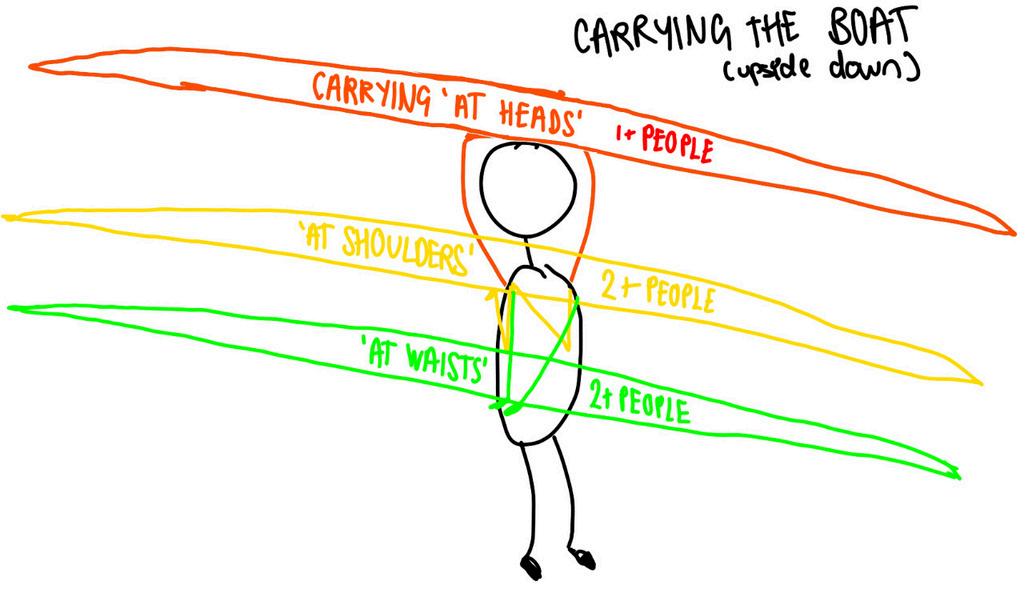
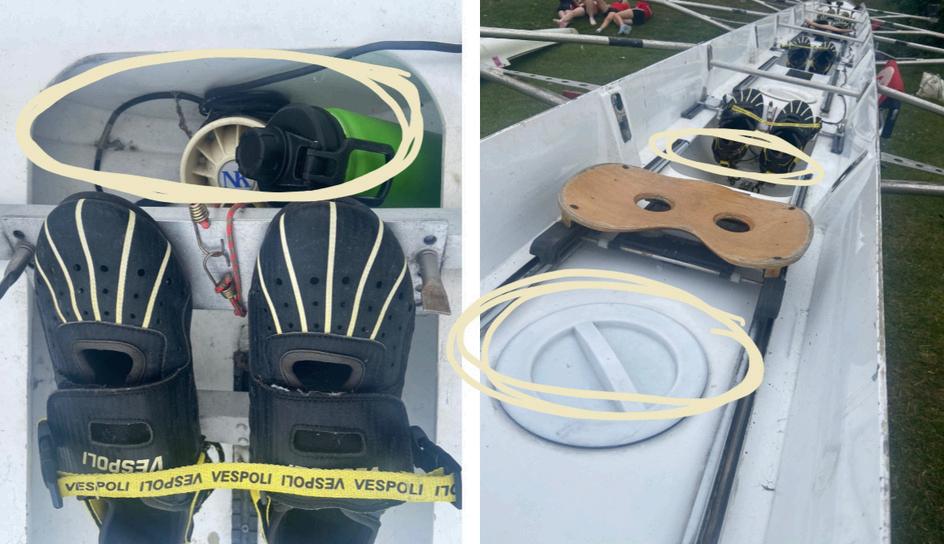
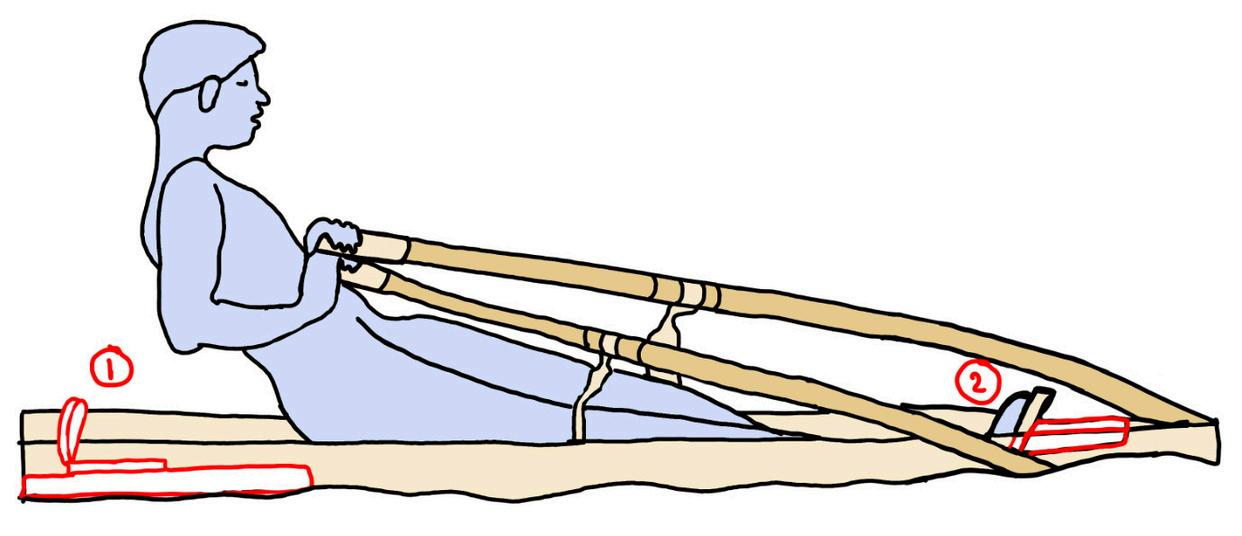
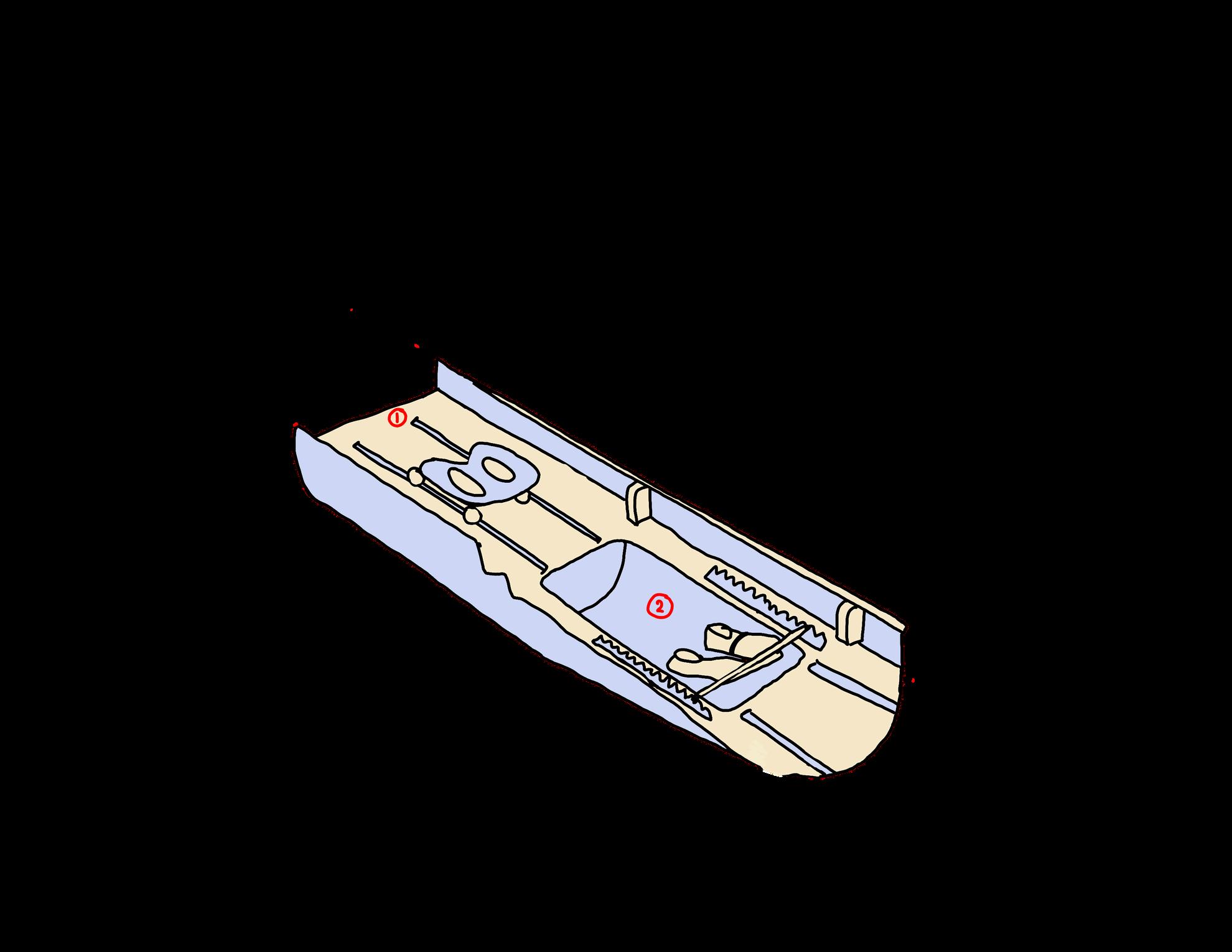
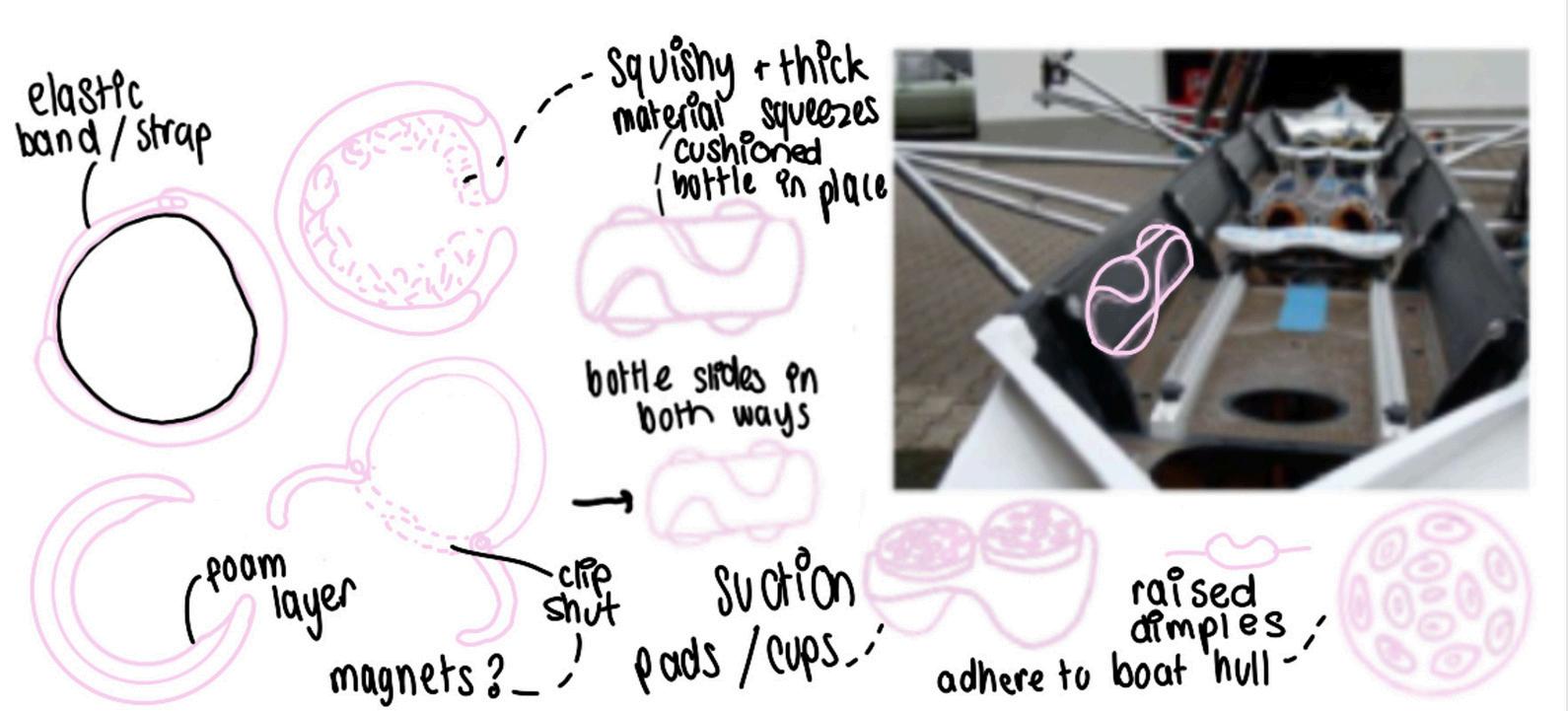
As shown in the illustration, created after research into the experience of athletes in a rowing boat (see photos + videos), there is limited capacity within the boat for devices that can improve the hydration of rowing athletes when they’re on the water. What little space there is (see labelled 1 and 2, respectively: the hatch cover, which opens into the hull of the boat; and the space around the footplate, which exists to allow the customisation of the length of each individual’s stroke, and therefore cannot wholly be obstructed) is not designed for, or particularly compatible with (see evidence) such devices, especially due to boat transportation methods (see diagram of carrying boat upside down above heads, where bottles would fall out).
Many rowing athletes participate regularly in rowing competitions, whether heads or regattas, in a variety of conditions, both personal (such as body water content) and external (such as temperature and weather), which can have a significant impact on performance. I will investigate the issues they face and design a product which will improve the athlete’s physical condition through hydration with the aim of therefore benefitting their performance in sporting events
Fitness: all users fit, athletic, and fully mobile
Level: competitive student rowers
Training type: typically coached 1-2 hours on water sessions, with set training plans regular competitors
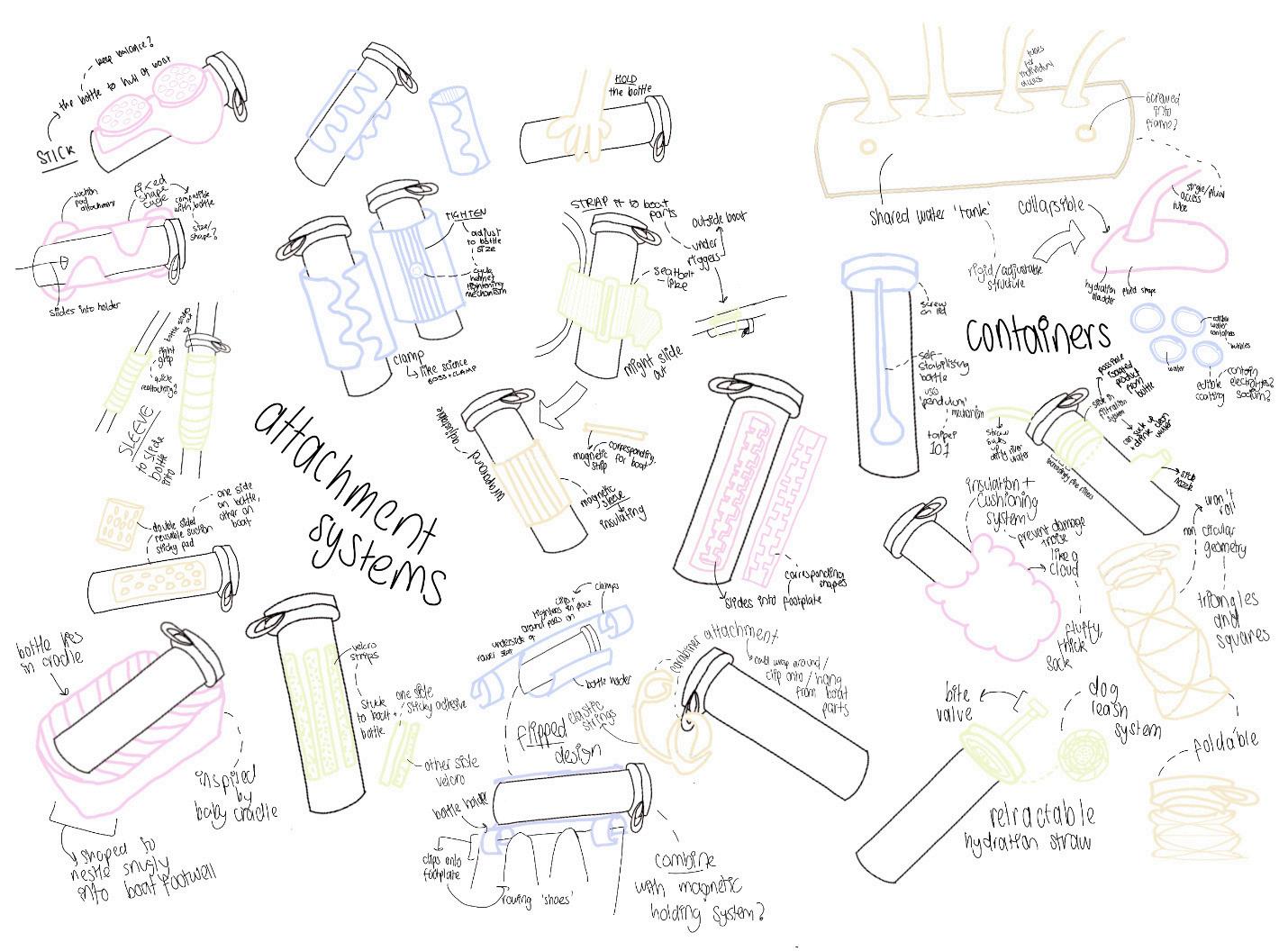
Based off of my primary user requirements and wants, I created a variety of designs, from which I consulted stakeholders to select the best of Primary user profile: Age: youth rowers (14-18)
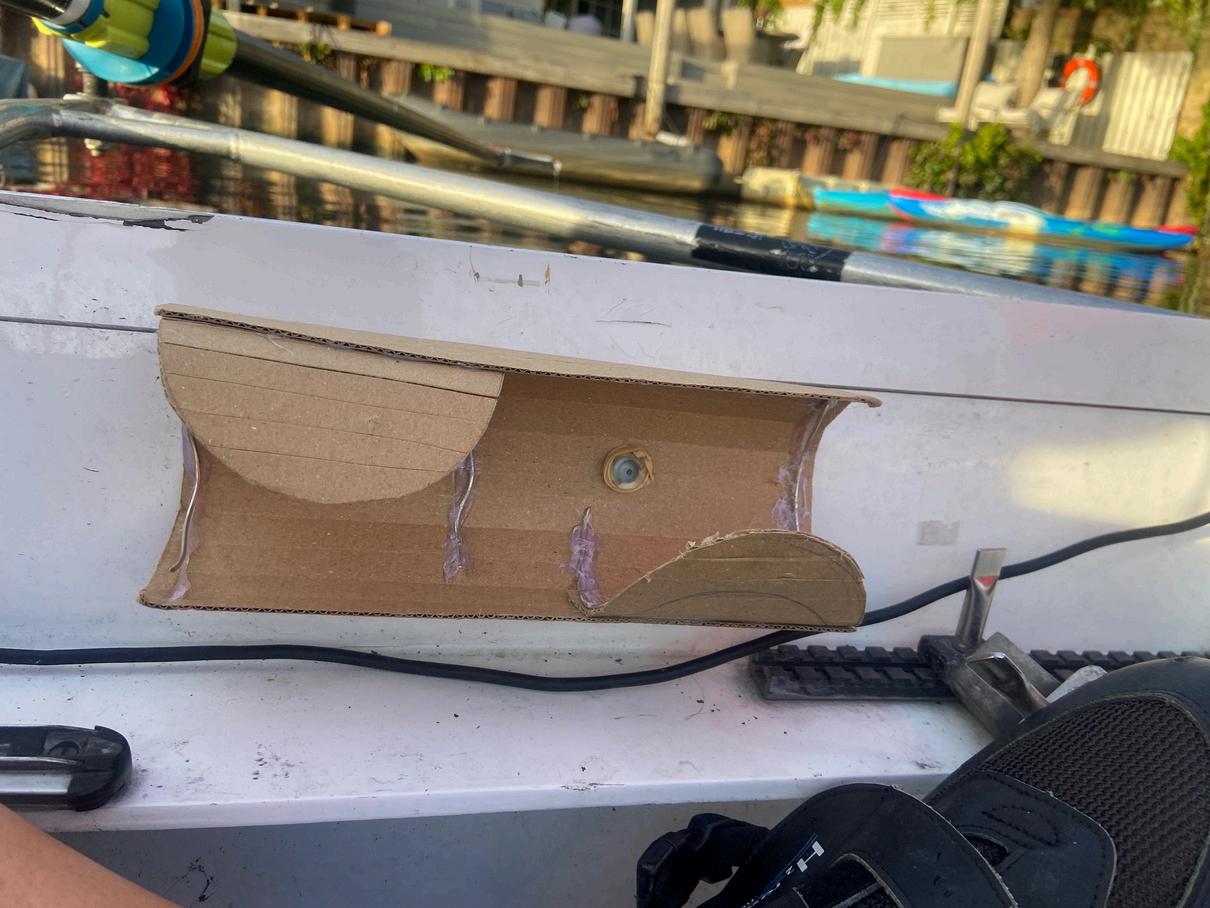
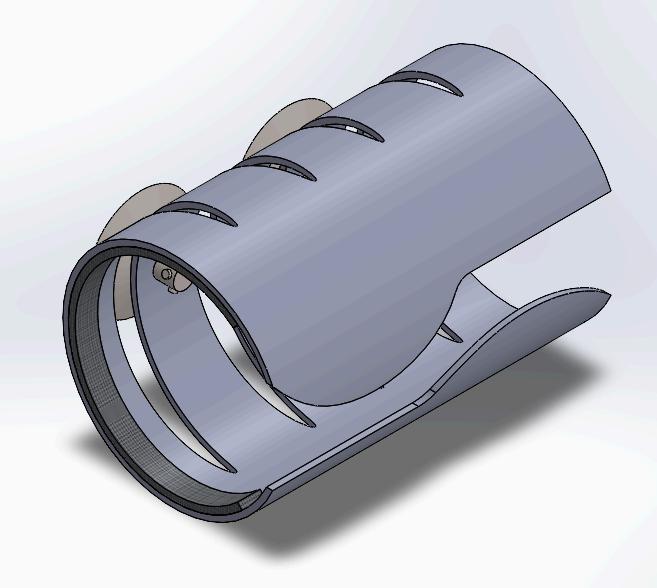
After consulting Annabel an aspiring elite rower she concluded that the suction cup attached cradle for a waterbottle design would be “quick to access” and “effective to use” Other rowers interviewed also noted it was “secure” and “wouldn’t fall off the boat and be a distraction”
I then iterated and developed the chosen design, before modelling to evaluate and refine (following engineering lifecycle)
Next steps: Final prototype manufacture Final testing and evaluation
Product branding and commercial marketing
To determine the relationship between solar weather events and background muon counts on earth, so muon count could be used as a indicator of space weather conditions.
Muons were identified in Pixet Pro as long, straight tracks which are characteristic of high-energy charged particles. To establish a baseline, background muon levels were recorded before each set of readings in order to ensure accuracy of our results.
A range of natural materials (bananas of different sizes, amethyst, stalactite, "fool's gold", fossils, historic metal artefacts) and a man-made source (microwave) were tested; although these materials are only weakly radioactive, they allowed us to explore possible influences on background counts and were easier to obtain than stronger radioactive sources in a school environment. For each source, several timed readings were taken, background counts were subtracted, and results were averaged to minimise random error.
In order to compare muon count with solar activity, background muon flux was recorded on different days across the experimental period. This data was then aligned with publicly available solar activity records (NOAA, SpaceWeatherLive) to investigate correlations with solar flares and coronal mass ejections.
Background counts acted as controls to isolate the effects of each test source. Each measurement was repeated on different days to account for environmental fluctuations and to improve reliability. Averages were calculated from repeated trials to reduce the influence of outliers.
Key sources of uncertainty included detector cooling times, occasional software resets, and restrictions on access to high-activity radioactive materials. These limitations were noted, and anomalous results were identified and excluded where necessary.

We aimed to test whether variations in muon counts correlate with changes in solar activity and local background radiation. We hypothesise that background muon flux at ground level will vary measurably with changes in solar activity, due to the modulation of incoming cosmic ray intensity by the heliospheric magnetic field and solar wind. Specifically, days with elevated solar activity such as solar flares or coronal mass ejection will correspond to statistically significant variations in muon counts compared to baseline levels.
In addition, we predict that local radioactive sources may produce a measurable difference in muon detection, but at a much smaller scale than cosmic-ray-induced muons. Our experiment will test these relationships by measuring muon counts alongside radiation levels at different locations and times, and by comparing the results with archival solar activity data.
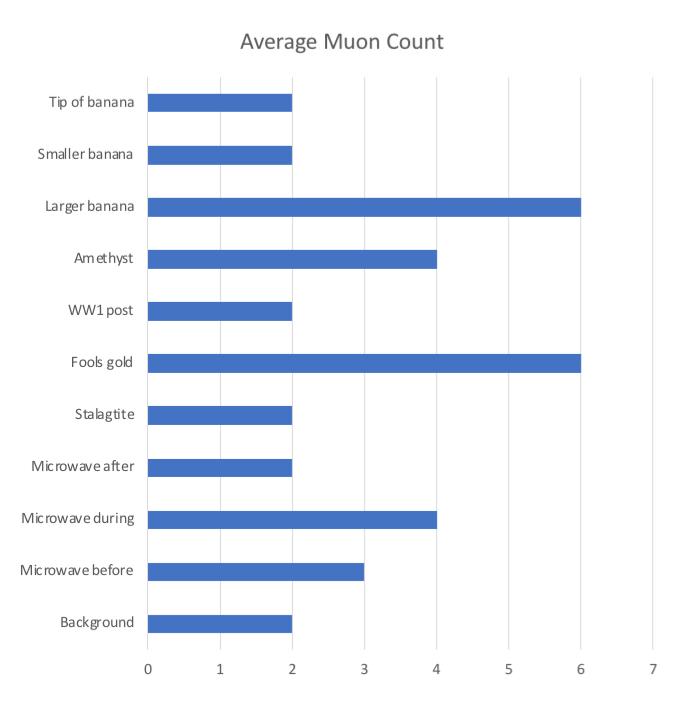
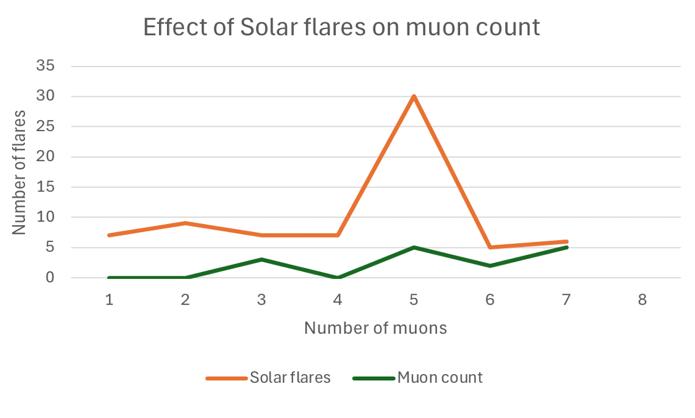
Several challenges arose during our investigation. Ensuring fair and controlled testing with the equipment proved difficult. For example, when assessing the effect of a microwave on muon count, we could not place the computer inside the microwave. This required careful positioning of the computer to avoid interference while using the microwave. Similarly, experiments involving water required frequent replacement of beakers to prevent boiling, which added complexity to data collection.
Technical limitations of our measurement tools also presented obstacles. The Pixet detector required cooling between readings, constraining the number of measurements we could take within our limited weekly lab time. Additionally, the software required reloading between readings, and particle tracking was only possible in Pixet Basic, which slowed the data collection process.
Additionally, because the number of detected muons per run was low, statistical fluctuations (Poisson noise) introduced significant uncertainty into daily averages.
Finally, material selection posed a challenge. We were unable to use radioactive materials for safety reasons, limiting us to alternative substances that had smaller effects on muon counts. Despite these limitations, we adapted our experimental setup to gather consistent and meaningful data.
Our preliminary data suggested a moderate positive correlation (r = 0.68) between daily solar flare activity and muon counts, though this was based on a limited sample size. Our peak muon background count correlated with the peak number of solar flares throughout our experimental period, being observed on the same day. However, one anomalous result was the 28th of January 2025, where we recorded a high background count but with a lower number of solar flares, but this did follow a peak in solar flares earlier in the month. Small variations in count rate between radiation sources may reflect background fluctuations rather than direct muon production. Using a scintillation counter or a larger-area detector would increase detection efficiency and reduce statistical noise.
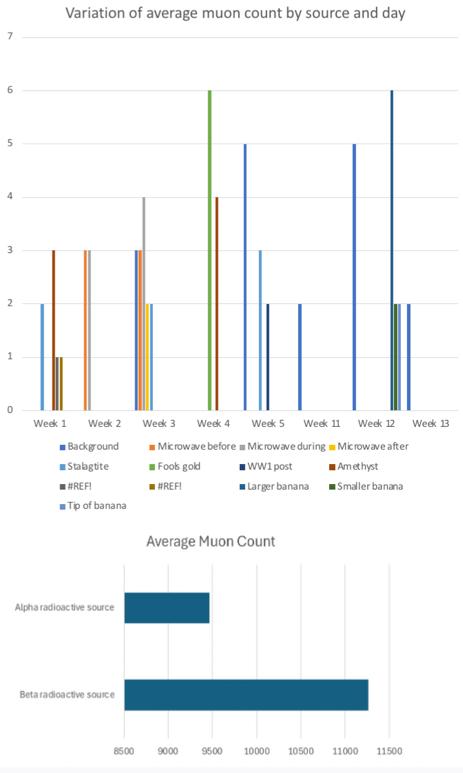
The materials that we used included: bananas; an amethyst; stalactites; fools gold; a piece of WW2 Barbed wire; radioactive sources (alpha and beta); and a microwave We stored each of these items in one place and whilst measuring we kept them separate, in order to make sure we were not accidentally picking up readings from a different source or contaminating the sources.
Reference Websites https://www.swpc.noaa.gov/home page https://www.spaceweatherlive.co m/en/reports/solar-activityreport.html#:~:text=Solar%20acti vity%20has%20been%20at,sun spot%20regions%20on%20the %20disk
https://www.spaceweather.gov /c ommunities/space-weatherenthusiasts-dashboard
https://www.metoffice.gov.uk/wea ther/specialist-forecasts/spaceweather

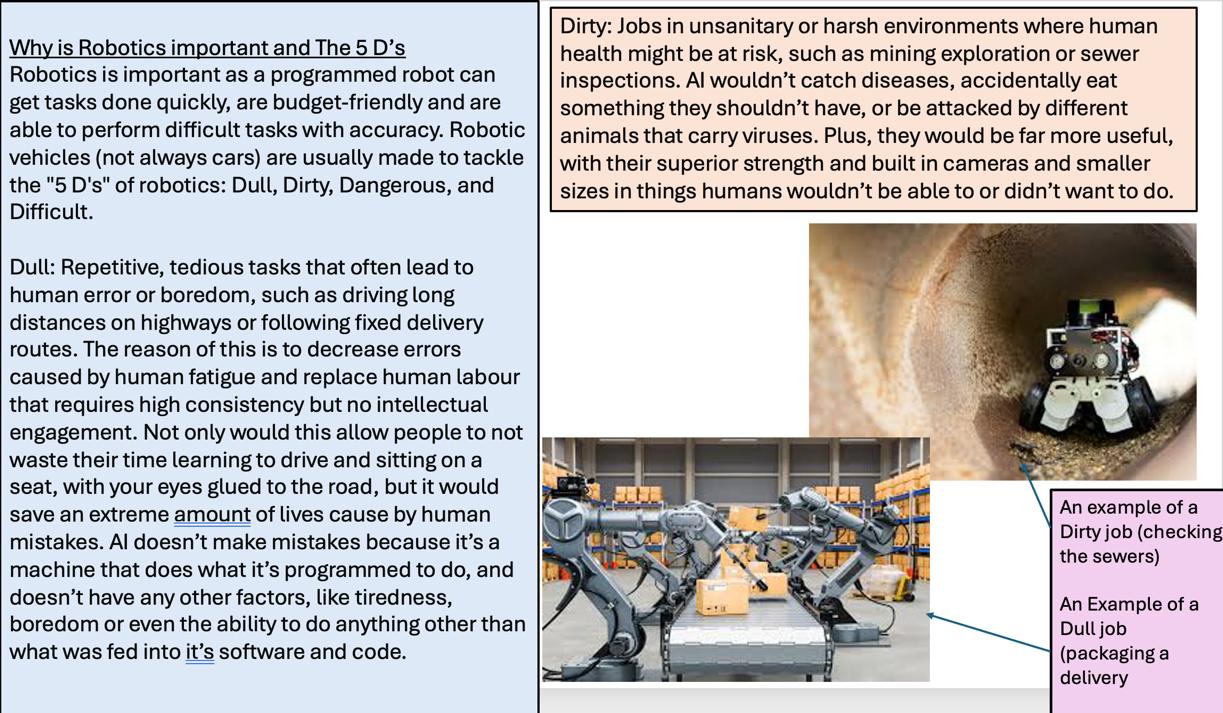
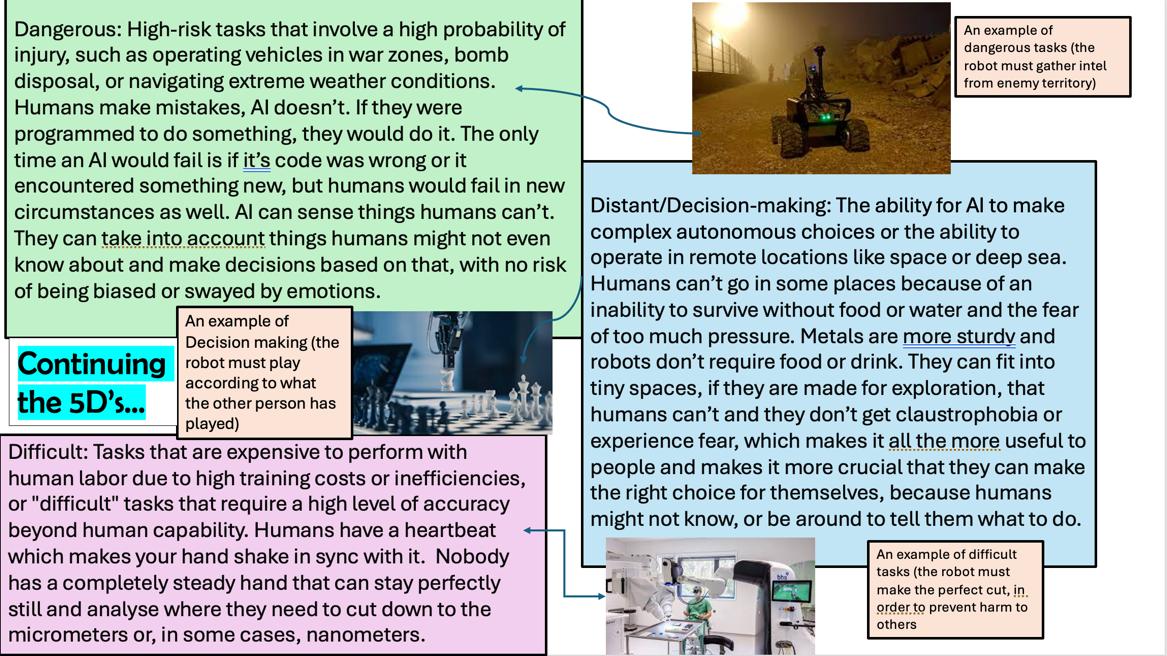
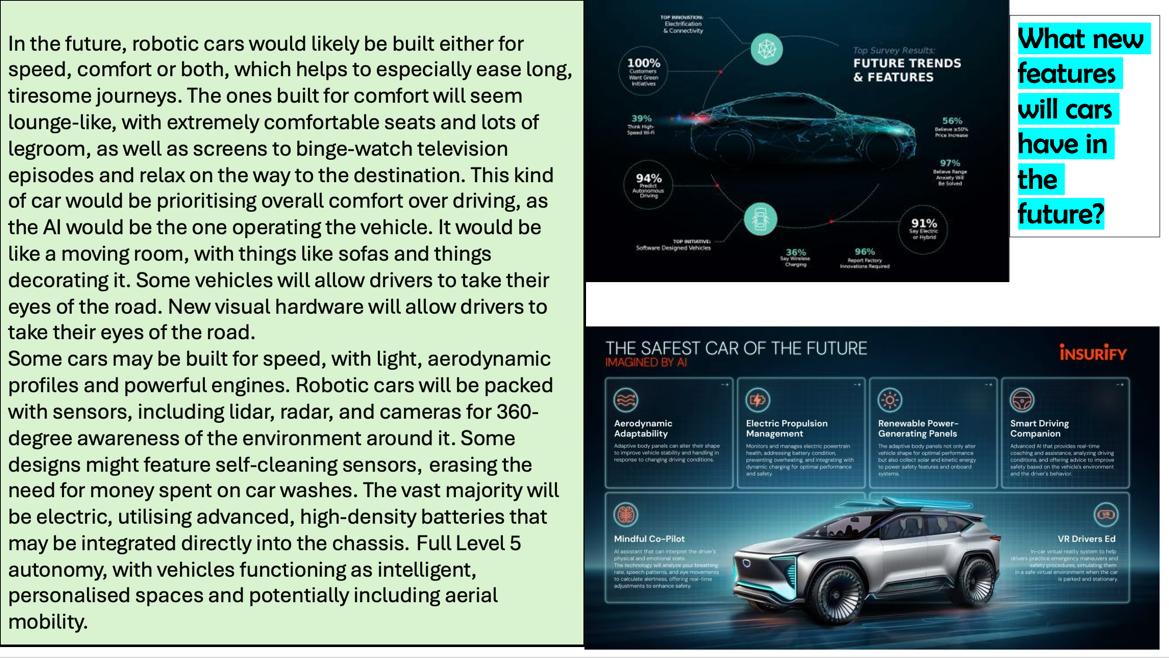
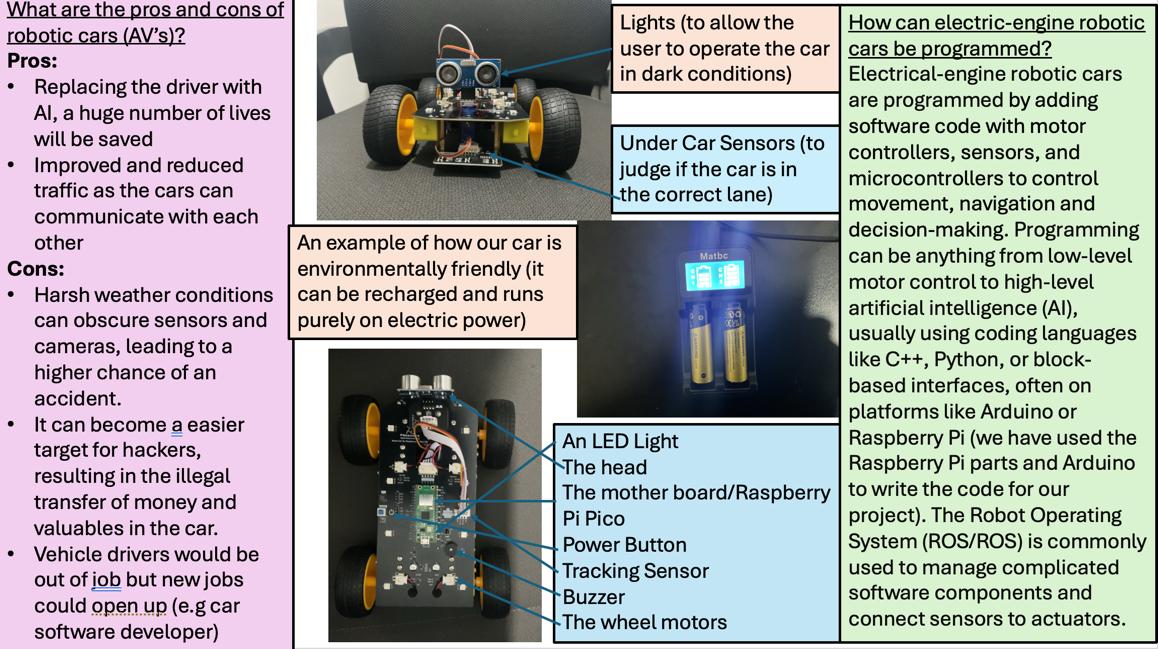

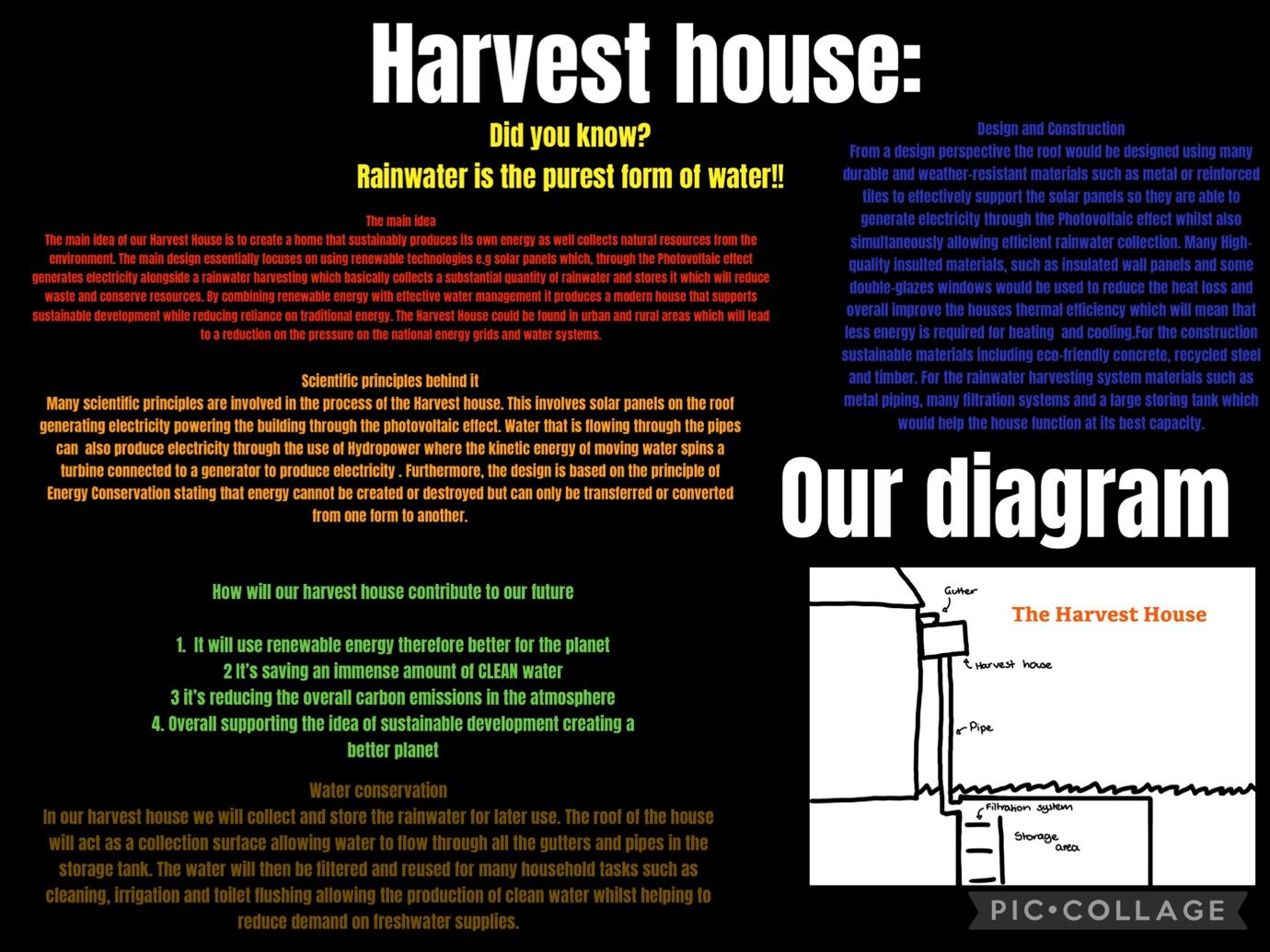
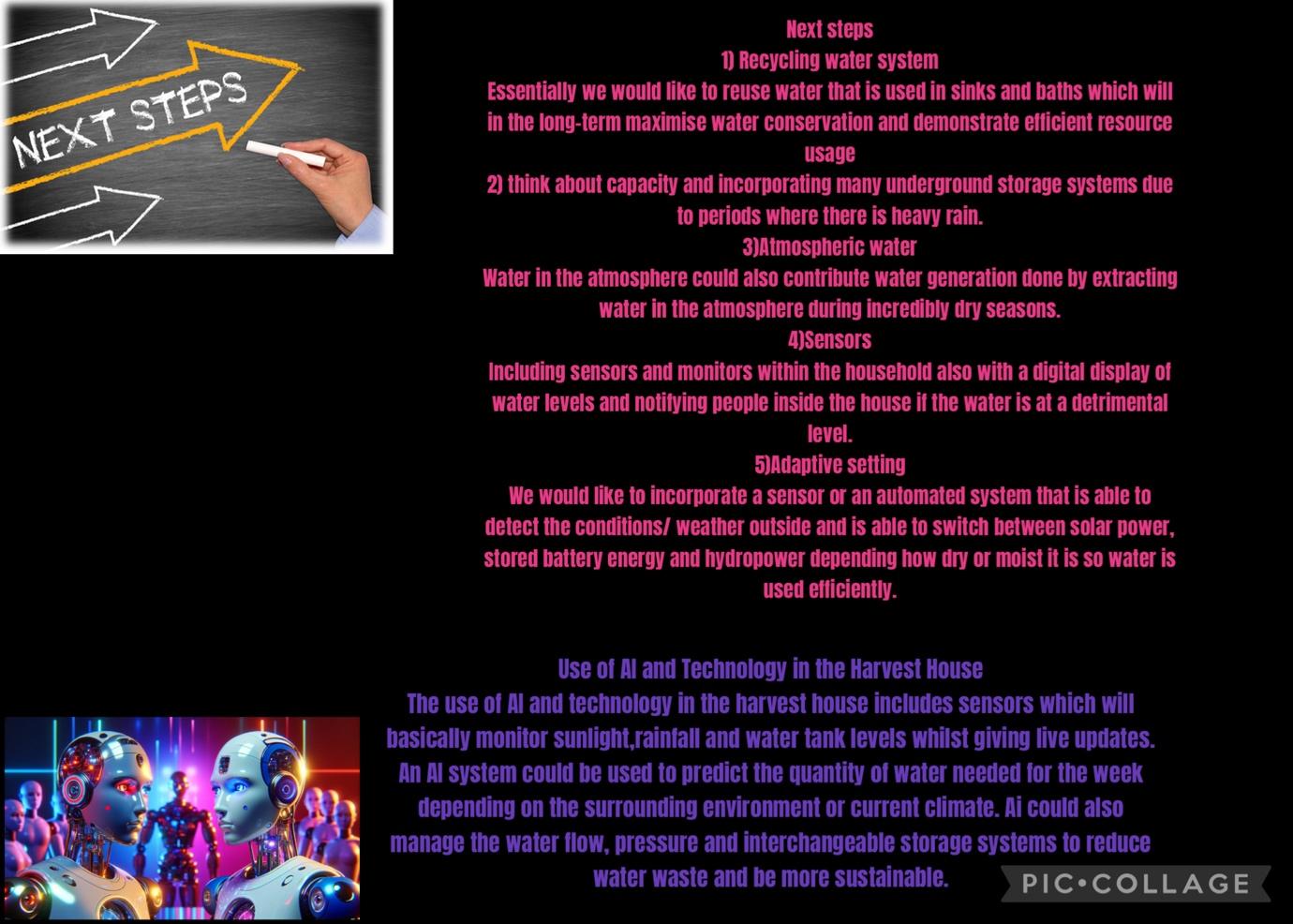
What is it? - Ooho is an edible, biodegradable packaging made from seaweed developed by the company Notpla. However, you can make it at home. Originally it was designed as a waste-free alternative to single use plastic for liquids however our idea is to change it into a alternative to swallowing tablets

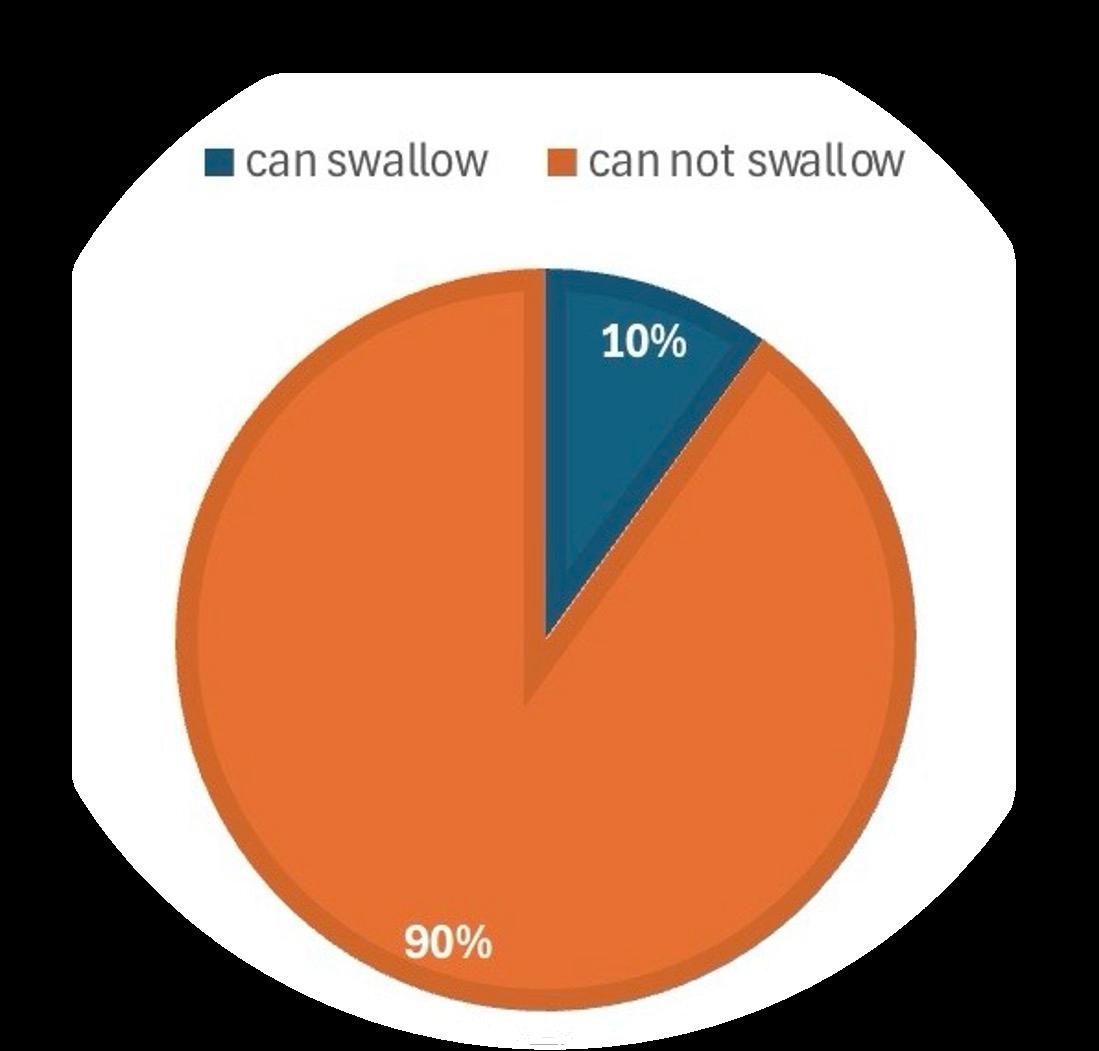

The idea- Instead of using tablets or capsules which are impossible for 90% of people to swallow without feeling more ill or just not being able to swallow them to use Ooho as it is biodigrable easier to swallow and can still be factory produced.

By Amie, Mikaila and Izzy

DONOR MITOCHONDRIA
HARMONICS
PHARMACOLOGY
THALIDOMIDE
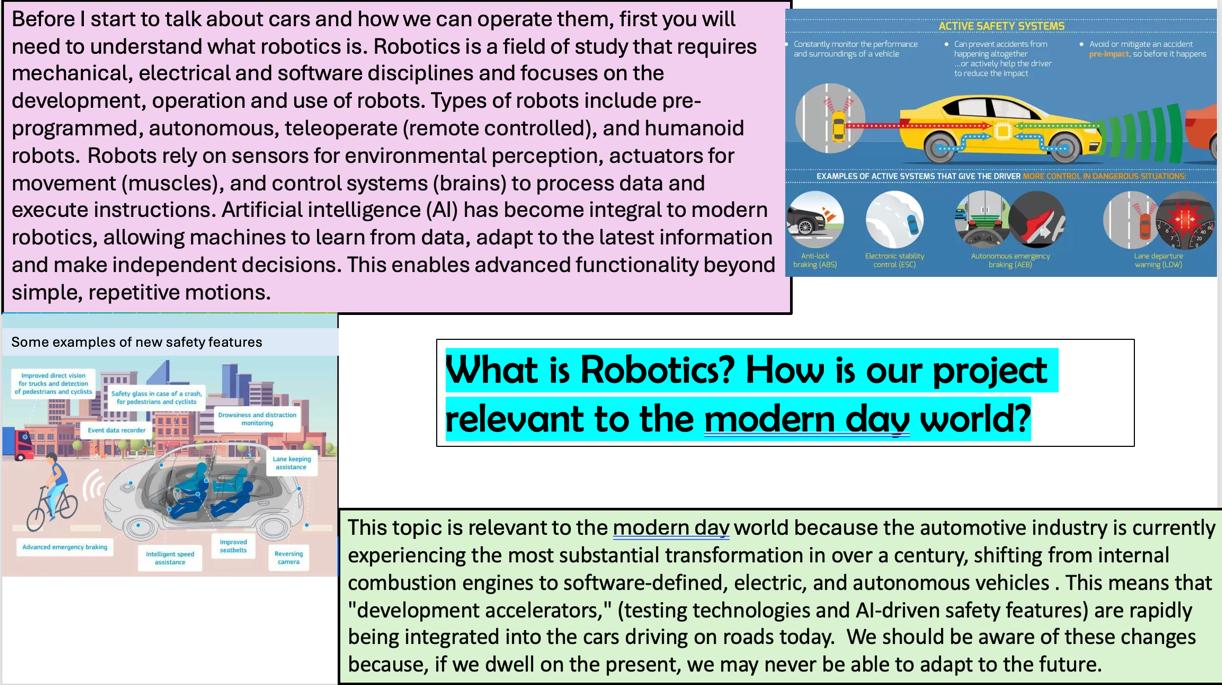
ROBOTICS
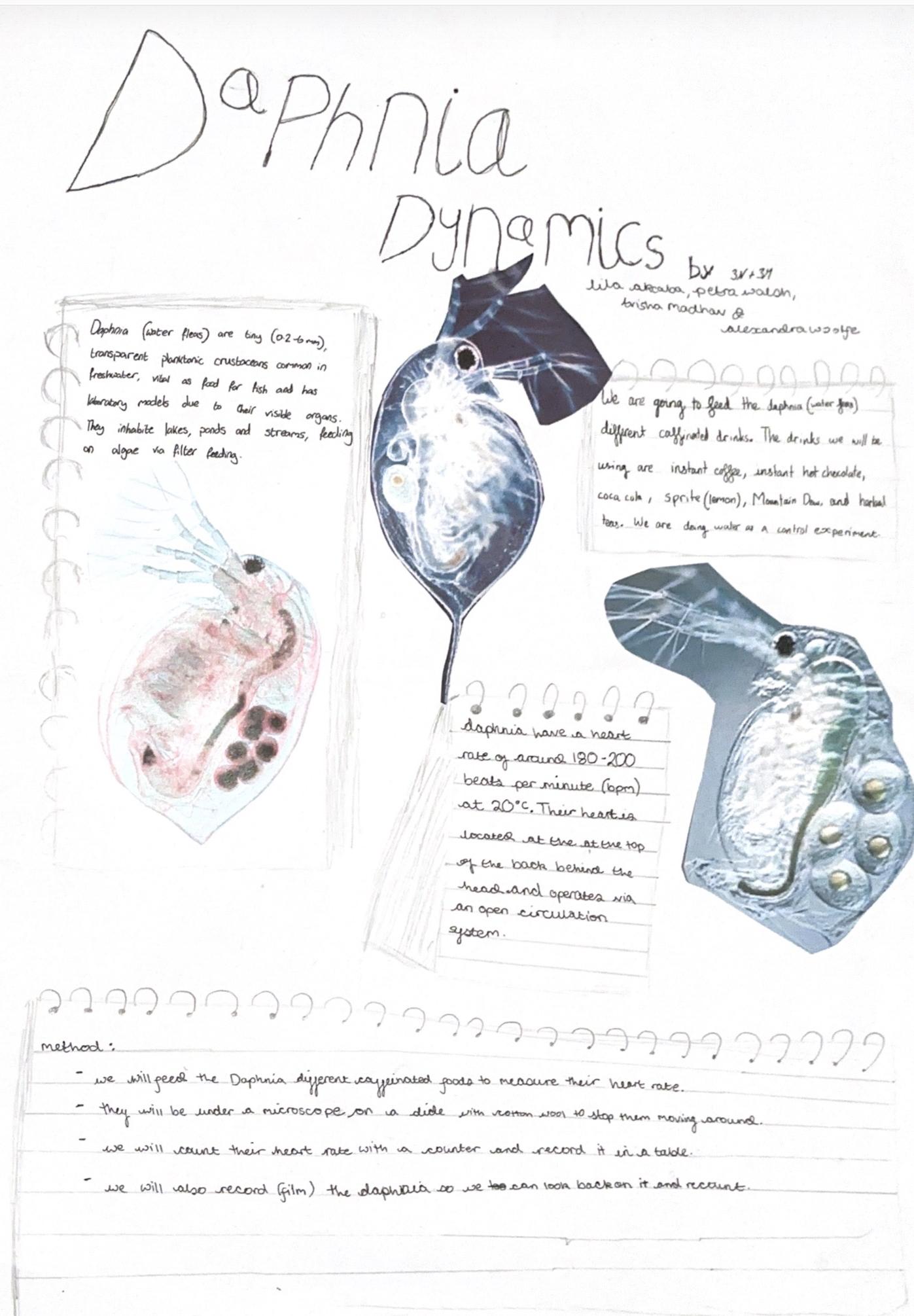
FREQUENCY DAPHNIA
TOXICITY
RAIN
RAGWORM ENERGY
MUON ROWING
In just three months we have seen life-changing advances in medicine, worrying evidence of climate change balanced by increased use of renewable energy, the possibility of ‘close’ alien life in other solar systems, transportation of dangerous antimatter, evidence for a new subatomic particle, microscopic metallic spikes in batteries, a new centre for AI study near to LEH, hope for bee populations and evidence of cow intelligence.
Your surgeon is ready to operate on you… 1,500 miles away
In a big UK milestone, the first long-distance robotic surgery involved a surgeon using remote controls in London performing an operation on a patient in Gibraltar. This was a breakthrough for telemedicine. www.bbc.co.uk/news/articles/cq577v126g9o
First lab-grown oesophagus successfully tested
Scientists created and implanted a fully functional tube connecting mouth to stomach that worked without immune rejection in animal tests, amounting to a huge advance in regenerative medicine. This could significantly improve quality of life for infants born without a fully developed oesophagus. https://www.eurekalert.org/news-releases/1120417
Global warming confirmed to be accelerating
In one of the most significant climate findings in years, new analysis showed global warming rate had increased to ~0.35 °C per decade and could hit 1.5 °C before 2030. https://news.agu.org/press-release/in-a-first-researchers-confirm-global-warming-hasaccelerated-in-last-decade/
Renewable energy milestone in Europe
It was reported that in 2025, wind and solar made around 30% of EU electricity. This surpassed fossil fuels for the first time, marking a major shift in energy generation. https://ember-energy.org/latest-updates/wind-and-solar-generated-more-power-thanfossil-fuels-in-the-eu-for-the-first-time-in-2025/
Closest-ever habitable-zone exoplanet discovery
Astronomers identified nearby potentially habitable planets, including one with the name of GJ 887 d which is ‘just’ 63 trillion miles away (light takes about 11 years to reach us from there) marking a major step in the search for life beyond Earth. https://www.astronomy.com/science/astronomers-confirm-potentially-habitableexoplanet-in-the-solar-neighborhood/
Antimatter transported for the first time. Scientists moved 100 to 1000 antiprotons 5 km by road and tested stability outside lab conditions in a key step toward practical antimatter research. This was done extremely carefully because when matter meets antimatter there is total conversion into energy (i.e. an explosion).
https://www.swissinfo.ch/eng/various/antimatter-particles-are-transported-in-geneva-forthe-first-time-worldwide/91149348
New particle discovered at CERN
Discovery of the Ξcc⁺ (a doubly charmed baryon - a bit like a proton but four times heavier) in the Large Hadron Collider solved a long-standing physics mystery about whether this particle existed or not. This is important for understanding fundamental matter.
https://lhcb-outreach.web.cern.ch/2026/03/17/observation-of-the-doubly-charmed-heavyproton-ξcc/
Breakthrough in lithium battery safety
In the world of electro-chemistry, the first direct measurements of lithium dendrites (spiky metallic deposits that form during repeated charging) proved a suspected cause for batteries to short-circuit or catch fire. This could help with better battery design for safer electric vehicles and devices.
https://newatlas.com/energy/lithium-ion-batteries-dendrites/
New Centre for AI Measurement
Backed by £10.5 million government funding, a new centre for AI measurement centre at the National Physical Laboratory (NPL) in Teddington opened in January to lead a national initiative that will develop tools that measure, test, and verify AI system helping businesses deploy AI tools that can be trusted and are safe.
https://www.npl.co.uk/news/npl-to-establish-new-centre-for-ai-measurement
Synthetic biology boosts bee populations
Engineered yeast is providing missing nutrients that enable bee colonies to produce up to 15 times more young. This could help with the current pollinating insect population decline crisis. https://www.sciencedaily.com/releases/2026/03/260327000518.htm
Clever cow!
There was much excitement as a cow called Veronika was filmed holding a brush in her mouth to scratch her back, providing new evidence of bovine intelligence. There are a few instances of animals using tools (particularly birds) though this was the first t ime it has been seen with cattle. You can watch the scratching action in a video in the following reference. https://www.cell.com/current-biology/fulltext/S0960-9822(25)015970?_returnURL=https%3A%2F%2Flinkinghub.elsevier.com%2Fretrieve%2Fpii%2FS0960982 225015970%3Fshowall%3Dtrue
Artemis II
Hot off the press is news in early April of people travelling further from earth than before. For the first time ever, in-person views from the ‘other side’ of the moon saw a lunar eclipse of the sun, and ‘earth rise’. Artemis II is the latest in a series of NASA launches including a lunar landing in a few years’ time.
https://www.bbc.co.uk/news/resources/idt-16b00b19-21d0-4108-96e8-38bb7e4846c6
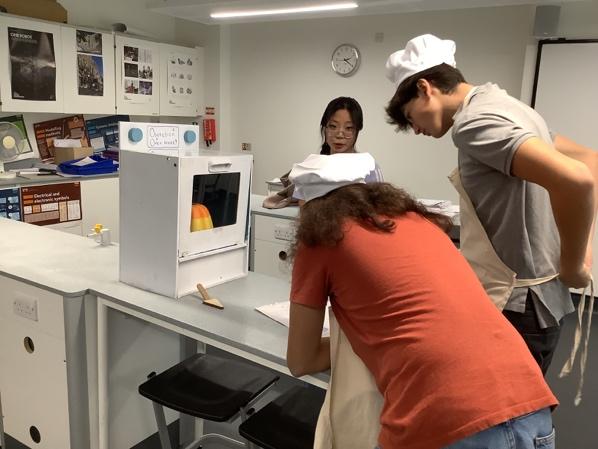
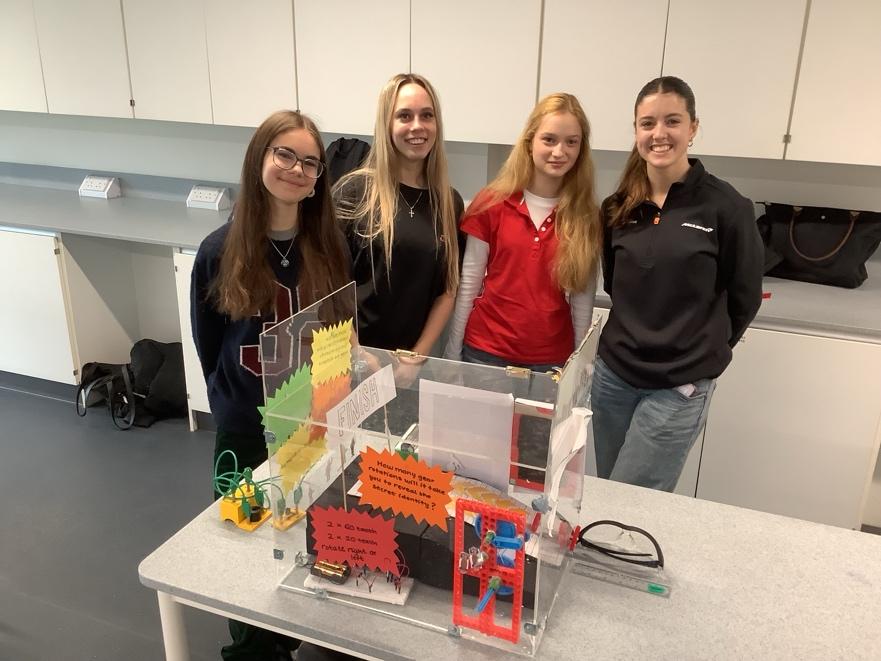
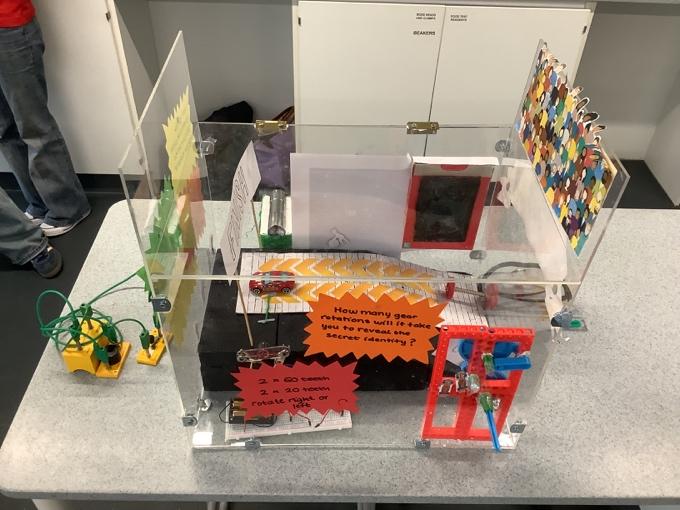
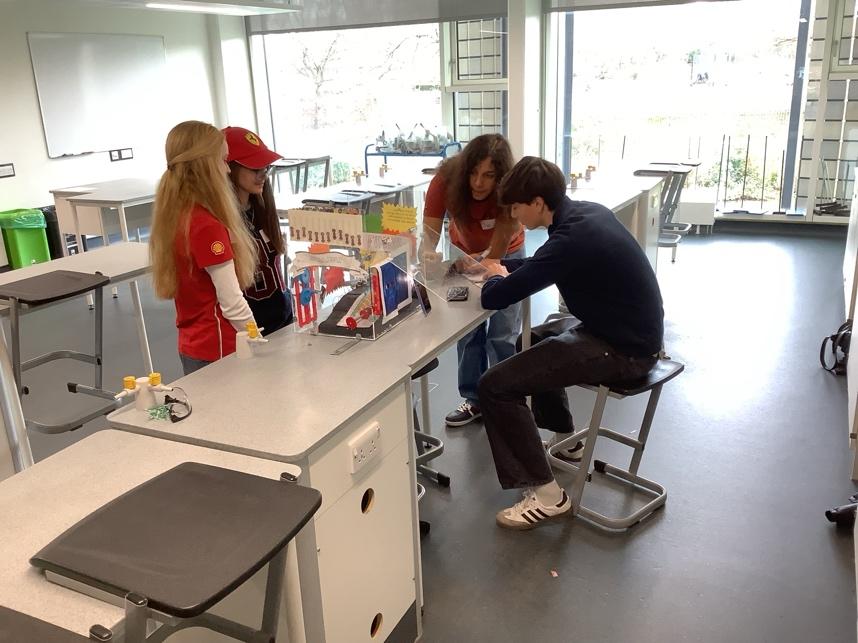
Every great solution starts with the right combination - and ours was teamwork. Over many weeks our safe cracking team worked hard together to meet all of our project deadlines and took onboard all of our feedback to optimise our safe. Our hard effort paid off as we were voted highly by the fellow competitors as their favourite safe. Whilst half the team stayed back and guarded our safe the others went around not only thinking outside the box but trying to break into other peoples. In the end, the day was a super fun experience where we learnt lots of new physics concepts and were amazed by some of the other teams’ ideas, it was a great opportunity to interact with other students and teachers and gain insight on interview style situations. In the end, the real treasure wasn’t inside the safe - it was the teamwork we built!
Mia Backovic, L6 student
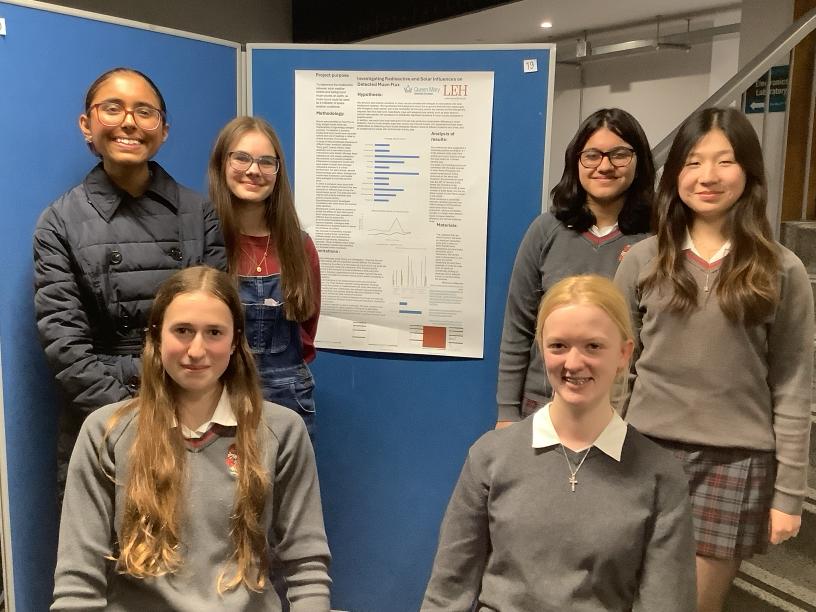
On Thursday 26th March, 4 U5 students and 2 L6 students made their way to Mile End to attend the annual CosmicCon conference hosted by Queen Mary’s University of London. After presenting their research on how different materials affect muon flux and answering some tricky questions from the judges, they were lucky enough to hear a captivating talk from QMUL lecturer Scott Melville on the creative methods used by various scientific giants to answer questions no-one else knows how to answer. The evening ended with awards and though our group didn’t win anything, it was overall an enjoyable and informative excursion, giving many ideas of potential future projects, and LEH is looking forward to coming back next year!
Anoushka Mudgil, U5 Student
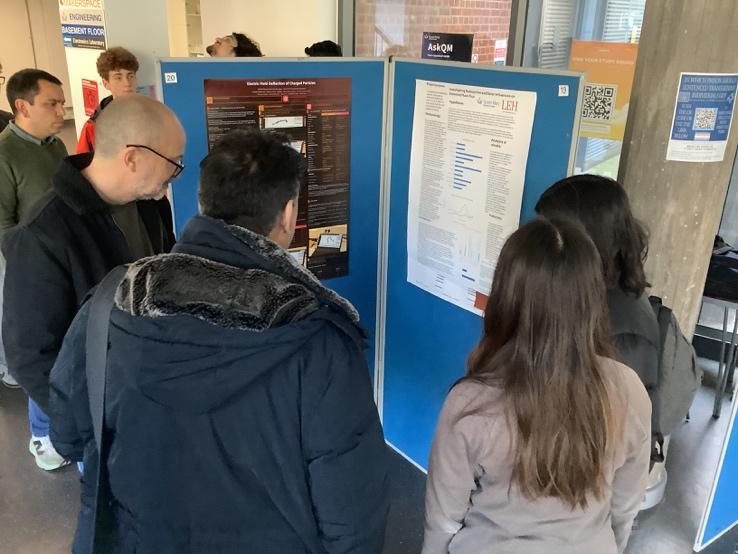
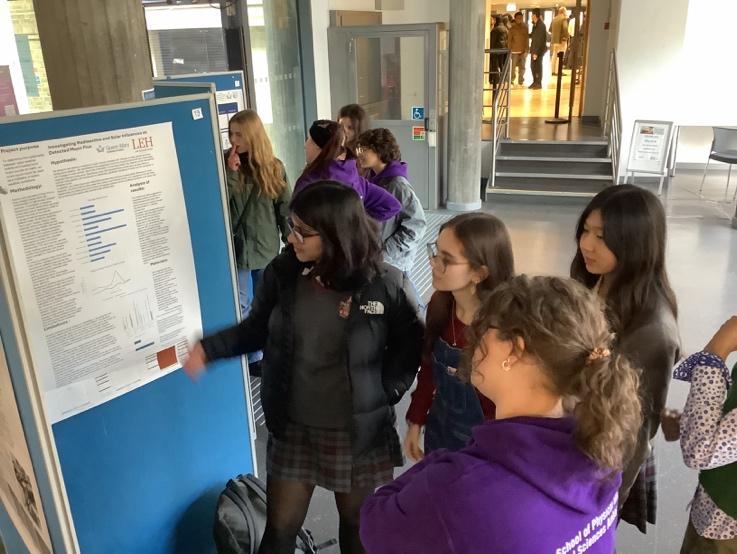
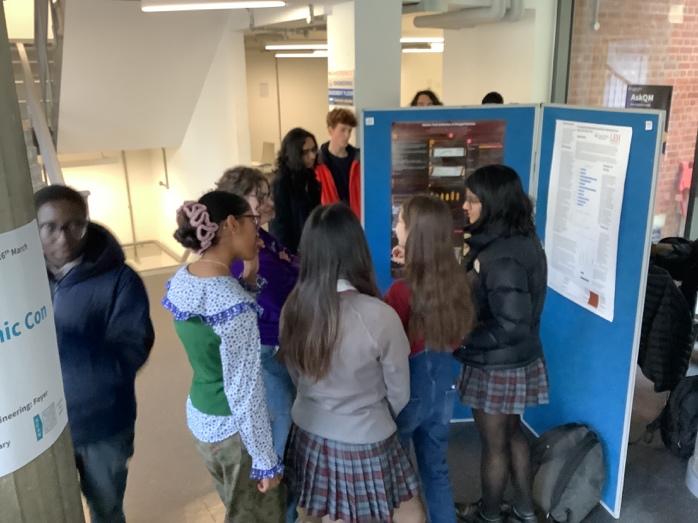
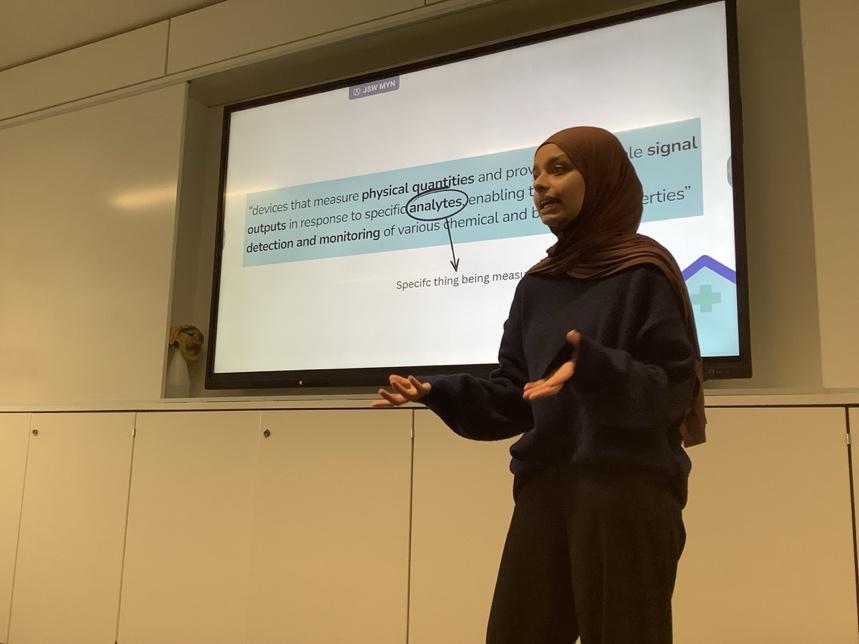
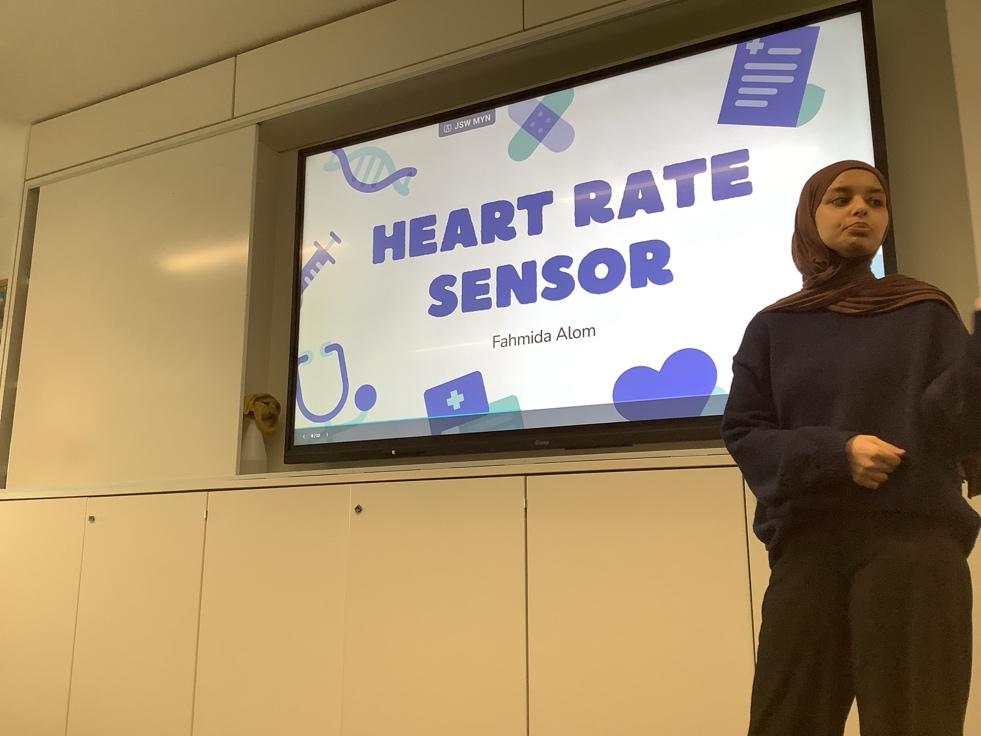
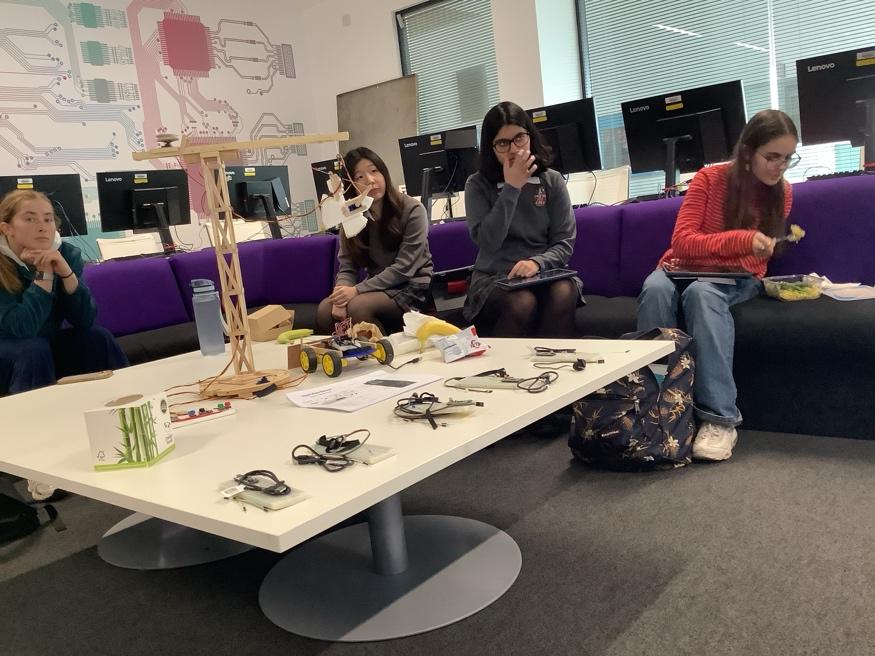
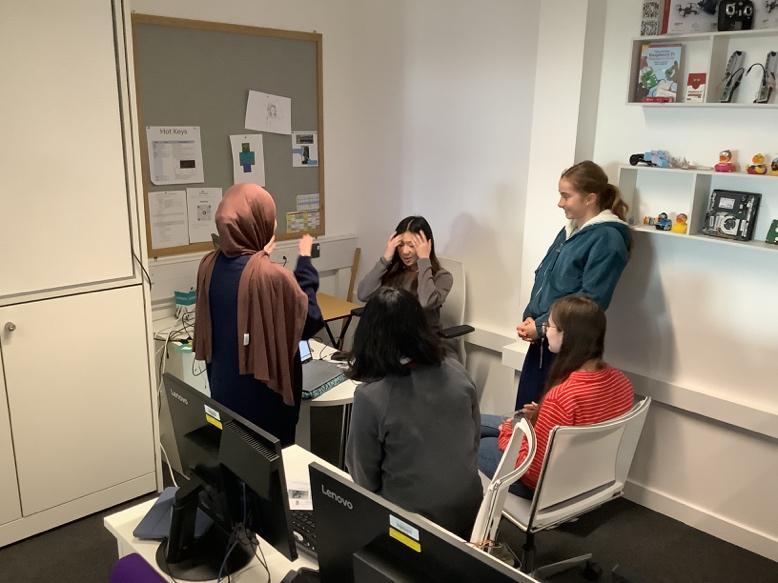
Fahmida Alom, a biomedical Engineering Student from Imperial College London, delivered a fascinating session on Heart rate sensors.
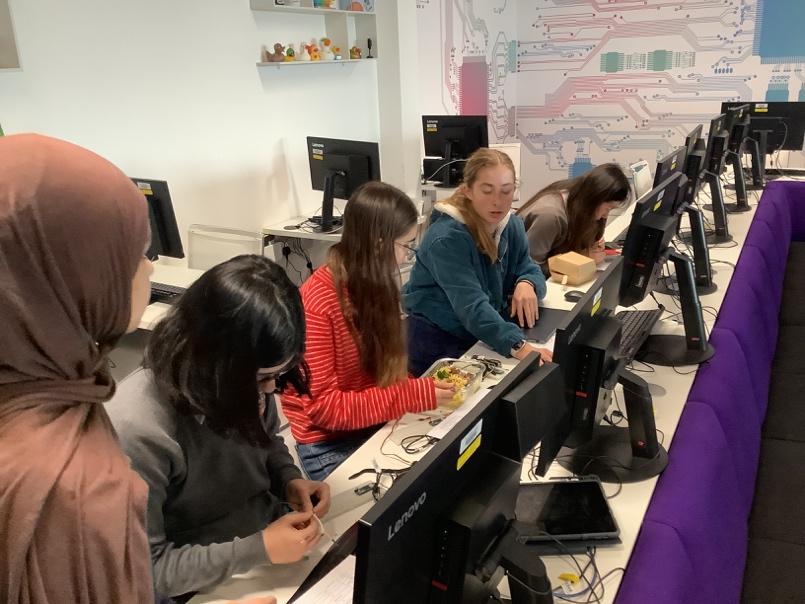
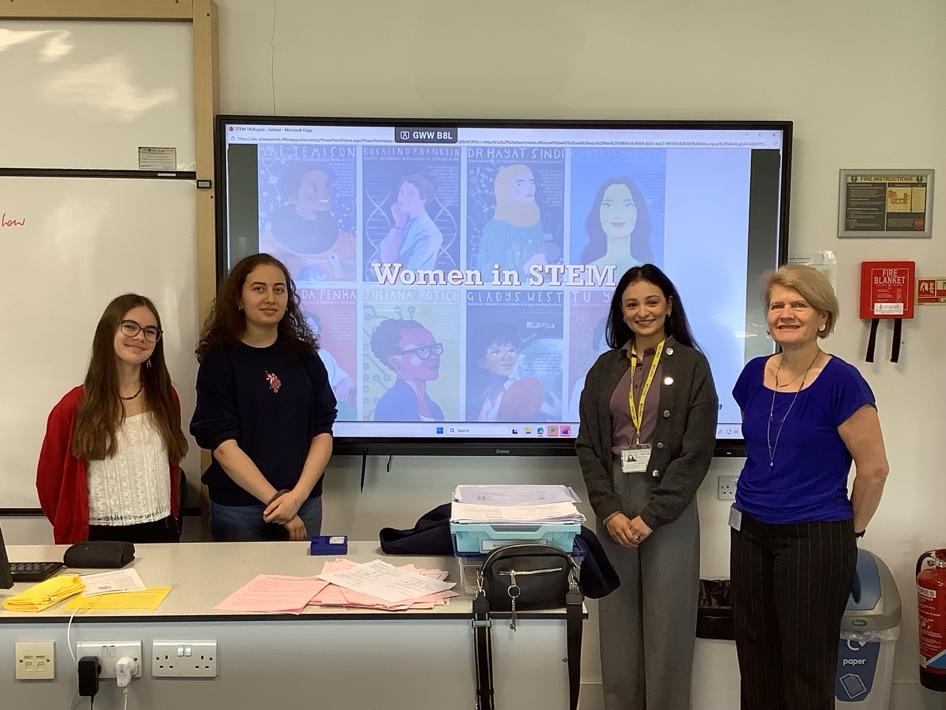
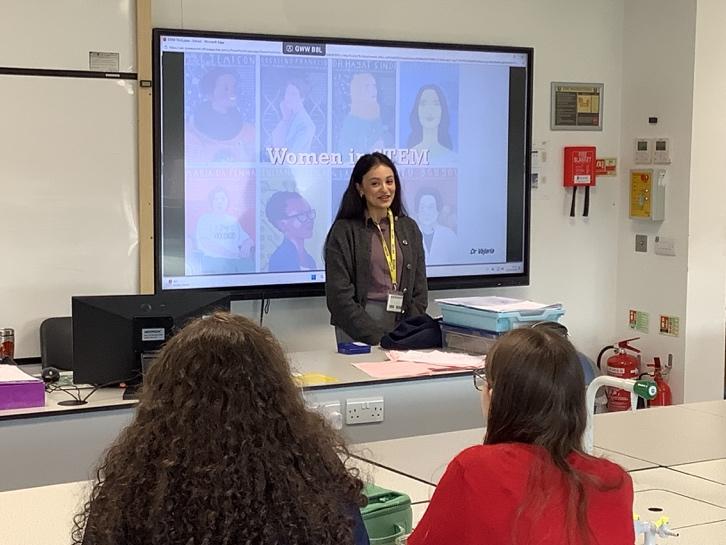
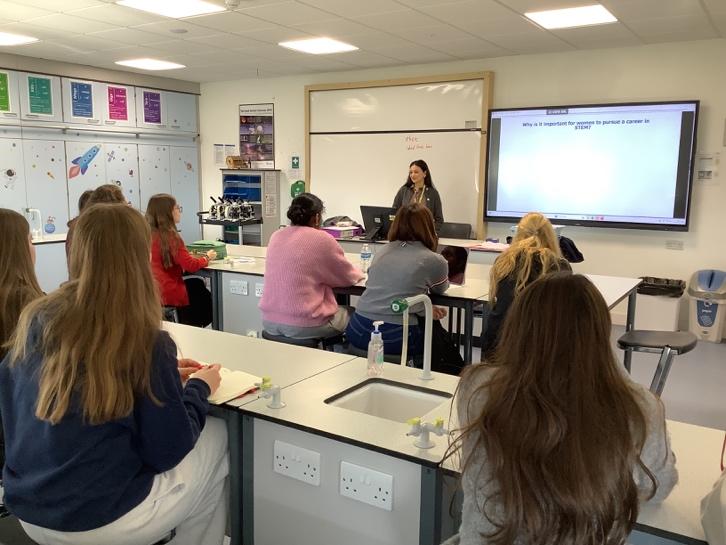
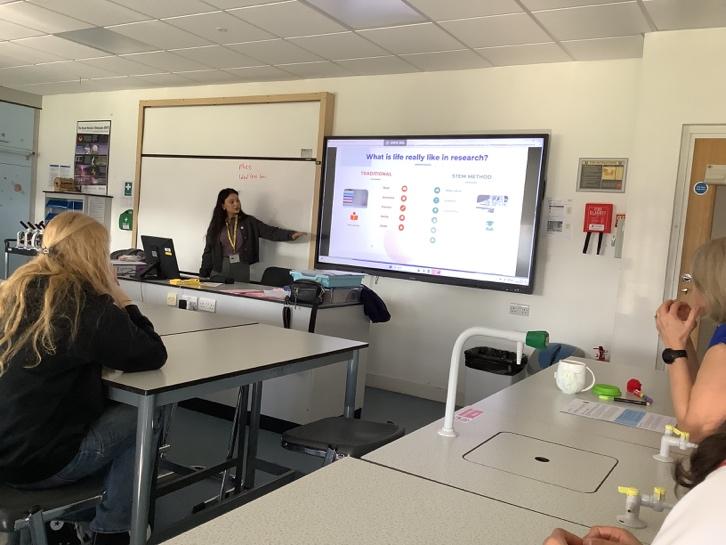
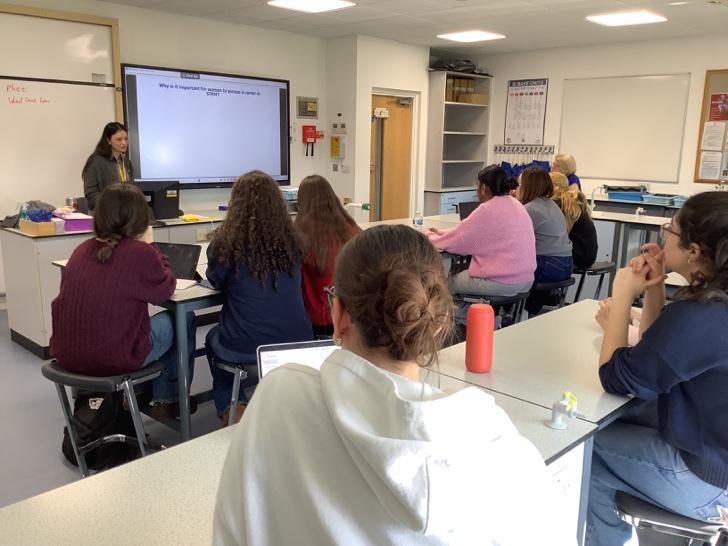
Dr Ruby Vajaria delivered an inspirational talk about “The Importance of STEM and Scientific Research” as well as sharing her own experiences in scientific research.
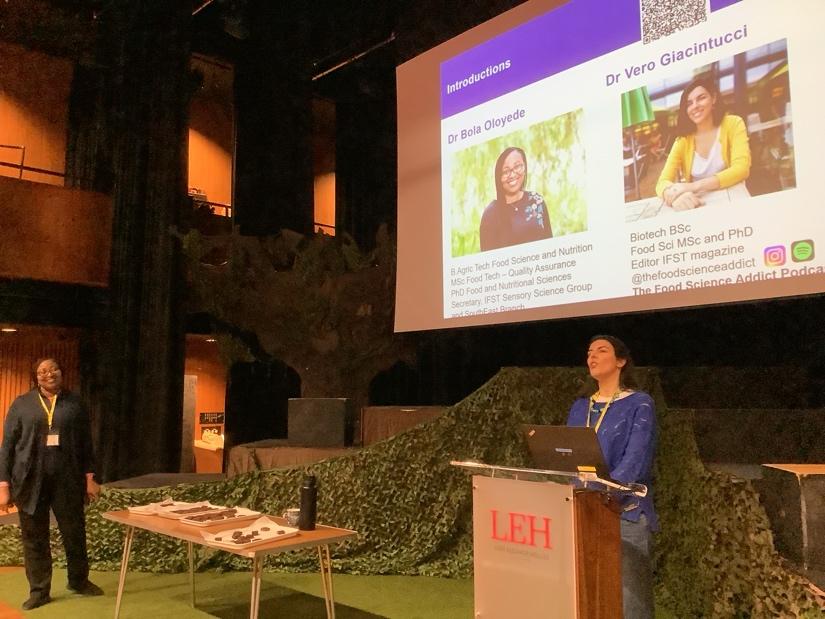
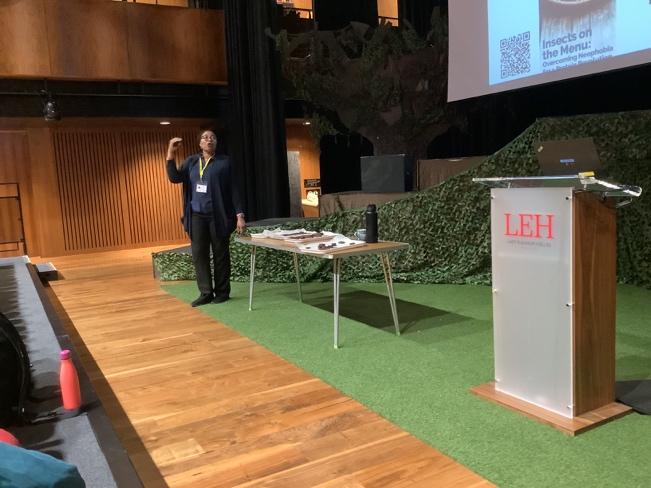
Sir Gordan Sutherland Lecture was delivered to L6 on 4th February and the focus was Food and Nutrition. Dr Veronica Giacintucci and Dr Bolanle Oloyede explored the opportunities of insects in food – and even baked cricket brownies for the L6 to try!
A
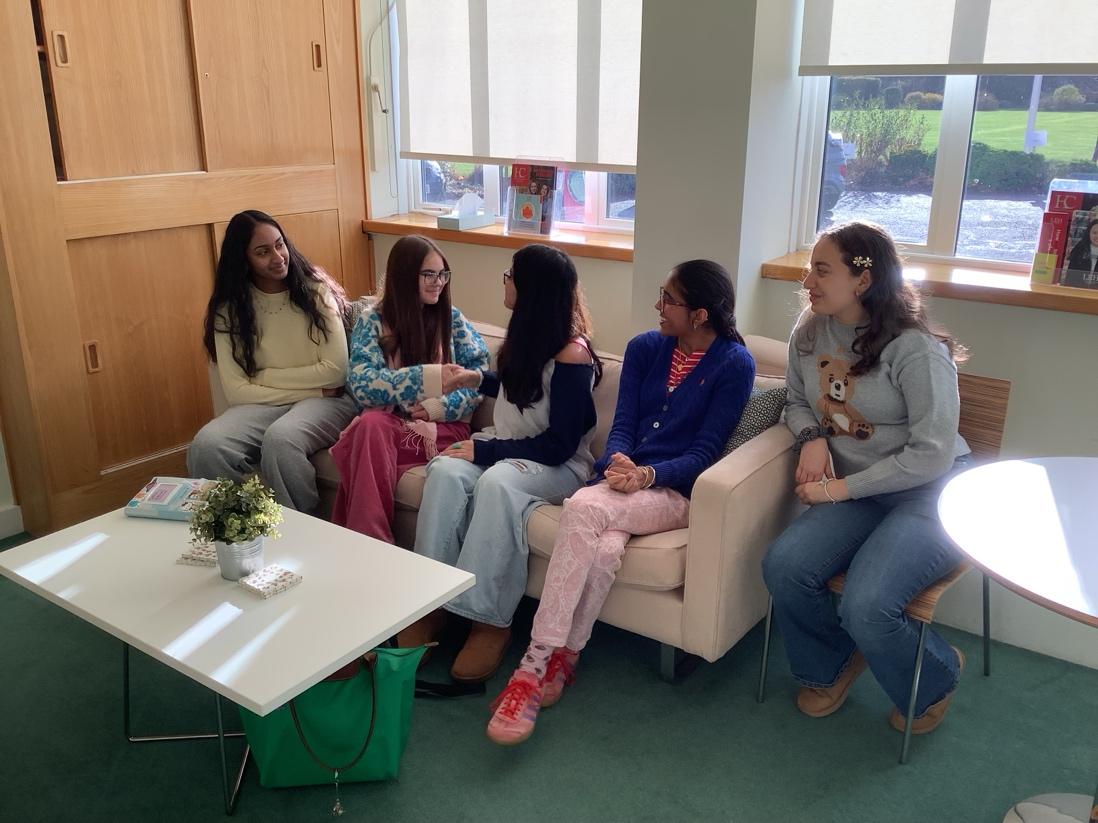
From left to right: Akshitha (STEM rep), Saskia (STEM scholar and STEM rep), Anoushka (new STEM scholar), Japji (STEM rep), Nadia (STEM rep)