At a project kick-off, the first goal our clients share is often simple: make it a success. But is success enough? What if your project could be truly transformative for your community?
In this issue, we discuss how aligning projects, needs, and funding is critical to producing impressive, impactful projects that create long-term community enthusiasm.
If you’re selling excess property, make sure the proposed use reflects community intentions. If you’re part of a Metropolitan Planning Organization, partner up early; they can help line up funding for transportation improvements. If your public engagement strategy needs refreshing, meet your community where they are and unify their interests. When planning a major project like a stadium, integrate long-term community benefits rather than just creating a single-use facility. And if you have local industrial sites, match your wastewater pretreatment needs with today’s regulations to protect your community’s water.
When a project is in sync with funding and community needs, the results extend beyond success. They leave a positive, lasting impact that is embraced by the community.
With each issue of In Office, we present our experience, our expertise, and our forecasting on the topics and trends that affect municipal projects. Let us know if there’s a topic we can explore for you by contacting us at inoffice@labellapc.com.
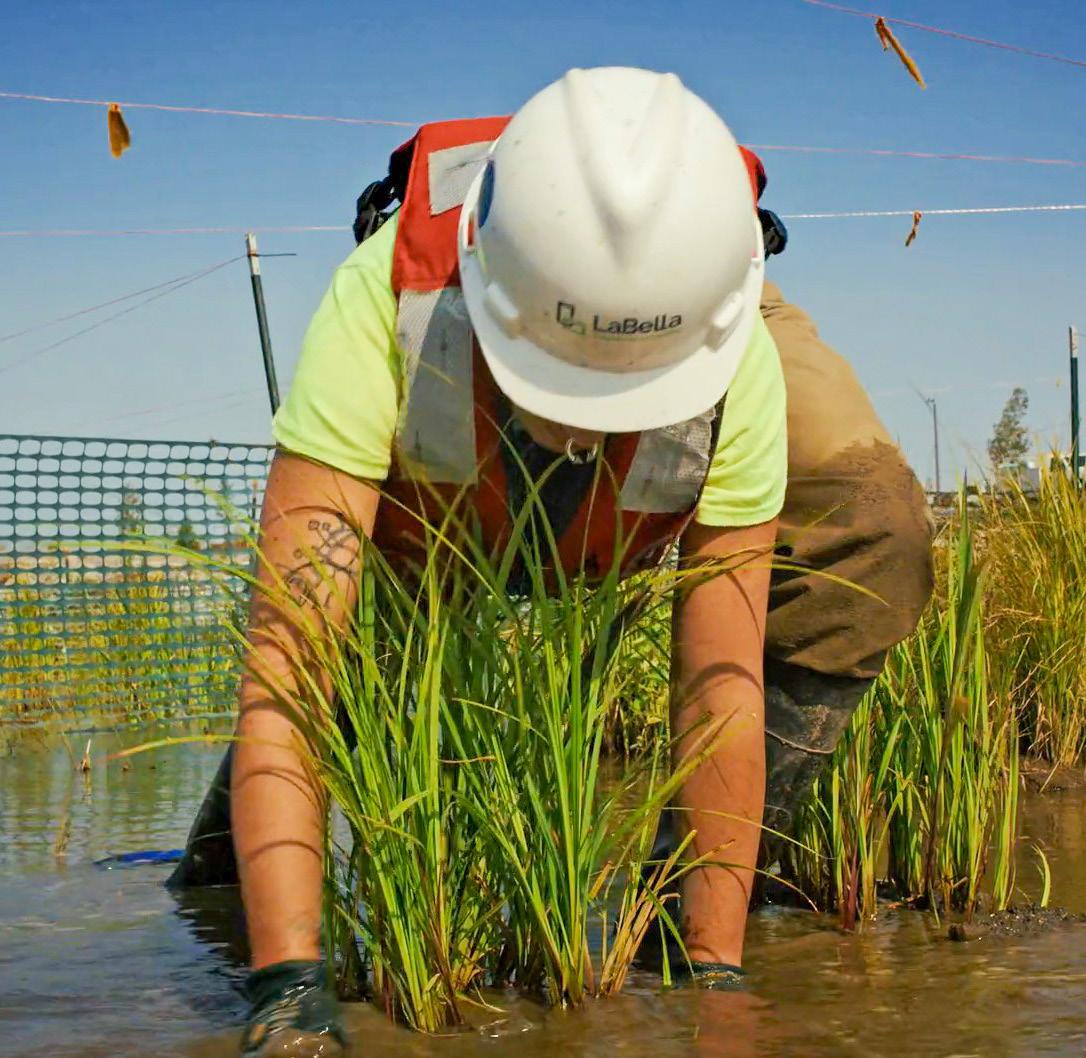
In our last issue, we explored living shorelines and other climateadaptive strategies that safeguard ecosystems in parks and recreational settings. LaBella’s Eco-Construction team works on the ground to bring these strategies to life. Through native planting, invasive species management, shoreline stabilization, wetland restoration, and erosion control, we enhance biodiversity, water quality, and community resilience to climate-related impacts such as flooding, sea level rise, and storm surge.
Scan the QR code below to see our Eco-Construction team in action!
By Cristian Petschen | Global Practice Leader – Sports, Entertainment, and Public Venues
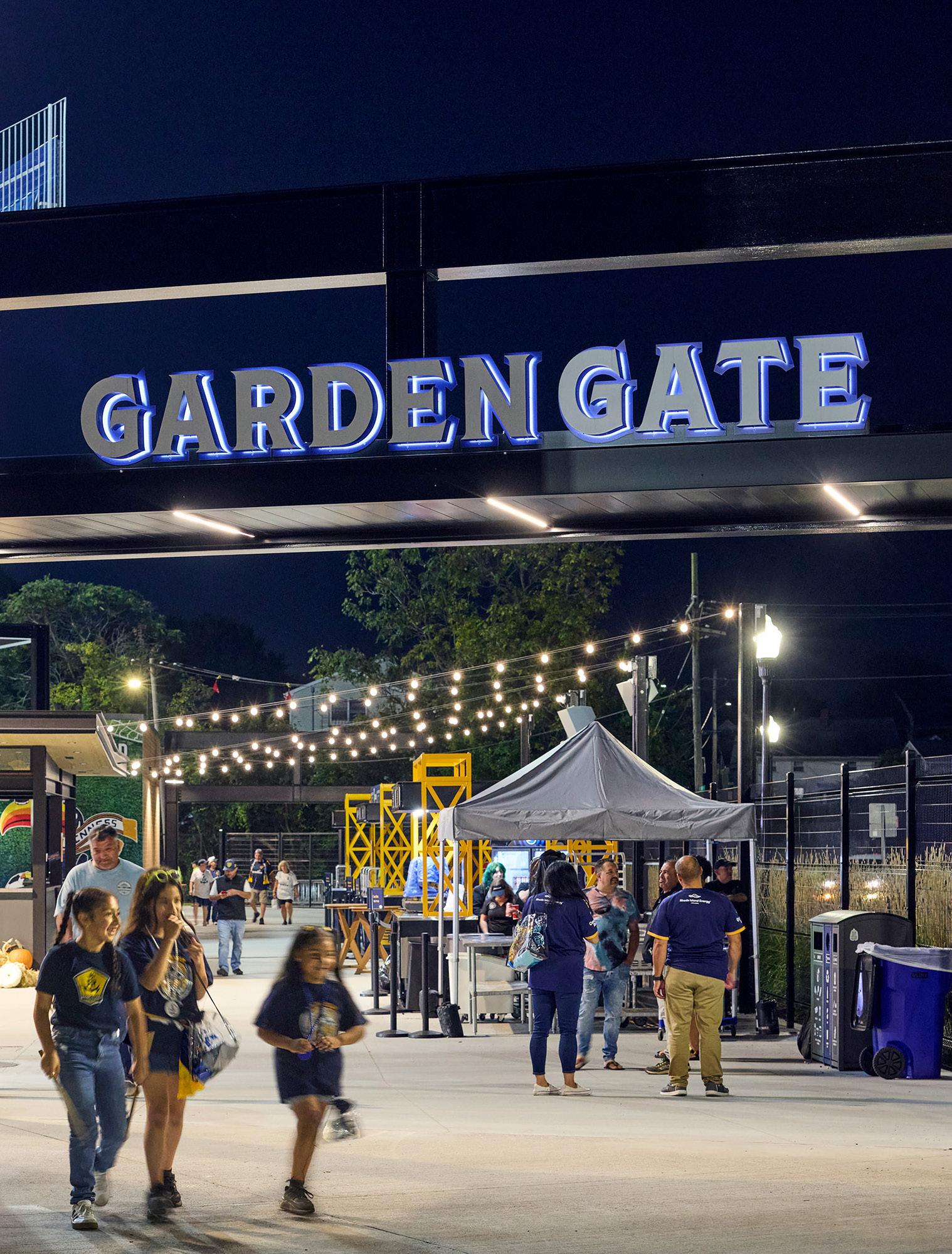
For decades, stadiums were conceived as single-purpose facilities that came alive only on game days. Today, that model is no longer sufficient. Communities are increasingly recognizing that stadiums can, and should, serve as multi-functional civic assets that support economic development, social connectivity, and long-term community vitality. When planned intentionally, stadiums become true community hubs and catalysts for revitalization.
When considering stadium projects, it is important to approach the concept not as isolated buildings, but as integrated pieces of community infrastructure.
From the earliest stages, active collaboration between municipal leadership, ownership groups, local stakeholders, and the design consultant is paramount to understanding the specific needs, aspirations, and constraints of the community. Engagement techniques could include public workshops, stakeholder meetings, community listening sessions, and coordination with municipal departments to identify gaps in recreational facilities, public gathering spaces, housing, and supporting infrastructure. These insights directly inform the design and programming of each project so that community priorities are embedded into the outcome rather than treated as afterthoughts.
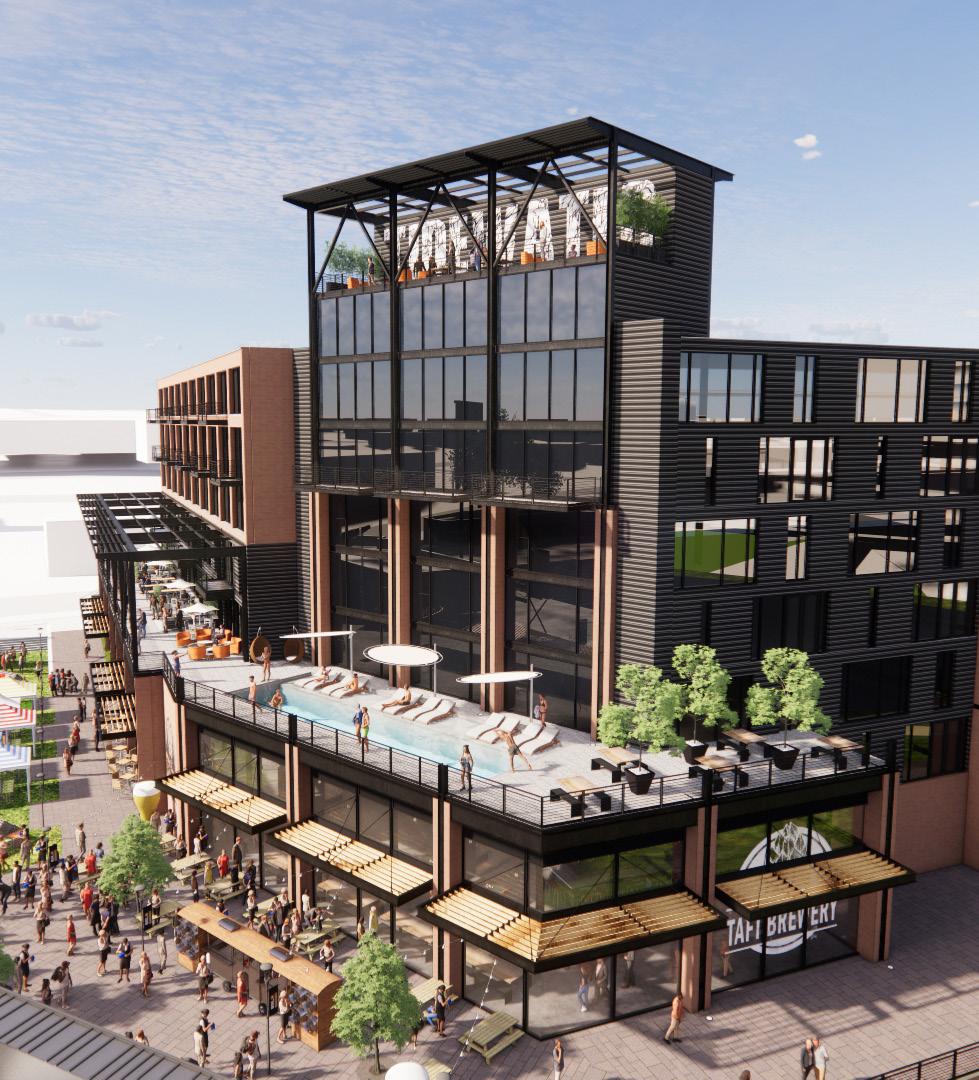
Venues should be designed to operate seven days a week and throughout the year, not only during scheduled events, remaining relevant and beneficial for decades to come. To accomplish this, designs should integrate community-focused spaces such as flexible meeting and event areas, food and beverage venues, and publicfacing amenities that activate the site on non-event days. Multifunctionality is fundamental. Fields, concourses, clubs, and plazas can be designed to support a wide range of uses, including sports, concerts, festivals, meetings, and everyday community gatherings.
continued on page 4
Sports, continued from page 3
The result is a facility that feels accessible, active, and valuable to residents regardless of whether a game is taking place.
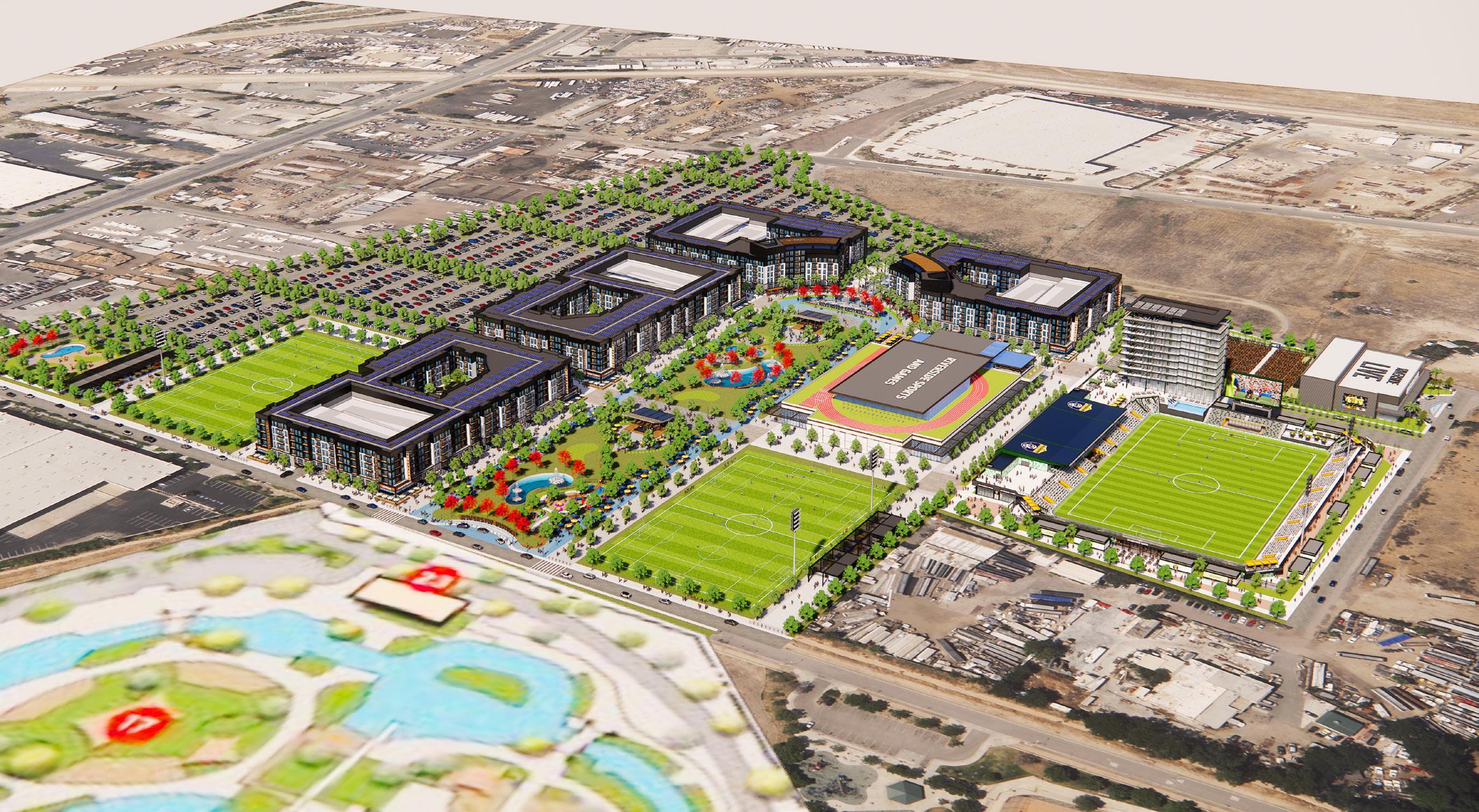
In Riverside, California, this approach is transforming a longderelict floodplain site into a vibrant sports and entertainment district. In one coordinated effort, the project will deliver an active public park, athletic fields, a multi-sport stadium, a music and entertainment venue, and both below-market-rate and market-rate housing to address long-standing community needs. Equally important, the development incorporates infrastructure and environmental strategies that mitigate floodplain challenges and reduce downstream impacts. What was once an underutilized liability will become a resilient community asset that balances recreation, housing, entertainment, and environmental responsibility.
In Homestead, Florida, a stadium project extends well beyond sports to unlock a longenvisioned community park and recreational destination. The development will provide extensive sports and recreation infrastructure, including soccer fields, a rugby field, an American football field, baseball fields, tennis courts in both clay and hardcourt configurations, pickleball and padel courts, basketball courts, beach volleyball courts, playgrounds for children and toddlers, and a pump track. The multi-use stadium itself is designed as a central community hub, incorporating more than 12,000 square feet of fully equipped event space available to the city and community for meetings and public gatherings. The project also includes a world-class athletics academy serving up to 1,000 students, complete with
learning facilities, performance centers, and the campus infrastructure required to support on-site boarding. Together, these elements create an integrated environment for education, athletics, and community life.
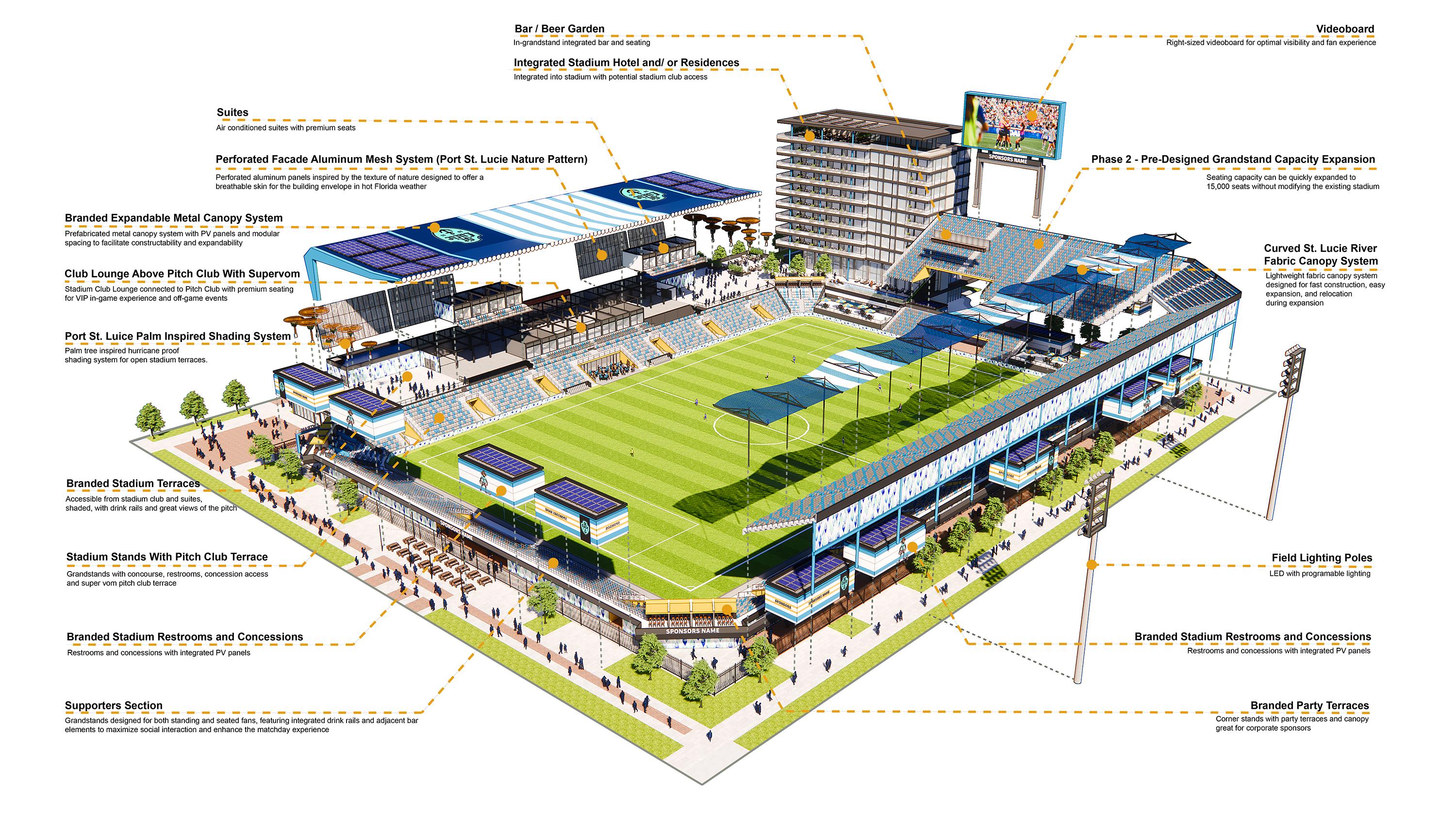
In Port St. Lucie, Florida, a stadium development is being delivered through a phased plan that aligns with a broader municipal parks and recreation initiative. The project is envisioned as a key contributor to a larger parks and recreation zone, with this development providing a substantial share of the athletic facilities, public amenities, and supporting infrastructure. By coordinating private investment with public planning, the project delivers immediate community benefits while establishing a scalable and financially responsible framework for longterm growth.
Across all of these project examples, feasibility and sustainability are essential. Conducting market analyses and feasibility studies helps municipalities, owners, and communities understand demand, operational viability, and long-term financial performance. These data-driven efforts ensure that projects are right-sized, economically sound, and capable of being sustained over time.
For stadium-led developments to succeed, everyone must benefit. The municipality, the owner, and the community all need to see clear value for the project to endure. That balance only comes from a deep understanding of real needs supported by rigorous analysis.
Delivering these projects also requires a fundamentally different approach to design and construction. It is not about scaling down the strategies used for mega-projects.
Instead, focus should be invested in research and development around materials, construction systems, and delivery methods that maximize design quality and user experience while responding to tight budgets, rising construction costs, and accelerated schedules. Solutions such as modular systems, hybrid construction approaches, and carefully coordinated phasing can efficiently deliver high-performing facilities without compromising ambition or community impact.
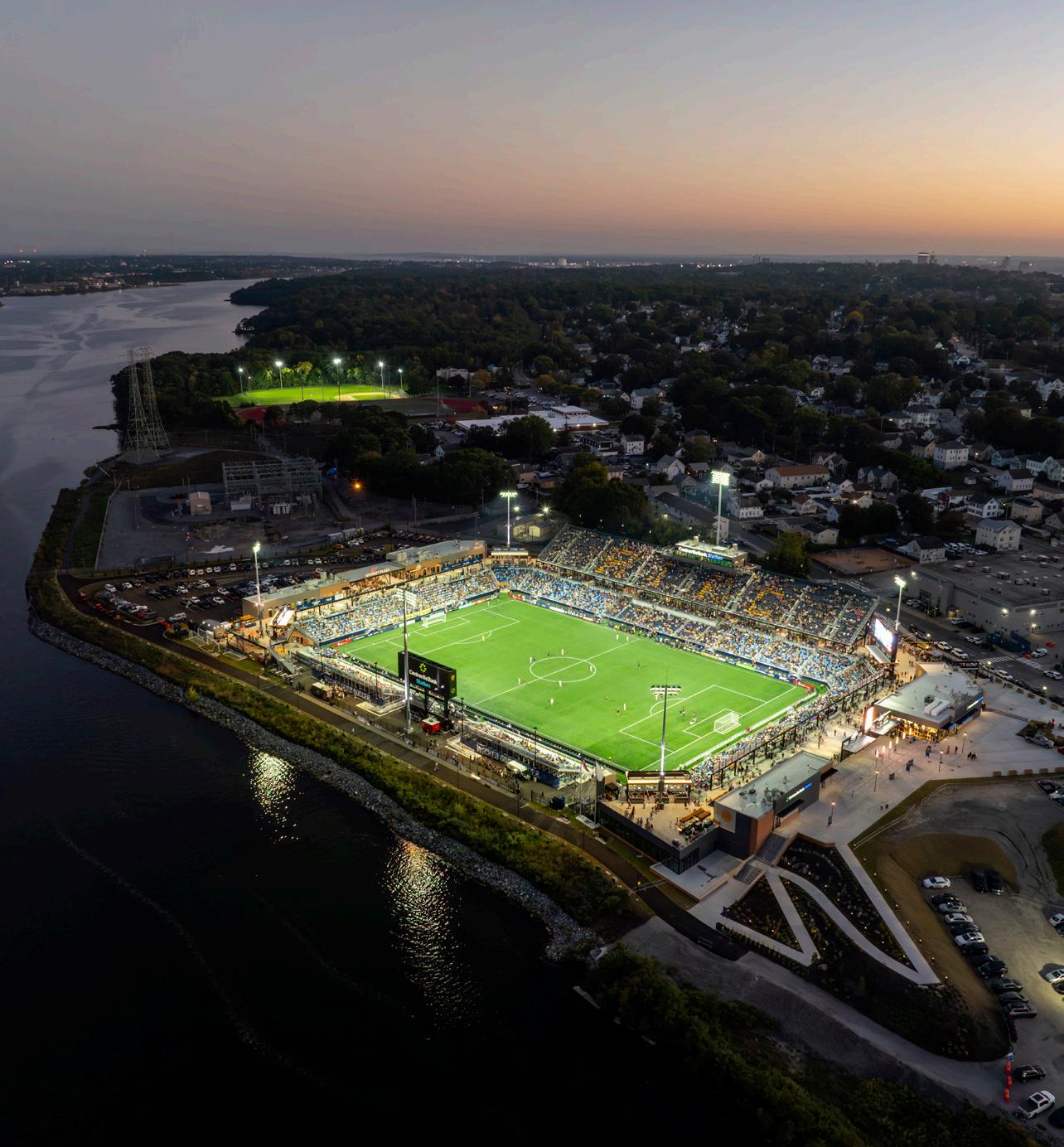
As municipalities continue to seek ways to enhance quality of life, attract investment, and create inclusive public spaces, stadiums present a unique opportunity. When designed as true community hubs and grounded in data, engagement, and innovation, they become long-term civic assets that deliver value far beyond game day.
When planned intentionally, stadiums become true community hubs and catalysts for revitalization.
Water Resources
By Alexander Retzlaff, PE | Water/Wastewater Designer and Oliver Sugarman, EIT | Civil Engineer
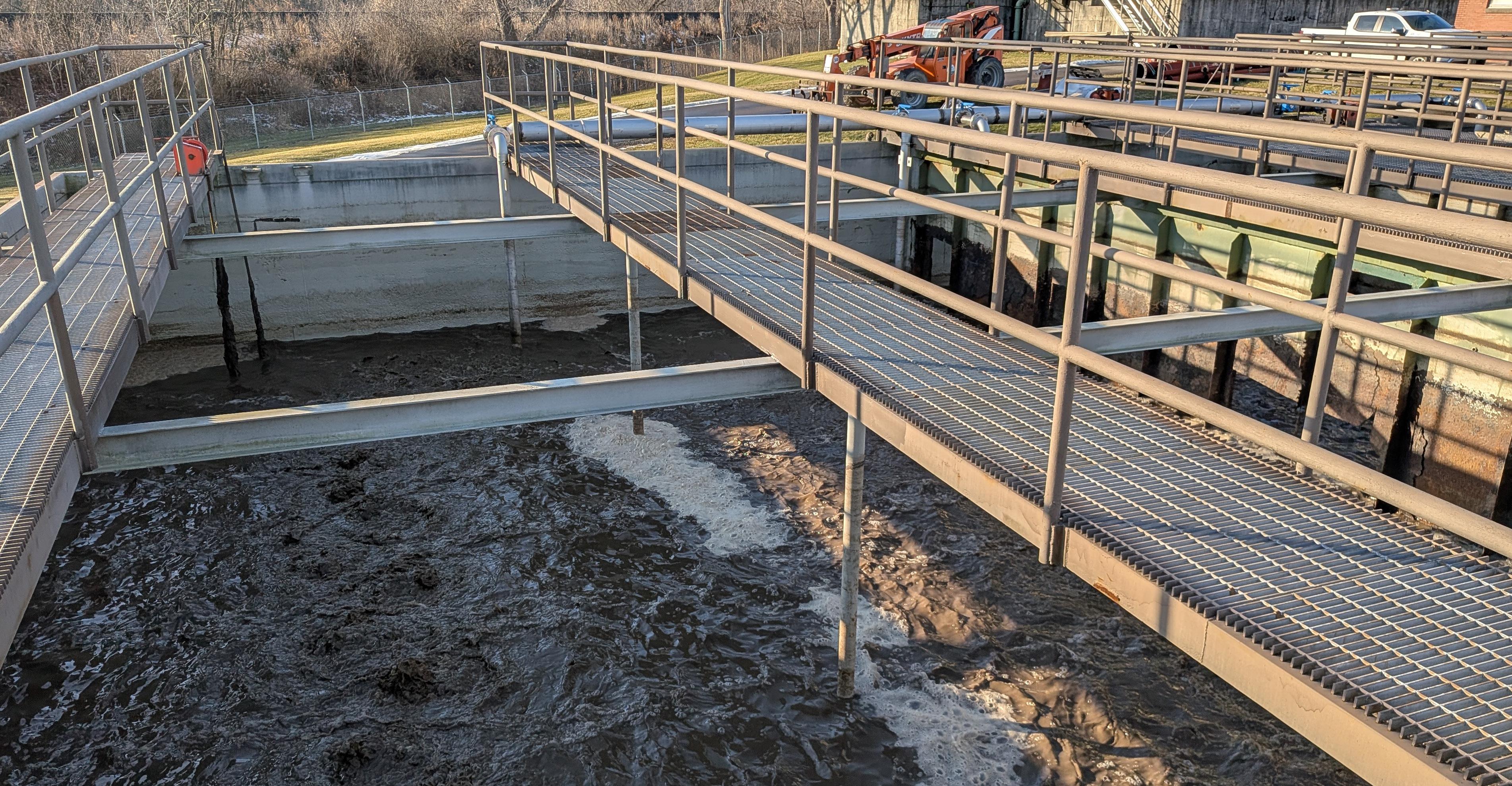
Industrial wastewater pretreatment programs play a critical role in protecting municipal wastewater treatment systems, safeguarding local water bodies where treated effluent is discharged, and supporting compliance with the Clean Water Act. As communities grow and industrial activity evolves, many municipalities find themselves navigating industrial wastewater pretreatment requirements with limited staff, aging program documents, and increasing regulatory expectations. Developing and maintaining an effective pretreatment program has become more complex than many municipalities anticipated.
Understanding where pretreatment programs commonly struggle—and what approaches help municipalities address these challenges—can make the difference between a program that exists on paper and one that functions effectively over the long term.
Municipal sanitary sewer systems receive wastewater from a wide range of users, including residential, institutional, commercial, and industrial sources.
These systems convey the flow to a Publicly Owned Treatment Works (POTW)—the municipality’s wastewater treatment plant— where pollutants are removed before treated effluent is discharged to nearby surface waters or, in some cases, to groundwater.
While POTWs are generally designed to manage typical residential and commercial waste streams, industrial and nonconventional pollutants can place unexpected strain on treatment processes, infrastructure, and plant operators.
Effective pretreatment—treating industrial wastewater before it enters a POTW—helps prevent these discharges from interfering with treatment processes, posing safety risks to plant personnel, or harming local rivers, lakes, and other receiving waters.
The United States Environmental Protection Agency regulates industrial discharges through the National Pretreatment Program, set forth in 40 CFR Part 403. This regulation provides the framework for controlling nondomestic (such as industrial and commercial) wastewater inputs into municipal sewer systems to protect POTW infrastructure and ensure the goals of the Clean Water Act are attained.
Responsibility for developing, implementing, and maintaining industrial pretreatment programs is shared among federal, state, and local agencies, as well as industrial users and the general public, depending on the locality. However, the day-to-day operations of these programs, including permitting, monitoring, and coordination with industrial users, often fall largely on municipal staff, who must balance these regulatory obligations with operational demands.
Experience across municipalities shows that pretreatment programs require continual attention. A common misconception is that once a program is approved, only minor updates are needed. In reality, industrial activity, treatment system capabilities, and regulatory expectations evolve over time, requiring ongoing review and adjustment.
Day-to-day program demands can include routine sampling and compliance report reviews, recurring permit updates, enforcement response actions when violations occur, and consistent communication between industrial users and POTW staff. For many municipalities, limited staffing and specialized expertise make it difficult to keep pace with these demands.
Documentation and followthrough also present ongoing challenges. Maintaining complete records, tracking corrective actions, and coordinating internally across departments are essential for consistent, auditready program management; however, this can be difficult to sustain without clear procedures and dedicated resources.
Another common obstacle involves maintaining accurate, up-to-date information on industrial users. Reliance on outdated surveys or incomplete process information can leave gaps in understanding how industrial operations affect the treatment system.
In addition, misunderstanding what constitutes a Significant Industrial User—generally an industrial discharger subject to specific pretreatment regulatory requirements—or when categorical standards apply can result in permitting or monitoring deficiencies that surface during inspections or audits.
While pretreatment programs vary by municipality, successful programs tend to share several common characteristics.
Strong programs are built around practical procedures that support consistent implementation— even as staff roles or personnel change. Program documents serve as working tools, not just compliance artifacts.
continued on page 8
Water Resources, continued from page 7
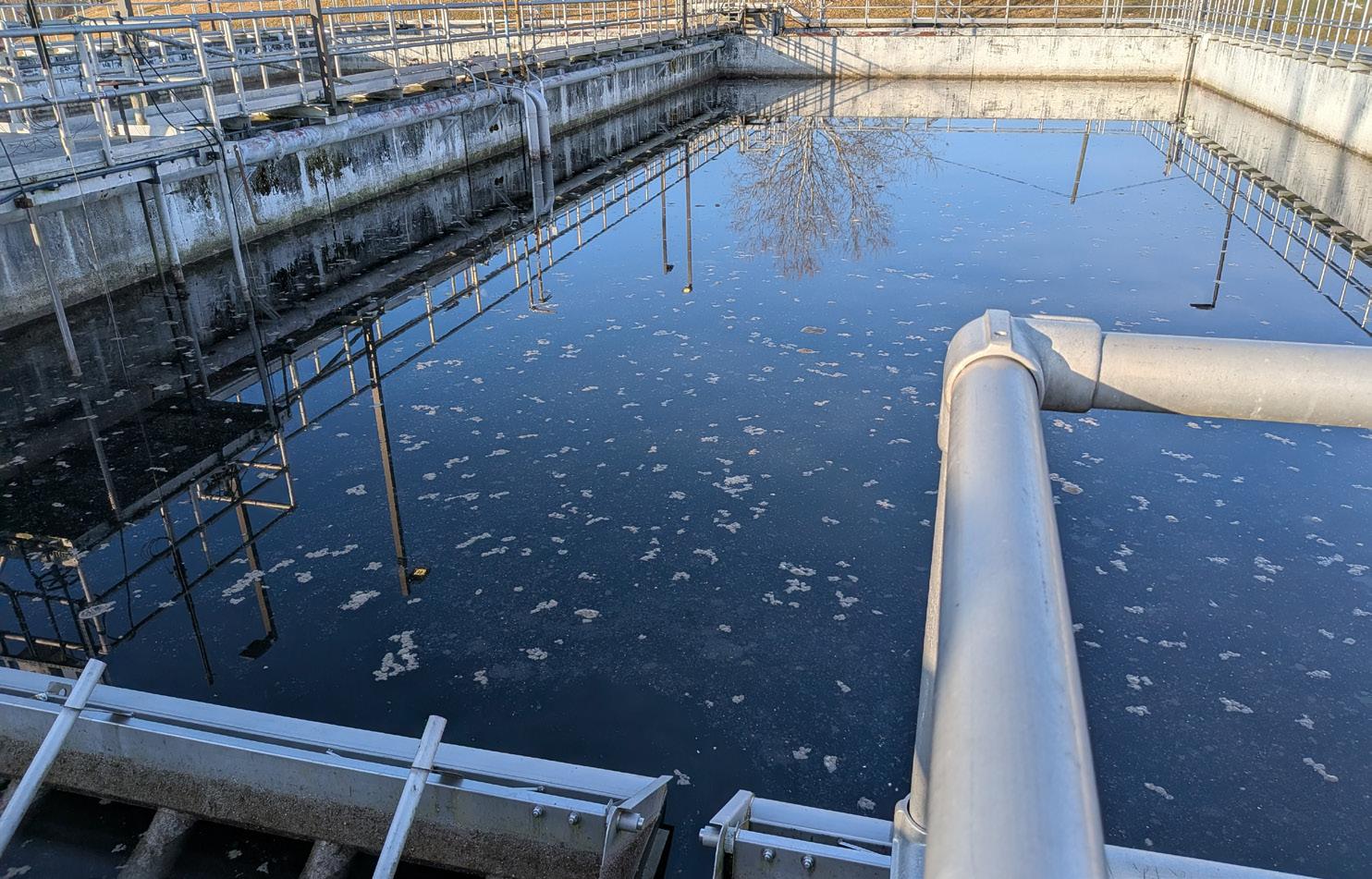
For example, in Lawrenceville, Virginia, the Town needed to create a pretreatment program within a tight regulatory timeframe to meet Virginia Department of Environmental Quality (VA DEQ) requirements. The focus was on creating clear, defensible documentation that could be sustained over time. With support from VA DEQ, an industry representative, and technical experts, the Town developed a complete program framework, including permits and an updated sewer use ordinance. This structure allowed Lawrenceville to secure program approval and establish procedures that support longterm administration.
Well-defined sampling protocols and consistent review of monitoring data support informed decision-making. Clear enforcement response plans help municipal staff respond to violations in a fair, predictable manner, reinforcing accountability while maintaining transparency.
Open lines of dialogue between POTW staff, industrial users, and regulators help align expectations and address issues early, before they escalate into violations. Meaningful industrial user outreach, particularly during program updates or operational changes, reinforces shared responsibility for protecting municipal infrastructure and the environment.
In Hornell, New York, a multiyear compliance schedule required the City to strengthen and formalize its pretreatment program to meet the New York State Department of Environmental Conservation (NYSDEC) approval requirements. With multiple industrial users across a range of sectors, both communication and careful coordination were critical to ensure all stakeholders understood program requirements and could implement updates effectively.
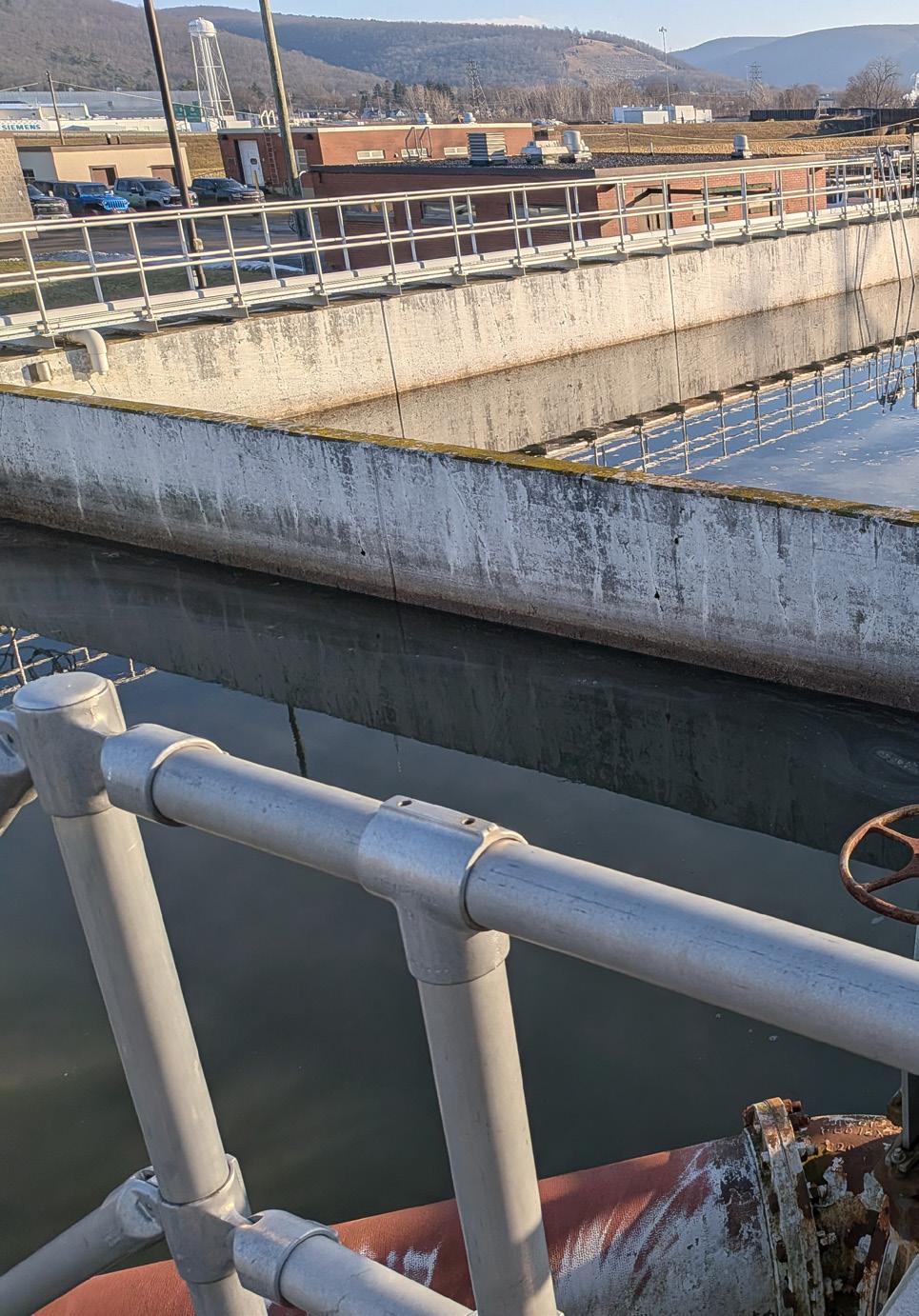
The City partnered with NYSDEC and industry representatives to document its program, update permits that had not been revised since the 1980s, and amend the sewer use ordinance. These updates improved operational clarity and aligned the pretreatment program with regulatory expectations, positioning the City for long-term compliance.

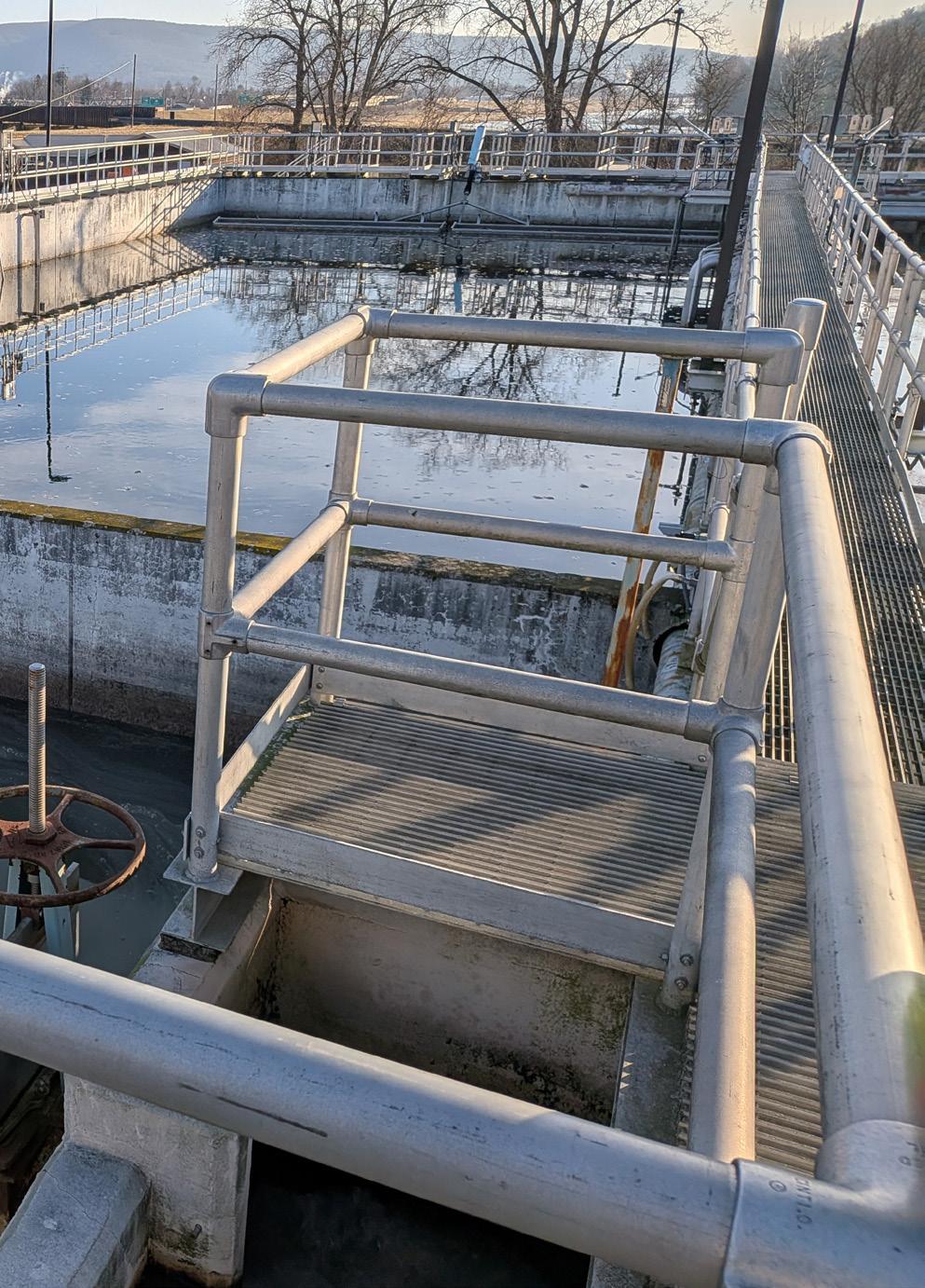
In many cases, municipalities also benefit from engineering consultant support, particularly when regulations or local priorities change, industrial activity increases, or internal staffing is limited. Consultants such as LaBella can help pretreatment programs avoid common pitfalls and strengthen long-term program performance.
In the Town of Erwin, New York, aging program documents, expiring permits, and changes in industrial activity and wastewater flows prompted updates to the pretreatment program. By working closely with the NYSDEC, industrial users, and LaBella, the Town refreshed procedures, renewed permits, and implemented ongoing compliance monitoring. These efforts help Erwin keep documentation current and support reliable wastewater treatment plant operations.
When industrial wastewater pretreatment programs are thoughtfully structured and actively managed, the benefits are tangible. Municipalities often see improved compliance rates, reduced pollutant loading to treatment systems, and greater confidence during regulatory audits.
While successful municipalities follow best practices, even well-structured pretreatment programs are influenced by evolving regulatory and industry trends.
Increasing attention to emerging contaminants—such as PFAS (per- and polyfluoroalkyl substances)—alongside chlorinated organics and industrial solvents has heightened expectations for municipal awareness and proactive evaluation, even as formal regulatory limits continue to develop.
Technology is also changing how pretreatment programs operate. Automated samplers, real-time monitoring tools, and cloudbased reporting systems enable more precise data collection and quicker issue resolution. At the same time, audits and inspections increasingly emphasize documented procedures, clear enforcement response plans, reliable sampling data, and transparent permitting decisions, reinforcing the importance of consistent program management.
For municipalities, these trends point to the need to design pretreatment programs that are adaptable, well-documented, and scalable over time.
When industrial wastewater pretreatment programs are thoughtfully structured and actively managed, the benefits are tangible. Municipalities often see improved compliance rates, reduced pollutant loading to treatment systems, and greater confidence during regulatory audits. Clear procedures and consistent communication can also lead to more efficient permitting and monitoring workflows, easing administrative burdens on staff.
Beyond improved compliance, strong pretreatment programs help protect treatment infrastructure, safeguard environmental quality, and reinforce trust among municipal staff, industry partners, and the broader community they collectively serve.
By Jesse Vogl, AICP | Principal Transportation Planner
Communities across the country face unmet transportation needs. Aging roadways and bridges, traffic safety concerns, incomplete pedestrian and bicycle networks, transit gaps, and mounting climate resilience goals all place increasing pressure on local transportation systems. These challenges collide with a planning and funding process that grows more complex each year, with layered federal, state, and regional requirements governing how projects are planned, evaluated, and ultimately funded.
Compounded by a $6 billion federal funding gap for public transit nationwide1 and a nearly
$40 billion annual deficit in the federal Highway Trust Fund2 , communities are feeling the high stakes of each annual budget.
For local governments, the question isn’t what needs to be funded, but how to navigate this competitive landscape to serve their communities. Even well-conceived local projects can stall if they are not aligned with regional priorities or shifting federal planning requirements. This is where Metropolitan Planning Organizations (MPOs) play a pivotal role. As strategic partners, MPOs serve as the bridge between local needs and regional and federal investment decisions.
Understanding how MPOs function and how to engage them effectively can move projects from vision to reality.
Federally required for urbanized areas with populations over 50,000, MPOs are regional transportation planning entities that provide a structured forum where policy boards, including elected officials and representatives from member municipalities and agencies, help shape regional transportation priorities.
Through a cooperative, continuous, and comprehensive planning process, MPOs coordinate decision-making, ensure compliance with federal requirements, and use data-driven, performancebased approaches to guide transportation investments. MPOs serve as both a gateway to funding and a technical resource that helps ensure projects are aligned with broader regional and federal priorities, ultimately helping members (municipalities within the MPO boundary) advance projects that are wellpositioned for implementation.
MPOs carry out their work through three core documents that are central to how transportation projects advance from planning to implementation.
• The Long-Range Transportation Plan (LRTP) establishes a region’s transportation vision, goals, and investment priorities over a 20- to 25-year horizon and provides the policy framework that guides future decisions.
For municipalities, MPOs provide several critical benefits:
• Access to federal and state transportation funding
• A transparent, data-driven framework for project prioritization
• Regional coordination that strengthens local projects
• Technical expertise and analytical capacity that many municipalities do not have in-house
When leveraged effectively, MPOs can help municipalities turn local needs into regionally supported, fundable projects.
• The Transportation Improvement Program (TIP) translates those priorities into action by identifying and programming specific projects eligible for federal transportation funding over a multi-year period, making TIP inclusion a critical step for municipalities seeking to advance projects toward construction.
• Supporting these plans is the Unified Planning Work Program (UPWP), which defines the MPO’s nearterm planning activities and allocates federal planning funds to specific studies and tasks. For municipalities, inclusion of a planning study in the UPWP can be an important early step to receiving resources and regional support to develop projects that are better positioned for future TIP programming and funding.
Each of these documents is developed within the context of the entire region, balancing the needs of urban, suburban, and exurban communities.
Municipalities that strategically engage MPOs early in the planning process can strengthen project justification, access technical resources, and position themselves to compete more effectively for funding while reducing risk and uncertainty later in project development.
Understanding how MPO planning and programming timelines work together is one of the most effective ways to ensure projects are “MPO-ready.” MPOs operate on defined planning and programming cycles, with the UPWP guiding when planning studies can be initiated and the TIP determining when projects are eligible to move into design and construction. As part of the TIP and UPWP development cycles, MPOs typically issue a formal call for projects or planning studies, inviting municipalities within the MPO boundary to submit projects and planning studies for evaluation.
Transportation, continued from page 11
Projects that coincide with the goals, performance measures, and investment priorities established in the LRTP, as well as those with schedules synced to MPO timelines, are more likely to score well during evaluations.
Alignment with these MPO plans and priorities is increasingly important for municipalities pursuing competitive transportation funding. Projects that are grounded in data, reflected in regional plans, and consistent with established performance measures are better positioned to compete for federal programs such as the Highway Safety Improvement Program, Safe Streets and Roads for All, and Transportation Alternatives Program.
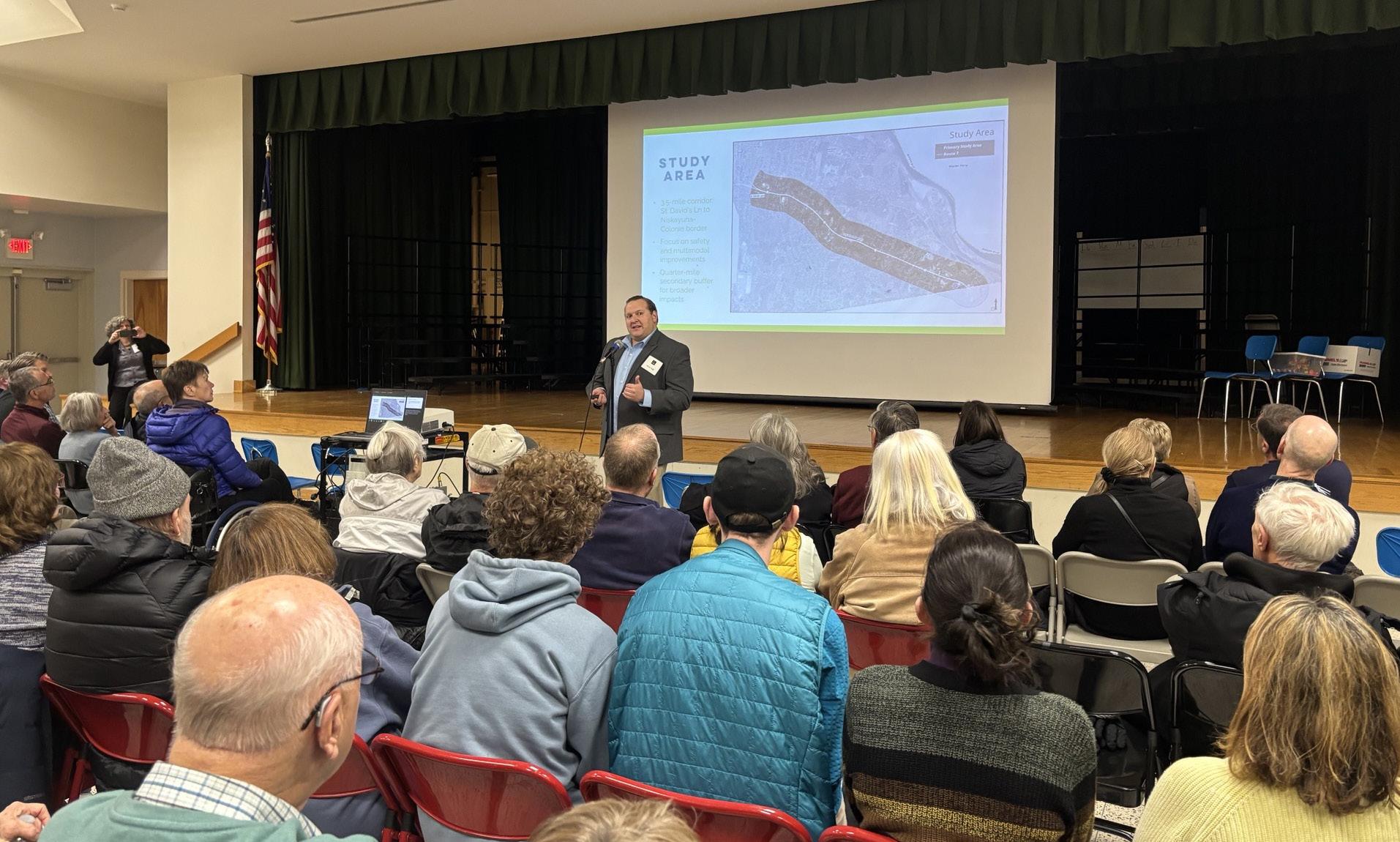
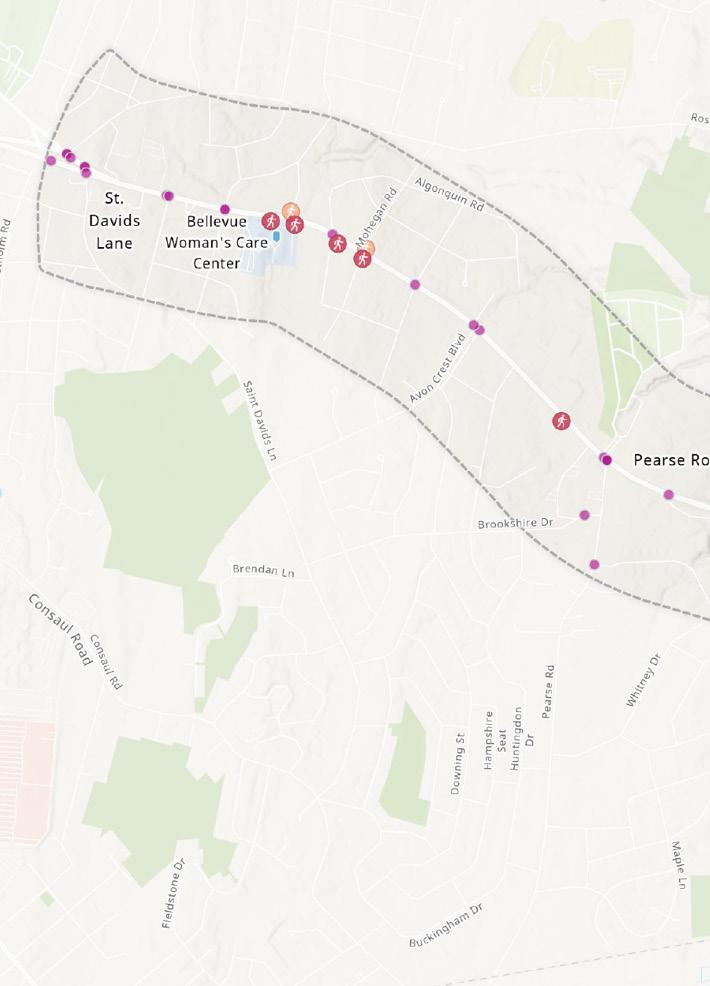
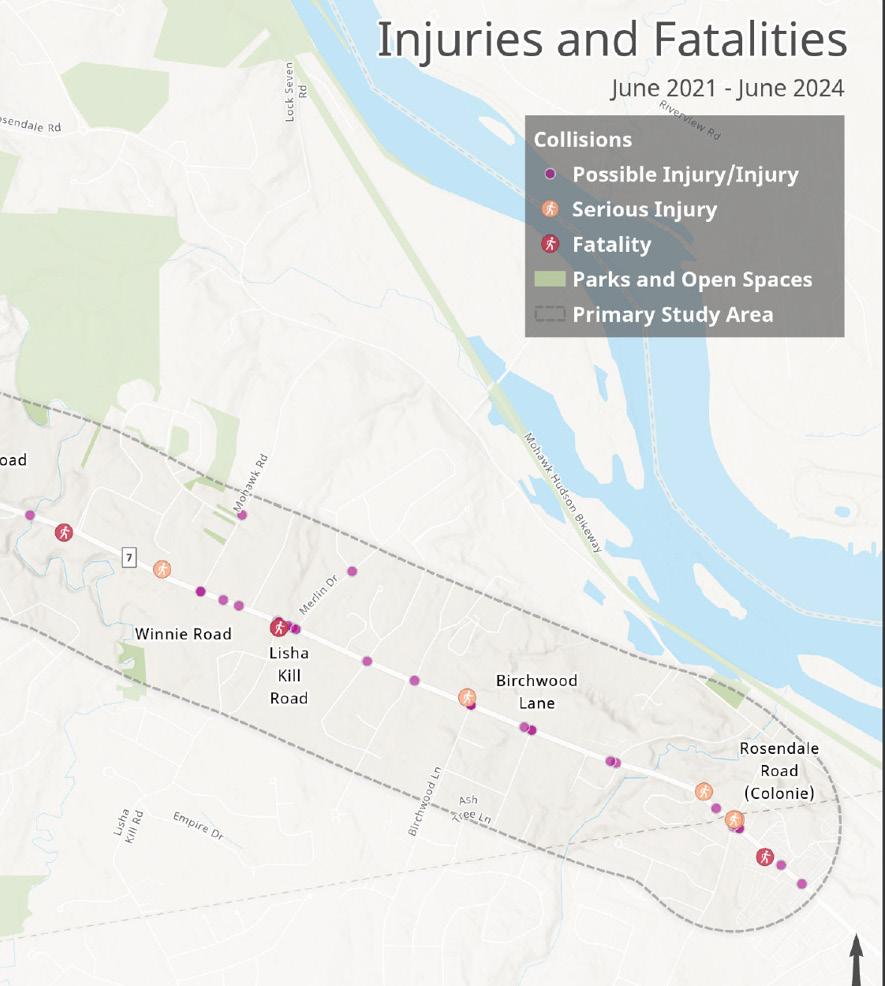
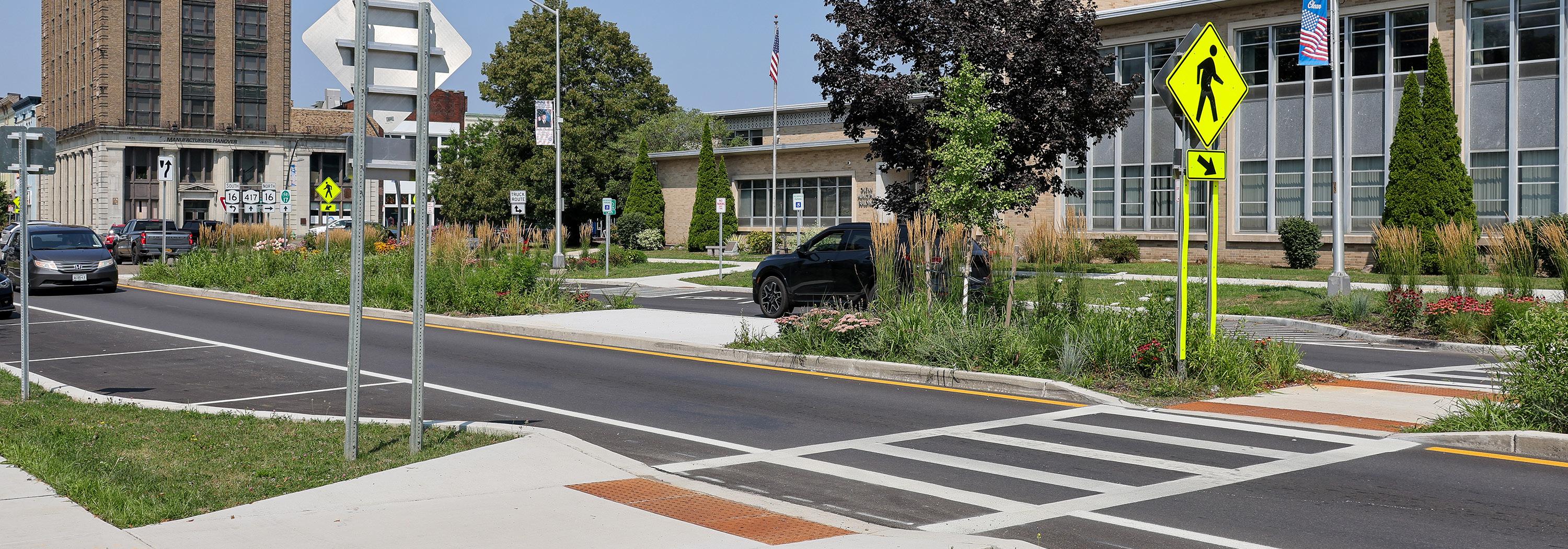
One strong example of successful alignment is the Niskayuna Safe on 7 Complete Streets Plan, an MPO-sponsored corridor study. Collaboration between the regional MPO,
Capital Region Transportation Council, and municipal leaders, managed by LaBella Associates, provided the Town of Niskayuna, New York, with a data-driven foundation for safety and multimodal improvements. This approach positioned the Town to pursue targeted funding opportunities and engage with the New York State Department of Transportation as the roadway owner to advance projects aligned with regional priorities.
Municipalities often approach their MPOs with a wide range of concerns: a corridor with a history of crashes, a downtown street that feels unsafe for pedestrians, a growing employment area with limited transit access, or a desire to better connect neighborhoods through walking and bicycling networks. MPOs are designed to help communities turn these identified needs into well-defined, data-supported planning efforts that lead to implementable projects.
Through technical assistance programs, MPOs provide municipalities with access to tools and expertise that many communities would not otherwise have available.
Municipalities that understand how MPOs operate and actively engage them throughout the planning and project development process achieve better outcomes. Communities that integrate MPO planning early see projects advance more quickly, secure competitive funding, and avoid costly delays. The benefits aren’t just administrative; they’re safer streets, improved mobility, and infrastructure that reflects both local priorities and regional goals.
In an era of limited resources and rising expectations, leveraging MPO partnerships is a proven strategy for converting transportation challenges into lasting solutions.
References:
1. Bloomberg: https://www.bloomberg.com/news/newsletters/2025-04-30/a-6-billion-shortfall-has-us-mass-transit-facing-adeath-spiral-citylab-daily
2. Library of Congress: https://www.congress.gov/crs-product/R48472
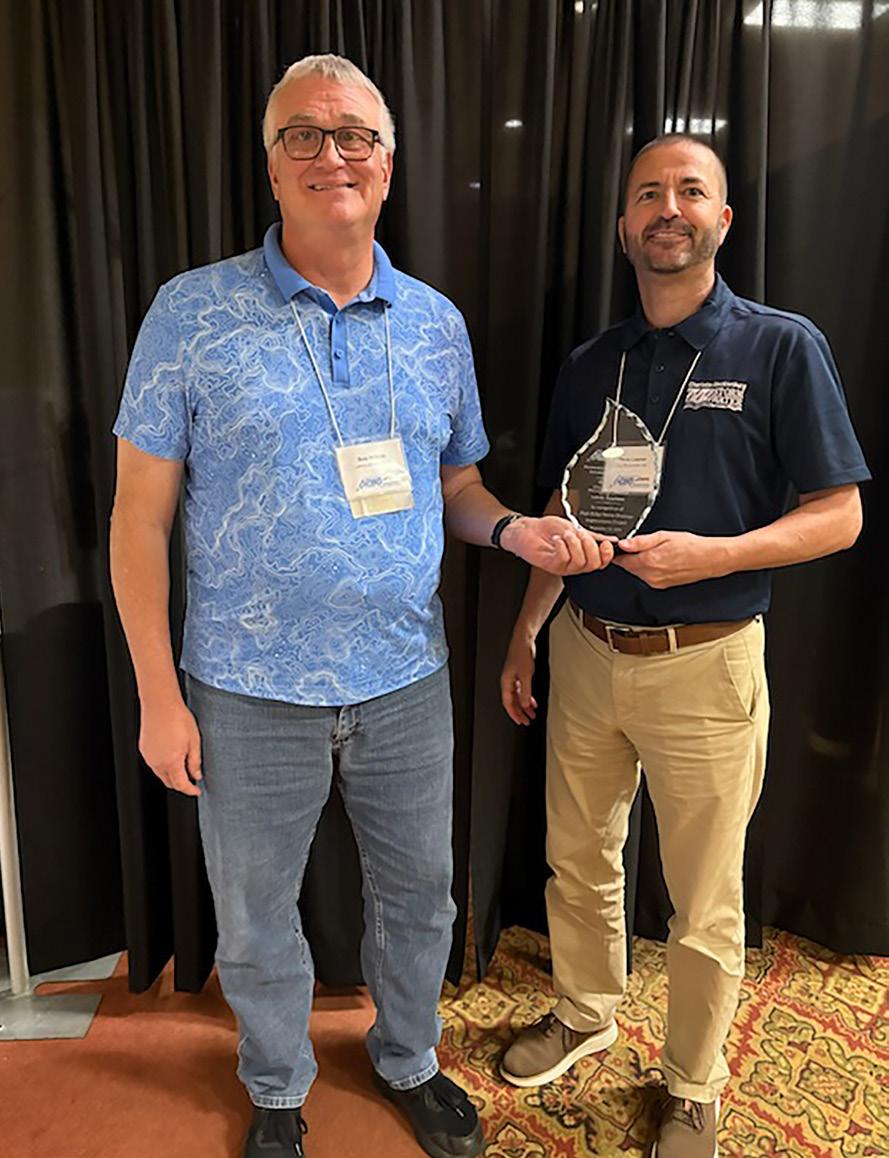
LaBella was honored to join Charlotte-Mecklenburg Storm Water Services (CMSWS) in accepting the 2025 Stormwater Project of the Year Award for the High Ridge Storm Drainage Improvement Project. The award was presented by the American Public Works Association North Carolina Chapter at its 2025 Stormwater Management Conference, held September 28–30, in Asheville, North Carolina.
The Stormwater Project of the Year Award celebrates excellence in stormwater project implementation in North Carolina and recognizes the collaboration among project owners, consultants, suppliers, and contractors that leads to successful stormwater management improvements.
To help mitigate flooding, meet long-term sustainability needs, and improve maintenance requirements along High Ridge Road in Charlotte, North Carolina, the culvert system required replacement.
In partnership with CMSWS, LaBella performed an alternatives analysis to evaluate options for the culvert replacement. Due to the low head and cover at High Ridge Road, only box culverts were feasible to meet design requirements. LaBella designed the replacement of the aging corrugated metal pipe arches with a 12-foot-by4-foot reinforced concrete box culvert crossing High Ridge Road.
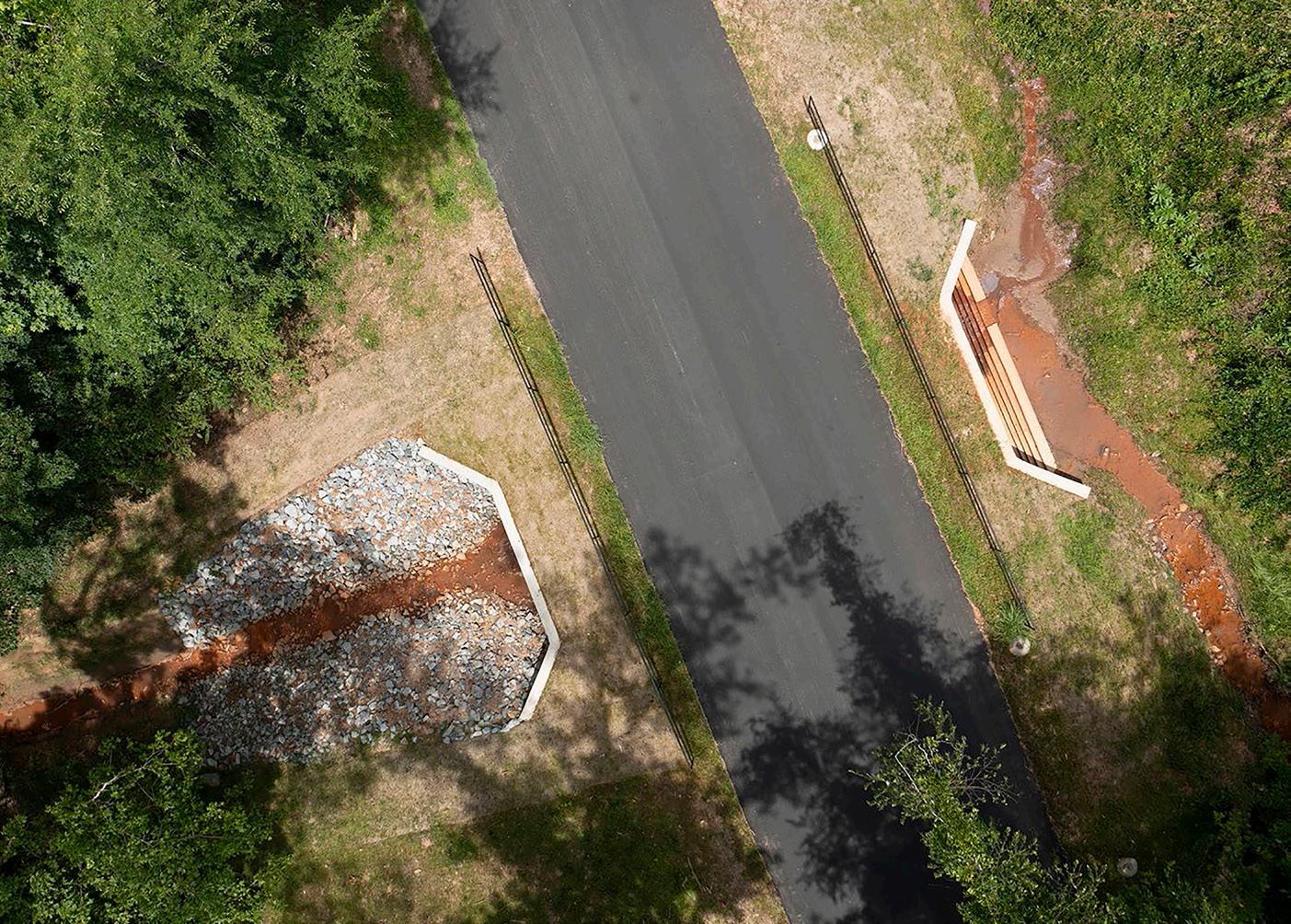
The project team overcame challenges, including poor soil conditions, surrounding wetlands, and utility conflicts.
Learn more about the High Ridge Storm Drainage Improvement Project by scanning the QR code below:
By Ed Flynn, AICP | Director of Planning
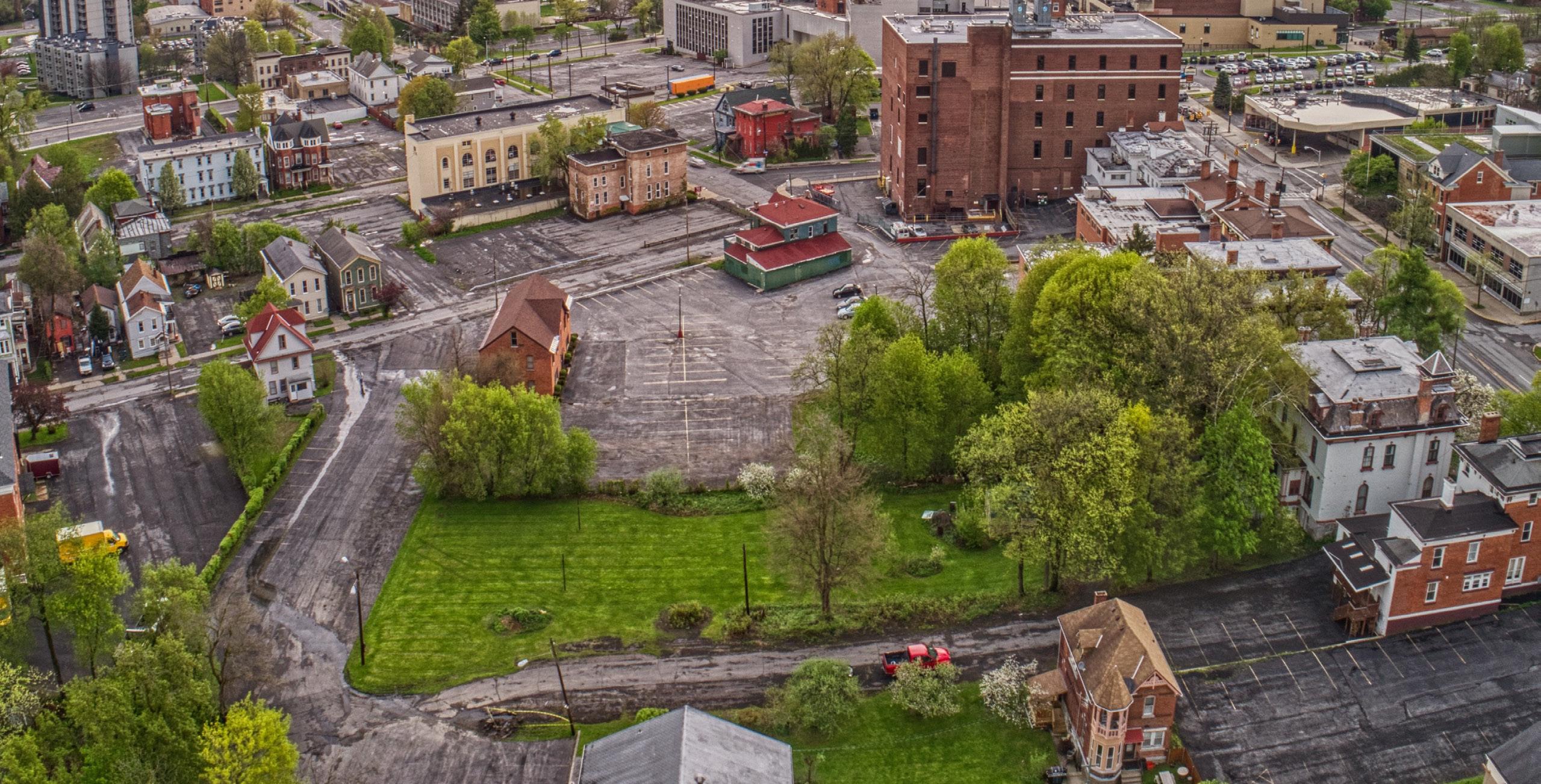
Municipalities frequently own “excess” properties—land, buildings, or facilities that are no longer essential to local government operations. While these parcels may initially appear to be liabilities, they often hold significant potential to support economic development, foster neighborhood revitalization, and advance long-term community goals.
This article discusses types of excess municipal property, outlines key considerations for municipalities evaluating the disposition of underutilized property, and explores strategies for maximizing public benefit. While specific disposition procedures vary by municipality, the considerations and strategies outlined here reflect commonly used best practices that municipalities can apply in their communities.
Excess municipal property typically falls into one or more of the following categories:
• Obsolete Municipal Facilities: Buildings such as outdated City, Village, or Town Halls that require substantial capital improvements or no longer meet operational needs.
• Foreclosed Properties: Land or structures acquired by municipalities or counties through tax foreclosure proceedings.
• Gifted or Transferred Properties: Sites transferred from private owners or nonprofit entities that may not have an immediate municipal use.
• Environmentally Contaminated Sites: Parcels with known or suspected environmental conditions requiring review, analysis, and potential remediation.
Once municipalities identify excess properties, the next step is determining how to dispose of them effectively.
Many municipalities rely on public auctions to sell surplus properties. Auctions are familiar, procedurally straightforward, and sometimes mandated by local law. However, auctions can present notable disadvantages— particularly for properties with strategic economic or community development value.
Once sold at auction, municipalities relinquish control over future use of the property. Buyers may hold a site for speculative purposes, allow it to deteriorate, or pursue development that conflicts with community plans. Critical downtown parcels, waterfront areas, or catalyst sites can suffer long-term negative impacts if acquired by owners whose interests do not align with local priorities.
Because of these risks, municipalities should carefully evaluate whether an auction is appropriate—particularly for properties with community-wide significance.
Given the limitations of auctions, many municipalities turn to the Request for Proposals (RFP) process. Unlike auctions, a well-structured RFP enables municipalities to guide redevelopment outcomes while remaining transparent and competitive.
Benefits of an RFP-based disposition include:
• Evaluating Developer Capacity: Municipalities can assess a developer’s financial strength, experience, and track record.
• Controlling Land Use Outcomes: Municipalities can specify permitted uses consistent with local plans, such as downtown revitalization strategies or waterfront redevelopment visions.
• Influencing Design Quality: Municipalities can establish design expectations to ensure compatibility with surrounding buildings and public spaces.
• Setting Performance Expectations: Communities can require commitments related to job creation, tax generation, sustainability, public amenities, and other goals.
• Including Safeguards: Developer agreements can include clawback provisions that require project milestones, with consequences—including reversion of ownership—if obligations are not met.
To ensure the RFP process achieves the desired community outcomes, municipalities should complete a series of preparatory actions before formally soliciting proposals.
Before developing and circulating an RFP, municipalities should collaborate closely with a municipal attorney or outside counsel to amend or develop local ordinances that enable the disposition process. In larger communities, planning and economic development staff should also be involved to ensure the approach aligns with community goals and development strategies.
continued on page 16
Feature, continued from page 15
With this foundation in place, municipalities can then undertake additional preparatory work to attract capable developers and reduce project uncertainty.
• Develop Community-Vetted Reuse Scenarios: Work with planning and design professionals to prepare conceptual alternatives for redevelopment. Statelevel funding sources for brownfield redevelopment, building renovations, and comprehensive plans may support this work.
• Conduct Environmental Due Diligence: Phase I and Phase II Environmental Site Assessments provide critical insight into potential environmental conditions and support informed decision-making.
Developers typically expect this information, and completing due diligence in advance can help reduce barriers to investment.
• Gauge Developer Interest: Engage local and regional developers early to understand market feasibility, concerns, and potential challenges before issuing an RFP.
As municipalities move through this process, they should continue to consider any legal or procedural constraints that may affect disposition (see the Legal and Procedural Considerations section for additional details).
With these steps complete, municipalities are positioned to launch an RFP that is efficient, transparent, and aligned with community goals.
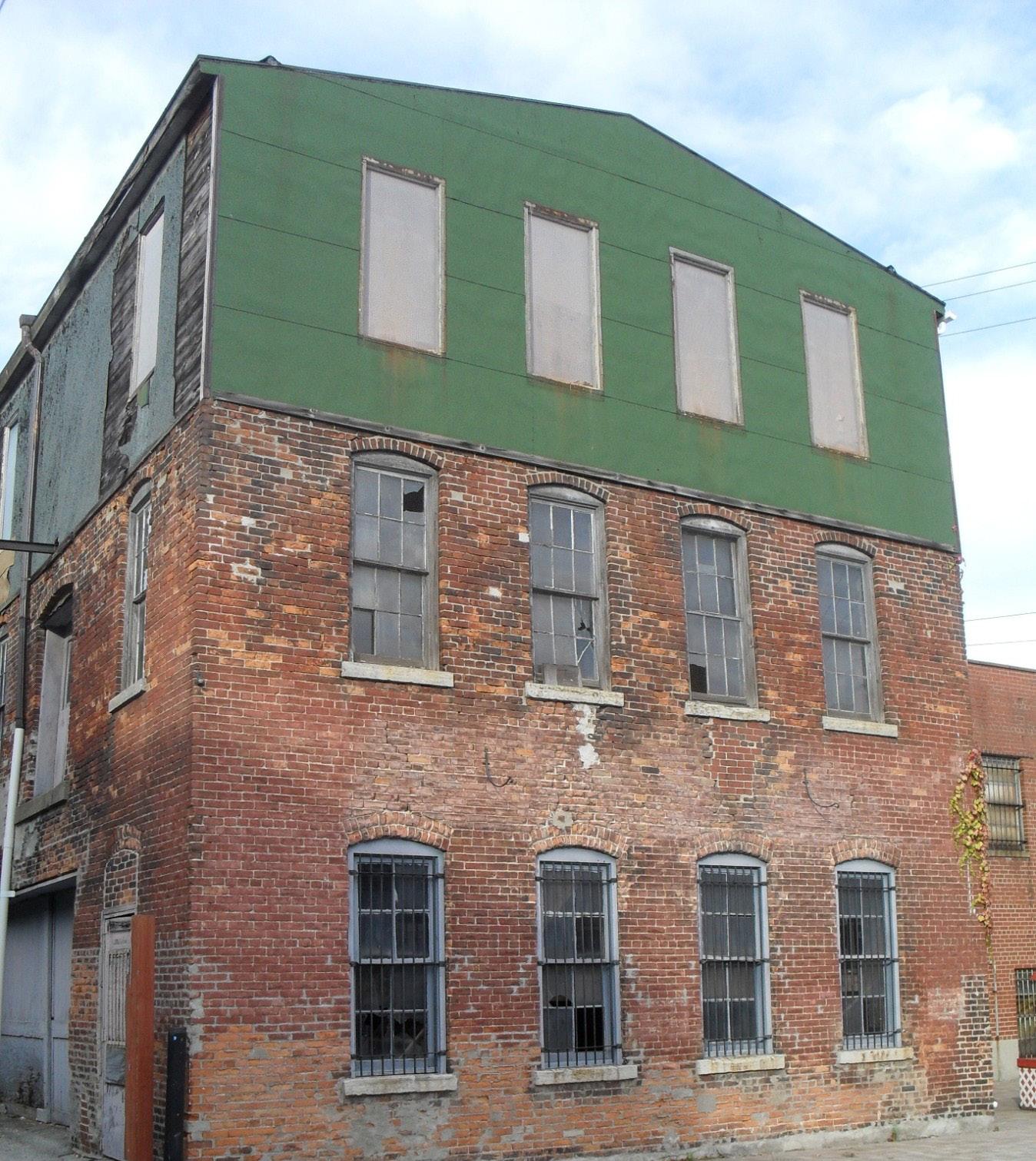
An effective RFP clearly communicates expectations and evaluation criteria. At a minimum, an RFP should outline:
• Site and building background
• Community goals and policy context
• Environmental findings and constraints
• Potential funding sources and incentives
• Submission requirements (e.g., conceptual plans, renderings, financial disclosures)
• Developer selection criteria
The RFP should be widely distributed to developers, real estate professionals, attorneys, and local property owners.
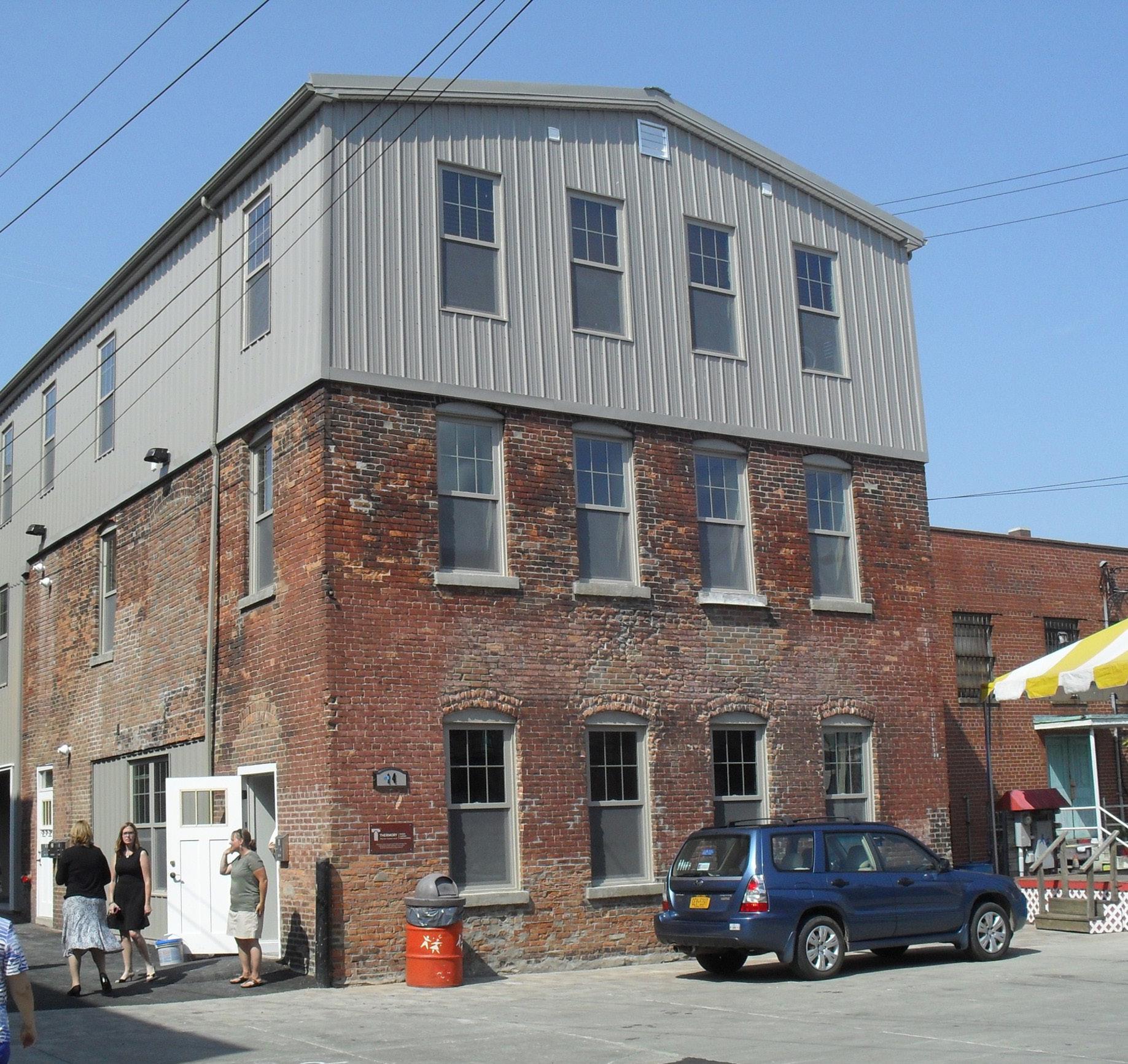
Press releases and targeted outreach can increase visibility and attract higher quality proposals.
Once a preferred developer is selected, municipalities should enter into a Preferred Developer Agreement for complex development proposals to establish an exclusive negotiation period during which final sale terms—including price, milestones, and clawback provisions—are finalized.
Legal and procedural requirements often influence multiple stages of property reuse and redevelopment. Municipalities should identify restrictions or legal requirements early in the disposition process to ensure compliance and avoid conflicts later.
Examples include:
• Deed Restrictions: Limitations that govern permissible uses or users.
• Foreclosure Sale Requirements: Rules vary by state. In New York State, for instance, sale prices for foreclosed properties may be required to meet or exceed back taxes owed, and recent legislation provides owners additional time and options to reclaim properties.
If statutory or procedural barriers prevent municipalities from using an RFP process, they may consider transferring the property to a local development corporation or other organizations that support economic development activities, or to a land bank, which can offer greater flexibility in managing redevelopment-driven dispositions.
Effectively disposing of municipal property presents both challenges and opportunities. While the process may be timeconsuming, a strategic and proactive approach—particularly one driven by an RFP—can ensure that key properties become catalysts for long-term community revitalization. With patience, planning, and strong partnerships, municipalities can transform excess property into assets that benefit residents for generations.
To note: Selling property for a nominal amount (such as $1) is generally discouraged. Such sales can generate community opposition, set undesirable precedents, and imply that the site or surrounding area lacks value.

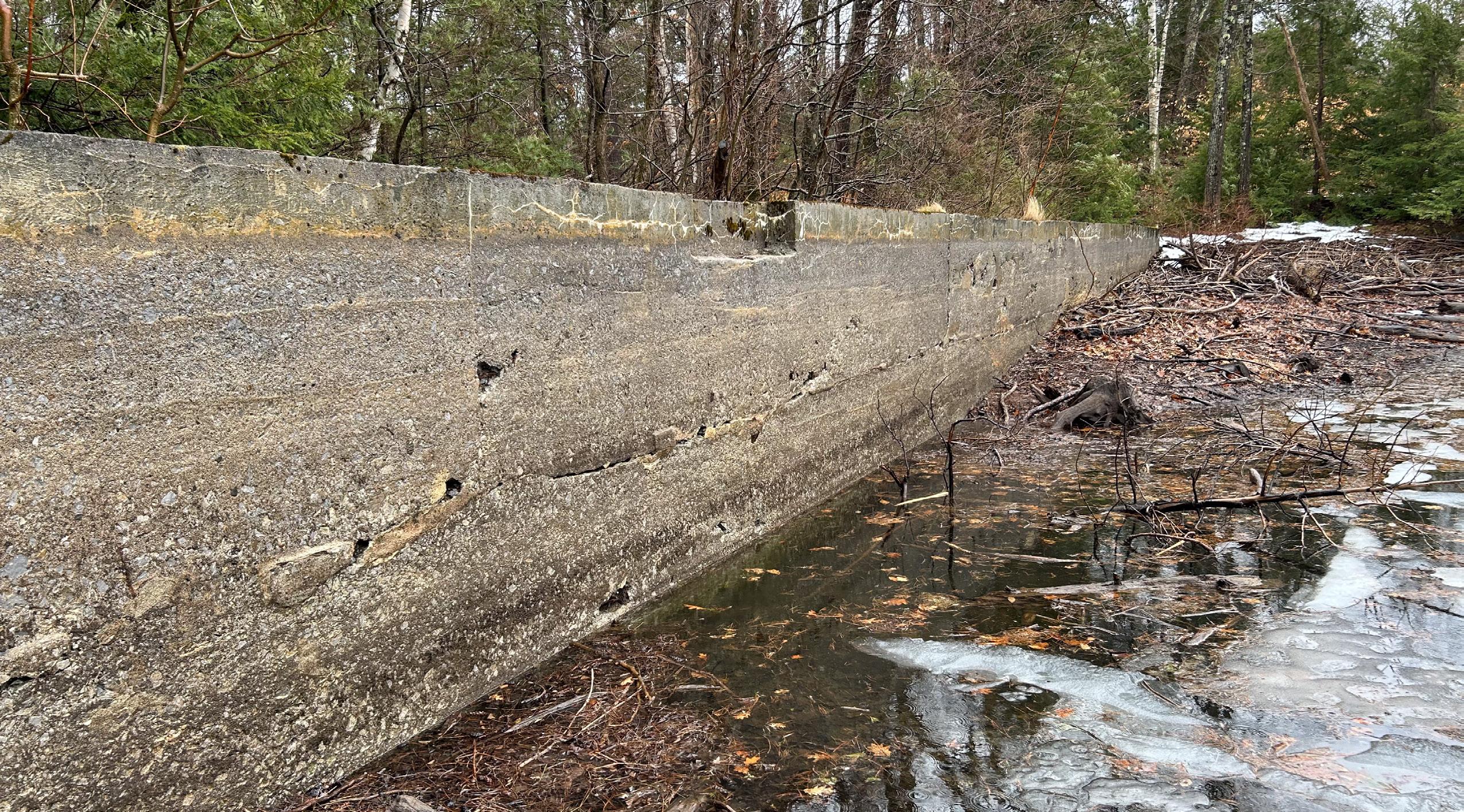
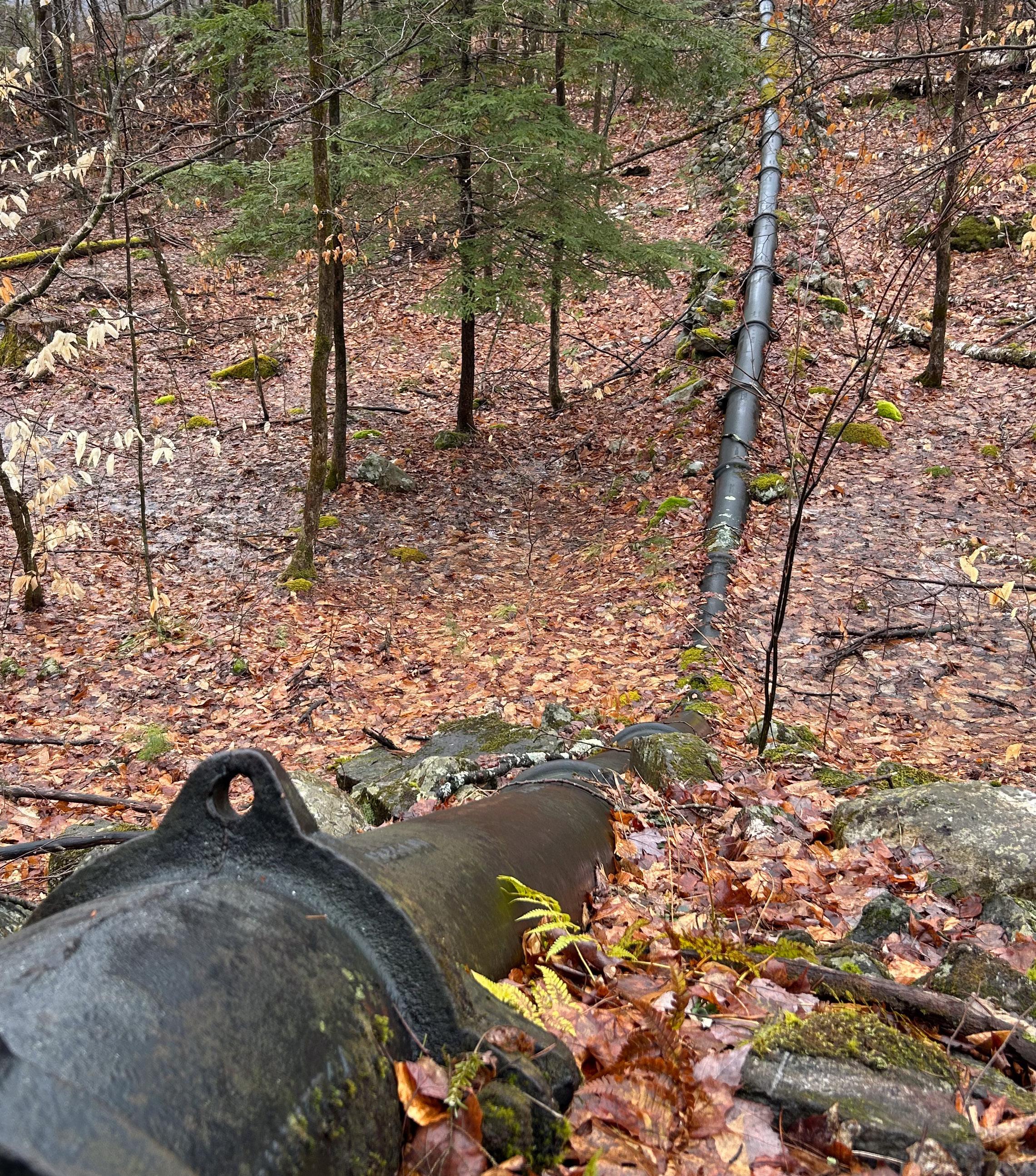
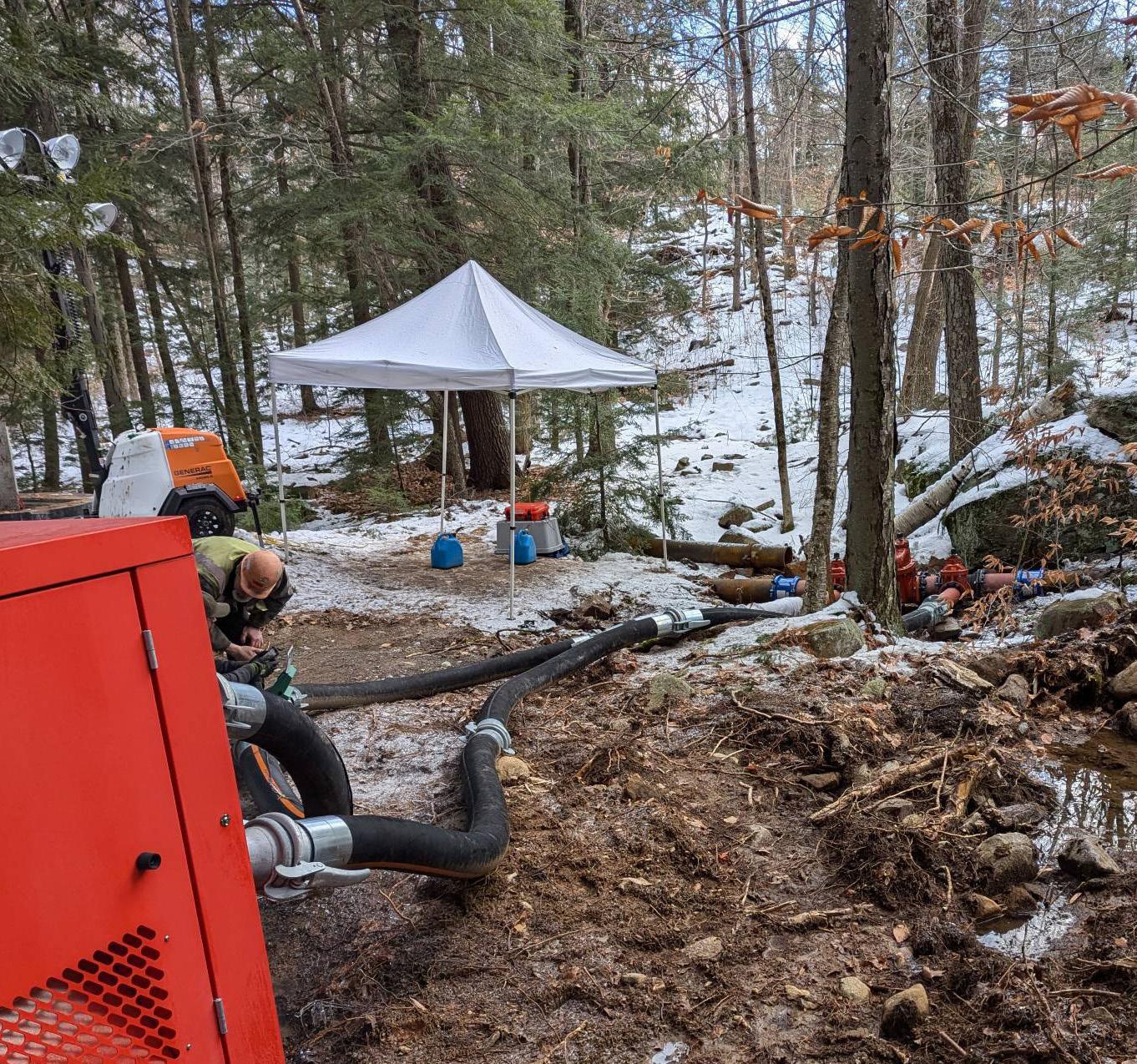
Pine Lake Reservoir is the primary water supply for the Village of Whitehall, New York. In fall 2024, an extended summer drought significantly reduced the reservoir’s storage capacity to historic lows. In late 2024, a water main ruptured, resulting in uncontrolled loss of stored water at a time when reservoir capacity was already severely diminished. As the water level dropped below the hydraulic grade necessary for gravity-fed distribution, system pressure collapsed and customers were left without potable water.
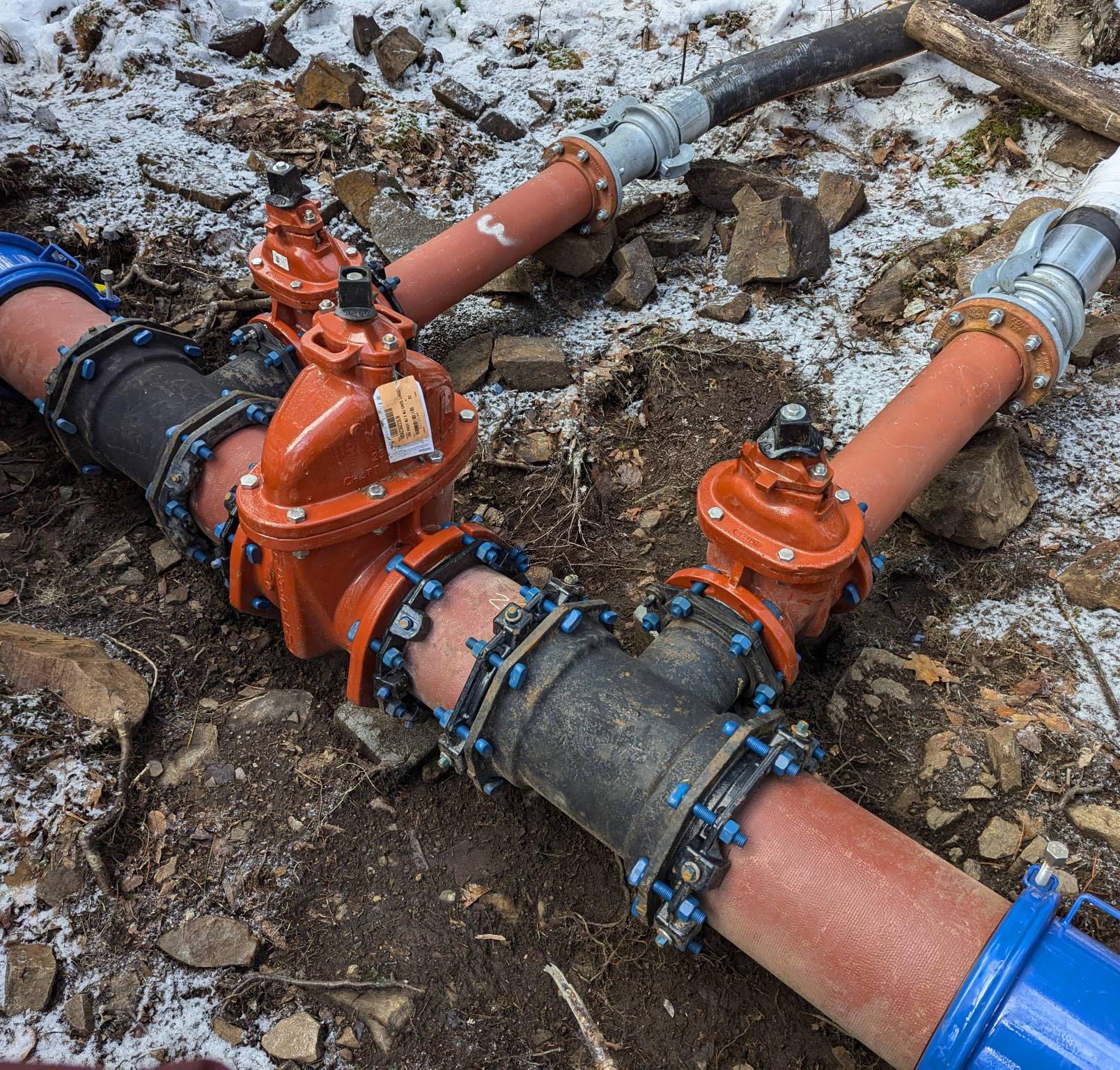
The Village immediately engaged LaBella to provide engineering support for emergency response and service restoration. LaBella developed and implemented an emergency pumping system designed to transfer water directly from Pine Lake Reservoir into the water treatment facility, bypassing the gravity-fed mechanism.
Deployed within hours, this temporary solution restored potable water service and stabilized conditions for subsequent permanent interventions.
Following the restoration of service, our team conducted a bathymetric survey to quantify the remaining raw water volume and evaluate long-term storage resiliency under both average and drought-induced demand scenarios. The study established critical storage thresholds and identified the limitations of the existing system under future climate extremes.
Using this dataset as a foundation, LaBella, in partnership with the Village, the Washington County Health Department, and the New York State Department of Health, developed a comprehensive action plan to enhance operational reliability, extend asset life, and mitigate the risk of future supply interruptions.
Components of the plan include SCADA upgrades; raw water transmission main improvements, including a permanent bypass and emergency pumping connections; structural rehabilitation of the lake and nearby dam; and integration of closed-circuit television inspection programs.
Within one year following the initial water system emergency, the Village secured $2.5 million to begin these essential infrastructure upgrades.
This project illustrates the critical nexus between climate stressors, aging infrastructure, and community water security. By turning an emergency outage into an opportunity for system-wide evaluation and reinvestment, the Village of Whitehall is building toward a more adaptive, intelligent, and resilient water supply framework.
in the
Within one year following the initial water system emergency, the Village secured $2.5 million to begin these essential infrastructure upgrades.
Learn more about this emergency response project by scanning the QR code:
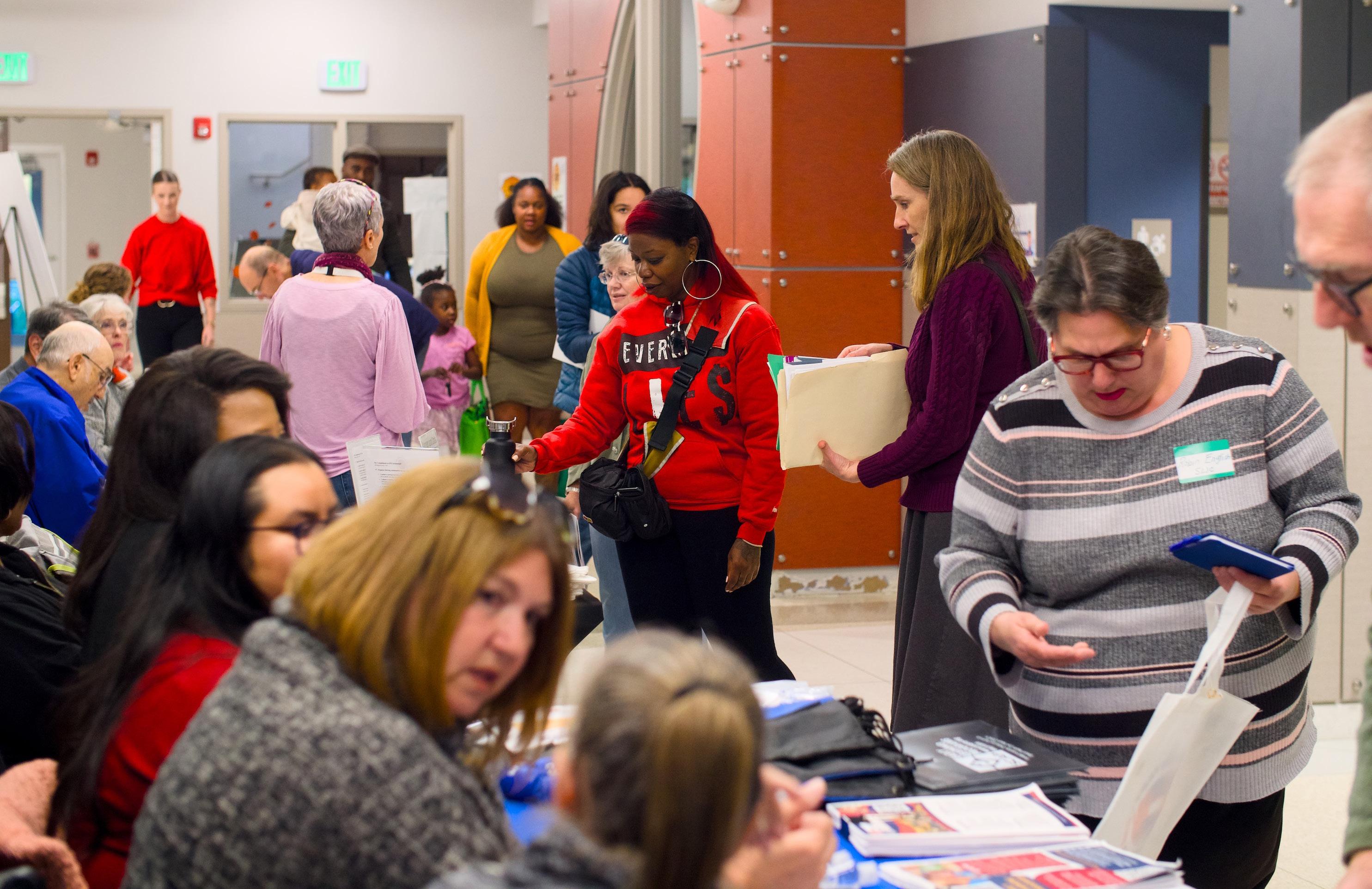
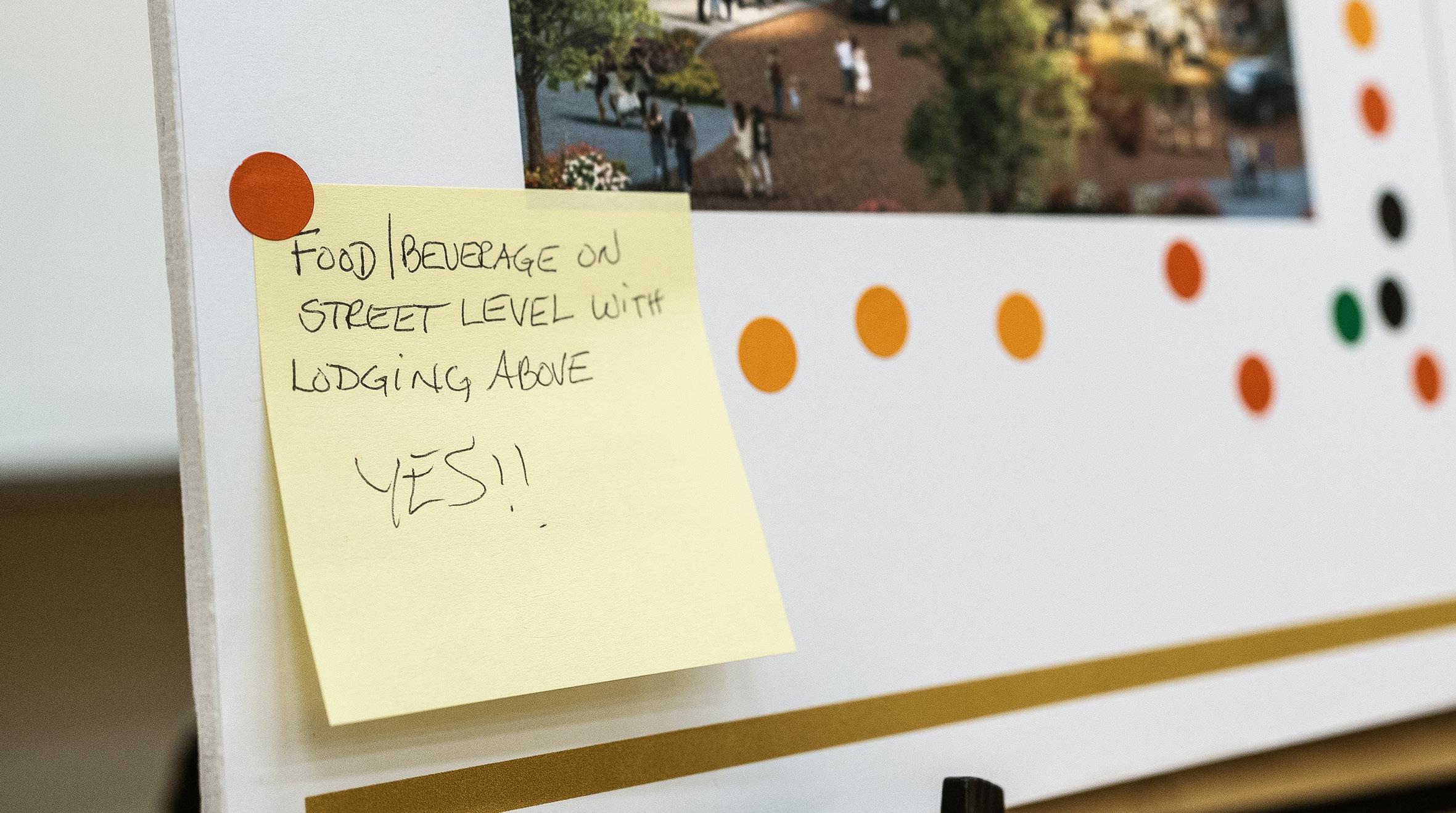
In response to community interest in learning about local resources, the City of Schenectady, New York, and LaBella hosted a combined resource fair and Comprehensive Plan workshop, creating opportunities for residents to connect with local organizations while engaging in the planning process.
Planning
By Mirren Galway | Planner
Public engagement should be intentional, modern, and community-building—not just procedural. Planners and municipalities across the country are rethinking their approaches.
Traditionally, public engagement was viewed narrowly as a way of informing the public about changes in their community. More recently, the trend is shifting, and practitioners are prioritizing community involvement to more radically shape the development of plans and projects themselves.
This is an opportunity for municipalities to not only do their due diligence but also develop better, more representative plans in the process.
Everyone sees a project through a unique lens, making unanimous decisions unlikely. Modern engagement is shifting away from convincing everyone to agree and toward building consensus and buy-in through trust, relationship building, and honest conversations.
In comprehensive planning, we do this by prioritizing early and frequent involvement of all members of the public. Conversations about tradeoffs, constraints, and benefits should be clear. If residents feel genuinely heard from day one, and if all voices are represented in the decision-making process, they may be more willing to make concessions or accept new ideas.
Community building is not just an “extra”; it is a strategic benefit to the planning process.
Yet, public engagement events are often a missed opportunity to foster these connections. Workshops should be designed not only as a venue to share information and gather input but also as a way for neighbors to connect, converse, and better understand different perspectives. When people feel comfortable, welcomed, and among friends, conversations tend to be more constructive, leading to better project outcomes, fewer conflict points, and stronger implementation.
Fun is not just frivolous; it is functional. A major challenge for planning today, especially since the COVID pandemic, is encouraging the public to attend in-person workshops and meetings. Planners and municipalities must be creative. Making public engagement fun may seem difficult when there are many competing priorities in a decision-making process, but it is achievable.
Workshop approaches that use participant-led facilitation to guide meetings, rather than municipal- or consultant-led, create opportunities for freeflowing discussion, which can lead to creative, organic problemsolving. Alternatively, consider making the event more visually appealing by integrating public art or exploring alternative locations for events, such as local breweries or coffee shops. It is important to treat the work you are doing to make your community a better place as a celebration of progress.
Putting these ideas into action starts with being intentional about engagement from the outset of a project. The following test questions offer a simple but effective framework for aligning efforts with desired outcomes, from consensus building to longterm community trust.
Engaging the whole community is often vital, especially during a comprehensive or larger-scale planning process. But are there groups in your community that are often underrepresented in engagement? How can you target outreach to these groups to ensure their voices are heard? Today’s trend in engagement focuses on meeting the public where they are. Bring a project directly to existing events and trusted venues where traditionally underrepresented groups may feel more welcomed into the process.
What engagement activities will you use to reach them?
Lean into and tailor engagement plans to the needs of and what works for your community. Modernizing engagement doesn’t have to mean reinventing the wheel. Maybe a major annual event occurs during your visioning process; what a great opportunity to host a tandem event.
continued on page 22

Planning, continued from page 21
If you know that youth and young professionals in your community respond well to social media, share tailored posts. Maybe the YMCA serves as your main community hub; hosting a table there for an afternoon may engage those you typically wouldn’t hear from.
When during your process will you engage?
This is an important question to ask at the very beginning of a planning project. Generally, we want to engage the public early and often to encourage buy-in on a final plan. However, prioritizing meaningful engagement throughout is key. Choose how your project team will guide public involvement early on and treat engagement as a living and iterative process.
Where can you host or participate in meetings/events that will make you accessible?
Meet people where they are. Sometimes, the most accessible and realistic location for a public meeting is your Village or Town Hall. However, a workshop at a popular restaurant at the center of your study area might create a more comfortable atmosphere for candid conversations. If the project prioritizes transportation and mobility, ride the bus and chat with public transit system users while they ride. Don’t forget to consider online engagement as an alternative for those unable to attend a meeting or those who prefer to participate at their convenience.
Why do you want to engage?
What are your goals of engagement?
This is arguably the most critical question a municipality should ask before initiating public engagement.
There are several great ways to engage people. Some are traditional presentations and Q&A formats; others are more creative and abstract, like working with artists to create community murals. Before committing to the methods, first understand your goals. Take the time to think about the key groups you want to engage, what you really want the community to provide input on, and how you will use the information gathered to inform the plan or project. It is always worth the extra upfront effort.
To activate the power of public engagement and improve project outcomes, municipalities must tailor their approach to the needs and priorities of their community. By asking the right questions early on, municipalities can design engagement strategies that reflect their community, support consensus building, and strengthen project results along the way.
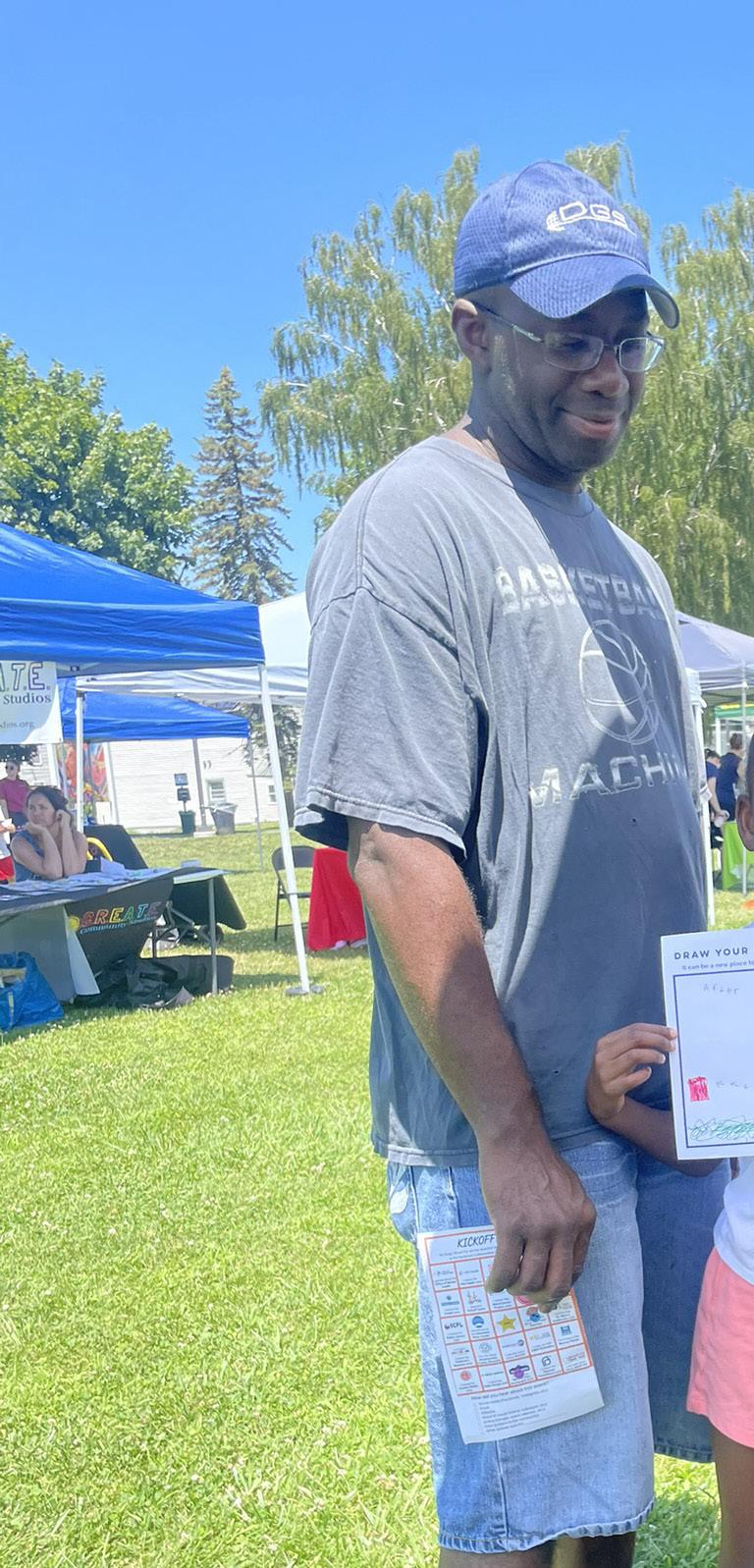
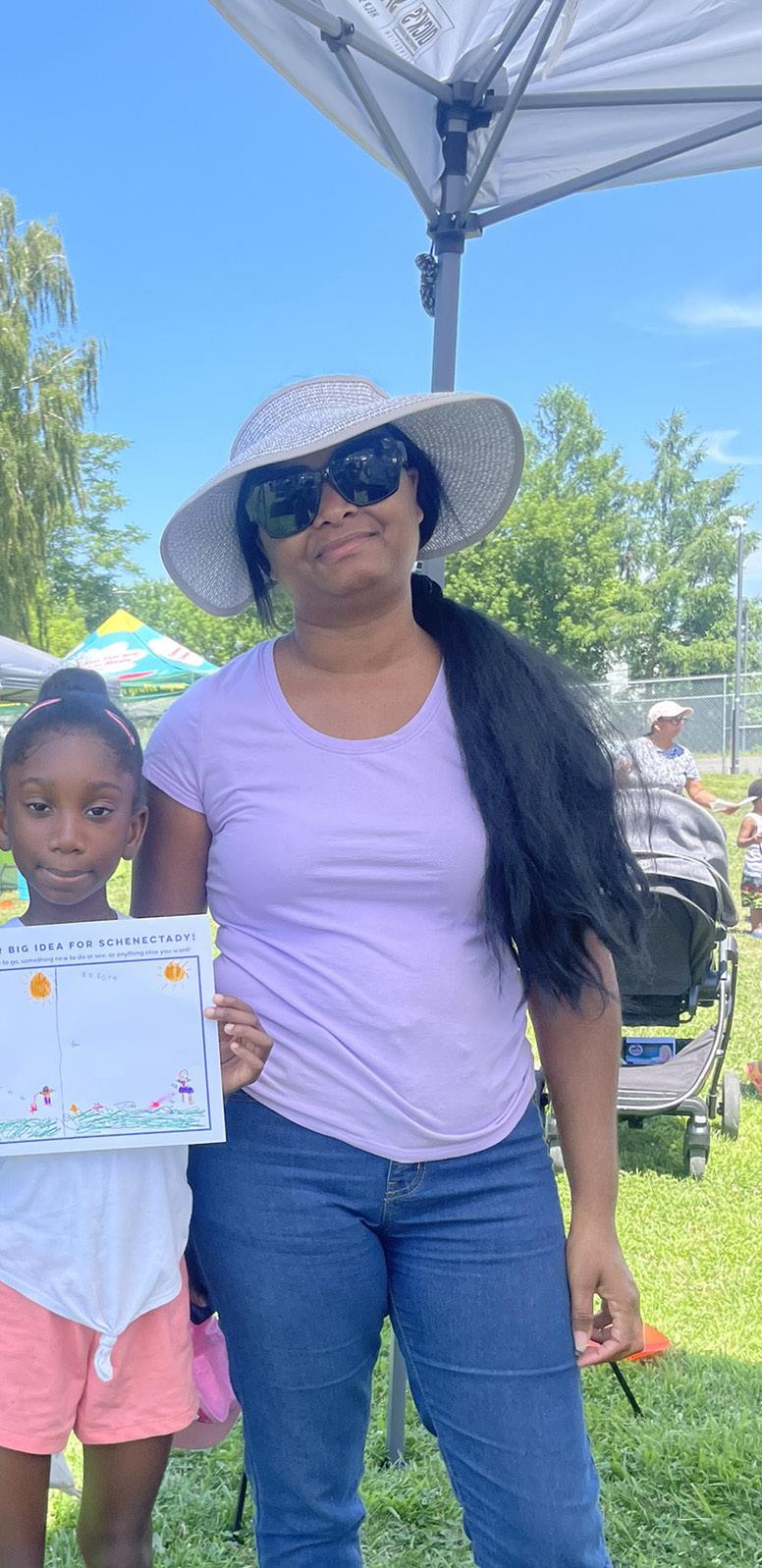
Providing coloring activities for kids
The upcoming grant season will be here before you know it. Now is the time to have strategic conversations and prepare your project wish lists.
By gathering ideas early, you can identify priorities, align goals, and refine project concepts before funding opportunities arise. Using this time to thoughtfully and collaboratively plan, municipalities can position themselves to respond quickly and competitively to grant announcements.
Need help getting started? Learn more about our grant funding experience by scanning the QR code below.
To activate the power of public engagement and improve project outcomes, municipalities must tailor their approach to the needs and priorities of their community.
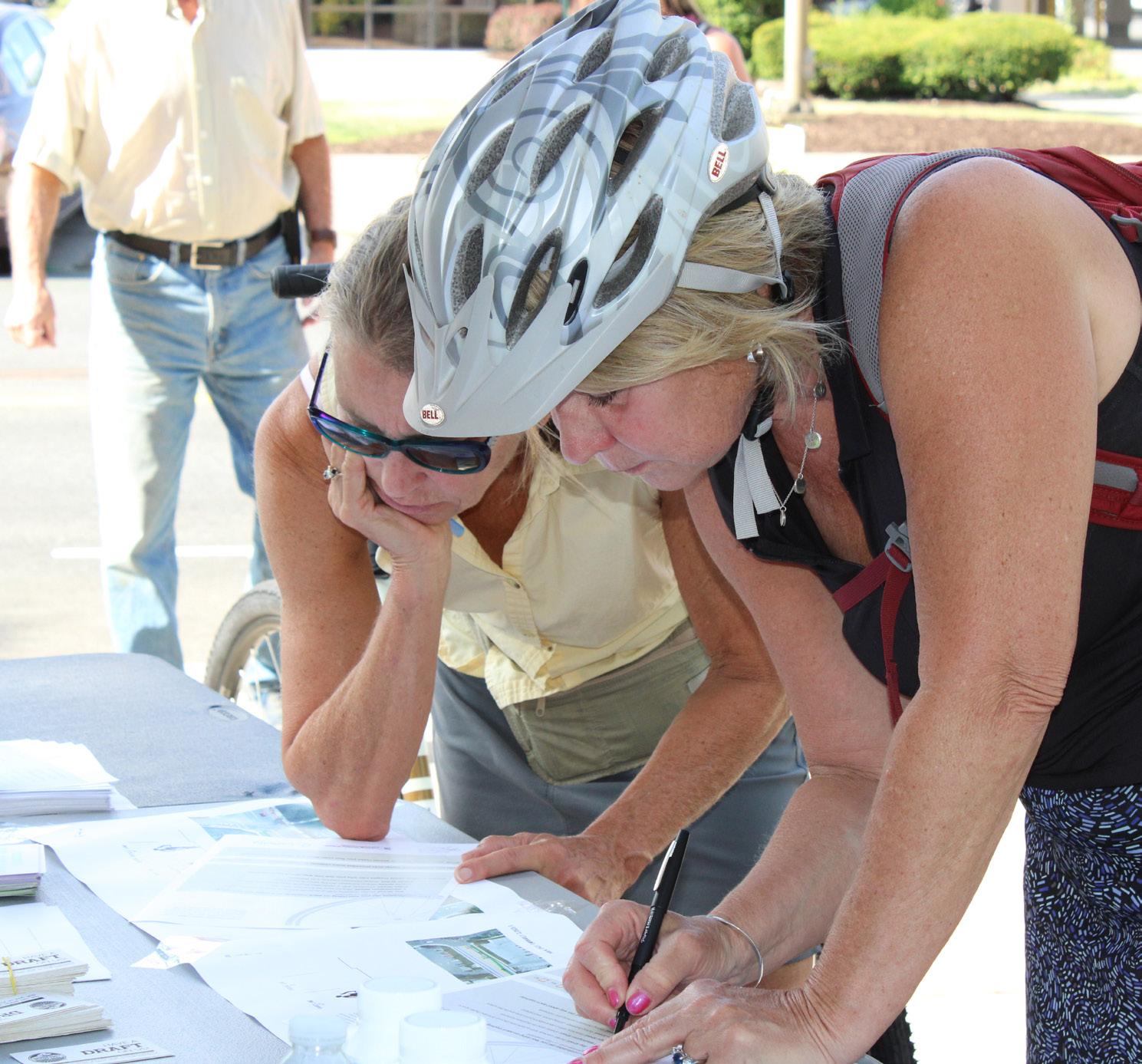
Surveys—whether in person or online— are a great way to hear directly from the community. Bringing them to community events helps boost participation and spark conversation.

Public engagement should be intentional, modern, and communitybuilding—not just procedural. Planners and municipalities across the country are rethinking their approaches. Learn more on Page 20.
visit our website for more information
www.labellapc.com/municipal
ph. (877) 626-6606
inoffice@labellapc.com