


The Tobago People's Party (TPP), earned 60 per cent of votes cast island-wide in the Tobago House of Assembly (THA) elections.





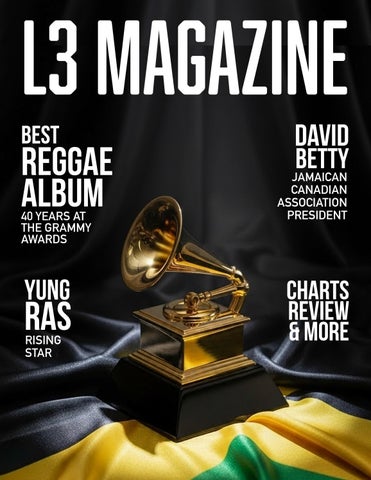
The GRAMMY—music’s most coveted award and a symbolic recognition of a musician’s tireless effort to get a song right—is more than a trophy. Nowhere is that truer than in the category of Best Reggae Album.
Before reggae was global, before it filled stadiums, festivals, commercials, and playlists, it was resistance. It was survival. When the GRAMMY Awards introduced Best Reggae Album in 1985, they were not simply adding a new category— they were acknowledging a sound born from struggle, identity, and collective truth.
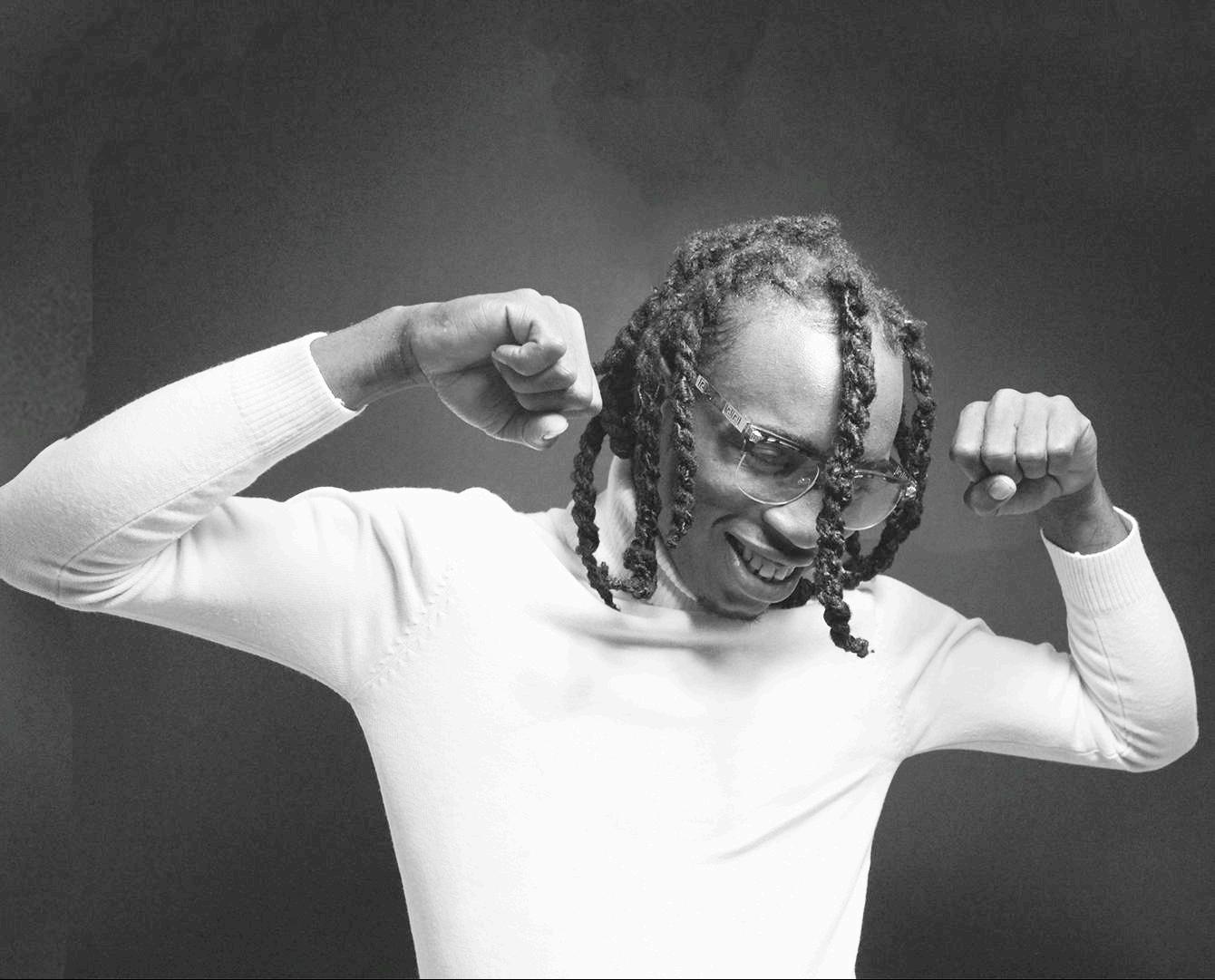
Yung Ras’s interest in music began early. His parents were background singers; his father, Lascelles Beckford, led the Crucial Vibes band which backed several artistes through the years, including late reggae icon Bob Marley.
At the age of 14, while attending Central High School in Clarendon, he was gifted with a drum set from Olympian Usain Bolt.
Yung Ras, whose given name is Ambasa Beckford, said his preference in music is Afrobeats but his impact in Reggae makes him a rising star.
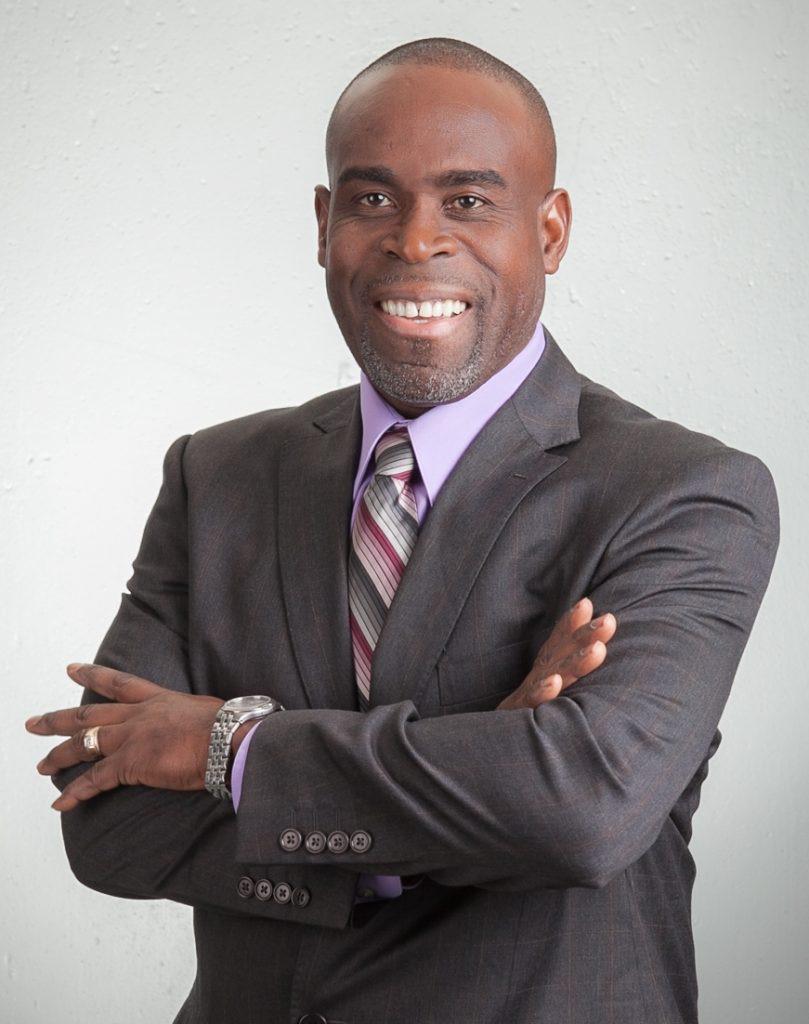
It’s the JCA's mission to deliver programs and services, provide a physical hub, and advocate to improve the well‐being and equity of Jamaican, Caribbean & African‐Canadian communities within the Greater Toronto Area.
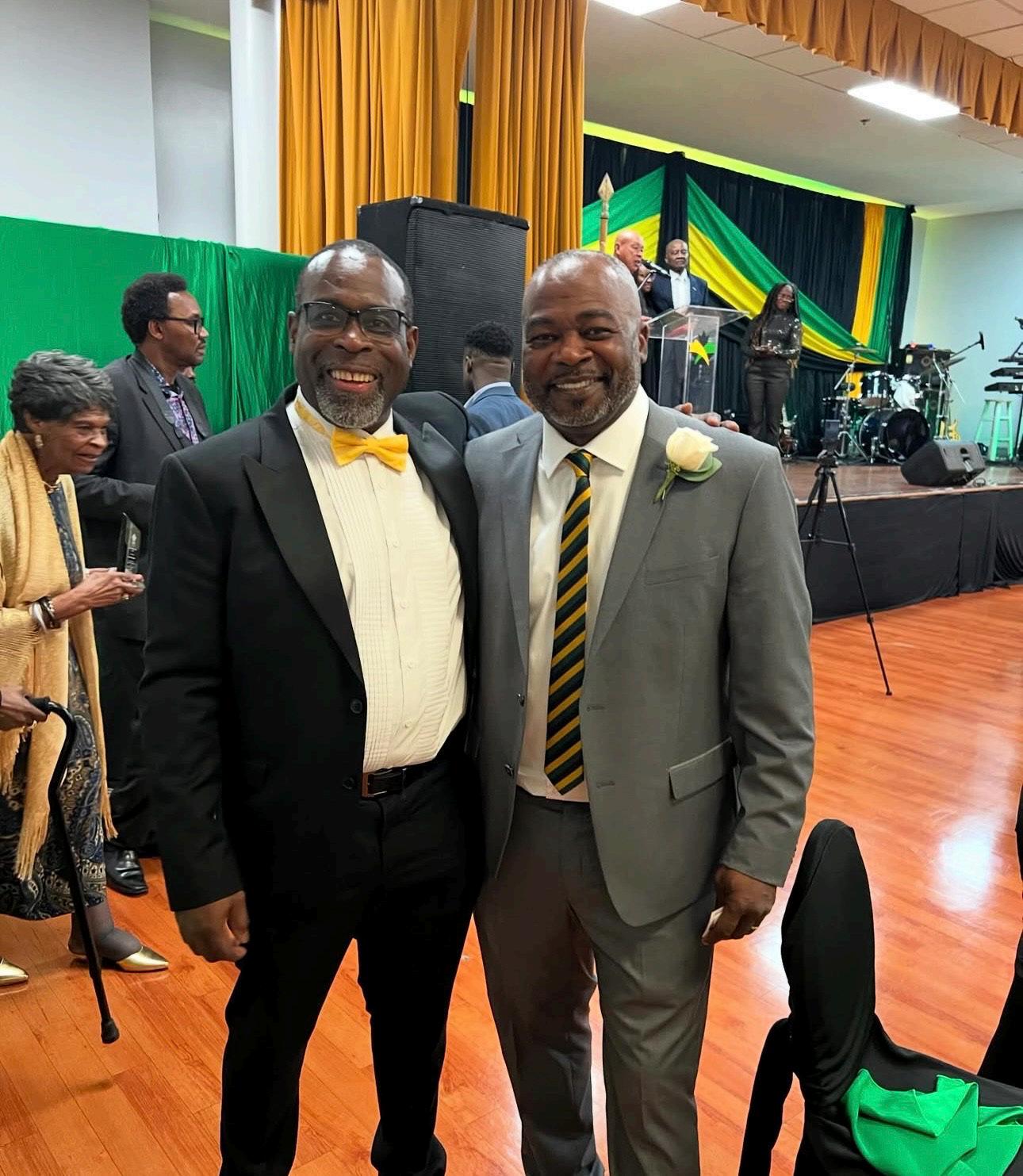
We are three months from Hurricane Melissa - the category 5 event that hit Jamaica – and some are operating as if the hurricane hit yesterday. In Toronto, The Jamaican Canadian Association continues to coordinate donations, financial contributions, and volunteers. All and more are being channeled by the President of the Association, David Betty.



Editorial January, 2026
Hello Friend! I know you are here to get the latest in music and entertainment happenings, but before we do that, I have something I want to share with you.
I am a part of a new community. We are a unique group. The worst of the worst - losers - the failures. Broken people who at one time or another felt or feel as though they lost it all. Some of us went bankrupt, got our hearts broken from infidelity, our loved ones were taken unexpectedly and we fell to anger; we were diagnosed with illness and questioned why through bitterness.
Others of us had addictions, gambled everything away or didnʼt appreciate the blessings and lost it all – maybe even ended up in jail.
Depleted, God with his watchful eye circled the block saying “I think theyʼre ready now.” Reclaiming us from the ashes - especially when we set our own fires - we watched as God formed the clay. Clay turned into form, not just on the body but in bricks and fertile soil. One minute at a time, one breath at a time he began putting us back together.
He started with our soul - new breath with a determined focus to get better and get stronger. Hearing his voice, we prayed. With a re-timed heartbeat, we now walk in lockstep with Him. This new community consists of people who have been broken seemingly beyond repair, but, there is nothing too great for God to ʻfix.ʼ
I will never tell you what to do to fix your problems, but I will encourage you to turn to the one who formed you. Heʼs waiting for you and the community is waiting for you too ... with open arms to celebrate you when you join.
Through Him you will be kept safe and his leadership will take you to the right pastures. You will be strengthened to endure all that comes your way! Blessings on your journey and the love of God cover you.
Now back to the music Triads!

Natasha Von Castle Editor-In-Chief natashavoncastle@gmail.com
Associate Editor
Tilsa Wright
Director Business Development
Paphil Williams
Creative Director
DJ Mannerz
Guest Creative Designer
Junior Rodigan
UK Editor
Evelyn Germain
Photography
PMG - Plugged-In Music Group
Millie | Niz | Ren
Staff Writers: Vincent Libosso | Pia Jordine | Evelyn Germain | Lisa 'West' Skeete | Jennifer
Menster | Tilsa Wright | Yankie Ranks | Simna Jones
| Joah Batson | Ramon Anderson
Who We Are:
L3 Magazine is a Canadian-based Caribbean-Urban publication owned by L3 Media Group Inc. We are committed to promoting Artists, Musicians, Producers and interesting people who operate in the entertainment space.
Want to be featured?
Email: L3Magazine72@gmail.com
TikTok: @L3Magazine
IG: @L3.Magazine
Facebook: @L3Magazine
X: @L3Magazine
More Content Highlights:
Tribute to Jimmy Cliff
Remembering CG Alsion Wilson
Visit Black Rock, Tobago
MixmasterJ: Music is the Mission
Quan Dajai's Music Rise
Uzman's 'August Free' Anthem
Kalico's '420' Burner "Clouds"
Personality Alert: Usay Bo$$



*Life* is your stage, and every day is a new verse waiting to be written. Donʼt wait for the perfect rhythm — create it. Even when the beat feels off, keep moving, because progress is still music in motion.
From July 30, 1944, to November 24, 2025, Jimmy Cliff—born James Chambers—lived a life of purpose, creativity, and relentless movement. He did not waste a moment of his talent on earth. Understanding his assignment, Cliff brought lasting memories to life on screen and through soundtracks that traveled far beyond Jamaica’s shores. His songs “Many Rivers to Cross,” “You Can Get It If You Really Want,” and “The Harder They Come” remain his most widely recognized works, yet deeper cuts such as “Vietnam,” “The Power and the Glory,” and “Wonderful World, Beautiful People” offer insight into his role as a storyteller, protest singer, and messenger of hope.
As one of Jamaica’s most celebrated musicians and artists, Jimmy Cliff carried his success with honor and integrity. He did not view music as a competition, but as a shared mission. Wherever possible, he extended opportunities to fellow musicians—inviting them into studios, onto tours, and Chevelle Franklin and Tessane Chin are L3 Magazine | January, 2026
examples of that. He made everyone feel seen, valued, and capable of greatness.” This spirit of openness became part of his legacy.
Jimmy Cliffʼs worldwide impact cannot be measured by numbers alone, though the numbers themselves are impressive. Over his 81 years, he released 24 albums and won two GRAMMY Awards for Cliff Hanger (1985) and Rebirth (2012). He was inducted into the Rock and Roll Hall of Fame and continues to reach millions, with approximately 2.9 million monthly listeners on Spotify. Yet traditional chart archives fail to capture his true importance. Cliff did not consistently “top” album or single charts, especially in the U.S. or U.K., but his influence far outpaced chart positions.
France stands out as an exception, recognizing his cultural and musical reach with Gold certifications for The Power and the Glory and Higher and Higher, and a Platinum certification for The Best of Jimmy Cliff. This recognition reflects how deeply his music resonated with international audiences who understood its emotional and social weight.
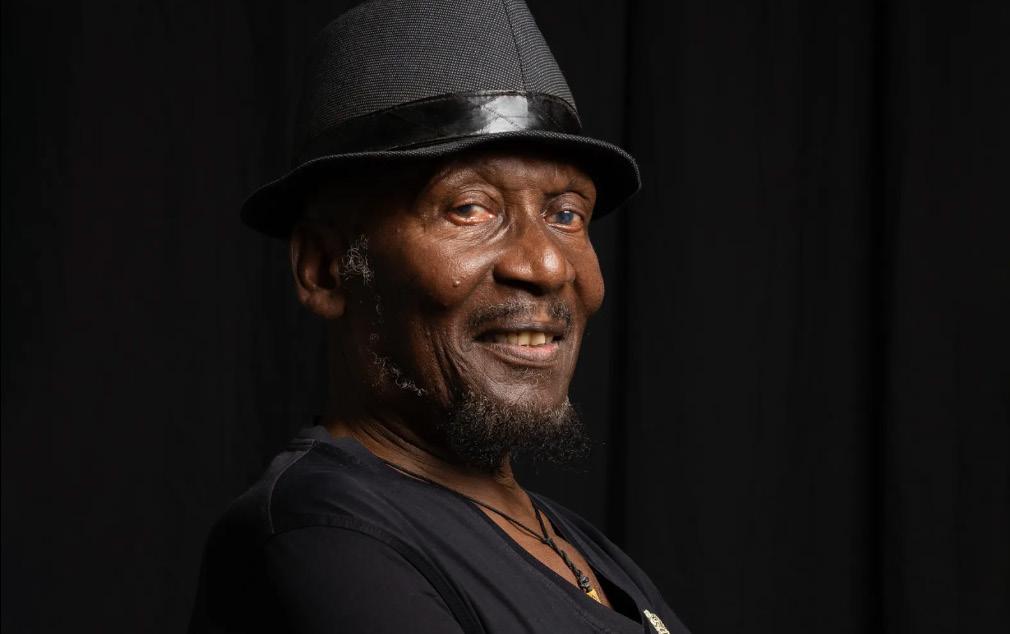
Critics and fellow artists long acknowledged what charts could not. Writing for The Guardian, David Katz called Cliff an “itinerant ambassador who introduced the music and culture of his island to audiences across the globe,” while the Rock and Roll Hall of Fame described him as “reggaeʼs first champion.” Bob Dylan famously called Cliffʼs song “Vietnam” the best protest song he had ever heard—high praise from one of

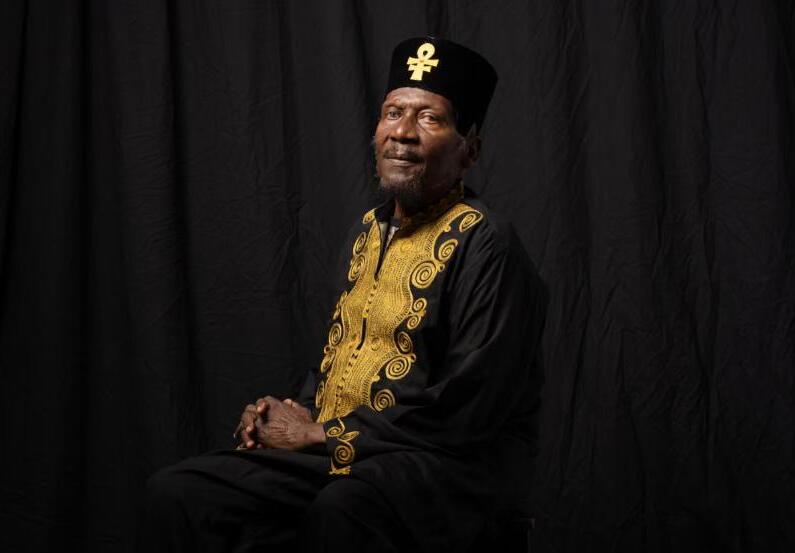
musicʼs most respected voices.
Beyond awards and accolades, Jimmy Cliffʼs greatest impact lies in how he globalized reggae without diluting its message. He showed the world that music from a small island could carry universal truths about struggle, faith, freedom, and perseverance. He helped shape reggae into a global language—one that influenced punk, hip-hop, pop, and protest music across generations.
Jimmy Cliff also received Jamaicaʼs Order of Merit, the nationʼs highest honor for the arts and sciences, a fitting recognition for a man who represented Jamaica wherever he went. As a member of the Rock and Roll Hall of Fame and a cultural icon, his legacy belongs not only to Jamaica, but to the world.
In remembering Jimmy Cliff, we remember more than a musician. We remember a bridge-builder, a cultural ambassador, and a voice that crossed many rivers so others could follow. His music continues to travel—uplifting, challenging, and reminding listeners everywhere that with determination and belief, you really can get it if you want it.
Jimmy Cliff wan an icon. He was a master craftsman at music, a Bonafide actor and a man who inspired the world over with words, sound and power.
His hit song “I Am No Immigrant,” is an unimaginable song created in 1970 and still relevant today – 2026 – maybe even more so now. This speaks to the power of Jimmy Cliff’s pen.
Personally, it is because of Jimmy Cliff why I wanted to be on TV and in film. He is a huge reason why I am a radio presenter today. Jimmy’s reach is in the music realm, acting realm, radio realm and most importantly the human realm. A great man is now in heaven.
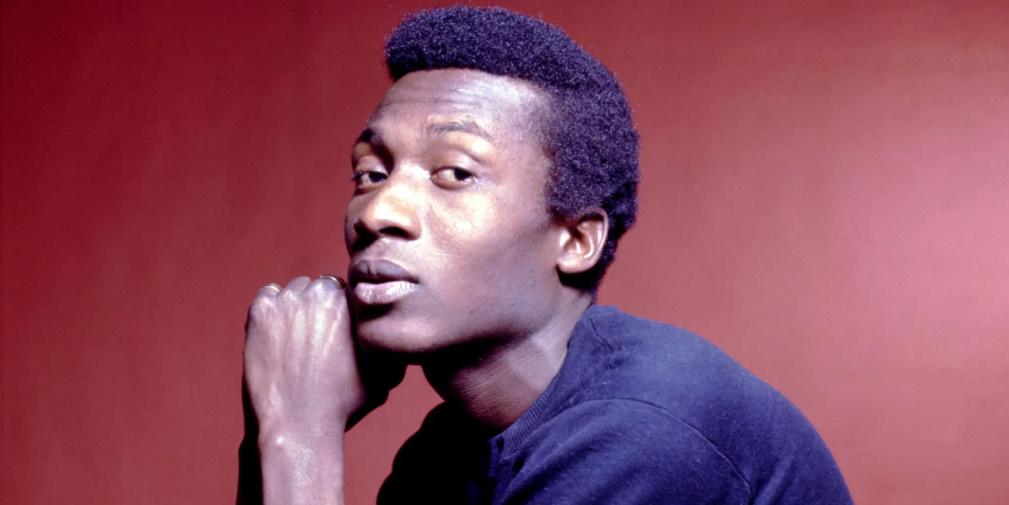

July 30, 1944, to November 24, 2025
The Minister of Culture, Gender, Entertainment and Sport, the Honourable Olivia Grange, has said that with the passing of Jimmy Cliff, Jamaica and the world have lost undoubtedly one of the greatest proponents of Jamaican Music and a film pioneer. Minister Grange said, "I spoke with Jimmy's wife and conveyed my personal condolences and that of the Government of Jamaica following his passing. He died at approximately one o'clock this morning in hospital. This has left us deeply saddened as the transitioning of Jimmy Cliff represents a major loss, not just for Jamaica but for the world. He gave so much of his life to delivering music which had a peculiar and relevant message and resonated in every corner of the globe.
"Jimmy Cliff is no doubt a pioneer of music and must also be appropriately hailed as a legend of our time. His songs including 'Many Rivers to Cross', 'You Can Get It If You Really Want', 'The Harder They Come', 'Reggae Night' and 'Hakuna Matata', had a positive impact on millions of people across the globe.
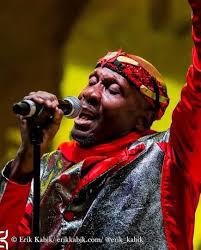

By: Ayeola George
Chester ‘Massive’ Wilkins was honored with a Doctor of Music degree (honoris causa) in recognition of his outstanding contributions to music, digital rights management, Caribbean cultural promotion, and global entertainment innovation.
The degree was conferred due to coding and his leadership in facilitating revenue streams and rights protection for artists globally, including a particular focus on Caribbean creators.
His decades-long commitment to bridging technology, creative culture and intellectual property make this honor especially appropriate. Upper Room Theological University is a faith-based institution committed to holistic higher education, combining bachelor’s, master’s and doctoral programs across theological, ministerial and creative arts disciplines. Its honorary degree program is reserved for individuals who demonstrate exceptional leadership, cultural impact and vocation-driven service. The Iowa-based Dr. Wilkins is a widely respected strategist and entrepreneur, advocating for fair compensation, digital transparency, and empowerment of artists—especially from the Caribbean region. He has been on music and IP (Intellectual Property) panels from New York, to Trinidad, to Chicago - most recently at the National Bar Association’s Centennial Convention as a presenter on the “Entertainment Industry and Artificial Intelligence” panel, alongside notable legal minds, including fellow Dominican Bernice Lawrence an entertainment lawyer based in Atlanta Georgia.
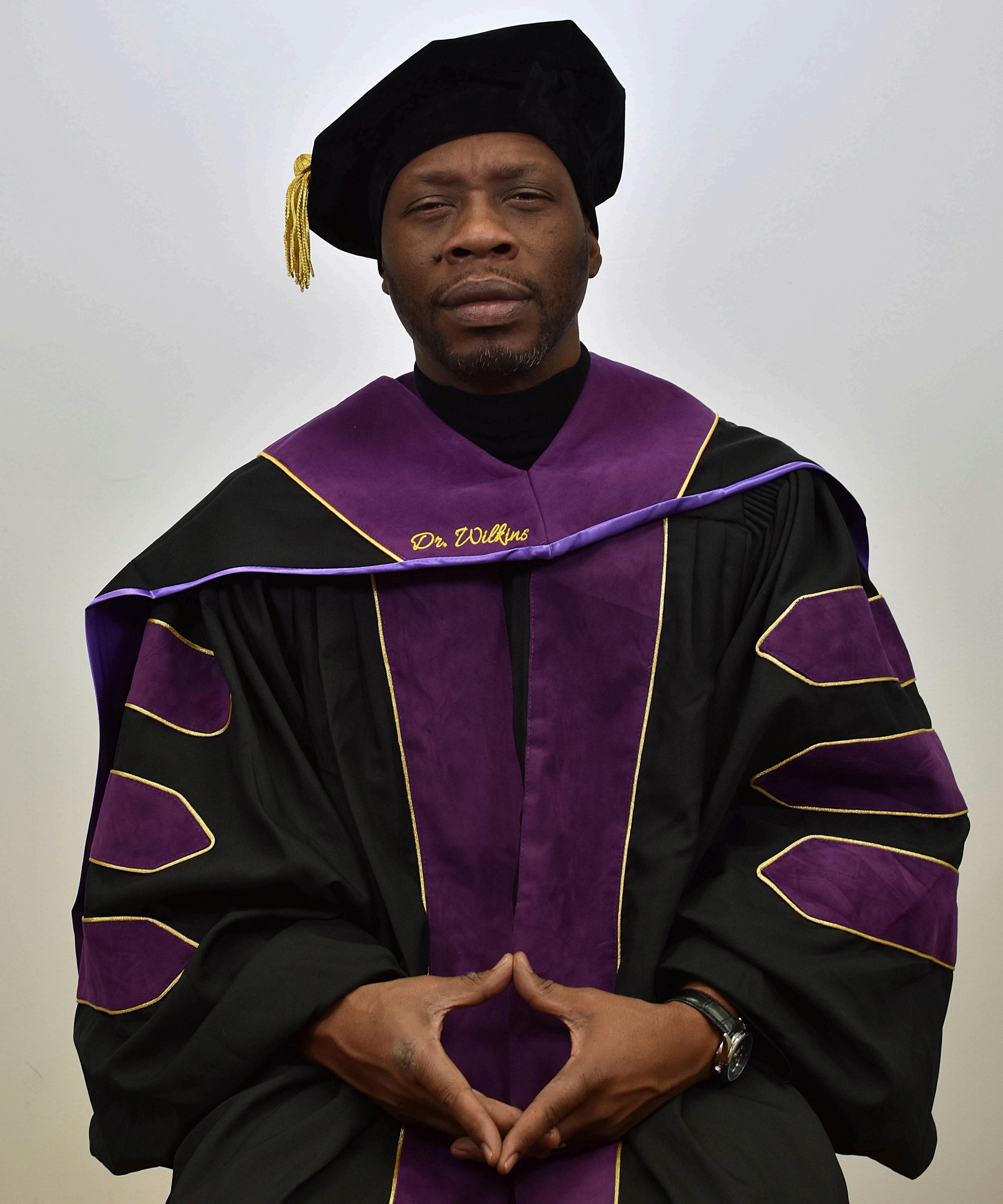
Receiving the Doctorate in Music signifies more than a ceremonial accolade—it reflects Dr. Wilkins’ consistent fusion of artistry, technology and advocacy. Dr. Michael Neely, an Atlanta-based music manager and former A&R (Artists and Repertoire) at Def Jam Records, said he was proud to recommend Dr. Wilkins for the honorary degree. “He is understanding, he is very intelligent and he is capable of doing everything he has mentioned.”
Dr. Neely, who received an honorary Doctors in Music in 2024 from the same institution added, “I have witnessed on the sidelines how he interacts with people. He doesn’t gatekeep and he is always teaching others including myself.”
“To receive this honorary doctorate is humbling. I accept it not only for myself, but on behalf of every creative soul from Dominica, the Caribbean, and beyond—who has believed that our music, our culture, our stories belong on the world stage, states Dr. Wilkins. He continues, "My role is to help creators protect their works so that they can monetize their talent and earn the royalties that they deserve.”
Dr. Wilkins has trained dozens of lawyers across the US on ISRC coding and metadata, as digital advancements continue to impact the music industry and the lives of their clients.
Dr. Wilkins intends to expand his mentorship of Caribbean professionals in music technology, rights management, and digital entrepreneurship.

One of my lifeʼs goals is to translate this cultural grammar into a somatic language for healing. I am creating a bridge: between the academic world of Clinical Sexology and the felt-sense wisdom of Somatic Sex Education; between the policy halls of the Tobago House of Assemblyʼs Division of Health and the pulsating energy of the Mas; between the silent archives of bodily trauma and the ecstatic, declarative sound of the steelpan.
The prevailing biomedical and sex-negative models of public health often fail to address the core of sexual dis-ease: the disembodiment resulting from intergenerational, colonial, and systemic trauma. Iʼm offering a different way to educate and empower, and my path has been one of weaving disparate threads into a coherent tapestry. My foundation in Theatre Arts and Psychology at the University of the West Indies taught me that story is a vessel of transformation and my work as a Clinical Sexologist and Health Education Facilitator for the Division of Health, Wellness and Social Protection within the Tobago House of Assembly operates from the premise of “the body as a repository of wisdom.”
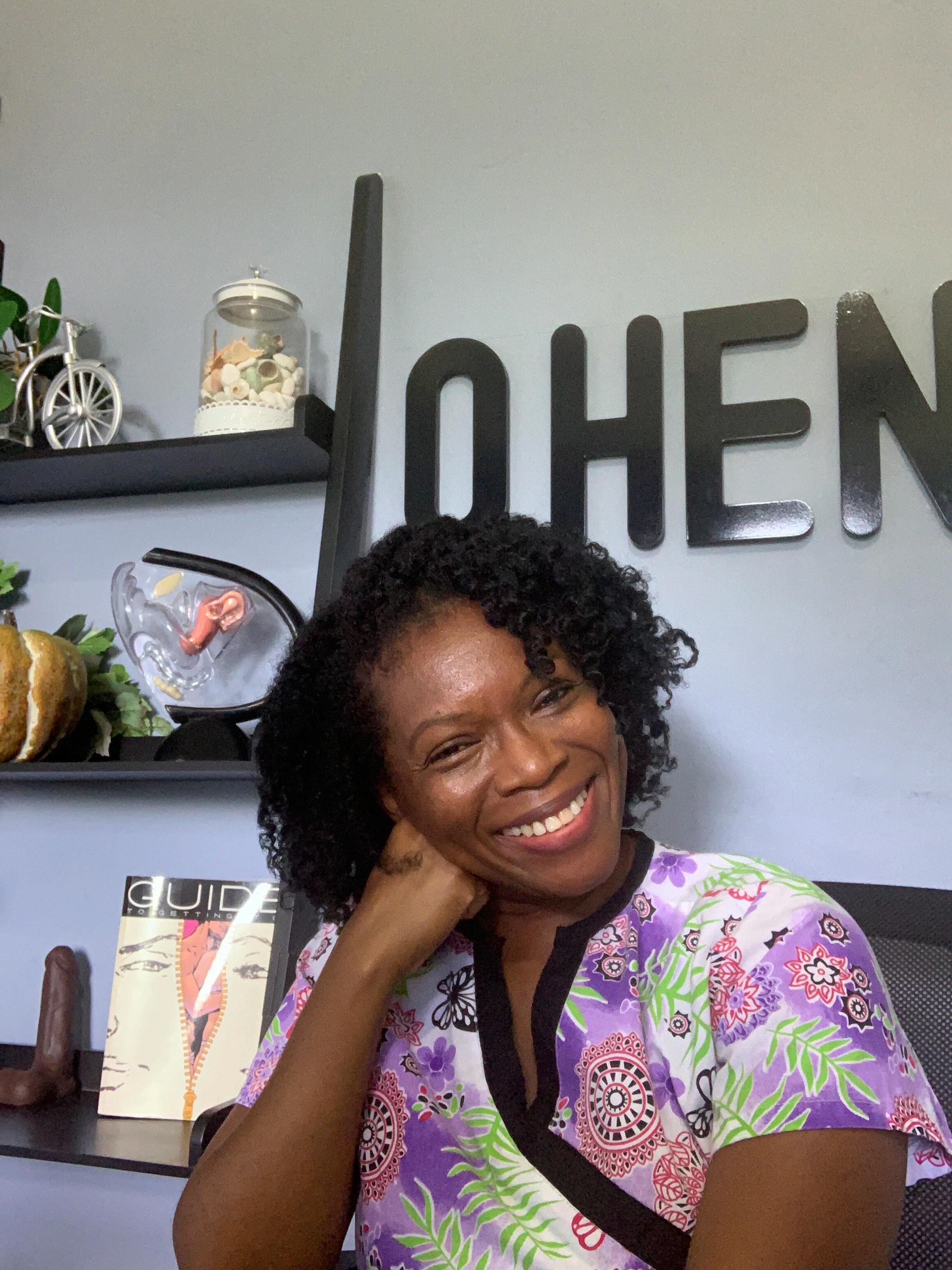
For me, it was returning to the root - to the body itself - through certifications in Somatic Sex Education and Sexological Bodywork that provided the master key. Here, theory dissolves into movement, breath, and impulse. This integration defines my private practice and critically informs my public health role. I move beyond disseminating information to designing experiences that foster embodied literacy. Itʼs a decolonising practice: shifting the authority from external dogma to internal, felt knowing.
The framework Iʼm currently experimenting with is built on a tripartite foundation. First, academic and clinical rigor: an M.Ed. in Human Sexuality (Widener University, Fulbright Scholar), certification as a Somatic Sex Educator/Sexological Bodyworker (Institute for the Study of Somatic Sex Education), and ongoing PsyD studies in Clinical Psychology. Second, public health application: designing and delivering community programmesfrom HIV prevention to parenting and sex education - that move beyond didactic instruction to experiential, skill-based learning.
Third, cultural synthesis: leveraging the inherent psycho-somatic structures of Carnival as therapeutic containers. This framework finds its most potent expression in my forthcoming intervention, “Unmasking The Body.” Structured as an 8-week virtual psychoeducation series followed by a 5-day in-person intensive Mas Camp in Tobago, it is a manualised protocol. It applies polyvagal theory and somatic trauma therapy principles through specific Carnival archetypes: participants learn nervous system regulation via the controlled chaos of “Jab Molassie,” practice boundary-setting through the satirical “Masquerade Parliament, “unwind trauma at a molasses pace,” and engage in a “Pleasure Riot” of communal erotics. This is more than a workshop; to me it feels more like a revolutionary pilgrimage. The finale is taking this reclaimed, integrated self onto the road in a final, triumphant Carnival parade.
Unmasking The Body is the application of a paper I did for my Somatic Sex Education certification, which was informed by my TEDx talk, “Reclaiming Sexual Identity Through Carnival,” and my presentations for the World Association for Sexual Health on Decolonising Caribbean Sexuality. I also presented the concept at the University of Ghana (“Mindfulness in Mas”) making the academic thesis a lived, communal reality.
The intellectual underpinnings of this work are further observed in my scholarly contributions. I co-authored The Anatomy of Pleasure: a taste of the genital galaxy, a text that reframes neurobiology and genital diversity through an anti-racist, decolonial lens. I also contributed to the anthology Black and Menopausal: Intimate Stories of Navigating the Change, asserting the menopausal transition as a critical developmental stage requiring culturally competent, sex-positive frameworks. These works all assert that pleasure as a non-negotiable component of health.


My objective is clear: to develop and validate culturally grounded somatic interventions that effectively reduce the impacts of sexual shame, trauma, and alienation. By positioning Carnival not merely as festival but as an indigenous technology for healing, this work offers a model for initiatives seeking to promote true sexual sovereignty and resilient community well-being.
At its core, my work is could be described as a cultural somatic archaeology. We are excavating the authentic, sovereign self from the colonial shame, respectability politics, and trauma. In a world that profits from disembodiment, to feel joy without apology, to claim desire as a birthright, and to find healing in the collective, rebellious rhythm of your own culture is the most profound act of restoration. It is to understand, finally, that the most important Mas we will ever wear is our own skin, and the most revolutionary road we will ever cross is the one leading back to our bodies.
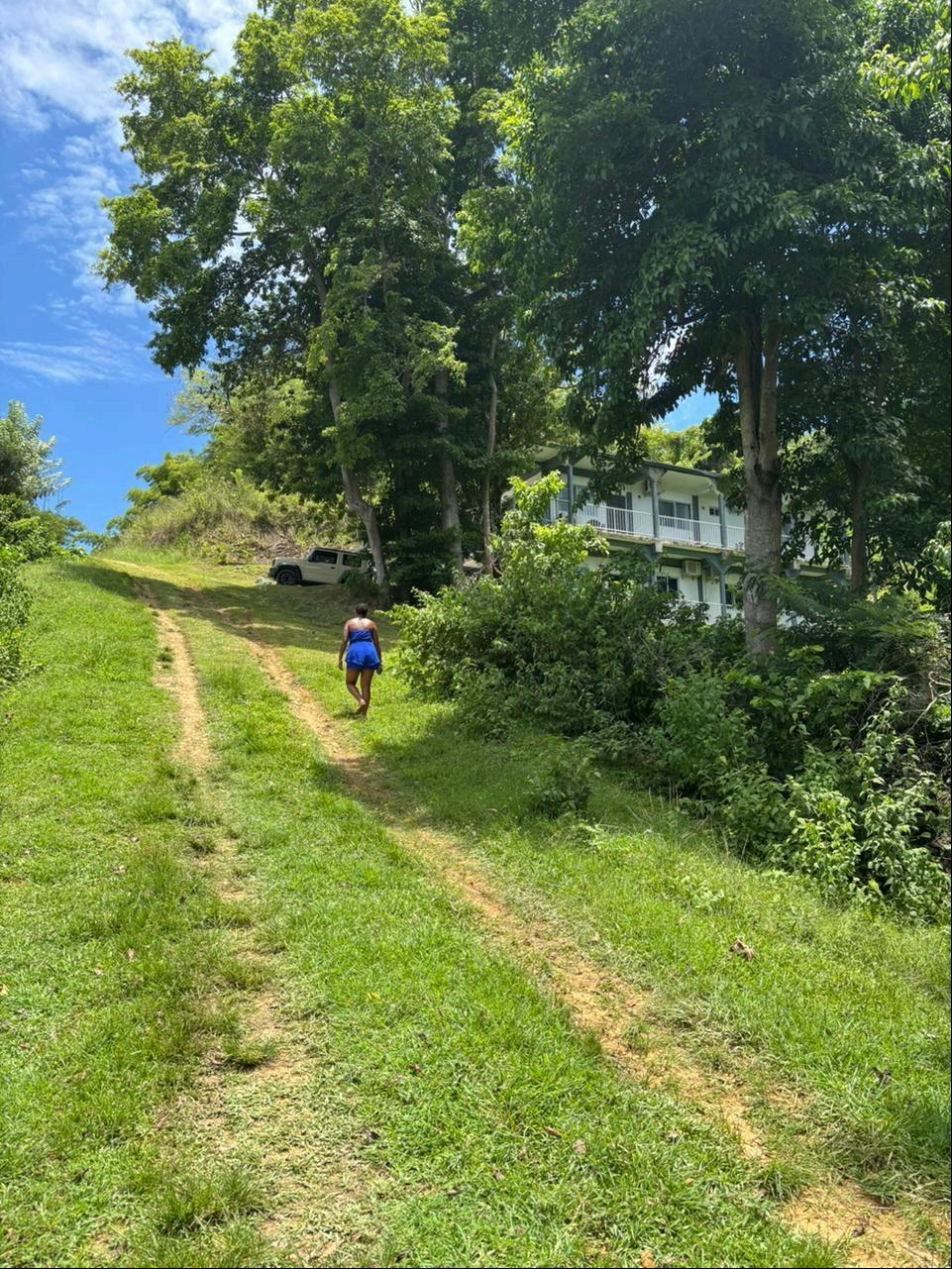
Our love affair with Tobago (Trinidad and Tobago), began with beauty of Black Rock, and continues with Hidden Gem, a beautiful Air BnB space in Castara, Tobago.
Nestled in the picturesque hills of Castara, Hidden Gem offers a tranquil escape surrounded by natural beauty. Located away from the bustling bay, it provides stunning views and is just a short walk from hidden beaches. The spacious bedroom with two queen beds is perfect for families or small groups. Featuring a modern bathroom, cozy living area, and a fully equipped kitchen, this peaceful haven has all the comforts you need for a serene getaway.
The living space is completely private with full access to the surrounding outdoor spaces and makes up part of a larger property. The owners - a friendly local family of four - live upstairs and are happy to offer tips to make your time in Castara even more enjoyable. For added peace of mind, the property is also home to two dogs.
Buccoo Reef and Nylon Pool Glass Bottom Boat Tour
Discover the underwater world of the Buccoo Reef on a glass-bottom boat tour. Admire the colorful corals and tropical fish, and dip in the shallow waters of the Nylon Pool.
Depart from the Buccoo Jetty and journey to the Buccoo Reef. Admire the underwater world through the glass bottom of the boat. See colorful corals and tropical fish as you cruise through the water.
Afterward, the boat will stop by the famous 'Nylon Pool,' where you can swim in its shallow sandbar waters and relax in the outdoors.
Bioluminescence Night Time Adventure Embark on a nighttime adventure into the waters of Laguna Grande and see millions of glowing plankton. Paddle on this guided evening tour. Make your way through mesmerizing mangrove channels and learn about the wonders of bioluminescence.
In the town of Fajardo, you can paddle in a two-person kayak through the mangrove channels leading to the natural reserve of the Laguna Grande.

Finally, learn how this fragile and unique ecosystem maintains a perfect balance of life, and what you can do to protect such a special place. Paddle in this safe and closed environment, and watch as the water comes alive with millions of glowing plankton (like fireflies).
A scenic drive to Roxborough takes you along the Atlantic Ocean and offers a glimpse into typical village life. In Roxborough, you can hike along a broad trail. Encircled by lush green foliage, you can walk approximately 15-20 minutes through the forest, accompanied by the sounds of nature.
The Argyle Waterfall is 54 m (175 ft) tall, it is tumbling in a series of stepped cascades with deep pools for swimming at the base of the individual falls. Jump in and enjoy the water and the natural surroundings! The sounds of the forest and the soothing sounds of the river bring calm.
Another highlight is the Tropical Garden in Plymouth. The 12-acre nature reserve and farm is noted for its birds, butterflies, iguanas and fruit orchards. It is located in a working organic estate which engages in sustainable agriculture. Over 50 species of bird are known to reside at the reserve, especially various types of hummingbirds.


Founded
by Colin Fraser, a man whose journey is as remarkable as the business he created, Upling is not just a company; it’s proof of resilience, a crusade for social equity, and a bridge to a better future.
Upling LLC has revolutionized cannabis access in Washington, D.C., and Maryland, offering a swift online platform for legal cannabis purchases from local dispensaries. Its user-friendly app ensures that whether for medical or recreational purposes, cannabis delivery is just a few taps away.
“In 2008, I was shot eight times. I was on the illegal side of the drug market; I was incarcerated and wrongfully accused of drug crimes, I reflect on a mix of humility and determination, as a man who, despite being shot, imprisoned, and wrestling with life’s relentless trials, found a way to turn my pain into purpose.
After my incarceration, I dedicated eight years to prison ministry, driven by a desire to help those incarcerated. This experience shaped my outlook on helping others. My journey led to creating Upling when my mother, battling stage four cancer, found relief in cannabis as an alternative medication. Utilizing my computer engineering and programming background, I was able to secure the only cannabis delivery license in Maryland, developed the app with a team, and established the business. “We’re the first black-owned cannabis delivery app in the United States and Jamaica.” L3 Magazine | January, 2026
My transformation was not just internal. I became an advocate for those like me, driven by a deep understanding of the systemic barriers faced by returning citizens. “It’s about giving back and lifting others.” This ethos became the bedrock of Upling, a company founded not just for profit but also to enact social change.
Upling is a symbol of hope and empowerment. “Upling is more than an app; it’s a movement.” My vision extended beyond entrepreneurship to touch the lives of those often left behind by society. Central to Upling’s mission is the commitment to employ returning citizens, offering them a second chance and a dignified pathway to reintegrate into society.

“We’re not just offering jobs; we’re offering a new beginning. I take my time and resources, build them, and put them into a job where they can support themselves and their families.” My commitment reflects my deep understanding of the challenges faced by those returning from incarceration and a desire to contribute to a more equitable society, and embodies Upling’s power as a business to drive positive social change.
My vision with Upling extends beyond entrepreneurship into the realm of advocacy. “Our goal is to be at the forefront of fair cannabis policies.” I understand the historical and ongoing challenges surrounding cannabis legislation and its impact on communities, particularly those of color.
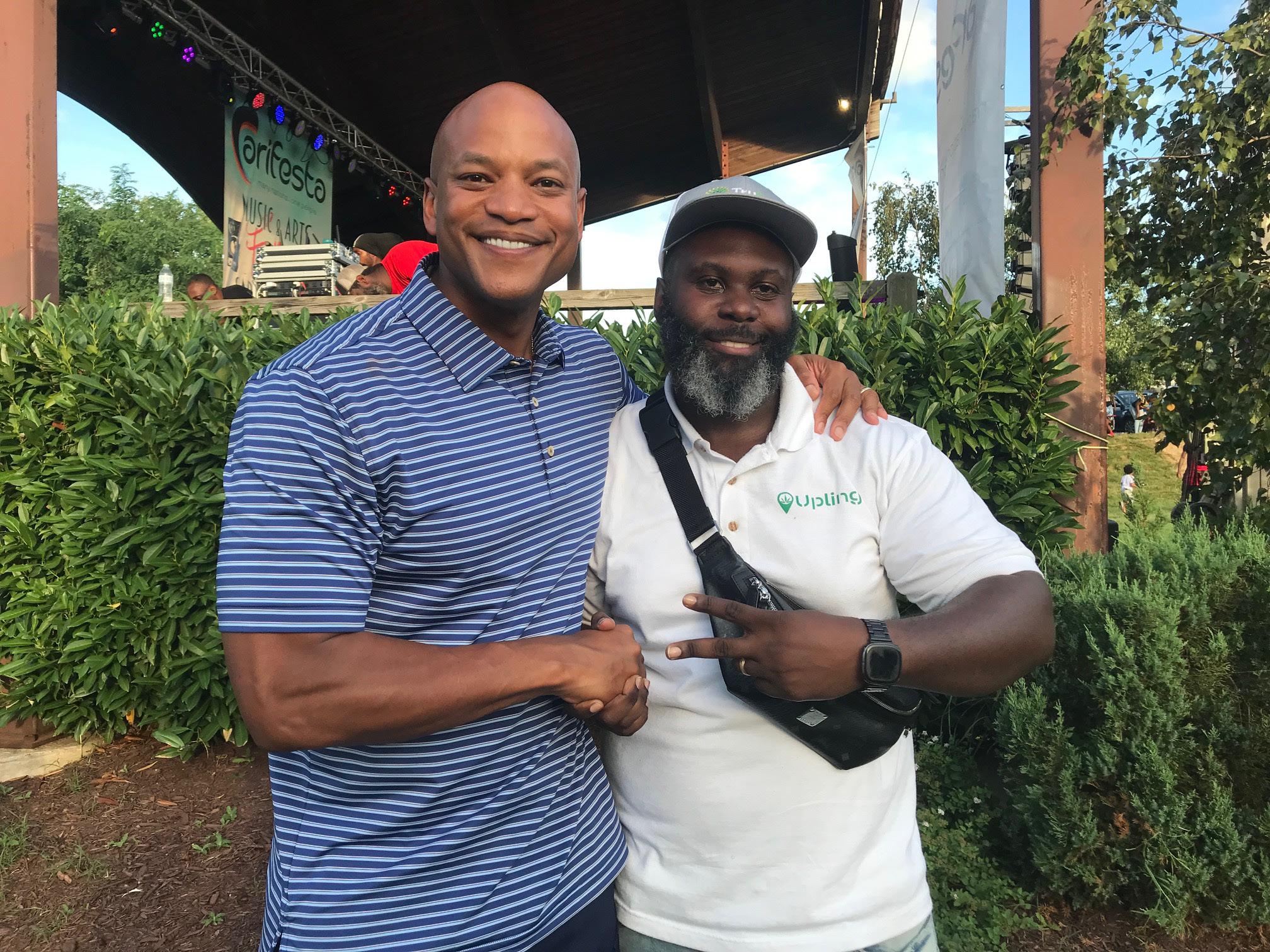
Upling’s efforts emphasize the importance of reforming legislation and societal perceptions around cannabis, particularly in addressing the disparities and impacts on communities of color. “Governor of Maryland, Wes Moore, has been instrumental in sitting down with us, engaging in conversations about black and brown entrepreneurship in the cannabis space, ensuring equality in the market space.”
Through Upling, I’m able to spearhead efforts to influence change in the cannabis industry and broader societal norms. This dedication to advocacy highlights Upling’s role in the community, serving as a catalyst for positive change and setting a precedent for corporate responsibility and social activism.
Innovation at Upling transcends its business model, venturing into social empowerment through technology. My ambitious plan to train former inmates in coding is a testament to his vision of harnessing technology for social good. “It’s fantastic how you can create something just by coding and making it do what you want – and empowering and connecting people.”
This effort is part of a broader vision to expand Upling’s influence in the cannabis delivery sector, aspiring to reach the recognition levels of major delivery services like DoorDash, Instacart, and Uber Eats. This goal seeks to grow Upling and invest in the skills and futures of those re-entering society.
Through these efforts, Upling is poised not only to revolutionize cannabis delivery but also to create meaningful, lasting change in the lives of individuals and the community.
Upling’s journey culminates not just in a successful business but in a beacon of hope for
communities. It is a powerful reminder that innovation, strength, and the ability to profoundly impact society for the better can emerge from adversity.


Antonio Figuero is a visionary hairstylist and transformation artist whose work in Antonio The Salon has made him one of Trinidad & Tobagoʼs most talked-about creators in beauty and self-expression.
At his Chaguanas salon, Antonio doesnʼt just cut hair, he reshapes confidence, crafting dramatic makeovers that resonate well beyond the chair. His precision cutting, intuitive styling, and tailored approach to each client have turned everyday hairstyles into striking statements. Clients and onlookers alike celebrate transformations that expose inner beauty, confidence and radiance. Antonioʼs drive focuses on the effect a great hairstyle has, and the upliftment if gives. His salon is a reflection of his drive – it is (con'd)
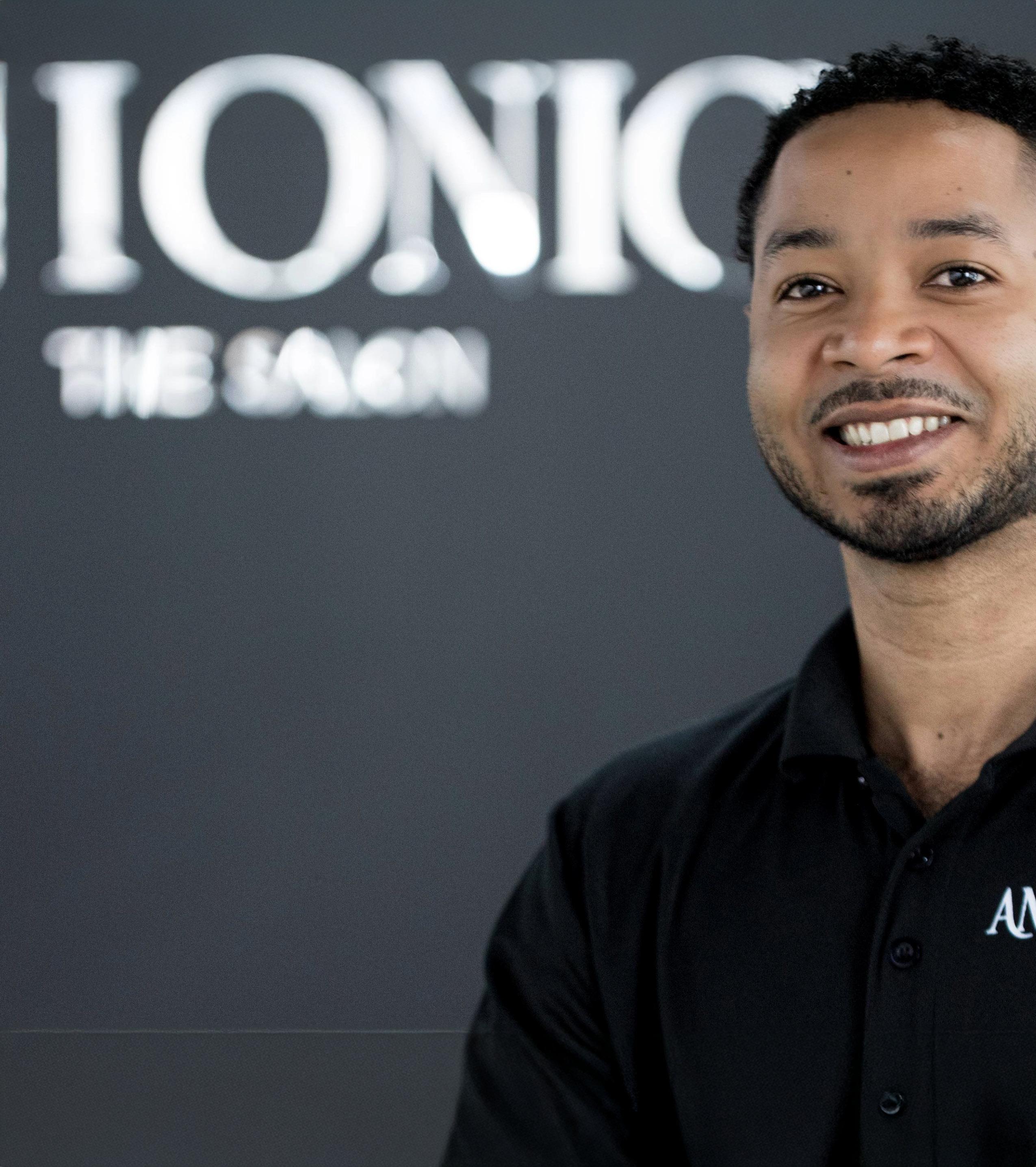

personalized, and transformative. From bold cuts and modern styling to full beauty makeovers, his work reflects a deep commitment to enhancing natural beauty while infusing each guest with renewed self-assurance.
Social posts and client reactions show a community moved by how hair artistry can change the way people see themselves - proof that Antonioʼs craft is as emotional as it is aesthetic.
Not limited to the salon, Antonio ha a parallel passion for paintingcapturing the vibrant colours and scenes of Trinidad and Tobago through his artwork. His pieces, often executed in oil with a distinctive warm palette, have been featured alongside other Caribbean artists, revealing a visual storytelling talent that complements his skill with hair. Whether on canvas or with a pair of shears, Antonio brings an artistʼs eye and a storytellerʼs heart to everything he creates.


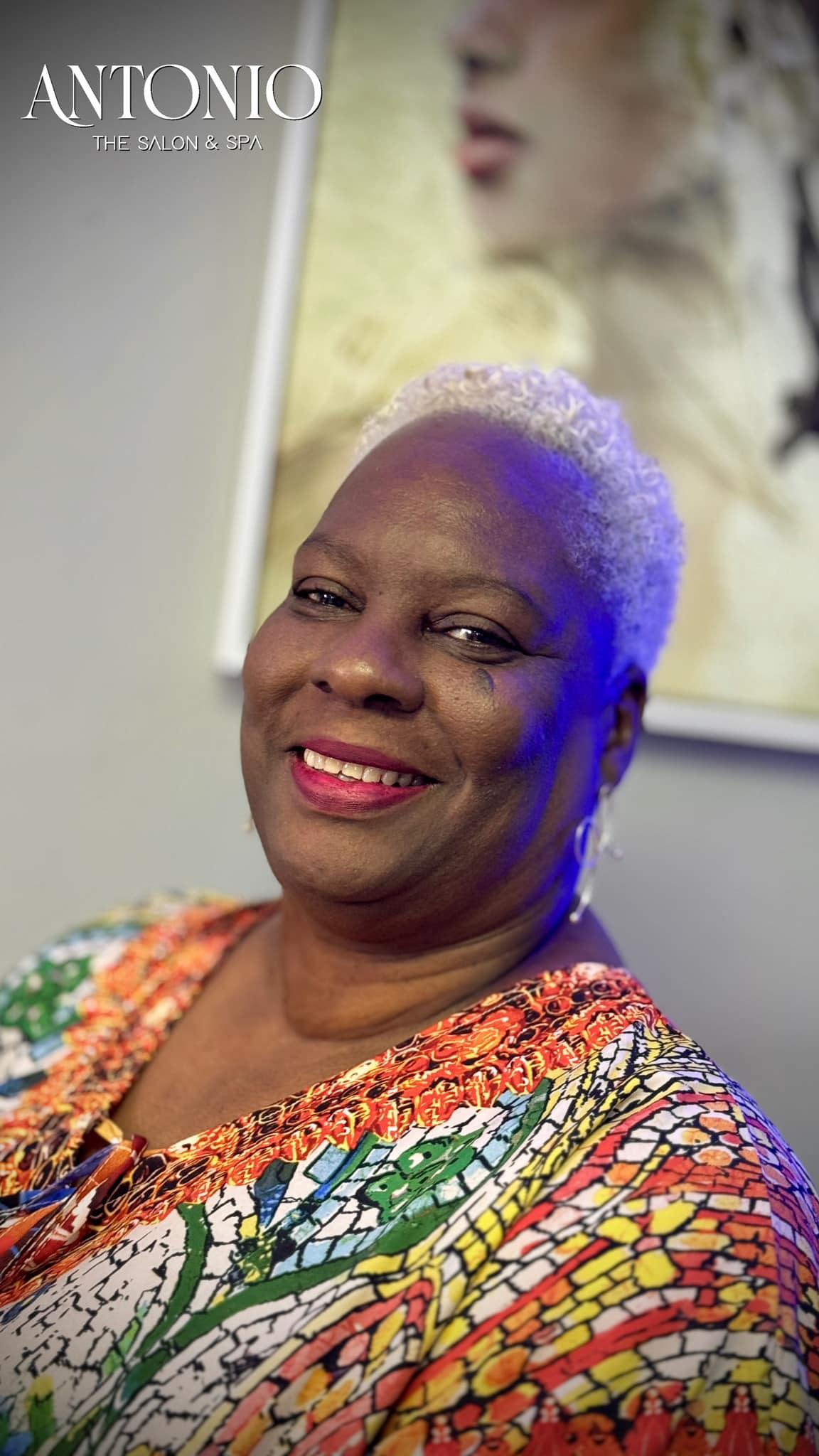

Through both his salon and creative work, Antonio Figuero continues to inspire, reminding people that beauty, in all its forms, can be a powerful catalyst for confidence and joy.
L3 Magazine | January, 2026




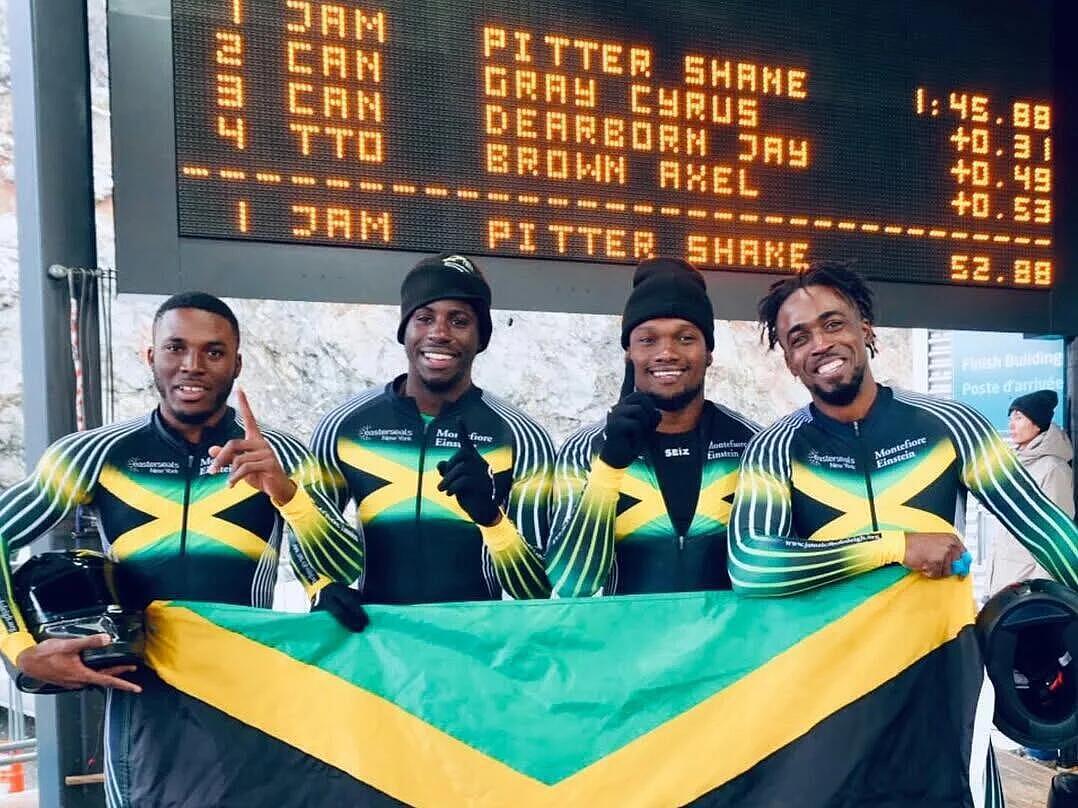

Shane Pitter, Andrae Dacres, Junior Harris and Tyquendo Tracey have every reason to celebrate – they won Jamaica's first gold medal at any international bobsleigh race.
At the North American Cup (NAC) in Whistler, British Columbia, the four men defied the odds. Pilot Pitter told the CBC (Canadian Broadcast Corporation) that the win feels especially poignant because it comes weeks after Jamaica was hit by Hurricane Melissa. He said he ʻhopes their victory can give people back home something to cheer for.ʼ
Judging from the massive social media reaction from Jamaicans - from dance hall stars to singers including AlaineJamaicaʼs #SlidingtoMiCo2026 journey is well and truly on,

with former Canadian head coach Todd Hays helping to shape the teamʼs Olympic qualification journey.
"It's been a long time coming where we just need to put things together the right way and show the world that regardless of the sport, regardless of climate, we can always put forward our best foot,” said brakeman Tracey in an interview with Pique News Magazine.
The victory in Whistler earns Team Jamaica crucial points. For the first time in decades, Jamaica will be competing in the four-man bobsled race at the Olympic Winter Games in Milano Cortina.

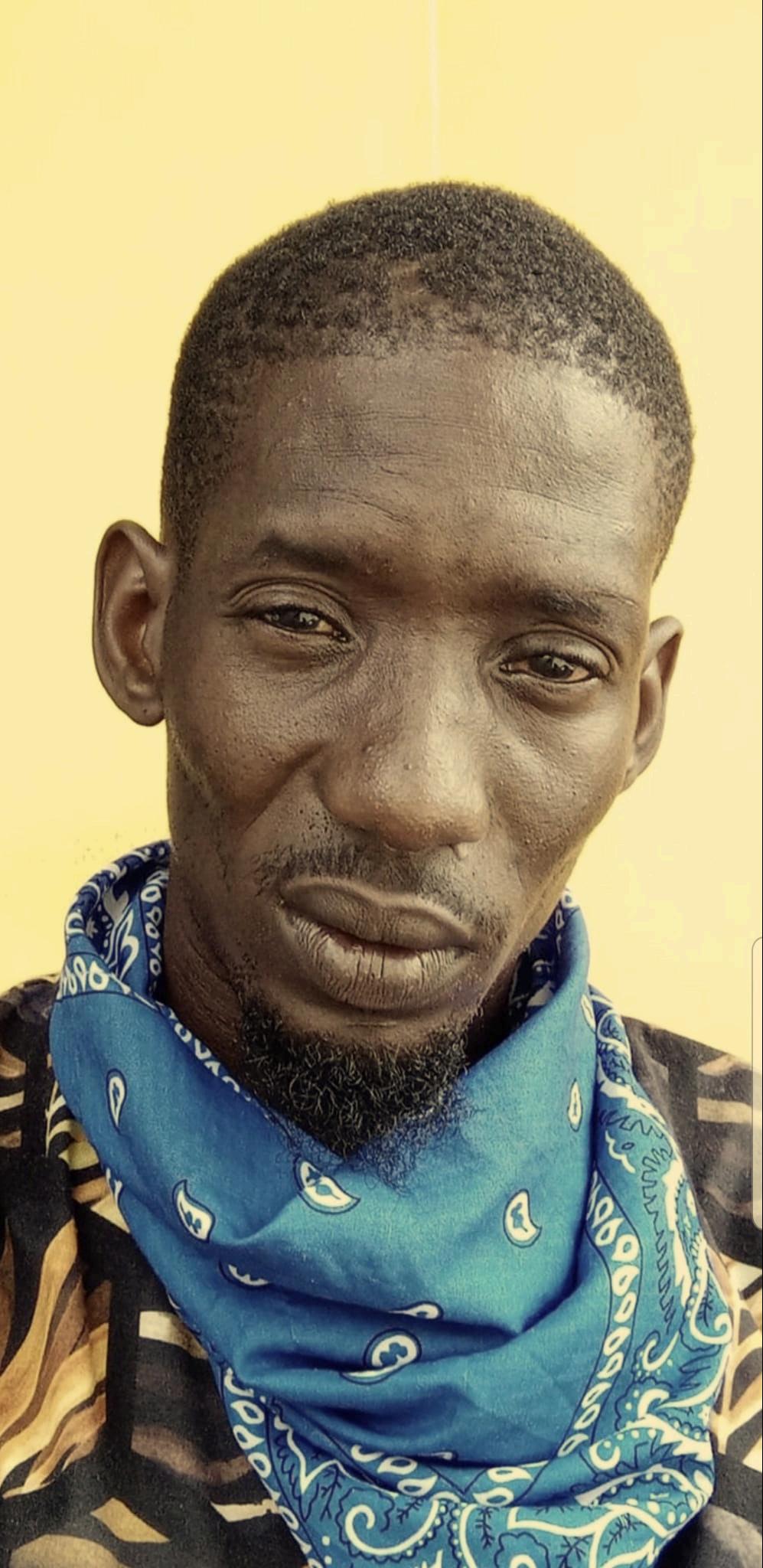
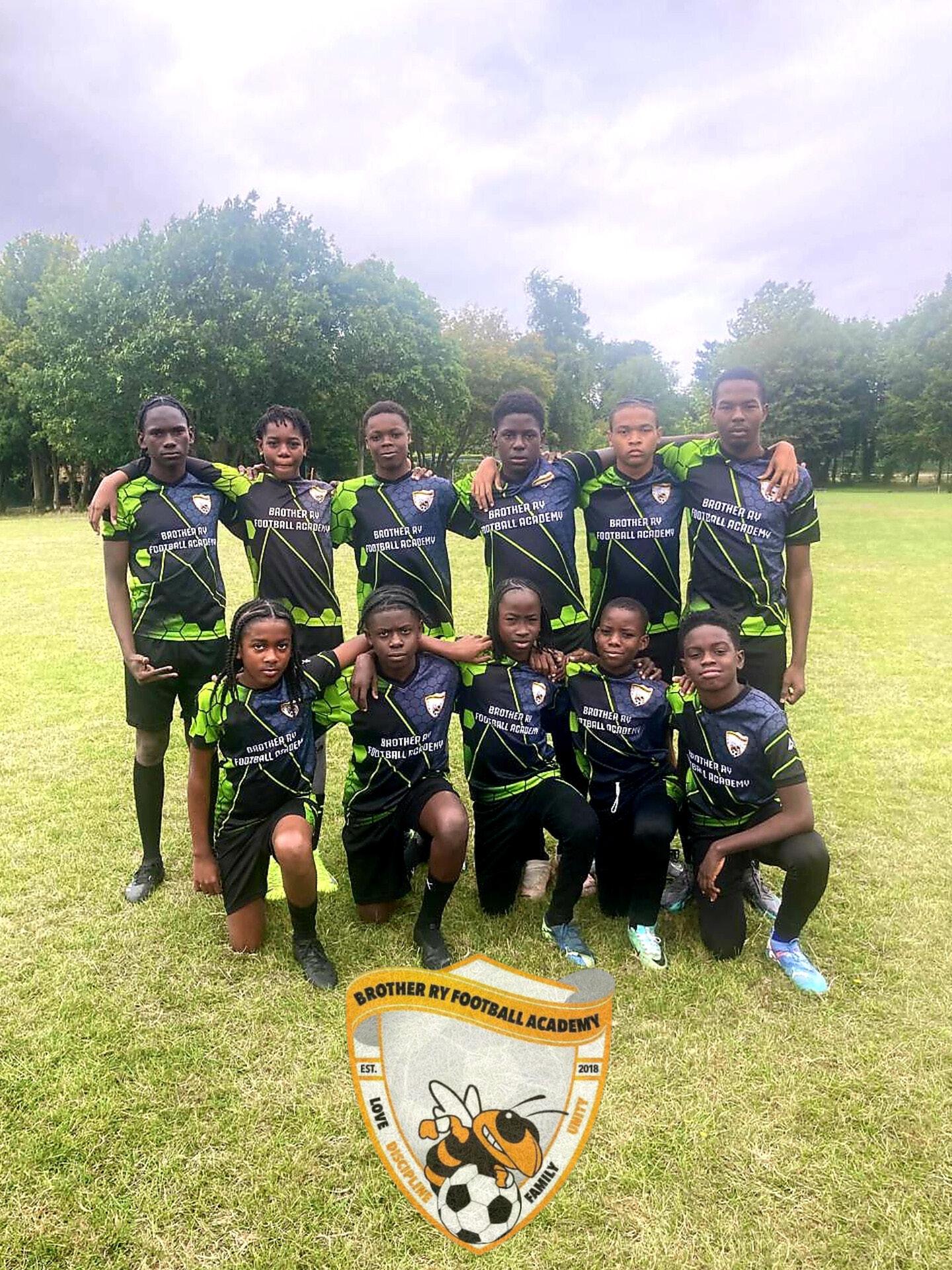

From the man who named our readers 'Triads' to the company who wants us to be our best (EUG) to the boys soccer club in Tobago and Volunteers at the Jamaican canadian association - thank you to our sponsors!


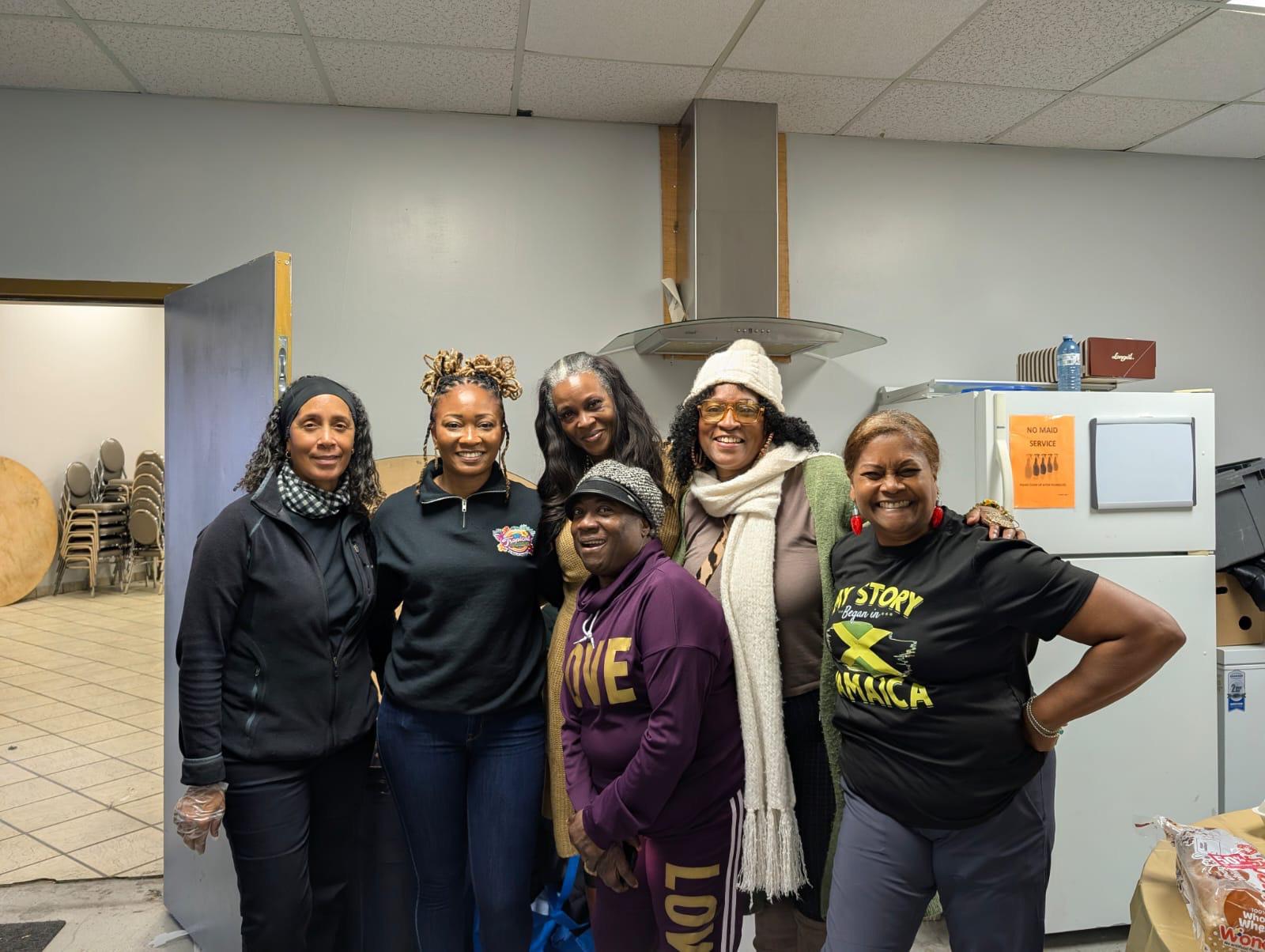







Love is your greatest power. It lifts you higher, pushes you forward, and reminds you that youʼre never alone in your song. Love what you do, love who you are becoming, and love the people who walk beside you — even for just one chorus of your journey.

Chapter 1: The Beginning HJamaican-born super producer Taz was immersed in the vibrant Jamaican music scene from an early age, frequenting local studios alongside esteemed figures like Terro Fabulous, Monster Shock, and Leeʼs Unlimited. At just 12 years old, Taz relocated to London, where his passion for music blossomed further.
Chapter 2: The Grind
His breakthrough moment arrived in 2004 when he collaborated with Grime sensation Dizzee Rascal. Taz not only produced but also co-wrote the standout track "Just A Rascal,” which solidified his position in the music industry. This success paved the way for numerous production and remix projects, including remixes of Ashantiʼs "Rain On Me" and "Rock Withchu,” as well as "Locked Up" from Akonʼs album ʻTrouble.ʼ These endeavors earned Taz two platinum plaques and widespread recognition on both sides of the Atlantic.
Chapter 3: The Rise
Taz's early achievements caught the attention of Def Jam UK, leading him to become the first UK rapper signed to the label, under the guidance of DJ Semtex. His contributions to the UK Grime scene earned him accolades, including the prestigious Ivor Novello Award which showcased his impact on global music. His debut album "Analyse This" featured collaborations with Kardinal Offishall and Terri Walker, yielding the UK Top 40 hit "Canʼt Contain Me" and the iconic "Cowboy Film,” a UK Hip Hop classic.
Chapter 4: The Vision
Continuing his success, Taz collaborated with Dizzee on the track "Learn" from the 2007 album "Showtime," earning another gold plaque. His remarkable journey saw him sharing stages with the likes of Kanye West and Sean Paul, and performing for Prince Charles at the Princes Trust concert alongside music icons Beyonce, Jay-Z, and Alicia Keys. Taz's versatility is evident in his collaborations with notable artists such as Styles P, Estelle, Arrow Benjamin, and more.

Chapter 5: The Future
Throughout his career, Taz received recognition from renowned DJs Jo Whiley, Ras Kwame, and Tim Westwood - his releases enjoy regular radio rotation. His work in 2008, saw global success with hits like "Touch U," securing a deal with Universal Music International. More recently, Taz achieved chart-topping success with the disco anthem "Rock Da Mic,” co-written with U.S. singer-songwriter Inaya Day. He continues to share his songwriting expertise worldwide, participating in top writing camps across China, America, Norway, and Canada.
Taz has now embarked on a new venture in the corporate world with the launch of his company, Alternative Content. Specializing in bespoke services such as integrating music with the gaming industry and placing songs in games, Alternative Content represents Taz's ongoing commitment to innovation and creativity.
By: Brian Greenspoon
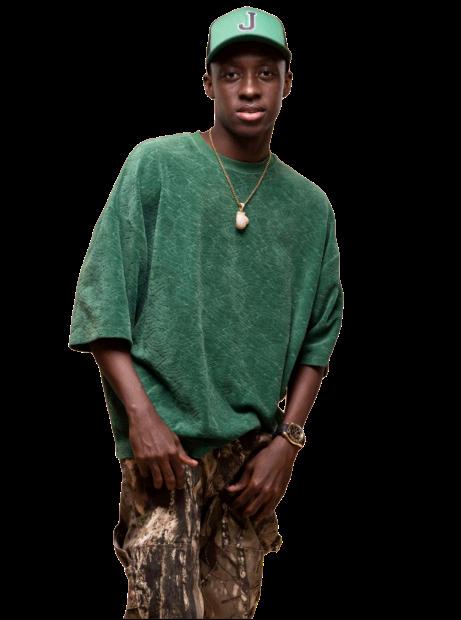

Award-winning and world-renowned producer
Tony ‘CD’ Kelly introduces his latest production, “Emotions,” with a captivating horn announcement and a ‘dirty’ (not filthy, just sonically rude) bassline, music lovers are taken for a ride – hearing the tale of male who is deeply ‘emotional’ about his love interest.
Collaborating with J’Calm and Nigy Boy, the song redefines what Caribbean fusion can be -a record that vibrates with grit and paired with relatable lyrics. Fans inside and out of the genre can love on this song and its universal appeal.
Tony Kelly masterfully crafts a modernized reflip of the storied Answer Riddim - one of Reggae music's foundational instrumentals. L3 Magazine | January, 2026
Though countless artists have recorded their vocals o this riddim over the course of six decades, the presentation on “Emotions” comes across as fresh, new and instantly addictive.
Originally produced by legendary Studio One producer, Clement "Cosxone" Dodd, the riddim was first introduced it to the world in 1967, creating a music bed as deeply woven into the fabric of Jamaican culture as ackee and saltfish, itself.
On this latest incarnation, Kelly's reinvigorated production allows for the gifted young vocalists to flex their skills over an updated bassline that turns raw feeling into a rhythmic representation of reflection, connection, and emotional truth.
“This song is about discovering myself as an artist, knowing my identity and my vulnerability, and empathizing with someone who has mirrored my experience of self-discovery," said J'Calm. The 20-year old Clarendon native continued, "collaborating with Nigy Boy was surreal. It felt like I was reliving a past timeline. The passionate themes and youthful talent he represents also echoes that empathy I was feeling.”
"Working alongside J'Calm and Tony Kelly was a seamless process,"
added Nigy Boy, a visually impaired emerging star who honed his musical talents at the Salvation Army School for the Blind in Kingston. "I dare say, Tony is a wizard at what he does and he's a legend in the game. I'm really and truly honored to be a part of this collaboration."
The "Emotions" official video, filmed at various locations in Jamaica, has also been made available on J'Calm's YouTube channel.
Directed by Filmaica, the sweeping new visuals depict J'Calm and Nigy Boy delivering fervent performances with dynamism that is certain to connect with audiences on visceral levels. "The video tells a story that a lot of people will find very relatable," offered Nigy Boy.
Adding to the conversation about the song, iconic producer Tony ‘CD’ Kelly says “J’Calm and Nigy Boy represent an exciting new chapter in reggae and dancehall. They are young, ambitious, and extremely talented. Working on Emotions has reminded me of some of my earliest memories in music production, working on riddims like the Bookshelf and Buy Out. This track was built from an idea I have to resurrect the Channel One era of reggae and dancehall, but with a little R&B twist with the help of my friend and production teammate Lionel De La O. J’Calm came up with the hook, and when Nigy Boy jumped on, I knew it would be a hit.” The results are nothing short of a generational bridge that links Jamaican music's roots through to its golden era, and ultimately carries the genres forward into the future with the creative energy from two of its brightest rising stars.”

"Emotions" serves as the debut single and title track to J'Calm's forthcoming album, which also features prominent reggae figures like Ky-Mani Marley, Wayne Wonder, and Khalia.
Tony "CD" Kelly is renowned for his groundbreaking work in dancehall and reggae music. He crafted chart-topping hits for artists like Sean Paul, Sasha, and Wayne Wonder. Kelly's innovative sound and production style revolutionized the genre, solidifying his position as a pioneering figure in Jamaican music history.
Popular riddims from Kelly include:
Unda Wata Riddim
Doctor Riddim
Kiki Riddim
Watch "Emotions" HERE
Magazine | January, 2026



“Listening to NeeQah’s voice reminds me of where R&B and Reggae meet. She is creating a unique lane where grown and sexy can nod their heads” – Papa Richie 89.1FM
Rising star and music sensation NeeQah steps into the spotlight with her fresh new single “Sorry To My Ex.” The song, a refreshing single about walking away from an unfaithful partner, is performed with a smooth and sultry voice that cannot be ignored.
This is the perfect balance between Reggae, Lover's Rock and R&B
Sharing a relatable narrative, NeeQah tells a story about walking away from a love that was not real. With raw honesty and class, NeeQah owns her peace by letting go of her partner who didn’t value her. The single is an understanding for anyone who’s had to let go, not out of bitterness, but out of clarity.
Representing a bold step in NeeQah’s evolution, “Sorry To My Ex” reflects her voice as an empowered and emotionally honest woman in today’s dancehall landscape.

The Bajan Lion Mannerz is a versatile, high-energy DJ with over 20 years of experience delivering unforgettable musical experiences across diverse audiences. Known for his seamless blends and deep musical knowledge, Mannerz effortlessly moves through hip-hop, R&B, reggae, soca, Latin, and beyond, creating soundscapes that keep dance floors alive and listeners locked in.
As a core member of Heavy Rockin DJs and the creative force behind Addicted 2 Quality (A2Q), Mannerz brings a refined ear, cultural influence, and professional precision to every set. His sound reflects Caribbean roots fused with global flavor, making him a trusted name for clubs, radio, events, and curated mixes.
In addition to DJing, The Bajan Lion Mannerz is affiliated with L3 Magazine, contributing to the culture both behind the decks and beyond them. Whether live on radio, on stage, or in the mix, Mannerz delivers quality, energy, and authenticity every time.
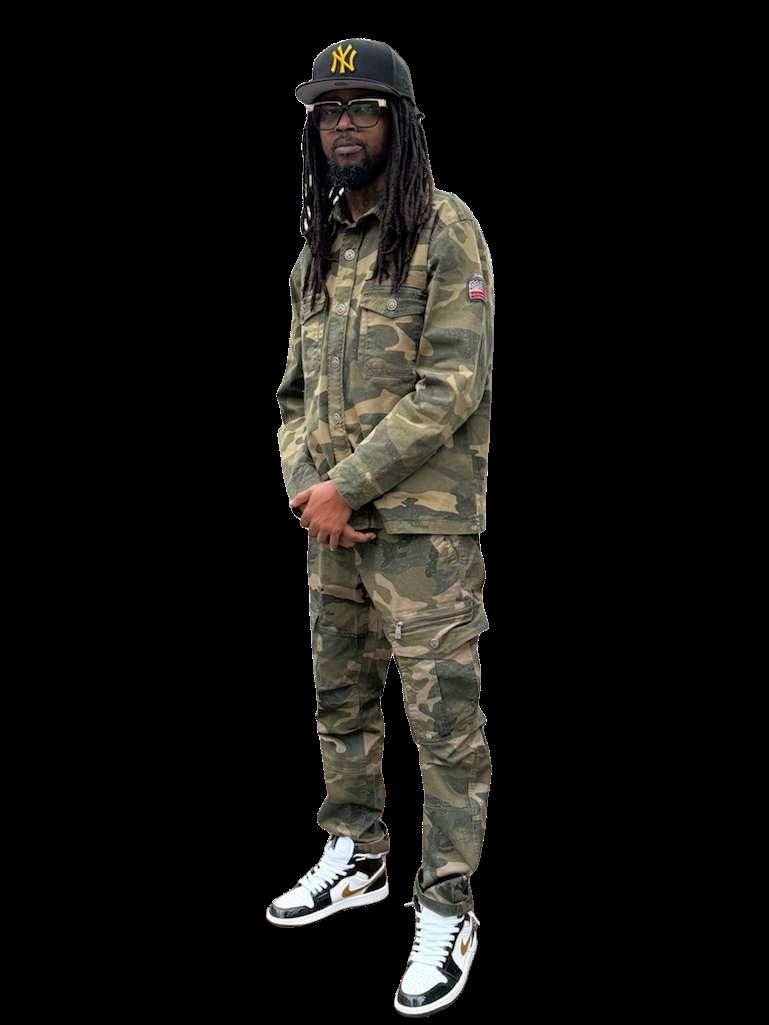

Ras Attitude has one of the Virgin Islands most crucial voices. It is His distinguished trademark
Ras Attitude has, what is considered to be, one of the Virgin Islands most crucial voices.
Blessed with a distinguished trademark, Ras Attitude’s love for music is one passed down from generations.
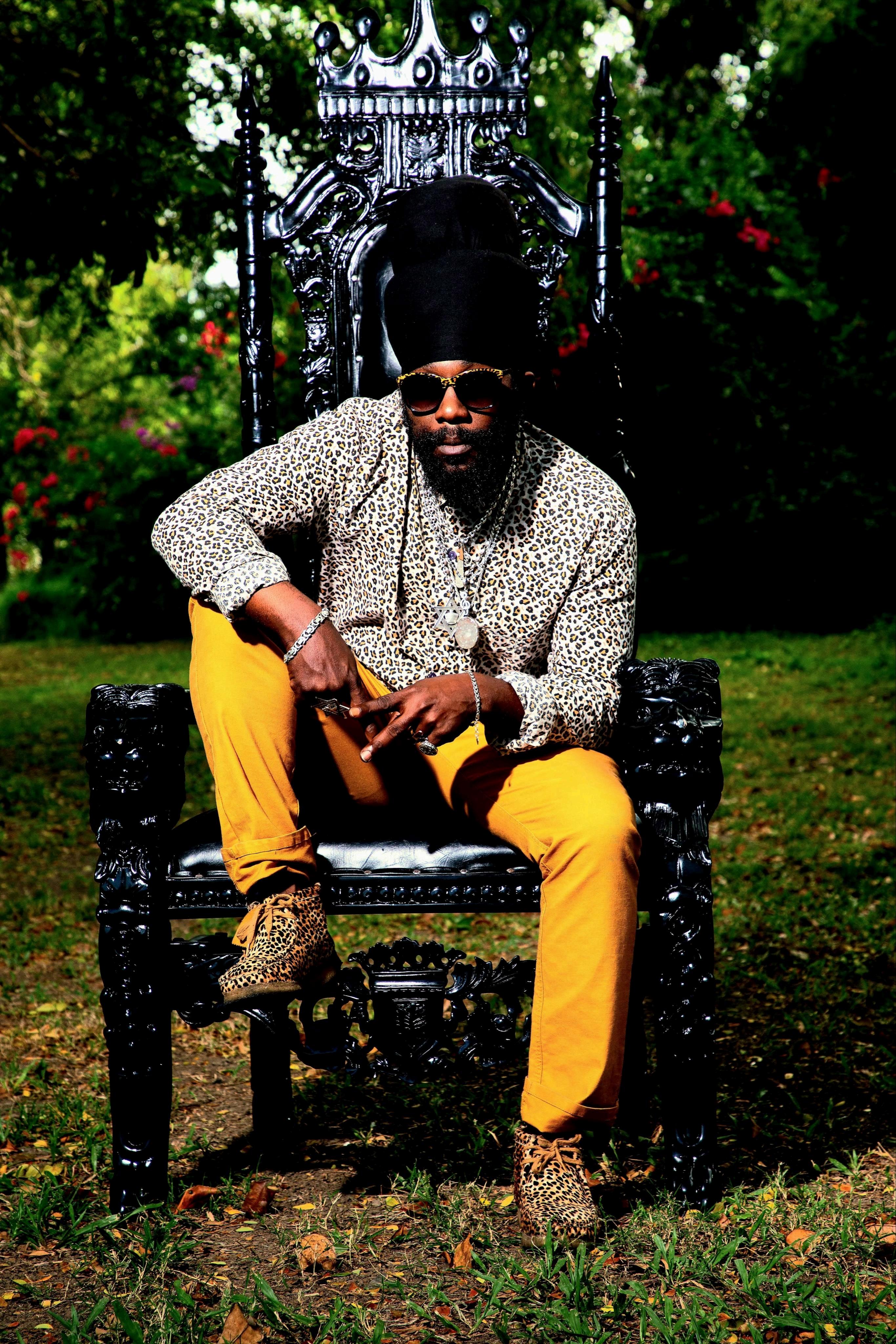
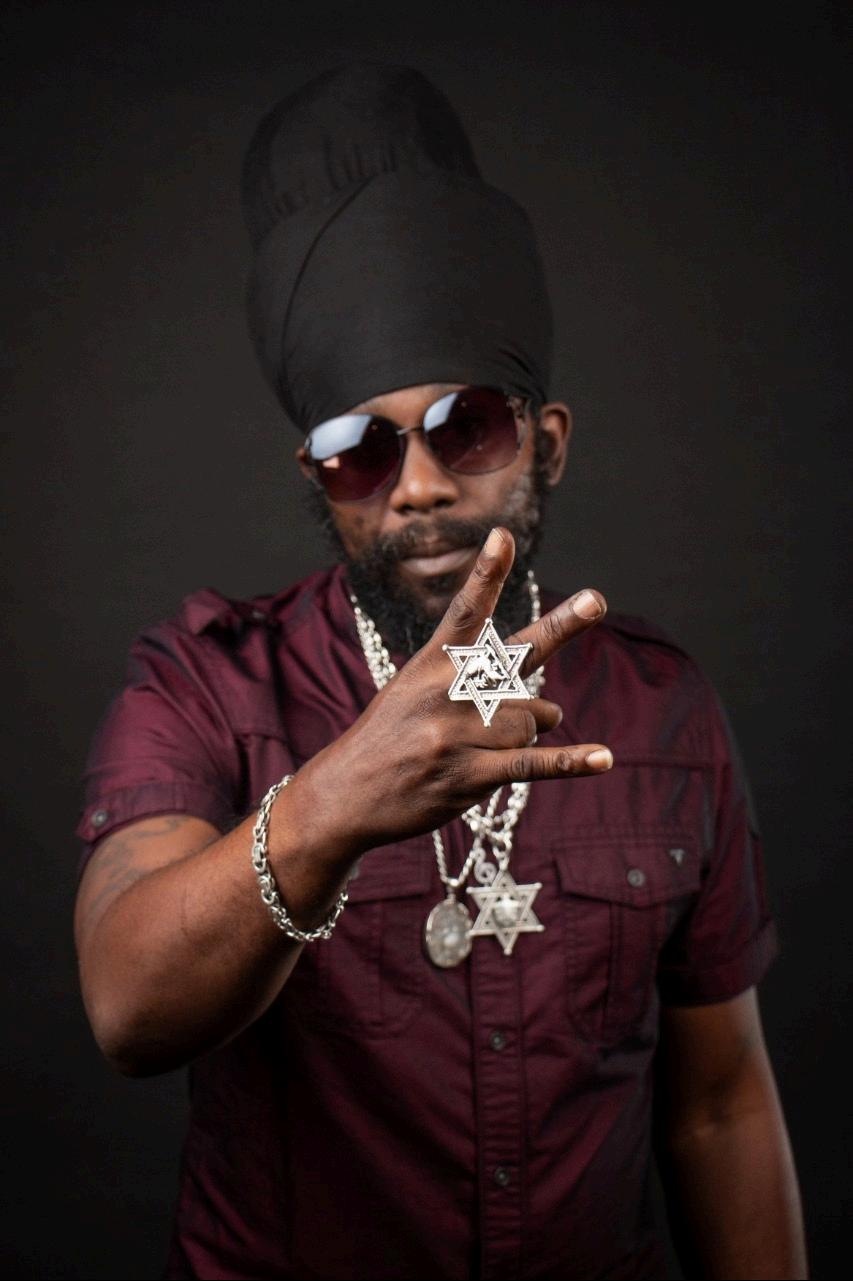
His mother and Grandmother, well known for their musical abilities, are the foundation for his established vocals. He emerged on the Reggae landscape with an unquenchable fire – a musical taste of pure niceness. Outside of the Caribbean, Attitude is also known as one of Virginia's most established artists, thrilling crowds with his energetic performances with energies of upliftment and overcoming obstacles. Backed by the Hands Off Band, Attitudes songs “Marijuana (We Ah Bun)”, “Life on the Battlefield” and “Most High Protect” have become classics and are crowd favorites when he performs.
His recent discography includes albums ‘Warrior Status,’ ‘Troddin Home’ and ‘Royal Lineage’ which gives the energetic and
charismatic performer leeway to draw listeners closer to the Rastafari consciousness. Whether singing or chanting, Ras Attitudes powerful messages are delivered. Songs such as "Stop Chat," "War To Win," and "The Voice" share mystical lyrics while "Glorious" and "JAH Love," entice listeners and draw them closer for more.
Ras Attitude is a grassroots soldier and CEO of Sound VIZion Records / Founder of Boondox Records. He is managed by Partii Animalz and globally has performed with many artists such as Vaughn Benjamin Akae Beka (rest in peace), Shinehead, SOJA, Mada Nile, Beenie Man, Capleton, Sleepy Wonder, Don Carlos , the Clipse, Mad Lion, and more.
His Motto: "Love Life, Show Love, Don't Give Up!"



1 2 3 4 5 6 7 8 9 10
Skillibeng - Titanic
Shenseea x Drake - Plenty
450 - Body Count
Dexta Daps - Champagne
IWaata - Gimmi Likkle
JELEEL! - BUMPA! Yung Ras - Confident Teejay - B.D.F Tems - Mine

Twiggi - Unstoppable





Rawb signe son retour cet automne avec A Place in the Sun, un EP concept lumineux et inspirant qui marque une nouvelle étape dans son parcours musical. Fidèle à son univers entre reggae, dub et pop, lʼartiste ouvre ici de nouveaux horizons, en sʼaventurant pour la première fois dans des sonorités plus folk, chaleureuses et sincères.
Dès le titre dʼouverture A Place in the Sun, on plonge dans une atmosphère presque country, à la fois apaisante et ensoleillée, qui révèle toute la profondeur du projet. Avec Better, morceau plus intime et profondément reggae, Rawb partage sa quête de paix intérieure et son désir dʼévolution personnelle. La collaboration avec Fatbabs sur Try to Be vient ajouter une touche de fraîcheur et dʼénergie, exprimant avec force la volonté de rester authentique dans un reggae moderne et fédérateur.
Les titres Dangerous (ambiance roots lover), Lost in the Noise (aux vibes pop et hip-hop) et We a Run (puissamment dub) viennent compléter un projet éclectique, positif et résolument ancré dans son époque. Composé et mixé (pour la majorité des titres) avec TRKA, son fidèle beatmaker et DJ, l'EP passe aussi une nouvelle étape en termes de production et confirme la démarche déjà amorcée par le duo vers un son plus organique, avec la participation de plusieurs musiciens de la formule live et d'invités ponctuels.







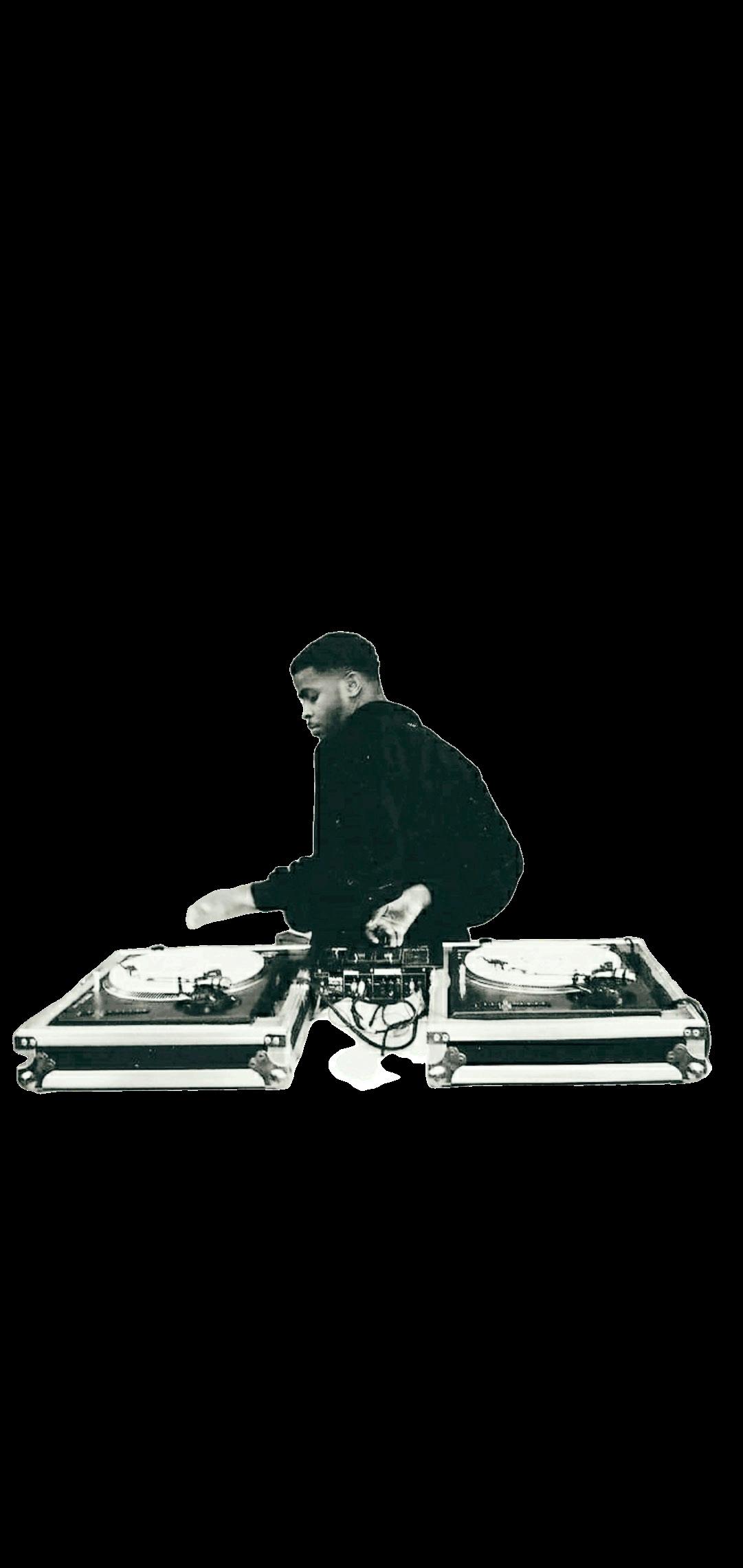
When you hit the dancefloor and the song “Informer” comes on, you are partying to the production of DJ Marvin Prince. Born in Jamaica in 1970, Marvin Prince was no stranger to the world of music. He was raised in the areas of Delacree Road and Red Hills, in the middle of a vibrant reggae scene. He was well-versed in the rhythms, sounds, and culture of Reggae and Caribbean music. His expertise in reggae and dancehall was essential to the career he built across the international music scene.
Having an extraordinary love for, and vast knowledge of all genres of music, Marvin absorbed its rhythms and emotions with deep appreciation. Marvin was a brilliant visionary and was impactful to countless artists. Known as a trailblazer in the music industry, his first and most remarkable achievement was at the age of 17, when he discovered and began to develop the career of white Canadian crossover artist Snow.
Through Marvinʼs unwavering belief, persistence and innate talent, both Snow as co-songwriter and performer, as well as Marvin as co-songwriter gained international success. Released in 1992, “Informer,” a reggae-influenced hip-hop song became a hit - topping charts around the world. Without the push from Marvin, and the collaboration with Snow, that moment in music history would not have been.
Princeʼs contributions were crucial to the songʼs success and to the album on which it was released; he co-produced and co-wrote 5 songs. The album went on to sell over 8 million copies worldwide and the song “Informer” was recorded twice in the Guiness Book of World Records as the biggest selling reggae single in US history and the highest charting reggae single ever.
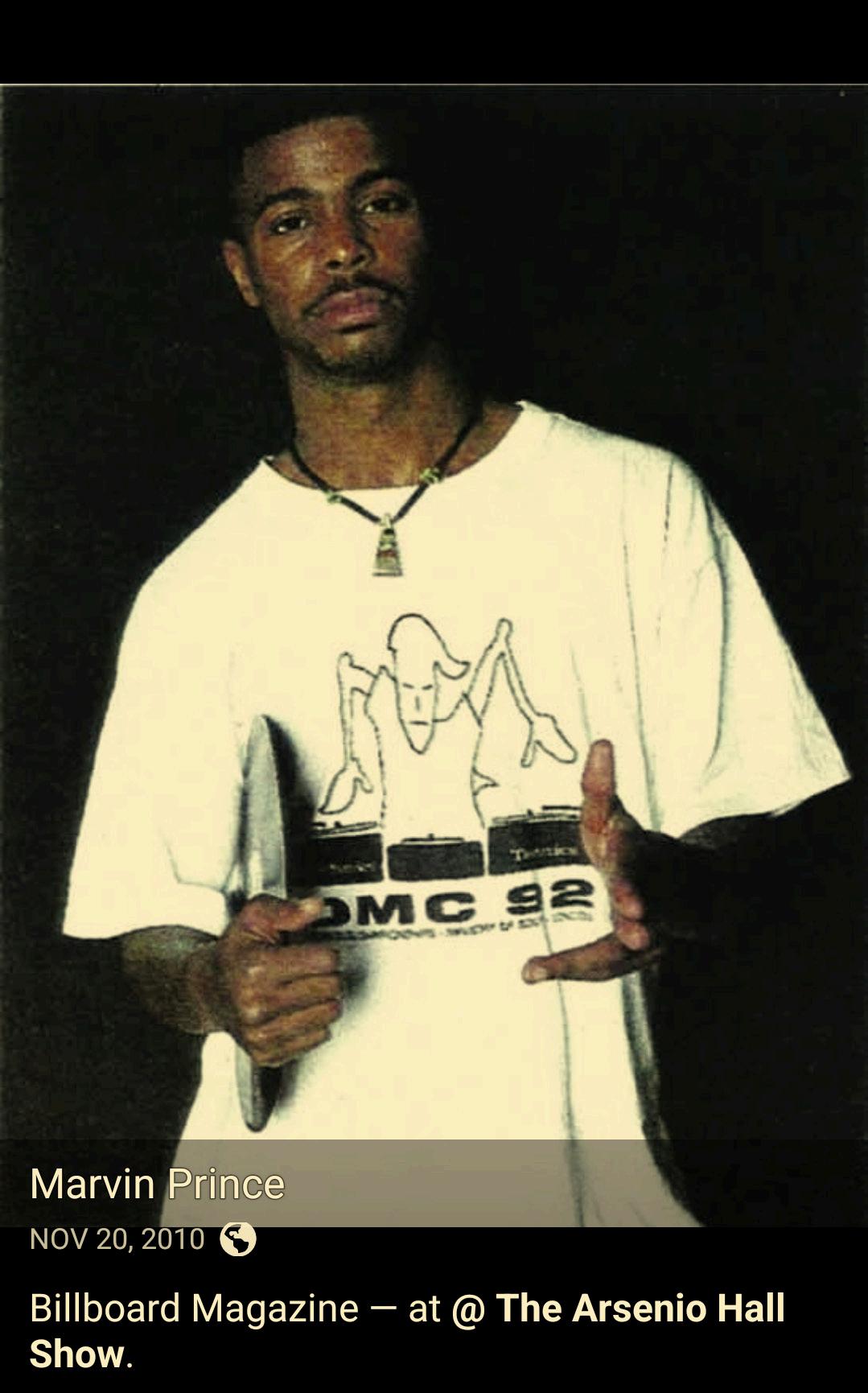
Itʼs 2019 remix release, “Con Calma” featuring Daddy Yankee reached 3.1 Billion views on YouTube; countless more streams on platforms such as Apple Music, Spotify, Pandora and others. The fact that an unknown white guy from Canada could thrive in the reggae scene seems strange, until you realize Prince, a born and raised Jamaican youth with a family tree that includes several musicians, gave Snow the foundation he needed to be heard. This fusion was groundbreaking at the time and showcased Marvin Princeʼs ability to create cross-genre appeal.
“I had to hand the mic to Snow back in the day. You donʼt come into a dancehall party looking the way he did without people thinking youʼre a cop, or from immigration,” Prince said. “When I handed him the mic it made people listen.”
What made Informer particularly interesting was the lyrical content. Snowʼs lyrics were sometimes difficult to understand due to his fast delivery and the heavy use of Jamaican patois. The songʼs catchy beat and infectious energy helped overcome any language barriers. The songʼs themes of betrayal, loyalty, and inner-city struggles resonated with many listeners, further enhancing its cultural impact.
In the broader context of the music industry, Informer opened doors for future collaborations between reggae and hip-hop artists. It also laid the foundation for other artists to experiment with blending Caribbean sounds with American urban music. While Snow was the face of Informer, Marvin Princeʼs influence and knowledge of music played a key role in helping the track become a global phenomenon.
Marvin went on to manage, write produce and shop for artists such a “Max Heinrich” and hip-hop ensemble “Crooked aka G-Lock.” Under his management both artists were signed to Jive Records USA with songs he produced on the Booty Call movie soundtrack. The soundtrack sold 1,000,000 copies in the USA achieving platinum record status. Crookedʼs track ʻMurderʼ was also featured on the 1997 soundtrack for Ice Cubeʼs film Dangerous Ground, which peaked at #20 on the Billboard chart and climbed to #3 on the Top R&B/Hip-Hop albums chart.
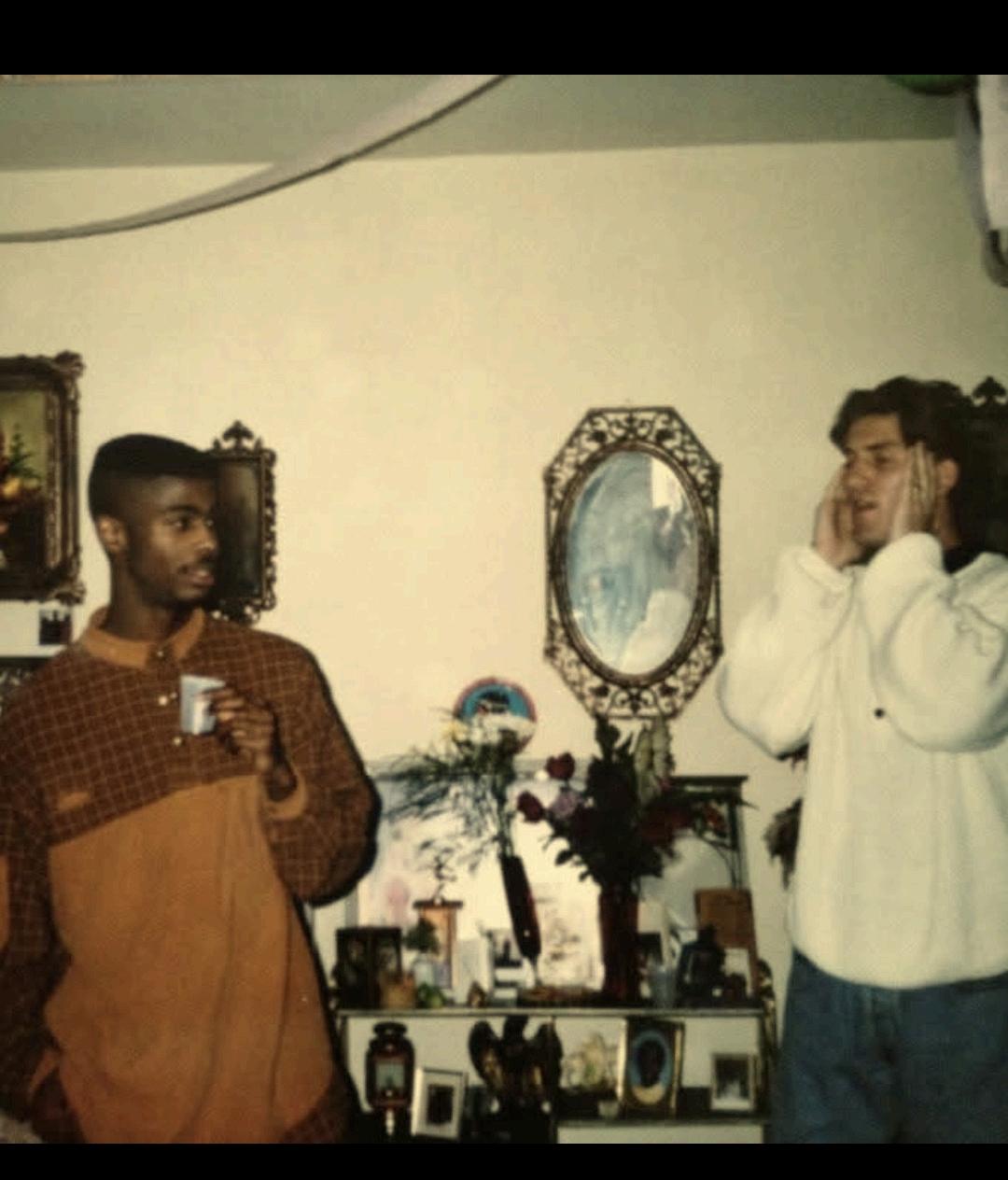
Marvin has been the recipient of prestigious awards such as certified multi-platinum plaques from USA, Germany, Japan, Australia and Austria. Japan also awarded Marvin with the equivalent of their GRAMMY Award, and his contributions to the song Informer reaped the Best Reggae Recording in 1994 from the Canadian JUNO Awards.
Marvin and Chip Fu (former member of the 90ʼs platinum rap group Fushnickens) designed a workshop called M.A.A.T.H. (Music Appreciation Arts Time Healing) a workshop/curriculum and mentorship program, which runs in various schools in New York. Most recently, in Canada, Marvin established Crossfader Academy Youth DJ program. This is a community-based initiative designed to empower young people that live in an area that has been impacted by crime and gang activity. His vision was to engage youth in the art of Djʼing to provide a positive outlet for self-expression while integrating essential life skills such as resilience, perseverance, emotional regulation and even some math, which are all critical tools for long term success.
Marvin was a wonderful son, loving brother, father, nephew, grandson, uncle, cousin and friend. His essence, his music, his spirit and kindness will always remain. Marvin Prince may not have received the level of fame that todayʼs artists in this digital era have garnered, but his legacy lives on through his music, the artists he developed, the youth he mentored and his place in music history.

Reggae outlaw Terry Ganzie is celebrating a powerful milestone as the “We Rise” Official Lyric Video soars past 1,000,000 YouTube views. Produced by Temps Music and AfroWorld Music, the motivational single—released shortly before the catastrophic Category 5 Hurricane Melissa—has taken on new depth and meaning, emerging as a source of strength, unity, and national pride in the storm’s aftermath.
What began as a dynamic Official Lyric Video has evolved far beyond entertainment. “We Rise” has exploded across Jamaica, resonating deeply with listeners who see their own struggles, perseverance, and will to rebuild reflected in the song’s message. The timing of the release has been described by fans as almost spiritual, as the anthem now speaks directly to the emotional and spiritual climate of the island.

What began as a dynamic Official Lyric Video has evolved far beyond entertainment.
The impact of “We Rise” has ignited a powerful cultural shift, inspiring multiple new songs adopting the same title — an unprecedented signal of how deeply Terry Ganzie’s message has penetrated the national consciousness. What began as one man’s declaration of resilience has now grown into a movement, symbolizing the collective rise of the Jamaican people as they recover, rebuild, and reclaim their strength after Melissa.
Meek Mill, Lil Baby - 100 MPH
Loe Shimmy - Baby Z
LITHE x Don Toliver - FaceTime
Lil Baby - Mrs. Trendsetter
Lihtz - Let you Go ft YFN Lucci
Kodak Black - Nann Nigga ft. Taylor So Made
Jim Jones - Move Em (feat. Dyce Payso, Keen Streetz, Albee Al, Steph X)
GloRilla - Special
Ice Spice & Tokischa - Thootie

Nino Man x G. Dep - Child Of Harlem Remix

In music, a triad is a set of three notes that can be stacked vertically in thirds. Triads are the most common chords in Western music. When stacked in thirds, notes produce triads.


MAGAZINE HAS A MEANING. THE THIRD IS FOR ...
Lyrics — theyʼre the words you live by. Every choice, every dream, every moment of courage adds a line to your lifeʼs song. Speak with strength. Sing with purpose. Let your story echo with truth and hope.
Because in the end, itʼs not about how loud your song plays — itʼs about how deeply itʼs felt.

By: Natasha Von Castle
The GRAMMY—musicʼs most coveted award and a symbolic recognition of a musicianʼs tireless effort to get a song right—is more than a trophy. Nowhere is that truer than in the category of Best Reggae Album.
Before reggae was global, before it filled stadiums, festivals, commercials, and playlists, it was resistance. It was survival. When the GRAMMY Awards introduced Best Reggae Album in 1985, they were not simply adding a new category—they were acknowledging a sound born from struggle, identity, and collective truth. Forty years later, that recognition has become a living archive of reggaeʼs evolution, influence, and enduring power.
When the Recording Academy introduced the category in 1985, reggae was rebellious, revolutionary, and deeply reflective of the struggles experienced in Jamaica and across the Caribbean. This was music rooted in collective consciousness. Artists were not singing about the plight of the individual, but about the plight of the people.
That inaugural year, Black Uhuruʼs Anthem took home the first GRAMMY Award for Best Reggae Album.

One of the ripple effects of legacy meeting inclusion is reggaeʼs growing presence on international stages. The genre has taken root at major festivals such as Coachella—arguably one of the largest festivals in the United States—which featured Jimmy Cliff in 2012 and Shenseea in 2023. Other notable performers over the years include Damian “Jr. Gong” Marley, Koffee, and Chronixx.
Mainstream media has also played a role in expanding reggaeʼs reach. NBC spotlighted Patricia “Miss Pat” Chin, founder of VP Records, highlighting the labelʼs origins as a family business that helped bring reggae from Jamaica to Queens, New York. The Tonight Show Starring Jimmy Fallon has consistently featured reggae and reggae-influenced artists, including Protoje, Sting and Shaggy, Chronixx, and others.
Even outside of music-focused programming, reggaeʼs cultural footprint remains visible. CBSʼs The Visioneers with Zay Harding has featured Jamaica through stories centered on sustainability and innovation—culture-adjacent, but culturally connected.
Billboard maintains a regular reggae and dancehall column written by Kyle Denis, keeping readers and listeners updated on youth-driven releases through both editorial coverage and Spotify playlists. Digital Streaming Platforms (DSPs) further reinforce this visibility by regularly spotlighting reggae and dancehall projects, making the genre accessible to both devoted fans and curious newcomers.
Reggaeʼs inclusion in film, television, and commercial soundtracks has also helped cement its place in mainstream culture. The music appears in films such as The Harder They Fall—which featured Barrington Levyʼs “Better Than Gold”—the television series Dreaming Whilst Black, which included Dennis Brownʼs “Revolution,” and Leviʼs 150th anniversary campaign, soundtracked by Toots and the Maytalsʼ “54-46.”
The other nominees—Jimmy Cliff (Reggae Night), Steel Pulse (Steppinʼ Out), Peter Tosh (Captured Live), and Yellowman (King Yellowman)—represented a genre alive with urgency, truth, and purpose. That was 40 years ago. So why does it still matter? Legacy.
The legacy of reggae at the GRAMMY Awards is not only about wins and nominations—it is about inclusion. It represents the importance of honoring all musicians, not just those who look like or sound like the industryʼs traditional gatekeepers. This legacy acknowledges reggaeʼs influence as a genre in its own right.
Artists such as Mick Jagger, Paul McCartney, Eric Clapton, Annie Lennox, Sting, Drake, Adele, Beyoncé, Gwen Stefani, Ed Sheeran, and Rihanna are living testaments to reggaeʼs global impact and its seamless integration into mainstream artistry.
Over four decades, the Best Reggae Album category has celebrated many of the genreʼs most important voices—from roots legends to modern innovators. No artist has been more dominant than Ziggy Marley, who holds the record with eight Best Reggae Album GRAMMY wins. His success reflects both artistic consistency and reggaeʼs generational continuity, illustrating how the music evolves while remaining anchored to its cultural foundation.
The 2026 nominees—Lila Iké, Keznamdi, Vybz Kartel, Mortimer, and Jesse Royal—continue that tradition.
Each nominee is worthy in their own right and, much like the categoryʼs inaugural year, each represents a distinct voice within the genre: the social observer, the outlier, the rebel, the lover, and the conscious messenger.
Forty years after its introduction, the Best Reggae Album category remains a vital platform—one that has honored legends, elevated new voices, and preserved reggaeʼs place in music history. The challenge is no longer whether reggae belongs at the GRAMMYs, but how the GRAMMYs can continue to grow alongside reggae— honoring its past while making room for its future.

Forty years after its introduction, Best Reggae Album stands as more than an award category—it is a cultural checkpoint. It honors the elders who carried reggaeʼs message across oceans and generations, while creating space for voices still shaping its future. As reggae continues to influence global sound, style, and consciousness, the responsibility now rests with the GRAMMYs not only to celebrate the genreʼs history, but to evolve with it—listening closely, recognizing boldly, and honoring reggae on its own terms.
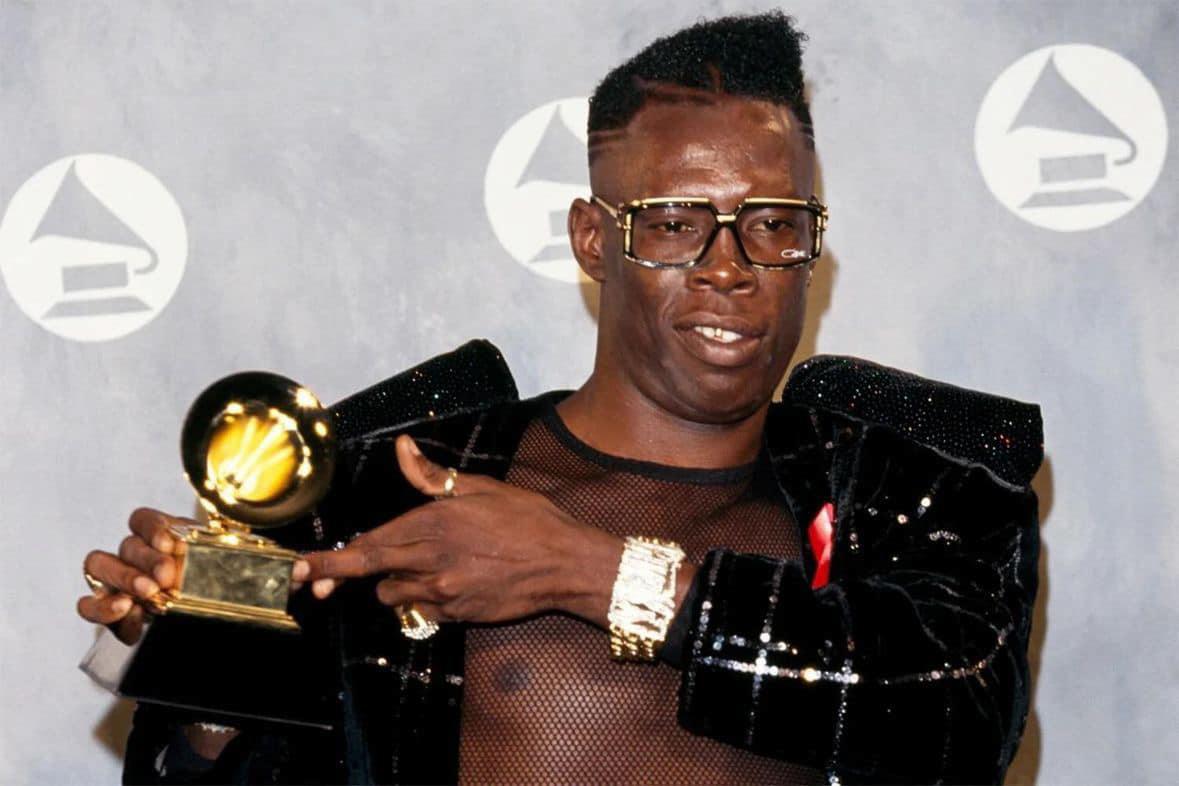



A few more 40-year GRAMMY Award milestones:
40 years later ... for the first time a Dancehall artist is the oldest of the 5 nominees – Vybz Kartl (turns 50 on January 7th).
40 years later ... women being nominated is a common occurance. From Etana to Koffee to Lila Ike – women's presence in the Best Reggae Album category is more commonplace
40 years later ... this is one of the few times that a Marley offspring has been nominated. A member of the family did not release an album in the eligibility period.
40 years later ... the GRAMMYs are including a much younger set of nominees and with social media they are gathering more importance than ever.
Producer Winta James has tracks on 2 of the 5, 2026 nominated albums:
Lila Ike (“Too Late to Lie”), and Mortimer (ʻFrom Withinʼ album). This hasn't happened since the Sly & Robbie era.


Young artists entering the Reggae landscape face several obstacles before they are seen or heard by the public. Finding a producer who makes music that compliments their sound is one task. Having the right look for audience impression is another task, and, the right manager or management company is yet another daunting task. Being lucky enough to find those elements and take your talent to market means the heavens are shining down on you.
Yung Ras is a rising Reggae talent whose voice is on-track to catch the ears of all who love the genre.
By: Joah Baston
JB: When were you introduced to music and when did you know that performance was your calling?
YR: I've been surrounded by music since birth, and I knew it was my calling from a young age. However, I started pursuing music professionally about 4 or 5 years ago.
JB: How did you meet Butler (your manager) and what made you decide to work with him?YR: I met Rohan Butler through a mutual friend, and I decided to work with him because I believe in his vision. He has a clear understanding of the music industry, and I trust his guidance. I'm excited to see where this partnership takes
JB: Your music is definitely for the ladies and appeals to men. What inspires that balance?YR: My music is inspired by both my personal experiences and observations. I draw from my life and the world around me to create songs that resonate with a wide audience.
JB: Walk us through the songwriting process for "We Shall Rise."
YR: "We Shall Rise" was actually inspired by Rohan Butler, who asked me to write about Hurricane Melissa. I started working on a different song, but Rohan sent me a recording of Patexx, and I loved it. In the studio, Nigel Staff from the Ruff Cut Band helped me refine the track, and we made it my own.
JB: Do you plan to record in other countries? Will there be collaborations?
YR: The future is exciting, and I'd love to record in other countries to experience new sounds. As for collaborations, let's just say I'm open to working with other artists, but I'll keep the details under wraps for now.
JB: What general advice would you give our readers on Life, Love,
YR: For Life I would say stay true to yourself and your art. For Love, focus on spreading positivity and kindness. Lastly, for Lyrics, draw from personal experiences and observations to create authentic and meaningful music.


IT’S THE JCA'S MISSION TO ADVOCATE TO IMPROVE THE WELL‐BEING AND EQUITY OF JAMAICAN, CARIBBEAN & AFRICAN‐CANADIAN COMMUNITIES WITHIN THE GREATER TORONTO AREA.

CATCHING UP WITH DAVID BETTY – PRESIDENT
By: Lisa 'West' Skeete
We are three months from Hurricane Melissa - the category 5 event that hit Jamaica – and some are operating as if the hurricane hit yesterday. In Toronto, The Jamaican Canadian Association continues to coordinate donations, financial contributions, and volunteers. All and more are being channeled by the President of the Association, David Betty.
LS: We are 3 months post Hurricane Melissa. How would you assess the response from the Diaspora in Toronto?
DB: Thanks for the question. This gives me an opportunity to say thanks to the men and women who have given so generously. Donations came in kind, in physical contributions, donations of talent (such as the fundraising concert we had here), and in time that the community has given to sort donations and organize all that has been given.
We are up to $700K (at the time this article was published) and we're looking to get you one million - and I think we will get there. One of the main events was the concert we had on November 6th. We had approximately 1K people and raised approximately $50K that night. We have so much gratitude for the peple who decided to give.
L3: What has the feedback been from the ground in Jamaica?
DB: It is definitely catastrophic. We have spoken to people who have been there, at ground zero, and they say whatever we see, it's worse. I have seen the videos, I have been on video calls – the damage and devastation is great. It's going to take a long time for us to rebuild but we will. Everyone is giving what they can, and together we have raised a lot.
Communities are thankful and appreciative for all that we have done – not just Toronto, but all of Canada – what we have done so far has gone a long way.
L3: In the midst of this tragedy, this devastation, did you personally witness anything that really surprised you? Anything that made you say ʻnow, that is God moving through the community, through the situation that's happened.ʼ
DB: I remember watching a gentleman in St. James who went to a particular community – they had a massive landslide. There was a house perched on the side of the road, where all the land next to it, including under it, is gone – but the house was still there. I don't know if it's still there now today, but when we saw it, it was there. The light post that was next to it is gone. The road is only one lane, but yet, the house is still standing. That house still standing is a powerful statement. These are miracles, and there are a few stories like this across the country.
Also, the fact that God spared so many lives. We lost 45 souls (at the time this article was written); given that this was a category 5 – every life is precious and we are thankful that it was not more lives lost.
L3: What are some of the activities available at the JCA – for people who would like to visit the centre? If people want to volunteer, if people want to participate in some way at the JCA, what are there any ways that people can participate.
DB: As you can see here, the building is accommodating the relief effort. We also have a Saturday morning program for children. We have tutors as well as summer programs. We have Seniorʼs programs, monthly activities for members, exercise programs called Reggaesize and speakers who come in to speak on various topics and keep us motivated. One more thing, our members go on trips too. We have an active community!
L3: If people want to get involved in terms of becoming a member, what can they do?
DB: They can become a member through our website. All the steps and details are listed there https://jcaontario.org/
L3: What are some initiatives that you are working on that people should be aware of?
DB: Believe it or not, we're seeing that we need to figure out how to feed ourselves. We think food insecurity is going to be an issue for us. We're looking at, how to get involved in food security? I don't want to say much more now but I encourage all to stay tuned. Also, we just wrote a letter in support of farm workers to the Prime Minister of Canada. We made the argument that we'd like them to be treated differently such as earning permanent residency. We want them to also benefit from EI (Employment Insurance). Lastly, we have we've asked that Canada become a leader in how farm workers and seasonal workers are treated so that other countries around the world can learn and follow a good example.

By Onika Henry, Clinical Sexologist, Somatic Educator

There is a Mas for every story our bodies carry. For generations, the Carnival of Trinidad and Tobago has been a vast, living lexicon of resistance, rebellion, release, and reclamation. For too long, the bodies of people of colour were described with the colonial grammar of shame, its paragraphs redacted by history. My article is that of a scribe and a guide: to help you reclaim the original manuscript of your flesh, using one of the most rebellious poetry and street theatre I know - the Carnival of Trinidad and Tobago.