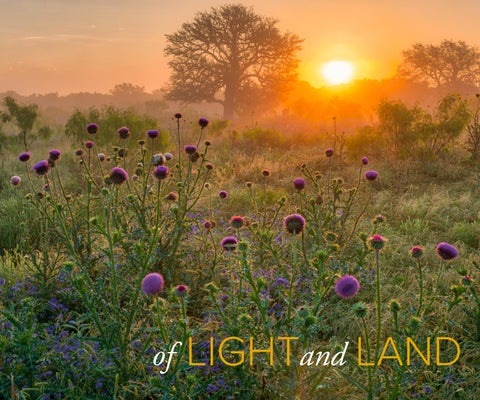
A COLLECTION OF TEXAS LANDSCAPES Curated by KW Landscape Architects
Dedicated to our clients For 35 years, we have had the privilege of working with clients whose vision and trust have helped shape the places we create. As we celebrate this milestone and 20 years of sharing Texas landscapes, we dedicate this book to you—with sincere appreciation for your partnership and for allowing us to be part of what comes next. KW LANDSCAPE ARCHITECTS
STUDY NATURE, LOVE NATURE, STAY CLOSE TO NATURE. IT WILL NEVER FAIL YOU. — FRANK LLOYD WRIGHT
A TRADITION
FRAMED IN TEXAS At KW Landscape Architects, we
beautiful, something memorable,
the expansive skies of West Texas,
have always believed that our
and something that might be
from the coastal plains to the forests
greatest success is measured not
enjoyed long after the Christmas
and rolling countryside, we wanted
simply by the projects we design,
season had passed.
to celebrate the remarkable diversity
but by the relationships we build
and natural character of Texas.
along the way. Our clients are the
After months of conversations and
lifeblood of our firm. Their trust,
exchanging ideas, we found our
I am a native Texan, born and raised,
friendship, and continued support
inspiration in the very thing that
and I have always had a deep love
have allowed us to do what we love
inspires our work every day: the
for this state. I honestly cannot
for more than three decades, and for
natural landscape of Texas.
imagine calling anywhere else home.
that, we are deeply grateful.
Texas is an extraordinary place, We decided that each Christmas,
blessed with an incredible diversity
More than twenty years ago,
we would select an extraordinary
of landscapes, remarkable people, a
our marketing team and I began
photograph of the Texas landscape
rich heritage, and, of course, some of
searching for a meaningful way to
to share with our clients and friends.
the best food you will find anywhere.
express that appreciation during the
Each year would feature a different
From its wide-open spaces to its
Christmas season. We wanted to do
region of our great state, captured
small towns and vibrant cities, there
something different, something more
through the lens of a talented
is a spirit here that is difficult to
personal than the traditional holiday
landscape photographer. From the
describe but impossible to forget.
gift. We wanted to share something
quiet beauty of the Hill Country to
I have traveled and experienced
An appreciation of nature, inspiration, and the relationships that matter most. many beautiful places, but there is
with nature. Our guiding philosophy,
tradition. While we are ready to
and friendships you have shared
something about Texas that always
“Bringing People Outside,” is rooted
begin a new chapter and discover
with us over the years.
draws me home. I may be a little
in that belief.
another meaningful way to celebrate
biased, but I truly believe Texas is
the Christmas season, we could not
As you turn these pages, we hope
the best place in the world to live.
Nature has always been our greatest
let this tradition end without bringing
you will discover something that
That pride and appreciation for our
teacher. The textures, colors, forms,
these remarkable images together in
inspires you, brings back a memory,
state played a meaningful role in
and patterns found in the natural
one collection.
or simply reminds you to pause and
creating this Christmas tradition.
landscape continually remind us
appreciate the extraordinary beauty
that some of the most extraordinary
This book is our way of preserving
What began as a simple idea
designs are those that have existed
those twenty years of inspiration
became a tradition that would
long before us. These photographs
and sharing them once again with
Thank you for being part of our
continue for twenty years.
have served not only as Christmas
the people who made the tradition
journey. We look forward to the
gifts, but also as reminders of the
possible.
many chapters still to come. With sincere appreciation,
As landscape architects, we spend
beauty that inspires our profession
our careers studying the relationship
and the responsibility we share to
More importantly, it is a celebration
between people and the outdoors.
respect and celebrate the world
of you—our clients, colleagues, and
We believe that the most memorable
around us.
friends. Your relationships have
places are those that bring people
helped shape KW into the firm it is
together, encourage exploration,
This year marks the conclusion
today, and we are sincerely grateful
and create a lasting connection
of our twenty-year photographic
for the opportunities, confidence,
of the natural world.
Darin Weinheimer, PLA Founding Partner
TWENTY YEARS OF LIGHT & LAND
2006
2007
2008
2009
2010
2011
2012
2013
2014
2015
A look back at 20 years of extraordinary places, memorable moments, and the beauty that makes Texas home.
2016
2017
2018
2019
2021 2020
COVID YEAR (no photo produced)
2022
2023
2024
2025
2026
TEXAS ECO-REGIONS
LANDSCAPES OF TEXAS Texas is a state defined by
communities, wildlife, and sense
the Texas landscape—from the
of Texas through land, water,
extraordinary variety. Across its
of place.
rugged desert peaks of the west
vegetation, wildlife, and
and the sweeping grasslands of
changing light. Each region
vast expanse, the land shifts from desert mountains and elevated
This collection explores nine
the Panhandle to the wildflower
is visually distinct, yet all are
plains to limestone hills, tallgrass
of those regions: the Trans-
prairies of North and Central
connected by the larger identity
prairie, coastal marsh, thorny
Pecos Mountains, High Plains,
Texas, the limestone rivers of the
of the state. The photographs
brush country, and dense pine
Rolling Plains, Cross Timbers
Hill Country, the coastal wetlands
that follow offer a journey
forest. Differences in elevation,
& Prairies, Blackland Prairie,
of the Gulf, and the wooded
through these varied landscapes,
rainfall, geology, soil, and
Edwards Plateau, South Texas
landscapes of East Texas.
celebrating the natural beauty,
climate have shaped a series
Plains, Gulf Prairies & Marshes,
of distinct ecological regions,
and Piney Woods. Together, they
Viewed together, these eco-
each with its own character, plant
reveal the remarkable range of
regions tell the broader story
diversity, and enduring character of Texas.
9
ECO-REGIONS PHOTOGRAPHED
TEXAS ECO-REGION
TRANS-PECOS MOUNTAINS
At the far western edge of Texas,
This dramatic change in elevation
FLORA
the Trans-Pecos unfolds as a
makes the Trans-Pecos one of
Creosote bush, ocotillo,
landscape of extraordinary scale
Texas’ most biologically diverse
and contrast. Desert basins,
regions. Creosote flats and desert
rugged plateaus, deep canyons,
grasslands give way to yucca and
pinyon pine, ponderosa
salt flats, and isolated mountain
juniper savannas, while higher
pine, oak.
ranges create some of the most
elevations support oaks, pinyon
dramatic scenery in the state.
pine, ponderosa pine, and even
Elevations climb from arid valleys
Douglas fir in protected mountain
to Guadalupe Peak, the highest
environments. It is a landscape
javelina, roadrunner,
point in Texas at more than 8,700
defined by extremes—brilliant
golden eagle, Montezuma
feet. With rainfall scarce at lower
light, immense skies, rugged
quail, desert reptiles, bats.
elevations and more plentiful in
geology, and remarkable plants
the mountains, the region can
and animals adapted to life in one
shift from sparse Chihuahuan
of the driest parts of the state.
Desert scrub to wooded slopes within a relatively short distance.
lechuguilla, sotol, yucca, prickly pear, agave, juniper, Texas madrone,
FAUNA Mule deer, pronghorn, mountain lion, black bear,
Source: Texas Parks & Wildlife Department
EL CAPITAN AT LAST LIGHT GUADALUPE MOUNTAINS NATIONAL PARK Captured in the Rita Blanca National Grasslands of Dallam County, at the far northwestern edge of the Texas Panhandle, this photograph reflects the expansive character of one of the state’s most open landscapes. Broad grasslands, working ranches, and seemingly endless skies define the region, where cattle ranching has long been woven into the history and identity of the land. The grazing herd adds a quiet sense of scale and rhythm to the scene, reinforcing the connection between the landscape and the people who have worked it for generations. Shaped by agriculture, weather, and vast distances, the view feels distinctly Panhandle—simple, hardworking, and deeply rooted in the traditions of rural Texas.
PHOTOGRAPHER: LAURENCE PARENT
PHOTOGRAPHER: JOE AKER
THE RIVER BETWEEN EAGLE PASS, TEXAS Flowing along the Texas–Mexico border, the Rio Grande has shaped the landscape, history, and identity of South Texas for generations. Near Eagle Pass, the river moves through a broad, rugged landscape of native brush, limestone, and open sky, creating a scene that feels both remote and deeply connected to place. From a private ranch along its banks, the view captures a quieter side of the river—far removed from the cities and crossings more often associated with it. Here, the Rio Grande becomes part of the land itself, winding through the brush country and reflecting the changing light of the South Texas sky. The photograph reveals the river not simply as a boundary, but as a natural feature that has sustained wildlife, shaped settlement, and defined the character of the region for centuries.
SIERRA DEL CARMEN AND THE RIO GRANDE BIG BEND NATIONAL PARK Few places capture the spirit of far West Texas quite like Big Bend. Along the Rio Grande, river, desert, cactus, and mountains come together beneath an immense Texas sky. The Sierra del Carmen rises just across the border in Mexico, forming a rugged backdrop as the river winds through the desert and a prickly pear cactus anchors the foreground. As the last light of day settles across the mountains and water, the scene takes on a warm, cinematic quality. Wild, remote, and deeply atmospheric, it brings together the vast scale, changing light, and rugged beauty that define Big Bend.
PHOTOGRAPHER: INGE JOHNSSON
WINTER IN THE CHISOS BIG BEND NATIONAL PARK Winter in Big Bend is brief, unpredictable, and often gone almost as quickly as it arrives. In the Chisos Mountains, snow can transform the desert landscape overnight, dusting rugged peaks and high-country vegetation in white before warmer temperatures return. This image captures one of those rare moments, when fresh snowfall settled across the mountains while autumn color still lingered in the trees below. The contrast of snow, rock, and warm seasonal color reveals a side of Big Bend that few visitors get to experience. By that afternoon, much of the snow had already disappeared, making the scene a fleeting glimpse of winter in one of Texas’ most dramatic landscapes.
PHOTOGRAPHER: DARREN HUSKI
PHOTOGRAPHER: KENNY BRAUN
SALT BASIN DUNES GUADALUPE MOUNTAINS NATIONAL PARK Set within Guadalupe Mountains National Park, the Salt Basin Dunes reveal a strikingly different side of the West Texas landscape. Shaped over time by wind, water, and shifting geology, the pale dunes rise from just a few feet to nearly 60 feet high and stretch across roughly 200 acres of open terrain. Their quiet, sculpted forms stand in dramatic contrast to the park’s rugged mountains and forested high country. Surrounded by some of the highest peaks in Texas and one of the world’s most significant Permian fossil reef systems, the dunes add another layer to the remarkable diversity of Guadalupe Mountains National Park—a place where desert, mountain, canyon, and sky come together in one vast and unforgettable landscape.
GUADALUPE PEAK GUADALUPE MOUNTAINS NATIONAL PARK Rising to 8,750 feet, Guadalupe Peak is the highest natural point in Texas and one of the defining landmarks of Guadalupe Mountains National Park. Set within the rugged Guadalupe Mountains of far West Texas, the landscape is shaped by ancient limestone cliffs, desert terrain, and sweeping views that stretch for miles across the surrounding Chihuahuan Desert. Reaching the summit requires a strenuous 8.5-mile round-trip hike with nearly 3,000 feet of elevation gain, rewarding those who make the climb with one of the most expansive vistas in the state. This image captures a quieter moment along the ascent, where a lone Madrone tree is illuminated by the warm light of the rising sun. Framed by rocky slopes and open sky, the scene reflects the dramatic beauty, resilience, and sense of solitude that make this remote corner of Texas so memorable.
PHOTOGRAPHER: CHASE FOUNTAIN
PHOTOGRAPHER: JON FISCHER
DESERT SOLITUDE BIG BEND NATIONAL PARK Set beneath the vast night sky of Big Bend National Park, “Desert Solitude” captures the quiet wonder of one of Texas’ most remote and remarkable landscapes. Spanning more than 800,000 acres, Big Bend brings together desert, river, and mountain habitats beneath some of the darkest skies in the country. Designated an International Dark Sky Park in 2012, it offers extraordinary views of the stars with minimal light pollution. Framed by the rugged terrain of the Chisos Mountains—the only mountain range in the United States located entirely within a national park—the image reflects the scale, stillness, and sense of wonder that define this extraordinary corner of West Texas.
TEXAS ECO-REGION
EDWARDS PLATEAU
The Edwards Plateau
The Plateau is also one of the
FLORA
encompasses much of what
state’s richest areas for native
Live oak, Texas red oak,
Texans know as the Hill
and endemic species. Cypress-
Country—a rugged landscape of
lined waterways cut through
limestone hills, spring-fed rivers,
limestone valleys while spring
bluestem, Indiangrass,
rocky canyons, caves, and clear
brings displays of bluebonnets,
bluebonnet, Indian
streams. Beneath much of the
Indian paintbrush, gaillardia, and
region lies porous limestone that
other wildflowers. Caves and
stores and carries groundwater
underground waters support
through the Edwards Aquifer,
species found in few other
armadillo, fox, ringtail,
feeding many of Central Texas’
places, while the wooded hills
Guadalupe bass, Texas
most familiar rivers and springs.
provide critical habitat for birds
Shallow soils, exposed rock, and
such as the golden-cheeked
frequent drought have helped
warbler. The result is a landscape
shape a landscape of grasslands,
that feels unmistakably Texan—
oak savannas, and juniper
rocky, resilient, and softened by
woodlands.
water, wildflowers, and layers of green.
Ashe juniper, bald cypress, pecan, Texas persimmon, bigtooth maple, little
paintbrush. FAUNA White-tailed deer,
map turtle, goldencheeked warbler, blackcapped vireo, cave salamanders, bats. Source: Texas Parks & Wildlife Department
FRIO IN AUTUMN GARNER STATE PARK Flowing through the rugged limestone hills of the Texas Hill Country, the Frio River is one of the defining features of Garner State Park. Known for its clear, spring-fed water, cypress-lined banks, and dramatic limestone bluffs, the river has long drawn visitors looking to swim, paddle, hike, and escape into the landscape. This image captures the calm beauty of the Frio as it winds through the park, reflecting the relaxed character and natural charm that have made Garner one of Texas’ most beloved outdoor destinations.
PHOTOGRAPHER: TOM KILTY
PHOTOGRAPHER: ROB GREEBON
SUNRISE ON THE RIVER PEDERNALES FALLS STATE PARK Just west of Austin, Pedernales Falls State Park is shaped by the limestone ledges and winding waters of the Pedernales River. Spanning more than 5,000 acres, the park has long been a favorite destination for hiking, exploring, and spending time along the water. For photographer Rob Greebon, the landscape is especially familiar; located close to home, the river’s bends, rock formations, and changing light have become scenes he knows well. This image captures the rugged beauty and quiet character of the Hill Country, offering a reminder of how much there is to discover outdoors across Texas.
PHOTOGRAPHER: LARRY WHITE
WINDMILL IN THE MIST INGRAM, TEXAS Captured in Ingram, Texas, this image reflects the quiet beauty of the Hill Country at daybreak. Founded in 1879 along the Guadalupe River, Ingram grew from a small farming and ranching community surrounded by rolling hills and open country. Here, an old windmill rises through a blanket of morning fog as the first light of sunrise begins to warm the landscape. The soft atmosphere and familiar rural silhouette give the photograph a sense of stillness and nostalgia, capturing the character of a place where the traditions and scenery of the Texas Hill Country remain closely intertwined.
TEXAS ECO-REGION
ROLLING PLAINS
Stretching below the Caprock
Today, ranchland, agricultural
FLORA
across portions of northwestern
fields, mesquite grasslands,
Little bluestem, sideoats
and west-central Texas, the
and remnant native prairie
Rolling Plains are defined
form a patchwork across the
by broad grasslands, gently
region. Cotton, wheat, and cattle
pear, shinnery oak,
undulating terrain, river breaks,
have long shaped the human
cottonwood, pecan.
and seemingly endless horizons.
landscape, while river corridors
Several major Texas river systems
provide ribbons of hardwood
originate or travel through this
habitat through the open plains.
region, carving valleys and
The region’s subtle beauty lies
scaled quail, Rio Grande
canyons into otherwise open
in its openness—the sweep of
turkey, mourning dove,
country. Historically, native mid-
prairie beneath an enormous sky,
and tallgrass prairie covered much
broken by mesas, riverbanks, and
of the landscape, dominated by
the silhouettes of mesquite and
bluestems and gramas.
yucca.
grama, blue grama, sand bluestem, buffalograss, mesquite, yucca, prickly
FAUNA White-tailed deer, pronghorn, bobwhite quail,
javelina, bobcat, coyotes, waterfowl. Source: Texas Parks & Wildlife Department
GRAZING CATTLE DALLAM COUNTY, TEXAS Captured in the Rita Blanca National Grasslands of Dallam County, at the far northwestern edge of the Texas Panhandle, this photograph reflects the expansive character of one of the state’s most open landscapes. Broad grasslands, working ranches, and seemingly endless skies define the region, where cattle ranching has long been woven into the history and identity of the land. The grazing herd adds a quiet sense of scale and rhythm to the scene, reinforcing the connection between the landscape and the people who have worked it for generations. Shaped by agriculture, weather, and vast distances, the view feels distinctly Panhandle—simple, hardworking, and deeply rooted in the traditions of rural Texas.
PHOTOGRAPHER: RICHARD REYNOLDS
TEXAS ECO-REGION
HIGH PLAINS
The High Plains stretch across
Historically, the High Plains
FLORA
the broad, elevated tablelands
supported vast expanses of
Blue grama, buffalograss,
of the Texas Panhandle and form
shortgrass prairie, with native
part of the southern Great Plains.
grasses adapted to limited rainfall
Defined by level to gently rolling
and persistent winds. Today,
cottonwood, honey
terrain, wide-open horizons,
agriculture is a major part of the
mesquite.
and an immense sense of sky,
region’s identity, but remnants
the region is shaped by wind,
of native prairie still support
drought, and dramatic shifts in
a distinctive mix of plants and
weather. Much of the landscape
wildlife. The beauty of the High
tailed prairie dog,
sits atop the Caprock, where the
Plains is found in its scale and
burrowing owl, scaled
plains rise above the surrounding
simplicity—endless fields, distant
country and are occasionally
horizons, brilliant sunsets, and
broken by draws, playas, and
a landscape that can feel both
deeply cut canyons.
austere and deeply peaceful.
sideoats grama, sand dropseed, little bluestem, yucca, prickly pear, plains
FAUNA Pronghorn, mule deer, coyote, swift fox, black-
quail, ferruginous hawk, western meadowlark, sandhill crane. Source: Texas Parks & Wildlife Department
SUNSET ON PALO DURO LIGHTHOUSE PALO DURO CANYON Captured in the heart of Palo Duro Canyon, just south of Amarillo in the Texas Panhandle, this image highlights the dramatic beauty of one of the state’s most recognizable landscapes. Often called the “Grand Canyon of Texas,” Palo Duro stretches for more than 120 miles, revealing layers of richly colored rock shaped over millions of years. Rising from the canyon floor, the Lighthouse stands as its most iconic formation—a striking 310-foot-tall landmark reached by one of the park’s most popular trails. Bathed in the warm glow of sunset, the scene captures the rugged scale, color, and quiet grandeur that make Palo Duro Canyon such an enduring symbol of the Texas landscape.
PHOTOGRAPHER: TODD GRUBBS + CYNTHIA HERSTAND
TEXAS ECO-REGION
CROSS TIMBERS & PRAIRIES
Across north and central Texas,
The region serves as a transition
FLORA
bands of oak woodland weave
between wetter eastern forests
Post oak, blackjack
through open prairie to form the
and the drier plains to the west.
distinctive landscape known as
Post oak and blackjack oak
the Cross Timbers and Prairies.
dominate many wooded areas,
sumac, big bluestem, little
Early travelers gave the region
while native grasslands include
bluestem, sideoats grama,
its name after repeatedly
little bluestem, big bluestem,
encountering dense belts of
Indiangrass, and sideoats grama.
timber while crossing otherwise
This mix of woodland and prairie
open grasslands. The result is a
supports an equally varied
armadillo, bobcat, raccoon,
varied landscape where wooded
wildlife community, making the
ringtail, bobwhite quail,
ridges, rocky slopes, creek
Cross Timbers a place where
corridors, and tallgrass prairie
species associated with forests,
exist side by side.
grasslands, and waterways often overlap.
oak, live oak, pecan, American elm, redbud, Mexican plum, flameleaf
Indiangrass. FAUNA White-tailed deer,
scissor-tailed flycatcher, red-shouldered hawk, Texas horned lizard, fox. Source: Texas Parks & Wildlife Department
PHOTOGRAPHER: LAURA VU
HIDDEN FALLS FORT WORTH, TEXAS Captured at Marion Sansom Park in Fort Worth, the waterfall reveals a surprisingly rugged side of the North Texas landscape. The 264-acre park sits along limestone bluffs overlooking the West Fork of the Trinity River and Lake Worth, with wooded trails, exposed rock, and steep terrain that feel far removed from the surrounding city. A short hike into the park leads to the secluded waterfall, where water flows across layered limestone beneath a canopy of trees. The scene captures the quiet, natural character of the park and the sense of discovery that comes from finding such a peaceful setting so close to home.
BLUEBONNET RAILROAD SUNRISE LOCATION: KINGSLAND, TEXAS Captured in Kingsland, Texas, “Bluebonnet Railroad Sunrise” celebrates one of the state’s most enduring symbols beneath the warm light of a Hill Country morning. As the sun rises across the landscape, fields of bluebonnets frame the railroad and create a scene that feels both timeless and distinctly Texan. More than a seasonal display of color, the bluebonnet has come to represent the strength, resilience, and quiet beauty of the state itself. This image captures that spirit in a peaceful moment, bringing together the character of the Texas landscape with the familiar beauty of its most iconic wildflower.
PHOTOGRAPHER: TODD GRUBBS + CYNTHIA HERSTAND
PHOTOGRAPHER: LAURENCE PARENT
NODDING THISTLE MCCULLOCH COUNTY, TEXAS Captured on a private ranch in McCulloch County, this image reflects one of those fleeting moments when an ordinary landscape is transformed by light. After several days of clear skies and subdued conditions, the final morning brought an unexpected layer of mist settling across a field of nodding thistle and scattered oak trees. As the sun broke the horizon, warm golden light filtered through the haze and illuminated the flowers from behind. The effect lasted only a few minutes before the mist disappeared, but in that brief window the landscape took on a soft, almost ethereal quality. The photograph captures the quiet beauty of early May in Central Texas, where spring color, open pasture, and changing light can turn a familiar ranch landscape into something memorable.
TEXAS ECO-REGION
BLACKLAND PRAIRIE
The Blackland Prairie stretches
Today, much of the original prairie
FLORA
in a narrow band through north-
has been converted to farms,
Big bluestem, little
central Texas, including areas
ranches, and urban development,
around Dallas, Fort Worth, Waco,
making intact remnants of
and south toward San Antonio.
Blackland Prairie increasingly
bluebonnet, Indian
Once dominated by tallgrass
rare. Where native habitat
paintbrush, prairie verbena,
prairie, the region takes its name
remains, it supports a diverse
from the dark, fertile soils that
mix of grasses, flowering plants,
made it especially valuable
birds, mammals, and pollinators.
FAUNA
for agriculture. Gently rolling
The region’s character is defined
White-tailed deer,
terrain, deep clay soils, and
by open horizons, broad skies,
coyote, bobcat, eastern
seasonal creeks once supported
and a landscape that can shift
expansive grasslands filled with
dramatically with the seasons—
big bluestem, little bluestem,
from green spring growth and
flycatcher, red-tailed hawk,
Indiangrass, switchgrass, and a
colorful wildflowers to the warm
butterflies, native bees.
rich variety of native wildflowers.
golds of late summer and fall.
bluestem, Indiangrass, switchgrass, sideoats grama, eastern gamagrass,
maximilian sunflower, Engelmann daisy.
cottontail, armadillo, northern bobwhite, meadowlark, scissor-tailed
Source: Texas Parks & Wildlife Department
SUNFLOWER FIELD NEAR SUNSET BETWEEN HILLSBORO & WAXAHACHIE, TEXAS Discovered along a quiet back road between Hillsboro and Waxahachie, this sunflower field transforms the North Texas landscape into a sea of color beneath the evening sky. Stretching toward the horizon, the blooms catch the final light of day as the sun begins to set, creating a scene that feels both expansive and fleeting. The photograph captures the simple beauty found along Texas back roads, where an unexpected field, the right season, and a brief moment of golden light can come together to create something unforgettable.
PHOTOGRAPHER: ROB GREEBON
TEXAS ECO-REGION
GULF COAST PRAIRIES & MARSHES
Following the Texas coast from
Life here is closely tied to water.
FLORA
the Louisiana border toward the
Coastal marshes and estuaries
Gulf cordgrass, big
Rio Grande, the Gulf Prairies
serve as nurseries for fish and
and Marshes are shaped by the
shrimp, while wetlands provide
constant interaction of land and
essential resting and feeding
yaupon, prickly pear,
sea. Nearly level coastal plains
habitat for enormous numbers
sea oats, beach evening
transition into barrier islands,
of migratory and wintering birds.
dunes, tidal flats, bays, estuaries,
Salt-tolerant grasses dominate
salt marshes, and remnant
the shoreline, while live oaks and
tallgrass prairie. Wind, tides,
other trees appear on slightly
Attwater’s prairie-chicken,
storms, and freshwater flowing
higher ground. From prairie to
brown pelican, roseate
from inland rivers continually
marsh to open bay, the Gulf
reshape this dynamic landscape.
Coast is a landscape in constant motion and one of Texas’ most
bluestem, eastern gammagrass, saltgrass, live oak, wax myrtle,
primrose. FAUNA Whooping crane,
spoonbill, black skimmer, herons, egrets, ducks, geese, shorebirds, blue crab, shrimp, fish.
important ecological crossroads. Source: Texas Parks & Wildlife Department
PHOTOGRAPHER: GEOFF WINNINGHAM
SHORES OF THE SPANISH SEA LAGUNA MADRE Stretching along the lower Texas coast, the Laguna Madre is one of the state’s most distinctive coastal landscapes. Separated from the Gulf of Mexico by Padre Island, its shallow, hypersaline waters support an extraordinary variety of birds, fish, and other wildlife. In this image, the broad horizon and quiet water reflect the spare beauty of the South Texas coast, where light, wind, and open space shape the character of the landscape. The scene captures the calm, elemental quality of the Laguna Madre and the enduring connection between land and sea that defines this part of Texas.
TEXAS ECO-REGION
SOUTH TEXAS PLAINS
The South Texas Plains stretch
Toward the Rio Grande, the
FLORA
from the edge of the Hill Country
landscape becomes increasingly
Honey mesquite,
toward the subtropical Lower
subtropical, with resacas, palm
Rio Grande Valley, forming a vast
groves, and dense native
landscape commonly known as
woodlands supporting species
Texas wild olive, brasil, live
the Brush Country. Hot summers,
rarely encountered elsewhere
oak.
limited rainfall, and highly variable
in the United States. This
soils have produced dense
meeting of desert, grassland,
communities of thorny shrubs,
and subtropical habitats makes
cactus, grasslands, and drought-
South Texas exceptionally rich in
green jay, chachalaca,
tolerant trees.
wildlife. Green jays, chachalacas,
crested caracara,
Mesquite, acacia, prickly pear,
caracaras, Texas tortoises, and
and spiny hackberry give much
even the elusive ocelot inhabit
of the region its unmistakable
this diverse region, giving the
texture.
Brush Country a character unlike anywhere else in Texas.
blackbrush, acacia, prickly pear, Texas ebony, anaqua, retama, spiny hackberry,
FAUNA Ocelot, javelina, whitetailed deer, Texas tortoise,
roadrunner, ferruginous pygmy-owl, indigo snake. Source: Texas Parks & Wildlife Department
ABUNDANT BLESSINGS CUERO, TEXAS Captured near Cuero, Texas, “Abundant Blessings” reflects the pastoral beauty of the South Texas countryside. Located in DeWitt County, an area known for its spring wildflowers, open grasslands, working ranches, and quiet back roads, the landscape has a distinctly rural character. The area around Cuero sits within Texas’ Coastal Plain, where broad skies and gently rolling countryside create a sense of openness and calm. “Abundant Blessings” captures that feeling beautifully—a quiet view of the land that celebrates the natural character, seasonal color, and enduring beauty of this part of Texas.
PHOTOGRAPHER: JOE LOWERY
PHOTOGRAPHER: JON HOLIDAY
GOLIAD IN SPRING GOLIAD, TEXAS Set against a brilliant display of Texas wildflowers, “Goliad in Spring” captures Presidio La Bahía during an especially colorful season in South Texas. The historic Spanish fort stands near Mission Espíritu Santo and played a significant role in the Texas Revolution. In 1836, Colonel James Fannin and hundreds of Texian prisoners were executed near Goliad, an event that became part of the rallying cry, “Remember Goliad.” In this image, the weight of that history is softened by a landscape alive with spring color. A rare abundance of wildflowers fills the foreground while dramatic light and sky frame the historic presidio beyond, creating a striking contrast between Texas history and the natural beauty that surrounds it today.
TEXAS ECO-REGION
PINEY WOODS
East Texas feels distinctly
Within the region lies the Big
FLORA
different from the rest of the
Thicket, where an unusual
Loblolly pine, longleaf
state. The Piney Woods are
convergence of habitats
defined by tall forests, rolling
creates extraordinary biological
terrain, winding rivers, wooded
diversity. Pine forests, hardwood
magnolia, flowering
bottomlands, wetlands, and
bottomlands, wetlands, and
dogwood, American
swamps. Higher rainfall supports
open areas occur within close
dense stands of loblolly and
proximity, supporting wildlife
longleaf pine mixed with oak,
ranging from river otters and
sweetgum, magnolia, dogwood,
swamp rabbits to woodpeckers,
otter, bobcat, gray fox,
and other hardwoods. Along
deer, and numerous reptiles and
swamp rabbit, eastern
rivers and in low-lying areas,
amphibians. Shaded, humid, and
bald cypress and water-loving
deeply layered, the Piney Woods
vegetation create landscapes
offer a lush counterpoint to the
that feel more closely connected
open prairies and arid landscapes
to the forests of Louisiana and
found elsewhere across Texas.
the southeastern United States.
pine, southern red oak, water oak, sweetgum, bald cypress, southern
beautyberry, red maple. FAUNA White-tailed deer, river
gray squirrel, opossum, cottonmouth, pileated woodpecker, redcockaded woodpecker. Source: Texas Parks & Wildlife Department
PHOTOGRAPHER: ROB GREEBON
NEW BEGINNINGS B.A. STEINHAGEN RESERVOIR Tucked into the Piney Woods of East Texas, B.A. Steinhagen Reservoir stretches across more than 10,000 acres along the Neches River, just west of Jasper. Impounded in 1951, the shallow reservoir is known for its quiet coves, flooded timber, cypress trees, and abundant aquatic vegetation. On a cold winter morning, the still water and towering cypress create an almost reflective stillness, while the first warm light of sunrise filters through the trees. The scene captures a softer, more atmospheric side of the Texas landscape—one defined by water, woodland, and the distinctive character of East Texas.
MEET THE PHOTOGRAPHERS
BEHIND THE LENS
The photographs in this collection reflect more than the beauty and diversity of the Texas landscape— they also represent the individual perspectives of the photographers who captured them. Over the past 20 years, each artist has brought a distinct approach to light, composition, timing, and place, creating images that preserve both the character of the land and the feeling of a particular moment. This section recognizes the photographers behind the images and the creative vision they have contributed to this collection. Alongside each featured photograph, you’ll find a brief introduction to the person behind the camera— their background, experience, and connection to the landscapes they photograph. Together, their work has helped tell the story of Texas through two decades of changing seasons, regions, and unforgettable views.
BEHIND THE LENS
JOE AKER
Lake with Rocks Joe Aker is an internationally recognized architectural photographer and artist whose work has appeared in leading architectural publications and for prominent firms around the world. He founded Aker Imaging in 1978 and was named Artist of the Year by the Houston AIA chapter in 2007. His fine-art photography has been exhibited in galleries and museums, with work included in the permanent collection of the Museum of Fine Arts, Houston. akerimaging.com
KENNY BRAUN Salt Basin Dunes
Kenny Braun is an Austin-based editorial, commercial, and fine-art photographer known for his landscape and environmental portraiture. His work often explores a strong sense of place, memory, and the character of the Texas landscape. Braun’s photography has appeared in publications including Texas Monthly, Texas Highways, Southern Living, and Garden & Gun, and is held in both public and private collections. kennybraun.com
JON FISCHER Desert Solitude
Jon Fischer is an award-winning landscape photographer based outside Dallas, Texas. Traveling throughout Texas and across the country, he seeks out dramatic natural settings and fleeting moments of light that reveal each landscape at its best. Guided by his motto, “Where Art and Nature Meet,” Jon creates images that capture not only the beauty of a place, but also the feeling of being there. jonpfischer.com
CHASE FOUNTAIN Guadalupe Peak
Chase Fountain is an award-winning professional photographer with more than 30 years of experience in photojournalism and fine art photography. Since joining Texas Parks and Wildlife as a staff photographer in 2005, his work has appeared in publications and institutions including Texas Parks & Wildlife, Texas Monthly, Southern Living, National Geographic Traveler, and the Witte Museum. His photography is recognized for capturing the character and natural beauty of the Texas landscape. tpwmagazine.com
BEHIND THE LENS
TODD GRUBBS + CYNTHIA HERSTAND Bluebonnet Railroad Sunrise Sunset on Palo Duro Lighthouse
Bee Creek Photography is an award winning fine art photography studio based just outside of Austin, Texas. They specialize in original high quality images from all over the state of Texas and beyond where the artistry of a husband and wife team has converged to immortalize the natural beauty of nature and man made architecture. Managed by Tod Grubbs and Cynthia Hestand, the two collaborate together to create beautiful images that truly capture the essence of the Texas Landscape. What sets Bee Creek Photo art apart is their unwavering dedication to authenticity and detail. The duo has an innate ability to bring to life the character and personality of the locations they photograph, making them not just images but vivid stories of nature’s wonders. The moment when the first light kisses the horizon or when the sun gracefully departs, leaving behind a tapestry of colors – these are the moments they live for. beecreekphoto.com
ROB GREEBON
Sunflower Field Near Sunset Sunrise on the River Rob Greebon is a full-time professional photographer based in the Texas Hill Country. A graduate of The University of Texas with a master’s degree from the University of North Texas, Rob has published five photography books and has been featured in Texas Parks & Wildlife, Texas Highways, and numerous other state and national publications. His work reflects a deep appreciation for the landscapes and natural beauty of Texas and beyond. ImagesfromTexas.com
BEHIND THE LENS
JON HOLIDAY Goliad in Spring
Jon Holiday is a Fort Worth-based photographer and longtime owner of Image One Media, specializing in photography, video production, and audio-visual presentations. His passion for photography began at age nine and has grown into a career spanning a wide range of subjects and styles. Today, his work focuses heavily on “TexasScapes,” from urban skylines to bluebonnets, wildflowers, and natural landscapes. Jon’s awardwinning photography has been featured in gallery exhibitions, murals, publications, and even film and television productions. jon-holiday.pixels.com
DARREN HUSKI
Winter in the Chisos Darren Huski is a Fort Worth-based landscape and nightscape photographer whose work explores the wide-open spaces of Texas and the American West. Drawn to remote places, dramatic skies, and changing light, he photographs everything from lonely mountain ranges to expansive desert horizons. His work has appeared in regional publications, magazines, calendars, and the Perot Museum of Nature and Science. wildernessphotographer.net
INGE JOHNSSON
Sierra del Carmen and the Rio Grande Inge Johnsson is an award-winning landscape, nature, and travel photographer with more than 35 years of experience capturing the character of places across North America and around the world. Originally from Sweden, he moved to the United States in 1993 and now resides in North Texas. His work has appeared in publications including National Geographic Traveler, Smithsonian Magazine, Popular Photography, and Texas Highways. Inge’s photography is defined by a strong sense of place and an attention to light, color, texture, and atmosphere. ingejohnsson.com
TOM KILTY Frio in Autumn Tom Kilty is a Houston-based photographer with more than 45 years of experience creating dramatic color and black-and-white imagery. Known for his craftsmanship and use of film and large-format cameras, Tom’s work spans landscape, architectural, and documentary photography. His approach is rooted in a strong awareness of light and timing, often described as “chasing light” to capture a scene at its best. His photographs have appeared in Texas Highways, Texas Parks & Wildlife, and The Texas Observer, and are held in numerous private and corporate collections. kiltyimaging.com
BEHIND THE LENS
JOE LOWERY
Abundant Blessings Joe Lowery is a self-taught photographic artist who has spent decades exploring the back roads and everyday landscapes of Texas in search of compelling natural imagery. Recognized by Texas Highways as one of its top photographers of the past 35 years, Joe is especially known for his wildflower photography and was recognized by Lady Bird Johnson for his work in that field. His photographs have appeared in museums, galleries, calendars, magazines, and publications including Texas Highways, Sierra Club, Audubon, and Barnes & Noble.
DAVID MOREFIELD New Beginnings
David is a photographer whose work is rooted in a desire to create and share beauty. His interest in photography grew from a love of travel and a personal need to replace difficult memories from earlier experiences with something more positive and meaningful. Over time, photography became both a creative outlet and an important part of his life. His work has been collected by clients in more than fifteen countries across three continents. david-morefield.pixels.com
LAURENCE PARENT El Capitan at Last Light Nodding Thistle
After Laurence Parent graduated with a petroleum engineering degree from the University of Texas at Austin, he practiced engineering for six years before becoming a freelance photographer and writer specializing in landscape, travel, architecture, and ranch subjects. Laurence has had more than 45 books published, from coffee table books to guide books, including Hiking New Mexico, Scenic Driving North Carolina, Death in Big Bend, Big River: Rio Grande, Portrait of Austin, Chiricahua National Monument, Hiking Big Bend National Park, Texas, and Texas Mountains. Many of his photos appear in calendars every year. His magazine article and photo credits include Oil & Gas Journal, National Geographic Traveler, Men’s Journal, Outside, Backpacker, Natural History, National Parks, Newsweek, Travel & Leisure, and the New York Times. He contributes regularly to regional publications such as Arizona Highways, Texas Highways, Texas Monthly, New Mexico Magazine, and Texas Parks & Wildlife. Laurence’s commercial clients have included Costco, Southwest Airlines, Marriott, BBVA Compass Banks, Anadarko, the National Park Service, and many large ranch brokers in Texas. He enjoys outdoor activities in his free time. He recently climbed 19,341-foot Mount Kilimanjaro and has done many backpacks in the Grand Canyon, Utah, Colorado, Texas, New Mexico, Montana, Peru, and elsewhere. laurenceparent.com
BEHIND THE LENS
RICHARD REYNOLDS Grazing Cattle
Richard Reynolds is a Texas landscape photographer whose work reflects a lifelong fascination with place, light, and the natural environment. Trained at the Brooks Institute of Photography, he began his career working with large-format film before serving as Chief Photographer for the Texas Tourist Development Agency in the 1980s. He later built a stock photography business focused on Texas landscapes, with work appearing in books, calendars, magazines, and fine-art collections. Richard approaches each scene as an interpretation rather than a simple record, carefully composing and refining his images to capture the feeling and character of the landscape. richardreynolds.photoshelter.com
LAURA VU Hidden Falls
Laura Vu is an award-winning landscape photographer based in Fort Worth, Texas. Her work has been published internationally and featured by outlets including Outdoor Photographer, Texas Parks & Wildlife, and TravelOK, with her photography also displayed in public spaces such as McCarran International Airport in Las Vegas. Inspired by nature and the vivid color found in the landscape, Laura uses photography to capture moments that reflect the beauty of the natural world. Her work has received recognition from Texas Parks & Wildlife, Nature’s Best Photography, and other national photography competitions.
LARRY WHITE
Windmill in the Mist Larry White is a Texas Hill Country photographer who has spent the past 20 years capturing the character and beauty of the region. Beginning his career with film before transitioning to digital photography, Larry is especially drawn to the quiet moments found at sunrise, sunset, and across untouched Texas landscapes. His work ranges from small-town scenes to sweeping Hill Country views and has been featured in publications and recognized in multiple photography contests. larrywhitephoto.com
GEOFF WINNINGHAM Shores of the Spanish Sea
Geoff Winningham is an acclaimed photographer, filmmaker, and educator whose work has explored the people, culture, and landscapes of Texas for more than five decades. A longtime member of the Rice University faculty, his early photography documented distinctly Texas subjects including rodeos, livestock shows, wrestling, and high school football before his focus increasingly shifted toward the landscape and Gulf Coast. His work is held in major museum collections across the country, including the Museum of Modern Art and the Metropolitan Museum of Art, and he has received two Guggenheim Fellowships and multiple grants from the National Endowment for the Arts.