


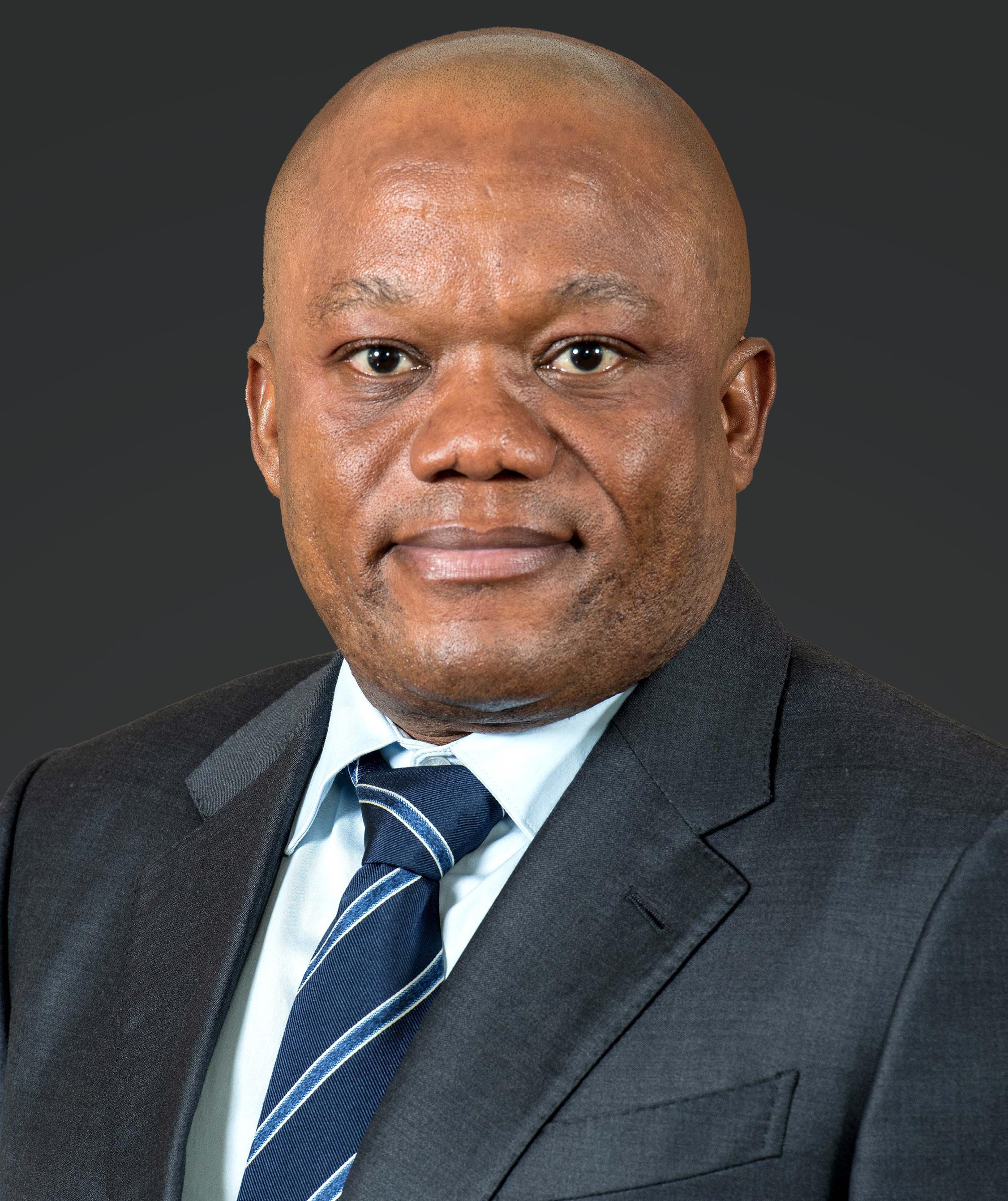
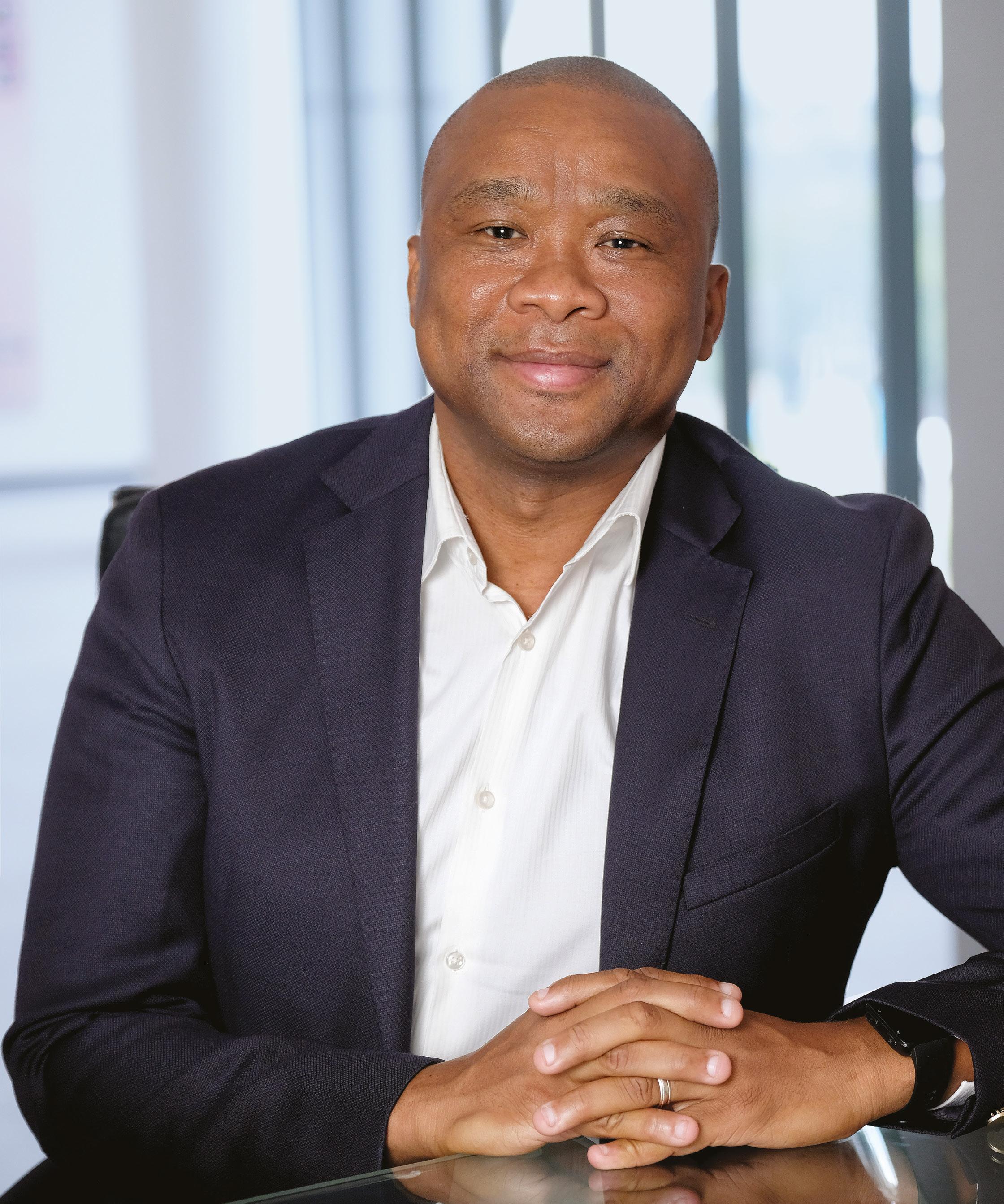


The Gautrain is not just a transport project, it is an economic development project focusing on reaching objectives of stimulating economic growth and job creation, promoting investment and new development.
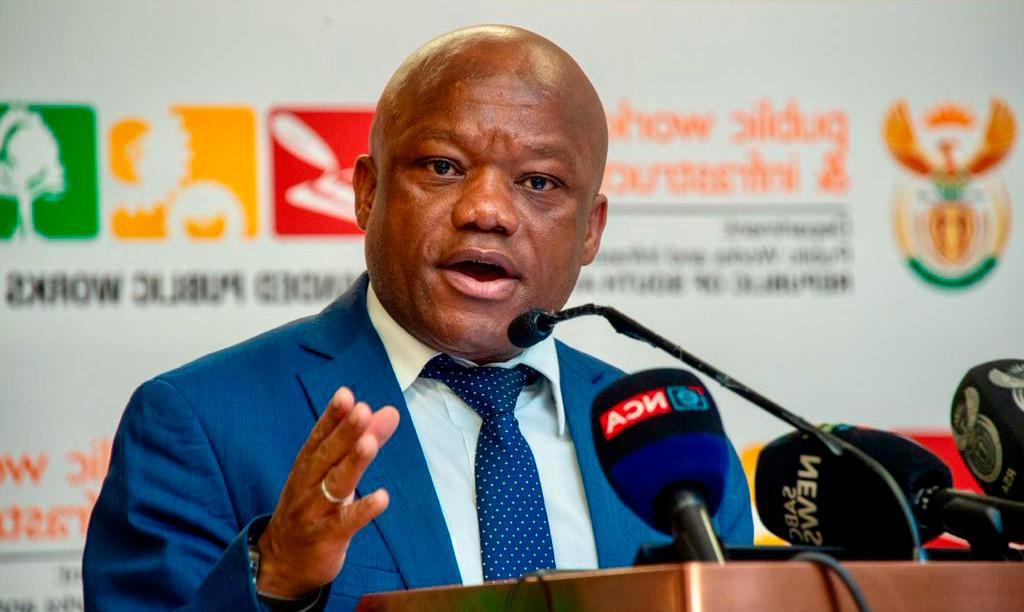
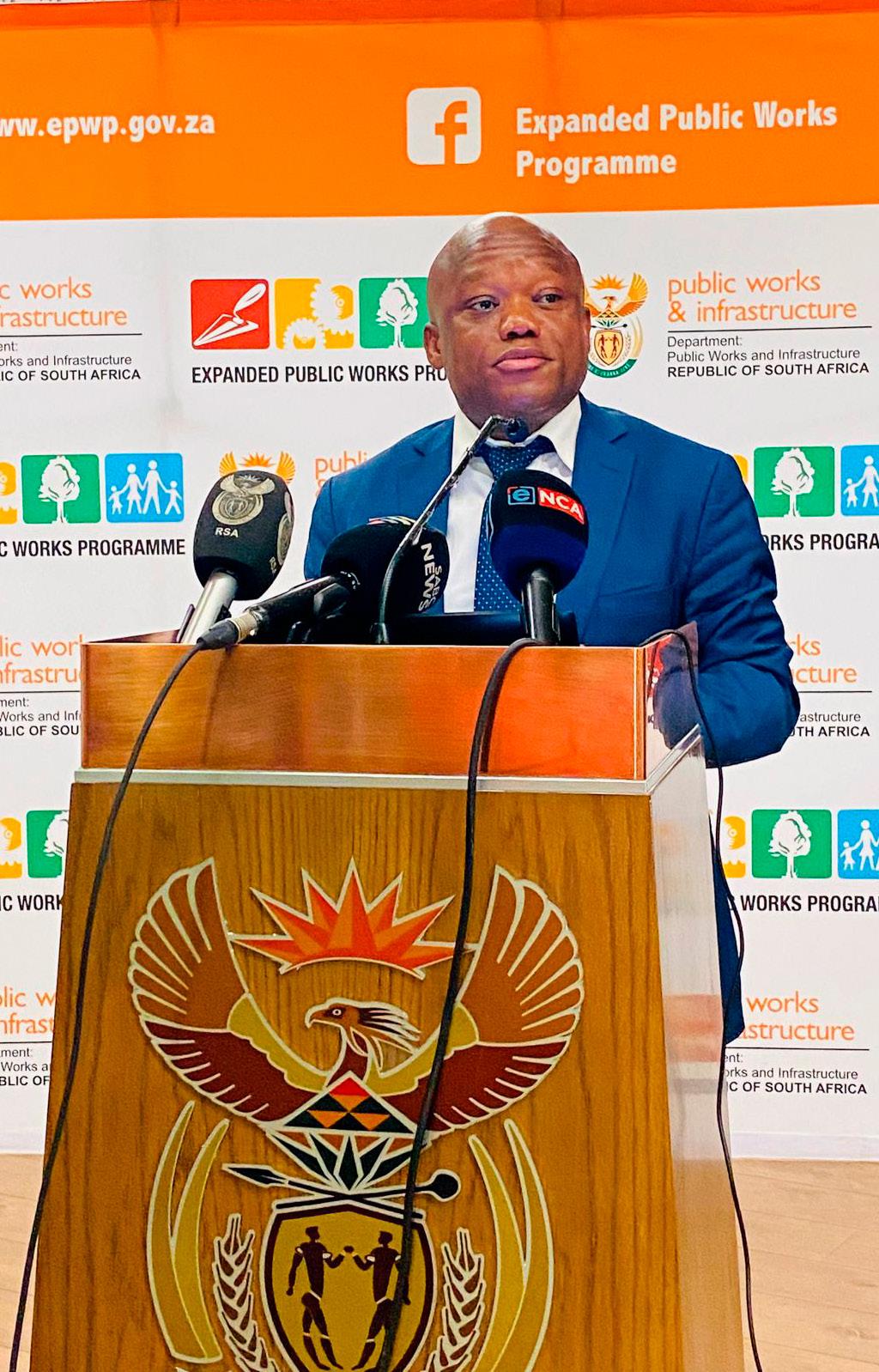
Minister of Department of Public Works and Infrastructure (DPWI), Sihle Zikalala
Where has the year gone! It sounds clichéd, but whether it’s nearing the end of the calendar year, or the end of the financial year, there never seems to be enough time to get things done.
Government definitely needs to be all hands on deck - we’re approaching 30 years of democracy and gearing towards the 2024 Provincial and National Elections and the citizens, the true SA accountants and auditors, will be out in their numbers tallying up the commitments made against the deliverables.
On a very positive note, our Cover Feature celebrates the almost 20 years of success of the Expanded Public Works Programme (EPWP), and highlights the role, commitment and contribution of Honourable Minister Sihle Zikalala to fulfilling the Programme’s mandate of providing work opportunities and income support to poor and
unemployed people through the delivery of public and community assets and services, and thereby contributing to development.
Our feature on the Municipal Capability and Partnership Programme (MCPP), evidences Anglo American’s stance and commitment to “Local government being everybody’s business” as they heed the call by government for the private sector to play a role in contributing to a capable state.
We also cover the 10th Anniversary of the National School of Government (NSG), the central pillar for the professionalisation of the public sector. We explore the decade of success that now sees the NSG identified as the fastest growing school of government in the African continent.
The North West Provincial Government’s Thuntsha Lerole Accelerated Service Delivery Programme is in full swing. Reinforcing the
importance of compliance and accountability, and committing to the safety of SA consumers, Acting Premier Nono Maloyi led an extensive business compliance inspection in a crackdown on non-compliant businesses in Kagisano Molopo Local Municipality.
In an approach that addresses the socioeconomic challenges confronting our country, PRASA has set on a path to unlock commercial value in its property portfolio, with a focus on non-fare revenue generation, and by repositioning train stations as the new frontiers of mixed-use development.
In our Municipal News section, we showcase Okhahlamba, a local municipality, that embodies a commitment to the implementation of a clean administration driven by good governance. The result… eight (8) consecutive clean audits from the Auditor-General of SA (AGSA)!
We wish all our readers and all South Africans a peaceful year-end and hope that the new year will bring with it opportunities to fulfil all our personal, philanthropic and professional aspirations.
Enjoy the read and keep safe!

• Service delivery
• Reputation & credibility
• Ethical practices
• Audit outcomes
• Risk identification & mitigation
• Management

• A robust ethical approach
• Stronger stakeholder relationships
• Efficient & economic ways of working
• A competitive edge
• Full control through performance measurement
• Accountability
• Employees are highly skilled & competent professionals through up-skilling
• Costs
• Wastage
• Complexity
Assisting Local Government and Municipalities to strengthen their Procurement & Supply Chains and help deliver better services to communities. Now is the time.
Email saenquiries@cips.org.za to find out more.





NBI - Transforming Lives Through Collaborative Infrastructure Development (TAMDEV)
58 MARISWE - Undertakes Large Regional Water Service Delivery Project for SA's Closest Neighbour, Eswatini
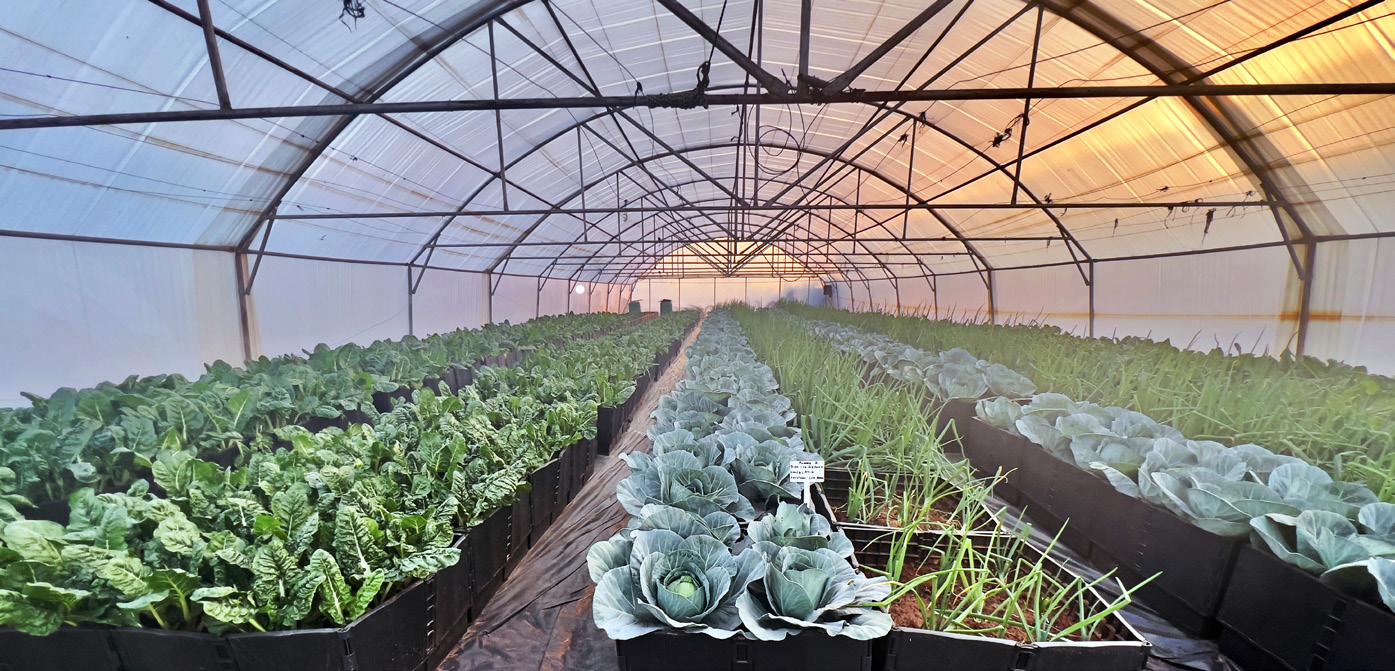
62 CSOS - The Community Schemes Ombud, Fostering Harmony and Governance 66 MPUMALANGA DARDLEA - Smart Agriculture Box to Alleviate Poverty




“Communications, Marketing and Advertising are indispensable tools towards success and growth in any business venture…”
Kweda Media & Communications offers a diverse range of business and sales solutions, strategies and ideas that are customised to meet our clients’ standards and exceed their expectations.
Kweda Media & Communications offers a diverse range of business and sales solutions, strategies and ideas that are customised to meet our clients’ standards and exceed their expectations.
Our Vision is driven by the passion to inspire, assist and elevate business enterprises by forming strategic collaborations that will yield multiple benefits of success and growth for all.
Our Vision is driven by the passion to inspire, assist and elevate business enterprises by forming strategic collaborations that will yield multiple benefits of success and growth for all.
Kweda Media and Communications is a Proudly South African, 100% black female owned company located in Plumstead, Cape Town, registered as a private company since May 2014 - we hold a level 1 B-BBEE certificate. We are a team of multi skilled staff members who have a fresh, innovative and diverse approach to working and always willing to put in the extra time and attention to ensure great service delivery on time.
Kweda Media and Communications is a Proudly South African, 100% black female owned company located in Plumstead, Cape Town, registered as a private company since May 2014 - we hold a level 1 B-BBEE certificate. We are a team of multi skilled staff members who have a fresh, innovative and diverse approach to working and always willing to put in the extra time and attention to ensure great service delivery on time.
“Communications, Marketing and Advertising are indispensable tools towards success and growth in any business venture…” Your vision… our drive
Your vision… our drive



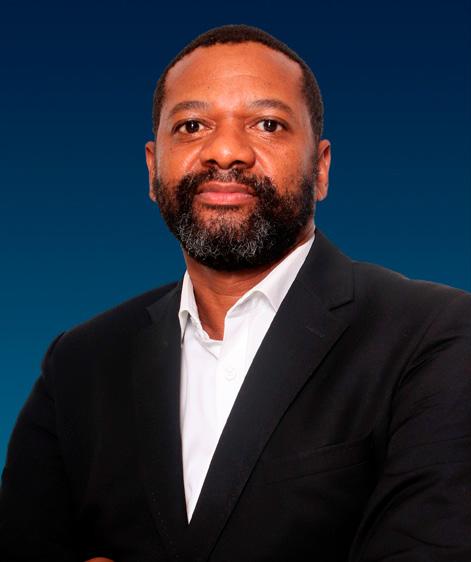
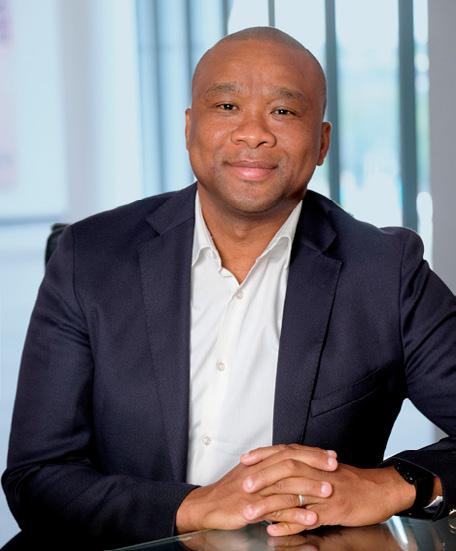
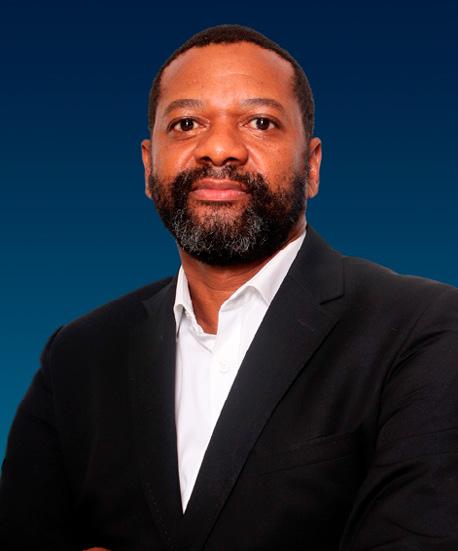
SIMO MKHIZE
SIMO MKHIZE
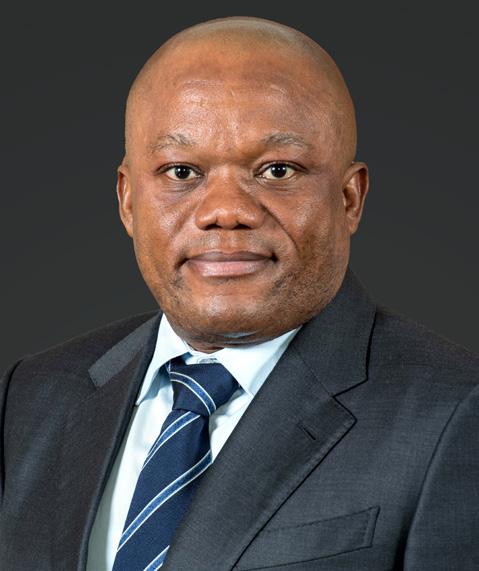
SITHOLE MBANGA CEO: SA CITIES NETWORK
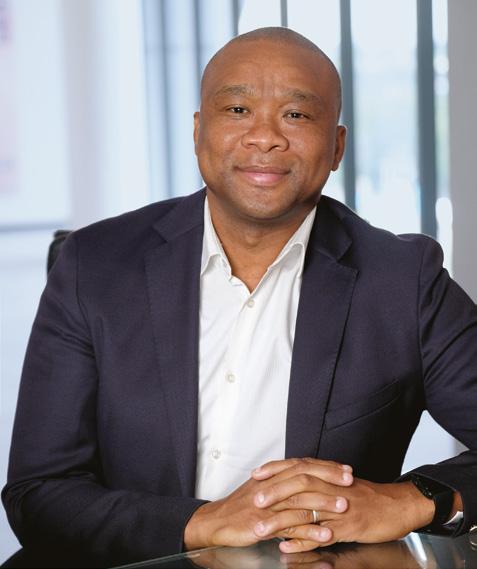
Department of Public Works and Infrastucture (DPWI) Minister, Sihle Zikalala
PUBLISHING EDITOR
EDITOR
PUBLISHING EDITOR
Nardine Nelson nardine@kwedamedia.co.za +27 82 739 3932
Nardine Nelson nardine@kwedamedia.co.za +27 82 739 3932
Nardine Nelson nardine@kwedamedia.co.za +27 82 739 3932
nardine@kwedamedia.co.za +27 82 739 3932
EDITORIAL CONTRIBUTORS
EDITORIAL CONTRIBUTORS
Contributors
EDITORIAL CONTRIBUTORS
Contributors
DISTRIBUTION
DISTRIBUTION
SITHOLE MBANGA CEO: SA CITIES NETWORK
GCIS, Assembly, National Provincial Municipalities:
Happy Nkhoma Isaac Mahlangu
Madala Thepa
Contributors Happy Nkhoma Isaac Mahlangu Madala Thepa
Happy Nkhoma
Isaac Mahlangu
Madala Thepa
Nwabisa Pondoyi Madala Thepa
Nwabisa Pondoyi Madala Thepa
MAGAZINE DESIGN & LAYOUT
Suraya Asmal Refilwe Mahlangu Jerry Lekalakala
MAGAZINE DESIGN & LAYOUT
MAGAZINE DESIGN & LAYOUT
MAGAZINE DESIGN & LAYOUT
Digital Pixels Studio Paul Sampson paul@digital-pixels.co.za
Digital Pixels Studio Paul Sampson paul@digital-pixels.co.za
MAGAZINE DESIGN & LAYOUT
Digital Pixels Studio Paul Sampson paul@digital-pixels.co.za
KCDA Design Agency Jaco Kotze jk@kcda.co.za
Digital Pixels Studio Paul Sampson paul@digital-pixels.co.za
Advertising
Advertising Mphumzi Njovana mphumzi@kwedamedia.co.za Nazly Leite nazly@kwedamedia.co.za
Advertising Mphumzi Njovana mphumzi@kwedamedia.co.za Nazly Leite nazly@kwedamedia.co.za
Zelda McKop zelda@kwedamedia.co.za Bongani Matwa bongani@kwedamedia.co.za
Advertising Mphumzi Njovana mphumzi@kwedamedia.co.za Nazly Leite nazly@kwedamedia.co.za
Advertising Mphumzi Njovana mphumzi@kwedamedia.co.za Nazly Leite nazly@kwedamedia.co.za
Nazly Leite nazly@kwedamedia.co.za
Production production@kwedamedia.co.za
Production production@kwedamedia.co.za
Production Rayhaan Suleiman production@kwedamedia.co.za
Production production@kwedamedia.co.za
Production Rayhaan Suleiman production@kwedamedia.co.za
Administration/Finance
Administration admin@kwedamedia.co.za
Amelia Groenemeyer amelia@kwedamedia.co.za
Administration Tameryn Moses tameryn@kwedamedia.co.za admin@kwedamedia.co.za
Administration Tameryn Moses tameryn@kwedamedia.co.za admin@kwedamedia.co.za
Marketing / Distribution
Subscriptions / Distribution subscriptions@kwedamedia.co.za
subscriptions@kwedamedia.co.za
Shadwick Daniels marketing@kwedamedia.co.za
Administration subscriptions@kwedamedia.co.za
Subscriptions / Distribution subscriptions@kwedamedia.co.za
GCIS, National Assembly, NCOP, National & Provincial Departments, Municipalities: Mayors, Managers, Heads of Procurement, Tenders and Purchasing Officers, Conferences and the Private Sector

National Assembly, National Municipalities: Officers, Conferences Sector
GCIS, National Assembly, NCOP, National & Provincial Departments, Municipalities: Mayors, Managers, Heads of Procurement, Tenders and Purchasing Officers, Conferences and the Private Sector
Procurement, Tenders and Purchasing Officers, Conferences
DIGITAL E-BOOK CREATION
DIGITAL E-BOOK CREATION

www.KCDA.co.za
www.digital-pixels.co.za CCO: CELL C
www.digital-pixels.co.za CCO: CELL C
PUBLISHED BY Kweda Media & Communications
Media Communications
PUBLISHED BY Kweda Media & Communications


PUBLISHED BY Kweda Media & Communications 1 The Village Square, Main Road, Plumstead, Cape Town Tel: +27 (21) 768 0115 www.kwedamedia.co.za
1 The Village Square, Main Road, Plumstead, Cape Town Tel: +27 (21) 768 0115 www.kwedamedia.co.za
1 The Village Square, Main Road, Plumstead, Cape Town Tel: +27 (21) 768 0115 www.kwedamedia.co.za
1 The Village Square, Main Road, Cape +27 (21) 768 0115 www.kwedamedia.co.za
Communications Village Main Road, Plumstead, Cape Town Tel: +27 (21) 768 0115 www.kwedamedia.co.za
All editorial, business and production correspondence should be addressed to Municipal Focus, PO Box 12454 Plumstead 7800. Manuscripts, illustrations and other material must be accompanied by a stamped, self-addressed envelope. No responsibility can be accepted for unsolicited material. The editor reserves the right to amend and to alter copy and visual material as deemed necessary. Copyright by Kweda Media & Communications. All rights reserved. No part of this publication may be reproduced, stored in a retrieval system or transmitted by any form or any means without prior permission of the publisher. The opinions expressed in Municipal Focus are not necessarily those of the publishers.
editorial, and production correspondence should be addressed to Municipal Focus, PO Box 12454 Plumstead 7800. Manuscripts, illustrations and other material must be accompanied by a stamped, self-addressed envelope. No responsibility can be accepted for unsolicited material. The editor reserves the right to amend and to alter copy and visual material as deemed necessary. Copyright by Kweda Media & Communications. All rights reserved. No part of this publication may be reproduced, stored in a retrieval system or transmitted by any form or any means without prior permission of the publisher. The opinions expressed in Municipal Focus are not necessarily those of the publishers.
business and production correspondence should be addressed to Municipal Focus, PO Box 12454 Plumstead 7800. Manuscripts, illustrations and other material must be accompanied by a stamped, self-addressed envelope. No responsibility can be accepted for unsolicited material. The editor reserves the right to amend and to alter copy and visual material as deemed necessary. Copyright by Kweda Media & Communications. All rights reserved. No part of this publication may be reproduced, stored in a retrieval system or transmitted by any form or any means without prior permission of the publisher. The opinions expressed in Municipal Focus are not necessarily those of the publishers.
All editorial, business and production correspondence should be addressed to Municipal Focus, PO Box 12454 Plumstead 7800. Manuscripts, illustrations and other material must be accompanied by a stamped, self-addressed envelope. No responsibility can be accepted for unsolicited material. The editor reserves the right to amend and to alter copy and visual material as deemed necessary. Copyright by Kweda Media & Communications. All rights reserved. No part of this publication may be reproduced, stored in a retrieval system or transmitted by any form or any means without prior permission of the publisher. The opinions expressed in Municipal Focus are not necessarily those of the publishers.
All editorial, business and production correspondence should be addressed to Municipal Focus, PO Box 12454 Plumstead 7800. Manuscripts, illustrations and other material must be accompanied by a stamped, self-addressed envelope. No responsibility can be accepted for unsolicited material. The editor reserves the right to amend and to alter copy and visual material as deemed necessary. Copyright by Kweda Media & Communications. All rights reserved. No part of this publication may be reproduced, stored in a retrieval system or transmitted by any form or any means without prior permission of the publisher. The opinions expressed in Municipal Focus are not necessarily those of the publishers.
Are

















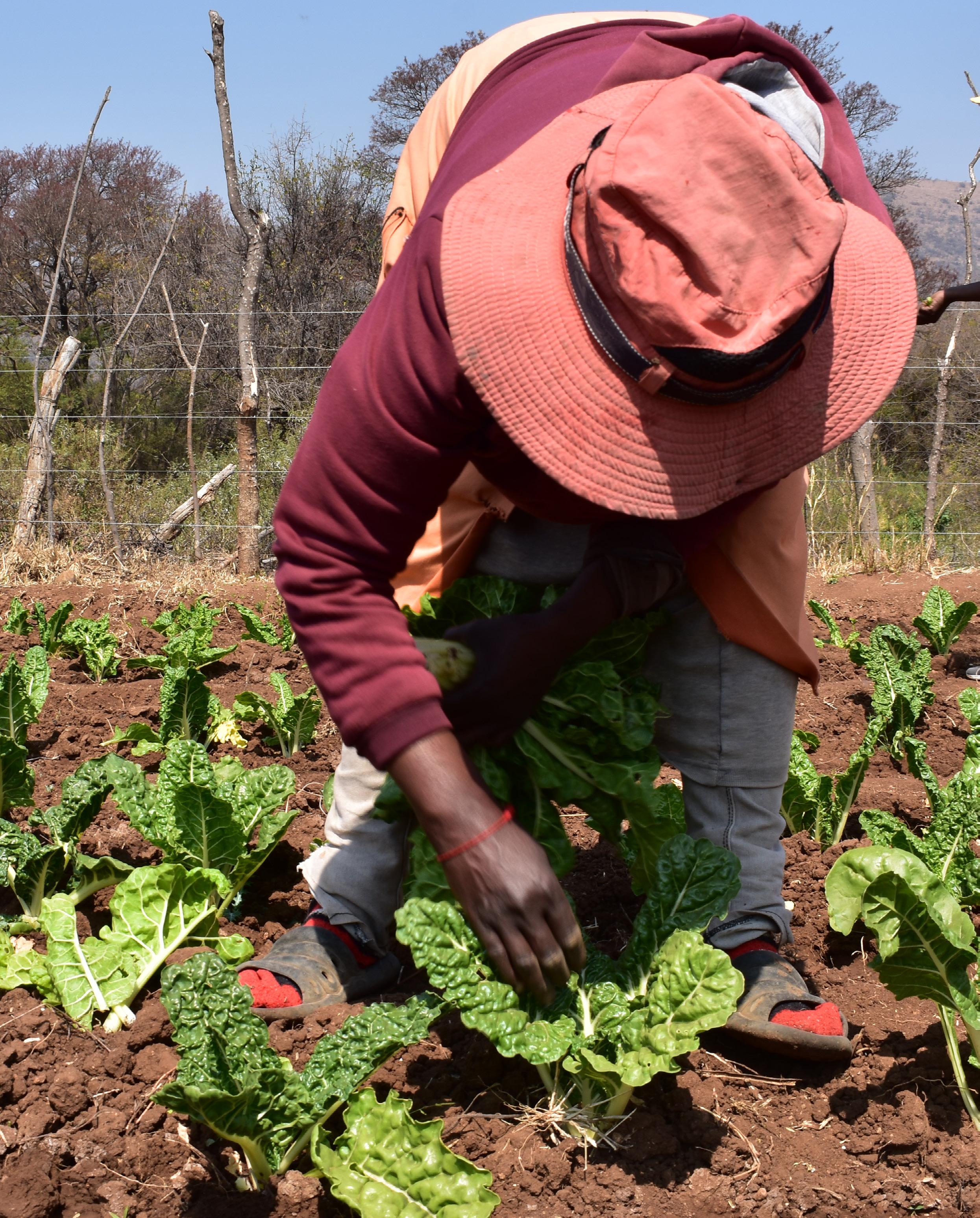
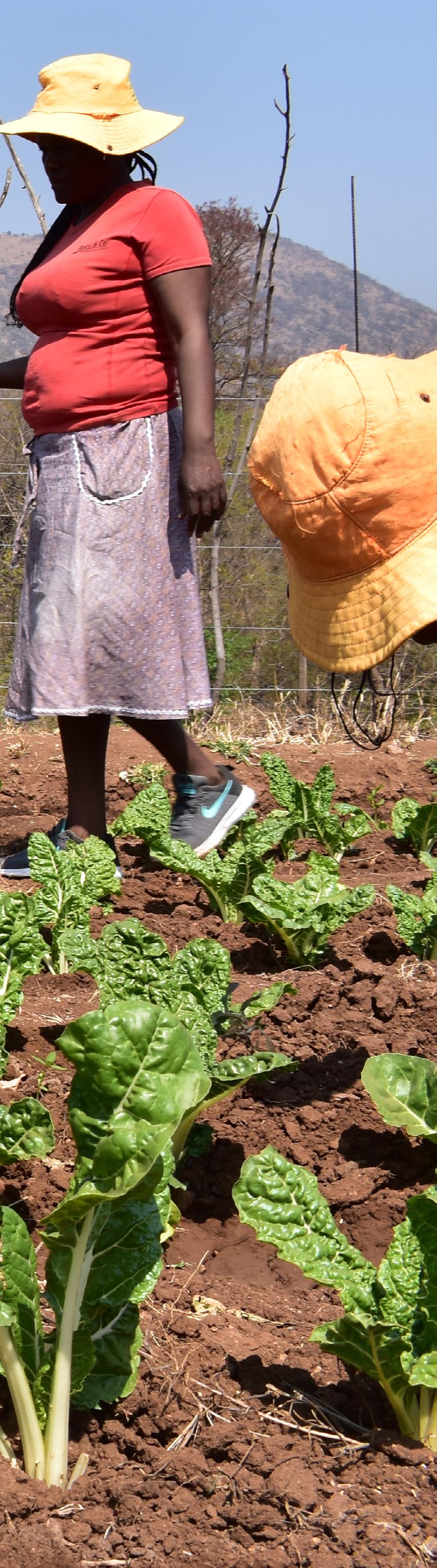
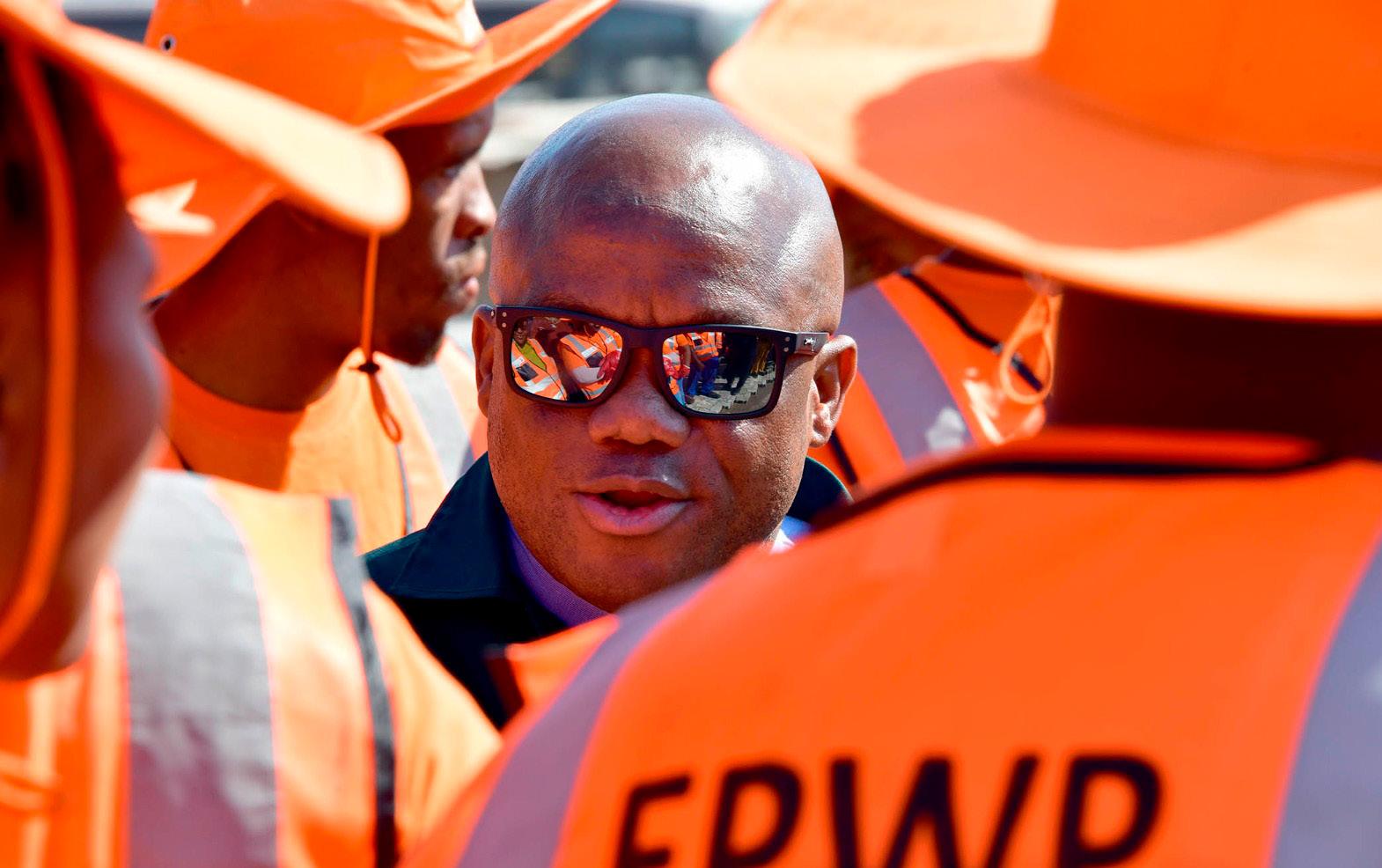
The Expanded Public Works Programme (EPWP) is a nationwide government led initiative with the objective of providing work opportunities and income support to poor and unemployed people through the delivery of public and community assets and services, thereby contributing to development.
The Department of Public Works and Infrastructure (DPWI) is responsible for the overall co-ordination of the EPWP. The EPWP consists of four (4) sectors and are led by the following Departments:
• Infrastructure Sector led and coordinated by the Department of Public Works and Infrastructure (DPWI)
• Environment and Culture Sector led and coordinated by the Department of Forestry, Fisheries and the Environment (DFFE).
• Social Sector led and coordinated by the Department of Social Development (DSD); and
• Non-State Sector consisting of two sub-programmes namely; the Community Work Programme (CWP) led and coordinated by the Department of Cooperative Governance and Traditional Affairs (COGTA) and the Non-Profit Organisations (NPO) Programme led and coordinated by the DPWI.
The EPWP has been implemented since 2004, with the following key characteristics and successes within each of the respective EPWP Phases:
• EPWP Phase 1 (2004/05 - 2008/09): The Programme created 1 617 566 work opportunities, with a performance of 145% against the 1 million work opportunity target. During this phase, the core focus was increasing the use of labour intensive methods in the construction and maintenance of government infrastructure, supporting public bodies with replication of EPWP Programmes and identifying new areas of government delivery in which unemployed and unskilled workers could be provided with opportunities.
• EPWP Phase 2 (2009/10 - 2013/14): The targets of the Programme were increased four-fold. Targets and accountability across all spheres of Government were introduced and all spheres of government were collectively accountable >
to create 4.5 million work opportunities. The Programme achieved 4 million work opportunities during this Phase. Furthermore, non-state capacity was mobilised to deliver additional EPWP work opportunities.
• EPWP Phase 3 (2013/14 - 2018/19): was implemented from 2014-2019 and it was aimed at creating 6 million work opportunities. During the said period, the programme created 4.5 million work opportunities against the target of 6 million.
• The EPWP Phase 4 (2019/202023/24) which is currently being implemented is aimed at creating 5 million work opportunities by 31 March 2024. The Programme is targeting the participation of 60% women, 55% youth and 2% persons with disability.
Some of the successes of the programme since 2004 include the following:
• The EPWP has created more than 14 million work opportunities since the inception of the programme in April 2004 to March 2023. This has contributed towards poverty alleviation. Different research reports and Mid-Term Review reports of the different phases of EPWP show that the income participants earn from EPWP is having a positive impact in terms of poverty alleviation.
• The EPWP is being implemented across the different spheres of government with more than 300 public bodies implementing the programme.
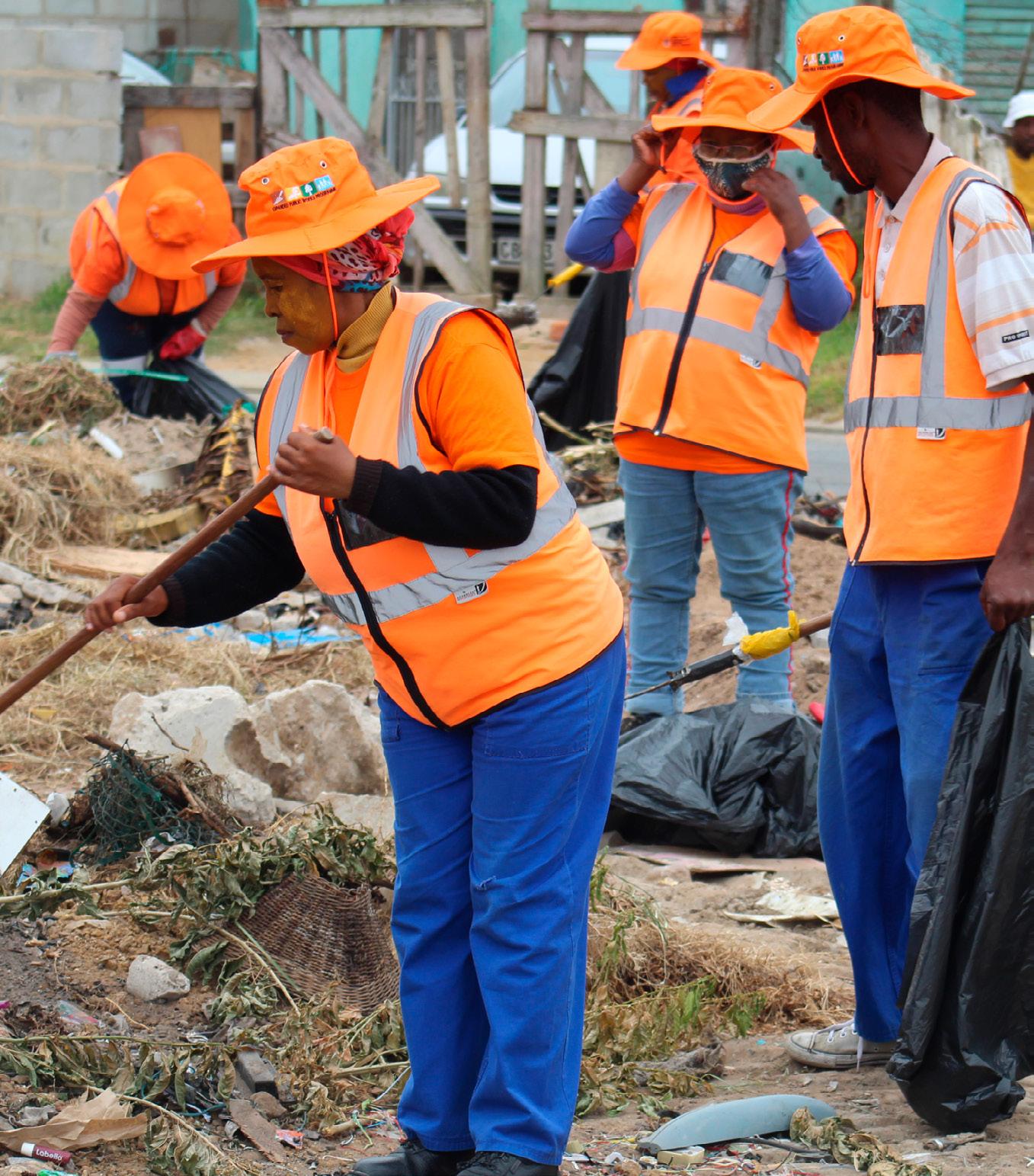
The EPWP has created more than 14 million work opportunities since the inception of the programme in April 2004 to March 2023.
• The EPWP has contributed towards service delivery. Different projects in the different sectors of EPWP have been implemented. This includes; road construction, road maintenance, provision of Home Community Based Care Services, provision of Early Childhood Development Services, Environmental Greening and Clean-up Projects, working on fire projects and removal of alien vegetation projects.
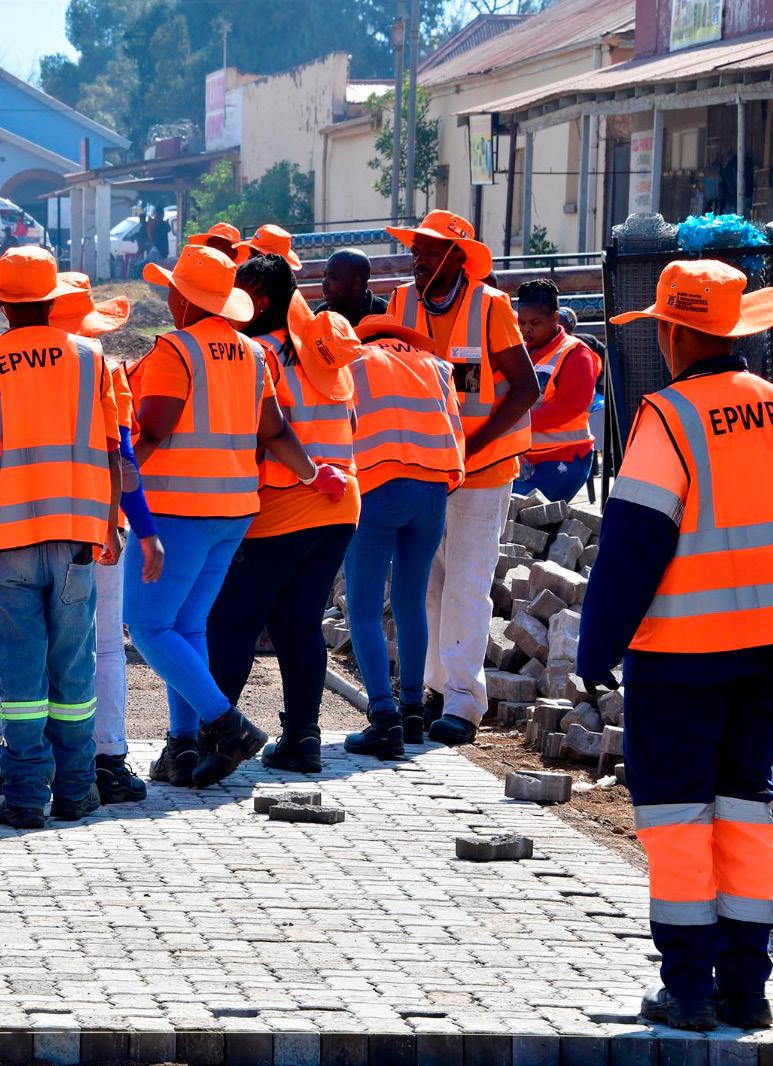
• EPWP interventions related to training and the skilling of project participants is also done. Participants have obtained different skills which include; construction skills such as painting, brick laying and carpentry, Home Community Based Care skills and fire-fighting skills among others. Training is funded through funding obtained through the National Skills Fund (NSF) and through the budgets of projects in different public bodies.
The EPWP has been strengthening its partnerships with the private sector in getting placements for youth that have been trained in artisan programmes to get work experience. This has been achieved through placement and absorption of youth by some contractors on projects implemented by the Department of Public Works and Infrastructure (DPWI).
Some of the youth trained in the mechanical engineering field have been absorbed by Mining companies and Car repair companies as part of the partnership with the private sector. It is the intentional of the EPWP to further expand on the partnerships with the private sector to improve on exit opportunities for some of the participants from the EPWP.
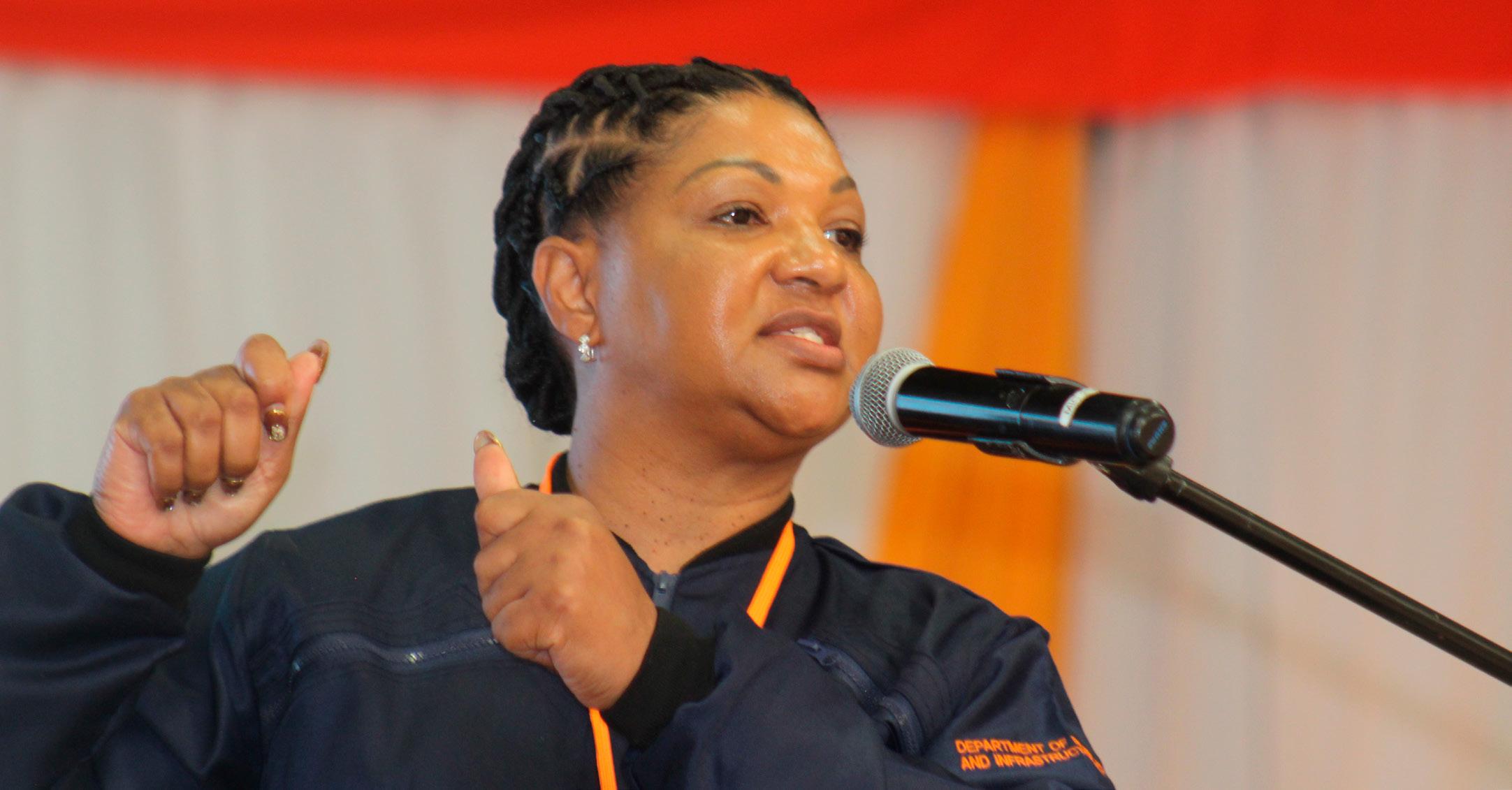
During the Mpumalanga EPWP Summit which was held at Steve Tshwete Local Municipality in Middleburg on 02 November 2023, Deputy Minister Bernice Swarts said that EPWP has in the current financial year 2023/2024 created 610 882 work opportunities, and accumulatively created more than 4.5 million work opportunities since the inception of the fourth phase in the 2019/2020 financial year.
“The EPWP recruits people to do work that benefits their respective communities, and research shows that community members who participate in the Programme spend a substantial amount of their wages in their respective communities, which in turn contributes to the socioeconomic improvement of these very communities. The figures we have highlighted are not just mere numbers. Those figures represent women and men who are participating in the EPWP to carry out vital developmental work in our communities.
“The community members who are working in EPWP contribute to the delivery of beneficial community services such as caring for the elderly
and the sickly, looking after children through work they perform at Early Childhood Development facilities in our communities, as well as ensuring that children eat nutritious meals at school through the government’s school nutrition programme.” Said Deputy Minister Swarts.
The Deputy Minister also said with the number of work opportunities reported to date since the start of the EPWP Phase 4, it is evident that EPWP is currently on track to achieve its 5-year target by March 2024.
In 2020, the partnership between the DPWI and the Agricultural Sector Education Training Authority (AgriSETA) in implementing the Artisan Development Programme has seen the recruitment of 400 EPWP participants to be trained in various artisan trades. One of the participants of this programme is 30-year-old Mapule Mocwaledi who is currently being trained as a Diesel Mechanic at Isuzu in Middleburg, Mpumalanga. Her work as a diesel mechanic includes inspecting, repairing,
“With the number of work opportunities reported to date, it is evident that EPWP is currently on track to achieve its 5 year target by March 2024.”
- Deputy Minister Bernice Swarts
and overhauling any type of diesel engine.
“I was inspired to be an artisan because I enjoy practical work as it allows me to create, manufacture and repair. I would like to have my own company that will specialise in fixing, servicing and any work related to a car,” Mocwaledi said.
1. EPWP participants assist in the construction of Welisizwe Rural Bridges
EPWP has in the past years contributed to the socio-economic empowerment of various communities. An example of infrastructure delivered through EPWP is the Welisizwe bridges. Minister Zikalala has in October 2023 announced the construction of over 100 Welisizwe bridges in six provinces, namely Eastern Cape, Free State, KwaZulu-Natal, Mpumalanga, Limpopo and North West.
Welisizwe Bridges Project is a government initiative aimed at addressing infrastructure backlog in rural areas. It allows communities >
to access health facilities, schools and other public amenities. The project is implemented in partnership with the South African National Defence Force (SANDF) and the Provincial Department of Transport ( DoT).
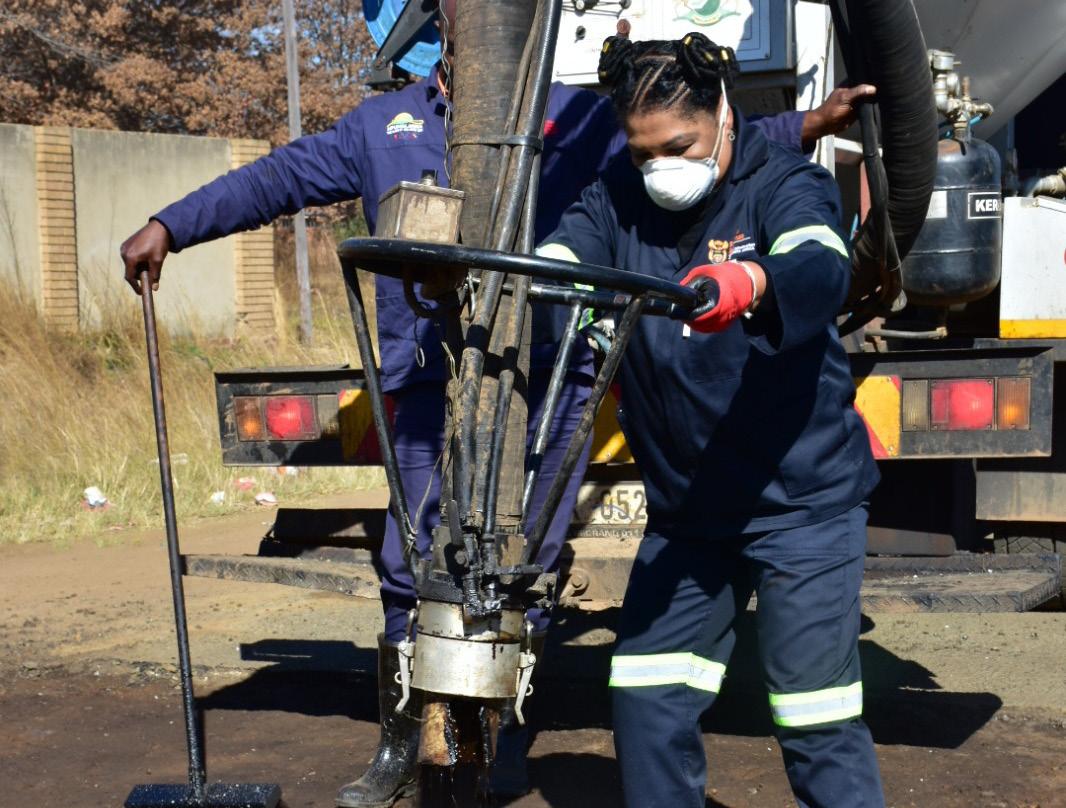
Welisizwe bridges are constructed using labour intensive methods and this has contributed to the creation of training and work opportunities for the rural and disadvantaged communities. Each bridge site has 7 SANDF members who oversee the projects, 5 artisans and 40 EPWP participants. The skills imparted to communities through this project include welding, ground work and soil retention.
The EPWP participants are also assisting in the repair of wheelchairs for the KwaZulu-Natal Department of Health. The Wheelchair Repair Project is funded through the EPWP Social Sector Incentive Grant and is implemented in health facilities across the province.
One of the facilities is in the Prince Mshiyeni Memorial Hospital where a total number of 249 wheelchairs and
other assistive devices are being repaired and maintained. In the past years, there has been a steady increase in the demand for wheelchair repair services and thus far the Department has identified wheelchair repair and maintenance as an intervention to address this challenge.
The Department of Health has appointed three persons with disabilities into the Programme to serve as wheelchair repair technicians for the period of three years. Their duties include assisting on the day-today repairs and maintenance of the assertive devices namely; wheelchairs, walking sticks, crutches and walking frames.
These participants have aided the Department in ensuring that the lifespan of the wheelchairs is increased and that these assistive devices are always in good condition.
The Minister of Public Works and Infrastructure, Honourable Sihle Zikalala, when addressing the EPWP Phase 5 Indaba held in October 2023
in Pretoria, Gauteng, outlined the future of EPWP.
“EPWP Phase 5 should be more than just combatting unemployment. It is about rewriting the story of our youth from one of despair to one of hope, from stagnation to growth and from dependency to self-reliance,” said Minister Zikalala.
In addition to the work opportunities created by the EPWP, Minister Zikalala emphasised the need for the provision of meaningful and impactful projects which should be valuable to the development of participants.
The Minister outlined the following key-points for critical consideration towards maximising the impact of the EPWP in various South African communities in the next five years (2024-2029) as follows:
• Improve coordination and effectiveness of structures implementing the Programme;
• Improve the implementation framework from recruitment to the end. Implementation should be bolstered through effective
monitoring and accountability;
• Define impactful projects while providing work opportunities and skills, there is a need to contribute towards improving the quality and delivery of services to the people;
• Improve training to provide meaningful skills while preserving the cost benefit;
• Ensure proper exit strategies through enterprise development and linking other participants with permanent employment for the participants to be able to become entrepreneurs and also enter the job market. Well positioned to coordinate and participate in the implementation of the EPWP Phase 5.
In addition to creating assets, the Programme is also focused on providing exit opportunities for the EPWP participants by providing different training opportunities. These opportunities will enable participants to gain knowledge and skill which will improve their chances of entering the formal job market or become entrepreneurs.
“Our core focus should gravitate
towards not just creating employment opportunities, but crafting pathways of continuous growth, learning and empowerment. Our goal goes beyond employment generation. It is about nurturing a skilled, self-reliant populace that contributes constructively to our nation’s socio-economic fabric,” said Minister Zikalala.
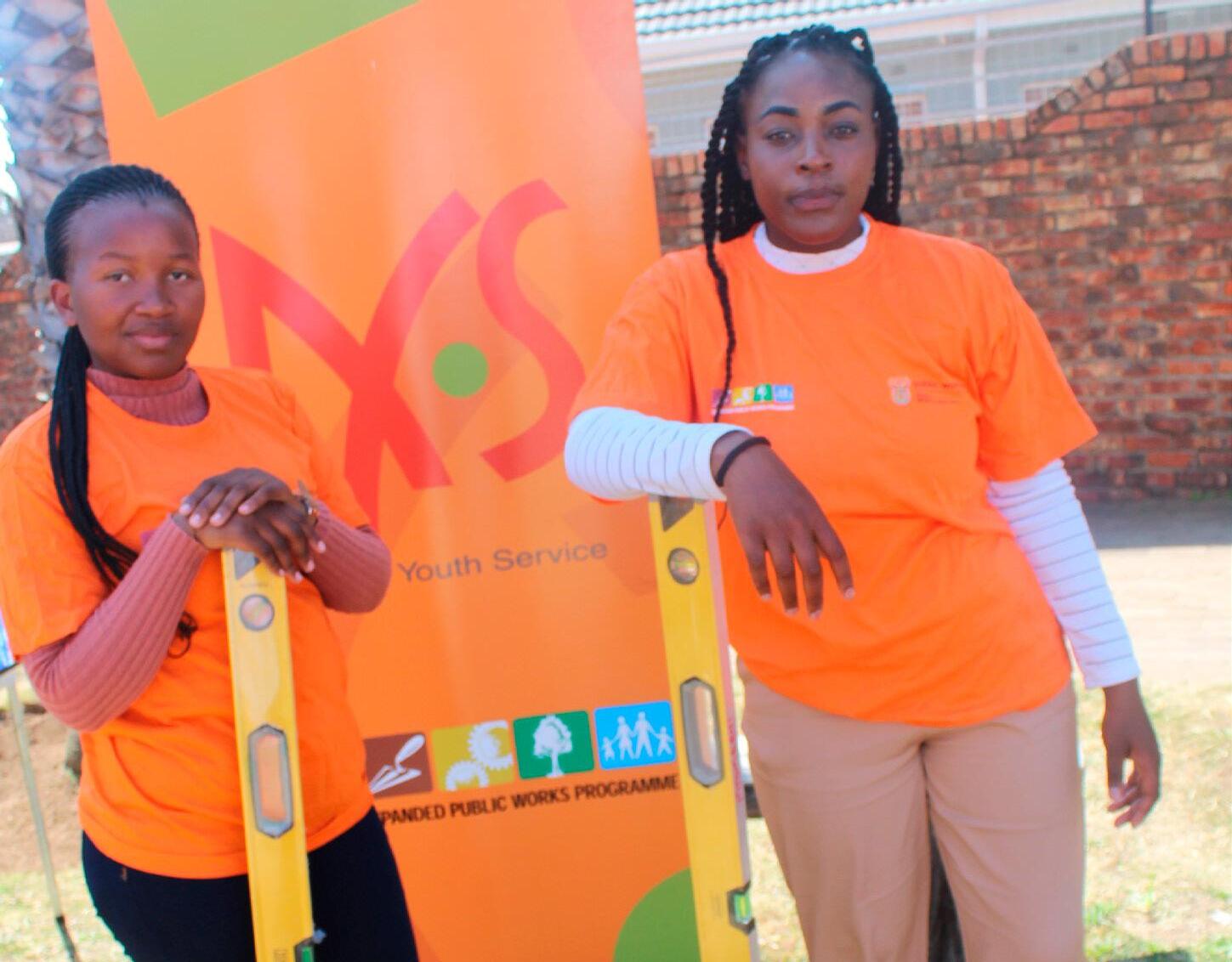
The Minister said that one of the many strategies that will be used to escalate the EPWP’s national effort will be to re-open the DPWI’s workshops. The revitalisation of the existing workshops will be a cornerstone of empowering and absorbing some of the graduates from the National Youth Service (NYS) from the EPWP. The workshops will be the crucibles of innovation, skills development and practical exposure.
“By integrating NYS graduates into these workshops, we aim to foster a culture of continuous learning and
hands-on experience, ensuring our youth are not just employable but are drivers of innovation and change.” said Minister Zikalala.
EPWP will be massified to create more opportunities while attempting to solve the country’s key challenges such as:
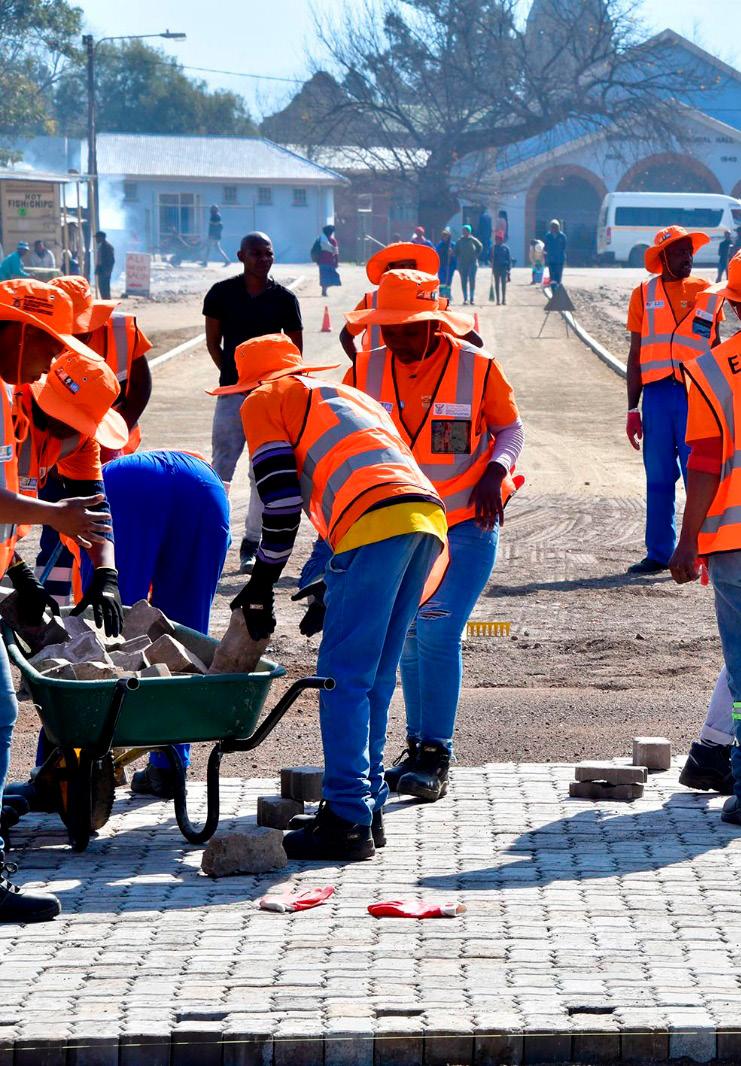
• Road Maintenance (pothole patching, road paving)
• Cleaning of neighbourhoods and waste management
• Energy (retrofitting of government buildings and solar installations)
• Fixing of lifts and plumbing
The Minister further said that EPWP will be characterised by the Khawuleza Model, whereby service delivery is accelerated and meaningful interventions are unleashed to improve the living conditions of various communities.
For more information on EPWP visit www.epwp.gov.za


Service delivery and developmental challenges are increasing across the country, with the rising pressures on local government. These challenges are even more pronounced in mining regions, often faced with fast growing settlements, rapid rise in demand for services and the need to ensure sustainable livelihoods and economic transition, especially in areas where mining investment is declining. The need to ensure access to services, the reality of limited financial viability and the resources required to participate and
lead a multitude of parallel community and industry participatory processes, are placing a huge burden on already under capacitated municipalities.
The current phase of the Municipal Capability and Partnership Programme was initiated by Anglo American in 2019 as part of its commitment to collaborate with government to strengthen service delivery and partner capability to address development challenges. Participating municipalities currently include Musina, Blouberg, Mogalakwena, FetaKgomo Tubatse, Moses Kotane, Thabazimbi, Tsantsabane and Gamagara. The programme operates on the foundation of a Memorandum of Understanding (MOU) between Anglo American (including its Kumba Iron Ore, Anglo Platinum, and De Beers businesses) and the Department of Cooperative Governance (DCOG).
The Council for Scientific Industrial Research (CSIR) has been appointed as the implementing partner and plays a critical role, not only in terms of research and innovation, but also in supporting municipal and industry partner collaboration in the realisation of the programme objectives and in contributing to resilient regional futures.
Anglo American mines, through their social and labour plans (SLPs), socioeconomic development investments and corporate social investments, make significant investments in municipal regions and play a critical role in supporting their municipal partners with everyday delivery of services (especially water) in communities close to mining operations. Musa Jack, Anglo American MCPP Programme Manager said, “The challenges faced by municipalities result in the need for mines to step in and
undertake service delivery functions that are the responsibility of local government. Anglo American is of the view that this arrangement is not sustainable especially in the context that mining activities have a life span.
"It is for this reason that Anglo American, through the MCPP, has embraced the responsibility to collaborate with our partner municipalities to support them to better respond to their service delivery responsibilities. In the spirit of “Local Government being everybody’s business”, Anglo American is also heeding the call by government for the private sector to play a role in contributing to the capable state as outlined in the National Development Plan (NDP)."
A programme like the MCPP is critical to facilitate better integration of investments by government and industry so that the benefit can be felt at the level of communities.
The socio-economic development investments by the mines bring about improvements. However, it is but a drop in the ocean of what is needed, and impact is often lost due to non-alignment and isolated efforts by different mines and municipalities.
A programme like the MCPP is critical to facilitate better integration of investments by government and industry so that the benefit can be felt at the level of communities.
The
MCPP is designed to contribute to the strengthening of capability of >
municipal area partners including municipal institutions, mining partners, traditional authorities and others, to:
• Improve development impact and service delivery by strengthening, aligning and integrating strategic plans and processes and accessing resources that are critical in facilitating a development vision for municipal areas, towns and communities.
• Collaborate in solving pressing service delivery and infrastructure challenges; and
• Facilitate meaningful and effective ways to contribute to economic transition and diversification in preparation for eventual mine closure.
The programme is primarily focused on working with teams in participating municipalities to address critical problems, through strengthening individual capability and the collaboration between teams and partners, whilst contributing to getting the basics right for an effective municipality. This is largely done through enhancing municipal institutional capability (for example development
planning and management processes, integrated development planning instruments and processes, asset management practices and tools, operational procedures as well as municipal financial viability).
The MCPP is not just focused on municipal partners, it is also focusing on supporting the mines in better understanding the local government systems and challenges and strives to equip industry partners with deeper insights into municipal development and operations with the aim of refining their own processes and requirements, which in turn, is impacting on local government. This approach facilitates better cooperation between municipalities and industry in galvanizing partnering which is key to achieving the joint vision of servicing communities. This is in stark contrast to an approach where mines provide services and develop infrastructure on behalf of government which increases dependencies and financial liabilities.
Rather than mere technical assistance, MCPP emphasizes outcome-based strategies, understanding the unique requirements of local government capability development. The goal is to enable problem-solving through
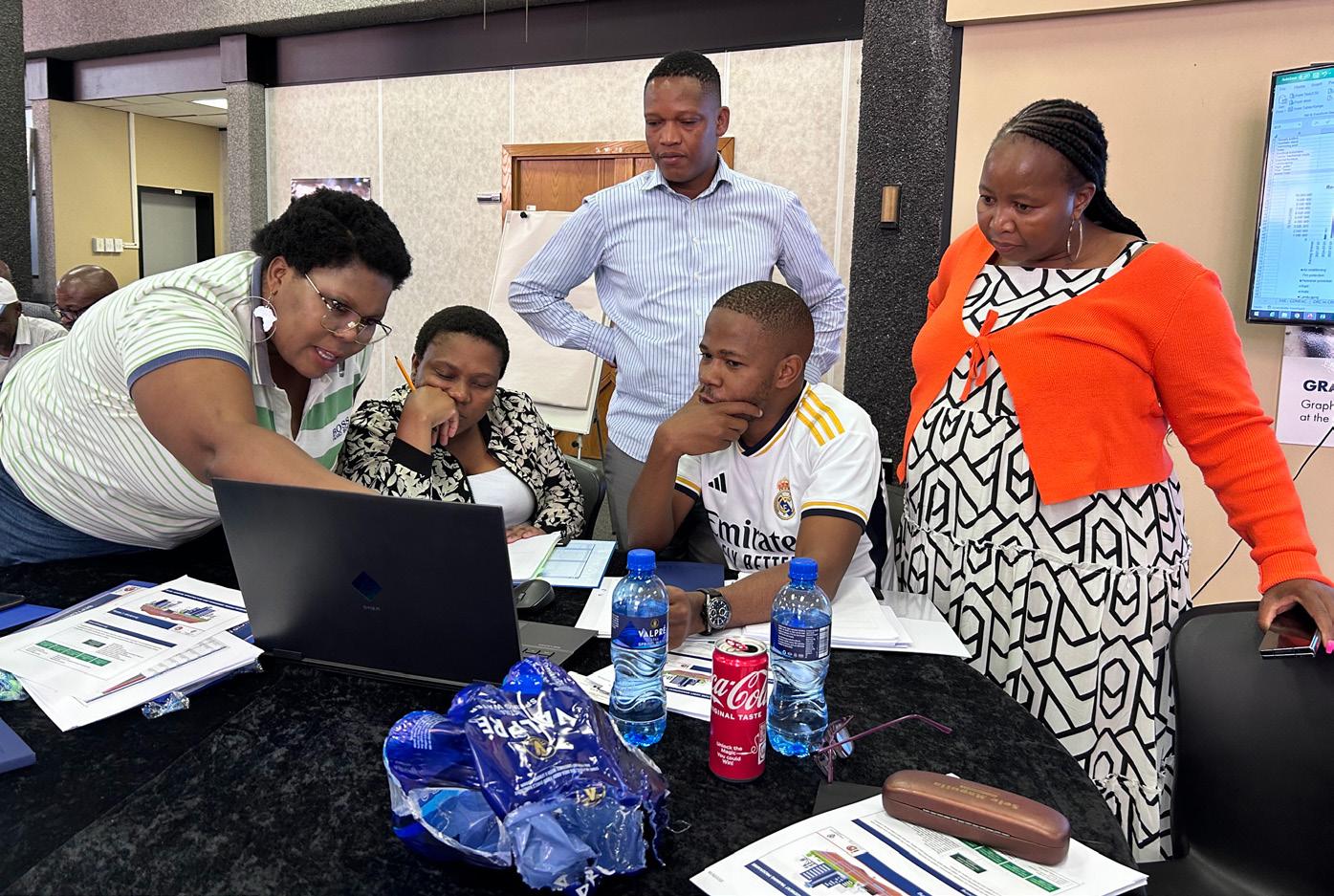
collaboration and tackle key constraints across the service delivery and partner value chains. This approach, which encourages developmental leadership and collaboration between varied stakeholders, is built on adult and peer learning principles, functionality of teams, reflective practices and ensuring an environment conducive to learning and innovation.
The MCPP is being rolled out through collaboration not only with the participating municipalities but also with other key partners including provincial governments, the Municipal Infrastructure Support Agency (MISA), the Development Bank of Southern Africa (DBSA), Enterprises University of Pretoria, Impact Catalyst, Kagiso Trust, National Business Institute (NBI) and the Public Affairs Research Institute (PARI).
Rather than mere technical assistance, MCPP emphasizes outcome-based strategies, understanding the unique requirements of local
government capability development.
According to the Deputy DirectorGeneral: Policy, Governance and Administration in the Department of Cooperative Governance, Dr Kevin Naidoo, “The Anglo American MCPP is a welcomed industry and government collaboration, aimed at strengthening partner capability to address shared service delivery and developmental challenges in support of government’s drive to strengthen state and municipal capacity and capability.”
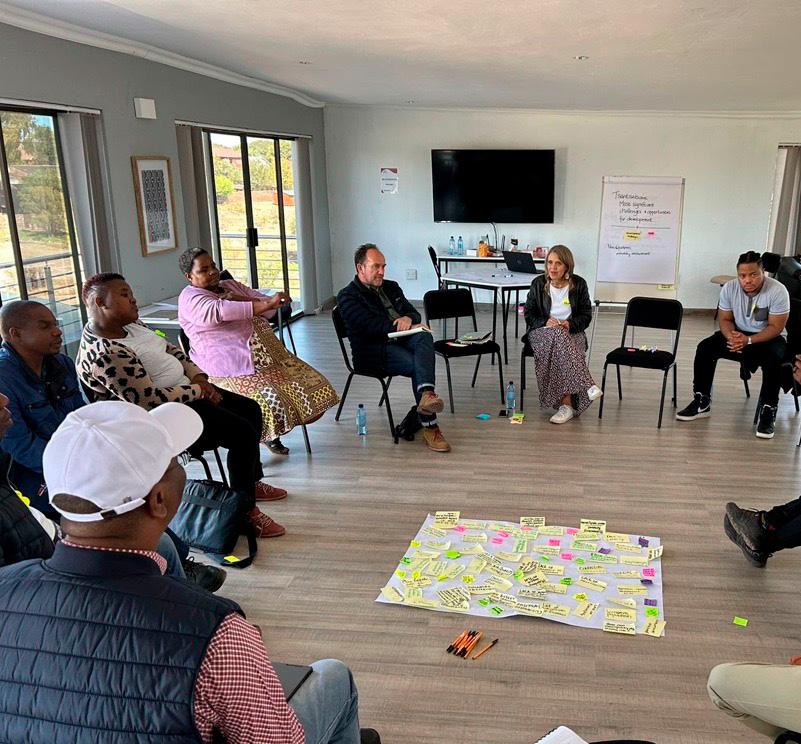
Reflecting on municipal and partner capability priorities in mining region context
Similarly, Yolyna Buys, Director: Local Government Capacity Development in Limpopo CoGHSTA, underscores MCPP's unique position in aligning with provincial government's support initiatives to municipalities and being an active member of the Provincial Steering Committee with partners such as the DBSA, MISA, SALGA and district municipalities in line with the District Development Model (DDM).
Local government challenges remain complex and require all hands on deck to work together to find lasting solutions. While it is still early days, the collaboration between Anglo American, government and the CSIR, is a step in
the right direction and the programme is already observing improvements in:
• Water quality as evident in improved Blue Drop Assessments. This is the case in all municipalities where the programme provides in-service coaching and works with water teams to improve monitoring of water quality compliance and the annual development and implementation of Water Safety Plans for key water systems;
• Water balance reporting, where the capability of institutions to monitor and maintain assets are strengthened to improve access to water and municipal financial viability in participating municipalities;
• Value created through municipal sector departments working together intentionally i.e. through collaboration between technical, planning and finance departments in determining service demand, costing of planning infrastructure and service delivery and deliberate efforts to obtain financing for critical developments; and
• Galvanising of partners to work together in developing joint spatial visions for the areas which is important for integration and impactful investment decision making.
• Councillors' responses after training about changes in portfolio committee work - due to appreciation of the need to collaborate and a more informed understanding of the interdependencies between ward and municipal priorities.
The programme adds specific value in generating intelligence and creating opportunities for municipalities and mines to recognise critical development priorities, as well as each other’s institutional challenges, and to carve out ways to join hands in addressing complex development challenges - whether through deliberate collaboration in area based development planning processes or through aligning of investment for impact.
For more information on the programme please contact:
Ms Musa Jack, Anglo America Programme Manager at: musa.jack@angloamerican.com or Dr Elsona van Huyssteen, CSIR Programme Lead at: EvHuyssteen@csir.co.za


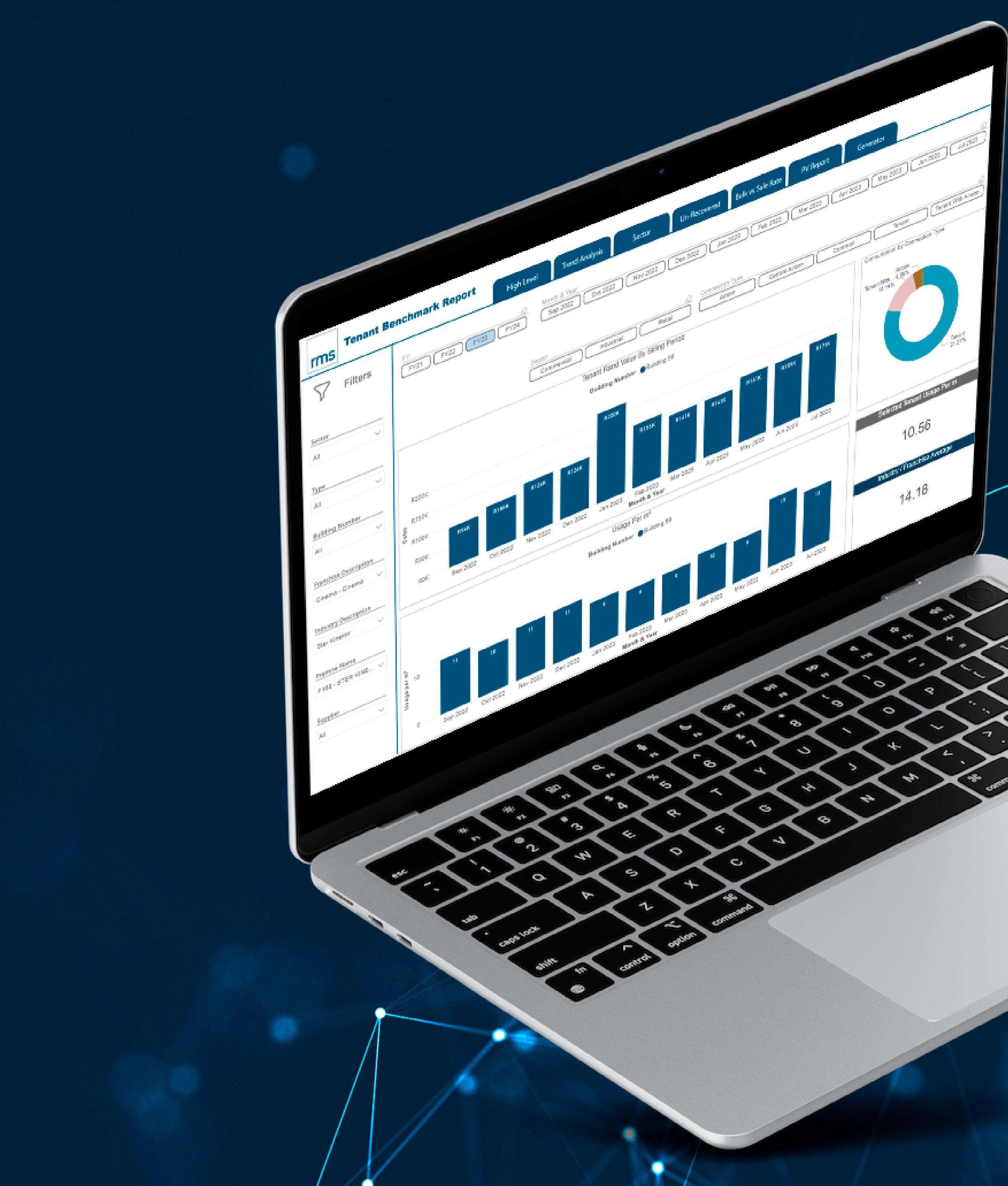

Established in 2003, Remote Metering Solutions (RMS) has emerged as a leader in the realm of utility management, solidifying its position as the largest privately-owned utilities network manager in South Africa. With a legacy steeped in innovation and excellence, RMS has seamlessly woven itself into the fabric of the utility management supply chain, providing specialised metering and recovery services to a diverse clientele spanning the commercial, corporate, retail, residential, and municipal sectors.
Our extensive network encompasses properties across the country, enabling RMS to facilitate the recovery of over R5 billion in utilities annually. With more than 5,000 sites under our management, including over 2,300 retail, office, and industrial properties, and our handling of various prepaid and smart meter technologies across 25,000 metering points in the residential market, we have established a comprehensive foothold in the industry. In addition, our services cater to numerous local councils and municipalities. In South Africa, RMS operates from offices in Gauteng, Cape Town, Durban, and Bloemfontein, and our international footprint extends to Canada, serving the North American market, and Australia.
The challenges faced by municipalities in South Africa are multifaceted. One key issue pertains to revenue enhancement. Presently, the tender process for public municipalities occurs every three years, often leading to the adoption of new meters and technology. However, tenders are typically awarded based on the lowest price, which may not necessarily reflect the best option from a technological standpoint. Additionally, the costs associated with adapting meters to accommodate new suppliers and proposed technology can be significant and demand specific skills and expertise. >

As a consulting partner, RMS offers specialised knowledge and functions as a technology advisor. We ensure precise revenue recovery and remain impartial to specific meter brands, thus allowing for the seamless integration of diverse meters and technologies. Our expertise enables us to apply the most suitable technology and guide municipalities in their decisionmaking process. Moreover, we possess the monitoring and measurement capabilities required to offer guidance and resolve revenue recovery challenges.
Promoting sustainability and providing tailored solutions are vital elements in nurturing
satisfied clients for municipalities, ultimately leading to increased revenue. RMS plays a pivotal role in achieving this by ensuring transparency in billing and keeping clients well-informed. By providing clear information on consumer consumption, we encourage responsible resource usage and an awareness of carbon footprint. Furthermore, we assist in optimising resource management for enhanced efficiency.
The landscape is swiftly evolving, marked by the introduction of alternative power sources such as PV (photovoltaic) systems. The dependency on traditional energy sources is gradually being replaced by a more
diversified energy network. Municipalities are now exploring the feasibility of implementing multi-sourced energy networks.
(RMS) municipal metering solution exists to empower local councils to drive up utility recovery cashflows needed to sustain service delivery and tighten the management of the utility bulk supply chain effectively.
RMS is equipped with the requisite capacity, technology, and expertise to streamline and oversee the utilisation of multi-sourced energy resources. We are adept at managing the billing processes for these resources effectively.
Understanding Industry Dynamics:
The fields of property and utility management are experiencing significant shifts, and RMS stands at the forefront, offering innovative solutions to navigate the complexities of the industry, ensuring consumer satisfaction and retention. In a country like South Africa, where energy and water supplies are often unpredictable, effective utility management and the integration of renewable energy sources have become critical to success. RMS is uniquely positioned to provide comprehensive support to clients, with our expertise spanning energy and water management, smart metering, and the unlocking of efficiency and renewable energy opportunities.
With a remarkable 18-year track record and a diverse team comprising over 340 professionals, RMS has earned a reputation as a financially stable and reliable partner. Our team includes data scientists, chartered accountants, software developers, and engineers specialising in electrical, mechanical, chemical, industrial, and electronic engineering. Moreover, as a Level 2 BBBEE contributor and the preferred service provider for more than 65% of listed property funds for over a decade, our credibility speaks for itself. Our comprehensive range of proven utility, sustainability, and payment processing solutions caters to the commercial, retail, and residential property markets.
Fostering Innovation:
RMS stands out with its automated solutions and
embedded systems tailored to handle complex billing requirements. We are meteragnostic, allowing us to seamlessly integrate with a wide array of meter brands and technologies. As a selected NES Master value-added reseller, we boast an extensive market reach supported by an in-house team dedicated to software and systems development.
1. MDM & IoT:
Smart metering: Harness the power of cutting-edge smart meters that provide accurate, real-time utility data, ensuring transparency and efficiency.
Consumer utility dashboard: Empower consumers with a user-friendly dashboard, giving them direct access to their utility usage data and fostering a culture of conscious consumption.
Communication tower monitoring solutions: Optimise the performance of communication towers with our reliable monitoring solutions, ensuring uninterrupted service and streamlined billing for mobile network operators.
2. Quality and optimisation services:
Complete billing process audit: Understand your billing processes with our comprehensive audit services, ensuring accuracy and compliance in every transaction.
Consumer billing audit: Protect the financial interests of both property owners and consumers with comprehensive billing audits.
Municipality billing and customer services: Navigate the complexities
of municipal billing to each consumer category with our expert services. This includes all municipal services.
Revenue optimisation audit: This desktop audit sees us investigate each stand/erven/site versus the metering points, assessment rates category, and tariffs to enhance accurate billing and revenue optimisation recovery.
3. Meter data management:
Data acquisition, validation, and integrity: Trust in the accuracy and reliability of your utility data with our meter data management services.
Meter technology and brand agnostic: Enjoy the flexibility to integrate our services with a variety of meter brands and technologies, tailored to your specific needs.
4. Bulk supply management (BSM):
BSM is a turnkey account management solution where RMS manages the entire municipal account process, including sourcing, capturing, validating, optimisation, approving, payment, reporting, and municipal intervention where required.
Municipal query management: Focus on your core business and leave the hassle of dealing with municipal to RMS, and let RMS handles your queries, ensuring timely and accurate responses.
Invoice management: Trust in our expertise to manage your expense invoices and payments to safeguard against overcharges, disconnections, penalties, and ensure financial efficiency.
Municipal account due diligence and property change in ownership administration: Audit the current state of accounts and >
service charges associated to a specific stand and manage the administrative challenges to report and manage the property ownership changes with ease.
5. Metering solutions:
Advisory services: Tap into our industry experience with advisory services tailored to your unique metering needs.
Infrastructure design and specification: Benefit from our knowledge in designing and specifying metering infrastructure that meets the highest standards of efficiency and reliability.
Procurement and sourcing: Leverage our industry connections to procure the best metering solutions at competitive prices.
6. ismrt!
Automated wallet-based utility billing: Take control of your utility billing with our innovative walletbased system.
Consumer empowerment: Empower consumers with full control over their utility expenses, complemented by app and dashboard visibility.
7. Sustainability:
EPC certification: Achieve compliance and demonstrate your commitment to sustainability with our comprehensive building EPC certification services.
Renewable energy pre-feasibility studies: Explore the potential of renewable energy for your property with our pre-feasibility studies.
Zero Accelerated programmes: Embark on a journey towards energy-efficient building operations and transparent sustainability disclosure with our
Zero Accelerated programmes.
8. Utility management:
Consumption Balancing: Ensuring that each KWh on a specific grid is allocated correctly to a dedicated consumer or allocated point of consumption.
Comprehensive cost recovery: Ensure every cent spent on utilities is accurately accounted for and recovered on the correct tariff.
Consumer query and tariff management: Manage consumer queries with efficiency and provide expert tariff management services to optimise utility expenses.
Utility budgeting and forecasting: Plan for the future with confidence with our utility budgeting and forecasting services.
9. Field services:
Technical site audits and assessments: Guarantee the integrity of your metering infrastructure with our thorough technical site audits and assessments.
Smart metering upgrades: Stay ahead of the curve with smart metering upgrades that enhance efficiency and data accuracy.
Maintenance services: Ensure the longevity and reliability of your metering infrastructure with our maintenance services.
10. Operation and maintenance:
Solar PV operations and maintenance: Maximise the performance and lifespan of your Solar PV installations with our expert operations and maintenance services.
Generator monitoring and fuel management: Ensure the optimal performance of your generators and efficient fuel management.
Contact us today to learn how we can assist you optimise your utility management and embrace a more sustainable future: Telephone: +27 12 001 3600
Email: info@remotemetering.net sales@remotemetering.net marketing@remotemetering.net
Website: www.remotemetering.net


South Africa hosts the largest number of immigrants on the African continent due to its middle-income status, stable democratic institutions, and comparatively industrialized economy.
According to official estimates, the country is home to about 2.9 million immigrants, which would account for slightly less than 5 percent of the overall population of 60 million people. However, this number is thought to be an underestimate because of the presence of large numbers of unauthorized migrants, particularly from neighbouring countries.
The influx of illegal immigrants and poor management of migrants that are in the country already, puts pressure on municipalities which have to provide infrastructure for all residents – local and migrant. Managing this
process individually is a challenge for municipalities as various non-local factors affect migration. The national government held a workshop to find ways of effectively addressing this challenge.
The two-day workshop held on the 16th to the 17th October at Ekurhuleni in Gauteng East was attended by National Ministers of Home Affairs, Cooperative Governance & Traditional Affairs, Human Settlements, Small Business Development, Trade-Industry & Competition; Chairpersons of the Public Service Commission, National House of Traditional & Khoi & San Leaders, CONTRALESA and ROLESA; President of SALGA as well as Mayors and Speakers from Metropolitan, District and Local Municipalities.
The purpose of the workshop was to provide a platform for stakeholders to share practical experiences on how
migration impacts on communities and to identify areas of cooperation.
The role of municipalities in dealing with migration is critical because the migrants end up living in municipal areas and operating within municipal jurisdictions.
National government and local government involved
National Minister of Home Affairs, Dr Aaron Motsoaledi and Cooperative Governance & Traditional Affairs Minister, Mrs Thembi Nkadimeng co-hosted the workshop. Ministries that it was felt were directly impacted or could affect migration were part of the workshop.
The workshop also reviewed the
impact of illegal immigration in communities in borderline and inland municipalities from presentations that were done by the Metropolitan and District Mayors.
As a pre-cursor to this workshop, SALGA had hosted a summit on international migration on the 7th and 8th March 2023 in Polokwane. The objectives of that summit were to first create a common understanding of the challenges imposed on municipalities by the poor management of immigration and lay a basis for better coordination of all relevant partners for the effective management of migration, and to identify key multi-sectoral programmes that should be implemented.
The role of municipalities in dealing with migration is critical because the migrants end up living in municipal areas and operating within municipal jurisdictions.
“SALGA acknowledges that migration is a global phenomenon. If well managed, it can be beneficial to a country and cannot be stopped by any country. However, there are legal parameters within which any country functions, and those should be implemented by all sectors of government. It is important that the laws of the country are respected and upheld by every person that is within the South African borders” said SALGA President Cllr Bheke Stofile.
The workshop agreed on key areas of cooperation to achieve effective
management of migration, and these include the following:
• Review of International agreements (Conventions and Protocols) with a view to accede to them with reservations where necessary, taking our national interest into consideration.
• Policy and legislative reforms, including the following legislation: Citizenship Act (Act 88 of 1995); Identification Act (Act 68 of 1997); Refugee Act (Act 130 of 1998); and Immigration Act (Act 13 of 2002).
• Introduction of Omnibus bylaws to promote standardised and effective enforcement by all municipalities. This will address the challenges relating to trading and enforcement of business by-laws by municipalities and traditional authorities. >
In support of this intervention, there will be immediate joint inspections of businesses by labour, health, trade, industry and competition and immigration inspectorate teams, to enforce compliance with applicable laws.
• Improve co-ordination and access to data required to effectively plan socio-economic development based on migration patterns. Government will assist in strengthening the planning units in municipalities so that they are able to interpret the data and prepare development plans that are aligned to current trends.
• Audit of spaza shops in villages and townships and mechanisms to register them by both traditional leaders and municipalities.
• Review of the Prevention of Illegal Eviction from and Unlawful Occupation of Land Act (Act 19 of 1998), to facilitate effective implementation in instances of illegal occupation of land.
• Strengthening Local Economic Development (LED), through among others, supporting citizens who wish to trade in the informal sector, ensuring that business licensing legislation is amended, and promoting the assignment of LED Officers who would also interface with traditional authorities.
• Supporting the Department of Human Settlements’ process of reviewing the 1994 White Paper to respond to current needs and challenges related to informal settlements and illegal occupation of buildings in inner cities.
• Co-ordination and collaboration of border law enforcement between government, traditional and Khoi-San leaders and the Border Management Authority (BMA).
• Supporting traditional authorities to keep a record of foreign nationals in their communities
• Review resource allocation for municipalities to address the unique resources pressures of municipalities and also capacitation of municipalities on data analysis.
• Establishment of a working group that will meet regularly to track progress on the work done by various entities and government departments to ensure a whole of government and civil society approach towards managing international migration and its effects.
“As more participants join the effort, the joint approach to addressing international migration issues is sure to become increasingly effective and far-reaching.”
- SALGA President Stofile
The workshop resolved to establish a team of senior officials from different government entities, who are charged with implementing and providing updates to the InterMinisterial Committee on these thematic areas that have been identified.
One of the critical areas highlighted in the management of migration is the collection, collation and application of data. Sharing of this
data was also critical to ensure proper management. As stated by the UNHCR-supported Forced Migration Review in its report, “The magnitude, severity and diversity of internal displacement situations (which lead to international migration) cannot be understood – and much less be adequately responded to – without comprehensive and accurate data.
The national government will aid in reinforcing planning units in municipalities for better alignment with current migration trends, ensuring efficient socio-economic development planning based on migration patterns.
To address challenges related to trading and enforcement of business by-laws by municipalities and traditional authorities, the workshop recommended implementing Omnibus by-laws to encourage standardized and effective enforcement by all municipalities.
SALGA President Stofile said: “The collaborative environment fostered during the workshop signifies a positive step towards addressing national migration challenges and highlights the importance of joint efforts by all involved parties. As more participants join the effort, the joint approach to addressing international migration issues is sure to become increasingly effective and far-reaching.”

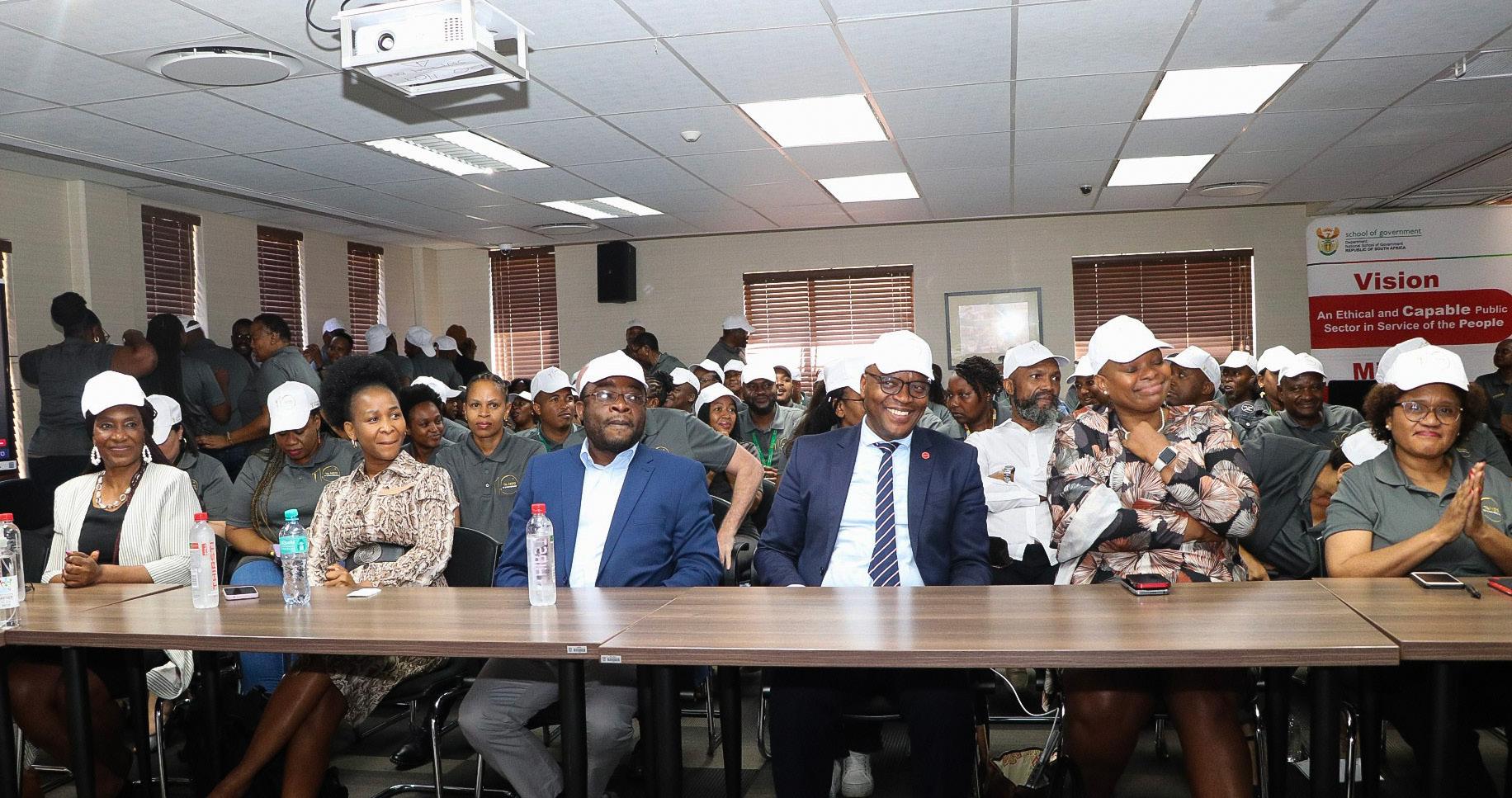
The National School of Government (NSG) turned 10 years old on 21 October 2023. The NSG came into existence following the proclamation by the President of the Republic of South Africa which made provision for the Public Administration Leadership and Management Academy (PALAMA) to be substituted by the NSG and for the NSG to remain a national department, under the political leadership of the Ministry for Public Service and Administration (MPSA).
In the 2013/2014 NSG Annual Report, then Minister for the Public Service and Administration (MPSA), the late Mr Collins Chabane said: “It is our firm view that this School will be the central pillar in professionalising the public service for higher productivity, be an engine of
innovation in public service, and mobilise thought, best practice and optimal use of resources to ensure demonstrable return on investment”.
The NSG has scored several achievements in the past 10 years. The institution has delivered training reaching more than 526 000 participants, generating revenue from course fees of more than R1 billion. The past three years since 2020 have been a period of renewal and repositioning. The NSG adopted a five-year strategic plan in 2020, which has been implemented with good results, making the NSG the fastest growing school of government in the African continent. It has become a highly regarded Education, Training and Development (ETD) institution within the public sector, with a growing reputation as a platform for thought leadership and
robust engagement and debates within government and academia.
The NSG continues to register good progress and impressive performance on its mandate. Since the commencement of the current strategic period from 2020/21, a total of 208 818 learners were trained. The 2022/23 Annual Report indicates that a total of 78 720 learners were trained against a pre-determined target of 40 460. This performance translates to an achievement of 195%.
The NSG also continues to ensure good governance and financial management, with unqualified and clean audits being registered in consecutive years.
The NSG has also proven to be resilient during difficult times. Through innovation and agility, the School overcame the
impact of the COVID-19 pandemic. The pandemic lockdown that was declared in March 2020 caused booking cancellations and a low uptake of courses. The NSG COVID-19 response plan prioritised digital and online learning interventions as well as the installation and application of digital tools such as MS Teams and Zoom.
The NSG saw an unprecedented number of online enrolments for eLearning courses. For the period April 2020 to December 2021, 123,000 learners enrolled for the eLearning courses.
Over the last three years alone, there has been eLearning enrolments of more than 194 000 learners. The work of the NSG has also been enhanced by the decision by the sixth administration to make building a capable, ethical and developmental state the number one priority amongst seven priorities outlined in the 2019-2024 Medium Term Strategic Framework (MTSF). The MTSF states that a capable, ethical and developmental state underpins all seven priorities of the MTSF and calls for a vision of strong leadership, a focus on people and improved implementation capability.
The President of the Republic outlined the role of the NSG in achieving these goals. In his weekly newsletter, from the Desk of the President in January 2020 as follows:
“A capable state starts with the people who work in it. Officials and managers must possess the right financial and technical skills and other expertise. We are committed to end the practice of poorly qualified individuals being parachuted into positions of authority through political patronage. There should be consequences for all those in the public service who do not do their work. Through the ongoing and focused training of civil servants, the National School of Government will be playing a greater role in providing guidance for career development.”

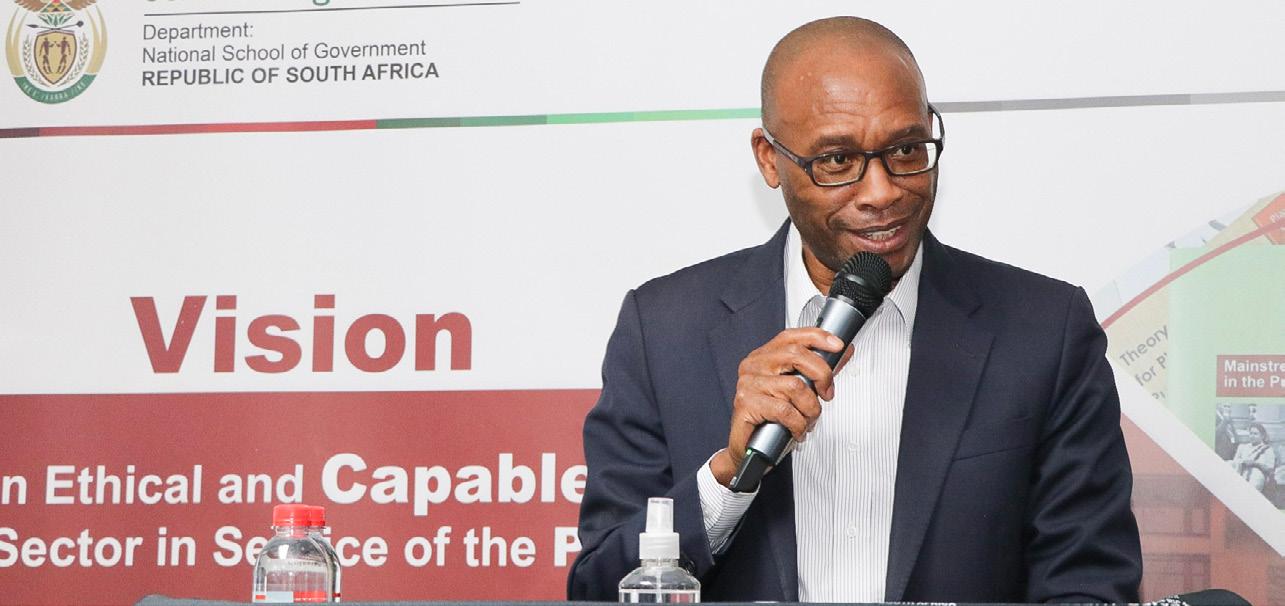
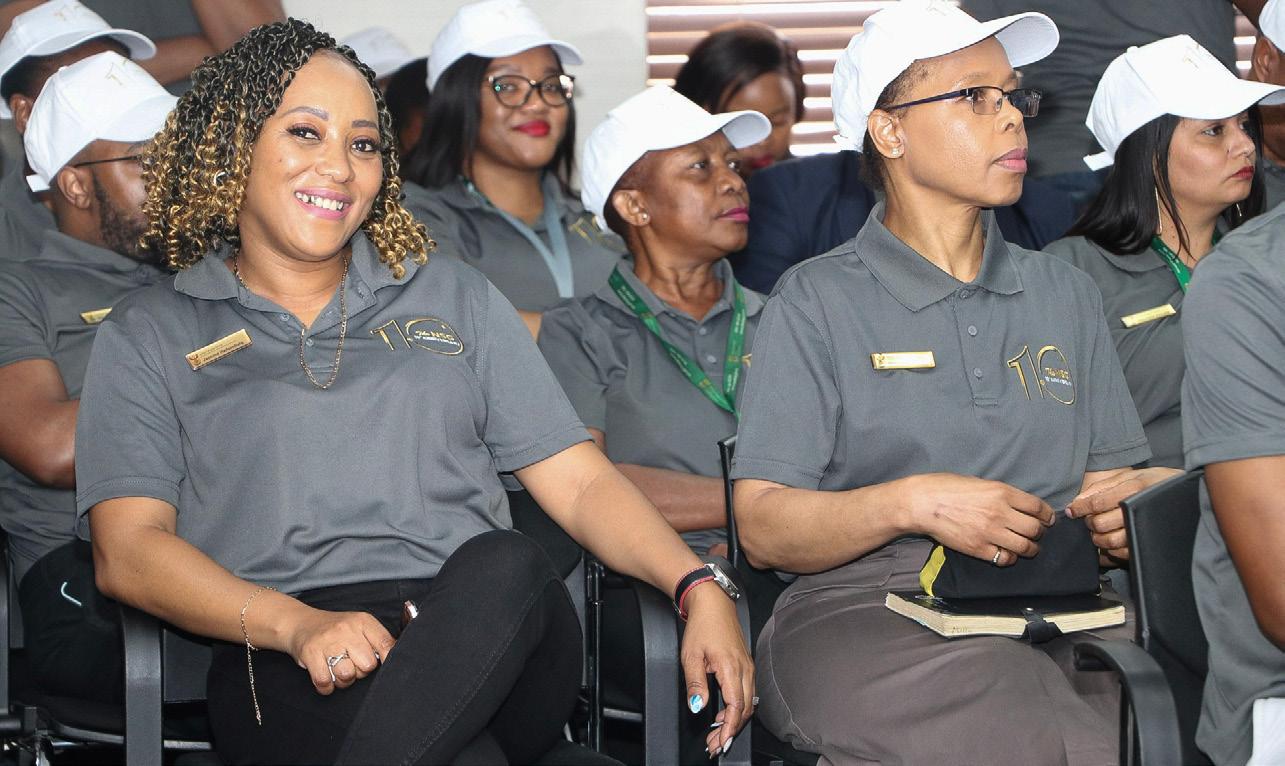
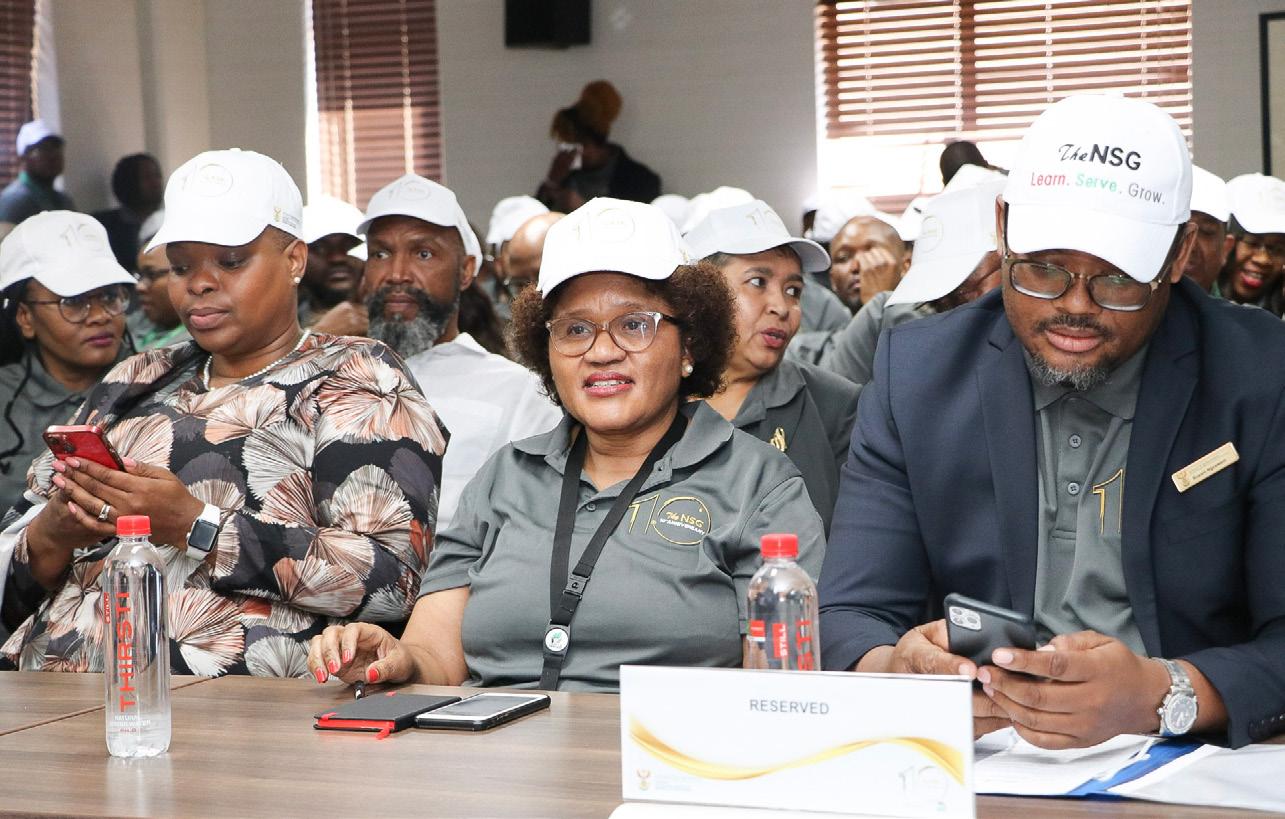
The NSG, led by the Minister for the Public Service and Administration, embarked on the 10th Year Anniversary milestone through a celebratory event to further enhance the NSG brand. The week long celebrations marked the key achievements of the NSG and also communicated the strategic direction of the NSG and its future positioning.



Water scarcity is a global crisis; according to the WWF (World Wide Fund for Nature), at its current consumption rates, two-thirds of the world’s population may face water shortages by 2025.
And whilst 70% of the world’s surface is covered by water, only three percent (3%) is fresh water, and two-thirds of that is tucked away in frozen glaciers or otherwise unavailable for our use.
Industry is a major user of water; with copious amounts consumed across mining operations, petroleum refineries, smelting facilities, and food processing facilities, to name a few. According to research groups, the fashion industry alone uses 93 billion cubic metres of water per year, which is four percent (4%) of all freshwater extraction globally.
This number is set to double by 2030. High water demand and its declining supply threaten quality, pollution, climate change, urbanisation, aging infrastructure, spiralling energy costs; and evolving regulations are some of the challenges facing the global water sector.
South Africa’s water supply and scarcity challenges mirror our global peers; Cape Town and Port Elizabeth’s recent “day zero” challenges have fundamentally changed the way we look at the consumption of water in our country.
Water sustainability strategy relies on infrastructure that enables data transparency.
There are some important mitigating steps that can be taken to set the world on course to preserving this precious resource. Digital transformation in water processing and delivery operations can begin to help provide lower energy consumption, higher sustainability, and less waste.
Sustainability starts with the ability to extract performance data from the physical infrastructure that supports core operations. In the water and wastewater (WWW) sector, digitisation leads to water processing and distribution network transparency as well as traceability of assets as it moves through municipal systems.
To achieve transparency, core equipment such as motors, drives, and pumps need to incorporate sensors to collect the necessary data. Then cloud-based software tools can connect to the various data silos from different sources and consolidate and combine that data with legacy data.
Once data access is achieved, machine learning (ML) solutions can extract trends which can lead to faster and more sustainable decisions.
For example, accurate decisions can be made on how water assets flow through the processes of recycling purification, transportation, and, ultimately, consumption.
The highest potential for achieving sustainability objectives lies with training intelligent algorithms, or artificial intelligence (AI), to make sustainability decisions in real-time, incorporating the many data points that no human could process in a timely enough fashion, to yield autonomous decision-making.
Looking at a practical application, UKbased Anglian Water partnered with Schneider Electric to prevent water loss by a cloud-based holistic solution for water loss management that monitors incoming system performance data on a near real-time basis from multiple data sources.
The municipality now benefits from real-time detection of leaks and anomalies; work orders are dispatched, and repair works are effectively and efficiently executed, saving millions of litres of water per year.
When proposing solutions to water and wastewater firms worldwide, Schneider Electric often partners with major technology firms, like Microsoft, who share our passion for sustainable operations and support our cloud-based digitisation solutions. In fact, Microsoft has pledged to become water positive by 2030. In water-stressed regions, they have established a goal to replenish more water than is consumed by their operations.

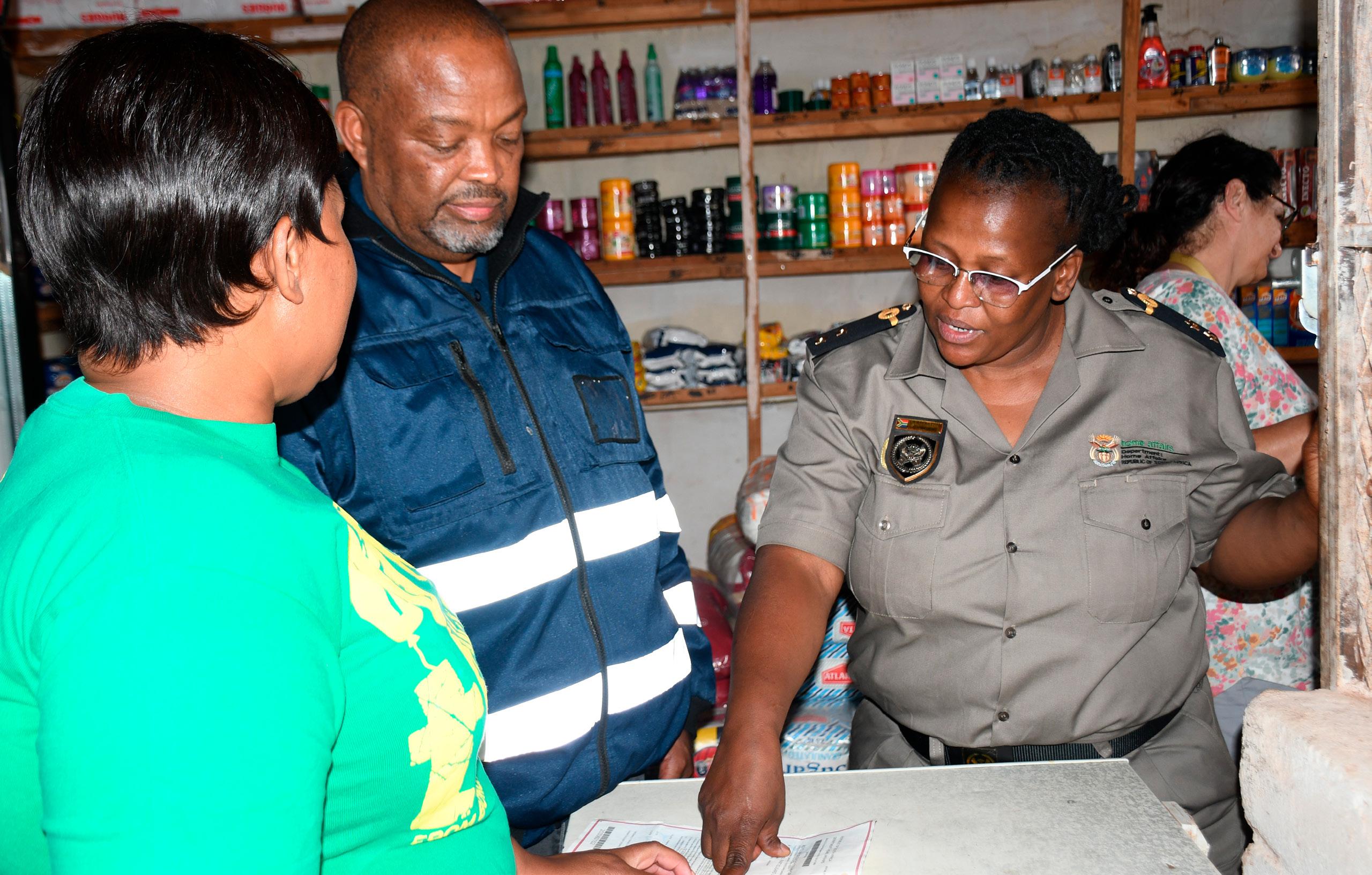
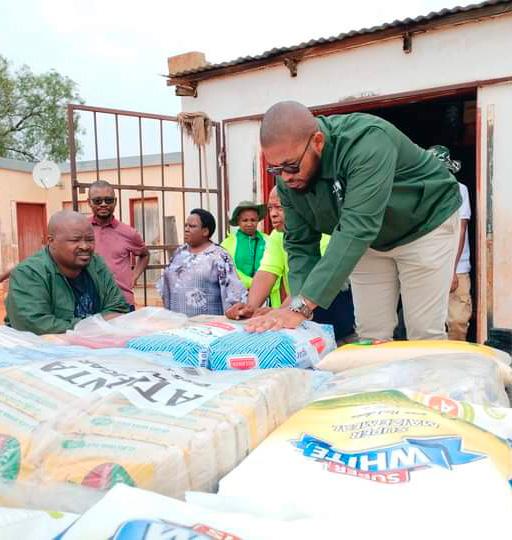
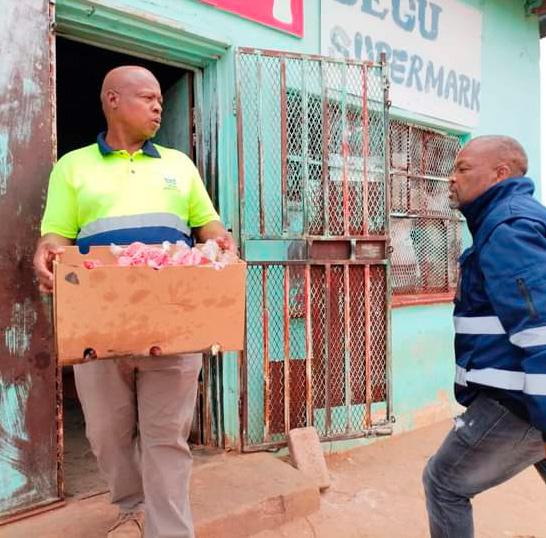
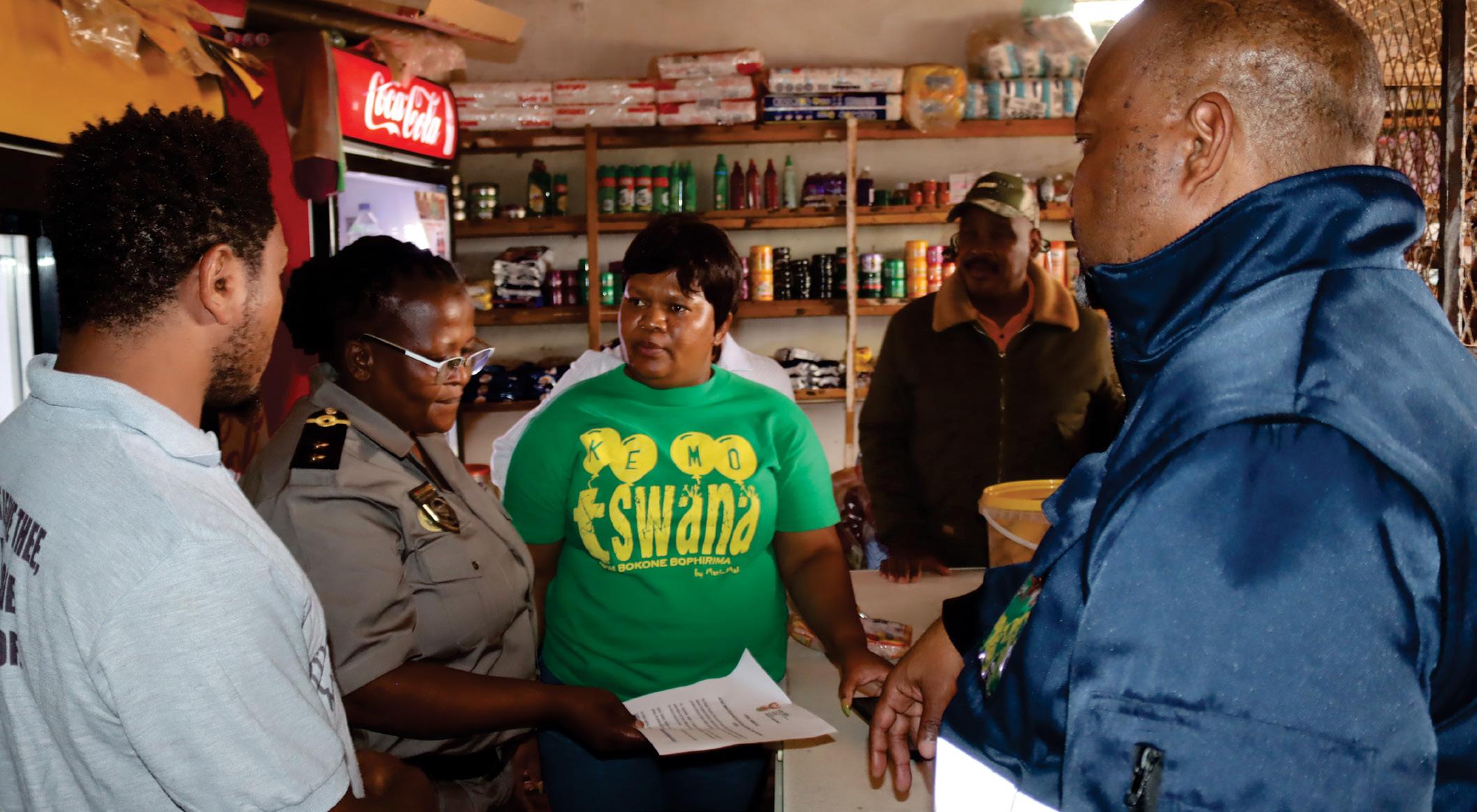
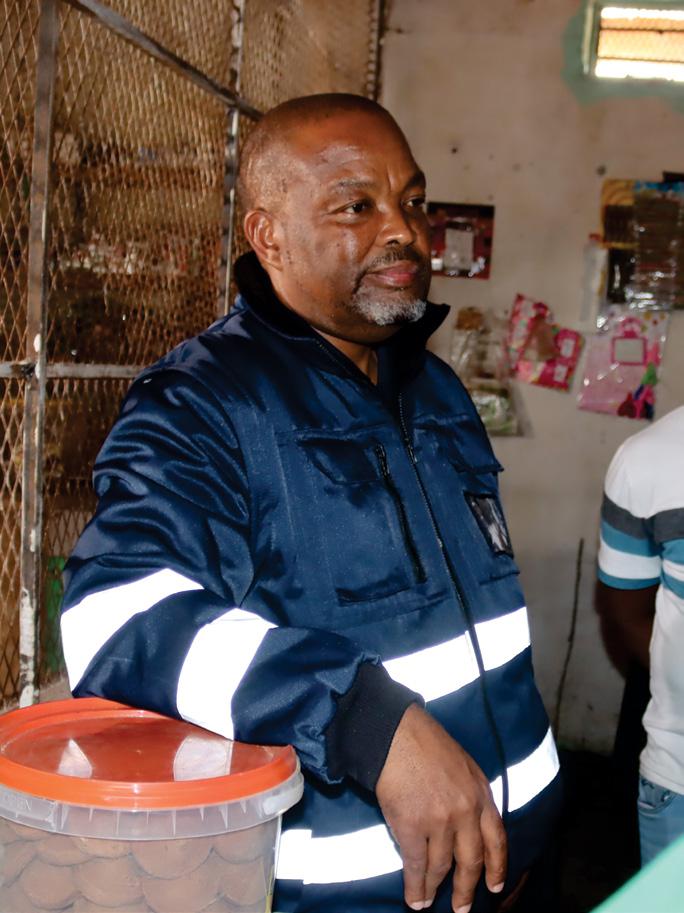
This operation, a cornerstone of the Accelerated Service Delivery Programme –Thuntsha Lerole, reinforces the provincial government's unwavering dedication to ensuring businesses adhere to South Africa's stringent regulations, delivering a firm message that compliance is non-

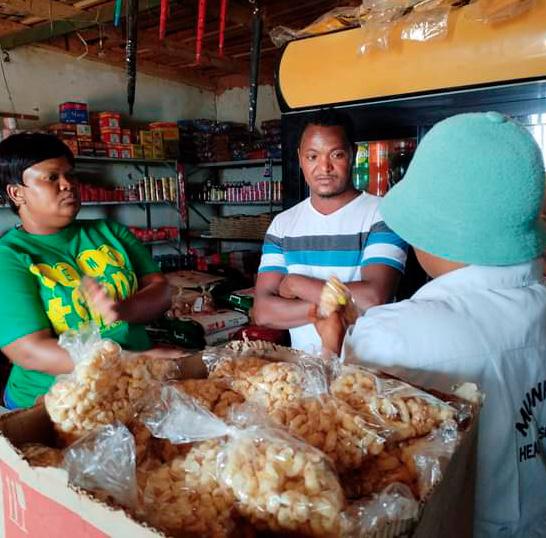
negotiable. During the inspection, the vigilant team uncovered startling business practices across thirteen (13) tuckshops, from vendors sleeping on the job to poor hygiene standards, non-compliance with price displays, the sale of expired and improperly labeled goods as well as selling of unverified products.
Municipal Health Inspectors, upholding the highest regulatory standards, condemned noncompliant products valued at R20 000. Two tuck shops faced temporary closure until they met the compliance requirements outlined in the Foodstuffs Cosmetics and Disinfectants Act. Additionally,
In an unwavering display of commitment to business compliance and the safety of South African consumers, North West Acting Premier Mr. Dumile Nono Maloyi accompanied by MEC Virginia Tlhapi for Economic Development, Environment, Conservation and Tourism, led an extensive business compliance inspection in Phaposane and Gamanyai villages within the Kagisano Molopo Local Municipality.

the Department of Home Affairs (Immigration unit) apprehended nine foreign nationals with expired passports or lacking essential asylum and refugee documents.
The North West Gambling Board (NWGB) seized two illegal Bingo Merry Roulette gambling machines during this operation, sending a clear message against underage gambling.
The enforcement inspection also extended to liquor outlets, where a striking 6 out of 7 outlets were found
in breach of the Liquor Act 27 of 1989. These outlets were in violation of various sections, including the unlawful rental of licenses, failure to keep a license in the outlet licensed premises, and to maintain bona fide restaurants as per the condition of the license. The team issued fines amounting to R10 500 to all noncompliant liquor outlets.
The Thuntsha Lerole Programme goes beyond regulatory enforcement, exemplified by the donation of wheelie bins, indigenous and fruit trees to the Phaposane Clinic and Kegakilwe Primary School in Tlaakgameng. This initiative promotes waste management and environmental sustainability, aligning with the government's ambitious target to plant 10 million trees over the next five years.
Officials from the department's Business Regulation unit leveraged the Thuntsha Lerole platform to conduct a workshop with local business owners around Tlaakgameng Village. The workshop elucidated the department's role in regulating businesses and
issuing licenses under the new North West Business Licensing Act No. 3 of 2019, which mandates licensing for businesses selling consumables, beauty, lifestyle products, services, and entertainment services. As a testament to fostering local employment, the department awarded job contracts to nine Data Capturers from Kudunkgwane and Tlaakgameng Villages.
These young individuals will assist the department in registering and verifying businesses operating within Kagisano Molopo for inclusion in the provincial business licensing database. The department strongly encourages the local business owners to collaborate with these Data Capturers to ensure full compliance with the North West Business Licensing Act and other relevant legislation.
This comprehensive operation highlights the unwavering commitment of the North West government to safeguard South African businesses and consumers, reinforcing the importance of compliance and accountability.
AVBOB Mutual Assurance Society is 105 years old in 2023.
Aquamation was introduced in South Africa in 2019.
Aquamation is an eco-friendly, water-based form of cremation.
The scientific name for the aquamation process is alkaline hydrolysis. However, it is also known as flameless cremation, water cremation and bio-cremation.
Although it has been in use abroad in various applications for many years, AVBOB is at the forefront of developing this innovative procedure in South Africa.
Aquamation is currently being offered to private clients and policyholders at the AVBOB Maitland Funeral Parlour in Cape Town and at the AVBOB Funeral Preparation Centre in Pretoria West.
Aquamation gained international attention when Archbishop Emeritus Desmond Tutu opted for aquamation for his send-off at the AVBOB Maitland branch in January 2022.
The aquamation process has a decreased carbon footprint and eliminates the direct emission of greenhouse gases or mercury into the environment, while ensuring an energy saving of 90% when compared to flame-based cremation.
AVBOB plans to expand its aquamation service to a further eight AVBOB branches across South Africa over the next few years.
At the core of the process is water, which is a natural and essential part of life, comprising 60% of our bodies.
Aquamation reduces the soft tissue of the body to its basic building blocks.
The bones (calcium) remain, which are then powdered and presented to the family as ‘ashes’ in an urn, in the same manner as with flame-based cremation.
The family receives a third more ashes from aquamation compared to flame-based cremation.
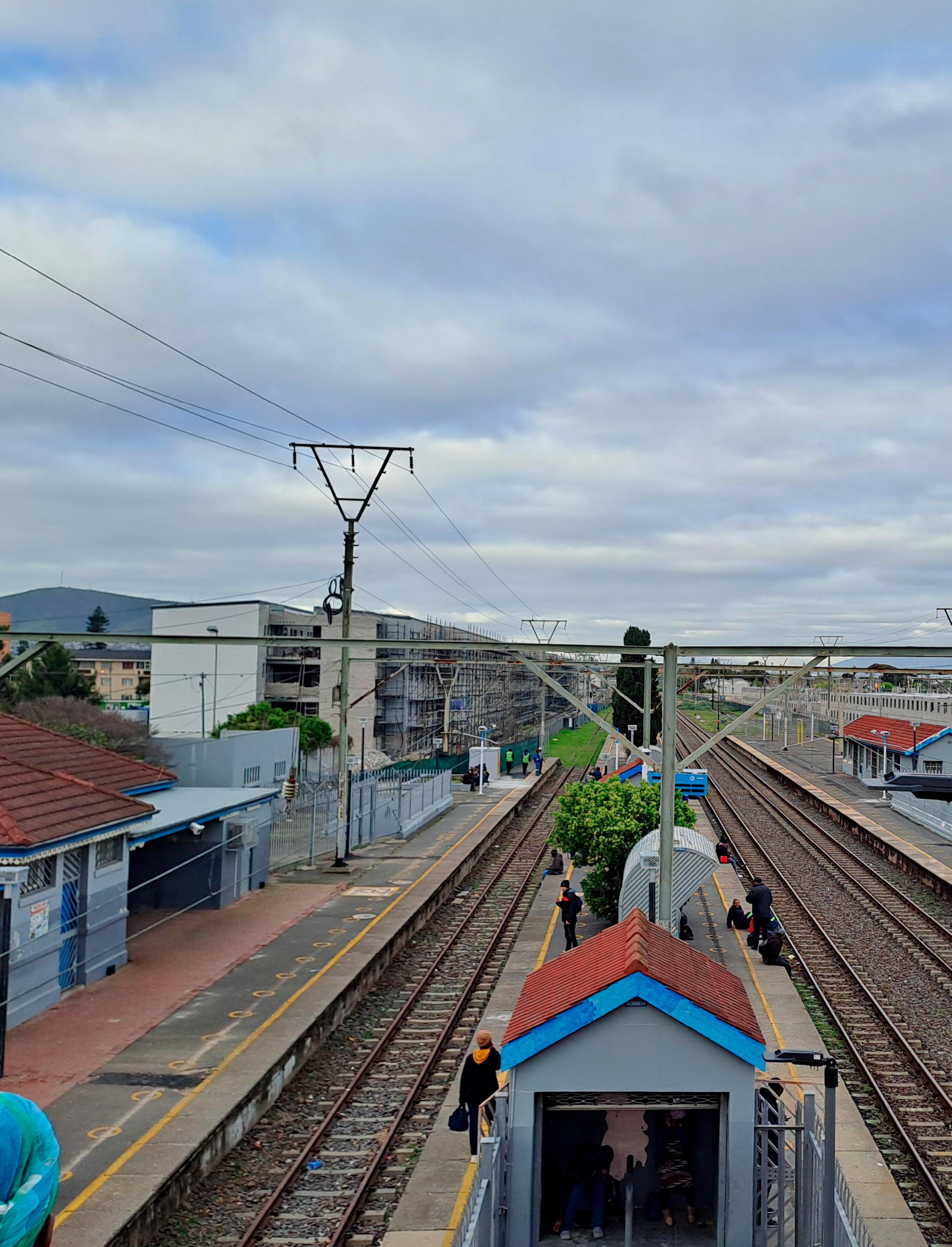
The way, the why and the how we use transport is evolving and undergoing transformation around the world. And what about our railway stations? They continue to serve as the gateways to mass transit. But the story does not end here. Major train stations, across the globe, have become the new shopping ‘Meccas’ and mixed-use transit hubs. Therefore, there couldn’t be a more opportune time to reimagine the role of PRASA’s railway stations as more than just transport nodes, but also as channels that can positively impact on the well-being of the communities they serve.
PRASA’s extensive property portfolio, managed by its property division, PRASA Corporate Real Estate Solutions (CRES), comprises of over 500 railway stations, vast tracts of land, office and residential properties, with a combined market value in excess of R5 billion. This positions PRASA as one of South Africa’s largest inter-model transport landlords.
Thusly, in line with the global trends and its secondary mandate, PRASA CRES, in collaboration with its Special Purpose Investment vehicle, Intersite Asset Investments (wholly-owned group subsidiary), has been exploring innovative strategies to maximize the potential of PRASA’s commercial real estate.
This strategic pursuit aims to secure long-term financial growth for the organization, and in turn, reinvest into its primary mandate of facilitating the movement of people.
This focus on generating non-fare
revenue is in line with international standards of subsidising the cost of running passenger rail.
Examples of such initiatives are seen undertaken by international rail operating companies like Hong Kong, Deutsche Bahn, Network Rail and Japan Railways; who generate a sizeable portion of their net income from nonfare revenue activities. These secondary mandates include the leasing of property and coinvestment on developments to ensure market related returns are generated from these assets.
Pursuant to the aforementioned strategy, PRASA’s rail stations and broader rail network play a pivotal role in this revenue enhancing approach. By fostering the growth of commercial and mixed-use developments, the agency’s aim is to not only attract private property developers but also stimulate economic activity within our stations. This approach is also designed to address socioeconomic challenges confronting the country.
Repositioning train stations as the new frontiers of mixed-use development
“Recognizing that our train stations are more than just transit hubs, but vital centres of connectivity and mobility for the communities we serve, we are repositioning our railway stations as the new frontiers for retail and mixed-use development. And we are confidently building future communities right at the heart of our stations. This strategy has seen PRASA attract billions in development opportunities by partnering with private developers in and around its precincts and stations,” says Hishaam Emeran, PRASA Group CEO.
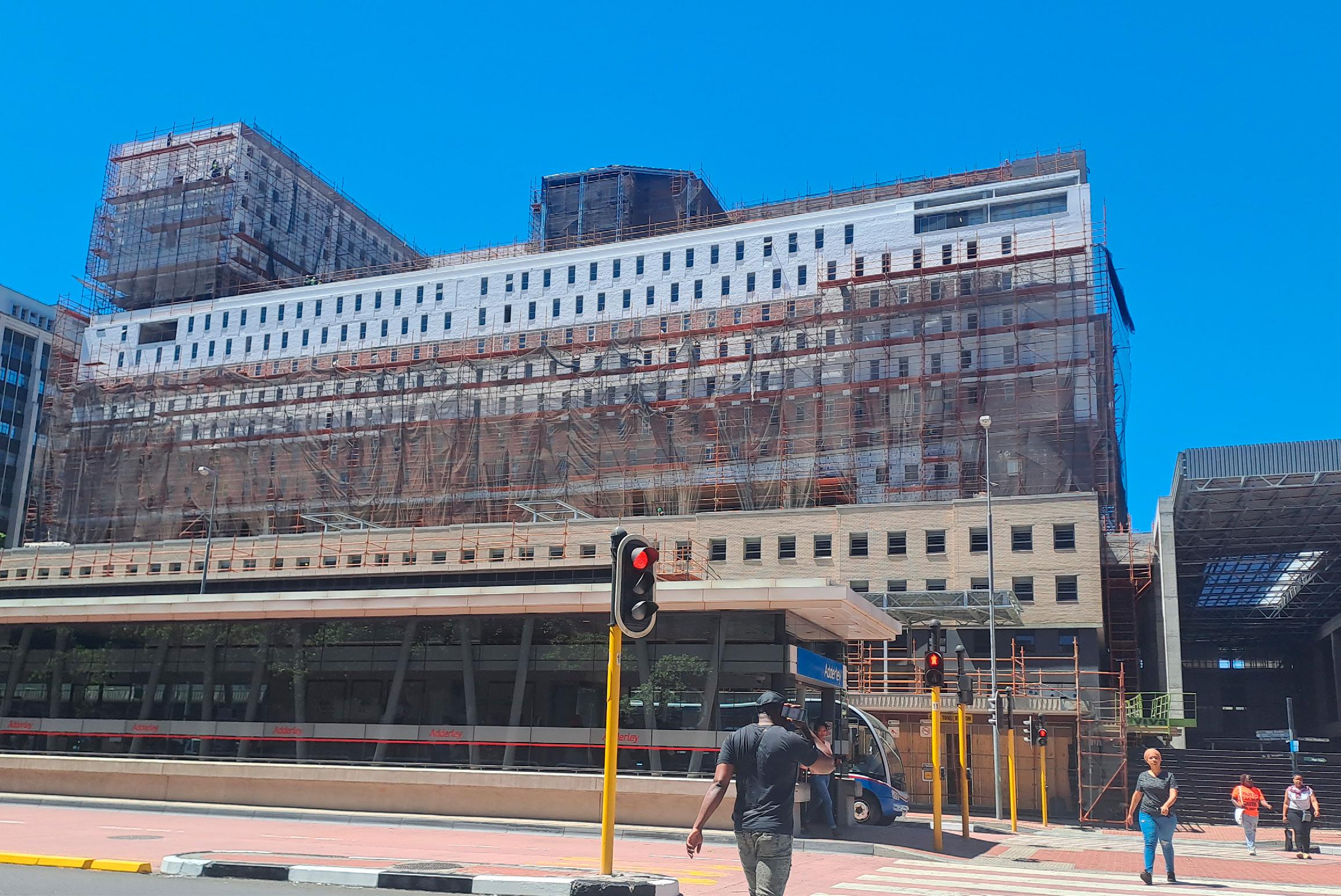
The Cape Town Station development, agreed to between PRASA and ERIS Property Group, is the first ever co-investment for PRASA, and represents a major achievement for Intersite in securing long-term financial stability for the business. The project is in the process of revitalizing the iconic Cape Town Station in the Western Cape. >
This station serves as the largest inner-city transport interchange in the City of Cape Town, combining long-distance train travel, urban commuter rail, long distance buses and taxis. This signifies taking a significant step forward by introducing mixed-use commercial offerings.
Through this mixed-use development project, the station has been meticulously designed to cater to the next wave of station redevelopment. It is transforming and revolutionizing the way people live and move around and reshaping PRASA’s railway spaces to build communities of the future.
This transformative project unlocks both the social and commercial value within the agency’s property portfolio, driving sustainable growth and fostering vibrant communities of the future.
“When Intersite invested 25% into this co-investment R1,2 billion project, we made a commitment to play a meaningful role in society, one that will yield dividends for generations to come. Come January 2024, about 3200 NSFAS-eligible students from diverse backgrounds will have access to state-of-theart facilities, comfortable living spaces, including access to Wi-Fi and modernized kitchenettes equipped with fridges and other basic necessities,” says Annette Lindeque, PRASA CRES/Intersite Acting CEO.
The construction of student accommodation at the station is about more than just bricks and mortar, and the physical structures. It's about fostering an environment where students can thrive academically and personally. With amenities such as a gym, study rooms,
collaboration lounges, laundry facilities, and many more, this station has been redesigned with the student in mind, giving them a place where they will not only find privacy and convenience, but the resources they need to succeed in their academic pursuits. The aim is to create a supportive and inclusive atmosphere where students can connect and learn from each other.
The development of the 7200-meter square retail space will also ensure that the agency attracts more passengers and retailers to its stations. This revamped retail precinct will be home to a diversity of retail outlets, but importantly, enhance the commuters travel and shopping experience by end of November 2023. Intersite will see its return on investment once the development reaches trading stage.
Unlocking socioeconomic value by helping municipalities achieve their goals
Another key example of how PRASA is unlocking not just commercial value, but socio-economic value as well, is the Goodwood Social Housing Development project in the City of Cape Town. This R575 million project will see over 1 055 affordable social housing units built near the public transport hub, the Goodwood railway station on PRASA-owned land.
Once complete, the development will be boosted by a construction of a 5000 m² retail facility on the station deck. The second phase is expected to be complete in 2024.
The project, initiated by PRASA’s investment vehicle, Intersite, is a joint partnership between PRASA, the City of Cape Town, the Social Housing Regulatory Authority (SHRA), DCI Community Housing
These development projects demonstrate the potential to reshape the way the agency thinks about transportation hubs and to positively impact the communities it serves and improve mobility.
Services, among others. This joint initiative weaves into the social fabric of Cape Town communities, creating new neighbourhoods and a new sense of belonging.
“This historic project demonstrates the significance of cross-sector collaboration and partnerships with municipalities in creating socio-economic and commercial value. It also underscores PRASA’s potential role in urban development by encouraging commercial and residential development near
transit hubs,” says Lindeque. It’s a demonstration of the meaningful role our land-holding plays in helping municipalities achieve their goals of building affordable housing, all the while contributing to PRASA's non-fare revenue for long-term financial stability,” adds Emeran.
The train stations of the future are not just about catching a train; they are about living, working, shopping, and convenience, all within a walking distance of the station. The Cape Town Station and Goodwood Station projects are just examples of how mixeduse development at the train stations can create dynamic transit hubs by combining transportation with residential, commercial, and recreational spaces, bringing life to the heart of our cities.
The densification of PRASA’s corridors, bringing people to the railway stations, will ensure that it increases rail patronage, while improving mobility and access to public transport. This will be achieved through the student accommodation project that sets to provide more than 3200 potential rail patronage and the Goodwood Station project set to provide a potential of more than 1000 rail patronage. Intersite is also in the process of finalising a further 20 developments for student and gap housing across the agency’s vast rail network.
These development projects demonstrate the potential to reshape the way the agency thinks about transportation hubs and to positively impact the communities it serves and improve mobility. The agency expects to conclude similar investment agreements
soon to bring in private property developers to unlock the value for PRASA’s Real Estate, thereby fulfilling its secondary mandate.
Intersite is also co-investing with Urbane Living in a development in Braamfontein, Johannesburg. The Rynx will see the conversion of PRASA’s existing Tippet Building offices into 189 residential units at an estimated cost of R67 million over a period of 18 months.
A lot of work has gone into rebuilding the passenger rail infrastructure and restoring passenger rail services. To date, over 26 corridors have been recovered out of the 40 corridors, with R3.6 billion invested in recovering the rail infrastructure and over 6000 jobs created. >
In this financial year, PRASA identified 16 lines for rehabilitation and refurbishments.
These are the corridors:
Gauteng: Pretoria – Kaalfontein Leralla – Germiston Hercules – Koedoespoort Germiston – Kwesine Germiston – Johannesburg New Canada – Residentia Johannesburg – Randfontein
KZN: Durban – Dalbridge – KwaMashu
Durban – Winkelspruit
Durban – Crossmoor Durban – Pinetown
Western Cape: Nyanga – Philippi
Philippi – Chris Hani
Eersterivier – Muldersvlei
Eersterivier – Strand
Recently, PRASA launched Pretoria to Kaalfontein, Germiston to Johannesburg, Durban to KwaMashu, and Eersterivier to Strand. Trains are running from Cape Town to Langa, to Nyanga on the Central Line.
These milestones have made the agency proud as it intends to restore 80% of the corridors by the end of this financial year.
Prasa's Ambitious R50bn CAPEX Programme
As pronounced by President Cyril Ramaphosa in his 30th October 2023 Economic Progress report to the nation, PRASA also plans to spend R50 billion over the Medium-Term Expenditure Framework (MTEF) period in restoring passenger rail services and modernizing the rail infrastructure, building on previous investments in infrastructure and locomotives, which on average will show an improvement of 22% per annum over its last year spend of 13.5 billion.
Projects under the agency’s ambitious capital programme for the next three years include:
1.
8.
PRASA has recovered the passenger rail services, it has introduced the new Electric Motor Units (EMUs), otherwise known as Isitimela Sabantu. The trains
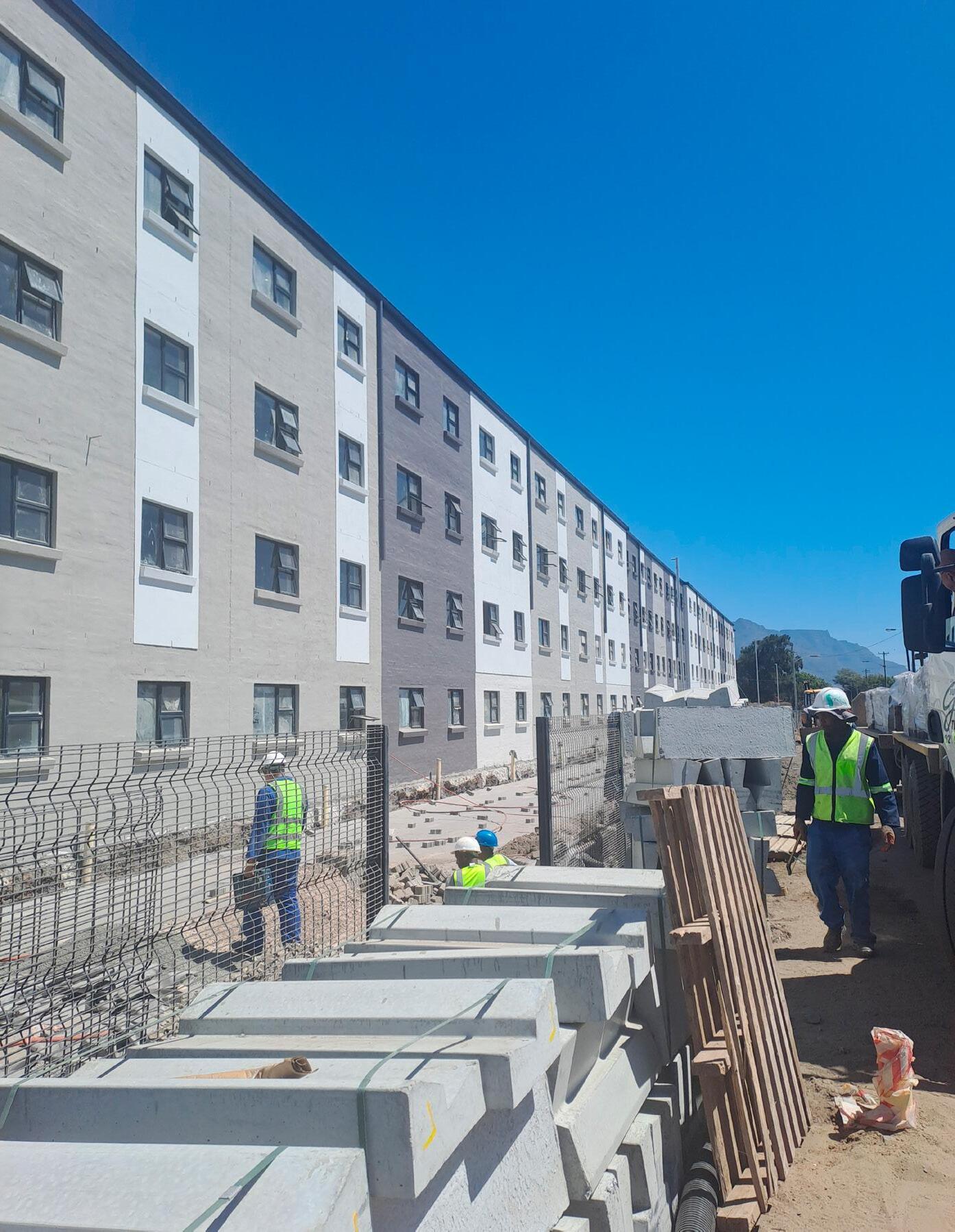
that are being introduced, are high-tech, that come with CCTV cameras, automatic doors, airconditioning, high-tech safety measures, designed with the safety of commuters in mind. These trains are manufactured here in South Africa, in Springs, Gauteng, by Gibela.
The depot modernization programme will include the installation of intelligent fencing at the various rolling stock depots and staging yards, incorporating CCTV and integrated security systems to replace the existing fencing.
PRASA is revitalizing its signaling system, bringing in modern telecommunications in line
with the European Train Control System ushering a new era in signaling safety. Work has started in KwaZulu-Natal and the Western Cape to re-signal the passenger rail network to ensure the safe passage of the trains and increasing the frequency of PRASA services.
These projects are all part of PRASA’s ambitious capital programme where it intends to invest in the economy.


Nedbank is committed to being the business banking partner for the public sector. Our bigger-picture approach to banking is designed to provide groundbreaking solutions for your municipality. With the expertise and knowledge of our community specialists, we can ensure continuity, accessibility and quick decision-making that guides your business growth.


Think bigger. Think Nedbank Commercial Banking. For more information email us at publicsector@nedbank.co.za.












The ability to create and retain jobs is directly affected by a well-functioning Local Government. Establishing this enabling environment facilitates crucial development, growth, and sustainability for the business sector. There are serious concerns that deficient service delivery at the local level severely impacts the efficiency and outputs of business and industry, with some industries opting to relocate to other countries. The cost to do business has increased dramatically due to stoppages in production because of infrastructure deficiencies such as water, sewage and electricity delivery. This directly affects employment, and it is a major concern to business, government, and the affected communities.
In July 2019, the National Business Initiative (NBI) was officially appointed as the project champion for the Technical Assistance, Mentorship and Development (TAMDEV) Jobs Summit Programme. The overall goal of TAMDEV is to strengthen the capacity of the State, with the aim of improving service delivery and creating job opportunities.
On 9 June 2020, the National Business Initiative (NBI) and the Ministry of Cooperative Governance (DCOG) entered an Agreement to mobilise Business Stakeholders, by partnering in a collective effort to implement the District Development Model (DDM) and ultimately improve the state of Local Government.
The growing need for capacity has resulted in additional requests from the Ministry of Public Works and Infrastructure to support Infrastructure South Africa (ISA) in the development of a credible infrastructure pipeline, as well as the Ministry of Water and Sanitation (DWS), to address the dire water situation in municipalities. This included critical support in terms of the Nelson Mandela Bay Drought mitigation efforts as well the water and sanitation crisis in the Matjhabeng Municipality. >
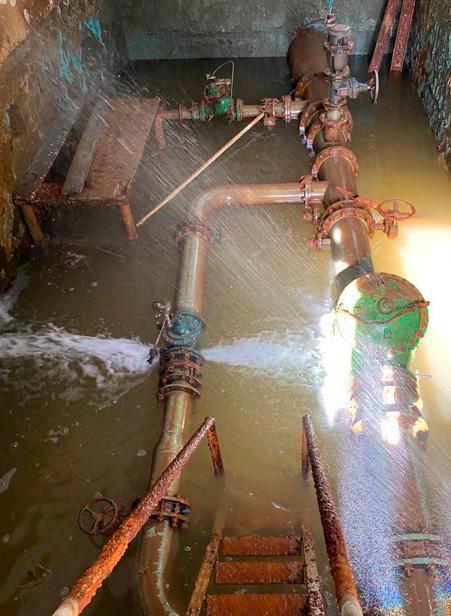
In the arid landscape of South Africa, water is a lifeline, and sanitation is a fundamental human right. Unfortunately, many regions in the country have struggled with a water and sanitation crisis, making it a challenge for residents to access clean water and proper sanitation facilities. Amidst this backdrop, a remarkable collaboration has emerged as a beacon of hope, determined to rewrite the narrative of the Matjhabeng Municipality.
The National Business Initiative (NBI), through its Technical Assistance, Mentorship, and Development (TAMDEV) Unit, joined forces with the Department of Water and Sanitation (DWS), Bloem Water (now Vaal Central Water), and an NBI member company on a mission that not only improved water and sanitation infrastructure but also fostered trust between the government and civil society. This remarkable journey
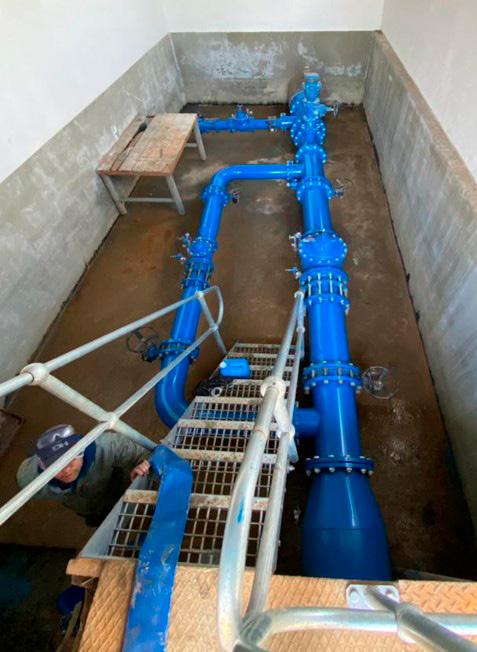
in the Municipality stands as a testament to the power of collective action in addressing one of the country's most pressing challenges.
The water crisis is a global concern, but South Africa's struggle with water scarcity is particularly poignant. The nation faces the dual challenge of securing sufficient drinking water for its population while simultaneously managing wastewater and sanitation effectively. In Matjhabeng, as in many other South African municipalities, the water crisis has manifested as unreliable access to clean drinking water, sewage leaks, crumbling infrastructure, and a perpetual struggle to provide safe sanitation services to its residents. The severity of this crisis has far-reaching implications for the well-being and livelihoods of its people.
Access to clean water is a fundamental human right, essential for health, dignity, and economic development. Inadequate water supply and sanitation services lead to a myriad of problems, from disease outbreaks to limiting opportunities for education and economic growth. Solving this crisis is not only a moral imperative but also a strategic move for a nation seeking to prosper and ensure the well-being of its people.
The strategic establishment of the Executive Water Management Committee, composed of leaders from DWS, Bloem Water (now Vaal Central Water), NBI, and Matjhabeng Local Municipality. This committee took on the crucial roles of decisionmaking, overcoming project obstacles, addressing procurement challenges, overseeing service providers, and setting priorities for projects. Simultaneously, a Command Control Centre was set up, turning the effort into a daily operation and providing the gravity required for a meaningful impact. >





The NBI’s TAMDEV Unit's mandate remains pivotal in the quest for long-term solutions. By empowering local officials and fostering effective management practices, TAMDEV continues to bridge the gap between public institutions and comprehensive service delivery. Moreover, its emphasis on job creation and capacity building underscores the crucial role of a well-functioning local government in fostering economic growth and a conducive environment for businesses to thrive.




Provisioning of skilled, technical resources to assist institutions in the planning and effective execution and management of inf rastructure and strategic projects.




Enhancement and transferring of skills to permanently employed civil servants, through guidance, technical support, mentoring and coaching. Focussing on both hard and soft skills –emotional intelligence; work ethics; personal mastery and leadership.
Strengthening the knowledge base of civil servants through relevant, informal training and the professionalisation of public sector practitioners.
This collaborative approach was instrumental in breaking down bureaucratic barriers.
Vandalism, particularly to manhole covers, was identified as a significant threat to the mission's success. This realisation highlighted the importance of seemingly trivial elements like manhole covers in maintaining safety and preventing blockages caused by sand infiltrating pipelines. It was a stark reminder that even the smallest details matter in the grand scheme of resolving this crisis.
Matjhabeng's plight is emblematic of a broader issue in South Africa. In order for the country to thrive, it is imperative to address these issues head-on, emphasising the significance of projects like the Ministerial Intervention in Matjhabeng.
The intervention's focus on four critical areas - improving wastewater quality, clearing sewage leaks, reducing water leaks to increase municipal revenue, and enhancing drinking water quality - led to astonishing results. In just four months, 27% of households witnessed a transformation. With the repair of 716 meters of sewer pipe network, the replacement of 30% of collapsed pipelines (amounting to 128 kilometers), the unblocking and recovery of 20% (6,040) of open manholes, and the refurbishment of four pump stations, the community's resilience is growing. The completion of the Odendaals Rus Pipeline marks a significant milestone, ensuring better water availability and thus improving the overall well-being of the community and the Municipality's financial prospects.
Sustainability was at the heart of this initiative. A Public Awareness Campaign was launched, and 15 community members were trained

as Sanitation Agents to educate their communities about basic sanitation system maintenance and infrastructure protection. The ripple effect of this educational outreach is an investment in the long-term sustainability of these improvements. The commitment to sustainability extends beyond the intervention's timeline. The TAMDEV unit's mentorship program empowers civil servants to manage their responsibilities effectively, overcome daily challenges, and leave a lasting impact. The Project Dashboard implementation helps in project prioritisation, procurement tracking, and contractor performance management, ensuring the community's long-term well-being.
Despite the challenges that came their way, including changes in leadership and a cholera outbreak, the team remained unwavering in its mission. As the current funding and support phase concludes in December 2023, the importance of a seamless transition cannot be overstated. This project's continuation will ensure the sustainable management of water resources post the Ministerial intervention, benefiting both the Municipality and its community.
The Ministerial Intervention in Matjhabeng Municipality is a shining example of how collaborative efforts can bring about meaningful
change in the face of a daunting water and sanitation crisis. The work carried out by the NBI, DWS, Bloem Water (now Vaal Central Water), and an NBI member company has not only improved the lives of the residents but also set a precedent for addressing similar challenges throughout South Africa. The water and sanitation crisis are a shared responsibility that affects us all, and it's imperative that we join hands to bring lasting, impactful change to communities in need. Together, we can transform lives through infrastructure development.
Contact details:
Phone: 011 544 6000
Website: www.nbi.org.za
Address: 5th Floor, 61 Katherine Street, Dennehof, Sandton, Gauteng, 2196, South Africa
Our proud history, continued dedication and determination, dictates a legacy that will forever live on!

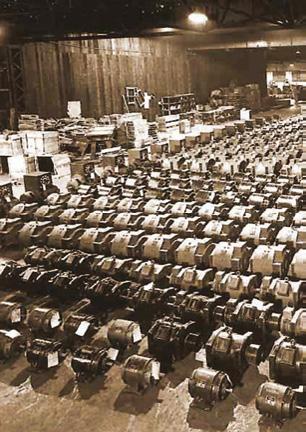

ACTOM, offers a winning and balanced combination of manufacturing, service, repairs, maintenance, projects and distribution of electro-mechanical equipment through its 33 outlets throughout Sub-Saharan Africa.






With almost two (2) decades of providing Free Treatment and Counselling to individuals negatively affected by the potential harmful effects of gambling, the South African Responsible Gambling Foundation is set to celebrate a 20 Year Anniversary in May 2024.
Since the current Executive Director, Mrs Sibongile Simelane-Quntana, took over the leadership of the Foundation, the National Responsible Gambling Programme (NRGP), which is its flagship programme, has provided treatment and counselling to over 22 350 people.
The gambling industry, which consists of casinos, betting, bingo, and limited pay-out machines, has over the years sustained the work of the NRGP through its financial contribution of 0.1% of the industry’s Gross Gambling Revenue (GGR) - i.e., money staked less money paid out in winnings - and enables continuous growth and development of its service offerings. The Foundation has thus, over the years, evolved and expanded its service offerings beyond the toll-free counselling line.
These developments include stakeholder-targeted programmes and services that assist the Foundation in adapting to the everchanging gambling landscape. These developments are inclusive of:
i. Research and Knowledge Application, which is aimed at increasing the understanding of gambling trends, problem gambling and the socio-economic impact of gambling in South Africa to provide appropriate interventions;
ii. Advocacy and Stakeholder Mobilisation, which advocates for responsible gambling, create awareness on problem gambling and collectively address exposure of vulnerable groups (children, teenagers, elderly, and social grant recipients) to potential harmful effects of gambling behaviour. This includes creating awareness of early intervention;
iii. Industry Development Training and Support, which is aimed at providing ongoing education, training, and development to gambling boards, the gambling industry, managers and employees, healthcare workers, and a range of other industry sectors on problem gambling and related issues and how to identify, manage and refer them for professional intervention. Over 7,539 industry trainings to support gaming employees have been conducted.
In 2016, Mrs Simelane-Quntana conceptualised the November Responsible Gambling Month concept, which over the past 7 years has since been designated as the national period to advocate Responsible Gambling behaviour as we move towards the festive season and commemorate the 16 Days of Activism.
During this period, the gambling industry collectively increases awareness around Problem Gambling and its adverse effects and promotes Responsible Gambling. The Foundation’s theme for this National Responsible Gambling Month is ‘Gambling and Betting Responsibly in a tough and strained economic climate’. The festive season encompasses Christmas and New Year celebrations, various cultural and religious festivities, family gatherings, and a general sense of joy and celebration. Many people take time off from work as most companies close and schools are closed.
Furthermore, this time of the year allows for outdoor activities, and many people take advantage of the holiday season to go on vacations, explore the country, with some spending time at gambling establishments.
It is worth noting that leading up to this time of the year, employees usually receive pay benefits such as bonus pay-outs, and some have their December salaries in advance. The gambling industry, travel and tourism are interconnected in several ways that position gambling as a central feature of travel and tourism attractions.
The goal is to provide a comprehensive holiday experience that caters to a diverse range of interests. It's important to note that the nature and scale of these integrated resorts can vary, and not all gambling operators position themselves as holiday destinations in this way.
The Foundation has identified challenges through an influx of counselling-line calls, particularly concerning disordered and irresponsible gambling, especially during the festive season. This has been an indication that some people engage in excessive gambling during this period. It is, therefore, vital to strengthen messages of responsible gambling leading up to and during this time to ensure responsible gambling behaviour and minimise harm through broad access to information and spreading awareness. >
The most recent NRGP Treatment and Counselling Referrals statistics dated 1 April 2022 to 31 March 2023 are as follows:

Over the 2022/2023 financial year to quarter 2 of the 2023/2024 financial year, 25 clients were admitted for inpatient Treatment Services.
The Therapeutic Approach utilised by NGRP Treatment, Counselling and Social Services to treat Problem Gambling: Cognitive Behavioural Therapy (CBT)
Compulsive gambling can inflict severe hardships on individuals and their families, resulting in financial distress, emotional turmoil, and other adverse repercussions. Tackling this issue calls for a comprehensive psychological strategy that considers the intricate interplay of factors influencing gambling behaviour. Cognitive Behavioural Therapy (CBT) is a highly effective approach to problem gambling (Cowlishaw et al., 2012; Menchon et al., 2018; Yakovenko & Hodgins, 2016).
CBT, a widely acknowledged psychological treatment, centres on identifying and modifying negative thought patterns and behaviours (Hofmann et al., 2012). In the context of problem gambling, CBT assists individuals in recognising and challenging irrational beliefs and distorted thinking associated with gambling. The goal is to enhance awareness of triggers nd consequences, empowering individuals to cultivate healthier coping mechanisms and problem-solving skills (Petry, 2006).
The initial phase of CBT for problem gambling involves psychoeducation, where individuals gain insights into the nature of addiction and its impact on the brain. Understanding the psychological mechanisms behind their behaviour enables individuals to grasp the driving factors behind their gambling habits and associated risks. CBT also underscores the importance of setting achievable goals and devising strategies to manage cravings and urges (Myrseth, 2009).
Another integral facet of CBT is the cultivation of coping skills. Through cognitive restructuring, individuals learn to identify and challenge automatic thoughts and cognitive distortions contributing to their gambling behaviour (Hofmann, 2012). This process facilitates the development of more adaptive and realistic thought processes, thereby reducing the likelihood of impulsive or reckless gambling.
Additionally, CBT incorporates behavioural interventions, such as self-monitoring, where individuals track their gambling behaviour and related triggers. Maintaining a record of actions, emotions, and circumstances surrounding gambling episodes enables individuals to comprehend patterns and triggers contributing to problematic behaviour. This self-awareness is pivotal in formulating effective coping strategies and relapse prevention techniques Abbott et al, 2016).
uniqueness of each individual's experience with gambling addiction. Hence, a personalised and holistic approach integrating various therapeutic techniques and support systems is essential to address the multifaceted nature of problem gambling (Myrseth et al, 2009).
By offering a secure and supportive environment for individuals to explore their thoughts, emotions, and behaviours, CBT presents a promising path toward enduring recovery and improved well-being for those grappling with problem gambling. In conclusion, it is crucial that the public is aware of the dangers of excessive gambling and highlights responsible gambling to ensure that gambling is always approached with the responsibility to minimise harm.
Office Number: +27 11 026 7323
Beyond individual therapy, CBT can be applied in group settings or as part of a comprehensive treatment program, including family therapy and support groups. Involving family members in the therapeutic process fosters a robust support network, promoting understanding and empathy, ultimately enhancing treatment outcomes (Abbott et al, 2016.
While CBT has proven efficacy in addressing problem gambling, it is imperative to acknowledge the
Address: Sunnyside Office Park Sentinel House, 2nd floor 32 Princess of Wales, Parktown, JHB
Facebook:
South African Responsible Gambling Foundation
Twitter: @SARGFoundation
Instagram: @ResponsibleGambling
LinkedIn: South African Responsible Gambling Foundation

The Postgraduate Diploma in Public Administration may be the qualification for
With

Revenue Consultant
Ntiyiso Consulting Group
Tone at the top, commonly referred to in auditing, is used to define a company's management and board of directors' leadership and their commitment to being honest and ethical. In a political environment, this refers to the Mayors, Councillors, Municipal Managers, and Departmental Heads. During his annual visits as part of the Auditor-General post municipal audits, the former AG, Mr Terence Nombembe used to highlight the importance of leadership in setting the tone.
The impact of the Office of the Auditor-General on the local government audit has been for the past years limited by interference from political leadership through instabilities, disruptions, lack of oversight, political infighting and power struggles and a lack of implementation of audit recommendations as per AG reports. The constitution of South Africa states that the audit office must be impartial and must exercise its powers and perform its functions without fear, favour or prejudice.
In its mission statement, known as a reputational promise, the AuditorGeneral highlights that in order to build public confidence, they need to strengthen the country’s democracy by enabling oversight, accountability, and governance in the public sector through auditing. Auditing, therefore, aims to provide credibility to financial and non-financial information provided by management.
In 2009, Operation Clean Audit (OCA) 2014, was launched as part of the government’s plan to turn around local government. OCA had two instalments, firstly, no municipality or provincial government should have a disclaimer or adverse opinion or fail to submit financial statements for audit by 2011. Secondly, all municipalities and provincial governments should achieve clean audits by the financial year 2014.
As per AG Report on MFMA 2013/14, the final year of Operation Clean Audit, the status of local government was as follows: clean audits (40), unqualified audits with findings (108), qualified audits with findings (68), adverse audits with findings (2), disclaimed audits with findings (50), and outstanding audits (10). From the audit outcome, it is very clear that the strategic objectives of OCA failed dismally.
The root causes as highlighted by the AG in its 2014/15 report when making an assessment of previous 5-year audits for municipalities pointed fingers at leadership, the tone at the top. The report highlighted that Mayors, Municipal Councils, Municipal Managers, and Senior Management did not provide the required level of assurance. The report further stated that even though both the internal audit and audit committee had a positive impact on the audit outcome, the main reason for the lack of
impact was a failure by management to address audit findings.
Out of the 257 municipalities in the 2021/22 financial year, the following outcomes were reported by AG: 38 municipalities received clean audits, 104 municipalities received unqualified audits with findings, 78 municipalities received qualified audits with findings, 6 municipalities received adverse audits with findings, 15 municipalities received disclaimed audits with findings, while 16 audits were outstanding, meaning financial statements were not submitted, or were submitted late to AG for audit.
The report also highlighted that the audit outcome is in a bad state and there is no improvement as compared to the 2020/21 outcome. The bad state is characterised by amongst others, a decrease in clean audits, an increase in adverse with findings, and a number of outstanding audits, the instability and disruption in councils, the ineffective of municipal public accounts committees, and the lack of implementations of audit findings by leadership, thereby rendering both the internal audit and audit committee ineffective.
According to The World Bank's Supreme audit institutions independence index: global synthesis report 2021 studies, the Auditor-General of South Africa is one of two national audit offices recognised by the World Bank for having full independence to carry out their mandates without undue interference. So, there is no question about the integrity and independence of the AG as far as auditing is concerned.
The only way to realise the full impact of the audit is to separate political interference from administration. Allow CFOs and departmental heads to execute their responsibilities without any fear or favour while the political leadership ensure that they are being accountable, transparent and stay committed to changing the status quo of the audit outcome.
In her opening remarks, MFMA Report 2021/22, the Auditor-General, Ms. Tsakani Maluleke says that her office is determined to instil a culture of performance, accountability, transparency, and integrity in local government through their constitutional mandate by making recommendations and advocating for leadership at all spheres of government to play their part.
With the coalition government at play and possibility of more parties taking part in national elections in 2024, It remains to be seen whether the government will play their role in ensuring that the status quo does not remain the same.




























































Project: Eswatini Water Supply and Sanitation Access Project
Project Duration: October 2019 – to date
Client: Eswatini Water Services Corporation (EWSC)
Project Funder: World Bank
Project Cost: R800 million – R900 million (R103 million currently on-site)
Eswatini Water Services Corporation (EWSC) appointed the Mariswe (Pty) Ltd / ZMCK Consulting Engineers JV to undertake the preliminary and detail design, prepare the tender documentation, assist with the procurement of contractors, provide project management, full-time construction monitoring and defects liability support services for the Water Supply and Sanitation Access Project.
The project is located in Eswatini, between the Nhlangano and Lavumisa water supply schemes and aims to provide potable water to Zombodze, Hosea and Shiselweni 1 Tinkundla, and covers approximately 750 km².
In order to cover this area 64 km of bulk mains (Nhlangano to Matsanjeni Main) and approximately 265 km of lateral pipe network will be required.
The project area stretches in an easterly direction from Nhlangano to just beyond Hluti. Access to the area is via the bitumen surfaced MR9 and MR11 roads.
The area around Nhlangano, and roughly 10km along the transmission pipeline route, predominantly consists of commercial forestry whereas the remainder of the area is of rural nature and consists of settlements and small communities with primarily subsistence crop farming and livestock grazing. The terrain can be described as mountainous with moderately sloping plains. Elevations in the area range between approximately 1170m AMSL in the west and 430m AMSL in the east.
The project will directly benefit approximately 38,233 people located in the three target areas Zombodze, Hosea, and Shiselweni I within Eswatini. An estimated 18,478 people will benefit through new potable water supply and 8,000 people through new sanitation services.
Improved potable water supply and sanitation services will also be provided to four health clinics and 32 schools in the targeted areas, reaching an
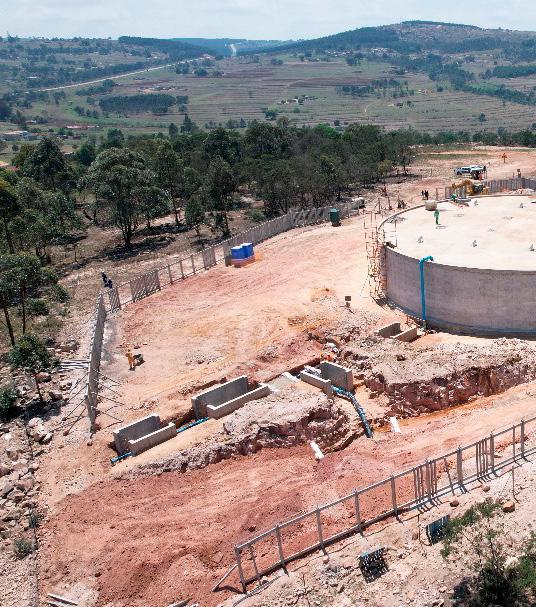
estimated 2,000 people and 5,600 people, respectively.
The project will provide several benefits nationally and within the target areas, such as:
• Improved quality of water services (for example, distance to water, pressure, and daily hours of service) for EWSC customers along the Nhlangano-Matsanjeni corridor.
• The improved reliability and quality of water supply will stimulate business and entrepreneurial activities, leading to increased commercial and residential water demand in the Shiselweni region.
• Improved operational and financial efficiency of the EWSC, through support aimed to reduce its energy use (energy audit and exploring the use of solar energy), which will benefit the EWSC and its customers.
• The interconnection of the Nhlangano and Lavumisa water supply systems will provide increased water security to the Shiselweni region.
• The institutional strengthening will contribute to increased overall water security and resilience, as it will provide a framework for early measures that can be taken on the onset of drought to mitigate its impact. This will directly benefit agriculture and water sectors and indirectly benefit the entire country.
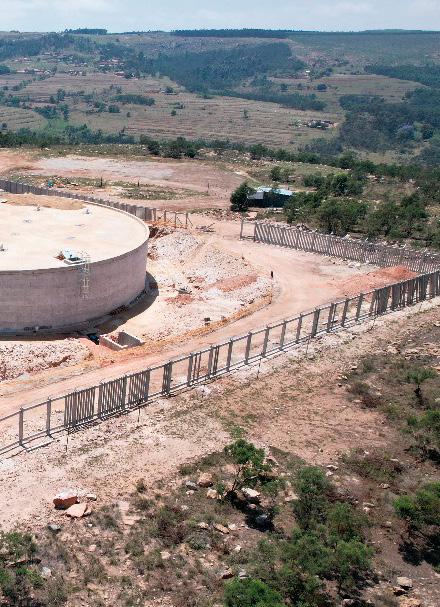
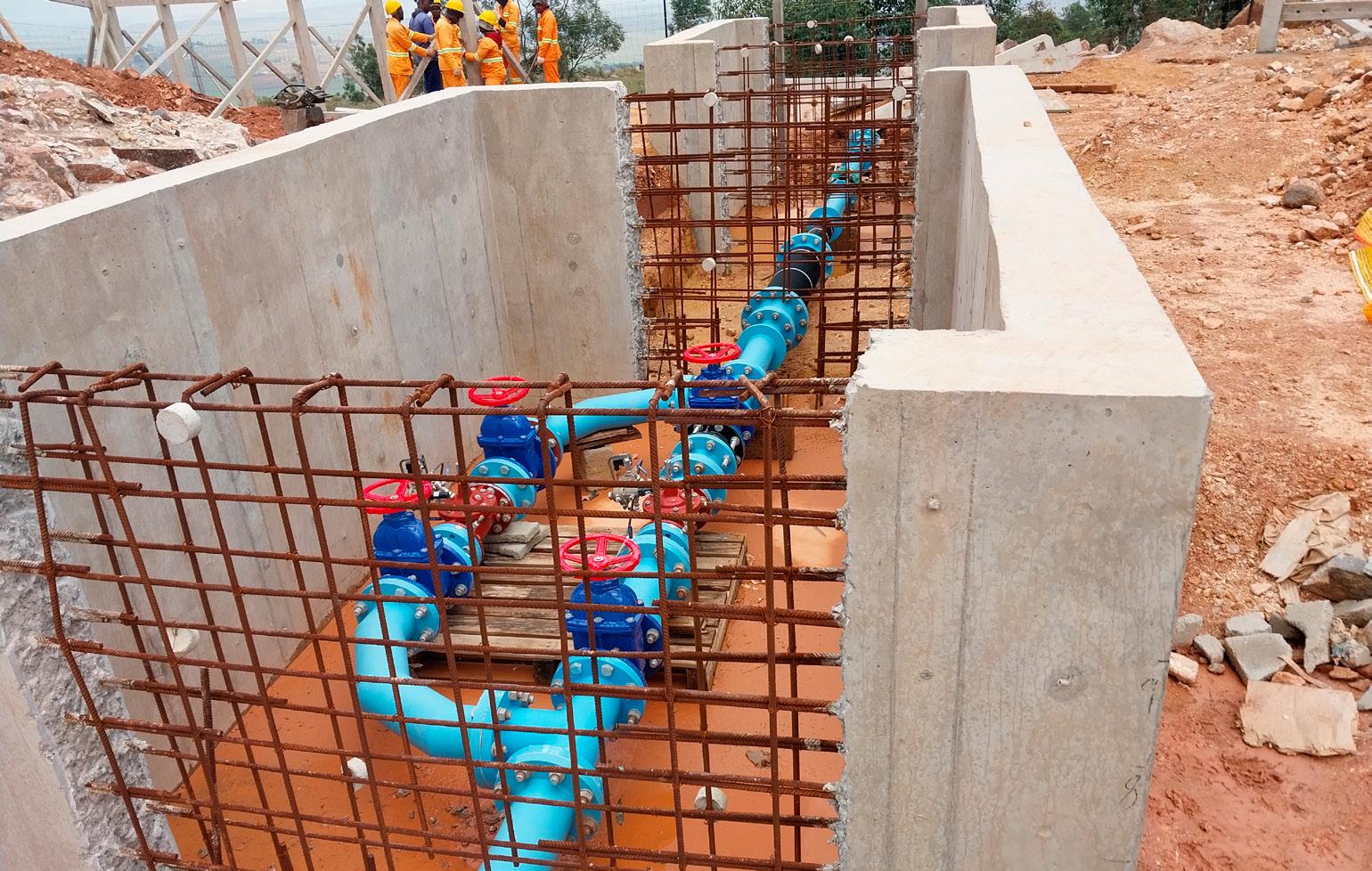
Mariswe (Pty) Ltd / ZMCK Consulting Engineers JV scope of work consists of the design of the following infrastructure:
• Three potable water storage reservoirs (2 x 4 Mℓ and 3.5 Mℓ circular concrete reservoirs);
• Pump-station with associated earthworks and 1 Mℓ storage sump;
• Chlorination works at the pumpstation site;
• Transmission pipeline with associated valve chambers – 64 km pipeline;
• Interconnecting pipes to households – 265 km;
• Water Kiosks at various locations.
The project scope was divided into three work packages, of which the first work package contains the storage infrastructure and pump station which is currently under construction.
The second package covers the bulk conveyance between the Nhlangano connection point and Lavumisa connection point. The bulk conveyance is designed to run bi-directionally to provide increased water security in the area should supply be limited
in Nhlangano and vice versa. This is currently at tender stage.
The final package involves the lateral pipelines required for local distribution and community distribution points ‘’water kiosks’’. This is currently in design phase.
The construction of the reservoirs, pump-station and chlorination commenced in May 2022 and the construction activity is currently still underway. The construction cost is R103 million being undertaken by an Eswatini based company, Inyatsi (Pty) Ltd.
The scheduled construction period is 18 months (May 2022 to December 2023), with progress to date at 89% complete, which at the current pace would result in the project being completed on time (December 2023).
Mariswe’s Design and Management Team consist of 6 members:
Louis Uys, PrEng, PMP, PrCPM, BEng: Civil Engineering(Divisional Head: Water and Sanitation)
Project Director. Responsible for the overall project management and review of designs of all packages.
Annalize Visser, BEng: Civil Engineering (Lead Engineer: Water and Sanitation)
Project Engineer, responsible for the design of Package 1 and 2, peer review of all design packages.
Kuda Mujaji, PrEng, BSc: Civil Engineering (Lead Engineer: Water Retaining Structures)
Project Engineer, responsible for the design of Package 1 Reservoirs and structural elements at the Pump-station and Chlorination Building.
Elbert Eksteen, PrEng, BEng, who has since left Mariswe, Project Engineer, responsible for the design of Package 3.
Jerry Lekalakala, BTech: Civil Engineering (Technologist: Water and Sanitation)
Project Technologist, responsible for project administration and design assistance for all packages.
Johan Snyman, BEng: Civil Engineering (Resident Engineer : Package 1)
Resident Engineer responsible for the construction supervision and management for all packages.
The SAMRC was established in 1969 and is dedicated to improving the health of people in South Africa, through research, innovation, development, and technology transfer. The scope of research includes laboratory investigations, clinical research, and public health studies. We conduct research on South Africa’s quadruple burden of disease: maternal, newborn and child health, HIV/AIDS and TB, non-communicable diseases, and interpersonal violence. Our work is to acquire evidencebased information to inform health policy and practice and improve the quality and health status of people in South Africa. We are the largest local funder of health research, medical diagnostics, medical devices, and therapeutics. We are pioneers in cutting edge medical innovations focusing on genomic research, the development of novel treatment regimens, vaccine development, diagnostic tools, and developing new drugs and devices. Transformation remains an integral part of building sustainable health research capacity in South Africa. Through Self-Initiated Research (SIR) grants, the MidCareer Scientist programme, the Bongani Mayosi National Health Scholars Programme, and other programmes and platforms, the SAMRC will continue to address gender, racial, institutional, and geographic parity, and strengthen our capacity to flourish in the 21 st century. As a custodian of health research, the SAMRC is building a healthy nation through research and innovation.
23 students trained in sampling of viral RNA fragments
75% Black African trainees
50% female trainees
R50 million programme worth over 4 years
The objective of the mRNA technology transfer hub is to build capacity in low- and middle-income countries to produce mRNA vaccines through a centre of excellence and training. The mRNA Hub will share technology and technical know-how with local and global producers. The mRNA Hub and its partners creates a global common good for the benefit of all by providing a range of services along the entire vaccine value chain. The mRNA Hub is located at Afrigen, Cape Town, South Africa, and works with a network of technology recipients in low- and middleincome countries. The initiative is supported by the WHO, the Medicines Patent Pool and the Act-Accelerator/ COVAX. The South African mRNA hub comprises Afrigen Biologics, the SAMRC and Biovac, a South African vaccine producer. Within this consortium, Afrigen will establish the mRNA vaccine production technology, SAMRC is providing the research and Biovac is the first manufacturing spoke. The Hub essentially has the following key objectives:
mRNA technology transfer to South Africa and establishment of capacity to produce clinical batches of mRNA candidate vaccines for clinical trials
Manufacturing readiness at Biovac for commercial production, Tech Transfer to international partners and training
Establishment and advancement of a vaccine development pipeline through local innovation and expertise.
The South African Medical Research Council’s Wastewater Surveillance and Research Programme (SAMRC WSARP) has been tracking SARS-CoV-2 viral RNA in wastewater across 80+ wastewater treatment plants in the Western
Cape, Eastern Cape, Limpopo, Gauteng, Free State and KwaZulu-Natal provinces of South Africa. To date, the trends of SARS-CoV-2 in wastewater have been used as an indicator of COVID-19 presence in communities and contribute to the management of COVID-19. Capacity development is one of the key outcomes of this programme, with partnerships established with underresourced institutions. A total of 23 students were trained in sampling and scarce skills such as the quantification of viral RNA fragments. The WSARP strives to promote transformation with 75% of trainees being Black African and 50% being female. This programme also enabled the funding of multiple honours, masters and doctoral students registered at partner universities. In addition to laboratory skills obtained, another part of the programme’s research output objectives is research translation through publications and stakeholder engagement.
A Framework agreement was signed on 3 February 2020 for a 4-year programme with GSK and Novartis, managed by the SAMRC. The primary focus of Project Africa GRADIENT will be to evaluate genetic diversity as the contributing factor to the way patients on the African continent respond to drugs used to treat malaria and tuberculosis. SAMRC is managing the programme on behalf of the funders for a service fee. The SAMRC launched an Africawide request for applications in African Pharmacogenetic Diversity on 18 January 2021. The programme, which is worth approximately R50M over 4 years, completed the preand full-proposal phases in 2021/22 and awards will be finalised in the next financial year.
The SAMRC continues to reiterate its vital contribution to improving the health status and quality of life of women in South Africa by conducting high quality scientific research and leading dialogue on violence against women and how we can more effectively fight against the scourge of GBV. Female sex workers are exposed to extremely high levels of violence: A study, in which we partnered with the Perinatal HIV Research Unit (PHRU), showed that female sex workers (FSWs) are exposed to extremely high levels of violence – the previous almost three quarters (71%) had been exposed to physical violence and more than half (58%) had been raped by clients, men they encountered in the community, as well as from their intimate partners. “However, a particularly concerning finding was that one in seven women had been raped by a policeman,” highlights the study. SAMRC research of nearly two decades reveals that intimate partner femicide is declining in South Africa. Another recent study by the SAMRC suggests that there is a decline in intimate partner femicide rate while nonintimate partner femicide has remained unchanged since 2009 in South Africa – however, the country remains ranked among those with the highest rates of femicide in the world. Despite the enormous problem of femicide in our country, these findings were described as evidence of change and an indication that the country is starting to reap the benefits of many years of activism from women and community-based organisations and from Government’s policy and practice.


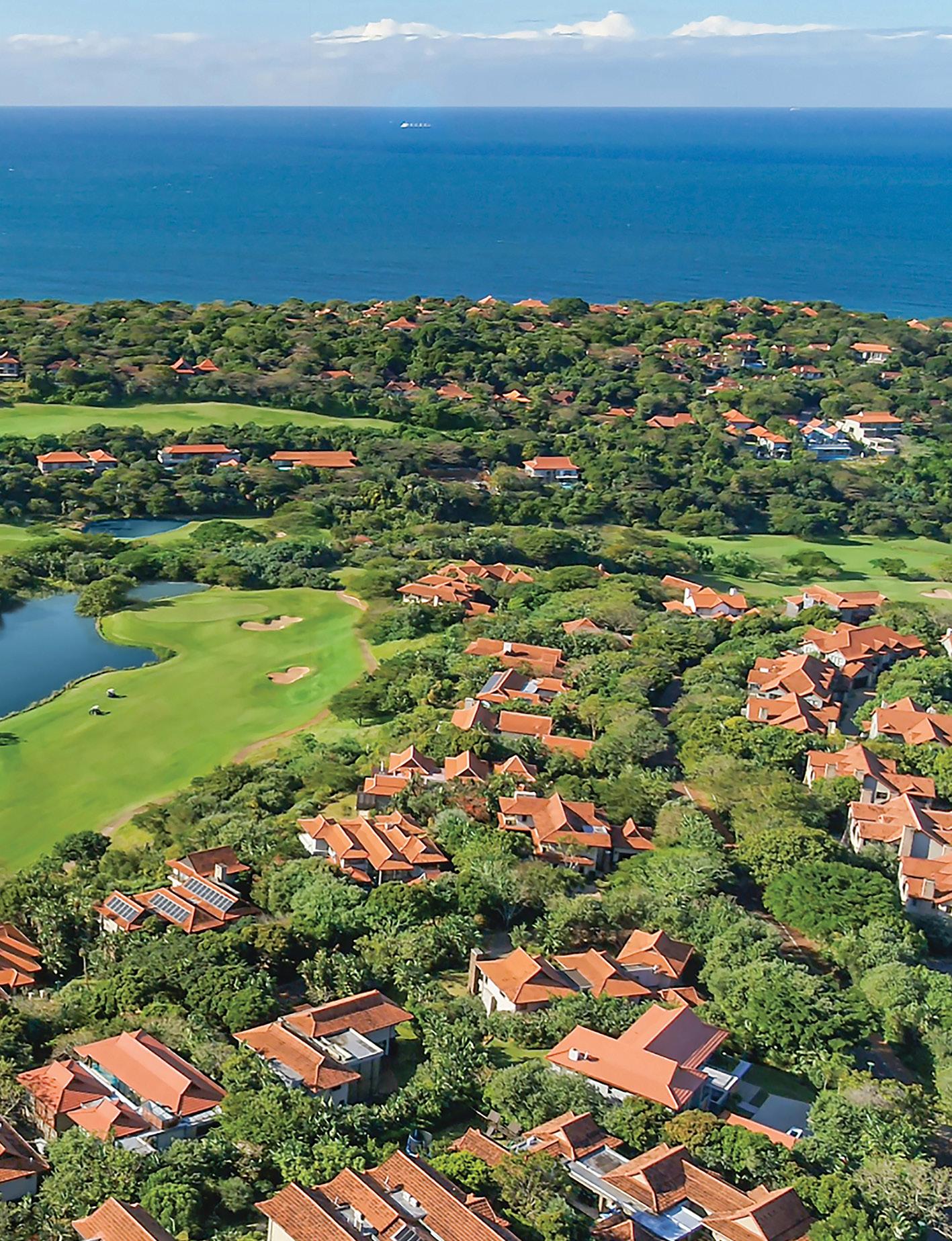
In the intricate fabric of communal living, disagreements and confrontations are unavoidable.
Community living comes with its unique set of challenges, often requiring effective dispute resolution mechanisms and governance structures. To address these challenges, the Community Schemes Ombud Service (CSOS) emerges as a crucial player, dedicated to establishing a cost-effective alternative dispute resolution and oversight service within community schemes.
A community scheme is defined as any scheme or arrangement where there is shared use of and responsibility for parts of land and buildings, including but not limited to:
a. Sectional titles development schemes;
b. Share block companies;
c. Home or property owners' associations (inclusive of non-profit companies and common law associations);
d. Housing schemes for retired persons;
e. Housing co-operatives.
Established in terms of the Community Scheme Ombud Service Act, 2011 [Act 9 of 2011] to regulate the conduct of parties within community schemes and to ensure their good governance, the CSOS came into operation on the 7th of October 2016. The CSOS plays a multifaceted role in promoting good governance, fostering harmonious relations, conducting educational
campaigns, enhancing community schemes' tenure, and implementing organisational measures to transform the sector.
In terms of the CSOS Act, read with Regulation 18(2)(a)(v) of the CSOS Regulations, all community schemes must be registered with the CSOS within 30 days after the incorporation of the community scheme. CSOS Connect, our self-service digital platform, was launched in November 2022. The system allows stakeholders to easily register their schemes online. Other services available on CSOS Connect include the following:
User Registration. The following users can register:
• Attorney
• Auto Registered
• Board of Directors
• Developer
• Executive Management Agent
• Managing Agent
• Managing Association of Retired Persons
• Occupier
• Owner
• Sectional Title Trustee
• Self Managed
Users are able to do the following on the system:
• Registration of a Scheme
• Link/Delink an Existing Scheme
• Amendment of a Scheme
• Amendment Particulars of a Scheme
• Documents Upload
• View/Download Registration Certificate
• Deactivation of a Scheme
• Search/View Scheme Details
For Revenue, the user is able to:
• Relay a Message to the Revenue Team
• View/Query Levy Invoice
• View Levy Payment Calculation
• Upload Levy Schedule
All users can Log a Query against any scheme on CSOS Connect to:
• View Query Status
• Submit Annual returns
At the heart of the CSOS's mission is the establishment of a world-class dispute resolution service characterized by organizational excellence. Community schemes, such as sectional title schemes, homeowners' associations, and residential estates often encounter disputes arising from various issues such as governance, property maintenance, and interpersonal conflicts. The CSOS serves as a neutral mediator, offering a platform for parties to resolve disputes amicably.
The CSOS achieves this by employing experienced mediators and arbitrators, ensuring a fair and impartial process. By fostering an environment that encourages open communication and collaboration, the CSOS aims to not only resolve disputes but also build a foundation for sustainable community living.
To ensure the stability and harmonious relations among the parties involved, the CSOS is committed to promoting good governance within community schemes. Recognising the vital role of effective governance in preventing conflicts, the CSOS develops and implements guidelines tailored to enhance transparency, accountability, and fairness.
These guidelines cover a spectrum of governance aspects, including financial management, the quality assurance of scheme governance documentation, and the approval of scheme rules. By providing community schemes with a roadmap for responsible governance, the CSOS contributes to the longterm viability and success of these communities.
Acknowledging that knowledge is key to preventing conflicts, the CSOS undertakes extensive educational campaigns aimed at stakeholders within community schemes and the public at large. These campaigns serve a dual purpose: empowering community members with the information needed to navigate the complexities of
communal living and raising awareness about the CSOS's services.
Through workshops, seminars, and informative materials, the CSOS educates residents, trustees, and property managers on their rights, responsibilities, and the mechanisms available for conflict resolution. This proactive approach not only prevents disputes but also ensures that when conflicts arise, they can be addressed more efficiently and constructively.
The CSOS recognises the importance of community schemes as a viable alternative tenure option. By fostering an environment of stability, good governance, and effective dispute resolution, the CSOS aims to enhance the attractiveness of community living. This not only benefits existing residents but also encourages potential homeowners to consider community schemes as a desirable and sustainable housing option.
Through collaboration with industry stakeholders, the CSOS works to dispel misconceptions and highlight the advantages of community living. This includes emphasizing the sense of community, shared amenities, and the potential for cost-effective management that community schemes can offer.
Transformation in the property industry is pivotal to driving economic growth and fostering social stability. A thriving property sector has a cascading effect on various other industries, creating jobs, stimulating construction and infrastructure development, and
boosting overall economic productivity. By addressing historical imbalances and promoting a more inclusive property market, South Africa can harness the full economic potential of its real estate sector.
The CSOS as an entity of Government has a responsibility to transform the industry within which it operates. Accordingly, the appointment of Executive Managing Agents (EMA) from previously disadvantaged groups is one of many ways that the CSOS seeks to achieve the transformation of community schemes in South Africa.
The criteria used to appoint an EMA is the following:
• be registered as a Managing Agent at the Estate Agents Affairs Board,
• have the relevant NQF5 qualification, alternatively an exemption from the PPRA,
• have a valid Fidelity Fund Certificate,
• one must have professional Indemnity cover
• the ability to uphold the CSOS Code of Conduct for EMAs, and
• being a holder of a BBB-EE Level 1 and 2 Certificate.
The Community Schemes Ombud Service stands as a beacon of conflict resolution and good governance within the realm of community living. Through its dedication to establishing a worldclass dispute resolution service and promoting good governance, the CSOS contributes to the creation of thriving and harmonious communities. As the demand for alternative housing options continues to rise, the role of the CSOS becomes increasingly pivotal in shaping the landscape of community living for the better.
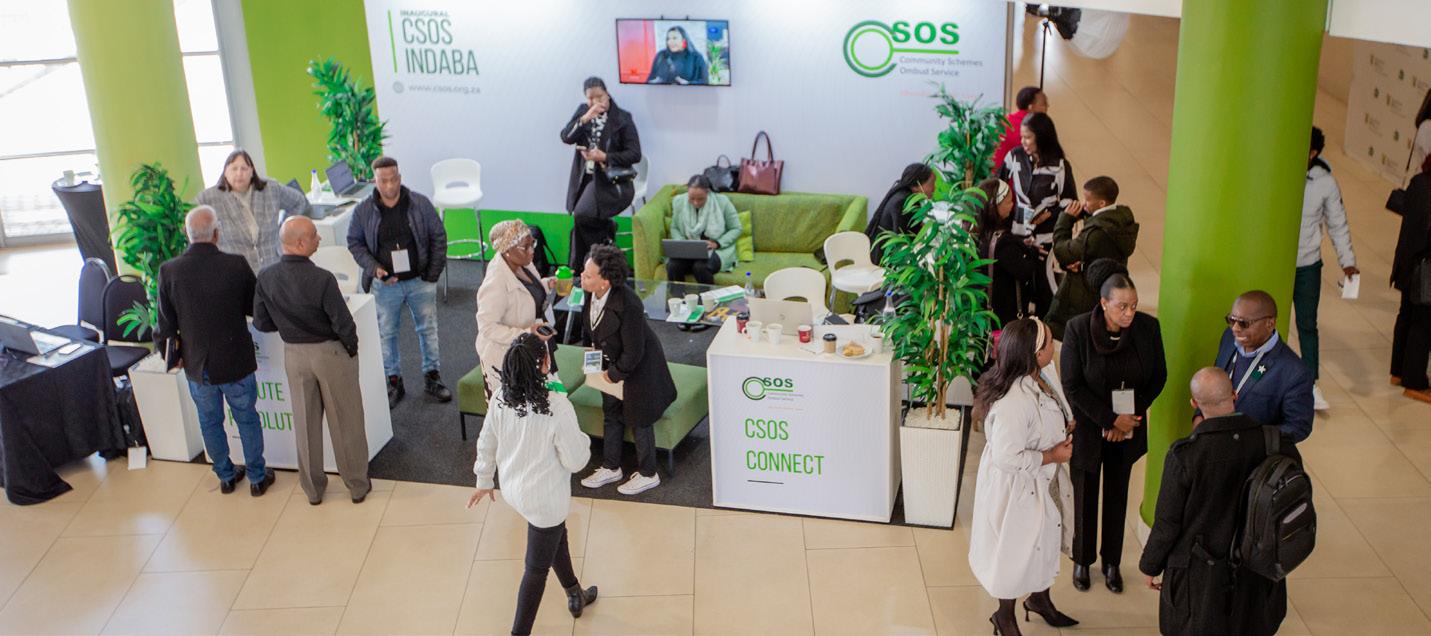







The Department of Agriculture, Rural Development, Land and Environmental Affairs (DARDLEA) has introduced the Smart Agriculture Boxes Project as part of its Climate Smart Agriculture Initiative, addressing pressing issues that require immediate intervention. The Project identifies key challenges such as food insecurity, poverty, unemployment, Climate Change impact on agriculture, and limited land and resources. These challenges significantly contribute to the socioeconomic difficulties faced by the province, necessitating innovative and sustainable solutions.
As an integral part of the Department's farmers support programmes, the Agriculture Smart Box Project has been introduced to alleviate poverty and unemployment in rural communities within Mpumalanga. This initiative aims to empower local farmers with tools and practices that enhance agricultural productivity while promoting sustainability. Through the Agriculture Smart Box Project, the Department seeks to bring about positive change, fostering economic resilience and development in rural areas.
The Smart Agriculture Box Project represents a ground-breaking solution for sustainable and resilient farming in Mpumalanga. Its water-efficient design, boasting a 28-liter reservoir with a selfwatering capability for 2-3 weeks, not only addresses the critical issue of water scarcity exacerbated by Climate Change, but also promotes efficient resource use. The dense planting system maximizes crop yields by optimizing space and suppressing weed growth, contributing to enhanced food security and increased income for participating households and farmers. The box’s mobility ensures adaptability to changing environmental conditions, providing flexibility for farmers to protect their crops or relocate them as needed.
Constructed from recycled plastic treated with a UV stabilizer, the Smart Agriculture Box exemplifies sustainable resource management, promoting longevity and minimizing environmental impact. Its versatility in accommodating various crops empowers farmers to diversify their produce, exploring different
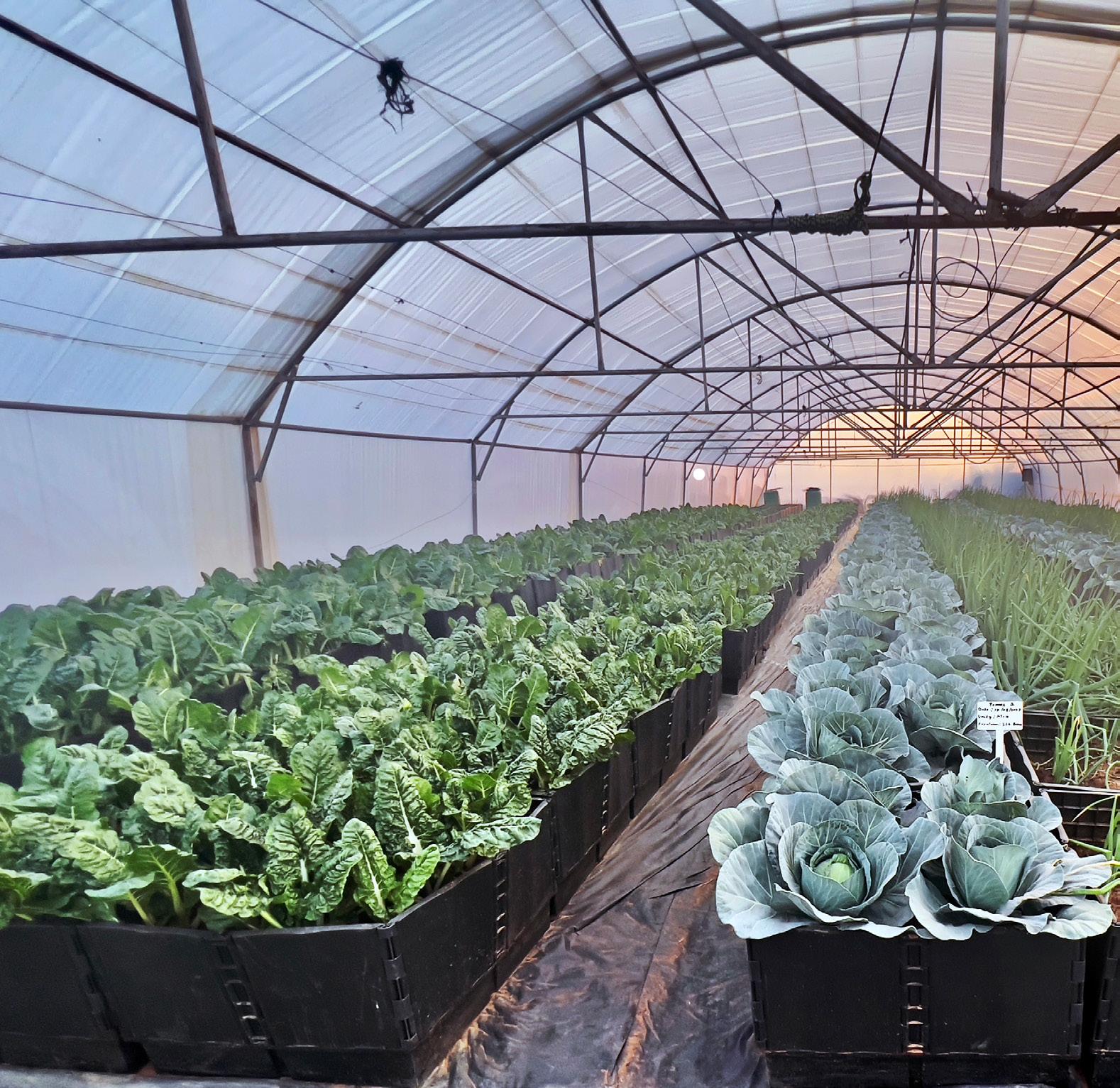
market opportunities. Moreover, the educational aspect, facilitated by the Smart Agriculture Box App, serves as a catalyst for knowledge dissemination and empowerment, enabling individuals and communities to embrace climatesmart agriculture practices and achieve self-sufficiency in food production.
In the development of an organic growing medium, the Department
collaborated with Expanded Public Works Programme (EPWP) participants at an Environmental Centre in Amsterdam in the Mkhondo Local Municipality. This medium, serving as a foundation for plant growth, ensured organic and sustainable farming practices. After the contract's expiration of the EPWP participants, the Department provided an opportunity for the EPWP participants to establish a cooperative. This cooperative now
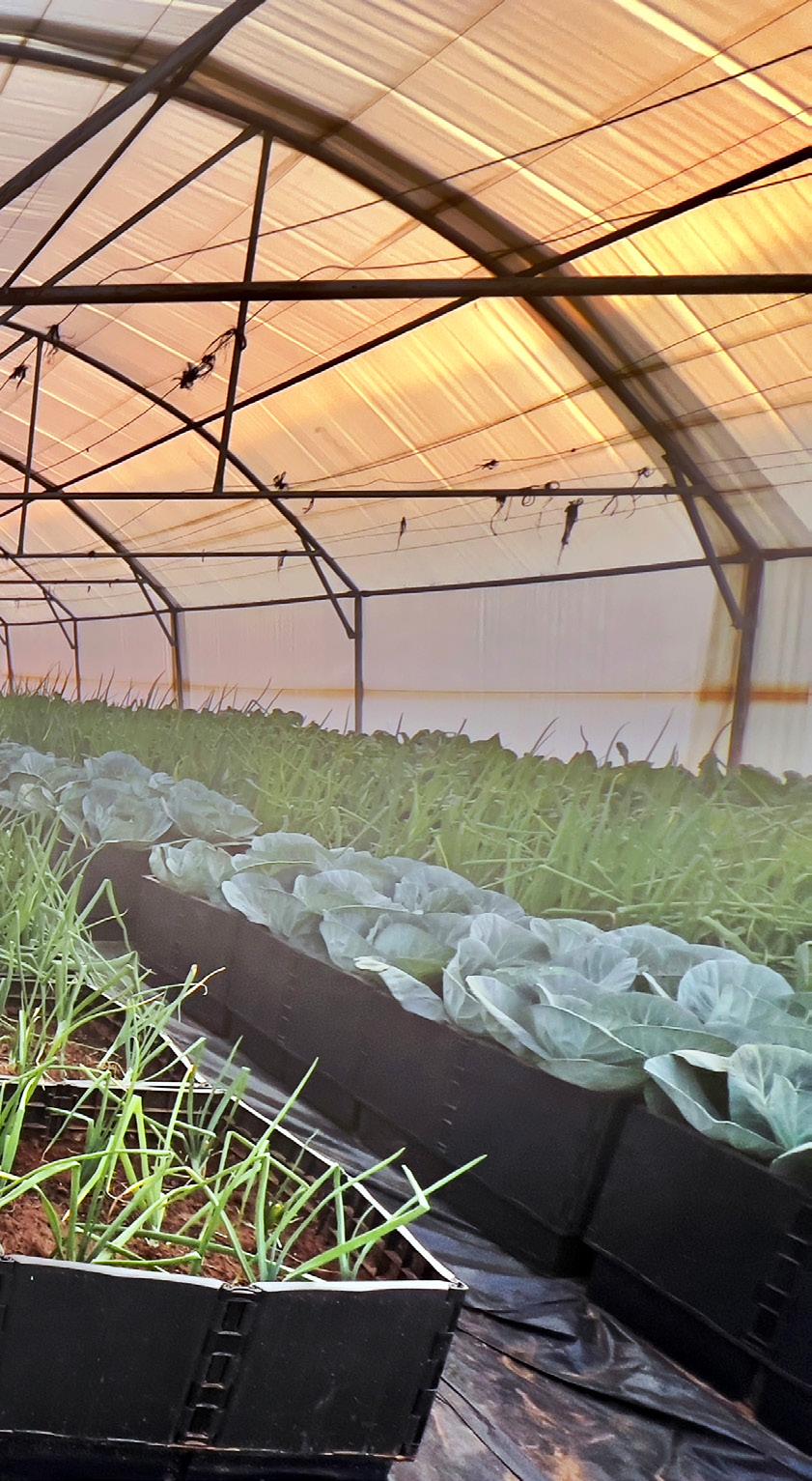
sells the organic medium to farmers, individuals, and the Department, not only empowering the community but also resulting in the employment of several individuals in a small town like Amsterdam, exemplifying the positive impact of this sustainable farming initiative.
Internationally, the project has received acclaim, securing the first runner-up position at the 9th African Continental Public Service Day and earning an invitation to the Asia Smart Farming & Food Security 2023 Exhibition & Conference in Malaysia.
Agricultural advisors across the province underwent specialized training to acquire essential skills related to the Smart Agriculture Boxes and the Organic Growing Medium Compost. This training was a crucial component in the lead-up to the launch and implementation of the Smart Agriculture Boxes, ensuring that advisors are proficient in imparting crucial insights on the proper utilization of the boxes to the beneficiaries.
The Smart Agriculture Box Project has significantly impacted communities, schools, farmers, churches and vulnerable households across the province, now extending its positive influence to Traditional Leaders as well. Noteworthy beneficiaries, including Marapyane Bakgatla Primary Coop, Siphumelele Secondary School, Kwaggafontein Fortune 40 Project, Mahandzeni Preschool, Sikhulangolwazi Drop-in Centre, Presbyterian Church in Matsulu A, and Assemblies of God in Elukwatini, have witnessed transformative outcomes.
Improved crop yields, enhanced food security, increased access to fresh produce, and valuable skills in sustainable agriculture highlight the positive influence of the Project. Churches, such as the Presbyterian Church and Assemblies of God, have become vital community hubs, addressing food insecurity and fostering resilience through the implementation of sustainable agricultural practices. The Smart Agriculture Box Project has not only achieved its goals but has also become a catalyst for positive change and empowerment in Mpumalanga.
The Smart Agriculture Box Project in Mpumalanga represents a pioneering and holistic approach to address challenges in farming sustainability, water efficiency, and climate resilience.
DARDLEA MEC Busisiwe Shiba, during the tabling of the 2023/24 Policy and Budget Vote, emphasized DARDLEA's commitment to providing support to land reform beneficiaries and vulnerable households, including mechanization, Smart Agriculture Boxes, pest-resistant inputs, extension services, and agroprocessing infrastructure, including public markets such as the Government Nutrition Programme.
On Mandela Day, 300 Smart Boxes were donated to Siphumelele Secondary School, accompanied by Seeds, Organic Growing Medium Compost and an Irrigation System. This substantial contribution has enabled the school to cultivate a diverse array of vegetables, including spinach, beetroot, and onions. With plans to expand the garden and sell the produce, the initiative aims to raise funds for the school. Notably, the greenhouse garden Project not only provided agricultural benefits but also created employment opportunities for local residents involved in its construction. On Monday, October 30, 2023, Minister Thoko Didiza and MEC Busisiwe Shiba visited the school to assess the impact of the Smart Box farming system.
Among the observed benefits is the enhancement of agriculture learning for students, enabling those studying agriculture to gain theoretical and practical knowledge. The school has experienced multiple successful harvests, establishing a market partnership with Spar. A portion of the harvested produce is contributing to the school's nutrition programme, highlighting the dual benefits of the Smart Box initiative: sustainable agriculture and direct support to the school community.
The Smart Agriculture Box Project in Mpumalanga represents a pioneering and holistic approach to address challenges in farming sustainability, water efficiency, and climate resilience. Its innovative features, from waterefficient design to versatile crop compatibility, showcase a commitment to fostering positive environmental and socioeconomic impacts. The project's recognition on the international stage reflects its transformative potential. As it continues to empower farmers, households, and communities, the Smart Agriculture Box stands as a beacon for sustainable agriculture, knowledge dissemination, and inclusive development. It is more than just a project; it serves as a gateway to a future marked by resilience and success in farming.


The National Fund for Municipal Workers (NFMW) has grown to be THE LARGEST FUND WITHIN LOCAL GOVERNMENT with a membership base of more than 56 000(employees and councillors) throughout South Africa and R27-billion in assets under management.
OUR MEMBERS ARE AT THE CENTRE OF WHAT WE DO, our decisions, our behaviours and the strategies that we employ in the management of the Fund. We pride ourselves in providing EXCELLENT SERVICE and the ADMINISTRATION COSTS ARE ONE OF THE LOWEST IN THE INDUSTRY, which translates to less of our members’ contributions going towards costs and more towards retirement savings.
Our EXCELLENT LONG-TERM INVESTMENT PERFORMANCE TRACK RECORD puts us on par with the best global balanced managed portfolios in South Africa and ahead of our peers in Local Government.
THE FUND HAS WON NUMEROUS INSTITUTE OF RETIREMENT FUNDS AFRICA BEST PRACTICES INDUSTRY AWARDS.
These awards are a testament to the Fund’s compliance with all regulatory and other statutory requirements and above all, recognition for setting the benchmark of excellence in Local Government.
The NFMW offers holistic personal financial planning, advice and retirement counselling, which include retirement planning, investment planning, estate planning and tax planning for all members. Our psychological and health wellness programme offered to our members and their immediate family members allows them access to a free and confidential health resource which provides counselling and support services in their personal life and at work. Living our vision of positively impacting the lives of our members, their families and their communities, today and tomorrow.

“Given our commitment to good governance, impactful investing with financially sound investment returns, care for our members and responsible leadership, value to our members is guaranteed”.
Leslie Ndawana, Chief and Principal Executive Officer of the National
Fund for Municipal Workers



Navigating challenges, embracing opportunities: showing resilience and adaptability
Boldly leads the charge on climate change through the Just Transition
Advances feasibility study for renewable energy projects
BUFFALO CITY METRO
Empowers foreign national shop owners
MOGALE CITY
Conventional water meter conversion project rolls out



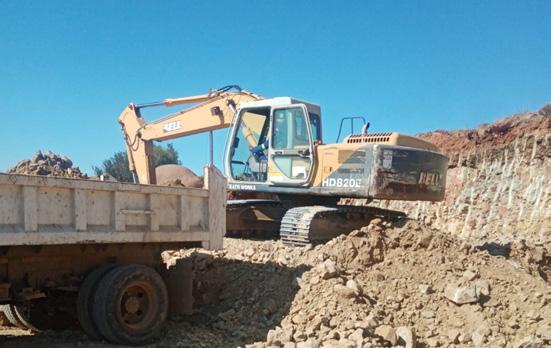

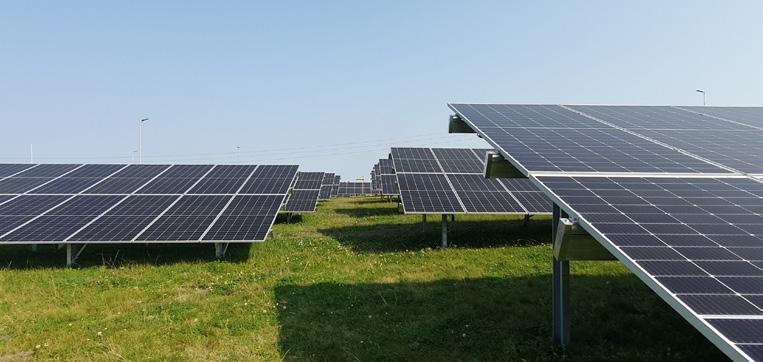
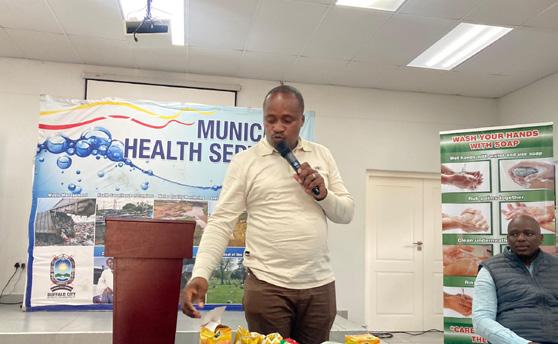


The City of Matlosana Municipality is situated approximately 164 km South West of Johannesburg, strategically located on the N12 Treasure Route, which is the North West Province’s primary tourism corridor.
The scenic N12 starts from Mpumalanga and is the gateway to the Western Cape Province. The route takes you from eMalahleni, to the vibrant Gauteng Province and the Sterkfontein Cradle of Humankind World Heritage Site, and continues to Potchefstroom, Klerksdorp, Kimberley, Beaufort West, up until George.
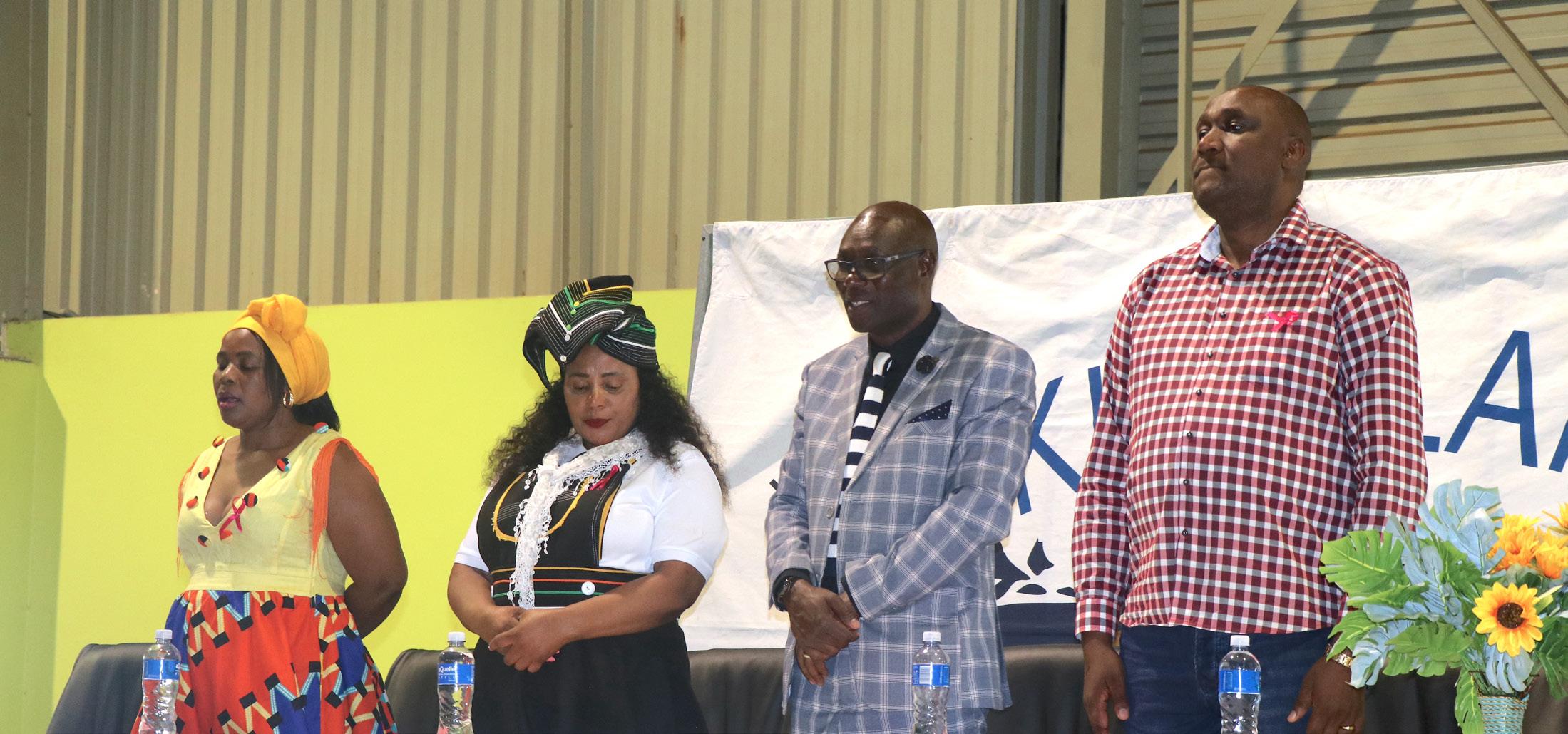
This is a story of resilience. This is a story of consistency and success. This is a story we are proud to tell.
It is the Transformation of the N12 Treasure Route that has unlocked regional opportunities and resulted in massive activity and mobility along the Matlosana portion of the corridor. It has a multi-dimensional character that has created employment, enhanced commuter movement, enhanced investment opportunities, increased economic activity, etc.
The previous council term laid a solid foundation to build upon. The council hit the ground running in 2021 to continue the positive momentum that was left by their predecessors. They have not stopped since then despite the challenges that are brought about through coalition governing.
Create unforgettable memories at our quality business and leisure accommodation venues which include conferencing, wedding and spa facilities. The City has a wealth of attractions for visitors:
• Adventure tourism
• Wildlife tourism
• Medical tourism
• Wellness tourism
The past few years saw the initiation of key infrastructure projects, among them the construction of various rural access roads, housing projects, electrification projects, market stalls, and a light industrial hub project that contributes towards improving the lives of our citizens.
Apart from our infrastructure development focus, our municipality is people-centric. A key priority for us is to develop as well as enhance and maintain relationships with our communities and our key stakeholders.
Create unforgettable memories at our quality business and leisure accommodation venues which include conferencing, wedding and spa facilities.
As a municipality, our main priority is service delivery that improves the lives of the people in our communities.
As a municipality, our main priority is service delivery that improves the lives of the people in our communities. The municipality has made many strides in addressing service delivery backlogs and infrastructure development; this includes, among others, the Community Service
To us health care is of paramount importance as a healthy city is productive and constitutes prosperity. We boast well-developed medical facilities, which enhances and promotes the competitive advantage of Matlosana as a major Medical Hub in the North West Province. Services include: general and private medical fascilities, casualty/trauma and dental services. Most clinics focus on primary health care services.
The city prides itself on having five private hospitals, two government hospitals, including the largest state hospital in the North West Province and 15 clinics including mobile clinics. It also boasts the only fully contained oncology unit in the North West Province, which offers a comprehensive service at four pathological laboratories and has the latest MRI scanner at the radiology unit.
Centre, which aims to bring government services closer to our citizens. Previously, citizens had to travel to neighbouring towns for basic government services and information.
We understand that foundation phase education is integral to transforming our society and as a result, we have constructed many early childhood development centres and community halls. We have several housing projects across various wards in our municipality and have successfully rehabilitated our two main towns: Bergville and Winterton.
N12 Development Route was identified by the municipality as a flagship project for golden opportunities in the following sectors: housing, business, industrial, heritage, mining, tourism, sport as well as recreation.
Being a rural municipality, we realise that our communities are in dire need of proper access roads. We have committed ourselves to improving access roads within all wards through a comprehensive approach over the next

few financial years. The 10 Days Per Ward Programme aims to improve the condition of access roads within all our wards.
One of our core projects currently is the construction of the light industrial hub. The overall aim is to develop and transform the informal sector into a sustainable economic practice and to improve the CBD by providing a safe space for informal traders to trade from.
Agriculture is one of the mainstays of Matlosana, which proudly boasts a region rich with agricultural potential. The emphasis is focused on field crops, such as maize, wheat, sorghum, sunflowers, etc... (climatically suitable with a 70% probability of production success).
We are a municipality that has developed a culture that embodies a commitment to the implementation of a clean administration driven by good governance.

municipality initiated the Insangu (cannabis) yaOkhahlamba Project. The primary purpose of this pilot project is to establish the Okhahlamba area as the centre of Insangu cultivation, processing and manufacture in South Africa in a manner that provides medicine security and facilitates socioeconomic development locally.
In 2013, the municipality identified several challenges facing the informal sector. At the time, the municipality proposed a concept of housing the light industrial sector under one common structure.
The importance of forging and maintaining public-private partnerships cannot be overstated and the municipality is committed to building and strengthening these relationships. These partnerships foster synergy between different sectors, amplifying our collective capacity to bring about positive change.
In 2021, the municipality partnered with private fundraisers and successfully sourced investments from the Department of Small Business Development and KZN - COGTA.
Aside from attracting investment, the N12 Treasure Route connects communities to the economic hub of Matlosana City. The improved road infrastructure changes the lives of the City’s citizens making it easier to access employment opportunities and other services.
An amount of R10.8 million was successfully sourced from the National Department of Small Business Development under SEIF funding program for Phase 1 and a further R10.9 million was sourced from the KwaZulu-Natal Department of Cooperative Governance under Small Town Rehabilitation Program.
Shoppers can also be spoiled for choice between Matlosana Mall, City Mall, Flamwood Walk Shopping Mall, Tower Mall and other leading shopping centres in Matlosana.
Construction is expected to be completed in late 2023. Through this project the municipality hopes to transform the town of Bergville by stimulating economic growth and creating more jobs.
The municipality leads a number of programmes and campaigns aimed at improving the socio- economic conditions and the lives of the local community. These are often done in partnership with government departments and through publicprivate partnerships.
The Youth Office, the Operation Sukuma Sakhe Office and the Local Economic Development (LED) Office have hosted a number of trainings and dialogues. These include youth summits, workshops on job readiness, women empowerment initiatives, crafter workshops, and small business owner trainings.
Through our LED Office, the
Agriculture is one of the mainstays of Matlosana, which proudly boasts a region rich with agricultural potential.
Overall, the project is expected to create approximately 150 jobs at the peak of the project. It’s a multi-party stakeholder project that includes the municipality, the three traditional authorities in the municipality, the Department of Agriculture, Druids Garden, African Cultural Heritage Trust, and other provincial entities.
The project is a community-based project driven by the municipality and Hectare Capital & Partners, who are responsible for the project management, implementation and fundraising of the project.
NATIONAL FRESH PRODUCE MARKET
The Phezukomkhono Ward-Based Agricultural Development Programme is another initiative of our LED Office.
The Market is the property of the City of Matlosana and was established in 1980 and it is ranked 8th out of 17 Fresh Markets in the
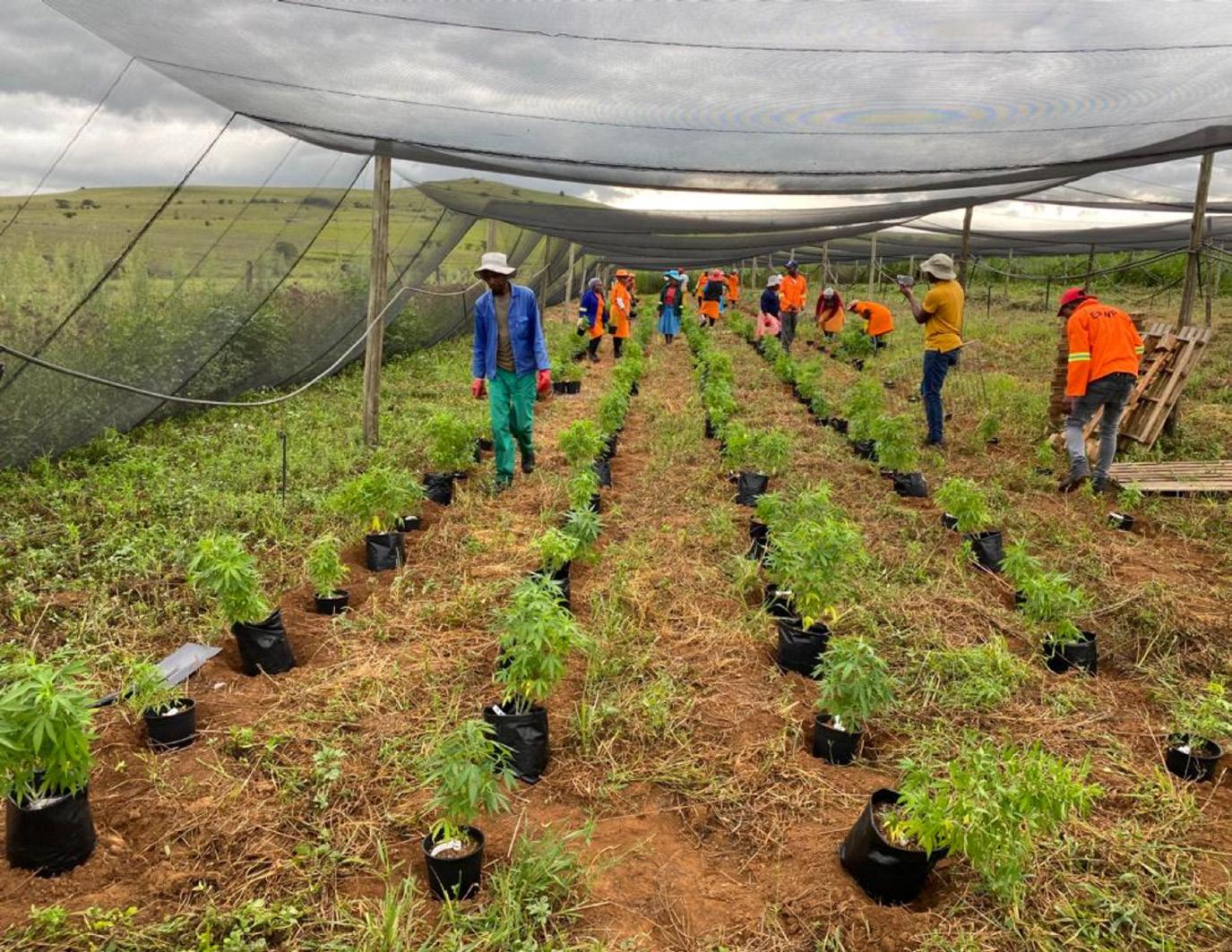
supplies customers as far as Botswana,
The focus of this project is on cultivating maize crops for sustainable livelihoods in all municipal wards. The initiative is implemented in partnership with the local Department of Agriculture who assist in providing seedlings to the cooperatives.
The City of Matlosana Municipality is situated approximately 164 km South West of Johannesburg, strategically located on the N12 Treasure Route, which is the North West Province’s primary tourism corridor.
The scenic N12 starts from Mpumalanga and is the gateway to the Western Cape Province. The route takes you from eMalahleni, to the vibrant Gauteng Province and the Sterkfontein Cradle of Humankind World Heritage Site, and continues to Potchefstroom, Klerksdorp, Kimberley, Beaufort West, up until George.
The LED Office also promotes tourism in the municipality and have successfully hosted a number of media house tours, attended local trade shows and exhibitions; and also provides support to the local tourism sector. The municipality has forged strong partnerships with the media, the tourism CTO, the KZN Department of Economic Development, Tourism and Environmental Affairs, and the National Department of Tourism. Through a joint initiative with the National Department of Tourism, service excellence was workshopped to tourism establishments, local businesses and stakeholders over a six-month period earlier this year.
It is the Transformation of the N12 Treasure Route that has unlocked regional opportunities and resulted in massive activity and mobility along the Matlosana portion of the corridor. It has a multi-dimensional character that has created employment, enhanced commuter movement, enhanced investment opportunities, increased economic activity, etc.
WHY VISIT THE CITY OF MATLOSANA?
In partnership with multiple stakeholders, the municipality has successfully hosted several editions of the Drakensberg Extravaganza experience. The extravaganza has become an annual event that attracts scores of people from various provinces across the country. This initiative provides mentorship to young artists in the music industry, a platform to showcase upcoming designers in the fashion industry, promotes a healthy lifestyle and instils a culture of athletics through the marathon, water sporting activities and cycling. The extravaganza also plays an important role in promoting talent and alleviating social ills affecting the community.
Create unforgettable memories at our quality business and leisure accommodation venues which include conferencing, wedding and spa facilities. The City has a wealth of attractions for visitors:
• Adventure tourism
• Wildlife tourism
• Medical tourism
in managing disasters within the municipality. Some of the services that the unit offers includes providing emergency medical services, search and rescue operations for lost hikers, assistance in incidences of drowning, and firefighting. The positive impact of the Fire and Emergency Services and Disaster Management Unit within the municipality is undeniable.
A key unit in the municipality is the Traffic Department. The Traffic Department contributes significantly to the municipality’s revenue. The turnaround time for booking a learners licence or driver’s licence test is less than a week. The community response to the services at the Traffic Department has been very positive to such an extent that the department attracts clients from neighbouring towns. We are proud of the success that the department has achieved and aim to grow our services to greater heights in the coming years.
The municipality plays an integral role in contributing towards skills development within Okhahlamba. This is done through a number of apprenticeships, learnerships and skills development programmes.
Create unforgettable memories at our quality business and leisure accommodation venues which include conferencing, wedding and spa facilities.
significantly reduced its dependency on external consultants, resulting in substantial cost savings. This approach not only safeguards the financial health of the municipality but also empowers its workforce by providing opportunities for skill development and career growth. As staff members take on new responsibilities and acquire specialised knowledge, the organisation benefits from their enhanced expertise, fostering a culture of self-sufficiency and innovation. The ripple effect of this transition is palpable, with a community of dedicated professionals driving the municipality towards a future of fiscal prudence and sustainable development.
In our quest for excellence in management and best practices, our organisation adheres to a structured and proactive approach to governance. We hold weekly management meetings (sometimes referred to as audit readiness meetings) that serve as a cornerstone for collaboration and decision-making. These sessions provide a platform for department heads to align strategies, share insights, and address operational challenges in real-time. Additionally,
The city prides itself on having five private hospitals, two government hospitals, including the largest
MATLOSANA AS A MEDICAL HUB
• Wellness tourism
The municipality is in a remote location and is very prone to disasters, particularly natural disasters such as heavy storms, veld fires and tornadoes. As a result, the Okhahlamba Fire and Emergency Services and Disaster Management Unit has become central
Our municipality encourages and nurtures a culture of pursuing education. Several employees have made use of the municipal bursary scheme to advance their education. They embark on these educational pursuits while continuing their selfless service as employees of the municipality and their commitment to ensuring the success of our organisation must be commended.
Within the municipality, a strategic shift towards building internal capacity has proven to be a game-changer. By focusing on developing and nurturing talent from within, the municipality has
To us health care is of paramount importance as a healthy city is productive and constitutes prosperity. We boast well-developed medical facilities, which enhances and promotes the competitive advantage of Matlosana as a major Medical Hub in the North West Province. Services include: general and private medical fascilities, casualty/trauma and dental services. Most clinics focus on primary health care services.
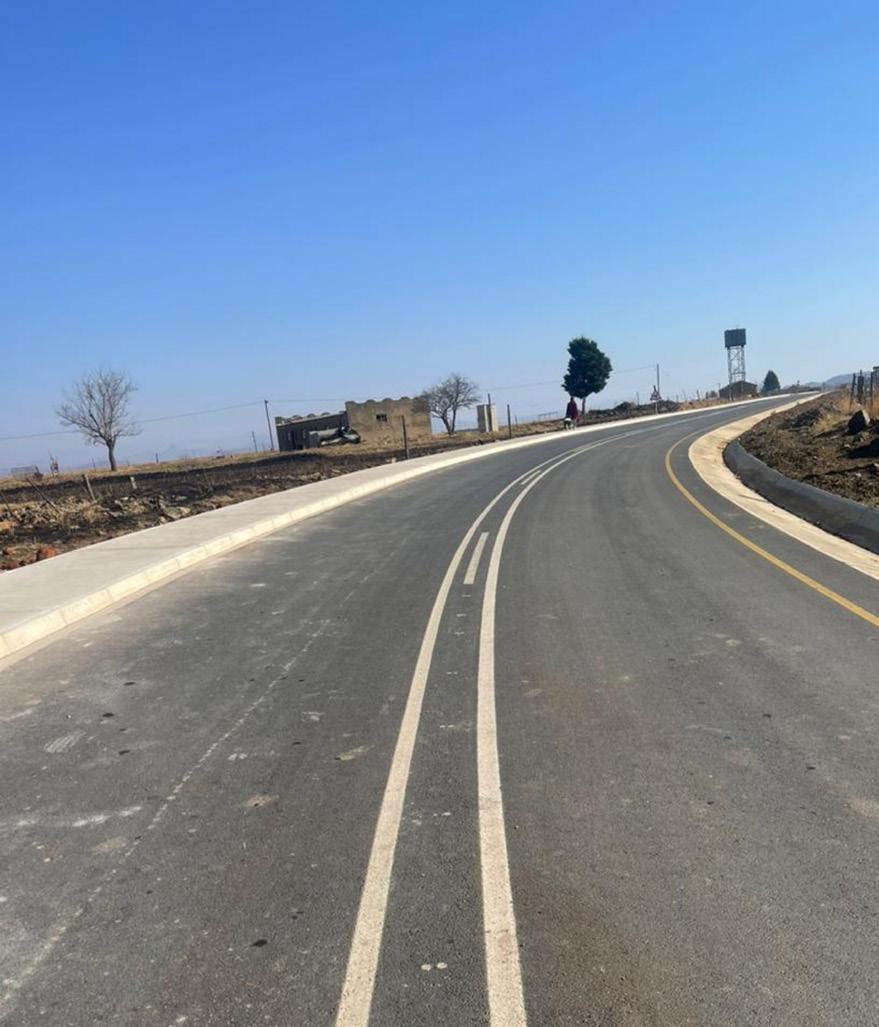
our troika meetings, conducted weekly as well, bring together top executives to assess our organization's strategic direction, ensuring that our objectives remain on course.
Agriculture is one of the mainstays of Matlosana, which proudly boasts a region rich with agricultural potential. The emphasis is focused on field crops, such as maize, wheat, sorghum, sunflowers, etc... (climatically suitable with a 70% probability of production success).
To maintain transparency and accountability, we conduct monthly portfolio committee meetings, where in-depth discussions on specific aspects of our projects and initiatives take place. Our executive team convenes for monthly exco meetings, where strategic decisions are reviewed, refined, and approved. Furthermore, our council meetings, held monthly, as well our regular public participation engagements, offer a comprehensive overview of organisational progress, fostering a shared sense of responsibility among all stakeholders.
The measures we put in place to improve governance have seen the municipality achieve eight consecutive clean audits from the AuditorGeneral of South Africa (AG).
drive innovation, and maintain a steadfast commitment to excellence in all facets of our organisation's operation.
functional and continues to ensure that all measures of compliance, particularly in procurement and Human Resources, are adhered to.
We are a municipality that has developed a culture that embodies a commitment to the implementation of a clean administration driven by good governance. This has proven to be a successful formula in achieving and maintaining favourable audit outcomes from the AG.

Every quarter, we prioritise risk management and audit committee meetings to comprehensively evaluate our risk landscape and ensure the highest standards of financial integrity. These structured and regular
Aside from attracting investment, the N12 Treasure Route connects communities to the economic hub of Matlosana City. The improved road infrastructure changes the lives of the City’s citizens making it easier to access employment opportunities and other services.
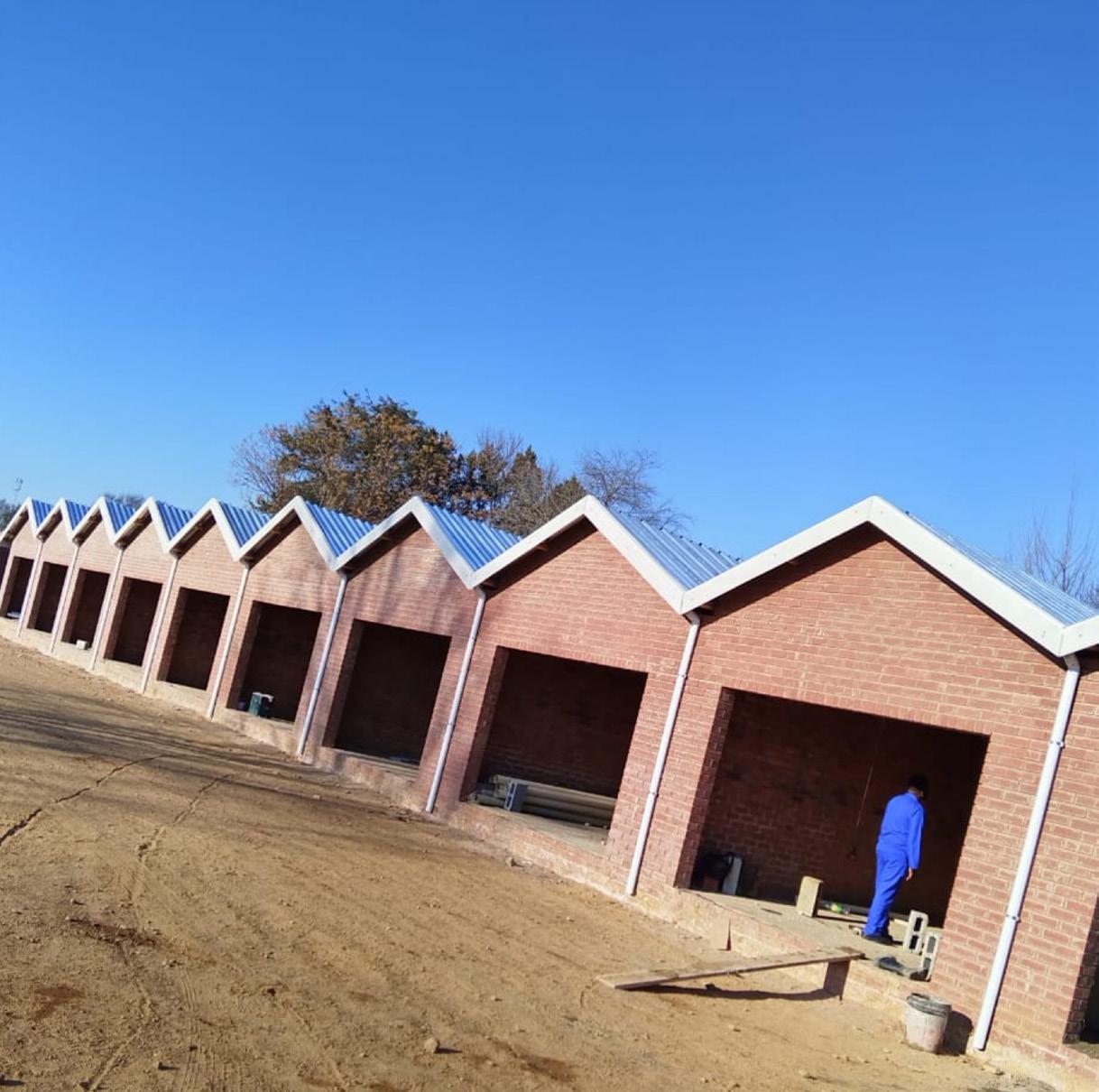
The measures we put in place to improve governance have seen the municipality achieve eight consecutive clean audits from the Auditor-General of South Africa (AGSA). A lot of work has been put in place to ensure that the entity continues to excel. Council has strengthened internal controls through the annual revision of existing policies and controls and implementing proper risk management through the Risk Management Unit, which is tasked to identify internal system gaps which pose a risk and therefore develop mitigating factors. The Internal Audit Unit is fully
Agriculture is one of the mainstays of Matlosana, which proudly boasts agricultural potential. The emphasis is focused on field crops, such as maize, wheat, sorghum,
The council and administration work in synergy towards transforming the lives of our people by implementing practices of good governance, integrity, honesty and transparency, as well as maintaining a financially viable organisation that delivers on its promises of quality service delivery to all the people who reside within Okhahlamba.
FRESH PRODUCE MARKET
We have come a long way from where we started; we are proud of what we have achieved and are mindful that we still have a long journey ahead of us.
The Market is the property of the City of Matlosana and was established in 1980 and it is ranked 8th out of 17 Fresh Markets in the country according to turnover.
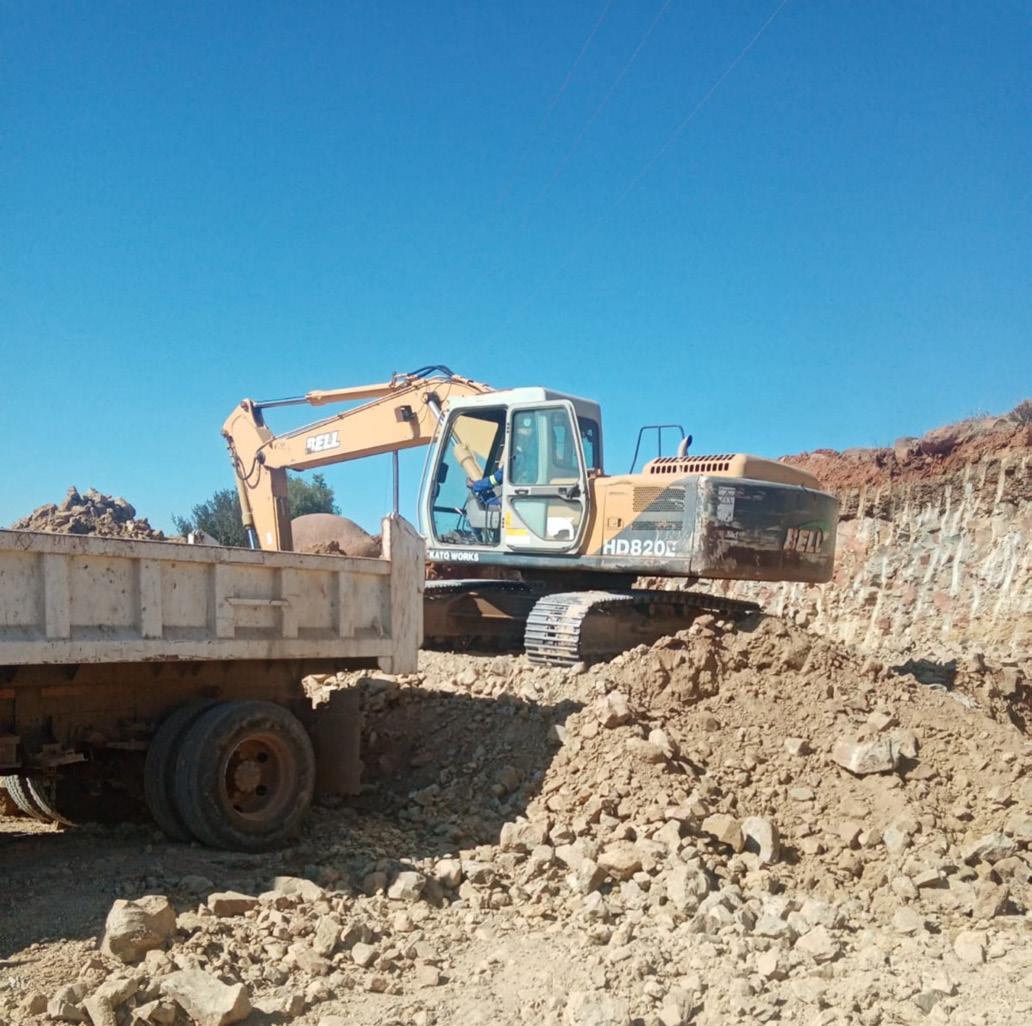
The City of Matlosana Municipality is situated approximately 164 km
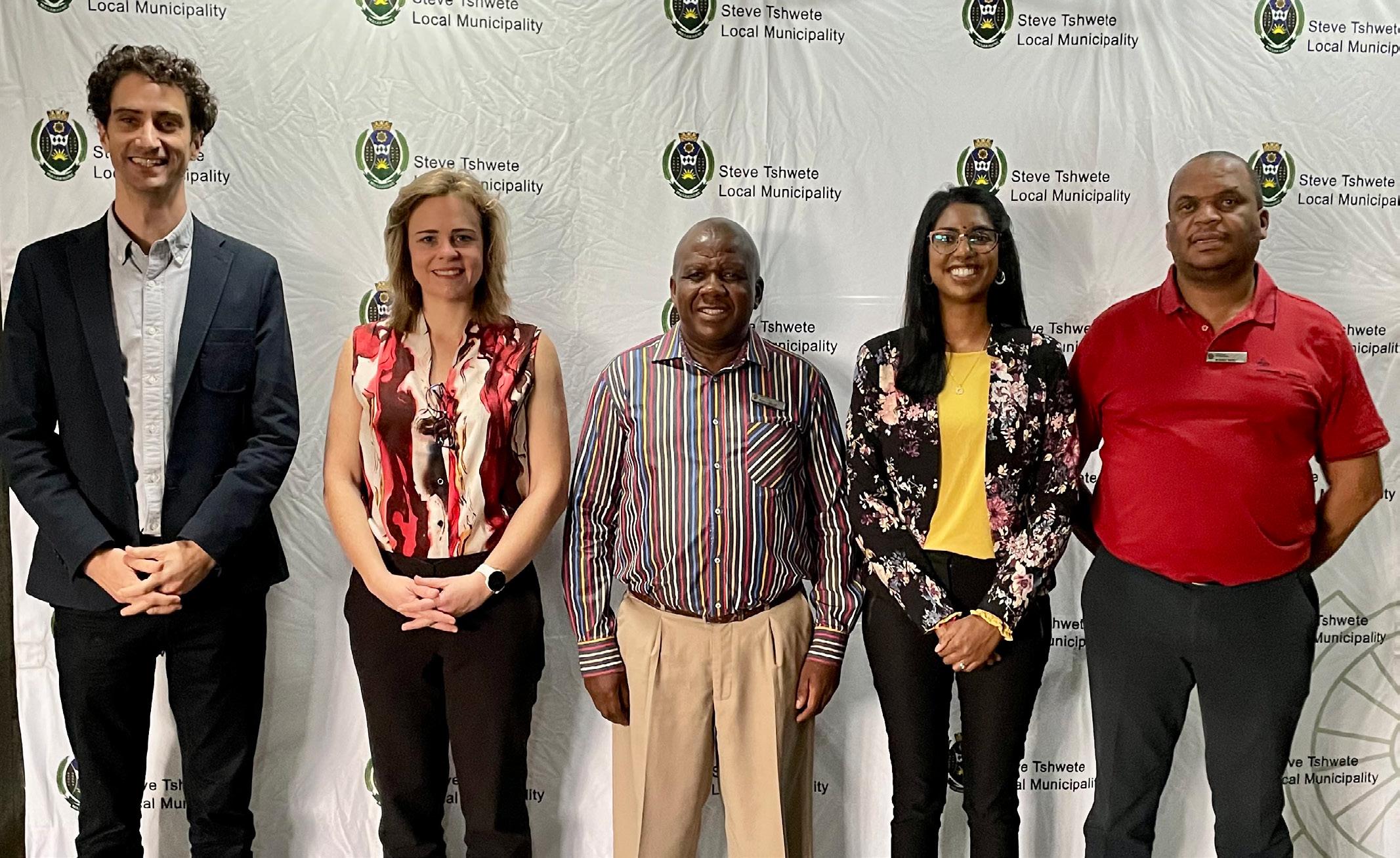
economic activity, etc.
WHY VISIT THE CITY OF MATLOSANA?
Create unforgettable memories at our quality business and leisure accommodation venues which include conferencing, wedding and spa facilities. The City has a wealth of attractions for visitors:
Local governments have an integral role in the Just Transition. The Steve Tshwete Local Municipality (STLM) sets an example for cities through their service delivery, technical ability, demonstration of leadership, and commitment towards bold climate action.
• Adventure tourism
• Wildlife tourism
• Medical tourism
conferencing, wedding and spa facilities.
• Wellness tourism
A just transition in essence is about transformation from our unjust past
To us health care is of paramount importance as a healthy city is productive and constitutes prosperity. We boast well-developed medical facilities, which enhances and promotes the competitive advantage of Matlosana as a major Medical Hub in the North West Province. Services include: general and private medical fascilities, casualty/trauma and dental services. Most clinics focus on primary health care services.
and present, to a more inclusive, equitable and just society for all, while supporting the protection and liveability of our planet. The newly adopted Climate Change Bill provides the first official definition for a just transition to appear in South African law. It highlights that a “Just Transition means a shift towards a low-carbon, climate-resilient economy and society and ecologically sustainable economies and societies which
fully contained oncology unit in the North West Province, which offers a comprehensive service at four pathological laboratories and has the latest MRI scanner at the radiology unit.
contribute toward the creation of decent work for all, social inclusion and the eradication of poverty”.
The just transition can only be achieved when its three dimensions are tackled simultaneously:
N12 Development Route was identified by the municipality as a flagship project for golden opportunities in the following sectors: housing, business, industrial, heritage, mining, tourism, sport as well as recreation.
1. DISTRIBUTIVE JUSTICE speaks to what are the costs, who is bearing the costs of the transition, what are the benefits, and who can access them.
Agriculture is one of the mainstays of Matlosana, which proudly boasts a region rich with agricultural potential. The emphasis is focused on field crops, such as maize, wheat, sorghum, sunflowers, etc... (climatically suitable with a 70% probability of production success).
"In South Africa, the just transition is an imperative priority. Those most vulnerable to climate change must be prioritised in terms of benefitting from the socioeconomic opportunities that the just transition is bringing and will bring to our country.
ICLEI Africa welcomes the opportunity to work handin-hand with Steve Tshwete Local Municipality and AFD, in enabling the municipality's just transition, building off our close working relationship with this municipality that spans over a decade."
Aside from attracting investment, the N12 Treasure Route connects communities to the economic hub of Matlosana City. The improved road infrastructure changes the lives of the City’s citizens making it easier to access employment opportunities and other services.
~ Dr Meggan Spires, Director: Climate Change, Energy & Resilience, ICLEI Africa
Shoppers can also be spoiled for choice between Matlosana Mall, City Mall, Flamwood Walk Shopping Mall, Tower Mall and other leading shopping centres in Matlosana.
2. PROCEDURAL JUSTICE relates to inclusive decision-making and making sure those affected and those often excluded in society are heard and can assert their rights.
3. RESTORATIVE JUSTICE is about improving the conditions for those historically marginalised.
At the heart of the just transition will always be people.
With funding from and partnership with the Agence Française de Développement (AFD), ICLEI Africa is proud to be supporting the Steve Tshwete Local Municipality in the development of a just transition chapter in their Integrated
Development Plan, a Just Transition Finance Roadmap, and early project preparation for a pipeline of projects that will enable and accelerate the just transition in Steve Tshwete Local Municipality. Part of this work includes providing guidance for what may constitute a just transition project, conceptualising and co-developing such projects, as well as matchmaking these projects with investors during in order to unlock much needed finance for further project development and implementation.
What is a key approach in enabling the just transition?
Learning labs are useful in exploring the complexity of the challenges faced for supporting a just transition by providing a space for dialogue between diverse groups and sectors, in an open and transparent manner.
ICLEI Africa, AFD and Steve Tshwete Local Municipality held a Just Transition Project Identification Learning Lab in June 2023 to:

MARKET
• explore the key definitions for a just transition and contextualise the definition for the municipality,
Agriculture is one of the mainstays of Matlosana, which proudly boasts a region rich with agricultural potential. The emphasis is focused on field crops, such as maize, wheat, sorghum, sunflowers, etc...
• discuss the guiding principles for determining the classification and selection criteria for just transition projects, and
• brainstorm potential projects for project pipeline development.
Representatives from various departments from the municipality were in attendance, together with members of the Mpumalanga Provincial Government, which added a variety of perspectives and rich inputs to the discussions.
In October 2023, a learning lab focusing on strategic action planning for the just transition, explored ways
to mainstream the just transition in the municipality, working transversally across departments to explore the essential pathways for the municipality to leverage multi-level governance and partnerships for the planning and implementation of the just transition.
The Market is the property of the City of Matlosana and was established in 1980 and it is ranked 8th out of 17 Fresh Markets in the country according to turnover.
With five Market agents, the market supplies customers as far as Botswana, Kimberly and Vryburg.
Crucially, we unpacked the “HOW”, by commencing the process for the cocreation of a Just Transition Roadmap, while integrating elements of this Roadmap into policies and plans.
CONTACT DETAILS
Among key stakeholders involved, the ICLEI Africa team also met with the Municipal Manager, Mr Mandla Mnguni (centre), to update him on the project and explore the priority projects discussed during the insightful learning lab. Mr Mnguni welcomed the support provided by ICLEI Africa and AFD in enabling Steve Tshwete Local Municipality’s just transition, which contributes to the municipality’s bold climate action and dedication to service delivery.
Address: Cnr Braamfisher & OR Tambo Streets, Klerksdorp
Tel: 018 487 8000/ 018 487 8800
Email: communications@ klerksdorp.org
CityofMatlosanaUpdates
@MatlosanaCom
Cityofmatlosanamunicipal
Alderman Leon van Wyk, the Executive Mayor of George, recently addressed Western Cape Premier Alan Windi’s 29th Energy Digicon. During the Digicon on Thursday, 16 November 2023, Mayor Van Wyk provided insights into the progressive approach George Municipality is taking in its renewable energy initiatives, expanding the city’s power mix, and in making the city energy resilient.
The City of Matlosana Municipality is situated approximately 164 km South West of Johannesburg, strategically located on the N12 Treasure Route, which is the North West Province’s primary tourism corridor.
The scenic N12 starts from Mpumalanga and is the gateway to the Western Cape Province. The route takes you from eMalahleni, to the vibrant Gauteng Province and the Sterkfontein Cradle of Humankind World Heritage Site, and continues to Potchefstroom, Klerksdorp, Kimberley, Beaufort West, up until George.
“In the initial phase of our renewable energy efforts,” Mayor Van Wyk said, “we are completing our 1-megawatt (MW) Solar PV Plant and a Solar PV Plant for the Gwaiing Wastewater Treatment Works.” He outlined the upcoming phases, saying, “Our next endeavour is a 9-megawatt Solar PV Installation, requiring the addition of a 20MVA substation, transformers, and switchgear equipment. Technical aspects are being addressed to align with our commitment to sustainable energy solutions.”
It is the Transformation of the N12 Treasure Route that has unlocked regional opportunities and resulted in massive activity and mobility along the Matlosana portion of the corridor. It has a multi-dimensional character that has created employment, enhanced commuter movement, enhanced investment opportunities, increased economic activity, etc.
The George Municipality has so far installed or is in the process of installing the following PV plants in George:
WHY VISIT THE CITY OF MATLOSANA?
• 400-kilowatt peak (kWp) PV at the Outeniqua wastewater treatment facility
• 500 kWp at the PV Gwaing Wastewater treatment facility
Create unforgettable memories at our quality business and leisure accommodation venues which include conferencing, wedding and spa facilities. The City has a wealth of attractions for visitors:
• 400 kWp PV plant at the Denneoord New Water Works facility
• Adventure tourism
• Wildlife tourism
• Medical tourism

• 4 kWp PV + 10 kWh battery storage for the Tourism building
• 1 kWp PV + 5 kWh battery storage for Schaapkop substation
• 1 MWp solar farm (ERF464 – Municipal land)
Create unforgettable memories at our quality business and leisure accommodation venues which include conferencing, wedding and spa facilities.
MATLOSANA AS A MEDICAL HUB
According to the Engineering Council of South Africa (ECSA), a project goes through various phases before implementation. It starts with inception, concept, and viability, followed by a design phase which is then procured, and construction commences. Due to funding and process constraints, the Municipality has decided to proceed with the inception, concept and viability stages of various specific projects. This would then pave the road for project implementation.
This includes:
• Large Scale Solar Farm
• Utility-scale Batteries
• Possible Wind Turbines
• Hydro Generation
• Hydrogen Gas Turbines
The Municipality plans to appoint specialists for the study and conclude it before the end of the financial year.
Looking forward, Mayor Van Wyk shared plans for an additional 30 MW Solar PV and a 100MWh Battery Energy Storage System (BES) to address load-shedding challenges and enhance energy resilience.
Acknowledging funding challenges, Mayor Van Wyk noted, “We’ve applied to the National Treasury for support through the Budget Facility for Infrastructure, unfortunately not approved due to current financial constraints. Exploring alternatives, we are considering private sector funding, potentially through an Independent Power Producer (IPP) model.”
• Wellness tourism
• 20 kWp PV + 40-kilowatt hour (kWh) battery storage for the Electrotechnical Services building
To us health care is of paramount importance as a healthy city is productive and constitutes prosperity. We boast well-developed medical facilities, which enhances and promotes the competitive advantage of Matlosana as a major Medical Hub in the North West Province. Services include: general and private medical fascilities, casualty/trauma and dental services. Most clinics focus on primary health care services.
The city prides itself on having five private hospitals, two government hospitals, including the largest state hospital in the North West Province and 15 clinics including mobile clinics. It also boasts the only fully contained oncology unit in the North West Province, which offers a comprehensive service at four pathological laboratories and has the latest MRI scanner at the radiology unit.
This study will provide an implementation plan based on the various technologies.
He concluded by addressing legislative hurdles, stating that the current Municipal Finance Management Act (MFMA) restrictions pose challenges in implementing long-term contracts of more than three years needed for such projects. Ongoing collaboration with Provincial Treasury and Western Cape Provincial Government aims to explore amendments to the MFMA, facilitating the realization of large-scale electricity provision projects.”
N12 Development Route was identified by the municipality as a flagship project for golden opportunities in the following sectors: housing, business, industrial, heritage, mining, tourism, sport as well as recreation.
AGRICULTURE
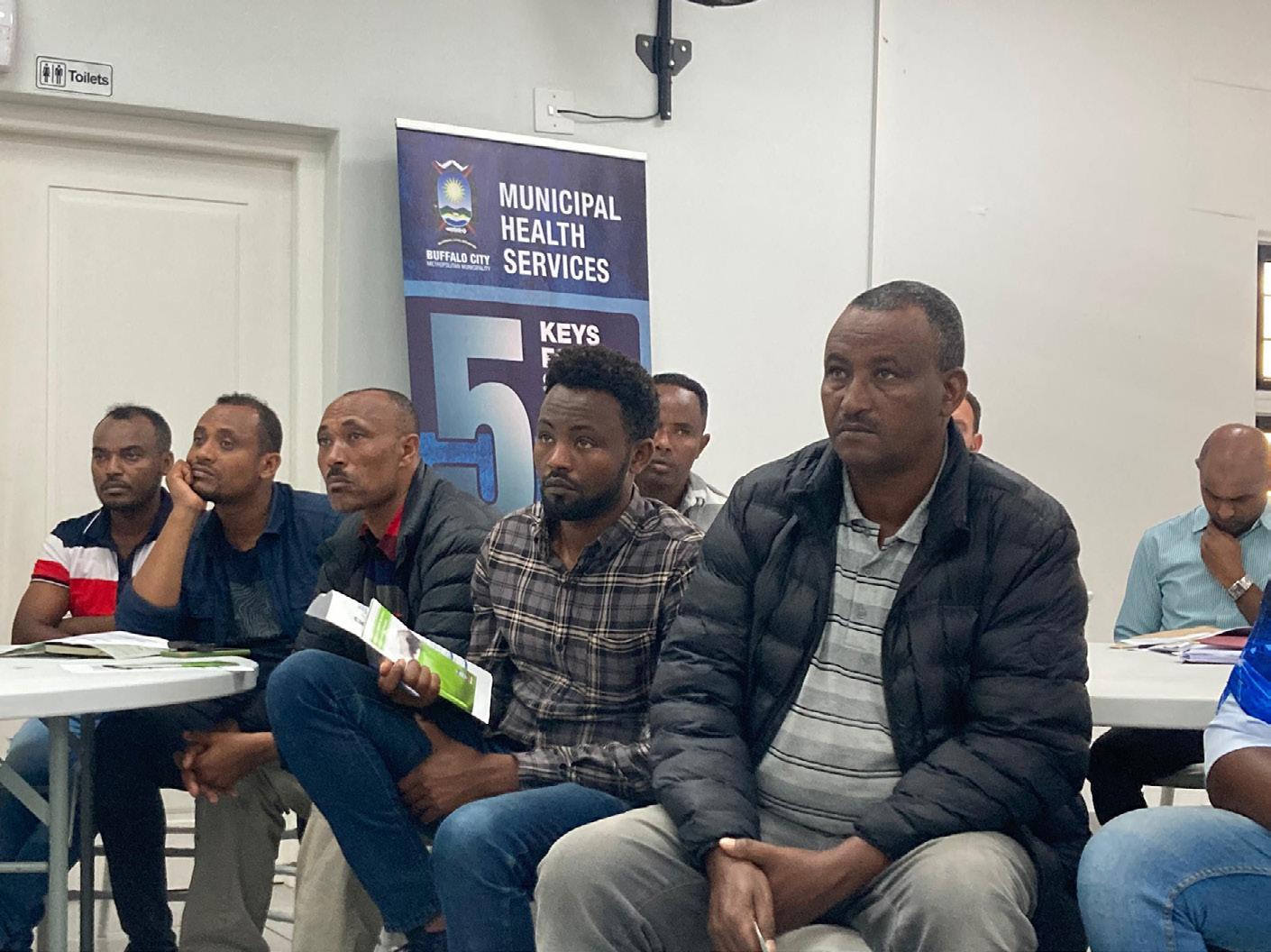
SHOPPING EXPERIENCE
but we also police our bylaws and make sure there is compliance when it comes to operating small businesses."
“These workshops are continuous and rolled over as part of health awareness and compliance,” she added.
The day culminated with a Q&A session for the City and foreign nationals to gain in-depth understanding and insights of Municipal bylaws.
Stakeholders involved
NATIONAL FRESH PRODUCE MARKET
Shoppers can also be spoiled for choice between Matlosana Mall, City Mall, Flamwood Walk Shopping Mall, Tower Mall and other leading shopping centres in Matlosana.
On Thursday, 16 November 2023, the Buffalo City’s Municipal Health Services held an empowerment workshop at the Gonubie Resort with the goal of educating, empowering, and supporting the community of foreign nationals. This is the City’s attempt at a different approach in addressing issues pertaining to foreign-owned businesses and spazas.
In order to maintain environmental and health regulations, the workshop encouraged foreign nationals to comply with Municipal bylaws by ensuring that they have:
• cleaning materials
• fire extinguisher
• refuse area
• ablution facilities
• storage place
• changing area with storage for clothes
• refuse container with a lid
• preparation space, and
• wash hand basin with soap and water
which proudly boasts a region rich with agricultural potential. The emphasis is focused on field crops, such as maize, wheat, sorghum, sunflowers, etc...
Giving his welcome address at the workshop, BCMM Acting General Manager for Municipal Health Services Luyanda Madikizela said: “Our responsibility as the Municipal Health Services is to ensure that we do raid operations not to harm but to enhance safety and health for our residents and to combat non-compliant businesses."
Addressing the audience about the purpose of the day, Portfolio Head for Public Safety and Protection Services Councillor Helen Neale-May said: “As public safety, we must work hand-in-hand in making sure there is compliance. Not only do we help to keep our citizens of Buffalo City safe
Various stakeholders who were part of the workshop include; Department of Home Affairs in the Immigration Unit, South African Revenue Services (SARS), Fire Services, Law Enforcement, Shelf Company Warehouse that deals with business registration, and Occupational Health Services Requirements (OHS).
The Market is the property of the City of Matlosana and was established in 1980 and it is ranked 8th out of 17 Fresh Markets in the country according to turnover.
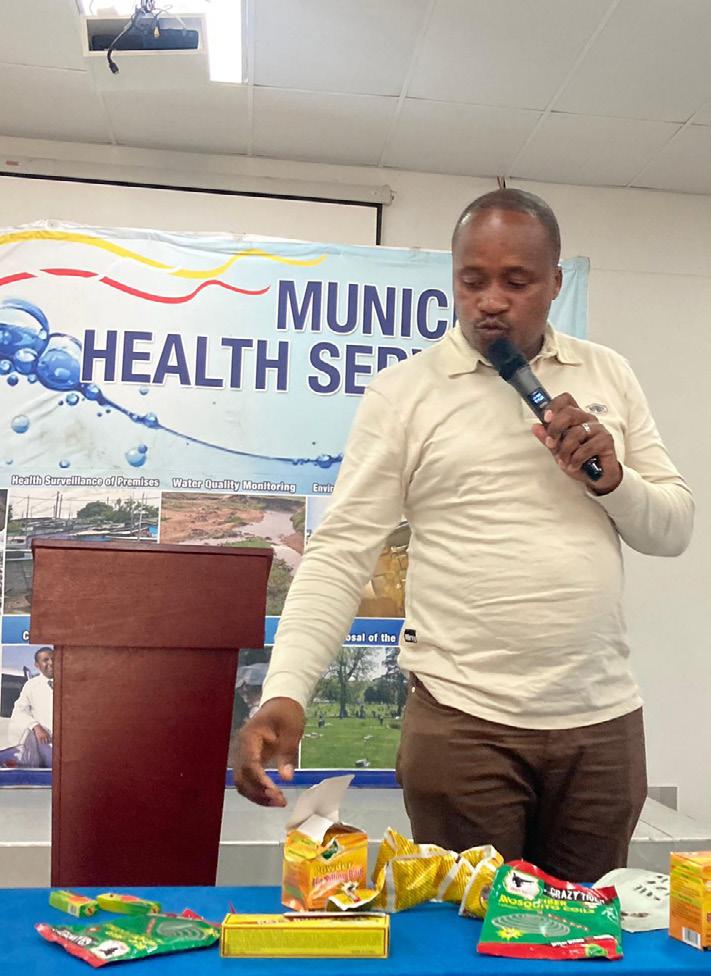
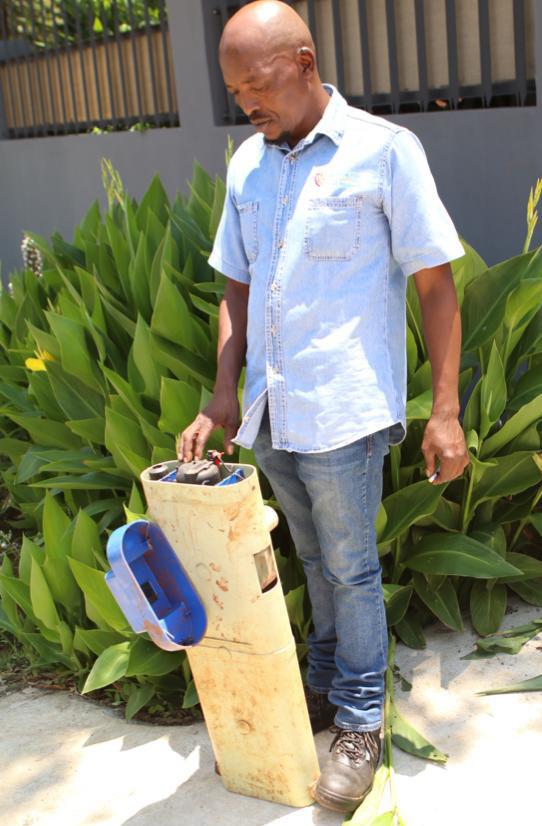
• The meters are mostly faulty (e.g. leaks) resulting in high water losses
Treasure Route, which is the North West
• These meters are non-durable, thus have a shorter lifespan and high in maintenance costs
• It has complex technological features which come with high maintenance and cost of repairs e.g. annual costs total R8.5 million including repairs, maintenance and replacement of faulty prepaid meters
• Municipality dealing with endless, end-user complaints on high billing
• Allocated budget only covers 7% of the 34 000 faulty prepaid water meters resulting in a 93% repairs and replacement backlog
maintenance and repairs and thus have lower costs and are not as easily by-passed as existing meters. This project will not only ensure a major portion of the City’s water losses are overcome, but it will also assist in building a more sustainable water supply system to the benefit of residents, business and investment which augurs well for job creation and growth of the local city economy.
The project, which targets the conversion of an estimated 3 000 to 3 500 water meters, is scheduled to run from November 2023 up until June 2024.
Mogale City Local Municipality’s Water Services has for a while experienced major water and revenue losses due to ageing infrastructure, dysfunctional prepaid water meters, illegal water connections, vandalism to infrastructure and servicing areas that are not metered.
regional opportunities and resulted in massive activity and mobility along the Matlosana portion of the corridor. It has a multi-dimensional character that has created employment, enhanced commuter movement, enhanced investment opportunities, increased economic activity, etc.
WHY VISIT THE CITY OF MATLOSANA?
The municipality is consequently under immense strain to minimize water losses and recoup the required revenue for water supplied to consumers. Currently, a menial 40% of the total water purchased is collected due to the aforesaid areas of loss, which in turn makes servicing our Rand Water monthly debt unattainable.
Create unforgettable memories at our quality business and leisure accommodation venues which include conferencing, wedding and spa facilities. The City has a wealth of attractions for visitors:
• Adventure tourism
• Wildlife tourism
• Medical tourism
• Wellness tourism
Although Water Services has in the past, installed prepaid water meters to enable consumers to buy water upfront on a pay-as-you-go basis, these prepaid meters have proven to be costly compared to conventional water meters for the following among other reasons:
• These meters are easily bypassed resulting in major revenue and water losses.
Create unforgettable memories at our quality business and leisure accommodation venues which include conferencing, wedding and spa facilities.
MATLOSANA AS A MEDICAL HUB
In overcoming these growing challenges, the municipality is rolling out a phased Water Meter Conversion Project and converting bypassed and faulty prepaid water meters to conventional water meters. Since the current prepaid meters have a dual function, i.e., prepaid and conventional capability, faulty and bypassed meters will not be replaced, rather the conventional capability will be activated. Once meters are converted, consumers will be billed for their consumption monthly guided by their respective meter readings, commensurate to their consumption.
To ensure that the new meter conversion project is rolled out as hassle-free as possible, the municipality has requested the co-operation of residents and businesses by allowing access of identifiable water technicians onto their properties (if the meter is located on their property).
The city prides itself on having five private hospitals, two government hospitals, including the largest state hospital in the North West
To us health care is of paramount importance as a healthy city is productive and constitutes prosperity. We boast well-developed medical facilities, which enhances and promotes the competitive advantage of Matlosana as a major Medical Hub in the North West Province. Services include: general and private medical fascilities, casualty/trauma and dental services. Most clinics focus on primary health care services.
The conventional meters have major mutual benefits including being more reliable, durable, allow for on-site
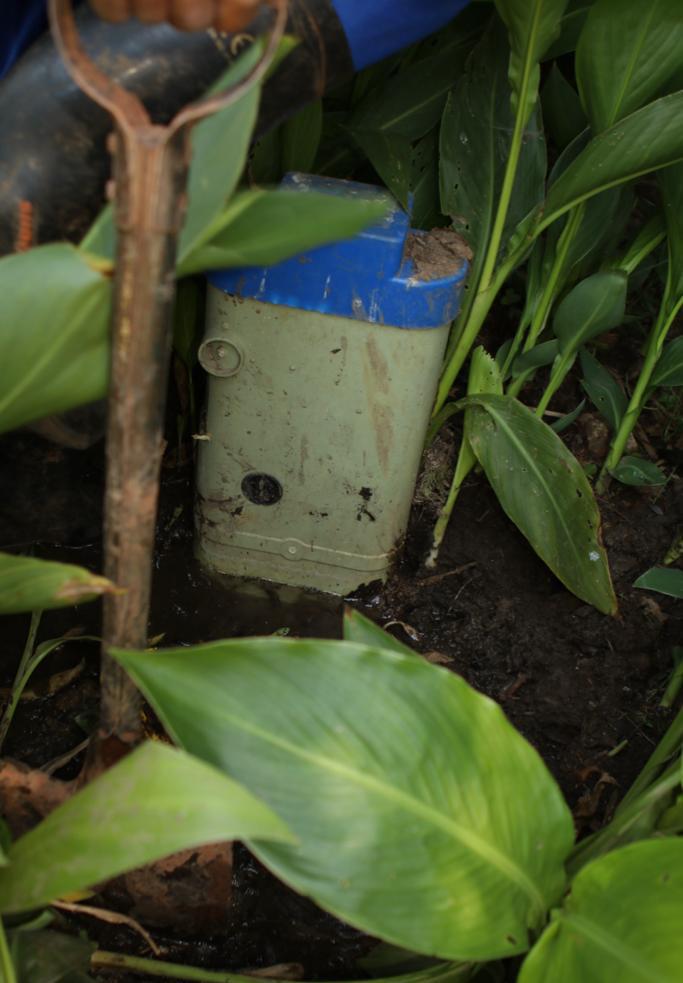
The Railway Safety Regulator (RSR) Act 16 of 2002 (as amended) requires all operators, including municipalities with railway sidings, to apply for a safety permit issued by the RSR. To apply for a safety permit operators must follow these simple steps:
Applicants must have an Interface Agreement with Transnet.
The RSR shall evaluate the safety permit application.
RSR to arrange for a meeting with applicant to discuss their business intentions.
Applicants must send an email to (safetypermitsadmin@rsr. org.za and Cc: louisam@ rsr.org.za ) to get the requirements of the Safety Management System.
Applicants must register on the National Information Monitoring System (NIMS)
Applicants must pay a non-refundable safety permit application fee.
The permit fee is then calculated, and an invoice is issued.
The applicant will be required to pay the safety permit fee within 30 days of being issued an invoice by the Regulator.
The applicant will be issued with a Safety Permit.
The applicant shall submit the application through, NIMS.
The operator is expected to manage their Safety Management System. The RSR shall conduct regular audits and inspection to ensure compliance.

To build a great country, you have to start with the communities and municipalities that form it. The Investec Balance Sheet Management team with our out of the ordinary approach, high-level expertise and competitive rates, will continue to partner with you in building better municipalities, forming a great country as we do. For more information please contact Jeanine Polley on 011 286 4824 or email jeanine.polley@investec.co.za