



Keiser University is a regionally accredited private university that provides educational programs at the undergraduate and graduate levels for a diverse student body. Committed to a “students first” philosophy, Keiser University prepares graduates for careers in business, criminal justice, health care technology, hospitality, education, and other career-focused studies.
The Crisis Management and Safety and Security department wishes to take this opportunity to welcome you to our university family. Keiser University is committed to providing the safest environment possible for our students, staff, faculty, guests and visitors.
visitors. Nevertheless, unavoidable emergencies may occur in extreme situations. Therefore, each campus has a Campus Response Team (CRT) that implements and oversees the campus response to a crisis situation.
CRT members are identified by a red “CRT” Lanyard and by the handheld radio they carry. The CRT receives training in dealing with crisis situations and will primarily direct the immediate response to a crisis situation until the arrival of law enforcement and emergency response personnel.
CRT members are the Title IX “Responsible Employees” and the Clery Act assigned “Campus Security Authority” – CSA’s
Flagship campus has 24/7 uniformed armed security. Security officers are identified by their uniform and the AUS badge.
The campus security supervisor phone number is (561) 386-3573. Security can also be called from the Blue Light towers located on campus or by requesting a CRT member to contact security.
In certain emergencies the University will post information on the school website: keiseruniversity.edu Information will also be available on the Keiser University Hotline: 1-877-353-4737 The campus non-emergency telephone number is: 561-478-5500 (8am - 8pm). Additional safety and security information can be found on the school website keiseruniversity.edu/safety-and-security
http://www.keiseruniversity.edu/ https://www.keiseruniversity.edu/safety-and-security/
During the summer Florida is known for rapidly changing weather conditions that might result in local flooding, intensive thunderstorms and lightning strikes and more. Please be attentive to the weather, use common sense and follow the instructions of the CRT and campus security.


https://play.google.com/store/apps/dev?id=5938833519207566184&hl=es_AR https://apps.apple.com/es/app/the-weather-channel-tiempo/id295646461

https://play.google.com/store/apps/details?id=com.aws.android&pcampaignid=web_share https://apps.apple.com/us/app/weatherbug-weather-forecast/id281940292
https://play.google.com/store/apps/details?id=com.cube.arc.fa&pcampaignid=web_share
https://apps.apple.com/us/app/first-aid-american-red-cross/id529160691
In the United States, Nine-One-One (911) is the number to call in an emergency situation. An emergency is any situation that requires immediate assistance from the police/sheriff, the fire department or an ambulance.
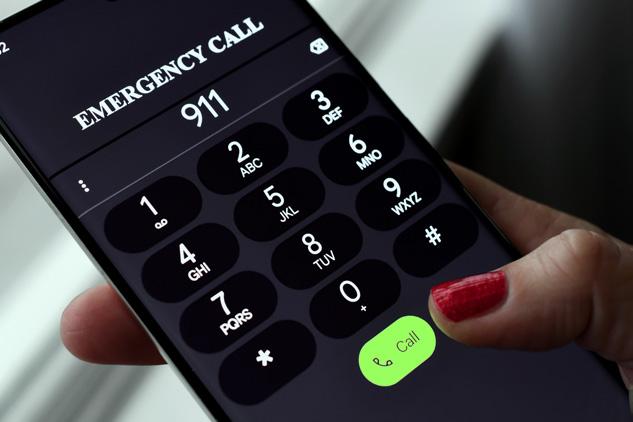
When the 911 operator asks what your emergency is, please speak slowly and clearly.
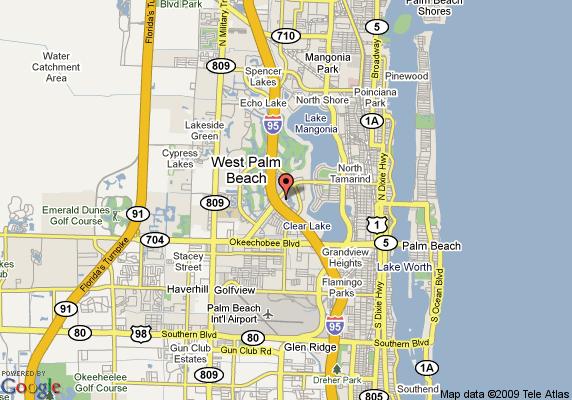
This is <Name, Location>: This is John Doe at 2600 N Military Trail West Palm Beach, FL 33409. We have a: <provide relevant details below>
Medical Emergency at (give location, give type of medical emergency: heart attack, broken arm, etc.). Fire at (give location, give description of fire).
Safety Concern: Domestic Violence, Car Accident, Burglary in process, Suspicious activity.
Please notify a CRT member or a campus security after a 911 call (Security phone number: 561 386 3573)
Always stay on the line until the operator tells you to hang up. For more information see: 911.gov/calling-911/
https://www.911.gov/calling-911/
The campus takes various precautionary measures to protect the students, staff, faculty and campus visitors. Nevertheless, unavoidable emergencies may occur in extreme situations. Therefore, each campus has a Campus Response Team (CRT) that implements and oversees the campus response to a crisis situation. CRT members serve as the Campus Security Authority (CSA).
The CRT receives training in dealing with crisis situations and will primarily direct the immediate response to a crisis situation until the arrival of law enforcement and emergency response personnel.
In order to make this program effective, please familiarize yourself with the following emergency procedures:
Emergency evacuation, Emergency lockdown, External lockdown, Shelter in place.
Evacuation is the movement of campus occupants from a dangerous or potentially dangerous location to a safe location. There are two types of evacuation; fire evacuation and non fire evacuation.

Evacuation is mandatory when a fire alarm is activated.
Follow CRT instructions if given.
Do not use the elevators.
Assist people with disabilities if possible.
Do not attempt to reenter the facility unless directed to do so.
A non-fire evacuation will be initiated by Campus CRT.
Follow CRT instructions if given.
Do not use elevators.
Assist people with disabilities if possible.
Do not attempt to reenter the facility unless directed to do so.
Used to dramatically and rapidly enhance the level of security of the campus. By locking all exterior, interior and classroom doors, staff can make it more difficult for dangerous person(s) in the vicinity of the campus and in the campus to gain access to staff and students.
Lock or barricade doors of classroom and internal student areas of congregation.
Close blinds, turn off lights.
Remain quiet and out of sight.
If gunshots are heard, lay on the floor and try to use available resources for additional cover and concealment. If you are outside when a lockdown is declared, seek shelter away from danger.
If a fire alarm is activated during a lockdown, proceed with extreme caution.
Do not open the door for people claiming to be public safety personnel unless you have an opportunity to view photo identification or are instructed to do so by a staff member whom you recognize.
Creates a physical layer of security between the internal and external dimensions of the campus. This lockdown allows staff and students to continue activities while maintaining access control to the campus and remain in an elevated state of security.
Remain in classroom.
Follow faculty and staff instructions.
Remain attentive to any change in status.

Shelter in place procedures are traditionally utilized when:

A FEW WORDS ABOUT THE CRT AND YOUR PERSONAL SAFETY
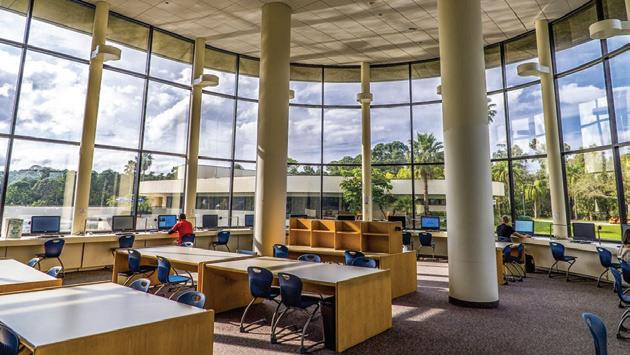
Park in well-lit areas. Lock your car doors. DO NOT leave valuables in your car.
Arrive on campus when others are arriving. (Don’t be late!) Avoid walking alone. Walk to and from the campus with a “buddy.”
While on campus DO NOT leave valuables unattended.
If an emergency arises such as a fire drill, lock down, or shelter in place, follow the instructions of your professor or campus staff members.
“If you see something-say something” If you have a problem or see anything suspicious report it to your instructor, security, or a CRT member immediately!
In case of emergency, dial 911 immediately, and notify a campus staff person as soon as possible after making the call.
Click here to refer to the KU Safety and Security Website for more information on Campus Safety.
Keep your car in good running condition and filled with plenty of gas.
Always travel with your cell phone. (911 is a free call)
Keep the car windows rolled up and the doors locked.
Avoid unnecessary trips at night.
Travel on main roadways and well-lit streets.
DO NOT take rides from strangers. NEVER pick up hitch hikers!
NEVER drink and drive!
When not at home, set your alarm.
Keep your yard well-lit.
Keep bushes and shrubs trimmed around your house.
At night keep window curtains closed.
Make sure your house numbers are visible so police/fire can easily find your residence.
NEVER open the doors for strangers.
In case of emergency, dial 911 immediately.


211 is here for anyone in emotional crisis or thinking of suicide. If you or someone you know Has a problem and doesn’t know where to turn. Is thinking of suicide. Needs to know where to get help. Wants to talk to someone who really listens.
211 Palm Beach/Treasure Coast’s mission is to connect people to services 24 hours a day by understanding their individual, emotional, financial and community needs and to support the health and human service system as a whole.
Provides advocacy and support vulnerable populations.
Elder Crisis Outreach, or distressed, overwhelmed risk elders.
Telephone Reassurance or isolated elders and adults with disabilities.
Needs Help Line or caregivers of children with special needs.
Families
211 is a community helpline and crisis hotline. Highly trained and accredited Resource Specialists offer guidance and support in helping teens, adults, families, seniors, caregivers and professionals find the services they need.
Free, confidential, available 24 hours a day, 7 days a week.
Our Resource Specialists will:
Listen as you explain your situation
Assess your problems and needs
Help you find answers to your questions
Provide you with options
Your partner in locating community resources, for everyday needs and in times of crisis...
Simply call 211 to find out about and get connected to the following types of services and more:
Basic Human Needs: Food, clothing, emergency shelter and rent/ mortgage/ utility assistance. Physical & Mental Health: Crisis intervention, victim services, domestic violence, health services, drug/alcohol treatment, mental health counseling, Medicare/Medicaid, support groups.
Employment Related: Job training, resume assistance, educational programs, transportation assistance, day care.
Support for Children, Youth & Families: Tutoring, advocacy, summer camps, child care.
Support for Older Adults: Home delivered meals, senior centers, home health care, transportation, volunteer opportunities.

TO CHAT VIA TEXT MESSAGE, TEXT YOUR ZIP CODE
This institution utilizes the “Alertnow” mass notification system that generates voicemails, emails, text messages.
In a crisis, messages will also be posted on the school Website and on the hotline- (877-353-4737). Please keep the Information Hotline number handy. The hotline will advise you of important updates. Make sure your contact information is always up to date for the “Alert Now” system. To stop out Alertnow text– reply “STOP”
211 and 988 Crisis Hotlines: 24/7 crisis hotlines providing free, confidential crisis counseling, along with referrals to a Crisis Center service and other community resources. For more information see 988lifeline.org.
https://988lifeline.org/
The Ombudsman can connect you with campus and community services which include: community counseling services, free legal services, medical assistance and the institutions formal grievance process. To reach Ombudsman call (866) 549 9550.
Every campus has a CRT. CRT members are identified by a radio or a Red CRT Lanyard.
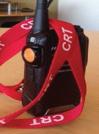
The CRT serves as the ‘Title IX Responsible Employees’ and the Clery ‘Campus Security Authority’ (CSA).
The CRT primarily directs the immediate campus response until law enforcement and/or emergency response personnel arrive. Any Safety or Security concern? Contact a CRT member.
Annual Security Reports (ASR). Student, Faculty & Staff Must-Know emergency information. Emergency procedures.
Campus Sex Crimes Prevention Act (CSCPA). Violence against Women Act (VaWA), Title IX, Title IX coordinator and other useful information.
Must be worn at all times while on school property. Lost your badge? A replacement can be obtained at your campus. Found a lost ID badge? Please turn it in to any staff member.
Most campuses require that all student, staff and faculty vehicles must have a parking sticker. The sticker must be attached to a visible area (rear bumper or back window).
Maintain a slow driving speed in the parking lot and watch out for other cars and pedestrians.
Park in designated areas only.
Lock your car doors and DO NOT leave valuables in your car.
While on premises, DO NOT leave valuables unattended.
If an emergency arises such as a fire, lock down, evacuation, or shelter in place, follow the information provided by your supervisor or CRT.
Know who your campus CRT members are, and review emergency response plans that are posted on the Campus Safety and Security website.
A certified security officer is assigned to most campuses. The on-duty officer is available to escort students and employees to and from their car. The officer can be reached from the receptionist desk or by asking a CRT member.
“IF YOU SEE SOMETHING SAY SOMETHING!” IN CASE OF EMERGENCY DIAL 911 IMMEDIATELY!
If you have a problem or see anything suspicious report it to a campus staff member, CRT member or security immediately!
And notify a campus staff member as soon as possible after making the call.