

Dear Students,
Welcome to West Palm Beach and our Keiser University doctoral residency program. This important part of your doctoral journey will allow you to spend the next few days developing relationships with your peers and your professors. This program will answer many of your questions, provide feedback from other peers, and pave the way for the successful completion of your doctoral program. Please take advantage of this time, which should be valuable to help you navigate the difficulties of earning your doctorate.
Please do not be bashful; seek out answers to all your questions and make the best use of your time here in West Palm Beach. Our staff and faculty have worked hard to make sure that your questions will be answered, and you have the support necessary to be successful in your program. Although we will keep you engaged and challenged, there should be time for you to balance the work and downtime to make this an enjoyable and worthwhile experience. I encourage you to meet your professors and get to know them. There will be times during your program when these personal relationships will pay dividends.
Again, please enjoy your residency program and strive to get the most out of it.


Dr. Arthur Keiser and Evelyn Keiser of the Keiser family founded Keiser University in 1977 after recognizing a need for quality career education with a hands-on orientation, small class sizes, and innovative scheduling for working adults. To this day, the mission promotes a students come first philosophy, remaining accountable by partnering with local industries and community leaders to develop programs that benefit students and provide a skilled workforce for local, national, and global needs.
In 2006, Keiser University recognized that an advanced degree program was needed to continue and expand its mission; hence, the Graduate School was established. The Master of Business Administration program was Keiser University’s initial degree program that later developed into an online program in 2007. Master’s degree programs continued to grow as the Master of Science in Education and Master of Arts in Criminal Justice programs were added in the fall of 2008.
Recognizing the accomplishments of the Graduate School, Keiser University proudly implemented its first Doctoral degree program in 2009, the Doctor of Philosophy in Educational Leadership. As the unique needs of the Doctorate program were addressed, the Graduate School implemented its inaugural Residency program during the summer of 2010. Subsequently, the Graduate School celebrated the graduation of its first doctoral student during the summer of 2012.
The fall of 2011 realized an increased growth for the Graduate School as numerous programs were added: the Master of Science in Nursing, Master of Science in Management, the Doctor of Philosophy in Instructional Design and Technology and the Doctor of Business Administration, as well as Certificate programs including the Graduate Business Certificate in Health Service Management and the Graduate Business Certificate in Leadership. Driven to continue to develop, degree programs in psychology were offered in 2012: the Master of Science in Psychology, the Doctor of Philosophy in Psychology and the Doctor of Philosophy in Industrial and Organizational Psychology. Additionally, programs within the field of Education continued to expand in 2012 as Specialist degrees were offered, as the Educational Specialist in Educational Leadership and Educational Specialist in Instructional Design and Technology were introduced. Currently, the residency program continues to encourage collaboration between all doctoral degree program students from Business, Criminal Justice, Education, Nursing, Latin, and Psychology. Keiser University has been blessed with exceptional staff and students that have continued to provide success to the Graduate School. As a result, the Graduate School is again showing tremendous growth.










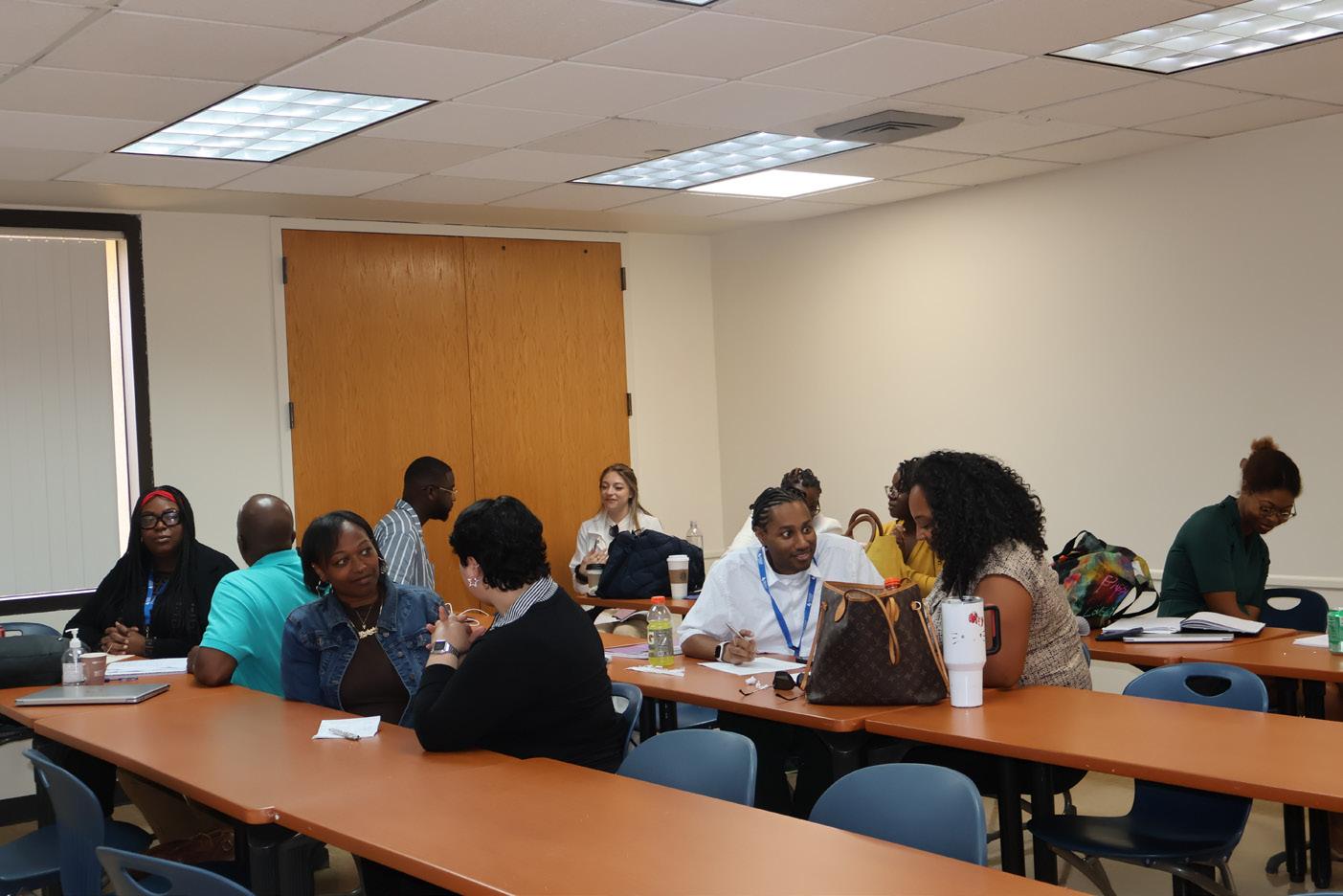
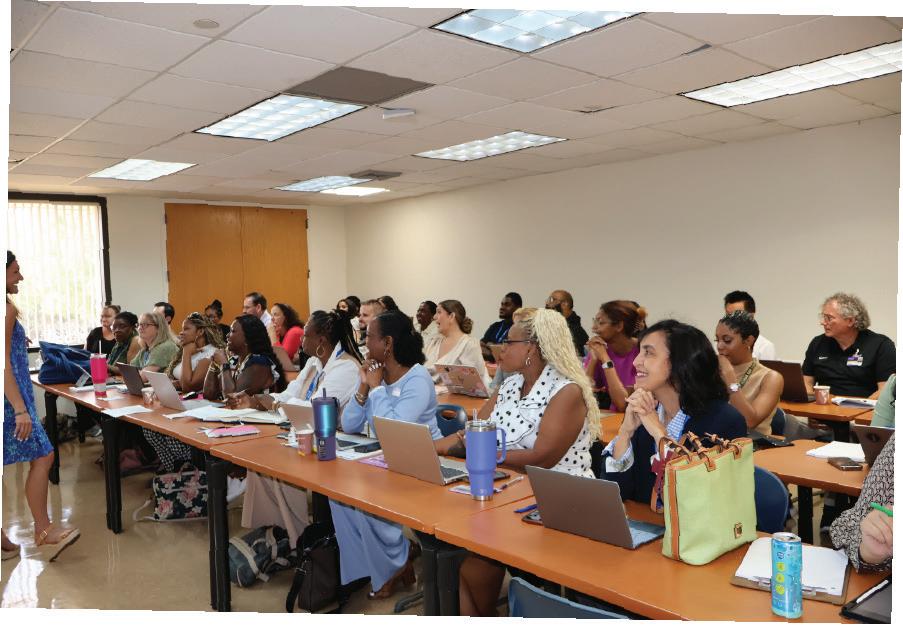
The Doctoral Residency is a required on-ground program for all students in Keiser University’s doctoral programs. The residency provides doctoral students an opportunity to meet face-to-face with faculty and other students, further strengthening the community of learners and enhancing required competencies for successful completion of the degree program. More specifically, residency is designed to assist students with managing the dissertation process by providing pertinent and relevant seminars and workshops.
Working with doctoral students to develop the skills and knowledge needed to complete their milestones:
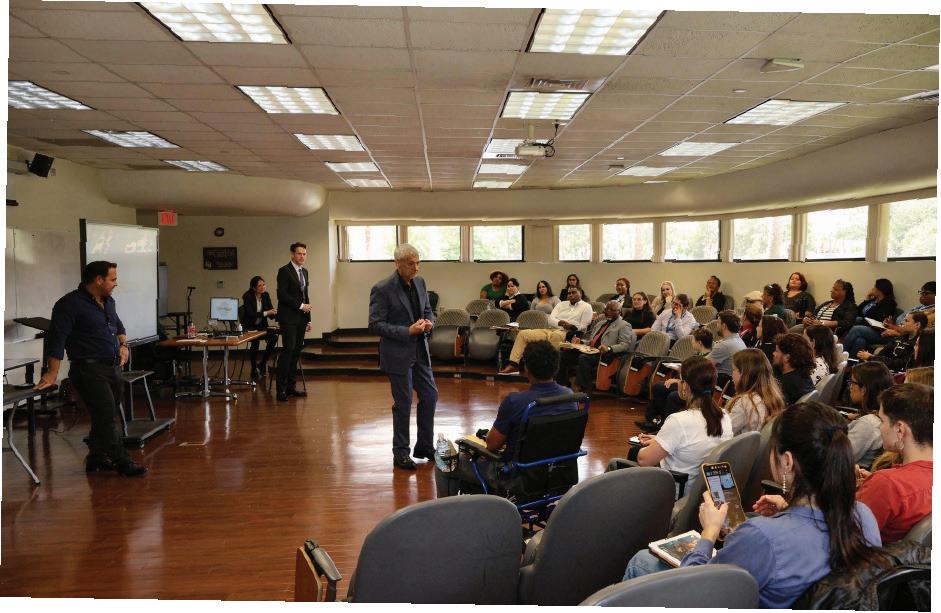
The Doctoral Journey
The Scholarly Researcher
The Support Structure at Keiser University
Graduate School
Advanced Academic Writing
The Use of APA
The Comprehensive Examination Process
The program invites guest speakers and recently completed doctoral candidates to share experiences, insight, and tips with students to help them meet the dissertation requirements. Full-time and adjunct faculty and Graduate School administrators facilitate the residency.
The Dissertation Process
The Institutional Review Board
Research Design and Methodology
Student Services
Library Services
Foster face-to-face interaction among peers and scholars.
Build a sense of community among learners in doctoral studies.
Strengthen research and communication skills among doctoral students to enhance student success.
Help doctoral students develop the knowledge and skills needed as scholars and researchers.
Deepen student engagement within fields of study through co-curricular experiential learning opportunities.
In accordance with university policy on professional behavior, the university expects students and employees to always act professionally and respectfully during the Residency period. Any conduct which negatively impacts fellow students or employees, or which detracts from a positive learning experience will not be tolerated.
If a student or an employee demonstrates unprofessional behavior(s), the student or the employee could be disciplined, up to and including termination, per university policy and depending on the severity of the action.
RESIDENCY CONTACTS
If you have any needs or questions during the event, please call or email:
Flagship Campus
561-478-5500
Lisa Grail
lgrail@keiseruniversity.edu
Brandon Strassburger bstrassburger@keiseruniversity.edu
Hotel
+1 561-689-6400
In case of emergency, call 911 immediately


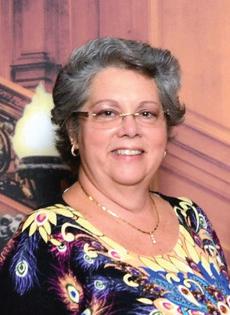
Heather Cordner Director Student Services Graduate School and eCampus hcordner@keiseruniversity.edu
1-888-453-4737, ext. 20244
Abe Johnson
Associate Director, Graduate Programs abjohnson@keiseruniversity.edu
Hisela Tamayo
Associate Director, Latin Division htamayo@keiseruniversity.edu
Ajeet Saisbhan
Financial Aid Director Graduate School asaisbhan@keiseruniversity.edu
1-866-534-7371 ext. 213
Registrar support
Graduate School Registrars gradschoolregistrars@keiseruniversity.edu
1-866-534-7371
Bursar support
Graduate School Bursars Bursarsgraduateschool@keiseruniversity.edu
1-866-534-7371
Ms. Grail serves as the primary point of contact for faculty and student support during Doctoral Residency Week, both at the host hotel and on campus. She is available to assist with any needs, requests, or situations that may arise, ensuring a smooth and successful residency experience for all participants.
Lisa Grail lgrail@keiseruniversity.edu
www.keiseruniversity.edu/writing-studio/
Airin Alessandrelli
Director of the Keiser Writing Studio aalessandrelli@keiseruniversity.edu
Judith Monrouzeau
Directora del Centro de Escritura de la División Latina jmonrouzeau@keiseruniversity.edu
bookstore
www.keiseruniversity.edu/keiser-bookstore/ 888-7534737 nblaga@keiseruniversity.edu
technology support
HELP DESK is available 24/7 to assist with Technical issues helpdesk@keiseruniversity.org 1-877-345-9800
The individuals and offices listed here are contact resources for you as you work successfully through your doctoral program.
Keiser University Telephone Number 1-866-534-7371
HCM
Vice Chancellor of Academic Affairs
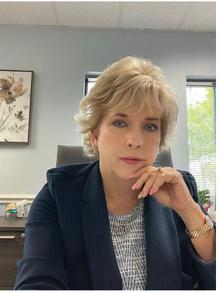
Serves as the Vice Chancellor of Academic Affairs as the Chief Academic Officer for Keiser University with oversight and management of nineteen on-ground campuses and two international campuses: Shanghai and Nicaragua. Ms. Reid-Paul has served in various academic roles within the university over the past twenty-five years including educator, associate regional vice chancellor, and associate vice chancellor of programmatic accreditation. She began her career in healthcare as a radiologic technology supervisor and earned a master’s in Business Administration and Healthcare Management from the University of Phoenix. Ms. Reid-Paul has served as an accreditation onsite evaluator for the Accrediting Bureau of Health Education Schools, the Joint Review Commission on Radiologic Technology, and the Commission on Accreditation in Physical Therapy Education.
Robert M. Keiser, Ph.D., M.B.A. Vice Chancellor of the Graduate School
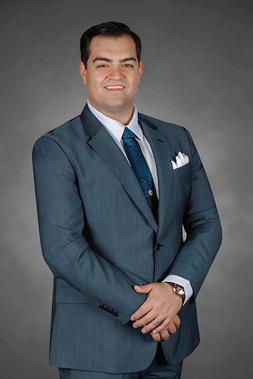
Currently serving as Vice Chancellor of the Graduate School. He has extensive experience in higher education administration and has served as an admissions counselor, financial aid officer, student services coordinator, faculty member, dean, campus president, and an executive director. Robert is the current president of Florida Association of Postsecondary Schools and Colleges. Robert is also a member of Career Education Colleges and Universities research committee and serves the Commission of Independent of Education as a member of the accreditation and rules committees. Keiser is a graduate of the George Washington University and Capella University.
KESHIA REID, PHD
Director of Graduate Assessment and Academic Analytics
kereid@keiseruniversity.edu
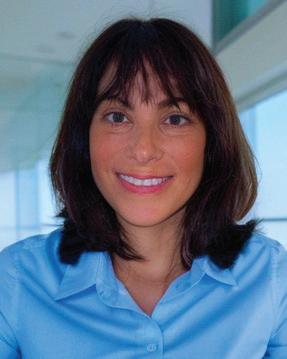
SHOSHANA DAYANIM, PHD
INSTITUTIONAL DIRECTOR OF RESEARCH
IRB CHAIR
sdayanim@keiseruniversity.edu
heather cordner, mba.
director of student services for graduate school and ecampus hcordner@keiseruniversity.edu
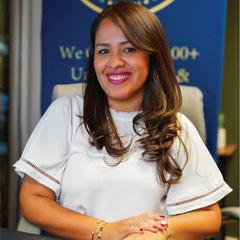
adriana lovo, MSC.
SOCIAL MEDIA MANAGER FOR GRADUATE SCHOOL, ECAMPUS AND INTERNATIONAL AFFAIRS adriana.lovo@keiseruniversity.edu
ROBERTSON-ARDUENGO, PHD
Dean of the Graduate School
arobertson@keiseruniversity.edu
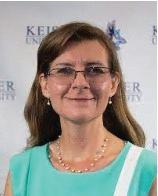
Dr. Robertson is a Dean of Academic Affairs for the graduate school Education, Psychology, and Clinical Mental Health Counseling programs. She holds a BS from The State University of New York in Secondary Education as a dual English major, a MS from the University of New England in K-12 Instruction, and a PhD from Capella University in Curriculum, Instruction, and Assessment.
PhD
Dean of the Graduate School ntopping@keiseruniversity.edu
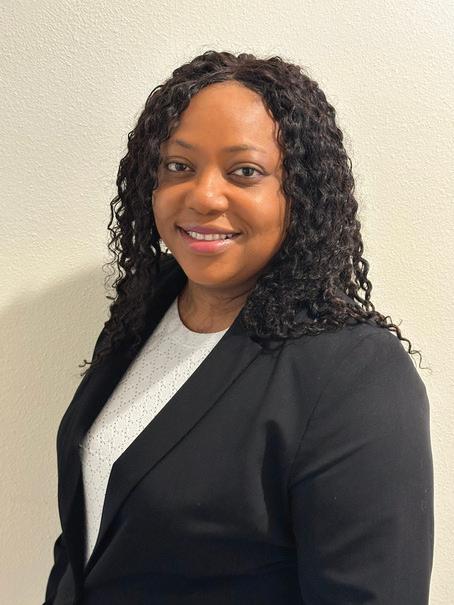
Dr. Nyoka Topping brings over a decade of experience in academic administration within private higher education. Originally from Jamaica, Dr. Topping earned a Bachelor of Science from Johnson & Wales University and both a Master of Science in Education and a Doctor of Philosophy from Keiser University’s Graduate School.
Jennifer peluso, PHD
Dean of the Graduate School
jpeluso@keiseruniversity.edu
Dr. Peluso has over 30 years of experience in teaching and administration at public and private universities. She has led initiatives in faculty development, student success, and research. Since joining Keiser University in 2016, she has held key leadership roles and now serves as Dean of online health programs.
lina rodas, PhD, MS, EdS
Dean of the latin division lrodas@keiseruniversity.edu
is the Dean of the Latin Division at Keiser University, focused on supporting Hispanic students through culturally responsive leadership. With a Doctorate in Educational Leadership and a Master’s in Organizational Psychology, she promotes student success, access to quality education, and the development of future leaders.
associate dean for Graduate School
ruxandra.kraemer@keiseruniversity.edu
Dr. Kraemer is an associate Dean of Graduate School. She holds a Bachelor of Science in Computer Information systems from DeVry University, an MBA with concentrations in International Business, Project Management and Human Resources from Keller Graduate School of Management, and a Doctor of Education in Organizational Leadership.






TUESDAY, JULY 14 TH
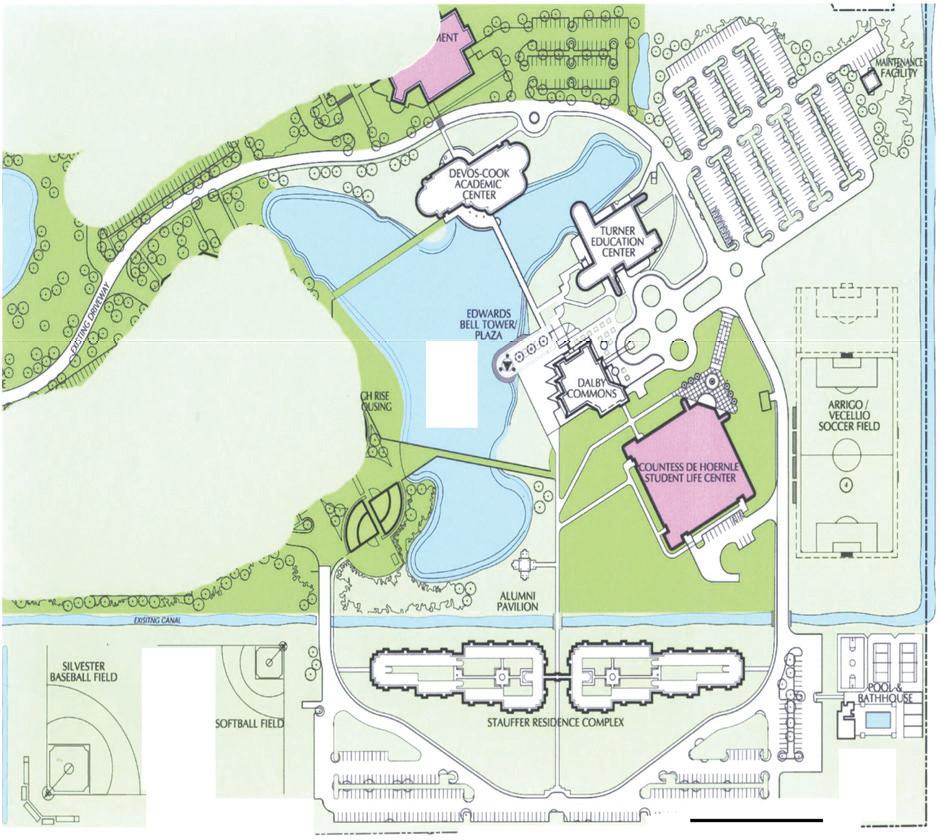
8:00 AM – 8:30 AM Residency I Students Arrival Student Life Center (Gymnasium)
8:30 AM – 9:45 AM Formal Welcome Breakfast for Residency 1
9:45 AM – 12:30 PM Department/Program Sessions
Room Numbers
Latin- Turner Auditorium and Turner 206, 207, Lab 103
Education- Turner 205 and 208
Psychology- Turner 201, 202, 203 CJ- DeVos Auditorium and DeVos 101, 102, Lab 104
Business/DHS- DeVos 106, 108, Lab 107
Nursing- Devos 109 and Lab 110
Research Room- Turner 200 Open computer Lab- DeVos 105
Room Numbers
Latin- Turner Auditorium and Turner 206, 207, Lab 103
12:30 PM – 1:45 PM Lunch Student Life Center 1:45 PM – 3:00 PM
Education- Turner 205 and 208
Psychology- Turner 201, 202, 203 CJ- DeVos Auditorium and DeVos 101, 102, Lab 104
Business/DHS- DeVos 106, 108, Lab 107
Nursing- Devos 109 and Lab 110
Room Numbers Latin- Turner Auditorium and Turner 206, 207, Lab 103
Education- Turner 205 and 208
Psychology- Turner 201, 202, 203
Research Room- Turner 200 Open computer Lab- DeVos 105 3:00 PM – 3:15 PM Break Turner/Devos Hallway 3:15 PM – 4:45 PM
CJ- DeVos Auditorium and DeVos 101, 102, Lab 104
Business/DHS- DeVos 106, 108, Lab 107
Nursing- Devos 109 and Lab 110
Research Room- Turner 200 Open computer Lab- DeVos 105
6:00 PM – 8:00 PM Residency I Social Theme: KU Spirit- Rock your KU Blue! Faculty and Students Host Hotel
WEDNESDAY, JULY 15 TH
9:00 AM – 10:45 AM Department/Program Sessions
Room Numbers
Latin- Turner Auditorium and Turner 206, 207, Lab 103
Education- Turner 205 and 208
Psychology- Turner 201, 202, 203
CJ- DeVos Auditorium and DeVos 101, 102, Lab 104
Business/DHS- DeVos 106, 108, Lab 107
Nursing- Devos 109 and Lab 110
Research Room- Turner 200 Open computer Lab- DeVos 105
Conferences Starts See Conference Schedule on Next Pages 11:00 AM
WEDNESDAY, JULY 15 TH
11:00 AM- 12:30 PM Dissertation: The Voices of KU Graduates
Navigating the RSC & IRB
Statistics 101
Qualitative Methods
Quantita tive Methods
Library - Beyond the S tacks
From Question to Design: Mapping Your Research Path
From Surviving to Thriving: Prioritizing Self-Care in Graduate Studies
11:00 AM- 11:40 AM
11:50 AM- 12:30 PM
Recipe for Success: Recommendations from those who have succeeded
Reading Reaearch Like a Reviewer
Bienestar y Sostenibilidad en el Proceso de Disertación: Manejo del Estrés, Gestión del Tiempo y Autocuidad o
Drs. Peluso and SGA MC; Guest Speakers: Topping, Franks, Goltz, Rodas
Turner Auditorium
Dr. Dayanim Devos 100
Dr. Zerihun Devos 101
Dr. Thompson Devos 102
Dr. Ratliff Devos 106
Library Staff Library (Turner)
Drs Daniels and Madigan Turner 201
Dr. Danilowski Turner 202
Drs Rosa, Ritter, Roth, Tucker, Ocean, Toth Turner 203
Drs. Restivo and Schmitt Turner 205
Drs. Bravo and Marrero Turner 206 Actualidad y Futuro del Liderazgo
Educativo: Panel sobre tendencias en la Educación a nivel Internaciona l
Métodos mixtos para eva luar la competencia cultural en l a atención sanitaria
Quantita tive Methods
Drs Poleo, Marques, Santiago, Von Feigenblatt Turner 207
Drs Caycho and Calderon Turner 208 SESSION CHANGE
Dr. Ratliff Devos 106
1:45 PM- 3:15 PM
Becoming a Leader in your Field
Reflective Practice to Succeed in the Graduate Schoo l
Online Writing Studio
Drs Salas-Amaro and Browne Devos 102
Dr. Dias Devos 106
OWL Staff Library (Turner) Approved Research Turner 200
The Feedback Loop: Receiving, Processing, and Responding to Chair and Committee Feedback
Drs Restivo and Daniels Turner 201 Survive Gradua te School Withou t Losing Your Mind
Virtual Communica tion and Defenses
From Question to Design: Mapping Your Research Path
Tendencias y desafíos de la investigación
IA en la investigación
Diseño de prompts para la investigación académica: optimización de la b úsqueda de información cientí fica
Panel
Dr. Dominguez Turner 202
Drs Rosa, Ritter, Keintz, Tucker, Ocean, Toth Turner 203
Drs. Schmitt, Sli fka, and Madigan Turner 205
Drs Santiago and Flecha Turner 206
Drs Von Feigenblatt, Poleo, Monrozeau Turner 207
Drs Garcia, Morales, Perez Turner 208
Lunch and Resource Fair 12:30 PM - 1:45 PM
Drs Mindlin, Gatewood, Von Feigenblatt, Madigan Turner Auditorium
Zerihun Devos
WEDNESDAY, JULY 15 TH
Qualitative Methods
The Power of Social Media: Networking and your Career
Navigating the RSC & IRB
How to Be the Calm in Someone Else's Storm: Practical De-escalation for Any Profession
1:45 PM- 2:25 PM
2:35 PM- 3:15 PM
Survive Gradua te School Withou t Losing Your Mind
The Feedback Loop: Receiving, Processing, and Responding to Chair and Committee Feedback
Library - Beyond the Stacks
Técnicas de investigación experimental
Desafíos éticos y legales en la investigación: uso de la IA
Dr.Thompson Devos 102
SGA Representatives with Dr. Cooke and Ms. Lovo Turner 201
Dr. Dayanim Devos 100
Dr. Vecchi Devos 101
Dr. Dominguez Turner 202
Drs Danilowski and Restivo Turner 205
Library Staff Library (Turner)
Drs Flecha and Marques Turner 206
Drs Morales and Garcia Turner 207 Construcción de la matr iz de congruencia metodológica en investigación doctoral
Drs. Bravo, Marrero and Atencio Turner 208 BREAK
How to Be the Calm in Someone Else's Storm: Practical De-escalation for Any Profession
The Imposter Syndrome: Real Talk from Professors
Mindfulness, Movement, and Managing Stress:
Dr. Vecchi Devos 101
Drs. Slifka, Kuchinka, Mendelson, Whitaker, and Madigan Devos 102
Drs. Dias and Danilowski SLC Online Writing Studio OWL Staff Library (Turner) Approved Research Turner 200
The Power of Social Media: Networking and your Career
SGA Representatives with Dr. Cooke and Ms. Lovo Turner 201 Survive Gradua te School Withou t Losing Your Mind
Dr. Dominguez Turner 202 Clearing the mind: Cha ir Yoga for Dissertation
Dr. Fuda Daddio Turner 203 Gestión bibliográfic a y organización del conocimiento en investigación doc toral
Desarrollo de instrumentos
Drs Garcia, Marrero and Calderon Turner 206
Drs Flecha and Marques Turner 207 Experiencias en la disertación / Recetas para el éxito
Drs. Meléndez and Santiago Turner 208
3:15 PM- 3:20 PM Session Change
3:20 PM- 4:30 PM Doctoral Awa rds Sho wcase and Closing Remarks Turner Auditorium
THURSDAY, JULY 16 TH
8:00 AM – 8:30 AM Residency 2 Students Arrival- Grab and Go Breakfast Hallway Turner Bldng.
Room Numbers
Latin- Turner 206, 207, 208, Lab 103
Education- Turner 205
Psychology- Turner 201, 202, 203
CJ- DeVos Auditorium and DeVos 101, 102
Business/DHS- DeVos 106, 108
Research Room- Turner 200 Open computer Lab- DeVos 105
8:30 AM - 12:30 PM Department/Program Sessions
Latin- Turner 206, 207, 208, Lab 103
Education- Turner 205
Psychology- Turner 201, 202, 203
CJ- DeVos Auditorium and DeVos 101, 102
Business/DHS- DeVos 106, 108 Research Room- Turner 200 Open computer Lab- DeVos 105
12:30 PM – 1:45 PM Lunch Student Life Center
Room Numbers
Latin- Turner 206, 207, 208, Lab 103
Education- Turner 205
1:45 PM – 3:00 PM Department/Program Sessions
Psychology- Turner 201, 202, 203 CJ- DeVos Auditorium and DeVos 101, 102
Business/DHS- DeVos 106, 108 Research Room- Turner 200 Open computer Lab- DeVos 105
3:00 PM – 3:15 PM Break Turner/Devos Hallway
Room Numbers
Latin- Turner 206, 207, 208, Lab 103
Education- Turner 205
Psychology- Turner 201, 202, 203
3:15 PM – 4:45 PM Department/Program Sessions
CJ- DeVos Auditorium and DeVos 101, 102
Business/DHS- DeVos 106, 108 Research Room- Turner 200 Open computer Lab- DeVos 105
6:00 PM – 8:00 PM Residency II Social Theme: KU Spirit- Rock your KU Blue! Faculty and Students Host Hotel
9:00 AM – 10:45 AM
Department/Program Sessions
FRIDAY, JULY 17 TH Conferences
Room Numbers
Latin- Turner 206, 207, 208, Lab 103
Education- Turner 205
Psychology- Turner 201, 202, 203
CJ- DeVos Auditorium and DeVos 101, 102
Business/DHS- DeVos 106, 108 Research Room- Turner 200 Open computer Lab- DeVos 105
FRIDAY, JULY 17
FRIDAY, JULY 17 TH Lunch and Resource Fair- 12:30 P M- 1:45 P M
1:45 PM- 3:15 PM “Resources, Not Replacement – The Future of AI” Panel Dr. Keiser, Mr. Marshall, Dr. Madigan, Mrs. Cordner
Library - Beyond the S tacks
Clearing the mind: Cha ir Yoga for Dissertation
1:45 PM- 2:25 PM
Navigating Ethical Ch allenges in Dissertation Research
2:35 PM- 3:15
Movement, and Managing Stress: Drs Dias and Danilowski
Writing Studio
Research: Tools, Transparency, and Academic Integrity
Becoming a Leader in your Field
Turning Your Literature Review into an Argument
Life After the PhD: Career Pathways in and Beyond Academia
Daniels and Robertson
Drs. Toth, Ocean, Madigan, Keintz, Roth, Salas-Amaro
Experiencias en la disertación / Recetas para el éx ito Drs. Meléndez and Santiago
Diseño de prompts para la investigación académica: optimización de la búsqueda de in formación científica Drs. Garcia and Perez
3:15 PM- 3:30 PM SESSION CHANGE
3:30 PM- 4:00 PM Closing Remarks
ACTUALIDAD Y FUTURO DEL LIDERAZGO EDUCATIVO:
PANEL SOBRE TENDENCIAS EN LA EDUCACIÓN A NIVEL INTERNACIONAL
Este panel examina el liderazgo educativo como un objeto de estudio científico, analizando la correlación entre los modelos de gestión y la mejora empírica de los indicadores de aprendizaje a nivel global. Los ponentes presentan evidencia investigativa sobre tendencias internacionales, evaluando cómo las nuevas metodologías impactan sistemáticamente en el desarrollo institucional. Finalmente, se propone una agenda de investigación prospectiva para documentar y validar las prácticas directivas que mejor responden a las transformaciones del ecosistema educativo actual.
Our panelists bring diverse professional and academic perspectives spanning multiple disciplines, united by their hands-on experience integrating AI into real-world practice. Together, they represent the breadth of ways artificial intelligence is reshaping how we work, learn, and solve problems across fields.
BECOMING A LEADER IN YOUR FIELD
Inspire and equip individuals with the mindset, strategies, and practical steps needed to rise from being a competent practitioner to a recognized authority or influential voice in their professional domain.
BIENESTAR Y SOSTENIBILIDAD EN EL PROCESO DE DISERTACIÓN:
MANEJO DEL ESTRÉS, GESTIÓN DEL TIEMPO Y AUTOCUIDADO
Este taller está diseñado para apoyar a los estudiantes doctorales en el manejo de las demandas emocionales, cognitivas y organizativas asociadas con el proceso de disertación. Se abordarán estrategias basadas en evidencia para el manejo del estrés académico, la autorregulación, la prevención del agotamiento (burnout), y el fortalecimiento de hábitos de autocuidado que promuevan bienestar y persistencia doctoral. Asimismo, se trabajarán estrategias de gestión del tiempo, establecimiento de metas realistas, planificación de tareas complejas y desarrollo de rutinas sostenibles para mantener el progreso en investigación sin descuidar la salud personal y profesional.
CLEARING THE MIND: CHAIR YOGA FOR DISSERTATION
Research continues to demonstrate the connection between movement, mindfulness, and cognitive performance. During this interactive 40-minute chair yoga session, participants will engage in accessible movement, breathwork, and relaxation techniques that promote focus, reduce stress, and prepare the brain for sustained learning. No prior yoga experience is required.
Este taller introduce a los estudiantes en el desarrollo de la matriz de congruencia como herramienta central para la planificación de investigaciones rigurosas. Se trabajará la articulación lógica entre el problema de investigación, la brecha en la literatura, los objetivos, las preguntas de investigación, las hipótesis (cuando aplique), el diseño metodológico y las variables de estudio.
DESAFÍOS ÉTICOS Y LEGALES EN LA INVESTIGACIÓN: USO DE LA IA
Este taller examina los principios éticos que rigen la investigación en psicología, incluyendo el respeto por los participantes, la integridad científica, la confidencialidad y el cumplimiento de normativas institucionales. Se integra una discusión sobre el uso de inteligencia artificial en la producción académica
DESARROLLO DE INSTRUMENTOS
El taller de Desarrollo de Instrumentos orienta a los estudiantes doctorales en la creación de herramientas de recolección de datos alineadas con sus objetivos de investigación. Se abordan principios de validez, confiabilidad y buenas prácticas en la elaboración de ítems para asegurar rigor metodológico.
DISEÑO DE PROMPTS PARA LA INVESTIGACIÓN ACADÉMICA:
OPTIMIZACIÓN DE LA BÚSQUEDA DE INFORMACIÓN CIENTÍFICA
Este taller se enfoca en el desarrollo de habilidades para la formulación de prompts efectivos orientados a la búsqueda, análisis y síntesis de información científica mediante herramientas de inteligencia artificial. Se discutirán principios de claridad, especificidad y estructura en la redacción de prompts.
DISSERTATION: THE VOICES OF KU GRADUATES
“The Voices of KU Graduates” brings together Dean Peluso, SGA, and KU alumni for a candid conversation about the dissertation process, featuring personal experiences, lessons learned, and strategies for success.
DOCTORAL AWARDS SHOWCASE
The Doctoral Research Awards Showcase celebrates exceptional doctoral scholarship from Keiser University 2024 and 2025 graduates. Finalists, selected through multiple rounds of review and voting, will present their research live, where attendees and viewers will participate in live voting before the winners are announced and recognized.
EXPERIENCIAS EN LA DISERTACIÓN / RECETAS PARA EL ÉXITO
El taller de Experiencias en la disertación / Recetas para el éxito ofrece una visión práctica del proceso doctoral a partir de experiencias reales. Se comparten estrategias efectivas para avanzar en la disertación, gestionar el tiempo, mantener la motivación y superar desafíos comunes. El enfoque está en brindar herramientas concretas que faciliten un progreso sostenido y exitoso hasta la culminación del grado.
This session will help students move from a broad research idea to a well-structured study design by aligning their research problem, purpose, research questions, and methodology. Participants will learn how to make key design decisions early in the research process to create a coherent and feasible dissertation study.
FROM SURVIVING TO THRIVING: PRIORITIZING SELF-CARE IN GRADUATE
Between coursework, deadlines, and personal responsibilities, graduate students often feel as if they are running a marathon. This session explores practical stress management techniques, mindfulness practices, and self-care habits to help students navigate their academic journey with confidence.
GESTIÓN BIBLIOGRÁFICA Y ORGANIZACIÓN DEL CONOCIMIENTO EN INVESTIGACIÓN DOCTORAL
Este taller introduce el uso de gestores bibliográficos como herramientas fundamentales para la organización de referencias, citación en formato APA y manejo eficiente de fuentes académicas. Se enfatiza la organización del conocimiento como competencia clave para la productividad investigativa.
HOW TO BE THE CALM IN SOMEONE ELSE'S STORM: PRACTICAL DE-ESCALATION FOR ANY PROFESSION
How to Be the Calm in Someone Else’s Storm: Practical De-escalation for Any Profession provides doctoral students with practical, evidence-informed strategies for recognizing emotional escalation, managing their own responses, and using communication to reduce conflict. The presentation emphasizes how professionals in any field can apply calm presence, active listening, empathy, and behavioral influence to improve safety, trust, and outcomes during difficult interactions.
IA EN LA INVESTIGACIÓN
Esta conferencia explora el rol transformador de la inteligencia artificial en la investigación doctoral, no solo como herramienta técnica, sino como un catalizador para el pensamiento crítico, la generación de conocimiento y la eficiencia metodológica. A través de ejercicios prácticos y discusiones reflexivas, los participantes analizarán cómo integrar la IA de manera ética, rigurosa y estratégica en cada etapa del proceso investigativo, fortaleciendo su autonomía intelectual y evitando dependencias que comprometan la originalidad académica.
LIBRARY - BEYOND THE STACKS
Please join Campus Library Directors Nicholas Blaga of the Ft. Lauderdale Campus, and Bonnie Marshak of the Flagship Campus for an in-depth orientation and training session on the library’s vast online resources. The presentation will present programmatic Lib-Guides that showcase relevant databases and other online resources you will need to meet your scholarly research requirements. To answer all of your questions, a Q & A session will conclude the presentation.
El taller de Métodos mixtos para evaluar la competencia cultural en la atención sanitaria presenta cómo integrar enfoques cuantitativos y cualitativos para analizar este fenómeno en salud, fortaleciendo la validez y comprensión de los resultados.
MINDFULNESS, MOVEMENT, AND MANAGING STRESS
This session invites you to slow down, tune in, and reconnect with the body as a source of wisdom, stability, and clarity. Through gentle stretching, guided somatic awareness, and beginner-friendly mindfulness practices, you’ll learn how to shift from mental overdrive into embodied presence. Whether this is your first time exploring mind-body work or part of your regular routine, you’ll leave with practical techniques you can use during residency, in your academic life, and in moments of stress or overwhelm.
NAVIGATING THE RSC & IRB
This session is intended for graduate students who plan to begin their dissertation or doctoral research within the next six months. Attendees will receive a brief introduction to the Research and Scholarship Collaborative (RSC) and the IRB process- an essential step before recruiting participants or collecting data- and are encouraged to bring a laptop if available.
Discover how the Online Writing Studio and University Library can support every stage of your doctoral journey. Learn how to leverage research resources, expert guidance, academic writing support, and specialized services designed to strengthen your scholarship and dissertation success.
This session provides a reflective exploration of qualitative reseach methods through practical approaches, challenges, and insights for qualitative inquiry.
This session is a review of statistical methods, tools and assumptions that we use in quantitative research methods. We will also see how we can use software to describe, infer, and test claims.
Join us for an engaging workshop on Reflective Practice, a powerful strategy for enhancing learning, improving decision-making, and fostering personal and professional growth throughout your graduate studies. Participants will explore practical techniques that can strengthen critical thinking, increase self-awareness, and support academic and career success, from professors who will share their insights from the dissertation phase of their program.
REFLECTIVE PRACTICE TO SUCCEED IN THE GRADUATE SCHOOL
Join us for an engaging workshop on Reflective Practice, a powerful strategy for enhancing learning, improving decision-making, and fostering personal and professional growth throughout your graduate studies. Participants will explore practical reflection techniques that can strengthen critical thinking, increase self-awareness, and support academic and career success. Whether you are just beginning your graduate journey or preparing for the next stage of your professional development, this workshop will provide valuable tools to help you maximize your potential.
STATISTICS 101
This session introduces doctoral students to foundational concepts in quantitative research like measurement, variable types, and hypothesis testing, with a focus on clarity, relevance, and confidence building. The goal is to make quantitative methods feel less intimidating and more applicable, using real examples and straightforward explanations to show that stats really aren’t that scary.
SURVIVE GRADUATE SCHOOL WITHOUT LOSING YOUR MIND
This presentation offers practical strategies to help graduate students manage stress, optimize their time, and strengthen executive functioning skills to stay organized and focused. Learn how to balance academic demands with well-being so you can succeed in grad school without burning out or losing your mind.
TÉCNICAS DE INVESTIGACIÓN EXPERIMENTAL
El taller de Métodos y técnicas para estudiar efectos de variables manipuladas profundiza en el diseño de investigaciones experimentales y cuasi-experimentales orientadas a identificar relaciones causales. Los estudiantes doctorales revisarán cómo definir variables independientes y dependientes, estructurar grupos de control y tratamiento, y aplicar técnicas de recolección y análisis de datos que permitan evaluar el impacto de intervenciones. Asimismo, se abordarán aspectos clave como validez interna y externa, control de sesgos y consideraciones éticas, fortaleciendo el rigor en estudios con variables manipuladas.
TENDENCIAS Y DESAFÍOS DE LA INVESTIGACIÓN
El taller de Exploración de tendencias y desafíos en investigación analiza los cambios actuales en la producción científica, incluyendo el impacto de la tecnología, la inteligencia artificial y el acceso abierto. Los estudiantes doctorales revisarán tendencias emergentes en distintas disciplinas, así como desafíos clave como la calidad de la evidencia, la ética en el uso de datos, la reproducibilidad y la integridad académica. Además, se promoverá la reflexión crítica sobre cómo estas dinámicas influyen en el diseño, ejecución y difusión de la investigación, fortaleciendo una visión estratégica y actualizada del quehacer científico.
THE FEEDBACK LOOP: RECEIVING, PROCESSING, AND RESPONDING TO CHAIR AND COMMITTEE FEEDBACK
This presentation aims to help doctoral students develop effective strategies for receiving, organizing, processing, and responding to chair and committee feedback throughout the dissertation and applied doctoral project process. Participants will learn how to navigate revisions professionally, manage conflicting feedback, and use revision cycles to strengthen the quality and progress of their scholarly work.
THE IMPOSTER SYNDROME: REAL TALK FROM PROFESSORS
This session will guide students through the recognition of, understanding of, and response to the experience of imposter syndrome. Participants will hear first-hand experiences with imposter syndrome as experienced by their faculty at various points in their careers and discuss an effective framework for recognition, understanding, and responding to the experience of imposter syndrome.
THE IMPOSTER SYNDROME: REAL TALK FROM PROFESSORS
This session will guide students through the recognition of, understanding of, and response to the experience of imposter syndrome. Participants will hear first-hand experiences with imposter syndrome as experienced by their faculty at various points in their careers and discuss an effective framework for recognition, understanding, and responding to the experience of imposter syndrome.
THE POWER OF SOCIAL MEDIA: NETWORKING AND YOUR CAREER
This session explores how social media can be strategically used for professional networking and career development, highlighting best practices for building a strong online presence. It also aims to help participants understand how to leverage digital platforms to create opportunities and connect with industry professionals.
Virtual Communication and Defenses focuses on the effective use of digital communication tools during dissertation defenses. This topic explores best practices for presenting research professionally in a virtual setting, engaging with committee members, and ensuring clear, secure, and successful online communication.
Reading research critically is a skill which can transform how doctoral students write, design studies, and engage with literature. This presentation teaches the reviewer mindset: a framework for evaluating alignment, methodological rigor, theoretical application, and research quality that sharpens every stage of scholarly work.
As artificial intelligence continues to reshape industries and classrooms alike, the conversation has shifted from if it will change our world to how we choose to shape that change. This panel explores the future of education and the evolving workforce, examining AI not as a threat to human potential, but as a resource that, when used thoughtfully, can elevate what we do and who we become.
Pitch your research in just three minutes! In this session, program chairs provide real-time feedback and insights to help you refine your topic and map the path forward.
AI-POWERED RESEARCH: TOOLS, TRANSPARENCY, AND ACADEMIC INTEGRITY
This session provides an overview of AI tools designed to assist doctoral researchers with brainstorming, literature synthesis, writing support, and data management. Special attention will be given to ethical concerns, institutional expectations, and maintaining integrity in scholarly research.
This presentation explores how doctoral students can develop into recognized leaders within their disciplines by building expertise, strengthening professional identity, and translating research into meaningful impact. Participants will examine practical strategies for scholarship, networking, leadership development, and overcoming barriers that influence professional growth and long-term success.
Research continues to demonstrate the connection between movement, mindfulness, and cognitive performance. During this interactive 40-minute chair yoga session, participants will engage in accessible movement, breathwork, and relaxation techniques that promote focus, reduce stress, and prepare the brain for sustained learning. No prior yoga experience is required.
Este taller examina los principios éticos que rigen la investigación en psicología, incluyendo el respeto por los participantes, la integridad científica, la confidencialidad y el cumplimiento de normativas institucionales. Se integra una discusión sobre el uso de inteligencia artificial en la producción académica.
DESARROLLO DE INSTRUMENTOS
El taller de Desarrollo de Instrumentos orienta a los estudiantes doctorales en la creación de herramientas de recolección de datos alineadas con sus objetivos de investigación. Se abordan principios de validez, confiabilidad y buenas prácticas en la elaboración de ítems para asegurar rigor metodológico.
DISEÑO DE PROMPTS PARA LA INVESTIGACIÓN ACADÉMICA: OPTIMIZACIÓN DE LA BÚSQUEDA DE INFORMACIÓN CIENTÍFICA
Este taller se enfoca en el desarrollo de habilidades para la formulación de prompts efectivos orientados a la búsqueda, análisis y síntesis de información científica mediante herramientas de inteligencia artificial. Se discutirán principios de claridad, especificidad y estructura en la redacción de prompts.
EXPERIENCIAS EN LA DISERTACIÓN / RECETAS PARA EL ÉXITO
El taller de Experiencias en la disertación / Recetas para el éxito ofrece una visión práctica del proceso doctoral a partir de experiencias reales. Se comparten estrategias efectivas para avanzar en la disertación, gestionar el tiempo, mantener la motivación y superar desafíos comunes. El enfoque está en brindar herramientas concretas que faciliten un progreso sostenido y exitoso hasta la culminación del grado.
IA EN LA INVESTIGACIÓN
Esta conferencia explora el rol transformador de la inteligencia artificial en la investigación doctoral, no solo como herramienta técnica, sino como un catalizador para el pensamiento crítico, la generación de conocimiento y la eficiencia metodológica. A través de ejercicios prácticos y discusiones reflexivas, los participantes analizarán cómo integrar la IA de manera ética, rigurosa y estratégica en cada etapa del proceso investigativo, fortaleciendo su autonomía intelectual y evitando dependencias que comprometan la originalidad académica.
Please join Campus Library Directors Nicholas Blaga of the Ft. Lauderdale Campus, and Bonnie Marshak of the Flagship Campus for an in-depth orientation and training session on the library’s vast online resources. The presentation will present programmatic Lib-Guides that showcase relevant databases and other online resources you will need to meet your scholarly research requirements. To answer all of your questions, a Q & A session will conclude the presentation.
Academic Veteran pathways vary widely. Every veteran has a unique story of their goals and accomplishments. This session will include a brief example of one or two academic pathways and recommendations from all for keeping options open to opportunity, when one has a doctorate.
This session invites you to slow down, tune in, and reconnect with the body as a source of wisdom, stability, and clarity. Through gentle stretching, guided somatic awareness, and beginner-friendly mindfulness practices, you’ll learn how to shift from mental overdrive into embodied presence. Whether this is your first time exploring mind-body work or part of your regular routine, you’ll leave with practical techniques you can use during residency, in your academic life, and in moments of stress or overwhelm.
NAVIGATING ETHICAL CHALLENGES IN DISSERTATION RESEARCH
Ethical research extends far beyond completing IRB forms. Using examples from previous KU IRB submissions and real-world research scenarios, this session will help doctoral students identify and address ethical challenges that may arise throughout the dissertation process, supporting a stronger and more successful IRB submission.
ONLINE WRITING STUDIO
Discover how the Online Writing Studio and University Library can support every stage of your doctoral journey. Learn how to leverage research resources, expert guidance, academic writing support, and specialized services designed to strengthen your scholarship and dissertation success.
QUALITATIVE RESEARCH METHODS
This session provides a reflective exploration of qualitative reseach methods through practical approaches, challenges, and insights for qualitative inquiry.
QUANTITATIVE DECISIONS: CHOOSING THE RIGHT ANALYSIS
This session will guide students through the process of selecting the most appropriate statistical analysis for their research questions, study design, and data type. Participants will learn a practical framework for matching common quantitative research scenarios with the correct statistical tests and avoiding common analysis selection mistakes.
STATISTICS 2.0- USING AND ANALYZING SURVEYS
This workshop is designed to engage students in learning aobut the most important aspects of survey research including scientific and practical challenges associated with survey design and administration.
SURVEY RESEARCH ESSENTIALS
This session provides practical guidance on selecting survey instruments, recruiting participants, and choosing survey distribution platforms for research studies. Participants will learn how to evaluate existing measures, assess reliability, and make informed decisions that support high-quality data collection.
El taller de Métodos y técnicas para estudiar efectos de variables manipuladas introduce a los estudiantes doctorales en el diseño de investigaciones experimentales y cuasi-experimentales, enfocadas en analizar relaciones causa-efecto. Se abordan técnicas para la manipulación de variables, control de sesgos y selección de grupos, así como estrategias básicas de análisis de datos, con el fin de garantizar resultados válidos y confiables.
TURNING YOUR LITERATURE REVIEW INTO AN ARGUMENT
The goal of the presentation is to aid doctoral students through the organization of scholarly articles in preparation for each chapter of the dissertation process to support and build your scholarly argument.
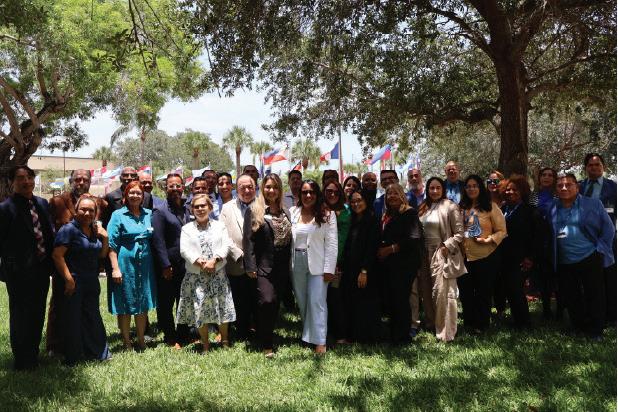

HAVE YOU VALUED YOUR TIME AT KEISER UNIVERSITY GRADUATE SCHOOL? NOW IS THE TIME TO SHARE YOUR INCREDIBLE EXPERIENCE WITH YOUR FAMILY AND FRIENDS!
HTTPS://WWW.KEISERUNIVERSITY.EDU/GRADUATE-SCHOOL/STUDENTS/GRADUATE-REFERRALS/
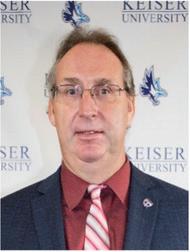
MATT EGGERTSSON, D.I.B.A. graduate business department chair meggertson@keiseruniversity.edu
Doctor Eggertsson obtained a Doctor of International Business (DIBA) from NSU and specializes in international marketing and management issues. He is also a member of the International Academy of Business and Economics (IABE) and Editor-In-Chief for the Journal of International Management Studies.
JUDY JEAN, DHSC DOCTOR of health science program chair jjean@keiseruniversity.edu
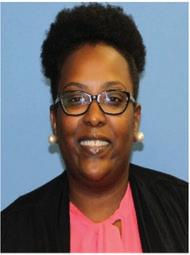
SHEREKA BROWNE, D.B.A. master of organizational leadership program coordinator
shbrowne@keiseruniversity.edu
Dr. Shereka Browne is the Program Coordinator for the Master of Organizational Leadership Program. She earned a DBA and an MS in Organizational Leadership and Graduate Certificate in Integrated Marketing Communication. Dr. Browne has over 16 years of teaching experience and is actively involved in research and projects in leadership.
BORIS DJOKIC, PHD. business Faculty
bdjokic@keiseruniversity.edu
Holds a Doctorate in Health Sciences with a specialization in Global Health from NSU and a Master of Health Service Administration from FIU. Has 13+ years of clinical research experience supporting pharmaceutical companies, leading pediatric trials, and improving processes in large healthcare systems.
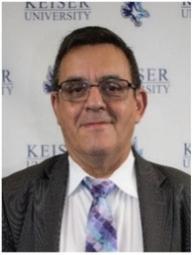
Dr. Djokic received his Doctorate of Statistics at the University of Belgrade, Serbia. He has been in academia since 1984. Beginning in Belgrade, Serbia, Dr. Djokic continued his work at the University of Miami until 2009. Presently on the faculty at Keiser University, he specializes in business research methods and statistics.
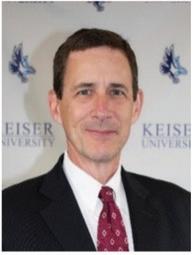
Dr. Tucker teaches Global Economics in the DBA program and is the Dissertation Chair for several students. He earned his MA in Economics from Georgetown University (1981) and his PhD in Economics from the University of Arkansas (1987).
Dr. Ritter is the Marketing Program Coordinator. He has over 27 years of management, business, healthcare, and consulting experience. He earned his Doctorate from NSU and an MBA from Long Island University in New York. Dr. Ritter has over 10 years of experience in academics and has been active in researching and publishing.
dtucker@keiseruniversity.edu asamaro@keiseruniversity.edu
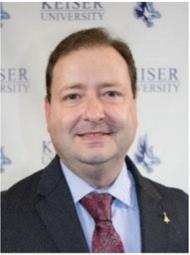
Dr. Salas-Amaro earned a DBA and MBA with a specialization in Management, a Graduate Certificate in Accounting and another in Taxation. He has over 10 years of higher education teaching experience developing and managing courses, and as a subject matter expertise to name a few. He has also held senior level management positions for many companies.
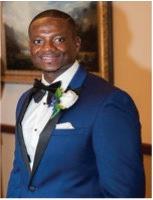
Dr. Theo Owusu earned a doctorate in Information Systems and Communications from Robert Morris University. He has 20 years of ICT experience and co-authored books on network systems and security. His research focuses on data analytics and cybersecurity.
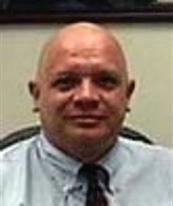
FRANCISCO DE COSSIO, PHD.
Business finance faculty fdecossio@keiseruniversity.edu
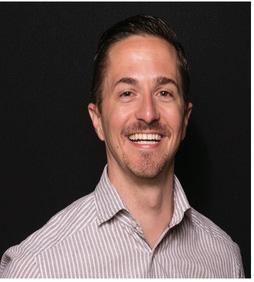
KENNY ROBERTS, PHD.
business faculty
kenny.roberts@keiseruniversity.edu
Dr. Francisco de Cossio earned his BA and MA in Economics. He has a Ph.D. in Business with a concentration in Finance and International Business from the University of South Carolina at Columbia, South Carolina. He enjoyed working in the corporate setting and held the position of Chief Financial Officer. He has taught economics, finance, statistics, and business management at various universities.
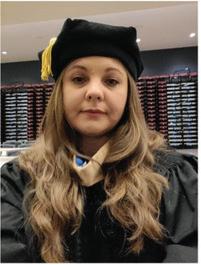
ANASTASIA CHOLACU, PHD.
Business faculty acholacu@keiseruniversity.edu
Dr. Cholacu completed an MBA in International Business and a Ph.D. from Northcentral University. She is interested in global business and the international energy industry. Dr. Cholacu is actively involved in research and support of the field, both as a journal editor and in publishing numerous studies.
Dr. Kenny Roberts is a full-time faculty for the Doctor of Business Administration program. He obtained a PhD from Walden University. He specializes in finance and business. He is also a member of the Association for Financial Professionals and the American Finance Association.
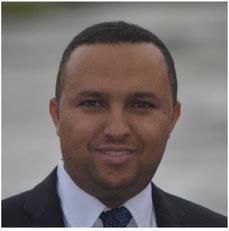
TADESSE ZERIHUN, PHD.
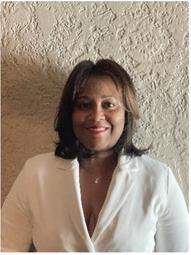
Business Faculty tzerihun@keiseruniversity.edu
Dr. Tadesse completed his MA and Doctoral degree in Applied Mathematics from the University of South Florida. He has been in academia and the corporation since 2006. Dr. Tadesse taught mathematics, Statistics, and computer science at various universities and colleges.
Dr. Shon R. Denton, DHA, MS, RN, BSN, has over 25 years of experience in health care, with a focus on quality improvement, managed care, research, and education. She began her career in 1990 as a volunteer Clinic Assistant and has served as faculty at Keiser University for 11 years. Dr. Denton holds a Bachelor’s in Nursing and Health Care Administration, a Master’s in Education and Counseling with a focus on Health Care, and a doctorate in Health Care Administration.
DR. SHON R. DENTON, DHA., MS., BSN., RN. GS FACULTY (HSM and hsc) adenton@keiseruniversity.edu
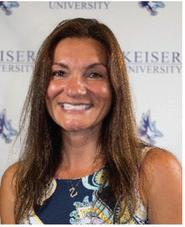
JESSICA FUDA DADDIO, PHD. EDUCATION DEPARTMENT CHAIR jfudadaddio@keiseruniversity.edu
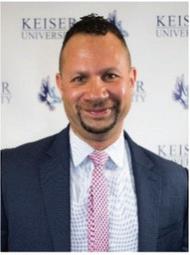
MANUEL ROSA, ED.D. EDUCATION FACULTY mrosa@keiseruniversity.edu
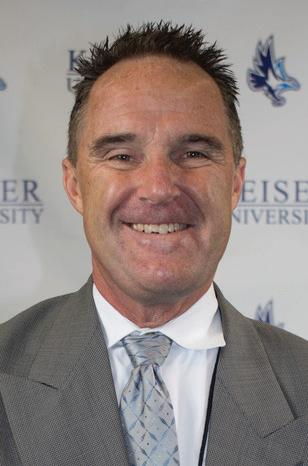
BRIAN KEINTZ, PHD. Education faculty bkeintz@keiseruniversity.edu
Dr. Fuda Daddio is a graduate professor, advisor, dissertation chair, and IRB member. She holds degrees in Education and Instructional Leadership. Her background includes K-12 teaching, literacy coaching, and consulting in literacy instruction.
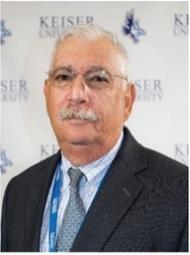
STEVEN ROTH, ED.D. education faculty sroth@keiseruniversity.edu
Dr. Roth is a bilingual educator with leadership roles as a K-12 teacher, principal, professor, and director. He holds degrees in History, Special Education, and Educational Leadership, with experience in Latin America and China.
Dr. Rosa is a professor in Master’s and Ph.D. Education programs and serves as Graduate School assessment chair. He holds an Ed.D. from FIU, a Master’s from NYU, and a Bachelor’s in Psychology from Rutgers University.
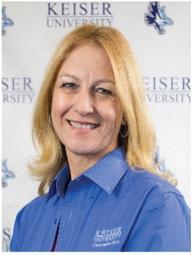
KELLY L. GATEWOOD, PHD. EDUCATION Faculty kgatewood@keiseruniversity.edu
Dr. Gatewood holds B.A., M.S., and Ph.D. degrees from the University of Nebraska. She has worked as a teacher, state director, and professor, and now serves as faculty and advisor. She has published articles and contributed to books and journals.
Dr. Keintz is a professor of Education at Keiser University with 15 years in academic and administrative roles. He has extensive experience in the coordination of faculty development for Graduate School. He also spent 22 years as a student affairs administrator at five state universities prior to Keiser University.
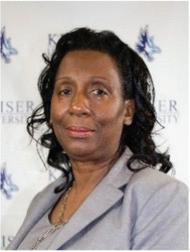
ANDREA THOMPSON, PHD. EDUCATION FACULTY anthompson@keiseruniversity.edu
Dr. Thompson has worked in education since 1979, from K-12 roles as an instructional specialist, literacy coach, and administrator to higher education professor. She develops literacy resources for parents and researches leadership in Title I schools with high EL populations.
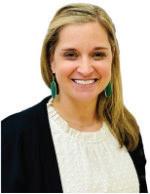
LAURIE SLIFKA, PHD.
Graduate psychology department chair lslifka@keiseruniversity.edu
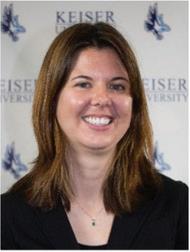
LORI DANIELS, PHD.
psychology faculty ldaniels@keiseruniversity.edu
CHASITY RATLIFF-PIERCE, PHD. psychology faculty
chasity.ratliff@keiseruniversity.edu
Dr. Slifka holds a Ph.D. in Psychology with a focus on Behavioral Neuroscience. She is a neuropsychologist specializing in HIV and early life stress, using neuroimaging. Her NIH-funded research is widely published, and she is dedicated to teaching and mentoring graduate students.
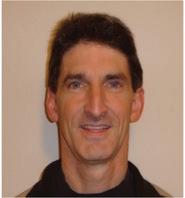
BRIAN ESTERLING, PHD. psychology faculty besterling@keiseruniversity.edu
Dr. Esterling holds a Ph.D. in Clinical Psychology and an MBA in Business Management. His research in psychoneuroimmunology explores how stress affects immune response to infections. He now focuses on the link between business strategies and mental health outcomes.
Dr. Daniels received her Ph.D. in Psychology from Florida Atlantic University. Her research interests include visual perception and attention. She has published research in Spatial Vision and Visual Neuroscience and has presented her work at conferences both nationally and internationally.
KELLY SCHMITT, PHD. psychology Faculty kschmitt@keiseruniversity.edu
Dr. Kelly Schmitt completed her Ph.D. in Psychology at the University of Massachusetts Amherst, with a concentration in Quantitative Methods. She completed a postdoctoral fellowship at the University of Pennsylvania, focusing on children’s media policies. Her research interests focus on the intersection between cognitive development, educational media, and technology.
Dr. Chasity Ratliff-Pierce holds a Ph.D. in Applied Psychology with a focus on Psychology and Law. She has served as faculty and epidemiologist. Her research centers on social psychology and jury decision-making, with publications and conference presentations.
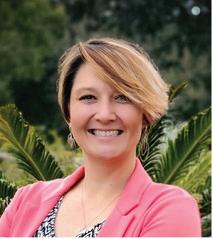
JEN DANILOWSKI, PHD. PSYCHOLOGY FACULTY jdanilowski@keiseruniversity.edu
Dr. Jen Danilowski is an alum, having completed both a master’s and PhD at Keiser University. With over 20 years of experience as a facilitator and educator, her interests include positive and adverse childhood experiences (PACES), resilience, emotional intelligence, and neurodiversity.
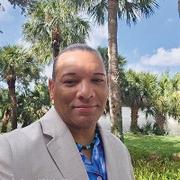
STEVEN WHITAKER, PHD.
Industrial/Organizational Psychology Faculty sswhitaker@keiseruniversity.edu
Dr. Steven Whitaker holds M.S. and Ph.D. degrees in Industrial and Organizational Psychology. He has six years of research experience, focusing on the intersection of technology and work, organizational behavior, well-being, and statistical methods.
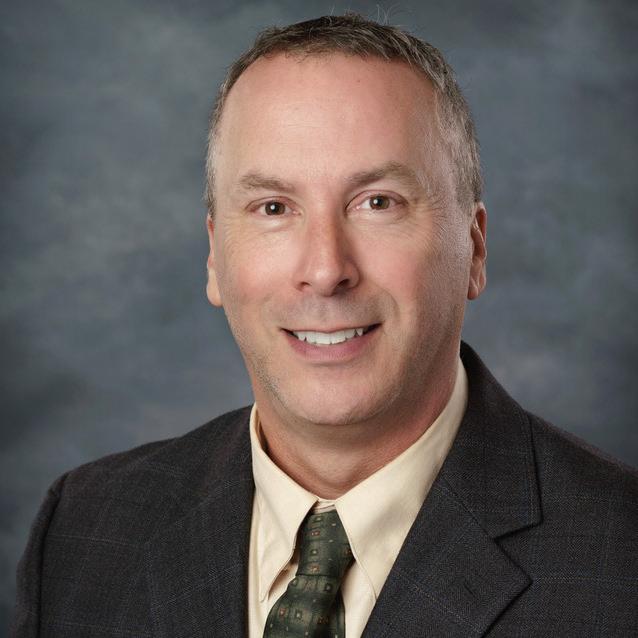
DANIEL KUCHINKA, PHD.
Industrial/Organizational Psychology Faculty dkuchinka@keiseruniversity.edu
Dr. Dan Kuchinka holds a Ph.D. in Industrial and Organizational Psychology. He has held executive roles in a Fortune 50 company and nonprofits, and has over 10 years in academia. He authored Servant Leadership 2.0, featuring a validated assessment and training program.
MIREIDY FERNÁNDEZ, PSYD.
Industrial/Organizational Psychology Faculty mfernandez@keiseruniversity.edu
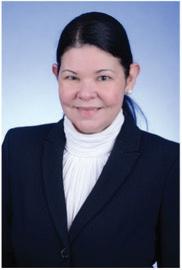
Dr. Mireidy Fernandez, PsyD, is a professor of Industrial Organizational Psychology with 28 years of experience in public policy, auditing, urban planning, and education. She has worked in government and with companies like NBC, ABC, and Jacobs Engineering.
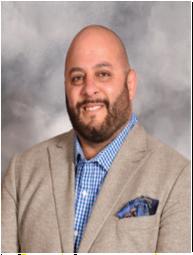
RICHARD MENDELSON, PHD.
Industrial/Organizational Psychology Faculty rmendelson@keiseruniversity.edu
Dr. Mendelson has 18+ years of experience as an educator. He holds degrees in Psychology and Industrial and Organizational Psychology. His interests focus on workplace performance, emotional intelligence, and its impact on educational systems.
JAMIE MADIGAN, PHD.
Industrial/Organizational Psychology Faculty
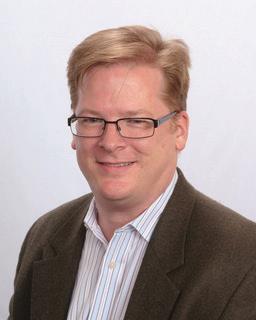
harold.madigan@keiseruniversity.edu
Dr. Harold “Jamie” Madigan is an I/O psychology Ph.D. with 25+ years of experience in consulting, teaching, and leadership. He is a professor at Keiser University and writes about psychology and games, authoring books on video games and Dungeons & Dragons.
FREDERICK TURNER, PHD.
CRIMINAL JUSTICE CHAIR fturner@keiseruniversity.edu
GREG VECCHI, PHD. criminal justice faculty gvecchi@keiseruniversity.edu
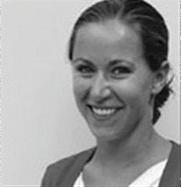
EMILY RESTIVO, PHD.
CRIMINAL JUSTICE FACULTY emily.restivo@keiseruniversity.edu
Dr. Turner holds a Ph.D. in Criminal Justice and a Doctor of Public Administration. With 12+ years of experience, he has served in the U.S. Navy as a military police officer and as an intelligence analyst for Homeland Security/Customs and Border Protection.
BARBARA COOKE, PHD. criminal justice faculty bcooke@keiseruniversity.edu
Dr. Barbara Cooke earned a B.A. in Psychology and Dramatic Arts from the University of California, Santa Barbara. Dr. Cooke earned a MPhil in Criminological Research and PhD in Criminology at the University of Cambridge. Her research interests include rehabilitation, treatment, and correctional programming.
Gregory M. Vecchi, Ph.D., retired from the FBI in February 2014 after 29 years of combined service in the military and as a federal agent. Dr. Vecchi was formerly the Chief of the FBI’s legendary Behavioral Science Unit and a career hostage negotiator.
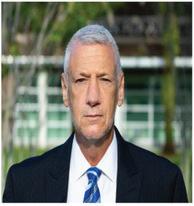
ALEXANDER TOTH, PHD. criminal justice faculty
Dr. Toth holds a M.S. degree in Criminal Justice from the University of Cincinnati and a Ph.D. degree in Criminology from the University of South Florida. He served in the U.S. Army as a Military Police Investigator, an Orlando Police Officer, and the U.S. Drug Enforcement Administration (DEA) as a Special Agent.
Dr. Emily Restivo received her Ph.D. in Criminology from the Florida State University in 2011. She has taught more than 20 courses in Criminology and Criminal Justice and has published work in Justice Quarterly, Criminal Justice and Behavior, Crime and Delinquency, and Youth Violence and Juvenile Justice.

LERIS OCEAN, PHD. criminal justice FACULTY locean@keiseruniversity.edu
Dr. Ocean holds a B.S., M.S. in Criminal Justice, and a Ph.D. in Public Safety with a specialization in Criminal Justice. Dr. Ocean’s early career includes roles as a Commission Investigator for the Florida Parole Commission and Special Investigator for the National Background Investigations Bureau, where she handled death row and high-stakes cases relating to public trust, security clearance, and criminal justice policies.
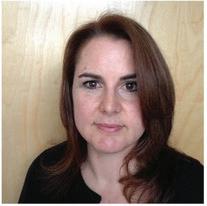
Dr. MaryJane Mindlin serves as the DNP/MSN Program Director at Keiser University.
Dr. Mindlin possesses over 30 years of experience in clinical practice, nursing/nurse-midwifery education, administration, and research work. In 2000, Dr. Mindlin received the American College of Nurse-Midwives’ Kitty Ernst Award, the national outstanding young life achievement award in the profession of NurseMidwifery. Dr. Mindlin is a Fellow in the American College of Nurse-Midwives and the American Institute of Stress.
MARYJANE MINDLIN, PHD, RN, CNM, FACNM, FAIS.
MSN/DNP Program Director
mary.mindlin@keiseruniversity.edu
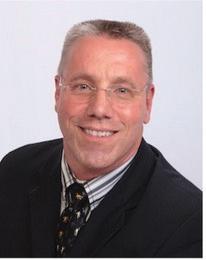
ED BRIGGS, MS, DNP, APRN
Graduate Nursing Faculty MSN and DNP
ebriggs@keiseruniversity.edu
Dr. Briggs is a Family Nurse practitioner who received his Masters Degree in Nursing from the University of South Florida and his Doctorate of Nursing Practice from the University of Florida. He also serves as the Director for Care for the Belize Missions of Nokumbaya, a lutheran charity organization that provides health care services to remote Mayan Villages in Belize. In this role he leads a nursing led teams to provide primary care 2-3 times a year. He is an advocate for nursing practice and has previously served as President of the Florida Nurses Association, Chair of the Florida Coalition of Advanced Practice Nursing, Chair of the American Nurses Association Nominations and Elections Committee and Treasurer of the American Nurses Association Political Action Committee.
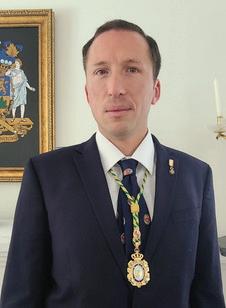
Embajador Otto F. von Feigenblatt, B.S.S. (APU, Japón), MA (CU, Tailandia), Ed. D. y Ph.D. (NSU, Florida), GradCert y ALM (Universidad de Harvard, Massachusetts), y Postdoctorado (USJ, Costa Rica). Índice H: 27. Es embajador ante las Naciones Unidas y asesor de asuntos educativos del Parlamento Andino. Director de los programas de postgrado de Educación de la División Latina.
OTTO F. VON FEIGENBLATT, ED.D, PHD.
Director de Posgrados en Educación ofeigenblatt@keiseruniversity.edu
JOSÉ A. FLECHA, D.B.A
Profesor de Administración y Gerencia jflecha@keiseruniversity.edu
Dr. José A Flecha es natural de Yabucoa, Puerto Rico. El mismo mantiene 19 años de experiencia en la industria financiera, y otros 15 años de experiencia docente. Es un investigador apasionado con más de 20 publicaciones académicas en revistas de primer nivel.
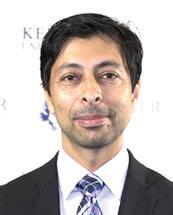
‘DENNIS’ CALDERÓN
El Dr. Calderón posee experiencias educativas en Chile, EE. UU. Y Francia; así como una equilibrada carrera en entornos empresariales y académicos. Se unió a la Universidad Keiser en el 2008 y fue nombrado profesor titular en 2009. Actualmente es el director de los Programas Graduados de Negocios y Ciencas de la Salud (División Latina).
Director de Posgrados de Negocios y Ciencias de la Salud dcalderon@keiseruniversity.edu
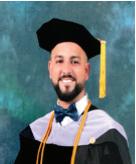
El Dr. Pérez es experto en educación y psicología. Posee bachillerato y maestría de la Universidad de Puerto Rico y un doctorado de la Universidad Albizu. Es el director de los programas de posgrado de psicología de la división latina de Keiser University y de Creciendo Juntos 360 centro dedicado a niños y adolescentes. Obtuvo también un posgrado en neuropsicología escolar.
ÁNGEL PÉREZ SANTANA, MPSY, PHD., ABSNP
Director de Posgrados de Psicología angel.perezsantana@keiseruniversity.edu
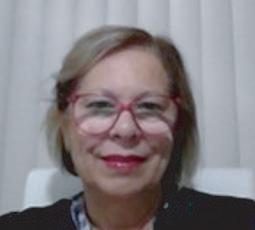
LYDIA MARQUÉS, PHD.
Profesora de Metodología de Investigación lmarques@keiseruniversity.edu
Profesora de Estadística y Metodología de la Investigación. En 2006 se incorporó a Keiser University, y en 2009 como profesora de tiempo completo. Tiene una amplia experiencia en investigación y docencia. Ha participado en un gran número de investigaciones, congresos y artículos científicos. Es miembro de varias comisiones de doctorado.
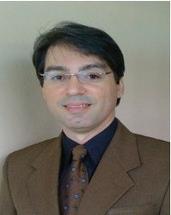
CARLOS SANTIAGO, ED.D.
Profesor de Liderazgo en la Educación csantiago@keiseruniversity.edu
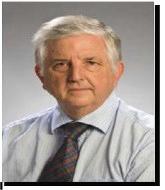
ALBERTO SILVA, PHD.
Profesor de Administración y Gerencia asilva@keiseruniversity.edu
Desde Coamo, Puerto Rico. El Dr. Santiago tiene un bachillerato en Teatro y Educación de la UPR, una maestría en Educación Teatral y un doctorado en Currículo de la UAGM. Ha trabajado como profesor de teatro para el DEPR. Junto al Dr. Meléndez, creó un libro titulado “Algunas profesiones en las que puedes trabajar”.
El Dr. Silva posee experiencias educativas en Venezuela y EE. UU., así como una extensa carrera profesional tanto en entornos empresariales como de gobierno. En 2011 se unió a Keiser University, como profesor de los Programas de Posgrado en Negocios (División Latina).
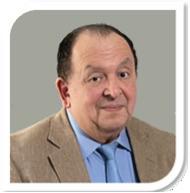
DR. ARMANDO J. POLEO, D.BA., PHD.
Profesor de Administración y Gerencia apoleo@keiseruniversity.edu
Dr. Armando J. Poleo es originario de Caracas, Vzla. Naturalizado en USA desde hace 37 años. Especializado en Project Mgmt. & Operation Mgmt.; Enterprise Resource Planning (ERP); Technology Innovation & Instructional Technology. Tiene 20 años de ejercicio docente en High-Edu y 40+ años en Corp. América como Sr. Manager y Sr. Consultant.
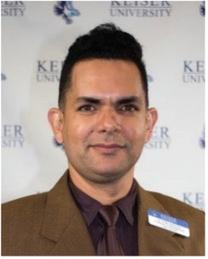
El Dr. Meléndez ha brindado catedra educativas en Puerto Rico y EE. UU; así como una amplia carrera en entornos empresariales y académicos. Se unió a la Universidad Keiser en el 2016 y fue nombrado profesor titular ese mismo año.
Actualmente es director de disertaciones y profesor a tiempo completo en gerencia (División Latina).
Profesor de Administración y Gerencia edmelendez@keiseruniversity.edu
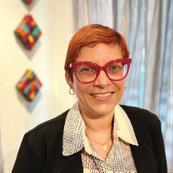
La Dra. Bravo-Saavedra es psicóloga escolar con doctorado y certificación en neuropsicología. Tiene 13+ años de experiencia docente en niveles universitarios, ha participado en comités de disertación y fue presidenta de la APEP en 2021. También ejerce en práctica privada.
DRA. MARÍA I. BRAVO-SAAVEDRA, PHD.
Profesora del Programa Graduado de Psicología General maria.bravosaavedra@keiseruniversity.edu
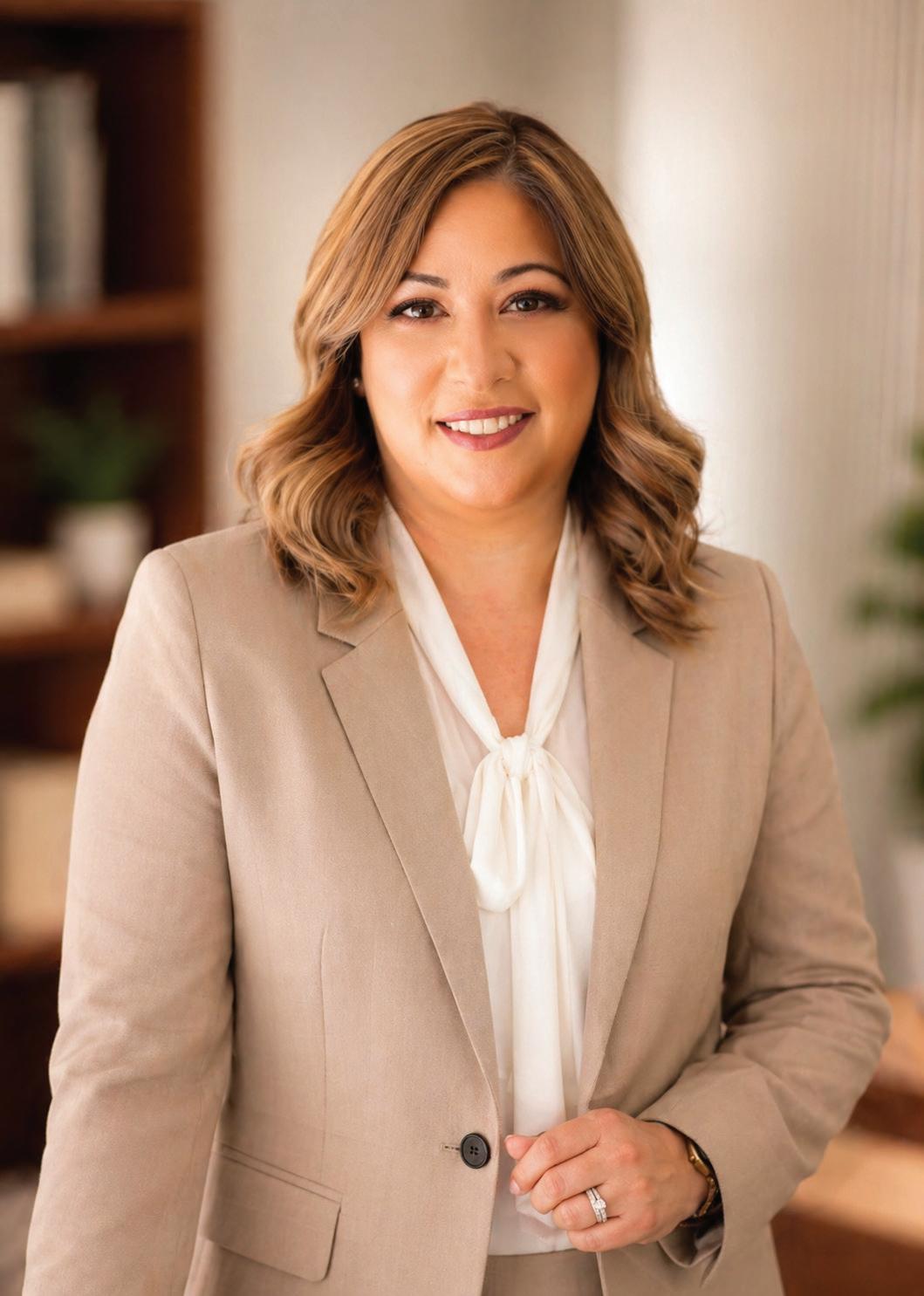
La profesora Monrouzeau es puertorriqueña y experta en Recursos Humanos y Desarrollo Organizacional, con una sólida trayectoria como consultora de negocios y conferenciante. Por más de 18 años ha sido profesora de gerencia y liderazgo. Desde 2010 forma parte de Keiser University, donde dirige el Centro de Ayuda a la Escritura. En la última década ha editado más de 100 disertaciones doctorales en español e inglés. Está certificada por HRCI y SHRM, y como Coach de carrera, ejecutivos, organizaciones.
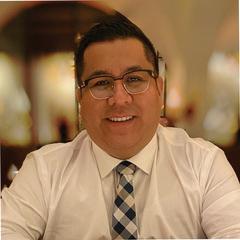
RAFAEL CAYCHO, PHD., MHA.
El Dr. Rafael Caycho, originario de Lima, es especialista en servicios de salud con maestría y doctorado. Tiene experiencia clínica y administrativa, y participa en investigación y diseño curricular. Su enfoque es la desigualdad en acceso y calidad de salud en minorías.
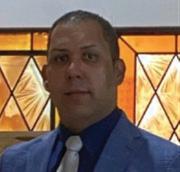
DR. CRISTIAN MARRERO DÍAZ, PHD.
El Dr. Cristian R. Marrero Díaz posee un doctorado en Psicología Industrial Organizacional de la Pontificia Universidad Católica de Puerto Rico. Además, cuenta con un máster en Innovación y Mercadeo Turístico de la UCAM, en España. Ha dedicado su carrera profesional a la psicología industrial organizacional y a la docencia universitaria durante más de 15 años, tanto en Puerto Rico como en Estados Unidos.
Profesor del Programa Graduado de Psicología General cristian.marrerodiaz@keiseruniversity.edu
Profesora de Negocios Internacionales
Profesor en los programas de pregrado y posgrado en Ciencias de la Salud y Administración de Servicios de Salud rcaycho@keiseruniversity.edu dmrodriguez@keiseruniversity.edu
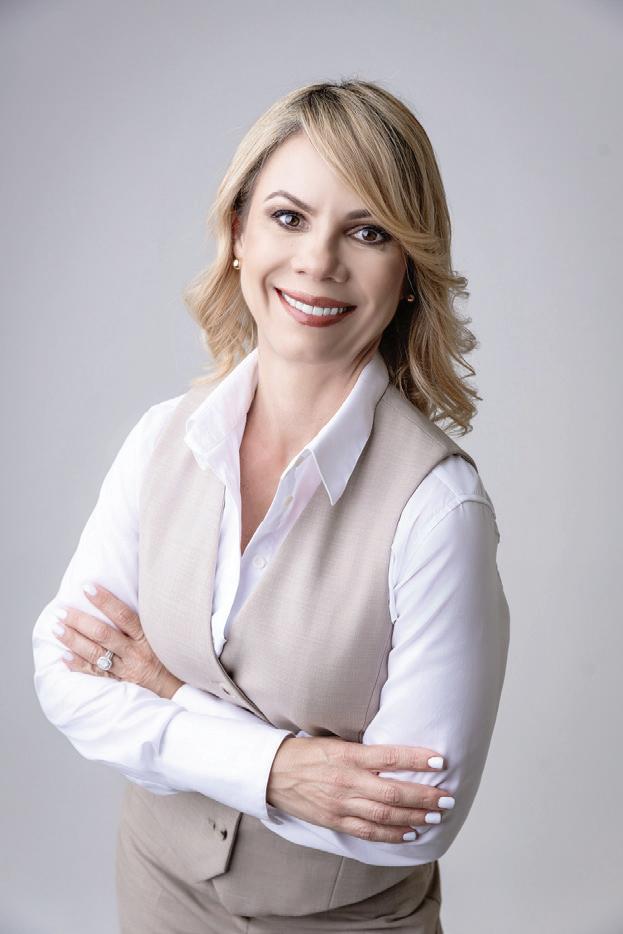
La Dra. Doris Morales Rodríguez posee un doctorado en Desarrollo Empresarial y una maestría en Relaciones Laborales. Actualmente cursa un doctorado en IA. Es autora de un libro y múltiples artículos, y se desempeña como profesora, asesora y directora de tesis en Negocios Internacionales.
DORIS MORALES RODRÍGUEZ, PHD.
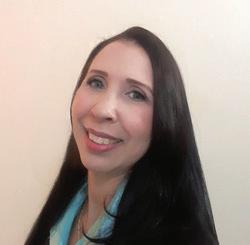
ALEXANDRA M. GARCÍA, PHD. profesora de psicología
alexandramgarcia@keiseruniversity.edu
La Dra. García es profesora e investigadora en Psicología a nivel de posgrado. Se especializa en metodología, aprendizaje y teoría avanzada. Tiene experiencia en diseño curricular, evaluación e integración tecnológica. Investiga flexibilidad cognitiva y salud mental, y es miembro de APA y Psi Chi.
Flagship Campus administrators and staff for hosting this event!





HOSTED BY MRS. HEATHER CORDNER