
The CuidaTEXT Study
A text message program for Latino caregivers of people with dementia at no cost.




Welcome to the CuidaTEXT Study
CuidaTEXT is a text message program for Latino caregivers of people with dementia at no cost.
Over six months, participants can improve their caregiving skills, learn about dementia, and access valuable resources. The program offers practical tips for relaxation, staying active, and enhancing home safety, along with live text-based coaching to help find care support services like meal delivery and medical appointments.
CuidaTEXT is available to English and Spanishspeaking Latino caregivers who are 18 or older, have an active cellphone, and care for someone with memory issues anywhere in the US and Puerto Rico, whether they have healthcare coverage or not.

DEMENTIA? What is
Dementia is a group of about 100 diseases of the brain that cause changes in memory and thinking. These diseases affect daily functions (cooking, working, etc.).















DEMENTIA
Alzheimer’s
SIGNS AND SYMPTOMS
Symptoms depend on the person, their stage, and the type of dementia.
These are some of the symptoms that people with dementia may experience.
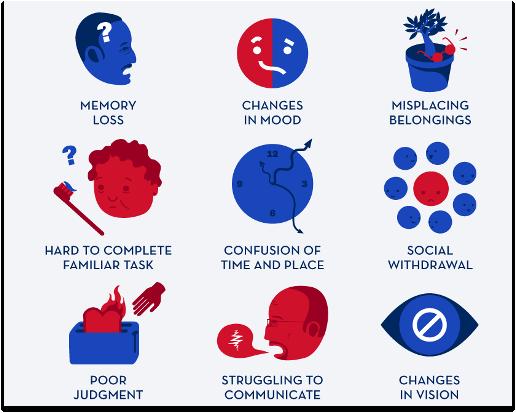
Source of image: USAgainstAlzheimer’s
Early Stage
Forgetting recent events
Moderate Stage
Difficulty performing simple tasks
Late Stage
Dependent on others
LATINO CAREGIVERS? Why focus on

Our texting program is focused on Latino caregivers for a number of reasons. Many caregivers stop taking care of their mental and physical health because of the responsibility of caring for a loved one. Caregivers are at an increased risk for depression and anxiety. Caregivers are also at a higher risk for developing medical conditions and infections.
CuidaTEXT was developed to address barriers that caregivers may experience, such as a lack of access to caregiver support services. The purpose of CuidaTEXT is to assist you in the process of caring for your loved one and yourself. Through automated messages, you can receive information, tips, resources, strategies, caregiver testimonials, videos, and websites to help you take care of yourself.

CuidaTEXT Automatic Messages
CuidaTEXT is a text message program that aims to support Latino caregivers who take care of a relative or friend with dementia. By joining this program, you will receive text messages on your cellphone to help you with different important aspects so that you and your loved one with dementia can have and maintain a good quality of life.

10% higher risk of physical symptoms vs Non-caregivers

Caregivers of people with dementia have more financial problems (29%) vs Non-caregivers of people with dementia (16%).

12% higher risk of use of medications vs Non-caregivers.
Assistant
To help you even more, CuidaTEXT provides you with an assistant you can text when you have questions and need help. Your assistant will be available during business hours (Monday through Friday from 8 a.m. to 5 p.m.)
You can text your assistant any day, at any time, and they will reply as soon as possible. Please note that if you text them on the weekends, they will likely not answer until Monday, when they return to the office
CuidaTEXT
As a caregiver, it’s important to acknowledge that you may feel stressed, overwhelmed & burned out sometimes. This is common & you might need help.
CuidaTEXT
To reduce dementia risk, exercise, eat healthy, sleep well & be mentally and socially active. Text LIFESTYLE for more tips
Send them a text message! Your assistant is ready to help you!

Notifications
You can receive reminders! CuidaTEXT gives you the option to receive notifications for you or your loved one to take medications. Notifications can also help you keep your loved one’s or your medical appointments. You will have the option to choose the date and time you want to receive the reminders.
This is an example of how our program’s notifications work.
NOTIFICATION
Need reminders for medications or hospital visits? Let us know the dates and times. We can set text notifications for you! You can also use your phone’s calendar
MARIA
I want to receive the reminder for an appointment on Thursday, May 13 at 3:00 pm.


KEYWORDS
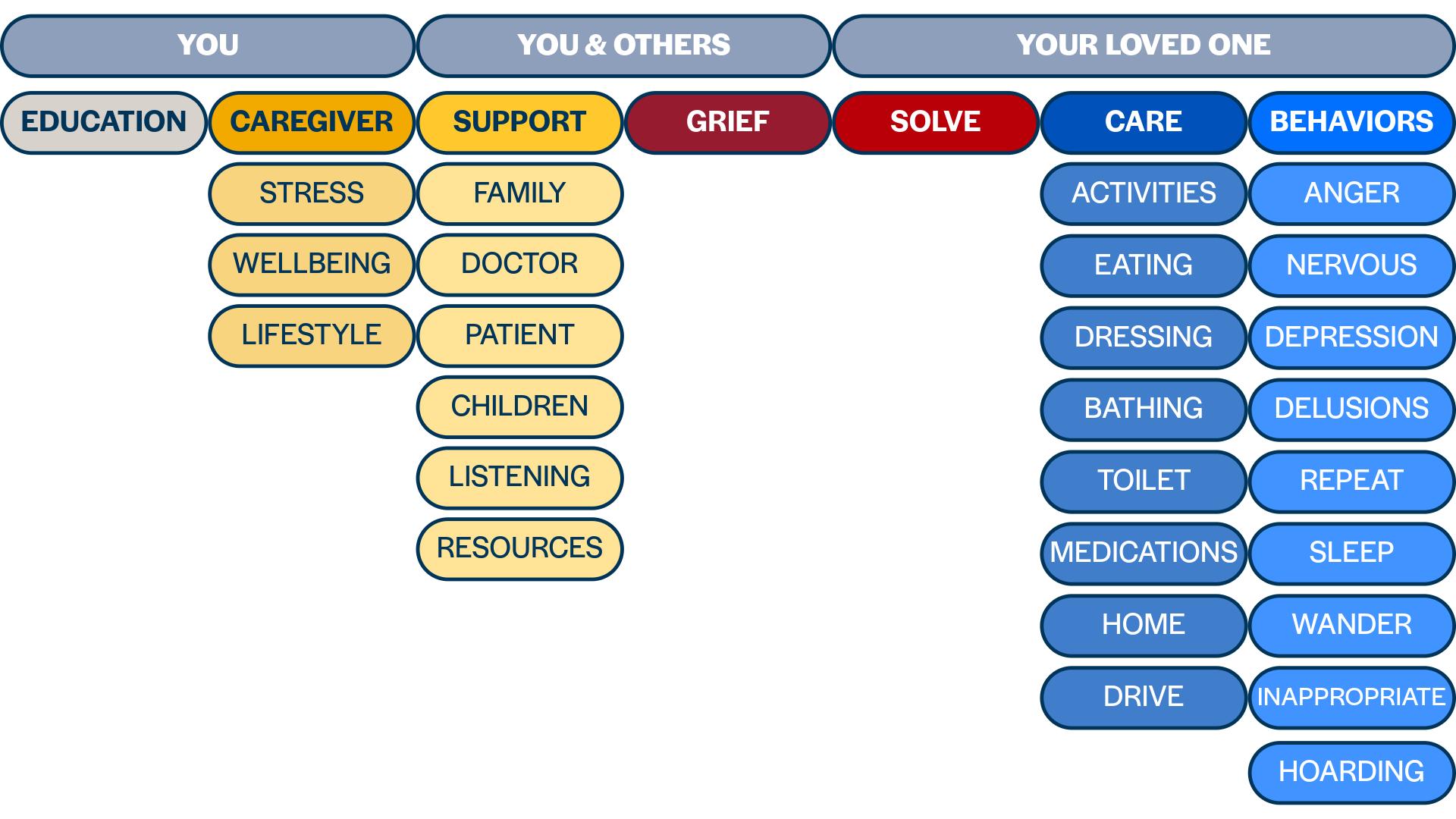
We want to help you whenever you need us! Our program has the option to text keywords such as: EDUCATION, CARE, CAREGIVER, BEHAVIOR, SOLVE, SUPPORT, or GRIEF. These keywords can be sent at any day and time.
You will receive a text message automatically with information to help address your needs. Make sure to write the word exactly as indicated. Here is a graphic with all the keywords you can text to help you, your loved one, friends and family.
Focus on:
EDUCATION

Keyword
EDUCATION (54 Messages)

Function
Information about Alzheimer's disease or other dementias, what changes to expect and their potential impact on you as a caregiver.
Example
Caregivers of persons with dementia often have depression, anxiety, more infections & more infections due to stress. Caring for yourself is very important!
CAREGIVER
Keyword
STRESS (33 Messages)

WELLBEING (30 Messages)
Function
Strategies to cope with stress and to learn relaxation techniques.
Example
“Listen to this video that explains how to do Mindfulness meditation to relax: https://bit.ly/2OShEcs.”
Strategies to feel better about yourself and your situation.
LIFESTYLE (21 Messages)
Tips to maintain a healthy lifestyle.
“Create a list of enjoyable activities for yourself. Choose the best & most realistic options. Give yourself a treat! It’s the best for all. You deserve it!”
“Eat a well-balanced diet that includes fruits, vegetables & whole grain products. Download or order this free guide: https://bit.ly/3uP2HY7.”
This is an example of how the keyword “STRESS” works.
Anna cares for her father with dementia. She is so stressed anything makes her snap. This is what she received:
Anna learned a strategy she can use to reduce that stress almost anywhere and at any time.
ANNA “STRESS”
CuidaTEXT
Listen to this video that explains how to do Mindfulness meditation to relax:
https://bit.ly/2OShEcs
SUPPORT
Keyword
FAMILY (19 Messages)
DOCTOR (15 Messages)
Function
Tips to improve communication with your family and talk about your loved one’s disease.
Example
“Dementia will worsen your loved one’s ability to communicate with doctors. Unite as a family to be their health advocate.”
PATIENT (37 Messages)
Tips to improve communication with your loved one’s doctor.
“Prepare a list of questions you want to ask the doctor: What happens if we miss a dose? What is the medication for? What are the side effects?”
Tips for communicating with your loved one with dementia as their disease progresses.
“Don’t talk to your loved one as if they were children. They might sense the tone and get upset. Try using a normal tone but short & simple sentences.”
CHILDREN (17 Messages)
Tips to communicate better with children about the dementia of their loved one.
“Watch this video that explains Alzheimer’s & dementia for kids: https://bit.ly/3ttd2c2”
LISTENING (33 Messages)
RESOURCES (26 Messages)
Strategies to improve your ability to help your family and friends by listening actively.
Resources for community services such as home security, legal resources, medications, food delivery, support groups or care centers.
“Many times, helping is just being there to listen & making someone feel understood. Don’t feel the need to have a solution for everything.”
“If your loved one has Medicare or Medicaid, they might be eligible for PACE, which includes medical, social & longterm care services. Call 1-877-267-2323”
SOLVE
Keyword
SOLVE (19 Messages)
Function General strategies to solve challenging behaviors.
GRIEF
Keyword
GRIEF
(30 Messages)
Function
Information about end-oflife care and tips for coping with your loved one’s final days and after they pass.
Example
“Step 1: Identify 1 behavior. What behavior worries you? Make sure it’s specific and countable. Example: Shouts

Example
“People near the end of life can use hospice services for care at home or in a facility, to remain as pain-free as possible & for family support.”
This is an example of how the keyword “GRIEF” works.
Martha’s husband is bedbound. He’s in his last days after 10 years with Alzheimer’s. This is what Martha received:
Martha asked her sister and others to keep her husband company while she went for a walk or to eat. That made the last days of her husband’s life a little easier to deal with.
MARTHA “GRIEF”
CuidaTEXT
Unless your traditions require it, don’t feel you must stay with your loved one all the time while they’re dying. Take turns with the family to avoid burnout.
CARE
Keyword
ACTIVITIES (52 Messages)
Function
Ideas of fun activities for your loved one and yourself. Tips on how to adjust the activities to your loved one’s abilities.
EATING
(36 Messages)
Example
“Tony, NM: Mom has long had Alzheimer’s. She barely talks. The other day I played a song she liked. She smiled & danced with me. Music can make them feel good!”
DRESSING (18 Messages)
Tips on how to make eating easier and healthier for your loved one as the disease progresses.
“Proteins are key for a healthy diet. Make sure your loved one eats plenty of beans, lentils, & fish. That may help build muscle strength & prevent falls.”
Tips on how to help your loved one get dressed and groomed.
BATHING
(24 Messages)
Tips on how to help your loved one take a bath.
“Your loved one may need more time to get dressed and might put on the wrong clothes. Don’t blame them and be patient instead. Help them as needed.”
“Never leave your loved one alone in the bathroom if they’re severely impaired. Remove locks from the bathroom & use night lights.”
TOILET
(24 Messages)
MEDICATIONS (27 Messages)
Tips on how to address your loved one’s trouble defecating or urinating (going to the toilet).
“Difficulty undressing can lead to your loved one to soil or urinate themself. Have them use comfortable & easy to use clothes with velcro & elastic bands.”
HOME (50 Messages)
Information about medications and tips to make taking medications easier.
“GoodRx has discounts on many medications. Example: Losartan, for blood pressure went from $36 to $9. Visit their website: https://bit.ly/3x2Ub9G.”
Tips to keep the home safe as your loved one’s disease progresses.
“Entryway: Remove rugs that can slide & add texture strips or non-skid wax to wood floors.”
Keyword DRIVE (22 Messages) Function
Tips to know if it is no longer safe for your loved one to drive or to know what to do when they can
BEHAVIOR
Keyword ANGER (31 Messages) Function
Strategies to cope with the aggressive behaviors of your loved one.
Example
“How do you know driving is not safe? Comments from friends about your loved one’s driving, speeding, lane changing,
NERVOUS (33 Messages)
Tips to cope when your loved one is nervous or anxious.
Example
“Try not to confront or provoke your loved one. Calming down & speaking to them in a soft tone may help decrease their anger.”
DEPRESSION (19 Messages)
Tips on how to cope with your loved one’s depressed mood.
“If nervous, distract your loved one with drinking a cup of tea, looking at photos, talking a walk, or listening to their favorite music.”
“Brain damage from dementia might make your loved one sad more often. Do not blame them or yourself. It might be the disease.”
DELUSIONS (22 Messages)
REPEAT (20 Messages)
Tips on how to cope with hallucinations and delusions (seeing, hearing or believing something that is not real).
Tips to deal with your loved one’s repetitive behaviors such as asking something or doing the same action over and over again.
“Watch this video on how to cope with hallucinations & delusions in people with dementia: https:// bit.ly/3gfPun8.”
“If your loved one is doing repetitive acts, engage them in exercise or mental activities like sudokus or table games they can still play.”
SLEEP (18 Messages)
Tips to help your loved one sleep better.
WANDER (23 Messages)
Tips to reduce wandering or to make sure it is safe.
“Keep a routine schedule & make sure your loved one goes to bed at the same time each night. Avoid drinks that may affect sleep: coffee, tea or cola.”
“Join MedicAlert & Safe Return to help get your loved one home safely. Visit https://bit.ly3x5nWXx or the Alzheimer’s Association for free: 1-888-572-8566”
INAPPROPRIATE (18 Messages)
Tips to deal with inappropriate behaviors such as name calling or inappropriate touching.
“Bring a card with you explaining your loved one has dementia and show it to people if they behave inappropriately in public.”
HOARDING (12 Messages)
Tips to reduce hoarding or to make it sure is safe.
“Remove valuable items that could be misplaced or hidden, such as important papers, checkbooks, credit cards, cell phones & keys.”
This is an example of how the keyword “ACTIVITIES” works.
Julia’s mother has Lewy Bodies dementia. She has been taking care of her for a long time. She’s frustrated because she doesn’t know what activities she can do with her mother. This is what she received
Julia received tips on how to do activities with her mother that she’s still able to do.
JULIA “ACTIVITIES”
CuidaTEXT
Simplifying activities can help engage your loved one. Example: folding towels instead of folding all the clothes. Passing ingredients instead of cooking.
MATERIALS
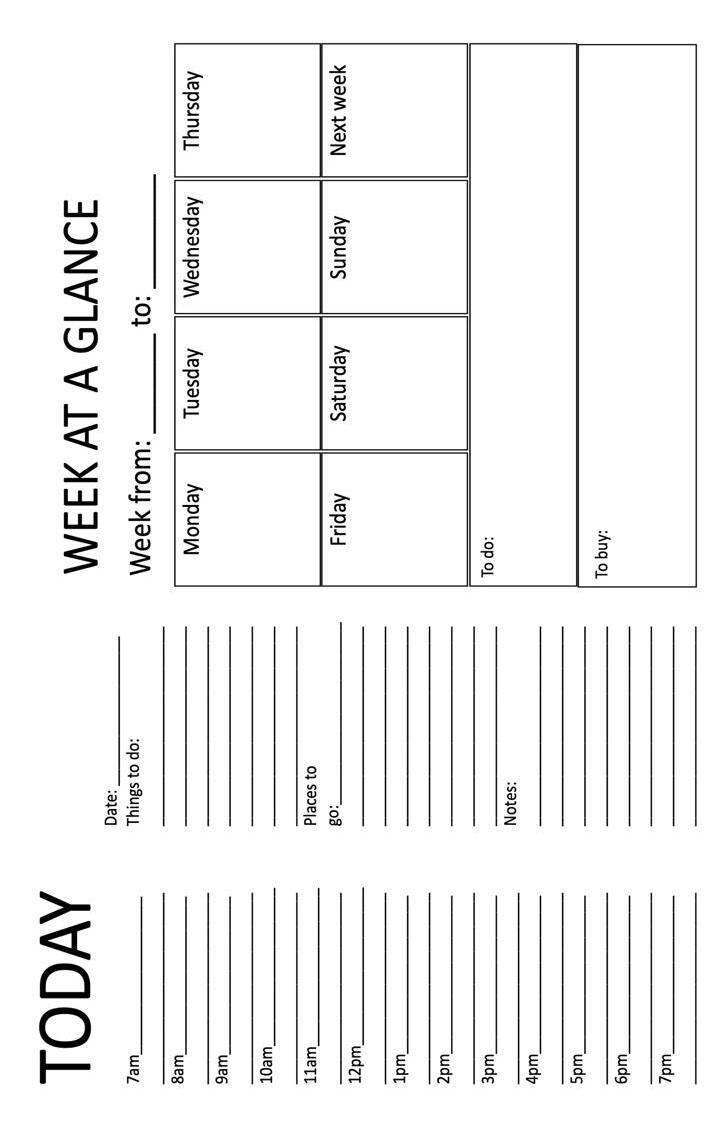
In our program, we advise having a schedule or calendar with your loved one’s activities to maintain a routine. We also teach you strategies to solve the challenging behaviors of your loved one.
On pages 17-18, there is a calendar and a challenging behavior identification sheet for you to use if it makes things easier. Remember to print as many as you need.

ABC Behavior Form
ANTECEDENT: What happened before the behavior?
Behavior: What is the behavior you want to reduce or increase?
Date:________
Consequence: What happens after the behavior?
Date:________
Date:________
Date:________
Date:________
RESOURCES


The Alzheimer's Association has reliable info and support for people with memory issues. Call their free 24/7 helpline at 1-800-272-3900 or visit: alz.org
Having accessible guns, ammunition and weapons at home when someone has memory issues can put everyone at risk. Keep them away, or locked up to protect everyone.

If your loved one threatens to hurt themself, let the doctor know and call the Suicide Prevention Lifeline at 1-800-273-8255 or text HELLO to 741741. If it's an urgent threat, call 911

Abused by family or friends? Talk to the National Domestic Violence Hotline. Free support at 1-800-799-7233 or text START to 88788

If you think you may be experiencing depression, the Substance Abuse and Mental Health Services Administration (SAMHSA) can find you a counselor 24/7. They can consider your financial situation if you ask. Call for free at (800) 662-4357

People with dementia may present aggressive behaviors. Having a safety plan to manage these situations may help. Check out this resource for safety planning ideas: kuadrc.org/alzsafety
RESOURCES


Contact Eldercare Locator to connect with community services (home safety, advocacy, care centers). Call 1-800-677-1116 or visit https://lnk.ist/q3uw4f.
Join MyAlliance for Brain Health, a FREE program that provides weekly tips, webinars, and resources for everyone interested in brain health and Alzheimer’s prevention, as well as for caregivers or anyone with memory concerns, join at kuadrc.org/joinmyalliance.

Lifestyle Empowerment for Alzheimer’s Prevention (LEAP!) provides interactive courses and resources that equip participants with key strategies for better brain health. Visit kuadrc.org/LEAP_Book to learn more.

The Visual Guide to Mood and Behavioral Challenges is available on the Dementia CareAssist App, learn more about the CareAssist App by visiting: kuadrc.org/careassist_instruction
We are very excited that you have enrolled in our program. Together we can help you take care of yourself and your loved one!
Remember that you can contact us at any time via text messages and your assistant will respond as soon as possible.
The CuidaTEXT program is a collaborative effort between the KU Alzheimer's Disease Research Center and the JUNTOS Center for Advancing Latino Health, aimed at supporting our community through innovative health initiatives.



Contact information
If you want to communicate with the researcher, you may contact Dr. Jaime Perales Puchalt at his email, jperales@kumc.edu
Copyright ©, 2025