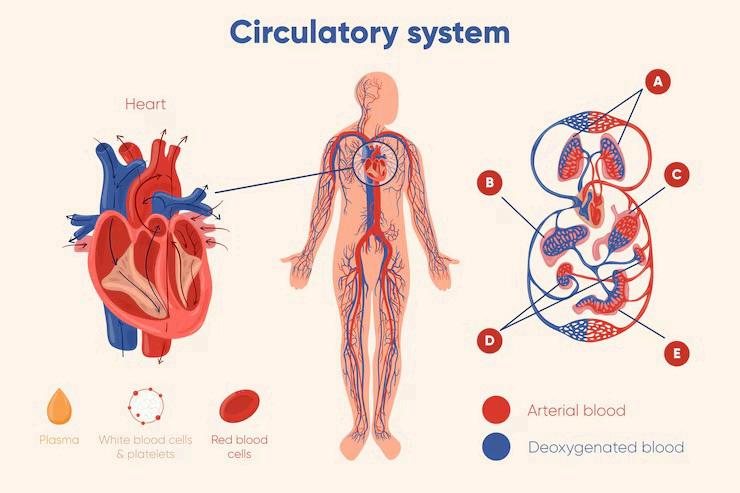
The cardiovascular system is also called the “Circulatory System”, as it’s the system that circulates blood through the body.
The cardiovascular system consists of the heart, blood vessels, blood and all the microscopic elements and nutrients needed for bodily processes.
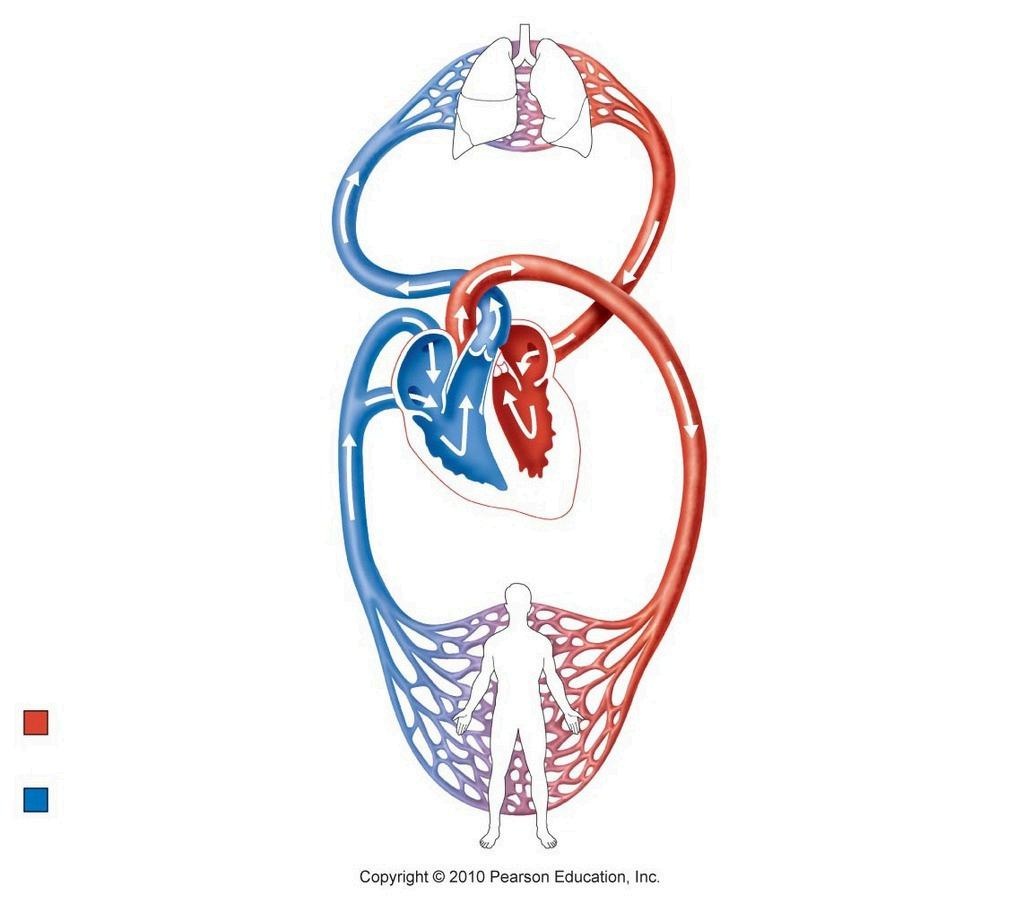
The Cardiovascular system has TWO circuits:
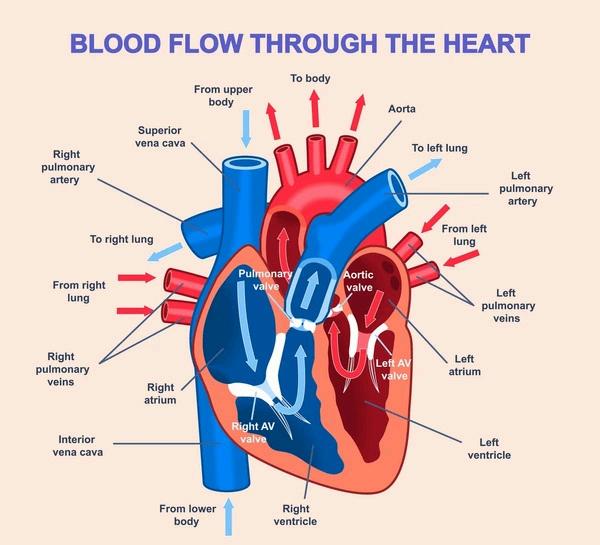
The Pulmonary Circuit pumps deoxygenated blood to the lungs through arteries to receive Oxygen, then brings oxygenated blood back to the heart with veins.
The Systemic Circuit pumps oxygenated blood through arteries to all other bodily tissues (except the lungs), and brings the now deoxygenated blood back to the heart through veins.
WHAT IS BLOOD?
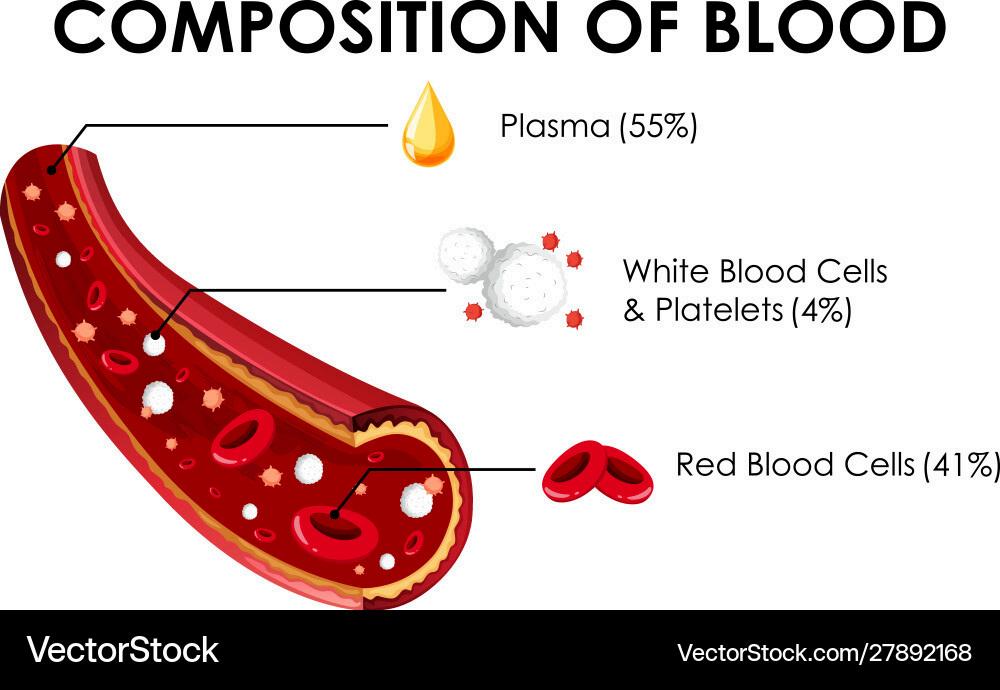
Blood is a fluid connective tissue and one of its main jobs is to transport nutrients and oxygen to the body. As well, blood helps fight off infections, and help maintain a stable internal environment by regulating internal body temperature.
Blood is made of:
• Erythrocytes (Red Blood Cells)
• Leukocytes (White Blood Cells)
• Platelets
• Plasma
The Structures of the Cardiovascular System
The Heart
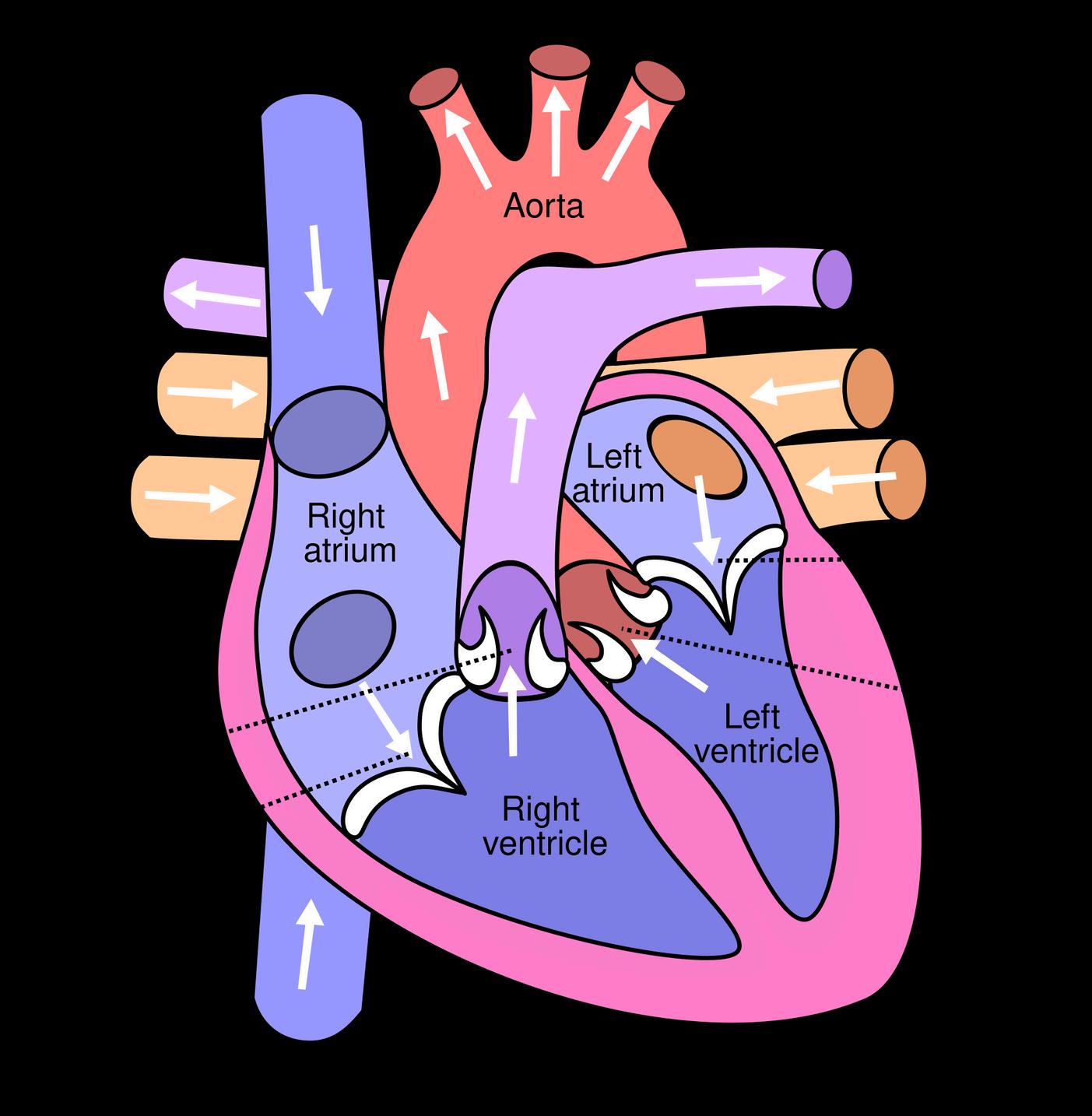
Blood is driven through the cardiovascular system by the muscular pump known as the heart. The heart is divided into right and left halves, the left being more muscular, needing more pumping power, as it pumps blood through the longer systemic circuit. The right half pumps blood through the pulmonary circuit.
Both sides of the heart pump the same amount of blood simultaneously. Their pressures differ as the two circuits are different lengths and the longer systemic circuit needs more pressure near the heart to get the blood to flow through the entire length of the circuit.
The heart pumps blood out of its ventricles into blood vessels in the following path:
Example w/ the Systemic Circuit:
Deoxygenated Blood
Oxygenated Blood
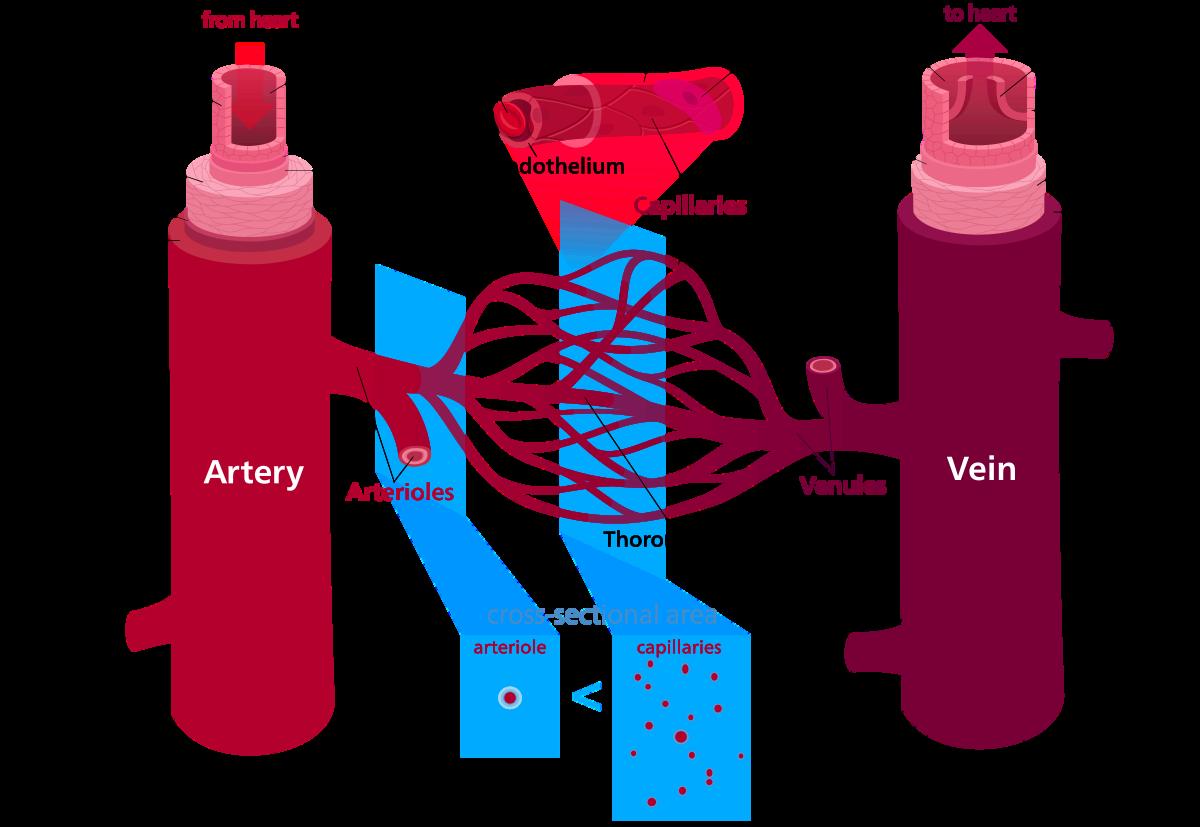
Heart Arteries Arterioles Capillaries
Veins
Venules
*NOTE - veins an arteries can BOTH carry deoxygenated or oxygenated blood. It depends on the circuit.
Blood vessels have 3 Tunics (layers):
1.Tunica Externa - anchor, protect, & support
2.Tunica Media - smooth muscle
3.Tunica Interna - simple squamous epithelium
• Arteries have a Thicker Tunica Media needed to regulate blood flow and withstand higher blood pressure
• Veins have a larger lumen and have valves to prevent backflow of blood
• Capillaries only have a Tunica Intima to allow easy gas exchange
Let’s Compare Arteries, Veins and Capillaries!
ARTERIES
• carry blood AWAY from heart
• have all 3 Tunics
• thick tunica media, allowing for easy vasoconstriction and dilation
• BP highest in these vessels
VEINS CAPILLARIES
• carry blood BACK to the heart
• have all 3 Tunics
• thinner tunica media
• larger lumen
• has valves to prevent back flow
• BP lowest in these vessels
• site of gas exchange
• small in size, large in quantity
• only has Tunica Interna
• connect arterioles and venules
• lower BP than arteries, but higher than veins
Aaronson,PhillipI,etal.“TheCardiovascularSystemataGlanceFifthEdition.”GoogleScholor, WileyBlackwell,21Jan.2020,books.google.com/books?
id=xKbMDwAAQBAJ&lpg=PP11&ots=8Fh6jqgkgU&dq=the%20cardiovascular%20system&lr&pg= PP1#v=onepage&q&f=false.Accessed6May2025.
Klabunde,RichardE.CardiovascularPhysiologyConcepts.WoltersKluwer,2021,p.265.