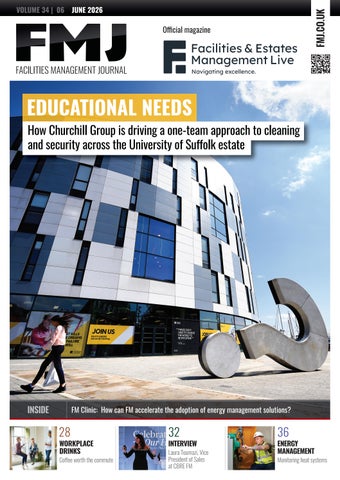

EDUCATIONAL NEEDS






Where workplace intelligence meets operational control









kpm media Unit 1 Mill Place, Platt Business Estate, Maidstone Road, Sevenoaks, Kent TN15 8TB Tel: 01322 662289
Editor Sara Bean sara.bean@kpmmedia.co.uk
Assistant Editor & Social Media Development
Sarah O’Beirne sarah.obeirne@kpmmedia.co.uk Tel: 01322 476815
Director & Designer Warren Knight warren.knight@kpmmedia.co.uk Mob: 0780 1947757
Sales Director Danny Grange danny.grange@kpmmedia.co.uk Mob: 07867 418994
Business Administrator & Circulation Maxine Howell maxine@kpmmedia.co.uk
Editorial & Events Assistant Madeleine Ford madeleine@kpmmedia.co.uk
Accounts Diane Jarvis accounts@kpmmedia.co.uk
Group CEO Nigel Copp
Editorial steering committee
Alan Hutchinson, Facilities Director, Howard Kennedy LLP
Alex McCann, Senior Facilities Manager – EMEA & APAC Global Support, Informa Group Plc
Darren Miller, Group Head of Real Estate & Workplace, Experian
Ian Wade, Head of UK Estates, British Medical Association
Jenni Gallop, Director of Estates & Facilities and H&S, Provide Community (NHS)
Lucy Hind, Senior FM Lecturer, Leeds Beckett University
Paul Cannock, EFM Consultant. Former Head of the Estates and FM, European Space Agency
Russell Burnaby, Head of Facilities Management, Finance & Resources, Brent Council
Simon Francis, Director of Estates and Facilities, LifeArc
Simone Fenton-Jarvis, Group Director of Workplace Consultancy and Transformation, Vpod Solutions
Wayne Young, Facilities Manager at DB Cargo (UK)
Total Average Net Circulation
18,740 January to December 2025 SUPPORTED BY
kpm media adopts a sustainable policy of using paper from managed forests. Printed in the UK by The Gemini Print Group www.gemini-print.co.uk
© Copyright 2026 kpm media
The publisher does not necessarily agree with the views and opinions expressed by contributors. No material may be reproduced in part or whole without written permission from the editor. Editorial contributions are accepted on an all-rights basis only. Letters to the editor may be published in their entirety or in edited form and remain the property of kpm media. While due care is taken to ensure the accuracy of information contained in this magazine, the publishers cannot be held responsible for any errors in editorial articles or advertisements. Subscriptions are available to non-qualifying and overseas readers at £120 p.a. (UK), £160 p.a. (EU countries) and £240 p.a. (overseas-other).

Over the past few years, the phrase ‘worth the commute’ has become a common refrain in workplace management circles. Prior to 2020, sta were expected to come into the o ce every day and although an uninviting environment could have had a detrimental impact on attraction and retention it wasn’t reflected in a lack of bums on seats.
With hybrid working still the norm, it’s more important than ever to curate a welcoming space and this extends to the amenities on o er. On page 28 we’ve a fascinating look at the role of co ee and other hot drinks in drawing people into the workplace and why this should be perceived as a strategic asset, not just an operational cost.
Given the prevalence of remote working, FMs need to create workplaces that actively encourage collaboration and social interaction. Employers who don’t want to see their teams decamping to the local co ee shop must o er the sort of refreshment spaces that enhance the employees experience that – as the article explains - transforms the o ice from somewhere people must be into somewhere they want to be.
Alongside this on page 30 we highlight the inherent importance of ensuring that the drinking water provided to sta is of such a good quality it not only tastes better but encourages people to stay hydrated, which – given we’ve just experienced the first of the heatwaves of the summer will be more important than ever.
But it’s not just the o ice where the quality of the amenities and the way they’re maintained are important. As our case study on page 24 reveals, the partnership between the University of Su olk and it’s cleaning and security partner Churchill Group places enormous importance on the placemaking of the university campus to ensure it feels like an enjoyable and safe place to be.
As always, we’d welcome your feedback about any aspect of the magazine, together with your insight into what’s happening in the FM sector.
























THIS MONTH...
This month’s summary of everything that has hit the headlines in the FM sector.
The latest news and views from membership organisations.





David Gudgeon, Head of External A airs at Reconomy brand Eurokey, says Britain’s recycling gap is becoming a growing cost and compliance problem for facilities managers.
Paul Rankin, Director of Fire and Aviation at Securitas UK, believes fire safety must be built into a business’ DNA and facilities managers are central to achieving that.
14
The FM sector needs to move from a ‘static spreadsheet’ mentality to adopting a flexible, continuously compliant role says Nik Flytzanis at Once for All, home to Facilitiesline.
16
Timber Barker sets out how AI and digital technologies helps consolidate all facilities information into an Integrated Facilities Management Services strategy.
18 Dave Hawkes, Director of Houston & Hawkes, discusses how food can help draw people back into the workplace.
20 Instability and the oil crisis have accentuated the need for energy security. What can the built environment do to accelerate the adoption of energy management solutions?

CASE STUDY

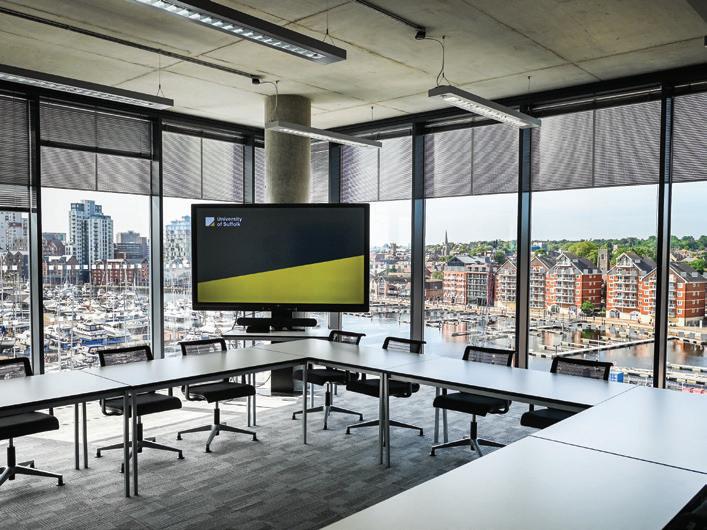
24 The University of Su olk has a longstanding partnership with Churchill Group in driving a one-team approach to cleaning and security across the university estate.
WORKPLACE DRINKS
28 Co ee is a strategic workplace asset that is helping workplaces earn their people back, argue Maxime Herbaut of Cimbali Group UK and Russell Cowley from FreshGround.
30 Graham Crisp, National Key Accounts Manager, Zip Water UK explains why
workplace water filtration is becoming a bigger priority for facilities managers.
INTERVIEW
32
Laura Toumazi, Vice President of Sales at CBRE Facilities Management Local explains why its occupier provider’s services combines global expertise with a personal touch.
ENERGY MANAGEMENT
36 The data-driven performance monitoring of heat networks is becoming mandatory. Adam Newman from Insite Energy outlines how to prepare for the new regulations.
38
Rising incidents of energy the are a growing threat to safety and infrastructure, with catastrophic consequences for FMs, warns the Crimestoppers’ Stay Energy Safe division.
HEALTH & SAFETY
39
Able MD Myles Cook says failed safety inspections can point to wider issues in maintenance, record keeping and day-to-day oversight.
40
Rob Norton of PlanRadar on the benefits of taking a dynamic approach to safety data.



SIGNAGE
Paul Markey from Lolly on the growing role of digital signage in modern facilities management to enhance communications, workplace experience and operational e iciency.

47 Find out who’s moving where in the facilities management profession.
Service, skills and careers in FM. Simon Porter, ISS UK Defence commercial lead describes the work of the services supplier in supporting the veteran community.
49 Jade Collazo, HR Director at Cleanology argues that structured training can boost sta retention and improve performance in the cleaning sector.
A brief roundup of the latest careers news in the facilities management sector.
and service launches and company news from the FM industry.
In next month’s issue we discuss supporting workplace wellbeing through washroom services and how partnering with health initiatives can help save lives. With a decline in the provision of seaside toilets, how can the sector help to find ways to keep them open. Our ergonomics feature looks at maintenance equipment that supports stability, ease of movement and comfortable working positions to enable more safe and controlled working practices. We explore how clients can build trust and financial openness with their M&E supplier, and our flooring feature reveals the cleaning tools for di erent floor spaces. And following the recent heatwave, how should FMs respond to rising UK temperatures?


WHY WE MUST ALIGN SEND REFORM WITH SCHOOL ESTATE REALITY
Lewis Barr, Senior Building Surveyor and Founding Director of AEC Estates.
The future of educational infrastructure is under intense scrutiny following the King’s Speech, which kick-started momentum around the introduction of the SEND reform bill.
While the policy ambition is noble, it has exposed a stark vulnerability across the UK’s education sector.
As education estate specialists, we often observe the issues that arise between legislative mandates and physical reality. Many existing school sites were designed for a bygone era of rigid, cellular classroom delivery. They were never intended to host the fluid, therapeutic, and highly specialised environments required today. Mainstream schools are being asked to accommodate a rapidly rising cohort of pupils with complex needs, without the spatial strategies and support needed to ensure that delivering that inclusive education is viable.
RISING SEND DEMAND
The sheer scale of what this will mean for schools can be gleaned by looking at the data. Today, one in five pupils in England has a designated Special Educational Needs and Disabilities (SEND) requirement, and more than half of those with Education, Health and Care Plans (EHCPs) are educated within mainstream environments. Concurrently, demand for specialist places has surged by over 50 per cent since 2016, while spending pressures are projected to double by 2028.
If schools cannot access the specialist help and guidance they need to adapt their estates, this will mean school settings are unable to deliver what they are legally required to do under the reforms.
Faced with immediate admissions pressure, many multiacademy trusts and local authorities are falling into the trap of reactive, short-term adaptations. We frequently see schools repurposing corridors, dividing existing classrooms with substandard partitioning, or converting staff areas into makeshift sensory spaces. These solutions may satisfy an immediate operational headache but are fundamentally counterproductive.
They compromise the wider circulation and safety of the estate, degrade acoustic and environmental controls, and ultimately fail to provide the dignified, high-quality environments that vulnerable learners require.
ESTATE EVOLUTION
To successfully bridge the gap between policy and reality, the sector must transition from reactive modifications to proactive, strategic estate evolution. True inclusion requires a holistic understanding of how a physical site operates. It necessitates a deep dive into acoustic separation, specialised lighting, thermal comfort, wheelchair circulation and dedicated spaces for external therapeutic support, while maintaining a safe and cohesive environment for the broader school population.
Crucially, these changes cannot be planned in a vacuum. Trusts must balance these new SEND requirements alongside pre-existing estate pressures, from urgent condition backlogs to decarbonisation targets and general capacity constraints. Navigating this successfully requires a robust, data-driven approach to estate planning. School operators need to map local demographic trajectories against their current physical assets to identify where targeted, financially sustainable interventions will yield the greatest long-term educational return.
NHS PROPERTY SERVICES EXCEEDS
ANNUAL CARBON REDUCTION TARGET
NHS Property Services has reduced carbon emissions by 5.2 per cent in 2025/26, exceeding its annual target and is continuing to drive large scale energy e iciency and decarbonisation across the NHS estate.
As one of the largest NHS landlords, responsible for around 10 per cent of the NHS estate, NHS Property Services plays a key role in decarbonising healthcare infrastructure. Its Green Plan and Net Zero Carbon Strategy set out a clear pathway to achieving Net Zero by 2040, aligned with national NHS targets.
NHS Property Services says progress has been driven by targeted investment in energy e iciency, low carbon heating, renewable energy and advanced building systems across community healthcare settings.
At Royal South Hants Hospital, NHS Property Services supported the installation of the NHS’s largest heat pump, significantly reducing reliance on fossil fuels and demonstrating that low carbon heating can be delivered at scale within complex hospital environments. At Torrington Place Health Centre in North London, modern, energy e icient systems have improved energy and carbon performance while maintaining operational resilience and patient safety. In Leeds, decarbonisation works at Kirkstall Health Centre have reduced energy demand, extended asset life and improved internal environments for sta and patients.
Alongside delivery across its own estate, NHS Property Services is also supporting system wide progress towards Net Zero through collaboration and sector leadership.
OVER HALF OF FM PROFESSIONALS LACK CONFIDENCE IN THEIR DATA
According to new research from MRI So ware. While interest in AI continues to grow, fragmented systems, siloed data and inconsistent processes across FM operations continue to undermine confidence in the information needed to support better decision making.
The report, From Insight to Impact: AI and Data Readiness for the Next Era of Facilities Management, paints a picture of a sector in transition; engaged, increasingly technology-aware, but constrained by practical barriers.
There is clear optimism about the role of AI, coupled with an understanding that organisations must still do the work to truly understand the full benefits.
More than eight in 10 respondents (83 per cent) expect increased use of smart technologies and automation to define the next five years of facilities management, alongside greater reliance on data-driven decision-making and deeper integration of ESG goals.
While over half of respondents (57 per cent) expect to adopt new FM technology in the next 12–18 months, only 17 per cent say this investment is definite. Cost pressures, cited by 56 per cent of respondents, remain the biggest hurdle, closely followed by workforce capability and integration challenges.
Data readiness also emerged as a critical bottleneck; more than half of FM professionals (52 per cent) lack confidence that their data is accurate enough to support AI or digital decision-making, and one in five (21 per cent) do not currently measure FM performance at all.
Compliance, sustainability and risk management continue to shape dayto-day priorities. SLA compliance remains the most widely tracked KPI, while energy usage and carbon footprint are monitored by nearly half of respondents. Cybersecurity is also rising rapidly up the agenda, with 50 per cent now treating it as a high priority within their facilities management technology stack. To download MRI So ware’s report visit https://bit.ly/4flBnv0

GOLDEN SERVICE AWARDS RECOGNISE THE ELITE OF THE CLEANING SECTOR



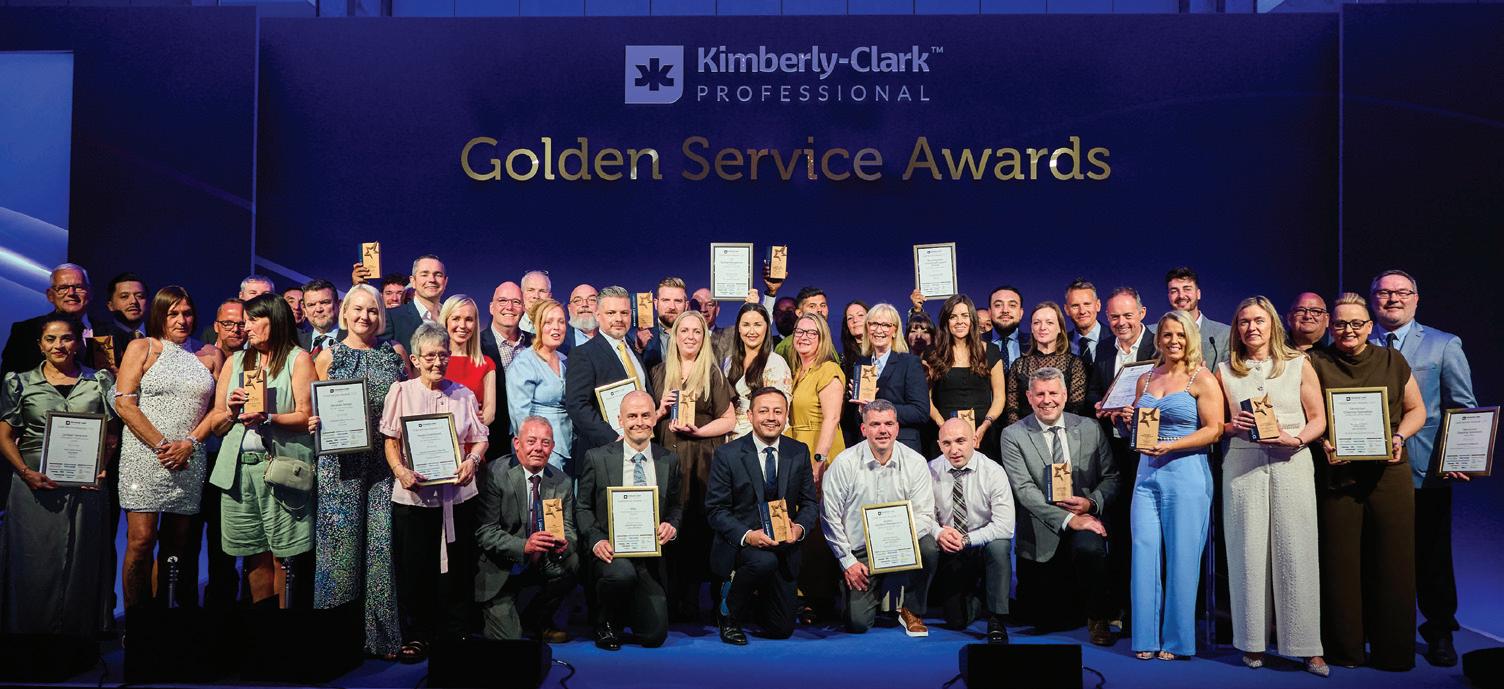



Eighteen
coveted awards were presented at the cleaning industry’s most celebrated event – 2026
Kimberly-Clark Professional Golden Service Awards – on 21 May, at the London Hilton, Park Lane. Over 400 professionals from small, medium and large contract cleaning and facilities management companies, plus in-house cleaning teams, as well as local authorities and hospitals, attended the landmark 2026 event, hosted by celebrity, actor and comedian Kerry Godliman.
Created over 30 years ago, the biennial Golden Service Awards is today one of the most must-have and soughta er accolades in the FM and cleaning industry – with more entries than ever this year from first time entrants. The event has once again given FM companies, contract cleaners, and in-house cleaning teams a showcase platform to highlight their exceptional achievements, consistently raising standards and establishing new benchmarks for performance.
Kimberly-Clark Professional again partnered with The British Institute of Cleaning Science (BICSc) who oversaw the independent judging.
The 2026 Kimberly-Clark Professional Golden Service Award winners are as follows:
Healthcare
Winner: ISS UK
Education sponsored by Pearroc
Winner: Juniper Ventures
O ice areas below 10,000 square metres
Winner: Peartree Cleaning Services
O ice areas between 10,000 and 30,000 square metres
Winner: Chamberlaine Cleaning Services
O ice areas over 30,000 sq metres sponsored by FMJ
Winner: Derrycourt Cleaning Specialists
Retail/Shopping Malls under 100,000 square metres
Winner: Mitie
Retail/Shopping Malls over 100,000 square metres
Winner: Andron Facilities Management
Leisure and Hospitality sponsored by Foremost
Winner: Peartree Cleaning Services
Manufacturing sponsored by The Cleaning Show
Winner: TC Facilities Management
Sustainability Leadership
Winner: Derrycourt Cleaning Specialists
Social Impact
Winner: Andron Facilities Management
Inclusion & Diversity sponsored by the ICCA
Winner: SBFM
Training sponsored by BICSc
Winner: SBFM
Small Business
Winner: Box London
Going the Extra Mile sponsored by Numatic
Winner: No Going Back Cleaning and Support Services
Cleaning Team of the Year sponsored by OdorBac
Winner: NIC Services Group
Site Supervisor of the Year sponsored by the CSSA
Winner: Nikki Jameson, Aramark
Cleaning Operative of the Year sponsored by Cleaning Matters
Winner: Hayley Hutchinson, NIC Services Group
Cleaning Operative of the Year sponsored by Cleaning Matters
Winner: Hayley Hutchinson, NIC Services Group
ADVICE TO IWFM MEMBERS ON CHANGES TO EHRC CODE
The Equality and Human Rights Commission published its updated Code of Practice guidance last month. The guidance in particular focuses on how service providers should address April 2025’s landmark supreme court ruling that sex, as defined in the Equality Act, refers only to biological sex.
As it stands, it places a huge onus on workplace professionals to implement policies that could be seen as exclusionary, and in many places practically unworkable.
If implemented in its current form, this will have a huge impact on public sector estates, as they would have to create gender segregated spaces based on a person’s gender at birth, whilst also having to ensure that they aren’t discriminating against any protected characteristics or creating an environment of harassment for trans and non-
gender conforming presenting people.
For bathroom facilities, there will inevitably be increased complexity resulting in cost where FMs will need to put in additional facilities.
That’s not even getting into the situation where service providers might have to ask about a person’s sex in the workplace. As Unison notes ‘the guidance is not clear on where it is proportionate to do so and what the ramifications will be for members who have customer-facing roles’.
So how can we respond in a way that is respectful to everyone, compliant and proportional?
IWFM is collaborating closely with colleagues in our EDI Sub-Committee and in LGBT+ in FM to ensure our formal response is both compliant and fully respectful of trans and LGBT+ individuals. Through the FM lens, it’s clear these proposed
CIBSE UNVEILS A NEW SKILLS HUB AT ITS LONDON HQ
CIBSE has completed the redevelopment of its new headquarters in central London, which, following a £1.2 million donation by The Manly Trust Skills Hub has been named the Manly Trust Skills Hub.
This is the largest single donation CIBSE has received in its 129-year history as a registered charity and represents a major investment in the future of the building services engineering profession.
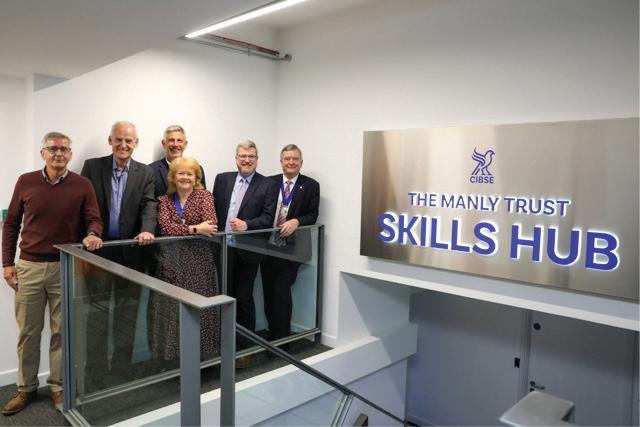
The Manly Trust’s contribution will play a central role in shaping a space designed not only for today’s professionals, but for future generations of engineers, particularly in equipping emerging professionals with the skills needed to work with AI, digital tools and rapidly evolving technologies across the built environment.
CIBSE’s newly redeveloped headquarters has been reimagined as a dynamic centre for learning, collaboration and professional development, o ering a range of modern, purpose-built spaces designed to support the needs of a changing profession.
The space features a modern conference space for lectures, conferences and industry events, providing a platform for high-level knowledge sharing. Dedicated training facilities support professional development, helping engineers build skills for a low-carbon, digital future. Flexible, collaborative workspaces where CIBSE members can drop in, work, meet and make it their o ice in London, while connecting, learning and engaging with peers across the industry. Together, these spaces create a vibrant hub for CIBSE members and the wider built environment community to connect and advance the profession globally.
David Manly, Trustee of The Manly Trust, said: “The Manly Trust was set up over 30 years ago to assist in the development and education of engineers across di erent sectors of engineering, but particularly in building services, and any project courses, programmes within those areas we’ve looked to support.”



changes present significant and unworkable building and people management challenges.
Prior to the formal adoption of this guidance, last year we shared our initial response to the proposals and, now that this is set to become law, our policy position remains unchanged and continues to align with the Sport England approach – the installation of completely enclosed, self-contained toilet facilities as a practical, dignified solution for everyone who uses them.
We recommend that all IWFM members familiarise themselves with both the EHRC Code and with Sport England’s guidance as you consider your toilet and washroom provision.
By Andrew GladstoneHeighton, Head of Policy and Research, IWFM
CHSA OUTLOOK ON ENVIRONMENTAL REGULATION IN THE UK AND EU
The
Cleaning & Hygiene Suppliers Association (CHSA) has published a report on the outlook for environmental regulation in the UK and EU and the impact on cleaning and hygiene manufacturers and distributors.
The report, What’s Coming in Environmental Legislation for UK Cleaning & Hygiene Manufacturers (2026–2028), includes the incoming legislation covering chemicals, packaging, carbon reporting, wastewater and green claims. It warns businesses that sustainability compliance, once a competitive di erentiator, is rapidly becoming a baseline requirement for market access.
Prepared by Vikki Morris of Evans Vanodine and Dr. Maija Pohjakallio of Metsä Group, the report highlights the growing divergence between UK and EU regulation following Brexit and the increasing complexity facing companies trading across both jurisdictions.
Among the key issues identified are tighter controls on PFAS chemicals and microplastics under EU REACH, increasing scrutiny of biocidal products, and significant new obligations linked to packaging reform.
The authors warn that businesses supplying both the UK and EU markets face mounting duplication risks, higher compliance costs and growing administrative burdens, particularly around chemical registrations, packaging reporting and product sustainability data.


















PLASTICS PROBLEM

David Gudgeon, Head of External A airs at Reconomy brand Eurokey, says Britain’s recycling gap is becoming a growing cost and compliance problem for facilities managers

The UK’s recycling infrastructure challenge is no longer simply an environmental issue. It is becoming an increasingly significant commercial problem for facilities managers and businesses across the waste chain.
A wave of reforms, including Extended Producer Responsibility (EPR), Simpler Recycling and the Plastic Packaging Tax, is intended to improve recycling rates and increase the recyclability of the materials that businesses and consumers dispose of. But while policy is accelerating, the domestic infrastructure needed to support those ambitions is struggling to keep pace.
The result is a growing disconnect between what businesses are being asked to achieve and what the UK recycling system is currently capable of delivering.
PLASTICS
That challenge is particularly acute for plastics as despite rising demand for recycled material, the UK continues to export substantial volumes of plastic waste overseas due to insu icient domestic processing capacity. At the same time, domestic recycling infrastructure has come under increasing pressure from rising energy costs, transport costs and competition from cheaper virgin plastics and overseas markets.
For facilities managers, this creates the first major problem - higher costs and weaker circularity outcomes.
When the UK lacks the infrastructure to process material domestically, large volumes of plastic must either be exported abroad or diverted into lower-value waste streams. Exporting plastic overseas not only increases carbon emissions associated with transport, slowing the UK’s transition to a circular economy, but it also reduces the value of the material itself.
Lower-quality plastics and poorly segregated waste streams are harder to recycle and less commercially attractive for reprocessors. That means fewer viable recycling routes and higher disposal costs for facilities managers responsible for managing waste contracts across o ices, retail estates, logistics sites and industrial facilities.
In some cases, there may simply be no viable domestic home for certain flexible plastics at all. This creates a second and potentially much larger challenge - regulation.
RECYCLING INFRASTRUCTURE
Facilities managers now need to think carefully about how upcoming policy changes could materially increase the cost of disposing of lowerquality or non-recyclable plastics.
The UK Emissions Trading Scheme is expected to expand to include waste incineration from 2028. If implemented as planned, businesses sending plastic waste for incineration could face significantly higher disposal costs, especially those overseeing large waste volumes.
Poorly designed or di icult-to-recycle materials are more likely to end up being incinerated if recycling infrastructure cannot process them e ectively. As regulations tighten, businesses will increasingly face pressure to understand not only how much they recycle, but how recyclable their materials genuinely are.
But this is also where better domestic recycling infrastructure can deliver major benefits.
Investment in innovative UK recycling and pelletisation facilities like Eurokey’s can significantly improve the quality and value of recycled plastics. Higher-value recycled outputs create stronger end markets for domestic material, allowing recyclers to o er better commercial arrangements.
This would have a meaningful impact on FMs. Better infrastructure means more materials can remain within the UK recycling system rather than being exported, improving circularity by keeping valuable resources in circulation domestically and reducing carbon emissions.
It also creates the potential for lower disposal costs, improved returns and stronger long-term recycling partnerships. Higher-quality recycled material is inherently more valuable, helping create a more commercially sustainable recycling market that benefits both reprocessors and the businesses supplying material into the system.
It gives businesses greater confidence that materials are genuinely being recycled and reprocessed into valuable secondary resources rather than simply exported out of sight, limiting reputational risks.
CIRCULAR ECONOMY GROWTH PLAN
However, unlocking this opportunity requires long-term policy stability and strong guidance from government to encourage investment into UK recycling infrastructure. While significant reforms have been introduced to promote plastics recycling, the policy framework supporting domestic infrastructure investment still lacks this certainty.
That is why the forthcoming Circular Economy Growth Plan is so important. The plan presents an opportunity to establish a clear long-term roadmap for recycling infrastructure investment, helping stimulate domestic processing capacity, strengthening circularity and reducing our reliance on exports and virgin plastics.
Without that certainty, investment risks stalling at precisely the moment the UK needs additional capacity to support tougher recycling and carbon reduction targets.
Facilities managers, meanwhile, risk being le to absorb the rising costs of a recycling system that lacks the infrastructure to support its own ambitions.
If the UK is serious about building a circular economy, it must ensure valuable plastic materials are not just collected - but retained, processed and reused here in the UK.











Easier compliance with UK legislation














FIRE FOUNDATIONS

Paul Rankin, Director of Fire and Aviation at Securitas UK, explains why fire safety must be built into a business’ DNA and why facilities managers are central to achieving that
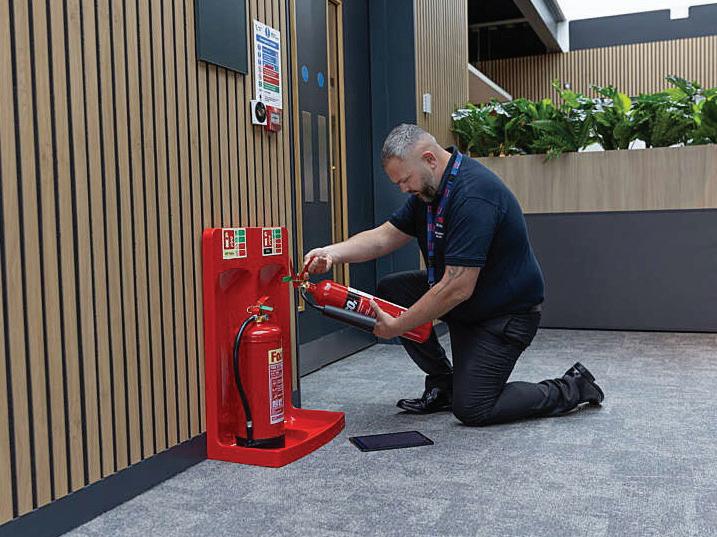
Fire risk assessments o en sit quietly in the background of business operations. On the surface, it can feel like everything is already covered: the fire alarm is tested, the risk assessment is neatly filed away, and a few extinguishers are placed where everyone can see them. It all gives the impression that the essentials are in place. But when fire protection slips into a routine tick box exercise rather than a living, active priority, organisations can overlook the very risks most likely to cause real harm.
Fires cost UK businesses around £12 billion every year, which averages over £650,000 per incident. Behind these numbers are halted operations, damaged reputations, lost livelihoods and in the worst cases, serious risks to human life. Crucially, fire does not discriminate by building size or sector. A small o ice can be just as vulnerable as a sprawling industrial site, and for smaller businesses, the financial shock of a single incident can be impossible to recover from. O en, the common factor is a failure to recognise risk or act on it in time – a gap that proactive facilities managers can bridge.
What o en triggers a fire isn’t a dramatic ignition event, but a seemingly unremarkable issue: A kettle that’s on the blink. Ageing electrical systems. Overheating equipment. A cigarette disposed of carelessly. And when you add in factors like a fire exit temporarily used to store deliveries, or a fire door wedged open “just for a moment” to improve ventilation, the risks escalate further.
This is why fire safety needs to be rooted in daily
habits, not annual, or even monthly or weekly checks. And it is exactly why facilities managers sit at the heart of a robust fire strategy. They are the people who understand not just the fabric of a building, but the way the building is used.
FIRE RISK ASSESSMENTS
A fire risk assessment is designed to identify hazards, anticipate how they may cause harm, and outline how risks can be controlled. Yet too o en, once completed, it may be filed away, only revisited when the renewal reminder appears.
But conditions change constantly. People introduce new equipment. Contractors carry out work that a ects fire compartmentation. Storage slowly creeps into prohibited spaces. Even seasonal weather can influence fire behaviour within a building.
A risk assessment that is not actively applied, reviewed and embedded o ers little more than administrative reassurance. What matters far more is how the findings of the assessment shape day to
day operations, and whether the culture around fire safety encourages people to act on risks the moment they appear.
FMs are vital. They are the people most able to understand whether fire procedures are practical, whether sta can realistically follow them, and whether conditions within the workplace genuinely reflect what the paperwork claims.
THE FM ADVANTAGE
FMs play a unique role within a business. While many departments operate within their own remit, FMs are naturally integrated into every facet. They see how teams use spaces, where bottlenecks form, and where issues quietly emerge.
Their strength lies not just in their technical knowledge, but in their proximity to the everyday. They are present o en enough to notice the small but telling details: a crack in an electrical socket, a fire door that no longer closes properly, an extraction system not performing as it should, or a piece of equipment running hot. These can be early warning signs that prevent a major incident.
And while facilities managers may not see themselves as “fire specialists,” they are o en the first to recognise when a situation doesn’t look right. Their intuition about the building gives them a level of situational awareness that few others can replicate.
CULTURE CHANGE
Ultimately, the most e ective fire safety strategies are not defined by checkboxes on an audit sheet. They are defined by culture, a workplace where people understand their responsibility, whether that means reporting a hazard, keeping routes clear, or following evacuation procedures without hesitation.
Cultivating this culture requires more than an annual briefing. It involves training that resonates, drills that reflect real scenarios, communication that is open and continuous, and a sense of shared accountability. Facilities managers play a crucial role in fostering this environment, not through enforcement, but through guidance, leadership and presence. Their involvement normalises fire awareness, helping sta understand that their choices matter.
PREVENTION PROTECTS
The di erence between a close call and a catastrophe o en comes down to two things: vigilance and preparedness. FMs, with their hands-on knowledge and day to day oversight, are uniquely positioned to influence both. By embedding fire safety into the behaviour of the organisation – not just its documentation – they help businesses protect their people, their operations and their future.
And when facilities managers lead the way, the entire organisation becomes safer, stronger and far more resilient.









Your outdoor estate never stands still.
Your outdoor estate never stands still.
From expertly maintained grounds to fast, reliable reactive works, OUTCO keeps your sites safe, presentable, and operational all year round with one trusted partner for complete external maintenance





From expertly maintained grounds to fast, reliable reactive works, OUTCO keeps your sites safe, presentable, and operational all year round with one trusted partner for complete external maintenance
0800 0432 911 enquiries@outco.co.uk
0800 0432 911 enquiries@outco.co.uk



COMPLIANCE
VERIFIED SAFELY

AThe FM sector needs to move from a ‘static spreadsheet’ mentality to adopting a flexible, continuously compliant role says Nik Flytzanis, Growth Market Director at Once for All, home to Facilitiesline
s the guardians of organisational competence, safety and risk oversight FM’s responsibility has never been greater. The Building Safety Act 2022 has substantially raised the standard of accountability. We now operate in an environment where completing the work is not enough. Organisations must prove when they acted, that the contractors they deployed were competent for each specific task, and that the work met the required standard at the time. Without that evidence, the consequences range from enforcement action and reputational damage to criminal prosecution.
There are steps that organisations can take to protect themselves, but they depend on moving beyond static checks and building compliance into the everyday management of people, assets and suppliers.
GET YOUR ASSET REGISTERS IN ORDER
Asset registers are the foundation of ongoing risk management in FM. You cannot maintain what you cannot accurately identify, and you cannot defend decisions about assets you have not correctly recorded. The SFG20 State of FM Report 2025 makes uncomfortable reading: only nine per cent of FM professionals believe their asset registers are fully accurate, while 37 per cent rate them as no more than 50 per cent accurate. That is not a data quality issue. It is a fundamental breakdown in the safety chain.
Accurate asset data has both preventive and reactive dimensions. Reactively, it is the only basis on which FMs can respond with confidence to equipment failures or fire incidents. When something goes wrong, investigators want a precise, time-stamped record of what was in place, when it was last maintained, and by whom. Preventively, usage data allows FMs to allocate resources proportionately to actual risk. A server room HVAC system that has run for 2,000 hours carries a fundamentally di erent risk profile from an o ice unit that has run for 200. Treating them identically is an avoidable liability.
Reliable condition data also feeds directly
into capital works planning, enabling informed decisions about when to repair, refurbish or replace rather than simply reacting to failure.
ENSURING COMPETENCE
E ective compliance management is not just about when work happens. It is about who does it and whether they are genuinely competent. Some roles carry a hard legal threshold, such as Gas Safe, REFCOM, SIA licensing, or UKAS accreditation. These are legal deployment requirements, and deploying without them is a criminal o ence.

Most FM tasks fall into a more nuanced bracket. The FM must verify that an operative has the specific skills, experience and documented procedures for the task at hand. A Working at Height assessment is not a training certificate. It is evidence of a functioning system: a risk assessment, a rescue procedure, equipment inspection records and a named responsible person. That distinction matters enormously when a fatality leads to an investigation. This verification must be continuous. The Building Safety Act has shi ed the question from whether an FM checked the paperwork to whether they can evidence competence the moment the work was carried out. When 31 per cent of professionals still manage this in static

spreadsheets, establishing a live source of truth is almost impossible. A verified badge captures a moment in time. It does not make a contractor safe to work on every site, on every asset and at every moment.
CONTINUOUS COMPLIANCE
A contractor may pass verification at onboarding and still not hold current credentials six months later. Licences lapse. Insurance renewals fail. Individual operatives arrive on site without the specific competency their company-level accreditation implies. These are not edge cases. They are structural features of a supply chain model built around annual point-in-time checks. Forward-thinking FMs are addressing this by adopting digital systems that provide real-time monitoring and automated alerts the moment a supplier’s status changes. Rather than treating compliance data as a historical archive, these systems serve as a live early-warning function, surfacing risks before they become incidents. This is what organisational defensibility requires: a live, unbroken trail that proves an organisation has met its legal obligations at every stage and clearly defines the chain of accountability if a serious incident occurs.
SETTING A NEW STANDARD
It is no longer credible to operate on a 50 per cent accurate asset register or to rely on annual prequalification checks as evidence that a contractor is safe on site today. Continuous compliance and rigorous digital asset management move the sector beyond box-ticking toward safer, more defensible operations. This does not remove the human judgement at the heart of good facilities management. It gives FMs the evidence, visibility and control to exercise that judgement with confidence.
Organisations that embed continuous compliance into daily operations will have what they need when scrutiny comes. Those that do not are carrying more risk than their documentation suggests, and in the current regulatory environment, that gap is narrowing fast.
REAL-TIME MANAGEMENT FOR ASSET & SERVICE LOCATIONS
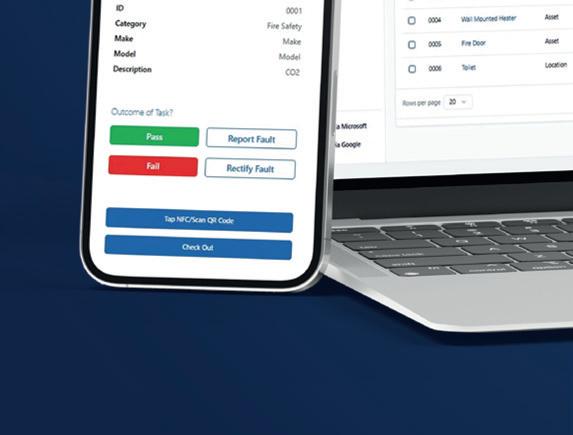
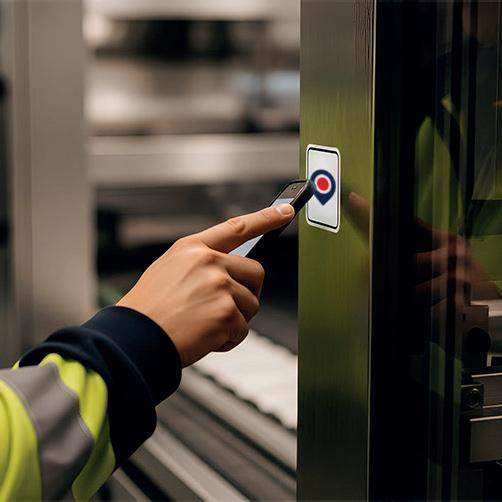
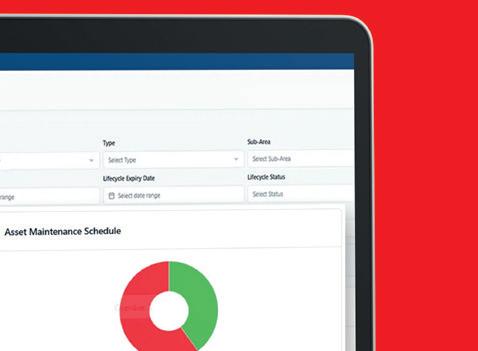
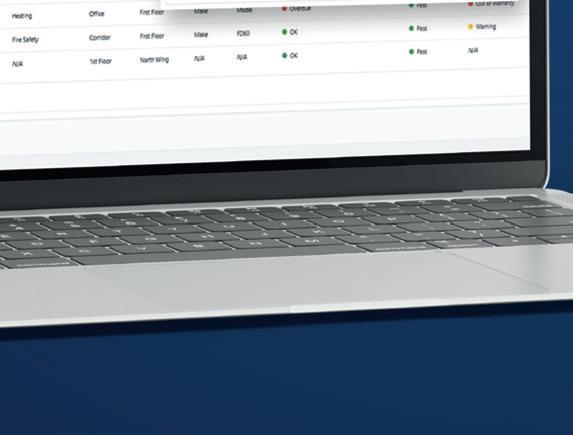
ProAstra uses NFC technology to deliver a simple one-tap solution for inspections, maintenance and compliance.
Each asset interaction is recorded instantly in real time, creating a time-stamped, auditable record of attendance, completed work and compliance activity.


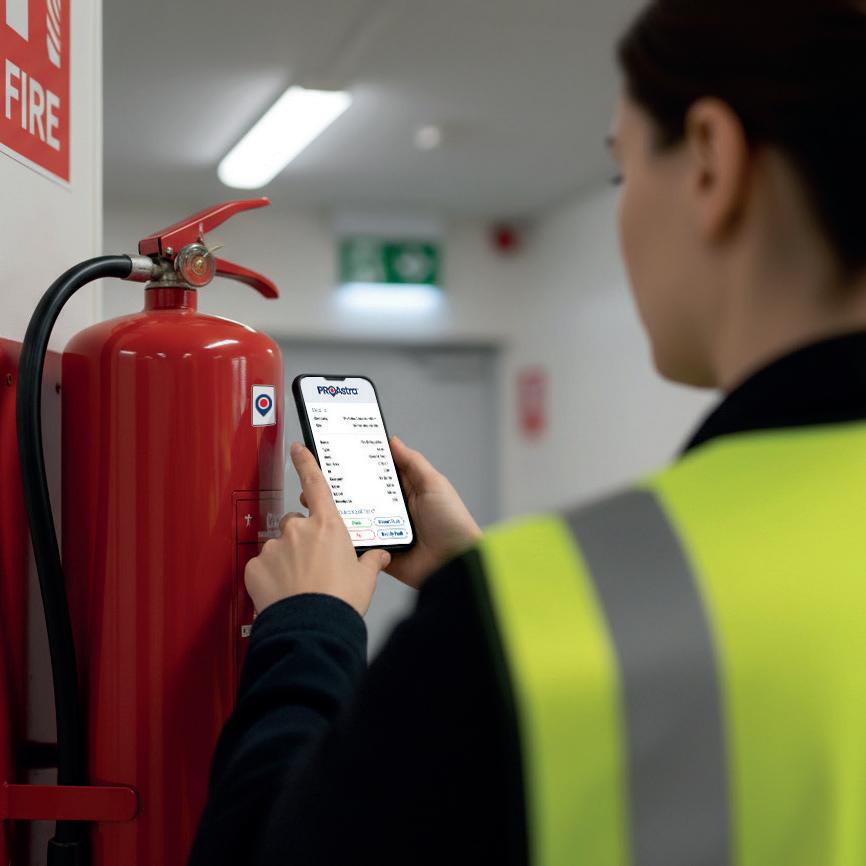




TAP
• Prove attendance with NFC
• Track time on site
• Send live site data
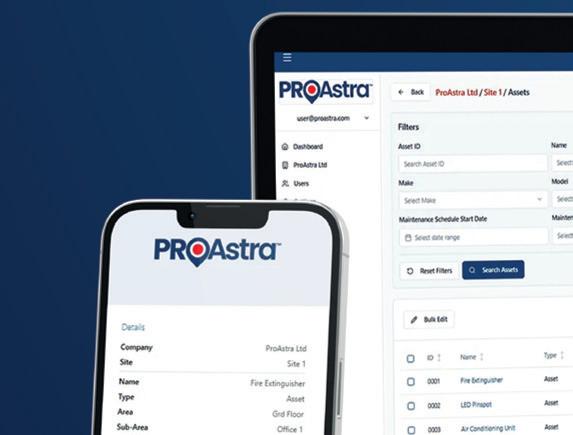



REPORT
• Report faults and maintenance live
• Automate reporting instantly
• Reduce admin and errors

The result is reliable proof of service delivery, improved accountability and real-time reporting.



REVEAL
• Reveal missed inspections and faults

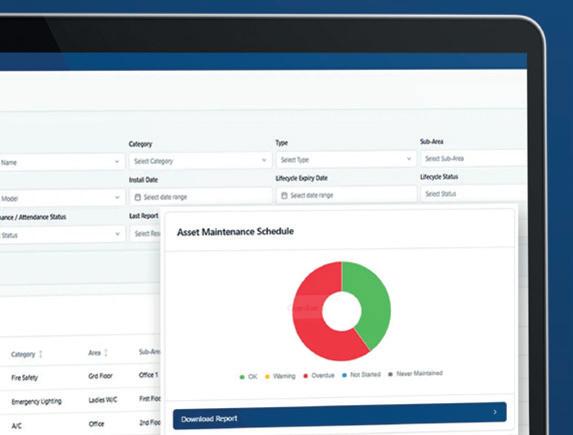
• Identify recurring failures




Improve compliance visibility





RESOLVE

• Resolve issues proactively
• Speed up response times
• Reduce downtime fast

FACTS
CONSOLIDATED APPROACH
FMJ AIMS TO SUPPORT TECHNICAL EXPERTISE IN THE FM MARKET

Timber Barker, CEO of Boom Interactive and Creator of CoreSpec 3D, sets out how AI and digital technologies helps consolidate all facilities information into an Integrated Facilities Management Services (IFMS) strategy
According to a recent report by askporter, facilities management teams are in a state of perpetual crisis management, with a staggering 73 per cent of teams resorting to reactive problem-solving due to a lack of real-time insights. Not only is this reactive style of work eroding client trust and confidence, but it is also causing 43 per cent of FMs to miss their Service Level Agreements (SLAs) – resulting in many clients going on to raise complaints or threatening not to renew contracts over perceived service failures.
THE ISSUE
One of the main issues preventing FM teams from shi ing away from reactive schedules is the skills shortage. The askporter data highlighted that over two-thirds (68 per cent) of FM leaders are struggling to find and retain skilled sta . Couple this with a loss of institutional knowledge from a retiring workforce and the pressure is well and truly on those who remain.
In addition to this, teams are under increasing financial pressure. The most recent ‘State of FM’ report by SFG20 found that budget constraints are the biggest challenge faced by those in
the industry – with 69 per cent citing this as their biggest obstacle in 2026.
Add to this the fact that some research has shown that around 30 per cent of as-builts drawings contain errors or missing information and that no single FM contract in the UK has a 100 per cent accurate, fully updated asset register at the point of contract handover and it’s clear the issue is much than just financial - it’s information too. It is these factors that are playing into an inability to look at buildings more predictively.
All of this, plus aging infrastructure, complex compliance and regulation changes and technology integration are combining to create a tough landscape for FMs. It is these factors that are playing into an inability to look at buildings more predictively, with teams kept busy fighting fires on a daily or weekly basis rather than planning ahead.
DIGITAL WAY FORWARDS
Within the FM sector there seems to be a general acceptance that digital technologies and AI platforms are the future, with data and systems integration one of the top challenges for UK practitioners in 2026.
Many teams are already using digital technologies, with buy-in to tech
adoption seen as ‘strong’ amongst many FM leaders. Despite this, these technologies do come with some drawbacks, namely the use of multiple siloed systems, causing fragmentation across a wider business or even throughout a diverse property portfolio. Additionally, there are concerns amongst the workforce that despite the benefits digital technologies can bring they can o en be stuck behind a ‘skills paywall’ where specific training or knowledge is needed to operate a system.
According to the 2026 ‘State of FM’ report, many in the industry see the integration of technology as one of the biggest challenges this year, with worries ranging from integration into current processes, to the ways in which they can support compliance and reduce operational costs being raised. It is here that intuitive AI-based tools can prove useful, o ering an easy-to-use system with the same capabilities as more advanced solutions.
AI IN FM
AI in the FM sector is by no means a new concept, with the rapid adoption of AI as a mainstream tool beginning around 2023 in the UK. However, since this time
it has grown exponentially into an even more powerful system, especially when incorporated into a wider solution to provide a generative learning model. In fact, it is this introduction of AI to workflows that can massively benefit a shi to predictive maintenance.
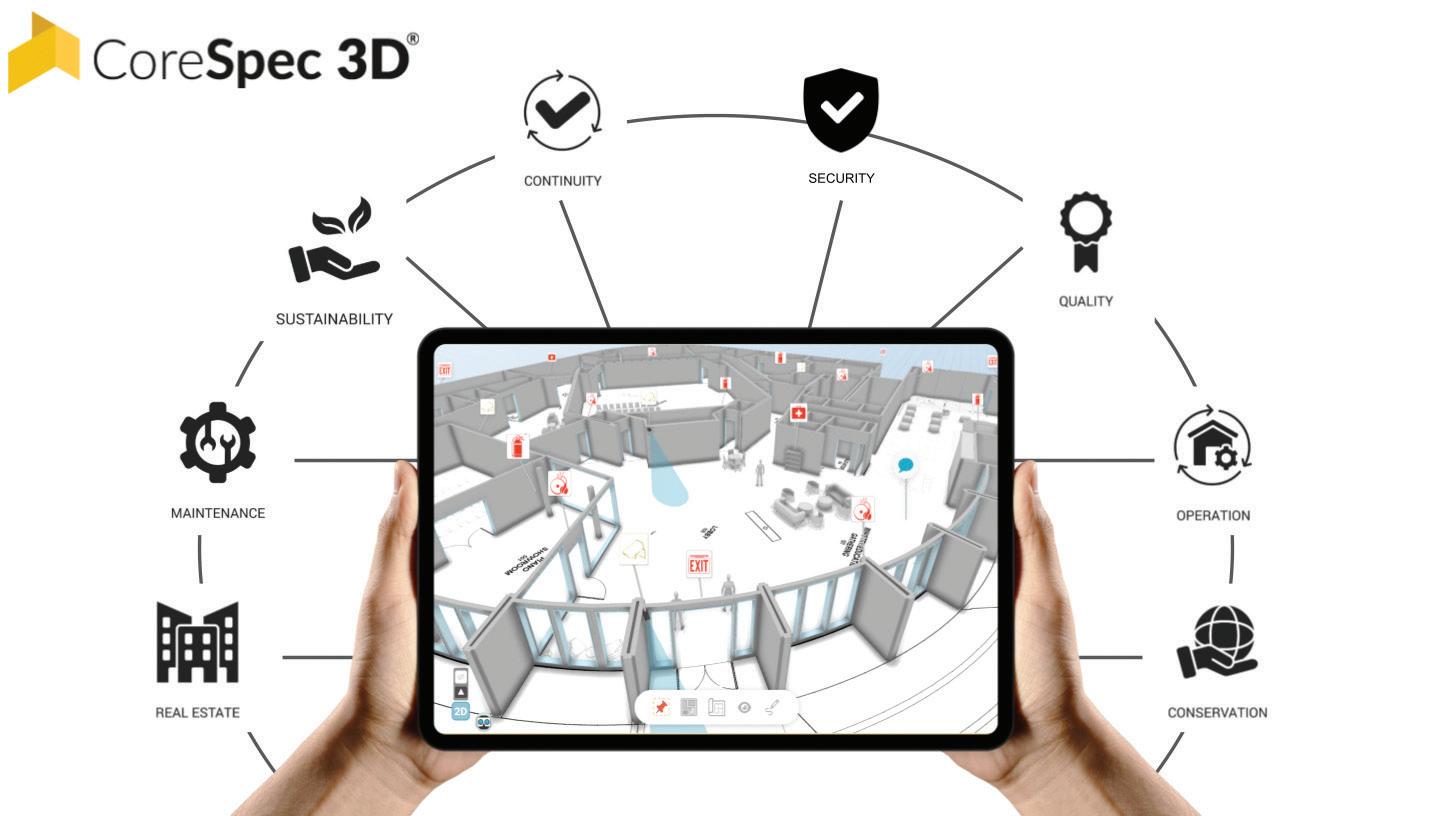
CoreSpec 3D is an app-based so ware with an AI assisted image recognition to rapidly create interactive, living floor plans from 2D drawings and share them seamlessly across all device types, streamlining design and planning while reducing costly on-site adjustments. Designed to be used by everyone, not just specialists, this platform can fit into existing workflows and track a building from initial design right through to detailing, completion and maintenance – o ering a solution to the ‘as-built crisis’ by aggregating existing systems, documents, drawings and live operations into one interactive, layered and shareable scene.
FUTURE OF AI
As an AI system gathers and collates data, it can learn and better adapt, shi ing any tool it is incorporated into from a dashboard of information into a truly smart model. In the context of facilities management this can help regulate a building itself. Whether that is measuring energy usage and finding better ways to control internal environments more e iciently or allocating jobs that will need completing before they become an actual problem –saving time, resources and money.
Take a building’s lighting for example, an AI-based system can not only control the lighting, reducing energy usage, but by taking data from across the property and wider portfolio it can then look to recommend when di erent fixtures would require replacing or maintenance – as opposed to waiting for an issue to arise before acting.
AI and digital technologies can be used to help teams shi from this reactive way of working to more predictive maintenance cycles.
OUR CORE AREAS.
MECHANICAL & ELECTRICAL SAFE SYSTEMS OF WORK
HTM HEALTHCARE ESTATES & FACILITIES
MECHANICAL & ELECTRICAL TECHNICAL
F-GAS HANDLING
LEGIONELLA (WATER HYGIENE)
FIRE SAFETY
Our competence-backed training sets the standard, empowering your workforce to cross-skill for maximum flexibility or up-skill for technical mastery. By bridging the skills gap with industry-recognised, assured certification, we ensure your team remains compliant, efficient, and futureready. Invest in proven expertise. Elevate your operational standards and team performance at PPL Training.
Setting the Standard in Estates & Facilities Training. Elevate and up-skill your team’s capabilities... 0333 121 1215
info@ppltraining.co.uk ppltraining.co.uk

@CIBSE Recently, CIBSE Patrons gathered at the iconic House of Lords in London for the Institution’s annual Patrons Lunchone of the standout events in the CIBSE calendar. To read more, visit https://buff.ly/zZN3p0c
@mitie We are delighted to be nominated for two Safety Excellence Awards 2026 from @LBGplc. Mitie Managing Director of Technical Services, Sam White, Mitie Managing Director Grant Walford, and Mitie Strategic Client Director, Manav Chawla will be attending the awards. A huge congratulations to our Mitie team and good luck at the awards!

@Idoxgroup Driving change with Idox’s #EV scheme. We are proud to have seen 41 vehicles hit the road, with another 4 to be delivered so far - saving 132 tonnes of CO2 emissions across the lifetime of the vehicles. Aligning with our broader approach to #Sustainability #NetZero
@CBRE “The easy money is in the rearview mirror.” That’s Brookfield’s Chris Reilly explaining why the next decade belongs to skilled operators. Reilly and CBRE’s Matt White discuss what stewardship of capital actually looks like now.

https://cbre.co/4tlEkPF
@BritSafe What happens when we stop judging “difference” and start valuing it as a superpower? In this article, Grant Tickle and Dr Audrey Fleming share two powerful perspectives on #neurodiversity in the workplace. Read their stories here: https://ow.ly/U55w50YZnvK
@matrixbooking - How can AI help you understand how your buildings are really being used? Great day presenting alongside our customer @edfenergy and exploring exactly that with like-minded people from different backgrounds. Thanks to Hellon for a brilliant event. #AI #BuildingUtilisation
@Epturawork Live from New York, it’s #Flex26! Stay tuned for updates throughout the day including fireside chats, breakout sessions, and how we’re helping industry professionals shape the #futureofwork

DAVE HAWKES, DIRECTOR, HOUSTON & HAWKES
HOW FOOD CAN HELP DRAW PEOPLE BACK INTO THE WORKPLACE
What makes someone want to come into the o ice? This is a question facilities managers are increasingly having to answer as organisations continue to adapt to changing employee expectations.
The ‘return to o ice’ has happened, at least in part. Occupancy levels across major cities, particularly London, have stabilised and in some cases continue to rise. Yet for many organisations, getting people through the door consistently remains a challenge.
The reason for this pretty clear: employees no longer see the o ice as the default place to work. It has to o er something meaningful in return for the commute.
For some, that means easier collaboration and better access to colleagues. Others might prioritise comfort, quiet areas for focused working, reliable technology and available meeting rooms. Meanwhile, there are certain non-negotiables, such as natural light, cleanliness, temperature control and acoustics, that shape how everyone experiences the workplace.
Food and hospitality should also be seen as part of that equation.
HOSPITALITY AND THE EMPLOYEE EXPERIENCE
While food alone is unlikely to be the deciding factor in whether someone comes into the o ice, it can strongly influence whether the workplace feels transactional or genuinely welcoming. For facilities managers under pressure from the C-suite to make o ice attendance feel worthwhile, it’s one of the most tangible levers they can pull.
The value of food and hospitality lies less in the o ering itself and more in what it signals. High-quality provision suggests that thought and investment have gone into the workplace experience. Poor quality does the opposite, reinforcing the sense that the o ice is somewhere employees are expected to attend rather than somewhere they choose to be. Good co ee has become symbolic of the wider workplace experience. Employees now routinely compare what is available in the o ice to what they can get elsewhere, especially when working from home.
Catering spaces also serve a functional role that is easy to underestimate. In many o ices, cafés and dining areas are among the few environments where employees step away from desks and formal meetings. In hybrid workplaces especially, where occupancy fluctuates, these spaces help the o ice feel active and social rather than half-empty.
And there is also the question of trade-o s. People are more willing to tolerate a commute if the o ice experience o sets some of the

personal cost or e ort involved. Something as simple as breakfast on arrival will positively influence how employees feel about an o ice day overall.
This reflects the broader change in how organisations think about the workplace. FM and estates teams are increasingly taking inspiration from hotel and hospitality sectors by treating the o ice less like infrastructure to be managed and more like an environment to be hosted.
PERKS ALONE ARE NOT ENOUGH
This presents both an opportunity and a challenge for facilities teams. The aim should be a shi in mindset from viewing food and beverage services as o ice perks to a fundamental element of the broader workplace experience strategy, influencing everything from employee wellbeing and culture to occupancy levels and retention.
But authenticity matters as well. Employees tend to respond poorly to superficial perks if the wider workplace experience is frustrating. There is a growing awareness among employees of the di erence between genuine investment in their experience and gestures designed primarily to justify a return-too ice mandate. Good food will never really compensate for poor management or an o ice that o ers little functional value.
Ultimately, the organisations seeing the greatest success are the ones creating workplaces that o er experiences employees cannot easily replicate elsewhere.
Dave Hawkes, Director, Houston & Hawkes





























FM CLINIC


Geopolitical instability and the oil crisis have accentuated the need for energy security and the role of renewable and low carbon energy. Yet according to the BSI, costs, capability gaps and a fragmented regulatory landscape are barriers. What can the built environment do to accelerate the adoption of energy management solutions to lower costs and meet sustainable goals?
supports practical decisions.
Smart metering, BMS, controls optimisation and performance analytics can all help, but only when they’re used to drive action. Technology on its own isn’t a solution. What matters is how e ectively it’s applied.
The second issue is ownership.
Energy performance o en sits across estates, FM, procurement, finance and sustainability teams, with no single point of accountability. That slows progress. When responsibility is diluted, energy management gets pushed down the priority list or treated as a standalone technical issue rather than a business-critical one.
In FMJ's regular monthly column, our team of FM experts answer your questions about the world of facilities management
ESG & NET ZERO SPECIALIST’S VIEW
ALAN STENSON, CEO, NCZ
Energy management in the built environment has now become central to cost control, resilience and credible sustainability.
The combination of geopolitical instability, volatile energy markets and growing pressure to decarbonise has made one thing very clear.




Ine icient buildings are now a commercial risk. They cost more to operate, are harder to future-proof and leave organisations exposed at a time when both clients and regulators expect better.
That’s why this conversation matters so much. Not because energy management is some sort of new idea, but because the cost of not getting it right is now far greater.
The challenge is that most organisations are not short of ambition. What they’re short of is clarity. They know energy performance matters, but many still lack a clear understanding of where energy is being consumed, where it’s being wasted and which actions will have the biggest impact. Without that visibility, decision making becomes reactive and fragmented.
So, the first priority has to be measurement. If organisations want to reduce energy costs and make genuine progress towards sustainability goals, they need a more accurate picture of building performance. That means establishing credible baselines, improving monitoring and using data in a way that
This is where the built environment needs to shi its mindset. Energy management isn’t just an engineering issue. It’s operational, financial and strategic. It should be embedded into how buildings are run, maintained, procured and improved.
FM teams have a particularly important role to play here. They are close enough to day-to-day operations to see where waste occurs, where systems underperform and where small interventions can unlock meaningful savings. But they need the right data, authority and support to act on that insight.
Capability is another barrier that can’t be ignored. There’s still a gap between knowing energy performance needs to improve and having the in-house confidence to assess options, prioritise investment and manage change e ectively. That capability needs to be built across the sector, not le to a handful of specialists.
Ultimately, the built environment doesn’t need to wait for a perfect regulatory landscape before moving forward. There are practical steps organisations can take now, reviewing controls, improving maintenance strategies, reducing avoidable waste, upgrading ine icient assets and making more informed retrofit decisions.
The organisations leading on this won’t be the ones waiting for certainty. They’ll be the ones taking practical action, using better data and recognising that energy performance is no longer a side issue. It’s now fundamental to cost control, resilience and sustainable progress.
ENERGY SOLUTIONS EXPERT’S VIEW
JAMES ROOKE, MD OF CARBON SHIFT, EQUANS UK & IRELAND
The role of facilities managers has evolved dramatically over the past decade. The global push for decarbonisation, combined with the transformed working landscape post-COVID, has driven significant shi s within the built environment.
Alan Stenson
Today, FMs are at the frontline of delivering net zero strategies and climate adaptation e orts – overhauling energy consumption, space planning, and daily operations. Against this backdrop, organisations and their facilities teams face the complex challenge of balancing decarbonisation goals, climate resilience, operational e iciency, compliance, and cost control.



James Rooke
What we’re increasingly seeing is that many organisations don’t even know where to begin. They rightly look to their FMs for leadership in developing pragmatic sustainability roadmaps. No one understands a building and its operational needs better than those managing it daily. Yet, the journey is complex, with intertwined challenges spanning technology, finance, and estate development. There is no one-size-fits-all solution to decarbonisation; making it investable requires blending multiple technologies with diverse funding streams.
At Equans, we believe the built environment o ers vast, untapped potential for progress through pragmatic and scalable actions.




tomorrow’s challenges. Ultimately, energy management is not solely a technical challenge – it’s a necessity. By prioritising data-driven action, developing team capabilities, and navigating a fragmented regulatory landscape collaboratively, the built environment can accelerate the adoption of energy solutions that simultaneously reduce costs and meet sustainability objectives.
INDUSTRY STANDARD FOR BUILDING MAINTENANCE VIEW
PAUL BULLARD, CHIEF PRODUCT OFFICER AT SFG20
Geopolitical instability and oil market volatility have reinforced the need for greater energy security. For the built environment, the challenge is not simply whether to adopt renewable or low carbon technologies, but how to make buildings more e icient, resilient and coste ective to operate.



One common industry roadblock is shortterm budgeting, which o en obscures the true value of comprehensive energy management. By adopting whole-life cost principles in procurement and asset management, facilities teams can demonstrate ROI beyond immediate energy savings – incorporating risk reduction, compliance benefits, and future-proofing.



One of the most underappreciated opportunities is the effective use of energy data. Many organisations already have access to valuable information through meters, BMS platforms, asset records and maintenance histories, but the challenge is turning that data into meaningful action.”
PaulBullard



To address this, we developed Carbon Shi – an integrated decarbonisation and resilience solution designed to help organisations plan, fund, and implement their sustainability strategies. Carbon Shi supports identifying cost-saving opportunities, accessing third-party funding and government grants, exploring private financing partnerships, and cra ing long-term investment plans aligned with operational and capital expenditure goals.
This strategic approach unlocks external funding sources and transforms sustainability from a regulatory burden into a competitive advantage. The key is aligning net zero commitments with cost-e ective, scalable solutions that guarantee operational resilience for years to come.
By embedding decarbonisation and climate resilience into everyday decision-making and operations, FMs can create workplaces that meet today’s demands while preparing for



and cost-





Technology has an important role to play.
Building Management Systems, smart metering, IoT sensors and data analytics can help facilities teams understand how energy is being used, identify ine iciencies and make more informed decisions. However, digital solutions are only part of the answer. Energy management must also be rooted in good maintenance strategy, practical operational planning and a clear understanding of how buildings perform.









the use
One of the most underappreciated opportunities is the e ective use of energy data. Many organisations already have access to valuable information through meters, BMS platforms, asset records and maintenance histories, but the challenge is turning that data into meaningful action. Used well, it can help FM teams spot unusual patterns, prioritise interventions and understand where maintenance, controls, insulation or operational changes could deliver the greatest impact.
Asset condition is also central to energy performance. A wellmaintained asset will almost always operate more e iciently than a neglected one. Poorly serviced plant, incorrect controls settings, worn components, blocked filters, damaged insulation or unresolved defects can all increase energy use long before an asset reaches the point of failure. This is why maintenance should be seen not only as a compliance or reliability function, but as a practical lever for reducing energy demand.
There is also value in taking a more coordinated approach to planning maintenance activity. Where appropriate, facilities teams can align planned maintenance, reactive works and energyrelated checks so that tasks requiring the same skill sets, access
Paul Bullard
arrangements, permits, plant shutdowns or specialist contractors are completed during the same visit. This can reduce unnecessary travel, labour duplication and disruption, while supporting better compliance, asset performance and cost control.
Skills remain a major barrier. SFG20’s State of Facilities Management Report 2026 found that 42 per cent of FM teams reported a lack of digital and IT skills, while 32 per cent identified sustainability and energy management as a significant skills gap. As buildings become more complex, FM professionals are expected to understand energy performance, asset data, carbon reduction, compliance and lifecycle planning. Upskilling the workforce is therefore essential, not only in digital tools, but also in the fundamentals of low carbon building operation and e ective maintenance planning.
Regulatory fragmentation also needs to be addressed. Inconsistent policies and building legislation create uncertainty for building owners, operators and service providers. Clearer standards, simpler routes for retrofit projects and stronger incentives for energy e iciency would give organisations greater confidence to invest.
Ultimately, the built environment can accelerate energy management by focusing on the basics as well as innovation. Smart systems, renewables and low carbon technologies all have a role to play, but they will deliver the greatest value when supported by well-maintained assets, informed use of energy data, e icient scheduling, skilled people and a clear maintenance strategy. For facilities management professionals, this is an opportunity to move from reactive building management to a more strategic role in energy security, cost control and the transition to net zero.
ELECTRIFICATION & TECHNOLOGY EXPERT’S VIEW
ANDREA MENTI, ENERGY DISTRIBUTION LEAD, ABB
ELECTRIFICATION’S SMART
BUILDINGS

complex, it doesn’t have to be. Deploying e ective, scalable digital energy management solutions o ers facilities managers a way to address the energy challenges of today and tomorrow. Real-time monitoring and control through digitalisation and automation transforms building data into valuable insights, enabling teams to identify opportunities and optimise energy usage. This can reduce both energy waste and peak demand in a way that is easy to view and manage. You can’t optimise what you can’t see or monitor.
Volatile global conditions, net zero targets and rising energy costs are creating a perfect storm for facilities management teams. Buildings account for around 30 per cent of global final energy consumption, making them one of the most important places to improve e iciency and reduce costs. Building owners, operators and facilities managers are being asked to improve how they manage, monitor and optimise energy. Poor energy visibility can lead to waste, compliance risk, missed e iciency gains and hidden operational costs.
As energy e iciency becomes a growing priority for everyone involved with managing buildings and running operations today, modular, cloud-based energy management solutions have the potential to deliver measurable reductions in energy expenditure. They also allow facilities managers to respond quickly to changing energy needs within a single building or across an entire portfolio of properties.
At the same time, customers and residents increasingly expect energy to be used in the safest and most e icient way. There has never been a more urgent need to identify and adopt solutions that maximise energy and drive sustainability commitments. This is because the key priorities of safety, e iciency, and sustainability are deeply connected. Energy management should be treated as a broader operational priority, rather than an ESG initiative alone. It must protect people and assets, minimise waste and costs, and support electrification and renewables.
While addressing these competing priorities at pace can appear
These systems can be retrofitted into existing buildings without major disruption, making them especially valuable in older properties and in smaller, more complex spaces. They can also help address the current skills gap by making upgrades easier to install and manage. When integrated into new builds, they can support more e icient and future-ready operations.
Modern energy management systems can also strengthen reliability, safety and operational continuity by enabling earlier detection of potential equipment issues. This can help make buildings and critical infrastructure more resilient.
These advances are practical steps that can be taken now. Around the world, cloud-based energy management systems are accelerating how intelligently, safely and cost e ectively buildings and infrastructure operate, while supporting more e icient operations. By deploying e ective and scalable solutions, facilities management leaders can quickly and comprehensively address energy challenges, enhancing performance, reducing costs, maintaining compliance and enabling the integration of renewable energy.
As a result, energy is not only managed, but used to its full potential, making buildings and operations better prepared for future energy demands. The challenges associated with energy management are great, but the benefits of optimising energy - and the spaces in which we live and work - are even greater.
Do you have a question that you’d like answered by the FMJ Clinic?
Email: sara.bean@kpmmedia.co.uk
Andrea Menti

















CAMPUS PARTNERSHIP



CMadeleine Ford visits the University of Su olk to discover how a long-standing partnership with Churchill Group is driving a one-team approach to cleaning and security across the university estate
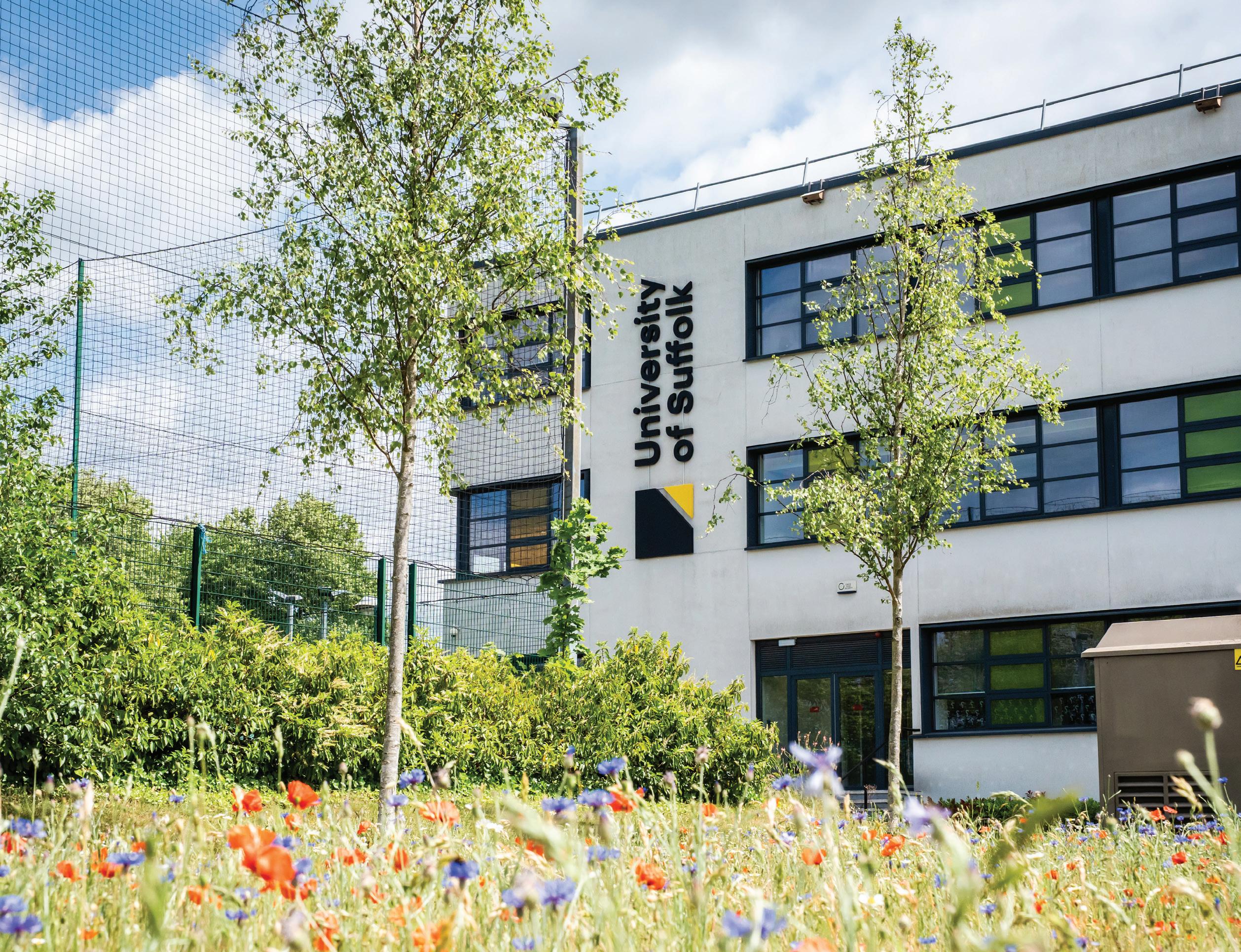
reating safe, welcoming and high-performing university environments requires more than simply delivering services - it demands collaboration, flexibility and a shared commitment to the student experience. That ethos sits at the heart of the long-standing partnership between the University of Su olk and Churchill Group, whose cleaning and security specialist businesses have worked alongside the university for more than a decade.
CONTRACT BACKGROUND
Churchill first began providing cleaning services to the University of Su olk in 2008, while Amulet (part of Churchill Group) joined the partnership in 2019 to deliver security services across the university’s campuses.
Over time, the contract has evolved into a comprehensive FM solution, covering a broad range of operational services under one management structure.
Following a competitive tender process in 2024, Churchill Group retained its contract with the university for a further seven years, with a three-year break clause and the opportunity for a further four-year extension. The renewed agreement reflects not only the confidence in operational performance, but also in the strength of a collaborative partnership built around shared values, communication and continuous improvement.
Justine Oakes, Head of Strategic Estates Management at the University of Su olk, explained that the main driver in uniting with Churchill was their shared commitment


The nature of a busy university environment, particularly one located within a town centre, also means constantly changing footfall and operational pressures throughout the academic year.”
to service excellence, alongside social value, sustainability and operational collaboration.
The biggest motivation for both sides is providing the best student experience possible and for the contract teams to be seen as an extension of the in-house team.
Today, the partnership spans 11 buildings on the main campus and further areas o site, with between 50 and 60 sta across both teams overall.
CLEANING
In higher education environments, cleaning teams play a vital role in shaping first impressions and supporting the day-to-day experience of students, sta and visitors. At the University of Su olk, Churchill’s cleaning teams operate across teaching spaces, communal areas, cafes, o ices, washrooms and student facilities, helping to ensure every part of the campus remains clean, safe and welcoming throughout the day.
With campuses operating from early morning through to evening lectures, events and activities, maintaining consistently high standards requires flexibility, organisation and close collaboration with the Contracts Manager. Churchill structures its cleaning schedules carefully to work around the demands of campus life, minimising disruption while ensuring heavily used spaces remain presentable and hygienic.
The nature of a busy university environment, particularly one located within a town centre, also means constantly changing footfall and operational pressures throughout the academic year. From examinations and open days to graduations and student events, the cleaning provision must adapt quickly to fluctuating campus
demands. Equally, quieter periods during holidays provide opportunities for larger scale works such as carpet cleans, deep cleaning and detailed maintenance tasks across university buildings.
Churchill’s longstanding presence on site has allowed teams to build a strong understanding of the estate, its users and the university’s expectations. Alongside daily operations, governance and communication form a major part of the contract’s success.
David Firth, Account Manager for Churchill, explained that monthly audits are carried out across every building, supported by team leaders who ensure standards are maintained consistently across the estate.
The contract is also underpinned by a structured governance model designed to encourage transparency and collaboration between Churchill and the university.
Justine Oakes explains: “We have a well laid out governance structure that was part of this new contract approach, so we have monthly meetings with all of our key service providers, run by our contract manager, which helps to surface any problems that might be going on in that immediate month.
“Following on from that we have quarterly, six monthly, and yearly meetings which are at Director level, these look at how we’re performing collectively and how the contract’s performing, ensuring management, monitoring, and progression are on track.”
SECURITY
Alongside cleaning provision, Churchill Group delivers a comprehensive security service through Amulet, one which is designed to support safety, wellbeing and reassurance across the university estate. Here, security has moved away from what would be deemed as traditional and has become a lot more about safeguarding. The service is designed not only to protect buildings and assets, but to help foster a safe and inclusive campus culture.
Hannah Bridgman, Commercial Relationship Director at Amulet Security says that the safeguarding element has really come into its own, she said: “there’s been some brilliant stories where our team have intervened and supported in di icult situations.” She highlights the ‘On the Spot Awards’ where the company gives reward and recognition to the response team.
It’s not just about keeping students safe,

security o icers can be called upon to support student welfare situations around the campus, particularly in the evenings and on weekends. The security team are on-site figures embedded in daily life, building strong relationships where students feel comfortable asking for help or turning to.
The role of the security team is varied because of the campus’ town centre location. This requires dealing with the general public - including responding to middle of the night safeguarding issues.
“The way the incidents vary is phenomenal, and the team are constantly having to change their outlook and way of dealing with things”, Jason Brown, Regional Director for Amulet remarked.
What has been beneficial to this are intelligence drop-in centres run by Amulet’s specialist intelligence department. Utilising this, on a six-weekly basis they share open-source data intelligence which shows any trends in security threats in the local area, including mobile the , burglary, an increase in stabbings, or upcoming protests for example. This allows the team to make an informed decision on sta numbers, what to look out for, and a general vigilance on certain threats to keep students safe.
ONE TEAM CULTURE
One of the defining features of the contract is the genuine ‘one team’ culture between Churchill Group and the university. As finalists of the Dream Team award, it is abundantly clear that team collaboration and camaraderie play a vital role in the success of this contract. The cleaning side and the security side both have their specialisms yet being a part of Churchill Group, the teams have elements that are consistent with each other and means they communicate well.
“From a client end, this is massively advantageous”, explained Oakes, “it means we don’t get any lines of friction. We get the
specialisms without having the relationship burden that might come with multiple di erent contracts.”
The partnership also creates opportunities for continuous improvement, with both organisations working collaboratively to identify e iciencies, improve service delivery and respond to changing expectations within the higher education sector. Culture and people development are another important part of the contract’s success. Sta retention and continuity have enabled strong working relationships to develop over time, while shared values around professionalism, respect and service quality help reinforce a consistent experience across campus.
Both the university and Churchill Group place enormous importance on the placemaking of the campus and it feels like an enjoyable and safe place to be. Oakes continued by stating that: “We couldn’t run the estate in the way that we do without the partnership, Churchill and Amulet are our eyes and ears. They are very visible, very communicative and recognisable for the students,” which is invaluable to campus life.
LOOKING AHEAD
With a renewed contract in place, what does long-term success look like?
For Amulet: “We like to be progressive. As we take the contract forward, we want it to look di erent because a lot changes in seven years. A success would be to see a change and show how we’ve adapted and remained agile over the course of the contract, whether that’s to new legislation, technology, or anything that crops up.”
Churchill: “The University of Su olk has always been flagship for us; it’s our focal point of the area. Success is making sure our strategies and ethos align.”
University of Su olk: “Success for the university is around placemaking. All of the functionalities we’ve spoken about move us towards creating a sense of community and place, they make a place what it is and that comes down to how we, as the university, cleaning and security, work together to create that feeling.”
CONCLUSION
The partnership between the University of Su olk and Churchill Group demonstrates how specialist facilities services can deliver far more than operational support alone. This contract has created a joined-up approach focused on e iciency, communication and user experience. From maintaining high presentation standards to supporting campus safety and wellbeing, the success of the partnership reflects the value of long-term relationships built on trust, shared values and a commitment to continuous improvement.


































































COFFEE CULTURE
Co ee is a strategic workplace asset that is helping workplaces earn their people back, argue Maxime Herbaut Head of Brand & Customer Experience at Cimbali Group UK and Russell Cowley, General Manager of FreshGround
MAXIME HERBAUT HEAD OF BRAND & CUSTOMER EXPERIENCE AT CIMBALI GROUP UK
“Hybrid working, flexible schedules, and the rise of coworking environments have reshaped what employees expect from the o ice. Today, organisations are no longer just competing for attendance, but for attention, engagement, and experience.
One of the most e ective ways to meet these expectations is through co ee. Once
treated as a basic utility, co ee is now central to the o ice experience. Recent research from OnePoll, conducted among on-site employees, reveals that nearly half consider free beverages the top perk influencing their decision to work from the o ice, a statistic which underscores co ee’s role as a key driver of o ice attendance.
As consumers grow accustomed to premium co ee in cafés and even invest in high-quality machines at home, expectations
in the workplace have risen in parallel. Employees no longer accept subpar co ee at work, they expect the same level of quality, if not better. For organisations, this means rethinking co ee not as an operational cost, but as a strategic asset.
GOOD
COFFEE EXPERIENCE
Organisations o en treat workplace co ee as a checkbox rather than an experience, but employees immediately recognise the di erence, and it matters.
Investing in the right equipment is the first step. Modern bean-to-cup machines allow businesses to deliver consistently high-quality co ee without requiring barista expertise. Machines should be designed specifically for the purpose of bringing together performance, reliability and simplicity to best serve the demands of the modern workplace.
But it’s not just about the machine. The experience should include:
A variety of co ee options.
Alternative milk choices.
Di erent strength and roast profiles.
A consistent and intuitive user experience. O ering choice is essential. Employees today expect a level of personalisation that mirrors the high-end café experience. Meeting this expectation demonstrates attention to detail and a genuine investment in employee satisfaction.
CULTURE BUILDER
In a hybrid working world where spontaneous interactions are less frequent, organisations
need to create intentional opportunities for connection. The co ee station naturally fulfils this role. It becomes a gathering point, an informal space where conversations happen, ideas are exchanged, and relationships are built. Organisations should design co ee areas with this in mind. Rather than treating them as functional corners, they should be positioned and designed as social spaces. When supported by highquality co ee, these areas become a visible expression of company culture.
A well-executed co ee o ering also reinforces brand perception and identity. Clients and employees alike associate the quality of co ee with the quality of the organisation.
COFFEE AT THE CORE
For facilities managers, co ee is now a core operational consideration, so when selecting a co ee solution, FMs should prioritise:
Ease of use to minimise training requirements.
Consistent performance to reduce downtime.
Reliable servicing and support.
Seamless integration into daily operations. Modern solutions are designed with these needs in mind, helping facilities teams deliver consistent quality without added complexity. This allows teams to focus on the broader workplace experience rather than ongoing maintenance challenges.
Sustainability is also key. Modern co ee solutions can support environmental goals through energy-e icient operation, responsible sourcing, and reduced waste. Aligning co ee with sustainability not only supports corporate responsibility targets but also reinforces a company’s commitment to wellbeing and ethical practices.
When done correctly, co ee becomes a high-impact, low-e ort investment, one that enhances both employee experience and operational e iciency.”
RUSSELL COWLEY, GENERAL MANAGER OF FRESHGROUND
“Hybrid working has become the norm for UK commuters, with employees typically attending in person two to three days per week. If coming into the o ice is an active decision, then the experience must justify the time, cost and e ort involved, by creating an environment that adds genuine value to the working day.
At FreshGround, we’re seeing a growing emphasis on spaces that support collaboration and social interaction. Aligning team schedules so colleagues are in at the same time is part of this, but increasingly, it’s the everyday experience that makes the di erence - particularly when it comes to
hospitality.
Food, drink and social spaces were once considered perks. Today, they are becoming central to how employees experience the workplace, and they can transform the o ice from somewhere people have to be into somewhere they want to be.
YOU DON’T HAVE TO STEP OUT
For decades, the high street has played a key role in working life. Grabbing a co ee from a favourite café, stepping out for lunch, or meeting colleagues informally outside the o ice all contributed to the rhythm of the day.
But that dynamic is changing, and increasingly, employees don’t have to step out to access those experiences - which presents a great opportunity for employers. By bringing high-quality hospitality into the workplace, by mirroring the high street experience, organisations can recreate the energy, choice and social connection traditionally found outside the o ice.
This is particularly relevant in the current economic climate, and according to Lumina Intelligence’s Menu Tracker (March 2025), the average price of co ee across UK co ee, sandwich and bakery chains has risen by 17 per cent since 2022. For employees already weighing up the cost of commuting, these additional expenses can quickly add up. Providing high-quality, accessible food and drink options in the workplace provides speed and convenience and helps ease that financial burden of coming into the o ice.
BALANCING COST AND EXPERIENCE
What’s also become evident in recent years is the issue of financial equity. Those on higher incomes or living closer to city centres are o en better placed to absorb these expenses, while more junior
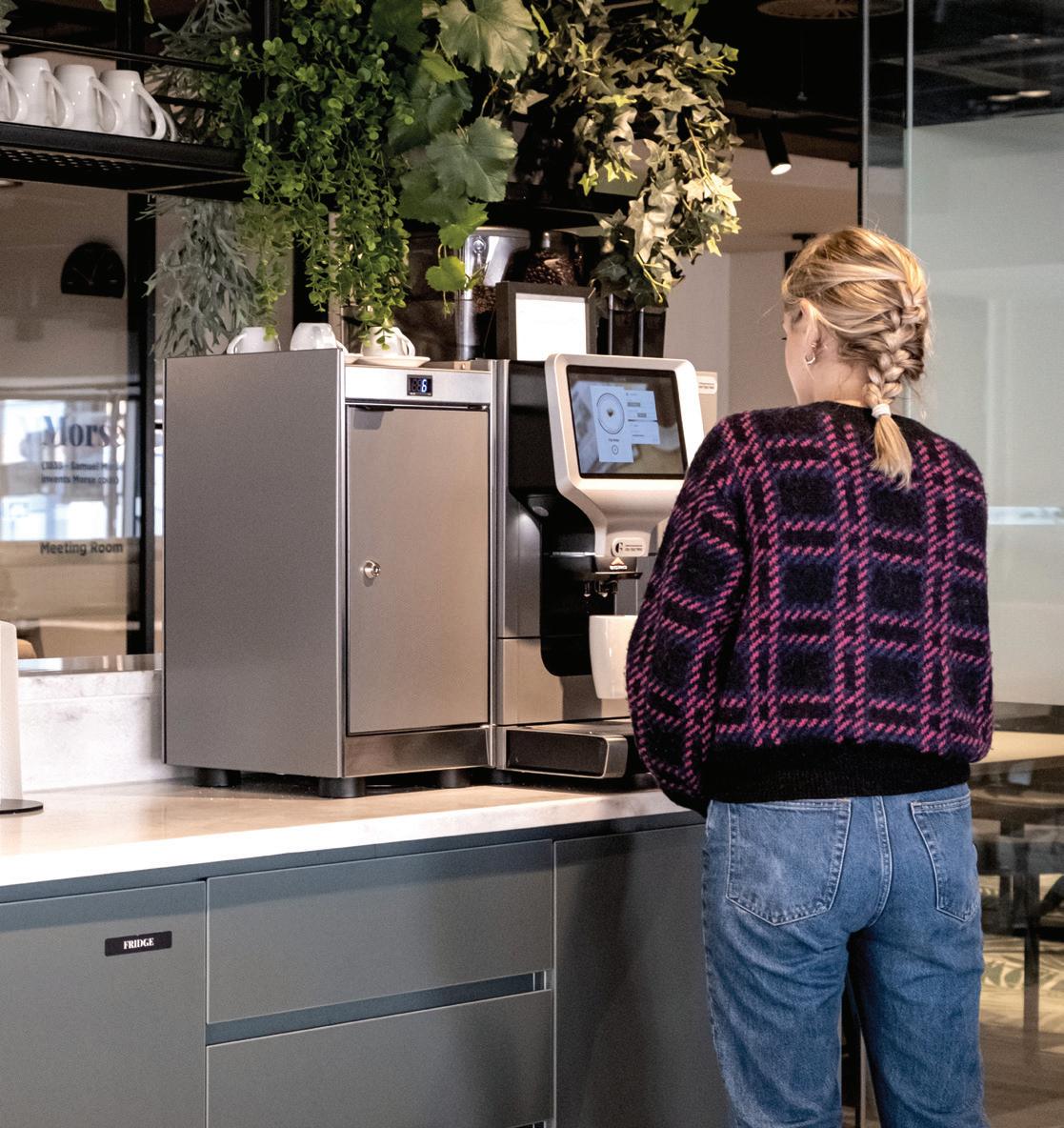
employees or those living further out may feel the impact more acutely. So, to make it ‘worth the commute’, the experience must be personal, and financially beneficial.
RAISING THE BAR FOR THE OFFICE
For a generation entering the workforce postpandemic, particularly Gen Z, there is no pre-existing benchmark for o ice life. Their expectations are being shaped now, making it even more important to get the experience right.
By bringing elements of the high street indoors - particularly through high-quality food, drink and social spaces, employers have a wonderful opportunity to redefine what the workplace o ers. Ultimately, if the o ice can deliver an experience that supports connection, reduces friction, o ers convenient refreshment needs and enhances the working day, it earns the commute.”

FILTERED WATER

Graham Crisp, National Key Accounts Manager, Zip Water UK explains why workplace water filtration is becoming a bigger priority for facilities managers

Workplace
drinking water provision used to be seen as a simple, readily available utility and a space for employees to congregate for conversation. But expectations are changing.
While still a place to congregate, it wouldn’t be too surprising for a conversation at the water cooler to be about water itself, given the prominence of PFAS – ‘forever chemicals’ in the news and a growing public interest in what we consume.
Facilities managers are responsible for employee wellbeing, water quality, sustainability and compliance, with the workplace experience moving higher up the agenda. With growing media attention and the recent launch of the UK Government’s first national PFAS Plan, a renewed focus is being placed on drinking water provision. Published in February 2026, the government plan sets out coordinated action to understand PFAS sources, pathways, and exposure. Although for FMs, concerns around water quality go beyond just PFAS, the plan is a timely reminder that confidence in workplace drinking water matters.
WATER IN THE WORKPLACE
With more strategic responsibilities, FMs are expected to deliver workplaces that are healthier, more sustainable, and more e icient to run. Drinking water sits across all these priorities; it a ects how people feel and hydrate, their productivity and how many plastic bottles a workplace consumes.
This makes drinking water and filtration more than a technical specification. It becomes part of how a building supports the people inside it and how confident they are in the facilities they work in.
WATER QUALITY
Water quality can vary depending on location, supply source, treatment, and geology. In the UK, one of the most familiar examples is water hardness. Hard water is caused by naturally occurring calcium and magnesium. While it doesn’t pose a health risk, it can a ect plumbing and appliances, which can contribute to limescale build-up, reducing operational e iciency and damaging equipment over time.
for the workplace.
FILTRATION VERSUS PURIFICATION
There’s an important distinction to be made between water filtration and purification. Reverse osmosis is o en discussed in relation to drinking water quality; it can be highly e ective at reducing a range of dissolved substances, including salts, heavy metals and some microorganisms. But it can also remove beneficial minerals such as calcium and magnesium, and some systems waste a significant amount of water during the filtration process. For proper hydration, then, the aim should be balance. The best systems don’t simply strip everything out. They reduce contaminants and retain the minerals that contribute to water’s natural composition and health benefits.
HOW TASTE AFFECTS BEHAVIOUR
If your workplace is in a hard water area, it may have di erent filtration needs from others in a so er water region. That’s why specifications should always reflect the building, the location, and how the drinking water system will be used. In hard water areas, routine servicing and limescale prevention filters can help safeguard performance, improve e iciency and maximise your system’s lifespan.
BENEFITS OF FILTRATION
PFAS may be the main contaminant in the public conversation, but e ective filtration supports wider water quality. Depending on the specification, filtration can help reduce a range of contaminants and water-quality issues, including PFAS, chlorine taste and odour, sediment, lead, asbestos, bacteria and microplastics. Each a ects water di erently: some influence taste or smell; some a ect clarity. Others can impact system performance, user confidence, or compromise hygiene. The role of workplace filtration is to help manage these factors in a way that is practical, reliable, and suitable
Filtration isn’t just about what is removed or reduced. It’s also about whether people want to drink the water that’s being filtered. Here’s a quick example. Sarah is a sales associate at a SMB. Her workplace’s water tastes unpleasant, smells of chlorine, and is always lukewarm. Naturally, over time spent at work, Sarah will consume less water throughout the day or may turn to single-use plastic bottled water, canned drinks, or sugary alternatives. Better-tasting filtered water can help change that behaviour. It gives people a reason to refill reusable bottles, drink more, and make healthier choices. For all organisations encouraging people back into the o ice, getting the basics right has never mattered more. By reducing reliance on bottled water and disposable drinks, mainsfed water dispensers can also help organisations working towards ESG targets. They can not only simplify operations, with fewer bottled deliveries and drinks-related waste streams but also form a tangible way to make sustainability part of everyday workplace behaviour.
FURTHER INFORMATION
Zip is at the forefront of drinking water in the workplace. We’re proud to o er a RIBA-accredited CPD, ‘Understanding Drinking Water Quality’, for FMs who want to learn more about water quality, contaminants, and how di erent technologies can support better water quality.
Learn more at: https://bit.ly/4374T0f








GLOBAL TO LOCAL
Laura Toumazi, Vice President of Sales at CBRE Facilities Management Local explains why its occupier provider’s services combines global expertise with a personal touch
According to IFMA, involving facilities management throughout the complete building lifecycle rather than just at the operations stage significantly reduces longterm costs and improves building performance. It’s an approach that Laura Toumazi, Vice President of Sales in the UK, believes is one of the huge advantages in partnering with CBRE, coupled with the occupier services provider’s empathetic and bespoke approach to every client partnership.
Toumazi is one of the few leaders in the sector who made FM a career destination. Her father worked on the FM client side in the Financial Services sector, and a er graduation, she began working for Credit Suisse on behalf of Nu ield Health, looking a er Front of House operations for the Gym and Wellness Centre. She then worked for Barclays Capital on their cleaning contracts, later moving into FM operations for Johnson Controls.
When a new supplier won the services contract, she was approached by Johnson Controls to join its Enterprise Sales team. She spent over seven years with the International Financial and Professional Services Sector Sales team, working on complex and large-scale client solutions.
A er Johnson Controls was acquired by CBRE, she moved into UK Sales Director roles before becoming Vice President of Sales for CBRE’s UK Facilities Management business which comprises around 7,500 employees and over 850 contracts. Here she helps drive sustainable growth, responsible for 70 Business Development Professionals.
She says: “I believe my background in operations adds context and credibility. I’ve been TUPED as an individual three or four times, and have gone through the experience of a contract being awarded to another partner, so I know first-hand how important good communication is to our teams on
the ground.
“But alongside my own experiences, the thing that I love most about CBRE is that sales truly partner with operations. In every business unit we have an Operator and a Business Development professional who work in partnership. We don’t use the central sales team to go win these contracts, but instead give our clients the opportunity to meet our operators - which means they buy into our operational teams, not a sales pitch.”
MARKET LEADERSHIP
CBRE became a UK market leader in occupier services following the strategic acquisition of Norland Managed Services in 2013 and Johnson Controls Global Workplace Solutions (GWS) in 2015. It has retained that position by maintaining a client retention rate of 97 per cent.
Toumazi is justifiably proud: “We can’t grow
sustainably unless we are able to retain our existing clients, and we can use these successes to showcase what we can do to attract new business.”
Each division has a Managing Director who partners with a Sales Director. Divisions are organised around business units, with a Business Unit Leader, a Business Development Manager and a Business Unit Sales Coordinator – this is referred to as a ‘business unit triangle’ which is fully focused on the customer.
Adds Toumazi: “We ensure that the business units don’t get so big that they are unable to be responsive and hands-onkeeping us close to our customers.
“That’s what is fundamentally di erent about our business. It has been so successful in the UK that we’ve now replicated it across other regions globally.”
Toumazi acknowledges that there is a preconception that CBRE is a huge organisation, with some potential clients assuming they would be too small to partner with them. To address this issue, the team focuses on both large scale clients that procure globally and outsource globally as well as clients that procure on a country-by-country basis.
Since the creation last year of its new Building Operations & Experience (BOE) segment, CBRE can deliver end-to-end building operating solutions at a global scale.
Says Toumazi: “We combine global excellence and local delivery which, coupled with the fact that we can support the client end-to-end on the property life cycle - from advising clients on where to lease space, how to fit out buildings, to operate them and then dispose of them - means supporting the entire asset life cycle, which is an interesting and unique proposition.”
CLIENTS & SERVICES
CBRE supports every sector, from higher education, the NHS and healthcare to many of the iconic landlord owned skyscrapers in the City of London. It also delivers services to the aviation industry and to life sciences and complex manufacturing, including food production.
Currently CBRE sees the public sector as a growth area, given that it makes up 60 per cent of the total FM market. Logistics, manufacturing and aviation are also seen as areas for growth. For the services o ered there is a deliberate business decision not to self-perform every service as CBRE believes not any one organisation can be expert in every field.
Says Toumazi: “Instead, we’ve chosen to be experts in technical delivery, because
of the heritage of the acquisitions we’ve made, the investment that we’ve made at a global level, and because our true belief is that if you don’t maintain the assets, then you don’t protect and preserve the assets for clients.”
She argues that focusing on hard services o ers the flexibility to come up with bespoke solutions for each client, whatever their region or sector.
“Mine and my team’s job in the sales process is to really get under the skin of the client and understand their key challenges, understand their objectives, what they want to achieve and what is being discussed at the C-suite level that the real estate and FM team can help influence to determine the best solution.
so all frontline employees are made to feel part of the same team, while focusing on innovation, training and career progression within their service discipline.
Toumazi believes the sector needs to broaden the talent pool in FM which means finding ways of attracting a diverse range of people into the industry.
She says: “I want the best people for the job and to do that we have to promote flexibility and progression. Many women leave the industry mid-career, when they have a family, so we have a responsibility to promote flexibility and progression, and that really comes down to stronger role modelling and allyship.
I want the best people for the job and to do that we have to promote flexibility and progression. Many women leave the industry mid-career, when they have a family, so we have a responsibility to promote flexibility and progression, and that really comes down to stronger role modelling and allyship.”
“I believe in leading with empathy and that’s reflected in our people-centred organisation, where strong interpersonal skills, an understanding of everyone’s individual motivators and truly caring about them as individuals is our superpower.”
AI IN FM
“We’re very fortunate that we work with clients from every sector, every outsourcing maturity level, and because of our delivery model, we have experience or an answer to support them across any challenges they may have.”
TAKING THE LEAD
Working with service partners makes it imperative to foster a one team culture,
According to Toumazi, while the leaders of the future are going to have to be more AI and tech savvy, FM will remain a people-led service. Whether engineers, receptionists, managers or workplace ambassadors, CBRE teams are briefed to engage with occupiers as the custodians of the clients’ brands - something that can’t be replicated by technology.
AI tools are however, becoming an important way of responding to client needs quickly and proactively by

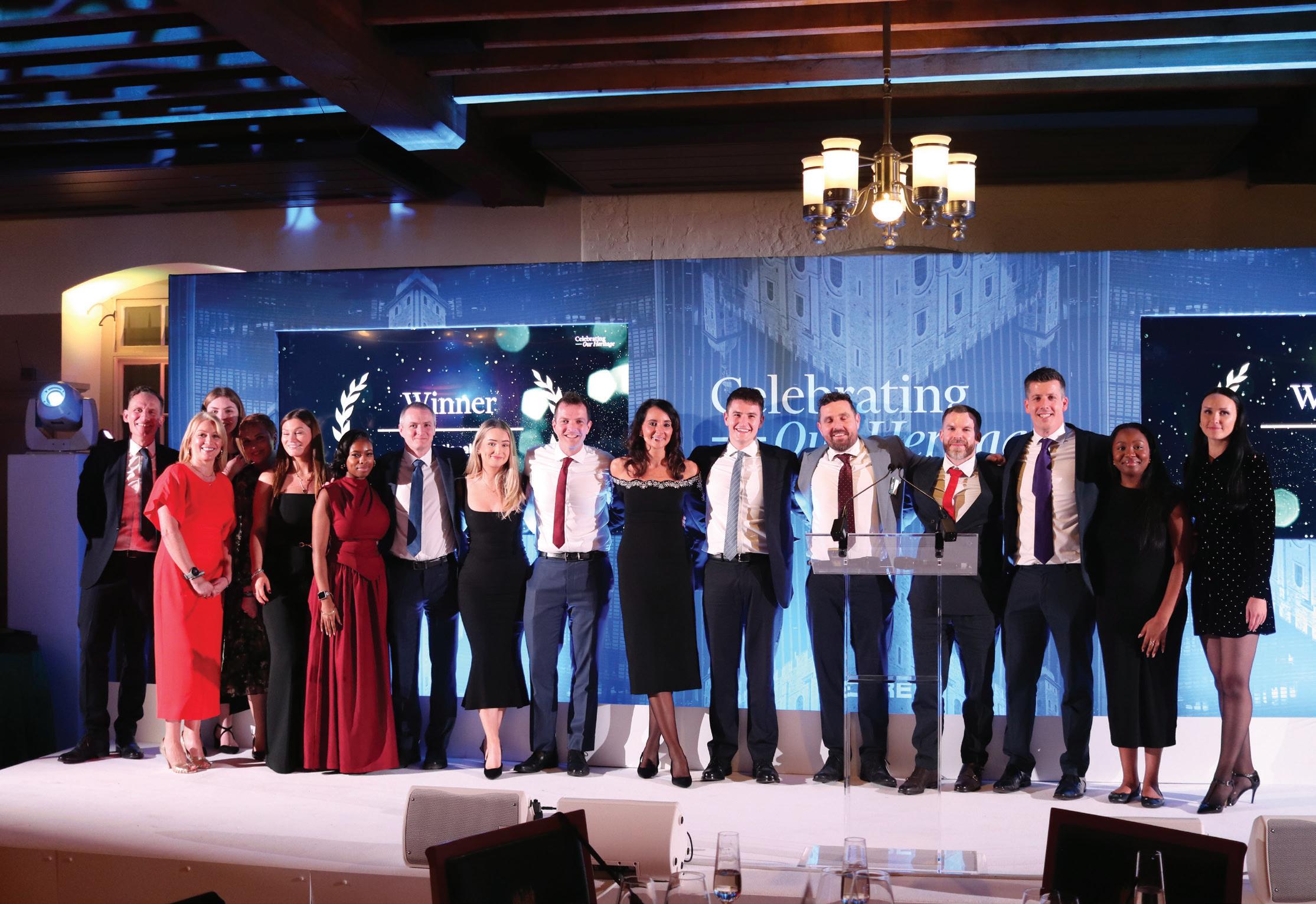
I think we’ll see a lot more focus on AI, particularly around driving e ciency and freeing FM professionals to focus on insight, risk management and performance, all the areas that are most critical.”
aggregating data to perform predictive analytics on the way estates are managed. For example, CBRE’s CAFM system now incorporates AI that identifies any issues with a particular asset to flag it to the engineering team. This predicative data helps engineers maintain that asset, o ering the client reassurance their assets are being maintained at optimum levels.
From a supply chain perspective, because the delivery model draws on specialist suppliers, service partners are encouraged to invest in AI tools that benefit their respective service discipline; for example cleaning partners deploying sensor technology to track footfall in washrooms.
CBRE has also recently launched CBRE FM Link; an end-to-end facilities management technology ecosystem, bringing together data, digital tools and service expertise to give clients clearer visibility and control over how their buildings perform. It helps organisations cut costs, work more e iciently, deliver on sustainability goals and create better workplace experiences. By replacing fragmented systems with a
connected, insight-driven approach, it aims to mark a step-change in how FM decisions are made.
Explains Toumazi: “Our approach is about deploying AI in a meaningful way, making our people more e icient so they can focus on the customer and what they’re trying to achieve, and that to me is real customer service.”
FUTURE PLANS
For the future, Toumazi explains that CBRE is focusing on how to unlock innovation across every single service discipline, and utilise AI to help add value at every opportunity.
“It’s about processes that are suitable for AI which do not remove people but make them more e icient so that they can refocus their time on things where humans add value,” she explains.
“I think we’ll see a lot more focus on AI, particularly around driving e iciency and freeing FM professionals to focus on insight, risk management and
performance, all the areas that are most critical.”
Interestingly, she also believes that the next generation of outsourcing will explore better ways of integrating property, real estate and FM to unlock true insights into that total cost of occupancy and how every penny and pound is being spent across an estate.
“It’s about doubling down on our supply chain and understanding how we can unlock further benefits - from our partners to our clients. Because we manage tens of millions of dollars of spend, the ability to really leverage that in a beneficial and focused way is a unique opportunity that we have as an organisation.”
Toumazi’s focus however remains on the custodians of buildings and workplaces and how they deliver value to client partners.
“I’m very fortunate,” she says. “We’ve got 7,500 people in this part of CBRE, and I see my role in the business to be the critical friend in a way that gets the best out of people, and taps into empathy and emotional intelligence.
“As amazing as innovation and technology is, and how necessary it is for us as an organisation, we can’t deliver any of it without our people, who remain our biggest asset.”
When Every Second Counts: Connecting Facilities Teams Through Technology
Facilities management teams are increasingly responsible for supporting large, complex estates while maintaining high standards of safety, service delivery and operational efficiency.
As organisations continue to manage distributed workforces across multiple sites, effective communication has become more critical than ever
At Apex Radio Systems, we help facilities management providers improve operational visibility and coordination by deploying integrated communications solutions that combine mission-critical communications devices and body-worn camera technology into a connected ecosystem.
For frontline teams, reliable communication is essential. Whether responding to incidents, managing coordinating security personnel or supporting day-to-day facilities operations, teams need instant access to colleagues and supervisors when it matters most.
Body-worn cameras provide an additional layer of protection and accountability, helping to improve staff safety, support incident management, and provide valuable evidence when required. Combined with mission-critical communication devices, organisations can benefit from greater situational awareness and faster decision-making across their estates.
One recent deployment delivered by Apex Radio Systems supports a leading facilities management provider operating across hundreds of sites nationwide. By integrating communications and body-worn technology into a single operational framework, the solution has helped improve coordination, strengthen accountability and support more efficient service delivery across a large and complex estate.
This project was recently recognised by Motorola Solutions with the Best Ecosystem Solution Deployment award as part of its prestigious Empower Circle programme.
As facilities management continues to evolve, organisations are increasingly seeking technology solutions that not only improve communication but also enhance safety, visibility, and operational performance.
At Apex Radio Systems, we're proud to help facilities teams stay connected, informed and ready to respond.

Scan QR to learn more
Apex Radio Systems
Your two-way radio and body-worn camera experts www.apexradio.co.uk • info@apexradio.com • 0191 228 0466
Our Security
Ecosystem Communication.
Visibility. Control - Fully Connected
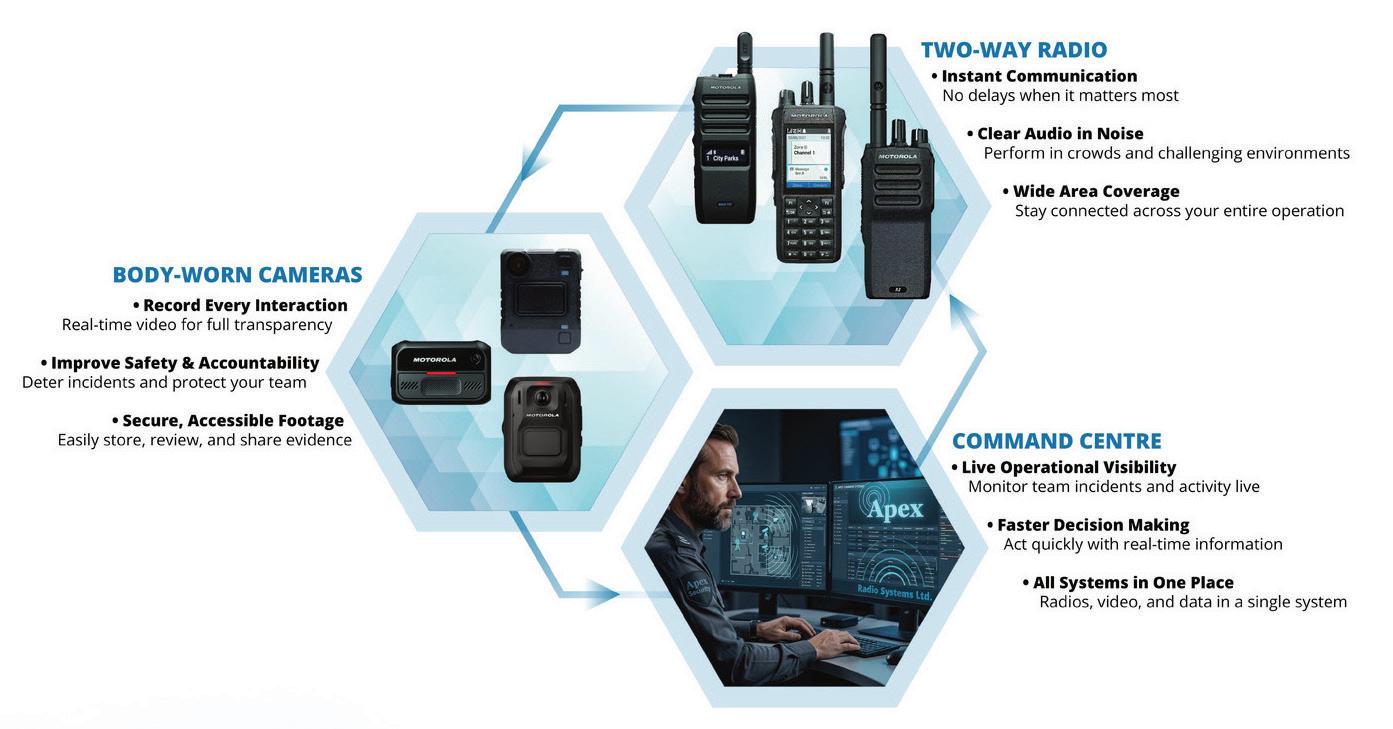


THE GOLDEN THREAD

The data-driven performance monitoring of heat networks is becoming mandatory. Adam Newman, Head of Technical Solutions at Insite Energy outlines how to prepare for the new regulations
As the UK heat network sector moves towards formal regulation, facilities managers face a fundamental shi in how they monitor communal and district heating systems. What was once a largely billing-focused task is becoming a data-driven discipline centred on performance, e iciency and accountability.
Central to this transition is the concept of a ‘golden thread’ of data. Defined by the Department for Energy Security and Net Zero (DESNZ) as “the information that allows you to understand a heat network and maximise its performance, now and in the future”, in practice, it means a continuous, reliable flow of data running through every part of the system, from the energy centre to the end-user.
PERFORMANCE INTELLIGENCE
Historically, heat network data requirements have been relatively modest. Monthly meter readings for billing purposes were su icient to comply with the Heat Network (Metering and Billing) Regulations.
But that is set to change in 2027 with the introduction of the Heat Network Technical Assurance Scheme (HNTAS). Operating alongside existing regulations, this code of technical standards demands a step change - from periodic collection of consumption data to continuous performance monitoring. It’s no longer enough to know how much energy is used; FMs must now also understand in near realtime how e iciently it’s being generated,
distributed and consumed.
Under the proposed framework, networks will be required to report against key performance indicators (KPIs). And, while the responsibility for adherence to specific standards sits with the heat supplier, in practice, FMs will play a central role in delivering and evidencing compliance on the ground.
While there is still uncertainty around how and where data will be submitted, the fundamentals of e ective monitoring are already clear. The overarching aim is to transform a heat network from a ‘black box’ into a transparent, optimisable system.
IDENTIFYING CRITICAL DATA POINTS
Performance will be assessed across six
core elements:
The energy centre: the main plant room where heat is generated.
The district distribution network: the pipework connecting multiple buildings or zones.
The substations: the heat exchanger connection between district and communal networks.
The communal distribution network: the pipework distributing heat within a building.
The consumer connection: the heat interface unit (HIU) where heat enters the home.
The consumer heat system: the internal heating system within the customer’s premises, such as radiators, hot water cylinders, and underfloor heating.
Each of these elements carries specific metering and monitoring requirements with data collection at five or 30-minute intervals. At energy centre level, gas and electricity consumption must be tracked alongside other important variables like heat output, operational uptime, water consumption and network pressure so leaks or other issues can be detected.
Across the network, flow and return temperatures are crucial as they underpin a critical performance indicator: Delta T (the di erence between them). A low Delta T o en signals ine iciencies such as poor heat transfer or system imbalance, which can increase pumping energy, reduce capacity and ultimately increase operating costs.
At building and apartment level, data can reveal important issues like excessive heat losses, poor control settings or underperforming emitters. This granular insight enables targeted interventions, such as adjusting system parameters, resolving faults or improving insulation, avoiding reliance on reactive maintenance once problems snowball.
VOLUME, STORAGE AND ACCESS
Collecting information is only part of the equation, however. The real challenge is managing it. Over a year, a single monitoring point could produce over 100,000 data entries. Multiply that across dozens of meters and multiple sites, and the scale becomes clear.
Platforms must now be capable of processing very large datasets while ensuring long-term accessibility and integrity. Information should also be presented meaningfully, through dashboards, alerts and reporting tools allowing FMs to act on it quickly.
This is where the golden thread concept becomes practical. Data must not only be collected, but connected, flowing
seamlessly from on-site meters through to central platforms and regulatory reporting frameworks. Open-protocol systems are increasingly being adopted to allow integration across multiple networks and assets, providing a single source of truth.
ACT NOW
With the HNTAS consultation recently closed and roll-out expected to begin next year, there’s a window of opportunity to prepare. The best starting point is a gap analysis to understand what data is currently collected and what’s missing. For many older sites, significant upgrades may be required.
From there, FMs should focus on three key areas:
Monitoring points - ensure all meters and sensors are in place so data can be captured across the six network elements. This includes heat meters, licenced utility meters, other sub meters, and pressure, temperature & other sensors.
Data communication systems (DMS)identify how and who will communicate data via automatic meter readings (AMR), utility company APIs, or the Building Management System (BMS).
Data analysis system (DAS) – identify where and how data will be stored and managed, and how KPIs will be calculated. This may include platforms such as cThings, RavenResidential, or Guru Pinpoint.
Data consumers – ensure data is sent to HNTAS’ digital platform for KPI submission, and other applications to further monitor, report on, and respond to data. This includes setting thresholds for alerts, defining maintenance triggers and ensuring performance issues are addressed promptly.
GOLDEN OPPORTUNITY
The move to HNTAS is about raising standards across the heat network sector, yet the transition is not without its challenges. Data volumes are increasing, systems need upgrading, and responsibilities are expanding. But the benefits of the golden thread of data are clear: more e icient networks, lower operating costs and improved outcomes for residents.
Preparedness varies widely across the property sector. Larger housing associations and portfolio owners are generally more advanced, already exploring data platforms and standardisation strategies. Meanwhile, smaller managing agents and resident-led organisations may have limited awareness or capability.
For FMs, this creates both a challenge and an opportunity. There is a growing need for expertise in navigating regulations, implementing data systems and interpreting performance metrics. Those able to provide this will be well positioned as the market evolves.
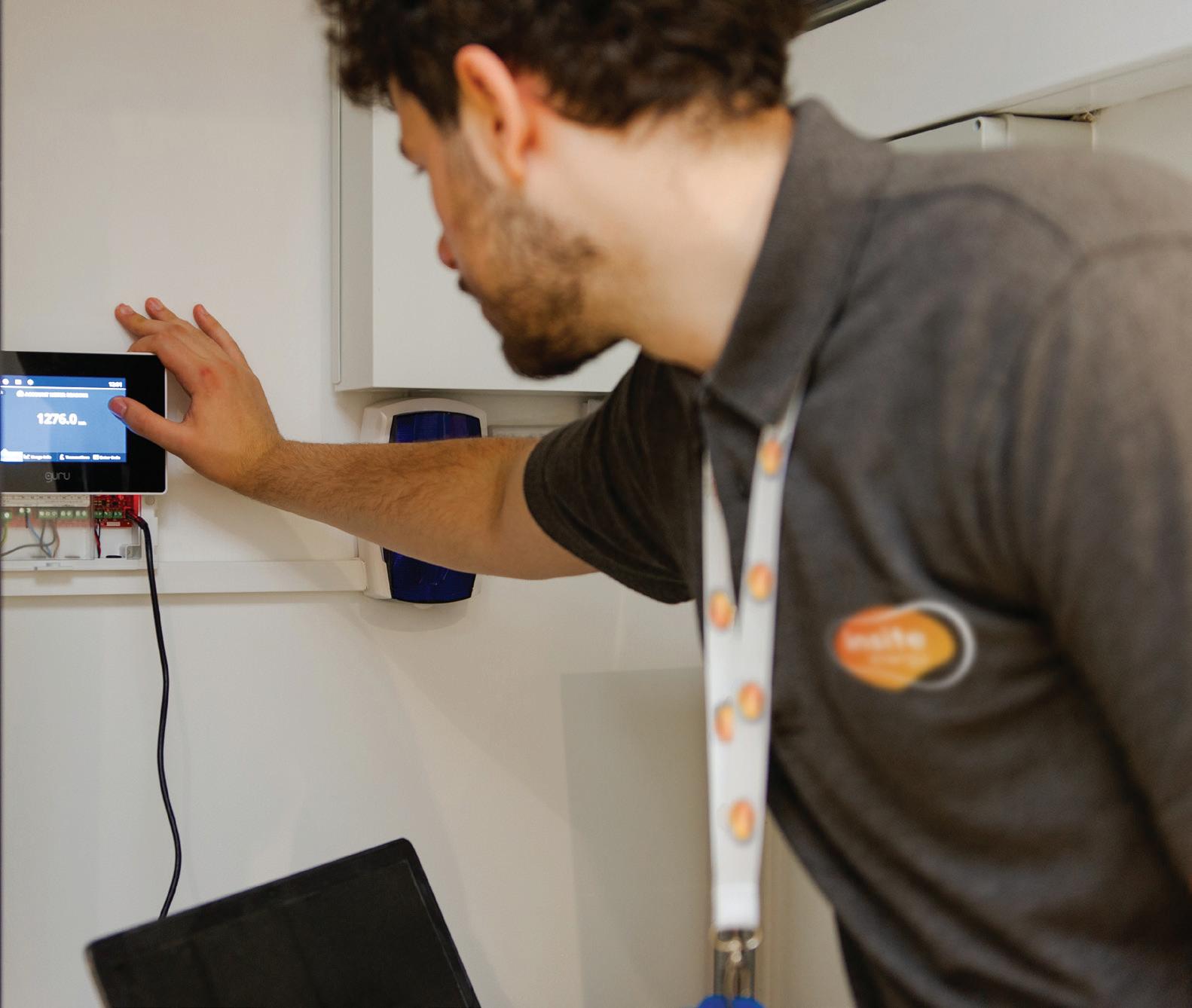
CUTTING CORNERS
Rising incidents of energy theft are a growing threat to safety and infrastructure, with catastrophic consequences for FMs, warns the
Crimestoppers’ Stay Energy Safe division

Risingutility bills, decarbonisation targets, ageing infrastructure and tighter operational budgets have made energy e iciency a boardlevel priority and is increasing the pressure on facilities managers. Reducing consumption and optimising assets is now core to the FM role, but as financial strain intensifies, a far more dangerous trend is emerging across UK estates: commercial energy the .
THE SCALE OF THE PROBLEM
Commercial premises including warehouses, o ices and industrial units are now seeing some of the steepest rises in confirmed energy the in the UK. New national data analysed by Crimestoppers’ Stay Energy Safe division reveals that confirmed cases of commercial energy the have surged by more than 100 per cent since 2022. Triple-digit increases have been recorded across both gas and electricity. For facilities managers, this isn’t just an abstract crime statistic, it’s a direct threat to building safety, operational continuity, and professional accountability.
WHY ENERGY THEFT MATTERS
Energy the in commercial premises typically involves meter tampering, illegal connections, or bypassing the meter altogether to reduce the recorded consumption. While o en driven by cost pressures, these practices
fundamentally undermine the integrity of a building’s systems.
From an FM perspective, the risks are immediate and severe. Tampering with the electrical metering installation can also bypass or remove critical safety mechanisms that protect people and property from the risks of overloaded circuits and electric shocks. This can lead to damaged plant and equipment as well as significantly increasing the risk of fire and electrocution. Gas the is even more dangerous, raising the risk of leaks, explosions and carbon monoxide exposure; not just for the o ending business, but for neighbouring tenants and the wider community.
Facilities managers are o en the first line of defence. They are responsible for maintaining safe, compliant buildings, yet energy the can remain hidden behind locked risers, shared meter rooms or complex landlordtenant arrangements. When something goes wrong, the FM team must manage the consequences.
Energy the may appear to benefit the individual responsible, but the cost does not disappear. Losses linked to energy the contribute to higher costs across the energy system, which are ultimately reflected in prices and charges paid by honest bill payers.
As well as the operational consequences of energy the , the contractual and legal implications are serious. Energy the can invalidate insurance, breach
lease agreements and expose building owners and managing agents to regulatory scrutiny. Facilities managers may find themselves navigating complex investigations while keeping buildings operational and occupants safe.
SAFETY RISKS BEYOND THE BUILDING
One of the most concerning aspects highlighted by Stay Energy Safe is the knock-on e ect on surrounding properties. Illegal connections and unsafe alterations don’t respect boundaries. Fires can spread rapidly, while gas explosions can a ect entire streets or industrial estates.
For those responsible for health and safety compliance, this is a stark reminder: energy management is inseparable from risk management. Cutting corners on energy - whether by a tenant, contractor or third party, can have catastrophic consequences extending far beyond a single meter.
The Health and Safety at Work Act 1974 places the legal duty on employers and employees to ensure workplace safety, including electrical installations, while the Electricity at Work Regulations 1989 requires electrical systems to be properly maintained to prevent hazards.
WHAT FACILITIES MANAGERS SHOULD DO
Regular inspections are vital. Checking meter rooms, risers and plant areas regularly, means being able to spot sudden consumption changes, damaged seals or unusual cabling or pipework; signs which should never be ignored.
However, facilities managers should not investigate suspected energy the themselves. Concerns should be reported directly to the relevant energy supplier, who can investigate safely and appropriately. Where anonymity is required, or where information relates to another business premises, Stay Energy Safe, operated by Crimestoppers also provides a way to report concerns anonymously, protecting professional relationships while ensuring risks are addressed.
Watch for warning signs:
Damaged or missing meter seals.
Unusual wiring or connections around meters. Discrepancies between meter readings and actual usage.
Burn marks or heat damage near electrical equipment.
Gas odours or evidence of pipe modifications.
ENERGY EFFICIENCY WITHOUT COMPROMISE
Facilities managers play a critical role in helping organisations reduce energy use safely and legitimately. Investment in e icient plant, smart metering and proactive maintenance delivers long-term savings without exposing buildings to unnecessary danger.
In a climate of rising costs, the temptation to cut corners is understandable. But for FM professionals, the message is clear: when it comes to energy- safety, integrity must always come first.
OPERATIONAL RISK

Able Managing Director, Myles Cook, explains why failed safety inspections can point to wider issues in maintenance, record keeping and day-to-day oversight

Mostfailed safety inspections are treated as one-o problems. Something hasn’t passed, it gets repaired or taken out of use, and everyone moves on. That deals with the immediate issue, but it o en misses what actually matters.
When equipment fails inspection, it is usually not the first time something has gone wrong. More o en, it is the first time it has been properly picked up.
IT’S RARELY JUST THE EQUIPMENT
A failed inspection might come down to something simple. A worn part, a missing guard, a service that has been missed. On its own, that does not look like a bigger problem. But when you step back, the question becomes obvious. How long has that been like that?
In most cases, the issue has been there for a while. It just has not been spotted, reported or followed up. That is where the real risk sits.
MAINTENANCE DOESN’T ALWAYS WORK AS INTENDED
Most sites have some form of planned maintenance. Schedules are in place, checks are logged, and everything looks covered on paper. The problem is the way in which these checks are carried out.
When things get busy, maintenance can become routine. Jobs are done to keep things moving rather than to properly assess condition. Small issues get noted but not chased. Sometimes they are not written down at all.
Over time, you end up with a gap between what the records say and what is really happening on site. Inspections tend to expose that gap.
RESPONSIBILITY CAN BE UNCLEAR
In many buildings, responsibility for equipment is shared without being clearly defined. One team uses it. Another maintains it. Someone else is responsible for compliance. In theory, that should work. In practice, it o en leads to assumptions.
Sta assume faults will be picked up during maintenance. Maintenance teams assume faults will be reported. Managers assume both are
happening. That is how problems sit for longer than they should.
By the time an inspection comes around, the issue has already been missed several times.
RECORDS DON’T ALWAYS REFLECT REALITY
Inspection failures o en raise questions about record keeping. It is not unusual to see maintenance records showing that everything has been checked and signed o , only for an inspection to highlight something that clearly isn’t right.
That does not always come down to poor practice. Sometimes it is just the result of time pressure, or systems that focus more on completion than detail. Either way, it creates a false sense of security. If the records say everything is fine, but the equipment tells a di erent story, something is o .
One failed inspection can be a one-o . A series of similar failures usually isn’t. If the same types of issues keep coming up, or if problems are concentrated in one area, there is normally a reason for it. It might be how maintenance is being carried out.
It might be how faults are reported. It might be a lack of clarity over who is responsible. These patterns are o en easy to spot once you start looking for them, but they are just as easy to miss if each failure is treated on its own.
FIXING THE ISSUE ISN’T THE END
Getting equipment back into service is always the priority. But stopping there means the same problem can come back again.
A better approach is to take a step back and ask a few simple questions.
Should this have been picked up earlier?
Was it reported before the inspection?
Are checks being carried out properly?
Do the records reflect what is actually happening?
Is it happening anywhere else?
You don’t need a full investigation every time, but you do need to look beyond the immediate fault.
SMALL GAPS ADD UP
Most inspection failures don’t come from major breakdowns. They come from small things that have been missed, ignored or delayed. On their own, they don’t seem serious. But over time, those small gaps start to build. That is when inspections begin to pick them up.
A failed inspection is not just a compliance issue. It is a signal. It shows where something in the dayto-day running of the building isn’t working as well as it should. If you treat it as just another job to fix, you deal with the symptom. If you look at why it happened in the first place, you deal with the cause. That is where the real value is.


STATIC TO DYNAMIC

The huge gap between ‘as-built’ documentation and the reality of buildings can create serious compliance and life-safety risks. Rob Norton, UK Director at PlanRadar explains the benefits of taking a dynamic approach health and safety data
The Building Safety Act is a landmark moment for the UK built environment. It has raised the bar for accountability across the sector, and rightly so. A er years of fragmented oversight, we now have a legislative framework that demands rigour, transparency and genuine duty of care from everyone involved in a building’s lifecycle. But compliance with the Act is only the beginning.
There’s a challenge that doesn’t get nearly enough attention: the gap between a building’s original “as-built” documentation and its actual “as-is” condition today. As we know, buildings change constantly. Modifications are made, systems go through updates, and components get replaced. When documentation doesn’t keep pace with those changes, health and safety risks accumulate and then they compound.
THE STATIC DOCUMENT PROBLEM
For too long, the sector has treated safety documentation as something you produce at handover and file away.
A PDF here, a spreadsheet there, a folder of inspection records. It’s well-intentioned, but fundamentally static. However, the buildings we manage are anything but static. Every maintenance job, system upgrade and structural modification changes a building’s operational reality. If the records don’t reflect that in real time, facilities managers are making decisions based on information that may be months or even years out of date. In a highpressure situation, that information gap can have serious consequences, ranging from spiralling costs and legal liabilities through to life-threatening incidents.
WHAT THE GOLDEN THREAD ACTUALLY MEANS
The Building Safety Act’s mandate for a ‘Golden Thread’ of information was designed to address exactly this. The principle is clear: accurate, accessible information that tells the complete story of a building throughout its lifespan1. In practice, many organisations have interpreted this as a document management exercise. Digitising a filing system is a welcome step forward, but it doesn’t make the more fundamental shi from managing documents to managing live data.
Real Golden Thread compliance means creating a single source of truth. One where every safety audit, maintenance log and inspection record is linked directly to the building it relates to, updated in real time and instantly accessible
to whoever needs it. That’s what turns compliance into genuine safety management.
FROM REACTIVE TO PROACTIVE
When health and safety data is embedded into day-to-day building management workflows, something important changes. Teams stop chasing paperwork and start identifying risks before they escalate. Audit preparation becomes less of a scramble. Digital workflows reduce the scope for human error and create a clear, timestamped audit trail at every level.
Emergency responders can access accurate building information at the moment it matters most. Asset performance becomes trackable over time, enabling planned maintenance programmes rather than costly reactive fixes.
The benefits compound quickly. Organisations that build this kind of data discipline into their operations don’t only reduce compliance risk. They create a more accountable, transparent and ultimately safer environment for everyone who uses their buildings.
THE COST OF STANDING STILL
The consequences of inaction are real. Non-compliance carries legal and financial exposure. Reputational damage from a safety failure is hard to recover from. And above all, there is the human cost of getting this wrong.
The tools to close the ‘as-built’ versus ‘as-is’ gap are available today. Digital platforms can embed health and safety workflows directly into how buildings are operated and maintained, replacing static records with living documentation that reflects today’s reality.
Static documentation is no longer fit for purpose.
Recognising that is the first step toward buildings that are genuinely, demonstrably safer.
The Building Safety Act has set the standard. Now it’s up to facilities managers, building owners and safety professionals to meet it fully, not just on paper, but in practice.
REFERENCE NOTES
(i) Hackitt, J. (2018). Building a Safer Future: Independent Review of Building Regulations and Fire Safety: Final Report (Cm 9607). Ministry of Housing, Communities & Local Government. GOV.UK
LIVE UPDATES

Paul
Markey, Head of Sales and Accounts at Lolly on the growing role of digital signage in modern facilities management to enhance communications, workplace experience and operational e ciency
Digitalsignage is becoming an increasingly valuable tool for facilities managers and catering operators looking to improve e iciency, communication and customer experience across busy environments. While screens have long been used for static menus or announcements, today’s systems are far more dynamic and integrate with wider operational platforms to support real-time decision making.
Across sectors such as higher education, healthcare and workplace catering, signage is now playing a central role in how services are delivered.
CUSTOMERS & COMPLIANCE
One of the most immediate benefits is its impact on customer flow. In high-footfall environments, queues can quickly build at peak times. Digital signage allows operators to respond in real time by updating menus, highlighting alternative options or promoting quieter service points to help distribute demand more evenly.
At Bristol University, for example, digital signage is being used at a highly advanced level within a catering environment. Multiple screens, from menu boards above counters to larger feature
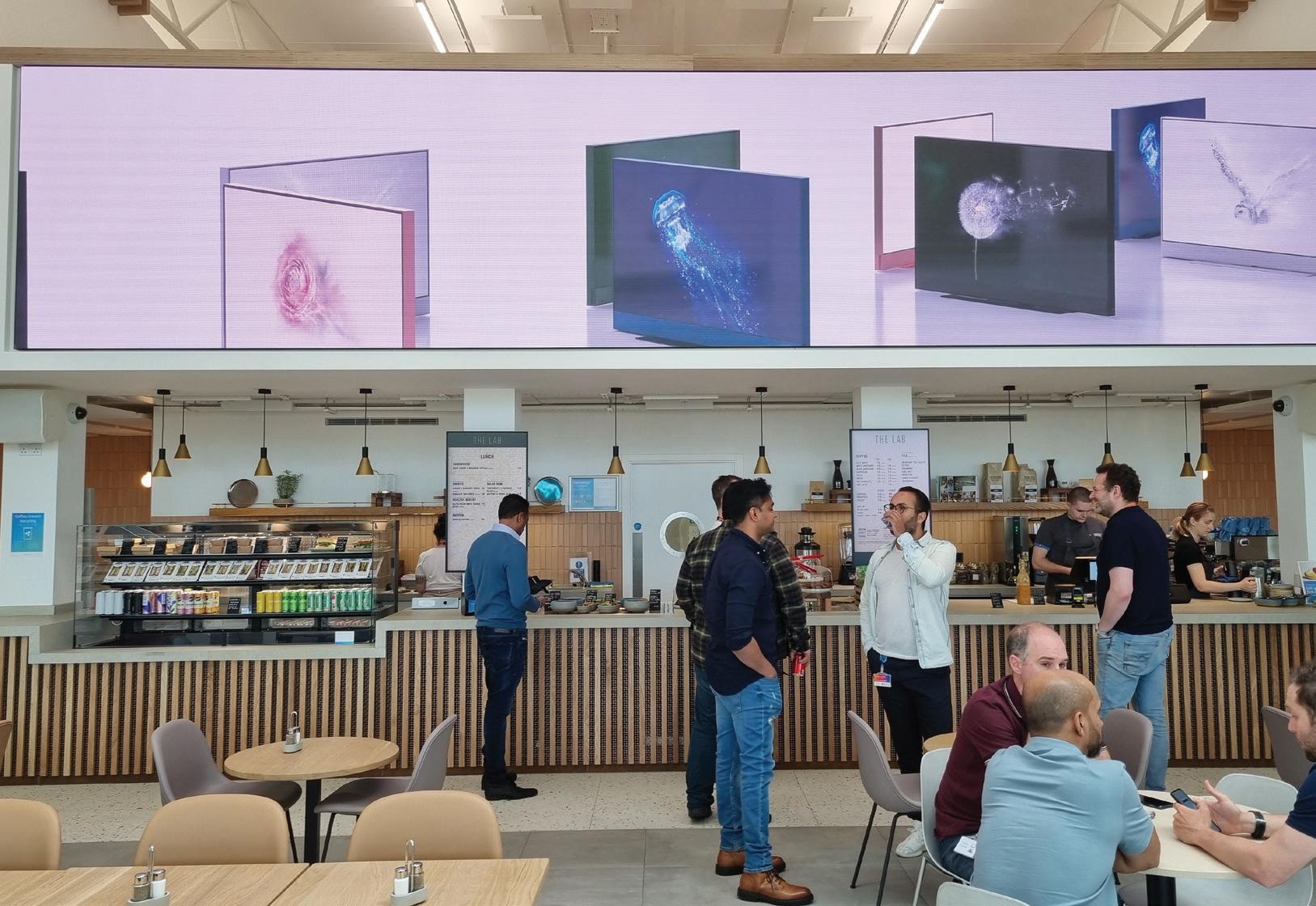
displays, are all connected to a central system. Menus change dynamically throughout the day, with updates to pricing, availability and product information reflected across all screens within minutes. This creates a more responsive service and ensures customers always see accurate, up-to-date information.
This kind of real-time integration is becoming increasingly important, particularly when it comes to compliance. With growing focus on allergens, nutritional information and sustainability, signage provides a clear and consistent way to communicate information at the point of decision. When integrated with back-of-house systems, updates can be made centrally and reflected instantly across all displays, reducing the risk of error.
MULTI-SITE MANAGEMENT
Another area where digital signage is delivering value is in multi-site estate management. For operators managing multiple locations, maintaining consistency while allowing for local flexibility has traditionally been a challenge.
At the University College London (UCL), signage is deployed across multiple campuses within close proximity, each with its own screens and requirements. While all locations sit under a single central system, individual sites retain control over their own content. Core messaging can be shared across the estate, while menus and promotions are tailored locally.
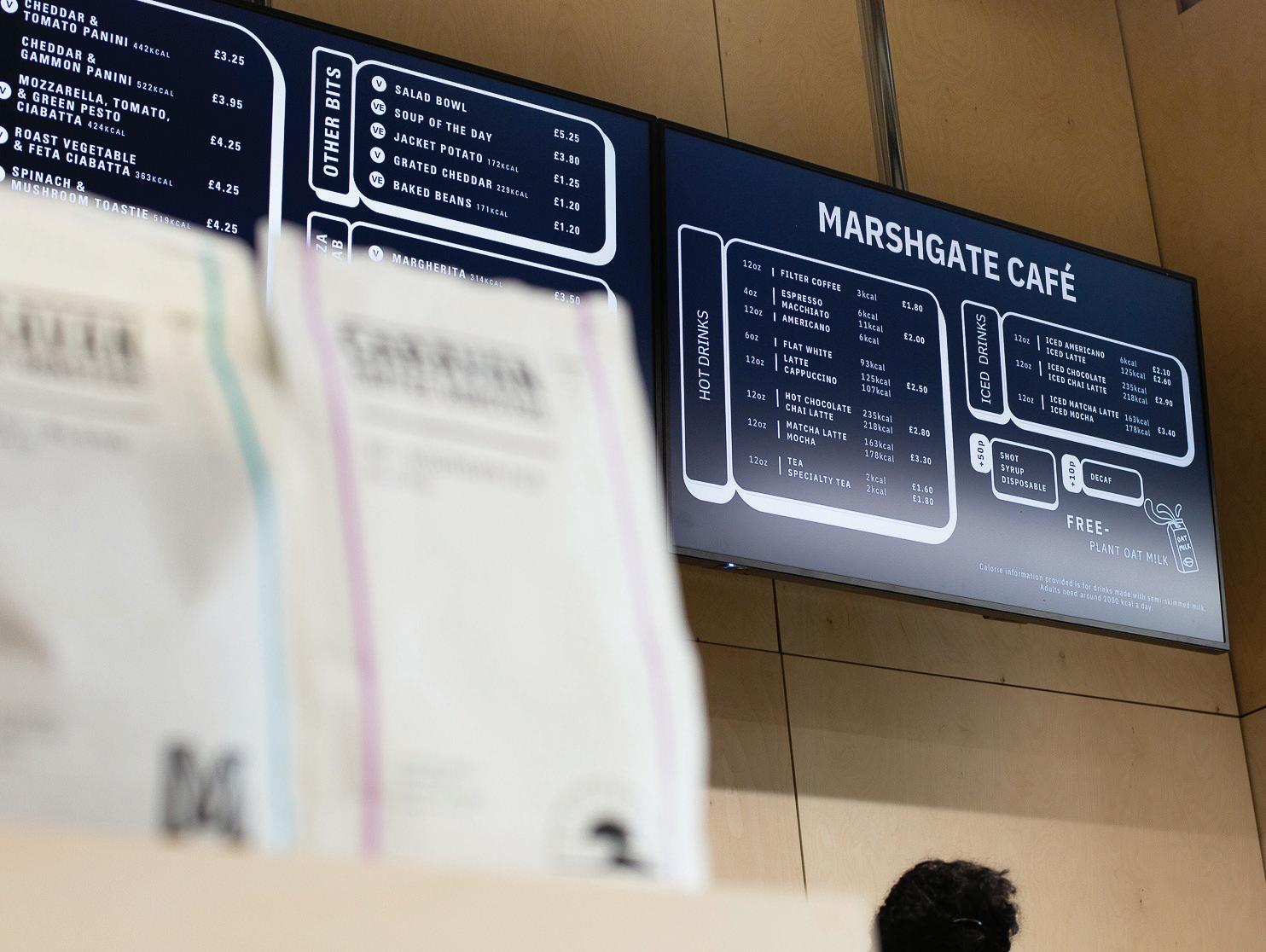
For facilities teams, this provides a scalable way to manage communications across complex estates without adding operational burden.
DIGITAL ADOPTION
The retail sector is also seeing growing adoption. At Sandpiper, a leading franchise partner for Costa Co ee in Gibraltar, digital signage has
been used to support in-store communication and improve visibility of o ers and menu items across its estate. In fast-moving retail environments, where promotions and product availability can change frequently, signage provides a flexible way to keep information current while enhancing customer experience.
Healthcare environments are beginning to explore the potential of signage in similar ways. At King George’s Hospital in Ilford, digital signage has recently been introduced as part of a phased rollout. While still developing, the aim is to support both catering operations and wider communication needs. In settings where clear, accessible information is essential, the ability to update messaging quickly and remotely can make a significant di erence. Beyond catering, signage is increasingly used as a broader communication tool. Screens can be repurposed outside service hours to display travel updates, weather information or general announcements. This extends their value, particularly in environments that remain active throughout the day and evening.
SUSTAINABLE SOLUTION
Sustainability is also influencing adoption. While digital screens require energy, they reduce reliance on printed materials that quickly become outdated. Many systems allow screens to be scheduled to switch o outside operating hours, helping to minimise energy use and extend equipment lifespan. Importantly, digital signage is most e ective when integrated with wider systems. When linked with EPOS and kitchen operations, signage can reflect live data, from stock levels to menu changes, creating a more seamless experience for both customers and sta .
As expectations around speed, transparency and flexibility continue to rise, facilities teams need tools that can adapt in real time. Digital signage is no longer just about displaying information. It is about improving communication, supporting e iciency and enabling more responsive operations across increasingly complex environments.
ARTUS AIR SOLUTIONS BEING INSTALLED IN BRITISH LAND’S NEW HQ TO SUPPORT SUSTAINABILITY AMBITIONS
Artus Air heating and cooling solutions are being installed at British Land’s new London head o ice at 20 Triton Street, Regent’s Place, supporting the developer’s commitment to creating high-quality workplaces with significantly reduced carbon impact.
Located within the Regent’s Place campus, the refurbished headquarters promises an adaptable, future-ready workspace where employee wellbeing, accessibility and environmental performance are central to the design.
A key objective of the project brief was to minimise both embodied and operational carbon while future-proofing the building for low carbon strategies. This included the use of water-based cooling and compatibility with heat pump systems to support long-term sustainability goals. Artus Air’s AR75 and AR60 solutions aligned closely with these requirements, making it a natural choice for the development.
Artus Air AR75 and AR60 units will be installed throughout the open plan workspaces, executive o ices and meeting rooms across the two-floor 40,000 sq space. The system ensures consistent
installation decisions.


temperature control and thermal comfort in every area, creating a flexible environment that supports collaboration, productivity and day-to-day wellbeing for the British Land team.
The project also demonstrated strong collaboration between Artus Air and British Land from the earliest stages. Working closely with sustainability leads, technical specialists, designers and project delivery teams, the partnership helped shape design and
AQUABLU LAUNCHES REFILL+ SERIES 2 WITH AURA: THE NEXT GENERATION OF SMART WORKPLACE HYDRATION NOW WITH HOT WATER
Resiliency and certainty were key to British Land’s procurement and supply chain strategies. By choosing the fully packaged comfort cooling solutions from Artus Air, the procurement journey was simplified and supply chain risk mitigated. Once on site, Artus units can be installed up to 75% faster than traditional systems due to the compact, fully packaged form, removing the need for multiple ceiling components (typically) required in other installations.
Early and ongoing collaboration ensured that sustainability ambitions could be balanced with practical design requirements to deliver a comfortled workplace with high aesthetic quality through compact and attractive heating and cooling design integrations.
Antone Husbands, Head of Specification at Artus Air commented: “Our approach is collaborative from day one and this project is a great example of that. The fundamental design of Artus Air’s solutions reduces embodied and whole-life carbon and enhance occupant comfort through patented airflow design: key factors in our selection on this outstanding redevelopment."
NORTHWOOD COMMENDS INTERCLEAN AMSTERDAM


Aquablu, the Dutch cleantech company transforming how employees access and enjoy drinking water, has unveiled the REFILL+ Series 2. Powered by the new AURA operating system, the Series 2 sets a new benchmark for sustainable, intelligent hydration in the workplace. The new REFILL+ Series 2 represents the company’s most advanced product development to date and is now available in the UK. Combining sleek design with smart technology, it delivers hot, cold, sparkling and vitamin-rich flavoured water, all from a single device. The REFILL+ Series 2 improves on the REFILL+ by including a new hot water module so users can enjoy perfectly heated water at 80°C or 95°C for di erent types of tea, as well as colder chilled (from 2°C) and extra-sparkling water. It also adds connection for two additional flavour slots, allowing for over sixty di erent combinations. At the heart of REFILL+ Series 2 is AURA, Aquablu’s new Hydration Operating System. AURA connects every Aquablu system within an organisation to a single intelligent dashboard, providing real-time insights into water usage, CO2 and plastic savings, and system performance. For FMs, this means fewer maintenance issues, automated supply management and clear sustainability reporting.
https://www.aquablu.com info@aquablu.com
Northwood Hygiene Products Ltd – the leading manufacturer and supplier of away-from-home (AfH) professional paper hygiene and wiping products – has commended the recent Interclean show for being highly productive and the ideal chance to showcase its impressive range of washroom solutions.
Paul Mulready, marketing manager at Northwood Hygiene, said: “Interclean Amsterdam is without doubt the biggest exhibition in our calendar.
Once again, the event didn't disappoint.
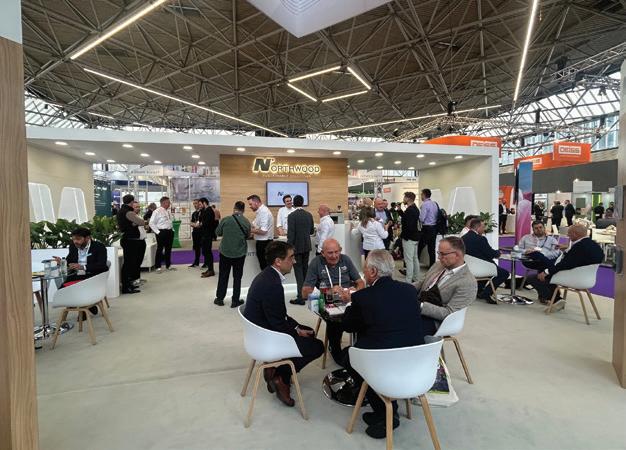

“We had a very productive few days networking with existing and new customers from both the UK and overseas. As well as reinforcing our market leading brands, Whisper, North Shore and Raphael, the event was used to showcase our relaunched Leonardo range which was received extremely well.
“With all the political and economic uncertainty our market is currently facing, it was great to have an opportunity to share experiences and ideas with industry peers.
The Northwood stand featured a trio of popular value-added brands, plus the familiar Leonardo brand, which was re-launched at Interclean.
Providing end users with a trusted and a ordable washroom brand, the high-capacity Leonardo range of commodity washroom dispensers and paper products delivers hygiene, whilst achieving competitive cost-in-use.
www.northwood.co.uk
TKC LAUNCHES PROTECTION READINESS TRACKER TO HELP CLIENTS PREPARE FOR MARTYN’S LAW
New feature helps organisations manage protection measures and procedures across large estates.
The Keyholding Company (TKC) has announced the introduction of the Protection Readiness Tracker (PRT) following the publication of Home O ice guidance on the implementation of Martyn’s Law.
Designed for organisations managing large or fragmented property portfolios, the PRT provides a practical way to track counter-terrorism protection measures and procedures across multiple sites. Security and facilities teams can quickly understand what has been implemented, where gaps remain, and how progress is evolving – all within a single platform.
Teams complete a short digital assessment for each site, add commentary and link supporting documentation in one place. Outputs feed into estate-level dashboards, where users can identify trends across their portfolio or view readiness by protection type.
Olly Rutt, Head of Risk Consultancy at TKC, said: “Risk professionals know that managing security across multiple properties quickly becomes


complex, particularly when new requirements are introduced.
Many organisations are still working through what the new guidance means for their estate in practice, and how to turn that into sensible, proportionate actions.
“Having followed the legislation closely as it developed, we built the PRT to help make that process clearer and easier to manage.
“The PRT provides a simple way for teams to track the counter terrorism measures and procedures they are introducing across each site and maintain a clear record of progress across their estate.
“The clients we have shared it with so far have been extremely positive about how much easier it will make managing this implementation across large portfolios.”
RHINO LAUNCHES SUPASEAL BLACK CUTTING & WORKBENCH MAT DESIGNED TO REDUCE WORKPLACE HAND INJURIES
A new mat developed by Rhino Workplace Innovation is helping UK facilities and maintenance teams improve safety and protect critical work surfaces in busy workshop environments. Designed for use in maintenance areas, stores and production support spaces, the mats provide a stable cutting surface that reduces blade slip and improves control during routine tasks.
About TKC Consult
TKC Consult is an expert security consulting team who are ready to assist with any questions and support with Martyn’s Law and preparation for audit.
About the Risk Management Tool
The PRT is an addition to TKC’s award-winning Risk Management Tool, a digital platform designed to give organisations clearer visibility of security risk across complex estates.

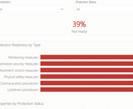


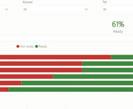

The RMT combines rapid site-level assessments with dynamic dashboards and reporting, enabling security professionals to maintain a consistent view of risk across their entire portfolio. They can take control of their security outcomes and feel confident using data to make better decisions.
Find out more about how TKC can support you, contact Olly Rutt and the TKC Consult team.


Cutting and trimming activities are common across many industries, from packaging and materials handling to automotive shop floors. However, inconsistent or unsuitable work surfaces can increase the risk of hand injuries, particularly when blades encounter hard or uneven materials. Rhino’s cutting mats are engineered to provide controlled resistance, helping operatives maintain accuracy while reducing the likelihood of sudden slips.
Manufactured from durable, self-healing materials and without phthalate plasticisers, the mats absorb blade impact and minimise surface scoring, extending both mat and blade life. This not only improves safety outcomes but also supports operational e iciency by reducing the frequency of blade changes and protecting underlying workbenches from damage.
According to Rhino, feedback from UK customers indicates that 77% have seen a reduction in hand injuries a er introducing cutting mats into their workspaces. This reflects a growing focus within facilities management on practical, lowcost interventions that can deliver measurable safety improvements without disrupting workflows.
https://rhinocuttingmat.co.uk/
Electric vehicle (EV) charge point operator (CPO) Believ is improving access to high-speed charging through a new partnership with Firehouse Oxford that will deliver a fully funded, ultra-rapid EV charging hub at its site in Witney.
The restaurant with hotel rooms is conveniently situated near the A40, which links London, Oxford, Gloucester, and South Wales. It attracts around 27,000 drivers a day, making this hub a convenient, reliable charging location for passing tra ic, local EV drivers or those using the Firehouse facilities.
The project will see six ultrarapid charging bays installed, delivering charging speeds of up to 240 kW. The installation will also include an accessible charging bay, supporting inclusive access for all drivers.
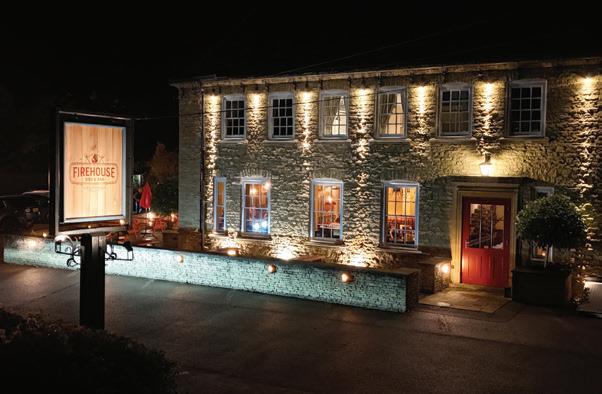

Charging infrastructure at the site is expected to become operational in Q1 2027, subject to grid access.
The project is fully funded by Believ, meaning Firehouse Oxford can integrate future-proofed EV charging infrastructure without upfront capital investment or operational burden. Believ will deliver an end-to-end solution, covering site design, grid connection, installation, operation and ongoing maintenance.
Craig Butler, Property Director at Believ said: “Our fully funded model enables businesses to o er essential EV infrastructure without complexity or cost, while helping drivers charge where they already stop. This project strengthens our growing network of strategically located ultra-rapid hubs across the UK.”
www.believ.com/businesses/ www.believ.com
FBS HÖRMANN SUPPORTS NEW BIDFOOD DISTRIBUTION HUB
Lincolnshire-based FBS Hörmann has successfully completed the installation of loading bays, level access doors, and temperaturecontrolled door systems at Bidfood’s new distribution centre in Worcester, reinforcing a long-standing partnership between the two businesses. A trusted supplier across Bidfood’s nationwide estate for many years, FBS Hörmann was appointed to deliver a fully integrated solution designed to meet the operational demands of the high-performance facility.
The Worcester project comprised nine complete loading bays, each equipped with Hörmann HTL2 dock levellers and SPU67 fully automated industrial sectional doors and bespoke dock pads and bumpers. The dock pads and bumpers were designed and manufactured in-house by FBS Hörmann specifically to accommodate the varied vehicle types within the Bidfood fleet, ensuring safe, e icient and consistent dock operations while minimising the risk of vehicle and building damage. In addition, a Hörmann SPU67 sectional door was installed to serve a dedicated level access bay, providing greater flexibility for loading and unloading operations.
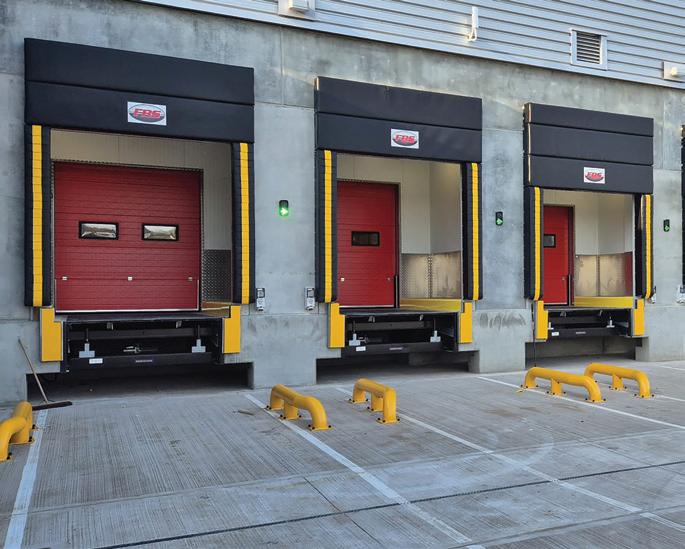
demanding settings.

Internally, FBS Hörmann supplied and installed two Mavicold freezer doors and six Mavipass chiller doors to support temperature-controlled operations within the facility. The high-speed, isothermal Mavicold and Mavipass chiller doors are specifically designed for cold environments, using rapid stacking technology to reduce heat transfer and maintain cold chain integrity. Their robust, frost-resistant construction, combined with a range of safety and control options, ensures reliable, energy-e icient performance in
FERNOX INTRODUCES ITS NEW AND IMPROVED COMMERCIAL RANGE
Fernox has launched a new range of air and dirt separators, vacuum degassers, side stream filters and additives, all of which are specifically engineered for commercial HVAC applications, to help extend the lifespan and improve the e iciency of heating and cooling systems.
Among them is the new CC1 Side Stream Filter Air & Dirt 90. Developed to provide high-performance magnetic and fine particulate filtration, air removal, and a chemical dosing unit, it is suitable for commercial closed-loop systems up to 90,000 litres. The robust stainless steel device utilises three di erent methods to remove contaminants. A powerful magnet captures magnetic debris, and an air vent removes air that would accelerate corrosion.
Also featuring in the range is the CF1 Magnetic Dirt Separator, which magnetically captures ferrous debris and hydraulically separates non-magnetic sludge e ectively. The range of devices also includes the CA1 Air Separator, a high-e iciency deaerator that continuously removes air and microbubbles from closed loop systems.
There is also the CC1 Combi Air & Dirt Separator and CC1 Magnetic Combi Air & Dirt Separator, which serve both functions. To remove dissolved and free gases from the system water there is also the CA1 Vacuum Degasser, a fully automatic solution that uses controlled vacuum conditions to e ectively release entrained gasses.

https://fernox.com
sales@fernox.com
Well known within the industry, Maviflex joined the Hörmann Group in 2019. Since then, it has continued to expand its comprehensive portfolio of flexible highspeed doors for internal and external applications, engineered to provide rapid automated operation and advanced integrated safety features.
John Aitken, Managing Director of FBS Hörmann, commented: “The completion of this installation marks a significant milestone with now more than 100 Maviflex high-speed doors having been installed across the Bidfood estate. Many have completed over a million operating cycles, and they have proven to be a true workhorse in challenging environments, consistently delivering reliability alongside low maintenance and repair costs.”
With the installation now complete, FBS Hörmann will continue to support the Worcester depot through its comprehensive a ersales and maintenance services. Backed by an extensive stock holding, the company is well positioned to provide rapid access to replacement parts and fast-turnaround repairs, ensuring minimal downtime and continued operational e iciency.
APAVE UK: A COLLABORATIVE POWERHOUSE IN GLOBAL RISK MANAGEMENT
Apave UK unites 5 industry leaders, PPL Training, PPL Engineering Services, PIM, Apave IRISNDT, PARC, and Apave TIV to provide a unified approach to safety and compliance across the MOD, Nuclear, Aerospace, Oil & Gas, and Healthcare sectors. For FM professionals, the Apave UK synergies transform a complex regulatory landscape into a streamlined, one-stop safety solution. The Apave Group is a global leader in risk management, operating across more than 50 countries with a workforce of 13,000 specialists dedicated to enhancing the safety of people, assets, and the environment.
Apave UK delivers excellence through its subsidiaries, specialising in:
Technical Compliance
Training
Safe Systems of Work
Auditing


Authorising Engineer (AE) Consultancy
Authorising
Asset Integrity and Mechanical Engineering
Non-Destructive Testing & Inspection
Risk Management and Safety Auditing
This powerhouse of expertise ensures that critical infrastructure remains both compliant and fully operational. By combining localised technical excellence with the global reach of Apave and its 150 years of backed experience, o ering unmatched operational stability.
www.ppltraining.co.uk/ info@ppltraining.co.uk
SIMONSVOSS LAUNCHES FORTLOX SERIES TO HELP SECURE CRITICAL INFRASTRUCTURE AND ESTATES
Digital locking specialist SimonsVoss has launched the FORTLOX Series, a new mechatronic locking system designed to help organisations strengthen security across technical infrastructure sites with remote assets and distributed estates.
At the centre of the system is the FORTLOX Cylinder, a thumb-turn-free and battery-free digital cylinder powered directly by the multifunctional FORTLOX Key. Together, the system delivers a freely programmable digital access solution that can be managed centrally or locally via so ware and mobile app.
The FORTLOX Key combines multiple functions within a single device, operating as a programmable key, active transponder, BLE communication interface and optional RFID credential.
flexibility and accountability are critical, the FORTLOX system o ers a modern alternative to traditional mechanical locking systems, making access simple and secure across complex technical sites.

Designed for indoor and outside environments where operational resilience,
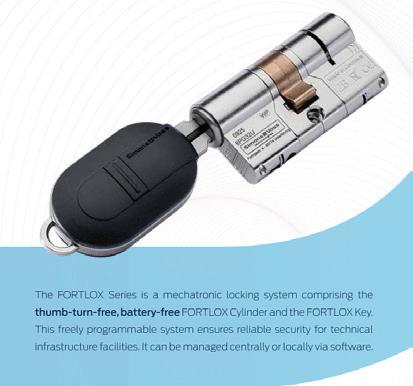

The launch comes as organisations face increasing pressure to strengthen physical security, manage changing access permissions and reduce the operational burden associated with mechanical key management. According to SimonsVoss, the system is particularly suited to infrastructure and remote locations where secure, controlled access is required for engineers, contractors and maintenance teams across multiple sites.
Applications for the FORTLOX Series include data centres, transformer substations, server cabinets, cable distribution cabinets, EV charging infrastructure and remote or infrequently accessed technical
BELIEV AND MITCHELLS & BUTLERS PARTNER TO DELIVER EV CHARGING ACROSS HOSPITALITY VENUES NATIONWIDE
Electric vehicle (EV) charge point operator (CPO) Believ has partnered with Mitchells & Butlers, the UK’s leading pub and restaurant company, to deliver fully funded EV charging infrastructure across a significant number of its sites nationwide.
Believ’s charge points use 100% renewable electricity, which supports Mitchells & Butlers’ sustainability strategy: helping to reduce greenhouse gas emissions to achieve its goal of being net zero by 2040.
The agreement will see Believ install EV chargers at up to 65 sites, providing an endto-end service from site selection and installation through to ongoing operation and maintenance. The contract includes electricity supply, maintenance and repairs, so ware and platform management, and customer support. The CPO will also fully fund all the EV charge point installation costs, including construction, hardware, and electrical work.
facilities where secure and traceable access is essential. By enabling organisations to issue, update and revoke access permissions remotely, the FORTLOX system is designed to help reduce unnecessary site visits, improve auditability and simplify access management across distributed estates
Bruce Donald, UK and Ireland Country Manager at SimonsVoss, said: “Many organisations responsible for critical infrastructure and distributed estates are still relying on traditional mechanical locking systems that can be di icult to manage at scale.
“FORTLOX has been developed to provide a more flexible and resilient approach to access control, helping organisations improve security, simplify access management and reduce maintenance requirements without major disruption to existing infrastructure."
The FORTLOX Series has been developed as an extension of SimonsVoss System 3060 and can be integrated with wider SimonsVoss locking components.
Further information on the FORTLOX Series is available at: https://www.simons-voss.com/en/ Access-control/fortlox-series.html
FOR THE CONNECTED BUILT ENVIRONMENT
Service Works Global has launched Geminus™, a next-generation platform designed to help organisations connect and use building data more e ectively across the full asset lifecycle.


With installation starting in mid-2026, the project will see a mix of charge point types rolled out to serve di erent use cases. Sites with hotels will feature standard plus (22 kW) chargers designed for overnight or extended stays. For shorter visits typical at restaurants and pubs, Believ is installing rapid and ultrarapid chargers delivering speeds of up to 250 kW, providing drivers with quick and convenient top-ups. Accessibility is also being factored in, with every site to include one or more fully accessible bays.
www.believ.com/businesses/ www.believ.com
Rather than replacing existing systems, Geminus™ works alongside them, bringing together information from drawings, BIM models, CAFM and CMMS platforms, IoT sensors, building management systems and other data sources into one trusted environment via API. The platform gives facilities and property teams a clearer, more visual way to understand assets, spaces and operational performance through high-resolution 2D, 3D and digital twin views. This helps users locate information faster, improve collaboration and make more informed decisions about maintenance, sustainability and long-term building optimisation.


With a flexible, tiered structure, organisations can adopt the capabilities they need now and expand over time, creating a lower-risk path towards smarter buildings, stronger data confidence and more connected, future-ready operations.
FOODBUY GROUP APPOINTS NEW COO
Compass Group UK & Ireland’s procurement division, Foodbuy Group, has appointed Lawrence Harvey as Chief Operating O icer UK&I, as the business continues to strengthen its leadership team and expand its operations across hospitality, leisure, health and education.

In his new role, Harvey will lead Foodbuy’s Group Purchasing Organisation (GPO) businesses, supporting more than 15,000 client sites nationwide. He will be responsible for driving operational performance, strengthening client partnerships and delivering long-term value for members and clients.
Foodbuy manages over £2.6 billion in managed spend, supporting clients across food, beverage and non-food categories.
Harvey brings extensive leadership experience across retail, financial services and hospitality, leading large-scale operational transformation and delivering performance improvement across complex, multi-site organisations.


THOMSON FM STRENGTHENS SENIOR MANAGEMENT TEAM
Thomson FM has promoted Ciara Holmes to the newly created role of Head of FM Consultancy Services.
In her new position, Holmes will take on increased responsibility for leading Thomson FM’s consultancy services function, while also supporting the continued development of the consultancy services team.
Since joining Thomson FM in June 2022 as an FM Consultant, Holmes has made a significant contribution to the business. Following her promotion to Senior FM Consultant in July 2023, Thomson FM says this latest appointment recognises the skills, expertise and leadership she has demonstrated, as well as the important role she will play in the future strategic direction of the company’s facilities management consultancy business.
DIRECTOR HIRE AT CARLISLE SUPPORT SERVICES

Jason Gray has been appointed to the role of Technical Solutions Director at Carlisle Support Services, as the business reinforces its commitment to integrating technology with its people-led service delivery, ensuring clients benefit from innovative, future-proof security and advanced FM solutions.
Gray brings a wealth of experience across the fire and security sectors, having progressed from a foundational engineering background into senior leadership roles focused on innovation, integrated system design, and commercial strategy.
In his new role, Gray will spearhead the development of technical solutions that bridge the gap between complex product capabilities and real-world operational needs. Working closely with the senior leadership team, he will focus on creating credible, practical, and award-winning integrated systems spanning CCTV, access control, remote monitoring, and emerging connected technologies.
Looking for FM candidates?

• Cost-e ective recruitment advertising
• Exposure to over 25,000 FM professionals
• Package deals


• Includes social media promotion
• Advert can run until position
–no fixed term
• Listings from as little as £250



THOSE WHO SERVE

Service, skills and careers in FM. Simon Porter, ISS UK Defence Commercial Lead describes the work of the services supplier in supporting the veteran community
In a sector defined by complexity, scale and the pressure to deliver day in, day out, finding the right talent has always been one of the most important challenges facing facilities management. FM runs on the people who keep buildings, services and operations moving, and some of the most capable hands in our industry are those that have already served their country.
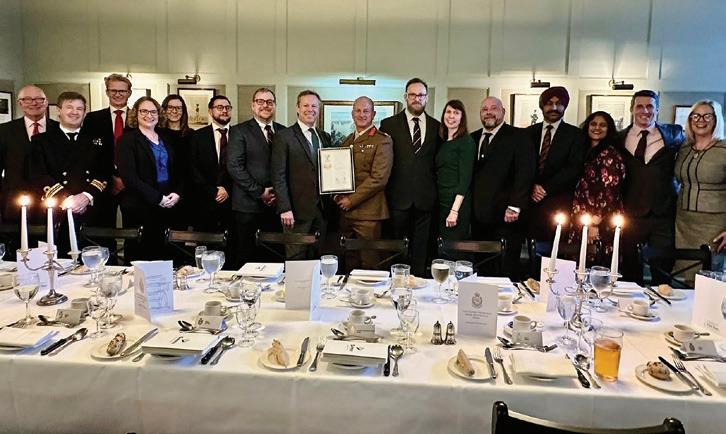
At ISS, we've seen first-hand the discipline, leadership, technical and problem-solving skills the military community bring to our industry. ISS have supported hundreds of veterans, service leavers, reservists and military spouses to transition into rewarding, long-term careers, and we're incredibly proud to champion pathways for veterans in FM. That dedication was acknowledged earlier this
LATEST JOBS ON FMJ
FACILITIES MANAGER - NATIONAL - LEISURE
Salary: £50k per year + Car + Bens
Location: West Midlands
https://bit.ly/4wWItwi
DIRECTOR OF ESTATES
Salary: £62,094 to £66,284 per annum
Location: Yorkshire
https://bit.ly/43gy3tV
ESTATES HUB LEADER
Salary: £42,839 to £46,142 per annum
Location: Wakefield
https://bit.ly/439d6Bd
year when ISS was recertified at Gold under the Ministry of Defence's Employer Recognition Scheme, our third consecutive Gold award since 2015. It reflects more than a decade of sustained support for the military community and underlines why we're determined to keep unlocking the untapped strengths veterans, reservists and service families bring to our sector.
WHY THE SKILLS OF THE MILITARY COMMUNITY TRAVEL SO WELL INTO FM
The crossover between military service and FM is not an accident. The skills the armed forces develop in their people (leadership under pressure, discipline, the ability to deliver against the clock, responsibility and accountability) are the same competencies our customers rely on every single day. With many service leavers also bringing technical skillsets with them, from engineering and logistics to communications and project management, you have a workforce that is, in many ways, ready-made for our sector.
At the heart of how ISS engages with the military community sits the Armed Forces Covenant. A promise by the nation that those who serve, and their families, should be treated fairly and face no disadvantage when accessing public and commercial services. ISS UK & Ireland has been a signatory since 2015, renewing the commitment in 2026. That renewal isn't a piece of paperwork; it shapes how we recruit, how we develop our people, and how we support reservists, veterans, cadet volunteers and service families across the business.
JointForces@ISS is the most visible expression of that commitment. Launched in 2017, the programme has helped hundreds of service leavers, veterans, reservists and military spouses build careers in FM, and in 2021 it was recognised with the IWFM Impact Award for Social Value. It's the engine room of everything ISS does in this space, the place where the policies and the certificates translate into actual careers.
The strength of any programme is best measured by the people who have come through it. Elliott Weaver joined ISS in 2023 a er leaving the forces, having joined the infantry in 2012. Now an Operation Manager working on a major account at ISS, Elliott plays a key role in operational delivery, drawing on the structured problem-solving and team leadership he developed in service. He truly believes
programmes like the JointForces@ISS help to give people like him the foundation to build a rewarding career outside of the armed forces.
"FM is, in many ways, a natural second career for people leaving the forces," Elliott says. "Both worlds are built on routine, on standards, on the discipline of getting things right the first time and looking a er the people around you. That's what makes ex-forces personnel so well suited to this industry. A career in FM can o er real progression, real responsibility, and a sense of purpose that translates very directly from service life.
“For those considering making the transition into FM, my advice is to make the step. It could be the beginning of another incredible journey for you.”
A COMMITMENT TO SUPPORTING VETERANS FOR THE LONG-TERM
Being recognised for a commitment to the veterans’ community, is something to be proud of but it isn't a finish line. The next phase is about visibility: making sure service leavers, reservists and military spouses across the country know that FM is a sector that wants them, and that employers like ISS will back them through the transition and well beyond it. It's about deepening the partnerships we already have and being honest about where we can still do better.
That ambition is one of the reasons ISS is proud to sponsor the IWFM Veterans in FM Network, a community dedicated to strengthening the bridge between the armed forces community and our sector. As Martin Burholt, Chief Operating O icer at ISS UK & Ireland, put it in a recent interview with the network, the veteran community is becoming an increasingly important part of the ISS workforce, not just because of what they bring on day one, but because of the contribution they go on to make over the course of a long career in FM. The more employers that engage with the Network, the more service leavers will see FM as a natural next step, and the stronger our industry will be for it.
The real measure of this work is the careers it creates. The ex-military community has given a great deal to this country. The least our sector can do is make sure that, when the time comes to take the uniform o , the door into facilities management is wide open and the welcome is real.
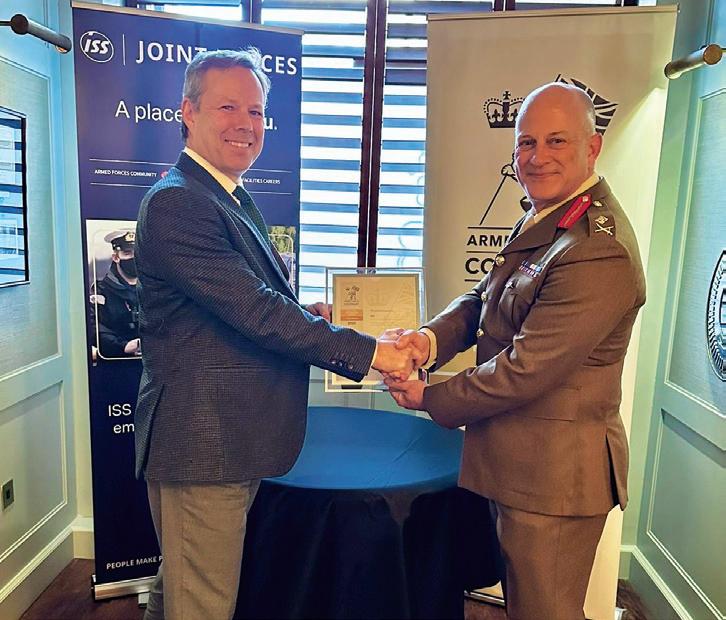
CLEANING COMPETENCE

Jade Collazo, HR Director at Cleanology argues that structured training can boost sta retention and improve performance in the cleaning sector

Toimprove performance, hygiene and service quality the UK commercial cleaning sector must shed its ‘mop and bucket’ image to embrace structured training and technological integration.
Upskilling also needs to include digital literacy to meet the demands of modern facility requirements. For instance, sta now need to be trained to operate digital tools for real-time reporting , quality assurance and analytics to ensure transparency and accountability, as well as to get to grips with robotics. The importance of ‘so skills’ cannot be underestimated too, especially in hybrid or daytime working environments. Training has to cover communication, conflict resolution and problem solving so cleaners can e ectively perform the role of ‘ambassadors’ for their companies and for the client’s brand. This is how long-term client relationships develop.
As corporate ESG (Environmental, Social and Governance) goals become central to procurement, the workforce must be upskilled in green practices. Sta need to be trained in a range of eco-friendly practices, such as the use of sustainable products, reduced water usage and responsible chemical disposal to lower environmental impact and improve indoor air quality.
Upskilling must also be tied to clear career progression with pathways o ered from operative roles to supervisor and management posts to retain talent and boost operational oversight.
TRAINING PROGRAMME
At Cleanology, our people are the heart of our
organisation, and our people-first culture allows us to provide motivated, empowered individuals who take pride in their work. We o er free English classes for speakers of other languages, providing support for all employees and earlier this year launched a new Learning and Development (L&D) department in a dedicated training hub at its Vauxhall, South West London, headquarters.
The department has been set to support both the induction of new starters and the continuous professional development (CPD) of existing sta . Core training modules in the L&D department include:
An in-house management programme, designed to enhance standards and upskill the team, whilst identifying and developing high-performing talent. Tailored training courses for each job role.
Bespoke and site-specific training for clients.
Health and Safety (H&S): Detailed modules on observing safety guidance provided in site specific Risk Assessments and Method Statements (RAMS).
Waste Management: The correct handling and management of di erent waste streams.
Code of Conduct: Professional behaviour standards as set out in the Cleanology Sta Handbook.
Emotional Intelligence and Communication workshops, as well as language tuition for new starters who do not speak English as their first language.
Cleanology also runs a number of in-house schemes which help nurture talent, such as
‘Hospitality Hero’ which is a training initiative specifically designed for client-facing members of sta . It aims to ensure they deliver high-level customer service and professional engagement and consists of interactive learning modules of videos and quizzes. It also includes a Client Recognition Award system where clients can nominate team members for outstanding service.
The company also hosts an Annual Company Dinner and Awards Ceremony – o en referred to as our ‘Cleaning Oscars’. It features as part of a family day for sta to celebrate top performers. There is also an Annual Academy Day, described as part of Cleanology’s ‘broader engagement strategy’, and regular ‘Lunch and Learn’ sessions covering various subjects.
BENEFITS OF L&D
The impact of long-term investment in learning and development can be seen in progression and retention data across the business:
47 per cent of the Head O ice executive team have been promoted from within.
10 employees have progressed to senior head o ice roles a er starting as cleaners.
78 per cent of Operations Managers began as cleaners.
Cleanology boasts a 94 per cent sta retention rate compared to an average of 79 per cent in the commercial cleaning sector.
Training feedback from nearly 200 sessions scored an average 4.91 (out of 5) ‘Excellent’ rating.
Through initiatives such as Cleanology Academy Day, Hospitality Hero and a 360 degrees skills matrix, we empower colleagues to learn, upskill and progress. Our leadership programmes and mentoring ensure fair access to opportunity for everyone.
Training starts on the first day – and sometimes even before the employee joins Cleanology – and this emphasises the importance of the onboarding experience.
We do not just hire talent; we nurture it and create long-term careers that reflect our inclusive values. We measure progress through transparent data and sta feedback to ensure that inclusion leads to lasting impact. These results highlight a workforce that feels valued, supported and proud to belong.
Learning and Development is instrumental to Cleanology’s culture of continuous improvement, and I am proud to be leading the new training team.
Third of businesses prioritise accident prevention over long-term health
Businesses may be overlooking the long-term health of their workforce, despite increasing regulatory emphasis on occupational health risks and prevention, according to new data from employment law, HR and health and safety specialists WorkNest.
The research found that while over half (51 per cent) of organisations say they give equal focus to preventing accidents and managing long-term health risks, in practice very few prioritise health risks alone.
WORKERS ARE MAKING MISTAKES AT WORK DUE TO STRESS
Research from the Workplace Silent Stress Survey by health, safety and environmental training provider, Astutis, reveals over half of UK workers (52.6 per cent) are making mistakes at work due to stress, and one in four have rung in sick at least once due to how stressed they’re feeling.












This comes as the Health and Safety Executive continues to place greater emphasis on health risks such as musculoskeletal disorders, respiratory conditions and noise-related hearing loss, which account for a significant proportion of work-related ill health in the UK.









Sodexo launches new AI Academy
These stats are costing workplaces millions of pounds and over 17 million working days a year, and workplaces need to take workplace burnout and stress more seriously, says Astutis.
What’s troubling is that individuals aren’t talking with their managers about their worries. Only 4.7 per cent of those surveyed said that they would speak to their managers about what’s concerning them, and even fewer (1.3 per cent) engage with people in leadership roles.

Commented Steve Terry, Managing Director at Astutis: “These numbers portray a widespread, workplace culture where employees may feel unsafe to raise stress-related concerns, preferring to su er in silence.”
Over half of FM teams report understa ng


Sodexo UK & Ireland has partnered with training provider, Corndel to launch a new AI academy. Sixty colleagues have already enrolled to complete the 12-month programme to build their AI capability, not just data literacy. The cohort represents a wide breadth of roles and career stages, ranging from entry level and operational positions through to specialist and leadership roles, demonstrating how apprenticeships are being used by colleagues in

diverse functions and at di erent points in their careers.
The focus is on developing practical, business-critical skills that can be applied directly in the workplace.
Participants earn a level 3 digital support technician or data technician qualification which will provide valuable learning on applying AI to business problems and make smarter, more responsible decisions.
Each apprentice will become an AI champion, supporting and upskilling others in adopting responsible use of AI tools and automaton, which Sodexo says will drive innovation, better decision making and sustainable business growth from within.
Pete Siddle, Talent & Learning Director, Sodexo UK & Ireland said: “Apprenticeships play a crucial role in how we attract, develop and retain talent at Sodexo. This new programme gives our people the opportunity to grow their skills, build confidence and future-proof their careers, while continuing to deliver the high-quality services our clients and customers expect.”
According to a recent survey by SFG20, the industry standard for building maintenance, over half (51 per cent) of organisations reported a shortage of FM sta , reinforcing that resourcing constraints continue to be a defining challenge for the sector. Alongside FM sta shortages, organisations also reported the following top three skills gaps: Compliance and safety expertise (42 per cent) – Reinforcing the priority placed on risk management and regulatory compliance, many organisations are struggling to secure professionals with the specialist knowledge needed to navigate increasingly complex legislation, maintain safe working environments and ensure ongoing compliance across estates and facilities.

Digital and IT skills (42 per cent) – Aligned to the increasing role of technology in FM, organisations are seeing growing demand for skills linked to data management, smart buildings, and automation. As digital transformation speeds up, the ability to e ectively manage and interpret technology-driven operations is becoming increasingly important.
Sustainability and energy management (32 per cent) – As organisations continue to prioritise carbon reduction and energy performance objectives, demand is growing for expertise in sustainability strategies, energy optimisation and environmental reporting. However, many organisations are finding it di icult to access the specialist skills needed to meet evolving ESG targets and regulatory expectations.
Kirsty Cogan, Managing Director at SFG20, said: “The skills challenge facing our profession is multidimensional. The FM professionals of 2030 will need to be equally comfortable discussing how buildings work, interpreting data dashboards, and explaining carbon reduction strategies. This evolution requires significant investment in training and development, but also a fundamental rethink of how we attract talent to the profession.” https://www.sfg20.co.uk/e-guide/state-of-fm-2026















Tork PeakServe® ContinuousTM Hand Towel Refills now have a 22% lower carbon footprint
This is just one great result from our ongoing effort to reduce carbon impact. We’ve also achieved reductions for popular Tork hand towel, napkin and wiper refills – delivering measurable sustainability benefits while helping you improve your business performance.
The resources and tools you need
To make sustainability easier for you, Tork Focus4 Sustainability provides the tools, information and training needed to select the right products, find the right data, and navigate complex sustainability topics.
Take the next step in sustainable hygiene with Tork today torkglobal.com/gb/en/sustainability