













kpm media Unit 1 Mill Place, Platt Business Estate, Maidstone Road, Sevenoaks, Kent TN15 8TB Tel: 01322 662289
Editor Sara Bean sara.bean@kpmmedia.co.uk
Assistant Editor & Social Media Development
Sarah O’Beirne sarah.obeirne@kpmmedia.co.uk Tel: 01322 476815
Director & Designer Warren Knight warren.knight@kpmmedia.co.uk Mob: 0780 1947757
Sales Director Danny Grange danny.grange@kpmmedia.co.uk Mob: 07867 418994
Business Administrator & Circulation Maxine Howell maxine@kpmmedia.co.uk
Editorial & Events Assistant Madeleine Ford madeleine@kpmmedia.co.uk
Accounts Diane Jarvis accounts@kpmmedia.co.uk
Editorial steering committee
Alan Hutchinson, Facilities Director, Howard Kennedy LLP
Alex McCann, Senior Facilities Manager – EMEA & APAC Global Support, Informa Group Plc
Darren Miller, Group Head of Real Estate & Workplace, Experian
Ian Wade, Head of UK Estates, British Medical Association
Jenni Gallop, Director of Estates & Facilities and H&S, Provide Community (NHS)
Lucy Hind, Senior FM Lecturer, Leeds Beckett University
Paul Cannock, EFM Consultant. Former Head of the Estates and FM, European Space Agency
Russell Burnaby, Head of Facilities Management, Finance & Resources, Brent Council
Simon Francis, Director of Estates and Facilities, LifeArc

Just as the first of a series of spring and summer heatwaves hit the UK in May, the UK’s independent climate advisors, the Climate Change Committee (CCC) published a report, “A Well-Adapted UK” which presents a series of recommendations to help address the growing impact of climate change on the country.
The key priorities outlined in the report include better cooling, stronger flood protection and a more secure water supply to help combat the three biggest climate risks: heat, flooding and drought.
The CCC also calls for the UK government to introduce mandatory maximum workplace temperature rules to protect employee safety. It cites examples from other European countries, including Spain, where indoor temperatures are legally capped at 27°C for sedentary desk work and 25°C for light physical work.
For our FM Clinic on page 20, we asked a group of commentators, ranging from HVAC specialists to HR and legal experts, for their thoughts on setting upper temperature limits for workers during hot weather. We also asked what practical steps FMs can take to improve heat management throughout the built environment.
Alongside a people-first approach, such as adapting working hours, providing access to cooler spaces and encouraging regular hydration breaks, FMs should prioritise sustainable measures that reduce overheating risks at source through ‘fabric-first, passive and wholesystem strategies’.
Simone Fenton-Jarvis, Group Director of Workplace Consultancy and Transformation, Vpod Solutions
Total Average Net Circulation 18,740 January to December 2025 SUPPORTED BY
Group CEO Nigel Copp kpm media adopts a sustainable policy of using paper from managed forests. Printed in the UK by The Gemini Print Group www.gemini-print.co.uk
© Copyright 2026 kpm media
Wayne Young, Facilities Manager at DB Cargo (UK) sara.bean@kpmmedia.co.uk
The publisher does not necessarily agree with the views and opinions expressed by contributors. No material may be reproduced in part or whole without written permission from the editor. Editorial contributions are accepted on an all-rights basis only. Letters to the editor may be published in their entirety or in edited form and remain the property of kpm media. While due care is taken to ensure the accuracy of information contained in this magazine, the publishers cannot be held responsible for any errors in editorial articles or advertisements. Subscriptions are available to non-qualifying and overseas readers at £120 p.a. (UK), £160 p.a. (EU countries) and £240 p.a. (overseas-other).
According to the experts, practical measures include solar shading, e ective ventilation, thermal mass, improved building operations, urban greening and the use of intelligent building controls. Where active cooling is needed, they should prioritise e icient, low-carbon solutions that provide comfort while supporting the shi to a net zero energy system.
As the article concludes, FMs have a vital role to play in responding to global warming by helping to address both the causes of more frequent heatwaves and the measures needed to manage their impact.
As always, we’d welcome your feedback about any aspect of the magazine, together with your insight into what’s happening in the FM sector.

















This month’s summary of everything that has hit the headlines in the FM sector.
IWFM Live! highlighted a sector in transition and its growing strategic importance.
At WORKTECH AI + Digital Technologies, leaders discussed the challenges that come with an AI-powered future.





24
seaside toilets and the importance of keeping them open.
32 Dan Pilling, Workplace Strategy Director for TSK believes the o ice is not becoming obsolete; but rather evolving into a powerful catalyst for change. He explains why to Sara Bean.
36 There are o en suggestions of a systemic lack of openness and transparency in the Mechanical and Electrical (M&E) supply chain, but clients and M&E suppliers can both be winners and still play by the rules, says Tom Lyons of Core Maintenance Services.


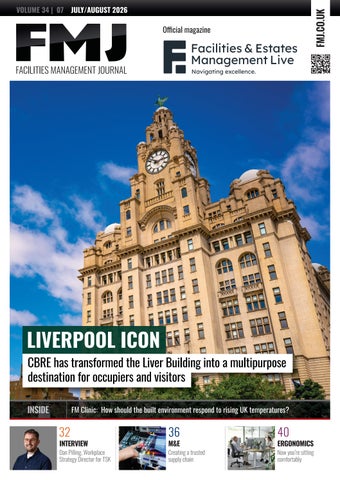
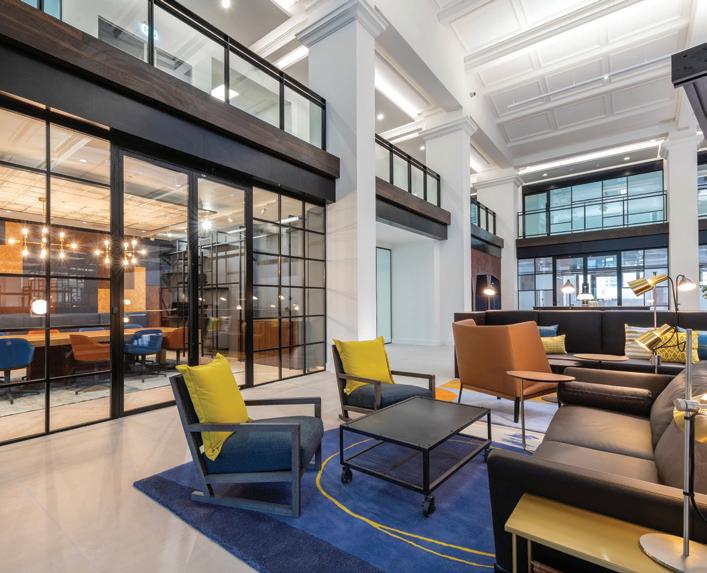
FMJ visits the Royal Liver Building in Liverpool to learn how CBRE has helped transform this iconic o ice building into a thriving multipurpose destination for occupiers and visitors.
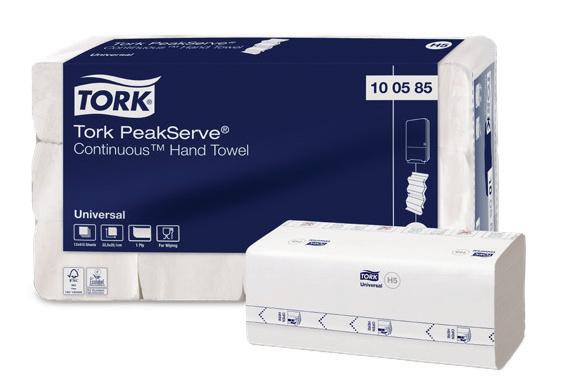
28 Clare Martin, Founder of the Wellbeing Ambassador Programme and Patrick Martin of Sanaway, discuss supporting workplace wellbeing through smart washroom facilities provision.
Stuart Hands, Sales Manager from Tork manufacturer Essity looks at the role of

Buildings are becoming smarter, and workforce strategies must keep pace, says Vinay Singh from PwC UK.
Lewis Berry, Author of The Down-To-Earth Guide to Lightning Protection Testing has advice on practical compliance challenges and FM team responsibilities for system maintenance.
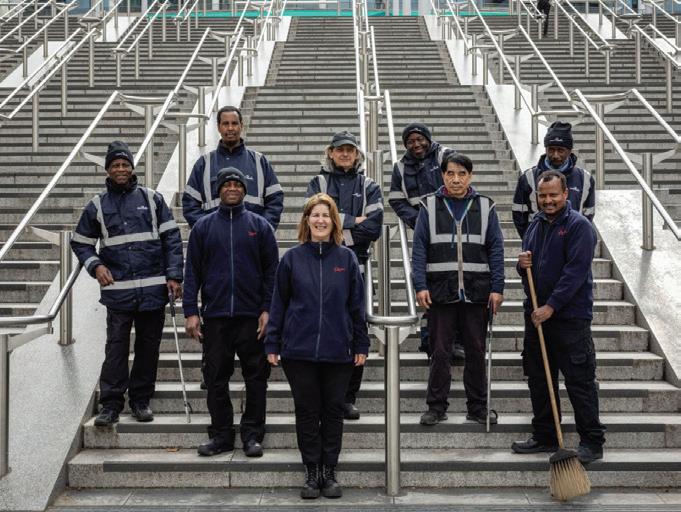
The cleaning sector is set to be one of the most a ected by the advances of AI. Lucy Lloyd describes how the workforce can adapt.
Kate Lovell, ESG and Client Experience Director at Cleanology, discusses women in FM: creating space, building confidence and changing the industry.
A series of recommendations by the Climate Change Committee calls for a national maximum temperature for workplaces to protect workers’ safety. How can this and other measures help FMs respond to rising UK temperatures?
38 Alex Morgan from Kärcher explains how a preventative approach to floor maintenance can help reduce costs, enhance safety and protect long-term asset value.
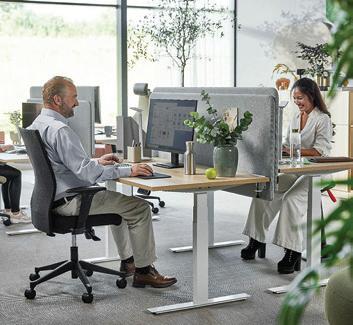
40 Helen Beebe, MD of AJ Products UK, on what to look for when choosing ergonomic furniture, and why the wrong choices cost far more than the right ones.


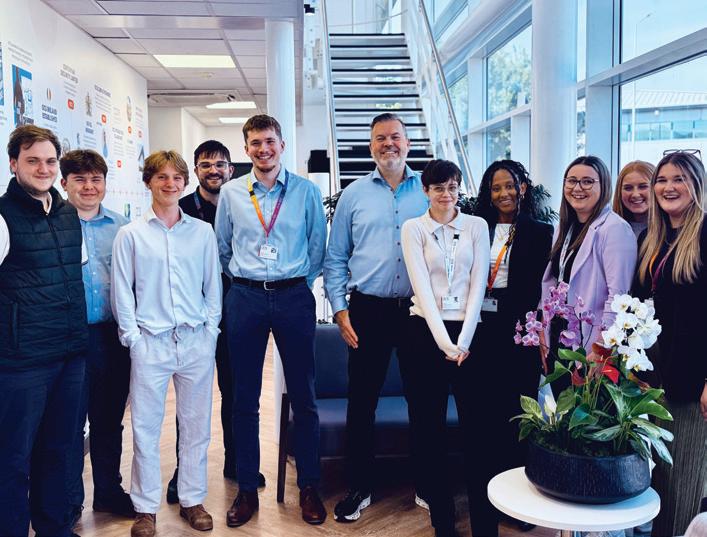
41 The experts from access equipment manufacturers JLG on how taking an ergonomic approach can minimise the risks of frontof-house access tasks.

Find out who’s moving where in the facilities management profession.
Rob Legge, Group Chief Executive O icer at OCS believes that a first job in FM should lead to a rewarding career.
49 From run-to-fail to future-ready. Paul Bullard, Chief Product O icer at SFG20 describes the three key steps to closing the FM skills gap.
50 A brief roundup of the latest careers news in the facilities management sector.
The September issue will introduce a refreshed editorial and design approach for FMJ, making it easier for readers to find and use the information they need to work more productively in facilities management. With AI permeating so many aspects of the sector we’ve put a series of questions to some of the leading so ware suppliers to discover where they think the technology will take us next. We reflect the seasonal shi in the winter prep focus which looks at how manufacturing facilities can prepare for winter and how to ensure external grounds are ready for the colder weather. And with the second Facilities & Estates Management Live! event taking place in October we present a preview of the main highlights in store for visitors.


Gill McAteer, Director of Employment Law, Citation.
The duty of care around workplace stress runs deeper than most employers realise and failing to act on the warning signs can expose businesses to allegations of constructive dismissal or disability discrimination.
What begins as an employee struggling with workload or an unresolved conflict can, if left unaddressed, result in unfair dismissal compensation awards of up to £123,543 or 52 weeks’ gross pay, or unlimited exposure where discrimination is involved.
For smaller firms without dedicated HR support, the risks are even more significant. The line between a performance issue and a mental health concern is rarely obvious, but the legal consequences of misreading it can be substantial.
Stress doesn’t always announce itself. What looks like a dip in performance or a short-term timekeeping issue could be a sign of something deeper, and if an employer penalises an employee without recognising that, they could unknowingly be crossing into discrimination territory.
Constructive dismissal claims often arise not because an employer acted badly in one moment, but because concerns were repeatedly raised and repeatedly ignored. The businesses most at risk are the ones that aren’t paying attention.
The good news is that managing this doesn’t require expensive wellbeing programmes. It requires consistent, vigilant management practices — and knowing what to look for before it becomes a problem.
Stress itself is not classified as a disability under the Equality Act 2010, but it is frequently a symptom of conditions that are. Where stress is long-term and substantially affects an employee’s day-to-day activities, the legal protections that apply to disabled employees, including the right to reasonable adjustments, will apply.
Employers who miss escalating stress in a disabled employee or fail to review whether existing adjustments are still working risk a discrimination claim. Penalising someone for irritability, reduced concentration, or a drop in output, without first exploring the underlying cause can amount to exactly that.
When stress reaches a breaking point, some employees conclude that resignation is the only option. If that resignation is deemed to be the result of an employer’s serious failings, persistent inaction, inadequate support or a failure to provide a safe working environment, it can give rise to a constructive dismissal claim.
A successful claim can leave employers facing a basic award of up to £22,530, plus a compensatory award of up to £123,543 or 52 weeks’ gross pay, whichever is lower, with unlimited exposure where discrimination is involved.
I’d urge employers to put the following practices in place now:
• Hold a return-to-work interview after every absence, even a single day off. Document what you hear as patterns across a team often point to a structural problem, not an individual one.
• Don’t wait for a concern to be raised twice. Repeated, unaddressed stress is where constructive dismissal claims are built. Log what was raised, what action was taken, and when.
• If a disabled employee’s stress is rising, revisit their reasonable adjustments. Escalating stress is often a signal that current adjustments are no longer working so act before the employee has to ask again.
• Put mental health first aiders across departments, not just in HR. Early signs surface weeks before a manager notices. Broad coverage makes the difference.
• Schedule regular, low-stakes wellbeing check-ins. These build the trust and familiarity that make it easier to spot subtle changes in behaviour before they escalate.


delivering

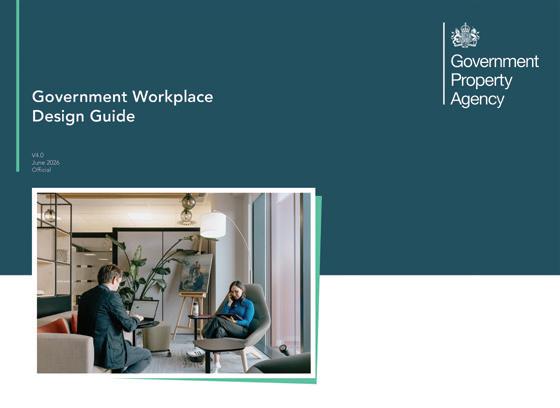
The GPA has launched its updated Government Workplace Design Guide, which outlines improved design standards for government o ices. The document introduces the Core Design Requirements (CDR) framework and provides a consistent approach for delivering inclusive, accessible, modern, sustainable and digitally enabled workspaces.
It is written to provide clarity and consistency for those involved in the commissioning, planning, designing and managing of new or significantly redeveloped government workplaces, ranging from delivery teams to the departments and people who work in these spaces.
The initial Government Workplace Design Guide was published in August 2020, however the GPA has now updated the existing guidance due to the rapid evolution in the way people work in o ices. Government departments and industry bodies were consulted during the update, and benchmarking with industry guidance and cost analysis was carried out.
Mark Bourgeois, CEO at the GPA, said: “The updated Government Workplace Design Guide provides a key framework for delivering workspaces that are inclusive, sustainable and digitally connected –setting the standard for the government o ice estate now and for the future. It provides the clarity and consistency needed to create modern and high-quality o ices which boost the performance, collaboration and wellbeing of civil servants across the country.
“This new guide signals the GPA’s commitment to supporting the government’s priorities, most notably the Plan for Change and transition to Net Zero, with sustainability embedded throughout our new guidance. We now look forward to working alongside our departmental and private sector partners to ensure the updated guide is adopted across government, as we aim to raise the standard of o ices in the UK.”
To view the guide visit https://bit.ly/3TljJ1m
With new research from Mitie showing that more than a fi h (21 per cent) of organisations are unprepared for imminent regulatory requirements, Mitie has launched its Total Facilities Compliance service to help organisations navigate an increasingly complex and evolving regulatory landscape.
As estates grow in scale and complexity, and regulatory expectations continue to evolve, organisations are increasingly managing compliance across multiple suppliers, systems and teams, making it harder to maintain a clear and consistent view across operations.
To support customers in navigating these challenges, Mitie’s new Total Facilities Compliance service brings together multi-service expertise across fire, security, water, engineering compliance, electrical testing and certification, building safety, air quality, asbestos and environmental compliance into a single, integrated, technology-enabled model.
Built on enhanced environmental, water, fire and security management capabilities following the acquisition of Marlowe, Mitie will deliver joined-up compliance at scale, covering everything from fire safety and electrical testing to water hygiene, air quality and asbestos management.
By combining accredited specialists, advanced technology and deep expertise, Mitie says it can support organisations in simplifying compliance and meeting regulatory requirements in a more consistent and coordinated way.








Anew report from workplace consultancy AWA suggests artificial intelligence could trigger a net 54 million square foot reduction in UK o ice demand over the next five years, as organisations rethink workforce capacity, space requirements and workplace strategy. This revised analysis accounts for both jobs displaced by AI and new AI-driven roles being created, resulting in a more balanced assessment of future o ice demand.
The findings, published in AWA’s AI Impact Report 2026, indicate that AI has the potential to free up an average of 10.9 hours per employee per week by reducing routine cognitive workloads across knowledge-based roles. According to the report, this productivity gain equates to approximately 15.8 million full-time equivalent roles of additional workforce capacity across the UK economy.
Importantly, the report notes that these productivity gains may not be viewed as a direct reduction in workforce numbers. While AI has the potential to automate routine tasks. Whilst some jobs will be displaced by AI, much of the additional capacity created is expected to be reinvested in higher-value work, new services, emerging roles and relieving pressure in high-demand occupations.
For facilities, workplace and property professionals, the implications could however, be quite significant as the scale and nature of the organisation and workforce transition to a knowledge-intense format.
Andrew Mawson, Founder of AWA said: “Most organisations are still viewing AI as a productivity tool. The bigger question is what happens to workplace demand when millions of hours are returned to employees every week. Real estate leaders need to understand how AI will influence occupancy, portfolio requirements and future lease decisions and CEO’s need to watch out for new competitors.
“But, it is important to note that a 54 million sq reduction in o ice demand doesn’t necessarily mean 54 million sq disappears. For many organisations, the bigger opportunity will be to reconfigure space around the activities that create the most value. As AI takes care of more administrative tasks, o ices can become less focused on individual desk work and more focused on collaboration, innovation, learning, culture and belonging.
“Equally, businesses shouldn’t assume that productivity gains automatically translate into headcount reductions. Much of the impact we’re already seeing is happening through slower hiring, natural attrition and changing role requirements rather than large-scale redundancies. The question isn’t just how much space organisations need, but what that space is for, where it should be and how it supports the work of elite knowledge workers.”
The research draws on a task-level analysis of 412 UK occupations, assessing the impact of AI across 18 categories of work activity. The study found that many professional, managerial and knowledge-worker roles could see significant time savings, creating new questions around workplace utilisation, hybrid working patterns and the need for o ice space.
To read the full report visit https://www.advanced-workplace.com/insights/ai-impact-report-2026/
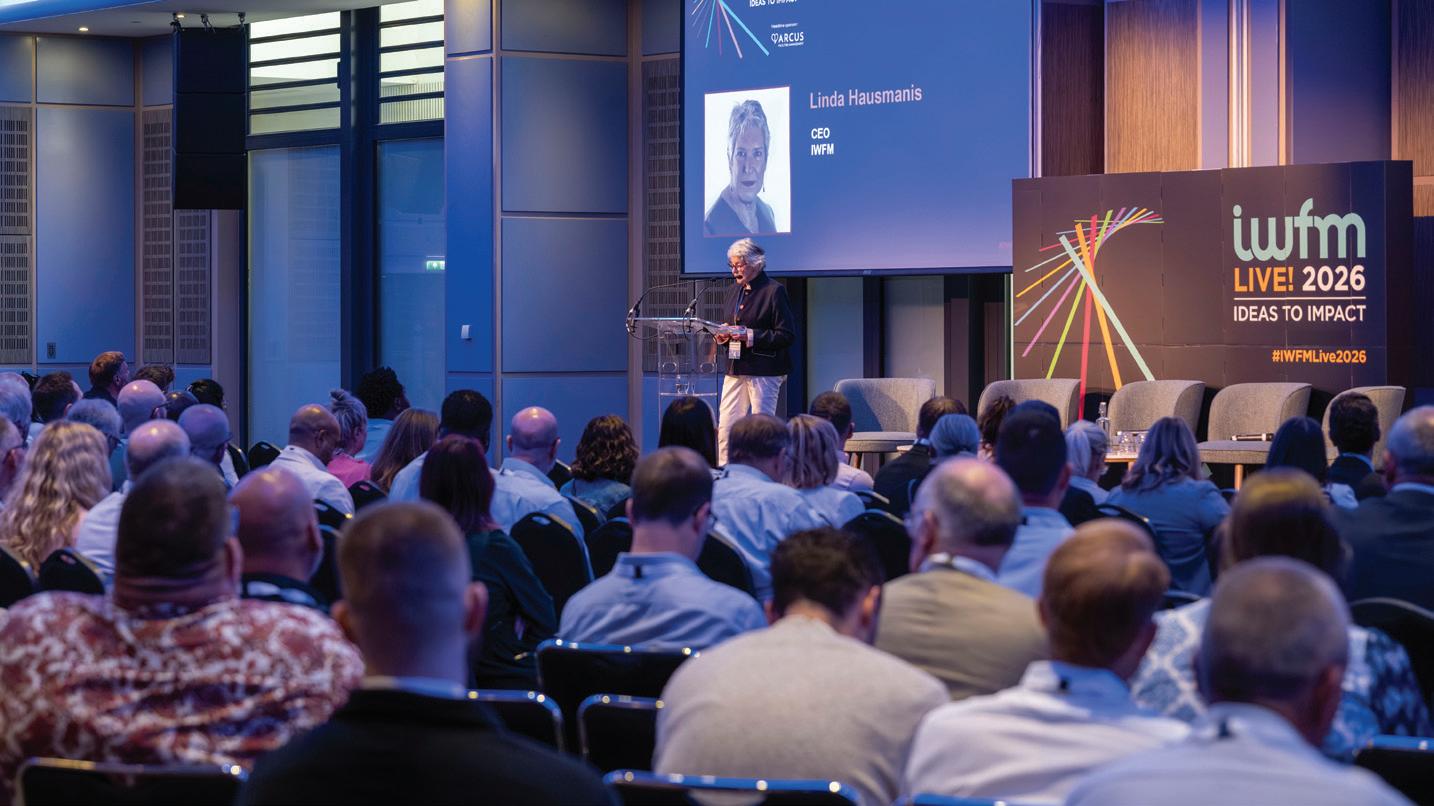
Cometogether, grow together, make an impact together, and unleash the force of FM was the strapline encapsulating IWFM Live! on the 16th of June. The day was opened by IWFM CEO Linda Hausmanis, who stressed the importance of physical connections and belonging in a world dominated by digital interactions.
The measure of success, Hausmanis continued, was not just the event itself but the impact that it has on attendees’ lives and workplaces in the future.
Continuing the opening of the event, Andrew Hulbert, IWFM Chair, emphasised the critical role of professionalisation in facilities management in a rapidly changing world. “FM is no longer in the background, because we must be in the foreground. We work on such an intersection of di erent challenges, whether that’s climate, environmental, economic pressures, changing expectations of the workplace and wellbeing, or the role of businesses within communities.”
He expanded by stating that facilities management is keeping the UK economy functioning and the industry is starting to get noticed. But, with all of this comes a responsibility to be clear, consistent and confident in how we contribute as a sector.
The goal, Hulbert added, “is for FM to be sought out in organisations, and to be involved
early on in the discussions”. He concluded: “Professionalisation is the choices we make as facilities management professionals, and the greatest strength of FM is the sheer breadth that we cover. The most powerful thing you can do is deliver something that shows the power of what FM can do.”
Later in the day, Michael Ridgett, Director of People Excellence at Arcus FM, chaired a panel session discussing the persistent skills gap in the facilities management sector. He said that while the skills gap is not news, it persists and is impacting operational resilience: “It has been about 30 years since we, as an industry, began speaking about a skills gap, and a generation later we are still asking the same questions of how to fix it.”
The panel acknowledged that to address this gap, there is a pressing need to attract the younger generation to the sector. Andrew GladstoneHeighton, Head of Policy and Research at IWFM, explained that a solution is showcasing FM to younger people and showing them that it can o er a varied career path.
He continued: “This sector has the answers to a lot of anxieties young people have, especially climate anxiety. A lot of young people are very aware of climate change and want to do something, whether that’s reducing a carbon output or creating facilities that are more resilient
to climate change. A good way to engage the younger generations is to show them they can point that anxiety and passion into a productive outcome that can help the people around them and the economy.”
Mark Whittaker, General Manager and Consultant at Thomas FM, added that professionals taking the time to train and share their experience with young professionals will help guide those new to the profession and help bridge the gap. “Whether that’s through mentoring, guest lecturing, providing insight, or volunteering, passing on our knowledge and expertise has a hugely e ective impact.”
Beyond the discussions around professionalisation and skills, the wider programme explored the evolving role of FM in driving organisational success. Panels examined how FM teams can move from service providers to enablers of workplace performance, harness technologies such as AI to deliver operational improvements, and take a leading role in building more sustainable and resilient organisations. Together, the sessions reinforced the message that FM’s influence is deep in shaping the future of organisations, workplaces and the people within them. It is a critical function that helps organisations adapt, innovate and thrive in an ever-changing world.
As the industry continues to adapt to changing workplace expectations, IWFM Live! o ered a clear glimpse into what lies ahead, highlighting the innovation, collaboration and leadership needed to create resilient, sustainable and peoplefocused workplaces. The day sparked a renewed sense of the opportunities shaping the future of facilities management and reflected a profession in transition. From tackling skills shortages and raising professional standards to harnessing AI and driving sustainability, as FM evolves to meet the needs of modern organisations, so does its potential to shape workplaces, support people and contribute to long-term business success.





OUTCO services cover a wide range of outdoor maintenance needs, from fencing and access control to drainage, surface repairs, and condition surveys.
OUTCO services cover a wide range of outdoor maintenance needs, from fencing and access control to drainage, surface repairs, and condition surveys.
By combining extensive experience with cuttingedge technology, we deliver a fully managed service that guarantees quality, reliability, and compliance.
By combining extensive experience with cuttingedge technology, we deliver a fully managed service that guarantees quality, reliability, and compliance.

0800 0432 911 enquiries@outco.co.uk
0800 0432 911 enquiries@outco.co.uk




As AI becomes embedded in workplace strategy, leaders gathered at WORKTECH AI + Digital Technologies to discuss the opportunities, challenges and responsibilities that come with an AIpowered future. Madeleine Ford reports
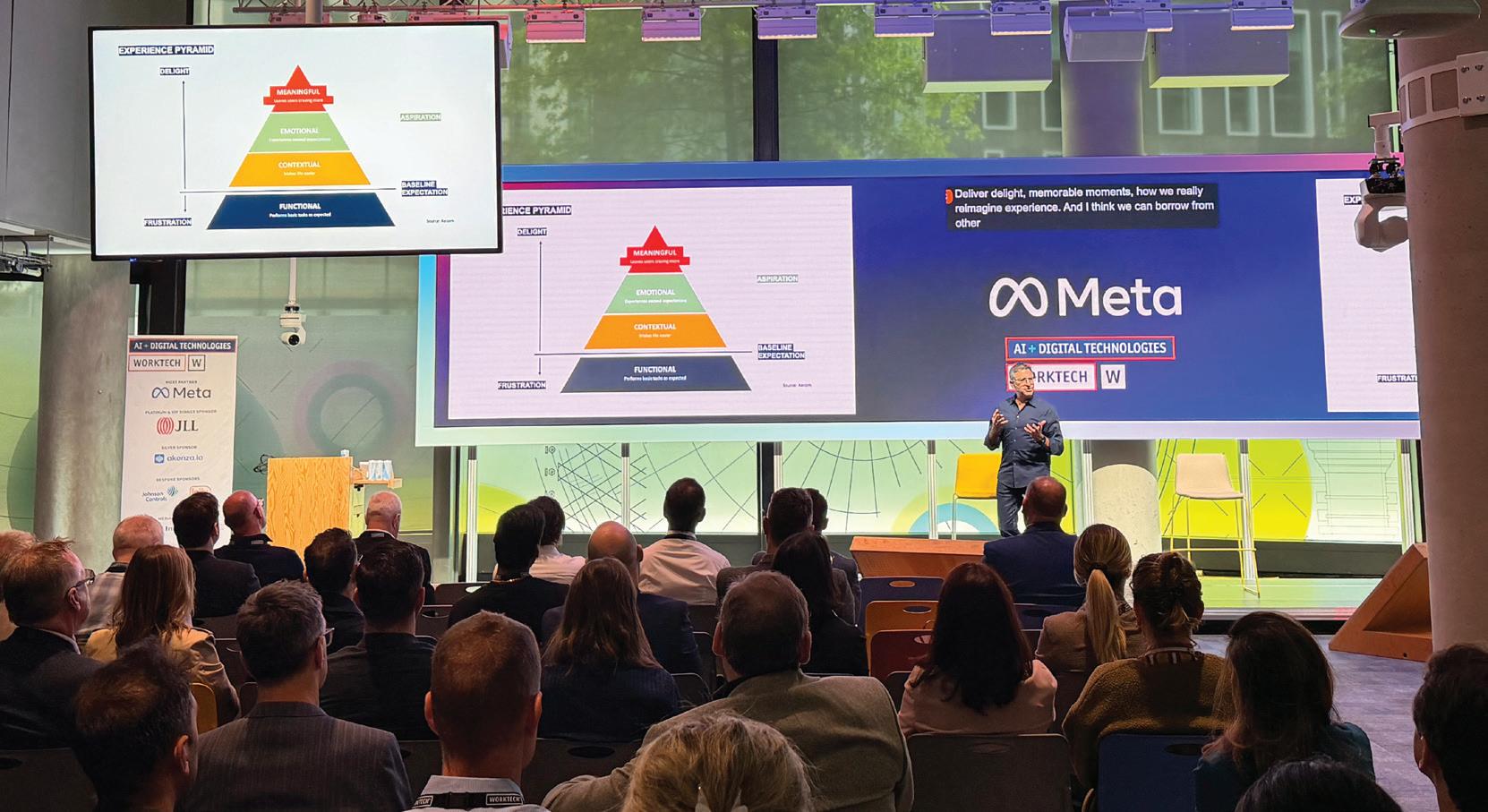
AI and Digital Technologies London
is the new flagship event in the WORKTECH series. While discussions ranged from generative AI and digital twins to smart buildings and workplace analytics, a common theme emerged throughout the day: technology’s greatest value lies not in replacing people, but in empowering them to make better, faster and more informed decisions. Digital transformation begins and ends with people.
The morning sessions were opened by Rob Garlick, AI, Work & Pro-Human Leadership Professor, who discussed why the future of work will be decided by leadership choices, not technology.
A recent King’s College survey showed that only 24 per cent of people thought that AI was positive for humanity.
“The numbers are showing to be more negative over time as the capability is rising,” with AI advancements happening over 30 times faster than previous industrial revolutions. This speed and the fact that in 2024 ChatGPT surpassed human capabilities in a number of areas, is leading to
concerns about job displacement.
Garlick posed the question: how do we make sure we’re augmenting people and not replacing them? He stated that safety nets need to be put in place.
Financial safety nets are essential, including the potential introduction of Universal Basic Income. Unions should also not be overlooked, as they play an important role in giving workers a voice during the transition to AI.
Secondly, and most importantly according to Garlick, is skilling people to go from old jobs to new and ensuring companies invest in training. He even went as far as to suggest democratising jobs by moving to shorter weeks. Implementing this change would have to be a societal decision of putting general protection in place. Garlick concluded the framework for managing AI’s impact is the 3Bs- better jobs, better skills, better society.
While much of the day’s discussion focused on the rapid evolution of AI, speakers repeatedly emphasised that its success will ultimately be measured by its impact on people. Rather than deploying technology for technology’s sake, organisations must ensure digital
tools enhance employee experience, simplify day-to-day tasks and support more e ective ways of working.
Harish Krishna, Director of Engineering at Meta, explored what it means to rethink the workplace in the age of AI. Reflecting on the shi to hybrid working, he suggested that the conversation should move beyond whether employees are in the o ice or at home and instead focus on how intelligent the workplace itself has become.
Krishna described the vision of an adaptive workplace - one that responds dynamically to employees’ needs through connected data, AI and digital tools. By understanding work patterns, team interactions and workplace demand, organisations can create environments that automatically recommend workspaces, support collaboration and remove friction from the working day. “I’m passionate about building meaningful experiences in the physical space using the right combination of digital so ware, data and AI,” he said, adding that achieving this requires a unified technology ecosystem rather than disconnected digital solutions.
He also challenged organisations to think carefully about where AI can
deliver the greatest value, suggesting that the most e ective workplaces will combine autonomous AI with human judgement, rather than replacing one with the other.
While technological innovation o en attracts the headlines, many speakers argued that the biggest challenge facing organisations is cultural rather than technical. An expert panel titled ‘Who Owns the AI Way of Working?’ explored organisational change and highlighted the reality that AI adoption is ultimately a transformation programme, requiring new ways of working, new skills, and greater collaboration across departments. Organisations must focus on reskilling and digital literacy, ensuring employees have the confidence and knowledge to work alongside emerging technologies. Several sessions focused on leadership’s evolving role in an AI-driven world. Rather than simply approving technology investments, leaders are increasingly responsible for shaping organisational culture, defining governance structures and helping employees navigate uncertainty. The quality of leadership decisions, speakers argued, will ultimately determine whether AI delivers abundance or disruption.
WORKTECH AI and Digital Technologies London demonstrated that successful digital transformation depends on balancing innovation with human needs - working hand in hand with trust and human-centred design. As organisations continue to navigate rapid change, the challenge will be creating workplaces that are not only smarter and more e icient, but also more trusted, inclusive and responsive. The future workplace will not be defined by how much technology it contains, but by how intelligently that technology is used.



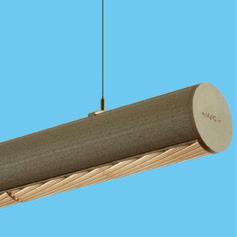
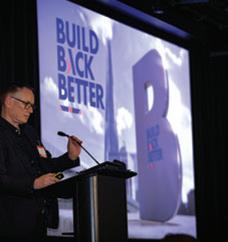
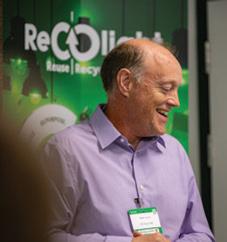
CIRCULAR LIGHTING LIVE 26 will throw down the gauntlet to the Lighting Industry. It will set the vision for the next decade and a half, showing how “business as usual” will be replaced with new business models and technologies, driven by new market and regulatory forces.
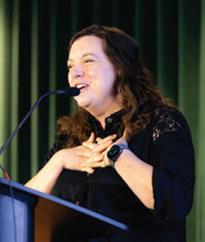
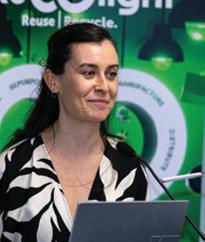



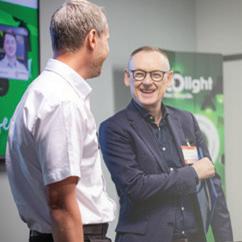


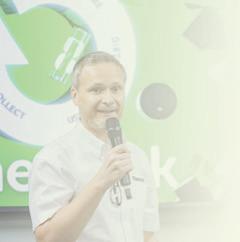

















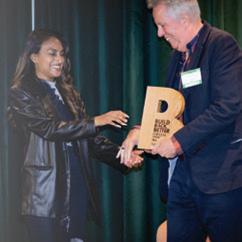
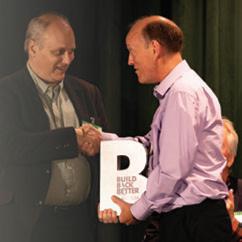
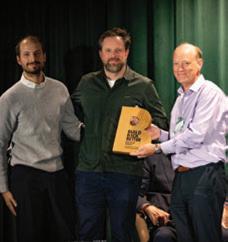
BUILD BACK BETTER AWARDS 26 will take place at Circular Lighting Live, celebrating and rewarding creativity, innovation, social purpose and environmental leadership in lighting.













































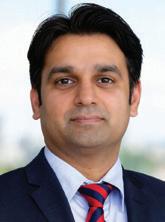
As buildings become smarter, workforce strategies must keep pace, says Vinay Singh, Workforce Transformation Leader for Professional and Business Services at PwC UK

Buildings are becoming more intelligent, more connected and more data driven. Sensors, automation and analytics are now embedded in everyday operations, designed to deliver safer estates, lower energy use and predictive maintenance.
However, for FM and the wider built environment, workforce strategy hasn’t evolved at the same speed as the assets it supports, a disconnect that is becoming one of the most material risks facing the sector.
Demand for services remains strong, while client expectations continue to rise, not just around outcomes but around transparency and technology-enabled delivery. Facilities management is still working on thin margins and costs remain predominantly headcount led, yet across service providers, it’s di icult to see much change from traditional operating models. Innovation o en stems from providers finding ways to extract value from existing assets, for example, repurposing night-time security infrastructure for daytime health and safety use.
With persistent labour shortages, tighter immigration policies and rising costs, workforce strategy is a critical lever for addressing these challenges.
What I increasingly hear from leadership teams is not an ambition to do more with less, but a recognition that they must do more with the same. Scaling corporate and management layers alongside every contract win is neither a ordable nor sustainable.
The organisations navigating this well are rethinking how growth is achieved, using
technology to reduce the marginal cost of expansion and to protect narrow margins.
Before AI, automation or smart workflows can deliver value, organisations need to address a more fundamental challenge - fragmented core systems.
Across the sector, it’s common to see disjointed platforms across business units such as HR, finance and workforce planning. The impact is felt on the ground, and most acutely by operational leaders. Account managers and supervisors spend a disproportionate amount of time manually collating data, reconciling timesheets and stitching together payroll and billing processes.
Modernising these foundations isn’t glamorous, but it is transformative and it is necessary. Integrated, digitised back o ice processes free up management time, reduce errors and provide the operational insight that leaders require.
This fragmentation extends into financial decision-making. In many organisations, Capital and Operating Expenditure budgets are still managed in isolation. Teams are simply not having the right conversations at the right times. The result? Missed opportunities - especially around building energy e iciency, where investment can o en deliver operational savings within short payback periods. Only once you fix the plumbing, does more advanced capability start to pay o .
There is no shortage of experimentation with AI across the sector. But the biggest returns aren't
coming from isolated use cases or standalone tools. The real shi happens when intelligence is embedded into the service delivery model itself, not just layered on top.
That means orchestration that works across systems and agents rather than alongside themconnecting HR, operations, finance, health & safety and client delivery into a seamless and productive workflow.
One major UK facilities business is taking this approach across its 17,000-strong frontline workforce, modernising HR and payroll on a single platform to support both employee experience and long-term growth. The outcome is a frictionless experience in areas like onboarding new clients and mobilising teams with the right skills and certifications.
However, leaders are aware that regulation can limit how far these e iciencies go. Planned Preventative Maintenance, (PPM) for example, is still largely time-based, meaning predictive approaches are o en additive rather than substitutive.
Another challenge is the assumption that every employee experiences work in the same way. A more e ective approach starts by recognising distinct workforce needs and segmenting accordingly.
Frontline workers prioritise accuracy, safety and reliability, from the clear designation of shi s to the correct approach to compliance. For them, simplicity matters more than sophisticated interfaces.
But the same isn’t true for account managers, operational directors and supervisors. These individuals manage client relationships and translate strategy into delivery. Retaining and upskilling them is fundamental for futureproofing.
Alongside that, ongoing workforce pressures can’t be ignored. Churn across the sector remains high so creating a reason for people to stay is critical not just for retention, but for enabling sustainable, organic growth.
This is a fragmented industry facing consolidation, increased scrutiny and rising client expectations. To keep up with the pace of change, many organisations are looking to demonstrate scalability, resilience and operational maturity. The real winners will be those who e ectively rethink their workforce, embed intelligence and integrate their approach.
Smart buildings are already setting the pace. Whether the sector can fully capitalise on that opportunity will depend on whether workforce strategy evolves just as quickly. Because in the next phase of growth, it won’t be the smartest buildings that win; it will be the smartest workforces behind them.
Do you run a heat network or charge residents for heat?
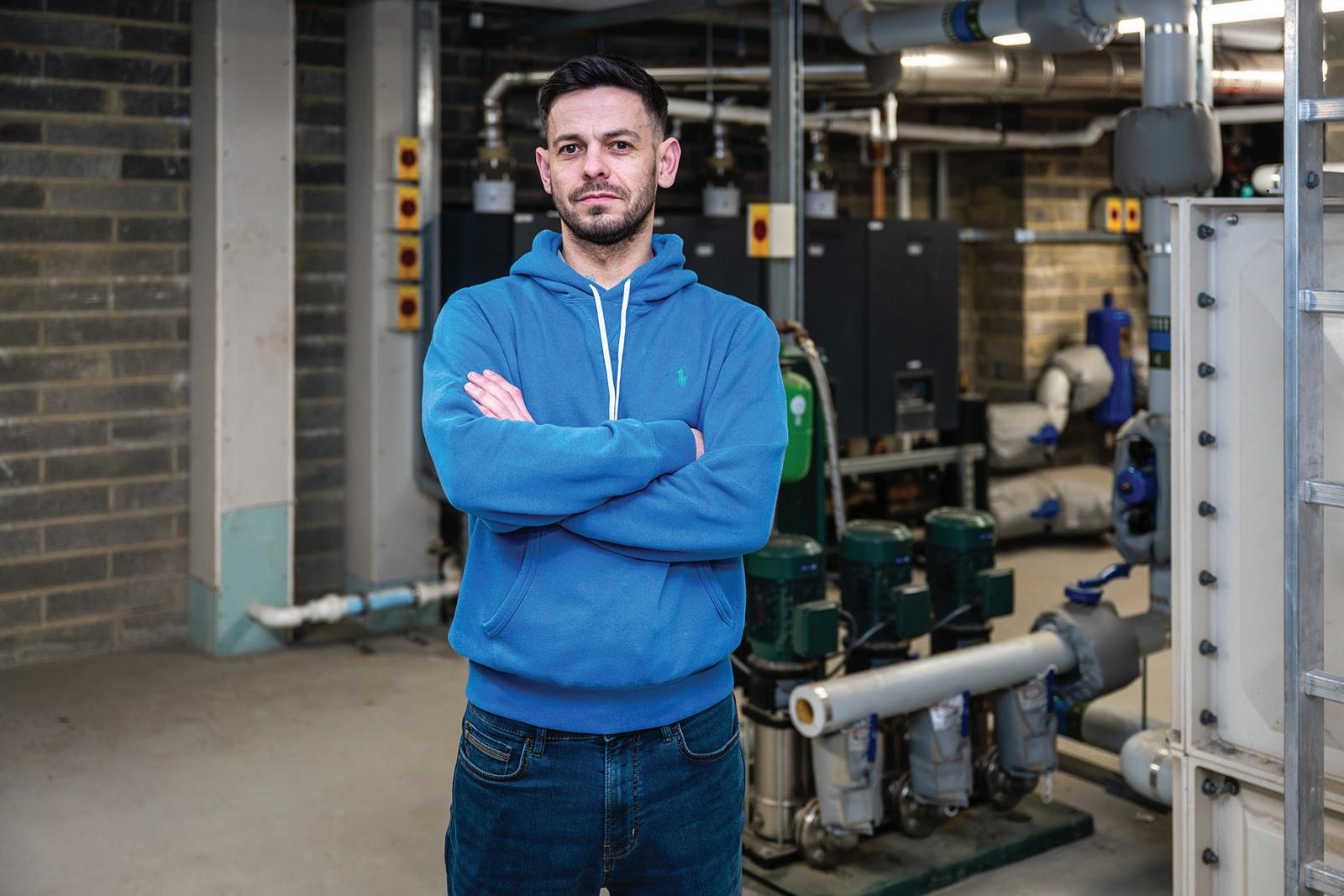
The deadline to register your heat network with Ofgem is 26 January 2027
If you operate or supply heat to a heat network, you are required to register using our digital service.
Registering now means you meet your regulatory requirements ahead of the deadline.
To register, search: ‘Comply with heat networks consumer protection regulations’ at www.ofgem.gov.uk



ightning protection is o en regarded as something of a ‘dark art’ and a bit of an a erthought in building maintenance until the annual test and inspection date arrives. Yet upon completion of the test, how many facilities managers receive their lightning protection test report back marked as a FAIL? This can be frustrating, especially when the previous contractor had issued a pass, yet no changes have been made.
Before accepting any remedial works, it is important to understand exactly why an item has been identified as non-compliant and what the proposed work is intended to address.
One of the most common recommendations seen during inspections is the bonding of roo op plant and metallic services. The general assumption is that all metallic items and services automatically require bonding into the lightning protection system (LPS), but that is not that straightforward. This is a ‘throwback’ from the previous standard BS 6651, which was in use from 1985 until it was o icially withdrawn in 2008.
The current standard of LPS now looks at ways of creating ‘zones of protection’ for such items rather than connecting everything to the system. Bonding should be a last resort and only used when the required separation distance cannot be achieved. Separation distance is the minimum physical distance that should be maintained between an item of equipment and lightning conductors to reduce damage from dangerous lightning energy.
Bonding every piece of plant into the LPS can
increase the risk of damage to the equipment and become a major fire risk to the structure, whereas creating a zone of protection with air terminals is a much safer and recommended approach, as per the latest standard for lightning protection: BS EN IEC 62305.
Other Frequently Identified Issues Include:
Continuity problems where metallic cladding, capping, handrails or roof metalwork, such as lead, have been utilised as part of the system.
Corroded joints and test clamps.
Waterlogged or inaccessible inspection chambers. High earth resistance readings.
Another important consideration is the standard to which your system was installed, and whether it meets modern-day requirements and safety considerations. Older legacy systems are only ever tested to the standards of installation at the time they were installed.
This means that you could receive a pass certificate claiming compliance with an older standard; however, your structure, occupants, and/or electrical infrastructure are not necessarily protected by today’s standards. This is an important distinction to make.
Some of the most common examples of this can be:
Buildings with no surge protection.
Buildings with an inadequate number of conductors.
Buildings without the use of air terminals for the protection of sensitive roo op equipment.
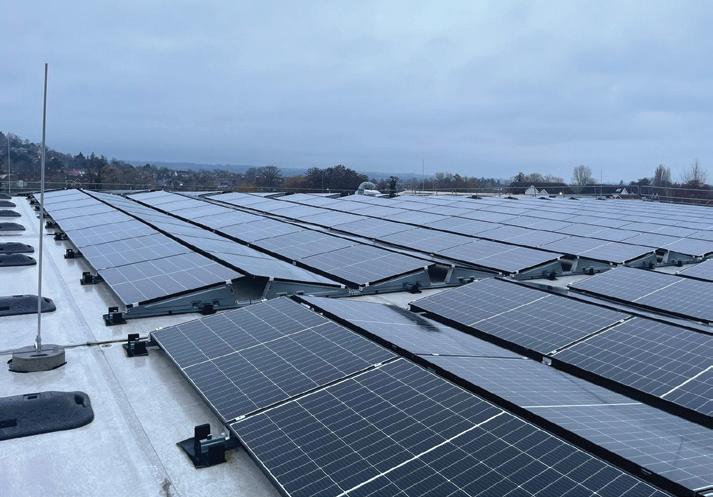
Structures evolve over time, therefore the LPS may need to be re-evaluated to fit the building’s needs. One such evolution is the addition of PV Solar arrays at roof level. These are o en installed a er the original LPS and are at risk of direct strike. Bonding alone will not necessarily protect them from damage, and they should be protected via a series of air terminals.
The key question that facilities managers should be asking their LPS provider should not be: “Has my system passed inspection?” Instead,
https://downtoearthgroup.co.uk
they should ask: “Does my LPS provide adequate protection for my building, its occupants and its critical equipment?”
Some buildings may also have ESE (Early Streamer Emission) systems installed. These are essentially large metallic poles installed at roof level, which are claimed to provide enhanced protection without the need for extensive roof conductors and down conductor networks.
However, it is important to note that these systems are not recognised under British Standards, and your building may not meet its insurance obligations in the event of a lightningrelated incident.
Not every remedial flagged within an inspection report carries the same level of risk, and understanding the di erence can help facilities managers make informed decisions.
Some may find actual flaws, such as corroded test joints, damaged components, or continuity issues that have an impact on the system’s performance. Others might be more superficial or not required at all, especially if a new system is being tested using outdated criteria from older standards. Understanding the reasoning behind recommendations allows maintenance budgets to be prioritised e ectively, while guaranteeing that genuine issues are addressed appropriately.
Lightning protection systems are designed and put in place to intercept lightning energy and channel it safely to the ground, where it can be dissipated. These do the following: Prevent structural damage.
Reduce fire risk.
Protect occupants.
Safeguard electrical systems.
Maintain business continuity.
The objective of inspection and testing should extend beyond tick-box compliance, and instead, it should provide the building manager with confidence that the system continues to protect the building, its occupants and its critical infrastructure in the way it was intended.

The cleaning sector is set to be one of the most a ected by the advances of AI. Lucy Lloyd, Chief Services O cer of Kingdom Cleaning describes how the workforce can adapt
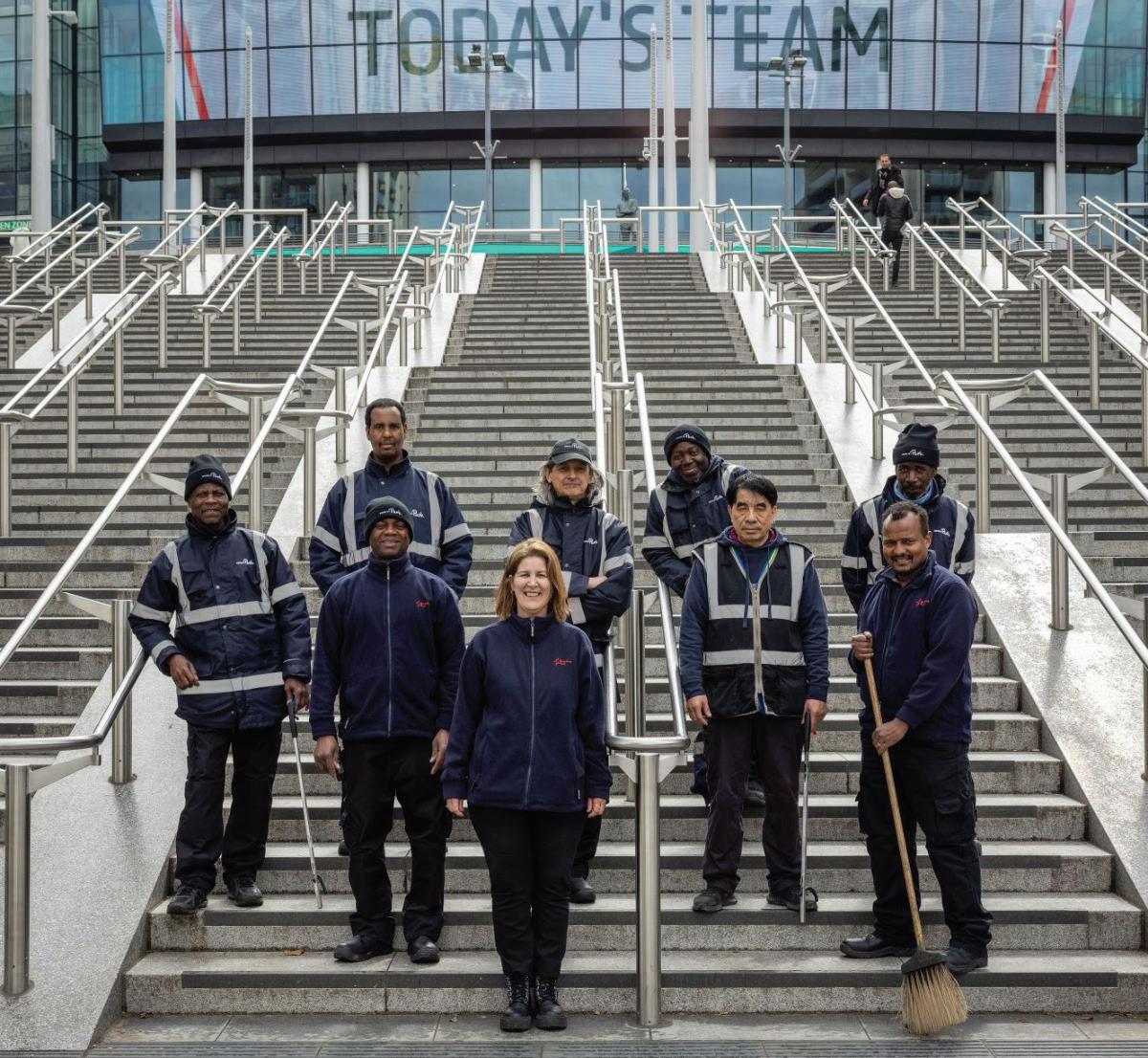
The digital landscape is continually evolving. To maximise its benefits, it’s crucial as employers that we ensure our teams keep pace with the speed of change and feel confident about what the future of work may look like.
As more firms adopt AI tools, the cleaning sector is expected to be one of the workforces most a ected. Successful implementation must therefore start with building sta confidence in digital ways of working. While in the past, many roles within our industry were defined by physical input, repetitive schedules and manual tools, this is quickly changing. The introduction of data-led operations, utilising AI sensors and autonomous machines, is set to change the day-today repetitive duties of many junior roles. This means a significant portion of the workforce will shi towards
managing machinery and interpreting data rather than manual in-put on a pre-agreed timetable.
To adapt to this shi , upskilling our hygiene sta is therefore an integral part of this new way of working. We want sta to feel confident and able to take charge of their routine, and go where the data tells them, not just be handed a list by head o ice. If we fail to implement AI under these auspices it will not bring the advantages we hope to see in our sector.
In practice, this means organisations are going to have to upskill their teams without delay. According to the Standford HAI 2026 AI Index Report, AI usage will reach 53 per cent of the global population within the next three years. To put this into perspective, the internet took seven years to hit similar
levels and personal computing took 15. This means, whether we like it or not, AI models and their use in the workplace are here to stay – so it’s imperative we ensure all sta feel ready and capable to make full use of the benefits on o er.
Hygiene professionals need to receive education on everything from automation to data interpretation. Digital upskilling is not something we should be taking lightly, it should be a priority for all firms wanting to adapt and keep up with this datadriven progression. By taking this change in our stride, we are showing our colleagues that AI is not something to fear but rather a powerful tool that can aid us in proving our clients’ pristine services.
The cleaning industry, which employs roughly 1.51 million people across the UK (Policy Bee), has a higher proportion of workers over 55 than the broader UK average and cleaning sta hold lower levels of formal qualifications compared to the wider economy.
This may create challenges for firms wanting to upskill workers, who are wary to both embrace new technology and gain further education or qualifications later in life. It’s a challenge we must tackle head on, by developing internal training, setting aside time during the working week to learn these new skills and systems.
While this could create short-term impacts on immediate business needs, it’s important to view upskilling as a long-term investment. Many hygiene professionals will have performed
their roles with extensive manual input for many years, and it’s important to understand how extensive a shi AI ways-of-working will be.
Employers must understand this and be ready to shi long held perceptions or trepidation from teams. The organisations that guide their teams will adapt to this technology much quicker and smoother.
AI is quickly transforming our industry and the roles within it. Not only will firms be able to perform tasks with more e iciency and e ectiveness, but deliver higher-quality, more accurate services for our clients that is supported by real-life data.
For our cleaning sta , AI integration means a move away from repetitive routine tasks and this digital knowledge creates specialised and technical roles for our colleagues, who can now dedicate themselves to automation and data interpretation. With this upskilling we’re building a workforce of hygiene professionals who hold a wider expertise, have a stronger sense of purpose and professionalism, and greater confidence. As a result, we’ve seen how work satisfaction and sta retention are boosted across the board.
The opportunities AI presents for our sector are endless; this data revolution has only just begun. As employers, our commitment to upskilling our colleagues is therefore a vital leverage to access these new prospects and completely optimise the way we work. Both the speed and scale of AI integration mean this is something we can’t a ord to get wrong. We’re going where the data leads us and simultaneously creating a new type of hygiene professional, one armed with human technical precision and digital know-how.











@matrixbooking New research names office chatter as the UK’s biggest productivity challenge. The fix isn’t less collaboration; it’s giving people the right space at the right time.
@BritSafe British Safety Council held its annual Gala Dinner on 19 June in London to celebrate the winners of its International Safety Awards 2026. This is the 68th year the awards have taken place and the 66th year of a gala dinner.
https://ow.ly/BjM650ZfR3X

@mitie Celebrating International Women in Engineering Day! From breaking barriers to building the future, women in engineering continue to drive innovation, and lead with resilience. As the UK’s leading facilities management provider, we’re kickstarting careers with training and apprenticeships to inspire the next generation of talent. Want to know how we are empowering our people? Discover more > https://mitie.com/ about-us/culture/apprenticeships/
@theCIOB Signing CIOB’s Diversity & Inclusion Charter gives you a clear framework and practical actions you can start using today to make your workplace fairer and more inclusive. Find out more: https://brnw.ch/21x3px9
@VertasGroup Our Charity Golf Day returned on 17th June, bringing together 65 golfers from 14 businesses for a day of friendly competition and networking, raising over £2,300 for @CR_UK. Thank you to our sponsors and everyone who supported the event. Read more: https:// bit.ly/4vqiJaw

@WORKTECHAcademy WORKTECH Academy was at WORKTECH26 Berlin this week. From wayfinding and neuroscience to Bayer’s ownership model and SPS’s State of the Workplace findings. A strong day at @EdgeTech_ Friedrichspark.
@SodexoGroup Sodexo extends and grows its #workplace experience and sustainable food services with @nokia in EMEA and China for a further three years.
https://bit.ly/4wf5iKv

Facilities Management has traditionally been viewed as a male dominated industry, and while progress has undoubtedly been made over the years, there is still a long way to go when it comes to creating truly inclusive spaces for women to thrive.
Having worked within FM for nearly four years, I have personally experienced both the challenges and opportunities that come with being a woman in the sector. In that relatively short time, I have seen how talented and ambitious women are helping to transform the industry by bringing empathy, innovation, collaboration and fresh thinking into spaces that have historically lacked diversity.
One thing that still stands out to me is the lack of genuine networking opportunities specifically designed for women in FM.
Many industry events remain heavily male dominated, which can feel intimidating for women entering the sector or even those already established within it. I have spoken to many women who feel uncomfortable attending networking events alone, worried about not being taken seriously or simply feeling out of place in environments where they are vastly outnumbered.
What is even more surprising is that, historically, some “women in FM” events have themselves been organised predominantly by men. While o en well intentioned, it highlights a wider issue within the industry. Women still don’t have ownership of conversations surrounding their own progression and professional development.
This is one of the reasons I am so passionate about mentoring and inspiring the next generation of women entering facilities management. Representation matters enormously. Seeing women in leadership roles, women speaking confidently within the industry and women supporting one another creates a ripple e ect that encourages others to step forward and believe there is space for them too.
At the same time, I believe it is equally important to provide safe and supportive spaces where women can network comfortably, share experiences openly and support one another without feeling judged or overlooked. Having a trusted community around you can make an enormous di erence, particularly within industries that have historically been male led.
One of the biggest strengths women bring to FM is collaboration as it’s fundamentally

a people focused industry aimed at creating environments where people can work, thrive and feel supported. Women o en bring exceptional communication skills, emotional intelligence and relationship building abilities that are hugely valuable within client facing, operational and leadership roles alike.
The industry itself has evolved significantly in recent years. More women are stepping into senior positions, more businesses are recognising the importance of diversity and inclusion, and conversations around wellbeing and workplace culture are becoming far more prominent. Social media and professional platforms have also made it easier for women across the sector to connect, share knowledge and build supportive communities.
However, there is still more progress to be made. The industry needs continued investment in female leadership development and mentorship opportunities. Businesses need to ensure women are represented not only in support functions, but also in strategic and decision-making positions. More inclusive networking opportunities and women led communities would also provide invaluable support for both established professionals and those entering the industry for the first time.
I genuinely believe the future of facilities management is changing for the better.
The next generation of women entering the industry are ambitious, innovative and eager to make meaningful change. FM o ers an incredible career path with opportunities to lead, influence and shape workplaces and experiences in a very tangible way.
By continuing to create supportive spaces and empowering women to lead and connect with one another, we can help shape an industry that is not only more diverse, but stronger because of it.
As facilities management teams face growing pressure to deliver safe, efficient and responsive services, bodyworn cameras are becoming an increasingly valuable tool across frontline operations.
As facilities management teams face growing pressure to deliver safe, efficient and responsive services, bodyworn cameras are becoming an increasingly valuable tool across frontline operations.
As facilities management teams face growing pressure to deliver safe, efficient and responsive services, bodyworn cameras are becoming an increasingly valuable tool across frontline operations.
As facilities management teams face growing pressure to deliver safe, efficient and responsive services, bodyworn cameras are becoming an increasingly valuable tool across frontline operations.
As facilities management teams face growing pressure to deliver safe, efficient and responsive services, bodyworn cameras are becoming an increasingly valuable tool across frontline operations.
From security and reception teams to mobile engineers and lone workers, FM professionals often operate in public-facing environments where incidents involving aggression, anti-social behaviour or conflict can escalate quickly. In these situations, body-worn cameras provide more than just video evidence - they offer reassurance, accountability and protection.
From security and reception teams to mobile engineers and lone workers, FM professionals often operate in public-facing environments where incidents involving aggression, anti-social behaviour or conflict can escalate quickly. In these situations, body-worn cameras provide more than just video evidence - they offer reassurance, accountability and protection.
From security and reception teams to mobile engineers and lone workers, FM professionals often operate in public-facing environments where incidents involving aggression, anti-social behaviour or conflict can escalate quickly. In these situations, body-worn cameras provide more than just video evidence - they offer reassurance, accountability and protection.
From security and reception teams to mobile engineers and lone workers, FM professionals often operate in public-facing environments where incidents involving aggression, anti-social behaviour or conflict can escalate quickly. In these situations, body-worn cameras provide more than just video evidence - they offer reassurance, accountability and protection.
visibility of incidents and trends, organisations can identify recurring issues, improve training and make better-informed decisions.
visibility of incidents and trends, organisations can identify recurring issues, improve training and make better-informed decisions.
visibility of incidents and trends, organisations can identify recurring issues, improve training and make better-informed decisions.
visibility of incidents and trends, organisations can identify recurring issues, improve training and make better-informed decisions.
visibility of incidents and trends, organisations can identify recurring issues, improve training and make better-informed decisions.
From security and reception teams to mobile engineers and lone workers, FM professionals often operate in public-facing environments where incidents involving aggression, anti-social behaviour or conflict can escalate quickly. In these situations, body-worn cameras provide more than just video evidence - they offer reassurance, accountability and protection.
The visible presence of a body-worn camera can act as a powerful deterrent, helping to de-escalate confrontational situations before they become more serious. When incidents do occur, clear video footage provides an accurate record of events, supporting investigations, incident reporting and compliance requirements.
The visible presence of a body-worn camera can act as a powerful deterrent, helping to de-escalate confrontational situations before they become more serious. When incidents do occur, clear video footage provides an accurate record of events, supporting investigations, incident reporting and compliance requirements.
The visible presence of a body-worn camera can act as a powerful deterrent, helping to de-escalate confrontational situations before they become more serious. When incidents do occur, clear video footage provides an accurate record of events, supporting investigations, incident reporting and compliance requirements.
The visible presence of a body-worn camera can act as a powerful deterrent, helping to de-escalate confrontational situations before they become more serious. When incidents do occur, clear video footage provides an accurate record of events, supporting investigations, incident reporting and compliance requirements.
When integrated with mission-critical communication devices, body-worn cameras become part of a connected operational ecosystem - enabling real-time communication, faster response and enhanced situational awareness across multiple sites.
When integrated with mission-critical communication devices, body-worn cameras become part of a connected operational ecosystem - enabling real-time communication, faster response and enhanced situational awareness across multiple sites.
When integrated with mission-critical communication devices, body-worn cameras become part of a connected operational ecosystem - enabling real-time communication, faster response and enhanced situational awareness across multiple sites.
When integrated with mission-critical communication devices, body-worn cameras become part of a connected operational ecosystem - enabling real-time communication, faster response and enhanced situational awareness across multiple sites.
When integrated with mission-critical communication devices, body-worn cameras become part of a connected operational ecosystem - enabling real-time communication, faster response and enhanced situational awareness across multiple sites.
The visible presence of a body-worn camera can act as a powerful deterrent, helping to de-escalate confrontational situations before they become more serious. When incidents do occur, clear video footage provides an accurate record of events, supporting investigations, incident reporting and compliance requirements.
Beyond safety, body-worn cameras also help improve operational performance. By giving managers greater
Beyond safety, body-worn cameras also help improve operational performance. By giving managers greater
Beyond safety, body-worn cameras also help improve operational performance. By giving managers greater
Beyond safety, body-worn cameras also help improve operational performance. By giving managers greater
Beyond safety, body-worn cameras also help improve operational performance. By giving managers greater
At Apex Radio Systems, we help facilities management providers deploy technology that protects people, strengthens accountability and supports smarter operations.
At Apex Radio Systems, we help facilities management providers deploy technology that protects people, strengthens accountability and supports smarter operations.
At Apex Radio Systems, we help facilities management providers deploy technology that protects people, strengthens accountability and supports smarter operations.
At Apex Radio Systems, we help facilities management providers deploy technology that protects people, strengthens accountability and supports smarter operations.
At Apex Radio Systems, we help facilities management providers deploy technology that protects people, strengthens accountability and supports smarter operations.
Because safer teams deliver better outcomes.
Because safer teams deliver better outcomes.
Because safer teams deliver better outcomes.
Because safer teams deliver better outcomes.
Because safer teams deliver better outcomes.

Scan QR to learn more
Scan QR to learn more
Scan QR to learn more
Scan QR to learn more
Scan QR to learn more
Apex Radio Systems
Apex Radio Systems
Apex Radio Systems
Apex Radio Systems
Apex Radio Systems
Trusted experts in mission-critical
Trusted experts in mission-critical communications and body-worn video www.apexradio.co.uk • info@apexradio.com • 0191 228 0466
Trusted experts in mission-critical communications and body-worn video www.apexradio.co.uk
Trusted experts in mission-critical communications and body-worn video www.apexradio.co.uk • info@apexradio.com
Trusted experts in mission-critical communications and body-worn video www.apexradio.co.uk • info@apexradio.com • 0191 228 0466

sites nationwide.
Body-worn cameras have become a vital tool for protecting frontline teams, improving accountability and enabling faster, more informed responses.
Body-worn cameras have become a vital tool for protecting frontline teams, improving accountability and enabling faster, more informed responses.
Body-worn cameras have become a vital tool for protecting frontline teams, improving accountability and enabling faster, more informed responses.
Body-worn cameras have become a vital tool for protecting frontline teams, improving accountability and enabling faster, more informed responses.
Body-worn cameras have become a vital tool for protecting frontline teams, improving accountability and enabling faster, more informed responses.
Phil Wynne
Phil Wynne

Compact protection for everyday frontline


Phil Wynne Business Development Manager
Business Development Manager
Phil
Phil Wynne Business Development Manager
smarter response.
Proven evidence capture for critical incidents.
Business Development Manager
Apex Radio Systems
Apex Radio Systems
Apex Radio Systems
Apex Radio Systems
Wynne Business Development Manager Apex Radio Systems
intelligence for faster, smarter response. Proven evidence capture for critical incidents. ✓ Lightweight & discreet ✓ Simple one-touch recording ✓ Ideal for customerfacing teams ✓ LTE-enabled live streaming ✓ Remote activation ✓ Real-time situational awareness ✓ Rugged & reliable ✓ Crystal-clear HD footage ✓ Proven frontline performance
✓ Lightweight & discreet
✓ Simple one-touch recording
✓ Simple one-touch recording
✓ Ideal for customerfacing teams
✓ Ideal for customerfacing teams
✓ LTE-enabled live streaming
✓ LTE-enabled live streaming
✓ Remote activation
✓ Remote activation
✓ Real-time situational awareness
✓ Real-time situational awareness
✓ Rugged & reliable
✓ Rugged & reliable
✓ Crystal-clear HD footage
✓ Crystal-clear HD footage
✓ Proven frontline performance
✓ Proven frontline performance
Proven frontline performance
info@apexradio.com
35+ years supporting safety-critical operations across the UK


A series of recommendations by the Climate Change Committee (CCC) includes calls for a national maximum temperature for workplaces to protect workers’ safety and incentivise the deployment of cooling. How can this and other measures help FMs respond to rising UK temperatures?
periods of hot weather and consider whether additional controls are needed. Attention should be paid to vulnerable workers, including pregnant employees, older workers, those with underlying health conditions and employees undertaking physically demanding tasks.
Simple adjustments can make a significant di erence. Allowing more frequent rest breaks, providing access to cool drinking water, rotating physically strenuous duties and scheduling demanding work for cooler parts of the day can help reduce the risk of heat-related illness. Where possible,
In FMJ's regular monthly column, our team of FM experts answer your questions about the world of facilities management
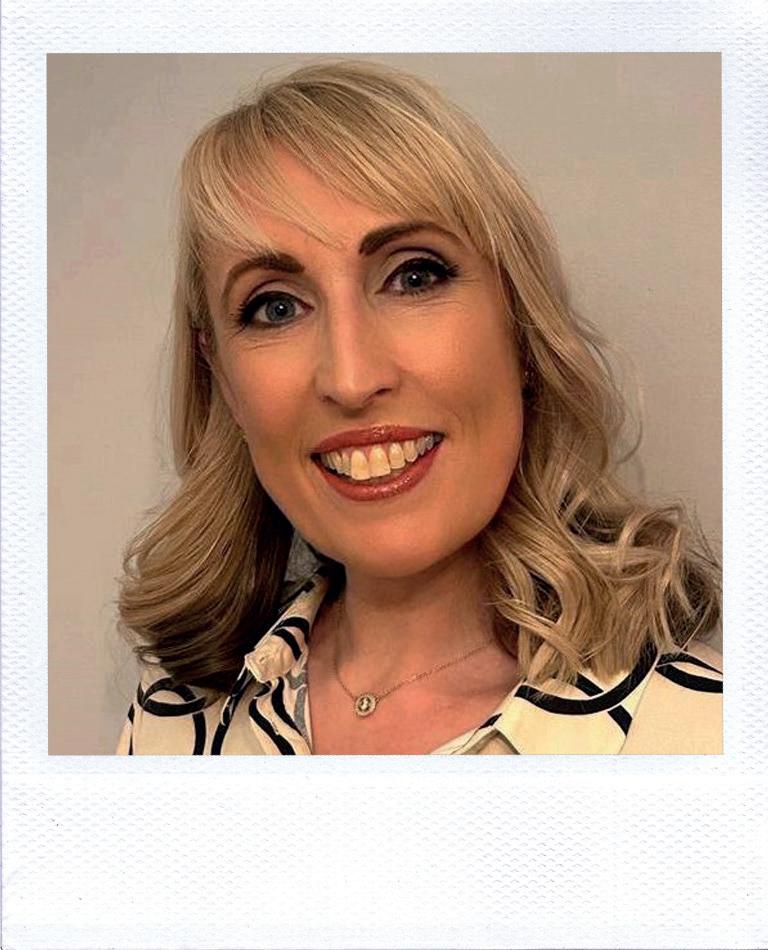
TRACEY BURKE, SENIOR HR CONSULTANT, WORKNEST
As UK summers become hotter and more frequent heatwaves become the norm, employers are increasingly having to think beyond air conditioning and building management when considering their response to rising temperatures. The Climate Change Committee's recommendation for a national maximum workplace temperature has reignited debate about how organisations can better protect employee health, safety and wellbeing in hot conditions.
employers should also consider o ering greater flexibility around working hours or enabling hybrid and remote working arrangements during extreme weather events.


While there is currently no legal maximum workplace temperature in the UK, employers already have a duty to ensure, so far as is reasonably practicable, the health, safety and welfare of their workforce. Introducing a maximum temperature threshold could provide greater clarity for employers and employees alike, helping organisations assess risks more consistently and encouraging investment in cooling measures where necessary.
However, temperature limits alone are unlikely to be enough. E ective heat management requires a broader, risk-based approach that recognises that di erent employees, roles and workplaces will be a ected in di erent ways. Facilities teams play a vital role in maintaining comfortable working environments through ventilation, shading, cooling systems and building design, but HR policies and people management practices are equally important.
Employers should review workplace risk assessments during

Dress codes are another area where employers can demonstrate a practical and proportionate response. Many organisations already relax requirements during hot weather, allowing lighter clothing while maintaining appropriate standards of professionalism and safety. This can improve comfort and productivity without creating operational challenges.
Communication is equally important. Employees should understand the signs of heat stress, dehydration and heat exhaustion. They should know how to report concerns and feel confident that any issues raised will be taken seriously. Managers should be trained to recognise when sta may be struggling and empowered to make reasonable adjustments where necessary.
Ultimately, the conversation around maximum workplace temperatures should be viewed as part of a wider adaptation strategy. Rising temperatures are not a temporary challenge but a long-term workplace issue. Organisations that combine physical workplace improvements with flexible people policies, clear communication and robust risk assessment processes will be better placed to protect employee wellbeing, maintain productivity and meet their legal obligations as the UK's climate continues to change.
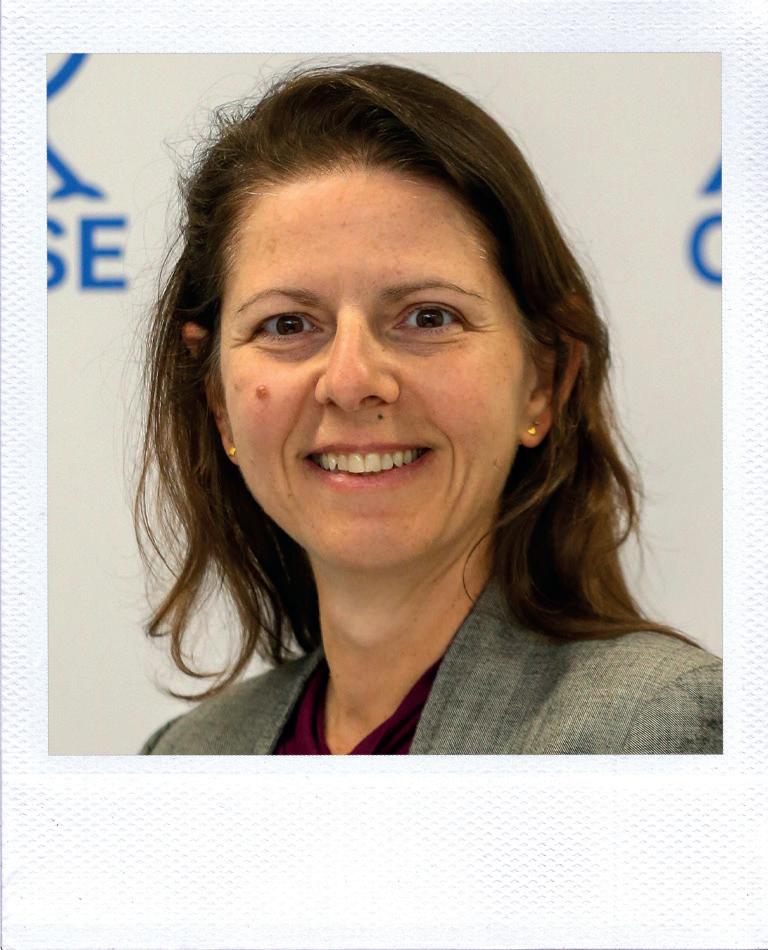
DR ANASTASIA MYLONA, TECHNICAL DIRECTOR, CIBSE
The Climate Change Committee's recommendation for a national maximum workplace temperature reflects a growing reality: overheating in buildings is no longer a future risk but a current challenge that a ects occupant health, wellbeing, comfort and productivity.
Setting an upper thermal comfort limit, however, presents
a significant challenge.
Thermal comfort is shaped by a complex interaction of environmental, physiological, behavioural and psychological factors. People’s tolerance to heat varies depending on age, health status, activity level, clothing, acclimatisation and cultural expectations, meaning a single temperature threshold cannot adequately represent all occupants. In addition, adaptive opportunities such as opening windows, adjusting clothing or using fans can significantly influence perceptions of comfort and acceptability.


Climate change further complicates this picture, as populations are increasingly exposed to higher outdoor temperatures and more frequent heatwaves, shi ing expectations as well as increasing health risks. As a result, defining an upper thermal comfort limit requires balancing occupant comfort, health protection, energy e iciency and resilience, while recognising the diversity of building types and occupant vulnerabilities. This makes universally applicable overheating criteria both technically complex and highly context dependent.
For facilities managers, measures such as workplace temperature thresholds can help raise awareness of overheating risks and encourage proactive action to improve building resilience. However, the response should not be limited to increasing the use of conventional air conditioning.



UK buildings are increasingly having to cope with temperatures they were never originally designed for. While introducing a maximum temperature threshold would help protect occupant wellbeing and productivity, it should also serve as a catalyst for organisations to assess whether their existing cooling infrastructure can meet future demands.





A key first step is reviewing the findings of the building's most recent TM44 air conditioning inspection. If recommendations or required actions were identified, it is important to establish whether these have been implemented. TM44 inspections highlight ine iciencies, control issues or maintenance requirements that can significantly a ect cooling performance during periods of hot weather.



For facilities managers, measures such as workplace temperature thresholds can help raise awareness of overheating risks and encourage proactive action to improve building resilience. However, the response should not be limited to increasing the use of conventional air conditioning.”
DrAnastasiaMylona

While cooling technologies will undoubtedly play an important role in some settings, particularly where vulnerable occupants are involved, an overreliance on air conditioning risks increasing electricity demand and costs. This places additional pressure on energy infrastructure during peak summer periods and contributes to the urban heat island e ect.
The most e ective approach is to prioritise reducing overheating risk at source, through a fabric-first, passive and whole-system strategy. This includes measures such as solar shading, e ective ventilation, thermal mass, improved building operations, urban greening and the use of intelligent building controls.
Facilities managers have a key role to play in implementing and optimising these measures across existing building portfolios. Where active cooling is required, the focus should be on highly e icient, low-carbon solutions that provide cooling while supporting the transition to a net zero energy system.


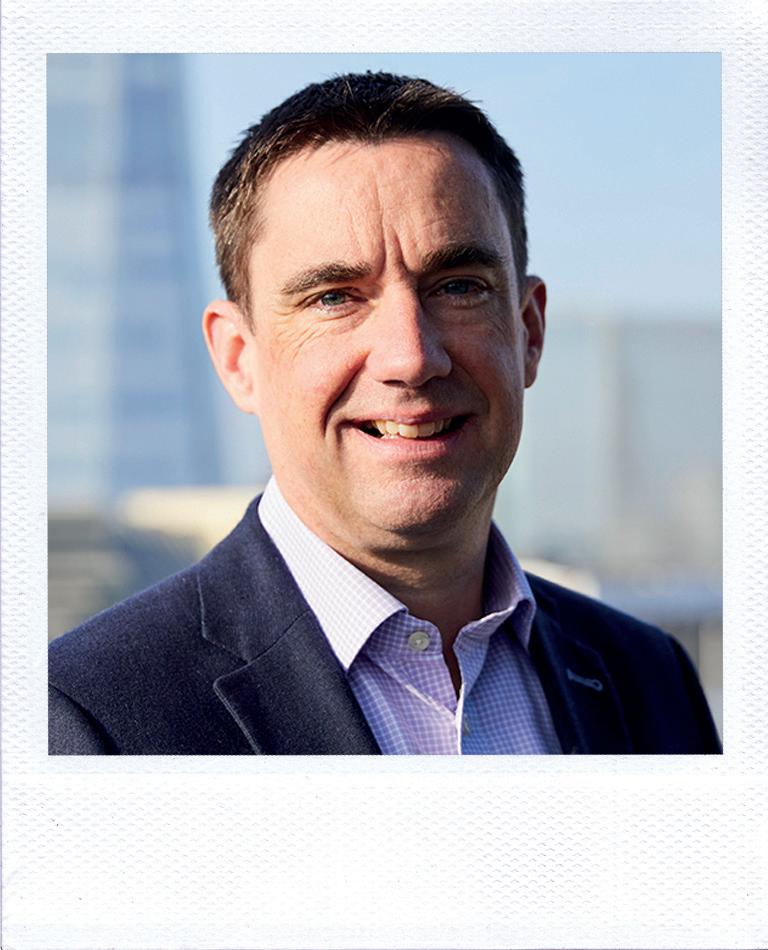
Steve Molloy



during weather.


Rising numbers of complaints about overheating, inconsistent temperatures or poor comfort levels may indicate that systems are no longer operating e ectively or that cooling demand has changed. Facilities managers should investigate whether these issues stem from equipment performance, control strategies or changes within the building. Many buildings have evolved considerably since their HVAC systems were originally installed. Increased occupancy levels, changes to layouts, new IT equipment or repurposed spaces can all alter cooling requirements. Where building usage has changed, it is important to assess whether the HVAC system was appropriately modified and recommissioned to match the new demands.
inconsistent temperatures or poor comfort levels strategies






Systems that were once fit for purpose may now be undersized, ine icient or unable to deliver cooling where it is needed most. Controls are another critical area for review. In many cases, cooling systems are technically capable of meeting demand, but ine ective control strategies prevent them from operating e iciently. Facilities managers should evaluate whether systems are being controlled correctly, ensuring cooling is delivered at the right time, in the right locations and only when required. Optimised controls not only improve occupant comfort but can also reduce energy consumption and operating costs.
Asset lifecycle planning should also form part of the conversation. Understanding how much operational life remains in existing equipment enables facilities managers to develop proactive replacement strategies rather than reacting to failures during extreme weather events. Due to rapid advances in VRV technology in the past 10 years, modern HVAC technologies can deliver significant improvements in e iciency, resilience and
controllability compared to older systems.
Where facilities management companies subcontract air conditioning services, technicians should be properly trained and familiar with the equipment installed within the building. Manufacturer-supported training programmes and accredited partner networks can help ensure systems are maintained, optimised and serviced in line with best practice.
As workplace temperatures continue to rise, regulatory measures may provide an important framework for action. However, the most e ective response will come from facilities managers taking a strategic approach to assessing, optimising and future-proofing their cooling infrastructure today.
Many workers wrongly believe there is a legal maximum temperature for o ices and workplaces in the UK, but employers can still face serious consequences if they fail to keep sta safe as employers still owe a duty of care to their sta . Personally, I have worked in di erent o ices, some with air conditioning and some without air conditioning and surrounded by glass windows. I know which one I prefer. Although employers are not obliged to install air conditioning, the law requires employers to take reasonable steps to ensure the workplace is safe. Heat is a foreseeable risk which employers are expected to manage. Failing to manage the risk can amount to a breach of the Health and Safety at Work Act. Workers should expect employers to take practical steps during heatwaves, including allowing extra breaks and making sure sta can stay cool and hydrated.
claims for disability discrimination. Ultimately, while employers cannot control the weather, there are steps they can take to protect their workforce which not only improves comfort but helps sustain performance during a heatwave.
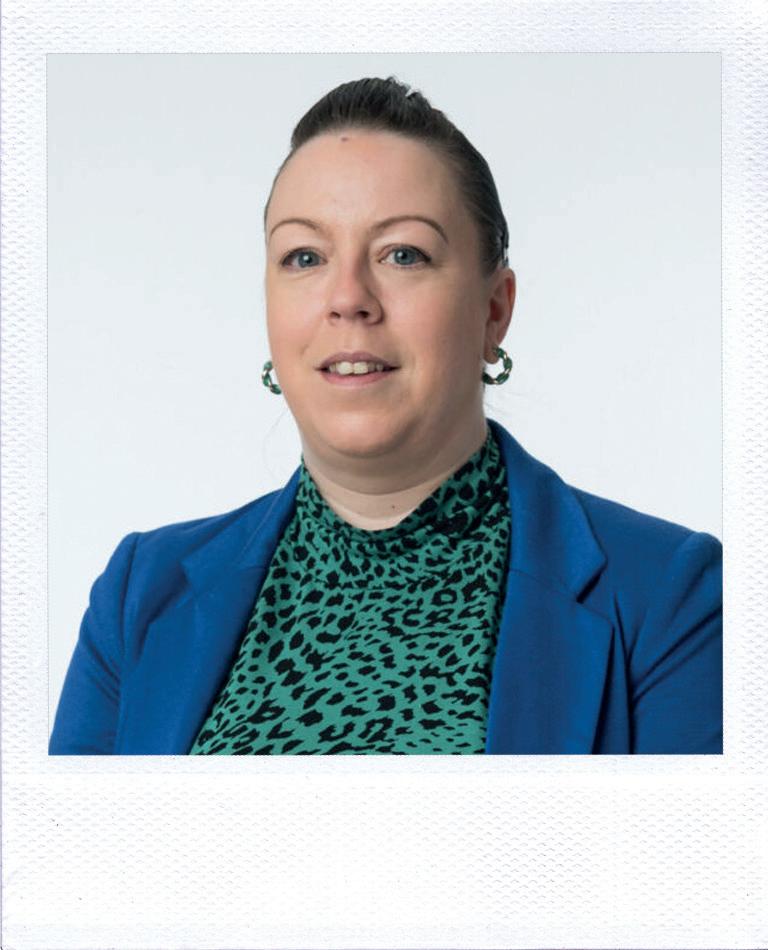
RICHARD BEELY, NATIONAL COMMERCIAL FM MANAGER, WOLSELEY COMMERCIAL FM

Employers must consider carrying out risk assessments regarding hot weather and its impact on their workforce. They should consider ensuring breaks are taken and providing facilities for their workforce to stay hydrated. They should also consider workplace ventilation and providing shelter/shade for outdoor workers. Some employers I have dealt with also consider providing their workforce with free suncream and fans.
Any workers struggling in the heat may also be able to ask for flexible hours or permission to work from home during the hottest parts of the day. To reduce the impact of extreme heat on their workforce, employers may consider making simple, temporary adjustments, such as flexible hours for working during cooler parts of the day or agreeing to requests for working from home.
Duties to protect employees continue even when working from home. Employers should carry out homeworking risk assessments and may consider providing fans for their employees’ homes. In addition, any workers with medical conditions a ected by heat could have extra legal protections if employers fail to make reasonable adjustments. Extreme heat can cause health issues which the employer may be liable for if they have not taken reasonable steps to prevent exposure to the heat. Employees with medical conditions aggravated by heat may require reasonable adjustments, leaving employers at risk of
Protecting both critical assets and, more importantly, people, must be a priority for every facilities manager. When temperatures rise, so do the risks of reduced productivity, system failures and genuine health and safety concerns. This isn’t just about comfort; it’s about safeguarding workplaces and keeping operations running safely and e ectively.

The UK is experiencing more frequent and intense periods of hot weather, and many buildings were not originally designed to cope with prolonged high temperatures. As a result, facilities managers are increasingly being challenged to balance occupant comfort, energy e iciency and operational resilience. The recommendations from the Climate Change Committee are therefore a welcome step towards helping organisations prepare for a future where extreme heat becomes more commonplace.
We need to stop reacting to heat and start planning for it. That means investing in smarter ventilation, e ective cooling strategies, and ensuring buildings are fit for purpose in extreme conditions. However, cooling solutions must also be considered through a sustainability lens. FMs should look to optimise existing systems, improve building controls, reduce solar gain through shading, and ensure HVAC equipment is operating as e iciently as possible before considering more energy-intensive interventions. A proactive approach can improve comfort levels while supporting wider net zero and energy reduction goals.
Above all, it means putting people first. Simple, practical steps - such as adapting working hours, providing access to cooler environments, encouraging regular hydration, and ensuring clear communication around heat-related risks can make an immediate di erence. But without clear direction, these measures risk being applied inconsistently across organisations and sectors.
That’s why strong, unambiguous guidance for employers is critical. A defined maximum workplace temperature sets a clear expectation, removes uncertainty, and forces the right conversations at leadership level. It drives accountability, supports long-term investment in building resilience, and ensures that protecting people is not optional. I fully support stronger regulation in this area. As temperatures continue to rise, we must be equally committed to raising our standards. Protecting our people in extreme conditions isn’t just good practice, it’s non-negotiable.
Do you have a question that you’d like answered by the FMJ Clinic?
Email: sara.bean@kpmmedia.co.uk

















FMJ visits the Royal Liver Building in Liverpool to learn how CBRE has helped transform this iconic o ce building into a thriving multi-purpose destination for occupiers and visitors
One of the most famous o ice buildings in the UK, the Royal Liver Building has been a symbol of the vibrant city of Liverpool since its completion in 1911. But until very recently, it was only accessible to tenants. All that changed when in 2017 CBRE began working on a major project to refurbish its vacant space. Today, the Royal Liver Building (RLB) has evolved into a highly diverse mixed-use destination, combining Grade A o ice accommodation with leisure, hospitality and visitor experiences.
CBRE has managed the property since 2012 and is responsible for both the physical and financial management of RLB as well as playing a key role within the building’s wider asset management strategy. This has required collaboration across multiple specialist CBRE service lines, including O ice Agency, Project Management, Mechanical & Electrical consultancy and Planning.
While previously, occupiers have primarily been drawn from major corporates such as Grant Thornton, Princes Group PLC and BNY Mellon, following the repositioning strategy, o ice space includes smaller, high-quality suites suitable for SMEs and
growth businesses. This has resulted in a more varied occupier profile spanning sectors that include the media, creative industries and aesthetics.
The building is also home to the Royal Liver Building 360 visitor experience, operated by Heritage Great Britain (HGB), which attracts approximately 25,000 visitors annually. This addition, according to Andrew Willoughby, Director of Property Management at CBRE, “demonstrates how heritage assets can successfully diversify income streams through innovative and the sensitive reuse of space”.
The Royal Liver Building was completed in 1911 as the headquarters of Royal Liver Assurance and was one of the first in the world to be constructed with a reinforced concrete frame. It was designed in the Edwardian Baroque style by architect Walter Aubrey Thomas and was the tallest building in Europe at the time of its completion. The Liver Birds, which sit on top of the building’s towers, are one of the most recognised features of the

city’s skyline.
The building remained the head o ice for Royal Liver Assurance until its merger with Royal London Group in 2011. Following the sale of the RLB to Luxembourg-based real estate investment manager Corestate Capital Holding in 2017, CBRE began working on a refurbishment programme which over a three-year period transformed the property into a modern o ice building which also serves as a tourist destination.
In 2025, Princes Group PLC, one of the UK’s leading food and drink groups and a building tenant, announced its purchase of the building as part of a £60 million investment programme. Founded more than 145 years ago in Liverpool, Princes Group PLC has occupied space within the Royal Liver Building since 1982, and the acquisition was intended to reinforce the company’s deep-rooted connection to the city and its long-term commitment to the region.
The purchase also formed a key part of a broader real estate plan that focuses
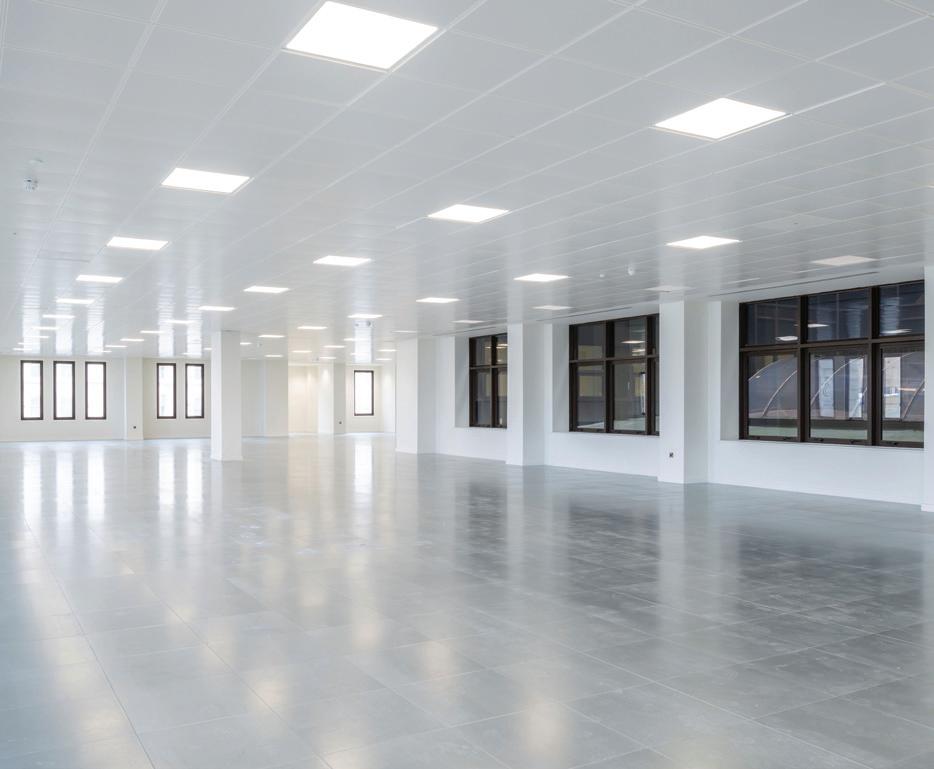
You don’t have to work in the Royal Liver Building to experience it now. It can be used as a place to come and meet friends or colleagues for coworking and with refreshments and accessible Wi-Fi available this has become a popular spot.”
primarily on owner occupation, utilising operational assets to support the long-term needs of the business.
By serving as the company’s corporate headquarters, the o ices will continue to evolve as a workplace destination for Princes Group PLC’ 400-plus employees, with a growing emphasis on collaboration, events and wider public engagement.
The 2020 refurbishment programme opened previously inaccessible spaces to the public for coworking and meetings culminating in the regeneration of a vacant area that spans approximately 4,850 sq. , to cover the basement, ground, mezzanine and first floor levels, set around the east atrium lightwell.
Because the refurbishment has successfully connected the eastern and western entrance spaces, visitors can now access the building from the East Wing as well as the West Wing which overlooks the River Mersey and which until 2020, was the public’s only access point. This has resulted in the huge transformation of the lowerground space, which is not only open to the public but o ers provision for additional o ice accommodation.
As Natasha Edwards, Senior Building Manager for RLB within CBRE’s Property Management team explains, the restoration o ers some modern touches, but the space retains much of its original aspects by marrying together both the traditional and the modern.
The resulting double-height central atrium incorporates a café-bar and seating areas for collaborative working, informal meetings and breaks. This area can also be accessed by tenants via a walkway around the atrium at mezzanine level, connected to the ground floor café-bar with a new feature staircase.
“You don’t have to work in the Royal Liver Building to experience it now,” explains Edwards. “It can be used as a place to come and meet friends or colleagues for coworking and with refreshments and accessible Wi-Fi available this has become a popular spot.”
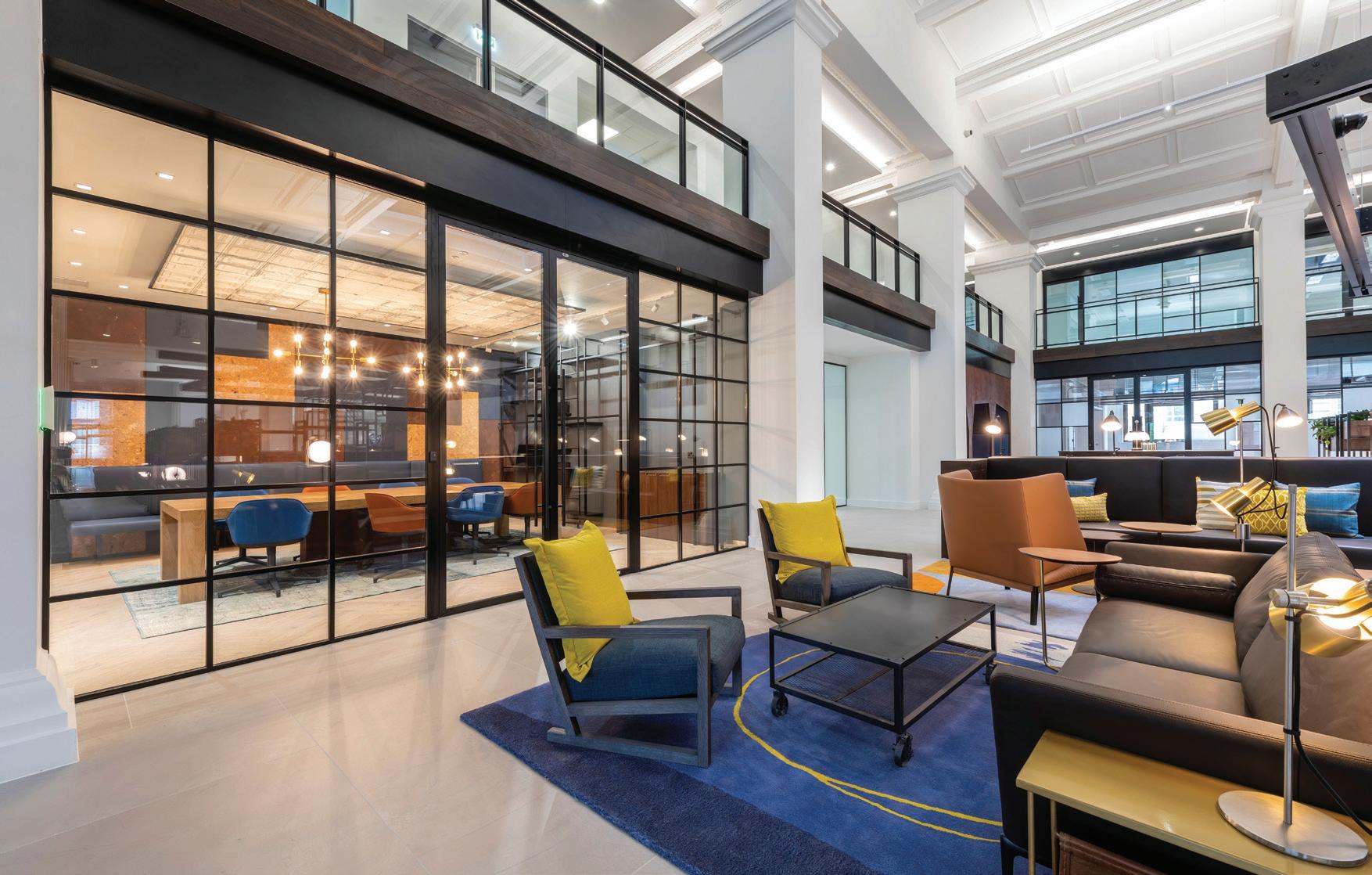
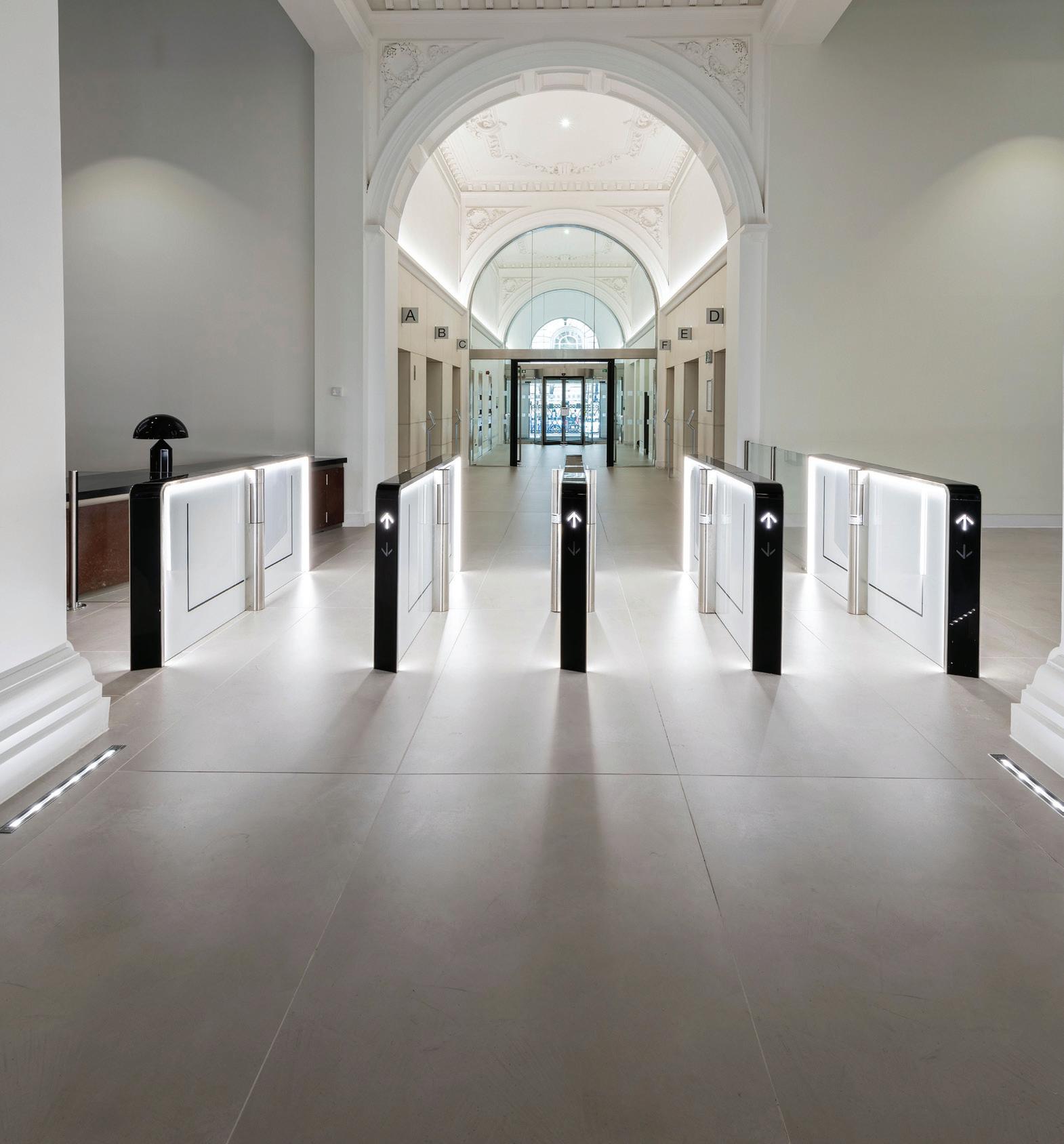
Workplace spaces now include those of the west atria, where the inclusion of additional furniture and informal collaborative spaces are designed to support wellbeing, interaction and flexible working.
Within the lower ground floor, tenants have access to a basement fitness centre, yoga studio, lockers, shower facilities and secure cycle storage facilities which include a bike wash and a free bike servicing check every other month.
As well as revitalising the ground floor areas, the o ices on floors 1 to 9 o er a range of large, flexible o ice plates. For example, Princes Group PLC occupy the 5th and 6th floors, with a mix of collaborative workspaces, a boardroom (named the “Fish Tank”), project rooms and quiet lounge areas.
The CBRE team also oversaw the restoration of the building’s original Boardroom suites on the 9th floor. These rooms are steeped in the tradition of the property and feature African Walnut panels and ornate plaster ceilings – all of which had to be restored in alignment with local conservation o icers and Historic England to preserve their historic value.
The 10th floor, which is the highest level reachable by the main passenger li s, now
o ers premium refurbished o ice space with panoramic waterfront views.
Following the recent completion of the 4th floor refurbishment that range from 5,000 to 10,000 sq o ices, all planned refurbishment and transformation work within the current programme have now been completed.
The workspaces are marketed to o er occupiers a high level of flexibility through CBRE’s CAT A+ product, which enables occupiers to move into fully fitted workspace with minimal lead-in time and without the standard downtime or upfront capital expenditures of a traditional fit-out.
The o ice rental o er also includes broadband connectivity, maintenance and decoration within the rental structure, which allows businesses to benefit from a simplified and more agile occupational model.
CBRE provides an integrated range of services at the Royal Liver Building, including Property Management, Facilities Management, O ice Agency, Planning, Project Management, Mechanical & Electrical consultancy and Leisure advisory services. Specialist service partners also play an important role in the day-to-day operation of
the building, including OCS, which delivers security, cleaning and M&E services across the estate.
Along with overseeing the refurbishment programme, the CBRE team has taken steps to upgrade the level of customer service. Edwards explains that the Property Management team aims to enhance the workplace experience with the deployment of Host, a CBRE-exclusive platform which supports occupiers and elevates their brand loyalty by o ering a range of immersive hospitality and social activations through the support of the Host app.
Says Edwards: “Host allows us to communicate any activities that are going on in the building, including gym time tables, and any special events that are taking place, for example our tenant Dot Art will soon be hosting an art display in the atrium of the building as part of the Liverpool Art Fair.
“That’s an important part of the added extras that we provide - all of which are fully integrated into the app for everyone who works here.”
Introducing public-facing amenities and visitor experiences within a working o ice environment has required careful operational planning to ensure there is no disruption to occupiers. During the development of the Royal Liver Building 360 experience, significant attention was given to designing a dedicated visitor route that operated entirely separately from o ice occupiers. This included dedicated li access, fixed tour timings and carefully managed circulation routes throughout the building.
The result is a successful multi-purpose environment that supports both commercial o ice occupation and public engagement without compromising the occupier experience.
The CBRE team at Royal Liver intends to maintain a strong focus on customer service, operational excellence and ESG-led asset management. This includes delivering high standards across facilities and building management, maintaining competitive occupier costs and continually enhancing the workplace experience through amenity, wellbeing and sustainability initiatives.
The approach is centred on creating an environment that supports occupier retention, attracts new businesses and ensures the Royal Liver Building remains one of the UK’s leading heritage workplace destinations. The project has succeeded in modernising the building’s o ice environment and amenity o er while carefully preserving the integrity and heritage of one of Liverpool’s most iconic landmarks.

Facilities management teams are under constant pressure to do more with the resources they have. Whether responsible for a business park, university campus, leisure venue, holiday park, distribution site, estate or public sector facility, the challenge is o en the same: people, tools and materials need to move quickly and safely across large or complex sites. For many FM teams, relying on vans or small maintenance vehicles for every task is not always the most e icient answer. Larger vehicles can be limited by access, ground conditions, pedestrian areas or short-distance journeys between buildings. This is where a compact, capable utility vehicle can make a meaningful di erence.
Polaris o ers a wide range of ATV and UTV solutions designed to support everyday site operations, from the all-new Ranger 500 through to higher-specification Ranger Nordic Pro models and agile Sportsman ATVs. Together, they give facilities teams the flexibility to match the right vehicle to the right environment.
The all-new Polaris Ranger 500 is a strong starting point for facilities managers looking to improve mobility across site. Priced from £9,999, it brings Ranger capability into a compact and accessible package, making it well suited to teams that need a practical work vehicle without immediately stepping into a larger machine.
For daily FM tasks, the appeal is clear. The Ranger
500 can carry tools, maintenance equipment, grounds supplies, signage, waste, cleaning materials and other essential kit in its cargo box, helping teams complete more jobs with fewer return trips. Its compact size also makes it useful where access is restricted, including service routes, landscaped areas, internal roads, parks, campuses and back-of-house spaces. For teams maintaining green areas, selectable Turf Mode is another useful feature, helping reduce ground disturbance when manoeuvring on grass, sports pitches or sensitive landscaped areas.
The Ranger 500 is also fitted with a winch as standard, providing added practicality when teams need extra pulling power for site work, grounds maintenance or more demanding conditions.
For facilities teams operating year-round, operator comfort is more than a nice-to-have. Bad weather, exposed sites and long days outdoors can all a ect productivity.
The Polaris Ranger Nordic Pro range is designed for customers who need added comfort, protection and all-weather usability. For 2026, Ranger Nordic Pro models feature a factory-fitted cab system as standard, along with an in-cab heater and defrost system, factory-installed winch and premium seating.
That makes the Nordic Pro range particularly relevant for FM teams working across large estates, coastal sites, outdoor leisure venues, universities, logistics hubs, airports, local authority spaces
and business parks where vehicles are used in all seasons.
While side-by-sides are ideal for carrying passengers and larger loads, ATVs still have an important role in facilities management. Polaris Sportsman models o er agility, access and all-terrain performance for teams that need to move quickly across open ground, tracks or tighter areas.
Sportsman vehicles can support security patrols, grounds inspections, estate management, event support and routine maintenance where a smaller footprint is valuable. For larger or more demanding operations, higher-capacity models such as the Sportsman 6x6 o er added carrying potential while retaining ATV mobility.
For organisations managing vehicles across large or remote sites, visibility matters. On selected models, Polaris RIDE COMMAND+ can provide remote access to useful vehicle information, including location and key vehicle health data.
For facilities managers, that can support better oversight of teams and equipment, particularly where vehicles are operating across wide estates, dispersed campuses or remote service areas. Knowing where vehicles are, understanding their condition and helping teams manage maintenance more proactively can all support safer and more e icient operations.
Budget planning is another key consideration for FM teams. Polaris o ers finance options that can help organisations spread the cost of new vehicles, making it easier to invest in the right equipment while managing cash flow and capital budgets.
For larger organisations, Polaris Fleet Solutions can also support national and multi-site customers with vehicle selection, consistent specification, pricing, service planning with a national dealer network and fleet requirements. This is particularly useful for facilities management businesses operating across multiple contracts or locations.
The needs of FM teams vary widely, but the requirement for dependable, practical and e icient site mobility is consistent. From the compact Ranger 500 to all-weather Nordic Pro models and versatile Sportsman ATVs, Polaris o ers a range of vehicles that can help teams work more e iciently across complex environments. For FM organisations looking to reduce unnecessary vehicle movements, improve access, support sta safety and keep operations moving, the right utility vehicle can become an essential part of the site team.
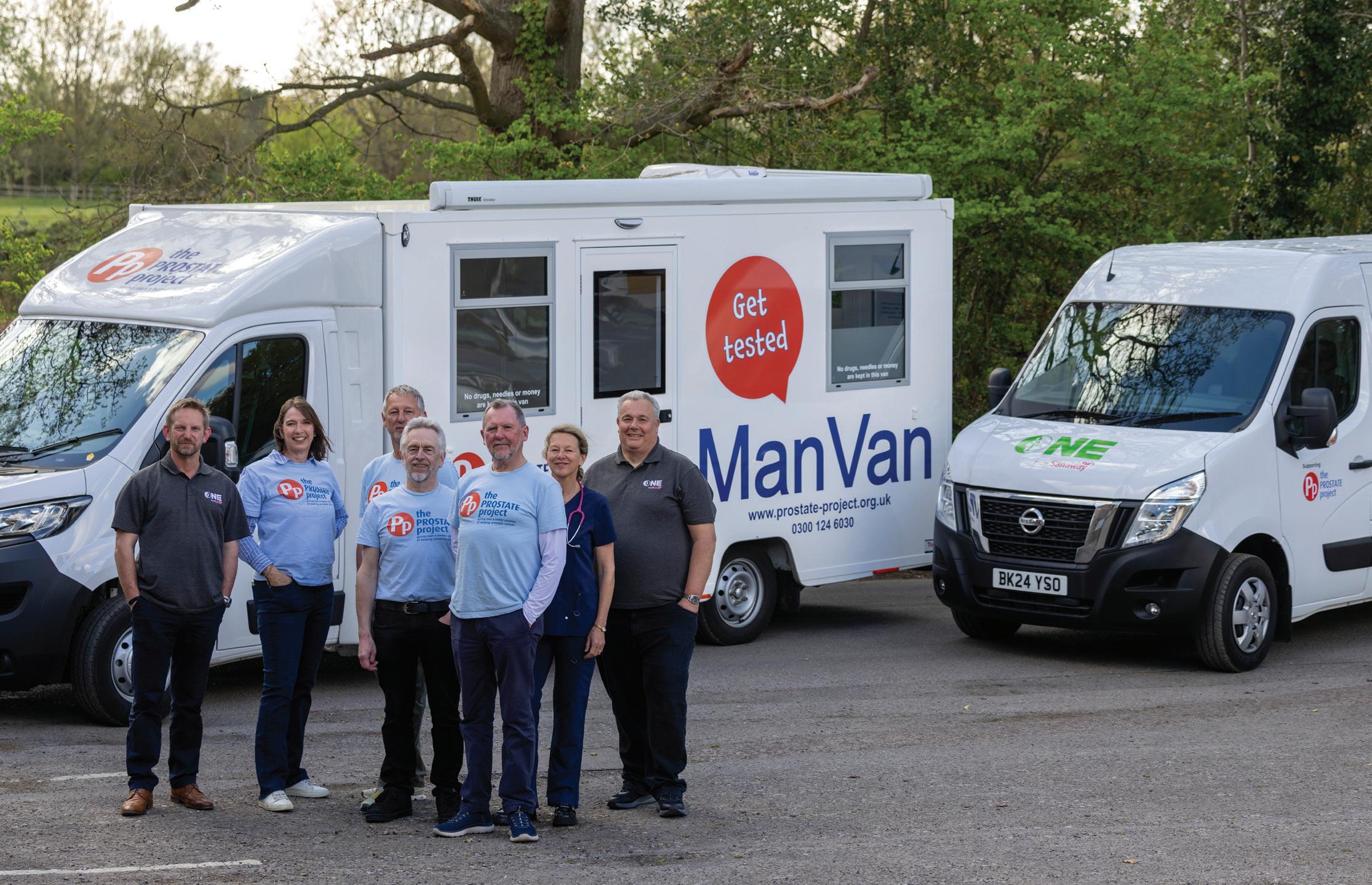

Clare Martin, Founder of the Wellbeing Ambassador Programme and Owner of Goldcrest Training and Patrick Martin, Sanaway Washroom Services Co-Founding Director, discuss supporting workplace wellbeing through smart washroom facilities provision
UK sickness absence data shows that an estimated 148.9 million working days were lost to sickness or injury in 2025, averaging 4.4 days per worker.(i) Mental health remains the leading cause of long-term absence, with 41 per cent of organisations reporting it as their top concern.(ii)
HOW CAN THE WASHROOM CONTRIBUTE TO WORKPLACE WELLBEING?
Clare Martin explains: “When supporting people at work, conversations o en centre on compliance: what are we legally required to provide? Forward-thinking organisations ask a di erent question: what do our people need to thrive? The shi from compliance to proactive care represents a fundamental change in how
businesses approach wellbeing. Providing inclusive washroom facilities helps support a systemic approach to wellbeing by recognising that basic needs must be met for people to psychologically thrive.”
Traditionally, washroom hygiene services have focussed on hand hygiene, air quality and feminine hygiene disposal units, but while businesses must legally provide a means of sanitary disposal, even if they employ only a single female sta member, no law requires the same for men. Yet according to The Prostate Project, one in eight men (one in four for black men) will get prostate cancer(iii), making it increasingly important to provide men with access to hygiene disposal units to discreetly dispose of
male hygiene products.
Says Clare Martin: “Legal compliance highlights a bare minimum rather than what is needed to create a culture where people feel seen, supported and enabled to thrive. It is a positive step to see organisations introducing hygiene disposal units into the male washroom environment for those coping with male urinary incontinence due to aging or prostate cancer treatment.”
Sanaway Washroom Services CoFounder, Patrick Martin adds: “The conversation can be widened still from simply menstrual health and prostate cancer, in fact it’s so much more, since it is estimated that one in 10 people su er with urinary incontinence in the UK, and men, women and children can all be a ected.”(iv)
Universal hygiene disposal units should be accessible in all washrooms, regardless of gender, to all people experiencing urinary incontinence issues which may be related to conditions such as the menopause, a stroke, dementia, obesity and prostate cancer, or because of disability and certain neurological conditions. The use of some medications may also cause temporary incontinence issues.(v)
Says Patrick Martin: “Some employees may also require bulk waste disposal. Without addressing such issues in the workplace, mental health, anxiety and depression may lead to lower productivity and absence from work.”
Clare Martin agrees: “You simply cannot support emotional and psychological wellbeing if basic physical needs aren’t being met. By providing access to universal hygiene disposal units and bulk waste removal bins in all washroom environments (not just where legally mandated) you will be addressing a genuine physical necessity. This isn’t just compassionate; it’s recognising a widespread physical reality that impacts workplace wellbeing.”
The first challenge for leaders is to build a thriving workplace that supports people across every aspect of wellbeing says Claire Martin. “Facilities and HR managers o en benefit from training on workplace wellbeing so they can take the lead on improving systems and services to meet employee needs,” she explains. “Goldcrest’s Wellbeing Ambassador Programme does just that and the data shows that 92 per cent of leaders feel better equipped to support their people and 88 per cent report improved personal wellbeing.
“The outcomes are clear. When leaders have the confidence and tools to support the whole person and better understand their people’s needs, organisations report reduced absence, improved retention, and enhanced engagement. These aren’t marginal gains; they represent fundamental shi s in how organisations operate.”
Sanaway Washroom Services developed it’s ‘ONE’ service to normalise the presence and use of a universal hygiene unit that can be used by everyone who needs them, regardless of whether they use male, female, unisex, or accessible washroom facilities.
Patrick Martin says: “Through our partnership with The Prostate Project, all ‘ONE’ customers receive cubicle posters informing male employees on the benefits of having a simple PSA test used to help detect prostate cancer. We also encourage ‘ONE’ customers to invite The Prostate
Project’s mobile ‘Man Van’ PSA testing facility onto their premises to o er a PSA test to all male employees.”
As a result of this joint wellbeing initiative, Mike Collins, Trustee of The Prostate Project recently led a PSA testing day, taking the Man Van to a Sanaway ONE customer.
He explains: “The Prostate Project tested 46 employees at this one site, and to-date at least one male employee was referred on for further investigations. That’s potentially one life saved. Statistically, this is correct with normally one in 40 tests requiring further investigation.
“It’s well documented that men are less likely to take control of their health or talk to someone if they are worried about health issues. Caught early, prostate cancer is usually curable. This washroom initiative helps educate men who may be at risk of prostate cancer and makes taking a test at work an easy way to conduct a quick health check without booking time o work to do so.”
Patrick Martin adds: “Employees visit the washroom space multiple times each day making it the ideal place to share concise health information to support physical and mental wellbeing. Correctly specified washrooms with hygiene disposal units available in all washrooms for everyone who needs them helps reduce stigma and embarrassment and normalises conversations around a range of physical health conditions, therefore businesses should not underestimate the role washroom facilities can play in supporting workplace wellbeing.”
Clare Martin agrees: “Inclusive, hygienic washroom facilities that share responsibly sourced public health information are
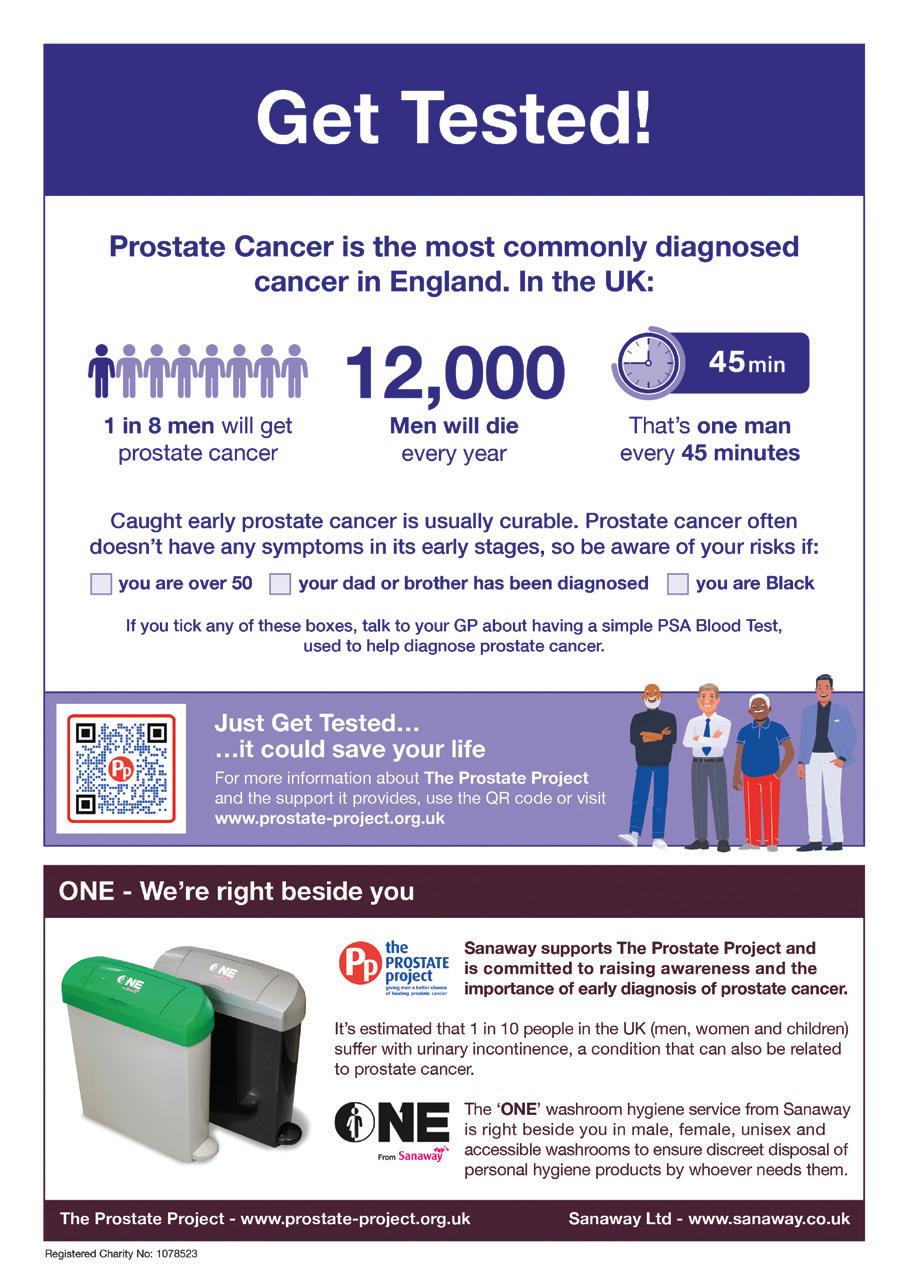
foundational for mental, emotional and physical wellbeing. Organisations that embrace these needs and recognise the importance of a whole approach to wellbeing see improved sta retention and increased productivity, so your CEO will likely thank you too.”
(i) https://bit.ly/3SycHpU
(ii) https://bit.ly/4oYrfel (iii) www.prostate-project.org.uk
(iv) https://bit.ly/446ztHZ (v) https://bit.ly/446zvj5
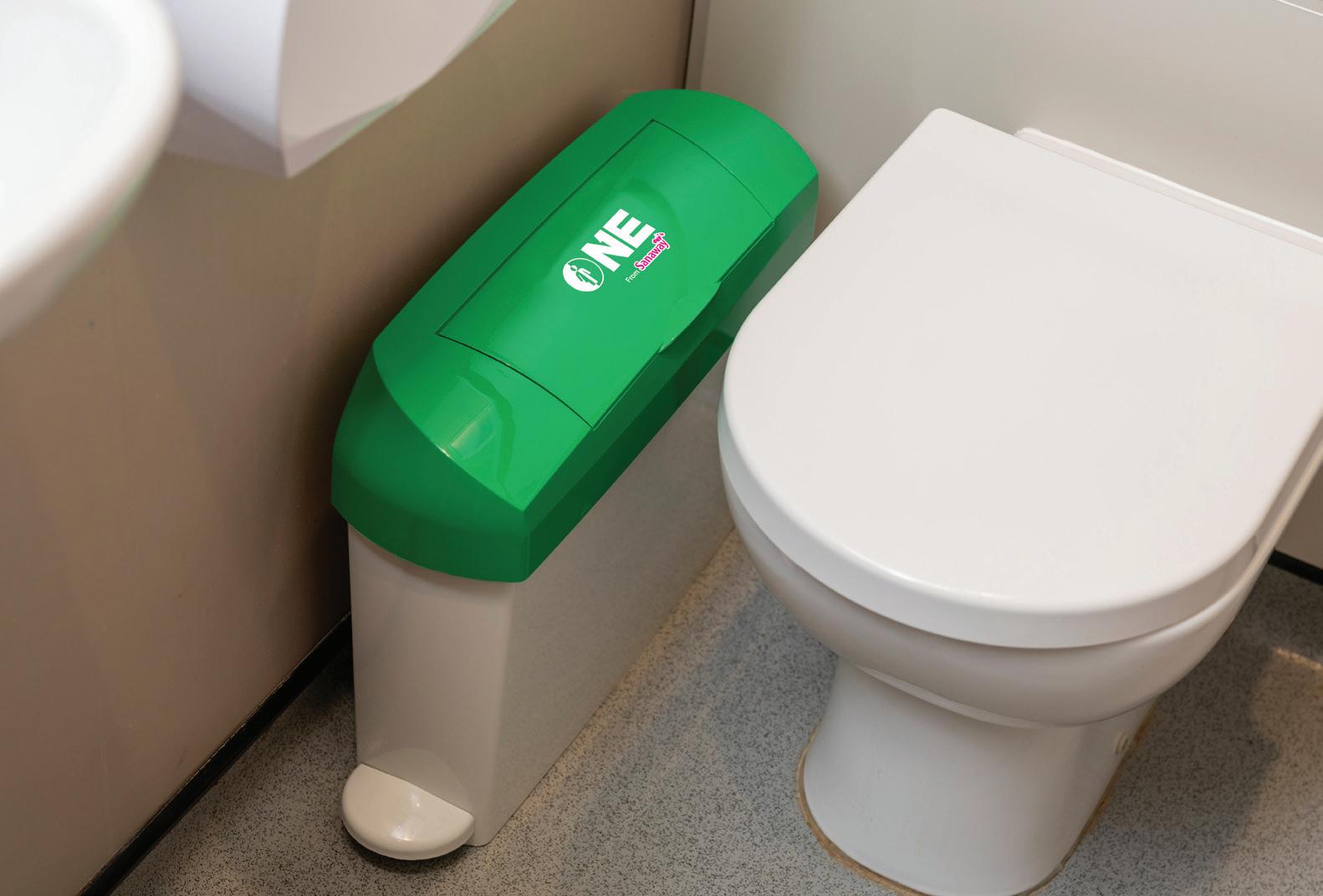
Seaside toilets are closing, leaving beach-goers without this essential facility. Stuart Hands, Sales Manager from Tork manufacturer Essity looks at the role of seaside toilets and considers ways of keeping them open
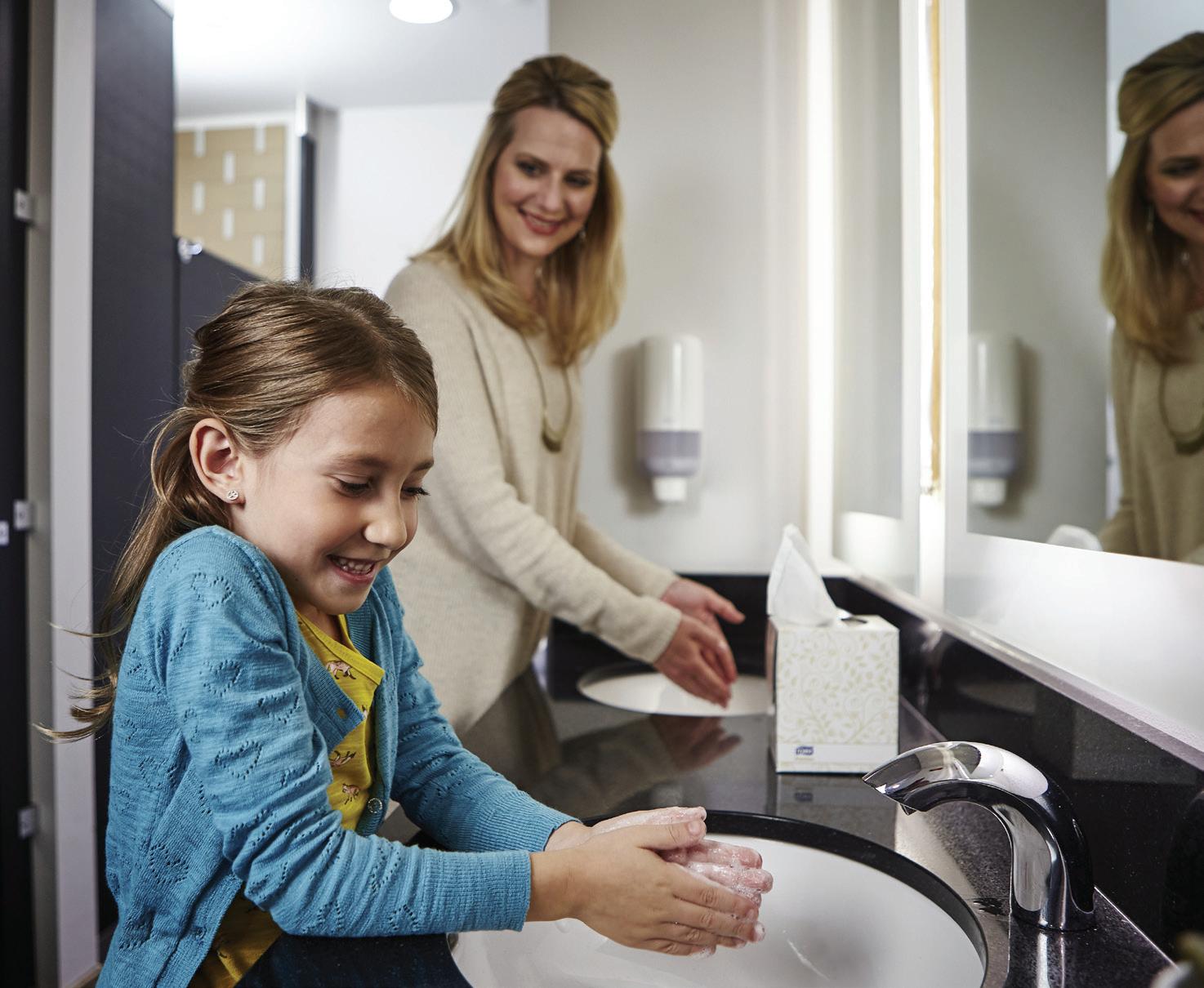
Theseaside washroom is an essential commodity. Besides its obvious function, it is also the place where holidaymakers go to change out of their wet swimming clothes and wash their hands before a picnic or an ice cream.
But public toilets are closing – and closing fast. The number of facilities across the UK has fallen by more than 40 per cent over the past 10 years due to issues such as council budget cuts and rising levels of vandalism. And when seaside washrooms close it has a severe impact on holidaymakers, who are then forced to hunt down a toilet in a café with an amenable owner - or take even more drastic action.
Public urination became a severe problem at Great Yarmouth’s Hemsby Beach over the past few years as a direct result of the toilets closing in 2016. Coxswain
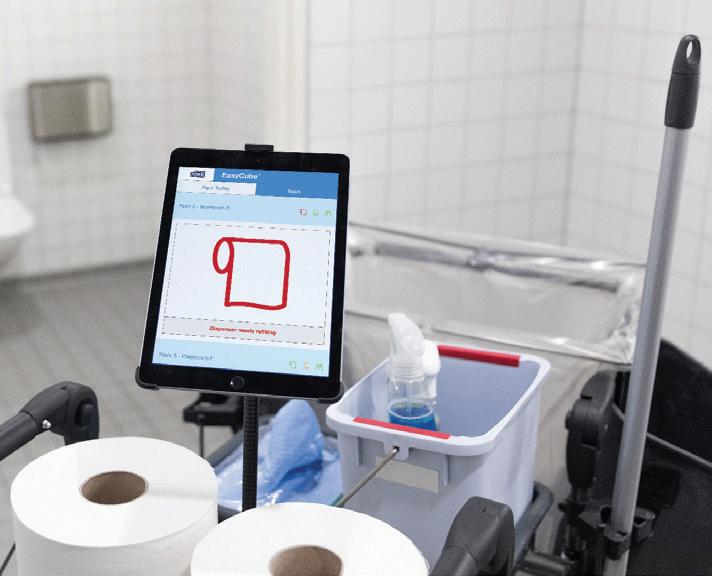
Daniel Hurd claimed some people were using the back of the resort’s lifeboat station as a toilet, describing the situation as a “health and hygiene concern”.
When the only washrooms on West Cornwall’s Praa Sands closed a few years ago, locals complained of “stomach-churning deposits” being le on the beach. Many tourists opted to use the facilities at a nearby bar instead – but this resulted in scores of beach-goers flooding into the venue every day, inconveniencing the paying customers and pushing up the bar’s costs.
Public conveniences can be expensive to run and timeconsuming to maintain. And seaside facilities have other problems to contend with as well. Swimmers and beach-goers who use them to change their clothes are likely to be walking sand into the premises and occupying cubicles for long periods. This leads to dirty floors and long queues.
Vandalism has been the cause of around 20 per cent of toilet closures nationwide, and beach toilets tend to be a particular magnet for young, rowdy holidaymakers and revellers at night.
In February 2026 it was reported that the toilets at Seaton Carew in Hartlepool had to close for several weeks a er youths took a hammer to the card readers on each door. Vandals also ripped out toilet seats, soap dispensers and toilet roll holders from a Clacton seafront toilet block last spring and threw these items
on the beach, causing thousands of pounds’ worth of damage.
To help combat these issues, when equipping a seaside washroom, ensure that all soap and paper dispensers are robust, lockable and firmly a ixed to the wall to help prevent any damage by vandals. A CCTV system would also act as a useful deterrent.
Continuous floors pose fewer cleaning challenges than tiles which have grout lines where sand will collect. Automatic taps and flush systems are less likely to attract fingermarks than manual fixtures, and all systems for soap and paper need to be quick to replenish, preventing over-consumption and frequent runouts since this will lead to queueing.
Soap dispensers should be easy to use and provide a long-lasting supply to avoid the risk of runouts. They should also be quick to refill, preferably with a cartridge system since this allows a refill to be snapped into place in seconds.
Hand towels support a smooth and e icient restroom flow by letting visitors dry their hands quickly and move on without delay. A high-capacity dispenser ensures a consistent, reliable supply, helping more people maintain good hygiene comfortably while keeping the space moving.
It is important to ensure dispensers remain stocked throughout busy periods. Run-outs can be di icult for sta to predict, particularly in the washroom of a busy venue. However, a digital system that ‘connects’ the washrooms removes the guesswork and allows cleaners to stay ahead of demand.
Some seaside resorts are proving resourceful in keeping their public washrooms in operation. For example, a café proprietor in Pembrokeshire has taken on the lease of the toilets at his local Newgale beach and plans to run them himself.
The public urination row at Hemsby Beach has led to Great Yarmouth Borough Council deciding to reopen the toilets, while Cornwall’s Praa Sands facilities have also reopened and are now being run by a group of volunteers.
Seaside toilets and public washrooms in general are a vital facility and their closure can have devastating e ects. Hopefully this summer there will public toilets provided at every seaside resort to help to boost tourism and ensure that a happy and relaxed holiday is had by everyone.
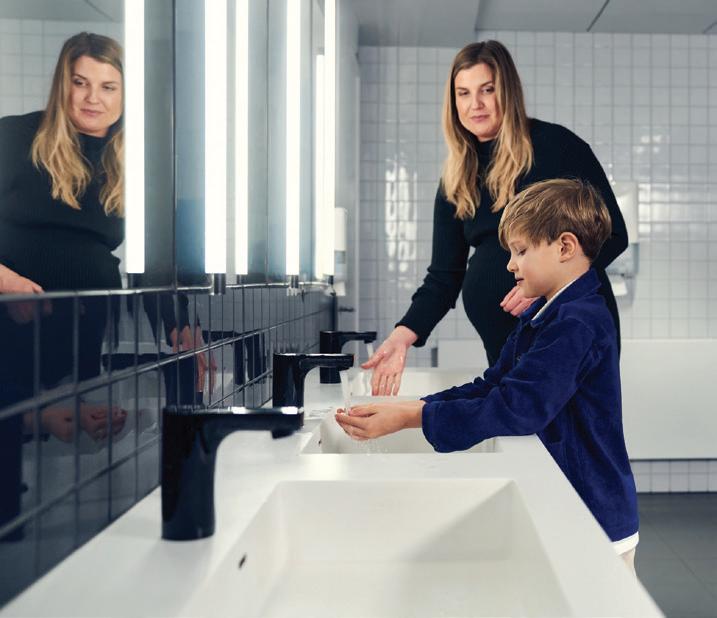

Stephen Levy, Founder and CEO of Handy Dryers, explains why creating a truly hygienic washroom requires more than regular cleaning, and why air quality, ventilation, hand drying and equipment maintenance all play an important role in reducing the spread of germs
Since the COVID-19 pandemic, expectations of washroom cleanliness have changed dramatically. Facilities managers are expected to provide washrooms that not only look clean but also help reduce the spread of bacteria and viruses.
As organisations invest in new washrooms or refurbish existing facilities, appearance and hygiene remain key priorities. While modern finishes and touch-free fittings create the impression of cleanliness, many hygiene risks remain invisible.
Most cleaning regimes focus on visible touchpoints such as taps, flush plates, door handles and soap dispensers. While important, they represent only part of the contamination picture.
Scientific research has shown that flushing a toilet generates microscopic airborne droplets, known as toilet plume aerosols, containing bacteria, viruses and other microorganisms from human waste. In commercial washrooms, where toilets are typically installed without lids, these aerosols are released directly into the surrounding environment.
Research by the University of Colorado Boulder
found these plumes can rise to around 1.5 metres before dispersing throughout the washroom. Depending on ventilation, airborne particles can remain suspended before settling on surrounding surfaces, allowing microorganisms to circulate between cleaning cycles.
Poor washroom conditions a ect more than user confidence. They can influence employee wellbeing, visitor perception, sickness absence and organisational reputation.
Hand washing remains one of the most e ective ways to reduce infection, but proper drying is equally important. Wet hands transfer bacteria far more readily than dry hands, making e ective hand drying essential.
Many hand dryers incorporate HEPA filtration, removing a high proportion of airborne particles from intake air before it reaches users’ hands. When properly maintained, these filters help provide cleaner airflow.
However, filters only remain e ective if inspected and replaced in accordance with the manufacturer’s recommendations, as they can lose e iciency and
reduce the benefits they were designed to provide.
Increasingly, organisations are asking how washroom equipment can contribute to hygiene throughout the day rather than relying solely on periodic cleaning. Unlike surface cleaning, which sanitises only at the point it is carried out, continuous air treatment helps reduce airborne microbial contamination in the washroom. The latest generation of specialist hand dryers incorporates integrated UV-C air treatment technology, continuously disinfecting air as it passes through the unit. Used alongside e ective ventilation, routine cleaning and planned maintenance, this supports hygiene throughout the working day.
No single product can guarantee a hygienic washroom. The best results come from combining e ective cleaning, good ventilation, appropriate equipment selection and planned maintenance. When selecting hand dryers, you should look beyond purchase price and drying speed. Hygiene, ease of maintenance, durability, energy e iciency, whole-life cost and user experience should all form part of the decision.
One example is Handy Dryers’ patented Sterillo® technology, which combines high-speed hand drying with integrated UV-C air treatment. By continuously treating air passing through the unit during normal operation, it helps maintain cleaner airflow while supporting overall washroom hygiene.
A washroom that looks clean is not necessarily hygienic. By considering air quality, ventilation, e ective hand drying and well-maintained equipment as part of a single strategy, facilities managers can create healthier washroom environments.
Crimaldi, J.P., True, A.C., Linden, K.G. et al. Commercial toilets emit energetic and rapidly spreading aerosol plumes. Scientific Reports, 12, 20493 (2022).
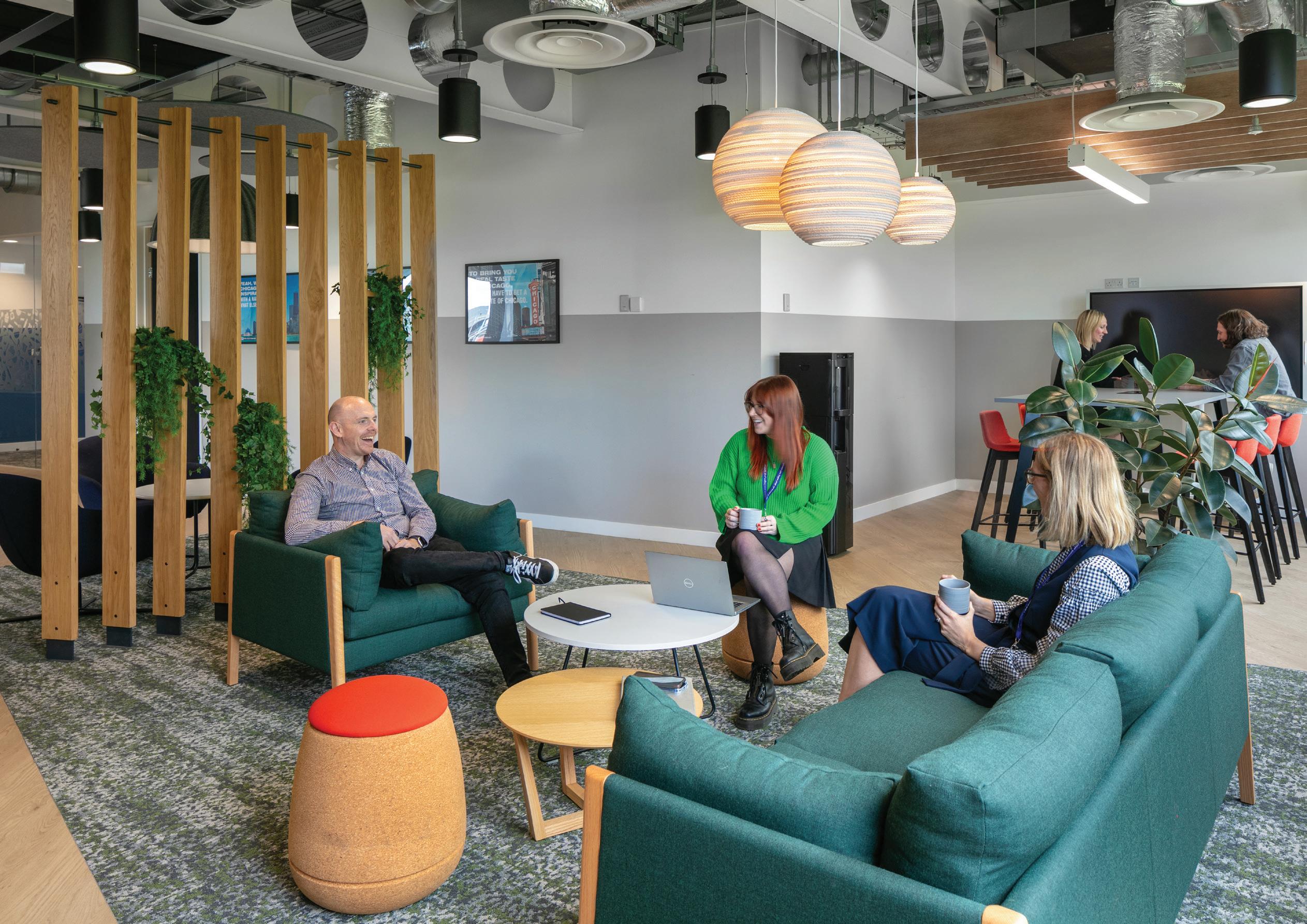

Dan Pilling, Workplace Strategy Director for TSK, a national workplace strategy, design and build partner, believes the o ce is not becoming obsolete; but rather evolving into a powerful catalyst for change. He explains why to Sara Bean
In recent years, bold claims about the death of the workplace have intensified as hybrid working has become firmly established. Yet rather than the o ice becoming obsolete, says Dan Pilling, Workplace Strategy Director for TSK, it is evolving from simply being a place to work into a strategic tool that supports cultural, operational and organisational transformation.
Pilling is well placed to comment on the future of the workplace, as he combines a background in interior design with extensive workplace consultancy experience. He led the Interior Design team at national architecture practice Pick Everard and worked for a variety of commercial interiors
firms before volunteering with the IWFM Workplace Special Interest Group. This piqued his interest in the people who make the design decisions, including building managers and facilities managers, prompting him to move into workplace strategy roles.
He explains: “This included working for Mitie, where I was embedded on the client-side property team at Rolls-Royce and managed multi-million-pound refurbishments across its EMEA estate. This gave me a good, rounded view of the role that design must play in terms of creating colleague experiences in all its guises.”
Much of Pilling’s current role is to act as a conduit between organisational objective, operational FM and meeting the aspirations
of creating an enhanced colleague experience. When proposing a redesign or adapting a space, Pilling explains the most important element is to communicate with all stakeholders on “why we’re doing what we’re doing and ensure that narrative is as succinct and compelling as possible”.
“I think it sometimes comes down to the level of permission given to the person leading the transformation” he adds.
“If their authority is limited, whether by budget, approvals or other constraints, it can artificially define the scope of the opportunity.
“Too o en, it becomes a property question: ‘we have this much money and this much space, so what can we do?’ The better
question is: ‘what do our people need to have their most e ective day at work?’ And having been in this industry for almost 30 years now, that distinction feels increasingly important.”
He explains that decision-making silos exist in almost every type of business. The separation of property, technology and people is o en the biggest challenge because they become three distinct workstreams. The best outcomes happen when these three elements work together.
Workplace expectations have changed significantly over the past few years, particularly around hybrid working. Previously, workplaces were not expected to be desirable in the way hospitality spaces are, except perhaps in large tech firms or client-facing sectors such as the law. Prior to the pandemic, the o ice was the default place to work. Now, many businesses are struggling to encourage people to increase their o ice attendance to a level that supports business objectives without creating a feeling that attendance is enforced. Pilling agrees that over the past few years, low occupancy has created a real challenge, particularly around capital expenditure and investment.
“Many organisations know that something needs to change, but when few people are using the o ice, it becomes di icult to justify that investment. But we are now starting to move out of that post-COVID period of hesitation in decision-making.
“It is also worth remembering that, even before COVID, average o ice occupancy for many businesses was only around 55 to 60 per cent. We are not returning to 100 per cent occupancy, because that was never the reality. The important point now is that people have more choice.”
He adds that most organisations are introducing more rigid mandates, looking for greater predictability around attendance so they can align services with colleague needs. Getting that supply-and-demand equation right is essential, he argues.
“The question is not simply how many desks are needed, but what experiences and outcomes the workplace needs to support? Rather than trying to make the o ice do everything, the focus should be on helping people come together e ectively. That means building better synchronisation between people, technology and place so the balance is right.”
There is an increased emphasis in workplace management on inclusive design, but Pilling warns there is a real risk that, unless you engage authentically with occupants to
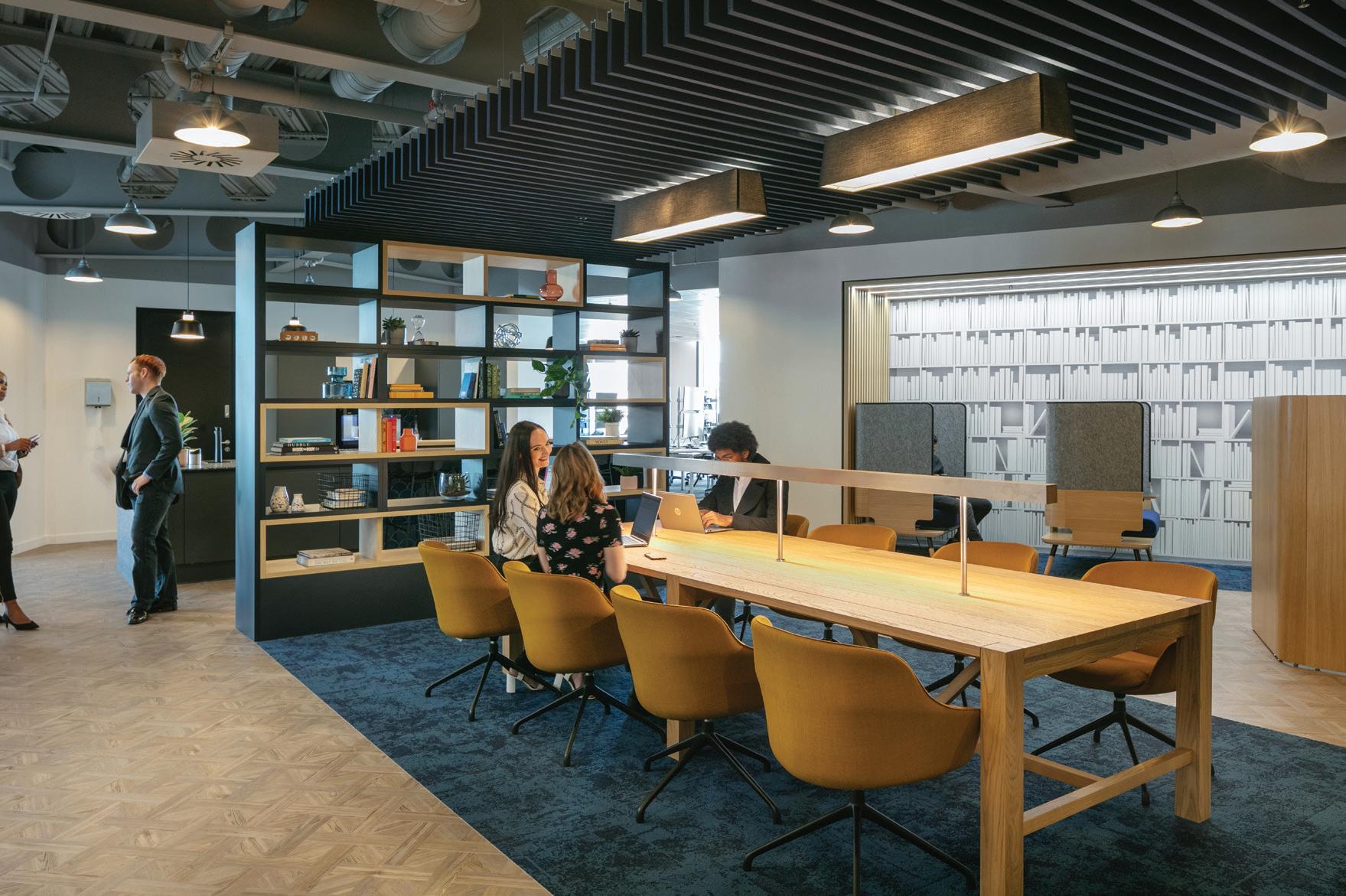
understand what their roles involve and where the friction points are, you’ll end up answering the wrong questions.
“In my role working directly with key decision makers in organisations, early in the process we encourage them to consider an authentic colleague engagement strategy - gaining insights around behaviours, culture and those points of friction, which if addressed could add so much value. The missing layer is understanding how well the physical workspace supports people. That should form the basis of the design brief, and it does not necessarily have to lead to an expensive project.”
He warns that many organisations are fearful of spending too much time determining personal needs, as that may derail the timeline, but an opposing approach of a one-sizefits-all mindset of ‘we’ll build it, and they’ll come’ won’t work either.
that are more inclusive, adaptable and e ective, rather than relying on a single solution that is expected to work for everyone.”
The key existentialist threat to the workplace is the fact that people can and do work anywhere, so how can an organisation be ‘branded’ for sta when they’re not physically present a lot of the time? The solution is to perceive the modern workplace as o ering a broad number of experiences.
It is also worth remembering that, even before COVID, average o ce occupancy for many businesses was only around 55 to 60 per cent. We are not returning to 100 per cent occupancy, because that was never the reality. The important point now is that people have more choice.”
“The most e ective solution sits somewhere in the middle. We use employee personas, a way of categorising colleagues based on their needs and work patterns. These personas may reflect factors such as the number of days someone spends in the workplace each week, their preferred ways of working, or specific requirements, including those related to neurodiversity.
“The key is understanding who you are designing and providing for. By identifying di erent colleague needs, you can create environments, services, and experiences
However, the physical space remains key to enhancing the employee experience, supporting new ways of working, attracting specialist talent and ultimately helping organisations achieve their strategic objectives.
The TSK team is o en brought in at moments of transition or transformation; whether a lease break, a building that no longer meets operational requirements, a workspace that has become tired and outdated or if a change is needed within the organisation.
Explains Pilling: “Whether a business has explicitly connected its workplace to its broader challenges or not, there is o en a relationship between the two. Sometimes the workplace issue is identified first. An organisation may notice growing friction points, declining employee sentiment, or reduced productivity and begin to question whether the physical environment is contributing to those challenges. In other cases, the drivers are more strategic and organisation wide.”
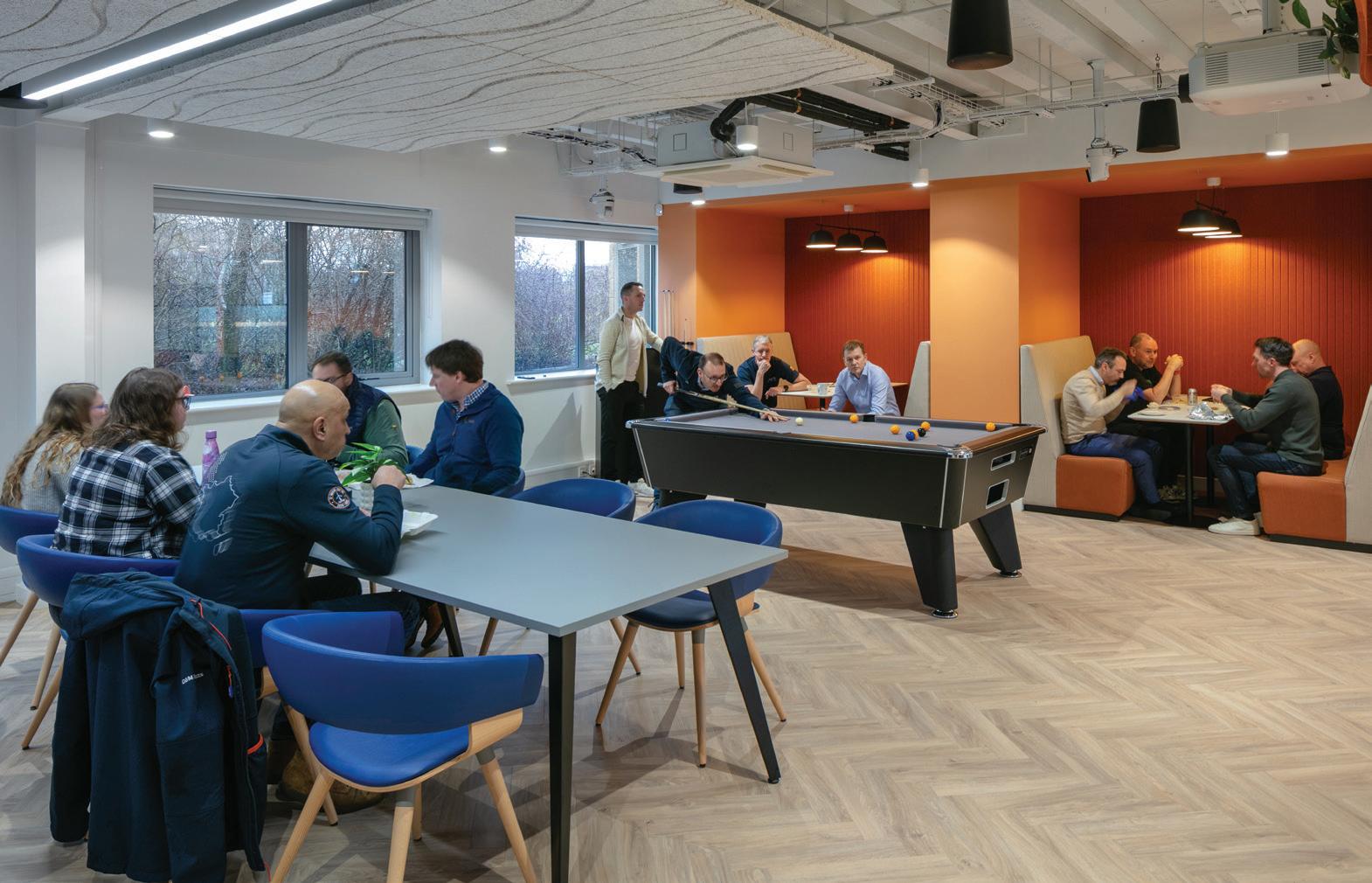
Knowing how busy the o ce was last Tuesday is useful, but it doesn’t necessarily help you prepare for next Tuesday. The real value lies in being able to anticipate demand before it happens, by combining workplace data, booking patterns, behavioural trends, and predictive analytics.”
One of the challenges for workplace managers is that data doesn’t provide a complete picture of how space is being used. Investments in sensor technology and occupancy monitoring tools, whether under-desk sensors, meeting room occupancy monitoring, or attendance tracking is increasingly common, alongside the combination of booking systems, attendance confirmation and occupancy monitoring.
However, the most advanced organisations are moving beyond simply analysing historical data. Increasingly, they are using AI and predictive analytics to forecast future occupancy patterns.
Says Pilling: “Knowing how busy the o ice was last Tuesday is useful, but it doesn’t necessarily help you prepare for next Tuesday. The real value lies in being able to anticipate demand before it happens, by combining workplace data, booking patterns, behavioural trends, and predictive analytics.
“This has substantial operational benefits, particularly from a facilities management perspective. If I know that a particular day next week is likely to see significantly higher attendance, I can proactively adjust services to meet that demand.
“That might mean increasing washroom cleaning frequencies, allocating additional catering resources, adjusting sta ing levels, or ensuring meeting and collaboration spaces are configured appropriately. The result is a more e icient operation, a better employee experience, and a workplace that is better aligned with how people use it.”
Any kind of refit or refurbishment involves cost
and a level of disruption, so a key issue is how o en these should take place. Pilling advises building a level of modularity to any design project, providing a solution that can be editable, “so you’re not going back six months later and knocking walls down and building again”.
“We o en use the terms ‘hard points’ and ‘so points’ when thinking about physical space. Hard points are elements that are fixed by services, infrastructure, or specific functional requirements, including tea points, washrooms, and communications rooms.
“However, hard points also include spaces that require a high degree of acoustic privacy. Certain activities, such as confidential meetings or focused work, depend on environments where sound transfer is controlled, making acoustic performance a non-negotiable requirement.
“Once you start categorising space in this way, it becomes much easier to identify
what needs to remain fixed and what can be designed to be flexible, increasingly important as organisations seek to create workplaces that can adapt over time.”
It’s equally important to acknowledge that the conditions being designed for are dynamic, so o er a range of solutions, whether through flexible layouts, technology, services, or operational practices, rather than relying on a fixed design that assumes needs will remain unchanged.
Needs and circumstances can change over time, as six months down the line, economic conditions may be di erent, there may be an influx of new employees, or individual requirements may change.
Within the furniture and workplace market, there’s been a significant growth in products such as acoustic pods and modular building systems that enable spaces to be reconfigured on a daily, weekly, or monthly basis, while still providing appropriate levels of privacy, functionality, and acoustic performance.
“Our focus is on creating adaptability rather than designing for certainty. The question becomes not, ‘What do we need today?’ but “How can this space continue to support changing needs over time?’”
Reuse should be embedded into the DNA of every project. That means thinking about how existing assets can be repurposed, reconfigured, reupholstered, or relocated rather than automatically replaced. Flexible and modular design is as much about extending the life of existing resources as it is about introducing new ones.
“If a team grows and 20 additional people need to collaborate on a project, the traditional response might be to add 20 more desks. The more progressive approach is to first examine the data. How is the existing space being used? What do occupancy patterns tell us? Could booking policies be adapted? Are there underutilised areas that could be reconfigured?
“In that sense, workplace design becomes less about creating a fixed solution and more about building a framework that can respond to future change.”
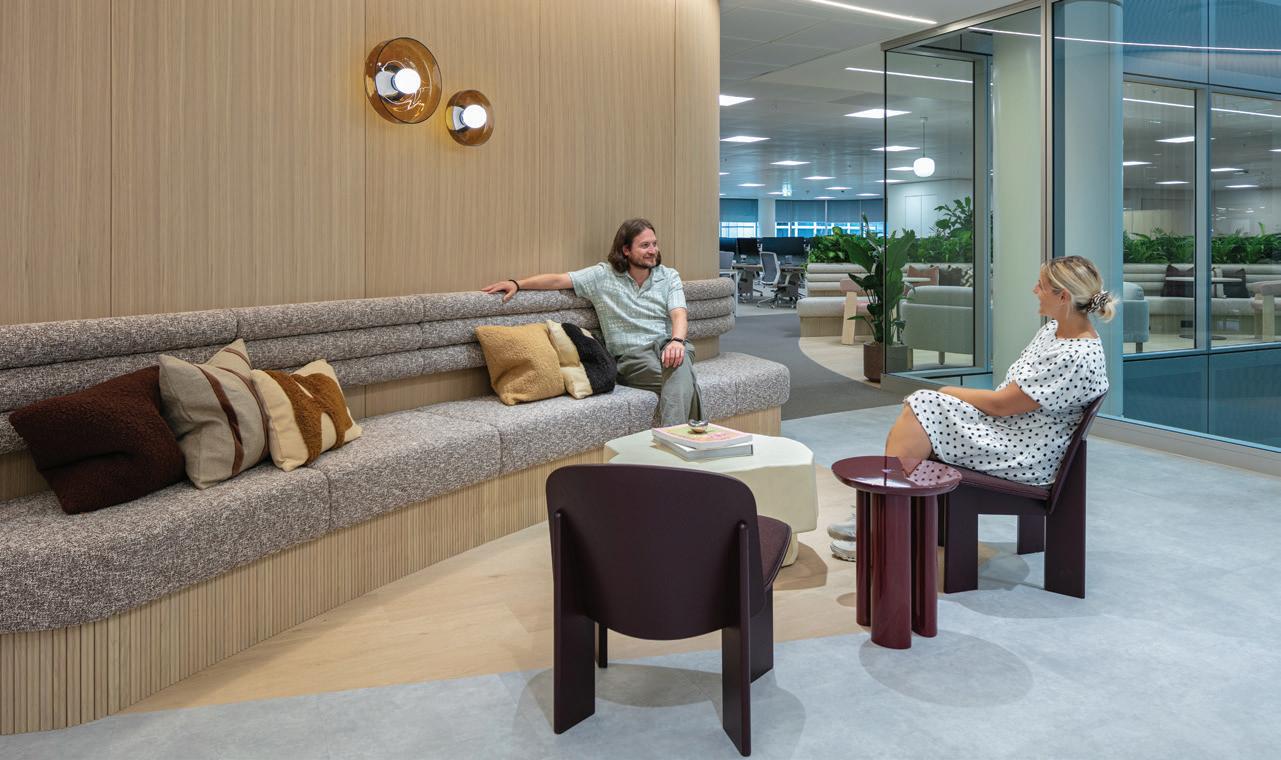
20 October – 21 October 2026
Business Design Centre - London
The UK’s most exciting event focused PURELY for Facilities & Estates Management
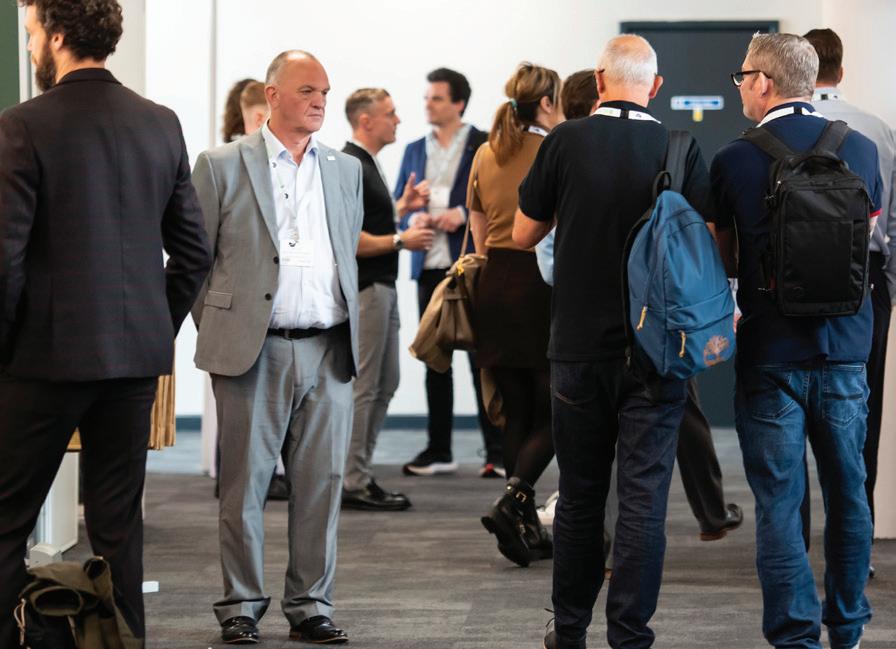
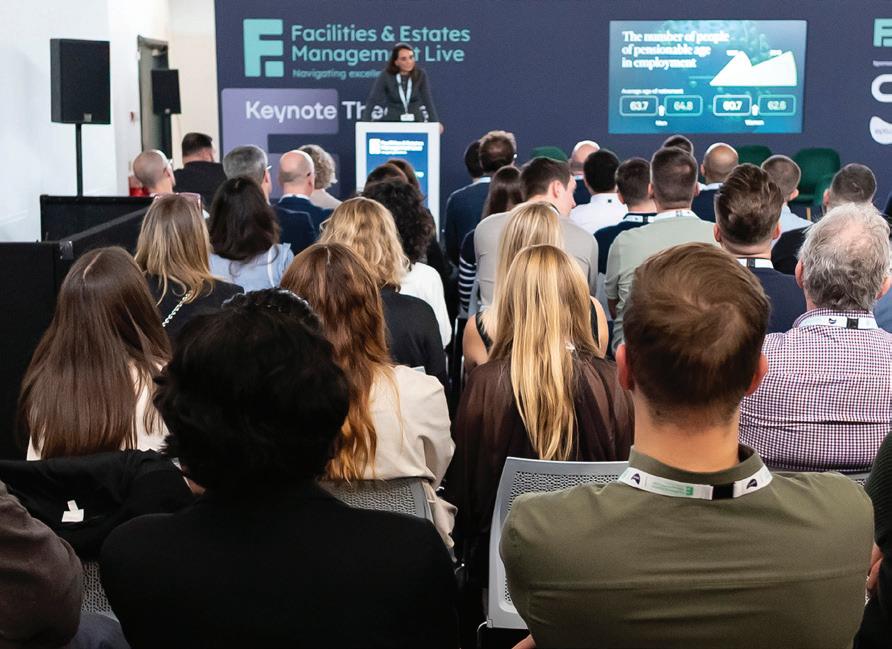
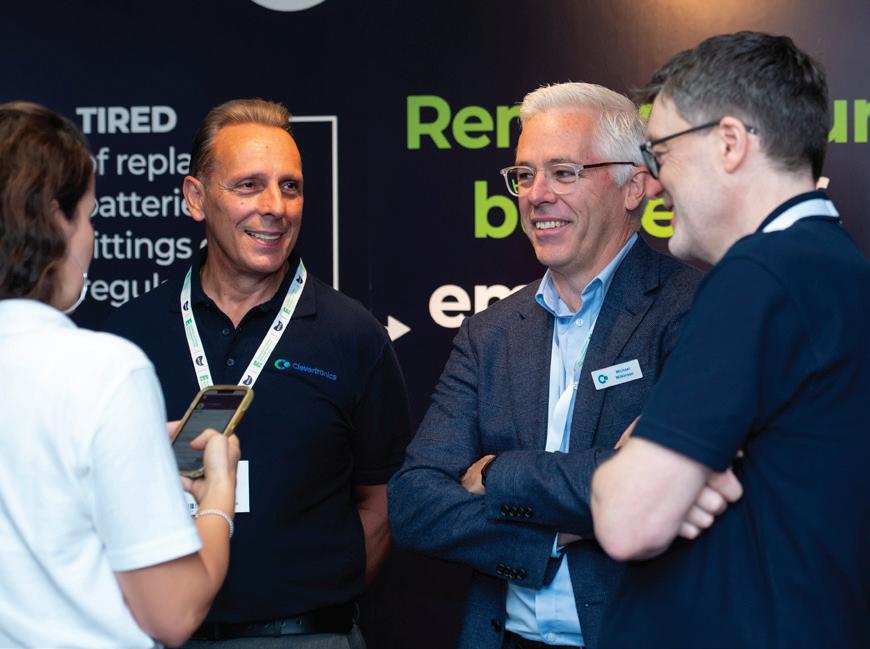

4,000+ Visitors
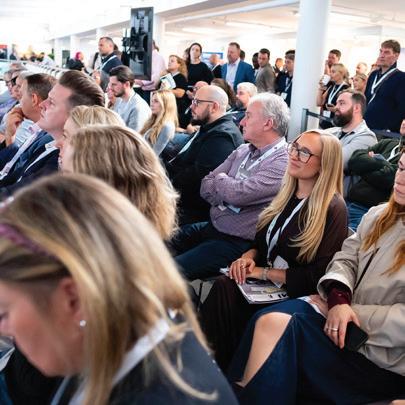
2,000+ Organisations represented
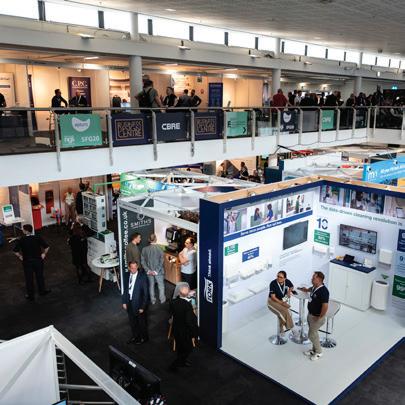
100+
Bring your colleagues, develop your skills, get some face-to-face time, and be an active part of our amazing industry!
Headline
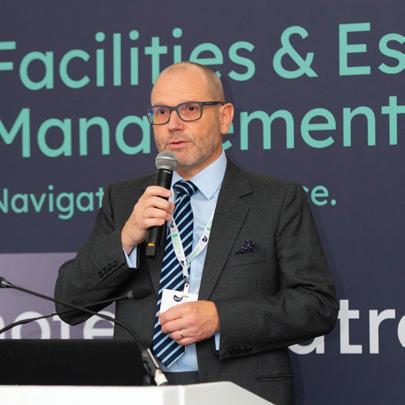
28+ Hours of unique CPD content
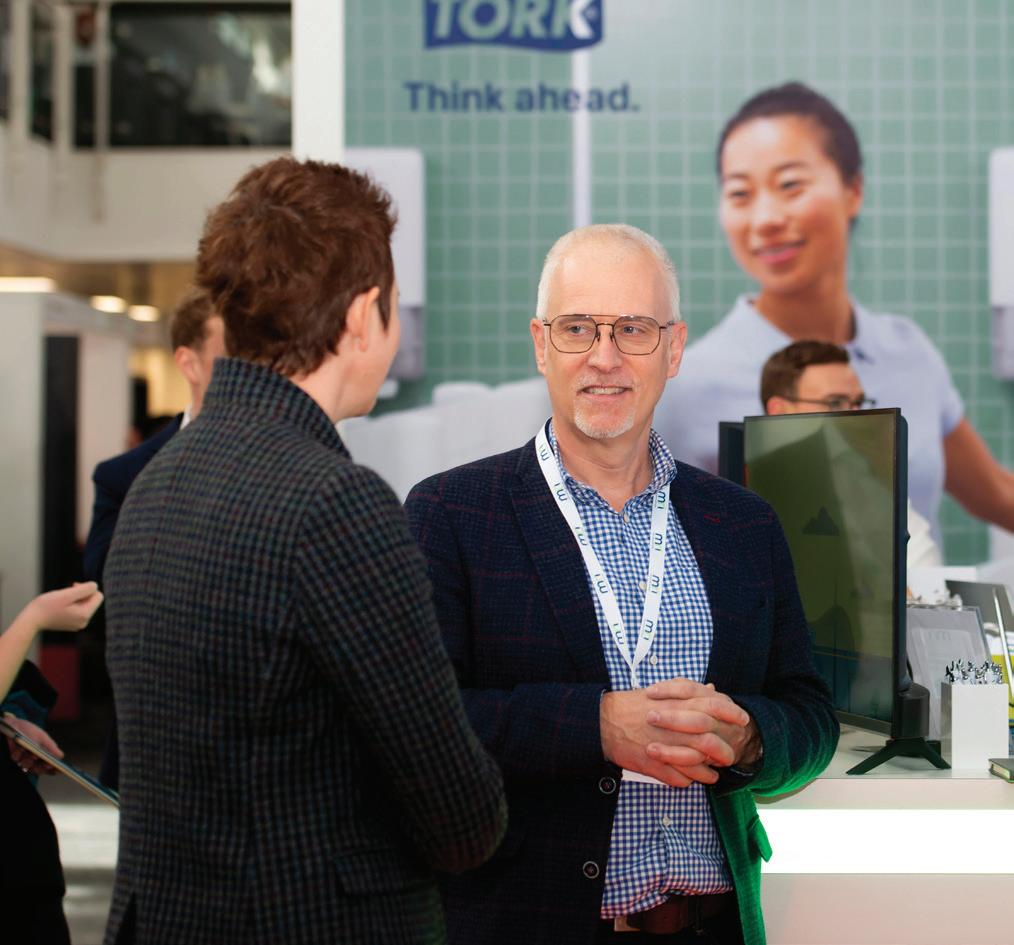
There are often suggestions of a systemic lack of openness and transparency in the Mechanical and Electrical (M&E) supply chain, but clients and M&E suppliers can both be winners and still play by the rules, says Tom Lyons, Operations Director, Core Maintenance Services

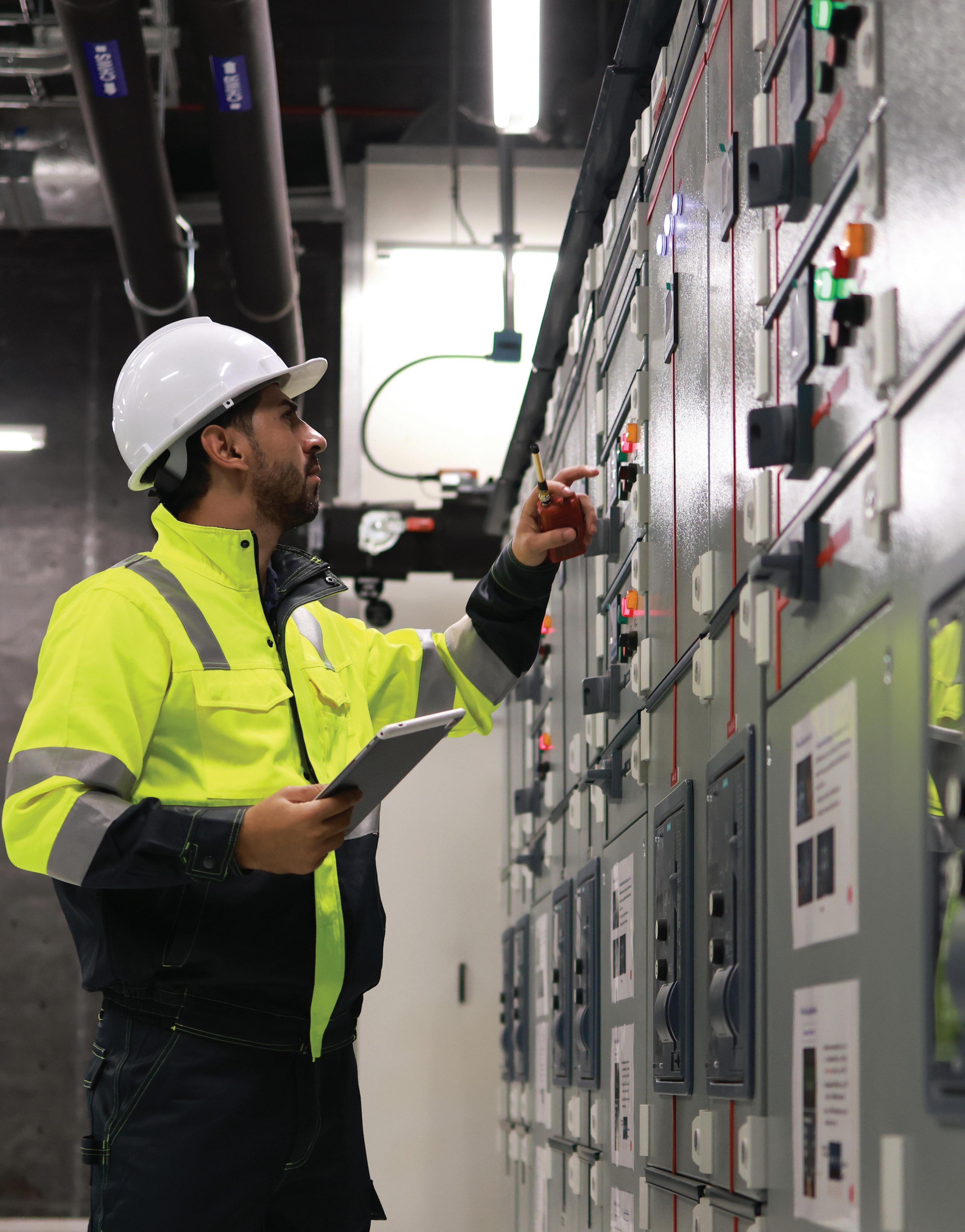
Mostclients want transparency from their mechanical and electrical maintenance supplier. They want fair pricing, clear evidence, value for money and confidence that any recommended works are necessary, proportionate and commercially sound.
That is entirely reasonable and good suppliers should expect to be challenged, but transparency works best when it is treated as a two-way process. Too often, it is seen as something the supplier must provide, rather than something both sides must enable. Suppliers cannot price risks accurately if they are not allowed to understand the risk in the first place.
This is where the relationship between client and supplier can become difficult. Budgets may be kept broad; asset histories may be incomplete, and plans may not always be shared. At the same time, the supplier is expected to provide a fixed, competitive and reliable price. The result is not usually better value, it is more uncertainty, more caveats and more risk priced into the proposal.
In M&E maintenance, this matters because not all works carry the same level of urgency or risk. Some jobs are essential for compliance, others are needed to prevent asset failure, reduce downtime or deal with recurring issues. Some may improve efficiency, comfort or long-term building performance but can be planned for a later date.
Without a clear understanding of the client’s priorities, budget parameters and asset condition, a supplier can still produce a price, but it may not be the most accurate one, the most appropriate solution or the most useful recommendation.
This is where the procurement process needs to mature. Playing by the rules should not mean keeping the contractor at arm’s length until the point of appointment. Governance, approvals and value-for-money checks are essential, but they work best when decisions are based on evidence, not assumptions.
That does not mean giving a supplier a blank cheque, it means creating the conditions for proper advice and commercially sound decision-making.
Many clients are cautious about sharing budget information because they worry the price will simply rise to meet it. That concern is understandable but when handled properly, budget visibility can have the opposite effect.
If a supplier understands the available spend, it can help the client prioritise. It can


separate urgent compliance requirements from desirable upgrades. It can explain what needs to be done now, what can be phased and what can reasonably wait. That is not about encouraging clients to spend more, it is about helping them spend more wisely.








one figure with little explanation and being

The same applies to options. A lighting upgrade, for example, might be priced in more than one way. A standard LED replacement may solve the immediate issue, while a more considered design solution may cost more upfront but deliver better performance, improved user experience and stronger long-term value. The client should be able to see both routes and understand the cost and benefit of each. That is very different from receiving one figure with little explanation and being asked to approve it.


A supplier with access to asset registers,
Asset information is equally important. A supplier with access to asset registers, service histories, compliance records and known problem areas can give better advice than one walking into a building cold. It can see patterns, understand previous interventions and assess whether equipment should be repaired, upgraded or planned for replacement.




Without that information, suppliers often have to price for the unknown. This can mean extra allowances for risk, more caveats or a proposal that is technically sound but commercially difficult for the client to accept. With better visibility, the conversation changes, it becomes less about individual job costs and more about managing the building properly.
Over time, a good M&E maintenance partner should be able to help the client build a clearer picture of risk across the estate. That might include assets approaching the end of their lifecycle, systems with recurring failures, areas of compliance exposure or future capital expenditure that needs to be planned.
For the client, this creates control. Instead of reacting to breakdowns, they can plan ahead, allocate budget and reduce disruption. This is particularly important in buildings where operational continuity is critical and where failure of key systems can affect occupants, service delivery or business performance.
A trusted maintenance relationship can also reduce the noise within a building. When assets are better understood and works are planned rather than reactive, there are fewer emergency callouts, fewer unexpected costs and fewer difficult conversations about why something has suddenly failed.
Continuity has value too. A regular supplier builds knowledge of the estate, the client’s expectations and the operational pressures within the building. That familiarity can support faster response times, better advice and more commercially realistic rates because the supplier is not pricing from a standing start each time. However, this continuity must not become complacency. A strong supplier relationship still needs scrutiny, proper approvals and clear evidence that costs are fair and works are necessary. Trust should never replace governance; it should make it stronger. Equally, constantly changing suppliers may appear to test the market, but it can also mean losing valuable site knowledge and starting again from scratch. The cheapest price is not always the best outcome if it is based on limited understanding of the building and its risks. The aim should not be to push unnecessary work through the system but to give the client enough evidence to decide what genuinely needs doing, what can wait and what represents the best long-term value.
The best client and supplier relationships are not cosy or commercially loose. They are open, evidenced and properly managed. For transparent M&E pricing to work properly, both sides need to be open about the information that shapes cost, risk and value. That means sharing priorities, budgets, asset information and future plans early enough for advice to be meaningful. That is how both sides win and still play by the rules.

Alex Morgan, Key Account Manager for FM at Kärcher explains how a preventative approach to floor maintenance can help reduce costs, enhance safety and protect long-term asset value
Facilities managers operate at the intersection of performance, perception and cost. Every decision, from maintenance schedules to equipment investment, has a direct impact on how a space functions and is experienced. Yet one area that is o en underestimated is floor maintenance. Floors are among the most heavily used assets in any facility, but when maintenance is reactive rather than preventative, the hidden costs can escalate quickly and issues compound.
When floor care is approached on a “fix when it fails” basis, dirt, debris and moisture accelerate surface wear which drives the need for more frequent repairs or replacement. Instead of predictable, planned maintenance costs, facilities managers face unplanned expenditure and disruption. In highfootfall environments such as healthcare settings, offices or transport hubs, this challenge is amplified, narrowing the gap between routine wear and major intervention.
Poorly maintained floors can also quickly become slip hazards, particularly where contaminants or moisture are not effectively managed. This increases the risk of accidents and carries clear implications for compliance, liability and duty of care – making consistent floor maintenance a critical responsibility for facilities managers. Alongside cost and safety, perception is another often overlooked factor.
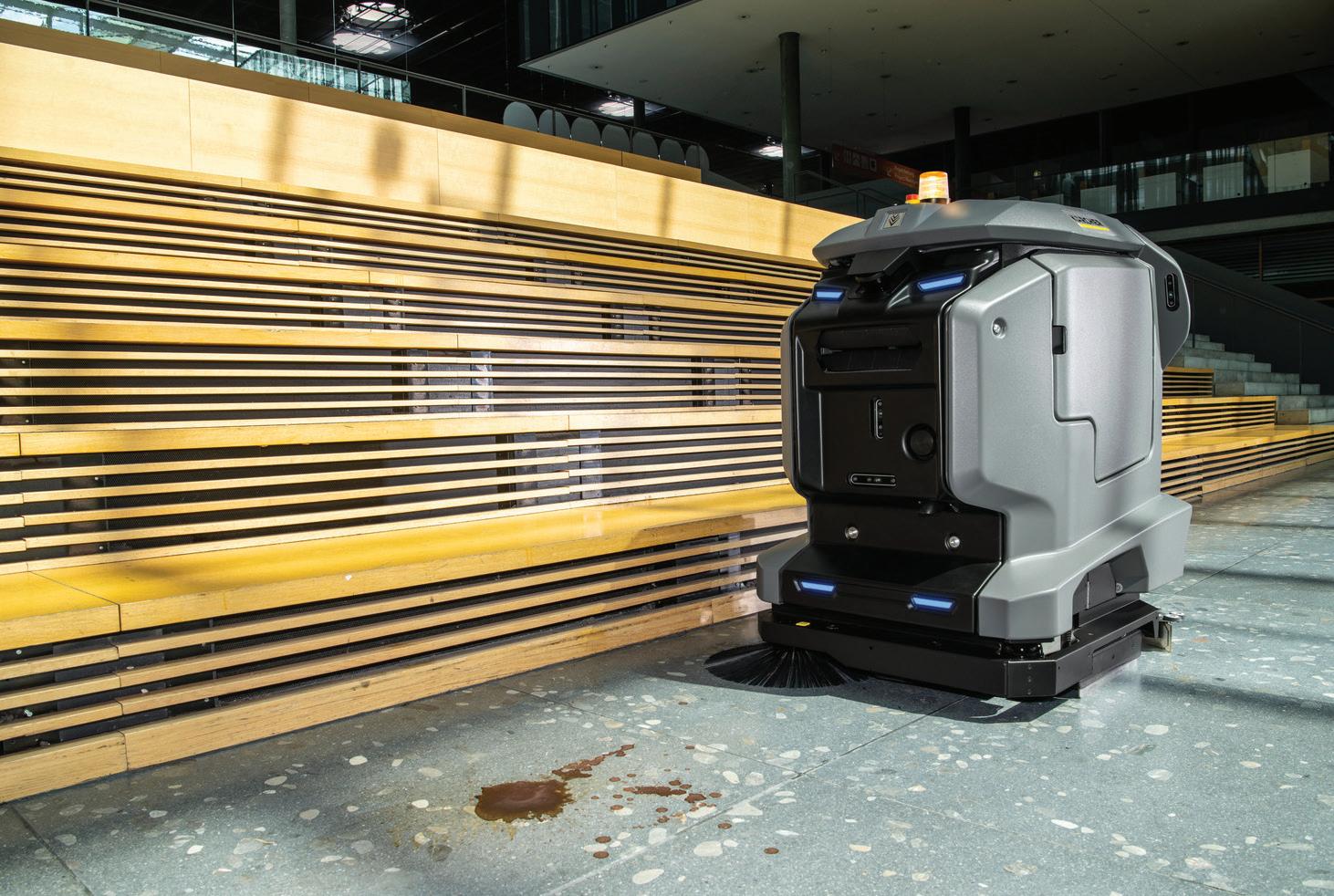
Shifting to a preventative approach changes this dynamic as facilities teams can implement consistent, planned cleaning regimes that protect flooring over time. Removing abrasive dirt before it causes damage, maintaining surface condition and addressing issues early all contribute to extending the lifespan of floor materials. This not only preserves the appearance of a facility but also reduces the likelihood of costly interventions further down the line.
In practice, effective prevention is not just about frequency, but process. Simple steps, such as sweeping ahead of scrubber drying, reduce the risk of abrasive particles damaging floor surfaces while improving cleaning efficiency. This approach also helps protect equipment by minimising slurry buildup and premature wear, supporting more reliable performance and a longer operational lifespan.
Technology is central to making this approach achievable at scale. Modern scrubber dryers, vacuum cleaners and robotic floor cleaning systems enable facilities managers to deliver consistent, repeatable results across different environments. Scrubber dryers provide an effective method for cleaning hard floors, removing dirt and residues in a controlled manner, while professional vacuums capture fine dust and debris that can otherwise contribute to wear. Robotic floor cleaners, introduce an additional layer of consistency by carrying out scheduled cleaning tasks autonomously, ensuring that baseline standards are maintained even in large or complex spaces.
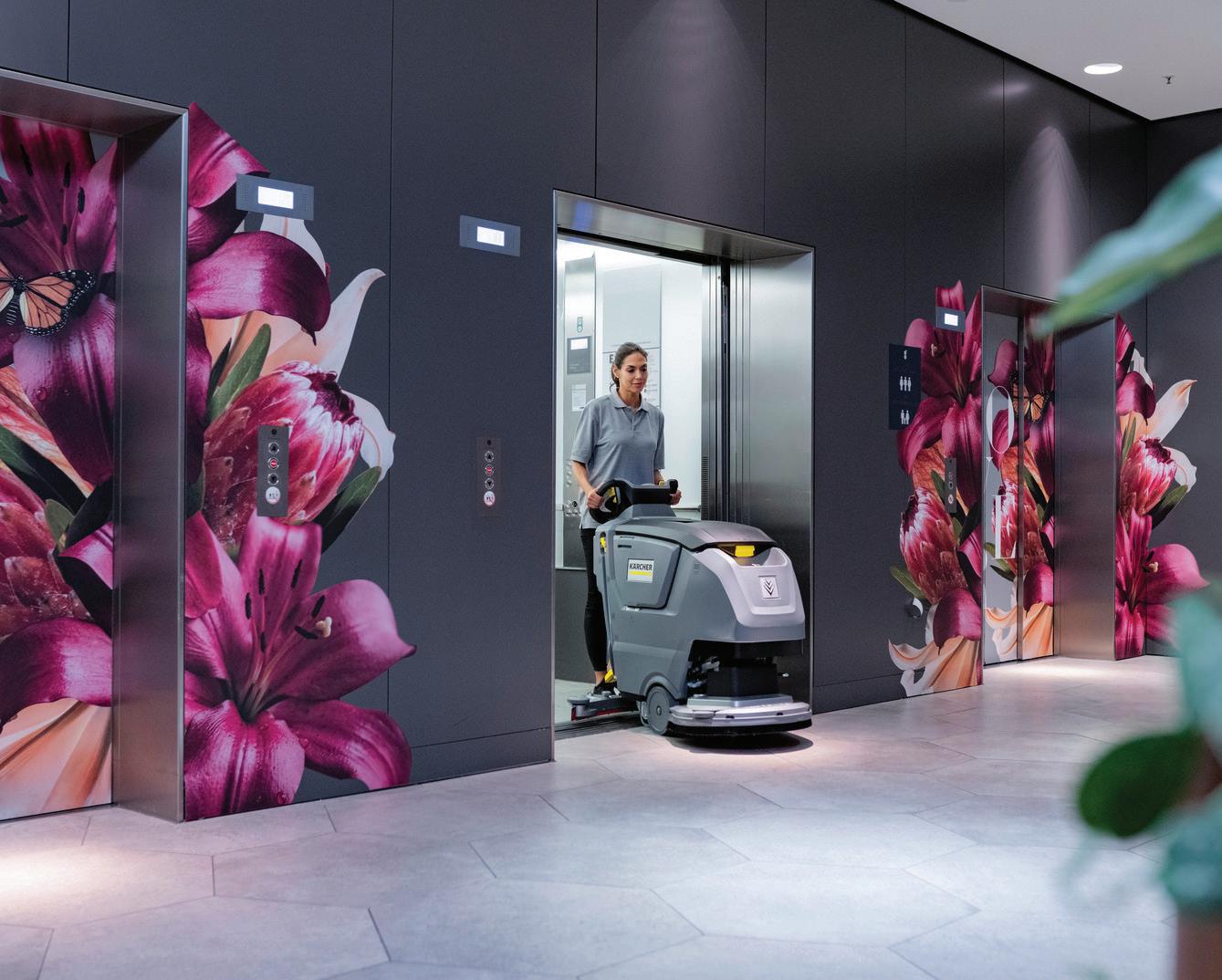
Connected cleaning and telemetry technologies are also giving facilities managers greater visibility and control over equipment performance, usage and maintenance requirements. By enabling real-time monitoring, location tracking and proactive
maintenance alerts, connected equipment management helps reduce downtime, improve asset utilisation and support more informed operational decision-making.
Preventative maintenance also depends on consistency. Delivering the same standard of cleaning across large or complex environments requires the right combination of human expertise and equipment. By streamlining routine, highfrequency tasks, facilities teams can ensure floors are maintained regularly and to a consistent standard, while freeing operatives to focus on areas that require judgement and attention to detail.
Within this context, there is growing recognition of the value of partnership-led approaches. Kärcher’s “Partners in Shine” initiative, an educational campaign focused on promoting best practice in professional floorcare, reflects a shift away from transactional relationships towards collaborative models focused on long-term performance. By working closely with customers, facilities managers can access not just equipment, but also insight, expertise and tailored support that align with their specific operational needs.
Frameworks such as PDIR (Plan, Do, Inspect, Review) further reinforce this approach by providing a structured methodology for continuous improvement. Planning ensures that cleaning strategies are aligned with the unique demands of each facility, implementation focuses on delivering those plans effectively, inspection allows for performance to be monitored, and review enables ongoing refinement. This cycle helps ensure that floor maintenance remains proactive rather than reactive, adapting to changing requirements over time.
The importance of consistent, high-quality environment is as dependent on floor maintenance as other areas of the workplace. By prioritising prevention and adopting a more strategic approach, facilities managers can reduce hidden costs, enhance safety and maintain the long-term value of their assets.
Specifying CFA members for your flooring projects means you’ll gain a wealth of experience from vetted contractors with the knowledge and products to fulfil your specification with a sustainability criteria.
CFA members are part of a supply chain that includes specialist contract flooring contractors, manufacturers and distributors, all promoting the highest standards and expertise.

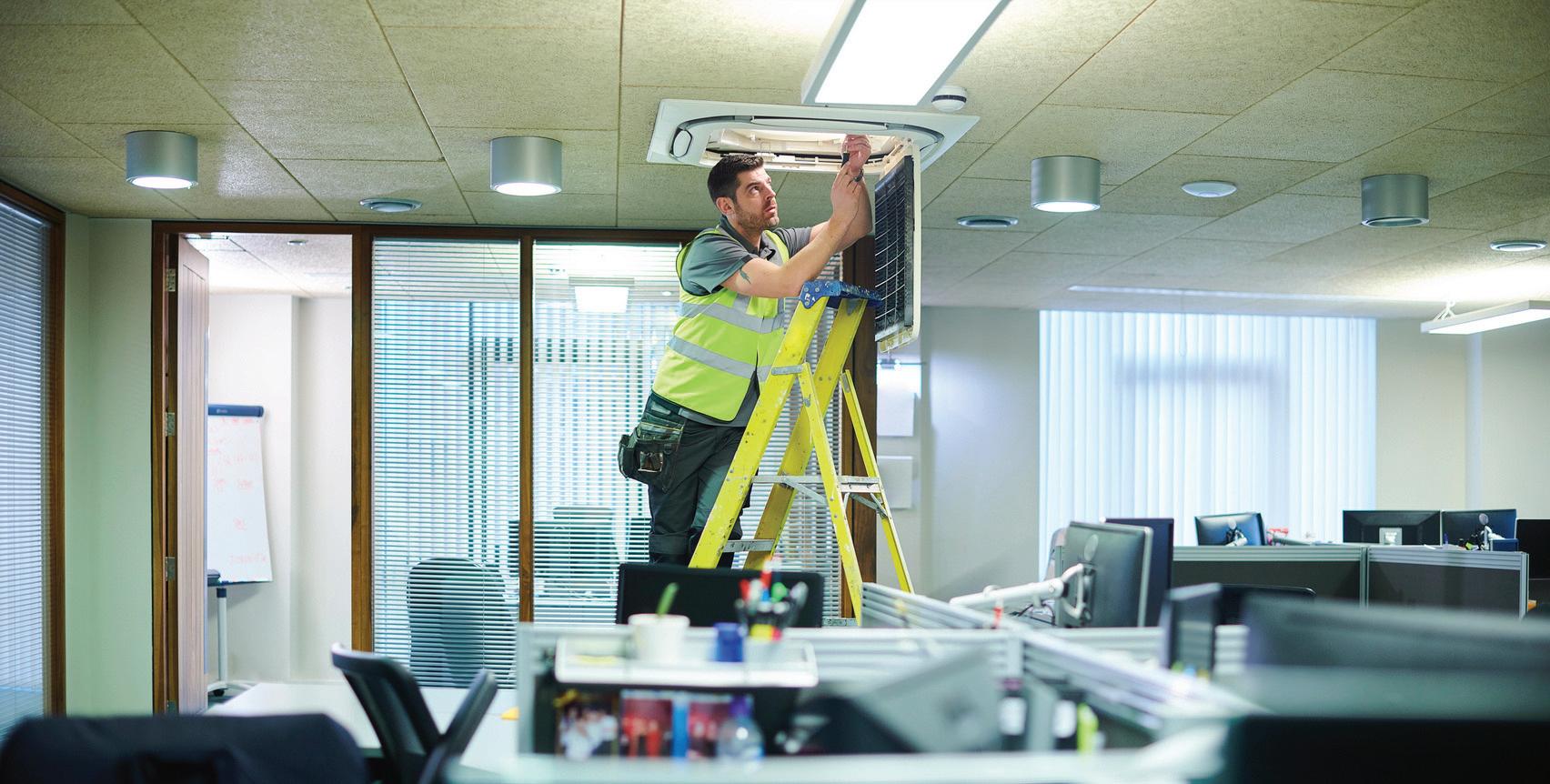




Helen Beebe, Managing Director of AJ Products UK, on what to look for when choosing ergonomic furniture, and why the wrong choices come at a cost to desk workers and employers

disorders cost
UK businesses an estimated £5.7 billion annually. In 2024 AJ Products conducted a survey of 2,015 desk workers and found that more than one in five experience daily neck, shoulder and back pain. Nearly 30 per cent go three hours or more without leaving their workstation. These results reveal the workplaces where ergonomics are treated as an a erthought.
Ergonomics must move beyond theory, yet purchase decisions are still o en driven by unit cost. The result is furniture that appears functional but
gradually fails the people who use it. Any initial savings are soon outweighed by absence, sta turnover and lost productivity.
The o ice chair is the most significant piece of equipment in a desk-based workplace, and the most underspecified. The first question shouldn’t be about price or appearance. It should be: how long will this chair be used each day?
A chair that works fine for two hours of occasional desk work is a di erent product from one designed for an
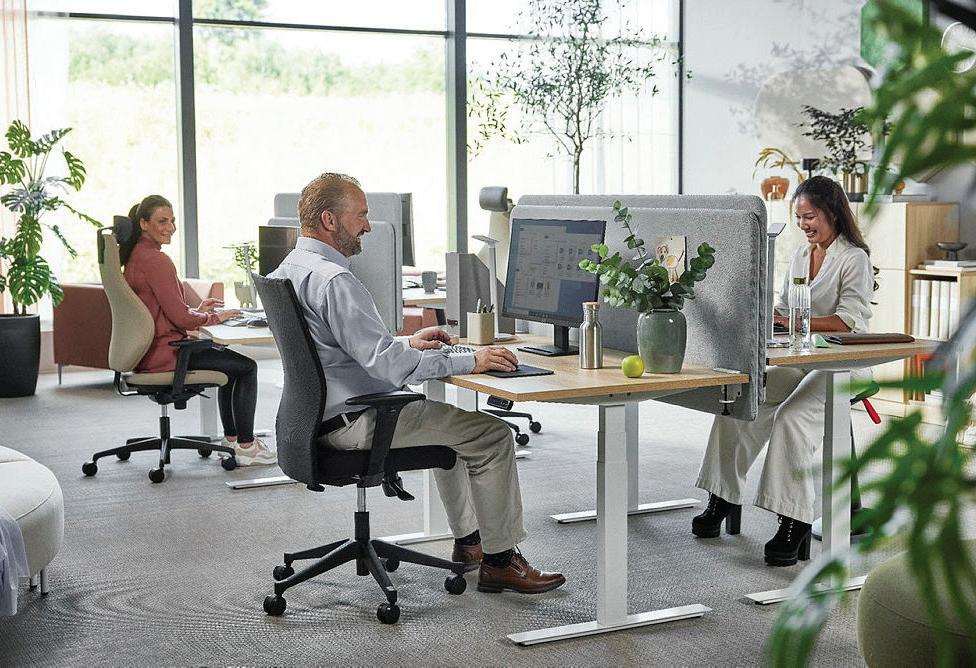
eight-hour shi . For full-time desk workers, independent adjustability is key; seat height, seat depth, lumbar support and armrests. Feet should rest flat on the floor, knees at roughly 90 degrees, with a small gap between the seat edge and the back of the knee to keep circulation moving. The lumbar support needs to follow the curve of the individual’s spine, which means it must be adjustable not a fixed generic pad. Consider the importance of armrests. Positioned correctly, they take the weight of the arms o the shoulders and neck across the whole day. Too high, and they push the shoulders up.
might be in continuous use, an asynchronous mechanism o ers the independent adjustability that those hours require. The specification needs to be matched to the individual needs.
Even a well-chosen chair cannot compensate for a desk at the wrong height. The appropriate range for most seated users sits between 85 and 100 centimetres, but that figure must correspond to the individual’s build and chair position. Getting one right without addressing the other creates a mismatch that compounds over time.
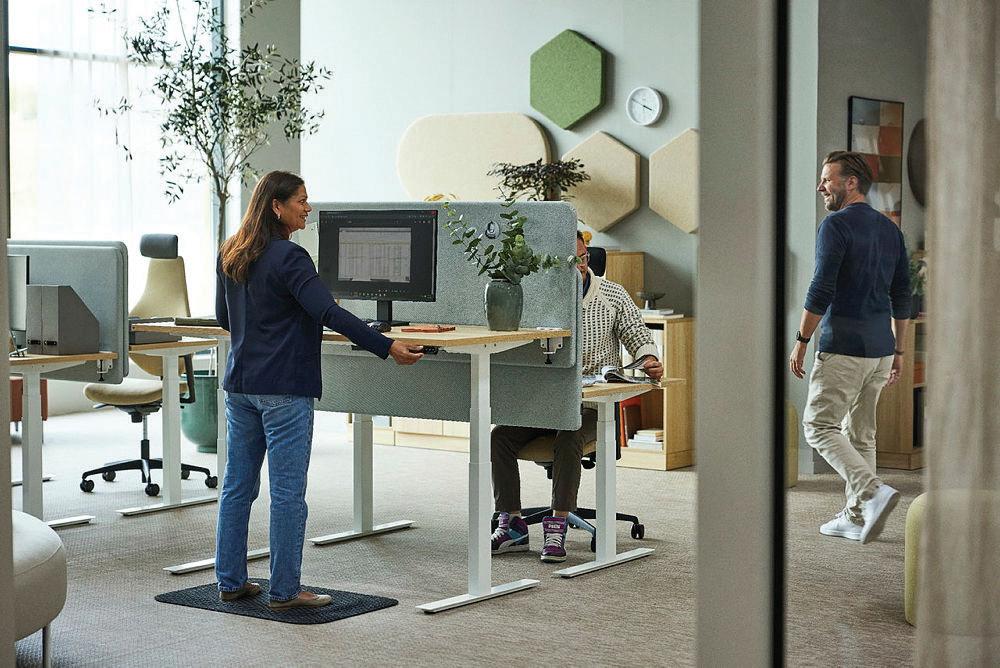
Too low, and they’re simply decorative. The right position is elbow height when the user is seated and relaxed.
The mechanism, how the chair responds to the body’s movement, is where a lot of specifications fall short. For anyone desk-based for most of their working day, a synchronised mechanism, where seat and backrest move together on recline, is the minimum to specify. It keeps the body in alignment as it shi s, rather than forcing it to brace against a static backrest.
For more demanding settings such as control rooms, shi -based environments and anywhere a chair
Height-adjustable desks directly address this. Alternating between sitting and standing throughout the day improves circulation, reduces fatigue and takes pressure o the lower back. What I see regularly, though, is the adjustment function going unused once the novelty wears o . The habit must be established alongside the equipment, otherwise a height-adjustable desk becomes an expensive fixed one. Desk shape is also underestimated. A wave or curved desktop lets the user sit closer to their work, which reduces the forward lean that loads the neck and upper back over time. For users managing multiple screens or working
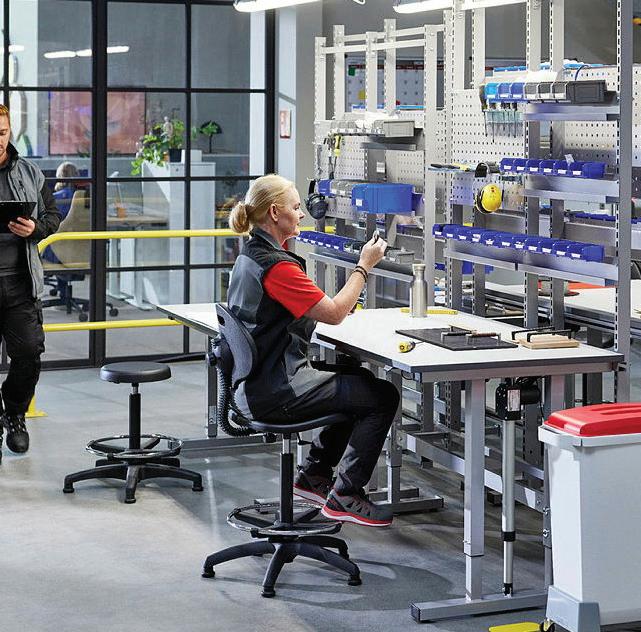
with a lot of materials, a corner or L-shaped configuration keeps everything within reach without the repetitive reaching that builds into injury.
A good chair and the right desk can still produce poor outcomes if the equipment on the desk creates the wrong posture. Monitor position is the most frequent failure. Screens too low pull the head forward and down, and that load on the neck and upper spine adds up across the working day. A monitor arm that positions the screen at eye level, 50 to 80 centimetres from the face, fixes this and allows adjustment as working patterns change.
Forearm and wrist support reduce the cumulative e ect of extended keyboard and mouse use. A footrest is a simple solution
Ergonomics isn’t just about physical alignment; it is also about the acoustic environment.
Sustained workplace noise is a recognised cause of fatigue, stress and reduced concentration as the sound environment creates a constant cognitive load. Desk and floor screens, acoustic panels & upholstered seating all help reduce noise and the mental e ort of working through it.
Every piece of ergonomic workplace furniture needs to be considered as an investment, not a cost. Make the right decision before any repercussions appear through absence, performance and retention figures.

The experts from access equipment manufacturers JLG on how taking an ergonomic approach can minimise the risks from front-of-house access tasks.
Everyday low-level access tasks are o en underestimated, yet they create avoidable working-at-height risk in public-facing environments. In busy, front-of-house environments, like o ices, hotels and retail spaces, routine maintenance and installation tasks are o en carried out in view of guests, visitors or other members of the public, and frequently by a member of a workforce that may be pressed for time to get the task done.
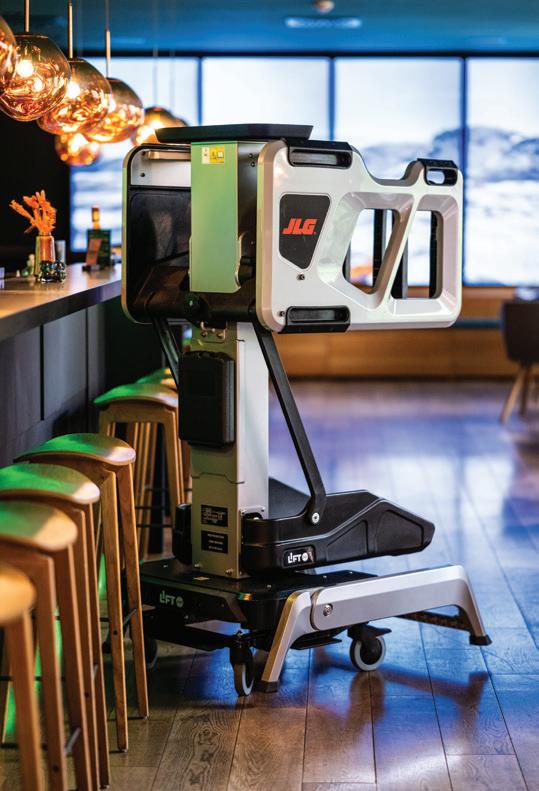
Many risks in maintenance and installation do not come from complex activities but from frequent, low-level tasks. Everyday front-of-house maintenance tasks, from changing lighting to installing AV equipment, create overlooked working-at-height risks for facilities and installation teams. When tasks are perceived as minor or routine, familiarity may lead to reduced risk awareness or inconsistent adherence to safe working practices. Repetition, awkward postures and improvised access solutions may increase cumulative risk.
Supporting safe work practices in these activities means acknowledging that frequent, everyday tasks can still introduce potential risk and require appropriate planning, processes and equipment.
Front-of-house work introduces an added layer of complexity. Unlike back-of-house areas where maintenance can happen behind the scenes, these spaces are live, public environments where work happens in front of guests, employees or customers.
This creates competing pressures. Tasks must be completed quickly to minimise disruption, yet they must also meet stringent safety standards. Under the Health and Safety at Work etc. Act 1974, organisations are required to assess and control risks not only to workers but also to members of the public in these spaces. The presence of the public gaze may increase the likelihood of rushed decisions or risk-taking behaviours to complete work quickly and discreetly.
In such environments, the choice of access equipment becomes key. Solutions must enable safe processes around working at height while fitting the space seamlessly. Equally, the confidence of the operator plays a vital role. Workers who feel stable, supported and comfortable when working at height may be more likely to follow safe working practices.
Physical strain and fatigue may influence decision making when working at height, particularly among an ageing workforce. For many experienced operatives, routine tasks such as repeated ladder climbing, overhead installation work or carrying equipment through busy environments may become more physically demanding over time.
This is where ergonomic equipment design can support safe and e icient working practices. Equipment designed to reduce physical strain, improve stability and support more natural working positions can help operators work more comfortably and consistently, particularly during repetitive access tasks.
Considering operator wellbeing as part of equipment selection means that rather than responding a er incidents occur, the focus is on reducing the conditions that may contribute to risk in everyday work at height activities.
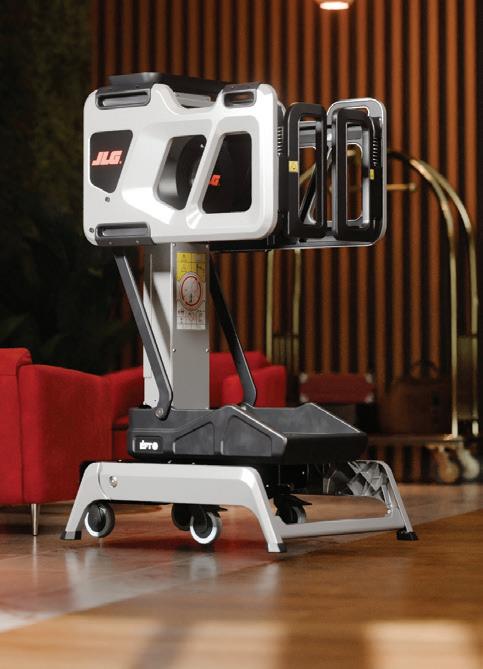
Access equipment, like ladders, podiums and li s, can help broaden the range of people who can perform tasks at height, reducing the limitations of physical strength, agility or experience. Using stable, intuitive platforms, like low-level access li s, may help reduce reliance on improvised access methods. When safe working practices are also practical and easy to adopt, organisations may see stronger compliance with procedures.
Equipment that supports stability, ease of movement and comfortable working positions can reduce strain during repetitive tasks and may enable safe, more controlled working practices.
Tork, an Essity brand and the global leader in professional hygiene, has announced it has significantly expanded its carbon data reporting across its European product portfolio while delivering substantial carbon footprint reductions – including up to 22% – across key systems. The move comes as European businesses face mounting pressure to meet the European Green Deal target of net zero by 2050 and other regulations.
Tork improves carbon measurement and reporting by tracking carbon data throughout the entire life cycle from raw materials through each single product use to end of life. This comprehensive approach allows customers to make informed decisions about the environmental performance of hygiene products across their entire facilities, from washrooms to foodservice areas to maintenance operations.
Since October 2025, Essity has used renewable electricity in the papermaking of select Tork hand towels – an improvement that helps customers immediately reduce the carbon footprint of the hygiene products they use every day. By continuing to invest in renewable electricity and innovating across the product life cycle, Tork now o ers the same reliable, high performing products with a lower carbon footprint across its most widely used systems.

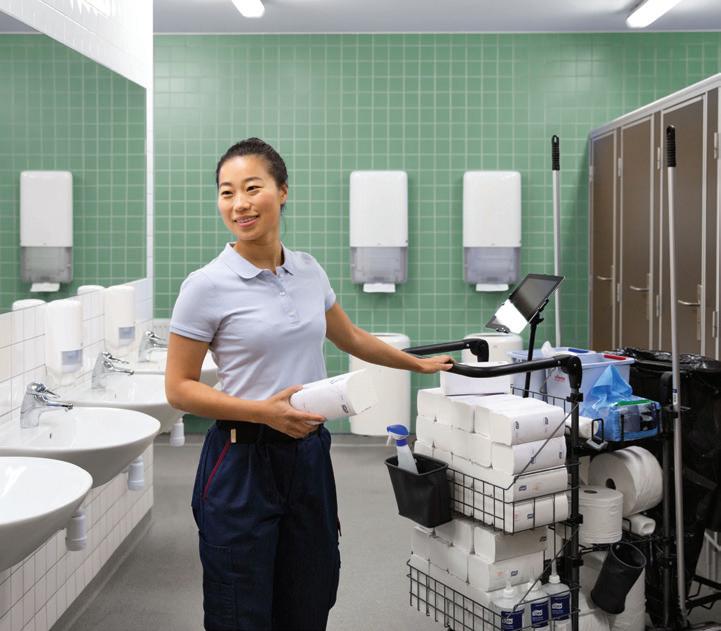
Highlights include:
Tork PeakServe® Continuous™ Hand Towel refills: 22% carbon reduction1
Tork Matic® Hand Towel Rolls: 21% carbon reduction
Tork exelCLEAN® Biobased cloths assortment: 17% lower carbon footprint compared to conventional cloths
Tork Xpressnap® Napkin refills: 14% carbon reduction
Commercial cleaning product manufacturer and distributor
Robert Scott has announced the launch of the Ergo-Globe Curve
Handle – a groundbreaking, ergonomically designed telescopic cleaning handle created to improve cleaning performance while reducing strain and fatigue for operators.
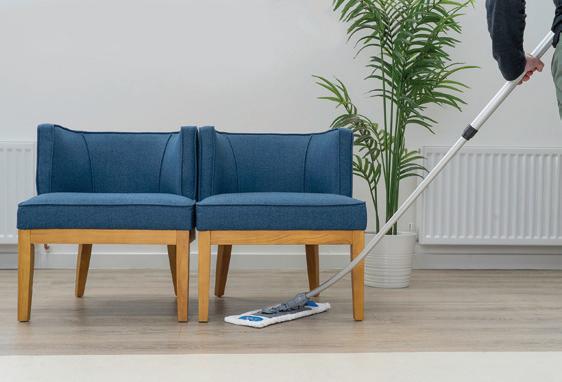

Designed with user comfort and e iciency in mind, the Ergo-Globe Curve Handle helps reduce bending, stretching and repetitive strain during everyday cleaning tasks. Its distinctive curved design minimises the need to rotate the wrist and arm when carrying out the traditional figure-of-eight mopping action, helping operators maintain a more natural and comfortable working position. The handle also features a comfortable ergonomic grip and a rotating, non-slip globe, allowing smoother movement and improved control during use. Together, these elements help reduce fatigue during prolonged cleaning tasks and support more e icient cleaning routines.
Manufactured from lightweight aluminium, the Ergo-Globe Curve Handle is designed to reach further under furniture and fixtures, reducing the need for operators to overreach or stretch.
By combining thoughtful ergonomic design with practical functionality, the Ergo-Globe Curve Handle represents another step forward in cleaning equipment innovation from Robert Scott.
See the Ergo-Globe Curve Handle in action here https://bit.ly/4wlGpg8
www.robert-scott.co.uk
info@robert-scott.co.uk
To further support customers’ sustainability initiatives, Tork has enhanced the Tork Focus4 Sustainability platform with new tools and resources to make sustainability easier:
Easier to choose: Tork provides comprehensive product sheets and infographics with detailed sustainability benefits. For select systems, including napkins and hand towels, carbon per use measurements uniquely enable FMs to generate realistic product comparisons.
Easier to report: The Tork Focus4 Sustainability Data Tool o ers easy access to product information ideal for quotes and tenders. The tool now includes extended information such as sustainability labels, compostable products, third-party mill and product certifications and recycling validation (RecyClass grade).
Easier to navigate: Free online Tork Sustainability Academy training modules now include a training on European legislation and decarbonisation, covering key regulations, stakeholders and how to integrate sustainability into business models.
For more information about carbon data and Tork Focus4 Sustainability visit: http://www.torkglobal. com/gb/en/focus4productsheets
Balfour Beatty PLC is supporting NHS England’s important men’s health message “Blood in your pee? Contact your GP practice” by installing P-Wave’s branded urinal screens in thousands of washrooms nationwide.
“We launched the fi h version of our Slant6 urinal mats in 2019, and from the start we discussed how they could be used for something positive,” says Mark Wintle, P-Wave brand manager at Robert Scott.
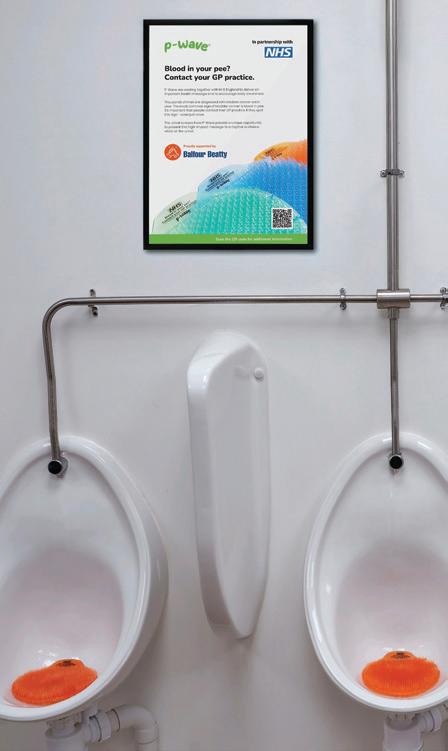

“The screens were a strong commercial success, so we were delighted when, at the end of 2023, NHS England launched an awareness campaign encouraging men to contact their GP if they notice blood in their urine. As part of a wider early diagnosis initiative, they chose to collaborate with P-Wave by placing a clear call to action directly on Slant6 urinal screens in pubs, shops and public venues. Our partnership with NHS England is unique and has gained real momentum, with many large organisations supporting the initiative.”
Balfour Beatty adopted the screens across its locations. “We have a ‘my contribution’ portal where employees can suggest ideas, and that’s where this started,” explains James Vizard, Senior Mobilisation Partner. “Working with P-Wave to deliver a potentially life-saving message is a simple, cost-neutral step. If we improve even one life, it’s worthwhile.”
https://www.p-wave.co.uk
https://www.youtube.com/watch?v=vLK85GeWIBs


ProAstra, the smart NFC platform helping organisations take control of assets and service locations, has announced the development of a new App designed to help engineers work more e iciently, wherever they are.




Tap – Scan the NFC tag to access the asset or location and perform inspections.
Prove – Capture attendance, actions and evidence with a complete audit trail.
Report – Turn field activity into real-time dashboards and automated reports.
Reveal – Identify missed inspections, recurring faults and hidden operational risks.
Resolve – Prioritise maintenance proactively to reduce downtime and costs.
Relax – Gain confidence through compliance, visibility and operational control.
The Evolution of the ProAsta App Building on the success of ProAstra's existing Progressive Web App (PWA), the new App introduces full o line capability while maintaining the simplicity and reliability customers already depend on.
Scheduled for release this autumn and set to be showcased at Facilities & Estates Management Live, the App will enable engineers to access asset information, complete inspections, report faults, manage tasks and capture photographs without relying on a network connection.
The development reflects ProAstra's commitment to evolving alongside changing operational demands. As engineers increasingly work across large estates, remote locations and areas with inconsistent connectivity, uninterrupted access to critical information has become essential.
"Our goal is to develop technology that reflects the realities of field operations while anticipating future needs," said Jim Appleson, Founder of ProAstra. "We want engineers to have complete confidence that they can access the information they need, carry out their work e iciently and report accurately without interruption."
The App gives engineers instant access to the information required to make informed decisions and complete work e iciently in the field. From a single view, users can see the status of an asset or location, review maintenance history, understand service requirements and confirm when work was last completed.
Additional functionality includes:
Capturing and uploading photographs directly from the field
Accessing recent asset history and maintenance records
Continuing work uninterrupted, regardless of signal availability
Once connectivity is restored, all information automatically synchronises with the central platform, preserving a complete operational record while reducing duplication and administration.
The benefits are immediate: improved productivity through uninterrupted workflows, faster reporting at the point of activity, enhanced data accuracy and stronger compliance through structured digital processes. Richer reporting, supported by photographic evidence and complete audit trails, also provides managers with greater visibility across dispersed assets and teams.
This latest development forms part of ProAstra's wider strategy of continuous improvement, ensuring customers have practical tools to manage assets, track maintenance activity, respond to faults and demonstrate compliance with confidence.
The value of dependable field technology is already evident at St George's Park, HQ of The Football Association, where multiple facilities and critical assets require accurate information and coordinated oversight. Teams are particularly excited by the ability to capture and share photo evidence of faults and failures, improving visibility and supporting faster, more informed decision-making.
As development progresses ahead of the autumn launch, ProAstra will continue working closely with customers and stakeholders to refine functionality and ensure the App delivers meaningful benefits in the field.
The result is another step forward in ProAstra's mission to provide dependable technology that gives organisations greater control of their assets, proves attendance, strengthens compliance and equips engineering teams with tools built for the realities of modern field operations.
ProAstra™ - Smarter Asets. Smarter Spaces. One Tap at a Time Book your demo today at https://proastra.com/ Call the Team direct on 0800 844 5103
Cobra has announced the much-anticipated arrival of its new Fortis Stadium 34 machine, a powerful new professional cylinder mower designed specifically for semi-professional and professional sports turf environments. Engineered for football pitches, cricket squares, golf facilities, bowls greens and sports academies, the new model marks a major step forward for Cobra as it fully enters the professional sports turf category.

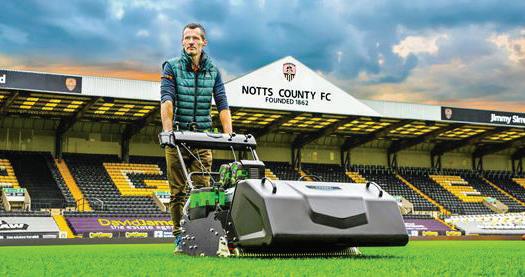
maintaining operational reliability. For large pitches and extended mowing sessions, the Fortis Stadium 34 can be fitted with an optional premium trailer seat, helping to reduce operator fatigue while maintaining precise control.
At the heart of the Fortis Stadium 34 is a precisionengineered cylinder cutting system, designed to deliver the immaculate striped finish and consistent cutting performance required on sports surfaces.

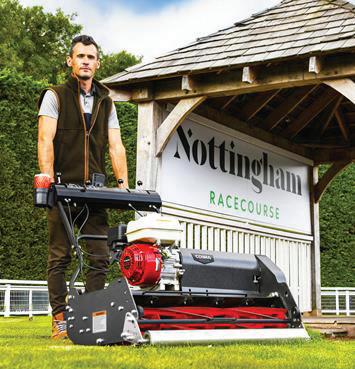
The Fortis Stadium 34 represents a significant evolution for Cobra, bringing together modern turfcare technology with the experience and heritage of Henton & Chattell’s 95 years in the garden machinery industry. Designed to deliver
precision cutting, versatility and long-term reliability, the machine is aimed squarely at grounds teams seeking professional performance with practical a ordability.
To meet the evolving needs of modern grounds teams, Cobra is launching the Fortis Stadium 34 in two configurations; a Honda-powered petrol model for proven performance, and an EGO battery-powered model o ering the same 34” cut with reduced noise, zero emissions at the point of use and lower running costs – ideal for stadiums where sustainability and noise control are priorities. O ering both power options provides facilities with the flexibility to adopt battery technology at their own pace while
Stratford Waterfront Management O ice in London required a secure, reliable and cost-e ective IT environment for its independent operations within a multiuse complex.
Accelerator Ltd delivered a full IT migration, creating a segregated network, improving connectivity, cybersecurity and wireless coverage, implementing new routers, switches and VoIP telephony. The solution supports existing devices, extends service to key areas and enables future multitenant onboarding, all under a single support contract.
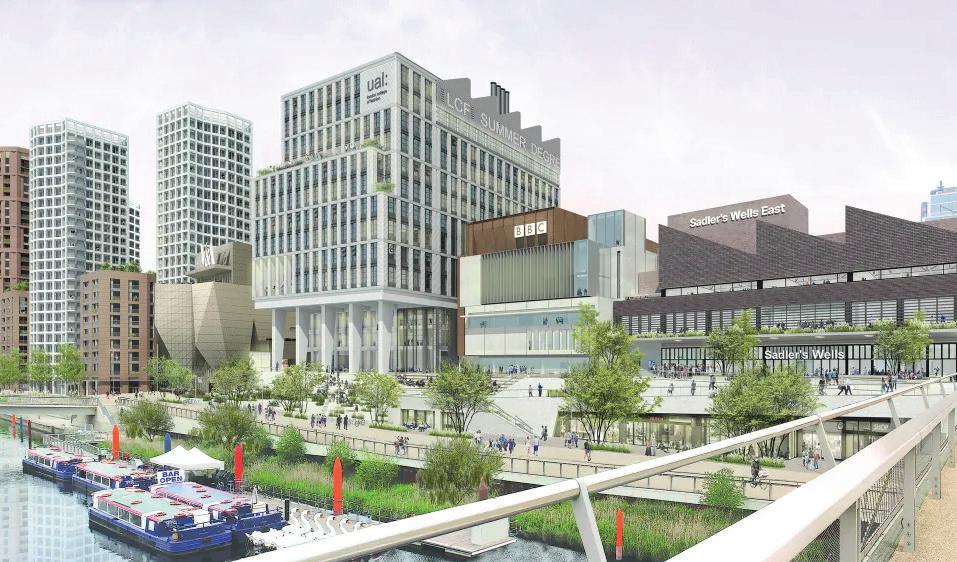

Results include seamless connectivity, reduced costs, improved security and reliability, and a scalable infrastructure aligned to modern operational needs.
“The migration went very smoothly, and the coordination with the site team was excellent. Overall, the support from your team has been first class” Hakan Sivetoglu, Estate Manager, Stratford Waterfront Management O ice
If you would like a review of your IT, please scan this QR code today and we look forward to speaking with you. www.accelerator.uk.com.
www.accelerator.uk.com

The mower is fully compatible with the Fortis Turf Management Cartridge System, enabling operators to quickly switch between interchangeable lawncare cartridges. This allows grounds teams to carry out a wide range of essential turf maintenance tasks with one machine, keeping playing surfaces in peak condition throughout the season.
The launch of the Fortis Stadium 34 signals Cobra’s strategic move into a key segment of the professional turf market: the mid-tier professional user. This includes organisations such as grassroots and championship football clubs, universities, sports academies and professional grounds maintenance contractors.

International AV integration partner Pixel Global AV has appointed Sebastian Szczesniak as Global Services Director, strengthening the company’s focus on enterprise AV support, managed services and consistent service delivery across its global operations.
E ective 1 June 2026, Sebastian will lead Pixel Global AV’s growing managed services division, overseeing support delivery for both end clients and the company’s expanding international partner network.


With almost 20 years’ experience across the AV industry, Sebastian brings extensive expertise in service strategy, customer support and operational delivery. Prior to joining Pixel Global AV, he founded Solvertec in December 2024, a specialist AV services business created to address a gap he identified in the market: the need for dedicated, customer-focused service provision that sits at the heart of an AV solution rather than being treated as an additional o ering.
Pixel Global AV and Solvertec first began working together a er being introduced through a shared customer. Solvertec supported Pixel customers by delivering independent AV audits and service expertise, creating a natural alignment between the two organisations.
Now joining Pixel Global AV in-house, Sebastian will continue developing this service-led approach globally.
www.pixelglobalav.com
info@pixelglobalav.com
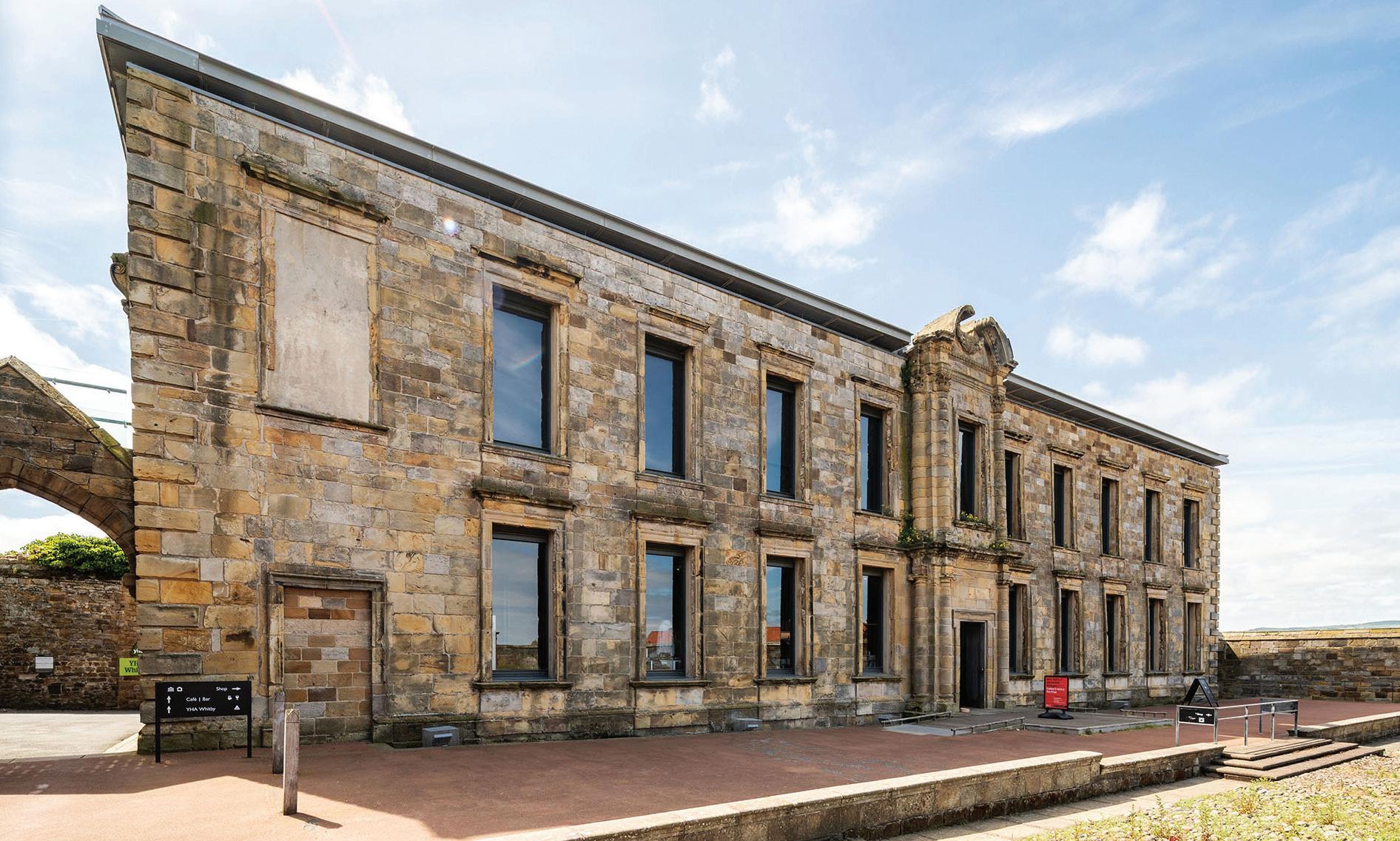

One of England’s most famous historic monasteries, Grade I Whitby Abbey, has invested in a li modernisation by Stannah to o er reliable step-free access to visitors. Designed to impress, built to perform Originally founded in AD 657 and occupied by the Anglian community, Whitby Abbey was later rebuilt as a Benedictine monastery. Today, the 7th-century ruins remain a popular heritage landmark in North Yorkshire, now housing an award-winning visitor centre repurposed from a 17th-century banqueting hall.
Whitby Abbey House Visitor Centre, developed in the early 2000s beside the abbey ruins, includes a souvenir shop, museum and café. The passenger li is located on the ground floor, providing access to the museum and exhibition area on the first floor.
Due to the age of the existing li , modernisation work was needed to maintain smooth and reliable operations for visitors who require step-free access. Whitby Abbey is managed and maintained by English Heritage, who issued a tender for the li works. Following a rigorous tendering process, Stannah, acting as the li supplier, worked with Cundall consultants to determine the best approach for this modernisation project.
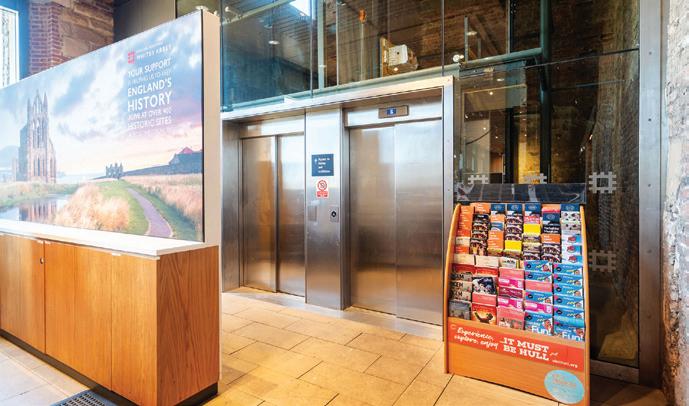

The challenge
Whitby Abbey attracts over 150,000 visitors each year, so keeping the visitor centre open was important to fulfil the customer experience. The shop’s closure was kept to a minimum to ensure the safe transportation of equipment and initial start of works. This also allowed the on-site team to establish a safety perimeter, prioritising visitor safety. Following this, the shop remained open for the duration of the project.
As this was the only functioning li in the building, it was important to complete the modernisation as quickly as possible to avoid long disruptions to shop operations and visitors.
The solution
Working collaboratively with Cundall, li modernisation was proposed in place of full replacement, a recommendation supported by Stannah Li s to achieve a cost e ective outcome with minimal impact on day to day operations.
By upgrading key mechanical and control components, the li ’s reliability, performance and long-term serviceability are improved while shortening installation time and minimising downtime.
The li modernisation solution included a new Hydroware control panel to improve reliability and li response times, a hydraulic tank unit for more e icient system operation, and a borehole ram to provide safer and smoother travel.
A new stainless steel car operating panel (COP) and landing push stations were installed to improve passenger usability, accessibility and li reliability.
The installation of a variable voltage variable frequency (VVVF) electronic drive improves ride comfort by delivering smoother acceleration and
deceleration, reducing any jerking movements and mechanical wear, while also improving energy e iciency. The sha lighting was also upgraded to LED to improve visibility for engineers during future maintenance work.
New vinyl flooring was chosen to enhance the interior appearance while providing a durable, hardwearing, and easy-to-maintain surface suitable for high-tra ic use.
The modernisation package covered all major components, o ering a practical solution that optimised performance and restored reliability.
Results
The li modernisation was completed within five weeks. Overall, these modernisation upgrades successfully enhanced the li ’s reliability, operational e iciency, ride comfort, safety and energy performance, while reducing the risk of breakdowns frequently associated with ageing components.
The new stainless steel COP, updated indicators and vinyl car flooring also modernised the appearance of the li car, providing a more durable, accessible, and user-friendly experience for passengers.
Upgraded li components, such as the VVVF drive, help to deliver a smoother ride while also reducing operating costs by more e icient motor control and reduced energy consumption.
Visitors can now enjoy reliable transportation from the only li on site to the museum, where they can explore the heritage of one of the UK’s iconic landmarks through its exhibits and displays.
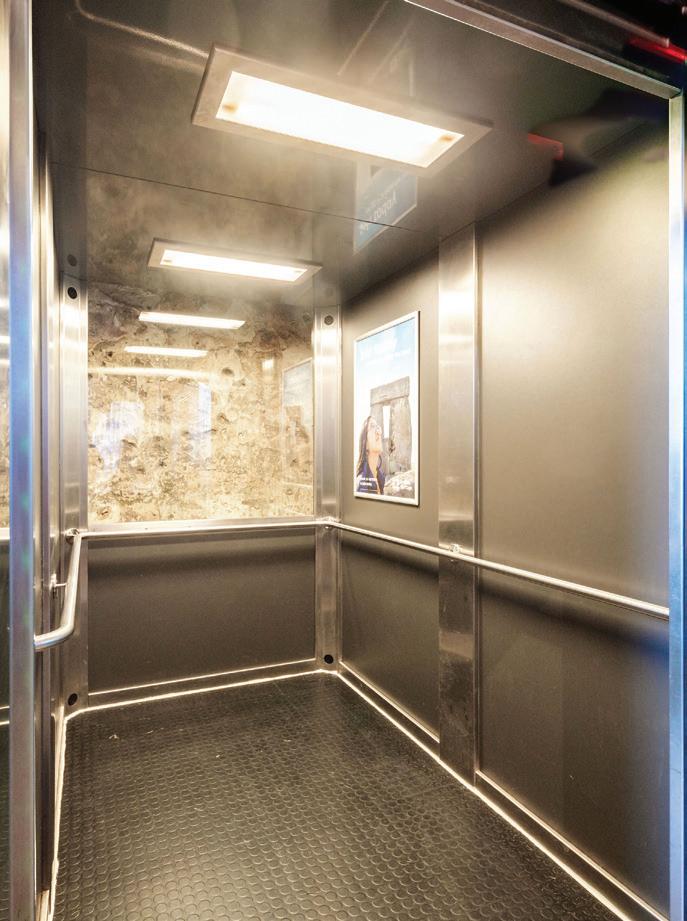

Clade Engineering Systems, the UK’s leading manufacturer of natural refrigerant air source heat pumps for commercial & industrial use, has appointed Tom Wilson as its new Sales Director, reinforcing the company’s strategic growth ambitions as it prepares for full integration into the Groupe Atlantic portfolio.
Tom’s appointment comes at a pivotal time for Clade, as demand for natural refrigerant heat pump solutions continues to grow across commercial and industrial applications. With extensive experience across merchant, operations and strategic sales leadership, Tom will play a key role in supporting consultants, specifiers and contractors navigating the transition to low carbon heating.


Tom brings with him decades of experience in the HVAC and building services sector, having built a long-standing career with BSS, one of the UK's key distributors of pipeline and heating solutions. Beginning in sales and branch operations roles in the 1980s, he progressed through the organisation to become Sales and Operations Director in 2014, overseeing a business with a turnover exceeding £300 million and a workforce of more than 1,000 employees. Following his departure from BSS in 2022, Tom has undertaken a number of consultancy roles across the sector.
https://clade-es.com enquiries@clade-es.com
Style Group’s Service & Maintenance team has demonstrated the value of repairing and upgrading existing movable wall systems a er successfully refurbishing a 10-yearold installation originally supplied by another company.
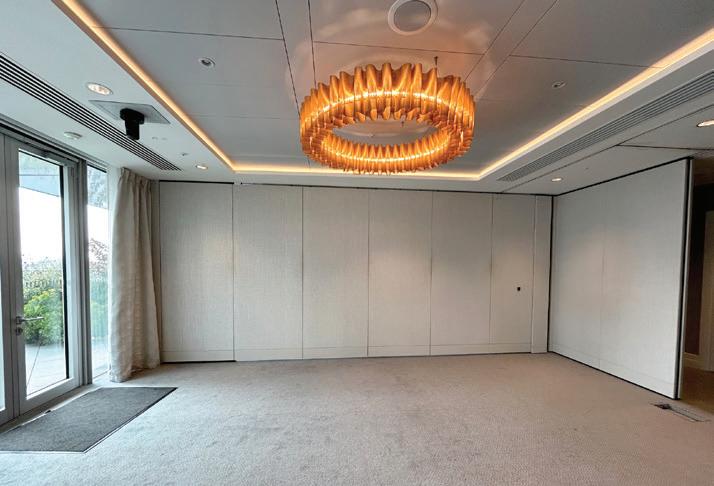
When Parkeray found that the original supplier of their movable wall system was unable to update the panel finishes, they approached Style for an alternative solution. Instead of replacing the complete system, Style provided a cost-e ective refurbishment by replacing the boards on the existing installation. This extended the working life of the wall, reduced waste and delivered a more sustainable outcome for the client.

For architects, contractors and building owners, the long-term performance of a movable wall system is just as important as the initial specification and installation. Style’s engineers are trained to protect that investment, helping clients maintain, repair and improve their movable wall systems throughout their lifecycle.
Style Group recommends scheduled servicing to help maintain acoustic performance, system integrity, safety and reliability, while identifying wear or damage before more extensive repairs are required. For movable walls in frequent daily use, two or three professional services each year are recommended to maintain optimum performance. With appropriate care, some systems can continue operating e ectively for up to 25 years.
www.style-group.co.uk
Forbo Flooring Systems has unveiled its refreshed collection of high performing Flotex Planks, introducing re-imagined digitally printed designs inspired by natural textures and contemporary colour stories. Launching in the first wave, the Woven and Stone ranges e ortlessly combine durability with comfort, acoustics and design versatility for today’s demanding commercial interiors.
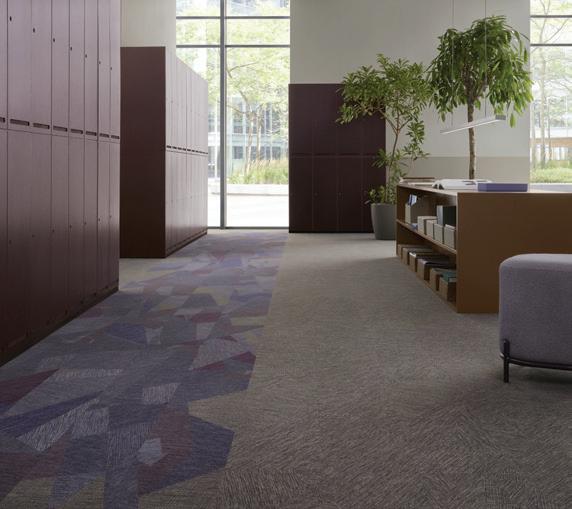

A long established modular flooring solution, Flotex Planks is engineered for environments where hygiene, resilience and comfort are essential. Its ultra dense fibre construction with over 70 million fibres per m2, paired with a waterproof backing, delivers exceptional longevity, e ortless maintenance and 19dB impact sound reduction. These performance qualities make the collection ideal for high tra ic spaces where safety and cleanliness are critical.
The refreshed collection showcases seven digitally enhanced designs across the Woven and Stone ranges. Thanks to the precision of digital printing, Flotex achieves intricate detail far beyond standard tu ed carpet tiles, enabling architects and designers to create distinctive visual schemes. The modular plank format supports multiple installation patterns and allows seamless integration with other Forbo solutions such as Tessera carpet tiles and Allura Flex LVT, without the need for transition strips.
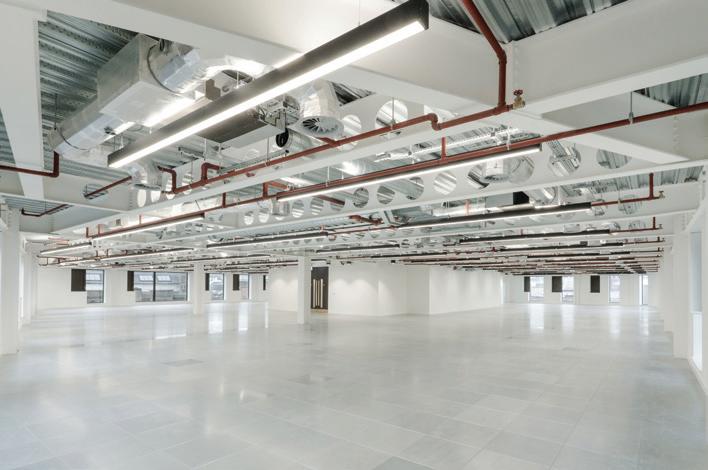

Phenolic ductwork fabricated from The Kingspan KoolDuct System has been installed as part of Island, a 100,000 sq . o ice development in central Manchester, which has been designed to leading standards, including NABERS 5* and BREEAM ‘Excellent’, and to achieve net zero operational carbon performance. Installed by EcoDuct on the property, the innovative KoolDuct System is formed from panels with aluminium foil facings and a rigid thermoset phenolic insulation core. This pre-insulated design avoids the need for a separate lagging stage and can weigh up to 70% less than ductwork constructed from galvanised sheet steel and then insulated with mineral fibre. This allowed EcoDuct to rapidly fabricate and install the insulated ductwork in long-lengths with a single operation. As the phenolic boards can be easily modified with hand tools, EcoDuct were easily able to modify the runs where required – avoiding potential delays from design alterations.
Alongside these practical benefits, testing has also shown that air-leakage rates from The KoolDuct System can be reduced to a fraction of those of conventional galvanised steel ductwork. This airtight design should help to lower energy demand for the Island by allowing system fans to operate at a lower rate than might otherwise have been needed.


Corps Security has realigned its operational senior leadership around a new integrated operating model, with Paul Lotter appointed as Chief Operating O icer to lead the change.
Underpinning the realignment are Corps’ three core divisions: Corps Security, security guarding; Corps Monitoring, remote monitoring; and Corps Intel, intelligence, risk and consultancy, which now come together under one unified operating model. This will ensure customers benefit from complete, 360-degree proactive and reactive security solutions tailored to their businesses, driving e iciency and innovation.
To deliver this new approach, Lotter will lead a senior team spanning the breadth of Corps’ operations. Lotter will provide strategic and operational leadership across the business, working closely with operational teams to drive seamless coordination and continuous improvement.
Mandhir Singh Sidhu (Sid) has been appointed by Willmott Dixon Interiors to lead its commercial fit out team.
Sid joins the business with extensive industry experience, bringing a strong track record of building trusted client relationships, developing opportunities and supporting customers through the early stages of their fit-out projects. He has previously worked for the likes of Overbury, Morgan Sindall Fit-Out and BW Interiors.
In his new role, Sid will primarily target landlord and occupier projects in the workplace and hospitality sectors up to £50 million.
Strengthening its FM and technical services o er, Kier has appointed Dan Andrews as Director of Kier Places Workplace Solutions.
Andrews will lead the Kier Places Workplace Solutions business, focusing on driving service excellence, accelerating investment in technology and people, and working in partnership with clients to optimise performance and unlock greater value from their built environments.

Andrews joins Kier Places from CBRE’s Global Workplace Solutions division, where he most recently served as Executive Director, leading multidisciplinary FM operations spanning hard and so services, projects, and ESG.
He began his career in FM in the public sector before moving into leadership roles, including Director at TCL Air Conditioning. At CBRE, he progressed through a series of senior leadership roles, consistently growing business units while improving client outcomes, retention and service quality.
• Cost-e ective recruitment advertising • Exposure to over 25,000 FM professionals • Package deals


Includes social media promotion
Advert can run until position
–no fixed term
Listings from as little as £250


More than one million young people are now outside education, employment or training. The latest ONS figures put the number of 16 to 24-year-olds who are NEET at 1,012,000 in January to March 2026, that’s 13.5 per cent of the age group. Alan Milburn’s interim review into young people and work gives those numbers a sharper meaning.
His diagnosis is that Britain is facing deeper detachment from work, not just temporary youth unemployment. Nearly 60 per cent of young people who are NEET are economically inactive. More than six in 10 have never had a job, up from four in 10 in 2005. Milburn’s report estimates the annual cost of that disengagement at £125 billion.
For employers, the most important finding is that the first rung on the career ladder has weakened. Entry-level roles have become less plentiful and more demanding, while recruitment is more remote and automated. That matters for facilities management because our sector can still o er something many young people need: visible entry points, practical training and a route into work that does not depend on a university degree.
For our sector, the answers in that report should feel
FACILITIES MANAGER - NATIONAL - LEISURE
Salary: £50k per year + Car + Bens
Location: West Midlands
https://bit.ly/4wWItwi
DIRECTOR OF ESTATES
Salary: £62,094 to £66,284 per annum
Location: Yorkshire
https://bit.ly/43gy3tV
ESTATES HUB LEADER
Salary: £42,839 to £46,142 per annum
Location: Wakefield
https://bit.ly/439d6Bd
close to home. FM businesses employ young people in the critical environments the country depends on - hospitals, transport hubs, workplaces, and data centres. Entry-level roles in cleaning, catering or maintenance all contribute to whether a building can serve the people who rely on it.
Many people do not join the sector with a detailed career map but because they want work and stability. There is nothing wrong with that. A good first job matters. The test for employers is what happens next.
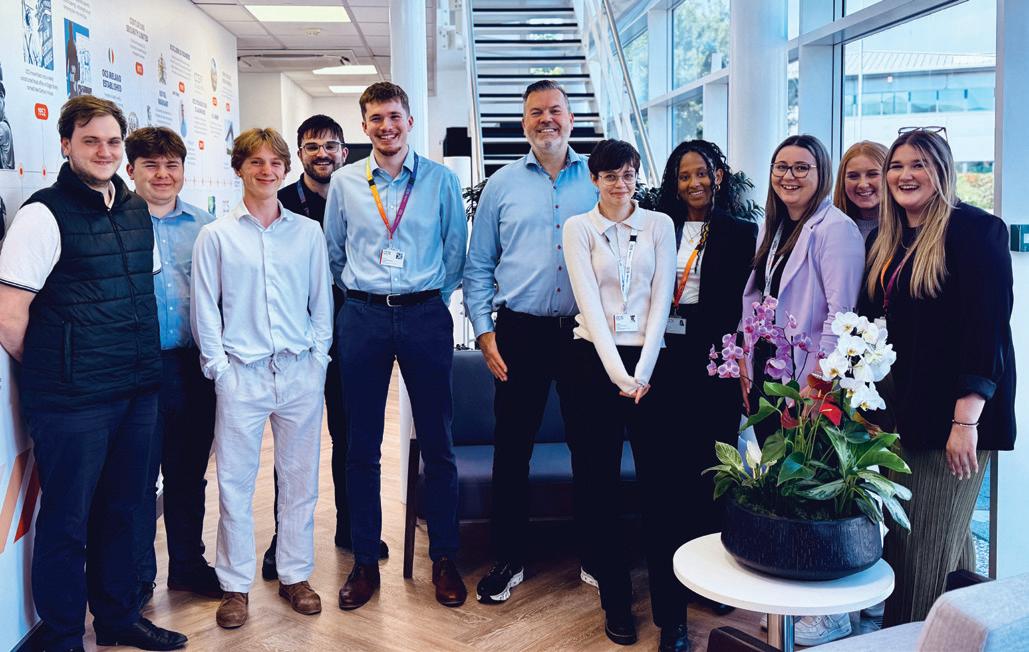
attitude and being given the chance to take on more responsibility.
We need to make sure entry-roles serve as a first rung on the career ladder. It means building progression into the way contracts are mobilised and managed. From the first day young people who come into FM should understand the standards expected in their current role and the next steps they could realistically take. A cleaner may move into specialist cleaning or infection prevention. A security o icer may move into control room work or risk management. A catering colleague may move into front-of-house leadership or operational management. An engineering apprentice may build a long-term career in hard services or compliance.
Apprenticeships are one of the clearest ways to make that progression real and the policy debate is rightly swinging back to the value of practical, workbased routes into skilled work.
Apprentices and newly qualified young people need managers who spot potential and give them confidence. They also need training that fits between shi s and around family life and travel. For many young people, the workplace is the classroom where they learn best.
OCS has colleagues who started in frontline roles and moved into senior operational positions. One colleague began as a cleaning supervisor more than 20 years ago and is now a managing director in our cleaning business. We also have more than 1,000 live apprentices across the business, supporting colleagues to build confidence, gain recognised skills and take the next step in their careers. Stories like that matter because they show what progression can look like over time. They also remind us that talent is not always obvious on a CV. It is o en revealed through
The sector also must be honest about the conditions that make progression possible. Supervisors are critical. They are o en the di erence between someone leaving a er a few months and seeing a future in the organisation. Investment in supervisors is therefore investment in retention. If they have the time, training and confidence to coach people properly, the whole contract benefits.
Our customers and subcontractors have a role too. If contracts are bought only as low-cost labour, training is squeezed and progression becomes harder to sustain. Contracts should create room for proper workforce planning that supports young colleagues and improves service quality. A team that sees a future in the work is more likely to stay, learn the site and understand the customer’s needs.
Facilities management already has the ingredients of a strong opportunity sector: visible entry points, varied roles, technical training, and demand for good people across the country. The task now is to make those routes clearer. Show people where a first role can lead. Train line managers to support progression. Put apprenticeships at the centre of future skills planning, particularly in technical and hard services, and measure internal movement, not just vacancies filled.
Many careers in our sector begin with a search for stability and income. They should not end there. Facilities management can and should help young people outside traditional academic paths build respected, long-term careers in the environments Britain relies on every day.

Facilities management teams are under sustained pressure on two fronts: a shortage of available sta , and a widening gap between the skills that organisations can o er and the skills that a role in FM increasingly demands. This is not a temporary strain but a structural challenge, and one that requires a deliberate and well-planned response rather than reactive fixes.
SFG20’s State of Facilities Management 2026 Report makes the scale of this challenge di icult to ignore. Drawing on responses from nearly 200 professionals across the built environment, the survey found that 51 per cent of organisations are reporting a shortage of FM sta . While there have been some encouraging improvements compared with last year, 42 per cent of organisations cite significant skills gaps across their teams. Headcount only remains part of the story. The deeper issue is whether the people within the FM teams are equipped for the demands the role now places on them.
When FM teams are stretched thin, the consequences become predictable and serious. Any remaining capacity shi s to a reactive, run-to-fail style of working. With this reduction in e iciency, operational disruption becomes much more likely, and already hard-to-manage maintenance backlogs grow. It is a cycle I see playing out across the sector, and one that will continue to damage estates if le unaddressed.
Our research points to three skills gaps. The first, cited by 42 per cent of respondents, is compliance and safety expertise. As legislation grows more complex, organisations are struggling to secure professionals with the specialist knowledge needed to maintain safe environments and demonstrate ongoing compliance across their estates. Given the legal, safety, reputational and financial stakes, this shortage is especially concerning.
The second, also spotlighted by 42 per cent, is digital and IT skills. Technology now provides the opportunity to sit at the heart of how buildings are run. Smart building systems, data management, and automation are no longer secondary interests, they are central to the e ective operation of a building. As digital transformation accelerates, the ability to interpret and manage technology-led operations has become a core requirement rather than an
advantage.
Sustainability and energy management were flagged by our report as a further skills gap that is concerning the industry, identified by 32 per cent of respondents. As carbon reduction, energy performance and net zero targets become central to estate operations, demand is growing for expertise in sustainability strategy, energy optimisation and environmental reporting. Yet many organisations are finding the specialist skills required to meet evolving ESG targets and regulations hard to access.
Recognising the problem is one thing, acting on it is another. Encouragingly, when we asked where organisations intend to direct increased budget over the coming year, sta training and development emerged as a clear priority, selected by 43 per cent of respondents.
Build a sustainable talent pipeline: Partnering with local colleges, universities and training providers to create apprenticeships and entry routes into FM allows organisations to grow their own capability that improves long-term recruitment potential, reducing reliance and a limited candidate pool. FM has long su ered from a visibility problem: people spend much of their lives inside buildings, yet don’t o en consider the work that keeps them safe and operational. A stronger pipeline starts to address this.
Invest in targeted upskilling aligned to future needs: Ring-fencing CPD (Continuing Professional Development) time and focusing development on the highest impact gaps is crucial: compliance and safety, digital and IT literacy, and sustainability and energy management. Crucially, learning should be supported with practical tools and mentoring through apprenticeships, so that capability is genuinely embedded throughout a team.
Use technology to increase capacity and plan its adoption properly: Structured asset data, CAFM/CMMS platforms, mobile work order
management and PPM scheduling can reduce administrative burden and give FM teams a stronger foundation for smarter planning. These capabilities help organisations improve visibility of their assets, maintenance requirements, statutory obligations and resource priorities before moving towards more advanced digital approaches such as analytics, IoT-enabled condition monitoring, BIM or predictive maintenance.
Technology alone will only take teams so far. To realise the productivity, compliance and performance gains these tools can provide, organisations need good data governance, clear ownership, training and management discipline built in from the outset.
These recommendations are connected by a single financial logic. Without a stronger focus on recruitment, retention and targeted upskilling, the burden on already stretched teams will only grow. Tight budgets push organisations towards reactive maintenance, which makes longer-term solutions harder to implement and feeds the maintenance backlogs that FMs look to reduce.
Breaking that cycle is the central task facing FM leaders. It means treating skills not as an operational a erthought but as a strategic priority. The challenge is real, but so is the opportunity: with the right investment in people, FM teams can step out of the run-to-fail cycle and into a far more resilient, forward-looking future.

The Institute of Workplace and Facilities Management
Market Outlook Report 2026 reflects a sector operating in a more complex and uncertain environment. Drawing on insights from more than 400 UK respondents, this year’s report, Headwinds and Hard Choices: a call for insight and agility, o ers a brand-new assessment of the conditions shaping the workplace and facilities management profession.
The report highlights sustained financial pressure across the sector, with rising costs and constrained budgets continuing to influence decision-making. In response, organisations are reassessing priorities and adopting a more targeted approach to investment, focusing on areas that deliver clear value.
Workforce challenges remain a key theme, with skills availability and capability development continuing to shape performance. At the same time, technology retains its role as a major driver of e iciency and innovation, although levels of adoption vary across organisations. External factors, including economic conditions and policy change, are also playing an increasing role in shaping how organisations operate and respond. Against this backdrop, IWFM’s findings point to agility as a critical capability for navigating change and identifying opportunity.
Hospitality businesses are missing significant commercial opportunities by treating accessibility as a compliance exercise rather than a strategic business priority, according to senior leaders gathered at the latest Accessible Hospitality Alliance (aha) forum. A key conclusion from the forum was that accessibility should be a orded the same level of attention, investment and accountability as sustainability, moving beyond regulatory obligations to become a core part of business strategy.
New analysis from the Health and Safety Executive reveals chronic health issues, not accidents, are driving a £1.4 billion productivity crisis across the sector. Across all industries, 7.1 million working days were lost during 2024/25 due to work-related musculoskeletal disorders (MSDs) – conditions such as back pain, joint strain and repetitive injuries that are particularly prevalent in construction.

While safety in construction is o en framed around major incidents and fatalities, the data points to a more persistent and systemic issue: everyday injuries that accumulate over time and quietly erode the industry’s ability to deliver. The problem is particularly acute in the skilled construction and building trades, meaning the workers most a ected are also the most critical to project delivery. Injury-related absences reduce the available workforce, increase reliance on temporary labour, and place additional pressure on projects already operating at capacity.
Despite long-term improvements in workplace safety, progress on work-related ill health has largely stalled, with current rates now broadly in line with pre-pandemic levels. The underlying causes of these injuries – manual handling, repetitive tasks, and physically demanding working positions – point to systemic issues in how work is planned, communicated, and executed.
According to Intasite, many of these risks originate before work even begins. Danielle Croce, Director at Intasite, said: “A huge proportion of this lost time stems from issues that arise before a worker even sets foot on site. If inductions and other aspects of onboarding are inconsistent, safety information isn’t clearly understood, or compliance isn’t properly verified, the risk is e ectively built into the project from day one.”
Workplace expert, Acas, commissioned YouGov to survey 1,000 employees in Great Britain. The poll found that nearly a quarter (24 per cent) agreed that recent international media coverage of sexual harassment has had a positive impact on their workplace culture.

Discussion during the forum highlighted the scale of the opportunity available to hospitality businesses, with delegates noting that disabled people and their households represent one of the UK’s largest consumer markets.

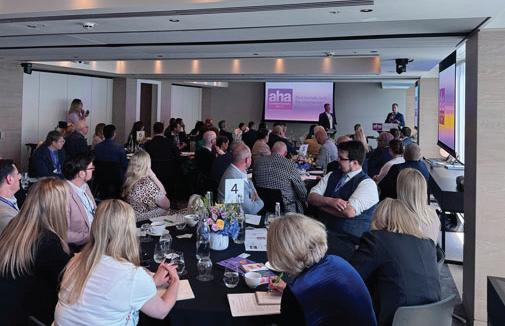
Participants also highlighted the need for the industry to rethink how accessibility is presented and communicated. The forum heard that 83 per cent of able-bodied guests perceive accessible rooms as a downgrade, while 43 per cent refuse an accessible room altogether and 40 per cent request an alternative room, reinforcing the need to position accessibility as an enhancement rather than a compromise. The forum concluded that accessibility should no longer be viewed solely as a legal requirement, but as a commercial opportunity capable of helping businesses attract new customers, access new talent pools and strengthen their competitive position.
From 6 April 2026, sexual harassment became a ‘qualifying disclosure’ under the Employment Rights Act 2025. This means whistleblowers making a sexual harassment disclosure have protection from detriment and unfair dismissal. Sexual harassment is unwanted behaviour of a sexual nature and can happen to men, women and people of any sexual orientation. It can be carried out by anyone of the same sex, another sex or anyone of any sexual orientation.
Acas Head of Inclusive Workplaces, Julie Dennis, said: “The Me Too movement empowered many victims to speak out about unacceptable sexual harassment behaviours at work.
“Our poll reveals that global media coverage of these types of cases and others have improved workplace culture for nearly a quarter of workers across the country.
“I welcome this progress but it’s clear that more work needs to be done, and employers should always be mindful that they have a duty to proactively tackle sexual harassment.
“Acas has advice in this area, which includes the recent new law change that helps to protect and strengthen the rights of whistleblowers who report sexual harassment at work.”
Employers must take reasonable steps to prevent sexual harassment. They must not wait until something has happened before they take action. Acas encourages all employers to create a sexual harassment policy if they do not already have one and to make sure that managers are trained properly and take any complaint of sexual harassment seriously.

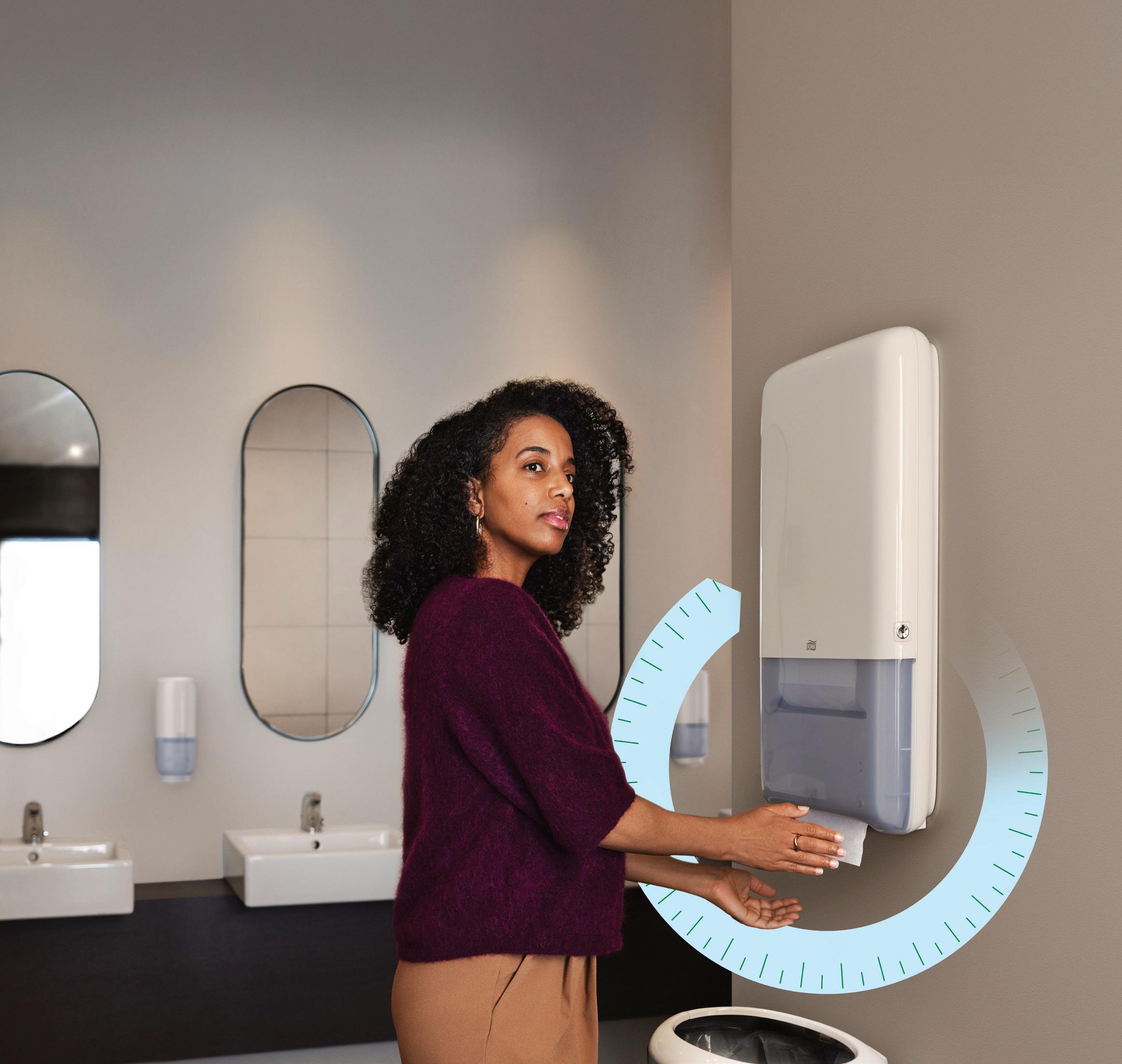
Tork PeakServe® refills now have a 22% lower carbon footprint*
From raw materials to disposal, every step of a product’s lifecycle leaves a carbon footprint. To make sustainability easier for you, we measure the carbon impact, learn from it, and share it – so our improvements can become your improvements.
For you, it means the products you already know and trust now come with less impact on the planet, and more value for your business.
Learn more at torkglobal.com/gb/en/focus4productsheets