
15
16
25
25

15
16
25
25
In accordance with the Norwegian Auditors Act and the EU Audit Regulation, BDO is required to publish an annual transparency report. This report outlines our ownership and governance structure, and explains how we ensure independence and quality in the audit process.
The aim is to provide maximum transparency and insight into how we fulfil our role in serving the public interest. You can read more about how we continuously work to enhance audit quality in this transparency report.
BDO AS is a part of BDO International Limited. When we write “BDO” or “BDO AS” in this report, we are referring to BDO AS with the organisation number 993 606 650. When we refer to our international network, we write “BDO Global” or “BDO International Limited”.
Trust in auditors is the foundation of successful capital markets, a healthy business community and a robust society. As auditors for approximately 25,000 Norwegian businesses, BDO has a considerable social responsibility. It is a serious commitment, every day.
Publishing a transparency report is a regulatory requirement, but for us it is also something more: it is an opportunity to highlight how we work systematically and purposefully on quality in all aspects of our business. Quality in auditing is not merely a question of methodology and control mechanisms. It also involves leadership, culture, attitudes and people.
A strong quality culture is the very backbone of our work. It is built up by means of sound leadership, shared values and clear expectations. But our employees are just as important: skilled, committed and interested experts who exercise professional judgement with integrity and expertise every day. This interaction between skilled people, a well-founded quality management system and appropriate use of technology creates trust and security for owners, investors, authorities and other stakeholders.
Our quality management system is subject to continuous development in order to address new requirements, greater complexity and increasingly higher expectations from our environment. Through structured training, sharing experiences, independent reviews and systematic improvement work, we ensure that quality is not a project, but an integral part of the way we work – continuous improvement.
At the same time, we live in a world of geopolitical uncertainty, macroeconomic volatility and rapid structural changes, which affects the risk profile for the businesses we audit. Our role is not just to check historical figures, but to understand the context in which these companies operate, and to help them navigate safely in a challenging landscape. This requires us to remain alert, curious, insightful and adaptable.
Technological development – in particular, the emergence of AI – is transforming both the auditing profession and the world of business. New tools provide significant opportunities for increased quality, better analyses and more efficient processes. Meanwhile, though, new risks are arising, relating to data, security, ethics and governance. We have a responsibility to understand these risks, integrate them into our audit processes, and ensure that we use technology responsibly and in a way that enhances quality.
At a time when complexity is increasing, our core responsibility is becoming ever clearer: to create trust. We do this by means of a high level of professional quality, solid integrity and continuous development – of our people, our methods and our systems.
We take this responsibility very seriously, and we know that we will continue to deliver services of the utmost quality in the future.
I wish you an enjoyable read.

Managing Partner at BDO AS

Auditing is a social responsibility that is built on trust. At BDO, quality and professional integrity underpin both our work and the way we manage our role as a trusted party in dealing with clients, the market and society.
When businesses, investors, lenders and governments make decisions, the information they rely on must be reliable. Our role as auditors is to contribute to this trust by means of independent assessments and high professional quality and integrity in everything we do. This responsibility to serve the public interest is a serious one.
BDO works closely with thousands of enterprises, large and small, across Norwegian society and businesses. We follow developments in global and local markets and need to understand the framework conditions within which our clients operate. The pace of change is high, and complexity is increasing. New regulatory requirements, increased expectations for transparency and rapid technological development place increasing demands on both businesses and auditors.
The introduction of the EU Corporate Sustainability Reporting Directive (CSRD) marks an important shift in the reporting requirements for businesses. For the first time, extensive requirements are being imposed to include structured sustainability information as part of companies’ overall reporting. As a result, auditors now have a clearer role in contributing to the quality, reliability and trustworthiness of this information.
Technology is playing an increasingly important role in audit work, providing new opportunities for insight, efficiency and quality. By integrating technology more closely into audit work, we are moving away from mere spot checks and towards analyses of entire bodies of data. This provides a significantly better starting point for identifying nonconformities, connections and risk areas, and enables the audit to more accurately pinpoint where the risk actually lies. Less time is spent on manual checks, and more on analysis, assessment and dialogue with the client about risk, governance and compliance.
This increases the quality of the audit and makes the auditor’s contribution more targeted – and increases its value.
Expectations from society are clear: auditing must be of high quality. Quality is not merely a matter of systems and regulatory compliance; it involves culture, leadership and accountability. At BDO, quality is a management responsibility – and a shared responsibility throughout the organisation. We continuously work on competence development, methodology and governance to ensure a high and consistent level of quality in all audit engagements.
Auditor independence is an invariable principle and a fundamental requirement for trust in our work. We never compromise on independence or quality, whether in assessments, conclusions or auditing practice. This is vital in order for us to be able to credibly fulfil our role as a trusted party.
I am proud to lead an audit practice with many skilled, dedicated and ambitious professionals. We are both humbled and grateful that our clients give us such positive feedback on the work we do year after year.
Creating trust is our most important responsibility. We take that responsibility seriously – and we will continue to make ourselves worthy of that trust in the years to come.

ERIK H. LIE Partner and Head of Audit at BDO AS
983

50 OFFICES ACROSS THE COUNTRY

24,000 AUDIT CLIENTS
35,500 TOTAL CLIENTS

1,511

80 RECENTLY QUALIFIED STAFF
39 EXPERIENCED/OTHER STAFF
The BDO network is an international network of independent firms operating in 169 countries, with over 94,000 professionals providing audit, tax, accounting and consultancy services. The firms are members of BDO International Limited and provide professional services under the BDO brand.
Legal and organisational structure of the network
Each BDO member firm is a member of BDO International Limited, a UK company limited by guarantee, either as a voting member (one company per country) or as a non-voting member.
BDO International Limited is the umbrella company in the BDO network and sets out the terms for membership in its Articles of Association.
The BDO network is governed by the BDO International Limited Council, the Global Board and the Global Leadership Team.
The BDO International Limited Council consists of one representative of each voting member and represents the member firms of BDO International Limited at company meetings.
The Council approves the network’s central budget, appoints the members of the Global Board and approves any amendments to BDO International Limited’s Articles of Association.
The Global Board, which is the Board of Directors of BDO International Limited, consists of one representative of the BDO network’s nine largest member firms, which are each appointed for a three-year term and approved by the Council. The Global Board establishes priorities for the BDO network and oversees the work performed by the Global Leadership Team. The Global Board meets at least four times a year.
The Global Leadership Team is responsible for coordinating the activities of the BDO network. The team is led by the Global
Managing Partner and also consists of the Global Chief Strategy & Operations Officer, Global Head of Audit & Assurance, Global Head of Tax, Global Head of People & Culture, Global Head of Advisory, Global Head of Technology, Global Head of Risk & Compliance and Global General Counsel.
The Global Leadership Team is supported by the Global Office through Brussels Worldwide Services BVBA. Brussels Worldwide Services BVBA, a Belgian limited company, provides services in connection with the coordination of the BDO network.
BDO International Limited and Brussels Worldwide Services BVBA do not deliver any professional services to clients. Only the member firms, including BDO AS, provide such services.
BDO International Limited, Brussels Worldwide Services BVBA and the member firms of the BDO network are all independent legal entities and have no liability for another such entity’s acts or omissions.
Nothing in BDO’s structures or Articles of Association constitutes, or shall be construed as constituting, an agency relationship or partnership between BDO International Limited, Brussels Worldwide Services BVBA and/or BDO’s member firms.
870 OFFICES
94,900
169

50
1,511
Participants in the BDO network in the EU/EEA
Total revenue for audit services performed by BDO in the EU/EEA:1 €802,584,334.57
Country Area Name of BDO firm in the area
Austria BDO Audit GmbH Wirtschaftsprüfungs- und Steuerberatungsgesellschaft
Austria BDO Austria GmbH
Belgium BDO Bedrijfsrevisoren BV / Réviseurs d’Entreprises SRL
Bulgaria BDO AFA
Croatia BDO Croatia D.O.O.
Croatia Sarajevo BDO BH d.o.o. Sarajevo
Cyprus BDO Limited
Czech Republic BDO Group s.r.o.
Czech Republic BDO Audit s.r.o.
Czech Republic BDO Czech Republic s.r.o.
Czech Republic BDO EURO-Trend Audit, a.s.
Denmark BDO Statsautoriseret Revisionspartnerselskab
Estonia Aktsiaselts BDO Eesti
Finland BDO Oy
Finland BDO Audiator Oy
France BDO Atlantique
France BDO IDF
France BDO Méditerranée
France BDO Paris Audit & Advisory
France BDO Rhône-Alpes
France BDO Strasbourg
Germany BDO AG Wirtschaftsprüfungsgesellschaft
Germany BDO Concunia GmbH Wirtschaftsprüfungsgesellschaft
Germany BDO DPI AG Wirtschaftsprüfungsgesellschaft
Germany BDO DPI Mentoring GmbH & Co. KG
Germany BDO Oldenburg GmbH & Co. KG Wirtschaftsprüfungsgesellschaft
Greece BDO Certified Public Accountants S.A.
Hungary BDO Magyarország Könyvvizsgáló Kft. (BDO Hungary Audit Ltd)

NB: The various BDO firms have different year-end dates. Therefore, the
* The list of participants in the BDO network in the EU/EEA is up to date as of 24 December 2024, with additions published on 10 December 2025.
Country Area Name of BDO firm in the area
Ireland
Italy
Latvia
Liechtenstein
Lithuania
Luxembourg
Malta
Malta
Netherlands
Norway
Poland
Portugal
Romania
Romania
Romania
Romania
Slovakia
Slovenia
Spain
Spain
Sweden
Sweden
Sweden
Sweden
Sweden
Sweden
Sweden
Sweden
BDO Ireland
BDO Italia S.p.A.
BDO Assurance, LLC
BDO (Liechtenstein) AG
BDO Auditas ir Apskaita, UAB
BDO Audit
BDO Malta CPAs
BDO Technology Advisory Limited
BDO Audit & Assurance B.V.
BDO AS
BDO Spółka z Ograniczoną Odpowiedzialnością Sp.k
BDO & Associados, SROC, Lda
BDO Audit SRL
BDO Audit & Consulting SRL
BDO Auditors & Accountants SRL
BDO Auditors and Business Advisors SRL
BDO Audit, spol. s r.o.
BDO Revizija d.o.o.
BDO Auditores, S.L.P.
BDO Quota Auditores, S.L.
BDO AB
BDO Göteborg AB
BDO Göteborg KB
BDO Mälardalen AB
BDO Norr AB
BDO Sweden AB
BDO Syd AB
BDO Syd KB
BDO in Norway
BDO is organised as an internal partnership, represented externally as a limited liability company, and is an audit firm approved in accordance with the Norwegian Auditors Act. BDO is also an accounting firm approved in accordance with the Norwegian Accountants Act. BDO’s activities in Norway are conducted by the companies BDO AS (org. no. 993 606 650) and BDO Advokater AS (org. no. 996 798 577). These two companies have no ownership interests in each other, but all equity partners in BDO Advokater AS are also equity partners in BDO AS. Profits are shared based on the combined results of BDO AS and BDO Advokater AS.
BDO AS is the principal in BDO Internal Partnership, in which all the shareholders of BDO AS participate as individual silent partners. The company structure is based on practical considerations. BDO AS cannot conduct any business other than business performed for BDO Internal Partnership.
BDO AS is the sole member of the company meeting, but all partners have the right to attend. Prior to each company meeting, a partners’ meeting is held which, with binding effect on the principal, determines the position on the matters to be addressed at shareholders’ meetings.
BDO’s business in Norway is owned in its entirety by equity partners. As of 31 December 2025, BDO AS had a total of 129 owners. All partners in BDO AS have an equal ownership interest. These partners are listed in the final section of this report. Each partner is a silent partner in BDO Internal Partnership, together with 14 participants without engagement responsibilities (ambassadors).
Legal entities that conduct BDO’s business in Norway or in which BDO has ownership interests:
BDO’s activities in Norway are carried out by:
• BDO AS (org. no. 993 606 650)
• BDO Advokater AS (org. no. 996 798 577)
As of 31 December 2025, BDO had the following wholly owned subsidiaries:
• Godt Sagt AS (org. no. 931 917 056)
• Noraudit AS (org. no. 968 008 358)
• Inter Revisjon Norge AS (org. no. 915 915 167)


BDO AS is governed by the partners through decisions made at the general meeting, which is the highest governing body of BDO AS. The general meeting of BDO AS functions in accordance with the Norwegian Limited Liability Companies Act, the company’s Articles of Association and shareholders’ agreement and elects the Board of Directors of BDO AS. The Board of Directors of BDO AS Internal Partnership consists of the same members who, at any given time, are elected as the Chair and Board members of BDO AS. The company’s Board of Directors is responsible for BDO’s activities.
The Nomination Committee is elected by the general meeting of BDO AS and proposes members of the Board of Directors. The Nomination Committee consists of three members and one deputy member. The composition of the Nomination Committee should reflect the relative sizes of the various departments. No regions may have more than one member on the Nomination Committee.
Board representation should reflect both the size and geographical location of each department. The Board must always have a combined level of expertise that serves the best interests of the partners. Employees are entitled to representation on the Board of Directors pursuant to Section 6-4 of the Norwegian Limited Liability Companies Act.
The Board of Directors consists of five to eight members, as decided by the general meeting.
In addition, employee representatives serve on the Board. The Board of Directors thus currently has a total of 11 members, four of whom represent the employees. The members of the Board of Directors are elected for a term of up to two years. The Chair is elected by the general meeting. The Board of Directors elects its Deputy Chair. The Articles of Association of BDO AS state that the composition of the Board must comply with the requirements set out in the prevailing Norwegian Auditors Act. This means that the majority of both the members and the deputy members of the Board of Directors must be state-authorised public accountants.
The Board of Directors consists of the following members:
• Chair: Ingjer Ofstad, Partner, lawyer
• Deputy Chair: Henrik Dagestad, Partner, lawyer Board members:
• Solveig Bø Dalstø, Partner, State-Authorised Public Accountant
• Norunn Byrkjeland, Partner, State-Authorised Public Accountant
• Børre Skisland, Partner, State-Authorised Public Accountant
• Knut Haugen, Partner, State-Authorised Public Accountant
• Vidar Såheim, Partner, State-Authorised Public Accountant



Solveig Bø Dalstø








Employee representatives:
• Mia Hermanseter-Elvenes, Senior Manager, State-Authorised Public Accountant
• Elise Aune Wallum, Senior Manager, State-Authorised Public Accountant
• Helene Johannessen, Manager, State-Authorised Public Accountant
• Eirik Tveit, Senior Manager
Organisation of the business
BDO AS has a Managing Partner who is appointed by the Board of Directors of BDO AS. The Managing Partner of BDO AS is also the Managing Partner of BDO Internal Partnership.
BDO has 50 offices in Norway, each led by an Office Manager. Each office is part of a region, and as of 31 December 2025, BDO had five regions. Each region is an independent financial entity that distributes its profits to equity partners belonging to the entity.
The Managing Partner’s role and responsibilities are laid down by the company’s Board of Directors in the rules of procedure for the Managing Partner.
The Managing Partner reports directly to the company’s Board of Directors and presents an overview of the organisation’s development and key objectives for the future. The Managing Partner keeps employees continuously informed through regular vlogs, information meetings, office visits and presentations at internal events. This provides an insight into BDO’s focus and operations, and gives individuals the opportunity to raise questions directly with the Managing Partner.
The Managing Partner develops BDO’s business strategy together with the national leadership team and ensures that the strategy is implemented in accordance with the decisions of BDO’s Board. The leadership team holds monthly meetings.
The national leadership team consists of:
• Martin Aasen, Partner/Managing Partner/auditor
• Roger Telle-Hansen, Partner/Deputy Managing Partner/Head of Region Øst/auditor
• Stig Are Lauvnes, Partner/Head of Region SørVest/consultant
• Trine Agathe Lorentzen, Partner/Head of Region Østfold/lawyer
• Tom Aleksandersen, Partner/Head of Region MidtNord/consultant
• Erik Langlo-Johansen, Partner/Head of Region NordVest/auditor
• Kristina Bors, HR Director
• Steinar Andersen, Partner/Head of QRM
• Hanne Fritzsønn, Partner/Head of Tax and Legal
• Erik H. Lie, Partner/Head of Audit
• Simen Husby, Partner/Head of Consulting
In January 2026, a change was made to the national leadership team. As of that date, the national leadership team includes Martin Aasen, Roger Telle-Hansen, Stig Are Lauvnes, Trine Agathe Lorentzen, Tom Aleksandersen and Erik Langlo-Johansen. The other former members are included in the expanded national leadership team and meet on relevant matters.


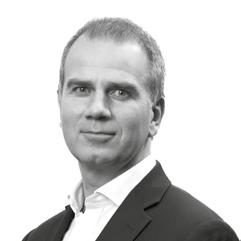

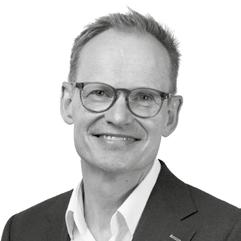









We constantly work to ensure that our services maintain the quality that we desire and that we know our clients and society expect from us.
We continuously identify and monitor risks that could impact our ability to deliver the required level of quality. This includes all activities within BDO, although this transparency report primarily discusses the quality of deliverables from the audit business. Our work in this area is described in more detail in the section on “Quality at BDO”.
In September 2025, the Financial Supervisory Authority of Norway carried out a planned inspection of BDO. All audit firms that audit public interest entities are subject to such periodic inspections, which are normally conducted every three years. The primary focus of the inspection was to evaluate whether our internal control activities are operating as intended, enabling us to identify and address any deficiencies or weaknesses ourselves. Both our post-engagement inspections of completed audit engagements and inspections in other areas were examined as part of this inspection. We received the final inspection report in December 2025. The report discusses some weaknesses that were identified. We had identified the most significant of these ourselves before the inspection took place, and we have worked systematically to rectify these weaknesses both before and after we received the final report. In 2026, we will continue our work to improve the matters discussed in the report.
Although the report mentions weaknesses, there are a number of issues that were assessed during the inspection that are not discussed in the report. We assume that the Authority has assessed these conditions as satisfactory. We are therefore generally satisfied with the report, despite the criticism we have received in certain areas.
The most significant areas of our business that are regulated by the Norwegian Accountants Act were sold with effect from 1 December 2025. This significantly reduces the risk of potential threats to auditor independence. Although we have, and have had, appropriate control over deliveries we have had to refrain from due to independence threats, the divestment of the accounting business will mean that we will have far fewer situations where independence threats prevent us from offering auditing or other assurance services.
ISO 27001 certification
In 2025, we started working towards certification of our quality work in the area of information security. Although we believe we already have appropriate control over our work in securing both our own information assets and the information we store about our clients, there are increasing expectations for us to document the quality of our information security work. Work is progressing according to plan, and we expect to achieve certification during the second quarter of 2026.
Consequences of quality deficiencies
We are investing considerable resources into work to ensure high quality and prevent errors. Despite this, occasional nonconformities with internal guidelines, laws or standards may still occur. We take a range of follow-up actions, tailored to the severity of the issue identified. In 2025, these actions included targeted training initiatives to address recurring findings, changes in engagement partners and the preparation of action plans for individual engagement partners. In addition, financial deductions have been made to partner compensation as a result of inadequate quality.

Partner and Head of Quality and Risk Management at BDO AS
BDO’s quality management system
The International Standard on Quality Management 1 (ISQM 1) requires all firms that conduct audits or reviews of financial statements, other assurance engagements or related services to establish a quality management system that meets all the requirements of the standard. A quality management system must be dynamic and resilient, designed to evolve continually in response to changes in the firm’s environment, its engagements and any other relevant considerations. BDO has designed and implemented a quality management system in accordance with ISQM 1 that provides reasonable assurance that:
a. BDO, along with its employees and partners, carries out its responsibilities and duties in accordance with professional standards and applicable laws and regulations. Engagements are performed in compliance with such standards and requirements, and
b. statements issued by BDO are appropriate under the circumstances.
BDO has incorporated all quality objectives and specified measures set out in ISQM 1 for the eight components included in the standard. The eight components are:
1. The firm’s risk assessment process
2. Governance and leadership
3. Relevant ethical requirements
4. Acceptance and continuance of client relationships and specific engagements
5. Engagement performance
6. Resources
7. Information and communication
8. Monitoring and remediation processes
To support the achievement of the firm’s quality objectives, including the establishment and ongoing improvement of the quality management system, BDO has undertaken the following activities in relation to each component of the quality management system:

BDO has established the quality objectives specified in ISQM 1 and set additional quality objectives that the firm considers necessary to achieve the objectives of the quality management system.
BDO has identified and assessed quality risks as a basis for the design and implementation of measures.
BDO has designed and implemented measures (procedures, guidelines or controls) to reduce quality risks to an acceptable level.
BDO has established a monitoring and remediation process to provide relevant, reliable and timely information about the design and implementation of the quality management system, and to address identified weaknesses in a timely manner. In addition, based on the results of the root cause analysis, we have designed and implemented remedial measures to address any identified weaknesses.
Evaluation of the quality management system
ISQM 1 requires the person(s) assigned ultimate responsibility for the quality management system to evaluate the system on behalf of the entity. The evaluation is carried out at a specific time at least once a year.
The annual evaluation considers information related to the design, implementation and results of monitoring activities, results from cyclical inspections of completed engagements, incidents, testing of measures, findings from internal and external engagement inspections and assessment of other relevant information obtained from the quality management system, carried out in the period up to the evaluation date. The evaluation date for BDO was 1 November 2025.
For any identified deficiency, the underlying root causes must be determined, and an evaluation must be carried out to assess both the severity and the pervasiveness of the deficiency’s impact. BDO exercises professional judgement in determining whether findings, individually or in combination with other findings, represent a deficiency in the quality management system.

The Board and management have carried out an evaluation in accordance with ISQM 1 and have concluded that the quality management system provides the firm with reasonable assurance that the objectives of the system have been achieved as of the date of the evaluation.
Reasonable assurance is achieved when the quality management system reduces the risk of not achieving the objectives of the system to an acceptably low level. Reasonable assurance is not absolute, as there are inherent limitations in any quality management system.
Based on the results of root cause analyses, BDO will design and implement remedial actions to address any identified weaknesses. The progress of implementing such actions is monitored on an ongoing basis.
The Board of Directors and management’s responsibility for quality At BDO, the Board, together with the Managing Partner, has overall responsibility for the quality management system.
An Internal Control Committee has been established to monitor internal control at firm level. The Internal Control Committee is responsible for ensuring that the monitoring activities function as intended, including closing material nonconformities and implementing new control measures. The Committee also contributes to improvements in the quality management system, risk management and internal control. The Committee is elected by the Board, from among the company’s equity partners, and the Chair is elected from among the Board members.
We have a dedicated QRM Committee, consisting of national Heads of Service Lines, the Managing Partner and the Head/Deputy Head of QRM (Quality and Risk Management). The Committee discusses matters related to quality and risk management within the firm.
We also have an Audit Inspection Committee to oversee cyclical inspections of completed engagements (SIFO inspections) for which the engagement partner requires signing rights. This Committee is made up of partners who are state-authorised public accountants with hands-on experience as engagement partners in practice. Analogous inspection committees have been established for the firm’s other services. The inspection committees report to the Head of Monitoring and Remediation (HMR) and the Board.
Management is responsible for designing, implementing and following up governance and controls that safeguard the firm’s dedication to quality, including a culture of quality, roles and responsibilities, actions and conduct, organisation and resource allocation. The company has set clear operational frameworks through its governance manual, policies and procedures to support and uphold quality requirements.
All leaders at BDO, regardless of their level, have a duty to lead by example and signal to everyone they lead that quality is a high priority at BDO. This is also regularly communicated through various forums, such as gatherings of new managers and partners in the company.
The Head of the QRM department has operational responsibility for the design and implementation of the firm’s quality management system. The QRM department is responsible for matters relating to quality and risk management. The QRM department’s responsibilities include risk management, ethics, independence and conflicts of interest, monitoring and compliance, anti-money laundering, data protection and internal legal affairs. The QRM department has dedicated personnel within the firm who assist with testing control actions and measures. The QRM department helps provide the Board and Managing Partner with satisfactory assurance that BDO operates within the requirements
set for the firm as a provider of services within audit, accounting, consultancy and legal and tax services.
This work takes place in parallel along three dimensions:
Preventive activities
• Develop policies, procedures, guidelines and templates
• Inform and conduct training activities
• Build a quality-oriented corporate culture
Ongoing assistance and consultancy in individual cases
• Handle consultations from engagement leaders and staff
• Review complaints and insurance cases
• Maintain dialogue with external supervisory bodies
• Report suspicious circumstances to Økokrim
Control and follow-up of compliance
• Coordinate and conduct internal quality inspections
• Monitor compliance with external and internal guidelines and requirements
• Keep the Managing Partner and Board, as well as other bodies, continuously informed of important matters
Ongoing responsibility for the monitoring and remediation process is assigned to the Head of Monitoring and Remediation (HMR). The HMR is an engagement partner with relevant experience, knowledge, influence and authority within the firm. The HMR is a role that is separate from the individuals with overarching responsibility for the quality management system.
As part of the quality management system, BDO conducts periodic evaluations of the Managing Partner, Head of QRM, HMR, Heads of Regions, Heads of Service Lines, as well as others assigned responsibilities related to quality management at BDO.
BDO’s risk assessment process
BDO has established a risk assessment process that meets the requirements of ISQM 1 and regulations on risk management and internal control. This process encompasses all business areas at BDO.
The quality management system is designed to be a dynamic process, involving continuous analysis of information about various incidents, conditions, actions or identified deficiencies. The purpose is to identify the need for any new quality objectives or changes in objectives, risks or measures. For example, changes to BDO’s activities or internal processes may trigger such changes.
The risk assessment process is based on the firm’s defined objectives and strategies and evaluates key risks. For all business areas, a systematic assessment is carried out to determine whether BDO’s risk management and internal control are sufficient to address identified risks in an appropriate manner.
The Managing Partner provides a formal summary of the risk assessment process to the Board annually.
The monitoring and remediation process
BDO must comply with relevant standards, legal requirements, regulations and guidelines to which the business is subject, including requirements and guidelines issued by BDO Global and set out in internal governing documents. BDO has established a monitoring and remediation process to ensure relevant, reliable and timely information regarding the design and implementation of the quality management system, and to address identified weaknesses in a timely manner.
BDO also manages and implements a compliance programme designed to support compliance with both external and internal requirements, ensure appropriate quality management and enable effective execution of the monitoring and remediation process.
The compliance programme consists of activities and components that help ensure the availability of relevant, reliable and timely information about the quality management system and facilitate the timely remediation of any identified weaknesses.
BDO has designed and carried out monitoring activities to identify weaknesses in the quality management system. A number of factors are taken into account to determine the nature, timing and extent of monitoring activities.
The activities are set out in an annual monitoring plan that the Head of Monitoring and Remediation prepares and submits to the Managing Partner, Head of QRM, HAAQM (Head of Audit and Quality Management) and the Internal Control Committee. The plan may be presented to the boards of BDO AS and BDO Advokater AS if special circumstances arise. In the event of a changed risk landscape, unforeseen events or other circumstances indicating the need for revised or new monitoring activities, such activities are designed and implemented accordingly.
Cyclical inspections of completed engagements
BDO has included cyclical inspections of completed engagements (SIFO inspections) in its monitoring activities. SIFO inspections form a significant part of BDO’s monitoring activities and are used in all BDO’s service lines. This transparency report only covers SIFO inspections of audit-related activities.
All engagement partners are subject to a SIFO inspection at least every three years. All newly appointed engagement partners are subject to an inspection after their first year in their role. A subject of inspection may be selected more frequently than every three years, based on a risk assessment or through random sampling. A SIFO inspection may also be carried out as a follow-up measure in response to external inspections or other events requiring closer monitoring. Such inspections may be carried out as often as deemed appropriate to enhance service quality or reduce risk.
The inspection is carried out by inspectors who receive annual training in the execution of SIFO inspections. To ensure independence, inspectors may not inspect engagements from their own department or in other situations where independence or neutrality could be compromised. The inspection is carried out in accordance with internal procedures.
Nonconformities in quality may result in financial sanctions against the engagement partner. In addition to financial sanctions, the Inspection Committee may recommend to the Board that the engagement partner be restricted from signing off on all or certain types of engagements, based on its findings.
Monitoring by the global BDO network
Our international network conducts regular quality inspections of BDO in Norway, as a rule at least once every three years. These inspections include an assessment of internal guidelines and procedures, their compliance, as well as the evaluation of multiple audit engagements. BDO Global conducted an internal inspection of BDO’s business in Norway in the autumn of 2024. On 11 March 2025, we received the final conclusion, which found the results to be satisfactory in all material respects. The report contained some recommendations for further improvements, which we continued to work on in 2025.
In addition to the formal quality inspection conducted by BDO Global, BDO reports regularly to our global organisation, including on various defined Audit Quality Indicators (AQIs).
Monitoring by the Financial Supervisory Authority of Norway
As BDO audits public interest entities, the firm is subject to direct oversight by the Financial Supervisory Authority of Norway. Every three years, the Financial Supervisory Authority of Norway carries out a firm-wide inspection. The Financial Supervisory Authority’s firm inspections are a regular part of its oversight of the largest audit firms.
The inspection includes a review of multiple audit engagements, as well as an assessment of internal policies and procedures. The inspection must also include an assessment of our internal quality control.
The Financial Supervisory Authority of Norway may also carry out other types of reviews, including on-site inspections and thematic reviews. Reports from the Authority’s various supervisory activities are published on its website.
The last regular firm-wide inspection of BDO was conducted in October 2025, and the final report was published in January 2026. The inspection covered matters such as auditor independence, use of resources, audit fees and audit performance in the selected engagements. In addition, the Authority assessed the cyclical inspection of engagements and our quality management system, including procedures covering sustainability certification and compliance with our obligations under the Anti-Money Laundering Act.
BDO has worked systematically and in a structured fashion on improvement measures since the inspection was carried out, and has taken the necessary steps to ensure, and increase, the quality of the processes in which weaknesses or deficiencies were identified.



As a member of the BDO network, we are subject to the rules of the International Ethics Standards Board for Accountants (IESBA) Code of Ethics, in addition to global policies on Ethics and Independence. Each country affiliated with the BDO network has an Ethics and Independence Leader (EIL) who is responsible for ensuring compliance with the Global Policies, IESBA Code, ISQM/ISA ethical requirements and relevant requirements in national legislation. At BDO Norway, the EIL reports to the risk Management Partner.
At BDO Norway, we address the following six ethical principles, as laid down in our Policy for Ethics and Independence: Integrity, Objectivity, Professional competence and due diligence, Confidentiality, Professional conduct and Loyalty.
We have established a framework for ethics and independence to help ensure that trust in BDO is maintained and that BDO’s fundamental ethical principles are adhered to. The fundamental ethical principles include:
Individuals representing BDO must be sincere and honest in all professional and business dealings. Integrity is about acting fairly and honestly, and having the strength to resist pressure.
Individuals representing BDO must demonstrate professionalism and make decisions without being influenced by:
• Bias
• Conflicts of interest
• Influence or dependence on individuals, organisations, technology or other factors
Individuals representing BDO must achieve and maintain a level of professional competence that ensures that clients receive competent and professional service delivery, based on applicable legislation and professional standards. In addition, individuals must act with due care, in a cautious, thoughtful and timely manner.

Individuals representing BDO must treat all information they receive through their work at BDO with confidentiality. Information must not be shared with third parties, unless required by law or sufficient permission has been received and documented. Applicable confidentiality rules must be complied with.
Individuals representing BDO must comply with relevant legislation and regulations, act professionally for the benefit of the general public and avoid actions that are known to be detrimental to the profession.
Individuals representing BDO must act loyally, considerately and respectfully. They must be conscious of their role and contribution to the reputation of the profession they represent, and to BDO’s reputation. All communication, both internal and external, must be objective and based on these principles.
BDO has a Code of Ethics established by the company’s Board and published on our website. We set absolute requirements for the integrity and independence of our employees and partners. We must be – and be perceived to be – independent of our clients. This means that we cannot provide services or enter into business relationships with our clients that could impair our objectivity.
All partners, employees and contracted personnel confirm, on joining the firm and annually thereafter, that they comply with our Code of Ethics. At the same time, they confirm their independence with respect to our audit clients. This process is supported by training activities related to our ethical principles, as well as ongoing monitoring of compliance with these principles. In addition, all staff and partners assigned to audit engagements confirm their independence for each specific engagement in which they are involved. At BDO, we have developed guidelines and systems to ensure that we protect our independence. Areas covered include matters relating to personal independence, firm independence and independence in the delivery of other services to audit clients. Compliance checks have also been established to ensure that our guidelines and systems are working as intended. Any violations of the Ethics and Independence Policy must be reported and handled in accordance with established procedures.
For public interest entities audited by BDO, rotation plans have been established to ensure compliance with the Norwegian Auditors Act, the EU Audit Regulation and the IESBA Code of Ethics. This means that engagement partners, engagement quality reviewers and other key audit partners must be rotated off engagements after a maximum of seven years. Any partner who has served as engagement partner must not hold any of the abovementioned roles on the audit engagement for the following five years. Engagement quality reviewers must not hold any of the roles on the audit engagement for the following three years; other key audit partners are excluded for two years.
Senior staff (state-authorised public accountants and managers) on the engagement cannot generally participate in the audit engagement for longer than seven years, but they may continue on the engagement for longer if appropriate and by agreement with the QRM department. Senior staff cannot then participate in the audit engagement again for the following two years.
BDO has zero tolerance for corruption and trading in influence. This is made clear in our anti-corruption policy.
BDO’s Code of Ethics states that individuals representing BDO must not under any circumstances accept gifts, discounts on goods or services, or other benefits from our business relationships in exchange for, or with the expectation of, benefits in return.
This applies to all business relationships, not just (audit) clients. Where the gift comes from a third party on behalf of a business relationship, similar rules apply. Gifts or benefits from business relationships to close associates of the individual representing BDO are covered by the same regulations. Courtesy gifts may be given or received.
We must always refuse gifts, hospitality or other benefits in cases where these could be used, or interpreted by a third party, as an attempt to influence or persuade the recipient, either now or in the future. Receiving or giving benefits to third parties may create threats to compliance with the fundamental ethical principles of Integrity, Objectivity and Professional conduct.
Transparency and the reporting of gifts or benefits are essential to maintaining trust and uncovering risks for BDO.

In accordance with Article 13.2(g) of the EU Audit Regulation, BDO confirms that the firm has internal guidelines in place for monitoring and ensuring compliance with independence requirements on audit engagements. BDO also confirms that it complies with applicable legislation, professional standards and internal guidelines.
Acceptance and continuance of client relationships and specific engagements
BDO has established formal procedures for the acceptance and continuance of engagements and client relationships. The firm carries out ongoing monitoring to ensure these procedures are followed. A key element of our approach to client and engagement acceptance is our dedicated Know Your Client (KYC) team, which possesses specialised expertise in anti-money laundering, independence and client risk assessment. This team serves as an important partner for our client teams and helps ensure that we meet high standards in client integrity and risk management.
Our processes and procedures for engagement acceptance and continuance include the following:
• Conflict checks to identify potential independence conflicts and conflicts of interest, both nationally and within our international network.
• Independence checks to ensure independence between our clients and our senior personnel.
• Engagement acceptance assessments to identify other risk factors, including requirements related to independence, specific expertise within the engagement team and obligations under the Norwegian Anti-Money Laundering Act.
• Procedures for following up on previous auditors.
• A dedicated procedure to govern the approval process for all engagements with new clients, as well as for any engagement exceeding certain contract value thresholds.
• An annual confirmation from all partners, employees and contracted personnel that they are familiar with the client acceptance procedure.
• A system safeguard that prevents new clients from being set up in internal systems until the client acceptance process is complete, including the approval of all required roles.
Engagement performance
Audit methodology
BDO’s audit methodology is developed at global level and is based on the International Standards on Auditing (ISAs) issued by the International Auditing and Assurance Standards Board (IAASB).
The methodology is divided into the following phases:
• Scoping
• Planning
• Obtaining evidence
• Completion
Our audit methodology ensures compliance with auditing standards and that the greatest effort is directed towards the audit areas of highest risk. The methodology is used by all auditors across BDO globally to ensure consistent quality across geographical regions.
Audit engagements occasionally involve complex accounting and auditing issues. Consultation provides the audit teams with access to the expertise of experienced colleagues or specialists, enabling the teams to address and resolve complex issues accurately and effectively.
BDO has implemented consultation guidelines that require members of the audit team to seek advice from qualified individuals within the firm, including the Technical Department and the QRM Department, whenever complex or contentious matters arise during the course of an engagement. In certain cases, formal consultation with our global organisation is also required. All consultations must be appropriately documented in accordance with defined requirements.
BDO appoints Engagement Quality Reviewers (EQR) for audits of public interest entities and for other engagements where the firm determines that engagement quality review is an adequate measure to address one or more quality risks. EQRs are responsible for conducting an objective evaluation of the material judgements made by the engagement team and the conclusions reached. EQRs are appointed in accordance with the requirements set out in professional standards and BDO’s internal guidelines, including the requirements and guidance contained in ISA 220 (Quality Management for an Audit of Financial Statements), ISQM 2 (International Standard on Quality Management 2) and the EU Audit Regulation. These requirements include criteria related to the EQR’s expertise, capabilities, capacity and compliance with relevant ethical requirements.
BDO places particular emphasis on ensuring that the EQR meets high standards of expertise and integrity in order to safeguard the quality and reliability of the engagement quality review process.
Accreditation requirements for specific types of engagement Engagements for public interest entities (including listed companies), entities listed on certain non-regulated markets, and/or entities that report in accordance with IFRS require specialised expertise and heightened diligence from us as auditors. Such organisations are often entities of significant public interest, subject to specific regulatory requirements and heightened public scrutiny. BDO therefore imposes specific accreditation requirements for engagement partners, engagement quality reviewers and managers involved with these clients. Accreditation is divided into two main categories: “Capital market” and “IFRS.”
Public interest accreditation for listed entities is required for audits of companies with listed securities (such as shares, bonds, equity certificates etc.) on regulated markets in Norway and other regulated markets within the EU/EEA. BDO also requires public interest accreditation for audit clients with listed securities on non-regulated markets, where the listing rules of the marketplace impose requirements similar to those for audits of entities listed on a regulated market.
General IFRS accreditation is required for all audit or accounting engagements involving entities with securities listed on either regulated or non-regulated markets that report in accordance with IFRS, whether in their single-entity or consolidated financial statements. The same requirements apply to audit or accounting engagements for entities that report in accordance with IFRS that are classified as high-risk clients for other reasons. To obtain accreditation, specific training programmes must be completed.
For audit engagements involving public interest entities and high-risk clients that prepare their financial statements in accordance with IFRS, an IFRS review of the financial statements must be performed. The purpose of the IFRS review is to identify potential errors or departures from IFRS. The review is carried out by individuals affiliated with or appointed by the firm’s Technical Department, who are independent of the audit engagement team.
Resources and people at BDO
People at BDO
People First is one of BDO’s three strategic priorities in our business strategy. We know that when our employees thrive and benefit from an inclusive and supportive working environment, that has a direct impact on the quality of the firm’s deliveries. Positive employee experiences create engagement, innovation and a sense of responsibility, which in turn produce the best client experiences.
Recruitment and onboarding
The employee journey begins with recruitment, for recent graduates and experienced talent alike. BDO continuously strives to strengthen its brand as an employer, and to embed professional recruitment processes of the same high quality across offices and service lines.
BDO’s ambition is to provide the best onboarding experience in Norway for new employees. We invest a lot of resources into welcoming new colleagues in a way that creates security, belonging and inspiration from day one. Recently qualified team members take part in a comprehensive four-year programme that combines e-learning modules, in-person courses and a mentoring programme. Annual gatherings offering professional development and networking between offices and service areas strengthen collaboration and interdisciplinarity. Experienced new team members follow a tailored programme based on the same structure, adjusted for their experience and level.
Through these measures, we ensure that the start of the employee journey – from recruitment to onboarding – provides a solid foundation for development, engagement and long-term success at BDO.
Career and competence development
BDO’s competency model was updated in 2025. This model ensures that all understand which competencies are critical to delivering in line with BDO’s vision, values and strategic goals. It is built on the three pillars of “Client, People, Firm”. The update includes a greater focus on Power Skills – such as commercial skills, self-management, relationship building, client orientation, solution orientation and diversity-driven collaboration – combined with Digital Intelligence, including systems expertise, artificial intelligence and new technology. The combination of human competence and technological insight will be crucial to creating value for clients and reinforcing our role as a forward-looking advisor. The competency model acts as a common framework for continuous competence development and provides a clear starting point for individual development, career planning and shared practice throughout the organisation.
In addition to formal training programmes, individual development is also a key focus area. Each BDO team member has their own development plan, including clear goals and measures. Structured performance and development reviews are held three times a year with the leader responsible for human resources. In addition, ongoing conversations between employees and managers take place throughout the year. Such conversation serves to ensure that each employee has the right skills, engagement and support to achieve both their short-term and long-term goals. To further strengthen the learning culture, systematic feedback and evaluation processes have been established. These provide constructive and qualitative feedback on strengths and areas for development, and contribute to continuous improvement. Overall, this acts as an important supplementary measure to our formal training programmes, ensuring holistic development for everyone in the organisation.
The Norwegian Auditors Act requires all state-authorised public accountants to complete a set number of hours of continuing professional development. BDO sets stricter requirements than those outlined in the Act, including defined minimum hours for each professional category that engagement partners are required to meet. Sustainability auditors are also required to complete continuing education in both sustainability reporting and sustainability assurance. Minimum thresholds have been established for each of these subject areas.
The requirements for continuing professional development are met through participation in internal and/or external courses and conferences. Annual checks of continuing professional development hours are conducted to ensure that the legal requirement and BDO’s internal requirements are met. Mandatory courses must be completed regardless of whether the requirement for continuing professional development has been met.
At BDO, we measure well-being and engagement through ongoing employee surveys conducted three or four times a year. The results show high levels of engagement among employees, with a strong sense of community and affiliation with the business.
In 2025, our work on diversity and inclusion continued. This included the celebration of Diversity Month in October for the fourth consecutive year, with both internal and external activities highlighting our values: open, close and brave.

BDO confirms that, in accordance with Article 13.2(h) of the EU Audit Regulation, we facilitate and monitor that state-authorised public accountants receive sufficient continuing professional development, as required under the Norwegian Auditors Act.
As of 31 December 2025, there was one violation of the continuing professional development requirements set out in the Norwegian Auditors Act for engagement partners. As a result, the engagement partner in question was required to complete the necessary hours of continuing professional development to meet the requirement for the current year (2026). The individual was also temporarily deprived of signing rights in accordance with the Act, and was only reinstated after the continuing professional development requirement had been fully met.
At BDO, technology is seamlessly integrated into the audit process. We are investing significantly in technological solutions and technological expertise to meet the needs of the future. This combination enables us to deliver efficient, value-adding audits of the highest quality.
Our technological expertise
As technology continues to advance rapidly and businesses become increasingly digital, the need for technological insight among auditors is growing. At BDO, technological expertise is a core part of our learning and development framework. This includes both proficiency in using digital tools and a solid understanding of the technologies our clients rely on. In this way, we help ensure high-quality audits, even when we encounter emerging technologies and complex data-related audit challenges.
Our technological solutions
BDO’s portfolio of systems includes automation and data analysis solutions. We use data analysis based on statistical methods and AI that gives us better insight into risks and trends, allowing us to focus the audit where it matters most. Automated data retrieval directly from cloud-based financial systems provides quick and easy access to up-to-date accounting data from clients. We also obtain information directly from our clients’ banks, public bodies and other available sources. This significantly reduces the amount of work clients need to do to provide documentation, while safeguarding data quality. In addition, BDO’s secure collaboration platform is used for safe and efficient document sharing and communication when needed. Regardless of which solution is used, data is handled in accordance with applicable legislation and regulations, as well as BDO’s internal procedures and guidelines.
APT is BDO’s global audit platform, which is used by auditors to ensure that they comply with the firm’s audit methodology. Our audit tool supports high-quality audits and helps ensure compliance with ISAs by adapting seamlessly to the size, complexity and industry of each client. The flexible platform on which the audit tool is built was developed in collaboration with Microsoft and enables audit teams to collaborate efficiently on both large and small engagements, including across borders. The tool is also designed to integrate seamlessly with other support systems used in daily operations.
BDO Global Portal is a seamless and secure workplace for information-sharing and collaboration between BDO and our clients. We also use the portal, which is shared by BDO in all countries, to collaborate with auditors at subsidiaries and other group entities where we act as the group auditor. The portal offers benefits to clients across all service lines and supports secure and efficient communication for task follow-up and document sharing.
BDO Audit Insight is a powerful tool for analysing large volumes of financial data. The solution combines analysis with predefined criteria, statistical methods and AI through machine learning, which helps deliver a more targeted audit. The platform is delivered as a Software as a Service (SaaS) solution by MindBridge.
Heartbeat is BDO’s data and analytics platform that supports quality by promoting a consistent approach to audits. The solution was developed by BDO in Norway and is purpose-built to meet the needs of our clients. The platform is integrated with both public and private data sources, as well as directly with our clients’ accounting systems. This facilitates the collection of real-time financial data for both clients and BDO, while automated data flows help reduce the risk of errors.
Technology adapted to clients
In addition to standard tools, we have a team of technology experts who develop customised solutions for our clients. Using powerful tools like Microsoft Power Platform and Office365 in addition to solutions in Azure AI Foundry and Databricks, we develop tailored solutions for automation and analytics that simplify the work of auditors and ease administration for clients.
Use of AI in auditing
BDO has adopted AI technology in our audit work. This is an area we will continue to develop and invest in. When we use AI in auditing, this is in line with BDO’s principles for responsible AI to ensure that we use it in a way that promotes efficiency, quality and innovation, without compromising privacy or data security. In addition, AI is used in line with our values, ethical guidelines and legal obligations.
Quality in technological development
As auditors, we depend on trust. It is therefore vital that we have reliable systems in place to ensure the quality, security and efficiency of our services. Quality assurance of our audit tools ensures compliance with our methodology and standards, while maintaining the flexibility necessary to adapt to clients’ needs and differing levels of complexity.
Formal guidelines have been established to ensure the reliability of the technological tools we use. This includes procedures for updating our global audit platform and formal approval processes for both technical and professional changes to the tools. Each change is subject to thorough discussion and documentation to ensure transparency and traceability. Technological tools that rely on functionality provided by our international network are subject to formal testing procedures, which are conducted by the global network.
BDO’s principles for responsible use of AI:
• Management of bias in development and implementation
• Transparency and explainability
• Accountability and human oversight
• Respect of data rights and integrity
• Documentation and continuous monitoring
• Secure, reliable and robust usage
Intellectual resources comprise information used to ensure the implementation of the quality management system and promote consistency in the performance of engagements. At BDO, we are particularly committed to acquiring and utilising intellectual resources that help promote high quality and consistency in engagement performance. We have established guidelines to govern the use of intellectual resources. The guidelines set requirements for the use of specific types of intellectual resources in the execution of engagements. For example, these resources must be used when drafting engagement letters and in mandatory reporting to clients and authorities.
BDO is subject to a number of specific requirements when outsourcing activities. Outsourcing refers to the use of external contractors to carry out tasks that fall within the scope of our licensed services. Agreements granting the right to use software, platforms or infrastructure – such as ICT systems and services – hosted on a contractor’s servers, typically under Software as a Service (SaaS) arrangements, are also considered outsourcing from a regulatory perspective. BDO has established processes and guidelines to ensure compliance with all applicable laws and regulations governing outsourcing.
BDO’s role and responsibilities require the trust of both our clients and the wider public. To maintain that trust, we process data securely in accordance with applicable regulations and internal requirements. Information security and data protection are integrated into our day-to-day work.
BDO has a dedicated Chief Information Security Officer (CISO) and a specialised security team. The CISO leads the development and implementation of BDO’s information security strategy. The security team works to ensure that BDO’s systems, data and processes are robust and aligned with the latest security standards.
The QRM department has specialised resources in the field of data protection. In addition, BDO has appointed a Data Protection Officer, who advises leadership and employees on data protection compliance and monitors adherence to applicable regulations. Management systems
BDO has implemented management systems for information security and data protection. BDO’s Information Security Management System (ISMS) is based on the ISO 27001 standard, which is a globally recognised standard for information security. This system provides a structured approach to identifying, managing and minimising risks
related to information security. Our Information Security Management System (ISMS) is aligned with industry standards and is subject to regular audits to ensure it remains effective and fit for purpose. BDO is conducting a process to certify the business’s information processing in accordance with ISO 27001, and expects to have completed this by the summer of 2026.
BDO’s data protection management system is based on the requirements of the Norwegian Personal Data Act and the General Data Protection Regulation (GDPR), as well as BDO’s Global Privacy Programme. The latter contains a set of rules, templates, guidance and information to ensure that companies in the BDO network process personal data in accordance with the GDPR. A key element of the programme is BDO’s Binding Corporate Rules for Controllers and Processors, one of the purposes of which is to constitute a valid legal basis for any transfer of personal data within the BDO network.
Education and awareness training
BDO provides continuous and regular training on information security and data protection for all employees. This includes dedicated training programmes on information security and data protection, along with regular phishing simulations to raise awareness of potential security threats. In addition, all employees and partners are required to annually confirm their compliance with internal policies on information security and data protection.
Security monitoring
Security monitoring of BDO’s network and systems is performed by a professional external party. This includes continuous monitoring of network traffic, system log files and potential threat indicators.
Supply chain control
BDO’s most important systems and operational services are mainly provided by parties that are certified according to ISO 27001. BDO performs systematic security checks on all procurements, and follows up on critical deliveries, in some cases requiring updated third-party statements or certifications.
Annual audits
To maintain high standards in information security, BDO conducts annual, external, independent audits. These audits assess the effectiveness of our security systems, identify any weaknesses and make recommendations for continuous improvement. This ensures that we take a proactive approach to addressing new threats and maintaining a solid level of security.

Information and communication
Reliable and relevant information is a crucial component of BDO’s quality management system. We have established a communications strategy and plan that is actively implemented to ensure the company maintains an appropriate system for both internal and external communication.
Written procedures and processes have been established to ensure compliance with legal, regulatory and professional requirements for communicating information to external parties. This includes reporting suspicious transactions to Økokrim, as well as notifying clients, the Norwegian Data Protection Authority and affected individuals in the event of a personal data breach.
BDO has dedicated reporting channels for raising concerns in line with the Norwegian Working Environment Act, as well as for reporting other nonconformities or incidents. Such incidents would include personal data breaches, information security issues or other breaches that would not be classified as issues of concern. These channels are available to all employees through our intranet, and we constantly strive to raise awareness of the importance of speaking up across the organisation. The channels play an important role in helping us identify errors or deficiencies, perform analyses of the causes of incidents and take appropriate action. Reporting also helps us to identify trends, uncover risks and implement specific measures to reduce those risks. These channels therefore constitute a key component of our quality management system.
BDO shares the results of internal quality inspections and other monitoring activities with both the subject of the inspection and relevant stakeholders to ensure proper follow-up and continuous learning and improvement. This includes reporting to direct supervisors as well as oversight and governance bodies. Such communication helps strengthen an organisational culture that supports effective management and control, and ensures that the importance of our culture of quality is clearly embedded at senior leadership level.
BDO has established formal guidelines that govern communication with clients in the event of quality deficiencies. This includes cases where findings related to specific engagements indicate that required actions were not taken during the engagement, or that the engagement partner’s statement was incorrect. In such instances, the firm must assess the impact on both the client and BDO, and take appropriate corrective measures.
As part of our ongoing commitment to quality, BDO holds regular meetings for key leaders across the organisation, with a focus on relevant quality dimensions (such as Quality at BDO meetings and partner meetings). These sessions are designed to engage management in key aspects of quality work and serve as a critical component in strengthening how quality-related information is communicated within the company’s leadership and throughout the organisation.
We also conduct regular employee surveys to assess how management’s focus on quality is perceived. The results of these surveys provide valuable insight and a better understanding of how quality-related information and communication are conveyed and received within the firm.



At BDO, we distinguish between salaried partners and equity partners. Salaried partners are employed by BDO and are compensated through salary and performancebased bonuses. Equity partners are members of BDO’s Internal Partnership and are compensated through a share of the firm’s annual profits.
Profit is distributed to equity partners on an annual basis. Remuneration is determined locally within the respective regions. The compensation models are performance-based, recognising each individual’s effort and contributions. Quality is a key factor in the evaluation process, and each equity partner is assessed individually in relation to quality when determining compensation. Quality deficiencies may result in deductions from compensation, as was the case in 2025. For salaried partners, quality issues can lead to a reduction or loss of performance-based bonuses.
The compensation models also take into account individual contributions to employee development, client portfolio growth and overall business development. The models do not reward cross-selling of services from other service lines to audit clients. Final compensation for equity partners consists of a work-related component and a share of the firm’s profit.
BDO sold its accounting business in December 2025. The profit from the sale has been distributed on the basis of a distribution model created specifically for this purpose, based on ownership and performance. Unlike the ordinary remuneration model, this profit distribution model is partly based on performance over time.
Abelsen, Jan-Petter
Adolfsen, Terje Eggum
Aleksandersen, Tom
Alsos, Morten
Andersen, Steinar
Andreassen, Knut
Ardem, Kjetil André
Aslaksrud, Yngve
Aunli, Anders Olai
Bergin, Jan Ove
Bjerke, Anders
Bjørnevåg, Hanne
Bjørseth, Thomas
Borchgrevink, Gro Kristin
Bronken, Alexander
Eide, Bente Kroslid
Elstad, Kristen
Eskedal, Per Harald
Espvik, Roger
Fiskerstrand, John Arne
Fjelldahl, Stig Andre Forr, Stig
Fritzsønn, Hanne
Garberg, Arve
Giske, Per Ove
Giæver, John
Gjesteby, Ole Anders Stenerud
Gjethammer, Yngve
Glesne, Rolf Udnes
Grure, Kjell Henriksen
Grødal, Lars Erik
Hermansen, Vidar
Hjelmtvedt, Alexander
Hjemgård, Øyvind
Hodne, Bente
Hombornes, Eivind
Hukkelås, Ingeborg
Husabø, Harald
Husby, Simen
Håland, Jostein
Iversen, Jostein Ødegaard
Iversen, Rune
Jensen, Reidar
Karlsen, Cathrine Sæther
Kjær, Eivin Aleksander Redbo
Klæth, Lars Terje
Kristiansen, Frode
Lie, Erik H.
Lorentzen, Trine Agathe
Lorås, Ståle
Ludvigsen, Frode
Løken, Jørn
Løkken, Einar Giljarhus
Løvaas, John Christian
Mamelund, Håvard
Marvik, Ellen Marie Mo
Mevatne, Aleksander
Moum, Elisabeth
Nordahl, Anders
Nygaard, Lars Kristian
Ofstad, Ingjer
Olsen, Geirr Fuglestad
Pettersen, Rune
Sekkesæter, Morten
Selvik, Sigbjørn
Skisland, Børre
Sotnakk, Trond
Stabell, Kent Olav
Stavran, Idar
Stinussen, Tor Magne
Storvik, Marius Christoffer
Sunde, Arve
Sæter, Tone Solem
Sørensen, Geir Bjarne
Såheim, Vidar
Telle-Hansen, Roger
Thorsteinsen, Fredrik
Thuve, Morten
Torgersen, Henning
Volodina, Ekaterina
Weiby, Irene Bredvold
Winther, Ole Jørgen
Ørbeck, Øyvind
Øveraasen, Siv Merethe
Øvrebø, Kristine
Aabø, Leif Åge
Aasen, Martin
Aasen, Siv Irene
Åsulfsen, Espen
PARTICIPANTS WITHOUT ENGAGEMENT RESPONSIBILITY (AMBASSADORS)2
Evensen, Knut
Hagen, Jens Arne
Hansen, Per Aage
Hyllestad, Kurt Inge
Iversen, Else Iversen, Kjell
Knutsen, Stein
Marthinsen, Jan Erik
Nyerrød, Knut
Åsebø, Erlend Active equity partners as of 31 December 2025
Buset, Dagfinn
Byrkjeland, Norunn
Bårdsen, Charlotte
Casso, Eli-Ann Murberg
Dagestad, Henrik
Dalby, Christian Reegård
Dalsegg, Henning
Dalstø, Solveig Bø
Gulestø, Trine
Haider, Samran
Halsen, Audun
Harsem, Øistein
Haug, Pål Alfstad
Haugen, Knut
Haugland, Roald
Haukvik, Jarle
Kristiansen, Kjell-Fredrik
Krogstad, John Kveine, Gunhild
Kvello, Lene
Langlo-Johansen, Erik
Lausund, Anders
Lauvnes, Stig Are Lehne, Tom Erik
Ramberg, Anders
Rambjør, Roger
Rasmussen, Martin
Ratvik, Johan
Romuld, Håkon
Rygg, Jan Inge
Rødal, Henning
Rødssæteren, Kåre
Svensbakken, Roar
Sæther, Stein Erik
Vettestad, Trond Vidar
Aarvold, Sven Mozart
Torset, Jan Inge
Trædal, Espen
Tvedt, Terje
Ulfsnes, Toril
Urdal, Anders
Urkedal, Hans Petter
Velure, Olav
Viken, Roald
Airswift Global AS
Airthings ASA
Arribatec Group ASA
Bane NOR Forsikring AS
Bud og Hustad Forsikring Gjensidig
Cultura Sparebank
Gentian Diagnostics ASA
Gyldendal ASA
Hawk Infinity Software AS
Ly Forsikring ASA
Medistim ASA
Olav Thon Eiendomsselskap ASA
Otovo ASA
PetroNor E&P ASA
Pioneer Property Group ASA
Romsdal Sparebank
Spir Group ASA
Surnadal, Heim og Tingvoll Gjensidig Brannkasse
Valdres Gjensidig Brannkasse
Varig Forsikring Nordmøre og Romsdal Gjensidig
Varig Hadeland Forsikring
Varig Orkla Forsikring Gjensidig
Ørskog Sparebank
Østfold Energi AS

BDO AS www.bdo.no
BDO AS, a Norwegian limited liability company, is a member of BDO International Limited, a UK company limited by guarantee, and is part of the international BDO network, which consists of independent companies in individual countries.
BDO is the brand name for the BDO network and for each of the BDO member firms.
Copyright © April 2026 BDO AS. All rights reserved. Published in Norway.
Photo: BDO/Shutterstock