Ngoondebtha barriyanygoo!
Welcome to a very special edition of the Kununurra Sun.
Yep, we've gone all in.
And honestly, how could we not? Fifty years of NAIDOC Week is something worth celebrating.
We’re incredibly grateful to the language centre for helping bring this edition to life by providing Miriwoong translations (including a translation for our own name, Kununurra Sun!) allowing us to share these stories in language and celebrate the richness of the culture that has existed on this Country for generations.
Kununurra Sun emerged with a vision to uplift, educate, and connect the Kununurra community.
We remain steadfast in this mission. We rely on businesses and organisations in the Kununurra region to help keep the Sun shining. We'd like to acknowledge our current sponsors and thank them for their continued support. If you'd like to become a sponsor of the Sun, please reach out to discuss collaboration opportunities. Let's follow the Sun, together.
This edition is dedicated to the First Nations stories, people and creatives who continue to shape this region into what it is today. Because if there's one thing we've learnt, it's that understanding culture, history and community gives you a much deeper appreciation of this place we all call home.
The reality is that decisions made generations ago still impact people today. But understanding that history isn't about looking backwards forever - it's about recognising that the choices we make now will help shape the future for the generations that follow.
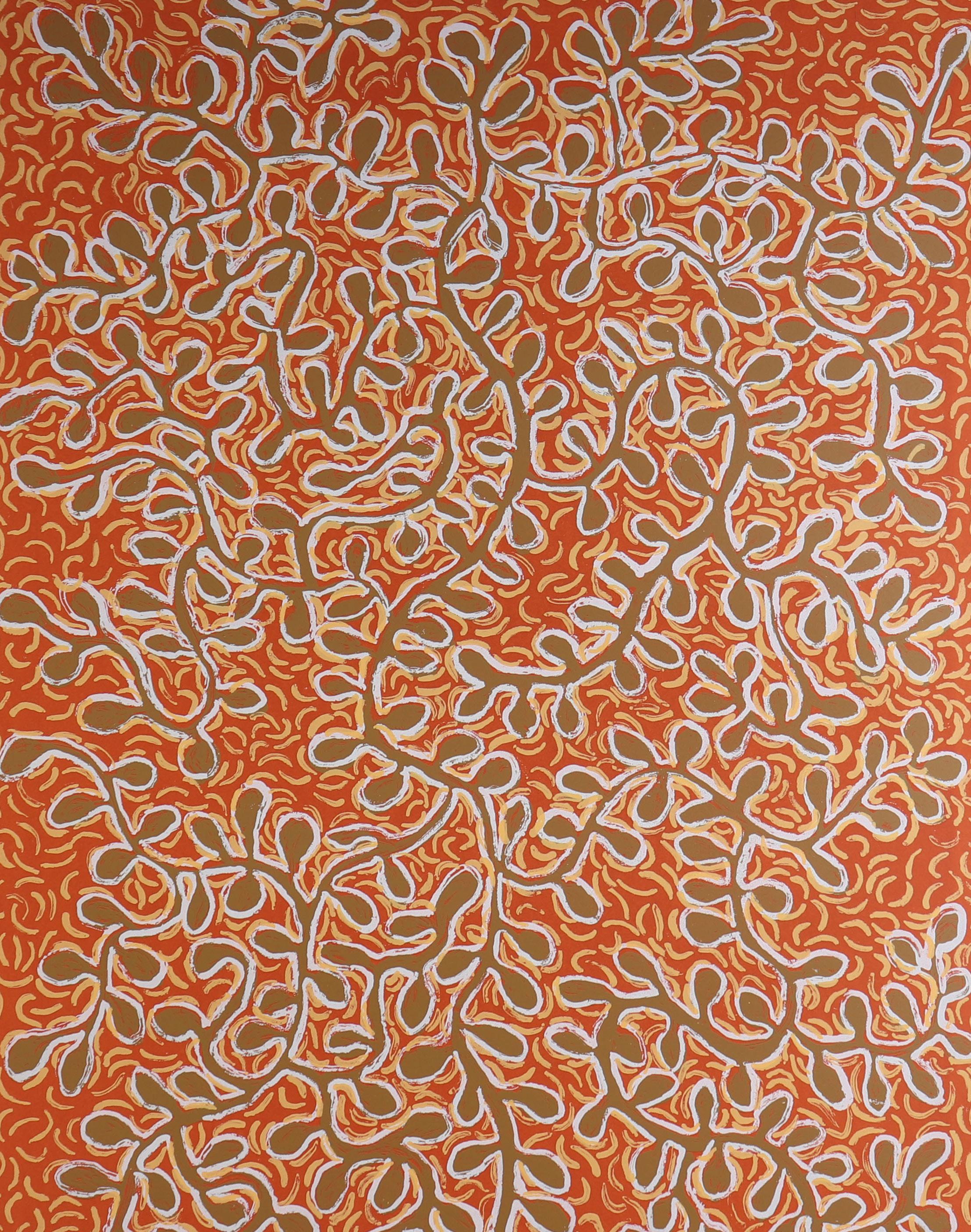
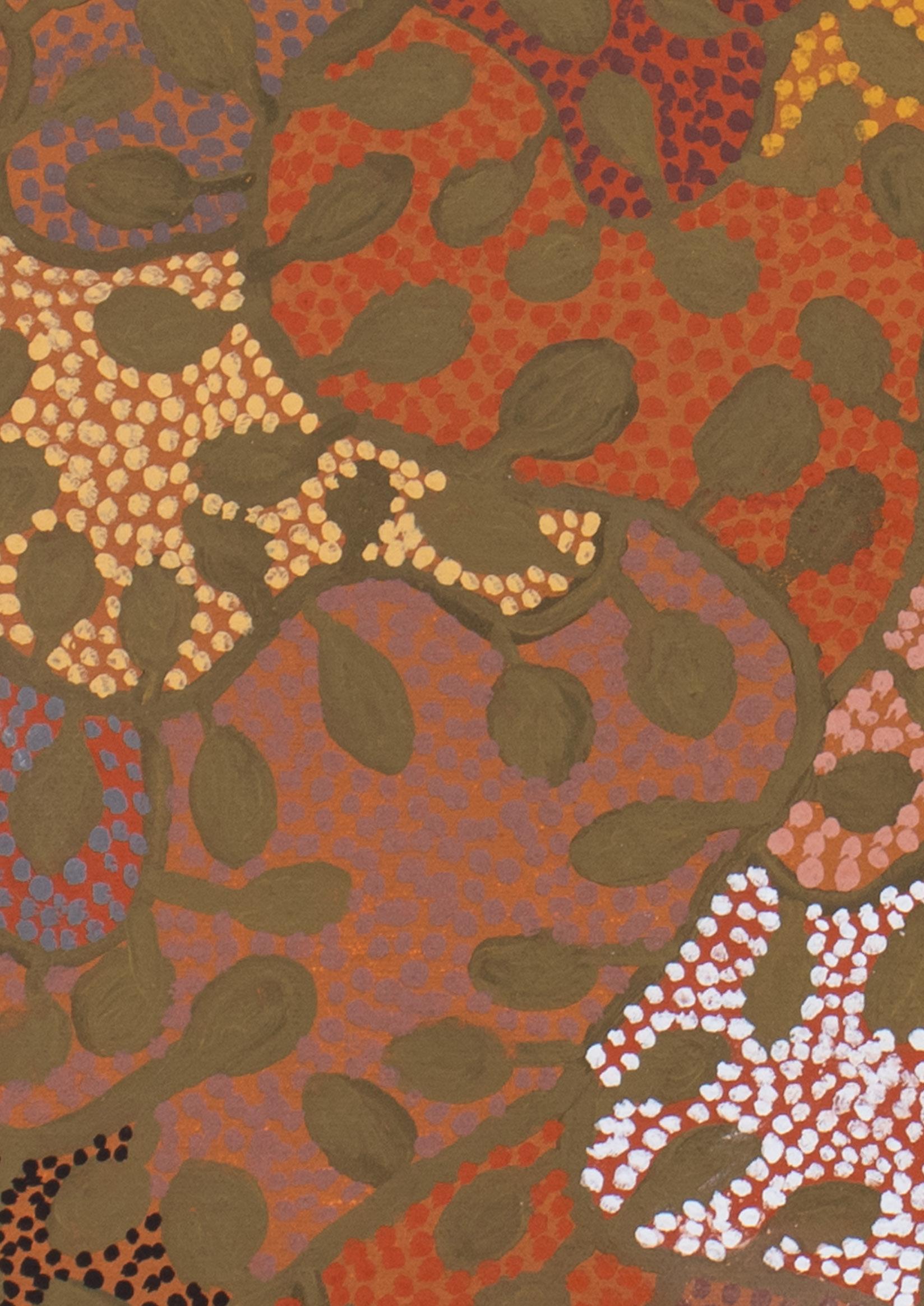
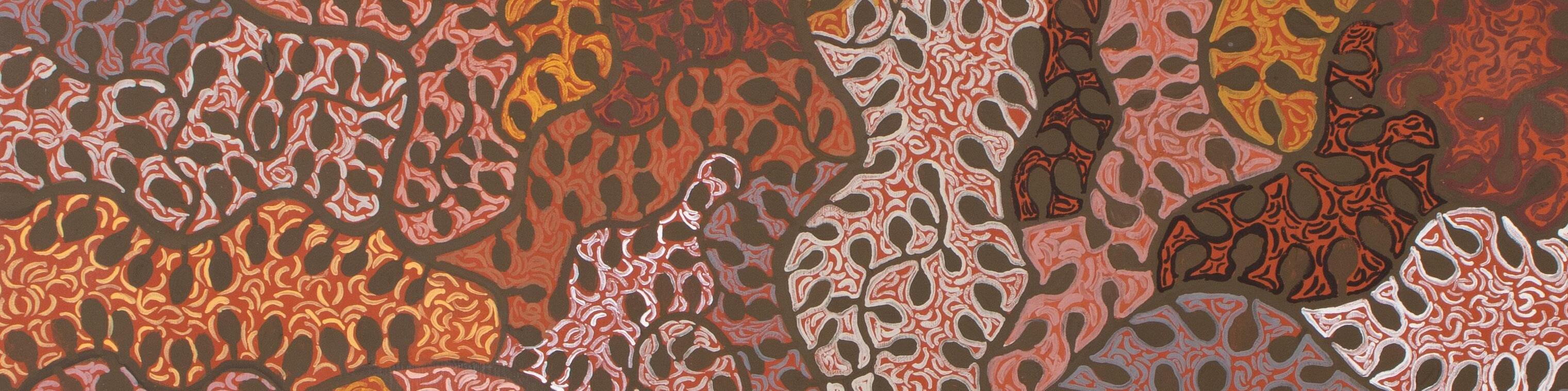
We’d also like to extend our thanks to Waringarri Arts for kindly allowing us to showcase the incredible artwork of Peggy Griffiths on our front and back covers.
A huge thank you goes to everyone who contributed to bringing this edition together. When we first decided to dedicate an edition of the Kununurra Sun to NAIDOC Week, we knew there were important stories to share. What we didn’t realise just how many inspiring people, organisations and initiatives we would discover along the way.
The Shire of Wyndham East Kimberley (the Shire) is the northernmost local government area in Western Australia, extending from the Northern Territory border to the northern tip of WA.
Putting together this edition has been a real privilege.
Along the way, we discovered just how much is happening across the East Kimberley. We met people breaking barriers, creating opportunities, challenging stereotypes and opening doors for others to walk through.
It serves as the eastern gateway to the Kimberley and the northern gateway to Western Australia, encompassing the towns of Wyndham and Kununurra, along with numerous small Aboriginal communities, the largest being Kalumburu.
We sat down with some incredible local women who are making their mark in their industries while paving the way for the next generation. We spoke with artists who are sharing culture, stories and identity through their work - whether that's on canvas, through food, or in other creative spaces. We also caught up with the Mirima Dawang Woorlab-gerring Language and Culture Centre (MDWg) to learn about the important work they're doing to keep Miriwoong language strong.
The Shire has been our number one supporter since the birth of the magazine, ensuring we are able to continue to shine light to all that our community has to offer.
SWEK.WA.GOV.AU
Job Pathways is a leading Aboriginal employment and community development organisation working across the Kimberley. With services spanning employment programs, training, economic development initiatives and encompassing Revive and Wayfinder programs, the organisation is dedicated to creating opportunities that are meaningful, sustainable and grounded in community. Each year, Job Pathways supports more than 2,000 people to build skills, access training and find work, while also backing local enterprises and cultural projects. From innovative programs like the Aboriginal Pastoral Academy and Halls Creek Women’s Hub to supporting grassroots community events, Job Pathways is proud to walk alongside people on their journey to employment and empowerment.
And trust us, this edition is only just the tip of the iceberg.
There are countless people across the East Kimberley quietly preserving culture, creating opportunities and making a real difference in their communities every day. We're proud to share just a handful of their stories, and we hope they leave you with the same sense of admiration, optimism and connection that we felt while bringing this edition together.
Tivan is progressing the Speewah Project, Australia’s largest vanadium resource, just outside Kununurra. With a strong focus on clean energy and regional development, Tivan is committed to becoming part of the East Kimberley community by supporting local jobs, listening to Traditional Owners, and building lasting partnerships.
So, with that, we're proud to bring you the Kununurra Sun NAIDOC Special Edition.
They’re not just investing in minerals, they’re investing in people and place.
We hope you enjoy reading these stories as much as we've enjoyed sharing them.
JOBPATHWAYS.ORG.AU
As a major sponsor of the Kununurra Sun, Tivan is helping keep this beloved community magazine running and free, ensuring it continues to shine a light on local stories, voices, and spirit.
Thank you, Tivan, for helping keep the sun shining in more ways than one!
A heartfelt thank you to Bishops Transport Kununurra for their continued support and commitment in helping bring Kununurra Sun to the community, your generosity keeps local stories shining bright.

PAGES 6-9
PAGES 18-21
Artlandish Art Gallery Celebrates 25 Years
PAGES 10-11
Warringarri Arts Boonkaj II: From Country to Catwalk
PAGES 26-27
Purnululu Aboriginal Independent Community School
PAGES 16-17
Strong Women: From Our Elders to Our Daughters Manmankang gooleng ngerregoowoong, nyala-bang ngoondenging jangeb-gerring. Warnka-mageny derran delmoorrgeb berrandawoon ganjing-ni.
Nathalia Imberlong: From Billy Ray Cyrus to Broadcasting
PAGES 30-31
The Gift of Language: Miriwoong Language Lives On
The Manmankang is a large tree with edible gum (Terminalia platyphylla). Black cockatoos crunch the seeds in the cold season. MIRIWOONG TO ENGLISH TRANSLATION
Kununurra Sun acknowledges the Australian Aboriginal and Torres Strait Islander peoples of this nation. We acknowledge the Traditional Custodians of the lands throughout the Kimberley and in particular the Miriwoong and Gajirrawoong people of Kununurra and surrounding areas where we live, work and welcome visitors from afar.

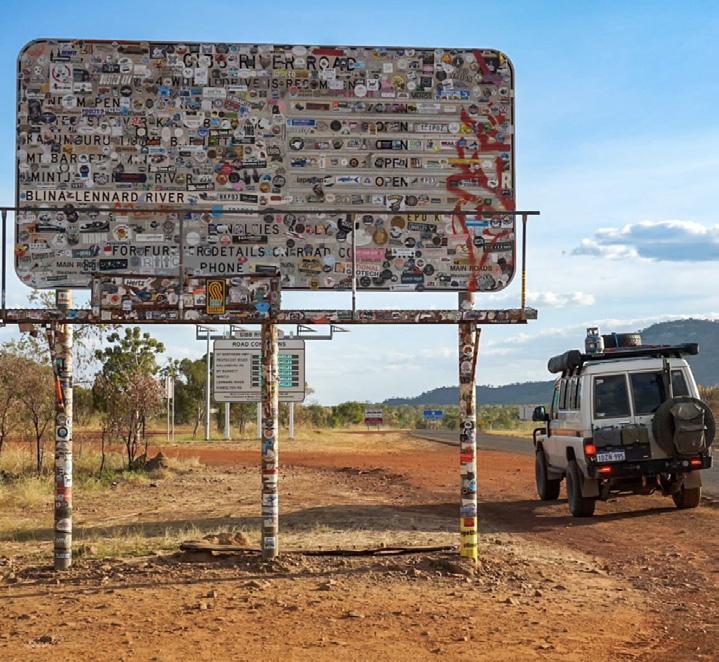
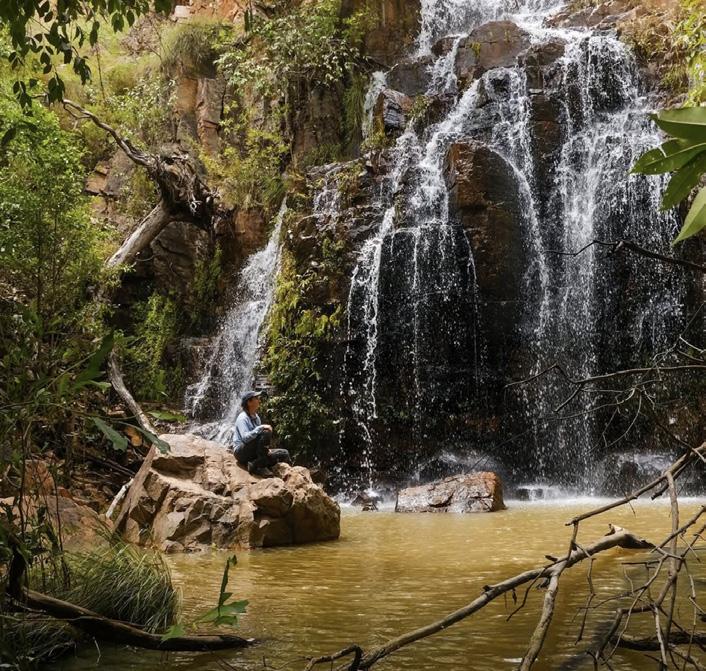
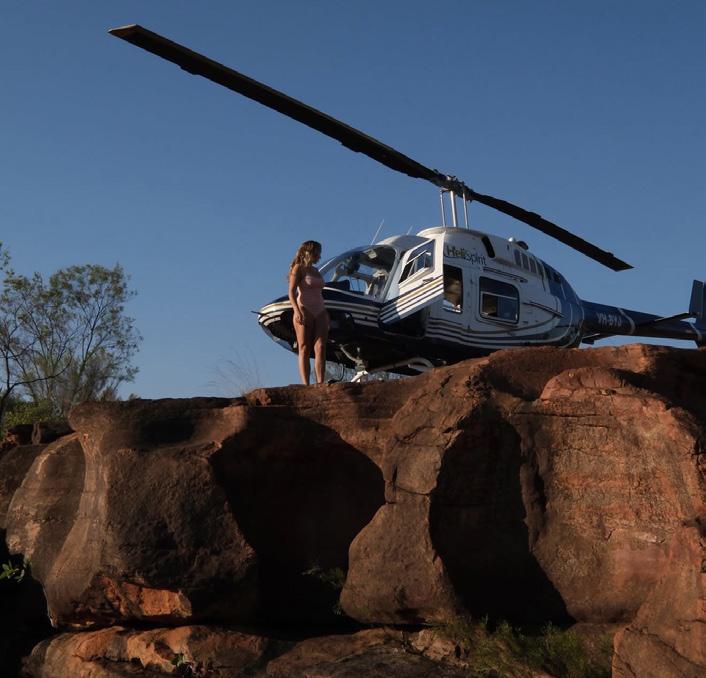
CAPTURED IN KUNUNURRA
We want to see how you enjoy all the East Kimberley has to offer! Share your adventures with us by using #kununurrasun across Instagram to be featured.
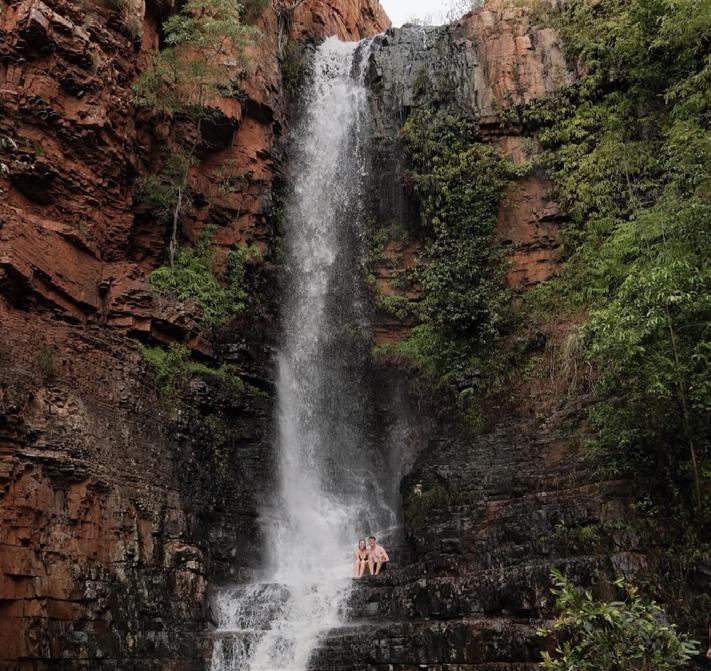
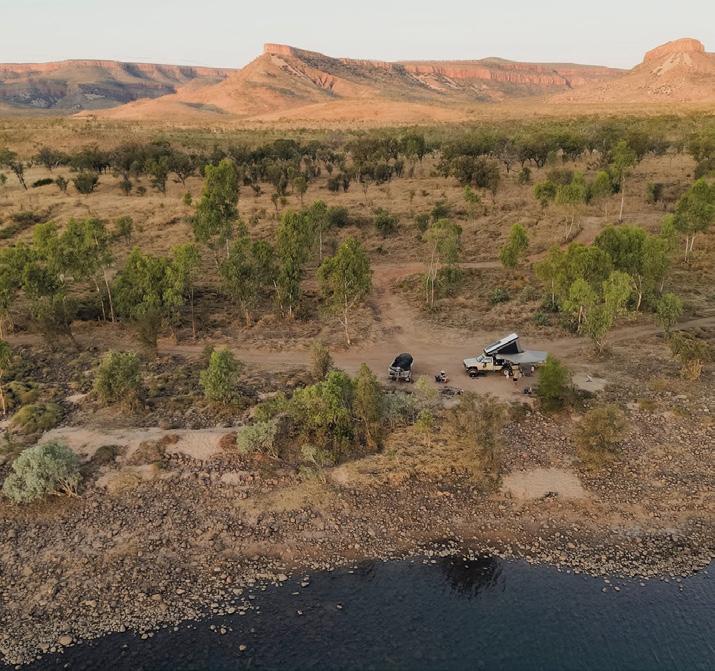
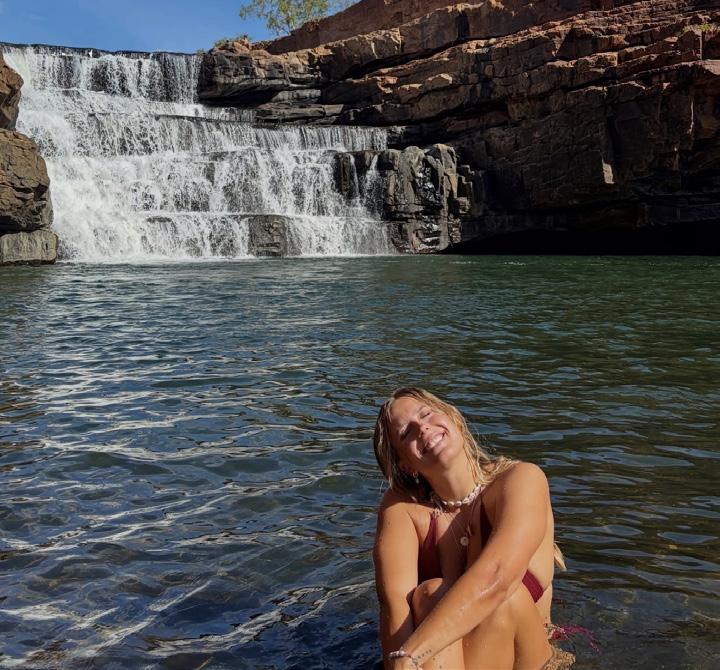
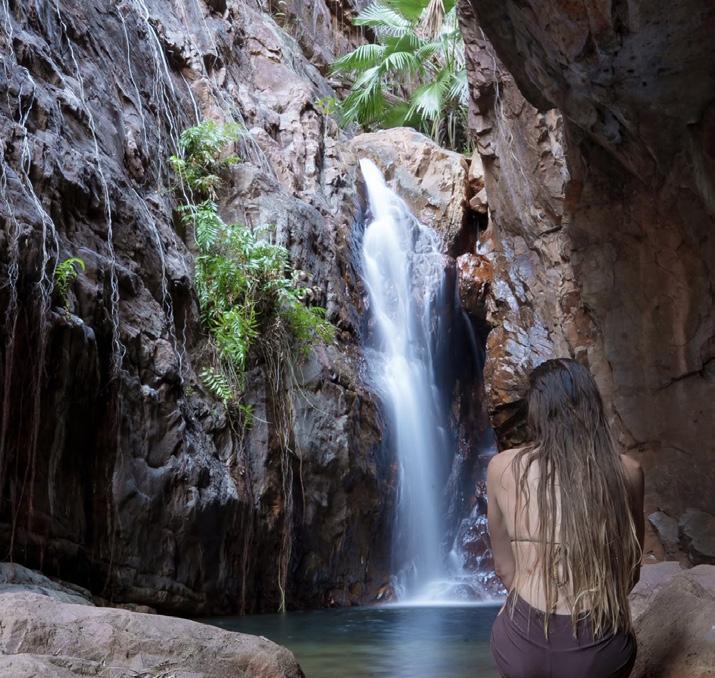
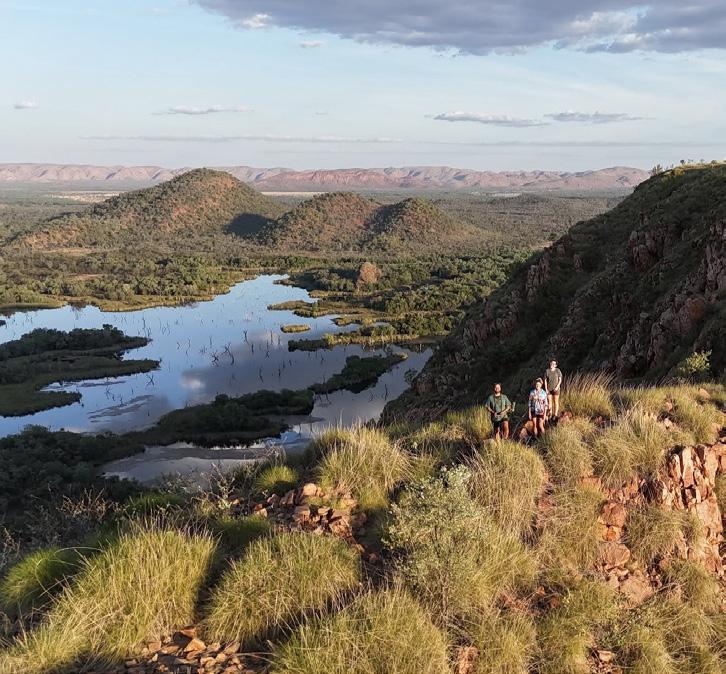
@MAXTEAGSMURPHLAPPINAUS
CREATIVE DIRECTORS: EDITORIAL:
JESS BUCHAN & SEB TASI
PHOTOGRAPHY & GRAPHIC DESIGN
JESS BUCHAN & SEB TASI
JESS BUCHAN, SEB TASI, EMMA MOSS, FAYTH BELL
The paper we choose to print Kununurra Sun on has a positive impact on forests people and wildlife. FSC certified forests have to meet our rigorous standards. This means FSC certified forests are healthy, and benefit local communities as well as providing jobs for workers. FSC certification tracks the wood from the forest to the shelf. So when you see the FSC label on our magazine, you can be sure this paper came from responsible sources.
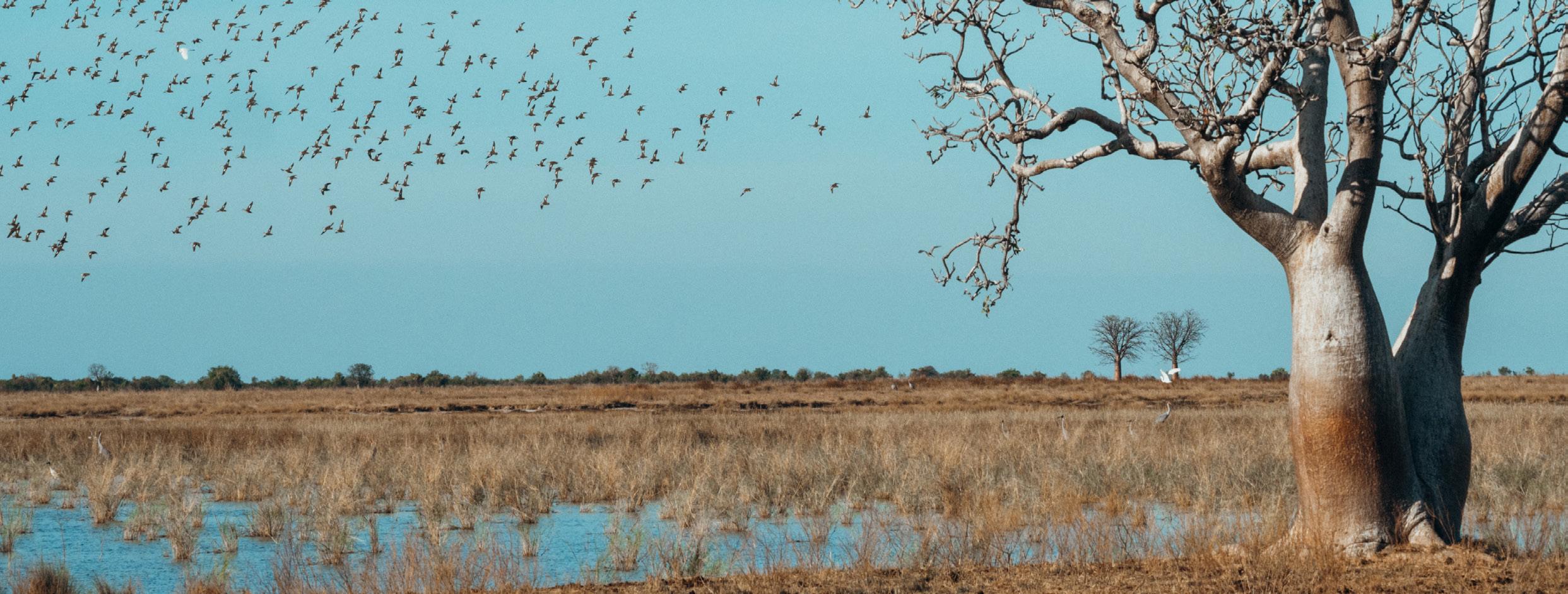
Kununurra Sun emerged with a vision to uplift, educate, and connect the Kununurra community.
Sun emerged with a vision to uplift, educate, and connect the Kununurra community.
We remain steadfast in this mission. We rely on businesses and organisations in the Kununurra region to help keep the Sun shining. We'd like to acknowledge our current sponsors and thank them for their continued support. If you'd like to become a sponsor of the Sun, please reach out to discuss collaboration opportunities. Let's follow the Sun, together.
We remain steadfast in this mission. We rely on businesses and organisations in the Kununurra region to help keep the Sun shining. We'd like to acknowledge our current sponsors and thank them for their continued support. If you'd like to become a sponsor of the Sun, please reach out to discuss collaboration opportunities. Let's follow the Sun, together.

The Shire of Wyndham East Kimberley is the northernmost local government area in Western Australia, extending from the Northern Territory border to the northern tip of WA.
The Shire of Wyndham East Kimberley (the Shire) is the northernmost local government area in Western Australia, extending from the Northern Territory border to the northern tip of WA.
It serves as the eastern gateway to the Kimberley and the northern gateway to Western Australia, encompassing the towns of Wyndham and Kununurra, along with numerous small Aboriginal communities, the largest being Kalumburu.
It serves as the eastern gateway to the Kimberley and the northern gateway to Western Australia, encompassing the towns of Wyndham and Kununurra, along with numerous small Aboriginal communities, the largest being Kalumburu.
The Shire has been our number one supporter since the birth of the magazine, ensuring we're able to continue to shine a light to all that our community has to offer.
SWEK.WA.GOV.AU
The Shire has been our number one supporter since the birth of the magazine, ensuring we are able to continue to shine light to all that our community has to offer.
SWEK.WA.GOV.AU

Job Pathways is a leading Aboriginal employment and community development organisation working across the Kimberley. With services spanning employment programs, training, economic development initiatives and encompassing Revive and Wayfinder programs, the organisation is dedicated to creating opportunities that are meaningful, sustainable and grounded in community. Each year, Job Pathways supports more than 2,000 people to build skills, access training and find work, while also backing local enterprises and cultural projects. From innovative programs like the Aboriginal Pastoral Academy and Halls Creek Women’s Hub to supporting grassroots community events, Job Pathways is proud to walk alongside people on their journey to employment and empowerment.
JOBPATHWAYS.ORG.AU
Tivan is progressing the Speewah Project, Australia's largest vanadium resource, just outside of Kununurra. With a strong focus on clean energy and regional development, Tivan is committed to becoming part of the East Kimberley community by supporting local jobs, listening to Traditional Owners, and building lasting partnerships. They're not just investing in minerals, they're investing in people and place.
Tivan is progressing the Speewah Project, Australia’s largest vanadium resource, just outside Kununurra. With a strong focus on clean energy and regional development, Tivan is committed to becoming part of the East Kimberley community by supporting local jobs, listening to Traditional Owners, and building lasting partnerships.
Job Pathways is a leading Aboriginal employment and community development organisation working across the Kimberley. With services spanning employment programs, training, economic development initiatives and encompassing Revive and Wayfinder programs, the organisation is dedicated to creating opportunities that are meaningful, sustainable and grounded in community. Each year, Job Pathways supports more than 2,000 people to build skills, access training and find work, while also backing local enterprises and cultural projects.
They’re not just investing in minerals, they’re investing in people and place.
As a major sponsor of the Kununurra Sun, Tivan is helping keep this beloved community magazine running and free, ensuring it continues to shine a light on local stories, voices, and spirit.
From innovative programs like the Aboriginal Pastoral Academy and Halls Creek Women's Hub, to supporting grassroots community events, Job Pathways is proud to walk alongside people on their journey to employment and empowerment.
Thank you, Tivan, for helping keep the sun shining in more ways than one!
TIVAN.COM.AU
A heartfelt thank you to Bishops Transport Kununurra for their continued support and commitment in helping bring Kununurra Sun to the community, your generosity keeps local stories shining bright.
BISHOPSTRANSPORT.COM.AU
As a sponsor of the Kununurra Sun, Tivan is helping keep this beloved community magazine running and free, ensuring it continues to shine a light on local stories, voices, and spirit.
Thank you Tivan, for helping keep the Sun shining in more ways than one!
TIVAN.COM.AU
Alta1 Kimberley College provides a supportive and flexible learning environment for girls in year 7-12 in Kununurra who find school overwhelming. As part of a network of campuses across Western Australia, the college delivers a trauma-informed, culturally responsive, relationship-based approach that combines education with wellbeing support to help students rebuild confidence, connection and a sense of purpose.
With small class sizes, personalised learning pathways and hands-on programs, Alta1 focuses on re-connecting students in learning while equipping them with practical skills and pathways for the future, all within a safe and inclusive community setting.
ALTA1.COM.AU
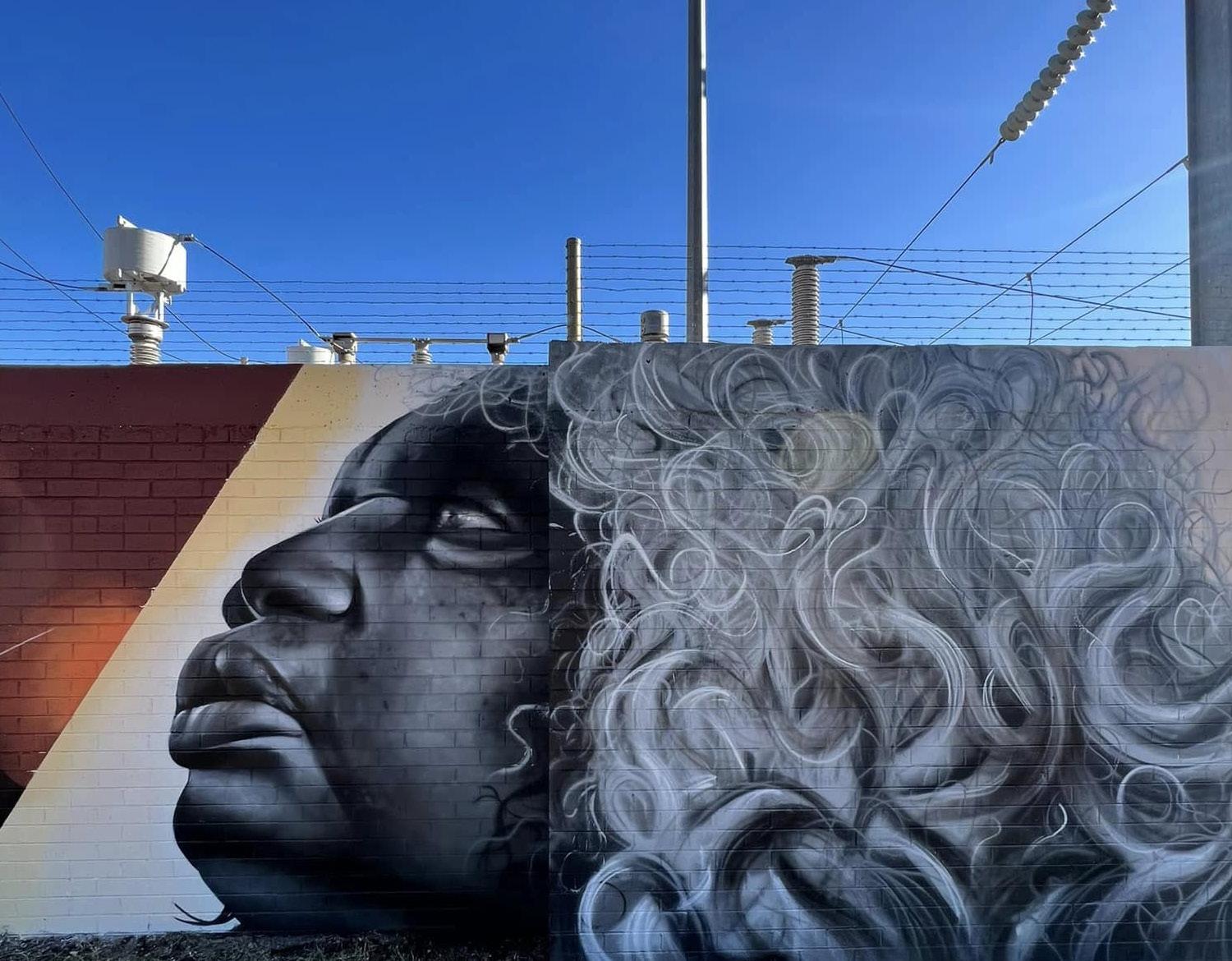
FIVE KIMBERLEY WOMEN REFLECT ON CULTURE, FAMILY AND THE LEGACY THEY HOPE TO LEAVE BEHIND
Across the Kimberley, stories are passed down in many ways.
They are spoken in language, painted onto canvas, shared on Country and carried through generations of families. They live in memories of mothers and grandmothers, in lessons from Elders, and in the values that shape communities.
This year's NAIDOC Week theme, The Next Generation: Strength, Vision & Legacy, celebrates those connections between past, present and future.
For Healema Ward, Peggy Griffiths, Agnes
Armstrong, Sophia Gumpoltsberger and Mary Baird, those connections are at the centre of who they are. Each woman draws strength from the generations before her while helping shape the generations still to come.
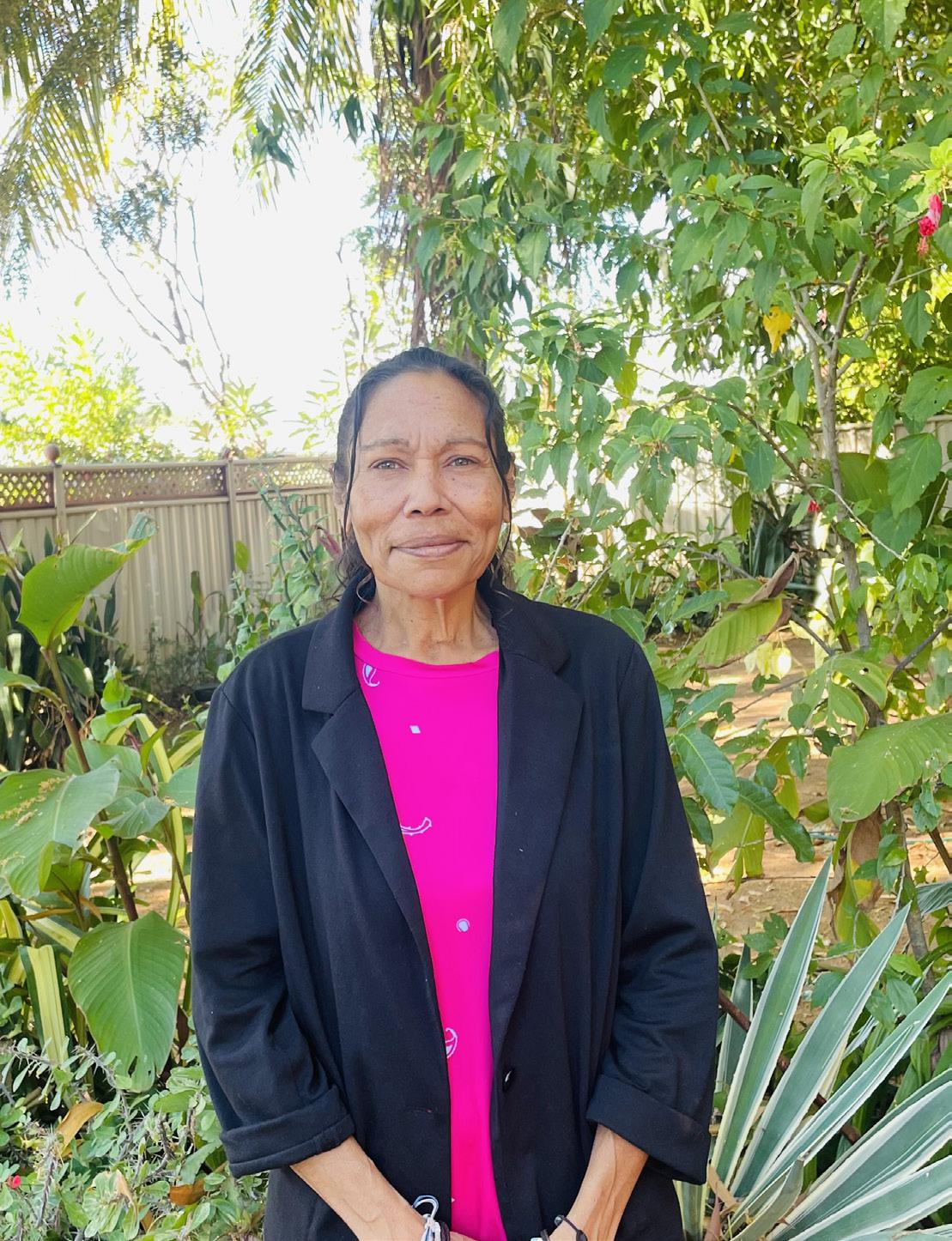
For proud Mirriwoong woman Healema Ward, community has always been a guiding force.
Raised in Kununurra and shaped by the wisdom of her mother, grandmother and Elders, Healema says respect is one of the most important lessons she has carried throughout her life.
Helping people has been a constant thread in her
journey. Whether supporting community members or working as a certified medical interpreter, she has dedicated herself to creating understanding and helping others navigate important services.
One of her proudest achievements has been sharing the story of BilBiljing, a place she describes as "the forgotten place", ensuring its history remains alive for future generations.
Healema believes leadership is strongest when communities come together.
"Leadership in my community means when we all come together and support with one voice," she says.
Looking to the future, she hopes young people continue to draw strength from the voices of Elders and never lose hope in what they can achieve.
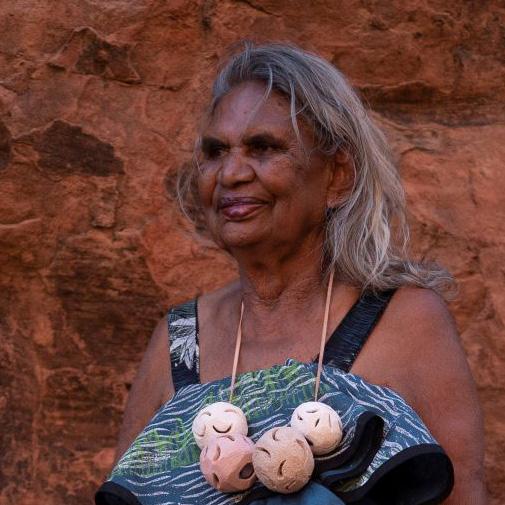
A similar message is shared by Peggy Griffiths, who lives on Jalin Country, home of the Plain Kangaroo Dreaming.
Peggy credits her mother Dinah Dingle, Daisy Brumby and her wider Miriwoong family for teaching her the knowledge, history and wisdom that shaped her into the strong cultural woman she is today.
For Peggy, leadership is about teaching.
Through storytelling, cultural knowledge and her artwork, she is ensuring younger generations understand their history, culture and connection to Country.
Her art is her proudest achievement because it allows her to share everything she has learned with younger generations.
Peggy hopes Kimberley women continue taking children back onto Country, teaching stories and helping them understand where they come from.
"It means feeling pride in culture and passing down knowledge of who we are to the next generation," she says.
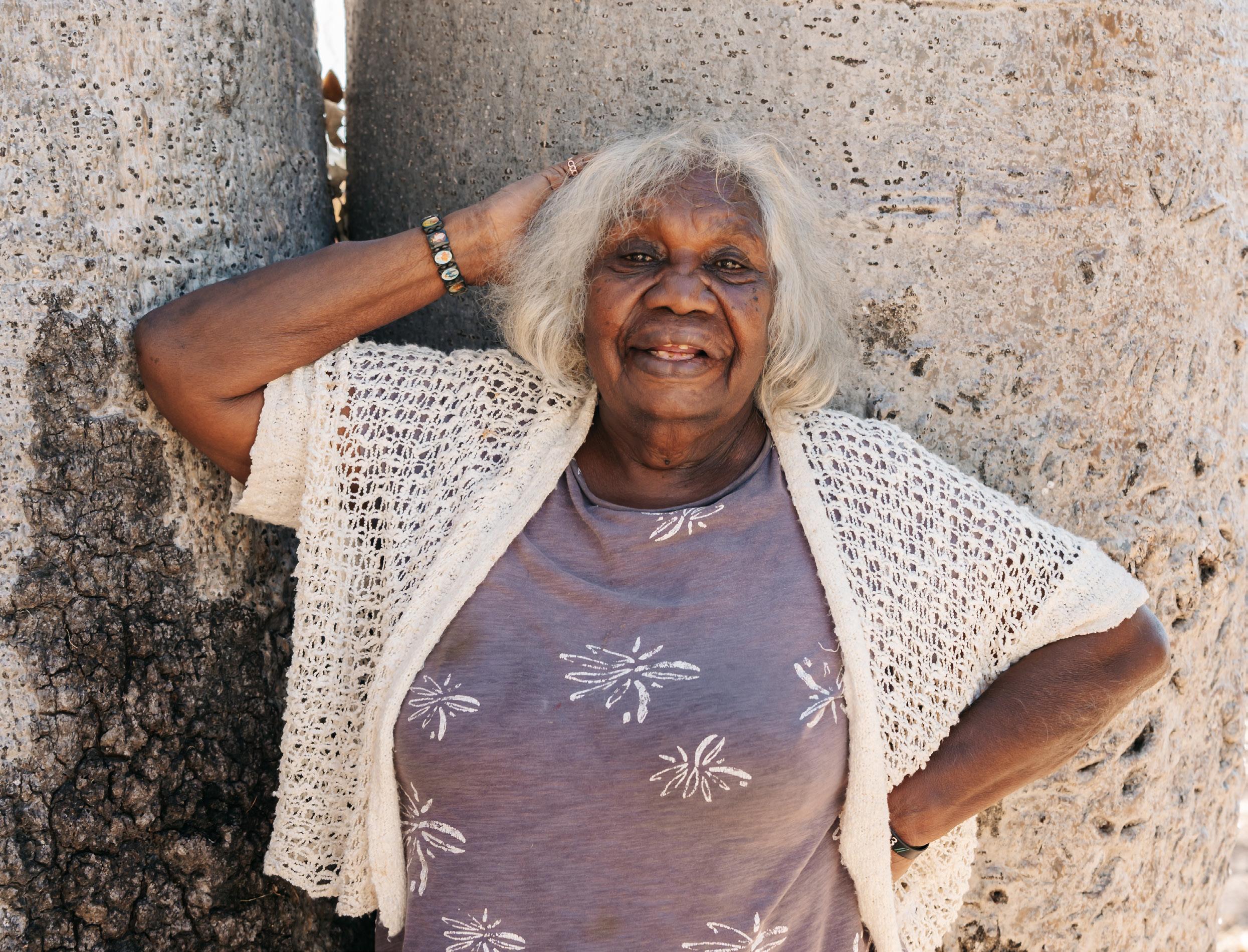
Language and storytelling also sit at the heart of Agnes Armstrong's journey.
Born on Ivanhoe Station on Miriwoong Country, Agnes remembers growing up in the bush with her family and learning language from her mother and grandmother.
Today she continues to share that knowledge through her work at the language centre and through paintings that tell stories of her childhood and connection to Country.
Station. Through her art, memories become something that can be shared and preserved.
She also fondly remembers travelling to Rome, an experience she says changed her life.
This NAIDOC Week, Agnes is looking forward to joining the celebrations and walking in the march.
"I'm getting older but I'm still ticking," she says.
For Sophia Gumpoltsberger, a proud Lunga Kija woman from Halls Creek, family has been the foundation of her journey.
Her mother, grandmothers, great-grandmother and community taught her the values of hard work, respect and helping others. Those lessons have stayed with her throughout her education, career and family life.
Sophia believes leadership is about listening, supporting others and creating opportunities
for future generations.
"Strong leaders lead by example and work for the benefit of the whole community," she says.
One of her proudest achievements has been raising her children while continuing to pursue her personal and professional goals. It is an accomplishment she says has taught her resilience, perseverance and the importance of being a positive role model.
Her hope is that the next generation of Kimberley women grow up confident, proud of who they are and supported to achieve their dreams.
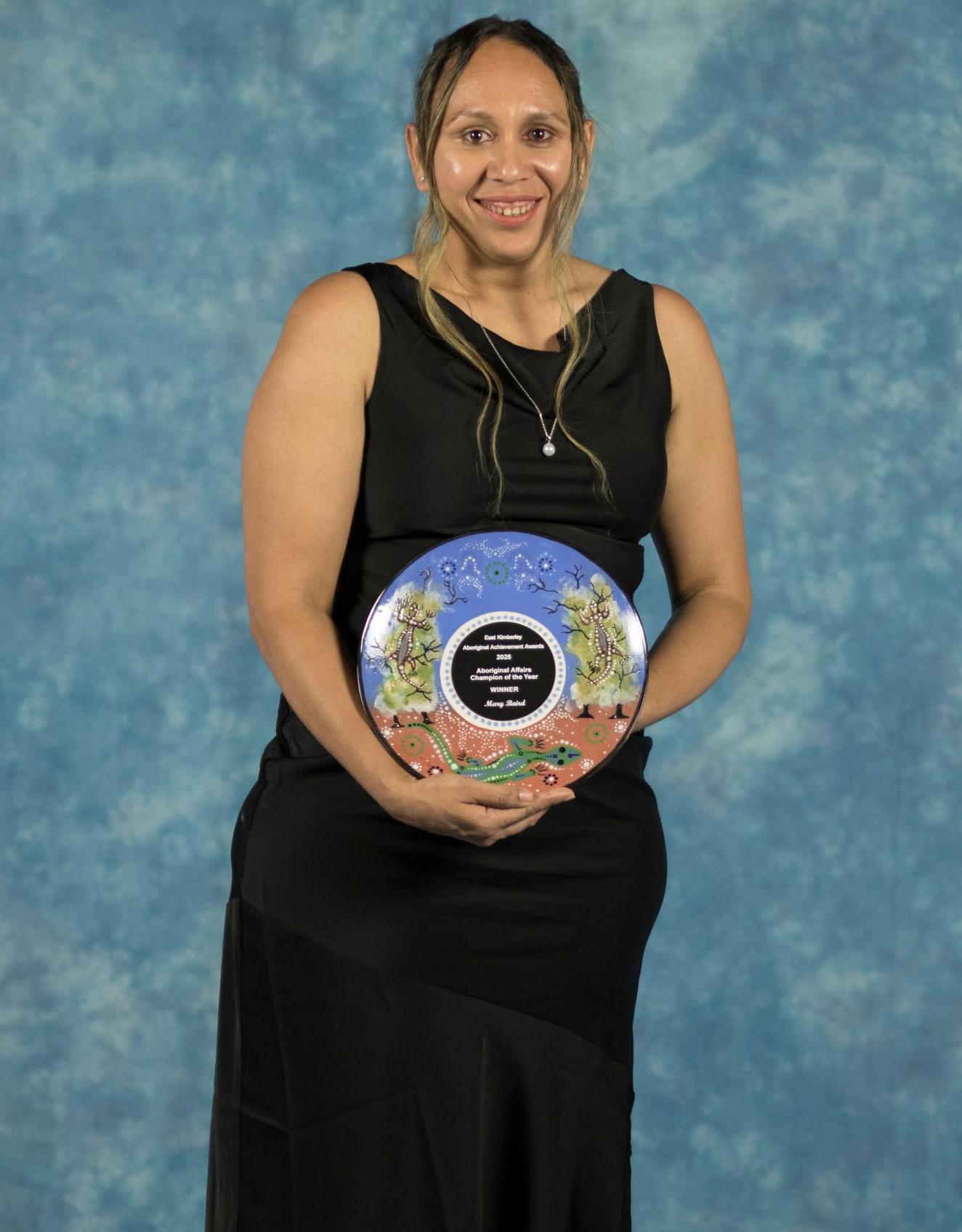
For Mary Baird, a proud Gajerrong and Bardi woman born and raised in Kununurra, legacy is about creating opportunities that didn't always exist.
Shaped by her parents, Gailene Chulung and Kimberley Baird, Mary says her journey has also been influenced by the challenges Aboriginal people continue to face.
Rather than accepting stereotypes or statistics, she has used them as motivation.
"I am fuelled by the stigmas to prove that your views are incorrect," she says. "I want you to watch me as I surpass the paintbrush stereotypes of Indigenous people in Australia."
As CEO of Ord Valley Aboriginal Health Service, Mary believes leadership means practising what you preach and leading by example.
"We have the opportunity to shape and mould the next generation. To be the change," she says.
While proud of her leadership journey, Mary says her greatest achievement is being the best mother she can be to her two daughters and creating a life filled with opportunities for them.
When she thinks about this year's NAIDOC theme, one word stands above all others.
"Opportunity," she says.
"Opportunity to make our mark. Opportunity to pave the way. Opportunity to be seen, heard and appreciated as female leaders in our community."
Although their journeys are different, the five
Sophia Gumpoltsberger
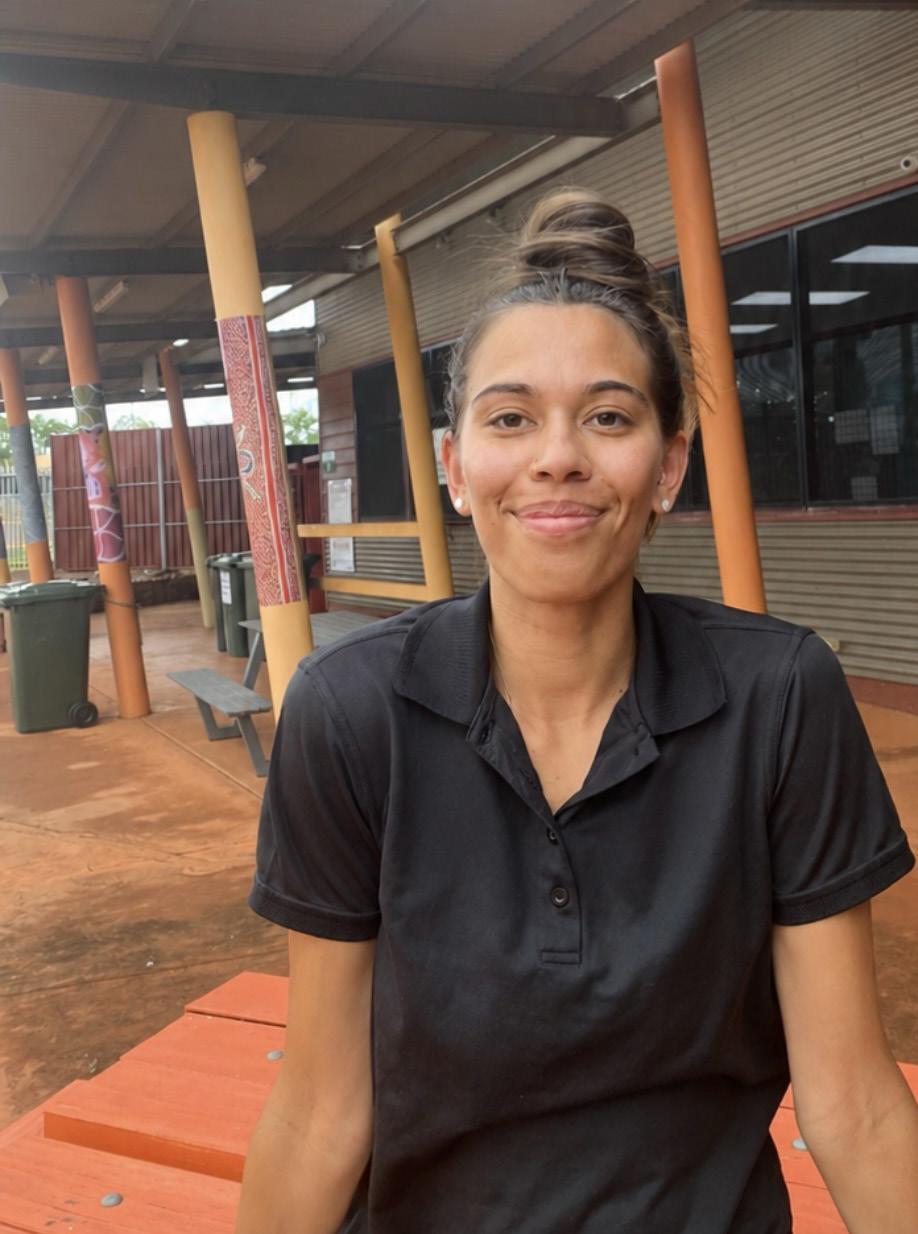
women share a common vision.
They speak of culture with pride. They honour the people who came before them. They believe in the strength of community and the importance of passing knowledge on.
They also remind us that legacy is not only about preserving the past. It is about creating new pathways for those who come next.
It lives in language spoken between generations. In stories shared on Country. In artwork that keeps history alive. In women who lead by example. In mothers raising confident daughters. In communities that continue to support one another.
As Kimberley communities celebrate NAIDOC Week, Healema, Peggy, Agnes, Sophia and Mary remind us that strength is found in knowing who you are, vision comes from believing in what is possible, and legacy is built every day through the choices we make for the next generation.
The next generation is already watching, listening and learning.
Thanks to women like these, they have strong footsteps to follow.
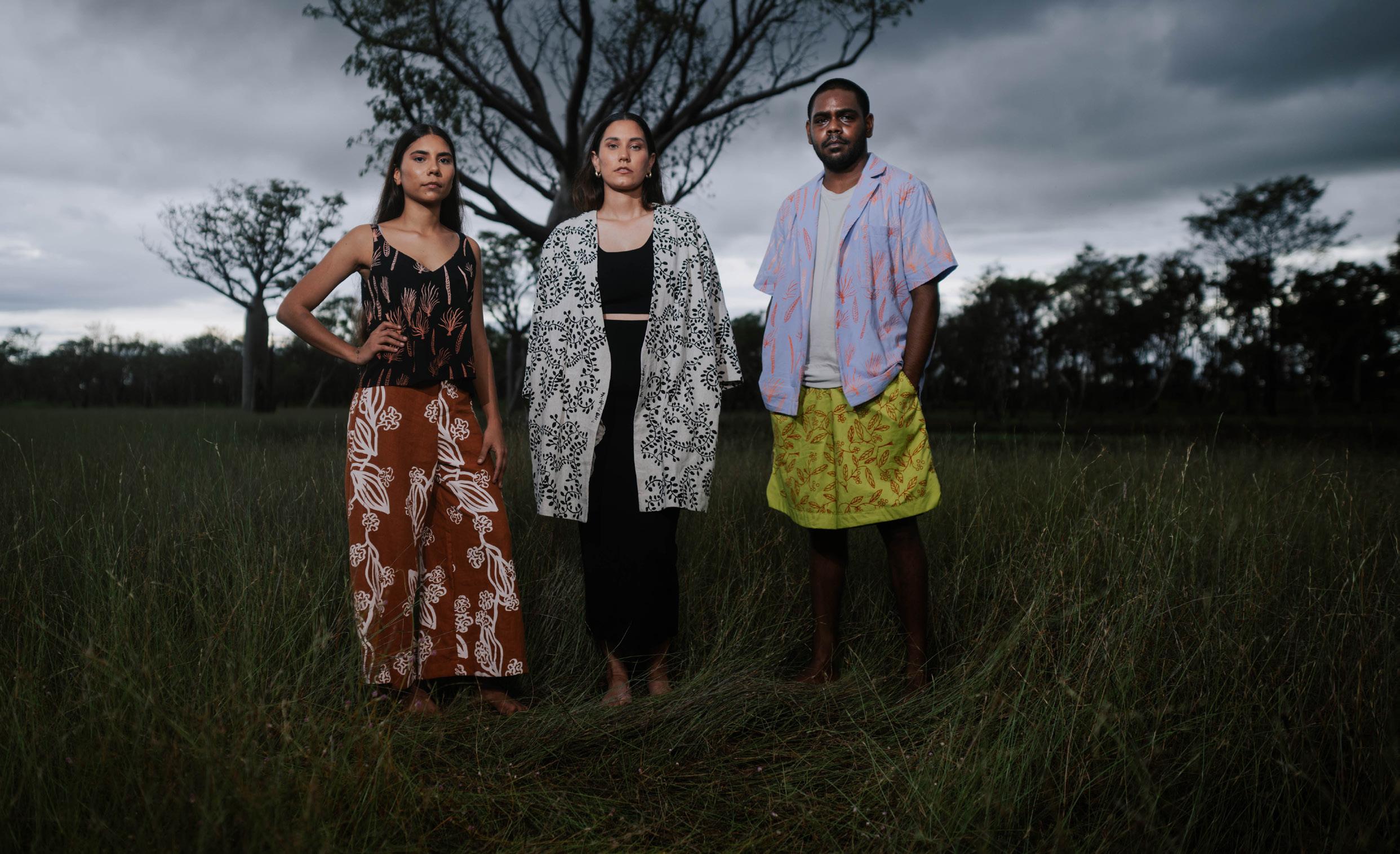
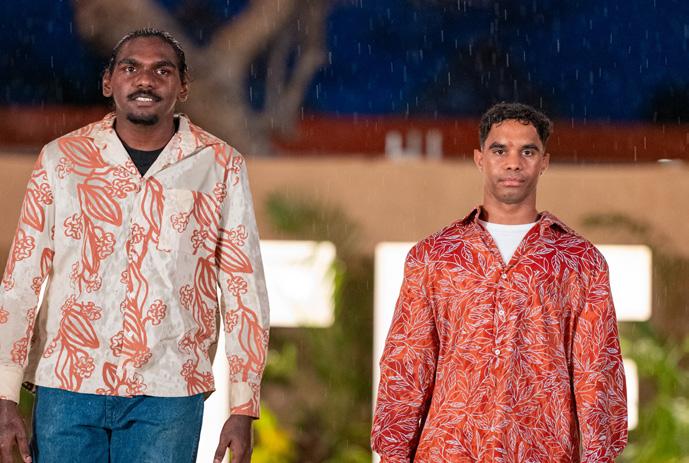
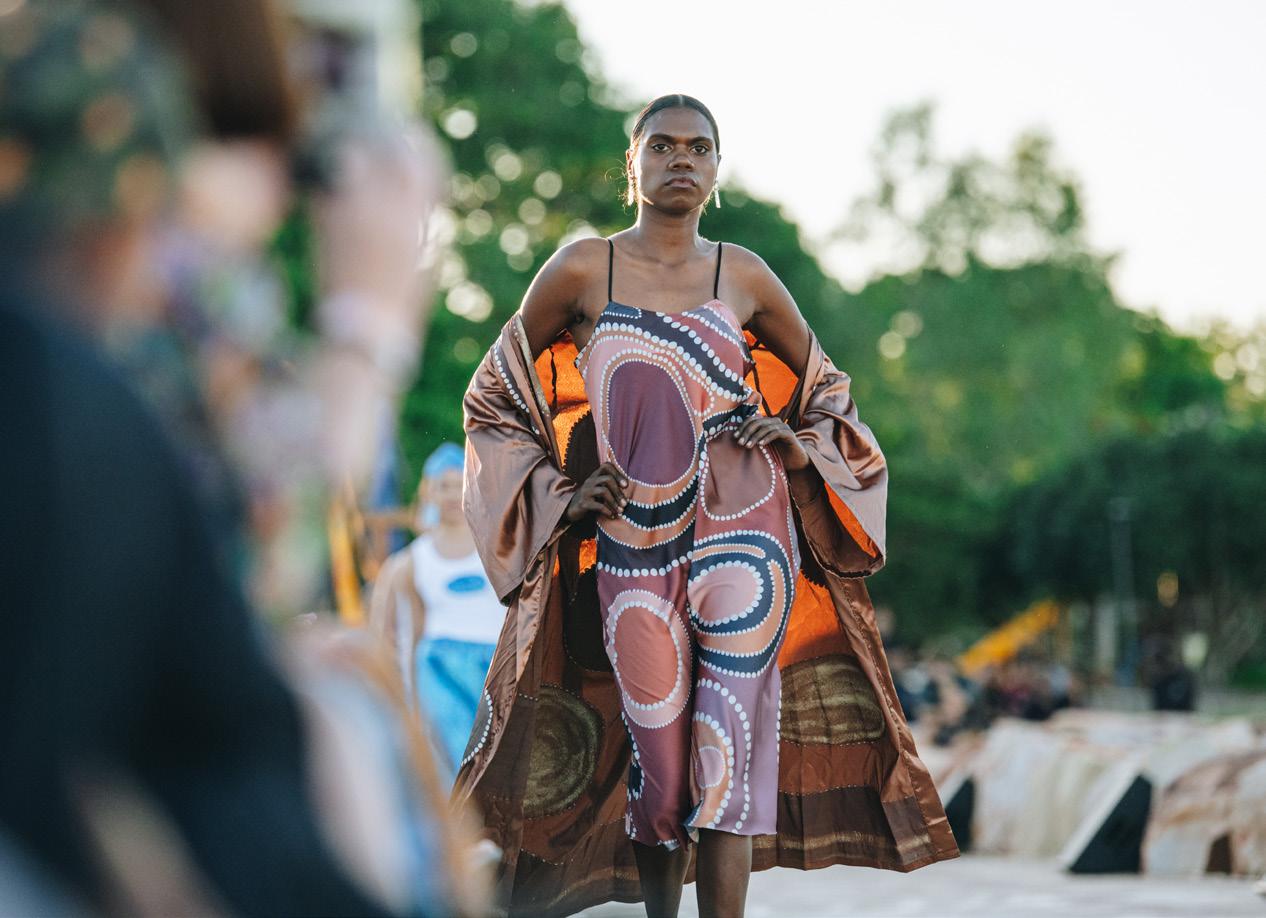
MEANING “EMERGING” OR “COMING OUT” IN MIRIWOONG, BOONKAJ II IS THE LATEST CLOTHING COLLECTION FROM WARINGARRI ARTS. A CELEBRATION OF CULTURE, CREATIVITY AND THE STRENGTH OF THREE GENERATIONS OF MIRIWOONG WOMEN ARTISTS, BRINGING STORIES OF COUNTRY INTO CONTEMPORARY FASHION.
Rooted in Miriwoong Country in the East Kimberley, Boonkaj II is a regenerative project honouring cultural heritage, storytelling and the continuation of artistic practice, while creating opportunities that support the wellbeing, economic livelihoods and potential of Indigenous women.
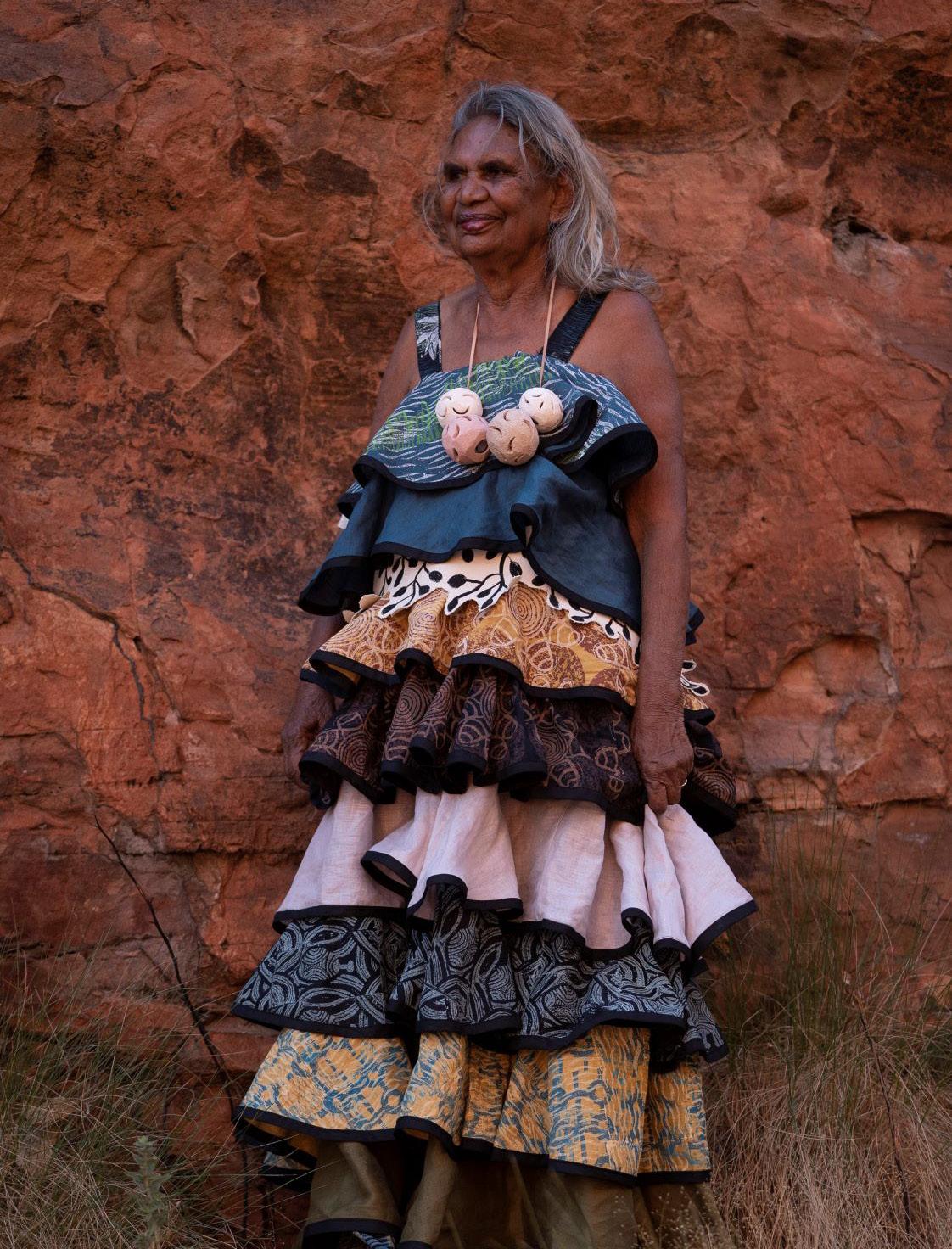
The collection has been designed by three generations of Miriwoong women artists including Peggy Madij Griffiths, Agnes Yamboong Armstrong, Anita Churchill, Delany Ngugunuk Griffiths, Desma Mengil, Kelly-Ann Ngadjil Drill and Cathy Marawuk Binbirridj Ward - each bringing their own established creative practices and deep connection to Country.
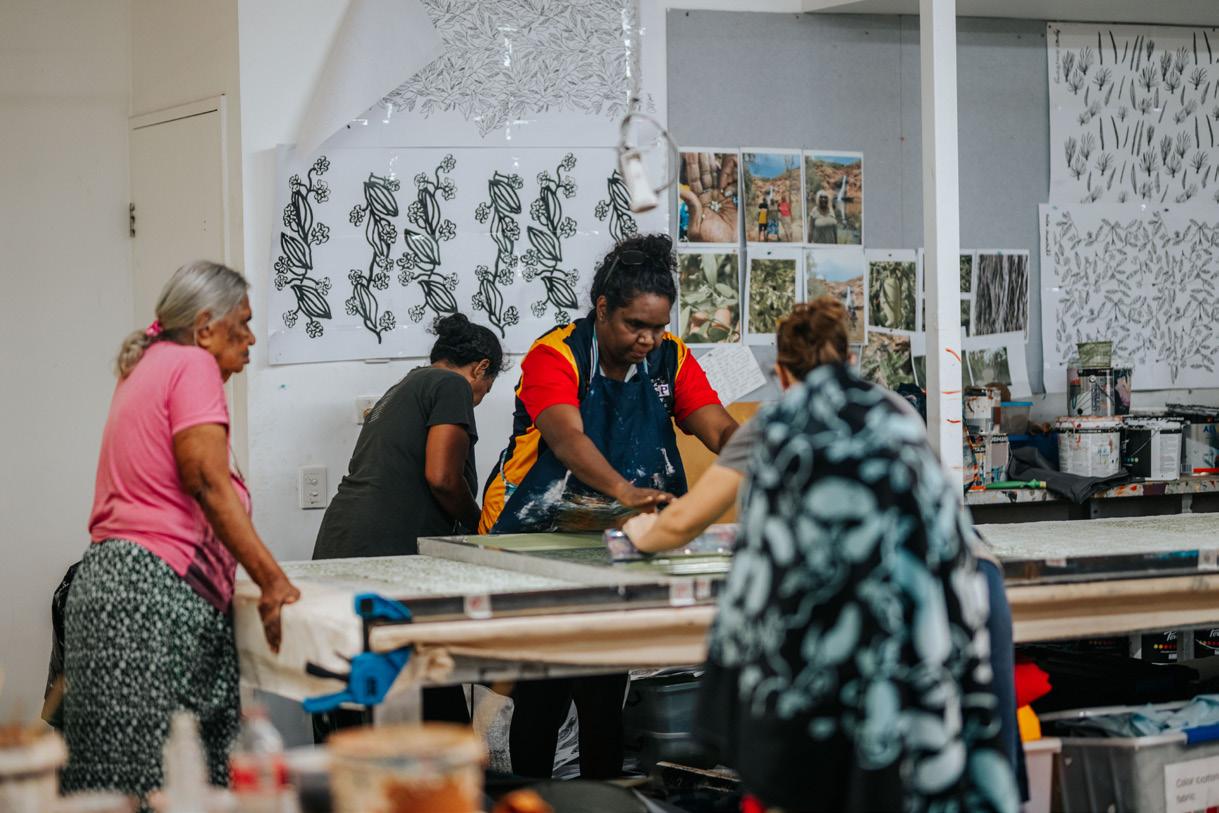
Working across mediums including painting, ceramics, textile printing and fashion design, the artists came together to create Boonkaj II to share knowledge, explore new creative expressions and strengthen their textile and fashion practices.
Inspired by the bush tucker and traditional medicines found across Miriwoong Country, the collection began with time spent on Country,
gathering, sharing cultural knowledge and drawing inspiration from the plants, landscapes and stories that have been cared for over generations.
The screenprint designs were developed through these on-Country experiences, capturing the colours, textures and connections of the Kimberley landscape. The fabric and print colours were carefully chosen to reflect the rich tones of Country, creating garments that carry a strong sense of place and identity.
For the artists, Boonkaj II represents more than fashion. It is a way of teaching, learning and sharing culture through another creative form.
“I am honoured and proud that there is a way of teaching and learning our way in another art form. It is a way for me to show my history, culture and my knowledge. It is a way of showing and teaching our younger generations our culture, dreaming and history.
Peggy Griffiths says of the experience. She hopes the project will inspire younger generations to embrace their culture, remain open to learning and continue building their knowledge,
“I would like to see younger people being strong and willing to try and be more open in themselves to gain greater knowledge.”
For Delany Griffiths, combining art and fashion creates another way to celebrate connection to Country and share Miriwoong knowledge with community and beyond.
“Making art and fashion about Country, community and culture makes us feel proud and strong. It is a way of sharing our knowledge with our community and a wider audience.”
Designed to be worn with pride in community while also embracing the relaxed resort lifestyle of those visiting Kununurra, the collection brings together simple, flattering silhouettes with bold screen print designs that allow the artists’ work to shine.
Every part of Boonkaj II has been designed, developed and printed on Miriwoong Country. Made entirely from natural fibres and printed with water-based inks at the Waringarri studio, the collection reflects a commitment to sustainability,
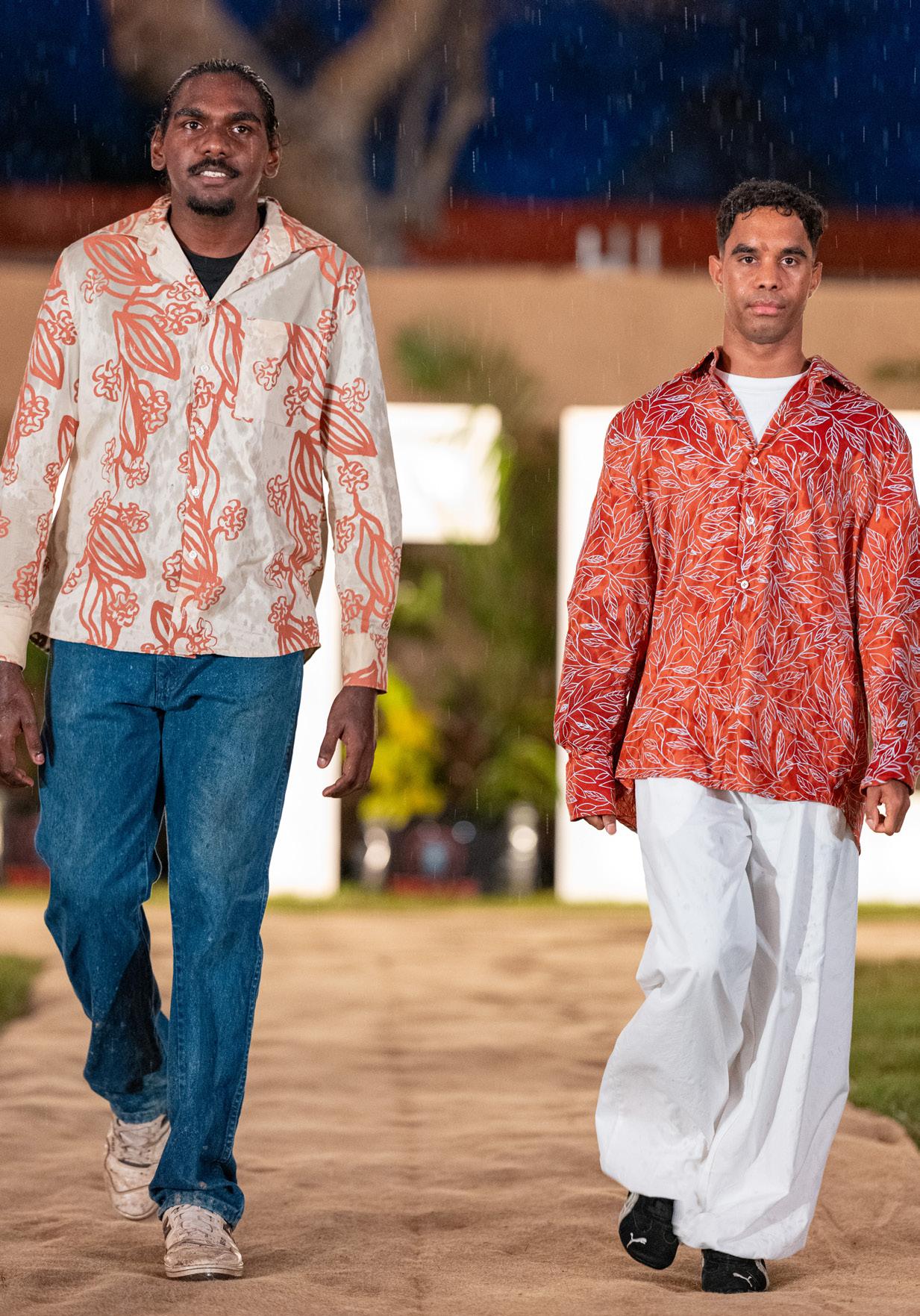
The project also celebrates the strength of contemporary First Nations fashion - showing how cultural knowledge can continue to grow, adapt and be expressed in new ways.
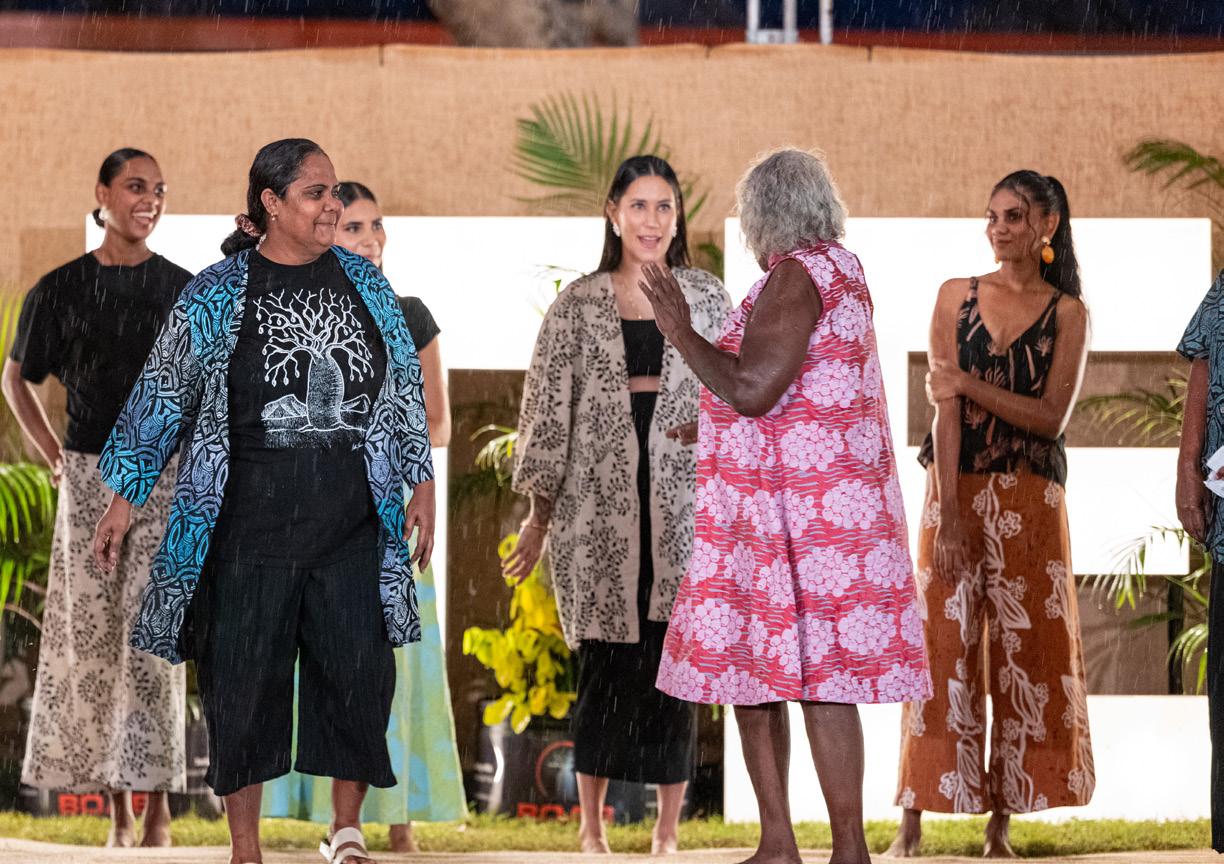
Boonkaj II made its first public appearance at the Colours of Country event during the 2026 Ord Valley Muster. Against the backdrop of an unexpected downpour, the collection was brought to life in a memorable celebration of Country, creativity and community.
The next chapter of the Boonkaj II journey will see the collection travel beyond the East Kimberley, after being selected to showcase at Darwin Aboriginal Art Fair Country to Couture 2026. This opportunity will provide a platform for the artists to share Miriwoong stories, designs and cultural knowledge with new audiences alongside 24 other Indigenous designs.
More than a collection of clothing, Boonkaj II is a celebration of knowledge shared, creativity nurtured and culture continuing to emerge through generations of Miriwoong women.
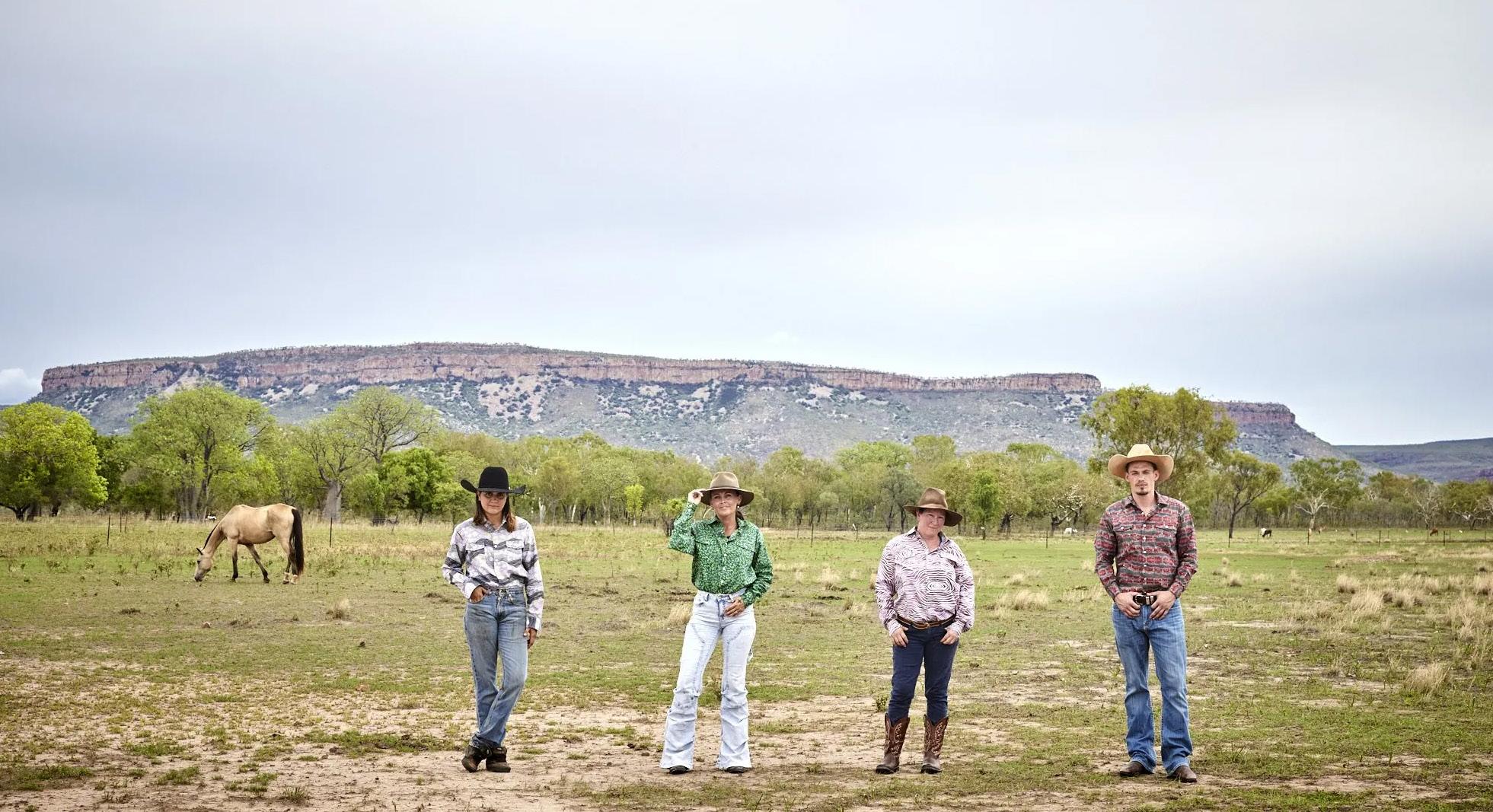
JARU GIRL & MILKY WATERS WESTERN
FROM CAMPFIRE STORIES AND COUNTRY-INSPIRED DESIGNS TO A NATIONAL FASHION DEVELOPMENT PROGRAM, WYNDHAM'S BIANCA LONG IS PROVING KIMBERLEY CREATIVITY CAN SHINE ON ANY RUNWAY.
Growing up in Halls Creek on Jaru Country, Bianca spent her childhood camping, fishing and travelling through the East Kimberley with her family. The colours of the landscape, the stories shared around campfires and her deep connection to Country have stayed with her throughout her life and now form the foundation of her work as an artist and fashion designer.
The proud Jaru woman, whose family traces its roots to the Sturt Creek region south of Halls Creek, has built a reputation for creating unique fashion pieces that celebrate culture, family and Country.
Now, the founder of Jaru Girl Designs has added new milestones to her growing list of achievements, earning a place in the prestigious Indigenous Fashion Projects Pathways Program 2025–2027.
As part of the Pathways Program, Bianca travelled to Sydney earlier this year for an immersive industry experience during Australian Fashion Week, connecting with designers, mentors and
fellow creatives from across the country.
The experience forms part of IFP’s long-term commitment to building sustainable, culturally grounded fashion careers for First Nations designers.
She was also recently recognised nationally through her shortlisting for the 2026 National Indigenous Fashion Awards’ Fashion Designer Award, one of Australia’s leading celebrations of Indigenous excellence in fashion and textiles.
But while the national recognition is exciting, Bianca's impact is already being felt much closer to home.
From her base in Wyndham, Bianca spends her time championing local artists and creatives through the Wyndham Collective Arts Hub, an Aboriginalowned creative space she established to give artists a place to connect, learn, exhibit and share culture. The hub hosts workshops, exhibitions,
mentoring opportunities and educational programs, creating a much-needed creative gathering place in the East Kimberley.
In many ways, the hub reflects Bianca's own journey.
After working in mining, oil and gas across Australia, she returned to the Kimberley and began turning her artwork into textiles and wearable fashion. In 2021, she launched her first Jaru Girl collection in Wyndham, transforming part of a local shop into a makeshift runway and proving that big fashion dreams can come from small remote towns.
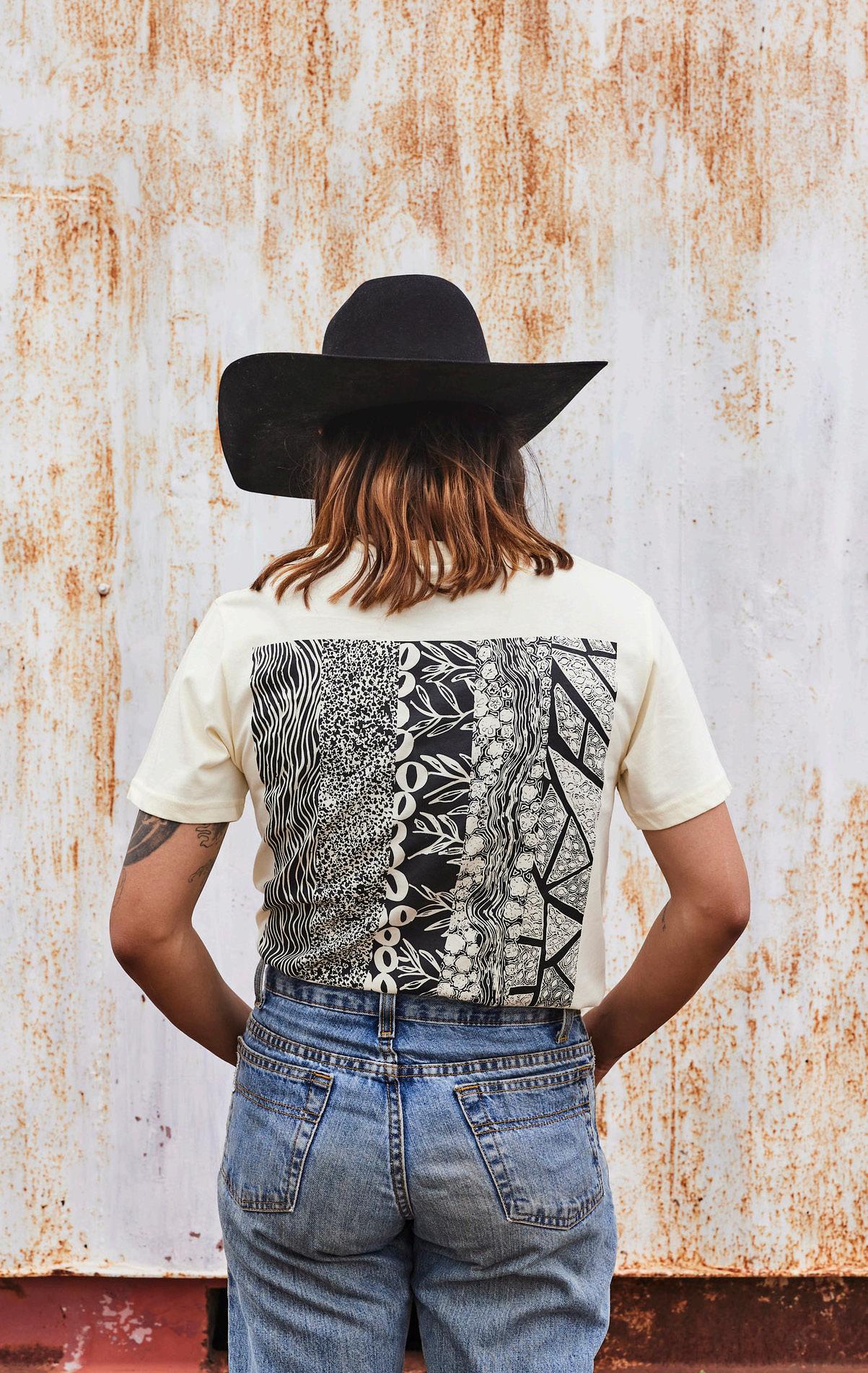
Today, Jaru Girl Designs is a family affair. Bianca has worked alongside her sister Jaydene to create Milky Water Western - a label that draws inspiration from family stories, including generations of stockmen and women connected to the Kimberley pastoral industry. Her collections celebrate not only Country but also the people who have shaped it.
Bianca's connection to Country doesn't stop at the artwork printed on her fabrics. Sustainability is a
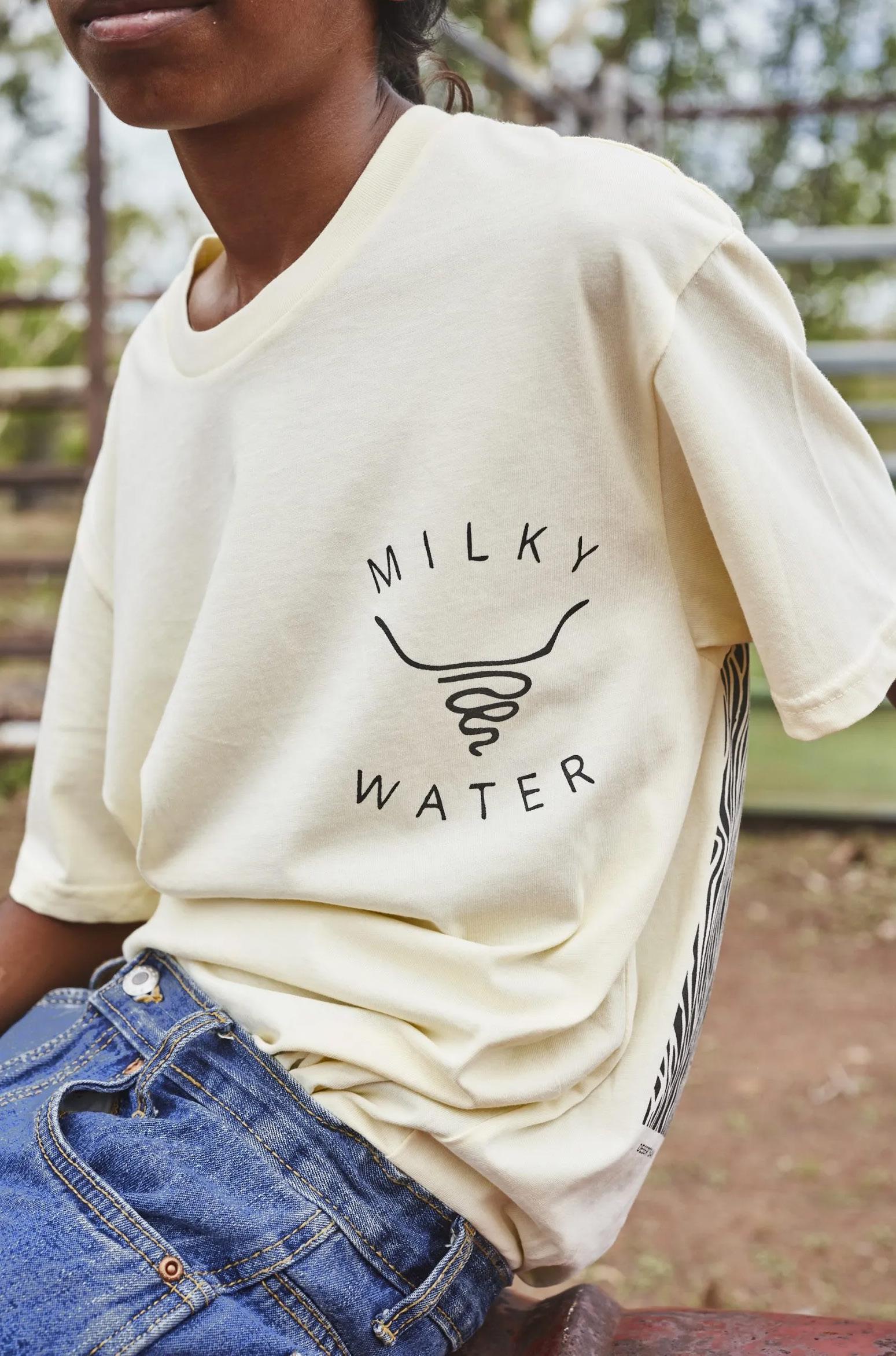
thoughtful collections that minimise waste and encourage people to invest in pieces designed to last.
It's a philosophy that flows through both Jaru Girl Designs/Milky Water Western and the Wyndham Collective Arts Hub, where creativity, culture and care for Country go hand in hand.
As Bianca continues to grow her labels, she's also helping ensure the next generation of Kimberley creatives have opportunities too.
From supporting artists through the Wyndham Collective Arts Hub to showcasing East Kimberley stories on national runways, she's proving that creativity, culture and community can go hand in hand.
And while the fashion world might only just be starting to take notice, locals would argue they've known for years that some of the Kimberley's brightest creative talent was right here in Wyndham.
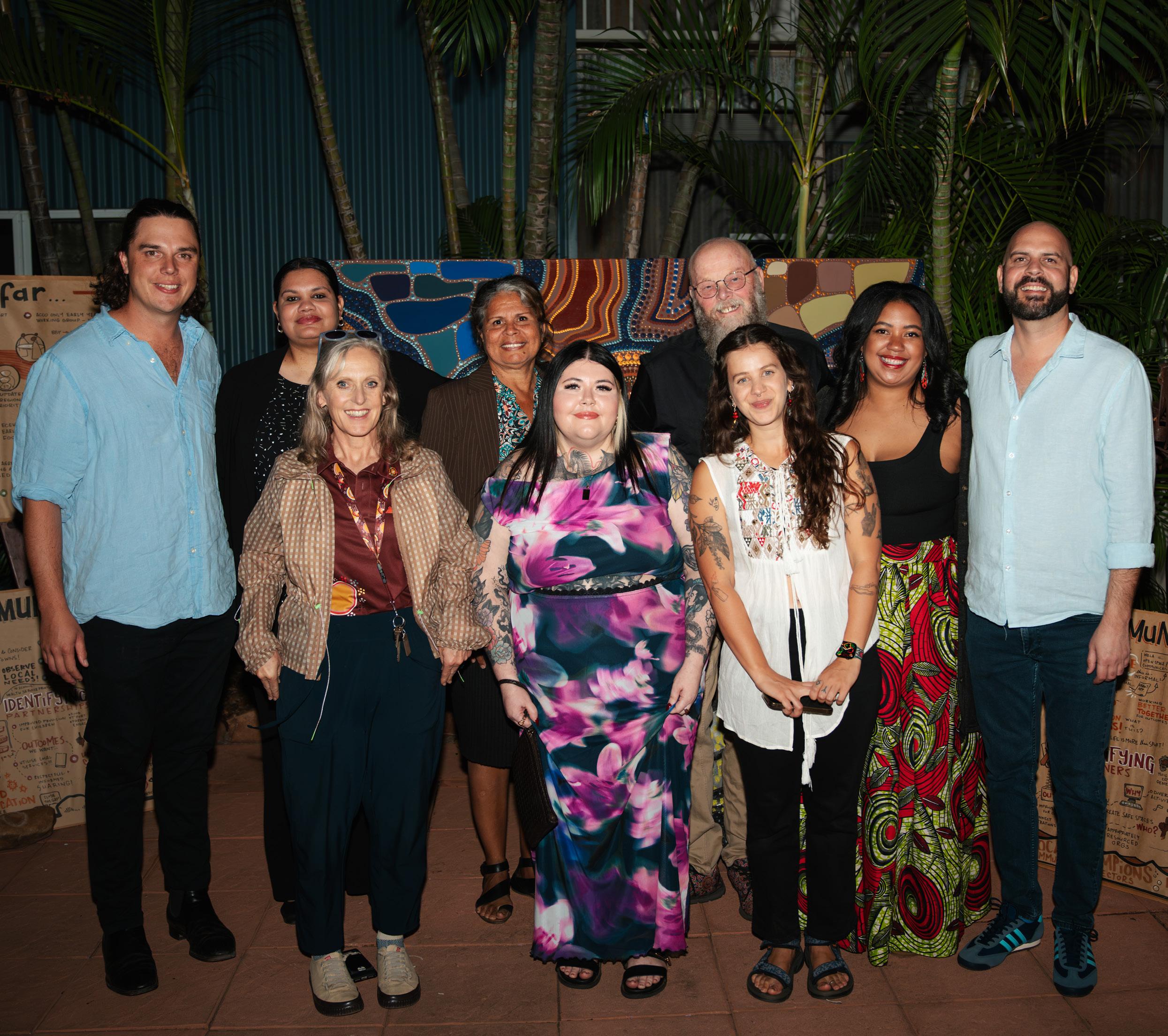
ON 15 JUNE, BINARRI-BINYJA YARRAWOO (BBY) MARKED 10 YEARS SINCE ITS ESTABLISHMENT IN THE EAST KIMBERLEY, CELEBRATING A DECADE OF WALKING ALONGSIDE COMMUNITIES AND SUPPORTING ABORIGINAL-LED CHANGE ACROSS THE REGION.
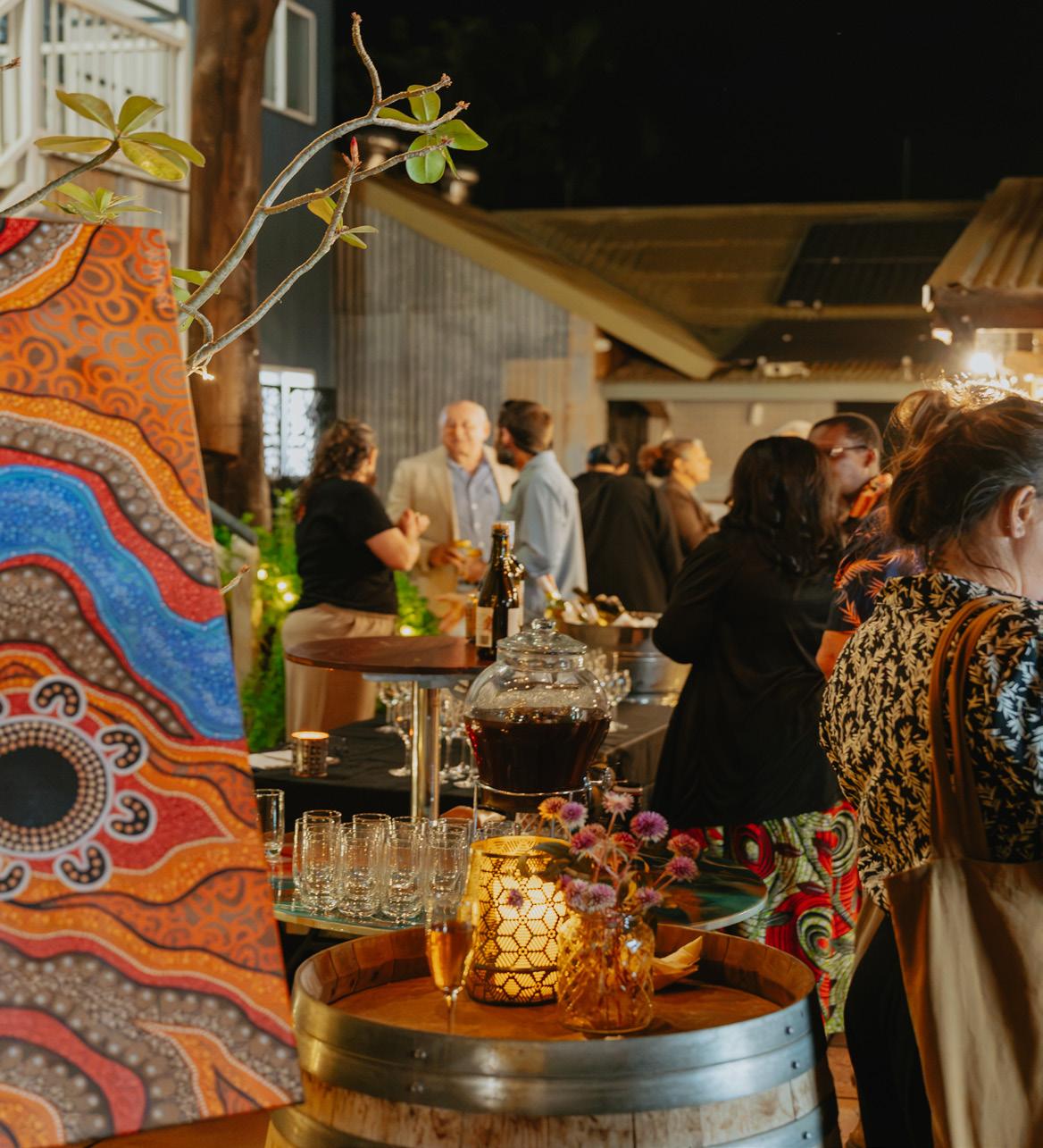
The milestone was celebrated with a 10-year anniversary event held at Blak Tapas on Friday 19 June, bringing together members, partners, community representatives and supporters to reflect on BBY’s journey and the collective work that has shaped the organisation over the past decade.
Since its establishment, BBY has operated as the backbone organisation for the Empowered Communities initiative, working behind the scenes to strengthen collaboration, support local decision-making, and back the leadership and priorities of its members.
Rather than delivering services directly, BBY brings Aboriginal Community Controlled Organisations, community representatives and government together through Local Management Committees, working groups and partnership tables. These structures support shared priorities, coordinated action, and a stronger focus on community-led solutions.
Much of BBY’s work has centred on enabling collaboration across key areas including early years, health, housing and community wellbeing, while also supporting governance, strengthening partnerships, and improving access to funding and opportunities for member organisations.
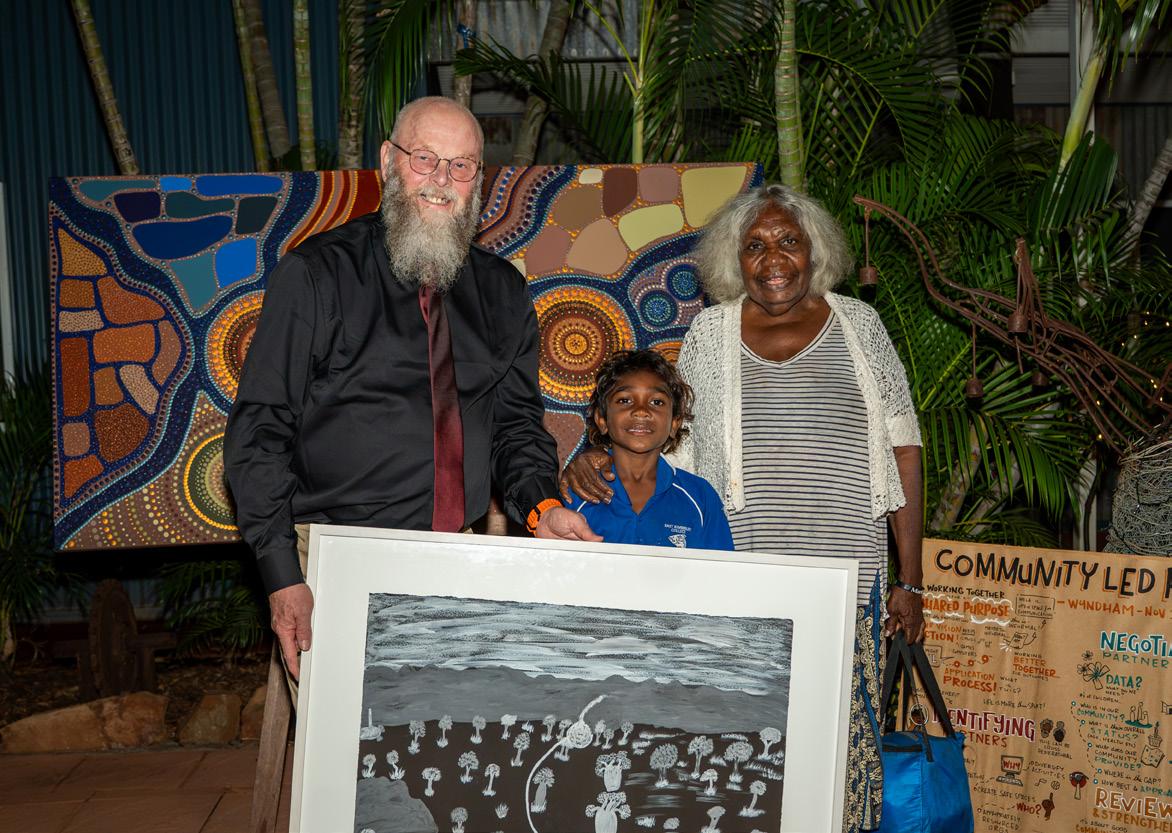
A key part of this work is the East Kimberley PlaceBased Partnership, which sits under the national Closing the Gap reform agenda. The partnership brings together Aboriginal leadership, local shires, and state and federal governments, with a strong focus on the early years, from conception to age seven, as a foundation for long-term change for children and families.
The East Kimberley Place-Based Partnership Agreement was formally signed in Kununurra on 29 April 2026, marking a significant step forward in shared decision-making across the region. It builds on an earlier Local Partnership Agreement signed in 2025 with the National Indigenous Australians Agency.
At the anniversary celebration, BBY acknowledged the many people and organisations who have
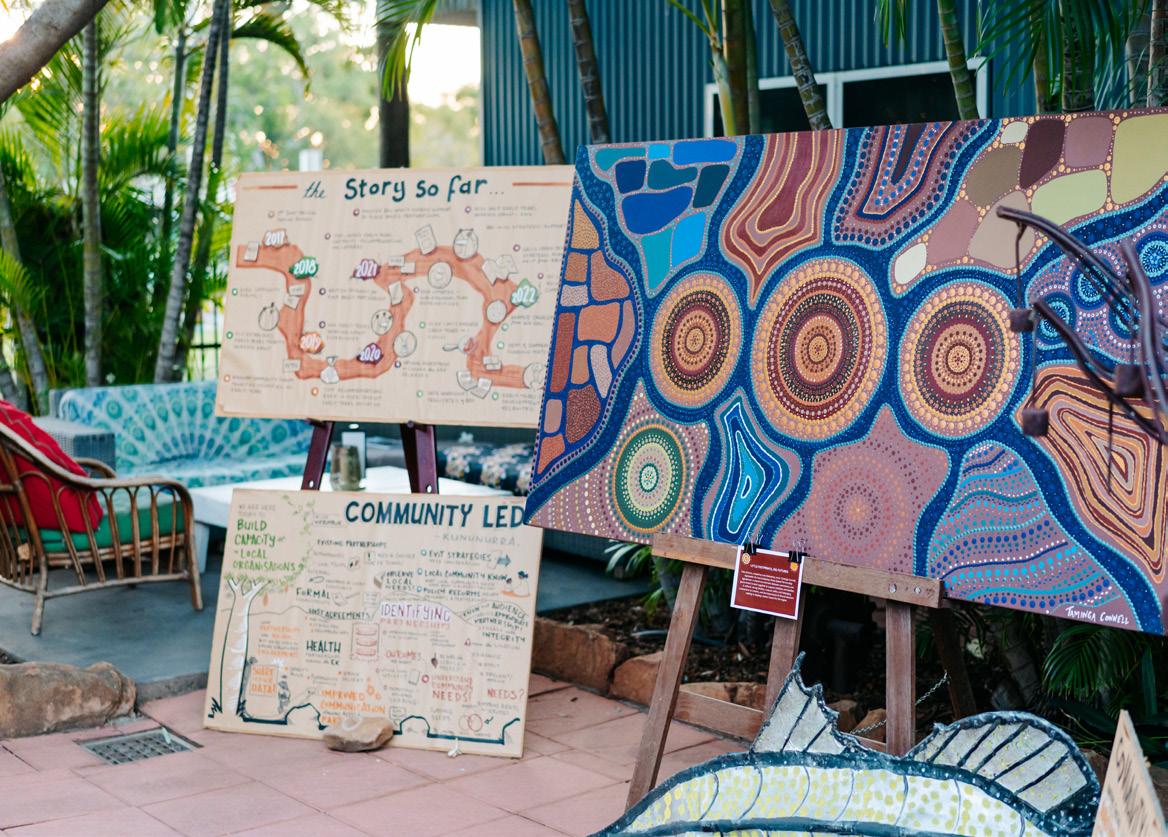
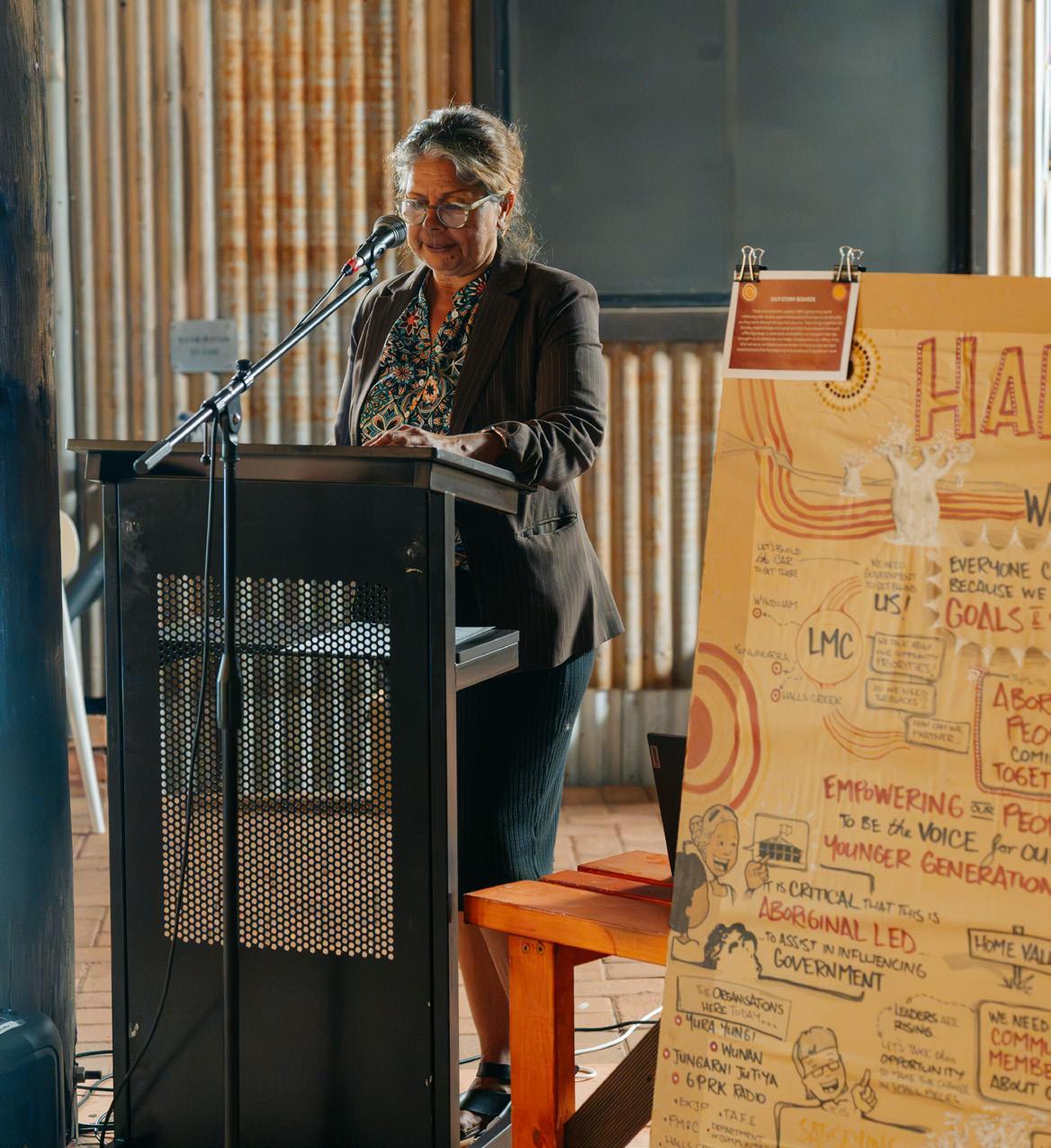
contributed to its journey, recognising that the milestone represents a collective achievement built through strong relationships, shared commitment and community leadership.
The organisation highlighted the role of its members, whose leadership and priorities continue to drive change on the ground; partners and supporters who have invested in and walked alongside communityled approaches; and the wider East Kimberley community, whose trust has supported BBY’s work over the past decade.
As BBY looks ahead, it remains focused on strengthening Aboriginal leadership, building stronger systems of support, and continuing to work alongside communities to create lasting, community-led change across the East Kimberley.
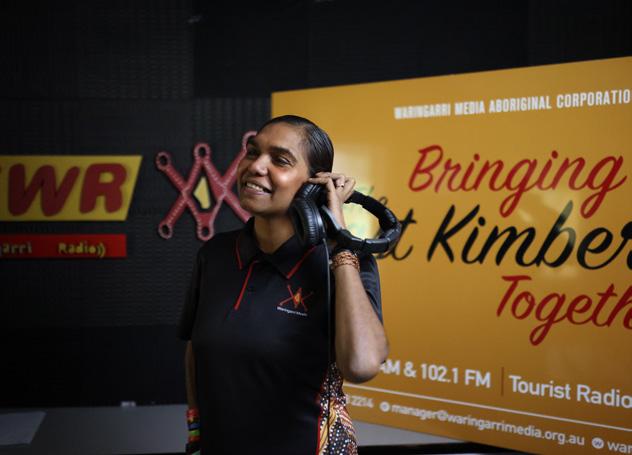
NATHALIA IMBERLONG'S STORY BEHIND THE MIC
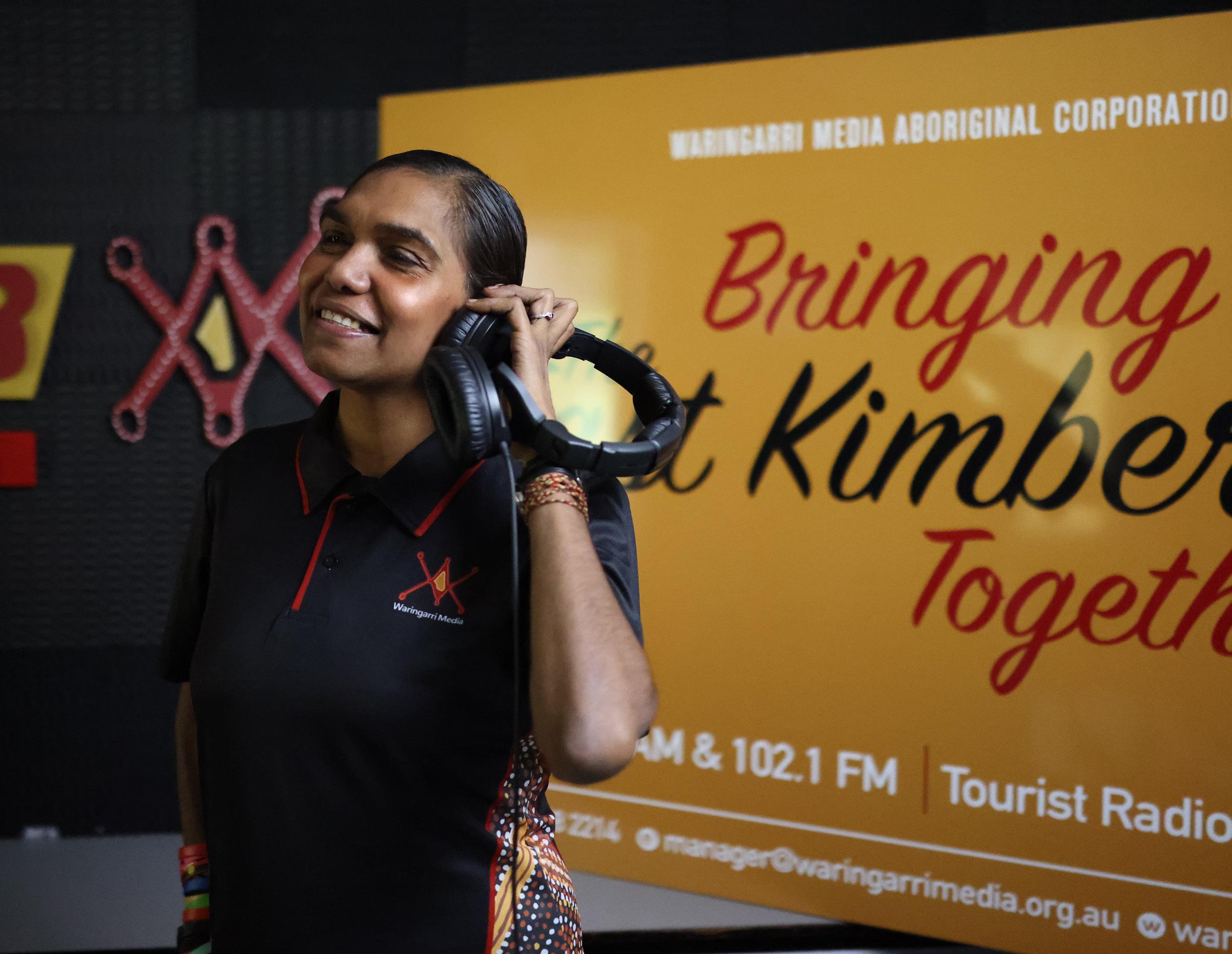
TELL US WHO YOU ARE AND HOW YOU FIRST BECAME INVOLVED WITH RADIO BROADCASTING?
I used to hang out at Waringarri Radio back when my Uncle was a presenter working out of the same studios we’ve got today. That was way back when there was a Video 2000 in town! The first song I requested at the station as a girl was Achy Breaky Heart by Billy Ray Cyrus – Miley’s daddy! But after my first child, I applied for a role with Waringarri Media. From my experience working in tourism, I knew I could be a good presenter, so I gave radio a go and it was a good decision. It’s given me opportunities to work with our community and family. That’s what Waringarri is all about, everyone coming together.
YOU
Goodness, there’s a lot. Being prepared is important, so we start the day getting the tech
ready and working with our team to plan upcoming interviews. But every day is different, a broadcaster needs to expect the unexpected, especially in the busy dry season when we’re meeting and interviewing lots of people on air. We also do outdoor broadcasts while the weather is fine and even provide tours at the station.
Cyclone season is different again, we’re more focused on what’s happening in town and what our deadly partner organisations are doing.
With the help of the First Nations Media Australia and the Waringarri team, I’ve been trained in a long list of broadcast skills. As a community radio station, we need to be all-rounders, that means anything from on-air presenting to new media like video production, social media marketing, and piloting drones. Broadcasting has opened up a lot of opportunity for connection, meeting local and national decision makers, it’s a great privilege to do
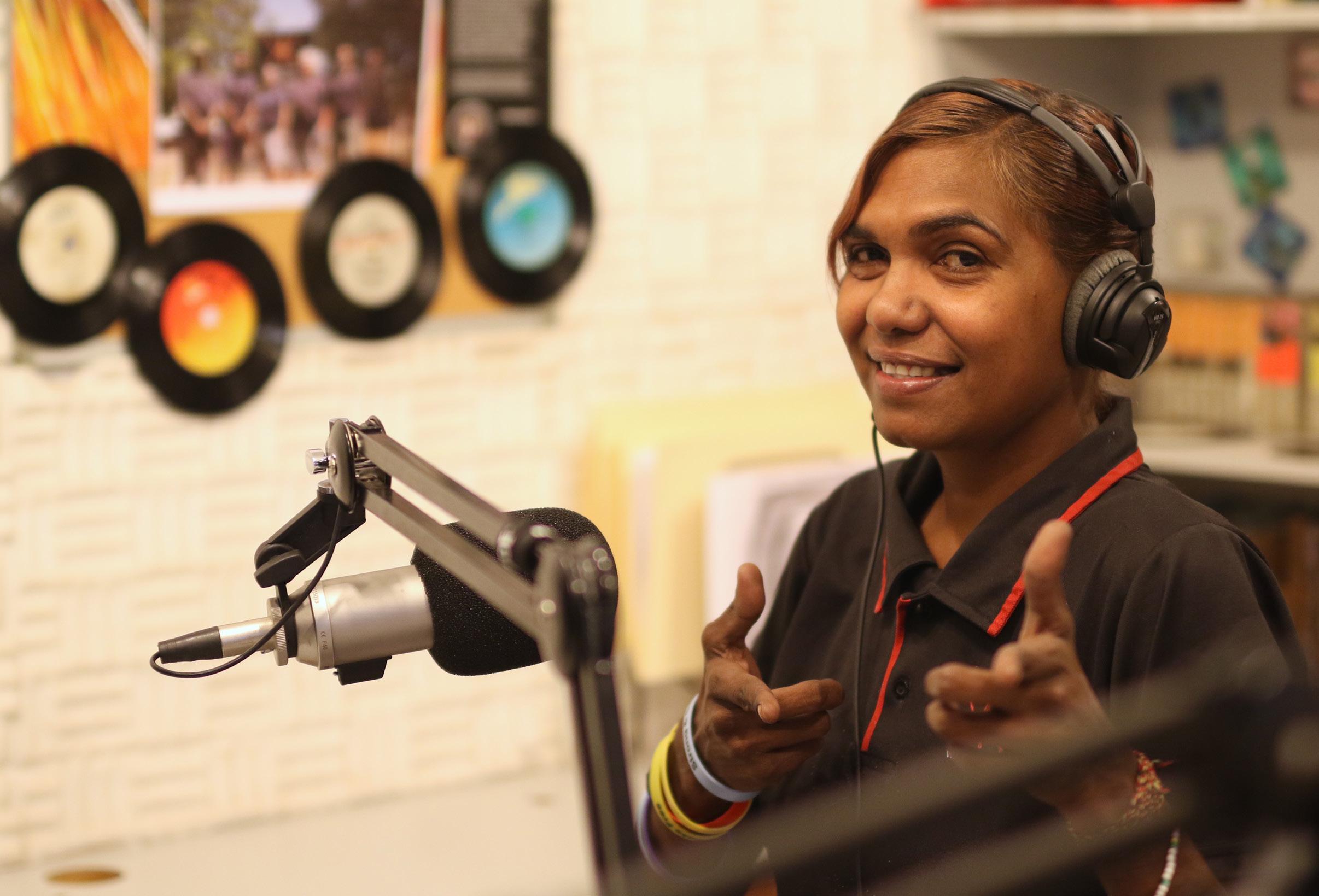
this job. I want to make special mention of Minister Malarndirri McCarthy, who I look up to and who has the faith and confidence in me to strive for future endeavours.
WHAT HAS BEEN THE MOST REWARDING PART OF YOUR BROADCASTING CAREER SO FAR?
This is a tough question, it’s hard to pick one. Just learning new things from new people. We get to meet so many good people who visit and share at 6WR. And those people, together with our staff team, bring out the best in me, and that’s so rewarding.
There are so many important local stories to be told about what is happening in town and around the East Kimberley. We also have limited time with our old people to tell their stories, which are the most important. We want to share as many local stories from local people as possible. When I listen to sister Natasha Short on Naliji Time, a weekly show on 6WR, I feel inspired. I admire Scotty who does our daily brekky show too, he’s a pro at bringing local voices to the airwaves in a good way.
IF YOU COULD INTERVIEW ANYONE, PAST OR PRESENT, WHO WOULD IT BE AND WHY?
Now this is the toughest question! If I could go back, I would love to interview Vincent Lingiari, a great leader for our family. He was a voice and advocate for everyone who needed rights for Country and I would like to hear his thoughts about what he was fighting for. What’s also popping up right now is Cathy Freeman. She is an extraordinary and humble lady. What she has done for community, to help the next generation as a role model, is inspirational. She would be a deadly interview. I still remember all of us at the green school watching her win gold in 2000, we were all crying. She made a statement for our mob that day that still continues: the sky’s the limit!
Look, I wouldn’t mind interviewing Tony Lockett too, I’m a Swannies supporter after all!
WHAT ADVICE WOULD YOU GIVE A YOUNG PERSON WHO WANTS TO SHARE THEIR VOICE THROUGH RADIO?
Just like Cathy Freeman, go for gold! Strive for the kind of happiness that brings you toward your goals and dreams. If that’s radio for you, then go for it.
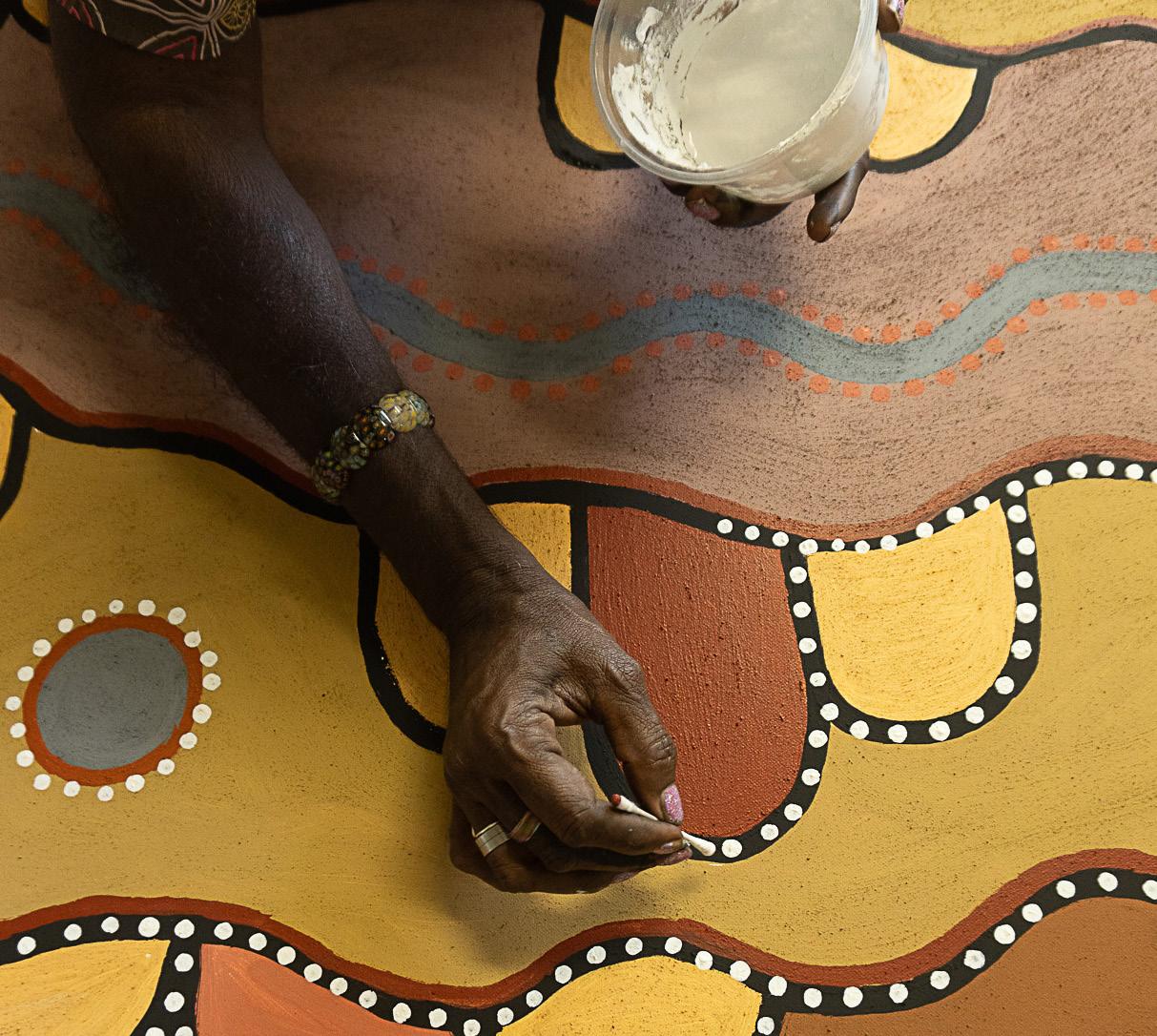
This year marks 25 years since Artlandish Aboriginal Art Gallery first opened its doors in Kununurra.
What began in 2001 as a small family business in a modest shop on Coolibah Drive has grown into one of Australia's largest Aboriginal art galleries and a recognised online destination for collectors around the world, connecting customers in more than 40 countries with Indigenous artists from across Australia.
The gallery was founded by Pam Linklater and her son Scott. Pam and her late husband shared a love of art and enjoyed collecting works whenever they could and following his passing, Pam developed friendships with many
local Aboriginal artists. One of those friendships was with senior Gija lawman Jack Britten, who encouraged Pam to create a space where East Kimberley artists could paint and showcase their work when visiting Kununurra.
With encouragement from Jack Britten and close friend Alma Petherick, a member of one of the East Kimberley's pioneering families, Pam and Scott established what was then known as Our Land Gallery.
In the early years, the gallery focused almost exclusively on artists from the East Kimberley. Many of the original artists Pam worked alongside have since passed away, including Jack Britten, Freddie Timms, Lily Karadada, Peggy Patrick and
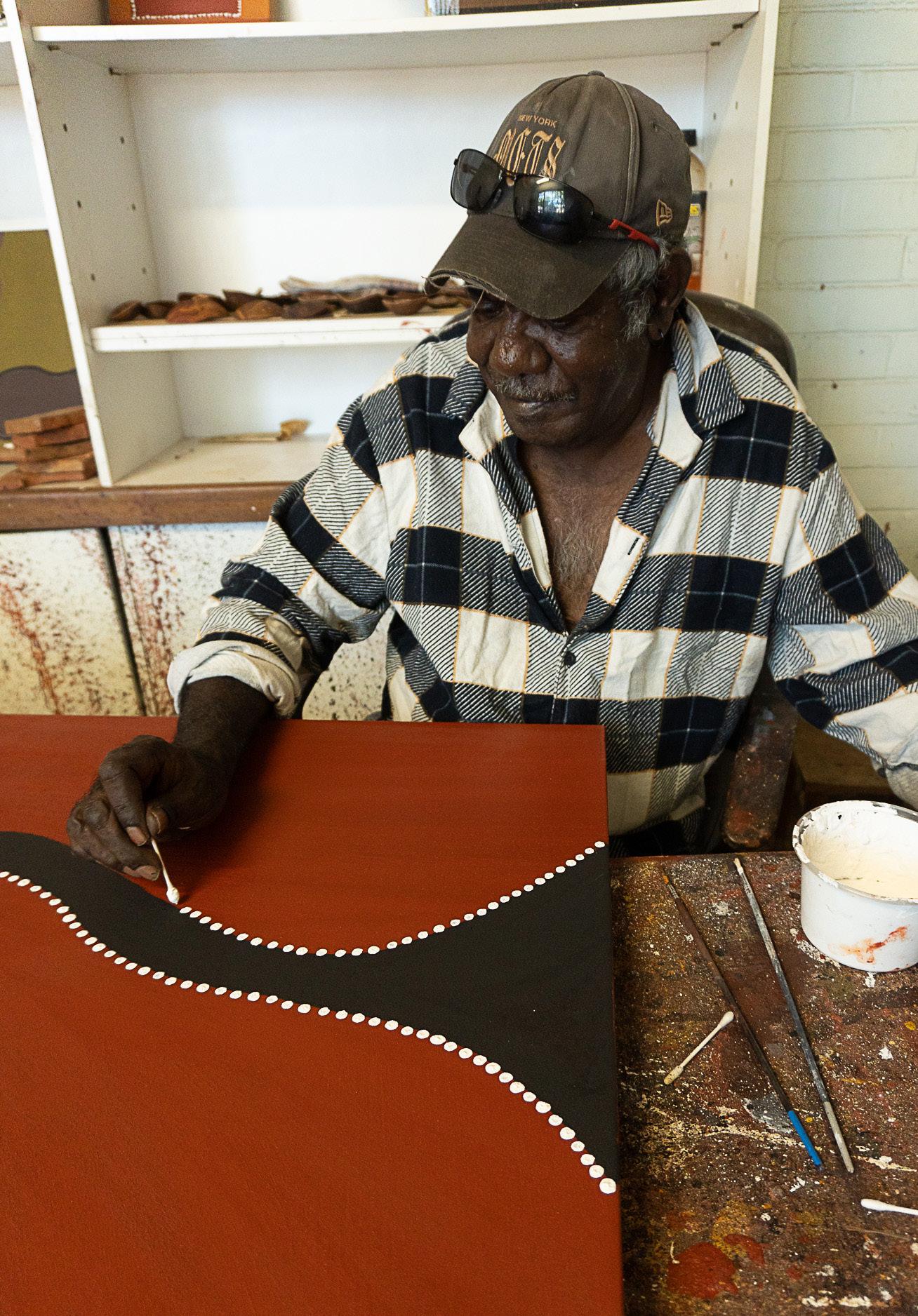
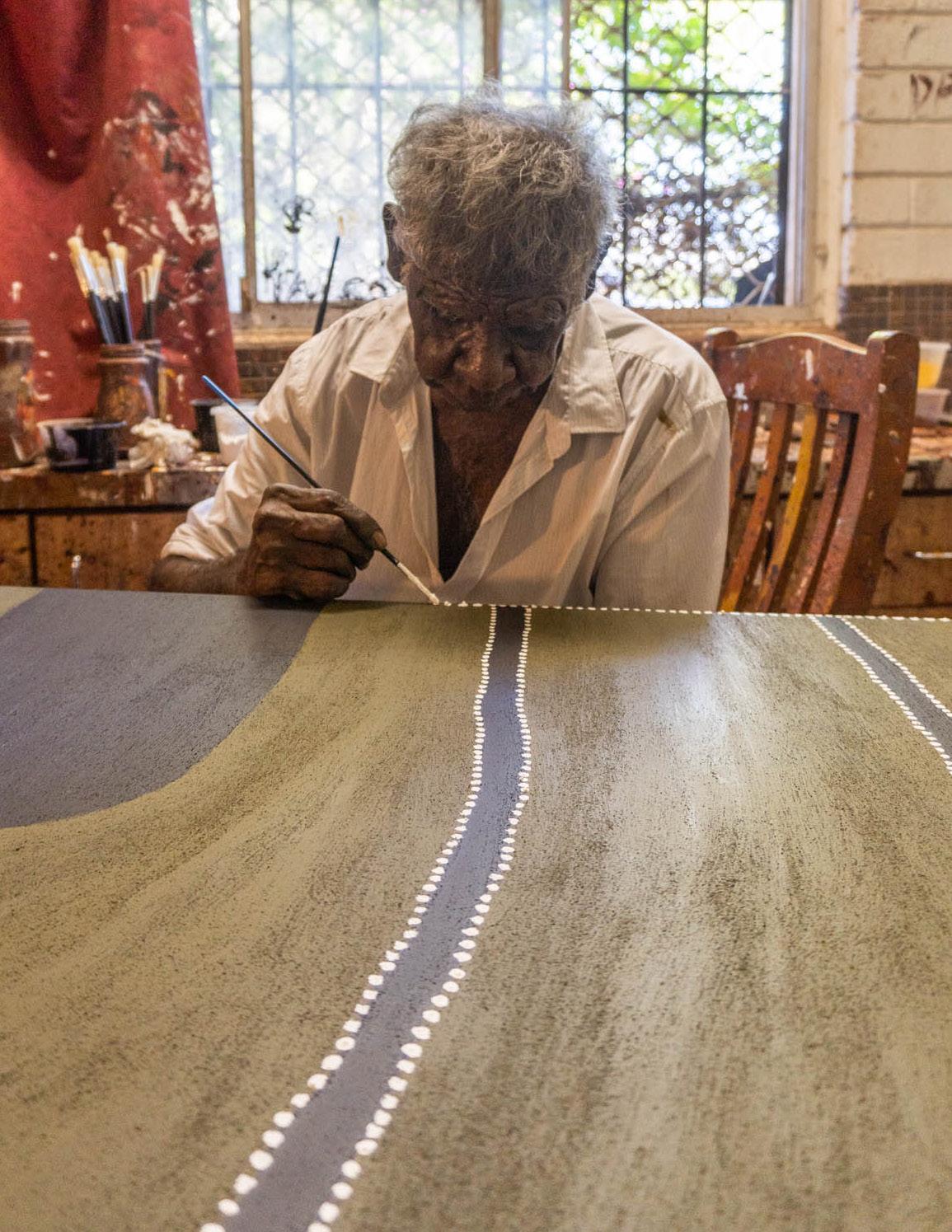
Phyllis Thomas. Today they are recognised among the most significant figures in Kimberley Aboriginal art, and the family feels privileged to have played a small role in sharing their work with collectors around the world.
One of the things the family is most proud of is the relationships that have stood the test of time.
Artists Tommy Carroll, Katie Cox, Sade Carrington, Mark Nodea and Charlene Carrington were all painting with the gallery when it first opened in 2001 and, twenty-five years later, continue to paint for Artlandish today. Their ongoing support and friendship is a reminder that, at its heart, the gallery has always been about people and relationships as much as it has been about art.
One of the most important decisions made in those early days was Scott's belief that the gallery needed a website. In 2001, the idea that people would buy Aboriginal art online seemed almost impossible to imagine, particularly from a remote town like Kununurra. Pam took some convincing, but Scott built the website and continued developing it over the years.
Twenty-five years later, that decision has proven transformative. The website now reaches
customers across the globe, while Artlandish's online community has grown to more than 75,000 Facebook followers and over 35,000 Instagram followers.
Pam's daughter, Kirstie, joined the business in 2005 after leaving a corporate career in Melbourne and moving to Kununurra with her husband Jeff. By that stage, the gallery had outgrown its original premises and what was intended to be a small part-time venture had become a thriving seven-day-a-week business.
The years that followed brought both challenges and opportunities. Following Pam's sudden passing in 2009, the family worked hard to continue the vision she and Scott had created together. It was a difficult time, but one made easier by the kindness and support of the artists, customers and wider Aboriginal art community that had become part of the gallery's extended family.
Over the years, Artlandish continued to grow. While its roots remain firmly in the East Kimberley, the gallery expanded its relationships with artists, art centres and communities throughout Australia. It also grew beyond its original foot-
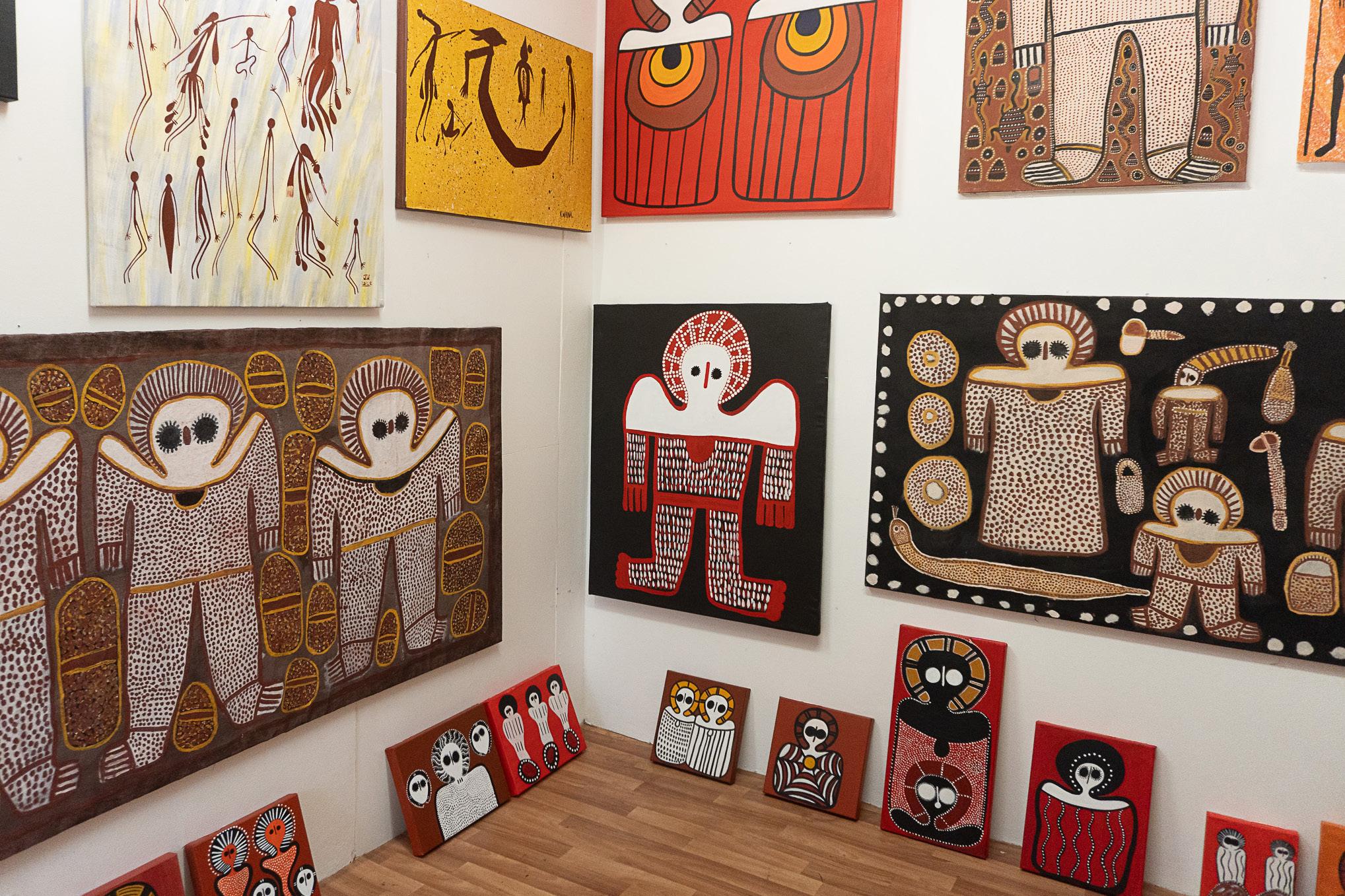
print, evolving from a small local gallery into the large gallery space visitors see today, featuring original Aboriginal artworks, Indigenous artefacts, giftware, homewares and cultural products from across the country.
A key part of that growth was Kirstie's desire to create a gallery where everyone felt welcome.
Having visited many galleries over the years, she was determined that Artlandish would never feel intimidating or exclusive. Whether someone wanted to spend an hour browsing, purchase a postcard, find a small gift or invest in a significant artwork, the aim was always the same: to ensure every visitor felt comfortable, valued and welcome through the door.
The gallery has been fortunate to work with some of Australia's most celebrated Aboriginal artists, including Kimberley greats such as Freddie Timms and Lily Karadada, as well as nationally renowned artists including Minnie Pwerle, Naata Nungurrayi, Gloria Petyarre and Dorothy Napangardi, whose works are represented in major collections throughout Australia and internationally.
At the same time, Artlandish remains passionate about supporting emerging and independent artists
building their own careers and businesses. Artists such as Sarrita King, Tarisse King, Davinder Hart, Kurun Warun, Kathleen Buzzacott, Grace Brown and Anthony Walker represent a new generation of Aboriginal artists sharing their stories with audiences around the world.
One thing that has never changed is the gallery's commitment to the artists it works with. Since opening in 2001, Artlandish has paid well over $6 million directly to local Aboriginal artists. It is something the family remains particularly proud of, as supporting artists has always been at the heart of the gallery's philosophy.
The team has continued to evolve over the years, with graphic designer and artist Amy Mathers joining the business in 2021. Amy brought a fresh creative energy to the gallery and has played a significant role in developing its photography, design, marketing and online presence.
Today, Artlandish remains proudly family owned and operated. Kirstie manages the gallery, Jeff oversees the logistics and day-to-day operations behind the scenes, Scott and his partner Ros continue to manage the website and digital platforms from Melbourne, and Amy helps bring
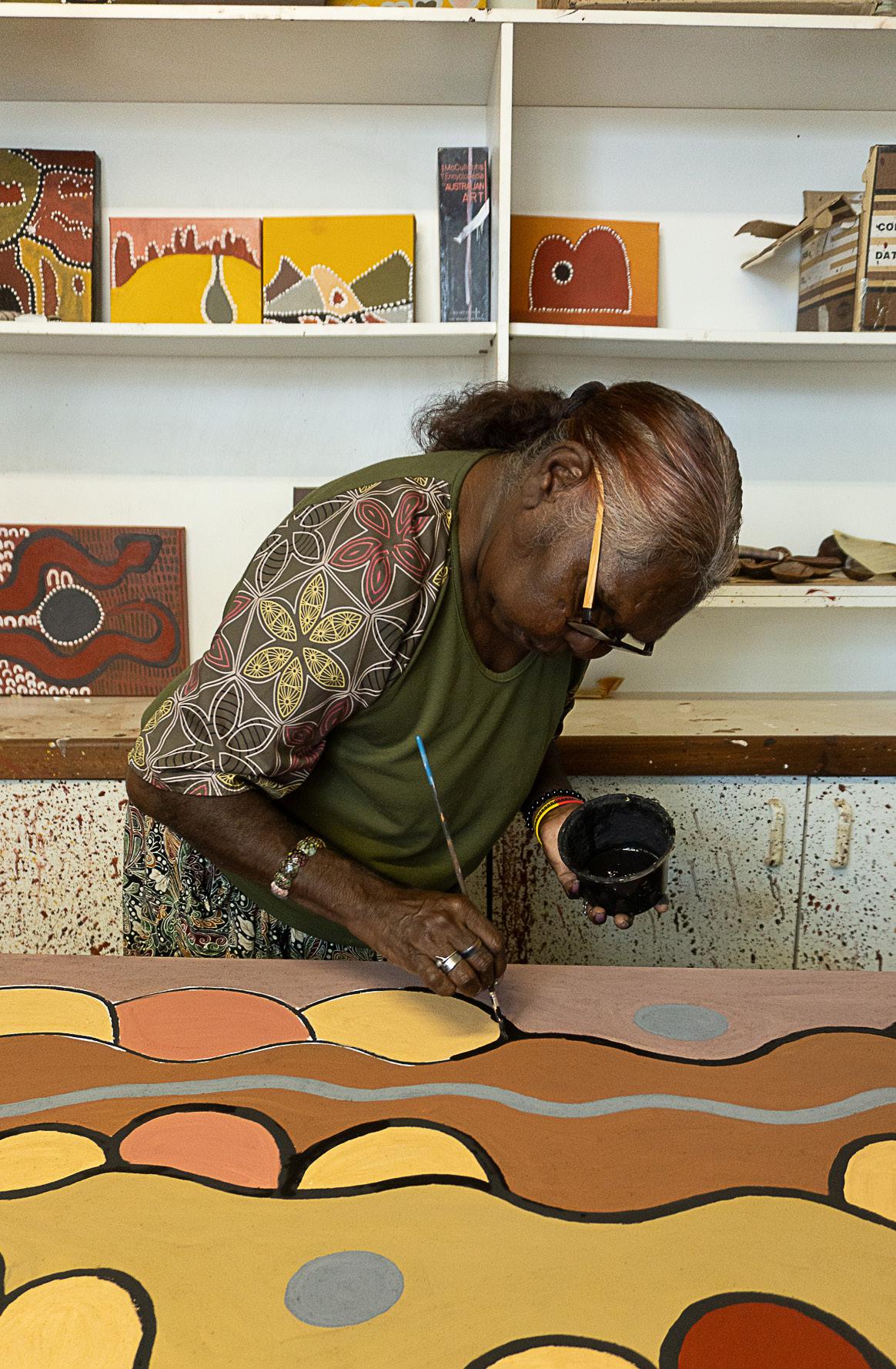
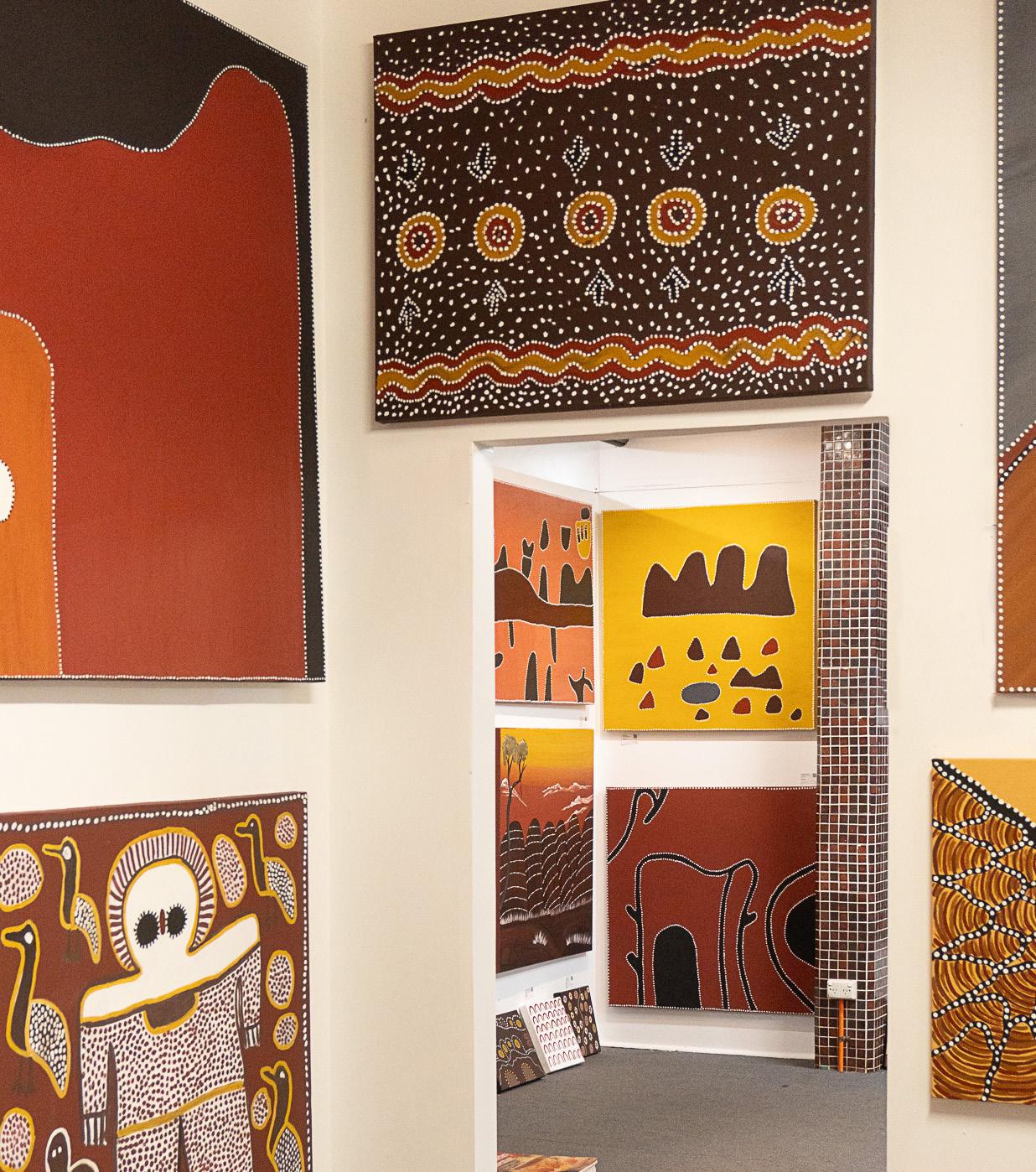
the gallery's creative vision to life. Twenty-five years on, it is hard to believe how far Artlandish has come.
From its humble beginnings in a small Coolibah Drive shop, Artlandish now welcomes visitors from across Australia and around the world, while sharing Aboriginal art from Kununurra and communities throughout Australia with collectors globally.
Few could have imagined that the shop established in 2001 would one day grow into the large gallery and cultural retail space that Artlandish occupies today.
Yet despite the growth, some things have never changed. The gallery is still family owned and operated,
the friendships formed in those early years remain today, and the artists continue to be at the centre of everything Artlandish does.
As Artlandish celebrates its 25th anniversary, it does so with gratitude for the artists, customers and community who have been part of the journey.
After all, the story of Artlandish is not just the story of a gallery. It is a story of people, friendships, community and a shared belief in the power of Aboriginal art.
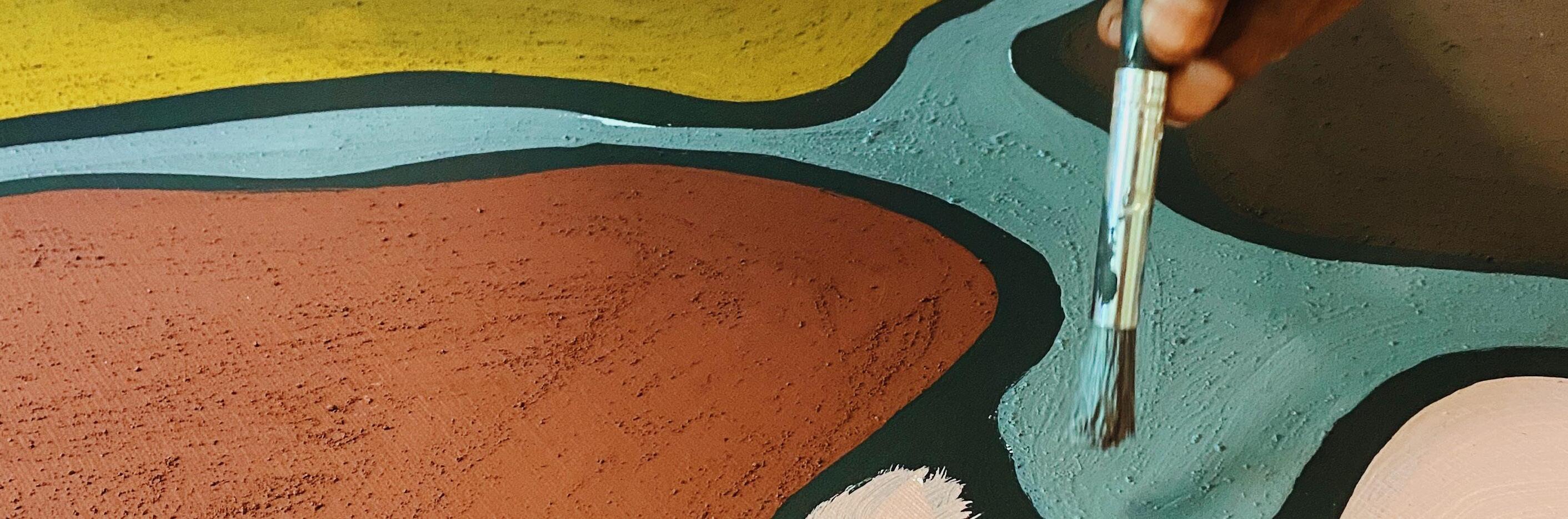
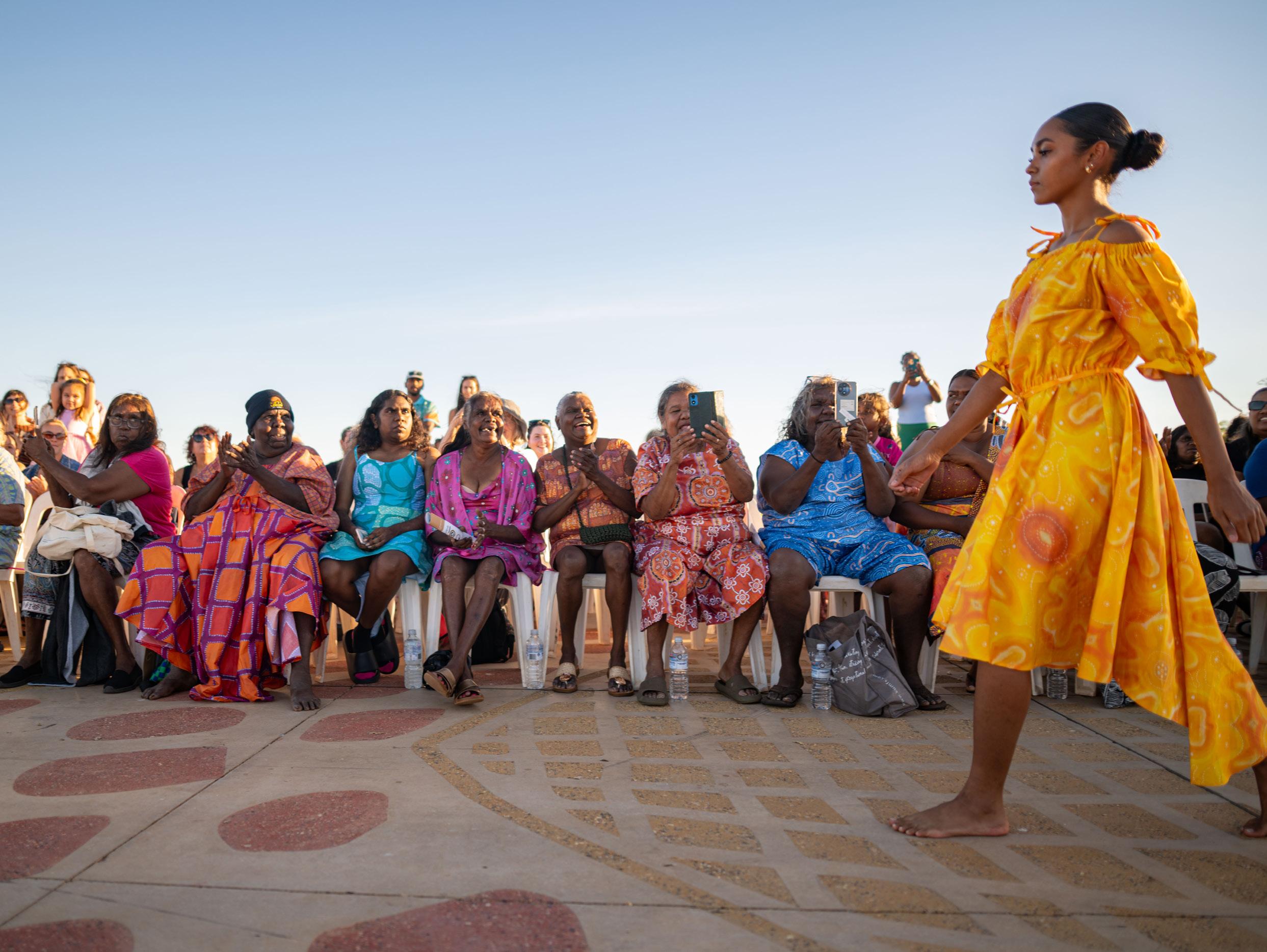
The Halls Creek Women's Hub had plenty to celebrate at this year's KAFTA events, with local women showcasing their creativity, culture and entrepreneurial spirit across two exciting days.
The first event saw Halls Creek models take to the runway at the iconic Town Beach Jetty in Broome, proudly wearing garments designed and created by the women. The stunning designs reflected stories of Country, culture and community, giving audiences a glimpse into the creativity flourishing in Halls Creek.
The excitement continued at the KAFTA Fashion Pop-Up Fair, where community members and visitors lined up throughout the day to purchase garments and textiles.
The response was overwhelming, with many customers drawn to the group's unique fabricprinted designs and the story behind them.
For the women involved, the experience was about much more than fashion. It was an opportunity to share culture, connect with new audiences and
generate income through products they have designed and produced themselves.
Halls Creek Women's Hub Coordinator Lee-Anne Smith described the experience as a "life-changing and fantastic few days" for everyone involved.
The group's motto, "Designed on Country, Printed on Country", resonated strongly with customers and highlighted the unique connection between the products, the artists and the Kimberley landscape that inspires them.
The success at KAFTA comes at an exciting time for the Hub, with a new website and social media channels set to launch soon. These platformsn will help the women reach even more customers, showcase their products and continue growing their enterprise.
Congratulations to everyone involved on a fantastic achievement and for proudly sharing Kimberley culture, creativity and talent with a wider audience.

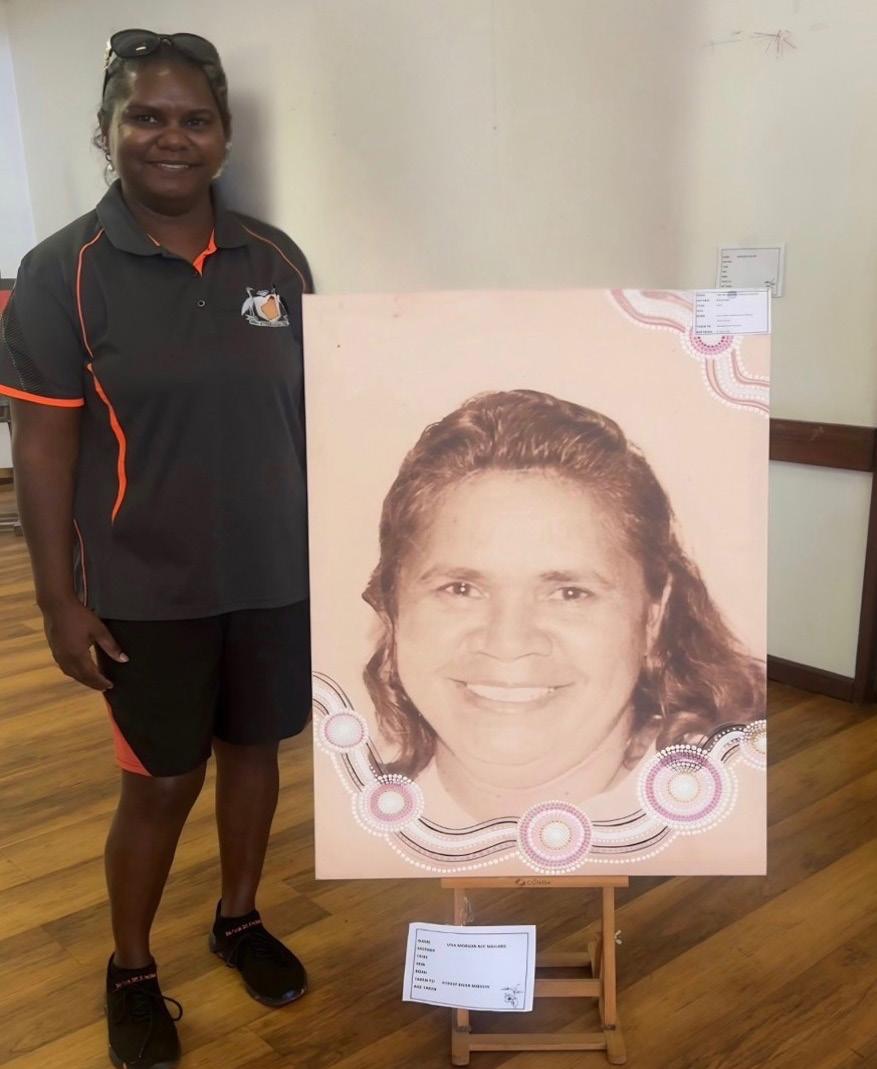
CAN YOU TELL US A BIT ABOUT YOURSELF AND YOUR CONNECTION TO WYNDHAM?
My name is Sarina Morgan, I was born in Wyndham and I am a proud Balanggarra & Gija women. I work for the Shire of Wyndham East Kimberley as a Youth Officer and have been in this role for 7 years. I have three kids, two daughters and one son, I also have a beautiful granddaughter who is 2 years old. I love fishing and camping and entering the barra comp every year.
WHAT WAS IT LIKE GROWING UP IN WYNDHAM, AND WHAT ARE SOME OF YOUR FAVOURITE MEMORIES FROM THOSE EARLY YEARS?
Growing up in Wyndham was a wonderful experience. I spent a lot of time with my grandparents, Ken and Una Morgan, enjoying outdoor activities like fishing, swimming, camping and sport. We were always out on Country, learning and spending time together as a family.
My Nanna taught my sisters and me valuable life skills like sewing and cooking. One of the most important things we learnt was how to make her famous damper recipe. Those are memories I will always treasure.
We did not have the internet, Wi-Fi or mobile phones back then, so we spent our days
outdoors with family. My Grandpa and our greatgrandparents also taught us about our culture, our family history and the importance of staying connected to Country.
WHO WERE THE PEOPLE THAT HAD THE BIGGEST INFLUENCE ON YOU GROWING UP?
My grandparents, Ken and Una Morgan, and my Great-Grandma, Doris Morgan, had the biggest influence on my life. They taught me important life lessons, shared our culture and always encouraged me to be proud of who I am and where I come from.
WHAT VALUES OR LESSONS FROM YOUR FAMILY AND COMMUNITY HAVE STAYED WITH YOU THROUGHOUT YOUR LIFE?
The biggest lessons I have carried with me are to respect your Elders, never forget where you come from, have a strong work ethic, share with others, be part of your community and always give back whenever you can.
WHAT INSPIRED YOU TO TAKE ON THE ROLE OF WYNDHAM YOUTH OFFICER?
My Aunty Maria Morgan encouraged me to apply for the role because she saw potential in me. She knew I was passionate about working with young people and supporting the wider community. I wanted to help create positive opportunities and
pathways for young people in Wyndham so they can grow, succeed and reach their full potential.
I AM ASSUMING BASKETBALL HAS BEEN A BIG PART SOMETHING YOU ENJOY — WHAT DOES THE SPORT MEAN TO YOU, AND HOW HAS IT SHAPED WHO YOU ARE TODAY?
When we were growing up, we did not have technology or social media, so basketball and softball were the sports that brought everyone together.
Today, I love being involved in basketball competitions and community events. My greatest passion is seeing the young people of Wyndham develop their skills, build confidence and compete at events across the Kimberley.
Basketball teaches important values like teamwork, respect, commitment, dedication and good sportsmanship. It is about much more than the game itself. It is about helping young people grow into strong, respectful members of the community.
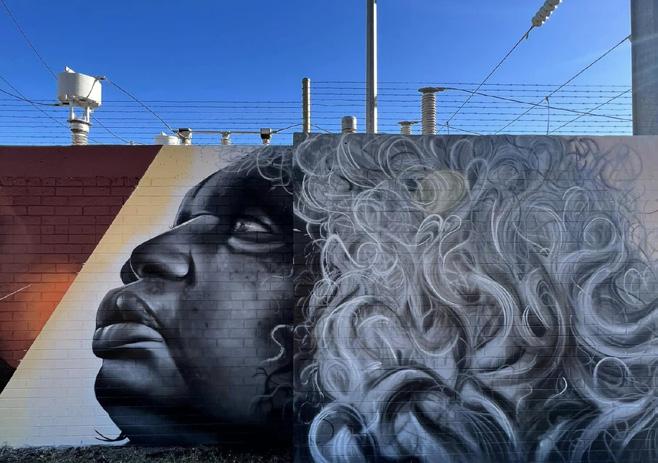
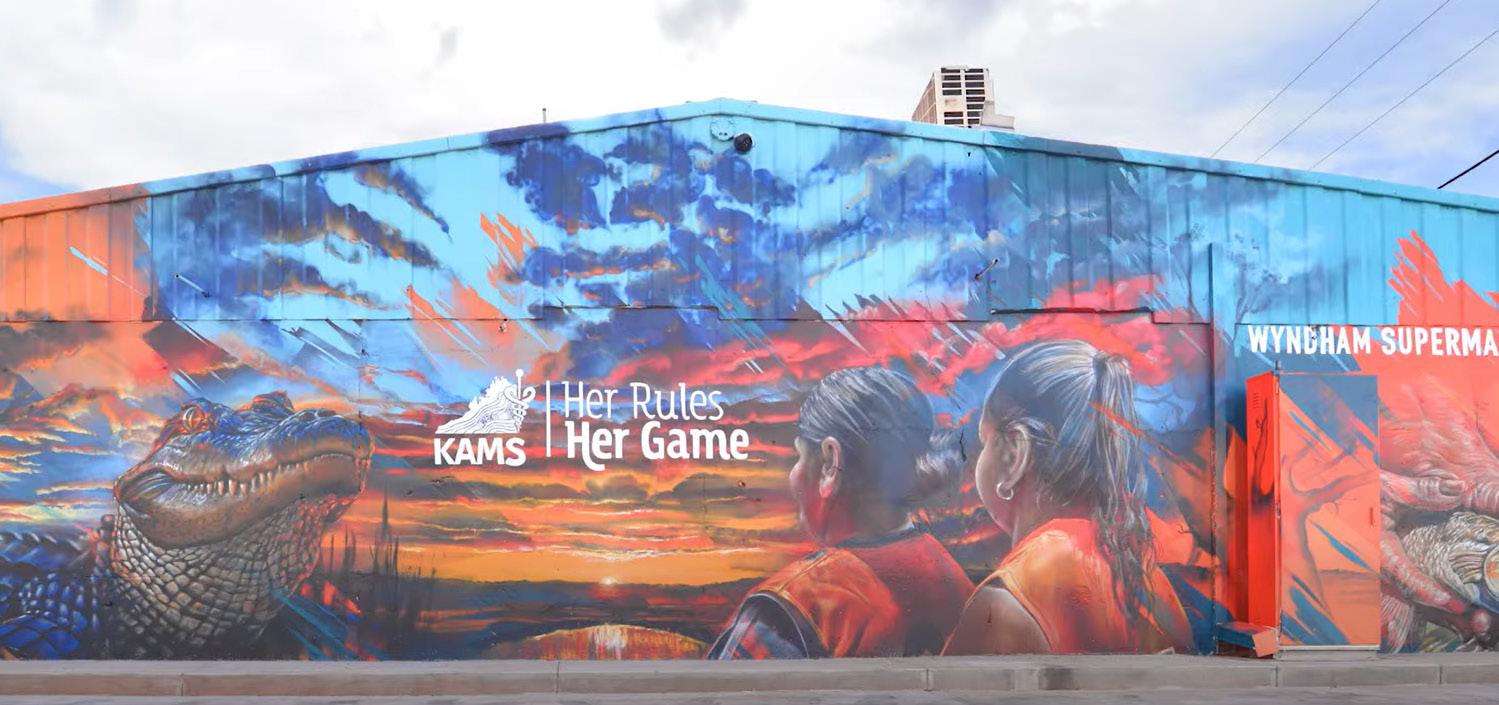
MANY PEOPLE KNOW YOU FROM THE MURAL PAINTED BY MATT ADNATE. WHAT WAS THAT EXPERIENCE LIKE, AND WHAT DID IT MEAN TO REPRESENT YOUR COMMUNITY IN THAT WAY? It was a privilege to be chosen as one of the key figures featured in the mural.
The opportunity came through my strong working partnership with Sarah from KAMSC as part of the Her Rule Her Game program. The whole experience was exciting, fun and a little nerve-racking because we did not know how the mural would turn out. The final result was amazing, and I am incredibly proud to represent my community through projects like this.
WHAT ARE YOU MOST PROUD OF WHEN YOU LOOK BACK AT THE WORK YOU'VE DONE FOR YOUNG PEOPLE IN WYNDHAM?
I am most proud of seeing the young men and women in our community grow into respectful, dedicated and committed individuals.
Watching them carry the values of teamwork, respect and good sportsmanship into their everyday lives is incredibly rewarding and reminds me why I love the work I do.
WHAT MESSAGE WOULD YOU LIKE TO LEAVE WITH THE NEXT GENERATION GROWING UP IN WYNDHAM TODAY?
Be independent, respectful and kind. Be proud of who you are and where you come from.
Most importantly, do not be afraid to step outside your comfort zone. Believe in yourself, work hard and never stop reaching for your goals.
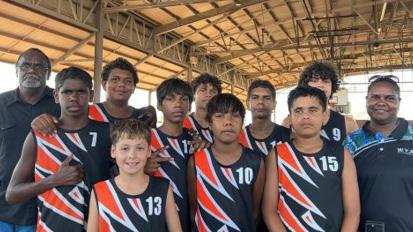
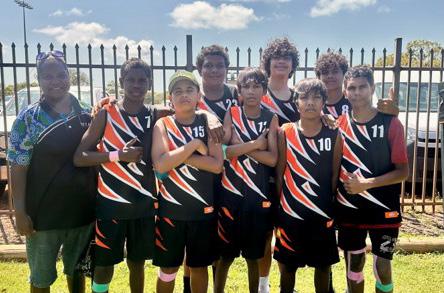
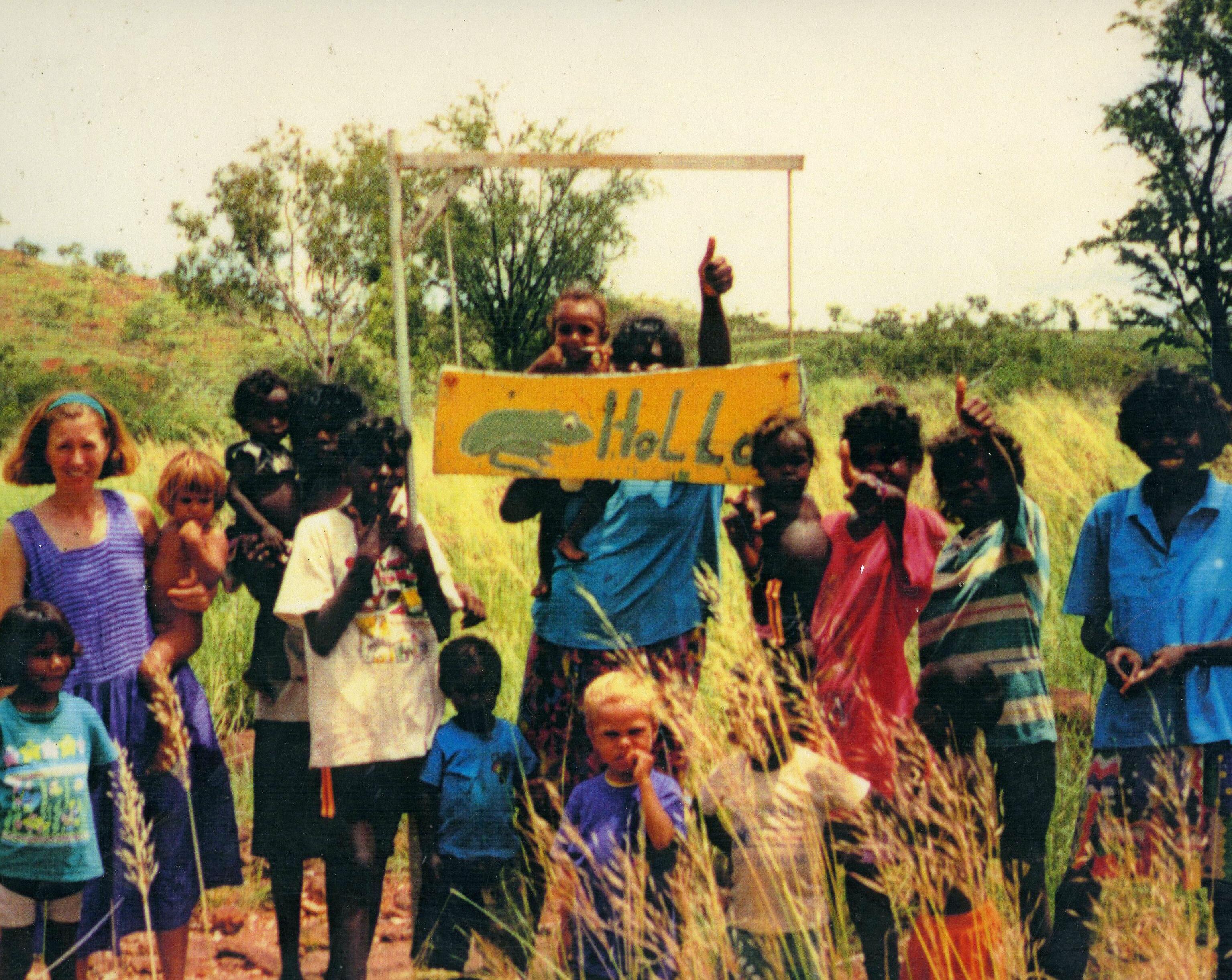
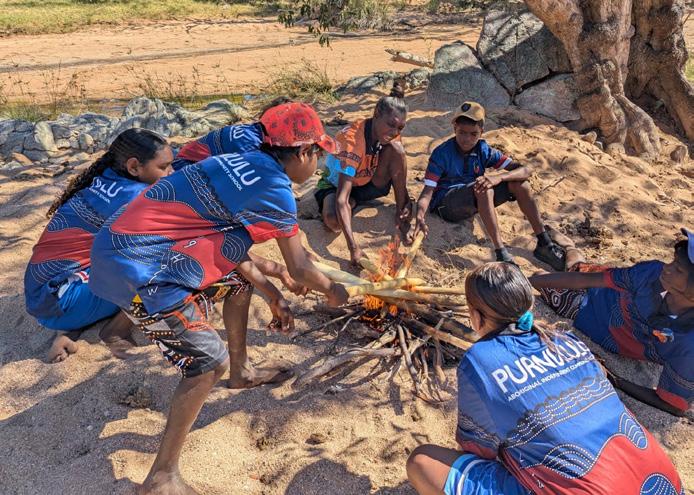
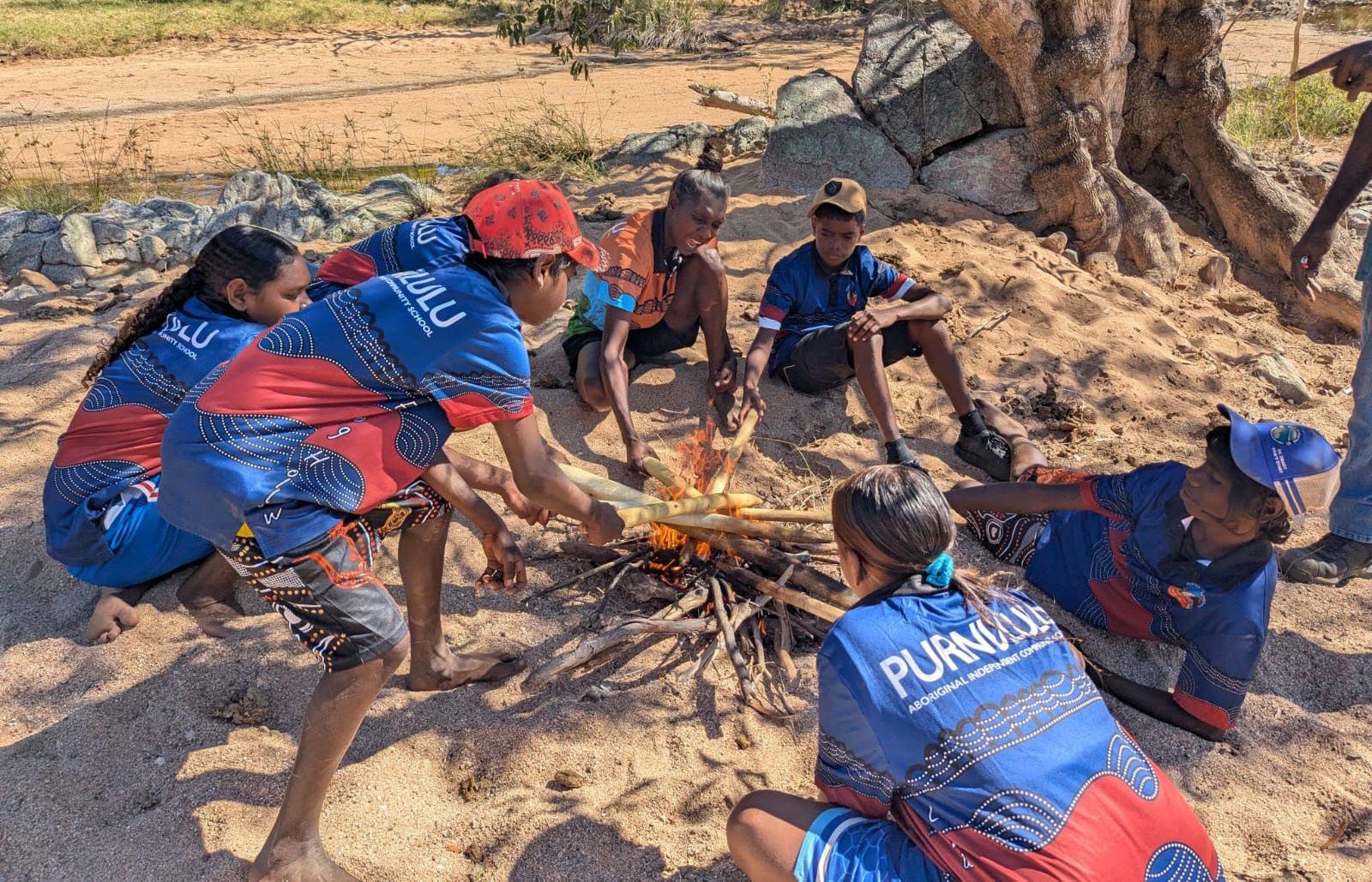
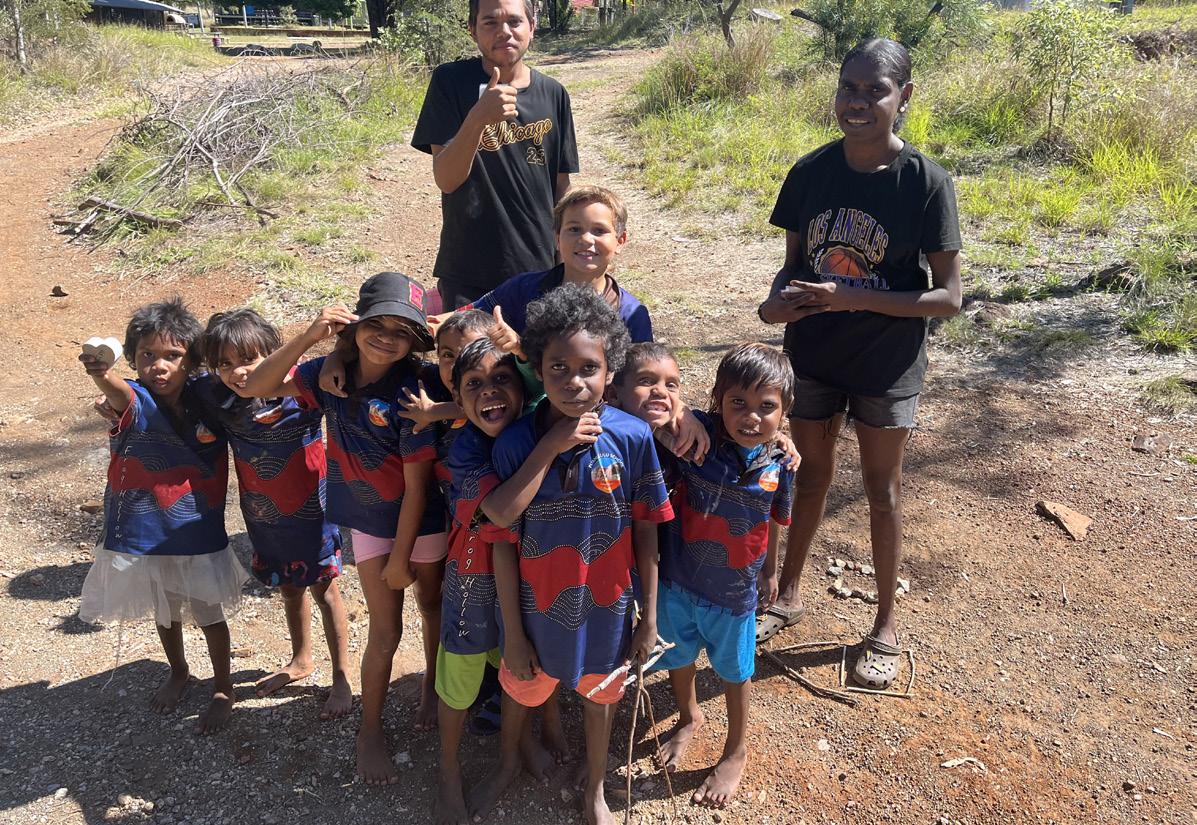
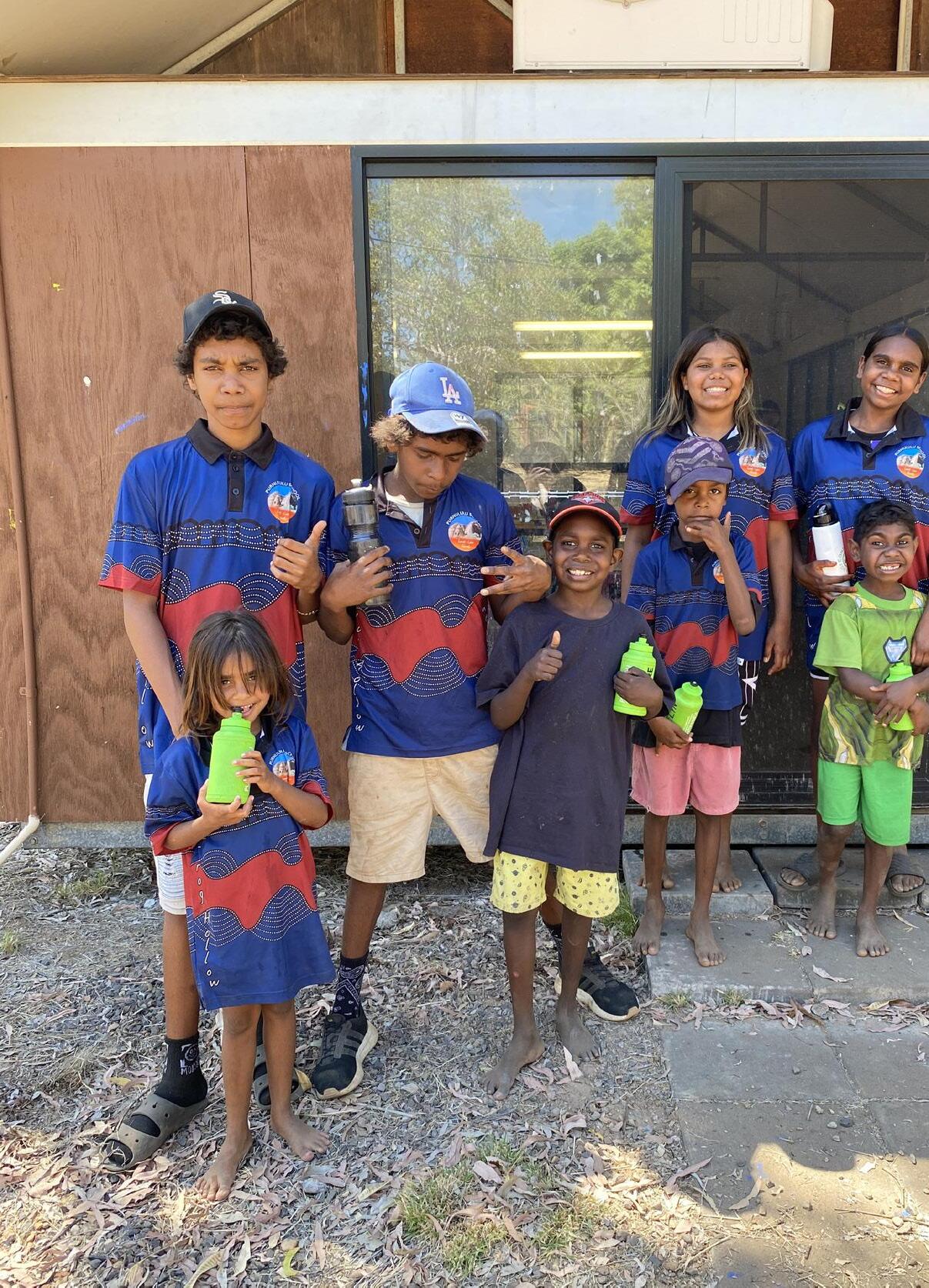
Purnululu Aboriginal Independent Community School (PAICS) celebrated its 35-year anniversary on Friday 19 th June, marking a significant achievement for the communityowned and governed school.
PAICS began as a small campus for Gija children within the Boornoolooloo (Bungle Bungles) National Park in the late 1980s, with around 15 students living and schooling on Country during the dry season.
During the wet season, students would use a hall in Warmun for schooling, leading to community leaders deciding to build a permanent yearround campus in Woorreranginy (Frog Hollow) community in 1991.
PAICS was established to provide a schooling option for Gija children that is based around Gija language, Knowledge, culture, stories, and
ceremony, and these remain the central priorities for the school today.
Guided by the values of Daam, Ngarranggarnim, Ninggoowoom (Land, Law, Family), PAICS’ vision is to empower students to be strong in identity, rich in knowledge and understanding, autonomous in life-long learning, and successful in contributing and participating in the local and global world.
Today, PAICS has 41 students from Woorreranginy and Warmun communities enrolled across 4 classes from Kindergarten to Year 9. In addition to 7 teaching and administrative staff that have relocated to Woorreranginy, PAICS employs 15 local Gija staff that are central to creating a safe and culturally-rich learning environment for students.
In 2023, the school embarked on an ambitious journey to write a formal alternative curriculum across all subjects that marries Western Australian
curriculum descriptors with Gija knowledge, history, and examples, ensuring that students receive a “two- way strong” learning journey. To date, PAICS has formal recognition from the School Curriculum Standards Authority for the learning areas of Language (Gija), Science, Humanities and Social Sciences (HASS), The Arts, and Health and Physical Education, with Technologies, English, and Mathematics due to be completed by 2027.
This will make the school’s Gija curriculum the first accredited alternative Aboriginal curriculum in Australia.
A particularly unique element of the school’s curriculum is the mother-tongue first literacy program, where students become literate in their first language (Gija Kriol) from Kindergarten to Year 2, before transitioning to Standard Australian English literacy in Year 3.
The school has produced its own suite of Kriol resources including a phonics program, decodables, and books, with many students and Gija staff members authoring their own stories for the collection. A key part of learning for students at PAICS includes a learning cycle based around 14 significant
ngarranggarnim jarragboo (Gija dreaming stories) as well as 3 ceremonies. These provide a focal point for learning each term and ensure that students carry on important Gija knowledge and stories.
One of these ceremonies is the Woorra-woorral Moonga-moonga, a dreaming about female water spirits. This ceremony is sung by boys and danced by girls.
Students across the school have been preparing for this during Semester 1, not only learning the songs and dance, but learning how to collect materials and create artefacts for the performance including girl-girl (clapping sticks), larndoorji (coolamons), nawooloony (fighting sticks), ganiny (digging sticks), and a boolmim (performance screen).
The student performance of the Woorra-woorral Moonga-moonga and sections of the Goorirr goorirr joonba (boys dance) were the highlight of the 35-year celebrations.
This event brought together families, community members and past staff members to reflect on the enormous achievements of this small school.

DID YOU KNOW THE EAST KIMBERLEY IS HOME TO SOME DEADLY AUTHORS AND ILLUSTRATORS? HEAD DOWN TO THE KUNUNURRA SCHOOL & COMMUNITY LIBRARY TO DISCOVER WHAT'S AVAILABLE.
JUNIOR FICTION
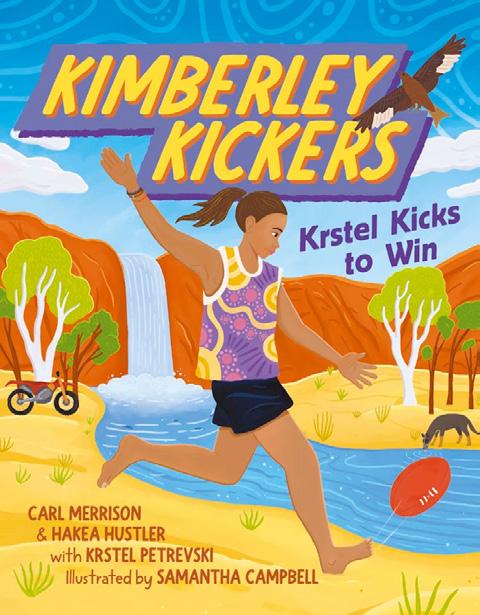
Kimberley Kickers: Krstel Kicks to Win by Carl Merrison & Hakea Hustler with Krstel Petrevski from Halls Creek
YOUNG ADULT FICTION
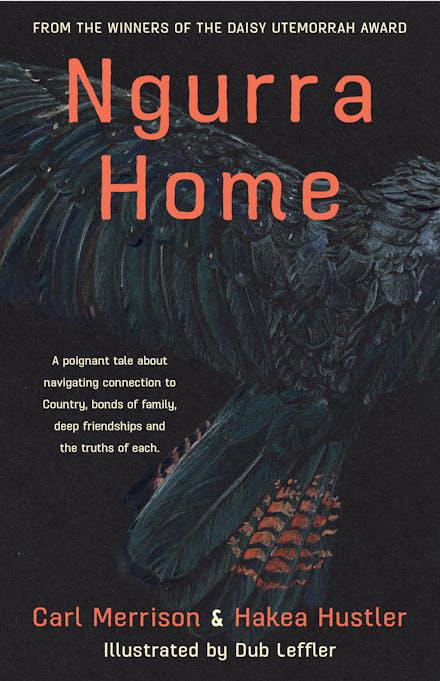
Nguarra Home by Carl Merrison & Hakea Hustler of Halls Creek with Dub Leffler
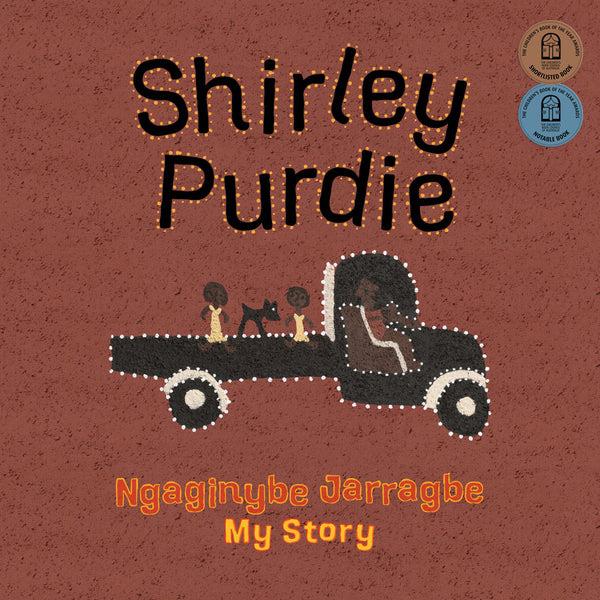
My Story, Ngaginybe Jarragbe by Shirley
Purdie
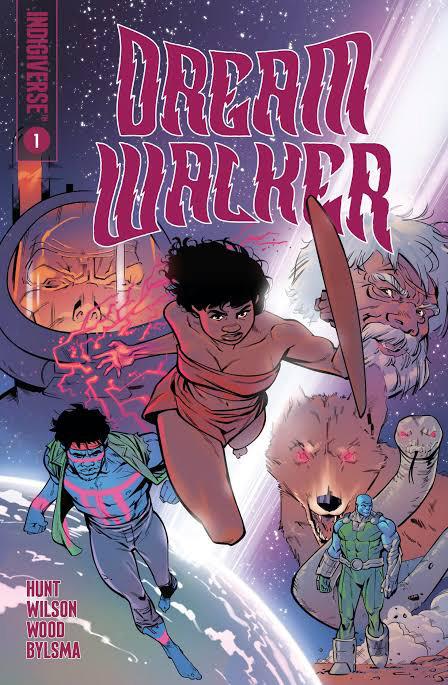
Dream Walker Indigiverse YA comic illustrated by Molly Hunt from Wyndham
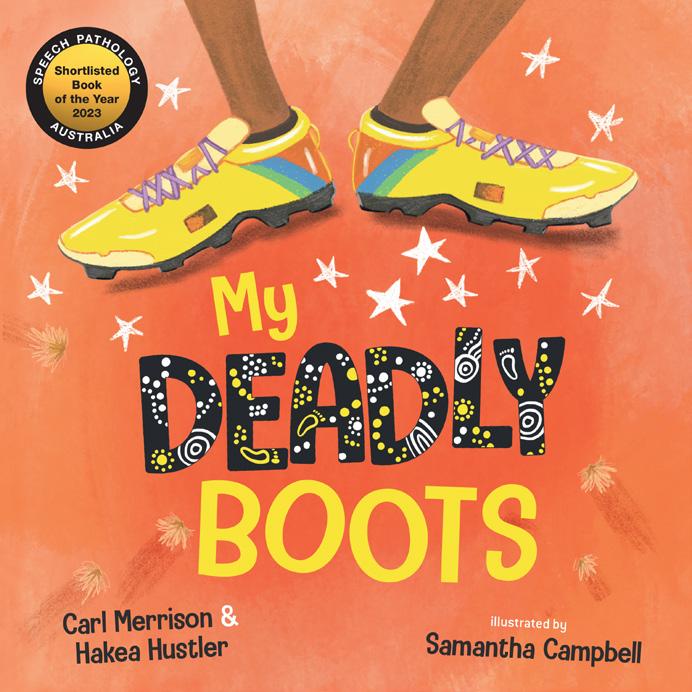
My Deadly Boots by Carl Merrison & Hakea Hustler, illustrated by Samantha Campbell
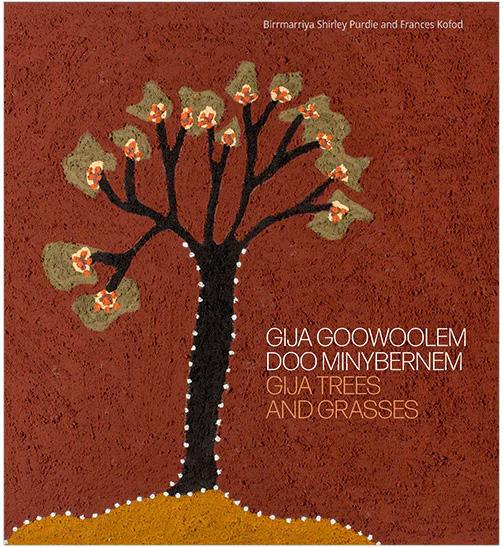
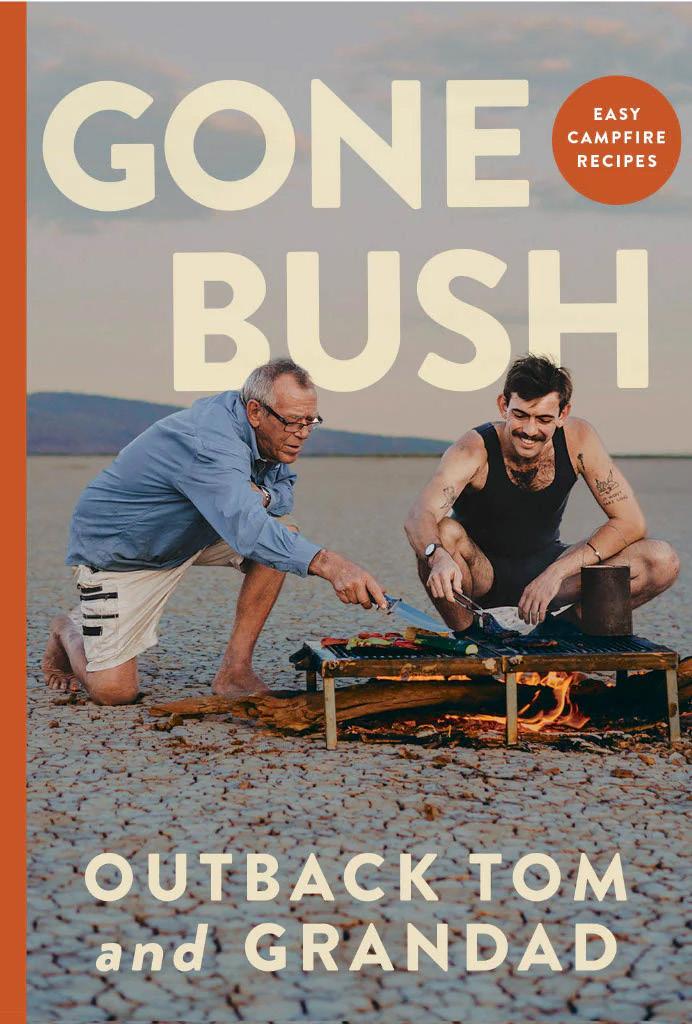
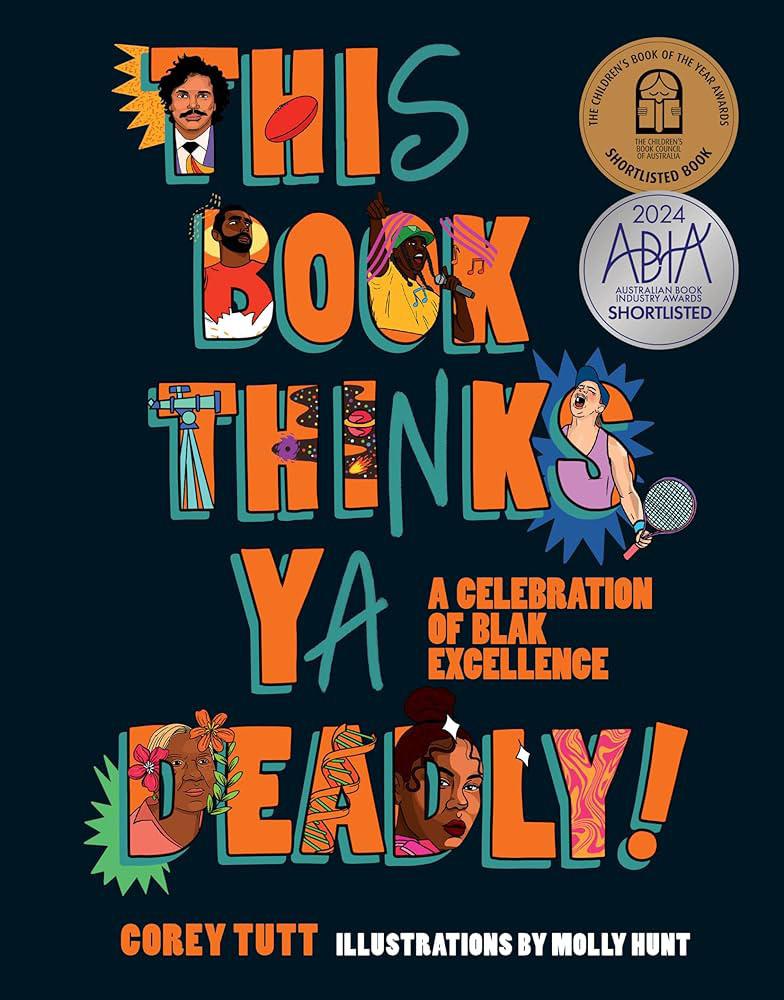
WORDS BY SEBASTIAN TASI
GROWING UP IN A SAMOAN HOUSEHOLD IN AUSTRALIA, THERE WERE TWO RU LES: T AKE YOUR SHOES OFF AT THE DOOR AND SPEAK SAMOAN.
The second one was non-negotiable.
The moment my siblings and I walked through the front door, English stayed outside. If we wanted something, we asked for it in Samoan.
As a kid, I thought it was the most annoying rule in the world. Why couldn't I just ask for a cup of tea in English? Why did Mum and Dad have to make life harder than it needed to be?
Now, in my young 30s, I'd like to apologise to them.
Because somewhere between growing up in Perth, moving to New Zealand for university, traveling around the world and eventually finding myself living in Kununurra, I realised they hadn't
been forcing a language on me.
They had been giving me a gift.
It wasn't until I moved to New Zealand that I truly understood why language matters.
Te reo Maori is everywhere. You hear it in schools, see it on road signs, at airports, on television and in everyday conversations. You don't have to be Maori to appreciate it. You simply grow up understanding that this language belongs to this place.
Seeing that made me appreciate my own language in a way I never had before.
Now, living in Kununurra, I've found myself thinking about language all over again.
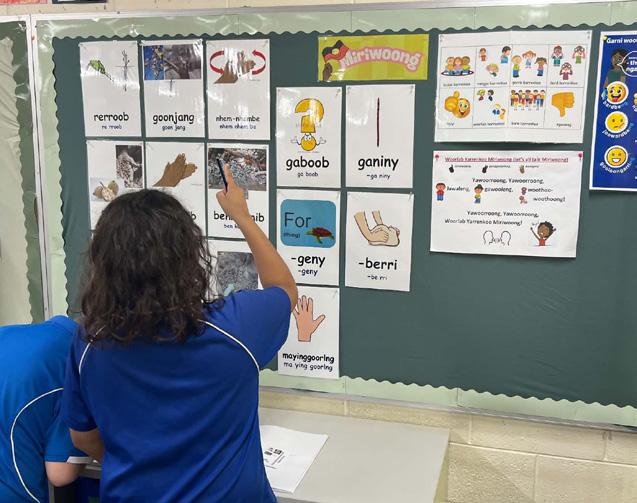
Every week, more than 600 local children are learning Miriwoong through Mirima Dawang Woorlabgerring's (Mirima Language Centre) Language Nest program.
Spending time with the team recently, I couldn't help but think those children are being given the same gift my parents tried so hard to give me.
Maybe they won't realise it now. But one day they probably will.
For Mirima Language Centre CEO Karel van den Berg (KJ), seeing Miriwoong taught in local schools is something many people have worked towards for years.
"It's a dream come true," he said.
"Seeing Miriwoong language taught at the schools is such an important aspect of recognition, demonstrating that the language is valued and recognised despite its critical state."
For KJ, language is about much more than communication.
"Language is one of the key traits of identity. While many people speak more than one language, there is always a 'language of the heart', the one that makes you feel at ease.
"Miriwoong language and Miriwoong Country belong together. Even for people who haven't grown up speaking Miriwoong, there is a special connection to their ancestral language because it belongs here."
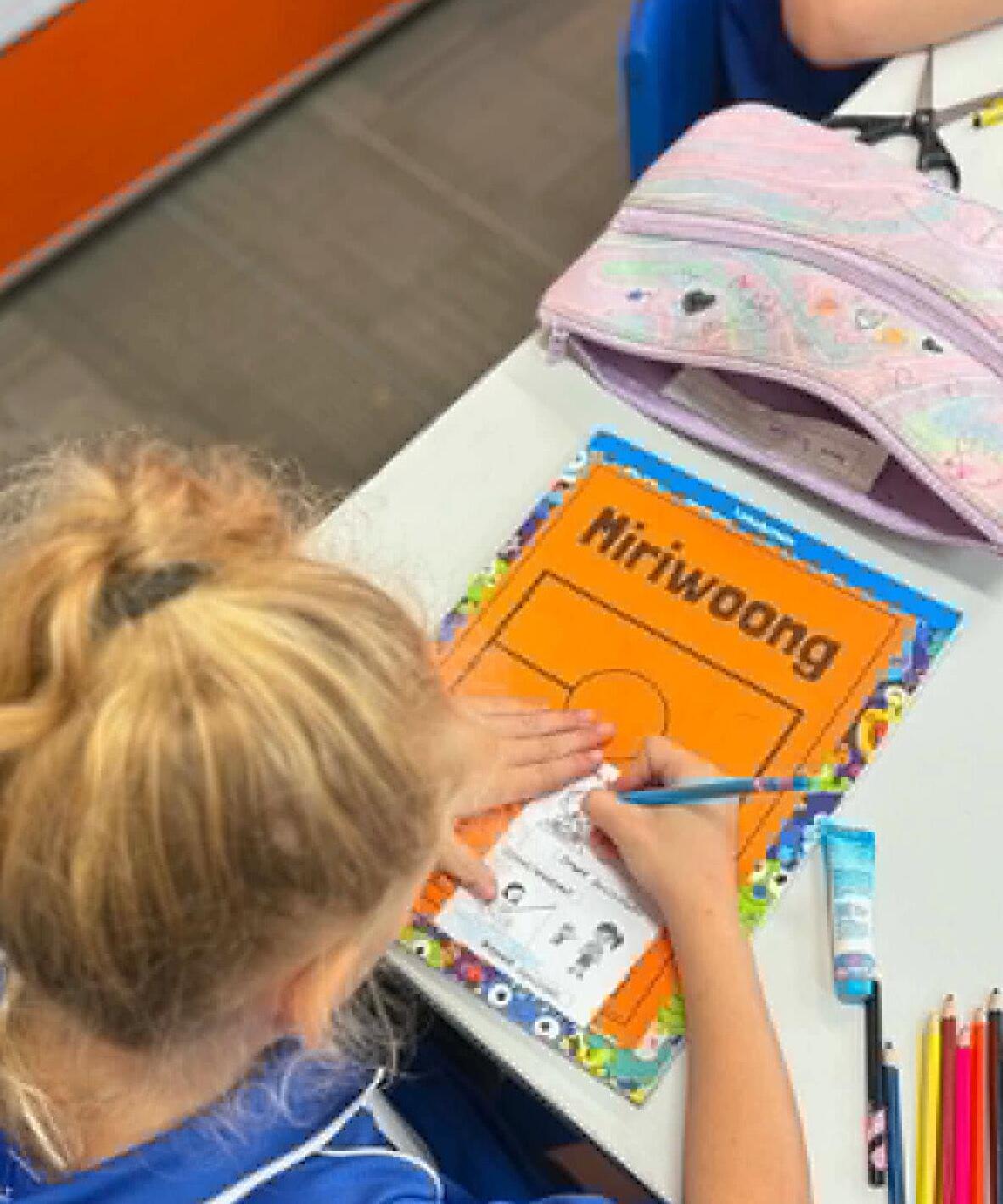
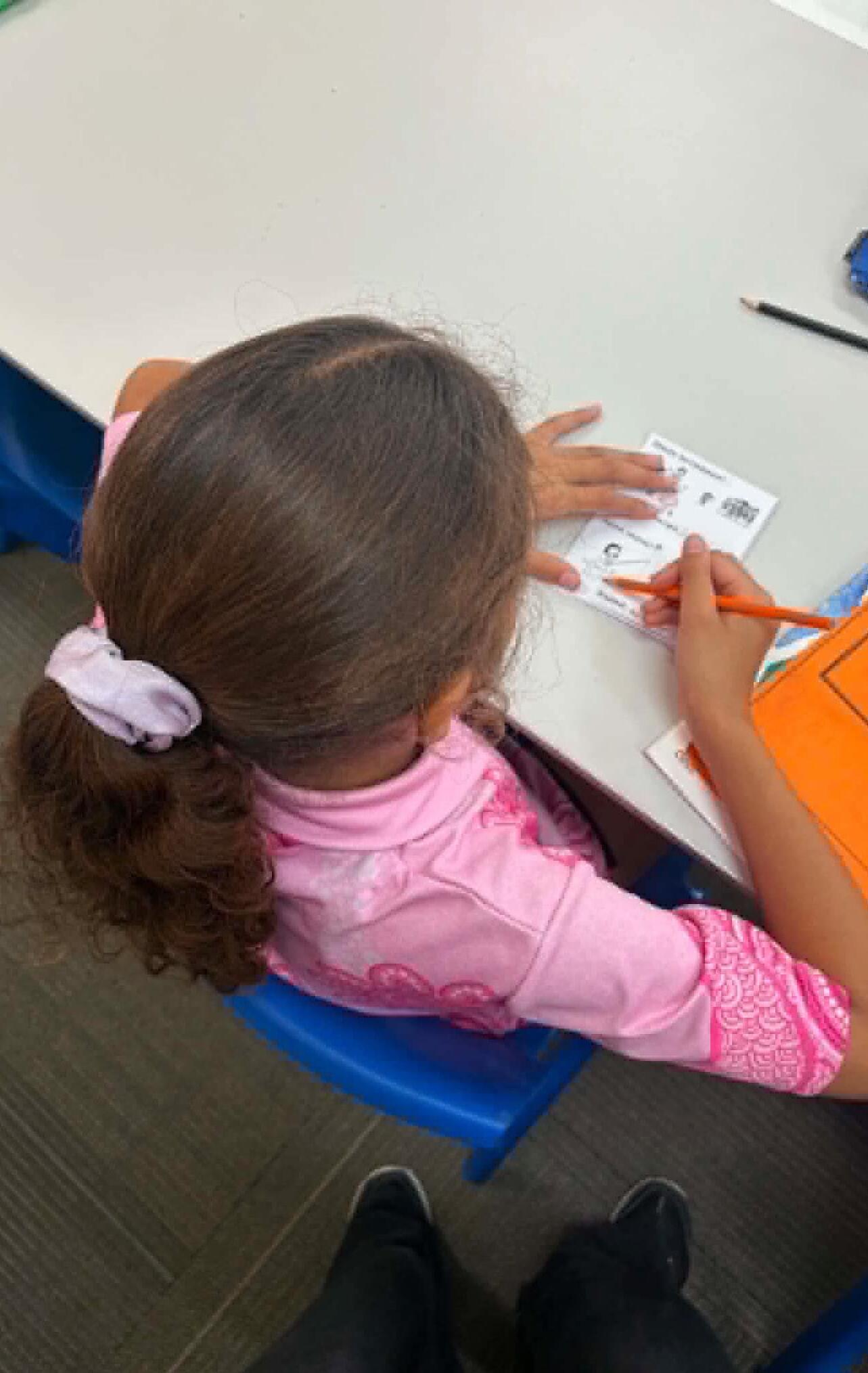
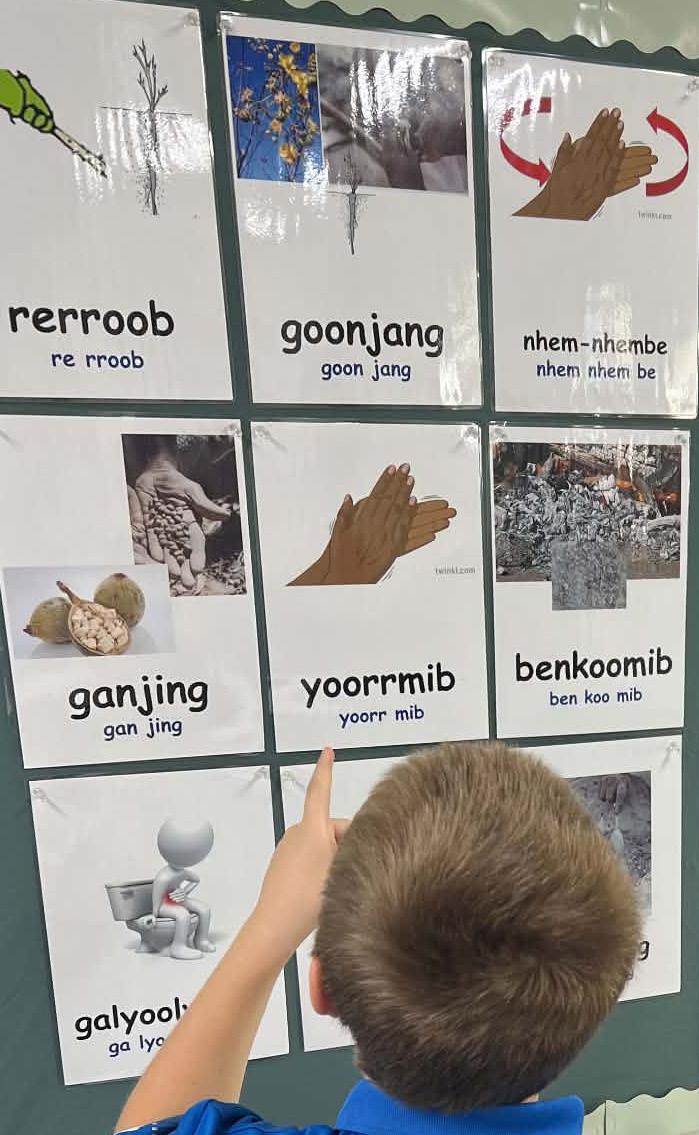
That idea sits at the heart of every lesson. Children aren't sitting quietly memorising vocabulary from worksheets. Instead, classrooms are full of picture cards, songs, games and plenty of laughter.
Teachers introduce new words using flashcards before students repeat them together, building confidence through repetition and play. Older students begin learning sentence structure, while younger children sing songs and play games designed to reinforce the language.
But the lessons aren't just about learning words. They're about learning the stories behind them.
Students explore traditional knowledge about Country, seasons, plants and animals. They learn about family relationships through kinship terms that don't exist in English, with different words for maternal and paternal grandparents, or older and younger siblings.
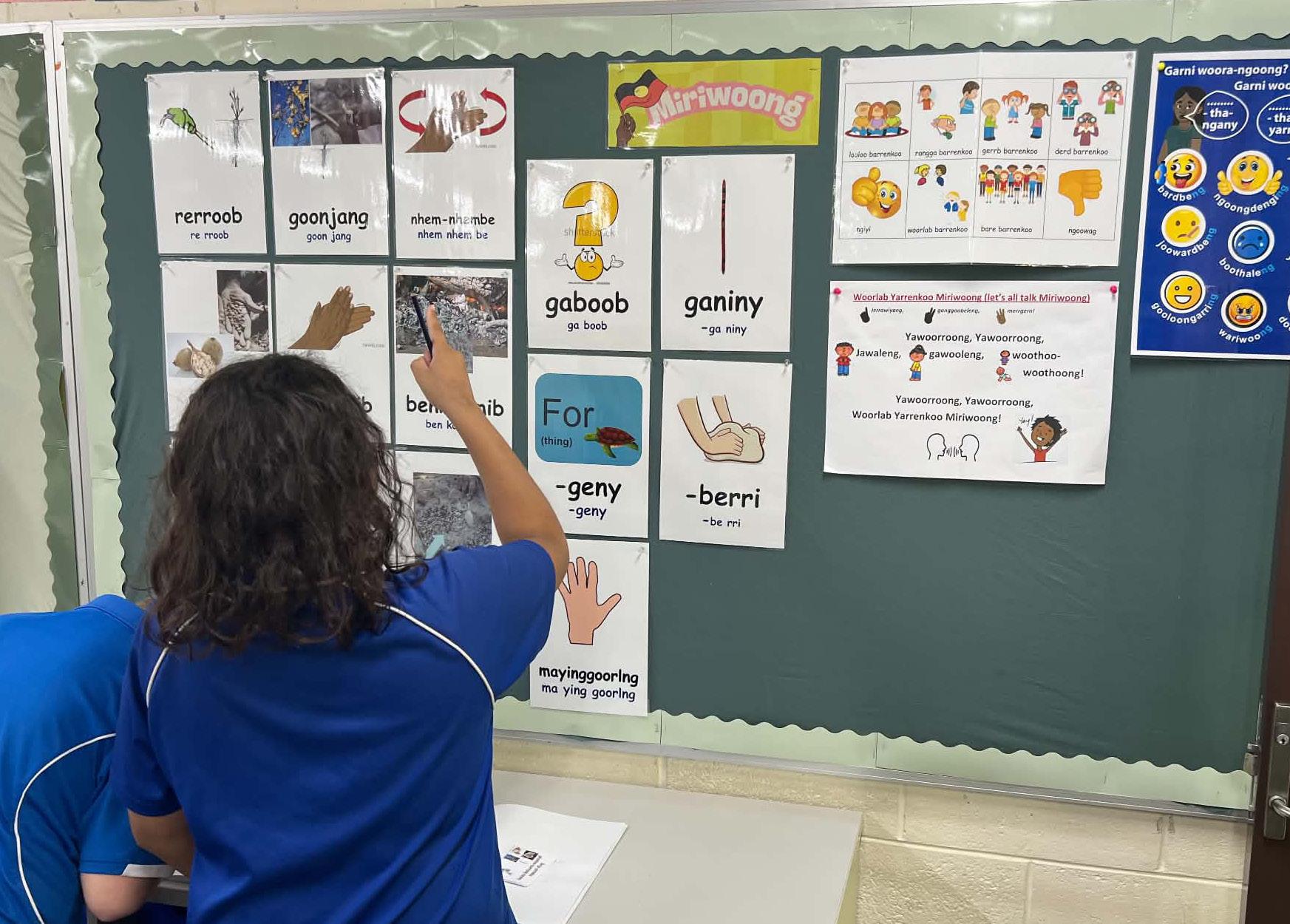
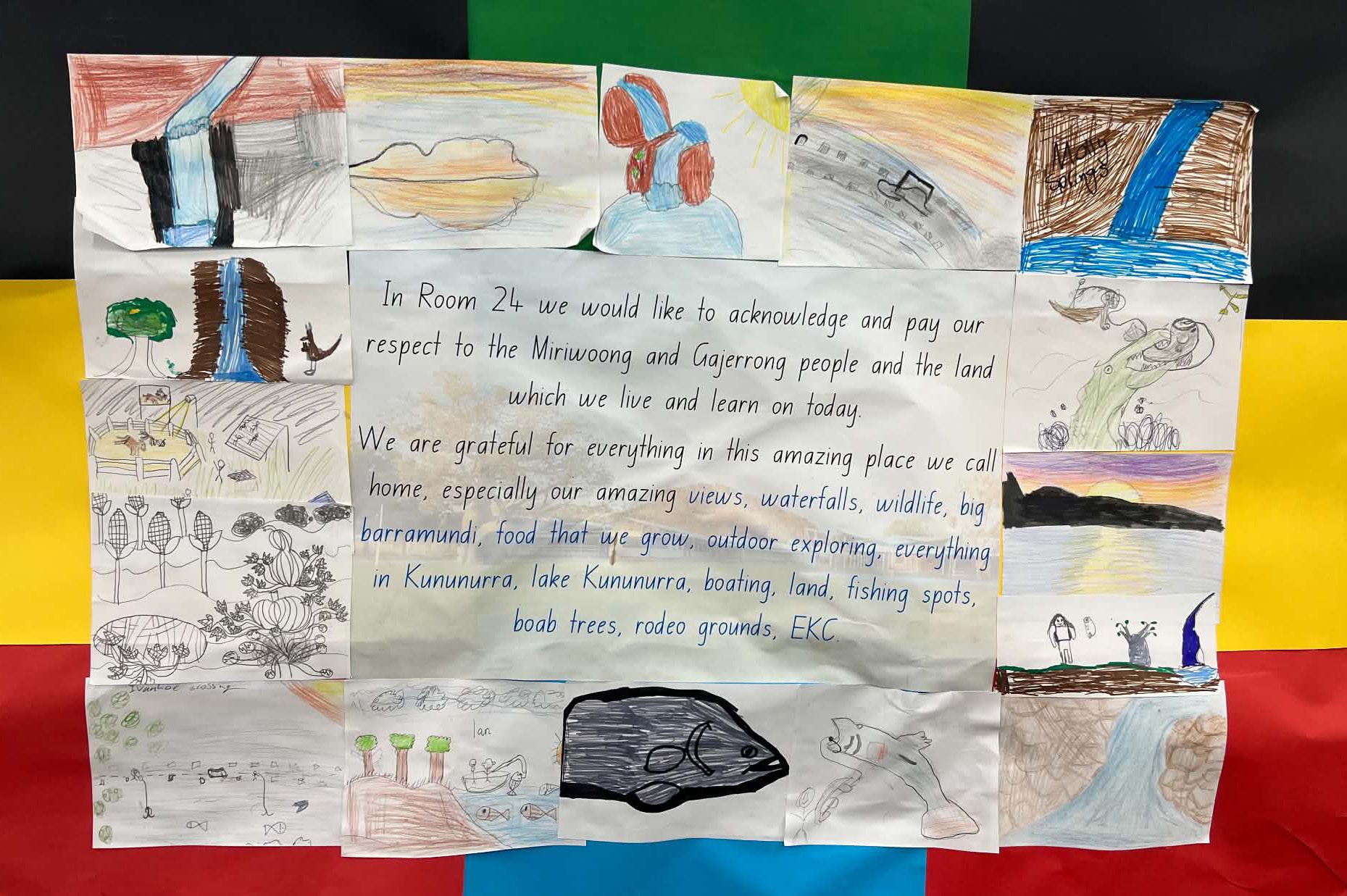
Language and culture are taught side by side because, as the team explained, one simply doesn't exist without the other.
Jane, who supports the teachers in classrooms, says she quickly realised just how much children absorb.
"When I first started, I thought, 'Half an hour a week? Surely they won't remember much.'
"Then after a term I realised just how much they retain.
"Kids are incredible."
She is quick to point out that the Miriwoong teachers lead every class.
"They're the teachers. I'm there to help them."
Many of those teachers have completed Aboriginal Language Teacher Training, while others have simply developed remarkable teaching skills through years of experience.
What they all have in common is a desire to pass on their language.
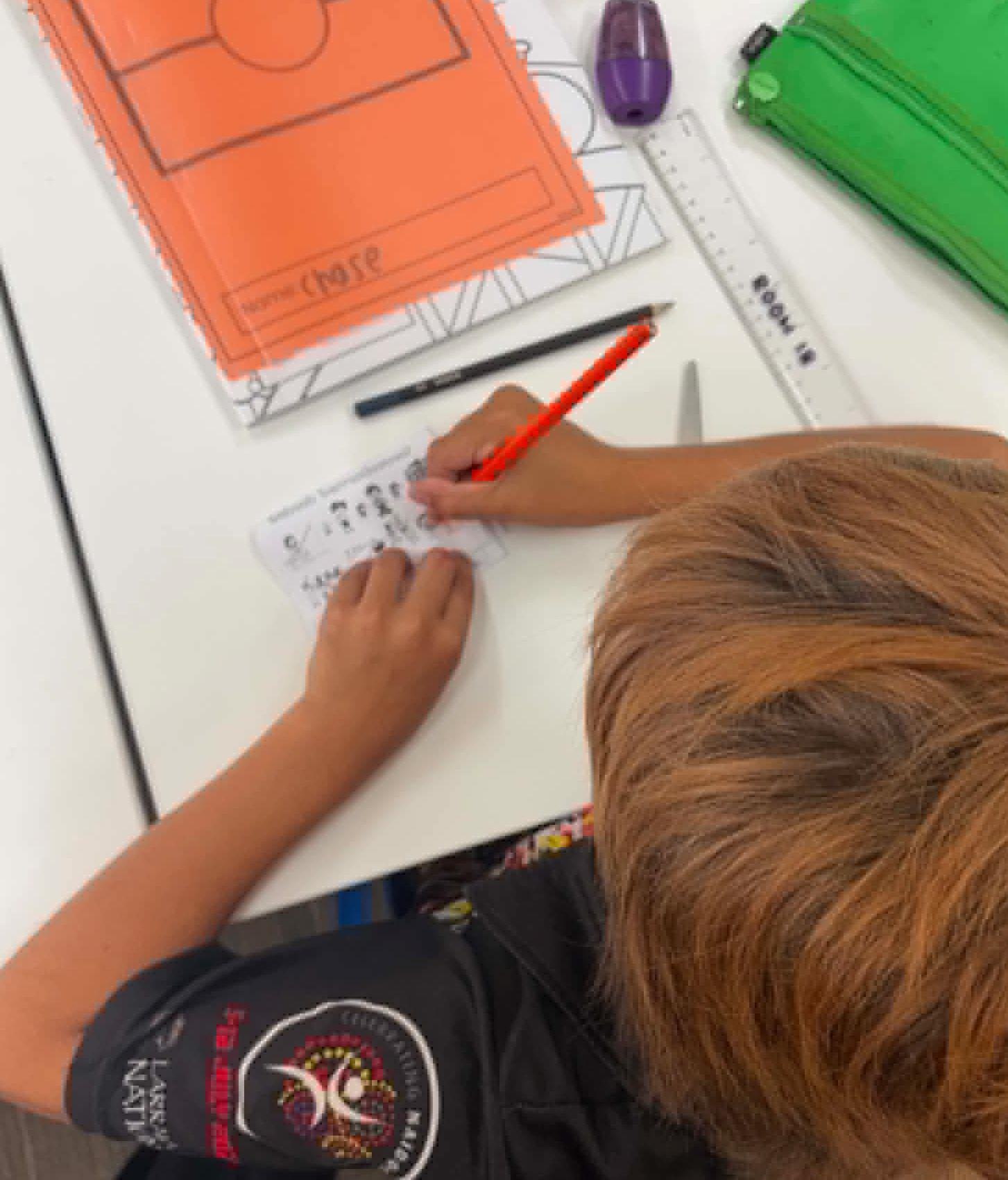
"The thing that really drives them is wanting to pass their language on to the next generation," Jane said.
That mission has become more important than ever.
Like many Aboriginal languages across Australia, Miriwoong experienced a dramatic decline after colonisation. Government policies discouraged Aboriginal languages, English became dominant and generations of cultural knowledge were disrupted.
Today, Miriwoong is critically endangered. Yet there is another side to the story.
The Language Nest began as a pilot program in 2013. Today, it reaches more than 600 children every week across local early learning centres and primary schools.
For KJ, hearing children speak Miriwoong is one of the strongest signs that the language is finding new life.
"This is the sign we have been waiting for to demonstrate that the language is coming back," he said.
"It may not be the traditional way language is passed on, but if children can acquire the language to the point where it becomes functional, that would be wonderful."
The Language Centre hopes to one day expand the program into high school. Alongside school lessons, it also delivers adult language courses, radio programs, multilingual signage, learning resources and community education.
Jane believes even something as simple as seeing Miriwoong around town makes a difference.
"It starts conversations and reminds people that this language belongs here."
That sentence stuck with me. It took me straight back to New Zealand.
The reason te reo Maori feels so special isn't because everyone is fluent. It's because everyone recognises its place. It's woven into everyday
life and understood as an important part of the country's identity.
Maybe that's what makes the Miriwoong program so special too.
The goal isn't for every child to leave school fluent. It's for every child growing up in Kununurra to know that this is Miriwoong Country. To recognise the language when they hear it. To understand a little of the culture, history and knowledge that has always existed here.
I used to think my parents were making life difficult by insisting we spoke Samoan. Now I realise they were helping me carry a piece of my culture wherever I went.
Knowning children across Kununurra learn Miriwoong, I couldn't help but smile.
One day, years from now, I hope they'll look back the same way I do.
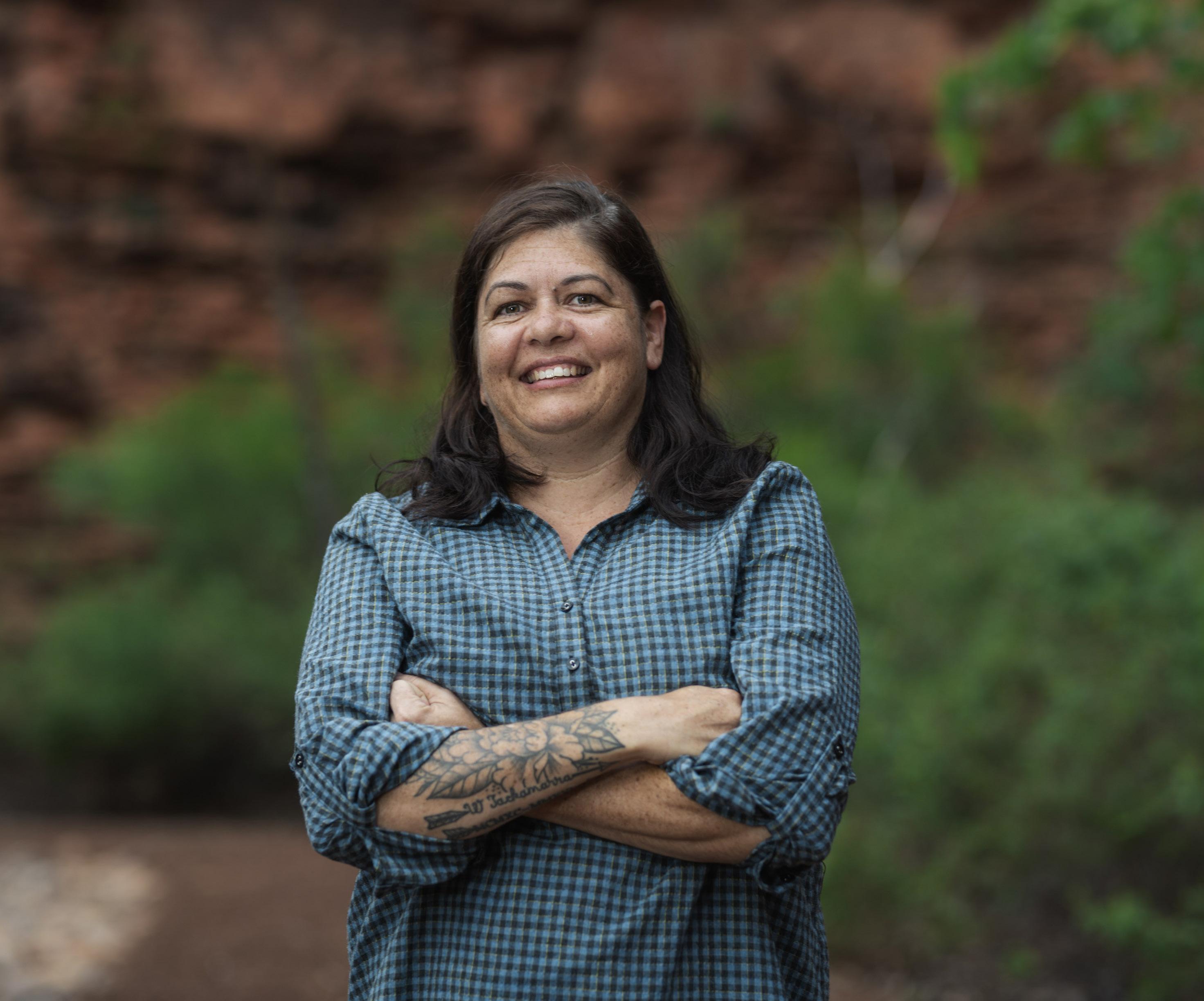
CAN YOU TELL US ABOUT YOUR JOURNEY INTO PHOTOGRAPHY AND HOW JACKAMARRA PHOTOGRAPHY BEGAN?
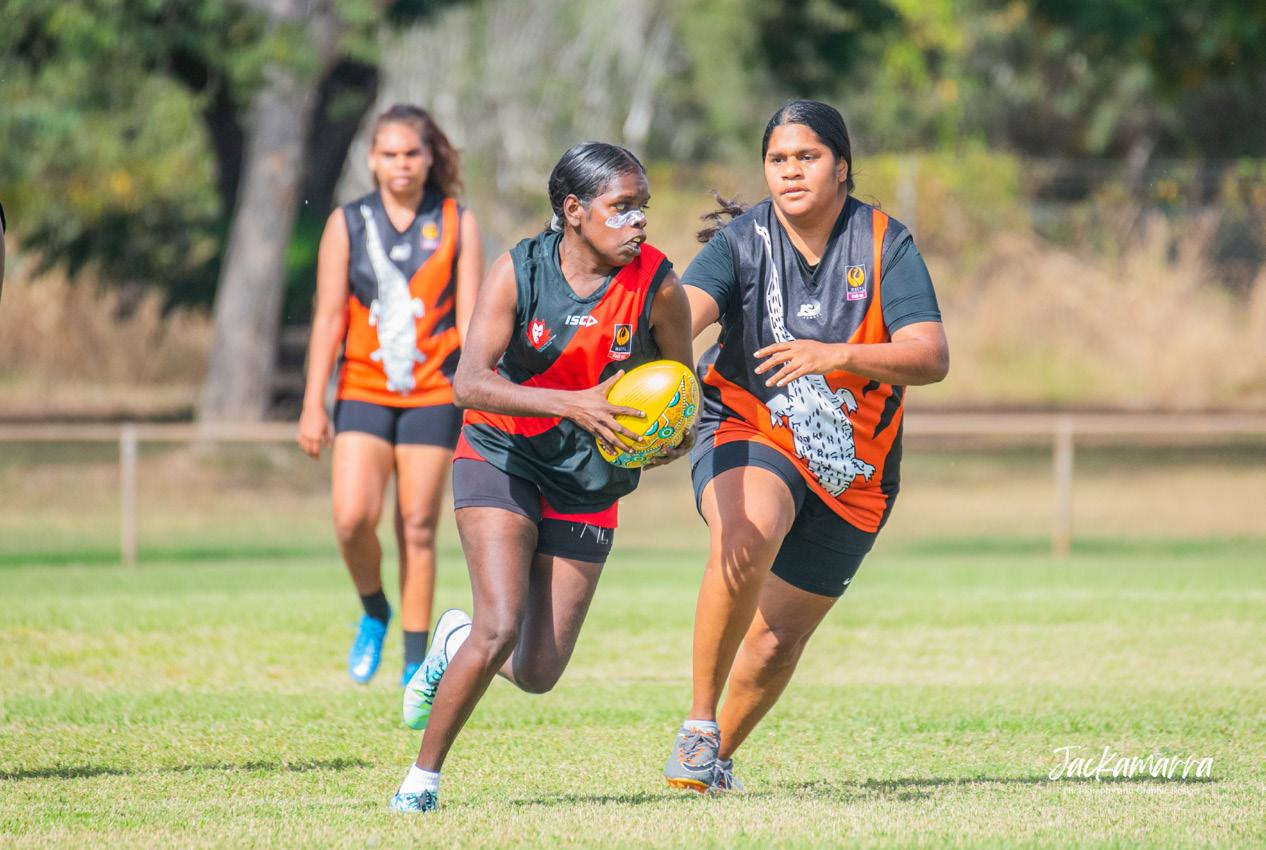
My journey started in 2019 when Natasha from Kimberley Jiyigas brought me on board to help with media and photography work. I was taking photos at events, designing documents and creating newsletters. She also bought me my first camera, which really helped kick-start my small business. At first it was just a hobby, but opportunities kept coming up and I realised I might actually be able to make something of it. I started exploring sports photography, especially promoting women’s footy.
Then the AFL media team put out a call through Garnduwa for emerging photographers to join a Footy Focus Collective. That opened huge doors, I was able to shoot the Indigenous Round at Optus Stadium in February 2025 and photograph from the crowds at the AFL
YOUR WORK CAPTURES MANY PEOPLE, PLACES AND MOMENTS ACROSS THE KIMBERLEY. WHAT DOES IT MEAN TO BE ABLE TO DOCUMENT THESE STORIES?
I lean heavily on my cultural lens, it guides how I connect with people and how I capture authenticity. Lately I’ve been reflecting on the fact that I’m not just a photographer; I’m a First Nations photographer. That comes with pride, responsibility and a deeper purpose. I get to make sure the images I take hold cultural truth and real connection. I was recently part of the media team for KAFTA in Broome, and the whole experience was a vibe — a true testament to cultural integrity, with Aboriginal volunteers delivering the entire event. The Kimberley has been home for over 12 years, and honestly, I reckon it’s the best place on the planet. I’m excited for what the future holds for my photography and media

business, but one thing’s certain, the Kimberley will always be my base.
WHY IS IT IMPORTANT FOR FIRST NATIONS PEOPLE TO HAVE THEIR OWN STORIES, ACHIEVEMENTS AND CELEBRATIONS DOCUMENTED?
It’s incredibly important that First Nations people and businesses are at the table. That’s one of the reasons I’m a member of Blak Lens, a community-made collective of established, emerging and aspiring Blak photographers and videographers across Australia. Many Aboriginal photographers miss out on big jobs because the industry hasn’t been built with us in mind. There’s limited access, limited visibility, and not enough recognition of the cultural value we bring. Mikey Torres (Jalaru Photography) started Blak Lens many years ago and has been a great mentor. I’m always walking away from our yarns feeling inspired.
WHAT HAS BEEN THE MOST REWARDING PART OF BUILDING JACKAMARRA PHOTOGRAPHY?
Jackamarra Photography is named after my mother and family. It’s a legacy piece, something that honours them and builds a foundation for the future. I also built this business to build wealth. It’s not about the money (especially because I’m always spending money upgrading my gear lol), but about building capacity, growing the business and creating opportunities. It’s opened doors into other creative
services that my business can offer, like content design, digital marketing and strategy support. It’s been rewarding to see how far it’s come and how much potential there still is.
WHAT ADVICE WOULD YOU GIVE TO YOUNG PEOPLE INTERESTED IN PHOTOGRAPHY OR STORYTELLING?
You need a few solid people in your corner. Other creatives, mentors, or services that can help you build your skills and navigate challenges. In the early stages of my business, I questioned my abilities a lot. Imposter syndrome is real. My good mate Tim Lanzon from Timbee Photography helped me push through that. He’s someone I trust for honest, constructive feedback, and that makes a huge difference. Surround yourself with people who lift you up and help you grow.
WHERE IS YOUR FAVOURITE PLACE TO EXPLORE IN THE KIMBERLEY?
I’ve got a few, haha. I love hiking the El Questro gorge, fishing and hunting crab on Karajarri Country, and heading up Lake Kununurra for a swim and a cheeky bevy. The Kimberley landscape is something precious, I’m constantly amazed by it.
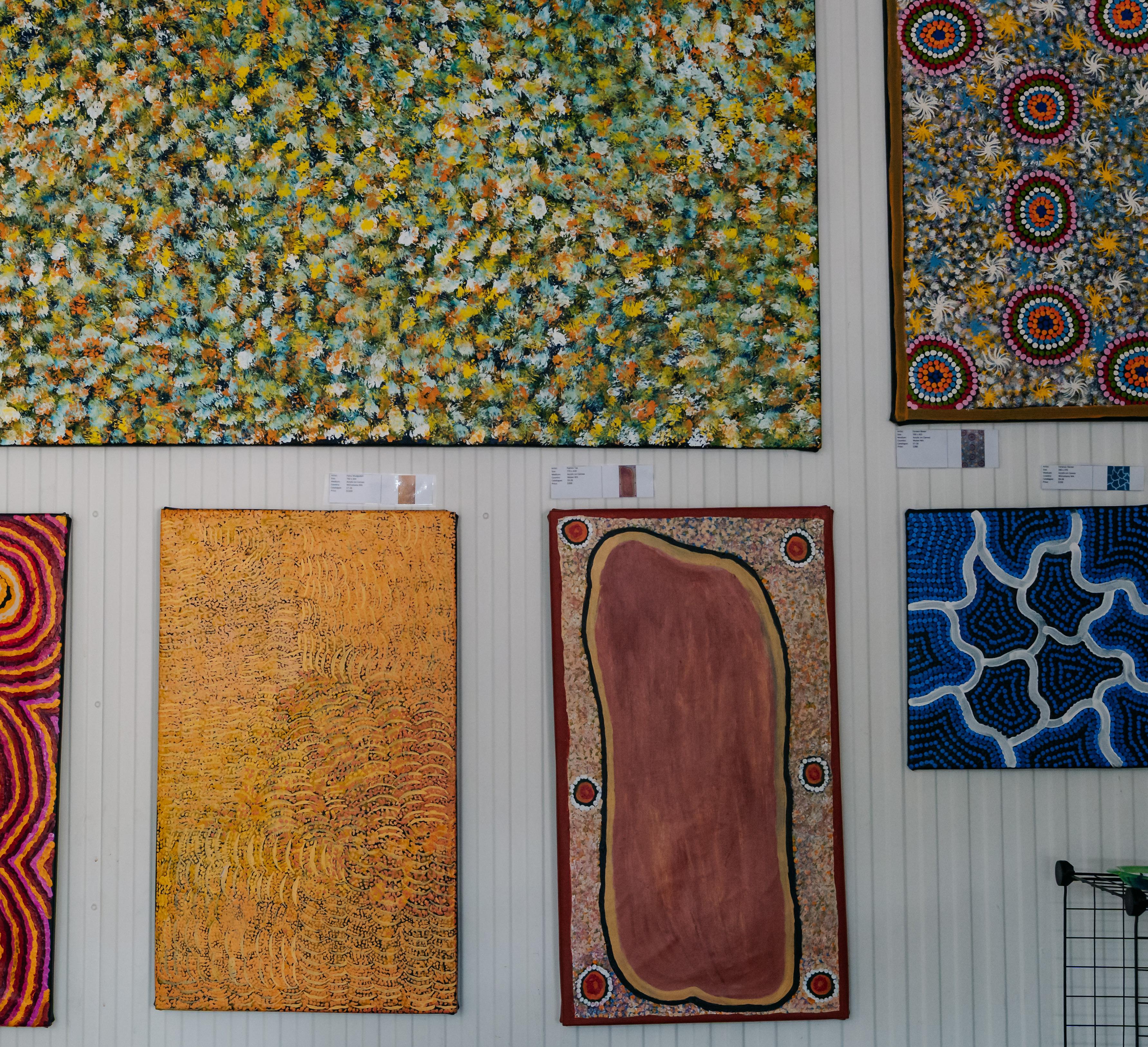
FOR DAVID EDWARD LANS-MUDGEDELL, THE BEGINNINGS OF TJARRAMBAYI ARTS CAN BE TRACED BACK TO CHILDHOOD HOLIDAYS SPENT WATCHING HIS GRANDMOTHER PAINT.
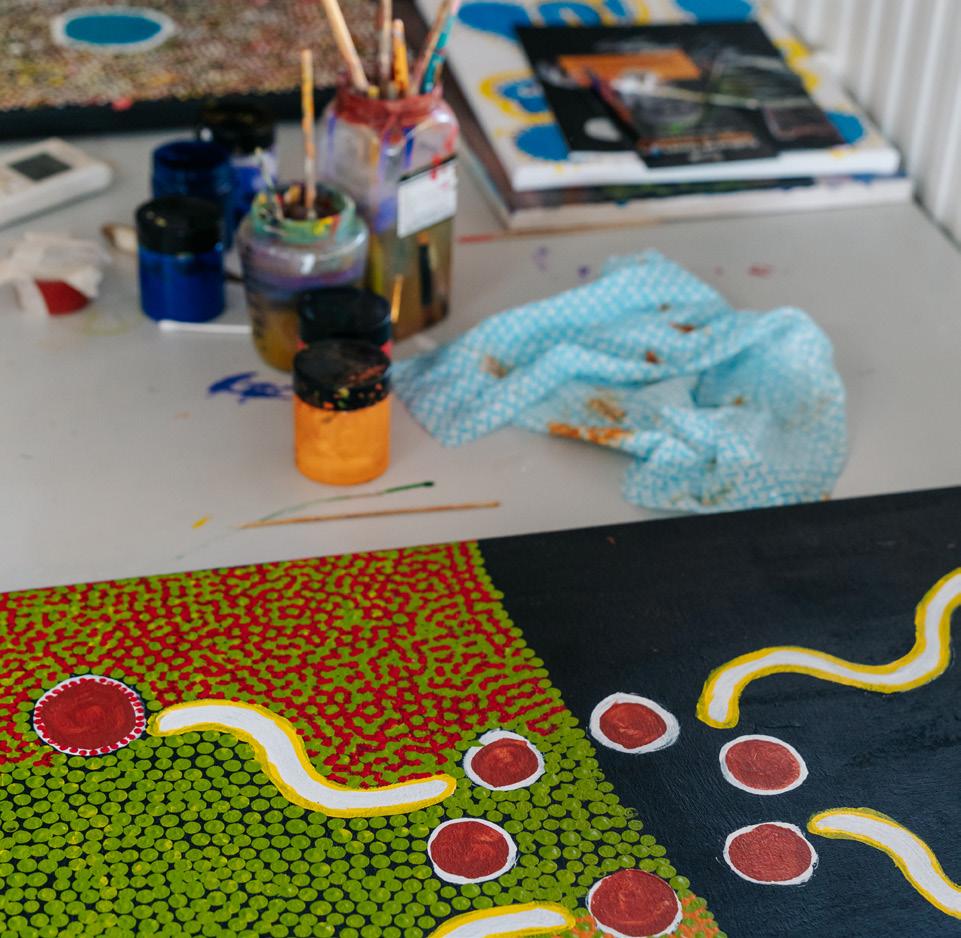
During visits to his grandmother, David would sit and watch her create artworks in the traditional style. Over time, she began teaching him how to paint, while sharing the stories behind each artwork - stories of bush foods, waterholes and the places she had travelled through when she was young.
Those early lessons gave David an understanding that paintings held deep meaning, with each symbol and story connected to culture, Country and lived experience.
With several members of his family also becoming highly established artists, David was inspired to create a place that could support and promote
Aboriginal artists and their work across the East Kimberley.
That vision has become Tjarrambayi Arts, a new art centre in Kununurra providing a dedicated space for artists to share their artwork, stories and culture.
Having worked as an emerging artist and arts worker, David brings more than 10 years of experience in art and administration to the organisation.
He understands the work involved in developing as an artist and the importance of having support, opportunities and connections within the industry.
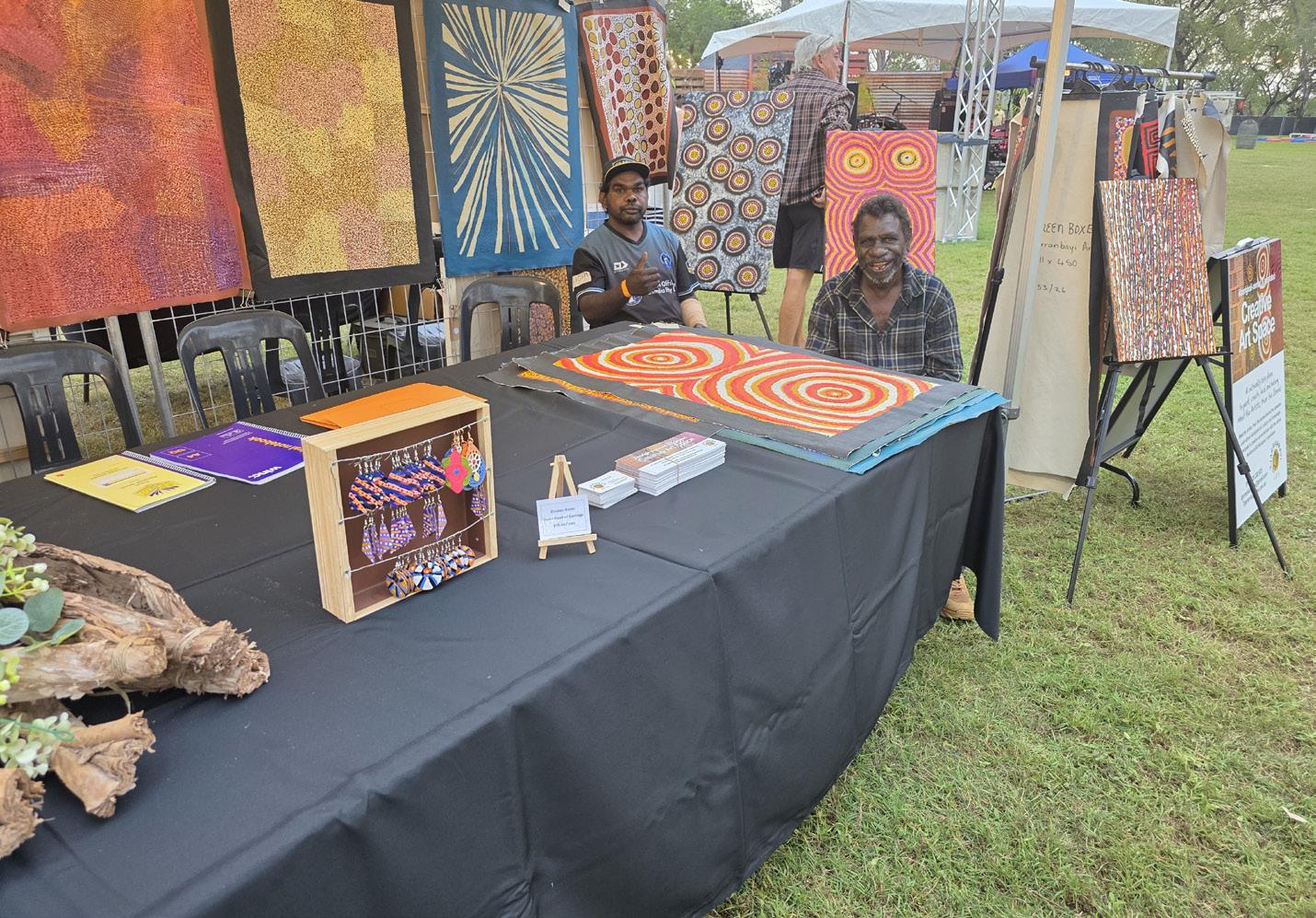
With gallery contacts nationally and internationally helping to promote the artists’ work, David hopes Tjarrambayi Arts will provide opportunities for both emerging and established artists.
“I have gained knowledge into the work that has to be done when becoming an established artist,” David said. “It will be exciting times for any established or emerging artist.”
The decision to establish Tjarrambayi Arts in Kununurra was also shaped by David’s own connection to a remote community.
David is from Kwirrkarra, located on the edge of the Great Sandy Desert, where distance and limited access can make it difficult for artists to promote and sell their work.
With unsealed roads, long travel distances and few opportunities for visitors to access remote communities, David wanted to create a space where artists from those areas could have their work seen by a wider audience.
He originally planned to establish a gallery in Halls Creek, but after travelling to Kununurra for training, the opportunity arose to create the centre in town.
“There are many of my fellow countrymen from the desert region who are happy they have a space that is from the desert established in Kununurra,” David said.
The centre also represents artists from across the wider East Kimberley and has received support from local organisations including Wunan, Job Pathways and Many Rivers, as well as Waringarri Arts, the traditional owners’ arts organisation for the region.
“Thanks to Waringarri for their support and to all
agencies that have helped support me along the way,” David said.
Visitors to Tjarrambayi Arts can view artworks from a range of established and emerging artists, each with their own style and stories to share.
Among the artists represented is Patsy Mudgedel, who has been painting for more than 10 years and has held multiple solo exhibitions, with her artworks sold to collectors around the world.
Doreen Boxer is another talented artist whose works have been widely recognised. After taking time away from painting due to family commitments, she has returned to creating new artworks.
The centre also features the work of Victor Daisy, whose detailed landscape paintings and creative use of colour offer a distinctive style that has impressed both locals and visitors.
Alongside artists based in Kununurra, Tjarrambayi Arts also showcases artworks from artists living further afield who contribute pieces to the centre.
While still growing, David hopes Tjarrambayi Arts will become a place where visitors can experience the range of talent within the region and learn more about the stories behind the artworks.
Future plans include workshops where visitors can learn about traditional painting techniques and hear the cultural stories connected to the artworks.
“We hope people will be amazed by the range of talent we have when they first walk in,” David said.
You can find Tjarrambayi Arts at 1 Ebony Street. Pop in and say hello and check out the beautiful artworks.
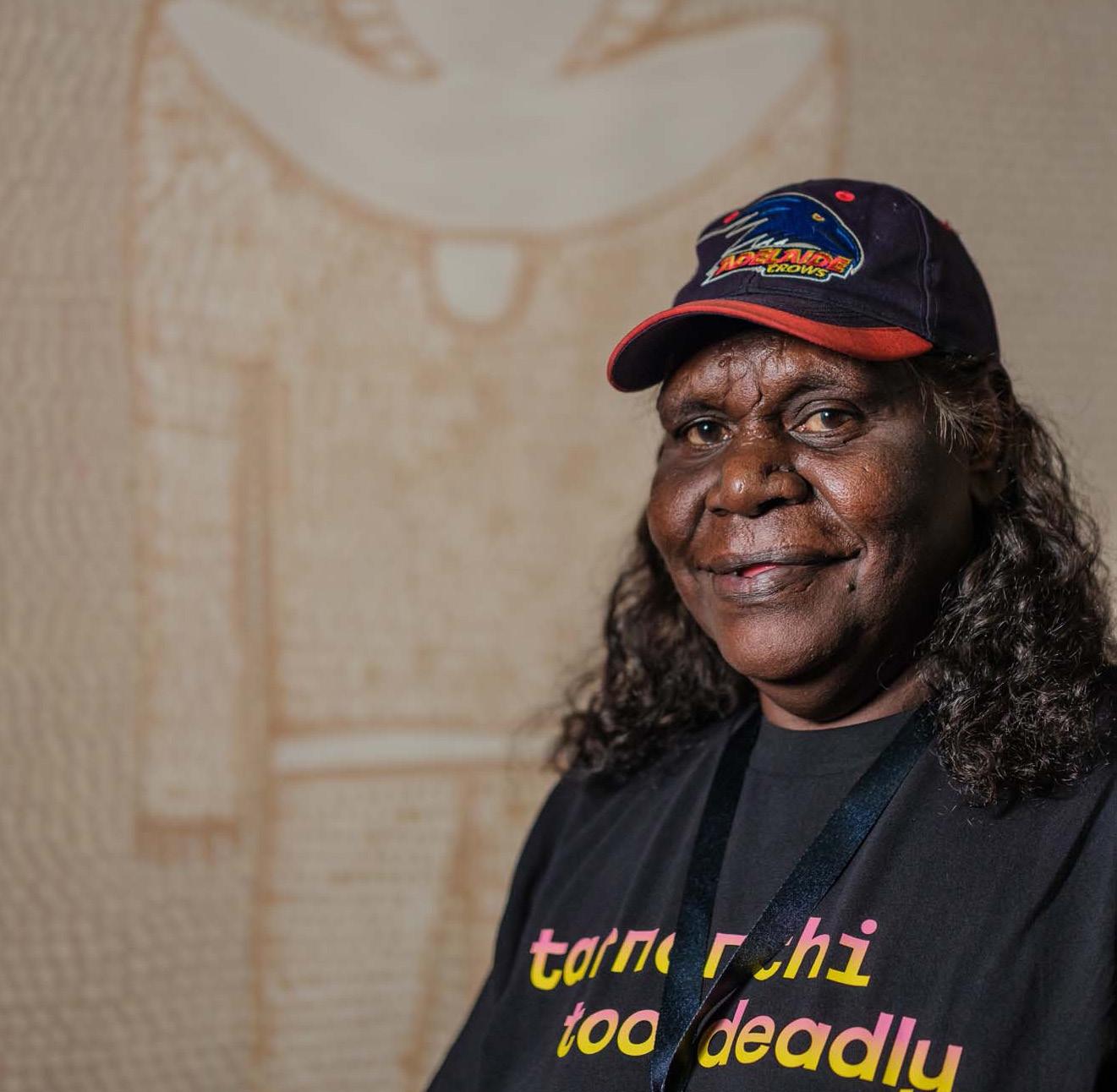
Born in the remote community of Kalumburu, Angelina Guluwulla Karadada Boona has spent her life surrounded by culture, language and artistic traditions passed down through generations.
A Wunambal Gaambera and Worrora woman, Angelina learnt from two respected cultural leaders — her mother, renowned artist Lily Karadada, and her father, Jack Karadada, a medicine man and skilled artefact maker. Watching her mother paint on bark, bush baskets and Numarrga (bush cradle), Angelina learnt that art was not only about creating, but about keeping stories, knowledge and culture alive.
Language continues to be central to Angelina’s work. She supports younger generations to maintain traditional languages, recognising their importance in strengthening identity and connection to Country.
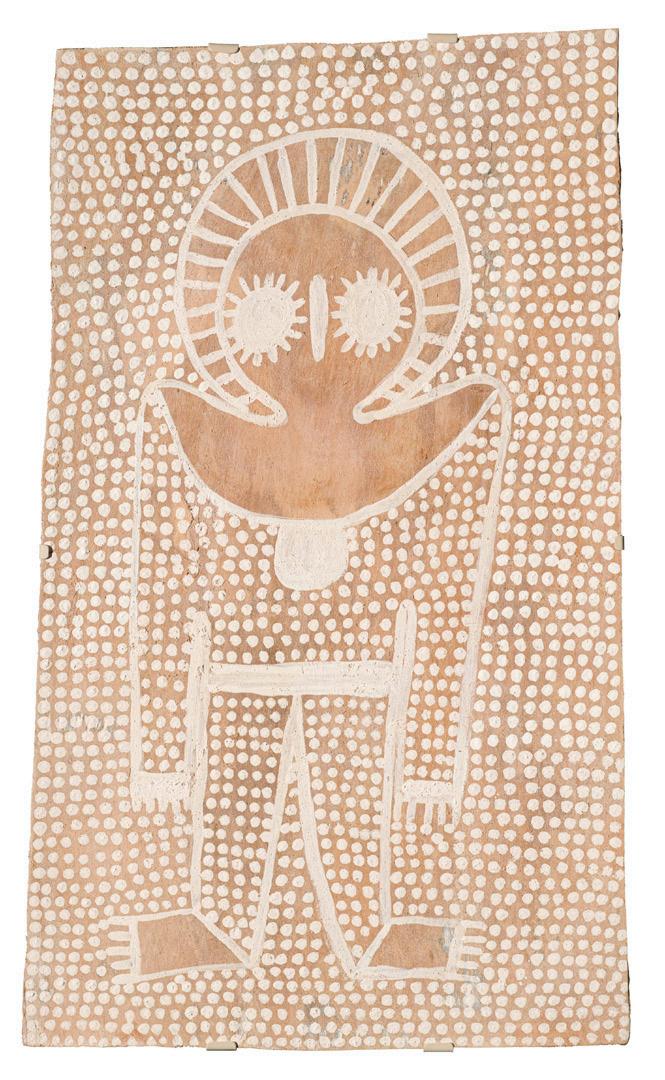
Her artwork reflects this deep cultural connection. In her series *Wandjina Emerging*, Angelina uses traditional painting methods and natural materials, including white ochre collected from saltwater and freshwater areas and mixed with natural gum resin. The process of gathering and preparing materials connects her to ancestors and cultural practices carried across generations.
Alongside her own artistic practice, Angelina supports emerging artists through her role as Senior Arts Worker at Kira Kiro Artists. She has completed the ANKA Arts Worker Foundation Training Program and was awarded the National Gallery of Australia Wesfarmers Indigenous Leadership Fellowship in 2019.
For Angelina, nurturing the next generation of artists is a responsibility she values deeply.
“I love doing art and running the art centre. Our art centre is very important for the community and for the younger generation to learn to be an artist,” she said.
Through her artwork, leadership and commitment to language, Angelina continues to share cultural knowledge, support emerging artists and create opportunities for future generations.
Angelina has just been named as one of eight finalists in the inaugural 2026 Artbank Prize - representing Western Australia. Artbank received over 740 entries for this celebrated open-call prize, with one finalist selected from each state and territory. The winner will be acquired into the Artbank collection and announced at the opening exhibition in Sydney on 3 September 2026.
Angelina has also been selected for the prestigious National Gallery of Victoria Triennial 2026. In what will be the most ambitious work of her career, Angelina will reimagine the NGV's iconic Waterwall with an illuminated Wandjina figure, glowing against the gallery’s cascading glass facade. An incredible achievement to be showcased on an international stage.
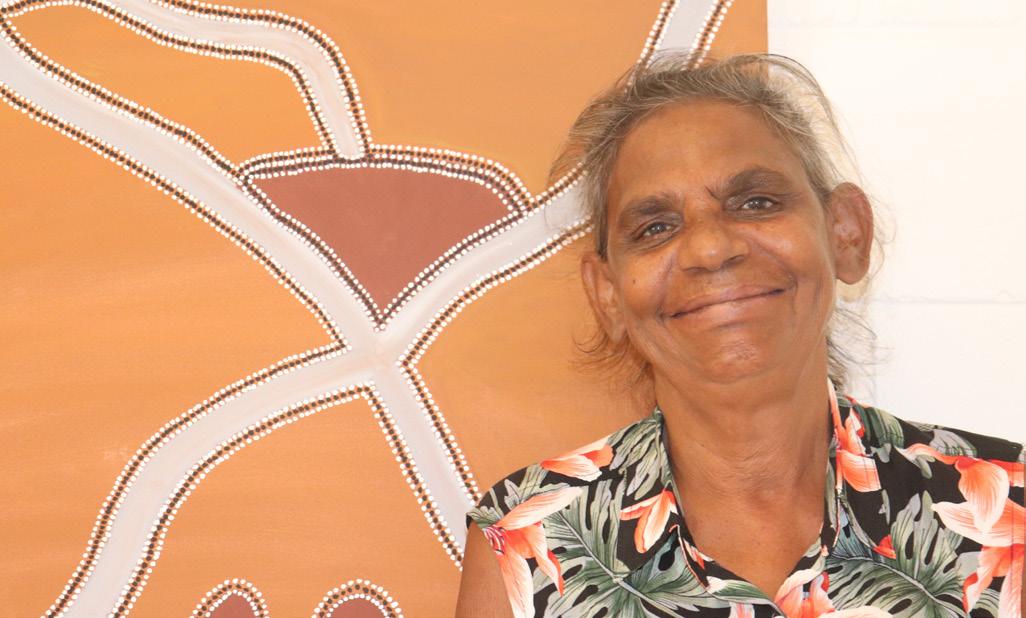
For Dora Gerrgngarri Griffiths, art is deeply connected to culture, community and the knowledge passed down from those who came before her.
A Miriwoong and Naringman woman, Dora was born on Miriwoong Country in Kununurra and has spent her life connected to the region. Her work as an artist, curator and community leader reflects her strong connection to Country, language and culture.
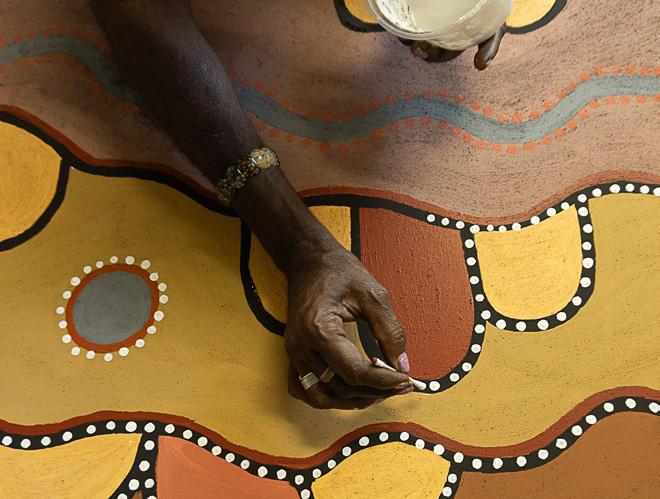
Dora’s artistic journey began in 2004 when she joined Waringarri Aboriginal Arts as an artist support worker, helping senior artists prepare and mix paints. Over time, she developed her own practice across painting and textile printing, creating works inspired by Country, culture and family teachings.
“I paint and print textiles as often as I can because it heals me,” Dora said.
Alongside her own art practice, Dora has dedicated much of her career to supporting artists and strengthening Aboriginal arts organisations. She has worked in various roles at Waringarri Aboriginal Arts, including as Dawang Projects Officer, and has served as a Director and Chairperson on the organisation’s Board. Dora’s commitment to culture extends across the region. She has been a Director on the ANKA Board since 2012, a Director of the Gawooleng Yawoodeng Women’s Centre Board since 2010, and a member of the Miriwoong Language Authority advisory committee.
She has also developed her skills through arts
and cultural training programs and has curated exhibitions including *Our Legacy II* and *Open Borders*, sharing the work of regional artists with wider audiences.
For Dora, art is a way of continuing the teachings of her parents and elders while passing knowledge on to future generations.
“I am following in the footsteps of my parents and my elders to learn about Country, culture and art, and to share that knowledge through my art and in the way I curate exhibitions,” she said.
Through her work as an artist, mentor and leader, Dora continues to strengthen culture and create opportunities for future generations.
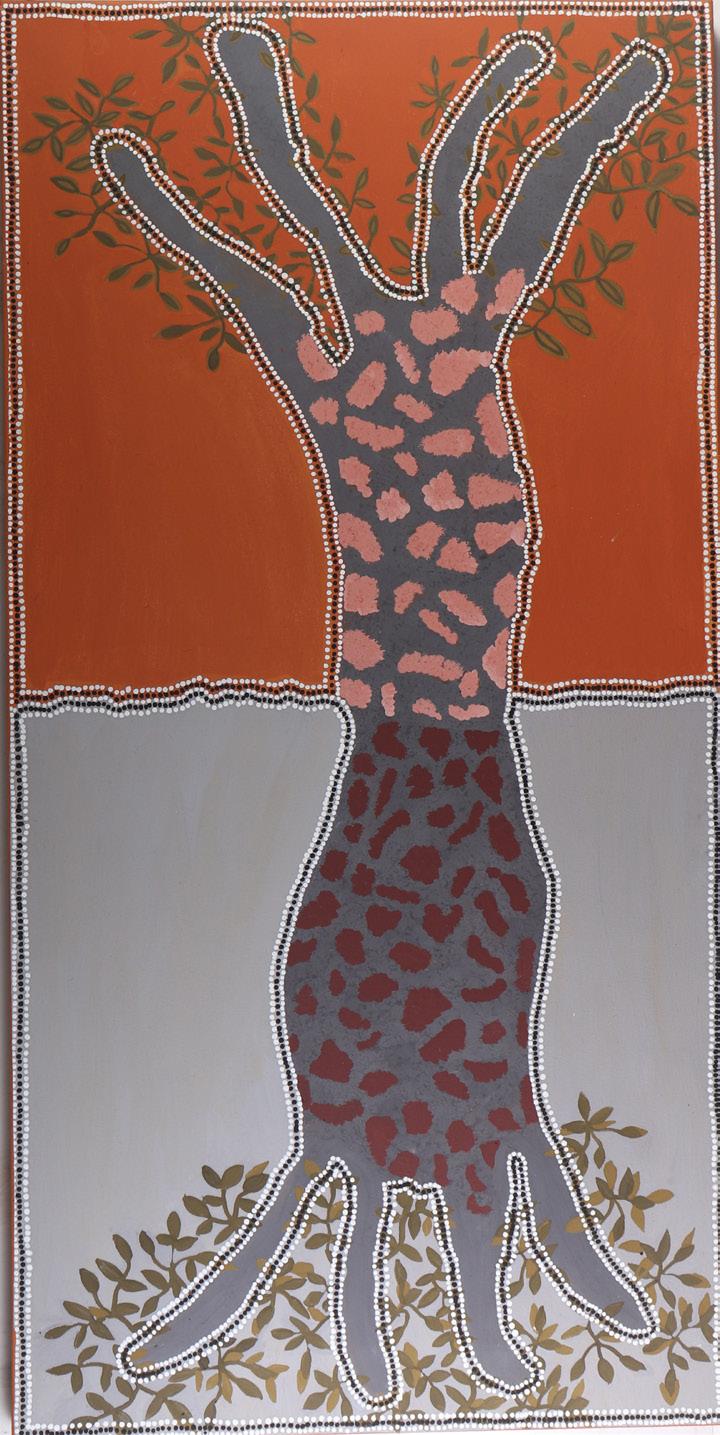
Dora will be presented in a solo exhibition at Godinymayin Yijard Rivers Arts and Culture Centre (GYRACC) in Katherine, opening 28th August and running until 9th October 2026.