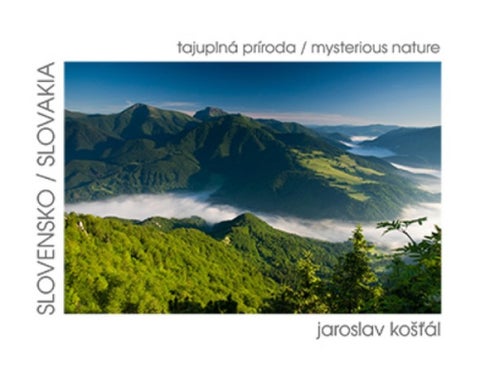
SLOVENSKO / SLOVAKIA tajuplná príroda / mysterious nature
jaroslav košťál
SLOVENSKO tajuplná príroda / SLOVAKIA mysterious nature Prvé vydanie, 2019 / First edition, 2019 Fotografie / Photographs: © Jaroslav Košťál Vydal / Published by: © RNDr. Daniel Kollár – DAJAMA, Bratislava Text: © Jaroslav Košťál Grafická úprava / Graphic design: Marianna Lázničková Jazyková korektúra: Rút Facunová Preklad / Translation: Hana Contrerasová Tlač / Print: NIKARA, Krupina Vydalo vydavateľstvo DAJAMA ako svoju 318. publikáciu. Published by DAJAMA Publishers as its 318th publication.
Všetky práva vyhradené. Nijaká časť tejto knihy nesmie byť reprodukovaná v akejkoľvek forme alebo akýmkoľvek elektronickým alebo mechanickým spôsobom bez predchádzajúceho písomného súhlasu vydavateľa. All rights reserved. No part of this book may be reproduced in any form or by any electronic or mechanical means without previous written permission from the publisher. ISBN 978-80-8136-105-0 RNDr. Daniel Kollár – DAJAMA, Karloveské rameno 4B, 841 04 Bratislava, tel.: +421 (2) 446 317 02, info@dajama.sk, www.dajama.sk
SLOVENSKO – príroda a krajina Príroda Slovenska je veľmi rozmanitá a bohatá ako málokde inde. Bolo prirodzené, že som sa skoro pustil do jej poznávania. Bola všade navôkol. Najskôr vo veľkej záhrade, kde som vyrastal a kde bol môj celý detský mikrosvet. Ten sa časom prirodzene rozširoval. Bolo to počas výletov s rodičmi, najčastejšie v Tatrách, neskôr na túrach organizovaných turistickým klubom a potom individuálne s kamarátmi, spolužiakmi, ale i pedagógmi, ktorí dali poznávaniu prírody vedecký rozmer. Mozaika poznávania sa postupne skladala, začal som chápať mnohé súvislosti, prírodné zákonitosti ako niečo v živote veľmi dôležité. Krásne chvíle zažité v prírode a nahromadené za niekoľko desiatok rokov sa už dostali hlboko pod kožu. Pamätám si, keď som ako mladý stredoškolák stál na Veľkom Rozsutci a vôkol videl veniec hôr, absolútne nevediac, čo sú to za hory. Alebo mrazivé novembrové rána na Ďumbieri, kde sme so spolužiakmi chodievali pozorovať východ slnka a kde som po prvýkrát zažil inverziu s morom oblakov podo mnou. Sedemnásty november 1989 som nič netušiac zažil na hrebeni zasneženej Malej Fatry, kde nás prichýlila úplne prázdna Chata pod Kľačianskou Magurou. Putovanie bolo kedysi spontánne, nebolo veľa informácií o horách, tak sme všetko spoznávali na vlastnej koži a pomocou všetkých zmyslov. Videli
SLOVAKIA – Nature and Landscape Nature of Slovakia is more varied and richer than anywhere else. It is then only normal that I decided to learn more about it at an early age. Nature was all around. First of all it was a big garden where I grew up. It was my micro world which soon started to expand thanks to the trips with my fathers. First in the Tatras and later on trekking tours organized by a tourist club and then individually with friends, classmates, and teachers who added a scientific dimension to what were mere trips. The mosaics of cognition gradually acquired a shape and I started to comprehend the natural laws as something very important for life. Beautiful moments experienced amidst nature piled over tens of years got deep under my skin. I remember when I, as a high school student, stood on top of the Veľký Rozsutec mt. and saw the wreath of mountains around me without knowing their names. I also remember the frosty November mornings at the Ďumbier mt. where I observed the sunrise in company of my schoolmates and where a saw for the first time the inversion with a sea of clouds beneath. I passed the 17th November 1989 on the ridge of the snow covered Malá Fatra mountains where we found shelter in the mountain cottage below the Kľačianska Magura not suspecting what was going on in the cities. Wandering used to be spontaneous, information about mountains was scarce, and we
sme krásne, doposiaľ neznáme lesy, hory, rieky, i doliny. Západy i východy slnka, pozorovali hviezdnu oblohu bez jediného rušivého svetla priamo zo spacieho vaku. Všímali sme si, ako sa na jeseň vyfarbujú listy buka, javorov, divých čerešní. Cítili sme vôňu lúčnych kvetov, pachy zvierat, ale často i vôňu táborových ohňov a ohníkov pri bivakoch. Počuli strašidelné zvuky nočných lesných príšer, svišťanie vetra nad tatranskými hrebeňmi i hukot vodopádov, či len žblnkot potoka, pri ktorom sa v prírode tak príjemne zaspáva. Ochutnali sme žeruchu horkú natrhanú na prameniskách, pacibuľky zubačky z dubového lesa, ktoré chutia ako malé kaleráby. O tom množstve zjedených čučoriedok, malín, ostružín, lesných jahôd a brusníc ani nehovoriac. Na laze v Štiavnických vrchoch sme ochutnali šípkovicu, ktorú nám ponúkol miestny lazník. Ohmatali sme chladnú tatranskú žulu, drsnú od lišajníkov, i teplý vyhriaty vápenec, vyhladený od topánok mnohých turistov, ktorí tade šli pred nami. Opatrne sme sa dotýkali ľadovej pominuteľnej výzdoby jaskýň. Žmýkali tiež rašelinník, z ktorého tiekla voda ako zo špongie. Častejšie ale ponožky z premočených vibrám. Kúpali sa v mnohých potokoch i jazerách, niekedy aj nedobrovoľne, opäť však častejšie vo vlastnom pote pri namáhavých výstupoch na kopce a hrebene s ťažkými batohmi na chrbte. Dozvedeli sme sa, ako dlho horí smrekové a ako dlho bukové drevo. Alebo čo urobí s krajinou a výhľadmi prechod studeného frontu na horách. Báli sa v búrke a počuli tú strašidelnú ozvenu blízkych hromov odrážajúcich sa od skál okolitých štítov. Vnímali sme originálnu prírodnú architektúru lesa – smrekového, bukového, dubového, vŕbovotopoľového. Uvedomovali si logiku reliéfu hôr, v ktorých kedysi trónil ľadovec, predstavovali si, ako asi vyzeral v tatranských dolinách. Dávali si do súvislosti s ním všetky tie stopy, ktoré zanechal – morény, guliaky, plesá, doliny v tvare U. V sopečných pohoriach bolo zasa na mieste premýšľať o dávnych sopkách, ktorých lávové prúdy, skalné mestá či kamenné moria a iné výtvory stále zdobia naše hory s vedomím, že to nie sú iba obyčajné skaly. Výnimočné zážitky pochádzajú aj z Veľkej Fatry, kde sme prespávali v opustených salašoch, ktoré mi pripomínali rozprávky o Kubkovi a Maťkovi. Zážitky sa kopili aj na nížinách, napr. pri člnkovaní na záplavách Latorice, kde nás miestni rybári naučili pitvať ryby, alebo na Senianskych rybníkoch, kde sme za úsvitu pozorovali vodné vtáctvo. Okrem všetkých zmyslov sme občas museli zapojiť aj ten šiesty, pomocou ktorého sme sa vymotali počas blúdenia na miestach, kde nebolo orientačných bodov. Našim pohľadom neunikli ani stopy človeka v prírode. Niekde vytvoril človek harmonickú krajinu, inde narušil krajinný ráz. Som rád, že som to všetko zažil. Ale vlastne dosť bolo rozprávania a spomínania. Ostatné je na fotografiách... Jaroslav Košťál
had to find out using all our senses. We saw beautiful forests, hills and mountains, rivers and valleys, sunsets and sunrises, we observed the starry sky without any alien lights right from the sleeping bags. We observed how the leaves of beech, maple or cherry trees changed their colour in autumn. We sensed the fragrance of meadow flowers, animal scents but also the smell of camp fire or of a little fire next to the bivouacs. We listened to scary sounds of night monsters, to a wind swishing above the ridges of the Tatras and the roaring waterfalls or the murmur of a brook which sounds like a lullaby. We tasted the common pepperweed growing next to the springs, the bulbs of the coral root tasting like a kohlrabi, not to mention the piles of eaten bilberries, raspberries, strawberries, and cranberries. In a hamlet in the Štiavnické vrchy mountains, one of the locals offered us a tot of rosehip liquor. We felt the cool granite covered by lichen and the warm limestone smoothed out by shoes of many tourists that passed by. We also carefully touched the perishable ice ornamentation in the caves, squeezed the peat moss like a sponge, but more often it was our socks of the drenching trekking shoes. We bathed in many brooks and lakes sometimes involuntarily but also in sweat while wearily climbing the hills and ridges bent under heavy backpacks. We learned how long the spruce or the beech wood burns and we knew what the passing cold front in the mountains may do to the landscape and the views. We feared the storm and listened to the gruesome echo of thunders amidst the circle of peaks. We perceived the original natural architecture of forest, either spruce, beach, oak or willow-poplar woods. We realized the logics of the mountain relief covered by a glacier in the remote past and tried to imagine it in the valleys of the Tatras. We identified its trails left here: moraines, boulders, tarns and U-shaped valleys. In volcanic mountain ranges one thinks of disappeared volcanoes , lava streams, rock cities or rock seas and other forms which decorate our mountains realizing that they are more than common stones. The Veľká Tatra mountain range offered us some extraordinary experience when we passed the nights in abandoned sheep huts reminiscent of the childhood fairy tales about shepherds Kubko and Maťko. We also lived not less exciting adventures in lowlands, for instance, when boating down the Latorica River during floods when the local fishermen taught us to disembowel fish or at the Senné ponds where we observed birds at daybreak. Apart from all our senses we also had to rely on the sixth sense which helped us when we went astray in a terrain with no orientation points. Traces of humans in nature were also conspicuous. While in some places the humans created harmonious landscape, it was not so in other. I am glad to have it lived. But enough talking and remembering. All the rest is in the photographs... Jaroslav Košťál
Hory sú symbolom slobody, málo narušenej prírody, kde človek nájde stratenú rovnováhu, dobije baterky. Horská krajina Západných Karpát a kúsoček z Východných Karpát, ktoré zasahujú na územie Slovenska, sú ťažko skúšané. Vplyv prírodných živlov v kombinácii s negatívnymi ľudskými zásahmi vidieť aj v horách. Zároveň ale existujú ešte stále v slovenských horách nedotknuté miesta, kde nestretnete živú dušu a kde tá naša pookreje. Kde sú krásne zákutia, výhľady, kde sa človek cíti šťastný v lone prírody, kde sa môže kochať svojskou prírodnou architektúrou, ktorá môže byť pre neho dôležitou inšpiráciou. Kde má možnosť pocítiť silu prírodných živlov, pochopiť prírodné zákonitosti, ktoré sú nad človekom. Z hôr nedovidieť na ľudské trápenia, ktoré sme zanechali – tam dolu. Máme možnosť navštíviť hory takmer všade na svete, ale tie slovenské (karpatské) sú naše a to im dáva dôležitú pridanú hodnotu. Skúmavý človek môže v nich objavovať nepoznané, zažiť ten lákavý pocit svojich vlastných objavov, keď nájde rastlinu, ktorú ešte inde nevidel, alebo stretne napr. kamzíka zoči-voči, keď má pocit, že je to blízky tvor, kamarát. Mountains symbolize freedom, virgin nature where the humans recover the lost balance, where they charge their batteries. The mountain landscape of the Western Carpathians and a bit of Eastern Carpathians in the territory of Slovakia are solely tried. The effect of elements combined with negative human interventions is also quite obvious in the mountains. However, intact places where you do not meet a soul and yours would recuperate still exist in the Slovak mountains. They offer beautiful nooks where one feels happy in the womb of nature admiring the inspiring natural architecture. There are places where one feels the power of elements and comprehends the natural laws that are beyond us. Once in the mountains, your worries and fears are left down. One can visit mountains all over the world but the Slovak, the Carpathian mountains are ours and that is their added value. Curious person may discover the unknown and experience that attractive feeling of own discovery when you find a plant never spotted before or when you meet face to face, for instance, with a chamois and feel that it is a fellow creature.
HORY MOUNTAINS
Malý Manín vypínajúci sa nad Manínskou tiesňavou v Strážovských vrchoch The Malý Manín mt. towering above the Manínska tiesňava narrow in the Strážovské vrchy mts. 8
Pohľad z Veľkého Manína na Strážovské vrchy View of the Strážovské vrchy mts. from the Veľký Manín mt. 9
Jedno mrazivé novoročné ráno na Strážove A frosty New Year’s morning at Strážov 10
Zimné Strážovské vrchy v okolí Zliechova Winter in the Strážovské vrchy mts. near Zliechov 11
Na vrchole Temešskej skaly v Strážovských vrchoch At the top of the Temešská skala rock in the Strážovské vrchy mts. 12
Hrad Uhrovec obkolesený lesmi Strážovských vrchov The Uhrovec castle surrounded by the forests of the Strážovské vrchy mts. 13
Súľovské skaly Súľovské skaly rocks 14
Bučina pod Rokošom Beech wood below the Rokoš mt. 15
Z inverzných hmiel vystupuje pohorie Vtáčnik The mountain range of Vtáčnik emerging from inversion mist 16
Jesenné hmly v údoliach Tribeča Autumn mist in the valleys of the Tribeč mts. 17
Staré dubiny na jednej z mnohých kremencových hôrok Tribeča Old oak woods in one of the many quartzite hills of the Tribeč mts. 18
Aprílový srieň na vrcholových bučinách „listnatej kosodreviny“ na vrchole Vtáčnika April rime on the oak woods of “leaved dwarf pine stand” at the top of the Vtáčnik mt. 19
Krajina južnej časti Štiavnických vrchov v okolí Jabloňoviec Landscape in the southern part of the Štiavnické vrchy mts. around Jabloňovce 20