How Lo’i Kalo is Restoring Community and Climate
A Zine
by Kayla Moani Huitt

by Kayla Moani Huitt
OntherainyeastsideofOʻahu,Hawaiʻi,anancientpracticeis growingbackafterdecadesofsystemicoppression:loʻikalo,or irrigatedtarosystems.
KākoʻoʻŌiwiisoneofthe manyorganizations leadingtheHawaiian ahupuaʻaland managementsystemto helphealaregionshaped bymismanagementand exploitation,whilebringing thecommunityalong througheducationand socialprograms Their workdemonstrateswhat canhappenwhenwe understandour environmentaspartofour family,andwhyinvolving familiesandchildrenin sustainablelivingisso essential.
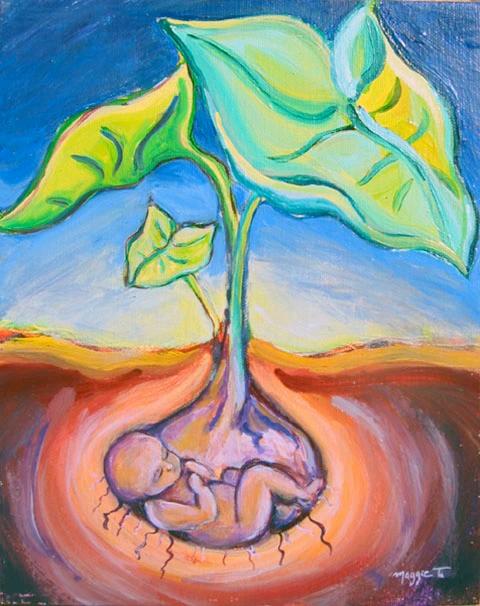
InHawaiianmoʻolelo (stories),Wākea(Sky Father)and Hoʻohōkūkalaniwanteda child,butwhenthey conceived,thechildwas stillborn.Theyburiedhimin theearth,andfromthat placeasmallshoot emerged Itwas Hoʻohōkūkalani’stearsthat wateredherchildand helpedhimgrowintoa strongkaloplant

Later,theyhadasecondchildnamedHāloa,thefirstHawaiian man,whobecamethecaregiverofhiselderbrother,whointurn wouldnourishhimandthegenerationstocome
ThisstoryreflectsthedeepsignificanceofkaloinHawaiianculture
InHawaiʻi,kaloisgrowninirrigatedsystemscalledloʻikalo,where KanakaMaoli(NativeHawaiians)continueacycleofcarefortheir elderbrother,fortheland,andforfuturegenerations Itiswhere onelearnstomālamaʻāinaorcareforthelandandthe environmentthroughpracticeandrelationship
Thiscycleofrespectforland,people,andtraditionenduredforgenerationsuntilthecultural destructionthatbegansoonafterCaptainJamesCookarrivedin1778.AfterCookandother foreignersarrivedinHawaiʻi,muchoftheloʻikalolandwastakenandconvertedintosugarcane andpineappleplantations.ThisplantationeconomyleftKanakaMaoliwithlittlespacetocontinue theirownsystemsoffoodandlandstewardship.Later,whenthesugarindustrymovedonin searchofcheaperlabor,manyoftheseonce-cultivatedlandswerelefttodry,became grasslands,orweredevelopedfortourismandurbansprawl.
Today,loʻikaloisbeingrestoredacrossHawaiʻiby organizationsandculturalleadersworkingtoreconnect peoplewiththelandandHawai’i’sancestralroots.
TheseeffortsareespeciallyimportantforempoweringHawaiiancommunitieswhoseculturewas nearlyerasedbycolonizationandmissionarycontrolinthedecadesfollowingCook’sarrival
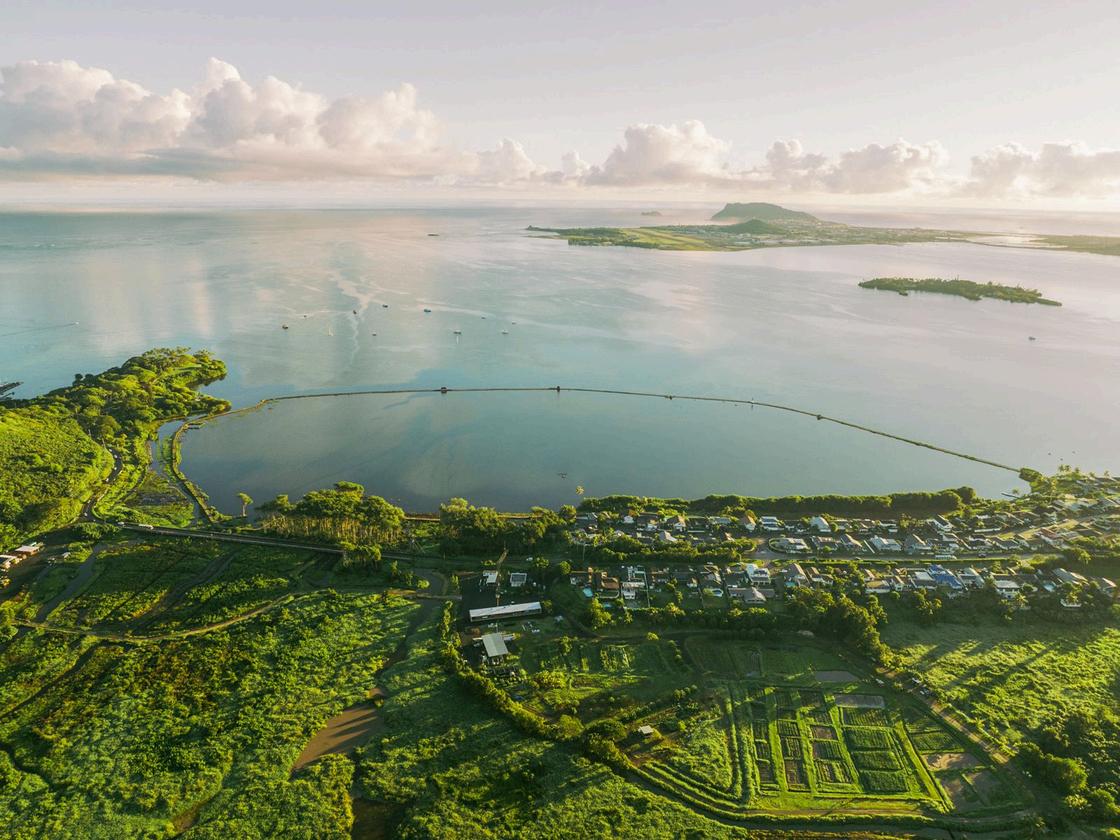
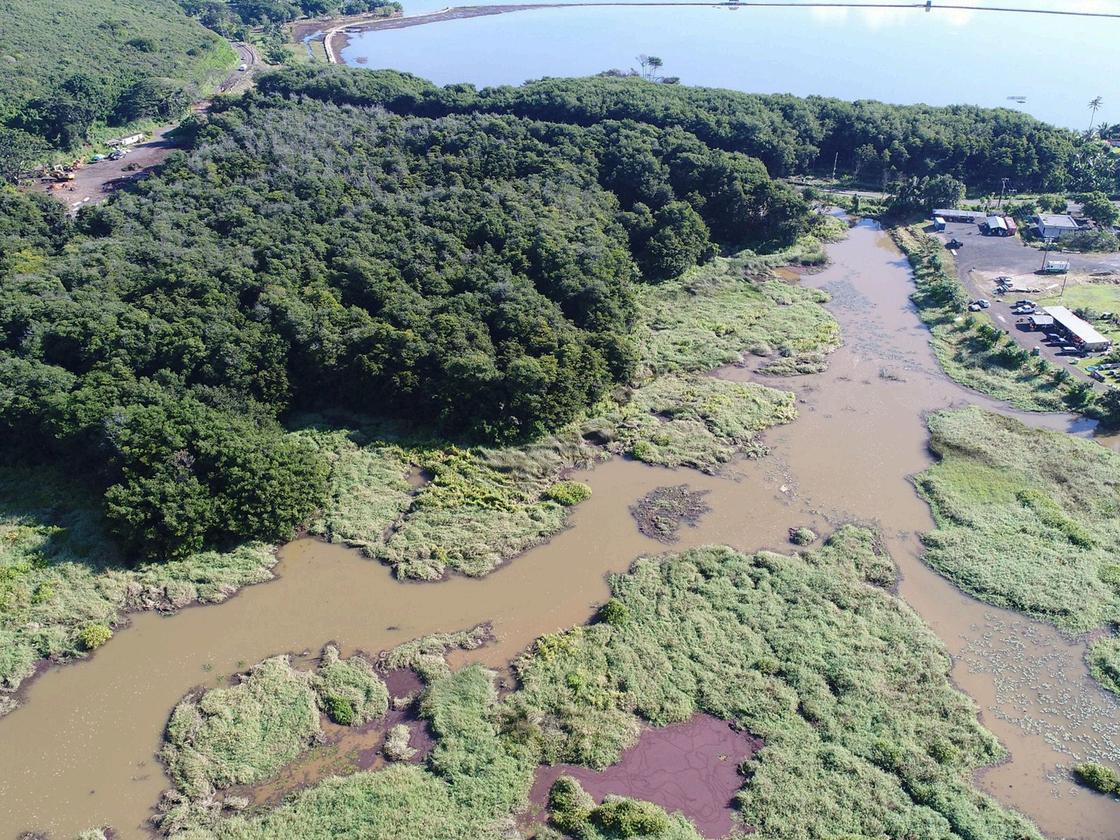
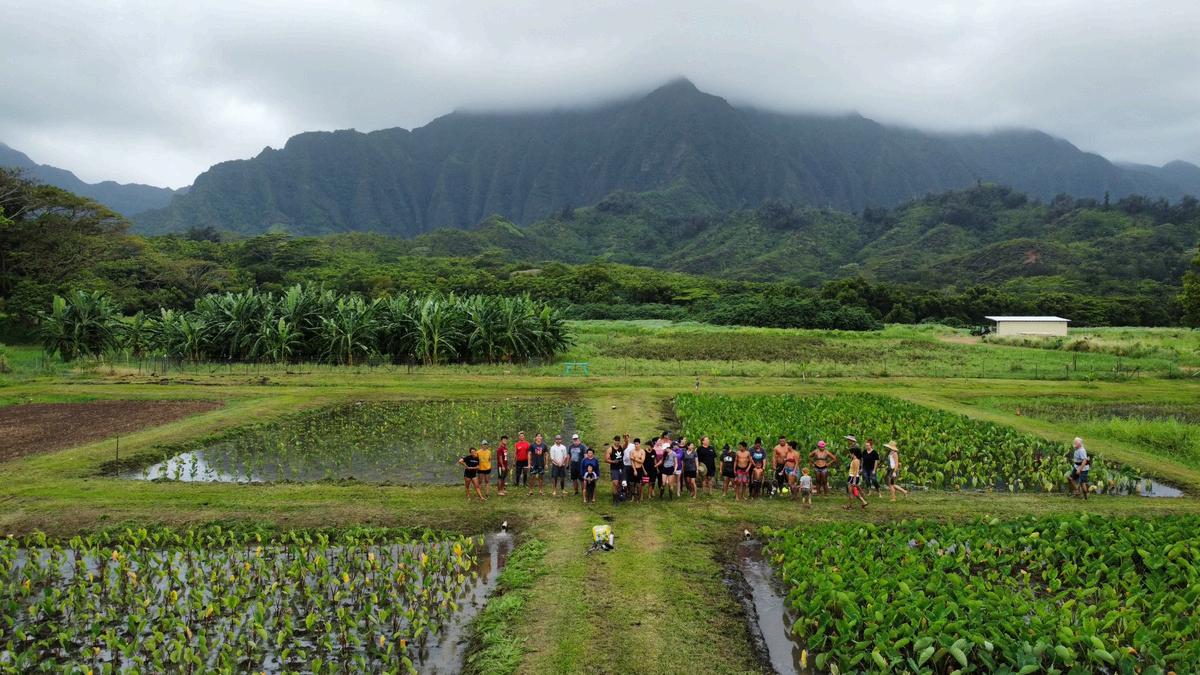
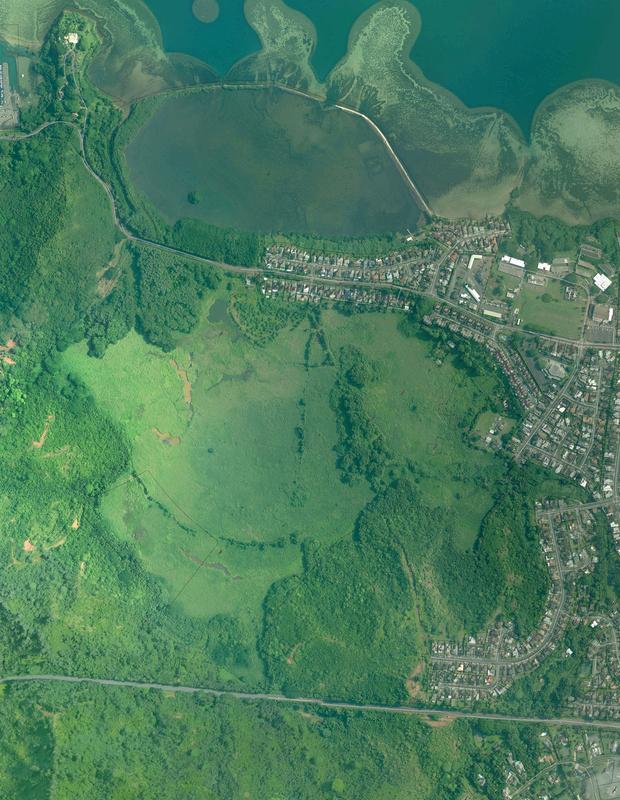
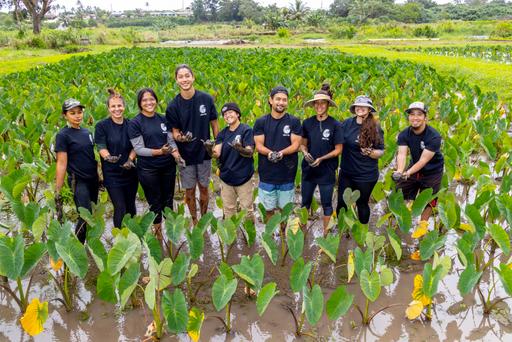
KākoʻoʻŌiwi,basedinKāneʻoheonOʻahu,isoneoftheseorganizations.Theyareworkingtorestore 405acresoflandoncefilledwithloʻikalo,nowovertakenbyinvasivespeciesthatblockwaterflow anddisrupttheecosystem.Thislandwasoncepartofalargerahupuaʻasystem,Hawaiʻi’s traditionallanddivision,whichsupportedvastagriculturalandecologicalnetworks.KākoʻoʻŌiwiis transformingthisareaintoa“livingclassroom,”whereʻohana(families),kūpuna(elders),and keiki(children)reconnectwiththeʻāina(land,environmentalsystem)throughhands-on restoration Participantsoftenspeakaboutthehealingtheyexperience,notjustphysically,but emotionally Restoringlandbecomesawayofrestoringself
Thishighlightstheimportanceofculturewithinclimateconversations Whilemanyenvironmental strategiesfocusonmeasurableoutcomes,loʻikaloremindsusthatsustainabilityalsocomes fromemotional,spiritual,andancestralconnections Theseintangiblevaluesalsocontributeto tangiblechangeovertime
ThebioculturalrestorationinKāneʻoheisapowerful exampleofhowhealingthelandcanalsohealidentity, andwhythiskindofculturalinvestmentdeservesmore attentionandresearch.
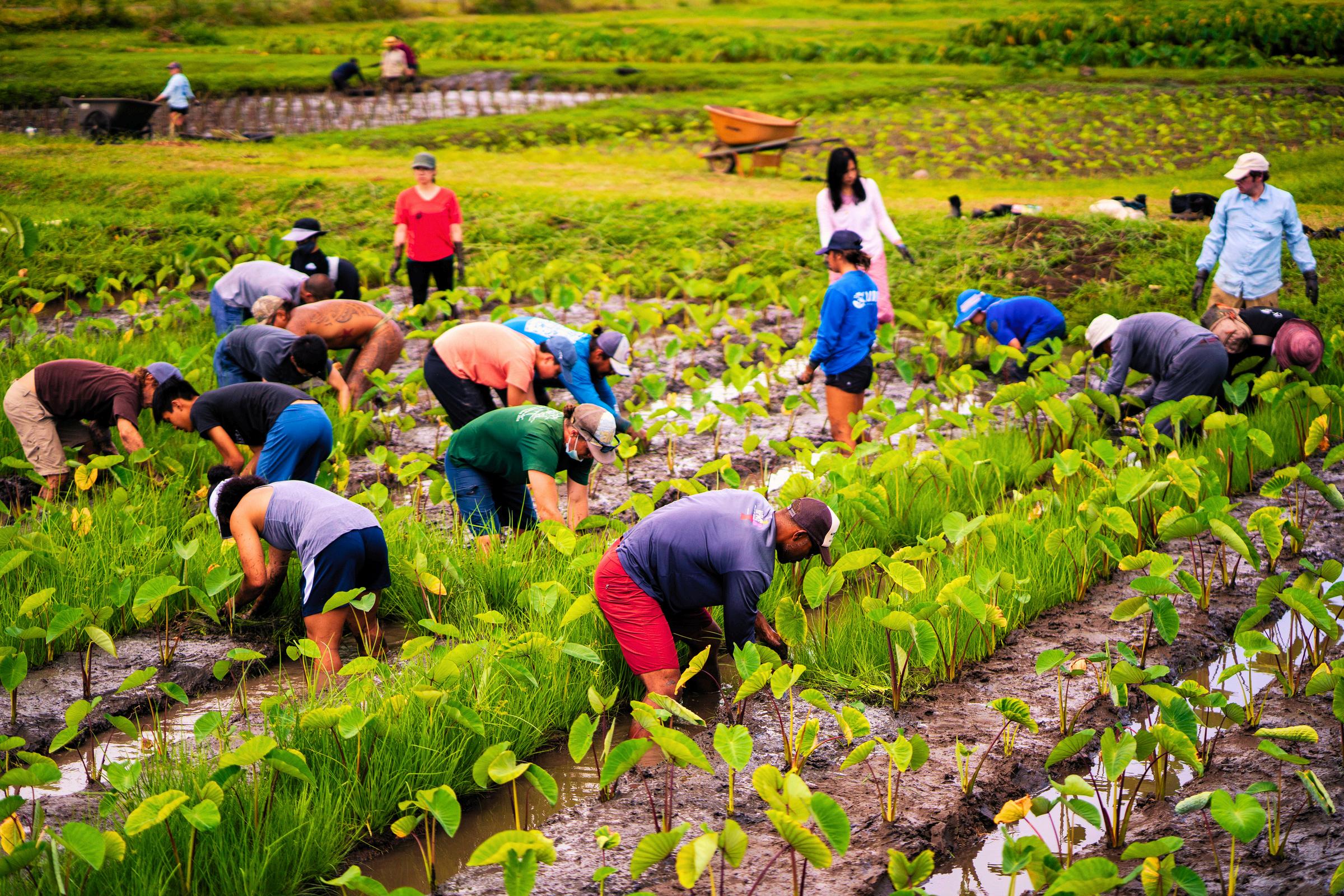
Therestorationofloʻikaloisn’tjustrestoringculturalidentity,it’s buildingamoreresilientandsustainablesociety.Thesesystemsare shapedtofollowthenaturalflowoftheland,slowdownwater,filter sediment,andcreatespaceforbiodiversitytoreturn.
InKāneʻohe,researchershave alreadydocumentedthese effects.In2018,researchers partneredwithKākoʻoʻŌiwito evaluatefutureloʻikalo restorationscenariosthrough thelensofcultural,ecological, andeconomicoutcomes,as wellasHawaiʻi’sbroader sustainabilitygoalsforfood, energy,andwater.Theyfound thatloʻirestorationeffortsat KākoʻoʻŌiwireducedsediment runoffby38%,helpingprotect coralreefsandmarinelife downstream Theorganization’s founderanddirector,Jonathan KanekoaKukea-Shultz,also notedthatasingleacreof restoredloʻicanstoreandfilter over30milliongallonsof freshwaterduringonestorm event.
Thesearen’tnewtechnologies, they’reIndigenousknowledge systemswithalonghistoryof reciprocityandtangibleeffects. Andinatimeofrisingseas, flashfloods,andbiodiversity loss,they’remoreimportant thanever.
Restoringloʻialsomeansremovinginvasivespecieslike mangroveandumbrellasedge,whichclognativewetlands andcutoffnaturalwaterflow.Asloʻinetworksexpand, nativespecies,includingbirdsliketheendangeredʻAlaeʻUla, returntotheland.
Loʻikalodoesn’tjustfeedus.Itstrengthenstheentire ecosystem.Ithelpsthelandholdwater,protectsthecoast, andbuildsresiliencefrommaukatomakai,fromthe mountainstothesea.
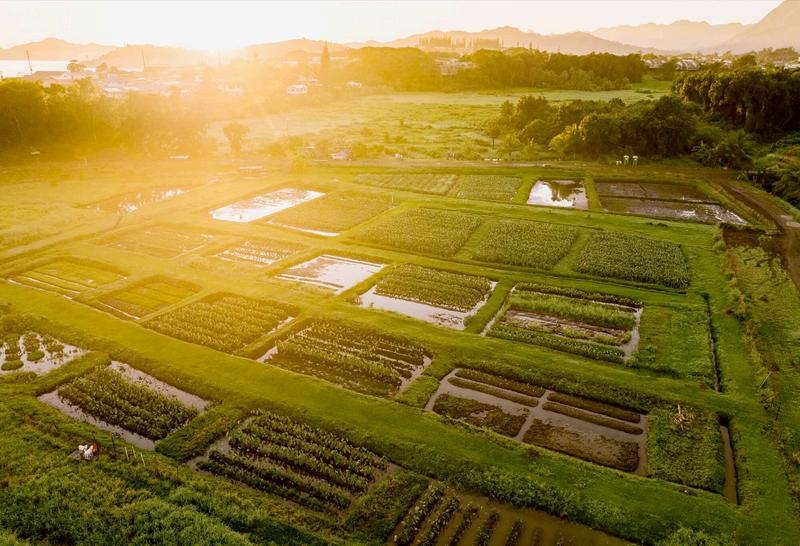
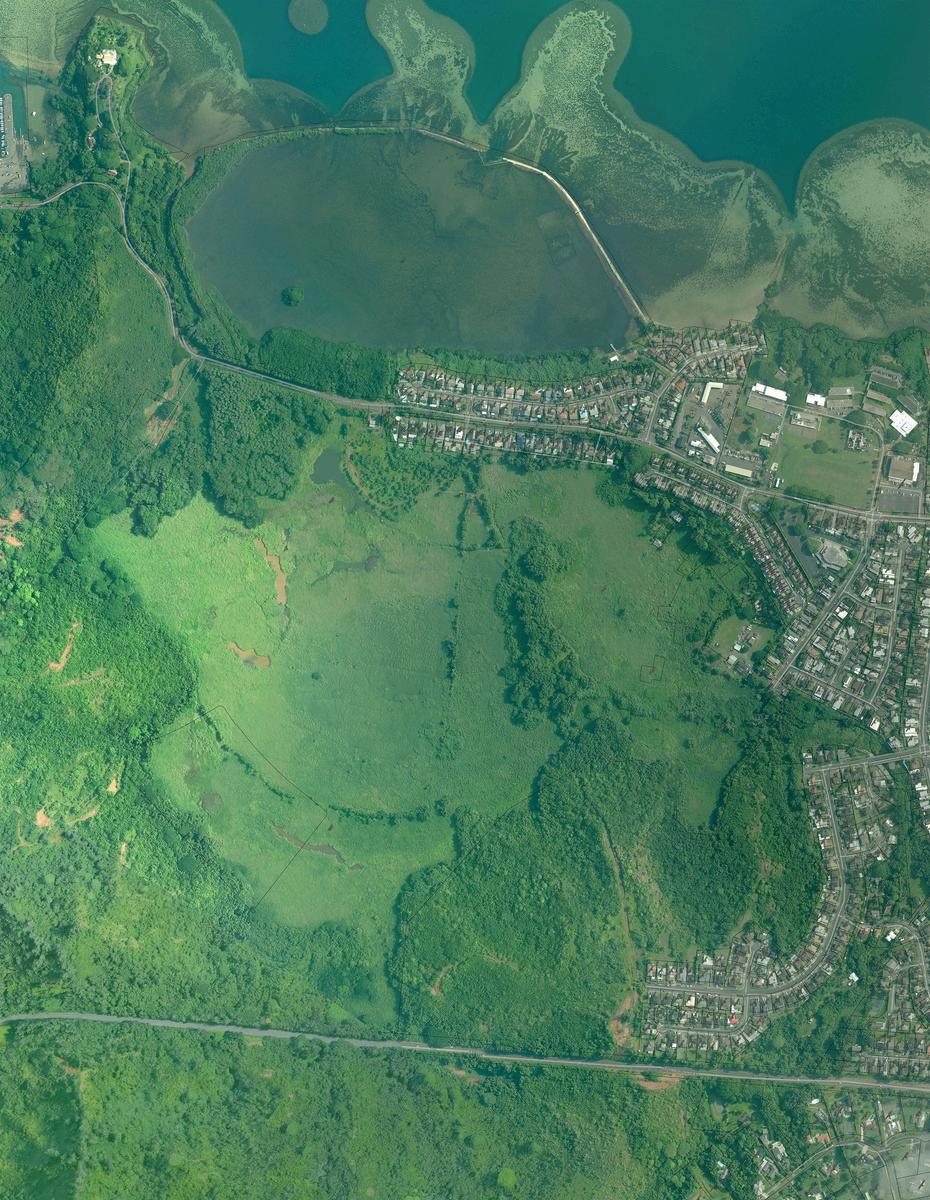
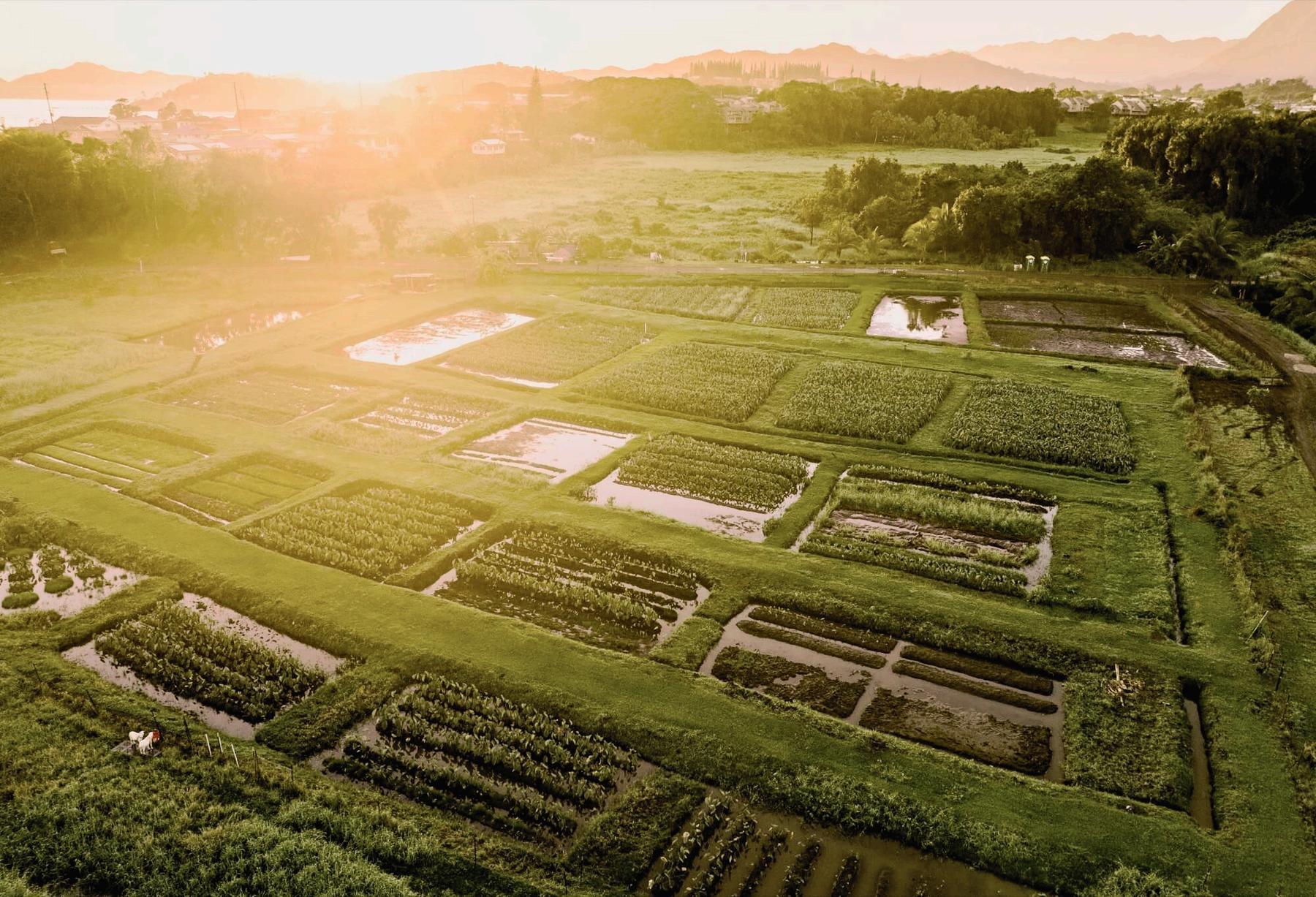
TheAhupuaʻa system, Hawai‘i’s traditionalland division supportedvast agricultural andecological networks.
HereKanaka Maolicultivated stapleslike kalo,ʻuala (sweetpotato), andʻulu (breadfruit), thatfedlarge populations.
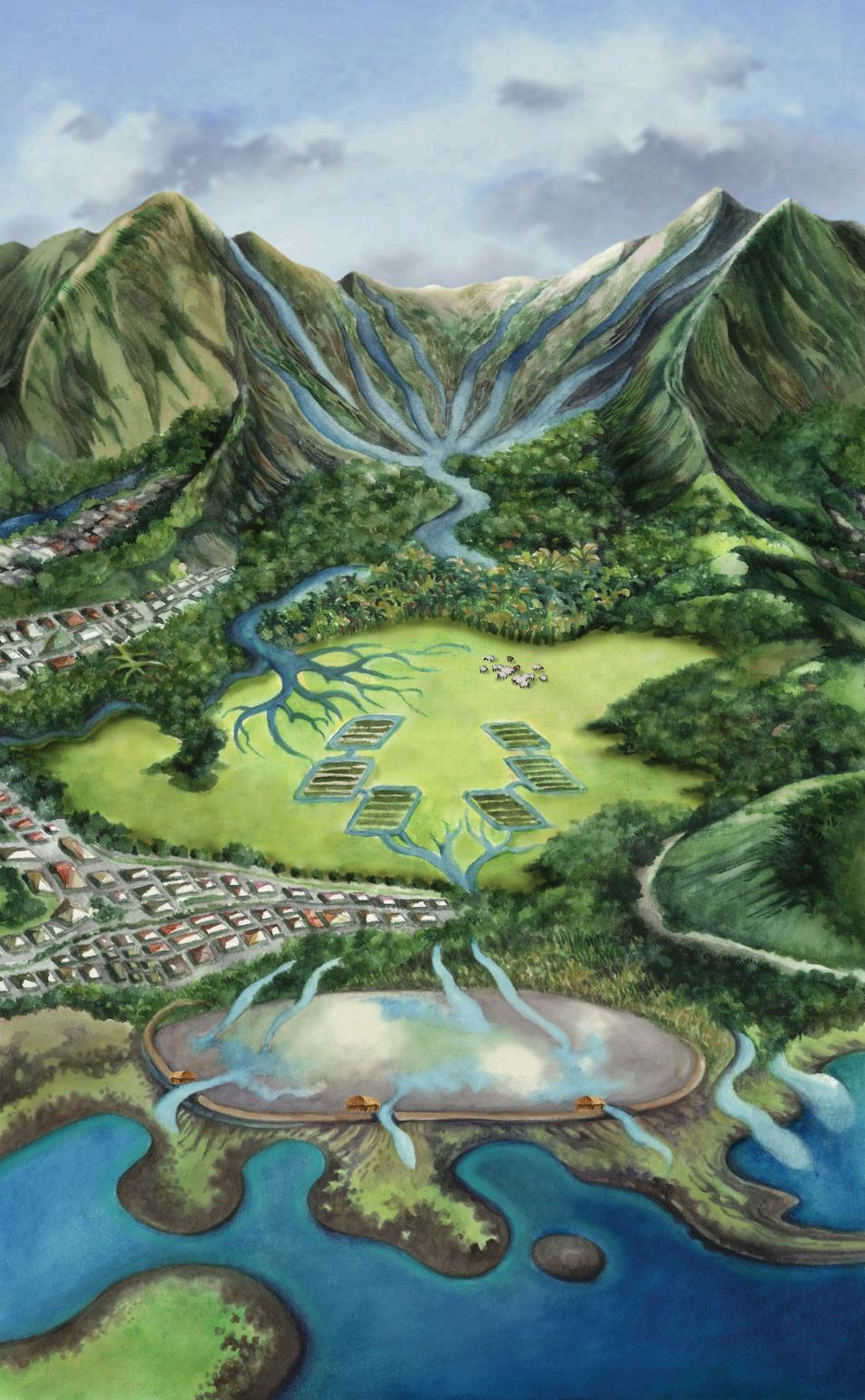
Beforecolonization,Hawaiʻi wascompletelyselfsustaining.KanakaMaoli cultivatedvastagricultural systems,growingstapleslike kalo,ʻuala(sweetpotato), andʻulu(breadfruit),thatfed largepopulationsusing ecologicaldesign.
Today,however,thatbalancehasbeen broken.Hawaiʻinowimportsover85%of itsfood.Thisrelianceonoutsidesystems createsvulnerabilities,especiallyintimes ofclimateuncertainty,risingshipping costs,andsupplychaindisruptions.But thepotentialtogrowfoodlocallystill exists.
A2021studysupportedbyKamehameha Schoolsfoundthatnearly250,000acres oflandinHawaiʻiarestillsuitablefor Indigenousagriculturalsystems With investmentandrestoration,traditional foodsystemscouldyieldover1million metrictonsoffoodannually,sufficientto significantlyreduceHawaiʻi’sdependence onimports
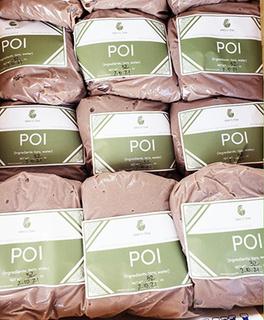
AtKākoʻoʻŌiwi,foodproductionisalready partoftherestorationwork.Inadditionto restoringtheland,theorganizationgrows andprocesseskalo,trainsnewfarmers, andproducestraditionaldisheslikepoi andkūloloforlocalcommunities.Their worksupportsalocalfoodeconomy rootedinculture,ratherthanmainland corporations.
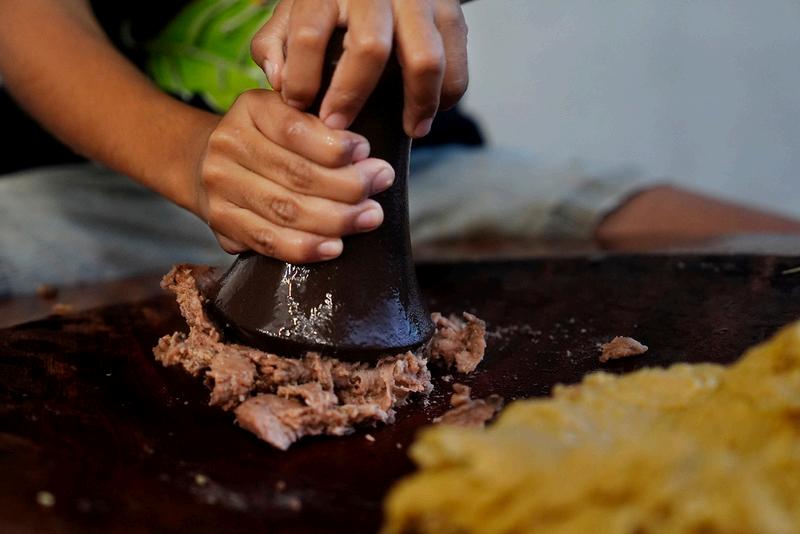
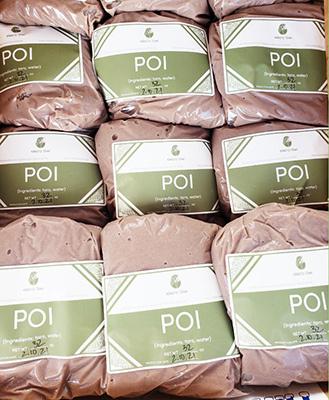
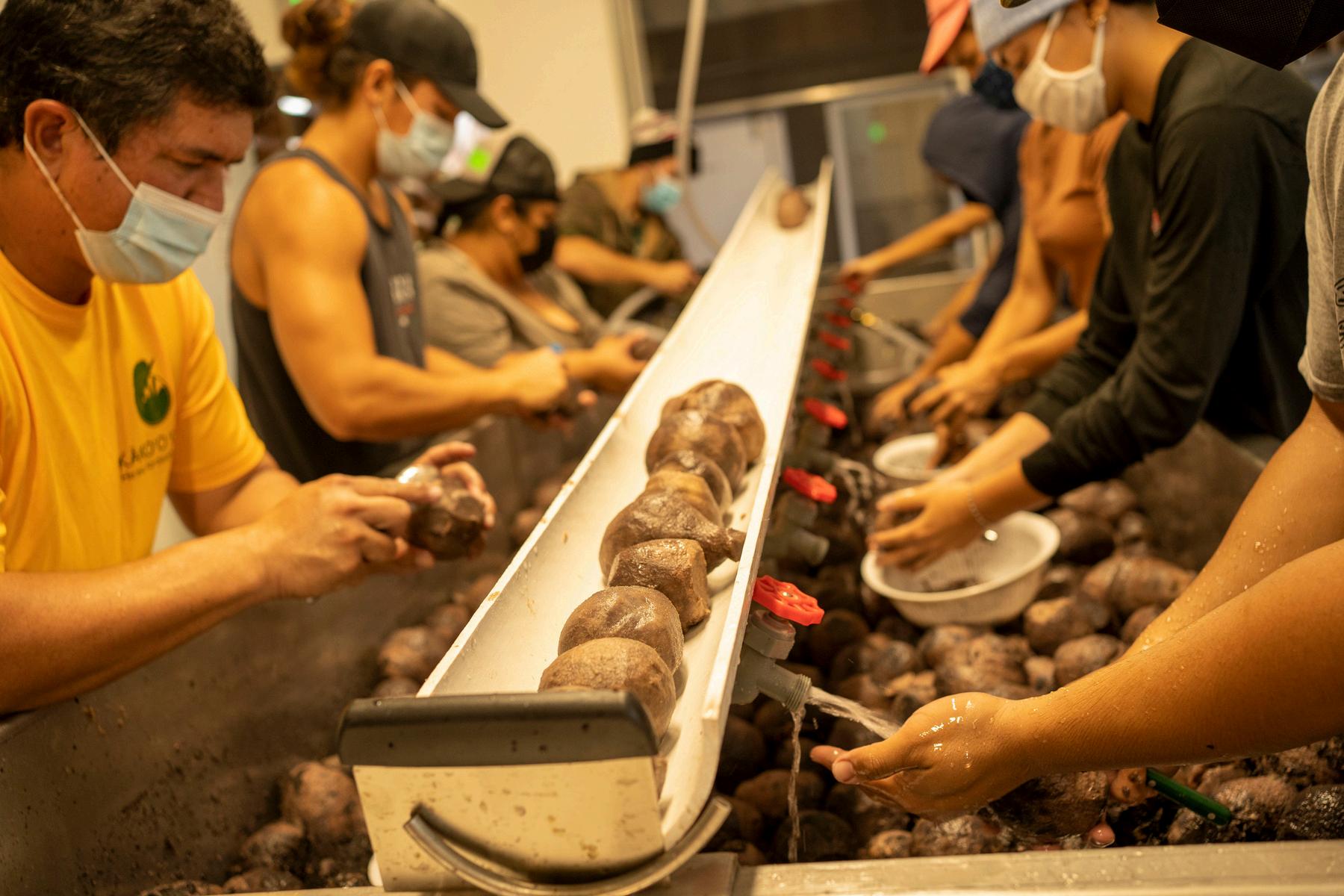
Foodsovereigntymeanshavingmorethanaccesstofood.It meanshavingtheabilitytogrowwhatnourishesyourpeople entirely,physicallyandemotionally.Inthisway,Loʻikalo systemsaremorethanfarms,butplaceswherefood,family, andfuturecometogethertobecomestrongerandmore resilientinthefaceofachangingclimate.
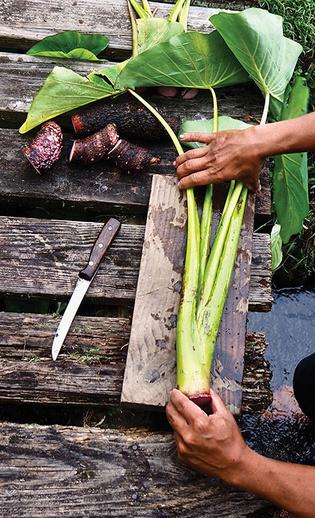
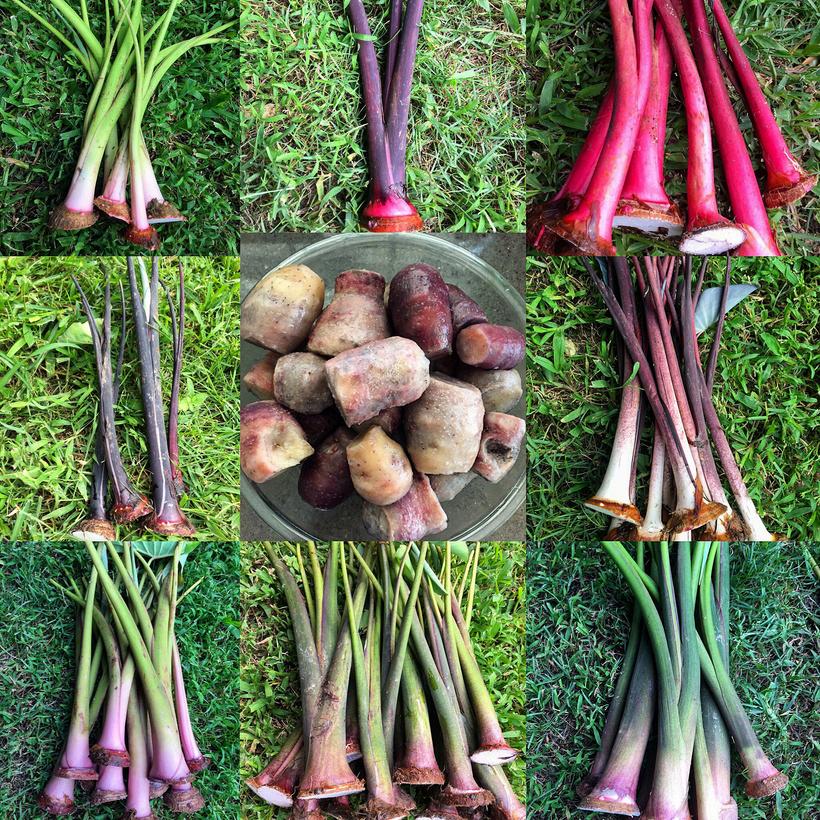
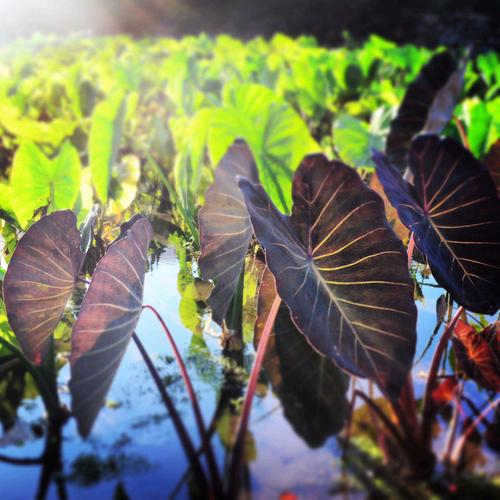
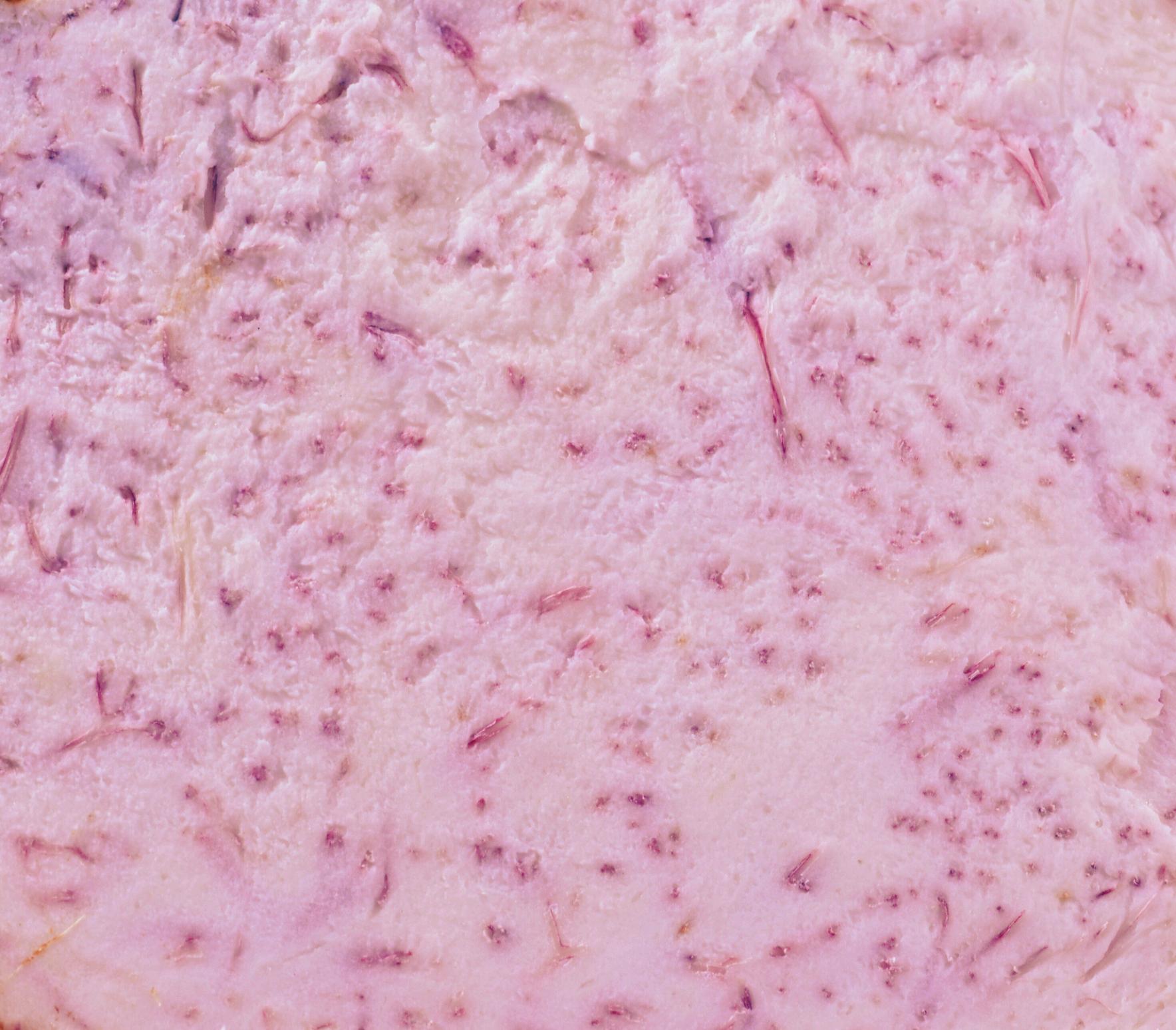
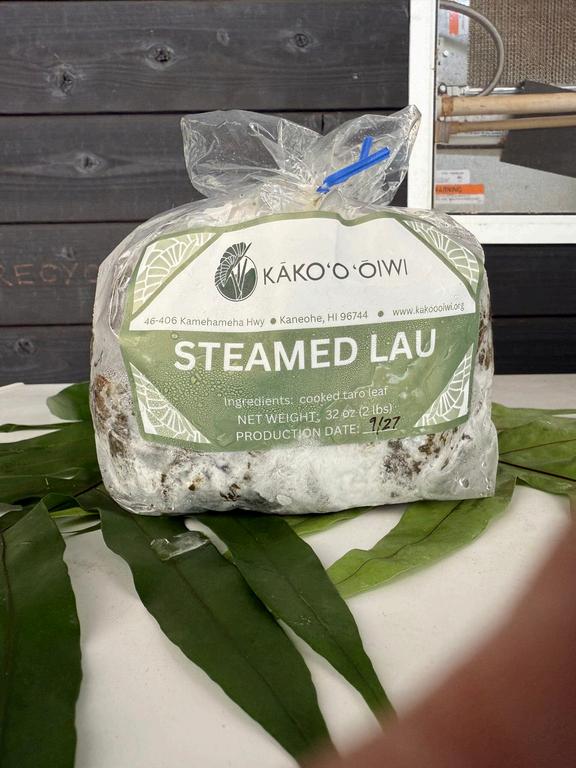
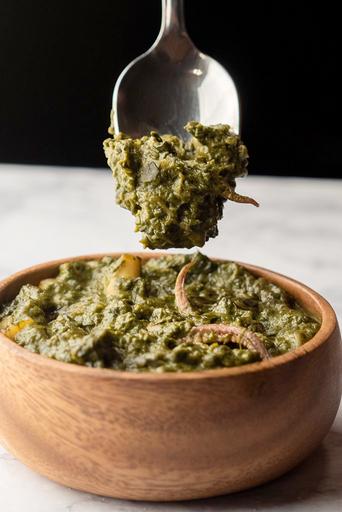
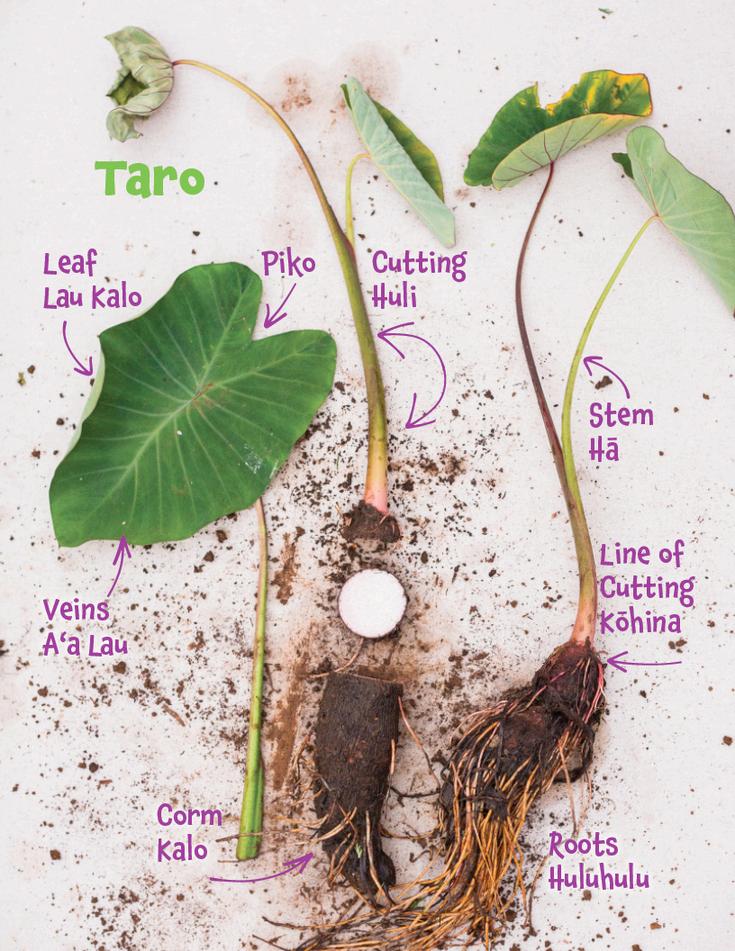
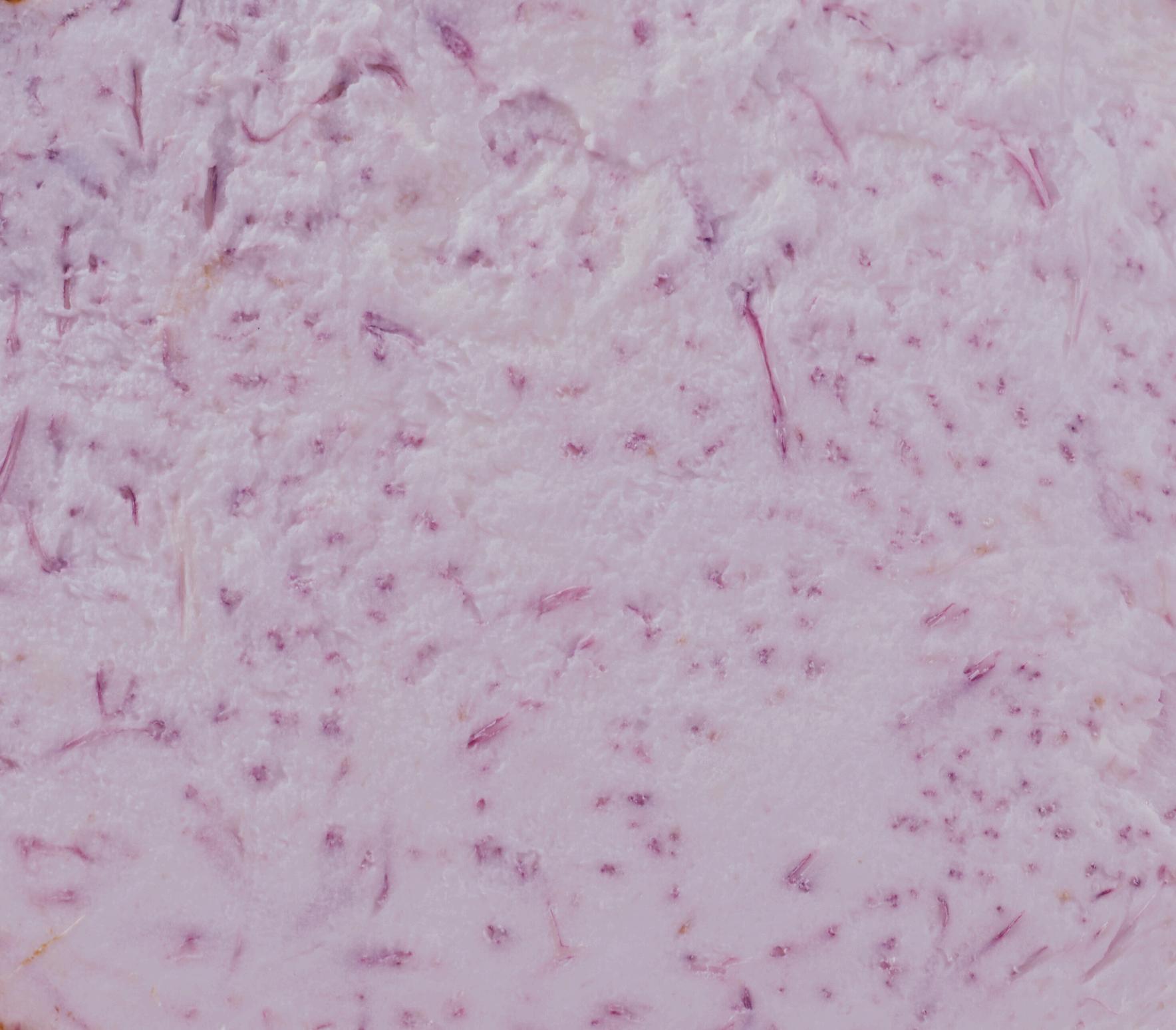
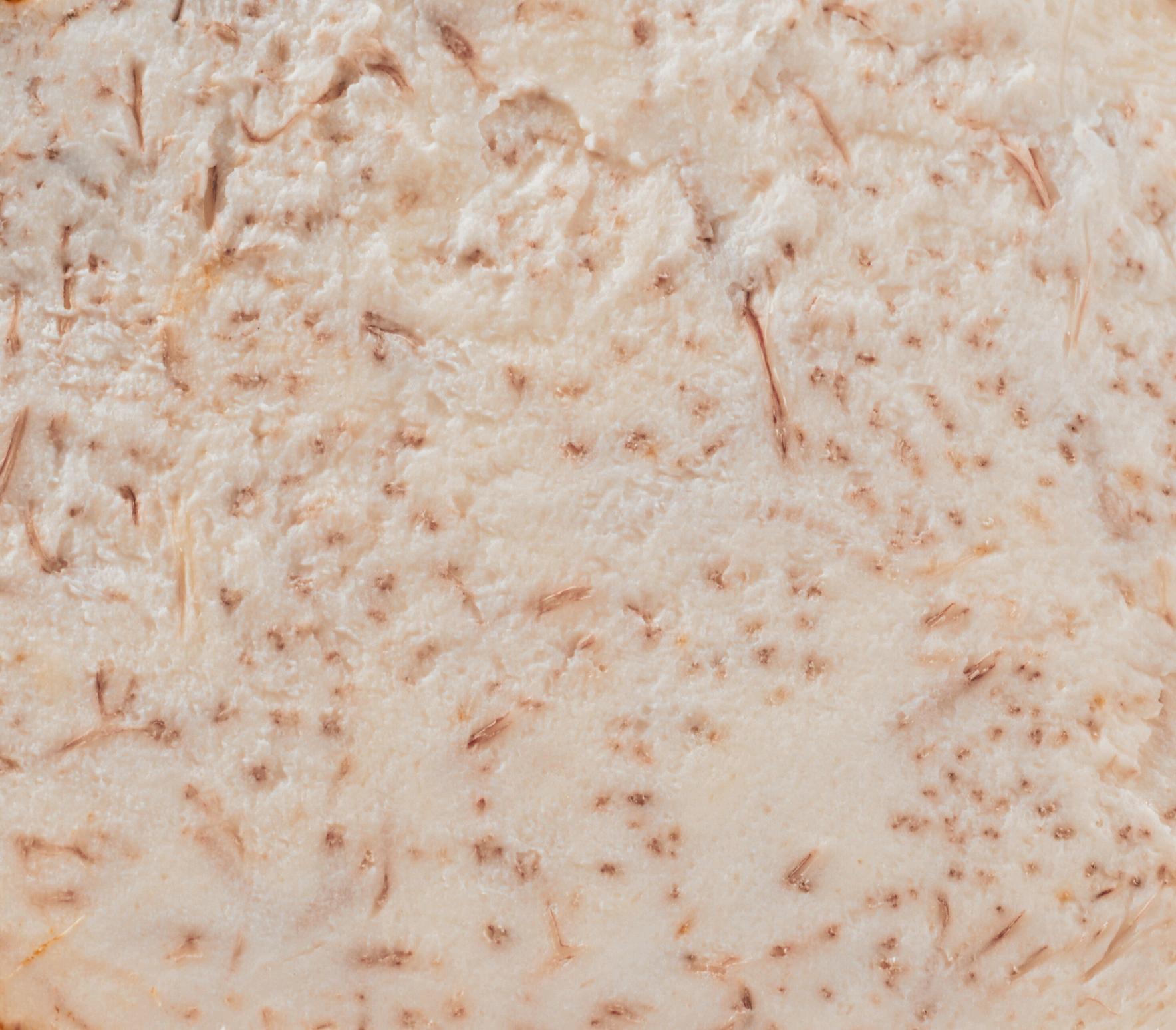
Everypartofthekaloplantisedibleafter beingfullycooked!Steamtheleavesforlau lau,poundthecormforpoi,andaddthestem tolu'austew!
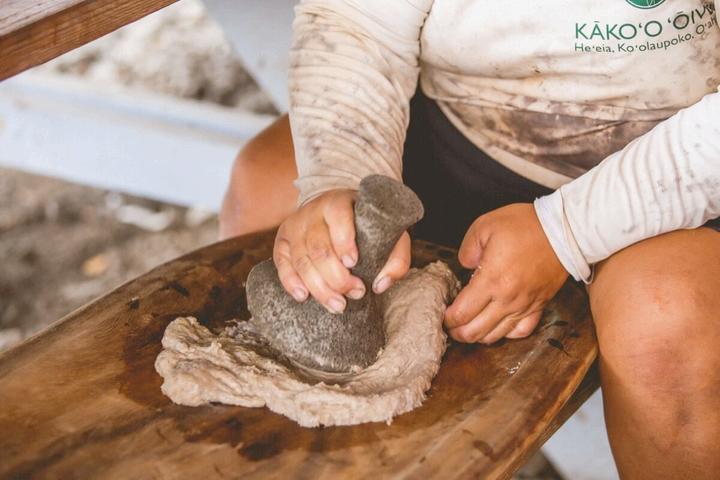
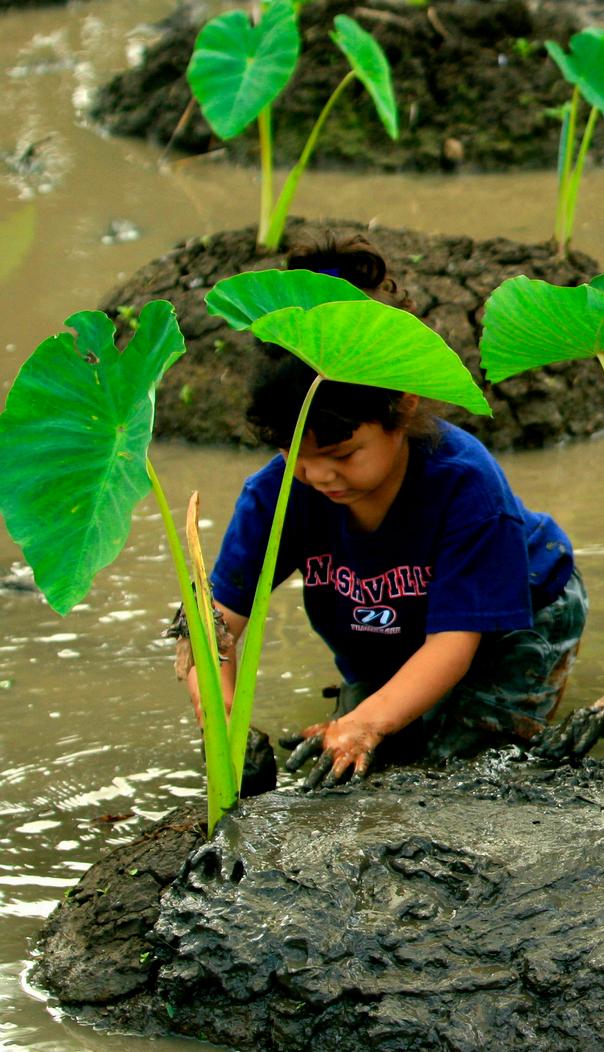
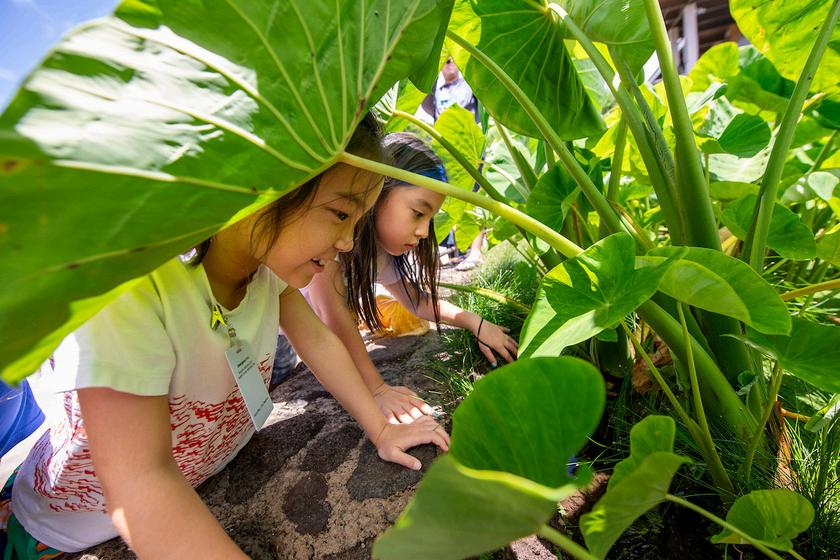
WhenIwasachild,Ivisitedaloʻionaschoolfieldtrip.Idon’t remembertheexactlessonplan,butIdoremembergettingdown anddirty,trompingthroughthemudwithmyclassmatesand kūpuna(elders).
Atthetime,IwasunawareofthestoryofHāloa Ididn’tknowwhatitreallymeanttomālamaʻāina (carefortheland) Ijustknewitfeltrighttobeinthemud,gettingmyhandsdirtyandconnecting withtheland,myfriends,andsomethingdeeperIdidn’tyethavethewordsfor
Somethingincredibleaboutthekaloplantisitsabilitytoreproducecontinuously.Whenyoupulla maturekalo,thereareoftenʻohā(shootsor“children”)growingfromthemainroot.Thesecanbe cutandreplanted,continuingthecycle.
It’sbeenyearssinceIlastvisitedthatkalofarm,butthatmemoryhasstayedwithme.Likethe ʻohā,itwasanimpressionor“seed”thatgrewintosomethingnew:awayofseeingtheworldand understandingwhereIfitwithinit.Irecognizethatmomentnowasmorethanjustafieldtrip.It wasarelationshipformingbetweenme,mycommunity,andtheenvironment.
ButnoteverychildinHawaiʻi,oronthecontinent,getsanexperience likethat.AsIresearchedloʻikaloanditsimpactsoncommunityand theenvironment,Inoticedagap:veryfewstudiesfocusonhow earlyʻāina-basedorland-basedexperiencesshapeachild’slongtermvalues,identity,orclimateawareness.
WhatIdoknowisthatgettingmuddyhandsmatters Notjustforculturalsurvivalor environmentaleducation,butforfosteringstrong,lastingrelationships Relationshipsbetween landandchild,practiceandidentity,pastandfuture
KākoʻoʻŌiwialreadyoffersschoolandfamilyprogramsthatconnectchildrentotheloʻi Kidscan pullkalo,helpcleanandprocessit,andlearnhowtoturnitintosomethingedible These programsaremorethaneducational,they’refoundational
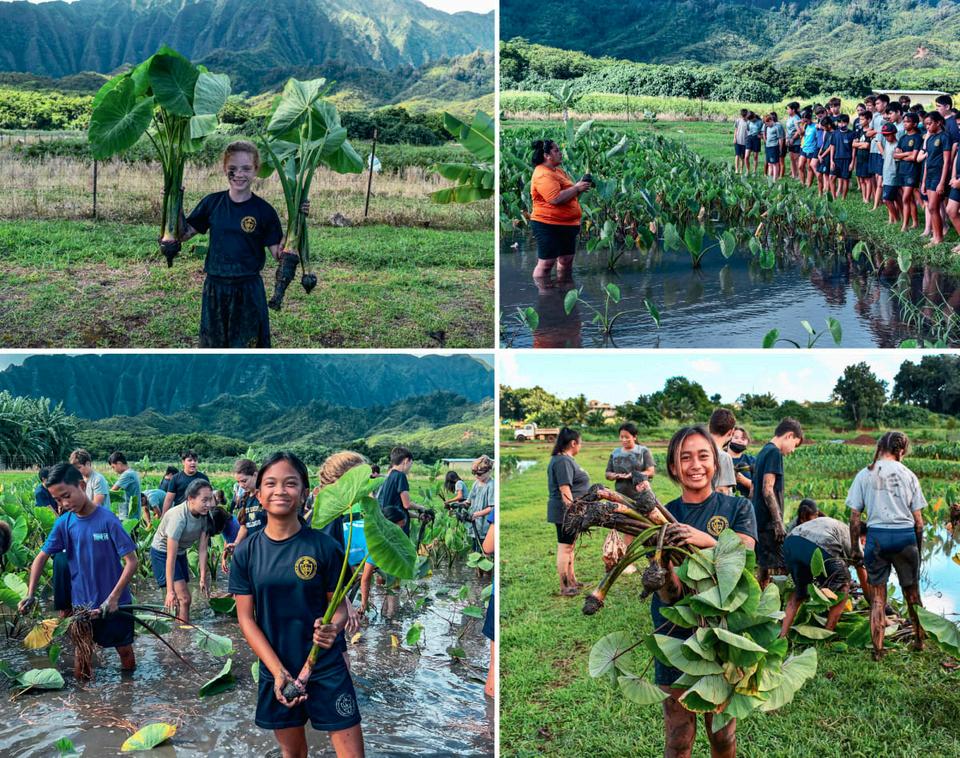
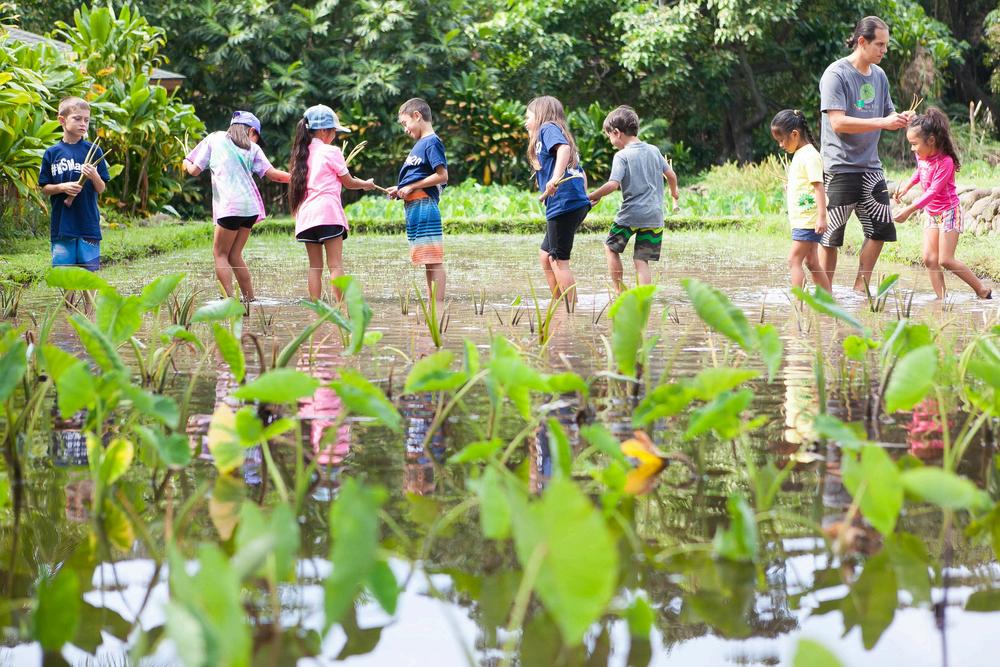
Bringing childreninto thiscycleis crucialfor buildinga strongand resilient community. Onethatis connectedto thelandand toeachother.
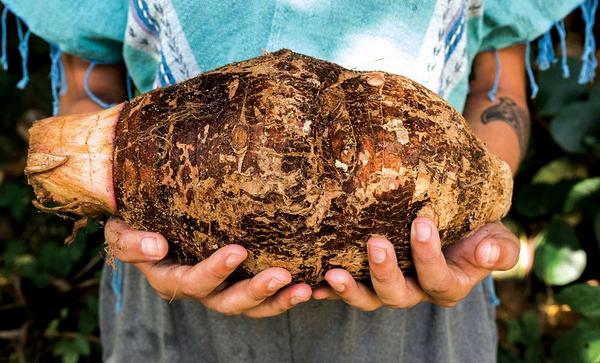
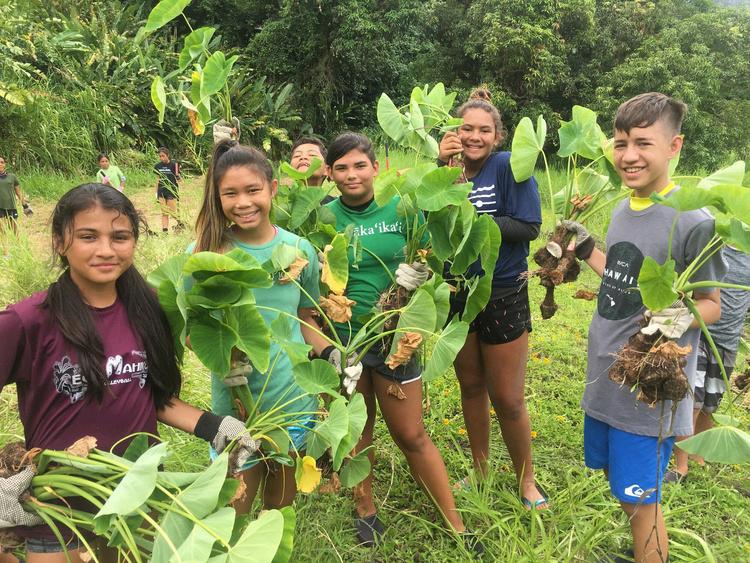
Loʻikalorestorationisnotjustculturalwork.It’snotjustenvironmental, educational,orpolitical.It’sallofthosethingsandmore;awholewayofliving. It’saholisticpracticerootedinrelationships.Andarelationshiptakes participation.
Whetheryou'reaneducatorintheclassroom,alawmaker draftingpolicy,aresearcherstudyinglandsystems,orafamily memberlookingtoreconnect,weallhavearoletoplay.
KākoʻoʻŌiwi–Loʻirestoration,foodsovereignty,andeducationinHeʻeia MālamaLearningCenter–ʻĀina-basededucationandcultural restorationprograms
ʻĀINAinSchools–Farm-to-schoolandenvironmentalcurriculum
HeʻeiaBioculturalStudy–Researchonthecultural,ecological,and economicbenefitsofloʻirestoration
NotbasedinHawai‘i?TheseorganizationsacrosstheU.S.arealsodoing powerfulworkaroundIndigenousfoodsystems,landrestoration, environmentaleducation,andculturalhealing.
NativeAmericanFoodSovereigntyAlliance(NAFSA)-Advocatesfor Indigenousfoodsystemsthrougheducation,policy,andcommunity support.
LandStewardshipProject–Promotessustainablefarming,landaccess, andequityforalllandstewards.
NorthAmericanAssociationforEnvironmentalEducation(NAAEE)Providestoolsandtrainingforinclusive,equity-focusedenvironmental education.
Mahalonuiloa,thankyouverymuchforreading!